京都府は794年の平安京遷都以来、政治・文化・宗教の中心地として栄え、宮廷料理や精進料理、茶の湯の文化に育まれた日本料理の最高峰を今に伝えています。「京の伝統野菜」として認定された賀茂なす、九条ねぎ、聖護院だいこん、えびいも、壬生菜など個性豊かな京野菜は、素材の味を活かす京料理に欠かせない名物食材です。「えびいもと棒だらの炊いたん」や「万願寺とうがらしとじゃこの炊いたん」に代表される「おばんざい」は、京都の日常の食卓を彩る家庭料理として全国に知られています。丹波地方で育つ丹波大納言小豆は和菓子の最高級素材として重宝され、京菓子の繊細な美しさと味わいは千年の都が培った特産品です。宇治茶は日本茶の代名詞ともいえるブランドで、抹茶スイーツは近年お取り寄せでも爆発的な人気を誇ります。京つけものや京湯葉など、洗練された食文化が生み出した逸品の数々は、ふるさと納税でも人気の返礼品として全国から注目されています。
Food
📍綾部市
Specialties from 綾部市 are also available via furusato nozei

特産品
Thick-fleshed, large, and subtly sweet—the Manganji pepper is known as the 'King of Peppers.' It is a representative brand vegetable of Kyoto, extensively cultivated in Ayabe.
Its roots trace back to the late Taisho and early Showa eras in the Manganji district of Maizuru City. It is said to have been created by crossing Fushimi-type peppers with the California Wonder variety, and its name is derived from its birthplace, Manganji.
Today, cultivation has spread through the Kuninoku region, including Maizuru, Ayabe, and Fukuchiyama, under JA Kyoto.
With low spiciness and few seeds, it is easy for everyone from children to adults to enjoy. Simply grill them and drizzle with a bit of soy sauce to fully savor their sweetness and melting texture.

特産品
The morning mist settling in the mountains of Tanba nurtures highly aromatic tea leaves. Ayabe tea is a premium tea known to connoisseurs, having repeatedly won top honors at national tea competitions.
Northern Kyoto's Ayabe is a land of forests and water, where the Yura River flows. The temperature fluctuations between day and night, combined with the rising mist, allow the tea leaves to slowly accumulate deep umami. Renowned for its Gyokuro and Sencha, this tea offers a crisp yet profound richness. The meticulous craftsmanship of tea production is deeply rooted in this region, which has long been known as the home of Kurotani Washi paper.
With every steep, a clear aroma and mellow sweetness unfold. This is a cup nurtured by the nature of Tanba, available at places such as the Ayabe Tokusan-kan.

特産品
In the clear air of Tanba, the mushrooms slowly absorb umami within the logs. Ayabe's dried shiitake boast thick flesh and a concentrated flavor unique to log cultivation.
Ayabe, located in northern Kyoto Prefecture, is a forest village surrounded by mountains. Shiitake spores are planted into logs made of oak and konara, allowing them to grow over time through the power of nature. When the harvested mushrooms are dried, the moisture evaporates, concentrating the umami components and transforming them into a deep flavor that differs from fresh mushrooms.
Because even the soaking liquid produces a rich broth, they are highly versatile for simmered dishes, hot pots, and mixed rice (takikomi gohan). These are deeply nutritious dried shiitake nurtured by the mountains of Tanba. Simply adding them to a dish will greatly enrich your dining table.

ご当地グルメ
Dip it in the dipping sauce and take a smooth, single slurp. The aroma of the buckwheat gently drifts through your nose, and its firm texture releases the rich, savory essence of the buckwheat with every chew.
The soba in Ayabe, Kyoto, prides itself on homemade flour, stone-ground by the shop owner themselves. Every morning, enough is prepared for the day to create 10-wari (pure) or 8-wari (20% wheat) handmade noodles. It is precisely this dedication to the time-consuming process of freshly ground and freshly kneaded dough that creates such a high aroma and unique texture.
Savoring a bowl quietly in an old folk house nestled in the satoyama of inner Kyoto is truly special. Ayabe's handmade soba is nurtured by clear water and mountain air. It is a deeply flavorful experience well worth the journey to visit.
📍伊根町
Specialties from 伊根町 are also available via furusato nozei

特産品
In the winter of Ine, where the Funaya boat houses stand quietly—the star of the season is "Burishabu," where fatty winter yellowtail is lightly swished in hot broth. It is a winter feast that offers the most luxurious way to savor the blessings of the Sea of Japan.
Ine is one of Japan's three major yellowtail fishing grounds, alongside Himi in Toyama and Goto in Nagasaki. The winter yellowtail entering Ine Bay from late autumn to winter are perfectly fatty with firm flesh. When you dip the thinly sliced meat into hot dashi, it achieves a melt-in-your-mouth texture. It is a local flavor you must experience when visiting Tango in winter.
When enjoyed with ponzu, the sweetness of the fat and the umami of the fish rush over your palate all at once. It is a special moment available only in winter, enjoyed in the town of Funaya.

特産品
With its distinct, pungent aroma of fermentation—'Heshiko,' a tradition of Ine, is a hidden gem of the Sea of Japan's preserved foods. This dish symbolizes the food culture of Tango, made by slowly pickling mackerel in rice bran and salt.
It is a crystallization of wisdom born from the era before refrigerators, created to keep fish edible for longer periods. The mackerel is pickled in bran from autumn to winter and aged slowly over six months to a year. It was once a flavor rooted in daily life, prepared in almost every household. Even today in Tango, fishery cooperatives and marine companies continue to preserve these traditional methods.
When lightly grilled, the intense umami and saltiness are enhanced, making it an irresistible companion to alcohol. It is also exquisite when placed atop chazuke. Please enjoy the profound flavor created by fermentation.
📍井手町
Specialties from 井手町 are also available via furusato nozei

特産品
Grown in the village of Yamashiro, these bamboo shoots are soft with minimal bitterness. Yamashiro bamboo shoots (Ide Town) are a seasonal delicacy of spring, highly valued in Kyoto cuisine.
Located in the Yamashiro region of southern Kyoto Prefecture, Ide Town has long been known as a land that produces high-quality bamboo shoots. Grown in well-maintained bamboo groves, these shoots feature low bitterness, a tender texture, and an elegant aroma. In spring, freshly harvested shoots line the town's direct sales shops, announcing the arrival of the season.
Whether prepared as simmered dishes, tempura, or wakatake-ni (bamboo and seaweed simmered dish), you can fully enjoy their delicate sweetness and fragrance. A true spring feast from Kyoto, nurtured by the nature of Yamashiro. Please enjoy them during this seasonal moment.

特産品
The warm slopes of southern Kyoto nurture sweet mandarin oranges. Ide Town's mandarins are a local pride, grown while basking in abundant southward sunlight.
Ide Town is a peaceful town in southern Kyoto Prefecture, known for its famous cherry blossoms and Japanese yellow roses. Utilizing the warm climate and well-drained south-facing slopes, mandarin cultivation is carried out here. Having absorbed plenty of sunlight, these oranges feature a perfect balance of sweetness and moderate acidity, resulting in a refreshing taste.
During the harvest season, colorful oranges line the town's farm stands. These seasonal fruits, packed with vitamins, brighten up the winter dining table. Please enjoy the comforting sweet and sour flavor nurtured by the village of Ide.
📍宇治市
Specialties from 宇治市 are also available via furusato nozei
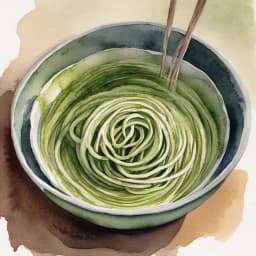
ご当地グルメ
Vibrant green noodles served in a zaru (soba strainer). This tea soba, infused with Uji matcha, brings a sense of coolness just by looking at it.
By adding high-quality Uji matcha to the buckwheat flour, a 'specialty soba' with a pale green hue is created. The savory aroma of the buckwheat overlaps with the refreshing scent and subtle bitterness of the matcha, leaving an elegant flavor in your mouth. The aftertaste is clean and refreshing. When slurped as cold zaru soba, you can enjoy both the smooth texture and the lingering notes of matcha simultaneously.
It is wonderful served both chilled or hot in kake soba. Paired with Uji matcha sweets, it becomes a tea-focused dish that delights both the eyes and the palate.

特産品
There is a dish that visitors to Uji long to eat, even if it means waiting in line. It is the specialty of Nakamura Tokichi Honten, founded in 1854: 'Nama Cha Jelly' (Fresh Tea Jelly).
Filled generously into a bamboo vessel, this matcha jelly is a specialty that can only be tasted at the main store. Prepared using a unique method that brings out the natural flavor of the matcha, it offers a chewy yet smooth texture and a refreshing finish. Accompanied by matcha ice cream, shiratama (mochi balls), and adzuki beans, the intensity and sweetness shift with every bite.
The vibrant green of the bamboo and the deep color of the matcha create a visually cooling effect, and with every scoop, the authentic aroma of Uji tea rises. It is a dream flavor for matcha lovers, preserved by a long-established shop with over 170 years of history.

特産品
When speaking of the gold standard for Uji matcha sweets, the name Ito Kyuemon, founded in 1832, inevitably comes to mind.
Their signature dish is the 'Ito Kyuemon Parfait,' which features eleven different layers of ingredients. Matcha cookies, rich matcha ice cream, shiratama (rice flour dumplings), adzuki beans, matcha jelly, and mandarin orange create a layered effect, offering a different texture with every spoonful from the top.
Another specialty is the Uji Matcha Daifuku, which wraps thick matcha paste in soft mochi, blending the gentle sweetness of Wasanbon sugar with smooth cream.
With over forty varieties of matcha sweets available, please come and experience the exquisite balance of bitterness and sweetness, made generously with freshly ground Uji matcha.
📍宇治田原町
Specialties from 宇治田原町 are also available via furusato nozei

特産品
The green tea we drink today was born in this town. Ujitawara is a historic home of tea, known as the birthplace of Japanese green tea.
In 1738, Nagatani Soen, who was born in this land, perfected the 'Aosei Sencha' (green leaf sencha) method after many years of research. Through this process of steaming, rolling, and drying tea leaves, the tea acquired a vibrant green color and a mellow flavor, eventually spreading throughout the country. It was truly a revolution in green tea that became the origin of modern-day sencha and gyokuro.
Fragrant Uji tea is nurtured by tea plantations stretching across lush hills. Within every cup of green tea, the long story that began in Ujitawara quietly lives on.

特産品
The birthplace of tea is also affectionately known as the 'Town of Hearts.' While Ujitawara is the origin of green tea, it is also a town overflowing with photogenic charm.
This area boasts beautiful tea plantations spreading across the hills and is home to Shojuin Temple, which gains popularity for its heart-shaped window called the 'Inome Window.' Through this window, visitors are captivated by the changing scenery of cherry blossoms in spring, fresh greenery in summer, and autumn leaves in fall. Nishiyama Observatory is also known for offering views of the sunset sinking in a heart shape, and the entire town is filled with Instagrammable spots.
Fragrant tea and breathtaking views that stir the heart. Ujitawara is an indulgent tea destination where you can enjoy both exquisite flavor and stunning scenery.
📍笠置町
Specialties from 笠置町 are also available via furusato nozei

郷土料理
This is Kasagi's famous hot pot that warms your body to the core during the cold winter. Kiji Nabe is a mountain village delicacy passed down since ancient times in Kasagi Town, made using pheasant meat.
Kasagi is a town rich in nature, where the Kizugawa River flows and strange rock canyons spread out. In the local inns of this area, pheasant hot pot has been served for over half a century since the Meiji era. The pheasant meat, which is low in fat and light yet develops a deep umami flavor the more you chew, is slowly simmered in a miso-based broth. Its taste was so exceptional that it even won first place in the 'Nabe-1 Grand Prix,' a competition for regional hot pot dishes across the country.
It is a nutritious bowl filled with the blessings of the mountains. If you visit Kasagi in winter, this is a local flavor you must experience.

特産品
A highly aromatic fish unique to summer, raised in clear streams. Wild Ayu from Kasagi is a masterpiece representing the flavors of early summer, growing in the transparent currents of the Kizugawa River.
The Kizugawa River, which flows through the center of Kasagi Town, is so pure that it is even suitable for canoeing. The wild Ayu raised in these clear waters are characterized by their wonderful aroma and firm flesh. As Ayu can be written with characters meaning 'fragrant fish,' its refreshing scent is its greatest feature. It is a true blessing of nature that can only thrive in clean rivers.
When salt-grilled, you can enjoy the delicious combination of plump flesh and pleasantly bitter viscera. Wild Ayu from Kasagi arrives in season with the arrival of summer. Please enjoy this seasonal flavor nurtured by pure streams.
📍亀岡市
Specialties from 亀岡市 are also available via furusato nozei

特産品
Kameoka Beef is Japanese Black Wagyu raised in the 'City of Mist,' Kameoka. The deep mist and significant temperature fluctuations, reaching up to 35 degrees Celsius between day and night, tighten the texture of the meat.
The Kameoka style involves a slow maturation process, fattening the cattle for two months to half a year longer than usual. Only those selected from Japanese Black cattle raised within the city for over 14 months and approved by the Promotion Council can bear the name 'Kameoka Beef.' The beautiful marbling ensures that the meat remains tender and does not become tough even when grilled.
It features a gentle sweetness and a clean, glossy fat. Despite being rich and flavorful, it is not heavy and melts in your mouth. One bite conveys the refined quality of meat raised with pure water and air.

特産品
A rich, mellow aroma rises from the mountains of Tanba in autumn. Kameoka is one of the premier matsutake production regions in Kyoto Prefecture, renowned for the high-quality 'Tanba Matsutake.'
The area encompassing Kameoka, Nantan, and Kyotamba—known as Kyoto Tanba—has served as a major food supply hub for the capital of Kyoto for over a thousand years. Among its many offerings, matsutake harvested in Tanba are considered exceptional due to their superb fragrance and rich, elastic texture, reaching their peak season from late September to late October.
When prepared as Dobin Mushi, the aroma dissolves into a clear dashi broth; when grilled, you can savor the full extent of its savory fragrance. It is a highly prized delicacy even in high-end traditional restaurants—the ultimate taste of autumn gifted by Tanba. Please enjoy this once-a-year luxury.

特産品
Large-grained, fluffy, and sweet—Tanba chestnuts are considered an exceptional autumn treasure among all varieties of chestnuts. They have been carefully cultivated since ancient times in the Kyoto Tanba region, including Kameoka.
Their name spread across the country during the Edo period. It is said that fish merchants from Amagasaki brought them back as return cargo and sold them while calling out "Tanba kuri—" (Tanba chestnuts), a practice then spread to various regions by samurai traveling on official duties (sankin-kotai). In ancient times, they were transported to the capital as tribute and even used in place of land tax. The saying "Where the night mist rises over the Yura River, the chestnuts are delicious" has been passed down through generations.
The clay-rich soil of Tanba and the significant temperature difference between day and night cultivate their elegant sweetness. From chestnut rice to candied chestnuts and Japanese sweets—they provide a luxurious flavor that colors the autumn dining table.

郷土料理
This is a nutritious winter hot pot provided by the bounty of the Tanba mountains during the cold season. Botan Nabe is a traditional dish passed down in the Tanba region, including Kameoka, where wild boar is simmered in a miso-based broth.
Its roots lie in the neighboring Tanba-Sasayama; it is said that during the Meiji era, people began eating wild boar caught during training in a miso soup style. It was originally called 'Ino-nabe' (Boar Pot), and the name 'Botan Nabe' (Peony Pot) only became widespread during the Showa era. The beautiful presentation, where the meat is arranged like a flower on the plate, was reportedly an innovation added later to live up to its name.
The savory flavor of the wild boar and the sweetness of the vegetables meld perfectly with the white or red miso broth. It is a true winter delicacy of Tanba that warms you to the core.

特産品
These bamboo shoots are a pride of Kyoto, announcing the arrival of spring. Kameoka's bamboo shoots are a staple of the Kyoto dining table, renowned for their soft texture and lack of astringency.
Fertile soil spreading across the Kyoto Basin and meticulously maintained bamboo groves nurture these high-quality shoots. Freshness is paramount, especially for 'morning-harvested' shoots dug before dawn. By harvesting them before they emerge from the earth, they remain sweet, tender, and free of bitterness.
Whether enjoyed as simmered dishes infused with dashi, fragrant tempura, or Wakatake-ni (bamboo and seaweed stew), their elegant flavor is the very essence of spring. Please enjoy these morning-harvested shoots nurtured in the village of Kameoka during this seasonal moment. The spring of Kyoto will fill your mouth.
📍久御山町
Specialties from 久御山町 are also available via furusato nozei

特産品
A warm climate and fertile soil produce fresh Kyoto vegetables. Kumiyama Kyo-yasai are juicy, traditional vegetables nurtured in Kumiyama Town, an agricultural community located south of Kyoto.
Kumiyama Town is one of the leading agricultural areas in Kyoto Prefecture, situated in the region where Lake Koraku once existed. Blessed with a warm climate and rich soil, a wide variety of Kyoto vegetables, including Kujo green onions and Kamo eggplants, are cultivated here. The town's direct sales market, 'Shunsai no Sato,' is bustling with people seeking fresh bounties, offering many local vegetables, fruits, and processed goods.
Kyoto vegetables have supported Kyoto cuisine from the Nara period through the Meiji era. Please enjoy the authentic flavors traveling from the fields of Kumiyama to your dining table.
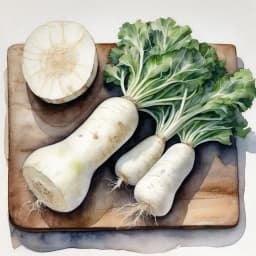
特産品
This radish adds a profound umami to simmered dishes in Kyoto cuisine. Yodo Daikon, primarily grown around Kumiyama Town, is a variety known for its ability to absorb flavors deeply.
The area around Kumiyama, where Lake Korogi once stretched, is an agricultural village blessed with fertile soil. Radishes grown in this land are soft, and when simmered, they soak up plenty of dashi, resulting in a melt-in-your-mouth texture. They are perfect for dishes that require slow simmering, such as Kyoto-style Furofuki Daikon, Oden, and Takiawase.
Tied to the very name of Yodo, this radish is a staple of the Kyoto dining table. In the cold season, a single piece thoroughly infused with flavor warms both body and soul. It is a nutritious winter taste nurtured by the fields of Kumiyama.
📍宮津市
Specialties from 宮津市 are also available via furusato nozei

ご当地グルメ
Miyazu Curry Yakisoba is a 'soul noodle' that has been loved for a long time in the city of Miyazu, one of the three most scenic views in Japan.
Its roots lie in a Chinese restaurant run by a chef who moved from Taiwan after the war. The dish, which uses a Chinese-style base enhanced with curry spices, gained great popularity, and eventually, shops throughout the city began serving their own unique versions. There is no fixed definition; each shop presents a different character, whether it is a crispy dry style, a thick sauce-covered type, or a juicy version with plenty of soup. The ingredients are also diverse, ranging from pork and cabbage to shellfish and shrimp.
The aroma of the spices clings perfectly to the noodles, stimulating the appetite with every bite. Comparing different styles to find your favorite bowl is an enjoyment unique to Miyazu.
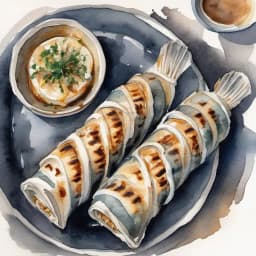
特産品
It looks like a slightly blackened fish cake. That very color is the mark of deliciousness for Miyazu's famous Kuro-chikuwa.
The secret to the color lies in blue fish such as horse mackerel and sardines caught in Miyazu Bay. By removing the heads and organs and processing them into surimi without bleaching, the dough naturally takes on a dark tint. Its specialty is a flavor packed with the umami of blue fish, much like a boneless grilled fish. When kneaded using traditional stone mills while carefully managing the heat, it creates a bouncy texture that bursts the moment you bite into it.
It is a local soul food so beloved that it even appears in school lunches. Taking a big bite of a freshly grilled one while gazing out at Amanohashidate will surely bring a smile to your face with its briny aroma and springy texture.
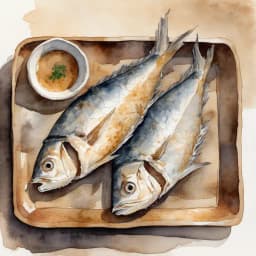
特産品
Fresh fish from the Sea of Japan is slowly transformed into savory goodness by the sea breeze and sunlight. Amanohashidate dried fish is a classic souvenir of 'Kyoto by the Sea' that you must pick up when visiting Miyazu and Amanohashidate.
This area, embracing the Amanohashidate—one of the three most scenic views in Japan—is a port town blessed with the rich fishing grounds of Wakasa Bay. Freshly landed fish are carefully filleted and dried with salt; as moisture is removed, the flesh firms up, creating a concentrated umami that is different from when it is raw. Overnight dried high-quality fish, such as rosy seabass and flounder, are also popular.
When lightly grilled, the aroma of the sea overflows from the plump flesh. It is a bounty of the Tango Sea that pairs perfectly with both rice and sake. This is an item that will surely delight anyone receiving it as a gift.

郷土料理
When you open the lid of the shallow wooden box known as a 'matsubuta,' a landscape of green and pink colors leaps into view. This is a local style of chirashi sushi passed down only in the Tango region.
The star of the dish is 'saba no oboro'—flaked mackerel that has been simmered in a sweet and savory sauce and then sautéed. This oboro is spread thickly over the sushi rice, layered beautifully with simmered shiitake mushrooms, shredded omelet (kinshi tamago), and red pickled ginger. The umami of the mackerel soaks into the vinegared rice, spreading a rich, deep flavor from the very first bite.
On festival days and special occasions, mothers and grandmothers would prepare large matsubuta filled with this delicacy to slice and serve. Looking at the square-cut cross-sections, where the sweet mackerel crumble contrasts with the bright egg, you won't be able to stop your chopsticks.
📍京丹後市
Specialties from 京丹後市 are also available via furusato nozei

特産品
If you find a Matsuba crab with a green tag, it is proof of the highest quality. This is the Taiza Crab (Taizagani), a species of snow crab landed at the Taiza Fishing Port in Kyotango.
Because they are caught by small vessels on daily trips and brought directly to the port from fishing grounds off Cape Kyoga, the freshness is outstanding. Fishermen hand-select each crab based on approximately 50 criteria, including meat density, size, and luster, manually attaching a green tag that bears the vessel's name. Due to its rarity—with only about twenty tons landed annually—it is often referred to as the 'Phantom Crab.'
The sweet leg meat is packed tightly, and the crab miso is rich and creamy. Whether boiled or grilled, the density of umami the moment it hits your palate is incomparable. It is a luxury you must experience at least once during the winter in Tango.

郷土料理
Colorful chirashi-sushi is served at festivals and celebratory occasions. Tango Bara Sushi is a festive delicacy passed down in the Tango region of northern Kyoto Prefecture.
Its most prominent feature is the scattering of 'oboro,' which consists of mackerel sautéed in a sweet and savory sauce. In Tango, facing Wakasa Bay, mackerel is frequently caught; this dish is said to have originated as a way to enjoy the fish for longer periods before refrigeration technology existed. It is also believed that it became known as 'Bara-zushi' because the ingredients are scattered 'bara-bara' (loosely/scattered).
In 2018, it was recognized as a constituent cultural property of the Tango Chirimen Corridor, a Japan Heritage site.
With kinshi tamago (shredded omelet) and shiitake mushrooms adding color, it is a visually stunning dish. It is a heartfelt taste of Tango hospitality, essential whenever people gather.

特産品
The wisdom of surviving the winters along the Sea of Japan coast has created a deep umami flavor. Heshiko is a fermented food made from mackerel pickled in rice bran, passed down through the Tango Peninsula, including Kyotango.
First, the mackerel is gutted and salted, then packed into barrels with rice bran to mature slowly for nearly six months. As fermentation progresses over this long period, the flesh turns a deep orange, concentrating a profound umami beneath its strong saltiness. It is said that the name 'Heshiko' derives from the word 'heshikomu,' which means to press something into a barrel.
Try it lightly grilled in chazuke, or as an accompaniment to sake. It is a nutrient-rich fermented food nurtured by the winters of Tango, meant to be savored bit by bit.

特産品
The nature and clear streams of the Sea of Japan nurture rice with rich stickiness and sweetness. Tango-grown Koshihikari is our pride, having repeatedly won the 'Special A' rating in rice taste rankings.
Kyotango is a prime rice-producing region blessed with the bountiful climate of the Sea of Japan side and clean water flowing from the mountains. The temperature difference between day and night allows the rice to accumulate robust sweetness and umami. Tango Koshihikari is a high-performer that has received the highest 'Special A' evaluation from the Japan Grain Inspection Association numerous times in total.
When cooked, it is glossy and fluffy with a pleasant stickiness, and the sweetness spreads with every bite. It is a delightful addition to your daily table, perfectly complementing any side dish. This is rice with a reliable flavor, nurtured by the nature of Tango.

特産品
Here lies a handmade canned delicacy nurtured by the natural environment of Amanohashidate. The oil sardines of Kyotango and Miyazu are a bounty of the Tango sea that are much loved as souvenirs.
Takenaka Cannery, which has continued to produce oil sardines in this region, was founded in the 41st year of Meiji (1908). They preserve fresh sardines caught in the Sea of Japan in oil, with a commitment to quality ingredients and handmade processes. The blessings of the sea of Miyazu, which embraces Amanohashidate, are tightly packed into every can.
Delicious even when eaten as is, they also shine as an ingredient in pasta, salads, and ajillo. They are also the perfect accompaniment to alcohol. This is a product that embodies the flavors and craftsmanship of Tango, passed down for over a hundred years.
📍京丹波町
Specialties from 京丹波町 are also available via furusato nozei
特産品
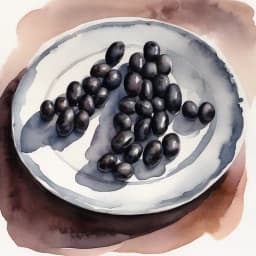
When it comes to black beans for Osechi, this is the definitive choice—the Tanba black soybeans from Kyotanba Town are large-grained, glossy, and a top-tier variety renowned nationwide. Each plump, beautifully cooked bean takes center stage on the New Year's table.
Kyotanba is one of the authentic origins of Tanba Black. While standard black soybeans typically measure 8–9mm in diameter, Tanba Black can reach 10–11mm, with a weight per hundred beans approximately three times greater. The fine white powder on the surface is a testament to its high quality. A key characteristic is that the skins are resistant to bursting and hold their shape even after simmering. These are the finest black beans that Tanba takes pride in, making them a highly appreciated gift.
As you taste a single, lustrous jet-black bean, an elegant sweetness and rich flavor spread through your palate. It is a special delicacy for wishing for happiness in the coming year.

特産品
"When it comes to chestnuts, it's Tanba chestnuts" — a specialty of Kyotamba Town that has captivated people for over a thousand years since the Heian period. Large, glossy, and fluffy with a sweet flavor, they are truly the king of autumn flavors.
Records in the 'Engishiki', a collection of laws from the Heian period, show that chestnuts were presented to the Imperial Court from Tanba Province. In Tanba, which had deep connections with the nobility, cultivation techniques were refined early on, passing down the tradition of large-sized chestnuts. It is said that their fame spread throughout the country during the Edo period. Having become well-known in the Keihanshin region, they are now a famous autumn delicacy known nationwide.
With a fluffy texture and rich sweetness—whether in chestnut rice or Japanese confectionery—please enjoy the taste of Tanba's autumn to your heart's content.

特産品
That fragrant aroma drifting from the autumn mountains—the Tanba Matsutake of Kyotanba Town is a premier autumn delicacy known as the king of flavors. It is a gift from nature, gently peeking out from beneath the earth in red pine forests.
The red pine forests spreading across the mountains of Tanba provide the ideal environment for matsutake to grow. Because these wild matsutake cannot be artificially cultivated, they become rarer each year, and their rich aroma is truly irreplaceable. Highly prized even in fine dining restaurants, they are a true treasure of autumn—a luxury ingredient that represents the Japanese autumn through its very scent.
You can enjoy the fragrance through dobunmushi or savor the umami with grilled matsutake. Please experience this once-a-year luxury with the blessings of Tanba.

郷土料理
With wild boar meat arranged beautifully like peony flowers in a bubbling pot—this is 'Botan Nabe,' a dish that colors the winter of Tanba. This local specialty, simmered in a hot miso-based broth, warms you to the core during the cold season.
It is said to have originated in the Meiji era, when soldiers stationed in Tanba Sasayama added wild boar meat they had caught into miso soup. Eventually, the practice of arranging the meat beautifully like peony flowers (botan) was born, giving the dish its name. Today, it is a seasonal tradition throughout the Tanba area. Sharing this pot with family and friends brings warmth to even the coldest nights.
Simmering the meat in a white miso-based broth eliminates any gamey odor, leaving only a rich, nutritious umami. Please enjoy the bounty of the Kyotamba mountains in this warm hot pot.
📍京田辺市
Specialties from 京田辺市 are also available via furusato nozei

特産品
Here lies the finest Gyokuro in Japan, which has consistently stood at the pinnacle of the nation. Kyotanabe's Gyokuro is the pride of this 'town of Gyokuro,' having been crowned number one in Japan many times.
Kyotanabe City is a leading Gyokuro production area that has repeatedly received the Minister of Agriculture, Forestry and Fisheries Award and the Production Area Award in the Gyokuro category at national tea competitions. The 'shaded cultivation' method, which covers the tea fields to block sunlight for about forty days, allows the tea leaves to accumulate plenty of the umami component, theanine. It is a village of exceptional tea craftsmanship, with legends of local tea masters winning the top spot in Japan as many as eight times.
With low astringency, a syrupy sweetness, and deep richness, please take a moment to truly savor Kyotanabe's Gyokuro, which has fans all over the world.
特産品
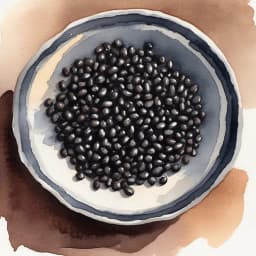
Despite the name 'natto,' it does not produce sticky strings. Passed down through Ikkyu-ji (Shuunan-an) in Kyotanabe, this Ikkyu-ji Natto is a salty, black, condiment-like temple natto.
Steamed soybeans are mixed with wheat flour and koji mold to ferment, then prepared in wooden barrels with saltwater. After being stirred while exposed to sunlight for about one year, the power of the sun develops amino acid umami, and it reaches completion through further aging. Its specialty is a deep richness, similar to concentrated miso flavor, closely resembling Chinese douchi (fermented black beans).
Eating a small amount as is allows a profound savory taste to spread with every chew. Use it as a snack with tea, a secret ingredient in stir-fries, or an accompaniment to porridge. It is a small treasure of Kyotanabe that significantly enhances the flavor of any dish with just a single spoonful.

特産品
The cute, rounded shape is packed with the food culture of Kyoto. Tanabe Eggplant is a traditional vegetable passed down in Kyotanabe and is officially recognized as a Kyoto brand product.
Cultivated in Kyotanabe City since ancient times, these round eggplants are characterized by their thick flesh and soft skin, which develops a melt-in-your-mouth texture when heated. They pair excellently with oil; when prepared as dengaku, they integrate perfectly with the richness of the miso, and when fried as tempura, their juicy sweetness stands out. Even when simmered, they are exquisite as they soak up plenty of dashi.
As a traditional Kyoto vegetable that supports the name of Kyotanabe alongside Gyokuro tea, the plump flavor of carefully cultivated Tanabe Eggplant is unforgettable once tasted.

特産品
There is a premium type of taro that is indispensable for Takiawase in Kyoto cuisine. Ebi-imo is a variety of taro grown in Kyotanabe, boasting a characteristically sticky texture.
Its history dates back to the An'ei era (1772–1781). It is said that as farmers carefully mounded soil around the taro, they began harvesting large tubers that curved like shrimp and featured striped patterns on their skin, leading them to be named 'Ebi-imo' (shrimp taro).
Its flesh is dense, and a key feature is that it does not fall apart even after long simmering.
Among the many varieties of Kyoto vegetables, its elegant sweetness and melting texture are among the finest. Ebi-imo nurtured in Kyotanabe adds a deep flavor to the simmered dishes of Kyoto cuisine.
📍京都市
Specialties from 京都市 are also available via furusato nozei

郷土料理
Within the kombu dashi, the white tofu gently sways. As you take a spoonful, the sweetness of the soybean and the smooth texture spread warmly through your body.
Tofu became widespread as part of shojin ryori, the vegetarian cuisine used in temples where meat consumption was prohibited. Specifically, it is said that Yudofu originated from tea houses located in front of Nanzen-ji temple in Kyoto. Blessed with high-quality groundwater, Kyoto has produced highly reputed tofu since ancient times. During the Edo period, it was even said, 'If you visit Nanzen-ji, you must eat Yudofu,' leading to a concentration of specialty shops around the Higashiyama and Saga areas.
Without adding unnecessary ingredients, you simply savor the tofu itself. It is a deeply flavorful dish nurtured by the water and history of Kyoto.

郷土料理
The sweet and savory simmered herring melts beautifully into the piping hot broth. As the fat and umami dissolve into the soup, every slurp of the noodles becomes deeply delicious.
It is said that the dish was created in 1882 by Yosokichi Matsuno, the second generation owner of 'Matsuba,' a soba shop located just west of the Minamiza Theatre. In Kyoto, which is far from the sea, fresh fish was a precious commodity. Therefore, people relied on dried herring (migaki nishin), which could be preserved, as an important source of protein. Through much trial and error, the creator sought a way to pair this ingredient with soba—and the resulting dish eventually spread its fame throughout the city.
A true taste of Kyoto, often chosen for New Year's Eve soba. It is a dish filled with the wisdom of a city without a sea.
郷土料理
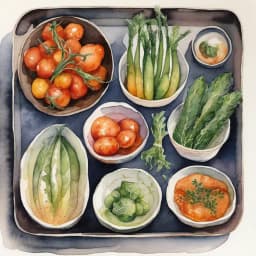
Small bowls filled with portions of simmered dishes, dressed vegetables, and braised items. Each is simple, yet somehow brings a sense of peace to the heart.
Obanzai refers to the side dishes traditionally prepared in Kyoto homes. The character 'ban' (番) carries the meaning of 'everyday use,' much like 'bancha' (everyday tea) or 'bangasa' (traditional oil-paper umbrella). In old merchant houses, they were also known as 'ozo-yo' or 'omawari.' The wisdom of Kyoto living—using seasonal vegetables and ensuring no ingredient goes to waste—lives on in every single dish. It is said that the name 'Obanzai' became widely known after a newspaper column began running in 1964.
They are not luxurious, but they are flavors you want to eat every day. They are the very essence of the warmth found in a Kyoto kitchen.

特産品
A single, thin, translucent slice of turnip. When you take a bite, you experience a crisp texture followed by the spreading umami of kombu and a gentle sweetness.
It is said to have been created by Tojiro Daifuji, who served as a chef at the Imperial Palace. Around 1865, he began trading pickles, utilizing the techniques cultivated in the Imperial Court to develop a method of thinly shaving and pickling Kyoto's traditional 'Shogoin turnip.' The name 'Senmaizuke' (meaning 'thousand slices') is said to have come from the appearance of the many layers stacked in the barrel. At the 1890 National Exposition, it gained such fame that it was selected as one of the nation's famous specialties.
Along with Suguki-zuke and Shibazuke, it is one of the three great pickles of Kyoto. Please enjoy a slice of this flavor that only appears in winter.
特産品
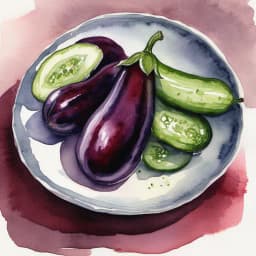
Take a bite of this vibrant purple pickle. The aroma of red shiso and its crisp acidity pair perfectly with rice, making it incredibly appetizing.
The home of Shibazuke is Ohara, Kyoto—a region known as a famous production area for red shiso. Legend has it that the name originates from Kenreimon-in Tokuko, who lived in hiding at Jakko-in after the fall of the Taira clan. It is said that when the villagers presented summer vegetables pickled in shiso to her, she was so delighted by the vibrant purple color that they named it 'Shibazuke' (purple leaf pickle). The flavor, achieved by pickling eggplant and cucumber with red shiso and salt through lactic acid fermentation, has been passed down through many years.
Alongside Senmaizuke and Sugukizuke, it is one of the three great Kyoto pickles. The essence of Ohara's summer is captured within this jar.

特産品
When you take a bite, a sharp sourness hits your palate. This is followed by a deep umami and richness that follows slowly, making it hard to believe it was pickled with nothing but salt.
Suguki-zuke is a pickle made by fermenting 'suguki'—a type of turnip grown in Kamigamo, Kyoto—using only salt. During the Edo period, it was a specialty of the shrine families in Kamigamo, and was so highly valued that an edict was issued saying, 'Do not take even a single plant out of the village.' That unique acidity is created by the power of bacteria. In 1993, the plant-based lactic acid bacteria 'Lactobacillus sakei' (known as Love菌) was discovered from this suguki, drawing renewed attention to it.
A taste of winter, fermented with great time and effort. Within its sourness, the history of Kyoto lives on.

ご当地グルメ
When you scoop it up with a spoon, the soup rises with a thick, velvety texture. The unique "kotteri" (rich/thick) flavor, packed with the essence of chicken, spreads throughout your mouth.
It all began in 1971. The roots trace back to when the founder, Tsutomu Kimura, opened a ramen stall near Ginkaku-ji Temple in Kyoto. It is said that only 11 bowls were sold on the very first day. However, that incredibly rich soup, made by simmering chicken bones and vegetables, gained a great reputation, leading to the opening of their first permanent shop in 1975. Today, it is a popular chain spanning the entire country.
It is more like a potage than a soup. Once you are hooked, it is unforgettable—the "kotteri" born in Kyoto.

ご当地グルメ
Clear yet deeply flavorful. The soy sauce-infused soup, accompanied by enough chashu pork to cover the entire bowl, makes you feel that waiting in line since early morning is well worth it.
The original Honke Daiichi Asahi Takabashi Main Store was born near Kyoto Station in the Takabashi area shortly after the war. It is said that the founder, Yuji Taguchi, opened a diner in 1947 and renamed it "Daiichi Asahi" in 1956. The rich yet clear soup and generous portions of chashu pork eventually became known as a Kyoto specialty. For nearly 80 years, they have continued to uphold their tradition at the foot of Kyoto Station.
In a Kyoto where heavy, rich ramen is at its peak, this is a bowl of clear soy sauce. The origins of Kyoto ramen can be found right here.

ご当地グルメ
The moment it is served, you are surprised by the incredibly black soup. However, contrary to its appearance, it isn't overly salty; instead, a mellow umami seeps in.
Shinfuku Saikan was founded in 1938. It is said to be one of the oldest specialized chuka soba shops in Kyoto. Its origins trace back to when Mr. Xu Yong-mu, who migrated from China, started a food stall near Kyoto Station with his wife. At a time when chuka soba was still a rarity, they say they could barely sell five bowls a day. That black soup comes from the color of aged dark soy sauce, featuring a deep flavor where the umami of chicken bones and pork meld together.
Their black-colored fried rice is also one of their specialties. It is a classic taste that makes you want to line up all over again once you've had it.

郷土料理
Within a single dish, the four seasons of Kyoto quietly reside. Kyo-ryori is the culmination of Japanese cuisine, refined through a long history ranging from the grand banquet styles of the Heian period to Shojin-ryori and Kaiseki-ryori born from the tea ceremony.
Because Kyoto is far from the sea and was not blessed with fresh fish, it developed delicate techniques that utilize Kyo-yasai (Kyoto vegetables) such as Kamo eggplant and Shogoin turnip, as well as yuba (tofu skin), nama-fu (wheat gluten), and kombu-based 'dashi' (broth). It is said that yuba, which arrived in the Kamakura period, was once a luxury ingredient enjoyed only by court nobles and temples.
Kyoto's food culture is something to be enjoyed with both eyes and tongue, encompassing everything from the selection of tableware to the beauty of the plating. One would surely want to experience this quiet luxury in its authentic setting at least once.

郷土料理
Thick slices of mackerel cured in vinegar paired with fluffy vinegared rice. One bite brings together the savory richness of the fatty mackerel and a pleasant acidity.
Why is mackerel a specialty in Kyoto, a city far from the sea? The answer lies in the "Saba Kaido" (Mackerel Highway). It is said that mackerel caught in Wakasa Bay were salted and carried by foot for two to three days; by the time they reached Kyoto, they had achieved the perfect level of saltiness. Saba-zushi, made using this precious fish, is said to have originated in Kyoto during the Edo period and has been prepared in homes as a feast for "Hare no Hi" (special celebratory occasions) such as festivals.
From the Aoi Matsuri and Gion Matsuri to Autumn Festivals—Saba-zushi still graces the tables during Kyoto's milestones. It is a special dish that connects the blessings of the sea with the ancient capital.

特産品
When you bite into it grilled, sweet juice flows from the thick flesh. Just when you brace yourself for a spicy kick, the surprisingly gentle flavor brings an involuntary smile to your face.
It originated in the Manganji district of Maizuru City, Kyoto Prefecture, taking its name from this land of ancient temples. It is said to have been created around the late Taisho era by crossing Fushimi-type peppers with California Wonder-type peppers. For a long time, it was used only by farmers for personal consumption, but full-scale shipping began in 1983, and in 1989, it was recognized as the first 'Kyoto Brand Product.' Due to its large size, sweetness, and few seeds, it is also known as the 'King of Peppers.'
Whether grilled, simmered, or cooked with bonito flakes—it is a blessing from the 'Sea of Kyoto' that brightens the summer dining table.

特産品
When chopped and placed atop udon, it becomes melt-in-your-mouth sweet with a rich aroma. When heated, the mucilage inside transforms into sweetness, making this green onion more than just a garnish—it becomes the star of the dish.
The history of Kujo Negi is incredibly ancient. It is said to have begun when the original species, brought from Naniwa (present-day Osaka), was cultivated in the Fukakusa area around the time Inari Shrine was built in Wado 4 (711 AD). Records suggest it was already being grown around the Kujo area during the Jowa era (834–804 AD). The fertile soil near Kujo, south of the capital, nurtured these soft and sweet onions. During the Edo period, it was even praised as the 'Yokozuna (Grand Champion) of Kyoto vegetables.'
A traditional Kyoto vegetable passed down for over a thousand years. An indispensable ingredient for pots, soups, and more.

特産品
A perfectly round radish, simmered until tender in dashi broth. When you pierce it with chopsticks, it breaks apart easily, and it is so soft that it practically melts in your mouth.
Unlike ordinary radishes, Shogoin Daikon is characterized by its round shape and large size. They typically measure 15–20 cm in diameter, with some weighing as much as 3–4 kg. Legend has it that during the Bunsei era (1816–18_30), farmers around the Shogoin area in Kyoto received radishes from Owari that had been offered to Konkaikomyoji Temple; by continuing to grow and harvest seeds from these, the radish evolved into its current round form.
This Kyoto vegetable becomes much sweeter when simmered while remaining resistant to falling apart. It can also be thinly sliced to make Senmaizuke, where you can enjoy a crisp texture. It is a dish that allows you to savor the essence of winter in Kyoto.
特産品
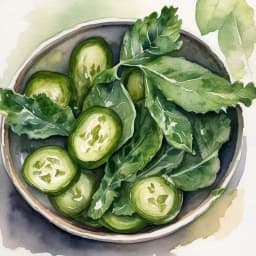
When you bite into it with a crisp crunch, a delicate spiciness and refreshing aroma gently unfold after the satisfying texture. Despite its light flavor, it pairs perfectly with rice, making it easy to keep eating.
Mibuna is a Kyoto vegetable born in the Mibu area of Kyoto. Records from the Bunka era (1804) mention "Mibuna produced in Mibu," and it is said to have emerged through the natural crossbreeding of Mizuna. It can be identified by its rounded, elongated leaves without deep slits.
Most of it is enjoyed as pickles; in Kyoto, it is a custom to serve Mibuna pickles alongside Senmaizuke. Its juicy freshness when salt-pickled is an essential part of the Kyoto dining table. Being a light, lightly pickled variety, it also works well in Ochazuke. It is a refreshing dish that captures the essence of a Kyoto winter.
📍向日市
Specialties from 向日市 are also available via furusato nozei

ご当地グルメ
There is a town that any lover of spicy food should visit at least once. Muko City is a hot spot in Kyoto, renowned nationwide as the 'Holy Land of Spicy Food.'
It all began in 2009, triggered by the establishment of the 'Kyoto Muko City Spicy Shopping Street' by the Young Men's Division of the Muko City Chamber of Commerce and Industry as part of a regional revitalization effort. Rather than a single street where shops are lined up, it is a unique virtual shopping street consisting of various restaurants that offer spicy menu items. In its inaugural year, the number of tourists surged, and the 'KARA-1 Grand Prix'—a competition to determine Japan's best spicy gourmet food—was born.
From Mapo Tofu and Dan Dan Noodles to spicy ramen—the stimulation experienced while sweating is exceptional. A hot and spicy culinary experience that can only be tasted in Muko City awaits you.

特産品
Here lie elegant-tasting bamboo shoots, an indispensable part of Kyoto cuisine. The bamboo shoots of Muko City are a top-tier product known nationwide as Otokuni's 'Shirako Bamboo Shoots.'
The Otokuni region, including Muko City, is a historic bamboo village believed to be the setting of 'The Tale of the Bamboo Cutter.' It is said that there has been a cultivation history of about 300 years since Moso bamboo was introduced from China during the Kamakura period. Through a labor-intensive technique called 'softening cultivation'—where straw is laid over the soil—the well-drained soil produces white and tender shoots.
With minimal bitterness, they possess a delicacy that allows them to be enjoyed even as sashimi. Whether simmered or deep-fried as tempura, their aroma and sweetness are exceptional. They are a proud flavor that heralds the arrival of spring in Kyoto.
📍城陽市
Specialties from 城陽市 are also available via furusato nozei

特産品
There are plums that, once fully ripe, release a sweet and mellow fragrance much like a peach. Joshu White is a representative high-end plum of Kyoto, cultivated in Aotani, Joyo City.
Cultivation of this plum began during the Meiji era. It has been carefully preserved within the Aotani plum groves, which boast a history of approximately 680 years dating back to the end of the Kamakura period. The name 'Joshu White' is said to derive from 'Joshu,' representing Yamashiro Province, and the fact that the fruit turns white as it grows large. Its characteristics include thin skin, thick flesh, and easy seed removal.
Whether used for pickled plums (umeboshi), plum wine, or syrup, it adds an exceptional flavor. This is a highly aromatic Kyoto plum nurtured by the hills of Joyo. It is a masterpiece you must taste at least once.

特産品
This is a pride of Joyo, a sweet potato renowned for being 'sweeter than chestnuts.' Terada Imo is a representative specialty of autumn flavors, grown in the Terada district of Joyo City.
Joyo is an agricultural town with fertile lands spreading along the Kizugawa River. The sweet potatoes grown in the Terada district are characterized by their fluffy texture and a deep, natural sweetness. In autumn, sweet potato digging tours attract many visitors, becoming a seasonal tradition that brings families together.
When roasted, their comforting sweetness stands out, and they are exceptional when used in sweets like sweet potato cakes or 'daigaku imo' (candied sweet potatoes). It is a gentle flavor of Joyo that has been loved locally for a long time. Please try them as autumn deepens.
特産品
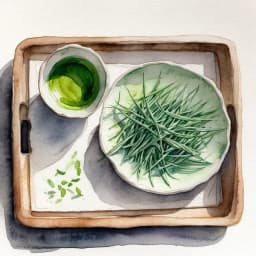
The city's finest tea, which serves as the foundation for matcha, is born here. Joyo Tencha (tencha) is a hidden gem that has repeatedly won first place in national competitions.
Joyo City is one of the major production areas for Uji tea, with tea fields spreading along the Kizugawa River. Tencha is grown using the 'shaded cultivation' method, where tea leaves are covered to block sunlight before harvest. The resulting leaves, which accumulate plenty of umami components, are dried without being rolled to create tencha. When ground with a stone mill, it becomes that vibrant matcha.
Having received the Minister of Agriculture, Forestry and Fisheries Award numerous times, Joyo Tencha is truly the best in Japan. Within every bowl of matcha, the meticulous tea-making traditions of Joyo live on.
📍精華町
Specialties from 精華町 are also available via furusato nozei

特産品
Born in Seika Town, Kyoto, comes a potato with a slightly auspicious name—that is "Rakui-mo." The "Raku" represents the capital, and the Roman letter "L" stands for "Lucky," making it a new specialty named with wishes for good fortune.
It is a variety of Daisho (a type of mountain yam), developed through a collaboration between Kyoto Prefectural University and Seika Town. It contains less moisture than Nagaimo and is characterized by its intense stickiness. When grated, it has enough firmness to be picked up with chopsticks, and you can also sense a subtle sweetness. It is a reliable local product grown amidst rich nature.
You will surely be surprised by its richness when used in tororo rice or okonomiyaki. Please come and taste this new specialty of Keihanna.

特産品
In Seika Town, home to the Keihanna Science City, glossy and large strawberries ripen from winter to spring. Each berry, carefully nurtured inside greenhouses, possesses a sweetness that brings an involuntary smile to your face.
While Seika Town is an advanced city where research institutions gather, it is also a land where rich farmland extends right alongside them. Greenhouse-grown strawberries have long been beloved locally, and their freshly picked freshness is the ultimate treat. These jewel-like red fruits are also perfect for gifts.
When children take a bite of these bright red berries, juicy juice and a sweet yet tangy aroma spread through the mouth. They are a small treasure of Seika Town, announcing the arrival of spring.
📍大山崎町
Specialties from 大山崎町 are also available via furusato nozei

特産品
The bamboo groves spreading at the foot of Mt. Tenno nurture the flavors of spring. Oyamazaki bamboo shoots are a soft and aromatic masterpiece, a pride of the renowned bamboo-producing region of Otokuni.
Otokuni, which includes the town of Oyamazaki, is a village of Kyoto's bamboo shoots where the cultivation of Moso bamboo has taken deep root. In the well-drained bamboo groves on the slopes, white and tender shoots are grown through a meticulous softening cultivation process involving covering the soil with straw.
This area is also known as Mt. Tenno, the stage of the 'Battle of Yamazaki' where Toyotomi Hideyoshi defeated Akechi Mitsuhide, and is famous as the home of the Suntory Yamazaki Distillery.
With low astringency and an elegant sweetness and aroma, these Oyamazaki spring delicacies pair perfectly with both simmered dishes and tempura. Please enjoy this seasonal blessing, unique to a land where history and nature intertwine.

特産品
In fact, Oyamazaki is known as the birthplace of perilla oil. The perilla oil of Oyamazaki is a prestigious specialty product that inherits a history of over a thousand years.
It is said that the Riku-hachiman Shrine, located in this land, is the shrine of the 'Oil Ancestor,' where a Shinto priest invented an oil press called 'Nagaki' during the Jogan era of the Heian period and began making perilla oil. During the Kamakura period, an oil guild known as 'Aburaza' was formed, and by the Muromachi period, it is said that Oyamazaki oil was widely distributed from Northern Kyushu to Mino. It is truly the birthplace of Japan's oil industry.
Because perilla oil contains omega-3 fatty acids, it is attracting attention once again with the rising interest in health consciousness. This is an oil from Oyamazaki that you can enjoy while feeling the weight of history.
📍長岡京市
Specialties from 長岡京市 are also available via furusato nozei

特産品
People are often surprised when they hear there are bamboo shoots that can be eaten as sashimi. The highest grade of Nagaokakyo's representative Kyo-takenoko is the 'Shirako' variety.
During the winter, farmers till the soil to make it soft and fluffy, allowing the bamboo shoots to grow underground away from direct sunlight. As a result, the skin is a pristine white without any sunburn, and the flesh is creamy and incredibly soft. With minimal bitterness or astringency, its elegant sweetness stands out. When delivered via 'morning harvest'—dug in the morning and delivered the same day—the aroma and flavor are truly exceptional.
When you slice into the white, youthful cross-section, you get a crisp, pleasant texture. Beyond dishes like Kinome-ae (dressed with sansho leaves) or Wakatake-ni (simmered with young bamboo), please try the thinly sliced bamboo shoot sashimi to experience the pure sweetness of spring.

特産品
A supremely fresh taste of spring, unearthed from bamboo groves before dawn. Nagaokakyo's morning-harvested bamboo shoots are a masterpiece from one of Kyoto's most famous bamboo-producing regions.
The Otokuni region, including Nagaokakyo, is a renowned bamboo village said to be connected to the 'Tale of the Bamboo Cutter.' Because bitterness increases in bamboo shoots as time passes after harvesting, a tradition of 'morning harvesting'—digging around 5:00 AM before dawn and shipping within the morning—has been passed down here since ancient times. This is the result of meticulous craftsmanship, harvesting them just as they emerge from the earth.
That is precisely why they are so soft and fragrant that they can even be enjoyed as sashimi. The morning-harvested bamboo shoots lined up at our sales office are a delight for those awaiting the arrival of spring. It is a flavor that heralds the coming of spring in Kyoto.
📍南山城村
Specialties from 南山城村 are also available via furusato nozei

特産品
Minamiyamashiro is the only 'village' in Kyoto Prefecture. Nestled in the mountains along the upper reaches of the Kizu River, the fragrant 'Muracha' is grown here. It is a hidden specialty area that produces about 20% of all Uji tea.
Minamiyamashiro is a highly skilled production area that has won first place in the Sencha category at the Kyoto Prefecture Tea Competition for many consecutive years. In the mountain fields shrouded in morning mist, the pure air and temperature fluctuations nurture tea leaves rich in umami and sweetness. The gentle flavor of 'Muracha' is now quietly gaining attention. The dedicated tea cultivation, preserved in the mountains, shines through.
With a single sip, a full-bodied sweetness and refreshing aroma gently spread across your palate. Please enjoy the taste of Kyoto's hidden tea region.

特産品
Minamiyamashiro Village is responsible for producing a staggering 70% of the log-grown shiitake mushrooms grown in Kyoto Prefecture. Within the pure mountain air, these thick-fleshed and fragrant mushrooms grow vigorously.
Known as the only village in Kyoto Prefecture, Minamiyamashiro is not only famous for Uji tea but is also a major production center for log-grown shiitake. Shiitake grown on logs possess a deep umami flavor and plump, thick caps that cannot be matched by substrate-based cultivation. They add a rich variety to your dining table in hot pots, simmered dishes, and tempura.
When grilled with a drizzle of soy sauce, the savory juices and rich aroma spread beautifully. They also maintain an outstanding presence even when used in stews or simmered dishes. Please enjoy this delicacy, packed with the blessings of the mountain village.
📍南丹市
Specialties from 南丹市 are also available via furusato nozei

特産品
Healthy cows are raised amidst the clear air of the thatched-roof village. Miyama Milk is a rich and flavorful milk nurtured by the abundant nature of Miyama-cho, Nantan City.
Miyama-cho is a village that resembles a quintessential Japanese landscape, where traditional thatched-roof settlements still remain today. In 1993, it was selected as a National Important Preservation District for Groups of Traditional Buildings. Surrounded by mountains, dairy farmers carefully raise their cows in this pure environment.
The freshly milked milk is mellow and rich, yet has a clean aftertaste. Locally, milk pudding and gelato made from this milk are also popular. It is a gentle cup that feels like tasting the entirety of Miyama's nature—a flavor you want to enjoy along with the village scenery.

郷土料理
With over 90% of its area covered by forests, Miyama Town is a rich hunting ground where deer and wild boar thrive. Enjoying venison harvested by local hunters is one of the true pleasures of this region.
Common perceptions of venison being tough or smelly do not apply here. After thorough blood removal and careful processing at local facilities while fresh, the meat is tender, low in fat, high in protein, and rich in iron. In particular, the roasted venison is highly regarded for its clean taste without any unpleasant odor.
From steaks packed with the concentrated umami of lean meat to Botan-nabe (wild boar/venison hot pot) prepared with black soybean miso, these dishes that allow you to taste the blessings of the mountains are a luxury unique to Miyama, embraced by the forest.

郷土料理
This is the taste of local chicken raised freely amidst the nature of the mountains. Miyamaya local chicken cuisine is a nutritious mountain village delicacy unique to Miyama Town, Nantan City.
Known for its thatched-roof village, Miyama Town is a mountainous area blessed with pure water and clear air. The local chicken, raised in a free-range style within this rich environment, has firm meat that releases a deep umami flavor as you chew. When used in hot pots, it adds richness to the broth, and when grilled, its savory aroma stands out.
Tamago Kake Gohan (rice topped with raw egg) using local chicken eggs is also popular and is one of the joys of visiting Miyama. Experience the powerful taste of local chicken amidst a landscape reminiscent of the Japanese countryside. Please enjoy this feast unique to the mountain village.

特産品
The pure water and cool climate of Miyama brew a profound flavor. Miyama Handmade Miso is a nutritious miso fermented using traditional methods in Miyama Town, Nantan City.
Known as a village of thatched-roof houses, Miyama Town is a mountain hamlet blessed with clear air and abundant nature. Here, the miso—carefully combined from soybeans and rice koji and fermented with pure water—is defined by its simple, rustic taste without relying on additives. The slow aging process in the cool climate nurtures a deep richness and mellow flavor.
Perfect for miso soup, as well as dengaku (skewered miso paste), dressed dishes, and stews. Just a single spoonful adds a gentle depth to your cooking. It is a heartwarming, handmade taste nurtured by the nature of Miyama.
📍八幡市
Specialties from 八幡市 are also available via furusato nozei

特産品
A dish where burdock root is rolled in eel and finished with a sweet and savory glaze. This is Hachimaki-maki, a local specialty originating from Kyoto's Hachiman.
In the past, Hachiman (present-day Hachiman City) was a famous producer of burdock, and wild eel could be caught in nearby rivers. With pre-boiled burdock at the center, eel is wrapped around it and then either simmered or grilled with sauce to create a fragrant finish. When sliced, a beautiful swirl appears, showing the rich eel surrounding the moist, aromatic burdock.
The flavor is an exquisite harmony between the earthy scent of the burdock and the sweet glaze of the eel. Recently, variations wrapped in beef, conger eel, or chicken have also become popular. It is a deeply flavorful roll that makes you want to keep reaching for your chopsticks, often found in Osechi (New Year's food) and Kyoto's Obanzai (traditional home cooking).

特産品
The temple town of Iwashimizu Hachimangu is also an undiscovered specialty area for bamboo shoots. Yawata's bamboo shoots are a joy of spring, boasting some of the highest quality in Kyoto.
Since ancient times, well-maintained bamboo groves have spread across the Mt. Otoyama area of Yawata City. This region, connected to Otokuni, is also a renowned bamboo shoot producer in Kyoto where Moso bamboo cultivation has taken root. Through a meticulous cultivation process—laying straw on well-drained soil and covering it with earth—soft bamboo shoots with minimal bitterness are grown.
When spring arrives, rows of freshly dug morning bamboo shoots line the direct sales stands. When prepared as simmered dishes, tempura, or wakatake-ni (bamboo shoot and seaweed stew), you can fully enjoy their elegant sweetness and aroma. It is a taste of Yawata's spring that you should savor alongside your visit to Iwashimizu Hachimangu Shrine.
📍舞鶴市
Specialties from 舞鶴市 are also available via furusato nozei

特産品
As you take a bite, you experience a bouncy, firm texture. After the resistance against your teeth, the pure umami of the fish gently rises.
Maizuru Kamaboko is a type of kamaboko passed down in Maizuru, Kyoto. White-fleshed fish such as Japanese Whiting (Shiroguchi) caught in the Sea of Japan are minced and carefully finished. The unique firmness is created through a two-stage steaming process unique to Maizuru, where the fish is first allowed to 'settle' at a low temperature before final steaming. There was once a time when so many shops lined the streets that it was known as 'Kamaboko Town,' and in 2006, it was certified as the first regional brand.
Boasting a springy texture that has even won the Minister of Agriculture, Forestry and Fisheries Award. Perfect for New Year's tiered lunch boxes or as an accompaniment to sake. This is a prideful creation nurtured by the 'Sea of Kyoto'.
ご当地グルメ
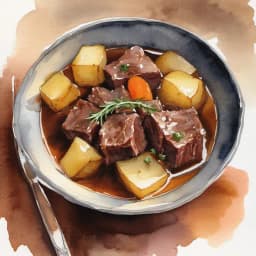
Fluffy potatoes soaked in a sweet and savory sauce. When eaten together with tender, succulent beef, it offers a nostalgic and comforting flavor.
A story like this is passed down in Maizuru: During the Meiji era, Heihachiro Togo, the Commander-in-Chief of the Maizuru Naval District, could not forget the beef stew he had eaten while studying in England and asked his chef to recreate it. However, red wine and butter were unavailable. Thus, by using the soy sauce and sugar on hand, the dish was improvised—and that is said to be the beginning of Nikujaga.
From a Navy flavor to a home-cooked flavor. It is told that this classic staple, loved at dining tables across Japan, was born in this port town.

特産品
When you open the shell, you find large, plump meat. As it slides into your mouth, 'the milk of the sea' overflows, spreading a creamy and intense umami across your palate.
The season for rock oysters is from early summer to summer. The period from May to August is when they are most delicious when eaten raw. In the inner bay of Maizuru, Kyoto, there is a thriving industry of 'cultivated rock oysters' that are carefully raised for about three years in plankton-rich waters. Because their shells are thin, it is said that the meat can swell to about 1.5 times the size of wild varieties.
A single, rich bite often referred to as 'the cheese of the sea.' Enjoy them chilled with a squeeze of lemon. It is a luxury that allows you to taste the entire summer sea of Kyoto.

ご当地グルメ
The moment you open the lid, the aroma of spices wafts out. When you take a bite of the thick, rich roux poured over rice, it tastes nostalgic and so delicious that you'll find yourself wanting seconds.
Maizuru is the birthplace of Navy Curry. It is said that the oldest recipe of the Imperial Japanese Navy is 'Karei Rice,' which appeared in the 'Reference Book for Naval Cookery' published by the Maizuru Marine Detachment in 1908. Being nutritious, easy to make in large quantities, and above all, delicious—it was a highly valued dish aboard ships.
Even today, Friday is 'Curry Day' in the Japan Maritime Self-Defense Force. This is a tradition to help sailors keep track of the days of the week even during long voyages. In the city of Maizuru, you can enjoy curry that recreates these vessel-specific recipes.

特産品
The bounty of winter from the Sea of Japan is gently embraced by Kyoto's white miso. Maizuru's Miso-marinated Winter Yellowtail is a seasonal winter delicacy where fatty winter yellowtail is slowly marinated in miso.
Maizuru is a port town facing Wakasa Bay, known since ancient times for its fresh seafood landings. The winter yellowtail, which accumulates plenty of fat in the cold seas, is considered the finest among all yellowtail; marinating it in miso firms the flesh and further deepens the umami. When grilled, the fragrant aroma of miso rises, guaranteed to pair perfectly with rice.
A winter luxury from Maizury that is also well-received as a gift. It is a nutritious flavor born from the meeting of sea and miso, something you truly want to taste during the cold season.
📍福知山市
Specialties from 福知山市 are also available via furusato nozei

郷土料理
The duck meat stays in the broth for just 15 seconds. By quickly dipping and lifting it, the meat remains a delicate pale pink, and the fat melts luxuriously in your mouth.
The ingredients are simply duck and green onions. This is a specialty that the Fukuchiyama poultry restaurant "Torinako" has preserved since its founding in 1976. While it originally contained other ingredients, it evolved into its current form following feedback from regulars who insisted that "duck and green onion alone are the best!" If you dip plenty of shredded white leeks for about 5 seconds, their sweetness is beautifully enhanced.
The savory flavor of high-quality Kyo-kamo (Kyoto duck) gradually seeps into the broth. Whether you finish with udon, rice porridge (zosui), or homemade soba—every last drop is irresistible. It is a winter feast that Tanba/Fukuchiyama is proud to offer.

ご当地グルメ
With just one bite, you experience a plump and bouncy sensation. The surprisingly strong chewiness, unlike any other yakisoba you've ever eaten, will make your eyes widen.
Gomu Yakisoba is a local delicacy that can only be found in Fukuchiyama, Kyoto. It is made using a method called 'Fukamushi' (deep steaming), where the noodles are steamed twice in a bamboo steamer, resulting in thick noodles with an elasticity similar to rubber. Due to this unique texture, the local shopping district named it 'Gomu Yakisoba' around 2009 and promoted it as a centerpiece for regional revitalization.
The texture is addictive and lives up to its impactful name. Once you are hooked, you will find yourself longing for that plump sensation. If you ever visit Fukuchiyama, please give it a try.

特産品
When you crack open a fluffy steamed chestnut, the golden flesh crumbles gently. As it touches your palate, an elegant sweetness and rich aroma spread softly.
Tanba chestnuts are the quintessential Japanese chestnut grown in the Tanba region of Kyoto. So much so that they are often called 'the' Tanba chestnut; they are known for their large size and beautiful luster, serving as a synonym for the finest chestnuts in Japan. The name of chestnuts appears as a specialty of Tanba even in the 'Engishiki,' a legal code from the Heian period, and it is said that their reputation spread throughout the country via samurai traveling during the Edo period's Sankin-kotai system.
Fukuchiyama is also known as a 'town of sweets,' lined with famous confectioneries that use Tanba chestnuts. It is a luxurious taste packed with the essence of autumn's harvest.

特産品
Take a single, plumply cooked black soybean. As you place the glossy, large grain in your mouth, a warm sweetness gently spreads throughout.
Tanba black soybeans are a branded variety of black soybean grown in the Tanba region of Kyoto. Their greatest pride is, without a doubt, their size. 100 grains can weigh as much as 80 to 90 grams, making them much larger than ordinary soybeans. Even books from the Edo period note that "black beans are a specialty of Sasayama in Tanba," proving they have been a famous product known nationwide since ancient times.
When simmered, they become a plump and lustrous New Year's feast. In autumn, the young "black edamame" are also exceptional. They are round, large, black jewels nurtured by the rich soil of Tanba.
郷土料理
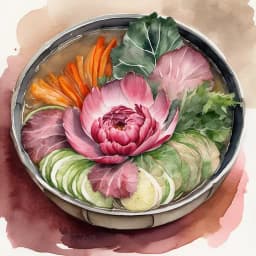
Wild boar meat arranged on a large platter like blooming peonies. When dipped into the miso-based broth, the fat melts away, spreading an unexpectedly light and savory umami throughout your mouth.
Botan Nabe is a winter delicacy consisting of thinly sliced wild boar meat cooked in a hot pot. It is said to have earned its name because the arrangement of the meat on the platter resembles a magnificent peony flower. From late autumn, when the hunting season opens, steam from Botan Nabe begins to rise from various places around Fukuchiyama in the Tanba region of Kyoto.
Wild boar fat is lighter than pork fat, and the meat becomes more tender the more it is simmered. The broth, infused with the aromas of miso, burdock root, and Chinese cabbage, warms you to your very core. It is a single pot of mountain bounty that you will long for during the cold season.
📍木津川市
Specialties from 木津川市 are also available via furusato nozei

特産品
Fragrant tea leaves grow in this corner of the birthplace of Uji tea. Kizugawa tea is a premium tea rooted in the Yamashiro region, the origin of Japanese tea.
The Yamashiro region in southern Kyoto Prefecture, including Kizugawa City, is the 'birthplace of Japanese tea,' having supported Japan's tea culture by producing matcha, sencha, and gyokuro. The fertile soil and mild climate of the Kizugawa river basin nurture highly aromatic tea leaves. The Kamikoma area within the city once flourished as a collection center for tea, and the land continues to walk alongside tea, with the 'Tea Wholesaler Street' still featuring rows of traditional tea wholesalers.
As a key part of the famous Uji tea production region, Kizugawa tea carries the breath of long tea history in every clear aroma that unfolds with each steep.

特産品
The warm sunlight of southern Kyoto nurtures these sweet strawberries. Kizugawa strawberries are one of the representative fruits of the Yamashiro region and are a highlight from winter through spring.
Kizugawa City is located in the Yamashiro region, known as the tea capital of Kyoto, where strawberry cultivation also thrives. Carefully grown inside greenhouses, these strawberries possess a strong sweetness and are bursting with juicy freshness. During the winter and spring seasons, farms offering strawberry picking—a popular activity for families—attract many visitors.
Taking a bite of freshly picked fruit fills your mouth with a sweet and tangy aroma. They are exceptional whether eaten as they are or used in desserts. This is another pride of the tea-growing region. It is a blessing from southern Kyoto that you must taste during its peak season.
📍与謝野町
Specialties from 与謝野町 are also available via furusato nozei

特産品
Small, silver-glittering jewels arriving from the Sea of Tango—this is the chirimen jako of Yosano Town. It is a staple topping for rice, made by sun-drying freshly caught whitebait.
Known for its 'Chirimen Kaido' (Chirimen Street) which retains a retro cityscape, Yosano Town carefully dries whitebait landed from the rich fishing grounds of Tango under the sunlight. The plump texture and concentrated umami are unique to this sun-drying process. It is a representative seafood treasure nurtured by the home of Tango Chirimen.
Simply piled atop warm rice, it becomes a feast in itself. It is also exceptional when mixed with grated daikon radish. Please bring the blessings of the Tango Sea to your daily dining table.

特産品
"Kyo no Mameko Rice" is the pride of Yosano Town, grown with a charming compost called "Mameko" (little beans). This rice represents the safety and deliciousness born from a town dedicated to natural cycle agriculture.
Our "Kyo no Mameko" fertilizer is produced in a local specialized factory by processing okara (soy pulp), rice bran, and mineral-rich fish scraps. Following the motto "Returning the blessings of the earth to the earth," this specially cultivated rice is grown with minimal use of pesticides. Golden stalks of rice decorate the fields of Yosano, providing a gentle, reliable staple for your daily dining table.
Once cooked, a fluffy sweetness and pleasant stickiness spread through your mouth. We invite you to savor every single grain nurtured by both the earth and human hands.
📍和束町
Specialties from 和束町 are also available via furusato nozei

特産品
On a misty morning, tea plantations spread across the mountain slopes—Wazuka Town is the largest production area for Kyoto's pride, Uji tea. Accounting for about 40% of the prefecture's tea production, its landscape, known as the 'Source of Tea,' brings peace to the soul just by looking at it.
The history of tea making is ancient, with legends stating that a high priest of Kaijusan-ji Temple began cultivation about 800 years ago. During the Edo period, it became imperial land and was cherished as a village for high-quality tea leaves. The cold mist in the mountains slowly nurtures leaves rich in umami.
With a single sip, a deep sweetness and full aroma unfold. Please experience the very origins of Kyoto's tea culture within your teacup.

特産品
A green carpet smoothly covering the mountain slopes—the tea plantation landscape of Wazuka possesses a beauty that makes you stop in your tracks. This is a scenery Kyoto is proud of, and it is a member of the 'Most Beautiful Villages in Japan' federation.
These tea plantations, which have been passed down continuously since the Kamakura period, are the first registered landscape asset of Kyoto Prefecture. In 2015, they were also designated as a Japan Heritage site as part of the '800-Year History of Japanese Tea Walk.' Because these plantations exist alongside daily life, the warmth of human hands permeates the scenery. Walking paths around the tea fields are well-maintained, allowing visitors to enjoy their various expressions throughout the four seasons.
The time when the morning mist envelops the tea leaves is particularly exceptional. It makes you want to visit this magnificent view with a cup of Wazuka tea in hand.
Snacks
📍綾部市
Specialties from 綾部市 are also available via furusato nozei

和菓子
White, soft mochi reminiscent of silk, filled with candied Nanko plums and white bean paste—this is Ayabe's signature confection, "Ayato." This treat encapsulates the history of a town that once flourished through sericulture in its gentle flavor.
During the Meiji era, Ayabe was known as the "Silk Capital," prospering through silkworm rearing and the raw silk industry. It is also recognized as the birthplace of Gunze. The name "Ayato" comes from the term used to refer to the people involved in sericulture. The white mochi, evocative of silk, tells the story of this land. It is a quintessential Ayabe sweet, perfect for accompanying tea.
An elegant taste created by the sweet and sour notes of the plum, the mellow sweetness of the white bean paste, and the chewy texture of the dough. A heartwarming Japanese sweet filled with the history of Ayabe.

和菓子
A delicate and beautiful sweet that gently mimics the shape of silk thread—this is Ayabe's famous confection, 'Ayano Ito.' It is a long-beloved local item that reflects the history of a town that prospered through sericulture.
Ayabe has been a 'Silk Capital' since ancient times, where high-quality silk thread was highly valued. Ayano Ito is crafted by shaping this specialty silk thread into an pressed-candy style. It is a prestigious sweet that has even been purchased by the Imperial Household Agency. It is a masterpiece truly fitting for the birthplace of Gunze. This high-quality confection from Ayabe is also perfect as a gift or souvenir.
You can enjoy it as is, or pour hot water over it to enjoy it as a kuzu-yu (thickened starch drink). With its gentle sweetness and smooth texture, please enjoy it while reflecting on the history of Ayabe.
📍伊根町
Specialties from 伊根町 are also available via furusato nozei

洋菓子
This is a romantic ice cream with a delicate pink color. It is a sophisticated dessert for adults, made with the sake lees of 'Ine Mankai', a sake brewed by Mukai Shuzo in Ine Town.
At Mukai Shuzo, known as one of the breweries closest to the sea, 'Ine Mankai' is brewed using an ancient rice variety called 'Murasaki Komachi' (red rice). This is an extremely rare sake characterized by a beautiful natural rose color created by anthocyanins in the rice, and a sweet and sour flavor reminiscent of wine.
This luxurious ice cream uses plenty of those sake lees, offering a gentle aroma of sake. It is a special treat you'll want to enjoy while gazing out at the calm waters of the Ine Sea.
和菓子
These crackers are unique to Ine Town, shaped like the cityscape of boat houses floating on the sea. You can take home the atmospheric scenery in the form of a sweet.
Ine Town is a rare fishing village in Japan, where approximately 230 boat houses line the water's edge. These boat houses, which use the first floor to store boats and the second floor as a workspace for drying nets or as living quarters, exist because of the calm waves and minimal tidal range of Ine Bay. This cityscape was the first fishing village in the country to be selected as an Important Preservation District for Groups of Traditional Buildings.
These crackers, themed after this one-of-a-kind landscape, are perfect as a memento of your trip to Ine. Please enjoy the crisp texture while imagining the tranquil scenery of Ine Bay.
📍井手町
Specialties from 井手町 are also available via furusato nozei

洋菓子
A smooth pudding that shines with a golden hue. The new specialty of Ide Town, 'Ide Golden Pudding,' boasts a rich flavor that utilizes local ingredients.
Ide Town is a historic scenic area where the Japanese yellow kerria and frogs of the Tamagawa River have been featured in waka poetry since the Heian period. For about 10 years, the entire town has focused on developing local specialties. This golden pudding was born at 'Teo Terrace Ide,' a regional promotion and exchange hub that opened in 2023. The name 'Teo Terrace' carries the warm sentiment of 'illuminating hands.'
This creamy, rich pudding is a dish packed with the love of the townspeople. It is a sweet we truly want you to taste when you visit Ide.

和菓子
This is handmade jam from Ide Town that captures the pure taste of fruit. With every spoonful, you can sense the meticulous craftsmanship involved.
Ide Town is a scenic area known since the Heian period for its golden rosette (Yamabuki) flowers along the Tamagawa River, a beauty even celebrated in waka poetry. For about 10 years, the entire town has been working together to create local specialty products. Seasonal fruits harvested locally, such as kiwi and peaches, are carefully simmered one by one by hand.
By avoiding unnecessary additives and prioritizing the inherent flavor of the ingredients, this jam pairs perfectly with bread or yogurt. Please bring the heartfelt taste of Ide Town's craftsmanship to your table—a flavor that will instantly brighten your breakfast.
📍宇治市
Specialties from 宇治市 are also available via furusato nozei

洋菓子
Enjoy Ito Kyuemon's iconic 'Matcha Parfait' at home, featuring rich matcha jelly and chewy shiratama dango. This is a luxurious takeout sweet crafted by a long-established Uji tea specialist.
Ito Kyuemon is a venerable establishment that began its tea business in Ujitawara in 1832. Their matcha parfait, generously topped with ingredients unique to Uji, is a highly popular menu item at their teahouses. This specific product allows you to take that deliciousness home in a frozen format, making it perfect for souvenirs. It is an exquisite masterpiece centered around Uji tea that is sure to delight as a gift.
Experience the delightful interplay of the subtle bitterness of Uji matcha and various textures. Indulge in the luxury of tasting authentic Uji sweets from the comfort of your own home.

和菓子
Plenty of rich matcha paste wrapped in chewy mochi—the Uji Matcha Daifuku is a Japanese sweet unique to Uji, the home of tea. It is an irresistible treat for matcha lovers, offering a deep flavor.
Uji is Japan's representative region for high-quality tea. This luxurious daifuku incorporates premium Uji matcha into the paste and wraps it in soft mochi. The slight bitterness of the matcha, the sweetness of the paste, and the texture of the mochi come together to create a luxury unique to this production area. It is an elegant Japanese sweet that pairs perfectly with tea.
With just one bite, the rich aroma of matcha wafts through your senses. Enjoying it alongside a cup of tea provides a truly blissful moment. Please come and experience the blessings of Uji.

洋菓子
These are authentic matcha sweets produced by a long-established Uji tea merchant founded in the first year of Man'en (1860). The charm lies in the high-quality moment you can experience at our tea salon, which is a renovated 100-year-old tea warehouse.
Tsujirihei Honten is a Uji tea wholesaler with over 160 years of history. We create a variety of confections that explore the possibilities of Uji matcha, such as cheesecake and warabi-mochi made with freshly stone-ground matcha. The high quality of the tea leaves themselves is reflected in the flavor. These are Uji masterpieces that will make your tea time even more enriching.
Experience the aroma of freshly ground matcha and its deep, complex flavor. Please enjoy these authentic matcha sweets that only a long-established tea merchant can deliver.

洋菓子
With a single bite, the aroma of Uji's tea fields gently spreads through your senses. This chocolate, featuring luxurious amounts of Uji matcha, is a unique Kyoto sweet where Japanese and Western flavors melt together.
Uji has been known as a famous tea-producing region since the Kamakura period, producing tea so high in quality that it was beloved by the Shogunate during the Muromachi period. The interplay between the characteristic bitterness of this historic matcha and the smooth, melting sweetness of the chocolate creates a depth of flavor that neither could achieve alone. Its vibrant green color is also beautiful, making it a treat for the eyes as well.
With an exquisite balance of bitterness and sweetness, it pairs perfectly with both coffee and Japanese tea. Please enjoy it slowly, whether as a souvenir from Kyoto or as a special treat for yourself.
📍宇治田原町
Specialties from 宇治田原町 are also available via furusato nozei
和菓子
These are authentic matcha sweets produced by the very place where Japanese green tea originated. The high-quality tea leaves unique to Ujitawara Town create a deep flavor.
Ujitawara Town is known as the birthplace of Japanese green tea, where Nagatani Soen developed the 'Aosei Sencha' (steam-processing) method during the Edo period. This method, which involves carefully rolling and drying steamed tea leaves, took approximately 15 years to perfect. This process gave birth to a fragrant, clear green sencha, becoming the origin of the green tea we enjoy today.
Macha sweets made in such a renowned tea region are packed with the aroma and umami of tea. Please take your time to savor the profound flavor that only the birthplace of green tea can provide.

和菓子
These heart-shaped cookies are so charming you won't be able to resist taking a photo. They are a lovely souvenir packed with the charms of Ujitawara Town.
Ujitawara Town promotes itself as the 'Heart Town' because its shape looks like a heart from the sky. At the Nishinoyama Observatory, tea fields stretch out as far as the eye can see, and a large heart monument makes it a popular photo spot for social media. Within the town, sweets and breads featuring heart motifs are being created one after another.
These cookies, inspired by the town's symbol, are fun to look at and perfect for gifts. Please enjoy the taste of the birthplace of Japanese green tea in this adorable shape.
📍笠置町
Specialties from 笠置町 are also available via furusato nozei

和菓子
The aroma of mugwort brings the essence of a spring satoyama (mountain village) to you. The kusamochi of Kasagi Town is charming for its simple, warm flavor that only handmade goods can provide.
Kasagi Town is a nature-rich area spreading at the foot of Mount Kasagi, where massive boulders lie scattered. It is also a historical stage where Emperor Go-Daigo, who aspired to overthrow the Shogunate, retreated and fought during the late Kamakura period. The trees covering the granite mountainsides delight visitors with cherry blossoms in spring and autumn foliage in fall.
Kusamochi kneaded with mugwort picked from such a mountain village features an exceptional vibrant green color and rich fragrance. It is a treat you'll want to savor slowly, along with the atmosphere of Kasagi surrounded by nature.

和菓子
This is a simple rice cake from Kasagi Town, generously coated in kinako. Its fragrant aroma and gentle sweetness evoke a sense of nostalgia.
Kasagi Town is a nature-rich area spreading at the foot of Mount Kasagi, which is known for its massive boulders. It is also known as a historical stage where Emperor Go-Daigo took refuge during the late Kamakura period, offering beautiful seasonal mountain scenery, including granite rock formations, cherry blossoms in spring, and autumn foliage.
This treat features rice cake pounded in such a satoyama (mountain village) landscape, lightly enveloped in fragrant kinako. While unpretentious, the flavor of the soybeans and the sweetness of the mochi spread gently with every bite. It is a confection you'll want to enjoy while taking a relaxing break amidst the nature of Kasagi.
📍亀岡市
Specialties from 亀岡市 are also available via furusato nozei

和菓子
Fill your mouth with the essence of autumn in Kyoto. These Japanese sweets, featuring Tanba chestnuts from Kameoka, are seasonal delicacies where the large, intensely sweet flavor of the chestnut takes center stage.
Tanba chestnuts are a prestigious local specialty; even the 'Engishiki,' a collection of laws from the Heian period, describes them as being 'as large as an egg.' Areas such as Honme in Kameoka City are known as long-standing production sites, where techniques like grafting have been used since ancient times to cultivate large-sized nuts. It is said that these fruits were once transported to the capital as tribute, and their fame spread throughout the country during the Edo period.
When prepared as chestnut kintone or chestnut manju, the fluffy sweetness of the chestnuts themselves is further enhanced. Please enjoy them as an autumn souvenir or a small personal luxury.

和菓子
Large and glossy, their rich flavor spreads with every bite. Sweets made with Tanba black soybeans from Kameoka, such as amanatto and okaki, offer a simple yet profound taste.
The Tanba region is known as a production area for black soybeans that boast the highest quality in Japan. It is said that the temperature difference between day and night and the autumn mist allow the beans to mature large and slowly. These large black soybeans, concentrated with richness and umami, maintain their shape even when boiled and have been enjoyed nationwide as boiled beans (nimame) for New Year's Osechi cuisine.
These sweets, packed with the blessings of Tanba, are perfect with tea. Please experience the nutritious and flavorful taste nurtured by the rich soil and climate of Kameoka.
📍久御山町
Specialties from 久御山町 are also available via furusato nozei

和菓子
Bringing the deliciousness of Kyoto vegetables to sweets—. These are creative confections full of surprises, made with fresh Kyoto vegetables from Kumiyama Town.
Kumiyama Town spans fertile lands nurtured by the Yodo and Uji Rivers and has been known as an area with thriving agriculture since the Muromachi period. As a famous producer of Kyo-yasai, including the sweet and flavorful Kujo green onions, its rich harvests have long supported Kyoto's food culture. The techniques used in vegetable cultivation are also applied to these sweets.
These confections, which leverage the natural sweetness of such vegetables, offer a taste that will surely surprise even those who aren't fond of vegetables. It is a new type of Japanese-Western sweet that allows you to fully experience the blessings of Kumiyama's fields.
📍宮津市
Specialties from 宮津市 are also available via furusato nozei

和菓子
"Three people together possess the wisdom of Monju" — this is the sentiment that the famous Amanohashidate specialty, "Chie no Mochi," brings to mind. It is a simple yet elegant Japanese confection consisting of soft mochi gently wrapped in smooth red bean paste.
Chion-ji Temple enshrines Monju Bosatsu, the Bodhisattva who bestows wisdom. In front of this temple's gate, four tea houses have continued to make this mochi for generations. With a history said to date back to Genroku 3 (1690), it is an auspicious sweet with over 300 years of tradition. Many people eat it before entrance or academic exams in hopes of gaining divine wisdom. One of the joys is that each tea house offers a slightly different flavor.
Eating this while gazing at Amanohashidate, one of the three most scenic views in Japan, feels as though not just your mind, but your very soul will be satisfied. It is a prestigious delicacy that is equally delightful to compare across different shops.

洋菓子
This is an adorable cheesecake inspired by Amanohashidate, one of the three most scenic views in Japan. Its rich, smooth melting texture makes it perfect for a relaxing break after sightseeing.
Amanohashidate is a long, narrow sandbar approximately 3.6km long that divides Miyazu Bay into north and south. It earned its name because the dense rows of pine trees look like a bridge spanning to the heavens. It is a place of breathtaking beauty where it is said that if you perform 'matanozoki'—looking through your legs with your back turned—the sea and sky appear inverted, making it look as though a dragon is ascending to heaven.
This cheesecake, inspired by such a famous landmark, makes for a great conversation piece as a souvenir. Please enjoy its light texture and the gentle aroma of cheese.
📍京丹後市
Specialties from 京丹後市 are also available via furusato nozei

和菓子
Born from the climate of Tango, which has endured the harsh winters of the Sea of Japan—these are simple mochi sweets. They feature soft, sweet mochi made using rice from the Tango region.
The Tango region, including Kyotango, is located on the snow-heavy Sea of Japan side. The culture of mochi sweets has been carefully nurtured as a food for winter preservation, as well as a delicacy for daily life and celebratory occasions. Mochi, painstakingly pounded by hand, was an essential element in gatherings where families came together. The chewy texture, which is only possible because high-quality Tango rice is used, is also a major part of its charm.
Though unpretentious, the gentle sweetness of the rice spreads with every bite. It is a comforting Japanese sweet that has stayed close to the lives of the people of Tango.

洋菓子
The blessings of the Sea of Japan enhance the sweetness of these treats. Sweets using Kyotango sea salt, including salt caramel and salt cookies, offer an addictive sweet and salty flavor.
In Kyotango, mineral-rich natural salt is produced using a traditional method where seawater from Yuhi-ga-ura is slowly boiled down in flat pans. This salt, which artisans boil for about a week while carefully removing impurities, is known as "Tango Silk Salt" because of its silky smooth texture and mellow sweetness.
Just a hint of salt significantly deepens the sweetness of the sweets. Please take your time to enjoy this profound flavor unique to the Sea of Kyoto.
📍京丹波町
Specialties from 京丹波町 are also available via furusato nozei
和菓子
This okaki is the pride of Kyotanba Town, featuring large black soybeans that burst with a fragrant aroma. The crispy texture and rich flavor make it impossible to stop eating.
Kyotanba Town is a famous producer of Tanba black soybeans, which are said to boast the highest quality in Japan. The significant temperature difference between day and night and the deep autumn mists slowly cultivate large, glossy black beans. These beans, with their concentrated richness and umami, hold their shape well even when simmered and have long been enjoyed nationwide as part of Osechi (New Year's food).
This okaki, which incorporates such high-quality Tanba black soybeans, offers an exquisite balance of fragrance and subtle sweetness. Please enjoy the blessings of Tanba, perfect as a snack with tea or as an accompaniment to alcohol.

和菓子
This chestnut kintone lets you savor the entire essence of autumn in Kyotamba.
The Tanba region has long been known as a famous producer of Japanese chestnuts, and the chestnuts from Kyotamba Town, in particular, are noticeably larger, characterized by a fluffy texture and elegant sweetness. The climate of the satoyama (mountain village), with its significant temperature fluctuations between morning and night, nurtures fragrant, well-developed chestnuts. Kyotamba Chestnut Kintone is a simple, refined confection carefully prepared using only selected local raw chestnuts and sugar. Because no unnecessary ingredients are added beyond the chestnuts, the flavor of the ingredients themselves and their gentle sweetness are conveyed directly to your palate.
With just one bite, the fluffy aroma of chestnut spreads softly. It is a perfect treat to accompany tea, making you feel the deepening of autumn.
📍京田辺市
Specialties from 京田辺市 are also available via furusato nozei

和菓子
A soft and gentle dorayaki born in the land associated with Ikkyu-san, famous for his wit. This heartwarming confection is crafted by Ippodo in Kyotanabe City.
In Kyotanabe City lies Shuon-an, commonly known as 'Ikkyu-ji,' where Ikkyu Zenji spent his final years. The Zen master revived this dilapidated ancient temple and named it 'Shuon-an' to express his gratitude to his teacher. Ikkyu-san passed away here at the age of 88. Ippodo, with over 70 years of history, continues to create sweets inspired by him.
With an exquisite balance between the moist pancake batter and the sweet bean paste, it is perfect with tea. Featuring a charming brand mark of Ikkyu-san, this dorayaki is Kyotanabe's pride.

和菓子
Created by Ippodo in Kyotanabe City, 'Deko-Kuri' features a charming, rounded chestnut shape. It is a heartwarming baked sweet that brings a smile to your face just by looking at it.
Ippodo is a long-established Japanese confectionery shop with over 70 years of history, located in Kyotanabe—a place associated with Ikkyu-san, who was famous for his wit. The 'Deko-Kuri' is a pride of the shop, boasting a fluffy texture that highlights the flavor of chestnuts, and it has been officially recognized as part of the 'Ikkyu-hin' Kyotanabe Brand, which honors excellent local specialties.
Perfectly sized for a tea snack or a gift, it is irresistible to chestnut lovers. Please enjoy its lovely appearance and soothing, gentle sweetness.

洋菓子
Moist and fluffy—the 'Kannabi Roll' is a popular sweet that makes the most of Kyotanabe's local ingredients and has been loved locally for a long time.
Its name is inspired by Mount Kannabi, which towers over Kyotanabe City. 'Kannabi' is an ancient word meaning a mountain where gods reside, and this mountain has been a place of worship since ancient times. This roll cake, bearing the name of such a historic mountain, is filled with deep affection for the local area. True to Kyotanabe's reputation as a tea-producing region, it pairs perfectly with Japanese tea.
The compatibility between the fine-textured sponge and the smooth cream is outstanding. One bite of its gentle sweetness will surely bring a smile to your face.
📍京都市
Specialties from 京都市 are also available via furusato nozei

和菓子
Crispy, fragrant, and with a gentle hint of cinnamon—this is Shogoin's iconic Yatsuhashi, a masterpiece of Kyoto. These hard-baked sweets, shaped like koto (Japanese zither) strings, are an eternal staple of Kyoto souvenirs.
It is said to have originated in 1689 at a teahouse in the Shogoin forest along the Kurodani approach. The shape was inspired by the koto, in memory of Yatsuhashi Kengyo, the founder of koto music. The process involves mixing rice flour, sugar, and cinnamon into a steamed dough, which is then rolled thin and baked. It is the quintessential souvenir that anyone traveling to Kyoto should try at least once.
With an elegant sweetness and refreshing aroma perfect for accompanying tea, please experience this taste of Kyoto that has been loved for over 300 years.
和菓子
That triangular sweet with smooth bean paste wrapped in a chewy skin—it is the classic Kyoto souvenir, 'Otabe.' The harmony of the cinnamon aroma and the soft dough is irresistibly delicious.
This specific shape, featuring bean paste wrapped in raw Yatsuhashi, was devised by Bijutsu in 1966. It began with the idea of 'making it so that even non-craftsmen could produce it,' leading to the folding of the raw Yatsuhashi into a triangle. The image of this famous Kyoto confection that many people now envision was created by Otabe. It is a synonym for Kyoto souvenirs, loved by people of all ages.
With its moist skin and smooth fine bean paste, seasonal flavors are also highly popular. Please take a box home as a memory of your trip to Kyoto.

和菓子
A round shape modeled after the ajiro-gasa (woven straw hat) worn by monks training on Mount Hiei—this is Kyoto's popular souvenir, 'Ajari-mochi.' It is a semi-fresh sweet that draws long lines, featuring chewy dough filled with whole bean paste from Tanba Dainagon adzuki beans.
It is produced by the long-established shop Mangetsu, founded in 1856. The name 'Ajari' refers to a high-ranking monk and was named after an anecdote where monks ate mochi to stave off hunger during rigorous training. Its unique shape, with a plump center, tells the story of its origin. It can be found at places like Kyoto Station, making it a perfect way to conclude your trip.
With its moist skin and elegant bean paste that retains a lovely texture, it is a famous confection that Kyoto is proud of, frequently purchased by locals for everyday enjoyment.

洋菓子
Moist and fluffy, with the gentle bitterness of matcha—this is 'Kyo Baum,' a baumkuchen born in Kyoto. It has become a well-known representative of new Kyoto souvenirs.
Produced by Biju, the makers of the famous 'Otabe.' Layers of Uji matcha batter and soy milk batter made with Kyoto groundwater are baked to achieve a moist texture. The exterior is coated with matcha fondant. Each piece is carefully baked by artisans, reflecting true dedication. With its elegant Kyoto-style sophistication, it is a gift that delights all generations.
An exquisite flavor where the aroma of matcha melts into the mellowness of soy milk. A popular souvenir also available at Kyoto Tower.

洋菓子
A crispy, melt-in-your-mouth langue de chat packed with the intense umami of Uji matcha—this is "Cha no Ka," born in Kitayama, Kyoto. It is a quintessential Kyoto souvenir produced by Mailbreton.
We use high-quality Uji matcha intended for "Koicha" (thick tea) used in tea ceremonies. This matcha is stone-ground and sandwiched with white chocolate. The white chocolate follows a special recipe designed to enhance the aroma of the tea. It is a luxurious baked sweet available exclusively in Kyoto. This popular item can be found at our main store in Kitayama and various locations throughout Kyoto.
An exquisite balance of matcha's subtle bitterness and the mellow sweetness of milk. A special flavor that allows you to experience the premium quality of Kyoto in a single bite.

和菓子
Filled with plenty of salty red peas—this is the signature Mame-mochi from the renowned Demachiyanagi shop 'Demachi Futaba.' It is one of Kyoto's most popular Japanese sweets, with endless queues every day.
Founded in 1899 (Meiji 32), it is said to began when the founder placed bean mochi from his hometown in Ishikawa into an anko filling. This exquisite item shines through its commitment to ingredients: mochi mixed with red peas from Hokkaido, enveloping smooth anko made from Tokachi adzuki beans—using Habutae glutinous rice from Shiga. While it does not keep well, the emotion of eating it freshly made is exceptional.
The softness of the mochi, the saltiness of the peas, and the elegant sweetness of the smooth anko harmonize beautifully. The deliciousness of it being freshly made is incomparable. It is a masterpiece worth waiting in line for.
和菓子
A moist cross-section with a beautiful spiral pattern—this is Tsuruya Yoshinobu's representative confection, 'Kyo-Kanze.' It is a prestigious stick-shaped sweet made by wrapping Ogura bean paste in Murasame.
This famous sweet was released in 1920 by the long-established shop founded in 1803. It features 'Murasame,' which is made by steaming rice flour with thick-cooked bean paste, wrapped around whole Tanzawa Dainagon red bean paste. The name is said to originate from a legend involving a well at Kanze Inari Shrine near the main store. It is a traditional Kyoto confection that is highly regarded as a gift.
With the beauty of the spiral revealed every time it is sliced and the rich flavor of Ogura beans, this is a formal masterpiece that has been loved for over 100 years, adding elegance to Kyoto's tea ceremonies.

和菓子
Toraya's yokan represents the pinnacle of Japanese confectionery, continuing since the Muromachi period. Founded in Kyoto, it has held a truly exceptional status, serving the Imperial Palace.
By the end of the 16th century, it was already known as a confectioner to the Imperial Court, loved by successive Emperors, members of the Imperial Family, the Tokugawa Shogunate, and numerous literati. Among its many treats, the signature 'Yoru no Ume' (Plum Blossoms in the Night) is a masterpiece, named because the visible red bean grains when sliced resemble plum blossoms blooming in the dark of night. It can be found in department stores nationwide and is highly valued as a gift.
Experience the refined elegance polished by 500 years of history with every bite, featuring the rich flavor of adzuki beans and a clean, crisp sweetness.

和菓子
Simple and warm, handmade ohagi—this is a popular product from the historic Kyoto shop, Sentaro. The flavor of the chunky bean paste, carefully cooked with Tanba Dainagon adzuki beans, is exceptional.
Sentaro is a Japanese confectionery shop with over 130 years of history founded in Kyoto. There are several varieties, such as 'Tsubu' coated in chunky bean paste and 'Kinako' generously covered in Tanba black soybean flour, attracting a never-ending stream of customers specifically for these treats. Their commitment to ingredients is packed into every single piece. With locations in department stores across various regions, it is a popular shop with constant queues.
These large, satisfying ohagi offer a nostalgic taste. It is a comforting treat that has been loved by the people of Kyoto for a long time.

和菓子
Seijo Kidan by Kameya Kiyonaga is one of Japan's oldest sweets, passed down through more than a millennium. It is a precious masterpiece that preserves the form of Karagatis brought to Japan by envoys to Tang China during the Nara period.
Smooth bean paste infused with seven different fragrances is wrapped in a golden pouch-shaped dough made of rice and wheat flour, sealed with eight knots, and deep-fried in high-quality sesame oil. Kameya Kiyonaga is the only shop in the country that continues to preserve this flavor, having received the production method from an Ajari (ascetic monk) of Mount Hiei. Established in 1617, this long-standing shop offers a taste that allows you to reflect on a thousand years of history when enjoyed with tea.
With its unique aroma of cinnamon and sandalwood, it is a truly incomparable flavor—a special Kyoto confection that can be called the very origin of Wagashi.

和菓子
A glossy, jet-black color reminiscent of the iridescent sheen on a crow's feathers—this is Kameya Yoshinaga's representative confection, 'Karasuuba-dama.' It is a small morsel consisting of smooth bean paste rich in brown sugar flavor, coated in a layer of agar jelly.
Since the company's founding in 1803 (Kowa 3), this has been our flagship sweet, crafted for over 200 years. We roll smooth bean paste made with brown sugar from Hateruma Island, Okinawa, coat it in glossy agar, and add a tiny sprinkle of poppy seeds. The striking, beautiful black color evokes the image of cypress fan seeds. It is perfect not only as an accompaniment to tea but also as a beloved souvenir from Kyoto.
An elegant aftertaste of mellow sweetness and deep richness lingers softly in your mouth. Please enjoy this refined morsel that beautifully complements a Kyoto tea ceremony.

和菓子
Nama Yatsuhashi, which allows you to enjoy the dual aromas of cinnamon and matcha—a signature confection from Izutsu Yatsuhashi Honpo, founded in 1805. It is beloved as a Kyoto souvenir due to its affordable price and wide variety of flavors.
'Yuko' is the flagship product of this long-established shop with over 200 years of history. It was named after the protagonist of the novel 'Gobancho Yugirorou' by author Tsutomu Mizukami. Featuring a chewy dough wrapped around moist red bean paste, it offers a taste unique to Kyoto. Choosing these for gifts for family and friends makes the shopping experience truly enjoyable.
With an abundance of seasonal limited-edition flavors, there is plenty of fun in selecting your favorites. Why not create a collection of various flavors to preserve your travel memories?

洋菓子
Crispy rice crackers filled with plenty of rich matcha cream—this is 'Tsujiri no Sato,' the No. 1 popular confection from Gion Tsujiri. The aroma of Uji matcha combined with the light texture of the roll crackers creates an addictive deliciousness.
Gion Tsujiri is a specialty Uji tea shop founded in 1860. Their signature 'Tsujiri no Sato' is a Western-style Japanese confection consisting of stone-ground cream made with abundant Uji matcha, filled into thinly baked roll-shaped rice crackers. The fact that each piece is individually wrapped makes it a delightful souvenir. Being individually wrapped makes them easy to distribute, making them perfect for gifts to colleagues or friends.
The moment they hit your mouth, the rich aroma and pleasant bitterness of matcha spread. You can easily enjoy the high quality unique to Kyoto, the heart of tea culture.

和菓子
A smooth texture and a rich matcha aroma—this is the famous 'Nama Cha Jelly' from Nakamura Torayoshi Honten. It is a Japanese tea sweet that can only be tasted here, crafted by a long-established tea shop in Uji.
Nakamura Torayoshi Honten is a renowned Uji tea establishment founded in 1854 (Ansei 1). At the main store, which retains merchant architecture from the Meiji era, you can enjoy their signature menu featuring jelly made with high-quality Uji matcha, served with shiratama (rice flour dumplings), azuki beans, or ice cream. It is a dish where the quality of the tea is directly reflected in the taste. It is a specialty that allows you to fully experience the tea culture of Urit.
With its smooth jelly texture and deep matcha aftertaste, it's something you'll definitely want to try freshly made at the main store when visiting Uji.

和菓子
Traditional techniques meets modern sensibility—IRODORI is a modern Japanese confectionery brand by Tsuruya Yoshinobu. These colorful and lovely sweets are perfect for souvenirs and gifts.
Tsuruya Yoshinobu, an established shop founded in 1803 (Kōwa 3), has reimagined the confectionery-making skills cultivated over many years with a contemporary flair. At their shop in Shijo, Kyoto, you will find dry sweets (higashi) and monaka that are as beautiful as jewels, bringing joy just by looking at them. Please experience the playful spirit and high quality characteristic of Kyoto.
A blend of tradition and novelty, embodying the quintessential cuteness of Kyoto. Perfect as a gift for someone special or a little treat for yourself. Come and discover the new charm of Tsuruya Yoshinobu.
📍向日市
Specialties from 向日市 are also available via furusato nozei

洋菓子
Spicy, yet delicious—. These are unique sweets made with chili peppers, born from Muko City's 'Super Spicy Shopping District.' You can enjoy the unexpected encounter between sweetness and spiciness, featuring items like super spicy chocolate.
The Super Spicy Shopping District of Muko City was established in 2009 to revitalize the town. Committed to foods that are 'spicy but tasty,' the number of participating stores has now grown to dozens. Since 2012, the 'KARA-1 Grand Prix' has been held to determine the number one 'spicy and delicious' food, making it a popular destination that attracts many spice lovers from outside the city.
The sharp sting of spiciness within the sweetness of the sweets might become addictive once you try them. It is a playful dish characteristic of Muko City that will make you want to take on the challenge.

和菓子
These are adorable sweets unique to Muko City, shaped like bamboo shoots. They are filled with the playful spirit of the region, featuring items such as monaka and cookies.
The Otokuni region, which includes Muko City, is a major production area for bamboo shoots, with traditions suggesting it was one of the first places in Japan where Moso bamboo was planted. Using the Kyoto-style softening cultivation method passed down for approximately 300 years—which involves carefully layering straw and soil—high-quality bamboo shoots are grown to be tender and free of bitterness.
Motivated by the flavors of spring, these sweets are visually cute and perfect for souvenirs. They are a heartwarming treat that allows you to feel the long-standing bamboo culture rooted in the Otokuni region, the home of bamboo shoots.
📍城陽市
Specialties from 城陽市 are also available via furusato nozei

和菓子
A sweet aroma, much like a peach—. This Japanese confectionery, made with the 'Josu Hakubai' plum—a specialty of Joyo City—is characterized by its elegant sweet and sour taste.
Josu Hakubai is an extremely rare type of plum that is cultivated only in the Aotani area of Joyo City. Produced since around the Meiji era, the plums are grown until they are just about to ripen and fall naturally from the tree. The fruits are large with soft flesh and feature a rich aroma reminiscent of peaches. It is said that they were named 'Josu Hakubai' because the fruit turns whiter than other plums as it grows large.
This confection, which brings out the flavor of these rare plums, offers a taste that can only be found in Joyo. Please enjoy the sharp acidity balanced within its gentle sweetness.

洋菓子
These sweets are made using 'Terada potatoes,' a specialty of Joyo, and have a reputation for being 'tastier than chestnuts.' They offer a comforting flavor packed with the natural sweetness of sweet potatoes.
Terada potatoes are large-sized sweet potatoes grown in sandy fields created by the flooding of the Kizugawa River. It is said that during the Horeki era of the Edo period, Shimarihei, a medicine wholesaler in Nagaike, brought cultivation methods from Iki and spread them locally. Eventually, the potatoes grown in the sandy soil of the Terada area became famous for being particularly delicious, leading to them being called 'Terada potatoes.'
When made into sweet potato pies or baked goods, the sticky sweetness of the potato becomes even more prominent. Please enjoy the meltingly delicious taste of the potatoes nurtured by the sandy soil of Joyo.
📍精華町
Specialties from 精華町 are also available via furusato nozei

洋菓子
These are Seika Town's prideful sweets, featuring sweet and juicy strawberries as the main ingredient. The bright red berries atop the cakes and tarts are visually stunning.
While Seika Town serves as the center of the Kansai Science City, hosting cutting-edge research facilities, it is also a town where traditional agriculture thrives. The fresh strawberries, carefully cultivated in a warm climate, possess a perfect balance of sweetness and acidity, making them highly popular locally. It is a unique town where modernity and rich nature coexist.
Confections made with an abundance of freshly picked strawberries offer an exceptional taste of the fruit's natural deliciousness. Please come and enjoy the fresh sweetness nurtured by the fields of Seika Town.

和菓子
These are somewhat unusual Japanese sweets made with 'Rakui-mo,' a new specialty born in Seika Town. The characteristic stickiness and flavor of the mountain yam provide a fresh sense of surprise.
Rakui-mo is a type of mountain yam that Seika Town and Kyoto Prefectural University are working together to develop as a local specialty. 'Raku' refers to the capital of Kyoto, and the initial 'L' in its Romanized notation stands for 'Lucky.' It is a visually enjoyable and delicious crop that forms a green curtain with heart-shaped leaves in summer and produces large, sticky tubers in autumn.
These creative sweets, which leverage its unique, creamy texture, offer a flavor you can only encounter here. This unique item is the result of Seika Town's challenge to cultivate a new local specialty.
📍大山崎町
Specialties from 大山崎町 are also available via furusato nozei

和菓子
A gentle, fragrant aroma wafts through the air—this is a simple mochi confection using perilla, unique to Oyamazaki Town, the birthplace of perilla oil.
Oyamazaki Town is known as the 'birthplace of perilla oil,' where a priest from the Riku-hachiman Shrine invented an oil press called 'Nagaki' during the Heian period and began producing perilla oil. The produced oil was offered to shrines and temples for use in ritual lamps, and eventually, the town became widely known as a prosperous autonomous city through oil production. It is a town with a history revered as the 'ancestor of oil.'
Inheriting this prestigious heritage, this mochi confection combines the fragrant aroma of perilla with chewy, soft mochi. Please enjoy this deeply flavorful treat, filled with the story of Oyamazaki.

和菓子
This monaka is filled with historical romance, named after the site of a great historical divide. The 'Tennozan Monaka' of Oyamazaki Town is a famous confection bearing the name of this legendary landmark.
Tennozan is the mountain overlooking the area surrounding the 'Battle of Yamazaki.' In 1582 (Tensho 10), this was the stage where Akechi Mitsuhide, who killed Oda Nobunaga in the Honno-ji Incident, clashed with Hashiba Hideyoshi, who had returned from the Chugoku region with incredible speed. Because this battle determined Hideyoshi's path to unifying Japan, major turning points in a struggle are still referred to as 'Tennozan' today.
With its crispy shell and generous amount of bean paste, this monaka is the perfect gift for history lovers. We invite you to taste the stories etched into Oyamazaki through this sweet treat.
📍長岡京市
Specialties from 長岡京市 are also available via furusato nozei

洋菓子
This is a new-concept macaron from Nagaokakyo City, designed with a bamboo shoot motif. Its adorable appearance and the subtle hint of bamboo flavor have been generating much buzz.
The Otokuni region, which includes Nagaokakyo City, is a famous producer of bamboo shoots with a history spanning approximately 300 years. The 'Shirako' bamboo shoots, grown using the traditional Kyoto-style softening cultivation method, are known for their tenderness, lack of bitterness, and high quality that makes them indispensable to Kyoto cuisine. The idea of incorporating these bamboo shoots into delicate French-style confectionery is truly unique to this production area.
This treat offers an enjoyable combination of crispy pastry and smooth cream. Please try it as a new souvenir from Nagaokakyo.

和菓子
A spring-like Japanese sweet that Nagaokakyo City, a famous bamboo shoot production area, is proud of. These creative sweets, which gently highlight the flavor of bamboo shoots, bring the essence of Kyoto's season to you.
The Otokuni region, including Nagaokakyo City, is a major bamboo shoot production area with a history of Moso bamboo cultivation spanning approximately 300 years. The 'Shirako' bamboo shoots, grown using the traditional Kyoto-style softening cultivation method, are renowned for being soft and having minimal bitterness, with their high quality being well-established. Both Japanese and Western confectionery shops are actively developing sweets using bamboo shoots, and the entire town is filled with a love for them.
A taste unique to the production area, where the scent of spring floats gently within a mild sweetness. Please enjoy them whenever you want to experience the spring in Kyoto.
📍南山城村
Specialties from 南山城村 are also available via furusato nozei

和菓子
These tea sweets are born from Minamiyamashiro, the only 'village' in Kyoto Prefecture.
Minamiyamashiro is known as a production area for Uji tea, producing approximately twenty percent of all tea grown in Kyoto. At the roadside station 'Ocha no Kyoto Minamiyamashiro-mura,' which is closest to the tea fields, a variety of sweets made with high-quality tea leaves grown in the village, known as 'Muracha,' are on display. The charm lies in their simple flavors that highlight the aroma and pleasant bitterness of the tea, found in items like matcha daifuku and matcha manju, allowing you to easily enjoy the prowess of this tea-producing region through sweets.
Please take a bite and experience the rich matcha flavor. It is a heartwarming, gentle snack that captures the very essence of the village's life and nature.

洋菓子
These are blueberry sweets grown in a village of tea plantations.
In Minamiyamashiro Village, the only village in Kyoto Prefecture, blueberry cultivation is flourishing, particularly in the Nodono and Dozenbo areas. Growing amidst the clear air of high-altitude mountains and significant temperature fluctuations between day and night, these blueberries possess a sweet and tangy, juicy flavor. During the summer season, they are delicious both fresh and as jam; at the roadside station, jams and tarts made with plenty of locally grown blueberries are highly popular.
While Minamiyamashiro Village has a strong image associated with tea, it actually offers these fruit-based souvenirs as well. It is a special summer treat where sweetness and tartness spread throughout your mouth.
📍南丹市
Specialties from 南丹市 are also available via furusato nozei

洋菓子
A rich milk pudding nurtured by the abundant nature of Kayabuki no Sato (the thatched roof village). One bite makes you feel as if you can taste the very clear air of Miyama.
Miyama Town is a place where the original scenery of Kyoto lives on, known as 'Kayabuki no Sato' with many thatched-roof houses still remaining today. The fresh milk is obtained from cows raised freely on farms in this region, blessed with clear water and air.
With a rich yet clean aftertaste, it has become the most popular ingredient in our milk workshop.
The pudding, made with plenty of milk, is a renowned item even at the roadside station. Its smooth and milky flavor is the perfect companion for sightseeing in Miyama. You can enjoy the full blessings of nature.

洋菓子
This gelato captures the deliciousness of Miyama milk exactly as it is. The rich milky flavor spreads coolly throughout your mouth.
In Miyama Town, known as a village of thatched-roof houses, sweets are crafted without relying on additives, using fresh milk delivered from local farms. At the milk factory, over ten different flavors are available, ranging from the most popular milk to seasonal local ingredients such as blueberry and pumpkin.
Enjoying a scoop after a leisurely stroll through the Kayabuki village is truly exceptional. Please enjoy this gentle gelato, packed with the bountiful nature of Miyama.
📍八幡市
Specialties from 八幡市 are also available via furusato nozei

和菓子
With a glossy appearance reminiscent of a water droplet or the rugged edge of a blade—this uniquely shaped, smooth mochi is an elegant Japanese confection filled with silky smooth red bean paste.
Its roots trace back to the Edo period, to a teahouse located on Mt. Osaka along the Tokaido highway. Made with the spring water from a well known as 'Hashii,' its distinctive shape—said to reflect splashing water or the serrated edge of a sword—embodied the travelers' prayers that 'eating it will help them escape misfortunes during their journey.' In 1910, this flavor was brought to the gates of Iwashimizu Hachimangu Shrine, where it continues to this day.
Enjoying one while walking along the approach to the shrine is truly exceptional. It is a prestigious mochi that carries the quiet, living history of Yawata.

和菓子
These are local famous sweets that have been loved by worshippers in Hachiman City, the temple town of Iwashimizu Hachimangu Shrine. They offer a gentle flavor that provides a quiet moment of comfort after a shrine visit.
Hachiman City developed as the gateway town to Iwashimizu Hachimangu, founded during the Heian period. As the head shrine for many 'Hachiman' shrines across the country, it has attracted numerous visitors since ancient times, and alongside this long history, the confectionery shops in the temple town have refined their unique flavors. These sweets have accompanied people on their journeys as souvenirs of their pilgrimage.
The flavors passed down through generations by these long-established shops may not be flashy, but they possess a nostalgic quality that soothes the soul. When visiting Hachiman, this is a traditional treat you should enjoy alongside your shrine visit.
📍舞鶴市
Specialties from 舞鶴市 are also available via furusato nozei

洋菓子
These are playful sweets unique to Maizuru, a famous production area for surimi (processed fish paste). They are creative items born from the unique idea of applying kamaboko manufacturing techniques to confectionery.
Maizuru Kamaboko is a local specialty made by processing fresh fish caught in the Sea of Japan using traditional methods passed down through generations. Its charm lies in its uniquely bouncy texture. These sweets were created from a quintessential Maizuru challenge: attempting to apply that craftsmanship to sweets. This item shines with an idea unique to Maizuru and serves as a great conversation starter.
An unexpected deliciousness unique to a town of surimi. These fun-looking treats are perfect for sharing stories about your trip to Maizuru.

和菓子
This is Maizuru's chestnut kintone, which tightly captures the essence of Tanba chestnuts. It is a Japanese sweet with a simple and refined sweetness, packed with the flavors of autumn.
We use the famous Tanba chestnuts, renowned since the Heian period. These large, sweet chestnuts are a local specialty boasting a fluffy texture. We carefully pass them through a sieve to finish the confection while preserving the natural flavor of the chestnut. Without adding unnecessary ingredients, this dish directly conveys the deliciousness of the chestnut. It is a taste of autumn in Maizuru, perfect as an accompaniment to tea or as a gift.
Each piece is finished by hand; with just one bite, the aroma of chestnut and its natural sweetness will gently spread through your mouth. Whether for tea time or as a gift, please enjoy the blessings of autumn found in Maizuru.
📍福知山市
Specialties from 福知山市 are also available via furusato nozei

和菓子
A confection that expresses the dances and chants of Fukuchiyama through taste—this is 'Odori Senbei' from Chigiriya, established in 1920. This famous treat features a light, melting texture, baked using a castella-style batter.
It was created after years of research by the first shop owner, who wished to express the simple and elegant Fukuchiyama Ondo (folk song) through confectionery. Legend has it that the Fukuchiyama Ondo began when local people sang while transporting timber and stone during the construction of Fukuchiyama Castle by Akechi Mitsuhide. The history of the castle town is embedded in a single senbei cracker. It is a pride of the castle town, Fukuchiyama, and perfect for enjoying with tea.
With a light, crispy texture and an elegant sweetness that melts on the tongue, it is a flavorful souvenir representing Fukuchiyama.

和菓子
The rugged appearance holds the legend of the ogre of Fukuchiyama—this is the famous 'Oni Manju' from Shinji Seika-ho. It is a quintessential Fukuchiyama sweet, created in connection with Shuten-doji of Mt. Oeyama.
Legend has it that the strongest and most evil ogre, Shuten-doject, once resided in Mt. Oeyama. Founded in 1947, Shinji Seika-ho reflected on this legend and created Oni Manju using Shuten-doji's 'Koshikake-iwa' (Sitting Rock) as a motif. Inside the thin skin, sweet bean paste is packed densely. It is a souvenir you must try when visiting Fukuchiyama.
Despite its powerful appearance, it possesses a gentle sweetness. This is a unique item found only in Fukuchiyama, with each piece handcrafted one by one.

和菓子
An autumn-inspired Japanese sweet that features a whole Tanba chestnut at its heart—this is 'Tanba Kuri no Juzanri' from Kawami Fugetsudo in Fukuchiyama. 'Juzanri' is an alias for chestnuts, and this masterpiece fully utilizes the rich flavor of Tanba chestnuts.
We take Tanba chestnuts, simmered in syrup while retaining their astringent skins, wrap them in sweet potato paste, and bake them. Since the Heian period, these large, intensely sweet chestnuts have been prized as tribute to the imperial court. Our artisans focus all their dedication on how to best enhance their natural characteristics. It is a quintessential autumn confection from Tanba, perfect for gifting.
Enjoy the fluffy texture of the chestnut paired with an elegant, gentle sweetness. Please savor this famous confection from Fukuchiyama, which captures the essence of autumn flavors.

和菓子
With a simple and warm appearance that looks just like a real dried persimmon—this is 'Satogaki,' a signature confection from Meimondo Chihara in Fukuchiyama. It is a proven masterpiece, having been honored with the Prime Minister's Award at the Kanazawa Confectionery Expo.
Fine pieces of dried persimmon are kneaded into smooth red bean paste (koshian), gently wrapped in soft gyuhi (sweet rice dough), flattened, and coated in sugar. Founded in 1611 (Keicho 16), Meimondo Chihara is a prestigious shop that once served as the official confectioner for the Miyazu Domain. It has been beloved by the local community for generations. This Fukuchiyama masterpiece is best enjoyed slowly alongside a cup of tea.
The harmony between the soft sweetness of the dried persimmon and the chewy texture of the gyuhi creates an elegant treat that evokes the essence of autumn.
📍木津川市
Specialties from 木津川市 are also available via furusato nozei

和菓子
These are aromatic Japanese sweets unique to a tea-producing region like Uji. High-quality tea leaves nurtured in Kizugawa City gently enhance a delicate sweetness.
The area encompassing Yamashiro Town and Kamo Town in Kizugawa City is one of the primary production areas for Uji tea. In the Yamashiro region, where the Uji and Kizugawa rivers flow and the climate is mild, tea plantations stretch endlessly across gentle hills, producing fragrant tea for generations. There are also facilities where you can experience tea picking and tea processing, ensuring that the tea culture continues to be cherished today.
Sweets made with matcha and sencha offer an elegant flavor that respects the essence of the tea itself. Paired with Japanese tea, they will bring a sense of relaxation and peace to your heart.

洋菓子
Fresh, juicy strawberries are wrapped whole in soft mochi. This strawberry daifuku, using strawberries grown in Kizugawa City, is a slightly indulgent sweet where Japanese and Western flavors meet.
The Yamashiro region of Kizugawa City, known as a production area for Uji tea, is also a land where strawberry picking thrives by taking advantage of the mild climate. Numerous strawberry farms are scattered nearby, providing access to freshly picked, fresh strawberries. You can enjoy a trio of flavors: the sweet and sour fruit, chewy mochi, and gentle bean paste.
The burst of juice that flows out the moment you take a bite is irresistible. Please try this luxurious treat that takes the best of both fruit and Japanese confectionery.
📍与謝野町
Specialties from 与謝野町 are also available via furusato nozei

洋菓子
Moist and subtly sweet—this is a castella made with rice flour from 'Kyo no Mametoko' rice, produced in Yosano Town. The gentle flavor of the rice spreads throughout your mouth.
'Kyo no Mametoko' rice is grown using 'Kyo no Mametoko Fertilizer,' an organic fertilizer uniquely developed by Yosano Town. This fertilizer is created by adding mineral-rich fish scraps to okara (soybean pulp) and rice bran sourced from the town's tofu factories. It is a product of natural cycle agriculture, following the motto: 'Return the blessings of the earth to the earth.'
Made with this rice flour, the castella boasts an attractive, uniquely moist and chewy texture. This flavorful baked treat is filled with Yosano Town's sincere dedication to soil cultivation.

和菓子
These are Japanese sweets from Yosano Town, inspired by the historic streets of the Chirimen Kaido. You can experience the atmosphere of the good old highway through these treats.
'Chirimen Kaido' in Kayo, Yosano Town, is an area that flourished with the production of high-quality Tango Chirimen silk. It is said that Tango Chirimen began when weaving techniques were brought back from Nishijin during the Edo period, bringing great wealth to the town. Even today, many buildings from that era, such as merchant houses and banks, remain and have been designated as Important Preservation Districts for Groups of Traditional Buildings.
These long-established Japanese sweets, nurtured alongside the textile culture, offer an elegant and refined taste. Please pick them up to accompany your historical stroll through these atmospheric streets.
📍和束町
Specialties from 和束町 are also available via furusato nozei

和菓子
These are authentic matcha sweets that the tea-producing town of Wazuka, known as 'Chagenkyo' (the source of tea), is proud of. You will be captivated by their deep umami and rich aroma.
Wazuka Town is one of Kyoto's largest tea-producing regions, said to produce approximately half of all Uji tea, and is often referred to as the 'source of tea.' The history of tea making in this area dates back about 820 years to the Kamakura period. The beautiful landscape, created by tea plantations stretching endlessly across mountain slopes and surrounding villages, is registered as Kyoto Prefecture's No. 1 Landscape Asset and is also recognized as a Japan Heritage site.
Made with such exquisite tea leaves, the matcha ice cream and matcha daifuku offer an irresistible richness for matcha lovers. Please enjoy the authentic taste unique to Wazuka.

洋菓子
This is Wazuka Town's pride, a roll cake that feels as if the greenery of the tea fields has been transformed into a cake. It is a luxurious dessert with the light aroma of Wazuka tea matcha.
Known as the 'Source of Tea' where tea fields stretch endlessly through the mountains, Wazuka Town is one of the major production areas for Uji tea. The tradition of tea making, which spans approximately 820 years, remains alive today, and the beautiful landscape where tea fields and settlements integrate has been selected as a Japan Heritage site. We have generously kneaded matcha from that very Wazuka tea into the cake batter.
The combination of the moist matcha sponge and the mellow cream is exquisite. Please enjoy the pleasantly bitter and gentle flavor while imagining the tea fields of Wazuka.
Sake
📍綾部市
Specialties from 綾部市 are also available via furusato nozei

日本酒
This is the local sake of Ayabe, nurtured by the beautiful mountains and clear waters of Tanba.
Wakamiya Brewery's brewery is located along the Yura River in Ayabe City, Kyoto. It is said to have begun in 1920 (Taisho 9) when brewing started using the sacred water from the local Wakamiya Shrine.
With a commitment to Kyoto-grown rice and techniques passed down from master brewers of both the Tanba and Tajima regions, they have brewed high-quality sake. Their flagship brand, 'Ayakomachi,' is characterized by a robust, authentic sake flavor that makes the most of the basin's unique climate with significant temperature fluctuations. They also produce a variety of other brands, including Daiginjo and seasonal sakes.
This is a simple yet flavorful sake of Ayabe that emphasizes harmony with local ingredients. It is a cup nurtured by the pure water and air of the mountain valleys.
📍伊根町
Specialties from 伊根町 are also available via furusato nozei

日本酒
This is a rare, rosé-colored sake brewed with ancient rice.
Mukai Shuzo in Ine Town is a small brewery founded in 1754 (Horeki 4). In the town of Funaya facing the Sea of Japan, 'Ine Mankai' is brewed by Kuniko Mukai, Kyoto Prefecture's first female master brewer. It is a red sake reminiscent of rosé wine, made using ancient red rice.
Characterized by a unique, fruity, and sweet-and-sour flavor profile, it garnered significant attention when it was served to world leaders during the G20 Osaka Summit lunch in 2019.
This is a one-of-a-kind bottle born from unconventional ideas. Filled with surprises in both color and taste, it is a masterpiece that the town of Ine proudly presents to the world.

日本酒
This is another brand from Ine, brewed at the brewery closest to the sea.
Located within the Funaya (boat houses) lining Ine Bay, Mukai Shuzo in Ine Town is known as the brewery nearest to the ocean. While they are famous for 'Ine Mankai,' a red sake made from ancient rice, 'Kyo no Haru' is another important flagship brand brewed using traditional methods by a female master brewer (Toji). Its charm lies in its clean and easy-to-drink flavor, which has been thoroughly developed to pair perfectly with fresh seafood from the Sea of Japan, making it an essential part of local dining.
It is a sake you will want to savor while feeling the unique atmosphere of the Funaya town. When enjoyed alongside the bounties of the Ine sea, its deliciousness is further enhanced.
📍井手町
Specialties from 井手町 are also available via furusato nozei

リキュール
This is a handmade fruit liqueur packed with the fruits of Ide Town.
Ide Town is a peaceful town located on the banks of the pristine Tamagawa River in southern Kyoto Prefecture. Long cherished as a famous spot for golden rain trees and cherry blossoms, this town also carefully cultivates fruits such as mandarin oranges and kiwi. This fruit liqueur, generously infused with these locally grown fruits, offers a gentle sweetness that preserves the natural taste of the ingredients. Its charm lies in its warm, handmade character, providing a flavor that allows you to take a relaxing breath.
Each bottle captures the full bounty of Ide Town's nature. It is a soothing, handmade fruit liqueur designed for those who wish to slowly enjoy the fresh aroma and rustic sweetness of the fruit.
📍宇治市
Specialties from 宇治市 are also available via furusato nozei

その他
This is a craft beer unique to Kyoto, made using matcha from Uji tea.
Incorporating matcha from the tea-producing region of Uji, this beer is a perfect blend of the refreshing aroma and subtle bitterness of matcha with the flavor of beer. For example, Kono Sakura's Kyoto Beer 'Matcha' harmonizes the citrus notes derived from hops with the elegant aroma of Uji matcha, finished with a pleasant bitterness and a clean aftertaste. With a gentle flavor that pairs well with Japanese cuisine, it is a bottle that allows you to fully experience the essence of Kyoto.
The unexpected combination of matcha and beer creates an addictive taste. Please enjoy it slowly while imagining the atmosphere of Kyoto.
📍宇治田原町
Specialties from 宇治田原町 are also available via furusato nozei

その他
This is a tea liqueur born from the birthplace of Japanese green tea.
Ujitawara Town is known as the 'birthplace of Japanese green tea,' where Nagatani Soen developed the method for producing Aosei Sencha. In 1738, Soen devised a new process of carefully rolling and drying steamed young tea buds, which resulted in highly aromatic and beautiful green tea. This method serves as the origin of modern-day Sencha and Gyokuro. Inheriting this legacy, this liqueur uses tea from this renowned tea-growing region to create an exquisite harmony between the rich flavor of the tea leaves and the alcohol.
Enjoy a fragrant cup truly worthy of the home of green tea. Please take your time to savor it while feeling the long history of tea.
📍笠置町
Specialties from 笠置町 are also available via furusato nozei

リキュール
This is a yuzu sake grown in the mountains along the Kizugawa River.
Kasagi Town is a peaceful town in southeastern Kyoto Prefecture, with the clear Kizugawa River flowing through its center. Home to Mount Kasagi, which has historical ties to Emperor Go-Daigo, the yuzu grown in this mountainous area surrounded by rich nature is characterized by its refreshing and fragrant aroma. This yuzu sake, carefully infused with local yuzu, offers a delightful balance of a floating citrus scent, a crisp finish, and a moderate acidity.
An aromatic cup nurtured by the clear nature along the Kizugawa River. It is a pleasant liqueur that allows you to fully savor the freshness of yuzu ripened in the pure mountain air.
📍亀岡市
Specialties from 亀岡市 are also available via furusato nozei

日本酒
A local sake of Kameoka that has preserved the Kimoto brewing method for 300 years since its founding.
Oishi Shuzo was established in Kyoto, Kameoka, during the Genroku era of the Edo period, and has passed down traditional Kimoto and Kan-zukuri (cold brewing) methods for approximately 300 years. The significant temperature fluctuations of the Kameoka Basin, combined with the famous pristine waters of Tanba and local rice, nurture a rich and flavorful sake. In addition to their flagship brand 'Oonitoru,' they established a brewery in Miyama Town, Nantan City—known for its 'Kayabuki no Sato' (thatched village)—in 2014, where they brew distinctive sakes like 'Miyama Tengori' using pure water.
As a brewery that steadfastly protects time-consuming, traditional production methods, they offer a deeply nourishing cup that encapsulates the essence of the Tanba climate.

日本酒
A local sake of Kyoto Tamba, brewed by a female Toji (master brewer) on the banks of the Hozugawa River.
Tanzan Sake Brewery was founded in 1882 as Hasegawa Sake Brewery. We brew our sake by utilizing the abundant waters of the Hozugawa river system upstream from Arashiyama and the significant temperature fluctuations of the Kameoka Basin. Adhering to the motto "Sake brewing is rice farming, and rice farming begins with the soil," we also engage in the in-house cultivation of sake rice using organic farming methods. The fifth-generation female Toji is now taking on the challenge of creating new products. The charm lies in its soft flavor, brought to life by a delicate perspective unique to a woman.
A single bottle filled with the nature of Tamba and the passion of a young brewer. This Kyoto local sake is full of promise, bringing a fresh breeze to the brewery.
📍久御山町
Specialties from 久御山町 are also available via furusato nozei

日本酒
This is a local sake from Kumiyama, nurtured in the rural landscapes of southern Kyoto.
Kumiyama Town is an area in southern Kyoto that was once home to the vast Lake Ogura, and it is blessed with rich water veins. Under a mild climate, local sake brewing has been carefully practiced, deeply rooted in the community. Brewed with consideration for how it pairs with fresh local ingredients, such as Kyoto vegetables, this local sake features a gentle flavor that beautifully enhances dishes, making it a perfect companion for daily meals.
It is a simple, unpretentious cup that you can enjoy while reflecting on the peaceful pastoral scenery. A beloved local sake rooted in the tranquil lifestyle of southern Kyoto.
📍宮津市
Specialties from 宮津市 are also available via furusato nozei

ワイン
This is a Tango wine born from vineyards overlooking Amanohashidate.
Located on a hill in Miyazu City, Amanohashidate Winery was established in 1999. In an ideal location offering a panoramic view of Amanohashidate—one of the three most scenic views in Japan—the winery combines grape cultivation that utilizes the Tango climate and terroir with authentic German brewing techniques. Unique wines are produced from grapes grown under the sea breezes of the Sea of Japan.
The facility includes a factory tour where you can observe the brewing process through glass, as well as an attached restaurant and market, where you can enjoy tasting freshly made wine.
A bottle unique to Tango that can be savored alongside beautiful scenery. It is a winery you will definitely want to visit as a travel memory.

日本酒
This is a local sake from Yura, Tango, brewed with the famous spring water of Mount Oe.
Established in 1832 (Tenpo 3), Hakurei Sake Brewery is located in Yura, Miyazu City. A major characteristic is its unique water quality, which is suitable for both sweet and dry styles, using ultra-soft water that wells up from the mid-slopes of the Mount Oe mountain range rising behind the brewery. They continue to brew brands that reflect the stories of the Tango region, such as 'Hakurei,' named after the sight of snow accumulating on the summit of Mt. Yura on winter mornings, and 'Shuten-doji,' inspired by the demon legends of Mount Oe.
With a pure flavor nurtured entirely by the nature of Tango, located very close to Amanohashidate, this is a drink you'll want to enjoy alongside the bounties of the Sea of Japan, crafted by brewers aiming to be an essential part of the local community.
📍京丹後市
Specialties from 京丹後市 are also available via furusato nozei

日本酒
This is a local sake from Tango, Kyotango, where you can see the faces of the makers.
Takeno Shuzo is a brewery located in Kyotango City, founded in 1847 (Koka 4) during the Edo period. Along with its flagship brand 'Yasakatru,' they carefully brew small batches of sake with a commitment to the rice and water of Tango. Their dedication is evident in their product labels, which include details such as the harvest time and location of the sake rice used, even noting the names of the producing farmers. The master brewer (Toji) is known for a unique approach to sake making, not being bound by traditional methods and incorporating unprecedented brewing techniques.
An umami-rich cup that values both the climate of Tango and the connections between people. It is a sake you will want to savor along with the passion of its makers.

日本酒
This is a local sake of Tango, brewed in a brewery that overlooks Kumihama Bay.
Kumano Shuzo is located in Kumihama, Kyotango City, situated on the innermost shore of Kumihama Bay. Because the brewery offers a panoramic view of the beautiful bay, its flagship brand was named 'Kumi no Ura' (The Bay of Kumi).
Founded during the Taisho era, the brewery reached its current form following post-war consolidations of sake breweries. A master brewer inheriting the traditions of Tajima Toji uses Hyogo-grown Yamada Nishiki and Kyoto-grown Gohyaku-mangoku rice to brew Junmai sake, allowing it to ferment slowly at low temperatures.
It is a flavor that gently complements the fresh seafood unique to a town facing the Sea of Japan. It is a cup you want to savor slowly while imagining the peaceful scenery of Kumihama Bay.
📍京丹波町
Specialties from 京丹波町 are also available via furusato nozei

日本酒
Choro is a local Tanba sake brewed by the only brewery in Kyotamba Town.
Yamana Shuzo was founded in 1903 and is located in Wachi, Kyotamba Town. As the sole brewery in Kyotamba, it has continued traditional sake brewing using Tanba rice and pure water. In the nature-rich land of Wachi, they brew a mild and flavorful sake by utilizing Tanba-grown sake rice such as "Gohyakumangoku" and "Kyo no Kagayaki." The brewery possesses proven skill, with its sake for warm drinking (kanzake) having been selected with an excellence award at sake competitions.
This is a locally rooted cup that has been quietly passed down in the mountains of Tanba. It is a local sake that allows you to feel the rich climate of Kyotamba.
📍京田辺市
Specialties from 京田辺市 are also available via furusato nozei

その他
This is a tea liqueur born from Japan's number one Gyokuro production area.
Kyotanabe City is a producer of truly top-tier Gyokuro, having won numerous Minister of Agriculture, Forestry and Fisheries Awards in the Gyokuro category at national tea competitions. When new buds emerge in spring, the tea gardens are covered for about 40 days to carefully shade them from sunlight, allowing the leaves to slowly accumulate umami components. This process creates a Gyokuro with deep richness and a syrupy sweetness. Using this labor-intensive, high-grade Gyokuro, this liqueur is a masterpiece that lets you fully enjoy the intense umami and elegant aroma unique to Gyokuro.
It is a luxury to experience the prowess of this tea region through alcohol. Please take your time to savor the profound flavor of Gyokuro.
📍京都市
Specialties from 京都市 are also available via furusato nozei

日本酒
Gekkeikan is the quintessential sake of Kyoto's Fushimi district.
Founded in Kan'ei 14 (1637), the first generation, Okura Jiueemon, began brewing sake in Fushimi, originally under the brand name 'Tama no Izumi.' In 1905 (Meiji 38), the name 'Gekkeikan' was adopted, and since then, it has become a famous brand known nationwide. Using high-quality underground water from Fushimi for brewing, its mellow and gentle flavor is loved by many. At the Gekkeikan Okura Sake Museum, visitors can closely observe the history and traditional tools of sake brewing.
As a leading figure of Fushimi that has long been a staple of Kyoto's dining tables, every glass offers a sense of the weight of nearly four hundred years of history.

日本酒
Kizakura is a long-established Fushimi sake brewery, well-known for its famous 'Kappa' commercials.
Since its founding in 1925 (Taisho 14), it has continued the tradition of sake brewing utilizing the blessings of Fushimi's famous spring water. The second generation focused on mass media advertising, making the character 'Kappa' a beloved figure nationwide. Furthermore, in 1995, they introduced Kyoto's first local craft beer, 'Kyoto Beer,' and are now known as a brewery that handles both sake and craft beer. The 'Fushimizu-gura' facility, which offers factory tours, is also a popular spot.
This is a brewery unique to Fushimi where you can enjoy both sake and beer. Tasting a freshly poured glass at their directly managed pub is also an exceptional experience.

日本酒
A brewery that continues to focus solely on crafting Junmai sake that complements cuisine.
Tamano Hikari Sake Brewing was founded in 1673. Originally established in Wakayama, the brewery moved to the water-rich area of Fushimi after surviving wartime damage. In 1964, at a time when sake containing brewing alcohol and sugars was mainstream, the brewery became known for being a pioneer in 'reviving' Junmai sake. As an authentic style brewed only with rice, water, and koji, its hallmark is a clear, soft umami that is never tiring to drink alongside food.
An ideal companion to Kyoto cuisine that makes the sake cup flow easily. This is a proud sake that this famous Fushimi brewery has protected for many years, placing direct importance on the pure deliciousness of the rice itself.

日本酒
When it comes to celebratory occasions, this is the bottle to choose. Sho-Chiku-Bai is brewed by Takara Shuzo of Fushimi.
The celebratory sake name 'Sho-Chiku-Bai' (Pine, Bamboo, and Plum) was established in 1920, and Takara Shuzo has long dedicated its efforts to its promotion. By combining this auspicious name with Takara Shuzo's reliable brewing techniques, it spread across the nation as a staple for gifts and celebrations. The brewery is also skilled in brand building, having famously used film actors in their advertisements. Today, they operate the 'Sho-Chiku-Bai Shirakabe-gura,' a dedicated brewery for specific designation sake, producing high-quality spirits.
With its auspicious name and approachable flavor, it is a sake that stays by your side during life's milestones. It is surely a bottle that will be appreciated as a gift.

日本酒
Eikun is a renowned sake from Fushimi that continues to shine at the National New Sake Awards.
Saito Sake Brewery was founded in 1895. The family originally operated a dry goods business in Fushimi since the Genroku era, and the ninth generation transitioned into sake brewing. While it was initially sold under a different brand name, it is said that the current flagship brand, "Eikun," was named to commemorate the enthronement of Emperor Taisho. This highly skilled brewery has accumulated gold awards over many years at the National New Sake Awards and has received high acclaim in numerous competitions both domestically and internationally.
Brewed with the famous pristine waters of Fushimi, it offers a crisp and clear taste. Please experience the reliable quality told by its brilliant award history in a single glass.

日本酒
In a small brewery, we are uncompromisingly dedicated to Junmai sake. That is the essence of Shotoku Shuzo.
Founded in 1645, the brewery originally established its sake brewing business in the heart of Kyoto before moving to Fushimi, a region renowned for its pristine spring water, during the Taisho era. Driven by the conviction that 'Junmai sake is the true form of sake,' this brewery has been dedicated to Junmai production since as early as the 1960s (Showa 40s). The sake, carefully brewed one batch at a time in our compact brewery, features a rich expansion of rice umami, with flavors that deepen when enjoyed alongside food.
As a Fushimi brewery that has steadfastly pursued Junmai sake without being swayed by trends, we offer a deeply flavorful cup meant to be savored slowly.

日本酒
This is Shinsei from Yamamoto Honke, brewed using the famous Fushimi spring water 'Shiragikusui'.
Founded in Enpo 5 (1677), the flagship brand 'Shinsei' is named after a poem by the Chinese poet Bai Juyi, and the calligraphy on the label is said to be the work of the literati painter Tomioka Tessai. The brewing water used is 'Shiragikusui', one of the seven famous springs of Fushimi. Next to the brewery, this famous spring water still gushes out vigorously and is available for anyone to draw.
There is also a chicken restaurant, 'Torisei Honten', located in a renovated part of the brewery, where you can fully enjoy their specialty chicken dishes along with the sake.
We recommend enjoying the mellow flavor nurtured by this famous spring water at Torisei Honten if possible. This is a cup from Fushimi that allows you to spend a luxurious moment, unique to a brewery, slowly savoring both the sake and the cuisine.

日本酒
"Those with rich hearts will find happiness in their later years." This is the wish embedded within Fuou.
It is said that Kitagawa Honke was founded even before Meireki 3 (1657). During the Edo period, they operated a riverside inn along the Uji River, and their homemade sake, known as "Funaya no Sake," was transported to Osaka and Edo on thirty-koku boats and became widely enjoyed. In the 43rd year of Meiji, the brand name was changed to "Fuou" after finding the expression "Fu Shi Ou" in a Chinese poem. Here, "Fu" does not refer to money, but to spiritual richness. Its specialty is a mellow and elegant flavor brewed with high-quality groundwater from Fushimi.
This is a cup from a long-established Fushimi brewery with over 360 years of history, inviting you to savor both the taste and the sentiment imbued in its name.

日本酒
Kinshi Masamune began with the famous 'Momo-no-i' spring water in Kyoto.
Kinshi Masamune was founded in 1781. The first generation, Kyube Matsuya, began brewing sake in Sakaimachi-dori, Nakagyo-ku, Kyoto, utilizing the high-quality underground water known as 'Momo-no-i.' This famous water is said to share the same underground vein as the 'Somii' water of Nashiki Shrine, one of Kyoto's three most famous waters. Although the brewery has since moved to Fushimi, the original founding site is open to the public as the 'Horino Memorial Museum,' preserving the buildings and brewing tools of that era to pass down the history of sake brewing to the present day.
A delicate and mellow flavor born from Kyoto's water and artisanal skill. This is a sake of the ancient capital that has endured through a long history.
📍向日市
Specialties from 向日市 are also available via furusato nozei

リキュール
Born from Japan's spiciest city, this is a mildly spicy liqueur.
In Muko City, there is the 'Kyoto Muko City Extra Spicy Shopping Street,' which began in 2009 as a regional revitalization project. With about 70 shops offering over 100 types of extra spicy dishes and even attempting to cultivate the world's hottest chili pepper certified by Guinness, this city has made its name nationwide for its intense heat. Visitors increased rapidly following the establishment of the shopping street, drawing attention as a successful example of town revitalization. This liqueur, made using chili peppers, was born from this very spicy culture. It is a highly individualistic drink where spiciness and sweetness intersect.
This single bottle is filled with the playful spirit unique to the holy land of extra spice. It is perfect as a conversation starter and a souvenir for those who love excitement.
📍城陽市
Specialties from 城陽市 are also available via furusato nozei

リキュール
This is a Joyo plum liqueur born from plums that fragrance like peaches.
Joyo City is home to the Aotani Plum Grove, the largest plum grove in Kyoto Prefecture. The indigenous variety grown there, 'Joshu White,' is a premium variety known for its thick flesh, large size, and a rich, peach-like aroma when fully ripe. Since 1991, Joyo Shuzo has been dedicated to crafting plum liqueur using these Joshu White plums, aging them carefully for at least three years before shipping. By keeping the sugar content low, we fully bring out the elegant aroma and flavor inherent to the plum.
With a single sip, a sweet, peach-like fragrance gently spreads through your palate. It is a luxurious plum liqueur born from Kyoto's proud, renowned plums.
📍精華町
Specialties from 精華町 are also available via furusato nozei

リキュール
Located in the southwest of Kyoto Prefecture near the border with Nara, Seika Town is known as a center for Kansai culture and academic research, but it is also a land of fruits, dotted with tourist farms where you can enjoy strawberry picking.
This strawberry liqueur is crafted by infusing whole locally grown strawberries into the spirit. Its charm lies in its fruity and easy-to-drink flavor, as if the freshly picked sweet and sour aroma has been captured directly in the alcohol. With a soft mouthfeel that doesn't make the alcohol strength feel heavy, it is well-loved even by those who are not fond of strong drinks.
It is delicious served on the rocks, mixed with sparkling water, or even poured over vanilla ice cream. A sweet gift from Seika Town that can be enjoyed like a dessert.
📍大山崎町
Specialties from 大山崎町 are also available via furusato nozei

ビール
A world-renowned fine spirit born in the birthplace of Japanese whisky.
Located in the area of Yamazaki, adjacent to Oyamazaki Town in Kyoto, lies the Suntory Yamazaki Distillery. In 1923 (Taisho 12), founder Shinjiro Torii began construction as Japan's first malt whisky distillery. The high-quality soft water springing from the foot of Mount Tennozan, known as 'Rikyu Water,' has been selected as one of Japan's top 100 waters. It is said that the tea master Sen no Rikyu also loved this water. In this land, 'Yamazaki,' created through artisanal skill, receives the highest acclaim in international competitions.
A single spirit nurtured slowly at the very place where Japanese whisky began. An amber-colored liquor that the world takes pride in, born from a land of famous waters.
📍長岡京市
Specialties from 長岡京市 are also available via furusato nozei

日本酒
A local sake to be savored in Nagaokakyo, the village of bamboo shoots.
Nagaokakyo City is known as a famous producer of Kyoto bamboo shoots and is said to be the birthplace of Moso bamboo. The Shiroko bamboo shoots, grown using the unique 'Kyoto-style softening cultivation method' that has continued for about 300 years in the Otokuni region, are famous nationwide for their soft texture and smooth mouthfeel. The local sake brewed in this food-rich land offers a gentle flavor designed to pair perfectly with delicate Kyoto flavors, including bamboo shoot dishes, making it an ideal companion for meals.
A drink you'll want to enjoy slowly alongside the seasonal taste of spring: bamboo shoots. This is a locally rooted sake that gently accompanies the dining table in the bamboo village of Nagaokakyo.
📍南山城村
Specialties from 南山城村 are also available via furusato nozei

その他
This is a tea liqueur grown in the only village in Kyoto Prefecture.
Minamiyamashiro Village is known as a production area for Uji tea and is an "tea village" that produces approximately twenty percent of all tea grown in Kyoto Prefecture. Based at a roadside station located closest to the tea fields, various products using high-quality tea leaves grown in the village, known as "Muracha," are being created one after another. This liqueur is also a product that fully utilizes the flavor of Muracha. The refreshing aroma and subtle bitterness of the tea are pleasant, making it perfect for a relaxing time at the end of the day.
An aromatic alcoholic beverage unique to this tea-producing village. It is a sophisticated drink for adults to enjoy the profound charm of tea in the form of alcohol.
📍南丹市
Specialties from 南丹市 are also available via furusato nozei

日本酒
This local sake is nurtured by the clear waters of Miyama, the thatched-roof village.
Known as a 'quintessential Japanese landscape,' Miyama Town in Nantan City is a land famous for its thatched-roof settlements and pristine water. In 2014, Oishi Sake Brewery of Kameoka established its brewery here, seeking out the famous waters of Miyama and the cool winter climate, brewing sake such as 'Tengori' using Miyama rice. The quality of Miyama sake is highly recognized both domestically and internationally, having even won medals at competitions held in the UK.
This is a simple yet deep-flavored drink born from the rich nature and pure waters of the thatched-roof village. It is a sake you want to enjoy slowly while imagining the peaceful, original landscape of Miyama.
📍八幡市
Specialties from 八幡市 are also available via furusato nozei

日本酒
This is the 'Yahata no Mishun,' a sacred sake passed down in the temple town of Iwashimizu Hachimangu.
Iwashimizu Hachimangu, located in Otokoyama, Yahata City, is an ancient shrine said to have been founded in the first year of the Jogan era (859). It has long garnered deep devotion as a deity protecting the nation. The main hall, rebuilt by Tokugawa Iemitsu, is the oldest and largest existing example of Hachimangu-zukuri architecture and is designated as a National Treasure. At the foot of the mountain, a temple town flourished with many worshippers, and this sacred sake has been passed down to the present day as an essential part of the shrine's rituals and the culture of the town.
We invite you to enjoy a glass while reflecting on the long history of this prestigious shrine. This is a sake that breathes with the faith and daily life of the Yahata region.
📍舞鶴市
Specialties from 舞鶴市 are also available via furusato nozei
日本酒
Chikun has been beloved for approximately 130 years in Maizuru, a port town on the Sea of Japan.
Ikeda Sake Brewery was founded in 1879. As the sole brewery in Maizuru City, known as 'Kyoto by the Sea,' they have continued to protect their sake, 'Chikun,' for over 130 years. Their goal is to create 'sake that brings a smile to your face.' They use subsoil water from the Yura River, which flows right next to the brewery, as brewing water, and brew 100% rice junmai sake using locally grown rice. The local sake is so deeply loved by the people of Maizuru that a fan club has even been formed by local enthusiasts.
This is a drink you'll want to enjoy alongside the seasonal seafood of Maizuru. It is a gentle-tasting local sake that softly accompanies the dining tables of this port town, bringing a smile with every sip.

日本酒
Maizuru, a port town facing the Sea of Japan, is a historic town in northern Kyoto Prefecture that once flourished as a naval port; even today, the red brick warehouses retain traces of its former glory.
Ikeda Sake Brewery, founded in 1879, is the only brewery in this region. Focusing on crafting Junmai sake carefully using only rice and koji, they utilize subsoil water from the Yura River and rice grown in the local Yura River basin, featuring their flagship brand 'Ichikumo.' Without relying on enzyme agents, they brew each cup with the goal of creating a sake that brings a smile to those who drink it—a clean, savory flavor that enhances any dish.
This is a local sake of 'Kyoto by the Sea' that you will want to savor slowly, paired with fresh seafood landed at Maizuru Port.
📍福知山市
Specialties from 福知山市 are also available via furusato nozei

日本酒
Rokkan is a Tanba local sake brewed by the only brewery in Fukuchiyama.
Located in Fukuchiyama City, Kyoto Prefecture, Towa Shuzo is known as the city's sole sake brewery. It is brewed using pure underground water with a moderate mineral content and local rice from the fertile lands where the Yura and Haji Rivers flow. The brewery once faced a crisis of suspension due to a well drying up, but it was the head of the family's daughter who revived the brewery as a Tanba Toji (master brewer).
With the name 'Rokkan' embodying 'six joys found in drinking,' the brand features unique series themed around aroma, water, and rice.
This is a heartwarming sake that carries the taste of Tanba, passed down through overcome hardships. We invite you to savor not just the liquid, but the story contained within every bottle.
📍木津川市
Specialties from 木津川市 are also available via furusato nozei

日本酒
This is a local sake from Kizugawa, located in southern Kyoto, near Nara.
Kizugawa City lies at the southern edge of Kyoto Prefecture, bordering Nara, and is a land with deep history. This region, where people, goods, and culture have flowed through the Kizugawa waterways since ancient times, features the peaceful rural landscapes of Minami-Yamashiro and is also a place where tea cultivation thrives. Brewed with high-quality rice from the Yamashiro region and the waters of Kizugawa, this local sake offers a gentle taste that directly reflects the local terroir. It is a sake you can enjoy slowly and casually alongside local cuisine.
An elegant drink unique to southern Kyoto with its profound history. It is a local sake you will want to savor while reflecting on the stories of the land.
📍与謝野町
Specialties from 与謝野町 are also available via furusato nozei

ビール
This is a fragrant craft beer born in the town of Tango Chirimen.
Since 2015, Yosano Town has focused on hop cultivation and now produces approximately 2 tons annually. Yosano's hops are said to be 'the earliest ripening in the Northern Hemisphere,' and the beer is brewed using fresh hops harvested that very year. Born from a regional revitalization initiative, this local beer beautifully features a refreshing aroma reminiscent of young grass, the sweetness of roasted malt, a moderate bitterness, and a clean finish.
Each glass is filled with the climate of Tango and the passion of those challenging themselves to support their town. Please enjoy the fresh aroma unique to locally grown hops.
📍和束町
Specialties from 和束町 are also available via furusato nozei

その他
This is a tea liqueur born from Wazuka Town, the largest tea-producing region in Kyoto Prefecture.
Known as 'Chagenkyo,' Wazuka Town has been cultivating tea for over 800 years since the Kamakura period and is the largest producer of Uji tea in Kyoto. The landscape of tea plantations spreading across the mountain slopes is registered as a Kyoto Prefecture Landscape Asset and is also recognized as a Japan Heritage site. Made with Wazuka tea, which possesses a unique flavor often referred to as the 'scent of mist,' this liqueur is a masterpiece that allows you to fully enjoy the rich aroma and deep flavor of carefully nurtured tea leaves.
An aromatic cup unique to this tea homeland. It is a drink you will want to savor while imagining the beautiful scenery of the tea plantations in Wazuka.
Souvenirs
📍宇治市
Specialties from 宇治市 are also available via furusato nozei
スイーツ
📍 宇治駅
This Uji Matcha pudding is crafted by Ito Kyuemon, a long-established Uji tea merchant founded in 1832. This renowned shop has dedicated itself solely to Uji tea for over 190 years since starting the tea business in Ujitawara during the late Edo period. Ito Kyuemon was also a pioneer in developing matcha sweets early on. This pudding is one of their representative products, using plenty of high-quality Uji matcha to fully bring out the rich bitterness unique to matcha. The deep richness of the matcha spreads smoothly through a creamy texture. It is a luxurious matcha sweet that allows you to savor the true prowess of Uji, the home of tea, to your heart's content.

その他
This is 'Obaku,' a famous confection made by the Uji-based Japanese confectionery shop 'Kagiya Masaaki,' inspired by Manpuku-ji Temple in the Obaku sect. Manpuku-ji is the head temple of the Obaku sect, founded by Master Ingen, who arrived from China in 1661. Even today, it remains a Zen temple rich with an exotic atmosphere, deeply imbued with Chinese influence.
Master Ingen is also known as the person who introduced many cultural elements to Japan, such as kidney beans (ingen-mame), sencha tea, and 'Fucha Ryori' (Zen Buddhist cuisine). This confection reflects the refined essence of that temple's heritage.
It is a flavor where the history of the ancient capital, Uji, meets the Zen culture brought from China. It is a Japanese sweet that invites you to savor it deeply alongside fragrant tea.

その他
This Uji Matcha candy is crafted by Ito Kyuemon, a long-established tea shop in Uji, Kyoto. The Ito family, which began its tea business in Ujitawara in 1832 during the late Edo period, has poured generations of tea-making expertise into every single piece of candy.
Freshly ground Uji matcha is encapsulated within the candy, with each piece individually wrapped. Upon tasting, the mellow sweetness of the candy melts first, followed by the characteristic pleasant bitterness and deep aroma of matcha. It is a sophisticated souvenir from Uji for adults, offering more than just simple sweetness.
Even when you don't have time to brew a cup of tea, this single piece allows you to fully enjoy the essence of Uji matcha. It is a small luxury from Kyoto that you'll want to keep tucked away in your bag or pocket.

洋菓子
📍 伊丹空港、関西国際空港、宇治駅
A matcha langue de chat 'Hagoromo' baked using a luxurious amount of Uji matcha by the tea shop Ito Kyuemon in Uji, Kyoto. It is said that they spent one year and two months researching baking temperatures and times to ensure that the color and aroma of the matcha—which are very sensitive to heat—would not be lost. The name was given by likening it to the legendary 'Hagoromo' (feather robe) worn by celestial maidens as they danced freely through the sky, combined with the concept of tea leaves. Inside the light, crispy dough, a deep green color and rich matcha aroma are tightly packed. They reportedly use carefully selected high-quality matcha with excellent color and fragrance. This popular Uji souvenir has sold over 600,000 pieces. Please experience the authentic matcha flavor that only a tea shop can create.
その他
A Kyo-cha crepe roll produced by Tsujiri, a Uji tea specialty store founded in 1860. Tsujiri is a long-established shop that elevated Uji tea to the synonym for premium tea through techniques such as Gyokuro production, and is well-reputed for its high-quality Uji tea flavors.
Soft, thinly baked crepe dough is rolled around a cream rich in the flavor of Uji tea. The moistness of the dough and the smoothness of the cream overlap, melting elegantly in your mouth. It is a luxurious bite where the aroma of tea rises gently.
This is a sweet unique to a tea shop, where Japanese and Western flavors blend gently. A quintessential Kyoto souvenir that accompanies your tea time.

和菓子
A matcha waffle produced by Morihann (Kyoei Seicha), a long-established tea shop in Uji Ogura founded in Tenpo 7 (1836). Born in the famous production area for Gyokuro and Matcha, Morihann has grown into a tea house that now delivers matcha to approximately 30 countries worldwide.
We have sandwiched Uji matcha cream between light, crispy baked waffle batter. The aromatic quality of the batter harmonizes with the deep aroma and subtle bitterness of the matcha cream, resulting in an elegant flavor. This matcha presence is something only Morihann, with its long history alongside tea, can achieve.
An Uji specialty that makes you want to brew some tea and savor it slowly. It will surely be appreciated as a gift for matcha lovers.

その他
These konpeito (sugar candies) are made by Aoki Koetsudo, a specialty konpeito shop in Yamashina, Kyoto, founded in 1892. Named after Manpukuji Temple in Uji, this item is perfect as a souvenir for temple visitors.
Konpeito is an extremely labor-intensive sweet, where artisans spend many days in front of a cauldron, gradually adding syrup to grow each tiny grain's characteristic points. Its charm lies in its colorful, cute appearance and the simple sweetness that melts gently in the mouth. Just looking at them brightens your mood.
Within these small grains, artisan skill and long hours of time are tightly packed. It is a traditional Kyoto sweet that is as much fun to look at as it is delicious to eat.

スイーツ
📍 宇治駅
A Uji matcha stick cheesecake, 'Yumemidori Stick,' crafted by Ito Kyuemon, a tea shop in Uji, Kyoto. This item presents the popular matcha cheesecake in an easy-to-eat stick format.
Generously kneaded with stone-ground Uji matcha and baked with cream cheese, it offers an exquisite balance between a rich, dense matcha flavor and the mellow richness of cheese. The fragrant cocoa base provides a crisp finish to the overall taste.
Its individually wrapped, easy-to-snack size is also a delight. This is an authentic Uji matcha sweet, perfect for a snack or a small gift.
その他
This is a Buddha's hand (busshukan) flavored candy inspired by Manpuku-ji Temple in Uji. Manpuku-ji is a Chinese-style Zen temple established in the Edo period by the Chinese monk Ingen, and this mysterious connection is subtly woven into this auspicious candy.
Buddha's hand is a citrus fruit with a refreshing aroma and fingers that resemble the hand of a Buddha. We have captured that crisp fragrance within the candy, which spreads softly as it melts in your mouth. This item is perfect as a souvenir for temple visits, allowing you to share in its good fortune.
It is a slightly special candy that offers an easy way to enjoy the rare scent of Buddha's hand. A wonderful souvenir to enjoy alongside the memories of visiting Manpuku-ji.

洋菓子
📍 宇治駅
A nama (raw) chocolate that melts smoothly in your mouth, allowing the rich aroma of Uji Matcha to spread gently.
Produced by Ito Kyuemon, a long-established tea shop in Uji. Their journey began in the third year of Tenpo (1832) when the founder engaged in the tea industry in Ujitawara, and they are also known for being early pioneers in providing matcha sweets. This product uses a luxurious amount of Uji Matcha, selected with the discerning eye unique to a tea shop that has faced tea for many years.
The smooth chocolate holds the characteristic bitterness and deep umami of matcha. It is an irresistible flavor for matcha lovers, packed with the prowess of the Uji tea region.

その他
📍 関西国際空港
A nama yatsuhashi where the high-quality aroma of premium matcha, unique to a long-established tea shop, rises from the chewy dough.
Produced by Tsujiri, founded in Uji in 1860. As a venerable tea merchant, they have dedicated themselves to the promotion of Uji tea, even inventing highly preservative tea chests out of concern for the declining Uji tea industry during the late Edo period. Nama yatsuhashi is a representative Kyoto confection consisting of bean paste wrapped in rice flour dough; this version utilizes Uji matcha in both the dough and the filling.
The chewy texture of the soft dough, the slight bitterness of the matcha, and the gentle sweetness of the bean paste harmonize beautifully. It is an aromatic masterpiece that only a tea shop with a long history of tea production could create.

洋菓子
📍 宇治駅
A product that allows you to easily enjoy high-quality Uji matcha from a long-established tea shop in bite-sized chocolate.
Produced by Ito Kyuemon, a venerable tea shop in Uji. Since its founding in Tenpo 3 (1832), they have continued to dedicate themselves to tea making and are known as pioneers of matcha sweets. This mini size features the premium Uji matcha selected by Ito Kyuemon, crafted into a popular chocolate confection.
The combination of crispy wafers and highly aromatic matcha chocolate is undeniably delicious. The bite-sized pieces are easy to distribute, making them perfect as souvenirs for colleagues or friends. It is a delightful chocolate that lets you casually taste the excellence of Uji, the heart of tea production.

洋菓子
This Western-style confectionery features a deep Uji matcha flavor embedded within a crispy crunch.
Produced by Ujien, a specialist in Uji tea, they are well-reputed for creating sweets that leverage the matcha from the famous tea region of Uji. This particular item transforms highly aromatic matcha into chocolate crunch. The light, crisp texture unique to crunch and the pleasantly bitter, profound flavor of Ually matcha harmonize beautifully.
Uji is one of Japan's leading tea-producing regions with a long history dating back to the Kamakura period. It is delightful that the charm of such high-quality matcha can be enjoyed in an easy-to-eat Western sweet. This is a treat where Japanese matcha meets Western chocolate, with the aroma of matcha spreading with every bite. It is also perfect as a souvenir.

その他
📍 二条駅
A quintessential Kyoto rusk featuring the fragrant aroma of hojicha, crafted by a long-established tea shop in Uji. Tsujiri is a historic tea merchant founded in 1860 in Uji, Kyoto. Using Tsujiri's own tea, thinly sliced baguettes are slowly baked and coated with hojicha chocolate to create this 'Kyo-cha Rusks.' With a single bite, you will experience a light, crispy texture accompanied by the characteristic roasted aroma and a pleasant bittersweet sweetness of hojicha. A new encounter between Japanese tradition and rusks, truly representative of tea-growing Kyoto. Perfect for tea time, it is a popular Kyoto souvenir that offers the fun of choosing alongside the matcha flavor.
洋菓子
📍 JR難波駅
This is a quintessential Kyoto-style langue de chat that captures the aromatic fragrance of hojicha (roasted green tea) within a crispy wafer.
It is crafted by "Ujien," a specialist in Kyoto teas, known for creating confections that highlight the true deliciousness of tea. A langue de chat is a light, thinly baked pastry whose name means "cat's tongue" in French, characterized by its melt-in-the-mouth texture.
This particular treat combines that delicate wafer with the deep flavor of hojicha. With just one bite, the fragrant aroma of roasted tea spreads beautifully along with the crisp texture of the cookie. It pairs wonderfully not only with coffee and black tea but also, naturally, with tea itself. It is a delightful baked sweet that allows you to easily enjoy the taste of Kyoto.
その他
A baked confection enveloped in the aroma of matcha, arriving from Uji, the heart of tea production. It is crafted by Morihachi, a long-established tea shop founded in 1836 in Ogura, Uji—the birthplace of Gyokuro tea. A tea merchant, inheriting generations of expertise in selecting fine teas, has transformed that matcha into this confection.
Thinly baked dough is rolled up; with one bite, the light texture and the gentle bitterness of matcha spread through your palate. The sweetness is subtle, providing an elegant flavor perfect for tea time.
This is a gentle, Kyoto-style sweet that pairs well with both coffee and Japanese tea. It is also perfect as a casual gift. It is a delight to be able to taste the reliable quality of Uji, the tea capital, through such an easy-to-enjoy snack.

その他
📍 宇治駅
An assortment that allows you to enjoy the diverse flavors of Uji tea in a single box. Produced by Ito Kyuemon, a long-established Uji tea merchant. This tea shop has passed down its tea-making traditions through generations since beginning its tea business in 1832.
True to its name 'Midori-ahase' (Layers of Green), the charm lies in being able to taste the individual personalities of various Uji teas, such as matcha and hojicha. The overlapping flavors created by different shades of green offer a luxury unique to this tea-growing region.
This box is perfect as a gift for tea lovers or as a treat for yourself. Please take your time to savor the profound world of Uji tea. We invite you to deeply enjoy the depth of Uji tea, all in one box.

洋菓子
A financier where the flavor of butter and the subtle bitterness of matcha melt together moistly. Crafted by Morihachi, a long-established Uji tea merchant founded in 1836 (Tenpo 7).
A tea merchant that has passed down expertise in selecting tea through generations uses its matcha generously.
The rich richness of butter, characteristic of baked goods, layers with the bitter aroma of Uji matcha for a luxurious taste. The moistly baked dough allows the flavor of matcha to gently spread with every bite. The sweetness is elegant and pairs well with both tea and coffee.
Experience the depth of matcha that only a long-established tea shop can produce. Please enjoy it as an accompaniment to your teatime. This is a luxurious item that lets you savor the matcha of a historic tea merchant in a moist baked confection.

スイーツ
A semi-cooked cheesecake baked using the pride of Morihachi, a long-established Uji tea merchant. Morihachi was founded in Bunsei 12 (1829) and has continued to handle Uji matcha for many years.
The melting, semi-cooked texture allows the bitterness of the matcha and the rich richness of the cheese to spread as one. The charm lies in the deep aroma and flavor that can only be achieved by using matcha selected by tea professionals. It is a perfect fusion of Japanese and Western flavors.
When eaten chilled, the smoothness is even more enhanced. This is an irresistible, melting semi-cooked sweet from Uji, Kyoto, for matcha lovers. A dish you will want to savor slowly along with a cup of tea.

和菓子
📍 宇治駅、銀閣寺
A spring-limited sakura mochi produced by Kogetsu, a Kyoto confectionery founded in 1945. Kogetsu is a well-known Kyoto sweets shop, famous for its wavy 'Senju Senbei' crackers.
Using skins carefully baked by artisans, it is finished with a soft and chewy texture. The subtle aroma of salt-pickled cherry leaves gently enhances the light sweetness of the smooth red bean paste. When you unfold the leaf, a pale pink dough peeks out, announcing the arrival of spring.
This is a special Kyoto confection to be enjoyed while feeling the season. It is an elegant item that lets you experience the mood of cherry blossom viewing. The scent of the leaf allows you to feel spring arriving a little early.
洋菓子
📍 伊丹空港、JR大阪駅、梅田駅
A rich matcha chocolate produced by Nakamura Tokichi Honten, a long-established Uji tea merchant.
Nakamura Tokichi Hontens was founded in 1854. It is a prestigious shop whose buildings from the mid-Meiji era remain and have been designated as a nationally selected Important Cultural Landscape. As a tea merchant with a long history of working with tea, they have infused smooth chocolate with carefully selected matcha.
Upon tasting, you first experience the pleasant bitterness of intense matcha, followed by the mellow sweetness of chocolate. This single piece offers the deep flavor of tea through chocolate, a specialty unique to Uji. It is a gift that matcha lovers will surely appreciate—a sophisticated treat meant to be savored slowly.
洋菓子
📍 JR大阪駅、梅田駅
A rich hojicha (roasted green tea) chocolate produced by Nakamura Tokichi Honten, a long-established Uji tea shop founded in 1854. The deep, roasted aroma of hojicha melts into the chocolate.

その他
📍 JR大阪駅
A matcha-scented mochi confection crafted by the long-established Uji tea specialist, Ito Kyuemon.
Ito Kyuemon was founded in 1832 and is a venerable Uji tea merchant. Having started the tea business in Ujitawara, they have passed down tea production through generations. Today, with their main store located on the approach to Byodo-in Temple, they are beloved for their fragrant Uji tea and matcha sweets. "Uji Komochi" is a mochi sweet that leverages the flavor of that very Uji matcha.
The chewy dough is thoroughly infused with the bittersweet aroma of matcha. With an authentic matcha taste unique to a long-established tea merchant, every bite spreads the elegance of Uji. This Japanese sweet pairs perfectly with tea, allowing you to feel as if you are traveling through Uji.
洋菓子
📍 伊丹空港、出町柳駅、宇治駅
A Kyoto-exclusive KitKat made using Ito Kyuemon's hojicha (roasted green tea). The deep roasted aroma of hojicha matches perfectly with the sweetness of the chocolate.

洋菓子
A matcha financier produced by Marukyu Koyamaen, a long-established matcha producer founded in Uji during the Genroku era. The aroma and pleasant bitterness of high-quality matcha, carefully selected by tea masters, are deeply infused into the moist butter cake.
Marukyu Koyamaen is a prestigious Uji tea house that has adhered to 'quality-first tea making' for over 300 years. It is widely known for its reliable matcha production, having frequently received the Minister of Agriculture, Forestry and Fisheries Award at national tea competitions.
When you take a bite, the rich richness of Western confectionery and the dignified flavor of matcha beautifully overlap. It is a luxurious baked treat that allows you to savor the true excellence of Uji, a famous tea-producing region.
📍亀岡市
Specialties from 亀岡市 are also available via furusato nozei

洋菓子
📍 伊丹空港、関西国際空港、亀岡駅 ほか2件
This is 'Gra-cha,' produced by Kyoto Veneto in Kameoka, Kyoto. This product was born as a bridge connecting two ancient capitals that have both nurtured art and learning: Kyoto and the Veneto region of Italy.
It is a matcha tiramisu-style confection featuring crispy langue de chat cookies sandwiched with mascarpone cheese chocolate. The name is a combination of 'Grazie,' which means 'thank you' in Italian, and 'matcha,' a naming choice filled with gratitude.
It offers an elegant flavor where the subtle bitterness of Uji matcha melts into the mellow richness of mascarpone. It is a stylish Kyoto souvenir where Japan and Italy meet.

その他
📍 JR大阪駅
A roll cake quintessential to Kyoto, where the bitterness of Uji matcha melts with the richness of smooth fresh cheese.
Produced by 'Kyoto Veneto,' popular for its matcha sweets. This item combines two star ingredients from East and West: Uji matcha and cheese. A smooth cheese cream, made from Australian cheese and Hokkaido cream, is gently rolled in a fluffy sponge infused with Uji matcha.
With one bite, the aroma of matcha, its deep bitterness, and the richコク (richness) of the dense cheese spread throughout your mouth. It is a luxurious roll cake unique to Kyoto that takes the best of both Japanese and Western flavors.

スイーツ
📍 伊丹空港、関西国際空港
A luxurious raw cheesecake for adults, created by weaving together Uji matcha and two types of cheese.
Produced by 'Kyoto Veneto,' a popular brand for matcha sweets. 'Gemini' is their flagship product, characterized by its multi-layered flavor profile. It features layers of Hokkaido mascarpone rare cheesecake mousse, Uji matcha jelly, and matcha baked cheesecake, fully bringing out the individual personalities of both matcha and cheese.
With every bite, the subtle bitterness of matcha and the rich depth of cheese unfold in layers. With a profound flavor that does not rely too heavily on sweetness, it is truly a cake for adults. It is a perfect choice for celebrating special occasions such as birthdays or anniversaries.
スイーツ
📍 伊丹空港、関西国際空港
A rich cheesecake from Kyoto Veneto that combines Uji matcha and cream cheese. A fusion of Italian style and Kyoto's tea culture.
スイーツ
📍 伊丹空港、関西国際空港、大阪難波駅 ほか1件
A roll cake finished with Uji matcha by Kyoto Veneto. A popular sweet featuring matcha cream wrapped in fluffy sponge cake.

洋菓子
📍 伊丹空港、関西国際空港
A tart made with rich matcha cream and crispy tart pastry. The compatibility between these two is irresistible. This tart is produced by Kyoto Veneto, a confectionery shop that fuses Japanese and Italian pastry-making techniques.
The cream, made with plenty of Uji matcha, is packed with pleasant bitterness and a rich aroma, offering a depth of flavor that will satisfy any matcha lover. When combined with the crispness of the beautifully baked tart crust, it creates a multi-layered taste experience.
This is a quintessential Kyoto item, crafted using Western pastry techniques with Japanese ingredients. We highly recommend this tart to those who want to savor the true deliciousness of matcha. Please enjoy the luxury of an all-matcha treat within a crispy tart.
スイーツ
📍 伊丹空港、関西国際空港
A roll cake made by Kyoto Veneto in Kameoka City, featuring Uji matcha sponge wrapped around strawberry cream. The bitterness of the matcha and the sweet acidity of the strawberry pair perfectly.

その他
📍 伊丹空港、関西国際空港
A dessert combining espresso and Uji tea, created by Kyoto Veneto of Kameoka.
Both coffee and matcha possess a sophisticated bitterness, and 'Espress-cha' was born from the idea of merging these two flavors. Kyoto Veneto is a Western-style confectionery based in Kameoka City, well-regarded for its unique ingredient combinations.
With one bite, the aromatic bitterness of espresso overlaps with the mellow bitterness of Uji tea. This item features an unexpected and harmonious blend of Western and Japanese bitter notes. It is a fresh-tasting sweet intended to delight both coffee lovers and matcha enthusiasts alike. Its fresh flavor is sure to please coffee lovers.
洋菓子
📍 伊丹空港、関西国際空港
A Japanese-Western fusion dessert created by Kyoto Veneto in Kameoka, Kyoto, featuring Uji matcha baumkuchen drizzled with kuromitsu (black honey syrup). The subtle bitterness of the matcha and the deep richness of the black honey beautifully layer together.
Kyoto Veneto is a shop known for its confectionery that blends the cultures of Kyoto and the Veneto region of Italy. The melt-in-your-mouth cake, made with fermented butter, is coated in an Okinawa brown sugar black honey napage.
A jiggly black honey jelly softly enhances the matcha flavor, creating a deep, multi-layered taste in every bite. This is a luxurious baumkuchen where the essence of Kyoto meets Western pastry techniques for a truly happy experience.
📍宮津市
Specialties from 宮津市 are also available via furusato nozei

その他
A specialty of Miyazu, overlooking the Amanohashidate—one of the three most scenic views in Japan—is the "Pin to Mochi," which features a delightful chewy texture.
It is produced by Amanoji Honpo, founded in 1966. The name "Pin to Mochi" is derived from a line in the Miyazu folk song "Miyazu-bushi," which says, "Stretched out straight (pin to) in Miyazu, Tango." The word "Pin" signifies the highest possible quality. The dough made from mochi flour is baked to a fragrant finish and generously filled with coarse red bean paste made from Tokachi, Hokkaido adzuki beans.
Its charm lies in its mysterious texture, which is neither quite a rice cake nor quite a manju. The fragrant dough pairs beautifully with the elegant sweetness of the bean paste, making it a local confection you must taste as a memory of your trip to Amanohashidate.

和菓子
📍 天橋立
An adorable skewer-style mochi enjoyed as a specialty of Amanohashidate, one of the three most scenic views in Japan.
Amanohashidate is a representative landscape of Japan, featuring a sandbar stretching across Miyazu Bay lined with pine trees. In the Monju area, which serves as the gateway to this site, 'Chie no Mochi' (Wisdom Mochi) sold in front of Chion-ji Temple is known as a long-standing specialty. Named after Monju Bosatsu (the Bodhisattva of Wisdom), it is an anko-filled mochi said to grant wisdom to those who eat it.
This bite-sized treat consists of soft mochi topped with sweet bean paste. The easy-to-eat form on a skewer makes it the perfect companion for a stroll. Enjoying its simple flavor while gazing at the breathtaking scenery will gently color your memories of your trip to Amanohashidate.
📍京丹後市
Specialties from 京丹後市 are also available via furusato nozei
和菓子
📍 夕日ヶ浦温泉街
A creative Japanese confectionery born in the production area of Tango Chirimen, long loved by the local community.
Tango Chirimen is a high-quality silk fabric woven in the Tango region of northern Kyoto Prefecture. It is known for its elegant texture created by unique 'shibo' (unevenness) and is one of Japan's representative textiles with a 300-year history. "Gachaman" was born in this land where weaving culture lives on. It is a unique local specialty that reflects the place name and weaving culture in its confectionery.
Its charm lies in its simple, warm flavor, packed with the climate and lifestyle of Tango. It conveys the taste of Tango—a land of sea and weaving—which is different from Kyoto City. This is a famous confection you should definitely taste as a memory of your journey through the Kyoto region.
📍京都市
Specialties from 京都市 are also available via furusato nozei

その他
📍 金閣寺
A famous confection that creates endless lines of people visiting Kyoto—this is Mangetsu's 'Ajari-mochi.' Mangetsu is a long-established shop founded in 1856 (Ansei 3), and Ajari-mochi was created during the Taisho era. It features a semi-fresh dough made by kneading mochi flour with sugar and eggs, gently enveloping sweet Chunpi (grain) bean paste from Tanba Dainagon adzuki beans. The unique shape, with its plump center, is modeled after the ajiro-gasa (woven hat) worn by Ajari monks during their thousand-day ascetic training on Mount Hiei. 'Ajari' is a Sanskrit term meaning high priest. The exquisite balance of the chewy thin skin and the elegant sweetness of the bean paste makes it an unforgettable Kyoto classic.

洋菓子
📍 東京国際空港(羽田空港)、関西国際空港、成田国際空港 ほか3件
When you break the vibrant green langue de chat, the aroma of matcha gently wafts out—Maru Blanche's 'Cha-no-ka' has become a staple Kyoto souvenir. It was born in 2007, prompted by a fan asking, 'Isn't there a Western-style sweet that feels like Kyoto?' It uses an abundance of thick Koicha (concentrated matcha) grown in traditional shaded tea gardens, sandwiched between specially prepared white chocolate. At the time of its release, using such a luxurious amount of matcha for confectionery was revolutionary. An elegant flavor where the bittersweet matcha melts into gentle chocolate—a single piece that is unique to Kyoto, the capital of tea.

その他
Lines form early in the morning, and they close as soon as they sell out—that is the nature of 'Demachi Futaba' in Demachiyanagi, Kyoto.
Founded in the 32nd year of the Meiji era (1899). It is said that their signature 'Nadai Mochi' was created when the founder brought the bean mochi from his hometown in Ishikawa to Kyoto. This masterpiece features soft habutae-mochi dough generously scattered with red peas and wrapped around smooth smooth bean paste (koshian). The subtle saltiness of the beans, the elegant sweetness of the bean paste, and the chewy texture of freshly pounded mochi unite to create a flavor like no other.
Because they use no preservatives and sell only what is made fresh every morning, it does not keep long, but that contributes to its exceptional deliciousness. It is a Japanese confection you definitely want to line up for when visiting Kyoto.

和菓子
📍 伊丹空港、JR大阪駅
An adorable, bite-sized senbei featuring cream sandwiched between wavy wafers—this is the "Hime Senju Senbei" from Kyogashi-dokoro Kozuki.
Its predecessor, the "Senju Senbei," was born in 1963 and remains Kozuki's signature confection. This "Hime" (princess) version is a smaller, more charming adaptation. It features gentle sugar cream sandwiched between wavy, waffle-style wafers. The wave pattern represents an auspicious scene of cranes dancing amidst the waves, embodying a wish for eternal happiness.
With its light, crispy texture and milky cream, it is a perfect match. Its easy-to-distribute bite-sized form makes it a delightful choice for small gifts.

和菓子
Fill it yourself and enjoy it freshly made—this is a luxurious premium version of "Anpone," created by the Gion Japanese confectionery shop "Anon," featuring fresh caramel bean paste.
"Anon" is a Japanese confectionery brand that opened its main store in Gion in 2015. The name "Anpone" is a combination of "an" from anko (bean paste) and "pone" from mascarpone, inspired by coffee zenzai and tiramisu. It is an interactive sweet where you enjoy the experience of sandwiching bean paste and mascarpone cream into fragrant monaka wafers to your liking.
This premium version, enriched with the richness of fresh caramel, offers a happy encounter between Japanese and Western flavors alongside the crunchy texture of the wafer.

その他
📍 嵐山駅
Only for three days each month—the 20th, 21st, and 22nd—you can encounter Sasaya Iori's "Dorayaki." It is truly a phantom dorayaki that cannot be found if you miss those specific days.
Sasaya Iori is an established shop founded in the first year of Kyoho (1716). The origin dates back to the fifth generation, who was commissioned by a monk from Toji Temple at the end of the Edo period to create a sweet to accompany side dishes; to make it possible to bake within the temple, he used a gong instead of an iron plate. It has a unique cylindrical shape wrapped in bamboo skin, with smooth red bean paste rolled inside a thinly baked strip of dough. Because it is linked to the anniversary of Kobo Daishi's death, it is only sold on limited days.
With its moist, chewy dough and elegant smooth red bean paste, this is a precious treat made without sparing any time or effort.

その他
Reflecting the four seasons and elegance of Kyoto within a sweet—this is the baked confection "Miyabiguruma" (Elegant Carriage) crafted by Kasho Seikanin.
Seikanin is a Kyoto confectionery shop known for its sweets that cherish the changing seasons and the beauty of Kyoto. As the name suggests, Miyabiguruma is an elegant sweet reflecting the refined atmosphere of Kyoto. The gentle sweetness of the carefully baked dough pairs perfectly with tea.
While gorgeous, it possesses a subtle, modest flavor characteristic of Kyoto. Since it has a long shelf life, it is a highly appreciated item for gifts or souvenirs sent to distant locations. Please enjoy it as a high-quality baked sweet unique to Seikanin, where the traditions of Kyoto confectionery live on, without relying on unverified anecdotes.

その他
When sliced, a dragon dancing through the clouds appears in the cross-section—this is the "Hakunryu" (White Cloud Dragon) stick sweet crafted by the prestigious Kyoto confectioner Tawaraya Yoshitomi.
Tawaraya Yoshitomi is an established shop founded in the fifth year of Horeki (1755). Their representative sweet, "Unryu," was created by the seventh generation, who took inspiration from the Cloud Dragon painting at Shokoku-ji Temple and wrapped Ogura bean paste in Murasame bean paste. It was a revolutionary item that realized a flavor previously only possible in fresh sweets as a long-lasting stick sweet. This "Hakunently" is made with white bean paste, representing a white dragon soaring beyond the clouds.
The elegant sweetness is woven from moist Murasame bean paste and smooth bean paste. It is a prestigious Kyoto confection suitable for tea ceremonies.

洋菓子
📍 嵐山
A box filled with colorful waffles—this is the 'Irodori Kyo Waffle Box' produced by kyocafe chacha, a cafe brand originating from Kyoto.
kyocafe chacha is a popular cafe known for sweets that highlight the essence of Kyoto. This waffle box is packed with a variety of visually delightful flavors, including Kyoto-specific flavors such as matcha and hojicha. Each piece is colorful, creating a sense of splendor that brings a smile the moment the box is opened.
With moist dough and the rich flavors played by each variety, it is a perfect Kyoto souvenir that is both fun to look at and delicious to eat.

その他
A mochi confection said to have been praised as 'delicious' by the great unifier Toyomi Hideyoshi—this is 'Chogoro Mochi,' a confectionery sold in front of Kitano Tenmangu Shrine.
During the Tensho era, Chogoro of Kawachiya, who entertained pilgrims at Kitano Tenmangu, gained fame for creating elegant and sophisticated mochi sweets. It is told that during the Grand Tea Ceremony held by Hideyoshi at Kitano in 1587, this mochi was used as a tea sweet; Hideyoshi liked it so much that he named it 'Chogoro Mochi.'
It features a simple taste of smooth, fine red bean paste wrapped in thin, soft mochi. Passed down for over 400 years, it can still be enjoyed at the teahouse within the Kitano Tenmangu shrine grounds. It is a famous Kyoto confection that carries the weight of history.

その他
📍 嵐山駅
A Western-style snack finished with traditional Japanese confectionery techniques by a long-established wagashi shop—this is Sasaya Iori's 'Sweet Potato.'
Sasaya Iori is a venerable Kyoto confectionery shop founded in 1716. Utilizing the skills of wagashi making cultivated over many years, they have crafted a sweet potato treat that carefully brings out the natural flavor of the sweet potato. It is a fusion of Japanese and Western sweets, allowing you to enjoy the gentle sweetness of the potato and a moist, smooth texture.
The elegant taste, unique to an established shop that respects its ingredients, is enjoyed by children and adults alike. This slightly unexpected yet heartwarming item, crafted by a traditional wagashi shop, is recommended as a new choice for Kyoto souvenirs.
和菓子
📍 JR大阪駅
A version of Kozuki's Hime Senju Senbei featuring organic matcha cream sandwiched inside. The rich aroma of Uji matcha spreads through the bite-sized, wave-shaped dough.

その他
"Konpeito Art" is an arrangement of colorful, small, jewel-like konpeito (sugar candies) presented like a work of art.
Konpeito is a Nanban confectionery introduced from Portugal in the 16th century. It takes many days to finish a single piece, as artisans carefully drip syrup in front of a cauldron to grow those adorable little points. This time-consuming traditional technique is infused into every single grain.
It possesses a brilliance that makes your heart dance, much like opening a jewelry box. It is delightful to behold and melts into a gentle sweetness when placed in the mouth. Due to its adorable appearance, it is a highly appreciated item for small presents or petit gifts.

その他
A simple and warm Japanese sweet that evokes the soil and bountiful harvests of one's hometown—this is "Midori."
The name consists of three characters: "Taste," "Soil," and "Village," reflecting the rich flavors nurtured by the land and the scenery of a rural home. Rather than flashy decorations or elaborate techniques, this item prioritizes the gentle flavor of the ingredients itself, embodying the modest elegance characteristic of Kyoto.
Because it is unpretentious, its deliciousness allows the heart to relax. Served alongside tea, it brings a soft moment of peace to busy daily life. It is a deeply flavorful Japanese sweet whose kindness evokes nostalgia without needing any grand tales.

その他
📍 伊丹空港、京都タワー、元離宮二条城
The refreshing aroma of cinnamon and a chewy texture—this is the quintessential Kyoto souvenir, the Nama Yatsuhashi "Hijiri" from Shogoin Yatsuhashi Sohonten.
Shogoin Yatsuhashi Sohonten is an established shop founded in the second year of the Genroku era (1689). Legend has it that Yatsuhashi began when disciples sold dry sweets shaped like koto (Japanese harp) to honor the memory of the koto musician Yatsuhashi Kengyo.
The Nama Yatsuhashi "Hijiri" was commercialized after being served at a tea ceremony in 1960, where it received great acclaim for its dough wrapped around sweet bean paste. It features two types of dough—cinnamon and matcha—each wrapping smooth red bean paste.
With its soft dough and elegant sweetness, it is an indispensable item that makes you say, "This is exactly what I wanted when I come to Kyoto."

和菓子
📍 伏見稲荷大社
Fushimi Inari Taisha is famous for its thousands of torii gates. A beloved souvenir from visits to the shrine is the "Inari Fox Dance Hand-baked Rice Crackers," shaped like a fox.
Foxes have been cherished as messengers of Inari Okami. Each cracker is carefully hand-baked in the shape of an adorable fox face.
Made by baking dough kneaded with flour and eggs in fox-shaped molds until golden and fragrant, these are simple yet flavorful rice crackers.
With a crispy texture and a gentle sweetness and aroma, picking one up on your way back from a shrine visit will bring back memories of Fushable Inari. With its charming fox faces, this is a perfect souvenir for everyone from children to adults.

洋菓子
A Kyoto-style chocolate confection featuring the "Ofuku-han," an adorable face believed to bring good fortune and popular around the Kiyomizu Temple area.
With plump cheeks and a beaming smile, its charm lies in an auspicious loveliness that makes you smile just by looking at it. The smooth and elegant chocolate flavor perfectly complements the traditional atmosphere of Kyoto's streets.
Not only is it visually cute, but it also offers a delightful melt-in-your-mouth experience. It is a wonderful gift to commemorate a visit to Kiyomizu Temple or to share good fortune with others. This is a chocolate unique to Kyoto Kiyomizu that feels as though it might deliver sweet luck.

その他
📍 京都水族館
The star of Kyoto Aquarium, the Giant Salamander, has unexpectedly become a sauce katsu—a playful, aquarium-exclusive souvenir.
The Giant Salamander is a Special Natural Monument living in areas like Kyoto's Kamo River system. Due to its unique appearance, it is a beloved mascot character of the Kyoto Aquarium. This snack features a name that will surely make you laugh, based on this popular character.
With a savory sauce aroma that stimulates the appetite, it is perfect as either a snack or an appetizer. Above all, the impact of the packaging and naming is outstanding, making it a great conversation starter. Why not pick this up as a souvenir to commemorate your visit to the Kyoto Aquarium and bring a little laughter?

その他
A meeting of the globally beloved Snoopy and the traditional flavors of Kyoto—this is the "Nure-Sabre Matcha Bean Paste," exclusive to the Snoopy Chaya Kyoto Nishiki store.
This adorable sablé features a soft, moist dough sandwiched with matcha bean paste and branded with a Snoopy stamp. The combination of the moist, tender texture and the Kyoto-style matcha bean paste creates a wonderful Japanese-inspired flavor.
It is a treat that will delight not only Snoopy fans but also lovers of Japanese sweets. As a limited edition item unique to the Kyoto Nishiki store near Nishiki Market, it offers a special sense of exclusivity. It is a delightful collaborative sweet, fun to look at and delicious to eat, making it the perfect souvenir for a trip to Kyoto.

その他
📍 清水寺、京都タワー
A seasonal limited edition that adds the colors of early summer to "Kotabe," the bite-sized version of the raw Yatsuhashi "Otabe."
"Kotabe" is a bite-sized raw Yatsuhashi named "Kotabe" because it is small and like a child of Otabe. It takes the usual Otabe and presents it in a small, cute form. This "Early Summer Festival" version is a seasonal edition that packs the flavors of the changing seasons into tiny dough wrappers.
The gentle sweetness of the bean paste wrapped in chewy dough can be enjoyed easily in its single-serving size. Its colorful and lovely appearance is also a major charm. It is a limited-time souvenir that allows you to experience the four seasons of Kyoto.

スイーツ
Capturing the flavor of chestnut within a baked confection—this is the moist and elegant "Baked Mont Blanc," crafted by a Kyoto patisserie.
Unlike the soft and fluffy fresh Mont Blanc, this version is slowly baked to concentrate the richness and aroma of the chestnut. The surface is beautifully browned while the inside remains moist, allowing the rich chestnut flavor to spread with every bite.
Its long shelf life, characteristic of baked goods, makes it perfect for gifts or souvenirs for those living far away. It pairs wonderfully with coffee or tea, and can also be enjoyed with Japanese green tea for a truly Kyoto experience. This is a slightly luxurious Kyoto sweet that chestnut lovers will find irresistible.

スイーツ
📍 伏見稲荷大社
A rich pudding unique to Kyoto, made with an abundance of Uji matcha—this is the "Kyoto Matcha Pudding."
By using generous amounts of matcha from Uji, a famous tea-producing region, it brings out the natural bitterness and aroma of the tea. The smooth and creamy texture carries a strong matcha richness, achieving an exquisite balance between sweetness and bitterness.
As you scoop it with a spoon, a meltingly smooth sensation spreads through your mouth. When served chilled, the refreshing quality of the matcha is further enhanced. This is a must-try item for lovers of Japanese sweets, packed with the essence of Kyoto. It is a highly recommended local pudding as a memento of your visit to the tea capital, Kyoto, or as a gift for matcha enthusiasts.

その他
A rich addition to the classic Kyoto souvenir, Nama Yatsuhashi, featuring the deep flavor of brown sugar—this is the "Nama Yatsuhashi Brown Sugar Assortment" from Shogoin Yatsuhashi Sohonten.
Shogoin Yatsuhashi Sohonten is a long-established shop founded in 1689. This assortment adds the profound sweetness of Okinawan brown sugar to their signature Nama Yatsuhashi. The rich flavor unique to brown sugar pairs perfectly with the chewy dough, resulting in a luxurious taste that differs from the standard Nama Yatsuhashi.
It offers a deep deliciousness where the aroma of cinnamon overlaps with the richness of brown sugar. You can enjoy it along with the gentle sweetness of the bean paste wrapped in soft dough. It is a slightly special Nama Yatsuhashi crafted by a Kyoto institution.

その他
📍 京都市動物園
An original souvenir from the Kyoto City Zoo—"Young Green Banana Chips" come in a cute package inspired by popular animals.
Opened in 1903, the Kyoto City Zoo is one of the oldest zoos in Japan. These banana chips were created as an original product unique to this zoo. The adorable packaging featuring various animals is eye-catching.
Crispy, fragrant, and naturally sweet, these banana chips are perfect for a snack. They are sure to delight children and are highly recommended as a memento for families visiting the zoo. It is a heartwarming Kyoto souvenir that you'll want to take home along with your memories of enjoying the zoo.

その他
A delightful item that combines fruity blueberry flavor with "Annamma," a type of Nama Yatsuhashi produced by Honke Nishio Yatsuhashi.
Honke Nishio Yatsuhashi is a venerable shop claiming origins from 1689. They refer to their bean-paste-filled Nama Yatsuhashi as "Annamma" and continue to protect traditional flavors. This "Annamma Blueberry" is a unique variation that wraps sweet and sour blueberry paste in chewy dough, infused with a Western-style flair.
It offers a fruity and approachable taste that differs from the standard cinnamon or matcha varieties. It will be enjoyed by both children and those trying Nama Yatsuhashi for the first time. This Kyoto souvenir proposes a new way to enjoy the reliable deliciousness of the dough that only a long-established shop can provide.

洋菓子
📍 京都国際マンガミュージアム
Found in Kyoto, a city connected to Japan's representative manga artist Osamu Tezuka, these gaufres feature delightful Astro Boy packaging.
Gaufres are light and airy Western-style sweets consisting of thin, baked circular wafers sandwiched with cream. You can enjoy a delicate, crispy texture paired with gently sweet cream. Featuring the world-famous hero Astro Boy on the package, this is an irresistible item for fans.
This canned sweet is satisfying in both appearance and taste—fun to look at and delicious to eat. It will be appreciated across generations, from adults of the Astro Boy era to children. This gaufre is recommended for those who want to add a touch of playfulness to their Kyoto souvenirs.

洋菓子
📍 京都タワー
Black beans from Tanba and Hojicha tea from Kyoto. The "Tankuro" Hojicha is a masterful harmony of Japanese ingredients crafted with Western confectionery techniques.
We bake the fragrant aroma unique to Kyoto-grown Hojicha into the dough and pair it with specialty black beans from Tanba. The roasted notes of the Hojicha, the fluffy sweetness of the black beans, and the flavor of butter overlap to create a deep taste where East meets West.
An elegant deliciousness that pairs well with both coffee and Japanese tea. The highly aromatic Hojicha offers a different sense of Kyoto charm compared to Matcha. This is a meticulous creation, perfect for those looking for sophisticated baked goods that highlight traditional Japanese ingredients.

その他
A seasonal limited flavor that adds the sweet and sour notes of yellow peach to Izutsu Yatsuhashi Honpo's popular Nama Yatsuhashi, "Yuko."
"Yuko" is a soft Yatsuhashi filled with chunky bean paste, created in 1970. It was named after the novel "Gobancho Yugirorou" by Tsutomu Mizukami. While the standard version features bean paste wrapped in soft dough, this yellow peach version is infused with the juicy, sweet-and-sour flavor of yellow peaches.
It offers a fruity and brilliant taste that differs from the classic cinnamon flavor. The chewy dough and the freshness of the yellow peach are a perfect match. The seasonal colors are also a charm, providing a special treat unique to this time of year. Recommended for those who want to add something fresh to their usual Kyoto souvenirs.
洋菓子
📍 下鴨神社
An elegant Japanese confection produced by "Housendo" in Shimogamo, Kyoto. Since its founding in 1952, Housendo has continued to create sweets with a commitment to the beautiful waters nurtured by the mountains of Kitayama and the Kamo and Takano Rivers, as well as Dainagon adzuki beans and black beans from Tanba.
The name "Hojou-an" evokes the simple hermitage where Kamo no Chomei spent his later years. In this area near Kawai Shrine, which is closely associated with Kamo no Chomei, the spirit of Kyoto confectionery resides in a single sweet—not competing for extravagance, but quietly bringing out the flavor of the ingredients themselves.
With a gentle sweetness that makes you want to slow down and enjoy it with a cup of tea. Please experience the profound Japanese atmosphere that has been refined over many years within the life of Kyoto.

その他
📍 銀閣寺
The "Ganso (Original) Yatsuhashi" from Nishio Tameyasu Shoten, which continues to preserve the tradition of Yatsuhashi in Kyoto. It is said that Yatsuhashi was created in the shape of a koto (Japanese harp) to honor the legacy of Yatsuhashi Kenkyō, regarded as the founder of koto music.
This shop adheres to traditional handmade methods without using preservatives, coloring, or artificial sweeteners. The simple appearance—dough made from rice flour, sugar, and cinnamon, baked firm and gently curved into the shape of a koto—is truly worthy of the name "Ganso."
With a crisp, satisfying snap and the aroma of cinnamon spreading through your mouth, please take your time to savor this classic taste that is quintessentially Kyoto.
和菓子
📍 伊丹空港、虎ノ門ヒルズ
This is 'Yuzumochi,' a signature confection from the Kyoto confectionery master 'Tsuruya Yoshinobu,' founded in 1803 (Kyo-wa 3). Since its creation in the early Meiji era, it has been passed down for over 150 years as an exquisite masterpiece representing the shop.
It features a moist and soft texture, made by kneading the aroma of yuzu into gyuhi (soft mochi) crafted from high-quality glutinous rice, then coated with elegant Wasanbon sugar. In 1933, this historic Kyoto sweet was even honored to be purchased by Emperor Showa during his visit to Kyoto.
As you take a bite, the scent of yuzu gently spreads through your mouth, followed by the gentle sweetness of Wasanbon melting away. Please enjoy this famous confection, woven through time by a long-established Kyoto shop.

その他
📍 嵐山駅、二条駅
This baked sweet captures the atmosphere of Kyoto's Gion in a single bite. It is finished with a bright and gentle flavor, featuring smooth cream tucked inside spiraled dough.
When you hear 'Gion,' images of cobblestone alleys, the lights of teahouses, and passing Maiko come to mind—it is the most glamorous district in Kyoto. This sweet gently brings the sentiment of this area, which flourished as the town fronting Yasaka Shrine, into your snack time.
With every swirl, the sweetness of the cream expands softly. It pairs well with both tea and coffee, making it a beloved and elegant souvenir from Kyoto. Please enjoy the lingering charm of the ancient capital to your heart's content.

洋菓子
'Kyo Chafre' is a light baked sweet crafted with the image of Kyoto in mind. It offers flavors unique to Kyoto, such as matcha and hojicha, skillfully blending Japanese ingredients into Western-style confectionery.
The subtle bitterness of matcha and the roasted aroma of hojicha are flavors exclusive to Kyoto, home to renowned tea regions like Uji. The rich tea flavor layers beautifully over the crisp, light dough, resulting in a delicious taste that keeps you coming back for more.
These adorable, easy-to-eat sized sweets are perfect for accompanying tea. It is a gentle souvenir that makes you want to take a relaxing break while enjoying the elegant aromas of Kyoto.

その他
'Ubatama' is a jet-black Japanese sweet crafted by the Kyoto confectionery shop 'Tsuruya Chosei.' Ubatama (also known as Nubatama) is an adorable traditional sweet passed down since ancient times in Kyoto, made by shaping smooth red bean paste into spheres and coating them with a glossy agar glaze.
Its name is derived from 'nubatama,' the black seeds of the hiogi plant. Since the Manyoshu era, 'nubatama' has been used as a poetic epithet (makurakotoba) associated with 'black,' 'night,' and 'dreams.' Such an elegant story resides within its glossy, jet-black appearance.
It features a profound, deep sweetness from bean paste enriched with brown sugar. Within this small, bite-sized sweet, the history and elegance of Kyoto are tightly packed. It is a treat to be enjoyed alongside tea.
その他
A chestnut version of 'Kotabe,' the bite-sized version of Otabe. An autumn Kyoto souvenir featuring chestnut paste wrapped in chewy nama-yatsuhashi dough.
洋菓子
📍 銀閣寺
A Japanese-style chocolate finished using Kyoto sake by the chocolate specialty shop 'Bel Amer Kyoto Bettei.' Bel Amer Kyoto Bettei is known as a shop that transmits modern chocolates tailored to Japan's climate and four seasons from Kyoto to the world.
As the name 'Mizuho no Shizuku' (Dew of Rice) suggests, the rich aroma of sake born from rice is gently enclosed within smooth chocolate. It is a high-quality single piece unique to Kyoto, where East meets West in quiet harmony.
As it melts in your mouth, the aroma of sake rises softly alongside the deep richness of cacao. As a special chocolate for adults, it is an exquisite item suitable for a slightly luxurious gift.

その他
A creative confection born from a collaboration between the long-established Kyoto confectionery 'Kameya Yoshinaga' and the brand 'Satomi Fujita' by pastry chef Reimi Fujita. After serving as a chef patissier at a two-Michelin-starred restaurant in Paris, Ms. Fujita discovered the beauty of Japanese sweets and encountered Kameya Yoshinaga, founded in 1803.
'Marron' is a piece that utilizes the gentle flavor of Japanese chestnuts while boldly incorporating Western techniques. Its charm lies in its free-spirited approach that transcends both Japanese and Western styles.
This is a Kyoto sweet that breathes new sensibility into tradition, available only here. Please enjoy the fluffy sweetness of the chestnut to your heart's content, presented in a modern and sophisticated style.

その他
A gateau castella produced by the Kyoto chocolate specialty shop 'COCO KYOTO.' COCO KYOTO views cacao as 'nutrition for the mind and body' and is a bean-to-bar specialist that produces chocolate without using white sugar or additives.
In addition to homemade chocolate, this gateau castella features hints of Kyoto white miso, Tanba black soybeans, and yuzu. It is an ambitious fusion of Japanese and Western styles, expressing a density similar to gateau chocolat through the castella method.
It is a special slice where you can encounter a new charm of Kyoto, featuring a complex and deep flavor where the richness of cacao is gently accompanied by the umami of miso and black soybeans.

その他
Born in a Kyoto shop that carries the lineage of a prestigious Parisian pâtisserie, these small éclairs are called "Chocolat Mignon." In French, "mignon" means "cute." True to its name, they are crafted into an adorable bite-sized form that makes you want to smile. Dressed in glossy chocolate, they look like tiny jewels. The rich flavor of high-quality chocolate and smooth cream are tightly packed into these small éclairs. This is a treat where you can enjoy both visual splendor and authentic taste at once. It is a perfect Kyoto souvenir that adds a touch of luxury to your everyday tea time.
その他
📍 嵐山、銀閣寺、清水寺
Nishio Yatsuhashi's raw yatsuhashi "Annamu" strawberry flavor. A visually stunning treat featuring pink, chewy dough wrapped around strawberry bean paste.

洋菓子
A tablet chocolate designed with the motif of Arashiyama by the chocolate specialty shop "Bel Amer Kyoto Bettei." Bel Amer Kyoto Bettei is beloved by many fans as a shop that transmits chocolates tailored to the Japanese climate from the heart of Kyoto. This visually delightful piece expresses the scenery of Arashiyama, famous for its Bamboo Forest Path and Togetsukyo Bridge, upon a single chocolate bar. It reflects the unique elegance of the ancient capital, Kyoto, on the surface of the chocolate. When you snap off a piece and take it to your mouth, the aroma of high-quality cacao gently spreads. Beautiful to look at and delicious to eat, it is a special souvenir that feels like bringing the scenery of Kyoto's famous landmarks home with you.

洋菓子
A Japanese-Western fusion sweet, "Chocolat Arare Koi-bune," featuring Kyoto-style arare (rice crackers) coated in mellow milk chocolate. It is a light encounter between two different ingredients: traditional Japanese arare and Western-born chocolate.
The delightful crunchy texture of the arare layers with the melting sweetness of the milk chocolate, creating an irresistible flavor. It possesses a mysterious charm, feeling both like a Japanese wagashi and a Western confection.
A new sensation that pairs well with both tea and coffee. This is a fun and lovely souvenir packed with the playful spirit of Kyoto artisans.

その他
A chocolate granola crafted by a granola specialty store based in Iwakura, Kyoto. Iwakura is a lush, green village in northern Kyoto, slightly removed from the hustle and bustle of the city. In this quiet town, each batch is carefully handmade using carefully selected ingredients.
The finished product is satisfyingly hearty, combining the toasted aroma of oats and nuts with the bittersweet sweetness of chocolate. It can be enjoyed easily as a breakfast topping or a light snack.
With its pleasant crunchy texture and the pure taste of the ingredients, let this specialty granola born in Kyoto add color to the start of a slightly more special day.

和菓子
An adorable Japanese sweet, "Kyo no Miyako Komochi," that packs the elegance of Kyoto into small mochi treats. These bite-sized mochi are visually cute, coated in various flavors characteristic of Kyoto.
The ancient capital of Kyoto is adorned with beautiful seasonal colors, from cherry blossoms and autumn leaves to fresh green maple leaves and snowy landscapes. Seeing these mochi arranged in gentle hues that reflect the scenery of Kyoto is a soothing experience in itself.
Soft mochi paired with elegant sweetness. Served alongside tea, it instantly brings the atmosphere of Kyoto to you. It is recommended as a heartwarming souvenir that can be enjoyed casually.
その他
📍 関西国際空港
A spring-limited version of Otabe's "Kotabe." Smooth red bean paste is wrapped in cherry-blossom-colored, chewy dough, with a subtle scent of sakura that evokes the feeling of spring in Kyoto.

その他
A plain version of the Danish bread baked by 'Bologna,' which originated in Gion, Kyoto. Born in Gion in 1993, this bread pioneered a new genre called 'Danish Shokupan' and quickly became a sensation as a 'stand-out bread shop with long lines.'
The dough is folded into many layers, with plenty of butter woven throughout. When lightly toasted, the outside becomes crispy while the inside remains moist, releasing a rich aroma of butter.
It is exceptionally delicious both plain or lightly toasted. Please enjoy this luxurious Kyoto-born Danish bread thoroughly at your breakfast table.
その他
📍 京都タワー
A Nama Yatsuhashi from the 'Hannari' series, produced by the kinako (roasted soybean flour) specialty shop 'Kissho Karyo.' Kissho Karyo is a popular confectionery in Gion, Kyoto, specializing in kinako sweets such as warabi-mochi, with a focus on deeply roasted kinako.
This Nama Yatsuhashi features a dough with a jiggly texture similar to kuzu-mochi, wrapped around simple, sweet chunky red bean paste (tsubuan). As the name 'Hannari' suggests, it is finished with a soft, elegant, and gentle flavor.
With its chewy, bouncy mouthfeel and sophisticated sweetness of the bean paste, it is a Japanese sweet that allows you to take a relaxing break while feeling the elegant atmosphere characteristic of Kyoto. Serving it with tea will deepen your Kyoto experience even further.

その他
Kyo no Fu Rusks Fufufu is a new sensation in Japanese sweets, featuring traditional Kyoto Nama-fu (raw wheat gluten) baked into a rusk-style treat. Nama-fu, made from wheat gluten, is an essential traditional ingredient in Kyoto cuisine. Kyoto is home to many famous shops with long histories of producing exquisite fu (wheat gluten). This confection transforms that Nama-fu into a light, fragrant rusk. It is a playful creation that reimagines ancient Japanese ingredients as a Western-style snack. With a crispy, light texture and a gentle sweetness, it is highly appreciated as a unique souvenir made from quintessential Kyoto ingredients.

洋菓子
📍 京都水族館
These are original mini pies from the Kyoto Aquarium. The Kyoto Aquarium is a popular spot located in Umekoji Park, Kyoto City. It is beloved as an urban aquarium where visitors can encounter creatures from the sea and rivers, including the Japanese giant salamander (a Special Natural Monument of Japan), penguins, and dolphins. These adorable mini pies are shaped like the animals found within the aquarium. The crispy pastry offers a delicious taste that both children and adults can enjoy, allowing you to take home the happy memories of your time at the aquarium. Bite-sized and easy to eat, they are perfect as a souvenir. This unique Kyoto Aquarium treat is sure to bring a smile to anyone's face with its cute appearance.
その他
A quintessential Kyoto matcha cake made with a luxurious amount of Uji matcha. By kneading plenty of matcha from the famous tea-producing region of Uji into the batter, this confection skillfully blends Japanese elegance into a Western-style pastry. The moist cake spreads a deep matcha flavor and a pleasant bitterness. Its vibrant, beautiful green color is also a feast for the eyes, making it a visually stunning treat. The rich depth of the matcha harmonizes elegantly with the gentle sweetness of the cake. It is enjoyed as a perfect Kyoto souvenir that combines the best of both Japanese and Western styles, ideal for serving with tea. This versatile treat pairs well with both coffee and black tea, making it a favorite across all generations.

その他
A limited-edition Yatsuhashi from Izutsu Yatsuhashi Honpo, made using yuzu from the Mizuo area of Kyoto. This flavorful piece features a refreshing yuzu aroma instead of the traditional cinnamon.

和菓子
This is a Kyoto-style Japanese confection inspired by the 'Sugidama' (cedar ball) hung under the eaves of sake breweries. A Sugidama is an ornament made by bundling cedar leaves into a sphere, serving as a sign from the brewery that new sake has been brewed. The transition in color from vibrant green to brown quietly tells the story of the sake's aging process.
It is an auspicious design unique to Kyoto, where sake culture is deeply rooted, particularly in areas like Fushimi. The adorable shape, reminiscent of the round cedar ball, directly reflects the elegance of this famous sake region.
This treat is visually delightful and serves as a great conversation starter. Please enjoy it while reflecting on the rich culture of Japanese sake.

その他
📍 伏見稲荷大社
These fox-shaped castella manju (sponge cake buns) are a popular souvenir for visitors to Fushimi Inari Taisha. Fushimi Inari Taisha is the head shrine of the many Inari shrines located throughout the country. This shrine, world-renowned for its scenery of continuous vermilion torii gates, holds foxes in high regard as the messengers of the gods (shinshi).
These adorable castella manju are shaped like the faces of those very foxes. Featuring a soft castella sponge dough wrapped around a gently sweet bean paste filling, it is a treat that is delightful to both look at and eat.
Not only is it cute in appearance, but the taste offers a comforting deliciousness. It is widely enjoyed as a commemorative souvenir of a shrine visit or as a gift for family and friends.

その他
This ice chocolat expresses the spirit of Kyoto's "Wabi" through chocolate. Wabi is a uniquely Japanese aesthetic of finding beauty within simplicity and tranquility; it refers to a state of mind that values the beauty of subtraction rather than opulence.
In this single piece, we have infused that very spirit with the refreshing aroma of orange peel. The deep richness of high-quality cacao and the sharp, crisp flavor of citrus harmonize beautifully.
With a cool melt-in-the-mouth sensation and a profound depth of flavor, this is a premium chocolate for adults, capturing the luxury that can only be felt within stillness. Please take your time to savor it.

スイーツ
📍 京都水族館
A refreshing salt jelly designed with the sea creatures of Kyoto Aquarium. Kyoto Aquarium is a popular aquarium located in Umekoji Park. It is well-loved as a place where you can encounter unique creatures such as the Japanese giant salamander, a special national natural monument, and adorable penguins.
This jelly features shapes of those sea friends, making it fun just to look at. A subtle hint of saltiness serves as an accent, resulting in a light and refreshing flavor that is perfect for the hot season.
With a pleasant, jiggly texture and a crisp saltiness, this is a cute and cooling sweet unique to Kyoto Aquarium, making it the perfect summer souvenir.

和菓子
A Snoopy-shaped monaka available only at Snoopy Chaya Kyoto Nishiki. Snoopy Chaya is a Japanese-style cafe themed after the Peanuts characters loved worldwide. Inside the charming renovated machiya (traditional townhouse) in Kyoto's Nishiki Market, the atmosphere of Japanese tradition meets the world of Snoopy.
This shop's limited edition item is an adorable monaka shaped like Snoopy. The combination of the crispy monaka shell and elegant bean paste is not only cute in appearance but also authentic in flavor.
There is also a type that allows you to enjoy filling the shell with bean paste yourself, making the process of making it a fun moment in itself. It is a heart-fluttering item perfect as a souvenir of your trip to Kyoto.
洋菓子
📍 伊丹空港、清水寺、京都タワー
A chocolate bean paste version of Otabe's 'Kotabe.' A bite-sized fusion of Japanese and Western confectionery, featuring chocolate bean paste wrapped in chewy nama-yatsuhashi dough.

洋菓子
'Choreito' is a combination of Kyoto's traditional Japanese ingredients and bitter chocolate. The playful naming, which uses an old-fashioned kanji for 'chocolate,' shines with a uniquely Kyoto-style Japanese sensibility.
It is a flavor designed for adults, subtly hiding Kyoto's unique ingredients within the elegant bitterness of dark chocolate. With a significantly reduced sweetness, you can slowly enjoy its moist and deep richness.
A refined single bite where Japanese and Western flavors quietly melt together. This chocolate possesses a calm elegance that pairs well with tea, coffee, or even a little alcohol. It also makes a wonderful gift for someone special.

その他
A traditional assortment of sweets created by the long-established shop 'Toraya,' which has continued since the Muromachi period, in honor of Kasho. Kasho is an ancient tradition held on June 16th, where people eat sweets to ward off bad luck and pray for health and good fortune. Its origins are said to date back to the Heian period.
It is said that during the Edo period, over 20,000 sweets were lined up in the great hall of Edo Castle, which the Shogun distributed to daimyo and hatamoto. This assortment reproduces the atmosphere of such a prestigious ceremony for the present day.
A prestigious item beautifully arranged with seven types of Japanese sweets. It is a masterpiece that allows you to fully appreciate the depth of Japanese confectionery culture with both your eyes and your palate. Please enjoy it along with its history during seasonal milestones.
その他
A seasonal nama yatsuhashi 'Kakitsubata' produced by Shogoin Yatsuhashi Sohonten. An elegant flavor featuring bean paste wrapped in two colors of dough: white and cinnamon.

洋菓子
📍 京都市動物園
A langue de chat inspired by the popular gorilla at the Kyoto City Zoo. The Kyoto City Zoo, opened in 1903 (Meiji 36), is the second oldest zoo in Japan and is widely known for being home to a family of western lowland gorillas.
This adorable gorilla-shaped langue de chat is an exclusive souvenir from the zoo. It features a light, crispy cookie dough sandwiched with smooth cream, ensuring an unmistakable deliciousness.
With its charming appearance that is sure to bring a smile to your face, it is a delightful souvenir that allows you to take home the joy of a day spent at the zoo along with a tasty snack.
その他
The peach flavor of Nishio Yatsuhashi's 'Annama.' A fruity nama yatsuhashi perfect for summer, featuring juicy peach bean paste wrapped in chewy dough.

洋菓子
📍 京都国際マンガミュージアム
A gaufre featuring the design of the Evangelion Shinkansen '500 TYPE EVA,' sold at the Kyoto Railway Museum. The 500 TYPE EVA is a special train created from a collaboration between the Sanyo Shinkansen and the anime 'Evangelion.' Modeled after EVA Unit-01, it gained immense popularity during its operation.
The Kyoto Railway Museum is a mecca for railway enthusiasts, boasting a lineup of historic famous trains including the 500 series. This thin gaufre is a unique product exclusive to the museum.
With light, crispy wafers and smooth cream, this limited-edition item is highly popular among both railway fans and anime lovers, as it can only be found here.

その他
📍 京都タワー、京都鉄道博物館
An original candy case from the Kyoto Railway Museum, modeled after the Shinkansen 0 Series. The 0 Series Shinkansen is the historic first generation of bullet trains, making its debut with the opening of the Tokaido Shinkansen in 1964. With its adorable, rounded nose shape, it has been beloved by many for a long time.
This item features candies packed inside a case shaped like this historic masterpiece. A delightful feature is that even after the candy is finished, you can keep and display it as part of your collection.
It is a dreamy souvenir that will tickle the hearts of railway enthusiasts. Please pick one up as a memento of your visit to the Kyoto Railway Museum. It is also perfect as a souvenir for children.
その他
📍 嵐山駅
A matcha-flavored Nama Yatsuhashi produced by the long-established 'Izutsu Yatsuhashi Honpo,' founded in the second year of the Bunka era (1805). It is said that Izutsu Yatsuhashi Honpo's Yatsuhashi was created in honor of the virtues of Yatsuhashi Kengyo, the founder of koto music, by modeling it after the shape of a koto.
This version features Uji matcha kneaded into soft, chewy dough. The vibrant green color is visually beautiful, and the pleasant harmony between the subtle bitterness of the matcha and the elegant sweetness of the red bean paste is delightful.
With its soft texture and light matcha aroma, this popular item allows you to enjoy a representative Kyoto confection in a luxurious matcha style unique to a tea-producing region.
その他
📍 下鴨神社
A famous confection called 'Kamo Aoi,' created by 'Housendo' of Shimogamo, Kyoto, in connection with the Aoi Matsuri festival. Since its founding in 1952, Housendo has been known as a Shimogamo Japanese confectionery shop that insists on using Tanba-grown Dainagon adzuki beans.
The Aoi Matsuri is one of Kyoto's three major festivals, held at the Kamigamo and Shimogamos shrines. In connection with this elegant festival adorned with hollyhock (aoi) leaves, this Kyoto-style confection uses premium Tanba Dainagon adzuki beans to express the hollyhock pattern.
With the elegant, plump sweetness of the adzuki beans and a flavor steeped in Kyoto's long history, this is a prestigious Japanese sweet that makes you want to savor it slowly while reflecting on the traditions of the ancient capital.

その他
Created from a collaboration between the long-established Kyoto confectioner 'Kameya Yoshinaga' and the brand 'Satomi Fujita' by pastry chef Reimi Fujita. Kameya Yoshinaga is a Kyoto confectionery shop founded in 1803. To this, the sensibility of Ms. Fujita, who honed her skills in a two-star restaurant in Paris, has been added.
This beautiful item contains traditional bean paste presented in a modern box. It represents a new form of Kyoto confectionery, unique to Ms. Fujita, which boldly combines Japanese and Western techniques and ingredients.
You can enjoy the profound flavor of long-inherited bean paste in a sophisticated style. Please try this contemporary Kyoto sweet, which is also perfect for gifting.

その他
Mamekan-tsuyu is a bean kanten dessert drizzled with black honey (kuromitsu) that evokes the taste of traditional Japanese confectionery shops in Kyoto. Mamekan consists of agar jelly topped with red peas and drizzled with black honey; it is a simple, classic Japanese sweet that has been beloved in Tokyo and Kyoto sweets shops since ancient times.
Enjoy the contrast between the jiggly agar jelly and the tender, cooked red peas. When rich, thick black honey is drizzled over them, a nostalgic, gentle sweetness spreads throughout your mouth. It is a delightful dish featuring the interplay between the smooth melting texture of the agar and the fluffy texture of the beans. This nostalgic Japanese sweet is perfect for both the hot season and moments when you want to take a relaxing break. It is a gentle Kyoto-style sweet loved by all generations.

その他
📍 嵐山駅、清水寺
"Hiyoko Houzui" is an adorable Jouyo Manju (yam manju) shaped like a little chick. Jouyo Manju is a fluffy and elegant steamed bun made with grated mountain yam (jouyo) in the dough. It is a prestigious Japanese confection that has been used in celebratory occasions since ancient times.
We have crafted this traditional manju into the charming form of a small chick. Inside the moist, soft dough lies smooth red bean paste, making it a treat that is lovely in both appearance and taste.
With a fluffy texture and a refined, gentle sweetness, it is a cute Japanese sweet that brings comfort to the eyes and delight to the palate, naturally bringing a smile to your face. It is sure to be a favorite souvenir for children.

その他
"Koto-dama" is a collection of beautifully colored candy sweets crafted by "Funaya Akizuki" in Kyoto. These candies are beloved for their gorgeous appearance, capturing the four seasons of Kyoto within colorful sugar spheres.
Cherry blossoms in spring, lush green maple leaves in summer, autumn foliage, and snow in winter—the ancient capital of Kyoto offers breathtakingly beautiful scenery with every passing season. The sight of these candies, reflecting the colors of such seasons, brings peace to the heart just by looking at them.
With their adorable round shape and a clean, gentle sweetness, this lovely treat allows you to carry the elegance of Kyoto in the palm of your hand, making it a wonderful gift. It is a classic Kyoto souvenir that is as delightful to behold as it is to taste.

その他
This is the salted flavor of popcorn handmade with carefully selected ingredients by Kyoto's "Kameyoshi." Because it is a simple salt flavor, there is no room for deception; the quality of the ingredients shines directly through in the taste since nothing unnecessary has been added.
It offers a natural deliciousness, with each kernel popped carefully one by one. The light, fluffy texture and moderate saltiness will keep you reaching for more.
Perfect as an accompaniment to movies or just as a little snack. Please enjoy this carefully crafted popcorn born in Kyoto with a casual crunch. It is a treat that is sure to bring smiles to everyone during family snack time.
洋菓子
📍 銀閣寺
The tea version of Bel Amer Kyoto Bettei's 'Mizuho no Shizuku'. An elegant single piece of chocolate that captures the delicate flavor of Kyoto tea.
洋菓子
This double chocolate is created by COCO, a specialty low-chocolate bean-to-bar shop in Kyoto. It is a unique creation from a dedicated chocolate workshop that handles everything from cacao bean selection to roasting and molding within a traditional Kyo-machiya studio.
Sticky sweet dates and fragrant Brazil nuts are enveloped in two layers of chocolate. By adding the flavor of red wine, a sophisticated depth is created. A key feature is how the flavor profile is built using the power of the ingredients themselves, without relying on white sugar or additives.
It is a luxurious marriage where the aromas of nuts, dried fruit, chocolate, and wine unfold in a single bite. It pairs beautifully with coffee, and of course, with wine.

洋菓子
📍 関西国際空港、銀閣寺、清水寺
An assortment that arranges the representative Kyoto confection, Yatsuhashi, with chocolate. You can enjoy three types, combining thin, lightly baked Yatsuhashi with cacao, matcha, and strawberry chocolates respectively. The aroma of cinnamon (nikki) unique to Yatsuhashi and the smooth sweetness of chocolate are surprisingly compatible. Within the crisp, light texture, the differences between each flavor appear clearly. This is said to be a masterpiece from the original Honke Nishio Yatsuhashi, created through extensive research. It is an item where traditional Japanese confectionery meets Western ingredients to show a new expression. Even for those who are not fond of Yatsuhashi, this Kyoto souvenir will surely appear fresh and appealing.
洋菓子
📍 銀閣寺
A Maiko-designed tablet chocolat from Bel Amer Kyoto Bettei. A single piece that captures the essence of Kyoto with its refreshing yuzu aroma and the sweetness of chocolate.
洋菓子
A Japanese-Western fusion sweet from Kyo-kohishi featuring arare (rice crackers) coated in white chocolate. The compatibility between the crispy arare and the milky chocolate is outstanding.
その他
A salt caramel flavor produced by a granola specialty store in Iwakura, Kyoto. The sweet and salty taste of the salt caramel paired with handmade granola is addictive.
和菓子
📍 関西国際空港
Otabe's 'Kotabe' in Sakura Mochi flavor. This seasonal limited item features Nama Yatsuhashi dough wrapped around a sakura mochi-style bean paste, where the saltiness of the cherry leaf and the sweetness of the paste evoke the feeling of spring.
その他
A strawberry Danish milk bread from Bologna, originating in Gion, Kyoto. A luxurious flavor where the sweet and sour notes of strawberry are added to buttery, layered dough.
和菓子
Kogetsu's Hime Senju Senbei in Snow Salt Vanilla flavor. A wave-shaped bite-sized dough sandwiched with snow salt vanilla cream, offering a hint of saltiness within the sweetness.

スイーツ
📍 関西国際空港
A matcha cake produced by Kyosaga Horakuan, based in the historic Arashiyama. Arashiyama is one of Kyoto's most famous scenic areas, known for the Togetsukyo Bridge and the Bamboo Forest Path. This is a perfect souvenir to enjoy after a stroll.
Uji matcha is thoroughly kneaded into the batter, capturing a deep green color and a rich aroma. The moist texture allows the characteristic bitterness and richness of matcha to spread gently across the palate. It is a dish that lets you enjoy an authentic matcha flavor truly representative of Kyoto, the home of tea.
This is a quintessential Kyoto matcha sweet that you'll want to savor while reminiscing about the scenery of Arashiyama. It pairs well with both coffee and Japanese tea, making it a perfect companion for your tea time.
洋菓子
A baumkuchen featuring two flavors of Kyoto layered in two tiers: Kyoto-grown yuzu and Uji matcha. This is a quintessential Kyoto-style fusion confectionery, expressing Japanese ingredients through Western pastry techniques.
With every bite, the refreshing aroma and acidity of yuzu alternate with the bitterness and richness of matcha. The moist, baked batter gently connects these two contrasting flavors. The coloring is beautiful, and you can enjoy the contrast of the two layers when sliced.
It offers the joy of tasting two distinct personalities—the brightness of yochu and the calmness of matcha—within a single cake. This Kyoto baumkuchen pairs well with both coffee and Japanese tea, making it a delightful gift.

その他
A rice and corn snack produced by Kasho Sozen, a specialty arare (rice cracker) shop in Nishijin, Kyoto. Sozen is known for having artisans who create "Jogi-mono Arare" (top-tier craftsmanship crackers) and is beloved as a famous shop that combines traditional skills with new ideas.
The rice and corn are finished to a fragrant crispness and gently seasoned with yuzu honey. The refreshing aroma of yuzu, the mellow sweetness of honey, and a hint of saltiness create an addictive flavor. This item shines with the meticulous craftsmanship unique to a Japanese arare specialist.
Its light and novel taste makes it hard to stop eating. It is a Kyoto souvenir born from a long-established Japanese confectionery maker that you will instinctively want to share with someone.

スイーツ
A special Ukishima prepared by a Kyoto Japanese confectionery shop for the Halloween season. Ukishima is a steamed Japanese sweet made by mixing bean paste with eggs and rice flour, characterized by its moist, velvet-like texture.
Using pumpkin and purple sweet potato, it is finished in warm, autumnal colors. You can enjoy the fluffy texture unique to steamed sweets and the gentle sweetness of the ingredients. This texture is achieved through a laborious method of carefully whipping eggs rather than relying on leavening powders.
While it is a Japanese sweet, it has a certain fun reminiscent of Western pastries. Please enjoy this seasonal Kyoto flavor, dressed in Halloween attire.

洋菓子
A Japanese-Western fusion sweet featuring traditional Kyoto baked wheat gluten (fu) coated in couverture milk chocolate. Produced by Hieiyuba Honpo Yuba-hachi, this item proposes a new way to enjoy fu.
The round, fragrant baked fu is light and crispy. Combined with smooth milk chocolate, it has become an adorable, bite-sized treat. A little bonus is that fu contains plant-based protein. Other flavors such as matcha and strawberry are also reportedly available.
The combination of the crisp, light texture and the gentle sweetness of the chocolate is addictive. This Kyoto-style confectionery is delightful whether served alongside ice cream or as an accompaniment to tea.

その他
Nama Choco Mochi is crafted by Izumiya, a traditional Kyoto confectionery shop located in Nishikyo-ku, Kyoto. Founded in 1967, Izumiya is a wagashi shop that continues to challenge itself with new confectionery creations while preserving the traditions of Kyoto sweets.
Smooth matcha chocolate is gently enveloped in soft, chewy gyuhi (sweet rice paste). This Japanese-Western fusion bite-sized sweet features an encounter between the simple texture of mochi and the rich, melting chocolate. It is reportedly popular as a gift for Valentine's Day or White Day.
This indulgent item allows you to enjoy the best of both worlds: Japanese gyuhi and Western chocolate. It is a quintessential Kyoto sweet that pairs beautifully with both tea and coffee.

その他
📍 京都水族館
These round castella cakes are shaped like 'Goma-chan,' the spotted seal you can meet at Kyoto Aquarium. The adorable, large-eyed seal—a favorite at the aquarium—has been transformed into a sweet.
The fluffy baked castella batter has a gentle sweetness that provides a sense of comfort. Its round, cute appearance is sure to bring a smile to your face. This is an exclusive souvenir found only at the aquarium and is sure to delight children.
Relive your memories of being healed by the spotted seals right at home. This is a unique Kyoto Aquarium souvenir that lets you take home the fun moments of your visit.

和菓子
This is the limited-edition pocket oshiruko (sweet red bean soup) from SNOOPY Chaya Kyoto Nishiki Store located in Kyoto's Nishiki Market. It is a delightful item unique to Snoopy Chaya, featuring a Japanese theme that combines cuteness with convenience.
Inside the monaka shell is the oshiruko mix; simply pour hot water to easily enjoy warm oshiruko. The package depicts the adorable figures of Snoopy and Woodstock, making it a popular souvenir for strolling through Nishiki Market.
It is a wonderful treat for taking a relaxing break even on busy days. A Kyoto souvenir that Snoopy lovers will find irresistible, both to look at and to eat.
その他
📍 伊丹空港、清水寺、京都タワー
The classic matcha flavor of Otabe's 'Kotabe.' A bite-sized Kyoto souvenir consisting of smooth red bean paste wrapped in chewy nama-yatsuhashi dough infused with Uji matcha.
洋菓子
Tatatayo Koro-to, featuring Kyoto's traditional Japanese ingredients finished with milk chocolate. An elegant taste where the gentle sweetness of milk melts into the Japanese flavors.

その他
A 'Fuku Kobako' (Box of Fortune) filled with Kyoto's auspicious items. This delightful Kyoto-style gift packs the beauty of Kyoto confectionery and the wish to 'invite good fortune' into a small box.
As soon as you open the box, colorful Kyoto sweets appear, instantly brightening your mood. The good luck imbued in each piece conveys the warm feelings of the giver. It is an assortment that exudes a refined, elegant Kyoto atmosphere.
Perfect for celebrations or small tokens of gratitude. An auspicious Kyoto sweet that makes you want to give it with the feeling of sharing good fortune.
その他
A seasonal assortment of 'Kakitsubata' from Shogoin Yatsuhashi Sohonten, featuring white and matcha flavors. The beautiful two-colored presentation consists of bean paste wrapped in chewy dough.

和菓子
📍 京都市動物園
A unique rice cracker shaped like a gorilla's handprint from the Kyoto City Zoo. This fun souvenir, a staple at the entrance shop 'Gorilland,' is a quintessential zoo treat.
With an impactful size that replicates a gorilla's handprint, you can't help but want to place your own palm against it. The flavor is simple and savory, perfectly balancing visual fun with genuine deliciousness. It is an irresistible, playful snack for gorilla lovers.
This enjoyable item allows you to experience the scale of the gorillas you met at the zoo through a sweet treat. A perfect souvenir from Kyoto City Zoo that serves as a great conversation starter for family and friends.
その他
The salt-flavored version of Nishio Yatsuhashi's 'Annama.' This new sensation of Yatsuhashi features salt bean paste wrapped in chewy dough, where a subtle hint of salt acts as an accent to the sweetness.
その他
📍 京都国際マンガミュージアム
An elegant dry confection carefully crafted by Kyoto's Mamyu using Wasanbon sugar. Wasanbon is a high-quality sugar that has been cherished since ancient times for its delicate sweetness that melts away in the mouth.
It is characterized by the light and gentle sweetness unique to Wasanbon. When placed on the tongue, it dissolves smoothly, leaving only a refined aftertaste. With an adorable appearance, this dry confection has a graceful presence that pairs beautifully with tea ceremonies.
Its subtle, sophisticated sweetness is perfect alongside Japanese tea. Enjoy a quintessential Kyoto-style Japanese flavor that is also highly appreciated as a small gift.

その他
📍 京都鉄道博物館
An original souvenir from the Kyoto Railway Museum, this is a printed ramune candy featuring a design of the Twilight Express. The appearance of that luxurious sleeper train, which once connected Osaka and Sapporo, adorns the surface of the candy.
With several different designs printed on it, including railway and museum logos, it is sure to excite the hearts of railway fans just by looking at it. This type of ramune has a refreshing, slightly chewy texture, and since each piece is individually wrapped, it is easy to distribute.
You can relive the experience of seeing those coveted train cars at the museum right from your home. It is an exclusive Kyoto Railway Museum souvenir that will delight both children and adult railway enthusiasts alike.
その他
📍 嵐山駅、出町柳駅、二条駅
A classic cinnamon-flavored nama yatsuhashi from Izutsu Yatsuhashi Honpo. The refreshing aroma of cinnamon spreads through the chewy dough, which carries the tradition of a shop founded in 1805.

その他
📍 下鴨神社
A Japanese confection that reproduces the famous 'Saru-mochi' passed down at the World Heritage site, Shimogamo Shrine. This prestigious item was revived in 2010 based on the oral traditions of the chief priest, after having once been lost during the Meiji Restoration.
The mochi is pounded using the boiled liquid from Tamba Dainagon adzuki beans, giving it a faint red tint. This color is known as 'hanezu-iro' (madder color), representing the moment life is born when the dawn sky is momentarily dyed in madder hues. It is said that people would eat this on the 'Saru' day of the Aoi Matsuri festival to pray for good health and protection from disease.
This is an authentic mochi with ties to the gods. It has a simple yet soft texture, with the gentle sweetness of adzuki beans spreading slowly, providing a soothing flavor.

その他
Produced by Kyoto's long-established Shogoin Yatsuhashi Sohonten, 'Canelle' is a cinnamon-flavored treat. The name 'Canelle' apparently means cinnamon in French.
Thinly baked yatsuhashi dough is rolled into a stick shape. This item was born in a coffee shop in 1986 and was originally served alongside ice cream. You can enjoy a crispy, light texture along with the elegant aroma of cinnamon unique to yatsuhashi.
While it looks like a sophisticated Western-style pastry, the flavor is true traditional Kyoto yatsuhashi. It is a stylish Kyoto souvenir where Japanese and Western styles gently blend together.
その他
Nishio Yatsuhashi's "Annama" chocolate flavor. A popular item for Valentine's Day that blends Japanese and Western styles, featuring chocolate filling wrapped in chewy dough.

洋菓子
📍 嵐山駅
These are lovely cookies shaped like the auspicious Daruma doll. The Daruma, long beloved for its association with 'bringing good fortune' and 'resilience (falling seven times, getting up eight),' appears here as a charming lineup of round cookies.
Perhaps due to their handmade nature, each cookie has a slightly different facial expression, adding to their immense charm. Just looking at them brings a smile to your face, making it almost a pity to eat them. They are crisp and fragrant, with a pure, delightful flavor that spreads throughout your mouth.
They are perfect as a gift for celebrations or for someone embarking on a new journey. These are auspicious sweets that you will want to hand over with the heartfelt wish of sharing good fortune.
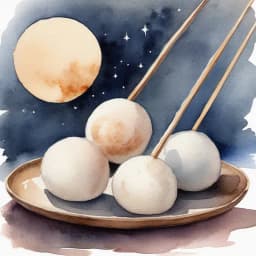
その他
📍 嵐山駅
Takanoya Sadahiro, a long-established shop in Kyoto, creates these Otsukimi (moon-viewing) dumplings specifically for the harvest moon. Founded in 1927 near Gojo Bridge, Takanoya Sadahiro is a renowned establishment that established 'han-namagashi' (semi-moist confections) as a distinct category of Kyoto sweets.
These perfectly round dumplings gently embody the autumnal atmosphere of admiring the moon. With an elegant finish crafted by skilled artisans, they allow you to deeply experience the changing seasons through both sight and taste. This Japanese confection is perfect for a night of moon-viewing.
An autumn specialty that pairs beautifully with silver grass. It brings a moment of Kyoto-style elegance as you savor it while gazing at the moon.
和菓子
📍 貴船口駅
This is the famous Kifune-style Tochimochi (horse chestnut mochi) made by Senjudou in Kyoto. Kifune is a mountain village in Kyoto, located deep within Kurama, known for its pure riverbed dining. This simple, rustic treat has been cherished since ancient times, much like a traditional temple-front confection, near the Kifuneguchi area of the Eizan Electric Railway.
Using horse chestnut seeds that have undergone the laborious process of removing tannins (aku-nuki), the mochi is finished with a firm, chewy texture. Inside, it is generously filled with tsubuan (chunky red bean paste) that preserves the texture of the beans. The subtle bitterness of the horse chestnut perfectly harmonizes with the gentle sweetness of the bean paste in your mouth.
Each piece is adorably wrapped in a small pouch-like shape, offering a flavor that makes you feel the blessings of the mountain village. It is a Japanese sweet you will want to enjoy along with your memories of visiting Kifune.
その他
Natural popcorn seasoned with Tochi honey by Kyoto's Kameyoshi. A snack true to Kyoto's dedication to ingredients, featuring a natural sweetness and savory aroma.
洋菓子
📍 銀閣寺
'Mizuho no Shizuku' from Bel Amer Kyoto Bettei, which captures the essence of fruit flavor. A single piece where the freshness of fruit harmonizes with the sweetness of chocolate.
その他
The 'Yuko' persimmon paste flavor from Izutsu Yatsuhashi Honpo. A seasonal flavor that wraps the sweetness of autumn's persimmon in chewy nama-yatsuhashi.

洋菓子
Bean-to-bar chocolate crafted entirely from cacao beans by COCO, a Kyoto specialty shop for raw and bean-to-bar chocolate. Every step, from bean selection to roasting, grinding, and molding, is handled in a workshop located in a traditional Kyo-machiya townhouse.
Characterized by using no white sugar or additives, it reflects the unique personality of cacao from each origin directly in its taste. Within a single piece, the original aroma, acidity, and richness of the cacao spread deeply. It is a highly skilled brand with multiple international chocolate award wins.
A luxurious piece packed with the maker's philosophy. This is a chocolate meant to be savored slowly to enjoy the depth of the world of cacao.

その他
The matcha version of Tsuruya Yoshinobu's 'Tsubara Tsubara.' This semi-soft confectionery features Uji matcha paste sandwiched between baked skins, offering an elegant flavor with a spreading matcha aroma.
その他
📍 関西国際空港、嵐山、銀閣寺 ほか1件
A sophisticated flavor for adults, combining bitter chocolate with yuzu and orange in Nishio Yatsuhashi's 'Annamai.' The bittersweetness of the chocolate and the freshness of the citrus are perfectly balanced.

その他
📍 清水寺、京都タワー
A seasonal specialty from Mail Anchante, a popular confectionery in Kitayama, Kyoto, which captures the sweet and sour essence of strawberries within a fondant chocolat. Established in Kitayama in 1982, Mail Anchante remains a famous shop with constant queues.
When enjoyed chilled, the fondant chocolat has a smooth, melting texture similar to raw chocolate. The addition of bright strawberry aroma and tartness gives it a vibrant, spring-like character. A single spoonful allows the melting texture and strawberry scent to spread softly.
A delightful Kyoto sweet that evokes the feeling of the season. This elegant item is sure to please as a gift for someone special.
洋菓子
A Japanese-Western fusion sweet featuring Kyo Kohishi arare (rice crackers) coated in Uji matcha chocolate. The combination of deep matcha flavor and crunchy rice crackers is delightful.
洋菓子
A rock-type granola produced by a specialty granola shop in Iwakura, Kyoto. A satisfying treat with a crunchy texture and concentrated flavors of its ingredients.

その他
📍 大阪難波駅
Vibrant green matcha dango made by kneading Uji matcha into the dough. This visually beautiful treat is crafted by infusing the chewy dango with the bounties of Kyoto's famous tea region.
Matcha is generously mixed into the soft mochi dough, which is then filled with a lightly sweetened smooth bean paste and dusted with a light coating of kinako (roasted soybean powder). The chewy texture, the bitterness of the matcha, and the gentle sweetness of the bean paste harmonize in multiple layers. Presented on a skewer, it carries a rich sense of Kyoto elegance.
This Japanese confection allows you to easily enjoy the tea culture of Uji in a single skewer. It is a perfect Kyoto souvenir that makes you want to brew some Japanese tea and relax.

その他
📍 関西国際空港
The spring-exclusive 'Haru Otabe Sakura Nama Yatsuhashi' from the famous Kyoto confectioner Otabe. This is a popular seasonal product crafted every year by Otabe, the pioneer of filled nama yatsuhashi, to coincide with the cherry blossom season.
Made with chewy nama yatsuhashi dough using domestic rice, it is lightly enveloped in a delicate sakura (cherry blossom) flavor. With one bite, the subtle aroma of cherry blossoms and the gentle sweetness of the bean paste spread through your palate, reviving the splendor of Kyoto in spring. Its lovely pale pink appearance also brings the feeling of spring to your eyes.
A perfect gift that allows you to taste the essence of Kyoto during the cherry blossom season in a single bite. Please enjoy it as a special treat available only during the spring.
その他
The May limited edition of Otabe, 'Sanaezuki.' A refreshing Nama Yatsuhashi flavor perfect for the season of fresh greenery, expressing the atmosphere of Kyoto in May.
その他
A chocolate Danish loaf from Bologna, originating in Gion, Kyoto. A luxurious item where the sweetness of chocolate melts into many layers of Danish pastry.
その他
📍 銀閣寺、金閣寺、清水寺
A representative confection from the prestigious Kyoto confectionery maker Tawaraya Yoshitomi. This is a stick-shaped sweet (sao-gashi) made by combining murasame (a type of soft sponge cake) with red bean paste, featuring an artistic design where a dragon appears to dance through the clouds when sliced.

和菓子
📍 銀閣寺、金閣寺
A chestnut Kyoto confection called 'Yuri,' produced by Tawaraya Yoshitomi, one of Kyoto's leading long-established shops founded in 1755. Tawaraya Yoshitomi is known as a prestigious confectioner that serves the Imperial Household Agency and various temples and shrines.
This item is elegantly crafted to highlight the rich flavor of chestnuts. You can enjoy a delicate and refined taste unique to Tawaraya Yoshitomi, which sincerely selects ingredients such as water, adzuki beans, and sugar. The gentle sweetness of the chestnut spreads slowly, accompanied by the dignity characteristic of Kyoto sweets.
It is a deeply delicious Japanese sweet that expresses the autumn harvest through the aesthetic sense of Kyoto confectionery. An elegant treat to be enjoyed slowly with tea.

その他
Kyo Yakiguri features carefully selected chestnuts, including the famous Tanba chestnuts, roasted to a fragrant perfection. Our Kyoto-style roasted chestnuts are prepared using a unique roasting method that improves upon traditional techniques, slowly bringing out the natural sweetness and aroma of the chestnut.
Since ancient times, Tanba chestnuts have been presented to the Imperial Capital, and during the Edo period, they were even used as a substitute for tax payments. They are a premium Kyoto brand of large, sweet, and highly aromatic chestnuts. Because we roast them without any additives, the pure deliciousness of the ingredients shines through directly.
Once popped out of their shells, fluffy and sweet chestnuts reveal themselves. This is a simple yet luxurious Kyoto roasted chestnut that allows you to savor the true taste of autumn.

その他
A limited edition version of Kozuki's Senju Senbei for the Hina Matsuri (Doll Festival). This Kyoto confection comes in a gorgeous package to brighten the Peach Festival and is the perfect gift for spring.
その他
These vegetable arare (rice crackers) are carefully baked by Kyoto artisans with onion flavor kneaded directly into the dough. This is a healthy and gentle snack that combines the deliciousness of vegetables with rice crackers through Kyoto craftsmanship.
With a single bite, the gentle sweetness and umami unique to onions spread slowly across your palate. The savory aroma of the rice cracker harmonizes with the richness of the onion, creating a simple yet addictive flavor. Its light texture makes it easy to keep eating more and more.
A gentle snack that highlights the natural sweetness of vegetables. Born in Kyoto, these crackers are a delightful treat for children's snacks or as a light accompaniment to drinks.

和菓子
📍 湯布院温泉
This is the limited-edition Jōyo (yam) Manjū from the Kyoto Nishiki Store of SNOOPY Tea House in Kyoto's Nishiki Market. It is an authentic Japanese confection unique to Snoopy Tea House, featuring a Japanese-style theme.
The moist Jōyo dough, made with mountain yam, features an adorable Snoopy brand mark. Inside the fluffy manju, there is a generous amount of smooth red bean paste with a light sweetness. It perfectly balances adorable appearance with the authentic taste of traditional Japanese confectionery.
This is an irresistible item for Snoopy lovers, so lovely that you might feel it's a waste to eat it. It is the perfect Kyoto souvenir to pick up while strolling through Nishiki Market.
その他
📍 伊丹空港、清水寺、京都タワー
The classic cinnamon flavor of Otabe's 'Kotabe'. A Kyoto souvenir that allows you to easily enjoy the aroma of cinnamon, the origin of Nama Yatsuhashi, in convenient bite-sized pieces.
洋菓子
This is a Kyoto-style Baumkuchen that incorporates Japanese ingredients. It is a fusion of East and West, layering unique Japanese flavors such as matcha and black soybeans onto the German-born Baumkuchen.
Each layer is carefully baked one by one to create a moist and fluffy texture. The bitterness of Uji matcha and the richness of black soybeans blend into the dough, resulting in a deep, quintessentially Japanese flavor. The cross-section, reminiscent of tree rings, is beautiful and offers the joy of slicing it yourself.
This is a unique Kyoto creation where Western confectionery techniques meet Japanese ingredients. It pairs well with both coffee and Japanese tea, making it a delightful choice for a gift.

その他
This steamed yokan features a freshly steamed, sticky texture that moistens and satisfies the soul.
The name "Kasho" originates from the year 848 (the 15th year of the Jowa era) in the Heian period. According to legend, Emperor Ninmyo offered sweets and rice cakes associated with the number sixteen to the gods on June 16th, praying for the eradication of epidemics and the arrival of good fortune, subsequently changing the era name to "Kasho." This day is known today as "Wagashi Day," a special day that reflects the very history of Japanese confectionery.
Linked to such an auspicious day, this treat offers a profound deliciousness through its rich adzuki bean flavor and simple sweetness. You can feel the depth of Kyoto's wagashi culture in every single slice.
その他
📍 伊丹空港
A unique variation of Shogoin Yatsuhashi's flagship "Hijiri," infused with sansho pepper. The spicy kick of the sansho pepper adds a fresh flavor to the chewy, soft yatsuhashi.

その他
A matcha-flavored baked confection where red bean paste is kneaded into cookie dough, creating a gentle fusion of Japanese and Western styles. This piece uses Uji Matcha, characteristic of Kyoto. Utilizing tea from Uji, Kyoto—a region renowned for Japanese tea—it features the fragrant bitterness of matcha and the mellow sweetness of bean paste in a crispy, Western-style cookie. The concept of wrapping traditional Japanese bean paste in Western pastry dough delivers both novelty and nostalgia. With an elegant flavor that pairs well with both coffee and Japanese tea, it is a delightful choice for a gift. With every bite, the aroma of matcha spreads softly, allowing you to enjoy the essence of Kyoto where East meets West. This high-quality baked sweet is sure to please anyone receiving it as a gift.

その他
A charming, half-moon shaped Kyoto baked sweet that appears seasonally for the Gion Festival. "Kyo Hangetsu" is a moist and soft Japanese confection consisting of bean paste sandwiched between fluffy, baked half-moon shaped dough. This is the special Gion Festival edition. The Gion Festival, held as a ritual for Yasaka Shrine, has over a thousand years of history and is counted among Japan's three major festivals, brightly decorating the streets of Kyoto every July. Featuring a seasonal design reminiscent of the festival's bustle, you can enjoy the harmony between the elegant sweetness of the bean paste and the fluffy dough. It is an item filled with seasonal charm that you will want to take home along with your memories of traveling through Kyoto in summer. Served alongside tea, it allows you to savor even the lingering excitement of the festival.
和菓子
An elegant Japanese sweet with a delicate and beautiful appearance reminiscent of an azuki flower. "Kyo Ogura Azuki no Hana" is a Kyoto confection that carefully brings out the flavor of adzuki beans. "Ogura" is a general term for Japanese sweets using whole bean paste such as Dainagon adzuki, and it is said to be named after the Heian-period poetic site "Mount Ogura." The richness of the adzuki beans themselves and a subtle, gentle sweetness spread softly in your mouth. This is a piece where you can enjoy both its lovely appearance and the taste of carefully simmered bean paste. Served alongside tea, it creates a high-quality moment characteristic of Kyoto. An elegant Japanese sweet that is also much appreciated as a gift.

その他
📍 京都鉄道博物館
This is candy contained in a bottle shaped like a brake handle, something you can only encounter at the Kyoto Railway Museum. The Kyoto Railway Museum, which opened in the Umekoji area in 2016, is one of Japan's largest railway museums. It is a popular spot where you can experience the entire history of Japanese railways, from steam locomotives to the Shinkansen. This product was created as a souvenir from that experience. Colorful candies are packed into a bottle shaped like the brake handle held by train drivers. Since the bottle can be displayed even after the candy is finished, it is an irresistible item for railway fans. You can take home a small piece of railway memories as a memento of your trip. It is sure to delight children as a souvenir as well.

その他
📍 嵐山駅
A seasonal Mikasa where fluffy dough and smooth red bean paste gently add the splendor of the Gion Festival. This is produced by Izutsu Hachitora Honpo, a long-established shop founded in 1805 in front of Minamiza in Gion. It is a famous Kyoto souvenir shop with over 200 years of history. 'Mikasa' refers to what is commonly known as dorayaki. Izutsu Hachitora Honpo prepares sweets related to the Gion Festival, and this particular one features a branding iron mark of the 'Hoko' floats that color the festival on its surface. This Kyoto-style treat gently wraps carefully cooked bean paste in fluffy dough. As a special treat available only during the festival season, you can deeply savor the atmosphere of summer in Kyoto.

洋菓子
📍 出町柳駅
A cute sablé that allows you to take home memories of your trip, featuring a motif of the Eizan Electric Railway trains. The Eizan Electric Railway is a private railway in Kyoto that runs from Demachiyanagi to Kurama, Kifune, and Yase. It is a beloved local line where you can enjoy seasonal scenery, with autumn foliage tunnels and mountain shrines scattered along the route. This sablé incorporates the design of the Eiden train. As a Western-style confectionery that offers a light, crispy texture and the aroma of butter, it is an item that train lovers will also enjoy. You can take home the memories of your small journey to Kurama or Kifune along with this sweet. It is a heartwarming and gentle sablé, perfect as a souvenir for children.
その他
Nishio Yatsuhashi's "Annam" in a roasted sweet potato flavor. A comforting flavor popular in autumn and winter, featuring chewy dough wrapped around sweet potato-flavored bean paste.

和菓子
📍 嵐山駅
A Japanese rice cracker perfect for accompanying tea, infused with the savory aroma of Kujo negi, a representative Kyoto vegetable.
Kujo negi is a green onion said to have an especially long history among Kyoto's traditional vegetables. Its cultivation is said to date back to the founding of Fushimi Inari Taisha in the year 711 (Wado 4), and the secret to its sweetness and tenderness lies in the mucilage found on the inside of the leaves.
Leveraging the flavor of this Kyoto vegetable, this cracker features a savory leek aroma and a light saltiness that keeps you coming back for more. With a crisp texture, the fragrance of the green onion spreads softly through your palate. It is a deeply flavorful senbei unique to Kyoto, pairing excellently with both tea and alcohol.

その他
A Kyoto-style chocolate with a lovely flower shape and a gentle, refreshing aroma of yuzu.
'Hana Chocolat Yuzu' is a confection featuring flower-shaped chocolates that capture the crisp scent of yuzu. Yuzu is a highly aromatic citrus fruit that has long been a staple at Japanese dining tables and is a familiar ingredient frequently used in Kyoto cuisine. By pairing its freshness with chocolate, the Japanese aroma and Western-style melt-in-your-mouth texture harmonize beautifully.
Its charm lies in its elegant appearance and the clean, refreshing aftertaste of yuzu. This sophisticated chocolate invites you to savor it bit by bit, making it perfect as a gift for women or as a small treat for yourself.

その他
A heartwarming and delicious sweet potato treat that preserves the gentle sweetness of its ingredients.
While sweet potato treats are a type of Western confectionery, they evoke a sense of nostalgia. This particular item is baked with great care to honor the natural, inherent sweetness of the sweet potato. The smooth texture harmonizes gently with the richness of butter and cream, spreading a comforting flavor with every bite.
It lacks flashiness, but that is precisely why its simple deliciousness makes it a perfect companion for your daily snack. Paired with warm tea or coffee, it creates a moment that warms even your heart. A gentle baked good that the whole family can enjoy.
その他
Natural popcorn seasoned with ripe sansho pepper from Kyoto's Kameyoshi. A snack with a spicy and refreshing sansho flavor that is quintessentially Kyoto.

和菓子
This monaka (Japanese wafer) features an adorable shape modeled after a cat's face, guaranteed to bring a smile to your face.
Monaka is a traditional Japanese sweet consisting of bean paste sandwiched between wafers made from glutinous rice. Its history is ancient, said to originate from imperial court ceremonies during the Heian period, and it has long been beloved in Kyoto. This particular item is a playful take on monaka, shaped like a cat's face. The name "Neko Monaka" (Cat Monaka) truly conveys the affection of its creators.
The combination of the crispy, fragrant wafer and the moist bean paste offers a classic, delicious taste. It makes a perfect souvenir for cat lovers and is sure to delight anyone as a gift due to its adorable appearance. It is a charming Kyoto sweet that you might almost feel too guilty to eat.
その他
Izutsu Yatsuhashi Honpo's "Yuko" sweet potato paste flavor. An autumn seasonal flavor featuring the simple sweetness of sweet potato wrapped in chewy nama yatsuhashi.
洋菓子
A 10-piece tablet set made with carefully selected cacao by the Kyoto chocolate workshop COCO. You can enjoy the different flavors from each origin.

その他
A signature confectionery for Setsubun, loved for its auspiciousness in inviting good fortune and its moist, gentle sweetness.
Produced by Tsuruya Yoshinobu, a Kyoto confectioner founded in the third year of Kowa (1803). It is a long-established Kyoto shop with over 200 years of history. 'Fuku-hachinai' was created in the 37th year of Meiji (1904) by the fourth generation head, inspired by the heartwarming sight of his daughter throwing beans during the Setsubun bean-throwing ceremony. It is a fluffy Momoyama-style baked sweet, likened to 'Otafuku beans' that invite good fortune.
The golden dough, created with plenty of egg yolk, encloses smooth white bean paste for a gentle flavor. This auspicious item has long been loved as a gift to share good fortune.
その他
📍 関西国際空港、嵐山、銀閣寺 ほか1件
A crispy, fragrant texture and the nostalgic scent of cinnamon transport you to old-fashioned Kyoto.
Produced by Honke Nishio Yatsuhashi, founded in the second year of Genroku (1689). It is a long-established shop with over 300 years of history, located in Shogoin, which is said to be the birthplace of Yatsuhashi. Yatsuhashi is a koto-shaped rice flour cracker. Its most prominent feature is the unique spicy and sweet aroma of cinnamon (nikki).
This is the cinnamon flavor of that traditional baked Yatsuhashi. The crispness of the hard-baked texture and the flavor of cinnamon spread throughout your mouth. It is a masterpiece that has been loved across generations as a classic Kyoto souvenir.

洋菓子
📍 銀閣寺
A stick chocolate that captures the Japanese flavors of brown sugar and kinako (roasted soybean flour) within smooth chocolate.
Produced by Bel Amer Kyoto Bettei, a brand known for creating chocolates that utilize traditional Japanese ingredients unique to Kyoto. This is a Kyoto-exclusive item that combines deep brown sugar with fragrant kinako into a melt-in-your-mouth chocolate. Ingredients familiar in Japanese sweets blend beautifully with Western chocolate.
The easy-to-eat stick shape makes it perfect for a quick break. With a flavor characteristic of Kyoto where East meets West, this high-quality chocolate is a delightful choice for both gifts and personal treats.
洋菓子
A Japanese-Western fusion sweet featuring Kyo Kohishi's arare (rice crackers) coated in rock salt chocolate. The subtle saltiness enhances the sweetness of the chocolate.
その他
A light-textured granola produced by a specialty granola shop in Iwakura, Kyoto. Made with healthy ingredients and low in calories, it is perfect for both breakfast and snacks.
その他
Part of Kissho Karyo's Hannari series. A gorgeous combination that evokes spring in Kyoto, featuring a set of two types of nama yatsuhashi: Sakura and Matcha.
その他
A Kyoto-style botamochi where the refreshing aroma of chopped green perilla (shiso) gently complements the simple sweetness of the red bean paste.
Produced by Sentaro, a long-established Kyoto confectioner with over 130 years of history since its founding in the Meiji era. This wagashi shop is renowned for its dedication to ingredients, such as adzuki beans and green perilla grown on its own farm. Their specialty botamochi is a somewhat unique item, combining glutinous rice with chopped green perilla. With every bite, the refreshing scent of shiso rises softly.
The combination of lightly sweetened bean paste and the flavor of green perilla creates an addictive deliciousness that keeps you coming back. It is a nutritious botamochi that allows you to truly experience the power of its ingredients.
その他
Maple Danish milk bread from Bologna, originating in Gion, Kyoto. A masterpiece where the sweet aroma of maple syrup permeates buttery, layered pastry.

洋菓子
An elegant Japanese confection reminiscent of the scenery of Togetsukyo Bridge, a famous bridge in Arashiyama.
Produced by Oimatsu, a long-established confectionery shop founded in 1908 in Kamishichiken, Kyoto's oldest geisha district. It is a prestigious maker of Kyoto sweets, having traditionally prepared confections for imperial ceremonies and tea ceremonies. This specific item, named after their Arashiyama store, is a delicate piece that reflects the four seasons of Arashiyama where Togetsukyo Bridge stands.
Togetsukyo Bridge spans the Katsura River and has been loved as a scenic spot since the Heian period. Expressing that beautiful landscape through confectionery, this elegant sweet offers a refined sweetness and delicate flavor, making it the perfect souvenir of an Arashiyama stroll.
洋菓子
📍 東京国際空港(羽田空港)、関西国際空港、成田国際空港 ほか3件
The highly popular 'Cha no Ka' from Mail Brevet. A representative Kyoto Western-style confection where the rich umami of thick matcha (koicha) and white chocolate harmonize exquisitely.

その他
📍 出町柳駅
An exciting encounter between chili pepper and mayonnaise creates this addictive 'crazy spicy' okaki rice cracker.
As the name suggests, 'Crazy Spicy Mayo Okaki' focuses on a commitment to heat with its Ichimi mayonnaise flavor. Okaki is a type of rice cracker made from glutinous rice, characterized by its fragrant, roasted texture. We have infused it with the sharp sting of Ichimi chili pepper and the rich flavor of mayonnaise to create a punchy taste.
It is an exciting, addictive snack that spicy food lovers will find irresistible. It pairs perfectly with beer or other alcoholic beverages, making it impossible to stop snacking. This is a recommended item for those who want to enjoy Kyoto-style playfulness paired with bold spiciness.
その他
A rustic senbei (rice cracker) characteristic of Sagano, capturing the flavor of tofu within a crispy batter.
Sagano is an area in the western outskirts of Kyoto, located near Arashiyama. This atmospheric region, dotted with bamboo groves and ancient temples and shrines, has long been known as a producer of delicious tofu thanks to its abundance of pure water. This cracker features that very famous Sagano tofu transformed into a senbei. You can enjoy the mellow flavor unique to tofu within a light, baked batter.
With a crisp, crunchy texture and a gentle aroma of subtle tofu, this is a delightful treat. The sweetness is understated, making it the perfect accompaniment to tea. It is a quintessential Kyoto cracker that you will want to savor while reminiscing about your strolls through Arashiyama and Sagano.

和菓子
A Kyoto-style Japanese confection where you can enjoy authentic red bean soup (shiruko) simply by pouring hot water into a monaka shell shaped like a tea pot.
'Kyo no Ochatsubo Shiruko' features a monaka shell molded after a traditional tea pot, filled with the base for red bean soup. The tea pot is a symbol of the connection between Kyoto and tea, famously known through the 'Ochatsubo Dochu' (Tea Pot Journey) where Uji tea was transported to the Shogunate. By breaking the adorable monaka shell and pouring in hot water, you create a single bowl containing fragrant monaka wafers and smooth, thick red bean soup.
Despite its ease of preparation, it offers a deeply satisfying, authentic flavor. It is an enjoyable Kyoto sweet that serves as a warm snack for cold seasons or a delightful small gift.

洋菓子
This fresh chocolate features the rich, natural aroma of cacao that gently spreads the moment it touches your mouth.
Kyoto is home to authentic chocolatiers who handle everything from the selection of cacao beans. This particular piece is crafted from carefully selected cacao beans. We take great care in finishing each piece to preserve the unique character, aroma, and flavor of the cacao itself.
Along with a smooth melt-in-the-mouth texture, you can deeply experience the profound taste of cacao. Its charm lies in being able to enjoy not just the sweetness, but also the inherent bitterness and mellow aroma of the cacao. For chocolate lovers, why not take this high-quality Kyoto-style chocolat as a souvenir?

その他
📍 宇治駅
A seasonal Japanese confection with a delicate and beautiful appearance, reminiscent of the brilliant floral scenery of Arashiyama.
Crafted by Kyogashi-dokoro Kogetsu. Established in Kyoto shortly after the war, this confectionery is known for its creative fusion of Japanese and Western styles, such as their famous "Senju Senbei" (wavy crackers with cream filling).
As the name suggests, "Hana-Arashiyama" expresses the scenery of flowers blooming in Arashiyama through confectionery. Arashiyama is one of Kyoto's most prominent scenic areas, colored by cherry blossoms and autumn leaves, known for its beauty throughout the four seasons. You can enjoy its elegant appearance reflecting that splendor, along with a delicate and gentle sweetness. It is a seasonal masterpiece that delights both the eyes and the palate, allowing you to taste the four seasons of Kyoto in a sweet.
その他
Vegetable rice crackers finished with a salad flavor that highlights the aroma of burdock. A healthy Kyoto snack with an expanding savory aroma.
その他
📍 下鴨神社
A soothing Kyoto 'Bijin' (beauty) candy where the gentle flavor of quince spreads softly, making it delightful for your throat.
'Quince Bijin Candy' is a candy made by kneading quince extract into the mixture. Quince is a fruit that has long been cherished for its throat-soothing properties, characterized by a subtle acidity and sweet aroma. This candy leverages that flavor to provide a clean, gentle taste, allowing you to take a relaxing breath with just one piece.
With an elegant package that reflects Kyoto's aesthetic sense, it also makes a lovely small gift for women. Perfect for seasons when dryness is a concern or during breaks in conversation. It is a subtly delightful Kyoto candy that allows you to care for your throat while enjoying the soft flavor of quince.

洋菓子
📍 清水寺、京都タワー
These fun-to-look-at cookies are quintessential Kyoto, shaped like the charming Kyomachiya houses.
Kyomachiya are traditional wooden townhouses that color the streets of Kyoto. With their beautiful and unique designs, such as lattice windows and mushiko-mado (insect-cage windows), they are beloved as a landscape symbolizing the essence of Kyoto. These cookies take the form of those very townhouses, with each piece reflecting the atmospheric streetscapes of Kyoto.
Featuring a simple flavor where the gentle aroma of butter spreads through crisp, baked dough, this is a delightful treat both to look at and to eat, allowing you to easily take a piece of Kyoto home with you. It is the perfect Western-style confectionery to add a special touch to your travel stories.

その他
📍 嵐山駅
A unique baked confection where the tropical flavor of pineapple meets the traditional confectionery craftsmanship of Kyoto.
"Pineapple Present" is a treat that highlights the refreshing taste of pineapple. Pineapple is a tropical fruit characterized by its sweet and sour aroma, and by incorporating this flavor into a baked good, we have created a light and elegant taste.
While Kyoto is strongly associated with Japanese sweets (wagashi), the birth of such playful Western-style confections is possible only in a land where the traditions of confectionery making are so deeply alive. It is a sweet that lifts your spirits, allowing you to enjoy the crispy texture of the dough and the aroma of the fruit. As the name 'Present' suggests, it is also a delightful item for gifting.

その他
A traditional Momoyama confection with a moist texture and elegant sweetness that evokes a path above the clouds.
Momoyama is a type of Japanese confectionery classified as a semi-moist sweet, made by baking white bean paste mixed with sugar and egg yolk. It is characterized by a beautiful golden color produced by the egg yolk and a gentle, melt-in-your-mouth texture. There are various theories regarding its name, including associations with the splendor of the Momoyama period or Fushimi Castle (Momoyama Palace).
This 'Kumoi no Michi' (Path in the Clouds) is a piece given an atmospheric name inspired by such Momoyama sweets. The rich flavor of the egg yolk and the moist texture leave a lingering, relaxing aftertaste. Served alongside tea, it is a flavorful baked sweet that allows you to enjoy a high-quality moment reminiscent of Kyoto.
その他
📍 伏見稲荷大社
An assortment of 'Hijiri' Uji matcha and strawberries from Shogoin Yatsuhashi Main Store. A set that allows you to enjoy the depth of matcha and the sweet acidity of strawberries all at once.
その他
A Japanese-Western fusion baked confection where bean paste is kneaded into the cookie, in a framboise (raspberry) flavor. The sweet acidity of framboise harmonizes with the richness of the bean paste.

和菓子
This authentic warabi mochi features an exquisite, jiggly texture that melts away in your mouth.
Warabi mochi has a long history, said to have existed as far back as the Heian period, and is even rumored to have been favored by Emperor Daigo. The original ingredient, warabi powder, is extracted from the rhizomes of bracken ferns and is extremely precious; it was once a luxury sweet enjoyed only by high-ranking individuals. This product is a masterpiece worthy of the name 'Kiwami' (Exquisite), made solely with authentic warabi powder.
Its smooth, bouncy, unique texture is accompanied by the richness of black honey syrup and fragrant kinako (roasted soybean powder). It is a luxurious warabi mochi that allows you to bring home the authentic taste of a Kyoto confectionery shop.
その他
Izutsu Yatsuhashi Honpo's 'Yuko' in Miyama Milk flavor. A gentle flavor featuring the taste of fresh milk from Miyama, Kyoto, wrapped in chewy Nama Yatsuhashi.
その他
📍 京都鉄道博物館
These fluffy marshmallows feature an adorable print of the Yoshitsune-go locomotive.
Kyoto Railway Museum is one of Japan's largest railway museums, located in Umekoji. The Yoshitsune-go is a prestigious steam locomotive that was active in the early Meiji era and is known as a precious relic conveying the dawn of Japanese railways. These marshmallows feature a cute print of that very locomotive.
With a soft, airy marshmallow texture and a design that brings an involuntary smile to your face, they are truly charming. They make a perfect souvenir for railway fans and will surely delight children as well. Take home a sweet memory of the Yoshitsune-go to commemorate your visit to the museum.
その他
Izutsu Yatsuhashi Honpo's "Yuko" Green Apple flavor. A fruity treat featuring a refreshing green apple flavor wrapped in chewy Nama Yatsuhashi.

和菓子
📍 東京国際空港(羽田空港)、成田国際空港、JR八王子駅 ほか1件
A high-class yokan (sweet bean jelly) where a prestigious flavor is captured in a special single slice available only at the Kyoto main store.
Produced by Toraya, a long-established confectioner founded in Kyoto during the late Muromachi period, which has continued to make Japanese sweets for five centuries. It is a prestigious Kyoto confectionery shop that has served sweets to the Imperial Palace since the reign of Emperor Kōyōzei. While they expanded to Tokyo following the move of the capital to Tokyo in the Meiji era, their Kyoto store is still carefully preserved.
This is a yokan unique to Kyoto. You can enjoy a delicate and deep flavor created by bean paste-making techniques refined through a long history. It is a special slice where the land of Kyoto and the traditions of Toraya intertwine.
その他
Nishio Yatsuhashi's "Annama" chestnut flavor. A classic autumn flavor featuring chestnut paste wrapped in chewy dough, allowing you to enjoy the warm, comforting taste of chestnuts.
和菓子
📍 嵐山駅
A Japanese rice cracker (wasenbei) infused with the refreshing acidity of yuzu and jabara citrus. You can enjoy the fresh flavor created by the interplay of these two types of citrus.
その他
A quintessential Kyoto treat combining flower-shaped chocolates with Uji matcha. The deep flavor of the matcha and its elegant appearance make it perfect for a gift.
その他
Popcorn flavored with Kuromitsu (black honey) and Kinako (roasted soybean powder) from Kyoto's Kameyoshi. You can enjoy a classic Japanese sweet flavor in a snack format.
その他
The chestnut paste flavor of Izutsu Yatsuhashi Honpo's 'Yuko.' A popular autumn product where the fluffy sweetness of chestnut paste spreads through chewy Nama Yatsuhashi.

洋菓子
A luxurious bonbon chocolat for adults, where white wine from Kyoto Tamba meets cacao.
Produced by COCO, a chocolate workshop in Kyoto. They are known for creating chocolates that utilize local ingredients from Kyoto. This bonbon chocolat features white wine born in Kyoto Tamba, enveloped in smooth chocolate. Tamba has been attracting attention in recent years as a producer of high-quality grapes, and this product highlights the brilliant aroma of its local wine.
With one bite, the melting flavor of white wine and the richness of cacao spread throughout your mouth. A luxurious and aromatic piece where local wine and cacao resonate together. It is also highly recommended as a gift for alcohol lovers.

その他
📍 虎ノ門ヒルズ
An elegant yokan with a delicate and smooth melting texture, embodying over two hundred years of tradition.
Produced by Tsuruya Yoshinobu, a Kyoto confectioner founded in Kowa 3 (1803). With its main store located in Kamigyo-ku, Kyoto, this long-established shop has continued to preserve the traditions of Kyoto confectionery for over two centuries. The techniques of bean paste making, refined throughout its long history, are alive in this yokan.
The charm lies in the moist texture and refined sweetness produced by carefully cooked bean paste. You can enjoy a deep flavor that only a long-established shop, which has continuously faced its ingredients, can provide. As a representative single-stick piece of Kyoto's wagashi culture, it is a masterpiece suitable for gifts or for your own special moments.

和菓子
A seasonal wagashi where soft mochi coated in uguisu powder announces the arrival of early spring.
Produced by Kameya Yoshinaga, a Kyoto confectionery shop founded in Kowa 3 (1803) in the Shijo Sagakei area of Kyoto. It is a long-established shop with over two hundred years of history, known for making sweets using the famous 'Sagakei water' that springs from near the shop. Uguisu Mochi is a spring wagashi consisting of soft mochi such as gyuhi wrapped around bean paste and coated in uguisu powder (kinako made from green soybeans).
The name is an analogy to the appearance of the bush warbler (uguisu), the bird that heralds spring. It offers a flavor unique to early spring, harmonizing the gentle sweetness of soft mochi and smooth bean paste with the savory aroma of green soybeans. A dish that allows you to feel the arrival of spring on your palate.
その他
📍 関西国際空港、銀閣寺、清水寺
A matcha-flavored baked Yatsuhashi from Honke Nishio Yatsuhashi. It features a crispy texture with the flavor of Uji matcha, offering a different taste from the standard cinnamon version.
洋菓子
📍 銀閣寺
Tablet chocolates featuring a Chidori design from Bel Amer Kyoto Bettei. The savory aroma of burnt soy sauce pairs unexpectedly well with the chocolate.
洋菓子
A Japanese-Western fusion sweet featuring Earl Grey chocolate coated over Kyo Kohishi's arare (rice crackers). The combination of the rich aroma of tea and the rice crackers is refreshing.
その他
The standard plain flavor from a granola specialty store in Iwakura, Kyoto. A simple granola made only with carefully selected ingredients, allowing you to enjoy the true taste of the ingredients.
その他
Kissho Karyo's Hannari Nama Yatsuhashi in kinako caramel flavor. The sweet and fragrant aroma of kinako caramel spreads through the chewy dough.

その他
A Japanese confection with an elegant sweetness and moist texture, reminiscent of a gentle breeze blowing through Kyoto.
Produced by Kyogashi-dokoro Kogetsu. Founded in Kyoto shortly after the war, this confectionery is known for creating new Japanese sweets without being bound by tradition. It has been beloved for its famous products such as 'Senju Senbei,' which features cream sandwiched between wavy dough layers. 'Rakufu' is an item with an elegant name, adding 'wind' to 'Raku,' which signifies the capital of Kyoto.
'Raku' has long been used as a word to refer to Kyoto. Like the wind blowing through Kyoto, you can enjoy a gentle, elegant sweetness and a moist mouthfeel. It is a flavorful Japanese sweet that reflects the atmosphere of Kyoto, perfect for serving with tea.
その他
A variation of Sentaro's kinako botamochi that adds the refreshing scent of green perilla (shiso). The aromatic roasted flavor of the soybean powder and the refreshing coolness of the perilla are a perfect match.

スイーツ
📍 JR八王子駅、平塚駅、テラスモール湘南
A seasonal Japanese confection where the transparency created by agar and kudzu brings a gentle coolness to the summer heat.
Crafted by the confectioner Seikanin, they are known for creating sweets that reflect the seasonal elegance of Kyoto. As the name suggests, 'Fuurin' is a piece inspired by the wind chime, a staple of summer decor. Its cool appearance, made with agar and kudzu, provides visual refreshment.
Wind chimes are a classic symbol of Japanese summer, enjoyed for their sound when hung under eaves. This sweet expresses that very summer sentiment. With a smooth texture and a subtle, elegant sweetness, it is perfect for the hot season. Its beautiful appearance and refreshing taste make it a seasonal treat that is well-received as an accompaniment to tea or as a gift.
その他
A famous confection from Oimatsu, which has shops in Arashiyama and Kitano Tenmangu. This prestigious Japanese sweet is shaped like an imperial carriage, conveying the elegance of the Heian period to the present day.

その他
📍 錦市場
"Kyoto pastry chefs sometimes make baked chocolate using vegetables"—this is a sweet with a unique name that will make you do a double-take.
In Kyoto, there are many confectioners who challenge themselves with unexpected ingredient combinations. This baked chocolate uses vegetables, born from that very sense of playfulness. By incorporating vegetables into the toasted chocolate, a subtle depth of flavor is created within the sweetness.
It offers a slightly new deliciousness that lives up to its impactful name. As a souvenir that serves as a conversation starter, it is a playful item that allows you to enjoy the recipient's reaction of "What is this?" when you give it to them.

洋菓子
An authentic baumkuchen, moistly baked with honey by a master trained in Germany.
Produced by "Süsses Vegetus," a baumkuchen specialty shop in Nakagyo-ku, Kyoto. The shop's name is derived from the German words for "sweets" and "vegetables," and it has a somewhat unusual origin, as they used to make vegetable side dishes when they first opened. The owner is an authentic professional who underwent training in Germany and obtained a national qualification as a confectionery master.
The gentle sweetness and richness of honey permeate the dough, which has been carefully baked layer by layer. With its simple yet profound flavor, this item is suitable for both everyday snacks and special gifts.

その他
A beautiful, visually pleasing assortment of colorful Japanese sweets that reflects the changing seasons of Kyoto.
Cherry blossoms in spring, green maple leaves in summer, autumn foliage, and snow in winter—the scenery of the ancient capital shows completely different expressions with each season. "Colors of the Ancient Capital" is a product that captures these shifting colors of Kyoto within each individual piece of wagashi (Japanese confectionery). The splendor that spreads the moment you open the box is like holding the small seasons of Kyoto in your hands.
Not only is it beautiful to look at, but an elegant sweetness quietly spreads as you eat it. It is enjoyable to behold and delightful to taste. This is a quintessential Kyoto assortment, perfect for a gift to someone special.
その他
The specialty of Demachi Futaba. This is one of Kyoto's most popular Japanese sweets, known for the exquisite balance between the saltiness of red peas and the sweetness of smooth red bean paste, which draws long lines every day.
その他
📍 宇治駅
A beautiful seasonal Japanese sweet with a refreshing appearance, as if reflecting a Kyoto summer through a bamboo mat.
Produced by Kyogashi-dokoro Kogetsu, a famous Kyoto confectionery shop known for its wave-shaped 'Senju Senbei.' 'Hana-sudare' is a summer fresh sweet crafted by Kogetsu. With its transparent and cool appearance adorned with delicate craftsmanship, it masterfully expresses the refreshing sensation desired during the hot season.
Its chilled texture and elegant, gentle sweetness softly soothe your summer moments. It is perfect as an accompaniment to tea and provides visual coolness as well. You can taste the unique elegance of a Kyoto summer through this Japanese sweet.
その他
📍 京都タワー
The 'Hijiri' Uji tea flavor from the Shogoin Yatsuhashi main store. A seasonal taste that captures the flavor of high-quality Uji tea within chewy nama-yatsuhashi.

洋菓子
📍 関西国際空港、神戸空港、出町柳駅 ほか5件
A delightful and easy Kyoto-style baked sweet that transforms the popular Kyo Baum into a crispy sablé.
'Kyo Baum' is a representative Kyoto souvenir, loved as a Baumkuchen made with plenty of Uji matcha and soy milk. This version rearranges it into a sablé while maintaining its vibrant green and white coloring. We use Uji matcha from the long-established Kyoto tea shop 'Morihachi' to achieve an authentic aroma and taste.
With a single bite, the light, crispy texture spreads with the pleasant bitterness and rich aroma of matcha. As a baked sweet that allows you to easily enjoy the taste of Kyoto, it is also a wonderful item for casual gifting.

スイーツ
As the name suggests, this is a refreshing Kyoto sweet with an eye-catching appearance, looking like sparkling jewels.
'Kagayaki-dama' is a beautiful creation that encloses colorful ingredients within transparent agar. When it catches the light, its glossy appearance resembles tiny gemstones. You can feel the dedication to visual beauty that Kyoto confectionery making has always cherished.
With a smooth texture and moderate sweetness, it is a refreshing treat perfect for the hot season. Since just looking at it brightens your mood, it is ideal for hospitality or as a slightly special gift. It is a dish where you can savor the coolness of Kyoto with both your eyes and your palate.
その他
A Kyoto-exclusive Japanese sweet from Toraya, a tradition continuing since the Muromachi period. A prestigious small yokan (sweet bean jelly) that captures the aroma and flavor of Kyoto.
その他
📍 伊丹空港
A fresh take on Nama Yatsuhashi, combining the traditional Shogoin Yatsuhashi Honpo recipe with chocolate. It offers a new sensation where the flavor of chocolate is added to the tradition of Japanese confectionery.

その他
📍 京都市動物園
This is an original caramel from the Kyoto City Zoo, featuring adorable animal packaging that enhances your travel mood. The Kyoto City Zoo is one of Japan's most historic zoos, having opened in the 36th year of the Meiji era (1903). It is a representative outing spot in Kyoto that has been loved by citizens for a long time. This product was created as a souvenir for the zoo. It features a simple and warm brown sugar flavor crafted into caramel. The rich sweetness of the brown sugar provides a nostalgic and comforting taste. The lovely packaging depicting animals makes it a perfect memento of a visit to the zoo, and it is also sure to delight children as a souvenir.

その他
A refreshing sweet representing summer in Kyoto, made by pouring agar into the hollowed-out peel of a summer mandarin (Natsumikan). It is produced by the long-established Kinoshita, known as a specialist in Yusoku-gashi (traditional court confectionery). This prestigious Kyoto confectionery shop has locations in areas like Arashiyama. The process involves hollowing out the summer mandarin, mixing the extracted juice with agar, and pouring it back into the peel. By chilling and setting it, it is finished as a cool treat that can be enjoyed including the peel. The moderate acidity and subtle bitterness are exactly like the fruit itself. The smooth texture and refreshing aroma provide instant relief on a hot Kyoto day. This is a luxurious item available only during the season from spring to summer.
その他
A Kyoto-style Japanese sweet featuring a jiggly texture made with authentic warabi powder, enhanced with the refreshing aroma of yuzu. It is produced by Izutsu Yatsuhashi Honpo, a long-established shop famous for Yatsuhashi. This is the seasonal yuzu flavor from the "Kyo Warabi Mochi Kyoto Burabura" series. When you open the bag, the scent of yuzu gently rises, and bits of minced yuzu peel are hidden throughout the soft, chewy mochi. This item, with its elegant bitterness and refreshing acidity, makes you feel graceful. If coated with kinako (roasted soybean flour), the fragrant aroma and yuzu flavor beautifully overlap. It is a delightful Japanese sweet for accompanying a stroll through Kyoto or as a gift.

洋菓子
These are exclusive cookies from the Kyoto Railway Museum that will delight railway fans, shaped like the 'headmarks' which serve as the face of a train.
Opened in 2016 in the Umekoji area, the Kyoto Railway Museum is one of Japan's largest railway museums. It is a popular spot where you can experience the entire history of railways, from steam locomotives to the Shinkansen. A headmark is a sign displaying a train's nickname, displayed on the front of the vehicle. This cookie features a print of that very design.
Seeing the lineup of familiar headmarks is enough to stir your wanderlust. With a light, crispy texture, this item is fun in both taste and appearance. It is the perfect souvenir to commemorate your visit to the museum.
その他
A two-type set of 'Yuko' featuring golden sesame and black sesame from Izutsu Yatsuhashi Honpo. The fragrant aroma of each sesame variety makes for a flavorful treat that pairs perfectly with Nama Yatsuhashi.

和菓子
📍 東京国際空港(羽田空港)、成田国際空港、東京ミッドタウン
A Kyoto-style Rakugan (traditional dry confectionery) that catches the eye with its beautiful crimson color and melts delicately in your mouth.
Rakugan is a traditional Japanese sweet made by pressing sugar into rice flour or similar ingredients using molds. It has long been cherished as a confection that graces tea ceremonies. 'Miyo no Haru (Crimsson)' is a piece where this Rakugan has been dyed a brilliant red. Its festive coloring carries an elegance suitable for celebrations and seasonal events.
Upon taking a bite, it crumbles softly, allowing a refined, gentle sweetness to spread slowly. When enjoyed with matcha, its delicate flavor is further enhanced. It is a quintessential Kyoto sweet—beautiful to behold and profound in taste.

その他
A classic Kyoto Japanese sweet consisting of jiggly warabi mochi kneaded with Uji matcha and coated in fragrant kinako (roasted soybean powder).
Matcha is a representative specialty of Uji, Kyoto. Cultivated alongside the culture of tea ceremony, Uji matcha is known nationwide for its deep aroma and moderate bitterness. This treat luxuriously incorporates that Uji matcha into smooth, silky warabi mochi.
With one bite, the pleasant bitterness of the matcha and the nuttiness of the kinako blend harmoniously within the chewy texture. It becomes even more refreshing when served chilled. A quintessential Kyoto item that is delightful both as an accompaniment to tea and as a snack during the hot season.

和菓子
An adorable Japanese confection shaped like an auspicious sea bream, perfect for celebratory occasions.
Due to the wordplay on 'medetai' (auspicious/happy), sea bream has long been considered a lucky fish and an essential element of celebrations. 'Medetai Tai' is a treat that captures the likeness of this fish in confectionery form. Its plump, charming shape is sure to bring a smile to your face just by looking at it.
Featuring smooth, slow-cooked bean paste, its charm lies in its elegant and gentle sweetness. The auspicious design makes it perfect for celebratory gifts or small souvenirs. This is a delightful Kyoto lucky snack that is as fun to look at as it is to eat, making you almost feel it's a waste to consume it.
和菓子
📍 嵐山駅
A Japanese rice cracker infused with the flavor of Akashi octopus. The savory umami and light saltiness of the octopus make this a perfect snack to accompany beer.
その他
Popcorn seasoned with Wasanbon sugar from Shikoku, produced by Kyoto's Kameyoshi. An elegant, Kyoto-style snack featuring a delicate sweetness and savory aroma.
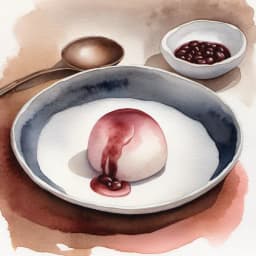
和菓子
A soft mochi confection that highlights the flavor of adzuki beans, crafted by a Kyoto confectionery with over 200 years of history.
Produced by Kameya Yoshinaga, a Kyoto confectioner founded in 1803. This long-established shop has used 'Samegai water' from a spring in front of their store for their confectionery making. The 'Azuki Mochi' consists of glutinous rice cooked in that famous spring water, paired with large, sweet adzuki beans and coated in fragrant kinako (roasted soybean powder). The addition of egg white creates a fluffy texture.
The soft mochi and the simple sweetness of the adzuki beans gently melt in your mouth. It is a deeply flavorful mochi confection where the deliciousness of the ingredients stands out, primarily available at their Kyoto locations.

洋菓子
Chocolate made from Indonesian cacao beans, processed into single bars in a Kyoto workshop.
Produced by 'COCO,' a bean-to-bar specialty shop located in Nakagyo-ku, Kyoto. This dedicated chocolate workshop handles every step, from roasting the cacao beans to molding, all within their own facility. They are known for creating bars that highlight the unique character of each origin without relying on white sugar or additives.
Indonesian cacao is characterized by a refreshing acidity reminiscent of green apples and strawberries. With every bite, the distinct aroma and flavor unique to its origin clearly emerge. This is an authentic bean-to-bar chocolate that has been recognized in international competitions.
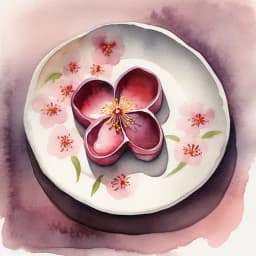
その他
An upper-class Kyoto wagashi (Japanese confection) that seems to capture the fragrance of early spring plum blossoms.
Crafted by Tsuruya Yoshinobi, a long-established confectionery representing Kyoto. They are known for delicate sweets that reflect the elegance of the four seasons. 'Ume ni Hou' is a piece shaped like plum blossoms that begin to bloom in early spring while the cold still lingers. Plum blossoms, which bloom through the snow, have been loved in waka poetry and paintings since ancient times as heralds of spring.
The subtle acidity and elegant sweetness gently bring the feeling of spring to your palate. With its lovely appearance and gentle flavor, this sweet will further enrich your tea time. It is a Japanese confection perfectly suited as a seasonal gift.

和菓子
A Kyoto kusamochi (mugwort mochi) that heralds the arrival of spring with a light aroma of mugwort.
Crafted by Kogetsu, a Kyoto confectionery shop known for its wavy 'Senju Senbei' crackers. 'Kusa-anko' is a mugwort mochi produced by Kogetsu. Mugwort has long been cherished as a spring wild herb, and kusamochi made with freshly picked young leaves is a classic Japanese sweet that evokes the arrival of the season.
This piece features chewy mugwort mochi coated in a gently sweet chunky bean paste. The refreshing aroma of mugwort and the rich sweetness of the bean paste harmonize in your mouth. It is a seasonal Kyoto rice cake perfect for accompanying tea.
その他
📍 関西国際空港、銀閣寺、清水寺
A baked black sesame flavored Yatsuhashi from Honke Nishio Yatsuhashi. You can enjoy a different flavor from the standard version, featuring the savory aroma of black sesame and a crispy texture.
洋菓子
📍 銀閣寺
A tablet chocolate featuring a butterfly design from Bel Amer Kyoto Bettei. A Japanese-style chocolate where the savory aroma of sesame adds depth to the chocolate.
洋菓子
Kyo Kohishi's arare (rice crackers) coated in chunky strawberry chocolate. Enjoy the delightful combination of sweet and sour strawberry with the crunchy texture of the rice crackers.
その他
A kinako (roasted soybean flour) flavored granola produced by a granola specialty store in Iwakura, Kyoto. A crunchy granola coated with flavorful Japanese-style kinako.
その他
A masterpiece combining Kissho Karyo's Hannari Nama Yatsuhashi with raw chocolate. A luxurious combination of chewy dough and rich raw chocolate.
その他
A two-piece set of Nishio Yatsuhashi's 'Annama' flavors: Lemon and Black Tea. You can enjoy the refreshing lemon and mellow black tea flavors in their respective Nama Yatsuhashi styles.

スイーツ
📍 JR八王子駅、平塚駅、テラスモール湘南
A refined Kyoto chilled sweet with a clear, elegant taste, made with plenty of white peach juice.
As the name 'Tokuseika' suggests, this jelly is crafted to cherish the pure aroma of white peaches. White peaches are a quintessential summer fruit, loved for their juicy texture and soft sweetness. This jelly is carefully prepared to capture that flavor exactly as it is.
When you dip your spoon in, the elegant sweet aroma of white peach spreads softly along with a smooth mouthfeel. When chilled, it becomes a refreshing snack perfect for the hot season. With its cool appearance, it is an ideal item for summer gifts or as a dessert for entertaining guests.
その他
A Japanese confection made by Oimatsu of Arashiyama, inspired by the Yabusame (horseback archery) at Shimogamo Shrine. A powerful-tasting item worthy of its dynamic name.

その他
📍 関西国際空港
A Danish bread from Kyoto that catches the eye with the beautiful marble patterns revealed in its cross-section.
Produced by 'Grand Marble,' which was founded in Gion, Kyoto, in 1996. This shop has created a unique marble danish that is neither quite bread, nor pastry, nor Japanese confectionery. The marble pattern, created by repeatedly folding the dough, is a testament to the craftsmanship of artisans who weave each piece by hand.
The popular 'Kyoto Sanshoku' (Kyoto Three Colors) is a colorful item combining matcha, strawberry, and plain dough. When toasted, the crispy surface and the delicious, fragrant dough stand out. It is a gorgeous Kyoto-style bread that is a joy to both look at and eat.

その他
A simple bowl-shaped snack that captures the essence of Kyoto's long-standing tofu and tea cultures in every bite.
'Okara Roasted Green Tea Bowl' is a baked treat combining okara (soy pulp) produced during tofu making with fragrant roasted green tea (hojicha). Kyoto is a region blessed with pure water, which has fostered a thriving tofu-making tradition since ancient times. This product utilizes two of Kyoto's unique blessings.
As you bite into these adorable, round bowl-shaped treats, the gentle flavor of okara and the toasted aroma of hojicha spread through your palate. Its comforting, rustic taste is perfect for an everyday snack. It is a Kyoto confection that evokes nostalgia and brings a sense of gentleness.

洋菓子
This is a Kyoto-style sweet where Japanese and Western flavors meet, featuring kinako (roasted soybean flour) chocolate coatinged over Tanba black bean okaki.
Tanba Kuro-mame is a premium black soybean characterized by its large size and glossy jet-black appearance. Grown with great care in the Tanba region of Kyoto and surrounding areas, it is often referred to as the 'king of beans.' This treat features fragrant okaki made from those very black beans, coated in mellow kinako chocolate.
With the crispy texture of the okaki perfectly complementing the gentle sweetness of the kinako chocolate, it offers a delicious taste that feels like a traditional Japanese sweet yet possesses a modern twist. The overlapping aromas of roasted black beans and kinako create a unique Kyoto fusion sweet that makes you want to reach for just one more.
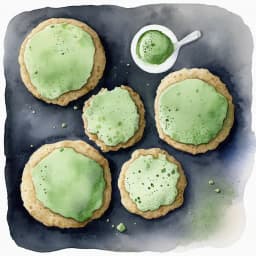
その他
These Uji Matcha polvorones feature a delightful texture that crumbles easily in your mouth.
They are crafted by Biju, a Kyoto-based confectionery manufacturer well-known for 'Otabe'. Polvorones are a traditional Spanish sweet characterized by their unique melt-in-the-mouth sensation the moment they touch your tongue. This particular version combines that authentic flavor with Uji Matcha, bringing a touch of Kyoto to the treat.
With just one bite, the rich aroma and pleasant bitterness of the matcha spread alongside the light, crumbly dough. It is a gentle yet profound flavor where Japanese and Western elements melt together. Small and easy to eat, they pair perfectly with both coffee and tea. It is a somewhat rare Spanish sweet that allows you to experience the essence of Kyoto.

和菓子
This is a famous specialty rice cake with a delicious, toasted aroma that has been beloved for a long time in front of Kamigamo Shrine.
It is produced by the Aoiya Yaki-mochi Honpo, located right in front of the torii gate of the World Heritage site, Kamigamo Shrine. The area surrounding Kamigamo Shrine has long been known for its specialty 'yaki-mochi' (toasted rice cakes). Made with mochi from high-quality rice, these cakes are filled with homemade tsubu-an (chunky red bean paste) and toasted to a fragrant golden brown. You can choose between two types: plain white and mugwort-infused.
The combination of the freshly toasted, crispy exterior and the gentle sweetness of the bean paste inside is exquisite. The pairing of the refreshing scent of mugwort with the sweet bean paste is also exceptional. It is a simple and warm rice confection that makes a wonderful souvenir of your shrine visit or a classic Kyoto gift.

その他
📍 嵐山駅
A delightful baked sweet from Kyoto featuring the bittersweet sweetness of caramel and a crispy texture.
Crafted by Rokkakuan, which has deep ties to the Muromachi district in Kyoto, "Caramel-yaki" lives up to its name by highlighting the fragrant flavor of caramel. The caramel is made by slowly caramelizing sugar, creating a taste that balances bittersweet notes with a profound sweetness. This deep, complex flavor is captured within the baked treat.
With just one bite, the light, crispy texture gives way to an explosion of bittersweet caramel sweetness in your mouth. Not overly sweet, its addictive deliciousness makes it the perfect companion for coffee or tea. It is an elegant confection that you will want to savor while imagining the historic streets of Kyoto.

その他
A heartwarming and gentle Japanese-style sweet potato treat where Uji matcha meets sweet potato.
Crafted by 'Rakumi Kyoto,' this dish combines the fluffy sweetness of sweet potato with representative Kyoto Uji matcha. Sweet potato, a baked good loved by children and adults alike, highlights the natural sweetness of the tuber. By adding the flavor of matcha, we have created a taste that is quintessentially Kyoto.
With a single bite, the gentle sweetness of the potato and the subtle bitterness of the matcha melt together elegantly. The depth of the matcha within the sweetness creates a lingering deliciousness. Filled with the best of both Japanese and Western flavors, it is a delightful Kyoto sweet for when you want to take a relaxing break.

スイーツ
📍 清水寺、京都タワー
An elegant cake reminiscent of the lattice doors found in Kyoto townhouses (machiya).
Kyoto's townhouses, which color the city streets, have a unique structure known as 'unagi no nedoko' (eel's bed), characterized by narrow fronts and deep interiors. While their outward appearance may seem modest, behind them lies a courtyard garden reflecting the seasons. The 'Kyo-Machiya Cake' expresses this aesthetic of Kyoto living using Japanese ingredients such as matcha and adzuki beans. The flavor, where Japanese and Western elements quietly merge, is full of the calm charm unique to the ancient capital. The colorful display of Japanese ingredients visible in the cross-section when cut also delights the eyes.
This item pairs perfectly with both tea and coffee. Please enjoy a special moment, as if tasting the culture of Kyoto's machiya in your mouth.

洋菓子
The moment you open the lid, you will be captivated by a beauty that resembles stars spreading across the night sky.
'A Universe Every Seven Days' is a jewel-like Western confectionery themed after planets and stars. Each individual piece has a colorful expression, making your heart dance just by looking at them. As the name suggests, the mysterious design—inspired by planets that shift every seven days—is sure to be a conversation starter as a gift. The stars packed into this small box seem poised to brighten the hearts of those who open it.
Whether as a present for a loved one or a treat for yourself, please take your time to savor this tiny universe born in Kyoto—visually delightful and delicious to eat.
その他
Toraya's Kyoto-exclusive Japanese confectionery, 'Kyo no Yama.' A yokan inspired by the mountains of Kyoto, showcasing the masterful techniques of Toraya, a brand with five hundred years of history.
その他
The "Hijiri" strawberry flavor from the main store of Shogoin Yatsuhashi. This exquisite item features a vibrant pink color that evokes the feeling of spring, with strawberry paste wrapped in chewy dough.

その他
The fragrant aroma of roasted green tea (hojicha) slowly unfolds in your mouth.
Nishiki Market is known as the kitchen of Kyoto. This hojicha candy is crafted by "Nishiki Ichiyo," located in a corner of this shopping district which boasts about 400 years of history. Kyoto is a land where tea culture is deeply rooted, and hojicha—made by roasting tea leaves at high temperatures—has been widely loved for its savory aroma. This candy captures the essence of Kyoto's tea flavor in a simple, classic form. Convenient to carry, these candies are a perfect companion for a small break during a busy day.
Enjoy a moment wrapped in the scent of tea as it slowly melts. It is also the perfect companion for strolling through Nishiki Market.

その他
Its appearance is like a full moon floating in the night sky transformed into a Japanese confection.
This is the matcha version of "Gion no Tsuki," inspired by the atmosphere of Gion, Kyoto. Kyoto, including Uji, is known as a famous tea-producing region, and matcha has supported the culture of tea ceremony since ancient times. By combining the deep flavor and subtle bitterness of matcha with a round shape, we have created an elegant sweetness unique to Kyoto. Just looking at it conveys the emotion of a Kyoto night. Taking a single bite feels as if the tranquility of Kyoto suddenly visits your busy daily life.
Perfect as an accompaniment to tea or as a souvenir. Please enjoy the moist, authentic taste of Kyoto, as if you were gazing at the moon.

その他
After a crispy texture, the spicy flavor of curry spreads instantly.
This is the curry-flavored version of our "Nori Chips," made by transforming seaweed into chips. While nori has long been enjoyed in Japan through being toasted or wrapped around rice balls, this product offers a different approach, allowing you to enjoy the unexpected combination of oceanic aroma and curry spices. It is a playful item that transforms a traditional Japanese ingredient into a light snack. This is a new flavor from Kyoto that we recommend specifically to those who are bored with everyday snacks.
Great as a snack or an accompaniment to alcohol. Please experience the texture that keeps you coming back for more, driven by the umami of nori and the stimulation of curry.

その他
📍 京都鉄道博物館
This is a limited-edition confection inspired by the steam locomotive 'Yoshitsune,' a popular attraction at the Kyoto Railway Museum.
The Yoshitsune is a Class 7100 steam locomotive imported from America for the Horonai Railway in Hokkaido in 1880 (Meiji 13). Named after a historical figure, it was later restored and continues to be carefully preserved at the Kyoto Railway Museum. This souvenir, which turns this famous locomotive that traveled through many years into a sweet, can only be found here. Inside this small box, the story of the railway continuing from the Meiji era is tightly packed.
Perfect as a gift for railway enthusiasts or as a memento of your visit to the museum. Please enjoy it slowly while feeling the history of Japanese railways.
その他
📍 嵐山駅、大阪難波駅、伏見稲荷大社 ほか1件
The classic cinnamon flavor of Izutsu Yatsuhashi Honpo's Nama Yatsuhashi 'Yuko.' The refreshing aroma of cinnamon and the chewy texture make it a quintessential Kyoto souvenir.

その他
📍 伊丹空港
The elegant sweetness of the bean paste is softly accompanied by the fragrant aroma of hojicha (roasted green tea).
'Angrasse' Hojicha flavor is a glacé-style sweet that combines Japanese bean paste with the flavor of tea. Kyoto is known as a tea region, and hojicha is characterized by its fragrant aroma and gentle taste, created by roasting green tea leaves over high heat. That aroma and the gentle sweetness of the bean paste melt together comfortably. It is a treat that softly moves between Japanese and Western styles. With every bite, you can feel the depth unique to Kyoto's tea culture.
Perfect as an accompaniment to tea or as a small gift. Please enjoy this Kyoto-style deliciousness, enveloped in the calming aroma of hojicha.

和菓子
A famous snack that has been loved across generations for over 70 years in Kyoto's Shinkyogoku district.
'London-yaki' is a castella manju created by 'Londonya,' which was founded shortly after the war. Named 'London'—which was considered fashionable (high-collar) at the time—it features soft castella dough wrapped around white smooth bean paste made from Hokkaido Susuki beans. Since its founding, they have continued to make only this single variety, and the sight of their custom-made confectionery machine baking them one after another is a local attraction. The warmth of the freshly baked treats remains in your memory along with the bustle of Shinkyogaku.
The bite-sized pieces are perfect for eating while walking. The retro name and light, gentle flavor will soothe your heart.

スイーツ
📍 JR八王子駅、平塚駅、吉祥寺駅 ほか2件
Small temari balls that fit in the palm of your hand bring the colorful atmosphere of Kyoto to you.
Created by Kasho 'Seikanin,' this Japanese confection is shaped like a 'temari,' which has long been cherished as a toy for young girls. Temari are traditional handicrafts made by winding colorful threads, and this sweet reflects their round, adorable form. The elegant design and delicate colors, characteristic of Kyoto, soothe the heart just by looking at them. An ancient Japanese plaything is brought back to life within this confection.
As a gift, it is sure to elicit cheers the moment the box is opened. Please enjoy the aesthetic sense of Kyoto with both your eyes and palate, alongside its refined sweetness.

その他
📍 嵐山駅
Thick, luscious salt caramel is generously coated around large walnut pieces.
'Chunky Walnut' combines the savory aroma of toasted walnuts with salt caramel that features sweetness and a hint of saltiness. By adding a sharp touch of salt to the sweetness, the aftertaste is tightened, making it hard to stop at just one piece. The contrast between the crunchy texture of the walnuts and the smoothness of the caramel is also a highlight. Each piece is substantial and provides a deep sense of satisfaction. It is a luxurious nut confection that allows you to fully enjoy the richness of the walnuts.
Perfect as a snack or an accompaniment to alcohol. This satisfying treat features an addictive sweet and salty flavor.
その他
A traditional Japanese confection from Toraya, boasting five hundred years of history. A prestigious Kyoto sweet with delicate sweetness and a beautiful appearance that shines in tea ceremonies.

その他
The subtle tones of the dough evoke the famous 'Awata-yaki' pottery from Awata, Kyoto.
Produced by the Kyoto confectionery shop 'Heian-den,' this Japanese sweet is named after the ceramics born in the Awata district of Kyoto during the early Edo period. The mochi dough is infused with the savory aroma of soy sauce and filled with Dainagon red bean paste (tsubuan). Its skin color reflects the moist texture of Awata-yaki, capturing the history and aesthetic sense passed down through Higashiyama in a single bite. The unexpected element of soy sauce aroma speaks to the profound depth of Kyoto confectionery.
This is a dish where the savory scent of soy sauce harmonizes with the gentle sweetness of red bean paste. Please savor it slowly while reflecting on the ancient sites of Kyoto.

その他
Fragrant mixed nuts finished with a seasoning unique to Kyoto.
These bean-based snacks feature carefully selected almonds, cashews, and more by 'Tofu Honpo,' finished with a flavorful taste characteristic of Kyoto. While respecting the natural umami of the ingredients, we have created a snack that is impossible to stop eating. The meeting of nutty fragrance and Kyoto seasoning turns your usual snack into something special. We pride ourselves on the balance of toastiness and umami that nut lovers will find irresistible.
Perfect as an accompaniment to alcohol or as a snack when you want something light. It also makes a delightful Kyoto souvenir for those who enjoy fine drinks.
洋菓子
A chocolate tablet made from Madagascar cacao beans by the Kyoto chocolate workshop COCO. A single-origin product characterized by its fruity acidity.

和菓子
The chewy mochi dough is richly infused with the fragrant flavor of roasted sesame.
This 'Goma Mochi' (sesame mochi) is crafted by the Kyoto confectionery 'Yamamoto.' It is a simple yet deeply flavorful Japanese sweet where the aroma of crushed sesame and the soft, chewy texture of the mochi become one. Sesame has been a beloved ingredient on Japanese tables since ancient times, and we have fully utilized its flavor. The honest deliciousness, without excessive decoration, is the reason it has been cherished for so long. The aroma of sesame that spreads with every bite evokes a sense of nostalgia.
Perfect as an accompaniment to tea. Please enjoy the calm sweetness of Kyoto while taking a relaxing break.

和菓子
A subtle aroma of sake rises from the fluffy dough.
Produced by the Kyoto confectionery 'Kogetsu,' this 'Sake Manju' consists of bean paste wrapped in dough fermented using sake yeast. Founded in Kyoto in 1945, Kogetsu is a renowned shop that has created numerous new famous sweets, including 'Senju Senbei,' amidst the many long-established shops of Kyoto. Their reliable craftsmanship lives on in the combination of fluffy dough and sweet bean paste. The fluffiness unique to fermented dough provides a softness reminiscent of being freshly made.
Perfect for tea time or as a gift. Please take your time to enjoy the faint aroma of sake and the gentle sweetness.
その他
📍 嵐山、銀閣寺、清水寺
An assortment of various flavors of Nama Yatsuhashi produced by Honke Nishio Yatsuhashi called 'Ohirome.' A variety set that allows you to enjoy many different flavors in small amounts.
洋菓子
📍 銀閣寺
A goldfish-designed tablet chocolate from Bel Amer Kyoto Bettei. A summer piece where the refreshing acidity of kabosu adds a cooling sensation to the chocolate.
洋菓子
A sophisticated Japanese-Western fusion sweet featuring Kyo-kohishi arare coated in bitter chocolate. The bittersweet cacao flavor complements the rice crackers perfectly.
その他
Kissho Karyo's Hannari Nama Yatsuhashi in white chocolate flavor. The mellow sweetness of white chocolate spreads through the chewy dough.
和菓子
Kozuki's Salted Red Bean Paste (Shio Anko). A simple yet profound Japanese sweet where a hint of salt enhances the sweetness of the crushed red bean paste.
その他
A two-piece set of Nishio Yatsuhashi's "Annama" in Choco-Banana and Choco-Strawberry flavors. The combination of fruit and chocolate is popular among the younger generation.

スイーツ
📍 平塚駅、テラスモール湘南
Beyond the transparent agar, the pale color of white peach gently wavers. "White Peach Kanten Touzai" is a refreshing Japanese sweet made by setting white peach juice with agar. The fresh peach aroma and smooth texture are perfect for the hot season. 'Kanten' (agar-based sweets) is a general term for Japanese sweets set with agar, which has been used since ancient times to provide coolness in summer. Combined with its visually cooling appearance, it is a beloved seasonal treat for summer gifts. The shimmering transparency of the agar brings a sense of coolness just by looking at it. This sweet will color your summer moments along with the gentle scent of white peach.
Enjoy it chilled for a cool and refreshing taste. Perfect for hospitality on hot days or as a seasonal greeting.

その他
A fun-looking gift featuring sweet potatoes stacked like a tower. "Kyoto Potato Tower" is an assortment of sweet potatoes that highlights the gentle sweetness of the tuber. It features a variety of flavors, such as plain and matcha, making it charming to enjoy each different taste one by one. Sweet potatoes spread throughout Japan during the Edo period and have been loved for their simple sweetness. The gorgeous package themed around Kyoto makes it perfect for gifting. The stacked appearance is a gift that brightens up any dining table just by being placed there.
Enjoy various flavors bit by bit with the whole family. An assortment gift full of satisfaction that sweet potato lovers will find irresistible.

その他
A baked Japanese sweet that reflects the elegant world of the Heian Court.
'Genji Emaki Hakuju-yaki' is a baked confection inspired by the graceful emotions of 'The Tale of Genji.' The Tale of Genji is a long epic written by Murasaki Shikibu during the Heian period, and Kyoto served as its setting. Fitting for a name that evokes the elegant world surrounding Hikaru Genji, this sweet features moist dough and an elegant sweetness. The elegance conveyed by its name will softly resonate with the heart of anyone you gift it to. Its atmosphere, reminiscent of ancient tales, adds a sense of prestige as a Kyoto-style souvenir.
Perfect with tea or as a souvenir from the ancient capital. Please enjoy the graceful flavors of Kyoto while reminiscing about the days of the Heian era.

その他
A nostalgic Kyoto confection shaped like a small potato.
'Ieyaimo' is a sweet that uses Japanese confectionery techniques to elegantly prepare the simple sweetness of sweet potatoes. It is characterized by its adorable shape, mimicking an actual potato, and its natural sweetness. Sweet potatoes spread across various regions during the Edo period and became a beloved snack for commoners. This item wraps that nostalgic flavor in the delicate style characteristic of Kyoto. Its understated gentleness is loved across generations, and its cute appearance will bring a smile to anyone receiving it as a gift.
A nostalgic sweetness perfect for serving with tea. Please enjoy it when you want to take a relaxing break.
その他
A Japanese-style sweet potato confection combining Uji matcha and sweet potato. A gentle flavor where the bitterness of matcha and the sweetness of the potato melt together.
その他
After a light and crispy texture, the rustic aroma of buckwheat spreads through your palate.
'Soba Horu' is crafted by 'Sohonke Kadowaya,' a long-established Kyoto shop. The roots of this 'boro' (sweet) lie in Nanban confectionery brought from Portugal around 1570. It is said to have begun in the early Meiji era when Yasubee Ueda of Kadowaya added buckwheat flour and eggs to wheat flour, baking them into the shape of plum blossoms. This highly aromatic Kyoto specialty was born from an idea unique to a soba noodle shop. Its adorable appearance, shaped like plum blossoms, is also one of the reasons it has been beloved for so long.
Its simple yet profound flavor is truly the taste of Kyoto. Please enjoy this item that has been loved through the ages, as a perfect companion to your tea.

洋菓子
📍 伏見稲荷大社
With a single bite, the matcha chocolate melts luxuriously on your tongue.
'Melting Matcha Baked Chocolate' is a baked chocolate made with a generous amount of Uji matcha. Uji is known as one of Japan's leading matcha production areas since the Kamakura period, and its deep flavor and pleasant bitterness harmonize beautifully with the rich sweetness of the chocolate. The texture—moist on the outside and smooth on the inside created by the baking process—is also a major attraction. A single piece provides great satisfaction, adding elegance to your special tea time. It is a luxurious item unique to Kyoto, where Japanese matcha meets Western chocolate.
Perfect with coffee or tea, or as a treat for yourself. Please enjoy the melting texture and the lingering aftertaste of matcha to your heart's content.

その他
📍 八丈島空港
The subtle flavor of Ashitaba lives within the refreshing green dough.
'Ashitaba-infused Oboko' is a simple Japanese sweet kneaded with Ashitaba, a nutrient-rich yellow-green vegetable. Ashitaba is a plant with such strong vitality that it is said, 'even if picked today, it will bud tomorrow,' and it is characterized by its verdant flavor and gentle sweetness. It is a treat that makes you feel good for your body. Its unpretentious, honest taste delivers a comforting deliciousness. The faint aroma of Ashitaba adds freshness to the traditional Japanese sweet.
As an accompaniment to tea or a daily snack, please take your time to savor the soft sweetness and the refreshing notes of Ashitaba.

和菓子
A seasonal tradition of the Boy's Festival (Tango no Sekku), featuring the gentle aroma of oak leaves.
This Kashiwamochi is crafted by the Kyoto confectioner 'Tsuruya Yoshinobu.' Founded in 1803, Tsuruya Yoshinobu is a long-established Kyoto shop boasting over 200 years of history. Following the family motto, 'Never skimp on ingredients or effort to create fine goods,' they wrap smooth red bean paste in chewy dough and envelop it in an oak leaf. Because oak leaves do not fall until new buds appear, they are considered a symbol of prosperity for descendants. The fragrance that spreads when you open the leaf is one of the seasonal delights.
Enjoy this item as a way to savor the season during Boy's Festival celebrations. Please enjoy the reliable skill and flavor of this historic shop.
その他
📍 伊丹空港、出町柳駅、清水寺 ほか1件
A set containing two classic varieties of Otabe. This is the definitive Kyoto souvenir, allowing you to enjoy the quintessential flavors of Nama Yatsuhashi—cinnamon and matcha—all at once.
洋菓子
A Japanese-style chocolate with a texture that crumbles delicately in your mouth. A chocolate infused with the deep flavor of Uji Koicha (thick matcha).

その他
The 'Kyo-to Train,' a sightseeing train operated by Hankyu Railway, makes its appearance as a Kyoto confectionary Yatsuhashi.
This is a collaborative souvenir between the iconic Kyoto Yatsuhashi and the Hankyu Railway. Yatsuhashi is a traditional Kyoto sweet made by combining rice flour with sugar and cinnamon (nikki). Its origins date back to the Edo period, with theories suggesting it is named after the koto master Yatsuhashi Kengyo. Adorned with the elegant motif of the 'Kyo-to Train,' this item serves as a perfect memento of your trip. Every time you open the box, it feels as though the journey on that sightseeing train comes back to life.
Perfect as a gift for train enthusiasts or as a souvenir of your Kyoto travels. Please take home the taste of Kyoto along with its lovely packaging.
その他
📍 伊丹空港
The "Hijiri" black sesame flavor from the Shogoin Yatsuhashi main store. A flavorful Nama Yatsuhashi featuring chewy dough enhanced with the aromatic richness of black sesame.

その他
📍 錦市場
The depth of Uji tea and the acidity of plum bring the taste of Kyoto to this light popcorn.
"Kyoto Uji Tea Popcorn" Plum x Matcha flavor is a unique snack combining matcha from Uji, Kyoto, with plum flavor. Uji is one of Japan's most iconic tea-producing regions; here, the slight bitterness of its matcha meets the refreshing acidity of familiar umeboshi (pickled plum). This is a new sensation of popcorn born from the meeting of traditional Japanese ingredients. The aroma of tea that rises the moment you open the bag is a pleasure unique to Kyoto.
Perfect as a snack or an accompaniment to drinks. Please enjoy these Kyoto-specific flavors along with its light, airy texture.

その他
Chestnut and warabi mochi are luxuriously layered atop a rich matcha cheese tart.
"Rich" Uji Matcha Cheese Tart with Chestnut and Warabi Mochi is an indulgent sweet that makes abundant use of Japanese ingredients. We have paired the deep flavor and bitterness of Uji matcha with tender chestnuts and chewy warabi mochi. With the crispness of the tart, the richness of the cheese, and the texture of the warabi mochi, this Kyoto specialty offers multiple layers of flavor in a single bite. It is a luxurious tart that tightly encapsulates the charm of Japanese tradition in every slice.
Perfect as an accompaniment to a luxurious teatime or as a special gift. Please savor the rich flavor born from the meeting of East and West.
その他
📍 京都鉄道博物館
A headmark design Ramune soda exclusive to the Kyoto Railway Museum. This popular souvenir features a nostalgic ramune flavor and railway-themed packaging.
その他
A limited edition 'Yuko' package sold by Izutsu Yatsuhashi Honpo during the Gion Matsuri festival season. Enjoy the festive spirit of Gion with this classic duo of cinnamon and matcha flavors.

和菓子
📍 伊丹空港
An elegance that feels as if the Kyoto dialect word 'hannari' has been transformed directly into a Japanese sweet.
Produced by the popular Gion shop 'Anon,' 'Kyo-Hannari' embodies the meaning of 'hannari'—a Kyoto term describing something bright and gorgeous, yet elegant and composed. True to its name, we have infused this wagashi with the graceful atmosphere of Gion and a soft, modest sweetness. With every bite, the aesthetic sensibilities of Kyoto gently reveal themselves. Every time you open the box, the serene 'hannari' atmosphere of the streets of Kyoto unfolds.
Perfect as an accompaniment to tea or as a stylish gift. Please enjoy a relaxing moment along with the kindness embedded in this Kyoto word.
その他
Nishio Yatsuhashi's 'Annama' summer orange flavor. A seasonal raw yatsuhashi featuring refreshing summer orange bean paste wrapped in chewy dough.

その他
📍 明石駅、JR八王子駅、平塚駅 ほか1件
An adorable rabbit-shaped Japanese confectionery, perfect for a night spent gazing at the harvest moon.
Created by the confectioner 'Seikanin' specifically for the moon-viewing season, 'Kangetsu Usagi' is shaped like a round rabbit, inspired by the folklore of rabbits pounding mochi on the moon. In Japan, it has been a long-standing tradition to admire the autumn full moon and enjoy moon viewing by offering pampas grass and dumplings. This exquisite treat, with its delicate craftsmanship and elegant flavor, accompanies such refined customs. We invite you to spend a relaxing long autumn night with this cute rabbit.
Ideal as an accompaniment to moon viewing or as a seasonal gift. Please enjoy a moment of tasting this round, cute rabbit while gazing at the beautiful full moon.
その他
📍 嵐山駅
A nut snack featuring large walnut pieces generously coated in sesame seeds. This flavorful treat offers a lingering taste from the aromatic roasted sesame and the rich depth of the walnuts.

洋菓子
📍 京都タワー
A Baumkuchen that will unconsciously make you smile at the sight of the chicks lined up with 'piyo-piyo' chirps.
'Hiyoko Baum' is an adorable Baumkuchen shaped like little chicks. Baumkuchen is a German-born pastry baked in layers like tree rings, featuring a charmingly gentle flavor from its moist, baked dough. With its lovely form added to the delicious taste, you can enjoy both visual cuteness and deliciousness. The line of chicks is sure to bring a smile to the face of anyone you gift them to.
Perfect as a souvenir for children or as a small gift for others. It is an item that brings smiles and a heartwarming feeling.

その他
A charming dry confection (higashi) with a round dog shape that looks as if it might bring good fortune.
'Fuku-inu' is crafted by the Kyoto confectionery 'Kameya Yoshinaga.' Because dogs are known for easy births, they have long been cherished as symbols of safe childbirth and healthy growth, making them auspicious charms. Founded in 1803 (Kyoowa 3), Kameya Yoshinaga is a long-established shop that has continued to create Kyoto sweets using the famous spring water of Seigai, Kyoto. The gentle sweetness of Wasanbon sugar melts smoothly in your mouth. Their auspicious appearance makes them highly valued as gifts for the New Year or other celebrations.
An ideal item for celebratory occasions or as a gift. May the adorable appearance and elegant sweetness deliver good fortune to those you gift it to.

洋菓子
The vibrant acidity of blood orange richly overlaps with the aroma of cacao.
This is a seasonal tablet chocolate produced by the Kyoto chocolate workshop 'COCO.' Blood orange is a citrus fruit with deep red flesh; we have carefully harmonized its brilliant color and refreshing acidity with the flavor of cacao. The charm of our Seasonal Select lies in the sense of exclusivity, as the flavors change with each season. Because it is limited to a specific time of year, the piece you encounter becomes a special memory.
Perfect as an accompaniment to coffee or as a treat for yourself. Please take your time to savor the harmony of fresh citrus and chocolate.

和菓子
This manju (steamed bun) is associated with the Sengoku warlord Akechi Mitsuhide and features a branded bellflower crest.
Produced by 'Mochitora,' a Japanese confectionery shop along the Shirakawa River in Kyoto, the 'Mitsuhide Manju' was created from the desire to provide something for visitors to take home when visiting Mitsuhide's grave mound. The surface is imprinted with the bellflower crest, Mitsuhide's family emblem. There are two varieties: smooth red bean paste wrapped in brown sugar dough, and miso paste wrapped in matcha dough, allowing you to enjoy the characteristic flavor of Kyoto's white miso. Comparing the two different flavors is one of the joys of this manju.
An ideal souvenir for history lovers or a companion while strolling through Higashiyama. Please enjoy it while reflecting on the era of the warring states.
その他
📍 あべのハルカス
A Japanese confection whose glossy, jet-black appearance instantly captures the eye.
Produced by the long-established Kyoto shop 'Sentaro,' 'Ubatama' consists of a ball of smooth red bean paste made from Tanba adzuki beans, encased in an Okinawa brown sugar yokan (jelly), and garnished with domestic white sesame seeds. It is a nutritious treat where the deep richness of brown sugar overlaps with the elegant sweetness of the bean paste. Sentaro is a renowned shop founded in 1886, and this particular item is so popular it sometimes sells out by the evening. Each piece contains the concentrated power of ingredients from Tanba and Okinawa. The contrast between the jet-black luster and the white sesame seeds makes it a beautiful treat for the eyes as well.
Please take your time to savor its profound flavor alongside a cup of tea.

和菓子
📍 あべのハルカス
The joy lies in finishing the confection yourself with crispy, fragrant wafers and plenty of bean paste.
Kyoto's long-established 'Sentaro' offers 'Okisuki ni Meshimase Gozonji Monaka,' a style where the monaka wafers and the bean paste are kept separate so you can fill them yourself right before eating. Sentaro uses adzuki beans grown on their own farm and agar from Tenkasu, cooking the paste without any additives. Because of this, you can exceptionally enjoy the fragrance and crispness of the wafers before they absorb any moisture. The fun of filling them yourself is sure to delight anyone receiving it as a gift.
A moment to enjoy the freshly-made texture while filling them together with your family. It is a special deliciousness that can only be tasted because of the extra effort involved.
洋菓子
📍 銀閣寺
A Ginkakuji-designed tablet chocolate from Bel Amer Kyoto Bettei. The spicy kick of Shichimi (seven-flavor chili pepper) pairs surprisingly well with the chocolate.
洋菓子
A Japanese-Western fusion sweet featuring Kyo Kohishi's arare (rice crackers) coated in almond chocolate. The fragrant aroma of almonds pairs perfectly with the light, crispy texture of the rice crackers.

和菓子
So soft that it melts smoothly when scooped with a spoon.
This is the 'Hon-Warabi Mochi' from Gion Tokuya, a popular confectionery shop in Gion. It is meticulously prepared by kneading rare authentic warabi powder, which is only harvested in small quantities each year, with Wasanbon sugar. While many commercially available warabi mochi use different types of starch, the brownish tint unique to authentic warabi powder is proof of its authenticity. Its exquisite, melting texture is best enjoyed fresh on the spot. Once you experience the melt-in-your-mouth sensation unique to real warabi powder, you will never forget it.
Enjoy that momentary gooey perfection coated in kinako (roasted soybean flour) and black honey syrup. An unforgettable, blissful treat to encounter in Kyoto.

その他
The rich aroma of Uji matcha gently spreads through the chewy dango.
Produced by 'Kissho Karyo,' these 'HANNARI Uji Matcha Dango' feature high-quality matcha kneaded luxuriously into the dough. Uji has been known as Japan's representative matcha production region since the Kamakura period. True to the Kyoto word 'Hannari,' which describes an elegant and splendid atmosphere, you can enjoy a subtle sweetness paired with the pleasant bitterness of matcha. The chewy texture of the dango is also a highlight. With every skewer, the scenery of Uji's tea plantations comes to mind.
Perfect as an accompaniment to tea or as a Kyoto-style souvenir. Please take your time to savor the deep flavor of matcha and the softness of the dango.
その他
A rich matcha version of Nishio Yatsuhashi's "Annama." This item features an even deeper Uji matcha flavor than the regular version infused into the Nama Yatsuhashi.

その他
In Kyoto, there is a specific Japanese sweet eaten on June 30th: Sentaro's "Minaduki." On this day, which marks the exact midpoint of the year, it is an essential part of the "Nagoshi no Harae" (Summer Purification) ritual, where people cleanse the impurities of the past six months and pray for good health for the remaining half of the year.
It is characterized by its triangular shape, featuring white uiro (steamed rice cake) made to resemble ice, topped with scattered adzuki beans. It is said to have originated in the Heian period when commoners, unable to consume precious real ice, sought to ward off the summer heat with sweets that evoked the feeling of ice. Sentaro, a long-established shop dating back to the Meiji era, continues to make these using large-grained adzuki beans from their own farm.
With its chewy texture and the simple sweetness of the adzuki beans, it is a flavor that makes you feel the beginning of summer in Kyoto.
和菓子
Anon's "Anpone Premium" with raw caramel bean paste. A luxurious version where caramel-flavored bean paste and mascarpone are filled inside a monaka wafer.
その他
📍 伊丹空港、那覇空港、出町柳駅 ほか6件
Rusks infused with Uji tea, made by Tsujiri, founded in 1860. A popular baked confection where the elegant flavor of Kyoto tea spreads through the crispy dough.

洋菓子
These chocolates feature a Maiko motif, packed with the essence of Kyoto. The gorgeous packaging, depicting a lovely Maiko, transports you to the atmosphere of Kyoto the moment you pick it up.
With an adorable design that makes you feel as if you can almost hear the sound of okobo (the wooden clogs worn by Maiko), they are perfect for yourself or as a charming small gift or souvenir. The chocolate inside is smooth with a well-balanced sweetness.
It is fun to look at and delicious to eat. Why not choose this glamorous box as a memory of your trip to Kyoto? As a souvenir, it feels as though you are delivering the vibrant elegance of Kyoto along with the treat.

その他
An irresistible, rich matcha brownie for matcha lovers. This is a specialty unique to Kyoto, the heart of confectionery, featuring an eye-catching deep green color from the generous use of Uji matcha.
The moist, baked batter spreads the bittersweetness and rich aroma of matcha throughout your mouth with every bite. It possesses a dense texture similar to chocolate combined with the elegant astringency unique to matcha. The exquisite balance of sweetness and bitterness is perfect for an adult palate.
It pairs exceptionally well not only with coffee or tea but also with sencha (green tea). This is a masterpiece we highly recommend to anyone searching for matcha sweets. Despite its richness, the aftertaste is clean, making it a dish where you can directly experience the true deliciousness of matcha.

その他
A playful single piece that expresses the charm of Kyoto vegetables through Western confectionery techniques. This creative chocolate was born from a very 'Kyoto' idea: hiding flavors of Kyoto vegetables inside liqueur bonbons infused with alcohol.
Inside the chocolate shell, a luscious liquid center is enclosed, which melts and releases its flavor upon biting. It offers a taste that feels like it shouldn't exist, yet does—unique to Kyoto, where vegetable culture is deeply rooted.
The appearance is adorable and serves as a great conversation starter. How about this as an adult's gift for those who want to enjoy both alcohol and sweets? It is a new flavor that allows you to experience Kyoto's rich food culture in a single bite.

その他
It looks like an onigiri (rice ball), but it is actually a Japanese sweet. This delightful gap is the charm of Karaku Honpo's 'Nori-Omusubi.' Karaku Honpo is a Kyoto confectionery shop founded in 1908, known for producing many unique Kyoto sweets.
This adorable item features dough made to look like seaweed wrapping the bean paste, crafted to look exactly like a real rice ball. Placing it in your palm will surely bring a smile to your face. Upon tasting, you will experience moist dough and gently sweet bean paste.
Combining both buzzworthiness and flavor, it is the perfect Kyoto souvenir. You can already imagine the surprised faces of those you give it to. It is the ideal sweet for when you want to present a little surprise.
和菓子
A jiggly yet chewy Japanese sweet that lets you enjoy two textures at once. "Ryokusui" features warabi mochi kneaded with Uji matcha, completely enveloped in a soft daifuku.
From within the tender daifuku dough, the glossy warabi mochi peeks out. As you chew, the bittersweet aroma of matcha spreads, embraced by the elegant sweetness of the bean paste. A luxurious composition where the smooth texture of warabi mochi and the chewy sensation of daifuku overlap in layers.
It is even more delicious when served chilled. Please enjoy this quintessential Kyoto flavor, centered around matcha. It is a matcha experience unique to Kyoto that is sure to capture the hearts of Japanese sweet lovers.

その他
📍 大井町駅
This is a colorful assortment of arare (rice crackers) named after the Edo-period haiku poet, Yosa Buson. Buson is renowned for his haiku that possess a vivid, painterly sense of color; these rice crackers reflect those seasonal scenes, conveying the elegance of Kyoto.
One bag contains various types of arare with different colors and flavors, including soy sauce, seaweed, and coarse sugar. Each handful offers a different expression, as if you are tasting the changing of the seasons. Their savory aroma and moderate saltiness make it impossible to stop snacking.
Perfect for pairing with tea or as an accompaniment to alcohol. This is an elegant, Kyoto-style arare that allows you to feel the spirit of Japanese seasons and haiku. The heart of Kyoto, which finds joy in the transition of the seasons, is infused into these small rice crackers.

洋菓子
📍 関西国際空港、出町柳駅
An adorable, round-shaped chocolate made with Uji matcha. This specialty from Kyoto, the heart of tea culture, is a convenient sweet that captures the full essence of matcha flavor.
Its charming size allows you to pop one into your mouth easily. Once eaten, the smooth chocolate melts away, allowing the pleasant bitterness and rich aroma of matcha to spread gently through your palate. The balance between sweetness and astringency is perfect, making it impossible to stop at just one.
Easy to snack on, it's ideal for a quick treat or a small gift. We highly recommend it as a Kyoto souvenir for matcha lovers. It is a delightful snack that lets you enjoy the aroma of matcha anytime, anywhere.

その他
A masterpiece that allows you to enjoy the flavor of Kyoto's representative confection, Yatsuhashi, with the richness of brown sugar. This product is crafted by Shogoin Yatsuhashi Sohonten, established in 1689. It is said that Yatsuhashi originated in a shape resembling a koto (Japanese harp), in memory of the master koto player, Yatsuhashi Kengyo.
This version combines unbaked Nama Yatsuhashi with brown sugar from Okinawa. The deep, rich sweetness unique to brown sugar melts into the chewy dough. It offers a profound flavor profile that differs from the standard cinnamon variety.
This is a flavorful, Kyoto-style confection born from the techniques of a long-established shop with over 300 years of history. Please enjoy it with warm tea. It is a uniquely delicious Nama Yatsuhashi that brown sugar lovers must taste.
その他
📍 伊丹空港、清水寺、京都タワー
A Japanese-style sweet from Otabe that combines Matcha Warabi Mochi and Nama Yatsuhashi. You can enjoy two different textures—chewy and jiggly—all at once.
洋菓子
A black bean kinako chocolate with a texture that crumbles delicately in your mouth. An elegant Japanese-style chocolat featuring the savory aroma of Tanba black beans and roasted soybean powder.
その他
A chocolate confection where Japanese and Western styles meet, crafted by a long-established Yatsuhashi shop. Produced by Shogoin Yatsuhashi Sohonten (est. 1689), this 'Roche Chocolat' is finished with dark chocolate.
'Roche' means 'rock' in French. True to its name, it is a chocolate with a crunchy texture as solid as a rock, featuring a strong, bittersweet dark chocolate flavor. The Japanese sensibility unique to a Yatsuhashi veteran lives elegantly even within this Western-style sweet.
This item embodies the spirit of a Kyoto institution that challenges itself with new flavors while preserving tradition. It pairs perfectly with coffee. The unexpected nature of a Western confection made by a traditional Japanese shop also makes for great conversation when giving it as a gift.

その他
This small yokan captures the flavors of two ingredients in a single piece: black beans from Tanba and kinako (roasted soybean flour). Crafted by Toraya, a long-established confectionery with a history dating back to the Muromachi period, this flavor is available exclusively in Kyoto, offering a taste you can find nowhere else.
By incorporating fragrant kinako made from black beans grown in Kyoto Prefecture, the rich depth unique to black beans and the toasted aroma of kinako blend together elegantly. Its petite size makes it easy to enjoy—perfect as a snack with tea or whenever you crave a quick sweet treat.
This exquisite item is born from the reliable techniques of a venerable shop and ingredients unique to Kyoto. It is an elegant masterpiece that is sure to delight as a gift. Every small piece is packed with the dedication of a Kyoto legend and its premium ingredients.

和菓子
📍 錦市場
'Okoshiyasu' is a Kyoto dialect expression meaning 'Welcome.' This Japanese confectionery was named by Nishiki Ichiyo of Kyoto's Nishiki Market, infused with the spirit of hospitality. Nishiki Ichiyo is well-known as an Uji Matcha specialty shop with its main store located in Nishiki Market.
As the friendly name suggests, it offers a refined taste that provides a sense of relaxation and comfort. It is carefully crafted using ingredients unique to this tea-growing region. This is a treat you will enjoy while reminiscing about the lively atmosphere of Kyoto's kitchen, Nishiki Market.
This sweet is packed with a name characteristic of Kyoto and a spirit of hospitality. Please take it home as a souvenir of your travels. Every time you say its name, it feels as though the heart of Kyoto's hospitality is being conveyed to you.
その他
Tuna, shrimp—it looks just like real sushi, doesn't it? But in reality, it is all candy. This is a playful and unique candy crafted to realistically mimic the appearance of sushi.
Every detail, from the glossy sheen of the toppings to the texture of the rice, is meticulously crafted, making you do a double-take the moment you see it. It is highly shareable and guaranteed to liven up any occasion the moment it is opened.
Of course, it is perfectly sweet candy to eat. This treat showcases the brilliant craftsmanship typical of Kyoto, offering joy both in sight and taste. We highly recommend this confection to anyone looking for an impactful Kyoto souvenir. It is a Kyoto gift that sparks conversation—look at it, laugh, and be surprised when you eat it.

その他
This is a treat that lets you enjoy a trip to Kyoto alongside everyone's favorite, Hello Kitty. It features a plain flavor made by transforming baumkuchen into rusks, decorated with a lovely design of Kitty-chan.
By thinly slicing moist, baked baumkuchen and baking it until crispy, we have achieved a fragrant and light texture. Its simple sweetness can be enjoyed by children and adults alike. The adorable Hello Kitty packaging brightens your mood just by looking at it.
Cute, delicious, and easy to distribute, this is the perfect item for mass-distributed souvenirs from a Kyoto trip or as a gift for Hello Kitty lovers. It is a treat that allows you to enjoy two kinds of cuteness: Kitty-chan and Kyoto.

その他
📍 京都鉄道博物館
A must-have item for railway fans, only available at the Kyoto Railway Museum. The package features the C62 Class No. 2, which is preserved in operational condition at the museum. This famous locomotive is affectionately known as 'Swallow Angel' due to the swallow mark on its smoke deflectors.
Born in 1948, this steam locomotive once raced through the Tokaido Main Line and Hokkaido. Inside the tin, adorned with its design, is sweet and fragrant caramel popcorn. Once you open the lid, a sweet aroma gently spreads.
An unforgettable museum souvenir that can be enjoyed as a decoration even after it's eaten. How about giving this as a gift to a railway enthusiast?
その他
📍 嵐山駅、出町柳駅、JR難波駅 ほか2件
The chocolate flavor of Izutsu Yatsuhashi Honpo's 'Yuko.' This item, featuring chocolate paste wrapped in chewy Nama Yatsuhashi, is also popular during the Valentine's season.
その他
A summer-oriented item from Izutsu Yatsuhashi Honpo, featuring lemon paste wrapped in Nama Yatsuhashi. The refreshing citrus flavor harmonizes lightly with the scent of cinnamon.

その他
📍 虎ノ門ヒルズ
A sparkling Japanese confection that looks just like gemstones. It is crafted by Tsuruya Yoshinobu, a long-established Kyoto confectionery founded in 1803. This Kohakuto is part of their new brand 'IRODORI,' which was born at Kyoto Station in 2015.
Made by slowly boiling down sugar and agar, then setting and drying it, Kohakuto has a crunchy exterior and a jelly-like soft interior. Its translucent beauty that lets light shine through makes it truly an edible jewel. You can also enjoy elegant flavors such as lavender and chamomile.
The visual beauty is part of the flavor itself. It is a new Kyoto Japanese sweet that brings double the joy—to look at and to taste.

その他
📍 京都タワー
The gentle sweetness of sweet potato meets chewy warabi mochi. 'Imo Warabi Mochi Jirobe' is a simple, delicious encounter between these two flavors. It is a type of warabi mochi made in Kyoto using sweet potatoes.
The natural sweetness unique to the potato combines with the jiggly, chewy texture of warabi mochi, creating a nostalgic and comforting taste. If you coat it in kinako (roasted soybean powder), it becomes even more delicious with added fragrance.
It isn't flashy, but it is deeply delicious. That is the essence of this Kyoto Japanese sweet. When eaten chilled, you can enjoy a refreshing mouthfeel. A simple and warm Kyoto Japanese sweet that is perfect for a snack.

和菓子
A classic manju (steamed bun) produced by Heian-den, a long-established Japanese confectionery shop in Kyoto. It has been beloved for a long time for its elegant finish, featuring smooth dough filled with smooth red bean paste.
その他
📍 伏見稲荷大社、清水寺
A seasonal limited edition Nama Yatsuhashi made by Shogoin Yatsuhashi Sohonten, founded in 1689. The refreshing aroma of yuzu bean paste harmonizes elegantly with the cinnamon-flavored dough.

和菓子
📍 あべのハルカス
Filled to the brim with bean paste inside a perfectly toasted crust. This "Roppo-yaki" is crafted by Sentaro, a long-established Kyoto confectionery. Founded in 1886, Sentaro has been sharing the flavors of Kyoto for generations, primarily through department store food halls.
As the name suggests, its characteristic feature is its dice-like shape with six sides baked to a golden brown. Smooth bean paste is wrapped in a dough made of flour, egg, and sugar, then finished to a fragrant perfection. The contrast between the toasted crust and the moist bean paste inside provides a very satisfying texture.
It offers a nostalgic and comforting flavor. This is a quintessential Kyoto baked sweet, perfect with tea—unpretentious yet substantial, truly reflecting its heritage as an established shop.

その他
📍 下鴨神社
A prestigious mitarashi dango born in front of Kyoto's Shimogamo Shrine. It is said to have originated from the "Mitarashi Festival," which has continued at Shimogamo Shrine since the Heian period. The origin lies in modeling the dumplings after the bubbles rising from the water in the Mitarashi Pond within the shrine grounds.
It is said that the five dumplings on a single skewer represent the human body (head and limbs), embodying a prayer for good health and protection from illness. The fact that the first dumpling is slightly separated is a remnant of this tradition. Coated in a sweet and savory soy sauce glaze, the dumplings have a fragrant yet simple flavor.
This is a flavorful specialty imbued with the history and prayers of Kyoto. When visiting Shimogamo Shrine, please be sure to experience the authentic taste.
洋菓子
📍 銀閣寺
A gorgeous tablet chocolat combining strawberry and amazake (sweet fermented rice drink), made as a spring exclusive by Bel Amer Kyoto Bettei. The cherry blossom-themed appearance is also beautiful.

スイーツ
A jelly confection that captures the deliciousness of fruit tightly within every single piece. Crafted by Kyoto's Aoki Koetsudo, this long-established confectionery shop was founded in 1892 as a purveyor to Kennin-ji Temple and takes its name from Koetsu-ji Temple, which is associated with Hon'ami Koetsu.
Its colorful and glossy appearance looks just like tiny fruits. As soon as you take a bite, a juicy, refreshing flavor spreads through your mouth. You can enjoy the flavors of various fruits, making the selection process exciting.
Visually delightful and delicious to eat, this is an adorable Kyoto-style sweet that shines with traditional craftsmanship. It is perfect for a small gift. Its colorful and lovely appearance is sure to delight anyone receiving it.
和菓子
A special edition of Kozukino's representative confection, Senju Senbei, adorned with gold and silver leaf. This wavy-patterned sugar cream sandwich cracker takes on a truly magnificent appearance.
和菓子
Two delicious flavors—strawberry and chocolate—meet in this daifuku. This is a Japanese-Western fusion strawberry chocolat daifuku crafted by Kyoto's Kissho Karyo. Kissho Karyo is known as a specialty shop for kinako (roasted soybean flour) sweets and opened its main store in Gion in 2015.
This masterpiece features a fine, chewy Yukihira-mochi dough infused with meringue, enveloping a strawberry fresh chocolate filled with plenty of whipped cream. The chewy gyuhi, the sweet and sourness of the strawberry, and the richness of the chocolate harmonize beautifully in your mouth.
The adorable pink color is also heart-fluttering. This is a new Kyoto sweet that we recommend to both lovers of Japanese and Western confectionery.
その他
A seasonal version of Otabe sold exclusively by Bishu in June. Its refreshing appearance and crisp filling, perfect for early summer, evoke the feeling of Kyoto during the rainy season.

その他
📍 嵐山駅
An elegant azuki mochi made by a long-established shop with over 300 years of history. Produced by Sasaya Iori, founded in the first year of Kyoho (1716). Since the founder was called to Kyoto to serve the Imperial Palace, this prestigious Kyoto confectionery has continued to create sweets for temples, shrines, and tea masters.
This half-moon shaped mochi uses plenty of Tanba Dainagon adzuki beans wrapped in a soft, thin skin. The rich flavor of the adzuki beans and the gentle sweetness of the chunky bean paste come together elegantly. The moist texture of the skin is also pleasant, allowing you to feel the dignity of Kyoto confectionery with every bite.
A reliable taste refined by a long history. This masterpiece is also suitable as a gift for someone special.
その他
📍 東京国際空港(羽田空港)、伊丹空港、JR大阪駅 ほか1件
A refreshing raw Yatsuhashi made by the Shogoin Yatsuhashi Main Store for the summer season. Filled with lemon bean paste, its refreshing acidity is further enhanced when eaten chilled.
その他
A nostalgic soba bollo (buckwheat biscuit) that makes a crunchy sound when bitten. Kawamichiya of Marutamachi, Kyoto, has continued to produce this traditional confection, which has been loved by the people of Kyoto for many years.
The roots of bollo lie in Nanban sweets brought from Portugal during the Azuchi-Momoyama period. By adding buckwheat flour to this lineage, we created this soba bollo that highlights a rustic, savory aroma. The characteristic fragrance of buckwheat, its simple sweetness, and its firm texture evoke a sense of nostalgia.
Identifiable by its small, brown, circular shape with tiny holes, it offers an unpretentious deliciousness that is perfect as a snack with tea. Please enjoy the nostalgic taste of this long-beloved traditional Kyoto confection.
和菓子
A hojicha flavor from Kozuki's Hime Senju Senbei series. Using organically grown hojicha, this small-sized snack is packed with the fragrant aroma of roasted green tea.
その他
A milk-flavored chocolate confection produced by Shogoin Yatsuhashi Sohonten. An ambitious creation from a long-established shop with deep traditions in yatsuhashi, venturing into Western-style confectionery.
その他
📍 JR奈良駅
An assortment of Nama Yatsuhashi sold exclusively in early summer by the Shogoin Yatsuhashi Main Store. You can enjoy a brilliant taste and colorful presentation suitable for the festival season.

その他
📍 京都タワー
A type of Rakugan (Japanese sugar candy) from the Kyoto-born brand "UCHU wagashi" that allows you to enjoy the process as if you were drawing a picture yourself. "drawing" is a new style where you combine colorful small pieces to freely create patterns and enjoy them. The brand name embodies the belief that Japanese confectionery holds infinite possibilities.
Established in 2010 near the Kyoto Imperial Palace, this shop uses high-quality Wasanbon sugar and has developed unique molds that maintain beautiful shapes without the use of binders. When placed in your mouth, it crumbles delicately, spreading a gentle, elegant sweetness.
To see, to assemble, and to taste. Why not choose this three-fold enjoyment Rakugan as a souvenir from Kyoto?
その他
A seasonal flavor of Izutsu Yatsuhashi Honpo's Nama Yatsuhashi "Yuko," featuring Hyuganatsu (citrus). The refreshing citrus aroma is wrapped in cinnamon-flavored dough.
その他
Hashidono, crafted by the Kyoto confectionery shop Heianden. An elegant Japanese sweet inspired by the historical bridges of Kyoto, possessing a refined and graceful appearance.

その他
📍 虎ノ門ヒルズ
This Ariame-to sugar candy was born from 'IRODORI,' a modern brand of the Kyoto confectioner Tsuruya Yoshinobu, which has a history of over 200 years. Ariame-to is a traditional candy brought from overseas (Nanban), made by carefully boiling high-quality sugar. Each piece is shaped by the skilled hands of artisans.
The beautiful striped patterns are not created by coloring the surface, but by twisting colored syrups together like threads. The colors, inspired by famous Kyoto locations such as Uji, Kamogawa, Gion, Sagano, and Nishijin, are arranged with a transparency reminiscent of glasswork.
This is a unique item found only in IRODORI that brightens the heart just by looking at it. It is a quintessential Kyoto candy that can be enjoyed with both the eyes and the palate.

和菓子
📍 嵐山駅
A lovely Kyoto confection shaped like a chestnut, crafted by the long-established Takano-ya Sadahiro, which established the tradition of semi-fresh confections in Kyoto. The shop was founded in 1927 near Gojo Bridge.
Inside the chestnut-shaped dough, elegant white bean paste is gently wrapped. Its adorable size, fitting perfectly in the palm of your hand, possesses a refined presence characteristic of a shop that reflects the beauty of Kyoto's seasons and nature in its sweets. With one bite, a subtle, graceful sweetness spreads softly.
The simple yet elegant flavor is perfect for tea time. It is a delightful Kyoto souvenir to look at and taste. Each piece holds the artisan's heart, reflecting the season.

スイーツ
📍 京都タワー
This sweet potato pudding is made by Matsuya, a Kyoto confectionery shop, and is named after Shima Rihei, who is said to have brought sweet potatoes from Satsuma to Joyo. It is also well-loved at their shop in Kyoto Tower.
The pudding uses Anno sweet potatoes, known for being moist and sweet. Compared to standard puddings, it features a dense, chewy, and rich texture, packed so intensely with sweet potato flavor that it can be a struggle to remove from the container. The natural, gentle sweetness of the sweet potato spreads with a smooth melt-in-your-mouth sensation.
A delightful Kyoto sweet potato treat for autumn, transforming Japanese ingredients into a Western-style pudding. It is a dish where you can taste the pure power of the ingredients. Even when chilled, the rich flavor of the sweet potato stands out.

和菓子
An shrimp cracker that luxuriously uses Kyoto's traditional vegetable, Kujo green onion, and Kyoto miso. Honke Kasho combines natural shrimp from the East China Sea with Kujo green onions, capturing the essence of the ancient capital in every single piece.
The savory flavor of the shrimp, the aroma of Kujo green onions, and the richness of Kyoto miso combine to create a deep, Kyoto-style flavor. These aged shrimp crackers, carefully baked one by one by artisans, boast a record of winning the Monde Selection Gold Award for 10 consecutive years. It is an authentic cracker made with great care for the rice used as well.
Experience the spreading flavors of Kyoto vegetables and shrimp along with a crispy, light texture. This pride of Kyoto's crackers pairs perfectly with both tea and alcohol.
その他
📍 銀閣寺、清水寺
A fruit-flavored Nama Yatsuhashi from Izutsu Yatsuhashi Honpo, featuring mandarin orange (mikan) bean paste. The sweet and sour notes of the citrus harmonize refreshingly with the chewy dough.
和菓子
📍 あべのハルカス
A mochi monaka made by the long-established Kyoto shop Sentaro. This treat features crispy monaka shells filled with mochi and bean paste, offering an enjoyable chewy sensation from the very first bite.
その他
📍 銀閣寺、清水寺
A cherry blossom flavored Nama Yatsuhashi sold exclusively by Izutsu Yatsuhashi Honpo during the spring season. The light pink dough wraps around cherry blossom bean paste, evoking the feeling of spring in Kyoto.
洋菓子
📍 銀閣寺
A tablet chocolate created by Bel Amer Kyoto Bettei with an autumn theme. It features the savory aroma of roasted soybean flour (kinako) and an elegant design adorned with autumn leaves.
和菓子
A chocolate daifuku produced by Kyoto's Kissho Karyo. A popular fusion sweet of Japanese and Western styles, featuring chocolate cream wrapped in chewy gyuhi (sweet rice dough).

和菓子
📍 嵐山駅
An assortment of Japanese sweets for guests, crafted by Sasaya Iori, a Kyoto confectioner boasting over 300 years of history since its founding in 1716 (Kyoho 1). As the name 'Senkyaku Banrai' (meaning 'a thousand guests arriving') suggests, it is filled with the spirit of hospitality.
Sasaya Iori is a prestigious long-established shop, founded by the first generation, Sasaya Ihei, who was brought from Ise to Kyoto and served the Imperial Palace, shrines, temples, and tea ceremony masters. This luxurious box allows you to taste a variety of Kyoto sweets refined through that long history.
Perfect for welcoming important guests or as a formal gift. It is a gorgeous and elegant assortment packed with Kyoto tradition and artisan skill—a box that will naturally bring a smile to the recipient's heart.

その他
📍 銀閣寺、金閣寺
A confection that reimagines Kyoto's famous Goshikimame as a creamy treat. Goshikimame consists of five colors—blue, red, yellow, white, and brown—representing wood, fire, earth, metal, and water, which together symbolize the earth; it is a venerable Kyoto specialty.
While preserving the crunchy texture of these colorful beans, we have added the mellow sweetness of cream. This creates a delightful taste in every single piece, where traditional bean confectionery meets a new layer of deliciousness. A classic Kyoto sweet has been reborn with a modern, tasty twist.
With an adorable appearance, it is also perfect as a snack with tea. It is an enjoyable item that combines Kyoto tradition with modernity.

和菓子
A dish featuring Kyoto's specialty, Chirimen Sansho, prepared as a fragrant rice cracker. Chirimen Sansho is a Kyoto 'obanzai' (traditional side dish) made by simmering chirimen jako (tiny dried whitebait) with sansho pepper berries.
In Kyoto, surrounded by basins, the habit of eating raw fish did not take root, leading to a culture of preserved foods cooked heavily with salt and soy sauce. Sansho pepper harvested from nearby mountains was also highly valued as a preservative. We have placed this flavor, born from the lifestyle of old Kyoto, onto a rice cracker. You can enjoy the spicy kick of the sansho pepper and the umami of the whitebait with a crispy texture.
This rice cracker, fragrant with Kyoto's food culture, pairs well with both tea and alcohol.

洋菓子
These are truffle chocolates handcrafted one by one by the Kyoto chocolatier Maison de Weité. They are a masterpiece from a shop renowned for authentic chocolate making.
Each carefully prepared truffle contains a concentrated burst of deep cacao flavor. Upon entering your mouth, it melts smoothly, leaving a long-lasting, aromatic chocolate aftertaste. The charm lies in the delicate and silky texture that can only be achieved through artisanal craftsmanship.
A perfect treat for special days when you want to savor the rich flavor of high-quality cacao. Enjoy a relaxing moment for adults paired with coffee or tea. A single piece offers a sense of luxurious satisfaction.
和菓子
A strawberry tea flavored version of Kozuki's Hime Senju Senbei series. This features small, wave-shaped rice crackers sandwiched with the elegant flavors of strawberry and tea.
その他
📍 伊丹空港、清水寺、京都タワー
An Otabe variety by Bishu featuring brown sugar and roasted soybean flour (kinako). This Nama Yatsuhashi offers a depth of flavor different from the standard version, enhanced by the richness of brown sugar and the aromatic quality of kinako.
その他
📍 伏見稲荷大社
A refreshing Nama Yatsuhashi made exclusively for the summer season by Shogoin Yatsuhashi Sohonten. When eaten chilled, its cool and chewy texture becomes even more pronounced.
その他
📍 千葉駅
Matcha candy from Nishiki Ichiyo, located in Kyoto's Nishiki Market. This bittersweet candy made with Uji matcha allows the flavor of the matcha to slowly spread throughout your mouth.
その他
📍 京都タワー
A Rakugan (Japanese dry candy) featuring the Swimmy motif, created by the Kyoto wagashi brand UCHU WAGASHI. An art piece that expresses the world of the picture book through Japanese confectionery.
その他
📍 金閣寺
An assortment of yellow peach and green apple flavors from Izutsu Yatsuhashi Honpo's Nama Yatsuhashi "Yuko." A seasonal limited edition product that allows you to enjoy two fruity flavors at once.
その他
📍 関西国際空港、神戸空港、伏見稲荷大社
A pumpkin-flavored nama yatsuhashi made exclusively for the autumn season by Shogoin Yatsuhashi Sohonten. The gentle sweetness of the pumpkin paste harmonizes beautifully with the cinnamon-scented dough, evoking the essence of autumn.

その他
📍 清水寺、京都タワー、東映太秦映画村
A new way to enjoy Nama Yatsuhashi proposed by Beito, well-known for the famous Kyoto confection 'Otabe'. This is a fondue-style set where you dip Nama Yatsuhashi into chocolate or sauce.
Nama Yatsuhashi is a relatively new confection that appeared in the 1960s. It is said to have started when Beito began selling soft dough wrapped around bean paste. We have arranged this Kyoto staple into a playful format of dipping and eating. Because it is a classic, this new way of eating feels fresh.
Coat the chewy Nama Yatsuhashi in your favorite sauce. It is a new sensation of a Kyoto souvenir that everyone can gather around and enjoy.
その他
📍 銀閣寺、清水寺
An assortment of two types of raw yatsuhashi, plum and uguisu (green tea), sold by Izutsu Yatsuhashi Honpo in the spring. It expresses early spring in Kyoto through the acidity of the plum and the sweetness of the uguisu flavor that fans love.
和菓子
📍 あべのハルカス
One of the flagship products of the long-established Kyoto shop, Sentaro. A Japanese confection with a simple yet powerful flavor, featuring plenty of chunky red bean paste inside a fragrant monaka wafer.

その他
Black sesame flavored Konpeito (sugar candy) produced by Ryokuan Shimizu, Japan's only specialty shop that handles everything from manufacturing to sales. Since its founding in 1847, Ryokuan Shimizu has focused solely on Konpeito. The process involves repeatedly coating tiny 0.5mm cores called 'ira-ko' with syrup and breaking them up, taking over two weeks to finish a single flavor. Each grain is a masterpiece born from the long-standing intuition and manual labor of skilled artisans, requiring delicate techniques to monitor temperature and humidity. These small, jewel-like Konpeito candies feature an elegant spread of toasted black sesame aroma. This exquisite treat encapsulates Kyoto's tradition and craftsmanship in every grain, making you want to savor each piece slowly and carefully.

その他
A fusion of Japanese and Western sweets created by Kissho Karyo, a specialty kinako (roasted soybean flour) shop, combining home-roasted kinako with chocolate. Kissho Karyo was established in Gion in 2015. We take pride in the fragrant aroma of deeply roasted kinako made from carefully selected large, flavorful soybeans. The rich aroma of the kinako and the smooth sweetness of the chocolate melt together in your mouth, creating a deep flavor where East meets West. It is a deliciousness that will change your concept of kinako. This elegant chocolate is possible only because it comes from a kinako specialist. A pride of Kyoto, it pairs well with both tea and coffee. Its toasted aroma makes it impossible to stop at just one.

その他
A creative confection from Hakushindo (founded in 1953) called "Espri de KYOTO Petit Crepe Nama Yatsuhashi," featuring cream wrapped in nama yatsuhashi dough. Soft nama yatsuhashi dough wraps fillings such as banana cream, strawberry jelly, and chocolate cream, all coated in kinako powder. It is an innovative creation that feels like a meeting between traditional Japanese yatsuhashi and Western crepes. The adorable three-colored packaging, reminiscent of the French flag, is also eye-catching. The combination of chewy dough and cream offers a fun experience similar to Western pastries. This modern arrangement of a Kyoto classic is a much-talked-about souvenir.

和菓子
📍 嵐山駅
A kinako mochi made by Sasaya Iori, a Kyoto confectioner boasting over 300 years of history since its founding in 1716. The meticulous craftsmanship unique to an established shop that has long served the imperial court shines through.
It offers a simple, rustic flavor with plenty of kinako powder coated over chewy mochi. The combination of fragrant kinako and soft mochi creates a simple yet irresistible deliciousness. This is a reliable masterpiece from a shop that has served the Imperial Palace, shrines, temples, and tea ceremony masters.
This traditional, gentle flavor is perfect with tea. It is a simple yet elegant Kyoto confection where tradition lives on. No matter how many times you eat it, it provides a comforting taste.
和菓子
📍 伊丹空港、JR大阪駅
Hime Senju Senbei is a smaller version of Kozuki's Senju Senbei. This classic item features wave-shaped dough sandwiched with sugar cream, making it an easy-to-eat size.

その他
📍 明石駅、JR八王子駅、平塚駅 ほか2件
This is 'Higashiyama no Mine' Torayaki, made by Kasho Seikanin, which has its main store in Kyoto and operates about 100 stores nationwide. It is a masterpiece from a shop that is uncompromising about the quality of its bean paste. A generous amount of chunky red bean paste (tsubu-an) is sandwiched between fluffy, brown sugar-flavored dough. Named after the thirty-six peaks of Higashiyama in Kyoto, this confection is a satisfying treat. With one bite, the aroma of brown sugar and the gentle sweetness of the bean paste spread throughout your mouth. The balance between the dough and the filling is exquisite. Its charm lies in its somewhat nostalgic and elegant sweetness. It is a Kyoto Japanese sweet that you want to savor slowly with tea. It offers a reliable taste loved by all generations.

その他
📍 錦市場
This is a hojicha-flavored castella made by Nishiki Ichiyo, a Uji tea salon located in Kyoto's kitchen, Nishiki Market. It is a unique item that only a shop with deep knowledge of tea could create. The fragrant aroma characteristic of hojicha is infused into the moist castella sponge. Its charm lies in its aromatic and calm flavor, which is different from matcha. You can fully enjoy the deep flavor of hojicha that only a tea specialist can bring out. With its gentle sweetness, you will want to eat it again and again. The fluffy texture and fragrant tea aroma make it perfect as an accompaniment to tea. This castella is packed with the deliciousness of Kyoto Uji tea. It will gently color your tea time.

その他
This is 'Ritsuami,' the signature confection from Wakana-ya, a specialty chestnut shop in Kyoto. Wakana-ya was founded by a predecessor from Tanba-Sasayama, named in honor of the famous chestnut-producing region.
Each Ritsuami is a labor-intensive masterpiece: the tough outer skins are peeled individually by hand, the fuzz is removed from the inner skins, and the chestnuts are carefully simmered and preserved in syrup without breaking, finished finally with granulated sugar. It was inspired by the candied chestnuts (kanroni) served in Kaiseki cuisine. You can fully enjoy the rich flavor of large, plump chestnuts.
These delightful Kyoto chestnut sweets are perfect for autumn, pairing beautifully with tea or as a gift. It is a masterpiece that every chestnut lover should taste. You can truly experience the bounty of the Tanba chestnut region.
その他
📍 清水寺、京都タワー
A chocolate version of Otabe produced by Bijin. A popular fusion flavor featuring chewy Nama Yatsuhashi filled with chocolate paste.
その他
📍 伏見稲荷大社
An assortment of small-packaged Yatsuhashi produced by Shogoin Yatsuhashi Sohonten, founded in 1689. The easy-to-distribute individual packaging allows you to enjoy the crispy texture and cinnamon aroma bit by bit.

その他
📍 京都鉄道博物館
A confection in a mini-book shaped package that can only be found at the Kyoto Railway Museum.
Opened in 2016, the Kyoto Railway Museum is one of the largest railway museums in western Japan, featuring a lineup of precious vehicles ranging from steam locomotives to Shinkansen. Among them, the Twilight Express was a popular sleeper train that once connected Osaka and Sapporo. The mini-book package bearing its name is sure to tickle the hearts of railway fans.
The joy of taking out sweets as if opening a tiny book is an experience unique to this place. With a package that is delightful just to look at, this is an item you can take home along with your memories as a souvenir for railway enthusiasts. It promises to be a special Kyoto souvenir that stays in the hearts of train lovers.
その他
📍 嵐山駅、JR難波駅、伏見稲荷大社 ほか1件
An assortment of two classic varieties of 'Yuko' Nama Yatsuhashi from Izutsu Yatsuhashi Honpo. A quintessential Kyoto souvenir that allows you to enjoy the aroma of cinnamon and the flavor of matcha in a single box.

和菓子
A miso-flavored baked wheat gluten (fu) cracker produced by the long-established Kyoto confectioner Kameya Yoshinaga.
Founded in 1832, Kameya Yoshinaga is a Kyoto confectionery shop located on Oike-dori, known for its representative sweet 'Oike Senbei.' The Tokusa Senbei features an elegant design where miso is infused into the baked wheat gluten dough, and three stalks of horsetail (tokusa) are represented by branded marks within a large moon.
When you take a bite, it is light and crispy, spreading a subtle saltiness from the miso and an elegant sweetness. The thoughtfulness of using the horsetail plant as a design element evokes a truly Kyoto-esque charm. It is a perfect item to accompany tea, offering the seasonal elegance characteristic of Kyoto sweets.

その他
📍 銀閣寺、金閣寺、清水寺
This assortment is themed around touring the famous sights of Kyoto, curated by the long-established Kyoto confectioner Tawaraya Yoshitomi.
Tawaraya Yoshitomi is a Kyoto confectionery shop founded in 1755 near the Kyoto Imperial Palace. It is renowned for its signature sweet 'Unryu,' inspired by the Cloud Dragon painting at Shokoku-ji Temple. 'Miyako Meguri' is an assortment that allows you to taste a variety of sweets from this famous shop bit by bit.
The joy lies in encountering various flavors, much like traveling through different parts of Kyoto within a single box. While gazing at the colorful Kyoto sweets, you will find yourself reminiscing about places you have visited or dreaming of places you wish to go. This box is perfect for gifting and is sure to delight anyone who loves Kyoto.
その他
📍 清水寺、京都タワー、東映太秦映画村
An Otabe sweet in mitarashi flavor produced by Beju. This item reflects Kyoto's dango culture, featuring chewy Nama Yatsuhashi filled with a sweet and savory mitarashi sauce.

和菓子
An auspicious confection from Kameya Yoshinaga designed to bring good fortune for the New Year.
Kameya Yoshinaga is a Kyoto confectionery shop founded in 1803 at the corner of Shijo and Saigai. They have continued to create delicate Kyoto sweets using 'Saigai water,' a famous spring flowing near the shop. The phrase 'Ichiyo Raifuku' means that just as winter passes and spring arrives, good luck follows periods of misfortune.
This elegant Japanese sweet is crafted with that very wish in mind, making it perfect for the New Year. It is an item you will want to include as a gift to share happiness at the beginning of the year—a Kyoto sweet that colors the start of a new journey. It is a piece that refreshes the spirit, bringing joy through its sheer good fortune.
和菓子
📍 銀閣寺
A brilliant baked manju called 'Hana,' produced by the Kyoto confectioner Kogetsu.
Kogetsu is a Kyoto confectionery shop founded in 1945. It is known nationwide for its wavy 'Senju Senbei.' The founder was a woman who repeatedly took on the challenge of incorporating Western confectionery ingredients and methods into Japanese sweets, and her spirit gave birth to many of their signature products. 'Hana' is one of them—a baked manju with bean paste wrapped in moist dough.
With its elegant sweetness and soft texture, it is enjoyed by all generations. True to its name, it is a gorgeous and refined Kyoto-style sweet suitable for gifting. It is a reliable choice for important occasions.

和菓子
📍 嵐山
A spring-like Kyoto sakura mochi that evokes the cherry blossoms of Arashiyama.
Sakura mochi is a representative Japanese sweet of spring, and in the Kansai region, the style with a grainy texture made from Domyoji flour is mainstream. Wrapping it in salt-pickled cherry leaves adds a unique aroma and a subtle saltiness. "Arashiyama Sakura Mochi" is a confection that reflects the atmosphere of Arashiyama, famous as a cherry blossom viewing spot.
With its chewy dough and smooth bean paste, the gentle scent of the cherry leaf brings to mind the scenery of Arashiyama in full bloom. It is a seasonal flavor where you can feel the arrival of spring with every bite. This sweet allows you to take the spring of Kyoto home with you. It is an exciting choice, also recommended as a spring souvenir.

洋菓子
A fusion of Japanese and Western flavors crafted by Kyoto's Kissho Koryo using Tanba black beans and kinako (roasted soybean powder).
Kissho Koryo is a Kyoto-based brand centered around its house-roasted kinako. Its roots trace back to the mid-Edo period, and it has gained popularity for its highly aromatic kinako sweets. This confection features plump Tanba black beans coated in chocolate and dusted with deep-roasted kinako.
The fluffy texture of the black beans, the smoothness of the chocolate, and the savory aroma of the kinako all layer together in a single piece. It is a quintessentially Kyoto flavor where Japanese and Western elements gently melt together. It is a delicious treat you won't be able to stop eating, enjoyable for both children and adults.
その他
A creative confection by Hakushindo where Nama Yatsuhashi is wrapped in matcha crepe dough. A taste unique to Kyoto, fusing Western-style crepes with Japanese-style Yatsuhashi.
その他
A specialty featuring Izutsu Yatsuhashi Honpo's nama yatsuhashi wrapped in a rich, thick koicha (thick tea) bean paste. It uses more tea leaves than regular matcha, making the deep bitterness and umami stand out.

和菓子
📍 嵐山駅
A yuzu-scented habutae mochi from Sasaya Iori, a confectioner boasting over 300 years of history. Sasaya Iori is a Kyoto confectionery shop founded in the first year of the Kyoho era (1716). It is a famous shop for traditional 'yushoku' sweets, having served the Kyoto Imperial Palace, shrines, temples, and tea ceremony masters. Habutae mochi is a fine, smooth mochi sweet, much like the silk fabric known as habutae. This "Yuzu Habutae" combines that texture with the flavor of yuzu. The refreshing aroma of yuzu spreads through the soft, chewy texture. With its elegant sweetness and clean aftertaste, this item allows you to feel the delicacy unique to a long-established Kyoto shop. It is a Japanese sweet that gently accompanies your tea time.

洋菓子
📍 嵐山駅、出町柳駅、金閣寺
A Kyoto-style sablé shaped like the ducks that swim in the Kamogawa River.
The Kamogawa River flows leisurely through the heart of Kyoto and is beloved by its citizens. The riverside is a popular spot for walks and relaxation, and the sight of waterfowl is a landscape unique to Kyoto. This duck sablé captures the shape of those adorable ducks. Its main feature is a dough made with plenty of butter.
It has a light, crispy texture and a rich buttery aroma. Eating it while imagining the scenery of the Kamogawa River will deepen your travel memories. With its lovely appearance, this confection reflects the landscape of Kyoto and is sure to bring smiles when given as a souvenir. It makes for a memorable gift from your travels.
その他
A set of Ritsuboku and Matcha Ritsuboku made by Wakanaya, a specialty chestnut confectionery shop in Kyoto. These Kyoto sweets offer a simple, rustic flavor that preserves the pure essence of chestnuts.

その他
📍 伊丹空港、清水寺、京都タワー
An assortment of two classic types of Nama Yatsuhashi made by Biju Biito, a name familiar through 'Otabe'.
Yatsuhashi is a representative confection of Kyoto, made using rice flour and cinnamon. Among them, 'Otabe'—which wraps bean paste in Nama Yatsuhashi—is known as the pioneer of filled Nama Yatsuhashi, created by Biju Biito in 1966. This assortment allows you to enjoy both cinnamon and matcha varieties in a single box.
With the subtle aroma of cinnamon and the pleasant bitterness of matcha, the gentle sweetness of the bean paste wrapped in chewy dough offers a quintessential Kyoto flavor. As a classic, it is a foolproof choice and can be called the 'royal road' of souvenirs. It is a sweet you definitely want to include in your trip to Kyoto, and it is a reliable gift for loved ones.
その他
A small-sized yokan (sweet bean jelly) made by kneading Kyoto's white miso into the mixture. The mellow saltiness of the white miso adds depth to the sweetness of the red beans, creating a flavor unique to Kyoto.

その他
📍 京都国際マンガミュージアム、手塚治虫記念館
A collaboration version of 'Mamegui,' which features sweets packed in a drawstring pouch made from tenugui (hand towel) material, themed after Astro Boy.
'Mamegui' refers to sweets wrapped in small hand towels. It is a playful gift where the cloth can be reused as a pouch or handkerchief after the sweets are finished. This Kyoto-exclusive version features designs from Osamu Tezuka's masterpiece, 'Astro Boy.'
When you open the adorable packaging that traverses the starry sky, the sweets peek out from within. It offers double the joy, allowing you to enjoy both the cloth and the sweets. It is a heart-fluttering souvenir that will delight both Astro Boy fans and lovers of cute things. A playful item that is sure to bring joy to the recipient.

その他
📍 京都鉄道博物館
These are colorful candies shaped like trains, available only at the Kyoto Railway Museum. The Kyoto Railway Museum, which opened in 2016, is one of the largest railway museums in Western Japan, featuring a lineup of authentic vehicles ranging from steam locomotives to Shinkansen. These 'Kyo no Densha Ame' allow you to take those memories home with you, filled with various colorful candies modeled after different train types. Their adorable appearance makes them a perfect souvenir for children and will surely tickle the hearts of train-loving adults. It is a delightful item that lets you bring home the day spent at the museum along with sweet memories. A souvenir that the whole family can enjoy.
その他
📍 出町柳駅、JR難波駅、二条駅 ほか2件
An assortment of three flavors—cinnamon, matcha, and strawberry—of the 'Yuko' nama-yatsuhashi from Izutsu Yatsuhashi Honpo. A gift set designed to express the four seasons of Kyoto through three distinct tastes.
和菓子
Oike Senbei is the flagship product made by Kameya Yoshiharu, a long-established shop on Oike-dori in Kyoto. These thin, crispy crackers coated in Wasanbon sugar offer an elegant sweetness and have been loved for a long time.

その他
📍 伊丹空港、嵐山駅
The 'Rakuen' (Paradise) version of the 'Chinmari' series by Koyasu Sadahiro. An assortment of small Japanese sweets that allows you to enjoy the flavors of tropical fruits.
その他
A seasonal Japanese confectionery born from a collaboration between the long-established Kyoto shop Kameya Yoshinaga and Hello Kitty.
Kameya Yoshinaga is a Kyoto confectionery shop founded in 1803. It is renowned for its delicate Kyoto sweets made using the famous 'Sakegai' spring water. 'Koyomi' features dry confections shaped like Hello Kitty, crafted with traditional techniques. Made in the style of Rakugan using Wasanbon sugar, the design reflects the changing seasons.
This is a one-of-a-kind item where the elegant sweetness of an old establishment meets the loveliness of Kitty. The high-quality sweetness melts delicately in your mouth, bringing an involuntary smile to your face. It is a special collaborative sweet that is delightful both to look at and to eat. A wonderful gift for fans or a treat for yourself.

和菓子
The famous Mugidamo Mochi, preserved by the long-established Nakamuraken in Katsura, Kyoto.
Nakamuraken is a Japanese confectionery shop founded in 1883. 'Mugidamo Mochi' was originally a snack delivered to farm fields during rice planting season, and its name comes from the fact that payment was received in barley. Even today, they adhere to traditional methods, using bean paste slowly cooked in large wood-fired kilns.
Soft mochi filled with plenty of chunky bean paste and coated in fragrant kinako (roasted soybean powder). It has a simple yet deep flavor that evokes a sense of nostalgia. This memorable specialty conveys the history of Kyoto's lifestyle to the present day. Served with tea, its flavor will soothe your soul.

その他
A simple and nostalgic egg cracker (tamago boro) made by Daigokuden Honpo, a long-established shop in Kyoto.
Daigokuden Honpo is a Kyoto confectionery shop founded in 1885. It is known as the shop where the second generation learned how to make Castella in Nagasaki and spread it throughout the streets of Kyoto. These egg crackers are baked treats rich in egg flavor, with each piece individually shaped by hand by skilled artisans.
When you take a bite, they crumble gently in your mouth, spreading a mellow sweetness from the eggs. It is a nostalgic flavor that can be enjoyed by everyone from small children to the elderly. This is a gentle sweet where the unpretentious deliciousness created by traditional craftsmanship touches the heart. You can enjoy the classic taste of old Kyoto.
その他
📍 清水寺
A fragrant baked Yatsuhashi that highlights the aroma of cinnamon.
Yatsuhashi is a famous Kyoto confection made by baking dough kneaded with rice flour, sugar, and cinnamon. Its history is said to date back to the Edo period, and it is known nationwide as a staple Kyoto souvenir. 'Fragrant Yatsuhashi' is a particular item that enhances the scent of cinnamon.
When you bite into the crispy baked dough, the elegant aroma of cinnamon fills your mouth. The savory aroma and simple sweetness make it perfect with tea. It is a flavorful cracker that allows you to enjoy the traditional taste of Kyoto along with its fragrant scent. This is a product through which you can deeply feel the essence of Kyoto via its aroma.
洋菓子
A stick-shaped chocolate from Bel Amer Kyoto Bettei, combining almond crunch with bitter chocolate. Its charm lies in its crunchy texture and deep bitterness.

その他
📍 京都タワー
A cherry blossom macaron delivered in spring by Mail Brevet of Kitayama, Kyoto.
Mail Brevet is a Kyoto confectionery shop founded in 1982, widely known for its 'Cha no Ka' (濃茶 Langue de Chat). This spring-limited macaron is crafted by this famous shop. Using salt-pickled cherry blossoms, it is finished in a soft pink color characteristic of spring.
The texture unique to macarons—crispy on the outside and moist on the inside—is layered with the subtle aroma and saltiness of the cherry blossoms. Its adorable appearance is also exceptional, making it perfect as a spring gift. It is a seasonal sweet that captures the spring of Kyoto in a single bite, brightening your heart. Please use it as a spring gift for someone special.
その他
📍 伏見稲荷大社、清水寺
A spring-limited raw Yatsuhashi made by Shogoin Yatsuhashi Sohonten. This flavor represents springtime in Kyoto, featuring cherry blossom-scented dough wrapped around cherry blossom bean paste.
洋菓子
A Japanese-Western fusion confectionery from Kyoto's Kissho Karyo, featuring Tanba black beans coated in Uji matcha chocolate. The texture of the beans and the bitterness of the matcha are exquisite.
その他
An assortment of two types of 'Yuko' raw Yatsuhashi from Izutsu Yatsuhashi Honpo: Green Tea and Strawberry. You can enjoy both the astringency of tea and the sweetness of strawberry in one box.
その他
A sweet assortment of Nama Yatsuhashi from Izutsu Yatsuhashi Honpo, featuring two types of bean paste: chocolate and milk caramel.

洋菓子
📍 千葉駅、錦市場
A waffle confection produced by Nishiki Ichiyo, a Uji tea tea house located in Nishiki Market, known as Kyoto's kitchen. The flavor of genmaicha (brown rice tea), combining fragrant roasted brown rice and tea, is tightly enclosed within a crispy dough.
Nishiki Ichiyo is a shop loved for its sweets and confections using Uji Matcha. With one bite, the toasted aroma of brown rice and the gentle scent of tea spread softly, enveloping you in a profound Japanese flavor.
This single piece is gently wrapped in a Japanese aroma unique to Kyoto, where tea culture is deeply rooted. It is a taste that makes you want to choose it as a souvenir while walking through the lively Nishiki Market during your sightseeing.

その他
A specialty item from Wakanaya, a Kyoto chestnut confectionery specialist, featuring toasted kurikinton (chestnut paste).
Artisans meticulously prepare white bean paste into which steamed and strained chestnuts are luxuriously kneaded, then baked to highlight the natural sweetness of the ingredients.
Wakanaya is a chestnut confectioner founded in 1927 in Senbon Marutamachi, Kyoto. Because the previous generation came from Tamba-Sasayama, a region famous for its chestnuts, they have continued to carefully craft Japanese sweets where chestnuts take center stage.
By baking it, the toasted aroma of the chestnut is further enhanced, resulting in a fluffy and elegant texture. It is an exquisite item that can be enjoyed with tea or as a Kyoto souvenir for loved ones, allowing you to fully savor the rich flavor of autumn chestnuts.

和菓子
📍 京都水族館
A Japanese confection shaped like a cute penguin that fits in the palm of your hand, inspired by the Kyoto City Zoo. Its round, plump form and simple, gentle sweetness are sure to bring a smile to everyone from children to adults.
Kyoto City Zoo is one of Japan's oldest zoos, having opened in 1903. Sweets featuring motifs of the zoo's popular residents are enjoyed as souvenirs or mementos of a visit.
In addition to its adorable appearance, the comforting and gentle sweetness is another delightful feature. It is an item that will softly remind you of the fun times spent at the zoo even after you have returned home.
その他
The 'Rainbow Colors' edition from the Koyomi series produced by Kameya Yoshinaga. This Kyoto confection features colorful, seven-colored dry sweets arranged in a wooden box, creating a beauty reminiscent of a rainbow.
その他
📍 清水寺、京都タワー
A mugwort-flavored version of Otabe produced by Bishu. A spring staple featuring chewy Nama Yatsuhashi infused with the refreshing aroma of mugwort and filled with smooth red bean paste.

洋菓子
📍 伊丹空港、那覇空港、JR大阪駅 ほか2件
These are langue de chat cookies that highlight traditional Kyoto ingredients such as matcha and hojicha. Fragrant tea-flavored cream is sandwiched between thin, light, and crispy baked cookies.
'Langue de chat' is French for 'cat's tongue.' By combining the delicate dough with the flavor of Uji tea, we have created a unique taste characteristic of Kyoto, where Western and Japanese styles meet.
With a single bite, the gentle aroma of tea rises from the melt-in-your-mouth cookie. Since they have a long shelf life and are easy to distribute, they are a wonderful choice for souvenirs for colleagues or friends in Kyoto.

洋菓子
📍 京都市動物園
These are unique souvenir cookies that have gained popularity at the Kyoto City Zoo. Despite their humorous appearance mimicking elephant dung, they are well-reputed for being genuinely delicious, making the unexpected contrast a fun conversation piece.
At the Kyoto City Zoo, many animals, including elephants, live freely and happily. The brilliant idea behind these treats lies in capturing that charming daily life through sweets that are bound to make you chuckle.
Because their visual impact sparks great conversation, they are perfect as casual gifts to share with colleagues. Choosing this box of funny treats as a memento of your zoo visit will surely become a delightful travel memory.
その他
A tropical flavor featuring mango paste wrapped in Izutsu Yatsuhashi Honpo's nama yatsuhashi. The rich sweetness of the mango pairs perfectly with the chewy dough.
その他
📍 京都国際マンガミュージアム
A collaboration version of "Mamegui," which features sweets packed in small drawstring pouches made of tenugui fabric, featuring Astro Boy. The design of Astro Boy flying through the sky is exclusive to Kyoto.
その他
📍 京都タワー
A rose-flavored rakugan produced by UCHU WAGASHI, based in Kyoto. A modern Japanese sweet where the flavor of rose spreads through a tiny piece shaped like a small, puckered mouth (ochobo-guchi).
その他
A summer-limited assortment of four varieties of 'Yuko' Nama Yatsuhashi from Izutsu Yatsuhashi Honpo. Featuring refreshing flavors, it is the perfect souvenir for summer in Kyoto.

その他
📍 東京国際空港(羽田空港)、銀閣寺、金閣寺 ほか1件
A Japanese-style snack infused with shichimi (seven-spice) produced by Mamesada, a long-established bean confectionery shop in Kyoto. It features a spicy kick paired with the savory umami of roasted beans. This uniquely Kyoto flavor pairs well with both tea and alcohol.
Mamesada is a famous bean confectionery store founded in 1884 in Ebisugawa, Kyoto. They are well-known for their colorful 'Ebisu-gawa Goshoku Mame' (five-color beans) coated in sugar, which have long been enjoyed as a Kyoto specialty.
This spicy dish overturns the typical image of sweet bean confections. The stimulating aroma of the fragrant shichimi leaves you wanting more with every bite. It is an adult snack crafted with playfulness by this historic Kyoto establishment.
その他
An elegant Japanese confection created by Kameya Yoshiharu, a long-established shop on Oike-dori in Kyoto, using motifs from the Rimpa school of art. This exquisite item features beautiful aesthetics and refined sweetness characteristic of Kyoto.

その他
📍 嵐山駅
A Kyoto souvenir consisting of rusks inspired by the scenic beauty of Arashiyama, coated in Wasanbon (fine Japanese sugar). You can fully enjoy the gentle sweetness and melt-in-your-mouth texture of high-quality Wasanbon along with a light, crispy crunch.
Since its creation in 2009, Arashiyama Rusk has been a long-selling favorite, known as a treat that can only be purchased in Arashiyama. By using specially baked French bread, it achieves a fine and light texture.
Because of the simplicity of the Wasanbon coating, you can truly appreciate the deliciousness of the dough itself. It is a staple Arashiyama souvenir, perfect to enjoy while reminiscing about strolls through Togetsukyo Bridge or the Bamboo Forest Path.

その他
Kyo-koko. is a bite-sized baked confection topped with coconut, created by Kyosen-do, a specialty rice cracker shop in Kyoto. The light, crispy texture is beautifully accented by the fragrant aroma of coconut.
Kyosen-do is an established confectionery shop with three generations of history, headquartered in Gion. Known for products such as tea leaf crackers made with Uji matcha, they have carefully continued the art of making sweets that highlight traditional Japanese ingredients.
This is a fusion of East and West, combining the reliable techniques cultivated over many years of making Japanese rice crackers with the Western ingredient of coconut. Its convenient, easy-to-snack size makes it the perfect companion for a relaxing tea break.
その他
📍 京都タワー
A sister product that rearranges the popular Kyoto souvenir 'Kyo-baum' into a moist and rich brownie. The deep richness of chocolate layers beautifully with a gentle batter made from Uji matcha and soy milk.
Kyo-baum is produced by Beito, a Kyoto confectionery shop also famous for 'Otabe,' the raw yatsuhashi filled with sweet bean paste. Their Baumkuchen, baked individually by artisans, is widely loved as a classic Kyoto souvenir.
The subtle bitterness of matcha and the richness of chocolate melt together slowly, resulting in a moist and intensely satisfying texture. It is a luxurious and fulfilling Kyoto sweet that offers a different flavor profile from the familiar Kyo-baum.

その他
A Japanese confection made with tsukune-imo (mountain yam), produced by a brand born from the collaboration between the long-established Kyoto confectionery Kameya Yoshinaga and pastry chef Reimi Fujita. It features the characteristic sticky texture of the yam and a simple, gentle sweetness.
Tsukune-imo, also known as shoyu, is a highly adhesive yam that has been used since ancient times as an ingredient for high-quality steamed sweets. Kameya Yoshinaga, founded in 1803, has reimagined this tradition with a modern sensibility.
This is a creation where the reliable techniques of a long-established shop meet new ideas. The sticky melt-in-your-mouth texture and subtle sweetness leave a pleasant aftertaste, allowing you to deeply appreciate the profound depth of Kyoto confectionery.

その他
Tsubaki-mochi is a Japanese confection made by Nakamuraken, a long-established shop in Katsura, Kyoto, that heralds the arrival of spring. This lovely and elegant treat features glossy Domyo-ji mochi wrapped around sweet bean paste and sandwiched between two camellia (tsubaki) leaves.
With a history so ancient that it even appears in 'The Tale of Genji,' Tsubaki-mochi is considered one of Japan's oldest types of Wagashi, depicted as a sweet served to nobles after Kemari (a traditional ball game).
Since its founding in 1883, Nakamuraken has faithfully preserved traditional methods, such as slow-cooking bean paste over a wood fire. The glossy Domyo-ji mochi and refined bean paste quietly convey the essence of spring that has endured since the Heian period into the present day.

その他
This is a specialty item from Shika Shoin in Muromachi, Kyoto, where their signature castella cake has been transformed into rusks. The golden-brown, crispy baked dough offers a light and new texture that differs from the moistness of the original castella.
Shika Shoin is a confectionery shop located in a 300-year-old Kyo-machiya (traditional townhouse) in the Muromachi district, an area with historical ties to Sen no Rikyu. They are widely known for their rich, yolk-heavy castella made with eggs from Kyoto Jidori chickens raised on Tamba black soybeans.
By re-baking that castella into thin slices, the aromatic fragrance and crispiness are further enhanced. This golden slice, rich in egg flavor, pairs perfectly with both tea and coffee.
その他
📍 関西国際空港、宝塚駅、銀閣寺 ほか1件
The classic cinnamon flavor of Izutsu Yatsuhashi Honpo's raw yatsuhashi 'Annama.' A quintessential Kyoto souvenir featuring smooth red bean paste wrapped in highly aromatic cinnamon-flavored dough.
その他
📍 嵐山駅、清水寺、天保山マーケットプレース
A spring-limited sakura bean paste flavor of Izutsu Yatsuhashi Honpo's raw yatsuhashi 'Yuko.' The scent of cherry blossoms wafting from the faintly pink bean paste brings the feeling of spring.

洋菓子
📍 京都タワー
A baked confectionery set released by Mailbreton of Kitayama, Kyoto, to coincide with the spring season. This seasonal box is filled with sweets featuring vibrant colors and flavors themed around spring in Kyoto.
Mailbreton is a pastry shop in Kitayama, Kyoto, famous for its 'Cha no Ka' matcha langue de chat. They have long been loved as a staple Kyoto souvenir through their commitment to high-quality ingredients and craftsmanship.
With gentle colors and flavors reminiscent of Kyoto during the cherry blossom season, this elegant assortment is perfect as a spring gift for loved ones or for enjoying during a relaxing tea time.

その他
📍 関西国際空港、銀閣寺、清水寺
This is a Nama Yatsuhashi (soft yatsuhashi) created by the long-established Honke Nishio Yatsuhashi to celebrate the arrival of spring. Using seasonal ingredients such as cherry blossom and mugwort, we have gently enclosed the colors and aromas of spring within a chewy dough.
Honke Nishio Yatsuhashi is a venerable shop that opened as a Yatsuhashi specialty store in the Shogoin area in the second year of the Genroku era (1689). For over 300 years, we have continued to carefully craft Kyoto's representative Japanese confectionery, Yatsuhashi.
One of the joys of Nama Yatsuhashi is the incorporation of seasonal ingredients alongside the traditional cinnamon. The spring scents of cherry blossom and mugwort spread through the soft dough, offering a dish that allows you to taste the changing four seasons of Kyoto on your palate.
洋菓子
A collection of financiers crafted with Japanese ingredients by Kissho Karyo in Kyoto. Enjoy the rich combination of the aromatic deep-roasted kinako (roasted soybean flour) and the pleasant bitterness of Uji matcha within a moist cake base.
Kissho Karyo is a confectionery shop in Gion, renowned for its house-roasted kinako. They are deeply committed to carefully roasting each variety of bean to bring out the maximum inherent aroma of the kinako.
We have paired that fragrant kinako and authentic Uji matcha, characteristic of the tea-growing region of Kyoto, with Western-style pastries. The Japanese ingredients blend gently into the richness of the butter, resulting in a flavor that evokes a sense of nostalgia.
その他
A limited edition of the raw Yatsuhashi "Yuko" sold by Izutsu Yatsuhashi Honpo to coincide with the Tango no Sekku (Boy's Day) festival. Featuring packaging and a flavor appropriate for Children's Day.
その他
A honey apple flavored version of Izutsu Yatsuhashi Honpo's Nama Yatsuhashi 'Yuko'. An autumn limited edition where the sweet and juicy flavor of honey apple is wrapped in chewy dough.

その他
These are rice crackers (arare) made using the shichimi chili pepper from Shichimiya Honpo, a long-standing shop located on the approach to Kiyomizu-dera Temple. You can enjoy an addictive deliciousness characterized by a spicy kick and the aromatic flavor of sansho pepper, with the strong presence of Japanese spices.
Shichimiya Honpo is a venerable establishment that opened its doors in the Sannenzaka area near Kiyomizu-dera during the Meireki era (1655–1659). Their shichimi chili pepper, which blends chili peppers with sansho, sesame, and other ingredients, is counted as one of Japan's three great shichimi blends.
As you chew these crackers coated in the famous shop's shichimi, the savory aroma and spiciness gradually spread. It is a flavorful, Kyoto-style snack that pairs perfectly with both tea and alcohol.
その他
📍 嵐山駅、京都タワー
A thick Koicha (intense matcha) fondant chocolat crafted by Marron Blanc of Kitayama, Kyoto. The deep umami of the Koicha, familiar from their flagship product 'Cha no Ka,' spreads richly within the melting Nama chocolate.
Marron Blanc is a Kyoto confectionery known for its Koicha Langue de Chat 'Cha no Ka.' Koicha refers to a thick, concentrated matcha prepared by kneading tea with water, characterized by a pleasant bitterness and a dignified sweetness.
When warmed, a rich matcha chocolate flows out from the center. This exquisite treat allows you to fully savor the deep, intense matcha flavor that only a renowned shop managing everything from the tea plantations can provide.

和菓子
This Japanese confectionery is named after the Kyoto street name 'Marutake Ebisu.' Its charm lies in a name that evokes the orderly grid-like cityscape of Kyoto and an elegant flavor achieved through traditional manufacturing methods.
'Marutake Ebisu' is the opening line of a nursery rhyme used to remember the east-west streets of Kyoto. The melody, which continues through Marutamachi, Takeyamachi, and Ebisu-gawa, has long been cherished and hummed by the people of Kyoto.
This confection, adorned with such quintessentially Kyoto-esque elegance, possesses a calm, refined sweetness perfect for serving with tea. It is an exquisite Kyoto sweet to be enjoyed while reflecting on the orderly, grid-patterned streets of the ancient capital.

洋菓子
📍 京都水族館
This is an original langue de chat from the Kyoto Aquarium, featuring white chocolate. It consists of a crispy, thin cookie sandwiched with mellow white chocolate, making it a gentle treat that children will love.
At the Kyoto Aquarium, various creatures, including the popular Japanese giant salamander, live freely. The package, featuring these companions, is perfect as a souvenir of your visit.
The combination of the melt-in-your-mouth dough and smooth white chocolate is a flavor also favored by adults. It is a souvenir that will bring back fond memories of your fun day at the aquarium.

その他
Ubatama is a traditional Kyoto confection consisting of smooth red bean paste containing brown sugar, encased in glossy agar. It is characterized by its beautiful appearance, looking as if it were drenched in jet black, and its rich, deep sweetness from the brown sugar.
The name 'Ubatama' is derived from 'nubatama,' the black seeds of the Japanese cypress fan mentioned in Man'yoshu poetry. This is a signature confection that Kameya Yoshinaga, a Kyoto confectionery shop founded in 1803, has continued to produce for over two hundred years.
The smooth red bean paste made with Okinawan brown sugar is accented by a subtle touch of poppy seeds. Each small piece is a flavorful masterpiece packed with the long history and aesthetic sense of Kyoto confectionery.
その他
📍 清水寺、京都タワー
A seasonal limited edition item that presents the familiar 'Otabe' Kyoto souvenir in a refreshing warabi mochi style, perfect for summer. You can enjoy a visually cooling taste with red bean paste wrapped in a jiggly, warabi-mochi-like dough.
Otabe is produced by Mitsuji, a Kyoto confectionery shop known for its Nama Yatsuhashi with chunky red bean paste. This version offers a smooth texture unique to summer, differing from the standard Nama Yatsuhashi.
Warabi mochi is an ancient Japanese sweet also mentioned in the 'Man'yoshu' and has long been enjoyed in Kyoto. When enjoyed well-chilled, its chewy yet smooth melt-in-your-mouth texture feels incredibly pleasant during the humid season.

その他
📍 JR大阪駅、京都タワー
This warabi mochi uses matcha from Tsujiri, a master tea maker in Uji. The rich flavor of Uji matcha is deeply infused into the chewy warabi mochi, making it a delightful Kyoto sweet for summer.
Tsujiri is a long-established tea shop founded in Uji in 1860 (Man'en 1), the first year of the era. The founder, Tsuji Rieemon, expanded sales by inventing a tea chest that improved tea preservation and dedicated himself to the revival of the then-struggling Uji tea industry.
This warabi mochi, utilizing the matcha from such a prestigious shop, offers an exceptional combination of tea bitterness and a smooth, melting texture. When served with kinako (roasted soybean flour) or kuromitsu (black sugar syrup), the flavor becomes even more profound. It is a dish best enjoyed well-chilled during the hot season.
📍南丹市
Specialties from 南丹市 are also available via furusato nozei

その他
A simple mochi confection combining two blessings from the mountains: Tanba black soybeans and horse chestnuts. The Tanba black soybeans are large and rich in flavor, while the horse chestnuts are used after a laborious process of removing their bitterness.
The fluffy sweetness and deep richness of the black beans harmonize gently with the subtle bitterness unique to the horse chestnut within the chewy mochi. While unpretentious, it offers a profound, savory flavor that reveals its depth with every bite, reflecting careful craftsmanship using mountain ingredients.
A warm taste of Kyoto that feels as if it has captured the blessings of the mountains intact. A comforting mochi sweet that you'll want to serve alongside tea.

その他
This bean confection features high-quality black soybeans from Tamba, gently enveloped in a sugar coating to achieve a perfect harmony of richness and sweetness.
'Tamba Kuro' is a premium variety of black soybean originating from the Tamba region of Hyogo and also cultivated in areas such as the Tamba region of Kyoto Prefecture. Known as the 'King of Beans,' they are more than twice the size of regular soybeans, characterized by their jet-black luster, rich aroma, and chewy texture, which provide an exquisite eating experience. Cultivation is extremely difficult, requiring immense time and care until harvest.
This particular treat features those very same Tamba Kuro beans, gently coated in sugar. The deep richness of the black soybeans melts together with the moderate sweetness of the coating in your mouth. It is a masterpiece of Tamba that conveys the excellence of its ingredients directly to the palate.
📍八幡市
Specialties from 八幡市 are also available via furusato nozei

和菓子
📍 近江八幡駅
This is the famous confection 'Tsukimizukagami' (Moon Water Mirror) produced by 'Yawatashi Hashii Mochi Shinise' in Yawata City, Kyoto. Hashii Mochi Shinise is known as a shop with a long history, trading the specialty 'Hashii Mochi' in front of the Iwashimizu Hachimangu Shrine.
'Tsukimizukagami' is a Japanese sweet that expresses the fantastical scene of the moon quietly reflected on the water's surface. The beautiful scenery unique to Japan—the moon floating in a clear water mirror—is gently captured within a single confection.
With its delicate and beautiful appearance and an elegant, refined taste, this is a piece where you can deeply feel the reliable confectionery techniques that have been carefully passed down in the land of Yawata. Please enjoy it while picturing that scenery in your heart along with some tea.

洋菓子
📍 嵐山駅、近江八幡駅
Rich, moist chocolate reminiscent of the cobblestone streets of Gion, Kyoto.
'Moist Gion Ishidatami Chocolat' is a baked chocolate confection inspired by the atmospheric alleys of Gion. Known as a flower town (hanamachi), Gion still retains much of its traditional Kyoto charm along its cobblestone paths. Reflecting such scenery, the smooth melting texture and deep chocolate flavor evoke the calm emotion of the ancient capital. Opening a box transforms your usual tea time into an excursion through the backstreets of the old capital.
Perfect with coffee or tea, or as a treat for yourself. Please savor it slowly, as if walking through the streets of Gion.
その他
📍 近江八幡駅
A moist matcha-flavored confection inspired by the cobblestone streets of Gion. The rich flavor of Uji matcha evokes memories of strolling through the back alleys of Kyoto.
📍舞鶴市
Specialties from 舞鶴市 are also available via furusato nozei
その他
📍 西舞鶴駅
A confectionery infused with a mother's feelings, centered around the history of Maizuru Port—this is 'Kishiwaki no Haha' created by the Wagashi shop Shinchoya.
Maizuru is a port town that welcomed repatriation ships from Siberia and other regions after the war. The image of mothers standing on the quay, waiting for their children to return from distant battlefields, has been immortalized in songs and touched many hearts. This simple Japanese sweet is named after that poignant and profound maternal devotion.
Rather than being flashy, it offers a gentle flavor that softly accompanies your heart. It is a piece that conveys the local history, best enjoyed while reflecting on the past of Maizuru. Along with the memories of repatriation, it is a signature confection you will want to hold as proof of your visit to Maizuru.
📍福知山市
Specialties from 福知山市 are also available via furusato nozei

その他
A pastry shop with a profound love for chestnuts bakes this—Adachi Onemone's "Onemone's Pound Cake," using an abundance of Tanba chestnuts.
Adachi Onemone is a renowned chestnut confectionery shop located in Fukuchiyama City, Kyoto Prefecture. They carefully select only the most beautiful individual kernels from the locally grown Tanba chestnuts to use in their baking. The batter incorporates Hokkaido wheat, premium French butter, and Wasanbin sugar for a clean sweetness, all serving to fully enhance the flavor of the chestnuts.
Large chunks of chestnuts peek out from throughout the cake, spreading a rich chestnut aroma with every bite. It is a luxurious baked sweet that directly conveys the quality of its ingredients. It pairs perfectly with both coffee and tea, making it an item that will be appreciated as a gift.

スイーツ
More than forty percent of each piece is chestnut—Adachi Onemone's "Chestnut Terrine" is an extravagantly luxurious sweet packed with such a surprising amount of chestnuts.
Adachi Onemone is a famous chestnut confectionery shop in Fukuchiyama City. They use high-quality Tanba chestnuts, specifically choosing those with particularly uniform shapes, without holding back. The reason it is intentionally named "Terrine" rather than pound cake is because the chestnuts are the main star, rather than the batter. The densely packed chestnuts create a moist and rich flavor.
With a single bite, the flavor of chestnut spreads throughout your mouth. It is a masterpiece that Adachi Onemone is proud of—irresistible to chestnut lovers and perfect as a gift for special occasions or loved ones.

和菓子
📍 福知山駅
A simple, hand-baked rice cracker that has been cherished in the town of Fukuchiyama for a long time—this is Chikiriya's "Odori Senbei."
Chikiriya is a Japanese confectionery shop in Fukuchimate City. Odori Senbei is a traditional hand-baked cracker, carefully baked one by one, and is a flavor that has been loved by local residents. While it lacks flashiness, its fragrant and gentle flavor evokes a sense of nostalgia.
It offers an unpretentious deliciousness that is perfect with tea. Because it has been made continuously without being swayed by trends, it is a cracker that deeply touches the heart. When visiting Fukuchiyama, please consider picking some up as a souvenir of this long-loved local taste.

和菓子
A rice cracker shaped like an ogre's (oni) face, inspired by 'Oeyama,' a mountain famous for its legend of demon extermination. Oeyama stands on the border of Tango and Tanba provinces and is said to have been the home of Shuten-doji, the leader of the demons.
Shuten-doji is a renowned demon in Japan, famously defeated by Minamoto no Yorimitsu and his retainers. This legend has long been embraced by the people, serving as subject matter for Kabuki and fairy tales.
With its simple sweetness and a somewhat humorous ogre face, this is a slightly delightful treat that you can enjoy with a crisp crunch while imagining the ancient stories passed down in Tango.

その他
📍 福知山駅
A mochi confection using plenty of Tanba black soybeans, the pride of the Kyoto Tanba region. Tanba black beans are large and glossy, with a concentrated richness and umami; they are a masterpiece even praised in old 'Doitsui' (traditional folk songs) as being 'black in color but excellent in taste.'
When the gentle sweetness of the fluffy black beans meets the chewy mochi dough, it creates an incredibly simple and warm flavor. You can strongly feel the presence of the beans themselves, with the blessings of Tanba spreading with every bite. Thanks to the high quality of the beans that do not lose their shape, it offers a satisfying texture.
A nutritious Kyoto taste that is unadorned yet profound. A soothing mochi sweet that you'll want to serve alongside tea.

和菓子
These are simple, hand-baked rice crackers with a charming, rustic flavor, produced by a confectionery shop in northern Kyoto.
Produced by Yaku Kagetsudo, located in the northern part of Kyoto Prefecture, 'Odori Senbei' is a famous confection that has been beloved locally for a long time. While Kyoto is often known for its glamorous sweets within the city center, the northern region, blessed with mountains and sea, also possesses a deeply rooted local confectionery culture. This hand-baked senbei is one such example.
Each cracker is carefully baked to achieve a simple taste that feels nostalgic and never grows tiresome. The crispy texture and subtle savory aroma make it the perfect companion for a tea break. It is a warm, heartfelt Kyoto rice cracker that continues to be cherished by the local community.

その他
📍 福知山駅
We have captured the natural sweetness of persimmons ripening in the villages of Tanba within this Japanese sweet.
'Satogaki,' produced by 'Meimando Chihara' of Fukuchiyama City, is a traditional Japanese sweet from the Tanba region made using persimmons. Tanba is a nature-rich land surrounded by mountains, where large temperature fluctuations nurture the harvest. You can enjoy a flavor filled with the local climate, utilizing the simple sweetness of persimmons that color the autumn season. With every bite, the clear air of Tanba and the scenery of an autumnal harvest come to mind. Its simple taste, highlighting the ingredients, is a gentle flavor loved across generations.
As an accompaniment to tea or a seasonal gift. Please enjoy it while imagining the gentle sweetness of the persimmon and the scenery of the mountain villages of Tanba.
📍Others
洋菓子
PRESS BUTTER SAND, a highly popular butter sand specialty shop in Tokyo, offers this 'Uji Matcha' flavor as a taste that can only be encountered in Kyoto.
The vibrant green butter cream luxuriously uses Uji matcha, which is highly aromatic with a moderate bitterness. Matcha is also kneaded into the cookie dough, releasing a gentle aroma the moment you open the individual wrapper. At the center, a less-sweet butter caramel is hidden, creating a three-layer structure where Japanese and Western flavors harmonize beautifully. The package features a Kyoto-esque design with deep navy tones, inspired by the cultivation method of Uji matcha, which is grown shielded from light.
A crispy texture meets the melting smoothness of the cream. It is a slightly special Japanese-Western sweet available at places like Kyoto Station.
その他
Gateau Festa Harada, known nationwide for its rusks, offers this baked sweet—"Tigres Matcha"—as a flavor unique to Kyoto.
Tigres is a type of French financier. It is an almond-flavored baked sweet generously infused with Uji matcha. The center depression is filled with ganache, allowing you to enjoy the intense aroma of matcha and the melt-in-your-mouth texture of the moist dough. It is a vibrant green treat worthy of Kyoto, the capital of tea.
The elegant flavor features an overlap of buttery aroma and the subtle bitterness of matcha. This luxurious baked sweet is perfect as a souvenir or gift to commemorate a visit to Kyoto.

その他
A premium stick confection for adults, generously kneaded with butter—Glico's "Batond'or" in a Kyoto-exclusive maple sugar flavor.
"Batond'or" means "golden stick" in French. Created in 2011 following a proposal from department stores to "create products worthy of a department store," it is a high-quality version of Pocky. The dough, rich with butter, is slowly baked and coated in maple sugar. It can only be found in limited locations, such as the Takashimaya Kyoto store.
With a crispy, fragrant texture and the elegant sweetness of maple, it is a rewarding treat suitable for special occasions, offering a different experience from everyday Pocky.
洋菓子
A Kyoto-exclusive Uji Matcha butter sand from PRESS BUTTER SAND. A fusion of Japanese and Western confectionery, featuring matcha cookies sandwiched with butter cream and caramel.

その他
📍 小松空港、能登空港、米子空港 ほか16件
A luxury crab dashi flavor of the local Jagarico, sold exclusively by Calbee in the Sea of Japan region. This is a somewhat rare limited-edition snack that can be found at airports, stations, and tourist shops along the Sea of Japan coast, including Kyoto.
It features the familiar stick-shaped Jagarico infused with the elegant umami of rich crab dashi. A light seasoning allows the gentle aroma of crab to spread through the mouth. There is also a version that comes with a dip sauce containing real crab meat, allowing for a truly luxurious experience.
With its crunchy texture and savory crab dashi flavor, it's an item you won't be able to stop eating. A local limited-edition souvenir worth bringing home as a travel memory.
その他
Glico's premium Pocky, Batond'or, in a cream cheese sugar flavor. An adult-oriented stick confectionery coated in a rich cheese flavor.

その他
📍 JR奈良駅、JR大阪駅、三ノ宮駅 ほか1件
A Kansai-exclusive snack with a savory sauce flavor that is perfect as an accompaniment to alcohol.
"CRATZ" is a popular series of snack appetizers designed to be enjoyed with drinks. This version features a Kushikatsu flavor, exclusive to the Kansai region. Kushikatsu is a representative soul food of Osaka and Kansai—a beloved local taste consisting of deep-fried ingredients drizzled with sauce. This snack recreates that savory sauce flavor with a crunchy texture.
Its firm bite and rich, savory sauce flavor leave a lasting impression. It is the perfect companion for beer or highballs and makes a delightful souvenir from a trip to Kansai. It is a casual snack that is easy to enjoy.
その他
📍 伊丹空港、大阪国際空港店(伊丹空港)
Glico's premium Pocky, Baton d'Or, in Strawberry Sugar flavor. A gorgeous stick confection coated in the sweet and sour taste of strawberries.
洋菓子
The milk flavor of Glico's premium Pocky, Batondor. A luxurious stick confectionery coated in the mellow sweetness of high-quality milk.

その他
📍 大阪難波駅、天保山マーケットプレース
A local specialty Pocky unique to Kyoto, coated in matcha from Uji, Kyoto.
Produced by the confectionery maker Glico, the makers of the familiar Pocky, this is a Kyoto/Kinki region exclusive version. It is characterized by its high aroma and deep flavor, achieved by adding Tencha (the leaves used to make matcha) before they are ground. You can enjoy the deliciousness of Kyoto's representative Uji Matcha in an easy-to-eat stick format.
Featuring plenty of bittersweet matcha chocolate on a crunchy biscuit, the elegant bitterness of the matcha balances the sweetness, making it a flavor loved by adults. Since it is easy to distribute and has a long shelf life, it is also highly useful as a bulk souvenir.
洋菓子
Glico's premium Pocky, Batondor V.S.O.P flavor. A luxurious stick for adults, enveloped in the rich aroma of brandy.
その他
A Kyoto-exclusive treat that infuses the familiar Cheese Cod with the flavor of Uji matcha.
We have prepared 'Cheese Cod'—a popular snack combining cheese and cod—with matcha from Uji, Kyoto. Uji is renowned as one of Japan's leading tea-producing regions, and the subtle bitterness of its matcha pairs surprisingly well with the richness of the cheese. By bringing together Japanese and Western flavors, along with sweetness and saltiness, a new deliciousness has been created that differs from your usual snack. With a Kyoto touch, this familiar snack is transformed into something extraordinary.
Perfect as an accompaniment to alcohol or as a snack. Why not choose this slightly surprising souvenir, unique to Kyoto, as a gift?

その他
Popular Sanrio characters have gathered on your favorite kaki-no-tane (rice crackers).
"Sanrio Characters x Kakitane Kitchen" is a Kyoto-exclusive collaboration between Sanrio and "Kakitane Kitchen," known for their carefully crafted rice crackers. The packaging, adorned with adorable characters, brings joy just by looking at it. While kaki-no-tane are rice crackers born in Niigata, they appear here in a special attire as a Kyoto souvenir. This is a special collaborative item where Kyoto style meets character cuteness.
An ideal souvenir for children or a gift for character lovers. It is a product you will want to display even after eating.
その他
📍 伊丹空港
An Earl Grey flavored new-sensory Japanese confectionery from Kyoto, featuring bean paste prepared as a glacé. The elegant aroma of tea harmonizes with the sweetness of the bean paste.
その他
📍 嵐山駅
A nut confection perfect for Kyoto souvenirs, featuring large walnut pieces sweetly coated in maple syrup. The crunchy texture and maple aroma leave a lasting impression.

その他
A luxurious Japanese-style Mont Blanc that uses an abundance of chestnuts. It is a Kyoto sweet that captures the essence of autumn, irresistible to chestnut lovers.
Combining smooth chestnut paste with tender chestnut skins simmered in syrup (shibukawani), this dish allows you to fully enjoy the charm of chestnuts. Since it is crafted with a Japanese sensibility applied to the Western-style Mont Blanc, you can enjoy an elegant sweetness that isn't overly heavy. The gentle flavor and fluffy texture of the chestnut spread throughout your mouth.
It is a taste that takes the best of both Japanese and Western styles. This is a Kyoto masterpiece that we want you to taste during the delicious chestnut season. A Kyoto sweet for autumn, packed with both Japanese and Western charm.

その他
📍 あべのハルカス
A masterpiece dedicated to matcha, produced by the famous rusk specialist. The maker is Gateau Festa Harada, headquartered in Gunma Prefecture. This matcha flavor is a Kansai region exclusive version of their flagship product, 'Gute de Roi.'
It features crispy baked French bread rusks coated in chocolate infused with Uji matcha from Kyoto Prefecture. With a single bite, the light texture is accompanied by the spreading aroma and pleasant bitterness of matcha. The luxurious taste comes from the exquisite melting of buttery flavor and matcha bitterness.
This is a special matcha rusk you'll want to pick up specifically when visiting the Kansai area. It is perfect as an accompaniment to tea. You won't be able to stop reaching for them thanks to the light texture and matcha aroma.

スイーツ
A luxurious jelly made with plenty of musk melon juice. It is crafted as a high-end sweet that is highly popular as a Kyoto souvenir.
With a single spoonful, the rich aroma of melon rises gently, and once in your mouth, a juicy sensation spreads. The smooth texture and elegant sweetness are characteristic of premium fruit. It can be enjoyed even more refreshingly when chilled.
Visually stunning and perfect for gifting, this is an ideal choice as a souvenir for loved ones or a treat for yourself. It offers a high-quality melon flavor suitable for special moments.

洋菓子
A set of pies that allows you to enjoy two flavors—maple honey and sesame caramel—at once. These Kyoto souvenirs feature crispy pastry dough infused with the flavors of Japanese ingredients.
The maple honey pie offers a gentle sweetness reminiscent of maple syrup. On the other hand, the sesame caramel pie features an exquisite balance of toasted sesame aroma and the bittersweetness of caramel. Since it contains two different types, you can enjoy the fun of comparing them.
With a light, crispy texture, this item pairs well with both tea and coffee. It is highly recommended for those who want to enjoy different flavors. The joy of tasting two distinct varieties is a unique charm of this set.

その他
'Gu-dosue' means 'That's good' in the Kyoto dialect. This Kintsuba bears that warm name. The Kyoto-style phrasing is sure to bring a sense of warmth to your heart.
This Kintsuba features bean paste packed tightly inside a thin skin. With one bite, the gentle sweetness of the moist bean paste spreads through your mouth, evoking a sense of nostalgia. Its simple yet carefully crafted flavor makes it perfect as an accompaniment to tea.
Just saying the name allows you to feel the atmosphere of Kyoto. Please take a moment to relax while saying 'Gu-dosue.' It is a treat that offers a moment of respite along with the warmth of the Kyoto dialect.

その他
An autumn-themed Kyoto chestnut sweet that allows you to enjoy whole chestnuts. It is finished with a simple, warm flavor that preserves the natural deliciousness of the chestnut.
The fluffy texture of the chestnut and its natural sweetness provide an indescribable deliciousness. Because you can fully experience the flavor of the chestnut itself, it is an irresistible treat for chestnut lovers. The inherent deliciousness of the chestnut stands out precisely because unnecessary processing is avoided.
A deeply delicious sweet that has been loved as a souvenir of autumn in Kyoto. Please take your time to enjoy the taste of the harvest season. It is a confection filled with the deliciousness of chestnuts, perfect for enjoying during the autumn harvest.

和菓子
'Yamatsuto' is a word meaning 'a gift or souvenir from the mountains.' True to its name, this Kyoto-style Japanese sweet is crafted with the image of being packed with the blessings of the mountains.
Its elegant sweetness and delicate appearance possess the beauty unique to Kyoto confectionery. The carefully crafted presence of each piece brings peace to the mind just by looking at them. When enjoyed with tea, you can experience a moment of Kyoto elegance.
A refined item suitable for gifting. Why not choose this Kyoto-style, atmospheric sweet as a souvenir for someone special? Please add a touch of Kyoto's unique charm to your gift.
その他
📍 大井町駅
A colorful, Kyoto-style set featuring an assortment of 10 different types of arare (rice crackers). As the name 'Tsuraneposhi' suggests, it is a treasure box of crackers arranged so that various flavors follow one after another, making it visually delightful.
It includes small portions of crackers with different flavors and colors, such as soy sauce, seaweed, and granulated sugar. Because each handful offers a different profile, you can enjoy them without getting bored until the very last piece. The harmony of savory, salty, and subtly sweet notes spreads throughout your mouth.
Perfect as an accompaniment to both tea and alcohol. It is a dish that allows everyone to share and enjoy the fun of comparing various flavors. Please enjoy the variety while sharing with everyone.

洋菓子
📍 伊丹空港、伏見稲荷大社
This is the Kyoto version of our local "Koibito" series, featuring Langue de Chat cookies. Sandwiched with matcha chocolate between crispy cookies, it is a classic Kyoto souvenir that can be enjoyed casually.
The crisp texture of the thinly baked Langue de Chat pairs perfectly with the pleasantly bitter sweetness of the matcha chocolate. The matcha flavor is gentle, offering a taste that everyone from children to adults can enjoy. Since they are individually wrapped, they are easy to distribute and have a long shelf life, which is a great advantage.
This item is perfect as an affordable and easy-to-give souvenir for groups. Please enjoy the deliciousness of matcha, characteristic of Kyoto, in a casual way. It is a product that allows you to easily enjoy the flavor of matcha as a light Kyoto souvenir.

その他
📍 湯布院温泉
Enjoy matcha dango together with everyone's favorite, Snoopy. This treat is a fusion of traditional Japanese flavor and character charm, created by 'Snoopy Tea House,' which is located in a renovated townhouse in Kyoto's Nishiki Market.
Featuring chewy dango infused with the rich matcha flavor characteristic of Kyoto, the tea capital, its adorable appearance adorned with Snoopy and Woodstock is enough to bring a smile to your face. It is also perfect for snacking while strolling through Nishiki Market.
This is a delightful treat for both character lovers and fans of Japanese sweets alike. Why not treat yourself to these heartwarming dango as a souvenir of your Kyoto trip? They are cute, delicious, and the perfect memento of your travels in Kyoto.

洋菓子
The kinako flavor of a Kyoto sweet born from the unexpected combination of candy and chocolate. It offers a taste that feels like an encounter between Japanese and Western styles—something that seems like it shouldn't exist, yet does.
It features the fragrant aroma unique to kinako paired with the mellow sweetness of chocolate. This combination, which may seem mismatched at first glance, harmonizes mysteriously in the mouth. The kinako, a traditional Japanese ingredient, gently balances the sweetness of the chocolate.
An irresistible, playful item for those who love new things. It is a unique Kyoto souvenir that would make a great conversation starter. Please try it and experience the deliciousness for yourself. We invite you to try this playful Kyoto souvenir where East meets West.

その他
Small and adorable Kyoto sweets shaped like leaves. As the name 'Petit Ha' suggests, the petite, bite-sized nature is truly charming.
Its small, rounded form is one of its many attractive features. The convenient size allows you to pop them in your mouth easily, making them perfect for a quick snack. With their gentle flavor, they are also ideal as an accompaniment to tea.
Because they are small and cute, they are well-received as small gifts. These sweets combine Kyoto-style delicacy with loveliness, offering an easy way to enjoy a treat. Please give them a try. Their bite-sized charm makes them delightful for small presents.

その他
Round bolo (hard biscuit) sweets with the refreshing aroma of yuzu spreading softly. True to the name 'Kyo Horori' (Kyoto Crumble), the charm lies in its light texture that gently crumbles in your mouth.
The clean scent unique to yuzu and a subtle acidity add elegance to the gentle sweetness. The round, cute shape is lovely, making it hard to stop at just one. They pair excellently with tea.
A light confection that allows you to feel the refined elegance of Kyoto's yuzu. Please enjoy them as a companion when you want to take a relaxing break. Experience the light crumble and refreshing yuzu scent. Enjoy an elegant, Kyoto-style moment enveloped in the fragrance of yuzu.
その他
A Kyoto-exclusive chocolate-flavored baumkuchen rusk created in collaboration with Hello Kitty. The baumkuchen is baked to a crisp and coated in rich chocolate flavor.
その他
📍 伊丹空港
A jasmine-flavored, new-sensation Japanese sweet from Kyoto, featuring bean paste prepared in a glacé style. The elegant aroma of jasmine adds depth to the sweetness of the bean paste.

その他
A mille-feuille style confection featuring layers of crispy pastry and matcha cream made with Uji matcha. True to its name 'Omotenashi' (hospitality), it is a gorgeous item that is also highly appreciated as a gift.
The many layers of pastry provide a light texture, while the sandwiched matcha cream offers a pleasantly bitter aroma. The meeting of Japanese Uji matcha and Western mille-feuille results in an elegant fusion flavor that enhances the best of both worlds. It combines the essence of Kyoto with the fun of Western confectionery.
A Kyoto matcha sweet to be enjoyed slowly with tea. With every bite, the lingering notes of matcha spread gently.
洋菓子
📍 大阪難波駅
Produced by the Kyoto chocolate brand Salon des Rois, 'La La La Pecan' is a pecan nut confection. It is beloved in various locations, including the Kyoto main store.
Natural pecans are candy-coated, enveloped in white chocolate, and finished with a dusting of caramel powder. The crunchy, savory aroma of the nuts elegantly layers with the mellow sweetness of the white chocolate. This highly skilled product won the Japan Chamber of Commerce and Industry President's Award at the 25th National Confectionery Expo.
With just one piece in your mouth, a pleasant harmony of nuts and chocolate spreads. Perfect as a souvenir from Kyoto.

洋菓子
📍 あべのハルカス
A matcha-flavored version of the 'Gouter de Roi' rusk confectionery produced by Gateau Festa Harada, a long-established shop in Gunma founded in 1901.
Since its release in 2000, this French bread rusk has been a long-seller, now coated with chocolate made using Uji matcha. The light, crispy texture and rich buttery flavor are layered with the bittersweet aroma of matcha. This is a special flavor available only in the Kansai area.
The individually wrapped packaging, featuring an elegant hemp leaf pattern, is beautiful and perfect for gifts. Enjoy a slightly luxurious moment where Japanese matcha and Western rusk melt together. It also suits the memories of a trip to Kyoto.

その他
Part of the "Kobako covaco" series, which packs Kyoto-esque motifs into small boxes, this "Oiran" design is inspired by a flower garden.
With colorful sweets arranged inside the small box, it looks just like a field in full bloom. The moment you open the lid, your heart leaps at its splendor. This palm-sized box is tightly packed with the elegance and cuteness of Kyoto.
It is a box that brings joy just by looking at it, making it perfect for gifting. It is a colorful Kobako that makes you want to choose it while imagining the recipient's smile—a perfect souvenir from a trip to Kyoto. Every time you open this small box, excitement is born.

その他
A Kyoto confectionery with an elegant presence, reminiscent of the imperial villas of Kyoto. Its refined appearance and modest sweetness quietly reflect the graceful atmosphere of the ancient capital.
Kyoto is home to beautiful gardens like Katsura Imperial Villa and Shugakuin Imperial Villa, where nature and architecture harmonize perfectly. This confection seems to capture that very stillness and dignity in its form. With every bite, a soft sweetness slowly spreads. It is not flashy, but it offers a flavor that calms the soul.
An atmospheric Japanese sweet that you will want to savor slowly with tea. It is well-suited both as a gift and as a treat for yourself. A flavor that gently accompanies your quiet moments.

和菓子
A new sensation of warabi mochi to be eaten frozen, in an Uji matcha flavor. This Kyoto sweet offers an unprecedented way to enjoy it—simply take it out of the freezer and savor it as is.
Within its refreshing chill, the signature chewy texture of warabi mochi remains intact, with a rich matcha flavor that spreads with every bite. It is a delightful treat for the hot season, allowing you to experience both the coolness of ice cream and the springy texture of warabi mochi at once.
With a mysterious mouthfeel that is neither quite ice cream nor ordinary warabi mochi, but something in between, why not consider this chilled matcha warabi mochi as a summer souvenir from Kyoto? The way you eat it provides a fresh sense of surprise.
スイーツ
A fruit jelly made using the juice of premium Shimizu white peaches. A luxurious treat that captures the juicy sweetness and aroma of the peach exactly as it is.

洋菓子
📍 伊丹空港、中部国際空港、JR大阪駅
A crispy and fragrant chocolate confection baked with Uji matcha kneaded into the dough. The subtle bitterness of the matcha and the sweetness of the chocolate gently overlap in every bite.
Kyoto's Uji region has long been known as a famous production area for tea. By using this Uji matcha, the deep aroma of Japanese tradition and the richness of Western chocolate are beautifully harmonized. The light texture unique to baked goods is pleasant, making it so delicious you'll find yourself reaching for another.
When enjoyed with tea, the lingering aftertaste of the matcha is further enhanced. It is an elegant chocolat confection typical of Kyoto, where East meets West. Its lightness makes it a perfect snack when you're feeling a little hungry.

その他
A rich cheesecake crafted by the Kyoto patisserie 'Frais Frais Bon!'. They are known for their meticulous confectionery making that brings out the best in their ingredients.
The charm lies in the richコク (depth) of the cream cheese and its melt-in-your-mouth smoothness. With one bite, the intense flavor of the cheese spreads densely, and the moist cake dissolves on your tongue. Because it is simple, the deliciousness of the ingredients themselves comes through directly.
When enjoyed chilled, the smoothness and richness are even more pronounced. This is an authentic Kyoto sweet that cheesecake lovers simply must taste.

その他
📍 錦市場
A Kyoto-exclusive custard-flavored sweet in collaboration with Sanrio's popular character, Gudetama. It is the perfect souvenir to commemorate your travels.
Gudetama is an incredibly laid-back character themed around a 'limp and unmotivated egg.' The packaging, featuring that listless expression, catches the eye and makes you want to pick it up. The inside is a gentle, sweet custard flavor, allowing you to fully enjoy both its cute appearance and delicious taste.
This item is perfect for sparking conversation about your Kyoto trip and will bring a little smile to anyone's face. It's something you'll want to deliver to loved ones along with your travel stories. Just looking at it helps you relax and let go of tension.

その他
This Japanese confection features chestnut kanoko prepared with Uji matcha. 'Kanoko' (fawn) refers to a traditional Kyoto confectionery where sweetened chestnuts are arranged on top of bean paste, resembling the white spots on a fawn's back.
In this treat, candied chestnuts meet matcha bean paste, layering the mellow sweetness of the chestnut with the pleasant bitterness of matcha. The Japanese ingredients harmonize elegantly, resulting in a moist and refined flavor. With its beautiful coloring, each bite evokes the atmosphere of autumn. It is a dish that allows you to experience the season through both sight and taste.
This seasonal Kyoto confection is perfect to enjoy slowly alongside tea. It also makes a delightful gift. Its subtle colors embody the understated elegance characteristic of Kyoto sweets.
和菓子
This is a light-textured arare (rice cracker) confection crafted by a Japanese confectionery shop in Kyoto. True to its name, 'Hashayagi' (meaning to frolic or make merry), its charm lies in the irresistible fun of not being able to stop snacking.
Each small, bite-sized grain produces a pleasant, crispy, and crunchy sound when bitten. It possesses a simple yet addictive deliciousness that makes you reach for more before you even realize it. Because it is unpretentious, it offers a comforting flavor no matter when you eat it.
It is perfect as an accompaniment to tea or as a light snack. As the name suggests, it is a delightful Kyoto rice cracker that makes your heart dance with every bite. It is an easy-to-enjoy deliciousness that the whole family can snack on together.

洋菓子
📍 湯布院温泉
These are Snoopy-shaped sablé cookies sold exclusively at the SNOOPY Chaya in Kyoto. The Snoopy Chaya is a shop renovated from a traditional machiya located in Nishiki Market, known as 'Kyoto's Kitchen.'
Available inside a shop lined with Kyoto-style Japanese goods such as Kiyomizu-yaki tea bowls and Nishijin-ori pouches, these sablés offer a rich buttery flavor and a crispy texture. The adorable expression on Snoopy's face will make you smile even before you take a bite. Both the taste and appearance provide a truly satisfying experience.
These character sweets are so cute it feels like a waste to eat them, making them the perfect souvenir for your trip to Kyoto. The fact that they are a limited edition exclusive to Kyoto is an added bonus.
洋菓子
A bitter-flavored confection from Kyoto that combines candy and chocolate. It features a sophisticated sweetness designed for adults, highlighted by the pleasant bitterness of cacao.

その他
This is a cinnamon-flavored konpeito made with buckwheat kernels. Packaged in Kyoto's traditional 'Ohako' decorative box, it is a stylish little souvenir.
The refreshing and sweet aroma of cinnamon blends perfectly with the unique popping texture of the buckwheat kernels. Cinnamon is a familiar flavor in Kyoto, also used in Yatsuhashi. Combined with the rustic essence of buckwheat, it results in a uniquely delicious konpeito that cannot be found anywhere else. The charm of konpeito lies in how every single piece has its own distinct shape.
Perfect as a snack with tea or as a gift. This flavorful treat comes in an elegant small box that captures the essence of Kyoto, offering the joy of admiring each unique piece.

その他
This is a Kyoto-exclusive sugar craft confectionery featuring the motif of Sanrio's popular character, Gudetama. It is an irresistible souvenir for your travels.
Gudetama is an incredibly laid-back character themed around a "lazy, unmotivated egg." The sugar craft, which captures that limp and relaxed expression in candy form, brings a sense of warmth just by looking at it. This sweet treat offers a gentle sweetness along with its adorable appearance.
It is so lovely that you might hesitate to eat it, making it the perfect conversation starter for your trip to Kyoto. It is a fun souvenir that will bring smiles to both the giver and the receiver. Its cuteness is such that you can already imagine the smile on the recipient's face.

その他
A Kyoto-exclusive festival set from CANDY SHOW TIME, an art-focused candy brand with its main store in Omotesando. At the Kyoto Gion store, you can watch artisans crafting candies right before your eyes.
The colorful Kintaro-ame (candy with patterns) handmade by artisans features the delightful charm of cute designs appearing when sliced. This lively assortment, inspired by traditional Japanese festivals, delights both the eyes and the palate. These jewel-like candies show a different expression with every single piece.
A box that offers a festive mood, fun to look at and delicious to eat. How about these colorful candies as a souvenir for your trip to Kyoto?

その他
"Dote-guri" made by the Kyoto wagashi shop Todo. A rustic baked sweet made with plenty of chestnuts, a dish that allows you to taste the true deliciousness of chestnut.
The fluffy sweetness of the chestnut is wrapped in dough, and one bite spreads the flavor of chestnut throughout your mouth. Within its unadorned simplicity, you can clearly feel the gentle taste of the chestnut. This sweet conveys the desire to enjoy the chestnut itself rather than elaborate flamboyance.
This chestnut sweet, reminiscent of autumn flavors, is perfect with tea. A warm, Kyoto-style baked sweet where the quality of the ingredients shines. Its unpretentious simplicity leaves a lasting impression on the heart.

洋菓子
📍 嵐山駅
Produced by Kaka 365, a brand under the Kyo Hayashiya group, 'Kaaka-yaki Dora Koban' is a Kyoto-style dorayaki-inspired confection made with cacao. The cacao-scented dough has a soft and chewy texture, sandwiching caramel cream and chocolate chips inside. The unique koban (gold coin) shape is auspicious, resulting in a playful creation where Japanese dorayaki meets Western chocolate. Despite being a Japanese sweet, it possesses a freshness reminiscent of Western confectionery. This new fusion of East and West pairs perfectly with both tea and coffee. It is a special creative wagashi from Kyoto, with the koban shape adding a touch of good fortune.
その他
📍 嵐山駅
A signature confection from Takanoya Sadahiro, an established shop that helped establish the tradition of Kyoto's semi-moist sweets. The delicate landscapes of Kyoto's four seasons are exquisitely reflected in these small sweets, each about 3 cm in diameter. Made with agar, shoro (candied fruit), rakugan (sugar candy), and bean paste, each piece is like a gemstone. The designs change with the seasons, and every time you open the lovely pink box, a small surprise and joy await you. The beauty of the craftsmanship is so captivating that you can lose yourself just by looking at it. Visually delightful and elegantly tasty, it is an elegant Kyoto-style wagashi suitable as a gift for loved ones. It is a special item, like a tiny jewelry box.

洋菓子
The matcha flavor of the adorable bite-sized baked sweet 'Kyo Ekubo.' The name comes from its cute heart shape with dimples, resembling an 'ekubo' (dimple). Carefully roasted soft flour is combined with white chocolate and Uji matcha, trapping a rich matcha flavor within a crispy dough. Upon entering the mouth, it crumbles delicately, spreading a pleasant balance of matcha's bitterness and white chocolate's mellow sweetness. Its round, cute appearance makes it perfect as an accompaniment to tea. This Kyoto-born matcha baked sweet brings a smile with every bite; its rounded form is simply irresistible.
洋菓子
A Western-style confectionery from Kyoto that coats pecans in cocoa. The texture of the nuts and the bittersweet sweetness of the cocoa match elegantly.
洋菓子
A chocolate tablet made by adding cacao nibs to raw chocolate from COCO, a Kyoto-based Bean to Bar brand. The crunchy texture of the nibs serves as an accent.
洋菓子
A luxurious chocolate made by Kyoto's COCO, combining double chocolate with apricot, walnut, and white wine. Its sophisticated flavor is appealing to adults.
その他
A Covaco series featuring small boxes filled with sweets inspired by Kyoto temples. You can enjoy the sweet and sour flavor of whole strawberries alongside packaging that evokes the essence of Kyoto.
和菓子
A new sensation of warabi mochi designed to be eaten frozen. This summer Kyoto sweet features a cool, chewy texture enhanced by the fragrant aroma of kinako (roasted soybean powder).
スイーツ
A fruit jelly made with plenty of Fuji apple juice. The crisp texture and sweet-tart flavor of the apple are concentrated within the jelly.

その他
A glamorous Kyoto souvenir confectionery set styled like a small handbag adorned with flowers. As the name 'Hana-tesage' (Flower Handbag) suggests, its adorable appearance is its greatest charm.
Colorful sweets are packed into a handbag-style box, conveying the elegance of Kyoto even before it is opened. It is easy to use as a gift and is a single box that brightens the recipient's mood. From the moment you hold it, you can feel the refined elegance of Kyoto. Each piece of confectionery inside is carefully crafted.
It is a joy to look at and a delight to taste. How about choosing the colorful Flower Handbag as a souvenir for your Kyoto trip? It is a gift that will bring smiles to both the giver and the receiver.

その他
This is a small can of 'Ogurayama Shunju,' an assortment of arare and okaki rice crackers produced by Ogura Sanso in Nagaokakyo, Kyoto. The name originates from Mount Ogura in Saga, where Fujiwara no Teika is said to have compiled the Ogura Hyakunin Isshu. It contains eight types of individually wrapped bite-sized crackers, such as shrimp arare and black sesame senbei, inspired by Japan's four seasons. This small can reflects the world of a poet who admired the beauty of mountains and clear waters. The charm lies in being able to enjoy comparing various flavors made with careful attention to ingredients and shape. It is an elegant and flavorful cracker tin that has long been loved as a classic Kyoto souvenir. You can enjoy the flavors of the seasons alongside your tea.

洋菓子
A moist financier with the light, rising aroma of Uji Matcha.
Financiers are baked goods originally from Paris, characterized by the rich flavor of browned butter and almonds. This particular item incorporates a generous amount of Uji matcha into that base. The sweet aroma of butter and the subtle bitterness of matcha melt quietly together within the moist cake.
When you take a bite of its gold-bar shape, the sweetness that follows the initial bitterness is irresistible. It offers an elegant taste that pairs well with both coffee and Japanese tea. This Western-style confection is perfect for gifts and allows you to easily enjoy a touch of Kyoto. It is also a delightful companion for tea time.

和菓子
📍 錦市場
A spinach butter flavored arare (rice cracker) that can only be found at Snoopy Chaya.
Snoopy Chaya is an experiential shop where you can immerse yourself in the world of the popular comic 'Peanuts.' Located in areas like Kyoto's Nishiki Market and Arashiyama, the exclusive sweets available here make for wonderful travel memories. The Vegetable Arare series offers a somewhat unique flavor, infusing okaki rice crackers with the flavor of spinach and the richness of butter.
With a light, crunchy texture and cute, gentle vegetable colors, it is an item that children will love, especially with its adorable Snoopy-themed packaging. It also makes for a great conversation starter about your travels.
洋菓子
A strawberry-flavored chocolate confection that crumbles softly in your mouth. A Kyoto-style Western-Japanese fusion sweet where the sweet and sourness of strawberry melts with the sweetness of chocolate.
その他
📍 神戸空港、金閣寺、奈良公園 ほか2件
The familiar Happy Turn now features the unique matcha flavor of Kyoto.
Happy Turn is a long-selling rice cracker created by Kameda Seika in 1976. Many people have likely become addicted to its sweet and salty 'Happy Powder' coating. This Kyoto-exclusive version combines that classic taste with the flavor of Uji Matcha.
Within the usual sweetness, the subtle bitterness of matcha provides an accent. Because it is a familiar snack, the regional difference brings a special joy. With easy-to-distribute individual packaging, it is a bag you'll want to pick up whenever you find it on your travels. The classic deliciousness remains unchanged.
その他
A small-sized yokan infused with the flavor of coffee. A modern single-serving piece that adds the pleasant bitterness of coffee to traditional Japanese nerikyo (練り羊羹).
その他
📍 千葉駅
Popcorn designed as a Kyoto souvenir, combining two flavors: lemon and Uji matcha. You can enjoy the refreshing acidity and the bitterness of matcha alternately.
その他
Seasonal handmade candies created by an art-focused candy brand, themed around summer in Kyoto. The motifs include Kyoto's summer traditions such as the Gion Festival and the Kamo River.

その他
An adorable sugar craft featuring Hello Kitty dressed in traditional Kyoto attire.
Sugar craft refers to decorative confectionery where sugar is the main ingredient. It has been loved worldwide for its gentle sweetness and lovely appearance. This piece features a Kyoto-exclusive Hello Kitty design, making it delightful just to look at.
When placed gently in your mouth, a delicate sweetness spreads as it melts away. It is so adorable that you might feel it's a waste to eat it, making it perfect as a souvenir for children or a little treat for yourself. A cute sweet that adds color to your trip to Kyoto. Just gazing at it brings peace to the heart.
その他
Small bags containing art candies handcrafted one by one by artisans. These colorful Kintaro-ame (patterned candies) can be easily given as a casual Kyoto souvenir.

その他
📍 嵐山駅
A chestnut confection capturing the full essence of autumn's deliciousness.
Chestnuts have long been a beloved symbol of autumn's bounty in Japan. Their fluffy texture and gentle sweetness pair perfectly with both Japanese and Western-style sweets. Marron de Mar is a masterpiece crafted with chestnuts as the star ingredient.
With a single bite, the rustic flavor unique to chestnuts spreads softly through your palate. The sweetness is subtle, allowing the natural deliciousness of the chestnut to shine. It pairs well with both tea and coffee, making it a seasonal treat you'll want to take home along with your memories of traveling through autumn in Kyoto. Its gentle flavor provides a moment of peaceful relaxation.
洋菓子
📍 嵐山駅
A Kyoto-style baked sweet featuring characteristic small dimples like 'ekubo' (dimples), in a roasted green tea (hojicha) flavor. The fragrant aroma of hojicha spreads through the crispy dough.
洋菓子
A chocolate tablet from the Kyoto Bean-to-Bar brand COCO, featuring bitter low-sugar chocolate with added cacao nibs. You can enjoy the powerful strength of the cacao and the crunchy texture of the nibs.
洋菓子
A Bean to Bar chocolate consistently manufactured from Vietnamese cacao beans by COCO in Kyoto. The fruity flavor derived from the origin stands out.

その他
The familiar Country Ma'am has arrived in a special Matcha Pudding flavor exclusive to Kyoto.
Country Ma'am is a soft cookie released by Fujiya in 1984. It has been loved for a long time for its unique texture—crispy on the outside and moist on the inside. This 'Kyoto Matcha Pudding' is a regional limited flavor. It captures the bittersweetness of Uji matcha and the mellow sweetness reminiscent of pudding in a single cookie.
The fun of having a local version of a familiar snack makes it irresistible. Since they are individually wrapped and easy to distribute, they are perfect as souvenirs to share during travels. It is a delightful local souvenir that allows you to easily taste the essence of Kyoto.
その他
Small boxes of candy drops featuring the motif of Kyoto Tower. Colorful drops are packed in packaging inspired by this Kyoto landmark.
スイーツ
A fruit jelly made using juice from La France pears grown in Yamagata. You can enjoy the elegant sweet aroma of the pear and the smooth texture of the jelly.

その他
A confection for matcha lovers, using Uji matcha as if it were enveloping the sweet. Uji has been one of Japan's leading tea-producing regions since the Kamakura period. Known nationwide as a representative flavor of Kyoto, Uji matcha is famous for its high aroma and deep flavor. "Matoi" (meaning to wrap or enwrap) is a product where that matcha flavor is thoroughly infused into the dough. With every bite, the rich aroma and pleasant bitterness of matcha spread throughout your mouth. Its charm lies in being able to enjoy the taste of the tea itself without relying too heavily on sweetness. This is a quintessentially Kyoto sweet that we want to deliver specifically to those seeking authentic matcha flavor. It pairs well with tea and is a treat you'll want to savor slowly with a teacup in hand.

その他
📍 JR大阪駅
A smooth matcha pudding made with tofu from Kyoto.
Kyoto is blessed with high-quality water and has a long history of thriving tofu production. From Yudofu (boiled tofu) to various tofu dishes, tofu is indispensable to Kyoto's food culture. This 'Kyoto Tofu Pudding' transforms that very tofu into a pudding paired with Uji matcha.
The gentle texture unique to tofu melts seamlessly with the bittersweet aroma of matcha. It has a smooth mouthfeel and a light aftertaste. This is a uniquely Kyoto-style Japanese sweet that will delight both those who love sweets and those looking for a light dessert. It is easy to enjoy even in the hot season, providing a refreshing finish.

その他
A high-quality chestnut yokan for adults, made with plenty of chestnuts.
Yokan is a traditional Japanese confection made by kneading agar and bean paste. Among them, chestnut yokan has long been enjoyed as a taste of autumn. 'Adult Chestnut Yokan' is crafted with moderate sweetness to enhance the natural flavor of the chestnuts and the deep richness of the red beans.
With every bite, the fluffy texture of the chestnuts overlaps with the smooth, moist texture of the yokan. It pairs perfectly not only with tea but also with bitter coffee. This elegant flavor is a fitting gift for those who prefer a subtle sweetness. It is a sophisticated treat designed to be savored slowly.
その他
📍 錦市場
A mini-sized popcorn infused with the flavor of Uji tea. A Kyoto-style snack that can be enjoyed casually in a single-serving pack.

洋菓子
A light baked confection featuring the pleasant bitterness of Uji matcha.
Uji matcha has been beloved since ancient times as a representative flavor of Kyoto. "Matcha Saclet" combines highly aromatic, deep matcha with a crispy, light texture. The balance between the bitterness of the tea and the sweetness of the dough is perfectly finished.
With one bite, the aroma of matcha lingers softly after a light melt-in-your-mouth sensation. It is easy to enjoy without pretense, making it perfect as a small accompaniment to tea. This Kyoto-style matcha sweet is also convenient to pick up while traveling and easy to distribute to others. It is an ideal treat for your daily snacking.

洋菓子
A Baumkuchen baked with Uji matcha by Kyoto's Mutsumi Seika.
Baumkuchen is a Western-style confectionery born in Germany, made by baking many layers of dough wrapped around a core. When sliced, it reveals layers resembling tree rings, and due to this beauty, it is popular as an auspicious sweet. This "Matcha Baum" incorporates plenty of Uji matcha into that tradition.
The deep flavor of matcha is infused into every moist layer of the cake. The gentle sweetness and bitterness overlap for a deeply delicious experience. This Kyoto-specific matcha baumkuchen pairs well with both tea and coffee, making it suitable as a gift for someone special.
和菓子
A roasted corn flavor from the exclusive vegetable arare (rice cracker) series at Snoopy Chaya. The savory aroma of roasted corn spreads through the crispy rice crackers.

その他
This green tea candy captures the freshness of the new tea season.
'Shincha' refers to the tea leaves harvested for the first time in a year. Characterized by a fresh aroma and soft umami, it is beloved as a flavor that heralds the arrival of early summer. 'Shin-ryokucha Ame' is a candy designed with the image of that refreshing new tea.
Upon taking a piece into your mouth, the clean aroma of green tea slowly spreads. You can feel a subtle tea astringency within the sweetness, leaving a refreshing aftertaste. It is an elegant, Kyoto-style candy reminiscent of the season of fresh greenery. Finished with a gentle flavor that brings a sense of calm with just one piece, it will remind you of the new tea season.
その他
A matcha-flavored version of 'Tigre' offered exclusively in Kyoto by the famous rusk specialty shop, Gateau Festa Harada. A moist baked confection featuring the aroma of Uji Matcha.
その他
A coffee-flavored version of the cinnamon-flavored baked sweet 'Canelle'. An adult Kyoto sweet where the aromas of cinnamon and coffee overlap with a pleasant bitterness.
その他
📍 錦市場
Popcorn designed as a Kyoto souvenir, combining two flavors: caramel and Uji matcha. The contrast between the sweet caramel and the slightly bitter matcha is delightful.

その他
A unique candy that captures the flavors of tomato and basil, going beyond just being sweet.
While candy is typically the representative of sweet treats, this Tomato & Basil version from 'Amenbo-do' is a fresh item with a savory, meal-like flavor. It is a somewhat rare candy crafted with the umami of ripe tomatoes and the refreshing aroma of basil.
Upon taking it into your mouth, you first experience the subtle acidity and richness of the tomato, followed by the gentle spread of basil aroma. With low sweetness, it overturns the common sense of what candy should be. Since it serves as a great conversation starter, we highly recommend it to those looking for a souvenir that stands out from the rest. It is an enjoyable gift that suits any recipient.
その他
📍 金閣寺
A Kyoto candy featuring the gentle aroma of quince and the sweetness of honey. Quince is a fruit characterized by its refreshing fragrance; it has been cherished since ancient times as a throat-soothing fruit and is often used in throat lozenges and syrups. 'Kin Karin' is a candy that combines the flavor of quince with the sweetness of honey. Upon taking it into your mouth, the crisp aroma of quince and the mellow sweetness of honey slowly spread. The aftertaste is gentle, leaving your throat feeling soothed. It is a nostalgic-tasting candy that is perfect for seasons when dryness is a concern or when you want to take a relaxing break. It is also highly recommended as an accompaniment to your daily tea.

洋菓子
📍 嵐山駅
A crispy pie pastry shaped like maple leaves. A pie is a Western-style confection made by baking many layers of dough folded with butter, characterized by its light texture and rich flavor. The 'Kaede Pie' features this dough shaped into autumn-colored maple leaves, enhanced with the gentle sweetness of maple. With just one bite, the crispy, light texture releases the aroma of butter and maple. This seasonal sweet is perfect for Kyoto, a city famous for its autumn foliage. Its lovely appearance and elegant taste make it a delightful accompaniment to tea or a wonderful souvenir. It is an exquisite treat that pairs beautifully with autumn gifts.
洋菓子
A strawberry-flavored Kyoto baked sweet characterized by small dimples resembling 'ekubo' (dimples). The crispy dough is filled with the sweet and tangy flavor of strawberry.

その他
Healthy, sugar-free bliss balls produced by COCO in Kyoto.
Bliss balls are bite-sized treats originating from Australia, made by mixing and rolling nuts and dried fruits. They are characterized by using no refined white sugar, instead highlighting the natural sweetness of the ingredients, making them a popular healthy snack. This assortment is a collection that allows you to enjoy various flavors of bliss balls.
Packed with the nuttiness of nuts and the natural sweetness of dried fruits, they are a joy to snack on without guilt. A new Kyoto souvenir that is perfect for health-conscious individuals or as a small treat for yourself.
![Cute Konpeito in a Small Bottle [Sakura-gusa]](/_next/image?url=https%3A%2F%2F7gmtheghzmhaigdy.public.blob.vercel-storage.com%2Fillustrations%2F14404.webp&w=256&q=75)
その他
A cute souvenir featuring sakura-colored konpeto (sugar candy) packed in a small glass bottle.
Konpeto is a type of candy with roots in Nanban confectionery brought from Portugal. By gradually adding syrup to a tiny core over many days, those adorable points are grown. It is a traditional Japanese sweet made with great time and effort.
This 'Sakura-gusa' edition features soft sakura-colored konpeto packed in a stylish small bottle that can also serve as interior decor. You can continue to enjoy the bottle even after the candy is finished. With its adorable appearance, it is an enchanting souvenir that will delight women as a small gift. It is a lovely item to serve as a memento of your travels.
スイーツ
A fruit jelly made using juice from Iyokan oranges grown in Ehime. The refreshing acidity and sweet aroma of the Iyokan are abundantly packed into the jelly.

その他
A perfect Kyoto souvenir infused with the wish for "Goen" (good connections/fate).
Kyoto is home to many shrines and temples known for matchmaking, and a culture that cherishes the "connections" between people lives on here. "Kyoto Goen" is a confection named with such a prayer in mind. It is an item that allows you to gently convey your feelings of connection to the recipient.
Due to its auspicious name, it is highly useful for thank-you gifts, greetings, or small presents. Along with your memories of traveling Kyoto, add the sentiment: "May you have good connections." It is a thoughtful sweet that brings smiles to both the giver and the receiver, conveying a subtle touch of care.

洋菓子
This chocolate features ingredients characteristic of Kyoto, arranged in colorful palette-shaped pieces.
In 'Palette Chocolat,' the word 'palette' refers to a disc or an artist's palette in French. These thin, circular chocolates are bite-sized and can be enjoyed elegantly. 'Kyoto Palette Chocolates' combine unique Kyoto ingredients, such as Uji Matcha, and are arranged as vibrantly as a painter's palette.
Not only is the visual coloring beautiful, but you can also enjoy a different delicate flavor in every single piece. With their smooth melting texture and refined sweetness, they are sure to be appreciated as a gift. This chocolate is a delight for both the eyes and the palate, packed with the charms of Kyoto.
和菓子
📍 錦市場
A potato butter flavor from the exclusive vegetable arare (rice cracker) series at Snoopy Chaya. These crispy rice crackers feature the flavor of potato and the richness of butter.

その他
Potato chips unique to Kyoto, generously coated in Uji matcha. The slight bitterness of the matcha and the saltiness of the potato create a surprisingly well-matched, addictive snack combination.
In Kyoto, home to the famous tea-producing region of Uji, many sweets utilizing matcha have been created. Combining tea with a classic snack is an expression of that characteristic Kyoto playfulness.
With a light, crispy texture, the aroma of matcha rises gently. It serves as a great palate cleanser after eating sweets and can be enjoyed casually as an accompaniment to tea or as a light snack, offering a new sensation in every bag.

その他
A round chocolate confection inspired by the moon of Kyoto. The delicate chocolate flavor, which subtly evokes the atmosphere of moon viewing, spreads moistly throughout your mouth.
Kyoto has a deeply rooted culture of admiring the moon since ancient times. The elegant spirit of enjoying seasonal transitions, such as the Mid-Autumn Moon, has lived on through their confectionery making. That essence is captured within a single piece of chocolate.
The mellow and smooth chocolate pairs well with both coffee and tea. With an elegant sweetness reminiscent of moonlight droplets, it is a treat to be enjoyed while imagining a quiet, moist Kyoto night.

洋菓子
Produced by COCO in Kyoto, these stick-shaped snacks combine super barley with chocolate containing lactic acid bacteria. Featuring the accent of organic matcha flavor, this product is crafted with healthiness in mind, making it a delightful snack.
Super barley is gaining attention as a grain rich in dietary fiber. By coating it in chocolate and pairing it with Kyoto-style organic matcha, we have created a gentle Japanese aroma.
The crispy texture of the barley pairs perfectly with the subtle bitterness of the matcha chocolate. The convenient stick shape makes it the ideal companion for a quick snack or whenever you feel a little hungry.
その他
A cute Kyoto souvenir featuring canola flower-colored konpeito (sugar candy) packed in a small glass bottle. These yellow candies evoke the arrival of spring and also serve as a lovely decorative item.

その他
📍 清水寺
This is a choco-mint flavored chiffon cake made using pure rice flour. It is a sweet from Kyoto where the light, fluffy texture of the batter meets the bittersweetness of chocolate and the refreshing scent of mint.
By using pure rice flour instead of wheat flour, the cake achieves a moist and fine-grained texture. It is a gentle, familiar-tasting chiffon cake that makes the most of Japan's ingredients from its famous rice-producing regions.
The clean, refreshing sensation of choco-mint is perfect for the humid season. With its airy melt-in-your-mouth texture and refreshing aftertaste, it is highly recommended when you want a little refreshment during tea time.

その他
📍 伊丹空港、JR大阪駅
This sweet features a corn-shaped pastry generously filled with Uji matcha cream. It is a Kyoto-style flavor where crispy, fragrant pastry meets rich matcha cream—a happy encounter between Japanese and Western confectionery.
The cornet is an adorable Western-style pastry with its rolled shape. By filling it with Uji matcha cream, unique to the tea-producing region of Kyoto, we have finished it as a piece that carries a profound Japanese elegance.
With a single bite, smooth matcha cream overflows from the light pastry. The harmony between the bitterness of the matcha and the fragrance of the pastry makes your tea time even more delightful.

その他
This is a Kyoto-style pudding made with black beans from Tanba and tea. It is a Japanese-style treat where the rich flavor of black beans and the gentle aroma of tea melt smoothly into a silky pudding.
Tanba black beans are a specialty of the Kyoto/Tanba region, renowned as premium, large, and glossy black soybeans. We have carefully crafted them by pairing their rich flavor with tea, staying true to Kyoto's identity as a tea-producing region.
When scooped with a spoon, a smooth, melting texture gently spreads across your palate. You can enjoy a calm, Japanese-style flavor where the plump sweetness of the black beans overlaps with the subtle bitterness of the tea.

洋菓子
📍 通天閣
This is a matcha-flavored version of the familiar triangular chocolate Meiji Apollo. By adding the flavor of Uji matcha to the pink and brown triangles, it has been crafted into a souvenir sweet that is popular even in Kyoto, a famous tea-producing region.
Since its release in 1969, Apollo has been a long-selling product loved for over half a century. It is said that the pyramidal shape is inspired by the command module of the Apollo spacecraft that aimed for the moon.
By adding the subtle bitterness of Uji matcha to the familiar Apollo, it transforms into a taste that is distinctly Kyoto-esque. It is a sweet that can be enjoyed by both children and adults, and because it is easy to distribute, it is also popular as a bulk souvenir.

和菓子
📍 千葉駅
Itabasami is a Kyoto-style Japanese confection made by sandwiching bean paste or fillings between two layers of dough. As its name suggests (meaning 'board-sandwiched'), it has a shape reminiscent of being pressed between boards, offering a simple yet satisfying bite.
Sandwiching bean paste between dough is a classic confectionery form that has been beloved since ancient times, including varieties like Monaka. The combination of fragrant dough and generously filled bean paste has remained a favorite regardless of the era.
When you take a bite, the aroma of the toasted dough and the gentle sweetness of the bean paste spread throughout your mouth. It is an unpretentious yet deeply satisfying Kyoto sweet, perfect for accompanying a relaxing cup of tea.
その他
A Kyoto souvenir featuring colorful konpeito (sugar candy) inside a limited-edition design tin from Snoopy Cha-ya. The adorable tin, adorned with lily of the valley, can be used for a long time as a small accessory case even after the candy is finished.
Snoopy Cha-ya is a character cafe located in a renovated machiya (traditional townhouse) in Kyoto's Nishiki Market. The shop, filled with Japanese charm, features many sweets and goods that blend Kyoto style with the Peanuts characters.
With the simple, gentle sweetness of the round konpeito and a tin design that brings joy just by looking at it, this is an irresistible Kyoto souvenir for Snoopy lovers that will remain a cherished memory.