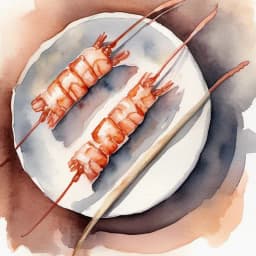
大阪府は江戸時代に全国から年貢米や特産品が集まる「天下の台所」として繁栄し、選りすぐりの食材を使った多種多様な料理が発展した「食い倒れのまち」です。大阪の食文化を象徴するのが「コナモン」と呼ばれる粉食文化で、たこ焼きとお好み焼きはその代表格です。たこ焼きは昭和初期に大阪市内の屋台で生まれた名物で、戦後にソースと青のりのスタイルが確立し、府民のソウルフードとして定着しました。お好み焼きもキャベツや肉を生地に混ぜて焼く大阪スタイルが全国に広まり、「大阪名物」の地位を不動のものとしています。泉州地域の「泉州水なす」は全国に知られる特産品で、水分たっぷりでアクが少なく、浅漬けにすると絶品のお取り寄せグルメです。「始末の精神」を大切にする大阪では、箱寿司やうどんすきなど食材を無駄なく活かす料理も発達し、北新地の割烹から道頓堀の串カツまで、あらゆる価格帯で食を楽しめるのが大阪の魅力です。ふるさと納税でも大阪の味が全国に届けられています。
Food
📍茨木市
Specialties from 茨木市 are also available via furusato nozei

特産品
A blessing from the mountains of Ibaraki that heralds the arrival of spring. In the mountainous regions spreading across the northern part of Ibaraki City, bamboo shoots emerge with the arrival of spring.
Growing in the hilly areas adjacent to Kyoto, these bamboo shoots are characterized by their tenderness and rich aroma. Freshly unearthed from the ground, they have a succulent flavor with minimal bitterness.
During the peak season, local farm stands become lively, filled with people seeking freshly harvested shoots. When prepared as simmered dishes, tempura, or bamboo shoot rice, you can enjoy their subtle sweetness and unique crunchy texture. Adding kinome (young leaves of prickly ash) further enhances the fragrance of spring. Please enjoy this premier spring delicacy nurtured by the mountain village.

ご当地グルメ
This food-tour event was born from a desire to revitalize the city. "Ibaraki Bar" was launched by local alumni who, during a reunion, discussed how the shopping streets lacked vitality and decided to create a gourmet event to boost their hometown.
With a system that allows participants to freely hop between shops in the city using a passport, the event has been highly popular. With each iteration, the number of participating stores has increased, growing into one of the largest bar events in Hokusetsu, with 91 stores participating in the 14th edition in 2025.
One of the true delights of this event is opening the doors to shops you might not normally enter and discovering unexpected hidden gems. Strolling through the town while tasting different dishes from each shop makes for a fun day packed with the charms of Ibaraki, bringing smiles to both locals and visitors alike.
📍羽曳野市
Specialties from 羽曳野市 are also available via furusato nozei

特産品
These are Habikino figs, boasting a sweetness that comes from being harvested at peak ripeness in the morning. Habikino City is known as a representative fig-producing area of Osaka Prefecture.
By leveraging the riverside land blessed with abundant water and its location near the city, our strength lies in being able to deliver fully ripe figs on the very same day they are picked. The main variety, Masui Dauphine, is characterized by its melting flesh and gentle sweetness.
When you take a big bite including the skin, the juicy flesh, the texture of the tiny seeds, and the mild sweetness spread throughout your mouth. They are exquisite when eaten as they are, but also wonderful as compotes, jams, or appetizers paired with prosciutto.
The juicy flavor unique to fully ripe fruit is a luxury made possible by our proximity to the production area. This is a fruit we truly want you to taste from summer through autumn.

特産品
Another way to savor the flavors nurtured by this grape village. Habikino City has been a prominent grape-growing region in Osaka since the mid-Meiji era.
In 1934, Tokuichi Kondo, a local grape farmer, began wine brewing to make use of fruit that was difficult to sell for fresh consumption. This marked the beginning of what is now Kawachi Wine, adding a wine culture to this grape town. The Delaware white wine remains a beloved signature product to this day.
When you bite into a heavy cluster of grapes, a juicy sweetness bursts in your mouth, making them the perfect summer snack. Meanwhile, the wine brewed from them enriches the dining table as a perfect accompaniment to meals. You can enjoy them as fresh fruit or by tilting a glass. It is a luxurious region where you can enjoy the blessings of the Habikino sun in two different ways.
📍河内長野市
Specialties from 河内長野市 are also available via furusato nozei

特産品
A small but essential specialty of Kawachinagano, indispensable even in tea ceremonies. Kawachinagano City is known as the 'Town of Toothpicks,' having once boasted a massive share of domestic production.
Mechanical production began in this region during the Taisho era, as it was a source of high-quality raw materials like Kuromoji (Caucasian spicebush) and white birch. It is said that at its peak, the area produced the majority of the country's supply, and even today, Osaka Prefecture remains one of Japan's leading production areas.
In particular, toothpicks made from highly fragrant Kuromoji are elegant masterpieces prized as sweet cutters in tea ceremonies. When inserted into Japanese sweets, a subtle woody aroma rises, adding elegance to the hospitality setting. Even in a small stick used casually in daily life, the craftsmanship refined in Kawachinagano resides. Please enjoy this hidden specialty as part of your everyday life.

郷土料理
A true feast from the mountains of Okukawachi, allowing you to savor the full bounty of nature. In Kawachinagano City, surrounded by the peaks of the Kongo Mountain Range, you can enjoy gibier dishes made with deer and wild boar.
'Gibier' refers to the meat of wild animals hunted in the mountains. Deer meat raised in the wild is lean and refreshing, while boar meat is characterized by its rich fat and deep, savory flavor. Local restaurants and roadside stations offer dishes prepared with fresh wild game.
From slow-cooked venison stew to fragrant grilled wild boar, each establishment offers unique culinary creations. A wonderful aspect is that the meat undergoes careful preparation to remove any strong odors, making it easy to enjoy even for first-time gibier eaters. Please come and indulge in these mountain delicacies that can only be found here, alongside the abundant nature of Okukawachi.
📍河南町
Specialties from 河南町 are also available via furusato nozei

特産品
"Naniwa Kuroushi" is a precious Japanese Black Wagyu brand that Osaka is proud of. It is raised as one of the few purebred Japanese Black Wagyu within Osaka Prefecture.
We focus exclusively on female cattle, carefully fattening them over a longer period of more than 30 months than usual. Because only a small number of cattle can be shipped each month, it is an extremely rare beef.
As a result of many years of research, we have achieved the authentic Wagyu flavor: fat that is not heavy and melts in your mouth. It was even served at the G20 Osaka Summit banquet in 2019.
With a rich umami that spreads in a single bite and an elegant, melting sweetness. Despite the small quantity, each animal is raised with great care and effort, making it a brand beef that Osaka takes pride in.
特産品
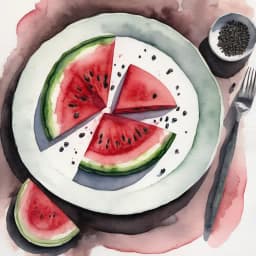
In Henan Town, which spreads across the foothills of Mount Kongo, sweet watermelons ripen in the summer. Known as 'Kongo Watermelon,' it is a local pride and specialty.
The cool climate of the mountainous area at the foot of Mt. Kongo, combined with the large temperature fluctuations between day and night, allows the watermelons to concentrate their sweetness within the fruit. Its defining characteristics are a pleasant, crunchy texture and an elegant, refreshing sweetness.
Chilled thoroughly and sliced into large pieces to bite into, the juicy flesh soaks into a body heated by the summer sun. As you feast on it, spitting out the seeds, memories of childhood summer vacations suddenly come rushing back. It is a seasonal tradition that heralds the arrival of summer in Henan Town.
📍貝塚市
Specialties from 貝塚市 are also available via furusato nozei

特産品
This is a summer vegetable that Senshu is proud of, boasting a juiciness akin to fruit. Kaizuka City is one of the primary production areas for 'Senshu Mizunasu,' which represents the Senshu region.
Senshu Mizunasu has a thin, soft skin and contains so much moisture that water drips when squeezed tightly. It has very little astringency and is tender enough to eat raw. In the past, because the skin was easily damaged, it was only enjoyed locally; however, following the opening of Kansai International Airport, it became known nationwide as a specialty of Osaka.
When pickled in rice bran (nukazuke) or lightly pickled (asazuke), the sweetness of the eggplant combines with the umami of the rice bran to further enhance its freshness. One bite releases a burst of juice, making it feel just like fruit. It offers a refreshing taste that is delightful during the hot season. Please enjoy this pride of Kaizuka's summer.

特産品
A masterpiece from Kaizuka that brings shine to your hair every time you comb it. Kaizuka City is known as one of Japan's leading comb-making towns, producing about 70% of the nation's boxwood combs.
Its history is ancient; during the Edo period, there are records of over 100 artisans honing their skills, with products being supplied to the Imperial Court and Kasuga Shrine. In the mid-Edo period, they were distributed across the country as 'Izumi Kushi'.
The combs, which artisans carefully polish one by one from boxwood, are characterized by being gentle on the hair and resistant to static electricity. Every stroke creates a natural luster and smooth, manageable hair. As you use it, the wood deepens into a rich amber color and becomes more familiar to your hand. It is a lifelong tool passed down from parent to child, staying by your side for years.
📍岸和田市
Specialties from 岸和田市 are also available via furusato nozei

特産品
When you bite into it, juice bursts forth. With more moisture than one would expect from an eggplant and a subtle sweetness, the Senshu Mizunasu is characterized by a freshness that feels closer to 'drinking' than 'eating.'
It features a plump, rounded shape with thin, tender skin. Because it has very little astringency, it can even be eaten raw. Cultivated in the Senshu region since ancient times, it is said that its name, 'Mizunasubi,' appears in literature dating back to the Muromachi period. The lightly pickled version, which highlights its juicy nature, is particularly popular, and it remains a beloved brand vegetable of the Senshu area, such as Kishiwada, alongside traditional rice bran pickles (nukazuke).
A single bite brings the summer of Senshu to life. It is a gift of early summer, capturing intense freshness within its soft skin.
ご当地グルメ
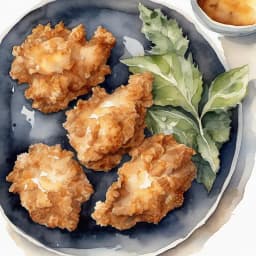
Crunchy and crispy. These small fish, fried to a fragrant perfection including their bones, melt lightly in your mouth. It is a Senshu snack that you won't be able to stop eating once you start.
'Gaccho' refers to several species of small fish, such as Mouse Gobies and Octopus Gobies, measuring about ten-plus centimeters, which are commonly caught in Osaka Bay. They are said to have earned this name from the aggressive way they bite at bait. Their season is from spring to summer. During this time, they appear in local markets and have long been enjoyed as a snack or an accompaniment to alcohol, now becoming a representative specialty of the Sensho region.
Edible down to the bone and packed with calcium, it is also perfect as a snack for children—a simple, rustic delicacy from Senshu that lets you enjoy the full bounty of the sea.
郷土料理
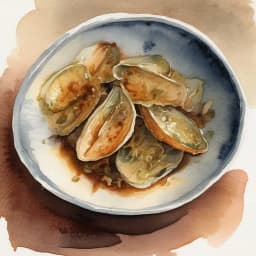
The savory umami of the small shrimp gently permeates the old pickled water eggplant, which crumbles easily in your mouth. The sweet and salty soy sauce flavor makes you want to eat more rice—it is a traditional home-cooked taste passed down in Senshu.
'Jako' refers to ebi-jako (small shrimp similar to Shina shrimp) caught in Osaka Bay, and 'goko' is the Senshu dialect word for pickles. It is said that this dish was born from the wisdom of common people: during years of bountiful harvests, surplus water eggplants were pickled in rice bran to be preserved, then cooked in the same pot with small shrimp that were abundant and nearly free due to large catches. The compatibility between the flavorful small shrimp and the deeply seasoned old pickles is exceptional. Some households use old pickled daikon radish instead of water eggplant.
It makes full use of the concept of 'mottainai' (avoiding waste). The lifestyle of Senshu, which survived through difficult times, is expressed directly in this flavor.

特産品
When you slice into it, there is a crisp, juicy sound. When cooked, it becomes melt-in-your-mouth sweet, and when eaten raw, it is soft and mild—Senshu onions are renowned for this sweetness and tenderness.
Senshu is often called the 'birthplace of onion cultivation in Japan.' It is said that the tradition began in 1879, when Heisaburo Sakaguchi received onion seeds from an American in Kobe and began cultivating them. Eventually, it spread as a secondary crop to rice, becoming a specialty across the entire Senshu area, including Kishiwada, Tajiri, and Izumisano. It is fascinating how varieties born in America were carefully selected to grow so sweetly in this specific land.
Bursting with moisture, sweet, and tender—this is the origin of Japanese onions, raised in the home of the Danjiri festivals, Senshu.
📍熊取町
Specialties from 熊取町 are also available via furusato nozei

特産品
Kumatori Town is a major production area for Senshu water eggplant, alongside Kishiwada, Kaizuka, and Izumisano. At local farm stands, you can find incredibly succulent specimens.
It is said to contain so much moisture that farmers once bit into them to quench their thirst during field work under the scorching sun. Only a tiny fraction of the highest quality produce passes through the region's strict selection process for shipment, and it was registered as a GI (Geographical Indication) in 2025.
When eaten raw, sweet juice bursts forth from the bite. When pickled in rice bran (nukazuke), the skin becomes silky and the flesh remains juicy. It is a dish that gently soothes you from the inside out on a hot, humid summer day.

特産品
Senshu's winter cabbage is a masterpiece known throughout the country. Produced in Kumatori Town, it boasts a sweet and juicy flavor.
Introduced to Senshu in the late Meiji era, large-scale collective cultivation began in the mid-Taisho era. The main variety produced in Senshu, 'Matsunami,' is heavy and intensely sweet; however, it is difficult to cultivate, requiring craftsman-like care to ensure uniform size and prevent diseases.
When shredded raw, you can enjoy a crunchy texture and a gentle, natural sweetness. When simmered slowly, it becomes melt-in-your-mouth tender, with the umami spreading through your palate. It is a seasonal delicacy that has become intensely sweet by enduring the bitter cold of winter.
📍交野市
Specialties from 交野市 are also available via furusato nozei

特産品
The Jinguji area of Katano City is one of Osaka's leading grape-growing regions. In particular, Delaware grapes are known as 'Jinguji Grapes' and are a source of local pride.
It is said that the history began in the 1940s and 50s when farmers, struggling with continuous cropping issues with peaches, shifted their focus to grape cultivation. The abundant water from the Katano mountain range and the well-drained alluvial soil produce sweet grapes. Today, they are certified as 'Osaka Mon' (Osaka-grown) and Osaka Eco-Agricultural Products, cherished as a local brand.
In summer, the production area bustles with grape-picking activities for seedless Delaware grapes. A rich sweetness bursts from the flesh as it pops in your mouth. They are the jewels of summer, enjoyed in the heart of the mountains.
📍高石市
Specialties from 高石市 are also available via furusato nozei
特産品
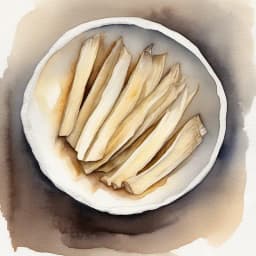
A bounty from the mountains in spring, nurtured by the hills of Senshu. Bamboo groves still exist in Takaishi City, allowing for the harvest of bamboo shoots when spring arrives. They are beloved locally as a flavor that heralds the arrival of spring in the Senshu region.
Soft and fragrant, bamboo shoots are truly exceptional when freshly harvested. With low bitterness, you can enjoy a crisp texture and a subtle sweetness.
When prepared as tempura, they offer a crunchy texture; when simmered, they soak up the dashi to bring out a deep, savory umami. Wakatake-ni (simmered bamboo shoots) garnished with sansho pepper makes for a visually spring-like dish. As bamboo shoot rice, the aroma of spring rises from the fluffy cooked grains, filling the entire dining area. It is a seasonal delicacy unique to Takaishi that lets you feel the changing of the seasons.

ご当地グルメ
Experience the seaside gourmet of Takaishi while feeling the ocean breeze. In the coastal area of Takaishi City, located close to Hamadera Park, you can enjoy meals in an open, seaside setting unique to the coast.
Barbecuing while smelling the scent of the tide or dining while gazing at the sea provides a special moment different from everyday life. A seaside table shared with friends and family becomes a truly memorable occasion.
Dishes enjoyed against the backdrop of blue skies and the vast ocean feel like a special feast, even with the same menu. The sound of ingredients sizzling on the grill and the savory aromas carried by the sea breeze are delicacies unique to the seaside. Time spent with friends and family will become even more unforgettable. Please enjoy an open-air gourmet experience at the Takaishi seaside, where you can fully immerse yourself in a leisure atmosphere.

特産品
A sweet bounty grown in the birthplace of onion cultivation. In Takaishi City, the representative 'Senshu Onion' of the Senshu region is also cultivated.
It is said that its origins date back to 1879, when Heizaburo Sakaguchi received onion seeds from an American in Kobe and began cultivation. Senshu is known as the 'birthplace of onion cultivation in Japan,' and Takaishi plays a key role in this production area.
These thick-fleshed onions are high in moisture and strong in sweetness, with very little pungency, making them delicious even when eaten raw. When thinly sliced for salads, you can enjoy a juicy sweetness along with a crisp texture. Another charm is that when slowly sautéed or stewed, they transform into a melt-in-your-mouth sweetness. Please enjoy this prideful flavor from the birthplace of onion cultivation.
📍高槻市
Specialties from 高槻市 are also available via furusato nozei
ご当地グルメ
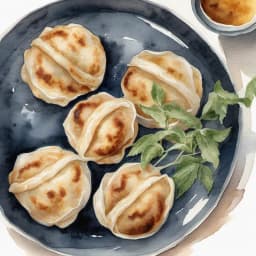
The fried surface is crispy and fragrant, while the inside features chewy udon noodles. Despite being called 'gyoza,' there is no wrapper—this mystery and light texture make it addictive.
It was born in the northern part of Takatsuki City, Osaka. It is said to have originated around the 1980s when housewives in areas like Tsukahara and Nanpeidai began sharing a recipe for 'gyoza that are easy to make without wrapping them in dough.' All you do is mix chopped boiled udon with chives, minced meat, and egg, then fry it into an oval shape. It is a dish born from domestic wisdom. In 2023, it was even selected as one of the Agency for Cultural Affairs' 'Food for the Next 100 Years.'
Because there is no wrapping involved, it is casual and fun. It is a warm, local gourmet specialty that grew up on the dining tables of Takatsuki.

ご当地グルメ
Born under the motto 'From Takatsuki to the Nation!', this is a local specialty hamburger from Takatsuki, Osaka.
Created in 2006, this burger was developed with the goal of recreating authentic American flavors. However, the ingredients are entirely local. It features Sankamaki tomatoes, Takatsuki eggs, Hattori Shirouri (cucumber), and Takatsuki Kanten (agar) sandwiched inside an American-sized bun measuring over 13 centimeters in diameter. The patty is made from 100% lean beef with the fat removed, boasting a powerful meaty umami.
When you take a large bite, the juicy meat juices, the freshness of the tomato, and the crisp texture of the cucumber all rush in at once. Its prowess is no exaggeration, having won first place nationwide at 'Burger EXPO 2018'. It is a satisfying, pride-of-the-local masterpiece.

特産品
With its smooth texture, this agar is a traditional flavor nurtured by Takatsuki. Takatsuki City has been known as a famous producer of agar since the Edo period.
It all began in the 1780s when Hanpei Miyata, a native of Takatsuki, learned the production method in Fushimi and brought it back to his hometown. Benefiting from a location convenient for transporting raw materials, abundant water and fuel, and the essential winter cold required for agar making, it grew into one of Japan's leading production areas by the late Edo period.
Even today, local producers continue to preserve the traditional methods of natural agar production. The old-fashioned process of freezing it with the winter cold and drying it in the sunlight creates a smooth and elegant mouthfeel. It is widely used as an ingredient for tokoroten (jelly noodles), mizuyokan (red bean jelly), and various Japanese sweets. Please enjoy this natural blessing nurtured by the cold winter.
📍阪南市
Specialties from 阪南市 are also available via furusato nozei

特産品
In the hilly regions of Hannan City, sweet peaches are carefully nurtured, making full use of the warm Senshu climate. They are a delightful seasonal delicacy that brightens dining tables in early summer.
Having ripened under abundant sunlight, these peaches are highly fragrant and juicy. Due to their refreshing juiciness and elegant sweetness, they are popular as gifts, and the production area becomes even more lively when summer approaches.
As you gently bite into the soft flesh, a rich sweetness spreads through your mouth along with an overflow of juice. When eaten well-chilled, the burst of juice alone will envelop you in a feeling of pure happiness. It is a gift that heralds the beginning of summer—a seasonal treasure you won't want to miss.

特産品
In Hannan City, the Senshu Mizunasu, which the Senshu region takes great pride in, is also grown. The warm climate at the southern edge of the Senshu region is perfect for cultivation.
With a long history recorded as 'Sawanasu' in the Muromachi period text 'Teikin Ora,' Senshu Mizunasu was registered as a GI (Geographical Indication) in 2025. Its defining characteristics are an abundant moisture content—so much so that water drips when squeezed—and a pleasant, soft skin.
When pickled in rice bran (nukazuke), the juicy flesh and subtle sweetness are irresistible. It is a rare type of eggplant with low astringency that can be eaten raw, making it perfect for a refreshing dish on a hot day. Its freshness gently soothes a heated body.
📍堺市
Specialties from 堺市 are also available via furusato nozei

特産品
This is a masterpiece that Sakai is proud of, captivating chefs around the globe. Sakai City is known as one of Japan's leading knife-making towns, accounting for approximately 90% of the domestic market share for professional Japanese cuisine knives.
Its roots are ancient, beginning in the 15th century when a group of blacksmiths migrated from Kaga. During the Edo period, the 'tobacco knife' used for chopping tobacco leaves gained great fame; as the Shogunate granted official seals to guarantee quality, Sakai's sharpness spread throughout the country.
The tradition of artisans dividing labor into specific processes—'forging,' 'sharpening,' and 'handle fitting'—to finish each knife by hand is still carefully preserved today. The sharp, smooth cutting edge slices through ingredients without crushing the fibers. Once you use one, you won't be able to let it go; it is a lifelong tool that makes cooking a joy.

特産品
Thinly, thinly shaved kelp melts softly in your mouth, as the savory umami of dashi spreads gently—Sakai's kombu processing is an art form born from the skilled hands of artisans.
During the Edo period, kombu from Hokkaido was loaded onto Kitamaebune ships and transported via the Westward Route, passing through Shimonoseki in the Sea of Japan, to arrive in Osaka and Sakai. Sakai possessed renowned blacksmithing and blade-making techniques; by utilizing this sharp cutting precision, the processing of oboro kombu and tororo kombu flourished. Being close to the major consumption center of Osaka also provided a tailwind, and it is said that by the Taisho to early Showa eras, the area had become a major production hub with approximately 150 processors.
This paper-thin kelp was born specifically because of this city of blades. The craftsmanship of Sakai's artisans has quietly supported the dashi culture of Osaka.

郷土料理
On the iron griddle, the sauce sizzles loudly. An egg is placed atop the fluffy cooked batter, and as air is trapped between the batter and the egg, it melts softly in your mouth the moment you take a bite.
Sakai is a city of artisans known for cutlery and incense, but it is also a place crowded with famous okonomiyaki restaurants. The Kansai style involves flavoring the batter with dashi made by simmering ingredients like beef tendon, kelp, and mackerel over time. This is then finished with a generous coating of sweet sauce. It has been loved locally for a long time as a flavor cherished by everyone from the elderly to children.
A single, fluffy layer enveloped in egg. Gathering around the griddle and taking a bite through the rising steam—the warm daily life of Sakai can be found right here.
📍四條畷市
Specialties from 四條畷市 are also available via furusato nozei

特産品
In the bamboo groves of Shijonawate City, stretching at the foot of Mount Ikoma, fresh and succulent bamboo shoots push through the soil when spring arrives.
Growing in high-quality soil, they are characterized by their tenderness and lack of bitterness. Due to its proximity to Kyoto, the quality has been highly regarded since ancient times. Savoring them thinly sliced raw, freshly dug, is an extraordinary luxury that can only be experienced at the source. It is a much-anticipated seasonal delicacy that has graced local spring dining tables every year.
Prepared as Kinome-ae (bamboo shoots with young sansho leaves) or Wakatake-ni (simmered bamboo shoots), their subtle bitterness and sweetness herald the arrival of spring. The crisp, crunchy texture feels as if you are bringing the changing seasons directly to your palate. It is a bounty of the mountains, available only at this time of year.
ご当地グルメ
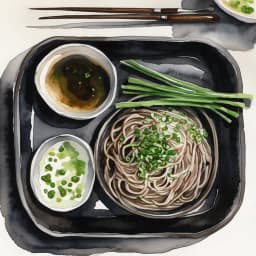
Nanko Soba, a specialty of Shijonawate City, is a dish named after the warrior Kusunoki Masashige (known as Ko-Nanko), who had deep ties to this land.
Shijonawate Shrine, nestled at the foot of Mount Iimori, was established in 1889 to enshrine Lord Masashige. Walking through the lush green shrine grounds and connecting with history before slowly slurping soba along the approach—this is a way of enjoying life unique to this town. The firm texture of the handmade noodles and the aroma of the dashi broth provide a soothing relief to a weary heart.
As the smooth noodles slide down your throat, they are accompanied by the subtle romance of ancient history. It is a flavor unique to this land that satisfies not just your hunger, but your soul as well.

特産品
Grown in the mountainous areas of Shijonawate City, these log-cultivated shiitake mushrooms grow large and slow, taking their time amidst the clear air and moderate humidity of the Ikoma mountain range.
Characterized by the thick caps unique to log cultivation, a deep umami flavor, and a rich aroma that rises the moment you lift the cap, they possess a profound taste as if the blessings of the mountains have been captured within. This is only possible because they are raised slowly and with great care in a way that stays close to nature.
When toasted over a net until golden brown, the bursting umami will leave you in awe. When added to hot pots, they greatly deepen the broth, and when used in simmered dishes, they provide a nutritious richness. These are fragrant, powerful mushrooms that can take center stage on any plate even when simply grilled.
📍守口市
Specialties from 守口市 are also available via furusato nozei
特産品
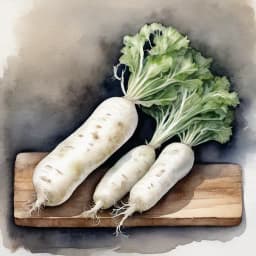
This is the world's longest and thinnest radish, exceeding 1 meter in length. Named 'Moriguchi Daikon' after Moriguchi City, this amazing traditional vegetable reaches over 1 meter in length with a diameter of only a few centimeters.
Its history is ancient, said to date back to the Muromachi period. There is even an anecdote that Toyotomi Hideyoshi greatly praised the long pickled radish after eating it in this region, leading him to name it 'Moriguchi-zuke.'
Long and slender, Moriguchi Daikon has been enjoyed as 'Moriguchi-zuke,' which is slowly pickled in sake lees and mirin lees. The radish, pickled to a beautiful amber color, features a crunchy texture and a sweet aroma from the lees that stimulates the appetite. It is perfect as an accompaniment to rice, a snack with alcohol, or even as a treat with tea. It is a unique and profound taste of Osaka that serves as a great conversation piece.

特産品
A single, long, slender radish—its name is derived from this very form: "Moriguchi-zuke."
The name comes from the Moriguchi daikon radish, famous in the area of Moriguchi, Osaka. It is a rare variety known as one of the longest and thinnest radishes in the world, measuring only about two centimeters in diameter and over one meter in length. This radish is first salted to remove excess water, then layered repeatedly with sake lees and mirin lees over a period of more than two years. As it undergoes multiple pickling cycles, the saltiness mellows, the tough fibers become tender and moist, and the flavor becomes smooth. The finished product boasts a beautiful, glossy amber color.
The rich aroma of the lees, combined with an exquisite balance of elegant sweetness and umami, creates a delightful, crunchy texture that leaves you wanting more. Whether served atop warm rice, as an accompaniment to tea, or as a snack with alcohol, it is a deeply nourishing delicacy born from painstaking craftsmanship.
📍松原市
Specialties from 松原市 are also available via furusato nozei

特産品
Duck that is even called 'the most luxurious duck meat in Japan' is being raised in Matsubara, Osaka.
The producer is Tsumura Main Store, founded in the third year of the Meiji era. They handle everything from hatching and rearing to butchering in-house, and in 2001, they branded their self-produced hybrid ducks as 'Kawachi Duck.' While typical ducks are shipped after about fifty days, Kawachi Duck is raised for approximately seventy-five days. They are carefully raised using original feed in spacious poultry houses without causing stress. Due to its rarity—limited to only 200 birds per day—it was selected as an official ingredient for the G20 Osaka Summit.
Boasting freshness so high it can even be eaten raw, the loin is a vibrant ruby color. The fat is clear and sweet, and a rich umami flavor overflows with every bite. Whether in sukiyaki or hot pot, it is a dish that will leave you in awe of its quality.

ご当地グルメ
This is a local specialty burger from Matsubara, packed with the essence of local ingredients. 'Matsubara Burger' consists of original burgers created by various restaurants within the city, each using agricultural and livestock products grown in Matsubara.
One of Matsubara City's famous specialties is 'Kawachi Duck,' which has been produced since the early Meiji era. This premium brand duck is raised by Tsumura Main Store, which has dedicated itself to duck farming for over 140 years, and was even served at the G20 Osaka Summit luncheon. Using this Kawachi Duck and other local produce, each restaurant competes with their own pride-and-joy burgers.
With the savory richness of juicy duck meat layered with the freshness of local vegetables, each burger is a true feast filled with the blessings of Matsubara. One bite releases overflowing juices that will surely bring a smile to your face. Since ingredients and seasonings vary by shop, one of the joys is comparing them to find your favorite. It is a local burger that perfectly captures the charm of locally produced, locally consumed food.
📍寝屋川市
Specialties from 寝屋川市 are also available via furusato nozei

ご当地グルメ
The offal puffs up on the grill, and the fat crackles—Neyagawa is a city crowded with shops serving exactly this kind of hormone-yaki.
Hormone-yaki is a cuisine that originally flourished in Osaka. The style of grilling fresh organ meats over charcoal to create a fragrant aroma spread widely, and it is now loved throughout Osaka. Neyagawa is home to many specialty shops that insist on freshness, receiving ingredients directly from the slaughterhouse; people pass through the shop curtains every day seeking the elasticity and aroma that can only be tasted locally. The meticulous cleaning process creates a clear umami without any unpleasant odor.
Plump, springy shima-chou (small intestine), melt-in-your-mouth sweet heart, and rich liver. When you take a bite coated in sauce, the savory fat and fragrance spread throughout your mouth. It is a local specialty that goes irresistibly well with a cold beer.

特産品
This exquisite sweet transforms the tale of the princess passed down in Neyagawa into a confection. The story of 'Hachikazuki-hime,' found in illustrated fairy tales, tells of a young girl wearing a large bowl on her head who overcomes bullying and hardships to find happiness. Neyagawa is beloved as the setting for this legend.
The narrative—in which a princess, driven from her home by a stepmother's bullying, eventually has the bowl removed to reveal her true beauty and marries a noble official—has been depicted in Noh plays and picture books.
This Japanese sweet, inspired by such a heartwarming legend, is a treat that gently conveys the history and stories of Neyagawa. As the gentle sweetness of the bean paste melts in your mouth, you can almost envision the princess grasping her happiness after overcoming adversity. As a souvenir, it allows you to share the story with those you give it to. It is a confection meant to be savored slowly while reflecting on the legend.

特産品
A place of relaxation in Neyagawa where you can take a break amidst nature. The Uchiage Flood Control Green Space in Neyagawa City serves the role of protecting the city from floods, while also being a beloved spot for citizens to relax.
It is a spacious green area where you can enjoy nature throughout the four seasons, making it perfect for walks and picnics. At the local marche, farmers' fresh vegetables and specialty products are lined up, bustling with people enjoying their shopping.
The freshly harvested local vegetables at the marche are exceptional in both freshness and flavor. You can enjoy a juiciness that is only possible because of the short distance from field to table. It is a pleasant spot in Neyagawa where you can take a deep breath while strolling leisurely through the greenery, find your favorite vegetables, and obtain local blessings while refreshing both body and mind.
📍吹田市
Specialties from 吹田市 are also available via furusato nozei

特産品
After a fluffy texture in the mouth, a subtle bitterness lingers. Despite its small size, it has a rich flavor that is unforgettable once tasted—Suita Kwai is such a deeply flavorful vegetable.
It is a historic crop recorded in the 1701 document 'Setsuyo-gun Dan' as saying, 'Though small in shape, the taste is extremely good.' It is said that during the Edo period, it was presented to the Imperial Palace in Kyoto, a tradition that continued for nearly 200 years. It is also known that the botanist Dr. Tomitaro Makino identified it as native to Japan and gave it its scientific name. Because of the way it sprouts, it has also been cherished as a symbol of good fortune (associated with 'omedetai,' meaning auspicious).
A traditional vegetable of Naniwa that has been passed down through the threat of extinction. Its small tubers are packed with a long history.

特産品
A winter tradition in Suita that any ramen lover should visit at least once. The "Ramen EXPO," which began in 2014 at Expo '70 Commemorative Park, is known as one of the largest ramen events in Western Japan.
Popular shops from Hokkaido to Kyushu gather in one place, held annually from autumn to winter. Many people flock to the venue seeking a steaming hot bowl under the cold sky. Sometimes gyoza events are held simultaneously, making the venue feel like a lively festival.
The true charm of this event is being able to compare the flavors of renowned famous shops all at once. The bowl you encounter after waiting in line is so delicious it makes you forget the cold. Searching for your favorite flavor while surrounded by the aroma of soup spreading through the steam—it is an irresistible winter festival in Suita for ramen fans.
📍摂津市
Specialties from 摂津市 are also available via furusato nozei

特産品
Known as the 'phantom eggplant,' this is a traditional vegetable from Settsu. 'Torikai Nasu' is one of Naniwa's heritage vegetables that has been grown in the Torikai district of Settsu City since the Edo period.
It features a round shape similar to Kyoto's Kamo Nasu, with soft skin and fine-textured flesh. It is characterized by a unique sweetness and a structure that holds up well even when cooked.
Because it requires abundant water and significant labor, there was a time when only one farm remained producing it, leading it to be called the 'phantom eggplant.'
When prepared as Dengaku or in simmered dishes with thorough cooking, its chewy texture and mellow sweetness are further enhanced. The miso and dashi soak into the meltingly soft flesh, pairing perfectly with both rice and sake. This is a variety that was once on the verge of disappearance but has been preserved through the dedicated efforts of farmers. Please enjoy this precious traditional taste that can only be experienced in Settsu.

特産品
This is a local sake from Settsu, nurtured by the gentle climate of Hokusetsu. The Torikai district in Settsu City is a land with deep historical ties to sake brewing. Blessed with high-quality water, it has been known as an ideal location for making sake.
What is indispensable for sake brewing, above all else, is clean water. Brewed slowly under the mild climate of northern Osaka, this local sake offers a gentle flavor rooted in the community.
A joy of enjoying sake is how its character changes with temperature: refreshing when chilled, and mellow when warmed. It serves as an excellent supporting actor, enhancing the flavors of food and gently coloring your dining experience. This local sake, reflecting the water and climate of the land, is best enjoyed alongside local cuisine. Please take a moment to enjoy a glass during a peaceful night in Settsu.
📍千早赤阪村
Specialties from 千早赤阪村 are also available via furusato nozei

特産品
The 'Shimoakasaka Terraced Rice Fields,' stretching across Chihaya Akasaka—the only village in Osaka Prefecture—are a beautiful landscape selected as one of Japan's Top 100 Terraced Rice Fields.
These terraces, said to have existed since the Muromachi period, were built step-by-step like stairs along the slopes of a village with little flat land. Pure water and the large temperature fluctuations within the mountains nurture plump, well-formed grains of rice. In early summer when the fields are flooded, and in autumn when the rice ears ripen, the sunset reflects beautifully on the water's surface, attracting many photography enthusiasts.
When cooked, each grain shines with a glossy luster, and a natural sweetness spreads with every bite. Enjoying a bowl of rice while imagining that beautiful terraced landscape is an exceptional luxury.

ご当地グルメ
Chihaya Akasaka Village, the sole village in Osaka Prefecture, is a nature-rich settlement spreading across the foothills of Mount Kongo. In winter, you can enjoy gibier cuisine, a true blessing from the mountains.
Dishes made with deer and boar raised freely within the rich natural environment of the Kongo mountain range offer a unique flavor that can only be experienced in this village. It is cherished as a hidden gourmet gem where you can savor authentic mountain delicacies while still in Osaka.
Carefully prepared to eliminate any gaminess, the meat is rich in umami and highly satisfying. Served in a piping hot hot pot, it will warm you to your very core. A rustic dish enjoyed in a quiet mountain village away from the hustle and bustle of the city is sure to become an unforgettable meal.
📍泉佐野市
Specialties from 泉佐野市 are also available via furusato nozei

特産品
A juicy summer vegetable grown right at the doorstep of the airport. Izumisano City is one of the central production areas for 'Senshu Mizunasuna,' which represents the Senshu region.
Senshu Mizunasu is characterized by its thin, soft skin and high moisture content. It is so fresh and low in astringency that it can even be eaten raw. In Izumisano, located near Kansai International Airport, these water eggplants are carefully cultivated as a specialty of Osaka.
Lightly salted pickles (asazuke) offer a classic flavor where you can enjoy the sweetness of the eggplant and its crisp texture. They are so juicy that they drip with nectar when squeezed, and a single bite spreads a refreshing sweetness throughout your palate. A delightful summer dish that stimulates the appetite during the hot season. This is a bounty of Senshu's summer, highly popular as a souvenir.

特産品
Known as 'Watari-gani' (migratory crabs) because they move as if swimming across the sea, these are actually swimming crabs (gazami). Their famous production area is Izumisano, which faces Osaka Bay.
Osaka Bay, a calm inner bay with sandy/muddy bottoms, is rich in polychaetes and other organisms that serve as food for swimming crabs, and has long been known for catching high-quality crabs. Izumisano boasts one of the highest catch volumes in the prefecture, and locally, they are affectionately called 'Watari.' The fisheries cooperative also continues efforts to sustain resources, such as releasing egg-bearing crabs back into the sea.
Above all, their charm lies in their intense, concentrated umami. In the Senshu region, boiling them in salt water is the standard; when you crack the shell, the aroma of the sea rises with the steam, and the rich miso coats the moist meat. They are a true delicacy of the sea that can take center stage even in Chinese or Western-style dishes.

特産品
Osaka Bay is known as 'Uoniba no Umi' (the sea of fish gardens) due to its abundant prey, and the common octopus raised here is the pride of Senshu, known as 'Izumi Tako.'
Because they feed on a rich variety of prey such as shrimp and crab and grow in gentle currents, the meat is tender and flavorful. Registered as a regional collective trademark by the JF Osaka Federation of Fisheries Cooperative Associations, these octopuses caught off the coast of Senshu are boiled and delivered as 'Izumi Tako.' One of the techniques used is to freeze them once before boiling, which breaks down the fibers to create an even softer texture. Fishing is conducted while carefully protecting resources, such as returning any octopus under 300 grams back to the sea and refraining from fishing during spawning seasons.
When you take a bite, a sophisticated sweetness unique to octopus gently follows a firm, bouncy texture. Low in fat and rich in taurine, it is a delicious and health-beneficial blessing from the sea.

特産品
These are sweet, juicy onions that make you want to bite into them raw. Izumisano City is known as the primary producer of 'Senshu Onions,' which represent the Senshu region.
Known as the 'birthplace of onion cultivation in Japan,' the Senshu region has a long history of farming dating back to the Meiji era. Well-drained sandy fields and a warm climate produce onions with high moisture content and intense sweetness.
Thick and tender, the best way to enjoy Senshu onions is thinly sliced in a salad. Because they have low pungency and are so juicy, they can be eaten easily even raw. Another charm is that when cooked thoroughly, they transform into a melt-in-your-mouth sweetness. It is a flavor Izumisano is proud of, which even people who dislike onions will surely love.
📍泉大津市
Specialties from 泉大津市 are also available via furusato nozei

特産品
This is a proud piece from Izumiotsu that has supported warm sleep for generations. Izumiotsu City is known as the 'Blanket Town,' accounting for approximately 90% of all blankets produced in Japan.
Its roots date back to the Edo period. The entire Senshu area was a land where cotton cultivation flourished, and following the opening of the country in the Meiji era, blanket making developed with the support of military demand and other factors. A system was established where artisans specialized in spinning, weaving, and brushing, resulting in the production of high-quality blankets.
High-quality blankets that softly envelop the skin are an essential item for the cold winter. Once covered, you will feel a gentle warmth and be invited into a comfortable sleep by the smooth texture. Please experience for yourself the warmth woven by the craftsmanship of Blanket Town—a blanket that grows more dear to you the longer you use it.

特産品
These sweet new onions are perfect for spring salads. In Izumiotsu City, the 'Senshu Onion'—a representative vegetable of the Senshu region—is cultivated.
The Senshu region is often called the 'birthplace of onion cultivation in Japan' and has a long history of being grown as a secondary crop in rice paddies since the Meiji era. The warm climate and well-drained soil produce onions that are juicy and sweet.
In particular, the new onions harvested in early spring are attractive because they are soft, have little pungency, and are delicious even when eaten raw. When thinly sliced for a salad, a refreshing sweetness spreads in your mouth along with a crisp texture. If sautéed slowly, they develop a melt-in-your-mouth sweetness. It is a flavor the Senshu region is proud of, adding color to the spring dining table.
📍泉南市
Specialties from 泉南市 are also available via furusato nozei
特産品
Senshu Mizunasu is so succulent that water drips when squeezed. In Sennan City, they are cultivated as part of the prestigious Senshu brand.
Its history is ancient, appearing in the Muromachi period text 'Teikin Ora' under the name 'Sawanasu'. Unlike common eggplants, this rare variety has almost no astringency and can be eaten raw due to its subtle sweetness and tenderness. The current mainstream version, 'Senshu Kinpi Mizunasu', was developed through the breeding of the 'Kinchaku-type' varieties during the 1950s.
First, try tasting it pickled in rice bran (nukazuke). You will be surprised by the sweetness that fills your mouth, with skin that melts away and juicy flesh. It is an indispensable local specialty for the dining table during the hot season.

特産品
The round, well-shaped taro from Sennan City is also called 'Tsukimi-imo.' It earned this lovely name because it is used as an offering during the Jugoya (mid-autumn moon viewing) festival.
Its history began in the Taisho era with the cultivation of Ishikawa-wase in the Kawachi region, and in 1985, it was officially registered as a variety named 'Sennan Nakano-wase' by Mr. Nakano, a local resident. Osaka's taro is a high-quality product with a fine texture that has long been prized by traditional Japanese restaurants.
When boiled, a chewy and sticky texture spreads throughout the mouth. When cooked in stews, it absorbs flavors beautifully and melts tenderly, offering a profound, savory taste. It is a potato of our hometown that one would want to savor slowly while gazing at the round autumn moon.

特産品
Senshu towels absorb water instantly the moment they touch your skin. In fact, this Sennan region is the birthplace of the Japanese towel industry.
In 1887 (Meiji 20), Enjiro Satoi from Izumisano invented the 'Uchidoki' machine, which weaves pile, successfully achieving the first domestic production of towels. The true essence of Senshu towels lies in the 'atozarasu' method, where the fabric is bleached after weaving, fully bringing out the thread's inherent absorbency and soft texture.
Craftsmanship refined over more than 130 years lives within every towel you pick up each morning. Burying your face in a freshly washed towel provides a soft embrace, making the start of your day truly comfortable.
📍太子町
Specialties from 太子町 are also available via furusato nozei

特産品
The Unshu mandarin oranges grown in Taishi Town, a place with historical ties to Prince Shotoku, are renowned for their sweetness. Over 10,000 mandarin trees spread across south-facing hills.
'Kami-no-Taishi Kanko Mikan-en,' one of the largest scale orchards in the Kansai region, opened in 1968. These prideful oranges are certified as 'Osaka Eco-Agricultural Products,' having reduced pesticides and chemical fertilizers to less than half of the usual amount, and have been selected as a specialty product of Naniwa under the name 'Osaka Mikan.'
Freshly picked mandarins are juicy and sweet-tart. Mandarin picking from autumn to winter attracts many families every year. This is a blessing unique to Taishi Town, grown while basking in plenty of sunlight on south-facing slopes.

特産品
Taishi Town is a village of grapes that makes full use of the warm Minami-Kawachi climate. Kyoho and Shine Muscat grapes flourish across approximately 80 hectares of vineyards.
From Kyoho and Delaware to the popular Shine Muscat, a wide variety of cultivars are grown here. Since 2000, the NPO 'Taishi Town Grape School' has welcomed urban residents, establishing a unique agricultural support system to assist grape farmers whose numbers are declining due to an aging population.
When you bite into the plump flesh, a deep sweetness and rich aroma spread throughout your mouth. Each berry, enjoyed along with the passion of its grower, offers an exceptionally special taste. Please visit the fields and enjoy the bountiful blessings of autumn.
📍大阪狭山市
Specialties from 大阪狭山市 are also available via furusato nozei

特産品
When it comes to souvenirs from Sayama City, Osaka, there is the 'Sayamaike Mochi,' named after the city's symbol, Sayama Pond.
Sayama Pond is Japan's oldest dam-type reservoir, constructed approximately 1,400 years ago during the Asuka period. It is a treasury of history, with famous figures from different eras—such as Gyoki in the Nara period, Chogen in the Kamakura period, and Katagiri Katsumoto in the Edo period—having been involved in its renovation. Mochi inspired by this eternal saga is beloved locally as a souvenir.
With soft mochi and a gentle, elegant sweetness, taking a sip of warm tea makes you feel a sense of calm and relaxation, as if strolling along the shores of the water-filled pond.

特産品
In Osaka Sayama City, fresh local vegetables are carefully nurtured on precious farmland that remains amidst expanding residential areas.
Vegetables harvested that very morning are lined up at the 'Jumbo Square' direct sales market and other locations, brightening local dining tables on the same day. The greatest charm is the vibrant, fresh juiciness that can only be experienced because of the short distance from field to table.
Glossy tomatoes, crunchy cucumbers, and root vegetables with a faint scent of earth—one bite will make you realize the true intensity of the vegetable's natural flavor. Along with the peace of mind that comes from knowing the faces of the producers, you can fully enjoy the seasonal bounties of the fields.
📍大阪市
Specialties from 大阪市 are also available via furusato nozei

ご当地グルメ
Crispy on the outside, creamy on the inside. When you take a bite while it's piping hot, the delicious flavor of the dashi-infused batter spreads throughout your mouth. This is the birth of Osaka's soul food, Takoylaraki.
The creator was Tomekichi Endo, the first generation of Aizuya. In 1935, he began adding octopus to the meat-filled 'Radio-yaki' he had been selling, following a customer's comment: 'In Akashi, they put octopus in it.' Endo's specialty was dissolving the flour in a soy-flavored dashi. This is why Aizuya's takoyaki is delicious even without sauce.
Eventually, covered in sauce and green seaweed, it spread across the country and became a symbol of the indispensable flour-based food culture found on the street corners of Osaka.

ご当地グルメ
The sizzling sound as it cooks on the iron plate. The savory aroma of the sauce rising up, and the moment the spatula presses into the fluffy batter—it is simply irresistible.
It is said that its roots lie in 'Dondon-yaki,' which was popular in Tokyo during the Taisho era. This spread to the Kansai region and evolved into 'Issen Yoshoku,' made of flour dissolved in water and brushed with Worcestershire sauce. It was reportedly called 'Yoshoku' (Western food) because sauce was considered fashionable and Western at the time. Eventually, amidst the food shortages after the war, it developed primarily in Osaka due to its convenience of being prepared on a single iron plate, evolving into its current form with plenty of mixed-in cabbage.
Choose your favorite ingredients 'as you like' (okonomi). The joy of gathering around the iron plate with everyone is part of the flavor itself.
ご当地グルメ
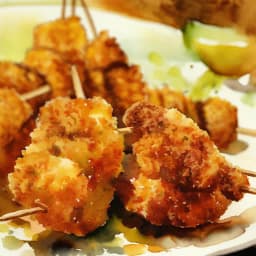
Dip the crispy fried coating into the sauce and take a big bite. It's light and crunchy, making it hard to stop at just one.
It is said to have originated at 'Daruma' in Shinsekai. In 1929 (Showa 4), the first owner, Yoshie Hyakuno, opened the shop, and it is told that they initially sold beef and potato skewers for just one sen each. The skewers were designed to be cheap and delicious so that manual laborers could quickly fill their stomachs. It is also said that the rule of 'no double-dipping' in the shared sauce pot—to keep it clean—spread from here.
While scooping up extra sauce with the accompanying cabbage, you can taste the warmth and hospitality of Osaka packed into every single skewer.

ご当地グルメ
The tender, slow-cooked beef tendon melts in your mouth. The sweet aroma of the miso perfectly complements alcoholic beverages.
The name originates from its cooking method. Miso is piled around the inside edge of a shallow iron pan like an embankment (dote), with the ingredients grilled in the center and then simmered in the melting miso—hence the name "Doteyaki." While it is believed to have originated in Osaka around 1920, no specific restaurant can be identified as its creator. Since it appears as "two-sen doteyaki at a night stall" in Shinnosuke Oda's 'Meoto Zenzai,' which depicts Osaka during the Taisho and early Showa eras, it is thought to be a commoner's flavor born from street stalls.
The gentle sweetness of white miso is truly the taste of Osaka. The longer it is simmered, the more delicious it becomes.

ご当地グルメ
The chewy dough meets the popping texture of the squid. Its simple, savory dashi-infused flavor is strangely addictive.
Osaka-style Ikayaki is different from grilled squid on a skewer. It is a 'konamon' made by pressing a batter of flour, dashi, and squid between two hot iron plates to create a flat, pressed cake. It is said to have originated as a snack for senbei (rice cracker) artisans. The flavor was popularized by Hanshin Department Store, which opened in 1957. Marketed as 'Hanshin's Specialty Ikayaki,' it became a famous item selling over 10,000 pieces a day in the basement snack park.
Break it in half while it's piping hot and enjoy it with eager bites. If you find yourself in Umeda, this is a piece you must try.

ご当地グルメ
Taking a sip of the piping hot broth reveals a spreading, rich umami flavor. The 'Abura-kasu' topping adds profound depth to the dashi.
Abura-kasu is made by slowly deep-frying beef small intestine (horumon) to remove excess fat and moisture. It has a crispy exterior that transforms into a melt-in-your-mouth texture when simmered. Its origins lie in the Minami-Kawachi region of Osaka, around cities like Habikino and Fujiidera. It is said to be an ingredient born from the 'mottainai' (waste-not) spirit, utilizing parts that were traditionally not discarded. In 1995, 'Kasuya' in Fujiidera City is credited with popularizing this dish as 'Kasu Udon.'
While it looks light, the flavor is rich and intense. It is the perfect bowl to finish a night of drinking.

ご当地グルメ
The sweet simmered fried tofu soaks up the flavorful kelp dashi. Its gentle taste warms you to the core.
The shop believed to be the birthplace of Kitsune Udon is "Matsubaya" in Semba (now Usami-tei Matsubaya). It is said to have started around 1893, when the first owner served sweet fried tofu alongside udon, and customers began eating it on top of plain udon noodles. The founder had trained at a sushi restaurant, and it is said that the techniques for frying inari sushi live on here. Since fried tofu is a favorite of foxes and Inari is the deity of commerce, the auspiciousness—fitting for the merchant city of Osaka—also helped its reputation grow.
With dashi made from true kombu and chewy noodles, this is the udon most loved by the people of Osaka.

銘店
When you break open the fluffy dough, steam gently rises. Juices overflow from the generous filling of pork and onions.
551 Horai was founded in Namba in 1945 as "Horai Shokudo." It is said that the founder, Luo Bangqiang, took note of the popular pork buns in Kobe and commercialized them with a slightly larger size and a flavor profile preferred by people in Osaka. The name was changed from "Butamanju" (pork dumpling) to "Butaman" (pork bun) because it is easier to pronounce. The number "551" is said to represent the wish to make both the taste and service "the very best."
Freshly steamed right at the storefront and served piping hot. As a staple Osaka souvenir, the lines remain endless even today.

銘店
Break the raw egg with your spoon and mix it in for a mellow flavor. The spice-infused roux and rice are already pre-mixed.
Jiyuken is a Western-style restaurant founded in 1910 in Sennichimae, Minami, Osaka. Its signature 'Famous Curry' is a unique dish where the roux and rice are pre-mixed and topped with a raw egg in the center. It is said that this technique was devised to ensure the dish stays warm and doesn't cool down easily. The Showa-era literary master Sakunosuke Oda was a regular, and this curry even appears in his masterpiece 'Meoto Zenzai,' where he describes it as 'delicious.'
The more you mix the egg, the smoother and gentler the flavor becomes. It is a specialty of Minami that has been loved for over 100 years.

特産品
The pufferfish meat becomes plump in the kombu dashi broth. Enjoy the bouncy white flesh with a refreshing dip in ponzu sauce.
The name 'Tecchiri' originates from the fact that pufferfish were called 'Teppo' (gun) in Osaka. It is said that the toxin, which can be fatal if hit, was likened to a bullet from a gun. The term 'Tecchiri' is believed to be an abbreviation of 'Teppo-no-Chiri-nabe' (gun-style hot pot).
While eating pufferfish was banned for a long time, the number of specialty restaurants increased in Osaka following its legalization in 1941. It is now said that much of the natural pufferfish consumed nationwide ends up in Osaka.
Finishing with Zosui (rice porridge) is the Osaka style. It is a special delicacy for the cold season.

郷土料理
Shrimp and conger eel are beautifully arranged atop square-shaped sushi. With every bite, the meticulous craftsmanship is evident.
The creator of Hako-zush was 'Yoshino-zushi (Yoshino-an)' in Semba, which is said to have been founded in 1841. Around 1887, the third generation proprietor devised a new style of pressed sushi by packing vinegared rice and ingredients into a wooden mold measuring approximately 2.6 sun (about 8cm) square. The way the craftsmanship of simmered conger eel, grilled shrimp, and sea bream is condensed into each small piece earned it the praise of being 'a Kaiseki meal in 2.6 sun.' Unlike Edomae sushi which uses raw ingredients, this is a Kamigata-style sushi that involves extra preparation steps.
The beautiful cross-section pressed into the mold is like a jewelry box. It is a dish to be enjoyed with both the eyes and the palate.
ご当地グルメ
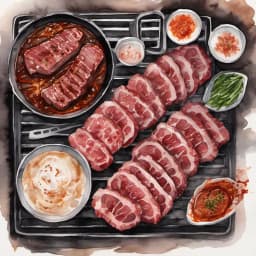
The moment you exit the station gates, you are enveloped in the fragrant smoke and the scent of savory sauce—that is Tsuruhlyashi.
This area of Ikuno Ward, Osaka, began as a market established after the war and has since grown into one of Japan's largest Koreatowns, consisting of six shopping streets and markets with approximately 800 shops crowded together. Lining the narrow alleys are countless casual offal and yakiniku restaurants. When fresh organ meat is placed over charcoal, the fat sizzles and pops, and the edges of the meat curl and crisp on the grill. In front of neighboring shops, colorful piles of kimchi are stacked high, their tangy and spicy aroma further whetting the appetite.
Thick slices of kalbi, chewy and bouncyミノ (ミノ/mino), and meltingly tender liver. Once dipped in sauce and placed atop a bowl of white rice, you won't be able to stop your chopsticks. It is a town that makes you want to go there just to taste the very essence of its smoke.

郷土料理
Inside an earthen pot with steam rising and bubbling, thick udon noodles nestle alongside seafood and vegetables—Udon-suki is truly Osaka's celebratory hot pot.
Its origins date back to the early Showa era. Mimiu, which operated a noodle specialty shop in Minami, Osaka, devised it as a combination hot pot with udon as the star. The name 'Udon-suki' continues to be passed down today as a registered trademark of Mimiu. Colorful ingredients—such as sea bream, clams, shrimp, conger eel, yuba (tofu skin), and seasonal leafy greens—are gently simmered in a clear dashi broth infused with kombu and bonito.
The broth, having absorbed the essence of the noodles and the savory flavors of the ingredients, is simply exquisite. It is profoundly delicious from the first bite to the very last, warming you to your core on a chilled day. It is the kind of hot pot you naturally want to share with others on a special occasion.

郷土料理
Every time you dip your chopsticks, the mizuna makes a pleasant 'harihari' (crisp) sound—the texture itself, just as the name suggests, is the star of this pot.
Harihari Nabe is a traditional winter dish from Osaka, featuring plenty of whale meat and mizuna. It combines mizuna, which has been cultivated in the Kansai region since ancient times, with whale meat, which was once a staple for common people, all lightly simmered in a kombu and bonito dashi broth. The thinly sliced, fatty whale meat becomes tender and melt-in-your-mouth when cooked, creating a surprisingly perfect harmony with the crunchy mizuna. A sprinkle of powdered sansho pepper or shichimi chili pepper adds a sharp, aromatic kick.
In recent years, more restaurants have begun preparing this dish with pork to make it more accessible. It is a clear, elegant hot pot where the green vegetables beautifully contrast with the translucent broth. Beyond the rising steam, you can glimpse the essence of winter in Osaka.

ご当地グルメ
Take a sip through a straw from a well-chilled glass. The sweetness of the banana and mandarin orange blends together into a thick texture, offering a nostalgic flavor.
Its origins lie in Shinsekai's Janjan Yokocho. It is said to have begun in 1948 when the founder of 'Sennariya,' which was then a fruit shop, started blending ripe fruits in a mixer to sell them. The inspiration came from the feeling of 'mottainai' (what a waste) when seeing overripe fruit that could no longer be sold as is. This single drink was born from the 'shimatsu spirit'—the resourceful mindset of Osaka merchants to use everything without waste. Eventually, the shop transitioned into a coffee shop, and the drink became a beloved signature menu item.
An Osaka soul drink where whole fruits are blended together. Once you try it, you'll find yourself wanting it again.

郷土料理
When you lift the lid of the bowl, the mellow steam of white miso wafts up. Round mochi, taro, carrots, and daikon are submerged in the thick, sweet miso. It is a gentle bowl without any sharp edges.
The culture of white miso is said to have taken deep root in the Kinai region, modeled after the court nobility culture of Kyoto. Because white miso uses expensive rice luxuriously, it was a delicacy for special occasions like the New Year. In Osaka, many households are said to eat the white miso version on New Year's Day and switch to a clear soup (sumashijiru) on the second day. It is passed down as a custom playing on the word 'akina' (not getting tired of it), fitting for a merchant city.
Celebrating the beginning of the year with mellow flavors. A gentle taste that lives within the daily life of Osaka.

郷土料理
A single piece of mackerel cured in vinegar, topped with thin kelp and pressed into a rectangular shape. The sharp acidity and the savory umami of the mackerel meld together in your mouth.
It is said that 'Sushi Tsune' in Minami-Semba invented Battera around 1891. The name originates from 'bateira,' which means small boat in Portuguese. Originally, it was made using konoshiro (Japanese whiting), which was abundant in Osaka Bay; because the half-piece of sushi resembled the shape of a boat, it received this name. Eventually, the ingredient switched to more affordable mackerel, and the current form—made using a square pressing mold—became established. The white kombu kelp placed on top is also one of Osaka's local specialties.
Easy to take away and has a good shelf life, this pressed sushi is a staple of the Osaka dining table.
📍大東市
Specialties from 大東市 are also available via furusato nozei

ご当地グルメ
This is a local Daito curry that captures the excitement of the festival in a single dish. Daito City is known as a town where the magnificent Danjiri Festival colors the autumn season. It features one of the largest gatherings of Danjiri floats in the Kita-Kawachi region, captivating many with its beautiful carvings and powerful procession.
Inspired by the energy of this Danjiri town, we created 'Danjiri Curry.' Using local ingredients and a punch of spices, this curry is packed with the vitality of the town during the festival.
One bite of the spice-infused roux delivers a powerful flavor that will make you break a sweat. Just like the heat of the people pulling the Danjiri floats, this dish is designed to energize anyone who eats it. It often incorporates local vegetables and meats, allowing you to enjoy the bounties of the town as well. Please come and experience the atmosphere of Daito's heated streets through this spicy curry.

特産品
This is a signature confection of Daito that tells the story of a warlord who raced through the Sengoku period. Miyoshi Nagayoshi, who has ties to Daito City, is known as a 'pioneer of the unifiers,' having ruled Kyoto even before Oda Nobunaga.
Despite not being of high social standing, he controlled the capital through his sheer ability and ruled the Kinai region for five years from his base at Iimori Castle. He was also a man of culture who enjoyed renga (linked verse) and tea ceremony, with records of renga gatherings held at his castle remaining to this day.
This Japanese sweet, inspired by Nagayoshi's history and romance, is a treat that softly conveys the pride of the town. As you savor its gentle sweetness, the image of the warlord overlooking the Kinai region from Iimori Castle comes to mind. As a souvenir, it serves as a perfect conversation starter about Daito's hidden history. It is a confection you will want to enjoy slowly while reflecting on the turbulent Sengoku era.

特産品
This is Daito's gourmet experience, enjoyed as a reward after a mountain trek. Mount Iimori in Daito City is known for being the site of Iimori Castle, the residence of the Sengoku warlord Miyoshi Nagayoshi, and is a beloved hiking course.
From the summit, you can enjoy a panoramic view of the Osaka Plain, offering a scenery quite different from a stroll through the city. After walking plenty and working up a sweat, it is a tradition to enjoy simple dishes at diners and restaurants around Sumidori Station.
There is something magical about how much more delicious set meals, udon, or curry taste when eaten while hungry. A single plate after sweating is an incomparable feast. Touching upon Sengoku history, walking through greenery, and finishing with local flavors—it is a way to spend a full day that is unique to Daito.
📍池田市
Specialties from 池田市 are also available via furusato nozei

ご当地グルメ
Wait just three minutes after pouring in hot water. Once you lift the lid, the savory aroma of chicken rises gently—the world's very first instant ramen began right here.
It was created by Momofuku Ando, the founder of Nissin Foods. He conducted extensive research in a tiny shed of only about ten square meters, built in his backyard in Ikeda City, Osaka. Finally, it was released on August 25, 1958 (Showa 33). Initially, an 85-gram pack cost 35 yen. The convenience of being able to eat it with just hot water greatly transformed the dining tables of people in the post-war era and eventually spread across the globe. The later Cup Noodles also originated from this single bowl.
From a single packet, the world changed. The invention born in Ikeda continues to live on beyond the rising steam.

ご当地グルメ
The fat sizzles and pops over the charcoal. When you bite into a skewer infused with fragrant smoke, the skin is crispy and the inside is juicy. It makes that after-work drink irresistibly delicious.
The Ikeda and Ishibashi areas are so crowded with famous shops that they are known as a 'yakitori battleground.' It is said that this is due to the presence of long-established local chicken wholesalers. An environment where high-quality chicken can be sourced stably has quietly supported this yakitori culture. Many shops slow-grill their meat over Kishu Bincho charcoal, earning a reputation for its wonderful aroma.
Enjoy a skewer wrapped in the scent of charcoal alongside a chilled drink. Tasting it casually and without pretense—this is a modest pleasure of an Ikeda night.
📍忠岡町
Specialties from 忠岡町 are also available via furusato nozei

特産品
Even in Tadaoka, the smallest town in Japan by area, the famous Senshu onions known for their sweetness are grown.
Senshu is widely known as the birthplace of onion cultivation. The new onions that come into season in spring are juicy with little pungency, and their sweetness is exceptional. Despite being the smallest town in Japan, it plays a significant role in the Senshu brand.
We recommend enjoying them thinly sliced raw in a salad for a crisp texture. When cooked, they melt away and transform into an amazing sweetness. They are a spring delicacy that can truly take center stage as the main ingredient. Once you taste their clear sweetness, you will never forget it.

特産品
Tadaoka Town, a textile hub in the Senshu region, is a major production area for soft and warm domestically made blankets.
Since the first blanket in Japan was created in neighboring Izumiotsu in 1885, this region has consistently remained at the center of domestic blanket manufacturing. The history of the Senshu textile industry is ancient, dating back to the cotton trade of the Edo period. Even today, wool manufacturers continue to operate within the town, producing high-quality blankets.
With a fluffy softness the moment they touch your skin and a warmth that gently envelops your entire body, the craftsmanship refined over many years provides gentle support for a comfortable winter sleep. With just one blanket, you will find yourself looking forward to cold nights.
📍田尻町
Specialties from 田尻町 are also available via furusato nozei

特産品
Tajiri Town is the 'birthplace of onion cultivation in Japan.' This land is closely connected to Senshu onions, as it was where three individuals, including Sajihei Imai, began cultivation.
In 1884, Sajihei Imai and two others from Yoshimi obtained seeds from Americans in the foreign settlement of Kobe and began cultivation. To honor their achievement, a monument titled 'Monument to the Ancestor of Senshu Onion Cultivation' was erected at Kasuga Shrine in 1913. Today, efforts are also being made to revive the cultivation of 'Yoshimi Wase,' a native variety that had once disappeared.
Sweet and tender, Senshu onions are delicious raw, and when heated, they become even sweeter and more exquisite with a melting texture. Please try this single bulb that carries on a continuous history inherited from our predecessors.

特産品
Tajiri Fishing Port lies across from Kansai Airport. The weekly Sunday morning market is a popular spot, bustling with people seeking fresh seafood from the Senshu area.
Since its inception in 1994 as an initiative to transition toward urban-style fishing, the market has grown in popularity, with over 30 stalls lining the streets every week. The most famous specialty is the conger eel (anago) tempura, which has been featured numerous times on television. Other staples include deep-fried 'gaccho' (small fish from Osaka Bay) and octopus rice made with local octopus.
Freshly fried anago tempura is crispy on the outside and fluffy on the inside. Enjoying freshly caught seafood while feeling the sea breeze of the fishing port offers an incomparable, exceptional deliciousness. It is a vibrant morning market that makes you want to wake up early just to visit.
📍島本町
Specialties from 島本町 are also available via furusato nozei

特産品
Shimamoto Town is adjacent to Kyoto. In the bamboo groves of Mt. Tennozan, famous for the decisive battle that changed the course of history, tender bamboo shoots push through the earth every spring.
Blessed with excellent soil, these shoots are characterized by their lack of bitterness and elegant flavor. With a quality that rivals the famous bamboo shoots of Kyoto, they have graced local spring dining tables year after year. Being able to enjoy them freshly dug is a luxury unique to those living in the production area.
Whether prepared as wakatake-ni (simmered young bamboo), tempura, or cooked into bamboo rice, their subtle sweetness and crunchy texture fill the mouth. They are a highly anticipated seasonal blessing that allows you to taste the very essence of the spring mountains.

特産品
The 'Rikyu no Mizu' that springs in Shimamoto Town is the only water in Osaka Prefecture to be selected for the Ministry of the Environment's '100 Best Waterscapes' in 1985.
It is said that Sen no Rikyu, a master of the tea ceremony, also loved this spring water which flows within the precincts of Minase Shrine. This rich vein of water is still carefully utilized today as brewing water for whisky at the nearby Suntory Yamazaki Distillery, where the founding site was chosen specifically in search of high-quality water.
Upon taking a sip, a clear and pure freshness spreads through the mouth. It is easy to understand why people constantly visit with PET bottles and containers to collect this spring water. It is a mellow and gentle cup, nurtured by the land over an unimaginably long period of time.
📍東大阪市
Specialties from 東大阪市 are also available via furusato nozei

ご当地グルメ
When speaking of one of Osaka's top battlegrounds for yakiniku, the area around Kintetsu Fuse Station in Higashiosaka City comes to mind. Within the shopping streets overflowing with old-town charm, shops serving high-quality meat at affordable prices are crowded together.
This town is also an unexpected 'place of origin.' In 1958, Yoshiaki Shiraishi took inspiration from a beer factory's conveyor belt and opened 'Genroku Sushi,' a conveyor belt sushi restaurant, in front of Fuse Station. This very neighborhood is where sushi first began to rotate in Japan.
Walking through the Showa-retro alleys, you are greeted by savory smoke and lively voices. The sound of meat sizzling on the grill makes you stop in your tracks. It is a town that is kind to your wallet and satisfying to your soul.

ご当地グルメ
In Higashiosaka, the city of rugby, there is a famous specialty known as rugby ball-shaped curry bread. Bakeries throughout the city bake them with their own unique styles.
It all began in 2008 when a young city hall official proposed 'revitalizing the town through food.' The deciding factors were the nostalgic aroma of the House Foods curry factory that used to be in the city and the shape, which resembles a rugby ball. In 2011, the Higashiosaka Curry Bread Association was established, and shops across the city are boosting local excitement by competing with their unique offerings.
When you crack it open, the aroma of spices rises with the steam, making you smile involuntarily. Since the ingredients and dough differ from shop to shop, comparing them is also a delight. It is the very essence of Higashiosaka's energy, fitting right in the palm of your hand.

特産品
Kawachi cotton is characterized by its simple yet powerful texture. This cotton fabric thrived greatly in the Kawachi region, including Higashiosaka, during the Edo period.
New fields of sandy soil created by the diversion of the Yodo River in 1704 were perfect for cotton cultivation. The yarn is thick, resulting in a rugged and heavy weave. However, because it becomes more comfortable against the skin with every wash and is both durable and long-lasting, it was widely valued in everyday life as workwear, shop curtains (noren), banners, and bedding.
With the spread of machine spinning during the Meiji era, it temporarily disappeared due to competition from cheaper imported cotton, but its warm texture is being passed down to the present day by the preservation society. It is a fabric that stays close to daily life, developing more character the more it is used.
📍藤井寺市
Specialties from 藤井寺市 are also available via furusato nozei

特産品
This flour, born in Fujiidera, is a familiar ingredient in Sakuramochi. 'Domyoji-ko' is produced by steaming, drying, and coarsely crushing glutinous rice. The Domyoji temple in Fujiidera City is known as its birthplace.
Its roots lie in 'hoshii,' a preserved food originally made at this temple, which is associated with Sugawara no Michizane. Passed down for over 1,000 years, it creates a unique, grainy texture. A characteristic of Kansai-style Sakuramochi is that it is made using this Domyoji flour.
Sakuramochi—featuring a chewy dough with the remaining grains of Domyoji-ko, wrapped around smooth koshi-an (smooth red bean paste) and encased in a salt-pickled cherry leaf—is a quintessential wagashi representing spring in Kansai. With a single bite, the simple sweetness of the glutinous rice, the saltiness of the cherry leaf, and the gentle sweetness of the bean paste overlap exquisitely. It is an elegant treat that pairs perfectly with tea. Please enjoy the nostalgic flavor produced by this flour with a thousand-year history.

郷土料理
Have you ever heard of 'Aburakasu' born in Minami-Kawachi? It is an ingredient made by deep-frying beef intestines over time, draining the excess fat to achieve a crispy finish.
Originally, it was a way to preserve the leftover residue after extracting fat so that nothing went to waste. In Minami-Kawachi, where meat processing plants were located in Habikino and Matsubara, it took root as a way to enjoy highly perishable offal for longer periods. 'Kasuya,' which opened in Fujiidera City in 1995, played a key role in spreading this local flavor as an Osaka specialty by establishing itself as a specialty shop for 'Kasu Udon.'
With a unique texture that is crispy on the outside and melts in your mouth when bitten, the rich umami it imparts to the dashi broth is unforgettable once you've tasted it.
📍能勢町
Specialties from 能勢町 are also available via furusato nozei
特産品
When it comes to the flavors of autumn, chestnuts are king. Nose Town is the birthplace of 'Ginyose,' a representative chestnut variety of Japan.
It all began in 1753, during the mid-Edo period, when a resident of Utagaki Village planted chestnuts brought back from Hiroshima, and one particular tree produced exceptionally high-quality fruit. It is said that the name 'Ginyose' comes from the fact that during the Great Tenmei Famine, these chestnuts were sold at such high prices that they earned 'silver notes' (gin-satsu).
Characterized by their large size, sweetness, and a heavy, flattened shape, their quality is high enough to be used in premium confections like marron glacé and kuri kinton. Every single nut, with its fluffy texture when broken, is packed with the richness of the autumn harvest. Chestnut picking also remains a beloved way to enjoy the beauty of autumn in Nose.
ご当地グルメ
Nose Town, at the northernmost edge of Osaka Prefecture, is a bountiful source of wild game thanks to its abundant nature. Dishes made with wild boar and venison are well-loved as winter specialties.
At tourist facilities along National Route 173, you can enjoy a variety of gibier dishes including wild boar, duck, bear, and pheasant. In particular, 'Udon-suki' filled with plenty of wild boar and Nose-grown vegetables, as well as 'Botan-nabe' (wild boar hot pot), are known as local specialties. These are blessings unique to the lush satoyama landscape embraced by the mountains of Hokusetsu.
Gathering around a steaming hot pot on a cold day will warm you to your very core. The rich, rustic flavor of the meat offers a profound culinary experience that can only be enjoyed during the harsh winter season.

特産品
The Kikuzumi passed down in Nose Town is a premium charcoal featuring cross-sections that resemble the beauty of chrysanthemum petals. Also known by the name Ikeda-zumi (Ikeda Charcoal).
When young oak trees are slowly roasted, fine radial cracks form on the surface, creating an appearance much like chrysanthemum petals. It was highly valued in the world of Chanoyu (tea ceremony) from the Muromachi to the Azuchi-Momoyama periods, and it is said that Sen no Rikyu favored its use. Because the collection point was Ikeda, it has also been called 'Ikeda-zumi.'
It ignites easily and burns quietly while making a pleasant crackling sound. A masterpiece that combines both beauty and practicality for use in the charcoal ceremony of the tea hearth, it makes even the time spent gazing at the flames feel luxurious.
📍柏原市
Specialties from 柏原市 are also available via furusato nozei

特産品
In fact, Osaka was once a grape-producing region with the largest cultivation area in the country, and Kashiperwa was at its heart.
Grape cultivation in Osaka has a history spanning over a hundred years, with its true beginning considered to be during the Meiji era when Koshu grape seedlings were planted in Kashiwara. Carefully nurtured on mountain slopes, Delaware grapes, in particular, have long been the signature variety loved by locals. The berries are allowed to ripen fully on the vine and delivered fresh from the morning harvest, offering an exceptional experience. Once you slip the skin off, the juicy flesh bursts forth, spreading a deep, clear sweetness throughout your mouth.
This area is also a wine region; the oldest winery in Western Japan began brewing here during the Taisho era. In 2021, it was designated with a Geographical Indication as "GI Osaka." Whether enjoyed fresh or as a glass of wine—each berry is packed with the blessings of the sun.

特産品
Born in Osaka, this is a dish that goes perfectly with rice. Mentaiko is produced in Kashiwara City and can be purchased at local direct sales stores and similar locations.
While the image of mentaiko is strongly associated with Hakata, it is quite a surprise to find it being manufactured in Kashiwara, Osaka. Its popping texture and spicy flavor make it the perfect companion for rice.
Placed atop freshly cooked white rice, it becomes a feast that allows you to eat bowl after bowl. It can be used in various ways, such as flaked and tossed with pasta or used as a filling for rice balls (onigiri), adding a fun color to your dining table. Another joy is that grilling it offers a different, savory aroma. It is a hidden specialty of Kashiwara that makes for a wonderful souvenir.
📍八尾市
Specialties from 八尾市 are also available via furusato nozei

特産品
The leaves, the stalks, and the tender roots—the young burdock of Yao is a spring vegetable that can be enjoyed in its entirety.
A specialty of Yao, Osaka, it obtained a regional collective trademark as "Yao Wakagobo" (Yao Young Burdock) in 2013. Unlike ordinary burdock where only the root is eaten, its most distinctive feature is that everything from the green leaves to the white stalks and thin roots is edible. Also known as "Ha-gobo" or "Ya-gonbo," it is harvested for only a brief period from February to April. Its refreshing aroma and crunchy texture herald the arrival of spring.
A classic dish is sautéed and simmered (itamen). By lightly sautéing the stalks and roots in oil and seasoning them with dashi and soy sauce, you create a deeply flavorful dish where the aroma of the burdock stands out. The leaves can be served as nimono (simmered in broth) or made into kakiage (tempura fritters) for a light, crispy snack. Rich in iron and dietary fiber, it gently brings the essence of spring to your dining table.
特産品
This is the taste of Yao's summer, delivering the sweetness of freshly harvested beans. Approximately 100 farms in Yao City cultivate edamame, which are widely loved as 'Yao Edamame.'
Edamame is a vegetable where freshness is everything, as sweetness is lost over time. Located adjacent to Osaka City, Yao's greatest strength is its prime location, allowing beans to be delivered to the market shortly after harvest. Because they can be shipped before the sugar content diminishes, you can enjoy an exceptional level of sweetness.
From June to August, during their peak season, they become a highly acclaimed delicacy in the market. A quick boil with a bit of salt brings out an overflow of sweetness and umami from the plump beans. It is a summer delicacy so delicious that you won't be able to stop at just one grain. Please try the freshly picked sweetness that Yao is proud of.
郷土料理
This is Yao's pride, a local dish where you can enjoy the roots, stems, and leaves in their entirety. It consists of young burdock, which has been cultivated as a specialty of Yao since the Edo period, stir-fried with deep-fried tofu in a sweet and savory glaze.
Young burdock is a spring vegetable where the roots, stems, and leaves are all edible. Due to the tradition of shipping them in arrow-shaped bundles, they are affectionately known as 'Ya-gonbo' and have been selected as a local dish by the Ministry of Agriculture, Forestry and Fisheries.
With the crunchy texture of the stems, the slight bitterness of the leaves, and the tender richness of the roots, these three flavors combine with the sweet and savory sauce to make it impossible to stop eating rice. A key point is the added depth of flavor provided by the richness of the deep-fried tofu. It is a quintessential taste of spring in Yao—a home-cooked flavor that becomes addictive once you try it.
📍富田林市
Specialties from 富田林市 are also available via furusato nozei

特産品
A premium ingredient from Tondabayashi, whose shrimp-like curved shape is considered auspicious. 'Ebimimo of Tondabayashi' is a type of colocasia (taro) that earned its name because its curved shape and striped surface resemble a shrimp.
In 2023, it became the first agricultural product in Osaka Prefecture to be registered under the Geographical Indication (GI) system, where the national government guarantees its quality and origin. You can enjoy two different textures in one: the curved part is fine and creamy, while the swollen part is fluffy.
Its elegant flavor is highly valued by traditional restaurants in Kyoto and Tokyo, and it is exceptional when simmered slowly in dashi broth. You can enjoy a smooth mouthfeel, a fluffy texture, and the gentle sweetness unique to taro. Due to its auspicious shape resembling a shrimp, it is perfect for New Year's celebrations and special occasions. It is Tondabayashi's pride, a delicacy that adds splendor to celebratory days.

特産品
These are the heirloom vegetables of Tondabayashi, conveying Osaka's food culture to the present day. In Tondabayashi, where the history of Terauchi-cho lives on, traditional vegetables unique to Osaka have been grown since long ago.
'Naniwa Traditional Vegetables' refers to heirloom varieties that have been passed down in Osaka for a long time. Efforts are underway in various regions to revive varieties that once faced extinction and protect them for the next generation. In Tondabayashi, Ebi-imo (taro), which is shaped like a shrimp, is also widely enjoyed as one of these.
Vegetables that have been carefully protected possess a deep flavor and individuality unique to the land. Even if they are irregularly shaped, you will be surprised by their powerful, traditional flavor with just one bite. They are precious items that connect the seeds passed down by our ancestors to today's dining tables. Please experience for yourself the taste that can be called the very origin of Osaka's cuisine.
📍豊中市
Specialties from 豊中市 are also available via furusato nozei

ご当地グルメ
The sauce sizzles loudly on a piping hot iron griddle. When you mix a raw egg into the noodles coated in ketchup, a rich, mellow, and somewhat nostalgic flavor spreads throughout your mouth.
In coffee shops and Western-style restaurants (Yoshoku) in the Kansai region, there is a culture of calling yakisoba or spaghetti served on an iron griddle "Italian."
Its characteristic feature is being seasoned richly with butter and ketchup and served while still sizzling on the hot plate. The style of eating it by mixing a raw egg into the soft, thick noodles has long been a beloved tradition. In Toyonaka, it is said that these flavors of Showa-era Western cuisine are still passed down to this day.
This "Italian" is born in Kansai and offers a different experience from traditional Italian cuisine. It is a dish that is both nostalgic and new, with steam rising from the iron griddle.

特産品
Growing in the Hattori district of Toyonaka City, 'Hattori Edamame' is a true summer delight. Even today, fields remain nestled within residential areas, and when summer arrives, the direct sales become a lively local tradition, attracting people seeking freshly harvested edamame.
Edamame is a vegetable where freshness is everything. Because sweetness begins to fade gradually from the moment of harvest, locally grown edamame available right next to the fields is exceptional.
When lightly boiled in salt water, the plump sweetness of the beans and their fresh, green aroma fill your mouth. Once you pop a single bean out of its pod, the deliciousness makes it impossible to stop. Whether paired with a cold beer or served as a dish on a summer dining table, we hope you enjoy this freshly harvested taste unique to our local area.
📍豊能町
Specialties from 豊能町 are also available via furusato nozei

特産品
Toyono Town is often referred to as the 'Karuizawa of Osaka.' Nestled in the mountains of Hokusetsu at an altitude of 500–600m, the town's cool climate is ideal for cultivating highland vegetables.
Among these, 'Takayama Gobo' (burdock) and 'Takayama Mana' (greens) are counted among the traditional vegetables of Naniwa. Takayama Gobo has been cultivated since the Edo period; even when thick, it remains tender with few tough fibers. Takayama Mana is a legendary leafy green whose seeds have been preserved exclusively within this region for over 300 years without cross-breeding.
The significant temperature fluctuations between morning and evening allow the vegetables to concentrate their sweetness. Whether used in smashed burdock or as part of Osechi cuisine, or prepared as lightly pickled Takayama Mana, they offer a deep, savory flavor. It is a luxurious dish that lets you taste the very history of the land.

特産品
In the mountainous regions of Tono Town, thick-fleshed shiitake mushrooms are grown using traditional log cultivation. The clear air and moderate humidity of the Hokusetsu region produce highly aromatic, premium-quality mushrooms.
With the thick caps unique to log cultivation, the umami bursts forth with every bite, accompanied by a rich, rising aroma. This profound, deep flavor is only possible because they are nurtured slowly over time amidst nature with great care.
When toasted over charcoal, the juices seep out, making them the star of any barbecue. When added to hot pots or stews, they greatly enrich the broth. Simply grilling them turns them into a delicacy—a powerful blessing raised by the mountains of Hokusetsu.
📍枚方市
Specialties from 枚方市 are also available via furusato nozei

ご当地グルメ
When autumn arrives, dolls adorned with colorful chrysanthemums line the streets—Hirakata is a city that has loved 'Chrysanthemum Dolls' for over a hundred years.
In the past, the 'Hirakata Grand Chrysanthemum Dolls' held every autumn at Hirakata Park were long cherished as a famous attraction in the Kansai region. These dolls, draped in hundreds of chrysanthemums by skilled artisans, were truly living works of art. Today, that tradition is carried on by a local chrysanthemum doll association, continuing to color the city during the autumn chrysanthemum festivals. In Hirakata, sweets and goods inspired by these dolls are beloved as local specialties; this gentle, sweet confection, featuring bean paste wrapped in fluffy baked dough, is particularly popular as an accompaniment to tea.
Its simple and warm flavor embodies the essence of Hirakata in the fragrant autumn season. It is the perfect little treat to enjoy while strolling through the city.

特産品
A taste of early summer nurtured by the currents of the Yodo River. In the Yodo River, which flows through Hirakata City, you can enjoy natural sweetfish during the summer.
Known as a fish that lives in clean rivers, sweetfish are also called 'fragrant fish' due to their pure aroma reminiscent of watermelon. For locals, encountering natural sweetfish in such a large river flowing through an urban area is a seasonal highlight that marks the changing seasons.
When salt-grilled, the plump white flesh and the pleasantly bitter flavor of the innards spread throughout the mouth. A single fish, skewered and slowly grilled over charcoal, is a delicacy that makes you want to bite right in from the head. Squeezing a bit of sudachi citrus further enhances its refreshing aroma. Tasting seasonal sweetfish by the riverside offers an exceptional deliciousness unique to early summer.
📍箕面市
Specialties from 箕面市 are also available via furusato nozei

特産品
This is a specialty of Minoh that captures the essence of the mountain village fragrance. The Totoromi district in northern Minoh City is known as a rare yuzu-producing area even within Osaka Prefecture.
For over 100 years, yuzu has been grown here, with many trees cultivated using a method called 'misho' (growing from seeds). Although it takes more than 15 years to bear fruit, the yuzu grown in these mountains, characterized by significant temperature fluctuations, boasts a high aroma and large size.
It is widely enjoyed in processed products such as ponzu, jams, and local yuzu ale. Squeezing it over hot pot dishes releases a refreshing aroma that beautifully enhances the meal. Finely chopping the peel to use as a condiment adds an elegant accent to your cooking. Please incorporate this fragrant blessing, nurtured by the mountains of Minoh, into your dining table.
📍岬町
Specialties from 岬町 are also available via furusato nozei

特産品
The blue swimmer crabs landed in Misaki Town, the southernmost part of Osaka, reach their peak season from autumn to winter. Raised freely in the warm waters of Osaka Bay, their meat is tightly packed.
Known for their rich flavor, these crabs grow by swimming actively, using their rear legs like fins. As autumn deepens, the sweetness of the meat increases, traditionally enriching local dining tables during the winter.
When boiled, you will find yourself captivated by the elegant sweetness overflowing from the flaked meat. The thick, creamy crab miso is also exceptional, making it a delight to enjoy every last drop when added to a hot pot. The true essence of savoring this crab lies in that moment of losing oneself while picking through the shell with your hands.
特産品
The shirasu landed at Tanwa Fishing Port in Misaki Town, the southernmost part of Osaka Prefecture, is incredibly fresh and rich with the scent of the ocean.
Freshly caught shirasu that has been boiled in a pot is plump and soft. When slowly dried in the sun, the umami becomes concentrated, making it a perfect accompaniment to rice. It brings the bounty of Osaka Bay to your dining table in its most delicious form.
Try it as a shirasu bowl by piling a generous amount over freshly cooked, steaming hot rice. When eaten with grated daikon radish or other condiments, a subtle saltiness and the aroma of the sea gently spread through your mouth. Because it is so simple, the freshness of the ingredients truly stands out—a luxurious happiness known only to those living in this seaside town.
📍門真市
Specialties from 門真市 are also available via furusato nozei

特産品
This is a traditional vegetable from Kadoma, which was once known as the 'City of Lotus Root.' In Kadoma City, lotus roots boasting a chewy texture are still carefully cultivated.
Lotus root cultivation in Kadoma has a long history; during the Taisho era, superior varieties were introduced from Ishikawa and Okayama Prefectaries, growing into a specialty product of Osaka known as 'Kawachi Renkon.' While urbanization has reduced the cultivation area, it was certified as a 'Naniwa Traditional Vegetable' in 2024, and efforts toward its revival are progressing.
Kadoma lotus root, which is sticky and sweet, is exceptional when used in simmered dishes infused with dashi or as crunchy kinpira. Grating it into dumplings allows you to enjoy its unique, chewy texture. These lotus roots, grown with great care and effort, are filled with the history of the land and the passion of the farmers. Please try this precious local flavor that has been passed down bit by bit.

ご当地グルメ
This is a local curry featuring Kadoma's pride, lotus root. 'Kadoma Lotus Root Curry' is a creative dish that uses plenty of locally grown Kadoma lotus root.
Kadoma was once known as the 'Town of Lotus Root' due to its status as a famous production area. We have paired the Kadoma lotus root, which boasts a chewy texture and subtle sweetness, with a spice-infused curry. The large, crunchy pieces of lotus root provide a wonderful accent.
The contrast between the smooth, spice-forward roux and the crisp texture of the lotus root is undeniably delicious from the very first bite. The added textural element keeps you enjoying the curry without getting bored until the very last bite. It is even said that grated lotus root is sometimes used to thicken the sauce. This is a unique dish that allows you to savor the full bounty of the local area.
📍和泉市
Specialties from 和泉市 are also available via furusato nozei
特産品
This is Izumi's pride, with a history spanning 300 years. Izumi City is a major production area, boasting the top cultivation area and production value for mandarin oranges within Osaka Prefecture.
Its history is ancient; local archives of old families contain records from the Kyoho era (around 1723) showing that mandarins were paid as tax in place of rice. During the Taisho era, Osaka was the second-largest mandarin producing region in Japan, following only Wakayama. Izumi's mandarins are a taste that truly inherits that tradition.
Primarily grown as Unshu mandarins, their hallmark is the perfect balance of sweetness and acidity. Once peeled, a refreshing aroma rises, and a single bite releases bursting, juicy juice. It is a nostalgic local flavor that makes you want to enjoy it by a kotatsu during the cold season. Please enjoy the blessings of the Izumi sun, nurtured by approximately 300 years of history.

特産品
A domestic pearl born in Izumi that is resistant to sweat. "Izumi Pearl" refers to the imitation pearls made in Izumi City. It is a masterpiece unique to this manufacturing town, where approximately 70% of Japan's pearl-making facilities are concentrated.
Since ancient times, Izumi has been a land active in making glass beads known as "Senshu Tama." The fusion of that technique with imitation pearl production led to the birth of Izumi Pearl. Because they are carefully coated with paint, they are characterized by their resistance to sweat and sebum, and their durability against scratches.
While emitting an elegant luster much like real pearls, the great charm of Izumi Pearl is that they are easy to handle and accessible. They can be worn without hesitation during sweaty seasons or for everyday use, subtly elevating your attire. Whether as a necklace or earrings, they are items that will be appreciated as gifts. Please enjoy the beautiful brilliance created by the craftsmanship of Izumi.
Snacks
📍茨木市
Specialties from 茨木市 are also available via furusato nozei

洋菓子
A must-visit in Ibaraki is the cheesecake from 'Delice.' It features a melting texture reminiscent of a rare cheesecake and is a popular shop with constant queues.
This exquisite item was created using 'Brie de Meaux,' a white mold cheese that the founder personally traveled to France to discover and fall in love with. Despite being a baked cheesecake, its smooth, melt-in-your-mouth texture is like a rare cheesecake, captivating many fans for many years. A new shop opened at JR Ibaraki Station in December 2024, attracting massive crowds from the very first day.
It is rich yet leaves a light aftertaste. It is an unforgettable flavor that represents Ibaraki, a competitive sweets hub in the Hokusetsu area.
📍羽曳野市
Specialties from 羽曳野市 are also available via furusato nozei

洋菓子
These are unique sweets from Habikino, featuring plenty of juicy, ripe figs.
Osaka Prefecture boasts the third-highest fig production in Japan, and Habikino City is well known as its central production hub. At the local Japanese confectionery workshop 'An-an,' freshly picked ripe figs are carefully transformed into homemade jams, and they continue to develop a variety of unique fig sweets, including those from the award-winning 'Habikino Hills Fig Orchard.'
The charm lies in the gentle yet rich sweetness of the melting flesh and the delightful texture of the tiny seeds. Please enjoy the pride of Habikino, which captures the concentrated blessings of the autumn season.
📍河内長野市
Specialties from 河内長野市 are also available via furusato nozei

和菓子
Kusunoki Masashige was a military commander who maintained his loyalty to the end during the Nanboku-cho period. In front of Kanshin-ji Temple in Kawachinagano, where he spent his childhood, the 'Kusunoki Monaka' bearing his name has been long cherished.
Kanshin-ji is the temple where Masashige studied from age 8 to 15, and it also serves as his mortuary temple. It is known as the place where the head of Masashige, who fell at the Battle of Minatogawa, was buried, and even today, locals affectionately revere him as 'Dai-Kusunoki' (the Great Kusunoki). This monaka is a Japanese sweet inspired by such deep historical romance.
It is a simple yet flavorful treat, featuring a generous amount of bean paste wrapped in a fragrant wafer. Please enjoy it slowly while reflecting on the distant history in this land associated with Masashige.
📍河南町
Specialties from 河南町 are also available via furusato nozei

和菓子
Kanan Town is a major watermelon-producing area. This confection transforms the watermelons that ripen in summer into a cool and refreshing jelly.
Kanan Town in Minami-Kawachi is an area where watermelon cultivation thrives, taking advantage of the climate's significant temperature fluctuations. From July to August, sweet and juicy watermelons line the storefronts of roadside stations and other shops. This jelly captures that intense watermelon sweetness, providing a sense of refreshment perfect for the hot summer.
With its smooth texture and gentle watermelon sweetness, it is an ideal summer snack that you'll instinctively reach for on a hot day.
📍貝塚市
Specialties from 貝塚市 are also available via furusato nozei

和菓子
Kaizuka is a temple town where the main headquarters of Hongan-ji was once located. The monaka of Kaizuka has long been enjoyed in front of Gansen-ji, the heart of this area.
Known also as 'Kaizuka Gobo,' Gansen-ji is a historic temple that served as a major base for the Hongan-ji sect for about two years during the Tensho era. For approximately 260 years since then, the Bokuhan family, the resident priests, have governed the temple town as lords.
This monaka is a Japanese sweet inspired by the streets that hold such profound history. It features a simple, warm flavor, with plenty of bean paste gently sandwiched between fragrant wafers. It is the perfect companion for a leisurely stroll through the temple town, where the main hall remains preserved as an Important Cultural Property.
📍岸和田市
Specialties from 岸和田市 are also available via furusato nozei

和菓子
Kishiwada is known for its heroic Danjiri Festival. The festival's passion is captured in confectionery such as 'Danjiri Mochi.'
In Kishiwada's Japanese confectionery shops, sweets that reflect local pride have been carefully crafted—such as fragrant dorayaki stamped with the Danjiri brand and monaka depicting the brave festival scenes. You can enjoy the elegant, light sweetness of the smooth red bean paste paired with the crispy, fragrant texture of the shell.
As the Danjiri floats are powerfully pulled through the streets every autumn, this flavor has been loved locally for a long time. It is a signature sweet of Senshu Kishiwada, perfect to enjoy while reflecting on the heat and vitality of the festival.

和菓子
Murasame is a renowned Senshu confection created through a simple process: steaming red beans, rice flour, and sugar until they reach a crumbly texture.
It is produced by 'Shiogo,' a long-established shop in Kaizuka City founded in the first year of the Ansei era (1854). Its name is derived from 'Kaura Murasame,' one of the Eight Views of Izumi featured in the Shin Kokin Wakashu anthology. This prestigious stick-shaped confection won an award at the 5th National Industrial Exhibition in 1903 and was trademarked in 1909.
With a moist, melt-in-your-mouth texture and the gentle, mild sweetness of red beans, it may not be flashy, but it is profoundly delicious when enjoyed with tea. It is a flavorful masterpiece nurtured by the long history of the Senshu region.
📍熊取町
Specialties from 熊取町 are also available via furusato nozei

和菓子
This is a rice cake confection from Kumatori Town, inspired by the heroic Senshu Danjiri autumn festivals.
Senshu is a region known nationwide for its Danjiri festivals. The sight of massive wooden floats weighing several tons being pulled energetically through the streets is the most important event of the year for local residents. This mochi sweet, produced to coincide with the heat and excitement of the festival season, is a special flavor deeply connected to local pride. Loved alongside the festive bustle, it is a treat that children and adults alike look forward to every year. For the locals, it is a taste that heralds the arrival of autumn.
With a chewy texture and a comforting, gentle sweetness, please enjoy one while reminiscing about the excitement of the festival.
📍交野市
Specialties from 交野市 are also available via furusato nozei

和菓子
Katano City is known as the 'Town of Stars.' This adorable star-shaped mochi sweet was born in this land connected to the Tanabata legend.
In Katano, the Milky Way flows, and the legend of Orihime and Hikoboshi meeting on Tanabata still lives on today. The city is dotted with star-related famous sites such as Hataki Shrine and Hoshida Myoken-gu, and the entire town has cherished Tanabata culture. These star-shaped sweets reflect the story of this romantic land, also known as the 'Village where stars fall,' and possess a loveliness that makes your heart flutter just by looking at them. They are packed with the local charm.
A moment to savor a romantic legend. It is an item you will want to include as a small gift for someone special.
📍高石市
Specialties from 高石市 are also available via furusato nozei

和菓子
Hamaji is renowned as a scenic spot featuring white sands and green pines. The monaka, a Japanese sweet inspired by these beautiful pine forests, has been cherished in Takaishi for generations.
The Hamaji area was known in ancient times as 'Takashihama' and is a historic poetic site mentioned in the Man'yoshu and Kokin Wakashu anthologies. During the Meiji era, it was developed into a seaside park and became a bustling destination for summer retreats and excursions. It is said that the beautiful pine groves originated from trees planted by local villagers in the early 18th century (the Hoei era) to serve as a coastal defense.
This confection offers a simple, rustic flavor, with plenty of sweet bean paste gently sandwiched between fragrant wafers. It is a signature treat of Takaishi, perfect to enjoy leisurely amidst the sea breeze while reflecting on the history of this scenic landscape celebrated in poetry since the era of the Man'yoshu.
📍高槻市
Specialties from 高槻市 are also available via furusato nozei

洋菓子
Takatsuki, a city of culture where the JR and Hankyu lines intersect, is one of the leading sweets destinations in Hokusetsu. Centered around the station area, highly skilled patisseries are crowded together.
Options are truly abundant, ranging from famous shops serving cream puffs with crispy pastry filled with plenty of custard, to health-conscious patisseries committed to ingredients from Hokkaido, and even a shop that gained fame for its German-style cheesecake. It has become an irresistible area for cake lovers, with locals visiting these shops on a regular basis.
Exploring the sweets of Takatsuki is something you'll find yourself wanting to do spontaneously while strolling through the city. Please take a leisurely walk and try to find your very own favorite shop.

和菓子
Takayama Ukon was a military commander who remained faithful to Christianity during the Warring States period. In the castle town of Takatsuki, Japanese sweets reflecting this history are passed down.
Takayama Ukon was the lord of Takatsuki Castle who undertook its reconstruction, and is known for his way of life—never abandoning his faith, even at the cost of surrendering his lands. Wagashi shops in Takatsuki have for generations produced sweets that reflect the local history, such as treats shaped like Ukon's family crest, the 'Seven Stars Crest,' and 'Takatsuki Castle,' which mimics the three-story castle tower.
Enjoy this unique Takatsuki delicacy while feeling the romance of the Warring States era. Along with a warm cup of tea, please take a moment to reflect on the distant history associated with this commander.
📍阪南市
Specialties from 阪南市 are also available via furusato nozei

和菓子
A simple souvenir that allows you to taste the famous Osaka confection 'Okoshi' in the land of Senshu, Hannan.
The history of okoshi is ancient, said to have been started in 1805 by the founder of Amidaike Daikoku in Osaka. It became popular as a lucky charm to 'awaken' (okosu) good fortune, based on a play on words involving 'Osaka's hori-okoshi' and 'iwa-okoshi'. With its crispy texture made from steamed rice that is roasted and bound with syrup, it has been a representative Osaka traditional snack loved for over 200 years. It is a simple yet deep flavor; once you take a bite, you won't be able to stop. The okoshi made in the Senshu region also carries the unique warmth of the local land.
The fragrant sweetness of the caramel and the crunchy texture make it a nostalgic treat that you'll find yourself reaching for alongside a cup of tea.
📍堺市
Specialties from 堺市 are also available via furusato nozei

和菓子
White mochi paired with vibrant green bean paste. This seemingly mysterious sweet is Sakai's famous 'Kurumi Mochi.'
It is crafted by Kanbukuro, a long-established shop said to have been founded in 1329 during the Kamakura period, boasting approximately 700 years of history. Despite the name, the green paste is not made of walnuts, but of ground green soybeans. The origin is said to date back to the Muromachi period, when the fifth-generation owner began selling mochi topped with this paste in Sakai, a city that flourished through trade with Ming China.
In summer, 'Ice Kurumi Mochi'—topped with fluffy shaved ice—is introduced, drawing long lines of people seeking relief from the heat. Please enjoy this one-of-a-kind bean paste with its gentle aroma of beans, a taste you can only find here.
和菓子
This is a signature confection of Sakai, consisting of small mochi filled with smooth red bean paste and covered entirely in poppy seeds.
It is produced by 'Honke Kojima,' founded in the first year of the Tenbun era (1532). Since the invention of Keshi Mochi in the town of Sakai—which flourished through trade with the Netherlands and other foreign nations during the Muromachi period—the company has preserved its secret recipe, passed down from father to son, for over four centuries. It is a highly prestigious flavor said to have been loved by Sen no Rikyu, the master who perfected the tea ceremony.
The fragrant, crunchy texture of the poppy seeds harmonizes beautifully with the smooth, elegant sweetness of the red bean paste. We invite you to experience this simple yet profound flavor, nurtured by the tea ceremony culture of Sakai.

和菓子
Mochi infused with the aroma of cinnamon—'Nikkei Mochi' is a Japanese sweet unique to Sakai, carrying the scent of Nanban trade history.
During the Azuchi-Momoyama period, many spices were brought to Sakai, known as the 'Venice of the Orient,' through foreign trade. It is said that the ancestors of Yaogen Raiko-do transformed cinnamon, which was previously used only as medicine, into a new type of Japanese confectionery. This is a historic flavor that has been passed down in the land of Sakai for approximately 400 years.
Smooth mochi encloses fine red bean paste, wrapped in a gentle aroma of cinnamon for an exotic taste. It is a masterpiece imbued with wabi-sabi, evoking the history of Sakai, the birthplace of Sen no Rikyu.

和菓子
Sakai is the birthplace of Sen no Rikyu, the master who perfected the Way of Tea. The spirit of this tea ceremony culture continues to live on today through Sakai's 'jo-namagashi' (premium seasonal sweets).
Served during tea ceremonies, these sweets are like miniature works of art, modeled after the changing seasons and the beauty of nature. Their delicate colors and shapes, reflecting the seasons, encapsulate the certain skill of artisans and a refined aesthetic sense. The long history of Sakai flourishing as a center for the tea ceremony has nurtured this rich confectionery culture.
First admired with the eyes, then enjoyed alongside tea—it is a moment of peaceful tranquility. We invite you to deeply experience the history and depth of the town of Sakai through the elegant sweetness of a single bite.
📍四條畷市
Specialties from 四條畷市 are also available via furusato nozei

和菓子
Shijonawate Shrine enshrines Kusunoki Masayuki (known as Ko-Kusunoki), a loyal subject of the Nanboku-cho period. This historical Japanese sweet has been cherished along the shrine's approach for generations.
Lord Masayuki was the eldest son of the renowned general Kusunoki Masashige. He is remembered as an ill-fated warrior who, following his father's will, faced a massive Ashikaga army with only a small force in Shijonawate, meeting his end at a young age. Old confectionery shops still line the shrine approach, where sweets featuring the Kusunoki family crest, Kikusui (Chrysanthemum Water), are carefully crafted to honor his memory. This flavor has become deeply rooted in the local community as an accompaniment to shrine visits.
Please enjoy one after your visit. As you reflect on history, the smooth sweetness of the bean paste will surely touch your heart.
📍守口市
Specialties from 守口市 are also available via furusato nozei

和菓子
Bunraku is a comprehensive art form where the narrator (Tayu), shamisen, and puppets become one—a traditional performing art nurtured in Osaka. Bunraku Senbei is a confection that reflects this world.
The name 'Bunraku' originates from Uemura Bunrakuken, who established a troupe in Osaka during the Kansei era. He brilliantly revived puppet theater, which was on the verge of decline due to the dominance of Kabuki, and eventually, his theater came to be known as the 'Bunraku-za.' These senbei are sweets themed after this performing arts culture nurtured by Osaka.
With every crisp and fragrant bite, the stories of Osaka's world-renowned puppet theater quietly overlap. It is a treat to be savored slowly while feeling the essence of traditional culture.
📍松原市
Specialties from 松原市 are also available via furusato nozei

和菓子
"One Sweet, One Smile" — This is the motto of Yoshinoya, a confectionery shop in Matsubara City. Their monaka embodies this spirit.
Opened in 2000, the shop's signature product is the 'Mattara Monaka.' It boasts carefully selected adzuki bean paste and a crisp, fragrant baked wafer. Additionally, their adorable dorayaki shaped like Matsubara City's mascot, 'Mackey,' is steadily gaining popularity.
As a warm confectionery shop that gently accompanies the daily lives of the people of Kawachi, taking a bite of the monaka—with its generous amount of chunky bean paste sandwiched in the wafer—fills your mouth with a simple, gentle sweetness that will surely bring a smile to your face.
📍寝屋川市
Specialties from 寝屋川市 are also available via furusato nozei

洋菓子
Opened in 1970, the year of the Osaka Expo, 'Tirolian' is a Western-style confectionery shop in Neyagawa. It is a famous establishment that has been loved by the local community for over half a century.
Known for the deliciousness of its sponge cake, the shop's signature product is the 'Gold Bar.' It is a financier flavored with browned butter and almonds, and as its name suggests, its gold-colored packaging is popular as a good luck charm. It is even selected as a gift for Neyagawa City's hometown tax donation program.
Moist, fragrant, and possessing a somewhat nostalgic flavor. It is a comforting and reliable deliciousness that only a shop that has stood by the community for over half a century can provide.
📍吹田市
Specialties from 吹田市 are also available via furusato nozei

洋菓子
The iconic 'Tower of the Sun,' standing tall with arms outstretched, has been transformed into a cookie. This commemorative treat symbolizes Suita, where Expo '70 Commemorative Park is located.
Created by artist Taro Okamoto as the symbol of the 1970 Osaka Expo, this cookie is shaped after its majestic form. With a crispy texture and gentle sweetness, it can be enjoyed by children and adults alike. It is a perfect companion for sightseeing and can be found at museum shops within Expo '70 Commemorative Park.
This cute and somewhat nostalgic baked sweet allows you to take the memories of the Osaka Expo home with you. Why not pick this up as a Suita souvenir to accompany your memories of strolling through the lush green park?

洋菓子
Suita City, a quiet residential area in Hokusetsu, is an area filled with renowned cake shops beloved by locals.
From shops like 'Patisserie Breche' in Minami-Suita that create elegant cakes perfect for gifts, to specialty stores offering spectacular whole cakes for birthdays and anniversaries, unique patisseries are scattered throughout the city. The varieties are truly diverse in both taste and appearance, ranging from fluffy, traditional authentic styles to intricately designed creations.
Enjoy a relaxing tea time in the city where Expo '70 Commemorative Park is located. By visiting several of the locally acclaimed cake shops, you are sure to find your very own favorite.
📍摂津市
Specialties from 摂津市 are also available via furusato nozei

和菓子
In the calm residential area of Settsu City in Hokusetsu, this seasonal flavor is crafted by a Japanese confectionery shop that is firmly established in the local community.
At the Settsu confectionery shop, premium wagashi that delicately reflect the changing seasons and simple sweets perfect for tea time are carefully handmade one by one. Located near the Yodo River, these sweets have long been cherished as a gentle accompaniment to daily life.
While not flashy, the confectionery making is serious and honest, involving great care and effort. When enjoyed slowly with a cup of warm tea, your heart will feel at ease. It is the simple, authentic taste of Settsu, loved by locals for many years.
📍千早赤阪村
Specialties from 千早赤阪村 are also available via furusato nozei

和菓子
Chihaya Akasaka is the only village in Osaka Prefecture. This aromatic kusa-mochi is made using mugwort harvested at the foot of Mount Kongo.
Known as the birthplace of the famous commander Kusunoki Masashige, Chihaya Akasaka is a mountain village surrounded by rich nature, including Mount Kongo and the terraced rice fields of Shimoakasaka. At the village's roadside station, kusa-mochi is handmade using plenty of locally picked mugwort, making it a favorite among visitors. It offers a simple, warm flavor with the scent of freshly picked mugwort—a sweet treat that conveys the peaceful atmosphere of the satoyama landscape.
Enjoy the refreshing aroma of mugwort and the chewy texture. Please savor this tranquil taste, unique to Osaka's one and only village.
📍泉佐野市
Specialties from 泉佐野市 are also available via furusato nozei

和菓子
Mount Inunaki is a sacred site said to have been founded by En no Gyoja, the founder of Shugendo. The mochi sweets of Inunaki-yama have long been enjoyed along the approach to this deep mountain sanctuary.
Shippo-taki Temple in Mount Inunaki is said to have been established in the 7th year of Empress Saimei (661). Because it was founded earlier than Mount Omine, it is known as 'Genzo-zan,' a fundamental training ground for Shugendo. The name of the mountain itself is said to originate from the legend of a loyal dog that saved its master from a giant serpent by barking.
These mochi sweets have long been cherished by pilgrims visiting this sacred spiritual site.
After traversing the training grounds surrounded by lush greenery and waterfalls, enjoying this simple sweetness provides a sense of relief. It is a flavor unique to Inunaki-yama that gently relaxes both the mind and body after a long trek.
📍泉大津市
Specialties from 泉大津市 are also available via furusato nozei

和菓子
This is 'Kurumi Mochi,' a sweet treat consisting of mochi wrapped in soybean paste, passed down through generations in Izumiotsu, the town of blankets.
It is made by 'Wagashishi Ponponya,' a long-established shop founded in 1933. Kurumi Mochi is a traditional Senshu sweet that is indispensable for festive occasions where large crowds gather, such as the Danjiri Festival and New Year celebrations. Although the shop once faced the brink of bankruptcy, sales increased fourfold following a change in management, and it has once again garnered significant attention.
Featuring bright green mochi coated in edamame paste, this is a simple and rustic treat. Please take a moment to taste this gentle sweetness unique to Izumiotsu, which has been a part of the local community's lives across generations.
📍泉南市
Specialties from 泉南市 are also available via furusato nozei

和菓子
A unique souvenir that transforms the iconic summer vegetable of Senshu, the Mizunasu, into rice crackers.
Senshu Mizunasu is a specialty product cultivated in the Sennan area since the Edo period. It is said to be called 'Mizunasu' (water eggplant) because its skin is very soft and it contains plenty of moisture, which workers used to squeeze to moisten their throats during breaks from field work. With low astringency and such a juicy texture that it can even be eaten raw, lightly pickled Mizunasu is a staple Senshu souvenir. The idea of incorporating that unique flavor into rice crackers is a quintessential Senshu creation.
An unexpected combination of vegetable and rice cracker. You'll find yourself curious about the taste, wanting to snack on them with your tea.
📍太子町
Specialties from 太子町 are also available via furusato nozei

和菓子
Taishi Town is deeply connected to Prince Shotoku. This mikan daifuku consists of a whole, sweet mandarin orange grown on our local hillsides, gently wrapped in mochi.
Taishi Town is known for Eifukuji Temple, the mausoleum of Prince Shotoku, and is a renowned citrus village boasting one of the largest tourist mandarin orchards in the Kansai region. The early-season Unshu mandarins, grown on sunny hillsides, are famous for their rich sweetness, attracting many visitors for fruit picking in the autumn. By gently wrapping these juicy mandarins in mochi and sweet bean paste, we create a refreshing Japanese sweet. It is a luxurious treat that captures the full essence of the fruit.
When you take a bite, the mandarin juice bursts forth. The combination of sweet and tangy flavors with the soft texture of the mochi is an irresistible seasonal delight.
📍大阪狭山市
Specialties from 大阪狭山市 are also available via furusato nozei
和菓子
Sayamaike is Japan's oldest dam-type reservoir, constructed during the Asuka period. These dumplings are a beloved treat enjoyed by those visiting the shores of this pond, which has watched over 1,400 years of history.
Sayamaike is a prestigious reservoir whose name appears in the 'Kojiki' and 'Nihon Shoki'. It is said that historical figures such as Gyoki in the Nara period, Chogen in the Kamakura period, and Katagiri Katsumoto in the Edo period worked on its renovation. Today, it is known as a famous spot for cherry blossoms and a place of relaxation for citizens, with a constant stream of people strolling around the pond. This sweet is the perfect companion for such a pond-side walk.
Take a bite while gazing at the waterside. A leisurely time flows by, allowing you to reflect on its long history.
📍大阪市
Specialties from 大阪市 are also available via furusato nozei

洋菓子
Uncle Rikuro's Cheesecake is a must-eat when visiting Osaka. This long-beloved specialty is famous for its freshly baked, fluffy texture.
It all began in 1984, when the founder, Rikuro Nishimura, started selling freshly baked cheesecakes at his shop in Kitakagaya. The batter uses cream cheese imported directly from a highly reputable factory in Denmark, with raisins simmered in homemade syrup hidden at the bottom. You can identify it by the 'Rikuro mark' branded onto the bottom.
When freshly baked, the flavor of the egg stands out; once cooled, the richness of the cheese emerges. Its melt-in-your-mouth, fluffy texture will make you want to come back again and again.

和菓子
When it comes to the original souvenirs of Osaka, Awa-okoshi and Iwa-okoshi are the pioneers. These are fragrant, traditional sweets made by hardening rice or millet with syrup.
As the city flourished during the construction of Osaka Castle by Toyotomi Hideyoshi, these sweets became widely popular as an auspicious snack symbolizing 'rising up one's body, establishing a household, and rebuilding a nation.' The long-established Amidaike Daikoku was founded in 1805 (the 2nd year of the Bunka era). It is said that the first generation, Rinnosuke Kobayashi, began making okoshi using high-quality rice on the shores of Amida Pond.
With a pleasant, crisp, and firm texture and a simple, gentle sweetness, the savory aroma that spreads through your mouth with every bite is the very essence of the traditional taste of Osaka, preserved to this day.

洋菓子
The Dojima Roll, featuring plenty of whipped cream, is a popular roll cake from Osaka. It served as the catalyst for the nationwide roll cake boom.
It was created by 'Mon Cher,' a pastry shop founded in 2003 in the business district of Dojima. After the spiral-shaped rolls released for their grand opening sold out instantly, the current 'Dojima Roll' was born, using a single wrap of dough to save material. It is said that the round face represents 'good connections (en/circle)' and 'harmony (wa/ring),' while its cylindrical shape represents 'eternity.'
With fluffy sponge cake and smooth, melt-in-your-mouth cream, it is a swirl of happiness that will make you smile with just one bite.

洋菓子
Ezaki Glico is well-known for its iconic Glico billboard in Dotonbori, Osaka. It has introduced Japan's most representative confectionery, including Pocky and Pretz, to the world.
Founder Riichi Ezaki focused on the nutritional value of glycogen found in oyster broth. In 1922, he launched 'Glico,' a nutritional candy containing it, at the Mitsukoshi Department Store in Osaka. The headquarters remains in Osaka today, and the company continues to create famous sweets loved across generations, such as Bisco, Almond Chocolate, and Giant Corn.
Every small piece and stick is filled with the desire to bring smiles to children. Picking one up brings a sense of nostalgia and a moment of relaxation for the heart.

和菓子
A mess-free mitarashi dango where the sauce is sealed inside. This is Chidoriya Soke's signature 'Mitarashi Komochi.'
Developed by a long-established shop with over 400 years of history, it was created in response to customers finding traditional mitarashi dango 'difficult to eat.' Using the innovative idea of sealing the sweet and savory sauce inside soft mochi, they even obtained a patent for this product. The flavor has been preserved for over 30 years since its launch in 1989 and has also been certified as 'Osaka Sakamono' (a product of Osaka).
Take a bite with a toothpick, and as you chew the chewy mochi, the sauce flows out from within. It is a confection filled with typical Osaka ingenuity, making it perfect for both gifts and snacking while on the go.

和菓子
This Koraimochi was created by the long-established 'Kikujodo Yoshinobu' in Kitahama, Osaka, as something for customers to enjoy while waiting for their custom-ordered wagashi (Japanese sweets).
With a history dating back to the Tenpo era (1830–1844), the shop is a traditional townhouse located in a corner of the business district. The previous generation of owners devised this sweet with the wish that 'customers could taste the same bean paste we use in our main products.' It was named as a play on the shop's location, Koraibashi, and the house name of their favorite Kabuki actor, 'Koraya.' The patterns pressed into the surface with fingertips are said to be proof that the mochi is freshly made.
Featuring five colors—chunky red bean, white bean, matcha, smooth red bean, and sesame—you can enjoy the softness of the gyuhi paired with the elegant sweetness of the bean paste. It is a well-known Osaka confection among connoisseurs, sometimes only available by reservation.
洋菓子
Named 'Tsukikesho' (Moon Makeup) due to its round, yellow appearance resembling a full moon, this is the milk manju from Aoki Shofuan.
It was born in 2010 from a vision nurtured for over 20 years: 'I want to create an Osaka souvenir.' The white bean paste is made from a blend of two types of white kidney beans from Hokkaido, with plenty of condensed milk and Hokkaido butter added, then baked to a moist finish. It has long received the Grand Gold Medal at the Monde Selection.
With a single bite, the aroma of milk and a gentle sweetness spread softly through your palate. With cumulative sales exceeding 150 million pieces, it has become a staple Osaka souvenir. Neither purely Japanese nor purely Western, it is a popular treat originating from southern Osaka.

和菓子
May a flower of smiles bloom for the recipient—this is the wish embedded in these flower-shaped langue de chat cookies known as 'Osaka Hana Langue.'
Developed by Amidaike Daikoku, a long-established maker famous for 'okoshi' (rice crackers), after hearing that there were not enough souvenir options in Osaka. The development process involved 1 year and 8 months of trial and error, leading to its release in 2019. By meticulously whipping egg whites into meringue and using flavorful fermented butter, they pursued the ultimate crispy texture, finishing with a deep sweetness created by blending three or more types of honey harvested from the mountains of Osaka.
With its gorgeous floral shape and elegant taste, it is an Osaka souvenir that brings joy to anyone who receives it. It is the perfect item for a thoughtful gift.

洋菓子
Named after its texture—'fuwa' for soft and 'toron' for melting—this is a soft-boiled sponge cake (semi-liquid castella).
Released by Santa Planet in 2012, it is a popular Osaka souvenir. The charm lies in its smooth, melt-in-your-mouth semi-liquid batter, baked by artisans at an exquisite temperature using luxurious amounts of fresh eggs. The crunchy texture of the granulated sugar (zarame) at the bottom serves as an accent, further enhancing the gentle sweetness.
It is a staple, popular product found at Shin-Osaka Station and Itami Airport. When scooped with a spoon and brought to your mouth, an emotional sensation of 'fuwa-toro' (fluffy and melting) spreads just as the name suggests. This luxurious sweet is also highly recommended to be eaten chilled in the refrigerator.
📍大東市
Specialties from 大東市 are also available via furusato nozei

和菓子
The 'Nozaki Mairi' is a seasonal spring tradition also depicted in Rakugo. This Japanese sweet has been beloved at Nozaki Kannon in Daito City, the setting of that tradition.
Nozaki Kannon (Jigan-ji Temple) is an ancient temple said to have begun approximately 1,300 years ago when Gyoki carved and enshrined an Eleven-faced Kannon statue. The 'Nozaki Mairi' pilgrimage, which has continued since the Genroku era, is a ritual of offering sutras in gratitude to all living beings. In the past, it was a bustling event with people traveling up the river by boat, even becoming the subject of Kamigata Rakugo plays.
Along with that historical bustle, this sweet offers a simple and warm flavor that has been loved over many years. It is a unique confection of Nozaki, fragrant with the memories of ancient history and the laughter of the Kamigata region.
📍池田市
Specialties from 池田市 are also available via furusato nozei

和菓子
These carbonated rice crackers are made by kneading the dough with carbonated water and baking them thin and light. They are a simple, well-loved snack in Ikeda that offers an enjoyable, crispy mouthfeel.
Carbonated senbei is a baked confection said to have originated in hot spring towns during the Meiji era. The charm lies in its unique, delicate, and light texture, which is achieved by baking the dough thin using carbonated water. The gentle sweetness, a blend of flour and sugar, was originally conceived as a snack for children and those recovering from illness, and it remains popular across all generations today.
An ideal companion for a stroll through Ikeda at the foot of the lush greenery of Mt. Satsukiyama. Please enjoy its crisp, light melting sensation along with a cup of warm tea.

和菓子
Ikeda City is the birthplace of both Chicken Ramen and Cup Noodles. These unique sweets are special to this town, where the world's first instant ramen was created.
Around the Cup Noodles Museum Osaka Ikeda, you can enjoy limited-edition sweets inspired by the history of the birth of ramen. In particular, the adorable chick-shaped manju (steamed buns) are popular among tourists of all ages, from children to adults, thanks to their fluffy appearance and gentle sweetness.
After learning the story behind the invention of instant ramen, tasting them makes the deliciousness even more special. It is a souvenir that will make you smile just by looking at it, making it something you'll definitely want to take home as a memento of your visit to Ikeda.
📍忠岡町
Specialties from 忠岡町 are also available via furusato nozei
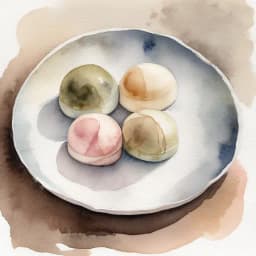
和菓子
Tadaoka, located in Senshu, is known as the town with the smallest area in Japan. This confectionery shop preserves the simple, handmade flavors of that very town.
Because it is a small town, the distance between the shop and local customers is close, and each sweet is carefully finished one by one. While not flashy, they offer a relaxing deliciousness that is perfect for your daily tea time. The presence of such a town confectionery shop is an irreplaceable part of daily life for locals, offering flavors that have been loved across generations.
With a sweetness that feels somewhat nostalgic and comforting, why not experience one of the great charms of Japan's smallest town?
📍田尻町
Specialties from 田尻町 are also available via furusato nozei

和菓子
Tajiri Town is the birthplace of Senshu onions. These sweets utilize that local specialty to create something sweet.
Tajiri Town is considered one of the origins of onion cultivation in Japan; it is said to have begun in 1884 when three individuals from Yoshimi began researching onion cultivation. Senshu onions are characterized by being thick-fleshed, soft, and having a strong sweetness due to high moisture content. This sweet was born from an idea unique to the production area: to utilize that natural sweetness in confectionery. The history and pride of being the birthplace of onion cultivation are packed into every single bite.
You will be surprised by the unexpected deliciousness and a gentle sweetness that is hard to believe comes from a vegetable.
📍島本町
Specialties from 島本町 are also available via furusato nozei
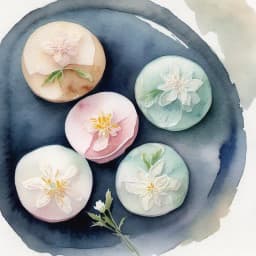
和菓子
Shimamoto Town is a village of famous waters. It is home to Minase Shrine, which has historical ties to Retired Emperor Go-Toba, and the 'Rikyu no Mizu' spring flowing within its grounds has been selected as one of Japan's top 100 waters.
In this land blessed with such pure water, the art of making wagashi (Japanese sweets) has been carefully preserved. It is often said that good water is the lifeblood of wagashi. Sweets prepared with this crisp, clear water allow the sweetness of the bean paste to feel refreshing, leaving an elegant aftertaste. This is a flavor unique to this land, nurtured by a historic shrine and famous spring water. Because the quality of water directly impacts the deliciousness of the confection, the finished product is truly exceptional. It is a pride of Shimamoto Town that you should definitely visit along with your shrine pilgrimage.
Please enjoy a piece of this creation nurtured by famous waters. Its gentle sweetness melts softly in your mouth.
📍東大阪市
Specialties from 東大阪市 are also available via furusato nozei

洋菓子
Hanazono Rugby Stadium in Higashiosaka City is a sacred site for rugby. This fun souvenir, shaped like a rugby ball, is unique to this town that has witnessed the history of Japanese rugby.
Ball-shaped baked goods and chocolates have long been enjoyed locally as a snack to accompany matches. Each shop offers a creative lineup, ranging from buttery baked goods to unique varieties mixed with bite-sized chocolates and okoshi (puffed rice treats). On match days, you can find them at product tents around the stadium, enticing the hearts of rugby fans.
These sweets are sure to bring a smile to anyone who receives them, making you want to cheer them on. They make you want to grab one and enjoy it while reminiscing about the excitement of the game.
📍藤井寺市
Specialties from 藤井寺市 are also available via furusato nozei

和菓子
The prototype of Kansai-style sakura mochi was born here in Fujiidera. This is authentic sakura mochi made with the characteristic grainy texture of Domyoji-ko.
'Domyoji-ko' derives its name from Domyoji Temple in Fujiidera City. It began with 'hoshi' (dried rice), which was made by steaming and drying glutinous rice used as offerings at this temple, where Kakuju-ni, the aunt of Sugawara no Michizane, served as the chief priest. This coarsely ground Domyoji-ko eventually became the Kansai-style sakura mochi that spread nationwide.
With a chewy skin featuring the unique graininess of Domyoji-ko, it is layered with the moderate saltiness of the cherry leaf and the elegant sweetness of smooth red bean paste. Please enjoy the authentic taste unique to the birthplace, infused with a long history of 1,000 years.
📍能勢町
Specialties from 能勢町 are also available via furusato nozei

和菓子
This is an autumn chestnut kinton made using the Ginayori chestnuts that the town of Nose, a famous chestnut-producing village, takes great pride in.
It is said that the large-sized Ginayori variety originated when chestnuts were brought from Hiroshima and planted in Nose around 1753. The name is said to have come from the fact that during the famines of the Edo period, these chestnuts sold rapidly at high prices, accumulating many 'gin-satsu' (silver notes).
With a sweetness strong enough to be used in high-end confections like marron glacé, its excellence in kinton form is guaranteed. This is a luxurious item unique to this production area, allowing you to enjoy the full flavor of these famous chestnuts that even have legends of saving villages from famine.
You can taste the elegant sweetness of the large chestnuts exactly as they are. It is a heartwarming seasonal happiness that can only be encountered in autumn.

和菓子
This is a luxurious Japanese confection featuring 'Ginyose,' a premium chestnut from Nose Town—a village famous for its chestnuts—wrapped whole inside a daifuku.
Since around 1753, Ginyose chestnuts have been cultivated in Nose, and they are so large that a single nut can exceed 25 grams. We have gently enveloped these sweet, fluffy chestnuts in soft mochi and elegant bean paste. The charm lies in being able to enjoy the magnificent presence of the chestnut and the chewy texture of the mochi simultaneously in every bite. It is a visually extravagant daifuku packed with the concentrated happiness unique to autumn, irresistible to any chestnut lover.
When you take a bite, the richness of the chestnut and the smoothness of the mochi melt together as one. Please enjoy this special treat, available only during the autumn season.
📍柏原市
Specialties from 柏原市 are also available via furusato nozei

洋菓子
Kashiwara is Osaka's premier grape-producing region. Sweets that make full use of its fully ripened grapes are popular locally for their rich aroma.
Grape cultivation in Kashiwara began in 1878 with the transplanting of Koshu grape seedlings, eventually growing into the leading production area in Osaka. At Katashimo Winery, founded in 1914 and the oldest in Western Japan, the Delaware sparkling wine 'Tako-chan' is a specialty. You can enjoy confections such as gelato, tarts, and jams made from these unique local grapes.
Experience the fresh sweetness of grapes that have soaked up plenty of sunlight. Please take your time to savor the blessings of Kashiwara, the village of wine, through these sweets.
📍八尾市
Specialties from 八尾市 are also available via furusato nozei

和菓子
Leaves, stems, and roots—all edible. These sweets make full use of 'Young Burdock,' a traditional vegetable that heralds the arrival of spring in Yao.
Young burdock is a prideful specialty vegetable of Yao City. Unlike ordinary burdock where only the root is eaten, its characteristic feature is that the leaves, stems, and roots can all be enjoyed, offering a unique rich aroma, crunchy texture, and a pleasant bitterness. It became famous as a Yao specialty during the Edo period and was registered as a regional collective trademark in 2013.
These creative sweets, unique to Yao, incorporate that spring-like aroma and flavor into confectionery. They offer a taste that is hard to find elsewhere, fully leveraging the individuality of this traditional local vegetable.
📍富田林市
Specialties from 富田林市 are also available via furusato nozei

和菓子
Terauchi-cho in Tondabayashi is Osaka's only Important Preservation District for Groups of Traditional Buildings, characterized by rows of machiya (townhouses) with white walls. These Japanese sweets are passed down through this historic landscape.
Terauchi-cho was established in 1560 (Eiroku 3) as a religious autonomous city centered around the Koshoji Betsuin temple. During the Edo period, it flourished greatly through the cotton trade and sake brewing, expanding its sales networks to Omi, Kii, and even far-off Edo. The atmosphere of the well-preserved townhouses is highly regarded, leading to its selection as the only preservation district in Osaka Prefecture in 1997.
It is a confection unique to Tondabayashi—a perfect treat to enjoy while strolling leisurely along the cobblestone streets lined with lattice doors, allowing you to feel the weight of history that has continued since the days of Edo.
📍豊中市
Specialties from 豊中市 are also available via furusato nozei

洋菓子
Toyonaka City in the Hokusetsu region of Osaka is a hidden battlefield for Western-style sweets. Renowned patisseries are scattered throughout the residential areas spreading across the hills.
One of the most prominent is 'Monsieur Makino.' Founded around 1995, its main store is located along the Romantic Kaido near the border with Minoo City, and it has long championed a style of confectionery that resonates with the five senses. Other notable shops include 'Pinion,' an established institution with over 25 years of history, and 'COERI,' run by a husband-and-wife duo, offering a collection of talented shops with unique personalities.
Because this is a town where many prestigious shops rooted in daily life gather, you can enjoy touring cake shops to your heart's content. It is an area that symbolizes the subtly high-quality sweets culture of Hokusetsu.

洋菓子
Madame Sinco's 'Madame Brûlée' features eye-catching packaging in shocking pink and leopard print.
This is the signature product of Madame Sinco, founded in Osaka in 2006. It was born from the idea of combining three things: the hotcakes the chairman's mother made when he was a child, his favorite crème brûlée, and the Baumkuchen he always admired. The cake is soaked in plenty of maple syrup, coated with French red sugar, and then quickly caramelized.
With a crispy, fragrant surface and a moist, rich interior, it is an Osaka sweet with an incredible impact in both appearance and taste—unforgettable for anyone who loves sweets.
📍豊能町
Specialties from 豊能町 are also available via furusato nozei

和菓子
Houno Town, located at the northern tip of Osaka, is rich in nature. In autumn, you can enjoy chestnut kintone made from chestnuts harvested in this region.
Being a mountainous town close to Nose, the temperature fluctuations between day and night produce sweet and fluffy chestnuts. Each chestnut harvested in autumn is painstakingly passed through a sieve and kneaded into a smooth paste, creating a delicacy packed with the rich flavor and natural sweetness of the chestnut itself. This is an honest Japanese confection that relies on the quality of its ingredients without adding unnecessary extras. The more care put into the process, the more vividly you can taste the natural aroma of the chestnuts.
As the fluffy flavor of the chestnut spreads throughout your mouth, it becomes a seasonal delight that makes you long for the arrival of autumn.
📍枚方市
Specialties from 枚方市 are also available via furusato nozei

和菓子
Hirakata-juku was a post town on the highway connecting Kyoto and Osaka. In this town, which once bustled with river transport on the Yodo River, traditional Japanese sweets remain as a testament to the history of travel.
Hirakata-juku was one of the 53 stations of the Tokaido established by Tokugawa Ieyasu in 1601. It served as a vital transportation hub, situated exactly halfway between Kyoto and Osaka. A famous feature was the 'Kurawanka-bune' (Kurawanka boats), where vendors energetically called out to passing boats on the Yodo River, shouting 'Would you like some mochi? Would you like some sake?' This scene has been depicted in Ukiyo-e prints by Utagawa Hiroshige and in Jippensha Ikku's 'Tokaidochu Hizakurige'.
Enjoy these simple, warm flavors that once comforted travelers passing through the highway—Japanese sweets filled with the nostalgic spirit of travel.
📍箕面市
Specialties from 箕面市 are also available via furusato nozei

和菓子
In Minoh, a renowned location for viewing autumn colors, the beautiful maple leaves themselves are deep-fried—this is the famous "Momiji no Tempura."
Legend has it that about 1,300 years ago, En no Gyoji, the founder of Shugendo, fried the beautiful maple leaves reflecting in the waterfall using oil from temple lamps and served them to travelers visiting Mount Minoh. It is an incredibly labor-intensive dish, where Ichinonji maple leaves, which have been salt-pickled and aged for one year, are carefully deep-fried one by one for about 20 minutes in a batter flavored with sesame and sugar.
With a light, crispy texture that preserves the natural shape of the leaf and a gentle sweetness, it is a seasonal confection perfect to enjoy while strolling leisurely along the Minoh waterfall path and admiring the changing colors of the trees.

洋菓子
Along the trail leading to the Great Falls of Minoh, numerous Japanese and Western-style sweet shops are lined up, including the famous 'Maple Leaf Tempura.'
Legend has it that about 1,300 years ago, En no Gyoja, the founder of Shugendo (asceticism), fried maple leaves reflecting in the waterfall using lamp oil and served them to travelers. Established in 1940, Kyukoku Kosen-do grows its own edible Ichogyoji maple trees in its private forest and carefully deep-fries each leaf by hand. At their new shop, 'Cobeni,' you can also enjoy evolved versions such as savory and kinako (roasted soybean flour) flavors.
Eating while listening to the murmuring of the waterfall offers an exceptional moment that can only be experienced here. Please enjoy the unique flavors of Minoh, infused with rich nature and 1,300 years of history.
📍岬町
Specialties from 岬町 are also available via furusato nozei

和菓子
Misaki Town, the southernmost town in Osaka Prefecture. These sweets, filled with the scent of the sea, were born in this seaside town.
Located on the border between Osaka and Wakayama, the town faces the expansive Osaka Bay and the Kitan Strait. This is a land where fishing has flourished since ancient times, and people have lived surrounded by the blessings of the sea. As a result, sweets that subtly capture the flavor of the tide have been cherished here.
With a simple, rustic taste perfect for enjoying while strolling to the sound of the waves, this is a treat you can only encounter in this seaside town at Osaka's southernmost tip.
As you take a bite, the aroma of the sea gently spreads. It is a unique delicacy that allows you to taste the very atmosphere of the coastal town.
📍門真市
Specialties from 門真市 are also available via furusato nozei

和菓子
Kadoma lotus root grows slowly in deep mud, boasting a proud chewy texture. These are somewhat unique sweets that make the most of its distinctive flavor.
Kadoma is an area where low-lying wetlands with poor drainage spread out, making it a land where lotus root cultivation was even more prosperous than rice. The iron-rich, sticky soil creates that unique, chewy texture. Even during the Edo period, they were transported to various regions as commercial products, and in 2024, 'Kawachi Lotus Root' was officially recognized as a traditional vegetable of Naniwa.
These are creative sweets characteristic of Kadoma, incorporating the flavor and unique texture of such a historic traditional vegetable. Please enjoy this one-of-a-kind taste that allows you to deeply feel the blessings of this long-standing land.
📍和泉市
Specialties from 和泉市 are also available via furusato nozei

和菓子
A somewhat rare Japanese-Western fusion sweet that has even been featured on television programs. This 'Mikan Daifuku' features a whole Izumi mandarin wrapped inside.
Izumi mandarins are a historic specialty, with records showing they were paid as tax as far back as the Kyoho era (1723). They boast the largest cultivation area and production value in Osaka Prefecture. This daifuku consists of fully ripened mandarins, having soaked up plenty of sunlight, wrapped whole in white bean paste and soft mochi.
The juice overflowing from within the mochi, the succulent pulp, and the elegant sweetness of the white bean paste harmonize beautifully. Please enjoy this juicy seasonal surprise, available only during its peak season.
Sake
📍茨木市
Specialties from 茨木市 are also available via furusato nozei

日本酒
This is a local sake from Ibaraki City, nurtured by the underground water of the Hokusetsu mountain range.
Ibaraki is a land with a sake brewing history spanning over 400 years since the Muromachi period. It flourished as a castle town for Ibaraki Castle and has been blessed with high-quality water. In the breweries remaining in the city, they continue a meticulous brewing process, such as using traditional methods of slow pressing in vats with rare sake rice revived alongside local farmers.
This is a rare local sake that shines with the sincerity of its makers, who carefully handle everything from koji making to the master brewer's duties. It is a single bottle that reflects the history of the castle town of Ibaraki.
Enjoy a glass that conveys the warmth of handmade craftsmanship. Please take your time to savor the flavor created by the water and the skill of the people of Hokusetsu.
📍羽曳野市
Specialties from 羽曳野市 are also available via furusato nozei

ワイン
Winemaking in Osaka began with a single major typhoon.
way The 1934 Muroto Typhoon caused immense damage to grape farmers, and as a relief measure, licenses for fruit wine production were specially issued. Taking this opportunity, Tokuichi Kondo founded 'Kintokuya Liqueur Brewery' in Komagaya, Habikino City, marking the beginning of Kawachi wine. Primarily brewing using locally grown Delaware grapes, its quality has been highly acclaimed both domestically and internationally, and it continues to be carefully passed down through generations of the same family.
At the adjacent Kawachi Wine Hall, you can enjoy factory tours and tastings. Please come to the production site and experience the simple, approachable flavor that has long been a staple of Osaka's dining tables.
📍河内長野市
Specialties from 河内長野市 are also available via furusato nozei

日本酒
The famous sake 'Amano-zake' is said to have been loved by Toyotomi Hideyoshi. Saijo Goshi Kaisha in Kawachinagano City carries on this prestigious tradition.
The roots of Amano-zake lie in the monk's sake brewed by monks at Amanoyama Kongo-ji Temple. Its name appears in documents from the Kamakura period, and by the Muromachi period, it was widely known as a famous sake produced at the temple. It is told that Hideyoshi liked this sake so much that he even issued an official vermilion-seal letter (Shuinjo) ordering Kongo-ji to devote itself to sake brewing. This aromatic local sake, made using traditional methods, is carefully preserved by the only brewery in Minami-Kawachi that holds this historic name. Its thick, rich flavor, reminiscent of the original monk's sake, offers a different experience from modern Japanese sake.
Savor a glass of this traditional brew. It is a deep and flavorful sake that invites you to reflect on the era of the warring states as you enjoy it.
📍河南町
Specialties from 河南町 are also available via furusato nozei

日本酒
This is a story about the unique local sake of Minami-Kawachi, to be savored slowly in the nature-rich Henan Town, which offers close views of the Kongo and Katsuragi mountains.
Henan Town is a peaceful, lush green town with the majestic Mount Kongo and Mount Katsuragi right nearby. While there are no breweries within the town itself, several breweries from the Minami-Kawachi area are scattered in the vicinity. A culture of deeply enjoying Osaka's local sake alongside mountain delicacies and locally sourced wild game is firmly rooted in this land.
Pair the local sake with rich, flavorful dishes amidst the clear mountain air. We invite you to slowly indulge in the simple yet powerful flavors of Minami-Kawachi, while being embraced by grand nature.
📍貝塚市
Specialties from 貝塚市 are also available via furusato nozei

日本酒
This is a local sake that has been cherished for a long time in Kaizuka City, Senshu.
Kaizuka has a history of prosperity as a temple town centered around Gansen-ji Temple, a Jodo Shinshu temple. Nurtured by the mild climate of Senshu and being close to the sea, a food culture enjoying fresh seafood is deeply rooted here. The local sake, which has been carefully preserved in this land, has a simple and easy-to-drink flavor that blends seamlessly into local dining tables. While not flashy, it is a warm bottle that has continued to stay close to the local lifestyle for a long time. It is a sake truly representative of Kaizuka, meant to be enjoyed alongside the atmosphere of the temple town.
Enjoy a slow glass paired with the bounty of the Senshu sea. It is a profound flavor that has been loved by the local community.
📍岸和田市
Specialties from 岸和田市 are also available via furusato nozei

日本酒
This is 'Sho no Sato,' a local sake of Senshu brewed by Kitashoji Sake Brewery, the only sake brewery in Izumisano City.
Founded in 1921 (Taisho 10), this brewery continues to practice small-batch, handcrafted brewing in Hineno, at the foot of the Izumi Mountains. Its hallmark is a rich umami created through the gentle techniques of Nambu Toji (master brewers). The Junmai sake 'Sho no Sato' was even served to world leaders during the 2019 G20 Osaka Summit. It is a proud bottle deeply rooted in the region, designed to accompany the cuisine of Senshu. At the cafe attached to the brewery, you can also enjoy the atmosphere of the sake brewery.
Enjoy a hearty glass alongside the seafood of Senshu. It is a warm flavor filled with the passion of the brewery.
📍熊取町
Specialties from 熊取町 are also available via furusato nozei

日本酒
This is a story about the local Osaka sake from Kumatori, which makes you want to taste it alongside Senshu's specialty, pickled Mizu-nasu.
Kumatori Town is blessed with a warm and mild climate, spreading across the foothills of the Izumi Mountains. While there are no breweries within the town itself, the culture of local sake passed down since ancient times throughout the Senshu area remains very much alive, and Osaka's local sake continues to be naturally enjoyed as a companion for daily evening drinks at local dining tables.
Pairing a crisp, dry local sake with juicy, refreshing pickled Mizu-nasu is a combination that perfectly suits an everyday meal, allowing you to fully enjoy the rich blessings unique to Senshu.
📍交野市
Specialties from 交野市 are also available via furusato nozei

日本酒
Named after a famous cherry blossom spot, this is an elegant local sake from Osaka.
Yamano Sake Brewery in Katano City was founded in the late Edo period and is a skilled brewery that has continued brewing sake for five generations. "Katanozakura" is carefully brewed using pure underground water from the Ikoma Mountain range and high-quality sake rice. The name originates from the fact that Katano has long been a famous cherry blossom spot loved by imperial families and nobles, as well as a hunting ground. Brewed with the reliable techniques of a Nambu Toji (master brewer), it has won numerous gold awards at the National New Sake Awards.
It features a mellow and refined taste where the umami of the rice and the aroma are in perfect harmony. This is a bottle you want to enjoy slowly alongside the local cuisine of the Kansai region.

日本酒
This is the flagship brand of the oldest handmade sake brewery in Osaka Prefecture, boasting a history of over 300 years.
Naniwa Sake Brewery was founded in 1716 in Ozaki-cho, Hannan City. The representative brand 'Naniwa Masamune' has been long loved in the Senshu region, and both the brewery and the main residence are designated as National Registered Tangible Cultural Properties. Using the historic cultural property brewery as it is, artisans continue to brew each bottle with care using traditional handmade methods.
It is a crisp, dry sake that pairs well with fresh seafood from Osaka Bay. Please enjoy the authentic flavor that this historic brewery has protected for over 300 years.

日本酒
Named after the plum blossoms associated with Sen Rikyu, this is a delicate and elegant local sake from Katano.
Daimon Shuzo was founded in 1826 (Bunsei 9) in the scenic area of Katano. In this beautiful land, which Sei Shonagon praised as 'No-ha-kotano' in The Pillow Book, they carefully brew sake using the pure underground water from the Ikoma mountain range. 'Rikyu-ume' is a brand created when the brewery shifted its focus toward Ginjo-style brewing toward the end of the Showa era, pursuing a flavor where a refreshing acidity quietly accompanies the umami of the rice.
It features a clean and elegant mouthfeel that gently enhances the flavors of food. It is a versatile bottle that naturally complements a wide range of meals, especially delicate Japanese cuisine.
📍高槻市
Specialties from 高槻市 are also available via furusato nozei
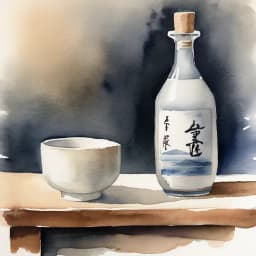
日本酒
This local sake is brewed by Seizuru Sake Brewery, an established brewery in Tomita, Takatsuki City, founded in 1856 (Ansei 3).
During the Edo period, Tomita was known as one of the 'Three Famous Sake Regions of Hokusetsu' alongside Ikeda and Itami, and was once a district lined with many breweries. Seizuru Sake Brewery continues to adhere to traditional handmade methods, carefully filtering the mash in bags rather than pursuing mass production. Its hallmark is a clean, crisp, and light taste, meticulously brewed using high-quality water from the Hokusetsu region. This is a prestigious sake that carries on the lineage of the 'Tomita Sake' that once gained fame in Edo.
Enjoy this clear, light, and dry sake slowly. The inherited tradition of Tomita Sake lives vibrantly within every glass.

日本酒
Kuni no Cho is the flagship brand brewed by Kotobuki Shuzo, a venerable brewery in Tomida, Takatsuki, boasting one of the most significant histories in Osaka since its founding in 1822.
Tomida was counted as one of the 'Three Famous Sake Breweries of Hokusetsu' during the Edo period, and Kotobuki Shuzo is the brewery that carries that tradition into the present day. Brewed with the high-quality water and rice of Hokusetsu and techniques accumulated over 200 years, Kuni no Cho is a bottle that allows you to feel the weight of history. The brewery is also known for its continuous pursuit of innovation while preserving tradition, such as producing Osaka's first craft beer in 1995. It is a representative brand of Tomida, where history and innovation coexist.
Savor a cup of this historic masterpiece. The profound depth of Osaka's sake brewing is concentrated in every single sip.
📍阪南市
Specialties from 阪南市 are also available via furusato nozei

日本酒
For over 300 years since the first year of the Kyoho era, this historic sake has been carefully preserved in the Senshu region.
Naniwa Shuzo is one of Osaka's oldest breweries, founded in 1716 in Ozaki-cho, Hannan City. Its flagship brand, 'Naniwa Masamune,' is brewed in a historic brewery designated as a National Registered Tangible Cultural Property, where they still adhere to traditional handmade methods, carefully brewing each bottle. The warm climate of Senshu and the rich natural environment near Osaka Bay have nurtured this flavorful sake for generations.
It is a deep, dry sake that pairs perfectly with local seafood. Please enjoy this historic Senshu local sake slowly alongside fresh fish dishes.
📍堺市
Specialties from 堺市 are also available via furusato nozei
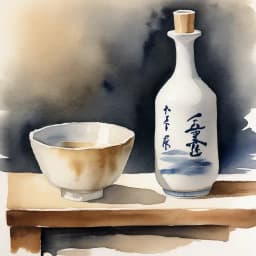
日本酒
Sakai is the birthplace of Sen no Rikyu, the great master of the tea ceremony. This local sake has revived a brewing tradition that had long been lost in that very land.
During the Meiji era, Sakai was a prominent sake district with about 100 breweries, but that number eventually dwindled until they all disappeared. In 2014, after 44 years, Rikyu-gura brought the local sake of Sakai back to life. Brewed using pure underground water from the Kongo Mountain Range and Yamada Nishiki rice from Hyogo, this Junmai Ginjo offers a clean and elegant taste worthy of the name Rikyu. It is a bottle that has restored the pride of the town.
Savor this revived cup deeply. It is a sake you will want to enjoy while reflecting on the history of Sakai, the sacred ground of the tea ceremony.
📍守口市
Specialties from 守口市 are also available via furusato nozei

日本酒
Moriguchi City once flourished as a post town on the Tokaido highway. This is a local sake from the land known for 'Moriguchi-zuke' pickles, which are associated with Toyotomi Hideyoshi.
When people think of Moriguchi, they think of the Moriguchi Daikon radish, said to be one of the longest in the world. It is told that in 1585 (Tensho 13), Hideyoshi ate pickled long radishes in this region and praised them so highly that he named them 'Moriguchi-zuke.' The sake lees used for those pickles and this local sake share a deep, inseparable relationship. Brewed with high-quality water from Kita-Kawachi, near the Yodo River, this sake quietly conveys the history of Moriguchi, which thrived as a post town on the Tokaido. It is a bottle that makes you long for the days when travelers passed through.
Enjoy a cup paired with the famous Moriguchi-zuke pickles. This is a deeply flavorful sake that allows you to savor the very atmosphere of this historic post town.
📍松原市
Specialties from 松原市 are also available via furusato nozei

日本酒
This is a local sake that has been cherished for a long time in Matsubara City, Kawachi region.
Matsubara is a historic town in Kawachi that has flourished since ancient times as a vital transportation hub where people and goods intersect. It is also renowned as a production area for Kawachi Duck, known nationwide as a high-end ingredient, and a rich food culture is deeply rooted here. The local sake, which has been carefully preserved in this land, offers a gentle flavor that harmonizes beautifully with local cuisine. Along with the flavors of the region, such as the rich Kawachi Duck, this is a bottle that naturally complements your daily dining experience. It is a sake that has quietly supported the long-standing food culture of Kawachi.
Enjoy a slow glass alongside the tastes of Kawachi. Please enjoy its gentle flavor, deeply rooted in the local land.
📍吹田市
Specialties from 吹田市 are also available via furusato nozei

ビール
Suita is the birthplace of Asahi Breweries. This is a historic factory where the history of Japanese beer is etched.
Its predecessor, the 'Osaka Beer Company,' was established in Suita in 1889 and began operations in 1891. The brick buildings from that era are still carefully preserved today. The highlight of the reservation-based factory tour is learning about the brewing, fermentation, and aging processes up close, followed by tasting freshly brewed draft beer. Other attractions include a collection of beer cans from around the world. It is truly a monumental place that pioneered Japanese beer culture.
A glass after the tour is exceptional. Looking at the fine foam, you will find yourself wanting to toast to its long history.
📍摂津市
Specialties from 摂津市 are also available via furusato nozei

日本酒
A bottle that allows you to feel the weight of a long history, brewed by one of Osaka's oldest breweries.
Since its founding in Bunsei 5 (1822),寿 Shuzo has continued sake brewing in the area of Tomita, Takatsuki City, Osaka Prefecture. Tomita is a famous brewing region that was praised as 'the best sake district under heaven' during the Edo period, blessed with mineral-rich underground water from the Abuyama mountain range. The brand name 'Kuninocho' was chosen out of an ambition to pass down the traditions of this prestigious brewing region to the present day.
Enjoy a mellow and deep flavor that conveys the history of Kamigata sake to the present. Please enjoy a reliable cup from a brewery rich in enterprising spirit, which has also been an early adopter of craft beer and shochu production.
📍千早赤阪村
Specialties from 千早赤阪村 are also available via furusato nozei

日本酒
A precious and atmospheric local sake to be enjoyed in Chihaya Akasaka, the last remaining "village" in Osaka Prefecture.
Chihaya Akasaka Village lies at the foot of the sacred Mount Kongo and is the only village left in Osaka. Known as a place associated with the famous general of the Kamakura period, Kusunoki Masashige, its pure waters and beautiful terraced rice field landscapes are still carefully preserved today. While there are no breweries within the village itself, this rich nature and pristine water have served as the vital foundation that has supported Osaka's sake culture from behind the scenes.
Savoring a traditional local cup amidst the tranquility of a mountain village. A time awaits where your heart gently unwinds, as if drinking in the very blessings of nature.
📍泉佐野市
Specialties from 泉佐野市 are also available via furusato nozei

日本酒
Sho no Sato is a local sake of Senshu, brewed with underground water from the Izumi Mountains by Kitashoji Sake Brewery in Izumisano City.
Founded in 1921 (Taisho 10), this is the only remaining brewery in Izumisano. Through small-batch brewing with a focus on handmade techniques, they continue to carefully craft each bottle, primarily focusing on Junmai sake. The hallmark of this sake is its rich and mellow umami, created by the gentle skills of a Nambu Toji (master brewer).
It is a deeply flavorful local sake that stays closely connected to the ingredients of Senshu. A pride of Izumisano, nurtured in the fertile manor lands of Hineno.
Enjoy a slow glass alongside Senshu cuisine. Please enjoy the warm flavor filled with the sincere passion of the brewery.
📍泉大津市
Specialties from 泉大津市 are also available via furusato nozei

日本酒
This is a local sake from Senshu that has been cherished around Izumiotsu, the city of textiles.
Izumiotsu has long flourished with its textile industry, including blankets. In this land dedicated to craftsmanship, locally rooted sake has also been carefully preserved. Senshu is a region blessed with a warm climate and abundant seafood, leading to a preference for sake with a mild, easy-to-drink flavor that pairs perfectly with fresh seafood. It is an unpretentious bottle that exists alongside the local lifestyle. This is a simple and friendly Senshu local sake nurtured in the textile city.
Enjoy a relaxing glass along with Senshu cuisine. It is a gentle flavor that softly accompanies your everyday dining table.
📍太子町
Specialties from 太子町 are also available via furusato nozei

クラフトビール
The mandarin oranges of Taishi Town have been transformed into a refreshing and uniquely flavored craft beer.
Taishi Mikan Beer (Kawachi no Ale) is a craft beer made using the mandarin oranges that are a specialty of Taishi Town in Minami-Kawachi. During the thinning process in summer to prepare for the autumn harvest, a large amount of green mandarin peels are produced; these are added along with hops at the end of the boiling process to impart aroma. This is a glass filled with local wisdom and ingenuity, making use of oranges that would otherwise be discarded.
It features a fruity, easy-to-drink taste with a subtle citrus aroma. With a wide variety of styles available, such as Pale Ale and Weizen, you can fully enjoy the blessings of the local Taishi Town.
📍大阪狭山市
Specialties from 大阪狭山市 are also available via furusato nozei

日本酒
In a town nurtured by Sayama Pond, known as Japan's oldest artificial reservoir, take your time to savor the local sake of Osaka.
Osaka Sayama City is a place filled with the scent of water and history, having developed around the ancient Sayama Pond, which is said to have been constructed during the Asuka period. While there are no breweries within the city itself, under the gentle environment of Minami Kawachi, the local liquor stores and restaurants cherish and enjoy the local sake of Osaka passed down through the Settsu and Kawachi regions, naturally integrating it into the lives of the people.
After a leisurely stroll along the shores of the ancient pond, enjoy a glass of local sake. It is a drink you want to savor deeply, alongside the calm passage of time unique to a town that has recorded such a long history.
📍大阪市
Specialties from 大阪市 are also available via furusato nozei

日本酒
This is the local sake of Kotobuki Shuzo, a brewery in Tomita, Takatsuki City, boasting one of the most prominent histories in Osaka since its founding in 1822.
During the Edo period, Tomita was counted among the 'Three Famous Sake Regions of Hokusetsu' alongside Ikeda and Itami. Blessed with high-quality underground water and rice, it is said that many breweries lined the streets during its peak.
While preserving 200 years of tradition, Kotobuki Shuzo is a brewery that has always pursued new flavors, such as venturing into craft beer production in 1995—a first for Osaka. This flavorful bottle embodies the climate of Tomita, combining historical weight with a spirit of innovation.
Enjoy a slow sip of this historic masterpiece. You will deeply feel the profound depth of Osaka's sake brewing heritage.

クラフトビール
This is a specialty local beer brewed in the very heart of Dotonbori, Osaka's bustling entertainment district.
With its brewery located in the basement of the Osaka Shochikuza Theater, brewing has continued here since 1996. The core concept is 'beer that complements Japanese food.' By using 100% malt, we preserve a robust malty flavor while achieving a smooth, easy-drinking finish that pairs beautifully with delicate Japanese dishes rich in dashi.
Our production process is meticulous, constantly adjusting temperatures while closely monitoring the fermentation process. It is a unique character born amidst the vibrant energy of the tourist district.
When poured into a glass, it releases a fragrant malt aroma. This is a craft beer unique to Osaka, meant to be enjoyed alongside the vitality of Dotonbori.
📍池田市
Specialties from 池田市 are also available via furusato nozei

日本酒
Goshun is a prestigious sake that Ikeda City takes great pride in. Known as 'Ikeda Sake' since the Edo period, it is a representative local sake of Osaka.
Sake brewing in Ikeda began around the late Muromachi period and reached its peak during the mid-Edo period. The dry Ikeda sake, brewed with high-quality rice and underground water from the Ina River, gained popularity even in Edo as 'Edo Kudari-zake' (sake sent down to Edo).
It is also said that the name 'Goshun' originates from the history of Ikeda being known as a weaving village, or 'Gofuku no Sato' (Village of Gofuku fabrics). Even today, it continues a sophisticated brewing process that values the harmony of the five tastes, inheriting the tradition of Ikeda sake. It is widely known as a popular brand that is difficult to obtain.
Enjoy a single cup of this clear, dry sake. You can deeply feel the pride of Ikeda sake, which has continued for over 300 years, in every sip.
📍忠岡町
Specialties from 忠岡町 are also available via furusato nozei

日本酒
A moment to savor Osaka's local sake, unique to Tadaoka, slowly alongside fresh seafood in Japan's smallest town.
Known as the smallest municipality in Japan, Tadaoka is a small but warm town in the Senshu region. While there are no breweries within the town itself, its proximity to Osaka Bay means that, since ancient times, local sake has been enjoyed alongside freshly landed seafood, closely integrated into the lives of the people.
It is a town where you can feel the closeness between people precisely because it is so small. Sipping a cherished local drink paired with freshly caught fish—this is the kind of leisurely time that perfectly suits this town.
📍田尻町
Specialties from 田尻町 are also available via furusato nozei

日本酒
A crisp and smooth local sake unique to Osaka's Senshu region, enjoyed in a small town spreading across the shores opposite Kansai International Airport.
Tajiri is a small town open to the sea, home to Kansai International Airport. While there are no breweries within the town itself, it is blessed with rich agricultural products, including the famous sweet Senshu onions. Local people have long enjoyed this local sake of Osaka's Senshu alongside these regional flavors.
Pair the refreshing local sake with melt-in-your-mouth, juicy Senshu onion dishes. Right next to the bustle of an airport connected to the world, please take a moment to enjoy the warm, local taste that offers a peaceful respite.
📍島本町
Specialties from 島本町 are also available via furusato nozei

ウイスキー
The long story of Japanese whisky quietly began here in Shimamoto, Osaka.
In 1923, the Suntory Yamazaki Distillery was established when founder Shinjiro Torii began construction, making it Japan's first malt whisky distillery. Located in Yamazaki, Shimamoto, Osaka, the area features a humid climate where three rivers converge and high-quality groundwater flows abundantly, providing the ideal conditions essential for whisky aging.
Single malt 'Yamazaki,' produced from this blessed land, is highly acclaimed in international competitions. We invite you to experience the profound flavor polished by time at the birthplace of Japanese whisky.
📍東大阪市
Specialties from 東大阪市 are also available via furusato nozei

日本酒
Higashiosaka boasts Hanazono, the sacred ground of rugby. In this town of manufacturing, the local sake is a well-deserved drink for those who work hard.
Higashiosaka City is known nationwide as a 'manufacturing town' where many small and medium-sized factories with high technical skills are gathered, and the FUSE drinking district is always bustling with people after work. While there are no breweries within the city itself, there are long-established liquor stores with underground cellars, and the local Osaka sakes passed down through Settsu and Kawachi are still carefully delivered today.
Kansai-style sake, which primarily features light and dry profiles, pairs smoothly even with rich and heavy dishes. A single glass after a long day of hard work is truly exceptional.
📍藤井寺市
Specialties from 藤井寺市 are also available via furusato nozei

日本酒
This is a local sake nurtured with plenty of time by the only brewery in Fujiidera.
Since its founding in Taisho 2 (1913), Masakazu Fujimoto Sake Brewery has been brewing sake in front of Katsuji Temple. Their unique style prioritizes flavor over efficiency; they do not sell pressed sake immediately, but instead allow it to rest quietly for at least 2 to 3 years before releasing it to the world. They avoid mass distribution, maintaining a style where they hand-deliver directly to customers from the brewery.
Experience the mellow and rich umami created through aging. Please try this flavor-rich taste that only a small brewery, which spares no effort or time, can produce.
📍能勢町
Specialties from 能勢町 are also available via furusato nozei

日本酒
From the rice paddies to the sake itself, all handled by their own hands—this is a prestigious sake that Nose Town is proud of, embodying such an unwavering belief.
Located in Nose Town, Akishika Sake Brewery was founded in 1886. It is a brewery that steadfastly pursues 'integrated farming and brewing,' personally cultivating varieties like Yamada Nishiki and Omachi in their own fields to brew their sake. Since 2003, they have transitioned all production to Junmai-shu (pure rice sake), focusing on pesticide-free, circular rice cultivation and continuing to pursue an authentic flavor born from the power of the soil.
Its powerful yet refined taste, where the umami of the rice spreads richly, has long impressed sake connoisseurs across the country. It is a sophisticated choice that truly blossoms when served warm.

日本酒
This is a gem that can be described as the pinnacle of aging, representing the pride of Akishika Shuzo, reached after a slow and lengthy passage of time.
Located in Nose Town, Akishika Shuzo is a highly skilled brewery known nationwide for its 'integrated farming and brewing' approach, growing their own rice in company-owned fields. 'Okushika' is their premium brand. Its major characteristics are the deep, profound flavor and complex, rich aroma born from long-term aging. It is truly a masterpiece, crafted by taking the time to slowly develop rice carefully grown in the terraced rice fields of Nose.
When warmed (kan), the umami unique to aged sake expands even more voluptuously. It is a blissful sake that sake lovers should savor while taking their time to truly appreciate it.
📍柏原市
Specialties from 柏原市 are also available via furusato nozei

ワイン
Pairing wine with takoyaki—this is the playful spirit of Osaka that gave birth to Katashimo Winery's "Tako-Shan."
Kashiwara City has been a thriving area for grape cultivation since the Meiji era, and Katashimo Winery, founded in 1914, boasts one of the most prestigious histories in Western Japan. "Tako-Shan" is an authentic sparkling wine carefully crafted using 100% Osaka-grown Delaware grapes through secondary fermentation in the bottle. It is a product brought to light after years of dedicated research, born from the desire to let people enjoy high-quality bubbles in a casual way.
With its fine bubbles and crisp, dry taste, it pairs surprisingly well with flour-based foods coated in savory sauce, turning a simple takoyaki party at home into a truly special occasion.
📍八尾市
Specialties from 八尾市 are also available via furusato nozei

日本酒
This local sake was born in Yao, the home of Kawachi Ondo.
In Yao, there is Choryu Shuzo, which began as a small liquor store in 1923. In 1964, they introduced Japan's first bottled barrel-aged sake, 'Yoshino Sugi Barrel Sake,' spreading their name across the country. They continue to age their sake in breweries in Yao today, valuing sake brewing that is deeply rooted in the land of Kawachi. The brewery is full of the enterprising spirit characteristic of Kawachi, preserving tradition while taking on new challenges. The creativity that produced Japan's first bottled barrel sake lives on in its flavor.
Enjoy a cup while imagining the melodies of Kawachi Ondo. It is a flavor that conveys the bustle and vitality of the land.
📍富田林市
Specialties from 富田林市 are also available via furusato nozei

ワイン
Kawachi Wine was born in Osaka, a major grape-producing region.
In the early Showa era, Osaka boasted the highest grape production volume in the country. The origins of Kawachi Wine date back to 1934, when Tokuichi Kondo, a grape farmer from Komagaya, Habikino, founded Kintokuya Liqueur Brewery. He turned to winemaking to ensure that grapes damaged by typhoons and other disasters would not go to waste. Each bottle is carefully brewed using Kawachi grapes, reflecting the local terroir and overflowing with the spirit of hospitality. The history accumulated over nearly 90 years on the hills of Komagaya, Habikino, lives within its flavor.
As you tilt your glass, the blessings of the grapes gently unfold. It is a deeply flavorful cup that you can enjoy while feeling the progression of Osaka's wine culture.
📍豊中市
Specialties from 豊中市 are also available via furusato nozei

日本酒
Midoriichi is a local sake brewed in the sake district of Tomida, Takatsuki City, in the Hokusetsu region.
Tomida is a historic sake village that was counted as one of the 'Three Famous Sakes of Hokusetsu' during the Edo period. Blessed with high-quality water and rice, many breweries lined the streets at its peak. Even today, breweries inheriting that tradition continue to brew sake utilizing the natural environment of Hokusetsu. Midoriichi is a single bottle nurtured by that land, with a clean finish that has been favored as an accompaniment to meals. It is a modest yet reliable local sake that does not overpower the flavor of food, but rather subtly enhances it. It offers a taste that evokes the tradition of Tomida, worthy of the name 'Three Famous Sakes of Hokusetsu.'
An ideal cup to gently accompany your daily dining table. A sake you can enjoy slowly and without pretense.
📍豊能町
Specialties from 豊能町 are also available via furusato nozei

日本酒
A luxurious moment to slowly savor Osaka's local sake in a lush, quiet satoyama at the northernmost tip of Osaka.
Toyono Town is a peaceful and beautiful town surrounded by the mountains of Hokusetsu, featuring pure streams and sprawling terraced rice fields. While there are no breweries within the town itself, the adjacent Nose area is home to well-known breweries nationwide, and the culture of local sake—nurtured by the high-quality rice and pure water of Hokusetsu—is deeply rooted in this region.
Sipping a glass of simple, warm, traditional flavor amidst the clear mountain air. We invite you to experience the charm of this hidden satoyama in Osaka, where time flows gently, alongside the local sake.
📍枚方市
Specialties from 枚方市 are also available via furusato nozei

日本酒
This is a local sake from Kita-Kawachi, Hirakata, blessed with the underground waters of the Yodo River.
Hirakata is a land with a long history of sake brewing, having flourished as one of the fifty-seven post towns of the Tokaido highway. It is said that there were once 48 sake breweries lined up in the Hirakata and Katano areas. While the number of breweries has decreased over time, the tradition of sake brewing in Kita-Kawachi, nurtured by the high-quality waters of the Yodo River, has been firmly passed down to the breweries in neighboring regions and continues to be carefully preserved today. The skills polished by our ancestors and the blessings of the water live on in every glass.
Please enjoy this flavorful sake slowly—a drink that invites you to savor it while reflecting on the bustling atmosphere of the old post town.
📍箕面市
Specialties from 箕面市 are also available via furusato nozei

クラフトビール
This is a refreshing seasonal beer from Minoh Beer, one of Osaka's most iconic breweries, featuring yuzu.
The Totoromi district in Minoh City has long been known as a production area for yuzu. This beer was crafted using yuzu from that very region, brewed in a Belgian White style. The soft mouthfeel unique to Belgian White is layered with the crisp aroma of yuzu, resulting in a light, easy-drinking flavor. It is a special seasonal beer that pairs well with Japanese cuisine and allows you to feel the changing seasons. This is a unique brew that highlights local ingredients.
As the refreshing scent of yuzu rises from the glass, it invites you to take a relaxing break with a pleasant sip.
📍岬町
Specialties from 岬町 are also available via furusato nozei

日本酒
This is a story about the unique local sake of Senshu, to be savored slowly alongside fresh treasures from the sea in a small town located at the southernmost tip of Osaka Prefecture.
Misaki Town is the southernmost town in Osaka, situated on the border with Wakayama. Facing Osaka Bay, this town has a long history of thriving fishing; while it does not have its own sake brewery, a culture of enjoying Senshu's local sake to one's heart's content alongside the fresh seafood landed that very day is deeply rooted in daily life.
A glass of crisp, dry local sake paired with freshly caught fish. Taking a sip while gazing out over the calm sea will surely make your travel experience even deeper and more enriching.
📍門真市
Specialties from 門真市 are also available via furusato nozei

日本酒
Kadoma was known as a famous producer of lotus root. A glass of sake enjoyed in this town quietly teaches us the depth of Osaka's food culture.
Kadoma City is a town of workers that has walked alongside manufacturing for a long time as the birthplace of Panasonic. While there are no breweries within the city itself, local liquor stores and traditional izakayas carefully handle the local Osaka sakes passed down through Settsu and Kawachi, and the Kamigata sake culture, centered around light and dry flavors, remains vibrantly alive today.
After finishing a day's work, enjoy a crisp glass of Kawachi local sake. Here, you can find an unpretentious deliciousness unique to a working town, where you can relax your shoulders and savor the moment slowly.
📍和泉市
Specialties from 和泉市 are also available via furusato nozei

日本酒
This is a local sake that has been cherished in Izumi City, at the foot of the Izumi Mountains.
Izumi City is located almost in the center of the Senshu region, blessed with a warm climate and pure water flowing from the mountains. Historically, it was the site of the provincial capital of Izumi Province, making it a prestigious town steeped in history and culture. The local sake nurtured by this environment offers a gentle, easy-to-drink flavor that quietly accompanies local life and dining. It is an approachable bottle that exists alongside the daily lives of the local people—a sake that allows you to feel the history of a town that has long flourished as the center of Izumi Province.
Enjoy a relaxing cup along with Senshu cuisine. This is a gentle sake that you will want to savor while feeling the bountiful nature of Izumi.
📍Others

日本酒
"The Kitchen of the Nation," Osaka, was once a major sake-producing region whose name resonated across the country.
During the Edo period, the three provinces of Settsu, Kawachi, and Izumi were praised as the "best sake-producing regions under heaven," and in 1783, the Shogunate officially established the "Setsusen Jugo" system. Until it was later surpassed by Nada and Fushimi, Osaka was a major production center for "Kudari-zake" (sake transported downstream) sent to Edo. That proud tradition is still firmly passed down to the dozen or so breweries scattered throughout the prefecture today.
Osaka's local sake, centered around light and dry profiles, complements its rich culinary scene. Please enjoy a glass that has been nurtured alongside the "Kuidaore" (eat until you drop) food culture.