広島県は瀬戸内海の穏やかな海と山間部の豊かな自然に恵まれ、海の幸と山の幸の両方が楽しめる食の宝庫です。牡蠣の生産量は全国の6割以上を占めて堂々の日本一で、「海のミルク」と呼ばれる広島かきは冬の名物として鍋や焼き牡蠣、フライなど多彩な食べ方で楽しまれ、お取り寄せグルメとしても全国的な人気を誇ります。レモンの栽培も100年以上の歴史があり、国産レモンの約6割を生産する日本一のレモン産地で、「瀬戸内広島レモン」はブランド特産品として定着しています。広島のお好み焼きは薄い生地にたっぷりのキャベツと中華麺を重ねて焼く独自のスタイルで、人口あたりのお好み焼き店舗数は全国最多を誇る名物料理です。瀬戸内海沿岸ではタコ飯や鯛麺、アナゴ飯など多彩な海鮮料理が親しまれ、尾道ラーメンや広島つけ麺も全国に知られる地元グルメです。ふるさと納税では広島かきやレモン関連商品が人気の返礼品となっています。
Food
📍安芸高田市
Specialties from 安芸高田市 are also available via furusato nozei

特産品
Blessed with the clear streams and fertile soil of the Chugoku Mountains, Akitakata City is a hidden gem among rice-producing regions.
The basin-like climate, characterized by significant temperature fluctuations between day and night, slowly brings out the sweetness in varieties such as Koshikari. Grown amidst pure water and abundant nature, this rice features a perfect balance of stickiness and sweetness, resulting in a lustrous finish when cooked. In this region, known for its vibrant Kagura traditions, the meticulous rice cultivation performed by farmers continues to be cherished across generations. The clean water and air are the true sources of its deliciousness.
With just one bite, a fluffy sweetness spreads throughout your mouth. It is the pride of Akitakata, quietly supporting daily dining tables.

ご当地グルメ
We have packed the charms of Akitakata City into a single burger. That is the Akitakata Burger.
Born as part of a regional revitalization effort, this local burger focuses on using patties and buns that make the most of locally produced ingredients. It has become a beloved item that anyone can easily enjoy, offering a flavor unique to Akitakata City, known as the home of Kagura. This is a local burger filled with the passion of the community, allowing you to fully experience the blessings of the region.
It is highly voluminous and very satisfying to eat. Please feel free to stop by during a drive and take a big bite of the rich flavors of Akitakata.
📍安芸太田町
Specialties from 安芸太田町 are also available via furusato nozei

特産品
Known as the 'King of Persimmons,' Gionbo Kaki is a dried persimmon made from large, astringent persimmons that represent Akiota Town.
Legend has it that the name originates from the Edo period, when the chief priest of a temple called Gionbo in Gion, Hiroshima, discovered them. It is also said that the shape of the large fruit resembled the head of a monk. With no seeds and thick flesh, its refreshing and elegant sweetness—not overly sugary—has been described as being comparable to melon, and it is even said to have been a favorite of Natsume Soseki. Akiota Town accounts for the vast majority of the cultivation area in the country.
Through the careful, time-consuming process of drying astringent persimmons, a concentrated natural sweetness is drawn out. One bite is enough to surprise you with its elegance.

ご当地グルメ
Akiota Town is rich in nature, boasting the magnificent Sandankyo Gorge. If you want to taste the blessings of the mountains, we recommend gibier cuisine.
Deer and wild boar captured in the deep forests of the Chugoku Mountains are carefully processed while fresh. Served at roadside stations and local eateries, the meat is high quality with minimal gamey odor. The food culture unique to this mountain village continues to live on here. This is also part of the traditional wisdom passed down from ancestors to utilize all the blessings of nature without waste. The fresh gibier is highly regarded for being easy to eat and lacking any unpleasant smell.
Cooking methods vary, including curry, stews, and grilled dishes. After enjoying the grand scenery of Sandankyo, please take your time to savor this nutritious satoyama gourmet experience.
📍海田町
Specialties from 海田町 are also available via furusato nozei

ご当地グルメ
Kaita Town sits adjacent to the eastern part of Hiroshima City. In this town, which flourished as a post station on the old Sanyo Road, the culture of okonomiyaki remains very much alive.
As a major transportation hub where people and goods have long passed through, Kaita Town still enjoys many okonomiyaki restaurants that have been beloved since the post-war era. Each shop shines with its own unique personality, based on the fundamental Hiroshima-style layered grilling method using plenty of cabbage. These shops have been loved across generations as a staple food for local people. The specific way noodles are added and the choice of ingredients reflect each shop's particular dedication.
The sight of a single pancake grilling fragrantly on the iron plate is the very essence of life in this town. Please feel free to stop by and enjoy the flavors of Kaita that are deeply rooted in the local community.

特産品
Kaita Town flourished as a post town on the old Sanyo Road. In this town, where people and goods have passed through and commerce has thrived since ancient times, the culture of soy sauce making was also introduced.
Utilizing the warm climate of the Seto Inland Sea and high-quality water, soybeans and wheat are fermented slowly. The resulting soy sauce is characterized by its deep richness and mellow flavor. Amidst the lively life of the post town, it has been cherished for a long time as a staple condiment supporting local dining tables. The time-intensive brewing process creates a profound aroma.
Whether used in simmered dishes or sashimi, Kaita Soy Sauce instantly elevates the flavor of any dish. It is a deep, complex taste deeply rooted in this land.
📍熊野町
Specialties from 熊野町 are also available via furusato nozei

特産品
Kumano brushes are renowned worldwide for the delicacy of their brush tips. Although they are not food, they are a proud specialty representing Kumano Town.
At the end of the Edo period, due to the lack of farmland in Kumano, many people sourced brushes and ink during the agricultural off-season to sell as peddlers, which marked the beginning of brush making. About 180 years ago, the acquisition of techniques intensified under the encouragement of crafts by the Hiroshima Clan. In 1975, it was designated as the nation's first traditional craft in the brush industry. Today, it boasts the highest production volume in Japan for calligraphy brushes, paintbrushes, and makeup brushes.
The craftsmanship that finishes the tips without cutting them is loved worldwide as makeup brushes. It is a delicate masterpiece that Kumano presents to the world.

ご当地グルメ
Kumano Town is known as the 'Capital of Brushes.' Here, too, okonomiyaki is an essential soul food.
Based on the Hiroshima-style layered grilling method—where cabbage and noodles are layered onto a thinly baked batter—a simple flavor loved by local people lives on through the town's iron griddles. The sweetness of the cabbage and the savory aroma of the sauce create a single dish that makes you want to eat it again and again. Gathering around a piping hot okonomiyaki with family and friends during breaks from brush making, or at the end of the day—this warm scene of daily life still exists in this town today.
By pairing this with a visit to the Fude no Sato Workshop, you can fully enjoy the charms of Kumano. Please come and enjoy the local taste rooted in this town.
📍呉市
Specialties from 呉市 are also available via furusato nozei

ご当地グルメ
The aroma of spices rises with the steam, and the thick, simmered roux envelops the rice. It is a dish that feels somewhat nostalgic and provides a boost of energy.
In the Meiji-era Navy, Western-style cuisine was introduced to prevent beriberi, and 'rice curry' was one of the menu items. Kure, which hosted the Imperial Navy's naval district and still serves as a base for the Japan Maritime Self-Defense Force, is truly a city with deep ties to curry. Since 2015, in collaboration with the Japan Maritime Self-Defense Force, 'Kure JMSDF Curry,' which reproduces the specific flavors of different vessels, has been served at restaurants within the city. Note that while it is often said that the tradition of eating curry on Fridays is 'to maintain a sense of the days of the week,' this is considered a myth.
A meticulous taste comparison, with each vessel offering a different flavor. A true delicacy unique to the seaside city of Kure.

ご当地グルメ
The smooth, flat noodles pair perfectly with the sweet, sour, and slightly spicy soup. It is a dish with a mellow texture that feels different from Hiyashi Chuka, providing a pleasant sensation as it goes down the throat.
It is said that the origin lies with 'Chinraiken' in Kure City. In 1955 (Showa 30), ten years after the end of the war, the previous generation owner, who had transitioned from a food stall to a permanent shop, created Kure Reimen as a specialty available only here. They reportedly developed custom, chewy, flat noodles that pair well with the sauce, noting that 'using standard Chinese soba noodles would just make it Hiyashi Chuka.' The soup is characterized by its mild acidity, sweetness, and moderate spiciness.
The Kure style is to enjoy the changing flavors by adding vinegar, mustard, or black vinegar from the table. It is refreshing and makes you want to eat it again and again.

郷土料理
The potatoes are deeply infused with flavor and tender enough to melt in your mouth. The meat and onions, coated in a sweet and savory broth, pair perfectly with rice—it is a true taste of Japanese home cooking.
Kure holds a story claiming to be the 'birthplace of Nikujaga.' According to one theory, Admiral Togo attempted to recreate the beef stew he had eaten in England, but used soy sauce and sugar instead of wine and butter—a claim supported by the fact that Togo served as the Chief of Staff at the Kure Naval District. However, many believe this anecdote is a creation born from local revitalization efforts, and there is a well-known dispute with Maizuru City over the dish's true origin.
Regardless of its origins, this is a flavor that the naval city of Kure has cherished and nurtured. The longer it is simmered, the more delicious it becomes.
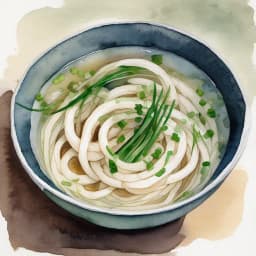
ご当地グルメ
When you slurp it down, it has much more chewiness than you might imagine. The thin noodles, only about 3 to 4 millimeters wide, are coated in plenty of dashi, sliding smoothly down your throat.
Despite being thin, they don't feel flimsy because the fresh noodles are boiled thoroughly. They cook quickly and absorb the broth well—so from the very first bite, the aroma of the anchovy-infused soup and the noodles rush together as one.
When people think of udon in Kure, they think of this thin variety. It is said that the tradition of cutting the noodles thinner began as a way to provide a meal that is both 'quick and delicious.'
It is a dish you can slurp down quickly, yet it leaves you feeling satisfied. Beyond the rising steam, this bowl evokes the sight of a busy yet warm dining table in a port town.
📍広島市
Specialties from 広島市 are also available via furusato nozei
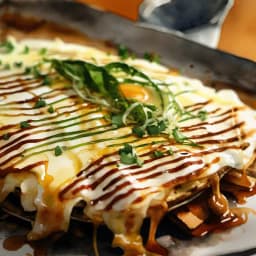
ご当地グルメ
On the griddle, the batter, cabbage, and noodles are layered one atop another. When you lift the layer with a spatula, the savory aroma of the noodles rises from beneath the fluffy batter.
Its roots are said to trace back to 'Issen Yoshoku' (one-sen Western food), which was popular before the war. It was a simple snack consisting of thinly baked flour dissolved in water, topped with green onions and bonito flakes. After the atomic bomb turned the city into a scorched wasteland, food stalls began appearing on street corners, recreating this flavor using rationed flour. The area around Shintenchi flourished during the 1940s and 50s, and it is said that the sauce was also born during this era. Eventually, it evolved into the current style of layering ingredients like noodles and pork.
This is the soul food of Hiroshima, having grown alongside the city's reconstruction. The time spent gathered around the griddle is part of the flavor itself.
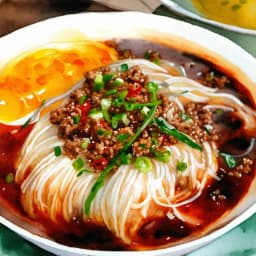
ご当地グルメ
A bowl containing noodles, chili oil, and a mountain of Sichuan peppercorns (huajiao) without any soup. When mixed well and slurped, the numbness follows the spiciness, piercing straight to the brain.
It is said that the original version in Hiroshima began with 'Kisaku,' which opened in Naka Ward in 2001. Originally a ramen shop struggling with low customer numbers, the owner encountered this flavor at a cooking class held by a Chinese international student and subsequently traveled to Sichuan Province to explore the cuisine. After extensive research, the shop transitioned into a specialty Tantanmen restaurant. The spread of the dish was further boosted when 'Kunimatsu,' which opened in 2009, released its recipe, leading to a surge in new shops entering the market.
Adding rice to the remaining ingredients—a practice known as 'Oimeshi'—is also a way of enjoying the dish that customers naturally started. The more you mix it, the more addictive this bowl becomes.

ご当地グルメ
Dipping the chilled noodles into the bright red sauce, the savory umami of soy sauce blends with the heat of chili peppers, making it impossible to stop eating even as you break a sweat.
The origin is said to be 'Shinkaen,' a Chinese restaurant opened in Hatchobori, Hiroshima City, in 1954. At that time, it was known as 'Reimen' (cold noodles) and was reportedly a seasonal menu item available only in summer. Later, a person who trained there opened 'Reimen-ya' in 1985, spreading the dish as something that could be enjoyed year-round, which helped establish the name 'Hiroshima Tsukemen.' The addition of boiled cabbage and eggs is also a characteristic unique to this flavor.
A great feature is that you can choose your own spice level. Once you get hooked, it's a bowl you'll find yourself craving again and again.

海鮮
When you bring the plump, fleshy oyster to your mouth, a rich umami flavor—often called the 'milk of the sea'—spreads melt-in-your-mouth smooth. Whether raw, grilled, or in a hot pot, Hiroshima oysters are versatile and delicious in any preparation.
The origins of oyster farming are said to date back to the end of the Muromachi period, during the Tenbun era (1s32–1555). The calm and nutrient-rich Hiroshima Bay provided a blessed sea where oysters could thrive. During the Edo period, production increased significantly, and they were transported as far as Osaka, gaining great fame. In the Taisho era, 'raft cultivation'—where oysters are suspended from rafts—was developed in Hiroshima, and it is said to be used by oyster-producing regions around the world today.
Now accounting for approximately 60% of Japan's total production, Hiroshima is truly the capital of oysters. It is the ultimate winter delicacy of Hiroshima.

郷土料理
Glossy, glazed conger eel covers the rice densely. The plump, grilled meat melts softly in your mouth, blending perfectly with the rice that has been infused with the sweet and savory sauce.
It is said to have been created by Tan kichi Ueno, who ran a rice shop in Miyajimaguchi. Inspired by the 'anago-don' eaten by local fishermen, he devised this dish by placing the eel over rice cooked with soy sauce flavored with eel scraps. It began being sold as an ekiben at Miyajimaguchi Station in 1901 (Meiji 34). The area around Aki's Miyajima is a prime fishing ground for conger eel, and its deliciousness was even recorded in the Edo-period text 'Geihan Tsūshi'.
This is a quintessential Hiroshima dish that gained fame alongside travels on the Sanyo Main Line. Being an ekiben, it is designed to remain delicious even when cold.

特産品
When you bite into the large, crisp leaves, you experience a subtle spiciness and a refreshing aroma that drifts through the nose. It is one of Japan's three major pickled vegetables, alongside Nozawana and Takana.
There are various theories regarding the origin of Hiroshima mustard greens; it is said that the practice began when someone brought back a type of Chinese cabbage from Kyoto during their return from Sankin-kotai (alternate attendance) in the Keicho era and cultivated it. In the Meiji era, Saichi Kihara of Kawauchi Village (now part of Hiroshima City) is credited with creating the prototype of current Hiroshima greens through repeated crossbreeding and improvement. The name 'Hiroshimana' is said to have been given during an exhibition at the Prefectural Industrial Promotion Hall in 1933 (Showa 8).
During the period of rapid economic growth, it became popular as a gift and became a winter specialty alongside oysters. 'Hiroshimana-musubi' (rice balls wrapped in the greens), eaten with hot rice, is also irresistible.

海鮮
Take a bite of the translucent, silvery flesh with ginger soy sauce. A plump texture and a light, mellow sweetness spread across your palate. When fried, the batter becomes crispy while the inside remains fluffy and fragrant.
'Small sardines' refers to the Japanese anchovies caught in Hiroshima Bay. Because high-quality fishing grounds are nearby and they reach the market while perfectly fresh, a culture of enjoying them as sashimi has taken root. The local tradition involves carefully washing them multiple times in ice water until the water runs clear to remove any fishy odor. It is said that 'if you wash sardines seven times, they taste like sea bream,' as their firm texture is often compared to that of sea bream.
Enjoy the raw umami in sashimi and the savory aroma in tempura. This is a soul food of the Hiroshima dining table, reaching its peak season in summer. Please come and taste a dish made with freshly caught ingredients.

ご当地グルメ
On the iron griddle, melted sea urchin and watercress intertwine beautifully. The savory aroma of butter and soy sauce, combined with the sweetness of the uni and the slight bitterness of the watercress, makes it an irresistible companion to alcohol.
It is said that this dish was created by the teppanyaki restaurant 'Hiroshima Marukajiri Nakachan' in Naka-ku, Hiroshima. The first owner is said to have devised it inspired by Western cuisine, and the restaurant's name comes from the predecessor's nickname, 'Nakachan.' By simply combining sea urchin and watercress with soy sauce and butter, and serving it alongside toasted baguette—this unexpected combination gained fame and became a beloved specialty of Hiroshima izakayas.
Take a bite placed atop freshly toasted baguette. The bitterness of the watercress sharply complements and balances the richness of the sea urchin.
📍江田島市
Specialties from 江田島市 are also available via furusato nozei

ご当地グルメ
Etajima was once home to the Imperial Japanese Naval Academy. Navy curry serves as a way to convey that history to the present day.
In 1888, the Naval Academy moved from Tsukiji to Etajima, where it trained many naval officers until the end of the Pacific War. Today, the site serves as the Japan Maritime Self-Defense Force (JMSDF) 1st Technical School and Officer Candidate School. 'Etajima JMSDF Curry' was created through a collaborative effort between the city and the Chamber of Commerce, combining the inherited JMSDF curry recipe with local specialties from Etajima.
One of the most interesting aspects of JMSDF curry is that each unit offers a different flavor profile. It is a dish of deep richness to be enjoyed on this historic island.

特産品
Floating in the Seto Inland Sea, Etajima has a warm climate similar to the Mediterranean, making it an ideal island for olive cultivation.
With low rainfall and long hours of sunlight, a 'public-private partnership' for olive promotion began in fiscal 2010. The system involves the city distributing seedlings, citizens and companies growing them, and companies purchasing the fruit for processing and sales. The olive oil 'Aki no Shima no Mi,' which is hand-picked and pressed on the same day, is a high-performance product that has won top ranks and gold medals in numerous international contests, including those in New York.
There is also an abundant variety of processed products, such as olive oil and salt-preserved olives. These are fragrant blessings from the island, nurtured by the Seto Inland Sea sun.

海鮮
Etajima oysters grow in the calm seas surrounded by many islands. It is one of the representative oyster farming areas of Hiroshima Bay.
Absorbing the rich nutrients brought by the Ota River, these oysters grow large with a deep, concentrated flavor. Hiroshima Prefecture boasts the highest oyster production in Japan, with a farming history spanning over 400 years. The gentle waves of the Seto Inland Sea allow high-quality, firm-fleshed oysters to develop slowly over time. This blessed environment unique to the islands is the source of their deliciousness.
At local farm stands, you can find freshly harvested oysters on the half shell. Please enjoy this rich winter delicacy with the freshness that only the production area can offer.
📍坂町
Specialties from 坂町 are also available via furusato nozei

海鮮
The oysters of Saka Town in Aki District play a vital role in the Hiroshima oyster production of Hiroshima Bay.
Growing in the calm waters of the Seto Inland Sea, these oysters absorb the rich nutrients brought by the Ota River. Hiroshima Prefecture boasts the highest oyster production in Japan, with a farming history spanning over 400 years. Along the coast of Saka Town, producers who are deeply committed to freshness and hygiene management—including long-established farms founded in 1952—carefully raise each oyster. The gentle sea nurtures oysters with plump, meaty bodies.
During the winter, the meat is particularly full, and freshly harvested oysters can be found at local direct sales shops. Please come and taste these rich, flavorful pearls that only a production area can offer.

特産品
Chirimen-jako landed around the Sakamachi area. Utilizing the small fish of the Seto Inland Sea, this is a superb supporting actor for your rice.
Made by sun-drying or dehydrating young fish such as sardines, these chirimen-jako are characterized by their intense flavor despite their small size. The defining feature of the small fish caught in the Seto Inland Sea is their freshness. The calm and bountiful fishing grounds of the Seto Inland Sea support this simple, rustic taste. Rich in calcium, it is a nutritious dish that brings joy to your daily dining table.
Top it on freshly cooked rice, use it as a filling for rice balls, or mix it into rolled omelets. Because of its simplicity, you can enjoy it every day without getting tired of it. It is a small gift from the bountiful sea of the Seto Inland Sea.
📍三原市
Specialties from 三原市 are also available via furusato nozei

ご当地グルメ
The more you chew the firm flesh, the more a gentle, sweet umami seeps out. Whether served as sashimi, tempura, or in octopus rice—Mihara's octopus is delicious no matter how it is prepared.
The seas of Mihara are one of the leading production areas for common octopus in the Seto Inland Sea. The clean waters, characterized by fast currents and a mix of sandy and rocky areas, produce high-quality octopus with firm flesh. The 'octopus pot fishing' method has continued since the Edo period, passed down as a traditional fishing technique that avoids damaging the creatures and prevents overfishing. In 1t988, the tourism association declared August 8th as 'Octopus Day' in honor of the eight legs, and even today, the area is lively with memorial services and events.
Locally, it has also been branded as 'Mihara Yassa Tako.' It is a specialty filled with the blessings of the Seto Inland Sea, becoming more delicious with every bite.

ご当地グルメ
When you open the lid of freshly cooked rice, steam rises softly, and the aroma of octopus tickles your nose. The rice, soaked in dashi broth, is tinted a light red, making your mouth water just by looking at it.
The octopus from Mihara has thick, short tentacles that are plump and bouncy when chewed. Because they cling firmly to rocks in fast-moving ocean currents, the meat is firm and has a strong texture. That entire umami flavor seeps into the rice.
Originally, this was 'fisherman's meal,' where fishermen would chop up freshly caught octopus on board their boats and cook it together with rice.
The sweetness of the octopus paired with the fragrant, dashi-infused rice. It is simple, yet makes you want a second helping—it is truly a blessing from the sea of Mihara.
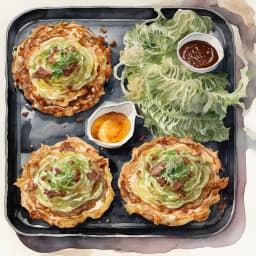
ご当地グルメ
When you use the spatula, a different aroma from your usual okonomiyaki emerges. Hidden within the ingredients are chicken offal such as liver, onion strips, and kidney. The combination of crunchy and fluffy textures becomes addictive.
Mihara-yaki is said to have started around the same time that 'issen yoshoku' (one-coin western-style food) spread in Hiroshima City shortly after the war. Mihara City is one of the leading chicken-producing areas in the prefecture, and because fresh chicken offal was easily available, it is said that they began mixing it into the batter around the 1950s/60s, leading to the established name 'Mihara-yaki.' Today, the Mihara-yaki Promotion Association leads the effort to promote this flavor throughout the entire city.
This is a unique okonomiyaki found only in Mihara, where the umami of chicken offal overlaps with the savory aroma of yakisoba. It is a local gourmet pride.
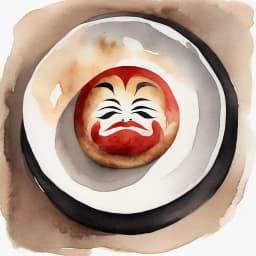
特産品
An adorable Daruma about the size of a fist, wearing a bean-patterned headband with wide-open eyes. This is the Mihara Daruma.
Since around the end of the Edo period, headband-wearing Daruma began to be sold as lucky charms at the 'Shinmei Market,' which enshrines the Ise Grand Shrine, and was also known as the 'Daruma Market.' It is said that people would buy as many Daruma as there were family members, write each person's name and wishes on the back, and offer them to the household altar to pray for the safety of the family.
After once falling into decline, the Mihara Daruma was brilliantly revived through the efforts of the preservation society members.
Today, sweets and bread featuring the Daruma motif are also well-loved. It is a lucky item that heralds the arrival of spring in Mihara.
📍三次市
Specialties from 三次市 are also available via furusato nozei

ご当地グルメ
A sharp, stinging sensation created by the combination of red noodles kneaded with chili pepper and a spicy sauce. Miyoshi Kara-men Yaki is an okonomiyaki experience you can only find here.
Inspired by colored noodles seen in a Tokyo ramen shop, Egusa Seimen—a company founded in 1921—developed these spicy 'Kara-men' (chili noodles) out of their love for heat. They introduced this concept to local okonomiyaki restaurants and, along with the Junior Chamber International Japan (Miyoshi), debuted it as a local gourmet specialty in 2013. It pairs perfectly with the dry, spicy Carp Sauce from Mori Brewing, founded in 1869.
With a crispy yet chewy texture and a lingering spiciness, please use your own palate to experience the excellence that won the Hiroshima Teppan Grand Prix.

郷土料理
"Wani cuisine," passed down in Miyoshi and Shobara in northern Hiroshima Prefecture. Despite the name, it is not actually crocodile, but shark (fuka).
In ancient Japanese, sharks were called "Wani," and that name remains in this region to this day. In an era without refrigeration technology, raw sea fish would spoil by the time they were transported to mountainous areas. However, because the urea in a shark's body delays decomposition, it could be eaten as sashimi even in the mountains. Because Wani sashimi was inexpensive and long-lasting, it was once served as a feast for special occasions.
Eaten with ginger as a condiment, the sashimi is reputed to be light and subtly sweet. The wisdom of an era without refrigerators lives on at the dining table even today.

特産品
The vibrant crimson meat is finely interspersed with delicate marbling. Once placed in your mouth, the fat melts smoothly away—spreading a refined sweetness.
Raised in Shobara City, Hiroshima Prefecture, this Japanese Black Wagyu carries the lineage of 'Iwakura-tsuru,' one of Japan's oldest lineages; its name is derived from the former place name, 'Hiba District.' The fat contains high levels of oleic acid and has a low melting point, allowing it to melt almost instantly at mouth temperature. It achieved first place in the National Wagyu Beef Capability Contest for two consecutive tournaments and was the first in Hiroshima Prefecture to be registered under the Geographical Indication Protection System in 2019.
Due to its small production volume, it is often referred to as 'phantom Wagyu.' Whether enjoyed in sukiyaki or simply seared with salt, please experience its melt-in-your-mouth texture.

特産品
Known as the "Black Pearl" due to their large berries covered in a shiny black skin, Miyoshi Pione is a representative brand of grapes from Hiroshima.
Created by crossing Kyoho and Muscat grapes, the significant temperature fluctuations unique to the Miyoshi Basin concentrate the sweetness into each berry. The secret to their deliciousness lies in the climate of Miyoshi, which is famous for its "sea of fog" that envelops the area from autumn to spring. Since a production cooperative was formed in 1974, farmers have been carefully cultivating every single cluster with great care.
Their large size, firm flesh, and seedless nature make them easy to enjoy. They also have a good shelf life, and their melting, juicy sweetness makes them a highly appreciated gift.
📍庄原市
Specialties from 庄原市 are also available via furusato nozei

ご当地グルメ
Instead of noodles in okonomiyaki, there is actually rice. Instead of sauce, there is ponzu. This is the 'Shobara-yaki' born in Shobara City.
In 2010, it was created when a shop owner was moved by the deliciousness of rice made by a former classmate. After experimenting with various sauces, they arrived at ponzu, which brings out the flavor of the ingredients. Surrounded by the Chugoku Mountains, Shobara is a fertile basin with abundant water and is a producer of high-quality rice such as Koshikari. This dish spread as a regional revitalization effort, featuring that local rice as the main star.
The chewy texture of the rice and the refreshing taste of the ponzu go together surprisingly well. It is a flavor that feels new, yet somehow nostalgic.
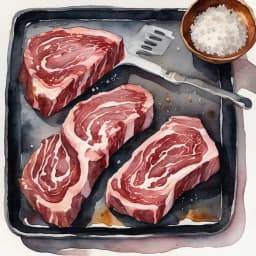
特産品
Hiba Gyu, raised in Shobara City, is an authentic Japanese Black Wagyu that inherits the lineage of 'Iwakura Tanba,' one of Japan's oldest breeding lines.
Iwakura Tanba was created in 1843 through the selection and crossbreeding of superior Wagyu. Since then, the region has maintained and developed this unique lineage through collective and planned breeding. Its excellence is well-proven, having won the Prime Minister's Award at the National Zebu Cattle Exhibition for two consecutive tournaments. In 2019, it was also registered as a Geographical Indication (GI).
Featuring a vibrant crimson color with delicate marbling, it has a smooth, melt-in-the-mouth texture. The flavor is clean and savory without being overly greasy. It is a rare Wagyu with a limited number of cattle produced.
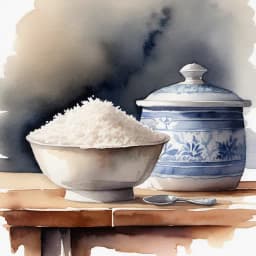
特産品
The clear streams of the Chugoku Mountains and the significant temperature fluctuations characteristic of the basin. This rich nature makes Shobara City a prime rice-producing region.
Surrounded by mountains, blessed with abundant water and fertile soil, Shobara has been a land suitable for rice cultivation since ancient times. High-quality varieties such as Koshihikari and Akisakari are grown, and the Koshihikari from the Hiba region, in particular, is known for its excellent balance of stickiness and sweetness. The clear water and clean air allow deliciousness to settle slowly into every single grain of rice. The large temperature difference between day and night further enhances the sweetness.
Freshly cooked, glossy rice is a feast in itself. This is Shobara's pride, packed with the bountiful blessings of nature from the highlands.
📍神石高原町
Specialties from 神石高原町 are also available via furusato nozei

特産品
Jinseki Beef is an extremely rare brand Wagyu, sometimes referred to as 'phantom Wagyu.'
Only Kuroge Wagyu (Japanese Black) raised for the longest period in Jinseki Kogen Town, located in the northeastern part of Hiroshima Prefecture, are permitted to bear the name 'Jinseki Beef.' Annual shipments amount to only about 400 head. Raised under thorough fattening management, it features fine muscle fibers, highlighting the delicate texture and rich umami of the lean meat. The dense fat interspersed within the lean meat is as mellow and sweet as milk, and because it has a low melting point, it provides a melt-in-your-mouth sensation on the tongue. It is an authentic masterpiece that has even been served during visits to Japan by the President of the United States.
With the powerful umami of the lean meat and the elegant, melting sweetness of the fat, it is a highland delicacy you must taste at least once.
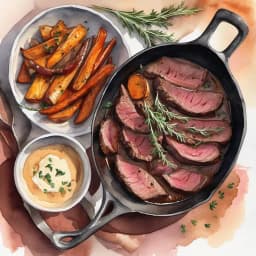
ご当地グルメ
Jinseki Kogen gibier is a nutritious cuisine that allows you to taste the true essence of the mountain's bounty.
Surrounded by lush forests, Jinseki Kogen Town, situated at an altitude of 500–700m, is a natural treasure trove where wild boar and deer thrive. By carefully processing game hunted by local hunters while it is still fresh, we produce high-quality meat without any unpleasant odor. Wild boar is characterized by the sweetness of its melting fat, while venison features the savory richness of lean meat; both can be enjoyed in various dishes such as hot pots, yakiniku, and stews. Tasting this mountain gourmet amidst the refreshing highland air offers a special dish you can only encounter here.
Experience the powerful flavors of the wild at local restaurants and roadside stations. Please fully enjoy the blessings of the highlands where hunting culture lives on.

特産品
The konnyaku from Jinseki Kogen offers an authentic taste made from rare heirloom varieties.
Jinseki Kogen Town is Japan's leading producer of the 'Wadama' heirloom konjac tuber. These heirloom varieties are difficult to cultivate, requiring a full four years from planting to harvest. Because of this painstaking process, the resulting konnyaku features a strong elasticity and lacks the characteristic bitterness often found in other types. Carefully prepared with clear groundwater, the sashimi-style konnyaku is fresh and has a clean bite, traditionally served with miso sauce or miso vinegar. When used in simmered dishes, it absorbs flavors beautifully while maintaining its firm texture.
With its smooth texture and bouncy mouthfeel, please enjoy this specialty nurtured by the high-quality water of the plateau and rare heirloom varieties.
📍世羅町
Specialties from 世羅町 are also available via furusato nozei

特産品
Taking a bite of a Sera pear, you will be surprised by its juiciness, with juice practically dripping from the fruit. At an altitude of 450m, the Sera Highlands experience large temperature differences between day and night, which allows the fruit to concentrate its sweetness. In 1963, in an effort to revitalize a town facing depopulation due to rapid economic growth, 27 farming households joined forces to create the 'Sera Kosui Orchard.' They were early adopters of the then-rare 'Kosui' variety and later introduced 'Hosui,' successfully putting large-scale management on track. Today, it has grown into one of Japan's largest pear orchards, spanning approximately 107 hectares, with a rich selection of varieties including Nintaka.
With a crisp texture and sweetness that overflows in your mouth, please enjoy each piece nurtured by the clear highland air and temperature shifts. You can also enjoy fruit picking experiences in the autumn.

特産品
The charm of Sera grapes lies in the exquisite balance of sweetness and acidity created by the temperature fluctuations of the highlands.
Due to the high altitude of Sera Town, mornings and evenings are quite cold, and this climate brings a concentrated flavor to the grapes. Cultivation has been thriving since the 1950s, and today, a wide variety of cultivars are grown, including Pione—often referred to as 'black pearls'—and Shine Muscat, which can be eaten skin-on without seeds.
In autumn, you can enjoy grape-picking experiences at local orchards, and tasting a freshly picked berry is a luxury unique to the production area.
As the plump flesh bursts in your mouth, a rich aroma wafts through your nose. Please enjoy a cluster filled with the blessings of the sun and the abundant water of the Sera Highlands to your heart's content.

特産品
Sera radishes are a highland vegetable boasting sweetness and juiciness nurtured by the cool plateau climate.
In the high-altitude town of Sera, there is a large temperature difference between day and night, which allows the vegetables to concentrate their sweetness. They are characterized by a fine texture and a crisp bite; when simmered, they soak up flavors beautifully, making them exceptional in dishes like oden or furofuki daikon (simmered radish with miso). When pickled, you can enjoy a crunchy texture and a subtle sweetness. At local roadside stations, rows of freshly harvested radishes delight visitors.
This is a simple, warm blessing from the highlands that warms the winter dining table. Please enjoy its gentle sweetness, which shines brightest through simple preparation.
📍大崎上島町
Specialties from 大崎上島町 are also available via furusato nozei
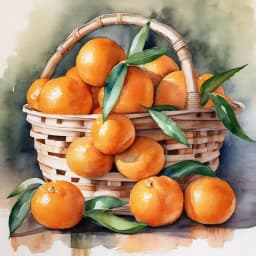
特産品
In autumn, the terraced fields across Osakikamijima turn the color of mandarins. Known as the 'Golden Island,' it is an island of citrus.
Mandarin cultivation began on this island, located almost in the center of the Seto Inland Sea, in 1902. The warm and low-rainfall climate of the Seto Inland Sea is perfect for citrus cultivation, leading to the development of the 'Daicho Mikan' brand as the island's representative fruit. Today, in addition to mandarins, various fruits such as lemons, blueberries, and strawberries ripen all over the island.
Mandarin oranges grown with plenty of sunlight are intensely sweet and juicy. Please come and enjoy the seasonal bounty that makes the entire island shine golden.

海鮮
Located almost in the center of the Seto Inland Sea, Osakikamijima is blessed with rich fishing grounds where currents converge.
In the calm waters surrounded by islands, there are many seaweed beds and reefs, resulting in an abundant seasonal harvest of seafood including sea bream, octopus, rockfish, rockfish (okoze), and conger eel. The areas where currents meet nurture fish with firm flesh. On this island, which once flourished as a port for ships traveling the Seto Inland Sea routes, a food culture that makes the most of freshly landed seafood still lives on vibrantly.
Sashimi served at the island's diners offers a level of freshness that is truly different. The freshly caught blessings of the sea, enjoyed in the heart of the Seto Inland Sea, offer an exceptional deliciousness that is well worth the trip by boat.
📍大竹市
Specialties from 大竹市 are also available via furusato nozei

特産品
Produced under the gentle climate of the Seto Inland Sea, Otake's hand-stretched udon boasts a smooth, silky texture. The hand-stretching method, where flour is stretched by hand, is a traditional technique that spares no time or effort. The carefully stretched noodles, while thin, possess a firm chewiness and create a mochi-mochi (springy) texture. They are wonderful in hot broth, of course, but also delicious served chilled on a zaru (soba tray), making them enjoyable regardless of the season. The characteristic thinness and firmness of the hand-stretched method pair perfectly with the soup.
With a simple yet never-tiring flavor, it is something you'll want to eat every day. This is a gentle hand-stretched udon nurtured by the mild winds and climate of the Seto Inland Sea.

海鮮
The oysters of Otake City, facing Hiroshima Bay, are raised in waters abundant with nutrients from the Ota River system.
Hiroshima Prefecture boasts the highest oyster production in Japan, with a farming history spanning over 400 years. The areas around Kuba and Adotajima in Otake City are excellent fishing grounds known as prefectural designated clean sea areas. Carefully farmed in the calm waters of the Seto Inland Sea, these oysters may have smaller shells, but their meat is plump, large, and packed with intense umami. The bounty from the mountains and rivers supports this exceptional flavor.
As a seasonal delicacy of Hiroshima that reaches its peak in winter, they have been loved locally for a long time. Please enjoy the experience of tasting each plump oyster.
📍竹原市
Specialties from 竹原市 are also available via furusato nozei

特産品
If you visit Takehara in the spring, the bamboo shoots unique to this 'city of bamboo' are a must-try.
It is said that the bamboo groves in Takehara City began about 250 years ago when they were planted for disaster prevention purposes. In areas such as the Kobuki district, bamboo groves are still carefully maintained by hand—cutting old bamboo and managing the groves to ensure easy growth. Bamboo shoots grown with such painstaking care are renowned for being tender and having little bitterness. Freshly harvested shoots are characterized by their low astringency and juicy texture.
Whether prepared as sashimi, tempura, or wakatake-ni (simmered bamboo shoots and seaweed), the fragrance of spring will gently rise. Please enjoy the full essence of spring, unique to Takehara, the city of bamboo.
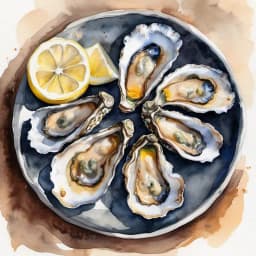
海鮮
When you bring the plump, swollen meat to your mouth, the savory umami of the sea bursts forth. Despite the small size of the shell, the meat inside is surprisingly large and rich. The more you chew, the more a milky richness overflows.
The seas of Hiroshima, including Takehara, are surrounded by islands and capes, making the waves calm. A moderate tidal current brings plenty of nutrients, and this blessed sea nurtures oysters that are plump and full of meat.
With the highest production volume in Japan, Hiroshima is truly the home of oysters.
Whether grilled, fried, or eaten raw—the moment you open a steaming shell and catch that scent of the seashore—it is a flavor that makes you eagerly await the cold season once you have experienced it.
📍東広島市
Specialties from 東広島市 are also available via furusato nozei

ご当地グルメ
When you lift the lid, the aroma of garlic and sake rises into the air. Pork, chicken, Chinese cabbage, and green onions glisten beautifully, enveloped in the fragrant steam of the sake.
This is a famous hot pot from Saijo, Higashihiroshima, a region renowned for its sake production. The seasoning consists only of sake, salt, and pepper. Without using dashi or soy sauce, it originated as a simple meal for brewery workers (kurabito), designed not to dull their palates for sake tasting. The local way is to cook the vegetables briefly so they are not overdone.
In the Saijo style, once you finish eating, you add ingredients again to enjoy a second or even third round. Each bite, infused with the savory depth of the sake, pairs exceptionally well with the alcohol itself. It is a warm, local hot pot that makes you want to savor every bit of its steaming essence.

特産品
'Nonta' means 'drank' in the local dialect. This flavor was nurtured by the sake culture of Saijo, one of Japan's three major sake-producing regions.
Saijo in Higashi-Hiroshima City is one of Japan's three great brewing districts, alongside Nada and Fushimi. It is a town of sake, blessed with pristine water from the Ryuo Mountain subsoil, with seven breweries standing within walking distance of the station. The temperature fluctuations characteristic of the basin are suitable for cultivating sake rice, and the winter chill provides ideal conditions for sake brewing. Within this rich sake culture, flavors that have been cherished as tea snacks and souvenirs have taken root in the dining tables of Higashi-Hiroshima.
Savoring these after a stroll through the brewery street allows you to feel the local atmosphere even more deeply.

特産品
A variety of dishes featuring sake lees, exclusive to Saijo, one of Japan's three major sake-producing regions.
In Saijo—a renowned brewing area alongside Nada and Fushimi—seven breweries are clustered within walking distance of the station. This is a town of sake, blessed with the pristine underground water of Mount Ryuo and the characteristic temperature fluctuations of a basin. The local food culture is rooted in the practice of using every bit of high-quality sake lees produced during the sake-making process without waste. Dishes like Kasujiru, which warms you to the core, and flavorful Kasuzuke are the crystallization of wisdom unique to this brewing district.
Their mellow flavor and high nutritional value make them a delightful treat during the cold season. Please experience the profound depth of this sake town through its cuisine.
📍廿日市市
Specialties from 廿日市市 are also available via furusato nozei
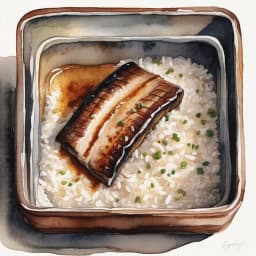
郷土料理
Miyajima's famous restaurant 'Ueno' is known for its endless queues. Its Anagohan is recognized as the original specialty of Miyajima.
It all began in 1901, when Ueno Tanjiki, who traded rice in Miyajima, started selling it as an ekiben at Miyajimaguchi Station. Taking inspiration from the 'anago donburi' (conger eel bowl) beloved by local fishermen, he layered grilled conger eel—coated in a sweet and savory sauce—densely over rice cooked with the flavorful parts of the eel.
Because the currents around Miyajima are fast even within the Seto Inland Sea, the conger eel raised there is exceptionally flavorful and tender.
With fluffy grilled eel and fragrant soy-sauce rice, the flavor remains unchanged since its launch, continuing to captivate many people to this day.

海鮮
When visiting the Omotesando shopping street in Miyajima, one of Japan's three most scenic views, grilled oysters are a must-try.
As Hiroshima-grown oysters are grilled in their shells over charcoal, the aroma of the sea wafts up the moment the shell opens. Hiroshima Prefecture boasts the highest oyster production in the country, and Miyajima is home to long-established shops said to be the first in Japan to serve 'grilled oysters' left in their shells.
Many shops begin grilling each oyster individually upon order, and since the shopping street is covered, you can leisurely enjoy eating while walking even on rainy days.
The rich umami overflowing from the plump flesh, combined with a hot bite taken while gazing at the Great Torii Gate overlooking the sea, offers an exceptional deliciousness that can only be experienced here.

ご当地グルメ
What would happen if you simply deep-fried the famous Miyajima specialty, Momiji Manju? This idea led to the creation of 'Age-Momiji' (Fried Momiji).
Born from a craftsman's desire to find a delicious way to use pieces that didn't meet perfection standards during the Momiji Manju production process, this is a street food sweet originating from Miyajima. Because they are coated in batter and fried upon order, you can enjoy them piping hot while walking along the approach to the shrine. A unique charm of Age-Momiji is the ability to enjoy several different flavors, including red bean paste, cream, and cheese.
Crispy on the outside and chewy on the inside. Please come and experience this fresh, new texture that only freshly fried food can offer.

特産品
This is what happens when two of Miyajima's greatest delicacies, oysters and curry, meet. It is a freshly fried oyster curry bread.
Born from Hiroshima's first specialty curry bread shop, this dish prides itself on containing large, succulent whole oysters from Hiroshima Prefecture. The savory flavor of the oyster melts into a mild, hearty curry. The spices gently enhance the oyster's flavor, and its convenience—being easy to eat with one hand—is one of the reasons it attracts so many people. Some shops open early in the morning, allowing you to enjoy it on your way back from visiting the shrine.
When you bite into the crispy crust, a hot, juicy oyster awaits inside. It is an essential luxury local gourmet item for food strolling through Miyajima, allowing you to fully savor the bounty of the sea.
📍尾道市
Specialties from 尾道市 are also available via furusato nozei
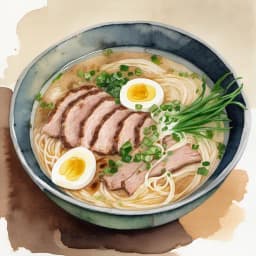
ご当地グルメ
Large droplets of back fat float atop the surface of the clear soy sauce soup. As you scoop it up with a spoon, the light dashi flavor blends with the richness of the melted fat, making you instinctively murmur, "Delicious."
The base of the soup is made from chicken bones and Setouchi dried sardines (iriko). The light umami, enhanced by the soft, jiggly back fat, creates a flavor that makes you want to drink every last drop.
The noodles are medium-thin and flat, designed to cling perfectly to the soup. They have a smooth texture that goes down easily.
The toppings are simple: chashu pork, bamboo shoots (menma), and green onions. Because of this simplicity, the true quality of the soup and noodles shines through directly. It is a pride of Onomichi, a bowl you'll want to slurp up along with the rising steam.

海鮮
Onomichi, facing the Seto Inland Sea, is a port town known as a treasure trove of fresh seafood.
Largehead hairtail has the highest landing volume in Onomichi, and those from Innoshima Island, in particular, are reputed to be of high quality. In addition, seasonal local fish such as sea bream, octopus, rockfish, rockfish (okoze), and small sardines are landed in the port one after another. In this town, where people have lived alongside the bounties of the Seto Inland Sea since ancient times, diners are scattered throughout, serving local fish as sashimi, tempura, or simmered dishes; thinly dried 'debera' has also been long loved as an Onomichi specialty. The terrain, surrounded by sea and mountains, nurtures rich fishing grounds.
Savoring the season's catch while gazing at the landscape woven by hills and the sea. It is a slow and luxurious moment unique to Onomichi.

特産品
When you peel the skin, you find flesh packed tightly and firmly. Upon taking a bite, a refreshing sweetness is followed by a sharp acidity and a subtle bitterness. This pleasant aftertaste is the true charm of Hassaku.
The plump flesh has a bursting texture. It is not overly juicy, making it a pleasure to eat segment by segment.
In fact, this Hassaku originated in Innoshima. Legend has it that everything began with two trees that grew within the precincts of a temple in Taguma-cho, Innoshima, during the Man'en era. The original trees are still carefully enshrined today.
A citrus fruit born from the islands of Setouchi that you'll want to encounter in early spring. A single segment is enough to brighten your mood.

特産品
The moment they are cut, a vivid aroma bursts forth. When squeezed tightly, juicy nectar drips down. The characteristic of Setouchi lemons is a sharp, refreshing acidity balanced by a subtle depth of umami and sweetness.
Onomichi's Ikuchijima island is a major production hub for domestic lemons. The warm climate, low rainfall, and well-drained steep slopes nurture highly aromatic lemons. Hiroshima proudly holds the number one spot in Japan for domestic lemon production.
Because they are grown without preservatives or wax, you can enjoy using them whole, including the peel, with peace of mind.
A squeeze into your cooking or a bit of zest in your drink—the refreshing aroma will instantly brighten your everyday dining experience.

ご当地グルメ
The sizzling sound of it cooking on the iron griddle. Lured by the sweet aroma of the sauce, as you take a bite, a pleasant, crunchy texture reveals itself.
The star of Onomichi-yaki is, without a doubt, the sunazuri (chicken gizzards). Their crunchy texture provides an accent to the fluffy cabbage batter. Combined with the savory umami of the squid tempura, every bite becomes more enjoyable as you chew.
This is a flavor unique to this region, born from the custom of adding chicken gizzards in okonomiyaki restaurants in Onomichi.
Chewy noodles, fluffy cabbage, and crunchy gizzards. The layers of texture are so delightful that you won't be able to stop your chopsticks—it is truly the soul food of Onomichi.
📍府中市
Specialties from 府中市 are also available via furusato nozei

ご当地グルメ
A fragrant aroma rises from the single pancake as it is pressed down with a spatula. Taking a bite of the edge reveals a crisp exterior and a fluffy interior; this contrast in texture is the greatest charm of Fuchu-yaki.
Instead of pork belly, minced meat is used. As it grills slowly, the fat from the mince spreads across the griddle, frying the noodles into a crispy state. This creates an irresistible, crunchy texture.
Because bean sprouts are not used, the dish does not become watery, resulting in a crispier and more aromatic finish.
With plenty of soft, sweet cabbage and crispy noodles, taking a big bite of this sauce-coated masterpiece makes you feel as if you are standing right in front of a teppan grill in Fuchu.

特産品
Fuchu Miso is characterized by its translucent whiteness and gentle sweetness. This sweet white miso has been passed down in Fuchu City, located in eastern Hiroshima Prefecture.
Brewing has been active in the Ashida River basin since approximately 380 years ago, during the era of Iemitsu, the third Tokugawa shogun. By using high-quality rice and peeled soybeans and increasing the ratio of koji, the salt content is kept low. Its fine, mellow flavor was once presented to the lords of the Bingo Fukuyama Domain, and it is said that its name spread throughout the country through gifts exchanged during the Sankin-kotai (alternate attendance) system.
It is exceptional not only in miso soup but also in miso-pickled foods and dressed salads. With a 400-year history, it can be considered a pioneer of low-salt miso and is a flavor Fuchu is truly proud of.

特産品
The historic ryotei inn 'Koishiki' was founded in 1872. Its namesake meal set carries on the culinary traditions of Fuchu to the present day.
'Koishiki' features Sukiya-style detached villas and a beautiful garden, and has been beloved by various figures, including Tsuyoshi Inukai (former Prime Minister) and literary masters such as Masuji Ibuse and Eiji Yoshikawa. In 2004, it was registered as a National Registered Tangible Cultural Property, and today it is carefully preserved as a facility widely open to the local community. The three-story main building evokes the atmosphere of the Meiji and Taisho eras.
This meal set, featuring dishes that highlight Fuchen miso and seasonal local ingredients, offers a special moment to experience the essence of the Bingo region all at once. It is a meal you will want to savor slowly in an atmospheric space where history is quietly etched.
📍府中町
Specialties from 府中町 are also available via furusato nozei

ご当地グルメ
Fuchu Town is a small town surrounded by Hiroshima City. Here, the culture of okonomiyaki is also deeply rooted.
Based on the Hiroshima-style layered method—where plenty of cabbage is layered onto thinly baked batter—many unique, community-focused okonomiyaki restaurants have long supported the daily lives of residents. The savory aroma of sauce always wafts from the town's teppans, naturally blending into the lives of the people. It is not uncommon for people to have a regular spot they visit with their families.
These are unpretentious flavors that have been loved by locals for generations. When you visit Fuchu Town, please try a taste of this daily life at one of the town's teppan restaurants.

特産品
In Fuchu Town, located in the Hiroshima metropolitan area, you can enjoy local sake alongside regional cuisine.
Hiroshima Prefecture is one of Japan's three major sake-producing regions, alongside Nada and Fushimi. The tradition of sake brewing, utilizing high-quality water and rice, lives on vibrantly throughout the prefecture. The flavors meticulously crafted by nearby breweries have evolved alongside the food culture of Fuchu Town. When paired with seasonal local dishes, the delicate aroma and umami of the local sake are further enhanced. It is often said that Hiroshima sake tends to have a soft mouthfeel.
At the end of the day, take your time with a glass of sake brewed in this land. Please enjoy a moment of relaxing tranquility unique to Fuchu Town.
📍福山市
Specialties from 福山市 are also available via furusato nozei

ご当地グルメ
With a single sip, a mellow aroma of soy sauce spreads along with a profound richness. While following the lineage of Onomichi ramen, this bowl has evolved into a deep flavor unique to Fukuyama.
The soup is a soy sauce base primarily made from chicken bones, layered with the flavors of seafood such as mackerel flakes. The Fukuyama style involves generously scattering plump bits of minced back fat (seabura) on top. The richness of the back fat melts into the light dashi, creating a concentrated flavor that makes you want to drink every last drop.
Local brewed soy sauce adds both aroma and a sharp finish.
It is rich yet not heavy. Facing a steaming bowl, you won't be able to stop your spoon—it is a comforting taste deeply rooted in the dining tables of Fukuyama.

郷土料理
A feast of cooked rice using a whole sea bream from the Seto Inland Sea. This is Fukuyama's Tai-meshi.
In Tomonoura, Fukuyama City, the 'Tai-shibari-ami' (sea bream encircling net fishing) method, which is said to have begun about 380 years ago during the Edo period, is famous. This fishing method, which involves surrounding sea bream that gather in the Seto Inland Sea for spawning in early summer with nets to catch them all at once, is still carefully preserved as an intangible folk cultural property of Fukuyama City. Supported by bountiful sea bream catches and traditional fishing methods, Tomonoura has become widely known as a famous spot for sea bream cuisine. Even today, many restaurants welcome guests with their prideful sea bream dishes.
The elegant umami of the sea bream permeates every single grain of rice, adding an even more brilliant flair to celebratory occasions and special days.
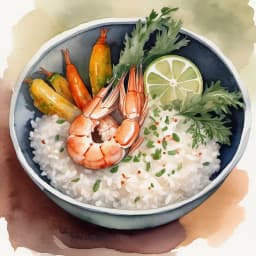
郷土料理
At first glance, it looks like nothing more than glossy white rice. However, as you dip your spoon in, shrimp, sea bream, and taro suddenly peek out from underneath. 'Uzumi' is a local dish reminiscent of a treasure hunt in Fukuyama, where the ingredients are covered by rice.
Shrimp and sea bream cooked in dashi, along with seasonal vegetables, are placed in a bowl, topped with a light layer of fluffy rice, and then covered with hot broth. With every bite, the white rice, piping hot dashi, and plump ingredients spread throughout your mouth.
The dashi, flavored with dried sardines (iriko) and dried shiitake mushrooms, offers a deep, soul-warming deliciousness.
The joy of this dish lies in encountering different ingredients every time you dig. It is a celebratory bowl that honors the bounties of autumn.

特産品
Fluffy and tender. When you take a bite of simmered kuwai, a gentle sweetness spreads from behind a subtle bitterness. Its elegant texture, similar to a chestnut, provides a truly lingering deliciousness.
Fukuyama is the top producer of kuwai in Japan, accounting for a massive 70% of the national share—making it the true heart of production. The round, blue arrowroot has a vibrant indigo surface, and due to its beauty, it is often called the 'Sapphire of the Rice Fields.'
Because of the shape of its upright sprouts, it is regarded as a good luck charm that 'brings sprouts (growth/success)' when eaten, making it an indispensable dish for Osechi and celebratory occasions.
This fluffy, sweet taste of Fukuyama adds color to the New Year's table. As the star of simmered dishes, it brings good fortune to the beginning of the year.

特産品
A single sip that glows with a thick, amber brilliance. Upon tasting, a gentle sweetness derived from glutinous rice spreads across the palate, followed by the soft aroma of medicinal herbs like cinnamon, relaxing your very core.
Houmeishu is a medicinal liqueur made by infusing a dozen or so types of medicinal herbs into a sweet liquor similar to mirin. Beneath the sweetness lies a complex, deep, herb-like fragrance that reveals a different character with every sip.
The creator was Kichibei Nakamura, the son of a physician from Osaka. It is said to have begun in 1659 (Manji 2) when medicinal herbs were added to the sweet sake being brewed in the Tomo region.
Whether as an aperitif before a meal or a single glass before bed, this is a nutrient-rich drink that has been loved since the Edo period, alongside the sea breezes of Tomonoura.
📍北広島町
Specialties from 北広島町 are also available via furusato nozei

ご当地グルメ
Kitahiroshima Town stretches deep into the Chugoku Mountains. Here, you can enjoy gibier cuisine nurtured by the harsh nature of Geihoku.
In 2024, through a collaboration between the town and the private sector, a meat processing facility for gibier was established, launching an initiative to serve captured animals as culinary dishes. By carefully processing wild boar and deer hunted in the mountains by local hunters while they are fresh, we produce high-quality meat with minimal odor. The meat of animals that have survived the harsh Geihoku winters is well-marbled and rich in flavor. We enjoy the bounties of the mountains without waste.
You can enjoy these meats through various cooking methods, such as curry and hamburger steaks. Along with gratitude for receiving these lives, please take your time to savor the blessings of the Geihoku mountains.

特産品
Kitahiroshima Town is blessed with the clear streams and cool climate of the Chugoku Mountains, making it a land where flavorful soba grows.
The Geihoku Plateau features a mountainous environment with large temperature differences between day and night. Clear water and cold air allow highly aromatic soba to grow freely. Handmade soba made with locally grown buckwheat flour offers a rich flavor that spreads through your mouth with every bite. The pure, clean water unique to the mountainous region further enhances its deliciousness. With many handmade shops available, you can enjoy the taste of freshly kneaded noodles.
With a smooth texture and a light, rising aroma of buckwheat, it is the taste of Kitahiroshima—a bowl filled with the pure nature of the highlands.

特産品
Kitahiroshima Town is renowned for the 'Mibu no Hanataue' (Mibu Rice Planting Festival), a UNESCO Intangible Cultural Heritage. This rice is nurtured by its rich tradition of rice cultivation.
The Mibu no Hanataue is a traditional event held on the first Sunday of June every year to pray for a bountiful harvest, and it was inscribed as a UNESCO Intangible Cultural Heritage in 2011. The land continues to pass down prayers for successful farming—where brightly decorated oxen plow the fields and young women plant seedlings to the rhythm of rice-planting songs. Blessed with the clear streams of the Chugoku Mountains and significant temperature fluctuations, Kitahiroshima is known as one of Western Japan's leading rice-producing regions, cultivating approximately 20 different varieties.
With a well-balanced blend of stickiness and sweetness, this rice offers an exceptional taste nurtured by long-standing traditions.
📍Others

海鮮
Hiroshima oysters are the king of winter delicacies, boasting the highest production volume in Japan.
With Hiroshima Prefecture accounting for about 60% of the nation's oyster production, it is a major production hub. The history of oyster farming here spans over 400 years, with records of cultivation dating back to the Tenbun era (1532–1555) of the Muromachi period. Grown in the nutrient-rich Hiroshima Bay fed by the Ota River, these oysters are plump and creamy, featuring large meat relative to their shell size. Since the widespread adoption of raft-style aquaculture after World War II, production has increased dramatically. During the season from October to March, you can fully enjoy freshly grilled oysters at oyster huts across the prefecture.
A rich umami of the sea overflows from the plump flesh. Whether grilled, steamed, or eaten raw, they are a quintessential delicacy representing winter in Hiroshima.

ご当地グルメ
Hiroshima Lemon Cuisine is a new specialty unique to the region with the highest domestic lemon production in Japan.
Hiroshima Prefecture is Japan's leading production area, accounting for approximately 60% of domestic lemons, boasting the top cultivation area and production volume in the country. Lemons grown on the islands of the Setouchi region, centered around Setoda, have the great appeal of being edible even with the peel, without the use of preservatives or wax. A wide variety of menus that highlight their refreshing aroma and acidity, such as lemon hot pot, lemon sour, lemon pasta, and lemon cake, color the cuisine of Hiroshima. The warm climate and abundant sunlight of Setouchi nurture these highly aromatic lemons.
Their sharp acidity enhances the entire dish. Please enjoy the taste of lemons that have basked in the plenty of the Setouchi sun.
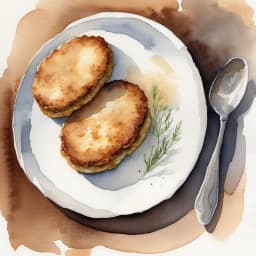
特産品
Hiroshima's Jakoten is a rustic fish cake that allows you to enjoy the full flavor of small fish from the Seto Inland Sea.
Freshly caught small fish from the Seto Inland Sea are minced with their bones and deep-fried until golden brown. Packed with the umami of the fish, the scent of the sea spreads with every bite. It is delicious eaten as is or lightly toasted, and its uses are versatile—it can be topped on udon or chopped and added to stir-fries. It pairs well with both rice and alcohol, making it a long-beloved local comfort food. It is also highly valued as a side dish for bento boxes.
With its fragrant coating and fluffy texture, please enjoy this taste that captures the bounties of the Seto Inland Sea.
Snacks
📍安芸高田市
Specialties from 安芸高田市 are also available via furusato nozei

和菓子
Kagura Manju is a famous confection inspired by the traditional performing arts of Hiroshima, including Kagura.
Northern Hiroshima Prefecture is an area where Kagura is very active; many Kagura troupes operate in Aki-Takahata City and Kitahiroshima Town. This local traditional art involves dancing heroically to musical accompaniment while wearing colorful costumes and expressive Kagura masks to tell stories from mythology. The Kagura Manju, which features motifs of these performances and masks, is charming with its adorable appearance, moist skin, and gentle sweetness of the bean paste. It has long been a beloved local souvenir for people visiting powerful Kagura performances.
With its fluffy skin and mellow sweetness of the bean paste, please enjoy it while feeling the culture that lives on in this village of heroic Kagura.
📍安芸太田町
Specialties from 安芸太田町 are also available via furusato nozei

和菓子
Gionbo Persimmon Chips are a simple snack that concentrates the natural sweetness of seedless persimmons.
Gionbo persimmons are large-sized fruits with thick flesh and almost no seeds, and Akiota Town is the number one production area in Japan. Compared to the Saijo persimmons from the same Hiroshima prefecture, they are exceptionally large, and when dried, their elegant and refreshing sweetness stands out. These chips, made by thinly slicing and drying those persimmons, are a product where the sweetness of the fruit itself is tightly concentrated. No sugar is added at all; it is finished using only natural sweetness, allowing you to enjoy a crispy texture.
With just one bite, the gentle, inherent sweetness of the persimmon spreads through your mouth. Please enjoy this natural snack that honors the true flavor of the ingredients.
📍呉市
Specialties from 呉市 are also available via furusato nozei

パン
Kure's melonpan is a unique local bread shaped like a rugby ball.
Founded in 1936 in Kure City, the bakery 'Melonpan' features a distinctive rugby-ball shape inspired by musk melons, unlike typical dome-shaped breads; this design was created with the wish that 'customers will eat their fill.' It is densely packed with custard cream that has a texture similar to white bean paste, and it has a substantial weight of about half a loaf of bread. While adhering to the production methods from the time of founding, each piece is still handmade under the third generation of owners, and freshly baked goods are lined up in the shop every morning, making it Kure's soul food.
With its visual impact and generous amount of cream, please enjoy this taste of Kure that has been loved locally for nearly 90 years.

洋菓子
Kure Navy Curry Senbei is a spicy snack unique to the naval port city of Kure.
Kure City is known as the 'City of Curry,' having once served as the headquarters for the Imperial Japanese Navy and still hosting a Japan Maritime Self-Defense Force base today. Inspired by the tradition of the Self-Defense Force eating curry on Fridays before the weekend, we have infused these rice crackers with that same aromatic curry flavor. The crispy texture and authentic, spice-infused taste are truly addictive. As a local specialty of Kure, it is popular both as a souvenir and as a snack to accompany drinks, offering a true taste of this naval port city.
Each cracker features an exquisite blend of savory aroma and spices. Please enjoy it while feeling the stories of a city where naval history lives on.

和菓子
Yamato Yokan is a unique Japanese sweet native to Kure, with roots in the former Imperial Japanese Navy. The Navy's supply ship, 'Mamyu,' produced various foods such as bread, tofu, konnyaku, and yokan at sea, delivering them to crews on distant ships. Among these, the yokan was said to be particularly delicious and beloved by the fleet members as 'Mamyu Yokan.' A confectionery shop in Kure has recreated this legendary taste, selling it as 'Yamato Mamyu Yokan' near the Yamato Museum. You can enjoy its moist flavor from high-quality adzuki beans and its elegant sweetness.
Each piece is packed with historical romance. Please enjoy it while reflecting on the stories of Kure, the city of the naval port.
📍広島市
Specialties from 広島市 are also available via furusato nozei

和菓子
An adorable confection that seems to capture the very essence of autumn in Miyajima, a famous spot for viewing autumn leaves. It is a staple Hiroshima souvenir.
Momiji Manju itself was created in 1906 by Miyajima confectioner Josuke Takatsu, inspired by the Momijidani (Maple Valley) area. Nishikido, founded in 1951, has inherited that flavor and grown into a leading manufacturer representing Hiroshima. Their simple, timeless taste—smooth red bean paste wrapped in castella sponge cake and baked into the shape of a maple leaf—has been loved across generations.
In 2009, responding to the sentiment of 'If Yatsuhashi has a soft version, why doesn't Momiji?', they developed 'Nama-momiji,' which uses a chewy dough made from rice flour. While preserving tradition, they continue to evolve even today.

和菓子
Yamadaya's Momiji Manju is a traditional flavor that has been loved in Miyajima for over 90 years.
Founded in 1932 in Miyajima, one of the three most scenic views in Japan, Yamadaya's signature product, 'Touyouka,' features a unique chewy texture created by wrapping a blend of homemade smooth and chunky red bean paste in a mochi-flour dough. In addition to the classic smooth and chunky red bean varieties, their Momiji Manju lineup includes over 20 flavors, including chocolate, cream, cheese, and seasonal limited editions. Both the smooth red bean Momiji Manju and the Touyouka are certified as authentic confectioneries under Hiroshima City's 'The Hiroshima Brand.'
Experience the harmony of moist crust and elegant filling. Please start by tasting one of these quintessential Miyajima souvenirs, featuring an adorable maple leaf shape.

和菓子
An adorable, bite-sized mochi generously coated in kinako (roasted soybean powder). When picked up with a toothpick and eaten, a crunchy walnut reveals itself from within the soft gyuhi. The fragrant sweetness of the kinako spreads throughout your mouth.
These are crafted by Kameya, a confectionery shop located in Higashi-ku, Hiroshima City. This treat features high-quality gyuhi with added walnuts, all coated in sweet, domestically produced soybean powder. The name originates from an old custom where people ate mochi shaped like small stones to commemorate the victory of the Mori clan's ancestor in a battle involving crossing a river.
It is a long-beloved local specialty that you won't be able to stop eating one after another. Perfect as a snack with tea or as a souvenir when returning home. Please enjoy its simple yet addictive deliciousness.

洋菓子
When you cut into it, the moist, honey-infused sponge feels light and airy. With a single bite, the richness of the butter and its mellow aroma melt gently in your mouth.
This is the flagship confection produced by Nagasakado, a long-established shop in Hiroshima City. The founder, who was a Castella craftsman, opened the shop shortly after the end of the war, and a few years later, this butter cake was created as an even more nutritious offering. Since then, they have continued to use the same ingredients and the same production method, competing with excellence through three sizes: large, medium, and small. It offers a simple yet elegant taste that combines the best qualities of both Castella and pound cake.
A long-beloved masterpiece in the local area that frequently sells out. It is exceptional whether served chilled or slightly warmed. Please enjoy this quintessential Hiroshima souvenir.

洋菓子
Hiroshima Lemon Cake is a refreshing baked good that boasts the pride of Japan's top domestic lemon-producing region.
Hiroshima Prefecture is a major production area, accounting for approximately 60% of Japan's domestic lemon production. This lemon cake captures the aroma and acidity of Setouchi lemons within moist sponge cake and glossy icing. Within the prefecture, it is a highly competitive market where numerous confectionery manufacturers create their own unique versions, ranging from those focused on premium dough to those featuring tangy sweet coatings. The pleasure of comparing different flavors from various shops has made it a complete staple as a Hiroshima souvenir.
With its softly spreading lemon aroma and a gentle, bittersweet taste, it is the perfect item for a gift.

洋菓子
Carp Katsu is a local snack packed with love for the Hiroshima Toyo Carp.
As a professional baseball team that holds a special place in the hearts of Hiroshima's people, the Hiroshima Toyo Carp are iconic. These rice crackers feature eye-catching packaging adorned with the team logo and their signature red color, making them a beloved souvenir for Carp fans. With a light, crispy texture and a well-balanced seasoning, they are perfect as both a snack or an accompaniment to drinks. Whether enjoyed while watching a game or sent as a gift to distant fans, this is a treat that offers a uniquely Hiroshima experience.
Experience your passion for the red team in every bite. This Hiroshima-style confectionery will surely boost your cheering spirit.
📍江田島市
Specialties from 江田島市 are also available via furusato nozei

洋菓子
Etajima Olive Oil Sweets are Western-style confectionery that makes use of olives grown on the islands of Setouchi.
Etajima City has a climate very similar to the Mediterranean, with long hours of sunlight and low rainfall, making it an ideal land for olive cultivation. Since fiscal year 2010, citizens and companies have worked together to promote olive production, and the oil pressed from these fruits is highly skilled, even winning a gold medal at an international contest in New York. Cookies and cakes made with this high-quality olive oil offer a deep richness and abundant aroma, making them delightful sweets for health-conscious individuals.
Experience the mellow and healthy flavor brought by olive oil. These are sweets that allow you to feel the blessings of the Setouchi islands.
📍三原市
Specialties from 三原市 are also available via furusato nozei
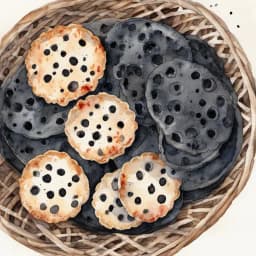
和菓子
Tako Senbei is a fragrant snack that Mihara, a renowned octopus-producing region in the Seto Inland Sea, is proud of.
Mihara City is a major production area for common octopus caught in waters with fast currents. It is said that because the octopuses must brace themselves firmly against the rocks to avoid being swept away by the swift tides, their legs become thick, short, and firm, resulting in a plump and bouncy texture. Tako Senbei is made by turning this flavorful octopus into surimi (minced meat) and baking it to a golden brown. Along with its crispy, light texture, the flavor of the octopus spreads throughout your mouth with every bite. It also pairs perfectly as a snack with alcohol.
Experience the deepening aroma of the sea and the rich umami of the octopus with every chew. This is the perfect single piece of souvenir from the octopus town of Mihara.

和菓子
Yassa Manju is a historic confection inspired by Mihara's summer festival, the 'Yassa Festival.'
It is said that the Yassa dance began in 1567 when people started dancing to the sound of shamisen and drums to celebrate the completion of Mihara Castle by Kobayakawa Takakage. The Yassa Manju Honpo, founded in 1913, was created by the first generation proprietor, who loved dancing, in honor of this festival. It is a truly stylish sweet, where the smooth bean paste visible through the thin skin represents the elegant sight of dancers with one sleeve of their yukata pulled down.
With its moist, thin skin and refined chunky bean paste, please enjoy this taste of Mihara that makes you feel the vitality of the festival, as if you can almost hear the rhythmic chants of 'Yassa, Yassa!'
📍三次市
Specialties from 三次市 are also available via furusato nozei

洋菓子
Miyoshi Winery sweets offer a mature flavor born from Miyoshi, the home of grapes.
In 1994, Hiroshima Miyoshi Winery was established as the prefecture's first winery through a joint investment by Miyoshi City and JA, in the grape-growing region of Miyoshi City. From grapes grown in the Miyoshi Basin, known for its mystical mists, they produce their specialty wine 'TOMOÉ'. The sweets, including cakes and chocolates made from this wine and grape juice, are exquisite items that allow you to enjoy a rich aroma. The abundant flavor of the grapes stands out, thanks to being in a major production area for the Pione variety.
Experience the unique taste of a winery where the scent of grapes gently spreads. They also make wonderful gifts that will delight alcohol lovers.

和菓子
Miyoshi Ningyo-yaki are simple baked sweets inspired by the traditional craft known as 'Miyoshi Ningyo.'
Originating in the Edo period, Miyoshi Ningyo are clay dolls from Miyoshi City, also known as 'Hikari Ningyo' (Light Dolls) due to their glossy surface. They are an intangible cultural property of Hiroshima Prefecture, and the custom of gifting them during a child's first festival to pray for healthy growth still remains today. These cookies, molded into their adorable shapes, feature a soft dough generously filled with red bean paste. They are a local souvenir that can be enjoyed alongside your memories of sightseeing in Miyoshi.
With their fluffy, soft texture and the gentle sweetness of the bean paste, please enjoy these treats while experiencing the traditional culture of Miyoshi.
📍庄原市
Specialties from 庄原市 are also available via furusato nozei

和菓子
Shobara's apple sweets are refreshing treats that make the most of apples grown in the highlands of the Chugoku Mountains.
Takano Town in Shobara City, northern Hiroshima Prefecture, is an apple-producing area that benefits from a cool climate at an altitude of approximately 500m. Apple cultivation began about 80 years ago, and today around 30 varieties are grown, with apple picking in tourist orchards also being popular. Apple pies, tarts, and jams made using sweet and sour apples ripened amidst large temperature fluctuations allow you to taste the blessings of the highlands directly. You can enjoy a refreshing acidity and natural sweetness.
It is a harmony created by crispy pastry and the sweet-and-sour flavor of apples. Please enjoy the taste nurtured by the clear highlands of Shobara.
📍神石高原町
Specialties from 神石高原町 are also available via furusato nozei

和菓子
This beef jerky allows you to easily enjoy 'Jinseki Beef,' the legendary Wagyu that Jinseki Kogen Town is proud of.
Jinseki Beef is Japanese Black cattle raised carefully in a harsh environment at altitudes of 500–700m, with cool summers and heavy snow in winter. As a rare breed with only about 400 head shipped annually, it features fine-grained lean meat with intricate marbling, resulting in a deep savory flavor and a smooth texture. In 2022, it garnered significant attention when served during the welcoming ceremony for U.S. President Biden.
This jerky captures that concentrated savory essence of the lean meat through drying, offering a rich flavor that expands with every chew. It is a luxurious snack that pairs perfectly with alcohol.
📍世羅町
Specialties from 世羅町 are also available via furusato nozei

洋菓子
Sera Fruit Jam offers a gentle taste, capturing the seasonal fruits ripened in the highlands in every jar.
Located at a high altitude, the Sera Highlands experience significant temperature fluctuations between day and night, making it a village of fruit trees where the sweetness of the fruit is concentrated. Using the most delicious fruits of the season—such as pears, grapes, and strawberries—this jam is carefully handmade to preserve the original flavor of the ingredients. When spread on bread or added to yogurt, this jam, which highlights the natural sweetness of the fruit, will brighten your everyday breakfast. We also recommend diluting it with hot water to create a delicious drink.
As you scoop it with a spoon, the aroma of highland fruits gently spreads. Please enjoy the blessings of Sera's four seasons exactly as they are.
📍大崎上島町
Specialties from 大崎上島町 are also available via furusato nozei

洋菓子
Osakikamijima Mandarin Orange Jelly is a sweet treat that luxuriously uses mandarins grown on this citrus island.
Located almost in the center of the Seto Inland Sea, Osakikamiliijima is an island with a long history of mandarin cultivation dating back to 1902 (Meiji 35). It is also known as the place where Japan's first motorized citrus sorting machine was introduced. The mandarins grown in the warm climate unique to the Seto Inland Sea are sweet and juicy, and this jelly captures that juice and pulp in abundance. Its smooth texture and refreshing sweetness allow you to feel the blessings of the island's sun.
Enjoy the bouncy mandarin pulp and refreshing sweetness. Please experience the gentle flavor nurtured by the islands of the Seto Inland Sea.
📍大竹市
Specialties from 大竹市 are also available via furusato nozei

和菓子
Otake Salt Yokan is a simple Japanese sweet that offers an exquisite balance of sweetness and saltiness.
Crafted carefully one by one by a confectionery shop in Otake City, which faces the Seto Inland Sea, this salt yokan features the perfect touch of salt unique to the Setouchi region. This enhances the natural sweetness of the azuki beans, creating an incomparable balance of sweet and salty.
With a moist, smooth texture and an elegant melt-in-your-mouth sensation, it is loved not only by those who enjoy sweets but also by those who find overly sweet treats difficult to eat. It is perfect as an accompaniment to tea; when paired with warm Japanese tea, the saltiness and richness become even more pronounced.
Within the sweetness lies a sharp, bright saltiness. Please enjoy the deliciousness that keeps you coming back for just one more bite.
📍竹原市
Specialties from 竹原市 are also available via furusato nozei

和菓子
The Takehara Local Sake Cake is a confection featuring a mature flavor profile born from a town of sake breweries.
Takehara City has long flourished through salt production and sake brewing, and is known as the 'Little Kyoto of Aki' due to its beautifully preserved white-walled streets. It is a place where historic breweries gather, including Taketsuru Sake Brewery (founded in 1733), Fujii Sake Brewery, and Nakao Brewing. This cake, which incorporates local sake and sake lees into the batter, offers a rich flavor with a subtle aroma of alcohol. Taketsuru Sake Brewery is also known as the birthplace of Masataka Taketsuru, the founder of Nikka Whisky, and served as the setting for the drama 'Massan.'
Experience the elegant aroma of sake spreading through moist cake—a sophisticated sweet that captures the atmosphere of the sake town, Takehara.

和菓子
Take no Sato no Okashi is a simple, famous confection inspired by Takehara, a renowned producer of bamboo.
Known as the 'Little Kyoto of Aki,' Takehara City is a charming town famous for its preserved district with beautiful white walls and lattice doors. It has a history of prosperity through salt production and sake brewing. These sweets, designed to evoke the image of Takehara, feature the warmth of handmade craftsmanship using local ingredients. Enjoying them while taking a break during a stroll through the retro streets allows the gentle sweetness to soothe your heart, leaving an afterglow of the good old days.
Take a moment to relax after walking through the historic streets. Please enjoy the elegant and simple flavors characteristic of Takehara at your leisure.
📍東広島市
Specialties from 東広島市 are also available via furusato nozei

和菓子
The Sake Cake of the Sake Capital Saijo is an adult dessert that makes full use of the famous sake produced in one of Japan's three largest sake-producing regions.
Saijo in Higashi-Hiroshima City is one of Japan's three major sake districts, alongside Nada and Fushimi. It is a rare district in Japan where seven breweries are clustered within walking distance of JR Saijo Station. The Sake Cake features plenty of sake and sake lees brewed in this region, which is blessed with a climate and abundant groundwater ideal for sake brewing, kneaded into the batter. Popular as a souvenir from the brewery street lined with white-walled storehouses, it offers a rich aroma and a moist texture.
When you take a bite, the elegant aroma of sake gently spreads through your mouth. Please take your time to savor this slice that embodies the prestige of the Sake Capital.

和菓子
Sake Kasu Senbei is a fragrant snack born from the breweries of Saijo, a renowned sake-brewing town.
Saijo, which stands alongside Nada and Fushimi as one of Japan's three major sake-producing regions, features seven breweries within walking distance of JR Saijo Station, creating a beautiful cityscape of white-walled storehouses and red brick chimneys. The sake lees produced during the sake-brewing process are packed with mellow aroma, umami, and nutrition. These senbei are made by kneading that sake lees into a crispy dough and baking it to a golden brown. The rich flavor and subtle sweetness that spread with every bite are truly a taste unique to this famous brewing region. They pair perfectly with tea.
With a light, crispy texture and the gentle aroma of sake lees, this is the perfect souvenir for sake lovers.
📍廿日市市
Specialties from 廿日市市 are also available via furusato nozei

和菓子
Miyajima's Momiji Manju is a representative confection of Miyajima, one of the three most scenic views in Japan.
Named after Momijidani (Maple Valley), a famous spot for autumn foliage in Miyajima, these maple-shaped baked treats were born during the Meiji era. The Omotesando shopping street in Miyajima is lined with specialty shops, each competing with its own unique flavor. Varieties range from classic smooth red bean paste and chunky red bean paste to custard cream, chocolate, cheese, and even freshly fried 'Age-Momiji.' Searching for your favorite flavor while strolling through the streets is one of the joys of sightseeing in Miyajima.
With its moist cake and gentle sweetness of the bean paste, it is a quintessential Miyajima souvenir that you should enjoy alongside your visit to the World Heritage site, Itsukushima Shrine.

和菓子
Taking a bite of the Age-Momiji on its skewer. The batter is crunchy, while the Momiji Manju inside is fluffy. The mysterious 'crispy-fluffy' texture will naturally bring a smile to your face.
This specialty is crafted by Momijido, a long-established shop in Miyajima. It was created on New Year's Day in 2002, featuring their signature Momiji Manju coated in a unique batter and deep-fried like tempura. The presentation on a skewer feels approachable and friendly, and the true joy lies in biting into it while it is still hot from the fryer. Today, it is so popular that some people visit Miyajima specifically to try it.
With the sweetness of the red bean harmonizing with the savory aroma of the fresh fry, it is the perfect companion for a stroll through Miyajima. Please enjoy this freshly made, crispy-fluffy treat while feeling the sea breeze.
和菓子
When you break open the thinly baked skin, it is filled with plenty of chunky red bean paste. The chewy dough is packed with adzuki beans that have an elegant and light sweetness. A subtle hint of butter leaves a lingering aroma on the palate.
This Japanese confection is made by Yamadaya, a long-established shop in Miyajima. The dough uses 100% glutinous rice flour, wrapped around a mixture of smooth and chunky red bean paste before being baked. In 2002, it won the prestigious Honorary President's Award, the highest honor, at the National Confectionery Expo. While similar to Momiji Manju, its texture and flavor are entirely different, and many Hiroshima locals recommend this over the original.
It does not harden even when chilled in the freezer, allowing you to enjoy its chewy texture. If warmed slightly, the outside becomes beautifully toasted and fragrant. It is an unforgettable specialty of Miyajima that you must try.

和菓子
Miyajima Shamoji Senbei is a lucky souvenir shaped like a rice paddle.
Miyajima is known as the birthplace of the shamoji, and these crackers have long been popular as a souvenir for those visiting Itsukushima Shrine. The rice paddle is a popular good luck charm, symbolizing 'taking in' (meshi-toru) victory or good fortune. These crackers replicate that auspicious shape exactly. With a light, crispy texture and a simple, slightly sweet flavor, they can be enjoyed by children and adults alike. They are also perfect as a good luck charm for exams or important competitions.
With their crunchy texture and auspicious meaning, please try them as a memento of your visit to Miyajima.
📍尾道市
Specialties from 尾道市 are also available via furusato nozei

洋菓子
The Innoshima Hassaku Jelly is a massive hit, with cumulative sales exceeding 5.6 million units.
Originating from a citrus fruit found at Jodo-ji Temple in Innoshima during the late Edo period, Hassaku is a fruit deeply connected to Innoshima. JA Onomichi developed this jelly as a way to effectively utilize Hassaku citrus that was facing a loss of market due to import liberalization. The jelly features plenty of pulp from Innoshima-grown Hassaku, which offers a perfect balance of pleasant bitterness and refreshing acidity with a smooth texture. With the introduction of a sherbet version in 2019, it has grown into a prominent regional brand.
It is a sophisticated flavor for adults, where a subtle bitterness and acidity peek through the sweetness. Please enjoy this refreshing masterpiece born from the birthplace of Hassaku.

洋菓子
Oyatsu to Yamaneko's Onomichi Pudding is a popular sweet known for its charming retro jars.
This shop was born from the realization that 'there are no pudding shops in Onomichi.' The products are crafted with a commitment to high-quality ingredients, including low-temperature pasteurized milk and cream from Sunaya Milk in Hiroshima, farm-direct Onomichi eggs, and beet sugar from Hokkaido. Their signature dish features smooth pudding topped with a homemade Setoda lemon sauce shaped like a fish. Instead of the standard caramel, the playful use of lemon sauce creates a sweet, tart, and refreshing flavor. Seasonal flavors such as matcha and coffee are also popular.
It offers the joy of opening a small milk bottle followed by the lingering sweet and sour notes of lemon. It is a representative specialty sweet of the cat town, Onomichi.

洋菓子
Hassaku Daifuku is a representative citrus sweet of Innoshima on the Shimanami Kaido.
It was devised in 1988 to promote the deliciousness of local Hassaku oranges in Innoshima, the birthplace of the Hassaku variety. This fusion dessert consists of fresh Hassaku pulp wrapped in white bean paste, which is then gently encased in mochi kneaded with mandarin orange. The white bean paste represents the fruit pulp, while the mandarin mochi is said to represent the peel. It is a confection that expresses the essence of the Hassaku itself, with bitterness, acidity, and sweetness harmonizing beautifully in your mouth.
Experience the refreshing burst of juice the moment you bite into the mochi. This Innoshima specialty is beloved by cyclists and can be enjoyed at shops overlooking the Innoshima Bridge.

洋菓子
With just one bite, the refreshing aroma of lemon peel gently rises. The cake is moist and rich, offering a new kind of lemon cake experience that enchants you with its fragrance rather than just acidity.
This product is crafted by 'Shimagokoro,' born in Setoda, Hiroshima Prefecture. Setoda is Japan's leading lemon-producing region, characterized by lemons with a perfect balance of sweetness and acidity and thin, soft peels. Because these lemons are safe to eat even with the peel—using no preservatives or wax—we can generously knead the highly aromatic zest into the batter. It is a popular item with annual sales exceeding one million units.
This is a bright and refreshing treat reminiscent of the sunshine on the islands of the Seto Inland Sea. It pairs perfectly with both coffee and tea. Please take one as a souvenir from Onomichi.
📍府中市
Specialties from 府中市 are also available via furusato nozei

和菓子
Fuchu Miso Manju is a unique confection that makes full use of Fuchu miso, which boasts a 400-year history. Fuchu miso has been produced in the Fuchu region of Bingo for approximately 400 years. The white miso, created from high-quality rice from the Ashida River basin and soybeans grown in the inner Bingo region, is characterized by its high koji content, low salt content, fine texture, and sweet profile. In the early Edo period, wealthy merchants presented it to the Lord of Fukuyama Domain, and its flavor was so highly praised that its fame spread across the country through the Sankin-kotai (alternate attendance) system. This manju, which incorporates such prestigious white miso into its dough, allows you to enjoy a subtle aroma and richness of miso. It is a comforting taste where sweetness and the richness of miso melt together—a treat that lets you feel the long history of Bingo.
📍福山市
Specialties from 福山市 are also available via furusato nozei

和菓子
Toraya's Sea Bream Chikuwa is a fun-to-look-at processed fish product that makes the most of the bounties of Fukuyama's seas.
Using fresh minced fish caught in the Seto Inland Sea, each piece is carefully shaped into an auspicious sea bream form and then baked. Its adorable appearance, modeled after sea bream, makes it perfect for celebratory occasions, New Year's tables, or as a gift. You can enjoy the plump, rich umami of the fish just as it is, or lightly toast it to further enhance its savory aroma. It is versatile in use—sliced as an accompaniment to alcohol or added to lunch boxes—serving as both a snack and an appetizer, representing the auspicious flavors characteristic of Fukuyama.
With its plump texture and elegant fish umami, please enjoy this processed fish product that lets you feel the richness of the Seto Inland Sea.

洋菓子
The Rose Sweets are glamorous treats that symbolize 'Fukuyama, the City of Roses.'
In 1945, approximately 80% of Fukuyama City was destroyed in a major air raid. Shortly after the war, residents planted about 1,000 roses in an effort to bring vitality back to the devastated city, marking the beginning of the 'City of Roses.' That spirit has been passed down, and today, the city is home to one million blooming roses. The cookies and jellies featuring rose motifs as a symbol of the city are beloved as a classic Fukuyama souvenir, offering both a gorgeous appearance and an elegant taste.
Beautiful to look at and subtly fragrant with a refined sweetness, these sweets offer a flavor unique to Fukuyama, carrying the legacy of the people's dedication to reconstruction.

和菓子
Houmeishu Manju is a famous confection that utilizes the flavor of the historic medicinal sake passed down in Tomonoura.
Houmeishu is a medicinal sake that began being brewed in Tomonoura in 1659 by Kichibei Nakamura, the son of a Kampo physician from Osaka. With its unique taste created by infusing 16 types of crude drugs into a sweet liquor similar to mirin, its name became known nationwide as a gift during the Edo period. Houmeishu Manju captures that deep flavor within a moist dough. It is a sweet unique to this historic port town, with a faint scent of medicinal herbs drifting from it. You can truly feel the atmosphere of Tomonoura, which once flourished as a port for waiting for the tides.
Each bun allows you to gently savor the story of this historic port town. Please enjoy it as a companion while strolling through Tomonoura.
📍北広島町
Specialties from 北広島町 are also available via furusato nozei

洋菓子
Kogen Milk Soft Serve Ice Cream is a rich, local specialty born from the pastures of the Chugoku Mountains.
The highlands of the Chugoku Mountains, including Kitahiroshima Town, are dairy farming regions blessed with clear air and pure water. The soft serve, made using fresh milk from cows raised freely in these lands, delivers a rich milky flavor and deepコク (richness) that spreads throughout your mouth. It is a rewarding highland treat that can be enjoyed at roadside stations and farm direct sales offices, making it the perfect break during a drive or cycling trip.
Experience the smooth, rich flavor of freshly squeezed milk. Please enjoy a cone while feeling the refreshing highland breeze.
📍Others

和菓子
Momiji Manju is a famous confection that is the first name to come to mind when thinking of Hiroshima souvenirs, featuring an adorable maple leaf shape.
It was conceived by Josuke Takatsu, a Japanese confectionery craftsman in Miyajima during the late Meiji era. After being requested by the proprietress of 'Isso,' a long-established inn in Momijidani, to create 'a sweet that can only be tasted here,' he completed the maple-shaped baked manju in 1906 after much trial and error. At the time, it was a fashionable sweet consisting of smooth red bean paste wrapped in castella-style dough, and it was even trademarked in 1910.
Today, there are numerous manufacturers within the prefecture, and the variety continues to evolve with fillings such as smooth red bean paste, chunky red bean paste, cream, and chocolate. The joy of searching for your favorite one is a pleasure unique to Hiroshima.

洋菓子
A collection of Hiroshima's pride-worthy lemon sweets that spread a refreshing aroma.
Hiroshima Prefecture boasts the highest lemon production in Japan, accounting for more than half of the country's total output. In particular, Setoda Town (Ikuchi Island) is the top production area in Japan, representing nearly 30% of domestic lemons. With a cultivation history of over 100 years and under the warm climate of the Seto Inland Sea, they focus on low-pesticide cultivation that allows the fruit to be eaten whole, including the peel, without the use of preservatives or wax.
Cakes, jellies, and cookies made with these Setouchi Hiroshima lemons offer an exquisite balance of acidity and sweetness. Some popular lemon cakes sell 1 million units per year, offering a flavor that lets you feel the sunshine of the Seto Inland Sea in every bite.

洋菓子
These oyster crackers are unique to Hiroshima, an oyster-producing region, offering a gentle aroma of the sea.
Hiroshima Prefecture boasts the highest oyster production in Japan, accounting for approximately 60% of the national total. It is truly an 'Oyster Kingdom,' far outpacing the second-place prefecture. These 'Whole Oyster Crackers' are made by luxuriously topping the dough with rich oysters raised in Hiroshima Bay and then baked. Some versions use potatoes grown in the characteristic red soil of Akiu, which pair perfectly with the briny flavor.
With a crispy texture where the umami of the oyster meets the sweetness of the potato, they are perfect as both a souvenir and an accompaniment to alcohol. It is a single piece that allows you to easily take home the bounties of Hiroshima's sea.
Sake
📍安芸太田町
Specialties from 安芸太田町 are also available via furusato nozei

リキュール
This fruit liqueur is unique to Akiota Town, crafted from Gionbo persimmons, which are often referred to as 'phantom persimmons.'
Gionbo persimmons are large, seedless astringent persimmons. Akiota Town is the leading producer in Japan, accounting for over 90% of the country's cultivation area; because the land suitable for growing them is limited, they are known as 'phantom persimmons.' This is a prestigious variety said to have been named after a monk from the Edo period.
This wine, which leverages their elegant sweetness, is a rare delicacy found only in this production region. It is a taste packed with the blessings of the upper Ota River villages, allowing you to enjoy the rich flavor of persimmons in alcoholic form.
This rare persimmon wine is a special item that makes for a wonderful gift. Please enjoy a flavor that can only be encountered in its place of origin.
📍呉市
Specialties from 呉市 are also available via furusato nozei

日本酒
When poured into a cup, it offers a brilliant aroma reminiscent of melon and Muscat grapes. With a single sip, the umami and sweetness of the rice melt together softly, leaving a clear, clean finish.
Brewed by Aihara Shuzo in Hitokata, Kure City, Hiroshima—a town that once flourished as a naval port. Founded in 1875, the brewery uses a unique soft-water brewing method that leverages the region's world-class ultra-soft water to create a soft and fragrant flavor. The brand name was chosen from the desire to create a sake as clear and beautiful as the moon shining brightly in the sky after the rain.
It is a gentle, rich, and smooth-drinking cup. We also recommend enjoying it chilled to fully appreciate the aroma. Please experience this famous sake of the Seto Inland Sea that allows your heart to unwind with every sip.
日本酒
From the small town of Nigata in Kure City comes Hoken, a dry sake that impresses sake lovers nationwide.
Founded in 1871, Hoken Sake Brewery takes its name from the area's history; Nigata has the highest production of files in Japan, and because there were many swordsmiths in the past, it was named 'Hoken' (Treasure Sword). The brewery utilizes 'Hoken Meisui,' natural spring water from Mount Noro that has been naturally filtered, to brew sake primarily using Hiroshima-grown Hattan Nishiki rice. The brewery is known nationwide for its commitment to meticulous, small-batch, handmade brewing, with the master brewer allowing no compromises.
With its sharp finish and delicate aftertaste, it is an ideal companion for any cuisine. It can be enjoyed both chilled and warm, and one sip of its clear flavor will leave you reaching for another cup.

日本酒
With the slogan 'A Cup of Happiness,' Senpuku is a representative local sake of Kure, the naval city.
The brewery, Miyake Honten, was founded in 1856. Originally producing mirin and shochu, they transitioned to sake brewing in response to the era when the Navy Yard was established in Kure. Having earned recognition for its reliable quality, it became an official supplier to the Navy and has a history of being delivered to naval bases across the country. It is a brewery with such prowess that its production volume became the highest in Japan in 1941, and it is even said to have been supplied to the battleship Yamato.
Its easy-to-drink and well-balanced flavor continues to gently accompany the dining tables of Kure today. Please experience 'a cup of happiness' along with the stories of the historic port city of Kure.
📍広島市
Specialties from 広島市 are also available via furusato nozei

日本酒
When poured into a cup, gold flakes shaped like cherry blossom petals flutter gently. An elegant ginjo aroma rises, and with a single sip, a rich and mellow taste spreads throughout your mouth.
It is brewed by Kamotsuru Sake Brewery in Saijo-honmachi, Higashihiroshima City, a place renowned as a sake town. Their flagship 'Daiginjo Special Gold Kamotsuru' was released in 1958 as the industry's first Daiginjo to contain gold leaf. The petal-shaped gold flakes are an auspicious touch, originating from the tradition of floating them in a cup to toast at golden wedding anniversaries. It is also a brewery with proven excellence, having repeatedly won gold awards at the National New Sake Awards.
This is a magnificent drink perfectly suited for celebratory occasions. Please enjoy its elegant aroma and smooth finish.
日本酒
This is a premium sake from the long-established Shushin Yamanmoto Honten, which aims to create 'works of art in liquid form' and maintains its brewery in Mihara City.
Founded in 1860 (Man'en 1), the true essence of Shushin lies in brewing with ultra-soft water containing almost no minerals. It is characterized by a mellow and gentle mouthfeel, resulting from the calm fermentation unique to soft-water brewing. It is also famously known that the master of Japanese-style painting, Yokoyama Taikan, loved this sake throughout his life, calling it 'the ideal sake,' with anecdotes even suggesting he continued to gift paintings in exchange for the sake.
Its delicate and gentle flavor acts as a perfect supporting actor, subtly enhancing the taste of your meal. Please take your time to savor this glass of soft-water brewed sake, a specialty of Hiroshima.
📍三原市
Specialties from 三原市 are also available via furusato nozei

日本酒
Suishin is a renowned sake from Mihara, beloved for a lifetime by the master of Japanese-style painting, Taikan Yokoyama.
The brewery, Suishin Yamanemoto Main Store, was founded in 1860 (the first year of the Man'en era). A major characteristic of its production is the use of ultra-soft water with almost no minerals, sourced from Mount Takasu in the central part of the prefecture. This soft water brewing process creates a mellow and crystal-clear drinking experience. The anecdote of Taikan Yokoyama's interaction with the brewery—where they exchanged paintings and sake, with the artist declaring 'This is the ideal sake'—is still cherished and passed down today.
Its gentle and elegant flavor makes it exceptional as an accompaniment to food, enhancing the dishes it is paired with. Please take your time to savor this single cup that captured the heart of an artist for a lifetime.

日本酒
Miwa Sakura is a local sake nurtured by the pure waters and temperature fluctuations of Miyoshi.
Miwa Sakura Sake Brewery was founded in Taisho 12 (1923). The brewery is located in Miwa-cho, Miyoshi City, Hiroshima Prefecture, an area blessed with clear air and pure water, known as the birthplace of sake-brewing rice varieties such as 'Hattannishiki' and 'Hattan'. Many of the brewers live a 'half-farming, half-brewing' lifestyle, engaging in agriculture during the summer, which allows them to develop a keen eye for rice; they are thorough enough to handle everything from their own rice cultivation.
Their creed is to continue brewing their unique style of sake without being swayed by trends. It is a deeply flavorful bottle that brings out the full umami of the rice.
This simple yet robust flavor has been long cherished by the local people.
📍三次市
Specialties from 三次市 are also available via furusato nozei

ワイン
This is the first winery in Hiroshima Prefecture, born in Miyoshi, a place known for its 'sea of mist.'
Hiroshima Miyoshi Winery opened in 1994 as the prefecture's first authentic winery. It takes advantage of a climate ideal for grape cultivation, characterized by deep fog unique to the basin and significant temperature fluctuations between day and night. The foundation of their production lies in wines made from 'Pione,' a high-quality grape variety cultivated locally since ancient times. Since 2008, they have also developed the 'TOMOÉ' brand, aiming for world-class standards using their own domestically grown grapes.
The concentrated flavor produced by the temperature differences is a unique characteristic of Miyoshi. It is a popular destination where visitors can enjoy tours and tastings, allowing them to feel close to the winemaking process in this village of mist.

日本酒
Miwa Sakura is a local sake that blooms like cherry blossoms, nurtured by the clear streams and temperature fluctuations of Sanwa Town.
Miwa Sakura Brewery was founded in 1923 in Sanwa Town, Miyoshi City, Hiroshima Prefecture. The brewery's home is a land blessed with clear air and pure water, known as the birthplace of sake-brewing rice varieties such as 'Hattannishiki,' 'Hattan,' and 'Senbonnishiki.' The brewers are also involved in rice cultivation, continuing a commitment to small-batch, handcrafted production by polishing carefully selected rice using their own in-house milling.
This is a flavorful bottle that robustly brings out the umami of the rice. It is a brewery beloved by the local community, attracting many visitors from both within and outside the prefecture during the brewery opening every spring.
The brewer's sincere approach to sake making is deeply conveyed in every single sip.
📍庄原市
Specialties from 庄原市 are also available via furusato nozei

日本酒
Brewed in the deep reaches of the Chugoku Mountains in Shobara, Chogun is crafted with the wish to stand out like Mount Fuji.
way The brewery, Namakuma Sake Brewery, was founded in 1867 (Keio 1). Located in Tojo Town, Shobara City, it is a long-established brewery that uses underground water from the karst plateau and local rice to brew sake. The name 'Chogun' embodies the desire to excel in the world of sake, much like Mount Fuji towers prominently among many mountains. It is a small brewery nestled in the mountains, continuing to carefully brew small quantities, bottle by bottle.
The deep, dry profile offers a rich and satisfying taste. This is a bottle that conveys the warmth of handcrafted brewing, nurtured by the harsh yet bountiful nature of the Chugoku Mountains.
📍神石高原町
Specialties from 神石高原町 are also available via furusato nozei

日本酒
This local sake of Jinseki Kogen is nurtured by the clear air and pure spring water of the high-altitude plateau.
Jinseki Kogen Town is located at an altitude of 500–700m, a cool plateau town with refreshing summers and heavy snow in winter. The pristine waters of the Chugoku Mountains and the climate with significant temperature fluctuations are ideal for both rice cultivation and sake brewing. Using rice grown naturally in this environment, this local sake is carefully brewed under the clear atmosphere of the plateau.
It features a crisp taste reminiscent of the cold, clear air of the highlands. Born in a village surrounded by rich nature, it is a simple yet deeply flavorful bottle.
Its charm lies in its pure and clear taste, as if reflecting the natural beauty of the plateau itself. You can slowly enjoy the blessings of this quiet village.
📍世羅町
Specialties from 世羅町 are also available via furusato nozei

ワイン
A fruity wine nurtured by the temperature fluctuations and rich nature of the Sera Plateau.
Sera Winery is situated in the center of the Sera Plateau, at an altitude of 400–500m. This plateau, acting as a watershed between the Seto Inland Sea and the Sea of Japan, features significant daily temperature variations and is a famous producer of crops blessed with high-quality water and abundant sunshine. Grapes grown by approximately 20 farming households within the town are brought in, and the brewing process takes place every autumn.
We offer a variety of unique wines that make the most of the flavors of grapes grown on the plateau. It is a luxurious taste that captures the bounty of Sera's fruits in a single bottle.
You can also enjoy visiting wineries along with the refreshing air of the plateau.
📍大崎上島町
Specialties from 大崎上島町 are also available via furusato nozei

リキュール
This is an Osakikamijima mandarin sake that lets you enjoy the sweet and sour notes of citrus grown on an island in the Seto Inland Sea.
Osakikamijima is an island located almost in the center of the Seto Inland Sea, where citrus cultivation thrives. Under the warm climate of the Seto Inland Sea, various citrus fruits including mandarins and lemons are grown. This liqueur, made with mandarins raised on the island, is a bottle overflowing with the blessings of the Seto Inland Sea, preserving the natural sweet and sour taste of the fruit.
It is the perfect companion for a peaceful island trip via ferry. You can enjoy a refreshing and gentle flavor unique to this citrus island.
This is a bottle with a gentle taste unique to the islands of the Seto Inland Sea, making it a wonderful souvenir. It is a drink you will want to enjoy alongside your memories of your island travels.
📍竹原市
Specialties from 竹原市 are also available via furusato nozei

日本酒
When warmed, the rich umami of the rice blossoms beautifully. This full-bodied, powerful dry sake spreads warmth throughout the body—it is hailed as the pinnacle of Junmai sake that excels when served warm.
The sake is brewed by Taketsuru Sake Brewery, founded in 1733 in Takehara City, a 'Little Kyoto' of Aki. Known as the only brewery in Hiroshima Prefecture to produce exclusively Junmai sake, it is also the birthplace of Masataka Taketsuru, the founder of Nikka Whisky. Their goal is to create the ideal food-pairing sake. They adhere to a brewing philosophy that trusts in the flavor of the rice, adding no brewing alcohol and allowing the sake to undergo slow maturation before shipment.
This is a bottle that complements cuisine and reveals its true value when warmed. The subtle changes in flavor that shift with each vintage are a unique pleasure of this sake. Please enjoy its profound depth slowly at lukewarm temperature.

日本酒
Ryusei is a premium sake brewed in a brewery nestled within the historic streets of Takehara, with an unwavering commitment to producing entirely Junmai (pure rice) sake.
Since its founding in Bunkyu 3 (1863), Fujii Shuzo has carefully continued to brew under the name Ryusei. At Japan's first national sake competition held in Meiji 40 (1907), Ryusei achieved the highest honor, winning first place and earning the title of the best in Japan. Although the brand was once discontinued, it was later revived, and the brewery maintains its dedication to brewing Junmai sake made solely from rice and rice koji.
It offers a deep, satisfying flavor that fully brings out the richness of the rice. After strolling through the atmospheric streets of Takehara with its beautiful white walls, please take your time to savor its profound taste.

ウイスキー
Masataka Taketsuru, the father of Japanese whisky. The place where his story began is here in Takehara.
Masataka Taketsuru was born in 1894 at Takehara Shuzo, a sake brewery in Takehara. As the third son of the brewery known by its shop name 'Kosasa-ya,' he traveled to Scotland to study the art of whisky making. After returning to Japan, he established distilleries in places like Yoichi, Hokkaido, and founded Nikka Whisky. He is known as a man who dedicated his entire life to the craft of whisky making.
In Takehara, where beautiful streets with white-walled buildings remain, traces of that era still live on. Please come and experience the story of the birth of Japanese whisky in the birthplace of 'Massan'.
📍東広島市
Specialties from 東広島市 are also available via furusato nozei

日本酒
This sake is brewed at the headquarters of Kamotsuru Sake Brewery, a prestigious brewery representing the sake capital of Saijo.
Kamotsuru Sake Brewery was founded in 1873 under the name 'Kamotsuru.' It is a leading Hiroshima brewery that maintains full self-brewing practices on the white-walled sake brewery street of Saijo. Their flagship product, 'Daiginjo Tokusei Gold Kamotsuru,' is a magnificent sake featuring floating gold leaf shaped like cherry blossom petals; it is famously known to have been enjoyed by U.S. President Obama during a dinner with Prime Minister Abe, and later became a sake presented to the Imperial Family.
Its full-bodied and mellow flavor truly captures the essence of Hiroshima sake. It is a cup that makes you want to savor it slowly while feeling its history and prestige.

日本酒
With just one sip, a sharp, dry crispness rushes down your throat. In Hiroshima, where soft and sweet sake is the norm, its keen sharpness stands out prominently.
Brewed by Kirei Sake Brewery in Saijo, Higashi-Hiroshima—a renowned sake district. The name was chosen to wish for longevity and prosperity, inspired by the proverb 'The crane lives a thousand years, the turtle ten thousand years.' They polish premium sake rice such as Hattan Nishiki and Yamada Nishiki, brewing generously with the underground spring water of Saijo. In 1917, they received Japan's first Honorary Award at the National New Sake Awards, and their brewing techniques have been highly regarded since ancient times.
This is a bottle that accompanies your dining table, balancing a refreshing finish with rich umami. Please enjoy this crisp, dry sake that enhances the flavors of your cuisine.

日本酒
This is a renowned sake from Kamoizumi Sake Brewery, a brewery in Saijo known as a pioneer of Junmai sake.
Kamoizumi Sake Brewery was founded in 1912. In the post-war era, when sake relying on additives was mainstream, they are recognized as pioneers who led the way in reviving Junmai sake brewed solely with rice and rice koji. It is characterized by a rich, mellow flavor that utilizes the brewing water, along with a beautiful golden color.
'Shusenkan,' a sake cafe located in a Western-style building from the early Showa era attached to the brewery, is also a popular spot. Enjoying a glass that gently complements Hiroshima's ingredients within this retro atmosphere is truly exceptional.
Please take your time to savor the unique umami and richness of Junmai sake in this nostalgic setting.

日本酒
This is sake from Fukubijin Sake Brewery, a prestigious name in brewing that was once known as the 'Saijo Sake Brewing School.'
Fukubijin Sake Brewery was established around 1916 (Taisho 5). It was founded with investments from renowned breweries across Western Japan, and due to its high level of technical expertise, brewers from all over the country gathered there to learn the art of sake making. Designated as a training institution for brewing techniques, it holds a history of nurturing many master brewers under the name 'Saijo Sake Brewing School.'
Experience the refined and soft taste nurtured by its tradition as an educational brewery. Please enjoy the sake of this brewery, where many masters learned their craft, along with its storied history.
In every glass, you can feel the reliable skills and traditions that this prestigious brewery has protected for many years.

日本酒
One of the oldest breweries in Saijo, this is a masterpiece from Hakubotan Sake Brewery, which boasts over 340 years of history.
Founded in Enpo 3 (1675), the brewery still houses the oldest sake cellar in Saijo, where a copy of the original foundation plaque remains. It is said that the name 'Hakubotan' (White Peony) was bestowed in Tenpo 10 (1839) by the head of the Takatsukasa family, a Kyoto noble, who praised its quality and named it after the peony in his family crest.
Its hallmark is a mellow taste, brewed using the soft-water brewing method characteristic of Hiroshima Toji (master brewers).
An elegant cup that was once loved by literati and artists. You can enjoy a gentle, sweet flavor polished by a long history.
Discover a profound bottle that reflects the very history of Saijo itself.
日本酒
This is a classic Saijo Tsuru sake brewed in a beautiful three-story wooden brewery featuring black lattice work.
Saijo Tsuru Brewery was founded in 1904. The name was derived from the place name 'Saijo' and the auspicious 'Tsuru' (crane).
The brewery and main residence, built in the late Meiji era, were designated as National Registered Tangible Cultural Properties in 2016. Using well water said to have been dug during the Tempo era and locally produced rice, the sake is carefully brewed using traditional Hiroshima brewing techniques.
Their flagship Junmai Daiginjo Genshu 'Shinzui' is highly accomplished, having received consecutive gold medals from the Monde Selection. It offers a deep, complex flavor born from this historic brewery.
We invite you to taste the traditional skills passed down within this cultural heritage brewery.

日本酒
Sanyo Tsuru is a local sake of Saijo, named after the cranes that descended upon the pine trees of the Sanyo-do highway.
Sanyo Tsuru Sake Brewery was founded in the first year of the Taisho era (1912). The name 'Sanyo Tsuru' comes from the episode of a crane flying into the black pines of the Sanyo-do. It is said that at the time of its founding, the brewery began brewing by purchasing a rice warehouse from a rice wholesaler and converting it into a sake brewery. We value a flavor where the smooth finish and the inherent umami of pure sake blend together seamlessly.
It is one of the seven breweries in Saijo, a sake-producing region comparable to Nada and Fushimi. With its gentle and easy-to-drink taste, this sake has long been a staple at local dining tables.
This is a bottle you should definitely stop by and taste when touring the sake breweries of Saijo.
📍廿日市市
Specialties from 廿日市市 are also available via furusato nozei

クラフトビール
A craft beer packed with the blessings of the island, brewed in the World Heritage site of Miyajima.
Miyajima Brewery is the only brewery in Hatsukaichi to have started its own brewing operations on the island since 2018. The brewing water uses part of the underground water from the Misen primeval forest, resulting in a characteristically soft mouthfeel unique to Miyajima's natural water. The lineup features distinctive varieties that utilize local ingredients, such as black beer made with Miyajima oysters and seasonal beers using Hiroshima lemons or local honey.
A glass enjoyed while gazing at the Great Torii Gate of Itsukushima Shrine is truly exceptional. It is a beer unique to Miyajima, perfect for relaxing after visiting the shrine or during a stroll around the island.

日本酒
This is a local sake infused with the character of the Seto Inland Sea, closely connected to Miyajima, one of the three most scenic views in Japan.
Between Miyajima, home to the World Heritage site Itsukushima Shrine, and Hatsuichi on the opposite shore, this sake is brewed under the gentle climate of the Seto Inland Sea and the sacred atmosphere of the island, making it a favorite among pilgrims and travelers. Its charm lies in its gentle flavor that complements the local cuisine, a characteristic of this region rich in seafood.
It is perfect as a glass to enjoy after viewing the majestic Great Torii Gate or as a final drink to conclude your stroll through Miyajima. The flavor, which evokes the island's history and culture, will further deepen your travel memories.
As a commemorative drink for visiting a World Heritage island, it is also perfect as a souvenir. It will make your journey through historic Miyajima even more special.
📍尾道市
Specialties from 尾道市 are also available via furusato nozei

クラフトビール
This is Made-in-Onomichi craft beer born from an old warehouse in the city of slopes and sea, Onomichi.
Onomichi Brewery was established in 2021 by transforming an old warehouse built in 1894, located deep within a shopping district, into a brewery. A couple who moved to the area handcraft unique beers using local fruits from Onomichi. Their signature brews include 'Onomichi Ale' made with Onomichi lemons and varieties using mandarin oranges, which have won numerous awards in both domestic and international beer competitions.
With a refreshing taste perfect for the gateway to the Shimanami Kaido, it is a drink you'll want to savor alongside the beautiful scenery while strolling through Onomichi.
日本酒
A local sake that carries the aroma of the Setouchi climate, enjoyed in Setoda, the island of lemons.
In Setoda Town (Ikuchi Island), which boasts the highest production of domestic lemons in Japan, this local sake is carefully brewed using local water and rice under a warm and mild Setouchi climate, offering a gentle flavor that reflects the island's natural environment. Fruit liqueurs made from citrus, characteristic of this lemon-rich island, are also widely enjoyed as a unique experience you can only find here.
To conclude your cycling trip on the Shimanami Kaido or your island hopping, enjoy a glass born from the islands of Setouchi. You will encounter a comforting flavor that evokes the gentle sea breeze and sunny spots.
📍府中市
Specialties from 府中市 are also available via furusato nozei

日本酒
This local sake has been nurtured alongside the regional food culture in the miso-producing town of Bingo Fuchu.
Fuchu City in Hiroshima Prefecture is known as a production area for Fuchu miso, which boasts a history of over 400 years. Brewed amidst the rich nature of Bingo, blessed by the clear waters of the Ashida River, this local sake has evolved alongside the local culinary traditions. Its mild flavor pairs excellently with dishes using rich Fuchu miso.
Enjoy a glass nurtured by the climate of a town filled with the aroma of miso. When paired with the local cuisine of Bingo, you can fully experience the richness of the local dining table.
This is a bottle that allows you to enjoy the unique, savory flavors that have supported the food culture of Bingo. Please try it alongside the traditional dishes of Fuchu miso.
📍福山市
Specialties from 福山市 are also available via furusato nozei

リキュール
Houmeishu is a sweet and mellow medicinal liqueur that has been passed down in Tomonunaura for over 350 years.
The history of Houmeishu began in Manji 2 (1659), when Kichibei Nakamura, a physician from Osaka, combined his knowledge of Chinese medicine with the sake brewing traditions of Tomonoura. It is crafted using a mirin base made primarily from glutinous rice, infused with 16 different medicinal herbs including ginseng and cinnamon. The Irie Toyosaburo Honten, founded in Meiji 19 (1886), continues to preserve these traditional production methods today.
With its thick, sweet, and nutritious flavor, it is truly a Japanese-style liqueur. In every glass, you can experience the history and culture of Tomonoura, a place that still retains the atmosphere of an Edo-period port town.

日本酒
Tenpoichi is the only local sake brewery in Fukuyama City, dedicated to pursuing food-pairing sake that complements dishes.
Founded in 1910 (Meiji 43), Tenpoichi uses ultra-soft water drawn from 200 meters underground. Operating under the concept of being a 'distinguished supporting actor that enhances cuisine,' the brewer refers to themselves as a 'sake quality designer,' striving for a crisp, dry profile that pairs well with ingredients from the Seto Inland Sea. It is a highly skilled brewery from Hiroshima, earning high praise in renowned Japanese restaurants across the country.
Its true value shines even brighter when paired with sea bream from Bingo/Fukuyama or other seafood from the Seto Inland Sea. This is a bottle that food lovers must experience to enrich their dining table.
📍Others

日本酒
This is a full-bodied and mellow sake that Hiroshima—one of the three great sake-producing regions alongside Nada and Fushimi—is proud of.
An essential figure when discussing Hiroshima's sake is Senzaburo Miura from Akiu. During an era when it was believed that good sake could not be brewed with soft water low in minerals, he invented the 'soft water brewing method,' turning a weakness into a strength and propelling Hiroshima into a renowned brewing region. This technology serves as the foundation for sake brewing in Hiroshima, including in Saijo.
Its mellow and rich flavor represents the true essence of Hiroshima sake, often referred to as 'Onnazake' (feminine sake). It is a gentle, full-bodied cup born from the wisdom of our predecessors.
We invite you to experience the profound depth of Hiroshima's sake culture through this single glass. The passion of those who came before us continues to live on in every drop of Hiroshima sake.

クラフトビール
These are highly distinctive craft beers unique to Hiroshima, making full use of ingredients from the Setouchi region.
In Hiroshima Prefecture, craft beer brewing is becoming active in various locations. Many brands use secondary ingredients such as Hiroshima lemons (which boast the highest production volume in Japan), oysters, and local citrus, fostering a new culture that connects Hiroshima's rich food culture with beer. Breweries that highlight the unique characteristics of each area, such as Onomichi and Miyajima, are also increasing.
The flavors, reflecting the blessings of the land, offer tastes you can only encounter here. Please enjoy a bottle found during your travels alongside local cuisine.
Finding your favorite bottle is one of the true delights of touring Hiroshima's breweries.
Souvenirs
📍宮島町
Specialties from 宮島町 are also available via furusato nozei

和菓子
📍 広島空港、岩国飛行場、尼崎駅 ほか6件
Toihaka is a new signature confection produced by Yamada-ya, an established maker of Miyajima's Momiji Manju.
Yamada-ya is a long-standing Japanese confectionery shop founded in 1932 on Miyajima. Toihaka features smooth red bean paste wrapped in a soft dough kneaded with mochi flour, resulting in a moist and chewy texture. At the National Confectionery Expo, often referred to as the 'Olympics of Sweets,' it received the highest honor, the Honorary President's Award, in 2008.
With its combination of fragrant dough and elegant bean paste, it is a staple Miyajima souvenir alongside Momiji Manju. Its irresistible chewy texture and delicious taste make it truly unforgettable once you try it.
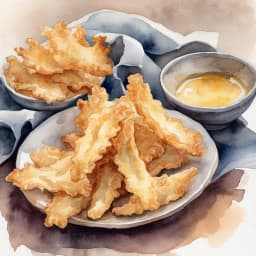
その他
📍 厳島神社、宮島口旅客ターミナル
A refreshing snack that feels like biting into the Setouchi sun.
These chips consist of thinly sliced lotus root that has been fried and seasoned with the bright acidity of Setouchi-grown lemons. The crunchy texture of the lotus root layers beautifully with the bittersweet and sweet lemon flavor, creating a light mouthfeel that keeps you coming back for more. Hiroshima boasts the highest lemon production in Japan, and the creator's playful spirit shines through in this unexpected pairing with lotus root.
Whether enjoyed as a snack on its own or paired with an ice-cold beer, one bag is never enough. You might find yourself reaching for more before you know it. Please enjoy the bounty of Setouchi along with its refreshing acidity.

和菓子
📍 広島空港
A new sensation sweet that rearranges the famous Miyajima Momiji Manju into a stick shape, making it easy to enjoy while walking with one hand. It features a filling with the refreshing acidity of Hiroshima-grown lemons and offers an enjoyable crispy texture. A popular product in the Miyajima Omotesando shopping street, where street food culture is thriving.

和菓子
📍 広島空港
With a crispy bite, the savory umami of octopus spreads gently through your mouth. Ebisuya's Tako-sen is a rice cracker that luxuriously uses octopus caught in Mihara, Hiroshima Prefecture. Ebisuya was founded in 1936; originally a Japanese confectionery shop in Tsuruhashi, Osaka, the business relocated to Mihara during the war and established its roots there. Born in 1998, the Tako-sen features chopped octopus kneaded into the dough, finished with a fragrant taste featuring a subtle hint of spicy ichimi chili pepper. It is a delicious cracker that gets more flavorful the more you chew, pairing perfectly with both tea and alcoholic beverages. It has long been a beloved local staple as a classic souvenir from Mihara. Please try taking a big, crispy bite!

スイーツ
📍 厳島神社
An elegant Western-style confectionery born in Miyajima, reminiscent of the Takabutai stage at Itsukushima Shrine.
This is a creation from 'RAKU Yamadaya,' a brand managed by Yamadaya, a long-established maker of Momiji Manju. It features a fluffy dough made with Valrhona chocolate and high-quality butter, sandwiched with large chestnuts and smooth, finely kneaded white bean paste. Yamadaya, founded in Miyajima in 1932, is a venerable establishment whose charm lies in its luxurious fusion of Japanese spirit and Western techniques.
It is a trio of flavors: the light dough, the hearty texture of the chestnuts, and the gentle sweetness of the white bean paste. This is a new taste unique to Miyajima that transcends the boundary between East and West. Please enjoy it slowly as a perfect accompaniment to a break after visiting the shrine.
その他
📍 宮島口旅客ターミナル
The familiar Kappa Ebisen has been elevated to an exceptional flavor with a Setouchi twist. This premium version is baked by Calbee in Hiroshima, its founding place, using a luxurious amount of natural shrimp from the Seto Inland Sea. Born in 2006 from the desire to 'create the ultimate Kappa Ebisen unique to Hiroshima,' each piece is carefully baked one by one at the Hiroshima factory using 100% natural shrimp. The intense shrimp flavor, incomparable to the regular version, and the light, crispy texture are irresistible. The beautiful packaging, depicting the scenic beauty of the Setouchi islands, is also eye-catching. Please try this limited flavor that can only be found in places like Miyajima and Hiroshima Station.

和菓子
This Miyajima confection stirs the spirit of travel just by saying its name. Named after Jippensha Ikku's masterpiece 'Tokaidochu Hizakurige,' this Miyajima souvenir is a playful treat that captures the joy of strolling through Miyajima, much like the humorous adventures of Yaji and Kita. With a gentle flavor that is easy to snack on, it is perfect as a travel memento or a small gift. You will find even deeper flavor if you enjoy it while reflecting on the origin of its name. It is also wonderful that you can take home the joy of exploring Miyajima in the form of a sweet. Please pick one up to accompany your stroll through Miyajima.
和菓子
📍 広島空港、広島港、宮島口旅客ターミナル
A chunky red bean type of Momiji Manju made by Fujiya, founded in 1925. While smooth red bean paste is Fujiya's signature, this chunky version is a flavorful treat that allows you to enjoy both the texture of the adzuki beans and the skin simultaneously. The freshly baked versions at the Miyajima main store are exceptionally delicious.

和菓子
📍 広島空港、呉駅、尾道駅
This is a chewy manju (steamed bun) said to be the origin of 'Nama Momiji.' It is an autumn-exclusive confection crafted by Nishikido, a long-established shop in Hiroshima, and is modeled after 'Saki-chan,' the mascot of the 51st Hiroshima National Sports Festival. Richly flavored smooth red bean paste made with Hiroshima-grown adzuki beans is softly wrapped in a mochi dough, resulting in an even chewier and more elastic texture than the standard Nama Momiji. The gentle sweetness and mochi-like chewiness create an unforgettable taste. This seasonal flavor can only be encountered in Hiroshima during autumn. Please enjoy it slowly with a cup of warm tea and savor the chewy texture to your heart's content.

その他
📍 宮島水族館、新潟市水族館マリンピア日本海、神戸市立須磨海浜水族園 ほか1件
Pretz with a limited edition package that can only be found at Miyajima Aquarium. While maintaining the familiar savory aroma of butter flavor, this special item features cute illustrations of the aquarium's most popular residents on the packaging. As it is a classic stick snack, everyone from children to adults can enjoy it with peace of mind. It is the perfect snack to munch on during your sightseeing tour. Why not choose this cute limited-edition souvenir as a memory of your trip? Just looking at the package will remind you of the marine world of Miyajima. This item is sure to delight children as a souvenir for Miyajima sightseeing. Please pick one up as a memento of your journey.

スイーツ
📍 宮島口旅客ターミナル
A premium lemon cake that luxuriously uses the juice and peel of lemons grown in Hiroshima Prefecture. This authentic treat features a moist butter sponge with a strong lemon aroma and acidity, finished with a coating of lemon chocolate. You can fully enjoy the charm of Hiroshima lemons.
その他
📍 宮島水族館、新潟市水族館マリンピア日本海、サンシャイン水族館
Happy Turn in a limited edition package that can only be purchased at Miyajima Aquarium (Miyajimarin). The package featuring sea creatures is perfect for aquarium memories, while the familiar Happy Powder remains exactly the same.
その他
📍 鶴岡市立加茂水族館、宮島水族館、新潟市水族館マリンピア日本海 ほか3件
A limited edition package of Kameda no Kakitane available only at Miyajima Aquarium. The small bags featuring illustrations of sea creatures are perfect as souvenirs, and the contents are the familiar spicy flavor.

和菓子
📍 広島空港、宮島口駅、広島港 ほか4件
This is a souvenir confection inspired by the island itself, bearing the name 'Miyajima-san,' the affectionate nickname for the World Heritage site, Miyajima.
Itsukushima Shrine, famous for its vermilion Great Torii Gate, has welcomed countless worshippers since ancient times. We have carefully packed into this gently sweet confection the scenery of this island, which is warmly referred to as 'Miyajima-san.' This treat is designed so that every bite naturally evokes the landscape of the shrine buildings changing with the ebb and flow of the tide and the Great Torii gate floating in the sea.
It is perfect for a relaxing break after visiting the shrine or as a souvenir for family and friends. It is a confection that allows you to take home the peaceful moments spent in Miyajima along with your memories.

その他
📍 宮島水族館
A soda candy with adorable cube shapes, well-known in the Miyajima area. Inside the colorful cube box are round, refreshing soda-flavored candies. With its fun appearance and affordability, it is perfect as a souvenir for children or as treats to distribute at the workplace. When you take a piece into your mouth, the fizzy sensation of soda gently spreads throughout your mouth. The colorful appearance is also a point of joy for those receiving it. It is a delightful item to find when looking for an easy souvenir on your way back from touring Miyajima. A lively Miyajima souvenir that is fun to give and lovely to receive.

その他
📍 徳島駅、倉敷美観地区、宮島口旅客ターミナル
Setouchi Lemon flavor from Morinaga & Co.'s popular 'Tabisuru Hi-Chew' (Traveling Hi-Chew) series. The 'Tabisuru Hi-Chew' series allows you to enjoy flavors unique to specific regions. In the Setouchi Lemon flavor, the refreshing acidity of Hiroshima-grown lemons, raised in the warm climate of the Setouchi region, is tightly packed inside the chewy Hi-Chew. While maintaining the familiar soft texture, the lemon aroma that spreads as you chew brings a little sense of travel to you. It is a bright item that can be easily tucked into a bag and is great for sharing, allowing you to easily taste the freshness of Hiroshima lemons. A perfect Setouchi souvenir.
その他
📍 宮島口駅、厳島神社
A Western-style baked confection called 'Pomier,' produced by Yamada-ya, a long-established shop that has continued to make Momiji Manju in Miyajima. 'Pomier' is a French word meaning 'apple tree.' It features an original castella sponge filled with plenty of custard cream and crunchy apple pieces, creating a dish where the sweet and sourness of the apple harmonizes with the gentle sweetness of the castella. The adorable tricolor packaging inspired by France adds a new splash of color to Miyajima souvenirs. The moist sponge and refreshing fruit are perfect for a relaxing snack time. It is a Miyajima Western confection where Japanese and Western flavors gently melt together.

その他
📍 宮島水族館
These are Wasanbon (traditional Japanese sugar) sweets shaped like the sea creatures you can encounter at the Miyajima Aquarium.
Carefully pressed from high-quality Wasanbon sugar, these delicate and adorable dry sweets melt softly in your mouth, releasing a refined and gentle sweetness. As an original souvenir unique to the Miyajima Aquarium—affectionately known as 'Miyaji Marine'—it allows you to take home the memories of the aquarium with you.
The delicate craftsmanship is charming enough to soothe your heart just by looking at it. It is an exciting treat that lets you bring home the lovely creatures you met at the aquarium in the form of beautiful Japanese confectionery.
和菓子
📍 広島空港、岩国飛行場、尼崎駅 ほか6件
Yamadaya's signature confection, 'Tohyoka.' It consists of smooth bean paste wrapped in a chewy dough made from mochi flour, sandwiched between paulownia (kiri) leaves and steamed. This new specialty of Miyajima won the gold medal at the 2005 National Confectionery Expo.
その他
📍 宮島口駅、厳島神社、宮島口旅客ターミナル
A new generation of momiji manju (maple-shaped steamed cakes) called 'Iroha Momiji,' produced by Fujiya, founded in 1925. As the name 'Iroha' suggests, it offers a colorful variety of flavors including chunky red bean, smooth red bean, matcha, and chocolate.

その他
📍 厳島神社
These are Yamadaya's almond tuiles, named after Mount Misen, the sacred peak of Miyajima.
Mount Misen, with an altitude of 535 meters, has been beloved since ancient times as the symbol of Miyajima. Yamadaya, a long-established maker of Momiji Manju, has crafted this 'Misen' bearing that very name. Thinly baked to a crispy texture and generously topped with sliced almonds, it is finished as a light and elegant Western-style confection with a lingering buttery fragrance.
With one bite, the crispy texture and fragrant flavor fill your mouth. It pairs perfectly with coffee or tea and serves as an elegant addition to any Miyajima souvenir selection.

その他
📍 広島空港、宮島口駅、広島港 ほか2件
A lovely rice cracker from Fujiya, shaped like the famous Miyajima 'shamoji' (rice scoop).
The Miyajima shamoji is a good luck charm; it is said that during the Kansei era, a monk named Seishin taught the islanders how to make them as tools for scooping rice. Because the phrase 'taking rice' (meshi o toru) sounds like 'defeating an enemy' (teki o meshitoru), it has been cherished as a lucky charm for competitions and victory. The thin, baked dough mimics the shape of the scoop, featuring a light, crispy texture with the simple sweetness of sugar and egg.
It is a perfect accompaniment to tea, and its bite-sized portions make it easy to enjoy. Infused with the good fortune of 'scooping up luck,' it is the ideal souvenir to commemorate a visit to Miyajima.
和菓子
📍 宮島口駅、広島平和記念公園、厳島神社
An assortment of Momiji Manju (maple leaf-shaped cakes) made by Yamadaya of Miyajima. This large box contains a variety of flavors including smooth red bean paste, chunky red bean paste, cream, and chocolate in a family size, perfect for everyone to enjoy. Buying them freshly baked at the Omotesando shopping street in Miyajima is also popular.

その他
📍 厳島神社
An elegant, Japanese-style Castella baked in Miyajima, wrapped in a refined aroma.
Named 'Ko-stella' (Fragrant Castella) because it releases a sweet and soft scent reminiscent of incense. The moist sponge is rich with egg flavor and gentle sweetness, enveloping you in a full-bodied aroma with every bite. It is a confection with a dignified atmosphere, fitting for the sacred island of Miyajima. It pairs excellently with matcha, suiting a leisurely tea time.
As the name suggests, its charm lies in being able to enjoy even the fragrance; the sweet scent that wafts out the moment you open the box is a treat in itself. It is an atmospheric souvenir that you will want to take home along with your memories of visiting Miyajima.
和菓子
📍 厳島神社
A Momiji Manju (maple leaf-shaped cake) made by Yamadaya that is approximately three times the size of the regular version. Its substantial size and generous amount of filling make it incredibly satisfying, and its impactful appearance has become a hot topic on social media. The flavor is authentic, and many people enjoy eating them freshly baked along the Omotesando street in Miyajima.
和菓子
📍 広島空港、宮島口駅、厳島神社 ほか1件
The original Momiji Manju, born in 1906 following a remark by Hirobumi Ito. The original flavor, devised by the first Takatsudo proprietor, Josuke Takatsu, features a simple smooth bean paste filling. Even today, it shines with meticulous hand-baked craftsmanship that sets it apart from mass-produced versions.

その他
📍 宮島口駅
A traditional rice cracker from Miyajima, shaped like a maple leaf.
This piece is characteristic of the area, inspired by Momijidani in Miyajima, which is famous as a spot for viewing autumn leaves. The thinly baked dough is light and crispy, with a gentle sweetness of sugar softly spreading in your mouth. Its charm lies in the light texture, offering a different experience from the familiar Momiji Manju. The crunchy texture provides a simple flavor that is perfect as a snack while visiting Miyajima.
Since it has a long shelf life, it is a reliable choice for souvenirs. It is also convenient because it is not bulky and easy to distribute. With its lovely appearance reminiscent of autumn in Miyajima, it is an approachable Miyajima souvenir that pairs well with tea.

その他
📍 出雲空港、松山空港、高松空港 ほか4件
Fujiya's Milky candy makes its appearance in a citrus mix flavor, exclusive to the Chugoku and Shikoku regions.
This is an item you can only encounter in this area, combining the flavor of citrus grown in the Seto Inland Sea with the mellow milk taste unique to Milky. The refreshing flavors of regional blessings, such as Iyokan and Unshu Mandarin, blend comfortably with the familiar, gentle richness of milk. The packaging, featuring the mascot Peko-chan and evoking a sense of travel, is perfect for souvenirs.
Each piece carries the citrus aroma reminiscent of the Seto Inland Sea sun. It is a delightful local souvenir that allows you to enjoy a special, exclusive taste of the familiar Milky candy.
和菓子
📍 広島空港
A beloved treat from Izumi Kowa-do in Shobara City, Hiroshima Prefecture. Known as 'Chichi Dango' (Milk Dumplings), these nutritious sweets are as soft as gyuhi, made by kneading fresh milk with mochi flour, sugar, starch syrup, and honey—without using a single drop of water.
At the end of the Meiji era, a government-run livestock farm was opened in the Nanatsukahara Highlands of Shobara, making this region a pioneer of dairy farming in Hiroshima. The founder, noticing the quality of this milk, painstakingly created these nutritious dumplings. It is said that upon their release in 1934, they instantly gained widespread popularity.
With every bite, a gentle sweetness of milk spreads through your mouth, offering a nostalgic flavor. Today, it is a staple souvenir representing eastern Hiroshima, commonly found in department stores.
和菓子
📍 広島空港、厳島神社
A spring-exclusive sakura flavor baked by Takatsudo, the original creator of Momiji Manju. The dough is a light pink color infused with salt-pickled cherry blossom leaves and filled with sakura bean paste, expressing the essence of Miyajima in spring through confectionery. This seasonal item shines with the meticulous finish that only hand-baking can provide.
和菓子
📍 広島空港、宮島口駅、宮島口旅客ターミナル
A set of two types of Momiji Manju from Fujiya, a long-established shop in Miyajima. This classic product includes an assortment of smooth bean paste (koshian) and chunky bean paste (tsubuan), recipes maintained since the company's founding. The Fujiya style, featuring a thin crust packed tightly with bean paste, has a very loyal fan base among all types of Momiji Manju.
和菓子
📍 広島空港
A strawberry-flavored version of 'Dokodemo Momiji,' which features the classic Momiji Manju reimagined in a convenient stick shape. Its main feature is the ease of eating with one hand, and the sweet and sour notes of the strawberry pair perfectly with the Momiji Manju dough. This new sensation of a Hiroshima confection is perfect for snacking during drives or walks.
その他
📍 厳島神社
A baked confection from the RAKU brand developed by Yamadaya of Miyajima. It is a mountain-shaped financier inspired by Mount Misen, characterized by its moist dough rich in butter flavor. It can be enjoyed alongside memories of climbing Mount Misen, the symbol of Miyajima.
📍呉市
Specialties from 呉市 are also available via furusato nozei

和菓子
📍 呉駅
This is a pineapple manju from Tenmeido that incorporates foreign flavors in the Navy town of Kure.
Tenmeido is a long-established shop in Kure, founded in 1894. As its name 'Onrai Manto' suggests (where Onrai means pineapple), it is a Japanese-Western fusion baked sweet consisting of pineapple jam wrapped in moist dough. It has been produced in Kure for about half a century and is a highly acclaimed product that has won the Honorary President's Award at the Confectionery Expo.
The combination of sweet and sour pineapple with gentle dough feels both nostalgic and fresh. You can enjoy a sophisticated flavor characteristic of the port town of Kure.
As a souvenir, it allows others to experience the exotic atmosphere unique to Kure.

スイーツ
📍 広島空港
A sophisticated cake for adults that has been loved in Hiroshima for half a century, thoroughly soaked in liqueur.
The roots of Kunihiroya's liqueur cake date back to 1961. After training in Onomichi, the previous generation developed a style based on the French pastry Sabayon, where plenty of rum and brandy syrup is infused into a castella sponge base. Its charm lies in its moist and mellow flavor, delivered from the historic white-walled town of Agechi.
This is a labor-intensive product, with artisans baking each piece individually and soaking every single one by hand in syrup. It is a slightly luxurious treat for adults, rich with the aroma of alcohol.
It is a perfect item to add color to special moments, pairing beautifully with coffee or tea.

スイーツ
With just one bite, the mellow aroma of brandy gently spreads through your senses.
This pound cake, infused with the scent of spirits, is crafted by Yamatoya, a long-established confectionary in Fukuyama City. Since its founding in 1872 (Meiji 5), Yamatoya has continued to create both Japanese and Western-style sweets. By generously soaking the moist, baked sponge with brandy and allowing it to mature slowly for about a month, they create a profound aroma and rich flavor.
With its moist melt-in-your-mouth texture and a fragrant aftertaste that lingers in the nose, it is truly a dessert for adults. Since it has a long shelf life, it is also a reliable choice for a souvenir. Please enjoy a relaxing moment accompanied by coffee or tea.
和菓子
The refreshing aroma of yuzu floats gently through this mochi confection.
Produced by Yamatoya, a long-established shop in Fukuyama City, this is a yuzu-rich mochi sweet. Since its founding in the 5th year of Meiji (1872), Yamatoya has continued to create both Japanese and Western-style confections. The refreshing scent of the dough, which has yuzu peel kneaded into it, and the gentle sweetness of the bean paste melt slowly in your mouth.
It is a delightful treat where the clean scent of yuzu lingers pleasantly in your nose with every bite. Being able to enjoy it all year round, regardless of the season, is one reason why it has been loved for so long. Please experience the seasonal elegance preserved by this Fukuyama veteran as an accompaniment to your tea.
その他
A yuzu-flavored baked confection produced by Yamato-ya in Kure City. Using a generous amount of yuzu peel, the refreshing citrus aroma spreads throughout the mouth. This Japanese-style treat from Yamato-ya, a shop renowned for its brandy cake, is a beloved souvenir from Kure.

その他
A high-quality Castella cake carefully baked by Yamatoya, a long-established shop in Kure. Leveraging the techniques cultivated through their famous brandy cake production, Yamatoya has perfected this Castella. The fine-grained, moist sponge spreads a gentle egg flavor throughout. A charming feature is the granules of coarse sugar at the bottom, providing a pleasant textural accent.
This item reflects the meticulous craftsmanship worthy of its 'Special' (Kinsei) title. With every slice, you can enjoy a moist, melting texture. It is a delightful sweet for daily tea time, pairing well with both coffee and green tea. Treat yourself to this moist, melt-in-your-mouth delight every day.

その他
An elegant Japanese confection reminiscent of the port town of Kure, created with the wish for layers upon layers of good fortune.
Produced by Yamato-ya in Kure City, 'Fuku-kasane' features a fluffy cake base layered with homemade jam-infused buttercream and sweet bean paste. It was named with the heartfelt wish that 'good fortune may pile up for those who eat it.' The harmony between the moist cake and the bean paste creates a calm, soothing flavor.
Both its name and taste reflect the thoughtfulness of the giver. With every bite, the gentle sweetness relaxes the heart. Please consider choosing this as a gift, with the spirit of sharing good fortune with others. Its gentle sweetness will bring a moment of peace to your soul.
和菓子
📍 呉駅
Produced by Tenmeido in Kure City since the Taisho era, 'Onrai Manto' is a masterpiece reminiscent of Taiwanese sweets, featuring pineapple paste wrapped in butter-flavored dough—a tropical flavor that has taken root in the naval city of Kure.
スイーツ
A highly playful souvenir that looks exactly like a croquette, but is actually a rare cheesecake.
This surprising item is crafted by Toraya Honpo, which has 400 years of history in Fukuyama. Inside a 'panko-style' coating made from finely crumbled and oven-baked sponge cake, a smooth and light rare cheesecake is hidden away. The packaging, which looks exactly like a supermarket deli pack, is so detailed that it's bound to make you laugh the moment you open it.
If served on a plate with cabbage and cherry tomatoes, it looks just like a real croquette. This surprise souvenir from Fukuyama is guaranteed to be a great conversation starter.
スイーツ
📍 広島空港
A western-style liquor cake produced by Kunihiroya in Kure City. This is a sophisticated treat for adults, featuring moist butter cake thoroughly soaked in brandy, conveying the high-collar (cosmopolitan) western confectionery culture of Kure, the city of the Navy. It becomes even moister as the days pass.
📍広島市
Specialties from 広島市 are also available via furusato nozei

和菓子
📍 広島空港、広島バスセンター、広島港 ほか1件
Derived from a legend from the Nanboku-cho period, Kawadori Mochi is a celebratory souvenir loved by the citizens of Hiroshima.
In the 5th year of Shohei (1350), when Motouji, an ancestor of Mori Motonari, attempted to cross the Gōno River during a battle in Iwami, a small stone floating on the water got caught in his stirrup. Motouji went on to achieve a great victory and, rejoicing in this divine assistance, brought the stone back to be offered to Hachiman Shrine. Eventually, a custom emerged to eat mochi shaped like these small stones, which is said to be the origin of the name Kawadori Mochi.
Produced by Kameya, these bite-sized treats consist of simple, rustic gyuhi (sweet rice cake) filled with walnuts and coated in kinako (roasted soybean powder). The soft texture of the mochi, the crunch of the walnuts, and the fragrant kinako leave a lasting impression.
和菓子
📍 広島バスセンター
A Japanese confectionery made with chewy fresh wheat gluten (nama-fu), crafted by Nishikido, the well-known makers of Momiji Manju.
Founded in Hiroshima in 1953, Nishikido has been a pioneer in the mass production of Momiji Manju through mechanization. Their Fu-mochi is an elegant treat that features the characteristic bouncy texture of fresh wheat gluten enveloping smooth, fine bean paste (koshian). It offers a different character compared to their usual Momiji Manju.
Its moist and soft mouthfeel is something we truly want Wagashi lovers to experience. Please brew a cup of tea and slowly savor the reliable confectionery craftsmanship that Nishikido has accumulated over the years.

和菓子
📍 呉駅、大和ミュージアム
As the name suggests, this is a manju (steamed bun) with the gentle sweetness of honey melted in.
It is the flagship product of Mitsuya, founded in Kure City in 1951. It is said that the shop name 'Mitsuya' (Honey Shop) originated because they made sweets using honey, which was relatively easy to obtain during an era when sugar was precious.
The Mitsumanju is a moist and fragrant delicacy, prepared using a method called 'Tama-neri,' where honey is added to both the dough and the bean paste, and the mixture is kneaded using only eggs without any water.
While its appearance is very simple, a single bite releases the rich aroma of honey. Please enjoy the mellow sweetness of this long-established Kure shop that has preserved its flavor unchanged since its founding.
和菓子
📍 広島空港、呉駅、尾道駅 ほか1件
A chunky red bean type of Momiji Manju made by Nishikido in Hiroshima City. The filling preserves the whole grains of Hokkaido-grown adzuki beans, allowing you to fully enjoy the flavor and texture of the beans. Founded in 1953, Nishikido is known as the largest Momiji Manju manufacturer in Hiroshima Prefecture and has an established reputation for innovative product development.

和菓子
📍 広島バスセンター
Red and white monaka beautifully color the Momijidani valley of Miyajima.
Produced by Nishikido, famous for their Momiji Manju, this is a gorgeous monaka suitable for celebratory occasions. Nishikido is a confectionery shop founded in Hiroshima in 1953. Inside the red and white monaka shells, which are inspired by the Momijidani valley—a famous spot for autumn leaves—is a generous filling of whole red bean paste made from Hokkaido adzuki beans.
The harmony of the crispy monaka shell and the abundant whole bean paste creates an irresistible toasted sweetness. The auspicious red and white colors make it perfect as a gift for celebrations. Why not choose this brilliant, Hiroshima-style treat as a souvenir for your loved ones?

その他
Large chestnuts and Dainagon adzuki beans luxuriously tell the story of autumn's harvest.
This is a yokan produced by Heian-do Umetsubo, an established shop in Hiroshima City. Since its founding in 1918, Heian-do Umetsubo has continued to create sweets that utilize the rich blessings of Hiroshima's nature. Kuri Dainagon uses premium Bitchu Dainagon adzuki beans—considered the highest grade among adzuki beans—and is finished as an elegant single block containing carefully selected chestnuts.
Within the moist yokan, the fluffy sweetness of the chestnut stands out even more prominently. This is a high-class confection from Hiroshima (rather than Fukuyama) suitable for tea ceremonies. Please enjoy this exquisite sweetness to your heart's content, accompanied by matcha.
和菓子
A chewy mochi confection unique to Hiroshima, the island of lemons.
Crafted by Tenkodo in Hiroshima City using lemons grown in Hiroshima Prefecture. Hiroshima boasts the highest lemon production in the country, and this treat is designed so you can enjoy its full charm. White bean paste infused with the refreshing acidity of lemon is gently wrapped in soft gyuhi (sweet rice dough). With a single bite, the aroma of lemon rises along with a chewy texture.
With a sharp acidity balanced by sweetness, it is a flavor that makes you want to keep eating. This delightful treat allows you to enjoy the flavor of citrus grown under the Hiroshima sun in the form of a traditional Japanese sweet.

和菓子
📍 広島空港、呉駅、尾道駅 ほか1件
An assortment that allows you to enjoy a comparison of Momiji Manju, the quintessential Hiroshima souvenir.
This box is the pride of Nishikido, a famous shop for Momiji Manju. Founded in Hiroshima in 1953, Nishikido was a pioneer in the mass production of Momiji Manju. The box includes a variety of flavors such as smooth bean paste, whole bean paste, chocolate, and cream, offering the joy of choosing according to your mood or preference that day.
The time spent wondering which one to eat first is part of the true pleasure of an assortment. Its impressive variety makes it easy to understand why it holds unwavering popularity as a standard Hiroshima souvenir. Please enjoy these representative Hiroshima confections together with family and friends.

和菓子
📍 呉駅、尾道駅、広島バスセンター
A luxurious assortment that allows you to taste Nishikido's pride and joy all at once.
This gift set is carefully curated with popular products from Nishikido, a famous shop specializing in Momiji Manju. Founded in Hiroshima in 1953, Nishikido was an early adopter of mass-producing Momiji Manju and has also created the 'Nama Momiji,' a new specialty featuring a chewy texture made with rice flour. This impressive box includes the classic Momiji Manju along with items like Nama Momiji.
What makes it wonderful is that you can enjoy the history and craftsmanship that Nishikido has built up all in one single box. The moment spent comparing the different flavors will be a delight for the recipient. Please consider this as a gift for your precious ones.
和菓子
📍 広島バスセンター
From Nishikido's 'Setouchi Zanmai' series, this is a savory baked confection made using chirimen-jako (dried young sardines) from Ondo-cho, Kure City. This non-sweet version of Momiji Manju concentrates the umami of small fish from the Seto Inland Sea, making it a new genre of treat that also serves as an excellent snack to accompany alcohol.

和菓子
We bring you the full taste of our hometown by gathering ingredients from Hiroshima. This assortment series is crafted by Tenkodo in Hiroshima City, with a focus on ingredients grown in Hiroshima Prefecture. We have carefully curated various Hiroshima-specific sweets into one box, designed so that you can deliver the complete essence of Hiroshima to your recipient. It is a fulfilling box worthy of its 'Direct Delivery' name, featuring various confections that utilize local blessings.
Part of the joy of a gift is the excitement of opening the box to see what is inside. The charm of an assortment also lies in being able to enjoy many different flavors bit by bit. Please try sending the collective tastes of Hiroshima to your loved ones.

スイーツ
A jelly that allows you to enjoy the jiggly texture of Hiroshima lemons, which boast the highest production volume in Japan.
This sweet uses plenty of lemons from Hiroshima Prefecture. Hiroshima is a region that boasts the number one lemon production in the country. We have captured the refreshing acidity and natural sweetness of this juicy fruit within a smooth-textured jelly. If enjoyed well-chilled in the refrigerator, the acidity stands out even more, making it the perfect dessert for a hot day.
With just one spoonful, the refreshing aroma of lemon spreads throughout your mouth. Its ease of purchase at Hiroshima Airport or station buildings also makes it an easy choice for souvenirs. Please enjoy this light and refreshing citrus flavor.

スイーツ
📍 広島バスセンター
That famous Momiji Manju has transformed into a chocolate-based winter limited edition. This seasonal item from Nishikido, a long-established Hiroshima shop, features maple-shaped cake生地 entirely coated in chocolate. Available in three varieties—Sweet, Milk, and White—each offers a different flavor profile between the cake and the cream, making for an enjoyable experience. The traditional techniques used for Momiji Manju have been brilliantly reborn into a Western-style sweet.
The combination of moist cake and smooth chocolate is perfect for winter tea time. Please enjoy this special Hiroshima souvenir that can only be encountered during the cold season. With every bite, you can enjoy the delightful difference from the original Momiji Manju.

洋菓子
These premium cookies are shaped like origami cranes, embodying the wishes of Hiroshima. Produced by Backen Mozart, these baked treats are molded into the form of the crane, a symbol of peace. We knead nutritious oats with almonds, walnuts, and hazelnuts, baking them to a crispy and fragrant finish. The name 'Orizuru' (origami crane) carries our prayer for peace, which we wish to deliver from Hiroshima to the world.
Each luxurious cookie offers a rich nut flavor and the aroma of butter. The light, crispy texture provides a pleasant experience, elegantly enhancing your tea time. Please consider picking these up as a memento of your visit to the Peace Memorial Park.

その他
As the name suggests, this is a dorayaki that will bring an involuntary smile to your face.
Produced by Tenkodo in Hiroshima City, 'Shoki Dora' is a classic Japanese confection featuring fluffy baked pancakes sandwiched with moderately sweet red bean paste. True to its name, which means 'to smile and rejoice,' one bite of its gentle flavor will naturally relax your expression. Alongside Tenkodo's flagship products, it is an item that has been loved locally for a long time.
The moist skin and the simple, rustic flavor of the adzuki beans offer a comforting taste that can be enjoyed by all generations. Paired with warm tea, it creates a moment of true relaxation. It is a sweet that brings smiles to your daily tea breaks, delivering a peaceful and soothing tea time.

和菓子
A seafood rice cracker that bakes the deliciousness of Hiroshima's specialty conger eel into a single piece.
It is a crispy and savory cracker infused with the dashi (broth) from conger eel caught in the Seto Inland Sea. Since Miyajima's conger eel rice is widely known as a specialty of Hiroshima, this cracker is crafted so you can easily enjoy that same eel flavor. The aroma of the sea and the umami spread through your mouth with every bite, and the light texture is quite pleasant.
It goes perfectly with tea or as an accompaniment to alcohol, offering a deliciousness that keeps you coming back for more. It is also wonderful because you can easily take the bounty of the Seto Inland Sea home with you. Please enjoy Hiroshima's conger eel culture through this single cracker. Paired with alcohol, it will surely make your drinks flow even faster.
和菓子
📍 広島空港、呉駅、宮島口駅 ほか2件
The origin and unwavering classic of Nishikido. Smooth red bean paste, made by carefully simmering Hokkaido adzuki beans, is baked into a maple leaf shape in moist castella dough. Since its founding in 1953, this item has continued to be loved as a synonym for Hiroshima souvenirs.
和菓子
📍 広島空港、呉駅、尾道駅 ほか1件
A low-calorie and low-carb version of Momiji Manju developed by Nishikido to meet health-conscious needs. By using maltitol instead of sugar, it achieves a satisfying taste despite its subtle sweetness. It is also a well-received souvenir for those on dietary restrictions.
和菓子
📍 広島空港
A limited-edition Momiji Manju collaboration between Nishikido and the Setouchi-based idol group STU48. The manju features a maple leaf shape with a filling infused with the refreshing flavor of Hiroshima-grown lemons, presented in an eye-catching package design that appeals to fans and non-fans alike.

和菓子
This is a famous confection that embodies the history and romance of the Hiroshima Domain.
Produced by Tenkodo in Hiroshima City, '420,000 Koku' was named after the kokudaka (rice production rating) of the Asano clan, the lords of the Hiroshima Domain. It is said that during the Showa era, a person connected to the Asano family granted permission to use the name, and since then, it has been long cherished by citizens as a signature confection of Hiroshima City. It is characterized by its elegant sweetness and dignified appearance.
This confection, which evokes the history and prestige of the castle town, is also perfect for gifting. With every bite, you can reflect on the passage of time in Hiroshima's history. Please enjoy it slowly along with the historical romance of Hiroshima. It is a distinguished item suitable for any gift.
洋菓子
A chocolate cookie born in Hiroshima made with Karasumugi (oats). The savory aroma of oats blends with the bittersweetness of chocolate, creating a crunchy texture that keeps you coming back for more. This Western-style confectionery is also popular at souvenir shops near Peace Memorial Park.
和菓子
A version of the famous Momiji Manju (maple leaf-shaped cake) created by Tenkodo in Hiroshima City with reduced alcohol content. The combination of dough with a subtle hint of Western liquor and the sweet bean paste provides a light, adult flavor, true to its name 'Horoyoi' (tipsy). This item is carefully crafted so that even those who are not fond of alcohol can enjoy it.
その他
📍 広島空港
A limited-edition flavor that captures the taste of Hiroshima's okonomiyaki in a rice cracker. This regional specialty recreates the flavor of Hiroshima's famous okonomiyaki within Kameda Seika's popular 'Kachi no Tane' product. The sweet and savory sauce combined with the aromatic green seaweed (aonori) matches perfectly with the spicy kick of the rice crackers, creating an addictive taste. It is a snack that lets you easily enjoy the essence of Hiroshima. Its flavor is perfect as a snack or appetizer; it pairs wonderfully with beer or other alcoholic beverages, making it hard to stop eating. It is also a delightful item for sharing as a souvenir.
和菓子
📍 広島空港、呉駅、尾道駅
An elegant baked confection made with Hiroshima lemons, which have the highest production volume in Japan.
Hiroshima Prefecture is a region that boasts the number one lemon production in the country. We knead peels of Hiroshima lemons, which have a cultivation history of over 100 years, into the dough, baking them to achieve a perfect balance of refreshing acidity and gentle sweetness. Its adorable bite-sized form makes it a product truly worthy of the name "Princess."
The aroma of lemon spreads through the mouth, continuing lightly even through the aftertaste. The refreshing flavor is an easy taste for those who are not fond of overly sweet things. Please enjoy the charm of fruit grown under the Setouchi sun. It is perfect as an accompaniment to tea or as a small gift.
和菓子
📍 広島空港
A savory rice cracker with the umami of the sea, featuring a whole Hiroshima-grown oyster baked in.
Hiroshima is known as one of Japan's leading oyster production areas. This cracker is made by pressing an oyster onto the dough and baking it to a fragrant finish; the more you chew, the more the rich, oceanic flavor spreads through your mouth. With the natural sweetness of potato overlapping with the umami of the oyster, this is a high-performance product certified as a "The Hiroshima" brand.
The crispy texture and deep, lingering flavor make it perfect as an accompaniment to sake. Paired with alcohol, you will find yourself reaching for another cup. Please enjoy the concentrated essence of Hiroshima, rich in the blessings of the sea, in this single cracker. Enjoy the bounty of the sea to your heart's content.

和菓子
A collaboration box featuring popular characters, presented by Nishikido, a long-established maker of Momiji Manju.
Founded in 1951, Nishikido is a venerable Hiroshima establishment whose flagship product is Momiji Manju. This limited edition box allows you to enjoy the familiar Momiji Manju in cute individually wrapped designs. While maintaining its classic deliciousness, it adds visual fun, making it a souvenir that brings smiles to both children and adults.
It is a lively assortment that is fun to give and joyful to receive. Since each piece is individually wrapped, they are easy to distribute and perfect for sharing with everyone. Please enjoy them together while reminiscing about your travels. Sharing them with others will spread even more smiles.
和菓子
'Aki-Momiji' (Autumn Maple), produced by Tenkodo in Hiroshima City. These Momiji Manju are inspired by autumn foliage and feature a seasonal bean paste that offers a different flavor from the standard version. An item that delivers the essence of autumn in Hiroshima.

その他
A refreshing summer wagashi (Japanese sweet) inspired by ayu (sweetfish) swimming on the river surface in early summer.
Produced by Tenkodo in Hiroshima, 'Waka-ayu' is a seasonal masterpiece shaped like an ayu fish, featuring gyuhi (soft mochi) wrapped in a thin castella sponge cake layer. The combination of the chewy gyuhi and the fluffy, soft cake creates two distinct textures, bringing a sense of coolness with every bite. This treat has long been cherished as a classic symbol of summer.
With its visually cooling appearance, it is perfect as a gift during the hot season. The gentle sweetness of the gyuhi provides a pleasant melt-in-your-mouth experience in the summer heat. Please enjoy a moment of early summer by pairing it with cold tea and feeling the seasonal coolness in your mouth.
和菓子
📍 広島空港、呉駅、尾道駅
A product that proposes a "new" form of Hiroshima's famous Momiji Manju. In addition to the traditional smooth red bean paste, it incorporates modern flavors such as chocolate and cream to deliver the charm of Momiji Manju to the younger generation.

その他
📍 広島バスセンター
A fragrant baked confection crafted by Nishikido, a long-established maker of Momiji Manju.
Nishikido's 'Momiji-yaki' features a fragrant finish that offers a different flavor profile from their classic Momiji Manju. The crispy dough gives way to the gentle sweetness of the bean paste inside, providing a different way to enjoy the treat. Its maple leaf shape, unique to Hiroshima, is also very endearing.
It is a wonderful new staple for when you want to enjoy a toasted aroma. With just one bite, the fragrant flavor and the sweetness of the bean paste meld together. Comparing it with your usual Momiji Manju can be a delightful experience. Please enjoy the fun of tasting the difference.
和菓子
An 'adult' version of Momiji Manju made by Tenkodo in Hiroshima City. Alcohol is kneaded into the dough, leaving a subtle aroma of sake. With its moderate sweetness, it is the perfect Hiroshima souvenir for sake lovers.
和菓子
📍 広島空港、広島バスセンター、広島港 ほか1件
A traditional Hiroshima confection inspired by the anecdote where Motouji, an ancestor of Mori Motonari, found small pebbles stuck to his sword in a river while praying for victory in battle. This bite-sized treat features walnuts wrapped in soft gyuhi (sweet rice cake), with the fragrant aroma of roasted soybean powder conveying a history of over 450 years.
和菓子
Momiji Manju produced by the Kinmandou Honpo in Onomichi. This representative confectionery of Hiroshima is carefully baked by an established shop in Onomichi, offering a reliable deliciousness with the classic combination of castella sponge and smooth red bean paste.
和菓子
📍 広島空港
An assortment of Momiji Manju (maple leaf-shaped cakes) created in collaboration with Mazda, the automobile manufacturer that Hiroshima is proud of. The package featuring the Mazda logo is popular among Carp fans and car enthusiasts, making it a souvenir full of Hiroshima charm.

洋菓子
📍 広島平和記念公園、厳島神社
A new standard maple-shaped langue de chat born in Hiroshima, a place famous for its Momiji Manju.
Smooth chocolate is gently sandwiched between crispy, thinly baked maple-shaped langue de chat cookies. The light texture of the cookie and the elegant sweetness of the melting chocolate overlap exquisitely in your mouth. With an adorable appearance featuring the maple leaf—a symbol of Hiroshima—it is widely loved as a popular souvenir alongside the classic Momiji Manju.
With a light, crispy bite, it is so delicious you won't be able to stop at just one. This Western-style confectionery is full of Hiroshima charm and pairs perfectly with coffee or tea.
和菓子
"Iroha" is an assortment of eight types of Hiroshima's representative Momiji Manju. This single box allows you to compare various flavors such as smooth bean paste, chunky bean paste, matcha, chocolate, and cream, helping you find your favorite taste.
和菓子
📍 広島空港、呉駅、尾道駅 ほか1件
"Cheese Cream Momiji" is a creation by Nishikido that adds a Western essence to the traditional Momiji Manju. Rich cheese cream is filled into maple-shaped dough, capturing the best of both Japanese and Western flavors, making it popular across all generations.

その他
This 'Roasted Sweet Potato Chocolate' by Fukisha combines Hiroshima-grown sweet potatoes with chocolate. It is a baked confection where Japanese and Western flavors gently melt together, layering the rich bitterness of dark chocolate over the natural sweetness of fluffy sweet potatoes. While highlighting the inherent soft flavor of the sweet potato, the depth of the chocolate adds a perfect accent, allowing the charm of both ingredients to alternate in your mouth with every bite. It is a treat that offers an encounter with a new flavor. It pairs perfectly with coffee or tea, making it ideal for a relaxing snack time. This is a new Hiroshima sweet that possesses both simplicity and elegance.

和菓子
This is the signature confection 'Gosaku Manju' from Heian-do Umetsubo, a long-established Hiroshima shop founded in 1918. It is a simple yet flavorful baked manju, featuring carefully baked thin dough wrapped around chunky red bean paste that fully utilizes the deliciousness of selected adzuki beans, topped with fragrant walnuts. For approximately sixty years since its release, it has been loved as the representative confection of Heian-do Umetsubo and has even been certified as a 'The Hiroshima Brand' product, proving its reliable quality. Its unpretentious deliciousness is the greatest evidence that it has been enjoyed across generations. When enjoyed with tea, the fragrant walnuts and the gentle sweetness of the bean paste spread softly. It is a classic souvenir long loved in Hiroshima.
その他
📍 広島空港、呉駅、宮島口駅 ほか2件
One of Nishikido's representative confectionery items, "Shin Heike Monogatari." Inspired by Hiroshima's Itsukushima, which is associated with Taira no Kiyomori, this treat features bean paste wrapped in a moist butter dough that differs from traditional Momiji Manju. It won the Honorary President's Award at the National Confectionery Expo.
和菓子
📍 広島空港、呉駅、尾道駅 ほか1件
Nishikido's 'Seto Komachi.' Comparing the beauty of Setouchi to a 'Komachi' (a beautiful woman), this Japanese sweet is crafted with lemon and citrus flavors. It offers a refreshing taste different from the traditional Momiji Manju and is popular as a new souvenir from the Setouchi region.

洋菓子
A madeleine baked by Hiroshima Lemon Sha, combining Hiroshima lemons with chocolate.
This item features a moist batter layered with the refreshing acidity of Hiroshima lemons grown in the Seto Inland Sea and the mellow richness of chocolate. The light aroma of lemon and the depth of chocolate melt gently in your mouth, allowing the charm of Hiroshima lemons to spread softly with every bite. It is an elegant baked good that allows you to enjoy the exquisite combination of ingredients.
Its cute shell-like shape makes it perfect for gifts or small presents. When paired with coffee or tea, the lemon aroma stands out even more, making it a quintessential Hiroshima lemon confection.

和菓子
A Western-style Momiji manju created by Heian-do Umetsubo, adding a caramel twist to the famous Hiroshima specialty.
This is a unique version of Momiji manju produced by a long-established shop founded in 1918. By pairing soft castella dough with a slightly bitter caramel filling, it offers a new deliciousness that feels like a Western pastry despite being a Japanese sweet. It is a confection where you can encounter an unexpected side of the familiar Momiji manju. The harmony between the subtle bitterness and gentle sweetness is truly addictive.
It pairs excellently with coffee or tea, making it perfect for teatime. This is an evolved version of Hiroshima's Momiji, making it a wonderful gift for those seeking a slight change from the classic Momiji manju.

洋菓子
A lovely chocolate roll cake shaped like the maple leaf (momiji), the symbol of Hiroshima.
This treat features a fluffy sponge cake generously rolled with rich chocolate cream. The appearance, modeled after the shape of a maple leaf, is adorable, and the spiral pattern revealed when sliced adds a splash of elegance to any table. The exquisite balance between the gentle texture of the sponge and the rich chocolate cream spreads comfortably in your mouth.
It is perfect for snack time or as a small treat for guests. This is a fun dessert in both appearance and taste that captures the essence of Hiroshima. It is a delightful item that everyone in the family will want to share.

和菓子
Ichigo Daifuku (strawberry mochi) made as a seasonal limited edition by Heian-do Umetsubo, a Japanese confectionery shop in Hiroshima. A whole large strawberry is nestled inside soft gyuhi mochi and white bean paste. The balance between the sweet and sour flavor and the chewy texture of the mochi is exquisite, making it highly popular from winter through spring.

洋菓子
📍 広島空港、呉駅、尾道駅 ほか2件
A financier that evolves Hiroshima's famous 'Momiji Manju' (maple leaf-shaped buns) into a Western-style pastry.
This treat features dough shaped like maple leaves, flavored with the gentle sweetness of maple syrup. The almond-scented financier dough is baked to be crispy on the outside and moist on the inside, spreading a rich flavor of butter and maple with every bite. It is a new form of Hiroshima souvenir where a Japanese motif meets Western confectionery techniques, allowing you to enjoy the familiar maple leaf in a fresh way.
It pairs beautifully with coffee or tea, making it perfect for teatime. Individually wrapped for easy distribution, it is also a wonderful choice for small gifts.
和菓子
📍 広島空港、岩国駅、呉駅 ほか7件
A new-texture Momiji Manju developed by Nishikido. Its most prominent feature is the chewy dough made from mochi flour and rice flour, making it something entirely different from traditional castella-style dough. Available in three varieties—smooth red bean, chunky red bean, and matcha—it is the best-selling Hiroshima confection at Hiroshima Station.

和菓子
📍 厳島神社
A beautifully transparent lemon yokan (jelly) that utilizes lemons from Hiroshima Prefecture.
Hiroshima boasts the highest lemon production volume in the country. Using these Setouchi lemons, this yokan set with agar is a visually refreshing treat. The characteristic bright acidity and aroma of the lemon harmonize comfortably with the gentle sweetness of Japanese confectionery, melting lightly in the mouth. Its translucent color adds a cool elegance to summer dining tables.
This eye-catching sweet represents an encounter between traditional Japanese confectionery and the modernity of Hiroshima lemons. When eaten chilled, the refreshing sensation is even greater, making it a perfect, photogenic Setouchi souvenir for hot seasons.

和菓子
A citrus daifuku presented at the storefront by Heian-do Umetsubo as the seasons change. This treat features juicy dekopon (a type of mandarin) whole-wrapped in soft gyuhi (sweet rice dough) and white bean paste. With a single bite, the fresh, sweet, and tangy juice of the citrus bursts from within the chewy dough. The encounter between the gentle sweetness of the bean paste and the refreshing acidity of the dekopon creates an incredibly pleasant balance. It is one of the popular citrus daifuku series crafted by this long-established shop founded in the 7th year of the Taisho era (1918). A seasonal wagashi that brings joy to early spring moments. Its round, cute appearance makes it a delightful gift, following in the footsteps of strawberry daifuku as a seasonal pleasure.
和菓子
Momiji Manju (maple leaf-shaped cakes) with smooth red bean paste baked by Daikokudo. Smoothly cooked fine red bean paste is wrapped in castella dough and baked into the shape of a maple leaf. The texture of the bean paste is exceptionally smooth, making it deeply popular among those seeking a classic, authentic flavor.

その他
📍 宮島口駅
Potato chips supervised by the famous Hiroshima okonomiyaki restaurant 'Micchan Sohonten.' It reproduces the sweet and savory aroma of sauce and the flavor of cabbage; one bite will remind you of Hiroshima okonomiyaki. A classic souvenir for when you can't take the actual okonomiyaki home with you.

和菓子
📍 JR大阪駅
A rice cracker beloved in connection with the Hiroshima Branch of the Japan Mint located in Hiroshima City. The Hiroshima Branch of the Japan Mint is also known for 'Hana no Mawamichi,' a famous spot for viewing double-flowered cherry blossoms (yaezakura). Every spring, the grounds are opened to the public and bustle with many flower-viewing visitors seeking the colorful blossoms. This rice cracker has been cherished in the shadow of such a Mint. It features a light, crispy texture with a gentle sweetness that spreads softly, offering a somewhat nostalgic taste. Its charm lies in its gentle mouthfeel that isn't too hard. Not only is it a perfect souvenir for visiting Hana no Mawamichi, but it is also a beloved flavor in the city of Hiroshima, ideal for enjoying with tea.

その他
A seasonal yokan (sweet bean jelly) that Heian-do Umetsubo presents in stores with the arrival of autumn.
This is a simple yet deeply flavorful item where the intense sweetness of dried persimmons is tightly set with agar. The flavor of the persimmon itself remains vibrant, and one bite fills your mouth with the richness of the autumn harvest. You can taste the profound deliciousness unique to a seasonal wagashi crafted by an established shop founded in the 7th year of the Taisho era.
We recommend slicing it thinly and enjoying it with warm green tea. It is a yokan that makes you want to slowly savor the atmosphere of a Japanese autumn. A pleasure available only during this season of the year, it is a delightful choice for a modest gift during the harvest season.

その他
A steamed rice cake (uirou) from Heian-do Umetsubo, carefully steamed while wrapped in bamboo leaves.
The chewy rice flour dough absorbs the subtle, refreshing scent of the bamboo leaves, making for a visually cooling treat. Bite-sized and easy to eat, it offers a smooth texture and an elegant, gentle sweetness. This Japanese confection showcases the meticulous craftsmanship of a long-established shop founded in 1918.
If chilled during the summer, the refreshing scent of the bamboo leaves enhances the sensation of coolness.
With its beautiful green bamboo leaves, it has an appearance that evokes the season. It is a Japanese sweet that elegantly colors summer in Fukuyama, perfect for enjoying with tea or as a gift.
和菓子
An assortment of Momiji Manju (maple leaf-shaped manju) created by Daikokudo to evoke the four seasons. You can enjoy seasonal flavors: cherry blossom for spring, matcha for summer, chestnut for autumn, and chocolate for winter. A gorgeous souvenir that allows you to taste the four seasons of Hiroshima in a single box.

その他
Fragrant rice crackers that concentrate the savory umami of Hiroshima's famous oysters. This item is full of seaside flavor, unique to Hiroshima where oyster farming thrives. These small-grain crackers, kneaded with oyster extract, have a light, crispy texture, and the umami of the sea spreads gradually as you chew. Unlike sweet sweets, this is a deeply delicious salty snack that makes it hard to stop reaching for more. It is perfect as an accompaniment to beer or sake, making it a welcome companion for evening drinks. It is also a thoughtful gift for those who are not fond of sweets, fully utilizing the blessings of the Seto Inland Sea.
洋菓子
Freshly baked cookies from Hiroshima that highlight the savory aroma of oats. Featuring a crunchy texture and a rustic flavor that lets the ingredients shine, they are rich with the scent of butter. A perfect Western-style confectionery souvenir to enjoy with coffee or tea.
洋菓子
📍 宮島口旅客ターミナル
An officially licensed treat that Hiroshima Toyo Carp fans will adore.
This light baked good features the team's signature red color, boosting your cheering spirit. It consists of crispy langue de chat sandwiched with smooth white chocolate. The clever naming—written as 'Carp's Koi-jin' (Carp Person) but read as 'Koi-bito' (Lover)—is part of the fun. When eaten chilled, the melting sensation of the white chocolate is further enhanced, deepening the flavor.
A popular item at Mazda Stadium shops, serving as both cheering merchandise and a souvenir. It is a quintessential Hiroshima treat, perfect as a gift for Carp lovers or as a snack to remember your game day memories.

和菓子
A matcha confection produced by Taniguchiya, a long-established shop in Kambe, Fukuyama City, dating back to the first year of the Keio era. The name is inspired by Kan Chazan, a Confucian scholar associated with Kambe. Matcha is carefully kneaded into both the skin and the dough, which generously encloses fluffy white bean paste. A secret ingredient—sake lees from a local brewery—is added to the paste, creating a deep flavor through the harmony of matcha's subtle bitterness and the gentle sweetness of the bean paste. The commitment to using freshly ground matcha also shines through. Since its founding in Keio 1, this simple, delicious treat has continued to be loved. While not flashy, its reliable taste that seeps in with every bite makes it a preferred gift choice among locals in Kambe and Fukuyama.
和菓子
A gift set perfect for presenting, featuring a well-balanced assortment of Daikokudo's pride-worthy Japanese and Western sweets.
Daikokudo, beloved in the Shobara region, has carefully selected seasonal sweets, centered around Momiji Manju, to fill this box. Because you can enjoy various flavors of both Japanese and Western confectionery, it is wonderful because it suits any recipient's preference. This satisfying assortment allows you to fully enjoy the unique flavors of Hiroshima all in one box.
Its formal presentation makes it perfect for formal gifts such as Ochugen (mid-year gift) or Oseibo (year-end gift). It is a heartfelt Hiroshima assortment that delivers the joy of opening the box to the recipient.
洋菓子
A confection that recreates the flavor of Momiji Manju in a Langue de Chat style. Smooth red bean flavored chocolate is sandwiched between crispy cookie dough, balancing the best of both Japanese and Western confectionery. A new sensation Hiroshima souvenir that is also well-received by those who are not fond of traditional Momiji Manju.
和菓子
📍 広島空港、呉駅、尾道駅
A premium version of the Momiji Manju made by Nishikido, themed after Hiroshima's Aoi. This item is designed for gifting, aiming for a flavor one level above the standard Momiji Manju, featuring carefully selected ingredients and a meticulously baked dough filled with specially crafted bean paste.

洋菓子
Baked by Dolce, a French confectionery workshop in Fukuyama City, Hiroshima Prefecture, these 'Nana-na Premium Cookies' feature a rich, butter-heavy dough that melts lightly and crispily in your mouth.
The name is unique. 'Nana-na' is a local nickname derived from the dialect of the Fukuyama area, where words often end with '~na'. There are two varieties inspired by Fukuyama: 'Rose Cherry,' using roses (the city's flower), and 'Nama Chocolat,' inspired by Mount Komori, where Fukuyama Castle stands.
This product encapsulates the essence of Fukuyama from a community-focused confectionery established in 1977. With its elegant presentation, it is perfect for gifts.

洋菓子
Baked by Daikokudo, a confectionery shop in Saijo-cho, Shobara City, northern Hiroshima Prefecture, these 'Apple Wine Pies' feature a crispy pastry that overflows with sweet and sour special jam when broken open.
The filling is a unique Daikokudo jam made by combining apples with red wine extract. The sweet and tart fruit flavor is subtly layered with the aroma of red wine, resulting in a sophisticated adult taste that can be enjoyed like a fine Western-style pastry. Founded in 1933 (Showa 8), Daikokudo is a long-established shop in Shobara, a region blessed with rich nature and pure water.

洋菓子
'Hiroshima Chocolat' features illustrations of Hiroshima's famous landmarks, such as Momiji and the torii gate of Miyajima, on its packaging. It comes in bite-sized pieces that are easy to eat, making it a classic souvenir popular among students on school trips.
The inside consists of a baked confection where chocolate is wrapped in moist, chewy cocoa dough. A key feature is the use of Sagotani milk from Hiroshima Prefecture in the dough. It can be enjoyed at room temperature, but its charm lies in the fact that the texture and flavor change when chilled or warmed, allowing for various ways to enjoy it.
With its affordable price and individually wrapped portions that are easy to distribute, it is perfect as a gift to share. This item allows you to overlay your memories of visiting Hiroshima's famous sites with a sweet bite.
洋菓子
📍 広島バスセンター
A famous confection made by Nishikido, inspired by the history of Hiroshima. Themed around the rise and fall of the Heike clan and Itsukushima Shrine built by Taira no Kiyomori, this is a moist, Japanese-Western fusion baked sweet. With its elegant flavor and packaging that evokes historical romance, it is also well-received as a gift.

和菓子
An elegant confection, "Akiji," crafted by Kameya, a long-established confectionery shop in Hiroshima. This delicate Japanese sweet features smooth kozu-an (sweet bean paste) wrapped in silky gyuhi (soft mochi) and gently sandwiched between thin, crispy rice crackers.
True to its name, it embodies the refined atmosphere of Aki (the ancient name for Hiroshima). While Kameya is famous for its "Kawadori Mochi"—a representative Hiroshima confection made with high-quality gyuhi and walnuts—this Akiji is also one of their long-beloved signature items.
The crisp texture of the thin rice cracker, the chewy texture of the gyuhi, and the smoothness of the bean paste create a sophisticated flavor profile, making it a perfect gift for superiors.

和菓子
A collaboration product featuring Kameda Seika's Happy Turn reimagined in Hiroshima Toyo Carp style. It is characterized by its bright red packaging adorned with the Carp logo and tomato-flavored Happy Powder. It is an ideal souvenir for Carp fans and can be easily purchased at Hiroshima Station or stadium shops.
📍三原市
Specialties from 三原市 are also available via furusato nozei
和菓子
The history of the Innoshima naval forces is encapsulated in a single confection.
This baked sweet is crafted by Hakuiaido of Innoshima, Onomichi City. Named after the naval forces that once sailed the Seto Inland Sea, its story is even depicted on the packaging. The flavor features a gentle milk-flavored dough enveloping fragrant walnuts and bean paste, with the charm of being able to enjoy two types: white bean paste and black bean (azuki) paste.
The combination of the savory richness of walnuts and smooth bean paste is perfect with tea. It is a simple yet satisfying treat. Please savor it at a leisurely pace while reflecting on the history of the islands in the Seto Inland Sea.
その他
A refreshing lemon cake crafted by Hattendo, a famous shop renowned for its cream buns.
Founded in 1933 in Mihara City, Hattendo is a long-established institution known nationwide for its melt-in-your-mouth cream buns. This cream cake uses Hiroshima lemons to create a delightful treat, featuring fluffy sponge cake with a hidden layer of refreshing lemon cream. When eaten chilled, it feels like a high-quality gourmet dessert.
It offers a light flavor where the aroma of lemon blends beautifully with the gentleness of the cream. The texture that softly melts in your mouth is also a key attraction. Please chill well in the refrigerator for a cool and delicious moment. Enjoy the seasonal scent, served nice and cold.
その他
📍 広島空港、JR岐阜駅、池袋駅 ほか5件
An assortment of five flagship products from Hattendo, a specialty cream pan shop in Mihara City. These are a new sensation of cream pans to be eaten chilled, featuring five flavors: custard, fresh cream, matcha, chocolate, and ogura (sweet red bean).
その他
Hattendo's steamed cream bread in brown sugar flavor. A fluffy steamed bread dough is generously filled with brown sugar-flavored cream; the rich sweetness of Okinawa brown sugar becomes even more pronounced when chilled.
その他
📍 広島空港、JR岐阜駅、池袋駅 ほか4件
Hattendo's 'Hiroshima Lemon Bread' features Hiroshima lemons transformed into a cream-filled bread. The fluffy dough is generously filled with lemon-flavored cream, and when chilled, the acidity of the lemon becomes even more pronounced.
和菓子
📍 広島空港、岩国飛行場、出雲空港 ほか9件
This is a Chugoku-Shikoku region exclusive Setouchi Lemon flavor of Kameda Seika's familiar 'Happy Turn.'
They say that one bite of 'Happy Turn' brings happiness. This limited flavor, found only in this region, infuses the signature 'Happy Powder' with the refreshing acidity of Setouchi lemons. The familiar sweet and salty taste is enhanced by a sharp lemon zest, resulting in a fresh and addictive deliciousness.
With individually wrapped pieces that are easy to distribute, it is perfect as a souvenir for the workplace. It is an item you can enjoy as a refreshing Setouchi souvenir that offers a different twist on the usual Happy Turn.

その他
📍 広島空港、厳島神社、宮島口旅客ターミナル
This confection gets its name from its texture, which melts softly in your mouth like light snow.
It is an incredibly light baked sweet that makes the most of meringue. With a single bite, it delicately crumbles, allowing a gentle sweetness to spread through your palate. Its delicate melting sensation is truly like light snow dancing at the beginning of spring. Because it is not heavy, its lightness allows you to eat many, and even after eating other sweets, it provides a soothing moment of relaxation.
It pairs well with tea or coffee, making it perfect for a relaxing teatime. Its elegant appearance makes it an ideal small gift or souvenir that anyone would be happy to receive.

その他
📍 広島空港、高松空港、倉敷駅 ほか6件
A lemon-flavored Giant Pretz sold exclusively by Glico in the Setouchi area. It features an exquisite balance of refreshing acidity and saltiness using juice from Hiroshima-grown lemons, allowing you to enjoy snapping the long pretzel sticks one by one.
📍三次市
Specialties from 三次市 are also available via furusato nozei
和菓子
A famous confection passed down in Miyoshi City, northern Hiroshima Prefecture. This monaka is inspired by the sea of mist that covers the Miyoshi Basin, featuring a crispy shell filled with plenty of sweet red bean paste. It is a simple, rustic flavor that has been loved locally since ancient times.
📍庄原市
Specialties from 庄原市 are also available via furusato nozei

和菓子
A playful confection inspired by 'Hibagon,' an unidentified creature said to inhabit Mount Hiba in Shobara City.
Hibagon is a mysterious, ape-like creature covered in fur that caused numerous sighting panics in the northern Hiba mountain range of Shobara City during the 1970s. Local maker Daikokudo created this treat in connection with that legend. Inside the egg-shaped confection, you will find moist white bean paste or custard-style filling; despite its humorous appearance, it offers a gentle sweetness.
The indescribably charming packaging makes it a perfect conversation starter. This local souvenir conveys the mysterious romance sleeping in the mountains of Shobara.
📍神石高原町
Specialties from 神石高原町 are also available via furusato nozei
和菓子
A cute dog-shaped monaka made by Kishiko no Sato Yamauchi in Jinseki Kogen Town. It features a simple flavor with handmade chunky bean paste (tsubu-an) inside a crispy monaka shell. Its adorable appearance, inspired by the dogs living in the highland village, is very popular.
📍世羅町
Specialties from 世羅町 are also available via furusato nozei

その他
These are large, flavorful blueberries carefully grown at a farm in the Sera Highlands. The Sera Highlands, with its high altitude and significant temperature difference between day and night, is widely known as an ideal land for fruit cultivation. Blueberries grown in this blessed environment feature a deep flavor with well-developed sweetness. A freshly picked berry bursts with juice, spreading a rich sweetness throughout your mouth. It is a luxurious taste that will surprise you with the size of each berry.
In addition to enjoying them fresh, they are exceptional when used in jams or sweets. This is a summer bounty, grown while soaking up the abundant sunlight and clear air of the Sera Highlands.
その他
A jam blending mulberries and blueberries harvested from farms in the Sera Highlands. The gentle sweetness of the mulberry and the acidity of the blueberry harmonize exquisitely, making it a perfect match for both bread and yogurt.
その他
A jam blending figs and blueberries cultivated in the Sera Highlands. The sticky sweetness of the figs harmonizes with the refreshing acidity of the blueberries, making it a perfect match for toast or crackers.
📍竹原市
Specialties from 竹原市 are also available via furusato nozei

和菓子
This is the signature confection of Takeya Manju Honpo, a long-established shop in Tojo-cho, Shobara City, that has continued since the first year of the Bunkyu era. For approximately 160 years since its founding, they have maintained the same traditional method for making Koji sake manju. Using sake yeast made from fermented koji and glutinous rice in the dough, the steamed buns are allowed to rise fluffily through natural fermentation by lactic acid bacteria and yeast. The gentle sweetness, almost unbelievable for a sake manju, is a flavor unique to Tojo, a region known for its pure water. Because no preservatives or additives are used, each bun is packed with the deliciousness of being freshly steamed on that very day. Its simple and warm flavor perfectly matches the landscape of the mountain villages in Aki. It is a famous confection of Shobara/Tojo that continues to be loved for many years.
📍東広島市
Specialties from 東広島市 are also available via furusato nozei
和菓子
📍 広島空港、尾道駅
Momiji Manju (maple leaf-shaped cakes) with sake from the famous sake-brewing district of Saijo kneaded into the dough. The mellow aroma of Higashihiroshima's renowned sake spreads softly, creating a sophisticated flavor when paired with the bean paste. A perfect souvenir for sake lovers, arriving from one of Japan's three greatest sake-producing regions.
📍尾道市
Specialties from 尾道市 are also available via furusato nozei

スイーツ
📍 呉駅、宮島口駅、尾道駅 ほか5件
A citrus jelly with an addictive hint of bitterness, born in Innoshima, the birthplace of the Hassaku orange.
It is said that the history of Hassaku began with a tree that grew on the grounds of Jodo-ji Temple in Taguma-cho, Innoshima, during the Man'en era (around 1860), and the original tree is still enshrined at the temple today. This jelly is made by capturing whole pieces of locally grown Hassaku orange in the very place where they originated. The bittersweet acidity and refreshing sweetness spread throughout your mouth.
With plump fruit pulp and a smooth, pleasant texture, it is a delightful treat. It is a flavor Innoshima is proud of, beloved even by cyclists traveling along the Shimanami Kaido.
Its refreshing and elegant taste is popular across all generations and makes for a wonderful souvenir.

和菓子
A simple and elegant baked confection known as Kara-manju, which has been continuously produced in Sera Town for approximately 300 years.
Kara-manju is a traditional sweet said to have originated from the confectionery methods brought back from China (Tang) by Kobo Daishi. Yamada Gyokusendo in Sera Town, Hiroshima Prefecture, is an established shop that has continued making this treat for about 300 years across generations. The process involves wrapping white bean paste in a dough made of flour and sugar, then baking it into a round shape until fragrant.
With its firm crust and lightly sweet white bean paste, it offers a timeless flavor that has long been favored by tea masters. It is a nutritious tea sweet that has been loved locally for a long time.
This simple item provides a nostalgic and elegant sweetness, making it perfect to enjoy with tea. It is also highly recommended as a souvenir when visiting Sera.

その他
A moist and light baked donut that is a delight for cyclists on the Shimanami Kaido.
Crafted by Nakaya, located along the Shimanami Kaido, this item is characterized by being baked in an oven rather than deep-fried. This process creates an attractive texture that is moist yet not heavy. With a variety of flavors including citrus characteristic of the Setouchi region, it is popular as a snack during bicycle trips.
Its perfect level of sweetness and lightness makes it ideal for a break after pedaling. The fact that it can be easily eaten without getting your hands dirty is also a plus for travelers. Taking a bite while feeling the breeze of Setouchi will further deepen your memories of your journey through Shimanami.

和菓子
This is a single piece of yokan (sweet bean jelly) where the aroma of dark-roasted coffee is infused into traditional Japanese confectionery.
It is a fusion of Japanese and Western styles, crafted by 'Onomichi Roman Coffee,' which continues to practice in-house roasting in Onomichi. This yokan is carefully prepared using their pride-and-joy beans by a coffee shop that was born in an Onomichi shopping arcade in 1994. The bitterness of the coffee and the gentle sweetness of the red bean paste overlap, resulting in a sophisticated flavor suitable for the literary city of Onomichi.
When sliced thinly and eaten, an exquisite aftertaste of bitterness and sweetness spreads across the palate. It is sure to be a delightful souvenir for coffee lovers. Please take your time to enjoy this mature taste characteristic of Onomichi, perhaps accompanied by a freshly brewed cup of coffee.

和菓子
📍 尾道駅、尾道本通り商店街、千光寺
A cute confection that lets you take the entire town of Onomichi—the town of cats—home with you. Onomichi is known for its cats wandering freely through slopes and back alleys. This treat uses that atmosphere as a motif, adorned with adorable cat illustrations. It features a gentle milk-flavored dough wrapping white bean paste, offering a somewhat nostalgic taste. The name, reminiscent of Onomichi's popular 'Cat Alley,' also stirs the wanderlust. One bite allows the aroma of milk and the mellow sweetness of white bean paste to spread softly. This is arguably the perfect souvenir for cat lovers. Deliver it with a smile, along with the very essence of the sloping town of Onomichi.
洋菓子
📍 広島空港、呉駅、宮島口駅 ほか4件
An adorable single cake packed with the aroma of Setoda lemons.
This is the definitive lemon cake, born in Setoda, Onomichi City, known as the birthplace of domestic Japanese lemons. Local pastry chefs knead whole jam made from Setoda lemon peels—without using preservatives or wax—directly into the batter. This allows the intense aroma and acidity of the lemon to spread richly. It is also a visually cute item that has won the Good Design Award.
In the moist cake, the authentic flavor of lemon bursts forth. With fans nationwide, it is a staple souvenir for drives along the Shimanami Kaido. Please give it a taste.
その他
📍 広島空港、観音寺駅、宮島口駅 ほか6件
A massive hit from Maruka Foods, headquartered in Onomichi City. This new-sensation snack features crispy squid tempura (ika ten) infused with the refreshing acidity of Setouchi lemons, and has been so popular since its release that it often goes out of stock in convenience stores nationwide. It is becoming a new Hiroshima staple, following in the footsteps of Okonomiyaki.
その他
A squid tempura snack made with green lemons from Onomichi. The fresh and verdant citrus aroma stands out more than regular lemon flavors, pairing perfectly with the crispy squid chips. A limited-edition flavor that makes you feel the refreshing breeze of Onomichi's lemon groves.

洋菓子
The sweet and sour flavor of strawberry bursts within crispy puffs.
This is a strawberry-flavored crunch chocolate produced by Kinman-do Honpo, a long-established shop in Onomichi City. Since its founding in Taisho 5 (1916), Kinman-do Honpo has been known as a souvenir shop specializing in confections using Onomichi lemons and Hassaku oranges. We have finished this product by coating crispy puffs in strawberry chocolate, creating a treat where the sweet and sour aroma of strawberry fills your mouth.
Its light texture and the characteristic sweet-and-sourness of strawberry leave a lasting impression. Since they are individually wrapped, they are perfect as easy-to-distribute souvenirs. Please enjoy this cute-looking chocolate crafted by an Onomichi veteran.

和菓子
A truly bold piece that lets you taste the entire sea of Onomichi.
This is a large rice cracker where whole baby octopus (iida-ko) caught in the Seto Inland Sea is placed on the batter and pressed to be baked to a fragrant perfection. The batter is kneaded with bonito flakes and sesame seeds, so the more you chew, the more the umami of the octopus and the seaside flavor of the Seto Inland Sea spreads through your mouth. It is a unique souvenir that reflects the character of Onomichi—a town of hills and sea—that is hard to find elsewhere.
The crispy texture and strong dashi flavor pair perfectly not only with tea but also as an accompaniment to alcohol. Please take a bite while feeling the breeze of this seaside town. The memories of your Seto Inland Sea journey will suddenly come flooding back.

その他
📍 尾道駅、尾道本通り商店街
A confection reflecting the flavor of sweet miso, long loved in the back alleys of Onomichi.
Dengaku miso is a traditional, simple dish where sweet miso is spread on tofu or konnyaku and grilled. We have crafted this so that you can easily enjoy that flavor—which has been rooted in the dining tables of the common people in the hilly town of Onomichi—in the form of a sweet.
The subtle aroma of miso within the sweetness makes it perfect for enjoying with tea. It is a locally-rooted flavor you'll want to discover while walking through the Hon-dori shopping district. How about having one as a companion to your stroll through Onomichi? You are sure to encounter a nostalgic taste.
スイーツ
A strawberry cream roll cake produced by Kinman-do Honpo in Onomichi City. A generous amount of sweet and sour strawberry cream is rolled into fluffy sponge cake, making the sliced cross-section look vibrant with strawberry color. This item is popular among women as a Western-style confectionery souvenir from Onomichi.
スイーツ
📍 呉駅、宮島口駅、尾道駅 ほか5件
A summer souvenir staple that captures whole Hassaku oranges, originating from Innoshima, inside jelly. The popping texture of the pulp and the bittersweet acidity harmonize with the sweetness of the jelly, making it even more refreshing when chilled.
スイーツ
A strawberry crepe cake crafted by Kinman-do Honpo, a long-established shop in Onomichi. This Western-style confection features thin crepe layers wrapped around strawberry cream, resulting in a moist and light mouthfeel.
和菓子
A sightseeing rice cracker inspired by the Onomichi Bridge that allows you to take a piece of your journey home. This thin, crispy cracker depicts the Onomichi Bridge, which connects Onomichi and Mukaishima. The light texture is subtly seasoned with Setouchi salt, reminiscent of the sea breeze crossing the Shimanami Kaido. It is a perfect souvenir for the city of slopes and bridges. With its light mouthfeel and just the right amount of saltiness, it serves well as an accompaniment to tea or a snack. One bite will bring back the scenery of your journey across the sea. Please enjoy it along with your memories of traveling through Onomichi.

和菓子
A Japanese confection named after the 'Hamako-uta' (fisherman's songs) passed down in the fishing towns of Onomichi.
This item features bean paste infused with the aroma of domestic yuzu, gently wrapped in moist dough. The refreshing scent of yuzu spreads in your mouth, providing a sense of clarity reminiscent of the sea breeze blowing across the Onomichi Waterway. It is finished as a flavorful Japanese sweet that evokes the atmosphere of a fishing town.
The subtle bitterness of the yuzu harmonizes with the gentle sweetness of the bean paste, leaving an elegant aftertaste. With every bite, the scenery of the seaside town comes to mind. Please enjoy the seasonal aroma along with the emotional charm of Onomichi, the city of slopes and the sea. Please take your time to enjoy the scent of the season.

洋菓子
📍 新潟空港、尾道駅、彫刻の森美術館 ほか3件
These are adorable cat-shaped cookies, perfect for Onomichi, a town of slopes and cats. Onomichi, where cats live leisurely among old alleys and stone steps, has long been known as the 'Town of Cats.' These unique cat-shaped cookies sit perched on the edge of a cup, fitting perfectly with that atmosphere. When hooked onto the rim of a coffee or tea cup, you can enjoy the lovely sight of a cat peeking in at you. Just looking at them will bring a smile to your face.
This playful item makes snack time a little more fun. These cookies are something you'll want to take home as a souvenir or for yourself to remember your stroll through Onomichi.

その他
📍 尾道本通り商店街、千光寺
A roll cake that captures the freshness of Hiroshima lemons within crepe batter and chocolate.
This item combines the acidity of Hiroshima lemons grown in Setouchi with moist crepe batter and smooth chocolate cream. The combination of lemon and chocolate, which might seem slightly unexpected, resonates exquisitely in the mouth, allowing you to enjoy both freshness and richness simultaneously. With every slice, you can discover the deliciousness of these two personalities melting together.
With a moist texture, the flavor remains enjoyable until the very last bite. When paired with coffee or tea, the aroma of the lemon is further enhanced. It is a brilliant sweet that allows you to taste the charm of Hiroshima lemons in a new form.

洋菓子
📍 尾道駅、広島城、厳島神社
A refreshing lemon pie baked by Tanimoto of Hiroshima City, featuring the flavors of Setouchi lemons.
This treat combines crispy pastry with the pleasant acidity of lemon. The edges of the crust are coated in granulated sugar, and bright yellow spots of lemon jam peek through from within. Hiroshima Prefecture boasts the highest lemon production in Japan. With every bite, the aroma of Setouchi lemons spreads throughout your mouth, allowing you to enjoy a light, pleasant balance of sweetness and acidity.
With its crisp, light texture, it is perfect as a snack or an accompaniment to tea. This bright yellow souvenir from Setouchi has long been a favorite in shops around Hiroshima Castle and Miyajima.

和菓子
📍 尾道本通り商店街
This rice cracker generously uses small chirimen jako (dried young sardines) caught in the Seto Inland Sea.
Chirimen jako is a blessing from the Seto Inland Sea, made by drying young fish such as sardines. The savory flavor of these small fish is kneaded directly into the dough and baked to a crispy, fragrant finish. As you chew, the seaside aroma and the umami of the jako spread gently through your mouth, allowing you to enjoy a deep flavor where the essence of the sea is concentrated. The richness unique to small fish provides a delicious aftertaste.
It is perfect not only as an accompaniment to tea but also as a snack with alcohol. It is also a wonderful source of calcium. This is a simple yet flavorful cracker that lets you easily savor the seafood of the Seto Inland Sea.

和菓子
This is 'Hassaku no Kaze,' a famous confection from the Onomichi/Shimanami Kaido area, made using hassaku citrus born in Innoshima.
Legend has it that the hassaku citrus was discovered within the grounds of Jodo-ji Temple on Innoshima at the end of the Edo period. This baked treat fully utilizes the characteristic slight bitterness and refreshing juice of the hassakus from their place of origin. With a subtle bitterness balanced by sweetness, it offers a deep flavor that can be enjoyed by children and adults alike. It is an irresistible taste for citrus lovers.
With a single bite, a refreshing aroma spreads, reminiscent of the sea breeze blowing across the islands of Shimanami. This is a baked sweet characteristic of Onomichi, packed with the charm of Seto Inland Sea citrus.

和菓子
Established in 1916, 'Senryo Banryo' is an auspicious confection produced by Kinmandou Honpo, a long-established shop in Onomichi.
These monaka wafers are shaped like gold coins (koban) and are generously filled with chunky red bean paste. Each side is engraved with the characters for 'Senryo' and 'Banryo,' making it a highly auspicious treat that reflects the spirit of the merchant town, Onomichi. When bitten into, the fragrant, crispy monaka shell and the elegant sweetness of the textured bean paste spread gently in your mouth. Holding one makes you feel as though good fortune is about to arrive.
With its celebratory appearance and flavor, it is also perfect as a gift. This is a delightful Onomichi specialty that brings a sense of good luck.
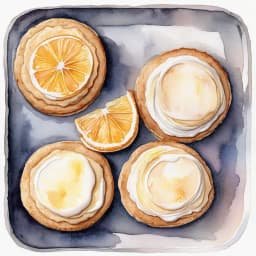
洋菓子
📍 尾道本通り商店街、千光寺
A langue de chat cookie that captures the flavor of Hassaku citrus, which originated in Innoshima, inside a crispy cookie.
Hassaku is a citrus fruit said to have been discovered at Jodo-ji Temple in Onomichi/Innoshima during the late Edo period; it was later named after the date August 1st of the lunar calendar (Hassaku).
Its characteristic refreshing acidity and slight bitterness are encapsulated in a light langue de chat dough, sandwiched with Hassaku-flavored chocolate. One bite allows the refreshing aroma of the citrus to spread throughout your mouth.
The light, crispy texture is perfect for tea or coffee. This refreshing box allows you to easily taste the citrus culture of Onomichi and the Shimanami Kaido.
和菓子
📍 広島空港
A specialty daifuku made by Hassaku-ya in Innoshima. A whole piece of hassaku citrus pulp is wrapped in white bean paste and gyuhi (soft mochi), creating an exquisite harmony between the bitter acidity of the citrus and the sweetness of the bean paste. As Innoshima is the birthplace of the hassaku, this daifuku is a staple souvenir for drives along the Shimanami Kaido.

和菓子
This is the signature manju produced by Kinmandou Honpo, a long-established shop in Onomichi, under its store name. Since its founding in 1916, Kinmandou Honpo has been beloved in the Onomichi Hondori shopping arcade. The 'Kinman,' bearing the shop's name, is a masterpiece featuring soft, fluffy steamed dough generously filled with homemade bean paste. While it offers a simple flavor without any unnecessary flourishes, the gentle sweetness of the paste spreads with every bite, providing a delicious taste that never grows old. It is a simple yet brilliant example of authentic craftsmanship.
It is a quintessential Onomichi confection that catches your eye whenever you walk through the shopping arcade. A classic flavor from a long-loved establishment, it is delightful both as an accompaniment to tea and as a souvenir.

その他
📍 尾道駅、尾道本通り商店街、千光寺
An assortment of Japanese sweets expressing the seasonal landscapes of the Onomichi Channel. The Onomichi Channel, flowing through the center of the slope town of Onomichi, is an iconic scenery featuring ferry boats traveling between the mainland and Ikuchijima, with beautiful seasonal transitions. This box captures the emotions of spring, summer, autumn, and winter in colorful sweets. You can enjoy various flavors in one box while imagining the landscapes of Onomichi that change expression with each season. Beautifully presented and full of seasonal charm, this assortment is perfect for gifts. It is an emotional gift that allows you to fully taste the travel sentiment of Onomichi, the town of slopes and sea, through sweets.

和菓子
📍 尾道駅
A small mochi confection made by the long-established Onomichi shop Kinman-do Honpo using Hassaku oranges from Innoshima.
The Hassaku is a citrus fruit associated with Onomichi, said to have been discovered at Jodo-ji Temple on Innoshima at the end of the Edo period. An filling that utilizes its refreshing flavor is gently wrapped in chewy gyuhi (sweet rice dough). It is easy to eat in bite-sized pieces, and as you chew, the characteristic bitterness and sweet-tartness of the Hassaku softly spread through your mouth. The citrus aroma leaves your palate feeling refreshed.
This is an item that allows you to easily taste the blessings of the Shimanami Kaido, the island chain famous for its citrus. It is a stylish Onomichi-style wagashi that shines with the careful craftsmanship unique to a shop that has continued since the 5th year of the Taisho era.
スイーツ
A lemon cake made by Baigetsudo of Setoda using lemons from their local Ikuchijima island. A moist, lemon-shaped cake coated in lemon chocolate, spreading a refreshing acidity. An authentic taste delivered from the island that boasts the highest domestic lemon production in Japan.
洋菓子
A cute cat-themed langue de chat inspired by Onomichi, the 'City of Cats.'
Onomichi is an irresistible destination for cat lovers, where cats live among the slopes and alleys. True to the spirit of Onomichi, this treat features crispy cookie dough sandwiched with white chocolate, adorned with an adorable Maneki-neko (beckoning cat). The packaging also features a beckoning cat, creating a playful sweet that brings a smile just by looking at it.
As its name 'Fuku Koineko' (Lucky Cat) suggests, it is also auspicious. Its light texture makes it perfect for tea time, making it a heartwarming item that will delight anyone receiving it as an Onomichi souvenir or a gift for cat lovers.

和菓子
A traditional rice cracker that Kinmandoh Honpo, a long-established shop in Onomichi, has continued to bake since its founding. 'Tamaura' is one of the old place names in Onomichi. Since its establishment in the fifth year of the Taisho era, this Tamaura Senbei has been produced under that name. Each cracker, baked with a thinly spread wheat flour dough, offers a pleasant, crispy texture and a light, gentle sweetness from sugar and egg. It is a classic flavor that does not rely on gimmicks. Its savory aroma and subtle sweetness pair perfectly with warm green tea. It also has a long shelf life and is easy to distribute. This is a deeply delicious item that conveys the unchanging taste of an old shop that has walked alongside the history of Onomichi.

スイーツ
📍 尾道駅
A treat where the aroma of Setouchi island lemons rises softly. This 'Lemon Butter Cake from the Islands of Hiroshima' is baked by Kinman-do Honpo, a long-established shop in Onomichi founded in 1916.
Using whole 'Eco Lemons' from Setoda, Hiroshima Prefecture, they have crafted a moist butter cake. The recipe reportedly originated from customer feedback, leading to the creation of this lemon cake by pairing it with buttercream. Setoda is known as the birthplace of lemon cultivation, making it a unique region of the Seto Inland Sea.
With the subtle sweet and sour scent of lemon and the richness of butter, this baked good is packed with the blessings of the islands and frequently ranks high in Onomichi souvenir rankings.

その他
📍 尾道駅
A slightly rare local confection known as 'Kujira Yokan' that has been passed down in Onomichi for over 300 years. This masterpiece beautifully mimics the appearance of a whale, with its black skin and white blubber layer, using a two-layered棹菓子 (sao-gashi/log-shaped sweet).
In the past, around December, whales frequently appeared off the coasts of Mukaishima and Iwakishima, south of Onomichi. A local delicacy called 'Obai-ke,' made from their black skin and blubber, was well-loved. However, since whale sightings were irregular, it is said that Kujira Yokan—also known as Kujira Mochi—was created to replicate that form using yokan.
The bottom layer consists of Domyoji-hoshigame (dried glutinous rice), while the top black layer is a Kinryoku-kan (agar jelly) infused with Rishiri kelp powder. This single log of sweet conveys the history of Onomichi, which once flourished through whaling.
その他
📍 高松空港、倉敷駅、尾道駅 ほか2件
An addictive snack that you won't be able to stop crunching on, this is the regional limited edition 'Setouchi Lemon Baby Star' from Oyatsu Company. This product infuses the familiar Baby Star flavor with the taste of lemon, a representative flavor of the Setouchi region.
Setouchi is a major lemon-producing area blessed with a warm climate and abundant sunshine. The refreshing acidity of lemons grown on islands such as Setoda in Hiroshima has become a staple in souvenir confectionery. This bag overlays that regional identity onto a classic Japanese snack.
The compatibility between the lemon's acidity and the crunchy texture is outstanding, making it irresistible to both children and adults. It is affordably priced and light enough to be perfect for casual group souvenirs.
和菓子
A somewhat ruggedly traditional confection made by Nakaya Honpo of Onomichi, called 'Motsugaisan.' These are square-shaped manju reminiscent of a Go board, with smooth smooth bean paste wrapped in moist dough.
The name originates from Motsugai Fusen, a monk who actually existed in Onomichi during the end of the Edo period. Known as 'Konkotsu Oshō' (the Fist Monk), he was a master of swordsmanship and possessed great strength. An anecdote remains that when he found a magnificent Go board at an antique shop in Edo but lacked the funds, he struck the board with his fist to serve as a deposit—that very Go board is said to still be preserved at Saio Zenji Temple in Onomichi.
The square shape represents the Go board, and the three indentations on the surface represent the marks of his fist. This is a treat that allows you to taste the history of Onomichi and the tale of a hero in a single bite.

和菓子
Looking almost like a fish fossil, "Debara-yaki" is made by pressing an entire "debera"—a famous dried fish specialty of Onomichi—and grilling it. Along with its savory aroma, you can enjoy the authentic taste of winter in the Seto Inland Sea.
"Debara" refers to a dried fish made from Tama-ganzo-birame, a small species of flounder. It is also called "tehira" (flat hand) because of its wide shape, which is said to have evolved into the local dialect term "debera." This has been a seasonal winter tradition in Onomict for over 300 years. Traditionally, it is a nutritious delicacy eaten after tapping the bones with a wooden mallet and then lightly roasting it.
This high-impact item captures the essence of Onomichi's fishing culture in a single piece. It is a unique Onomichi souvenir that serves as a great conversation starter.
📍府中市
Specialties from 府中市 are also available via furusato nozei

その他
A rustic 'Sweet Potato' made by Fugetsu-do in Kamijo-machi, Fuchu City, using locally grown sweet potatoes. It preserves the fluffy flavor of the potato, baked moist with butter and eggs.
Kamijo-machi was once a prosperous Tenryo (territory under direct Shogunate control) and remains a cobblestone post town with white walls and latticed machiya houses. Within this atmospheric streetscape sits this small confectionery, which has been in business since 1968. Locally, it is well-loved alongside the 'Tsuchinoko Manju,' inspired by the legend of the Tsuchinoko.
A unique feature of this sweet potato is that chestnut is kneaded into the dough. The richness of the chestnut layers with the gentle sweetness of the potato, providing a comforting taste in every bite.
📍福山市
Specialties from 福山市 are also available via furusato nozei

その他
📍 鞆の浦
We have captured the essence of Tomonoura's famous sake, which has continued since the Edo period, into a single, round candy.
Houmeishu, a medicinal sake tradition in Tomonoura, Fukuyama City, is a pioneer of Japanese-style liqueurs, dating back to 1659. Using the sake lees from the brewing of Houmeishu, Nakajima Shoten has crafted this 'Houmeigyoku.' With starch syrup and granulated sugar as primary ingredients and no artificial sweeteners, it utilizes the natural sweetness and subtle aroma of the Houme-shu lees.
Upon taking a bite, a gentle sweetness and the faint scent of medicinal herbs spread softly through your mouth. Its simple, timeless flavor has been enjoyed across generations. Please taste the long history of Tomonoura in a single piece held in your palm.
和菓子
A large, whole strawberry peeks out from within soft mochi.
This is a seasonal Ichigo Daifuku made by Toraya Honpo, a long-established shop in Fukuyama City. Toraya Honpo is a famous confectionery store said to have been founded in 1620, having walked alongside the history of the Fukuyama Domain as an official confectioner. A seasonal strawberry is wrapped in soft mochi and white bean paste (shiro-an), allowing the fresh acidity of the strawberry and the gentle sweetness of the paste to melt together in your mouth.
This highly anticipated flavor only appears in stores during the strawberry season. The plump presence of the strawberry provides a luxury not found in other Daifuku. It is a delicacy that heralds the spring of Fukuyama, something you should pick up without hesitation if you encounter it.

スイーツ
📍 鞆の浦
A famous sake from the Edo period has been reborn as a jiggly jelly.
This is a new-style sweet from Irie Toyosaburo Honten, which has continued to brew Houmeishu in Tomonoura, Fukuyama City, since 1886. Houmeishu is a medicinal liqueur born in 1659, made by infusing glutinous rice with sixteen types of plant-based medicinal ingredients, including ginseng and cinnamon. This traditional sake has been transformed into a jelly, carefully crafted so that you can enjoy the rich aroma of medicinal herbs and a gentle sweetness.
When scooped with a spoon after being well-chilled in the refrigerator, the history of Tomonoura spreads throughout your mouth. It is a slightly luxurious treat that will also please sake lovers. Please enjoy it along with the atmosphere of this historic port town.

その他
When it comes to yokan in northern Hiroshima Prefecture, this is the first one that comes to mind. It is the flagship product of Yokoyama Kansen-do, a long-established shop in Soryo-cho, Shobara City, which has been continuously produced since its founding in Meiji 18 (1885). Named "Taso Yokan" after the name passed down from the former Taso Village, it boasts a history of over 130 years. By using plenty of carefully selected adzuki beans from Hokkaido and kneading them meticulously over two days, the natural flavor of the beans is richly enhanced. Its smooth and elegant sweetness is the very essence of unadorned deliciousness. It is a magnificent traditional confection that has been loved by the people of northern Hiroshima for a long time. Please brew a cup of tea and enjoy the simple, rustic taste of the countryside at your leisure.

その他
A single, fluffy chestnut nestled in fragrant barley dough.
This is a specialty sweet produced by Benkyodo, an established shop in Fukuyama City. Founded in 1929 in Fukuyama, Benkyodo has continued to create Japanese sweets that reflect the seasonal flavors of the four seasons. Mugikko Kurikko features a fragrant dough made with hattai-ko (barley flour), enveloping smooth adzuki bean paste and a whole chestnut. It is a simple yet deep flavor that brings out the essence of its ingredients.
The aroma of toasted barley and the gentle sweetness of chestnut go hand in hand, offering a taste long loved in Fukuyama. One bite will evoke a sense of nostalgia. Please enjoy one with your tea.

その他
A tiger inspired by the shop's name spreads a little charm.
This is a tiger-shaped raw dorayaki made by Toraya Honpo, an established shop in Fukuyama City. Toraya Honpo is a confectionery house said to have been founded in 1620, and this mascot-like treat is inspired by its historic name. With various flavors such as Western-style cream sandwiched between fluffy dough, it is designed to be visually fun for both children and adults.
The charm lies in the adorable tiger expression and the gentle sweetness wrapped in fluffy dough. If you present this as a souvenir, smiles are sure to break out the moment it is opened. It is a reliable choice when you want to add a touch of playfulness to your Fukuyama souvenirs.

その他
This Japanese confectionery features a triangular shape, embodying the wishes of the Nagoshi no Harae (summer purification ritual).
Minazuki is crafted by Toraya Honpo, a long-established shop in Fukuyama City, as a seasonal sweet for June events. Originally originating from Kyoto, Minazuki is an auspicious treat consisting of triangular uiro (steamed rice cake) dough that evokes the feeling of ice, topped with azuki beans which serve to ward off evil. It is a custom to eat this at the end of June—the midpoint of the year—to cleanse the impurities of the past six months and pray for health in the remaining half of the year.
With its chewy texture and the simple sweetness of the azuki beans, it heralds the true arrival of summer. This seasonal tradition is carefully prepared by a venerable shop founded in Genna 6 (1620). Please enjoy a piece while feeling the refreshing essence of the season.

その他
A very stylish dorayaki featuring toasted marks reminiscent of tiger stripes.
This is a signature confection from Toraya Honpo, a long-established shop in Fukuyama City. Toraya Honpo is a confectionery house said to have been founded in the 6th year of Genna (1620), and it is told that the 'Torayaki' began when the eighth head of the family created tiger-patterned dorayaki in the 3rd year of Kan'en (1750). The fragrant, toasted striped skin is generously filled with fluffy cooked whole bean paste.
The witty name, derived from the shop's name, is delightful and makes for a great conversation starter when giving gifts. This taste of Fukuyama, passed down for nearly 300 years, truly possesses the prestige of an old establishment. Please enjoy it slowly, along with its history.
和菓子
A monaka (wafer sandwich) crafted by Hamadanna Seika of Fukuyama City in the shape of Fukuyama Castle. The crispy monaka shell is filled with lightly sweetened red bean paste, reproducing the elegant appearance of Fukuyama Castle in confectionery form. It is highly popular as a commemorative souvenir for Fukuyama Castle, which celebrated its 400th anniversary in 2022.

その他
The gentle acidity of the apricot melts softly into the fluffy cake.
This is a steamed confection featuring apricots, crafted by Bendo, a long-established shop in Fukuyama City. Founded in Fukuyama in 1929, Bendo has continued to create Japanese sweets that highlight seasonal ingredients. By pairing soft, fluffy cake with apricots, they have created a dish with a gentle mouthfeel, where refreshing acidity and mild sweetness harmonize lightly.
One of its charms is the plump texture unique to steamed sweets. With every bite, the aroma of apricot wafts softly, making you reach for another piece. Please enjoy this seasonal taste, showcasing Bendo's delicate craftsmanship, during your tea time.

その他
The changing of the four seasons is captured within a single premium wagashi (handcrafted sweet).
This is a signature premium sweet representing Toraya Honpo, a long-established shop in Fukuyama City. Toraya Honpo is a confectionery shop with a history said to date back to the 6th year of the Genna era (1620), and is a prestigious establishment that once served as the official confectioner for the Fukuyama Clan. Using carefully cooked bean paste, its beautiful design, featuring seasonal motifs, has long been cherished in tea ceremonies.
It is truly a masterpiece of craftsmanship to be admired with the eyes and savored with the tongue. The delicate artistry and elegant sweetness make it perfectly suitable for hospitality on special occasions. Please enjoy the refined taste that this venerable Fukuyama shop takes pride in, accompanied by a bowl of matcha.

和菓子
📍 鞆の浦
We have baked the flavor of Tomonoura's famous sake into a fragrant rice cracker.
This is a signature confection from Irie Toyosaburo Honten, which has continued to brew Houmeishu in Tomonoura, Fukuyama City, since 1886. Houmeishu is a medicinal liqueur born in the second year of the Manji era (1659), made by steeping sixteen types of botanical ingredients. We have utilized its unique flavor in these crackers, creating a piece that features a subtle sweetness and aroma, perfect for accompanying tea.
With a crisp texture, the faint scent of medicinal herbs drifts through the nose. The charm lies in being able to easily enjoy the taste of Tomonoura, which has continued since the Edo period, with a simple crunch. Please brew some tea and feel the atmosphere of this historic port town.

和菓子
An autumn masterpiece featuring a whole, fluffy chestnut wrapped in dough.
This is a seasonal Japanese confection produced by Toraya Honpo, a long-established shop in Fukuyama City. Toraya Honpo is a confectionery house said to have been founded in the 6th year of Genna (1620), with a prestigious history of being the provider of 'Tondo,' the official confectionery for the Fukuyama Clan. Tondo Chestnut gently wraps the natural sweetness of the chestnut in soft dough, creating an elegant flavor that signals the arrival of autumn.
When you break the dough, the fluffy texture of the chestnut spreads throughout your mouth. This seasonal delicacy is a delightful message for those who have been eagerly awaiting autumn. Please enjoy it slowly with a cup of warm tea.
和菓子
Crispy on the outside, moist on the inside. This is a fried manju that offers the enjoyment of two contrasting textures. Karinto Manju is a confection where bean paste is wrapped in a dough made with brown sugar and then deep-fried until crispy. The surface is crunchy and fragrant like karinto (brown sugar snacks), while the inside remains moist and smooth, delivering a wave of contrasting textures in a single bite. This is a popular Japanese sweet that has been loved for a long time in Fukuyama. The deep richness of the brown sugar overlaps with the gentle sweetness of the bean paste, making it so delicious you'll find yourself reaching for another. Paired with warm tea, it provides a moment of relaxation. Please enjoy this simple and warm flavor—a gentle snack that will bring a smile to your face.
その他
A baked confection made with apricots by Benjodo of Fukuyama City. The dough, kneaded with apricot jam, is moist, with a subtle acidity that spreads gently like a promenade. This lovely item also features an adorable name, perfect as a companion for strolling through the streets of Fukuyama.

その他
A cherry-blossom-colored confection presented in spring by Toraya Honpo, a long-established shop in Fukuyama. Toraya Honpo is a Japanese confectionery store with 400 years of history since its founding in the Edo period. 'Sennen-zakura' features bean paste kneaded with salt-pickled cherry leaves, gently wrapped in dough dyed a delicate cherry blossom pink. The subtle saltiness of the cherry leaves enhances the sweetness of the bean paste, resulting in an incredibly elegant flavor.
Named with the hope that it will be loved for a long time, much like a cherry blossom that blooms for a thousand years, this treat allows you to feel the arrival of spring through its light floral aroma. Why not add a seasonal touch to your spring gifts? It will bring a gentle splash of color to your springtime table.

和菓子
A Kansai-style Sakuramochi prepared exclusively for spring by Fukuyama's long-established Toraya Honpo. The characteristic grainy and chewy texture of Domyoji flour is paired with the light aroma of salt-pickled cherry leaves. The smooth bean paste inside has a gentle sweetness that blends perfectly with the pleasant saltiness of the cherry leaf, as if a soft spring landscape is unfolding in your mouth. The reliable techniques of a 400-year-old establishment quietly live on in this seasonal wagashi.
This is the perfect item for an early gift to herald the arrival of spring. You can savor the changing of the seasons along with the scent of cherry blossoms. Please consider choosing this for your hanami (flower viewing) gatherings as well. Don't miss out on this once-a-year seasonal flavor.

スイーツ
A summer jelly that captures the freshness of juicy white peaches in a chilled delight.
Produced by Toraya Honpo, a long-established shop in Fukuyama, this jelly features generous pieces of white peach flesh. Inside the transparent jelly, succulent peach segments are abundant, offering a smooth texture and a refreshing, mellow peach aroma that spreads beautifully. When served chilled during the hot season, its deliciousness truly stands out.
This refreshing sweet is perfect for summer gifts or gatherings during the Obon season. The soft texture of the fruit and its elegant sweetness provide a pleasant experience. Please chill it well in the refrigerator to fully enjoy the fragrance of seasonal fruit. Enjoy a moment of coolness this summer.

和菓子
The flagship product presented under the company name by Hamadanna Seika in Fukuyama. These are simple yet carefully crafted Japanese sweets that have been loved by the people of Fukuyama for a long time. This item offers an honest deliciousness without any frills, truly worthy of the name 'Hamadanna.' You can feel the warmth unique to a local confectionery shop. Rather than being flashy, it offers a nostalgic flavor that gently accompanies your daily tea time. With every bite, your heart seems to relax. Please taste the unchanging deliciousness that has lived on in the lives of Fukuyama. Its unpretentious taste will deeply touch your soul.

和菓子
A manju (steamed bun) enveloped in a floral fragrance, symbolizing the 'City of Roses,' Fukuyama.
Fukuyama City is known as the city of roses, where one million roses bloom every May. Using the city's official flower, the rose, Bembodo has crafted this exquisite confection by wrapping bean paste with a subtle hint of rose scent in an elegant dough. It expresses the splendor unique to Fukuyama in the form of a sweet.
It features a sophisticated flavor where gentle sweetness and brilliant fragrance overlap. This item becomes particularly popular during the season of the Fukuyama Rose Festival. Please experience the colors of Fukuyama's spring during your tea time. It adds a touch of elegance to your spring gifts.
スイーツ
A cherry blossom-colored cheesecake that makes your cheeks flush.
This is a seasonal spring creation from Toraya Honpo, a long-established shop in Fukuyama. The subtle saltiness of the cherry blossom leaves harmonizes exquisitely with the rich flavor of cream cheese, resulting in an adorably pale pink cake. The cute name, 'Hajirai Hoppe' (Blushing Cheeks), makes it a perfect gift for spring.
Despite its richness, the aftertaste is light, with the scent of cherry blossoms gently wafting through the nose. Each bite offers a taste that makes you feel the soft air of spring. Add a touch of springtime to a small souvenir for someone special. With every bite, you can sense the arrival of spring.

その他
An auspicious Japanese confectionery with 'Fuku' (good fortune) from Fukuyama included in its name. Produced by Benkyodo in Fukuyama City, 'Fukunoyama' features dough shaped like a mountain paired with yokan (sweet bean jelly) containing chestnuts. It comes in two varieties—black azuki bean and white bean paste—allowing you to enjoy different flavors. Though simple, it has been loved locally as a gift that brings good fortune.
It is bite-sized and easy to eat, making it perfect as an accompaniment to tea. The fluffy flavor of the chestnuts adds color to the gentle sweetness. As the name suggests, may good fortune visit both the giver and the receiver. Please enjoy a little share of this fortune during your tea time.
和菓子
A monaka (wafer) inspired by Fukuyama, the "City of Roses." Inside a shell shaped like a rose flower, there is a generous amount of smooth red bean paste, spreading an elegant sweetness. A gorgeous souvenir confection unique to Fukuyama.

和菓子
A baked manju with an honest, straightforward flavor, boasted by Fukuyama's long-established Benkyodo.
Benkyodo is a traditional Japanese confectionery shop founded in Fukuyama in 1929. 'Jutarou' is a simple baked manju consisting of white bean paste wrapped in moist dough. Its unpretentious and honest deliciousness has been beloved locally for a long time. This is a quintessential Benkyodo item that reflects careful craftsmanship.
The compatibility between the gentle sweetness of the white bean paste and the moist dough is exceptional. With every bite, your heart will feel relaxed and eased. Please enjoy a leisurely tea time accompanied by green tea. It is perfect for a relaxing break. The nostalgic taste will soothe your soul.

スイーツ
A magnificent butter cake wrapped in the fragrance of Fukuyama, the 'City of Roses.'
This item was crafted by Fukuyama's long-established Toraya Honpo, inspired by the rose city of Fukuyama. Rose jam is kneaded into the batter, allowing the light floral aroma and the rich richness of butter to spread throughout your mouth. Its moist texture possesses an elegance suitable for a gift.
It is a slightly luxurious baked sweet that pairs well with both coffee and tea. With every slice, your heart will be soothed by the brilliant aroma. Please enjoy it while imagining the roses in full bloom in the city of Fukuyama. It is the perfect accompaniment to coffee or tea.

和菓子
An auspicious sweet shaped like a celebratory sea bream (tai), designed to bring smiles to your gifts.
Produced by Bembudo, a long-established shop in Fukuyama, "Honjitsu Taian" is an adorable baked confection shaped like a sea bream. It features a moist dough paired with white bean paste and sweetly simmered green peas, resulting in a gentle flavor. The witty name, which plays on the phrase "Honjitsu Taian" (meaning 'today is a very lucky day'), reflects the playful spirit of the giver.
With its celebratory appearance and a name that brings a chuckle, it is perfect for special occasions. Each bite provides a heartwarming experience. Please use this as an auspicious gift to bring good fortune to your loved ones. It is a charm that delivers smiles to any celebration.
和菓子
A baked sweet with a gentle flavor, created in connection with Fukuyama, the "City of Roses."
Produced by Mikawaya, founded in 1921, "Mommy Rose" is a rose-shaped baked confection filled with milk bean paste. Named after the image of "Milk = Mother," the addition of lemon to the milk bean paste provides a nice accent of acidity. It is a popular item also certified as a Fukuyama Brand.
The soft dough and mellow milk bean paste offer a flavor that can be enjoyed by all generations. With every bite, your heart will be soothed by the gentle sweetness. Please choose this lovely flower as a souvenir from the rose city of Fukuyama.

その他
A simple and gentle bite-sized snack that highlights the toasted aroma of wheat.
Produced by Benkyodo, a long-established shop in Fukuyama, 'Komugi-kko' is a bite-sized baked confection that brings out the flavor of wheat. The more you chew, the more the fragrant aroma and gentle sweetness spread through your palate. Its unadorned, simple taste makes it the perfect accompaniment to your daily tea.
Small and easy to eat, its deliciousness will make you reach for another. Because of its simplicity, it is a flavor you won't tire of even if eaten every day. Please enjoy a relaxing snack time accompanied by warm tea. It is the perfect bite-sized treat for tea time.

その他
It looks like sushi, but it's actually Japanese confectionery. A unique masterpiece that surprises both the eyes and the tongue.
Created by Toraya Honpo, with 400 years of history, 'Temari Sushi' is crafted using traditional Wagashi techniques. What appear to be colorful toppings like tuna, octopus, and salmon roe are actually all Japanese sweets made from Nerikiri and Yokan. This playful masterpiece uses warabi-mochi with Setouchi lemon bean paste to represent the sushi rice.
An award winner at the Omiyage Grand Prix, this treat is fun to look at and surprising to eat. Until you take a bite, anyone would believe it is real sushi. Its adorable appearance, packed in a bamboo basket, makes it perfect for a gift. It is a masterpiece that is delightful to see and sure to please when given.
和菓子
This is a special daifuku that encapsulates an entire Hassaku orange, born in Innoshima, inside a soft mochi.
Crafted by Toraya Honpo, a company with 400 years of history, using fruit from Innoshima—the birthplace of the Hassaku orange. Inside the chewy mochi, the juicy pulp of the Hassaku and sweet white bean paste are gently enveloped. It offers a flavor characteristic of the Setouchi region, where the signature slight bitterness and refreshing acidity of the citrus harmonize beautifully with the sweetness of the mochi.
The bursting texture of the juicy fruit pulp is incredibly refreshing. With every bite, the aroma of the citrus and the softness of the mochi spread through your palate. Please enjoy the charm of Setouchi's citrus with this carefully crafted daifuku. You can experience the essence of spring in Setouchi in its entirety.

その他
Produced by 'Benkyodo,' a long-standing confectionery shop in Fukuyama City, 'Torori Potato' is a Western-style sweet potato treat.
Made with soft, moist dough that gently envelops a sweet potato filling, it features a melt-in-your-mouth texture true to its name. Benkyodo is known for creating confections that highlight seasonal ingredients nurtured by the climate of Bingo, and this item charms with an unpretentious deliciousness that preserves the natural sweetness of the sweet potato. It brings out the inherent flavor of the ingredients without adding unnecessary extras.
With a single bite, a gentle, soothing sweetness spreads through your palate. It is a warm snack from Fukuyama, perfect as an accompaniment to tea or as a small gift.

和菓子
Fukuyama Sankei is an assortment of sweets from Fukubido that allows you to fully experience the famous sights of Fukuyama, the 'City of Roses.'
This box is a delightful souvenir featuring three themes representing Fukuyama: Tomonoura, Fukuyama Castle, and Rose Park. The selection is designed as if you are touring the city's highlights through sweets—from the atmosphere of the historic port town of Tomonoura and the symbol of the castle town, Fukuyama Castle, to the Rose Park where countless roses bloom in glory. The composition is fun, allowing you to savor each treat while imagining each landmark.
It is a souvenir that lets you take home memories, making you feel as though you have traveled all around Fukuyama. This item will make the time spent enjoying it while admiring the scenery a truly delightful moment.

和菓子
A famous confection called 'Bara Ichirin' from Miyamotaya in Fukuyama, the 'City of Roses,' which expresses a single rose through confectionery. Inspired by the rose, the official flower of Fukuyama City, this is a Japanese-Western fusion baked sweet shaped like a delicate rose. It features yolk bean paste with chestnut, gently wrapped in soft, milk-flavored dough and baked to perfection. Created to commemorate the selection of the rose as the city's flower, it is a highly accomplished confection that even won the Prime Minister's Award at the National Confectionery Expo. The elegant sweetness spreads softly in your mouth like a blooming rose. A magnificent item suitable for gifts, filled with affection for the city of Fukuyama.

その他
📍 鞆の浦
A fragrant rice cracker made using whole 'nebuto,' a small fish traditional to Numakuma Town in Fukuyama City. 'Nebuto' is a white-fleshed small fish about 3 to 5 cm long, a relative of the Tenjikudai (scorpionfish). Because of its hard head, it is also known locally as 'ishimochi,' and it has been a beloved local flavor on dining tables since ancient times. Numakuma Yumukobo bakes this small fish to preserve its savory flavor with a crispy texture, making it rich in calcium. The more you chew, the more the seaside aroma and umami of the fish spread through your mouth. It is perfect not only with tea but also as an accompaniment to alcohol. It is a nutritious local taste that allows you to enjoy the full bounty of the Seto Inland Sea.

その他
This is an authentic warabi mochi from Toraya in Fukuyama City, featuring a delightful, jiggly texture. This dish consists of chewy, elastic warabi mochi generously coated with fragrant kinako (roasted soybean flour). A simple yet elegant sweetness spreads gently, accompanied by a smooth texture that melts effortlessly in your mouth. Its charm lies in an unpretentious deliciousness that honors traditional production methods, making you want to eat it again and again.
Chilling it during the summer makes the cool sensation even more refreshing. Paired with tea, it brings a moment of relaxation; it is a nostalgic Japanese flavor loved by all generations.

その他
This is 'Aged Marron,' crafted by the confectionery shop Benjodo in Fukuyama City, using chestnuts prepared carefully with their skins on. By meticulously processing the chestnuts with their astringent skins, the subtle bitterness of the skin and the natural gentle sweetness of the chestnut layer upon each other in your mouth. This luxury chestnut confection embodies Benjodo's unique confectionery craftsmanship, which carefully draws out the flavor of the ingredients, allowing you to enjoy a deep and rich taste in every single piece. It is an irresistible treat for chestnut lovers.
It is a wonderful confection not only for tea time but also as a gift for someone special. It is a deeply delicious Japanese sweet that feels as though it has captured the essence of the autumn harvest.

スイーツ
A lemon cake crafted by Toraya of Fukuyama City, using Hiroshima lemons bathed in the Seto Inland Sea sun.
Moist and soft cake shaped like a lemon is smoothly coated with refreshing lemon chocolate. The light acidity of Hiroshima-grown lemons and the gentle sweetness of the chocolate harmonize beautifully in your mouth. With a single bite, the bright aroma of lemon spreads softly, reminiscent of the sunny sunlight of the Seto Inland Sea.
Its retro and cute appearance makes it perfect for a small gift. Paired with coffee or tea, it will greatly brighten your snack time. This is a classic lemon confection packed with the essence of the Seto Inland Sea.

その他
A Western-style confectionery called 'Nouvelle Rose,' created by Malond'Or of Fukuyama—the 'City of Roses'—with a rose theme.
Named 'Nouvelle' (meaning 'new' in French) and 'Rose,' this elegant rose-shaped financier features a fragrant almond-flavored batter with rose jam (rose confiture) hidden in the center, baked to perfection. This item embodies a passion for the city's official flower, the rose, and is a highly skilled confection that has been highly rated by the Monde Selection.
The aroma of toasted almonds spreading with every bite, followed by a subtle hint of rose, is very refined. It is a magnificent Western sweet suitable for gifting, reflecting the essence of Fukuyama in its confectionery.

その他
📍 鞆の浦
This ginger candy is crafted using the famous Houmeishu (medicinal liqueur) by Okamoto Kametaro Honten, a long-established shop in Tomonoura, Fukuyama City. Houmeishu is a medicinal liqueur that has been passed down in Tomonoura for over 350 years, made by infusing sixteen types of spices, including cinnamon, in hon-mirin. Focusing on ginger, one of those medicinal ingredients, this candy is carefully prepared using 'Shoganosuke,' a ginger-flavored Houmeishu. As you suck on the candy, the warm flavor of ginger gently spreads, creating a gentle taste that warms you to your core. It is a simple yet deep confection that adults will enjoy—a nutritious candy unique to Tomonoura, breathing with the traditions of this historic port town.

和菓子
Produced by Toraya in Fukuyama City, 'Kuzu-sasa' is a kuzu (arrowroot) confection with the refreshing scent of bamboo leaves. Each piece is carefully wrapped in a bamboo leaf, offering a jiggly texture. The smooth throat feel and subtle aroma of bamboo leaves bring a delightful coolness during the hot season. When chilled, its freshness is further enhanced, making it a visually cooling addition to any summer table. This seasonal Japanese sweet is highly valued as a summer gift or a souvenir for Obon homecoming visits. Its cool, elegant sweetness provides a momentary respite from the heat, offering a flavor rich in the atmosphere of summer in Fukuyama.

その他
A refined mizuyokan (soft jelly bean) prepared by Benjodo of Fukuyama City, poured directly into green bamboo cylinders. The beauty of this bamboo-infused yokan lies in how the refreshing scent of green bamboo subtly permeates the jelly, enhancing its freshness. Its clean, elegant sweetness becomes even smoother when chilled. The smooth texture created by setting it slowly within the bamboo tube, combined with the faint bamboo aroma, brings a pleasant sense of coolness on hot days. With its visually cooling appearance using the bamboo itself as a vessel, it is a perfect summer gift—an elegant Japanese sweet that colors Fukuyama's summer with beauty for both the eyes and the palate.
その他
A spring-exclusive baked treat from Toraya in Fukuyama City. 'Sakuratora-yaki' features dorayaki dough kneaded with salt-pickled cherry blossoms and filled with sweet bean paste. The scent of cherry blossoms and a hint of saltiness herald the arrival of spring in this seasonal masterpiece.
和菓子
The flagship product made by Hamadanna Seika in Fukuyama City. This is a simple manju loved by the gentlemen of the port town; its traditional flavor, featuring plenty of bean paste wrapped in moist dough, has been cherished locally for a long time.

その他
📍 鞆の浦
This confection utilizes 'Kwai' (water chestnut), a specialty of Fukuyama that boasts the highest production volume in the country.
Because the sprouts grow straight out from the round tubers, Kwai are considered a good omen—symbolizing 'sprouting success'—and have long been enjoyed in New Year's dishes and celebratory occasions. It is said that cultivation in Fukuyama began when wild plants growing in marshes were planted in the moats of Fukuyama Castle; today, it has become a major production area accounting for approximately 60% of the domestic supply.
This item is carefully crafted into a sweet that anyone can easily enjoy using this local specialty. It offers a flavor unique to Fukuyama, highlighting the fluffy, starchy texture. Packed with local pride and good fortune, it is a perfect souvenir from Fukuyama.
和菓子
Toraya of Fukuyama presents 'Lemon Mochi,' which captures the flavor of lemon within mochi. The refreshing aroma of lemon spreads through the chewy gyuhi (sweet rice cake), revealing an unexpected and wonderful compatibility between Japanese confectionery and citrus.

和菓子
📍 鞆の浦
These are mini taiyaki from Maruto Seika, featuring Houmeishu, a specialty of Tomonoura in Fukuyama City, incorporated into the batter.
Houmeishu is a traditional medicinal liqueur from Tomonoura, made by infusing sixteen types of herbs in hon-mirin. The sake lees from this liquor are carefully kneaded with high-quality white bean paste and wrapped in a castella-style batter to be baked to a moist perfection. The subtle aroma of medicinal herbs and the deep richness provide a flavor that adults will truly enjoy. The sea bream shape reflects the good fortune associated with Tomonoura, a Setouchi fishing town known for its sea bream net fishing.
In an easy-to-eat mini size, they are perfect for a small gift. This is a unique product of Tomonoura and Fukuyama, gently fragrant with the traditions of this historic port town.

和菓子
📍 鞆の浦
This is a Toraya rice cracker inspired by the Sakura-dai (red sea bream) landed in spring in Tomonoura, Fukuyama City.
Known as a seasonal symbol of spring in Tomonoura, these thin, crispy crackers are shaped like the sea bream. They feature a light, crunchy texture with a subtle, gentle sweetness that spreads across the palate. This lovely treat softly captures the elegance of the Sakura-dai that heralds the arrival of spring in Tomonoura. Its adorable appearance is also a charm that makes you want to reach for one.
A delightful feature is that you can enjoy this sense of springtime all year round. It is an auspicious cracker, perfect for a souvenir to bring home memories of your trip to the Setouchi port town of Tomonoura.
スイーツ
A fruit jelly made by Toraya in Fukuyama using Hassaku citrus originating from Innoshima. The transparent jelly with large chunks of fruit looks refreshing, and when eaten chilled, the refreshing citrus flavor spreads throughout the mouth. It is perfect as a summer souvenir.
スイーツ
A baked confection produced by Marond'Or, a pastry shop in Fukuyama. Named after Sensui Island in Tomonoura—said to be so beautiful that even hermits (senjin) become intoxicated—this exquisite treat features a butter-rich financier dough with chestnut cream hidden inside.

和菓子
An elegant Japanese confection produced by Mikawaya, a long-established shop in Fukuyama. The name 'Omodaka' is derived from the water plant known as Sagittaria (Omodaka) that grows gracefully by the waterside. This delicate sweet is crafted to capture its pure and serene atmosphere. Upon tasting, it gently crumbles in the mouth, allowing a refined sweetness to quietly spread. It is a product that shines with the meticulous craftsmanship unique to Mikawaya, which has continued making Japanese sweets in Fukuyama since 1921.
This deeply delicious confection is highly valued as a sweet for tea ceremonies. It is a taste of Fukuyama meant to be savored slowly alongside green tea or matcha, possessing an elegance suitable even for formal occasions.

その他
A castella cake carefully baked with plenty of honey by Toraya Honpo in Fukuyama. Toraya Honpo has accumulated 400 years of history since its founding in the 6th year of the Genna era (1615). Baked with proven techniques, the moist sponge allows the natural sweetness of the honey to melt gently into the cake, while the rich flavor of the eggs stands out prominently. The sweetness is subtle, making it so delicious you'll find yourself reaching for slice after slice. Each loaf is carefully baked one by one, adhering to traditional methods. Its simple and warm flavor is loved across all generations. Whether as a gift or a personal treat, this is the unchanging taste of castella passed down by a Fukuyama institution.

和菓子
A gorgeous confection created by Toraya Honpo of Fukuyama, the 'City of Roses,' themed around roses.
Fukuyama is a city where roses are the official flower, having been cultivated alongside the post-war reconstruction. Named after this 'City of Roses,' this item was created by the long-established Toraya Honpectory, founded in 1617 (Genna 6).
It is an elegant baked sweet with a subtle hint of rose fragrance, featuring packaging with soft colors reminiscent of petals that is beautiful to the eye. Each bite spreads a sense of elegance.
This sweet allows you to experience the roses of Fukuyama through both scent and appearance. Packed with the pride of the city, it is a perfect souvenir or gift.

和菓子
A famous confection imbued with the romance of the Manyoshu, produced by Fukuyama's long-established Mikawaya.
'Muranoki' is named after an ancient tree mentioned in the Manyoshu, located in Tomonoura, which flourished as a port for waiting on the tides. It is a flavor where East meets West: an almond-scented, fragrant dough enveloping a bean paste mixed with orange peel and raisins soaked in wine and rum, along with chestnuts.
When Fukuyama celebrated its 100th anniversary as a city, this was chosen as one of the prides of Fukuyama to be passed down to the next century.
A unique baked sweet characteristic of Mikawaya, which has continued since 1921. With a sophisticated adult flavor featuring a faint aroma of liqueur, it is a deep taste of Fukuyama that pairs well with both tea and coffee.
その他
A Hassaku version of Toraya's popular Torayaki. The dorayaki dough is filled with bean paste kneaded with hassaku citrus peel, providing a refreshing citrus accent. A signature Fukuyama confection featuring distinctive tiger-patterned toasted marks.

その他
A cheese castella with an enjoyable soft-boiled texture, baked by Fukuyama's Toraya Honpo. This Western-style castella is crafted by a long-established shop with 400 years of history since its founding in the 6th year of the Genna era. Its specialty lies in its rich cheese flavor and meltingly smooth texture. With one bite, the deep richness and abundant aroma of cheese spread from the moist sponge cake. A delightful bonus is that eating it chilled tightens the texture, offering a different kind of deliciousness. This is a slightly modern castella made by a traditional Japanese confectionery maker—a Fukuyama treat that is widely enjoyed by everyone from the elderly to the younger generation, where reliable Japanese techniques meet Western sensibility.

その他
📍 鞆の浦
A throat lozenge made with medicinal sake, produced by Irie Toyosaburo Honten, a long-established shop that continues to brew Houmeishu in Tomonoura. Houmeishu is a traditional medicinal sake of Tomonoura, made by infusing sixteen types of medicinal herbs in hon-mirin. It is a historic beverage said to have been served during the banquet for Commodore Perry's arrival at the end of the Edo period. This lozenge captures the essence of Houmeishu, produced by Irie Toyosaburo Honten, which has inherited this tradition since its founding in the 19th year of the Meiji era. It spreads a unique flavor and richness that is gentle on the throat. With a sophisticated taste featuring a faint aroma of medicinal herbs, a single piece allows you to take a relaxing moment for yourself. It is an item that lets you easily experience the long history and tradition of Tomonoura.
その他
A matcha version of Toraya's signature product, Torayaki. The green dough, infused with matcha, features tiger-patterned toasted markings and is filled with matcha bean paste. The slightly bitter matcha flavor balances the sweetness, making it a popular choice among tea lovers.

和菓子
The 'Sanmangoku Meijoyaki,' a famous confection passed down in Mihara, is a rice cracker that offers an enjoyable dual texture. The surface is firm and coated with a simple sweetness, featuring fragrant peanuts hidden inside. With one bite, the crispy exterior and the savory aroma of the peanuts overlap, creating a lingering deliciousness that expands with every chew. Its robustly baked appearance looks heartily satisfying. The sweetness is subtle, making it a perfect accompaniment to tea. This traditional, simple flavor has been enjoyed across generations. It is a famous Hiroshima confection that allows you to feel the history of Mihara and Bingo.

スイーツ
A steamed confection with an enjoyable fluffy texture, crafted by Toraya Honpo in Fukuyama. This adorable item features a round shape inspired by the moon. Inside the soft castella dough, smooth custard cream is filled to melt in your mouth. It is an auspicious sweet imbued with the wish 'that good fortune may settle peacefully,' featuring an exquisite balance of moist, chewy dough and lightly sweetened cream. One bite brings a gentle feeling to the heart. The gentle aroma of egg and cream is widely loved by everyone from children to the elderly. Produced by a long-established shop founded in 1601, it is a friendly steamed sweet. A taste of Fukuyama that is perfect for both gifts and snacks.

和菓子
A confectionery where Japanese and Western flavors meet, crafted by Toraya Honpo of Fukuyama.
Since its founding in the 6th year of the Genna era, Toraya Honpo has accumulated 400 years of history. This long-established shop, said to be the oldest in Hiroshima Prefecture, has refined this single item over many years. The combination of carefully prepared dough and elegant bean paste creates a deep, spreading deliciousness with every bite. It is a profound flavor backed by proven techniques.
While not flashy, it offers a comforting taste that has been loved for a long and long time. This approachable item, while preserving tradition, is a classic choice for gifts. A flavorful masterpiece passed down from the venerable shop of Fukuyama.

その他
📍 広島空港、厳島神社、宮島口旅客ターミナル
A gentle white baked confection, 'Hanatora Shiro,' crafted by Toraya Honpo in Fukuyama.
This masterpiece is created by a long-established shop that has accumulated four hundred years of history since its founding in the sixth year of the Genna era, blending traditional techniques with the sensibility of Western confectionery. Its gorgeous appearance, reminiscent of a flower, features a mellow milk-flavored sweetness that gently spreads across the palate. The combination of its beautiful appearance and soft texture makes it a treat that brings an involuntary smile to your face. With every bite, your heart feels at ease.
Its elegant white appearance makes it perfect for small gifts or souvenirs. This creation, infused with Western essence by a traditional Japanese confectionery maker, is a taste of Fukuyama that will delight all generations.

和菓子
Appearing during the spring cherry blossom season, this 'Sakura Daifuku' comes from Toraya Honpo, a long-established shop in Fukuyama. Soft, cherry-blossom-colored gyuhi wraps the bean paste, releasing a subtle scent of spring as it enters your mouth.
Toraya Honpo is a 400-year-old establishment, said to have been founded by a confectioner who moved from Fushimi, Kyoto, in 1620 at the command of Mizuno Katsunari, the first lord of the Fukuyama Domain. Despite having their shop destroyed during the Fukuyama Air Raid, they brilliantly rebuilt and continue to create a variety of Japanese and Western sweets today.
Japanese sweets that reflect the seasons offer a special feeling unique to that time of year. With both its cherry-blossom appearance and flavor embodying spring, it is an item you will naturally want to choose for flower viewing or as a spring gift.

和菓子
A simple and warm Japanese sweet, 'Niagari Mochi,' made by the long-established Toraya Honpo in Fukuyama. This item, perfect for accompanying tea, consists of soft gyuhi (sweet rice cake) generously coated in kinako (roasted soybean powder).
The name is said to derive from the 'Niagari Odori,' a Bon Odori dance tradition in the Bingo region. The name subtly reflects the rhythm of local festivals and daily life. Toraya Honpo is a confectioner in Fukuyama with a 400-year history, said to have been founded in the year 1620.
The soft, chewy texture of the gyuhi combined with the fragrant aroma of kinako creates an unpretentious yet addictive flavor—a nostalgic taste you'll reach for whenever you want to take a relaxing break.

スイーツ
Created by the long-established Onomichi shop Kinmandoh Honpo specifically for Fukuyama, the 'City of Roses,' this is a rose-flavored baked sweet called 'Fukuyama Funwari Rose.' It features a light, fluffy sponge cake with a subtle hint of rose aroma.
Fukuyama became known as the 'City of Roses' after citizens planted a thousand roses during the Showa 30s (1950s) following the war; it is a city that has grown alongside the rose. As the city's official flower, the rose is a familiar motif in local souvenir sweets.
This glamorous item encapsulates the symbol of the city within a light sponge cake. The scent of roses spreads softly upon taking a bite, making it a popular item at the Fukuyama Station souvenir shops.

和菓子
A seasonal Japanese sweet, 'Kusamochi,' delivered in spring by Fukuyama's long-established Toraya Honpo. This nostalgic treat consists of green mochi rich with the aroma of mugwort, gently enveloping sweet bean paste.
Toraya Honpo is a confectionery master in Fukuyama with a 400-year history, said to have been founded in the 6th year of Genna (1620). They continue to carefully craft seasonal Japanese sweets, including their 'Torayaki' dorayaki, which has continued since the Edo period. The Kusamochi, made by pounding freshly picked mugwort that sprouts in spring, is truly a dish that reflects the season.
When you take a bite, the fresh, green aroma of mugwort spreads softly. It is a simple and warm, traditional mochi that allows you to feel the arrival of spring on your palate.

その他
📍 鞆の浦
Baked by Matsuura Honten in the port town of Tomonoura, a place that suits the sea breeze, this "Tomonoura Castella" offers a simple and warm flavor with soft, fluffy sponge cake and a crunchy sensation from the granulated sugar on the surface.
The batter is made using Hon-mirin (true mirin) brewed in Tomonoura. Interestingly, this hon-mirin also serves as the base for Tomonoura's specialty, Houmeishu. Houmeishu is a historic medicinal liqueur that is said to have been first produced in this region by Nakamura Kichibei in 1659 and was protected by the Fukuyama Clan.
The gentle, natural sweetness provided by the mirin is slightly more subtle than standard castella. It is a popular item for visitors to purchase as a companion while strolling through the historic streets of Tomonoura.
📍Others

和菓子
With its rugged and rustic appearance, this manju evokes a sense of nostalgia.
It is said to be named for its rugged look, reminiscent of a clenched fist, and features a generous amount of bean paste wrapped in a dough kneaded with brown sugar. Brown sugar manju has long been a beloved snack for common people across various regions, characterized by its rich sweetness and moist texture. While it lacks any fancy decoration, a single bite allows the gentle aroma of brown sugar to spread softly through your palate.
It is the perfect accompaniment to tea and offers a traditional flavor that is especially cherished by the elderly. Though not flashy, it is precisely this kind of simple confection that one never tires of. Please enjoy its deep, nourishing sweetness along with a slowly brewed cup of tea.

和菓子
A raccoon dog that suddenly appeared in the satoyama (countryside) is full of charm.
This baked confection, crafted by With Kawahara, features a humorous shape modeled after a tanuki (raccoon dog) that catches the eye. It offers a rustic flavor inspired by the tanuki living in the hills of Hiroshima, featuring a gentle finish with sweet bean paste wrapped in moist dough. Due to its adorable appearance, it is beloved as a local specialty that children especially enjoy.
With just one bite, a nostalgic, comforting sweetness spreads through your mouth. There is something magical about how simply gazing at the tanuki's expression helps your heart relax. Please enjoy this heartwarming treat that makes tea time a little more fun.

その他
📍 広島空港、岡山空港、高松空港 ほか7件
A special Pocky available only in the Chugoku and Shikoku regions, coated with citrus from the Seto Inland Sea.
This exquisite treat was crafted by Ezaki Glico as part of their 'Local Pocky' series, using juice from Iyokan oranges grown in Ehime Prefecture. Developed in collaboration with JA Ehime Chuo, the chocolate infused with plenty of fruit juice pairs perfectly with the crunchy texture of the pretzel sticks. This is a limited edition product that can only be found at stations, service areas, and souvenir shops within the Chugksoku/Shikoku regions.
The juicy and refreshing acidity and sweetness of the Iyokan burst into your mouth instantly. The familiar Pocky becomes a much more special experience with this Setouchi twist. It will surely be appreciated as an easy-to-distribute souvenir.

その他
📍 東京スカイツリー
When you break through the thin layer of gyuhi (soft mochi), a juicy muscat grape bursts forth.
This masterpiece is crafted by Kyorakudo, a confectionery shop in Mihara City, featuring an entire premium Muscat of Alexandria grape enveloped in gyuhi. Originally created as a souvenir for Mihara's 'Yassa Festival,' it has now become a famous confection known nationwide. We have contract farmers grow a specific type of muscat—slightly different from table grapes to emphasize acidity—and our artisans hand-wrap each individual grape.
The harmony of juicy fruit juice and soft gyuhi that spreads the moment you take a bite is exceptional. It is a seasonal luxury that can only be enjoyed during its peak period. Please enjoy the experience of the succulent fruit bursting with texture.
その他
A snack featuring seaweed from the Seto Inland Sea, deep-fried to a crispy tempura-style texture and seasoned with the refreshing flavor of sudachi citrus. The oceanic aroma of the seaweed matches perfectly with the acidity of the sudachi, making it an ideal accompaniment to beer. Individually wrapped, making it convenient as a souvenir.

その他
We have layered the refreshing zest of Setouchi lemons over the savory aroma of burdock root (gobo).
These chips are made by crisp-frying burdock and seasoning it with lemons, a specialty of Hiroshima. Hiroshima boasts the highest lemon production in the country. It is truly mysterious how well the unexpected combination of the earthy, savory burdock and the sharp acidity of the lemon pairs together.
It is also a pleasure to know that you can get dietary fiber, making it a snack that feels somewhat guilt-free. The light, crunchy texture will make it hard to stop once you start. Whether enjoyed as a snack or paired with drinks, please enjoy this light and delightful bag.

その他
📍 新千歳空港、JR所沢駅、神戸ハーバーランド
The fluffy sweetness of potatoes is packed into every bite-sized piece.
This is a bite-sized sweet potato-style confection made using potatoes from Hokkaido. It features a simple flavor where the fluffy aroma of potato is gently wrapped in the scent of butter. The size allows for easy snacking without getting your hands dirty, making it enjoyable for everyone from children to the elderly.
With a gentle sweetness that is perfect for an accompaniment to tea or as a snack, it provides a sense of comfort. One bite may lead you to reach for another. Please try popping one of these round treats into your mouth when you want to take a relaxing break.
その他
📍 新千歳空港、神戸ハーバーランド
This glacé features the sweetness of sweet potato gently accompanied by the acidity of lemon. It is a dish where sticky, sweet sweet potatoes are delicately simmered in a lemon-flavored syrup. The refreshing citrus acidity adds an accent to the naturally fluffy sweetness of the potato, leaving a light aftertaste. It has an elegant flavor that pairs well not only with Japanese tea but also with coffee and black tea. The bite-sized pieces are easy to eat without getting your hands dirty, making them perfect for a small snack. It is a taste that captures the best of both sweetness and refreshment. Please enjoy it as a companion to your tea time; it is perfect for when you want to take a relaxing break.
洋菓子
📍 倉敷美観地区
A KitKat in the flavor of Momiji Manju, sold exclusively by Nestlé in Hiroshima. This Japanese-Western fusion flavor reproduces the taste of smooth red bean paste from Momiji Manju using chocolate, paired with crispy wafers. It is a popular choice for group gifts and has become a new standard for Hiroshima souvenirs.
その他
These chips are made by thinly slicing burdock root and frying it until crispy, then finishing it with the refreshing flavor of Setouchi lemon. The simple savoriness of the burdock combined with the acidity of the lemon creates a light texture that is impossible to stop eating. A snack that will also please those health-conscious.

その他
A luxurious baked confection that layers two textures: crispy and moist.
This is a plain version of the 'Sable Cake,' featuring the crispy, fragrant aroma of sable dough layered with a moist cake. You can enjoy the rich aroma of butter and a simple sweetness with great depth. It is finished as an elegant item that utilizes high-quality ingredients without unnecessary decorations.
It is versatile enough to be a delightful daily snack, pairing well with both coffee and tea. With every bite, you can enjoy a texture that changes expression from crunchy to moist. Please take your time to savor the flavor of the ingredients. It will make your tea time feel a little more luxurious.

その他
An elegant Japanese confection where the refreshing acidity of plum stands out.
This item harmonizes the acidity of plum with the gentle sweetness of white bean paste. With a clean aftertaste, it is finished with a flavor that is approachable even for those who do not prefer very sweet things. It is a seasonal confection where the aroma of plum drifts softly through the nose. Its soft mouthfeel is also one of its charms.
Due to its auspicious connection to learning (Sugawara no Michizane), it has been favored as a gift. The clean sweetness is perfect for serving with tea. Why not try one when you want to take a relaxing break? Please enjoy the refreshing aftertaste.
その他
📍 新千歳空港、神戸ハーバーランド
Lightweight potato chips made using olive oil from the Setouchi region. This is a limited edition product crafted by Calbee with a focus on local ingredients, characterized by the use of Setouchi-produced olive oil. The elegant flavor of the olive enhances the umami of the potato, resulting in a rich taste of anchovy and garlic. It is an addictive deliciousness.
With a light texture and robust flavor, it is perfect as a snack. Paired with wine or beer, you won't be able to stop snacking. Please enjoy these slightly luxurious potato chips that make the most of Setouchi's ingredients. An irresistible, addictive taste.

和菓子
A salt manju that captures the blessings of the Seto Inland Sea directly within its dough, carrying the scent of the sea tide.
Salt made from the seawater of the Seto Inland Sea is moderately kneaded into the crust, allowing the subtle saltiness and the elegant sweetness of the smooth red bean paste inside to resonate gently in your mouth. This is a piece that embodies the wisdom of making manju using salt, unique to the Setouchi region facing the sea. Because the saltiness provides a sharp contrast rather than leaning solely on sweetness, it is a delicious treat that makes you want to eat more and more.
When enjoyed with tea, the saltiness further enhances the sweetness. It is a simple yet addictive flavor that evokes the gentle sea breeze of Setouchi.

和菓子
This is an auspicious manju (sweet bun) inspired by the traditional Little New Year event known as "Tondo."
"Tondo" is a fire festival tradition passed down in various regions, where New Year decorations and sacred straw ropes (shimenawa) are burned to pray for good health and safety throughout the year. The "Tondo Manju," associated with this fire festival, is an auspicious sweet imbued with wishes for a healthy life. Its unpretentious flavor—combining a simple dough with gently sweet bean paste—evokes a sense of nostalgia, softly awakening memories of traditional snacks.
When enjoyed slowly with tea, a warm feeling of nostalgia will gradually spread through you. It is a warm, hometown flavor that has stayed close to the lives and prayers of the local community.

洋菓子
📍 高松空港、高松駅、道後温泉
Setouchi Chocolat combines the citrus and fruits of Setouchi with chocolate.
Setouchi, with its warm climate, is known as a famous production area for citrus fruits such as lemons and mandarins. The refreshing fruit peels are carefully coated in bittersweet chocolate. The sweet and sour notes of the citrus and the bitterness of the chocolate overlap in your mouth, creating a pleasant contrast of sweetness and acidity that slowly spreads. It is a sophisticated, mature flavor.
Perfect as an accompaniment to coffee or tea, or for a slightly luxurious snack time. This is a treat that allows you to enjoy the charm of fruits bathed in the Setouchi sun through elegant chocolate.

洋菓子
A refreshing baumkuchen baked with Setouchi lemon kneaded into the batter.
This treat gently captures the aroma of lemons grown in Setouchi within the dough, layering it with the mellow flavor of butter. Each layer of the moistly baked cake is fragrant with a subtle lemon acidity, spreading freshness with every bite. The beautiful layers, stacked like annual tree rings, are elegant in appearance and suitable for a gift.
When paired with coffee or tea, the lemon aroma stands out even more. With its moist texture and refreshing aftertaste, it is a Setouchi-style sweet that can be enjoyed by all generations.

その他
📍 新千歳空港、神戸ハーバーランド、カルビープラス新千歳空港店
This is a Japanese-style 'ojaga' snack released by Calbee exclusively in the Hiroshima area.
It features the enjoyable, uniquely crunchy texture of 'ojaga' snacks, seasoned fragrantly with white dashi and soy sauce. The gentle Japanese flavor, enhanced by the dashi, pairs perfectly with the light texture of the potato, making it so delicious you won't be able to stop once you start eating. Because of its authentic Japanese taste, it also pairs wonderfully with green tea.
Its individual packaging makes it easy to distribute, making it an ideal souvenir to bring to the workplace. Since it can be stored at room temperature for a long time, it is also reliable for carrying around. As a limited flavor available only in Hiroshima, it is a delightful choice for souvenir shopping.

和菓子
A fragrant baked confection that makes full use of mandarins produced in Hiroshima Prefecture.
True to its name, which evokes a hill where mandarin blossoms are in bloom, this treat offers a gentle citrus aroma that rises softly. By combining mandarin juice with moist dough, the flavor of mandarins that have basked in the Setouchi sun spreads with every bite. Hiroshima, blessed with a warm climate, is a region where citrus cultivation thrives. This bright-tasting confection captures that bounty entirely.
The slight freshness felt within the sweetness leaves a light aftertaste. A gentle Hiroshima souvenir reminiscent of spring in the Seto Inland Sea. It is also a delightful treat to accompany tea.
その他
Kataiage Potato sold exclusively by Calbee in the Chugoku and Shikoku regions. This 8-pack of individually wrapped snacks features a seasoning that mixes the acidity and sweetness of citrus from the Seto Inland Sea. Since it can be stored at room temperature for an extended period, it is ideal as a souvenir to distribute to many people.
和菓子
📍 厳島神社
Written as "聖乃志久礼" and read as "Hijiri no Shigure," this is an elegant confection produced by Yamada-ya, a long-established maker of Miyajima's Momiji Manju. It features a chewy dough made from rice flour, which softly envelops a sweet bean paste filled with chestnut pieces, then baked to perfection.
The name originates from the legend of the "Shigure Sakura" (Autumn Rain Cherry Blossom) that was said to have once existed on Mount Misen, the sacred peak of Miyajima. The name reflects the story of this mysterious cherry blossom tree, which was said to drip with dew even on sunny days, much like a passing autumn shower. The surface of the dough is adorned with the design of the "Two-Fold Sakura," which is associated with Daijo-in Temple in Miyajima.
With every bite, you experience the chewy texture of the dough that clings slightly to the teeth, paired with vibrant yellow chestnut paste. The texture of the plump, candied chestnuts adds a delightful accent, making it a treat that pairs perfectly with a cup of astringent green tea.

和菓子
'Tsutsumi Senbei' from Matsui Honpo features a lovely flower shape. It is a type of sweet rice cracker made with flour and eggs, characterized by its crispy, light texture and the gentle sweetness of egg.
Matsui Honpo is located in Jinsekikogen Town, a highland area in eastern Hiroshima Prefecture. The local 'Tsutsumijioka Park' is known as a famous spot where approximately 15,000 azaleas bloom in full glory during spring. This Tsutsumi Senbei reflects that beautiful scenery.
Unlike rice crackers, this sweet cracker offers a unique soft texture and flavor. Its adorable flower shape has long been appreciated both as an accompaniment to tea and as a small gift.