青森県は本州最北端に位置し、太平洋・日本海・津軽海峡の三方を海に囲まれた豊かな食の宝庫です。りんご生産量は全国の約6割を占める日本一の「りんご王国」で、にんにく・ごぼうの収穫量も全国第1位を誇ります。食文化は地域ごとに大きく異なり、津軽地方は米どころとして「けの汁」などの米文化、南部地方は冷害に強い小麦・そばを活かした「せんべい汁」「ひっつみ」「かっけ」などの粉文化が根づいています。太平洋沿岸の八戸では、ウニとアワビの贅沢な吸い物「いちご煮」が名物として知られ、下北半島の大間町では津軽海峡の荒波に揉まれた「大間マグロ」が最高級の本マグロとして全国にその名を轟かせています。陸奥湾では世界初のホタテ人工産卵に成功した歴史を持つホタテ養殖が盛んで、甘みの強い貝柱はお取り寄せでも人気の特産品です。もち米を赤しそで発酵させた「すしこ」に代表される漬物・発酵文化も青森ならではの食の魅力で、厳しい冬を乗り越えるための保存の知恵が今も名物として受け継がれています。
Food
📍おいらせ町
Specialties from おいらせ町 are also available via furusato nozei

農産物
A proud specialty of Aomori, this Nagaimo is known for its strong stickiness. Oirase Town is one of its primary production regions.
Oirase Town is a leading producer of Nagaimo representing Aomori Prefecture. Aomori's Nagaimo boasts the largest cultivation area in Japan and one of the highest shipment volumes in the country, serving as an ace vegetable that supports the prefecture's agriculture. It is characterized by its fine texture, crunchy mouthfeel, strong viscosity, and low astringency, making it easy to eat even when grated with the skin on.
When made into tororo (grated yam), you will be surprised by its rich stickiness, enough to be lifted with chopsticks. We also recommend slicing it into strips to enjoy its crunchy texture. This is a flavor Oirase is proud of, and it is popular for direct-from-the-source mail orders.
肉
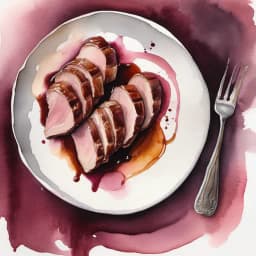
There is a high-end brand of duck that has been served at Imperial celebrations: "Gin no Kamo" (Silver Duck).
Raised from the Barbary breed originally from France, this duck meat is famous for being served as "roasted duck" during the Crown Prince's wedding ceremony in 1993. The challenge started by Hatanaka Farm with only 300 birds in 1985 has now grown into a flavor recognized by top-tier restaurants in the Tokyo metropolitan area. Each bird is carefully raised one by one in a stress-free environment without the use of antibiotics.
With no unpleasant odor and an incredibly elegant sweetness in its fat, this duck meat truly shines when prepared as roast or shabu-shabu. It is a masterpiece said to change one's very concept of what duck meat can be.

海鮮
In Oirase Town, you can find the 'aristocrat of shellfish' raised by the rough waves of the Pacific Ocean: the surf clam (hokki).
Harvested between December and March in fishing grounds overlooking the mouth of the Oirase River and the Pacific Ocean, it is a quintessential taste of winter. Formally known as 'ubagai,' it is known as a long-lived shellfish that can live for over 30 years. A notable feature is that fishing cooperatives from Hachinohe to Misawa work together to carefully manage them to protect resources.
With its thick meat, strong sweetness, and plump, elastic texture, it is best enjoyed as sashimi. When lightly cooked, its unique red color and sweetness are enhanced. It is also delicious when pan-fried with butter or prepared as hokki rice—a local pride of winter delicacies.
📍つがる市
Specialties from つがる市 are also available via furusato nozei

農産物
You might be surprised to hear about melons in Aomori. However, Tsugaru City is a major production area for melons, ranking among the top municipalities in the country for production value.
The main variety is the 'Takami Melon'. They are grown in a sandy dune area called Mt. Byobu; the well-drained soil and the significant temperature difference between day and night are said to be the secrets to growing sweet melons. Among them, those with beautiful appearances and high sugar content are carefully selected as 'Premium' grade.
The beautiful green flesh is juicy and smooth. A mellow sweetness and rich aroma spread throughout your mouth. If you visit Tsugaru in the summer, this is a fruit you must taste. It is a luxurious fruit that Tsugaru is proud of during the summer season.

農産物
Alongside melons, watermelon is a summer specialty of Tsugaru City. As one of the selected 'Tsugaru Brand' agricultural products, it is proudly presented by the local community.
Cultivation is centered in the coastal dune area known as Byobuyama. The well-drained soil and significant temperature difference between day and night in this region produce sweet and juicy watermelons. It is said that more than half of the watermelons produced in the prefecture come from this area, and during the summer, they are shipped to the Tokai and Kinki regions.
With a crisp texture and a sweetness that spreads throughout your mouth, eating it chilled will blow away the summer heat. Each fruit, nurtured by the winds of the Sea of Japan and the blessings of the dunes, is perfect for a summer feast.
📍むつ市
Specialties from むつ市 are also available via furusato nozei

ご当地グルメ
As you open the lid, the steam of spices rises softly. A single spoonful of the thick, rich roux reveals a deep flavor that feels somehow nostalgic. This is the Ominato JMSDF Curry, beloved by the men of the sea.
In the Japan Maritime Self-Defense Force, every Friday is 'Curry Day' to help personnel keep track of the days of the week during long voyages. The ships and units based at Ominato Base each carefully preserve their own prideful, secret recipes.
Since 2017, Mutsu City has been recreating these authentic tastes in local shops using techniques passed down directly from the units. This allows you to compare different ship curries, each unique to its shop.
Pour it generously over rice and take a big bite. It is a carefully crafted dish that has long supported the members of the Self-Defense Force.

ご当地グルメ
When you bite into it, there is a pleasant, crispy sound. From within the golden-brown, fragrant coating, fluffy, steaming potatoes emerge. This is the Ominato Navy Croquette, packed with the ingredients of Shimokita.
This navy gourmet dish is said to have been born in the old naval unit of Ominato during the Meiji era. The rule is to use tallow (beef fat) for the frying oil and fry at a high temperature to achieve a crisp texture. That is precisely why it gives off such an appetizing, savory aroma.
The filling is generously loaded with fresh ingredients from Shimokita. The combination of the thin, crispy coating and the sweet, fluffy potato is irresistible.
It is a local delicacy that you want to devour while blowing on it to cool down the heat of being freshly fried.

海鮮
The vibrant orange fillets glisten with a beautiful luster, looking as if they might melt at any moment. Once in your mouth, high-quality fat spreads luxuriously and then disappears with an elegant finish. This is Strait Salmon, nurtured by the Tsugaru Strait.
Our fish pens are floated off the coast of Ohata, Mutsu City, in the fast-moving currents of the Tsugaru Strait, where the salmon are raised amidst rough waves. As a result, the flesh is firm and free from the fishy odor often found in farmed fish. Despite being rich in fat, the aftertaste is surprisingly refreshing.
As sashimi, you can enjoy a melting texture; when grilled, you can savor the plump, rising umami.
Freshly caught fish are available only for a brief period in early summer. It is a pure, domestic luxury, refined by the rough seas.

郷土料理
A traditional dish passed down in the Shimokita Peninsula, this dish uses a scallop shell as a pot to prepare miso-flavored egg simmered with ingredients.
While 'Kaiyaki Miso' using scallop shells is widely enjoyed throughout Aomori, it is known as 'Miso Kaiyaki' in Shimokita and has been passed down through individual households. Dashi broth and miso are placed in a large shell along with ingredients like green onions, and finally, beaten egg is swirled in to create a fluffy texture. It is a simple yet authentic taste of the Shimokita dining table that makes the most of the ocean's bounty.
The miso, infused with the savory umami of the scallop, clings to the silky egg. A unique pleasure of this local cuisine is that the ingredients and flavors vary slightly from household to household. Each shell contains the richness of the northern sea, making it a dish that warms even the heart.
📍横浜町
Specialties from 横浜町 are also available via furusato nozei

調味料
Yokohama Town has even recorded the largest rapeseed cultivation area in Japan. The oil is pressed from the bright yellow flowers of these rapeseed plants.
To protect and nurture the vast fields of rapeseed, local producers have handled everything from cultivation to pressing. Among their offerings is a specially crafted oil made from pesticide-free rapeseed, pressed without roasting and finished through repeated natural filtration. This flavorful oil has had any raw or bitter notes carefully removed.
Using it for stir-frying or deep-frying will greatly enhance the aroma of your dishes. It offers a pure and simple taste nurtured by the home of rapeseed flowers. As a gift, it is sure to evoke memories of Yokohama Town's beautiful rapeseed fields. This is an item truly worth gifting to cooking enthusiasts.

海鮮
The calm waters of Mutsu Bay are perfect for scallop farming. Yokohama Town is a major scallop-producing area facing this very bay.
Nutrients flow into Mutsu Bay from pristine forests and rivers, where scallops are carefully raised using cage and ear-hanging cultivation methods. Growing slowly within the tranquil bay, these scallops boast thick meat, a natural sweetness, and a delightful, plump texture. Locally, you can find restaurants serving salt ramen topped with whole scallops in their shells, as well as delicious scallop bowls.
Whether enjoyed as sashimi, grilled, or simmered, fresh Mutsu Bay scallops release a sweet, oceanic flavor with every bite. Tasting them at this level of freshness, unique to the production area, is one of the true joys of visiting Yokohama Town. It is a luxurious taste nurtured by the northern seas.

農産物
Yokohama Town is home to one of Japan's leading expanses of canola flower fields. Canola honey is what bees collect from these very flowers.
Harvesting takes place from mid to late May, when the canola flowers are in full bloom. Because canola nectar is high in glucose, it tends to solidify easily and will crystallize quickly if left untreated. Therefore, it is sometimes delivered as 'raw honey'—harvested before dawn and bottled immediately without heating.
It features a rich aroma and a deep, mellow sweetness. This is a true blessing unique to this land of canola flowers. With just one spoonful every day, you can feel the spring of this northern village. When paired with bread or yogurt, a landscape of spring unfolds right in your mouth.
📍外ヶ浜町
Specialties from 外ヶ浜町 are also available via furusato nozei

海鮮
Sotogahama Town faces the Tsugaru Strait at the northern tip of the Tsugaru Peninsula. This is a hidden gem for tuna fishing known only to those in the know.
In the waters off Cape Tappi and Mimaya within the Tsugaru Strait, warm and cold currents collide, creating an area with very fast tidal currents. It is said that the tuna raised by being tossed about in these intense currents have firm flesh and high quality. Local fishermen carefully catch each fish one by one using pole-and-line fishing with squid as bait.
While the tuna from neighboring Oma is famous, the tuna landed in Sotogahama from the same strait is equally impressive. It features meltingly smooth fat and a robust umami in the red meat. If you encounter it during your travels in Tsugaru, please give it a taste. It is a powerful flavor forged by the northern sea.

海鮮
When the cherry blossoms bloom, the Togekurigani brings news of spring to the dining tables of Aomori. It is a smaller species of the Cancridae family, similar to the Horsehair Crab (Kegani), and in Mutsu Bay, it is fished only during a brief period from late April to late May each year. Because this timing coincides perfectly with the peak cherry blossom season in the prefecture, it is also called 'Hanami-gani' (Flower Viewing Crab) or 'Sakura-gani' (Cherry Blossom Crab), making it an essential part of Aomori's spring festivities. To protect the resource, the number of times they can be harvested is strictly regulated, making it a rare and precious crab that does not frequently appear in markets.
Females are prized for their internal eggs (uchiko), while males are celebrated for their delicious meat and rich crab miso. When you bite into freshly boiled crab, the aroma of the sea rises softly, creating a spring delicacy that makes both sake and rice impossible to stop eating—a true pride of the local region.

海鮮
Do you know of a tiny, translucent fish that heralds the arrival of spring? It is the Shirowo.
In Kanida, Sotogahama Town, Shirowo swim up the Kanida River around late April every year to spawn. They are slender, measuring about 5cm in length, and are an entirely different species from the similarly named Shirauo (icefish). They have no fishy odor, and a subtle sweetness can be felt when bitten.
Since 1988, the local 'Shirowo Festival' has been held, and the specialty 'odori-gui'—tasting them while they are still alive—has been widely enjoyed. The unique texture of the fish dancing in your mouth is something you can only experience here. In addition to odori-gui, they are delicious when prepared as tempura or simmered with egg. It is a seasonal blessing unique to Sotogahama that can only be tasted for a brief period in spring.
📍五戸町
Specialties from 五戸町 are also available via furusato nozei
肉
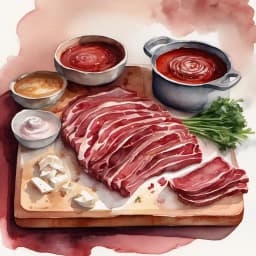
Gonohe Town, which has flourished since the Kamakura period as a production site for warhorses of the Nanbu Clan, is a town where one of Aomori's leading horse meat cultures is rooted. It is said that the place names from 'Ichinohe' to 'Kunohe' originate from the pastures where horses were once raised, and there was even an era when there were more horses than people.
The cool climate with blowing Yamase winds is suitable for horse breeding, and amidst a lifestyle where horses were close at hand, horse meat consumption spread triggered by post-war food shortages. Known as 'Sakura Niku' (cherry blossom meat) due to its beautiful pink color, it is told that the reputation of Sakuranabe, which horse traders gathered around at hearthside fires during the feudal era, led to the birth of horse meat restaurants.
The lean meat has a deep umami flavor, and the fat possesses an elegant sweetness. Please enjoy a dish unique to Gonohe, which is also great for beauty due to being low in calories and high in protein.

郷土料理
Legend has it that while Minamoto no Yoshitsune was fleeing from Hiraizumi, Benkei used his helmet as a pot to cook wild birds to restore Yoshitsune's strength. Inspired by this anecdote, the 'Yoshitsune Nabe' of Gonohe Town was created.
The iron pot, shaped like a helmet, features a unique design that allows you to enjoy both sukiyaki-style boiling and yakiniku-style grilling simultaneously: tofu and vegetables are boiled in the central depression, while horse meat and vegetables are grilled on the surrounding brim. Even the small dish at the edge of the brim is thoughtfully designed to serve as an oil reservoir. It is a famous specialty well-known in the Nanbu area, centered around Hachinohe and Towada.
The horse meat served in Yoshitsune Nabe includes premium cuts such as harami (skirt steak) and kainomi (chuck flap). You can fully indulge in this luxurious hot pot, which offers both shabu-shabu and grilled flavors, alongside the romance of history.
📍五所川原市
Specialties from 五所川原市 are also available via furusato nozei

ご当地グルメ
As you scoop the clear soup with your spoon, the savory aroma of shellfish rises along with the steam. One sip reveals a deep, spreading richness beneath the saltiness—everything about the Lake Jusan Shijimi Ramen is contained within this single, translucent golden bowl.
Growing in the brackish waters of Lake Jusan are large, thick-fleshed Yamato clams. The light salt soup is generously infused with their extract and topped with an abundant amount of plump, succulent clams.
Slurping the noodles, picking up each piece of clam, and finally drinking every last drop of the soup. It is light yet profoundly satisfying. This is a bowl that Aomori is proud of, making you want to travel all the way to Tsugaru just to taste it.

農産物
When you slice into it, what appears is a deep crimson color all the way through the cross-section. It is a rare apple even by world standards, as not only the skin but the very core of the flesh is dyed red.
Known as 'Goshogawara,' this variety grows exclusively in Goshogawara City. Its hallmark is a sharp, tight acidity; when pressed, it transforms into a clear, ruby-like red juice, and when cooked, it becomes a thick, sweet and sour jam.
Eating it as is, a crisp tartness is followed by a fragrant apple aroma that drifts through the nose. When baked into an apple pie, the crimson color sparkles between the pastry layers.
It lifts your spirits every time you slice it, and it tastes delicious. It is a slightly special fruit born from the fields of Tsugaru.

郷土料理
Aomori is one of Japan's leading producers of horse meat. In particular, in Kanagi—the town where Osamu Dazai was born and raised—horse meat has been enjoyed since ancient times.
The Tsugaru region, where Kanagi is located, has a history of prosperity as a horse-producing area. Inheriting this culture, people in Kanagi have traditionally eaten not only fresh horse sashimi but also hot pots featuring horse meat simmered in a miso-based broth. When simmered slowly with burdock root and tofu, the savory umami spreads with every bite.
Horse meat is surprisingly mild in flavor, with a robust richness in its lean meat. During the cold season, a warm horse meat hot pot is especially soothing to the body. Kanagi's horse meat dishes, which continue to be loved by locals, offer a taste that conveys the food culture of Oku-Tsugaru.

農産物
When grated, it produces such a thick, sticky consistency that it won't even break when lifted with chopsticks. When served as tororo over hot rice, it creates a rich, hearty meal where the texture clings to your mouth with a chewy goodness.
Tsukune-imo is a type of mountain yam that grows in round clumps. Because it has low moisture content and a dense flesh, it is characterized by having an exceptionally strong stickiness compared to many other types of mountain yams.
Aomori is the northernmost production area where this Tsukune-imo thrives. In addition to being grated for tororo, using it as a binder in Japanese confectionery dough creates a soft and light mouthfeel.
Strongly adhesive and full of nourishment. It is a powerful root grown in the fields of the northern lands.
📍弘前市
Specialties from 弘前市 are also available via furusato nozei

郷土料理
'Iga' is the Tsugaru dialect word for squid. This home-cooked dish was born from the wisdom of Tsugaru people to use up all the leftover tentacles after preparing sashimi without waste.
Finely chopped squid tentacles are mixed with vegetables such as onions and carrots, then bound with flour and either deep-fried or pan-fried. It is said that during the food shortages immediately following World War II, people devised this method to ensure no precious squid went to waste and to make even vegetable scraps delicious. Centered around Hirosaki, it has been passed down as a true 'taste of mother's cooking.'
With the savory umami and chewy texture of the squid, the sweetness of the vegetables, and the fragrant crispiness of frying, it is a familiar taste of Tsugaru often seen in deli shops and local stores. It is a simple yet irresistible Tsugaru soul food that makes you want to eat it again and again.

農産物
'Kimi' is the Tsugaru dialect word for corn. Grown in the Dake Highlands at the foot of Mount Iwaki, this corn is said to be even sweeter than melon.
In the Dake Highlands, located at an altitude of 400–500 meters, the temperature difference between day and night exceeds 10 degrees Celsius after the Obon festival period. It is said that this harsh environment tightens the kernels and concentrates their sweetness. The sugar content reaches over 18 degrees, making it so juicy that it can be eaten raw.
Because the sugar content drops after harvest, we insist on shipping only morning-picked corn.
Whether boiled or grilled, the bursting sweetness of the kernels is exceptional. It is a treasure of Tsugaru that can only be tasted during the short summer season.
麺料理
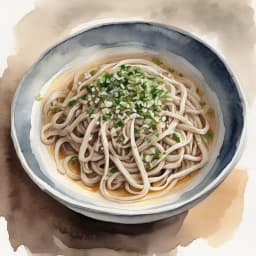
Tsugaru Soba, often referred to as the 'phantom soba.' Its most defining feature is the use of gojiru—made from ground soybeans—as a binder.
This method was developed in an era when rice was precious, as a way to supplement nutrition using buckwheat. The process involves kneading soybeans into buckwheat dough that has been rested for a full day and night, without adding any water or other binding agents. Because the preparation takes several days, the tradition had once faded after the war, but it was revived in 1997, primarily by local Japanese restaurants.
It possesses a unique texture that is both soft and chewy with a good bite. This deeply flavorful bowl is a product of the time and care invested by the Tsugaru people, where the subtle sweetness of the soybeans harmonizes with the rich aroma of the buckwheat. Please enjoy the flavor that gently melts in your mouth.

郷土料理
"Keno-jiru" is a Buddhist vegetarian dish eaten during the Koshogatsu (Little New Year) in the Tsugaru region. In the Tsugaru dialect, "ke" means "porridge," and because it is equivalent to the "Seven Herb Porridge" (Nanakusa-gayu) of other regions, it is also known as the "Tsugaru Seven Herb Porridge."
It consists of finely diced root vegetables like radish, carrot, and burdock, along with wild plants, deep-fried tofu, and freeze-dried tofu, simmered in miso or soy sauce. It is said to have originated as a preserved food prepared by women for the men when they returned to their hometowns, as the women were often busy tending to family and guests during the New Year; some theories suggest its history dates back 400 years to the era of the founder of the Tsugaru Clan.
It is a humble yet nutritious bowl where the diced ingredients represent grains of rice. The simple, soul-warming flavor provides a sense of profound comfort.

洋食
In fact, Hirosaki is considered a highly competitive area for French cuisine, with some saying it has the highest number of French restaurants per capita in Japan. An unexpected gourmet culture has blossomed in this historic castle town.
Since the Meiji era, Hirosaki actively invited foreign teachers in its pursuit of becoming an 'academic city,' leading to the early establishment of Western culture and cuisine. The gathering of chefs dedicated to freshness, seeking out Aomori's bountiful ingredients from both sea and mountain, has further nurtured the city's food culture. This created a positive cycle where new restaurants began to cluster once a reputation for quality was established.
With sophisticated creative French cuisine that utilizes apples and local ingredients, the depth of flavor is unique to this castle town. We invite you to experience the hidden gourmet side of Hirosaki.
📍黒石市
Specialties from 黒石市 are also available via furusato nozei

ご当地グルメ
Looking into the steaming bowl, the thick, flat noodles glisten, coated in a Japanese-style dashi broth. As you scoop it up with a spoon, the aroma of the warm broth-soaked noodles and sweet-savory sauce wafts up. It is a mysterious and beloved dish—a yakisoba that comes with its own soup.
Kuroishi's specialty flat noodles are thick and chewy, much like udon, providing a satisfying texture. The noodles are stir-fried with sauce and then finished with a pour of dashi broth. The scattered tempura scraps soak up the broth, adding an extra burst of richness.
The sweet and savory notes of the sauce blend with the gentle umami of the dashi, making you want to slurp every last drop. A generous amount of green onions provides a refreshing finish to the aftertaste.

ご当地グルメ
Thick and flat, almost like udon. That is the most defining feature of Kuroishi Yakisoba.
There was a unique reason why these distinctive noodles were born. In Kuroishi, where udon culture was originally very strong, it is said that noodle makers used udon cutters to produce yakisoba noodles as well. Thus, yakisoba using these thick and flat 'Taihei-men' (flat noodles) became rooted in this town. Incidentally, this led to the creation of another specialty called 'Tsuyu Yakisoba,' where soba sauce is poured over the yakisoba.
With the sauce clinging to the chewy, thick noodles, it is incredibly filling. It is an addictive local gourmet specialty of Kuroishi.

農産物
A bottle that captures the essence of Aomori, the heart of apple production. This apple juice is pressed separately for each variety produced in Kuroishi.
Fuji, Orin, Kougyoku—the sweetness, acidity, and aroma of apples differ completely depending on the variety. To allow you to enjoy those individual personalities as they are, we create unadjusted juices by pressing each variety without blending them. The richness of flavor, a hallmark of an apple-growing region with large temperature differences between day and night, is also part of its charm.
With nothing extra added, it is the pure taste of the apple itself. If you try them side-by-side, you will surely be surprised by the differences between varieties. You can even enjoy choosing a variety based on your mood that day. It is a cup that allows you to experience the full depth of Aomori apples.
📍今別町
Specialties from 今別町 are also available via furusato nozei
海鮮
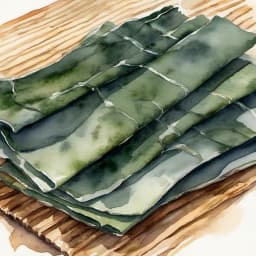
There is a premium dashi kombu nurtured by the rough waves of the Tsugaru Strait. This is Imajiri kombu.
Located on the Tsugaruna Peninsula, the northernmost part of Honshu, Imajiri Town produces kelp that grows amidst intense tidal currents. This kombu is characterized by its thick flesh and a rich, deep umami flavor. Known since ancient times as a source of high-quality dashi kombu, it has long supported local dining tables.
Its elegant and profound broth enhances the flavor of miso soup and simmered dishes significantly. In the Tsugaru Peninsula, kombu rice balls are also well-loved; the 'Waka-o Kombu Onigiri' favored by the great literary figure Osamu Dazai is particularly famous. This is a masterpiece that allows you to feel the true strength of kelp raised in the sea at the northernmost tip of Honshu. It is an essential item you'll want to keep in your kitchen as the secret to perfect Japanese cuisine.

海鮮
In Imabetsu, nurtured by the pristine waters of the Tsugaru Strait, you will find crunchy mozuku.
Natural mozuku harvested from the seas of Imabetsu town on the Tsugaru Peninsula—the northernmost part of Honshu—is characterized by its thickness and excellent bite. Growing in the rough strait where intense currents flow, it offers a robust elasticity and texture. You can feel a wild strength that is distinctly different from farmed varieties.
When prepared as a vinegared dish, it is refreshing; when added to miso soup or soup, it provides a smooth, slippery texture. Rich in marine minerals, it is an ingredient that is good for your health. This is a seafood delicacy unique to Imabetsu, allowing you to taste the bounty of the strait directly. Its light and refreshing mouthfeel is a welcome presence even on days when you have little appetite.
📍佐井村
Specialties from 佐井村 are also available via furusato nozei

海鮮
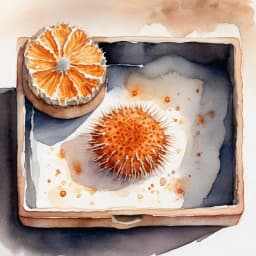
"The sweetest in Japan." This is what the fishermen of Sai Village proudly claim about their sea urchins.
Located near the western tip of the Shimokita Peninsula, the waters of Sai Village are a bountiful fishing ground where the Sea of Japan and the Pacific Ocean meet. Seaweeds such as kelp and wakame, which serve as food for the sea urchins, flourish here. Having grown by eating plenty of high-quality seaweed, these Kita-murasaki sea urchins possess an exceptional rich sweetness and aroma of the ocean without any unpleasant odor. The harvest continues long into summer, using different fishing methods—with baskets in early summer and harpoons thereafter.
When scooped with a spoon and brought to your mouth, a melt-in-your-mouth sweetness gently spreads. This is a premium, summer-only delicacy that is unforgettable once tasted. Whether enjoyed as fresh sea urchin or salted, it is the pride of Sai Village.
海鮮
There is a jarred delicacy that enhances the natural sweetness of sea urchin using only salt.
Produced by the Sai Village Fisheries Cooperative, "Tsugaru Strait Lightly Salted Sea Urchin" uses Kita-murasaki sea urchins that have gained sweetness from eating plenty of seaweed. Because no preservatives or additives such as alum or alcohol are used, there is minimal bitterness or astringency, allowing the rich sweetness and flavor of the sea urchin itself to come through directly.
Placed atop warm rice, it becomes a magnificent feast all by itself. In Sai Village, "unigiri" (sea urchin rice balls) using salt-cured sea urchin are also popular. It is a jewel of the sea that is perfect for mail order or gifts, spreading the scent of the ocean every time you open the jar.
📍三沢市
Specialties from 三沢市 are also available via furusato nozei

海鮮
The pride of Misawa's winter flavors: the surf clam. The 'Misawa Hokki-don' allows you to fully savor its charm.
Created in 2009 with the desire to share the enjoyment of Misawa-grown surf clams with more people, this local specialty is available only during the winter season from December to March when the fishing season opens. Surf clams raised in the sandy seabed of Misawa are characterized by their whitish shells, which turn a subtle cherry-blossom pink when boiled.
With a sweet flavor and a chewy texture, the juicy meat, bursting with umami, spreads throughout the bowl. This is a seasonal bowl you must try when visiting Misawa in winter. It is a gift from the sea of Misawa, best enjoyed during the cold season.

ご当地グルメ
This is a local Misawa gourmet specialty featuring 'Paika' (pork belly cartilage) simmered until tender.
Paika refers to the cartilaginous part remaining after blocks of pork belly are sliced. In the past, this part was often discarded, but locals thought, 'What a waste, couldn't we make this a Misawa specialty?' Through local ingenuity, it was launched as a stewed dish in 2006.
Today, it can be enjoyed through various dishes including hot pots, ramen, and curry.
Rich in collagen, it features jiggly cartilage and the savory flavor of the surrounding meat. It is a unique Misawa gourmet specialty loved by locals. This slow-simmered dish represents the wisdom born from living in a cold region.
📍七戸町
Specialties from 七戸町 are also available via furusato nozei

郷土料理
In this town that once raised many famous horses, a food culture centered around tasting horse meat has taken root.
Shichinohe Town is an ancient horse-breeding area, known as a producer of Thoroughbreds, and has even produced famous horses that won the Derby. The history of walking alongside horses, including the unique Nanbu Magariya, still remains in various parts of the town today. Because of this heritage, horse meat is an ingredient that has been carefully passed down and enjoyed locally.
With low odor and a sweetness in the fat, horse meat can be thoroughly enjoyed in hot pots or as sashimi. In recent years, 'Horse Meat Ramen,' topped with horse meat instead of traditional chashu, has also gained popularity as a regional revitalization dish. This is a cuisine where you can encounter the deep flavors unique to the horse town of Shichinohe.
📍十和田市
Specialties from 十和田市 are also available via furusato nozei

ご当地グルメ
On the heated iron plate, the beef short ribs and a mountain of onions sizzle loudly. The fragrant aroma of the sweet and savory sauce caramelizing fills the air, making it impossible to stop using your chopsticks.
Towada Barayaki is a soul food that the citizens of Towada dearly love. Fatty beef short ribs and a massive amount of onions, sautéed until meltingly tender, are richly coated in a soy-based sweet and savory sauce and grilled.
The sweetness of the softened onions paired with the rich umami of the meat creates a perfect harmony. When heaped onto rice along with the sauce, you feel like you could eat endlessly.
It is a flavor that the town takes great pride in, having proudly won first place in the 2014 B-1 Grand Prix.
海鮮
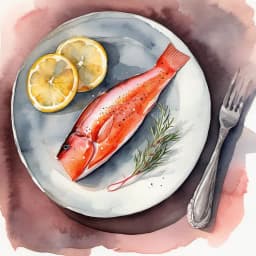
When you pierce the light pink flesh with chopsticks, it gently and softly flakes away. Despite being a freshwater fish, it is perfectly fatty, and once in your mouth, a subtle sweetness drifts over your palate—this is the Himemes of Lake Towada.
Although a relative of the salmon, Himemes are raised in the clear waters of a lake isolated from the sea. We take pride in the fact that they have absolutely no fishy odor and possess firm, tight flesh.
When salt-grilled, the skin becomes crispy while the flesh remains plump and juicy. When fresh, you can fully enjoy its clear, elegant flavor through sashimi or pressed sushi.
This is a true blessing of the lake—a single fish nurtured slowly over time by the cold, pure waters of Lake Towada.

農産物
When peeled, pure white and glossy cloves emerge like snow. When roasted, they are fluffy; when grated, a pungent aroma rises up the nose—this is the powerful garlic that Aomori is proud of.
Aomori is Japan's number one garlic-producing region, accounting for approximately 70% of domestic production. Among its varieties, 'Fukuchi White Rokken' is characterized by its large cloves, snow-white color, and firm texture.
When roasted whole in foil, it becomes fluffy, meltingly sweet, and mellow. When chopped and tossed into stir-fries, the rising savory aroma instantly stimulates the appetite.
Developed slowly by the severe temperature fluctuations between day and night, each bulb offers an exceptional taste and aroma.
📍新郷村
Specialties from 新郷村 are also available via furusato nozei

乳製品
From the village where dairy farming began in Aomori, comes a carefully crafted drinking yogurt.
Shingo Village is known as the birthplace of dairy farming in Aomori Prefecture. Our pride is this additive-free drinking yogurt, made from 100% raw milk produced in Shingo Village, without using stabilizers or flavorings. This premium type, which also contains no sugar or high-fructose corn syrup, brilliantly won the Gold Award at the 2014 Local Yogurt Grand Prix.
Despite its richness, the aftertaste is surprisingly refreshing. Some say that once you try it, you can never go back to commercial brands. It is a pure product delivered directly from pastures in lush, green highlands. Perfect for your morning glass, its gentle flavor can be enjoyed by the whole family.

農産物
Garlic grown in this snow-covered village is carefully aged to be reborn as a black jewel.
Made using 100% garlic from the Torai district of Shingo Village, this black garlic is meticulously aged over 30 days. The harsh cold, with over 1 meter of snow accumulating in midwinter, tempers the garlic to become sweet and succulent. Through the aging process, the pungent aroma softens, transforming into a sweetness and texture reminiscent of dried fruit.
One of its greatest charms is that it can be easily eaten as is. Because it is fruity, easy to eat, and simple to incorporate into a daily routine, it is a pride of Shingo Village, enjoyed nationwide as a health-conscious specialty item ordered online.
📍西目屋村
Specialties from 西目屋村 are also available via furusato nozei

郷土料理
At the foot of a World Natural Heritage site, there is soba grown with pure water and air. This is Shirakami Soba.
Nishimeya Village has clean water and significant temperature fluctuations between day and night, making it ideal land for cultivating soba. Since starting cultivation in the late 1990s, it has grown into one of the leading soba-producing areas in the Tsugaru region. Our great pride is that everything—from cultivation and threshing to milling and hand-making—is handled entirely within the village.
Our Juwari (100% buckwheat) soba, made using 100% buckwheat flour nurtured by the nature of the Shirakami-Sanchi mountains, is a specialty product that excels in aroma, flavor, and texture. With just one sip, you can feel the pure mountain air itself. It is a nutritious bowl that allows you to taste the great nature of the World Heritage site.

農産物
Meya Tofu is a traditional tofu from Nishimeya Village that once faced extinction but has since made a magnificent comeback.
While Meya Tofu was once commonly made in every household, the tradition was temporarily interrupted due to factors such as dam construction. However, in 2012, the villagers successfully revived it with their own hands. It is characterized by being firmer and less likely to crumble than ordinary tofu, and its charm lies in the concentrated, rich flavor of the soybeans.
Its rarity—available only during the winter season at the 'Tsugaru Shirakami' roadside station and limited to just 120 blocks per day—is also a reason for its popularity. When served as dengaku (miso-glazed) or hiyayakko (chilled tofu), you can fully enjoy the powerful, natural umami of the soybeans. It is a precious item that carries the village's food culture into the present day.
📍青森市
Specialties from 青森市 are also available via furusato nozei

ご当地グルメ
"Miso, curry, and milk in ramen?" — No one can hear that name without being surprised. But this is the soul food that Aomori citizens have loved for many years.
It all began at 'Aji no Sapporo,' a popular local shop operating since the 1960s. Middle and high school students gathering at the cinema branch used to play around by adding various seasonings to their ramen, and soon the rumor spread that "adding curry and milk to miso ramen tastes delicious." In response to customer feedback, it officially appeared on the menu in 1978.
The aroma of curry, the richness of miso, and the smoothness of milk blend together surprisingly well. It is a bowl unique to Aomori that you won't forget once you've tasted it.

海鮮
As many of your favorite ingredients as you like. That is the charm of 'Nokke-don'—the ability to create your very own personalized seafood bowl.
way, the setting is the Aomori Gyosai Center, affectionately known locally as 'Furukawa Market.' First, you purchase meal tickets and receive a bowl of rice. Then, you wander through the various stalls in the market, adding one piece of fresh seafood at a time—from tuna and squid to scallops from Mutsu Bay—until you are overwhelmed by the delicious choices. Before you know it, you have completed your one-of-a-kind 'selfish bowl.'
The freshness of the seafood, landed just that morning, is exceptional. You can even indulge in the luxury of choosing only exactly what you want, in small portions. Creating a bowl with your own hands while enjoying the lively market atmosphere is sure to become an unforgettable memory of your trip.

郷土料理
Oden paired with a sweet miso sauce containing grated ginger. It is an Aomori flavor designed to warm you to the core, a necessity for such a cold region.
Its roots are said to lie in the food stalls that appeared around Aomori Station after the war. During the harsh winter cold, it is said that a stall owner began adding grated ginger to the miso to help warm the passengers waiting to board the Seikan Ferry. The warmth of this dish gained a great reputation and eventually spread as a specialty of Aomori.
Generously pour the thick ginger miso over daikon radish, konnyaku, and fish balls. The sharp kick of the ginger slowly seeps into your body on a cold night.

郷土料理
Using a large scallop shell as the cooking vessel itself—this is a bold and somewhat endearing local dish of Aomori.
In the Tsugaru region, known for its scallop production, it is said that dishes simmered in miso using shells as pots were already being eaten as far back as the Edo period. Long ago, there was even a time when versions containing egg were considered a special delicacy for the sick and pregnant women. Osamu Dazai, who was from Tsugaru, also wrote about his longing for this flavor in his book 'Tsugaru'.
The miso, infused with the savory umami of the scallops, clings to the softly simmered egg. The fact that ingredients and seasonings vary slightly from household to household is a characteristic trait of local cuisine. It is a simple yet unforgettable taste of the Tsugaru dining table.
海鮮
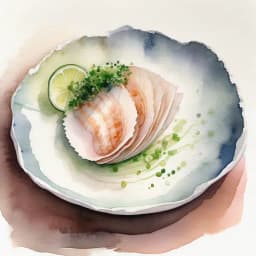
When it comes to Aomori scallops, it's all about Mutsu Bay. In this bay, where pure and nutrient-rich water flows from the Hakkoda Mountains and the beech forests of the Shirakami Sanchi, thick-fleshed scallops are raised.
Aomori's scallop production is the second largest in Japan, following only Hokkaido. Scallops account for more than half of all seafood landed within the prefecture. Because they grow by feeding on abundant plankton in the calm bay, the adductor muscles are thick and characterized by a sweetness that enhances their flavor, offering a different taste from Hokkaido scallops raised in rougher seas.
There are many ways to enjoy them: sashimi, grilled, fried, or as dried scallops. Their melting sweetness and plump elasticity make them incredibly popular nationwide even through mail order. This is a prideful delicacy nurtured by the seas of Aomori.
📍大間町
Specialties from 大間町 are also available via furusato nozei
海鮮
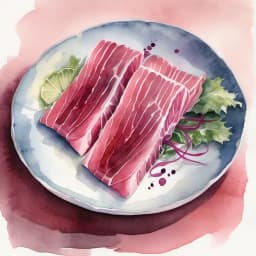
The moment it touches your mouth, the fatty otoro melts away. The fat, which should be cold, softens with your body temperature, leaving only a mellow sweetness on your tongue—this is the true power of wild bluefin tuna landed in Oma, at the northernmost tip of Honshu.
The Tsugaru Strait, where the Kuroshio, Tsushima, and Kuril currents collide, is a rich fishing ground where firm-fleshed squid and sardines thrive. The tuna that follow these prey and grow fat through line fishing are characterized by their deep red flesh and intense flavor. As you chew, a subtle acidity and the umami of high-quality protein gradually spread across your palate.
From autumn to winter, when the fat content is at its peak, the otoro from the front part of the belly becomes an exquisite, melt-in-your-mouth delicacy. The dignified umami of the lean red meat meets the sweetness of the fatty portions. It is a bounty of the strait that reveals different expressions within a single fish.
海鮮
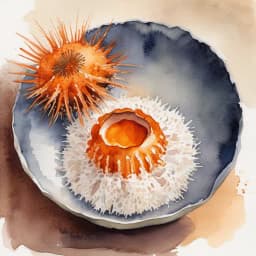
When you take a spoonful and let it melt in your mouth, the aroma of the ocean rises gently, followed by a clean sweetness. It has a texture that feels like it's melting, yet maintains a solid presence—that is the essence of Oma uni.
Oma is considered one of the leading production areas in Aomori. The Kita-murasaki sea urchin caught here features heavy, yellowish flesh that holds its shape well, characterized by an elegant sweetness without any unpleasant aftertaste. Despite their small size, they possess a deep flavor because they grow slowly in the cold, clear waters of the Tsugaru Strait.
The peak season is summer. There is nothing quite as luxurious as cracking open a freshly caught shell and sliding a single piece into your mouth. When placed atop rice, the scent of the tide and the sweetness spread throughout your entire palate.
📍大鰐町
Specialties from 大鰐町 are also available via furusato nozei

ご当地グルメ
There is a ramen dish featuring an incredibly generous amount of the famous 'phantom' bean sprouts.
Owani Onsen Moyashi Ramen is a local specialty where the star ingredient is the 'Owani Onsen Bean Sprout,' a traditional vegetable with about 400 years of history. You can taste it at five different shops within the town, and since each shop offers a different soup base—soy sauce, salt, or miso—you can enjoy comparing them. Finding your favorite bowl is part of the fun.
The crunchy texture and unique aroma of the bean sprouts pair beautifully with the warm soup. The peak season for these bean sprouts is from late autumn to spring. It is a quintessential winter dish that you'll want to savor while warming your body in the hot spring town. Slurping a bowl after a soak in the onsen will satisfy both your hunger and your soul.
📍中泊町
Specialties from 中泊町 are also available via furusato nozei

ご当地グルメ
In Tsugaru, there is a luxurious set meal that allows you to fully savor a single rockfish in both sashimi and simmered forms.
Nakadomari Town boasts the highest volume of premium Usumeball (rockfish) landings in Aomori Prefecture, with its beautiful orange body. It is said that this town accounts for more than half of the prefecture's total catch. The 'Nakadomari Rockfish Sashimi and Simmered Set,' featuring this fresh rockfish as the star, debuted as a new local gourmet dish in July 2015. The substantial meal includes firm, elegant sashimi, sweet and savory simmered fish, and even local squid sashimi.
This experience of comparing different preparations, unique to a fishing town, has become highly popular, surpassing 100,000 servings since its debut. It is a pride of Tsugaru, best enjoyed while gazing out over Lake Jusan.

海鮮
The golden broth is packed with the essence of Aomori's nature. These are clams from Lake Jusan-ko.
Lake Jusan-ko is a brackish lake where seawater and freshwater mix, providing the perfect environment for Yamato corbicula to thrive. Growing slowly in nutrient-rich waters, the meat is large and characterized by its intense umami flavor. Through sustainable fishing practices—such as limiting catch volumes, establishing closed fishing seasons, and cleaning the lakebed—the resource has been preserved for generations. These efforts were recognized in 2016 when 'Yamato Shijimi from Lake Jusan-ko' was registered under the Geographical Indication (GI) protection system.
When added to miso soup, it releases a deep, mineral-rich broth. Also famous as shijimi ramen, this is an Aomori treasure enjoyed even through mail order.
📍鶴田町
Specialties from 鶴田町 are also available via furusato nozei

農産物
Grapes you can enjoy in winter—that is Tsuruta's Steuben. Boasting the largest planting area and production volume in Japan, it is a pride of Tsuruta.
Steuben is a variety originally developed at an experimental station in New York, USA. It perfectly suits the climate and environment of Tsugaru, which lies at the same latitude, and has now become a representative agricultural product of Tsuruta Town. The sugar content is 18 degrees or higher, with some reaching over 20 degrees. Its charm lies in the fact that it can be enjoyed for a long period, from October to around February of the following year.
With a rich sweetness that spreads throughout your mouth and low acidity, its soft flesh and abundant juice brighten the winter dining table. It is a grape you truly want to taste during the cold season.

農産物
This juice is made by directly pressing Stuben grapes from Tsuruta Town, which are renowned for their high sugar content.
Stuben is the flagship agricultural product of Tsuruta Town, boasting the highest production volume in Japan. This variety, originally from New York, USA, thrives in the climate of Tsugaru, which shares a similar latitude, and can grow as sweet as 20 degrees Brix.
We have pressed these fully ripened grapes without adding any unnecessary ingredients.
Upon taking a sip, a rich sweetness and a subtle acidity spread through your mouth. It offers a concentrated flavor unique to grapes that ripen in winter. Even those who do not drink alcohol can fully enjoy the charm of Tsuruta's grapes. This is a cup filled with the blessings of Tsuruta, enjoyable for children and adults alike.
📍田子町
Specialties from 田子町 are also available via furusato nozei

農産物
Tako Town, located at the southernmost tip of Aomori Prefecture, is known as the 'Garlic Village.' Its brand garlic is called 'Tako Garlic.'
We use the 'Fukuchi White Rokuppen' variety. It is characterized by its large cloves and a snow-like whiteness. Since purchasing the seeds in 1962, the entire town has worked together to establish cultivation standards and shipping specifications to refine its quality. These efforts bore fruit when it was registered as the first regional collective trademark in the Tohoku region in 2006.
These large, fragrant cloves are firm and dense. They are excellent whether roasted or used in various dishes. Adding just a little to your cooking significantly deepens the richness and aroma. It is a powerful flavor nurtured by the northern lands.

ご当地グルメ
The sound of meat sizzling on an iron skillet and the rising aroma of garlic. This is a feast for the five senses, born from Tago Town, one of Japan's leading garlic-producing regions.
The star of the show is 'Garlic Steak Sushi,' where you wrap Tago-produced meat that you sear yourself around garlic-infused rice. In a single bite, the richness of the meat fat, the savory aroma of garlic, and the subtle acidity of the vinegared rice all harmonize. The garlic is heated to mellow its sharpness, leaving only a sweet and fragrant flavor. You can enjoy comparing the different flavors by trying rolls made with three types of meat: beef, pork, and chicken.
From creative garlic appetizers to a finishing garlic ice cream, this full course enveloped in aroma will leave you feeling revitalized by the time you finish eating.
📍東通村
Specialties from 東通村 are also available via furusato nozei

肉
Born, raised, and fed entirely within Higashidori Village. This Kuroge Wagyu is raised through a thorough integrated management system.
Located in the northeast of the Shimokita Peninsula, Higashidori Village is a cool land where winds from the Tsugaru Strait blow through. Temperatures do not rise too high even in summer, providing a comfortable environment for the cattle. Raised freely across vast, gentle terrain, these cattle are characterized by high-quality fat and beautiful marbling. It is an extremely rare brand of beef, with only a few dozen head shipped annually.
The high-quality fat melts even at low temperatures, releasing juices and umami the moment it touches your mouth. A hidden powerhouse of Shimokita that is not yet widely known. Once you taste it, you will surely understand its rarity.
ご当地グルメ
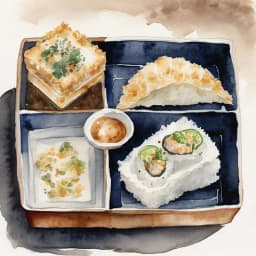
Did you know that Aomori is actually a famous producer of flounder? The 'Higashidori Wild Flounder Sashimi Box,' which uses wild flounder from one of the prefecture's leading catches in a luxurious way, debuted in July 2017 as Aomori Prefecture's fifth local gourmet specialty, following the Fukaura Tuna Steak Bowl and Nakadomari Rockfish Set. The main event is a trilogy consisting of a five-piece sashimi assortment, a special three-tier box, and 'fire gourmet.' The three-tier box includes Yamakake-ju, Temusu-ju, and Namerou-ju, allowing you to enjoy a single flounder in multiple ways. Rice produced in Higashidori is used for the dish.
With its elegant sweetness of translucent white flesh and a chewy texture, this is a luxurious and highly satisfying meal that can only be encountered on the Shimokita Peninsula.

農産物
The cool climate of Shimokita nurtures highly aromatic soba. This is Higashidori Soba.
In Higashidori Village, the large temperature difference between day and night allows starch to accumulate firmly in the buckwheat grains, resulting in a rich flavor and aroma. It is said that the village's soba culture is even older than its rice cultivation; since ancient times, 'Katcha' (grandmothers) have hand-crafted soba without binding agents to serve at celebratory occasions. This tradition continues to be cherished today.
We use 100% Higashidori-grown Kitawase variety, prepared as Juwari-soba (100% buckwheat) without any additives. Stone-ground to maximize its aroma, this hand-made soba features a thick texture and an authentic buckwheat fragrance that lingers in the nose. It is a deeply nourishing bowl that lets you experience the true strength of this hidden specialty region.
📍東北町
Specialties from 東北町 are also available via furusato nozei

海鮮
Lake Ogawara is known locally as the 'Treasure Lake' because of the abundance of fishery products it yields. The Yamato shijimi clams, raised in this brackish lake where seawater and freshwater mix, are a representative bounty of this lake.
We carefully raise them over about four years, harvesting only large-sized clams with a shell length of 15mm or more. Using a gentle fishing method that does not damage the lake, we maintain high freshness without weakening the shells. Their quality is officially certified and registered under Japan's Geographical Indication (GI) system.
With a rich broth unique to large clams and a satisfyingly meaty texture, they create a golden, savory miso soup that warms you to the core. It is a true taste from one of the most famous clam-producing regions in Tohoku.
海鮮
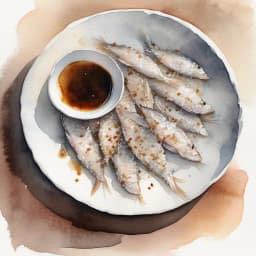
Known as the 'Treasure Lake,' Lake Ogawara boasts the number one Shira-uo catch volume in the country. With over 500 tons landed annually, it is a renowned specialty area known to connoisseurs, accounting for approximately 60% of all Shira-uo from Aomori Prefecture.
Surrounded by the nature of the Hakkoda Mountains, these Shira-uo grow in brackish water rich in minerals. While transparent when alive, they turn white immediately upon being landed. You can distinguish them from the similar Shirauo species by their pointed heads.
Their delicate sweetness and soft texture make them exquisite when served as 'odori-gui' (live sashimi), tempura, or in rice bowls. Since they can be eaten whole, they are a wonderful source of calcium—a true treasure of the lake that graces dining tables from autumn to spring. Please enjoy this seasonal hallmark nurtured by the clear lake waters.

郷土料理
'Gani-jiru' is the taste that heralds spring around Lake Ogawara. It is a rustic local dish passed down in Tohoku Town, made using Mokuzugani crabs caught in the lake.
Members of the same family as the Shanghai crab, Mokuzugani are characterized by the hair on their claws. The shells are crushed whole, mixed with water, and strained; when heated, the meat and miso dissolve into fluffy clumps. Seasoned with sake, soy sauce, and salt, and finished with chives, it becomes a complete dish. It has long been served as a celebratory feast during important occasions such as weddings and funerals.
With its intense crab umami and an indescribable fluffy texture, this is a unique bowl that can only be experienced at Lake Ogawara.
📍南部町
Specialties from 南部町 are also available via furusato nozei

農産物
In early summer, Nanbu Town is adorned with ruby-like fruits: cherries.
Along with Hachinohe City and Gonohe Town, Nanbu Town is one of the leading cherry-producing areas in the prefecture, accounting for approximately half of Aomori Prefecture's total production. The mainstay is Sato Nishiki, a popular variety known for its well-balanced sweetness and acidity. The peak season occurs every year from mid-June to early July, attracting many tourists from both within and outside the prefecture to 'Nagakawa Cherry Picking.'
Cherries that have fully ripened on the tree burst with juice the moment they enter your mouth, spreading a sweet and sour flavor. Seasonal mail-order deliveries are popular every year, offering a jewel-like taste that can only be enjoyed during this brief period in early summer.

農産物
Nanbu Town is known as the 'Fruit Kingdom of the North,' making it an irresistible destination for fruit lovers.
With strawberries in spring, cherries in early summer, peaches in summer, and grapes and apples in autumn, a diverse variety of fruits ripen one after another throughout the year. Notably, the rare 'General Leclerc' pear is a masterpiece so exquisite that Nanbu Town is said to be the only significant production area left.
You can enjoy its melting texture and elegant sweetness. Fruit picking at tourist orchards is also popular, offering the charm of experiencing different harvests each season.
The warm climate and clear streams of the Meigawa River basin nurture these sweet fruits. It is truly a village of fruit where you can encounter seasonal flavors every time you visit.
📍八戸市
Specialties from 八戸市 are also available via furusato nozei

郷土料理
In the broth, infused with the flavors of chicken and fish, the broken pieces of Nanbu senbei become soft yet chewy. The texture is enjoyable because they don't dissolve even after absorbing the soup—this is Hachinohe Senbei-jiru.
We use 'Otsuyu Senbei,' which are specifically made for soups. These are wheat crackers baked in iron molds; they are resistant to dissolving during simmering, maintaining an al dente-like texture.
In the Nanbu region, where rice yields were low due to cold damage, wheat-based Nanbu senbei served as an important staple food. While it has been a beloved home-cooked meal since ancient times, the name 'Senbei-jiru' is said to have become widely established only during the Heisei era.
It is Hachinohe's pride—a hot pot that warms your body.

海鮮
A sophisticated dish consisting of a clear sea broth prepared with a generous amount of sea urchin and abalone. It is named 'Ichigonini' because the sight of the sea urchin submerged in the milky-white broth resembles wild strawberries shrouded in morning mist.
Originally, this was a hearty dish eaten by fishermen in Hachinohe and Hashika, who would boil freshly caught sea urchin and abalone right on the beach. During the Taisho era, it began to be served in high-end restaurants, becoming a beloved clear soup beautifully presented in bowls. Today, it is an essential local specialty representing the region, often served during special occasions.
Experience the rich umami of the sea urchin combined with the firm texture of the abalone. It is a taste that embodies the very bounty of the sea, with the fragrant aroma of the ocean rising from the bowl.

海鮮
When you pierce it with chopsticks, the fat melts away. Whether grilled or cured, it offers a melt-in-your-mouth umami—this is the renowned Hachinohe Maeoki Saba.
In the Hachinohe Maeoki fishing grounds, the northernmost mackerel grounds on Honshu, seawater temperatures drop early starting in early autumn, which is said to make the fish much fattier than those from other regions. The fat content is over 15%, and it is also rich in DHA and EPA.
Focusing on this advantage, a council was established in 2008 by local fisheries, tourism, food service, and government sectors to create a new food brand. They certify the mackerel every year based on catch conditions and fat content.
Please enjoy a slice of this incredibly fatty mackerel.

洋食
“Hachinohe Bouillabaisse” is a new local dish designed to allow people to fully enjoy the bounty of Hachinohe's seas. It is an initiative started in 2012 by volunteers from the fishing industry, driven by a wish for recovery from the 2011 earthquake and tsunami and a desire to convey the charm of local fish.
The rule is to use at least four types of seafood landed at Hachinohe Port, prepared with local vegetables such as tomatoes and garlic. It is said that approximately 600 species of seafood are landed at Hachinohe Port, and the more varieties of fish used, the deeper the umami becomes. A characteristic feature is also serving an additional dish that utilizes the soup.
A festival is held every year from February to March, coloring the city with this single dish. It is a nutritious soup that warms winter in Hachinohe, representing the meeting of a fishing port town and French cuisine.

海鮮
With the motto "Come, See, and Eat," Hasshoku Center is a massive market representing Hachinohe. About 60 shops line the 170-meter-long Big Street.
Seafood freshly landed at Hachinohe Port, along with local products from the southern part of the prefecture and various souvenirs, are packed closely together. A particular highlight is "Shichirin Village." It is a highly popular spot for both tourists and locals where you can charcoal-grill the ingredients you bought in the market right on the spot, and it becomes very lively on weekends.
Select, grill, and enjoy fresh seafood. The market also features a dining area where you can taste various seafood and local cuisine, offering a complete experience of Hachinohe's culinary charms. It is an essential sightseeing spot in Hachinohe, where local life and the joy of travel intersect.
📍板柳町
Specialties from 板柳町 are also available via furusato nozei

農産物
In the town of apples, Itayanagi, there are processed products made by people who know apples inside and out.
At the Itayanagi Town Furusato Center, there is an exhibition orchard planted with approximately 250 varieties and 800 apple trees, with processing facilities located on-site. The products born from the 'Ringo Work Institute' are incredibly diverse, including straight juices, jams, and dressings made using apples ripened to perfection on the tree. We take pride in our careful manufacturing process that brings out the natural flavor of the ingredients.
We are also working on initiatives to utilize every part of the apple—from the flowers and fruit to the leaves and trunks. These products reflect the true passion of the apple town, making them perfect for both souvenirs and mail-order gifts.
📍風間浦村
Specialties from 風間浦村 are also available via furusato nozei

海鮮
"Monkfish landed alive." This rare type of fish can be found in the Shimokita Peninsula.
Kazamaura Village, located near the northernmost part of Honshu, primarily uses hand-line fishing without bait and gillnetting, which is a major feature as it allows monkfish to be landed alive. Recognized for its high freshness and Ike-jime (live-killing) techniques, it was the first monkfish in Japan to be registered as a regional collective trademark. Due to its yellowish body, it is also known as "Kiankou," and the fat from its liver is renowned for being high quality and delicious.
Sashimi, where freshness is vital, is a precious dish that can only be taken in very small amounts from large monkfish. The chewy texture and subtle sweetness can only be experienced here. It is a pride of Shimokita, nurtured by the winter seas.
郷土料理
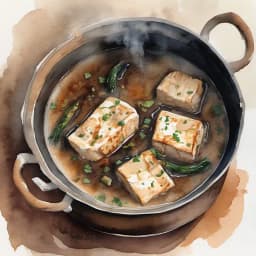
In the northernmost hot spring village of Honshu, there is a full course meal dedicated entirely to monkfish.
In the Shimofuro Onsen area, when winter arrives, dishes made using whole, fresh monkfish from Kazamaura Village are served. The menu includes sashimi, Kyowa-ae (local seasoned salad), monkfish liver, aspic, fried monkfish, and even monkfish hot pot. The freshness unique to Kazamaura anglerfish, which are landed while still alive, fully enhances each dish. It is a luxurious experience where you can enjoy every part of the monkfish, a creature said to have no waste.
In particular, the hot pot, infused with the savory richness of the liver, is a winter delicacy that warms you to your core. It is a moment that warms even your soul, enjoyed at an onsen inn surrounded by rising steam.
📍平川市
Specialties from 平川市 are also available via furusato nozei

農産物
Among the apple-producing regions of Aomori, apples from the Hirofune district in Hirakawa City are of guaranteed quality. They possess a carefully selected flavor, with a track record of winning the highest group award at the prefectural apple exhibition.
Particularly popular is the 'Ha-torazu Sun Fuji.' Typically, leaves around the fruit are removed to improve coloring, but by intentionally leaving the leaves on, the nutrients produced by the leaves are delivered thoroughly to the fruit, which is said to increase sugar content and honey density. Although it requires more labor, this cultivation method prioritizes taste.
With a single bite, you experience a dense sweetness and luscious honey. As a high-performance Aomori apple that is also perfect for gifts, each piece allows you to feel the true power of Aomori apples, filled with the pride of its production region.

郷土料理
In Aomori, when people say 'bamboo shoot,' they aren't referring to Moso bamboo, but to this slender variety. This is a local dish featuring the bounty of the mountains, made from the young shoots of Chishima-zasa known as 'Nemagari-dake.'
It is said that Nemagari-dake gets its name from the way the base grows curved due to the heavy snow in the region. The season is very short, lasting only from May to June. Locally, it has been cherished as a flavor that heralds the arrival of spring, used in ingredients for miso soup or cooked into seasoned rice (takikomi-gohan).
With its soft, slightly sweet unique flavor and a crisp texture, simply adding it to a simple miso soup evokes the feeling of spring in one's hometown. It is a gift from the mountains of Aomori, available to taste only during this brief season.
📍平内町
Specialties from 平内町 are also available via furusato nozei
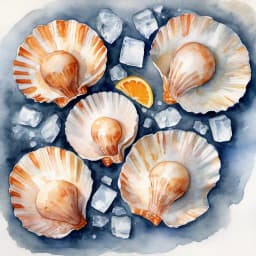
海鮮
Located in the center of Mutsu Bay, Hiraichi Town is the birthplace of scallop aquaculture. The challenges taken by ancestors who established the technology for collecting juvenile scallops using attachment devices laid the foundation for Aomori's scallop industry, which has now developed into a major industry worth over 10 billion yen.
Boasting the highest landing volume of farmed scallops in Japan, with approximately 60,000 to 80,000 tons landed annually, it is truly a 'town of scallops.' Within the bay, where nutrient-rich water flows from the Hakkoda and Shirakami mountain ranges, the scallops grow slowly by feeding on plankton.
Toughened by the cold temperatures of the northernmost part of Honshu, the meat is firm, thick, and full of sweetness. Whether served as sashimi or grilled, you can fully enjoy the excellence nurtured by Hiraichi, the holy land of scallops.

ご当地グルメ
Hiraichi Town boasts the highest number of farmed scallop landings in Japan. The 'Hiraichi Scallop Feast' allows you to savor these prideful scallops in a luxurious way that only the production area can offer.
Served at a local restaurant, this platter is a special hospitality meal featuring fresh scallops prepared in various styles, including sashimi, grilled, and fried. Because they are freshly caught live scallops, you can enjoy their rich sweetness and plump texture all at once.
Please experience the happiness of an all-scallop feast locally. This is a delicacy unique to Hiraichi Town, gathering the blessings of Mutsu Bay onto a single plate. The freshness and luxury that can only be encountered in the production area will surely excite your heart. It is a dream meal that scallop lovers will find irresistible.
📍蓬田村
Specialties from 蓬田村 are also available via furusato nozei

農産物
Just like fruit. Such ripe tomatoes are grown in Yomogita Village.
Facing Mutsu Bay, the climate of Yomogita Village, with its significant temperature difference between day and night, is perfect for tomato cultivation. The village's tomatoes are known as the 'Tomato Four Sisters,' consisting of four varieties: 'Tsugaru no Shizuku (Momotaro),' 'Kita no Miyabi,' 'Summer Celeb,' and 'Yomogita.' Among them, the Momotaro tomato, which is in season during summer, boasts a quality high enough to be supplied to Mos Burger in the Kanto-Koshinetsu region.
Bathed in plenty of sunlight, the bright red tomatoes have an exquisite balance of sweetness and acidity. The skins are soft, and they are so juicy you'll want to bite into them whole. It is a taste that represents Yomogita in summer.

海鮮
The calm waters of Mutsu Bay nurture scallops with thick meat and a sweet flavor. These are the scallops of Homata.
Homata Village is one of the towns where scallop farming in Mutsu Bay flourishes. The pure, mineral-rich water flowing from the Hakkoda Mountains and the Shirakami Sanchi mountains fosters abundant plankton; the scallops that feed plentifully on this plankton develop thick flesh and concentrated, mellow sweetness. This flavor is a direct result of their slow growth within the calm bay.
Their plump, elastic texture truly shines when served as sashimi. When grilled with butter or over an open flame (hamayaki), the aroma of the sea and their natural sweetness are released. Ordering directly from the source ensures exceptional freshness. It is a dish packed with the blessings of Mutsu Bay.
📍野辺地町
Specialties from 野辺地町 are also available via furusato nozei

海鮮
"Jimaki Scallops" are grown in Mutsu Bay within Noheji Town. While cage aquaculture is the mainstream method, these are produced using a laborious technique called "Jimaki" (seabed sowing), where young scallops are scattered directly on the seafloor and raised for over two years.
By moving freely along the seabed and feeding on abundant plankton at depths of 20–30 meters within the calm waters of the bay, they develop a firm texture and bouncy elasticity similar to wild scallops.
With thick flesh and strong sweetness, they are exceptional whether served as sashimi or grilled. Please enjoy this bounty of the sea, which is the pride of Noheji—a port town that once flourished as a stop for the Kitamaebune shipping route. The savory flavor of fresh scallops enjoyed in a seafood bowl is a true delicacy unique to this production area.
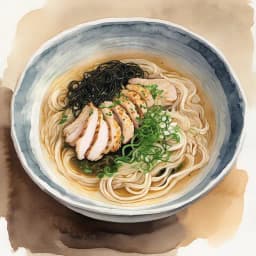
ご当地グルメ
Noheji Town once flourished as a port for the Kitamaebune shipping route. "Noheji Kitamae Ramen" encapsulates that history in a single bowl.
It combines a golden soup infused with the savory umami of Noheji scallops with thin curly noodles kneaded with the local medicinal herb, "Kawara-ketsumei." The name "Kitamae" originates from the fact that the custom of drinking this ketsumei tea is said to have been brought from the Kamigata region via the Kitamaebune ships.
Toppings include chicken chashu reminiscent of the local 'Torimeshi' ekiben (station bento) and baby scallops. This local ramen is packed with the charms of Noheji Town, fragrant with the history of a port town and the bounty of the sea. A single sip of the clear soup unfolds the story of the town.

駅弁
The 'Torimeshi' (chicken rice) is a specialty of Noheji Station that has been beloved by travelers for over half a century since 1952.
Presented in a diamond-shaped container, this simple meal features rice cooked with the savory essence of chicken, topped with chicken crumble, egg crumble, and teriyaki chicken. This traditional flavor captured the hearts of passengers on the Tohoku Main Line and local residents, supported by such a deep fan base that some people visited Noheji Station solely to purchase it.
Although sales at the station have sadly come to an end, its taste remains etched in the memories of many. The gentle flavor of the rice, infused with the savory richness of chicken, is the very embodiment of a nostalgic Showa-era scene that once accompanied train journeys.

飲料
"Kawara Ketsumei Tea" is a traditional health tea passed down since ancient times in Noheji Town. It is a tea made from roasted Kawara Ketsumei, a wild legume, which is said to have been brought from the Kamigata region via Kitamaebune ships during the feudal era.
It is also told that the wealthy merchant families of Noheji once enjoyed "cha-gayu" (tea porridge) cooked with this tea as their morning meal. Caffeine-free and featuring a mild, fragrant flavor, it has been enjoyed for generations. This tea is also known by various names in different regions, such as "Kobo Tea," "Mame Tea," or "Hama Tea."
Carefully double-roasted and grown without pesticides, Noheji's Kawara Ketsumei Tea is a beverage with a growing nationwide fanbase through mail order. Please enjoy it while taking a relaxing break.
📍六ヶ所村
Specialties from 六ヶ所村 are also available via furusato nozei

農産物
The cool earth of Rokkesho Village slowly nurtures high-quality nagaimo.
Rokkesho Village is one of Aomori's major production areas for nagaimo. The cool climate is ideal for cultivation, producing high-quality yams with fine texture and strong stickiness. Aomori Prefecture's nagaimo boasts the largest cultivation area in Japan and is a flagship agricultural product of the prefecture. Its charm lies in its low astringency and ease of eating even with the skin on.
When grated into tororo, it offers a rich and powerful stickiness; when sliced into strips, you can enjoy a crisp and light texture. The village has also produced 'Rikusyu,' an authentic shochu made from these yams. This is a pride of Rokkesho, popular for direct-from-the-farm mail orders. Having just one box will expand your dining repertoire.

海鮮
There is an ultimate accompaniment to rice that captures the blessings of the Pacific using only salt.
In the Tomari district of Rokkasho Village, a rias coastline stretches out, featuring nutrient-rich waters brought by the Oyashio current. High-quality sea urchins, having fed on plenty of seaweed, are harvested here. Using an ancient local method, freshly caught sea urchin is soaked in brine overnight; this process removes excess moisture and intensely concentrates the umami.
Because it is preserved with only salt, the natural sweetness of the sea urchin and the aroma of the ocean stand out clearly. Once placed atop warm rice, you won't be able to stop eating. Since it comes in a jar with a long shelf life, you can enjoy it bit by bit. It is a luxurious preserved seafood that also serves as the perfect snack for alcohol.
📍鰺ヶ沢町
Specialties from 鰺ヶ沢町 are also available via furusato nozei
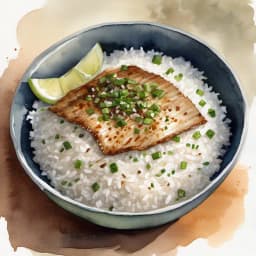
ご当地グルメ
The clear streams of the Shirakami Sanchi mountains meet the rough waves of the Sea of Japan. The 'Ajigasaw Flounder Zuke-don' allows you to luxuriously enjoy flounder raised in this bountiful sea.
This local specialty bowl was created in 2011, conceived with the goal of revitalizing the town by utilizing local ingredients. Flounder, which is landed almost year-round, is now a representative fish of Ajigasawa. Fresh fillets are marinated in a soy sauce sauce and served generously over rice.
Since the seasoning and presentation vary slightly from shop to shop, comparing them is one of the joys of eating this dish. It is a bowl you'll want to stop for when traveling through Tsugaru. You can fully indulge in the deep umami of the flounder enhanced by the marinating process.

海鮮
Along the coast, dried squid are lined up like white curtains—this is the scenery of Ajigasawa's famous 'Yaki-ika Street.'
Along the old highway, shops line the street, grilling and selling semi-dried squid on the spot. It is said that this land, which is easily exposed to the sea breeze of the Sea of Japan, is precisely why such mineral-rich dried squid can be produced. They take great care to use squid sourced from Aomori Prefecture, drying them while they are at peak freshness.
Many people find themselves pulling their cars over, lured by the savory aroma of grilled squid. The flavor is a concentrated, rich umami achieved through slow drying. It is a preserved food of the Sea of Japan that makes for a wonderful souvenir. It is a simple yet unforgettable taste of the sea, unique to Ajigasawa.
📍Others

海鮮
"Jappa-jiru" is an indispensable local dish during winter in Aomori. In the Tsugaru dialect, "jappa" means "rough" or "coarse," referring to the fish scraps such as heads, bones, and organs that are usually discarded.
Winter cod is at its fattiest, known as "Kan-dara" (winter cod), and is considered an essential "New Year's fish" in Tsugaru. Using a whole large cod, everything from the head to the organs is robustly simmered along with daikon radish and green onions. It is said that on days of bountiful catches, the women waiting at the shore would prepare this dish as a celebration.
This bowl features a rich broth packed with collagen and the savory umami of the fish meat melting into the soup. It is a deeply nourishing fisherman's meal that gently warms you from the inside out during the snowy Tsugaru winter.

調味料
It is said that 'Stamina Gen Tare' is a versatile seasoning found in almost every kitchen in Aomori Prefecture. Produced by Kamikita Nosan Kako, it boasts an overwhelming market share within the prefecture.
Its roots lie in a Genghis Khan (lamb BBQ) sauce created during the company's business transition from wool processing. Since its release in 1965, it has undergone continuous improvements. While many commercial sauces use vegetable powders or extracts, this sauce uses 100% fresh vegetables grown in Aomori, such as apples and garlic. The soy sauce is also crafted in-house using Aomori-grown soybeans and wheat.
It is delicious not only for yakiniku but also for stir-fries and many other dishes. As Aomori's soul seasoning, it features the rich flavor of fresh vegetables. Having just one bottle will enrich your dining table.
Sake
📍おいらせ町
Specialties from おいらせ町 are also available via furusato nozei

日本酒
There is a representative local sake of Tohoku, nurtured by the clear streams of Oirase: "Momokawa."
In the town of Oirase, Momokawa uses underground water pumped from deep below, sourced from the Oirase River which originates from the Hakkoda Mountains and Lake Towada. It was named "Momokawa" after the Hyakoku River (Oirase River) that flows near the brewery. Because it is brewed with soft water, it is characterized by a fine-grained, mellow mouthfeel.
It is beloved by many drinkers for being "easy to drink without being overpowering," and has achieved the nation's only long-term consecutive wins at the Nanbu Toji Self-Brewed Sake Awards. This is a pride of Aomori that gently accompanies your daily dining table. It can be enjoyed both chilled or warm, pairing well with any cuisine.

日本酒
There is a sake that carries the strength of Aomori's summer festival in its name: 'Nebuta.'
Produced by Momokawa in Oirase Town, this brand is a light, dry Junmai-shu. It masterfully balances a clear, clean taste free of impurities with a refreshing finish. The label features a heroic depiction of the festival painted by a Nebuta master, conveying the essence of Aomori the moment you hold the bottle.
It is light and easy to drink, making it highly recommended even for those not accustomed to sake. Chilling it further accentuates its crispness. This local Aomori sake is something you'll want to savor slowly while imagining the heat and rhythmic music of the Nebuta Festival. Enjoying it alongside stories of your travels will bring your memories of the trip back to life.
📍むつ市
Specialties from むつ市 are also available via furusato nozei

ワイン
There is a wine produced in the Shimokita Peninsula, the northernmost tip of Honshu. It is 'Shimokita Wine,' crafted by Sanmamoru Winery in Kawauchi, Mutsu City.
Their company's vineyards, which stretch along the coast, are said to have a climate similar to the Burgundy region of France, a world-renowned wine-growing area, making it suitable for grape cultivation. The characteristic feature of their production is a commitment to freshness, turning grapes grown at the foot of the Shimokita mountain range—which connects to Mount Osore—into wine immediately after picking.
This is a single bottle born from reflecting the power of the land in the northernmost part of Honshu. Having accumulated numerous awards, it has impressed many wine lovers. You can feel the nature of Shimokita within your glass.

日本酒
Brewed by the only sake brewery on the Shimokita Peninsula and the northernmost brewery on Honshu, 'Sekinoi' is the local sake of Mutsu City.
Founded in 1891, the brewery continues to uphold traditional methods, slowly pressing the sake using classic wooden vats. Most of its products rarely circulate outside the Shimokita Peninsula, having been cherished and passed down locally for generations. A robust, full-bodied drinking experience is said to be the hallmark of this brewery.
This is a single brew born amidst the harsh nature at the northern edge of Honshu. Its charm lies in its steady, reliable flavor rather than flashiness. It is a deeply flavorful sake that exists precisely because it is slowly pressed in wooden vats. If you ever visit Shimokita, please enjoy a glass of this local spirit.
📍五戸町
Specialties from 五戸町 are also available via furusato nozei

日本酒
"Joku" is a local sake brewed by Hachinohe Shurui in the town of Gonohe. The brewery itself was formed when five neighboring breweries merged under the wartime enterprise control order, and this specific brand was launched in 2007 as a new product for the Gonohe Factory.
The name is derived from the artistic pseudonym "As if the sky" (Sora no gotoshi) used in calligraphy by the seventh-generation head. The sake is brewed using soft water with a hardness of 40, pumped from a depth of 80 meters from the underground waters of the Hakkoda mountain range. It features a commitment to Aomori-grown sake rice and the No. 10 yeast, which is said to have been born within the brewery, all carefully brewed through the low-temperature, long-term fermentation method of the Nanbu Toji masters.
It is pure, elegant, with a full-bodied umami and a smooth finish. It pairs exceptionally well with the distinct seasonal cuisine of Aomori, particularly the horse meat dishes that are central to Gonohe's food culture.
📍弘前市
Specialties from 弘前市 are also available via furusato nozei

日本酒
Hirosaki's local sake, 'Hohai.' Its name is said to originate from a folk song called 'Hohai-bushi' passed down in the Tsugaru region.
It is brewed by Miura Sake Brewery, founded in 1930. The greatest characteristic lies in the sake rice. This rice, known as 'Hohaimai,' is grown only within Aomori Prefecture and is so rare that currently only this brewery uses it. Their commitment is so great that they even polish the rice in-house to extract its maximum umami.
With the sweetness and fullness of the rice followed by a clean, crisp aftertaste, this single bottle carefully brewed by a small brewery never ceases to attract sake fans across the country. The meticulous craftsmanship, which can only be preserved because it is a small brewery, shines through. It is a local sake that you must taste when visiting Hirosaki.

日本酒
Its name is derived from the traditional Tsugaru folk song, 'Tsugaru Jonkara Bushi.' This local sake of Tsugaru evokes the powerful melodies of the shamisen.
Brewed by Kaneta Tamada Sake Brewery, this long-established brewery traces its origins back to the Edo period when it served as the official sake provider for the Tsugaru Clan. As one of their representative brands, this sake is crafted using sake rice grown in Aomori Prefecture and finished with a crisp, dry profile characteristic of northern Japan.
Whether enjoyed chilled or warmed, it possesses a versatile depth typical of northern sake. With its mellow drinking experience, it pairs seamlessly with various dishes. We invite you to slowly savor this bottle, nurtured by the climate and history of Tsugaru.

シードル
"kimori Cider" is an apple sparkling wine crafted by the Hirosaki Cider Workshop, which stands in the middle of an apple orchard. It is a single brew produced by young apple farmers.
The name originates from the custom of "Kimori," where one apple is left on the tree after harvest to express gratitude for the year's bounty and pray for a good harvest the following year. It was born from sustainable initiatives, such as utilizing thinned apples, out of a concern for the future of apple farming in Hirosaki.
This is an unfiltered cider made by fermenting juice pressed with the skins intact in sealed tanks, allowing natural carbonation to dissolve into it. The refreshing, light effervescence filled with fruitiness is truly an apple wine for adults. A glass enjoyed at the workshop, surrounded by apple orchards, is something truly special.
📍黒石市
Specialties from 黒石市 are also available via furusato nozei
日本酒
Narumi Brewery is located in the atmospheric 'Komise-dori' street in Kuroishi. Its representative brand is 'Inamuraya'.
Founded in 1806 (the 3rd year of the Bunka era) during the Edo period, the name 'Inamuraya' is said to embody gratitude to this land, as it signifies a year when rice yielded well even during bad harvests. Using sake rice from Aomori Prefecture and local yeast, they have prioritized pure brewing under the principle of 'Wa' (harmony).
This single bottle is carefully brewed by a brewery with over two hundred years of history. Tasting it after a stroll through the tranquil Komise-dori will allow you to further feel the depth of Tsugaru's history. It is a sake we truly want you to experience as the perfect conclusion to an atmospheric town walk. It is a local sake deeply rooted in the land.
日本酒
Narumi Brewery has continued to brew sake for over two hundred years on Komise-dori in Kuroishi. One of its brands is "Kikunoi."
Founded in the 3rd year of the Bunka era (1806) during the Edo period, it has long been a beloved local staple alongside "Inamuraya." Using sake-brewing rice suitable for production from Aomori Prefecture and local yeast, their creed is pure brewing centered on the concept of "Wa" (harmony). It is a brewery with a proven track record, having received gold awards at the National New Sake Awards.
Each bottle born amidst these historic streets seems to reflect the very climate of Tsugaru. It is a local Kuroishi sake that has continued to stay close to the lives of the local people. Gentle and easy to drink, it is a local sake that has long been part of the community's daily life.

日本酒
Nakamura Kamekichi maintains its brewery on Komise-dori in Kuroishi. The brand bearing its name is "Kamekichi."
Founded in 1913 (Taisho 2), the founder's name, Nakamura Kamekichi, became the name of the brewery itself. The prestigious brewery, located on Komise-dori—a district designated as an Important Preservation District for Groups of Traditional Buildings—has even served as a filming location for NHK Taiga dramas. For many years, the sake has been carefully brewed by the hands of Tsugaru Toji (master brewers), renowned as masters of sake production.
It features a gentle mouthfeel, with a rich and mellow body. As a representative local sake of Tsugaru, it has won numerous awards at various competitions. It is a bottle that invites you to slowly savor not just the taste, but the story of this historic brewery, alongside the historic streetscape.
📍七戸町
Specialties from 七戸町 are also available via furusato nozei

日本酒
There is a new brand introduced by a sake brewery that has continued for about 250 years in Shichinohe Town: "Sakuta."
It is brewed by Morita Shohei, founded in 1777 (An'ei 6). With roots tracing back to Omi merchants, it is one of Aomori's representative breweries, having inherited the traditions of Nanbu Toji (master brewers) for eleven generations. They continue to practice faithful and meticulous sake brewing using pure snowmelt from the Hakkoda Mountains and carefully selected rice.
"Sakuta" is a relatively new brand that began in 2021. The flavor, brewed with reliable techniques backed by a long history, is clean and clear, gently enhancing the flavors of local ingredients. It is a local sake of Shichinohe where tradition and modernity coexist.

日本酒
The history of Shichinohe, which flourished as a horse-breeding region, became the name of the sake itself: 'Komaisumi' (meaning 'fountain of horses').
Brewed by Morita Shohei, founded in 1777 with approximately 250 years of history, the sake is carefully crafted using traditional Nanbu brewing techniques and spring water from the Takase River flowing from the Hakkoda Mountains. This flagship brand was named in honor of the land that raised fine horses and the pure, continuously flowing waters.
Its light and fresh palate makes it perfect as an accompaniment to meals. It does not interfere with the flavors of the food, allowing you to enjoy cup after cup. As one of Aomori's representative local sakes, it is something you want to enjoy slowly alongside a Shichinohe dining table while chilled. We also recommend visiting the brewery to taste it along with the atmosphere of the land.
📍十和田市
Specialties from 十和田市 are also available via furusato nozei

日本酒
As soon as you take a sip, the rich umami of the rice spreads gently and bountifully across your palate. It features a mellow, savory profile that is smooth and easy to drink without becoming tiring—this is Hato Masamune, brewed by the only sake brewery in Towada.
The brewing water is the pure subsoil water from Hakkoda and Oirase. Using this local water, Aomori-grown sake rice such as 'Hanashimai' and 'Hanafubuki', and the skilled hands of a Toji (master brewer) born in the region, they continue to craft authentic local sake.
The name originates from the cherished tradition of treating a single white dove, which resided in the brewery's Shinto altar, as a guardian deity. It is a truly lovely anecdote.
Whether served chilled or warmed, the umami of the rice permeates your body with warmth. This is a drink that has long graced the dining tables of Towada.

日本酒
In the land of Towada, blessed with the subsoil water of Oirase and Hakkoda, 'Hakkoda Oroshi' is another brand brewed by Hato Masamune. The brewery's name, 'Hato Masamune,' is said to originate from an event in the early Showa era when a single white pigeon flew into the brewery and perched on the Shinto altar. Produced by such an auspicious brewery, Hakkoda Oroshi is a ginjo-style sake made using 'Hanafubuki,' a high-quality sake rice grown in Aomori Prefecture, fermented slowly at low temperatures. Bearing the name of Hakkoda, this single bottle is born from the pure water and rice of this snow-covered land. Within its crisp and clear taste lies a strength unique to Aomori. It is a local sake you will want to savor slowly during the winters of this snowy region—a local brew that reflects the nature of Towada.
📍西目屋村
Specialties from 西目屋村 are also available via furusato nozei

日本酒
There is a local sake that captures the entire bounty of the Shirakami-Sanchi mountains in a single bottle: "Sansuke."
This Junmai sake is brewed in Nishimeya Village, located at the foot of the Shirakami-Sanchi World Natural Heritage site. Its defining feature is the use of rice harvested in the village and pure water, combined with yeast isolated from the beech forests of Shirakami-Sanchi by Hirosaki University. It can truly be called a bottle deeply rooted in the land, born from the region's very nature.
It has a gentle flavor that is smooth and easy to drink without any harshness. It makes you want to sip slowly while imagining the forests of the World Heritage site. This is a local sake unique to Nishimeya, allowing you to taste the pure nature of Shirakami directly. As a souvenir, it allows you to take the lingering memories of your trip to Shirakami back home with you.
📍青森市
Specialties from 青森市 are also available via furusato nozei

日本酒
When mentioning Aomori local sake, many people would likely bring up this name first. This is 'Denshu,' brewed by Nishida Sake Brewery.
In the character '田' (ta), there is a deep affection for the rice paddies where the rice grows. True to its name, they have been committed to crafting Junmai sake that brings out the umami of the rice, without using any brewing alcohol or added sugars. Their journey into handcrafted Junmai sake began in 1970. Following their selection as number one in a magazine's 'Delicious Sake Contest' in 1981, their name spread throughout the country.
Due to its difficulty to obtain, it is sometimes referred to as a 'phantom sake.' It is a representative bottle of Aomori, featuring an expanding richness of rice umami.

日本酒
In addition to the well-known 'Denshu,' Nishida Shuzoten carefully brews another brand called 'Kikuizumi.'
While Denshu is a Junmai sake made solely from rice, Kikuizumi is a Ginjo and Daiginjo sake produced with only the minimum necessary amount of brewing alcohol added. It is finished with a light, crisp, and refreshing mouthfeel. The brewer's dedication is evident in their continuous refinement of two brands with distinct personalities within a single brewery.
It features a gentle rising ginjo aroma and a delicate, light texture. It possesses an elegance amidst its brilliance, making it perfect for enhancing food. Its magnificent aroma also makes it well-suited for special occasions. This is another masterpiece born in the land of Aomori.
📍鶴田町
Specialties from 鶴田町 are also available via furusato nozei

ワイン
This is a single bottle crafted entirely from the Stuben grapes of Tsuruta Town, which boasts the highest production volume in Japan.
Originally a variety born in New York, USA, Stuben is perfectly suited to the climate of Tsugaru, which shares the same latitude, and has become a representative agricultural product of Tsuruta Town. Using these grapes, a local winery handles everything from cultivation to brewing. Its characteristics include a deep purplish hue and a crisp acidity.
While preserving the natural sweet flavor of the grapes, it offers a refreshing taste. It is a bottle that gently accompanies special moments shared around the dining table. This is Tsuruta's pride, a wine born specifically because Stuben accumulates high sugar content in this harsh, cold land.
📍八戸市
Specialties from 八戸市 are also available via furusato nozei

日本酒
When poured into a glass, a gorgeous, fruit-like aroma gently rises. With a single sip, a fresh sweetness and the rich umami of rice softly spread across the palate—this is the local sake of Hachinohe, Mutsu Hakusen.
Brewed by Hachinohe Shuzo, a brewery with a history dating back to the Meiji era. They are uncompromising in their commitment to Aomori for their rice, water, and yeast, striving to create a 'highly aromatic, gentle sake that leaves an impression on the heart.'
It is incredibly fruity and easy to drink, making it the perfect first choice even for those who find sake a bit challenging. When chilled and enjoyed in a wine glass, the aroma blossoms even further.
This local sake pairs beautifully with the seafood-rich dining tables of Aomori.

日本酒
Hakkaku is a local sake brewed by the only brewery located in the heart of Hachinohe.
Founded in the late Edo period, its name is said to be a combination of the 'Facing Crane' crest of the Nanbu clan, who ruled the Hachinohe domain, and the character 'Hachi' (eight) from Hachinohe. The calligraphy on the label was designed by the great master of Japanese-style painting, Taikan Yokoyama. There is a charming legend that the fee for his brushwork was just a single barrel of sake.
Brewed using high-quality rice and pure water from the Tsugaru/Nanbu region, this sake is crafted with the traditional techniques of Nanbu Toji (master brewers). Within its crisp finish, one can sense the unique umami characteristic of this land. Accompanied by the atmosphere of the historic brewery, it is a sake that allows you to slowly savor the history and stories of Hachinohe.

日本酒
"Mutsu Otokoyama" is an extra-dry local sake brewed by Hachinohe Shuzo. This single bottle is maintained by a long-established brewery founded in An'ei 4 (1775), with roots tracing back to the Omi merchants.
Born from well-fermented mash, it offers a crisp, dry flavor. It features a classic sake aroma reminiscent of chestnut and koji, a smooth mouthfeel, and a sharp, clean finish, making it enjoyable both chilled or warmed.
Its robust flavor, which has been cherished for many years as an evening companion in the port town of Hachinohe, pairs excellently with Hachinohe seafood and Nanbu cuisine. It is a reliable local sake that has supported the daily lives and dining tables of Hachinohe. You will understand why it continues to be loved locally with just one sip.
📍板柳町
Specialties from 板柳町 are also available via furusato nozei

日本酒
The brewery believed to be the oldest in Aomori Prefecture is located in Itayanagi, a town famous for its apples: Takenami Shuzo.
Founded in 1645 during the early Edo period, the first generation moved from Tsuruga in Echizen Province to the Tsugaru Plain and began brewing sake in Itayanagi. It is recorded as the oldest brewery in Tsugaru in the 'Tsugaru Kokin Igyoki' (Chronicle of Great Deeds of Tsugaru), and it has quietly carved out a history spanning over 370 years. Its flagship brand is 'Iwaki Masamune.'
Although there were hardships that once forced the brewery to leave its premises, it achieved its long-held dream of reviving in the land of Itayanagi in 2024. This is a flavorful sake imbued with a long history and a warmth that makes you want to enjoy it warmed (kan). Please take your time to savor it while feeling the weight of its history.
📍六ヶ所村
Specialties from 六ヶ所村 are also available via furusato nozei

焼酎
There is a 'phantom shochu' born from discarded yams. It is called 'Rikusyu.'
In Rokkasho Village, a proud production area for yams in Aomori, this brand was created in 1991 by incorporating Kyushu's brewing techniques to make use of yams that had nowhere to go due to shipping adjustments. In 2006, the 'Rikusyu Brewing Workshop,' which also offers tours, was completed. It is characterized by a smooth mouthfeel and a rich flavor unique to yams.
Beneath its refreshing finish, you can sense a solid richness. Known as a 'phantom shochu' due to its rarity, this bottle is delicious both on the rocks and with hot water. It will slowly color the nights of the Shimokita Peninsula. Please try this unique taste that only our village can offer.
📍Others

日本酒
"Ando Suijun" is a local sake brewed by Ozaki Shuzo in Ajigasawa Town. Founded in 1860 (Man'en 1), this is a single product brewed using the underground water of the Shirakami-Sanchi World Natural Heritage site, produced by the only brewery on the west coast of Aomori.
The name is derived from the Ando clan, who ruled this region in the Middle Ages. The Ando clan sent technicians to China to learn shipbuilding and led a large fleet known as the "Ando Suijun," trading domestically and internationally from their base at Jusanbo. This helped elevate the port to an international trading hub comparable to Hakata and Sakai.
The striking red label is inspired by the sunset sinking into the Sea of Japan. The dry flavor, reflecting the climate of Tsugaru and the history of the sea, pairs excellently with seafood. It is a local sake you can enjoy while reflecting on its heroic history.

クラフトビール
"Oirase Beer" is a craft beer produced at the Oirase Brewery in Towada City, located very close to the Oirase Mountain Stream. As the first brewery established in Aomori Prefecture in 1997, it has been beloved for over a quarter of a century.
We use the "Oirase Source Water," which is the subsoil water from the Hakkoda Mountains that has nourished the forests since ancient times. Using authentic brewing techniques learned in Germany and the Czech Republic, we create beers with a smooth, refreshing finish. Our Dark Lager is highly acclaimed, having won gold medals in both domestic and international competitions.
With a unique lineup including Pilsner and Weizen, please enjoy the blessings of the water nurtured by our rich natural environment.
Souvenirs
📍つがる市
Specialties from つがる市 are also available via furusato nozei

和菓子
There is an adorable monaka (wafer sandwich) shaped like 'Tsugaru-chan,' the PR character of Tsugaru City.
Tsugaru City is a famous producer of apples. This luxurious treat features plenty of white bean paste kneaded with diced and grated ripe Fuji apples, even including a piece of mochi inside. The embossed design of Tsugaru-chan is so cute you won't be able to resist picking it up. The sweet and sour notes of the apple and the chewy texture of the mochi harmonize exquisitely with the fragrant monaka shell.
It is also an award-winning confection, having won a gold medal at the National Confectionery Expo. This is a prideful item that tightly packs the blessings of Tsugaru City's apples. Please enjoy its cute appearance and rich apple flavor. It is sure to bring a smile to your face.
和菓子
This is an adorable monaka (wafer sandwich) shaped like a melon, born in Tsugaru City, a famous producer of melons. Handcrafted by Matsuhashi Confectionery in Tsugaru City, this monaka features a melon-shaped wafer shell filled generously with white bean paste containing Tsugaru melon and soft mochi. Tsugaru City is known as one of Japan's leading melon-producing regions, where sweet and fragrant melons ripen in the summer. This is a somewhat rare specialty in Aomori that has transformed those local flavors into a Japanese confection.
When you break the shell, the gentle aroma of melon wafts up, layering the elegant sweetness of white bean paste with the texture of mochi. Available at places like Michi-no-Eki Morita, it is a souvenir that feels like summer in Tsugaru captured in a single bite.
📍むつ市
Specialties from むつ市 are also available via furusato nozei

和菓子
A popular product from Hachiyoya, founded in 1923, featuring milk chocolate generously sandwiched between sesame-scented Nanbu senbei crackers. As a sister product to the cheese sand senbei, the combination of crispy dough and lightly sweet chocolate can be enjoyed as a perfect snack.
📍横浜町
Specialties from 横浜町 are also available via furusato nozei

その他
"Rapeseed Flower Donut" is a donut made entirely of rapeseed flowers, born in Yokohama Town, Aomori, which boasts the largest cultivation area for rapeseed flowers in Japan.
In Yokohama Town, facing Mutsu Bay, the landscape is dyed like a yellow carpet every year in May. We knead the leaves and stems of the town's specialty, rapeseed flowers, into the dough and fry them in edible rapeseed oil produced in Yokohama Town.
Because we use young sprouts from before they bloom, the inside is a beautiful light green when broken. It is a popular product at the Michi-no-Eki Yokohama Rapeseed Flower Plaza, carefully handmade one by one in the shop's kitchen. It is a gentle-tasting donut unique to Yokohama Town, packed with the blessings of the fields.

和菓子
From Yokohama Town, which boasts the largest cultivation area for rapeseed (nanohana) in Japan, comes a vibrant yellow Japanese sweet: "Nanohana Pururu."
Yokohama Town in the Shimokita Peninsula is truly a town of rapeseed, with its hillsides dyed entirely in bright yellow every May. Using the beloved rapeseed from that land, we have crafted a confection with a jiggly texture. It is a visually delightful treat that captures the vivid colors and subtle aroma of the rapeseed.
This is a unique souvenir from Yokohama Town, available at places like the Nanohana Plaza in Michi-no-Eki Yokohama. Please take home this blessing of spring from the Shimokita Peninsula, to be enjoyed while imagining the scenery of vast, blooming rapeseed fields.

洋菓子
A treat that allows you to taste the blessings of Yokohama Town, the home of rapeseed blossoms, in a crispy pie. This is the 'Rapeseed Honey Pie.'
Yokohama Town on the Shimokita Peninsula boasts the largest cultivation area for rapeseed in Japan. We have luxuriously used rapeseed honey, rich with floral aromas, harvested from those very fields. The gentle sweetness of the honey soaks into the light, crispy pastry. With a single bite, the floral scent rises softly.
This is a flavor unique to Yokohama Town, available at places like the Rapeseed Plaza in Michi-no-Eki Yokohama. Please enjoy this pie filled with the natural blessings of the Shimokita Peninsula, while imagining the scenery of hills covered in blooming rapeseed flowers.
📍五所川原市
Specialties from 五所川原市 are also available via furusato nozei

その他
A slightly unexpected yet gentle baked donut made with carrots that have slowly accumulated sweetness under the snow.
'Fukaura Yuki-ninjin' (Snow Carrots) from Fukura Town are carrots that are intentionally left to overwinter under the snow rather than being harvested in autumn. To protect themselves from freezing in the cold, they accumulate sugar, making them as sweet as fruit. We have kneaded plenty of these snow carrots into the dough.
Using a healthy baked method instead of deep-frying, we have finished it with a moist and gentle mouthfeel. With a natural sweetness that will surprise even those who dislike carrots, this is a body-friendly snack that allows you to fully experience the blessings nurtured by Aomori's harsh winters. It is an item you can confidently hand to children.

その他
A refreshing treat combining Aomori-grown apples with 'Fukaura Yuki-ninjin' (snow carrots), which are ripened sweetly under the snow in Fukaura Town. The fruity acidity of the apple blends with the incredibly sweet flavor of the snow carrot, creating a rewarding dessert that is chillingly refreshing when eaten cold.

和菓子
"Gongezaki" is a long-beloved confection named by Jumonjiya, a confectionery workshop in Kodomari, Aomori Prefecture, after the scenic Gongenzaki Cape on the Tsugaru Peninsula.
Gongezaki is a cape that juts out prominently into the Sea of Japan and has been cherished as a symbol of Kodomari since ancient times. The Gongezaki sweet is shaped like a sweet potato, reminiscent of that very cape, and has been continuously crafted in this land for over fifty years.
It is a Japanese-Western fusion baked manju, featuring a thin skin with a subtle hint of cinnamon enveloping soft, gentle white bean paste. With a single bite, a simple and warm sweetness spreads, making it the kind of sweet that makes you want to quietly carry the lingering memories of your Tsugaru journey back home with you.

和菓子
"Nami no Hana" (Waves of Flowers) is a baked confection created by Jumonjiya, located in Kodomari on the Sea of Japan coast of the Tsugaru Peninsula, inspired by the ocean scenery.
The name comes directly from the "nami no hana"—the sea spray that breaks against rocks and dances in the air—of the wild yet beautiful Sea of Japan.
The white sugar coating looks just like the sea spray standing against the rocks, making it an adorable treat.
Inside the moist dough, a subtle and gentle sweetness spreads softly. Eating this while imagining the sea of Kodomari allows the travel sentiments of Tsugaru to gently touch your heart. It is a simple and warm sweet that evokes the scenery unique to a seaside town.

その他
'Osumitsuki' is an incredibly fun-looking snack produced by Jumonjiya of Kodomari on the Tsugaru Peninsula.
Its most striking feature is undoubtedly the jet-black dough, which has squid ink kneaded into it. Squid caught in the seas of Tsugaru is an indispensable part of Aomori's food culture, and this product boldly incorporates the bounty of such a fishing town into a sweet.
Contrary to its dark appearance, once you take a bite, you will be surprised by its unexpectedly elegant flavor, featuring a subtle richness and saltiness from the squid ink. The name 'Osumitsuki' (meaning 'seal of approval') also subtly conveys confidence in its deliciousness. It is a unique item characteristic of Kodomari that serves as a great conversation starter.

和菓子
The 'Shijimi Manju' is a specialty manju from Jumonjiya, born from the desire to create a sweet that can rival the shijimi (freshwater clams) of Lake Jusan. The Jusan Lakes, stretching across Nakadomari Town in Aomori Prefecture, are known as a producer of high-quality Yamato shijimi. Registered as a Geographical Indication, the umami from these lake clams is exceptional. This sweet gently expresses the blessings of that lake within the world of confectionery. Inside the glossy dough, which has shijimi extract kneaded into it, is a soft and fluffy white bean paste. The manju faithfully reproduces even the shape of a clam, making it a fun treat to look at. It is a manju you should enjoy while imagining the scenery along the shores of Lake Jusan.
その他
'Tears of the Crow' is a confection from Jumonjiya, born from a poignant legend passed down in the Izumi-no-ko (Lake Kisari) region.
Once, on the shores of Lake Kisari, there stood a prosperous port town called Izumi-no-minato. However, it is said that a tsunami swallowed everything in a single night, and the town vanished. A legend remains in this land that a crow, watching the devastation from the mountains, shed tears that fell into the lake and turned into freshwater clams (shijimi).
We have envisioned black sesame as the crow's tears, carefully kneading them into the dough along with clam extract before baking. It is a deeply flavorful treat where a bittersweet, profound story rests softly within a moist texture.
📍弘前市
Specialties from 弘前市 are also available via furusato nozei

その他
📍 青森空港、青森駅、JR弘前駅 ほか1件
"Lapul" is the most popular baked sweet from Shikanai Senbei, which has been baking in Hirosaki since 1926. It is a semi-fresh apple confection born from the unique ideas of a senbei (rice cracker) maker.
The star of the show is the homemade apple compote, cooked fresh every day. Apples are sourced directly from contract farmers in the prefecture, with the cooking time finely adjusted according to the variety and temperature.
The crunchy compote is wrapped in a fluffy dough made with plenty of eggs.
With the acidity, sweetness, and crunchy texture of the apple spreading throughout your mouth, it is loved both within and outside the prefecture as a famous confection of Hirosaki, paired with the gentle sweetness of simple eggs.

和菓子
📍 青森空港
"Banana Monaka" is a nostalgic Japanese sweet born in Tsugaru during the early Showa era, when bananas were still a luxury item. It has been continuously produced by Kyokushodo of Hirosaki, founded in 1916.
It began when the founder, Manjiro, was moved by the bananas he ate after traveling to Tokyo and sought to express that admiration through confectionery. White bean paste infused with banana aroma is encased in a monaka shell shaped like a banana. It embodies the wish to share the joy of bananas—which were hard to obtain at the time—with the general public.
With a sweet aroma that wafts from the crispy monaka shell, it has been loved in Hirosaki for nearly 100 years as an essential treat for Obon and New Year's holidays.

和菓子
Made by Choeido, a Japanese confectionery shop in Ikari-ga-seki in the mountains of Tsugaru, is this quince (marumelo) yokan called 'Adohadari.' Quince, also known as the Western quince, has its refreshing acidity and elegant aroma carefully captured within smooth yokan. It is a unique item that is hard to find elsewhere, where the fruity flavor of the fruit melts into the calm sweetness of the yokan. Despite being yokan, the aftertaste is clean and refreshing. 'Adohadari' means 'Give me more' or 'I want more' in the Tsugaru dialect. It is a generous Tsugaru-style confection that honestly named itself after the fact that once you eat it, you'll find yourself reaching for the next slice.

その他
Part of the famous regional 'Koibito' series that spread across Japan (made famous by Hokkaido's 'Shiroi Koibito'), this is the Aomori version titled Tsugaru no Koibito.
It features apple cream made with Aomori-grown apple powder, gently sandwiched between crispy wafers. The light wafer holds a soft, spreading sweet and sour apple flavor that is easy for anyone to enjoy. With its elegant sweetness, it is perfect with both tea and coffee.
This baked confection allows you to easily enjoy the essence of Aomori, the kingdom of apples. Because it uses a familiar style, it is easy to distribute and is a popular choice for mass-distributed souvenirs from Aomori trips across many generations.
和菓子
A yokan (sweet bean jelly) kneaded using quince grown in this region for a long time, made by Choeido of Ikari-ga-seki. The fruity acidity of the Western quince blends with the elegant sweetness of white bean paste, creating an addictive flavor that lives up to its name, which means 'seconds' (as in 'another serving') in the Tsugaru dialect.
和菓子
A seasonal luxury daifuku that encloses a whole, juicy white peach—a blessing of summer in Tsugaru.
Soft gyuhi (sweet rice cake) and elegant smooth red bean paste gently wrap around an entire Tsugaru-grown white peach. With one bite, the juicy peach juice bursts in your mouth along with the chewy mochi dough and smooth bean paste. The combination of fresh fruit sweetness and the calm sweetness characteristic of Japanese confectionery is irresistible.
The fact that it is only available for a very short period during the peak season adds to the sense of exclusivity. It is a luxurious fresh confection that makes you want to reach for it whenever you see it, allowing you to taste the entirety of Tsugaru's brief summer. It is recommended to enjoy it chilled.

洋菓子
📍 青森空港
These apple pies are carefully baked one by one by Nakahiro Craft in Hirosaki, the home of apples. Apple jam is incorporated into a crispy pie crust and finished in an easy-to-hold stick shape. The surface is decorated with beautiful patterns using honey glaze, giving it an elegant and somewhat nostalgic appearance. With a light, crunchy texture, the sweet and sour aroma of apple spreads softly as you bite. Both its appearance and taste shine with meticulous craftsmanship. It is an elegant item that pairs well with both coffee and tea—a soothing baked good that allows you to easily enjoy the sweet and sour flavors characteristic of Hirosaki.
その他
📍 JR弘前駅
A chilled dessert that is delightful during the hot Aomori summer.
It combines apples grown in Aomori Prefecture with cassis, a specialty of Hirosaki. The gentle sweetness of the apple is layered with the sharp acidity of the cassis and a visually striking deep color, resulting in a refreshing aftertaste. When eaten well-chilled, a sense of coolness spreads through your mouth, making you momentarily forget the summer heat.
It is a luxurious collaboration between two fruits that Aomori is proud of: apple and cassis. The encounter of ingredients unique to Hirosaki shines brightly. This visually cooling, summer-only item is perfect as a gift or for hospitality during the hot season.

洋菓子
📍 青森空港
Established in Hirosaki in 1976, 'Ho' is a signature confection from Suzuro, a confectionery shop that carries on the traditions of Kyoto sweets with careful baking. We are uncompromising in our commitment to homemade red bean paste, slow-baking it to bring out the maximum flavor of the adzuki beans themselves. The elegant and deep sweetness makes it perfect for a small daily break, as well as for guests or formal occasions. While not flashy, every bite conveys the skilled craftsmanship of the maker. It is a calm, refined item that allows you to deeply savor the nutritious essence of red beans. A high-quality Japanese sweet from Hirosaki, suitable both as an accompaniment to tea ceremonies and as a gift for superiors.

洋菓子
📍 青森空港、青森駅、JR弘前駅 ほか1件
'Yakkoi' means 'soft' in the Tsugaru dialect. As the name suggests, this sable from Lagnoo Sasaki features a new, moist and soft texture.
Caramel chocolate, enriched with Aomori-grown apple juice and apple fiber, is gently nestled within a soft sable dough. It overturns the common perception that sables must be crunchy, offering a fresh, moist, and tender mouthfeel. With every bite, the sweet and sour notes of apple and the richness of caramel spread through your palate.
With a long shelf life of approximately 100 days, it is also convenient for travel. This baked good with a new texture is a reliable choice for gifts sent to distant locations.

スイーツ
📍 青森空港
Set in Hirosaki, the NHK Taiga drama 'Inochi' was broadcast in 1986. To commemorate its broadcast, Ragnoo Sasaki, a confectionery manufacturer in Hirosaki, created the long-selling custard cake 'Inochi'.
This is a special treat available only in spring, featuring a sakura flavor. Sakura-flavored custard cream is wrapped in an adorable, pink-colored, fluffy steamed cake. With just one bite, the soft sponge and meltingly smooth cream blend together gently.
This spring-like item is perfect for the cherry blossom season in Hirosaki, which is famous as a top spot for flower viewing. It is a delightful flavor that brings a smile to your face, making it an excellent souvenir for hanami (cherry blossom viewing).

その他
Grown in the Dake Highlands at the foot of Mount Iwaki in Hirosaki, 'Dakekimi' is a variety of corn known for its sweetness that can exceed 18 degrees Brix, rivaling the sweetness of a melon.
At the high-altitude Dake Highlands, there is a large temperature difference between day and night; this harsh natural environment produces exceptionally sweet corn with firm kernels. 'Kimi' is the Tsugaru dialect word for corn. This 'Dakekimi Bo' captures that dreamlike sweetness within a snack, shaped into an easy-to-eat stick form.
Each stick is packed with the natural sweetness and gentle flavor of corn. It is a perfect souvenir representing summer in Aomori and Hirosaki, also highly recommended as a snack for children.
その他
"Gokimi Florentine" is a slightly luxurious treat that transforms Aomori's pride, the legendary "Dakenimi" corn, into a French-style florentine. Dakenimi is a brand of corn grown in the Dake Highlands at the foot of Mt. Iwaki, at an altitude of 400–500m. The large temperature fluctuations between day and night in the highlands, combined with the volcanic ash soil that was once horse pasture, produce an amazing sweetness exceeding 18 degrees Brix. We have coated kernels of Dakenimi and sliced almonds in caramel and baked them onto a crispy base. It is a flavor where Aomori meets France, featuring the natural sweetness of corn layered with the subtle bitterness of caramel.

その他
📍 青森空港
"Usuyuki" is one of Aomori's representative famous sweets, preserved for over a century by Hirosaki-based Kyokushodo, founded in 1916. The ingredients are limited to "Kogyoku" (a highly acidic variety specialty of Hirosaki), agar, and sugar. It is an extremely simple Japanese-style jelly made by setting the flesh of well-ripened Kogyoku apples with agar, without adding any unnecessary ingredients. A light pink plate shaped like a snowflake (yukiwa) from sliced apples is dusted with a thin layer of sugar, resembling fallen snow. After a crisp bite, the refreshing sweet and sour taste of Kogyoku apples spreads through the mouth. This elegant piece, which relies solely on the power of its ingredients, evokes the winters of Tsugaru. It is a famous confection that has been loved across a hundred years.

洋菓子
"Dakenimi Corn Waffle Cookies" are waffle-shaped cookies baked using Aomori's pride, the branded corn "Dakenimi."
Dakenimi is a type of corn grown in the Dake district, which spreads across the western foothills of Mount Iwaki. In this land with large temperature fluctuations between day and night, it is said that the sugar content can reach about 18 degrees, exceeding even melons, and is loved by many as a representative taste of summer in Aomori.
We have kneaded Dakenimi corn powder into the dough and baked them to be light and crispy. With a single bite, the gentle sweetness of the corn spreads softly through your mouth. Individually wrapped and having a long shelf life, they are perfect as bulk souvenirs that will bring joy to those you share them with.

洋菓子
"Patissier's Apple Sticks and Forest Madeleines" is a gift set from the long-established Hirosaki confectioner Lagnuo, featuring two varieties that allow you to indulge in the luxury of Aomori apples.
The Apple Stick, born in 2004, is a flagship product that won a gold medal at the National Confectionery Expo. It features large pieces of syrup-soaked "Fuji" apples wrapped in pastry and baked.
The Forest Madeleine is a juicy, rich treat with Aomori apple jam encased in moist cake.
With the savory aroma of pastry and the gentleness of madeleines, this assortment is perfect for gifting, allowing you to enjoy the sweetness and acidity of apples in two different ways.

洋菓子
'Pie Monogatari: An Apple Story' is a cute, leaf-shaped apple leaf pie baked by Ragno, a long-established shop in Hirosaki.
Fitting for the city of apples, Hirosaki, it features a playful pun in its name, playing on 'apple leaves' (ringo no oha) and 'an apple story' (ringo no ohanashi).
The thick pastry dough, coated in cinnamon, is folded into many layers to create a light, crispy texture.
As the sweet and sour flavor of apple and the aroma of cinnamon gently spread, your mouth truly experiences 'an apple story.' Being affordably priced and easy to purchase makes it a beloved staple as a classic souvenir from Hirosaki.

その他
📍 青森空港
"Hanakazashi" is a stick-shaped Japanese confection by Suzuro, a confectionery shop in Hirosaki, that captures the sweet and sour essence of apples. Suzuro is known for its delicate high-quality wagashi (Japanese sweets) rooted in the traditions of Kyoto confectionery. Using their reliable craftsmanship, they have dried Aomori-grown apples and gently set them in jelly. With one bite, the concentrated flavor of apple spreads throughout your mouth. The elegant and deep flavor features a sharp acidity balanced by sweetness. The stick shape makes it easy to eat and perfect as an accompaniment to tea. This single piece allows you to experience the essence of Hirosaki's wagashi artistry.
その他
"Anekko Age" is a fried confection crafted to allow you to enjoy the brand corn "Dakekimi," grown at the foot of Mt. Iwaki, all year round.
It is produced by ANEKKO, an agricultural production corporation established in 2005, centered around female farmers from the Iwaki district of Hirosaki City. They have been working on creating products that utilize local blessings, including Dakekimi corn.
While preserving the distinct graininess and intense sweetness unique to Dakekimi, the corn is fried to a crispy, fragrant finish with salt as an accent. This snack allows you to enjoy the deliciousness of Dakekimi—usually only available in summer—all year long. It is a premium fried confection that directly conveys the quality of its ingredients.

和菓子
"Hito-kuchi Amazake Mochi Houhai" is a seasonal bite-sized Japanese sweet made using the sake lees of Hirosaki's famous sake, "Houhai."
Houhai is a popular sake brewed by Miura Sake Brewery in Hirosaki City, with fans across the country. We have luxuriously used the fragrant sake lees produced during its brewing process in this mochi.
An elegant aroma of sake rises gently from the chewy mochi dough. The combination of sake lees, rice flour, and red bean paste is perfectly balanced, melting gently in your mouth. With its subtle sweetness, it is recommended not only for sake lovers but also for those who do not enjoy alcohol. This seasonal delicacy allows you to experience the profound world of Houhai through a sweet treat.
その他
📍 青森空港、花巻空港、青森駅 ほか2件
An apple-flavored version of Laganoo's flagship product, created to commemorate the filming in Hirosaki for the NHK Taiga drama 'Inochi'. It features smooth custard cream with apple sauce containing real pieces of Aomori-grown apples enclosed inside. Winner of the Gold Award at the 2013 National Confectionery Expo. Shelf life: 45 days.

洋菓子
📍 青森空港
Many people likely think of Laganoo's 'Tsumande Ringo' when they think of Aomori apple sweets. Aomori-grown Fuji apples are soaked in syrup and slowly dried to create semi-dry dried apples. Each piece is carefully coated in bitter chocolate, making it an easy-to-eat bite-sized treat. The concentrated sweet and sour taste of the apple intertwines with the bitterness of the chocolate for a sophisticated flavor that pairs well with wine. Its cute, rounded appearance makes it irresistible. Please enjoy this small, jewel-like confection that captures the essence of Aomori apples.

その他
📍 青森空港
'Hoka' is a Japanese sweet produced by Suzuro, a confectionery shop in Hirosaki, and is unique to this apple-growing region. Aomori-grown apples are smoothly cooked into a paste and sandwiched between light, thinly baked rice crackers (senbei). The crispy texture of the senbei and the sweet-and-sour apple paste dance alternately in your mouth. This is a masterpiece dedicated to Hirosaki's apples by Suzuro, which has continued the delicate tradition of Kyoto-style confectionery since its founding in 1976. Its elegant sweetness and crispy texture make it perfect with tea. Please enjoy to your heart's content this gentle yet deep flavor born from the meeting of Tsugaru's climate and the blessings of apples.

洋菓子
When Aomori rice meets Western confectionery, this deliciousness was born.
This small tart features a crust made with rice flour from Aomori's brand rice 'Seiten no Heiki,' paired with rich Camembert cheese. The moist texture unique to rice flour complements the deep flavor of the cheese perfectly. Being bite-sized and individually wrapped, it is easy to eat and convenient for sharing as a souvenir with colleagues or friends.
This small tart captures two bounties of Aomori: its proud rice and cheese. It is a treat you'll want to remember as a new, affordable souvenir from Aomori.

その他
📍 青森空港
Produced by Suzuro, a confectionery shop in Hirosaki, 'Koguremi' is a dry sweet (higashi) that possesses a deep flavor within its simplicity.
This delightful treat features walnut pieces carefully finished with cane sugar, shaped into adorable little nut-like morsels. Upon entering your mouth, the savory aroma of the walnuts and the gentle, rustic sweetness of the cane sugar gradually spread. True to the Suzuro style, it is crafted using only nature's blessings without any unnecessary ingredients.
Pairing it with tea creates a moment of peaceful relaxation. While simple, its flavor deepens the more you chew. We invite you to taste this hidden gem from Suzuro, which carries the lineage of Kyoto-style confectionery.

その他
This 'Aomori Cassis Mille-feuille' is a Western-style pastry unique to Aomori, Japan's leading producer of cassis.
Cassis cultivation is thriving in Aomori Prefecture, particularly around Hirosaki, making it one of the top-producing specialty fruits in the country. We have crafted this mille-feuille using those sweet and tangy cassis berries. Layers of light, crispy pastry are generously filled with cassis cream, allowing the brilliant berry flavor to spread throughout your mouth.
It is a dish where the savory aroma of the pastry and the refreshing acidity of the cassis harmonize beautifully. A slightly luxurious souvenir that lets you fully enjoy the charm of Aomori's fruit in a Western confectionery style. We highly recommend it as a treat for yourself; please enjoy this elegant flavor.

その他
Why not enjoy the rice of Aomori in a slightly luxurious chocolate cake? This is Lagnuo's "Seiten no Chocolat."
Lagnuo of Hirosaki used rice flour made from Aomori's brand rice, "Seiten no Hekireki," in the batter. Pecan nuts and chocolate are mixed in and baked to create a fragrant yet rich treat. The moist texture unique to rice flour gently envelops the richness of the chocolate, creating a deep flavor.
This taste, where rice, chocolate, and nuts become one, is perfect for your teatime. Please try this new style of chocolate cake, truly characteristic of Aomori, a land of rice.

スイーツ
There is a cake crafted like a jewel that showcases the charm of Aomori, Japan's number one cassis producing region. This is the "Aomori Cassis Napage Cake."
Cassis is a specialty fruit that Aomori Prefecture boasts one of the highest production volumes in the country. We have used plenty of its sweet and sour juice for the napage (glaze). The cassis jelly sparkles atop the sponge, making it visually magnificent. With one bite, the refreshing acidity of the berries and the gentle sweetness of the cake spread through your palate.
This is a product that captures the full deliciousness of the cassis grown in Aomori. This sweet and sour, colorful cake is sure to be appreciated as a souvenir—a flavor Aomori is proud of.

洋菓子
Lagnoo, a brand long loved in the apple village of Hirosaki, offers a special confection bearing the name 'Tsugaru.' Founded in 1884, Lagnoo is an established shop that has spread Aomori's apple sweets across the nation. As its name suggests, 'Tsugaru' is a product imbued with respect for the local climate of Tsugaru. It is carefully baked to make the most of the blessings of Aomately-grown apples. Its charm lies in its gentle flavor that highlights the ingredients unique to this apple-growing region.
This is a confection unique to Lagnoo, which has supported Aomori's confectionery culture for many years. Please try this item, which carries deep affection for the land of Tsugaru. A gentle taste nurtured by the home of apples awaits you.
📍黒石市
Specialties from 黒石市 are also available via furusato nozei

その他
Aomori Prefecture boasts the highest apple production in Japan, truly an 'Apple Kingdom.' These Aomori Apple Chips, made by Aomori Apple Land in Kuroishi City, allow you to enjoy that bounty in a crunchy, whole form.
Made by thinly slicing Fuji apples grown in Aomori and carefully prepared using only apples and salt—without any oil or additives. Because it relies solely on the flavor of the ingredients, the light, crispy texture and the natural sweet-and-sour taste of the apple come through directly. Since they are not fried, the aftertaste is light, making it hard to stop at just one.
Gentle on the body yet irresistibly delicious, this is a simple, rustic snack characteristic of Aomori that you can choose for children's snacks with peace of mind.
📍七戸町
Specialties from 七戸町 are also available via furusato nozei

洋菓子
"Dracula's Egg" is a unique baked confection produced by Miyakin, a confectionery shop in Shichinohe Town, Aomori Prefecture, with a name that delivers a powerful impact.
True to Aomori, which has the highest garlic production in Japan, three flavors—garlic, black garlic, and tomato—are crafted into cute egg-shaped sweets.
The black garlic is made by slowly aging garlic grown in Aomori, resulting in a mild scent. Even as a sweet, you can fully enjoy the playfulness and unique taste unique to the garlic kingdom of Aomori. It is perfect as a conversation starter and is a slightly amusing Aomori souvenir that will surely bring a smile to anyone who receives it.

その他
'Poterin' is a moist, sweet potato-style baked confection made by Miyakin, a confectionery shop in Shichinohe Town, Aomori Prefecture, using sweet potatoes grown in Aomori.
Miyakin is an established shop founded in the first year of Bunkyu (1861), specializing for many years in creating sweets that highlight vegetables and tubers. Poterin is a product that encapsulates the very essence of such a shop.
It features the natural sweetness of fluffy potato combined with the gentle richness of butter. Despite its bite-sized nature, its moist texture provides plenty of satisfaction. It is a simple, warm, and quintessential Miyakin sweet potato confection that perfectly accompanies a relaxing tea time.

和菓子
Miyakin's flagship product, which won the runner-up prize at the 1985 Aomori Prefecture Tourism Souvenir Contest. This creative yokan uses Aomori-grown Chinese yam (nagaimo) as its primary ingredient instead of adzuki beans, finished with an elegant sweetness using local sake and rare sugar syrup. It is a high-caliber product that has even been presented to Their Majesties the Emperor and Empress.

和菓子
"Camembert Confection" is a fluffy baked sweet from Miyakin, a confectionery in Shichinohe Town, Aomori, where they challenged Western ingredients using Japanese confectionery techniques.
Miyakin is a long-established shop founded in the first year of Bunkyu (1861). Utilizing the reliable skills of Japanese confectionery cultivated over many years, they created this ambitious product by incorporating Camembert cheese into a sweet.
The moderate saltiness of the cheese and the gentle sweetness of the dough create an exquisite balance, resulting in a mysterious deliciousness that is neither purely Japanese nor Western. The fluffy texture is also pleasant, making it perfect for those looking for a new Aomori souvenir. This confection is packed with the spirit of challenge characteristic of Miyakin.

和菓子
There is a prestigious traditional confection passed down in Shichinohe Town. This is the azuki-style version of Miyakin's 'Koma Manju.'
As a flagship product passed down through generations by Miyakin, which was founded in 1861, it features dough made with mountain yam (nagaimo) and local sake, filled with plenty of adzuki bean paste. The name 'Koma Manju' is said to have been bestowed in 1908 by the Crown Prince (later Emperor Taisho) during his visit to Shichinohe, a famous horse-breeding region, giving this sweet a rich history and story.
It offers a harmonious flavor where the fluffy, soft dough made with mountain yam meets the elegant sweetness of adzuki beans. This is a legendary confection filled with the climate and long history of Shichinohe. Please savor every bite while reflecting on its prestigious history.

その他
A small Western-style confection baked using Japanese mountain yam (nagaimo) from Aomori Prefecture, created by the long-established shop 'Miyakin,' founded in the first year of the Bunkyu era (1861).
'Yam' refers to the mountain yam. As the name suggests, the gentle sweetness of the nagaimo subtly scents the moist, sweet potato-like dough. This is a somewhat unexpected creation where a traditional Japanese shop with over 160 years of history has transformed an ingredient unique to Shichinohe—a region known for its nagaimo—into a Western-style treat.
Bite-sized and easy to eat, it allows you to enjoy the smooth and moist texture characteristic of nagaimo. It is a hidden gem of Shichinohe that showcases the ingenuity of making confectionery using local blessings.
和菓子
A representative confection of Shichinohe, baked for over 160 years by 'Miyakin,' founded in the first year of the Bunkyu era (1861).
The 'Shirokoma' (White Horse) is marked with a horse brand, while the 'Kuroma' (Black Horse) is identified by poppy seeds. The sticky dough, kneaded with mountain yam (nagaimo), carries a faint aroma of local sake. The name originates from 1908 (Meiji 41), when it was presented to the then-Crown Prince (later Emperor Taisho) during his visit to a stud farm in Shichinohe, and he named it 'Koma Manju' (Horse Bun) on the spot.
A prestigious item carrying the historical heritage of Shichinohe, a town of horses and ema (votive tablets). The moist texture of the mountain yam, its elegant sweetness, and the subtle hint of sake quietly tell the story of why this manju has been loved for so long.
📍十和田市
Specialties from 十和田市 are also available via furusato nozei

洋菓子
Aomori is one of Japan's top producers of garlic. The Garlic Pie, produced by the long-established confectioner Miyakin (founded in 1860), boldly turns that unique characteristic into a sweet treat.
A unique pastry made by kneading Aomori-grown garlic into the pie crust and baking it to a crispy, fragrant finish. The garlic flavor and the richness of butter are surprisingly compatible, making even those who don't like sweets reach for another piece. You might start with hesitation, but before you know it, you won't be able to stop eating them.
This is an adventurous souvenir unique to Aomori that piques curiosity. It is a memorable item that serves as a great conversation starter.

洋菓子
Inaka no Dote Kabocha is a rustic pie confection baked by Miyakin, an established confectionery founded in 1860 (Man'en 1), using plenty of pumpkins grown in Aomori Prefecture.
It features a generous and gentle sweetness, much like the pumpkins that grow freely along field embankments. The combination of fluffy pumpkin paste and soft, moist pastry evokes a nostalgic countryside flavor with every bite. Its unpretentious nature makes it a deeply moving taste.
This is a hidden popular souvenir loved in the Shichinohe and Towada areas. Its simple deliciousness is enjoyed by all generations, from small children to the elderly.

和菓子
📍 鶴岡市立加茂水族館
A souvenir that captures the flavor of Aomori-grown scallops within thin, crispy rice crackers. The savory seasoning of butter soy sauce and the umami of the scallops are concentrated in a crunchy texture, making each individually wrapped piece an easy way to enjoy the bounty of the sea.

和菓子
Produced by Miyakin, a long-established confectionery founded in 1860 (Man'en 1), 'Kita no Cheese Shokunin' is a cheese manju that offers an enjoyable encounter between Japanese and Western flavors. Inside a moist and soft dough, we have generously wrapped a rich filling made with cream cheese. The intense and mellow flavor of the cheese harmonizes beautifully with the delicate texture unique to Japanese sweets, allowing you to enjoy the deliciousness of both worlds in a single bite. Eating it chilled enhances the cheese flavor even further. While it feels like a Western pastry, it possesses a certain Japanese tranquility. It is a popular souvenir loved by all generations in the Shichinohe and Towada areas.
和菓子
📍 鶴岡市立加茂水族館
A thin, crispy rice cracker with a high-impact jet-black appearance created by kneading squid ink into the dough. The savory umami of squid and the scent of the sea are concentrated within the crunchy texture, and the moderate saltiness makes it a perfect snack to accompany alcohol. A fun souvenir that offers a visual surprise.

和菓子
This baked confection, 'Nohe,' is presented as a famous specialty of the Nanbu region by Miyakin, an established confectionery shop founded in 1860.
The name 'Nohe' originates from the many place names in the Nanbu region ending in '-he' (or '-nohe'), such as Hachinohe, Gonohe, and Shichinohe.
Its simple and warm flavor, utilizing local ingredients, is truly unique to this land. Its unpretentious, gentle deliciousness softly evokes memories of one's hometown.
This item also gains popularity at the Shichinohe-Towada Station on the Tohoku Shinkansen. It is a heartwarming sweet that encapsulates the essence of the Nanbu region in both its name and flavor, bringing back memories of home.

和菓子
"Kita no Osatsu" is a simple baked confection carefully prepared by Miyakin, a confectionery shop in Shichinohe Town, Aomori Prefecture, highlighting the natural sweetness of sweet potatoes.
Miyakin is a long-established shop founded in 1861 under the name "Mutsu Shichinohe Hakueido." It is well-known for its "Koma Manju," which is said to have been named by the Crown Prince during an imperial visit in the Meiji era, and the shop has long specialized in creating sweets that utilize vegetables and potatoes.
The moist, sweet potato-style dough features a gentle, fluffy sweet potato flavor. The richness of the butter harmonizes with the soft sweetness of the potato, making it a heartwarming treat that perfectly accompanies your tea time.
洋菓子
📍 青森空港
"Apple Sablé" is a rustic sweet produced by Aomori Meihan in Towada City, Aomori Prefecture, and can only be found within the prefecture. Grated apple and walnuts are gently sandwiched between fragrant sablé dough. The texture is crunchy and crumbly on the outside and chewy like nougat on the inside, offering an enjoyable dual texture in every bite. Within the subtle sweetness and acidity of the apple, the aroma of walnuts floats through, resulting in a light, not-too-sweet flavor profile. This gentle baked good, unique to the apple region of Aomori, pairs well with both tea and coffee. It is sure to be a hit as a souvenir.

その他
What if dorayaki transformed into a Western-style treat? This playful idea led to the creation of 'Torayaki' by Patisserie Misawa in Towada City.
Produced by this long-established Western confectionery shop founded in 1956, this sweet features dough baked with a tiger pattern, sandwiching two layers of bean paste and buttercream. The combination of salty butter and moist, sweet bean paste is exquisite, spreading a new deliciousness where Japanese and Western flavors become one.
It is easy to pick up as a single item and can be found at the shop as well as roadside stations like Michi-no-Eki Wada. This is a stylish dorayaki arrangement from a shop long loved by locals. If you visit Towada, it is a dish you must try.

その他
There is a confection where Japanese and Western styles meet, inspired by the traditional performing arts of Towada: Patisserie Misawa's "Kirita Kagura."
Created by a long-established pastry shop in Towada City founded in 1956, this treat is named after the local Kirita Kagura dance. It is a somewhat unique creation featuring a buッセ (biscuit) dough kneaded with almonds, sandwiching a butter cream mixed with chopped cheese. The compatibility between the fluffy dough and the rich cheese cream is outstanding.
This is a unique confection from the shop, infused with a deep affection for local culture. Why not take home this flavorful item, where the history of Towada meets the artistry of Western confectionery, as a souvenir?

和菓子
A manju with a simple, nostalgic aroma of buckwheat. This is 'Nambu Soba Manju Furusato' from Otake Kashio in Towada City.
Founded in 1968, Otake Kashio wraps smooth smooth bean paste (koshian) in dough kneaded with buckwheat flour. The Nambu region is a land deeply connected to buckwheat. This flavorful item features a perfect harmony between the gentle flavor of buckwheat and the elegant sweetness of the bean paste. As the name 'Furusato' (hometown) suggests, it offers a comforting, rustic deliciousness.
This manju embodies the local pride of Otake Kashio, masters of both Japanese and Western confectionery. Please try this nostalgic taste for yourself.
和菓子
There is a Japanese sweet that provides an Aomori-style twist on traditional New Year's tea sweets: 'Hanabira-mochi Apple' from Otake Kashipo in Towada City.
The shop owner, who underwent authentic training in France, has reimagined the traditional 'Hanabira-mochi' eaten during the New Year to reflect the apple region. Inside the soft white gyuhi (sweet rice cake) lies a hidden piece of sweetly simmered Aomori apple. It is a gorgeous confection where the elegance of traditional Japanese sweets meets the freshness of local apples.
It is an elegant and lovely flavor that fuses Japanese techniques with local ingredients. This heart-fluttering sweet adds a unique Aomori twist to New Year's celebratory treats. Please enjoy the softness of the gyuhi and the refreshing sweetness of the apple.
📍新郷村
Specialties from 新郷村 are also available via furusato nozei

和菓子
"Shingo Nama-Caramel Senbei" is a hit product released in 2012 that modernizes the food culture of Shingo Village, Aomori.
In Shingo Village, there was a charming old tradition of eating senbei (rice crackers) together with the local specialty, black candy. We have sandwiched fragrant fresh caramel—made by combining that black candy with locally produced milk and cream—between pieces of Nanbu Senbei.
The crispness of the senbei meets the melting texture of the fresh caramel. The aroma and sweetness, along with the lightness and smoothness, harmonize beautifully. With a delightful contrast in both flavor and texture, this has become a much-discussed product receiving orders from all over the country.
📍青森市
Specialties from 青森市 are also available via furusato nozei

洋菓子
📍 青森空港、青森駅
'Tawawa' is a Japanese-style apple pie crafted by Okinaya, an established shop founded in 1918. It features slices of Aomori-grown Kougyoku apples prepared as a liqueur-flavored glacé, sandwiched between homemade pie crust rich with butter.
At the 21st National Tree Planting Festival held in Aomori, it was selected as a gift for the Crown Prince and Princess (now the Emperor and Empress), making it a truly representative confection of Aomori. Its sister product, 'Usubeni,' which features Kougyoku slices simmered in syrup, has also won awards at the National Confectionery Expo.
With the characteristic sweet and sour taste of Kougyoku apples and the rich aroma of butter, its deep and substantial flavor makes it a perfect souvenir from Aomori. It is a masterpiece of the hometown where Japanese and Western styles meet.

その他
📍 青森空港
'Aoi no Mori' (Blue Forest) is a long-selling busse (sandwich biscuit) that the Aomori City pastry shop Siegfried has continued to make for over 28 years.
As the flagship item of this shop founded in 1988, it features fluffy sponge cake sandwiched with flavorful fresh buttercream mixed with diced cheese. The subtle saltiness of the cream resonates exquisitely with the sweet sponge, creating an addictive sweet and salty flavor.
The individually wrapped packages featuring forest patterns are adorable, and it is conveniently available at Aomori Airport and station buildings. This classic souvenir, beloved by locals in Aomori, is a treat that pleases all generations. It is truly one of Aomori's famous sweets that pairs perfectly with both tea and coffee.

洋菓子
📍 青森空港、花巻空港、三沢空港 ほか7件
'Patissier's Apple Stick' is the signature product of Laganoo Sasaki. It is a stick-shaped apple pie made by cutting Aomori-grown apples preserved in syrup into two sizes (large and small), wrapping them with sponge cake in pie dough, and baking it.
An accomplished confection that has won gold medals at the Monde Selection and the National Confectionery Expo, it is well-known as a representative souvenir of Aomori.
From within the crispy baked pie crust, the sweet and sour taste of the apples and the gentle sweetness of the syrup spread through your palate. Its convenience—being easy to eat with one hand—is also a charm, making it perfect for sharing as a gift. It is a foolproof choice that allows you to fully enjoy the deliciousness of Aomori apples.

和菓子
📍 青森空港
"Kingyo Nebuta" is a bite-sized Tama-yokan (sweet jelly) made by Kamiboshi Takeuchi Candy Factory, founded in 1858. It is an adorable Japanese sweet shaped like the goldfish Nebuta lanterns traditionally found in Tsugaru.
Its motif is the "Tsugaru Nishiki" goldfish, which has been raised in Tsugaru since the Edo period. The yokan is finished with a deep flavor by incorporating a paste made from Aomori-grown Kougyoku apples.
It is very popular with children, as it is fun to watch the skin peel away smoothly when poked with a toothpick. The apple flavor spreads gently with a jiggly texture. Since it keeps well at room temperature, it is perfect for souvenirs. This item allows you to feel the atmosphere of Tsugaru's summer festivals along with the loveliness of the good-luck goldfish motif.
和菓子
📍 青森空港、青森駅、青森県営浅虫水族館 ほか1件
"Kujiramochi" is the signature product of Nagai Kujiramochi Store, founded in Asamushi Onsen in 1907. It was created as a souvenir in this hot spring resort, which soldiers wounded in the Russo-Japanese War visited for recuperation.
It is a lightly sweetened mochi confection made by milling Tsugaru rice and steaming it in a bamboo steamer with smooth red bean paste, sugar, and peeled walnuts. The name embodies the wish: "May it be a good mochi that is loved for a long time (iku-hisashiku kujira-remasu)."
With its addictive combination of fragrant walnuts and chewy texture, it has been loved for over 100 years as a representative souvenir of Asamushi Onsen. Please enjoy it alongside your hot spring tour.

洋菓子
📍 青森駅
"Seikan Pie" is a two-pack pie confection developed by Aomori City's Hatoya Seika, inspired by the Seikan Tunnel that connects Aomori and Hakodate.
One is the "Lovely Pie," filled with honey-preserved apples and custard. The other is the "Cream Cheese Pie," shaped like Goryokaku in Hakodately. It is a playful treat that allows you to taste both cities connected by the Tsugaru Strait in a single box.
The crispy pastry features the rich, airy flavors of apple and cheese. With a long shelf life of 90 days, it is also a convenient souvenir. This delightful item lets you bring home delicious memories of your journey across the Tsugaru Strait through two distinct flavors.

スイーツ
📍 青森空港
Aomori Prefecture is one of the nation's top producers of Japanese mountain yam (nagaimo), making it a well-known "specialty region for stickiness." This cheesecake unexpectedly transforms that yam into a fusion of Japanese and Western sweets.
At the center of the moist, steamed cake, white bean paste mixed with cheese is gently hidden. The smooth texture unique to nagaimo, the gentle sweetness of the white bean paste, and the subtle richness of the cheese blend together to create a deep flavor rarely encountered elsewhere. It has an elegant finish that doesn't feel like eating a vegetable at all.
This is a slightly luxurious treat subtly wrapped in Aomori's identity. It is recommended for both everyday tea time and as a souvenir for special occasions.

洋菓子
📍 青森空港
When you think of Aomori, apples are the first thing that comes to mind. The Aomori Apple Baumkuchen, crafted by the confectionery shop Siegfried in Aomori City, captures that bounty within a baked treat.
Made by kneading plenty of Aomori-grown apple juice into the batter, it is baked to a delicate light pink color. Each carefully layered ring of cake is moist and soft, releasing a gentle acidity and sweet aroma of apples as soon as you take a bite. The beautiful tree-ring pattern characteristic of Baumkuchen lifts your spirits every time you slice it.
With an elegant sweetness that pairs perfectly with both tea and coffee, this is an Aomori-style Baumkuchen that makes you want to share slices with the whole family.

洋菓子
📍 花巻空港、大館能代空港、酸ヶ湯温泉
The familiar Country Ma'am has met Aomori apples. This is a delightful regional flavor released by Fujiya exclusively in the Aomori area.
Apple juice powder from Aomori Prefecture is kneaded into the dough, maintaining the classic texture of a crispy exterior and moist interior. With every bite, the sweet and sour aroma of apple gently rises, offering a refreshing twist on the usual Country Ma'am. Because it is such a familiar snack, the sense of exclusivity as a regional limited edition stands out even more.
Individually wrapped for easy sharing and peace of mind, this delicious treat is something you'll find yourself adding to your basket at the checkout counter—a perfect souvenir to bring back from an Aomori trip.

その他
📍 秋田空港、福島空港、山形空港 ほか3件
This is a Calbee Tohoku-area exclusive flavor that captures the savory essence of Sendai's famous beef tongue in the crunchy texture of Jagarico.
To the familiar stick-shaped Jagarico, we have added the savory richness of beef tongue and a spicy accent of black pepper. It starts with the usual light, crunchy texture, followed by the spreading warmth of meaty flavor and the sting of pepper. Despite being a snack, it offers a satisfying depth that is truly addictive.
A staple snack for Tohoku travels that you'll instinctively reach for at station or airport shops. It pairs perfectly with beer and is a regional souvenir that everyone will be happy to receive.

洋菓子
Kanseido Honten is a long-established shop founded in 1891, famous for its kombu yokan. Born from those traditional techniques, this 'Ikkyu Nyukon' (putting one's whole soul into every single piece) pumpkin pie is a new rising star. We have gently wrapped pumpkin paste, which highlights the natural sweetness of pumpkins from Aomori Prefecture, in a crispy pie crust. The contrast between the fluffy, rustic, deep sweetness and the light, fragrant pie crust is irresistible. While unpretentious, the finish possesses an elegance characteristic of a long-standing establishment. True to its name, it offers a sincere deliciousness with the maker's passion poured into every single piece. It is a reliable new staple from Kanseido that you'll want to pair with their signature kombu yokan.
和菓子
📍 青森空港
Created by the main store of Kanseido, founded in 1891 and famous for its kombu yokan, this small 'Beni Komachi' was inspired by the apples of Tsugaru.
Inside each round, apple-shaped baked sweet is packed with a gently sweet bean paste made from white bean paste mixed with chopped Aomori-grown apples. The bite-sized treats are easy to eat, and as soon as they enter your mouth, the flavor of apple subtly spreads. Within its small appearance, the reliable craftsmanship of a long-established shop's bean paste making is firmly contained.
The adorable apple form is perfect for small gifts or souvenirs for women. It is a heartwarming, cute Aomori apple sweet that fits perfectly in the palm of your hand.

その他
This Aomori Apple Bake allows you to easily enjoy the essence of the Apple Kingdom, Aomori, as an everyday snack.
Apple jam from Aomori Prefecture is kneaded into the batter and baked into a moist, castella-style cake. The soft, fluffy batter offers a simple flavor where the acidity and sweet aroma of apples gently spread. It is not too sweet or too heavy, resulting in a reliable finish that is loved by everyone, from young children to the elderly.
Since each piece is individually wrapped, it is an ideal item for sharing as a souvenir at work or school. It is a gentle snack that makes you want to eat it every day, allowing you to easily share the feeling of Aomori.
和菓子
📍 青森空港
Aomori's Mutsu Bay, blessed with bountiful seafood, is known as a famous producer of scallops. This Aomori Scallop Senbei captures that savory umami within a single cracker.
The rich flavor of Aomori-grown scallops is kneaded into a thin, crispy cracker with a savory butter-soy sauce flavor. After the light, crunchy texture, the fragrant, briny aroma of scallop and shrimp spreads throughout your mouth. It is a satisfying taste where the umami of the sea and savory notes overlap.
Perfect not only as a snack but also as an accompaniment to beer or sake. This is a cracker you won't be able to stop eating, making you feel the richness of the Aomori sea in every bite.

その他
📍 青森空港、青森駅
Usu-kurenai is a signature confection from Okinaya, an established shop founded in 1918 (Taisho 7). It was born from the desire to turn 'ni-ringo' (simmered apples), a long-beloved home dish in Aomori, into a souvenir. This apple glacé is made by slicing Aomori-grown Kougyoku apples into 6–7cm rings, slowly simmering them in sugar syrup, and drying them for over 24 hours. It is an incredibly luxurious item, as only about 2 to 3 slices can be taken from a single apple.
With its beautiful, translucent pale pink color, the concentrated sweet and sour flavor of the apple expands with every bite. This is a high-quality apple confection representing Aomori, having won the Minister of Health, Labour and Welfare Award at the National Confectionery Expo.

その他
📍 福島空港、仙台空港、秋田ふるさと村 ほか3件
This is a Calbee flavor exclusive to the Tohoku region, featuring the savory umami reminiscent of Sendai's famous beef tongue on crispy potato chips.
It simply layers the savory taste of beef tongue and a sharp saltiness onto the light texture of potatoes. Because it relies solely on the honest flavors of meat umami and salt without unnecessary additives, it is an addictive snack that you won't be able to stop eating. One bite conveys the culinary joy characteristic of Tohoku.
Featuring Tohoku-exclusive packaging, this item makes a great travel memory. It is easy to buy and distribute, making it a reliable local chip perfect for accompanying a trip to Tohoku, whether as a souvenir or a snack.

和菓子
📍 青森空港、青森駅
Rinposen is one of the signature confections from Okina-ya, a long-established shop founded in Taisho 7 (1918). It is a bite-sized treat featuring homemade jam made from Kougyoku apples grown in Aomori Prefecture, gently wrapped in soft, chewy mochi dough. Furthermore, a subtle essence of French cognac provides a sophisticated depth that goes beyond mere sweetness. The sweet and sour notes of the apple blend elegantly with the lingering finish of the brandy in your mouth. As one of Okina-ya's three great representative confections, it is characterized by its signature pale pink color and bountiful presentation. It is highly recommended as a special tea snack for adults who want to indulge in a little luxury.

その他
📍 青森空港
This assortment, called 'Aomori Kaido,' is crafted with a focus on ingredients from Aomori Prefecture by the confectioner Shoeido, founded in Aomori City in Showa 39 (1964). This box tightly packs the culture and flavors of Aomori, featuring cookies inspired by traditional Aomori 'Kogin Sashiko' embroidery and unique sweets inspired by local gourmet foods. With each confection offering a different character, the composition is exciting, making the very act of opening the box and choosing a treat a joy. It is an enjoyable sight and a delicious way to share a piece of Aomori. This all-encompassing Aomori assortment is perfect as a travel memento or a gift for loved ones.
和菓子
📍 青森空港
This Kombu Yokan is a famous Aomori confection that Kanseido Honten, founded in 1891, has continued to produce for over 100 years since the Meiji era. At the time of the shop's founding, kelp was abundant in the Tsugaru sea, which led to the idea of creating a confection using kelp. Using a unique method, we powder and roast the kelp before meticulously kneading it into white bean paste, resulting in an elegant finish that completely eliminates any fishy scent of the seaweed. With one bite, a smooth sweetness is followed by a gentle hint of the sea breeze, creating a uniquely deep flavor. It is a hidden specialty of Aomori that has been highly acclaimed in national competitions.

和菓子
📍 青森空港、青森駅
An adorable apple-shaped manju (steamed bun) made by Hatoya Seika in Aomori City. Inside the chewy dough is a generous amount of diced apple jam that has been soaked in western spirits. The contrast between the crunchy texture of the apples and the soft, sponge-cake-like dough provides an enjoyable change in sensation with every bite. The subtle aroma of spirits adds a touch of maturity that contrasts with its cute appearance. In addition to its loveliness, its affordable price makes it perfect for casual gifts. This apple-based sweet from Aomori is sure to bring smiles to both children and adults.

和菓子
📍 青森空港
A milk confectionery from the Aomori City confectioner Shoeido, born from the desire to gently connect Aomori and Hakodate through sweets. This 'Seikan Collaboration' sweet was created in 2015, commemorating the opening of the Hokkaido Shinkansen in 2016. By combining Hakodate milk with Aomori-grown apples, we have layered a gentle apple flavor onto the mellow richness of the milk. 'Nadowa' is a heartwarming name meaning 'you and me' in the Tsugaru dialect. Its comforting, gentle milky flavor has even won the prestigious President's Award at the Confectionery Expo. This masterpiece embodies the bond between Aomori and Hakodate across the Tsugaru Strait, making you want to share it with someone special.
和菓子
📍 青森空港
A creative yokan (sweet bean jelly) by Kanseido Honten, founded in 1891, which combines Aomori-grown cassis with white bean paste. The sweet and sour taste of cassis and the refreshing aftertaste of cassis liqueur melt into the elegant sweetness of the white bean paste, making it one of the shop's two major signature products alongside their kelp yokan.

その他
📍 青森空港
Aomori is one of Japan's top production areas for garlic. This Aomori Garlic Senbei delivers a powerful punch of that robust flavor. Made with Aomori-grown garlic, this thin, crispy cracker releases a fragrant garlic aroma with every bite. The spicy accent keeps you coming back for more; its addictive flavor truly showcases the excellence of Aomori's stamina-boosting ingredients. It is an irresistible choice for garlic lovers and pairs perfectly as a snack with beer or sake. This bold souvenir is perfect for when you need a boost of energy.

洋菓子
This is a fusion of Japanese and Western flavors, featuring Aomori yams, which boast one of the highest production volumes in the country, crafted into a light and crispy baked treat.
Thinly baked langue de chat cookies, infused with powdered Aomori-grown yams, are gently sandwiched with a smooth red bean paste cream. The subtle flavor of the yam harmonizes lightly with the elegant, mellow sweetness of the smooth red bean paste, lending a touch of Japanese charm to this Western-style confection. Its delicate, crispy texture is also highly appealing.
Because of its light texture, you'll find yourself reaching for piece after piece. It is a slightly new type of Aomori souvenir, where a proud local specialty meets a Western pastry in a happy encounter.
和菓子
📍 青森空港
Banana Monaka, continuously crafted by Kyokushodo in Hirosaki City since the early Showa era. Created during a time when bananas were a luxury for the common people, with the sentiment 'at least in a sweet,' this treat features a banana-scented bean paste paired with a light monaka shell, creating a local flavor deeply etched into the memories of the Tsugaru people.
その他
📍 青森空港、青森駅
A Yubeshi-style mochi with walnuts, carefully crafted by Hatoya Seika using 100% glutinous rice from Aomori Prefecture.
'Joppari' is a Tsugaru dialect word meaning 'stubborn' or 'persistent.' True to its name, this treat is made by stubbornly adhering to traditional manufacturing methods. The chewy, elastic texture is complemented by the fragrant crunch of chopped walnuts, creating a simple yet deep flavor that unfolds with every bite.
It has a gentle taste that evokes nostalgic memories of handmade treats from a grandmother's kitchen. The food culture of Tsugaru lives on quietly through this snack. Perfect for serving with tea, it is a hometown treat that brings a sense of relaxation with just one bite.

スイーツ
'Cassis Jewel' is a nostalgic and fun treat where you use a toothpick to gently pop out jelly from inside small, round rubber capsules. Aomori City has the highest cassis production in Japan. Since cassis was introduced from Germany in 1965, local farmers have refined their cultivation techniques, making it one of Aomori's representative fruits today. This treat uses a generous amount of Aomori-grown cassis paste and is finished without using any coloring. When eaten chilled, the refreshing acidity and gentle sweetness unique to cassis are further enhanced. Each jewel-like small piece is packed with the blessings of Aomori's fields, making it a visually delightful and delicious sweet.

和菓子
📍 青森空港、青森駅
"Aomori Namako" is a very unique sweet from Hatoya Seika in Aomori City, inspired by the green sea cucumber (namako), a winter delicacy of Mutsu Bay. Aomori Prefecture is one of Japan's leading producers of sea cucumbers, and those from Mutsu Bay are particularly known for their thick, meaty flesh. This "Aomori Namako" funnily reproduces that appearance in a sweet form. Sesame bean paste is wrapped in a moist, castella-style dough, realistically finished to even mimic the bumpy texture of a sea cucumber. The packaging features a lineup of named sea cucumber characters. It is a product full of Aomori-style playfulness—fun to look at, funny to see, and delicious to eat.

その他
📍 青森県営浅虫水族館
"Aomori Apple Caramel" is a juicy and soft caramel made by smoothly blending juice from Aomori-grown Fuji apples with milk.
Fuji apples, which are strongly sweet with mild acidity, are the representative apple of Aomori. By using their juice, the sweet and sour taste of the apple and its fresh aroma spread gradually with every bite.
It is a nostalgic flavor where the gentle richness of milk melts with the fruitiness of the apple. Since each piece is individually wrapped, it is easy to distribute as a small gift or treat to share, making this a delightful box that allows you to easily deliver the charm of Aomori's fruit.

洋菓子
"Marumelo Princess's Sweet and Sour Love" is an adorable baked treat from Hirakawa City, Aomori, featuring sweet and sour fruits as the star.
"Marumelo" (Quince) is a highly aromatic fruit that closely resembles quince. While Aomori is strongly associated with apples, such rare fruits are also one of the bounties nurtured by this land.
We have gently sandwiched quince jam between crispy pastry layers. The fruity aroma and moderate acidity spread throughout your mouth. The princess illustration on the package is also lovely, making this a treat that quietly introduces the charm of Aomori's fruits beyond just apples. It makes for a great conversation piece when sharing as a souvenir.

スイーツ
📍 青森空港、青森駅
"Aomori Kougyoku Fruit Cheesecake" is a popular cheesecake created by Hatoya Seika in Aomori City, featuring the highly acidic "Kougyoku" variety as its star.
Pieces of Kougyoku fruit preserved in syrup are enveloped in a rich, cheese-heavy batter and baked individually by hand. The makers' dedication is evident in how they fine-tune the baking temperature according to the day's weather.
The fluffy texture melts instantly the moment it touches your mouth. It is a luxurious bite where the characteristic sweet and sour notes of Kougyoku overlap with the deep richness of the cheese. Individually wrapped and long-lasting, it is a popular choice that is easy to distribute as a souvenir.

洋菓子
📍 青森空港
"Eve's Apple & Eden's Apple" is an enchanting, slightly forbidden apple sweet produced by Aomori's Okina-ya, a company founded in the Taisho era.
Whole Kougyoku apples with their skins intact are candied (glacé), with "Eve" coated in white chocolate and "Eden" coated in dark chocolate. The amber-glowing candied apples have a moist, melting texture, creating an elegant contrast between the concentrated sweet and sourness of the Kougyoku and the sweetness of the chocolate.
With names reminiscent of the story of Adam and Eve, it offers the fun of comparing two different flavors. The contrast between sweet-sour and bittersweet is irresistible. With a shelf life of approximately 60 days, it is a perfect item for special gifts.

その他
📍 青森空港
"Shirakami Sen" is a unique confection from Aomori, themed around the blessings of the Shirakami-Sanchi World Natural Heritage site.
Spanning Aomori and Akita Prefectries, the Shirakami-Sanchi is a precious forest where majestic, untouched beech forests still spread wide. We have gently captured the image of its pure waters and rich nature within a single sweet.
Within its elegant sweetness, one can feel a rustic simplicity and gentleness reminiscent of the Shirakami forests. Being able to taste such a grand motif as a World Heritage site through such an accessible sweet is an enjoyment unique to Aomori. It is a treat you will want to take home with you, along with your travel memories, to preserve the rich nature of Shirakami.
和菓子
📍 青森空港
Handmade candy by Takeuchi Candy Factory, founded in 1872, inspired by the goldfish Nebuta floats of the Aomori Nebuta Festival. Inside the transparent red candy, goldfish with different expressions swim in each piece, showcasing the brilliance of artisanal craftsmanship. This exquisite masterpiece captures the seasonal essence of an Aomori summer, so beautiful it feels almost a waste to eat it.
和菓子
📍 青森空港、青森駅
A tuna-shaped Japanese confection created by Hatoya Seika as a tribute to Oma Bluefin Tuna. The sweet bean paste is wrapped in a chewy skin containing cassis powder, and the product is packaged in a dynamic design reminiscent of pole-and-line fishing. This souvenir tells a story, allowing you to taste both Aomori's pride—cassis and tuna—in one bite.
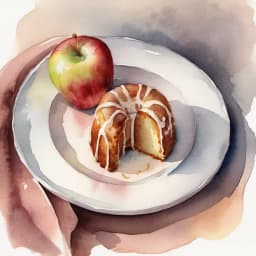
その他
📍 青森空港
"Mini Apple Kouglof" is a lovely Western-style pastry baked by Strauss, a Viennese-style confectionery in Aomori, making full use of abundant apples.
Kuglofs are traditional baked goods essential for celebrations in the Alsace region of France, baked in a unique crown-shaped mold. Strauss carefully kneads two types of apples from Aomori Prefecture, Kougyoku and Fuji, into a fragrant buttery brioche dough.
The sweetness and acidity of the apples blend gently into the moist dough. With a single bite, the fruits of Aomori meet European confectionery culture. It is an adorable yet authentic treat, sized perfectly for your palm.
和菓子
📍 青森空港、青森駅、青森県営浅虫水族館 ほか1件
Born in 1907 for wounded soldiers and hot spring guests at Asamushi Onsen, Kujiramochi. The name embodies the wish for a 'good mochi that will be loved for a long time' (iku-shiku-itadaku). It is made by steaming rice flour and smooth red bean paste with walnuts inside. It carries on the lineage of steamed confectionery said to have been brought from Kyoto via the Kitamaebune shipping route.
洋菓子
📍 青森空港、青森駅
A Japanese-style apple pie created by Okinaya, founded in 1918, featuring Kougyoku apples glazed and soaked in liqueur, sandwiched between homemade pie crust rich with butter. This is a representative handmade confection of Aomori, which was presented to the Crown Prince and Princess (now the Emperor and Empress) at the 21st National Tree Planting Festival.
和菓子
📍 浅虫温泉街
Kujira-mochi from Kikuya Mochi-ten, which has operated in Asamushi Onsen since before the war, is characterized by its use of glutinous rice and fresh red bean paste. As one of the two major Kujira-mochi producers in Asamuna alongside Nagai Kujira-mochi-ten, its specialty is a more chewy texture. Both shops continue to compete to preserve the tradition of this steamed confection, which was brought from Kyoto via the Kitamaebune shipping route.
和菓子
📍 青森駅、浅虫温泉街
The Kombu Yokan produced by Nagai Kujira-mochi Store of Asamushi Onsen as a masterpiece alongside their famous Kujira-mochi. Priced at 1,200 yen per piece. Using high-quality kombu from Hokkaido, it features a unique flavor where the seaside aroma melts into the sweetness of red beans. A three-piece set including Itakarin-to (stick karinto) is a classic choice for an Asamushi Onsen souvenir.

その他
📍 青森空港、青森駅
Why not enjoy Aomori's rice in a fluffy sweet?
This is a mini-sized roll cake with rice flour from Aomori's brand rice, 'Seiten no Hekireki,' incorporated into the dough. The small dough, fitting in the palm of your hand, is filled generously with milk cream. You can enjoy the characteristic chewy texture of rice flour, and a gentle sweetness spreads with every bite.
Individually wrapped and easy to carry, it is a staple Aomori souvenir often seen at stations and airports. It is a new style of rice sweet, true to rice-producing Aomori. It is also recommended as a gift for groups, as an easy snack to enjoy during tea time. Please try the fluffy and chewy texture.

その他
📍 青森空港、青森駅、JR弘前駅 ほか1件
There is a traditional sweet that has supported the dining tables of Aomori for over 160 years. This is 'Tsugaru Ame,' continuously crafted by Kami-boshi Takeuchi Candy Factory, founded in the 5th year of the Ansei era.
Using a method unchanged since the Edo period, starch from sweet potatoes is saccharified with barley malt and slowly boiled in a cauldron—without using any sugar or additives. Its characteristic is the gentle, natural sweetness produced by the ingredients themselves. This malt syrup is deeply rooted in the lives of Aomori people, having once been prized as a precious source of nourishment.
It is recognizable by its tin decorated with Nebuta art. There are many ways to enjoy it, such as dissolving it in hot water or using it in cooking. Please enjoy this item filled with the history of Aomori.
和菓子
📍 青森空港
Nanbu senbei meets cheese—this unexpected combination has created a new deliciousness.
Produced by Hachiya, a long-established shop founded in 1923, 'Cheese Sand Senbei' features thin-baked Nanbu senbei with the fragrant aroma of sesame, sandwiched with creamy cheese. The crispy, light texture of the senbei and the rich depth of the cheese pair surprisingly well.
It is a new sensation of a cracker that is perfect not only with tea but also as an accompaniment to wine. This playful item is unique to Hachiya, which continues to handcraft about 50 different types of senbei. Please enjoy this new side of Nanbu senbei.

スイーツ
📍 青森空港、大館能代空港、庄内空港 ほか1件
There is a chocolate confection for adults, born from a collaboration with a popular magazine: Lagoo's "Mori Chocolat." Developed in partnership with Orange Page magazine, this steamed-baked chocolate was created by gathering feedback from readers in Aomori. It features a rich chocolate dough kneaded with apple cider (cider) and infused with dried apples from Aomori Prefecture. The surface is crunchy while the inside remains moist, with a sweet and refreshing apple aroma drifting through. If warmed by toasting, the dough crumbles delicately, further enhancing the apple flavor. Please try this slightly luxurious chocolate cake that captures the charm of Aomori's apples and cider.

その他
A Western-style confection that softly captures the deliciousness of Aomori milk. It consists of moist baked busse cake sandwiched with milk cream made with plenty of fresh milk from Aomori Prefecture. When you take a bite, it is light and airy, spreading a gentle sweetness of milk. Its charm lies in its lightness, so it doesn't feel heavy and you could easily eat several. It is a simple yet irresistible deliciousness. Individually wrapped for easy distribution, it is also useful as a small gift or for bulk souvenirs. This milk-flavored busse allows you to easily enjoy the rich blessings of Aomori's dairy farming. Please accompany your tea time with this gentle and warm flavor for a relaxing moment.
和菓子
📍 青森空港、JR弘前駅
Shikanai Senbei, founded in 1926, completed this product after much trial and error aiming to create a rice cracker truly representative of Hirosaki. It is a single piece made by thinly slicing fresh apples and transforming them into a senbei (rice cracker), capturing the "little autumn" of Hirosaki's apple orchards within.

その他
📍 青森空港
There is a beautiful white dry confectionery that evokes the winter scenery of Tsugaru. This is "Yukihimo," created by Suzuro, a confectionery shop in Hirosaki.
Founded in 1976, Suzuro has pressed high-quality Wasanbon sugar into the shape of snowflakes. When placed in your mouth, it melts softly, spreading the delicate and elegant sweetness unique to Wasanbon. Its pure, snow-white appearance is perfect for tea ceremonies. It is a beautiful treat, like looking at tiny snowflakes resting in the palm of your hand.
Its charm lies in its delicate appearance and its fleeting, melting texture. Its pure form, reminiscent of Tsugaru's snow, makes it a delightful gift. Please enjoy this elegant sweet that showcases the craftsmanship of Suzuro, inheriting the traditions of Kyoto confectionery.

和菓子
📍 青森空港
Despite using no sweet potatoes at all, its appearance and texture are remarkably similar to them—this mysterious Tsugaru traditional sweet is "Imosukedon."
Produced by Kudo Pan, a familiar name in Aomori, this confection features dough seasoned with soy sauce with kelp hidden inside to mimic the fibers of a potato. Miraculously, this creates an appearance and texture just like a roasted sweet potato. It is a treat long cherished by the people of Tsamente, often spoken of alongside memories of Obon and Higan festivals.
Its gentle sweet and salty flavor is perfect with tea. Please taste this nostalgic local sweet, filled with the playfulness and wisdom of the Tsugaru people.
その他
A traditional dorayaki from Kuroko Matsuya in Aomori City, featuring fluffy baked dough generously filled with homemade sweet red bean paste. With a moist, fine-textured skin and the sweetness of Hokkaido red beans harmonizing perfectly, it is a simple and classic item long loved by locals.
洋菓子
📍 青森駅
The signature souvenir from Hatoya Seika, named after the Seikan Tunnel that connects Aomori and Hakodate. This box contains two types of delights from both cities: the 'Lovely Pie' filled with honey-preserved apples and custard, and a star-shaped pie shaped like Goryokaku filled with cream cheese.

その他
📍 福島空港、仙台空港、銀山温泉街
There is a Tohoku-exclusive Umaibo featuring the word 'Iginari,' which means 'extremely' in Sendai dialect. Inspired by Sendai's famous beef tongue, it recreates a crunchy texture with a salty flavor enhanced by lemon. The familiar light mouthfeel is combined with the savory richness of beef tongue and a refreshing salt-lemon aroma, making it impossible to stop eating. It is also convenient to find at major stations and service areas in the Tohoku region. The packaging features three different designs with illustrations related to Tohoku, and even includes a figure of the mascot 'Umaemon' as a bonus. This is the perfect snack to distribute as a souvenir during a trip to Tohoku.

洋菓子
There is a new type of chocolate confectionery with a texture as soft as falling snow (watayuki). It is called 'Shiroi Watayuki Sweet in Choco.' Smooth sweet chocolate is wrapped in a fluffy mochi dough made from glutinous rice grown in Aomori Prefecture. When you take a bite, the chocolate melts out from within the chewy dough, spreading a new deliciousness where Japanese and Western flavors meet. Its white, soft appearance is exactly like accumulating snow. This item features an exquisite harmony between the gentle texture of mochi and the rich sweetness of chocolate. Please enjoy this treat that evokes a warm feeling of winter in Aomori.
その他
📍 青森空港、青森駅、JR弘前駅 ほか1件
The representative work of Hirosaki's Shikanai Senbei, which took approximately 20 years from conception to completion. It is a semi-soft confection where finely chopped Tsugaru apples are simmered until crunchy and wrapped in a lightly baked dough, spreading the sweet aroma of apple with every bite.
洋菓子
📍 青森空港
An assortment of sablés shaped like Aomori specialties such as apples, Nebuta, and scallops, produced by Aomori Prefecture Souvenir Sales. With a light texture where the buttery flavor spreads crispily, this is a great value gift set that lets you enjoy the best of Aomori in a single box.
その他
📍 青森空港、秋田空港、福島空港 ほか2件
Calbee's Jagarico in Scallop Soy Sauce Butter flavor, sold exclusively in the Tohoku region. The savory umami of Aomori-produced scallops and the fragrance of butter soy sauce are captured in a crunchy texture, making it an irresistible companion for driving through Tohoku.

和菓子
📍 青森空港、青森駅
There is a Japanese confection from Aomori with a lovely crescent moon shape called "Goma Shingetsu." The crescent-shaped baked dough is generously filled with black sesame paste. With one bite, the rich aroma of black sesame spreads softly, followed by a subtle, elegant sweetness. It offers a fragrant and profound flavor that sesame lovers will find irresistible. The rich paste pairs perfectly with the moist dough.
Its adorable, bite-sized shape makes it perfect as an accompaniment to tea. Its plump appearance is charming, making it hard to resist reaching for another. Please enjoy this simple, exquisite confection from Tsugaru, which allows you to savor the richness and aroma of black sesame.
洋菓子
This is the Aomori version of the regional "Koibito" series that began with Hokkaido's "Shiroi Koibito." It features Langue de Chat cookies made with kneaded-in apple powder, sandwiched with apple cream. The packaging is delightful, featuring illustrations of Tsugaru dialect phrases like "Manzu Sukidasu" (I love you) and scenes from Nebuta and Lake Towada.

その他
📍 青森空港、青森駅
There is a baked confection that expresses the deliciousness of apples as if through song: "Ringo no Uta" by Okinaya. Produced by the long-established Okinaya, founded in 1918, this sweet features a fragrant dough kneaded with roasted soybean flour (kinako) and baked with pieces of Kougyoku apple flesh. Kougyoku apples are ideal for confectionery due to their strong acidity. The fruit pieces, baked together with white bean paste, provide a sweet and sour accent.
It is a harmony of the toasted aroma of kinako and the refreshing acidity of Kougyogi. This gentle yet flavorful treat is like a seasonal message arriving from the apple orchards of Tsugaru. Please take your time to enjoy the reliable taste of this long-standing establishment that brings out the best in its ingredients.

スイーツ
📍 青森空港
There is a mysterious chiffon cake that is so sweet you wouldn't believe it contains carrots: "Fukaura Yuki Ninjin Chiffon Cake." The "Fukaura Yuki Ninjin" (Fukaura Snow Carrots) grown in Fukaura Town are special carrots that are not harvested in autumn but left to overwinter under the snow. To protect themselves from the cold, they accumulate sugars, resulting in a fruit-like sweetness. The dough, heavily kneaded with these carrots, is a vibrant orange and melts softly and gently in your mouth.
Even those who dislike carrots will likely find this surprisingly easy to eat. Please enjoy the natural sweetness nurtured by the snow and earth of Fukaura in this light and fluffy chiffon cake.
その他
A juicy and soft apple caramel made by a mellow blend of Aomori-grown Fuji apple juice and milk. Taking a single bite spreads a refreshing apple aroma throughout your mouth; individually wrapped for easy distribution, it is a classic Aomori souvenir.

洋菓子
📍 青森空港、仙台空港、青森駅 ほか2件
When sliced with a knife, large chunks of apple appear from within—this impactful experience is what the Aomori staple, Laganoo's 'Kininaru Ringo,' is known for. It uses an entire Aomori-grown Fuji apple, with the core removed and the skin left on. The apple is slowly soaked in a special syrup for over a month before being wrapped in pie dough and baked. The syrup-soaked apple retains a crisp texture with a vivid sweet and sour flavor, creating a magnificent contrast with the moist pie crust. A representative apple pie of Aomori that surprises the eyes and delights the palate. As a gift, it is sure to elicit cheers the moment it is sliced.

スイーツ
Located at 'Michi-no-Eki Namioka' along Route 7, roughly halfway between Aomori and Hirosaki, is 'Apple Hill.' Their original sweet is the 'Apple Wine Cake.' True to its apple-growing roots, the cake batter is moistly infused with wine made from Aomori-grown apples. The sweet aroma of apple combined with a subtle hint of wine creates a sophisticated flavor. This is a specially crafted item unique to Apple Hill, which is popular for its handmade sweets. A taste of Aomori you should definitely try when stopping by during a drive. Why not add this slightly luxurious cake—enjoying apples via wine—to your collection of souvenirs?
その他
📍 青森空港、青森駅、青森県営浅虫水族館 ほか1件
This is a plate-shaped karinto (deep-fried dough snack) with a simple sweetness, enjoyed alongside the rising steam of Asamushi Onsen. It is produced by Nagai Kujira Mochi Store, founded in 1907. Much like their signature Kujira Mochi, the roots of this karinto lie in a method brought from the Kansai region to Ajigasawa via the Kitamaebune shipping route. A characteristic of Kansai-style karinto is kneading sugar into the dough and frying it thin and flat to achieve a crunchy, hard finish; its sweetness, coated in brown sugar, is not overly sweet and offers a nostalgic flavor.
After soaking in an onsen, taking a bite with hot tea allows the crunchy, fragrant texture and gentle sweetness to spread throughout your mouth. This is a perfect snack for after a bath, born from the craftsmanship of a long-established shop that has continued for over 100 years.

その他
📍 青森空港
This baked confection gets its name from its chewy texture, which utilizes the stickiness of Aomori-grown Japanese mountain yam (nagaimo). The dough, kneaded with nagaimo powder, is shaped into a rolled form. Its characteristic feature is the mysterious moist and chewy mouthfeel that spreads with every bite. Aomori is known as one of Japan's leading producers of nagaimo, and this item shines with a local idea that transforms those rich blessings into a sweet.
With its gentle sweetness and smooth texture, it is perfect for tea time or as a snack. It is a somewhat rare Aomori souvenir where you can encounter the unexpected deliciousness of Japanese mountain yam, which is usually associated primarily as a vegetable.
その他
A regional limited-edition potato chip from Calbee that combines 100% garlic powder from Tako Town with miso. The sweet and savory garlic miso flavor coats the crispy chips, and the pop-style pink packaging is particularly popular among women.

その他
These rusks are baked to a crispy perfection, with the dough infused with juice from apples grown in Aomori Prefecture.
We carefully bake French bread dough after ensuring it has thoroughly absorbed the apple juice. With just one bite, the fruity sweetness of the apple and the savory aroma of butter overlap, spreading through your mouth along with a light texture. True to Aomori's status as a major apple-producing region, this treat captures the full essence of the fruit, making it a product packed with local charm.
With a light mouthfeel, it is an irresistible deliciousness that keeps you reaching for more. Because they have a long shelf life and are easy to carry, they are widely enjoyed as a classic souvenir from Aomori.
和菓子
A bite-sized玉羊羹 (tama-yokan) prepared by the prestigious Kami-boshi Takeuchi Seishojo, founded in 1858, with a generous amount of Kougyoku apple paste from Aomori Prefecture. Its adorable shape, which looks exactly like a Tsugaru apple, and its vibrant red color are eye-catching, and the fun of popping it off the toothpick is part of its secret popularity.

その他
📍 青森空港、秋葉原駅
A crispy, healthy snack that allows you to enjoy the full flavor of whole apples from Aomori Prefecture. By thinly slicing apples and frying them using a special vacuum-frying method, the natural sweetness and aroma of the fruit are tightly locked in. Made without additives or preservatives, a single bag uses approximately two medium-sized apples. This is a luxurious snack made possible only because of Aomori, the kingdom of apples. The juicy apple flavor and light texture are so fruity that it's hard to believe it's a snack food. It's also wonderful because you can snack on it without guilt, and once you start crunching, you won't be able to stop.
洋菓子
📍 青森空港
A new sensation of baked confectionery that combines the simplicity of Nanbu senbei with the buttery flavor of a sable. Produced by 'Shikanai Senbei,' a long-established shop in Hachinohe, Aomori, this treat incorporates crushed traditional thick-baked senbei into sable dough, baked with plenty of butter and no eggs. True to its humorous names, 'It's Bean' and 'It's Sesame,' the charm lies in being able to enjoy both bean and sesame varieties. The dual textures—crispy and crunchy—overlap in your mouth, creating a mysterious deliciousness that is neither purely senbei nor purely Western pastry. It is a product that showcases the new possibilities of the long-beloved Nanbu senbei.

洋菓子
📍 青森空港
A fusion of Japanese and Western confectionery that infuses the flavor of amazake (sweet fermented rice drink) made from Aomori-grown rice into chocolate.
The mellow sweetness of the amazake and the gentle umami derived from the rice harmonize softly with the bittersweet cacao notes of the chocolate. This chocolate confection utilizes ingredients unique to Aomori, a region known for its rice production, evoking a subtle Japanese aesthetic. The rich aroma, reminiscent of sake, is a distinctive feature unique to this treat.
With a single bite, the faint scent of rice koji drifts through the nose, followed by the deep richness of the chocolate. It is a sophisticated snack that pairs well with both coffee and Japanese tea.

その他
📍 青森空港
Crispy chips made by frying 'Fukuchi White Rokken' garlic, the pride of Tago Town, Japan's number one garlic-producing region.
Fukuchi White Rokken is a representative brand of Aomori, highly regarded nationwide for its pure white color, plump size, and well-formed shape. To allow you to fully enjoy its flavor, the garlic is thinly sliced and fried to a fragrant crisp. This is a local specialty also beloved at the Tago Town Garlic Center, which calls itself the 'Garlic Capital.'
The sweetness and aroma of the garlic expand with every bite, making it the perfect companion for beer. With an addictive deliciousness that keeps you coming back, it is a snack that allows you to easily enjoy the true power of Tago garlic.
その他
📍 青森空港、秋田空港、新千歳空港 ほか8件
A luxury Sea Urchin (Uni) Gunkan flavor of Jagarico, sold exclusively by Calbee in the Tohoku region. It reproduces the rich, briny flavor of sea urchin and the savory aroma of soy sauce in Jagarico's signature crunchy texture, featuring an impactful illustration of a sea urchin gunkan on the package.

洋菓子
A fluffy, sweet madeleine luxuriously made with the rare "Ikkyu Nyukon" pumpkin from Aomori. The Ikkyu Nyukon pumpkin is a special variety grown in the Shimokita and Imabetsu regions, where only one fruit is allowed to ripen per plant. It features a concentrated, sweet, and mealy umami flavor. This is kneaded into a madeleine batter made with Aomori-grown glutinous wheat, then baked with a piece of syrup-soaked pumpkin inside, creating the signature Ichikabo Madeleine from Sweets Lab C&Y in Aomori City.
Within the moist batter, the natural sweetness of the pumpkin spreads with a fluffy texture. This baked treat is packed with a commitment to ingredients, designed to warm your heart.
📍大間町
Specialties from 大間町 are also available via furusato nozei
和菓子
📍 青森空港
A chewy baked treat created by Hatoya Seika, inspired by the town of Oma Tuna and containing Aomori cassis powder. The tuna shape is unique, featuring a harmony of subtle cassis acidity and sweet bean paste. It is an easy-to-enjoy souvenir for both children and adults.
📍大鰐町
Specialties from 大鰐町 are also available via furusato nozei

和菓子
"Ajara Mochi" is a traditional confection from Sasaki Keitsukudo, established in 1907, and has been loved for over a hundred years in Owani Town, Aomori Prefecture.
Its name is inspired by Mount Ajara, which towers over Owani Town. The soft mochi dough is kneaded with sugar and contains plenty of whole walnuts, with absolutely no additives used. Its hallmark is the simple, rustic flavor of the ingredients themselves.
There is even an anecdote that His Imperial Highness Prince Chichibu kept this mochi in his pocket while enjoying skiing in Owani. Its unpretentious, gentle taste makes it a perfect accompaniment to tea at Owani Onsen. It is a warm and comforting mochi that has long been a part of the daily lives of the people of Tsugaru.

和菓子
"Chausu Mochi" is a specialty mochi from Hagi Keido Toraya, established in 1905 and loved for over a century in Owani Town, Aomori Prefecture. The name is inspired by Mount Chasu, which overlooks the town of Owani. Mount Chasu is one of Aomori's most famous azalea spots, with 15,000 flowers blooming in early summer. The triangular shape of this mochi serves as a landmark, modeled after the mountain. It contains only five ingredients: soft, stretchy gyuhi made from shiratama flour, filled with large, plump simmered tiger beans (toramame). The fragrant roasted soybean powder (kinako) gently enhances the sweetness of the mochi and beans. This is a simple, rustic taste of Owani that has long been enjoyed by hot spring visitors and skiers alike.
📍田子町
Specialties from 田子町 are also available via furusato nozei

その他
📍 福島空港
A Tohoku-exclusive version of Kaki no Tane (rice cracker) generously coated with garlic powder from Tago Town, the town of garlic. With the savory umami of garlic and a spicy kick that lingers with every bite, the cute packaging containing five individually wrapped bags is perfect for sharing as a souvenir.
📍東北町
Specialties from 東北町 are also available via furusato nozei

和菓子
The 'Wakasagi Monaka' made by France Minato-ya in Tohoku Town, Kamikita District, is an adorable monaka that will surely bring a smile to your face.
Lake Ogawara, located nearby, is a treasure lake known as a prime fishing ground for wakasagi (smelt). This fish-shaped monaka, shaped like the star of the lake—the wakasagi—is filled with plenty of bean paste. It is also wonderful that it can be easily purchased for around 100 yen per piece. The fragrant monaka shell pairs well with the elegant sweetness of the bean paste.
The package includes a humorous warning: 'They may swim, so please eat quickly,' which invites a smile from the recipient. This item is packed with the bounty of Lake Ogawara and the warm playfulness of the local confectionery shop.
📍八戸市
Specialties from 八戸市 are also available via furusato nozei
和菓子
"Ganso Tsuruko Manju" is a traditional confection that Man'eido has continued to make for over 100 years, since its founding in 1921 on the approach to Kushiki Hachiman Shrine in Hachinohe.
It is an oval-shaped baked manju consisting of smooth red bean paste wrapped in a dough kneaded with brown sugar and locally produced Nanbu wheat flour, then coated in white mochi flour and baked. A stubborn commitment to craftsmanship remains, with every step except the filling process being done by hand.
With the deep richness of brown sugar and the simple, moist flavor of the crust, it is a representative confection of Hachinohe that has won the Prime Minister's Award at the National Confectionery Expo. Please enjoy this unchanging taste that has been passed down for a century under the watchful eye of the shrine's cedar groves.

スイーツ
📍 八戸ポータルミュージアム
"Asa no Hakkoda" is a soufflé cheesecake crafted by Alpjohn, a Western-style confectionery in Hachinohe City. It is a legendary item that once received 350,000 orders in just four days when featured on a television program.
With a smooth and creamy flavor inspired by a refreshing morning in Hakkoda, it uses plenty of fresh Aomori eggs; the richness of the cheese and the mellowness of the egg melt softly in your mouth.
Featuring a fluffy yet moist texture with moderate sweetness and a refreshing acidity, it is a cheesecake that Aomori is proud of and one you won't forget once you've tasted it. Whether as a souvenir or a treat for yourself, it is a blissful bite that is sure to bring a smile.

和菓子
Since its founding around 1850, Matsuso Kashiten has continued to make Japanese sweets in Sannohe Town for over 170 years. This 'Mini Tsuruko' is a bite-sized version of their traditional Tsuruko Manju. Smooth bean paste is wrapped in a skin kneaded with brown sugar, baked to a fragrant finish, and lightly dusted with white rakugan powder. The combination of the rich sweetness of brown sugar and the moist smooth bean paste is the very essence of the traditional taste of Sannohe and Hachinohe. It is somewhat nostalgic and provides a sense of relaxation. This hidden gem is so small that you's find yourself reaching for a second or third piece. A simple, exquisite confection perfect for your daily tea time.

和菓子
📍 八戸ポータルミュージアム、八戸ポータルミュージアムはっち
Nanbu Senbei, which are wheat flour doughs baked crisp in round molds, are a representative local flavor of Hachinohe. This Hachinohe Senbei Cheese, produced by Tachibana of Hachinohe City, adds a cheese flavor to that traditional confection. While maintaining the thin, crispy, and light texture, it is layered with a subtle saltiness and richness from the cheese. By adding a Western flavor to the traditional senbei, it has achieved an exquisite balance that works perfectly as both a snack and an accompaniment to alcohol. It is an enjoyable cracker where simplicity and novelty coexist. A new Hachinohe staple that adds a slightly modern expression to traditional Nanbu Senbei. Its light deliciousness will have you unable to stop once you start.

その他
Since its founding around 1850, Matsuso Kashiten has continued to make Japanese confectionery in Sannohe Town. This Mame-gintou is a bean confection born from that tradition.
It is a bite-sized treat featuring a chewy dough made with green soybeans with smooth red bean paste hidden inside. Its elegant appearance, with the light green dough peeking out from under a white coating of powder, is also part of its charm. The savory aroma of the beans and the gentle sweetness of the bean paste melt together moistly in your mouth, spreading the delicious flavor of the beans with every bite.
While simple, it possesses a certain dignified elegance. It pairs well with green tea and is a perfect accompaniment for daily tea time. It is a hidden gem of a confection, quietly loved for a long time in the land of Sannohe.
和菓子
📍 八戸ポータルミュージアム、八戸ポータルミュージアムはっち
A single piece baked by Tachibana of Hachinohe City, adding a buttery flavor to traditional Nanbu Senbei. Unlike the traditionally hard Nanbu Senbei, this features a slightly milky and gentle mouthfeel, and its crispy, light texture makes it easy for small children to eat.

和菓子
Long ago, it is said that the whale known as 'Hachinohe Taro' watched over the coast of Hachinohe as a messenger of the gods. Inspired by this legend, Chigusa Confectionery creates this Kujirimochi. According to folklore, a large whale from Kishu, which brought bountiful catches to the people of Hachinohe, exhausted its strength while trying to return to the hospitable shores of Hachinohe; it eventually washed ashore and turned into a whale stone, becoming the guardian deity of the village. Because the confection is made with non-glutinous rice, it does not stretch like ordinary mochi, offering instead a unique, firm and slightly crunchy texture. The light sweetness, infused with red bean paste, provides a nostalgic flavor reminiscent of uirou. It is a simple and warm local sweet that embodies the history of Hachinohe and prayers to the sea.
その他
📍 福島空港
This is a Tohoku region-exclusive flavor from Kameda Seika, featuring the familiar Kakitane (rice crackers) wrapped in the aroma of seafood. We have infused the spicy rice crackers with the briny scent of grilled oysters and the savory aroma of roasted soy sauce. Upon taking a bite, you first experience the sharp sting of chili pepper, followed by the rich umami of oyster and the fragrant soy sauce. It is a slightly luxurious taste that makes it impossible to stop eating. This premium local Kakitane is highly regarded as a perfect companion for beer or sake. The individually wrapped small bags make them easy to distribute, making them useful both for personal enjoyment and as souvenirs. It is a staple item loved as a standard 'baramaki' (bulk) souvenir for trips to Tohoku.
和菓子
Tsuruko Manju made by Namiki Kashiten in Sannohe Town. This is a traditional Hachinohe baked manju consisting of smooth red bean paste wrapped in a crust made with brown sugar and coated in white rice flour. Its crumbly texture and the deep richness of the brown sugar make it the perfect traditional accompaniment to tea.
和菓子
📍 八戸ポータルミュージアム、八戸ポータルミュージアムはっち
A thin cracker from Tachibana in Hachinohe City that captures the savory umami of Sanriku-produced squid within a Nanbu Senbei. The more you chew, the more the fragrant aroma of squid and the flavor of the sea spread. This local souvenir is also charming due to its exclusivity, as it can only be purchased at the Hachinohe Port Museum Hacchi shop.
洋菓子
A playful and unique souvenir inspired by the National Treasure 'Gassho Dogu' (praying clay figurine) excavated in Hachinohe.
This Gassho Dogu, depicted in a seated position with hands pressed together, dates back to the late Jomon period and is an extremely rare national treasure, being the only one of its kind found in such perfect condition. This product from Shinbori, a traditional confectionery shop in Hachinohe City, features sweets packed inside a container featuring 'Inorun,' a cute character version of the figurine.
Inside are crispy, fragrant cookies made by kneading black sesame into rice flour from Aomori Prefecture. After eating, the container transforms into a piggy bank, allowing it to remain as a long-lasting travel memory. It is a quintessential Hachino-style souvenir that is fun to eat and delightful to display.
その他
A traditional bean confectionery from Namiki Kashiten in Sannohe Town. It features green soybeans prepared in a chewy dough with smooth red bean paste hidden inside. The square, bite-sized pieces are generously coated in white powder for an elegant appearance, and the simple yet delicious uguisu-colored (warbler green) dough leaves a lasting impression.
和菓子
River crab crackers made by Kappo Hakusan in Sannohe Town, utilizing the skills cultivated through their specialty river crab dishes. This rare cracker captures the rich umami of river crabs raised in the clear streams of Sannohe, offering an exquisite seaside flavor unique to a high-end kappo restaurant.

洋菓子
This is an auspicious baked sweet created with the image of a smiling dimple that brings good fortune to Hachinohe.
Inside a soft, fluffy dough, we have wrapped a smooth and gentle cream. Finished with a simple yet elegant sweetness, it comes in a bite-sized shape that is easy to eat. Much like a dimple that appears when one smiles, its warm flavor naturally brings a smile to anyone who takes a bite.
With its auspicious name 'Fuku-ekubo' (Fortune Dimple) and its cute, rounded appearance, it is perfect for small gifts or celebrations. It is a gentle confection from Hachinohe, ideal for gifting when you wish to share feelings of good fortune.
和菓子
A famous confectionery from Hachinohe, handcrafted by Maneido, which was founded in the 10th year of the Taisho era. The traditional production method—wrapping smooth red bean paste in a dough kneaded with brown sugar and coating it with rakugan powder crumbles before baking—produces a texture that can only be achieved using large brass pots and paddle-like tools. It won the Prime Minister's Award at the 1998 National Confectionery Expo.

その他
"Kiku Castella" is a signature confection from Hachinohe's Minato Murafuku, established in 1924, which encapsulates the traditions of Hachinohe, the village of chrysanthemums, into a single castella cake.
In the Nanbu region, including Hachinohe, the vibrant yellow edible chrysanthemum "Abagyu" has been cultivated since ancient times. Its name is said to derive from a prestigious palace where the first Emperor of China, Qin Shi Huang, admired chrysanthemums.
By kneading dried Abagyu and homemade chrysanthemum-infused sake into the batter, the cake is baked to a moist perfection. With every bite, the delicate aroma of chrysanthemum rises, offering a sophisticated flavor for adults. It is a slightly luxurious castella that carries the essence of Hachinohe's landscape.

その他
'Kiku no Sato' is an aromatic Japanese confection created by Hachinohe's Minato Murafuku, utilizing ingredients unique to the famous chrysanthemum region of Hachinohe.
In the Nanbu region, including Hachinohe, the bright yellow edible chrysanthemum 'Abanomiya' has been cultivated since ancient times. With its pleasant texture, subtle sweetness, and unique aroma, this chrysanthemum is a familiar presence that has long graced the dining tables of Hachinohe residents.
This 'Abanomiya' is carefully kneaded into a yellow bean paste along with butter. When eaten, the fragrance of the chrysanthemum gently rises, offering an elegant and gentle sweetness. It is long cherished as one of Minato Murafuku's representative masterpieces in their 'Chrysanthemum Collection,' alongside their Kiku Castella.

洋菓子
'Umineko Kuro-chan Sablé' is an adorable sablé created by Hachinohe's Decor Kashiten, featuring the local symbol, the black-tailed gull (umineko), as its motif. Kabushima in Hachinohe is a major breeding ground for black-tailed gulls and is designated as a national natural monument. The sight of tens of thousands of gulls covering the island in spring is a long-beloved seasonal tradition for the people of Hachinohe. This image of the gull is baked into a crispy, buttery sablé. With every bite, the rich aroma of butter gently spreads. It delivers the seascape of Hachinohe through confectionery—a product that reflects the warm spirit of a town that loves Kabushima and its gulls.

洋菓子
'Hakkoda no Jumoku Butter' is a stick-shaped baked confection created by Koizumi Seika of Hachinohe, inspired by the frost-covered trees of Mount Hakkoda.
Mount Hakkoda in winter is widely known as a famous spot for 'juhyo' (frost-covered trees), where trees are clad in snow and ice. We have captured the image of those snow-dusted trees standing dignified in the cold within a single treat.
The white chocolate coating beautifully covers the surface, much like a layer of snow. After a light, crispy texture, the rich aroma of butter gently spreads. It is an elegant and slightly special butter confection that evokes the crisp winter scenery of Hakkoda.

その他
There is a confection that transforms the blessings of Hachinohe's sea into an unexpected form. This is Minatomura Fuku's signature creation, 'Yori-mo.'
It was conceived in 197<0xC2>1 as a confection to be presented to His Imperial Highness Prince Takamado during the Winter National Sports Festival held in Hachinohe. It is an original Japanese sweet consisting of white bean paste yokan sandwiched with kombu (kelp) harvested from the northern seas, featuring a subtle scent of the ocean. The name 'Yori-mo' is said to derive from the seaweed washed ashore by the waves.
It offers a one-of-a-kind flavor that leverages the natural color and aroma of the kombu. With a sweetness that occasionally reveals a hint of the sea—please try this uniquely characteristic Hachinohe confection with your tea. It is sure to leave an impression.
和菓子
It all began in 1955, when the founder, Kazuko Nishinori, sold them by carrying them in a shopping basket at the morning market in front of Mutsumi-Minato Station. This is a simple, traditional taste passed down in Hachinohe: smooth red bean paste wrapped in an oval-shaped dough baked with brown sugar and flour, then generously coated in pure white rice flour.

和菓子
These are adorable manju (steamed buns) shaped like the black-tailed gull, a symbol of Hachinohe.
Created by Port Murafuku, founded in 1924, these were inspired by Kabushima Island, known as a breeding ground for black-tailed gulls. Inside the cocoa-flavored dough is a generous amount of yellow bean paste mixed with walnuts and white sesame. It is a delightful treat featuring a fragrant aroma and a melt-in-your-mouth texture. The surface is lightly dusted with powdered sugar, giving it an adorable appearance.
With individually wrapped packaging featuring black-tailed gulls, they are a popular souvenir from Hachinohe. This manju brings a smile to your face through the meeting of Kabushima's nature and the confectionery culture of this port town. Please enjoy the fragrant combination of cocoa and walnuts.

洋菓子
Born from the bold idea of turning black-tailed gull droppings (bombs) into a sweet—this is "Hachinohe Umineko Bakudan."
An Hachinohe souvenir inspired by Kabushima, a breeding ground for black-tailed gulls, it features a three-layer structure of cookie, meringue, and white chocolate. Adorned with coconut and pistachio, despite its unique appearance, it offers authentic deliciousness through layers of crispy and fluffy textures. It is also an entertaining treat featuring a mechanism where a gull appears to fly out of its box.
While the name might make you chuckle, the taste is guaranteed. Please enjoy this Hachinohe souvenir, full of humor and perfect as a conversation starter.

その他
There is a dessert that Hachinohe is proud of, which has won a Gold Medal at the Monde Selection: 'Hachinohe Potato' from Decor Confectionery. The charm lies in its unique production method, enclosing fluffy sweet potato inside a soft muffin batter. In addition to the plain flavor, you can enjoy choosing from three varieties: a jet-black dough made with Hachinohe's famous squid ink, and one featuring Aomori apples. With just one bite, the gentle sweetness of the potato spreads from the moist cake. This world-recognized deliciousness is a product you can choose with confidence as a souvenir. Please enjoy comparing the different flavors unique to Hachinohe.

和菓子
There is a famous confection from Hachinohe that pairs two auspicious symbols: the "Crane" and the "Turtle." This is Man'eido's "Hachino-he Monogatari Hachimakako."
Founded in 1921 along the approach to Kushiki Hachiman Shrine, Man'eido crafted this in an auspicious shape reminiscent of a turtle shell. Inside the batter, which has a subtle aroma of brown sugar, a milky yolk bean paste is hidden and baked to perfection. It has been cherished as an auspicious "Crane and Turtle" pair alongside their signature product, Tsuruko Manju.
This is a masterpiece from a long-established shop that has continued to create sweets using local ingredients since its founding. Because it is auspicious and adorable in appearance, it is also well-received as a gift. Please enjoy the aroma of brown sugar and the gentle taste of the yolk bean paste.
その他
A Japanese confection made by Koizumi Seika in Hachinohe City, featuring diced Aomori-grown Chinese yam hidden within white bean paste, all wrapped in a yam-infused dough and glazed with soy sauce. Its realistic appearance, resembling a 14cm long yam, is eye-catching, and it won the Minister of Health, Labour and Welfare Award at the 42nd National Recommended Tourism Souvenir Exhibition.
その他
📍 八戸ポータルミュージアム、八戸ポータルミュージアムはっち
This is a stylish snack made from 'Myotan,' a traditional variety of persimmon passed down for over 250 years in the Nanbu region of Aomori. Produced by Nanbu Noen in Nanbu Town, these persimmons—often called the northernmost astringent persimmons—are processed by exposing them to light to remove astringency, resulting in an easy-to-eat texture similar to dried fruit. By dipping them in chocolate, we have completely reimagined the traditional image of dried persimmons. Its quality is well-recognized, having received an Honorable Mention in the New Tohoku Souvenir Contest and winning an award in the Aomori Prefecture Specialty Products Competition.
The concentrated natural sweetness of the persimmon pairs surprisingly well with the rich chocolate. This exquisite treat allows you to enjoy the local flavor once used to sustain farmers through the winter, presented in a modern and new form.
和菓子
The flagship product of Maruko Izumori in Hachinohe, which has continued to bake Nanbu senbei for over 70 years. Since its founding in 1951, this long-established shop has baked senbei with unchanging craftsmanship. Among their many products, the 'Tokujo Mame' (Premium Bean) is a masterpiece consisting of a slightly sweet flour dough coated with plenty of peanuts and baked to perfection. Along with a pleasant, crisp texture, the fragrant flavor of the beans spreads softly throughout your mouth. The simple yet timeless taste remains unchanged from the past to the present. It is perfect as an accompaniment to tea or as a small gift. This single piece allows you to feel the skill of Hachinohe's senbei making, which has been loved in the Nanbu region for a long time.
和菓子
Tsuruko Manju are individually handcrafted and baked by Marumiya, a confectionery shop in Hachinohe founded in 1933. Following the traditional production methods of the Sanpi region, the smooth red bean paste is wrapped in dough kneaded with brown sugar and then coated in rice flour. It has long been cherished as a staple snack for local tea time.

その他
📍 八戸ポータルミュージアム、八戸ポータルミュージアムはっち
A simple and nostalgic karinto (deep-fried dough snack) made by fragrant frying hatomugi (Job's tears) from Nakadomari, Aomori. Produced by the Nakazato Hatomugi Kobo in Nakadomari, it uses one of Japan's few remaining heirloom varieties, 'Nakazato Hatomugi.' Each piece is finished by hand, with the ratio of flour and water finely adjusted according to the season and humidity. Hatomugi has long been enjoyed as a grain rich in protein, minerals, and dietary fiber.
The unique popping texture of the hatomugi combined with the gentle sweetness of brown sugar leaves a lasting impression. This pride of Nakadomari town is a snack that allows you to easily enjoy healthy, heirloom grains.
📍平川市
Specialties from 平川市 are also available via furusato nozei

洋菓子
There is a unique pie born from the collaboration between high school students and a long-established confectionery shop: the "Suppon Pie" from Kansen-do Momosawa Kashipo in Hirakawa City. Created by Momosawa Kashipo, founded in 1912, in partnership with local Kashiwagi Agricultural High School and Kuroishi Commercial High School. It uses the famous soft-shell turtle (suppon) miso from Kashiwacia Agricultural High School and low-cholesterol eggs, finished with a crunchy, fragrant sugar coating on the surface. The packaging, featuring an illustration of a soft-shell turtle, was designed by Kuroishi Commercial High School students. This treat is characterized by its sweet and salty flavor and impressive crunchy texture. It is a pride of Hirakawa City, packed with the energy of the local youth and the skills of a long-standing master.
和菓子
An apple yokan (sweet bean jelly) inspired by Ikari-ga-seki (present-day Hirakawa City), where a checkpoint of the Tsugaru Clan once stood. This vibrant red, bite-sized yokan is made by kneading paste from Aomori-grown Kougyoku apples, capturing the concentrated sweet and tart flavor of Tsugaru apples that travelers at the checkpoint would have surely enjoyed.
📍鰺ヶ沢町
Specialties from 鰺ヶ沢町 are also available via furusato nozei
和菓子
📍 JR鯵ヶ沢駅
A traditional steamed mochi from Ajigasawa that follows the lineage of Kyoto confectionery brought by the Kitamaebune ships. Made with simple ingredients—non-glutinous rice, glutinous rice, adzuki beans, and sugar—it features an elegant, chewy texture. While there were once four to five kujirimochi shops, Honpo Murakamiya is now the only one continuing this tradition.
📍Others
和菓子
While operating as a milk shop in Sannohe Town, Sannohe District, Tachibana Kashiten continues to produce this neriyokan using a multi-generational recipe. This simple flavor, featuring red beans and agar kneaded with walnuts, is a hidden gem of the Nanbu region that can also be obtained through the Michi-no-Eki Sanhe Furuzato Nozei.

和菓子
'Kappa Ebisen Garlic Soy Sauce Flavor' is a limited edition bag available only in the Tohoku and Koshinetsu regions, featuring the familiar Kappa Ebisen with an intense touch of Aomori character. It features a seasoning unique to Eastern Japan, combining garlic powder from Aomori Prefecture—which boasts the highest garlic production in Japan—with dark soy sauce manufactured in Chiba Prefecture. While maintaining the original method of using whole natural shrimp and roasting them instead of frying, the savory aroma is layered with richness and punch. The umami of the shrimp combined with the sweet and salty garlic soy sauce makes it hard to stop at just one bag. It is a local snack infused with Aomori charm that will keep both your hands and mouth busy, making it the perfect companion for beer.
その他
A healthy snack made by cutting Aomori-grown Fuji apples into sticks (including the skin) and finishing them with a crispy texture using a low-temperature vacuum frying method. The sweetness and acidity of the apple are highly concentrated, and they can be stored at room temperature in individual packaging. An excellent snack for those on a diet.

洋菓子
"Black Garlic Cookies" are a surprising treat that reveals an unexpected side of Aomori, the kingdom of garlic.
Aomori produces the highest amount of garlic in Japan. In particular, black garlic made from carefully aged "Fukuchi White Rokken" varieties is characterized by having almost no pungent odor or spiciness, instead offering a sweet, sour, and fruity flavor similar to prunes.
This black garlic is kneaded directly into the cookie dough. The deep sweetness and buttery flavor meld so perfectly that you wouldn't even realize it contains garlic unless told. It is a single cookie that allows you to enjoy the healthy image of black garlic as a casual snack.

その他
📍 福島空港、鶴ヶ城(若松城)
'Traveling Hi-Chew: Tohoku Apple Flavor' is a beloved box from Morinaga & Co.'s regional series 'Traveling Hi-Chew,' specifically themed for the Tohoku region.
Using apple juice from Aomori Prefecture, it captures the juicy sweetness and fruity aroma of apples within its signature chewy texture. Its mellow and approachable flavor can be enjoyed by everyone from children to adults.
The 5-stick pack features illustrations of famous landmarks in Tohoku on each stick, making it a perfect travel souvenir. It is a delightful gift that allows you to easily bring back the taste of Aomori with a familiar snack. Another great benefit is that it is compact and won't take up much space in your luggage.

その他
📍 福島空港、蔵王温泉街
"Tohoku Exclusive Happy Turn Fuji Apple Flavor" is a regional product from Kameda Seika that gives the familiar Happy Turn a signature Aomori twist.
"Fuji," the representative apple of Aomori, is a variety known for its strong sweetness and mild acidity. We have gently layered that apple flavor onto Happy Turn's unique sweet and salty "Happy Powder."
With the savory aroma and sweet-salty taste of the rice cracker complemented by a light, fruity apple scent, it is hard to stop once you start eating. Affordable and easy to distribute, it has become a beloved item and a new staple for souvenir shopping during trips to the Tohoku region.
その他
📍 小松空港、能登空港、米子空港 ほか16件
A Jagarico product sold exclusively by Calbee in the Sea of Japan coastal area. This luxurious specification features sticks coated in an elegant crab dashi flavor, accompanied by a dip sauce containing real crab meat. With both its appearance and taste being quite splendid, it is highly popular as a souvenir or an accompaniment to alcohol.
その他
📍 福島空港、蔵王温泉街
A Tohoku-exclusive version of Happy Turn featuring the flavor of 'zunda,' a traditional regional food of Tohoku. The mellow sweetness of edamame perfectly matches the saltiness of the Happy Powder, making it impossible to stop at just one piece. It boasts stable popularity as a reliable souvenir to distribute during trips to Tohoku.
その他
"Stamina Gen Tare-味 Ika Ten" is a local snack that brings together two of Aomori's most famous specialties in a dream collaboration, guaranteed to make you smile. "Stamina Gen Tare" is a versatile sauce beloved by the people of Aomori since 1965. Produced by Kamikita Nosan Kako, its sweet and savory flavor—infused with Aomori-grown apples, garlic, and ginger—is a staple on Aomori dining tables. We have recreated that signature Gen Tare flavor in squid tempura made from squid from Hachinohe Port, which boasts the highest landing volume in Japan. The sweet and savory notes of apple and garlic overlap with the umami of the squid, creating a crispy, irresistible deliciousness. This bag is the perfect companion for beer.

その他
"Chinese Yam Croissant Rusks" are a new sensation of rusk that conveys the charm of Aomori's agricultural products beyond just apples.
Aomori Prefecture boasts one of the top shipment volumes of Chinese yam (nagaimo) in the country. The white, low-astringency, and highly viscous yams from Aomately have been highly regarded in the market. This product incorporates such much-prized local ingredients into a sweet treat.
Chinese yam powder is kneaded into croissant dough and baked to a crispy finish. Hidden within the fragrant butter is a subtle richness from the yam, creating a light texture that you can eat endlessly. It is an Aomori-style snack that allows you to enjoy the blessings of the fields in an unexpected form.

スイーツ
A cool and refreshing Aomori apple sweet, perfect for hot days.
It uses 100% straight juice from ripe Fuji apples, carefully cultivated by Tamura Farm at the foot of Mount Iwaki. Hokuyu Foods has processed this into a jiggly gelee. Capturing the sweet and sour taste of apple juice exactly as it is, you can enjoy it by scooping it with a spoon or sipping it smoothly.
When thoroughly chilled in the refrigerator, it transforms into a dessert with a pleasant texture that goes down easily. It is perfect for a snack during the hot season. Please enjoy this gentle sweet, which allows both children and adults to taste the whole essence of Aomori apples, in a cool and delicious way.

洋菓子
A bite-sized sweet that allows you to fully enjoy the crispy texture of apples.
We freeze-dried apples from Aomori Prefecture and carefully coated them in mellow white chocolate. The milky white chocolate gently envelops the light, crunchy texture and sweet-and-sour flavor of the apple. Because the natural flavor of the ingredients remains intact, the aroma of the apple spreads softly with every bite.
With an adorable appearance, it is perfect as a small gift or a snack. This item is popular among women, offering the deliciousness of Aomorpri apples in an easy-to-eat form. Please try and experience this light, crispy texture for yourself.