高知県は太平洋に面した黒潮の恵みと、山深い四国山地の自然が育む食材の宝庫で、「おきゃく」と呼ばれる宴会文化が根づいた食を愛する県です。県魚のカツオは高知の食文化を象徴する存在で、漁師のまかないが起源とされる「かつおのたたき」は、藁で表面を炙り薬味をたっぷり添えて食べる名物料理として全国に知られています。皿鉢料理は直径36~39cmの大皿に刺身やたたき、寿司、煮物を豪華に盛り付ける高知ならではのおもてなし料理です。農産物では生姜、茄子、ニラ、みょうがの生産量がいずれも全国第1位で、特にみょうがは全国シェア93%と圧倒的な特産品です。ゆずの収穫量も全国の約5割を占める日本一の産地で、ゆずぽん酢やゆず加工品はお取り寄せの定番として人気があります。四万十川の天然うなぎや川エビ、文旦やフルーツトマトなど地域ごとの名物も多彩で、ふるさと納税ではかつおのたたきやゆず製品が人気の返礼品です。
Food
📍いの町
Specialties from いの町 are also available via furusato nozei

特産品
The Niyodo River is hailed as a 'miracle stream.' Its crystal-clear currents nurture highly aromatic natural ayu.
Known for its beauty, the Niyodo River has repeatedly been ranked number one in Japan's national water quality surveys. The emerald green color of its waters, known as 'Niyodo Blue,' fascinates many visitors. Ayu raised by feeding on moss at the riverbed in this high-quality water are known as one of Japan's leading production areas, so popular that major manufacturers hold fishing tournaments. A key characteristic is its intense aroma, often compared to watermelon.
In the summer, a single fish allows you to savor every part, including the entrails. Salt-grilled over charcoal, this dish is the very essence of the summer bounty gifted by this miracle stream. Please try it for yourself.

特産品
Paper that is said to be the thinnest in the world is crafted in Ino Town, Kochi Prefecture. This is Tosa Washi, which boasts a history of a millennium.
Paper making in Tosa dates back to the Heian period, with a history so ancient that its name appears in documents from the year 927. Using high-quality Kozo (mulberry) from the Niyodo River basin as raw material, traditional techniques are used to hand-make each sheet using clear river water. In particular, Tosa Tengujo-shi, which is produced only in Ino Town, is so thin—with a thickness in the 0.03mm range—that it was designated as a National Important Intangible Cultural Property in 1973.
While not food, it is a proud craft that represents the culture of Kochi. Please come and experience its profound world at the Paper Museum in Ino Town.
📍安芸市
Specialties from 安芸市 are also available via furusato nozei

特産品
Place a generous amount over freshly cooked rice and add a dollop of grated daikon radish and a single drop of soy sauce. The sparkling white chirimen jako is soft and fluffy, with the savory umami of the sea spreading gently as you chew. This is a specialty of the seaside town of Aki.
The Tosa Bay has long been an area rich in juvenile sardines. In particular, the waters off Aki are known as a major fishing ground for whitebait due to the abundance of plankton provided by the confluence of two rivers, the Aki and Ioki Rivers. The catch at the fishing port is so dominated by jako that the scenery along the coast is filled with the sight of sun-drying.
The 'Kamaage Chirimen Don' (simmered baby sardine bowl), featuring sardines prepared in a pot and served directly over warm rice, is also highly acclaimed. Please come and taste the bounties of the Aki sea.

ご当地グルメ
The bowl is so heavily covered with pure white shirasu that you can barely see the freshly cooked rice underneath. This is the pride of Aki City's chirimen-don.
Facing the Pacific Ocean, Aki City is known for its eggplants, the birthplace of Yataro Iwasaki, and as a training camp for the Hanshin Tigers, but in recent years, it has also been gaining a reputation as a town of shirasu. The morning-caught whitebait is processed into boiled shirasu at a processing plant on the same day and then prepared directly into bowls at the adjacent dining hall. This process is precisely why you can enjoy such a fluffy, soft texture and the fragrant scent of the sea.
Our two-color bowl, which allows you to compare the taste of boiled and raw shirasu (dorome), is also popular. Please enjoy this luxurious bowl unique to Aki, where you can experience the full freshness of the Pacific Ocean in every bite.

特産品
Plump eggplants with a glossy, dark luster. Their melting softness and juicy sweetness are proof of having grown while soaking up the abundant warm Tosa sunshine. This is the Aki eggplant, from Japan's number one production area.
The Aki district is known as the 'birthplace of horticulture,' with traditions of fruit vegetable cultivation dating back to around 1917. Taking advantage of a climate blessed with sunlight and mild winters, eggplant cultivation in plastic greenhouses expanded around 1960. It is said that most Kochi eggplants are produced in this district today.
Aki eggplants are carefully nurtured from winter through spring. Whether grilled or stewed, their sweetness and melt-in-your-mouth texture are exceptional.
📍安田町
Specialties from 安田町 are also available via furusato nozei
海鮮
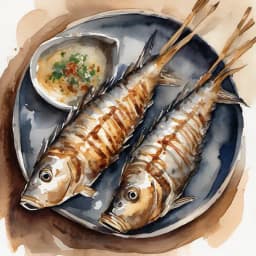
Ayu is often referred to as the 'Queen of Clear Streams.' The river that has twice claimed the title of number one in Japan is the Yasuda River, which flows through eastern Kochi Prefecture.
Known for its lack of dams in the watershed, the Yasuda River is a clear stream characterized by fast-moving water that rarely becomes turbid. Wild ayu raised by feeding on moss at the riverbed in this crystal-clear flow are proven experts, having won the Grand Prix twice at the 'Seiryu Meguri Kikiayu-kai' (Clear Stream Tour Tasting Event), where famous ayu from rivers across the country gather. In summer, the riverbanks bustle with anglers enjoying fly fishing.
With a refreshing aroma reminiscent of watermelon and firm flesh, salt-grilled over charcoal is an incomparable and special delicacy gifted by the Yasuda River in summer.
📍越知町
Specialties from 越知町 are also available via furusato nozei

特産品
Savoring flavors while gazing at the breathtaking 'Niyodo Blue' scenery—that is a feast unique to Kochi Town.
Kochi Town is a nature-rich town surrounded by the mountains of the Ishizuchi range, situated in the middle reaches of the Niyodo River, a miraculous clear stream. Its transparent blue waters attract many visitors, and places like the Asaao Chinka Bridge and various campsites are popular. The town's pride lies in its cuisine that makes use of the river's bounty, such as natural sweetfish (ayu) and river shrimp raised in these pristine waters. Cafes and restaurants overlooking the Niyodo River also attract many guests.
With events like the Cosmos Festival held in autumn, the town offers different charms throughout the four seasons. Please come and taste the river delicacies nurtured by the clear waters of the Niyodo River alongside breathtakingly beautiful views.

特産品
An adorable, heartwarming baked treat shaped like a cute otter. This is Kochi Town's very own local snack, Kawauso-yaki.
Kochi Town is a nature-rich area where the miraculous, crystal-clear Niyodo River flows. Inspired by the Japanese otters that once lived along beautiful riverbanks throughout Japan, this confection was created in their lovely likeness. The moist dough is wrapped in an elegant sweetness, allowing you to enjoy both its cute appearance and a nostalgic, gentle flavor.
It is perfect as a souvenir of your visit to this town of clear streams or as a small gift for others. Please enjoy Kawauso-yaki with your tea time—a treat that brings peace just by looking at it.
📍芸西村
Specialties from 芸西村 are also available via furusato nozei

特産品
A glossy, vibrant green. One of the vegetables that supports the dining tables of Kochi is the bell pepper from Gesei Village.
Facing the Pacific Ocean, Gesei Village is a small village of about 4,000 people, but it actively cultivates eggplants and bell peppers based on greenhouse horticulture spreading across its warm plains. By introducing modern greenhouse cultivation methods that manage temperature and humidity, such as rockwool cultivation using nutrient solutions, they grow bell peppers of stable quality.
They are a reliable star of the dining table, easy to use in stir-fries, stuffed with meat, or in salads. They also produce red bell peppers and paprikas. Please enjoy the bell peppers of Gesei Village, which support Kochi's agriculture, at your daily meals.

特産品
Just adding a pinch to your rice makes it much more appetizing. Genshi Village's chirimen jako is that perfect supporting character.
The coast of Genshi Village, facing the Pacific Ocean, is a rich fishing ground brought by the Kuroshio Current. Freshly caught whitebait is boiled in a cauldron while fresh and then carefully dried to finish as chirimen jako. The charm lies in its plump, soft texture and moderately gentle saltiness, which can only be achieved through such freshness.
Whether placed on freshly cooked rice, paired with grated daikon radish, or used as an accent in pasta, salads, or rolled omelets—the uses are truly limitless. Please try keeping this small treasure nurtured by the seas of Genshi in your pantry.
📍香南市
Specialties from 香南市 are also available via furusato nozei

ご当地グルメ
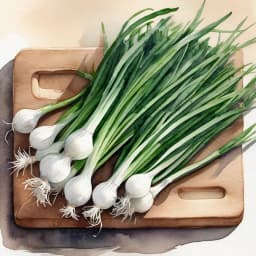
On the iron griddle, a generous amount of chives sizzles loudly. As you toss the noodles coated in salt sauce with them and take a bite, the sweet aroma and crunchy texture of the chives spread throughout your mouth. This is Konan City's local yakisoba that takes an aggressive approach with salt rather than sauce.
Konan City boasts the highest chive production in the country. Chives hand-harvested in the early morning when they contain the most moisture are said to be thick and as sweet as fruit.
To bring out that sweetness, we use a special salt sauce and follow the '30-second rule'—briefly sautéing the chives at the very end. Because they aren't overcooked, that crisp texture remains. You won't be able to stop your chopsticks once you taste the fragrant, odor-free chives. Please enjoy that freshly harvested aroma while it's piping hot.
特産品
Gyoza, hot pots, stir-fried liver with chives—did you know that Kochi Prefecture actually supports the star of those aromatic dishes with the largest production volume in the country?
Kochi Prefecture boasts the highest shipment volume of chives in Japan, accounting for approximately one-quarter of the national total. Greenhouse cultivation began in Konan City, the central production hub, in the 1960s. By skillfully combining greenhouse and open-field cultivation, they continue to provide a steady supply throughout the year without interruption. Grown under a warm climate, Kochi's chives are thick and possess an exceptionally powerful aroma.
With a commitment to unique packaging technology that maintains freshness for longer, these chives are delivered to dining tables across the country while remaining succulent. Please try incorporating the highly aromatic chives of Kochi into your daily cooking.
📍香美市
Specialties from 香美市 are also available via furusato nozei

特産品
Just by adding a squeeze or a splash of juice to your cooking, the aroma instantly rises. Kochi's yuzu can take center stage all on its own.
The Monobe district in Kami City has been a famous yuzu production area since ancient times. The significant temperature fluctuations unique to this hilly and mountainous region nurture yuzu that are both highly fragrant and beautifully shaped. In particular, 'Monobe Yuzu' is an authentic brand that, in 2020, became the first citrus from Kochi Prefecture to be registered under the GI (Geographical Indication) system, boasting the highest production volume of fresh-market yuzu in Japan.
Whether transforming into ponzu, condiments, or yuzu miso, it is a masterful supporting actor that sharply enhances the flavors of Japanese cuisine. Please try the unmistakable fragrance nurtured by the mountains and clear streams of Kami.

特産品
With just a pour of hot water, the taste of hometown miso soup is revived along with the steam. That is the essence of the Freeze-Dried Miso Soup from Niru no Sato.
The Monobe and Kohoku areas of Kami City are mountainous lands once known as Niru-go. Based at the Roadside Station 'Mirafu (Niru no Sato),' a tradition of creating products that utilize local ingredients has continued. By carefully freeze-drying miso soup filled with local ingredients, we have achieved a perfect balance between the convenience of long-term preservation and a comforting, home-style flavor.
Whether for a quick cup on a busy morning, a companion for mountain climbing or camping, or a keepsake of your travels, this is a convenient and delightful souvenir that allows you to enjoy the warm flavors of Kochi with nothing more than hot water.
📍高知市
Specialties from 高知市 are also available via furusato nozei
郷土料理
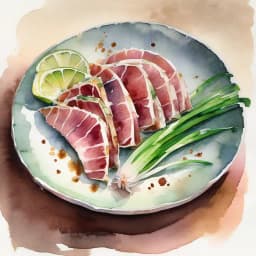
The straw flames roar upward, instantly searing the surface of the bonito. With the inside remaining tender and raw, only the skin becomes fragrant and charred; each slice, coated in salt or ponzu, releases the aroma of straw and the savory essence of the sea with every bite. This is the quintessential 'Katsuo no Tataki' of Tosa.
Because rice straw is hollow, it burns intensely, reaching temperatures exceeding 800 degrees Celsius. It is precisely this high heat that makes the skin fragrant while keeping the flesh rare—trapping both the flavor and the moisture inside.
There are various theories regarding its origin: some say it was born as a meal for fishermen on their boats, while others claim it began as a way to bypass official bans on eating raw fish by only searing the surface. While the exact truth remains unknown, it serves as a testament to how long this dish has been beloved.
We invite you to experience that freshly seared fragrance for yourself.

郷土料理
A single large platter is beautifully arranged with colorful offerings including sashimi, sushi, simmered dishes, fried foods, and even fruit. Gathering around the platter to share favorite bites and exchange drinks—this Sarabachi Ryori is an indispensable part of Kochi's 'Okyaku' banquets.
Its roots are said to date back to the feudal era, originating from the practice of serving large platters at the conclusion of samurai feasts. The development of large-scale ceramic platters in the early Edo period also played a role. With the dissolution of social classes in the Meiji era, wealthy merchants and farmers began competing in their hospitality, allowing it to spread as a form of celebration for the common people.
It is a generous Tosa feast packed with treasures from both the mountains and the sea on one plate. When shared among everyone, the chopsticks and sake naturally keep moving.

ご当地グルメ
With skins about half the thickness of regular dumplings, they tightly wrap a generous amount of vegetable filling and are fried in plenty of oil until golden brown. These bite-sized dumplings are crispy on the outside and juicy on the inside, easy to eat in a single mouthful. Devouring these as a finish to a night of drinking is the true Kochi way.
A culture of loving alcohol is deeply rooted in Kochi City, and the scene of enjoying a drink at street stalls has flourished since the Showa era. 'Yatai Yasubee,' considered a pioneer of street stall dumplings, is said to have been founded in 1970 (Showa 45), and lines still never fail to form late into the night. This flavor also enjoys great popularity at 'Hirome Market,' a collection of food stalls opened in 1998.
Taking a bite of freshly cooked dumplings while feeling the night breeze—it is a quintessential finishing dish unique to Kochi.

郷土料理
Known as the 'gangster of the sea,' the moray eel has a fearsome face. However, contrary to its looks, its thick flesh is light and clean like high-quality chicken, while the gelatinous layer under the skin bursts with rich umami. When prepared as tataki or karaage, it becomes truly addictive.
This is a dish that has been eaten since ancient times in places like Susaki, Tosa. It is said that they were originally considered pests because they would bite through fishermen's ropes and bait, but once caught and tasted, people found them unexpectedly delicious—which is how they made their way to the dining table.
Because of its unique bone structure, it is a difficult fish to clean, with even professional chefs said to take several years to master. This makes it a true gourmet delicacy unique to Kochi.

特産品
Under a parasol at a street stall, you'll find this bright yellow ice being scooped with a crisp sound. Made simply from eggs, sugar, and skimmed milk, this icy treat melts smoothly in your mouth, leaving behind a nostalgic sweetness. This is Ice Kurin, a classic symbol of summer in Kochi.
'Ice Kurin' is an old name for ice cream; it is said that the very first ice cream sold in Japan—launched in 1869 (Meiji 2) in Bashamichi, Yokohama—bore this name. In Kochi, traveling salesmen spread its popularity during the Meiji era, and by the Taisho era, it was so beloved that artisans even formed a guild.
While it is said to have once been available nationwide, the fact that you can still find it commonly sold on street corners today is unique to Kochi. If you spot it around areas like Katsurahama, be sure to grab one.
郷土料理
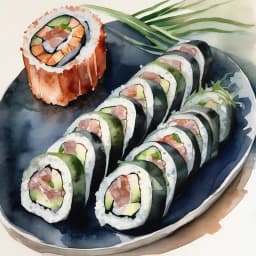
When you take a bite of this thick roll wrapped in seaweed, the savory flavor of the seared bonito bursts together with the zing of raw garlic and shiso. The sharp aroma and the richness of the bonito overlap, making it impossible to stop eating rice—this is Kochi's pride, 'Tosa-maki.'
This thick sushi roll features seared bonito, raw garlic, and shiso as its core, and it is a rare sight to find outside of Kochi. It is said to have been originated in the 1960s/70s by the sushi restaurant 'Kiku-zushi' in Kochi City for tourists.
Unlike eating seared bonito on its own, this rolled sushi offers a unique sense of unity among ingredients. Please try taking a big bite of this flavorful piece of Tosa.

特産品
When you break into one freshly fried, steam rises softly. From within the crispy batter, fluffy, sweet sweet potato peeks out; combined with the slightly sweet coating, it is perfect as both a snack and a light meal. This is Kochi's specialty, 'Imoten'.
Unlike regular tempura batter, Kochi's Imoten is characterized by adding sugar and salt to the flour, and it is said that each shop has its own unique recipe. That is why the batter itself possesses a gentle sweetness.
People in Kochi have grown and eaten sweet potatoes since the era when rice was precious. It is a beloved Tosa snack found at roadside stations, supermarkets, and notably at the 'Sunday Market,' the famous street market held in the castle town.
📍黒潮町
Specialties from 黒潮町 are also available via furusato nozei

特産品
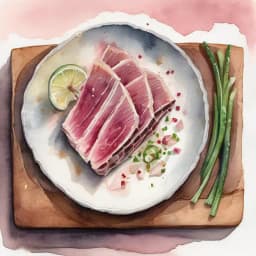
This is a crystal of ocean umami, created solely by the sun and the wind.
In Kuroshло Town, we produce salt using a complete sun-drying method where Pacific seawater is allowed to crystallize slowly using only the power of the sun and wind, without boiling. It takes approximately one month in summer and about two months in winter until completion. We tend to the salt with care every single day. Minerals that flow from the mountains through rivers into the sea are dissolved within, resulting in a mellow flavor with a subtle sweetness, containing elements such as calcium and magnesium.
This natural salt, made without sparing time or effort, greatly enhances the flavor of any dish with just a single sprinkle. Please enjoy these grains that capture the blessings of the sea exactly as they are.
海鮮
The star of the sea representing Tosa, brought to you by the Kuroshio Current.
Facing the Pacific Ocean, Kuroshio Town is a thriving fishing town for skipjack tuna. The tradition of pole-and-line fishing—catching each migrating tuna one by one as they ride the Kuroshio Current offshore—is still very much alive today. The caught tuna is exceptionally fresh; when prepared as 'Warayaki Tataki' (seared with straw), the rich, natural umami of the skipjack rises along with a wonderful smoky aroma.
There is the refreshing 'Hatsugatsuo' (first tuna of the season) that moves north in early summer, and the rich, fatty 'Modorigatsuo' (returning tuna) that returns in autumn. Being able to enjoy two different seasonal peaks in a single year is a luxury unique to Tosa's skipjack tuna. Please come and taste the powerful flavor nurtured by the Kuroshio Current.
📍佐川町
Specialties from 佐川町 are also available via furusato nozei

特産品
Strawberries that shine a glossy red, like precious gems. They are a delight in Sagawa Town from winter to spring.
Sagawa Town is a warm region stretching along the middle reaches of the Niyodo River, known as a miraculous clear stream. It is a land fragrant with history and culture, having produced many great figures, including the botanist Tomitaro Makino. Under this blessed warm climate, each sweet and juicy strawberry is carefully nurtured. The peak season is from winter to spring, when a moderate acidity and overflowing sweetness spread throughout your mouth.
They are wonderful to eat as they are, but also exceptional when used in cakes or jams. Please come to the fields of Sagawa and experience the joy of biting into a freshly picked, bright red, ripe berry.
📍三原村
Specialties from 三原村 are also available via furusato nozei

特産品
These are highly aromatic golden fruits, carefully nurtured by a small village.
Located in the mountainous region of western Kochi Prefecture, Mihara Village has dedicated itself to yuzu cultivation by taking advantage of its climate with significant temperature fluctuations. The village's agricultural corporation carefully produces processed goods with a commitment to ingredient safety, such as additive-free yuzu drinks made solely from pressed yuzu juice and honey, and yuzu peel that utilizes the fruit's zest.
With a refreshing aroma and a sharp acidity, Kochi boasts being the 'Yuzu Kingdom' with the highest production volume in Japan, and Mihara Village plays a vital role in that legacy. There is also an abundance of products that integrate into daily life, such as yuzu ponzu and yuzu miso. Please enjoy the blessings of the yuzu, raised with great care by this small mountain village.

特産品
This is our village's pride, nurtured by pure water and terraced rice fields.
Located in the western part of Kochi Prefecture at an altitude of about 120 meters, Mihara Village is a land where rice cultivation has flourished since ancient times, blessed with significant temperature fluctuations between day and night and clean water. The rice, grown with great care in terraced fields, features a fluffy texture when cooked and a gentle sweetness.
Mihara Village was also designated as a 'Doburoku Special Zone' in 2004, where farmers brew their own specialized doburoku using the rice they cultivate themselves. In recent years, they have continued to make full use of the blessings of rice, even venturing into creating koji (malted rice) from the village's rice. Please enjoy the rice nurtured by this home of clear streams.
📍四万十市
Specialties from 四万十市 are also available via furusato nozei

特産品
Sprinkle a pinch over freshly cooked rice, and a soft, green fragrance rises into the air. Floating it in miso soup allows the purity of the river to drift through your senses along with the steam. This is the natural suji-aonori nurtured by the Shimanto River, the 'last clear stream.'
In the cold waters of winter, fishermen enter the river to hand-pick the wild seaweed growing from the riverbed, then dry it under the sun. This delicate, thread-like natural seaweed melts softly on the tongue, with an intensity of aroma said to overwhelm seaweed from any other region.
It is exceptional when mixed into tempura batter or sprinkled over okonomiyaki and rolled omelets. When scattered over cold udon noodles, its fragrance truly stands out. We invite you to bring a pinch of this clear stream's essence to your dining table.

海鮮
Biting into a sweetfish slowly grilled over charcoal with the skewer still attached. The skin is fragrant and crispy, while the plump white flesh releases a pure aroma often compared to watermelon. This is truly the star of the Shimanto River in summer, nurtured by the clear stream.
Wild sweetfish grow by eating the moss found on rocks at the riverbed. Having fed plentifully on the mineral-rich moss of the Shimanto River, these fish possess no unpleasant aftertaste, instead wearing a natural umami and fragrance. It is a clear taste unique to the 'Last Pristine River.'
The salt-grilled preparation, cooked slowly with high heat from a distance, allows you to enjoy the entire fish from head to tail. With even the pleasantly bitter entrails being delicious, it is a summer delicacy that can only be truly savored by the riverside. Please enjoy this simple, salt-seasoned masterpiece.

海鮮
As the sauce sizzles over charcoal, a sweet and savory aroma fills the air. When you take a bite of the fluffy kabayaki, the skin is fragrant and the meat is tender—the rich, fatty umami surges alongside the rice. This is the pride of Shimanto, an eel feast.
Wild eel caught in the clear waters of the Shimanto River is so rare that it is often called 'phantom eel' due to its limited availability. Its defining characteristics are its firm texture and deep aroma.
While the kabayaki coated in sauce is wonderful, the shira-yaki (grilled with just salt) is also exquisite for a refreshing taste. A small dab of wasabi soy sauce further enhances the natural umami of the ingredients. Please, give it a taste for yourself.

海鮮
When fried in high-temperature oil until crisp, the river shrimp instantly turn a vibrant crimson. Sprinkle with a bit of salt and take a crunchy bite, shell and all. After the fragrant coating, the elasticity of the meat and a sweetness that spreads with every chew unfold. It is a dish that makes chilled beer go down effortlessly.
The river shrimp caught in the Shimanto River are a species of long-arm shrimp. It is said that for shrimp raised in clear streams, simple frying is best. By avoiding unnecessary additives, the true flavor of the ingredients is brought out directly.
The season is from early summer to summer. Whether deep-fried plain, as karaage, or as kakiage (tempura) mixed with vegetables—you can eat the whole thing including the shell, which is packed with calcium. It is a taste of summer nurtured by the riverbanks of Shimanto.
📍四万十町
Specialties from 四万十町 are also available via furusato nozei

特産品
This is a brand pork that Kochi Prefecture is proud of, nurtured by the clear streams of the Shimanto River.
The former Kubokawa area of Shimanto Town has a long history of prosperous pig farming, and even today, producers of the Kubokawa Swine Breeders Association carefully raise 'Shimanto Pork.' Because they are raised on specially formulated feed containing barley and rice, the fat has a sweetness and a melting texture, resulting in tender lean meat without any unpleasant odor.
It is so beloved locally that there is even a pork bowl touring spot known as the 'Shimanto Pork Donburi Highway.' When prepared as ginger pork or shabu-shabu, the sweetness of the fat stands out even more. Please enjoy the deliciousness of Shimanto Pork, where even the fat is tasty.

特産品
It is the kind of rice that brings an involuntary smile to your face the moment it finishes cooking.
The area around the former Kubokawa in Shimanto Town was once known as 'Niida-go,' a prosperous rice-producing region. Its reputation as a producer of high-quality rice dates back long ago, even appearing in the patrol records of Yamauchi Kazutoyo, the first lord of the Tosa Domain.
The Konan Plateau, situated at 230 meters above sea level, is nourished by the clear streams of the Shimanto River. From summer to autumn, frequent mist and significant temperature fluctuations between day and night bring out the sweetness of the rice.
The main variety, 'Nikomaru,' features large grains that cook up plump and fluffy; it is a high-performer that has consecutively achieved the highest 'Special A' rank in taste rankings for many years. With just one bite, the rich flavor nurtured by the clear streams gently spreads across your palate.
特産品
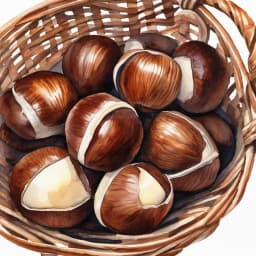
A truly sweet taste of autumn that becomes significantly sweeter when steamed.
Chestnuts grown in the Shimanto River basin are large; while typical chestnuts weigh around 20 grams, those from Shimanto weigh 25 grams or more, with some extra-large varieties exceeding 30 grams. The rich soil and the temperature fluctuations between day and night in the mountains create a fluffy texture and intense sweetness. Many people are surprised by how much the sugar content increases when steamed.
Chestnuts harvested from this region are used as ingredients for Japanese sweets and the famous chestnut shochu 'Dabada Hiburi', adding color to autumn in Shimanto. They are exceptional not only as roasted chestnuts or chestnut rice but also as kuri-kinton (sweet chestnut paste). Please enjoy a mouthful of this bounty from the mountains.
📍室戸市
Specialties from 室戸市 are also available via furusato nozei

ご当地グルメ
A glossy teriyaki paired with firm, textured sashimi. You can enjoy the splendid alfonsino raised in the deep sea through two different flavors all at once—this is the Muroto Kinme Don, a local specialty that Muroto is proud of. To finish, pour the kinmedai dashi over the bowl to savor every last drop.
The seabed off Muroto drops off steeply, allowing kinmedai, which prefer deep waters, to be landed near the shore in an extremely fresh state. The catch volume is among the highest in the country, to the point where people say, 'When you think of Muroto, you think of Kinme.'
This bowl is said to have originated in 2012, when restaurants within Muroto City joined forces to launch it. It is a prideful dish of Muroto, created by the local sea and its people.

特産品
The offshore area of Cape Muroto features a unique topography where the seabed drops at a steep angle from very close to the land into the deep sea. This allows deep sea water to be extracted near the shore.
In 1989, Kochi Prefecture took advantage of this terrain to establish Japan's first onshore deep sea water extraction facility in Muroto. The water is pumped from depths of 320 to 344 meters. Characterized by high purity and rich minerals, this deep sea water is nurtured over a long period in a world where sunlight never reaches, and it maintains a stable temperature.
As a blessing from the sea of Muroto, it is widely used not only for drinking water but also as an ingredient in food processing and cosmetics. Please enjoy a single drop of what the deep sea has quietly accumulated.

海鮮
As sashimi, as Tatsuta-age, or in simmered dishes. With its rich, deep flavor of the red meat and a unique texture—the whale cuisine passed down in Muroto is the very embodiment of this port town's long history.
Muroto is considered the birthplace of Tosa whaling. It is said to have begun around 1624 (the first year of the Kan'e era) when a local headman established a whaling group after obtaining permission from the clan. Since then, whaling in Tosa Bay continued for over 300 years.
In Kochi, there is also a custom of eating 'Kure no Nimono' (end-of-the-year simmered dish) containing whale meat during the New Year period; it is said that this carried the wish to 'become a big person' by emulating the large whales. While whaling itself has come to an end with the changing times, that food culture lives on today in whale specialty restaurants. It is a dish you must try when visiting Muroto.
📍宿毛市
Specialties from 宿毛市 are also available via furusato nozei

海鮮
Small, silver-glistening fish are opened by hand and arranged in a circular pattern like chrysanthemum petals. When dipped lightly in vinegar miso and eaten, the light flesh offers a subtle sweetness and the scent of the sea. Its translucent beauty and delicate flavor color the dining tables of Sukumo.
Sukumo is one of Japan's premier fishing grounds for kibinago. Because this is a delicate fish that loses freshness quickly, sashimi prepared swiftly from freshly landed catches is exceptional. The traditional method involves opening each fish with fingertips rather than using a knife.
In addition to the elegant 'Kiku-zukuri' (chrysanthemum style) presentation, it is also fragrant and delicious when served as tempura or salt-grilled. It is a fresh delicacy unique to this seaside town.

特産品
Heavy and large, with smooth yellow skin. This is Tosa Bontan, the citrus fruit that Kochi is proud of.
Sukumo City is one of Japan's leading production areas for Tosa Bontan and is known as the region in Kochi Prefecture that reaches peak season earliest. Leveraging the warm climate, the Sukumo style involves letting the fruit overwinter on the tree to reach full ripeness. The large, juicy pulp segments offer an exquisite balance of refreshing sweetness and moderate acidity, with juice spreading throughout your mouth.
The peak harvest period is from January to February. Among them, 'Daruma Bontan,' which is strictly selected for its high sugar content, is the highest quality product that Sukumo boasts. Please enjoy this item, which adds a refreshing touch to your dining table from winter to spring and is also highly appreciated as a gift.
📍仁淀川町
Specialties from 仁淀川町 are also available via furusato nozei

特産品
On the mountain slopes enveloped in morning mist, the tea leaves grow slowly. This is the tea of Niyodogawa Town.
Niyodogawa Town is a mountainous town located upstream of the Niyodo River, known as the 'miracle clear stream.' The significant temperature fluctuations between day and night brought by the high-altitude, steep terrain, along with the morning mist that settles in the valleys, slowly nurtures tea that is highly aromatic and low in astringency. The high-quality water from the Niyodo River basin is also a vital element supporting the quality of the tea. As one of the production areas for aromatic Tosa tea, traditional and careful tea cultivation has been passed down through generations.
Upon taking a sip, a mellow and elegant flavor gently spreads across the palate. Please take your time to enjoy a cup nurtured by the town of the miracle clear stream.

特産品
Because they grow in high-altitude lands, the flavor becomes concentrated and intense. These are summer tomatoes from Niyodogawa Town.
In the high-altitude areas of Niyodogawa Town, producers who aspired to grow delicious tomatoes formed a cooperative to dedicate themselves to cultivation. The significant temperature difference between day and night develops fruit with a balanced sweetness and acidity. The high-quality water provided by the Niyodo River is also an indispensable blessing that supports this flavor.
Also affectionately known as "Pure Tomato," this variety maintains a solid sugar content even in the summer. Whether eaten raw or used in cooking, you can fully enjoy its rich and deep flavor. Please enjoy the bounty nurtured by the Niyodo Blue.
📍須崎市
Specialties from 須崎市 are also available via furusato nozei

ご当地グルメ
The pot arrives steaming, making a gentle bubbling sound. Thin, chewy noodles sit in a savory chicken and soy sauce broth. The mature chicken meat, chikuwa, green onions, and a raw egg meld together into a creamy, soft-boiled richness, warming you to your core with every slurp. In Susaki, the proper way is to devour it while it's still scalding hot.
The secret behind this intense heat is the spirit of hospitality. It is said that the original shop began serving the ramen in pots rather than bowls to ensure it wouldn't get cold during delivery. That is why even today, it is brought to your table still boiling.
Break the raw egg halfway through to create a mellow flavor, and take a brief respite with the accompanying chopped takuan (pickled radish). This is Susaki's pride—a soul food known as one of the hottest dishes in Japan.

郷土料理
Serving conger eel—feared as the 'gangster of the sea'—casually at the dining table: that is the food culture of Susaki.
While regions that eat conger eel are limited nationwide, it has been a familiar soul food for the citizens of Susaki since ancient times. The way the bones are structured is so unique that it takes years of training just to learn how to fillet it, but the white flesh is plump and elastic, and the skin is thick with gelatinous collagen. We enjoy every part of it through dishes like tataki, karaage, nikogori (aspic), and sukiyaki.
Among these, tataki and karaage are staple menu items in local izakayas. You will surely be surprised by its flavorful, nutritious taste, which belies its powerful appearance.
📍大月町
Specialties from 大月町 are also available via furusato nozei
海鮮
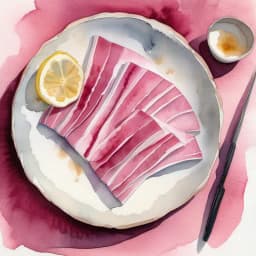
This is high-quality, fatty yellowtail nurtured by the warm waters of Sukumo Bay.
Off the coasts of Otsuki Town and Sukumo City, water temperatures remain stable even in winter, making it an ideal environment for yellowtail farming. Because the water temperature remains higher year-round compared to nearshore areas, the fish grow quickly; raised with great care from fingerlings of about 10 cm, they develop firm flesh and a perfect amount of fat.
Raised in the crystal-clear waters around Kashiwajima—an area often called 'Kochi's Subtropics' due to the influence of the Kuroshio Current—this yellowtail offers an exceptional taste when served as sashimi or burishabu (yellowtail shabu-shabu). The winter 'Kanburi' (winter yellowtail), in particular, is captivating with its melt-in-your-mouth fat and tight flesh. Please enjoy a fish raised with utmost care in these warm seas.

海鮮
These bounties are nurtured by seas so clear that 'ships appear to be floating in mid-air.'
Kashiwajima in Otsuki Town, the westernmost tip of Kochi Prefecture, is a popular diving spot known for its emerald green waters. Facing the area where the Bungo Channel and the Kuroshio Current meet, the sea is incredibly rich with life—it is said that one-third of all fish species found in Japanese waters can be seen here.
Naturally, the seafood landed in such waters is of outstanding freshness. In this region where Bluefin tuna, Yellowtail, and Sea Bream thrive, the seafood dishes served by local inns and restaurants are a true delicacy available only to those who make the journey. Please enjoy the blessings of the sea unique to Kashiwajima alongside the scenery of its transparent waters to your heart's content.
📍大川村
Specialties from 大川村 are also available via furusato nozei

特産品
In a remote village surrounded by mountains reaching elevations of one thousand meters, there is a brand of poultry that grows with great vigor.
Okawa Village accounts for approximately 80% of the total production of Tosa Hachikin Jidori. Inheriting the lineage of Tosa Kyukin and O-Shamo, this chicken is raised over a long period in a spacious environment, fueled by the clear air and spring water of the Shikoku Mountains. A longer rearing period than typical chickens results in firm meat texture and intense umami.
With sweetness and savory flavor that overflows with every bite, yet low in excess fat and highly juicy, its powerful taste can be fully enjoyed when prepared as yakitori or in hot pots. Please try this pride of our remote village's poultry for yourself.

特産品
A phantom tea known only to those in the know. This is the Tamamidori green tea passed down in Okawa Village, a village nestled in high-altitude mountains.
Unlike general green teas that are finished by steaming, Okawa Village's Tamamidori is produced using the 'kama-iri' (pan-fired) method. With this process, which is similar to oolong tea production, the tea leaves take on a golden hue and a fragrant aroma, with almost no astringency. Pan-fired tea accounts for only a small percentage of green tea production nationwide and is a rare tea produced only in parts of Kyushu and Shikoku.
An aromatic and mellow cup nurtured by the cool climate and pure water of the high-altitude mountains. Please enjoy this precious taste that the village has continued to protect dearly, even amidst progressing depopulation.
📍大豊町
Specialties from 大豊町 are also available via furusato nozei

特産品
Fermented like pickles and then solidified and cut. Goishicha is a rare type of tea in Japan, preserved in Taiho Town.
It is a post-fermented tea that has been produced in Taiho Town for approximately 400 years. The process involves two stages of fermentation: aerobic fermentation, where steamed tea leaves are spread on bamboo mats to allow mold to grow, and anaerobic fermentation, where they are submerged in vats. It earned its name because the dried, cut pieces resemble Go stones.
Characterized by a unique sweet and sour flavor, it is rich in lactic acid bacteria.
Whether brewed as is or prepared as the traditional tea porridge (chagayu) of this region, please try this 'phantom tea' that mountain villagers have painstakingly preserved through the ages.

特産品
The name derives from its glossy black luster, representing 'Gin' (silver), and the wish for eternal youth, represented by 'Furo' (immortality). In Otoyo Town, there exists this bean with such an auspicious name.
Ginfuro beans are a native variety of kidney bean that has been cultivated for personal use in very limited areas of Otoyo Town. Long cherished as a symbol of good fortune, these beans are characterized by their soft skin and their ability to absorb flavors well when simmered. When prepared as simmered beans, mixed rice, or sweets, they offer a fluffy and elegant taste.
In recent years, they have been gaining gradual attention, being commercialized by some of the prefecture's leading long-established inns and even featured in in-flight meals. Please enjoy these precious traditional beans that Otoyo Town continues to protect and pass down.
📍中土佐町
Specialties from 中土佐町 are also available via furusato nozei
海鮮
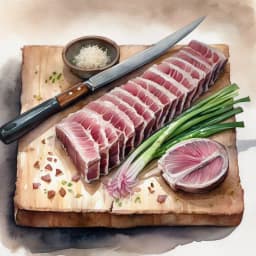
Kure is a town famous for its pole-and-line skipjack tuna fishing. Its kitchen is the vibrant Kure Taisho-machi Market.
Kure in Nakatosa Town is a historic fishing town that has continued the tradition of pole-and-line skipjack tuna fishing for 400 years. The market, packed with freshly landed seafood and prepared dishes from that very day, is filled with old-fashioned bustle. The 'straw-roasted tataki,' where fresh skipjack caught in the Tosa sea—never once frozen—is boldly seared with long straws, offers an exceptional and intense aroma.
There is a unique happiness in tasting tataki freshly seared by straw flames right then and there. Please come and fully enjoy a dish packed with the spirit of a fishing town dedicated to freshness at the lively Kure market.

郷土料理
Katsuo-meshi is a bowl filled with the wisdom of fishermen, passed down in a town that flourished through bonito fishing.
Kure, in Nakatosa Town, has been known for its skipjack tuna pole-and-line fishing for 400 years. The local way of eating involves marinating fresh bonito in soy sauce sauce and either mixing it into rice or cooking the rice together with the sauce, allowing the umami to soak into every single grain. This creates a simple, irresistible deliciousness.
It is a famous specialty also beloved at the Kure Taisho Town Market. Please come and try this unpretentious, down-to-earth taste unique to the bonito town—a flavor cherished by fishermen during their busy breaks between fishing trips.
📍津野町
Specialties from 津野町 are also available via furusato nozei

特産品
This tea is nurtured in the misty mountain villages of the Shimanto River's headwaters.
Centered around Tsuno Town, the Tsuno mountain region is a hidden tea-producing area nestled within the Shikoku Mountains. In the late Edo period, "Rokuzo Tea" was counted as one of the three major famous teas of Tosa, and a culture of tea making has been deeply rooted here since ancient times. Cultivated at high altitudes of around 600 meters, the tea leaves are nurtured by the temperature fluctuations between morning and night and the mountain mist, resulting in low astringency and an exquisite balance of umami, sweetness, and moderate bitterness.
Though its color is light, its flavor is profound—that is the charm of Tsuno Yama Tea. In recent years, related products have been created one after another, and it is widely enjoyed as a brand. Please experience the breeze of the headwaters through a single cup of tea.

特産品
The fragrant aroma will soothe your heart.
This hojicha is made by carefully roasting Tsunoyama tea from Tsuno Town. By roasting tea leaves grown in the mountains of the Shimanto River headwaters at high temperatures, a unique toasted aroma and a clean finish are created. Because it has mild caffeine and is gentle on the stomach, it is perfect for a post-meal cup and can be enjoyed by everyone from children to the elderly.
This aromatic hojicha is used in various local products, including the famous 'Manten no Hoshi Daifuku.' Please enjoy the tea nurtured by this village of headwaters while being enveloped by the savory aroma rising with the steam.
📍田野町
Specialties from 田野町 are also available via furusato nozei

特産品
Crystallized using only the power of the sun and sea breezes, without using any fire at all. This painstaking salt-making process takes place in Tano Town, one of the smallest towns in Shikoku.
To create pure solar salt, seawater is placed in wooden boxes and arranged in greenhouses, where it is slowly evaporated naturally while being stirred by hand every day. Because no heat is applied, a key characteristic is that the minerals originally present in the seawater remain in the crystals. It is a job that requires patience and time, taking several months to complete.
This process results in a mellow, deep, and nutritious flavor without any harshness. Please try adding a pinch of this natural blessing to your dishes to greatly enhance the inherent flavors of ingredients like meat and fish.

特産品
Salt crafted by a former surfer artisan while gazing out over the Pacific Ocean. This is the solar salt from Tanoya Shiojiro that is now attracting attention from all over the country.
Dedicated to making purely solar salt in Tano Town, Shiojiro uses no fire at all, allowing the seawater to slowly crystallize using only the sea breeze and the sun. The process takes anywhere from three to six months. It is an immense manual task, tending to the salt every hour during that period. Due to a commitment to creating different flavor profiles upon request, it has been chosen by chefs and pastry artists alike.
A premium grain that Kochi is proud of, also well-known for its use in salt-based sweets. Please come and experience its profound flavor for yourself.
📍土佐市
Specialties from 土佐市 are also available via furusato nozei

特産品
When you peel back the thick, yellow skin, a soft, refreshing aroma rises. As you take a bite of the large juice vesicles, a plump texture gives way to an elegant sweetness and moderate acidity, followed by a subtle hint of bitterness in the background. It is Kochi's pride, announcing the arrival of early spring.
Not too sweet, not too sour—the charm of Tosa Buntan is that you can eat it endlessly. In fact, over 90% of the pomelos harvested in Japan come from Kochi Prefecture, making it truly a representative fruit of Tosa.
The season spans from winter to spring. You can enjoy the changing flavors throughout this long season, from the sharp taste at the beginning of the season to the mellow sweetness as spring deepens. Please enjoy a segment chilled just as it is.

ご当地グルメ
Katsuobushi is the foundation of Japanese cuisine's dashi (broth). One of its famous production areas is Usa in Tosa City.
Katsuoboshi making in Tosa began when techniques were learned from Kishu fishermen during the Tensho era (late 16th century); through continuous improvements, it became known as 'Tosa-bushi.' In particular, Honkarebushi made via the Te-hiyama method—where flakes are smoked with intense heat to concentrate the flavor—is exceptional for its mellow aroma and deep umami.
Today, Kochi Prefecture accounts for only a tiny fraction of the katsuobushi produced in Japan, and there are only a handful of manufacturing plants remaining in the prefecture. Nevertheless, these are precious items that continue to uphold traditional methods without sparing any effort. We invite you to experience the difference in the aroma of freshly shaved flakes for yourself.

特産品
When you take a bite on a hot day, it feels crispy and refreshing. Its unique texture—lighter than ice cream yet smoother than shaved ice—spreads soothingly through your body. It is a nostalgic, classic summer snack of Tosa.
The maker is "Kochi Ice," located in Ino Town. Upholding the motto "Made in Tosa," they have created products with a commitment to Kochi's local ingredients. Their signature yuzu sherbet is made by squeezing whole Tosa yuzu without using any artificial flavorings, resulting in a bright aroma and a refreshing aftertaste.
With gentle, sweet ice cream paired with fragrant yuzu sherbet, please enjoy the cold flavors of Tosa right at your home.
📍土佐清水市
Specialties from 土佐清水市 are also available via furusato nozei

海鮮
Enjoy the rich, fatty flesh served as thinly sliced sashimi. It is so free of any fishy odor that it's hard to believe it's mackerel; every time it melts in your mouth, a mellow umami and sweetness spreads across your palate. This is a true Tosa-Shimizu delicacy that can only be tasted because of its freshness.
The waters off Cape Ashizuri are a hidden fishing ground for mackerel, characterized by fast currents and abundant prey. Here, mackerel are caught one by one using a unique method called 'Tatinawa' fishing and are transported to the port while still kept in live tanks. This ensures the flesh remains firm and maintains enough freshness to be eaten as sashimi.
From autumn to winter, the fat content increases to a level similar to fatty tuna (toro), making it even more delicious. Whether as sashimi or tataki—please come and experience the true quality of this premium brand of mackerel.

特産品
The unsung hero that adds a profound depth of flavor to soba and udon broth is Sodafushi.
Tosa-Shimizu City boasts the highest production volume of Sodafushi in Japan, accounting for approximately 70% of the national market share. The raw material used is skipjack scad. The process involves boiling it in large cauldrons, manually removing bones, smoking it for about a week, and drying it in the sun on clear days—a meticulous process taking about ten days to complete. This is precisely why it produces a richer and more powerful dashi than general bonito flakes.
Inheriting a production method said to date back to the Muromachi period, this product has silently supported Japan's dashi culture. We invite you to enjoy this deep flavor that Tosa-Shimizu is proud of, beloved even by professional chefs.

ご当地グルメ
The thinly spread batter is sizzled on a griddle, topped with chopped green onions, Jakoten, and egg, then rolled up. From within the fragrant batter, the sweet aroma of green onions and the savory umami of the Jakoten rise beautifully. It is a soul food of Tosa-Shimizu that can be easily eaten with your hands, much like a crepe.
The name is said to derive from the fact that it is cooked using a spatula (hera), or because the batter is paper-thin (pera-pera).
The traditional method involves placing a shichirin (charcoal grill) under the griddle to cook over charcoal. This results in a fragrant batter with perfectly toasted edges.
It is perfect as a snack for children, a light bite after school, or an accompaniment to beer. It is a simple, warm, and local flavor that never gets old, no matter when you eat it.
📍土佐町
Specialties from 土佐町 are also available via furusato nozei

特産品
When you pierce it with chopsticks, the moderately marbled fat melts away, and with every chew, the umami from the lean meat gradually overflows. Even when cooled, the fat does not feel heavy, leaving a clear sweetness on the palate until the very last bite.
This brown-haired Wagyu is raised only in Kochi, with annual shipments numbering only about five to six hundred head. Because its rarity accounts for less than ten percent of all beef cattle in Japan, it has been known as 'phantom Wagyu.' It is said that the amino acids responsible for the sweetness in the lean meat are more than twice those found in Kuroge Wagyu (Japanese Black), and this flavor deepens further through aging.
The exquisite balance between marbling and lean meat is a delicacy unique to Tosa. Grill it slowly, and with just a single slice, your day will become extraordinary.

特産品
This handmade tofu is crafted using the pristine waters of the upper Yoshino River, home to the Sameura Dam, Shikoku's vital water reservoir.
Located in the Reihoku region, a mountain village where the Yoshino River—the largest river in Shikoku—flows, this tofu is carefully prepared one block at a time using traditional methods with clear underground water and locally grown soybeans. By avoiding reliance on machinery and instead applying manual care, the natural sweetness and aroma of the soybeans are fully brought out, resulting in a rich flavor.
First, please try it as Hiyayakko (chilled tofu) to experience the quality of the ingredients as they are. Whether served as Yudofu (hot tofu) or in miso soup, it provides a comforting and gentle savoriness. We invite you to enjoy this simple yet nutritious block of tofu, born from the pure water and soybeans of our mountain village.
📍東洋町
Specialties from 東洋町 are also available via furusato nozei

海鮮
When you peel the skin, a soft, sweet aroma spreads through the air. The highlight of winter is Toyo Town's ponkan.
Toyo Town, the easternmost part of Kochi Prefecture, consists of steeply sloping coastal hills facing the Pacific Ocean. Through land reclamation projects in the 1960s and 70s, it established itself as the largest ponkan production area in the prefecture and has now grown to account for approximately 40% of Kochi's total ponkan production. Growing under the intense sunlight and sea breezes from the ocean, Koau Ponkan features an exquisite balance of high sugar content and a subtle acidity.
While the peel is somewhat thick, it is easy to slip off by hand, and the lack of seeds makes them very convenient to eat, which is a major appeal. Please enjoy this pride of Toyo Town—a citrus fruit bathed in abundant sunlight that brightly colors your dining table during the cold season.

海鮮
Enjoying the bounties of the sea brought by the Kuroshio Current in an unpretentious and hearty manner—that is the essence of the seafood cuisine in Toyo Town, the easternmost tip of Kochi Prefecture.
The coast of Toyo Town, facing the Pacific Ocean, features a rich expanse of rocky shores. Seafood blessed by the warm currents, such as turban shells, abalone, and spiny lobsters, are landed one after another. The tradition in this fishing town is to serve fresh seafood simply, highlighting the natural flavors of the ingredients at local guesthouses and eateries.
The taste of freshly caught seafood, enjoyed while listening to the sound of crashing waves, is exceptional. This unpretentious and hearty dining experience is a special feast that you must try at least once along the shores of Toyo Town facing the Pacific.
📍梼原町
Specialties from 梼原町 are also available via furusato nozei

ご当地グルメ
These are rustic mountain bounties nurtured by the great nature of the Shikoku Karst.
Embraced by mountains reaching 1,000 meters in altitude, Yusuhara Town is a 'town above the clouds' where wild game like venison and wild boar are locally available. The town has been working to carefully utilize captured wild animals as local resources by establishing gibier cars and the processing facility 'Yusuhara Gibier no Sato.'
Processed to minimize any gamey odor, this meat can be enjoyed in various ways—such as in hot pots or stews—at local restaurants and inns. These are powerful yet flavorful dishes unique to a town that lives in harmony with the mountains. Please come and experience the wild blessings nurtured by the nature of the Shikoku Karst.

ご当地グルメ
A slightly luxurious delicacy that the 'Town Above the Clouds' takes pride in.
In Yusuhara Town, efforts have been focused on raising pheasant for about 30 years, and a production association has established a unique rearing method through years of trial and error. Raised in the high-altitude environment of the Shimanto River headwaters, where snow accumulates in winter, the pheasant meat is low in fat, firm, and possesses an elegant, deep umami flavor.
There are various ways to enjoy it, including sukiyaki, miso-based hot pots, and refreshing salt-based hot pots. This rare pheasant cuisine, which can be enjoyed at farm restaurants and elsewhere, is a delicacy that is not easily encountered. If you visit Yusuhara, please indulge in this flavor unique to this land.
📍奈半利町
Specialties from 奈半利町 are also available via furusato nozei

海鮮
Nahanari is a town where the mountains, rivers, and sea are all close by. Above all, you must seek out the fresh seafood nurtured by the Kuroshio Current.
Located in the eastern part of Kochi Prefecture, Nahanari Town has a thriving fishing industry dating back to ancient times. The Kuroshio Current flowing offshore creates rich fishing grounds, bringing a variety of fresh fish to the market, including bonito, tuna, and splendid splendidae (golden eye snapper) caught off the coast of Muroto.
The town's roadside station, which brings together the bounties of the sea, mountains, and rivers, is a popular spot for both dining and souvenir shopping, offering fresh seafood, local sake, and sweets.
Please start with freshly caught fish as sashimi on the very day it is landed. Here lies the maritime luxury unique to Nahanari, where you can fully savor the blessings of the Kuroshio Current flowing offshore.

特産品
When heated, it becomes wonderfully creamy and melts. These large, impressive Kome-nasu eggplants are the pride of Nahanari.
Kochi Prefecture boasts the highest eggplant production in Japan, and Nahanari Town is counted as one of its major producing regions. By making effective use of the warm climate and greenhouse cultivation, we grow high-quality Kome-nasu with stable quality throughout the year. They are characterized by their green stems and large, round, plump fruit. The thick flesh breaks down smoothly when cooked, bringing out a natural sweetness.
Whether prepared as Dengaku, Tempura, Nibitashi, or even as a steak, you can fully enjoy its melting texture. Please enjoy this hearty delicacy, nurtured slowly by the warm Nahanari sun.
📍南国市
Specialties from 南国市 are also available via furusato nozei

ご当地グルメ
When you bite into the plump, elastic meat, a deep, intense umami flavor overflows from within. Firm texture and a concentrated taste—this is 'Gomen Kenka Shamo,' the brand chicken of Gomen, Nankoku City.
Originally, Shamo were raised for cockfighting. Focusing on this breed, which is said to have been favored by Sakamoto Ryoma, a local research group successfully developed it as a brand chicken for culinary use in 2009. It is a rare 100% purebred Shamo found even nationwide, preserving an authentic, traditional flavor.
Shamo are difficult to raise due to their aggressive temperament and high activity levels; it is said they take about three times longer to reach market weight than standard broilers. The robust umami is a direct result of this painstaking care. It is particularly exceptional when enjoyed in a hot pot.

特産品
Quickly sauté the glossy, slender green peppers in sesame oil. When you bring them to your mouth just as the surface has puffed up and developed a fragrant char, a subtle bitterness is followed by an oozing sweetness. It is a taste of summer that pairs perfectly with both rice and alcohol.
Here in Nangoku City, we are a leading production area at the forefront of shishito pepper cultivation nationwide. Most of the shishito peppers circulating from winter to spring are produced in Kochi Prefecture, with Nangoku City accounting for a large proportion. The warm climate and greenhouse cultivation allow fresh, juicy fruits to grow all year round.
They are great grilled or as tempura. If you sauté them with bonito flakes and simmer them in a sweet and savory sauce, you won't be able to stop eating. Please enjoy the freshly picked, verdant aroma at your dining table.
📍日高村
Specialties from 日高村 are also available via furusato nozei

ご当地グルメ
A specialty created by the entire village, the 'Tomato Village.' This is the 'Omurice Highway' of Hidaka Village.
Known as one of Japan's leading production areas for fruit tomatoes, Hidaka Village saw an initiative begin where multiple restaurants scattered throughout the village started offering their own unique omurice to spread the word about the deliciousness of local tomatoes. The key to the flavor is, of course, the sauce made with the village's pride—its tomatoes. Each shop applies its own creative touch.
It is a gourmet experience for regional revitalization that is fun to enjoy by hopping from one shop to another to find your favorite dish. Please come and taste the pride of the tomato village, Hidaka, with omurice wrapped in silky eggs.

特産品
As sweet as fruit. This high-sugar tomato was born in Hidaka Village, and its name is Sugar Tomato.
Hidaka Village is a major production area for fruit tomatoes, blessed with the large temperature fluctuations characteristic of a basin. We increase the sugar content through stress cultivation by limiting water, and each tomato is individually sorted using light sensors. Only those with a sugar content of 8 degrees or higher can call themselves Sugar Tomatoes, and they are strictly categorized into varieties such as 'Bianco' and 'Rosso' depending on their sweetness.
Since the sugar content of typical tomatoes is around 4 to 5 degrees, this level of sweetness is truly exceptional. Please try tasting one of these rich, juicy pieces just as they are, without any toppings, to experience the flavor.
📍馬路村
Specialties from 馬路村 are also available via furusato nozei

特産品
"What juice would you want your own child to drink?" This was the question that gave birth to Gokkun Umaji Village.
Umaji is a small mountain village with a population of about a thousand people. The village's agricultural cooperative repeated many trials and eventually released it to the world in 1987. The ingredients are nothing but Umaji yuzu, the pure water from the Yasuda River that flows through the village, and honey. It is an honest flavor, using no fragrances or preservatives. Born after tasting tests with children, this single product has become a long-seller for over 35 years.
Please enjoy this taste, which can be described as a symbol of regional revitalization that propelled a small, deep mountain village onto the national stage, featuring a perfect blend of refreshing yuzu acidity and gentle honey sweetness.

特産品
For hot pots, sashimi, or chilled tofu—a single swirl of Umaji Village's "Yuzu no Mura" ponzu soy sauce brightens up your dining table.
In Umaji Village, where 96% of the area is covered by forests, yuzu has been cultivated on terraced fields. "Yuzu no Mura" is made by combining juice from whole-pressed yuzu with soy sauce and a dashi made from bonito and kelp. A long-seller since its release in 1986, it won the Grand Prize at Seibu Department Store's "101 Villages of Japan Exhibition" in 1988.
This versatile seasoning offers an exquisite balance of umami, acidity, and yuzu aroma. In addition to hot pots, it can be used widely for yakiniku, shabu-shabu, and Japanese-style dressings. Please enjoy this pride of Umaji Village, which boasts many fans across the country.
📍北川村
Specialties from 北川村 are also available via furusato nozei

特産品
A light, fizzy carbonation paired with a gentle aroma of yuzu. This Kitagawa Village Yuzu Cider is a delight during the hot season.
Kitagawa Village is the birthplace of Shintaro Nakaoka and is known as one of Japan's leading yuzu-producing regions. Kitagawa Village Yuzu Kingdom, which handles the village's yuzu processing, sells this yuzu cider featuring designs of Ryoma and Shintaro, playing a role in promoting the village. The rich aroma and acidity of the locally grown yuzu harmonize perfectly with the carbonation, resulting in a clean, crisp finish.
When enjoyed well-chilled, the scent of yuzu and a pleasant refreshing sensation will quench your thirst. Please enjoy this local drink, perfect for souvenirs, which allows you to easily experience the yuzu culture of Kochi.
📍本山町
Specialties from 本山町 are also available via furusato nozei

特産品
Between the Ishizuchi and Tsurugi mountain ranges, there are rice fields grown close to the sky. They are known as 'Tosa Tenku no Sato.'
In Motoyama Town, located in the Reihoku region of Kochi Prefecture, rice cultivation has been carried out in high-altitude terraced fields. The intense temperature differences between day and night produce rice with a strong sweetness. The 'Tenku no Sato' Nikomaru variety is a high-performer that has twice won first place for taste at the 'Japan's Number One Rice Contest' held in Shizuoka. All producing farmers are certified Eco-Farmers, continuing cultivation methods that are environmentally friendly.
Every single grain is packed with the blessings of nature from the mountain valleys and the pride of the farmers dedicated to rice making. Renowned for remaining delicious even when cooled, please enjoy the freshly cooked aroma and subtle sweetness of this rice.

特産品
Clear mountain air and pure water. The Wagyu of Kochi Prefecture's Reihoku region grows by receiving an abundance of these rich blessings.
The Reihoku region is a hilly area surrounded by rich nature, stretching along the upper reaches of the Yoshino River, the largest river in Shikoku. Wagyu raised slowly in this blessed environment has long been known as Tosa Wagyu. Being raised over time under a cool climate and high-quality water produces a fine meat texture and an elegant flavor.
With a limited number of cattle produced, it is a rare brand of beef that does not easily circulate outside the prefecture. It is Kochi's hidden gem of beef, allowing you to fully enjoy its umami when prepared as sukiyaki or steak.
📍Others

郷土料理
This is a local chicken often referred to as a 'phantom' breed, raised only in Kochi.
Tosa Jiro is an F1 hybrid created by crossing the 'Tosa Jidori,' a natural monument native to Kochi Prefecture, with the domestic heritage breed 'Rhode Island Red.' They are carefully raised exclusively within the prefecture under specific rearing conditions set by Kochi Prefecture, which include being free-range and provided with perches and green forage.
Because they grow freely, the meat is firm with an intense umami flavor that expands with every chew. The small eggs, weighing about 40 grams each, feature high, prominent yolks and are incredibly rich. When served as Tamago Kake Gohan (egg over rice), you can directly experience their true quality. Please enjoy this rare Tosa local chicken.

特産品
The moment it is grated, a refreshing aroma spreads through the nose along with a sharp, pungent heat. With thick flesh and low fiber content, its spiciness is not overly aggressive, making it a reliable condiment that beautifully enhances the flavor of ingredients.
Kochi Prefecture ranks number one in Japan for ginger production, accounting for approximately forty percent of the national share. The warm, water-rich lands, such as the basins of the Yoshino and Shimanto Rivers, provide an ideal environment for ginger, which originates from tropical Asia. The main variety, Tosa-ichi, is characterized by its fragrant and mellow spiciness.
Whether added to chilled tofu, simmered dishes, or warm ginger tea, just a spoonful adds profound depth to your cooking and warms you to the core. It is a fragrant piece of nature nurtured in the fields of Tosa.

特産品
Just by chopping a pinch of the peel, a clear fragrance rises to fill the entire kitchen. The squeezed juice has a sharp acidity that brings the outlines of dishes into crisp focus; it is an indispensable yellow fruit of the Tosa dining table.
Kochi Prefecture boasts the highest yuzu harvest in Japan, producing about half of the country's total. In particular, yuzu from Umaji and Kitagawa Villages possess a strong aroma and a perfect balance of acidity and sweetness, making them favorites among chefs at renowned ryotei (traditional restaurants) and fine-dining establishments.
The juice is used for vinegared dishes, the peel as a condiment, and the whole fruit in hot pots or sweets. With just a sprinkle, the dish behind the steam becomes refreshingly clear. Please enjoy this aroma that is essential to the winter dining table of Tosa.
Snacks
📍安芸市
Specialties from 安芸市 are also available via furusato nozei

銘菓
A souvenir from Aki that captures the bounty of the Pacific in every crunchy bite.
Aki City is a major production area for whitebait, with chirimen jako accounting for a large portion of the local fishing port's landings. We take pride in our soft and highly fresh chirimen jako, which is boiled immediately after being landed at the port facilities.
These rice crackers are baked using an abundant amount of that very same whitebait. The savory umami and calcium of the jako are packed tightly into these fragrant crackers. With just one bite, the scent of the Pacific tide gently spreads through your palate. Its light texture makes it impossible to stop at just one. It is a simple yet deeply flavorful delicacy unique to Aki, loved by children and adults alike.
📍高知市
Specialties from 高知市 are also available via furusato nozei

銘菓
The brim is crispy, while the fluffy center part of the hat is soft. It is an adorable local bread shaped exactly like its name suggests, allowing you to enjoy two different textures in one bite.
The surface consists of a lightly sweet castella-style dough, hiding a pure white, soft bread inside. Its gentle sweetness makes it perfect for a snack, and it has long been loved as a soul food by the people of Kochi. A wide variety of flavors are available, including cream, red bean paste, and chocolate chip.
A duet of adorable appearance and a soft-yet-crispy texture. The gentle sweetness is sure to make you smile. It is a nostalgic Kochi bread that brings back memories of childhood snack times.

銘菓
When you gently peel back the silver foil, a sweet aroma rises from the moist, steamed dough. Inside the soft madeleine-like batter, white bean paste with a refreshing hint of yuzu is generously wrapped.
Created in 1962 by Kochi's Hamayuki confectionery, this Tosa specialty was named after the story of Junshin and the horse from the 'Yosakoi Bushi' song. It features a unique foil-wrapped baking method—the first of its kind for a Japanese sweet—and when the paper is opened, a hairpin pattern created via a patented process reveals itself. With over 3.5 million pieces sold annually, it is a classic Kochi souvenir.
The two-pronged hairpin pattern is also quite charming. Every time you open one, a small sense of wanderlust unfolds.

銘菓
When you take a bite, a light, crispy texture is followed by a subtle spread of salty and slightly sweet flavors. It is a simple yet addictive fried biscuit that you just can't stop eating.
This long-selling product has been continuously produced since around 1955 by Nomura Enmame Kako-ten in Kochi City. The biscuits are fried to a crisp in fresh vegetable oil and finished with sprinkled sun-dried seawater salt. The secret to its deliciousness is said to be the use of the same oil used for frying bean snacks, which imparts a faint hint of the beans' savory umami and aroma.
In addition to the classic salt flavor, there are various other tastes ranging from caramel to ginger. The sweet and salty combination becomes addictive, and before you know it, you will have emptied the bag with just one simple bite. It is a taste of Tosa that is sure to be appreciated as a gift.

銘菓
With a single bite, the chewy texture of the soft gyuhi meets the fragrant crunch of the coated crumbs. From within, the gentle sweetness of smooth red bean paste melts away on your tongue.
This is a representative confection of Tosa, continuously crafted by Aoyagi, a confectionery shop in Kochi City, since 1954. High-quality smooth red bean paste from Hokkaido is wrapped in gyuhi mochi and coated entirely in kanbai-ko (plum blossom flour) crumbs made from glutinous rice. It is a bite-sized treat that fits in the palm of your hand, featuring an elegant sweetness and a light aftertaste.
It is a precious delicacy, where even the way the crumbs fall from the crumbs onto your fingers is part of its fleeting charm. The book-shaped box also possesses a sophisticated aesthetic. Please brew a cup of tea and slowly enjoy this chewy taste of Tosa.
📍四万十市
Specialties from 四万十市 are also available via furusato nozei

銘菓
A single cracker that captures the essence of shrimp nurtured by the clear waters of the Shimanto River.
In the Shimanto River, often called Japan's last pristine river, live 'Teonaga' (long-clawed) shrimp, named for claws that are longer than their bodies. These shrimp are kneaded into the dough and baked to perfection to create these Shimanto Shrimp Baked Rice Crackers. Using a unique manufacturing process where the crackers are baked once, finely crushed, and then re-formed and baked again, we achieve a crisp texture and an intense shrimp flavor.
This is a staple souvenir from western Kochi, widely available at airports and souvenir shops. It pairs perfectly with tea and has many repeat customers. Please enjoy this fragrant cracker packed with the blessings of the clear river.
📍須崎市
Specialties from 須崎市 are also available via furusato nozei

銘菓
A gentle baked treat loved in the town of Nabeyaki Ramen.
Susaki City is known as the birthplace of the local gourmet specialty, 'Nabeyaki Ramen.' In this very town, baked donuts—baked in an oven rather than fried in oil—are a beloved staple. Because they aren't fried, they are light, featuring a moist texture and a gentle sweetness. They are low in guilt, making it easy to reach for just one more.
With flavors often featuring local ingredients, their appeal lies in being something everyone from children to the elderly can enjoy with peace of mind. They are an approachable snack that is easy to choose as a souvenir. They serve as the perfect item to take a relaxing break with after enjoying a hot bowl of ramen. Please enjoy them as a companion while strolling through the town of Susaki.
📍中土佐町
Specialties from 中土佐町 are also available via furusato nozei
銘菓
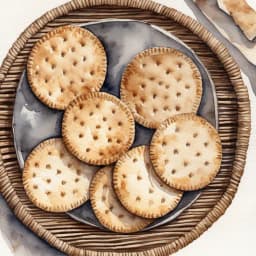
These fragrant crackers are a specialty of Kochi, the land of bonito.
Kochi is known for its high consumption of skipjack tuna. In this region, where the culture of pole-and-line fishing and straw-seared tataki is deeply rooted, sweets that utilize the savory umami of bonito have long been enjoyed. These crackers are kneaded with bonito flavor and baked to a crisp, spreading a fragrant umami throughout your mouth with every bite.
They are perfect not only as an accompaniment to tea but also as a snack with alcohol. This is a souvenir overflowing with Tosa charm, often found in places like the Taisho Town Market in Kure, Nakatosa—a true town of bonito. Please enjoy the food culture of Kochi, which loves the bounty of the sea, through these easy-to-eat crackers.
📍津野町
Specialties from 津野町 are also available via furusato nozei

銘菓
An aromatic daifuku delivered from a mountain village as beautiful as a starry sky.
Produced by 'Manten no Hoshi' in Tsuno Town, Kochi Prefecture, this exquisite treat makes generous use of local Tsunoyama tea hōjicha. Soft rice cake kneaded with hōjicha wraps smooth cream and bean paste, finished with a coating of hōjicha powder.
Upon taking a bite, the fragrant aroma of roasted tea and a gentle sweetness spread softly through your mouth. Since it is delivered frozen, you can also enjoy a refreshing, chilled texture by letting it partially thaw. This is a popular sweet that Kochi is proud of, often making headlines in the media. Please enjoy it with tea or as a gift.
📍土佐市
Specialties from 土佐市 are also available via furusato nozei

銘菓
These are refreshing citrus sweets that color Kochi from winter to spring.
Kochi Prefecture is a major production area for Tosa Pomelo, accounting for most of the nationwide shipment volume. The charm lies in the plump flesh, encased in a thick yellow peel, offering a perfect balance of sweetness and acidity with a hint of bitterness deep within. After harvest, the fruit is carefully aged in the ground or similar environments to bring out its full deliciousness.
Using the juice and peel of this pomelo, various sweets are crafted, including jelly, marmalade, and candied peels. The refreshing sweetness accented by a subtle bitterness is truly elegant. Please enjoy the refreshing taste during the season when Tosa Pomelo is at its peak.
📍土佐清水市
Specialties from 土佐清水市 are also available via furusato nozei

銘菓
A snack bursting with umami, born in the town of dashi, Tosa-Shimizu.
Tosa-Shimizu, located at the southernmost tip of Shikoku, boasts the highest production volume of 'Sodabushi' (made from skipjack tuna) in Japan, accounting for approximately 70% of the national share. These chips are made by thinly slicing Sodabushi—which produces a rich, deep dashi—so you can enjoy it directly with a crispy texture.
As you chew, the concentrated umami spreads, making it perfect for both snacks and appetizers. The flavor of the bonito deepens in your mouth with every bite. It is a reliable treat that pairs well with both tea and alcohol. Please enjoy this slightly rare taste of Kochi, unique to our town of dashi, in an easy and casual way.
📍南国市
Specialties from 南国市 are also available via furusato nozei

銘菓
Deep-fried to a crisp and coated in syrup, this is Kochi's soul food.
Imo kenpi is a traditional confection believed to have originated in Kochi. When sweet potatoes were introduced to Kochi during the Edo period, they became widely cultivated due to the region's typhoon-prone climate. As a result, a snack made by coating thinly sliced sweet potatoes with sugar—which was precious at the time—spread among the common people.
Nangoku Seika is a long-established shop that has continued to make imo kenpi since the 1960s. The simple flavor of thinly sliced sweet potatoes deep-fried until crispy and coated in syrup offers a crunchy texture and natural sweetness that makes it impossible to stop eating. It is a long-selling favorite loved by the local residents and can be easily purchased at supermarkets.
📍日高村
Specialties from 日高村 are also available via furusato nozei

銘菓
As you take a bite, a pleasant, crunchy texture is followed by the simple sweetness and savory aroma of the sweet potato. It is a thinly sliced fried potato snack that isn't greasy, making it impossible to stop once you start.
Imoya Kinjiro fries potatoes from contract farmers in their prideful blend of rapeseed and rice oil. The factory features an oil analysis lab where freshness is checked many times a day, with a commitment to replacing the oil much earlier than required standards. Artisans monitor the potatoes closely to ensure they are finished with a consistent golden color.
A refreshing and savory, golden treasure born in Tosa. You may intend to have just a pinch, but you'll find yourself reaching for more.
📍馬路村
Specialties from 馬路村 are also available via furusato nozei

銘菓
These fragrant yuzu sweets have changed the lives of the villagers.
With a population of approximately 800, Umaji Village is known nationwide as the 'Yuzu Village' due to its processed yuzu products. Starting with ponzu in 1986 and the yuzu drink 'Gokkun Umaji' in 1988, the village's yuzu industry has grown significantly over many years.
Madeleines, cookies, jelly, and other sweets made using these Umaji Village yuzu are characterized by the light, refreshing citrus aroma that spreads through the air. You can feel the bounty of the yuzu carefully nurtured in this small mountain village with every bite. Please enjoy the story of Umaji Village through these sweets.
📍Others

銘菓
The exquisite balance of sweetness and saltiness leaves you wanting more.
Shio Kenpi, which adds salt to Kochi's famous Imo Kenpi, is a new staple created by Nankoku Seika after long periods of trial and error. Salt made from Muroto deep-sea water enhances the sweetness of the sweet potato, resulting in a profound flavor that is not just sweet.
Its thin strips and crispy, light texture are also charming, making it a delicious snack you can't easily stop eating once you start. Because of the saltiness, it is an approachable flavor even for those who are slightly averse to very sweet Imo Kenpi. It is also an award-winning product from confectionery competitions. This is a new sensation of a snack born from the meeting of Kochi sweet potatoes and sea salt. We recommend this item to both sweet lovers and those who prefer less sugar.

銘菓
These are aromatic sweets from Kochi, a region that takes great pride in being a 'Yuzu Kingdom.'
Kochi Prefecture has the highest yuzu production in Japan, accounting for approximately half of the yuzu distributed nationwide. Yuzu grown in mountainous areas with significant temperature fluctuations is characterized by its large size, beautiful color, and intense fragrance. Utilizing the juice and peel, various sweets are produced, such as jelly, marmalade, candied peel, and baked goods.
With a single bite, a refreshing citrus aroma rises softly. You can taste a sharp acidity and a subtle bitterness within the sweetness. They are perfect as an accompaniment to tea or as a small souvenir. Please enjoy Kochi's essential yuzu easily through these sweets.

銘菓
A famous confectionery from Tosa that invites you to reflect on the Bakumatsu-era warrior who ran freely.
Ryoma's Boots are shortbread cookies modeled after the shape of the boots worn by Sakamoto Ryoma. At the time, such boots were rare and served as a symbol of Ryoma's decisiveness and enterprising spirit. Using those boots as a motif, these cookies are baked to a golden brown using plenty of butter and the addition of Kochi's specialty Tosa Jiro eggs.
Their charm lies in their light, crispy texture and the mellow flavor that gently spreads in your mouth. This playful treat, unique to Ryoma's hometown of Kochi, is sure to delight as a gift. Please enjoy this sweet while contemplating the footsteps of the great warrior.
Sake
📍安芸市
Specialties from 安芸市 are also available via furusato nozei

日本酒
A soft and flavorful Tosa sake that carries the name of a Sengoku-period warlord.
'Akitora' is a Japanese sake brewed by Arimitsu Sake Brewery in Aki City. In this small brewery founded in 1903, the brand name is inspired by Aki Kunitora, a warlord who ruled the eastern part of the prefecture during the Warring States period. They continue to cherish traditional craftsmanship, such as using well water from near the Akano River—an area famous for sweetfish (ayu)—for brewing and slowly pressing the sake in wooden vats. Among Tosa sakes that often compete on sharpness alone, Akitora is a food-pairing sake characterized by its fullness and softness. Its light acidity and gentle umami subtly complement various dishes. This is a bottle where you can feel the warmth of handmade production, made possible only by such a small brewery.
📍安田町
Specialties from 安田町 are also available via furusato nozei

日本酒
With a single sip, you will experience a light yet deeply flavorful taste that finishes with a refreshing, clean crispness. It does not overpower food, making it a dry, Tosa-style sake that you can enjoy endlessly without fatigue.
Tosa Tsuru Sake Brewery, located in Yasuda Town, Aki District, has maintained its traditional dry brewing method since its launch in 1845. Using well water from the brewery that contains an appropriate amount of minerals—nurtured by the lush forests and the Yasuda River—the brewery selects specific water based on the required quality of the sake. They have accumulated one of the highest numbers of gold awards at the National New Sake Awards.
This refreshing and delicious dry sake is a reliable companion for your evening drink. It pairs perfectly with both seafood and mountain delicacies, becoming more harmonious with your palate the more you drink. Please enjoy a slow glass to conclude your day.

日本酒
Among the sakes of Kochi, it possesses an exceptionally brilliant presence.
"Minami" is a Japanese sake brewed by Minami Sake Brewery in Yasuda Town, eastern Kochi Prefecture. Founded in 1869, the brewery is known for its commitment to quality over quantity, intentionally limiting its annual production volume. Their hallmark is a meticulous brewing process that spares no effort, such as washing rice by hand without machines and using the traditional box-koji method for all koji preparation.
Among the Tosa sakes, which are often light and dry, "Minamin" is somewhat unique, offering a rich and robust umami. The brewing water used is the subsoil water of the Yasuda River, so pure that natural sweetfish (ayu) inhabit it. It is a deeply flavorful Tosa sake, brewed with great care within direct sight of the brewers.
📍芸西村
Specialties from 芸西村 are also available via furusato nozei

日本酒
A vibrant Tosa sake that upholds the concept of 'Fresh & Juicy.'
'Tosa Shiragiku' is the flagship brand brewed by Sento Shuzojo in Geisei Village since its founding in 1903. The name originates from taking 'Kiku' (Chrysanthemum) from the name of the first proprietor, Kikutarō Sento, and combining it with 'Shiragiku' (White Chrysanthemum).
In a village rich in nature, overlooking the Shikoku Mountains to the north and the Pacific Ocean to the south, many processes are still performed by hand today.
The sake, brewed with subsoil water from the Shikoku mountain range and rice grown in Kochi Prefecture, is characterized by its juicy fruitiness and smoothness. You can enjoy a fresh and expansive drinking experience. It is a highly acclaimed bottle that is a regular gold medal winner at the National New Sake Awards. Please enjoy it alongside the seafood of Tosa.
📍香南市
Specialties from 香南市 are also available via furusato nozei

日本酒
An aromatic local sake of Tosa, nurtured by the underground waters of the Monobe River.
'Hounoubai' has been brewed by Takagi Shuzo in Akaoka-cho, Konan City, since 1884. Using the spring water from the Monobe River—which originates from the Ryugado limestone cave upstream—along with Kochi-grown sake rice and Kochi yeast, they maximize the blessings of the land.
Their specialty lies in brewing a diverse range of sakes that highlight the unique characteristics of Kochi yeast, offering aromas reminiscent of apple and banana. The lineup is wide-ranging, from brilliant bottles for special occasions to light styles perfect for an evening drink. As a brewery dedicated to 'Experiencing Tosa through Local Sake,' they continue to craft sake that stays close to the food and climate of Kochi. Please enjoy the richly aromatic sake of Tosa.
📍香美市
Specialties from 香美市 are also available via furusato nozei

日本酒
This is an aromatic and flavorful sake, carefully brewed under a name honoring a woman.
"Bunkajin" is the flagship brand of Arisawa Sake Brewery in Kochi City. It is said that the name was chosen to honor "O-wan-san," the daughter of Kaneyama Nonaka, a regent of the Tosa Clan, who lived a life of devotion.
Without chasing large-scale production, the brewery focuses on small-batch brewing, unfiltered processing, and low-temperature storage. By carefully pressing the sake in traditional sake vats over three days, they pursue a clear taste free of impurities. The charm lies in its fruity aroma, the umami of the rice, and a crisp finish. With a proven track record of winning gold medals at the National New Sake Awards, this is a truly reliable brew. Its character can be enjoyed whether served chilled or warmed. Please experience this highly skilled Tosa sake, brewed with meticulous care in small quantities.
📍高知市
Specialties from 高知市 are also available via furusato nozei

日本酒
With a single sip, a subtle aroma gives way to a gentle swell of rice umami, followed by a clean and refreshing finish. This is a rich, dry sake nurtured by Tosa, acting as the perfect supporting character that enhances the flavors of your meal.
Brewed by Suigei Shuzo, located right near Katsurahama Beach in Kochi City. Staying true to the Tosa food culture of enjoying sake alongside fresh cuisine, they focus on small-batch brewing and carefully developed koji. The moderate acidity born from the koji provides the signature crispness unique to this brewery.
Whether paired with Katsuo no Tataki (seared bonito) or a celebratory Sashibachi feast, it is meant to be enjoyed in hearty gulps. The clear, dry taste cleanses the palate, naturally making you reach for the next sip and the next dish. It is an indispensable bottle for any Tosa celebration.
📍佐川町
Specialties from 佐川町 are also available via furusato nozei

日本酒
Upon taking a sip, a smooth and rich umami spreads along with a lustrous aroma, finishing with a crisp and refreshing touch. It is a quintessential representative of Tosa's light and dry style, combining body and sharpness.
Brewed by Tsukasa Botan Sake Brewery, which was founded in the land of Sagawa in the 8th year of Keicho. This is a prestigious brand named by the Restoration activist Mitsuakira Tanaka, who believed that 'The peony is the king of all flowers, and it should be its ruler.' The foundation of its flavor is supported by the pure soft water of the Niyodo River system, which creates a sharp finish without any impurities.
From Sagawa Town, where the paths of old breweries still remain, to the dining tables of Tosa. Whether served chilled or warm, it pairs beautifully with food, making every sip easy to enjoy. It is a historic dry sake that was also loved by the activists of the Meiji Restoration.

日本酒
An extra-dry sake with a sharp edge, bearing the name of an ideal from the end of the Edo period.
'Senchu Hassaku' is a Junmai sake brewed by Tsukibotann Shuzo in Sagawa Town. The name originates from the new national vision proposed by Sakamoto Ryoma while aboard a ship. This plan, which advocated for the return of political power to the Emperor and the establishment of a parliament, is said to have led to the later Charter Oath, making this a bottle imbued with Ryoma's ambitions.
With a clean, extra-dry flavor and an impressive sharp aftertaste, it is a food-pairing sake that does not interfere with the flavors of dishes but rather enhances them. It pairs exceptionally well with Tosa fish dishes, particularly Katsuo no Tataki (seared bonito). Please savor this Tosa sake along with the name of the samurai who raced toward his ideals.
📍三原村
Specialties from 三原村 are also available via furusato nozei

どぶろく
A handmade cloudy sake, brewed with heart by each and every farmer.
Mihara Village was certified as a 'Doburoku Special Zone' in 2004. From the following year, farmstead diners began producing doburoku, and now multiple farmers within the village brew their own specialty doburoku while running farmstays and diners.
Mihara Village, located in a mountainous area at an altitude of about 120 meters, is a rice-producing region blessed with significant temperature fluctuations and clean water. The doburoku, brewed using rice grown by the farmers themselves without any additives, is characterized by the simple sweetness of the rice and a smooth mouthfeel. It is also fun to see how the character changes depending on the maker. Please enjoy a cup that is unique to this village.
📍四万十町
Specialties from 四万十町 are also available via furusato nozei

焼酎
A chestnut shochu with a mellow sweetness, often referred to as 'phantom' (rare).
'Dabadahiburi' is a chestnut shochu created in 1985 by Mute Mukan in Shimanto Town. It was born in response to the local community's wish to utilize the chestnuts harvested from the local mountains. Because of the abundant use of chestnuts as an ingredient, you can enjoy the gentle aroma and mellow sweetness and richness unique to chestnuts.
The name is derived from 'Daba,' meaning a place where people gather, and 'Hiburi,' referring to the traditional 'Hiburi' fishing method used to catch sweetfish (ayu).
Popularity caught fire due to its adoption on JAL international flights, making it a brand that is now difficult to obtain. Please enjoy this fragrant bottle born from Shimanto, delicious whether served on the rocks or with water.

日本酒
A simple and honest local sake that directly reflects the nature of Shimanto.
'Mute Mukan' is a local sake produced by a brewery of the same name in Shimanto Town. Established in 1893, this brewery has continued to brew sake utilizing ingredients nurtured by the rich nature of Shimanto, under the motto: 'Do not be drowned by crowns, do not be pretentious, and cherish a simple heart.'
It is also famous as the brewery that produced the phantom chestnut shochu 'Dabadahiburi,' and it approaches sake making with great sincerity. This unpretentious cup, which values the blessings of the land, offers an unadorned taste reminiscent of the scenery of Shimanto's mountain villages. It is a perfect companion for your daily evening drink. Please enjoy this simple yet deep Tosa local sake.
📍中土佐町
Specialties from 中土佐町 are also available via furusato nozei

日本酒
A local sake from a port town that aims to be 'the sake that pairs best with bonito in the world.'
'Kure' is a Japanese sake brewed by Nishioka Sake Brewery in Kure, Nakatoosa Town. Founded in 1781 (Tenmei 1), it is a brewery with over 240 years of history, making it the oldest existing brewery in Kochi Prefecture. For brewing, underground spring water from the headwaters of the Shimanto River is used, and each bottle is carefully crafted using high-quality sake rice.
This sake perfectly complements seafood, a characteristic unique to the port town of Kure, which is known for its pole-and-line bonito fishing. It pairs exceptionally well with bonito tataki (seared bonito), enriching the Tosa dining experience. Please enjoy a glass brewed by this historic brewery alongside the bounties of the Tosa sea.
日本酒
A crisp, dry sake delivered from the town of bonito.
'Junpei' is a Japanese sake brewed by Nishioka Sake Brewery in Kure, Nakatosa Town. Founded in the first year of the Tenmei era, this brewery is considered the oldest in the prefecture. They brew their sake using underground spring water from the headwaters of the Shimanto River and focusing on ingredients such as pesticide-free and organically grown rice.
While possessing a fruity and gorgeous aroma, the taste is dry and refreshing. Its light and clean finish does not overpower food, making it an outstanding match for Tosa's seafood, especially bonito tataki (seared bonito). Its defining characteristic is a clean, sharp finish unique to a local sake from a fishing town. Please enjoy a glass from this port town to your heart's content along with fresh seafood.
📍田野町
Specialties from 田野町 are also available via furusato nozei

日本酒
As its name suggests, this is a Tosa sake that possesses a dignified and handsome elegance.
'Bijofu' has been brewed since 1904 by Hamakawa Shoten in Tano Town, eastern Kochi Prefecture. By using the underground water of the Nari River—known as one of Japan's finest ultra-soft waters—it creates a refreshing crispness and a smooth mouthfeel.
While built on a foundation of typical Tosa-style dry notes, its charm lies in its subtle sweetness and the expansion of an elegant aroma. By pasteurizing only once after bottling and storing it at low temperatures, it maintains a freshness reminiscent of freshly pressed sake. It flows smoothly into the body with a pleasant, clean finish. Please enjoy this refined bottle that pairs beautifully with food.
📍土佐市
Specialties from 土佐市 are also available via furusato nozei

日本酒
As soon as you open the bottle, a brilliant aroma reminiscent of apples and pineapple wafts up. With one sip, sweetness and acidity burst forth, spreading a freshness similar to white wine.
This Junmai Ginjo Nama Genshu (unpasteurized) is the flagship sake brewed by Kameizuly Shuzo in Tosa City. Using yeast born in Kochi Prefecture, it stands out as a prominent presence in Tosa, where sweet styles are rare. While it possesses sweetness, a clean acidity lightens and tightens the aftertaste.
When chilled well, it can be enjoyed like a dessert. The refreshing sweet and sour flavor glides smoothly down the throat. This is a Tosa cup that we would quietly recommend even to those who find sake a bit difficult to enjoy.
📍土佐町
Specialties from 土佐町 are also available via furusato nozei

日本酒
A pure sake refined by high-quality water in the mountain villages of Reihoku.
"Guigetsu" has been brewed since 1877 by Tosa Shuzo, located in Tosa Town, a mountainous area in northern Kochi Prefecture. In a land blessed with clear air and excellent water, they use sake rice grown in the local Aikawa terraced rice fields and actively engage in traditional techniques such as Kimoto and Yamahai.
What this brewery, which treasures "sake of the land," produces is an elegant and clear taste. It possesses proven strength, having won gold medals at international competitions. A pure cup that seems to reflect the very nature of the mountain village. Please enjoy Guigetsu, a sake that stays close to the dining tables of Tosa.
📍Others

日本酒
The joy of tasting and comparing, where Tosa breweries compete in skill.
Kochi Prefecture is part of the Tosa region, well known as a sake-producing area. It has long been favored as an accompaniment to fresh seafood, with many crisp sakes that emphasize a 'light and dry' profile. Numerous unique breweries are scattered throughout the prefecture, each brewing flavors unique to the land using local rice and water.
From refreshing dry varieties to rich and aromatic ones, the individuality of each brewery varies greatly. By tasting them together, you will notice that even among Tosa sakes, the expressions are surprisingly different. Finding your favorite bottle is a pleasure unique to Tosa sake. Please enjoy it alongside the cuisine of Kochi.

リキュール
This is a highly aromatic yuzu liquor that can only be tasted in Kochi, the 'number one yuzu producer in Japan.' Yuzu grown throughout the prefecture, including in Muro Village and Kitakawa Village, is a treasure of Kochi, born from rich nature and water purified by clear streams. By slowly infusing the juice into sake or shochu, a refreshing acidity and gentle sweetness are brought out.
One of the joys is that each brewery has its own personality, such as Tsukibotan's 'Yama-yuzu Shibori' or the liqueur from Muro Village Agricultural Cooperative. You can find a collection of bottles that cherish the flavor of the yuzu itself without using artificial fragrances or colorings.
Whether enjoyed on the rocks or with sparkling water, the wafting aroma of yuzu fills your dining table with a tropical breeze. We also recommend enjoying it with hot water to warm your body.
Souvenirs
📍安田町
Specialties from 安田町 are also available via furusato nozei

和菓子
📍 高知空港
A slightly luxurious creative Japanese confection made using the premium 'Tosa Otome Mango' brand from Yasuda Town. We have softly wrapped a filling of mango puree and cream cheese-infused bean paste in pure white, soft gyuhi (sweet rice dough).
Our recommended way to eat it is when it has just begun to melt slightly after being taken out of the freezer. Within the cool mouthfeel, the brilliant sweetness of the mango and the richness of the cream cheese spread, offering a melt-in-your-mouth deliciousness.
This high-performance sweet even won 2nd place in the Local Snack Ranking at the Nippon National Specialty Product Exhibition 2015. Please enjoy this new sensation of sweets that breaks free from the traditional boundaries of Japanese confectionery while it is still cold.
📍越知町
Specialties from 越知町 are also available via furusato nozei

その他
Produced by Yokoyama Food in Ochi Town, this imo kenpi consists of thinly sliced domestic sweet potatoes coated with Kochi-grown yuzu peel and fried. The more you chew, the more the sweetness of the potato and the aroma of the yuzu spread through your mouth.
📍香南市
Specialties from 香南市 are also available via furusato nozei
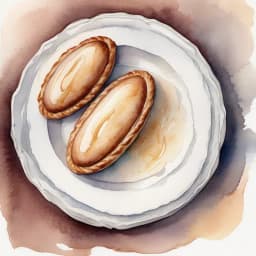
その他
📍 高知空港、JR高知駅、高松駅
Released in 1962, this is a synonym for Kochi souvenirs, selling 3.5 million pieces annually. Hamayuki holds the first patent in Japan for the foil-baking method. The madeleine batter filled with yuzu white bean paste has remained unchanged for over 60 years.

その他
A fruit jelly that captures the aroma of fruits bathed in the Kochi sun. Both the color and fragrance are just like the fruit itself.
Produced by Hamayuki, a long-established confectionery with its main store located near Harimaya Bridge. Using a unique extraction method with deep ocean water from Muroto, the aromatic components of the fruit are gently drawn out. Therefore, even without coloring or artificial flavoring, you can enjoy the authentic flavors of Kochi-grown fruits such as Konatsu (citrus) and Yuzu. When chilled, the freshness of the fruit is further enhanced.
With a smooth texture and a fruit aroma that spreads throughout your mouth, it is perfect as a souvenir for the hot season. Please enjoy the rich fruits of Kochi through this jelly. It is sure to be appreciated as a refreshing gift.
和菓子
A manju featuring elegant chestnut paste wrapped in a moist skin. This is a classic Japanese confection produced by an established shop in Kochi.
Produced by Hamayuki, which has its main store near Harimaya Bridge. Using chestnuts grown in the Shimanto River basin, they have crafted a chestnut paste that highlights the fruit's natural flavor. Shimanto chestnuts are known for their high quality. The moist, soft skin and smooth chestnut paste gently melt in your mouth, offering a subtle and elegant sweetness.
It is a staple of Hamayuki's confectionery, alongside their signature 'Kanzashi.' It pairs well not only with Japanese tea but also with coffee. With its gentle sweetness, it is perfect for when you want to take a relaxing break. This item has long been loved as a souvenir from Kochi.
📍香美市
Specialties from 香美市 are also available via furusato nozei

その他
📍 神戸アンパンマンこどもミュージアム&モール
This is a souvenir unique to Kochi, the hometown of Takashi Yanase, the creator of 'Anpanman.' It is a treat that makes children's eyes sparkle, featuring soft, fluffy marshmallows with smooth chocolate cream hidden inside.
Mr. Yanase was from Kami City, which also hosts the Anpanman Museum. You can find these at the Kochi Meihinkan in JR Kochi Station or at souvenir corners around the museum. The combination of soft marshmallow and sweet chocolate makes it a perfect souvenir for small children.
Taking a bite while imagining Anpanman's smile will soothe your heart. It is a gentle Kochi confection that the whole family can enjoy.

その他
📍 神戸アンパンマンこどもミュージアム&モール
These bite-sized egg bolos feature cute prints of Anpanman's face made with natural pigments. A classic staple found in the souvenir sections of Kochi—the hometown of creator Takashi Yanase—this item is incredibly popular with young children.
After a crisp, light texture, a subtle sweetness follows, gently melting in your mouth—a nostalgic and gentle flavor. They are easy to pick up even with small hands, making them perfect for a child's very first snack.
A single bag filled with Anpanman's many smiles will lift your spirits just by looking at it. It is a delightful souvenir for children or grandchildren to remember their trip to Kochi. Everyone in the family can enjoy them.

和菓子
📍 高知空港、JR高知駅
This is a famous confection created by high school students—specifically, 17 third-year students from the Commercial Department of Prefectural Yamada High School in Kami City—and manufactured by the confectionery maker Aoyagi. It is a product of serious development that went beyond the scope of regular classes.
It is an impactful bite-sized manju consisting of white bean paste kneaded with chopped locally grown golden ginger, wrapped in a jet-black skin containing bamboo charcoal. The refreshing flavor of the ginger and its unexpected appearance have generated much buzz. The packaging also features handwriting by the students.
This talked-about product sold 40,000 bags and over 20 million yen in sales just six months after its release. It is a pride of Kami City, packed with the passion of high school students and local craftsmanship. It makes for a perfect conversation starter.

洋菓子
📍 神戸アンパンマンこどもミュージアム&モール
When you open the box, Anpanman's friends are lined up in a row. It is an assortment that makes you feel like you can hear children's cheers.
Takashi Yanase, the creator of Anpanman, had deep ties to Kami City, Kochi Prefecture. The city is home to the 'Takashi Yanase Memorial Museum Anpanman Museum,' and this 'Anacia Sablé BOX' is loved as a limited-edition souvenir unique to his hometown. It is packed with cute sablés shaped like the characters.
The crisp, fragrant sablés are perfect as a souvenir for small children. It is a box full of smiles—fun to look at and delicious to eat. Please enjoy it with your whole family as a memory of your visit to Kochi.

洋菓子
📍 神戸アンパンマンこどもミュージアム&モール
A delightful souvenir that stays with you even after it's finished.
Kami City, Kochi Prefecture, is the birthplace of Takashi Yanase, the creator of Anpanman. This "Anpanman Sablé Tin," unique to this region, is a gift-style item featuring limited-edition sablés packed in a cute tin. You can enjoy it for a long time along with the memories of your visit to the Takashi Yanase Memorial Anpanman Museum.
After enjoying the crispy, fragrant sablés, you'll be happy to find that the empty tin can be reused as a small accessory case. The character illustrations will brighten up your shelves. This tin of sablés is perfect for a travel souvenir with children, bringing plenty of smiles.
📍高知市
Specialties from 高知市 are also available via furusato nozei
その他
📍 高知空港、JR高知駅、高松駅
Born from the famous line in the Yosakoi song, '♪ I saw someone buying a kantsashi (hairpin),' this is a classic souvenir from Kochi. The story of the tragic love between Junshin, a monk of Chikuurin-ji temple, and his daughter Oma, and the hairpin at Harimaya Bridge, has been transformed into a sweet by Hamayuki, whose shop stands right near the bridge.
Since its release in 1962, the secret to its popularity has been a unique production method where yuzu-scented white bean paste is wrapped in moist madeleine batter and baked along with silver foil. Hamayuki was the first in Japan to develop this technique and holds a patent for it.
As Kochi's number one confection selling over 4.5 million pieces annually, it is a taste of Tosa that is fun to unwrap—try it chilled in summer or warmed in winter.

和菓子
📍 高知空港、JR高知駅、ひろめ市場
A fragrant rice cracker luxuriously featuring river prawns harvested from the Shimanto River, Japan's last pristine clear stream. Produced by Harimiya, a venerable establishment with over 110 years of history, this cracker uses reliable techniques passed down since 1904 to fully capture the rich flavor of the river shrimp.
The hallmark of this cracker is a labor-intensive production process where the baked dough is finely crushed and then re-formed. This creates a unique, light, and crunchy texture unlike any other. As you chew, the intense savory umami of the shrimp spreads throughout your mouth.
This popular item has even been ranked number one in souvenir sales at Kochi Airport. A true blessing from the Shimanto clear streams, it pairs perfectly with both tea and alcohol. It is a pride of Kochi that is sure to delight anyone receiving it as a gift.

その他
📍 高知空港
This seasonal confection from Hamayuki captures the essence of 'yamamomo' (wild bayberry), which is also the prefectural flower of Kochi, directly within the sweet. The characteristic sweet and sour flavor of the yamamomo, along with its vibrant reddish-purple color, is a delight to both the eyes and the palate. It brings the feeling of early summer to Tosa, the southern land.
Hamayuki is a long-established Kochi shop known for its 'kanzashi' (hairpins). For over 70 years, they have continued to create confections that utilize locally harvested fruits. The season for yamamomo is short, making it a treat enjoyed only during the limited period of early summer.
With just one bite, the sweet and tangy flavor of the fruit spreads softly through your mouth. It is a taste of Tosa's early summer, something you'll want to savor as if to cherish the fleeting season. If you encounter it, please be sure to try it.
その他
📍 JR高知駅
A prestigious confection continuously produced by Nishikawa-ya, a long-established confectionery that has served as the official confectioner for the Tosa Clan since its founding in the first year of the Genroku era. The name is inspired by Chiyo, renowned as the wise wife of Yamauchi Kazutoyo, the first lord of the Tosa Clan.
Chiyo is known for her 'support from behind the scenes,' famously using her secret savings of ten ryo to quietly purchase a famous horse that her husband could not afford. Nishikawa-ya is a venerable establishment that has served the clan for over 300 years since Kazutoyo's arrival in Tosa.
We have baked white bean paste with subdued sweetness, wrapped in a mellow, milk-rich dough.
This is a historic item where every bite carries the scent of Tosa's history. Please reflect on the four-hundred-year story while enjoying it with tea.

和菓子
📍 高知空港、JR高知駅、高知駅
A limited edition version of Aoyagi's classic confection, Tosa Nikki, presented in an adorable pink package. The contents remain unchanged: a chewy Japanese sweet consisting of smooth Hokkaido red bean paste wrapped in gyuhi (sweet rice cake). The avant-garde nature of the 'Tosa Nikki,' written by Ki no Tsurayuki while disguised as a woman, is expressed through vibrant pink polka dots.

その他
This confection uses the yellow citrus fruit known as 'Konatsu' in Kochi, which is in season during early summer. With an exquisite balance of refreshing acidity and gentle sweetness, Konatsu is widely enjoyed in various forms such as jellies and sandwich cookies.
A unique feature of Konatsu is that it can be eaten not just for its pulp, but also with the white pith on the inside of the peel. Each shop uses creative methods to highlight its refreshing aroma and flavor. For instance, Hamayuki's 'Sunday Market Jelly' is said to capture the aroma and color of the Konatsu exactly as they are by using a non-heated extraction method.
This treat allows you to feel the early summer sun of Kochi with every cool, refreshing bite. It is a delightful taste of Tosa citrus for the hot season.

その他
📍 JR高知駅
This is a manju (steamed bun) from Hamayuki, made with an abundance of Yuzu from Kochi Prefecture. The refreshing aroma of yuzu rising gently from the dough evokes the peaceful scenery of a mountain village.
It is a simple baked confection that leverages the charm of citrus, unique to Kochi, which boasts the highest yuzu production in Japan. The package features adorable illustrations by the local native Takashi Yanase, friendly conveying the yuzu culture of Kochi.
With a single bite, the aroma and sweetness of the yuzu spread gently. It is a comforting flavor that pairs perfectly with tea. This item allows you to easily enjoy the bounty of Kochi's mountain villages and makes for a wonderful souvenir.

洋菓子
📍 高知空港、ひろめ市場
This sandwich confection was born from a collaboration between Montprecipe, a prestigious pastry shop in Kochi, and Nomura Senmame Kako-ten, the makers of the famous Milley Biscuits. It features chestnut cream made with chestnuts from Shimanto, sandwiched between crispy, familiar Milley Biscuits.
The sweet and salty Milley Biscuits meet the gentle sweetness of the chestnut cream. This encounter between a rustic flavor and a slightly luxurious taste creates a new deliciousness. The character "Milley-chan" depicted on the package was designed by Takashi Yanase, who had close ties to local Kochi.
This is a dish where Kochi's soul food has transformed into an elegant confection. A famous local collaboration that is perfect as a snack with tea or as a gift.

洋菓子
These fun-to-look-at icing cookies are packed with Kochi specialties: Sakamoto Ryoma, Katsuo no Tataki (seared bonito), and the Tosa dog on a streetcar. They are crafted by Enfant, a confectionery shop in Kochi City. Colorful cookies are sprinkled with Konpeito (sugar candy) to create a lively package.
Each cookie features a motif characteristic of Kochi, bringing an instant smile the moment you open the box. It is a box full of Tosa charm, perfect not only for tasting but also as a conversation starter.
With its high-impact appearance, it is ideal as a souvenir for children or as a topic of conversation. It is a playful confection that allows you to take the entire charm of Kochi home with you.

その他
📍 高知空港
This is a handmade Japanese sweet from Kochi City that luxuriously uses rare Shimanto chestnuts, which are said to have a sugar content of over 30 degrees. The chestnuts are processed into a paste, shaped like chestnuts, coated with egg, and baked to a golden brown. The fragrant toasted color is highly appetizing.
Produced by Fukudome Kiksuido, an established shop that opened its doors in Atago-cho, Kochi City, in 1951. Each piece is finished by hand by skilled artisans. You can enjoy a mysterious mouthfeel where three textures—chewy, fluffy, and moist—overlap all at once.
It pairs excellently with hojicha or genmaicha. This is a dish that allows you to taste the dense sweetness of chestnuts nurtured by the Shimanto River, along with the care of meticulous handwork.
和菓子
📍 高知空港、JR高知駅、ひろめ市場
Harima's flagship product made using whole hand-sized shrimp from the Shimanto River. Using a rare manufacturing process where baked crackers are crushed and then re-formed, it achieves a unique crunchy texture. A classic Kochi souvenir with a lingering flavor of soy sauce base and rich shrimp aroma.

洋菓子
A salty variation of Kochi's soul food, Millet Biscuits. Finished by sprinkling salt made from Muroto deep-sea water onto freshly fried biscuits. While maintaining the traditional manufacturing method of Nomura Senmame Kako Store—frying in flavorful oil used for frying beans—this version features a sharp, refreshing sea salt flavor.

その他
📍 高知空港
This is an adorable Japanese sweet shaped like a rabbit, made by the confectionery maker Aoyagi using Shimanto chestnuts. Chestnut paste is gently wrapped in a chewy dough and finished to look like a rabbit with little upright ears. Just looking at it will make you smile.
Produced by the long-established Aoyagi, known for the Tosa Nikki (Tosa Diary), skilled confectioners have shaped the blessings of chestnuts grown in the Shimanto River basin into this lovely form. You can enjoy the authentic flavor and elegant sweetness of the chestnut.
With an adorableness that makes you feel it is a waste to eat it, it is perfect as a souvenir for children. This Kochi souvenir allows you to enjoy the autumn flavors of Shimanto in a heartwarming form. It also pairs well with tea.

和菓子
📍 JR高知駅、高知駅
This yokan is produced by Nishikawa-ya, a long-established shop founded in the Genroku era, inspired by Chikurin-ji Temple on Mount Godaisan, the 31st site of the Shikoku Pilgrimage. Chikurin-ji is an ancient temple founded during the Nara period by Gyoki, under the orders of Emperor Shomu, modeled after Mount Wutai in Tang Dynasty China. It is a renowned temple with Manjusri Bodhisattva as its main deity.
In honor of the temple's name, the yokan is elegantly presented in a cylindrical container designed to resemble bamboo. It features a smooth texture and an elegant, rich sweetness from the adzuki beans.
This item has long been cherished as a souvenir to be picked up during the Shikoku Pilgrimage. Along with the charm of pushing the yokan out from its bamboo-shaped tube, you can savor the atmosphere of Tosa's history and faith. It is a classic taste from an established shop, perfect for enjoying slowly with tea.

その他
📍 高知空港、JR高知駅
A sharp and refreshing aroma has arrived from the mountains of Kochi. This financier uses ginger grown in the Tosayama district, located about a 30-minute drive from central Kochi City, where clear streams flow.
Kochi Prefecture boasts the highest ginger production in Japan, truly a 'Ginger Kingdom.' Within this region, we have subtly infused ginger from Tosayama into a rich batter made with browned butter. The toasted aroma of almonds and the subtle spiciness of ginger linger gently on the palate.
This is a sophisticated baked sweet that isn't just sweet. It pairs well with both coffee and tea, making it the perfect companion for an afternoon break. Since it stays fresh at room temperature, it is a reliable choice for travel souvenirs.

和菓子
📍 高知空港、JR高知駅
An adorable Kochi confection shaped like an egg. Its name comes from a rare breed of chicken that Kochi is proud to present to the world. The Nagadori (Nagao Chicken) is a breed native to Kochi Prefecture, known for tail feathers that can sometimes grow up to ten meters long; it is designated as a Special Natural Monument of Japan. Nishikawaya Shinise, an established shop founded in 1688, has transformed these eggs into a lovely sweet. Inside a crispy monaka shell, high-quality white bean paste and yolk paste are wrapped in a fluffy marshmallow-like dough. Looking exactly like a tiny egg, its gentle sweetness and soft texture provide a moment of comfort. It is a treat that allows you to taste the nature and history of Kochi in a single bite.

洋菓子
📍 JR高知駅、高知駅
The shape familiar to fans of Hokkaido's 'Shiroi Koibito' has arrived in Kochi. This is a local Langue de Chat cookie wrapped in the romantic atmosphere of Tosa.
Crispy, light Langue de Chat cookies are sandwiched with mellow white chocolate. The package features the Harimaya Bridge, a symbol of Kochi City. Harimaya Bridge is the setting for the romantic tale of Junshin and his horse, famously sung in the Yosakoi festival. It is a romantic treat perfect for a souvenir.
With cookies that melt in your mouth and chocolate that dissolves gently, its elegant sweetness pairs well with both tea and coffee. As a memento of your visit to Kochi, please try gifting it to someone special along with the sentiment 'Kojanto suki ya ki' (I love you so much).

洋菓子
📍 高知空港、JR高知駅
The moment you open the bag, the refreshing aroma of yuzu rises beautifully. This madeleine captures the essence of Kochi's pride—yuzu—within its batter.
Kochi Prefecture is the top producer of yuzu in Japan, accounting for more than half of the national share; it is truly the home of yuzu. We have carefully selected yuzu from Tosa Mountain and kneaded plenty of juice and zest into the batter. The refreshing acidity and aroma of the yuzu layer beautifully with the richness of the butter.
Its moist and fluffy texture is perfect for tea time. The citrus freshness that spreads with every bite will brighten your mood. Please enjoy the flavor of yuzu that has basked in the abundant sunshine of Kochi.

和菓子
After a crispy texture, the refreshing acidity of yuzu wafts through your nose. This thin-baked rice cracker is packed with the essence of Kochi.
We use yuzu from Kochi Prefecture, which boasts the highest production volume in Japan, mixing its juice into the dough and baking it to a fragrant finish. Its true charm lies in the refreshing flavor of the yuzu itself, without relying on artificial flavorings. Since the sweetness is subtle, the savory aroma of the cracker and the acidity of the yuzu stand out cleanly.
Because it is light and not bulky, it is perfect as a souvenir to distribute to many people. The individual packaging is also a nice touch. When enjoyed with tea, a refreshing breeze from Kochi blows through your mouth. Please enjoy this single piece that lets you easily taste Kochi.

和菓子
📍 JR高知駅
A renowned historic confection from Tosa, said to have been passed down since the Kamakura period. Hidden beneath a crunchy sugar coating lies an elegant aroma.
According to legend, when an Retired Emperor visiting Tosa gazed at the moon from Himekura Mountain, a monk from the foot of the mountain presented him with this handmade sweet. The Emperor liked it so much that he named it 'Ume-fushi.' Nishikawaya, an established shop founded in the first year of the Genroku era, continues to preserve this confection today. It features red shiso (perilla) pickled with plum tucked inside soft mochi (gyuhi), coated with sugar on the surface.
After the softness of the gyuhi, the subtle acidity and aroma of the shiso spread through your palate. This refined and modest flavor is truly a masterpiece nurtured by history. Please take your time to savor the long passage of time in Tosa.

その他
A crunchy, fragrant, palm-sized karinto (fried dough) sweet. A long-established shop in Kochi fries them using traditional methods.
Produced by Miman Honpo, which was founded in 1953 in the Obiaya-cho district of Kochi City. Just like their signature product 'Miman,' they maintain a commitment to not using preservatives, crafting these karinto into small, easy-to-eat pieces. Their hallmark is the crunchy texture and a simple, lingering sweetness.
It is so delicious that you won't be able to stop reaching for them when paired with tea. Since they are bite-sized, they are perfect for a casual snack. Please consider adding this long-loved traditional flavor to your Kochi souvenirs.

その他
Fine bubbles, reminiscent of champagne, dissolve with the aroma of rare ginger. This is a slightly special ginger ale.
It uses 100% 'Golden Ginger (Koku-zo II)' grown in Tosa City. It is an extremely rare variety cultivated by only a few farmers. Characterized by low fiber and softness, it excels in the balance between aroma and spiciness. That brilliant fragrance rises gently on refreshing carbonation.
When poured into a glass, elegant bubbles effervesce. It is not too sweet, leaving a clean aftertaste. Perfect both with meals and as a relaxing moment before bed. Please taste the power of ginger that has basked in the sun of Kochi.

洋菓子
These fragrant cookies were baked in honor of the hero of the Bakumatsu period, Sakamoto Ryoma. This item is packed with the spirit of Tosa.
Produced by Aoyagi, a confectionery shop with its main store located near Harimaya Bridge in Kochi City. It is a long-established shop known nationwide through the 'Tosa Nikki'. We have combined ingredients characteristic of Kochi into a crispy dough rich with buttery flavor. Combined with the name associated with Ryoma, it makes for a perfect souvenir to remember your travels.
With one bite, you will experience a fragrant, crumbly texture. It pairs well with both tea and coffee. Please enjoy them while imagining the land of Tosa where Ryoma once ran. It will surely deepen the lingering memories of your journey.

和菓子
📍 高知空港、JR高知駅、高松駅
One of the signature products of Aoyagi confectionery, this is a milk candy where Japanese and Western styles meet. Inside the crumbly outer shell, the deliciousness of chestnut is packed.
Wrapped in flavorful milk dough is chestnut paste made from chestnuts grown in the Shimanto River basin. Shimanto chestnuts are known for their high quality. The smooth chestnut paste and the gentle outer shell that melts in your mouth create an exquisite blend of Japanese-style chestnut flavor and Western-style milky richness.
With one bite, you will understand why so many people become repeat customers. A classic souvenir easy to find at Kochi Airport and stations. Please enjoy this Tosa-esque item, which shares its name with Ryoma Sakamoto's masterpiece by Ryotaro Shiba.

和菓子
📍 高知空港
A Japanese sweet that uses chestnuts raised by the Shimanto River luxuriously. With one bite, you can feel the nature of the village of clear streams.
Using chestnuts grown in the Shimanto River basin, we have prepared an elegantly sweet chestnut paste. Shimanto chestnuts are known for their high quality and charming, fluffy sweetness. The chestnut paste crumbles delicately in your mouth, with a subtle sweetness that allows you to fully savor the flavor of the ingredients. It is as if the rich nature of Shimanto has been turned into a sweet.
Easily available at Kochi Airport and major stations, it is beloved as a standard souvenir. The flavor pairs well with Japanese tea as well as coffee. How about giving the blessings of the Shimanto River as a souvenir to your loved ones?

和菓子
📍 JR高知駅、高知駅
This Japanese confection possesses a majestic presence, reminiscent of the jinbaori (warrior's surcoat) worn by Sengoku-period military commanders. The fragrant aroma of roasted sesame stimulates the appetite.
A moist and soft mochi envelops a rich, savory sesame sauce. The toasted aroma of the sesame and the gentle texture of the mochi intertwine exquisitely in your mouth. The name 'Jinbaori' refers to the surcoat worn over armor by samurai. True to its grand name, you can enjoy a robust and satisfying flavor.
With just one bite, the flavor of sesame spreads softly through your palate. It pairs exceptionally well with green tea, making it perfect for when you want to take a relaxing break. This is a simple yet profound Japanese sweet unique to Tosa. Please consider adding it to your collection of souvenirs from Kochi.
洋菓子
📍 高知空港、高知龍馬空港
A popular flavor featuring Mille biscuits sandwiched with domestic strawberry jam. The saltiness and sweet-and-sour taste match unexpectedly well. The package designed by Takashi Yanase is also cute.
その他
A soft-boiled cheesecake with an irresistible, melting texture. The star of the show is the rich egg produced by Kochi's legendary local chicken.
We use eggs from 'Tosa Jiro,' a local chicken breed born in Kochi. Tosa Jiro is a rare breed created by crossing the Tosa native chicken, a special natural monument, with the Rhode Island Red. The deep richness of its eggs provides a powerful support to the flavor of the cheese. The center is soft and melting, much like a rare cheesecake, allowing you to enjoy a smooth mouthfeel.
With a single bite, the rich flavors of egg and cheese spread across your palate. It is recommended to serve chilled. This is a luxurious cheesecake that lets you experience the culinary abundance of Kochi. Please enjoy it slowly with coffee or tea.

洋菓子
📍 高知空港、JR高知駅
This delightful treat features a wonderful contrast between crispy pastry and fluffy, sweet chestnut paste. It is a fragrant baked good that becomes particularly popular during the autumn and winter seasons.
Produced by Aoyagi, a long-established confectionery shop in Kochi, this pastry consists of chestnut paste made from chestnuts grown in the Shimanto River basin, encased in pastry dough and baked to perfection. Shimanto chestnuts are renowned for their high quality; their rich sweetness and aroma create an exquisite contrast with the crispness of the outer pastry and the smoothness of the inner chestnut paste.
With a single bite, the buttery aroma of the pastry and the flavor of the chestnut spread throughout your mouth. It pairs excellently with warm beverages. This is a must-try Kochi confection for the season when you crave chestnuts. It is also sure to be appreciated as a souvenir.

洋菓子
📍 高知空港、JR高知駅
A confection by Hamaso that captures the refreshing aroma of Buntan (pomelo) originating from Tosa City within a langue de chat. A thick layer of chocolate is sandwiched between thin cookies, leaving a delicate, elegant acidity similar to lemon on the palate.
洋菓子
📍 高知空港、高知龍馬空港
A flagship product from Monpresir, featuring white chocolate sandwiched between Millet Biscuits. It has a reputation for an unstoppable infinite loop of salty followed by sweet. A limited package exclusive to Shikoku expressways is also available.

洋菓子
📍 高知空港、JR高知駅
The moment you open the bag, a fragrant citrus aroma rises. This is a popular yuzu sablé that attracts many repeat customers.
Produced by Shojuan. They carefully simmer yuzu peel from Kitagawa Village in-house and knead it into thin sablés. Kitagawa Village is one of the leading yuzu production areas in Kochi Prefecture, which has the highest production volume in Japan. With the motto 'With yuzu, all is well,' they pack the essence of yuzu into every bite. The enjoyment also comes from the overlapping textures of crumbly and crunchy.
With a single bite, the refreshing aroma and acidity of yuzu spread throughout your mouth. A light cookie that pairs well with both tea and coffee. Please discover for yourself why you will want to eat it again and again. It is perfect as a souvenir from Kochi.

その他
📍 高知空港、JR高知駅
A baked sweet with a humorous name, inspired by a famous letter written by Sakamoto Ryoma. You can taste the historical romance of Tosa through this confectionery.
After leaving his domain, Ryoma wrote a letter to his sister, Otome. Proud of what he was learning in Katsu Kaishu's navy, he boasted with a sense of triumph, saying, 'A little ehen, ehen-ehen.' This letter is affectionately known as the 'Ehen Letter.' Shojuan created this sweet based on such an episode characteristic of Ryoma.
Its simple, gentle sweetness softly accompanies your travel memories. The charming name conveys Ryoma's personality. Please take a bite while reflecting on the great figure of Tosa. It is a delightful item that can also serve as a conversation starter for your souvenir stories.

洋菓子
📍 JR高知駅、高知駅
Just as the name suggests, this is a baked sweet that brings a smile to your face when you eat it. Its perfectly round shape also makes it an adorable item.
Produced by Shojuan, known for making confections that utilize Kochi's local ingredients. The plain type is finished with a simple flavor featuring a gentle aroma of butter. This unpretentious deliciousness is widely enjoyed by everyone from children to adults. The round, plump shape relaxes your mind just by looking at it.
With one bite, the soft aroma of butter spreads throughout your mouth. Since they are individually wrapped, they are easy to distribute and perfect for a small gift. Please share some smiles during your tea time. This unpretentious deliciousness is sure to please.

その他
A Tosa-style confection inspired by the warriors of the Bakumatsu period. A long-established Kochi confectionery company has infused historical romance into this sweet.
Produced by Hama-yuki, a confectionery shop founded in 1952. With over 70 years of history, it is a staple of Kochi. Tosa is a land that produced many Bakumatsu patriots, including Sakamoto Ryoma. We have captured that historical romance in our packaging and finished the sweets with Hama-yuki's signature meticulous craftsmanship.
As you savor this sweet while reflecting on the great figures of Tosa, the memories of your journey will deepen. With a gentle flavor perfect for tea time, it also makes a wonderful gift for history lovers. Why not take home a piece of Kochi's Bakumatsu romance along with this treat?

その他
📍 高知空港
This confection takes its name from a haiku composed by a wandering poet. We have infused the warmth of Kochi's people into this sweet.
Its name is derived from the poet Santoka Taneda, who traveled to many places. It commemorates how Santoka, upon visiting Kochi, was deeply moved by the kindness and hospitality of the local people. Produced by Hama-yuki, we have gently wrapped smooth milk bean paste—cooked with pasteurized milk from Okazaki Farm—in a moist dough. Once in your mouth, the gentle sweetness of the milk spreads softly.
The combination of smooth milk bean paste and moist dough evokes a sense of nostalgia. It is a gentle flavor reminiscent of the warmth of Kochi's people. Please enjoy it when you want to take a relaxing break. This is surely a treat that will delight as a souvenir.

洋菓子
📍 JR高知駅
A fusion of Japanese and Western flavors that allows you to enjoy crispy pastry and chewy mochi all at once. The contrast in textures is addictive.
Produced by Aoyagi, a confectionery shop known nationwide for the 'Tosa Nikki.' We wrap mochi filled with smooth red bean paste in crispy pie dough and bake it. The Tosa Nikki is Japan's first diary literature, written by Ki no Tsurayuki during the Heian period. This masterpiece from an established shop, named after the work that introduced Tosa to the nation, is a proud creation finished with their expertise.
With one bite, the aroma of the pastry and the chewiness of the mo-chi wash over you alternately. Combined with the gentle sweetness of the smooth red bean paste, it is enjoyable until the very last bite. A new sensation in Japanese confectionery that pairs well with both tea and coffee. Please consider adding this to your Kochi souvenirs.
洋菓子
📍 ひろめ市場
A madeleine luxuriously using the rich eggs of Tosa Jiro, a local chicken from Kochi. The eggs produced by these small chickens, weighing about 1.5kg, have a deep color and intense flavor. It has a moist and rich finish.
和菓子
📍 JR高知駅、高知駅
A Shimanto chestnut version of Aoyagi's signature confection, Tosa Nikki. Instead of smooth red bean paste, it features Shimanto-produced chestnut paste wrapped in gyuhi mochi, finished with a unique crumble topping. A popular item for autumn and winter that offers a soft aroma of chestnut.

その他
📍 高知空港、JR高知駅
With just one bite, the refreshing acidity of Kounatsu (summer orange) and the sweetness of white chocolate melt together softly.
Kounatsu is a citrus fruit unique to Kochi that comes into season in early summer. Its defining characteristics are its clean acidity and elegant aroma. Produced by the long-established Kochi confectionery Hamayuki, the 'Minami Kounatsu Sand' features finely chopped Kounatsu peel mixed into white chocolate cream, gently sandwiched between crisp sablé cookies, creating a Western-style confection.
Within the mellow sweetness of the cream, the slight bitterness and freshness of the Kounatar citrus provide a sharp, delightful contrast that makes you want to eat more and more. This popular product has even been featured on television and is perfect as a souvenir for early summer. Please enjoy this sweet and sour taste characteristic of Kochi, reminiscent of the Kuroshio currents.
和菓子
📍 JR高知駅
The name comes from the Tosa dialect word 'Igossou.' However, contrary to its name, the flavor is infinitely gentle.
'Igossou' refers to a stubborn and single-minded man of Tosa. Despite the bold sound of the name, the long-established Kochi confectioner Hamayuki named this simple baked good 'Kokoro Yasashiki Igossou' (Kind-hearted Igossou) because it provides a sense of heartwarming relaxation. It features dough with a subtle hint of cinnamon softly enveloping a lightly sweetened egg yolk bean paste.
When you take a bite, the fluffy, melting dough and mellow bean paste become one and dissolve in your mouth. The aroma of cinnamon serves as a gentle accent, making it perfect to accompany tea. Despite bearing the name of a stubborn person, it is a classic Tosa confection loved by everyone.
洋菓子
📍 高知空港
A chestnut-shaped madeleine by Aoyagi, featuring a whole large chestnut from Shimanto and chestnut paste kneaded into the batter. It is a regular top seller at the Kochi antenna shop. Available at an affordable price of 130 yen per piece.

和菓子
📍 高知空港、JR高知駅
We have captured in a single Japanese confection the white flower named by the world-renowned botanist Dr. Tomitaro Makino.
This is the Joyo Manju (yam manju) crafted by the long-established Kochi confectionery, Hamayuki, inspired by the pure Hakuhaku Sendan flowers that bloom in Ino Town, Kochi Prefecture. It features peeled bean paste made from specially cultivated adzuki beans from Hokkaido, cooked grain by grain, wrapped softly in a fine texture of premium yam and flour.
This is an prestigious confection that has been enjoyed by Their Majesties the Emperor and Empress, and has been used as in-flight tea snacks on international flights and at national tea ceremony competitions. The harmony between the moist dough and the light, elegant bean paste makes this a refined item that Kochi is proud of.

和菓子
📍 JR高知駅、高知駅
A little bit of everything from Kochi's famous confectionery. If you are unsure what to choose for a souvenir, this is a foolproof choice.
"Tosa no Okurimono" is a set that brings together representative Japanese sweets from Kochi in a single box. The composition allows you to survey the diverse confectionery culture of Kochi at a glance without getting lost in too many choices. Since you can taste multiple specialties in small amounts, it is perfect for both personal enjoyment and as a gift.
The charm of this set lies in being able to enjoy various flavors nurtured by the climate of Tosa all at once. The time spent finding your favorite piece while sharing with family and friends is also exceptional. It is a gift that allows you to easily step into the rich world of Kochi's sweets.
📍黒潮町
Specialties from 黒潮町 are also available via furusato nozei
洋菓子
A unique T-shirt-shaped cookie born from a museum on a sandy beach. It is a fun-to-look-at specialty of Kuroshio Town.
Its motif is the famous 'T-shirt Art Exhibition' held at the Sand Beach Museum in Kuroshio Town. Based on the idea that 'Our town has no museum; our beautiful sandy beach is our museum,' it is the world's first outdoor exhibition where T-shirts flutter along approximately 4km of beach. These cookies are shaped like those T-shirts and use local sea salt in the dough. You can enjoy two varieties: plain and cocoa.
Within the sweetness, there is a subtle hint of sea salt. The crispy texture is pleasant and perfect as an accompaniment to tea. It is a playful sweet that allows you to taste the free and easy atmosphere of Kuroshio Town. It also makes for a great conversation starter.

洋菓子
These are fun, crunchy cookies shaped like whales. A cute souvenir from a town famous for whale watching.
Produced by 'Petit Dol,' a bakery in Kuroshio Town. Off the coast of Kuroshio, you can sometimes catch sight of whales. We have baked them into whale shapes unique to this town, creating a rustic flavor with plenty of brown sugar. The gentle aroma of coconut and cinnamon brings a tropical breeze to your senses.
With one bite, the crunchy texture and rich depth of brown sugar spread through your mouth. The gentle sweetness pairs perfectly with both tea and coffee. The whale shape is sure to bring a smile to your face. Please enjoy this delightful sweet that lets you taste the very story of Kochi's seaside town.
📍三原村
Specialties from 三原村 are also available via furusato nozei

和菓子
📍 広島空港、岩国飛行場、出雲空港 ほか9件
A Chugoku-Shikoku region exclusive flavor that adds the freshness of Setouchi lemons to Kameda Seika's classic 'Happy Turn.' The sharp acidity of lemon layers over the magical sweet and salty 'Happy Powder,' creating an addictive deliciousness.
This is a unique regional item available in souvenir corners at airports and stations in Shikoku. Since they are individually wrapped, they are perfect for sharing as gifts at work or school.
With the familiar taste enhanced by lemon, you won't be able to stop at just one. As a travel memory, please enjoy a refreshing twist on your usual Happy Turn. It is sure to become an addiction.

その他
📍 広島空港、岡山空港、高松空港 ほか7件
A special edition available only in this region, featuring the familiar Pocky coated with the citrus aroma of the Setouchi area.
"Pocky <Setouchi Iyokan>" was released in 2018 as a product exclusive to the Chugoku and Shikoku regions, created by Ezaki Glico in collaboration with JA Ehime Chuo. Pretzels are coated in a cream containing 16% Iyokan juice from Ehime Prefecture, spreading a subtle acidity and gentle sweetness throughout the mouth.
It can be found in stations, souvenir shops, service areas, and roadside stations across Chugoku and Shikoku, and is a familiar sight to those traveling through Kochi. Enjoy the refreshing scent of Iyokan that spreads with a crunchy texture. Please take this unique regional flavor, reminiscent of the Setouchi breeze, as a souvenir.
📍四万十市
Specialties from 四万十市 are also available via furusato nozei
洋菓子
📍 高知空港、JR高知駅
A rare confection from Shimanto City where Japanese and Western flavors unite—featuring a soft, moist cookie dough sandwiching a lightly sweetened yokan (sweet bean jelly). You can enjoy a unique taste that Fujiya has continued to create for many years.
'Taisaku-san,' the name, refers to a real person who was an ancestor of the Fujiya family. Known for his wit, numerous humorous anecdotes similar to those of Ikkyu-san are still passed down locally as 'Taisaku-san stories.'
The combination of soft dough and smooth yokan creates a mysterious deliciousness that is unforgettable once tasted. It is a perfect accompaniment to tea in Shimanto, allowing you to savor the local history along with the flavor. It also pairs beautifully with coffee.

その他
A playful local karinto (sweet fried dough snack) that uses the numbers '4-0-0-1-0' from Shimanto in its product name. It was crafted by the chef of 'Patisserie Potager,' a vegetable sweets shop in Nakameguro, Tokyo, representing a meeting between Kochi's ingredients and urban sensibility.
It features a unique two-step process: frying dough made with rice flour from Kochi prefecture in rice oil, then baking it in an oven. This creates a light texture that is unexpected for karinto. For sweetness, we use 'Boka,' a rare local brown sugar syrup, resulting in a simple yet deep flavor.
This bag also offers fun variations in flavor, such as ginger, yuzu, and aonori (green seaweed). Perfectly suited as a souvenir, it is a true taste of Shimanto's nature.
その他
A handmade yuzu-flavored karinto (sweet fried dough) bearing the name of Shimanto. Made with a dough of Kochi-grown rice flour and domestic wheat, it is fried in rice oil and then baked in an oven to remove excess oil, resulting in a light finish. This additive-free local snack features the refreshing aroma of yuzu harvested from the Shimanto region spreading throughout your mouth.
その他
A local specialty karinto made with aonori (green seaweed) grown in the clear streams of the Shimanto River. Using a unique production method where dough made from Kochi-grown rice flour is fried in rice oil and then baked in an oven, it has a light texture without being greasy. The aonori from the Shimanto River is highly aromatic and rare, with the flavor of the sea spreading softly with every bite.

スイーツ
The character smiling on the package is Shimatch, the mascot of Shimanto City, Kochi Prefecture—the "hottest city in Japan." This character was created in reference to a temperature of 41.0°C, one of the highest temperatures recorded in Japan in Shimanto City. "Shimatch's Guava Jelly" is a satisfying 170g jelly packed with plenty of juice from Kochi-grown guavas carefully cultivated in that very city. The guavas are grown in greenhouses without the use of pesticides, and each piece is finished by hand from harvest to packaging. It is an enjoyable treat with a tropical sweet aroma and a jiggly mouthfeel. When enjoyed chilled on a hot day, it brings back memories of the warm sunshine of Shimanto.
スイーツ
A drinkable jelly in bountan (pomelo) flavor, featuring Shimatch, the mascot character of Shimanto City. It captures the juice of Buntan, a representative citrus fruit of Kochi, without using artificial flavorings, and is characterized by a refreshing sweetness and a slightly bitter aftertaste.
スイーツ
A drinkable jelly made using the entire juice of yuzu from Shimanto City. Among the Shimatchi series, this is the item that most embodies the essence of Kochi, the citrus kingdom. Without the use of artificial fragrances, the natural, clean acidity of the yuzu shines through.
📍四万十町
Specialties from 四万十町 are also available via furusato nozei

その他
A slightly unexpected Western-style baked sweet made by a long-established maker of imo kenpi (sweet potato sticks). Nangoku Seika began making sweet potato treats in Shimanto Town in 1966, and this 'Imo Meigetsu' is a popular product from their direct sales shop, 'Suishatei.'
Soft dough gently envelops a creamy, flowing custard. Because we are a manufacturer dedicated to sweet potatoes, the certain craftsmanship of sweet potato confectionery lives on in the balance of moisture and sweetness in the dough.
At our shop attached to the factory, surrounded by the rich nature of Shimanto, you can even enjoy them freshly baked. It is a comforting deliciousness that pairs perfectly with tea. This sweet is like a round moon, born in the village of clear streams.

その他
This is Suisha-tei's signature product: a sweet potato treat made with Shimanto Kintoki potatoes, shaped like a small boat. The boat shape is inspired by the transport vessels that traveled along the Shimanto River from the late Meiji era through the Showa era.
Utilizing the expertise in selecting and processing potatoes cultivated over many years of making Imo Kenpi (sweet potato sticks), we have carefully brought out the natural, fluffy sweetness of the Shimanto Kintoki potatoes. It is a gentle flavor that honors the inherent deliciousness of the ingredients.
At our direct sales shop along the national highway in Shimanto Town, you can even enjoy them freshly baked. It is a luxurious treat that allows you to savor the bounty of Kintoki potatoes raised by clear streams, while reflecting on life along the riverbanks.

洋菓子
A Western-style tart cake from the 'Suisha-tei' brand by Nangoku Seika, a long-established maker of Imo Kenpi (sweet potato sticks). It features a generous amount of sweet potato filling made with Shimanto Kintoki potatoes, baked to perfection on a crispy tart crust.
As a specialist in sweet potato confectionery, we have created a treat where the flavor of the potato takes center stage. The natural sweetness of the fluffy Shimanto Kintoki potatoes is concentrated within the moist filling. The contrast in texture with the crunchy tart crust makes every bite enjoyable.
With a comforting flavor that pairs perfectly with both coffee and tea, this is a wonderful way to enjoy the charm of Suisha-tei's potatoes in a different style from our traditional Imo Kenpi.

その他
This is 'Chatsu,' made using tea leaves from Shimanto. Chatsu is a type of Kyoto-style confectionery consisting of a matcha-infused dough based on soft wheat flour, wrapped around red bean paste and baked. It is a flavorful Japanese sweet where the fragrant dough harmonizes with the elegant sweetness of the bean paste.
From within the crispy baked dough, a moist and smooth bean paste reveals itself. The rich aroma of tea leaves grown in the Shimanto River basin spreads through the mouth, as the flavor of the tea and the sweetness of the red bean paste melt together with every bite.
Its simple yet deep flavor pairs well not only with Japanese tea but also with coffee. This is a dish that allows you to slowly savor the blessings of the tea nurtured by the nature of Shimanto.

洋菓子
This is an aromatic waffle confection made using the first flush tea hand-picked in the Shimanto River basin. The first flush tea picked in spring consists of soft tea leaves that hold the strength accumulated through the winter. It is a precious tea, the first of the year, characterized by its sweetness and depth.
We have enclosed the flavor of that first flush tea within a fluffy waffle batter. With one bite, the gentle aroma of the tea leaves spreads along with the savory scent of the batter. This baked confection fully utilizes the charm of tea, unique to the tea-producing region of Shimanto.
An irresistible taste for tea lovers, perfect for taking a relaxing break. It is a single piece that allows you to feel the blessings of Shimanto, offering a different experience from coffee or black tea. It is also perfect as a gift.

洋菓子
A confection born in Spain meets the tea of the Shimanto River. This polvorón has a mysterious texture that crumbles delicately the moment it enters your mouth.
The Shimanto River basin is a producer of fine teas, nurtured by pure water and rich mist. By turning freshly picked first-flush tea into powder and kneading it into the dough, the umami and aroma of the tea spread softly throughout the mouth. While polvorón is originally a traditional Spanish sweet, combining it with Kochi tea leaves creates a gentle fusion of Japanese and Western flavors.
Its melting texture is unforgettable once tasted. Since they are individually wrapped, they are easy to use as small gifts for colleagues or friends. Please enjoy them during your tea time.
その他
📍 JR高知駅
A bite-sized yokan made by Yoshidaya, a company with over 90 years of history in Shimanto Town. Its specialty is the smoothness of its homemade smooth red bean paste made from Hokkaido adzuki beans. 'Ochobo' is a Kyoto dialect term referring to an apprentice girl.

その他
A refreshing Japanese sweet perfect for summer, featuring jiggly warabi mochi infused with the aroma of Shimanto tea. Using first-flush tea carefully cultivated in the Shimanto River basin, the delicate tea flavor is infused into the chewy warabi mochi. The Shimanto River is known as 'Japan's last pristine stream.' The tea leaves picked from its basin are highly aromatic and rich in umami. It is especially delicious when well-chilled in the refrigerator, which enhances the refreshing sensation. With its smooth texture and subtle tea fragrance, it is sure to delight anyone if chosen as a summer gift. We also recommend treating yourself by serving it with kinako (roasted soybean powder) or kuromitsu (black sugar syrup).

洋菓子
A romantic baked confection meaning 'Star Cookie' in French. Star-shaped baked dough is arranged sparkling inside the box.
It was born at the 'Agri Kubokawa' roadside station in Shimanto Town. This area is known as a town of starry skies, where the Milky Way can be seen beautifully. The crispy dough features a subtle hint of maple aroma and a light mouthfeel. Combined with its cute star shape, it has become a popular product at the roadside station.
Take a small star that fits in the palm of your hand. It is perfect as an accompaniment to tea time or as a souvenir for children. Please enjoy it while imagining the night sky of Shimanto.

洋菓子
A tea-scented chocolate crunch with an irresistible crunchy texture. Shimanto tea and chocolate meet in a lighthearted harmony.
We have combined powder from the first flush tea picked in the Shimanto River basin with smooth chocolate. The bitterness of the tea leaves and the sweetness of the chocolate overlap in an exquisite balance with every bite. The Shimanto River is famous for its clear waters, and the tea grown in its basin is known for its high aroma. By crafting it into a crispy crunch, we have created a product where you can also enjoy a light texture.
Since it can be carried at room temperature, it is convenient for sharing at the workplace. It also pairs perfectly with coffee or black tea. Those who love both tea and chocolate will surely be delighted.

その他
A baked confection that modernizes the nostalgic taste of dried sweet potato. It captures the concentrated deliciousness of Shimanto's 'phantom potato.'
Born in Shimanto Town in 2005, this sweet is rooted in the traditional dried sweet potato known as 'Higashiyama.' It is made by baking a paste of Ninjin-imo (carrot-shaped sweet potato) with butter and eggs in an oven. Committed to a simple production method without additives or white sugar, it offers a chewy, soft texture and the natural sweetness of the potato.
Featured on television and having surpassed 1 million units in cumulative sales, it is a beloved treat. Its gentle flavor, similar to a sweet potato cake, brings smiles to both children and adults. Please enjoy a bite of the blessings from the earth of Shimanto.
洋菓子
An elegant langue de chat where astringency and sweetness alternate. We have infused the charm of Shimanto tea into these thin cookies.
First flush tea picked from the Shimanto River basin is kneaded into the crispy cookie dough, then sandwiched with mellow white chocolate. The bitterness of the tea and the sweetness of the chocolate overlap with every bite. The Shimanto River is famous for its clear streams, and the tea grown in its basin is known for its high aroma.
With a light melt-in-the-mouth texture and a gentle scent of tea leaves, it pairs well not only with coffee and black tea but also with Japanese tea. Since they are individually wrapped and easy to distribute, they are very useful as small gifts. Please consider them as a souvenir for tea lovers.

その他
A gluten-free castella baked with 100% Niida rice flour by Miyauchi Shoten, a rice farmer in Shimanto Town. Despite being wheat-free, it is fluffy and chewy. Available in plain, as well as yuzu and matcha flavors.

その他
📍 高知空港、JR高知駅、高知駅「とさ屋」 ほか1件
A luxury treat made solely of chestnut, meant to be sliced and savored. "Jigrikington" is a kintun (sweet paste) that feels as though you are eating the chestnut itself.
Produced by Shimanto Drama Co., Ltd. in Shimanto Town, Kochi Prefecture, this Japanese confectionery makes generous use of the local brand, "Shimanto Jiguri." Shimanto Jiguri are round, large chestnuts known for their high sugar content when steamed, rivaling even the sweetness of fruit. Using only these chestnuts and cane sugar, each piece is handmade without relying on additives.
We recommend slicing it to your preferred thickness, like yokan, and enjoying it slowly. Once in your mouth, the rich flavor of chestnut and a moist texture will spread across your palate. It is a masterpiece that allows you to directly experience the power of the chestnuts raised by the mountains of Shimanto.

和菓子
Take a bite of this soft daifuku. The gentle aroma of black tea spreads from the melting cream.
Black tea was once produced in Shimanto Town, but production ceased due to the popularity of green tea. Efforts to revive that tea production bore fruit, leading to the birth of "Shimanto Black Tea" in 2007. The "Shimanto Black Tea Daifuku" is a Japanese confection where those tea leaves are kneaded into cream and wrapped in soft dough along with white bean paste.
The cream contains a hidden jam made with yuzu juice, allowing a hint of citrus freshness to emerge amidst the mellow flavor of the black tea. With its melting texture and an elegant taste where Japanese and Western flavors overlap, this is a unique daifuku filled with the story of Shimanto.
その他
The flagship product of Nangoku Seika, the company that developed Japan's first salt-flavored imo kenpi in 2005. It features a new sweet and salty texture, where thinly sliced domestic sweet potatoes are coated in a syrup cooked with salt from Muroto deep-sea water.
📍室戸市
Specialties from 室戸市 are also available via furusato nozei

洋菓子
Salt nurtured by the seas of Muroto gently enhances the sweetness of the cookie. This is a sweet treat filled with the blessings of the mineral-rich ocean.
We use salt made from deep sea water pumped from 374 meters deep off the coast of Cape Muroto. Water from the deep sea, where sunlight does not reach, is rich in minerals. By combining this salt with butter dough, a subtle saltiness lingers, making the sweetness feel even more pronounced.
With one bite, the aroma of butter and the scent of the sea drift through your senses. It offers an exquisite balance that will please even those who are not fond of overly sweet things. A gift from a seaside town that allows you to taste the very story of Muroto. How about enjoying it with your coffee?
📍仁淀川町
Specialties from 仁淀川町 are also available via furusato nozei

和菓子
This is 'edible tea' handcrafted by tea farmers in Sawatari, located upstream of the Niyodo River, a miraculous clear stream. Driven by the desire for you to experience the direct taste of the tea itself rather than just cream, we have kneaded plenty of fresh tea leaves into the white bean paste.
We offer two varieties: 'Shiro' (White), which allows you to enjoy a subtle aroma using Sawatari tea carefully grown with reduced pesticides, and 'Midori' (Green), which features a coating of tea powder for a more intense flavor. The characteristic slight bitterness and rich aroma of the tea leaves will spread throughout your mouth.
This highly accomplished product has even been selected as an in-flight meal for Japan Airlines' domestic first class. It is a true gem from the Niyodo River that will capture the hearts of all tea lovers.
その他
📍 JR高知駅、高知駅
These sticks allow you to enjoy authentic Tosa tea just by adding hot water. It is a highly aromatic tea nurtured by the clear streams of the Niyodo River.
Produced in the Sawatari district of Niyodo Town, located upstream of the Niyodo River. The tea is carefully grown in steep tea plantations surrounded by deep mist and abundant sunlight. The Niyodo River is famous for its beautiful water known as 'Niyodo Blue,' and the tea from its basin possesses an exceptional aroma and flavor. Since it is a convenient stick type, you can quickly prepare a cup just by pouring hot water.
Whether it's a busy morning or an afternoon when you want to take a relaxing break, you can enjoy the taste of authentic tea instantly. It is also convenient to carry, making it useful at work or while traveling. Please enjoy a cup nurtured by the nature of the Niyodo River at your convenience.
📍須崎市
Specialties from 須崎市 are also available via furusato nozei
洋菓子
A Mille Sand featuring the packaging of Susaki City's mascot, Shinjo-kun. The sweetness of the white chocolate and the saltiness of the biscuit are addictive. You will be healed by the otter-inspired expression.
洋菓子
A strawberry version of the Millet Sand featuring Shinjo-kun packaging. The savory aroma of the biscuit oil is layered with the sweet and sour taste of domestic strawberries. It can also be purchased at the 'Kawauzo no Sato Susaki' roadside station in Susaki City.
📍大月町
Specialties from 大月町 are also available via furusato nozei
その他
A masterpiece from Yaemaru Suisan, developed over three years inspired by the traditional sweet and savory simmered silver-stripe round herring (kibinago) passed down in Otsuki Town. The home-cooked flavor, traditionally simmered with sugar and soy sauce by local mothers, has been transformed into a fragrant snack.
Fresh kibinago caught off the coast of Otsuki Town are dried, fried, and coated with homemade syrup and sesame. Made with only simple ingredients—kibinago, sugar, soy sauce, and sesame—with no preservatives or chemical seasonings. The crunchy, crispy texture makes it irresistible for everyone from children to the elderly.
A perfect item for both snacks and appetizers for alcohol. A new specialty packed with the blessings of the sea from Otsuki Town.
📍大豊町
Specialties from 大豊町 are also available via furusato nozei

和菓子
📍 高知空港、JR高知駅
A daifuku made with the legendary black beans known as 'beans for eternal youth and longevity.' The star ingredient is the extremely rare Ginfuro beans, which can only be harvested in Otoyo Town, Kochi Prefecture. The name 'Gin' (silver) comes from their dark, silvery-black luster, and 'Furo' (agelessness) comes from the legend that they provide vitality and maintain youth. The annual harvest is only about 800kg. These precious beans are kneaded into the mochi dough, layered with smooth cream and white bean paste to create a luxurious daifuku. The compatibility between the soft mochi and melting cream is exceptional. This high-quality sweet was even selected as an in-flight meal for JAL domestic first class. Why not choose this as a gift for a special occasion?

その他
📍 高松駅
A premium brown sugar karinto made using legendary beans and deep-fried three times in a large cauldron. With one bite, you can feel the blessings of the mountain village.
The star ingredient is the rare Gin-furo bean, which can only be harvested in Otoyo Town, Kochi Prefecture. The annual harvest is only about 800kg. By kneading the powder of these beans—also known as 'beans for eternal youth and longevity'—into the dough and frying it slowly three times in a large cauldron, we achieve a fragrant and crispy texture. The rich sweetness of the brown sugar also leaves a lasting impression.
Remarkably, this high-quality product has even been selected as an in-flight meal for JAL domestic first class. You can enjoy the crunchy texture and the rich flavor of the beans and brown sugar. This luxurious mountain village karinto is perfect with tea. Please consider it as a souvenir unique to Kochi.

その他
📍 東京国際空港(羽田空港)、JR高知駅、高松駅 ほか1件
A stick snack born in a mountain village, allowing you to easily enjoy the 'beans of eternal youth.' The flavor of rare black beans is concentrated within.
The star ingredient is the heirloom variety 'Gin-furo,' which has been called the 'bean of eternal youth' since ancient times in Taiho Town, Kochi Prefecture. It was named 'Gin' (silver) because it shines black like burnished silver, and 'Furo' (immortality) due to legends that it provides vitality and maintains youth. Using these beans, which have a soft skin and absorb flavors easily, we have crafted them into a convenient stick format.
With one bite, the rustic umami and sweetness of the black beans spread across your palate. The gentle flavor is perfect for tea time. A wonderful bonus is that you can easily enjoy these precious beans, of which only about 800kg are harvested annually. Please taste this masterpiece from the mountain villages of Kochi.
📍中土佐町
Specialties from 中土佐町 are also available via furusato nozei

和菓子
With one bite, the sweet and sour flavor of fully ripe strawberries and melting cream overflow.
This "Melting Cream Daifuku" features fully ripe strawberries carefully grown by Ichigo Club in Nakatosa Town, Kochi, and cream made from the milk of Jersey cows raised freely at Yukigamine Farm, also in Kochi. These two are softly wrapped in smooth Habutae mochi. Delivered frozen, it is a new sensation of daifuku to be enjoyed after thawing.
As it thaws, the juicy strawberry nectar and rich milk cream blend into a luscious mixture. A key charm is that you can enjoy it according to your preference—chilled and refreshing when semi-frozen, or soft and smooth when fully thawed. It is a luxurious daifuku packed with the blessings of Kochi.
📍津野町
Specialties from 津野町 are also available via furusato nozei

和菓子
📍 高知空港、JR高知駅、ひろめ市場
A four-layered daifuku that allows you to luxuriously taste the high-quality hojicha (roasted green tea) from Tsuno Town, located in the headwaters of the Shimanto River. It features layers of fresh cream, lightly sweetened bean paste, moist hojicha mochi, and fragrant hojicha powder. When you take a bite, the four layers unravel and melt together into one.
It was crafted by Ichiro Ohara, known for producing Ehime's "Kirinomori Daifuku." By making the aroma of tea leaves grown in clear streams the protagonist, he finished it as an adult Japanese sweet that allows you to enjoy the tea itself.
When eaten chilled, the rich aftertaste of hojicha lingers indefinitely. It is a star of Tsuno Town that every tea lover should taste at least once.
その他
📍 高知空港、ひろめ市場、高知龍馬空港
This castella is made by kneading plenty of hojicha (roasted green tea) from Tsuno Town, the source of the Shimanto River. The fragrant aroma of tea leaves, carefully finished by master roasters, melts into the moist sponge.
Tsuno Town is a prominent tea-producing area spreading across the headwaters of the Shimanto River. The tea leaves, nurtured by pure water and rich nature, are meticulously roasted one by one by the roasters at 'Starry Night.' By using this aromatic hojicha generously in the batter, a rich tea fragrance rises the moment it is sliced.
With its soft, fluffy sponge and the slightly bitter aroma of hojicha, this gentle castella allows you to feel the blessings of the river's source town. It is also perfect as an accompaniment to tea.
和菓子
📍 高知空港、ひろめ市場、高知龍馬空港
Inside the white mochi, a smooth tea ganache flows out. It is a new sensation of a daifuku that offers a slightly unexpected surprise.
Crafted by 'Manten no Hoshi' located in Tsuno Town, situated in the headwaters of the Shimanto River. Tsuno Town is known as a producer of high-quality tea. We have gently wrapped a smooth ganache made from premium local green tea in pure white, chewy mochi. When you take a bite, it melts softly in your mouth.
Unlike the popular Hojicha Daifuku, you can enjoy the refreshing taste of green tea. It is the best of both worlds—Japanese and Western—where the aroma of tea meets the richness of chocolate. It becomes even more delicious when served chilled. Please consider this as a perfect gift for tea lovers.
和菓子
📍 高知空港、JR高知駅、ひろめ市場
A daifuku made with plenty of houjicha (roasted green tea) used in both the mochi and the bean paste, featuring tea that is roasted in-house by artisans in Tsuno Town, at the source of the Shimanto River. It arrives frozen; once thawed, the deep aroma of houjicha and the mellow smoothness of the cream spread through your palate.
📍田野町
Specialties from 田野町 are also available via furusato nozei

その他
📍 東京国際空港(羽田空港)、高知空港
A luxurious choux rusk made using 'Shiojiro,' a legendary complete sun-dried salt that is said to have a four-year waiting list. Shiojiro is produced by crystallizing seawater from Tano Town, Kochi Prefecture, using only sunlight and sea breezes over 2 to 3 months. Because no fire is used in the process, all the minerals of the sea are preserved.
Using this rare salt, a pastry chef hand-cooks salt caramel and coats it onto fragrant, baked choux pastry. The sharp saltiness beneath the sweetness creates an incredibly rich, melting sensation.
This high-performance sweet won first place in the Food & Drink category at the Omiyage Grand Prix 2018. With just one bite, the power of the Tano sea spreads through you. It is a masterpiece of Kochi that you simply cannot stop eating.
その他
📍 東京国際空港(羽田空港)、高知空港
The number one chou rusk in Japan at the Omiyage Grand Prix 2018. The salt caramel, made using only sun and sea breezes in Tano Town—the smallest town in Shikoku—features an incredibly light melt-in-your-mouth texture.
📍土佐清水市
Specialties from 土佐清水市 are also available via furusato nozei

その他
📍 高知空港、JR高知駅
The deeper the umami of the dashi spreads in your mouth as you chew. This is a slightly more mature okaki.
Tosa-Shimizu City in Kochi Prefecture is a major production area for Soda-bushi (albacore flakes). Its production volume is said to be the highest in Japan, accounting for most of the national share. Unlike highly aromatic katsuobushi, Soda-bushi is characterized by its deep, rich dashi and has long been valued by chefs. The 'Soda-bushi Okaki' is a product where soda-bushi is powdered and kneaded into the dough, then baked to a fragrant finish.
After a crispy texture, the unique umami of Soda-bushi lingers in your mouth. It is perfect not only with tea but also as a snack with alcohol. This okaki allows you to easily enjoy the dashi culture that Tosa-Shimizu takes pride in.
📍東洋町
Specialties from 東洋町 are also available via furusato nozei

和菓子
📍 高知空港、JR高知駅
A bite-sized thin-skinned manju (steamed bun) passed down since the era of the old feudal domains in None, Toyo Town, at the eastern edge of Kochi Prefecture. Shichifukudo continues to make this confection, which has been loved for a long time at the foot of Mount None, by inheriting secret methods from the original maker, the Fukuda family.
We take pride in our homemade smooth koshian (smooth red bean paste), carefully cooked using Hokkaido red beans. The paste, generously wrapped in a thin, soft skin, has an elegant and non-cloying sweetness. The Fukuda family's None Manju even has a prestigious history of being presented to the Emperor during his tour of Shikoku.
It is a simple flavor that makes you want to snack on them endlessly with tea. This is a traditional Tosa specialty with a strong fan base both within and outside the prefecture. Once you try it, you will definitely want to reach for it again.
和菓子
📍 高知空港、JR高知駅
A traditional confection from Toyo Town, where the dough is prepared using sake instead of any water. Through the long, cocoon-like thin skin, you can faintly see the smooth koshian made from Hokkaido red beans that have been simmered for over 12 hours. This is the original None Manju with a prestigious history, having been presented during Emperor Showa's tour of Shikoku in 1950.

和菓子
📍 JR高知駅、高知駅
This chestnut manju from Shifukudo uses only 'Shimanto Chestnuts,' nurtured by the rich nature of the pristine Shimanto River. Utilizing the bean paste-making techniques cultivated through their 'None Manju,' they have carefully brought out the natural flavor and sweetness of the chestnut.
Shimanto chestnuts are grown in the basin of the Shimanto River, often called a miraculous clear stream. Growing slowly in this nature-rich land, they are characterized by a warm, elegant sweetness. This paste, kneaded with plenty of those chestnuts, is wrapped in soft dough and baked.
One bite reveals the spreading aroma of fluffy chestnuts. It is a luxurious item reminiscent of autumn, allowing you to taste the full bounty of Kochi's mountains. It is a flavor meant to be enjoyed slowly with tea.
和菓子
These are baked manju from Shichifukudo, made by kneading marmalade from Tosa-grown yuzu peel into white bean paste. With one bite, the refreshing aroma of yuzu rises softly, spreading the scent of tropical citrus throughout your mouth.
They are crafted by Shichifukudo, known for their 'None Manju' (thin-skinned manju) in None, Toyo Town. They have combined their long-cultivated bean paste techniques with yuzu from Kochi, which boasts the highest yuzu production in Japan. The small and elegant finish makes them the perfect size for a tea snack.
This is a unique Tosa masterpiece where the aroma of yuzu and gentle sweetness melt together seamlessly. It is a refreshing manju that you will want to keep reaching for.
和菓子
📍 高知空港、JR高知駅
A traditional confectionery from None, located at the eastern edge of Kochi Prefecture, continuing since the feudal era. Shichifukudo has inherited secret methods from the original family, wrapping smooth Hokkaido red bean paste in a thin skin. It was presented to His Majesty the Emperor in 1950.
和菓子
📍 高知空港、JR高知駅
A sake manju from None, Toyo Town, which was presented to Emperor Showa in 1950. Inside a thin skin kneaded with sake instead of water is an adzuki bean paste made from Hokkaido beans simmered for over 12 hours. Its long, cocoon-like shape is adorable.
和菓子
📍 JR高知駅
A product from Yoshinoya Honpo that carries on the tradition of the sake manju started by the first proprietor, Junzo Yoshino, in None. It is sold at Kochi Station, airports, and Hankyu Department Store in Kansai. It retains the rustic charm of the era when they were wrapped in bamboo leaves.
📍日高村
Specialties from 日高村 are also available via furusato nozei
その他
📍 高知空港
This is an authentic version of Imo Kenpi (sweet potato sticks) produced by the directly managed brand of the Shibuya Food Group, which holds approximately half of the national market share for Imo Kenpi. In a frying workshop located in Hidaka Village, Kochi Prefecture, large, carefully selected sweet potatoes dedicated specifically to kenpi are used whole.
way ingredients are just sweet potato, sugar, and oil. No additives whatsoever are used. Because of this, the natural sweetness and aroma of the potato are conveyed directly, allowing you to enjoy a pleasant, crunchy, and crispy texture. This bag is packed with the dedication of artisans aiming for a "next-level fresh Imo Kenpi."
Once you start eating, you won't be able to stop; it is the classic, top-tier choice. Whether as an accompaniment to tea or a snack with alcohol, you can fully enjoy the excellence of Kochi's sweet potatoes.

洋菓子
A winter favorite from Imoya Kinjiro, these crispy fried sweet potato sticks (kenpi) are generously coated in mellow white chocolate. Since its debut in 2010, many fans have eagerly awaited this season every year.
The coating uses an original blend of white chocolate made from cocoa butter from the Ivory Coast and high-quality European dairy ingredients. The gentle sweetness of the sweet potato melts together with the milky, smooth chocolate. Because the chocolate melts easily, sales are limited to the cooler months from October to May only.
The texture—alternating between crunchy and melting—is a luxury that overturns the conventional concept of imokenpi. It is a treat to be enjoyed only during the cold season.

その他
A somewhat unique sweet potato confection crafted by Imoya Kinjiro, a specialist dedicated solely to Imo-kenpi. The idea of using white chocolate to add richness instead of butter or heavy cream is something only an imperial potato specialty store could conceive.
The commitment lies in first roasting the sweet potatoes before processing them. By doing this, the umami and sweetness of the potato are concentrated and delivered directly to your palate. This is a sweet potato treat that relies on pure potato flavor, achieved only by artisans who know potatoes intimately.
The rich, dense flavor of the potato is complemented by the gentle richness of white chocolate. This is a Kochi specialty that potato lovers must taste. It pairs perfectly with both tea and coffee.

その他
Imoya Kinjiro's sweet potato chips where the elegant sweetness of Beni Haruka sweet potatoes harmonizes with the savory aroma of black sesame. Thinly sliced sweet potatoes are fried to a crisp and finished with sesame as an accent.
Unlike the familiar Imo Kenpi, the charm lies in the light, crispy texture unique to thin slices. The moment they enter your mouth, the natural sweetness of the sweet potato spreads, followed by a gentle aroma of black sesame. Because they are crafted by a specialty store dedicated solely to sweet potatoes, the true flavor of the potato shines through.
An easy-to-eat snack that you won't be able to stop eating. A new way to enjoy sweet potatoes that is perfect with tea or as a snack for drinks. Please enjoy a charm different from traditional Imo Kenpi.
その他
📍 高知空港
The flagship product of Shibuya Foods, founded in 1952. Made with only three ingredients—sweet potato, sugar, and oil—it holds approximately a 50% domestic market share. We select thick and long sweet potatoes so that the sweetness of the potato spreads gradually as you chew.
その他
📍 高知空港
A dish by Imoya Kinjiro where imo kenpi (sweet potato sticks) are cut thinly and fried with black sesame. It has a crispier texture than usual, and the savory aroma of the sesame enhances the sweetness of the sweet potato. 170g for 360 yen.
その他
📍 高知空港
A popular product from Imoya Kinjiro, featuring thinly sliced sweet potato kenpi coated in an original syrup made by slowly dissolving salt from Muroto deep-sea water. The exquisite layering of salt, syrup, and the sweetness of the potato makes it impossible to stop eating.

洋菓子
When you break it with a crisp snap, the fragrant aroma of potato rises softly.
Produced by Imoya Kinjiro, a famous Kochi shop that knows everything about potatoes, the 'Potato Flake Sablé' is an adorable potato-shaped baked good made by baking potato flakes together with fresh butter. You can enjoy two different types of sablé—the classic Satsuma Kintoki sweet potato and the vibrant purple Ayamurasaki—offering different colors and flavors.
It features a light, crispy texture and a gentle sweetness of potato that spreads as you chew. It pairs perfectly with both coffee and tea, complementing the buttery flavor. This is a single piece packed with the dedication unique to Imoya Kinjiro, irresistible to any potato lover.
洋菓子
A winter-limited item featuring imo kenpi coated in 58% cacao couverture chocolate. The slight bitterness of the bitter chocolate transforms the sweetness of the sweet potato into a more mature flavor. It pairs perfectly with coffee and is available only from October to May.
洋菓子
The milk chocolate version of Imoya Kinjiro's chocolate-coated series. It is mellower and sweeter than the bitter version, featuring a perfect harmony between the crunchy texture of imo kenpi and the smoothness of milk chocolate. Popular with children.
📍馬路村
Specialties from 馬路村 are also available via furusato nozei

その他
📍 高知空港
"I want children to be able to drink it with peace of mind" — Born in 1988 from this very sentiment, this is the yuzu drink of Maro Village. It features highly aromatic yuzu, the pure waters of the Yasuda River that flows through the village, and sweet honey. After having the village children taste-test it many times, we finally perfected it.
The ingredients are only yuzu, honey, and water. We use no fragrances or preservatives whatsoever. The gentle acidity of the yuzu blends with the mellow sweetness of the honey, creating a refreshing and easy-to-drink beverage.
A long-seller for over 35 years since its release, it is now considered a 'soul drink' for the people of Kochi Prefecture. When enjoyed well-chilled with a deep gulp, the mountain scenery of Maro Village will come to life before your eyes.

スイーツ
A yuzu jelly that a small village of fewer than 900 people proudly presents to the world. The blessings of the mountains are captured in every bite.
The production area is Umaji Village, located deep in the mountains of eastern Kochi Prefecture. Yuzu farmers in this village strive for organic JAS standard cultivation without relying on pesticides or chemical fertilizers. Using yuzu from this village, which is famous for hit products like 'Gokkun Umaji,' we have crafted a jiggly jelly with refreshing acidity and a rich aroma.
When chilled, the freshness of the yuzu stands out even more. It features a smooth texture and an aroma that fills your mouth. Please taste the power of the yuzu carefully nurtured by this small village. It is a refreshing gift packed with the nature of the mountains.

その他
A sweet and sour glacé made by thick-cutting yuzu peel and preserving it in sugar. It is a luxurious item that allows you to enjoy the whole peel.
Produced in Umaji Village, located deep in the mountains of eastern Kochi Prefecture. The village's yuzu farmers engage in organic cultivation without using pesticides or herbicides. We thick-cut this safe, reliable yuzu peel and slowly candied it in sugar. Beneath the sweet and sour flavor lies the subtle bitterness unique to the peel. You can also enjoy its substantial texture.
In addition to snacking on it with tea, you can enjoy it in various ways, such as floating it in black tea or using it in confectionery making. A luxury that lets you taste the full charm of Umaji yuzu, including the peel. Please taste the flavor of the yuzu carefully nurtured by this mountain village. Highly recommended as a souvenir.
その他
📍 高知空港
A long-selling product of over 35 years, born from the 1987 question, 'What juice do you want your children to drink?'. It contains only yuzu from Maro Village, Yasuda River water, and honey. A simple deliciousness with no added fragrances or preservatives.
📍北川村
Specialties from 北川村 are also available via furusato nozei

スイーツ
📍 高知空港
As you scoop the transparent jelly, the pure aroma of yuzu gently drifts through your nose. "Yuzu Kaoru Furufuru Jelly" is a handcrafted product from Ikeda Yuzukaen in Kitagawa Village, Kochi Prefecture—known as Japan's number one yuzu production area—using yuzu grown in their own orchards. The orchard has established an organic cultivation group that avoids pesticides and herbicides, focusing on producing yuzu that can be enjoyed with peace of mind. The jelly, which captures plenty of juice, has a soft, "furufuru" (jiggly) texture as its name suggests. Within its gentle sweetness, the elegant acidity and aroma unique to yuzu spread through your palate. It is a jelly that makes you want to slowly savor every spoonful of Kitagawa Village's mountain blessings.
📍Others
その他
This is a regional version of Kataiage Potato sold exclusively by Calbee in the Chugoku and Shikoku regions. Using citrus powder made from Setouchi lemons and Ehime Iyo kan, it has been finished with a mellow flavor that offers a refreshing acidity with a hint of sweetness.
With the familiar crunchy texture of Kataiage combined with the freshness of citrus, it is an addictive deliciousness. Since it contains 8 individually wrapped bags, it is convenient as a souvenir to distribute at work or school.
Another great point is that it can be stored at room temperature for about 4 months. If you see this in souvenir corners at airports or stations in Shikoku, please pick up this refreshing bag unique to this region.

その他
📍 出雲空港、松山空港、高松空港 ほか4件
A local version of Milky candy that can only be found in the Chugoku and Shikoku regions, including Kochi. The familiar gentle sweetness is enhanced with refreshing citrus.
This Milky series, released by Fujiya exclusively for the Chugoku-Shikoku area, contains the juice of three types of citrus: Iyokan, Unshu Mikan, and Sudachi. All are citrus fruits deeply familiar to the Chugoku-Shikoku region. Within the mellow sweetness unique to Milky, a subtle citrus aroma gently spreads.
The package features a collaboration between Peko-chan and local characters. It is a delightful item for travelers, adding regional personality to a familiar taste. Light and compact, it is perfect as a souvenir to distribute to many people. Please pick one up as a memento of your travels through Chugoku-Shikoku.

その他
The moment you take a crunchy bite, the refreshing aroma of yuzu rises softly. Kochi Prefecture is known as one of Japan's leading yuzu-producing regions; yuzu grown in mountainous areas with large temperature fluctuations between day and night are renowned for their high fragrance and sharp acidity. "Yuzukarin-ko" is a baked confection made in the style of karinto, with juice and peel from such Kochi yuzu kneaded directly into the dough. It features a crisp texture and a lingering yuzu bitterness. The citrus flavor that stands out behind the sweetness pairs perfectly with warm tea or as a light snack. Please enjoy this simple deliciousness that you won't be able to put down.