福島県は阿武隈高地と奥羽山脈によって中通り・会津地方・浜通りの三つのエリアに分かれ、それぞれ異なる気候風土が多彩な食文化を育んできました。桃の生産量は全国第2位で、伊達市や桑折町を中心に明治時代から続く栽培技術が受け継がれており、お取り寄せフルーツとしても絶大な人気を誇ります。会津地方の郷土料理「こづゆ」は、貝柱の出汁でキクラゲやワラビ、里芋などを煮込んだ100年以上の歴史を持つハレの日の一品です。日本三大ラーメンのひとつに数えられる喜多方ラーメンは、醤油味の澄んだスープに太めの平打ち縮れ麺が特徴で、朝からラーメンを食べる「朝ラー」文化も根づいています。郡山市は養殖鯉の生産量が市町村別で全国第1位という隠れた名物も。全国新酒鑑評会の金賞受賞数で幾度も日本一に輝く福島の日本酒は、会津の清冽な水と蔵人の技が生む特産品で、ふるさと納税の返礼品としても注目されています。
Food
📍いわき市
Specialties from いわき市 are also available via furusato nozei

郷土料理
When you bite through the crispy batter, the white flesh melts softly inside. The fat bursts forth, spreading a juicy umami throughout your mouth. Since even the bones are soft, please enjoy the whole fish from head to tail.
Mehikari is a deep-sea fish so beloved that Iwaki City has designated it as the 'City Fish.' It earned its name from its large eyes that sparkle with a blue light. Living at depths of 150 to 400 meters, these small fish have plump, tender flesh that is light yet rich in fat.
The most classic preparation is, without a doubt, karaage (deep-fried). To truly enjoy its original flavor, the Iwaki style is to serve it simply with salt. Please try enjoying a whole, piping hot piece straight from the fryer. The melting texture is truly addictive.

郷土料理
When you take a bite of it freshly grilled, the savory umami of the saury bursts in your mouth. Infused with miso, green onions, and ginger, it is fragrant and fluffy. The typical fishy odor of blue-backed fish completely disappears, leaving a flavor that pairs perfectly with both rice and sake.
Sanma no Po-po Yaki is a soul food of Iwaki, made by mixing fresh minced saury with miso, green onions, ginger, and other seasonings, then shaping and grilling them into patties. It is said to have originated as a dish prepared by fishermen on board ships, pounding freshly caught saury on the spot. Because of this, the high level of freshness directly transforms the ingredients into a feast.
With a golden-brown exterior and a soft, juicy interior, it is an autumn specialty that allows you to savor the full richness of fatty saury. It is a dish you'll want to devour while it's still warm.

郷土料理
Sea urchin piled high in a surf clam shell simmers as it steams to perfection. With a single bite, the rich sweetness spreads slowly along with the aroma of the ocean.
Uni no Kaiyaki is a specialty of the Iwaki coast, featuring fresh purple sea urchin carefully arranged in surf clam shells and steam-baked in a stone-lined pot to prevent burning. It is an early summer delight that begins to appear annually with the opening of the sea urchin fishing season in May.
It offers a dense, concentrated texture that is entirely different from raw sea urchin. The steaming process condenses the sweetness and umami, creating a delicate, melt-in-your-mouth sensation. Whether enjoyed piping hot on its own, served over rice, or paired with alcohol, it is a true treasure of the Hamadori seaside.

郷土料理
Thick, rich steam rises from the bubbling pot. Taking a sip of the soup on a spoon—you are met with the creamy, luscious umami of the liver. There are few delicacies that warm you quite like this on a cold day.
In Iwaki, the star of the monkfish hot pot is undoubtedly the rich liver. In particular, 'Dobujiru' is a luxurious preparation where the monkfish liver is slowly sautéed in the pot before simmering, using even more liver than a standard hot pot. The soup becomes so thick with the richness of the liver that it turns cloudy, creating a profound depth of flavor.
The flavorful soup clings perfectly to the tender, jiggly meat of the monkfish. Winter, when 'Tokiwa-mono' (locally caught) monkfish is available, is the best time to enjoy it. This is Iwaki's pride, even selected as one of the Agency for Cultural Affairs' '100 Year Foods'.
📍伊達市
Specialties from 伊達市 are also available via furusato nozei

特産品
The brand chicken raised primarily in Date City is known as 'Date-dori.' Breeding began in 1980, and it is a rare breed where both parents are red chickens.
Its charm lies in its unique texture, which sits perfectly between that of traditional local chicken (jidori) and young chicken. It is tender yet has moderate elasticity, allowing you to enjoy a crunchy bite. It is also characterized by being juicy with intense umami and minimal odor, earning high praise from chefs. Because the chickens are raised in free-range, open-air coops in an environment close to nature where they can move freely, they are less likely to accumulate excess fat, which further enhances the deliciousness of the meat quality.
It is a pride of Fukushima, truly worthy of its reputation for having 'the best of both worlds.'
📍下郷町
Specialties from 下郷町 are also available via furusato nozei

郷土料理
In Ouchi-juku, a village lined with thatched-roof houses, this specialty soba is famous for being eaten using a single long green onion instead of chopsticks. It is known for its surprising eating style, where you bite into the onion while slurping the noodles.
The roots of this dish lie in 'Takato Soba.' Because Hoshina Masayuki, the lord of the Aizu Clan, was once the lord of the Takato Domain in Shinano, soba eaten with grated daikon juice came to be called Takato Soba. It is said that the style of adding a whole green onion was started by Misawaya, the original shop, inspired by the custom of treating green onions as a symbol of prosperity for descendants.
With the spiciness of the onion, various condiments, and the refreshing juice of the grated daikon coating the freshly made noodles, this is a bowl you can only experience here. Please try enjoying it with a bold, hearty bite.

郷土料理
This is a traditional dish passed down in Minami-Aizu and Shimogo Town, made by partially crushing non-glutinous rice into dumplings, coating them with 'ten-year miso,' and grilling them over charcoal for a fragrant finish.
'Juunen' (ten-year) refers to perilla. In the Aizu region, perilla has been called this because it is said that 'eating it makes you live ten years longer.' According to legend, the name originates from a man named Shingorou who, unable to afford the mochi offered during New Year's, instead cooked and rolled non-glutinous rice and grilled it with perilla miso, which became famous throughout the village. This simple flavor, created through great effort, is born from the wisdom of daily life.
With the fragrant sweetness of perilla and miso paired with a chewy rice texture, this is a nostalgic dish. It is perfect for enjoying while strolling through Ouchi-juku.
📍会津坂下町
Specialties from 会津坂下町 are also available via furusato nozei

郷土料理
Aizu-Bange Town is known as the heart of horse meat culture in the Aizu region. The Aizu style is to savor finely textured, lean horse sashimi with spicy mustard miso.
Horse meat consumption spread to Fukushima around the time of the Boshin War. As a post town on the old Echigo Highway, Aizu-Bange also featured horse auctions, meaning the lives of people and horses were deeply interconnected. It is said that the dish became widely known as 'Basashi' after a popular professional wrestler visiting Aizu ate it raw, leading to the established culture of eating it with spicy miso. Historical coincidences created the flavor we know today.
This healthy and nutritious dish features lean meat without excess fat, which pairs perfectly with each restaurant's secret spicy sauce. It is a culinary culture unique to Aizu.

ご当地グルメ
This is a local ramen with cold soup that is beloved during the summer in Aizusakamashita.
In the Aizu Basin, temperatures rise significantly during the summer. During such hot seasons, this dish has been long loved by locals as a refreshing meal enjoyed with chilled soup. While cold noodle dishes exist in many places, it has become firmly established as a summer tradition in Aizusakamashita. The local wisdom of enduring the heat has been transformed directly into a local flavor.
The smooth noodles and cold soup bring a pleasant sensation of coolness to a heated body. It is a delightful, unique local taste that adds a refreshing touch to the hot summers of Aizusakamashita. It is a bowl you definitely want to try when visiting in summer.
📍会津若松市
Specialties from 会津若松市 are also available via furusato nozei

ご当地グルメ
When you open the lid, you find golden-brown fried cutlets coated in a sweet and savory sauce resting atop rice. The combination of the crunchy cabbage underneath and the crispy breadcrumbs makes Aizu's Source Katsu Don an addictive bite.
In Aizu-Wakamatsu, 'Wakamatsu Shokudo,' established in 1930, is considered the origin, and it is said that this shop started the tradition of placing cabbage under the cutlet. There are various theories regarding its origin, such as a Western-style chef invited from Tokyo creating it, but the exact history remains unclarified.
It is prepared in a sauce-based style without being bound with egg. Sometimes, the cutlet is so large that the lid of the bowl won't close. It is a hearty, beloved soul food that the diners of Aizu have nurtured for generations.

郷土料理
Take a bite of lean horse sashimi topped with a small dollop of spicy mustard miso. As the rich sweetness of the succulent meat spreads across your palate, the deep flavor of the miso and the sharp sting of chili pepper follow closely behind. Despite being a light, lean cut, it leaves a lingering deliciousness.
In Aizu-Wakamatsu, eating horse sashimi with spicy mustard miso is the traditional way. This special sauce, infused with chili pepper, greatly enhances the umami of the lean meat. Horses in Aizu are small and muscular, making their specialty a light, lean red meat with minimal marbling.
If you dissolve the spicy miso into a small amount of soy sauce, the sweetness of the lean meat becomes even more pronounced. A single bite of fine-textured red meat paired with sweet and spicy miso—this is an Aizu delicacy that pairs perfectly with sake.

郷土料理
Clear dashi broth rests within a small, lacquer-coated bowl. With a single sip, the savory umami extracted from dried scallops gently spreads throughout your mouth.
Kozuyu is a celebratory feast passed down through the traditions of Aizu. It is a dish for weddings and celebrations where guests are traditionally allowed to have as many refills as they like. The broth, made from dried scallops, is filled with an abundance of treasures from both the sea and the mountains, including mamefu (bean tofu), taro, wood ear mushrooms, and shirataki noodles. To invite good fortune, it is customary to include ingredients in odd numbers, such as seven or nine varieties.
The plump taro and smooth mamefu are each thoroughly infused with the elegant dashi. Along with the warm steam, your heart feels as though it is melting away. This is a soup that has long graced the celebratory tables of Aizu.

郷土料理
With a single bite, the robust umami of the herring spreads through your mouth. The refreshing aroma of sansho leaves drifts through the nose, while the sharp flavors of vinegar and soy sauce provide a crisp finish. The more you chew, the more the flavor develops, making it a dish that keeps your chopsticks moving.
Herring pickled with sansho pepper is a preserved food born in Aizu, a region without access to the sea. Dried herring brought from Hokkaido is layered alternately with young sansho leaves in a dedicated container and slowly marinated in vinegar and soy sauce for two to three weeks. The fragrance of the sansho softens the flavor of the herring, resulting in a deep, sophisticated taste.
With its dense, firm flesh and a spicy kick from the sansho, this is a hearty Aizu staple that remains delicious even when cold. It serves as an incomparable accompaniment to sake.

郷土料理
The moment you lift the lid of the wappa, the scent of hinoki cypress wafts up. Beyond the hot steam, glossy rice and bountiful mountain delicacies peek out densely.
Wappa-meshi is a local dish where rice and ingredients are placed in a 'wappa'—a container made by bending thin wooden boards—and steamed to perfection in a bamboo steamer. In Aizu, it is common to feature the blessings of the mountains, such as wild plants and mushrooms. Because hinoki cypress wappa is used, the charm lies in being able to enjoy both the flavor and the aroma every time you open the lid.
A single bite of rice soaked in dashi broth along with tender wild plants. A warm feast enveloped in the scent of wood. The happiness of devouring a freshly steamed meal is found right here.

郷土料理
Over the charcoal fire of an irori (sunken hearth), the skewers of dengaku grill to a fragrant perfection. As the miso sauce begins to bubble and a sweet aroma rises, it becomes impossible to wait.
Aizu Miso Dengaku is a dish where konnyaku, namaage (deep-fried tofu), freshly pounded round mochi, taro, and dried shinano herring are individually coated with a secret miso sauce and grilled over charcoal. The miso sauce, made by kneading sugar, yuzu, junen (perilla), and sansho pepper into red miso, offers an indescribably deep flavor.
The bouncy konnyaku, chewy mochi, and fluffy taro—combined with the savory aroma of toasted miso—are reputed to be so delicious that you could eat them endlessly. It is a simple, nostalgic taste of Aizu.
📍会津美里町
Specialties from 会津美里町 are also available via furusato nozei

特産品
A specialty product that Aizumisato Town is proud of, it is said to be the largest plum in Japan. Its features include large grains about the size of a golf ball, thick flesh, and a small seed.
According to legend, its origin dates back to the Muromachi period, when a traveling monk planted a plum from Bungo (present-day Oita Prefecture) in this land. Known as 'Blue Diamonds,' these fruits are so significant that pickled plums made from them have been certified as one of the Agency for Cultural Affairs' '100 Year Foods.' It is a specialty deeply integrated into local life, to the point where the 'Takada Ume Seed Tossing Championship' is held every year.
When made into dried plums (umeboshi), plum wine, or pickled plums, the rich aroma and sweet-and-sour flavor are exceptional. With a satisfying texture unique to its large size, it is a taste that colors the early summer in Aizu.

特産品
This is a traditional astringent persimmon passed down in the Aizu region, including Aizu Misato Town. When made into dried persimmons (hoshigaki), you can enjoy a melt-in-your-mouth, rich sweetness.
There are several legends regarding the origin of the name 'Mishirazu' (meaning 'unknown'). One theory is that it was called 'not knowing its place' because the branches would bend as if they might break from the heavy fruit. Another theory suggests that when it was presented to a Shogun during the Muromachi period, it was described as 'not yet having known such delicious persimmons.' In Aizu, it is also a prestigious persimmon that has been presented to the Imperial Family since 1928.
The deep sweetness unique to astringent persimmons is something that can truly be savored only when made into dried persimmons. It is a traditional flavor that graces the dining tables of Aizu from autumn through winter.
📍葛尾村
Specialties from 葛尾村 are also available via furusato nozei

郷土料理
This is hand-kneaded soba from Kuzuwo Village, which has been brought back to life in the village following its return. Cultivated using the original Fukushima variety 'Aizu no Kaori', this soba is renowned for its superior taste, aroma, and consistent grain size. Pure water and clear air slowly nurture the firm, flavorful noodles. It is a bowl that Kuzuwo Village takes great pride in, packed with the blessings of the land.
The resumption of soba production after the evacuation represents the very rebirth and hope of the village. With a single sip of freshly made soba, the fragrant aroma and the warm spirit of the village—walking step by step toward reconstruction—will gently touch your heart.

特産品
In Fukushima Prefecture, perilla has been affectionately called 'Junnen' due to a legend that eating it allows you to live ten years longer. Its cultivation history is said to date back to before the Meiji era, making it a traditional crop passed down since ancient times in Kuzuwo Village.
Rich in alpha-linolenic acid (an Omega-3 fatty acid), perilla has various uses: the seeds can be ground and mixed into mochi or ohitashi (boiled greens), or pressed to make oil. Cultivation was resumed as part of the recovery from the earthquake and nuclear accident, and through collaboration with Koriyama Women's University, new products such as dressings and ice cream are being created.
With its fragrant aroma and delightful popping texture, this ingredient has been revived alongside the village's regeneration. Let us receive ten years' worth of vitality with Junnen.

特産品
'Satoyama no Tsubu' is an original variety developed by Fukushima Prefecture over 11 years specifically for hilly and mountainous areas. The name was chosen with the hope that it would grow widely in the cool satoyama regions of the prefecture.
It is a variety that prides itself on ease of cultivation, being suitable for lands with significant temperature fluctuations at altitudes of 300m or higher, and possessing resistance to lodging, disease, and low temperatures. The rice grains are relatively large, offering a firm texture with moderate stickiness; when eaten, it has a refreshing swallow, enhancing the flavor of side dishes.
Because the grains do not easily break apart, it is also perfect for risotto and pilaf. Please enjoy each grain, which is packed with the underlying strength of Fukushima's satoyama, nurtured by rich water and earth.
📍喜多方市
Specialties from 喜多方市 are also available via furusato nozei

ご当地グルメ
This is a bold burger that features Kitakata ramen noodles used as the bun. It was devised in 2008 by the head chef of the Michi-no-Eki Kita-no-Sato roadside station.
Noodles made from 'Yukichikara,' a premium brand of wheat from Kitakata, are pressed into disc shapes and toasted to perfection in local perilla oil. The filling includes braised pork belly from a local brand pig, bamboo shoots (menma), and narutomaki (fish cake). Finished with a sauce thickened with soy-flavored ramen soup, it truly captures the best of both worlds: ramen and burgers. Upon its initial release, it became so popular that it sold out every day despite being available in limited quantities.
It is a perfect new specialty of Kitakata for food touring and serves as an excellent conversation starter.
📍鏡石町
Specialties from 鏡石町 are also available via furusato nozei

特産品
A first-press edible canola oil that is clear and golden in color.
Made using 100% canola from Kagamiishi, this oil is a precious, purely domestic product pressed from rapeseed flowers. It features the clear flavor and rich body unique to first-pressing, and even when heated, it does not interfere with the taste of the ingredients, gently enhancing the deliciousness of the dish itself. It is a seasoning you can use every day with peace of mind, as we have been uncompromising about everything from the raw materials.
In addition to stir-frying and deep-frying, using it directly as a dressing will further highlight its aroma. Please incorporate the golden, bountiful blessings of the rapeseed flowers grown in the fields of Fukushima into your everyday cooking and enjoy the flavor.

特産品
This is an additive-free amazake brewed using only rice and koji, offering a gentle, natural sweetness.
Created through a joint development with Happo-en, it uses internationally certified GlobalGAP Koshikari rice cultivated by the students of Iwase Agricultural High School. With no added sugar, its charm lies in the natural sweetness produced solely by the power of rice and koji, and it is an award-winning product that has received a Gold Medal from the Monde Selection. When you take a sip, you can also gently enjoy the texture of the rice grains.
Often referred to as 'drinking IV drip' due to its high nutritional content, it is delicious both chilled and warmed. We recommend it as a great way to combat summer fatigue—please enjoy this body-friendly cup filled with the gentle sweetness of rice and koji.
📍金山町
Specialties from 金山町 are also available via furusato nozei

特産品
This is an extremely rare natural sparkling water in Japan, springing from the Oshio district of Kaneyama Town in Oku-Aizu. It is characterized by its soft water texture and gentle, light carbonation.
There are only a handful of wells in Japan where water emerges with naturally dissolved carbon dioxide from underground. Its history dates back to the Meiji era, when it was even exported to Germany and sold at a directly managed store in Ginza under the name 'Banzai Sparkling Water.' Today, it is bottled as 'Oku-Aizu Kaneyama Natural Sparkling Water' and enjoyed by many.
It is a gentle, fizzy blessing nurtured by the earth. Please come and experience this natural sparkling water that can only be tasted here.

特産品
Flowing from Kaneyama Town, this is one of the few natural carbonated hot springs in the country. It is a mysterious and comfortable spring where bubbles, much like cider, envelop your skin.
While it is a top-class therapeutic carbonated spring containing as much as 1121mg of free carbon dioxide per 1kg of water, it is unique among carbonated springs—which are typically low in temperature—because it maintains a warmth of around 40°C. At the 'Seseragi-so' wellness facility, you can enjoy two different types of source springs. It is an extremely precious hot spring, with only a few such locations existing in all of Japan.
It warms you to your core and leaves your skin smooth. Created by the nature of Oku-Aizu, it is truly a mysterious hot spring like natural cider. Please come and experience the comfort after a soak.
📍桑折町
Specialties from 桑折町 are also available via furusato nozei

特産品
Koori Town is the 'Home of Tribute Peaches,' where the highest quality peaches are grown for presentation to the Imperial Family.
Once prosperous due to sericulture (silkworm farming), Koori Town turned to peach cultivation as the silk industry declined. In 1994, 'Akatsuki' peaches from Koori Town were selected by Fukushima Prefecture to be presented to the Imperial Family. Out of approximately 20 million peaches produced annually, only about 180 are chosen after a rigorous three-stage sorting process. These are truly hand-picked, special peaches, embodying the pride of the entire town in maintaining such quality.
Large in size and high in sugar content, they offer a melting sweetness the moment they touch your palate. With their rich aroma and thick flesh, the flavor is truly worthy of being called the pinnacle of peaches.
📍郡山市
Specialties from 郡山市 are also available via furusato nozei
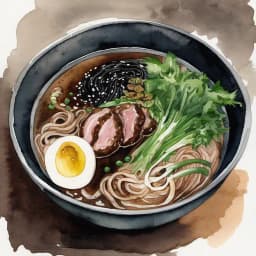
ご当地グルメ
When you peer into the bowl, the soup is pitch black. However, one sip reveals a mellow flavor—contrary to its intense appearance, it goes down smoothly. This is the fascinating aspect of Koriyama Black.
Its roots lie in the soy sauce ramen from 'Masuya,' which is said to have been founded in the first year of the Meiji era (1868). The deep-colored flavor spread to shops within the city, and once the media began calling the 'jet-black soy sauce soup' Koriyama Black, it became known as a local specialty ramen.
It is one of the three major ramen styles of Fukushima, alongside Kitakata and Shirakawa. In Fukushima, where clear soups are common, this black soup stands out strikingly. It is a bowl that has also been certified as a '100 Year Food' by the Agency for Cultural Affairs.

郷土料理
Thinly sliced pieces of carp flesh, tightened with cold water, enjoyed with vinegared miso. With a crunchy texture and a light yet deep, fatty umami—this is Koi no Ara, deeply rooted in the dining tables of Koriyama.
Carp farming began in Koriyama during the Meiji era. When the state-run 'Asaka Canal' was completed in 1882, farming expanded by utilizing irrigation ponds that were no longer in use. Carp raised in the rich, mineral-filled waters of Lake Inawashiro are characterized by their lack of odor and fresh, succulent taste.
This dish has long been enjoyed as a feast for special occasions, such as weddings and celebrations. Due to its high nutritional value, it has also traditionally been eaten to help restore strength after childbirth. It is a true blessing of the clear streams, a flavor that can only be experienced when truly fresh.
📍広野町
Specialties from 広野町 are also available via furusato nozei

特産品
These mandarins are grown under the warm sunlight of Hirono Town, a rarity in the Tohoku region.
Hirono Town is known as the 'northernmost limit where mandarin oranges can bear fruit,' thanks to its mild climate where average temperatures remain above 10 degrees Celsius even in winter. Since mandarin seedlings were distributed to town residents in 1985, orange trees have been carefully nurtured throughout the town, creating a heartwarming landscape that now represents the community.
True to the catchphrase 'The town that heralds spring in Tohoku,' the mandarins grown in this warm land are intensely sweet and juicy. They are also processed into 100% fruit juice and jams, allowing people to enjoy their refreshing taste all year round, even after the harvest season has passed.

特産品
This glossy rice is nurtured by the warm climate and fertile soil of Hirono Town.
It is Koshihikari carefully grown through special cultivation methods that minimize the use of pesticides and chemical fertilizers. The warm climate of the Hamadori region and the rich soil produce plump grains with beautiful luster and a wonderful aroma. Through a commitment to uncompromising quality, every single grain is packed with umami and sweetness.
Its sweetness and shine upon cooking make it the perfect supporting actor that enhances any side dish. Known as the 'northernmost limit where mandarin oranges can grow,' Hirono Town demonstrates its true prowess in rice cultivation. Please enjoy the reliable quality of our freshly cooked rice at your daily dining table.
📍国見町
Specialties from 国見町 are also available via furusato nozei

ご当地グルメ
This is a local specialty burger from Kunimi Town, created in 2012. It is a unique creation featuring mackerel simmered in miso—which can be eaten even with the bones—sandwiched with vegetables in a bun.
Its origin lies in the town's youth division, which launched the project with the goal of 'creating local gourmet food' to aid the revitalization of the shopping district following the Great East Japan Earthquake. It was born through the collaborative efforts of local mackerel miso producers, bakeries, and shops. Having won the Grand Prix for two consecutive years in the Local Burger Grand Prix, it has successfully entered the Hall of Fame. The desire for reconstruction truly nurtured this town specialty.
It is a warm dish carrying a deep story, featuring an unexpectedly perfect harmony between the miso-simmered mackerel and the bun. You can enjoy it at the roadside station.
📍鮫川村
Specialties from 鮫川村 are also available via furusato nozei

特産品
This is a deeply flavorful miso, carefully fermented using soybeans harvested in Samegawa Village.
Samegawa Village focuses its agriculture on soybean production, offering an abundance of soybean-based processed goods such as miso, tofu, and kinako (roasted soybean flour). The miso made from locally grown soybeans and rice allows you to fully experience the sweetness of the koji and the savory umami of the soybeans, providing a gentle flavor that complements your daily meals. Through a slow natural brewing process, its richness and aroma are further deepened.
Using it in your everyday miso soup will instantly elevate that single bowl to a much deeper and richer taste. Please enjoy this specially crafted product, packed with the blessings of the fields from Samegawa, the village of soybeans.

特産品
This is a high-quality oil pressed from perilla grown in Samegawa Village, also known as 'juunen' (ten years).
Samegawa Village is dedicated to perilla cultivation as an entire community and is renowned for producing highly aromatic oil using only locally grown perilla. In the Tohoku region, perilla has long been affectionately called 'juunen' due to the legend that 'eating it makes you live ten years longer.' A major feature of this oil is its abundance of alpha-linolenic acid, a type of Omega-3 known for its health benefits.
Attracting attention from health-conscious individuals, this oil is recommended to be drizzled over salads, natto, or miso soup. Please try incorporating its savory aroma into your daily meals.
📍三春町
Specialties from 三春町 are also available via furusato nozei

郷土料理
This is a hand-stretched somen noodle with a tradition spanning over 300 years in Miharu Town. During the Edo period, it was known as the only producer of high-grade somen in the Tohoku region.
It was featured in the Edo-period encyclopedia "Wakan Sansai Zue" with the description, "originating from Oshu Miharu, fine, white, and beautiful," and served as a tribute gift to the Shogunate alongside horses. The fact that it was presented by local lords to the Shogun speaks to its exceptional quality. Although the production method was once lost, it was brilliantly restored in the late 1970s as part of an initiative to revive local industry.
These thin yet firm noodles can be enjoyed chilled in the summer or as warm nyumen in the winter. It is a dish filled with history and romance, perfect to enjoy alongside the weeping cherry blossoms of Miharu.

郷土料理
A specialty of Miharu Town, this is a plump and thick triangular piece of fried tofu. It is said to be shaped after the sight of cranes flying over Maizuru Castle (Miharu Castle).
In Miharu, where many temples are located, tofu cuisine has been developed since ancient times, and this fried tofu is one such example. A famous anecdote remains that the lord of the Miharu Domain enjoyed 'Horoku-yaki'—where green onions are stuffed into the slits and grilled using a cast-iron tool called a 'horoku'—during his falconry excursions. It is considered sophisticated to enjoy it with seasonal miso: butterbur bud miso in spring, and yuzu miso in autumn and winter.
Crispy on the outside and juicy on the inside, it is delicious whether grilled with miso or used in simmered dishes, making it a popular item for mail order.
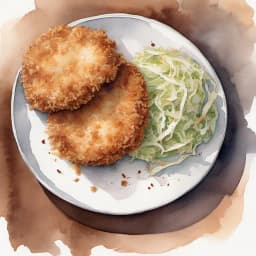
ご当地グルメ
This is a local gourmet specialty of Miharu Town, a minced meat cutlet (menchi-katsu) made using the town's famous bell peppers. It was created in 2012.
Bell peppers grown in Miharu are raised with the pure water of the Abukuma Mountains and nutrient-rich soil, characterized by low bitterness and a firm texture. Their production volume is the highest in the Tohoku region. The 'Gurumenci' features plenty of these bell peppers kneaded into the meat, seasoned with a unique Chinese-style flavor that allows you to enjoy it deliciously even without sauce. It is an inventive local delicacy that puts the town's pride at center stage.
At the shop for the famous Miharu Takizakura (weeping cherry blossoms), more than 20,000 pieces are sold every year. It is a new taste of Miharu, packed with the blessings of the local land. It also makes a perfect souvenir.
📍三島町
Specialties from 三島町 are also available via furusato nozei
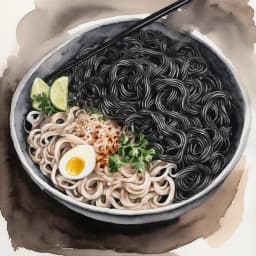
ご当地グルメ
This is a ramen featuring pitch-black noodles kneaded with paulownia charcoal, available in Mishima Town, a famous production area for Aizu Paulownia. It is served at the dining establishment 'Tsuruya,' located right next to Hayato Onsen Tsurunoyu.
Mishima Town is said to be the birthplace of paulownia cultivation, and a tradition remains where families plant a paulownia tree in their garden when a girl is born, intending to use it to make her wedding chest. This bowl was born from a unique idea specific to this region: using charcoal made from that very paulownia in the noodles. Paulownia charcoal is a local pride, used for water purification and deodorization. The ingenuity lies in transforming it into an edible form.
While the visual impact is outstanding, its charm lies in its light and easy-to-eat flavor. It is a much-talked-about local noodle that you can only encounter in the village of Paulownia.

ご当地グルメ
Born in Mishima Town, the home of Aizu paulownia, this is a black pasta kneaded with paulownia charcoal.
Mishima Town has long been known as a famous production area for paulownia, and it is a town that has walked alongside the tree, so much so that a custom remains of planting a paulownia tree when a girl is born. Efforts are underway to utilize paulownia charcoal made from these trees as a new regional resource. This black noodle is one such effort, created as an original dish unique to the home of paulownia. It is a dish that reflects the spirit of bringing local treasures to the dining table.
This dish offers a fun contrast between its surprising appearance and its unexpectedly easy-to-eat flavor. It is a playful local gourmet item that you'll want to taste when visiting the paulownia region.
📍小野町
Specialties from 小野町 are also available via furusato nozei
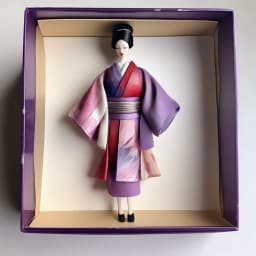
特産品
Ono Town is the home of Licca-chan, where 'Licca-chan Castle'—Japan's only integrated production factory for Licca-chan dolls—is located.
Legend has it that the peerless beauty Ono no Komachi was born in Ono Town. In honor of her, the 'Ono no Komachi Licca-chan,' dressed in a traditional Junihitoe, is manufactured and sold at the Castle. This is a special item unique to a town where ancient legends of beauty meet the world-famous beautiful doll. It is an exclusive look at Licca-chan, a doll loved across generations.
With great buzzworthy appeal, it is also perfect as a souvenir. If you visit Ono Town, where the history of doll making lives on, this is a unique masterpiece you will definitely want to hold in your hands.

郷土料理
Hand-kneaded soba nurtured by pure water and temperature fluctuations in Ono Town, embraced by the Abukuma Highlands.
Ono Town is a land rich in nature, spreading across the mountains of Abukuma. The clear water and the difference between day and night temperatures produce soba that is highly aromatic and firm. The cool climate is perfect for soba production. Eating soba in this simple mountain village is an exceptional feast in itself. In a freshly kneaded and boiled bowl, the aroma of the soba rises gently.
With its rich flavor and smooth texture, it is a taste you'll want to stop by for during a drive. Enjoying it alongside the peaceful scenery will surely let you feel the hidden charms of Ono Town. It is a soba you want to enjoy while taking your time.
📍昭和村
Specialties from 昭和村 are also available via furusato nozei

ご当地グルメ
This is a local ramen featuring beautiful green colors, unique to Showa Village, the home of the traditional craft 'Karamushi weaving.'
Ramie (karamushi) is a plant in the Urticaceae family, known as the raw material for Okuaizu Showa Karamushi weaving. This ramen was created by kneading its leaves into the noodles. Born from an initiative focusing on the nutritional value of ramie, it is served as a regular menu item at 'Choma-an,' a dining facility within the roadside station. The idea of eating the raw material used for weaving is truly characteristic of its production area.
Enjoy a bowl featuring a mellow saltiness using Aizu mountain salt or a rich chicken paitan (white poultry) soup. It offers a unique flavor that can only be encountered in this weaving village.

郷土料理
This is a fragrant buckwheat nurtured in the Yanohara Highlands of Showa Village.
Located at a high altitude and home to the precious Yanohara Wetlands, this highland area experiences significant temperature fluctuations between day and night and is blessed with pure water. This cool environment brings about a flavorful buckwheat harvest. The chilly highland climate is perfect for buckwheat cultivation. Buckwheat carefully grown amidst such rich nature has an aroma that is truly on another level.
With its refreshing texture and high fragrance, a bowl of this soba is the perfect treat during a drive. It is a simple yet deeply flavorful buckwheat nurtured by the clear air and nature of Oku-Aizu. Please enjoy it leisurely along with the mountain scenery.
📍新地町
Specialties from 新地町 are also available via furusato nozei

ご当地グルメ
"Tako-shi-umai" — This local shumai was named as a play on words meaning "The octopus landed in Shinchi town is delicious." It was created with the hope of reconstructing Tsurishihama Fishing Port, which was affected by the Great East Japan Earthquake. Since the first catch during the trial operations that began in 2012 was octopus, it was planned as a product to bring happiness (tako/tako) to the region. It is handmade one by one, using plenty of locally produced Tokiwa-mono octopus.
An accomplished product that won the Grand Prix, the highest award, at the Japan Food Selection. There is also an antenna shop called "Hamafuku" in front of Shinchi Station. This is a dish filled with the concentrated umami of octopus and the heartfelt wishes for reconstruction.

特産品
Shinchi Town, the northern gateway to Fukushima Prefecture, is a town putting great effort into chive cultivation with the goal of becoming a brand-name production area. Approximately 30 farms are involved, growing them in greenhouses throughout the year.
Chives from Shinchi Town are characterized by their thick leaves, vibrant deep green color, and strong aroma. Because they are less affected by typhoons and can be produced according to plan, they are a crop chosen even by new farmers. The peak season is from late December through spring, with harvesting continuing until around April.
Whether used in dumplings, stir-fried liver and chives, or blanched as ohitashi, their sweetness and aroma enhance the more they are cooked. These thick-leaved chives, grown with plenty of sunlight, possess a freshness that differs from commercially available products. They are a pride of Shinchi, adding color to the winter dining table.
📍須賀川市
Specialties from 須賀川市 are also available via furusato nozei

特産品
Iwase cucumbers in Sukagawa City boast one of the highest production volumes in the country for summer and autumn cucumbers. They are a representative summer vegetable of Fukushima, boasting a crisp texture and refreshing juiciness.
There is a deep connection between this land and cucumbers; every year on July 14th, the 'Kiuri Tenno Festival,' a unique festival with a history of over 260 years, is held. According to legend, when an epidemic once spread, people prayed by offering cucumbers to Iwase Shrine, and the disease subsided. This tradition lives on today, where two cucumbers are offered, and one is taken home to be eaten as an amulet. It is said that eating it brings good health and protection from illness.
It is a dish you'll want to enjoy exactly as it is—fresh and juicy in summer—in salads or as pickles.

ご当地グルメ
Sukagawa City's local gourmet 'Kappa Men' is a unique dish characteristic of this 'cucumber town.' It is a relatively new specialty, created in 2007.
The noodles, kneaded solely with cucumber juice, have a vibrant light green color. They are topped with fresh cucumbers and other ingredients, enjoyed by dissolving special miso into each shop's unique dashi broth. Its low-calorie and healthy nature is another great feature. The presentation is also meticulously crafted, using dedicated bowls made with a blend of local Emoji stone, with various shops in the city offering their own creative takes on the dish.
This refreshing local noodle is perfect for the hot season. It is a flavor truly unique to this famous cucumber-producing region.
📍西会津町
Specialties from 西会津町 are also available via furusato nozei

特産品
The "Mineral Vegetables" are a specialty product cultivated in Nishiaizu Town. These are carefully grown vegetables, with minerals balanced according to soil analysis.
"A healthy body comes from healthy food, and healthy food comes from healthy soil" — based on this philosophy, local producers work meticulously starting from the creation of the soil. The charm of these vegetables, grown in mineral-rich soil, lies in their intense flavor and the deep, natural sweetness that can be clearly tasted. They are attracting attention from health-conscious individuals and are popular for mail-order delivery.
These are the prideful blessings of Nishiaizu, grown with faith in the power of the earth. A selection for those who want to enjoy the true taste of the vegetables themselves.

特産品
Kurumafu is a preserved food that has been cherished in the Aizu region since ancient times. It is a round, doughnut-shaped toasted wheat gluten with a hole in the center, known as a specialty of Nishiaizu, located on the border with Niigata and Yamagata prefectures.
Rooted as a preserved food to survive the heavy snows of winter, it has long graced dining tables in simmered dishes and soups. Handmade without using baking soda and carefully toasted three times over charcoal, when simmered, it absorbs the broth and becomes exquisite. It is also essential for egg-simmered dishes (tamagotoji) and Buddhist vegetarian cuisine (shojin ryori). In recent years, new ways of enjoying it are expanding, such as local high school students developing sweets using Kurumafu.
It is a nutritious local ingredient born from the wisdom of a snowy region.
📍西郷村
Specialties from 西郷村 are also available via furusato nozei

郷土料理
Embracing the headwaters of the Abukuma River, Saigo Village is a land of clear streams nestled at the foot of the Nasu Mountains. Its pure water and climate with significant temperature fluctuations nurture highly aromatic buckwheat.
The Oibara district of the village sits at an altitude of approximately 500m, with a history of buckwheat cultivation dating back to the Edo period. It is said that the practice began when Matsudaira Sadanobu, the lord of the Shirakawa Domain, encouraged buckwheat farming to save the people from famine. This hand-kneaded soba is made by milling only the necessary amount of locally grown brown buckwheat with a stone mill, adhering to an additive-free process, resulting in a fragrant, sweet, and gentle flavor.
Enjoying a bowl while listening to the murmur of the river's headwaters is truly exceptional. Due to its small-scale production, this 'phantom taste' can only be found locally, making it a must-visit for any soba lover.
📍川内村
Specialties from 川内村 are also available via furusato nozei

郷土料理
This is authentic Juwari Soba (100% buckwheat) made in Kawauchi Village.
Kawauchi Village is located at a high altitude with significant temperature differences between day and night, making it an ideal land for cultivating buckwheat. Made using freshly ground buckwheat flour without any additives or binders, this Juwari Soba is a luxurious bowl that allows you to directly experience the true aroma and flavor of the buckwheat. You can enjoy the nutritious taste of buckwheat nurtured by the village's clear nature.
Processed products such as Soba Beer and Soba Manju are also popular local specialties of the village. Please come and savor the simple yet profound deliciousness of Juwari Soba made without binders, enjoyed surrounded by the rich nature of the Abukuma region with its large temperature fluctuations.

特産品
These are thick-fleshed, highly aromatic dried shiitake mushrooms grown on logs in the mountains of Kawauchi Village.
Kawauchi Village is known as a production area for shiitake mushrooms with a history spanning over 50 years. After overcoming the Great East Japan Earthquake, cultivation has resumed, and we continue to carefully produce processed goods by drying mushrooms that have been slowly grown on logs. These are specialty mushrooms raised with great care and effort.
The charm of dried shiitake lies in its concentrated umami, which allows you to make a rich dashi (broth) even from the soaking liquid. Adding them to simmered dishes or hot pots significantly deepens the flavor of the entire dish with the permeating umami. This is a prideful masterpiece of Kawauchi Village that is also popular as a gift for mail order.
📍川俣町
Specialties from 川俣町 are also available via furusato nozei

特産品
This is a masterpiece of Kawamata Town, created by carefully smoking Kawamata Shamo over a long period of time.
Kawamata Town flourished as a silk weaving center during the Edo period, and it is said that the weavers began spreading Shamo chickens used for cockfighting. Eventually, as part of town revitalization efforts, research into edible Shamo progressed, and shipments for meat production began in 1987.
With its rich fat content yet elegant flavor and a moderately firm texture, this meat is highly regarded as a premium ingredient even in the Tokyo metropolitan area, and it was registered as a Geographical Indication (GI) in 2022.
This dish, which intensely concentrates the umami of the Shamo through smoking, is perfect both as a snack and as a salad topping. Please enjoy this aromatic Fukushima-grown poultry, perhaps even as a gift via mail order.
📍浅川町
Specialties from 浅川町 are also available via furusato nozei

特産品
The 'Asakawa Fireworks' in Asakawa Town is said to be the oldest fireworks festival in Fukushima Prefecture, boasting a history of over 300 years. It is believed to have begun in the mid-Edo period, with its roots tracing back to 'Tera-hanabi' (temple fireworks) performed by monks as a memorial service.
The climax features the famous 'Jiraibi,' which explodes against the slopes of Mt. Shiroyama. These powerful fireworks are detonated directly on the ground without using launch tubes, coloring the night sky alongside massive 2-shaku shells and large mechanical fireworks (karakuri).
In Asakawa, a town synonymous with fireworks, you can find various souvenirs related to the tradition, such as local sake and 'Yoke-hana' (warding-off evil) themed goods. It is a unique pleasure of this fireworks village to find exquisite items that you can take home as travel memories, alongside the moving experience of this historic fireworks festival.

特産品
Located at the southern edge of the Abukuma Highlands, Asakawa Town is an agricultural community blessed with pure water and rich satoyama (borderland) landscapes.
It offers many specialties that make use of the land's blessings, such as rapeseed oil, Japanese yam (jinenjo), mugwort noodles, and local sake. Fresh seasonal agricultural products can be found at local farm stands and in front of the station, featuring vegetables and fruits harvested just that day. The climate with its significant temperature fluctuations slowly develops the sweetness and umami of the vegetables.
While not flashy, the charm lies in the simple and authentic flavors where you can see the faces of the producers. In Asakawa, a treasure trove of satoyama food, please take a moment during your travels to taste the blessings of the earth that change their expression with every season.
📍相馬市
Specialties from 相馬市 are also available via furusato nozei

郷土料理
Matsukawaura in Soma City is a scenic lagoon selected as one of Japan's top 100 most beautiful views. Many people visit from both within and outside the prefecture seeking the fresh seafood raised in its calm waters.
Serving as the gateway to this area, 'Hamanos-eki Matsukawaura' opened in 2020. It is like a local kitchen, packed with freshly landed seafood from off the coast of Soma and processed goods made from the area's famous green seaweed (aonori).
In the attached dining area, you can enjoy fresh flavors unique to the seaside, such as the 'Soma Kaisen Kyoyo-don' topped with nine types of seafood and daily sashimi sets.
As a symbol of reconstruction from the Great East Japan Earthquake, this place is packed with the bounties of the Hamadori region. It is a bowl of seafood you'll want to savor while gazing out at the sea.

郷土料理
The flavor nurtured by Matsukawaura in Soma City is 'Hokki-meshi.' The area surrounding Matsukawaura, Fukushima Prefecture's only lagoon, has been known as a famous production area for surf clams since the Meiji era.
These surf clams are prized for their thick flesh, strong sweetness, and tender texture. The characteristic of this dish is mixing cooked surf clams with separately prepared rice, resulting in rice that has absorbed plenty of the clam's savory broth. Originally a fisherman's meal eaten on boats by busy workers, it eventually spread to households and local eateries. The peak season is considered to be from early summer to late autumn.
This is a luxurious dish unique to this fishing town, most beloved in the Aso region. You can fully enjoy the sweetness of the surf clam.

郷土料理
'Hamayaki' is a hearty feast that can be enjoyed at Matsukawaura in Soma City. Fresh seafood landed off the coast of Soma on that very day is grilled over charcoal right on the spot.
Eating freshly grilled seafood while looking out at the ocean, with the aroma of the sea and the savory scent of charcoal, truly whets the appetite. Squid and flounder are particularly popular dishes. It is a simple yet luxurious way to eat that is only possible because of the high level of freshness. From the sizzling sound on the grill to the rising fragrant steam, everything feels like part of the feast.
An experience unique to the seaside, enjoyed while being blown by the sea breeze. This is a specialty you must try when visiting Soma.

ご当地グルメ
Pick up a thin slice of tessu (sashimi) with your chopsticks and place it in your mouth. Experience the signature crunchy texture unique to pufferfish and a delicate sweetness that overflows with every chew. Though light in flavor, the umami is undeniably deep. This is Soma's wild tiger pufferfish.
"Fukutora" is a brand name reserved exclusively for wild tiger pufferfish caught via longline fishing off the coast of Soma that are over 35 cm in length. We take pride in the fact that even larger fish do not become overly heavy in flavor, instead possessing rich elasticity and elegant umami. The season runs from October to February; the meat becomes firmer as the weather gets colder.
In addition to tessu, when prepared as simmering teccchiri (hot pot), the plump meat releases a nourishing essence. Grilled milt and deep-fried pieces are also exquisite. A new specialty of Soma that brings good fortune to the winter in Hamadori.

ご当地グルメ
‘Tako Shumai’ is a new specialty of the Soma region, made using ‘Tokiwa-mono’ (locally caught) octopus landed in the towns of Shinchi and Soma.
Because octopus was the first catch during the experimental fishing operations following the Great East Japan Earthquake, this dish was created with prayers for reconstruction. It features local octopus combined with domestic cod surimi and onions, all wrapped in a soft skin. The flavor, packed with the savory umami and bouncy texture of the octopus, has gained great popularity and has won numerous awards at shumai competitions. A convenient feature is that it can be easily warmed in a microwave.
It is a new taste of Soma, filled with the blessings of the sea and the wishes of the port town. It can also be enjoyed via mail order.
📍大玉村
Specialties from 大玉村 are also available via furusato nozei

特産品
This Koshikari rice is grown in Otama Village, a renowned rice-producing region spreading at the foot of Mount Adatara.
Located almost in the center of Fukushima Prefecture, the village is abundantly nourished by the pure waters originating from Mount Adatara. The soil around the village is a highly cohesive clay type, which excels in water retention and nutrient efficiency, making it ideal for slowly bringing out the sweetness and umami of the rice. Characterized by its rich flavor and strong stickiness, this rice has been highly acclaimed in various competitions as a variety that remains delicious even when cold.
A freshly cooked bowl with a beautiful luster is so flavorful that you can enjoy it with just the rice itself, without any side dishes. Please enjoy this exceptional taste, nurtured by the nature of Adatara, at your daily dining table.
特産品
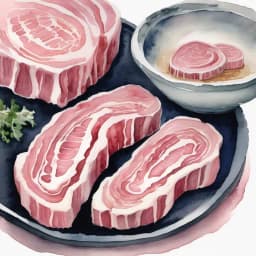
A unique brand of beef born in Nihonmatsu City, raised on feed fermented with sake yeast.
This initiative originated from a local circular economy approach: creating fermented feed using ingredients sourced from places like hot spring inns and feeding it to the cattle. The fermented feed has a pleasant aroma that stimulates the cows' appetite and aids digestion, resulting in meat that is characterized by its tender texture and lack of strong odors or gamey flavors.
Its gentle flavor directly conveys the quality of the ingredient when prepared as teppanyaki or sukiyaki. Please enjoy this elegant beef, carefully raised using the wisdom of Nihonmatsu at the foot of Mount Adatara.
📍大熊町
Specialties from 大熊町 are also available via furusato nozei

特産品
These large-sized strawberries from Okuma Town began as a symbol of reconstruction.
A major feature is that you can enjoy delicious strawberries throughout the year by incorporating state-of-the-art cultivation technology. Strawberry cultivation, which newly began in a town that experienced the Great East Japan Earthquake, produces sweet and juicy fruit, and is cherished locally as a symbol of hope for the town. Each berry is infused with the warm passion of its producers.
When you take a bite, a rich sweetness gently spreads through these large strawberries. Please enjoy each large berry exactly as it is—packed with the hope for Okuma Town's future and the warm dedication of those who grow them.
📍只見町
Specialties from 只見町 are also available via furusato nozei

ご当地グルメ
This is a soul food from Tadami Town, Oku-Aizu, featuring grilled, spice-infused seasoned mutton sandwiched with cabbage in pita bread. The sweet and sour dressing leaves a lasting impression.
The culture of mutton in Tadami Town took root due to the construction of the Takakura Dam during the Showa era. A large number of workers gathered from all over the country preferred eating mutton, which was easy to obtain at the time, and it became established as a local flavor. In 2008, the 'Seasoned Mutton Kebab' was created as a local gourmet dish using this mutton. The history of dam construction unexpectedly gave birth to this specialty.
With its exotic flair, this addictive dish is popular as a way to promote Tadami Town at various events. Please give it a bite!

郷土料理
In Tadami Town, Oku-Aizu, surrounded by primeval beech forests, this is hand-kneaded soba enjoyed through pure water and freshly made techniques.
Tadami Town is registered as a UNESCO Biosphere Reserve as a place where precious nature remains on a global scale. The soba grown amidst deep snow and clear air is highly aromatic with a refreshing texture. Locally, great effort is put into cultivation as "Tadami Tenryo Soba," with continuous improvements in eco-friendly growing methods. The environment unique to this remote region further enhances the flavor of the soba.
It is a bowl filled with nature's blessings that can only be tasted here. A delicacy you want to savor slowly, along with a leisurely local journey on the Tadami Line.
📍棚倉町
Specialties from 棚倉町 are also available via furusato nozei

特産品
These large strawberries grow under the abundant sunlight and warm climate of Tanakura Town.
They are characterized by their strong sweetness and juicy flesh; a single bite causes the juice to spread throughout your mouth. Strawberry picking is a popular local activity, where many people enjoy the experience of tasting freshly picked, bright red berries inside the greenhouses. The fruit is also visually vibrant.
Reaching their peak season in early spring, these strawberries are exceptional when eaten fresh, but are also wonderful processed into jams or sweets. Whether through strawberry picking or mail order, please enjoy this fresh, sweet, and tangy taste that heralds the arrival of spring in Fukushima.

特産品
These sweet and tangy blueberries grow freely amidst the nature of Tanokura Town.
Their large berries feature a well-balanced sweetness and acidity, with each bite bursting with freshness. A major attraction is the local berry-picking experience, where you can enjoy the joy of harvesting each berry by hand. The summer fields, with ripe fruit nestled among lush green leaves, are a sight that delights the heart.
They are delicious when eaten fresh, and their sweet-tart flavor also shines beautifully when made into jams or sweets. Please enjoy these vibrant blueberries, which ripen in the Fukushima summer, through mail order—either as they are or as processed goods.
📍猪苗代町
Specialties from 猪苗代町 are also available via furusato nozei

郷土料理
Embraced by Mount Bandai and Lake Inawashiro, Inawashiro is a highland town that has cultivated high-quality buckwheat for generations.
The temperature differences between day and night, pure water, and clear air produce highly aromatic and firm soba. Using the locally produced 'Aizu no Kaori' buckwheat flour makes the flavor even richer. Soba enjoyed in its 'three fresh' state—freshly ground, freshly kneaded, and freshly boiled—is truly exceptional. Part of the enjoyment is the wonderful locations, such as restaurants in traditional folk houses, retro station buildings, or those with views of Mount Bandai. The scenery enjoyed alongside the soba makes the entire experience feel like a complete feast.
This is Inawashiro's handmade soba, meant to be savored alongside breathtaking natural landscapes.
📍天栄村
Specialties from 天栄村 are also available via furusato nozei

特産品
This is one of the finest premium rices in the country, a source of pride for Ten'ei Village.
Produced by the members of the Ten'ei Rice Cultivation Research Group, who conduct extensive research ranging from soil preparation to cultivation methods, this rice boasts a brilliant track record, having won numerous gold medals at international rice and flavor analysis competitions. The characteristic feature is that pure water and large temperature fluctuations between day and night maximize the sweetness and stickiness of the rice. Its high quality is guaranteed through organic and special cultivation methods with a commitment to safety and peace of mind.
The gloss and aroma upon cooking, along with the rich umami that spreads as you chew, are truly unique to rice that has competed for the title of number one in Japan. It is an exquisite item that you should definitely taste, not only for your daily meals but also for special occasions. Please take your time to savor the deliciousness of the rice itself.
📍田村市
Specialties from 田村市 are also available via furusato nozei

特産品
Perilla has been affectionately known as 'Junen' in Fukushima. It is said that this nickname comes from the legend that 'eating it makes you live ten years longer.'
Perilla cultivation in Fukushima Prefecture is among the best in the country. It has become deeply rooted in daily life through various culinary uses, including 'Junen Miso' (made by mixing ground seeds with miso and sugar), pressed perilla oil, 'Junen Mochi' (mixed with mochi), and chilled soup styles. Its fragrant aroma and rich flavor greatly enhance simple, traditional local dishes. The fact that the seeds can be preserved for a long time is also said to be the origin of its nickname.
It is a nutritious ingredient that supports Fukushima's food culture, imbued with wishes for longevity.

特産品
'Abukuma Natural Water' wells up from deep underground in Takine Town, Tamura City. It is pure water polished over many years through the limestone layers of the karst plateau.
This limestone layer is the very same geological formation that created the 'Abukuma Cave' limestone cave. Filtered over an unimaginably long period, the water contains a balanced amount of minerals such as calcium, featuring a mellow and easy-to-drink mouthfeel. Its quality has been internationally recognized, winning the Grand Gold Medal from Monde Selection for many consecutive years.
It is the very essence of Fukushima's natural bounty, polished by the earth over vast spans of time. It is wonderful both for drinking straight and as an ingredient in cooking.
📍湯川村
Specialties from 湯川村 are also available via furusato nozei

特産品
This is Special A-rated Koshihikari rice grown in Yukawa Village, located right in the heart of the Aizu Basin.
Yukawa Village, the smallest village in Fukushima Prefecture, is a fertile land where pure water flows from the surrounding mountains. It is a rice-producing region so significant that it is often said 'the entire village is one single rice field.' The large temperature difference between day and night allows the rice to accumulate deep umami and sweetness. In the 2022 taste rankings, it achieved the highest 'Special A' evaluation. Each grain is a pride of this small village.
We take pride in its moderate stickiness, sweetness, and the fact that it remains delicious even when cooled. It is an exquisite rice born from the rice country of Aizu, perfect for rice balls and lunch boxes.
📍楢葉町
Specialties from 楢葉町 are also available via furusato nozei

特産品
These are yuzu from Naraha Town, grown under the warm climate provided by the Pacific Ocean.
Growing in the gentle climate of the Hamadori region, these yuzu are characterized by their high fragrance and abundant juice. Their refreshing aroma adds a sudden flourish to dishes, and using them with the peel enhances the flavor even further. Thanks to the warm land, juicy and glossy yuzu grow in abundance.
Processed products such as ponzu and jam are also popular and make for delightful gifts sent by mail. Please add the refreshing scent of Naraha yuzu, grown under the abundant sun of Hamadori, to your winter dining table, and slowly savor the changing seasons to your heart's content.
📍南会津町
Specialties from 南会津町 are also available via furusato nozei

郷土料理
This is hand-kneaded soba from Minami-Aizu, grown using traditional Aizu varieties in high-altitude, cold regions. It is known nationwide among soba lovers as a true 'Soba Village.'
Minami-Aizu is a land blessed with pure water and significant temperature fluctuations between day and night. This harsh yet bountiful environment nurtures soba with a fragrant aroma and firm texture. The powerful flavor unique to these traditional varieties can only be experienced here. The history of the entire region's commitment to soba production supports its reliable quality.
This is a bowl where you can fully enjoy the authentic aroma of soba. Soba enjoyed amidst such rich nature is an Aizu delicacy well worth a special trip. Please come and savor it freshly kneaded and boiled right at the source.
📍南相馬市
Specialties from 南相馬市 are also available via furusato nozei
郷土料理
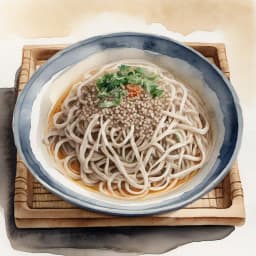
In the Soma region, famous for the 'Soma Nomaoi'—a brave Important Intangible Folk Cultural Property of the nation—the culture of handmade soba is deeply rooted. Blessed with pure water, the soba from this area is characterized by its rich flavor and firm texture. Loved by both festival visitors and locals, traditional soba shops are scattered along the highways. There is nothing quite as special as savoring a bowl of soba after the summer festival, when armored cavalrymen gallop across the earth. Each noodle, crafted with great care by individual shops, feels like a direct reflection of the local climate and history. It is a deeply nourishing bowl that has long been a part of Soma's history and daily life—a simple yet unforgettable taste.
📍二本松市
Specialties from 二本松市 are also available via furusato nozei

ご当地グルメ
The local specialty curry you can enjoy around the Dake Onsen area in Nihonmatsu City is known as 'Adatara Curry.' Restaurants and inns located at the foot of Mt. Adatara have each developed their own unique versions.
There is only one rule: use local Fukushima ingredients. By using prefectural rice, brand beef, fresh local vegetables, and fruits, you can taste completely different curries at every shop. Some even feature a unique serving style where the roux is poured from a teapot. Even under the same name of 'Adatara Curry,' you can enjoy the variety as you go from place to place.
It is a dish you'll want to savor while gazing at the blue skies of Adatara, just as Kotaro Takamura described in his work 'Chieko-sho'.
📍白河市
Specialties from 白河市 are also available via furusato nozei

ご当地グルメ
Take a sip of the soup with your spoon. The rich umami of chicken and soy sauce spreads through your mouth, light yet flavorful. Slurping the hand-kneaded curly noodles, you experience a chewy texture and smooth swallow. The way the noodles cling to the soup is irresistible.
Shirakawa Ramen is a style of hand-kneaded Chinese noodles passed down in Shirakawa City, Fukushima. The 'Tora-style,' centered around the legendary 'Tora Shokudo,' is particularly famous. It features a clear soup made by slowly extracting broth from whole chickens, chicken bones, and pork bones, blended with soy sauce. It pairs perfectly with flat, curly noodles that craftsmen knead every day starting late at night.
Gentle yet deep in flavor. With every sip, you feel a sense of warmth and comfort. It is the pride of Shirakawa, counted as one of the three great ramen styles of Fukushima.

郷土料理
The roots of Shirakawa's soba culture date back over 200 years. It is said that the feudal lord, Matsudaira Sadanobu, encouraged the cultivation of soba because it is resistant to cold damage, which helped establish soba in this region.
Shirakawa is counted as one of the 'Four Great Soba Regions in Japan,' alongside Shinshu, Izumo, and Morioka. The pure water and the temperature difference between day and night nurture buckwheat that is flavorful and has a firm texture. The representative 'Warigo Soba' features soba noodles served in small individual dishes, allowing you to enjoy various toppings such as salmon roe, nameko mushrooms, and wild mountain vegetables bit by bit. A single serving offers many different flavor combinations.
It is another pride of Shirakawa, a city famous for its ramen. Please come and experience this highly aromatic noodle dish.

特産品
The Shirakawa Daruma is a good luck charm with approximately 300 years of history. It is said that the design was conceived by the feudal lord Matsudaira Sadanobu, who focused on industrial promotion, and executed by his personal painter, Tani Buncho.
The face is filled with motifs of 'Tsuru-Kame-Sho-Chiku-Bai' (Crane, Turtle, Pine, Bamboo, and Plum). With eyebrows shaped like cranes, whiskers like turtles, and a prosperous design incorporating pine, bamboo, and plum, its auspicious nature becomes more apparent the more you look at it. The 'Shirakawa Daruma Market' held every year on February 11th is the largest market festival in southern Fukushima Prefecture, taking place along the old Oshu Kaido highway. On this day alone, the central shopping district bustles with about 100,000 people, enveloped in vitality from morning until dusk.
It is a proud traditional craft of Shirakawa, tightly packed with wishes for good fortune.
📍塙町
Specialties from 塙町 are also available via furusato nozei

特産品
This is a carefully crafted, handmade konnyaku from Hanawa Town, famous for its konnyaku production. It features a firm elasticity and is excellent at absorbing flavors. When used in simmered dishes, it soaks up plenty of dashi, and when served as konnyaku sashimi, its plump texture truly stands out. Meticulously prepared with great care, this exquisite product offers a deep flavor with every bite, allowing you to fully experience the natural deliciousness of the ingredients.
Another great benefit is that it is low in calories and healthy. Please enjoy the pleasant texture by using this famous specialty from the 'Konnyaku Village' of Hanawa Town in various dishes such as simmered foods, dressed salads, or konnyaku sashimi.

特産品
These vibrant flowers are a specialty of Hanawa Town, known as the 'Home of Dahlias.'
Following the opening of the dahlia garden in 1997 as a centerpiece for hot spring facilities, Hanawa Town has since expanded into full-scale cultivation and shipping of cut flowers, evolving from tourism to a local industry. The Yuayu Land Hanawa Dahlia Garden boasts approximately 300 varieties and 5,000 plants, ranging from large-flowered to pompon types, offering a splendor akin to a dahlia museum.
During the 'Hanawa Dahlia Festival' held from summer to autumn, the entire town is dyed in the colors of dahlias. Please come and experience the vivid colors unique to this town of flowers in person.
📍飯舘村
Specialties from 飯舘村 are also available via furusato nozei

特産品
This is a brand of Japanese Black Wagyu beef raised in the rich natural environment of Iitate Village.
Iitate Village, where highlands at an altitude of 500m stretch out, was once a renowned production area with many cattle farmers raising Wagyu. After the difficult period of evacuation following the Great East Japan Earthquake, the entire village worked together to revive the 'Iitate Beef' brand, and its name has firmly returned to the market. This is a special beef that embodies the very journey of the village.
Its charm lies in the fine marbling and the deep umami that spreads in your mouth with every bite. Please enjoy the elegant sweetness of the tender lean meat and refreshing fat—which represents the progress of reconstruction itself—slowly through sukiyaki or yakiniku.
📍福島市
Specialties from 福島市 are also available via furusato nozei

特産品
With just one bite, you experience a crisp texture followed by an explosion of juice. Fukushima's representative peach, 'Akatsuki,' distinguishes itself from purely soft peaches with its firm, satisfying texture.
Created by crossing the 'Hakuto' and 'Hakuho' varieties, it was officially registered in 1979. Fukushima Prefecture boasts the second-highest peach production volume in the country, with the northern Nakadori region—including Fukushima City, Date City, and Koori Town—known as a primary production area. It features high sugar content balanced with a pleasant acidity, leaving a refreshing aftertaste without being cloyingly sweet.
The season begins in late July. The ultimate luxury is to bite into one chilled, skin and all. Please enjoy a juicy peach, carefully nurtured by the hands of Fukushima's summer.

ご当地グルメ
Dumplings arranged in a circular pattern in an iron pan and fried to a golden brown. The skin is crispy yet chewy, and a single bite releases an explosion of meat and vegetable umami—this is Fukushima City's pride, Enban Gyoza.
It was created by Katsue Sugano, who had traveled to Manchuria (present-day Northeast China) before the war. After returning to Japan, she began serving the pan-fried dumplings she had grown fond of as a street food in Fukushima's black markets around 1953. It is said that this specific shape was born from her desire to 'make people feel full.'
From the original shop 'Manpuku' to many other famous establishments throughout the city, there are numerous renowned places to enjoy this dish, which has even been selected as one of the Agency for Cultural Affairs' '100 Years Food' specialties. Please come and try it.

郷土料理
Thinly sliced dried squid and carrots are slowly marinated in a sweet and savory soy sauce. When picked up with chopsticks, the chewy texture of the squid meets the crisp crunch of the carrot—this is Ika-ninjin, an indispensable part of the Fukushima dining table.
Its origins are said to date back to the late Edo period, originating in the northern Nakadori region, including Fukushima City. It was originally a preserved food designed to last through the heavy snow of winter. This dish was born from the wisdom of a snowy region, using a marinade that allows it to be kept for several days.
While it is very similar to Hokkaido's Matsumae-zuke, the Fukushima style is distinguished by not using kelp (kombu). Some suggest a connection between the two. Today, it continues to be prepared in various households with unique family recipes, served as part of New Year's celebratory meals or as an accompaniment to evening drinks.

郷土料理
When you crack the shell, the white is soft and semi-cooked, while the yolk is thick and rich. Slowly heated in the hot spring source, these eggs have a mellow texture that is completely different from ordinary boiled eggs—this is Iizaka Onsen's specialty, Radium Tamago.
The name originates from the fact that Iizaka Onsen was the first place in Japan where radium was confirmed to exist. It is said that this long-beloved hot spring egg was named "Radium Tamago" and marketed as a souvenir during the Taisho era.
Steeped for about an hour in natural spring water at approximately 70 degrees Celsius, the eggs finish with a subtle aroma unique to the hot spring. This is a true taste of the hot spring town, having been certified as one of the Agency for Cultural Affairs' "100 Year Foods" in 2023.
📍平田村
Specialties from 平田村 are also available via furusato nozei

特産品
This specialty is inspired by a popular spot in Hirata Village where moss phlox blooms in abundance.
Jupialand Hirata is an outdoor experience facility located at the foot of Mt. Yomogi, the symbol of the village. With approximately 250,000 moss phlox plants, the area transforms into a breathtaking view resembling a pink and red carpet during the spring 'Shibazakura Festival.' It is a stunning spring landscape that the village takes great pride in, captivating all who visit.
In early summer, visitors can also enjoy hydrangeas and lilies, as seasonal flowers warmly welcome guests throughout the year. Please take home a piece of this colorful village scenery with these flower-themed souvenirs, along with the memories of the moss phlox in full bloom.

郷土料理
This is handmade soba from Hirata Village, nurtured by the significant temperature differences of the Abukuma Highlands. The high altitude of the Abukuma Mountains creates a large gap between morning and evening temperatures, providing an ideal environment for cultivating buckwheat. Pure water and a cool climate allow the highly aromatic and flavorful soba to develop slowly. Each piece of handmade soba is carefully crafted locally, capturing both the skilled techniques of the makers and the unique blessings of this land. Its charm lies in its firm texture and the authentic aroma of the buckwheat. When enjoyed surrounded by the nature of the Abukuma mountains, the simple yet soul-soothing deliciousness of the soba slowly spreads through your mouth.
📍北塩原村
Specialties from 北塩原村 are also available via furusato nozei

ご当地グルメ
Aizu Yamashio Ramen is counted as one of the three great ramens of Aizu. It uses precious Aizu mountain salt that can only be found here.
Set in the Oshio Urabandai Onsen of Kitashiobara Village, the Aizu mountain salt is made by carefully boiling down hot spring water in a kiln. Unlike salt created from crystallized seawater, it is rich in minerals and characterized by a mellow, rounded saltiness. The soup made with this salt has a gentle yet deep flavor, even offering a hint of sweetness. From the very first sip of the clear soup, the difference from other salt ramens is clearly conveyed.
This is a one-of-a-kind bowl that you can only encounter in this region. Perfect for those who want to savor the profound umami of the salt.

特産品
Lake Hibara in Urabandai is known as a famous spot for winter smelt fishing. Situated at an altitude of 800 meters, it is a clear lake embraced by the mountains of Bandai.
way The smelt raised here boast translucent flesh and a clean taste, thanks to the purity of the lake water. They command high prices in markets like Tsukiji and are of such quality that they are used in high-end restaurants. In winter, small huts line the ice, and visitors can enjoy a unique Urabandai experience by tempura-frying their freshly caught smelt on the spot. The true highlight is being able to enjoy both the joy of fishing and the deliciousness of freshly fried food at once.
It is a taste that embodies the essence of winter, nurtured by the cold, clear lake.
📍本宮市
Specialties from 本宮市 are also available via furusato nozei

ご当地グルメ
This is a unique local ramen featuring Motomiya Silkie chicken, which is carefully raised in Motomiya City.
Silkie chicken is a rare breed known since ancient times for its high nutritional value. In Motomiya City, under a production cooperative, the chickens are free-range in a rich natural environment without stress, producing flavorful eggs and meat. The soup, which uses this Silkie chicken generously, has a deep richness yet a gentle taste. This bowl allows you to luxuriously enjoy the local bounty, and its thickened texture will warm you to the core during the cold winter.
As a new specialty of Motomiya, it is steadily gaining attention from both locals and tourists alike.

ご当地グルメ
The local ramen of Motomiya City, "Motomiya Black," features an eye-catching jet-black soup as its name suggests. The name originates from the signature dish of the local ramen shop "Ramen Ajiwai-tei."
Despite its dark appearance, the soup—made from chicken, pork, and seafood broth combined with burnt garlic—offers a deep flavor with rich umami and sweetness. The thin, curly noodles pair perfectly with the soup, which is topped with thick slices of chashu pork marinated in soy sauce overnight and plenty of local vegetables. Contrary to its impactful appearance, it possesses a lingering deliciousness.
It is a unique ramen from Motomiya that combines striking visual appeal with authentic taste.
📍矢祭町
Specialties from 矢祭町 are also available via furusato nozei

特産品
These are a variety of processed products made using highly fragrant yuzu grown in Yamatsuri Town, at the foot of the Hachimizo Mountains.
Because the yuzu in Yamatsuri Town grows on the steep slopes of the Hachimizo Mountains, experiencing significant temperature fluctuations between day and night, they develop a vibrant color and rich aroma. The local production cooperative carefully cultivates each tree to create various products such as ponzu, miso, jam, and sherbet. A single splash of their refreshing scent can elegantly enhance any dish.
It is also wonderful how versatile they are, working well in everything from hot pots and dressed salads to sweets. If added to a winter gift, you can deliver the fresh scent of this Fukushima village spreading at the foot of the Hachimizo Mountains exactly as it is.

郷土料理
This is a quintessential summer delicacy, featuring natural sweetfish raised in the clear streams of the Kuji River, enjoyed simply with salt.
Known since ancient times as a mecca for sweetfish fishing, the riverside is filled with the savory aroma of grilling ayu during the summer months. Often referred to as 'fragrant fish,' sweetfish are characterized by a refreshing scent reminiscent of watermelon. When skewered and grilled slowly, the skin becomes crispy and fragrant, while the flesh reaches a perfect, plump texture.
For true connoisseurs, the enjoyment includes tasting even the pleasantly bitter innards. Eating freshly grilled salt-baked fish while listening to the murmur of the river is a seasonal experience that truly signals the arrival of summer in Fukushima.
郷土料理
This Sashimi Konnyaku is a traditional dish from the mountain villages of Fukushima, featuring a transparent appearance that looks refreshing.
With its bouncy, elastic texture and a pleasant, cool sensation in the throat, the classic way to enjoy it is with a light vinegar miso sauce. Meticulously crafted from konnyaku powder, this dish provides a visually cooling touch that adds a refreshing splash of color to your dining table during the hot season. It is a delightful summer dish born from local wisdom.
It is also wonderful for being low in calories and healthy. It is perfect as an appetizer for the hot season or as an accompaniment to evening drinks. Please enjoy the smooth texture and the cool, refreshing taste paired with vinegar miso at your table.

特産品
These are sweet and juicy strawberries carefully cultivated in Yamatsuri Town.
With varieties such as 'Tochiotome' and 'Fukuharuka' being grown, Yamatsuri Town is known as one of the leading strawberry production areas in Fukushima Prefecture. Under a mild climate, from winter to spring, each berry develops with an abundance of sweetness. When you take a bite of the juice-filled fruit, a gentle sweetness spreads throughout your mouth.
Strawberry picking is also popular and widely enjoyed as a leisure activity where you can taste freshly picked berries yourself. Please enjoy the sweet taste of Fukushima's strawberries that color the season from winter to spring, exceptional whether eaten as they are or used in sweets.
📍矢吹町
Specialties from 矢吹町 are also available via furusato nozei

特産品
These are the pride of Yabuki Town, grown while basking in plenty of sunlight.
Yabuki Town is known as a famous producer of tomatoes, with some producers creating high-sugar, fruit-like varieties. The balance between sweetness and acidity is exquisite, and when eaten fresh, a juicy, fruit-like freshness spreads throughout your mouth. These are deep red, flavorful tomatoes grown with great care through specialized cultivation methods.
While they are wonderful enjoyed fresh in salads, their umami becomes even more concentrated when used in processed products like tomato sauce. Please try tasting these bright red gems, the pride of Yabuki Town, grown under the abundant sun of Fukushima.
📍浪江町
Specialties from 浪江町 are also available via furusato nozei

ご当地グルメ
This is the soul food of Namie Town, which achieved the title of number one in Japan at the B-1 Grand Prix.
It is a hearty dish where thick Chinese-style noodles—about three times the size of regular ones—are generously coated with simple ingredients like pork and bean sprouts, along with a rich sauce. It is said to have originated about 60 years ago as a way to provide more satiety for workers. In 2013, it reached the top of the B-1 Grand Prix, instantly making its name known nationwide.
Sprinkling ichimi chili pepper on top is the way true connoisseurs eat it. Having overcome the Great East Japan Earthquake, it is now known and loved across the country as a symbol of reconstruction. Please come and enjoy this bold and hearty flavor for yourself.

特産品
This is fresh, plump whitebait landed in the seas of Namie Town.
With its bouncy, elastic texture and rich aroma of the ocean, this whitebait is the very essence of the blessings from Namie's sea, which has begun to move again after overcoming the Great East Japan Earthquake. For translucent raw shirasu, freshness is everything; it is packed with an extraordinary deliciousness that can only be tasted in a town with its own fishing port. It is a dish that conveys the vitality of the sea.
Whether placed directly on warm rice or prepared as kamaage (boiled), the deliciousness is exceptional. Please enjoy the taste of fresh seafood arriving from the port town of Namie, which has regained its vitality, at your dining table along with warm rice.
📍檜枝岐村
Specialties from 檜枝岐村 are also available via furusato nozei

郷土料理
This is handmade soba from Hijiri Village, named after its unique production method: dough made of 100% buckwheat flour with no binding agents is rolled out thin, layered, and then cut as if cutting fabric. Because Hijiri, located at an altitude of approximately 900m, is a land where it is difficult to obtain rice or other binding ingredients, the skill of making soba using only buckwheat flour has been refined here. Since folding the dough would cause it to crack, this method of layering and cutting was born. In the past, it was such an important handicraft for the village women that it was said, "You cannot marry if you cannot make soba well."
The thick noodles have a chewy texture and a smooth swallow. It is a bowl filled with the wisdom of a mountain village, passed down in the remote region of Hijiri.

郷土料理
The 'Yamado cuisine' passed down in Hinoemata Village is a local cuisine that allows you to savor the full bounty of the mountains.
'Yamado' is a local term for those who head into the mountains for work. In these high-altitude areas where rice cannot be grown, people have lived by relying on mountain vegetables, mushrooms, and river fish such as char.
When the number of guesthouses in the village increased in the 1970s, it was decided that local ingredients unavailable in the city would make the best delicacies. This led to the tradition of serving these old-fashioned dishes under the name 'Yamado cuisine.' Thus, the food of daily life transformed into cuisine for hospitality.
With simple and nutritious dishes such as hand-cut soba, Hatto (thick wheat noodles), and simmered mountain vegetables, the harsh yet bountiful nature of Oku-Aizu is served directly to your table.
Snacks
📍いわき市
Specialties from いわき市 are also available via furusato nozei

銘菓
Opening the bag reveals a fragrant, sweet aroma. With a light crunch, a gentle sweetness spreads softly across your palate. Its flavor pairs perfectly with both tea and coffee.
"Jangara" is a confection named after the Jangara Nembutsu Odori, a local folk performing art that colors the summer in Iwaki. Performed to the rhythm of drums and gongs, it is a seasonal Bon festival tradition beloved by the people of Iwaki. This sweet, bearing that name, has long been cherished as a local souvenir.
Bite-sized and irresistibly light, it offers a gentle sweetness from Iwaki that evokes the melodies of summer in one's hometown. It is a delightful choice for both souvenirs and a personal treat.
📍伊達市
Specialties from 伊達市 are also available via furusato nozei

特産品
When you gently sink your teeth into the plump, translucent flesh—it melts. From a juicy, jelly-like texture, an explosion of concentrated, rich sweetness flows out. It is a luxurious taste, entirely different from ordinary dried persimmons.
Anpo-gaki is a specialty of Date, Fukushima. Peeled astringent persimmons are fumigated with sulfur and then slowly dried. The secret to maintaining a vivid amber color and preventing the flesh from darkening lies in this fumigation process. Because they are finished while retaining a higher moisture content, that signature semi-soft, melting texture is created.
The orange-glowing flesh is like a gemstone. A moist, soft texture that tightly locks in the sweetness of the persimmon. This is Date's pride—a melt-in-your-mouth dried persimmon that appears waiting for winter.
📍下郷町
Specialties from 下郷町 are also available via furusato nozei

郷土料理
This is a simple, rustic mochi passed down through the mountain villages of Aizu, made by pounding processed horse chestnut seeds together with glutinous rice. Its charm lies in its subtle bitterness and unique, deep flavor.
Horse chestnut seeds are a blessing from the mountains that have been eaten since the Jomon period. In mountainous areas where flat land was scarce and rice was precious, it is said that people began mixing horse chestnut seeds with glutinous rice to increase volume, making it a vital food source even during famines. The process of removing the bitterness (aku-nuki) requires over half a month of work and skilled technique; the flavor is determined by the quality of the ash and precise temperature control, making it an extremely labor-intensive task.
Every bite conveys the lifestyle of Aizu, a culture that has always been grateful for the blessings of the mountains. Please enjoy the gentle sweetness hidden behind the subtle bitterness.
📍桑折町
Specialties from 桑折町 are also available via furusato nozei

ご当地スイーツ
A unified design sweets series using the juice of 'Akatsuki' peaches from Koori Town, known as the 'Home of Tribute Peaches.'
Our lineup includes gummies, sorbet, candy, and drinkable konjac jelly. The gummies, in particular, were co-developed with UHA Mikakuto, utilizing low-melting-point collagen to achieve a gentle, melting texture in the mouth. You can enjoy a flavor that feels like eating real peaches, preserving the natural aroma of the fruit. This product shines with the dedication unique to a peach village that once provided fruit to the Imperial Court.
An enjoyable way to easily savor the taste of top-tier peaches through mail order. A luxurious and elegant local sweet unique to Koori Town.
📍郡山市
Specialties from 郡山市 are also available via furusato nozei

銘菓
When you break open the soft, gentle dough, a sweet aroma of milk wafts out. A mellow milk paste, enriched with plenty of butter, is encased in a moist crust—this is Mamadooru, a staple Fukushima souvenir.
It is produced by Sanmangoku, a confectionery manufacturer based in Koriyama City. Since its release in 1967, it has been a long-selling favorite for over half a century. The name 'Mamadooru' was inspired by the Spanish concept of 'a child who drinks milk.' This wish is embedded in its gentle flavor, which utilizes condensed milk.
Individually wrapped for easy distribution, its taste seamlessly suits everyone from children to the elderly. It is a representative confection of Fukushima that continues to be chosen as a gift across generations.

銘菓
Beneath the crisp, crumbling pie crust, white bean paste infused with the fragrant aroma of walnuts is revealed. The richness of butter and the elegant sweetness of the bean paste intertwine—Exon Pie is another flagship product of Sanmangoku.
Released in 1960 (Showa 35), it is a representative item of the Koriyama-based confectionery maker Sanmangoku, standing alongside their famous Mamadooru. The name 'Exon' is derived from a French word meaning 'shield,' and true to its name, it possesses a unique shape reminiscent of a shield.
The crispy crust, kneaded with plenty of butter, is packed with carefully cooked white bean paste containing walnuts. Neither a traditional manju nor a simple pie—it is a famous Fukushima confection that wanders the space between Japanese and Western styles.

銘菓
As the name suggests, the crust is surprisingly thin. If you were to pinch it with your fingers, the densely packed smooth bean paste would almost appear translucent. With a single bite, an elegant sweetness spreads smoothly across your palate.
Its origins date back to 1852 (Kaei 5). It is said that the founder, Zenbe Honna, conceived the idea while working at a teahouse in Koriyama-shuku on the Oshu Kaido highway, with the philosophy of "plenty of bean paste, thin crust." The harmony between the brown sugar-flavored thin crust and the smooth bean paste creates a sweetness that is delightful without being overwhelming—this exquisite balance is why it has been loved for over 170 years.
It stands alongside Tokyo's Shiose Manju and Okayama's Ote Manju as one of the "Three Great Manju of Japan." Please enjoy Kashiwaya's signature treat with your tea.

ご当地スイーツ
Thick slices of white bread are generously filled with pure white milk cream. When you take a bite, the fluffy bread and smooth cream melt together, spreading a gentle sweetness throughout your mouth—this is the Cream Box, a local specialty born in Koriyama.
Its origins date back to around 1976. It is said to have started when the bakery 'Romeo' in front of Koriyama Station began selling it. The story goes that they tried removing the almonds from the cream used for danish and spreading it on white bread, only to find it delicious—a creation born from such a happy accident.
It looks like a small, square white box. It is a soul food that the people of Koriyama have enjoyed as a morning snack or a treat for generations.
📍国見町
Specialties from 国見町 are also available via furusato nozei

ご当地スイーツ
This is a handmade gelato that you can enjoy at 'Kunimi Burger & Gelateria' located within Michi-no-Eki Kunimi Atsukashi no Sato.
Kunimi Town is a place where Fukushima's fruits, such as peaches and apples, grow in abundance. We offer a variety of unique flavors that make the most of these local ingredients. A special charm of this roadside station is that you can enjoy the gelato alongside our famous Kunimi Burger.
Since seasonal fruits are also featured periodically, you can look forward to discovering new tastes every time you visit.
It is the perfect chilled treat to end a drive. Experience a gentle deliciousness that feels as if it has captured the natural blessings of Kunimi. Please come and taste the peak of the fruit village's season.
📍新地町
Specialties from 新地町 are also available via furusato nozei

特産品
These elegant preserves are made by slowly simmering figs—often called the 'fruit of longevity'—in sugar. Shinchi Town is a thriving fruit-growing region, boasting figs with soft flesh and a gentle sweetness.
By simmering them slowly over time, they achieve a glossy amber color, concentrating the fruit's natural flavor. The syrupy, soft texture and natural sweetness make them a perfect accompaniment to tea.
There is a rich variety of processed goods, such as fig bread and pound cake topped with these preserves. They can be enjoyed as they are or paired with yogurt. This is a masterpiece that makes you want to savor each precious grain of Shinchi's bounty.
📍須賀川市
Specialties from 須賀川市 are also available via furusato nozei

銘菓
When people think of the soul food of Sukagawa citizens, they think of "Kumatapan." It is a simple baked sweet devised by the first generation in 1952, following the liberalization of sugar sales.
Flour is kneaded with brown sugar water, filled with smooth red bean paste, baked into an oval shape, and finished with a coating of sugar. The craftsmanship shines through the technique of adjusting the amount of brown sugar according to the day's temperature and humidity. It is said that the name "pan" was inspired by the popular Ginza-style anpan (sweet bean buns) of that era. Locally also known as "Zori-pan," it is a highly accomplished sweet that has received the Honorary Gold Award at the National Confectionery Expo.
It is a snack that feels somewhat nostalgic and continues to be loved for a long time in Sukagawa.
📍棚倉町
Specialties from 棚倉町 are also available via furusato nozei

銘菓
This is an adorable Japanese sweet unique to Tanakura Town, molded exactly into the shape of a matsutake mushroom.
It features a crispy, fragrant monaka wafer generously filled with elegant bean paste that has a perfectly balanced sweetness. The playful design, inspired by the 'king of autumn flavors,' is delightful just to look at and serves as a wonderful conversation starter when given as a gift. It has long been cherished as an elegant confection nurtured by the local culture of the Iwase region.
It is perfect not only as an accompaniment to tea but also as a seasonal gift. We invite you to slow down and enjoy the exquisite harmony of its cute appearance and its simple, sophisticated sweetness that leaves a lasting impression, all alongside a warm cup of tea.
📍猪苗代町
Specialties from 猪苗代町 are also available via furusato nozei

郷土料理
Passed down in the Aizu region, 'Hishimaki' is a simple, rustic mochi sweet wrapped in bamboo leaves. Depending on the area, it is also known as 'Sasamaki' or 'Chimaki'.
It is a simple local flavor made by wrapping glutinous rice in bamboo leaves and boiling it. It has traditionally been eaten during the Boy's Festival (Tango no Sekku) to pray for the healthy growth of boys. Bamboo leaves have antibacterial properties, so they were reportedly useful as a way to preserve food during the hot season. In Aizu, the standard way to enjoy it is in a triangular shape, generously coated with sweet kinako (roasted soybean flour). The time and effort taken to wrap each one by hand feels like the very embodiment of a family's prayers.
It is a traditional seasonal sweet that offers the delightful aroma of bamboo and a chewy texture.
📍天栄村
Specialties from 天栄村 are also available via furusato nozei

特産品
Authentic tea and sweets enjoyed amidst the British streetscapes nestled in the Hatori Lake Highlands.
British Hills in Ten'ei Village is an experiential facility that faithfully reproduces the atmosphere of medieval Britain. Within the grounds lined with stone buildings, you can leisurely enjoy authentic British-style tea and freshly baked sweets such as scones. Stepping inside, you will feel as if you are traveling to a far-off foreign land.
The unique charm of this place is the ability to experience the essence of Britain while staying in Japan. The time spent relaxing in the tea room is exceptional, and the fragrant tea and sweets make for special souvenirs perfect for your travel memories.
📍南相馬市
Specialties from 南相馬市 are also available via furusato nozei

銘菓
The specialty produced by Matsunaga Milk in Minamisoma City is the 'Handmade Ice Manju.' It is a soul food that has been continuously made for over 70 years by this long-established dairy manufacturer with a history of over 100 years.
It features a Japanese-Western fusion combination: a milky ice cream exterior with sweet smooth red bean paste (koshian) inside. Ice manju wrapped around red bean paste are rare even nationwide, and one bite allows a nostalgic flavor to gently spread through your palate. This handmade taste, using fresh milk, has been long cherished by local people and loved across generations.
A cold and sweet treat, perfect for enjoying in the summer. It is a flavor that brings a sense of comfort to the heart.
📍二本松市
Specialties from 二本松市 are also available via furusato nozei

銘菓
The 'Tama-yokan' is a renowned confection handed down by Tamashimaya, an established shop in Nihonmuatsu City. The shop has a history of approximately 200 years, having been founded during the Edo period as the official confectioner to the lord of Nihonmatsu Castle. The building itself is registered as a Tangible Cultural Property.
The roots of Tama-yokan trace back to 1937, with the creation of 'Hinomaru Yokan,' developed in response to a request for confectionery to be used during comfort visits. An ingenious method was used, packing it into rubber containers to preserve its freshly made taste. After the war, it was named 'Tama-yokan,' playing on the 'Tama' from Tamashimaya and its round shape, a name that continues to this day. Even now, the yokan is stirred in the traditional manner, using firewood and carefully monitoring the heat.
It is a bite-sized masterpiece imbued with the traditions of the castle town.
📍飯舘村
Specialties from 飯舘村 are also available via furusato nozei

郷土料理
This is a traditional preserved food filled with the wisdom of Iitate Village, turning the bitter cold to its advantage.
Komi-mochi is made by soaking mochi in water, freezing it, and then exposing it to the cold winter winds to dry. This old-fashioned method utilizes the large temperature fluctuations between day and night to slowly remove moisture, born from the ingenuity of ancestors who sought not to waste precious rice. It is a food culture alive with the unique wisdom of snowy regions, passed down since ancient times in the Abukuma area.
When toasted, it becomes crispy and fragrant, bringing back a chewy texture inside. When topped with kinako (roasted soybean flour) or sugar soy sauce, the simple sweetness and aroma nurtured in the cold are further enhanced. Please enjoy this taste born from the wisdom of the snowy lands.
📍柳津町
Specialties from 柳津町 are also available via furusato nozei

銘菓
A specialty steamed manju using millet (awa) from Yanaizu, a temple town known for its thatched-roof houses. The exquisite balance lies between the slightly chewy texture of the millet and the elegant sweetness of the smooth red bean paste.
The origin dates back to the great fire of Bunsei 1 (1818). It is said that when Fukumitsu Kokuzo-son, one of Japan's three great Kokuzo-son temples, was destroyed, a monk dedicated to the reconstruction created these using the then-abundant millet, embedding the prayer: 'May we never encounter (awa) such a disaster again.' As an auspicious sweet for warding off misfortune, it has been loved for nearly 200 years.
A treat that relaxes the heart with its freshly steamed, soft crust. If you visit Yanaizu, please be sure to try them while they are fresh.

銘菓
This is a specialty Japanese confection of Yanaizu Town, standing alongside Awamanju. It is a chestnut manju filled with the flavors of autumn, using plenty of chestnuts from Aizu.
In Yanaizu, which flourished as a temple town, a confectionery culture has long been rooted to entertain visitors to Fukumitsu Kokuzo-son. Local confectioneries, including shops specializing in Awamanju, compete with their own prideful flavors. It is a sweet that has been long cherished as a treat to enjoy while taking a break after visiting the temple. It is a masterpiece born from the spirit of hospitality unique to Yanaizu.
It features a comforting sweetness created by large chestnuts and elegant red bean paste. This heartwarming Japanese confection is delightful both as an accompaniment to tea and as a souvenir.
Sake
📍いわき市
Specialties from いわき市 are also available via furusato nozei

日本酒
The local sake brewed by Shika Sake Brewery in Iwaki City is called "Matabei." The brewery was founded in the 2nd year of Koka (1845). There remains a charming anecdote that the brewery began when the first generation, who loved sake far too much, started brewing it just for himself.
As for the name, it was taken directly from a person's name—which was rare at the time—to make it easy to remember and in the hope of receiving protection from the ancestors. During the peak of the coal mining era, there were many sake breweries in Iwaki, but they have decreased with the changing times, leaving only a few today. Shika Sake Brewery is one of those precious remaining ones. Their Daiginjo is highly skilled, having won consecutive gold awards at the National New Sake Awards.
This is a bottle you can enjoy cleanly alongside the seafood of Iwaki.
📍会津坂下町
Specialties from 会津坂下町 are also available via furusato nozei

日本酒
Brewed by Hiroki Shuzo Honten in Aizusakamachi, this is a 'phantom sake' that is notoriously difficult to find across Japan. With its fruity aroma and delicate flavor, it continues to captivate sake enthusiasts.
Founded in the late Edo period, this brewery once faced such hardships that they even considered closing down. In 1996, Kenji Hiroki, who took over the brewery at age 27, resolved to revive it alongside his mother. The unfiltered raw sake (muroka namagenshu) was born from his vision: 'to brew a sake like the white wine I love.' The story of rising from adversity is infused into every single bottle.
True to its name—which suggests revealing joy from the land of Aizu—it is a treasure that has spread far and wide. It is a masterpiece you must taste if you ever have the chance to encounter it.

日本酒
This is a notable sake brewed by Akebono Shuzo in Sakamata, Aizu. It is characterized by a fresh and transparent flavor.
Founded in 1904 (Meiji 37), the brewery began when the founder, who was a head clerk at a miso warehouse, recognized the superior quality of rice produced by tenant farmers. In 1997, the sake brewed solely by the brewery's craftsmen for the first time was named "Issho Seishun," and that passion has been passed down from generation to generation. "Tenmei" is a brand that allows you to enjoy seasonal flavors crafted with meticulous attention to production methods and rice quality. The passion of young brewers is creating a new era of Aizu sake.
This is a bottle that makes you feel the new possibilities of Aizu sake. It is a sake designed for those who wish to enjoy the changing nuances of flavor.
📍会津若松市
Specialties from 会津若松市 are also available via furusato nozei

日本酒
Upon taking a sip, a gorgeous aroma reminiscent of melon gently drifts through the nose. After the gentle umami of rice spreads across the palate, the aftertaste is clean and light. It is a fresh cup that makes you want to keep drinking.
Sharaku is brewed by Miyasemi Brewing in Aizu-Wakamatsu. This brewery branched off from an established lineage founded in 1718 (Kyoho 3) and carries on that long history of sake brewing. It is said that the brewery was named 'Miyasemi' because the water from its well is high quality, similar to the famous 'Miyazu' water of Nada. They brew with a commitment to sake rice grown alongside local contract farmers.
With its gorgeous aroma and rounded rice umami, it is a popular local sake representing Aizu, sometimes even referred to as a 'phantom sake'.

日本酒
With a single sip, the rich, full-bodied umami of the rice rises prominently. It possesses the satisfying drinkability characteristic of Aizu, yet leaves a clean finish. It complements food beautifully, offering a depth that makes you want to keep pouring another cup.
Aizu Miyazumi is brewed by Miyazumi Meijo in Aizuwakamatsu. Established in 1955, it is a brewery that branched off from the long-established Hanashun Shuzo (founded in 1718). The name "Miyazumi" is a combination of two surnames: the founder's family, Miyamori, and the Izumi family, who provided the land. This same brewery also produces the popular brand "Sharaku," which is often referred to as a "phantom sake."
Aizu Miyazumi represents the origins of the brewery that has supported its reputation. It is a local sake of Aizuwakamatsu, crafted by carefully bringing out the true flavor of the rice.

日本酒
As soon as you take a sip, a rich umami and a pleasant acidity melt together seamlessly. While the flavor of the rice stands out prominently, the aftertaste is clean. It is a deep, complex cup that gently warms the body.
Suehiro is brewed by Suehiro Sake Brewery, founded in 1850 (Kaei 3). This brewery is actually known as the birthplace of the 'Yamahai' brewing method. By avoiding the laborious 'Yamaoroshi' process and instead using the power of koji to break down the rice, a full-bodied flavor with a great balance of acidity and sweetness is created.
Their sake brewing is committed to the quality of Aizu's rice, water, and people. This tradition continues even today within the grand, high-ceilinged Kaei Warehouse. It is a renowned sake of Aizu that perfectly complements your cuisine.

日本酒
With a single sip, you are met with a gorgeous and refreshing aroma. After a gentle mouthfeel, a crisp, dry aftertaste leaves a clean finish. It is a beautiful cup of sake that pairs seamlessly with Aizu cuisine.
Brewing Aizu Chujo is Tsurunoe Sake Brewery, which boasts over 200 years of history since its founding in 1794 (Kansei 6). The brand name originates from the official court rank of the former Lord of the Aizu Clan, Hoshina.
The brewery is committed to utilizing local ingredients, using Aizu-grown sake rice 'Gohyakumangoku' and yeast from Fukushima.
Its other brand, 'Yuri,' is also highly regarded as a soft and easy-to-drink option, crafted by a female brewmaster. It is a clean, crisp, dry local sake from Aizu-Wakamatsu that captures the hearts of sake lovers.
📍会津美里町
Specialties from 会津美里町 are also available via furusato nozei

梅酒
This is a unique plum wine from Aizu, made using the specialty of Aizumisato Town: Takada plums.
Takada plums are known as 'blue diamonds' and are said to be the largest in Japan. By infusing these large, thick-fleshed fruits—which can be as big as a golf ball—a rich aroma and mellow flavor are created. Each bottle of this plum wine, made with rare Takada plums, is carefully crafted by local breweries. The charm lies in its deep, multi-layered flavor that only such large fruit can provide.
With a mellow sweet-and-sour taste and a gentle aroma of plum spreading through the air, it is a luxurious drink to slowly enjoy the blessings of early summer in Aizu. It tastes delicious served on the rocks or mixed with sparkling water.
📍喜多方市
Specialties from 喜多方市 are also available via furusato nozei

日本酒
Yamato River Sake Brewery in Kitakata City is a long-established brewery founded in the second year of Kansei (1790). Its flagship brand, 'Yaemon,' bears the name of the brewery's founder.
Brewed with spring water from Mount Iide and Aizu rice, the brewing methods have been passed down through nine generations, resulting in a characteristically mellow and deep flavor. The brewery grounds are still rich with flowing spring water from the Iide mountain range. A major attraction is the 'Northern Culture Museum,' which is open to the public and features traditional earthen storehouses (kura) from the Edo, Taisho, and Showa eras. Visitors can truly experience the long history of the brewery while viewing old brewing tools and large vats.
This is a full-bodied sake nurtured by the climate of Aizu and the passage of time—a perfect companion for your dining table.

日本酒
With a single sip, a gorgeous aroma spreads along with the mellow umami of rice. Carefully brewed, the sake has a soft mouthfeel and a clean finish. It makes you want to savor this world-renowned cup slowly.
Aizu Homare is brewed by Homare Sake Brewery in Kitakata. Founded in 1918 as Kano Sake Brewery, they included 'Aizu' in their brand name with the mission to 'spread the name of Aizu across the nation.' It is a brewery of proven skill, having won 14 gold medals at the National New Sake Awards and achieving the highest honor of Champion Sake at the IWC in 201s.
A reliable taste backed by numerous honors. This is a representative fine sake of Aizu, capturing the climate and culture of Kitakata in a single bottle. Please experience the pride of Fukushima, recognized by the world.

日本酒
Obara Shuzo in Kitakata City is a long-established brewery founded in 1717 (Kyoho 2). The 'Kurashic' brewed here is an '음악주' (music sake) that is actually fermented while listening to Mozart.
It all started with the idea of the proprietor, who learned about the influence of music on fermentation in Germany. After experimenting with various genres such as Enka and Jazz, Mozart yielded the best results. By installing speakers in the brewery built during the Meiji era and brewing while playing music, the resulting sake achieves a mellow and gentle flavor. It is also quite clever that the specific song titles are included in the product names.
With brewery tours available, this is a must-try for music lovers in Kitakata.
📍鏡石町
Specialties from 鏡石町 are also available via furusato nozei

日本酒
A Junmai sake with a clear taste, brewed using specially cultivated rice from Kagamiishi Town.
Brewed carefully using 100% Koshikari rice grown in Kagamiishi Town, this sake features a crisp, clear finish true to its name, 'Kagami no Shizuku' (Drops of the Mirror), with a clean aftertaste. It has a gentle, mellow finish that allows you to savor the umami of the rice without ever becoming tiring.
It has long been loved locally as a food-pairing sake that does not overpower the flavors of dishes, but rather subtly enhances them. Please enjoy this clear cup—which reveals different characteristics whether served chilled or warm—alongside local ingredients and flavors from Kagamiishi.
📍金山町
Specialties from 金山町 are also available via furusato nozei

日本酒
This is a local sake beloved in the Nakagawa area of Kaneyama Town, Oku-Aizu.
Kaneyama Town is blessed with water, so much so that natural carbonated water springs from the earth—a rarity even within Japan. Amidst the deep snow and pure nature, a simple yet flavorful sake reflecting the local terroir has been nurtured. The abundant water and the harsh winter cold are the most vital conditions for sake brewing. It is because of these elements that such local sake has taken firm root in the mountain villages of Oku-Aizu. The blessings of the land are contained within every single bottle.
This is a sake you'll want to savor slowly alongside Oku-Aizu's regional cuisine, such as horse sashimi or wild mountain vegetable dishes. It is a warm, local sake that is deeply integrated into the local way of life.
📍郡山市
Specialties from 郡山市 are also available via furusato nozei

日本酒
As you bring the cup to your lips, you experience the plump sweetness of the rice itself and a soft acidity. Unpretentious yet deep—Niida Shizenshu offers a flavor that reflects nature exactly as it is.
The brewery behind this is Niida Honke, a Koriyama-based sake brewery with a history dating back to 1711. 'Shizenshu' was born in 1967 and is a Junmai sake made using naturally cultivated rice grown without pesticides or chemical fertilizers. In 2011, marking their 300th anniversary, the brewery declared that all their sake would be brewed using only natural rice and as Junmai.
Using the traditional Kimoto method, which relies solely on the power of natural bacteria residing in the brewery, they do not even add yeast. This is a local Fukushima sake crafted with painstaking care, looking toward the nature of 100 years into the future.

ウイスキー
Located in Koriyama City, Sasanokawa Sake Brewery is a long-standing institution founded in 1765. In fact, this brewery is well-known not only for its sake but also in the world of whisky.
In 1946, shortly after the war, they obtained a whisky production license, marking the oldest history of whisky making in the Tohoku region. Although they had temporarily ceased distilling malt whisky due to a downturn in the domestic market, they brought the Asaka Distillery back into full operation in 2015 following the rising popularity of whisky. Their first single malt released after the restart, "Asaka," has garnered high praise at both domestic and international competitions.
An amber drop from Koriyama, reborn after a long period of time. It is a drink you want to savor along with the very history that this brewery has carved out.
📍三春町
Specialties from 三春町 are also available via furusato nozei
日本酒
This brand is named after the 'Miharu Koma,' a representative folk toy of Fukushima. The Miharu Koma is a wooden horse toy said to originate from the legend of Sakanoue no Tamuramaro. It is a well-known folk craft of Fukushima, cherished as a lucky charm for a child's growth. This sake, bearing the name of this familiar good omen, is brewed by Miharu Shuzo (formerly Sato Shuzo) and has been loved locally for a long time. It is a bottle that truly embodies Miharu, crafted in harmony with the local culture.
Its simple and easy-to-drink flavor pairs well with everyday meals. As a local sake passed down alongside the traditions of Miharu, it is also an excellent choice for a souvenir.
📍西会津町
Specialties from 西会津町 are also available via furusato nozei

日本酒
This local sake is brewed by long-established breweries in Oku-Aizu and Nishi-Aizu, boasting 200 years of history.
For the brewing process, we use the pure snowmelt from Mount Iide. Combined with high-quality rice nurtured by rich nature, this sake is carefully crafted with a focus on quality over quantity, characterized by a simple yet powerful flavor. The climate of this region, blessed with deep snow and pure water, has slowly cultivated a taste unlike any other.
Every single element of the craftsmanship, passed down through generations of brewers, still lives quietly within every glass.
This is a profound sake where the nature of Aizu and long traditions are slowly dissolved together. It is a sake to be savored slowly alongside local regional cuisine.
📍西郷村
Specialties from 西郷村 are also available via furusato nozei

クラフトビール
In Saigo Village, which embraces the headwaters of the Abukuma River, a microbrewery was established in 2018. This craft beer is carefully brewed using subsoil water from the Nasu mountain range.
Our lineup reflects a deep affection for the land, featuring brands such as 'Sanbonyari-dake IPA,' named after a local mountain, and 'Shirakawa Weizen,' bearing the name of Shirakawa. The charm lies in the refreshing finish and the rich aromas and bitterness that vary by type.
Saigo Village holds a significant presence as one of the areas where craft beer production is thriving in Fukushima Prefecture. We also recommend stopping by during a drive through the Nasu Highlands to quench your thirst with a glass nurtured by the waters of the river's source.
📍川内村
Specialties from 川内村 are also available via furusato nozei

ワイン
This is a wine from Kawauchi Village, born in the highlands at an altitude of 750m.
In 2021, their long-awaited private winery facility was completed, and by the following year, they produced a wine made from 100% Kawauchi Village grapes. The Takadajima Vineyard benefits from a cool climate at approximately 750m altitude and granitic soil, producing wines with vibrant acidity and rich aromas. Grapes such as Chardonnay and Merlot grow freely in this highland terrain.
This vineyard has progressed step by step alongside the reconstruction of the village. Please take your time to enjoy a glass of this challenging endeavor, which conveys the new charm of Kawauchi Village through grapes born in the highlands.
📍大玉村
Specialties from 大玉村 are also available via furusato nozei
日本酒
This Junmai sake is brewed from high-quality rice grown in Omata Village, a renowned rice-producing region at the foot of Mount Adatara.
With a name that captures the pure joy of rice planting (Taue), this sake is brewed using 100% Koshihikari rice from Omata Village. The rice, nurtured by the high-quality water of the Adatara mountain range and fertile clay soil rich in moisture retention, produces a cup that is mellow yet deep, with a strong aroma and richness. It is finished with an honest flavor that emphasizes the umami of the rice, making it easy to enjoy without fatigue.
With a versatility that allows it to be enjoyed both chilled or warm, it is the perfect accompaniment to local cuisine. It is a sake you will want to savor slowly while imagining the sprawling pastoral landscapes of the village.

日本酒
This Junmai sake from Otama Village is named after the brave Kagura dance.
It is brewed using 100% 'Yumenoka', a high-quality sake rice developed by Fukushima Prefecture and cultivated right here in Otama Village. The flavor features a harmony of fruity, gorgeous aromas and a mellow mouthfeel, offering a finish that reveals delicacy within its strength. This is a local Fukushima sake crafted with an uncompromising commitment to the pure waters of the Adatara Mountain Range and locally grown rice.
It is wonderful enjoyed chilled in a glass to appreciate the aroma, or paired with Japanese cuisine as an accompaniment to your meal. Please take your time to savor this elegant and highly aromatic cup that directly conveys the excellence of both the rice and the water.
📍大熊町
Specialties from 大熊町 are also available via furusato nozei

日本酒
This Junmai Ginjo sake is a symbol of bonds, brewed using sake rice grown in Okuma Town.
Each drop is carefully brewed by Takahashi Shosaku Sake Brewery in Aizu-Wakamatsu City, using 'Gohyakumangoku' sake rice cultivated in the Okawara district of Okuma Town. The name 'Ki-boukyou' embodies deep gratitude toward the many people who supported the town, and the profound sentiment of 'never forgetting one's hometown and never forgetting our bonds.' This sake was born from the connection established between these two municipalities following the Great East Japan Earthquake.
With its deep flavor and long-lasting, rich finish, you can feel the story in every sip. It is a heartwarming, prestigious sake that Fukushima is proud of—an exquisite brew meant to be savored slowly along with the sentiment behind the bond connecting Okuma Town and Aizu-Wakamatsu City.
📍猪苗代町
Specialties from 猪苗代町 are also available via furusato nozei

クラフトビール
This is an authentic craft beer that has been brewed in Inawashiro Town since 1997. Following the German Beer Purity Law, it is carefully brewed without the use of any additives.
Combining the underground spring water flowing from Mount Bandai with German barley, wheat malt, and hops, its hallmark is a refreshing finish. With a diverse lineup including Pilsner and Weizen, it has won numerous accolades, including gold medals in international beer competitions. The exhilarating deliciousness is even more profound when enjoyed while gazing at the magnificent views of Lake Inawashiro and Mount Bandai.
Upholding the concept of "German beer brewed in Japan," it is a high-performance brewery born from the famous waters of Bandai.
📍田村市
Specialties from 田村市 are also available via furusato nozei

ワイン
"Hokujun" is a wine born from the wild grapes of Takine-machi, Tamura City. Its character lies in the powerful acidity and concentrated fruitiness unique to wild grapes.
The fascination of this wine lies in its aging process. It is aged inside the "Abukuma Cave," a limestone cave located in the same town of Takine-machi. Because wild grapes possess strong acidity and bitterness, aging them slowly within a cave that maintains stable humidity and temperature throughout the year allows the flavor to mellow and refine.
With its vibrant purple color and subtle aroma of wild grapes, it pairs excellently with meat dishes, tempura, and more.
It is a distinctive wine filled with the story of the land, nurtured slowly by the embrace of the earth.
📍湯川村
Specialties from 湯川村 are also available via furusato nozei

日本酒
This is a Junmai sake brewed using Koshikari rice grown in Yukawa Village.
Located in the center of the Aizu Basin, Yukawa Village is a rice-producing region blessed with pure water and fertile soil. The high-quality rice, which receives an 'A-Special' rating in flavor rankings, combined with the clear water, produces a sake with a gentle and beautiful taste. It is a single bottle that fully utilizes the local blessings unique to a rice-growing region. This flavor can only be born from a land where good rice and good water coexist.
As its name suggests, it has a crystal-clear taste like lapis lazuli light. It is an Aizu local sake that you won't tire of drinking, allowing you to gently perceive the umami of the local rice. It is a cup you will want to savor slowly as a companion to your meal.
📍楢葉町
Specialties from 楢葉町 are also available via furusato nozei

日本酒
This is a local sake from Naraha Town, with its name embodying the hopes for reconstruction.
Carefully brewed using locally produced sake rice, it features a mellow mouthfeel with a deep umami that gently spreads across the palate. The name 'Naraha no Kaze' quietly carries the essence of the refreshing breeze that has begun to blow through the town once again, along with the hope for the future. The blessings of the land and the feelings of the people are dissolved into every single drop.
Its gentle flavor makes it a perfect companion for meals, subtly complementing your daily dining experience. Please take your time to savor this mellow sake, which has progressed alongside the town's journey toward recovery, paired with local cuisine.
📍南会津町
Specialties from 南会津町 are also available via furusato nozei

日本酒
Brewed by Hanaizumi Sake Brewery in Minamiaizu Town, this sake is crafted using the traditional 'four-stage glutinous rice brewing' method. It is popular for its full-bodied flavor, where a thick sweetness and umami harmonize perfectly.
This brewery's unique method involves adding an extra step to the standard three-stage process by incorporating steamed glutinous rice. For the brewing water, they use the famous local spring water 'Takanoshimizu,' and they are particular about using rice grown in Aizu and Minamiaizu. The sister brand 'Roman' reportedly got its name from the brewers' sentiment that 'sake brewing is a romance.' A deep love for the land lives in every corner of their brewing process.
This is a mellow and gentle sake that seems to reflect the very climate of Aizu. It is a local specialty of the Oku-Aizu region, perfect for savoring slowly.

日本酒
This is a representative local sake of Aizu, brewed by Kokken Shuzo, which has continued in Minami-Aizu town since 1877. It is well known as a regular gold medal winner at the National New Sake Awards.
It is said that the name 'Kokken' (National Authority) was given by a monk who stayed at the brewery during his training, inspired by the rights of an independent nation. The brewery's high reputation is supported by its commitment to carefully brewing only specified-grade sake using soft well water nurtured by the primeval forests of Minami-Aizu, a region of heavy snowfall. Perhaps the severity of the snow country is precisely what produces such clear sake.
With a gorgeous aroma and a solid umami, this is a full-bodied bottle born from the rich nature of Oku-Aizu and the skill of craftsmen. It is a sake you'll want to savor slowly alongside Aizu's local cuisine.

日本酒
This is a brand from Kaito Oyama Brewery, which has continued for over 300 years since its founding in the first year of the Kyoho era (1716) in Tajima, Minamiaizu. The brewery name itself originates from the name of the third-generation founder, Harumasa Watanabe. For 14 generations, they have continued to preserve sake brewing methods that take advantage of the unique environment characteristic of cold regions. Tajima is a land that developed its own unique culture as a direct territory (Tenryo) under the control of the Shogunate during the Edo period; alongside traditions such as the Tajima Gion Festival, sake has also been cherished by the local people. It is said that even today, all the brewery workers are locals. A powerful flavor, brewed slowly through the harsh winters of Oku-Aizu. This is a single bottle passed down through the historic land of the Tenryo.
📍二本松市
Specialties from 二本松市 are also available via furusato nozei
日本酒
With a single sip, you experience a soft mouthfeel and a clean, pure umami without any impurities. The sake, brewed with the subsoil water of Mount Adatara, soaks smoothly into your body. It is a cup that enhances your food and provides a profound flavor that never tires you.
Okunomatsu Sake Brewery is a long-established brewery in Nihonmatsu with a 300-year history, founded in the first year of the Kyoho era (1s16). We use pristine subsoil water that has been deeply absorbed into Mount Adatara and purified over more than forty years as our brewing water. This water is what supports the smooth taste of our sake.
Since being named after the 'Oshu Nihonmatsu' region in 1916, we have been a highly skilled brewery that has accumulated numerous awards at various competitions. We are a representative premium sake of Fukushima, continuing to innovate while preserving tradition.

日本酒
Located in Nihonmatsu City, Daishichi Shuzo was founded in 1752 (Horeki 2). It is a nationally renowned brewery that has remained steadfast in its commitment to the 'Kimoto' brewing method.
Kimoto brewing is an extremely labor-intensive traditional method where the sake starter is prepared by slowly cultivating the power of lactic acid bacteria. The resulting sake, fermented slowly, is an authentic masterpiece that achieves a perfect balance of deep umami and a crisp finish. The brewery's creed lives on through its dedication to craftsmanship—from washing the rice to fermentation, storage, and bottling—using polished sake rice such as Yamada Nishiki and Gohyaku-mangoku. Their prowess is not limited to Japan but has also been highly evaluated overseas.
This is a bottle that anyone wishing to taste the true essence of Kimoto brewing should definitely try.

日本酒
Sennose is a local sake brewed by Hinomonoya Sake Brewery in Nihonmatsu City. Its name is inspired by Toyotomi Hideyoshi's battle standard, the 'Sennari Hyotan' (thousand-stringed gourd), and carries the auspicious wish that 'a thousand achievements will be accomplished.'
During the Nihonmatsu Chochin Festival, counted as one of Japan's three major lantern festivals, participants and spectators alike enjoy sake together over the course of three days. Among all varieties, Sennose has been the most beloved during the festival due to its slightly sweet flavor. Since most of its production is consumed locally, it is difficult to find in other prefectures, making it a true staple that supports the Nihonmatsu festival.
It is a sake that can be called a local pride, existing alongside the festival culture of the castle town.
📍白河市
Specialties from 白河市 are also available via furusato nozei

日本酒
"Hakuyo" is the local sake produced by Ohtani Chubichi Honten in Shirakawa City. This historic brewery preserves the atmosphere of a castle town, with its white-walled storehouses lining the Oshu Kaido highway.
Brewed carefully with the pure waters of Shirakawa, this sake features a robust dry profile that holds its own even against rich-flavored dishes. It pairs excellently with Shirakawa ramen and local cuisine, and has been beloved locally for a long time. The brewery buildings, featuring white walls and brick chimneys along the Oshu Kaido, have been designated as historical structures in Shirakawa City, adding beauty to the cityscape. The brewery is a delightful sight even just to view while walking by.
This is a bottle that stays close to the dining tables of Shirakawa, imbued with the passage of time in this castle town. It is a sake you will want to enjoy alongside local flavors.
📍飯舘村
Specialties from 飯舘村 are also available via furusato nozei

どぶろく
This is the Doburoku of Iitate Village, which has been revived alongside the village's food culture. It is a rustic, cloudy sake that allows you to taste the direct umami of the rice; with just one sip, you can feel the careful craftsmanship of the makers. Having overcome the hardships of evacuation following the Great East Japan Earthquake, it continues to be brewed carefully, one batch at a time, as a symbol of the food culture that has taken root in the village once again. This sake is infused with the warm feelings of the villagers.
Its charm lies in its thick mouthfeel and the perfect balance of the rice's natural sweetness and acidity. It is a warm sake that you want to savor slowly, as if contemplating the history of the village's revival while fully appreciating the richness of the rice.
📍磐梯町
Specialties from 磐梯町 are also available via furusato nozei

日本酒
"Eisen" is a representative local sake of Aizu, brewed by Eisen Shuzo in Bandai Town. The brewery was founded in the 2nd year of the Meiji era (1869). There is an anecdote that the brewery was moved to this location in search of the ideal brewing water.
That water is the "Bandai Nishiyama Foothill Spring Group," selected as one of Japan's Top 100 Famous Waters. Brewed with pure water nurtured by the blessings of Mount Bandai, this sake has long supported the food culture of Aizu with its clear taste. At the direct sales shop "Yukura," you can enjoy tastings and brewery tours, allowing you to feel the profound world of sake brewing up close. Its flagship brands have frequently received recognition at various competitions.
An essential bottle that accompanies the dining tables of Aizu, nurtured by famous waters. It is a sake that gently complements your daily meals.

日本酒
This is a local sake brewed by Bandai Shuzo in Bandai Town. Their flagship brand is "Bandaisan," named directly after the majestic mountain. It is an established brewery founded in Meiji 23 (1890).
Using underground spring water from Mount Bandai, the sake is carefully brewed using traditional handmade methods, earning support from a dedicated fanbase for its clear taste. An interesting aspect of the brewery is that, in addition to the long-standing "Bandaisan," they also produce unique brands such as "Aizu Sakura," a red sake made using a portion of ancient rice grown in Aizu. Each bottle is carefully crafted in a brewery surrounded by the great nature of Mount Bandai and Lake Inawashiro.
It is a bottle that reflects the nature of Bandai, packed with the blessings of the land.
📍福島市
Specialties from 福島市 are also available via furusato nozei

クラフトビール
This craft beer is produced by a small, family-run brewery located at Anna Garden in Fukushima City. Founded in 1997, it is considered a long-established name in the world of craft beer.
The source of its unique character lies in the use of pristine underground water, formed over many years from the snowmelt of the Azuma Mountains. The brewery is also committed to high-quality malt and hops to bring out the true essence of the beer. In addition to staples like Pilsner and Weizen, they offer a rich variety of beers using local ingredients as adjuncts, such as Peach Ale made with Fukushima's specialty peaches and Rice Beer brewed with local rice and original yeast.
It is a beer that captures the essence of Fukushima's terroir, perfect to enjoy while imagining the mountain ranges of Azuma.
日本酒
Kinshuisui is the only brewery that continues to brew sake in Fukushima City. It was founded in Meiji 28 (1895). It is said that the name originates from the fact that there were mountains near the brewery that produced gold and quartz.
Using the underground water from the Abukuma mountain range as brewing water, the sake is crafted to have a clear and refreshing taste. It has repeatedly won gold medals at the National New Sake Awards and has garnered acclaim in international competitions. After the brewery was damaged and judged as a total loss due to the 2022 earthquake off the coast of Fukushima Prefecture, a new brewery was established in Arai, within the city, in 2024, and sake brewing continues in this new land.
This is a bottle that Fukushima City is proud of, passed down through overcoming adversity. It is a food-pairing sake that gently enhances the flavors of Fukushima's ingredients.
📍矢吹町
Specialties from 矢吹町 are also available via furusato nozei

日本酒
A natural-style junmai sake brewed by Oki Daikichi Honten, a long-established brewery in Yabuki Town.
Oki Daikichi Honten is a historic brewery founded in 1865. In 1974, through contracts with local farmers, they released the 'Additive-free Sake Shizengo,' using only rice grown without pesticides—a rarity at the time. As the name suggests, expressing gratitude to the rich nature of Yabuki, it is a flavorful sake where the inherent umami of the rice and the sweetness of the koji come vividly to life.
Its gentle taste, which seems to soak smoothly into the body, attracts natural sake fans across the country. It is a highly crafted bottle that you'll want to compare with 'Gakki Masamune,' another brand from the same brewery.
Souvenirs
📍伊達市
Specialties from 伊達市 are also available via furusato nozei

その他
📍 福島空港
This is a one-of-a-kind product where peaches from Fukushima Prefecture are turned into puree, processed into powder, and coated onto wavy-cut potato chips.
Members of the 'Fukushima Agricultural Women's Network' created this by repeatedly prototyping and tasting to find the perfect balance between the peach flavor and the saltiness of the potato chips. This local snack is filled with the passion of the region's female farmers. Its quality is also well-proven, having been crowned the annual champion in a local potato chip battle on TV Asahi's 'Zawatsuku! Friday.'
When you take a bite, the fruity sweetness of the peach spreads softly across your palate, followed by the savory umami of the potato. Please try this addictive combination of sweet and salty.

和菓子
A representative monaka from Sudaya in Hobara, Date City, founded in 1950.
Hobara was once known as a production area for high-quality silk floss (mawata). Because merchants from Edo would pay in advance and mark transactions with an 'Irikin' (paid) stamp, the silk floss of this region came to be called 'Irikin Mawata.' This 'Iriki Monaka' was named after that tradition.
Because it can also be read as 'Nyukin Saichu' (meaning 'payment in progress'), it is loved by banks and insurance companies as a good luck charm. Featuring a shell made of domestic rice, it contains homemade bean paste and comes in three flavors—adzuki, white kinton, and green pea—making it an award-winning masterpiece that won a gold medal at the National Confectionery Expo.

その他
A moist and luxurious 'Nama Castella' (raw castella) created by Sudaya, a long-established shop in Hobara-machi, Date City. It features fluffy castella sponge paired with plenty of smooth fresh cream.
Since its founding in 1950, Sudaya has remained committed to additive-free production, continuing to handcrafted the flavors passed down from previous generations. While utilizing long-standing traditional techniques, the shop also boldly takes on new dessert challenges. The Nama Castella was born from this forward-looking spirit.
Available in three varieties—Plain, Matcha, and Chocolate—at an affordable price of 220 yen per piece. When eaten chilled, the smoothness of the fresh cream and the vibrant sweetness are further enhanced.

その他
A slightly unusual Japanese-style sweet potato confection made by Sudaya in Hobara Town, Date City. Its incredibly adorable shape is modeled after the large straw rope (otawara) used in the tug-of-war during Fukushima Prefecture's one of the ten great festivals, the 'Hobara Tsutsukohiki Festival,' which immediately catches the eye.
Combining sweet potato with white bean paste, we have added a refreshing hint of chopped yuzu. Within its moist and smooth texture, the aroma of yuzu rises gently, and the crunchy texture of the chopped peel adds an enjoyable element. A convenient feature is that each piece comes with a paper spoon, allowing you to eat it straight from the cup.
This playful item captures the very vitality of the festival in a sweet. It would also make for a great conversation starter when sharing stories of your travels.

和菓子
It looks exactly like a real anpan (sweet bean bun). However, this is a legitimate Japanese confection. Created in 2017 by Sudaya of Hobara-machi, Date City, it is a hybrid sweet that takes the best of both anpan and manju.
The glossy, golden-brown dough topped with black sesame is soft and chewy. Inside, it is densely packed with plenty of chunky red bean paste. At about 6cm in diameter, its satisfying size and resemblance to real anpan are sure to bring a smile to your face.
This playful creation was produced using the long-standing traditional techniques of a long-established shop founded in 1950. It is sure to become a conversation starter when served at gatherings.

和菓子
Produced by Sakai Grape Orchard in Yarikawa, Date City, which carefully cultivates about 25 varieties of grapes, this Tama-Yokan is luxuriously kneaded with homemade grape juice. The spherical yokan is plumply filled inside a rubber balloon, and the playful experience of peeling it off with a toothpick is irresistible. Using only carefully ripened grapes, the juice creates a fresh sweetness and rich aroma. Furthermore, this is a rare item that cannot be obtained through mail order; it can only be purchased at Kunimi Service Area or Roadside Stations. When you pop it into your mouth, the deliciousness of the grape spreads intensely. It is a special treat that feels like a lucky find—if you see it, don't hesitate to pick it up.

その他
A simple and straightforward yokan (sweet bean jelly) made without any unnecessary additives. This traditional flavor is crafted by Daikokuya Kashiten in Hobara-machi, Date City; it is said that the name 'Jinpa' originates from the first generation proprietor, Jinpachi Hoshi.
Made by carefully simmering domestic adzuki beans and finishing them with only sugar, agar, and starch syrup, this yokan contains no additives. It features a light sweetness and a clean aftertaste, possessing an elegance that makes you feel like you could eat it endlessly. The traditional manufacturing method, which prioritizes the natural taste of the ingredients, remains alive today.
This is the flavor of a community-based confectionery shop that also sells dango and manju. It is a taste of the Date homeland, also available at Michi-no-Eki Mushiori no Sato Showa.

洋菓子
This is a nostalgic sablé with a thin, crispy texture. 'Kukuru Sablé' is a long-selling product from Sudaya, which was founded in 1950 in Hobara-machi, Date City. It is a traditional single-layer biscuit simply baked with flour, sugar, and eggs. Without any unnecessary decorations, its simple sweetness and light mouthfeel evoke memories of childhood snacks. While maintaining traditional production methods, they have gradually refined the taste to suit the times and created new flavors. This confection from Hobara-machi is praised as having 'good luck, a good name, and good taste.' It is a locally beloved sweet that can also be found at the Michi-no-Eki Kunimi Atsukashi-no-Sato.
📍会津坂下町
Specialties from 会津坂下町 are also available via furusato nozei

その他
📍 福島空港、鶴ヶ城(若松城)
The name 'Sutchosa' comes from the chant 'Ha~ Sutchosa~' found in the folk song 'Aizu Bandaisan'. This is a famous Aizu confection made by Taroan, which has its main store in Aizu-坂下 (坂下). It is a Japanese sweet consisting of soft Habutae mochi generously coated in kinako (roasted soybean flour) and served with black honey (kuromitsu). The chewy texture, the aroma of the kinako, and the richness of the black honey layer together create a simple yet addictive deliciousness. The individual wrapping, designed like a furoshiki cloth, is inspired by people wearing yukata for Bon dancing. Since its release in 1977, it has proven its excellence by winning the Governor's Award at the Fukushima Prefecture Tourism Souvenir Contest. Another great feature is that it stays fresh for 30 days at room temperature.
📍会津若松市
Specialties from 会津若松市 are also available via furusato nozei

その他
📍 福島空港、JR会津若松駅
In Aizu, there is an old custom of gifting a paper mache 'Tenjin-sama' when a boy is born, in hopes that he will grow up wise and healthy. Taroan's 'Aizu no Tenjin-sama' is a confectionery crafted to represent this tradition.
It is a fusion of Japanese and Western styles, featuring fluffy baked busse (sponge) cake sandwiched with a cream made from salt butter and cream cheese. While it looks like a traditional Japanese sweet, the moment you take a bite, the moderate saltiness and mellow cheese spread through your mouth, offering the delightful surprise of a Western pastry.
Using flour from Fukushima Prefecture, it comes in various flavors including chocolate and strawberry milk in addition to the original cheese. As one of Taroan's representative long-selling products, it is loved by all generations.

和菓子
📍 福島空港、鶴ヶ城(若松城)
'Kuitchii' means 'I want to eat' in the Aizu dialect. It is a playful name created by combining the English word 'Quickly' (implying eating it fast) with 'Cheese'.
Produced by Taroan, a long-established shop in Aizu, this steamed bun features cheese cream encased within a dough that has cheese kneaded directly into the crust. As you bite into the chewy dough, a generous amount of melted cheese cream flows out.
With a subtle sweetness, it offers a robust cheese flavor that is even recommended as an accompaniment to wine.
True to its name, once you start eating, you won't be able to stop. This popular long-seller can be purchased at Taroan's directly managed stores in Aizu-Wakamatsu, as well as online.

和菓子
📍 東山温泉街、鶴ヶ城(若松城)
Established in 1819 (Bunsei 2), this is the flagship product of the Matsumoto family, which has continued for over 200 years in Higashiyama Onsen, the inner parlor of Aizu.
Higashiyama Onsen is a hot spring village with a history spanning 1,300 years. The Matsumoto family originally traded daily necessities to hot spring guests, but it is said that their homemade yokan, served with tea, became so popular that they transitioned into a yokan shop in response to customers' requests to 'take it home.'
Yunohana Yokan, created after the Meiji era, is characterized by its unique small, cylindrical shape. It is a simple yokan with a soft texture, and its retro packaging evokes a sense of travel nostalgia. It is a famous confection of Aizu that you can enjoy slowly while reminiscing about the rising steam of Higashiyama.

和菓子
📍 福島空港
This Japanese confection from Taroan is named after a passage in a letter written by Shika, the mother of the world-renowned medical scientist Hideyo Noguchi, to her son in America: 'Kitekutasure' (Please come back).
Written almost entirely in hiragana, this letter is known as a masterpiece overflowing with a mother's deep affection for her son. The sweet is a simple baked good consisting of fluffy cooked Hokkaido adzuki beans paired with a gentle milk bean paste made from Aizu milk.
Shika's letter is printed on the back of the wrapper. It is a warm, Aizu-style treat that embeds a mother's earnest feelings into the confection. It pairs well with strong green tea or coffee.

和菓子
This is a signature confection created by Taroan, a confectionery shop in the Aizu region of Fukushima Prefecture, to commemorate the 140th anniversary of the birth of Hideyo Noguchi, a great medical scientist and local hero.
Chocolate made from Ghanaian cacao is kneaded into the dough, which encloses banana paste and milk bean paste. The combination of bittersweet chocolate and sweet banana paste is said to express the indomely spirit of Hideyo Noguchi, who challenged the world. With the sweet aroma of chocolate and banana spreading throughout your mouth, it is a flavor that can be enjoyed by children and adults alike.
You can purchase this at the Michi-no-Eki 'Inawashiro' and various Taroan stores. It is a new face in Aizu souvenirs, imbued with feelings for the great man born in Aizu.

和菓子
Do you know of a magical yokan where the pattern changes every time you slice it? This is 'Yokan Fantasia,' crafted by Nagatonaya, a long-established shop in Aizu-Wakamatsu.
Founded in 1848 (Kaei 1), Nagatonaya creates a masterpiece where each cut reveals a new, fantastical cross-section—from a crescent moon to a full moon, with birds slowly soaring through the night sky. Featuring champagne-flavored kingyokukan, lemon yokan, and layers of walnuts and raisins, it is truly edible art.
In 2017, it won the Good Design Award, a historic first for a confectionery shop in the Tohoku region. Admire it, slice it, and taste it. A special single log that offers three layers of enjoyment, making it perfect for a gift.

和菓子
These crackers possess the dignified atmosphere of the castle town of Aizu, shaped like a sword guard (tsuba). Baked with large chunks of peanut-infused cookie dough, the irresistible aroma of roasted peanuts lingers on the palate.
Originally a famous confection made by a different manufacturer, it once disappeared from store shelves due to that company's bankruptcy. In response to many voices saying, 'I want to taste that flavor again,' Onogi Foods, a specialist in local cuisine, took over production and faithfully recreated the taste for its revival.
In addition to peanut flavor, sesame flavor is also available. Please take your time to savor the sweetness and fragrance that spreads with every bite, while reflecting on the Aizu warriors of the Warring States period.

スイーツ
📍 鶴ヶ城(若松城)、鶴ヶ城の売店
A jelly that allows you to luxuriously enjoy the taste of Aizu's autumn delicacy, the Minoshirazu persimmon. Taroan has captured the natural sweetness of the fruit just as it is.
Minoshirately persimmons are astringent fruits said to be named 'Minoshirazu' (meaning 'unaware of one's station') because the branches bend under the weight of so much fruit, or because they are so delicious that you forget how much you are eating. When the astringency is carefully removed using methods such as shochu, the fruit transforms into a melting, rich sweetness. We have crafted this natural sweetness into a jiggly jelly.
Enjoy a cool bite of autumn in Aizu. The elegant, soft sweetness of the persimmon spreads gently throughout your mouth. Please enjoy the blessings of this bountiful season.

和菓子
📍 鶴ヶ城(若松城)
The flagship product of Aizu Aoi, whose main store is located right next to Tsuruga Castle in Aizu-Wakamatsu. This is a flavorful castella filled with bean paste, born from the meeting of Nanban (Western) culture and Aizu tradition.
The surface is stamped with the 'Aizu Hifu' seal, the library mark of the Matsudaira clan lords. In Aizu, many traces of the distant Nanban culture remain, such as those left by the Christian daimyo Gamō Ujisato, and that history lives quietly within this single item. In 1962, it received an award from the Director-General of the Science and Technology Agency.
Moist sponge cake paired with elegant bean paste. It is a versatile sweet that pairs beautifully with coffee, tea, or Japanese tea. Please savor each bite along with the stories of the castle town.

洋菓子
📍 鶴ヶ城(若松城)、鶴ヶ城の売店
A light and crispy thin waffle crafted by Taroan. We have sandwiched three types of cream—milk, strawberry, and chocolate—into a mellow dough made using 'Aizu no Bekono Chichi' (Aizu's Bekon Milk). Each individual package is beautifully decorated with Tsuruga Castle and the family crests of successive castle lords. The pattern on the surface is the auspicious 'Mitsutomoe,' also seen on the roof tiles of Tsuruga Castle, a historic symbol imbued with wishes for protection against fire. A chocolate flavor has been newly added to commemorate the 150th anniversary of the Boshin War. Accompanied by the long history of Aizu, this item offers a light mouthfeel and smooth cream. It is a delight to both behold and taste.

その他
📍 鶴ヶ城(若松城)
A confection carefully crafted by Taroan, inspired by the rich natural environment of the Aizu Basin. True to Taroan's commitment to local ingredients—as seen in products like 'Aizu no Bekono Chichi'—the blessings of Aizu's nature are condensed into a single sweet. The basin, overlooking the majestic Mount Bandai, is a land where large temperature fluctuations foster abundant harvests. The gentle and beautiful scenery seems to float softly behind the flavor.
With a gentle mouthfeel and a mellow sweetness that highlights the ingredients, it is a deeply soothing item to savor slowly during tea time while quietly imagining the beautiful four seasons of Aizu.
和菓子
📍 東山温泉街、鶴ヶ城(若松城)、鶴ヶ城
This Japanese confection is carefully crafted by the Aizu confectionery shop Taroan, using rare mountain salt (yamashio) harvested from hot springs in Kitashiobara Village.
'Narunukoto wa Narimasenu' (What must not be done, shall not be done) is the concluding phrase of the 'Ju no Okite' (Ten Rules) that children of the Aizu Clan learned from a young age. It embodies the dignified spirit of Aizu: that forbidden acts are inexcusable regardless of the reason—a sentiment reflected in this confection's packaging.
The mellow, soft saltiness of the mountain salt sharply complements the sweetness of the bean paste. This elegant treat is infused with the long history and dignified pride of Aizuwakamatsu. It is a deeply memorable sweet that serves as a perfect conversation starter for your travels.

洋菓子
📍 鶴ヶ城(若松城)
A vibrant Western-style confection created by Taroan, themed after the flowers that bloom in Aizu. It is packed with the warm passion of the confectioner, who wishes to convey the nature and history of Aizu through sweets.
Light, airy dough meets a cream that carefully highlights local Aizu ingredients. Because it is visually lovely and elegant, simply placing it on the table transforms your usual tea time into a special moment.
With a gentle and lovely flavor, much like the flowers that color the four seasons of Aizu, it is perfect as a gift for loved ones or a reward for yourself. It is a soothing treat that allows the heart to relax.
その他
📍 福島空港、JR会津若松駅
The founding confectionery and flagship product of Taroan. In Aizu, there is a custom of gifting a Hariko (paper-mâché) Tenjin-sama when a boy is born, and this culture has been transformed into a Bouche pastry. The most popular cheese flavor, featuring fluffy dough sandwiched with savory cheese cream, is an addictive 'soul sweet' of Aizu that you will crave once you try it.

その他
📍 鶴ヶ城(若松城)、鶴ヶ城
This candy carries a legend that in the 4th year of Bunji (1189), Musashibo Benkei, while fleeing alongside Minamoto no Yoshitsune, left behind a promissory note for the cost of the candy. Remarkably, it has been continuously produced using the same method for over 800 years.
Using a process that remains unchanged from those days—slowly saccharifying Aizu-grown white glutinous rice with malt and setting it with agar before drying, without using any sugar at all—this is an extremely prestigious confection that was once presented to successive lords of the Aizu Clan.
It is a warm, orange-colored candy, soft like jelly. Beyond its simple and gentle sweetness, one can catch a glimpse of its distant history. It is a truly special morsel for those who wish to savor the long story of Aizu along with the taste.

その他
📍 鶴ヶ城(若松城)
A walnut yubeshi produced by Aizu Nagataya, founded in 1848. The name "Hanasetsu" (Flower Snow) comes from comparing the hexagonal crystals of Aizu's snow to flowers. It luxuriously envelops Aizu-grown demon walnuts (oni-kurumi) and is lightly coated on the outside with brown sugar. The chewy dough and sweet-salty flavor melt together in your mouth, offering a taste characteristic of the Tohoku region.

和菓子
It possesses a profound flavor that is unimaginable from its simple appearance. Aizu Arakiya's 'Goma Miso Sen' is a single piece made by combining miso handcrafted from moromi (mash) from Takasagoya, a long-established brewery in Aizusakamagae, with carefully selected domestic white sesame seeds.
Rather than a hard rice cracker, it features a light, crispy texture similar to a sablé. The fragrant aroma of sesame and the mellow umami of miso overlap to create a gentle taste that everyone from children to the elderly can enjoy. It has won the Excellence Award at the Fukushima Prefecture Specialty Product Contest and is certified as a prefectural specialty.
An all-purpose souvenir filled with the warmth of Aizu, pairing well with both tea and coffee. It is a single piece where certain craftsmanship shines through its simplicity.

その他
📍 鶴ヶ城(若松城)
A single piece that quietly elevates your tea time. "Fu-no-yaki Shaza" is made by Nagatonaya, a long-established shop in Aizu-Wakamatsu. It features miso-flavored baked wheat gluten (fu) crackers, brushed with sweet syrup and topped with Aizu's specialty Oni-kurumi (demon walnuts).
Its motif is a "Zen garden," where the walnuts represent stones and the syrup represents a garden. The Aizu Oni-kurumi, which are low in astringency and high in oil content, pair perfectly with the confection. "Shaza" is a Zen term meaning "Please, have a cup of tea," and true to its name, it offers an elegance that accompanies you when you want to take a moment's rest.
Produced by Nagatonaya, founded in 1846, this is a famous Aizu confection that can be enjoyed with both the eyes and the palate.

和菓子
The greatest treat is the bean paste cooked fresh every morning. This is 'Byakko Monaka,' the flagship product of Suganoya, a Japanese confectionery shop in Aizuwakamatsu. Since its founding, based on the belief that 'bean paste is tastier when fresh,' they have used 'morning-cooked bean paste' made from Hokkaido Tokachi adzuki beans simmered every morning. Large monaka shells are generously filled with moist bean paste. Because they do not mass-produce but instead finish each piece carefully, an elegant sweetness spreads throughout your mouth. The commitment to high-quality ingredients is evident in every bite. Named 'Byakko' (White Tiger) after a local place name in Aizu, this is Suganoya's pride. It has a long shelf life, making it suitable for gifts.

その他
📍 鶴ヶ城(若松城)、鶴ヶ城
An incredibly adorable dry confectionery served in real clam shells. 'Kaichisen' is produced by Nagataya, a long-established shop in Aizu-Wakamatsu. Wasanbon sugar is molded into the shape of shells and gently placed inside a pair of clam shells.
In Aizu, a mountainous region far from the sea, clams have been cherished since ancient times. Because a pair of shells fits perfectly together, they are considered a lucky charm for marital harmony and good connections. The elegant sweetness of the Wasanbon sugar, which melts smoothly in the mouth, makes it popular as a wedding gift.
Created by Nagataya, founded in 1848, this item embodies the heartfelt wishes of the people of Aizu. Its adorable appearance makes it a perfect gift for women.

洋菓子
'We want to deliver the heart of Aizu' — this is the creative confection from Taroan born from that very thought. Taroan is an Aizu confectionery shop that continues to make each sweet with care, themed around the history and climate of Aizu. Using ingredients focused on Aizu and flavors that cherish the changing seasons, it expresses the warmth of Aizu through a different perspective than their signature 'Aizu no Tenjin-sama' or the kinako sweet 'Sutchosa.' Every confection is infused with a deep love for Aizu. This is a product that allows you to taste the entirety of Aizu's nature and history, something only possible because of Taroan's multi-store presence.
📍喜多方市
Specialties from 喜多方市 are also available via furusato nozei

その他
📍 鶴ヶ城(若松城)、鶴ヶ城
A "drinkable Japanese sweet" carefully passed down by Kokonoe Honpo Naraya—as you pour hot water, the scent of yuzu gently rises.
Naraya is a long-established shop founded in 1894, located in Shiokawa Town, Kitakata City. When you place small sugar-coated rice crackers (arare) into a teacup and pour hot water, the sugar coating dissolves, the crackers float softly, and the cup becomes beautifully colored. The meticulous craftsmanship shines through in the process of grating yuzu peel by hand to add fragrance.
It is said that the name "Kokonoe" originates from a famous poem in the Hyakunin Isshu. On a cold morning, your heart relaxes with the scent of yuzu rising with the steam. It is a cup of mysterious charm that has been loved since ancient times.
📍鏡石町
Specialties from 鏡石町 are also available via furusato nozei

その他
📍 福島空港
A mysterious sweet that is as transparent as a gemstone. "Grape Ice" is a traditional confection created by Kagiya, a confectionery shop in Kagamiishi Town, at the time of its founding in 1930. It is a masterpiece uniquely refined through years of skill based on Kyoto-style sweets.
It is made by mixing agar with sugar and red wine, then drying it slowly over several days. The texture features a crunchy sugar exterior and a soft jelly interior. This contrast is pleasant, and when chilled, the sharpness of the sweetness mellows into a refreshing, cool taste.
A masterpiece that has won the Governor's Award at the Fukushima Prefecture Products Competition and the Honorary Gold Medal at the National Confectionery Expo. It is a sweet that brings coolness, perfect for a summer afternoon.
📍桑折町
Specialties from 桑折町 are also available via furusato nozei

和菓子
More of an elegant Japanese confection than a bread. This is the famous "Anpan" made by Onoya, a handmade confectionery workshop in Koori Town. Since its founding in 1950, the second generation has handled Japanese sweets and the third generation has focused on Western-style sweets, continuing the tradition of confectionery making across two generations.
It features an extremely thin castella dough kneaded with grated mountain yam (tororo imo), gently enveloping a light, subtly sweet smooth red bean paste. The moist texture and delicate flavor of the mild bean paste are truly exquisite. As an accomplished maker that has won the Minister's Honor Award at the National Confectionery Expo, it has long been loved by the local community.
An exceptional item unique to Koori Town that perfectly accompanies tea. It is also a delightful choice for a souvenir.
📍郡山市
Specialties from 郡山市 are also available via furusato nozei

和菓子
📍 福島空港、仙台空港、JRいわき駅 ほか2件
When you break the thin skin, it is filled with plenty of glossy smooth red bean paste. The smooth bean paste made from Hokkaido adzuki beans melts instantly in your mouth, spreading an elegant sweetness. The subtle flavor of brown sugar in the thin skin makes you want to eat more and more.
Kashiwaya's Usukawa Manju is a famous confection from Koriyama, with a history spanning over 170 years since its founding in 1852 (Kahei 5). The skin is made as thin as possible, packed tightly with homemade smooth bean paste prepared by skilled artisans. It is even counted as one of Japan's three great manju.
This is a manju designed to let the bean paste take center stage. Its smooth, non-cloying sweetness is perfect for an accompaniment to tea. Simple and somewhat nostalgic, it is an unchanging taste representing Fukushima.
和菓子
📍 福島空港、仙台空港、鶴ヶ城(若松城)
These are bite-sized versions of the Kashiwaya Usukawa Manju, featuring chunky red bean paste. The homemade chunky bean paste, a blend of adzuki beans from Tokachi, Hokkaido, is subtly sweet and retains a distinct bean texture. At approximately 4cm in diameter, it is the perfect size for a light snack. You can easily enjoy the taste of a shop with over 170 years of history.
その他
📍 福島空港、仙台空港、鶴ヶ城(若松城)
In 1860 (Man'en 1), Bunsu Keanno began making yubeshi under the name "Kannoya" in the castle town of Miharu. The flavor passed down to this day is found in Kannoya's flagship product, "Kadenn Yubeshi."
The unique shape, resembling a crane spreading its wings, embodies the legend that Sakanoue no Tamuramaro, an ancestor of the lord of Miharu Castle (also known as Maizuru Castle), was raised by two red-crowned cranes. The process involves placing smooth red bean paste on thinly rolled, chewy mochi dough, pinching three sides to wrap it, coating it with poppy seeds, and steaming it.
The subtle aroma of soy sauce in the dough combined with a soft, easy-to-bite texture is exquisite. It continues to be loved as one of Fukushima's representative famous sweets.

洋菓子
When you bite into the crisp baked pie crust, the aroma of butter wafts up beautifully. Inside, you find rich white bean paste (shiro-an) layered with the crunchy texture and fragrant notes of walnuts, creating a truly bountiful flavor.
The Exon Pie is a long-selling Japanese-style pie produced by Koriyama's Sanmangoku since 1960. It features buttery pie pastry enveloping white bean paste mixed with walnuts, baked to a golden brown. The sweetness is subtle, and the texture of the walnuts serves as a pleasant accent.
It is crispy when freshly baked and becomes moist as days pass; the joy lies in being able to enjoy both textures. The deep deliciousness is woven from butter, walnuts, and bean paste. It is a reliable supporting star of Fukushima souvenirs.

スイーツ
📍 福島空港、仙台空港、JRいわき駅 ほか1件
This is a hit product created by the long-established Kashiwaya, known for their thin-skinned manju, as they stepped one step beyond Japanese tradition.
It is a baked cheese tart that uses 100% French 'Kiri' cream cheese and features the refreshing acidity of lemon. A smooth cheese filling is placed atop a crisp cookie crust and carefully baked one by one. While it possesses the richness of a baked cheesecake, the lemon ensures a clean aftertaste.
With a modern flavor that makes it hard to believe it was made by a traditional Japanese confectionery maker, it is popular among the younger generation. Since it lasts about 20 days at room temperature, it is a reliable choice for souvenirs intended to be distributed to many people.

その他
📍 福島空港
Thick-cut white bread filled generously with pure white milk cream. When you take a bite, the fluffy bread and the rich, melting cream unite to fill your entire mouth. The gentle sweetness will instinctively make you smile.
The Cream Box is a local specialty bread born in Koriyama. It began in 1976 when the bakery Romeo in front of the station started selling it, and today it can be found in many bakeries throughout the city. Its characteristic feature is thick-cut, palm-sized bread generously spread with white milk cream.
Each shop offers different flavors and shapes for the cream, making comparison a fun part of the experience. Available at an affordable price, it is also a familiar sight in high school snack shops. It is a beloved 'white soul food' for the people of Koriyama.

その他
📍 福島空港、鶴ヶ城(若松城)
A baked donut that recreates the flavor of 'Rakuo Cafe au Lait,' a soul drink that has been loved by the people of Fukushima Prefecture since 1976.
By using Rakuo Cafe au Lait in 6.6% of its total weight, it expresses a creamy milk sensation and a subtle coffee bitterness. Rakuo Cafe au Lait is a beverage enjoyed by everyone from children to adults, combining fresh raw milk from Fukushima Prefecture with aromatic coffee. That mellow flavor is tightly encapsulated within the moist, cake-like dough.
Produced by Nagatoya in Koriyama City. Each donut is individually wrapped, making this box perfect for sharing as a souvenir with colleagues or friends. Please try and experience the nostalgic taste of Fukushima.

和菓子
This is a deep-fried manju (sweet bun) produced by "Okashi no Sakai," established in 1913 (Taisho 2) in Ishikawa Town, Fukushima Prefecture.
The dough is kneaded with a special "kogashi mitsu" (burnt syrup) made by slowly simmering brown sugar, filled with high-quality smooth red bean paste made from domestic adzuki beans, and deep-fried to a fragrant finish. The name originates from the crispy texture of the surface, which resembles karinto (deep-fried dough snacks), and the shape is also designed to resemble karinto sticks.
It is said that Fukushima Prefecture is one of the birthplaces of karinto manju, and this Karinto Manju is its most representative version. The exquisite balance between the natural sweetness of the moist dough and the subtle bitterness of the brown sugar makes it a perfect accompaniment to tea.

その他
📍 JRいわき駅
A gentle baked confection from Kashiwaya, a shop renowned for its Usukawa Manju (thin-skinned steamed buns).
Featuring a moist dough with a soft aroma of vanilla that melts delicately in your mouth, its charm lies in a mild sweetness loved by everyone from children to the elderly. The strawberry version, 'Hanakotoba Strawberry,' features a milky strawberry paste made with Fukushima-grown strawberries, wrapped in a chewy rice flour dough.
This treat utilizes the bean paste craftsmanship cultivated through their traditional manju making while catering to modern tastes. With the gentle essence of vanilla and the lovely color of strawberries, it is a quintessential Kashiwaya baked good that perfectly accompanies your tea time.

洋菓子
📍 福島空港、岳温泉街
This treat captures the flavor of 'Rakuo Cafe au Lait,' a long-beloved staple among Fukushima residents, inside crispy crunch chocolate.
Rakuo Cafe au Lait is a soul drink that has continued since 1976, combining fresh raw milk from Fukushima Prefecture with aromatic coffee. The moment it touches your mouth, the mellow cafe au lait flavor—familiar from its iconic brown packaging—spreads softly. The light, crunchy texture is layered with the gentle sweetness of milk and coffee.
Manufactured by Nagatoya in Koriyama City. Since they are individually wrapped and have a long shelf life, they are perfect as a souvenir to distribute at the workplace. It is cherished as a snack that allows you to easily take home the nostalgic taste of Fukushima.

洋菓子
📍 福島空港、鶴ヶ城(若松城)
A sablé from Kannoya shaped like 'Akabee,' a tourism character modeled after the Aizu folk toy, the Akabeko (Red Cow).
The dough is rich in butter and infused with cocoa, baked to a light, crispy texture. As you bite into it, the bitter flavor of cocoa gradually spreads, offering a taste that adults can enjoy. The Akabeko has long been cherished in Aizu as a lucky charm for 'warding off evil' and as a 'guardian deity for children.'
The round, cute shape of the Akabeko makes it a delightful souvenir for children. It is a snack that is fun to look at and delicious to eat, allowing you to experience the culture of Aizu.

その他
Despite its bread-like appearance, when broken open, you will find it is generously filled with bean paste; it is a simple, rustic confection from Fukushima. The combination of the white, fluffy dough and the smooth, lightly sweetened bean paste creates a flavor that never grows tiring. While not flashy, it is a locally beloved item that continues to follow traditional manufacturing methods. Its charm lies in a gentle sweetness that evokes a sense of nostalgia. Many say it is an unforgettable taste known only to those in the know. Beneath its unadorned appearance, you can feel the craftsmanship of the maker. Please enjoy this timeless deliciousness, which pairs perfectly with tea.
その他
📍 福島空港
The representative confection of Daikokuya, a famous confectionery shop in Koriyama with a hundred-year tradition. The finest quality glutinous rice, plenty of walnuts, and traditionally brewed soy sauce enhance its savory aroma. This is a proven taste, having won the prestigious President's Award at the 23rd National Confectionery Expo. The assortment with black sesame yubeshi is a great value set that allows you to compare the two different flavors.
和菓子
📍 JRいわき駅
A matcha flavor added in 2020 to the Kashiwaya thin-skinned manju, which boasts a history of over 170 years. The fresh, pleasant bitterness of the matcha paste wrapped in a light brown skin, combined with the verdant aroma of Uji Matcha, is refreshing. You can now enjoy a comparison of three types, including smooth and chunky bean pastes. It drew significant attention as a major milestone for the brand's 160th year.

洋菓子
📍 福島空港
An authentic sablé born from a collaboration between Rakuo Dairy and the Ishikawa Town pastry shop 'Okashi no Sakai.' The flavor directly conveys the coffee essence of the 'Rakuo Cafe au Lait' familiar to Fukushima residents, with a modest level of sweetness. It is finished for adults, featuring the pleasant bitterness of coffee. The light, crispy texture is delightful, making it hard to stop at just one. Since they are individually wrapped and have a long shelf life, they are perfect as souvenirs for colleagues or friends. Among the many Rakuo Cafe au Lait sweets, this highly capable item is well-loved for its ability to truly bring out the flavor of the ingredients.

その他
📍 福島空港
A delightful assortment that allows you to enjoy two different textures in one box, featuring the 'Rakuo Cafe au Lait' beloved by the people of Fukushima Prefecture.
This set includes light and crispy petit pies and rich, crunchy pieces, both of which highlight the flavor of Rakuo Cafe au Lait. Rakuo Cafe au Lait is a soul drink long cherished by residents, made by combining Fukushima-produced raw milk with aromatic coffee. Its charm lies in being able to experience that mellow flavor through two different textures.
With a long shelf life at room temperature and a generous quantity per box, it is a strong ally for choosing souvenirs. There is also the fun of choosing your preferred texture based on your mood that day between the pie and the crunch.
その他
A sister product to the 'An-iri Shiro Pan,' this is a simple baked snack featuring bean paste gently wrapped in dough kneaded with brown sugar.
The rich sweetness of the brown sugar softly enhances the flavor of the bean paste inside. While it may look plain, it is a traditional Fukushima taste where the deliciousness gradually spreads as you chew. It lacks flashy decorations, but it is a warm item that allows you to feel the craftsmanship of the maker.
When lightly warmed, the aroma of the brown sugar rises even more, making it pair even better with tea. It has a somewhat nostalgic flavor that makes your heart feel at ease. It is a snack that has continued to be long enjoyed locally as an unpretentious treat.

その他
A baked confection produced by Kashiwaya, a shop renowned for its thin-skinned manju, one of Japan's three great manju. Since its founding in 1852, Kashiwaya has remained dedicated to the art of making bean paste. Utilizing these proven techniques, 'Kashi-yaki' adds a new layer of toasted aroma through the baking process. The simple name, which carries the Kashiwaya brand, reflects the pride of a long-established shop. While preserving the traditions of Japanese confectionery, it is finished to suit modern tastes. It is a treat that can be enjoyed by all generations, pairing well with both tea and coffee. Please enjoy this different side of Kashiwaya, distinct from their signature thin-skinned manju.

その他
A Japanese confection by Sanmangoku, shaped like the sedge hat (sugegasa) said to have been worn by Matsuo Basho during his journey in 'Oku no Hosomichi'. The name 'Sanzenri' (Three Thousand Ri) is derived from the line in Basho's poem: 'The thoughts of three thousand ri ahead fill my heart.' This long-seller was created in 1989 to commemorate the 300th anniversary of Basho's 'Oku no Hosomichi'. It features a chewy mochi dough enveloping a smooth, translucent skin-peeled bean paste. Characterized by a unique texture halfway between mochi and dorayaki, a single bite evokes a sense of travel appropriate for the name 'Sanzenri'. It is considered a hidden gem of Sanmangoku, following in the footsteps of Mamadooru and Exon Pie.
その他
📍 福島空港
This is a crunch chocolate version of 'Rakuo Strawberry Au Lait', a sister product to the famous Rakuo Cafe au Lait. The sweet and sour taste of strawberry melts with the sweetness of milk chocolate, making for an enjoyable crispy crunch texture. The packaging looks remarkably like the real strawberry au lait, providing great visual impact. We recommend buying it alongside the regular Cafe au Lait Crunch to compare the flavors.

和菓子
When you hear the word 'Shio-man' (salt manju), you might instinctively brace yourself, thinking it will be overly salty. But please rest assured. This manju, crafted by Sanmanko—a long-established confectioner in Koriyama—is an exceptionally elegant treat where the salt gently balances and softens the sweetness.
It features chopped chestnuts enveloped in smooth red bean paste, encased in a dough carefully molded using glutinous rice flour. By incorporating salt into the preparation, the natural umami of the adzuki beans actually swells and becomes more plump. It possesses a depth and prowess as a traditional Japanese sweet that differs from their flagship product, Madamado.
Enjoy one or two alongside a cup of green tea. Please take your time to savor the lingering, subtly elegant sweetness brought forth by that single pinch of salt.

その他
📍 福島空港
For the people of Fukushima, Rakuo Cafe au Lait is a special drink. We have captured that nostalgic flavor within a single, concentrated caramel piece.
Rakuo Cafe au Lait was born in Koriyama, Fukushima, in 1976. Its rich milkiness, made with plenty of raw milk, combined with the subtle bitterness of coffee, has been loved by residents for nearly half a century. We have carefully crafted this exquisite balance into a caramel that melts slowly in your mouth.
It is a new way to enjoy the flavor, different from both the drink and the ice cream. Tuck one into your pocket for a snack anytime. This convenient treat allows you to savor Fukushima's soul drink whenever and wherever you are.

洋菓子
📍 福島空港、鶴ヶ城(若松城)
The 'Akabeko' is a red papier-mâché cow that has been cherished in the homes of Aizu. Kannoya's Akabe Sablé uses this adorable figure as its motif.
Since its founding in 1860, Kannoya has been a long-established confectionery shop preserving the traditions of Aizu wagashi for over 160 years. The same shop, famous for its signature family-recipe Yubeshi, has crafted these sablés with a rich buttery aroma. You can enjoy two varieties: a simple plain flavor and a chocolate flavor infused with a pleasant bitterness of cacao.
Since ancient times, the Akabeko has been loved as a lucky charm that wards off evil and brings happiness. Its round, plump shape is so captivating you won't be able to resist reaching for one. It is a truly charming treat that allows you to take home a piece of Aizu's good fortune.
和菓子
A matcha-flavored salt manju produced by Sanmangoku. Inside the crumbly dough, reminiscent of Rakugan, smooth red bean paste and walnuts are hidden. The elegant flavor, where the saltiness enhances the sweetness, makes it a sophisticated Japanese confection suitable for tea ceremonies.

和菓子
Fukushima is also a hidden gem for rice lovers. This sable is baked in the shape of monaka using a luxurious amount of locally produced rice flour. You can enjoy the gentle sweetness of rice and a light, crispy texture.
By using rice flour instead of wheat, we have achieved a unique, melt-in-your-mouth texture that differs from your usual sable. This is a new type of souvenir that allows you to take home the deliciousness of Fukushima's rice in the form of a sweet.
With an unpretentious and simple flavor that pairs well with both tea and coffee, it is a heartwarming souvenir that makes you want to savor every bite while imagining the bountiful rural landscapes of Fukushima.
その他
📍 福島空港
An arrangement of Koriyama's soul food, the 'Cream Box,' into a cake. While reproducing the original flavor born at the bakery 'Romeo' in 1976, we have finished it as a cake that can be taken home. The gentle sweetness of the milk-flavored cream is the very essence of memories from Koriyama.

その他
📍 青森空港、秋田空港、福島空港 ほか2件
A regional Jagarico that can only be found in the six prefectures of Tohoku. The familiar crunchy texture is layered with the savory umami of scallops and the fragrant aroma of soy sauce butter.
This limited flavor is available at souvenir shops, airports, and service areas throughout Tohoku, from Aomori to Fukushima. While maintaining its unique texture—crispy at first and crumbling into a light crunch as you chew—the oceanic flavor of scallops and the irresistible scent of toasted soy sauce butter leave a lasting impression.
Perfect not only as a snack but also as an accompaniment to alcohol. Because it is easy to share, it remains a classic, go-to choice for group souvenirs from Tohoku trips. You can easily find it at service areas and train stations in Fukushima.

その他
📍 福島空港
An evolved souvenir that captures the taste of Koriyama's famous 'Cream Box' in a crunchy rusk.
Created in 1976 at a bakery in Koriyama, Cream Box is a local specialty sweet bread. Featuring thick-cut white bread topped with white milk cream, it has been cherished as a soul food of Koriyama citizens alongside Rakuo Cafe au Lait. We have reimagined that flavor by applying it to thinly sliced baguette rounds.
The milk cream has soaked into the crispy rusks. While you might not be able to take the original sweet bread home easily, these rusks have a longer shelf life, making them a reliable choice. You can truly deliver the taste of Koriyama as a gift even to those far away.
和菓子
📍 福島空港、仙台空港、鶴ヶ城(若松城)
A smaller version of Kashiwaya's famous thin-skinned manju, one of Japan's three great manju, in a chunky red bean version. At approximately 4cm in diameter, it is easy to eat in just two bites. Our homemade chunky red bean paste uses a blend of adzuki beans from Tokachi, Hokkaido, offering a subtle sweetness with a strong bean flavor. A taste spanning over 170 years, originating from a teahouse on the Oshu Kaido highway in 1852.
スイーツ
📍 福島空港、仙台空港、JRいわき駅 ほか1件
A baked cheese tart featuring the refreshing acidity of lemon, made using 100% cream cheese from 'Kiri' in France. This is a hit product from Kashiwaya, following their success with thin-crust steamed buns (Usuwari Manju). With a shelf life of 20 days at room temperature, it is easy to use as a souvenir. It offers an exquisite balance of rich flavor with a clean aftertaste.

その他
A truly luxurious Japanese confection unique to Date, the birthplace of Anpo-gaki. The soft sweetness of dried persimmons and the mellow egg yolk paste blend together moistly.
Anpo-gaki is a semi-fresh, juicy dried persimmon that originated in the Isawa district of Date City during the Taisho era. Each seed is carefully removed, and smooth egg yolk paste is stuffed inside. It is a winter-exclusive flavor where the natural sweetness of the persimmon and the gentle richness of the egg yolk paste melt together.
This masterpiece condenses the nutritious flavors nurtured over time by the food culture of Date into a single bite. It is an exquisite treat to savor deeply alongside coffee or tea during the cold season.
その他
📍 福島空港、鶴ヶ城(若松城)
A walnut-rich Yubeshi continuously crafted by Kannoya, founded in 1860. It is so soft that it bows when held in your hand. The sweet aroma that rises even before bringing it to your mouth stimulates the appetite. A quintessential classic of Fukushima souvenirs.
その他
A sesame version of Kannoya's classic, family-recipe Yubeshi. The fragrant aroma of sesame is added to the chewy mochi dough, offering a different flavor profile from the walnut version. This is a must-try for Yubeshi lovers, featuring the accent of crunchy sesame seeds.
和菓子
Bite-sized Kurumi Yubeshi made by Sanmangoku. Inside the chewy mochi dough, seasoned with a soy sauce base, there are large chunks of walnuts. The balance between sweetness and saltiness is exquisite, and it pairs well not only with Japanese tea but also surprisingly well with coffee. A classic Japanese confectionery from Fukushima.

和菓子
An aromatic walnut confection produced by Kashiwaya, widely known for their thin-skinned manju. The traditional Japanese confectionery techniques cultivated over many years by this long-established shop, founded in 1852, meet the rich flavor of walnuts.
Kashiwaya is famous for its thin-skinned manju, one of Japan's three great manju alongside those from Tokyo and Okayama. Inheriting that brilliant tradition, the shop has released this Kurumi as a flagship product alongside their popular cheese tart 'Lemon'.
While carefully preserving Japanese traditions, they freely propose new flavors. This nutritious treat allows the essence of Kashiwaya to be deeply felt in every bite, along with the fragrant flavor of walnuts.

和菓子
An adorable baked mochi confection from Kannoya, shaped like the Miharu Komu, one of Japan's three great komu (wooden horses).
The Miharu Komu is a historic local folk toy inspired by the legend of the 'Takashiba Child-rearing Wooden Horse' from the Heian period. Its cute horse shape has been carefully recreated using a dough made from mochi flour. The uniquely chewy texture is something special that is hard to find in other Japanese sweets.
You can choose between two types of fillings: smooth red bean paste (koshian) and a mellow, gentle milk bean paste. The combination of simple sweetness and the unique chewy skin is truly addictive. This is a warm and rustic treat that translates Fukushima's lovely local folk art into confectionery.
その他
A yuzu version of Kannoya's Yubeshi series. The refreshing aroma of yuzu is kneaded into the chewy mochi dough, offering a refreshing taste that differs from the walnut or sesame versions. A highly aromatic Japanese sweet to be enjoyed during the winter yuzu season.
その他
📍 福島空港、JRいわき駅
A representative confectionery of Fukushima, produced by Kashiwaya, founded in 1852. The name 'Mochizuri' comes from 'Monchizuri,' an ancient dyeing technique passed down in Fukushima City. The fragrant aroma of walnuts spreads through the moist, steamed yubeshi dough, while a subtle hint of soy sauce tightens the sweetness. Since it lasts for 15 days at room temperature, it is perfect as a casual souvenir.

その他
📍 福島空港、蔵王温泉街
A delightful limited-edition flavor that adds the Tohoku-style 'zunda' taste to the familiar sweet and salty Happy Turn powder.
Zunda is a long-loved local flavor in Tohoku, made by combining mashed edamame with sugar. Its gentle, natural sweetness softly overlaps with the addictive sweet and salty taste unique to Happy Turn. The packaging, featuring Prince Turn holding an edamame, is also quite fun.
Because they are individually wrapped and last for 120 days at room temperature, they are very easy to distribute as souvenirs at work. This is a special limited item that you can enjoy with everyone as a fun memory of your trip to Tohoku.
和菓子
📍 福島空港、仙台空港、JRいわき駅 ほか2件
The flagship product of Kashiwaya, counted as one of Japan's three great manju. Using the same production method since its founding in 1852, it features a generous amount of smooth Hokkaido red bean paste wrapped in an extremely thin skin. The sweetness is elegant and pairs well with both tea and coffee. It is the quintessential classic Fukushima souvenir.

その他
📍 福島空港
Did you know that the classic Fukushima souvenir, Mamadooru, has a special version available only during the winter? Introducing Choco Mamadooru, appearing for a limited time from October to May.
Mamadooru is the representative confection of Sanshimangoku, consisting of milk-flavored filling wrapped in smooth, butter-rich dough. Its name means 'child drinking milk' in Spanish. The chocolate version features cacao carefully kneaded into the dough, resulting in a slightly more mature, bittersweet flavor than the original.
This special winter-only box is also a wonderful choice for the Valentine's season. It is an irresistible treat for Mamadooru lovers, offering a special kind of warmth that can only be encountered during the cold season.
その他
📍 青森空港、秋田空港、新千歳空港 ほか8件
A Jagarico limited to Hokkaido and the Tohoku region. The main component consists of dashi-flavored sticks, eaten in a luxurious style accompanied by a dip sauce containing sea urchin and seaweed. The glittering gold packaging exudes a sense of luxury, and it became a hot topic on social media with claims that 'if you put it on rice, you'll mistake it for real sea urchin.'

その他
📍 福島空港
The moment you open the bag, the aroma of garlic wafts up. Kameda Kaki no Tane 'Tako Garlic Flavor' is a Tohoku-exclusive souvenir series coated with garlic powder from Tako Town in Aomori Prefecture, known as a famous garlic production area.
The spicy kick of the rice crackers is layered with the richness and umami of the garlic, creating a flavor that makes it impossible to stop after just one. The fact that it can only be found in the Tohoku area—Aomori, Iwate, Miyagi, Akita, Yamagata, and Fukushima—makes it a delightful souvenir of your travels.
If you see it at service areas, stations, or airports, please be sure to pick it up. It is a bag meant to be enjoyed to your heart's content on a day when you have no plans to meet anyone.
その他
📍 福島空港、仙台空港、鶴ヶ城(若松城)
The flagship product of Kanno-ya, which inherits the 'Yubeshi making' tradition started by Bunsuuke Kanno in the castle town of Miharu in 1860. The unique shape—placing smooth red bean paste in the center of thinly rolled Yubeshi dough and pinching all three sides to wrap it—mimics the form of a crane associated with Miharu Castle (Maizuru Castle). You can also enjoy seasonal variations, such as cherry blossom bean paste in spring and chestnut bean paste in autumn.
その他
📍 秋田空港、福島空港、山形空港 ほか3件
A Tohoku-exclusive Jagarico supervised by Kisuke, a long-established beef tongue restaurant in Sendai. These sticks are slightly shorter than usual and reproduce the savory flavor of fragrant grilled beef tongue. The individual packaging is scattered with Tohoku dialect puns, such as 'Tabedashitara kiringa nain dabe' (Once you start eating, you can't stop), making it a great conversation piece for travel souvenirs.

その他
📍 福島空港
We have captured Koriyama's soul food, the 'Cream Box,' within a dacquoise. The Cream Box is a local bread consisting of thick-cut white bread generously spread with milk cream; it was born in 1976 at the bakery Romeo in Koriyama and has since spread to many bakeries throughout the city.
We have brought that sweetness into a baked confection by sandwiching milk-flavored cream between soft dough containing almond powder. One bite will revive the gentle taste of the Cream Box.
Since it is individually wrapped and has a long shelf life, it is a wonderful item for those who cannot take the actual bread back with them. Please enjoy the taste of Koriyama as a souvenir of your trip.
その他
📍 福島空港、仙台空港、秋田ふるさと村 ほか3件
A Tohoku-exclusive potato chip supervised by Kisuke, a long-established beef tongue restaurant in Sendai. Featuring a spicy seasoning accented with salt and pepper, the fragrant aroma of charcoal grilling spreads softly as soon as you take a bite. Packaged in four 25g small bags, it is easy to enjoy bit by bit and is highly useful as a casual souvenir for sharing.

洋菓子
📍 福島空港
We have transformed Koriyama's specialty, the 'Cream Box,' into a crispy langue de chat. The Cream Box is a local bread consisting of thick-cut white bread generously spread with milk cream; it was born in 1976 at the Koriyama bakery Romeo and has since become a beloved soul food for all citizens. By sandwiching milk white chocolate between thin, light cookie dough, we have recreated that milky sweetness. It offers a different, lighter texture compared to the dacquoise version and pairs perfectly with tea or coffee. Individually wrapped and easy to carry, it is perfect as a gift to share. This is an item that allows you to easily enjoy the taste of Koriyama in a new form.

洋菓子
📍 福島空港、岳温泉街、鶴ヶ城(若松城)
The beloved 'Rakuo Cafe au Lait' of Fukushima residents has been transformed into a pie confection. Since its release in 1976, Rakuo Cafe au Lait has been a representative soul drink of Fukushima, enjoyed with almost no change in flavor.
Its secret popularity lies in the exquisite balance between the richness of Fukushima-produced raw milk (using over 50%) and highly aromatic coffee. This flavor is tightly packed into crispy pie pastry. With one bite, that nostalgic cafe au lait flavor spreads softly through your mouth.
Comes in a box of 10 individually wrapped pieces, making it easy to distribute; this is the go-to souvenir for Rakuo Cafe au Lait fans. A single box allows you to enjoy the taste of Fukushima in the form of a sweet.
その他
📍 福島空港
One of the four flavors of Kaki no Tane (rice cracker) exclusive to the Tohoku region. This bag is packed with the savory umami of the sea, reproducing the fragrant aroma of charcoal-grilled oysters and burnt soy sauce.
At an affordable price of 432 yen for a pack of 5, the best way to enjoy a trip to Tohoku is to buy this along with the Tago Garlic and Beef Tongue flavors to compare them all.

その他
Fluffy cocoa dough wraps a chocolate filling containing adzuki beans. "Kokore" is created by Kashiwaya, a long-established shop representing Fukushima. It can be described as the new face of Kashiwaya, a maker famous for its "Usukawa Manju," one of Japan's three major manju.
Its appearance, resembling a palm-sized cocoa pancake, is adorable, and a single bite spreads a gentle sweetness. The filling uses homemade bean paste made with adzuki beans from Hokkaido. Individually wrapped and shelf-stable at room temperature for 15 days, it is also convenient to carry.
This is a Japanese-Western fusion sweet that differs from their traditional Usukawa Manju or Yubeshi. It is a work Kashiwaya is proud of, gaining popularity even among the younger generation.
📍国見町
Specialties from 国見町 are also available via furusato nozei

スイーツ
📍 福島空港、鶴ヶ城(若松城)、鶴ヶ城
A silky-smooth peach pudding produced by Kunimi Seika in Kunimi Town, Date District. We take pride in its luxurious mouthfeel, crafted using only fresh milk without any eggs.
We have luxuriously paired this smooth pudding with a sauce containing the flesh of white peaches grown in Fukushima Prefecture. Fukushima is the second-largest peach producer in Japan, after Yamanashi. The refreshing aroma of peach and the gentle richness of milk melt softly in your mouth. Its excellence is proven by winning the Grand Prize at the 2nd Fukushima Specialty Products Competition.
It also has the added benefit of lasting about 4 months at room temperature. When well-chilled, it becomes even smoother and more delicious, making it a wonderful gift that allows you to enjoy Fukushima's pride—its peaches—all year round.
📍川俣町
Specialties from 川俣町 are also available via furusato nozei

その他
Upper Shiogama filled with red bean paste, made by Shigetsuan in Kawamata Town. Smooth smooth bean paste is nestled in the center of a sweet dough kneaded with plenty of yukari (perilla leaves). The contrast between the saltiness of the perilla and the sweetness of the bean paste is delightful. Since it is shipped directly from the factory, you can always enjoy it freshly made.
📍相馬市
Specialties from 相馬市 are also available via furusato nozei

和菓子
A simple baked snack produced by Ooe Seika of Soma City, founded in 1974.
Using simple ingredients—flour, egg, butter, and peanuts—each piece is carefully baked using a 'semi-hand-baked' method that is half machine and half manual. The name originates from the 'Soma Mugi-tsuki Uta,' a folk song from Soma sung while pounding barley with a mallet. The local life and culture live on directly in the name of this snack.
It is a slightly sweet senbei where the richness of butter and egg overlaps with the savory aroma of peanuts. The somewhat hard, crunchy texture is enjoyable, and it is beloved as a local pride, certified under the Soma brand.

和菓子
A warrior in full armor releases an arrow while galloping on horseback—. This manju is inspired by the heroic Yabusame of Soma Nomaoi.
Soma Nomaoi is said to have a history of over a thousand years, originating when Taira no Masakado, the ancestor of the Soma clan, released wild horses in Shimosa Province to conduct military training by simulating enemy soldiers. Designated as a National Important Intangible Folk Cultural Property in 1952, it is widely known as a sacred ritual that heralds the summer festivals of Tohoku.
This Japanese sweet, featuring simple dough and bean paste, embodies the pride of a millennium-old festival. It is a unique Soma specialty that you can enjoy while recalling the passion of the mounted warriors racing across the fields.
📍只見町
Specialties from 只見町 are also available via furusato nozei

和菓子
A rustic senbei (rice cracker) carefully hand-baked one by one by Teroka-ya in Tadami Town, Oku-Aizu. It is named after the 'Saotome Odori,' a traditional performing art passed down since ancient times in Aizu.
Saotome Odori is a local folk dance performed to pray for a bountiful harvest and the safety of one's family. These crackers, bearing such a bright name, feature a cookie-like texture made from dough kneaded with peanuts and baked to a fragrant perfection. The savory aroma of the peanuts and a nostalgic sweetness gently spread throughout your mouth.
While not flashy, they offer a deep, mellow flavor that reveals itself with every bite. This is a warm tea snack, passed down through human hands in the snow-covered village of Tadami.
📍猪苗代町
Specialties from 猪苗代町 are also available via furusato nozei

その他
A stick-type baked confection that highlights the flavor of blueberries, made in Inawashiro, a highland town overlooking Mount Bandai.
The sweet and sour blueberry flavor is gently infused into the moist cake batter. Since it is shaped like a stick, it is easy to eat with one hand, making it perfect for a quick snack or an accompaniment during a drive. It is a delightful treat with a pleasant balance of refreshing acidity and gentle sweetness.
Inawashiro is a land rich in nature, embraced by the majestic Mount Bandai and Lake Inawashiro. This souvenir captures the essence of Inawashiro, as if you are bringing home the very clear air of the highlands. The convenient, easy-to-snack size is another delightful feature.
📍南会津町
Specialties from 南会津町 are also available via furusato nozei

洋菓子
This sablé was born in Minami-Aizu, the gateway to Oze. It allows you to gently take home the lingering emotions of a journey walking through wetlands where skunk cabbage and Daylilies bloom in full glory.
Featuring a simple, fragrant butter flavor and a light, crispy texture, its gentle sweetness soothes a body warmed by mountain hiking. It is an unadorned, honest deliciousness unique to Minami-Aizu, embraced by rich nature.
Perfect as a souvenir of your visit to Oze or as a gift for family and friends. With just one bite, the clear highland air and the gentle sound of flowing streams may suddenly come back to life. It is also highly recommended as a gift for mountain lovers.
📍二本松市
Specialties from 二本松市 are also available via furusato nozei

その他
📍 福島空港
This bite-sized yokan was created in 1937 by Tamashimaya, a long-established confectionery shop that served as the official confectioner for the Nihonmatsu Domain since the Edo period.
It originated from an idea requested by the prefectural governor and the military to pack yokan inside rubber balloons so that soldiers on the battlefield could enjoy soft yokan even after long periods. It was originally called "Hinomaru Yokan," but upon reopening after the war, the name was changed to the current "Tama Yokan" to avoid militaristic connotations.
Adhering to the traditional method of kneading with oak firewood, its specialty is the flavor of adzuki beans and a light sweetness. The fun of popping the balloon with a toothpick to eat it captivates everyone from children to adults.

その他
📍 岳温泉街
A prestigious confection that Tamagawaya, quietly nestled by the banks of Take Onsen, has continued to handmade since 1948.
Inside a castella-style dough, we gently wrap smooth, homemade fine bean paste. Each adorable oval-shaped treat is hand-baked one by one until it reaches a beautiful golden brown. This prestigious item was even chosen as an imperial offering when His Imperial Highness Prince Takamatsu visited Take Onsen for skiing in 1955 and 1957.
This Kurogane-yaki can be purchased at this shop and nowhere else in the country. Please take your time to savor its simple yet elegant flavor, brought to life by the skilled craftsmanship of our artisans, as a perfect companion to your hot spring retreat.

その他
Founded in 1904 (Meiji 37), Masudaya of Nihonmatsu City carefully prepares their Mushikintsuba using a unique production method. Located along the historic Oshu Kaido highway, this long-established shop offers a hidden gem known only to those in the know.
Inside the translucent, glossy skin, premium selected tsubu-an (chunky red bean paste) is packed tightly. The bean paste retains a wonderful fluffy texture and features a clean, elegant sweetness. This highly skilled confection has also received consecutive gold awards at the National Confectionery Expo.
At an affordable price of 105 yen per piece, you can easily enjoy the authentic taste of this venerable shop. While their popular dorayaki is excellent, this simple and rustic kintsuba is a masterpiece that truly deserves to be tasted.
その他
An elegant and beautiful dry confection (higashi) crafted by Takeya Kashiten in Nihonmatsu City. This Shio-gama is made by mixing glutinous rice and sugar with perilla (shiso) and pressing it firmly into a mold. Shio-gama is a traditional confection passed down since ancient times in Tohoku, made by combining glutinous rice flour with sugar and salt. Takeya's Shiogama is characterized by the refreshing saltiness of shiso and its visually striking colors, making it highly valued as a Japanese sweet for formal tea ceremonies. Upon taking a bite, it softly crumbles in your mouth, spreading sweetness before being sharply finished by the salty notes of the shiso. It is an incredibly refined taste where saltiness balances the sweetness. Please enjoy it slowly with matcha.
その他
Produced by Azumaya Kashipo in Doboku, Nihonmatsu City. 'Shihogama' is a dry confection similar to Rakugan, made by kneading salt and sugar together; it crumbles delicately in the mouth, spreading a savory saltiness and elegant sweetness. It is a well-known local delicacy of Nihonmatsu, also available at the Michi-no-Eki Sakura-no-Sato.
その他
📍 福島空港
A spherical yokan developed in 1937 by Tamashimaya, a long-established shop in Tamatsumatsu City, following a request from the military for confectionery to be used during visits to troops. By filling them in rubber balloons, the freshly made taste is preserved for a long time. The meticulous production method, kneading it over oak firewood, has remained unchanged since the Edo period, and its charm lies in its light sweetness that brings out the robust flavor of the adzuki beans.

和菓子
This miso manju (steamed bun) evokes the simple lifestyle of the castle town of Nihonmatsu. Kashidokoro Matsumoto is a long-established shop that has been passed down through five generations, and its unchanging flavor since its founding remains a representative confection of Nihonmatsu. The highlight is the flavor of the moist dough infused with miso, which harmonizes exquisitely with the gentle sweetness of the white bean paste inside. Topped with walnuts, it provides an accent of fragrant texture. This high-quality sweet has won the Minister's Award at the National Confectionery Expo. It offers a nostalgic taste where sweetness and saltiness alternate. It is a local specialty that you must pick up when visiting Nihonmuatsu.
📍塙町
Specialties from 塙町 are also available via furusato nozei

和菓子
A sweet with a mysterious, soft, and jiggly texture. This is the famous "Konnyaku Mochi" made by Kashishi Jinno in Hanawa Town. It is a unique Japanese confection also known as "Yamafugu Mochi," made by kneading konnyaku powder with glutinous rice flour.
Its creation was inspired by the professional wrestler Giant Baba. After being impressed by Baba enjoying the local specialty konnyaku oden at an event in Hanawa Town, the makers went through much trial and error to see if they could create a sweet using konnyaku. Inside, pieces of yokan are hidden, providing an accent to the texture.
Because it contains no additives, it has a short shelf life and can only be purchased in Hanawa Town. Look for the white building near Iwaki-Hanawa Station.
📍福島市
Specialties from 福島市 are also available via furusato nozei

その他
📍 福島空港
This is the flagship confectionery produced by Daio of Fukushima City, founded in 1960. It is known as a high-quality sweet potato confection that won the prestigious Honorary President's Award at the 26th National Confectionery Expo.
Using only "Beni Azuma" sweet potatoes combined with chestnuts full of natural sweetness, artisans bake only the surface to a crispy, fragrant finish. The luxurious taste features a melt-in-your-mouth harmony of dense, sticky sweetness and the elegant aroma of chestnut.
The name is said to be inspired by a character from local folklore. With its friendly name and reliable deliciousness, it has long been loved as a staple Fukushima souvenir.
その他
This is a Calbee regional flavor that recreates Fukushima's local specialty, "Ika-ninjin," in the form of potato chips.
It faithfully expresses the familiar New Year's taste of shredded dried squid and carrots marinated in soy sauce and mirin, using squid extract, carrot powder, and kombu and bonito dashi. There is actually a development backstory behind this product: the President of Calbee, who is from Fukushima City, devised it out of a desire to recreate the flavor he often ate at home as a child.
Upon its release, it became so popular that it sold out its planned sales volume in just one week. The simple and nostalgic homemade taste is brought back to life in these crispy, light potato chips.

洋菓子
A baked confection from Hiroseya in Fukushima City, inspired by the 'Watasuge' (cottongrass) alpine plants that grow wild in the highlands and wetlands of Bandai-Asahi National Park. These small, round cookies, about 2cm in diameter, are kneaded with crushed almonds; they crumble delicately in your mouth, melting away just like snow. It offers a refined taste where the savory aroma of almond gently spreads. In addition to almond, cocoa and strawberry flavors are also available. With their cute, rounded appearance, these sweets evoke the natural landscapes of Bandai. A perfect souvenir from Fukushima, it's a treat you'll find yourself reaching for even for your own enjoyment.

洋菓子
📍 熱海温泉街
A unique KitKat inspired by 'Onsen Manju' (hot spring steamed buns), sold exclusively at hot spring resorts.
It is coated in a thin, brownish-tan chocolate resembling a manju bun, with wafers sandwiched with a cream containing adzuki bean powder. The unexpected idea of recreating the taste of Onsen Manju using chocolate is fun, and the individually wrapped design—themed around the feeling after a soak in a hot spring—is full of playfulness.
In Fukushima Prefecture, they can be found in various hot spring areas such as Iizaka Onsen. Because they are individually wrapped, they are easy to distribute and perfect as a casual souvenir. Why not pick up this unusual local KitKat as a little memento of your hot spring trip?
その他
📍 飯坂温泉街
Founded in 1867, this is the flagship product of Sawadaya, which boasts over 150 years of history in Iisaka Onsen. It is made by adding walnuts and soy sauce to carefully selected glutinous rice flour, finished using a unique steaming method. This authentic flavor is award-winning, having received the Prime Minister's Award at the National Confectionery Expo. The savory aroma of walnuts and the flavor of soy sauce harmonize exquisitely with the soft, chewy mochi dough.

その他
A hit product created by Kimuraya—which was founded in 1900 as Fukushima Prefecture's first bakery—when they expanded into the world of Japanese confectionery.
Inside smooth red bean paste, made by slow-cooking adzuki beans from Tokachi, Hokkaido, lies a whole large chestnut. This is wrapped in a silk-like, fine mochi made from habutae flour and shiratama flour. It is a luxurious item where a hearty piece of chestnut appears prominently within the soft mochi dough.
The smooth red bean paste and the elegant sweetness of the chestnut harmonize beautifully. Its shelf life of about 20 days at room temperature is also a plus. This is a pride of Fukushima, a masterpiece crafted with traditional Japanese techniques by a long-established shop that began as a bakery.

和菓子
📍 飯坂温泉街
A large, deep-fried manju that is fried early in the morning by a small confectionery shop located in a back alley of Iizaka Onsen.
Inside the thick, crispy, and fragrant fried crust, there is plenty of smooth red bean paste. It has a unique shape about 6cm in diameter with a slight indentation in the center, making a single piece quite filling. The fried skin has a slightly toasted flavor that pairs perfectly with the fluffy bean paste.
The fact that it is not available via mail order and can only be purchased by visiting Iizaka adds to its charm. The atmospheric packaging in a bamboo basket makes it perfect as an Onsen souvenir. It is so popular that it often sells out, and it is highly recommended to pair it with milk or milk tea.

和菓子
📍 飯坂温泉街
A traditional manju (steamed bun) that has been continuously made in Iizaka Onsen, generously coated with poppy seeds.
With poppy seeds densely covering the surface of the moist, thin skin, they provide a pleasant, popping texture when bitten. It features a simple yet elegant flavor, with a rich, egg-based dough enveloping homemade smooth red bean paste made from Hokkaido adzuki beans. This masterpiece is also proud to have received the Chief Judge's Award at the National Confectionery Expo.
As one of the representative sweets of Iizaka, it has been beloved locally for a long time. Enjoying a freshly made one while walking through the steaming hot spring town is a special pleasure unique to traveling.

その他
When you encounter a savory bag amidst rows of sweet treats in a souvenir shop, it brings a certain sense of relief. These are potato stick snacks that recreate the flavor of Fukushima Beef steak.
With a light, crispy potato dough, a single bite releases the juicy umami and aroma of beef. Fukushima Beef is a breed of Kuroge Wagyu carefully raised within the prefecture, known for its mellow texture and light sweetness. We have captured that luxurious taste in an easy-to-eat snack perfect for snacking.
Whether as an accompaniment to beer and alcohol or just a quick snack to tide you over, it is a reliable choice when you want to add one more special item to a collection of otherwise sweet souvenirs.

その他
When you think of Fukushima, you think of peaches. This mille-feuille features a gorgeous cream made with puree from locally grown white peaches, gently sandwiched between crispy pastry layers.
With just one bite, the sweet and floral aroma of peach spreads softly throughout your mouth. Fukushima is the second-largest peach producer in Japan, after Yamanashi. We have carefully crafted this light and elegant Western-style confection using that rich bounty.
Each piece is individually wrapped and can be stored at room temperature, with a long shelf life of approximately two months, which is also a great advantage. Because it is easy to distribute and stays fresh for a long time, it is perfect as a souvenir for colleagues or neighbors. This is a treat that allows you to enjoy the taste of Fukushima any time, even after the peach season has passed.
その他
📍 福島空港
The flagship confectionery produced by Daio of Fukushima City, founded in 1960. The natural sweetness of Beni-azuma sweet potato and the elegant aroma of chestnut melt together in your mouth. Its friendly name, derived from a local folktale, is also part of its charm. It won the prestigious Honorary President's Award at the 26th National Confectionery Expo.

スイーツ
📍 福島空港
A refreshing treat that feels as if the essence of Fukushima's summer has been captured in a jar. This jelly uses a generous amount of puree made from locally grown white peaches.
Within its pleasant, jiggly texture, the gentle sweetness and vibrant aroma of the peach are tightly encapsulated. Fukushima is the second-largest peach-producing region in Japan, after Yamanashi. We have transformed the deliciousness of juicy white peaches into this cooling jelly.
Its small size makes it perfect for a light snack. Chill it thoroughly in the refrigerator and enjoy a cold bite on a hot day. Whenever you find yourself longing for Fukushima's peaches, this delightful treat allows you to bring summer back at any time. It is also wonderful as a snack for children.

和菓子
A simple and warm manju (steamed bun) that has been beloved by travelers along the Michinoku highways since ancient times.
Inside the moist skin, there is a generous amount of carefully prepared red bean paste. The Oshu Highway, which connected Edo to Oshu, was once a bustling road where many people and goods passed through. This flavor has been loved by travelers as a companion for taking a breather during their long journeys.
It may not be flashy, but one bite brings an inexplicable sense of relief. The nostalgic, gentle sweetness melts away the fatigue of travel. It is a traditional, familiar Japanese sweet that you'll want to savor slowly with a cup of warm tea.

その他
A classic souvenir featuring the abundant flavor of Fukushima's pride—peaches—in a crunchy chocolate treat.
The light, crispy crunch and the gentle, mellow sweetness of white chocolate are layered with the fruity, elegant aroma of peach. Fukushima is one of Japan's leading peach-producing regions. We have packed that charm into a confection that can be enjoyed all year round, regardless of the season.
It is easy to distribute thanks to individual packaging, and convenient to take home at room temperature. Even after the peach season has passed, this sweet delivers the delicious taste of Fukushima peaches. It is a reliable, classic item that will delight everyone from children to adults.

その他
This is the flagship specialty of Komadaya Honpo, a company founded in the Edo period that long served as an official merchant for the Fukushima Domain. Miso pan was created during the post-war era when supplies were scarce; it was devised through ingenuity as a steamed bread using only available wheat, miso, and sugar. The simple sweet and savory flavor produced by local miso is a historic taste that was even presented to Emperor Meiji during his tour of Tohoku in 1876. We continue to stubbornly adhere to the traditional method, using no eggs, no milk, and no additives. With its chewy dough and gentle sweetness of miso, it is a nostalgic taste for the elderly and a fresh flavor for the young.
その他
Walnut Yubeshi crafted by Komadaya Honpo in Fukushima City. It features a gentle sweetness achieved by using white sugar instead of granulated sugar. Each walnut is meticulously hand-shelled with great care. While affordable at 130 yen per piece, this item is filled with the pride of a shop that has a history of presenting offerings to Emperor Meiji.

洋菓子
📍 福島空港
A Western-style confection featuring elegant cream made with jam from Fukushima white peaches, gently sandwiched between light baked pastries. The sweet, floral aroma of the peach and the smooth texture of the cream melt together beautifully in your mouth. Fukushima is one of Japan's leading peach-producing regions. This exquisite, light treat has been carefully prepared to capture that rich and juicy deliciousness.
Individually wrapped with a vibrant pink package, its cute appearance makes it especially popular as a gift for women. Adding this thoughtful and delightful item to your tea time will instantly brighten the atmosphere.

和菓子
A special regional Kappa Ebisen that can only be found in very limited areas of Tohoku, Kanto, and Chubu.
It is coated with highly aromatic garlic powder from Aomori Prefecture and dark soy sauce widely enjoyed in the Kanto region. Using whole natural shrimp including the shells, it uses a non-fried method where they are slowly roasted instead of deep-fried. As a result, it has a powerful, addictive flavor with a punch of savory shrimp and garlic.
Since the shells are used, you can get plenty of calcium, making it perfect as a snack with alcohol. While maintaining that light, 'can't stop, won't stop' texture, this bag delivers a strong, regional punch.

その他
📍 飯坂温泉街
A specialty of Beniya Honten, which has a long history in Iizaka Onsen dating back to 1929. It is a beautiful cylindrical sweet made by rolling thin senbei around Amytalo (sugar candy) that has been slowly boiled down with sugar and starch syrup. A craftsman with 40 years of experience carefully hand-makes 2,000 pieces every single day. This highly skilled product was honored with the Honorary President's Award at the National Confectionery Expo. The combination of the crisp, fragrant crust and the candy that melts slowly in your mouth is truly elegant. It is a traditional taste of Iizaka Onsen that has long been loved at tea ceremonies. Please pick one up as a souvenir of your relaxing visit to this village of hot spring steam.

和菓子
📍 福島空港
A product that transforms "Ika-ninjin," an essential local food of the Fukushima table, into a rice cracker. Ika-ninjin is a preserved food made by julienning dried squid (surume) and carrots and marinating them in a sweet and savory soy sauce dressing; it has been enjoyed in the northern part of the prefecture, centered around Fukushima City, for over 100 years. It was highly valued in areas where crops were difficult to harvest during heavy snowy winters and is said to be the origin of Hokkaido's Matsumae-zuke.
This local flavor is incorporated into a crispy rice cracker base. As you chew, the umami of the dried squid and the sweet-salty soy sauce flavor spread through your mouth.
Available in an affordable 14-piece pack, it can be found at Fukushima Airport and service areas. It is a souvenir that allows you to easily take home the taste of a Fukushima home.

洋菓子
📍 花巻空港、大館能代空港、酸ヶ湯温泉
A refreshing apple aroma spreads through the moist dough. This is Fujiya's regional exclusive "Country Ma'am Aomori Apple Flavor." It is part of a regional series for Tohoku souvenirs, featuring dough kneaded with Aomori-grown apple juice and Aomori Fuji apple powder.
The sweetness of the familiar chocolate chips is layered with the sweet and sour notes of apple, resulting in a fruity aftertaste. It offers a delicious taste unique to the region, different from the standard Country Ma'am.
With 16 pieces per pack, it is easy to distribute and offers great value. It is an easy-to-grab box for souvenirs for family or colleagues to commemorate your trip through Tohoku.

その他
An aromatic baked confection representative of Fukushima, the peach prefecture. The 'White Peach Dacquoise' features white peach cream made from Fukushima-grown peaches, gently sandwiched between almond-flavored meringue dough. Upon opening the bag, a soft peach aroma rises. The elegant combination of toasted almond dough and the subtle acidity of refreshing white peach cream creates a sophisticated flavor that is not overly sweet. It lasts approximately 2 months at room temperature, and with 8 individually wrapped pieces, it is incredibly easy to distribute. Available at Kunimi Service Area, Fukushima Station, and other locations. A delightful souvenir that allows you to enjoy Fukushima's famous peaches all year round.
📍柳津町
Specialties from 柳津町 are also available via furusato nozei

和菓子
📍 鶴ヶ城(若松城)
This is a famous manju made using locally grown millet and glutinous rice in Yanagi Town, the birthplace of the Akabeko (red cow).
It is said that about 200 years ago, when Fukumitsu Kokuzou-son Enzoji Temple was struck by a great fire, the chief priest offered millet and glutinous rice manju with the prayer "so that we may never encounter disaster (awa/awari) again." As a lucky charm playing on the pun of "not encountering disaster," it has been widely enjoyed in the region.
Inside the yellow, chewy skin is a generous amount of smooth red bean paste with a gentle sweetness. It is not uncommon to see lines forming for freshly steamed ones. This is a lucky confection you must try when visiting Aizu-Yanagi.
和菓子
📍 鶴ヶ城(若松城)
A specialty made for over 200 years in front of Fukumitsu Kokuzo-son Temple in Yanaizu Town. After the great fire of 1818, millet (awa) was included with prayers to ward off misfortune. The golden dough, made from pounded millet and glutinous rice, is generously filled with homemade smooth red bean paste. The balance between the textured millet and the chewy skin is exquisite, and enjoying it freshly steamed is a luxury unique to the main store.