This is a dish made from the 'jewels of the sea' by the Ama divers of Iki.
'Uni-meshi' has its roots in Ama cuisine, where freshly harvested sea urchin from the rocky shores is cooked together with rice. It is said that the sea urchin of Iki, raised on the rich seaweed nourished by the rough waves of the Genkai Sea, possesses an exceptionally intense sweetness. In particular, the purple sea urchin harvested in summer, while small in size, is creamy and rich. Because this island protects traditional breath-holding fishing methods and prohibits wetsuits to prevent overfishing, it offers a precious bounty that can only be tasted here.
With the sweetness of the sea urchin and the aroma of the ocean gently permeating the fluffy rice, it is a luxurious local flavor that feels like taking the very sea of Iki into your mouth.
With only about 900 head per year, this is the 'phantom' Iki Beef.
There is a deep connection between Iki and its cattle; the Kamakura-period famous cattle encyclopedia 'Kokugyu Jizu' records that 'Chikushi beef originates from Iki Island,' showing it has been known as a producer of famous cattle since that era. Today's Iki Beef consists of Black Wagyu born and raised on Iki, and only those meeting strict meat quality standards can bear the brand name. Because they are raised on feed containing the island's sea breeze, even with marbling, the fat is elegant and light, and the umami of the red meat is clearly perceptible.
The fine marbling and melting texture make it a true masterpiece nurtured by this remote island. It is a profound flavor that you will never forget once you have experienced it.
Floating in the heart of the Genkai Sea, Iki is a treasure trove of seafood.
Blessed with rich fishing grounds where the Tsushima Current flows, a diverse variety of fish are landed throughout the seasons: sea bream in spring, largescale jaك (isaki) in early summer, and winter yellowtail and flounder in winter. In particular, the Kensaki squid is a specialty for which Iki boasts the highest landing volume in Japan; its subtle sweetness that spreads as you chew is exquisite. Seafood bowls, luxuriously topped with many types of such fresh seafood, are beloved as signature dishes at island diners and sushi restaurants.
Freshly caught seafood shines atop glossy rice. Please enjoy this luxurious bowl, an essential part of an island trip, where you can directly taste the bounty of the Genkai Sea.
Beyond the steam of the hot spring town, there is a steaming bowl of champon.
Obama Onsen in Unzen City is a hot spring area said to have the highest heat dissipation rate in Japan when combining discharge volume and water temperature. In this hot spring town, the flavor derived from Nagasaki Champon has evolved uniquely; the Obama style uses the shells of Shiba shrimp caught in Kikusui Bay. It is characterized by a rich soup in which the umami of the shrimp has dissolved. About 20 establishments, ranging from Western-style restaurants to sushi shops, serve champon, and it is counted as one of Japan's three major champons alongside Nagasaki and Amakusa.
After warming your body with the hot springs, enjoy a slurp of this piping hot bowl. It is a local gourmet specialty unique to Obama that will melt both your heart and body.
Dishes are prepared using the billowing steam from 'hell.' This is a way of eating unique to Unzen.
Unzen Jigoku (Unzen Hell), the symbol of Unzen Onsen, is a famous site where hot steam erupts from the earth along with the scent of sulfur. Steamed dishes made using this volcanic bounty are a specialty of Unlar. When eggs, seasonal vegetables, and seafood are slowly steamed in high-temperature vapor, the umami of the ingredients becomes concentrated.
There is even a legend that eating the hot spring eggs steamed in 'Hell' allows you to live one year longer; during the busy autumn season, more than 2,000 are sold per day.
Please enjoy this fluffy, freshly steamed delicacy with its subtle sulfur aroma. We invite you to taste the feast provided by the volcanic earth right here in Unzen.
In fact, Nagasaki is the largest potato-producing region after Hokkaido.
Aino Town in Unzen City is one of its central hubs. Fields where mineral-rich red soil has been added to well-draining volcanic soil produce high-quality potatoes. Utilizing the warm climate, a double-cropping system is practiced with harvests in both autumn and spring, and varieties born in Nagasaki, such as 'Dejima' and 'Nishiyutaka,' are highly regarded in the market. The spring new potatoes, in particular, are popular for being juicy and sweet.
Simply steamed, they are fluffy and subtly sweet. Please try the Unzen potatoes grown by volcanic earth in their simplest form.
Pulling the glossy, thin noodles from a boiling pot and placing them directly into hot ago-dashi (flying fish) broth. After a smooth glide down the throat comes a firm chewiness. The more you slurp, the harder it is to stop.
Goto hand-stretched udon consists of round noodles that are carefully finished by hand-stretching while applying camellia oil, a specialty of the islands. The camellia oil maintains the noodle's firmness and creates a smooth mouthfeel. The broth is made from the elegant dashi of flying fish (ago) harvested in the waters near Goto.
'Jigoku-daki,' where freshly boiled noodles are taken directly from the pot into the broth, is a way of eating that has been loved in Goto since ancient times. It is said that the name originated from someone saying it was 'jigoku (supreme) delicious.' Please enjoy it piping hot.
Take a slice lifted with your chopsticks and place it in your mouth. The fine marbling melts away, and the savory umami overflows from the tender lean meat. The perfect balance of fat and lean makes you close your eyes in delight.
Goto Beef is Kuroge Wagyu (Japanese Black) carefully raised in the Nagasaki Goto Islands. It is one of the four major local Wagyu brands of Nagasaki, alongside Hirado, Unzen, and Iki beef.
These cattle are raised with great care, like family members, eating mineral-rich pastureways shaped by the sea breeze. Because they are raised only on the islands, the supply is limited, earning it the name 'phantom brand beef.'
A tender texture and a rich umami that fills the mouth—it is a blessing of the islands that you want to taste on special occasions.
Taking a sip of the clear broth, an elegant umami gently drifts through your nose. This is Goto Ago-dashi.
'Ago' is the name used in Kyushu to refer to flying fish. In the seas of Goto, flying fish arriving on the north winds were traditionally skewered about 15 to a stick, grilled all at once over charcoal, and carefully dried to create dashi base. There are records from the Edo period showing that the lord of the Hirado Clan presented grilled ago to his Edo residence, proving it has been a treasured flavor since ancient times. Its clear umami, free of impurities, is indispensable for Goto Udon broth.
Whether in miso soup or udon, just a spoonful adds profound depth to your cooking. Please experience the power of this authentic dashi that spread from our island to the whole nation.
Camellia trees grow wild all over the island. Goto is a 'camellia island' known only to those in the know.
It is said that over 10 million wild camellias grow in the Goto Islands, and large quantities of camellia seeds have even been found in Jomon period ruins. The people of the island have lived alongside these camellias since ancient times, pressing the fruit to obtain camellia oil. Rich in oleic acid and resistant to oxidation, it is a versatile oil used for both cooking and hair and skin care. It is tradition to use this camellia oil instead of flour when stretching Goto Hand-stretched Udon.
Its mellow, unobtrusive flavor adds an elegant touch to stir-fries and deep-fried dishes. A golden treasure nurtured by the island—it is well worth a try.
Small, silver-glistening fish arranged beautifully like chrysanthemum flowers. Open them with your fingers, dip them lightly into vinegar miso, and take a bite. The translucent flesh is incredibly delicate, spreading an elegant sweetness and a melting texture across the palate.
Kibinago are small fish about 10cm in length. Freshness is everything, as they weaken even slightly after being removed from the water; the transparency of the flesh is proof of its freshness.
Goto is one of Japan's leading production areas for kibinago. We take pride in the fact that the kibinago caught here are larger than those from other regions.
The most delicious way is, of course, as freshly caught sashimi. From autumn to winter when they are fatty, the flavor becomes truly exceptional. Please enjoy the fresh bounty of the island's sea.
Born in Saza Town, the "Sazahime" is a brand strawberry known for being sweet and large-sized.
Carefully nurtured in Saza Town, located next to Sasebo, "Sazahime" is grown in greenhouses utilizing Nagasaki's warm climate, with each berry receiving meticulous care. It has a strong sweetness and is bursting with juice; when you bite into a large berry, the juice overflows in your mouth. Reaching its peak season from winter to spring, it is a local pride of Nagasaki that gains popularity in direct sales offices and supermarkets around Sasebo.
Just looking at its glossy, bright red appearance brings joy. Please be sure to taste the locally beloved "Sazahime" during its peak season.
These small, transparent fish herald the arrival of spring.
In the Sasa River, which flows through Sasa Town, fishing for whitebait reaches its peak from February to March as they swim upstream to spawn. Whitebait are relatives of the goby, and these transparent little fish are about 5 cm in length. Enjoying them live with ponzu sauce, known as 'odori-gui,' is a seasonal tradition unique to spring in Sasa. Lightly fried tempura is also popular, offering a fluffy texture and the refreshing scent of spring.
This is a seasonal delicacy to be enjoyed alongside the signal that spring has arrived in the river. Please experience this locally passed-down whitebait cuisine at least once during this season. It is a flavor that serves as a wonderful reason to visit Sasa in the spring.
It has such volume that you have to hold it firmly with both hands or it might fall apart. The aroma of the patty being grilled upon order, paired with crisp vegetables—the moment you take a huge bite is irresistible.
Sasebo Burger is a collective term for handmade hamburgers in Sasebo City, Nagasaki Prefecture. It is said to have started around 1950, during the post-war era, when people learned recipes from US Navy personnel stationed in Sasebo; thus, the city is also known as the 'birthplace of the hamburger arrival.'
The rule is that they must be handmade and made to order. Because they are not pre-made, they are always fresh and hot. It is a bold, hearty item where American flavors have taken root in this Nagasaki port town.
Thinly sliced steak arrives on a sizzling hot iron plate. Along with the sound of it searing, the refreshing aroma of soy sauce and lemon rises, making your mouth water.
Lemon Steak is a specialty that has been loved in Sasebo since around 1955. It is said that in this city, where thick American-style steaks became popular due to the influence of the US Navy after the war, this dish was devised by combining thinly sliced meat with a Japanese-style sauce to better suit the Japanese palate.
The name comes from the lemon juice added at the finish. The soy-based sauce also pairs perfectly with rice; if any is left, mix it into your rice. It is a taste of Sasebo that is loved until the very last drop.
Pour plenty of the thick, dark-colored roux over your rice. The aroma of spices and the umami from the slow-simmered ingredients will make you unable to stop your spoon.
It is said that the roots of Japanese curry trace back to the Navy during the Meiji era. It began when the Navy, adopting British styles, introduced it as a dish to efficiently obtain nutrition. It was a logical menu item that provided both vegetables and meat in a single dish.
In the maritime city of Sasebo, there is active regional revitalization using the curry of the Japan Maritime Self-Defense Force. Notably, the tradition of 'Curry on Fridays' is said to have spread through the later Maritime Self-Defense Force rather than the former Navy. It is a deeply nourishing dish loved by men of the sea.
Take a bite of the smooth meat as the shell opens plumply from the heat. Despite their small size, the umami of the sea is concentrated within, filling your mouth with every single piece.
Kujukushima oysters are raised in the rich waters of the Nishikai National Park, characterized by the intricate coastline of Sase-bo City, Nagasaki Prefecture. The waves are calm, yet the significant tidal range provides an ideal environment for aquaculture. Nutrients flowing from the mountains nourish the oysters to perfection.
Their defining characteristic is being small yet rich and mild in flavor. The season peaks from late October, and there is nothing quite like feasting on grilled oysters over charcoal at an open-air oyster hut. It is a quintessential Nagasaki winter pleasure, best enjoyed alongside the scent of the tide and the sea breeze.
Grapes ripening in the hilly town adjacent to Nagasaki City.
Although Tokitsu Town is known as a bedroom community for Nagasaki City, grape cultivation is flourishing in the hilly areas overlooking Omura Bay. Centered around Kyoho grapes nurtured by the warm climate, varieties like Shine Muscat have also been cultivated in recent years, producing heavy clusters of intensely sweet fruit. From summer to autumn, grape picking is available, making it a popular leisure spot for families. A freshly picked grape is bursting with juicy freshness.
The sweet aroma rises the moment you pick one. Please enjoy Tokitsu grapes, grown freely on hills overlooking the sea, during their peak season.
A winter delicacy nurtured by the calm waters of Omura Bay.
Omura Bay, which borders Tokitsu Town, is a quiet inland sea with little connection to the open ocean. In these calm waters, high-quality sea cucumbers grow slowly. The peak season for sea cucumber is winter. Characterized by a unique crunchy texture and a refreshing scent of the sea, they are perfect as an accompaniment to sake when prepared as vinegared dishes.
'Konowata,' the salted viscera, is counted among Japan's three great delicacies and has long been prized by connoisseurs. This is a dish for adults that you truly want to taste during the cold season. Please enjoy the winter bounty of Omura Bay alongside some hot sake.
Translucent flesh with a melting sweetness. This is the Aori squid of Ojika.
Ojika Island, floating to the north of the Goto Islands, is a small island surrounded by clear blue seas. The Aori squid caught in its bountiful fishing grounds boasts thick flesh, a chewy texture, and a deep sweetness. When served fresh as sashimi, an elegant sweetness spreads softly across the palate. Even when prepared as surume (dried squid) or ichiyaboshi (one-night dried squid), the umami is concentrated, making it a beloved part of the island's dining tables and a popular souvenir.
This is truly a luxurious seafood treasure nurtured by beautiful seas. Tasting Aori squid with the freshness unique to remote islands will surely become an unforgettable experience. If you visit the island, this is a dish we hope you taste while it is at its freshest.
The red soil of this small island nurtures fragrant peanuts.
Ojika Island in the Goto Islands is blessed with red soil created by volcanic activity and a warm climate. This well-draining soil produces peanuts that store plenty of sweetness and aroma. When freshly harvested peanuts are boiled in salt, their fluffy texture and natural, potato-like sweetness stand out, making them perfect as an accompaniment to beer. With a simple yet concentrated taste of the island's nature, they are also popular as souvenirs.
One bite is all it takes to make you unable to stop. Please try this simple and warm specialty grown on a small remote island. As a souvenir, you can take the essence of the island's climate home with you.
There is a town in Nagasaki that has declared itself the 'Holy Land of Ajifry.'
Matsuura City boasts the highest landing volume of horse mackerel in Japan. With rich fishing grounds near the Tsushima Strait and off the coast of Goto nearby, fresh mackerel are landed at the port throughout the year. In 2019, the city officially declared itself the 'Holy Land of Ajifry,' and local shops offer 'non-frozen' fried mackerel, where the fish caught in nearby waters is filleted and fried without ever being frozen. This results in a crispy exterior and a plump, juicy interior.
One bite will surprise you with its thick flesh and bursting fresh umami. Please try a piece from the holy land of Matsuura—it might just change your concept of what fried horse mackerel can be.
The rough waves of the Genkai Sea raise high-quality wild sea bream.
Matsuura City is a port town known not only for horse mackerel but also for its high landing volume of sea bream. Wild red sea bream, tempered by the rough waves, features firm flesh with an elegant sweetness and a popping texture. In particular, 'Sakura-dai,' caught when the cherry blossoms bloom, is rich in fat and cherished as an auspicious symbol essential for celebratory occasions. Whether enjoyed as sashimi, sea bream rice cooked with its savory essence, or fragrant salt-grilled, the versatility of sea bream allows for many ways to enjoy it.
An elegant sweetness, the very essence of the sea's bounty, spreads with a single bite. Please enjoy the wild sea bream raised in the port of Matsuura through its diverse flavors.
Thin, yet surprisingly chewy when bitten. This is Kamigoto Hand-stretched Udon.
Goto Udon is counted among Japan's three great udon varieties alongside Sanuki and Inaniwa. Its origins are said to trace back to the 'Sakamochi' (Chinese confectionery) method brought from the continent by envoys to Tang China. Shin-Goto Town is its primary producer. Instead of using flour for dusting when stretching the noodles, the island's specialty camellia oil is used. Through repeated stretching and aging, a strong chewiness is born within the thin strands. The sight of noodles drying in the cold winter wind is a seasonal tradition of the island.
Eating 'Jigoku-daki' (Hell-boiled)—where freshly boiled noodles are dipped directly into hot broth straight from the pot—is exceptional. It is a bowl the island is proud of, with the subtle aroma of ago-dashi and camellia oil.
Take a piece of the plump white flesh from the bubbling pot. While it may look lean, it overflows with umami the more you chew. The skin is jiggly and the meat is tender. Even the final rice porridge (zosui) is infused with all that deliciousness, making every last drop precious.
Kueru is a high-end fish that hides an incredibly rich umami despite being white-fisted. In season during winter, its hot pot is known as a delicacy on par with pufferfish (fugu) hot pot.
Nagasaki boasts the highest catch volume of wild Kueru in Japan. High-quality Kueru is also caught in the seas of Goto.
The charm lies in enjoying two textures from a single fish: crunchy when raw and plump when cooked. It is a luxurious hot pot perfect for the cold season.
These are Nagasaki mandarins that boast an exceptional sweetness, grown while bathed in sea breezes.
The Saikai area is a leading citrus-producing region in Nagasaki. The sea breezes blowing from Omura Bay and the Goto Sea, combined with the warm climate brought by the Tsushima Current, provide the perfect conditions for cultivating mandarins. Once harvested, the oranges are categorized into brands based on their sugar content, featuring exquisite varieties named 'Ajimaru,' 'Ajikko,' and 'Dejima no Hana.' Some even reach a sugar content of 104 degrees (Brix), and their rich sweetness makes them highly appreciated as gifts.
As a winter delicacy, a single segment provides an immediate burst of juicy sweetness. We invite you to enjoy these prideful Nagasaki mandarins while relaxing by a kotatsu. By ordering directly from the source, you can fully enjoy the taste of Nagasaki's winter right in your own home.
These are miracle-like sweet tomatoes, so dense that they sink in water.
Oshima Tomatoes are grown by an agricultural group from a local shipyard in Oshima, Saikai City. By mimicking the harsh environment where tomatoes originally grew in the Andes—carefully restricting water and fertilizer to the absolute limit—the plants sense a crisis and concentrate sweetness and nutrients into small, high-sugar fruits. Among them, those with a sugar content of 9 degrees or higher are premium selections called 'Ruby no Shizuku' (Drops of Ruby). They are so dense that they sink rather than float when placed in water.
One bite reveals a rich sweetness that can be mistaken for fruit. Each piece is like a jewel, grown with painstaking care.
A magnificent seafood delicacy nurtured by the winter seas of Saikai.
Spiny lobsters landed mainly in the O-seto district of Saikai City are in season from autumn through winter. Growing freely in clear waters, their meat is plump and elastic, packed with intense sweetness. Served as fresh sashimi, the melting sweetness and crunchy texture are exceptional. When cooked in miso soup with the shell, the savory umami dissolves into the broth, providing a luxurious taste to the very last drop. It is a dish perfectly suited for celebratory occasions.
A grand seafood feast in both appearance and taste. Why not make these spiny lobsters, nurtured by the bountiful seas of Saikai, the centerpiece of your special day?
Curry poured over rice, topped with cheese, and baked to a fragrant finish in the oven. This is Kawatana Town's baked curry.
Baked curry is a dish where curry sauce and cheese are placed on rice and baked. In Kawatana Town, local coffee shops and diners each add their own unique twist, making it a beloved local gourmet item. The cheese on the surface is toasted, while the inside remains molten and hot. Since every shop has its own personality in terms of ingredients and sauce, one of the joys is visiting several places to find your favorite.
As you sink your spoon in, a fragrant steam of cheese and curry wafts up. Please enjoy this dish from Kawatana that warms even your heart, especially on cold days.
These are tomatoes carefully nurtured in the gentle village facing Omura Bay.
The Ogushi district of Kawatability faces Omura Bay and enjoys a warm climate. Ogushi tomatoes are grown in greenhouses to ripen slowly in this blessed environment. Because they are harvested when fully ripe, they have high sugar content and achieve a rich flavor with a perfect balance of sweetness, umami, and moderate acidity. Their freshness and juiciness make them charming enough to eat just like fruit. They become highly popular at local farm stands during their peak season.
With juice that overflows the moment you cut into them and a deep red color, please enjoy the pure sweetness of Ogushi tomatoes grown with great care.
Made with only buckwheat flour and no binding agents—this is Tsushima's Taishu Soba.
Tsushima is an island with little flat land, making it unsuitable for rice cultivation, so buckwheat has been grown here since ancient times. It is said that buckwheat arrived in Japan via the Korean Peninsula through Tsushima and spread to various regions; because of its isolation as a remote island, this native variety has been passed down almost in its original form without crossbreeding with other varieties. Although the grains are small, they are uniform, characterized by a high aroma and a subtle bitterness. In 2018, it became the first product in Nagasaki Prefecture to be registered for Geographical Indication (GI).
Savoring a handmade bowl in the town of Izuhara evokes a sense of travel with its simple yet powerful aroma. Please verify this flavor, close to its original species, with your own palate.
Noodles that are slippery, bouncy, and chewy. This is Tsushima's local dish, 'Rokubee.'
Made from noodles using 'sendango' (starch from sweet potatoes) as the raw material, its hallmark is a unique chewy texture. It was created from the wisdom of preserving sweet potatoes—which grow well even in poor soil—as a food source in Tsushima, where flat land was scarce and rice cultivation was difficult. Much like the 'Rokuhei' found in the Shimabara Peninsula, it is a taste of the lives of people who survived through eras of famine. The island style is to eat it dipped in a sweet and savory broth.
With a smooth throat feel and the gentle sweetness of potato, this is a simple and warm bowl filled with the history of Tsutshima, the island of the border.
Tsushima is the only island in Japan where the Japanese honeybee lives exclusively.
In Tsushima, Japanese honeybees are raised in traditional hives called 'hachido,' which are made by hollowing out Japanese cypress logs. This is a prestigious honey that was used as gifts for Shoguns and Korean envoys during the Edo period. Because the amount of nectar collected by the Japanese honeybee is small, harvesting occurs only once a year. To ensure enough remains for them to survive the winter, only about one-third of the accumulated honey is taken, making the yield from a single hive just a few kilograms—a true rarity.
This multi-flower honey, gathered from various blossoms, leaves a rich and complex aftertaste. Please enjoy this singular drop that contains the entirety of Tsushima's nature.
The sea of Tsushima is a treasure trove of high-quality conger eel.
Wild conger eel caught in the nearby waters is prized for its thick, fatty, and plump, tender flesh. Because they grow freely in the nutrient-rich currents of the Tsushima Sea, they accumulate deep umami in their meat. The charm lies in how the dish presents entirely different faces depending on the cooking method: softly simmered (ni-anago), crispy on the outside and melting on the inside (tempura), or fragrant and charred (shira-yaki). When served as an eel bowl (anago-don) or sushi, you can fully savor its sweetness and umami.
With a refined sweetness that melts in your mouth, please try this exquisite seafood nurtured by Tsushima, the island of the border.
This hot pot was always present at ceremonial occasions. This is Tsushima's 'Iriyaki.'
Its name comes from the method of first sautéing (iriyaku) the local chicken or fish in camellia oil before simmering. It is a dish with a long history, said to share the same cooking method as the 'i-yaki' mentioned in the Heian-period 'Konjaku Monogataris.' Ingredients and seasonings vary from household to household—mountain homes use local chicken, while seaside homes use fish from the nearby sea. The flavor of the island is a slightly sweet broth made by combining soy sauce with sugar and mirin, simmered with plenty of shiitake mushrooms, burdock root, and konnyaku.
The Tsushima way is to add somen or Tsushu-soba noodles to the broth once it has soaked up all the umami. It is a feast of the island that warms the heart when shared with family.
The cross-section of the square-cut pressed sushi displays a beautiful array of colors: the yellow of shredded egg, slices of fish, and colorful vegetables. With a single bite, the sweetness of the vinegardless rice blends with the savory ingredients, creating a festive atmosphere perfect for celebrations.
The origins of Omura Sushi date back to 1480 (Bunmei 12). When Jun-i, the 16th head of the Omura family, returned to reclaim his territory, the local people welcomed him. Lacking sufficient tableware, they spread rice in shallow wooden boxes, topped it with fish and vegetables, and pressed it down. It is said that the soldiers cut this into squares with their swords and ate it by hand.
This was the birth of Kaku-zushi. For over five hundred years since then, it has been prepared in Omura whenever there are celebrations or guests to welcome. It is a colorful dish that makes you crave it specifically on auspicious days.
What is served on the plate is a pitch-black roux. As you take a spoonful, a fruity sweetness first spreads gently across your palate, followed by a trailing spicy heat—this two-stage combination of sweet and spicy is irresistibly addictive.
Omura Sweet & Spicy Black Curry is a local curry born from combining the sweetness of the 'Sugar Road' (which transported sugar) with the spiciness of introduced curry spices. It features 30 types of spices, with plenty of local vegetables, beef, and fruits like bananas melted into the sauce.
The secret to its black color is bamboo charcoal powder, meant to represent the black soil of Omura. Contrary to its striking appearance, it offers a deep flavor where sweetness and spiciness intersect in every bite.
A bowl of cloudy white soup containing pork, shrimp, kamaboko (fish cake), and an abundance of vegetables. Slurping these thick, chewy noodles, where the umami of all the ingredients has melted into the broth, will warm you to your very core.
It is credited to Heishun Chen, who founded Shikairo in 1899. Having migrated from Fujian Province to Nagasaki, he reportedly took the flavors of his homeland and rearranged them to create an affordable and nutritious dish out of concern for the dietary needs of Chinese students in Nagasaki who were struggling financially.
It is said that the name originates from a Hokkien greeting meaning 'to eat a meal,' and the recipe was never even trademarked. It is a dish that has taken root as the taste of Nagasaki, born from the desire to make it something that anyone could enjoy.
Take a bite of the crispy thin noodles coated in the thick, savory mixture. The combination of the fragrant noodles and the richness of the sauce brings an involuntary smile to your face.
It is said that this dish was actually born from Champon. The origin traces back to Chen Pingjun of Shinkairou, who invented Champon, experimenting with a different dish using the same noodles—essentially a 'deconstructed' or stir-fried version of Champon without the broth.
Some say people were surprised when it was served on a plate rather than in a deep bowl, which is how it got its name. Distinguishing clearly between thick and thin noodles is also a characteristic unique to Nagasaki. Please enjoy the encounter between the fragrant noodles and the hot sauce.
The feast begins with steaming hot 'ohire' (fish fin) soup amidst numerous large platters arranged around a vermilion-lacquered round table. Cheers erupt with every dish, from the melt-in-your-mouth sweet braised pork to fresh sashimi and Nagasaki tempura.
This banquet cuisine, nurtured in Nagasaki, blends Japanese, Chinese, and Western styles, allowing Japanese, Chinese, and Nanban cuisines to merge at a single table. The tradition involves gathering around a large round table regardless of social status, sharing dishes from large platters onto small individual plates. You can sense the remnants of Southern Barbarian (Nanban) influence in the pastry-wrapped pasty, and the shadow of China in the braised pork.
Surrounding yourself with such internationally diverse dishes feels like tasting the history of Nagasaki itself. It is a cuisine that makes you want to gather with friends around a table for a lively moment.
Pilaf, Napolitan spaghetti, and tonkatsu, all on one plate. It holds the happiness of an adult version of the 'everything I love' lunch we all dreamed of as children.
Turkish Rice is a one-plate Western dish born in post-war Nagasaki. While it is believed to have become popular in the 1950s and 60s, there are several theories regarding its origin and name, with no definitive answer. Theories include it being derived from the Turkish word 'pilav' for pilaf, or a corruption of 'tricolor' representing the three colors on the plate.
Even today, there are over two hundred restaurants in Nagasaki serving this dish. If you are lost on what to order, this is the reliable choice.
When you open the fluffy dough, you see the glossy, glistening braised pork. As you bite into it, the melting fat and mellow sauce spread through your mouth, making you close your eyes in delight.
The inspiration for this was 'Dongpo Pork,' a dish from Nagasaki's Shippoku banquet cuisine. It is said that Hirotaka Iwasaki, the first generation of Iwasaki Honpo, created the 'Kakuni Manju' with the desire to make this Chinese-born braised pork more accessible and delicious.
The secret sauce uses no chemical seasonings, relying on a unique soy sauce for its flavor. The compatibility between the dough and the pork is meticulously calculated. A single small piece that fits in your palm is packed with the essence of Nagasaki's food culture.
A thin slice, just one piece. The thick umami that clings stickily to your tongue and the subtle saltiness—it's no wonder it makes you want more alcohol.
Karasumi is made by salting and drying mullet ovaries. Along with Echizen uni (sea urchin) and Mikawa konowata (sea cucumber entrails), it has been counted as one of Japan's three great delicacies since the Edo period. It is said to have been introduced to Japan from China in the early Edo period.
The origin of Nagasaki Karasumi made from mullet ovaries is said to be Koyasuya, founded in 1675. They reportedly focused on Nonomazaki, where high-quality mullet can be caught, and perfected their unique method. It is an amber-colored delicacy born from painstaking effort, from salting to sun-drying.
When you scoop it with a spoon, it crumbles with a crisp texture. The gentle sweetness of egg and condensed milk melts coolly in your mouth. In Nagasaki, the milkshake is not something you drink, but something you 'eat.'
It is said to have been created by the coffee shop 'Tsurucha,' founded in 1925. The story goes that it began as a way to help people endure the harsh Nagasaki summers by adding crushed ice to milkshakes, sometime between the late Taisho and early Showa eras.
As it gained popularity, it spread to coffee shops all over the city and became a Nagasaki staple. Today, this former summer tradition can be enjoyed all year round. It is a cup that feels like a cool, sweet memory, scooped up with a spoon.
With a single bite, you experience the savory bread followed by the springy shrimp paste. The heat of being freshly fried and its delicious flavor make you reach for another piece.
The name 'Hatoshi' comes from the Cantonese 'Ha To Si' (Shrimp Toast). It is said that 'Ha' refers to shrimp and 'To Si' refers to toast. This dish is believed to have been brought to Nagasaki from China during the Meiji era.
Originally a dish in Shippoku cuisine, served around a round table, it is now a local specialty easily purchased on street corners. It is a dish that makes you realize how something as simple as sandwiching shrimp in bread and frying it can be so delicious.
Dark-colored noodles that bounce with every slurp. This is 'Rokubee,' passed down in Shimabara and Tsushima.
It was born during a time of famine. In 1792, Mt. Mayuyama in Unzen collapsed, causing a massive tsunami to hit Shimabara; fields were devastated and people suffered from hunger. During this time, it is said that a man named Rokubee from Fukae Village saved the people by kneading sweet potato flour—which grows even in poor soil—with mountain yam as a binder to create udon-like noodles. The slight darkness of the noodles comes from the natural pigment of the sweet potato itself. The name is derived from that very man, Rokubee.
Served in a clear broth made from flying fish (ago) or local chicken, the chewy texture and gentle sweetness of the potato make it a bowl that allows you to taste the entire history of Shimabara.
Open to the vast sea, Nagasaki is a seafood prefecture known only to those in the know.
Surrounded by abundant fishing grounds including the East China Sea, Tsushima Current, Goto Sea, and Genkai Sea, the variety of landed fish is among the highest in the country. Seasonal local fish caught that day—such as sea bream, flounder, yellowtail, horse mackerel, and squid—are brought directly to the table. This allows for a luxurious sashimi assortment where many types of fish are beautifully arranged on a single plate. Whether at an izakaya or a high-end restaurant, you can fully enjoy the freshness unique to Nagasaki.
Take a bite of the firm-fleshed local fish, seasoned with wasabi soy sauce. It is a dish where the richness of Nagasaki, the maritime prefecture, instantly spreads across your palate. Please come and taste the freshly caught treasures of the sea for yourself.
Mandarin oranges grown basking in the sun on slopes overlooking Omura Bay.
Nagayo Town is a place where mandarin cultivation is active on sunny slopes facing Omura Bay. The gentle reflection of light from the sea and the warm climate produce oranges with a perfect balance of sweetness and acidity. The fruit harvested from carefully maintained orchards has a rich flavor, and the town is widely known as one of Nagasaki's mandarin-producing regions. Reaching their peak from autumn to winter, they are a staple of the winter dining table, found in local farm stands and markets.
As soon as you peel one, a refreshing sweetness bursts in your mouth. Please enjoy Nagayo mandarins during their season, grown on slopes overlooking the sea.
A fresh loquat that heralds the arrival of early summer.
Nagasaki Prefecture boasts the highest loquat harvest in Japan, with Nagayo Town playing a vital role. The roots of Nagasaki loquats trace back to the late Edo period, when a woman from Mogi, Nagasaki City, received seeds from China and planted them. This became the foundation for the Nagasaki loquats we know today. Nurtured by a warm climate, these loquats are juicy with an elegant sweetness, offering a precious flavor available only during a brief period in early summer. They are also widely enjoyed as gifts.
Once you peel away the skin, a gentle sweetness overflows. Please enjoy the seasonal delicacy of Nagayo loquats while they are in season.
Smooth, thin noodles that glide effortlessly down the throat. Yet, they possess a firm bite and the fragrant aroma of wheat. With every slurp, the heat seems to melt away.
Shimabara Tembe Somen is a hand-stretched noodle produced in Shimabara City, Nagasaki Prefecture, and is counted as one of Japan's five great somen varieties. The origins are not clearly known; theories suggest the technique was brought by people migrating from Shodoshima after the Shimabara Rebellion, or perhaps introduced by a monk from a Chinese temple.
The process involves 12 meticulous steps taking about 30 hours. Because it is carefully aged, the noodles do not become soggy when boiled and develop a strong, resilient texture. It is a single strand of pride, nurtured by painstaking effort.
When you lift the lid, a variety of ingredients awaits behind the rising steam. Soft mochi, chicken, lotus root, burdock, Chinese cabbage, conger eel, and rolled omelet—as you sip the warm broth, your entire body feels soothed.
The roots of Guzoni are said to trace back to the Shimabara Rebellion in 1637. It is believed that those besieged in Hara Castle prepared this soup by combining stored mochi with bounties from the mountains and sea to maintain their strength through the fight.
Based on this tradition, in 1813, the first Kojiya Kiemon applied unique seasoning techniques to create the version known today. The shop later changed its name to Hime-matsuya and has passed the recipe down for over 200 years. A single bowl of these abundant ingredients reflects the very history of Shimabara.
Smooth, cold shiratama dumplings sway within a chilled syrup. With one spoonful, the chewy dumplings and the gentle sweetness of the syrup melt together in your mouth—there is no more delightful snack for a hot day.
Kanzarashi is a Shimabara specialty made by chilling dumplings made from glutinous rice in Shimabara's spring water and topping them with molasses.
Shimabara is a 'City of Water,' overflowing with pure springs everywhere. The shiratama, tightened by the spring water that maintains a consistent coolness throughout the year, offers a refreshing sensation unlike any other.
Enjoying this treat while gazing at the spring water is an experience unique to this land. If you visit Shimabara in the summer, this is a dish you must try.
Floating in the broth are glossy, dark noodles. When you slurp them, they have a smooth texture and a mysterious, bouncy elasticity. The more you chew, the more the subtle sweetness of the sweet potato gently spreads through your mouth.
Rokube is a noodle dish unique to Shimabary, with sweet potato flour as its main ingredient. The warm ago dashi broth provides a soothing comfort to the heart.
The origin of the name is said to come from a man named Rokube from Fukae Village, who came up with this udon-like dish by combining sweet potato flour with yam as a binder.
Simple and somewhat nostalgic. This bowl, coated in warm broth, is a taste of the Shimabara homeland that you crave especially on cold days.
When hot water is poured, an aroma like fresh young leaves rises; when taken into the mouth, a mellow umami and sweetness gently envelop the tongue. With low astringency and a beautiful bright yellowish-green liquor, it is a truly beautiful cup of tea.
This is a steamed Gyokuro-style green tea produced in Higashisonogi Town, Nagasaki, characterized by tea leaves that are rounded and curved like magatama beads. It is one of the most much-watched production areas today, having simultaneously won the Minister of Agriculture, Forestry and Fisheries Award and the Regional Production Award at national tea competitions for three consecutive years, and even winning a gold medal at a Japanese tea contest in Paris.
A rich cup is perfect for moments when you want to take a relaxing breath. Please take your time to savor the umami of Sonogi, selected as the best in Japan.
"One whale enriches seven bays." There is a town where this saying has been passed down.
Higashisonogi Town, facing Omura Bay, is a village of whaling culture that flourished as a hub for whale collection for over 300 years, from the Edo period to the Taisho era. It is said that Gidayu Fukasawa, a retainer of the Omura Clan, learned advanced net-catching whaling in Kishu and began whaling in the fishing grounds of the West Sea using this area as his base. Even today, whale meat remains rooted in local family dining tables, enjoyed through various dishes such as sashimi, bacon, and whale cutlets. In recent years, a new specialty called "Whale Yaki" (grilled whale) has also emerged.
Experience the deep whale food culture nurtured by Nagasaki in Higashisonogi, featuring the refreshing umami of the lean meat and the melting texture of the skin.
White noodles swaying like waterfalls in the cold winter wind—this is the scenery of somen production in Minamishimabara.
Minamishimabara City is a major production center, producing about 30% of all hand-stretched somen in Japan. It boasts the second-highest production volume after Hyogo's Ibo no Ito. There are various theories regarding its origins: some say people from places like Shodoshima moved here to replenish the population decimated during the Shimabara Rebellion and brought the method with them, while others say it was introduced from Fujian Province, China, via the trading port of Kuchinotsu. The combination of Unzen's spring water, the warm climate, and the hand-stretching technique that allows for slow maturation creates a strong chewiness and a smooth texture.
They are resistant to getting mushy when boiled and have a rich wheat aroma. Please try these white noodles of Shimabara, a tradition passed down for approximately 350 years.
This is a slightly unusual noodle dish loved in Minamishimabara, the home of somen.
Minamishimabara City is one of Japan's leading somen production areas. 'Hyottsuru' is an arranged noodle dish unique to such a region. Using local somen and experimenting with dipping sauces and ingredients, it offers a way to enjoy noodles differently from the usual style. Its charm lies in its unique chewy texture; it is a playful dish born specifically because of this somen-producing region. Various ways of enjoying it spread through homes and local restaurants.
It offers a different kind of fun compared to the smooth, easy-to-swallow sensation of regular somen. If you visit Minamishimabara, please be sure to try this locally beloved dish.
Stylish tableware and delicious dishes. Hasami is a pottery village where you can enjoy both.
Hasami Town is a production area for ceramics with over 400 years of history. During the Edo period, it played a key role in bringing porcelain to the tables of commoners by creating the durable and simple "Kurawanka bowls." In this pottery village, the number of stylish cafes has been increasing in recent years. Lunches and sweets served in beautiful Hasami ware are exceptional not only in taste but also in appearance, with the charm of enjoying both tableware selection and dining simultaneously.
A lunch enjoyed in your favorite piece of tableware always feels a little more special. A time that is pleasing to both the eyes and the palate awaits you here, unique to this town of ceramics.
A mellow cup of tea to enjoy in Hasami, the home of pottery.
The Higashisonogi area, where Hasami Town is located, is a famous tea-producing region known for 'Sonogi Tea'. The tea leaves, produced using the traditional steaming method called 'mushise Tamaryokucha', curve roundly like magatama beads, which is why they are also called 'Guricha'. Nurtured by the morning mist in the mountains, the leaves have low astringency and a mellow, sweet taste. This is a hidden gem of a specialty tea that has even won first place at National Tea Competitions and the Japan Tea Awards.
Brew it in a Hasami ware teapot and take a sip from your favorite teacup. Please enjoy a relaxing tea time unique to this pottery village. Taking these tea leaves home as a souvenir will make your daily cup of tea feel a little more luxurious.
The delicate marbling melts at body temperature, and a rich sweetness spreads throughout your mouth with every chew. The richness of the clear fat and the umami of the tender red meat create a lingering aftertaste that makes it impossible to stop using your chopsticks.
This is Kuroge Wagyu raised in Hirado City, Nagasaki Prefecture, fed on pastureland where sea breezes carry minerals and the air remains pure. Because production is low and it rarely circulates outside the prefecture, it is often called 'phantom Wagyu.' Its prowess was proven when Nagasaki Wagyu won first place in the beef category at the 10th National Wagyu Beef Capability Convention.
The sweetness of the fat that melts the moment it hits your mouth is a flavor you will never forget. Please enjoy this dish, which concentrates the blessings unique to Hirado—a dish you are lucky to encounter.
Even among Champons, the one from Hirado has a distinct taste.
While Nagasaki Champon is based on chicken and pork bone, Hirado Champon is characterized by the addition of 'Ago' (flying fish) broth caught in the local sea. The gentle sweetness and solid umami derived from the Ago broth cling perfectly to the extra-thick noodles made by local noodle shops. It is a hearty bowl filled with fresh seafood, unique to the castle town of Hirado.
It is counted as one of the three great Champons of Nagasaki, alongside Nagasaki and Amakusa styles. Tasting it after strolling through the castle town will make it a dish that stays in your heart along with your travel memories. If you take it home as a souvenir, you can enjoy the afterglow of your Nagasaki trip once again.
An elegant, umami-rich broth born from the sea of Hirado.
'Ago' refers to flying fish in Kyushu. The waters near Hirado are a prime fishing ground for flying fish; the caught fish are roasted fragrantly over charcoal and slowly dried to create 'Yaki-ago' (roasted flying fish). Records show that during the Edo period, the Lord of the Hirado Clan presented dried and roasted Ago to his residence in Edo, making Hirado known since ancient times as one of the centers of Ago dashi culture. Its clear, clean umami without any impurities provides a deep richness to udon, miso soup, and Hirado Champon soup.
Just adding a spoonful to your cooking can instantly elevate an ordinary dish to something elegant. Please experience the food culture of Hirado, nurtured by the sea, starting from a single drop of this broth.
The king of white-fleshed fish that Hirado boasts in winter is the Hirado Hirame.
Wild flounder raised amidst the rough waves of the Genkai Sea features firm flesh and a characteristic translucent, elegant whiteness. During the cold season, 'Kan-hiramed' becomes particularly fatty; when served as sashimi or thin slices, its sweetness and texture are exceptional, making it a true protagonist of winter flavors. Every year in winter, the 'Hirado Hirame Festival' is held, where local restaurants compete to offer creative flounder dishes, attracting many visitors.
An elegant sweetness spreads after a crunchy texture. A dish enjoyed in the seaside castle town of Hirado will surely become an unforgettable winter feast. Please take the opportunity during the peak winter season to fully enjoy the bounties of the Hirado sea.
Crunchy and crumbly. The moment you bite into it, a savory aroma and gentle sweetness spread. It is so delicious that it's hard to believe it is made only with rice and sugar.
Isahaya Okoshi is a traditional sweet from Isahaya, a post town on the Nagasaki Kaido. It was born from the meeting of high-quality rice harvested in this region, known for its rice production, and sugar brought in through Dejima.
The traditional 'Kuro-okoshi' (black okoshi) is made by roasting steamed and dried rice, then hardening it with brown sugar and starch syrup. The deliciousness of the ingredients is packed tightly inside.
Along with the story of the 'Sugar Road' that brought sugar culture to the region, it was certified as a Japan Heritage site in 2020. It is a fragrant treat perfect for accompanying tea.
When you lift the lid of the double-bottomed Raku-yaki vessel, savory steam rises softly. The eel, coated in a secret sauce, falls apart easily with a chopstick touch and melts plumply in your mouth.
A characteristic of Isahally's eel is that after grilling, it is further steamed in a double-bottomed Raku-yaki vessel. Hot water placed in the unglazed vessel steams the eel perfectly, keeping it from getting cold and creating a melting texture.
High-quality eel has been caught in the Honmyo River, which leads to the Ariake Sea, since ancient times, and Isahaya has been famous as an 'eel destination' since the Edo period.
A dish unique to Isahaya, steamed to perfection. It is a masterpiece that you should definitely enjoy with rice.
Take a bite of the glossy, bright red fruit. Along with the overflowing juice, a rich sweetness and moderate acidity spread through your palate. The large berries are satisfying to eat, providing enough happiness in just one bite.
The variety grown in Isahaya is 'Yumenoka,' a representative strawberry of Nagasaki. Grown in the blessed land at the foot of the Tara Mountain Range, they develop a sweet and intense flavor under plenty of sunlight.
A feature of Yumenoka is that the flesh remains firm even when ripened on the vine to near-maturity. Because of this, it is said that they can be harvested at the most delicious moment.
The name carries the wish for 'delicious strawberries where everyone's dreams come true.' True to its name, the sweetness makes you smile.
On Iki Island, the traditional sweet 'Kasumaki' is also indispensable for celebratory occasions.
This sweet, featuring smooth red bean paste rolled in a castella-style sponge cake, is proof that the castella culture that flourished in Nagasaki has firmly taken root even on Iki, an island floating in the Genkai Sea. Each piece is crafted at Japanese confectionery shops on the island and has been enjoyed as a treat for celebrations and tea time. The fluffy cake and moist bean paste create a simple yet sophisticated deliciousness. It is a precious item that conveys the Japanese confectionery culture of the remote islands.
With sweet cake and a gentle sweetness from the bean paste, this item tells the story of the castella culture that reached even the remote islands and the lifestyle of Iki.
These are fragrant rice crackers that encapsulate the bounty of Iki's sea: the flavor of sea urchin.
Surrounded by the Genkai Sea, Iki Island is known for its abundant seafood. Among these, sea urchin is a representative specialty of the island, and we have baked that seaside aroma and saltiness directly into the crackers. Because they are easy to snack on, they are perfect both as a souvenir and as an accompaniment to drinks. With just one bite, the umami of the sea and a toasted fragrance spread throughout your mouth. This is a dish where you can enjoy the scent of the ocean, unique to Iki, which is rich in seafood. It also pairs very well with alcohol.
The aroma of the sea rises gently, offering a deliciousness that keeps you coming back for more. It is a unique item from Iki that goes perfectly with beer.
These are thin-baked crackers made with hot spring water, a beloved treat in the mountains of Unzen.
Made by kneading flour, eggs, and sugar with hot spring water and baking them to a crisp, they are a confection similar to wafers. Legend has it that they began in the Meiji era, created as a confection to be presented to the former lord of the Shimabara Domain, who loved hot springs. Around 1884, they were marketed as a specialty and took root in the hot spring area. Their charm lies in their subtle sweetness and light melt-in-the-mouth texture. This is a famous Unzen confection you want to enjoy along with the atmosphere of the hot spring town.
Crispy, fragrant, and gently sweet. It is perfect for those moments during your travels—tasting them freshly baked while strolling through the hot spring town.
A smooth egg pudding steamed using the power of Japan's 'hottest' hot spring.
Obama Onsen is known for its high-temperature waters, with a source temperature of 105°C and a heat discharge rate (calculated by multiplying discharge volume and temperature) that is said to be the highest in Japan. As an ancient hot spring resort mentioned in the 'Hizen no Kuni Fudoki,' we use this abundant heat to steam the pudding slowly, resulting in a silky, rich texture. This is a local specialty born from the power of the hot spring. It is a unique local sweet that lets you feel the power of the springs.
With a smooth melt-in-the-mouth texture and gentle sweetness, it is a popular sweet loved in the steaming streets of Obama Onsen.
When lightly toasted, fragrant steam rises, and the gentle sweetness of the sweet potato spreads from within the chewy, sticky mochi. It is a taste of Goto winter—simple yet addictive.
A local confection of the Goto Islands in Nagasaki Prefecture, 'kankoro' refers to thinly sliced sweet potatoes that are boiled and dried in the sun. From October to March, when the north winds blow strongly, kankoro is prepared and kneaded into mochi, serving as a traditional preserved food passed down through households.
It is delicious both as is and when toasted, with the sweetness of the potato expanding with every bite. Please try enjoying this warm flavor nurtured by island life, toasted by a stove.
A crispy sablé inspired by the camellia, the symbol of the Goto Islands.
Goto is a famous producer of camellia oil, alongside Izu Oshima. Wild Yabu-tsubaki (ヤマツバキ) grow naturally on the islands, and the oil extracted from their seeds has long been used for food and hair care; during the Edo period, it was even paid as a tax. It was also essential in the making of Goto Udon. This butter-rich baked sweet utilizes the blessings of the camellia. Its adorable appearance, reminiscent of a camellia flower, is also part of its charm. It is enjoyed as a stylish souvenir packed with the essence of Goto.
With a fragrant, crispy texture and an elegant taste, please enjoy this souvenir that captures the nature and lifestyle of Goto.
A seasonal Japanese sweet from Sasa Town, known as a famous location for irises.
Sasa Town is a place where irises bloom in full glory at the beginning of summer. The Shobu Manju was created in connection with this seasonal tradition. It is a simple manju filled with smooth red bean paste with a gentle sweetness, and it is especially popular during the Iris Festival. It is a local confection that allows you to feel the changing of the seasons. With one bite, the elegant sweetness of the bean paste spreads softly. It is a gentle sweet that evokes the transition of the seasons.
A seasonal specialty unique to Sasa Town, perfect for enjoying during the flowering season. Its gentle sweetness will soothe your heart.
Kujukushima Senpei is a signature confectionery representing Sasebo.
It was born in 1951, following about a year of trial and error. The hexagonal dough, shaped like a turtle shell, is sprinkled with peanuts, with the white characters for 'Kujukushima' baked into it using meringue. It is said that the hexagon represents the sea, while the peanuts represent the islands floating within Kujukushima. Even the decision to call it 'Senpei' instead of the standard 'Senbei' reflects the predecessor's desire to spread this specialty nationwide and their deep affection for Sasebo.
With its crispy, fragrant, and simple taste that spreads the richness of peanuts, it is a long-selling classic of Sasebo that continues to be loved.
This is a fusion of Japanese and Western confectionery, fitting for Sasebo, which once flourished through Nanban (Southern Barbarian) trade.
Its name is inspired by the Portuguese port city of 'Porto.' This famous confection was born around 1955, consisting of a crumbly biscuit sandwiching bean paste (yokan) made with yuzu from Iki Island. Marketed as a 'Nanban sweet,' it has been loved by the people of Sasebo for nearly 70 years. The charm lies in the harmony between the savory aroma of the biscuit and the elegant flavor of the yuzu. It is a signature confection truly representative of Sasebo, where Nanban culture lives on.
This is a taste of Sasebo that has been cherished across generations. It is the flagship sweet of Porto Sohpon, meant to be enjoyed while reflecting on history.
This is a playful sweet unique to Sasebo, the 'City of Hamburgers.'
The Sasebo Burger is a handmade hamburger said to have been created around 1950, shortly after the end of the war, after learning the recipe from US Navy personnel. The tradition of making each burger to order, fresh and hot, became a local specialty. These cookies use that Sasebo Burger as a motif, adorably recreating everything from the buns to the ingredients. In 2007, the 'Sasebo Burger Certification System' was established in the city, showing how much the community values this specialty. The visual impact is guaranteed, making it a great conversation starter when given as a souvenir.
This unique sweet brings a smile to your face—a product that is sure to delight anyone who holds it.
A seasonal fruit daifuku made by wrapping a whole grape grown in Tokitsu Town in mochi.
This luxurious item reveals a juicy, sweet grape from within the chewy mochi dough. The combination of soft mochi and succulent fruit flesh is exquisite. It has gained popularity as a limited-edition sweet available from summer to autumn to coincide with the grape season. You can enjoy the deliciousness where Japanese and Western flavors melt together, unique to fruit daifuku. It is a special taste from Tokitsu, the land of grapes, that you can only encounter during its peak season.
The juice overflows the moment it enters your mouth, paired with the gentle sweetness of the mochi. It is the seasonal taste of Tokitsu, capturing the deliciousness of the season exactly as it is.
This is 'Kankoro-mochi,' a local sweet potato confection passed down on Ojika Island in the Goto Islands.
'Kanko' refers to sweet potatoes that have been thinly sliced and sun-dried. Kankoro-mochi is made by pounding these together with glutinous rice, serving as a traditional preserved food used across the Goto Islands since ancient times. It was once even a staple food during the island's winters. In Ojika, the traditional handmade flavor is passed down through individual households and shops using sweet potatoes grown on the island. It is a warm dish that carries the taste of island homes.
Its simple flavor, with the gentle sweetness of sweet potato, provides a sense of comfort. Toasting it enhances its fragrant aroma. It is a dish that captures the essence of island life.
This is a playful snack truly representative of Matsuura City, the 'Holy Land of Fried Horse Mackerel.'
The waters off Matsuura are a rich fishing ground where the Tsushima Warm Current flows, providing an abundant catch of horse mackerel throughout the year. It is said that Matsuura is the only place in Japan with a monthly landing of over 1,000 tons, and in 2019, the city officially declared itself the 'Holy Land of Fried Horse Mackerel.' This unique rice cracker was created in honor of Matsuura's famous fried horse mackerel. It is full of topical appeal and serves as a great conversation starter when given as a souvenir. It is an irresistible and fun treat for horse mackerel lovers.
With its crispy texture and a flavor reminiscent of horse mackerel, this is a one-of-a-kind item unique to the city of fried horse mackerel, Matsuura.
This is 'Kamkoromochi,' a local sweet potato confectionery passed down in Kamigoto, Goto Islands.
'Kamkoro' refers to sweet potatoes that have been thinly sliced and dried in the sun. This is pounded together with glutinous rice to make Kamkoromoli. It is a preserved food born from the wisdom of the islanders, allowing everyone in the family to enjoy it while saving precious glutinous rice; it was once even a staple food during winter. There is also a legend that people who fled to Goto to escape persecution began making it to secure food. It is a deeply nourishing dish filled with the history and wisdom of the island.
The gentle sweetness of the sweet potato spreads softly. Toasting it in a toaster enhances its savory aroma. It is a simple flavor that carries the scent of island life and history.
This jelly uses citrus fruits that have basked in plenty of sunlight from Saikai City, the home of mandarins.
Saikai City, surrounded by the sea and a warm climate, is an area where mandarin cultivation thrives. By using the juice and pulp of ripe mandarins, we have captured their refreshing sweet and sour flavor. The smooth texture can be enjoyed by anyone, from children to seniors. When chilled in the refrigerator, it is perfect as a snack for hot seasons or as a souvenir. It is a refreshing item that allows you to easily enjoy the blessings of Saiderai, the mandarin village. It is also well-received as a summer souvenir.
The freshness of the mandarin is contained within every bite. This is a refreshing treat that lets you easily enjoy the deliciousness of Saikai mandarins.
This is a playful baked confection with a curry flavor, made in Kawatana Town.
We have packed plenty of spicy curry filling into crispy pie dough. It is a unique item that can be enjoyed like a side dish, differing from typical sweet treats. Since it can be easily eaten by hand, it is perfect as an accompaniment to driving or walking through town. With one bite, the aroma of the fragrant pie and spices spreads together. Recommended for those who love savory-style sweets.
A harmony of crispy pie texture and a sharp spice kick. This is a local Kawatuna pie recommended for those looking for a slightly unusual souvenir.
Kasumaki is a traditional confectionery from the island, indispensable for celebratory occasions in Tsuma.
This sweet features smooth red bean paste rolled in a castella-style sponge cake. Legend has it that its origins lie in a tribute sweet made with an abundance of sugar—which was extremely precious at the time—to welcome back the feudal lords returning to Tsushima after their service in Edo. This flavor, which has continued since the Edo period, remains an essential part of celebratory occasions and is a heartfelt sweet for the people of Tsushima. It offers a special sweetness unique to Tsushima, conveying the celebratory spirit of the island's residents.
With its fluffy cake and richly sweet bean paste, this item has been carefully passed down on the island as a staple for celebrations.
These sweets are made using rare honey collected by Japanese honeybees native to Tsushima.
Tsushima is a rare island in Japan where Western honeybees do not exist, and only Japanese honeybees reside. Beekeeping is practiced using traditional hollowed-out log hives called 'Hachido,' a sight frequently seen along the island's roadsides. The honey, harvested only once a year in autumn, is characterized by its deep color and intense flavor. These baked goods and candies utilize that precious multi-floral honey. It is a limited-quantity, precious blessing from the island.
This item is packed with the scent of the island's flowers. Please enjoy the natural bounty of Tsushima through these sweets.
Kurobo is a simple, stick-shaped baked confection made by baking flour and brown sugar.
Originally, Kurobo is a traditional folk sweet widely known in northern Kyushu, acting almost like an elder among old-fashioned candies. In Nagasaki, it has been enjoyed in Omura against the backdrop of the 'Sugar Road'—the sugar culture brought by the Nagasaki Kaido highway. In Omura, where Nagasaki Airport is located, it can be found at airport shops, and many people take it home as a memory of their trip. Despite its simplicity, it has an addictive deliciousness. It is a local flavor that has been loved across generations.
With a chewy dough and the deep richness of brown sugar, it offers a soothing taste that evokes childhood memories.
This is the pride of a pastry shop, loved in Omura, the gateway to the skies.
Omura City is home to Nagasaki Airport. These cream puffs, filled generously with custard made from fresh local eggs and milk, are perfect for a moment before a flight or as a snack while enjoying cherry blossom viewing at Omura Park, a famous spot. Smooth, rich cream overflows from the crisp baked pastry. It is a staple snack of the sky-city Omura, loved locally for a long time. It is also perfect for a break during your travels.
The gentle sweetness brings out the deliciousness of the ingredients. This is a popular local sweet that you must try when visiting Omura.
As you bring the moist, fluffy sponge to your mouth, the coarse sugar crystals remaining at the bottom provide a pleasant, crunchy burst. The gentle sweetness of the egg and the fine, moist texture bring a sense of happiness that makes you reach for another slice.
Fukusally is a long-established Nagasaki shop founded in the first year of Kan'ei, celebrating its 400th anniversary in 2024. They have long established a unique method of whipping egg whites and yolks separately, and their craftsmanship involves smoothing the edges of the coarse sugar crystals to integrate them into the batter while leaving some at the bottom to create a unique texture.
Each loaf is baked by artisans who read the season and temperature, making it a true crystallization of tradition. Please enjoy its moist sweetness to your heart's content along with strong tea.
'Castella is number one, the telephone is number and two.' This is the prestigious brand famous for that phrase.
Bunmeido was founded in Nagasaki in 1900 by Angoro Nakagawa. When the company expanded to Tokyo, it used a clever copy involving its telephone number 'two' in TV commercials, playing a pivotal role in turning a local Nagasaki confection into a nationwide snack. The main store preserves a fine-textured, moist sponge and the crunchy texture of coarse sugar at the bottom. Its elegant sweetness is considered the gold standard of Nagasaki Castella.
Slicing a piece and serving it with tea makes for a slightly luxurious afternoon moment. It is a classic Nagasaki souvenir that continues to be loved across generations.
Shooken is a long-established shop that claims to be the 'originator' of Nagasaki Castella.
Founded in 1681, it is counted as one of the 'Three Great Castellas of Nagasaki' alongside Fukusaya and Bunmeido. Successive heads of the family have refined the Nagasaki Castella as a moist Japanese-style confection through various innovations, such as adding starch syrup. Notably, the eighth generation master was captivated by chocolate (which was rare at the time) and created 'Chocolatte,' a chocolate-flavored Castella that remains a flagship product loved to this day.
Moist and substantial. Please take your time to savor a slice from this long-established shop that has been protected for over 300 years.
The strong, crunchy bite brings an involuntary smile to your face, and as you chew, the simple sweetness of wheat and sugar gently seeps out. It is a fried pastry with a subtle sweetness and a rich aftertaste that becomes addictive.
Known in Nagasaki Chinatown as 'Mahua,' it earned the nickname 'Yoriyori' from its spiral shape, which resembles twisted hemp threads. The dough is kneaded, twisted like a rope, and fried until crispy. Shops in Chinatown, including Suzhou-rin, continue to preserve this unique texture.
Once you eat one, you won't be able to stop. It is a famous Nagasaki confection full of the joy of chewing, perfect for an accompaniment to tea or as a snack.
An adorable Western-style confection where each petal of a hydrangea is expressed through thin layers of pie crust.
The name 'Otakusa' originates from Siebold, who traveled to Nagasaki in the late Edo period; he named the hydrangea after his beloved woman, 'O-taki-san' (scientific name: Hydrangeia otaksa). It is produced by Karakusa, a confectionery shop in Isahaya City. Artisans manually shape and bake each thin piece of pie crust into the shape of a petal. It has been a long-selling favorite since its release in 1971.
A treat where the buttery flavor and crispy texture are accompanied by a romantic story unique to Nagasaki. Perfect for tea time or as a gift.
When broken open, the inside is completely hollow—that is the mysterious baked pastry known as Ikkokko.
Its roots lie in China, part of the flow of Nanban and Chinese confectionery that arrived in Nagasaki. It is said that the method involves wrapping melted brown sugar syrup in wheat flour dough and baking it; the syrup melts to create a cavity, leaving behind only a fragrant aroma. The name was given because of this process and the wonderful scent released upon the first bite. It is a close relative of Saga's famous 'Ikkoko' and spread to various regions via the Nagasaki Kaido. It is a simple yet sophisticated item unique to Nagasaki.
The fragrant sweetness of brown sugar, the simple sweetness, and the crispy texture of the crust. Please enjoy a single bite of this hidden masterpiece of Nagasaki.
The glossy sugar coating glitters on the peach shape; as you take a bite, the crunchy sweetness of the 'suri-mitsu' (sugar syrup) gives way to a moist, soft Castella sponge. It is a celebratory sweet that is delightful both to look at and to eat.
A local Nagasaki confection, it features fluffy baked Castella coated twice with sugar syrup, with leaves and stems represented by nerikiri (sweet bean paste).
The peach is considered a sacred fruit of immortality in China, and influenced by this, it developed into an auspicious sweet in Nagasaki. It is widely enjoyed as a gift for Hinamatsuri, the first seasonal festival for infants, weddings, or childbirth celebrations.
It is large enough to overflow from your palm, and slicing it will brighten any dining table. With its elegant sweetness and auspicious appearance, it is a treat that colors celebratory moments.
This is a unique dish that transforms Nagasaki's famous champon into a steamed bun.
Champon is a noodle dish that Nagasaki takes pride in, created by Shikairou, which was founded in 1899. It is said to have originated from Chen Pingjun, who migrated from Fujian, China, and devised it as a nutritious and affordable dish for students and overseas Chinese residents. We have wrapped that hearty flavor—rich with pork, seafood, and vegetables—inside a soft steamed bun dough. Since it can be eaten easily by hand, it is perfect for walking around the city. Its convenience makes it an ideal companion for sightseeing.
This is a local Nagasaki gourmet item that captures the very essence of champaron's umami. Why not enjoy it while exploring the streets?
A fruit daifula made by wrapping a whole mandarin orange from Nagayo Town, the land of mandarins, in mochi.
Soft mochi dough and white bean paste gently envelop the sweet and sour mandarin orange. With one bite, the juicy juice of the mandarin orange melts together with the gentle sweetness of the mochi and bean paste. This is a seasonal limited-edition sweet unique to Nagayo Town, where mandarin cultivation is thriving. The freshness of the fruit and the elegance of Japanese confectionery harmonize beautifully. It is a Japanese sweet that packs the seasonal blessings of Nagayo into a single piece.
Fresh mandarin oranges and chewy mochi. Please try this deliciousness that can only be enjoyed during its peak season.
This is a souvenir version of 'Kanzarashi,' a refreshing sweet famous in Shimabara, designed to be enjoyed at home.
Following the 1792 crustal movement known as the 'Shimabara Great Earthquake,' Shimabara became a 'City of Water' with pure water springing up throughout the town. It is said that the name 'Kanzarashi' originates from the tradition of making shiratama-ko by processing glutinous rice with water during the cold season, and preserving the resulting dumplings in cold spring water during the summer. This is a uniquely Shimabara summer treat consisting of shiratama dumplings topped with sweet syrup. It is a 'soul sweet' you must try when visiting Shimabara.
Enjoy the chewy texture of the shiratama and the gentle sweetness of the syrup. Please savor it while feeling the abundance of water and the wisdom of life in Shimabara.
This is a simple, traditional Shimabary sweet consisting of red bean paste rolled in Castella cake.
The Castella culture that flourished in Nagasaki took root on the Shimabara Peninsula and was adapted locally to create this treat. The combination of fluffy Castella cake and gently sweet red bean paste is perfect for your daily tea time. With its unpretentious flavor, it has been enjoyed as an everyday tea accompaniment in the local area since long ago. This item conveys how the unique confectionery culture of Nagasaki has integrated into the life of the peninsula. It is a familiar taste deeply embedded in the local lifestyle.
A nostalgic and comforting sweetness. A gentle confection that carries the aroma of Shimabara's warm way of life.
These are sweets made using 'Sonogi Tea,' which has even shone as number one in national tea competitions.
Sonogi Tea is a brand tea produced in Higashisonogi Town, overlooking Omura Bay. It is characterized by 'steamed玉緑茶' (Tamaryokucha), where the tea leaves curl like magatama beads, and is known for its mellow flavor. It has been highly evaluated, repeatedly winning the Minister of Agriculture, Forestry and Fisheries Award in the steamed Tamaryokucha category. You can enjoy roll cakes, puddings, and gelato that make use of this famous tea. Experience a luxurious moment unique to the production area, enveloped in the aroma of tea.
With the rich flavor of tea and a moderate sweetness, you can savor a luxurious taste unique to the tea-growing region of Higashisonogi.
A unique baked confection born in Minamishimabara City, the 'Home of Somen.'
Minamishimabara is a major production area, accounting for approximately 30% of Japan's hand-stretched somen production. Its specialty is hand-stretched somen, nurtured by nature's blessings such as the water brought by the volcanoes of Unzen and the salt from the Ariake Sea. We have transformed those thin noodles into rusks, reinventing them with a crunchy new texture. This is an innovative product from the production region that proposes a new way to enjoy somen. It is a new flavor unique to the area that will delight even true somen lovers.
With a light crunch and a fragrant taste, it is a fun souvenir truly representative of Minamishimabara, the home of somen.
These are sweets designed to 'enjoy the vessel itself,' unique to the pottery village of Hasami.
Hasami Town is a production area for Hasami ware, which boasts a history of approximately 400 years. During the Edo period, it supported daily dining with sturdy and simple 'Kurawanka bowls,' and in recent years, it has gained popularity as stylish everyday tableware. These sweets feature pudding or mousse served in such Hasami ware cups. The great appeal is that after eating, the vessels can be used for a long time. It is an item that offers double the enjoyment, much to the delight of pottery lovers.
The deliciousness of the sweets and the beauty of the Hasami ware. This is a product unique to the region, packed with two types of enjoyment.
With one bite, the surrounding sugar crumbles with a crunch, and the meltingly sweet Castella overflows from within. The rich sweetness, coated in egg yolk and molasses, is an incomparable luxury.
This Nanban sweet has been loved in Hirado City, Nagasaki Prefecture, for about 400 years. It is made by dipping Castella into well-beaten egg yolk, floating it in hot molasses, and finishing by coating it in sugar. The maker is Tsutaya, Nagasaki's oldest confectionery shop, founded in the 2nd year of Bunki, which served as the official confectioner to the Matsuura clan of the Hirado Domain. The methods for whipping and baking are passed down orally.
This masterpiece carries the traces of an era when eggs and sugar were the ultimate luxuries. Please enjoy the sweet history of Hirado along with strong coffee or Japanese tea.
Although called 'Gobo-mochi' (Burdock Mochi), there is actually no burdock in it.
It is a traditional Hirado confection that came to be known by this name because its color and shape resemble long, slender burdock roots. It is a mochi sweet made from non-glutinous rice flour and sugar, characterized by being finished with a sprinkle of poppy seeds. The production method is said to have been introduced from China and spread as a tea sweet for the 'Chinshin-ryu' tea ceremony established by Matsuura Tadanobu, the lord of the Hirado Domain. It has been deeply rooted in the life of Hirado, used even for ceremonial gifts. The mystery of its name is an allure that makes you want to share the story.
With a chewy texture and elegant sweetness, it is a flavorful dish that conveys the history of Hirado, which flourished through Nanban trade, to the present day.
The 'phantom sweet' that was once kept secret within the Hirado Domain is Kasdose.
It is a rich, Nanban-style masterpiece made by dipping firm Castella into egg yolk, simmering it in hot molasses, and finally coating it in sugar. Its roots trace back to the Nanban trade following the introduction of firearms. The producer, Tsutally, was founded in the 2nd year of Bunki (1502) and is one of Nagasaki's oldest confectionery shops, serving as the official confectioner for the Matsuura clan of the Hirado Domain for generations. In the past, it was a special sweet of the domain that was out of reach for commoners. It is a special masterpiece where you can feel the weight of history, only found in Hirado.
With its golden glowing appearance and melting sweetness, it is a luxurious dish that encapsulates the history of Hirado.
A traditional famous sweet passed down in Isahaya, a post town on the Nagasaki Kaido 'Sugar Road.'
The producer, Sugitani Honpo, is a long-established shop founded in 1811 (Bunka 8).
As sugar transported from Nagasaki spread confectionery culture along the highway, 'Okoshi'—made by hardening grains with starch syrup—became a specialty in the rice-producing region of Isahaya. Okoshi is also popular as an auspicious sweet, as its name relates to 'prospering one's self, name, and family.' The Isahaya Okoshi and its production tools have been recognized as part of the Japan Heritage 'Sugar Road.' It is a precious taste that conveys the history of the highway to the present.
With a crispy, light texture and the simple sweetness of brown sugar and starch syrup, this is the taste of Isahaya, where over 200 years of history live on.
An adult-style caramel with a hint of salt, produced around the Isahaya and Omura area.
The moderate saltiness sharply defines the sweetness of the caramel, leaving a refreshing aftertaste. It features a deep flavor with a pleasant bitterness that goes beyond mere sweetness. This is a souvenir that evokes the sea, made in a region overlooking the calm Omura Bay. When you take a single piece, the richness of the chewy caramel and the umami of the salt slowly melt in your mouth. It is a slightly luxurious, mature flavor born in a seaside town.
An exquisite balance of sweetness and saltiness. A perfect item to enjoy with coffee or as a small gift.
Iki is considered the 'birthplace of barley shochu' and is the home of shochu.
Since ancient times, the people of Iki have produced barley shochu using barley as the primary ingredient and rice koji, utilizing distillation techniques brought from the continent. This traditional method was officially recognized in 1995, when it received 'Geographical Indication (GI)' status under the WTO agreement. It is characterized by a golden ratio that has remained unchanged since the Edo period: two parts barley to one part rice koji, a ratio that existing breweries continue to uphold. It is a renowned sake that every shochu lover should taste at least once.
The toasted aroma of barley and the mellow sweetness provided by the rice koji. This is the pride of Iki, a flavor refined over approximately five hundred years of history.
A rich and magnificent aroma rises softly from the amber glass, and upon taking a sip, a mellow sweetness and thick richness unique to barrel aging spread across the palate. Splitting it with carbonated water further opens up the aroma.
This barley shochu is produced by Genkai Shrou in Iki City, Nagasaki Prefecture, inheriting the traditions of Iki, known as the birthplace of barley shochu. Brewed using the unique Iki method of one-third rice koji to two-thirds barley and slowly aged in white oak barrels, it wears a beautiful amber color and a brilliant fragrance.
It is an authentic barley shochu with an elegant mouthfeel that pairs well with low-fat dishes. Whether enjoyed on the rocks or with soda, please enjoy the aroma nurtured by the barrels to your heart's content.
This barley shochu is brewed by Shigeie Shuzo, which has continued on Iki Island since 1924 (Taisho 13).
While cherishing the traditional handmade methods—steaming rice and barley in wooden sieves and fermenting in clay jars—this brewery also challenges itself with new flavors. While inheriting the traditions of Iki, the birthplace of barley shochu, they pursue their own unique identity. As one of the seven existing breweries on Iki, they are a pillar supporting the island's shochu culture. The brewery's dedication to craftsmanship, without cutting corners, is reflected in its taste. This is an authentic local spirit of Iki where meticulous handwork shines.
The toastiness of barley and the soft sweetness of rice koji. This is a prideful bottle from the brewery that allows you to savor the true charm of Iki Shochu.
A traditional barley shochu produced by Amanogawa Shuzo on Iki Island.
The brewery was founded in the late Meiji era. It is said that the brand name 'Amanogawa' (Milky Way) originated when the founder's haiku was selected for the highest rank, 'Ten' (Heaven), at a poetry gathering held at Kotohira-gu Shrine in Sanuki. This authentic spirit is crafted using rice koji, barley, and the island's groundwater, finished slowly through atmospheric distillation and aged for over two years. The time-consuming production method creates a profound flavor. It is a mellow and deep Iki Shochu that has been carefully aged.
The toastiness of barley, the subtle sweetness of rice, and the smoothness brought by aging. This is a flavorful cup that supports the GI brand of Iki Shochu.
When poured into a glass, a refreshing ginjo aroma rises, and upon taking a sip, a modern, fruity taste and a firm texture spread across the palate. The fresh and youthful texture glides smoothly down the throat.
This Junmai Daiginjo is brewed by Shigeie Shuzo in Iki City, Nagasaki Prefecture, using Yamada Nishiki—the king of sake rice—polished to fifty percent. The brewery had suspended sake production after 1990, but after a quarter-century, the second son, acting as Toji (master brewer), has revived sake brewing in Iki; this is a bottle marking that new beginning.
With a fresh and elegant aroma, it is easy to drink alongside Japanese cuisine. Please chill it well and take your time enjoying this revived Iki sake.
Obama Onsen is known as the hottest hot spring in Japan, with a source temperature of no less than approximately 105 degrees Celsius.
Symbolizing this abundant heat is the 'Hotto Futto 105,' a 105-meter long footbath created in connection with the source temperature. It is a famous site recognized by Guinness World Records as the longest footbath in Japan. In this hot spring town where steam rises vigorously, you can enjoy refreshing lemonade. It is a specialty drink unique to this hot spring area, perfect for enjoying while watching the sunset sink into Tachibana Bay.
Taking a sip of chilled lemonade while soaking your feet in the hot spring. The acidity and sweetness spread comfortably through your heated body. Please experience this luxurious combination unique to Obama Onso.
Nagasaki Prefecture boasts one of the highest potato production volumes in the country, following only Hokkaido. You can experience that excellence in a single glass with Unzen Potato Shochu.
The temperature fluctuations between day and night at the foot of the Unzen mountains, combined with a warm climate, produce high-quality, fluffy potatoes. Distilled from specialty potatoes grown in this region—known for varieties such as Dejima and Nishiyutaka—this shochu features an attractive mellow flavor that highlights the gentle sweetness of the potato.
While many people think of sweet potatoes when they hear 'imo shochu,' this is a rare bottle made using actual potatoes. Please enjoy this taste found nowhere else, packed with the blessings of the Unzen earth, served on the rocks or diluted with hot water.
About 100 kilometers west of mainland Kyushu, there is an indispensable drink on the dining tables of the Goto Islands, which float in the East China Sea. That is the barley shochu produced on the islands.
Using the clear water unique to remote islands and barley, it is slowly brewed amidst the island climate where you can feel the sea breeze. Valuing simplicity over flamboyance, its crisp yet powerful flavor has long accompanied the lives of the islanders, including fishermen.
Enjoy a glass of this barley shochu while eating the famous Goto Udon prepared with 'Jigoku-daki'—where noodles dance in plenty of boiling water. That is the island way of enjoyment. Please savor it leisurely on the rocks or with hot water while reflecting on the peaceful island time.
The Goto Islands are known as the 'Island of Camellias.' In winter, red camellia flowers bloom profusely all over the islands. Did you know that these camellias can be enjoyed as tea?
Made from the flowers and leaves of the camellia, this tea is characterized by its caffeine-free, gentle flavor. In Goto, which has long been famous as a producer of camellia oil, the wisdom to utilize every part of the flower and leaf has been passed down. This is a new way to enjoy the camellia, which has traditionally been used for cosmetics and edible oils.
It is a mellow cup, perfect for when you want to take a breather. It is also recommended for those sensitive to caffeine or for a relaxing time before bed. Please slowly savor this blessing that contains the entirety of Goto's nature.
The moment it is poured into a glass, the sweet and sour aroma of strawberries gently spreads.
Made using strawberries grown in Saza Town, located near Sasebo, this liqueur is an easy-to-drink alcohol that highlights the naturally juicy flavor of the fruit. The vibrant ruby color, achieved through the generous use of fruit, provides visual delight as well. It is a friendly choice even for those who are not fond of strong alcohol.
Mix it with soda for a refreshing drink, with milk for a mellow taste, or use it as a cocktail base for a stylish glass. It is perfect as an aperitif or as a companion for a relaxing evening. Please try this heart-fluttering liqueur that captures the charm of Saza Town's strawberries.
In the exotic port town of Sasebo, a somewhat special craft beer culture has taken root.
Sasebo has developed internationally as a city of shipbuilding and the U.S. Navy. In this city where cultures from around the world intersect, local breweries have been producing unique beers one after another in recent years. Some workshops began brewing as recently as 2021, allowing you to enjoy a glass found nowhere else while feeling the sea breeze.
The lineup is full of the brewers' creativity, ranging from authentic bitter styles to fruity and easy-to-drink varieties. Paired with the famous Sasebo Burger or Lemon Steak, you can fully experience the charm of this port town. Please spend a relaxing night in Sasebo while tilting a chilled glass.
In Togitsu Town, overlooking the calm waters of Omura Bay, specialty wines are crafted in small quantities.
Brewed from grapes grown under the warm climate facing Omura Bay, this wine is characterized by its rich fruitiness, such as Kyo-ho grapes. The careful craftsmanship, which can only be achieved through small-scale production and cannot be imitated by large factories, truly shines. The effort poured into every single cluster of grapes blossoms within your glass.
Because it is a rare bottle that does not circulate in large quantities, the joy of finding it is all the greater. Please take your time to savor this wine, which fully utilizes the blessings of local grapes, during a special moment. It evokes images of the sparkling Omura Bay and the peaceful scenery of Togitsu.
Ojika Island floats to the north of the Goto Islands. On this small island, known for its beautiful landscape created by volcanoes, a rustic shochu is produced.
This is a bottle carefully brewed using the clear water unique to remote islands and local ingredients. The island'1s climate, surrounded by the sea and feeling the sea breeze, nurtures the unique flavor characteristic of this shochu. Another charm is that it is produced on a scale that stays close to island life rather than mass-produced.
The unpretentious flavor, rooted in island life, is the very essence of Ojika's food culture. The 'Ojika style' of enjoyment is to pair it with freshly caught local ingredients. Please tilt your glass slowly while imagining the time spent on this quiet island under a beautiful starry sky.
Known for its abundant fishing grounds, Matsuura is a port town where fresh fish are landed one after another.
In such a Matsuura, the local sake that has been loved is one that complements the bounty of the sea. True to Matsuura's status as having one of the highest horse mackerel landings in the country, its crisp flavor enhances the table when paired with fatty horse mackerel and fresh seafood. It is a food-pairing sake that harmonizes seamlessly without overpowering the umami of the fish.
In Matsuura, which is also known as the 'Holy Land of Aji Fry,' enjoying local sake with freshly fried horse mackerel is a classic. The food culture unique to this port town lives on through the lively clinking of glasses in local izakayas. Please enjoy it along with the blessings of the Matsuura sea.
Sweet potatoes grown on the island of Kamigoto are reborn as mellow sweet potato shochu.
This single bottle is brewed with the pure water of the island, using sweet potatoes cultivated in Shin-гоto Town as its raw material. The potatoes, growing in soil rich in minerals and surrounded by the sea, accumulate a powerful sweetness. You can enjoy the deep flavor created by that natural sweetness and careful distillation.
The shochu, slowly brewed on an island where the sea breeze blows through, has a somewhat generous and rustic character. Paired with fresh sashimi or the seafood of the island, you can taste the full richness of Kamigoto. While reflecting on the beautiful island scenery dotted with churches, please thoroughly enjoy this cup nurtured by island time.
We luxuriously squeezed whole, fully ripe mandarin oranges that grew under the abundant sunlight of Saikai City.
Located on the Nishisonogi Peninsula, Saikai City has a long history of mandarin cultivation, blessed with a warm climate and reflected light from the sea. Mandarin oranges ripened slowly on the trees offer an exquisite balance of rich sweetness and refreshing acidity. This 100% fruit juice captures that deliciousness exactly as it was freshly squeezed.
Without adding any unnecessary ingredients like water or sugar, this luxurious bottle allows you to enjoy the natural flavor of the mandarin orange. It can be enjoyed by everyone in the family, from children to adults. Packed with the blessings of Saikai, it is also a delightful choice for souvenirs or gifts.
In the Higashisonogi area, including Kawatana Town which faces Omura Bay, a food culture related to whaling has been rooted since ancient times.
This shochu reflects the romance of such a seaside town, inspired by that whaling culture. It is a distinctive brand reflecting the history of whaling that once reached this region, characterized by its refreshing taste. Due to the impact of its name, many people choose it as a gift.
Of course, there is no whale inside, but the unique name sparks conversation. Enjoy a glass while contemplating the history of Kamesata alongside local seafood. It is a perfect shochu for lively conversations and as a souvenir story.
The Tsushima leopard is a natural monument living quietly in the mountains of Tsushima. The barley shochu bearing its name is 'Yamaneko.'
This is the flagship brand produced by Kawachi Sake Brewery, the only brewery in Tsushima, founded in 1919. By blending barley shochu with rice shochu, it is finished with a crisp, easy-to-drink flavor that harmonizes the toastiness of barley with the subtle sweetness of rice. The groundwater from the forests that serve as Tsushima's water source is used for brewing.
This bottle, nurtured by the nature of the border island Tsushima, is recommended even for first-time shochu drinkers and women. The adorable leopard label is also well-received as a souvenir from Tsushima. Please savor it slowly while reflecting on this precious island treasure that faces the threat of extinction.
Tsushima has a tradition of beekeeping that has been passed down for hundreds of years.
On this island, traditional beekeeping continues today using hollowed-out logs called 'hachido' to house Japanese honeybees. Tsushima honey, which contains nectar from various flowers such as camellia and chestnut, is dark in color and rare, seldom appearing on the market. This precious honey, which was even presented as a tribute to the Shogun during the Edo period, is used to brew this honey wine (mead).
This is a rare bottle that allows you to enjoy the natural sweetness and rich aroma derived from honey. You can experience mead—often called the world's oldest alcoholic beverage—through the unique blessings of Tsushima. Please take your time and let yourself be enveloped by its sweet fragrance.
Omura City is known for the famous cherry blossom spot, Omura Park. While flowers color the town in spring, did you know that plum cultivation is actually thriving in this land?
This plum wine is carefully handmade using plums grown in Omura. The charm lies in its easy-to-drink flavor, where the moderate acidity and mellow sweetness of plums ripened under the warm climate overlooking Omura Bay harmonize perfectly. The aroma of the plum rises gently.
This fruity bottle can be enjoyed deliciousy on the rocks or with soda. It can be enjoyed in various scenes, as an aperitif or as a dessert wine after a meal. Please take your time to savor the gentle taste of Omura's nature, which is approachable even for those who are not fond of alcohol.
A fruit liqueur made using loquats from Nagasaki, which boasts the highest production volume in Japan.
Nagasaki Prefecture leads the nation in loquat harvest. Legend has it that the history began in the late Edo period when a woman from Motogi, Nagasaki, planted seeds brought from China, and it became known nationwide as 'Motogi Loquat.' This liqueur, which utilizes the sweet and juicy flavor of the loquat, is characterized by its rich aroma and gentle sweetness. The bountiful fruit blessings of Nagasaki are packed into every glass. It is a refreshing drink that makes you feel the fruit-rich land of Nagasaki.
It is recommended to enjoy it refreshingly on the rocks or with soda, or as a dessert liqueur. Please take your time enjoying this fruit liqueur unique to Nagasaki.
These are unique craft beers born in the exotic city of Nagasaki.
Nagasaki has interacted with foreign cultures since ancient times through Dejima and the Chinese Settlement (Tojin Yashiki). Reflecting this character, breweries within the city produce local beers pursuing unique flavors. Some brands incorporate ingredients and stories unique to Nagasaki, making the discovery of a glass that represents the local area one of the joys. It is perfect for a drink during your sightseeing.
Enjoy a craft beer at a local beer bar after strolling through Chinatown or Dejima. It is a new specialty that suits the cityscape of Nagasaki.
Nagayo Town has long been known as the 'Mandarin Village.' Fresh juice arrives from the mandarin orchards spreading across the slopes overlooking Omura Bay.
This straight juice uses 100% mandarins grown in Nagayo Town, capturing that freshly squeezed taste directly in the bottle. The mandarins, nurtured by the reflected light from the sea and a warm climate, possess an exquisite balance of sweetness and acidity. Since you can taste the pure juice, you can easily enjoy the natural deliciousness of the mandarin orange.
It is perfect for a busy morning or as a companion during a short break. We have condensed the deliciousness of Nagasaki mandarins into a single bottle. Please experience the pure, fresh flavor of the fruit exactly as it is.
As you walk through the streets of Shimabara, you can hear the sound of clear water flowing everywhere.
This is a land so rich in spring water that it is known as the 'City of Water.' Rain falling on the Unzen mountain range travels through the earth over a long period, becoming pure, famous water that wells up throughout the city. This local cider is made using that high-quality water without hesitation, offering a refreshing taste. It adds a gentle fruit flavor to the blessings of Unzen.
A glass after strolling through the Shimabara castle town is exceptional. The fizzy, refreshing carbonation gently refreshes your body after walking. Enjoyable for children and adults alike, this bottle allows you to taste the very essence of Shimabara's blessings. Please enjoy it along with your travel memories.
In Higashisonogi Town, tea plantations spread across the hills overlooking Omura Bay. This is a bottle that allows you to enjoy the pride of this region, Sonogi tea, as an alcoholic beverage.
Sonogi tea is a high-quality Japanese tea that has achieved national recognition, having won the Minister of Agriculture, Forestry and Fisheries Award multiple times in the steamed玉緑茶 (Tamaryokucha) category at national tea competitions. Its mellow and rich flavor is highly regarded. This tea liqueur was crafted by generously utilizing that deep and elegant flavor.
It is delicious on the rocks or with soda, and also tastes great mixed with milk. It is an irresistible flavor for tea lovers, as the rich aroma of tea spreads softly. Please enjoy it slowly during your relaxation time after a meal or at the end of the day.
At the southern tip of the Shimabara Peninsula, surrounded by the sea, a new Nagasaki wine culture is quietly growing in Minamishimabara.
Brewed from grapes cultivated in this region is a fruity local wine. Surrounded on three sides by the Ariake Sea, Tachibana Bay, and the Hayasaki Seto, Minamishimabara is a land blessed with a warm climate and sea breezes. The grapes grown in this environment produce a wine rich in fruitiness.
Each bottle contains the passion of makers who are committed to local ingredients and pursuing flavors unique to this land. With a gentle flavor that pairs easily with Japanese cuisine, it will brighten your dining table. Please tilt your glass slowly while imagining the peaceful scenery of Minamishimabara. You will encounter a new charm of Nagasaki.
With a single sip, the richness of the rice rises beautifully, blending smoothly with food alongside a soft sweetness. The careful, handcrafted flavor becomes more pleasant with every cup.
This local sake is brewed by Imazato Shuzo in Hasami Town, Nagasaki, a long-established brewery that has continued for approximately 250 years since its founding in 1794. The brand name refers to the sixty-plus provinces that once made up Japan, embodying the wish 'that people all across Japan will drink it.' The cold climate of the basin, surrounded by mountains on all sides, creates an ideal environment for Ginjo brewing.
Brewed with the motto of creating sake that enhances food, this is a perfect supporting actor for the dining table. Please enjoy the flavors of Hasami along with your local cuisine.
Upon taking a sip, the expansive umami of Yamada Nishiki and the soft viscosity unique to natural water gently fill the tongue. It is a mellow flavor that reflects the local character, nurtured by the sea breeze.
This sake is brewed by Fukuda Shuzo in Hirado City, Nagasaki Prefecture, an established brewery founded in the first year of the Genroku era. All brews above Junmai level use Yamada Nishiki, and the brewing water is spring water from Mt. Aman, the highest peak on Hirado Island. The mineral-rich natural water creates a unique smoothness.
This is a bottle passed down through generations alongside the sea breeze in Japan's westernmost land. Please take your time savoring its flavorful, earthy taste along with the seafood of Hirado.
This is a rare potato shochu with a name that tells the history of Hirado.
Produced by Fukuda Shuzo, founded in 1688. 'Jagatara' is derived from the word for potato, originating from potatoes brought by Dutch ships from 'Jatara' (modern-day Jakarta) in the south. 'Oharu' refers to a woman who, during the period of national isolation, was exiled to Jakarta and left behind the 'Jatara Bun' (Jakarta Letter), expressing her longing for her homeland. The name was chosen to evoke this poignant story. It is a bottle you want to savor while reflecting on this tale.
Produced with potatoes from Nagasaki Prefecture, it offers a clean and refreshing taste. A flavorful spirit infused with the history of Hirado, the westernmost point of Japan.
This is a local sake of Nagasaki brewed by KinoKawa, the only brewery in Isahaya.
The brewery's roots trace back to 'Chojiya,' founded in 1847 (Tenpo 10), accumulating over 180 years of history. The sake, born from the famous spring water nurtured by Isahaya's nature and local rice, is loved by many for its soft taste. As a meal-pairing sake that gently complements food, this brewery is deeply rooted in the Isahaya community. It is a proud local sake brewed by the sole brewery of the Isahaya region. Please enjoy it thoroughly with your meals.
With a soft mouthfeel and a clean aftertaste, you can enjoy the flavor unique to local sake, infused with the climate of Isahaya.
A stick-shaped potato snack born from the meeting of Kyushu potatoes and salt from Nagasaki's Goto Nada sea.
This is a Kyushu-exclusive snack produced by the familiar Calbee brand, and has been a beloved Kyushu souvenir since 2012. It features Kyushu-grown potatoes seasoned with salt from the Goto Nada sea, harvested near the Goto Islands. The gentle sweetness of the potato combined with the delicate balance of the Goto Nada salt leaves you wanting more.
With the concept "Eat to feel warm, give to feel warm," it is a heartwarming Kyushu souvenir just as its name suggests. Its light, crispy texture makes it hard to stop eating. Since each piece is individually wrapped, it is perfect for sharing as a gift. It is a popular, classic snack that can be easily purchased at Nagasaki Airport.
There is a classic, representative confection of Nagasaki that means 'Cross' in Portuguese.
Released in 1964, 'Cruz' is a sweet consisting of chocolate sandwiched between thin, crispy wafers. Produced by Obama Shokuryo of Unzen City, it has been a staple Nagasaki souvenir loved for over half a century. The packaging, depicting famous sites in Nagasaki, is also well-known. This version is the crunchy coffee-flavored variety.
The fragrant coffee flavor and smooth white chocolate harmonize perfectly. With a light, crunchy texture, you can enjoy a sophisticated, slightly bitter adult taste. It is the perfect souvenir for coffee lovers. Please try this famous confection that evokes the history of Nagasaki.
A sliced version of the castella from Hakuntyodo, which has been baking castella for over 30 years in Unzen Onsen. The moist and soft sponge is cut into easy-to-eat thicknesses. Its charm lies in its convenience—easy to buy while strolling through the hot spring town and enjoy on the spot. You can enjoy a simple, carefully crafted taste unique to a small confectionery workshop in a hot spring area. With moderate sweetness, you can clearly sense the gentle, original flavor of the castella. It is the perfect companion for a stroll through the steaming hot spring streets. We hope you pick this up as a memory of your trip to Unzen. It also makes a delightful souvenir.
This is the strawberry crunch chocolate version of Nagasaki's famous 'Crus' confection, featuring an eye-catching package with an adorable curled-tail cat. We have finished a crunchy chocolate by incorporating freeze-dried Sachino strawberries. The sweet and sourness of the strawberry blends with the mellow chocolate, allowing you to enjoy it with a light texture. A delightful feature is that no artificial coloring is used, delivering the natural color and flavor of the strawberries as they are. The bite-sized pieces are easy to eat, and because they are individually wrapped, they are perfect for sharing as souvenirs. Please enjoy this cute sweet from Nagasaki that will delight both cat lovers and strawberry lovers alike. It is also a perfect gift for cat enthusiasts.
This is a premium Castella cake, featuring the rich umami of eggs adorned with gold leaf. Izumiya, founded in 1956, prepares this luxurious 'Gofusan-yaki Castella' with a ratio of 5 parts egg yolk to 3 parts egg white, embellished with gold leaf. It is characterized by a deep, rich flavor created by more egg yolk than usual, and a moist, fine-textured finish. Interestingly, May 3rd is designated as 'Gofusan-yaki Castella Day' by Izumiya. The appearance of the brilliantly shining gold leaf possesses a dignity suitable for gifts. With just one slice, you can taste the craftsmanship and the luxury of the ingredients; it is a reward-worthy Castella to enjoy on special occasions. Please consider it as a gift for your loved ones.
This is a snack with an eye-catching, unique package that mimics a cardboard box of potatoes. Made using a non-fry method (not fried in oil) from 100% Unzen-grown potatoes to create chips, they are generously coated in rich caramel. This high-performance product won the Grand Prize at the 43rd Nagasaki Prefecture Specialty Product New Product Exhibition. It is a handmade limited edition available only at Nagasaki Airport. The combination of the fluffy potato texture and sweet caramel is addictive. The sweet and salty flavor makes it hard to stop once you start eating. It is a playful souvenir from Nagasaki that can only be found at the airport. Please try it when you stop by Nagasaki Airport.
A two-layered castella cake with a cross-section so beautiful you cannot help but stare.
The name 'Kireika' comes from the Nagasaki dialect word meaning 'beautiful.' Produced by Izumiya, this confection features a top layer of honey flavor and a bottom layer mixed with Hokkaido Dainagon (large adzuki beans), creating a beautiful wave pattern. The honey layer is luxurious, using high-quality eggs intended for premium Gosan-yaki castella.
The fluffy cake is accented by the hearty texture of the Dainagon beans. It is a new sensation in castella—visually delightful and delicious to eat. Please enjoy this item that will elegantly brighten your tea time.
Castella baked into rusks—a new Nagasaki souvenir created by Izumiya.
We have transformed Castella baked with Tokushima-grown Wasanbon sugar into fragrant rusks. The mellow and gentle sweetness unique to Wasanbon spreads throughout your mouth. Available in three varieties—honey, matcha, and brown sugar—allowing you to enjoy different flavors.
The crispy, light texture provides a fresh contrast to the moist Castella. Once you grab a handful from the bag, you won't be able to stop. Please enjoy this pride of Izumiya: an elegant and fragrant treat that pairs perfectly with coffee or tea.
This is a single loaf where the gentle bitterness and sweetness of matcha melt beautifully into moist Castella sponge. Just looking at the vibrant green cross-section makes you feel a little bit luxurious.
The maker is Hakkyundo, which has continued making Castella for over 30 years in Unzen Onsen. They are a shop that handcrafts each loaf with a commitment to ingredients, such as local Akadama eggs and granulated sugar. You can feel the warmth unique to handmade goods born from a small workshop in an onsen town.
Recommended not only for matcha lovers but also for those who want to take home memories of their hot spring trip. It is a confection we hope you enjoy leisurely with a cup of warm tea.
The matcha version of Kireika. A layer of matcha from Yame, Fukuoka, sits atop a layer of Dainagon red beans from Hokkaido, creating a cross-section where astringency and richness harmonize, making it perfect for gifts.
Izumiya's premium castella, featuring a high yolk content (Gosatsuyaki) with Gyokuro green tea and matcha kneaded in. Hand-baked without leavening agents, it offers a luxurious aroma of the umami and bitterness of Gyokuro.
This chocolate-flavored castella is baked by Hakunundo of Unzen Onsen, with cocoa kneaded directly into the batter. The subtle bitterness of cacao gently layers over a moist, tender texture.
Hakunundo is an establishment that has continued the art of castella making in Unzen for over 30 years. They pride themselves on hand-making each piece using local red eggs and granulated sugar (zarame). It offers a gentle flavor unique to handmade goods, born from a small workshop in the hot spring town.
With a sophisticated bitterness that differs from the plain castella, it makes for a slightly luxurious snack when paired with coffee or tea. It is a treat you'll want to take home along with your memories of the hot springs.
This is a stick-type snack featuring Izumiya's Castella rusk coated in caramel chocolate. The savory aroma of the crispy baked rusk pairs perfectly with the sweetness of the caramel.
It is produced by Izumiya, a prestigious maker of Nagasaki Castella. By baking a specially formulated Castella for the rusk, cutting it, and then baking it again in the oven, they create a uniquely light texture. Even the name 'Loveable Rusk' (Koi suru Rusk) makes your heart flutter.
Each piece is individually wrapped, making them easy to find at places like Nagasaki Station. Since they have a long shelf life, they are also a perfect choice for souvenirs.
A simple and warm rice cracker baked with Unzen's famous spring water and local beans. Its crispy, light texture and the savory aroma of the beans leave a lasting impression.
Unzen is a hot spring resort located at the foot of Mount Unzen. In this land where clear water flows, blessed by the mountains, these bean crackers are carefully baked using that very water. While unpretentious, it has the charm of a traditional snack whose flavor deepens with every bite.
It is one of Unzen's classic souvenirs, alongside Onsen Manju. It is perfect for accompanying tea and offers a simple taste that provides comfort to all generations. Please take home a piece of your memories of the rising steam.
A traditional hot spring confection baked with flour, eggs, and the natural hot spring water of Unzen. Its charm lies in its nostalgic flavor, with each piece carefully hand-baked by artisans.
It is said that Yu-senbei originated in the early Meiji era when Lord Matsudaira, the former lord of the Shimabara Domain, ordered them to be made because 'hot springs are good for the body.' While many shops have moved to factory production today, Toowaya Honpo is one of the few remaining shops that continues to uphold the traditional single-piece hand-baking method.
The aroma of freshly baked dough and a subtle hint of saltiness are truly addictive. If you visit Unzen, please try this piece that retains the warmth unique to hand-baked treats.
Izumiya coats their rich Gosan-yaki Castella, made with plenty of egg yolks, in bitter chocolate. This innovative Castella sweet becomes even more decadent when chilled.
With its white and round appearance, it looks exactly like a hot spring egg. However, when you crack it open, a creamy custard emerges from within—a playful steamed confection.
It is a bite-sized treat featuring a fluffy steamed cake base enveloping a nostalgic, sweet custard. This adorable item expresses the "Yu no Tamago" often seen at hot spring resorts through confectionery. The gold box inscribed with "Unzen" further enhances its character as an onsen souvenir.
With its fun appearance and gentle sweetness, this sweet brings smiles to both children and adults. Why not take the feeling of Unzen's hot springs home with you along with this souvenir?
This is an exciting collaboration product between Bon Patty, a Western confectionery shop, and the makers of the famous Nagasaki confection 'Cruz,' Obama Shokuryo. It features fluffy waffles baked from hand-kneaded dough, layered with the signature flavor of Cruz.
The name 'Cruz' comes from the Portuguese word for 'cross.' Since its launch in 1964, it has been loved as a representative confectionery of Nagasaki. This item allows you to enjoy that traditional taste in the new form of a waffle.
The fluffy dough and the subtle hint of Cruz flavor pair perfectly together. As a new confection born in Unzen, it serves as a Nagasaki souvenir with a slightly different twist than usual.
This is a Japanese confection from Unzen where soft gyuhi (sweet rice dough) gently wraps around yolk-flavored bean paste, designed to resemble a hot spring egg. It is a playful treat where, upon breaking the chewy mochi, a bean paste that looks exactly like an egg yolk is revealed.
Using an 'egg' motif characteristic of hot spring resorts, its cute appearance catches the eye. The soft texture of the gyuhi and the gentle sweetness of the yolk bean paste melt in your mouth for a comforting taste.
It is a unique souvenir from Unzen that will surely bring a smile to anyone who picks it up. Since it pairs perfectly with tea, why not share it with family and friends along with stories of your hot spring trip?
An egg-shaped baked manju that is a beloved staple in the streets of Unzen Onsen. In this hot spring town where steam rises from the earth, it has long been cherished as a snack to enjoy after a soak.
It features a rich yolk filling made with plenty of eggs, wrapped in a soft, thin dough and baked. Its appearance is adorably rounded like an egg. With one bite, the gentle sweetness of the yolk filling and the flavor of the egg spread softly through your mouth. It offers a simple yet nostalgic taste characteristic of traditional hot spring manju.
Perfect for a break during a stroll or a relaxing moment after a warm bath. Enjoy this gentle-tasting manju with warm tea, alongside the charming atmosphere of Unzen.
A coffee version of Nagasaki's famous confection, Crus. A thin, crispy wafer is sandwiched with coffee-flavored chocolate, offering a sophisticated flavor where the bittersweet aroma of coffee lingers in the nose. It remains a deeply popular item within the Crus series, which has continued since 1964.
Bite-sized gyuhi mochi designed to look like 'onsen tamago' (hot spring eggs). A yolk-flavored bean paste sits inside a translucent white mochi, with the chewy skin and sweet egg-flavored filling melting in your mouth. This small sweet, typical of a hot spring town, can be found in souvenir shops throughout the Unzen Onsen area.
A lovely sesame-flavored mochi sweet, charmingly shaped like a drawstring pouch (kinchaku). This bite-sized treat allows you to enjoy the fragrant aroma of black sesame.
Inside the chewy dough, which is kneaded with black sesame, we have generously filled smooth smooth red bean paste (koshian). The plump, pouch-like shape is adorable and makes you want to reach out and grab one. The chewy texture of the skin, the aroma of the black sesame, and the elegant sweetness of the bean paste harmonize beautifully in your mouth. Its convenient, single-bite size is also a delightful feature.
This mochi sweet offers both visual and flavorful enjoyment with a touch of traditional Japanese charm. It is perfect as an accompaniment to tea, gently brightening your tea time. Why not enjoy it as a casual snack?
An assortment of cookies inspired by the Christian churches remaining throughout Nagasaki. You can enjoy two different flavors: butter and chocolate.
Nagasaki has a 450-year history of Christianity, with beautiful churches scattered across the region. The packaging, which features these churches, is adorned with illustrations from the front to the sides, overflowing with the essence of Nagasaki. Inside, you will find two types of crisp-baked cookies: butter and chocolate. Each piece is individually wrapped for convenience.
With an affordable price and a generous quantity, it is popular as a bulk souvenir for students on school trips. Please enjoy them while reflecting on the history of faith that Nagasaki has walked through.
This is a confection that captures the atmosphere of Unzen Onsen in a single bite.
Unzen is a village of volcanoes and hot springs rising in the center of the Shimabara Peninsula. Known as a hot spring resort since the Edo period, it flourished after the Meiji era as an international summer retreat loved by foreigners. In the souvenir shops of this hot spring town, alongside the famous Yu-senbei (hot spring rice crackers), baked goods with gentle sweetness made from local ingredients have long been enjoyed. "Unzen no Mai" is one such famous confection from this hot spring area.
The simple sweetness of the fluffy baked dough evokes the scenery of Unzen with its rising steam. Please enjoy it as a souvenir of your hot spring trip.
There is a type of dango (dumpling) that comes with a mysterious ritual: you must chant "Hatchi-kan-kan, dago mitsu" before eating it.
Made by Shofuken in Fukue, Goto City, "Hatchikan-kan" is a local confection. It is a simple dish consisting of three dumplings on a skewer, generously coated in kinako (roasted soybean flour). The name originates from an old custom in Goto, where three dumplings were placed on peach or hibiscus branches and hung at the entrance of houses to ward off evil on days celebrating the start of the farming season. It is also well-known for its appearance in the anime "Barakamon."
Every single skewer is handmade, with the master craftsman preparing the dumplings and his wife hand-skewering them one by one. The fragrant kinako and soft dumplings still carry the living essence of the life and prayers of Goto.
A local flavor that has been made in each household in the Goto Islands as a preserved food for winter.
Kankoro-mochi is made by pounding 'kankoro'—thinly sliced sweet potatoes dried in the sun—together with glutinous rice, sugar, and sesame. At Kunimiya, we cherish this simple taste and finish our products without using any additives. The natural sweetness of the potato and the chewy texture linger, evoking a sense of nostalgia.
It is delicious whether eaten as is or lightly toasted to bring out its savory aroma. It is a heartwarming sweet filled with the wisdom born from island life. Please enjoy it with your tea. Enjoy the simple taste that conveys the warmth of the islands.
The Goto Islands are renowned for their UNESCO World Heritage churches. This Western-style confectionery gift is packed with all of their charm.
With a theme centered on the landscapes of these remote islands surrounded by blue seas and the ingredients nurtured on the islands, each piece is carefully baked one by one. These baked sweets, accompanied by stories unique to the remote islands, are perfect as souvenirs for sightseeing or gifts for returning home. They will cause scenes of Goto to gently drift into the heart of the recipient.
With a simple yet elegant flavor, it is a product you will want to choose while thinking of the person you are gifting. A special gift filled with heartfelt emotions that arrives across the sea. Please enjoy these sweets, like a message from a distant island. Please enjoy this treat, like a letter from a faraway island.
These adorable sablés are shaped like the scenery of Goto, including churches and camellias.
Based on the theme of the Goto Islands, they are baked with a rich buttery flavor. Each cookie is uniquely shaped to reflect scenes from the islands, making you feel as if you are on a journey just by looking at them. Their simple and gentle taste is appealing to everyone from children to adults.
Individually wrapped and having a long shelf life, they are an easy-to-grab souvenir available at ferry terminals and airports. Please enjoy them with a light, crispy texture while imagining the islands floating in the blue sea. They also pair perfectly with tea time. We also recommend them as a memento of your trip to Goto.
A baked confection where salt nurtured by the seas of Goto enhances a subtle sweetness.
These cookies, with Goto Islands sun-dried salt kneaded into the dough, are generously sprinkled with fragrant almonds and peanuts. The bittersweetness of salt caramel and the texture of the nuts leave a lasting impression, making you reach for another after just one bite. The sharp saltiness within the sweetness serves as an exquisite accent.
With a light, crunchy mouthfeel, they pair well with coffee or tea. Please enjoy these luxurious cookies that capture the blessings of the Goto sea, where the flavors of salt, caramel, and nuts overlap. This is surely a treat that will be appreciated as a souvenir.
A baked pastry featuring a sprinkle of sun-dried salt produced from the seas of the Goto Islands on crispy leaf pies. The subtle saltiness sharply enhances the buttery flavor and sweetness.
Goto salt is crafted by allowing clear seawater to finish slowly over time. Its mellow, mineral-rich flavor adds depth to the simple pie. We are also pleased that it has a light finish, making it easy to eat even for those who are not fond of overly sweet things.
With an exquisite balance of salt and butter, you'll find yourself reaching for one piece after another. This item is packed with the essence of Goto, pairing perfectly with both coffee and as a final treat after drinks.
Kankoro Mochi made by a bakery in Goto. This is a taste of the island, featuring sun-dried sweet potatoes called 'kankoro' kneaded into glutinous rice, prepared in an easy-to-eat version of a traditional winter preserved food.
A specialty from Soka-ya that incorporates vibrant purple sweet potato into 'Kankoro Mochi,' a traditional confection passed down in Goto. It carries the nostalgic taste of Nagasaki, as this was traditionally made in each household as a food preserve for winter.
'Kankoro' refers to thinly sliced sweet potatoes that have been sun-dried. The traditional Goto method involves pounding these together with glutinous rice. While adhering to this traditional production method, Soka-ya has added purple sweet potato to achieve an elegant sweetness and beautiful color. When lightly toasted, the texture becomes crispy on the outside and chewy on the inside.
Experience the natural sweetness of the potato and its slightly roasted aroma. Please enjoy this simple deliciousness nurtured by the islands of Nagasaki.
There is a confection that allows you to enjoy just the fragrant biscuit part of Sasebo's representative sweet, "Porto."
Produced by Porto Sohpon, "Porto Bisque" is a treat baked with a crumb-like dough sprinkled on the surface. This extra step creates a light, crispy texture and a wonderful aroma. It is an irresistible flavor not only for fans of Porto but also for biscuit lovers.
In addition to eating it as is, you can freely enjoy it with your favorite toppings, such as adding ice cream or cream. This single piece captures the essence of the long-beloved Sasebo confection. Please try it alongside your coffee or tea.
There is a Nanban-style confectionery born in Sasebo with a name reminiscent of the Portuguese port city, 'Porto.'
'Porto' is the flagship product of Porto Sohonpo, founded in 1951. It is a masterpiece where East meets West, featuring a crumbly biscuit sandwiching yokan (sweet bean jelly) made from 100% yuzu from Iki, a remote island in Nagasaki. The refreshing aroma of yuzu and the unique texture of the biscuit harmonize exquisitely.
It is truly a taste of home that has been loved by the people of Sasebo for over half a century. The shop is located in the Shika-machi Arcade, the heart of Sasebo, and is an integral part of local life. Please try this famous Sasebo confection that has been cherished across generations.
These cookies were born from a cheese specialty shop located within the theme park Huis Ten Bosch.
This is the signature product of 'Tante Annie,' a popular shop loved since 1992 amidst the Dutch-style streets of Huis Ten Bosch. The cookie features a crisp baked texture with white chocolate sandwiched inside, which contains 75% Camembert cheese powder. The moderate saltiness of the cheese and the buttery flavor create an addictive deliciousness.
With an exquisite balance of sweet and salty, you won't be able to stop reaching for them. It is a stylish souvenir that can be enjoyed along with memories of the exotic Huis Ten Bosch. Perfect as an accompaniment to coffee or tea, it will make your tea time a little more special.
This item features a retro package depicting foreigners and Nanban ships, instantly evoking the feeling of Nagasaki.
Created by Sasebo's Kujukushima Group, this snack transforms Nagasaki's famous Castella into a langue de chat. A light, crispy baked cookie is gently sandwiched with Castella-flavored chocolate. Upon entering your mouth, the familiar, fragrant sweetness of Castella spreads softly. It is an exotic Western-style confectionery unique to Nagasaki, the port town of Dejima.
With its easy-to-eat light texture and individual packaging, it is perfect for sharing as a souvenir. It is a treat you'll want to snack on alongside coffee or tea. Please enjoy the lingering memories of your Nagasaki trip.
A signature product of Tante Annie, beloved at Huis Ten Bosch's "Cheese Castle."
Smooth and rich cream cheese is filled into a crispy, fragrant homemade tart. The contrast between the melting, dense filling and the light texture of the tart crust is irresistible. Renewed in 2024, it has evolved into an even richer flavor. It is an authentic treat that cheese lovers will find irresistible.
Eating it chilled makes the texture even smoother. It is a special reward sweet that you'll want to take home along with your theme park memories. It is sure to be appreciated as a souvenir.
A cream daifuku that encapsulates whole, ripe blueberries from Sasebo.
"Aiai no Shizuku" are blueberries carefully grown by Horiuchi Fruit Farm in an orchard overlooking Saikai and Kujukushima. These sweet and tangy fruits are softly wrapped in tender mochi and milky cream. The charm lies in the juicy flavor that highlights the ingredients, a specialty of fruit farmers.
With one bite, the juiciness of the fruit and the mellow cream spread throughout your mouth. The balance between gentle sweetness and refreshing acidity is exquisite. This luxurious daifuku is attracting attention as a new specialty of Sasebo. Please give it a try.
A confection packed with ingredients grown at a farm overlooking the Kujukushima islands.
Horiuchi Fruit Farm in Sasebo has combined blueberries and black beans cultivated on their own farm in the nature-rich Saikai region. The commitment to ingredients, possible only for a fruit farmer, truly shines. It is a simple and nourishing flavor where the sweet and sourness of the blueberry meets the fluffy sweetness of the black bean.
It is perfect as an accompaniment to tea, allowing you to feel the blessings of nature directly. With just one bite, the rich harvest of the farm spreads throughout your mouth. Please enjoy this gentle snack grown by the winds and sunlight of Saikai. This item is also recommended as a souvenir.
A colorful sight that instantly lifts your spirits. These are popular fruit chocolates from Sasebo. Smooth chocolate gently coats dried fruits, creating an exquisite harmony between the concentrated tartness of the fruit and the mellow sweetness of the chocolate. Their vibrant, gorgeous appearance makes them perfect for gifts or souvenirs. The fun of picking up one piece at a time makes it hard to stop at just one. This adorable confection, born in Sasebo, allows you to enjoy the deliciousness of both fruit and chocolate simultaneously. A wonderful treat for yourself as well.
This is another Nanban-style sweet, quietly baked alongside our flagship product, 'Porto.'
Produced by Porto Sohontoke, which was founded in Sasebo in 1951, this Nanban-yaki is a product filled with the dedication of a shop that created the Japanese-Western fusion masterpiece, 'Porto,' known for its yuzu flavor. It is a hidden gem that does not often appear prominently on display, known mainly to those in the know.
This flavorful sweet reflects the history of Sasebo, a port city that flourished through Nanban trade. We also recommend comparing its taste with our flagship Porto. If you visit our shop, please be sure to look for it. Please enjoy this hidden treasure of Sasebo. It is also highly appreciated as a souvenir.
A fusion of Japanese and Western confectionery, reminiscent of Sasebo's 'Porto' Nanban sweets.
Produced by Yamaguchi Tsuruya Honpo (Isahaya City, Takakiku), founded in 1926, Ogura Porto features a crumbly biscuit gently sandwiching chunky ogura bean paste. The name is a combination of 'Ogura-an' (ogura bean paste) and 'Porto,' evoking the port that flourished during the Nanban trade.
The savory aroma of the biscuit and the hearty sweetness of the adzuki beans melt together in your mouth. It is a flavor that feels both nostalgic and new, where East meets West. This confection born in Isahaya pairs well with both tea and coffee. Please be sure to pick one up when you visit our shop.
When you open the lovely packaging adorned with floral illustrations, a fragrant financier reveals itself.
This is a long-selling product that has been baked since 1981 by 'Akai Fusen,' a confectionery shop founded in Sasebo in 1968. The rich aroma of almonds and fermented butter is enhanced with a hint of salt to bring out the flavor. In 2010, it won a gold medal at the Monde Selection in its very first entry.
Golden on the outside and moist on the inside, it offers a luxurious taste achieved through slow baking using Kyushu-grown wheat. With just one bite, the rich aroma of high-quality ingredients spreads through your mouth. Please enjoy this classic Sasebo souvenir, loved for over 40 years. It also makes an excellent gift for loved ones.
This is a Kyushu-exclusive Country Ma'am made with Amaou strawberries from Fukuoka Prefecture and fresh cream from Jersey cows in Aso, Oguni, Kumamoto. It features the familiar texture—crispy on the outside and moist on the inside—with the sweet and tangy aroma of strawberries gently added.
'Amaou' is a representative brand of strawberry from Fukuoka, named after the initials of its characteristics: 'Akai (red), Marui (round), Ookii (big), and Umai (delicious).' We have packed that gorgeous flavor into our classic cookie.
Since this special taste can only be encountered by those traveling through Kyushu, it would make a great conversation piece as a souvenir. Please enjoy it with coffee or milk when you want to take a relaxing break.
This Western-style confectionery gently incorporates the flavor of green tea from Ureshino, a renowned tea-producing region, into its baked dough. The subtle sweetness and umami of the tea melt into the moist texture of the cake.
Ureshino tea is a Japanese tea nurtured along the border between Saga and Nagasaki, characterized by 'Gyokuro-cha' with its tightly rolled leaves. It is a tea with low astringency, offering a mellow and refreshing richness. This product was born from the meeting of Ureshube tea and the Western confectionery culture developed in Nagasaki.
It is a slightly fresh combination that allows you to enjoy the flavor of green tea through a Western-style sweet. With its gentle taste, it pairs easily not only with green tea but also with coffee and black tea.
A baked confection that captures the egg flavor of Castella and the sweetness of coarse sugar in a crunchy sablé. You can enjoy a light texture that is different from the moist, dense Castella.
It is said that Nagasaki's famous Castella was born by uniquely refining a sweet brought from Portugal on the soil of Nagasaki. This item rearranges that familiar flavor into the form of a sablé, which is easy to carry and has a long shelf life.
Since they are individually wrapped in thin packaging, they are perfect as souvenirs to distribute at work or to friends. We recommend this sweet for when you want to easily enjoy the taste of Castella along with coffee or tea.
This is a new confection born from an arrangement of Sasebo's famous sweet, 'Porto,' into bite-sized pieces. It is a lovely creation developed by Porto Sohpon in 2017.
The original Porto is a traditional Sasebo sweet where Japanese and Western styles meet, consisting of yuzu-flavored yokan sandwiched between biscuits. It is a specialty unique to the port town of Sasebo, which flourished through Dutch and Portuguese trade. Mago Coropult takes that Porto and creates a charming biscuit sandwich using locally grown strawberries and green tea. The colorful design and cute packaging are sure to delight the younger generation.
With its easy-to-eat, one-bite convenience and adorable appearance, it is the perfect souvenir from Sasebo for a small gift.
A nostalgic bolo-style confection that crumbles softly in your mouth. This gentle-tasting treat is a beloved souvenir of Unzen Onsen.
Made with a base of potato starch and eggs, it is baked to a crisp. The charm lies in the mellow sweetness of the egg and the melt-in-your-mouth texture that only simple ingredients can produce. It offers a comforting, gentle flavor worthy of its name as an 'Onsen Confection.' With a long shelf life, it is also convenient to take home as a souvenir.
It is a nostalgic snack enjoyed by all generations, from small children to the elderly. Please enjoy it piece by piece while reminiscing about the steam of Unzen's hot springs.
Founded in 1948, 'Kujukushima Senpei' is a representative confection of Sasebo. It captures the scenery of the 'Kujukushima' (99 Islands)—the large and small islands floating in the sea—within a single rice cracker.
The hexagonal shape of the dough is modeled after the shell of a sea turtle, an auspicious symbol. The scattered peanuts represent the silhouettes of the various islands dotted throughout Kujukushima. Highly regarded for its crispy, fragrant baked dough and rich peanut flavor, it has won the Monde Selection Grand Gold Award for three consecutive years. The decision to name it 'Senpei' in hiragana (using the local dialect) came from the previous generation's desire to spread Sasebo's specialty nationwide.
With a fragrant and light texture, please enjoy it while reflecting on the seascape of Sasebo.
A rustic manju from the Soka family, featuring Nagasaki-grown sweet potatoes and chestnuts wrapped in a thin skin with white kidney bean paste. This is a product from a shop in Sasebo that continues to preserve Nagasaki's traditional confectionery.
This confection comes accompanied by the sentiment: 'Sweet potatoes and chestnuts are similar. They have different origins and upbringings, but they feel good together.' It features handmade paste cooked with Hokkaido white kidney beans, layered with the warm sweetness of sweet potato and the texture of chestnut. We are particular about using Nagasaki-grown sweet potatoes, enhanced with the rich flavor of brown sugar.
An evocative flavor where the two blessings of autumn, potato and chestnut, nestle together. Perfect for a moment of relaxation with tea.
A long-selling cheesecake that Tante Annie, a cheese specialty shop in Huis Ten Bosch, has continued to bake for over 35 years. As the shop name implies—meaning 'Auntie Annie'—it exudes a certain nostalgic warmth.
The shop is inspired by the story of Auntie Annie, a master cake maker living in Middelburg, Netherlands. The Kaas Cake combines Dutch Gouda cheese, cream cheese, and Camembert cheese to achieve a rich, deep flavor. A slightly sweet tart crust gently embraces the smooth cheese.
A classic taste that has been loved since its release in 1989. It has a good shelf life, making it a perfect souvenir from Huis Ten Bosch.
These are adorable cookies modeled after the 29 Catholic churches scattered throughout Shin-Kami-Goto Town. Each cookie is baked in the shape of a church, making it a unique souvenir special to this island.
Kami-Goto is also known as the "Island of Prayer" because the shape of the island looks like a cross when viewed from the sky. It has a history of Hidden Christians who secretly protected their faith during the era of religious prohibition, and in 2018, it was registered as a UNESCO World Heritage site as part of the "Hidden Christian Sites in the Nagasaki Region."
This treat allows you to reflect on the story of prayer that the island has walked through. It is something you will want to take home quietly as a memento of your journey to this World Heritage island.
A taste of spring from Date Honpo, founded in 1910, which has incorporated mugwort into their classic Kankoromochi. Sun-dried sweet potatoes and glutinous rice are combined with the fresh, green aroma of mugwort; when toasted, the surface becomes crispy and fragrant, further enhancing the flavor of the mugwort.
During the era of national isolation, Dejima was Japan's only window to the West. There is a unique sweet that mimics the very shape of that fan-shaped island.
Produced by the confectionery shop Karakusa, "Dejima Rankan" is a Dutch-style cheese tart shaped like Dejima. It features layers of almond-based dough studded with chocolate chips, baked to achieve a texture that is crispy on the outside and moist on the inside. Both cheese and chocolate are ingredients that were introduced to Japan from the Netherlands via Dejima.
With a sophisticated flavor created by the rich aroma of cheese and the subtle bitterness of dark chocolate, a single bite will transport your thoughts to the exotic history of Nagasaki. It is the perfect accompaniment to tea or coffee.
There is a confection that perfectly suits the city of Nagasaki, where Western breezes breathe.
'Ran Petit,' crafted by Karakusa Confectionery, is a fluffy, melt-in-your-mouth Western-style steamed cake. A rich custard cream made with plenty of fresh eggs is poured into sponge batter within a container, gently enveloped by more batter, and then steamed at high temperatures on an iron plate. It is a labor-intensive masterpiece that uses eggs luxuriously in both the sponge and the cream.
Its smooth sweetness melts the moment it touches your mouth, bringing comfort to the heart. With a soft and elegant texture, it is a flavor that can be enjoyed by everyone from children to the elderly. It is a gentle soft cake that encapsulates Nagasaki's Western confectionery culture into a petite form.
This confection captures the exotic atmosphere of Nagasaki within rich chocolate.
It is a brownie featuring moist baked chocolate batter combined with the fragrant texture of nuts. The rich flavor of chocolate and the crunch of the nuts overlap comfortably, resulting in a single piece that provides great satisfaction. It has the perfect intensity for when you want to take a break with something sweet.
Since each piece is individually wrapped, it is easy to use as a souvenir to distribute at work or to friends. It is a new classic sweet that can be easily purchased at Nagasaki Airport or station souvenir shops. Please enjoy it when you want to take a relaxing moment with coffee or tea. It is sure to bring a smile to your face.
Nagasaki is the town where coffee was first introduced to Japan through Dejima. This langue de chat is themed around that history.
Coffee-flavored chocolate is sandwiched between light, crispy baked cookie dough. The bittersweet aroma of coffee blends with the sweetness of the chocolate, resulting in a sophisticated flavor. It is a stylish item unique to a port town where foreign cultures once intersected.
Individually wrapped and having a long shelf life, it is perfect as a gift for coffee lovers. Its light texture makes you want to eat one after another. Please savor each bite while reflecting on the stories of Nagasaki's past. Enjoy it along with your travel memories.
A unique Nagasaki confection featuring juicy loquats wrapped in fluffy cake. Loquats were introduced to Nagasaki from China in Tenpo 11 (1840) and eventually spread nationwide as Motogi Loquats. Karakusa Confectionery has captured these deeply connected loquats within a soft sponge and plenty of egg custard cream to create 'Biwa Kasuta.' The sweetness of the fruit flesh and the richness of the custard melt gently together in your mouth. The exquisite balance between the moist cake and the juiciness of the fruit brings happiness with every bite. It is a famous sweet that allows you to taste the full bounty nurtured by the climate of Nagasaki. Perfect for tea time and highly recommended as a souvenir.
A luxurious leaf pie that pairs salt nurtured by the seas of Goto with chocolate.
We use 'Yagame-me no Shio' (Hardened Eye Salt), which is painstakingly produced from 100% seawater from the waters near Goto. This salt is melted into the chocolate and coated onto a light, crispy, leaf-shaped pie crust. The sharp accent of the salt provides a perfect balance to the slightly sweet chocolate. It is a carefully crafted item made without cutting corners.
The balance between sweetness and saltiness is exquisite, further enhancing the flavor of the chocolate. The crispy texture is delightful, making it a bounty of the Goto sea that you won't be able to stop eating. It is sure to be appreciated as a souvenir.
These sablés are characteristic of Nagasaki, shaped like the stained-glass windows of churches.
We have captured the exotic scenery of Nagasaki in a light and crispy cookie design. Featuring an elegant buttery aroma, these thin cookies are easy to eat. Since they are individually wrapped, they are perfect as a souvenir to distribute at work or to friends. Their beautiful appearance is also eye-catching.
With one bite, a light texture and rich butter flavor spread through your mouth. The charm lies in being able to take home the beauty of Nagasaki's church architecture in the form of a sweet. Please enjoy this long-selling baked good that has been loved for a long time. You can bring home the exotic atmosphere of Nagasaki through this confection.
This is a famous confection that holds a story—as if the wrapping paper contains a letter written from a distant foreign land, longing for one's hometown.
Nagasaki Monogatari, a representative product of Karakusa Confectionery, is a five-layered baked Baumkuchen filled generously with cream containing orange peel. The wrapping paper features the 'Jagatara-bun,' a letter expressing nostalgia for Japan, conveying the history of Nagasaki to the present day.
The moist cake and the elegantly harmonized cream, scented with bittersweet orange, create a wonderful experience. With every slice, you can taste the story of the port city of Nagasaki's past. This is a treat you can enjoy slowly while reflecting on history. It is also recommended as a gift for loved ones.
Nagasaki was the only town open to the West during the era of national isolation. This chocolate langue de chat is themed around that history.
Smooth chocolate is sandwiched between light, crispy wafers. The aroma of cocoa and the richness of chocolate melt together, resulting in an elegant flavor characteristic of Western-style confectionery. With a long shelf life and individual packaging, it is a staple for group souvenirs.
The light texture makes it delicious enough to eat piece after piece. This treat allows you to taste the story of Nagasaki, a port town where foreign cultures intersected, with every bite. It is also perfect with coffee and highly recommended as a souvenir from your trip to Nagasaki.
This is a thin, crispy cookie modeled after the Chinese-style sesame sweets that were introduced to Nagasaki via Dejima. The light, crunchy texture and the fragrant aroma of white sesame leave a lasting impression.
During the Edo period, Nagasaki was a port town where various food cultures flowed through Dejima. Sweets and dishes brought from China have evolved into unique Nagasaki forms that remain today. This sesame tuile also evokes the remnants of such East-West exchange.
With the richness of fermented butter and the flavor of sesame, it offers an elegant taste that melts quickly in your mouth. It pairs well with both tea and coffee, making it a delightful choice for a small gift.
A creation that recreates Nagasaki's famous 'edible milkshake' in the form of a sandwich cookie. The cream containing crushed cornflakes creates a crunchy texture and spreads a nostalgic sweetness.
Nagasaki's milkshake is not something you drink, but a dessert similar to sherbet that you eat with a spoon. It was created by Tsuruchan, a coffee shop founded in 1925, said to be the oldest in Kyushu. This summer flavor, loved since the early Showa era, has been passed down through this confectionery.
Unlike the chilled original, this offers a crispy texture. It is the perfect item when you want to bring home a taste of Nagasaki as a souvenir.
"It looks like castella, but it's not castella"—this is a new-sensation sweet with such a mysterious catchphrase. It is crafted so that you can enjoy the sweetness and moist texture of castella in a different form.
When you think of Nagasaki, you think of castella. While using that classic flavor as a foundation, this confection dares to challenge a different texture and style. The balance between the familiar flavor and the novelty makes it something you'll want to tell others about.
This item is also gaining popularity at Nagasaki Airport and is perfect for those looking for a slightly different souvenir than usual. If you hand it to someone and ask, "What do you think this is?", it is sure to spark a conversation.
This is a quintessential Nagasaki treat that transfers the flavor of Castella sponge cake into smooth caramel. Upon entering your mouth, the aroma of butter and eggs spreads softly, leaving a subtle caramel sensation reminiscent of granulated sugar in the aftertaste.
This Castella Caramel rearranges the taste of Nagasaki's famous confection into an easy-to-carry candy form. The joy lies in how the sweet lingering notes of Castella continue throughout the time you are enjoying the candy.
Packed tightly in individual wrappers within a small box, it is very useful as a bulk souvenir. Since it is compact and has a long shelf life, it is the perfect sweet for when you want to share a little taste of Nagasaki with others.
A baked confection that captures a richness reminiscent of cheesecake within a slender bar. This item features a luxurious use of natural cheese and is characterized by its moist texture.
Its stick shape makes it easy to eat, and with just one bite, the richness and aroma of the cheese spread throughout your mouth. The dough is never dry; as the name suggests, it has a moist mouthfeel. You can enjoy both the intense flavor of cheesecake and the fragrant aroma unique to baked goods. Since they are individually wrapped, they are easy to distribute and have a long shelf life, making them ideal as gifts.
An irresistible treat for cheese lovers, perfect for pairing with coffee or tea. Why not add this to your collection of Nagasaki souvenirs as a casual gift?
This is a bite-sized snack made by wrapping castella sponge cake in pie dough and baking it. It is a unique Nagasaki specialty that allows you to enjoy two different textures at once.
The roots of castella date back to the 16th century, when Portuguese missionaries introduced it to Hirado and Nagasaki as 'Nanban' (Southern Barbarian) confectionery; its name is said to derive from the pronunciation of the Kingdom of Castile. We have taken this historic castella and wrapped it in a crispy, thick pie crust. The savory aroma of the outer pastry meets the moistness of the inner castella, creating layers of different textures in every bite.
The surface of the pie is also a highlight, featuring motifs characteristic of Nagasaki, such as Nanban ships and churches. Its easy-to-eat size makes it perfect for sharing as a souvenir.
Colorful and cute popcorn has created a new specialty in the back alleys of Nagasaki. Unable to forget the colorful popcorn the owner encountered during a trip to Barcelona, they conducted extensive research and opened this shop near Megane Bridge in 2014. One of their signature products is this Castella flavor. It features a sweet coating seasoned with Unzen Ecolo salt, expressing the gentle flavor of Nagasaki's famous Castella cake. The shop boasts about 30 unique flavors, including Nagasaki Champon flavor, Milkshake flavor, and even medicinal herb popcorn. Since they can also be found at Nagasaki Station and the airport, they are a perfect choice for souvenirs. It is a new souvenir born in Nagasaki that is as fun to look at as it is delicious to eat.
We have generously coated thick Pocky sticks with 'Amaou,' the pride of Fukuoka's brand strawberries. This is a Kyushu-exclusive Giant Pocky produced by Ezaki Glico. Using the fruit pulp of Amaou strawberries grown within the JA Fukuoka Yame jurisdiction, we have coated the sticks in sweet and tangy strawberry chocolate. Thicker and more satisfying than regular Pocky, it is a beloved souvenir throughout Kyushu, including Nagasaki. Upon tasting, the intense sweetness and subtle acidity unique to Amaou spread softly through your mouth. The special feeling of being able to find this only in Kyushu makes it perfect for gifts. Since each stick is individually wrapped, it is also ideal for sharing with colleagues or friends. Please enjoy it with coffee or tea.
This is a confection where a long-established Castella shop with 400 years of history has applied its techniques to chocolate batter. Produced by Fukusaya, founded in 1624, the 'Dutch Cake' applies skills cultivated in Castella making to bake a high-quality, aromatic cocoa batter studded with walnuts and raisins. We utilize traditional methods where the batter is aerated by hand rather than relying on mixers, allowing you to experience a deep, multi-layered flavor in every bite. The moist and rich mouthfeel offers a charm different from their classic Castella, accented by the savoriness of walnuts and the acidity of raisins. It also comes pre-cut into 10 slices for easy enjoyment. Please enjoy this Western-style sweet that evokes the exotic atmosphere unique to Nagasaki.
There is a long-established shop that has continued to protect a recipe brought from Portugal for as long as 400 years.
Founded in the first year of the Kan'ei era (1624), Fukusaya is a famous Nagasaki shop known as an authentic Castella maker. Inheriting the production method directly taught by Portuguese people who visited Japan, they bake using a unique manual technique called 'Beppoppo.' In this method, artisans crack eggs by hand and whip the egg whites sufficiently before adding the yolks and granulated sugar (zarame). It is said that they adjust the mixing intensity based on years of intuition, relying on the sound of the granulated sugar during stirring.
The hallmark of Fukusaya is the moist sponge cake combined with the crunchy texture of the granulated sugar remaining at the bottom. It is a deep flavor born from simple ingredients: eggs, flour, sugar, and starch syrup. This is authentic Castella that Nagasaki proudly presents to the world.
Nagasaki's famous specialty, Sara Udon, has undergone an unexpected transformation into a sweet.
This is a highly surprising confection produced by Mirokuya, a long-established shop specializing in Champon and Sara Udon. Their pride—crispy fried noodles and rice puffs—is coated in high-quality chocolate, creating an exquisite match between the less-sweet chocolate and the fragrant noodles. You can enjoy two varieties: milk chocolate and white chocolate.
This playful item was created following customer feedback that 'the noodles are so crispy they taste like a snack.' The new crunchy and crispy texture is sure to bring a smile to your face. With its uniqueness in turning a Nagasaki specialty into a sweet, it will surely provide great conversation when given as a gift. Please give it a try.
There is a confection that reflects the artistry of Castella making in delicate Japanese sweets.
'Matsuba' is produced by Bunmeido Sohonten, founded in 1900 (Meiji 33). Artisans carefully bake it using fresh eggs from contract poultry farms and clear starch syrup made from 100% glutinous rice. Its charm lies in its elegant taste, applying the reliable techniques cultivated through Castella making to Japanese confectionery.
With a beautiful, delicate design mimicking pine needles, this item is a delight to the eyes as well. The mellow sweetness, unique to the pale amber starch syrup made from Kyushu-grown glutinous rice and barley, spreads gently in the mouth. Please take your time to enjoy this traditional taste, preserved by a Nagasaki long-established shop, alongside some tea.
Measuring 22 centimeters long, as the name suggests, these are truly 'giant' thick Pretz.
This is a Kyushu-exclusive Giant Pretz produced by Ezaki Glico. It is baked with Fukuoka-grown spicy mentaiko (pollock roe) kneaded into the dough and generously coated with mentaiko powder on the surface. It offers a flavor unique to Kyushu, where the savory umami of the mentaiko spreads with every bite. It is a popular souvenir in Nagasaki and throughout the Kyushu region.
With its impactful size and addictive spicy flavor, it is perfect not only as a snack but also as an accompaniment to alcohol. If you snack on them with a beer in hand, you won't be able to stop. Packaged for easy sharing, it is a product that will be appreciated as a Kyushu souvenir.
An essential celebratory sweet for Nagasaki's Peach Festival (Hina Matsuri). This is the Peach Castella.
Adorable peach decorations made from sugar and rice flour are placed atop moist, baked castella sponge. Since ancient times, peaches have been symbols of warding off evil and longevity; thus, this sweet has been given during Hinamatsuri to wish for children's healthy growth. It is a seasonal, auspicious sweet delivered by Bunmeido Sohonten in the spring.
The plump appearance of the peaches is very glamorous and perfect for celebratory occasions. You can enjoy the moist castella and the gentle sweetness of the topping. This is a sweet rooted in Nagasaki that brings spring happiness. It is also recommended as a spring gift.
An incredibly adorable Castella inspired by the 'Omagari-neko' (curved-tail cats) common in the towns of Nagasaki. This item is crafted by Senju-an Nagasakiya, a company with over 90 years of history, and its cat-shaped branding and lovely packaging are sure to capture the hearts of cat lovers. It is a highly skilled confection that won the Grand Prix at the 49th Nagasaki Prefecture New Product Exhibition. They say it is an auspicious cat that uses its curved tail to hook in good fortune. Not only does it offer a moist and gentle Castella flavor, but just looking at it will bring a smile to your face. It is a quintessential Nagasaki cat souvenir that is as joyful to give as it is to receive. Perfect as a gift for cat lovers or as a memento of your travels.
Dedicated solely to chestnut manju for 125 years since its founding in Meiji 31 (1898), this is the signature confection that Tanaka Kyoeido continues to protect. The founder, who was a Castella craftsman, devised a method of fragrantly baking eggs and chestnuts in a brick oven. It features a simple and gentle flavor, with a chestnut nestled softly inside smooth white bean paste. Its excellence is proven by winning the Honorary President's Award at the 21st National Confectionery Expo. It is a famous sweet that has been beloved locally for a long time. With a golden-brown exterior and a moist interior, every bite conveys the care of meticulous craftsmanship. Please enjoy this chestnut manju, which breathes with Nagasaki tradition, perfect for accompanying tea. It is sure to be appreciated as a souvenir.
Crunchy and hard with a unique texture. This is a Nagasaki-style Chinese confection that becomes addictive once you try it.
The Yoriyori made in-house by Fukken in the Nagasaki Shinchi Chinatown has its roots in the traditional Chinese 'Mafaru'. Dough made from flour, sugar, and salt is stretched into thin strips, two of which are twisted together and deep-fried until crispy. Because the kanji characters were difficult, it was also known as 'Tojin-maki,' but the affectionate nickname 'Yoriyoi' became established.
The simple sweetness and the savory aroma that spreads as you chew are addictive. Please enjoy this traditional fried confection that evokes the history of Chinatown. It also pairs well with alcoholic beverages.
A crispy texture and a refreshing ginger aroma. This is a bite-sized confection from the Bunmeido Main Store.
Sazaregiku is a small, cute version of the famous Nagasaki confection 'Kankiku.' It is made by layering ginger-flavored 'surimitsu' (syrup) over dough made from fragrant baked glutinous rice. As you take a bite, the light crispness is accompanied by the spreading zing of ginger.
With a sharp aftertaste within its sweetness, it pairs perfectly with tea. Its round, adorable shape makes it hard to stop at just one. Please enjoy this elegant dry confection that breathes with Nagasaki's tradition as an accompaniment to your tea. Its refined sweetness will soothe your heart.
A gift set featuring a collection of prideful chestnut sweets from a long-established shop dedicated to chestnut manju.
Founded in 1998 (Meiji 31), Tanaka Kyokuryodo has been loved for a long time as a specialty chestnut manju shop. Centered around their traditional chestnut manju—made with Hokkaido white bean paste and domestic chestnuts—the assortment offers a variety of chestnut delights, including pie-wrapped baked treats. Each piece is carefully crafted to be bursting with chestnut flavor.
The presentation is gorgeous, making it a gift that is sure to please. A great feature is being able to taste various types of chestnut sweets in small amounts. It is a luxurious box that chestnut lovers will find irresistible. Please consider it as a gift for your special someone.
When you dip your spoon in, you can enjoy the bitter caramel and crunchy texture at the same time. This pudding features smooth custard made with 'Taiyo Eggs' from Nagasaki Prefecture, paired with 'Zaramel'—a special crushed granulated sugar. The crunchy texture, reminiscent of the sugar crystals in Castella cake, provides a delightful accent. It has won the Monde Selection Gold Award for five consecutive years and boasts a popularity of over 3 million units sold.
Furthermore, since it can be stored at room temperature, you can bring it home as a souvenir with peace of mind. Please enjoy this mellow, smooth, and innovative pudding packed with the charms of Nagasaki's eggs and Castella. We hope you enjoy its silky mouthfeel.
A traditional Japanese confectionery from Nagasaki, preserved by a long-established shop with over 360 years of history.
Produced by Tatsumiya Sohonke, founded in 1793 (Kansei 5), Zabon-zuke is made by slowly simmering the thick peel of the zabon—a citrus fruit native to southern Asia—in nothing but sugar. A key feature is that no additives are used, allowing the natural flavor of the ingredient to shine. An elegant sweetness coexists with the subtle bitterness unique to the zabon.
With an exquisite balance of sweetness and bitterness, it offers a sophisticated flavor perfect for accompanying tea. It is a treat you will want to savor slice by slice. Please enjoy the taste of craftsmanship passed down through generations. It also makes a wonderful gift for loved ones.
Nagasaki Castella, preserved for over 120 years by Bunmeido Sohonten, founded in 1900. Artisans carefully bake it using eggs from contract poultry farms and 100% glutinous rice starch syrup. This authentic flavor gained nationwide fame after being exhibited at the Taisho Grand Exposition in 1914.
A fun monaka where you combine the wafer and the bean paste yourself right before eating. 'Dandan-zaka' is a Nagasaki dialect term for cobblestone stairs. This handmade monaka by Bunmeido Sohonten bears a name unique to this city of many slopes. Since the wafers and paste are packaged separately, you can fully enjoy the crispy texture of freshly combined pieces. A great advantage is that there is no worry about them becoming soft due to humidity. The fragrant wafer and elegantly sweet bean paste shine through the commitment to preserving flavor until the moment of assembly. This masterpiece encapsulates the atmosphere of the city of slopes, Nagasaki. Please enjoy it while feeling the charm of the slope town.
What is known as 'Dorayaki' in the Kanto region is called 'Mikasayama' at Bunmeido Sohonten.
We generously sandwich chunky bean paste, cooked in our own factory from Hokkaido adzuki beans, between fluffy, honey-flavored sponge cake. We have used this name since its initial release, and 'Mikasayama' is a registered trademark of Bunmeido Sohonten. It is a prestigious name cherished in Western Japan.
The compatibility between the moist cake and the elegantly sweet bean paste is outstanding. You can also catch a gentle hint of honey aroma. Please enjoy this long-beloved classic Japanese sweet, perfect for tea time. We invite you to savor its gentle sweetness and honey fragrance alongside your tea.
This is a somewhat rare item that incorporates chocolate into the famous Castella from Bunmeido Sohonten. The gentle flavor of egg overlaps with the bitterness of cacao, presenting a more mature character than the usual Castella.
Bunmeido Sohonten is a long-established shop founded in Nagasaki in 1900. While utilizing long-inherited Castella-making techniques, they continue to challenge themselves with new flavors. This chocolate flavor was born from that very tradition.
A great convenience is that it comes pre-cut and individually wrapped. Since you can eat it as is without getting your hands dirty, it is easy to use for snacks or as a casual small gift.
This is an individually wrapped version of the castella baked by Bunmeido Sohonten using Uji matcha. It is an elegant treat with a pleasant balance between the bitterness of matcha and the moist, sweet batter.
Bunmeido Sohonten is a long-established shop founded in Nagasaki in 1900. Based on long-inherited castella-making techniques, they have crafted this piece to highlight the flavor of matcha. This quintessentially Japanese matcha flavor is also highly appreciated as a souvenir for international visitors.
Since it is pre-cut and individually wrapped, it is easy to eat and convenient to distribute. It is a recommended sweet for when you want to take a relaxing break with warm green tea.
An assortment of 'King Castella' carefully hand-baked by Ijin-do, founded in 1955. This delightful set allows you to enjoy two flavors—plain and matcha—at once.
Ijin-do is a shop that has dedicated itself solely to castella making in Nagasaki for many years. Their method of baking each batch slowly over time, combined with their commitment to ingredients like eggs from contract poultry farms and granulated sugar, produces an incredibly moist batter. You can enjoy authentic castella in a very accessible format.
With the straightforward sweetness of the plain flavor and the bitterness of the matcha, it is fun to compare them and choose based on your mood. This box is perfect for anyone looking for a quintessential Nagasaki souvenir.
This is a premium Gosabiki Castella baked by Takokan, located near the Meganebashi Bridge. It features the characteristic moist and deep sweetness of Gosabiki castella, thanks to its high concentration of egg yolks.
Takokan is well-known for presenting castella to the Imperial and Princely Houses every year. Committed to using high-quality, additive-free ingredients, their artisans carefully bake each batch one kiln at a time. A unique charm of this shop is the on-site workshop, where you can observe the castella-making process through a glass window.
Gosabiki is a luxurious castella made with a ratio of 5 parts egg yolk to 3 parts egg white. We invite you to consider this essence of Nagasaki Castella as a perfect gift for special occasions.
A classic item featuring the famous Castella from the Bunmeido Main Store, which boasts over 120 years of history, with each slice individually wrapped. You can enjoy it easily without getting your hands dirty or needing to slice it yourself.
Bunmeido Main Store is a long-established shop founded in Nagasaki in 1900. They continue the tradition of authentic Castella making, carefully selecting ingredients such as eggs from contract poultry farms and starch syrup made from glutinous rice.
This cut-and-wrapped type makes that flavor easy to distribute. With its moist dough and the grainy sweetness of the sugar crystals at the bottom, it is a delightful treat not only for souvenirs for colleagues or relatives but also as a small reward for yourself.
An assortment of King Castella in two flavors—plain and chocolate—hand-baked by Ijin-do, a shop founded in 1955. This set allows you to enjoy both classic sweetness and the subtle bitterness of cacao at once.
Ijin-do has dedicated itself solely to Castella for many years in Nagasaki. Using a method where each batch is carefully baked over time, they achieve a moist and tender texture. You can enjoy authentic, high-quality Castella made with premium ingredients in an easy-to-eat format.
With the straightforward sweetness of the plain flavor and the slightly sophisticated taste of chocolate, there are many ways to enjoy it, such as choosing based on your mood or comparing the two. This box is also a highly appreciated souvenir characteristic of Nagasaki.
A representative specialty of Nagasaki, featuring melt-in-your-mouth braised pork belly sandwiched in fluffy dough. With one bite, the savory umami of the meat, soaked in sweet and salty sauce, spreads through your mouth.
This braised pork originates from Dongpo pork, served in Nagasaki's traditional banquet cuisine, 'Shippoku Ryori.' The founder of Iwasaki Honpo created the Kakuni Manju out of a desire to allow tourists to easily enjoy this stew brought from China. The braised pork, with its excess fat carefully removed, is finished with a secret sauce that uses no chemical seasonings.
When eaten warm, the texture of the meat, which falls apart easily, is exceptional. It is an unforgettable dish that symbolizes Nagasaki's food culture.
A special Castella made with Wasanbon sugar, the flagship product of Toan. The fine-textured dough features the elegant and mellow sweetness unique to Wasanbon.
We use Wasanbon sugar from Tokushima Prefecture and Taiyo eggs raised at a contract poultry farm in Unzen. Using the 'single-kiln method,' where a single artisan handles everything from dough preparation to baking, each batch is carefully baked without distraction. This deep flavor is born from our refusal to take shortcuts.
With a gentle sweetness and moist texture that melts the moment it touches your mouth, this is a Nagasaki masterpiece you'll want to savor on special occasions—a little more luxurious than your everyday Castella.
An assortment of bite-sized yokan that allows you to enjoy four different flavors made by Bunmeido Sohonten. In addition to Ogura, Honneri, and Matcha, it features a slightly rare combination: a citrus flavor using Nagasaki's specialty, Zabon.
Bunmeido Sohonten is a long-established shop founded in 1900, and has long been engaged in making not only Castella but also Japanese sweets. In particular, the yokan that utilizes the refreshing aroma of Zabon (Buntan) is a product that makes you feel the essence of Nagasaki.
Since they are individually wrapped in aluminum, they have a good shelf life and are convenient to carry. We recommend arranging several on a plate for tea time and enjoying the different flavors.
A Kyushu-exclusive Hi-Chew made using the juice of Dekopon, a citrus fruit born in Nagasaki. The characteristic sweetness of Dekopon and its moderate acidity spread throughout the chewy candy.
Dekopon is based on a citrus fruit created in 1972 in Kuchinotsu, Nagasaki Prefecture, by crossing Kiyomi and Ponkan. Its main characteristic is, above all, its rich sweetness. It is finished as a local flavor that can only be encountered by those traveling through Kyushu.
Since each piece is individually wrapped, it is perfect for sharing as a souvenir. The story of how a citrus fruit originating in Nagasaki became a sweet could also serve as a nice conversation starter when giving them as gifts.
Available exclusively in Okinawa and Kyushu from autumn to spring, this is a KitKat flavored with purple sweet potato. You can enjoy the combination of vibrant purple white chocolate and crispy wafers.
With the gentle sweetness unique to purple sweet potato and a mellow flavor, it adds a tropical flair to the familiar KitKat. Since they come in 12 individually wrapped pieces, they are easy to distribute and perfect as a souvenir from your travels.
Sold only during the colder months from around October to April, it is a special taste that can only be encountered by those traveling to Kyushu or Okinawa during that season. Its vibrant appearance also makes it a delightful gift.
This is a matcha castella from the 'Bimi Teijo' series, carefully baked by Toan using matcha from Nagasaki Prefecture and Taiyo eggs. When you take a bite, the aroma of matcha gently spreads and melts into the moist sponge.
Toan is a specialty castella shop that values the 'single-kiln method,' where a single craftsman handles everything from batter preparation to baking. By watching over each kiln closely during the baking process, they create a fine-textured and deep flavor. Their commitment to ingredients further enhances the matcha flavor.
A convenient feature is that it comes pre-cut into 5 slices, making it easy to eat and share. It is a treat you't want to savor slowly during tea time.
This tea sweet features green tea powder from Ureshino, Saga Prefecture, kneaded into chocolate and combined with a crunchy texture. Each bite-sized piece offers an alternating experience of the slight bitterness of Ureshino tea and the sweetness of milk chocolate.
Ureshino tea is a Japanese tea nurtured along the border between Saga and Nagasaki, characterized by its mellow yet refreshing richness. By combining this tea flavor with Western-style chocolate, we have created a taste where Japanese and Western elements blend perfectly.
This popular item can be found on the tea-related souvenir shelves at Nagasaki Airport. It pairs well not only with green tea but also with coffee, making it perfect as a small accompaniment to your tea time.
These are adorable cookies shaped like Nagasaki's famous green streetcar, the 'Chin-chin Tram.' Produced with permission from Nagasaki Electric Tramway, they are a popular confection from the local Narutaki area.
Opened in 1915, the Nagasaki City Tram remains a beloved symbol of the city and a vital mode of transport for residents. It has been called the 'Chin-chin Tram' due to the sound of its bell. The chocolate-flavored cookies are baked in the shape of the tram's bell, offering a light, crispy yet moist texture. The box featuring the green tram is cute enough to be used as a decoration, making it enjoyable for both children and adults.
Take a bite while reminiscing about the trams running through the streets of Nagasaki. It will bring your travel memories back to life.
This is Castella from Matsuo-ken, the 'original progenitor of Castella,' boasting a history of over 340 years since its founding in 1681 (Tenwa 1). It is one of the three great Nagasaki Castellas, alongside Fukusaya and 文明堂 (Bunmeido).
Made using only four ingredients—eggs, sugar, flour, and starch syrup—the key to its flavor is the fresh eggs delivered every morning from contract farmers. The traditional method, where artisans carefully bake each piece by hand, has been preserved through generations. The fine, moist sponge harmonizes beautifully with the crunchy texture of the granulated sugar (zara-me) settled at the bottom.
This is the taste of a prestigious shop that has been quietly loved in Nagasaki without expanding nationwide. Please take your time to savor this authentic Castella that has continued since the Edo period.
A set of 10 Crus in a tin, featuring a reproduction of the packaging from its original release in 1964. This item is charming for its retro appearance, having been loved since the birth of Crus.
Decorating the tin are illustrations painted by the Western-style painter Shintaro Suzuki during his visit to Nagasaki. This artwork, used since the initial launch, is full of exotic flair and evokes images of the streets of Nagasaki just by looking at it. Inside are the familiar Crus: a unique flavor that is neither purely Japanese nor Western, consisting of crispy dough sandwiched with ginger-flavored white chocolate.
The cute tin can be reused as a small accessory container even after the contents are finished. It is a nostalgic and lovely Nagasaki souvenir that will appeal to the collecting instincts of Crus fans.
A chocolate Castella from Nagasaki Honpo's 'Toan,' baked one by one using a single-kiln artisan hand-baking method. Since its founding in 1950, the tradition has been maintained where a single artisan takes responsibility for everything from dough preparation to baking.
Cacao flavor and a pleasant bitterness are infused into a moist sponge made with eggs specifically for Castella. The crunchy texture of the granulated sugar at the bottom, characteristic of Nagasaki Castella, adds a special touch, creating a perfect harmony between sweetness and bitter aroma. It is also conveniently pre-cut for easy eating.
Enjoy the meeting of Japanese and Western styles—fluffy, moist Castella paired with the bitterness of chocolate—alongside your coffee or tea.
A single piece of caramel crafted to replicate the famous 'edible milkshake' from Tsurucha, Kyushu's oldest coffee shop. This souvenir confection allows you to easily take home a taste unique to Nagasaki.
Tsurucha is a long-established cafe founded in 1925 (Taisho 14). The 'edible milkshake' devised by the first owner became a Nagasaki specialty—not something to be drunk, but scooped with a spoon, featuring a refreshing, icy, crunchy texture. This confection captures that very flavor within a caramel. The sweet flavors of egg and condensed milk melt smoothly in your mouth.
Packaged in a cute box with a milkshake pattern, this 'milkshake you don't drink' originated in Nagasaki. It is sure to be appreciated as a small gift.
This Langue de Chat cookie is inspired by the white exterior of Oura Cathedral, a National Treasure standing on the hills of Minami-Yamate in Nagasaki. We have captured the exotic scenery of Nagasaki within a single baked treat.
Oura Cathedral, built in 1865, is the oldest surviving Christian architecture in Japan. Through various expansions and renovations, it achieved its pure white plaster finish and has since been affectionately known as the 'White Cathedral.' Langue de Chat, which means 'cat's tongue,' is characterized by a moist yet crispy texture. We have sandwiched rich milk white chocolate between these layers.
Enjoy a light texture that melts in your mouth along with a mellow sweetness. Please take a bite while reflecting on the history that Nagasaki has traversed.
The familiar snack "Jagarico" now comes in a Kyushu-exclusive Mentaiko (pollock roe) flavor. It is a perfect item for sharing as a souvenir and is especially popular among students on school trips.
While maintaining the signature crunchy and crispy texture that highlights the potato ingredients, this Kyushu-specific flavor features the savory umami of mentaiko and a spicy kick from chili peppers. Every bite of the sticks releases an explosion of authentic local mentaiko flavor in your mouth. Because it is a classic snack, the enjoyment of this regional flavor truly stands out.
A Kyushu souvenir that is fun to distribute and delicious to eat. It pairs well with both alcoholic drinks as a snack and as a standalone treat. Why not pick this up as a casual gift?
A bite-sized dango named after the local term 'Hamabura,' which refers to taking a leisurely stroll through the Hamamachi Arcade in Nagasaki City. This sweet is packed with the nostalgic atmosphere of Nagasaki's old downtown.
The Hamamachi Arcade is Nagasaki's premier bustling district, filled with shopping and gourmet delights. Locals have affectionately called strolling through it 'Hamabura.' This dango is the perfect companion for such a walk. Each chewy, bite-sized piece is finished with various glazes, such as mitarashi or sweet bean paste.
With an adorable size that is perfect for eating while walking, please enjoy this Nagasaki downtown sweet as you wander through the arcade.
Established in 1844 (Koka 1 year), Ikkoko is the signature confection of Mogi Ichimaru Kohonke, a long-established shop passed down through generations. It is a mysterious baked sweet that looks like a manju (steamed bun), but when split open, it is hollow inside.
Originally a baked sweet introduced from China, it served as a preserved food for Zen monks of the Tang Dynasty and travelers crossing the East China Sea. The process involves wrapping bean paste (including brown sugar) in a dough made of flour and starch syrup; as it bakes, the filling boils and expands outward, creating a hollow cavity. It was named "Ikkoko" (meaning 'one bite fragrance') because its aroma spreads beautifully with a single bite.
With a crispy, fragrant exterior and a hollow center, please enjoy this simple taste that evokes the unique history of Nagasaki.
A leaf pie shaped like a hydrangea leaf, which colors the rainy landscapes of Nagasaki. Produced by Obama Shokuryo—well-known in Kurusu—this is an elegant treat for tea time.
Since the hydrangea is the official flower of Nagasaki City, we baked the pastry in the shape of its leaves, inspired by the flowers that bloom in full glory during the rainy season. The simple finish features a crispy, buttery pie crust coated in granulated sugar. Its light texture pairs perfectly with both tea and coffee. It also has a long shelf life, which is a convenient bonus.
With its crunchy texture and rich buttery aroma, please enjoy it during a relaxing afternoon while imagining the beautiful hydrangea scenery of Nagasaki.
This castella cake is baked to perfection with a rich aroma, using plenty of domestic black sesame seeds. It is crafted by Kashuen Morinaga, a long-established shop founded in Kansei 5 (1793).
Only a very small fraction of the sesame seeds used in Japan are domestically grown. Morinaga takes pride in using these precious domestic black sesame seeds, specifically those from their local Shimabara region. By kneading ground sesame into the batter and adding roasted sesame seeds, the cross-section is packed with sesame grains. With over 10% of the batter's weight consisting of sesame, the savory aroma of the black sesame is fully brought out.
Featuring a soft and moist castella texture with a fragrant sesame scent that lingers in the nose, this is a new take on traditional castella that sesame lovers must try.
Inside these baked treats, you'll find a fortune slip—a playful Nagasaki souvenir inspired by fortune cookies. You can enjoy both the delicious taste and the thrill of divination.
When you snap the crispy cookie, a small slip of paper revealing your fortune appears. Interestingly, it is said that these types of fortune cookies with hidden messages originated in Japan rather than China. Every time you open the small box containing five pieces, you'll feel a sense of excitement wondering what kind of luck awaits. You can experience the deliciousness of the crunchy cookie and the suspense of the fortune-telling at the same time.
Fun to give, fun to eat, and fun to read. This unique Nagasaki souvenir also serves as a great conversation starter. Sharing them one by one and predicting each other's fortunes makes for a delightful moment.
This is an almond tofu-flavored jelly confection inspired by the flavors of Nagasaki's Shinchi Chinatown. It is the perfect item to pick up as a souvenir while strolling through Chinatown.
Nagasaki Shinchi Chinatown is one of Japan's three largest Chinatowns, alongside Yokohama and Kobe. It is an area filled with exotic atmosphere, lined with numerous Chinese restaurants and shops selling Chinese sweets. We have transformed the flavor of almond tofu—a specialty of this Chinatown—into a convenient jelly snack. The smooth texture is accompanied by the gentle, spreading sweet aroma of almonds.
Since it comes in individually wrapped portions that can be stored at room temperature, it is very easy to carry around. It makes for a wonderful memory after wandering through Chinatown and serves as an ideal casual gift. For even greater enjoyment, try eating it chilled.
This is the original Mogi Loquat Jelly, produced by the Mogi Ichimaru Kambon family, founded in the first year of Koka (1844). It is a unique specialty of Nagasaki, devised in 1984 by the sixth-generation proprietor, Takashi Enoki.
"I want everyone to be able to enjoy the short-season Mogi loquats all year round" — this was the inspiration behind its creation. The Mogi Ichimaru Kambon family is a long-established shop rooted in the production area of Nagasaki's famous 'Mogi Loquat.' We have encased an entire, thick, and refreshing loquat fruit inside a wobbly jelly.
Discover the juicy loquat flesh revealed from within the jelly. Please enjoy this luxurious taste, which captures the freshness of the fruit itself, served chilled.
Supervised by Shikairou, the famous restaurant where Champon originated, this is an unexpected transformation of Nagasaki's specialty: Champon Senbei. We have captured the savory deliciousness of noodle dishes in a single rice cracker.
Shikairou is a long-established shop founded in 1899. The origin of Champon lies in the creation by founder Chen Pingjun, who devised an affordable, nutritious, and voluminous dish for Chinese international students in Nagasaki. We have reproduced that flavor—a blend of chicken and pork bone soup with treasures from the mountains and sea—in a rice cracker. When you bite into the crispy baked dough, the savory umami of the soup and the aroma of spices spread through your mouth.
This is a unique cracker special to Nagasaki, for those who love Champon. It is perfect as an accompaniment to tea or as a snack with alcohol.
These are cigarette-style baked sweets packed in a retro wooden box designed to resemble a cigar box. This exotic item is crafted by Baigetsudo, a long-established shop in Nagasaki.
We thinly roll out buttery dough and bake it to a light, crispy finish. The outer box features the artwork of Ken Tagawa, a Nagasaki printmaker who used to frequent Baigetsudo's tea salon. The packaging breathes life into the culture of old Nagasaki, where intellectuals would gather in the evenings to engage in lively discussions about art.
This is a masterpiece that presents European-style cigarette sweets in a uniquely Nagasaki style. Please take your time to enjoy the rich buttery aroma and crispy texture alongside a cup of tea.
A nostalgic bolo-style confection baked to a crisp using a base of potato starch and eggs. This gentle-tasting item is well-known as an Onsen specialty.
As it crumbles in your mouth, the simple sweetness of the egg spreads gently. Because the ingredients are so simple, it offers a comforting, nostalgic flavor. It has been loved across generations as a staple hot spring souvenir. The long shelf life is also a great advantage for those taking it home as a gift.
This gentle, melt-in-your-mouth snack can be enjoyed by everyone from young children to the elderly. It is the perfect treat for when you want to take a relaxing break accompanied by a warm cup of tea.
A bite-sized Castella confection inspired by the cobblestone slopes of Nagasaki. This is an exclusive item available only at Nagasaki Airport.
It was created through a collaboration between the Nagasaki Airport Building and Hakusuido, a long-established confectionery shop in Aburaya-machi, Nagasaki City, which has been in business since 1887. Hakusuido is a specialty confectionery store known for items such as Peach Castella. Sakamichi Korokoro features moist Castella dough made with Nagasaki-grown honey, shaped into small, rolling squares.
This adorable airport-exclusive sweet bears a name characteristic of the slope-filled city of Nagasaki. Why not enjoy it as the perfect conclusion to your journey while savoring the gentle sweetness of the honey?
A unique snack that transforms Nagasaki's famous braised pork belly (Kakuni), a staple of Shippoku cuisine, into a crispy chip. You can enjoy that familiar sweet and savory flavor in an easy-to-eat chip format.
Shippoku cuisine is a banquet style unique to Nagasaki, blending Japanese, Chinese, and Dutch culinary cultures. Among its dishes, the melt-in-your-mouth braised pork belly has been beloved as a representative taste of Nagasaki. We have concentrated the flavor of that sweet and savory sauce into thin chips with a crispy texture. One bite allows the umami of the pork belly to spread throughout your mouth.
Perfect as a snack or an accompaniment to alcohol. This item, where a Nagasaki specialty unexpectedly transforms into a snack, is sure to be a great conversation starter.
A baked confection made in the style of castella, produced by Obama Shokuryo, known for the famous Nagasaki confection "Kurusu."
Obama Shokuryo is a long-established company founded in 1932 on the shores of Unzen/Obama Onsen. Starting with the production of Yu-senbei, in 1964, driven by the desire to "create a confectionery that represents Nagasaki," they created "Kurusu," which means cross in Portuguese. They continue the tradition of making sweets unique to this land, where the history of Nagasaki and Christian culture lives on.
Applying castella techniques, this baked sweet from such an established maker features a moist dough with an elegant sweetness. Why not try this as a Nagasaki souvenir, offering a different flavor profile from Kurusu?
A thin rice cracker where the umami of brand-name beef spreads through your palate with every bite.
Saga Beef is a representative brand beef of Saga Prefecture, awarded only to the top-tier Japanese Black cattle raised within the jurisdiction of JA Group Saga that meet specific standards for meat quality and marbling (BMS). It is known nationwide for its fine marbling and melting umami. This cracker is made by kneading the flavor of Saga Beef into the dough and baking each piece to a fragrant perfection.
The savory aroma of soy sauce and the richness of the beef linger, making it perfect as an accompaniment to tea or as a snack with alcohol. Kyushu is also a region where beef culture is deeply rooted. It is a souvenir that is easy to reach for, allowing you to casually taste the famous beef from a neighboring prefecture.
A traditional Nagasaki Castella, hand-baked batch by batch by skilled artisans.
Founded in 1955, Ijin-do is a long-established specialty castella shop in Nagasaki. We adhere to the traditional method of hand-baking without relying on machinery, using authentic Nagasaki granulated sugar (zarame). Skilled artisans carefully select ingredients and adjust everything from degassing the batter to controlling the oven temperature according to the season and climate, pouring their heart into every single batch. Our unchanging creed is to create safe confectionery without the use of additives.
The texture features a crunchy sensation from the granulated sugar at the bottom and a moist, soft sponge. This deep, rich sweetness, unique to hand-baking, has been loved for a long time as a representative taste of Nagasaki.
This is a local confection from the Shimabara Peninsula, featuring smooth bean paste rolled in fluffy castella sponge cake.
Produced by Fujita Cherry Mame Sohonten, founded in 1914, the pride of this Kasumaki is the sponge cake baked with Nagasaki's brand 'Taiyo Egg.' Using a recipe different from standard castella, it is baked to be exceptionally airy. Artisans hand-roll each piece with chunky bean paste made from Hokkaido adzuki beans and coat the surface with granulated sugar (zarame).
Its flavor is so exceptional that it won the Chief Judge's Award at the National Confectionery Expo. The gentle sweetness, fluffy cake, and crunchy texture of the sugar create a perfect trinity. Please enjoy this famous Shimabary confection that conveys the warmth of handmade craftsmanship. It is also a perfect accompaniment to tea.
A lovely monaka shaped like a 'ganba,' which is the local Shimbara word for pufferfish (fugu). Inside the plump, pufferfish-shaped shell, there is a generous amount of smooth red bean paste.
Produced by Kasho Shimada, a confectionery shop loved in Shimbara since around 1966. At that time, Shimbara was an area where plenty of pufferfish were caught, and 'Ganba Monaka' was created with the wish to make 'a sweet as delicious and beloved as pufferfish.' The smooth red bean paste, cooked with famous local spring water, has a carefully prepared, gentle sweetness.
Recognized as 'Shimabara Special Quality' locally, this item is packed with the essence of Shimbara. It is an ideal local confection for tea time or as a gift.
A colorful assortment of Castella featuring ingredients native to Shimabara, such as strawberry, mandarin orange, and yuzu. This beautifully presented set offers seven different bite-sized flavors.
Baked by Meigetsudo in Shimabara, each piece is crafted to highlight the unique character of local fruits. Arranged in the box like a jewelry box, it brings an instant smile the moment the lid is opened.
Part of the joy of this sweet is deciding which flavor to try first. It is a delightful item for gifting, perfect for sharing with family and friends while enjoying a colorful taste tour of Shimabara.
A cool and gentle local sweet consisting of shiratama (mochi balls) kneaded with spring water from Shimabara, drizzled with honey syrup. The smooth texture of the shiratama passing down the throat and the clean sweetness are irresistible.
Kanzarashi is a sweet that has been enjoyed since ancient times in Shimabara, where spring water is abundant. It is a dish where the quality of the ingredients shines precisely because it is simple—small shiratama chilled in clear water topped with syrup. Tamano-sha continues to protect this taste through handmade processes, with a commitment to local spring water, shiratama flour, and honey.
The souvenir version is prepared for easy transport at room temperature and has received local quality certification. Please enjoy the blessings of Shimabara's water slowly at your home.
A set of three types of traditional bean snacks from Fujita Cherry Bean Sohonten, founded in 1914. These broad beans are soaked in Shimabara spring water before being fried. Enjoy a taste comparison between Sweet, Sea Urchin, and Nori flavors.
This is a famous manju from Kasho Shimada, popular for its mechanism where steam puffs out when you pull a string on the box. Since its release in 1990, it has been a unique representative souvenir of Shimabara.
When the string is pulled, a heating unit at the bottom of the container activates, steaming the manju placed on top in about 4 to 5 minutes. It earned this name because the rising steam resembles the volcanic activity of Mt. Unzen-Fugen, known for its eruptions. Inside is an aromatic sake-manju filled with homemade smooth red bean paste, allowing you to enjoy it piping hot right after 'eruption.'
Triggering an 'eruption' in your hands and eating it fresh makes this a fun, delicious Shimabara souvenir that serves as a great conversation starter.
Its history spans approximately 400 years. This is a secret Nanban (Western-influenced) confection passed down in Hirado.
Tsutaya of Hirado, established in the 2nd year of Bunki (1502), has protected this Kasudose for generations. A lightly sweetened Castella is left to rest overnight, each piece is individually coated with egg yolk by hand, and then dipped in boiling syrup to be covered in sugar.
During the Edo period, it was a luxury item reserved only for a limited number of people as the official confection of the Matsuura clan, the lords of the Hirado Domain.
The outside is crunchy, while the inside is moist and rich. With one bite, you can sense the luxury of its painstaking production. It is truly an exquisite masterpiece that the historic port town of Hirado takes pride in. Please be sure to taste it when you visit Hirado.
This is 'Gobo-mochi,' a signature confection from Kumaya, a specialty burdock mochi shop that has continued for over 260 years in Hirado since 1762. It is a historic tea sweet nurtured in Hirado, the land where sugar was introduced.
Originally, it was a tea sweet for the 'Chinshin-ryu' tea ceremony associated with the Lord of the Hirado Clan, Matsuura Shinnobu, and townspeople have long enjoyed it as 'distributed sweets' for celebrations and memorial services. It features a simple flavor made by kneading steamed mochi and coating it in brown sugar and kinako (roasted soybean flour). The name is said to derive from the fact that in the past, it was made with only brown sugar and served in long pieces at tea ceremonies, making both its color and shape resemble burdock root.
With a chewy texture and the gentle sweetness of brown sugar, please experience the passage of time flowing through the castle town of Hirado in a single bite.
An assortment from Kumaya, a maker of Hirado's famous Gobo (burdock) Mochi, featuring seasonal flavors added to their signature Hon-Gobo Mochi. Centered around the traditional flavors of brown sugar and roasted soybean powder, this colorful set allows you to enjoy the confectionery culture that has continued since the Hirado Domain era in a single box, making it perfect for gifting.
An adult chocolate infused with sake, produced by a long-established brewery in Hirado.
Fukuda Shuzo is a historic brewery with over 330 years of history, founded in 1688 in Hirado City, Nagasaki Prefecture. Their flagship brand, "Nagasaki Bijin," is an elegant Daiginjo brewed from carefully polished rice, having received numerous high evaluations at national sake competitions. This confection generously combines that pride-and-joy Daiginjo with chocolate.
Inside the crisp outer shell lies a soft chocolate paste. After the bittersweetness of the cacao, the delicate aroma of sake leaves a lingering aftertaste. It is a slightly luxurious flavor that will surely delight anyone receiving it as a gift, especially sake lovers.
The savory flavor of spiny lobster and salt harvested from remote islands—the blessings of Nagasaki's sea are packed into a single rice cracker.
This specialty features rice crackers kneaded with minced spiny lobster, seasoned with 'Yagatame Salt,' a seawater salt from the Goto Islands. With a light, crispy texture, the rich flavor of shrimp spreads throughout your mouth.
'Yagatame Salt' is a carefully crafted salt made by slowly boiling only the clear seawater of Kamigoto. It was named after an inlet where sentry soldiers were once stationed. Its moderate saltiness perfectly enhances the umami of the shrimp. Individually wrapped for easy sharing, it is a popular choice for casual gifts. Please enjoy a single cracker that lets you experience the entirety of Nagasaki's sea.
In the Edo period, precious black sugar was brought to Nagasaki via Dejima. That sweetness still lives on in this famous confection that has continued for over 230 years. 'Kuro-okoshi' has been continuously baked in Isahaya by Kashuien Morinaga, founded in 1793. The origin lies with the first generation, Ryukichi, who devised an okoshi (rice cracker) mixed with black sugar in Isahaya—a post town on the Nagasaki Kaido near Dejima where sugar was easily accessible. At that time, rice was a precious food source. A key feature is our use of raw black sugar, intentionally leaving the granules intact. The deep richness of the black sugar harmonizes simply with the savory texture of domestic rice. It captures the same joy felt by people of the past who ate rice sweets on festival days to celebrate bountiful harvests. Please savor this taste of Isahaya, refined through a long history.
There is an unforgettable taste from a long-established shop that closed with much regret.
Founded in 1942, Tsukasa Honpo was one of the venerable shops that continued to produce the Isahaya specialty, 'Isahaya Okoshi.' Using a unique production method involving 'To-akuzu' (alkaline liquid) brought from China to bind the rice, it offered a traditional flavor where the simple sweetness of brown sugar and the savory aroma of peanuts spread throughout the mouth.
Although the shop closed in 2021 due to road widening construction on its site combined with the impact of the COVID-19 pandemic, its taste remains deeply etched in the memories of the people of Isahaya. This is a product we wish to preserve and pass down—the culture of Okoshi nurtured by Isahaya, a post town on the Nagasaki Kaido highway.
A traditional okoshi snack with a 230-year history has been reborn in a cute, bite-sized form.
Part of the "puchi OKOC" series by Kashuen Morinaga, founded in Kansei 5 (1793), this plum flavor is designed to make Isahaya Okoshi easy to enjoy. Made with Fukuoka rice and Kyushu ingredients, it features a crispy, light texture with the refreshing acidity and aroma of plum spreading softly. Other flavors such as strawberry and almond caramel are also available.
This new-sensation sweet was created to be approachable even for younger generations unfamiliar with okoshi. With its easy-to-remember name and pop-style individual packaging, it is particularly popular among women. Please enjoy this new staple of Isahaya souvenirs, enjoying a traditional taste in a modern form.
A peanut version of Isahaya Okoshi, crafted by Tsukasa Honpo, founded in 1942. These finger-sized small okoshi are generously studded with peanuts, offering a fun, crispy, light texture and the fragrant aroma of peanuts. It is a taste of Isahaya that was loved until its closing in 2021.
A new sensation in Castella that melts away when scooped with a spoon. Released by Kashuen Morichō in 2009, this popular semi-cooked raw Castella has sold over 350,000 units, and this is its rich chocolate version. The round cake, approximately 15cm in diameter, features an attractive contrast between its fluffy exterior and meltingly soft center. The rich aroma of chocolate spreads beautifully, melting smoothly in your mouth. Since it arrives frozen, we highly recommend thawing it in the refrigerator for about 2 to 3 hours. If eaten semi-frozen, you can enjoy a texture similar to ice cream. It is an irresistible masterpiece for chocolate lovers. Please give it a try.
Nagasaki boasts the highest sea bream (tai) catch in Japan. This is a Nagasaki-exclusive Menbei made with a luxurious amount of locally produced sea bream.
Produced by Fukutaro, famous for their Mentaiko Senbei, this version incorporates plenty of minced sea bream. The savory flavors of squid, octopus, and sea bream are layered to create a crispy, fragrant taste. The package is decorated with the Dragon Dance (Ryū-odori) from the Nagasaki Kunchi festival, making it visually stunning.
The umami of the sea that spreads as you chew makes it perfect both as a tea snack and an accompaniment to alcohol. Please enjoy this rice cracker that encapsulates the sea and the vibrancy of Nagasaki's festivals in a single piece. It is a highly recommended item that pairs well with both tea and drinks.
A fluffy exterior with a melting, gooey center. This is the maple version of our soft-boiled raw castella.
As the second installment in a popular series by Kashuen Morinaga, this long-selling product has surpassed 350,000 units sold. The addition of the gentle, sweet aroma of maple syrup creates a flavor reminiscent of a fine dessert. It is a truly luxurious treat that flows out from the center when sliced with a knife.
We recommend eating it after thawing in the refrigerator; if eaten semi-frozen, you can enjoy it like ice cream. Please experience this new, melting deliciousness that is different from your usual castella. It is sure to be a hit as a gift.
A black sesame miso flavor of 'puchi okoshi,' where Kashuen Morichō has modernly evolved the traditional Isahaya okoshi. Using ingredients from Kyushu, such as miso from Oita and soy sauce from Isahaya, this Japanese-style snack features the fragrant aroma of black sesame and the richness of miso layered with a crispy, light texture.
A series where Morinaga, founded in the 5th year of the Kansei era, has evolved Isahaya Okoshi into bite-sized pieces. The fragrant combination of caramel and almonds is highly popular even among the younger generation.
This baked confection captures the sweetness of eggs and granulated sugar (zarame) found in Castella within a crispy cookie. One bite reveals a fragrant, light texture that differs from the moistness of traditional Castella.
It is said that Nagasaki's representative confectionery, Castella, was born through the unique refinement of sweets brought from Portugal during the Muromachi to Sengoku periods. This cookie preserves that familiar flavor while providing a portable and long-lasting form.
Since they are individually wrapped in thin packets, they are perfect as souvenirs to distribute at work or to friends. It is the kind of treat you will find yourself reaching for whenever you want an easy way to enjoy the taste of Castella.
A rich treat that combines double cheese with Morinaga's popular 'Semi-Cooked Nama Castella.' By combining Edam cheese and rare cheese, you can enjoy a texture that is fluffy on the outside and meltingly smooth on the inside.
Morinaga is a long-established shop founded in Kansei 5 (1793). Originally a Japanese confectionery shop specializing in okoshi, they expanded into castella making in 1974. Since its debut in 2009, the Semi-Cooked Nama Castella has grown into a flagship product with over 350,000 units sold.
We recommend eating it after thawing slightly in the refrigerator. Cheese lovers, please try this irresistible, melting mouthfeel.
A Japanese-Western fusion confectionery where dorayaki dough is rolled into the shape of a scroll. It is a visually delightful treat with plenty of bean paste rolled into fluffy dough.
Produced by Kashuen Moricho, an established shop founded in 1793. This new specialty was created by the Isahaya-based shop—which has long handled okoshi and castella—utilizing their traditional bean paste making techniques. The familiar dorayaki has been reborn in a fresh form through this clever twist.
The soft dough and gentle sweetness of the bean paste are perfect for tea time. We recommend it as a new souvenir from Isahaya that can be enjoyed by all generations.
Soft on the outside, melting on the inside. Kashuen Morinaga's "Semi-Cooked Raw Castella" is gaining popularity for its innovative, melt-in-your-mouth texture. When eaten after being slightly thawed in the refrigerator, the luscious, melting texture of the sponge is even more enhanced.
Morinaga is a long-established confectionery founded in Kansei 5 (1793), originally specializing in okoshi (puffed rice treats). They began making castella in 1974 and introduced this semi-cooked raw castella to the world in 2009. Since its release, it has grown into a flagship product with cumulative sales exceeding 350,000 units.
With a soft and smooth mouthfeel that differs from ordinary castella, this is a must-try item for anyone looking for a new Nagasaki souvenir.
These rusks are made by double-baking Castella by Kashuen Morinaga, a long-established shop founded in 1793. The light, crunchy texture and the sweet aroma of eggs and granulated sugar provide a fresh surprise.
Morinaga, which originally specialized in 'okoshi' (puffed rice treats), began making Castella in 1974, and these rusks were born from utilizing that cake batter. Unlike the moist Castella, these offer a fragrant and light flavor.
They are the perfect accompaniment to coffee or tea, so delicious you won't be able to stop at just one. Since they have a good shelf life, they are a convenient and wonderful choice for casual gifts.
This is a sesame Castella produced by Kashuen Morinaga, a long-established shop founded in 1793 (Kansei 5).
With more than 10% of the batter's weight composed of white and black sesame seeds, it is an irresistible treat for sesame lovers.
Morinaga's commitment lies in using domestic black sesame grown locally on the Shimabara Peninsula. It is said that only about 0.1% of the sesame used in Japan is domestically grown, and this product was born from the connection that Nagasaki is a production area for such precious domestic sesame. By kneading ground sesame into the batter and adding roasted sesame before baking, multiple layers of fragrant aroma are infused into the soft, moist Castella.
With every bite, the sesame seeds burst, releasing a fragrant aroma through the nose and leaving a rich aftertaste. Please enjoy this new type of Castella wrapped in traditional Japanese flavor.
A matcha-flavored castella from Kashuen Morinaga, now available in a convenient 3-piece pack. The deep green castella is made by kneading stone-ground Uji matcha into the batter and baked to a moist texture, offering an exquisite balance of bitterness and sweetness. The small portion size makes it easy to enjoy all at once.
The name originates from the 'poppen' sound made when blowing traditional Nagasaki glass toys known as 'vidro.' This is a simple baked sweet baked in Isahaya by Kawata.
Kawata has been making Japanese and Western-style confectionery in Takiki-machi, Isahaya City, since 1954. Poppenyaki features a soft cookie dough paired with chocolate, themed after the exotic history and culture of Nagasaki. It is also an accomplished confection, having won the Minister of Agriculture, Forestry and Fisheries Award at the 2008 National Confectionery Expo.
With a light texture that crumbles easily like borlo (small biscuits), please enjoy this taste of Nagasaki along with a name reminiscent of the sound of glass blowing.
Dejima, Nagasaki, is the place where coffee was first introduced to Japan. Drawing inspiration from this history, Kashuen Morinaga has infused the flavor of coffee into our Castella.
During the Edo period, under Japan's policy of isolation, Dejima was the only gateway open to the world, and it was through the Dutch that coffee first arrived in Japan. This Coffee Castella is crafted to embody that story of Dejima. We knead dark-roasted coffee powder into the batter before baking, layering the bitter aroma of coffee over the naturally moist sweetness of traditional Castella.
With every bite, an elegant coffee aftertaste unfolds. It is a sophisticated Castella that allows you to taste the culinary history nurtured by Nagasaki. It also pairs wonderfully with your favorite cup of coffee.
It was Siebold, who loved Nagasaki, who gave the name 'Otakusa' to the hydrangea. This exquisite pastry is shaped like a pie in the likeness of that flower, named after his beloved wife, Otaki.
When the physician Siebold arrived in Nagasaki in 1823, he saw his wife's name reflected in the beautiful hydrangeas and named the scientific species 'Otakusa.' Accompanied by this tale of love, Kaho Karakusa shapes these pies into the form of hydrangea petals. They feature a light, crispy texture with a rich aroma of butter.
This is a classic Nagasaki baked sweet, baked as delicately as flower petals. Please enjoy it along with the romantic story embedded within a single hydrangea bloom.
This is an Isahaya-style monaka shaped like the elongated form of the 'Agemaki' (carpet shell clam), which once thrived in the Ariake Sea. Kusano Kashipo created this out of the first generation's desire to preserve local memories.
While Agemaki clams were a specialty of the Ariake Sea, they have become rare even in Isahaya Bay due to the effects of land reclamation. We have captured the form of this clam in a crispy, fragrant monaka shell about 10cm long. Inside, there are two types of filling: freshly prepared Ogura (red bean) paste and Matcha paste. The generously filled paste spreads with a moist sweetness.
This monaka entrusts both the blessings of the Ariake Sea and the history of Isahaya into one piece. It is a nostalgic flavor that has been loved locally for over 60 years.
This is Kashue-en Morinaga's standard Castella, featuring the soft sweetness of honey. It is baked by a long-established shop founded in Kansei 5 (1993), also known for its 'okoshi' (puffed rice treats).
We take pride in our moist sponge cake, made with eggs, sugar, flour, starch syrup, and honey. The mellow sweetness of the honey harmonizes with the crunchy texture of the granulated sugar (zarame) settled at the bottom. It is a well-balanced flavor where the fine texture unique to Nagasaki Castella perfectly blends with the richness of honey. This single cake showcases the reliable skill of Morinaga's confectioners.
With a fluffy, moist texture and a gentle sweetness that melts in your mouth, it is an infallible Nagasaki Castella, perfect for snack time alongside coffee or tea.


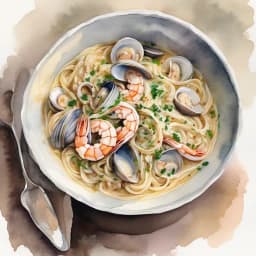





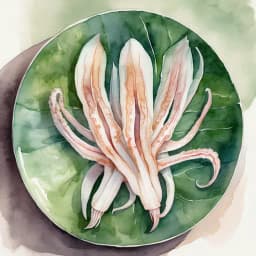








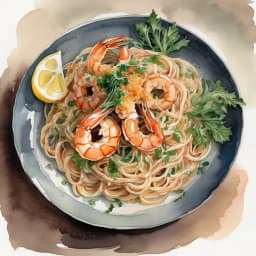




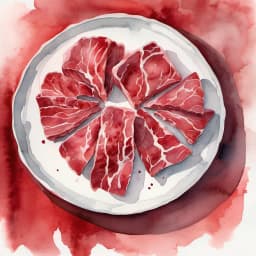


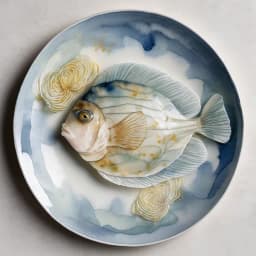

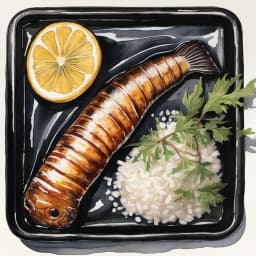






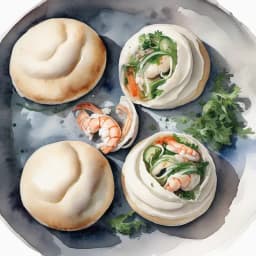

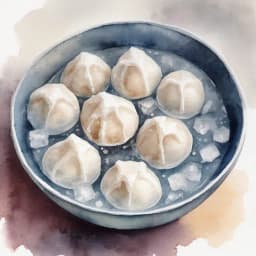





















































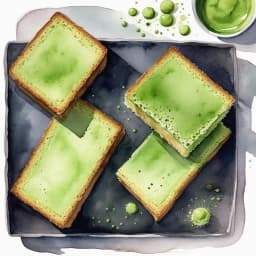


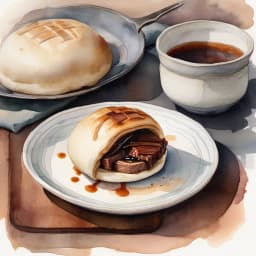


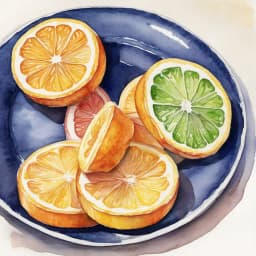


![[Reprint Edition] Crus Tin](/_next/image?url=https%3A%2F%2F7gmtheghzmhaigdy.public.blob.vercel-storage.com%2Fillustrations%2F17885.webp&w=256&q=75)