熊本県は阿蘇山の火山灰土壌と豊富な地下水に恵まれ、「火の国」の名にふさわしい力強い食文化を持つ県です。馬刺しは熊本を代表する名物料理で、馬肉の生産量は日本一を誇ります。加藤清正が朝鮮出兵時に食したのが始まりとされ、甘めの醤油とおろしにんにくで味わう赤身の美しさはお取り寄せグルメとしても高い人気があります。からし蓮根は江戸時代に病弱な藩主のために考案された滋養料理で、れんこんの穴に辛子味噌を詰めて衣をつけて揚げた、明治維新まで門外不出だった特産品です。トマトの生産量は全国第1位で、「くまもとの赤」としてトマトや赤牛、いちごなど赤い食材が熊本のブランドカラーとなっています。阿蘇の赤牛(あか牛)は脂肪が少なく赤身が美味しい和牛で、高原で放牧される風景は阿蘇を象徴する光景です。天草の海鮮やデコポン、球磨焼酎など地域ごとの名物も多彩で、ふるさと納税では馬刺しが人気の返礼品です。
Food
📍あさぎり町
Specialties from あさぎり町 are also available via furusato nozei

特産品
The gentle aroma of young leaves rises along with the steam. Upon taking a sip, a mellow sweetness and richness slowly spread across the tongue.
As the name suggests, Asagiri Town is a land where deep morning mist settles over the Kuma Basin from autumn to spring. This mist, combined with the large temperature fluctuations between day and night, nurtures tea leaves rich in umami. The tea produced in the Hitoyoshi-Kuma region is registered as a regional collective trademark as "Kuma Tea." It is characterized by shaded cultivation, where leaves are covered for a certain period to increase umami and soften astringency. Most are finished as steamed Tamaryokucha.
A refined and gentle cup nurtured by the village of mist. Please take your time brewing it and savor the climate of Kuma.
📍阿蘇市
Specialties from 阿蘇市 are also available via furusato nozei
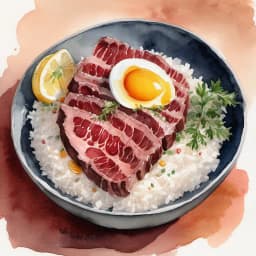
ブランド肉
Rare-cooked lean meat rests atop steaming hot rice. As you chew, the savory juices of the beef burst forth, mingling with the sweet and salty sauce to make the rice disappear effortlessly.
Akaushi refers to the Japanese Brown cattle raised in areas like Aso. They are hardy against both heat and cold, suited for grazing, and primarily grow by eating pasture grass. Because they have low fat content and intense lean meat flavor, and represent only a small fraction of domestic Wagyu distribution, they are often called the 'phantom cattle.' The star of this bowl is beef raised with great care in the expansive Aso grasslands. The popularity of this dish spread nationwide thanks to the influence of 'Imakin Shokudo' in Aso City.
A single bowl where you can directly taste the pure umami of the lean meat. It is a masterpiece to be enjoyed alongside the magnificent scenery of Aso.
郷土料理
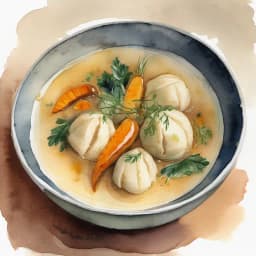
Chewy dago, taro, and burdock root. As you sip the warm miso-based broth, it gently relaxes your entire core.
'Dago' is Kumamoto dialect for 'dango' (dumplings). Flour is kneaded, rested, then stretched and torn by hand; this dough is simmered with seasonal vegetables in a miso or soy sauce broth. Because it is easy to prepare, nutritious, and filling, it has been enjoyed since ancient times as a meal during breaks from farm work. The Aso region is particularly famous for it, so much so that an area along the national highway is named the 'Aso Dago-jiru Highway.'
A rustic and warm local flavor that varies in ingredients and taste from household to household. It is a comforting bowl of home that hits the spot especially on cold days.

特産品
Upon taking a bite, you experience a crunchy texture. This is followed by a spicy kick that tickles the tongue, spreading that unmistakable flavor that makes you want to eat endless amounts of rice.
The raw material, Aso Takana, is a traditional vegetable nurtured by the cool climate and volcanic ash soil of Amu. Unlike other varieties, it is characterized by hand-breaking the thin stems that bolt in early spring. The harvest period is short and the process is labor-intensive. There are two types: 'asazuke' (lightly pickled for a few days) and 'kozuke' (long-term lactic acid fermented), each offering a different flavor profile.
A spicy blessing grown through the Aso winter. It possesses a simple deliciousness that makes it impossible to stop once you start eating.

ご当地グルメ
Chopped Takana pickles are sautéed in oil and mixed with rice. With one mouthful, the spiciness and savory aroma spread, making you instinctively crave a second helping.
This mixed rice uses aged Aso Takana, a traditional vegetable of Aso. It is said that the 'Asoji' drive-in, which was located in front of a station on the Hohi Main Line, commercialized the flavor originally made by the first owner's mother at home after opening in 1968, helping it spread as an Aso specialty. The key is the unique spiciness and aroma of the Takana that has endured the winter cold. Enjoying it as a set with Dago-jiru is the true Aso way.
A soul food of Aso alongside Dago-jiru. The savory aroma of the sautéed Takana will make your stomach growl.
📍芦北町
Specialties from 芦北町 are also available via furusato nozei

特産品
Press the indentation with your thumb to peel, and juice overflows. Taking a bite spreads a rich sweetness and refreshing aroma.
Ashikita Town is a major producer of Dekopon, alongside Uki City. The Dekopon, recognizable by its characteristic bump on top, grows intensely sweet thanks to the warm climate along the Shiranui Sea and the ample sunlight reflected from the sea. Boasting high sugar content, they are popular not only eaten fresh but also as processed goods like jelly and juice. It is a representative citrus of Ashikita that is much appreciated as a gift from winter to spring.
Ashikita Dekopon, nurtured by the sun and the sea. Please brighten your dining table from winter to spring with an exceptionally sweet piece.
海鮮
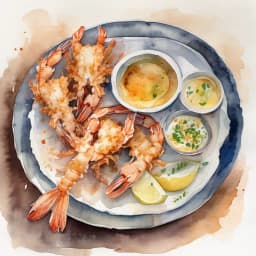
A boat gliding across the Shiranui Sea with its large white sail spread wide. The sight of pulling nets relying solely on the wind is like watching a lady of the sea.
Utase-bune are boats used in a traditional fishing method where nets are pulled using only the power of the wind caught by the sails. Their elegant appearance is known as a symbol of the Shiranui Sea and is a seasonal tradition of Ashikita. The nets dragging along the seabed catch items such as Japanese tiger prawns, crab, and mantis shrimp. A specialty is enjoying them as tempura freshly prepared on board; dining while gazing at the white sails is an extraordinary experience. Today, they are also enjoyed as sightseeing boats.
The bounty of the Shiranui Sea brought by wind and sail. Please taste exceptional freshness along with an elegant boat journey.
📍宇城市
Specialties from 宇城市 are also available via furusato nozei

特産品
The familiar bump protruding from the top. When you easily peel away the soft skin with your hands, a bursting sweet aroma rises. Taking a bite fills your mouth with intense sweetness and juicy juice.
Shiranui is a citrus fruit created by crossing Kiyomi and Ponkan. Although it was once avoided due to its somewhat awkward appearance, Kumamoto focused on its exceptional deliciousness and expanded cultivation, making the region famous nationwide. The high-sugar fruits are also affectionately known as 'Dekopon.'
With a melting sweetness that can be enjoyed even with the thin skin, it is a joy from winter to spring—especially since you can enjoy it easily without needing a knife or getting your hands dirty.

特産品
When you pick one up, it feels heavy in your hand, and once peeled, a sweet aroma fills the air. As you take a bite, the juice bursts forth, followed by a pleasant acidity.
Uki City is one of Kumamoto Prefecture's leading citrus production areas. Centered around Misumi Town, facing the Yatsushiro Sea, and Shiranui Town, known as the birthplace of Dekopon, various citrus fruits including Satsuma mandarins are cultivated. The reflection of sunlight from the sea, the mild climate, and well-drained slopes produce fruit with a perfect balance of sweetness and acidity. Another charm is that you can enjoy seasonal flavors over a long period as different varieties come into season.
Uki's citrus fruits are grown under plenty of sunshine. These juicy morsels are a joy for winter dining tables or as gifts.
📍宇土市
Specialties from 宇土市 are also available via furusato nozei

海鮮
When you pour salt into the holes lined up in the tidal flats, the knobbed whelks pop their heads out. When freshly caught and grilled, the savory aroma of the sea and the umami of the shellfish burst forth.
Uto City faces the Ariake Sea and is famous for shellfish such as knobbed whelk and clams. In spring, clam digging using salt to harvest whelks is a beloved activity for tourists. The vast tidal flats of the Ariake Sea, characterized by large tidal ranges, serve as a rich habitat for these shellfish. Additionally, the Okoshiki Coast in Uto is known nationwide as a stunning scenic spot, where beautiful curved tidal flats emerge after the tide recedes.
These are the shellfish of Uto, nurtured by the Ariake Sea tidal flats. Please enjoy the seasonal flavors of spring to your heart's content, along with the fun of clam digging.
📍益城町
Specialties from 益城町 are also available via furusato nozei

特産品
A knife glides through easily, splitting the red flesh with a crisp sound. As you bite, juice drips, and a refreshing, summer-like sweetness spreads.
Mashiki Town is an agricultural town that has achieved recovery from the Kumamoto earthquake, with prosperous cultivation of watermelons and melons. Being close to the airport, many people seek out local produce before starting their journeys. Kumamoto's watermelon shipment volume is among the highest in the nation, and Mashiki's watermelons play a significant role in that. The temperature difference between day and night helps grow high-sugar, juicy watermelons.
Mashiki watermelons, ripening alongside the steps of reconstruction. Please experience the refreshing start of summer with a well-chilled slice.
📍嘉島町
Specialties from 嘉島町 are also available via furusato nozei
特産品
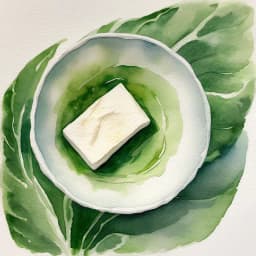
Vegetables and tofu grown beside the continuously bubbling, clear waters. With just one bite, you can taste the quality of the water itself.
Kashima Town is a town of water, where underground waters from Aso emerge. The Rokuka Spring Group has been selected as one of the '100 Best Waterscapes in Japan' by the Ministry of the Environment, and pure water quietly wells up in various places throughout the town. Local specialties include tofu made by utilizing this abundant water, as well as agricultural products grown freely in paddy fields. The clear water is so pure that visitors can scoop it up with their hands and taste it directly, and its purity truly supports the local cuisine.
Kashima's blessings, nurtured by famous spring water. Please take your time to experience the deliciousness of the clear water through our tofu and vegetables.
📍菊池市
Specialties from 菊池市 are also available via furusato nozei

特産品
When you slice into it, the juice overflows along the blade with a refreshing sizzle. As you take a bite of the succulent, ripe flesh, a rich sweetness spreads across your palate with a melting texture.
Shichium Melon is our pride, grown in Shichijo Town, Kikuchi City, Kumamoto. Producers strive to create ideal soil conditions, and every single melon undergoes a sugar content test after harvest. Only those that clear a Brix level of 14 or higher are shipped—ensuring that only fruit that strictly exceeds the standard of what humans perceive as 'sweet' reaches you.
Chill it well and enjoy it plain first. The thick, sweet juice flows smoothly down your throat. It is a summer delicacy that guarantees an encounter with unmistakable deliciousness.

特産品
A subtle, sweet aroma rises the moment it is freshly cooked. With one bite, a rich sweetness spreads through the chewy grains.
Shichijo Rice is grown primarily in Shichijo Town, Kikuchi City, Kumamoto Prefecture, within the Kikuchi River basin. It is a high-performing variety that has consistently earned the highest 'Special A' rank in the Japan Grain Inspection Association's taste rankings for many years. The abundant spring water from the Aso underground flows, fertile land, and the temperature difference between day and night nurture rice that is both fragrant and sweet. It is a blessing of Kikuchi, known as 'delicious rice' since the Edo period.
This is a brand rice of Higo, renowned for remaining delicious even after cooling. Please experience its true quality with a freshly cooked bowl.
📍菊陽町
Specialties from 菊陽町 are also available via furusato nozei

特産品
Carrots freshly pulled from the earth are a vibrant orange. When you bite into them, there is little grassy aftertaste, and a clean sweetness spreads through your mouth.
Kikulyo Town is one of the leading carrot-producing areas in Kumamoto Prefecture. In recent years, while the town has drawn attention due to the entry of semiconductor factories, agriculture has been thriving since ancient times, producing high-quality root vegetables. The well-drained soil, containing volcanic ash from Mt. Aso, grows straight and sweet carrots. Local farm stands are colorful with freshly harvested vegetables, delighting the eyes of visitors.
Kikuyo carrots, breathing with the blessings of the fields. Please enjoy the clean sweetness of a single carrot, whether in a salad or simmered dish.
📍球磨村
Specialties from 球磨村 are also available via furusato nozei

特産品
Just by rubbing the peel slightly, a refreshing aroma rises softly. A squeeze into your cooking spreads a bright acidity and fragrance.
Kuma Village is spread across the mountains along the Kuju River. Highly aromatic yuzu is grown amidst clear air and abundant nature. Processed products utilizing the juice and peel, such as yuzu kosho and yuzu ponzu, have long graced local dining tables. Despite suffering great damage from the 2020 heavy rains, the village is moving forward toward reconstruction. These yuzu ripen alongside that very progress.
Kuma Village Yuzu, delivering the scent of the mountain village. Try adding a squeeze to your dishes for a refreshing touch.
📍玉東町
Specialties from 玉東町 are also available via furusato nozei

特産品
When held in your palm, they have a pleasant weight. Once peeled, a sweet aroma rises, and when you take a segment into your mouth, the sweet and sour juice bursts.
Gyoto Town is a small town known as a producer of Satsuma mandarins. It has a long history of citrus cultivation utilizing gentle slopes, and from autumn to winter, sweet and sour mandarins are shipped one after another. The sunny slopes and warm climate grow juicy fruit with a perfect balance of sweetness and acidity. Despite being a small town, these carefully cultivated mandarins are the pride of the region.
Gyoto mandarins, carefully grown by a small town. A perfect companion for your kotatsu during winter.
📍玉名市
Specialties from 玉名市 are also available via furusato nozei

ご当地グルメ
Behind the steam rising from the bowl, the savory aroma of burnt garlic wafts through the air. A single sip of the rich pork bone soup provides a deep, mellow richness and fragrance that instantly warms your body.
Tamana ramen is one of the origins of Kumamoto ramen. It began in 1950 when a famous shop from Kurume opened in front of Takase Station in Tamana; those who fell in love with its taste went on to spread the style of Kumamoto ramen to various regions. The local tradition here is to enhance the tonkotsu with burnt garlic.
The fragrant soup clings perfectly to the medium-thin straight noodles. It is a deeply flavorful bowl that makes you want to drink every last drop.
特産品
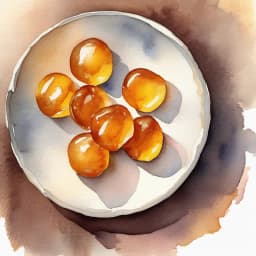
As a single piece melts in your mouth, a gentle sweetness dissolves smoothly across your tongue. The mellow aftertaste, free of any harshness, evokes a sense of nostalgia.
Takase Ame is a malt candy with ancient roots in Tamana. It is said that candy making flourished in the town of Takase during the Edo period, when it was a bustling hub for rice collection and the local clan encouraged the production of sweets. The process involves slowly creating syrup from glutinous rice and malt, then carefully kneading it until it turns white—a handcrafted tradition that remains unchanged to this day.
The version mixed with brown sugar offers a rich, deep sweetness. Its smooth melting sensation provides a moment of pure relaxation. Enjoying a single piece with tea allows the gentle atmosphere of Tamana to spread through your senses.
📍錦町
Specialties from 錦町 are also available via furusato nozei

特産品
When bitten into, they are juicy, with a strong sweetness that fills the mouth and a crisp texture. Each fruit feels like tasting the entirety of the autumn harvest.
Nishiki Town is known as a village of fruit and master swordsmen, spreading across the Kuma Basin. Pear cultivation is thriving, particularly in the Ichitake district, with various varieties such as Kosui, Housui, Akatsuki, and Niitaka being cultivated following the seasons. The significant temperature difference between day and night characteristic of the basin develops sweet pears with high sugar content. In autumn, freshly picked flavors are delivered nationwide through roadside stations and direct-from-farm sales.
A juicy autumn delicacy nurtured by the nature of Kuma. When eaten chilled, the bounty of the hometown is conveyed directly to you.
📍熊本市
Specialties from 熊本市 are also available via furusato nozei

郷土料理
The lean meat melts smoothly in your mouth. The fat is not heavy, and the sweet soy sauce topped with grated ginger and garlic beautifully enhances the umami.
It is said that the culture of eating horse meat in Kumamoto originated from a story involving Kato Kiyomasa, the first lord of the Higo Kumamoto Domain. It began when he consumed military horses due to food shortages during the Korean campaigns, and it is said to have spread within the domain because he continued to enjoy it after returning home. Since the Meiji era, it permeated among the common people, centered around the Aso region, which was a producer of military horses. The charm lies in being able to enjoy different flavors from each part, such as lean meat, marbled meat, and mane (kobe).
Today, Kumamoto is the number one horse meat producer in Japan. A single melting slice holds a long history.

ご当地グルメ
Smooth glass noodles paired with plenty of vegetables and seafood. As you slurp the noodles soaked in a gentle soup, the richness of the fried egg spreads softly.
Taipeiyen's roots are said to be home cooking brought to Nagasaki and Kumamoto by overseas Chinese from around Fujian Province, China, during the late Meiji era. Originally, it was a soup dish eaten for celebrations; the name is said to derive from the fact that duck eggs were called 'Taiping eggs' (Peace eggs) in Fuzhou. In Japan, it replaced duck eggs with fried chicken eggs and glass noodles, taking root as a unique Kumamoto dish. Today, it is so beloved by citizens that it even appears in Kumamoto City school lunches.
This Chinese-style dish born in Kumamoto is loved in both Chinese restaurants and homes. Its gentle flavor soaks deeply into your body.

郷土料理
When you take a crunchy bite, the pungent mustard miso stuffed inside the lotus root hits your nose with a sharp sting. This is followed by the mellow sweetness of the lotus root itself. It is an addictive level of spiciness.
It is said that around 1632, the monk Gentaku of Rakanji temple devised this dish for Hosokawa Tadatoshi, the lord of the Higo Domain, who was in poor health. The origin lies in the attempt to make him eat lotus root, which was believed to be highly nutritious, by stuffing the holes with mustard miso, coating it in batter, and deep-frying it.
Because the sliced shape resembled the Kuyo crest (the family emblem of the Hosokawa clan), the recipe was kept as a closely guarded secret until the Meiji Restoration.
A dish said to have revitalized the feudal lord. That sharp spiciness remains a specialty that can only be truly experienced in Kumamoto today.

ご当地グルメ
A black aromatic oil covers the bowl. With just one sip of the soup, the richness of the pork bone is met with an overwhelming wave of fragrant burnt garlic.
The defining feature of Kumamoto ramen is the aromatic oil known as "mayu." It is made by frying garlic and other aromatic vegetables in lard, and it is said to be inspired by Taiwanese seasoning oils. Its name is derived from being an oil that "makes things delicious like magic," a flavor spread by Kumamoto shops such as "Keika," founded in 1955. This flavor was created through a technique to suppress the characteristic pungency of pork bone while creating a deep richness.
A bowl unique to Kumamoto, where fragrance and pork bone melt together. It is irresistible for garlic lovers.

郷土料理
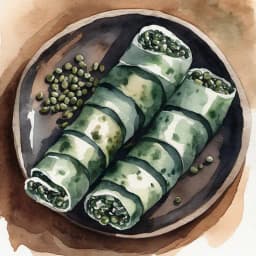
Taking a bite of the spiraled wakegi dipped in vinegar miso, the creamy texture of the boiled white stems and the crispness of the green leaves overlap in your mouth.
'Ichimonji' is another name for wakegi. It is said that this name comes from the way the green leaves are rolled around the boiled white stem. It is also said that this dish was devised as an inexpensive and delicious snack to accompany sake during the period when the Kumamoto Clan issued frugality orders due to financial difficulties in 1782 (Tenmei 2).
By rolling them into bite-sized pieces, a satisfying texture is created, highlighting the natural sweetness and aroma of the wakegi. It is a simple yet elegant dish from Higo, made with care—a lovely local flavor that is perfect as an accompaniment to alcohol.

郷土料理
Tenderly stewed horse sinew and aromatic horse meat curry. In Kumamoto, various horse meat dishes are rooted in daily life, not just sashimi.
Kumamoto is known for having one of the highest production volumes of horse meat in Japan, and there are many specialty shops within the city. A food culture has been nurtured that allows you to enjoy every part of the animal, from minced red meat and shigure-ni to collagen-rich horse sinew stew and local horse meat curry.
Discover another world of horse meat beyond sashimi. When you visit Kumamoto, please be sure to try the stews and curries as well.
📍五木村
Specialties from 五木村 are also available via furusato nozei

特産品
With just one bite, it feels remarkably like cheese. A thick, rich umami and the deep savory notes of miso spread slowly across your tongue.
Itsuki Tofu Miso-zuke is a preserved food handed down in the deep mountains of Itsuki Village. In an era before refrigerators, it was created as a way to preserve a precious source of protein. By squeezing the moisture out of firm tofu and marinating it in high-salt miso for about six months, a rich flavor reminiscent of sea urchin or cheese is created. It is a prestigious dish said to have been brought by the remnants of the Heike clan who fled after their defeat in the Genpei War.
A rich fermented food from the home of the 'Itsuki Lullaby'. Please enjoy a slice, perhaps alongside a glass of sake.
📍御船町
Specialties from 御船町 are also available via furusato nozei

特産品
Cookies shaped like dinosaur footprints and sweets inspired by fossils. In Mifument Town, ancient romance is transformed directly into gourmet treats.
Mifune Town is a major center for dinosaur fossils, known as the site where Japan's first carnivorous dinosaur fossil was discovered. Around the Mifune Town Dinosaur Museum, you can enjoy unique dinosaur-themed gourmet food and souvenirs. With items like footprint-shaped cookies and dinosaur-shaped sweets, these fun-to-see and delicious treats are filled with elements that bring smiles to both children and adults.
Tasting the prehistoric world through Mifune's dinosaur gourmet. Please pick some up to accompany your museum tour.
📍甲佐町
Specialties from 甲佐町 are also available via furusato nozei

海鮮
Listening to the murmur of the river while biting into sweetfish toasted to perfection over charcoal. The fragrant skin and plump flesh are the true taste of summer.
During the summer, 'Yanaba' are set up along the Midori River flowing through Kosa Town. A 'yana' is a traditional fishing method using bamboo structures to catch sweetfish as they swim downstream. Being able to observe this process up close and enjoy freshly caught sweetful fish—prepared as salt-grilled or simmered in sweet soy sauce—is a quintessential summer tradition in Kosa. Tasting freshly grilled sweetfish amidst the cool riverside breeze is the very essence of the clear stream's bounty.
Summer sweetfish enjoyed by a cool riverside. Please enjoy this seasonal bounty, available only for a single summer, accompanied by the sound of the flowing water.
📍荒尾市
Specialties from 荒尾市 are also available via furusato nozei

特産品
A large pear, as big as a child's head, heavy enough to feel substantial in both hands. When you peel it and take a bite, juice overflows along with a satisfyingly crisp texture.
As the name suggests, Arario's jumbo pears are massive, with the 'Niitaka' variety even reaching up to 1.5kg. The white, soft flesh is full of intense sweetness (above 12 degrees Brix) and a rich aroma. It is said that as Arario once prospered through coal mining, workers sent these pears back to their hometowns, spreading the name nationwide.
Chill it well and take a large bite. This autumn delicacy brings an involuntary smile with its crunchy texture and refreshing sweetness.

特産品
Inside these small, paste-like granules, the power of many plants—fruits, grains, seaweed, and vegetables—is tightly concentrated.
Manda Koso is a health food known throughout Japan as a plant-based fermented product. It is made by slowly fermenting and aging over 50 types of plant-based raw materials (referred to as 'Koku-ku-so'—fruits, grains, seaweed, and vegetables) for more than 3 years and 3 months. Based on the ancient wisdom of familiarity with fermentation, ingredients are carefully selected from various landscapes across Japan, creating a deep flavor unique to long-term aging.
The power of fermentation, gently supporting your daily health. It is a product long cherished by those who wish to maintain their health steadily.
📍高森町
Specialties from 高森町 are also available via furusato nozei

郷土料理
Gathering around the hearth, tofu and taro coated in miso are slowly grilled over charcoal. The savory aroma of the miso naturally makes your stomach growl.
Takamori Dengaku is a local cuisine passed down since ancient times in Aso/Takamori. Tofu, konnyaku, mountain trout, and locally produced taro are coated with dengaku miso and slowly grilled over the charcoal of an irori (hearth). It is said to be a traditional dish continuing from the Kamakura period, embodying the wisdom of precious use of limited mountain village ingredients. The time spent grilling it yourself and biting into the piping hot, freshly made dish is a feast in itself.
A bounty of Aso's mountains enjoyed around charcoal fire. While grilling slowly, please immerse yourself deeply in this taste of the hometown.
特産品
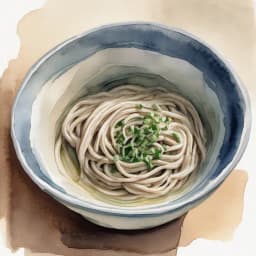
Clear water flows incessantly from deep within the chilly tunnel. Soba noodles made with this water have a crisp, clean texture that glides down the throat.
The Takamori Spring Water Tunnel is a place where construction once halted after encountering massive amounts of spring water while excavating what was intended to be a railway tunnel. Today, it is a beloved spot known as 'Takamori Spring Water Tunnel Park,' making use of that very spring water. The abundant flow, estimated at tens of tons per minute, is even drinkable, and you can take your time enjoying soba and cuisine prepared with this water. In the summer, it brings a refreshing and pleasant coolness.
A hidden gem of underground water born unexpectedly. Please visit us to enjoy the flavors nurtured by this clear spring water along with a relaxing stroll.
📍合志市
Specialties from 合志市 are also available via furusato nozei

特産品
When the knife enters, the bright red flesh splits with a crisp sound. As you bite into it, a juicy sweetness overflows along with a crunchy texture.
Northern Kumamoto Prefecture, including Koshi City, is one of Japan's leading watermelon production areas. Kumamoto's watermelon shipment volumes are among the highest in the country, and they are transported all over Japan as a seasonal delicacy of early summer. The temperature difference between day and night and the well-drained soil produce watermelons with high sugar content and a crunchy texture. The moment a large watermelon is sliced open is an exciting seasonal tradition that heralds the arrival of summer.
Koshi watermelon, announcing the start of summer. A slice enjoyed well-chilled is the ultimate feast for the hot season.
📍山江村
Specialties from 山江村 are also available via furusato nozei

特産品
When peeled, the nut shines with a glossy golden color. As you bite into it, a refined sweetness spreads along with a fluffy, mealy texture.
Yamae Village is a mountain village in Hitoyoshi-Kumamoto known as the 'Chestnut Village.' The temperature difference between day and night and the rich nature cultivate large, sweet chestnuts. There are many processed goods like chestnut manju and chestnut kinton, and the entire village becomes lively during the autumn Chestnut Festival. These chestnuts, grown carefully with great effort, boast a fluffy texture and intense sweetness. It is the perfect flavor to taste the arrival of autumn.
Yamae Chestnuts, the pride of this mountain village. In the season of harvest, please take your time to savor a single, sweet, and fluffy nut.
📍山鹿市
Specialties from 山鹿市 are also available via furusato nozei

特産品
When you crack open a freshly steamed nut and bring it to your mouth, a rich, dense sweetness melts away delicately. The fragrant aroma of the chestnut itself rises softly, letting your palate sense that autumn has arrived.
Yamaga is a famous chestnut producer boasting the highest production volume in Western Japan. Various varieties are cultivated here, including Tanzawa, Tsukuba, Ginayose, Rihei, and even 'Porotan,' which features skin that peels off easily. By carefully pruning each branch during the winter, these large, meaty chestnuts are able to grow.
In autumn, freshly harvested chestnuts line the shelves of the local specialty center. Whether it's fluffy chestnut dumplings, smooth Mont Blanc cakes, or glossy candied chestnuts in their skins—no matter how you eat them, they are a blessing from the mountains that bring a sense of warmth and happiness.

ご当地グルメ
Smooth chilled tofu with a subtle, sweet aroma of soybeans. When scooped gently with chopsticks, the umami of the soybean itself spreads slowly across the palate with a silky texture.
In Yamaga, blessed with pure mountain waters, traditional tofu-making remains alive. Tofu prepared with such clear water has a soft mouthfeel and a profound, nourishing flavor. Whether enjoyed cold with condiments, or served as agedashi, dengaku, or yudofu, it warms the body and soothes the soul.
It is simple, yet the kind of food you could eat every single day—that is the gentle essence of Yamaga's tofu. Please enjoy the nourishing flavors of this hot spring town through a steaming plate of tofu.
📍山都町
Specialties from 山都町 are also available via furusato nozei

ご当地グルメ
When you slurp freshly made soba, a sharp aroma escapes through your nose, and the smooth texture is incredibly pleasant. It is a flavor born from the meeting of mountain village water and buckwheat.
Yamato Town is a high-altitude area spreading south of Aso. The large temperature difference between day and night and the misty environment nurture flavorful soba. Handmade soba shops are scattered throughout the town, and many people enjoy them in conjunction with visiting the famous Tsuyunobashi Bridge. As a region where organic farming is also prominent, each bowl is carefully served to cherish the original aroma and sweetness of the buckwheat alongside pure water.
Yamato Soba, nurtured by the highland winds. Please take your time to savor a fragrant bowl made with clear water.

特産品
When poured into a teapot, a gentle aroma rises softly. With a single sip, the astringency is subtle, leaving a mellow sweetness on the tongue.
Yabe Tea is a green tea cultivated in Yamato Town (formerly Yabe Town). Grown in high-altitude areas of about 400 to 600 meters, the tea leaves are enveloped in significant temperature shifts between day and night and moderate mist, resulting in a mellow flavor with low astringency. Known as one of Kumamoto Prefecture's representative tea regions, this carefully nurtured tea provides a gentle companion for your daily cup, bringing moments of relaxation.
Mellow Yabe Tea, nurtured by highland mist. It is the perfect cup for when you want to take a peaceful break.
📍産山村
Specialties from 産山村 are also available via furusato nozei

ブランド肉
Take a slice of rare-cooked lean meat. The more you chew, the more the umami of the meat overflows, while the light fat leaves a clean aftertaste.
Aoyama Village is a highland village located in the northeastern part of Aso. It is a land where people truly live alongside cattle, grazing Akaushi (Japanese Brown cattle) on vast grasslands. Blessed with pure water sources including the Ikeyama Spring, selected as one of Japan's top 100 water sources, the Akaushi beef raised with clear water and abundant pasture is renowned for its excellent meat quality. The lean meat has a deep umami flavor, and because the fat is light, you can enjoy it as a steak until the very last bite without getting tired of it.
Aoyama's Akaushi beef, nurtured slowly by famous waters and grasslands. Please enjoy the powerful umami of the lean meat to your heart's content.
📍小国町
Specialties from 小国町 are also available via furusato nozei

特産品
When scooped with a spoon, it is thick and rich. As you bring it to your mouth, the natural sweetness and richness of the milk slowly spread through your palate.
Oguni Town is a highland town spreading north of the Aso outer rim. The milk from Jersey cows raised in this cool climate and lush pastures features a high milk fat content, characterized by its rich flavor. The yogurt made from this milk is renowned for its deep richness and creaminess. It has become a popular item that is well-received as a souvenir, available at Tsuetate Onsen and surrounding roadside stations.
A gift of milk delivered by highland cows. With one rich spoonful, please try to taste the refreshing nature of Oguni in its entirety.
📍上天草市
Specialties from 上天草市 are also available via furusato nozei
海鮮
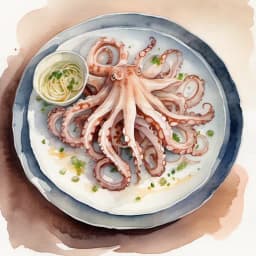
Chewy, bouncy octopus and plump, sweet flounder. Having freshly caught seafood served right at your table is the luxury of Kamiamakusa, surrounded by the sea.
Kamiamakusa City faces two seas: the Ariake Sea and the Yatsushiro Sea. In these rich fishing grounds blessed with tidal currents, a variety of seafood including octopus, flounder, and sea bream are harvested throughout the year. The reason so many people cross the Amakusa Pearl Line bridge to seek out seafood is precisely because of its freshness. Beyond sashimi, you can enjoy plenty of dishes that highlight the natural flavors of the ingredients, such as simmered dishes and tempura.
Seafood from Kamiamakusa, nurtured by two seas. Please come and taste the extraordinary freshness waiting for you on the other side of the bridge.

ブランド肉
A firm texture that releases intense umami with every chew. The powerful flavor of the legendary local chicken, Amakuna Daio, can be enjoyed here in Kamiamakusa.
Amakusa Daio is a breed of local chicken that was popular for Hakata Mizutaki (chicken hot pot) from the Meiji to Taisho eras, but once faced extinction in the early Showa era. Kumamoto Prefecture spent many years working on its restoration, successfully reviving it as one of Japan's largest breeds of poultry. In the restaurants of Kamiamakusa, you can find a diverse array of dishes that utilize the savory essence of Amakusa Daio, such as tataki, hot pots, and champon.
It is a luxury to taste this revived breed in a seaside town. Within each resilient bite lies the long story of its resurrection.
📍人吉市
Specialties from 人吉市 are also available via furusato nozei

海鮮
The skin is crispy and fragrant, while the flesh is tender and flaky. When you take a bite from the skewer, a refreshing, watermelon-like green aroma rises—a scent unique to sweetfish raised in clear streams.
The Kuma River is one of Japan's three greatest rapid rivers and Kumamoto's most pristine waterway. Fat and plump from eating plenty of high-quality algae, these fish are reputedly incredibly delicious even when simply salt-grilled without any extra seasoning. Those exceeding 30cm are known as 'Shaku-ayu' and are the ultimate prize for anglers.
The season is summer. A single fish, slowly grilled with a dusting of finishing salt, features plump, firm flesh that represents the very bounty of the river. Please enjoy it whole, from head to tail, including the pleasantly bitter viscera.

ご当地グルメ
Taking a bite of a freshly cooked dumpling, you hear the pleasant crunch of the skin. Immediately following, the sweetness of the cabbage bursts forth from within. Because they are small, packed with vegetables, and use subtle garlic, you'll find yourself reaching for more before you know it.
Hitoyoshi is a destination known to connoisseurs, lined with several famous gyoza specialty shops. Establishments such as 'Omoitsuki-no-mise,' 'Chabin,' and 'Shoryuken' have long been loved by both locals and travelers. The joy of food touring here lies in how each shop differs in skin thickness and filling composition.
The lightness of the thin skin combined with the juicy abundance of vegetables makes this a truly happy dish—one where you can easily eat many in a row.
📍水上村
Specialties from 水上村 are also available via furusato nozei

特産品
Pickles made by slowly fermenting local vegetables and wild plants in miso and soy sauce. With just one bite, a rustic richness and umami gently spread through your mouth.
Minakami Village is a nature-rich village spreading at the foot of Mt. Ichifusa. In this land blessed with abundant mountain bounties, preserved foods made by pickling locally harvested vegetables and wild plants in miso and soy sauce have been crafted using traditional handwork. These pickles, developed as a way to preserve food for winter, are perfect both as an accompaniment to rice and as a snack for alcohol. The rustic taste of the mountain village evokes a sense of nostalgia.
These are the pickles of Minakami Village, passed down at the foot of Mt. Ichifusa. Please enjoy the rustic taste of the hometown alongside your meal.
📍水俣市
Specialties from 水俣市 are also available via furusato nozei

ご当地グルメ
Plump noodles accompanied by plenty of vegetables and seafood. As you sip the light soup, the umami of the sea and the fields spreads gently through your palate.
Minamata Champon is a local gourmet dish from Minata City, facing the Shiranui Sea. Using generous amounts of fresh seafood and local vegetables, each shop provides it with a uniquely crafted soup. This hearty bowl using Chinese-style noodles has long been loved by locals, and there is joy in visiting different shops to try them all. Even though it is the same type of champon, the taste changes from shop to shop—that is part of its charm.
A gentle bowl where the blessings of the sea and the blessings of the fields meet. If you visit Minamata, please try to find your favorite bowl.

特産品
When you peel the skin, a sweet and sour aroma rises from the Amanatsu. Alongside it, juicy salad onions that can be enjoyed raw.
Minamata City is known as a production hub for Amanatsu citrus and salad onions. Drawing from its past experiences with pollution, Minamata has worked to regenerate as an 'Environmental Model City.' Environmentally friendly agriculture, which minimizes chemical fertilizers and pesticides, has spread throughout the area, and Amanatsu and salad onions are the symbolic products of this movement. The Amanatsu features a pleasant acidity and refreshing sweetness, while the salad onions are characterized by low pungency and a tenderness that makes them perfect for eating raw.
These blessings from Minamata reflect the story of the land. With every bite, you can feel the journey of a town facing its path toward regeneration.
📍西原村
Specialties from 西原村 are also available via furusato nozei

特産品
When freshly dug sweet potatoes are roasted, a sweet aroma rises along with the steam. The fluffy interior is packed with natural sweetness.
Nishihara Village spreads across the foot of the Aso caldera rim. The well-draining soil, containing volcanic ash, is ideal for growing sweet potatoes. Despite suffering significant damage during the Kumamoto earthquake, the village has worked vigorously toward agricultural revival. The sweet potatoes grown through this journey are characterized by their fluffy texture and simple sweetness. Their flavor truly shines in roasted potatoes and confectionery.
Nishihara Village's sweet potatoes, bearing fruit from the soil of reconstruction. Please enjoy the taste of the village's journey through a warm roasted sweet potato.
📍相良村
Specialties from 相良村 are also available via furusato nozei

特産品
When poured from the teapot, the scent of young leaves rises softly. With one sip, a mellow sweetness and richness slowly expand.
Sagara Village is a village in Hitoyoshi-Kumamoto known as the 'Tea Village.' The misty environment along the Shiura River, a tributary of the Kuma River, nurtures high-quality tea leaves. The morning mist softens the sunlight, producing a mellow tea with suppressed astringency. Sagara tea is highly regarded within Kumamoto Prefecture; a carefully grown cup offers a deep flavor and rich aroma that accompanies your moments of relaxation.
Sagara Tea, nurtured by the mist. Please enjoy a relaxing cup along with its gentle aroma.
📍多良木町
Specialties from 多良木町 are also available via furusato nozei

特産品
When lightly grilled, a fragrant aroma of the sea rises, and the intense umami and sweetness of the squid seep out with every chew. It is a dish that pairs perfectly with alcohol.
Taragi Town is located in the mountains of the Kuma Basin and is home to many rice shochu and Kuma shochu distilleries. Although it is a mountainous area far from the sea, processed goods like overnight dried squid have been enjoyed as snacks that pair well with shochu. By drying the surface moderately, moisture is removed just enough to concentrate the umami. At roadside stations and specialty shops, you can find flavors unique to the local area.
A dried delicacy perfect for snacking, nurtured by the birthplace of Kuma Shochu. One piece of grilled squid and a glass of shochu will make you want to enjoy a night in the mountain village.
📍大津町
Specialties from 大津町 are also available via furusato nozei

特産品
When you split open a moistly roasted sweet potato, a sweet aroma spreads along with the steam. The fluffy interior is as sweet as honey.
Otsu Town is a famous producer of 'karaimo' (the local name for sweet potatoes in Kyushu). The volcanic ash soil of Aso and the warm climate nurture sweet and fluffy sweet potatoes. They are so well-loved that they became the town's mascot, 'Karaimo-kun,' and the area bustles with the 'Karaimo Festival' every autumn. Not only are they enjoyed as roasted sweet potatoes, but they also serve as ingredients for sweets and sweet potato shochu, making them a proud flavor of Otsu Town.
Otsu's sweet potatoes, wrapped in the abundant sweetness of the earth. Please enjoy a fluffy one from autumn through winter.
📍長洲町
Specialties from 長洲町 are also available via furusato nozei

特産品
The nori grown in the tidal flats of the Ariake Sea is highly aromatic and crispy. With just one bite, the scent of the sea spreads throughout your mouth.
Nagasu Town is known as a production area for colorful goldfish, and the town bustles annually with the 'Goldlam Goldfish Scooping Tournament.' At the same time, it utilizes its location facing the Ariake Sea to actively cultivate nori. The large tidal range of the Ariari Sea provides just the right amount of stimulation to the seaweed, producing nori that is rich in aroma and deep in umami. Near Nagasu Port, a highlight is being able to enjoy fresh seafood alongside the nori.
Nagasu is a town with two faces: goldfish and nori. Please try the nori, filled with the scent of the sea.
📍津奈木町
Specialties from 津奈木町 are also available via furusato nozei

特産品
Peels that come off with just a thumb press, and overflowing juice. Both Dekopon and Sweet Spring envelop you in a refreshing sweetness from the very first bite.
Tsunagi Town is a place where citrus cultivation thrives, utilizing the warm climate along the Shrouded Sea (Shiranui Sea). A diverse range of citrus fruits, such as the intensely sweet Dekopon and the juicy, refreshing Sweet Spring, grow freely here. As an art town known for the Tsunagi Museum of Art, sweets made with plenty of local citrus are also popular. The peaceful environment, surrounded by sea and mountains, nurtures highly aromatic fruit.
Tsunagi's citrus, nurtured by an art town. Please enjoy the refreshing sweetness to your heart's content, whether in confectionery or as fresh fruit.
📍天草市
Specialties from 天草市 are also available via furusato nozei

ブランド肉
A firm, elastic texture that releases richness and a subtle sweetness with every bite. It is packed with the unique umami found only in high-quality free-range chicken.
Amakusa Daio is one of Japan's largest breeds, with males weighing around 7 kilograms. It was popular for Hakata-style mizutaki (hot pot) from the Meiji to Taisho eras but disappeared in the early Showa era due to declining demand. Subsequently, Kumamoto Prefecture worked for many years to restore the breed, successfully reviving it in the early 2000s. Raised slowly over time, the meat achieves a powerful flavor.
This revived 'legendary chicken' can be fully savored through its rich flavors in mizutaki, charcoal grilling, sashimi, or tataki.

ご当地グルメ
A mountain of vegetables and seafood so high you can barely see the noodles. As you sip the soup, the umami of the seafood surges forward, yet leaves a clean aftertaste. This is the true taste of Amakusa.
It is said that Champon was introduced to Amakusa—which had active maritime exchange with Nagasaki as a key transport hub—and developed uniquely by merging with local abundant ingredients. Some shops combine pork bone or chicken carcass broth with the bones of Amakusa Daio chicken, topping it generously with local seafood like clams, shrimp, and squid. It is sometimes counted as one of Japan's three great champons, alongside Nagasaki and Obama (Nagasaki).
A local soul food filled with the blessings of the Amakusa sea. Please enjoy this bowl of abundant happiness.

海鮮
A bouncy elasticity and a deep sweetness that spreads with every bite. Whether salt-grilled or served as sashimi, the thickness and umami of the meat will surely surprise you.
It is said that Kuruma prawn aquaculture began in Amakuna over 100 years ago, making it one of the original sites for this practice. The Kuruma prawn is designated as a fish of Kumamoto Prefecture, and its production volume is among the highest in the country. The mineral-rich waters of Amakusa and meticulous management, such as oxygenation, produce high-quality prawns with firm meat. It is said that the meat becomes particularly firm and even more delicious during the colder months.
Exquisite Kuruma prawns carefully raised in their place of origin. Once you taste their plump sweetness, it is unforgettable.

海鮮
When you lift the lid, glossy slices of fish are packed tightly over the rice. Crunchy Kuruma prawns, chewy white fish, and melting sea urchin—the layering of these colorful treasures is truly like a jewelry box from the sea.
Amakusa is a premier fishing ground embraced by three seas: the Ariake Sea, Yatsushiro Sea, and the East China Sea. Seasonal catches from that very day—such as sea bream, flounder, amberjack, squid, and octopus—are served without hesitation. In particular, Amakusa is one of Japan's leading production areas for Kuruma prawns, offering an exceptional, plump sweetness the moment they hit your palate.
Add a drop of soy sauce and take a bite. The elasticity of the freshly caught meat and the umami of the sea spread throughout your mouth. This single bowl allows you to experience the luxury unique to this land.
📍湯前町
Specialties from 湯前町 are also available via furusato nozei

特産品
When grilled over charcoal until golden brown, the fragrant aroma spreads along with the firm texture and deep umami unique to pheasant meat.
In the Hitoyoshi-Kuma region, including Yumae Town, pheasant farming has been practiced since ancient times, and pheasant dishes and hot pots have been enjoyed as local specialties. Pheasant meat is a lean, firm red meat that offers a nutritious flavor that grows more enjoyable with every bite. It is light yet rich, making it an exceptional match for the rice shochu produced in the same Kuma region. When made into a hot pot, the broth from the bones warms you to your very core.
A bounty of healthy and nutritious pheasant raised in the mountain village. Please enjoy this hot pot during the cold season.
📍南阿蘇村
Specialties from 南阿蘇村 are also available via furusato nozei

ブランド肉
When you bite into the lean meat cooked rare, the umami of the meat itself overflows. The fat is light, providing a pleasant sensation that makes you feel like you could eat it endlessly.
Akaushi raised in Minami-Aso Village is a breed of Japanese beef known as Kuroge Washu (Japanese Brown Cattle). They are grazed in vast grasslands and primarily feed on pasture grass. This breed is resistant to both heat and cold, making it suitable for grazing; the expansive, low-stress environment produces healthy meat quality. Its charm lies in its high lean meat content and moderate fat, allowing you to directly taste the true umami of the meat. When prepared as steak or hamburger patties, its inherent characteristics are further enhanced.
Akaushi is like the grasslands of Aso turned into flavor. For lovers of lean meat, it is an irresistible, powerful dish.

特産品
Clear water gushing forth from the crevices of rocks. When scooped by hand and drunk, it is cool and sweet, soaking into your very being.
In Minami-Aso Village, numerous water sources are scattered, including the Shirakawa Spring, which has been selected as one of Japan's '100 Best Waters,' earning the area the name 'Village where water is born.' Rain and snow that fall on the Aso mountains slowly permeate through the earth over many years, returning to life as pure spring water. Tofu and somen noodles made with this water are exceptional, and there is a constant stream of people visiting from afar specifically to collect it.
The water of life, nurtured by Aso over long periods. One sip will surely reveal the reason for its deliciousness.
📍南関町
Specialties from 南関町 are also available via furusato nozei

特産品
When it absorbs simmering liquid, the umami bursts out juicily. Its dry, crispy appearance resembles a fried rice cracker. However, once in your mouth, it becomes soft and breaks apart easily; the melting texture of the parts that have absorbed the dashi is irresistible.
This is a specialty fried tofu passed down in Nankan Town, Kumamoto Prefecture, notable for its large size, about twenty centimeters square. The traditional method involves thinly slicing tofu, removing moisture using a weight of approximately one ton, and frying it twice. Because of the low moisture content, it can be stored at room temperature for two to three months, and it possesses an excellent ability to absorb liquids.
Whether added to rolled sushi, simmered dishes, or miso soup, it quickly transforms flavors into a feast. It is a dish packed with Kumamoto's wisdom that enriches any dining table just by having one bag on hand.
特産品
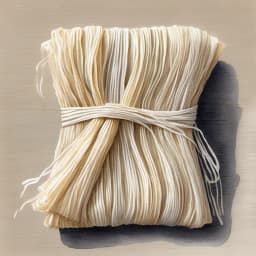
Despite the surprisingly thin noodles, they have a firm chewiness when boiled. The smooth texture makes you forget the summer heat.
Nankan Somen is hand-stretched somen passed down in Nankan Town, Kumaminamoto Prefecture. It is said that the production method was brought from Shodoshima over 300 years ago, and it is even told that it was presented to the Shogunate as a specialty of Higo during the Edo period. The tradition of hand-stretching without using any machinery—using only flour, salt, and water—is still carefully preserved by the town's noodle factories today. The 'magari somen' (curved somen) born in the late Edo period is also a characteristic feature.
A phantom noodle of Higo, created through the craftsmanship of artisans. Every smooth bite breathes with long history and painstaking effort.
📍南小国町
Specialties from 南小国町 are also available via furusato nozei

特産品
Upon taking a sip, a thick, richコク (body) and natural sweetness spread across your palate. With a milk fat content of approximately five percent, the fat globules are larger than those in Holstein milk, making the milk itself feel like a decadent treat.
Jersey cattle were introduced to the Oguni region of Aso during the 1950s, and over about seventy years, it has grown into a major production area alongside Okayama and Hokkaido. The milk from cows grazing on high-altitude plateau pastures contains beta-carotene, giving it a slight yellowish tint, which is why it is sometimes called 'Golden Milk.'
When enjoyed chilled as is, it leaves a clear sweetness even in the aftertaste. When made into pudding or ice cream, its richness becomes even more pronounced. Please try a glass that feels like tasting the very air of the Aso highlands.
📍八代市
Specialties from 八代市 are also available via furusato nozei

特産品
A large, round, golden orb that requires both hands to hold. When you peel the thick skin, an intoxicatingly fresh citrus scent spreads throughout the room.
While Banpeiyu belongs to the pomelo family, it is one of the largest citrus fruits in the world. It is not uncommon to find specimens exceeding 20cm in diameter; indeed, it has even been recognized by Guinness World Records as the heaviest pomelo. Approximately 90% of Japan's total production is grown here in the Yatsushiro region.
The large, plump segments offer a refined sweetness and a balanced acidity. With every bite, the juice bursts on your palate. The fragrant peel can also be candied, allowing you to enjoy the entire fruit as a winter treasure.

特産品
When you bite into a deeply ripe, bright red tomato, sweet juice—so much so that you might mistake it for fruit—bursts from the flesh. This is followed by a sharp, tightening acidity that lingers on the palate.
Yatsushiro is an undisputed major producer, boasting the highest tomato production volume per municipality in Japan. In particular, the 'Salt Tomatoes,' grown in soil enriched with salt from reclaimed lands, may not grow as large, but their umami is highly concentrated. Their sugar content reaches 8–10 degrees—nearly double that of a regular tomato, achieving a sweetness comparable to fruit.
Chilled well and eaten whole, each juicy, taut-skinned fruit is packed with the bounties of the sea and the sun.

特産品
A fresh, clear aroma rises the moment it is grated. Yatsushito's ginger has a beautiful luster, and when tasted, its spiciness is mild, leaving a gentle aftertaste.
Kumamoto Prefecture is one of the largest ginger-producing regions in Japan, second only to Kochi, with the Yatsushiro area accounting for approximately forty percent of that production. A key strength is the ability to ship high-quality ginger year-round by growing it in mountain valleys and storing it in caves dug into tuff geological layers. Its excellent flavor and neat appearance, free from bruising, have earned it registration as a Geographical Indication.
As a condiment, it sharpens the flavors of a dish; when grated and dissolved in hot water, it warms you to the core. Because it is not overly spicy, it acts as a reliable partner for skilled cooks, complementing the ingredients perfectly.
📍美里町
Specialties from 美里町 are also available via furusato nozei

特産品
Simple countryside cuisine enjoyed while listening to the murmuring of the Midori River. Local vegetables and mountain delicacies soak into your body with their gentle flavors.
Misato Town is known as 'Japan's number one stone bridge town,' where many stone bridges remain. Its charm lies in the ability to enjoy local specialties and traditional countryside dishes made with agricultural products grown in the nature-rich environment along the Midori River. The simple flavors, utilizing freshly harvested vegetables and wild plants, are somewhat nostalgic and warm your very heart. It is a taste of home that you'll want to experience alongside a tour of the stone bridges.
Misato's countryside cuisine, nurtured by the town of stone bridges. Please enjoy this simple feast along with the peaceful scenery.
📍氷川町
Specialties from 氷川町 are also available via furusato nozei

特産品
Pears with juice that drips when bitten, and strawberries that have ripened in a glossy red. In the fields of Hikawa Town, sweet fruits come into being one after another with every season.
Hikawa Town is a fruit town located in a corner of the Yatsushiro Plain. Cultivation of pears and strawberries is flourishing, and agriculture is conducted expansively by utilizing the abundant water resources provided by the Hikawa Dam. The pears feature a crunchy texture and juicy sweetness, while the strawberries are characterized by intense sweetness and refreshing acidity. During the peak season, farms and direct sales offices bustle with people seeking freshly picked fruit.
Hikawa's fruits, brought to fruition by the blessings of water. Please taste the sweetness that changes with every season.
📍苓北町
Specialties from 苓北町 are also available via furusato nozei

海鮮
Octopus that has just been landed becomes plump and bouncy when boiled. The squid is so fresh it is almost translucent, releasing a sweetness with every bite.
Reihoku Town is located in western Amakusa, facing the East China Sea. In the rich fishing grounds facing the open sea, various fresh seafood, including octopus and squid, are landed one after another. There are dining places where you can taste fish delivered directly from the fishing port, allowing you to fully enjoy the texture and umami that only freshly caught seafood can provide. The area is also known as a famous spot for watching the sunset over the sea, making the seafood even more exceptional when enjoyed alongside the breathtaking view.
Reihoku seafood brings the blessings of the East China Sea. Please enjoy its extraordinary freshness along with the beautiful evening scenery.
📍和水町
Specialties from 和水町 are also available via furusato nozei

特産品
Gently pick a single, glossy red strawberry. When bitten, an intense sweetness and refreshing acidity spread throughout your mouth.
Nagomi Town is a strawberry production area located in the Tamana District. They focus on cultivating the Kumamoto original variety 'Yubeni,' carefully growing large, intensely sweet strawberries. Yubeni is a variety characterized by its rich sweetness and beautiful crimson color. The town is also known for the historic Hananoka Sake Brewery, making it a peaceful and warm land where both agricultural and sake cultures live on.
Nagomi's strawberries, nurtured in the fields of home. Please feel the sweet and sour happiness with a single, bright red berry.
Snacks
📍阿蘇市
Specialties from 阿蘇市 are also available via furusato nozei

洋菓子
The rich aroma of milk melts smoothly in your mouth along with a dense creamy texture. It is a luxurious taste where the gentle sweetness of fresh milk spreads softly.
Aso Milk Ranch is a tourist ranch sprawling across a highland at an altitude of about 450 meters. They raise several breeds of dairy cows, such as Holstein and Jersey, and process the raw milk into bottled milk, cheese, soft serve ice cream, and more in the ranch's on-site factory. In particular, the pudding and cheesecake offer a unique flavor that vividly captures the taste of freshly milked milk. Tasting them amidst the magnificent scenery of Aso makes the deliciousness even more special.
These are rich milk sweets that encapsulate the blessings of the highlands. Please enjoy them during your break while sightseeing in Aso.
📍芦北町
Specialties from 芦北町 are also available via furusato nozei

洋菓子
When you scoop it with a spoon, large pieces of Dekopon pulp emerge from the bouncy jelly. A refreshing sweet and sour flavor bursts in your mouth.
'Dekopon' is a name reserved only for those Shiranui citrus fruits that meet specific sugar content standards through the crossbreeding of Kiyomi and Ponkan. Ashikita Town is blessed with a warm climate ideal for citrus production, and this luxurious jelly is made using whole locally grown Dekoppon.
The texture with chunky pulp and the rich sweetness and freshness unique to Dekopon have earned it a great reputation, making it well-known across the country as a souvenir.
A jelly that captures the essence of Dekopon, which has soaked up plenty of sunlight. Please enjoy its refreshing sweet and sour taste.
📍宇城市
Specialties from 宇城市 are also available via furusato nozei

洋菓子
With a single bite, juice flows from the bouncy jelly, and the rich sweetness and refreshing aroma of Dekopon spread throughout your mouth.
Shiranui Town in Uki City is the birthplace of Dekopon. This region was the first to widely promote Shiranui, which had previously been passed over for variety registration due to its bumpy appearance and strong acidity immediately after harvest. Only Shiranui that meets certain standards through light sensor inspections are called 'Dekopon,' a name derived from the way the area around the stem bulges upward. This jelly, made with fruit from this birthplace, features a juice-rich flavor.
A product that condenses the charm of Dekopont grown in its place of origin. Please enjoy the full experience of its refreshing sweetness.
📍菊池市
Specialties from 菊池市 are also available via furusato nozei

洋菓子
With a single spoonful, a melting sweetness spreads along with a rich aroma. You can fully enjoy the intense flavor of fully ripened melon.
Shichijo Town in Kikuchi City is a famous melon-producing area, where producers are dedicated to creating high-quality soil. They take pride in their commitment to quality, as only melons that meet certain standards via light-sensor sugar content testing are shipped. The town's symbol, the 'Shichijo Melon Dome' roadside station, is recognizable by its melon-shaped roof. Here, you can taste a variety of luxurious melon sweets, including jellies, parfaits, and soft-serve ice cream.
Sweets that allow you to fully savor the sweet and fragrant Shichijo melon. Please stop by during your sightseeing break.
📍玉名市
Specialties from 玉名市 are also available via furusato nozei

和菓子
As you bite into the chewy dough, a subtle sweetness gently spreads through your mouth. The gentle flavor unique to lotus root unfolds slowly.
Kumamoto is known as one of the top lotus root producing regions in Japan, with cultivation taking place in various areas including the Tamana region. Renkon Mochi is a Japanese sweet made by making the most of that lotus root. Its uniquely chewy texture is gentle, and it has been beloved locally as an accompaniment to tea. The combination of the smoothness from the grated lotus root and its natural stickiness results in a simple yet profound flavor.
A chewy Japanese sweet nurtured by Kumamoto's lotus roots. It makes you want to take a relaxing break along with a cup of warm tea.
📍熊本市
Specialties from 熊本市 are also available via furusato nozei

和菓子
When you break open a steaming hot dumpling, the fluffy sweet potato and smooth red bean paste peek out. The natural sweetness of the potato seeps into the slightly salty, chewy dough, bringing a smile to your face with just one bite.
A traditional local confection passed down since ancient times in Kumamoto, made by wrapping sliced sweet potatoes and bean paste in wheat flour dough and steaming it. In the Kumamoto dialect, 'ikinari' means 'easily.' Its simplicity—being able to quickly prepare it for unexpected guests—is the reason it has been loved for a long time.
There is also a wide variety of unique versions using ingredients like brown sugar, mugwort, or purple sweet potato in the dough. Taking a bite while it is still warm brings back nostalgic snack times.

和菓子
When sliced smoothly with the included small knife, the glossy red bean paste reveals a stretchy, white gyuhi inside. This beautiful cross-section is the true essence of Homare no Jolidako. The smooth bean paste and soft gyuhi unite, allowing an elegant sweetness to melt on your tongue.
A creative confection crafted by Kumamoto's Koubai, featuring premium Hokkaido Dainagon red beans set in agar and wrapped in gyuhi. It is made using only seven natural ingredients, such as sugar and rice flour, and is characterized by a 'paper can' canning method that preserves its freshness for a long time.
Enjoying the changing appearance of the cross-section with every slice is one of the joys. Please enjoy this pride of Kumamoto as an accompaniment to tea or as a gift.

和菓子
With one bite, the buttery pie pastry crumbles lightly and crisply. Behind it appears a smooth red bean paste with a subtle hint of pale purple. The fusion of Japanese and Western elements leaves a refined, understated sweetness in its wake.
A masterpiece created by Kumamoto's Koubai, boasting an ultra-thin pie pastry made of one hundred layers folded with fresh butter. The red bean paste, prepared by peeling and kneading, has a smooth melt-in-the-mouth texture and an elegant taste. The name is derived from the beautiful 'fan-shaped' slope of the stone walls of Kumamoto Castle, known as 'Mushagaeshi.'
The contrast between the crispy layers and the melting bean paste is delightful, making it irresistibly delicious. It is a fine fusion treat to enjoy while imagining Kumamoto Castle.
和菓子
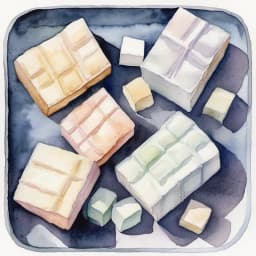
When picked up with your fingers, it is moist and chewy. Upon entering the mouth, an elegant sweetness slowly spreads, accompanied by the soft mouthfeel of potato starch, leaving a long-lasting aftertaste. It is a Japanese sweet with a pleasant, gentle texture similar to gyuhi.
As a traditional confection passed down in Kumamoto for over 400 years, glutinous rice, starch syrup, and sugar are kneaded together, cut into rectangles, and coated with potato starch. The long-established Sonodaya has continued to produce it since the Azuchi-Momoyama period; because it is nutritious and has a long shelf life, it is said that Kato Kiyomasa carried it as military rations.
When enjoyed with tea, its simple sweetness provides a moment of relaxation. It is a unique Kumamoto confection that allows you to taste a long history in every bite.

洋菓子
Crispy and fragrant on the outside, yet moist on the inside. As you chew, the gentle sweetness of Okinawa brown sugar seeps out, making it easy to reach for one stick after another.
This is a staple souvenir snack that Fujibambi in Kumamoto has been producing since 1987, using Okinawa brown sugar and domestic wheat. Great care is also taken with the frying oil, resulting in a characteristic lack of greasiness that is unexpected for a fried snack. It won the Honorary President's Award at the National Confectionery Expo.
Since they are individually wrapped, you can easily enjoy one anytime. They pair well with both coffee and tea, and the simple, addictive sweetness is irresistible. It is a flavor that has been long cherished as a standard Kumamoto souvenir.
和菓子
The moment the crisp seaweed breaks, the aroma of the sea wafts through. This is followed by the crunch of the beans and the integrated flavors of soy sauce or wasable spreading across the palate.
Fuga-maki is a confection where seasoned beans are hand-rolled one by one in premium seaweed from the Ariake Sea. It was originally created by a seaweed merchant who was deeply committed to the quality of their seaweed. The Ariake Sea is one of Japan's leading seaweed production areas; the seaweed, which absorbs nutrients during high tide and basks in the sun during low tide due to the massive tidal range, possesses excellent aroma and melt-in-the-mouth quality. Rolling small, round beans in thin seaweed is an extremely difficult task, showcasing the skill unique to hand-rolling.
A seaweed confection born from the dedication of a seaweed merchant. Once you pick up one, you won't be able to stop.

和菓子
When you break the monaka shell, you find a thick, amber-colored preserve. With one bite, the gentle acidity and sweetness of the fruit melt elegantly in your mouth.
Kaseita is a traditional Kumamoto sweet of Nanban (Western) origin, consisting of quince preserves sandwiched between wafers. Its name is said to derive from a Portuguese phrase meaning 'a box of marmalade.' Since around the 17th century, it has been loved by the Hosokawa lords of the Kumamoto Clan, and from the Shotoku era, it was even included as an offering to the Shogunate. Although production once ceased during the Meiji era, it was revived after the war and continues to this day.
A historic item said to have been loved by tea masters. Please enjoy the elegant taste of Higo (Kumamoto) alongside your tea.

洋菓子
The moist baked dough is packed with concentrated chestnut flavor. With one bite, an elegant sweetness and the aroma of Japanese chestnuts gently spread through your mouth.
Kuri Chisato is a baked Mont Blanc produced by Fukuya, a confectionery maker in Kumamoto. Created at the end of 2017, it won a gold medal at the following year's specialty product contest and achieved the Grand Prix (1st place nationwide) in the 2018 'Japan National Local Snack Ranking.' Its popularity stems from its moist texture and generous use of chestnuts, making it widely loved as a new staple Kumamoto souvenir.
A treat that allows you to fully savor the deliciousness of chestnuts, as evidenced by its awards. It is a flavor that will please whether served with tea or given as a gift.
📍御船町
Specialties from 御船町 are also available via furusato nozei

洋菓子
A crunchy texture accompanied by a light aroma of butter and a gentle sweetness. The dinosaur-shaped cookies are fun just to look at.
Mifune-machi is one of Japan's leading production areas for dinosaur fossils. The Mifune Group, which spreads across the town, is a geological formation from the late Cretaceous period about 90 million years ago and is known for producing the most diverse dinosaur fossils in the country. In 1979, Japan's first carnivorous dinosaur fossil (later named Mifuneryu) was discovered, leading to the creation of the Mifune-machi Dinosaur Museum. These dinosaur-themed cookies are a popular souvenir at the museum shop.
Fun dinosaur cookies that embody ancient romance. How about picking some up as a souvenir to commemorate your visit to Mifune-machi?
📍荒尾市
Specialties from 荒尾市 are also available via furusato nozei

洋菓子
When you take a juicy bite, a crunchy texture accompanies an overflow of fruit juice and a gentle sweetness that spreads throughout your mouth.
Araoi City is a famous production area boasting over a hundred years of history in pear cultivation. In particular, the large-sized Nintaka pears are known as 'Arao Jumbo Pears,' characterized by their impressive size and mellow sweetness with low acidity. In autumn, roadside stands line the streets within the city, and pears are beloved by citizens as a symbol of Arao. Sweets such as jelly and pie that make use of these pears have become popular limited-time products for the autumn season.
Sweets that preserve the freshness nurtured by the home of jumbo pears. Please enjoy the flavors of autumn through these confections.
📍高森町
Specialties from 高森町 are also available via furusato nozei

和菓子
When you take a crunchy bite, the fragrant aroma of miso fills your mouth. The flavor of the dengaku miso, a perfect blend of sweetness and saltiness, leaves a lingering deliciousness.
Takamori Dengaku is a traditional hospitality dish passed down since ancient times in Aso, Takamron. Mountain delicacies, such as 'Tsurunoko' potatoes harvested from the foothills of Mt. Nekodake, are coated with special dengaku miso and slowly grilled over charcoal. Although it once faced the threat of disappearing, it has been preserved and passed down by people dedicated to its conservation. This rice cracker brings out that very flavor of the miso. The fragrant aroma of the miso directly conveys the taste of the local region.
A miso-scented rice cracker reminiscent of Aso's local cuisine. Please be sure to try it when you visit Takamori.
📍山江村
Specialties from 山江村 are also available via furusato nozei

和菓子
When you break open the fluffy dough, the aroma of chestnut wafts out. The natural sweetness of the tender chestnuts spreads luxuriously throughout your mouth.
Yamae Village is a renowned chestnut village blessed with fertile red soil and the significant temperature fluctuations characteristic of a basin. The 'Yamae Chestnuts' grown here are large, boasting deep sweetness and rich flavor; in 1977, they were even presented to Emperor Showa.
This chestnut manju, made with plenty of these large chestnuts, is a masterpiece that allows you to truly experience the original deliciousness of the chestnut. During the Autumn Chestnut Festival, a variety of different chestnut sweets are on display.
A luxurious manju made entirely of chestnuts, nurtured in the village of imperial offerings. Please enjoy the bounty of autumn to your heart's content.
📍山鹿市
Specialties from 山鹿市 are also available via furusato nozei

和菓子
Moist and soft, a single bite allows an elegant sweetness to slowly spread. Despite being called yokan, it has a gentle mouthfeel reminiscent of mochi.
Yamaga Yokan is a famous sweet that has been enjoyed by the people of Yamaga since the beginning of the Meiji era. Because it uses rice flour instead of glutinous rice, it remains soft even after time has passed. It is said to have originated as a rolled yokan, where smooth bean paste was wrapped in dough made by steaming and spreading thin rice flour.
The bean paste, with its subtle hint of saltiness, creates a simple flavor that never grows old. It has long been loved by those visiting the Yamamen hot spring resorts.
A local sweet with gentle sweetness passed down in this hot spring town. Please enjoy the atmosphere of Yamaga along with your tea.
📍山都町
Specialties from 山都町 are also available via furusato nozei

和菓子
A simple sweetness and savory aroma spread with a crispy texture. One bite brings a nostalgic taste that gently relaxes the heart.
Tsujunkyo Senbei are rice crackers inspired by Tsujunkyo Bridge, the symbol of Yamato Town. Tsujunkyo is a stone aqueduct bridge built in 1854 (Kaei 7) to transport water to the water-scarce Shiraito Plateau. Known for its magnificent water discharge, it was designated as a National Treasure in 2023. These crackers, which embody that local pride, can be found at roadside stations and are perfect as a souvenir of your trip.
These simple and savory rice crackers evoke the image of the National Treasure bridge. Please pick some up as a memento of your visit to Yamato Town.
📍上天草市
Specialties from 上天草市 are also available via furusato nozei

和菓子
A light, crispy texture with a fragrant, simple sweetness. One bite brings the nostalgic deliciousness of rice crackers.
Amakusa Shiro Senbei are rice crackers named after Amakusa Shiro, the symbol of Kamiamakusa City. Amakusa Shiro was a young leader who led the Shimabara-Amakusa Rebellion in the early Edo period, and Kamiamakusa City is considered his birthplace. He is said to have led over 30,000 people at only about sixteen years old. These crackers, bearing his name, include varieties using Amakusa salt and seafood, making them a popular souvenir for visitors to Amakusa.
A fragrant rice cracker that commemorates the youth who left his mark on history. Please try some as a memento of your visit to Amakusa.
📍人吉市
Specialties from 人吉市 are also available via furusato nozei

和菓子
With one bite, the rich aroma of shochu rises softly, blending with the gentle sweetness of the moist cake. It is a flavor crafted for adults.
Hitoyoshi-Kumamoto is the home of Kuma Shochu, a rice shochu made solely from rice. The tradition of shochu brewing, said to have begun in the late Muromachi period, has accumulated over 500 years of history, supported by the high-quality water and abundant rice of the Kuma Basin. This shochu cake incorporates plenty of that Kuma Shochu into its dough. Some products are collaborations between breweries and confectioneries, allowing you to easily enjoy the rich aroma of shochu through a sweet treat.
A fragrant adult cake unique to Hitoyoshi, a place of shochu. An item you'll want to savor slowly with coffee or tea.
📍大津町
Specialties from 大津町 are also available via furusato nozei

和菓子
When you split the soft dough, the gentle, sweet aroma of sweet potato wafts out. A fluffy, natural sweetness spreads throughout your mouth.
Otsu Town, located at the foot of Mt. Aso, is a major production area for 'karaimo' sweet potatoes. The fertile volcanic soil brought by the great eruption of Mt. Aso produces sweet and delicious sweet potatoes. Its cultivation volume is among the highest in Kumamoto Prefecture. Karaimo Manju is a simple steamed bun that utilizes this natural sweetness and is well-loved as a product named after the town's mascot, 'Karaimo-kun.'
A sweet potato-filled bun nurtured by volcanic soil. It is a flavor that makes you want to take a relaxing break with a cup of tea.
📍天草市
Specialties from 天草市 are also available via furusato nozei

和菓子
As soon as you put one in your mouth, a subtle saltiness arrives along with the richness of milk. The salt enhances the sweetness, creating an addictive deliciousness that lingers.
Amakusa is a place blessed with sun and wind for salt production. The natural salt, created by slowly crystallizing clear seawater through sun-drying or wood-fire boiling, is characterized by its irregular shapes, high mineral content from the sea, and a subtle sweetness and umami. The caramel made with this salt achieves an exquisite balance where the savory saltiness melts into the sweetness. It is a confection of the sea's bounty that you can find at roadside stations and souvenir shops in Amakusa.
A lingering caramel with a kick of salt nurtured by the Amakusa sea. Please enjoy the pleasant aftertaste of sweetness and saltiness.
📍南小国町
Specialties from 南小国町 are also available via furusato nozei

洋菓子
Rich yet refreshing in aftertaste. The thick richness and natural sweetness unique to Jersey milk spread throughout your mouth.
The Aso Oguni region is one of the rare places in Japan that produces Jersey cattle. Since Jersey cows were introduced from overseas in the 1950s, the community has worked together to continue the tradition of milk production. Known as "Golden Milk," this high-fat, rich Jersey milk is sourced from cows that graze on highland pastures. Around Kurokawa Onsen in Minamioguni, pudding and soft serve made from this milk are beloved treats for visitors exploring the hot springs.
These sweets are packed with the blessings of the highlands. Please enjoy them during your breaks between hot spring visits.
📍八代市
Specialties from 八代市 are also available via furusato nozei

和菓子
A refreshing citrus aroma rises, and with one bite, an elegant sweetness and a gentle bitterness spread softly. You can enjoy the bounty of this large fruit through these sweets.
Banpeiyu is a relative of the pomelo, said to be among the largest in the world; some fruits can exceed 25 cm in diameter and 2 kg in weight. Cultivation began in Yatsushiro City around 1930, and Kumamoto Prefecture now accounts for almost all the harvest. Known as a giant fruit recognized by the Guinness World Records, various sweets such as jelly, marmalade, and candied peel are made using its flesh and thick peel.
A product that captures the refreshing aroma of the giant citrus that Yatsushiro is proud of. It is an elegant flavor that is also appreciated as a winter gift.
Sake
📍あさぎり町
Specialties from あさぎり町 are also available via furusato nozei

焼酎
When poured into a glass, the soft aroma of high-quality rice rises gently. On the palate, it is mellow and glides smoothly down the throat with a light touch. Its clear, light flavor provides a pleasant experience that never becomes tiring.
This authentic rice shochu is produced by Takahashi Shuzo, which has been brewing sake in Hitoyoshi Kuma, at the southern tip of Kumamoto, since 1900. It is a staple Kuma Shochu representing the region, finished to be easy to drink while highlighting the natural umami of the rice. The mellow sweetness of the rice harmonizes with a refreshing aroma.
Whether enjoyed on the rocks, with water, or with hot water, it pairs well with any cuisine. Please try this masterpiece from Hitoyoshi Kuma that fits perfectly into your daily glass.

焼酎
When poured into a glass, a fruity and gorgeous ginjo aroma gently wafts up. With a single sip, a clean aftertaste and the gentle sweetness of rice spread across the palate.
Hakutake KAORU is a new generation of rice shochu crafted by Takahashi Shuzo, known for 'Hakutake.' It is a product of 'aroma-focused' sake brewing, where every step—from rice selection to fermentation, distillation, and blending—was dedicated to pursuing the perfect scent. Created with the desire to make shochu accessible even to those who previously had little familiarity with it, its gorgeous ginjo aroma and crisp drinking experience have made it popular among younger generations and those unaccustomed to strong spirits.
A new form of rice shochu that has mastered aroma. Please enjoy its light ginjo fragrance by mixing it with soda or serving it on the rocks.
📍阿蘇市
Specialties from 阿蘇市 are also available via furusato nozei

ビール
As you tilt the glass, you experience a clean and clear finish. The flavor spreads without any impurities, a characteristic unique to beer brewed with pure spring water.
Aso is known as the 'village where water is born,' blessed with spring water selected as one of Japan's top 100 water sources, including the Shirakawa Spring. Craft beer is produced here, utilizing this pure water, which is a gift from the volcano. The region is rare even in Japan for providing both soft and hard water, making it an ideal environment for brewing beer. Some beers were even created as symbols of reconstruction following the 2016 Kumamoto earthquake.
A refreshing glass nurtured by the waters of Aso. It is a popular souvenir beer that you'll want to savor while gazing at the majestic scenery.
📍菊池市
Specialties from 菊池市 are also available via furusato nozei

日本酒
With a single sip, the umami of the rice expands softly, leaving a clean aftertaste that quietly complements your meal.
Kikuchi is a rice-producing region blessed with the clear Kikuchi River and its underground waters. The Kikuchi River basin has long been known as a producer of high-quality rice, and this rice, combined with pure water, supports the elegant flavor of this local sake. At banquets in the famous Kikuchi Onsen, known for its smooth waters, this local sake is well-loved and enjoyed alongside regional ingredients. Its charm lies in its gentle, easy-drinking flavor nurtured by rich nature.
An elegant cup raised by a village of clear streams. This is an ideal food-pairing sake for those who wish to experience the full essence of Kikuchi's culinary culture along with local cuisine.
📍球磨村
Specialties from 球磨村 are also available via furusato nozei

焼酎
Beneath its clear aroma lies the gentle sweetness of rice. The simple, unpretentious taste settles slowly into the body without ever becoming tiresome.
Kuma Village is a nature-rich hamlet along the Kuma River and is one of the production areas for Kuma Shochu. Kuma Shochu is an authentic shochu that can only bear this name if it is made using only rice as an ingredient and brewed, distilled, and bottled using the groundwater of the Hitoyoshi-Kuma region. With a history of approximately 500 years, it is one of the few brands in Japan whose geographical indication has been recognized by the World Trade Organization. During the heavy rains of 2020, distilleries in the Kuma River basin suffered significant damage, but some distilleries have achieved a revival in their determination to protect tradition.
A resilient cup passed down through disaster. It is a local shochu you will want to savor alongside the story of the Kuma River.
📍錦町
Specialties from 錦町 are also available via furusato nozei

焼酎
With a single sip, the mellow sweetness unique to rice spreads across the palate, followed by a clean aftertaste. There is also the pleasure of comparing different personalities across various breweries.
Nishiki Town is a town in the Kuma Basin known as a village of fruit and master swordsmen. Distilleries for Kuma Shochu are scattered here as well, continuing the tradition of making rice shochu using only rice as an ingredient. The significant temperature fluctuations of the Kuma Basin and the high-quality soft water from the Kuma River system enhance the mellow sweetness of the rice. Kuma Shochu has a history of over 500 years and is the only production area in Japan for rice shochu protected by a Geographical Indication (GI).
Experience the mellow rice shochu nurtured by the climate of the Kuma Basin. Please try comparing the different flavors of each brewery.
📍熊本市
Specialties from 熊本市 are also available via furusato nozei

日本酒
A refined cup with a gorgeous, rising ginjo aroma and an elegant, soft taste that goes down smoothly.
The Kumamoto Prefectural Brewing Research Institute, which brews Kouro, was established in 1909 with the aim of improving the quality of sake in Kumamoto. In 1952, the 'Kumamoto Yeast,' isolated and cultured by the first chief engineer, Kinichi Nobashiro, was later distributed nationwide as the Japan Brewing Association's 'Kyokai No. 9 yeast,' supporting the expansion of ginjo sake production. Kouro is brewed by the same institute that produced this yeast, which is still used in breweries across Japan today.
A source of fine sake that has supported the history of ginjo sake from behind the scenes. The pride of Kumamoto's sake brewing lives within every single drop.

日本酒
A clean mouthfeel with a rich rice body and an elegant finish. This is a refined local sake that complements the dining tables of Kumamoto.
Zuiyo is a long-established brewery in Kumamoto City, founded in 1867 (Keio 3). It is known as the brewery that took on the challenge of creating the first sake in Kumamoto and is also the birthplace of the Kumamoto Prefectural Sake Brewing Research Institute, established in 1909. In addition to working on sake production using 'Hananishiki,' an original sake rice from Kumamoto Prefecture, they continue to pass down 'Akazake' (red sake), a Hai-mochishake that was loved as the official sake of the Higo-Hosokawa clan. Akazake is an essential drink for New Year celebrations and Otoso in Kumamoto.
A brewery that carries the roots of Kumamoto's sake culture. Please experience the depth of history in a single cup.
日本酒
A standard Kumamoto brand with a wide range of flavors, from refreshing dry to mellow Junmai. With one sip, the deliciousness of the rice spreads comfortably through your palate.
The roots of Bishonen go back to the Edo period, said to have begun with sake brewing in an area associated with the Hosokawa clan in 1752 (Horeki 2). The brand name is said to be inspired by a passage from the Chinese poet Du Fu's 'Song of the Eight Immortals.' Currently based in Kikuchi City, it is also known for continuing its brewing operations by utilizing a former elementary school building as its brewery.
A local sake boasting one of the highest levels of recognition in Kumamoto. If you see its name in an Izakaya, please be sure to try a glass.

ビール
When poured into a glass, you see bursting bubbles and a rich aroma. The unique flavors utilizing local ingredients make you feel the new drinking culture of Kumotaku.
Craft beer refers to a variety of beers produced by small-scale breweries with their own unique commitments. In breweries within Kumamoto City, there is a growing trend of brewing beer using Aso spring water and local agricultural products. The charm lies in being able to enjoy the individuality of each brewer, ranging from fruity styles to those with a pronounced bitterness, depending on the malt and hop blends and production methods.
A new addition to the traditional local drinks of Kumamoto. Please find your favorite bottle to match your mood or your meal.
📍五木村
Specialties from 五木村 are also available via furusato nozei

焼酎
The aroma of rice rises from the glass. The soft, mellow flavor, nurtured by clear, flowing streams, relaxes your soul.
Itsuki Village is a deep mountain hamlet known nationwide for the 'Itsuki Lullaby.' Blessed by the flow of the Kawabe River, one of Japan's most renowned clear streams, it sits within the Kuma Shochu production region. Kuma Shochu is an authentic shochu with an approximately 500-year history; only spirits made solely from rice and brewed using the groundwater of the Hitoyoshi-Kuma region are permitted to use this protected designation of origin. This pure water supports the rustic taste of the rice shochu.
A clear glass nurtured by the village of lullabies. A gentle local shochu that seems to reflect the memories of the mountains and the water.
📍高森町
Specialties from 高森町 are also available via furusato nozei

日本酒
When you tilt the glass, you experience a clear taste reminiscent of pure brewing water. The soft mouthfeel reflects the nature of Aso.
Yamamura Shuzo, the brewer of Reizan, was founded in 1762 (Horeki 12). It is recorded as the oldest operating sake brewery in Kumamoto Prefecture. Located in Takamori Town at an altitude of about 550 meters on the southern side of Mt. Nekoko, it enjoys an environment ideal for sake brewing, with extreme cold in winter and refreshing coolness in summer. The name 'Reizan' is said to derive from the fact that Mount Aso, which has been a site of worship since ancient times, was called the 'Sacred Mountain.'
Brewed by Aso's brewers using Aso's water and rice. Please enjoy this authentic local sake of Aso.
📍山江村
Specialties from 山江村 are also available via furusato nozei

焼酎
A single sip reveals the rich sweetness of rice. A simple, never-tiring flavor spreads, born from the clear waters of the mountain village.
Yamae Village is a small village in the Kuma region known as the 'Chestnut Village.' The temperature fluctuations characteristic of the basin produce sweet and fragrant 'Yamae Chestnuts.' In 1977, they were presented to Emperor Showa, bringing national recognition to their name. Kuma Shochu is also produced in this area, including a chestnut-flavored shochu made with chestnuts. Kuma Shochu is an authentic shochu with approximately 500 years of history, made using only rice as the raw material and brewed, distilled, and bottled using the groundwater of the Hitoyoshi-Kuma region.
A village in autumn where chestnuts and shochu meet. Please enjoy the sweetness of the chestnuts along with a glass of shochu.
📍山鹿市
Specialties from 山鹿市 are also available via furusato nozei

日本酒
With a single sip, the umami of the rice expands softly on the palate, leaving a quiet, clean aftertaste. This cup shines with a dedication to rice, a hallmark of a brewery that began as a rice wholesaler.
Founded in 1896, Chiyoi-sono Sake Brewery is the oldest brewery in Yamaga City. The founder, who operated a rice business, established the brewery in the Somon district, which flourished as a collection point for rice near the Kikuchi River. Known for an intense commitment to rice, the brewery is also famous for pioneering Junmai sake production ahead of breweries nationwide during the era when ordinary sake (futsu-shu) was at its peak in 1968.
A long-established Yamaga brewery that has remained relentlessly dedicated to rice. A traditional beautiful sake passed down for over a century in the land of decorated kofun (ancient tombs).
📍山都町
Specialties from 山都町 are also available via furusato nozei

日本酒
A rich aroma and a deep flavor. This is a substantial local sake nurtured by the pure waters of the mountain valleys.
Tsujuna Shuzo was founded in 1770 (Meiwa 7) and is located in Yamato Town, surrounded by the Kyushu Mountains and the southern outer rim of Aso, an area rich in groundwater. The brewery name is the same as the 'Tsujun Bridge,' a stone arch aqueduct that is a National Important Cultural Property. They still use the 'Kansei Storehouse,' which dates back to 1789 (Kansei 4), and are dedicated to brewing sake using sake rice grown locally in Yamato Town. History also tells of Saigo Takamori staying here during the Meiji era.
A drink from a historic brewery that shares its name with a famous bridge. This is a masterpiece you will want to savor slowly, born from a brewery with deep roots.
📍産山村
Specialties from 産山村 are also available via furusato nozei

日本酒
With just one sip, you experience a soft and clear flavor. It has a crisp and gentle mouthfeel, unique to a village blessed with high-quality water.
Aoyama Village is a small village located northeast of Aso, known above all for the excellence of its water. The Ikeyama Spring within the village was selected by the Ministry of the Environment as one of Japan's 100 Best Waters. Pure water from the Kuju Mountain Range flows abundantly at a nearly constant temperature throughout the year. This clear water supports the local blessings, including rice cultivation. It is a sacred village of water, with legends even suggesting it served as the divine bathwater for the gods.
A clear taste nurtured by a village of famous waters. This is a drink to be enjoyed slowly while reflecting on the purity of the spring.
📍人吉市
Specialties from 人吉市 are also available via furusato nozei

焼酎
As you tilt your glass, a rich aroma rises softly. With one sip, the umami of the rice spreads with a mellow mouthfeel, leaving a pleasant, clear aftertaste. It is a bottle that has been loved locally for a long time and never grows tiring.
This is the flagship brand of Sengetsu Shuzo, which has dedicated itself solely to Kuma Shochu in Hitoyoshi, Kumamoto, since 1903. It is brewed using the pure waters of the Kuma River and carefully selected rice, utilizing the techniques of master brewers (Toji) passed down through six generations. The name was inspired by 'Sengetsu Castle', another name for Hitoyoshi Castle.
When enjoyed with hot water, the aroma opens up softly; when enjoyed on the rocks, the umami becomes sharp and refined. Please enjoy this mellow rice shochu nurtured by the climate of Hitoyoshi.

焼酎
With one sip, the mellow sweetness characteristic of rice shochu and a clean aftertaste spread through your palate. This is a fine sake of Hitoyogi that livens up banquet settings.
Kuma-ken refers to a traditional hand-game that has been enjoyed at banquets in Hitoyoshi Kuma. This shochu, bearing that name, is a bottle deeply connected to Kuma Shochu culture. Kuma Shochu is a prestigious spirit protected by Geographical Indication, which can only be called such if it is made using only rice as the raw material, brewed with the groundwater of Kuma, and distilled and bottled in the distilleries of Hitoyoshi Kuma. It is a representative rice shochu of Japan with over 500 years of history.
A mellow rice shochu reflecting the drinking culture of Hitoyoshi. Please savor the climate of Kuma, whether enjoyed with hot water or on the rocks.

焼酎
With a single sip, the umami of the rice expands richly, allowing you to enjoy a mellow aroma and a substantial body. It is a full-bodied rice shochu.
Mushagaeshi is a Kuma Shochu produced by Jufuku Shuzojo in Hitoyoshi City. Since its founding in 1890, this brewery has remained dedicated to the laborious process of atmospheric distillation, known for its steadfast commitment to this traditional method. The characteristic feature is the retention of the rice's umami and a powerful aroma unique to atmospheric distillation. True to its brave name, which refers to the sturdy stone walls of Kumamoto Castle, it is finished as a highly satisfying drink.
A cup full of rice umami, born from an uncompromising dedication to atmospheric distillation. Please take your time to savor its rich aroma with hot water (oyu-wari).

焼酎
The moment you open the bottle, a brilliant ginjo aroma reminiscent of pears and white flowers overflows. Enveloped in a fruity scent unexpected for a shochu, the soft umami of the rice expands richly on the palate.
This rice shochu is produced by Torikai Shuzo in Hitoyoshi City, Kumamoto Prefecture, using a luxurious production method similar to Ginjo sake, with the rice polished down to approximately 58 percent. It is distilled from mash using the Kumamoto-born Kyu-9 yeast. In 1996, it was honored with a Special Gold Award at the Monde Selection.
First, please enjoy its aroma to the fullest on the rocks or chilled straight. It is a highly aromatic Kumamoto rice shochu recognized by the world.
📍水上村
Specialties from 水上村 are also available via furusato nozei

焼酎
As you tilt your glass, a full-bodied aroma of rice emerges. The clear brewing water creates a crisp mouthfeel and a gentle lingering finish.
Mizukami Village is a remote mountain hamlet blessed with the pure waters of the Ichifusa Mountain Range, situated at the headwaters of the Kuma River. The Kuma Shochu brewed here is an authentic shochu that can only use rice as its sole ingredient and must be brewed, distilled, and bottled using the groundwater of the Hitoyoshi-Kuma region. With a history spanning approximately 500 years, it is counted among Japan's few brands whose geographical indication has been recognized by the World Trade Organization.
A deeply flavorful cup nurtured by mountains and water. It is a local shochu you will want to savor slowly while imagining the nature of the Ichifusa Mountains.
📍水俣市
Specialties from 水俣市 are also available via furusato nozei

焼酎
As you tilt your glass, a gentle aroma of the raw ingredients rises. A simple, mellow flavor spreads, nurtured within clear, pristine nature.
Facing the Uchiura Bay, Minamata City is a land rich in nature, known as an 'Environmental Model City' dedicated to environmental restoration. Under a warm climate, sweet potato and barley shochu made from local produce have been enjoyed by the local people for a long time. The lush mountains and the vast sea stretching before your eyes—the climate embraced by both nurtures a generous and easy-to-drink shochu flavor.
A glass of Minamata, nurtured by a land facing restoration. It is a rustic, local shochu that evokes a sense of warmth.
📍相良村
Specialties from 相良村 are also available via furusato nozei

焼酎
With a single sip, the mellow sweetness of rice unfolds, leaving a clean aftertaste that pairs beautifully with tea.
Sagara Village is a land connected to the Sagara clan, who ruled Hitoyoshi-Kuma for 700 years, and it is one of the production areas for Kuma Shochu. Kuma Shochu is an authentic shochu with a protected designation of origin; only those made using solely rice as an ingredient and brewed, distilled, and bottled with the groundwater of the Hitoyoshi-Kuma region can bear this name. It boasts a history of approximately 500 years. Sagara Village is also a producer of high-quality tea, and a culture of enjoying shochu diluted with tea is deeply rooted here.
A mellow rice shochu nurtured by a tea-producing region. When enjoyed as an 'Ocha-wari' (shochu mixed with tea), it is a drink that allows you to savor the blessings of this land in double.
📍多良木町
Specialties from 多良木町 are also available via furusato nozei

焼酎
Upon taking a sip, a mellow, well-rounded flavor and a rich aroma float through the air after having aged for a long time. A deep richness slowly spreads across the tongue.
Gokuraku is a Kuma Shochu produced by Hayashi Shuzojo, which claims a founding date from the mid-Edo period. It boasts a mellow and profound taste worthy of its name, 'Gokuraku.' Through atmospheric distillation that preserves the individual characteristics of the raw materials and koji, combined with long-term aging, a mature umami and aroma are created. The brewing process, which has remained almost unchanged since its founding, conveys traditional flavors to the present day.
A mellow and deep rice shochu polished by time. Please enjoy this cup worthy of the name 'Gokuraku' while savoring it slowly.
📍大津町
Specialties from 大津町 are also available via furusato nozei

焼酎
As you tilt the glass, the rich aroma of sweet potato emerges. The gentle sweetness and ease of drinking will soothe your heart.
Ozu Town, located at the foot of Mount Aso, is land suitable for sweet potato cultivation. In Kumamoto, sweet potatoes are called 'karaimo.' Ozu Town boasts one of the highest production volumes in the prefecture and is truly a 'town of karaimo,' bustling with the 'Karaimo Festival' every autumn. The sweet potato shochu made from potatoes grown in this region results in a drink that brings out the inherent sweetness and aroma of the potato.
A sweet potato-rich shochu nurtured by the 'town of karaimo.' It is a local spirit you will want to enjoy slowly along with the flavors of autumn.
📍天草市
Specialties from 天草市 are also available via furusato nozei

焼酎
With a single sip, the richness of the raw ingredients expands, leaving a gentle, mellow aftertaste. It is a generous flavor typical of Amakusa, making you feel the sea breeze.
Amakusa Shuzo is the only brewery in Amakusa, founded in 1899. While they originally produced sweet potato shochu, they later expanded into rice and barley shochu. Their representative brand, 'Ike no Tsuyu,' is a sweet potato shochu that was revived by the fourth generation after it had once ceased production. They still cherish traditional methods, collecting every single drop using a Kabuto-gama style distiller.
A spirit from Amakusa's only brewery, nurtured by the warm climate and the blessings of the sea. It is a drink you'll want to enjoy slowly alongside fresh seafood.
📍湯前町
Specialties from 湯前町 are also available via furusato nozei

焼酎
A clear, crisp aroma followed by the soft sweetness of rice and a rich, lingering finish. It is a flavor unique to rice shochu that gently warms the body.
Yumae Town is located in the southeastern part of the Kuma region and is one of the production areas for Kuma Shochu. Kuma Shochu is an authentic shochu with a protected designation of origin, which can only be labeled as such if it is made using only rice as an ingredient and brewed, distilled, and bottled using the groundwater of the Hitoyoshi-Kuma region. With a history of approximately 500 years, it is one of the few brands in Japan to have its Geographical Indication recognized by the World Trade Organization, much like Scotch or Bordeaux.
A cup of pride born from the climate of Hitoyoshi-Kuma, which was ruled by the Sagara clan for 700 years. It is a local shochu you'll want to savor slowly at a local izakaya.
📍南阿蘇村
Specialties from 南阿蘇村 are also available via furusato nozei

その他
What fills the glass is the fresh aroma of fruit and a rich sweetness. It is a gentle drink that is easy to enjoy even for those who do not particularly enjoy alcohol.
Minami-Aso is a 'village where water is born,' blessed with spring water selected as one of Japan's top 100 water sources, including the Shirakawa Spring. Wines and liqueurs are crafted using this pure water along with local fruits like blueberries and plums. Many of these sweet alcoholic beverages emphasize the natural sweetness and aroma of the fruit itself, making them a perfect accompaniment to after-dinner moments or celebratory occasions. In recent years, wine production using locally grown grapes has also been expanding.
A magnificent drink born from the meeting of Aso's water and fruit. It is a fruit-based alcohol that you can enjoy slowly, almost like a dessert.
📍八代市
Specialties from 八代市 are also available via furusato nozei

焼酎
A clear, clean aroma followed by a gentle sweetness and a rustic aftertaste. It is a flavor that never grows tiring, reflecting the bounty of the Yatsuna Plain.
Yatsushiro City possesses the Yatsushiro Plain, which extends to the mouth of the Kuma River, making it a rich producer of agricultural products including rice. This area, known nationwide for its production of rush (igusa) used for tatami mats, has long produced shochu made from local rice and sweet potatoes, which is beloved by the local people. The abundant water provided by the Kuma River and the land blessed with the plain's harvest support the simple yet powerful flavor of this shochu.
A local drink born from the bounty of the Yatsushiro Plain. It is a flavorful shochu that seems to reflect the blessings of the land itself.
📍和水町
Specialties from 和水町 are also available via furusato nozei
日本酒
With a single sip, the rich umami of the rice and a clear sweetness gently spread across the palate. Brewed with spring water, the sake has a soft mouthfeel and a flavor that deeply touches the heart, as if directly reflecting the blessings of the land.
This sake is produced by Hana no Ka Sake Brewery, which has been operating in Nagomi Town, Tamana District, Kumamoto Prefecture since 1902. Under the concept of 'Ubusuna' (the deity of one's birthplace), they pursue a complete terroir of the town, sourcing both brewing water and rice entirely from Nagomi Town. By preserving indigenous traditions such as wooden vat brewing and natural farming methods, they have achieved high recognition globally, including a gold medal in the London Sake Challenge.
When chilled, it is light and refreshing; when served warm (nurukan), its umami expands. This is a unique local sake that embodies the very nature of Nagomi Town in every glass.