福岡県は九州の玄関口として古くから大陸との交流拠点となり、多彩な食文化が花開いた美食の街です。博多ラーメンは白濁した濃厚な豚骨スープに極細ストレート麺を合わせた名物料理で、替え玉文化とともに全国に広まり、お取り寄せグルメとしても不動の人気を誇ります。辛子明太子は博多の特産品として全国に知られ、スケソウダラの卵を唐辛子で漬け込んだ博多生まれの味わいはごはんのお供の定番です。もつ鍋は戦後の博多で生まれた郷土料理で、ニンニクの効いたスープで牛もつとニラやキャベツを煮込む冬の名物として全国的な人気があります。「がめ煮(筑前煮)」は鶏肉と根菜を煮込んだ福岡発祥の家庭料理で、正月や祝いの席に欠かせない一品です。いちごの「あまおう」は福岡県だけで栽培される特産品で、大粒で甘みが強く生産量は全国第2位です。ゆずごしょうや博多の胡麻鯖など独自の食文化も豊富で、ふるさと納税では明太子やあまおうが人気の返礼品です。
Food
📍うきは市
Specialties from うきは市 are also available via furusato nozei

特産品
Ukiha is a land of fruit spreading at the foot of the Mount Hinokun Renzan range. Among its many offerings, the Fuyu persimmon is a specialty regarded as one of the best in western Japan.
The fertile soil of the Chikugo River basin combined with significant temperature fluctuations between day and night creates the ideal conditions for growing sweet and juicy persimmons. Ukiha City is known as a 'Fruit Kingdom' where the proportion of fruit in its agricultural output is remarkably high, and its Fuyu persimmons boast quality with color and sugar content ranked among the best in Japan.
When autumn arrives, you can enjoy fruit picking, harvesting heavy, ripe persimmons with your own hands. There is a unique luxury in biting into a melt-in-your-mouth, fully ripened persimmon under a clear blue sky. We invite you to experience this flavor that can only be found in its place of origin.
特産品
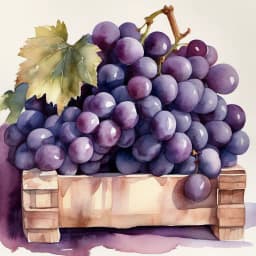
From Kyoho to Shine Muscat—in the vineyards of Ukiha, dozens of different varieties bear colorful fruit.
Ukiha City is one of Fukuoka Prefecture's leading grape-producing regions, with an incredibly diverse range of cultivated varieties. The fertile soil brought by the Chikugo River and the pristine water from the Ena Mountains nurture large berries with concentrated sweetness. Grape picking tourism is also thriving, and during the autumn harvest season, the area bustles with many people enjoying the experience of picking their own.
When you pop a freshly picked berry into your mouth, rich juice overflows the moment the skin breaks. These jewel-like fruits are the pride of Ukiha and are much appreciated as gifts. Why not head out on an autumn excursion to find your favorite variety?
📍みやこ町
Specialties from みやこ町 are also available via furusato nozei

特産品
What is loved in Miyako Town of the Keishu area is chewy udon. Renowned shops belonging to the group known as 'Buzen Uradakai' each compete with their prideful techniques.
The 'Uradakai' is a group of noodle makers and restaurants that gathered to promote authentic handmade udon in the Buzen and Keishu regions. At member shops, you can enjoy a bowl that combines a smooth texture with just the right amount of chewiness. This dedication to noodle making has supported the udon culture of this land.
Firm, chewy noodles in a warm broth seasoned with dashi. With just one slurp, the profound flavor of the udon passed down through this land will gently permeate your body.
📍みやま市
Specialties from みやま市 are also available via furusato nozei
特産品
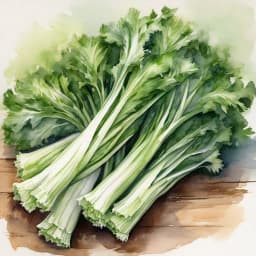
We want even those who dislike celery to try this—that is the confidence infused into the sweet celery of Miyama City.
Miyama City accounts for the majority of Fukuoka Prefecture's celery production, boasting the highest shipment volume in Western Japan. The varieties grown in the city are characterized by low bitterness and a strong, palpable sweetness. From winter to spring, fresh celery is harvested one after another across the Chikugo Plain.
With a pleasant, crunchy texture and a refreshing aroma, it can be enjoyed deliciouslly raw in salads, or cooked in stir-fries and soups. This is Miyama's proud masterpiece that will surely change your entire impression of celery.

特産品
A sharp spiciness combined with a deep umami created through the pickling process. The Takana Zuke from Miyama City is a classic taste that makes you unable to stop eating rice.
Miyama City is known as a production hub for takana, and many families have been pickling these greens since long ago. By slowly pickling takana grown in a warm climate using traditional methods, a unique spiciness and a mellow umami from fermentation are born. It is a taste of the land passed down through generations of homes.
Placed atop freshly cooked rice, you could eat bowl after bowl. It is also outstanding when chopped into fried rice or used as a topping for ramen. Please enjoy this nostalgic taste of Miyama that has been a staple of daily dining.
📍岡垣町
Specialties from 岡垣町 are also available via furusato nozei

特産品
Large-sized loquats herald the arrival of early summer. Okaki Town boasts the number one loquat production area in Fukuoka Prefecture.
Loquat cultivation in Okaki Town is said to have begun during the Meiji era. The sea breeze blowing from the Hibikinada coast and the warm climate produce juicy, sweet loquats. This town, which possesses the beautiful scenic spot of Sanrimatsubara, is ideal for fruit cultivation as it is less susceptible to frost damage. It is also affectionately known as 'Takakura Biwa.'
The glossy, orange-colored fruit is highly attractive due to its gentle sweetness and juiciness. It attracts popularity every year as a gift. Because the season is short, it is a juicy, luxurious fruit that you truly want to taste during those moments of early summer.
📍嘉麻市
Specialties from 嘉麻市 are also available via furusato nozei

特産品
Sticky taro nurtured by the fertile soil of Chikuho. A nutritious flavor that colors the autumn of Kama.
Growing in the rich soil of Kama City, this taro features a strong stickiness and a fine-grained texture. When simmered, it achieves a fluffy consistency, and when added to soups, you can enjoy its smooth mouthfeel. As the weather turns colder, it becomes a flavor you naturally crave—a taste that warms the soul.
Whether used in Nikkorogashi, Chikuzen-ni, or Imo-ni soup, its uses are many. Taking a mouthful of the fluffy texture along with the warm steam allows your heart to relax. It is truly the taste of home, having been loved in the land of Kama for many years.
📍苅田町
Specialties from 苅田町 are also available via furusato nozei

海鮮
Kanda Town, facing the Suo-nada Sea, is a seaside town nurtured by the abundant blessings of the Buzen Sea.
In Kanda, which faces the Buzen Sea with its large tidal range, various seasonal seafood is landed, including our pride—single-grain oysters—as well as natural sea bream and flounder. Seafood raised in this nutrient-rich sea has plump flesh and a truly deep umami flavor. It has enriched local dining tables since ancient times.
At direct sales offices and restaurants, you can taste seafood freshly caught that very day. Grilled, steamed, or as sashimi—this is a town where you can enjoy the full essence of the sea's umami. If you visit Kanda, overflowing with the blessings of the Buzen Sea, please indulge in the seasonal flavors of the day.
📍久留米市
Specialties from 久留米市 are also available via furusato nozei

ご当地グルメ
A heavy, rich tonkotsu soup. With just one sip, the powerful richness and deep aroma make you groan in realization: 'This is the origin of tonkotsu.' It is a robust bowl, distinct from the style of Hakata ramen.
Kurume is considered the birthplace of Tonkotsu ramen. In 1937, the food stall 'Nankin Senryo' opened, and it is said to have taken inspiration from the pork bone soup used in Nagasaki Champon. Furthermore, in 1947, an error during preparation at the food stall 'Sankyu' caused the soup to boil over, turning it cloudy—this is said to be the beginning of the current milky-white tonkotsu style.
A dense bowl born from a combination of coincidence and ingenuity. Please experience the roots of Tonkotsu ramen through the taste of this city.

ご当地グルメ
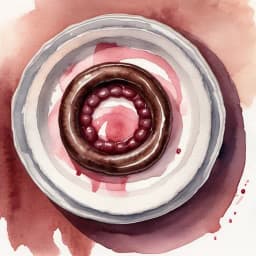
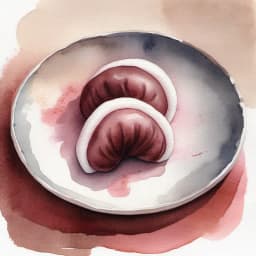
Skewers sizzle over charcoal, dripping with fat as they brown perfectly. When you bite into a plump piece of 'darumu' (pork intestine), the savory char and springy texture make you reach for the next one instinctively.
While called 'yakitori' (grilled chicken), the real star of Kurume's style is pork. With melting pork belly and 'darumu'—white pork offal—it features a free-spirited skewer culture that goes far beyond just chicken. This style, which spread from food stalls, captured the hearts and stomachs of the townspeople with its affordable and deeply nourishing flavors.
Kurume boasts one of the highest numbers of yakitori shops per capita in the country. It is such a dedicated yakitori town that it even declared itself 'Japan's Number One Yakitori' in 2003.
A night spent waiting for skewers to grill behind the smoke, with a cold beer in hand, is what this town does best.
ご当地グルメ
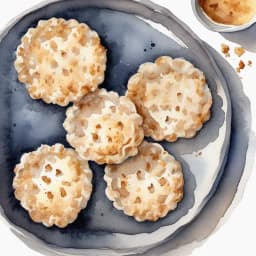
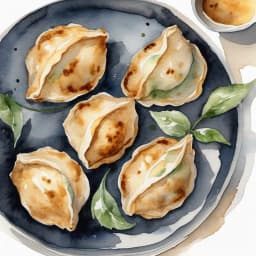
When you pierce the crispy, lace-like skirt with your chopsticks, it makes a satisfying sound. As you bite into a single-sized dumpling, the savory juices burst forth after the initial aroma of the thin skin. Because they are small, you can easily pop several in a row.
The origins of Kurume gyoza are said to lie in the iron-pot grilling style enjoyed at food stalls. As is fitting for the birthplace of Tonkotsu ramen, it has become a staple side dish in ramen shops.
There is no fixed form for Kurume gyoza. The thickness of the skin, the composition of the filling, the folding technique, and the method of grilling—each shop puts its own unique spin on them, and a characteristic feature is the abundance of specialty shops.
That is precisely why there is so much joy in comparing them. It makes you want to head out into the city to find your favorite plate.

特産品
Tanushimaru Town, Kurume City, is known as the birthplace of tourist vineyards. It is truly a village of grapes, where large Kyoho clusters hang heavy on the vines.
In 1957, Kyoho grapes were first planted in Tanushimaru by just five people. Eventually, the number of farmers grew, and 'grape picking' began as a way to let many people enjoy these sweet grapes, marking the start of the tourist vineyards. The fertile soil of the Chikugo River basin and the foothills of the Eunosan Mountains produce large, juice-filled berries.
In summer, Tanushimaru bustles with grape pickers. Please visit to experience the luxury of biting into a freshly picked Kyoho grape, complete with its rich aroma and bursting sweetness.
📍宮若市
Specialties from 宮若市 are also available via furusato nozei

特産品
With one hand inviting good fortune and the other sweeping away misfortune, the somewhat greedy Maneki-neko is Miyawaka's 'Oidashi Neko.'
It is based on a legend that has long been told in the former Wakamiya Town. The story goes that a group of cats beloved by a priest joined forces to defeat a large rat that had taken up residence in a temple. Local specialties were created in connection with this tale. This auspicious charm features a single body with two sides: one side smiling and beckoning, and the other showing an angry face holding a broom.
These adorable good-luck goods embody the wish to bring in fortune while firmly sweeping away evil—making them the perfect souvenir for those visiting Miyawaka.
📍古賀市
Specialties from 古賀市 are also available via furusato nozei

特産品
The bittersweet and aromatic notes are truly addictive. Koga's 'Burnt Sweets' offer a slightly sophisticated, adult taste.
This is a collection of confectionery themed around 'burning/toasting,' developed as a brand by Koga City. Local pastry shops apply their unique expertise to skillfully utilize the aroma of caramelization and subtle bitterness. The variety is incredibly rich, ranging from baked goods to puddings.
Their greatest charm lies in a flavor profile that offers depth and a lingering aftertaste, rather than being purely sweet. They are perfect accompaniments to fragrant coffee or tea. Why not choose these uniquely aromatic Koga sweets as a treat for yourself or as a souvenir?
📍広川町
Specialties from 広川町 are also available via furusato nozei

特産品
Hirogawa is a town where large, sweet 'Amaou' strawberries hang in abundance. It is one of the main production areas for Fukuoka's proud brand of strawberries.
Hirogawa Town is blessed with the fertile soil of the Chikugo Plain and a warm climate, producing high-quality Amaou that are large and intensely sweet. It is also known as a famous tea-producing region, with Yame tea cultivation being very active. Both the fruit and the tea are packed with the rich blessings of this land's nature.
The bright red, ripe Amaou strawberries have an exquisite balance of moderate acidity and deep sweetness. During the season, you can also enjoy strawberry picking. When you bite into a bright red berry, the juicy sweetness spreading through your mouth will naturally bring a smile to your face.
📍行橋市
Specialties from 行橋市 are also available via furusato nozei
特産品
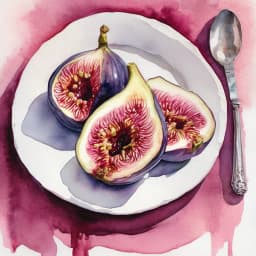
'Toyomitsu-hime' is a fig born in Fukuoka that can be eaten whole, including the skin. One of its primary production areas is right here in Yukuhalli.
'Toyomitsu-hime' is a variety that was uniquely developed over many years at a Fukuoka Prefecture testing station located in Yukuhashi City. As the name suggests—derived from 'Toyo' (abundance) and 'Mitsu' (honey)—its great charms are its intense sweetness and thick, ruby-colored flesh. Yukuhashi City is widely known as one of the prefecture's leading fig production areas.
Peak season is from August to October. The rich, syrupy sweetness and the popping texture of the seeds are unforgettable once tasted. Please try taking a bite of a fully ripe fruit just as it is.
📍糸島市
Specialties from 糸島市 are also available via furusato nozei

海鮮
When the shell pops on the charcoal fire, it is a sign that they are ready to eat. When you open the hot shell, the meat is packed tightly and plump. With one bite, a milky sweetness spreads across your palate along with the scent of the sea.
Pacific oysters raised in Itoshima, facing the Genkai Sea, boast large meat and a mellow flavor. From autumn to winter, they accumulate plenty of nutrients and grow plump.
In winter, oyster huts run directly by fishermen line the fishing ports of Itoshima. Grilling freshly landed oysters slowly over charcoal and eating them on the spot—this is an irresistible delicacy.
Squeeze some lemon and take a bite while it's hot. Tasting Itoshima oysters amidst the sea breeze is a special pleasure exclusive to winter.

特産品
The meat is so tender it cuts easily when you apply your chopsticks. With one bite, the high-quality fat melts in your mouth, spreading a mellow sweetness. It lacks the typical heavy scent of pork and is rich without being greasy—Itoshima Pork prides itself on such honest deliciousness.
They are raised in the land of Itoshima, close to the Genkai Sea. In an environment blessed with abundant water sources and vast lands, they are raised freely in a state as close to nature as possible. The feed includes rice, allowing them to accumulate plenty of umami components.
The fine and firm meat texture allows you to fully appreciate its sweetness, whether in shabu-shabu or tonkatsu.
Even simply grilled, you will be enchanted by the sweetness of the fat. It is a gourmet pork raised by the nature of Itoshima.

特産品
Seawater from the Genkai Sea is slowly boiled using firewood. Itoshima's natural salt is born from this painstaking, time-consuming process.
The flagship brand, 'Mataichi no Shio,' involves circulating seawater through a three-dimensional salt field, boiling it in cauldrons for several days, and finally aging it in cedar barrels. The entire process takes about one month. This preserves abundant minerals like magnesium and calcium from the seawater, creating a gentle saltiness and deep umami.
The workshops on the Itoshima Peninsula are popular for salt-making experiences and tours, making it a staple souvenir of Itoshima today. Just a single pinch added to your cooking can dramatically enhance the flavor of your ingredients. It is a mellow grain that encapsulates the blessings of the sea.
📍宗像市
Specialties from 宗像市 are also available via furusato nozei
海鮮
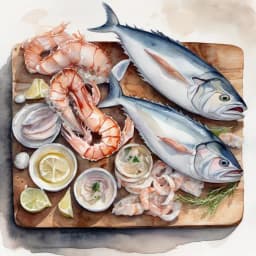
The seas of Munakata, which boasts a World Heritage site, are truly rich fishing grounds nurtured by the rough waves of the Genkai Sea.
Munakata is known for Okinoshima, the 'island where gods dwell.' The Genkai Sea spreading offshore is a sea with fast currents and fierce waves. Natural sea bream, yellowtail, and squid raised amidst these rough waves are characterized by their firm texture and intensely concentrated flavor. High-quality seafood is landed daily at ports including Kanezaki Fishing Port.
Many people visit Michi-no-Eki Munakata in search of fresh seafood. First, try the firm-fleshed fish, tempered by the wild sea, simply as sashimi. Please enjoy to your heart's content the rich blessings unique to Munakata, where the very strength of the ocean is infused into the flavor.

海鮮
Kanasaki's wild torafugu is hailed as the highest grade of pufferfish. It is an exquisite delicacy nurtured by the time and effort provided by the Genkai Sea during winter.
Kanasaki Fishing Port in Munakata City is the largest landing port in Fukuoka Prefecture. Wild torafugu, raised amidst the rough waves of the Genkai and Hibiki Seas, has firm flesh with exceptional sweetness and umami. It is a hidden gem of a production area, said to account for a significant portion of the wild torafugu from the outer sea that reaches the markets in Shimonoseki.
The season runs from December to March. The translucent slices of Tessa (sashimi) and the rich, mellow flavor of Tecchiri (hot pot) are truly a winter feast. You can fully experience its true quality at local pufferfish fairs held in the area.
📍春日市
Specialties from 春日市 are also available via furusato nozei

特産品
Kasuga City is a town of history, where numerous ruins from the Yayoi period lie dormant. There is a rice that pays homage to this eternal history.
In Kasuga City, where ruins such as the Suku Ruins cluster and pass on the Yayoi culture to the present day, ancient varieties like red rice and black rice are cultivated and served at local events. Its charm lies in its high nutritional value, subtle savory flavor, and unique chewy texture.
When cooked mixed with a little white rice, its pale color and fragrant aroma add color to your dining table. It is a deeply flavorful meal to enjoy while reflecting on the distant Yayoi era—a culinary experience unique to Kasuga that allows you to feel the romance of history.
📍小郡市
Specialties from 小郡市 are also available via furusato nozei

特産品
We prepare the rich harvest of the Chikugo Plain using traditional methods. Ogori miso has quietly continued to support local dining tables.
Using high-quality soybeans and rice grown in the Chikugo Plain, we allow it to mature slowly through traditional hand-preparation. While not flashy, its mellow sweetness and deep umami are flavors that truly shine in everyday home cooking. The blessings of the land and the craftsmanship of the makers are infused into every single barrel.
In miso soup, it creates a bowl that brings peace to the heart. When used in simmered or dressed dishes, it adds a profound richness to the food. It is Ogori's pride—a seasoning that gently accompanies daily life and enriches the dining table from behind the scenes.
📍赤村
Specialties from 赤村 are also available via furusato nozei

特産品
Located in the mountains of Chikuho at the foot of Mount Hikosan, Aka Village is a small village embraced by clear streams and abundant nature, where fresh vegetables and rice are grown freely.
Following the Aka Village style, they are committed to cultivation with reduced pesticide use, guided by the motto 'Safe, Secure, Fresh, and Delicious.' The village's direct sales office features seasonal vegetables picked just that morning, attracting not only locals but also many fans who travel specifically to visit. The peaceful scenery where mine trolley trains run is also a major attraction.
When you bite into the juicy vegetables, you can taste the subtle scent of the earth and the nutritious sweetness of nature. Please enjoy the luxury of tasting the blessings of this mountain village, nurtured with great care.
📍太宰府市
Specialties from 太宰府市 are also available via furusato nozei
特産品
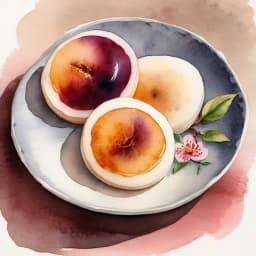
When you pick up one freshly baked, it is still slightly warm. The thin mochi dough is crispy and fragrant, and with one bite, a gentle sweetness of smooth red bean paste flows out. This is the famous Dazaifu baked mochi, stamped with a plum design.
There is a heartwarming legend associated with this mochi. It is said to have started during the Heian period, when a woman, out of compassion for Sugawara no Michizelle who was living in hardship in Dazaifu, presented him with mochi accompanied by a plum branch. This woman, later known as Jomyoni, was revered by the people.
Even today, shops selling Umegae-mochi line the approach to Dazaifu Tenmangu Shrine. Lured by the fragrant aroma, you find yourself buying one, then another.
Eating a freshly made piece after visiting the shrine is a uniquely happy Dazaifu street-food experience.
📍大川市
Specialties from 大川市 are also available via furusato nozei
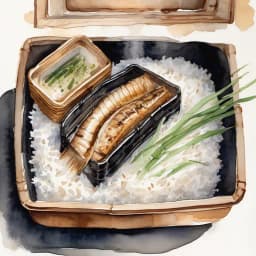
郷土料理
Okawa, known as a town of furniture, has its own prideful specialty alongside its neighbor, Yanagawa: Eel Seiro-mushi.
This cooking method, unique to the Chikugo region, involves placing kabayaki and shredded egg over rice seasoned with sauce and steaming it in a bamboo basket until fluffy. Steaming prevents the dish from cooling down quickly, allowing you to enjoy the rice thoroughly soaked in the deliciousness of the eel while it is still piping hot until the very last bite.
With one bite, the tender eel meat and the fragrant aroma of the sauce rush in. Please take your time in Okawa to savor this multi-layered happiness—fluffy, hot, and prepared with great care.

海鮮
The Etsu, often called the 'phantom fish.' You can only taste it during a very short period in early summer each year.
Etsu is a rare fish of the anchovy family that lives only in the Ariake Sea. Fishing is permitted only from May to July when they migrate up the Chikugo River to spawn, and it can only be tasted in Okawa and the lower reaches of the Chikugo River. It has a mysterious ecology where the flesh thickens and the bones soften as they enter brackish water.
Enjoying Etsu through local cooking methods such as sashimi, nanban-zuke, or fried chicken (karaage). Its long, slender, silver-shining form is truly a symbol of early summer. Do not miss the season; please try this delicacy that can only be encountered in this land at this specific time.
📍大刀洗町
Specialties from 大刀洗町 are also available via furusato nozei

特産品
Located in the center of the Chikugo Plain, Tachiarai Town is a rice-producing region blessed with fertile soil and the pure waters of the Chikube River. The rich nature nurtures high-quality rice and fresh vegetables.
It is said that the town's name originates from a legend where the Northern and Southern Courts period general, Kikuchi Takemitsu, washed the blood from his sword in the river after a battle. In this countryside area steeped in history, local production for local consumption initiatives are still active, and farm stands are lined with freshly picked seasonal agricultural products.
Pair freshly cooked Tachiarai rice with freshly harvested, juicy vegetables. Please take your time to savor the rich blessings of the Chikugo earth, nurtured by sun, water, and soil.
📍大牟田市
Specialties from 大牟田市 are also available via furusato nozei

特産品
Early-season mandarin oranges are now loved nationwide. But did you know that the roots of their development lie right here in Omuta?
During the Meiji era, near an agricultural experimental station established by the Tachibana family (former lords of the Ryugawa Domain) to promote agriculture, an early-ripening Satsuma mandarin was discovered and named 'Miyagawa Wase.' To promote its spread, the Tachibana family established a model mandarin orchard in the Omuta Kamiuchi district, and eventually, this variety became the mainstream for early-season mandarins across the country.
Growing on sunny slopes overlooking the Ariake Sea, these oranges possess an exquisite balance of sweetness and acidity. They are a juicy, prideful taste of Omuta that appears first in shops at the start of autumn.

特産品
Exposed to air when the tide recedes, submerged in the sea when it rises. The significant tidal range of the Ariake Sea is precisely what develops the umami of high-quality nori.
The Ariake Sea, bordering Omuta, is known as one of Japan's leading seaweed production areas. This unique environment, where the seaweed alternates between being underwater and in the air, concentrates the umami within the leaves. Carefully harvested, this masterpiece features a crisp texture and a prominent, rich aroma of the sea.
With a texture that melts the moment it hits your mouth and a flavor that gently spreads, it is perfect wrapped around hot rice or enjoyed as a snack with alcohol. It is a high-quality blessing unique to the Ariake Sea, highly appreciated as a gift.

特産品
That Karashi Takana (spicy mustard greens) that is indispensable to Hakata Ramen—its raw material, Miike Takana, was born in the Omuta and Miike region.
During the Meiji era, this variety was developed at the agricultural experimental station of the Tachibana family, the former lords of the Yanagawa Domain, by crossbreeding Chinese-introduced greens with native purple takana. It is characterized by thick, crisp leaves and a unique, sharp spiciness. 'Stir-fried Takana,' a dish loved by coal miners, eventually spread across the country as the well-known Karashi Takana.
When pickled, it is rich in flavor and perfect as an accompaniment to freshly cooked rice. Adding a generous portion to ramen completes that signature punchy bowl of noodles. It is a proud heirloom variety that supports the dining tables of Fukuoka.
📍大木町
Specialties from 大木町 are also available via furusato nozei

特産品
Oki Town is Kyushu's premier mushroom village. Throughout the year, fresh mushrooms are delivered one after another to dining tables.
With mushroom cultivation becoming prosperous since the Showa era, Oki Town boasts the highest production volume in Kyushu through substrate cultivation of shimeji, king oyster, and enoki mushrooms. In particular, the town's original variety, 'Oh-ringi,' is a rare mushroom renowned for its concentrated umami and plump texture. They are carefully cultivated with great care.
Many highly aromatic mushrooms are nurtured by the rich water and warm climate of the Chikugo Plain. Facilities where you can experience mushroom picking are also popular. In hot pots, stir-fries, or foil-baked dishes—please fully enjoy the rich, natural umami of these mushrooms.
📍大野城市
Specialties from 大野城市 are also available via furusato nozei

特産品
Despite being in the heart of the Fukuoka metropolitan area, Onojo is a town where the culture of local chicken cuisine is firmly established.
Raised carefully amidst the nature of the Chikushino Plateau, this local chicken is characterized by an appropriate firmness and a deep umami that expands with every bite. There are many shops within the city offering yakitori and other chicken dishes, and a culinary culture of savoring chicken lives on in the daily lives of the people.
A skewer grilled to perfection over charcoal is fragrant and juicy, pairing excellently with a crisp, cold beer. Onojo's chicken dishes are something you'll want to enjoy lively with close friends. Please drop by a local shop and try a freshly grilled skewer.
📍筑後市
Specialties from 筑後市 are also available via furusato nozei

ご当地グルメ
Rather than firmness, it focuses on harmony with the broth. Chikugo udon is a local specialty characterized by its softness.
In the Chikugo region, where double-cropping of wheat is common, udon has deeply taken root as an everyday food. Much like Hakata udon, the culture values soft noodles that blend with the soup rather than a chewy texture. A gentle broth infused with dried sardines (iriko) and kelp softly envelops the noodles.
It is a comforting flavor that glides smoothly down the throat. Adding burdock tempura (goboten) or fish cakes (maruten) makes it an even more blissful bowl. Because it is unpretentious, you't want to eat it every day. It is a simple udon that continues to be loved by the people of Chikugo.
📍筑紫野市
Specialties from 筑紫野市 are also available via furusato nozei

特産品
Chikushino's purple sweet potato sweets leave a striking impression with their vivid purple color. That beautiful color is a blessing of nature itself.
As a specialty born from Chikushino City's 'Purple Project,' it uses purple sweet potatoes carefully grown with reduced pesticides at local farms. The philosophy is to create confectionery that utilizes the natural sweetness and beautiful coloring of the potato as much as possible without relying on additives. They can be enjoyed in various forms, such as tarts, manju (steamed buns), and konpeito (candied sweets).
With one bite, a gentle sweetness and a fluffy texture spread through your mouth. These vibrant purple sweet potato sweets, which cherish natural color and taste, are a pride of Chikushino that will surely be appreciated as gifts or souvenirs.
📍筑前町
Specialties from 筑前町 are also available via furusato nozei

特産品
Black soybeans are carefully cultivated in Chikuzen Town. The large, glossy beans become plump and soft when simmered slowly, spreading a natural sweetness throughout your mouth.
Chikuzen Town is an agriculturally prosperous town spreading across the Chikugo Plain. Being close to the birthplace of the local dish 'Chikuzen-ni,' the fertile land produces high-quality agricultural products. The black soybeans harvested here are used in various processed goods such as simmered black beans (a staple for Osechi), miso, tofu, kinako (soybean powder), and black soybean tea, coloring the local dining tables.
Take a single, glossy, slowly simmered black bean. In its simple yet profound sweetness, you will surely feel the strength and warmth of the bean itself.
📍中間市
Specialties from 中間市 are also available via furusato nozei

ご当地グルメ
An udon that has been long cherished in the town of Nakama, on the banks of the Onga River. It is a bowl that carries the living essence of Kitakyushu's udon culture.
Featuring soft noodles following the tradition of Hakata udon, paired with a gentle broth infused with kombu and bonito. Rather than competing for firmness, it prioritizes how well the noodles harmonize with the dashi, resulting in a comforting flavor. It has become deeply rooted in daily life as a commoner's taste, easily enjoyed at local diners.
With a smooth texture and a savory umami from the broth that gently seeps in, its unpretentious nature makes you want to eat it every single day. It is a warm udon that has continued to stay close to the everyday lives of the people of Nakama.
📍朝倉市
Specialties from 朝倉市 are also available via furusato nozei
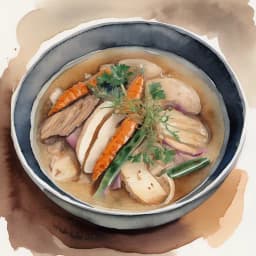
郷土料理
The sweet and savory broth thoroughly penetrates the chicken, burdock root, lotus root, and konnyaku, spreading the rich, earthy flavor of the root vegetables with every bite. The ingredients maintain their shape without breaking down, and their glossy finish is truly appetizing.
As a representative local dish of Fukuoka Prefecture, it is known locally as "Gameni." Unlike typical simmered dishes, its characteristic feature is sautéing the ingredients in oil before simmering. This process imparts depth even with short cooking times and ensures the ingredients retain their structure. As an indispensable dish for New Year's and celebratory occasions, unique family recipes have been passed down through generations.
It is often said that the flavors meld even better as it cools, making it even more delicious the next day. Enjoy a steaming plate alongside a bowl of white rice.

特産品
The history of cultivation spans approximately 100 years. Asakura is known as a premier region for sweet persimmons in Japan.
Well-drained soil and significant temperature fluctuations between day and night produce persimmons with high sugar content. By allowing them to ripen slowly on the tree, the sweetness becomes densely concentrated. In addition to the representative Fuyu variety, various unique varieties bear fruit one after another, such as the Taishu variety, which offers a crisp texture similar to a pear.
In autumn, Asakura is a season of rich abundance, with the surroundings dyed in the color of persimmons. Biting into a freshly picked, fully ripe persimmon brings a gentle sweetness that spreads through your mouth, making you smile involuntarily. Please visit Asakura at least once to taste the bountiful blessings unique to autumn.
📍直方市
Specialties from 直方市 are also available via furusato nozei

ご当地グルメ
The savory aroma of pasta coated in ketchup sizzling on an iron plate. The noodles, stir-fried with cabbage, onions, and pork, are chewy yet fragrant. It is like yakisoba, yet somehow nostalgic—this is Nogata's Yaki-spa.
Its roots lie in a single coffee shop that once stood in front of Nogata Station. It is said that the master began making it for hungry students returning from club activities. The easy-to-eat, filling flavor was so popular that on busy days, 100 servings were sold daily.
Although it once disappeared along with the shop, the voices of citizens saying "we want that taste again" led to its recreation, reviving it as a local gourmet specialty of the town.
It is easy to understand why it is called the 'taste of youth.' The savory aroma of the sauce satisfies both hunger and the heart.
📍添田町
Specialties from 添田町 are also available via furusato nozei

特産品
Cider made from rice? In Soeda Town, there is a unique local drink that will surely surprise you.
'Rice Cider' is brewed using rice produced in Soeda Town. It is an entirely new sensation, where the subtle sweetness of rice blends with the refreshing sting of carbonation. It was born from the pure groundwater springing from the foot of the sacred Mt. Hikosan and locally grown rice.
Since there is some rice sediment at the bottom of the bottle, we recommend mixing it lightly before opening. For a break during your sightseeing in Mt. Hikosan, enjoy a glass served ice-cold. It is Soeda's proud, refreshing local cider, with a gentle sweetness that soothes the body.
📍田川市
Specialties from 田川市 are also available via furusato nozei

ご当地グルメ
On a specialized iron plate with a recessed center, seasoned offal and a mountain of vegetables sizzle loudly. The offal, steam-fried along with cabbage, chives, and garlic, is plump and chewy. With every bite, the sweetness of the fat bursts forth.
This dish was born during the era when Tagawa flourished as a coal-mining town. For those facing grueling labor, fatty offal was an affordable, nutrient-rich, and ultimately unparalleled source of stamina.
The true essence of Tagawa Horumon Nabe lies in its unique method of 'steam-frying' rather than just grilling. It tightly locks in the umami along with the moisture from the vegetables.
Eating it piping hot while working up a sweat—this is a powerful dish nurtured by a hardworking town.

特産品
Wagyu beef raised slowly amidst the rich nature of Fukuoka. It is a brand beef boasting fine marbling and a soft texture.
Local livestock farmers carefully fatten the cattle using specialized feed, ensuring that the natural umami of the meat spreads throughout your mouth with every bite. Fukuoka Prefecture is blessed with high-quality rice straw; utilizing this blessing, the carefully raised cattle possess a tender texture and an elegant, deep sweetness.
Whether grilled robustly as a steak or savored slowly as yakiniku, it is exceptional. With its melt-in-your-mouth texture and rich umami, it is a dish truly worthy of family anniversaries and special occasions.
📍東峰村
Specialties from 東峰村 are also available via furusato nozei
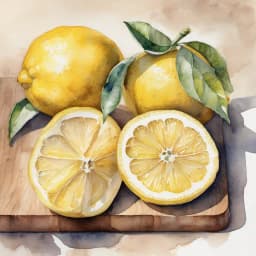
特産品
Toho Village is located at the southeastern edge of Fukuoka Prefecture, bordering Oita Prefecture. In this mountain village where kilns for Koishiwara ware are scattered, highly fragrant yuzu are carefully cultivated.
The climate of the mountainous area, characterized by large temperature fluctuations between day and night, is perfect for growing yuzu with a sharp acidity and strong aroma. Once harvested, the yuzu are transformed into various processed products such as yuzu kosho, yuzu ponzu, and yuzu ice cream, becoming popular specialties that represent the village. At local farm stands, you can encounter the seasonal blessings of yuzu.
When enjoyed together with rice grown in terraced fields, you will surely feel the full richness of the mountain village. Just adding a little to your dishes will instantly release a wonderful aroma. Please take home the refreshing blessings of Toho Village as a souvenir.
📍那珂川市
Specialties from 那珂川市 are also available via furusato nozei

特産品
A somewhat rare mushroom grown using cedar sawdust as a substrate: this is Nakagawa's 'Hakata Sugitake.'
Its formal name is Numeri-sugitake (Slimy Cedar Mushroom). It is a rare mushroom that is seldom found in the wild, and due to its rich deliciousness, it is often called the 'phantom mushroom.' Through labor-intensive substrate cultivation, they are grown into high-quality mushrooms with thick flesh and a good bite.
It features a unique slightly slimy texture combined with a pleasant, crisp crunch. The aroma is rich, making it stand out prominently when added to hot pots or stir-fries. If you see this rare mushroom at a local farm stand, please try to experience its nutrient-rich flavor for yourself.
📍八女市
Specialties from 八女市 are also available via furusato nozei

特産品
With a single sip, a rich umami and sweetness slowly spread across your palate along with a syrupy mouthfeel. The astringency is subtle and kept in the background, leaving only a full-bodied aftertaste that lingers long.
This is a premium green tea grown primarily in Yame City, Fukuoka Prefecture. In particular, Gyokuro is nurtured in mountainous areas such as Kuroki and Hoshino villages, where there are significant temperature fluctuations between morning and night and frequent mist. Known for the traditional method of covering tea fields with rice straw, this is an indisputable number one production area, having continuously won regional awards in the Gyokuro category at national tea competitions for over twenty years.
The first infusion, brewed slowly with lower temperature water, is almost like dashi (broth). Surrounded by the fresh, green aroma rising from your teacup, please experience the concentrated umami contained within every single drop.

特産品
A town where juicy, sweet kiwis grow. Yame is known as a representative kiwi fruit production area in Fukuoka.
Blessed with a warm climate and fertile soil, the Yame region provides the perfect environment for kiwi cultivation. The fruit, which matures slowly on the vine, possesses intense sweetness and is packed with Vitamin C. Many are brought to market after being ripened post-harvest, allowing you to enjoy a rich, melt-in-your-mouth sweetness.
At local farm stands, you can find freshly picked, fresh kiwis. When sliced in half and scooped with a spoon, a refreshing acidity and deep sweetness spread throughout your mouth. It is another pride of Yame, a region also famous for its tea.
📍飯塚市
Specialties from 飯塚市 are also available via furusato nozei

ご当地グルメ
Small, colorful dry confections lie scattered in the palm of your hand. These sugar candies, shaped like 'ohajiki' (traditional Japanese marbles), are delightful just to look at. Once placed in the mouth, they crumble softly, and an elegant sweetness gently dissolves.
Iizuka is a land with deep ties to Japanese confectionery, having flourished as a post town on the 'Sugar Road' extending from Nagasaki. In this city, where sugar culture took root, adorable dry sweets shaped like ohajiki have been made during the Hinamatsuri (Doll Festival) season.
This item is enjoyed as a seasonal delight during the Iizuka Hina Festival, which heralds the arrival of spring and sees the town decorated with Hina dolls.
One by one, each bite spreads a soft sweetness and the feeling of approaching spring.
📍福岡市
Specialties from 福岡市 are also available via furusato nozei

ご当地グルメ
Take a sip of the cloudy white soup. The richness of the pork bone that clings to your tongue and the pleasant sensation of slurping the ultra-thin noodles—this is Hakata Ramen. Beyond the steam, you can almost see the vitality of Fukuoka.
Its roots go back to the immediate post-war period. It is said that tonkotsu ramen, which originated in Kurume, was brought to Hakata, where the style of cloudy soup and thin noodles was refined. There is even a legend that the name 'Hakata Ramen' was devised by a shop proprietress in 1977.
The 'kaedama' culture, where you order an extra serving of noodles, was born specifically because thin noodles cook so quickly. Leaving some soup behind to enjoy another serving—before you know it, you'll find yourself wanting to order more.

ご当地グルメ
Plump offal, a mountain of leeks, and cabbage simmering in a bubbling soy-based soup. Just the rising aroma is enough to make your stomach growl. When you scoop it up with a spoon, the soup, rich with dissolved collagen, feels velvety.
While there are various theories regarding the origins of Motsunabe, it is said to have started in post-war Fukuoka, where people boiled offal with leeks in aluminum pots. It was a dish that transformed what was often discarded at the time into something wise and delicious.
It sparked a nationwide boom in the 1990s and has now become a representative hot pot of Fukuoka. We want you to savor every last drop, right down to the final addition of champon noodles to finish the meal.
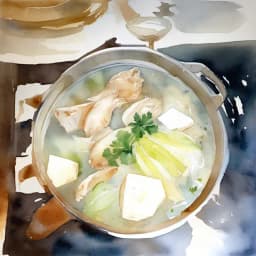
郷土料理
First, take a sip of the clear white soup just as it is. A gentle flavor where the umami of the chicken slowly spreads—this is how Hakata Mizutaki begins. It is simple yet profound, possessing a deep nutritional essence.
The dish was devised by Heisaburo Hayashida, who founded 'Suigetsu' in 1905. It is said that he drew inspiration from the Western-style consommé he studied in Hong Kong during his youth and Chinese-style poached chicken, refining the recipe to suit the Japanese palate.
After enjoying the chicken broth, dip the meat and vegetables into ponzu for a refreshing taste. From the main dish to the final rice porridge (zosui), every part is delicious. It is a famous Hakata hot pot that you will find yourself craving on a cold night.

特産品
A single piece on freshly cooked rice. After the tiny grains burst in your mouth, a spicy heat and savory umami gently spread. It creates a magical flavor that makes you want to keep eating more rice.
It was created by Toshio Kawahara, the founder of Fukuya. Unable to forget the taste of this marinade he had in Busan, he went through much trial and error to adapt it to the Japanese palate, eventually releasing it as 'Aji no Mentaiko' in 1949. It is said that it took nearly ten years to reach a satisfying flavor.
Kawahara did not monopolize the production method and shared it with other shops. Because of this, Mentaiko spread across the country as a taste of Hakata. Please enjoy it with hot, steaming rice.

郷土料理
Plenty of ground sesame seeds are sprinkled over glossy, fresh mackerel sashimi. The thick, sweet and savory sauce and fragrant sesame seeds greatly enhance the umami of the mackerel. One bite will make both your drinks and your chopsticks stop moving.
Gomasaba is a local dish of Fukuoka/Hakata, where fresh mackerel caught on the same day is marinated in a soy-based sauce and served with sesame, green onions, and wasabi. It is believed that this way of eating became widespread between the late Edo and early Meauji periods when soy sauce became more easily available.
Freshness is everything. That is why it is worth tasting in Fukuoka, the mackerel production area. If you serve it as a bowl over hot rice, it is a dish you can eat for bowls upon bowls.

ご当地グルメ
As you slurp the soft noodles, the elegant, light soy sauce dashi releases its aroma. Sitting atop them is a substantial piece of crispy Gobo-ten—the batter, having soaked up the broth and become tender, is irresistible. This is the quintessential Hakata Udon.
Hakata udon prioritizes softness over chewiness. It is said that serving pre-boiled noodles heated immediately suited the impatient temperament of Hakata locals. The origin of Gobo-ten is said to be 'Otchan Udon' in Tenjin, and it is believed that burdock was favored because it is easy to digest and nutritious.
Enjoy the Gobo-ten as it soaks up the dashi along with the soft noodles. It is a soul food of Fukuoka that warms you from within.

ご当地グルメ
Thin noodles sizzle on the iron plate, coated in tonkotsu soup and a special sauce. When the fragrant steam rises, it becomes irresistible—this is the famous Yaki Ramen of the food stalls.
The origin is said to be the 'Koginchann' food stall in Tenjin. It was created in 1968 from leftover raw noodles and feedback from customers who 'didn't want to drink soup' during the summer. It is a dish born from a combination of coincidence and ingenuity, unique to the food stall culture.
Stir-fried with vegetables, pork, and kamaboko (fish cake), finished with a secret sauce. It offers a rich, savory deliciousness that differs from standard soup ramen. It is a dish you's want to stop by and taste during a night in Fukuoka.

郷土料理
A simple oval shape made just by solidified seaweed. This is 'Okyuto,' a traditional food that has supported the mornings of Hakata.
Made by boiling and then cooling seaweed called egonori, its history is long; it even appeared in the Edo-period 'Chikuzen Kokusan Bucho' under the name 'Ukeuto.' It is said that in the past, the voices of 'Okyette sellers' would echo through the streets of Hakata from dawn. It has been cherished as a breakfast staple to that extent.
With a smooth texture similar to tokoroten, it is enjoyed topped with soy sauce, ponzu, or ground sesame seeds. Its refreshing mouthfeel glides down the throat even during busy mornings. It is a simple and warm flavor that has quietly taken root in the Hakata dining table.

特産品
Taking a big bite. The sweetness packed into the large flesh and the moderate acidity spread throughout your mouth. Just looking at their glossy, round, red appearance makes you feel happy.
Amaou is a strawberry variety developed by the Fukuoka Agricultural Research Center and registered in 2005. Its official variety name is 'Fukuoka S6.' It is said that the nickname 'Amaou' was decided through a public contest within the prefecture, combining the first letters of 'Red, Round, Large, and Delicious.'
Born with the goal of becoming the king of sweet strawberries, this is Fukuoka's proud brand strawberry. During the peak season, please enjoy its juiciness and sweetness to your heart's content.

海鮮
Step under the curtain, and you see customers huddled close together amidst the steam rising from the iron griddles. Ramen, yakitori, oden—what should I choose? Even that time spent deciding is part of the joy of the yatai.
Fukuoka's food stalls emerged in various places during the period of post-war chaos. Although an order was once issued to abolish them entirely, it is said that stall owners formed an association and engaged in persistent negotiations with the administration, eventually gaining permission to operate in 1955. It is thanks to those efforts that the lights of the yatai continue to shine in Tenjin and Nakasu today.
Sitting next to a stranger and sharing a drink amidst the steam. The true experience of Hakata's yatai is tasting not just the food, but this warm atmosphere itself.
📍福智町
Specialties from 福智町 are also available via furusato nozei

特産品
Fukuchi Town is the home of Ueno-yaki pottery, which boasts a history of over 400 years. Kilns are scattered throughout the mountains at the foot of Mount Fukuchi, and the culture of ceramics is deeply rooted here.
Ueno-yaki began in 1602 when the lord of the Buzen Domain, Hosokawa Tadaoki, invited Korean potters to establish kilns. It is counted as one of the 'Enshu Seven Kilns' associated with the tea master Kobori Enshu, and its thin-walled, elegant tea ceramics were loved by feudal lords. Even today, it is designated as a national traditional craft, with many kilns inheriting these techniques.
By serving local ingredients grown with the pure water of Mount Fukuly in these beautiful and atmospheric vessels, you can enjoy a luxurious moment where both the pottery and the taste are fully appreciated. Fresh agricultural products can also be found at the direct sales office.
📍福津市
Specialties from 福津市 are also available via furusato nozei
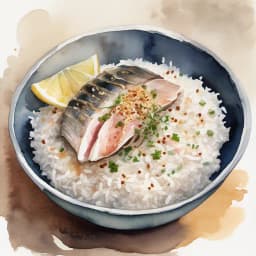
海鮮
Fresh sea bream from the Genkai Sea, fragrant-ly grilled and served over rice. Fukutsu's Sea Bream Chazuke is a specialty that lets you easily enjoy the blessings of the sea.
Fukutsu is a seaside town facing the Genkai Sea. By grilling freshly landed sea bream meat to a fragrant finish, flaking it over rice, and pouring hot dashi broth over it, an elegant sea bream chazuke is created. This dish is truly unique to the area, born from the rich fishing grounds of the Munakata and Fukutsu areas.
First, enjoy the flavor of the sea bream meat as it is, then pour the dashi to eat it smoothly. The dashi, infused with the savory umami of the sea bream, soaks into every grain of rice. It is a pride of Fukutsu's seafood that you'll want to stop by and taste even in the middle of your sightseeing.
📍豊前市
Specialties from 豊前市 are also available via furusato nozei

海鮮
The moment you open the shell, plump, swollen meat is revealed. Even when cooked, the meat does not shrink much, and with one bite, a bouncy elasticity and a rich umami reminiscent of sea minerals overflow.
This is a brand oyster farmed in the Buzen Sea, including Buzen City in Fukuoka Prefecture. The Suo-nada Sea, which is shallow and rich in plankton, is a blessed fishing ground for oyster farming. Fishermen polish each individual oyster pulled from the dredges by hand before returning them to the sea to fatten up. This meticulous manual labor produces plump oysters with meat that is large relative to their shells.
Peak season is from winter to early spring. The umami becomes highly concentrated from January to March. Please enjoy the happiness of devouring them hot, whether grilled or steamed.

特産品
Only those that are large and well-filled are permitted to bear this brand name. That is 'Buzen Hon-gani.'
The Buzen Sea, with its large tidal range and vast tidal flats, is one of Japan's leading fishing grounds for blue swimmer crabs (gazami). Among them, only the top-quality crabs with particularly dense meat are called 'Buzen Hon-gani.' Fishermen continue to fish while protecting rich resources by returning small crabs and egg-bearing females to the sea.
Peak season is from autumn to winter. The sweet, smooth meat and the rich crab miso are truly exquisite. Boiled boldly, used in hot pots, or made into miso soup—it is the star of winter that allows you to enjoy the blessings of the Buzen Sea to your heart's content.
📍北九州市
Specialties from 北九州市 are also available via furusato nozei

ご当地グルメ
From beneath the melted, gooey cheese, the piping hot curry reveals itself. As you insert your spoon, the soft-boiled egg wraps around it, bringing an immediate wave of aroma and richness. It remains hot until the very last bite.
The origin of baked curry is said to be 'Yamadaya,' located in the Sakaemachi Ginza district of Mojiko during the 1950s. It is told that the dish came about when they poured curry into an earthenware pot and baked it in an oven, resulting in a fragrant finish.
Mojiko, a trading port since the Meiji era, was a high-collar town where Western food culture flourished. This dish was born from that very soil. Enjoying baked curry in this retro port town is a dish that will surely become a cherished travel memory.

ご当地グルメ
The birthplace of Yaki Udon is right here in Kokura. This dish, which has now gained nationwide popularity, is filled with the wisdom of people who survived the chaos of the post-war era.
In 1945, due to the food shortages immediately following the end of the war, yakisoba noodles were unavailable, so people began substituting them with dried udon noodles. The original shop, 'Darumado,' continues to insist on using dried noodles to this day. The fragrant char created by grilling on an iron griddle and the unique chewy texture set it apart from others.
This simple, sauce-flavored taste of the common people has been loved across generations. Please come to the birthplace of Kokura and enjoy a dish finished with a sizzling sound on the iron granness.

郷土料理
Simmering blue-backed fish in rice bran—this rare cooking method is a local specialty known as 'Nukadaki' from Kokura, Kitakyushu.
This flavor has been passed down in the former Buzen Province since the Edo period. In Kokura, rice bran beds were passed from parents to children as part of a bride's dowry, and it is not uncommon to find households with beds that are over 100 years old. By simmering sardines or mackerel sweet and savory with soy sauce and mirin, and adding rice bran miso at the end, the characteristic fishy odor is eliminated, creating a unique umami.
With a subtle acidity from fermentation and the aroma of Japanese pepper (sansho) infused into the flesh, even the bones become soft, making it a dish that makes you unable to stop eating rice. The taste of ancestral homes lives on in every single piece.

ご当地グルメ
Loaded with plenty of sweet and savory simmered beef. This is Niku Udon, a soul food that has long been loved by the people of Kokura.
Also known as 'Doki-doki Udon,' it is characterized by large chunks of beef cheek and tendon in a rich, soy-based broth. Grated ginger is the key to its flavor. While not flashy, it is truly the taste of the common people, quietly passed down through small local shops.
The umami from the tender simmered beef dissolves into the broth, clinging perfectly to the soft noodles. When eaten hot, blowing on it to cool it down on a cold day, it warms both your stomach and your heart. It is a nourishing bowl you must taste in the back alleys of Kokura.
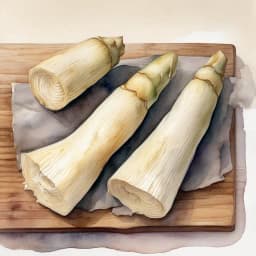
特産品
The highest grade, known as 'Shirako' (white sperm), is so exquisite it can even be eaten as sashimi. These are the premium Ouma bamboo shoots that Kitakyushu is proud of.
The Ouma district in Kokura Minami Ward boasts one of Japan's largest bamboo forest areas, and the unique red clay soil of this land nurtures tender bamboo shoots. Because the red soil limits light penetration, it prevents hardening underground, resulting in low bitterness and a fine-grained texture. Top-tier restaurants in Kyoto and Osaka specifically request them, and they are traded at the highest prices in the Kansai market.
A luxurious seasonal delicacy available only for a brief period in spring. Please enjoy the rich aroma of freshly harvested shoots and their surprisingly tender texture that yields easily to the bite.

ご当地グルメ
Softly simmered noodles topped with burdock root tempura (gobo-ten) that has soaked up plenty of the broth. Add sweet and savory meat, and you have the finished 'Niku Gobo-ten Udon,' the pride of Kitakyushu. With every sip, the gentle, soft noodles melt in your mouth.
Sukesan Udon was born in 1976. The founder, Akishi Onishi, opened the main store along with his homemade noodle factory. The name 'Sukesan' is derived from a single character from his name.
Another thing that makes this shop special is the famous 'Botamochi' eaten after the meal. Wanting to cherish the Kitakyushu culture of recharging one's energy for tomorrow, Mr. and Mrs. Onishi went through much trial and error in the kitchen to perfect the bean paste. Today, it is a beloved item with over 5 million pieces sold annually.
A sweet Botamochi after the udon... there is nothing quite like it.

特産品
It is so hard that you instinctively brace yourself when trying to take a bite. Yet, as it slowly dissolves in your mouth, the fragrant aroma of wheat and a subtle sweetness spread gently. Kurogane Kata-pan is the kind of bread where the flavor deepens the more you chew.
'Kurogane' means iron. It was born during the Taisho era at the Imperial Yawata Steel Works. It is said to have started as a way to provide calories and nutrition to employees exhausted by intense labor.
To ensure long-term preservation, moisture is reduced to the extreme, and it is baked using a pressurized method inspired by the steelworking technique of spreading iron into plates. This is precisely what creates its unique hardness.
If soaked in milk or coffee, it takes on a different softness. It is a flavorful confection nurtured by the city of steel.

特産品
'Come buy, come buy!' If you stop your feet at these energetic cries, you will find a mountain of golden, ripe bananas before your eyes. The sweet aroma tickles your nose, and once peeled, the meltingly soft flesh is revealed.
During the Taisho era, Mojiko was a major unloading hub for bananas transported from Taiwan. Bananas that arrived green were steamed in basements to turn yellow. It is said that street vendors began 'tataki-uri' (street vending) by selling those ready for sale accompanied by the rhythmic 'Banana-chan Bushi' chant.
In 2017, it was certified as a Japan Heritage site, telling the story of the Kanmon region.
A single banana ripened alongside the bustle of the port town. Even now in Mojiko, a sweetness awaits that makes you want to reach out your hand following the vendor's call.
📍柳川市
Specialties from 柳川市 are also available via furusato nozei

郷土料理
When you lift the lid, steam rises softly. The eel glistens beautifully atop the sauce-soaked rice, accented by colorful shredded egg. One bite wraps your mouth in pure happiness.
The Seiromushi specialty of Yanagawa is said to have been invented by 'Honkichiya,' a long-established shop with a history dating back to 1681. The process involves steaming the seasoned rice, topping it with grilled eel, and steaming it once more. This double-steaming makes the meat fluffy while preserving its savory aroma. It is said to have been created out of a desire to make even eel with tougher skin easy to eat.
In 2021, it was recognized as one of the '100 Year Foods' by the Agency for Cultural Affairs. It is a dish you absolutely must try when visiting Yanagawa.
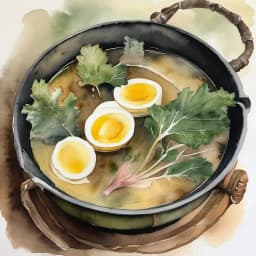
郷土料理
Inside the bubbling warishita sauce, shredded burdock root and loach dance softly. When beaten eggs are poured over, the ingredients are gently bound, allowing the aroma of the burdock and the sweet-savory broth to soak into the fluffy egg. It is a dish you want to devour along with every bit of steam.
Loach has been a beloved ingredient since ancient times, considered as nutritious as eel. It is said that this was a dish used to power through the hot summer months.
The water capital, Yanagawa, has long been a famous producer of loach. The Yanagawa Nabe, which originated in Edo, traveled to this land of abundant water and is now loved as a representative local flavor of Yanulyawa.
A rich nutrition contained within fluffy eggs. It is a hot pot that warms you to the very core with a single bite.

海鮮
Mudskippers and largescale threadfinters. In the Ariake Sea, fish that you would rarely encounter in other seas live quite naturally.
Yanagawa is a town facing the Ariake Sea, which boasts the largest tidal range in Japan. The shellfish and seaweed grown in the vast tidal flats have a rich flavor, and this unique ecosystem has nurtured a distinct food culture. You can find seafood found only here, such as grilled mudskipper prepared in a way unique to the tidal flats and largescale threadfinters that surprise you with their appearance.
While Yanagawa is known for its river cruising tourism, its dining table is also incredibly unique. It is a seaside town that piques your sense of adventure, allowing you to taste the full bounty of the tidal flats. Please enjoy it at a local restaurant.
Snacks
📍うきは市
Specialties from うきは市 are also available via furusato nozei

洋菓子
Ukiha City is known as the 'Home of Fruits.' Sweets made with juicy seasonal fruits bring smiles to all who visit.
Embraced by the Chikugo River and the Maniwa Mountains, Ukiha is a land where fruit cultivation—including Kyoho grapes, Shine Muscat, persimmons, and figs—is thriving. With many tourist orchards, colorful sweets such as tarts, parfaits, jams, and dried fruits that utilize this fresh fruit are highly popular. Taking a break at a cafe attached to an orchard is one of the great joys here.
Indulge in a luxurious Ukiha experience by savoring sweets made with freshly picked fruit. Please enjoy the flavors that change with every season.
📍嘉麻市
Specialties from 嘉麻市 are also available via furusato nozei

銘菓
Kama City is nurtured by the rich nature and history of Chikuho. These famous local sweets are born from that very landscape, utilizing regional ingredients.
Located in the upper reaches of the Onga River, Kama City once flourished alongside coal mining and has carefully preserved its confectionery culture. These Japanese sweets, which meticulously incorporate the blessings of the region, feature an elegant sweetness that is loved by locals and tourists alike. The peaceful mountain scenery is another unique charm of this land.
While simple, each piece is carefully handcrafted to capture the taste of Kama. Whether for tea time or as a gift, this is a soul-soothing treat that evokes the feeling of one's hometown.
📍久留米市
Specialties from 久留米市 are also available via furusato nozei

洋菓子
The flagship product of the popular Kurume confectionery shop 'Gin no Spoon' is the twisted, rod-shaped pie pastry called 'Sacristan.'
Made by sandwiching finely chopped walnuts into pie dough crafted from carefully selected Fukuoka-grown wheat and fermented butter, each piece is meticulously hand-twisted and baked to a fragrant perfection. Since its founding in 1977, this long-selling item has been produced for over 40 years. The fragrant aroma of butter and walnuts that wafts the moment you open the bag is irresistible.
The light, crispy texture is layered with the richness and toasted flavor of the walnuts. It is a proud masterpiece of Kurume, featuring an eye-catching twisted style that is hard to find elsewhere.

銘菓
'Kurobo' is a simple baked sweet made by kneading flour, brown sugar, and eggs, baking them into rod shapes, and coating them generously in brown sugar syrup. It is a confection that has been enjoyed since ancient times in the Chikugo region, particularly around Kurume.
Kyushu has originally been a land where wheat production and sugarcane cultivation/brown sugar making were prosperous. It is believed that Kurobo was born as a snack for farmers within this rich environment. Since its founding in 1910 (Taisho 9), Kurume Kurobo Honpo has maintained its commitment to the essential process of hand-coating each piece with syrup.
The toasted dough carries the deep, rich sweetness unique to brown sugar. With one bite, a nostalgic and comforting taste of Kyushu spreads throughout your mouth.
📍志免町
Specialties from 志免町 are also available via furusato nozei

菓子
Shime Town once flourished through its coal mines. Inspired by the headframe of the former Shime Mining Office—its iconic symbol—sweets have been created that reflect this mining history.
The headframe towering over Shime Town is a precious mining heritage site designated as a National Important Cultural Property. Inheriting the memories of 'digging' and 'manufacturing' that once supported this land, coal-themed sweets are beloved locally. It is a souvenir imbued with stories, unique to this industrial heritage town.
While the appearance may be slightly rugged, the flavor is gentle and elegant. Please take a moment to savor each bite while feeling the history of Shime, a town that once unearthed energy.
📍糸島市
Specialties from 糸島市 are also available via furusato nozei

洋菓子
The Itoshima Peninsula is one of Fukuoka's premier gourmet areas, dotted with popular bakeries and cafes. In this nature-rich land surrounded by sea and mountains, you can encounter handmade breads and baked goods that emphasize local ingredients.
Using Itoshima-grown wheat, eggs, and fresh agricultural products, each shop bakes unique and characterful items. A quintessential way to enjoy Itoshima is to spontaneously stop by during a drive to find your favorite shop. Bread enjoyed alongside seaside views is truly exceptional.
You will likely find yourself wanting to buy several items, drawn in by the aroma of freshly baked goods. Please experience the rich flavors of Itoshima, surrounded by sea and fields, through these specially crafted breads and pastries. You are sure to find a favorite.
📍小郡市
Specialties from 小郡市 are also available via furusato nozei

銘菓
Ogori City is home to Nyoin-ji Temple, affectionately known as the 'Frog Temple.' These manju feature an incredibly lovely shape inspired by those frogs.
Nyoin-ji became a popular temple where thousands of frog figurines eventually gathered, all because the head priest purchased a single frog ornament during a trip to China. Due to Japanese wordplay—where 'kaeru' (frog) sounds like 'to return' (as in 'returning safely' or 'money returning')—it attracts many visitors seeking good fortune. This local Japanese confectionery uses that very frog as its motif.
The plump, frog-like shape is so charming it will surely bring a smile to your face. Please take home this auspicious treat, representing 'returning' happiness, as a souvenir of your visit to the Frog Temple.
📍新宮町
Specialties from 新宮町 are also available via furusato nozei

菓子
Enjoy Amaou strawberry sweets in Shingu Town, located in the Fukuoka metropolitan area. You can fully indulge in the charm of Fukuoka's proud brand of strawberries.
'Amaou' is named after the initials of its characteristics: 'Akai' (red), 'Marui' (round), 'Ookii' (big), and 'Umai' (delicious). Utilizing their fresh sweetness and moderate acidity, they are crafted into various sweets such as strawberry daifuku, tarts, cakes, and jams. We pride ourselves on the freshness that only local produce can offer.
Experience a juicy and luxurious strawberry flavor that fills your mouth. Please enjoy to your heart's content the charm of Fukuoka's Amaou, found in the peaceful land of Shingu overlooking the sea.
📍水巻町
Specialties from 水巻町 are also available via furusato nozei

銘菓
When it comes to specialties of Mizumaki Town, the large local garlic is the star. Using its unique flavor, a truly unique sweet has been created.
In Mizumaki Town, jumbo garlic is cultivated, growing much larger than typical varieties. Sweets incorporating this garlic flavor provide an incredible impact. While you might be surprised by the unexpected combination, it is a highly talked-about item that allows you to enjoy local specialties with plenty of humor.
This characterful sweet is sure to spark conversation when given as a gift. Please come and experience the world of Mizumally 'jumbo' garlic, which can rarely be tasted anywhere else.
📍川崎町
Specialties from 川崎町 are also available via furusato nozei

銘菓
The 'Daigaku Imo' is a simple, comforting snack loved in Kawasaki Town within the Tagawa Area. It features a generous amount of locally grown sweet potatoes.
Crispy on the outside and fluffy on the inside, these candied sweet potatoes—coated heavily in a glossy, sweet syrup—are perfect as a snack or an accompaniment to tea. They are sold at local roadside stations and loved by the community as a specialty of Kawasaki Town. The quality of the local sweet potato is the key to its flavor.
With its glossy sweet syrup and fluffy potato texture, this simple snack allows the natural, gentle sweetness of the locally grown sweet potatoes to truly shine.
📍太宰府市
Specialties from 太宰府市 are also available via furusato nozei

銘菓
When freshly grilled, the surface is crispy and fragrant; one bite reveals soft mochi and smooth, moderately sweet red bean paste melting from within. The combination of savory aroma and the sweetness of the bean paste makes it easy to eat more than one.
This is an essential specialty found along the approach to Dazaifu Tenmangu Shrine in Dazaifu City, Fukuoka Prefecture. A thin layer of mochi dough wraps the adzuki bean paste, which is then grilled on an iron plate imprinted with a plum blossom. The name originates from a legend that an elderly woman offered mochi attached to a plum branch to Sugawara no Michizane, who had been demoted.
Eating a steaming piece while walking along the approach after visiting the shrine—it is a uniquely blissful Dazaifu experience.

銘菓
Baien Kashidokoro is located on the approach to Dazaifu Tenmangu Shrine. Its most iconic confection is a stick-shaped sweet named after the sacred peak, 'Mount Homan.'
Baien Kashidokoro was founded in 1948. It was born from the founder's desire to create 'confections that brighten people's hearts' after seeing the town reduced to scorched earth. Mount Homan is a unique Japanese sweet made only with eggs, sugar, agar, and starch syrup, resulting in a mysterious texture found nowhere else; it is also a prestigious item traditionally offered to Dazaifu Tenmangu Shrine. Its auspicious name, meaning 'a mountain where treasures overflow,' is also part of its charm.
With the concentrated richness of eggs and a sophisticated, delicate sweetness that melts in your mouth, it is a quintessential Dazaifu treat that you'll want to take home along with your memories of visiting Tenjin-sama, the deity of learning.
📍大牟田市
Specialties from 大牟田市 are also available via furusato nozei

銘菓
The famous confection of Omuta, 'Kusaki Manju.' These are bite-sized steamed buns filled with white bean paste. Their light and elegant sweetness has been cherished by the local community for a long time.
Originally called 'Heiwa Manju' (Peace Manju), they came to be known as 'Kusaki no Manju' because they were produced in the Kusaki district of Omuta City during the late Meiji era. Eguchi Sakae Shoten, which claims to be the original maker, was founded in 1914. It is said that for the people working in the Miike coal mines, sweet treats were an essential necessity to nourish both mind and body.
With their small, adorable shape and the deeply gentle sweetness of white bean paste, it is a simple flavor that makes you reach for one more, time after time—a taste that continues to be loved by the people of Omuta.
📍筑紫野市
Specialties from 筑紫野市 are also available via furusato nozei

銘菓
The 'Purple Sweet Potato Manju' features a striking, vibrant purple color. This manju uses the specialty purple sweet potatoes of Chikushino City, which is also known as a hot spring resort.
Born from a regional revitalization initiative, this sweet is charming for its natural sweetness unique to purple sweet potatoes and its gorgeous, beautiful coloring. The dough itself is kneaded with purple sweet potato, making it visually delightful. It is a popular souvenir for tourists visiting hot spring areas like Futsukaichi Onsen.
With the soft, gentle sweetness of the potato and a visually stunning purple hue, why not pick up one of these lovely manju as a memento of your relaxing hot spring trip?
📍朝倉市
Specialties from 朝倉市 are also available via furusato nozei

銘菓
A 'Persimmon Monaka' made with Fuyu persimmons, a pride of the fruit capital, Asakura. This seasonal Japanese sweet is packed with the essence of autumn flavors.
Asakura City is one of Japan's leading production areas for sweet persimmons. Grown on sunny south-facing slopes under plenty of sunlight, these persimmons are well-colored and intensely sweet, known nationwide under the 'Shiwa-gaki' brand. We have wrapped bean paste that enhances this high-quality persimmon flavor in a crispy monaka wafer.
Experience the crunchy, fragrant monaka shell and the gentle, mellow sweetness of persimmon that spreads from within. It is a seasonal souvenir unique to the fruit capital of Asakura, allowing you to feel the bountiful richness of autumn.
📍直方市
Specialties from 直方市 are also available via furusato nozei

銘菓
The 'Narukin Manju' is a heavy, large white bean paste manju that can reach 2-30cm in diameter. It is a bold confection unique to Nogata, a place that saw many 'narukin' during the coal mining boom.
Its origin is unique. It is said to have begun in the Meiji era when an individual, having failed in a speculation on bean prices, was left with a large amount of quail beans. They used those beans to make white bean paste for manju, which unexpectedly became popular. For coal miners finishing their heavy labor, these sweet manju were the ultimate treat.
Its large size is its original form, and it is also enjoyed as a good luck charm representing 'rounding things off' (success). Please try sharing and tasting the gentle sweetness of the simple white bean paste.

銘菓
Nogata has been known since ancient times as a producer of glutinoius rice. Reflecting this local character, simple Japanese sweets made with mochi have been enjoyed for generations.
Local confectionery shops continue to use traditional methods to make nostalgic Chikuho flavors like ohagi and kusamochi. While not flashy, the softness of freshly pounded mochi and the gentle sweetness of the bean paste touch the heart—it is a snack that accompanies daily life. It is also a regional flavor nurtured alongside the flow of the Onga River.
A comforting taste perfect with tea. When visiting Nogata, please take a break amidst the peaceful Chikuho scenery with these traditional mochi sweets in hand.
📍添田町
Specialties from 添田町 are also available via furusato nozei

銘菓
The 'Hikozen Garagara' is passed down from Mt. Hikozen in Soeda Town. It is an unglazed earthenware bell boasting approximately 800 years of history, often referred to as the 'oldest in Japan.' It is also a specialty folk craft designated by the Fukuoka Prefectural Governor.
According to legend, the origin lies in Emperor Binmu offering a bell to Mt. Hikozen as thanks for bringing much-needed rain during a drought. Replicas of that bell were distributed to worshippers, spreading its use as an amulet against evil and a 'water guardian' to protect fields. Its simple appearance, adorned in blue and vermilion, brings peace to the hearts of those who see it.
It produces a dry, gentle tone unique to unglazed earthenware. When displayed at an entrance, it serves as a reassuring charm that quietly watches over your daily life as a protector against evil.
📍田川市
Specialties from 田川市 are also available via furusato nozei

銘菓
In Chikuho, which flourished through coal mining, there was a time when coal was called 'Black Diamond.' This black yokan, shaped like coal, is the famous confection 'Black Diamond' made by Kameya Nobunaga of Tagawa.
It is a yokan kneaded with a unique method using Kagoshima brown sugar and domestic adzuki beans. It is pitch black like coal, and a single bite spreads the subtle sweetness of brown sugar.
It was created about 70 years ago. It is said to have started from tired coal miners seeking something sweet, and it has been cherished as Chikuho's soul food.
With its impactful pitch-black appearance and the deep sweetness of brown sugar that fills the mouth, this item allows you to feel the history of the coal mining town that once flourished alongside 'Black Diamonds' in a single bite.

菓子
Tirol Choco is a familiar sight in candy stores nationwide. In fact, its origin is Matsuo Seika in Tagawa City, Fukuoka Prefecture.
It was born in 1962. It was created from the desire to make chocolate—which was then a luxury item—affordable even with a child's pocket money. By arranging three bite-sized pieces together and innovating the contents, they achieved an unprecedented price of 10 yen. It became an explosive hit among children. The name 'Tirol' comes from the majestic nature of the Tyrol region in Austria, which the president visited.
This small chocolate born in a coal mining town eventually became a national snack. Knowing that its origin lies in Fukuoka makes the taste feel even more profound.
📍東峰村
Specialties from 東峰村 are also available via furusato nozei

銘菓
The 'Iwaya Okoshi' is a traditional okoshi sweet passed down at the foot of the sacred Mt. Hikozen. It is a simple, warm-tasting confection made by coating grains with syrup.
Mt. Hikozen has long flourished as a sacred site for mountain worship. As ascetics and worshippers passed through, this okoshi became a long-beloved souvenir for travelers. Its light, crispy texture and the gentle, natural sweetness of the syrup evoke a sense of nostalgia.
The unpretentious, handmade flavor deeply touches the soul. Please enjoy it slowly, piece by piece, while reflecting on the long history of Mt. and Hikozen, which has flourished as a mountain of ascetic practice since ancient times.
📍粕屋町
Specialties from 粕屋町 are also available via furusato nozei

菓子
The 'Monaka' wagashi (Japanese sweet) is well-loved in Kasuya Town. It is a local masterpiece featuring a harmony between a crispy, fragrant wafer and elegantly sweet bean paste.
Adjacent to the east of Fukuoka City, Kasuya Town has a history as a vital transportation hub where people and goods have passed through since ancient times. In this historic town, these monaka are carefully crafted with a spirit of hospitality, making them perfect for tea time or as a souvenir. The gentle flavor of the bean paste will soothe your heart.
With a light, crispy texture of the monaka wafer and a generous filling of gently sweet bean paste, it is a heartwarming flavor that provides a comforting break during your daily life.
📍八女市
Specialties from 八女市 are also available via furusato nozei

銘菓
Yame is known as Japan's number one production area for Gyokuro tea. Yame Tea Sweets are crafted using these premium tea leaves in abundance.
It is said that the roots of Yame tea began in 1423 during the Muromachi period, when a Zen monk returning from China brought tea seeds and cultivation methods to this land. The Gyokuro grown in this blessed mountain environment possesses a certified quality, frequently winning the Minister of Agriculture, Forestry and Fisheries Award at national tea competitions. This rich umami and aroma are transformed into delicacies such as roll cakes, puddings, daifuku, and chocolates.
Experience the deep, rich, and mellow matcha flavor unique to this tea-producing region. You can fully enjoy the high-quality flavors nurtured by long history and Yame's nature through these colorful sweets.
📍飯塚市
Specialties from 飯塚市 are also available via furusato nozei

銘菓
This manju (steamed bun) is incredibly charming, with a little chick shape peeking upward. When you break open the soft skin, it is packed with rich, moist egg yolk paste. The gentle sweetness, fragrant with the scent of eggs, spreads softly in your mouth.
Founded in 1897, it was born at Yoshinodo in Iizuka City, Fukuoka Prefecture. It is said that the second generation of the family dreamed of creating something different from the round manju that were mainstream at the time, eventually completing this three-dimensional chick-shaped manju. It offers a simple, rustic flavor, with egg-infused skin enveloping egg yolk paste made from white kidney beans known as 'Otebo'.
It is such a charming treat that you might find yourself hesitating on where to take the first bite. It pairs perfectly with tea.

銘菓
The long, cylindrical cookie provides a light, crispy texture when bitten. Smooth cream emerges from within, spreading the rich flavors of milk and butter throughout the mouth.
This roll cookie has been produced by Fukuoka's Chidroll Manju Sohonten since 1967. Using fresh milk and butter, the dough is baked using a method from the Tyrol region and filled with an original melt-in-your-mouth cream. You can enjoy various flavors including vanilla, coffee, strawberry, and chocolate.
Once you open one of the colorful tins, you'll find yourself reaching for one after another. Please enjoy it alongside coffee or tea.
📍福岡市
Specialties from 福岡市 are also available via furusato nozei

銘菓
When you break open the golden-brown, moist crust, the white bean paste flows out smoothly. The moment it enters your mouth, the aroma of milk and butter wafts through, and the smooth bean paste melts on your tongue.
This is the most popular confection representing Fukuoka's Meigetsudo, founded in 1925. It is a so-called 'Western-style Japanese confection,' incorporating Western ingredients like milk and butter into the tradition of Hakata wagashi. The name is derived from 'Torimon,' the procession that marches through the streets during the Hakata Dontaku festival. Its quality is internationally recognized, having won Gold Awards at the Monde Selection for nineteen consecutive years.
It is delicious even when chilled and pairs well with both tea and coffee. Please enjoy this classic Fukuoka souvenir.

銘菓
The pure white, egg-shaped marshmallow sinks softly when pressed with your fingers. Upon entering your mouth, it dissolves fluffily, revealing smooth egg-yolk bean paste inside, as a gentle sweetness slowly spreads.
This is a signature confection from Ishimura Mansendo, a long-established shop in Hakata, Fukuoka. Created shortly after the company's founding in the Meiji era to utilize egg whites, it was one of the first to adopt Western marshmallow-making techniques, wrapping kidney bean and egg yolk paste in a fluffy dough. The name is elegant, inspired by the scene where cranes once descended upon Hakata Bay.
The sight of them lined up in their adorable, round, egg-shaped boxes is also charming, making it a delicious treat that you'll want to reach for again and again.

銘菓
Pouring red bean yokan smoothly into Baumkuchen batter—this is the Hakata specialty 'Hakata no Hito,' where East meets West. Produced by Nikkakudo, it has been cherished as a classic Hakata souvenir.
Released in 1972, its name was inspired by a series of popular songs at the time that featured the phrase 'the woman of [name].' It became widely known as a souvenir alongside the opening of the Sanyo Shinkansen at Hakata Station in 1975. The sweet is moist and elegant, reminiscent of a Hakata doll.
The soft, moist cake and the subtly sweet yokan melt gently in your mouth. With a wide variety of flavors including Amaou Strawberry Milk and Yame Matcha, and its bite-sized shape, you won't be able to stop at just one.

銘菓
These charming rice crackers are shaped like the half-mask used in 'Hakata Niwaka,' a local folk performing art of Hakata. This long-selling Hakata specialty has been produced by Shinonodo since 1906.
Niwaka is a traditional performing art where performers wear humorous masks and engage in witty banter to make people laugh. The cracker uses the unique design of that half-mask, and a delightful bonus is that a real 'Niwaka mask' is included in the box. The shape, covering from the side of the nose to above the eyes, is truly full of character.
Made with plenty of wheat and eggs from Fukuoka Prefecture, they are baked to a crispy, fragrant, and nostalgic taste. Sharing the bonus mask and laughing with your family brings out the cheerful and warm atmosphere of the Hakata people.

銘菓
A bite-sized mochi sweet consisting of Hokkaido red bean paste wrapped in chewy gyuhi. It has a light name, suggesting a casual stroll through the streets of Hakata. It is known as the representative work of Hakata Kasho Saemon.
Released in 1974, just before the Sanyo Shinkansen began service to Hakata. It was created over about ten years, with the goal of creating a souvenir similar to the famous 'Akafuku' from Mie Prefecture. Its impressive TV commercial featuring dancing mascots is something almost every local resident has seen.
The soft, chewy gyuhi and the gently sweet Hokkaido bean paste create a wonderful experience. Please enjoy this flavor that has been loved across generations, taking a bite as if you were leisurely walking through the streets of Hakata.
銘菓
'Menbei' captures the deliciousness of spicy mentaiko within a crispy rice cracker. Produced by the mentaiko manufacturer Yamaguchi Aburaya Fukutaro, it is a new staple of Fukuoka souvenirs.
It was born in 2001 from the desire to 'turn fresh mentaiko into a souvenir that can be carried at room temperature.' By kneading their pride-and-joy mentaiko with squid and octopus and baking it to a fragrant finish, they achieved a lingering savory seafood flavor paired with the spicy kick of mentaiko. Since its release, it has grown into a representative souvenir of Fukuoka.
With a wide variety of flavors including Plain, Mayonnaise, and Green Onion, there is joy in choosing your favorite. Once you take a bite, you won't be able to stop; it is an addictive deliciousness packed with the essence of mentaiko.

洋菓子
An Amaou strawberry dorayaki crafted by Ito King, a popular shop in Itoshima. This luxurious Japanese-Western sweet features a generous amount of strawberry mousse tucked inside a chewy skin.
Our specialty is the 'chewy dough' developed in-house. The combination of smooth Hokkaido red bean paste, Amaou mousse and jelly, and a special whipped cream blended from three types of cream melts beautifully in your mouth. It is a popular item with cumulative sales of over 2.9 million pieces.
This is a seasonal flavor available from late November to around the end of May. Please enjoy the harmony of the brilliant strawberry aroma spreading through your mouth and the chewy dough during this season.
📍北九州市
Specialties from 北九州市 are also available via furusato nozei

銘菓
Kogetsudo was founded in Kokura in 1895. Its flagship product is the elegant 'Kuri Manju,' shaped like a chestnut. It has long been loved as a representative confection of Kitakyushu.
The manju is baked to a glossy chestnut color, enveloping smooth white bean paste. At the time of the company's founding, this sweet—which uses 'kachimuri' (winning chestnuts) considered an auspicious symbol—is said to have gained great popularity. The main store also houses the cafe 'Kissako,' serving as a relaxing spot for shoppers and locals.
A combination of gentle, smooth white bean paste and fragrant, baked skin. It is a long-loved flavor of Kitakyushu that makes you want to take a relaxing break with a cup of warm tea.

銘菓
Produced by the long-established Kitakyushu shop Tsuruhei, 'Kokura Nikki' is a mini baumkuchen filled with cream, widely enjoyed as a standard Kitakyushu souvenir.
The name is derived from the Meiji-era literary giant Mori Ogai. It refers to the diary of the same name that Ogai wrote during his assignment to Kokura as a military doctor after studying in Germany. The choice of baumkuchen, a confection with German ties, was also inspired by this connection. It has been a long-selling item for over half a century since its release in 1970.
A sophisticated Kitakyushu confection to be enjoyed while reflecting on the history of the literary city of Kokura and the days Ogai spent there, featuring soft, moist cake and gently melting cream.

銘菓
It looks exactly like a bolt and nut. Furthermore, they can actually be tightened and turned—this is 'Neji Choco,' a chocolate unique to the 'manufacturing city' of Kitakyushu.
Developed following the 2015 inscription of the Imperial Steelworks of Japan as a UNESCO World Heritage site as part of the 'Sites of Japan' Industrial Revolution: Meiji Industrial Revolution, it was released in 2016. Using highly precise molds made with 3D printers and chocolate with over 50% cacao, it reproduces real screws perfectly. It is packed with local love for the city of iron.
A playful and unique souvenir that you can play with by tightening them before eating. Please pick up a piece that embodies the pride of the city and the history of Kitakyushu, which has progressed alongside iron production.

洋菓子
Mojiko once flourished as a major collection center for bananas. This adorable banana-flavored treat is inspired by the local specialty, 'banana street shouting sales.'
The culture of banana street shouting sales was born in this port town during the Taisho era. Because Mojiko was geographically close to Taiwan (which was part of Japanese territory at the time), large quantities of bananas were unloaded here. The practice began when vendors used energetic calls to sell fruit that had become overripe during transport. Today, it is cherished as a cultural heritage of the Kanmon region.
One of its charms is the lovely packaging that evokes the soft, retro atmosphere of the port town. Please take home the sweet scent of bananas as a companion to your memories of strolling through Mojiko Retro.
📍柳川市
Specialties from 柳川市 are also available via furusato nozei

銘菓
This is 'Yanagawa Mari', a colorful Japanese sweet shaped like the temari balls used to decorate Yanagawa's traditional 'Sagemon' crafts.
In the castle town of Yanagawa, known as a water metropolis, there is a Hinamatsuri culture where colorful 'Sagemon' are hung to celebrate the birth of baby girls. These decorations, consisting of fabric crafts and temari balls linked together, are the crystallization of the love of mothers and grandmothers praying for the healthy growth of children. They are like treasures of the town, even immortalized in the poems of local poet Hakushu Kitahara. Every spring, the entire town is adorned during the 'Sagemon巡り' (Sagemon Tour).
With round, adorable colors reminiscent of temari and an elegant, melt-in-your-mouth flavor, please use this sweet to gently experience the gentle Hinamatsuri culture of Yanagawa that heralds the arrival of spring in the water metropolis.
Sake
📍うきは市
Specialties from うきは市 are also available via furusato nozei

日本酒
One of Kyushu's most prominent long-established breweries, passed down in the land of Tanushimaru for over 300 years. Wakatakeya Shuzojo began in 1699 (Genroku 12) when the first head, Denbe, built the brewery in Tanushimaru, Kurume City. The passion of the founder, who worked hard to brew sake even by going into debt to buy rice, has been passed down to the current 14th generation head. They continue to carefully brew sake using the pure water from a well used since the founding and local rice. It is also known that the previous generation spent over a decade reviving 'Hakata Nerizake', a sweet cloudy sake mentioned in literature from the Muromachi period. This bottle carries the weight of history, preserved by one of Kyushu's oldest breweries. The soft flavor nurtured by the underground water of the Einoren Mountains gently complements any dish. Please enjoy the taste along with its three-hundred-year story.
📍みやま市
Specialties from みやま市 are also available via furusato nozei

日本酒
This is the local sake of Miyama, nurtured by the rice of South Chikugo and the pure waters of the Yabe River system.
Miyama City is a leading sake-producing area in Chikugo, blessed with excellent rice and clear water. In this warm climate, local breweries carefully brew Japanese sake that pairs perfectly with local ingredients, making it a beloved choice for local consumption. Its hallmark is a simple, warm flavor unique to this land of peaceful rural landscapes.
Rather than boasting flashy characteristics, it is a bottle that quietly accompanies your daily dining table. When paired with local fish and vegetables, its simple umami is further enhanced. Please enjoy this gentle local sake that embodies the blessings of Miyama.
📍岡垣町
Specialties from 岡垣町 are also available via furusato nozei

ワイン
Wine born from self-cultivated grapes in the land of Okaki, overlooking the Genkai Sea.
At the winery operated by the resort facility 'Budou no Ki' in Okaki Town, we have been working on wine production using our own cultivated grapes since 2021. Carefully brewed with local grapes, the charm lies in its fresh taste that carries the sea breeze of the Genkai Sea. It is finished as a glass unique to Okaki, capturing the blessings of the land.
With an attached restaurant, you can also enjoy pairings with food. A glass enjoyed in a location overlooking the sea is exceptional. Please try our local production for local consumption wine, which captures the essence of the land's bounty.
📍嘉麻市
Specialties from 嘉麻市 are also available via furusato nozei

日本酒
Japanese sake from the oldest brewery in Fukuoka Prefecture, continuing since the Enpo era.
Founded in 1673 (Enpo 1), Oga Shuzo is the oldest brewery in Fukuoka, located in Futsukaichi, Chikushino City. Blessed with wells where the underground water of Mount Homan flows, they brew sake with a commitment to handmade and manual processes using local sake rice. Known for the famous brand 'Tamadeisen,' it has long been cherished as a brewery that provides sacred sake to Dazaifu Tenmangu Shrine.
Oga Shuzo continues to carefully use its brewery buildings, some of which were constructed over 140 years ago. In this cup, where 350 years of history quietly lives on, you can feel the warmth of unchanging craftsmanship. Please enjoy the history itself at the feet of the God of Learning.
📍久留米市
Specialties from 久留米市 are also available via furusato nozei

日本酒
This is a noteworthy sake from a long-established Kurume brewery that has been greatly transformed by a new generation.
Yamanosajo Shuzo is a brewery in Kitano-machi, Kurume City, founded in 1819. While carrying two hundred years of history, the 8th generation, Ikuyo Katayama, took over as president in 2017, boldly refreshing both the quality of the sake and the label design. Their flagship 'Junmai Daiginjo Yamada Nishiki 38' is polished to 38% using Yamada Nishiki, Fukuoka's representative sake rice. Having won a Gold Medal at the National New Sake Awards, it features a soft and elegant flavor that fills the mouth.
This is a brew from a brewery that continues to aim higher while inheriting tradition. We invite you to taste this new local specialty of Kurume.

焼酎
The world's only highly aromatic shochu born from sesame.
Beniotelle Brewery, located in Tanushimaru-machi, Kurume City, created the world's first sesame shochu, a distilled spirit using sesame. Driven by founder Haruno Hayashida's desire to "create a sake with an aroma that can rival Western spirits," he arrived at a unique production method of incorporating sesame into barley mash. Although called an eccentric at the time, he poured his passion into his work, even traveling alone to Tokyo with samples packed in his backpack to promote it.
The fragrant sesame aroma and mellow, deep flavor provide a truly unique character found nowhere else. It can be enjoyed delicious both on the rocks or with hot water. It is a cup that Fukuoka is proud of, one you will never forget once you taste it.

ワイン
The taste of Fukuoka's oldest winery, where Japan's first Kyoho wine was born.
Tanushimaru-machi, Kurume City, is known as the birthplace of open-field cultivation for Kyoho grapes. The Kyoho Winery committed to the brewing of 100% Kyoho grapes, which was previously considered difficult for winemaking; the brewers of Wakatakeya Sake Brewery spent approximately 10 years perfecting this Kyoho wine, completing it in 1972. It is charming for its magnificent aroma unique to Kyoho and its fruity, approachable taste.
At the winery located at the foot of the Erso Mountains, you can enjoy tastings and tours, including a cellar where the world's oldest Kyoho wine rests. Please enjoy a bottle filled with the pride of Tanushimaru.

日本酒
A sake with a story, named after a single bush warbler that flew into the garden. Yamaguchi Shuzojo in Kono Town, Kurume City, was founded in 1832. The beginning lies in the vision of the 6th generation head, who saw a bush warbler from the nearby Kitano Tenmangu quenching its thirst with pure spring water and resolved to brew sake worthy of the deity Tenjin using that very water. Brewed using underground water from the Chikugo River and local Yamada Nishiki rice from Fukuoka, it features an attractive fruity and gorgeous Ginjo aroma with a light drinking experience. As a representative brand of Fukuoka that carries its founding spirit in its name, it is loved by sake fans nationwide. When chilled, the brilliant Ginjo aroma becomes even more pronounced. It is a bottle you want to enjoy along with its story.
📍糸島市
Specialties from 糸島市 are also available via furusato nozei

日本酒
Upon taking a sip, the rich, mellow umami of the rice spreads softly across the palate, followed by a quietly lingering, clear finish. It is a deeply delicious Junmai sake that pairs beautifully with Japanese cuisine.
This bottle is crafted by Shiraito Shuzo in Itoshima City, Fukuoka Prefecture. The brewery, with 250 years of history, derives its name from its location surrounded by rice paddies. It is named 'Rokugo' (65) because it is brewed using only Yamada Nishiki rice from local Itoshima, polished down to 65%.
The sake is pressed gently using the leverage of the traditional 'Hanegi-shibori' method, a technique for which only a few presses remain in all of Japan. This is a cup filled with the essence of its terroir, born from a prime region for Yamada Nishiki rice. Enjoy it slowly, whether chilled or warmed.

クラフトビール
This is a unique local beer born from the natural environment surrounded by the mountains and sea of Itoshima.
Itoshima Hello Brewery carefully brews craft beer using pure water that rises from 45 meters underground in Kami-Fukae, at the foot of Mount Nijo. Driven by the mission to 'create beer that can only be made in Itoshima,' they work hand-in-hand with local producers to incorporate regional specialties into their beer, pursuing flavors that complement the bounties of the sea and mountains.
Savoring it while gazing out at the Itoshima coastline offers the luxury of a local brew that refreshes your throat along with the sea breeze. This is a bottle that captures the essence of present-day Itoshima, filled with the spirit of local production for local consumption.
📍小郡市
Specialties from 小郡市 are also available via furusato nozei

日本酒
This is a sake that Fukuoka is proud of, and it served as the namesake for that genius shooter. Produced by Miino Kotobuki (formerly Inoue Gomei Kaisha), Mitsui no Kotobuki is famous for being the origin of Hisashi Mitsui's name in the popular manga 'Slam Dunk'. It is said that the author, Takehiko Inoue, was a fan of this sake. The brewery is located in Tachiarai, Mitsui District, an area whose name is said to derive from three wells with clear spring water that once lined the highway used during the Sankin-kotai (alternate attendance) period. The Junmai Ginjo (+14 Dry) features a prominent crispness and is loved nationwide as a food-pairing sake that enhances the flavor of dishes. Even for those who aren't manga fans, it is a single bottle from Fukuoka that can be enjoyed through both its name and its taste.
📍太宰府市
Specialties from 太宰府市 are also available via furusato nozei

クラフトビール
A newly born craft beer in the city of learning, Dazaifu, reflecting its history and culture.
DAZAIFU BREWERY is a craft beer brewery that opened in Dazaifu City in 2023. Utilizing its location in the temple town of Dazaifu Tenmangu, it brews unique beers themed around the history and culture of Dazaifu. By pouring the stories of this ancient capital into every glass, it has created new flavors loved by both tourists and locals.
During your visits or strolls, please take your time to enjoy the encounter between the atmosphere of the ancient capital and craft beer. The ability to taste freshly brewed beer is a charm unique to a brewery. As a new specialty of Dazaifu, this is a brew we look forward to in the future.
📍大川市
Specialties from 大川市 are also available via furusato nozei
日本酒
Sake brewed with the blessings of the Chikugo River in the furniture town of Okawa.
Wakana Sake Brewery is committed to brewing with local rice, such as Yamada Nishiki from Itoshima and Yumeikkon from Mise, Fukuoka Prefecture. Their flagship Junmai Ginjo has a great balance of expansive umami and a crisp aftertaste, earning support from sake fans nationwide as an ideal food-pairing sake. True to the brewery's words, "the pushing wave of flavor, the receding wave of aftertaste," you can enjoy a pleasant sensation like being swayed by waves.
A bottle born in Okawa that breathes new life while respecting tradition. It is delicious both chilled and warmed, making it a perfect companion for your daily dining table. Please give it a taste.
📍大刀洗町
Specialties from 大刀洗町 are also available via furusato nozei

日本酒
A high-performance sake from Tachiarai, Fukuoka, brewed with science, sense, and passion. Miino Kotobuki, founded in 1922, is a brewery located in Tachiarai Town, Mitsui District, Fukuoka Prefecture. It is famous for being the namesake of Hisashi Mitsui from the manga 'Slam Dunk', and in 2013, a special label inspired by his jersey number 14 was released. Its flagship '+14 Extra Dry Junmai Ginjo' is supported by sake lovers nationwide as an ideal food-pairing sake that offers a solid umami despite its ultra-dry profile. This bottle from Fukuoka showcases reliable Ginjo brewing techniques that impress drinkers. The clean, dry taste pairs well with both rich and light dishes. Its versatility across different dining tables is also a major charm.
📍大牟田市
Specialties from 大牟田市 are also available via furusato nozei

日本酒
A long-established sake from Kurume that has been loved in the Joji area since the Edo period.
Hananotsuyu Sake Brewery was founded in 1745 (Enkyo 2) and has been known as the oldest brewery in the sake-producing region of Joji. The brewery name originates from an old word praising fine sake, and its subtle sweetness and rich flavor stood out with a unique personality in a region where dry sake is preferred. It received high praise at Junmai sake competitions and even won a gold medal at a competition in Paris.
Although it has sadly come to the end of its history, its rich flavor continues to remain in many people's memories as a famous sake that supported the food culture of Joji since the Edo period. It is a brand that tells the story of the progress of an old sake-producing town.
📍筑後市
Specialties from 筑後市 are also available via furusato nozei

日本酒
A dynamic sake named after the "young waves" of the Chikugo River.
Wakana Sake Brewery is located in Kanegae, Okawa City, and was named with the aim of creating a new style of sake that is not bound by history, much like the youthful waves of the nearby Chikuna River (Chikushi Jiro). Adhering to the motto "the pushing wave of flavor, the receding wave of aftertaste," it features a pleasant taste that expands in the mouth and then smoothly recedes. It is carefully brewed with a commitment to local rice, such as Yamada Nishiki from Itoshima.
A small team, centered around siblings, puts their heart into every single bottle. With its fresh and dynamic quality, it is one of the brands currently attracting the most attention in Fukuoka.
📍朝倉市
Specialties from 朝倉市 are also available via furusato nozei

日本酒
This is a sake that allows you to enjoy the deep flavor unique to aged sake, nurtured through the passage of time.
Komakura is a Junmai sake brand produced by Mori no Kura in Mizanuma, Kurume City. Mori no Kura is known as the first brewery in Kyushu to switch its entire production to Junmai sake in 2005, carefully brewing with soft water from the Chikugo River system and locally grown rice. Adhering to a brewing style that remains steady like a 'Koma' (spinning top), they value the roundness and umami created through aging.
With a depth of flavor also appreciated by wine lovers, it is perfect for a glass that slowly accompanies a meal. When served at room temperature or slightly warm (numakan), the umami nurtured by aging becomes even more pronounced. Please enjoy the depth cultivated by time.

日本酒
This is a Kurume sake that conveys the pure umami of rice without being swayed by trends.
Asahikiku Shuzo was founded in 1900 (Meiji 33) and is a small brewery located in Mizanuma, Kurume City. It was named with the wish for 'chrysanthemums that bloom vigorously like the rising sun.' Its flagship 'Daichi' is brewed solely with pesticide-free Yamada Nishiki contract-grown in Itoshima, allowing you to enjoy the characteristic flavor of Yamada Nishiki and the inherent deep umami of the rice.
They are a brewery that insists on small-scale handmade production, continuing to brew honest sake that does not tire the palate or follow passing fads. When warmed, the umami of the rice expands, making it feel even more profound and savory. This is a choice for connoisseurs who want to savor the true essence of rice.
📍八女市
Specialties from 八女市 are also available via furusato nozei

日本酒
This is a long-established sake that has continued to refine Ginjo brewing in the land of Yame for over 300 years.
Takahashi Shoten, the brewer of Hanamasu, was founded in 1717 (Kyoho 2) as a sake brewery in the rice-producing region of Yame. While surrounding breweries produced many Junmai and Honjozo sakes, Hanamasu has remained committed to Ginjo and Daiginjo brewing; today, Daiginjo accounts for approximately 40% of its production. Brewed using rice from the local Chikugo Plain and subsoil water from the mineral-rich Yabe River, it is finished with a floral aroma and a crisp taste.
With 'quality first' as its company motto, Hanamasu has protected its tradition of handmade brewing for over 300 years. Its elegant flavor, which pairs well with local cuisine, is loved by sake enthusiasts in Fukuoka as a high-performance brand that Yame is proud of.

日本酒
As its name suggests, this is a Yame sake recognized worldwide for delivering joy to those who drink it.
Kitaya is a long-established brewery founded in 1820 (Bunsei 3). The name 'Kitaya' embodies the wish to bring 'much joy.' Its flagship 'Daiginjo Kyokumo Kitaya' is brewed using Yamada Nishiki from Itoshima, polished down to 35%, and fermented with Yabe River subsoil water in extreme cold. Produced with great care using the 'shizuku-shibori' (drop press) method without applying pressure, it was honored as the top 'Champion Sake' in the sake category at the 2nd 2013 IWC (International Wine Challenge).
Please experience for yourself the excellence that was chosen as number one in the world.
📍飯塚市
Specialties from 飯塚市 are also available via furusato nozei

日本酒
This is a single bottle aimed at becoming a representative sake of Fukuoka, much like the Big Dipper shining in the winter night sky.
Kan-hokuto is a Japanese sake brewed by Kan-hokuto Shuzo (formerly Tamanoi Shuzo) in Kama City. It was born in 1984 in response to the wish of a local liquor retailer: 'Please create a representative food-pairing sake for Fukuoka.' The name originates from the local Hokuto Shrine, which worships the Big Dipper, and the label features the Big Diase constellation.
Brewed using the underground water of the Onga River and local rice, its characteristic feature is a crisp flavor that complements dishes. It is a pride of Chikuho, filled with the sentiment of 'loving the local area and valuing our origins.' Whether served chilled or warm, it accompanies your meal and enhances the food even further. A bottle you'll want to enjoy alongside its Big Dipper label.
📍福岡市
Specialties from 福岡市 are also available via furusato nozei

日本酒
When poured into a cup, a soft aroma gently rises. The rich umami nurtured by Itoshima rice and the clear mouthfeel unique to underground water settle smoothly into your body with every sip.
This is a brand from Hamaji Shuzo, located in Motooka, Nishi-ku, Fukuoka City. As an established brewery founded in 1870, the name 'Suginosha' originates from the first generation building a Noh stage out of cedar wood. Brewed using Yamada Nishiki rice from Itoshima and the pure underground water of the Sefuri Mountains, they are also known for their diverse brewing, including craft beers that have won gold at international competitions and amazake.
The bakery and restaurant attached to the brewery are also popular. This is a brand that makes you want to visit the brewery and taste a freshly brewed glass.

クラフトビール
Craft beer in Fukuoka City is growing alongside the food culture of Hakata. Each unique brewery creates its own specially crafted glass.
Small-scale breweries are scattered throughout the city, including 'Hakata Hyakunen-gura,' which was renovated from an old sake brewery. Each brewery puts great care into brewing beers with distinctive styles, such as incorporating local ingredients or designing them to pair well with the rich flavors of Hakata cuisine. One of the joys of local beer is being able to see the faces of the makers.
When paired with food stall (yatai) delicacies or mentaiko, the possibilities for pairing are endless. When traveling to Fukuoka, try raising a glass with a beer that is unique to the region.
📍北九州市
Specialties from 北九州市 are also available via furusato nozei

日本酒
As you tilt the cup, a rich umami spreads mellowly, followed by a clean, crisp finish. It is an ideal food-pairing sake that enhances the flavors of your meal without becoming tiring to drink.
Located in Yahata, Kitakyushu, this brewery produces the renowned 'Tenshin' brand. Founded in 1854, the brewery is situated at the foot of Mount Sarakura, which is ideal for cold-temperature brewing. Using local rice and spring water from the Mount Sarakura range, every step of the process is performed carefully by hand. With the ideal of creating 'a supreme food-pairing sake with character and a sharp finish,' they have won numerous awards at sake competitions.
With its pleasant aroma and refreshing aftertaste, it is perfect for an evening drink. Whether served chilled or warm, please enjoy this masterpiece nurtured by the climate of Kitakyushu.
日本酒
Upon taking a sip, a delicate and soft flavor quietly expands. The clear mouthfeel reminds one of gentle brewing water, conveying the careful craftsmanship in every drop.
This brewery was established in 1877 in Kokura, Kitakyulyu. Located overlooking the Hirao-dai Karst plateau—one of Japan's representative karst landscapes—they use high-quality water pumped from deep underground from the Fuchiyama mountain range, a site selected as one of Japan's top 100 water source forests. Their creed is to carefully brew different types of spirits: Seishu (clear sake) in autumn and winter, and Shochu in spring and summer, dedicating time to every single bottle.
The sincere approach of visiting the fields personally to select the best sake rice supports its delicate flavor. Please take your time to savor this local specialty of Kitakyushu.

クラフトビール
This is a craft beer nurtured alongside the retro port town in Moji, where Kyushu's beer culture first began to bud.
Mojiko Beer has been produced in Moji-ku, Kitakyushu, since 1998, during the dawn of the craft beer era. This area once hosted an Imperial Brewery plant during the Taisho era and was the birthplace of 'Sakura Beer,' making it one of the true origins of beer in Kyushu. Their signature Weizen uses plenty of wheat malt and has won numerous awards for its fruity aroma and soft mouthfeel.
As you stroll through the nostalgic streets of Mojiko Retro, please take your time to enjoy a glass that carries the weight of history.
📍柳川市
Specialties from 柳川市 are also available via furusato nozei

日本酒
A local sake designed to accompany your meal, meant to be enjoyed alongside the atmosphere of the water capital, Yanagawa.
In Yanagawa, a city of canals located near the Ariake Sea, local sake has been nurtured against the backdrop of the canal townscape. Brewed with rice from the Chikugo Plain and pure water, its characteristic flavor is designed to enhance dishes such as the famous steamed eel (unagi no seiro-mushi) and Yanagawa Nabe. Rather than flashiness, it prioritizes a gentle umami that does not overpower the food.
After enjoying a river cruise on a Donko boat, enjoy a glass with local cuisine—. It feels even more delicious when tasted while feeling the breeze blowing through the canals. This is a gentle-tasting sake that blends seamlessly into the unique food culture of Yanagawa.