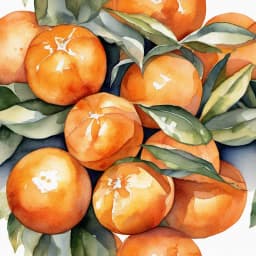
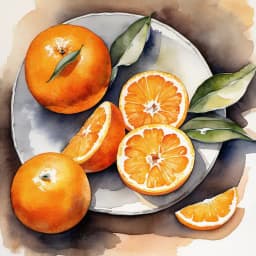
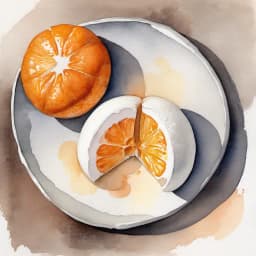
When you peel the skin, juicy pulp bursts forth. Ainan Gold is a pleasant citrus fruit featuring a refreshing aroma, moderate acidity, and a lingering gentle sweetness.
The variety name is Kawachi Bankan. Ainan Town, located at the southernmost tip of Ehime Prefecture, enjoys a warm climate where frost rarely falls even in winter, boasting the highest production volume of this citrus in Japan. Through overwintering cultivation, where the fruit matures slowly on the tree for over a year, it develops a clean taste known as a bitterness-free Japanese-style grapefruit.
The season is long, stretching from spring to summer, making it a delightful treat for the hot season. When eaten chilled, the bursting texture of the pulp and the juicy, refreshing sensation spread soothingly through your body.
Fukaura Fishing Port in Ainan Town is one of the premier ports for landing skipjack tuna in Shikoku. As the only skipjack tuna landing base in Ehime Prefecture, it brings in incredibly fresh catches.
Ainan Town is home to a legendary brand known as 'Biyabiya Katsuo.' In the local dialect, 'Biyabiya' describes flesh so fresh and resilient that a knife cannot easily pierce it. Because the fishing grounds are nearby, the tuna can be landed on the same day it is caught, boasting ultimate freshness; only tuna that meet strict criteria, such as those caught via pole-and-line fishing, are permitted to bear this name.
The unique, chewy texture is a deliciousness you can only experience here. Please enjoy the skipjack tuna of Ainan, renowned as the best in Shikoku, right from its place of origin.
With a single bite, the melting fat and clean, odorless umami spread softly through your mouth. With the back portion described as medium fatty (chutoro) and the belly as very fatty (otoro), the entire fish is like a feast.
Hime-Suma is a branded fish developed through the collaboration of Ehime Prefecture, Ehime University, and local producers to refine aquaculture technology. Because wild catches of Japanese amberjack were originally extremely low, it was known as a 'phantom luxury fish.' After repeated challenges since 2013, Ehime finally succeeded in full aquaculture.
The fine-grained fat is stable year-round, allowing you to enjoy a smooth mouthfeel. Please start with sashimi and savor the aftertaste of high-quality fat that seems to dissolve on your tongue.
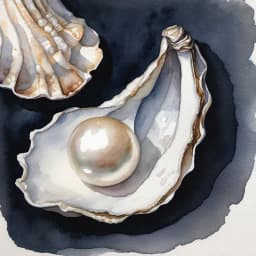
Ainan Town is known as a major hub for pearl cultivation, alongside Uwajima. The pearls nurtured in the warm Uwa Sea are highly valued for their beautiful luster and high quality.
The seas of Ainan, including Misosan Bay, consist of calm inlets lined with rias coastlines. This environment, characterized by gentle waves and abundant plankton, is ideal for Akoya pearl cultivation. Each pearl, grown carefully over time, is a 'gem of the sea' representing Ainan.
While they are not something to be eaten, the brilliance of the pearls polished by the Uwa Sea never fails to captivate those who see them. If you travel to Ainan, please experience their beauty for yourself.
Located on the Sadamisaki Peninsula—Japan's longest and narrowest peninsula—Ikata Town is a prime production area for mandarin oranges that soak up abundant sunlight. The geography, surrounded by the sea on three sides, nurtance exceptionally sweet fruit.
In the Nishi-Uwa region, including Ikata, mandarins have traditionally been cultivated in magnificent terraced orchards carved into steep coastal slopes. The 'three suns'—direct sunlight from the sky, reflected light from the sea, and reflection from the stone walls—illuminate the oranges, developing high sugar content. The well-drained steep slopes are also a secret to enhancing their sweetness.
Enjoying these mandarins alongside the breathtaking view of terraced fields overlooking the sea is truly special. Please enjoy the rich, concentrated sweetness packed into every Ikata mandarin.
The whitebait landed at the tip of the Sadamisaki Peninsula, Japan's longest peninsula, boasts exceptional freshness. Small fish caught in the Bungo Channel and Uwa Sea are boiled in a pot while still fresh.
Sadamisaki shirasu is boiled in 100-degree water within approximately one hour of being landed, then rapidly cooled to finish. The speed unique to a land where fishing grounds spread right before your eyes creates a plump texture and the aroma of the sea. In addition to kamaage (boiled), the charm lies in being able to taste freshly caught nama-shirasu (raw whitebait) as well.
Simply topping freshly cooked rice with a generous amount of kamaage shirasu turns it into a feast. Please come and taste the blessings of the Sadamisaki sea right from its source.
The mackerel and horse mackerel, tempered by the swift currents of the Bungo Channel, have firm flesh and excellent fat content. These are the brand fish, 'Misaki Saba' and 'Misaki Aji', landed at Cape Sada.
The Bungo Channel, stretching between Cape Sada and Usuki/Saganoseki in Oita, is a fertile fishing ground where nutrient-rich seawater converges. Only fish caught via pole-and-line method that meet specific weight standards are permitted to bear the 'Misaki' name. Although they come from the same fishing grounds and are the same species as the 'Sekisaba' and 'Sekiaji' landed on the opposite shore, those landed at Cape Sada are known by this name.
When served as sashimi, the firm texture and rich, fatty umami are exceptional. Please enjoy these brand fish nurtured by the Bungo Channel.
With intricate and beautiful kasuri patterns that emerge in white against an indigo background, Iyo Kasuri is a textile that Ehime is proud of, counted as one of the 'Three Great Kasuri of Japan' alongside Kurume Kasuri and Bingo Kasuri.
It is said that Iyo Kasuri was devised by Kana Kagaya of Imade (now Nishigishu-cho, Matsuyama City) during the Kowa era (1arg01–1804). A prominent theory suggests it was inspired by the bamboo lattice patterns of thatched roofs. During the late Meiji era, it flourished to the point of accounting for a large percentage of kasuri production nationwide. It is a laborious traditional technique where cotton threads, pre-dyed with indigo, are finished through hand-weaving.
While it is not something you can eat, the simple and warm texture created by artisans weaving each thread one by one represents the very beauty of life in Ehime. Once you hold it in your hands, you will be drawn into its profound depth.
Iyo City, nurtured by the calm waters of the Iyonada Sea, is a port town blessed with fresh seafood. Seasonal fish such as sea bream, flounder, octopus, and largehead hairtail are landed one after another from the rich fishing grounds of the Seto Inland Sea.
The waves of Iyonada are relatively gentle, and the tidal currents help firm the flesh of the fish perfectly. Fish caught by local fishermen reach the dining table on the very same day. The exceptional freshness unique to this production area is the greatest delicacy of the local seafood cuisine.
Sashimi and simmered dishes enjoyed at local eateries allow you to truly taste the inherent umami of the ingredients. Enjoying the seafood of Iyo City while gazing out at the calm sea is a true luxury unique to this region. Please come and fully enjoy the taste of fresh seafood in person.
In Iyo City, the season for juicy loquats arrives in early summer. Grown on well-drained slopes under the warm climate of the Seto Inland Sea, these loquats are bursting with juice, spreading an elegant sweetness throughout your mouth.
Loquats are sensitive to cold and difficult to grow anywhere except in warm lands. Iyo City, facing the Seto Inland Sea, is blessed with the perfect environment for their cultivation. The glossy orange fruit is truly a seasonal gift that can only be enjoyed during a very short period in early summer.
When eaten chilled, the juice overflowing from the soft flesh is irresistible. They bear fruit for only a brief time. Please make sure not to miss the season and enjoy this fruit that heralds the early summer of Ehime.
Dip glossy slices of sea bream sashimi into a sweet soy sauce mixture of raw egg and dashi, then place them atop steaming hot rice. As you scoop up the creamy egg coating and the firm texture of the sea bream, the sweet flavor of the ocean spreads throughout your mouth. Even within Ehime, the Uwajima version focuses on 'raw' ingredients rather than the cooked, simmered style.
Originally known as 'Hyuga-meshi,' it is said to have been invented by naval forces and fishermen based in Himejima, Uwajima Sea, who needed a way to eat without using fire while on board ships. The origin lies in the wisdom of these sea men, who would pour rice into the empty sake bowls after drinking and heartily eat the sashimi coated in soy sauce.
It is a unique raw delicacy exclusive to Uwajima, distinct from the Matsuyama simmered style.
Small fish are ground with their bones intact, shaped, and then deep-fried until crispy—Uwajima's Jakoten is a surimi product with a simple yet profound flavor. The more you chew, the more the umami and savory aroma of the small fish spread, making it a beloved staple on local dining tables.
Jakoten is made by processing small fish caught in the Uwajima Sea, such as 'Hotaru-jako' (locally known as 'Haranbo'), into a paste with their heads and bones included before frying. The history of this culture is long, said to have begun when Date Hidemune, the first lord of the Uwajima Domain, invited kamaboko artisans from Sendai.
Enjoy it lightly seared with grated daikon radish, or as a topping for udon. Please come to Uwajima and savor the rich umami and calcium packed into every bite, right down to the bones.
On the plate, there is white and pink minced fish, green onions, and orange mandarin peels. It is a gorgeous dish, decorated in various colors like a spring meadow. In truth, hidden beneath these colors are thinly sliced konnyaku, completely covered by the minced fish. This is 'Fukumen,' a celebratory dish passed down in Uwajima.
Sweetened minced white fish is piled high atop konnyaku noodles and garnished with various seasonings. It is said that it came to be called 'Fukumen' (which means 'mask') because the toppings completely cover the konnyaku, hiding it from view.
It is also said that the four colors represent the four seasons, and the dish has long been used to brightly decorate celebratory occasions such as weddings and longevity celebrations.
Grilled fish is processed into a paste, combined with barley miso, and grilled to a fragrant finish, then diluted with dashi made from fish bones. This mixture is then poured generously over steaming hot barley rice. The aromatic scent of the grilled miso and the plump umami of the fish make the often-dry barley rice easy to eat. 'Satsuma' is a home-cooked dish passed down throughout the Nanyo region, including Uwajima.
It is said to have originated from fishermen eating thick miso soup containing fish over barley rice while on board their ships. There are various theories regarding the origin of its name; some suggest it was brought from Satsuma Province, while others say it comes from 'Sa-tsuma' (meaning a husband helping his wife), but none are certain.
It is also delicious when served cold, making it a dish you especially crave during the hot summer months.
Uwajima is known as one of Japan's premier pearl cultivation villages. The pearls nurtured slowly by Akoya oysters in quiet inlets possess a deep, beautiful luster, and their high quality is renowned throughout the country.
The Uwa Sea, characterized by its rias coastline, features calm waves and abundant plankton. This provides an ideal environment for pearl cultivation, making Ehime Prefecture one of the nation's leading pearl-producing regions. Known as the 'jewels of the sea,' pearls are a signature specialty of Uwajima.
While they are not something to be eaten, the radiance of a single pearl, polished by the Uwa Sea over a long period, never fails to captivate visitors. If you travel to Uwajima, please take the opportunity to experience this beauty for yourself.
Located in the upper reaches of the Shimanto River, Kihoku Town is a production area for highly aromatic yuzu. The temperature fluctuations in the mountain valleys bring out the refreshing aroma and acidity unique to yuzu.
In Kihoku Town, processed products such as yuzu kosho, yuzu ponzu, and yuzu miso are made using yuzu grown under pure water and a cool climate. These products are highly valued as condiments for various dishes, adding color to the local food culture. The environment, where untouched nature remains, nurtures premium-quality yuzu.
With just a squeeze over hot pots or grilled fish, the aroma rises beautifully. Why not invite this fragrant yuzu, nurtured by the rich nature of Kihoku, to be a star supporting actor at your dining table?
Onikita Town is the only municipality in Japan with 'Oni' (ogre/demon) in its name. Its specialty is pheasant cuisine, which features a refined flavor with low fat content.
In Onikita Town, pheasently are raised in the nature-rich environment of the upper reaches of the Shimanto River. The meat of these pheasants, which are carefully raised for over 180 days in conditions as close to nature as possible, is characterized by a light flavor with deep umami. Pheasant meat and pheasant curry are sold at places like roadside stations, and among them, 'Oni no Kiji-nabe' (Ogre's Pheasant Hot Pot) is loved as a representative specialty of the town.
The pheasant hot pot, infused with flavorful dashi, allows the elegant umami of the meat to permeate your body. Pheasant cuisine, which is difficult to taste anywhere else in the country, is a rare delicacy unique to this 'Ogre Town.' If you visit Onikita, please be sure to taste the local specialties of this land.
The clear streams and significant temperature differences in the Kihoku Basin produce delicious, well-defined grains. Located in the upper reaches of the Shimanto River, Kihoku Town is a hidden gem among rice-producing regions.
Kihoku Town, where the untouched nature of the Shimanto River headwaters remains, is a land blessed with pure water and dramatic day-to-night temperature shifts in the mountains. Rice carefully cultivated in this environment is plump, sweet, and exceptionally delicious when served as steamed rice. It is one of the representative rices of Nanyo, produced amidst abundant nature.
When you take a bite of freshly cooked rice, the gentle sweetness of the glossy grains spreads softly through your mouth. Rice nurtured by Kihoku—a village of clear streams and untouched nature—is a delightful addition to any daily meal. Please enjoy its simple, authentic deliciousness.
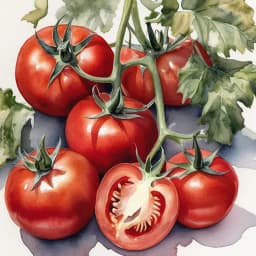
Growing on a high-altitude plateau under large temperature fluctuations between day and night, Kumakogen tomatoes are a masterpiece with concentrated sweetness. The cool climate nurtures tomatoes with a deep, rich flavor.
Kumakogen Town is a cool region often referred to as the 'Karuizawa of Shikoku.' Its Momotaro tomatoes, grown in high-altitude areas between 400m and 600m, boast the highest production volume in the prefecture. The temperature difference between day and night increases their sugar content, and they are characterized by an abundance of juicy, fresh pulp nurtured by clear streams.
With a single bite, a perfect balance of sweetness and moderate acidity spreads throughout your mouth. Please enjoy the rich flavor of these tomatoes raised on the plateau.
In Kuwana Kogen Town, apples—a rarity in Shikoku—ripen to a bright red color. Cultivated by leveraging the high altitude and cool climate, these apples grow with plenty of sweet and tangy juice.
Despite being located in the southern region of Shikoku, Kuwana Kogen Town is a cool land that even features ski resorts. The significant temperature difference between day and night provides an ideal environment for apple cultivation.
In autumn, you can enjoy apple picking at several tourist orchards, many of which are committed to body-friendly cultivation methods such as reduced pesticide use and bagging.
The sight of apple trees bearing fruit in Shikoku surprises visitors. Biting into a freshly picked apple, the overflowing juice is irresistible. Please enjoy this quintessential taste of autumn in the highlands.
In the deep mountains of Kumanokogenes Town, you can enjoy gibier dishes that are a direct blessing of nature. The meat from deer and wild boar raised in the highland forests is characterized by its rustic and profound flavor.
Deer and wild boar captured in the mountainous areas of Kumanokogen Town are served as dishes at local roadside stations and restaurants. Especially during the winter, botan-nabe (wild boar hot pot) using fatty wild boar meat is exceptional. The wild meat, raised while running through the mountains and fields, has a robust umami and a satisfying texture.
Eating gibier around a steaming hot pot during the cold season will warm you to your core. The wild meat enjoyed in the clear air of the highlands offers a nutritious taste that can only be found here. Please come to Kumanokogen and fully enjoy the blessings of the mountains nurtured by the nature of the highlands.
Imabari-style yakitori does not use skewers. Chicken is laid out on a heated iron plate and pressed firmly from above with a heavy, handled iron weight known as a 'press.' As it sizzles with a pleasant sound, the skin becomes crispy and fragrant while the inside remains juicy.
It is said that around 1961, the owner of an Imabari shop called 'Gomidori' started this method, inspired by teppanyaki he saw in Osaka. The concept of 'fast, cheap, and delicious' perfectly suited the impatient, efficiency-oriented nature of Imabari's merchants, causing it to spread throughout the town in no time.
The traditional way to enjoy it is to start with the famous skin and finish with 'Senzanki,' a type of fried chicken.
Hot rice is generously covered with chashu pork coated in a sweet and savory sauce, topped with two creamy, soft-boiled sunny-side-up eggs. When you break the melting yolks and mix them with the sauce, the rich umami clings to the rice, making it impossible to stop your spoon. This is Imabari's signature specialty, Chashu Tamago Meshi.
It originally started as a staff meal at the Chinese restaurant 'Gobankaku.' Around 1970, someone tried adding beaten eggs (typically used for fried rice) to the existing dish of rice topped with chashu and sauce, and the result was surprisingly exquisite—it is said that an independent chef then commercialized it.
Eventually, its popularity spread among local high school students, and it has now become a representative B-grade gourmet dish of Imabari.
When you bite into the crispy coating, the well-infused seasoning and the rich umami seeping from the bones spread throughout your mouth. Senzanki is a local dish of the Toyo region, centered around Imabari, featuring various parts of the chicken fried whole on the bone.
There are several theories regarding the origin of its name; some say it comes from 'Senzanki' (meaning to cut into a thousand pieces) because the chicken is sliced many times, while others suggest it is a corruption of a Chinese term for fried chicken. It is also said that the dish originated in the Edo period when pheasant from Mount Konkin was caught and fried, though no detailed historical documents remain. It is a prestigious dish often cited as one of the roots of karaage.
After the war, the dish spread throughout Imabari following the emergence of famous restaurants that attracted long lines of customers.
When pinched between your fingertips, it feels perfectly moist. If you taste it gently, instead of a sharp saltiness, a subtle sweetness and richness linger on the tongue. That very mellowness, achieved by leaving just the right amount of bittern, is the defining characteristic of 'Hakata no Shio.'
It was born in 1973 (Showa 48). After traditional salt fields were abolished by law the previous year, people who questioned this movement gathered 50,000 signatures to protect natural salt. As a result, a special manufacturing method was permitted—dissolving imported solar salt in seawater from the Seto Inland Sea and boiling it down—leading to the birth of this salt.
Whether for rice balls or grilled fish, it is an essential kitchen sidekick that gently enhances the original flavor of your ingredients.
When you pierce it with chopsticks, the flesh feels bouncy, and the slices are translucent with a hint of cherry blossom pink. When brought to the mouth, the firm umami of the Kurushima Strait red sea bream spreads gently across the palate.
Located just off the coast of Imabari City, the Kurushima Strait is one of Japan's three major tidal currents, alongside Naruto and Kanmon. Because they grow while being buffeted by intense currents, their flesh becomes tightly compressed and richly elastic. During the feudal era, a 'Sea Bream Magistrate' was even appointed to oversee these fish for presentation to the Shogunate, making it one of the most prestigious brands in the Seto Inland Sea, held in the same regard as Akashi sea bream.
You can enjoy them however you like—salted grilled, sashimi, or cooked in rice (taimeshi). First, try it simply grilled to fully appreciate the robust texture and sweetness forged by the rapid currents.
By pouring plenty of takoyaki fillings into an obanyaki mold and baking it, the "Takopan" creates a local gourmet treat that takes the best of both worlds: the size of an obanyaki and the flavor of takoyaki.
Unlike takoyaki, which are rolled into small balls, this is characterized by being baked into a thick, disc-like shape. The way the egg, sauce, and aonori (green seaweed) coat the dough makes it a voluminous snack that can satisfy your hunger with just one piece. Because it is affordable and highly satisfying, it is loved as an easy snack for everyone from children to adults.
Crispy on the outside and gooey on the inside, the savory aroma of the sauce is irresistible. Please try enjoying a piping hot Takopan on a street corner in Kawanoe.
Shikokuchuo City is known nationwide as 'Japan's number one paper town' due to its paper production. The shipment value of paper-related products boasts the highest in Japan, and if you walk through the town, you can see papermaking factory chimneys everywhere.
From Japanese paper for calligraphy to tissue paper and cardboard, a diverse range of paper products that support daily life are manufactured here. High-quality water and long-cultivated technologies have built this major production center. While not food, it is the core industry that symbolizes the town's pride and culture.
How about some high-quality paper products unique to this area as a souvenir? When you hold them in your hands, you can feel the weight of the history accumulated by this paper town.
In the mountains of Shingu, Shikokuchuo City, at the foot of the Hojo Mountains, you can enjoy flavorful handmade soba. The cool climate and pure, clear streams nurture buckwheat with a rich aroma.
Shingu is also known as a village of tea, where tea plantations spread across misty mountain valleys. The cool environment at higher altitudes is ideal for buckwheat cultivation, and "Hojo Soba," made by hand-kneading locally grown buckwheat, is beloved as a local specialty. Freshly kneaded and boiled soba offers an exceptional texture and aroma.
Enjoy the authentic flavor of soba alongside the locally prideful Shingu tea. A bowl of freshly prepared noodles enjoyed amidst the clear mountain air provides an extraordinary aroma and smooth texture, bringing peace to your heart.
The moment you open the lid of the rice cooker, the fragrant scent of the sea wafts up. By cooking an entire sea bream together with the rice and then carefully flaking the cooked meat to mix it in, the elegant umami of the dashi permeates every single grain of rice. This is the 'Taimeshi' that has been passed down since ancient times in the regions of Matsuyama, Toyo, and Chuyo.
Its origins are said to be quite old; legend has it that it began when local fishermen cooked rice topped with sea bream offered to the Kashima Myojin shrine in Matsuyama, which Empress Jingū visited in ancient times. While no definitive historical documents remain, such is the dish's long-standing love within this land.
Warm rice, richly infused with the essence of sea bream. Please, treat yourself to a mouthful.
On a heated griddle, the batter, plenty of cabbage, and yakisoba or udon noodles are layered one atop another. When finished with a layer of beaten egg and folded over, the fragrant steam of the sauce rises softly. The Matsuyama/Mitsuhama style of okonomiyaki is characterized by 'layering' rather than mixing the ingredients.
In Mitsuhama, which once bustled as the gateway to the sea for Matsuyama, it is said that this style of okonomiyaki was brought by fishermen from neighboring Hiroshima. After the war, the mixed-style became popular in Kansai, while the layered-style spread through Mitsuhama and Hiroshima.
The inclusion of beef fat and chikuwa (fish cake) as essential ingredients is a specialty unique to this port town. It is a dish you'll want to enjoy piping hot, savoring every bite.
When you take a bite, a rustic, slightly grainy texture gives way to an explosion of concentrated umami from the small fish filling your mouth. Because the entire fish—flesh, skin, and bones—is ground and fried, the savory aroma and nutrition are preserved intact—this is the Jakoten passed down in Nanyo, Ehime.
The ingredients consist of local fish caught in the Uwa Sea, particularly the 'Haranbo' (firefly anchovy) known locally. According to historical records of the Uwajima Domain, it is said that the origin dates back to when the first feudal lord, Hidemune Date, invited kamaboko artisans from his hometown of Sendai to create it, making its history very ancient.
Whether eaten as is or lightly toasted, it is a deeply nourishing slice that gently accompanies the dining tables of Matsuyama.
When bitten into directly, it is light and crispy. Yet, when added to miso soup, it absorbs the broth and becomes juicy and chewy. A mysterious deep-fried tofu that is as light as a sponge—that is Matsuyama Age.
Thinly sliced tofu is tightly dehydrated and deep-fried three times in rapeseed oil. Because the moisture content drops to about 3%, it can be stored at room temperature for a long time. It appears that this method was already being used in Matsuyama since the beginning of the Meiji era, and because of its good flavor and long shelf life, it is said to have been highly valued as a staple for the military in the past.
It was in 1964 that 'dried aburaage' was named 'Matsuyama Age.' It requires no blanching in hot water and will transform your daily soups into something soft and delicious.
In Matsuyama, facing the Seto Inland Sea, you can enjoy red sea bream with firm flesh grown amidst rapid currents. Because they grow with plenty of physical activity in seas with fast tidal flows, the meat becomes very firm, accumulating an elegant sweetness and rich umami. Ehime is also known as the 'Land of Sea Bream,' boasting the highest production volume of red sea bream in Japan.
Matsuyama's local specialty, 'Taimeshi' (Sea Bream Rice), is a magnificent dish where a whole sea bream is cooked in an earthenware pot. It is a historic flavor with old legends associated with Empress Jingu. You can enjoy the deliciousness of sea bream in various forms, such as sashimi, salt-grilled, or in sea bream soup (shiojiru).
The aroma rising from freshly cooked Taimeshi is so delicious it makes you want to ask for seconds. Please come and experience the blessings of the Seto Inland Sea in Matsuyama.
When you peel the skin, a refreshing aroma instantly rises. As you take a bite, a perfect balance of sweetness and acidity bursts forth in your mouth. Ehime's mandarins taste like the very blessings of the sun.
In the terraced fields facing the Seto Inland Sea, it is said that 'three suns' nurture the fruit: the light pouring down from the sky, the light reflecting off the sparkling sea surface, and the light bouncing off the stone walls. This blessed environment produces a concentrated, rich flavor. Ehime is known as one of Japan's leading mandarin-producing regions, ranking second in nationwide production in 2021.
It is a fruit that Ehime is proud of, and an indispensable companion for cozying up by the kotatsu in winter.
Ehime Prefecture is known as the 'Land of Naked Barley,' boasting the number one production volume in Japan for many years. Matsumae Town, in particular, is recognized as a key production hub.
Naked barley is a grain that is much richer in dietary fiber compared to rice. In Matsumae Town, a large portion of the town's area is dedicated to cultivating naked barley, and the harvested barley has long been used as a raw material for products such as barley miso, barley shochu, and ponzu. Barley miso, an indispensable part of the Ehime dining table, is also known as 'Inaka Miso' (countryside miso) and supports the local food culture.
Miso soup made by dissolving sweet barley miso offers a nostalgic and comforting flavor. Please enjoy the naked barley grown in Matsumae Town, the top production area in Japan.
The blue swimmer crabs (gazami) caught along the coast of Matsumae Town are a culinary delight, boasting sweet meat and rich crab miso. The bountiful waters of the Iyo-nada Sea nurture these delicious crabs.
Blue swimmer crabs are in season from autumn to winter. Having grown through repeated molting, the crabs feature firm meat packed with umami. Freshly landed from the calm Seto Inland Sea along the Matsumae coast, these crabs are a seasonal blessing that has been cherished locally for a long time.
Whether boiled or used in miso soup, their sweetness is exceptional. The abundance of crab miso inside the shell makes you want to savor every last bit. Please enjoy seasonal blue swimmer crabs in Matsumae.
Known as the 'Land of the Forest,' Matsuno Town is one of Ehime's leading peach production areas. During the peak season in July, a sweet aroma drifts from the peach orchards.
Matsuno Town is a nature-rich town that embraces the headwaters of the Shimanto River and has worked to specialize in peach production since the 1970s. Often referred to as 'Ehime's Peach Paradise,' many local farmers cultivate these fruits. The peaches are characterized by their soft flesh and abundant, dripping juice, with various varieties such as Hakuho and Akatsuki available to enjoy.
When you bite into a chilled peach, the overflowing juice and gentle sweetness spread throughout your mouth. Please make sure to taste this summer treasure, carefully nurtured in the forest land of Matsuno Town, while they are in season. You are sure to be surprised by their freshness.
In Matsuno Town, the 'land of forests' located in the headwaters of the Shimanto River, you can enjoy gibier cuisine that makes the most of nature's blessings. The meat from deer and wild boar raised in the mountains offers a deep, rich, and flavorful taste.
Deer and wild boar captured in the mountainous areas of Matsuno Town are served as dishes at restaurants around Namekawa Gorge and elsewhere. The wild meat, nurtured by the forests of the Shimanto River headwaters where untouched nature remains, is characterized by its robust umami and satisfying texture. In recent years, the number of fans drawn to this flavor has been increasing.
Enjoying these mountain delicacies while listening to the murmur of clear streams is an exceptional feast. Please come and taste the nutrient-rich gibier cuisine in Matsuno Town, a land of forests embraced by untouched nature. You will encounter the profound depth of the mountains' blessings.
Kamijima Town, consisting of islands floating in the Seto Inland Sea, is a production area for aromatic domestic lemons. The warm climate of the Seto Inland Sea produces lemons that are delicious even when including the peel.
Lemon cultivation began in Kamijima Town around 1975, and on Iwagi Island, "blue lemons" have been developed as a specialty product to revitalize the local community. The sunny slopes and the characteristic warm, low-rainfall climate of the Seto Inland Sea are perfect for cultivating lemons, which are sensitive to cold and wind. It is one of the major production areas for Seto Inland Sea lemons, alongside those from Hiroshima.
Their refreshing aroma and moderate acidity make them highly versatile in both cooking and confectionery. Please try incorporating these reliable domestic lemons into your daily life.
Kamijima Town, a collection of islands in the Seto Inland Sea, is an island community blessed with fresh seafood. Species such as sea bream, octopus, and flounder are harvested from these waters.
With moderate tidal currents and calm waves, the Seto Inland Sea nurtures high-quality fish with firm flesh. Seafood landed on the islands reaches the dining tables of local eateries on the very same day. The exceptional freshness unique to the production area is the greatest delicacy of Kamijima's seafood cuisine.
Enjoying these bounties of the sea between cycling trips along the Shimanami Kaido or island hopping is truly special. We take pride in the freshness of the seafood raised by the peaceful islands of the Seto Inland Sea. Please come and savor the blessings of Kamijima's sea along with the tranquil island time.
When you bite through the crispy coating with an audible crunch, meat juices overflow from around the bone. The intense umami unique to bone-in chicken, combined with the infused seasoning, spreads throughout your mouth with every chew. 'Zanki' is a beloved fried chicken in Imabari—it has a much deeper flavor than ordinary karaage.
In the Toyo region, including Imabari, it is also known as 'Senzanki,' and the traditional method involves frying whole pieces of bone-in chicken. The umami from the bones transfers to the coating, resulting in a crispy and fragrant finish. Immediately after the war, it became so popular that long lines formed at shops in Imabari, firmly taking root in this region.
As an accompaniment to beer, as a side dish, or as a snack. One bite is all it takes to reach for another piece.
With a single bite, you experience the springy texture of the chikuwa followed by the gentle aroma of toasted shrimp. The savory umami of the kneaded shrimp gradually releases with every chew. This 'Ebichiku' (shrimp chikuwa) from Niihama is packed with the bounties of the Seto Inland Sea.
Niihama is a thriving fishing town where surimi products, traditionally called 'tempura' here, have been deeply rooted in daily life since ancient times. These processed seafood products, made by mixing fresh fish paste with lively shrimp, offer a flavor unique to this seaside town.
Enjoy it as a snack on its own, as an accompaniment to alcohol, or lightly toasted to elevate the flavor. This single stick allows you to enjoy the full, fragrant aroma of the sea.
As soon as you take it into your mouth, a gentle milk sweetness melts away. Mandarin orange, matcha, strawberry, cocoa, peanut—each piece of candy is wrapped in oblate (edible film), creating a colorful assortment that makes you hesitate over which one to eat first. It is a nostalgic and comforting flavor.
The Besshi Ame Honpo in Niihama is an established shop with origins dating back to 1868. Named after the Besshi Copper Mine that supported the local development, it has been presented to the world as a point of pride for the town. The craftsmanship of carefully twisting each piece by hand is still passed down today.
Perfect as a snack with tea or as a small gift. A Toyo treat that allows your heart to relax with just a single bite.
Rather than turning on a tap, groundwater naturally wells up all over the town—Saijo City is such a 'City of Water.' These natural artesian wells are called 'Uchinuki' and are scattered throughout the city.
The name 'Uchinuki' comes from the traditional method of driving iron rods into the ground to extract water from underground layers, a technique passed down since the mid-Edo period. Sourced from the underground waters of the Ishizuchi mountain range, the water temperature remains stable throughout the seasons. In 1985, it was selected as one of Japan's top 100 famous waters by the Ministry of the Environment and has been highly acclaimed in national water-tasting competitions.
When scooped up by hand and drunk, it offers a mellow and clear taste. This pure water supports the sake and food culture of Saijo. Please enjoy a glass of this natural blessing in our town of famous waters.
When you dip a spoon into a persimmon from which the astringency has been removed, the luscious flesh melts away, spreading a dense sweetness across your palate. Saijo City is known as one of the premier persimmon-producing areas in Ehime.
Characterized by their long shape and four distinct grooves, 'Saijo Persimmons' were originally astringent persimmons. Once the astringency is removed, they become melt-in-your-mouth soft, transforming into a rich sweetness akin to a natural dessert. When made into dried persimmons, the sweetness becomes even more concentrated, resulting in a moist and profound flavor.
Enjoy them chilled as they are, or as dried persimmons. This is a bounty of Saijo's harvest that you'll want to savor slowly during the deepening season from autumn to winter. The melting texture of the soft, fully ripe flesh is unforgettable once tasted.
Steam rises from the Napolitan pasta coated in ketchup, sizzling on a piping hot iron plate. The beaten egg spread across the base thickens around the edges; when mixed with the noodles, it creates a perfect harmony of mellow sweetness and savory sauce aroma. This is Saijo's soul food, Teppan Napolitan.
Serving it on an iron plate and using eggs—these two elements are the hallmarks of Saijo Teppan Napolitan. The best part is being able to leisurely enjoy it while it stays hot until the very last bite. Having spread from a popular local restaurant, it is now carried on by many shops throughout the city.
Topped with sausages and green peas, it is a lively dish. A nostalgic yet new feast served right on the iron plate.
The Uwa Basin, often shrouded in morning mist, is known as one of the premier rice-growing regions in Ehime. The unique temperature differences between day and night characteristic of the basin, along with the pure waters from the upper reaches of the Hiji River, produce delicious, well-defined grains.
Rice cultivation is so deeply rooted in the lives of the people in Uwa-cho that the area is home to the 'Uwa Rice Museum,' which features a relocated wooden school building from the early Showa era. The misty climate enhances the flavor of the rice, and rice farming has flourished here since ancient times as one of the prefecture's leading granary areas.
Once cooked, Uwa rice is fluffy and sweet, and remains delicious even when cooled, making it perfect for rice balls (onigiri). Please enjoy a bowl of this hometown specialty, nurtured by the rice-growing heartland of Uwa.
Grown with plenty of sunlight and sea breezes, Seiyo's yuzu is a citrus fruit boasting a refreshing aroma. The temperature fluctuations in the mountain valleys bring out the characteristic crisp scent and acidity of the yuzu.
Seiyo City features a diverse landscape nestled between the Shikoku Mountains and the Uwa Sea, providing an environment ideal for yuzu cultivation. Once harvested, these yuzu are enjoyed not only as a condiment for dishes but also transformed into various processed products such as yuzu miso, yuzu ponzu, and yuzu juice.
When squeezed over hot pot dishes, the aroma rises softly, making your everyday meals even more delicious. Why not invite the fragrant yuzu of Seiyo to be a star supporting player at your dining table?
The hijiki grown in the Uwa Sea of Akehama-cho, Seiyo City, is a seaweed characterized by its abundant ocean aroma and thick, meaty texture. Growing in pristine waters, this hijiki accumulates plenty of minerals.
After harvesting, the hijiki is simmered over a wood fire and then slowly sun-dried under the sun to finish. This meticulous drying process creates a plump texture and softness when rehydrated in water. The flavor is supported by simple yet careful craftsmanship.
When used in simmered dishes, the umami soaks in deeply, and when added to salads, it provides a delightful textural accent. Please enjoy the bounty of the Uwa Sea with Akehama's hijiki at your daily dining table.
As you take a bite, you experience the gentle elasticity of a chewy texture. Within its subtle sweetness, the grains of adzuki beans crumble softly, leaving an elegant aftertaste. 'Shigure' is a moist and soft stick-shaped sweet made by steaming bean paste into a solid form.
The process involves soaking adzuki beans in plenty of syrup for a full day and night, mixing them with glutinous rice flour, and steaming them slowly in a bamboo steamer. This meticulous effort creates a unique, chewy texture that differs from typical poured-style sweets. The poetic name is also part of its charm, likening the scattered grains of adzuki beans to 'shigure'—the light, intermittent autumn/winter rain.
Enjoying it slice by slice with tea, its moist sweetness allows you to take a peaceful, relaxing moment.
Take a single piece of taro from the bubbling pot. When you pierce it with your chopsticks, it breaks apart softly and melts in your mouth with a rich, creamy texture. Having absorbed the broth cooked alongside chicken, shiitake mushrooms, and konnyaku, the taro is subtly sweet and deeply delicious. This is Ozu's autumn specialty, Imotaki.
Spreading mats by the riverside and gathering around the pot while gazing at the moon—this tradition was born from an autumn custom that has continued for hundreds of years, where people would gather on the banks of the Hiji River, bringing freshly harvested taro to share stories. The clear night sky and the steaming pot; the true essence of Ozu's Imotaki is savoring the entire scenery.
With its warm broth and fluffy taro, it is a dish that warms even your heart during the long autumn nights.
Salted and slowly grilled over charcoal, the sweetfish features crispy, fragrant skin and plump flesh. A single bite releases a refreshing aroma reminiscent of watermelon, unique to sweetfish raised in clear streams. It is a dish that allows you to savor the full bounty of the Hiji River.
The Hiji River in Ozu is one of Japan's three great cormorant fishing sites, alongside the Nagara River in Gifu and the Mikuma River in Oita. The 'Awase-ukai' (combined cormorant fishing), where boats with torch-bearing masters and pleasure boats descend the river together, is a quintessential summer night spectacle in Ozu. The sweetfish raised in this river possesses an exceptional aroma and firm texture.
A taste of clear streams available only during the summer. We recommend enjoying it simply as salt-grilled to fully appreciate its fragrance.
When slowly rehydrated in water and simmered, a rich dashi and umami burst from the thick cap. With a firm, bouncy texture, they are often referred to as 'mountain abalone' due to their impressive presence. These are Ozu log-grown shiitake, nurtured by the mountains of the Hiji River.
The Hiji River basin, shrouded in mist from autumn to winter, provides the perfect environment for shiitake to grow. Spores are planted on logs made of oak and konara, where they are carefully cultivated over time within the forest. Growing in an environment close to nature, they possess a high aroma, glossy caps, and a firm texture.
Whether used in simmered dishes, hot pots, or mixed rice, a single piece acts as a masterful supporting ingredient that elevates the flavor of the entire dish.
The indigo paintings stand out beautifully against the pure white porcelain—Tobe ware is a traditional porcelain from Tobe Town with a history spanning about 240 years. It is characterized by its thick, rustic shapes and a durability that feels comfortable in the hand.
Tobe ware is said to have been founded during the An'ei era of the Edo period (around 1777) by utilizing local pottery stone. In 1976, it was designated as a national traditional craft. The 'Arabesque pattern' created by potter Shoji Kudo is widely loved as a symbol of Tobe ware, and its unadorned, simple beauty is deeply cherished.
These are durable, warm vessels that can be used casually at the daily dining table. Serving food on Tobe ware makes even an ordinary meal feel a little more special.
Tobe Town, well-known for its Tobe ware pottery, is also actually a famous producer of the small ume plums known as 'Blue Diamonds.' The small plums grown on the mountain slopes of the Nanatori district boast thick flesh and a soft texture despite their small size.
Because the seeds are small and both the skin and flesh are soft, Nanatori Koume are considered ideal for making umeboshi and plum syrup as they absorb plum vinegar easily. In spring, pale pink plum blossoms bloom across the Nanatori orchards, covering the mountains, and the area bustles every year with the 'Nanatori Plum Festival.'
When prepared as crunchy pickled plums or preserved with shiso leaves, their refreshing acidity leaves a lasting impression. Please try this other treasure nurtured by Tobe, the home of pottery.
Despite their small size, they have thick flesh and small seeds—due to their high quality, 'Nanori Ume' is known as the 'Blue Diamond' and is a pride of Ehime. Both the skin and flesh are soft, offering an outstanding texture on the palate.
Nanori Ume is a branded plum originating from the Nanori district of Tobe Town, with a history spanning over 100 years. It is processed into crunchy pickled plums, shiso-pickled plums, and plum syrups, and its umeboshi has even won excellence awards at national umeboshi competitions. It is also certified as an 'Ai-aru (Love/Quality) Brand Product' of Ehime.
When you take a crisp bite, a refreshing acidity and the aroma of plum spread through your mouth. Please enjoy this blue jewel, available only in early summer.
Spreading at the foot of the Ishizuchi Mountain Range, Toon City is a blessed land where fresh vegetables grow. Among them, the lettuce is a specialty product boasting a juicy and crunchy texture.
Located in the eastern part of the Matsuyama Plain, Toon City enjoys an environment blessed with pure water and a mild climate, which is ideal for vegetable cultivation. The lettuce grown in the fields has tightly packed leaves and is incredibly succulent; when used in a salad, its freshness is clearly noticeable. It is known as one of the leading lettuce-producing areas in Ehime Prefecture.
With a crisp texture and a subtle sweetness, please enjoy Toon's lettuce to add color to your dining table, tasting its freshly picked freshness exactly as it is.
"Uchibo Pork" is a brand of pork carefully raised in Uchibo Town, a place blessed with clear streams and spring water. It boasts a fine, tender meat texture and sweet fat.
Uchibo Pork consists of SPF (Specific Pathogen Free) pigs raised in the clear environment of high-altitude mountains, drinking spring water. Because they are raised healthily, there is very little of the characteristic odor found in pork, resulting in an elegant flavor. It is widely enjoyed through various processed products such as bacon and sausage.
Uchibo Pork, which highlights the sweetness of its fat, is exquisite whether served as shabu-shabu or grilled. Please enjoy it alongside a historical stroll through Uchibo, where white-walled streets remain.
A large, flickering flame and a soft light—the Washi candles passed down in Uchiko Town are a traditional light continuing from the Edo period. The charm lies in the warm glow unique to plant-derived wax.
Japanese candles are made by artisans manually layering wood wax, pressed from sumac berries, onto a wick. Uchiko was once a prosperous town due to its production of wood wax, and that tradition is still carried on today. Unlike petroleum-based candles, these are characterized by large, bright flames that are resistant to being blown out by the wind.
While they are not something to be eaten, the quietly swaying light embodies the time accumulated by this town. Please experience the culture of Uchiko alongside its white-walled streets.
Uchiko Town is one of the most prominent grape-producing areas in Ehime. A wide variety of grapes, including Kyoho, Pione, and Shine Muscat, ripen with great sweetness.
The farms in Uchiko take pride in their large-sized grapes, which are grown with meticulous care and effort. From mid-August to late September, you can enjoy grape picking, with some orchards allowing you to compare different varieties such as Shine Muscat and Seto Giants. The overflowing juice and elegant sweetness herald the arrival of autumn.
When you take a freshly picked grape into your mouth, sweet juice bursts from within the skin. In Uchiko, where historic white-walled streets remain, please enjoy the bountiful autumn along with the experience of grape picking. You are sure to encounter an unforgettable cluster of grapes.
When you scoop it up with your spoon, a brilliant golden soup awaits beyond the rising steam. It is prepared in a light, Japanese-style manner, layering chicken bone broth with bonito and kombu dashi. Rather than the heavy richness of pork bone, it offers a gentle warmth that soaks into your body—despite sharing the same name, Yawatahama's champon is something entirely different from Nagasaki's.
Thick Chinese-style noodles are topped with plenty of vegetables and pork. Added to this are Yawatahama's pride—kamaboko (fish cake) and jakoten (fried fish cake)—which allow the savory flavors of the sea to slowly melt into the soup. As a gateway to western Shikoku, this port town has long been connected to Kyushu and Kansai by sea. It is through this maritime exchange that this bowl was born and nurtured.
You will find yourself wanting to drink every last drop of this gentle broth. It is a warm, local specialty champon.
When you peel the skin, juice practically overflows from the bursting segments. The moment they hit your mouth, a rich sweetness and refreshing acidity spread all at once. The mandarin oranges of Yawatahama are packed with concentrated flavor.
The secret lies in the 'three suns.' Light pouring from the sky, light reflecting off the surface of the Uwa Sea, and light bouncing off the stone terrace walls—on these steep fields stretching toward the mountain peaks, the oranges grow bathed in abundant sunlight. They bear fruit upon the legacy of ancestors who transformed rugged, sea-facing terrain into orchards by painstakingly stacking stones.
A taste of the sun, delivered from one of Ehime's most prestigious mandarin orange regions. Please enjoy every single segment to your heart's content.
A single pinch sprinkled over warm rice, scattered beautifully. As you bite into the shimmering small fish, the savory umami of the sea spreads gently through your mouth along with a subtle saltiness. It is plump and soft, yet offers a more substantial texture than regular shirasu (whitebait). This is the chirimen jako of the Uwa Sea.
The Uwa Sea, stretching off the coast of Yahatahma, is one of Japan's most abundant fishing grounds, where warm and cold currents collide. Because we use freshly caught whitebait, we can create sun-dried chirimen that has been carefully dried under the sun. The aroma of the sea is captured directly within its plump flesh.
Place it atop rice, mix it into rice balls, or add a pinch to rolled omelets. It quietly enriches your daily dining table with the blessings of the sea.
In the early morning, the energetic voices of auctioneers echo through the air—the Yawatahama Fish Market is one of the largest hubs for marine products in Western Japan. The sight of freshly landed fish being auctioned off one after another conveys a sense of true vitality just by watching.
Yawatahama serves as the only base for medium-sized trawling (offshore bottom trawling) in Shikoku. It is characterized by a diverse range of catches, from high-end species like sea bream, flounder, and tiger prawns to more common varieties. The market is open for public viewing, and you can purchase fresh fish at the adjacent 'Doya Market.'
The seafood bowls and sashimi sets enjoyed at the cafeteria directly connected to the market offer a level of freshness unique to the source. Please come and experience the vitality of Yawatahama's sea through your palate.
When you think of Ehime, you think of mikan. Representing Ehime—a prefecture that prides itself on being Japan's top citrus producer—is the Unshu mandarin, known for its perfect balance of sweetness and acidity.
Ehime is a true "Citrus Kingdom," cultivating a wide variety of citrus fruits centered around the Unshu mandarin, including Iyokan, Ponkan, Dekopon, Setoka, and Kanpei. In the terraced orchards along the coast, mandarins with high sugar content grow by soaking up both sunlight and the reflected warmth from the sea. The abundance of different varieties reaching their peak season one after another throughout the year is a luxury unique to Ehiment.
When you peel it by hand, juicy flesh reveals itself alongside a refreshing aroma. Please enjoy the taste of Ehime mikan, nurtured by the sun and the sea.
Turn a tap and mandarin juice flows—this is the legend of Ehime created by Pon Juice.
Its journey began in 1952. Following an inspection of the American fruit industry by its predecessor, Seika-ren, production started at the Mitsu factory. The name 'Pon' was bestowed by then-Ehime Governor Sadatake Hisamatsu, who infused it with the wish for it to become 'Japan's number one (Nippon-ichi) juice.' The following year, the Romanized spelling was changed from PON to POM, resulting in its current form.
It offers a sincere flavor, committed to the juice of Ehime-grown Satsuma mandarins. Opening the cap makes you feel as though you are drinking the Seto Inland Sea sun itself.
Underneath the crispy, fragrant coating, the savory umami of the fish spreads through your mouth. This Jakoten is a representative surimi product of Ehime's Nanyo region.
Its characteristic lies in deep-frying surimi made from small fish caught in the Uwa Sea, such as Hotaru-jako (locally known as 'Haranbo'), using the entire fish including heads and bones. According to one theory, its origin dates back to 1615, when the first Lord of Uwajima, Hidemune Date, invited kamaboko artisans from Sendai. Because it uses the bones, it is rich in calcium and offers a simple yet deeply flavorful taste.
Lightly toasted, the fragrance becomes even more pronounced, making it a perfect accompaniment to alcohol. Whether topped on udon or eaten as is, it is an indispensable part of the Uwajima dining table.
An autumn evening by the banks of the Hiji River, gathered around a large pot—'Imotaki,' the pride of Ozu, is a seasonal tradition enjoyed under the moonlight.
Its roots trace back to the feudal era. It is said to have begun with an event called 'Okomori,' where local residents would gather by the river in autumn to bring harvested taro and deepen their community bonds. The fertile soil brought by the frequent flooding of the Hiji River produced taro that melts on the tongue without losing its shape. In 1966, it became part of the city's tourism initiatives and continues to attract many people today.
Slow-cooked in a sweet dashi broth with taro, chicken, konnyaku, and shiitake mushrooms. A bowl eaten under the moonlight is truly exceptional.
This is the story of the sweet and mellow barley miso that has supported the dining tables of Ehime.
Ehime Prefecture boasts the highest production of naked barley, the raw material for miso, in Japan. The barley miso brewed using this abundant barley is characterized by a sweeter and gentler flavor than rice miso. It features a rich aroma and natural sweetness created by using plenty of barley koji. This is a taste unique to Ehime, nurtured by the warm climate of the Seto Inland Sea.
It is essential not only for daily miso soup but also for miso paste spread on grilled fish and as a dashi base for Uwajima's local dish, 'Satsuma.' Once you become accustomed to this sweetness, other misos may feel somewhat lacking. Please try incorporating this taste of an Ehime home into your daily meals.
These are sweets made from 'Ainan Gold,' a Japanese variety of grapefruit without bitterness, enjoyed in early summer.
In Ainan Town, the southernmost part of Ehime Prefecture, production of Awaji Bankan is the highest in Japan. This citrus fruit, which accounts for approximately 70% of the national production, is known locally as 'Ainan Gold.' Since its introduction in 1971, a cultivation method has taken root where the fruit matures slowly on the tree for over a year under a warm climate resistant to frost.
Its defining characteristics are a refreshing sweetness, juicy juice, and a crisp taste without bitterness. The jelly, sherbet, and marmalade, which capture this charm perfectly, are ideal for the hot season. Please enjoy these bright golden sweets that evoke the early summer sun.
This is a story of mandarin orange sweets filled with the blessings of the sun from the Sadamisaki Peninsula, surrounded by the sea on three sides.
The long, narrow Sadamisaki Peninsula is a famous citrus-producing region characterized by its warm climate and frequent sunshine. Mandarin oranges grown here, basking in the abundant sunlight and the reflection from the sea, possess a concentrated sweetness and a deep flavor. Products made from these fruits, such as jellies, cakes, and marmalades, are well-loved at roadside stations and elsewhere.
A single bite spreads a mellow sweetness and a refreshing aroma. The flavor, nurtured by the unique sea breezes and sunlight of the peninsula, offers an incomparable richness. While imagining the scenery of the cape lined with windmills—please take your time to savor these citrus sweets from Ikata.
From Iyo City in the citrus kingdom of Ehime, comes a collection of sweets dedicated to mandarins.
In Iyo City, blessed with a warm climate, a variety of citrus fruits grow, including Satsuma mandarins and Iyokan. There is a wide lineup of confections such as cakes, jellies, daifuku, and baked goods that make use of these fruits, allowing you to enjoy the sweetness and refreshing acidity of the mandarin.
From those using plenty of fruit juice to those infused with the aroma of the peel, the flavors vary greatly.
These fresh flavors are only possible because it is a citrus-producing region. Choosing them as a souvenir feels like sharing a piece of the Seto Inland Sea sun. These are the quintessential sweets that allow you to feel the true essence of Ehime.
Born from the desire to create 'a specialty that can rival Matsuyama's tart'—this is the story of 'Oban.'
Its origin dates back to 1957. When the novelist Bunroku Shishi's novel 'Oban' was adapted into a film and shot in Uwajima, the then-mayor took the initiative to conceive this treat. It is an elegant fusion of Japanese and Western styles, featuring a soft castella sponge wrapped around a special yuzu bean paste, topped with a fine crumble of mountain yam.
With the gentle aroma of yuzu wafting through the moist sponge, various confectionery shops in the city each craft their own version of 'Oban.' It is perfect as an accompaniment to tea or as a souvenir. It is a timeless flavor filled with the pride of Uwajima.
This is the story of a moist and gentle castella that has taken root in the town of Uwajima.
Castella, which arrived via the Nanban (Portuguese) traders, spread from Nagasaki to various regions, evolving uniquely in each area. The artisans of Uwajima, too, carefully bake dough using plenty of eggs, nurturing it into a beloved local specialty. Its charm lies in its fine-grained, moist texture and the rich aroma of eggs that spreads as you take a bite.
While not flashy, it possesses an honest sweetness that makes you want to eat it every day. Paired with hot tea, it provides a moment of heartfelt relaxation. Some versions even have coarse sugar at the bottom, adding a delightful crunch to the experience. If you visit Uwajima, please be sure to taste this handmade castella that preserves traditional methods.
From Kihoku, the 'Town of Ogres,' comes a collection of fragrant yuzu sweets.
Located in the upper reaches of the Shimanto River, Kihoku Town is a yuzu-producing region that utilizes the temperature fluctuations of its mountainous terrain. Yuzu grown in an environment with significant day-to-night temperature differences possesses a high aroma and a prominent, refreshing acidity. Leveraging this flavor, a diverse range of sweets—from traditional Japanese confectionery to Western-style treats—are crafted, including yuzu yokan, yuzu jelly, and yuzu candy.
As the gentle scent of yuzu rises, it brings the freshness of the mountain village to your palate the moment you taste it. Please take your time to savor the citrus fruits nurtured by the rich nature of Kihoku—a town known for its unique regional revitalization efforts symbolized by the 'oni' (ogre).
This is the story of an apple pie made with highland apples, which are rare in Shikoku.
Kumanokogen is a town nestled among high-altitude mountains. The cool climate, characterized by significant temperature differences between day and night, produces sweet, juicy apples. This highland area is unique in being able to cultivate apples within the otherwise warm Shikoku region. In autumn, the tourist apple orchards become lively.
The apple pie, baked with a generous amount of these apples, features an excellent harmony between the crispy pastry and the luscious, sweet filling. A subtle acidity leaves a refreshing aftertaste. It is a taste of autumn—making you want to savor fruit ripened in the clear highland air while it's still warm.
This is the story of the fragrant grilled mochi that has been cherished on the street corners of Imabari.
It is a simple confection made by wrapping smooth red bean paste (koshian) in dough made from glutinous rice and grilling it to a golden brown on an iron plate. The contrast between the crispy, fragrant exterior and the chewy interior is delightful, and the warmth of it being freshly grilled is truly indescribable. In Imabari, a city famous for towels and shipbuilding, it has long been loved as a local snack.
With its subtle sweetness, the honest flavors of the smooth red bean paste and the mochi are brought to the forefront. It is perfect not only as an accompaniment to tea but also as a light snack while traveling along the Shimanami Kaido. Unpretentious yet irresistible—it is a simple, warm, traditional taste that has been loved by the people of Imabari for generations.
In Imabari, the gateway to the Shimanami Kaido, sweets packed with the blessings of the Seto Inland Sea await travelers.
With a diverse lineup featuring cakes and jellies made from lemons and mandarins grown in the warm climate, as well as salt-based sweets flavored with Hakata salt, the variety is truly impressive. The refreshing acidity of the citrus and the salinity of the sea—ingredients unique to the Seto Inland Sea—harmonize elegantly within these treats.
They are also popular as a snack to enjoy during a break while cycling through the various islands. One of the joys of a Shimanami trip is collecting and comparing sweets from each island you encounter as you cross the bridges. The refreshing, acidic sweets soak into your body perfectly after working up a sweat. Please enjoy the sweetness of the Seto Inland Sea along with the scent of the wind and the tide.
Online sales are conducted via lottery, and if they appear in stores, they sell out immediately—this is the story of Kirino Mori Daifuku, known as a 'phantom sweet.'
Shingu-cho in Shikokuchuo City is a tea-growing region nestled in mountains often shrouded in mist. This daifuku was created in collaboration with local tea farmers to coincide with the opening of the roadside station. It features a luxurious structure where four layers melt together the moment they hit your mouth: fragrant matcha, mochi kneaded with matcha, elegant smooth red bean paste, and creamy fresh cream.
Because the Shingu tea matcha used is precious, it cannot be mass-produced. That is precisely why it is called 'phantom.' The joy of obtaining one is truly special. It is an extraordinary treat that boasts some of the highest popularity in Ehime.
This is a story about sweets that allow you to fully enjoy the essence of Shingu tea, nurtured by the mist.
Shingu-cho in Shikokuchuo City is one of the leading tea-producing regions in Shikoku. The environment, surrounded by mountains where mist easily forms, produces tea leaves with a high aroma and mild astringency. Cookies, cakes, and matcha sweets made from this Shingu tea are renowned for allowing you to enjoy the deep aroma and umami inherent in the tea.
Within the sweetness, the refreshing scent of the tea leaves gently rises. It is a sophisticated sweet that tea lovers will find irresistible. In the village of Shingu, famous for its 'Kirino Mori Daifuku' (Misty Forest Daifuku), there are many other masterpieces that utilize tea. Please experience the profound depth of Shingu tea through these confections.
These colorful dumplings, arranged in green, yellow, and brown on a skewer, are a joy just to look at. Smooth bean paste gently envelops soft, chewy mochi.
Coated in layers of matcha, egg, and adzuki bean paste, Botchan Dango is a representative confection of Matsuyama and Dogo. It was named around the 10th year of the Taisho era (circa 1921), inspired by the dumplings appearing in Natsume Soseki's novel 'Botchan.' Enjoying one after a soak in the Dogo Onsen provides a truly quintessential Matsuyama experience.
The charm lies in being able to enjoy three distinct flavors in a single skewer: the subtle bitterness of matcha, the sweetness of egg, and the richness of adzuki bean. The soft mochi and smooth three-colored paste melt in your mouth. With its elegant sweetness and chewy texture, you'll find yourself reaching for another skewer.
A swirl of bright yellow yuzu bean paste is visible in the beautifully rolled cross-section. With a single bite of the soft, fluffy sponge, the refreshing aroma of yuzu gently wafts through your senses.
Iroku Tart is a traditional Matsuyama confection made by rolling smooth bean paste infused with Ehime-grown yuzu inside moist sponge cake. Iroku Honpo was founded in the 16th year of the Meiji era, which is the origin of the name 'Iroku' (Sixteen).
This sweet, which features bean paste instead of jam wrapped in sponge, represents a unique fusion of Japanese and Western styles characteristic of Ehime; it is said that the local feudal lord, Matsudaira Sadayuki, drew inspiration for it from Nanban (Western) confectionery. With its gentle sweetness and yuzu fragrance, it is perfect with tea. The adorable spiral pattern when sliced makes it a simple, delicious treat that leaves you reaching for just one more piece.
A dough with a soft aroma of butter and a melt-in-your-mouth texture that is moist and crumbly. When you take a bite of Bohemu, the elegantly sweet yellow bean paste melts softly on your tongue.
Written as 'Bohemu,' it is pronounced like 'Poem.' This creative confection representing Ehime features dough made with plenty of fresh butter and eggs, wrapping a special yellow bean paste made by adding egg yolk to white bean paste.
Born in 1950, the name was given to embody the taste of a 'dream of a mother's blessing,' after a painter returning from France praised its flavor as being 'truly a poem.'
A nostalgic flavor where Japanese bean paste and Western ingredients blend together. It is a staple Ehime souvenir that brings joy to people of all ages. One bite is enough to bring a smile to your face.
When sliced cleanly, beans faintly appear within the moist cross-section. Upon taking a bite, an elegant, non-cloying sweetness gently spreads through the mouth.
Usumizumi Yokan is a signature confection from a long-established shop in Matsuyama, Ehime, founded in 1874 by Gensaburo Nakano using a unique production method. The name is derived from the 'Usumizumi-zakura' (pale ink cherry blossoms) of Saiho-ji Temple in Matsuyama, which has been passed down for a thousand years; the beans dancing in the cross-section are meant to resemble cherry blossom petals. It has also achieved distinction by winning the Honorary Grand Prize and the Honorary President Prince Takamado Award at the National Confectionery Expo.
The moist, well-kneaded yokan is perfect as an accompaniment to tea. Piece by piece, it is a masterpiece that allows you to quietly immerse yourself in an exquisite sweetness reminiscent of cherry blossoms.
Enjoy a crispy piece after a soak in the Dogo Onsen waters. This senbei cracker's rustic flavor evokes the nostalgia of travel.
Made with a simple recipe of flour, sugar, and eggs, these thin crackers feature a light texture and a subtle sweetness. With packaging shaped like the Dogo Onsen Honkan or designs featuring hot spring motifs, they have long been cherished as a companion for strolling through the hot spring town and as a souvenir.
Paired with hot tea, it is just right for a body warmed by the bath. It is a classic of the hot spring town that reminds you of that moment—tasting the gentle sweetness after soaking in the waters said to be among the oldest in Japan. Since they are light and have a long shelf life, they are also perfect for gifting to many people.
The skin is so thin that you can almost see the bean paste through it, and it is generously filled with smooth koshi-an (smooth red bean paste). When you take a bite, the skin feels almost non-existent, allowing the melting sweetness of the paste to spread instantly.
Yamadaya Manju is a famous confection of Ehime, preserved through a secret recipe passed down from father to son by this long-established shop founded in 1863 (Keio 3). Using carefully selected adzuki beans from Tokachi, Hokkaido, and high-quality white sugar, the paste is cooked to achieve an elegant sweetness without being heavy. Its small, bite-sized weight of only about 22 grams makes it incredibly charming.
With a smooth texture and a clean aftertaste that vanishes quickly, you won't be able to stop at just one with your tea. It is a small masterpiece that is also highly recommended when enjoyed chilled.
A story of fragrant barley sweets from Matsumae Town, the home of naked barley.
Matsumae Town is a production hub for Ehime's naked barley, boasting the highest production volume in Japan. We create baked goods and cookies that utilize this barley, which is characterized by its delightful chewy texture and aromatic fragrance. These sweets, which capture the simple essence of the barley itself, offer a nostalgic and gentle taste.
With a savory aroma and chewiness unique to barley—distinct from wheat-based sweets—the sweetness is kept subtle, making it the perfect balance for an everyday snack. Experience the bountiful harvest of Matsumae Town through these simple, delicious treats made from the prefecture's leading barley crop.
This is a story about sweets made with peaches from Matsuno Town, which are rare in southern Ehime.
Matsuno Town, where a tributary of the Shimanto River flows, is a lush green town blessed with abundant nature. Peaches grown in this warm environment are characterized by their juicy texture and gentle sweetness. You can enjoy sweets that capture this freshness, such as parfaits, juices, jams, and compotes made from seasonal peaches.
With meltingly sweet flesh and an elegant aroma, enjoying them chilled during the height of summer makes you feel truly luxurious. Finding peach sweets in Ehime, a region strongly associated with citrus, feels quite fresh. Please enjoy the soft sweetness unique to Matsuno, the town of clear streams.
This is the story of a lemon cake made with delicious lemons that are wonderful even when eaten with their peel, grown across the islands of Shimanami.
Kamijima Town is a town consisting of islands floating in the Seto Inland Sea. The warm climate and low rainfall are perfect for cultivating highly aromatic lemons. Using safe lemons that can be enjoyed including the peel, this lemon cake is baked to trap plenty of refreshing acidity and aroma within the batter.
With a moist cake and a sharp burst of lemon acidity, the citrus scent spreading through the sweetness provides a moment of relaxation. It is perfect as a companion for cycling trips along the Shimanami Kaido or as a souvenir for island hopping. It is a treat that lets you taste the sun of the Setouchi islands in a single bite.
This is the story of the confections from Besshi Ame Honpo, which has walked alongside the history of Niihama.
Founded in the first year of the Meiji era, their signature product, 'Besshi Ame,' was named after the Besshi Copper Mine that supported the development of this region. The name carries respect for the copper mine that enriched Niihama for approximately 280 years since it opened in the 4th year of the Genroku era. Adhering to the traditional method of boiling starch syrup in copper pots, they offer five flavors: peanut, mandarin orange, cocoa, strawberry, and matcha.
With a soft, simple melt-in-your-mouth texture and a deep, comforting sweetness, there is also the joy of choosing a different flavor for each piece. These are nostalgic Niihama sweets that allow you to taste the story of the copper mining town.
Shaved ice made with 'the most delicious water in Japan'—a luxurious summer treat unique to Saijo City.
In Saijo City, there are approximately 3,000 wells known as 'Uchinuki,' where underground water from the Ishizuchi mountain range naturally gushes to the surface. This soft water, which was selected as one of Japan's top 100 famous waters in 1985, is mellow and mild with no aftertaste. The ice made by freezing this pure water has high transparency and can be shaved into an incredibly fine texture.
It features a melt-in-your-mouth quality unique to premium spring water—fluffy and dissolving instantly the moment it touches your tongue. Because the ice itself is free of impurities, even the flavor of the syrup feels clear and pure. Even on a humid, hot summer day, one bite will cool you to your core—a luxurious reward that can only be tasted in Saijo, the City of Water.
This is the story of 'Danjiri Senbei,' a snack that captures the spirited essence of the brave festival town, Saijo.
The 'Saijo Festival,' held in autumn, is one of Ehime's premier autumn festivals, featuring magnificent Danjiri (floats) parading through the streets. This senbei is shaped after those splendid floats. The pride of the Saijo locals who love the festival is infused into every single piece.
With a crisp, light texture and a simple, timeless sweetness, it is a souvenir that is fun to look at and delicious to eat, conveying the excitement of the festival just by viewing it. When you visit Saijo, please enjoy it while imagining the festival nights illuminated by the glow of lanterns.
This is the story of the highly aromatic yuzu sweets from Seiyo, nurtured by the temperature fluctuations of the Shikoku Mountains.
Seiyo City is a production area for yuzu, taking advantage of the cool climate in the mountain valleys. Yuzu grown in an environment with large temperature differences between day and night possesses a wonderful aroma and a prominent, refreshing acidity. Various Japanese and Western-style sweets that highlight this flavor, such as yuzu mochi, yuzu yokan, and yuzu madeleines, are popular at roadside stations and elsewhere.
With just one bite, the clean scent of yuzu wafts through your nose. Among citrus fruits, its dignified acidity provides a crisp finish to sweet treats. Perfect as an accompaniment to tea or as a small gift—this is a refreshing delicacy packed with the blessings of the Seiyo mountain villages.
This is the story of 'Shigure,' a moist and delicate masterpiece said to have been loved even by the lords of Ozu.
Its roots are said to trace back to a secret confection prepared at the Edo residence of the Ozu clan during the Edo period. The traditional method involves combining adzuki beans with rice flour and glutinous rice flour, then slowly steaming them in a bamboo steamer. This creates a unique texture unlike any other yokan or mochi.
Even today, several shops within Ozu City, including Tajimaya Shinise, continue to craft their own versions of Shigure.
With the simple flavor of adzuki beans and a mouthfeel that gently crumbles on the tongue, its elegant sweetness is perfect for pairing with tea. It is a deeply flavorful treat that feels as if the very essence of time in the castle town of Ozu has been captured within.
This is the story of 'Tsukimado-mochi,' a soft and famous sweet inspired by the moon over Ozu Castle.
It is said that the name was given by the third feudal lord, Yasuaki, derived from the pseudonym 'Tsukimado' (Moon Window) of the second lord, Kato Yasuoki, who was fond of this confection. The sweets are crafted by a long-established shop founded in 1624.
Featuring smooth adzuki bean paste gently wrapped in warabi-mochi and dusted with fluffy green soybean powder (kinako), its specialty is a melt-in-your-mouth texture.
Preserving a production method unchanged for approximately 400 years, each piece is still wrapped by hand. The fragrant kinako and the elegant sweetness of the bean paste dissolve beautifully when paired with tea—a treat that allows you to taste the history of the castle town of Ozu on your palate.
A delightful story of sweets served in Tobe ware—vessels you can use even after you've finished eating.
Tobe Town is the home of 'Tobe ware,' a traditional craft known for its beautiful blue patterns on white porcelain. These thick, sturdy, and warm-feeling vessels are loved nationwide as everyday tableware. This dessert features pudding and mousse served in these very Tobe ware pieces. You can enjoy both the gentle flavors made with local ingredients and the comfortable feel of the pottery in your hands.
Once you have finished the sweets, the vessels can be used for a long time as small bowls or teacups. It is a treat that offers both the sweetness of the dessert and the satisfaction of acquiring a piece of craftwork. This is a souvenir imbued with the spirit of craftsmanship unique to Tobe.
Small in size, but with an outstanding presence. This is a story about sweets made using the Nanaori Ume plums of Toon City.
The Nanaori district in Toon City has long been a famous spot for plum trees. Among them, the 'Nanaori Koume' (small plum) is a variety characterized by thick flesh and a mellow acidity despite its small size. Using these plums, various sweets are crafted, such as plum jelly and treats using dried plums, where sweetness and acidity harmonize comfortably.
The sharp acidity of the plum provides a refreshing sensation in the mouth. They are perfect as a palate cleanser after eating something sweet. Please take your time to savor the bounty of the Nanaube village—famous for its plum blossoms that bloom in full glory in the spring—in the form of these sweets.
This is a story of juicy grape sweets grown in Uchiko, a town characterized by its white walls and cobblestone streets.
In Uchiko Town, where historic streetscapes remain, fruit cultivation is flourishing. Among these, grapes such as Kyoho and Shine Muscat, known for their rich sweetness, are cultivated. We offer a variety of sweets that allow you to fully enjoy the charm of these grapes, including jellies, tarts, juices, and jams that make the most of the fruit.
Each bite captures the sweetness of the plump flesh and its refreshing aroma. They are perfect for a relaxing break after strolling through the retro streets. Please enjoy the bounty of Uchiko—a town with a history of prosperity through wood wax (mokuro) that is now also known as a land of fruit—through our sweets.
This is the story of a luxurious fruit daifuku, exclusive to Yawatahama, a famous mandarin orange region.
It is a fusion sweet where soft mochi and white bean paste wrap an entire juicy mandarin orange. With just one bite, the juice bursts forth, as the gentle sweetness of the white bean paste and the acidity of the citrus melt together in your mouth. This flavor is only possible because it uses mandarins from Ehime, the kingdom of citrus, which have soaked up plenty of sunlight on terraced fields.
It is also adorable in appearance, with a cross-section that looks like a gemstone when sliced. Eating it chilled further enhances the freshness of the mandarin orange. It is a slightly special bite, as if the fruit itself has been transformed into a confection.
This is a refreshing sweet that captures the sweetness of Yawatahama mandarins in a jiggly jelly.
Mandarin oranges in Yawatahama grow in terraced fields along the rias coast, basking in both the sun and the reflection from the sea. We have used their juice luxuriously to create a smooth-textured jelly. Its charm lies in the rich sweetness unique to mandarin oranges and its clean aftertaste.
When well-chilled in the refrigerator, it is the perfect dessert for the hot season. The citrus aroma that spreads the moment you scoop it with a spoon is truly the essence of Ehime's sun. Since it can be carried at room temperature and has a long shelf life, it is also very convenient as a souvenir. It is a refreshing treat packed with the blessings of Yawatahama—one that will bring a smile to everyone who receives it.
This is the story of 'Tart,' a quintessential Ehime confection with an adorable cross-section shaped like the character 'の'.
While the name sounds Western, it is actually a Japanese sweet made by rolling yuzu bean paste in castella sponge cake. Its origin dates back to 1647 (Shoho 4), when Matsuyama feudal lord Matsudaira Sadayuki encountered a rolled sweet brought from overseas during his maritime security mission in Nagasaki. Sadayuki brought the production method back to Matsuyama and adapted it into a Japanese style by adding yuzu, a specialty of Shikoku. For a long time, it was considered a secret recipe of the Matsudaira family and became widely enjoyed from the Meiji era onwards.
With its elegant yuzu-scented bean paste and fluffy sponge cake, it is truly the pride of Ehime, with shops like Ichiroku Honpo, Rokujiya, and Hatada competing to offer their own unique flavors.
Turn the tap, and mandarin orange juice flows out—this is a story of a dream-like mechanism unique to Ehime.
In the citrus kingdom of Ehime, the joke-like wish 'I wish mandarin orange juice would come out of a tap' has actually become a reality. Now installed at locations such as Matsuyama Airport and Dogo Onsen, it has become a popular spot where tourists line up. The juice that comes out is authentic mandarin orange juice made using Ehime-grown fruit.
As the vibrant orange liquid pours into your cup, one sip spreads a refreshing citrus sweetness along with a sense of surprise. It's something you'll want to photograph and share on social media—a true highlight of an Ehime trip that offers both great taste and a unique experience.
This is a story about a jelly made with Beni Madonna, a high-end citrus known as the 'jelly on the tree.'
Its official name is 'Ehime Fruit Trial No. 28.' Created by crossing Nankan and Amakusa, it was registered as a variety in 2005 and is cultivated exclusively in Ehime Prefecture. It is affectionately known as 'Beni Madonna' by JA Zen-Noh Ehime and 'Ehime Madonna' by Noma Orchard. The name is inspired by the 'Madonna' appearing in Soseki's novel 'Botchan,' set in Matsuyama.
With its thin skin and seedless flesh, the texture melts in your mouth just like jelly. This jelly captures that charm perfectly, offering an exceptional wobbly melt-in-the-mouth sensation and elegant sweetness. It is a slightly luxurious, special treat for winter.
This is the story of mandarin orange blossom honey, a taste that can only be experienced in Ehime, where vast mandarin groves stretch across the landscape.
When spring arrives, lovely white mandarin blossoms bloom all at once across the terraced fields of Ehime. Bees gather nectar from these flowers to create this citrus honey. The color is pale, and upon tasting, a refreshing citrus aroma gently drifts through the nose. The aftertaste is clean with an elegant sweetness.
Simply drizzling a little over yogurt or tea will brighten your everyday cup. Spread it on toast, and the refreshing scent will add color to your breakfast table. A single jar filled with the seasonal blessings unique to this mandarin-producing region. Please enjoy the natural sweetness exactly as it is.
This alcohol is made using 'Ainan Gold,' a citrus fruit that the southernmost town of Ehime Prefecture, Ainan Town, takes great pride in. Ainan Gold is a variety known as Kawachi Bankan, and due to its large size and yellow appearance, it is also referred to as 'Japanese grapefruit.' Kawachi Bankan is a rare variety that accounts for only about 1% of the citrus production in Japan, and Ehime Prefecture boasts the highest production volume in the country.
By utilizing its clean sweetness without any bitterness, refreshing acidity, and juicy fruitiness, it has been crafted into various types of drinks such as chuhai, sours, and liqueurs.
A single glass provides a gentle aroma of citrus reminiscent of early summer. It can be enjoyed refreshingly on the rocks or mixed with sparkling water.
This is 'Hatsuyuki-hai,' a local sake brewed in Tobe, the home of Tobe ware. The brewery, Kyowa Shuzo, has a prestigious history; it began brewing as Mitani Shuzo in 1887, faced an interruption during the war, and was revived in 1955 when four sake brewers came together.
We pride ourselves on small-batch brewing, producing approximately 100 koku per year. By using traditional pressing methods with vats and bags, we carefully extract the full umami of the rice. The brewery's philosophy—'Not sake for getting drunk, but sake for savoring'—is gently conveyed in every cup.
When poured into a Tobe ware sake cup, the texture of the ceramic and the softness of the sake harmonize beautifully. It is a bottle you will want to savor slowly after a stroll through the town of Tobe.
Upon taking a sip, a mellow and soft umami gently unfolds and glides smoothly down your throat. It is a gentle local sake brewed by the climate and people of Ehime.
Chiyonokame is the sake of Chiyonokame Sake Brewery in Uchiko Town, Ehime Prefecture, which was founded in 1716 (the first year of the Kyoho era) and carries a history of 300 years. The foundation of their brewing is 'brewing focused on life,' with a commitment to local rice, water, and air; they use sake rice grown by contract farmers in Ehime. The abundant water sourced from Odafukayama, filtered through forests, also supports its mellow taste.
Every cup is brewed by hand, taking time for everything from koji maintenance to pressing. There are even rare sakes aged at low temperatures for several years, allowing you to enjoy a profound flavor that seems to have absorbed the very nature of Uchiko.
This fruit liqueur is made using yuzu grown in Kihoku Town, the only town in Japan with the character for 'oni' (demon) in its name. Kihoku Town is such a famous producer of yuzu that it is known as the 'Home of Yuzu.' The climate in this mountainous area, characterized by significant temperature fluctuations, produces highly aromatic yuzu.
This yuzu liqueur is crafted by infusing yuzu juice into distilled spirits or sake, achieving its flavor without relying on artificial flavorings. With an alcohol content of approximately 8%, it is light and preserves the fresh, natural aroma of the yuzu itself.
Enjoy it crisp on the rocks or refreshing with soda. It is a versatile bottle that complements both pre-dinner and post-dinner moments. You can find it displayed alongside yuzu juice and jam at the Kihoku Town roadside station.
This is the story of 'Santan Masamune,' which has been brewed in Imabari, the gateway to the Shimanami Kaido, since the Tenpo era.
Yagi Shuzojo was founded in 1831 (Tenpo 2). It originally began with soy sauce production before later moving into sake brewing. The brand name was created by combining 'Santan,' the crest of the founder's family business 'Tanba-ya,' with 'Masamune,' a famous sword, to represent its crisp finish. The brewing process uses pure underground water from the Ishizuchi mountain range and is carefully crafted using sake rice grown in Ehime Prefecture.
Its clean and crisp taste pairs perfectly with fresh seafood from the Seto Inland Sea. This is a bottle that has long supported the dining tables of Imabari, a port town that flourished through shipbuilding and fishing.
With a single sip, a soft and umami-rich flavor spreads bountifully. It is a beautiful sake representing Shikoku, praised as the 'Yokozuna of the West'.
Umeshikin is a brand that Umeshikin Yamakawa of Shikokuchuo City, Ehime, has continued to brew since its founding in the 5th year of the Meiji era. The name was inspired by the plum groves that once spread across Kanagawa, where the brewery is located. As a highly skilled producer that has won gold awards at the National New Sake Awards more than thirty times, the Toji (master brewer) selected as a 'Modern Master Craftsman' deliberately handles processes requiring the five senses by hand rather than leaving them to machines.
A deep umami born from an uncompromising brewing process. Whether chilled or warmed, it complements food and makes you want to savor it deeply—a local sake that Ehime is proud of.
A refreshing gulp after a bath in Dogo Onsen, said to be the oldest hot spring in Japan. This is the story of Dogo Beer.
Brewed by Mizuguchi Sake Brewery, founded in 1895. Utilizing long-cultivated sake brewing techniques, they produce small batches of craft beer incorporating authentic German styles. The lineup consists of four types: Kölsch-style 'Botchan Beer,' Alt 'Madonna Beer,' Stout 'Soseki Beer,' and Weizen 'Nobosan Beer.' Each is named after something related to Matsuyama.
With a flavor that prioritizes crispness and smoothness, it is truly designed for post-bath enjoyment. Please enjoy a glass that soaks into your heated body while visiting the hot spring town.
This is the story of Eiko Shuzo, which has continued to earnestly brew sake in Matsuyama for over 120 years.
Founded in 1897, the brewery originally began brewing under the name Hino Shuzo before changing its company name to Eiko Shuzo in 1968. For its brewing process, it uses the underground water from 'Wukagafuchi,' a famous spring from the Takanawa mountain range. This water, considered ideal for sake brewing, creates a crisp and clean taste. Its flagship brand, 'Shusen Eiko,' has been highly acclaimed, winning numerous gold awards at the National New Sake Competition.
It is a local sake with a clear finish, nurtured by local rice and famous spring water. The brewery is also well-reputed for its plum wine production. Please enjoy a bottle carefully brewed in the castle town of Matsuyama, home to Dogo Onsen, paired with local delicacies.
"Watch us over the next hundred years" — This is the story of Setsujaku, brewing sake with such spirit.
Brewed by Setsujaku Sake Brewery, located in the former Hojo area (present-day Hojo, Matsuyama City). Founded in Taisho 4 (1915). Initially, it was named "Suzume Masamune" after the old folk tale "The Sparrow's Sake Brewing," but it is said that the current name "Setsujaku" was born when the then-Prime Minister Takeshi Inukai, who was close to the first generation of brewers, recommended it, saying, "Snow is an auspicious sign of a bountiful harvest and reflects the purity of sake."
Using rice and water nurtured by the gentle climate of the Seto Inland Sea, this sake is crafted with a light and easy-to-drink flavor. It pairs excellently with local seafood. Please enjoy this local Ehime sake, which carries a story within its name.
When you tilt the cup, you are greeted by a clear aroma and a velvety, soft mouthfeel. Its clean umami and firm acidity leave a light, refreshing finish that cleanses the palate after food.
Ishizuchi is a single expression of the philosophy 'brewing sake that comes alive with food,' held by Ishizuchi Sake Brewery in Saijo City, Ehime—a town renowned for its famous spring water—since its founding in 1920. The ultra-soft water from the brewery's well and the meticulous craftsmanship of slow, low-temperature brewing create a crisp and clear taste. They carefully brew using high-quality sake rice such as locally grown 'Shizuku-hime' and Yamada Nishiki.
The brewery aims to create a sake that becomes even more delicious from the third glass onward. It is a delightful local sake that gently accompanies your dining table, making every evening drink a pleasure alongside your meal.
This is the story of 'Yamato Gokoro,' a Junmai sake from Saijo that embodies the Japanese spirit in its very name.
It is brewed by Takeda Shuzo in Saijo City, a brewery that has continued its sake-making traditions in this 'City of Water' since its founding in 1904. The brewing process utilizes the pure underground water from the Ishizuchi mountain range and focuses on local ingredients, such as the Ehime-grown 'Shizuku-hime' sake rice. The brewery is known for its sincere craftsmanship, worthy of the name 'Yamato Gokoro,' which represents the good old spirit of Japan.
This Junmai sake offers a gentle flavor with the rich umami of rice spreading slowly across the palate. It can be enjoyed both chilled and warm, pairing beautifully with seafood from the Seto Inland Sea and local regional cuisine. Please take your time to savor this local sake of Saijo, nurtured by famous pristine waters.
This local sake is brewed by Kawakame Shuzo Goshi Kaisha, located in Yawatahama City, Ehime Prefecture. It began its life as a small brewery under the name 'Kounoya' in 1899. The brand name 'Kawakame' is derived from the district name where the brewery is situated and the name of the founder, Kamesaburo Ninomiya.
For the brewing water, the underground water from the Gotanda River, which flows in front of the brewery, is used exactly as it is without any additives. Despite being an extremely small brewery with a total production capacity of approximately 300 koku, they use only sake-brewing rice for the entire amount and maintain a meticulous brewing process that does not skimp on effort, including limited suction and vat pressing.
With a soft flavor that pairs beautifully with the seafood dishes of Yawatahama, the gateway to western Shikoku. Please enjoy this single bottle nurtured by a small port town.
When poured into a cup, it offers a clean and clear aroma. With a single sip, the crisp, dry profile tightens the palate, leaving a pleasant aftertaste that fades gracefully.
Kyohina is the flagship brand brewed by Sake Roku Brewery, located in Uchiko Town, Ehime Prefecture—a place known for its historic streetscapes and the Uchikoza theater. The name originates from the day a famous monk from Kyoto praised this sake, which happened to be Hinamatsuri (Doll Festival).
Using Yamada Nishiki, considered the pinnacle of sake rice, they continue to uphold traditional handmade techniques under the conviction that "machines cannot produce sake that moves the heart."
The careful craftsmanship produces a clean, dry taste. It pairs seamlessly with Japanese cuisine, enhancing the meal with a single cup that carries the fragrant history of Uchiko.
This local wine is crafted using only locally grown grapes in Uchiko, a town known for its historical streetscapes. It is produced by Uchiko Winery, established in 2010 by farmers with a long history of viticulture. It was founded as the first company to produce wine in Ehime Prefecture.
Surrounded by high mountains, Uchiko features a significant temperature difference between day and night, making it an ideal location for grape cultivation. Small batches of red, white, and rosé wines are produced, each highlighting the unique characteristics of local grapes such as mountain grapes, Muscat Bailey A, Pione, and Kyoho.
After strolling through the white-walled streets, take your time to enjoy a glass filled with the essence of Uchiko's terroir. It is a luxurious wine that stays close to your travel memories.
This is the story of a refreshing liqueur crafted from the sweet mandarins of Yawatahama.
In Yawatahama, a famous mandarin-producing region, liqueurs are made using citrus fruits that have grown under abundant sunlight. This fruit liqueur is created by slowly infusing the sweetness and refreshing acidity of the mandarins into a base spirit. When poured into a glass, the juicy aroma of the citrus gently spreads.
Enjoy it slowly on the rocks, or light and refreshing when mixed with soda. It is a versatile bottle that can brighten a dining table as an aperitif or serve as a fun cocktail base. With a gentle flavor that is easy even for those who are not fond of strong alcohol, please enjoy the blessings of the citrus kingdom of Ehime in a sophisticated way.
This is a liqueur made with mandarin oranges, unique to the citrus kingdom of Ehime. Using a variety of Ehime's prideful citrus fruits—including Unshū mandarins, Iyokan, and Ainango Gold—they are carefully infused in sake or shochu.
With the gentle Seto Inland Sea and the abundant sunlight, these citrus fruits grow bathed in nature's blessings. Their fresh sweetness and refreshing acidity spread softly with every sip. Because the types of citrus used and the production methods vary by brewery and manufacturer, there is a wonderful joy in comparing different varieties.
Enjoy well-chilled on its own, or topped with sparkling water. It is a fruity, easy-to-drink drink that we highly recommend even to those who are not fond of alcohol.
This tasting set lets you enjoy sake brewed by breweries across Ehime Prefecture all at once. It features brands from various regions, spanning from Toyo to Nanyo, such as Ishizuchi from Saijo, Umenishiki from Shikokuchuo, Setsujaku from Matsuyama, and Chiyonokame and Kyohina from Uchiko.
Although Ehime is a warm region facing the Seto Inland Sea, it is a renowned sake-producing area blessed with high-quality water, including the subsoil water from the Ishizuchi mountain range. Even within the same prefecture, flavors vary remarkably—from dry to rich and mellow—depending on the local water and the brewery's unique brewing style.
We invite you to taste each sip and discover the distinct character that each brewery has carefully preserved. Finding your favorite bottle will make your journey through Ehime's local sake even more enjoyable.
Established in 1939, this is the flagship product of Kajiwara Seika, located in the Shirobe shopping district of Ainan Town. The red bean paste is cooked with sea salt made from local Ainan-grown 'Hondawara' seaweed, and then wrapped in soft mochi along with pure fresh cream, which costs about three times as much as regular cream. This Moshio Daifuku was originally an idea from the mother of Kajiwara Seika. The sea salt, characterized by its mellow flavor rather than intense saltiness, perfectly complements the rich sweetness of the fresh cream. While the sweetness is subtle, the deliciousness lingers on the palate. This product also embodies the sentiment of local Hondawara seaweed returning to the town as sea salt. It is a pride of Ainan Town, showcasing the craftsmanship of a long-established shop with over 80 years of history.
A rich chocolate cake made using 'Ainann Gold,' a specialty citrus from Ainan Town, the southernmost part of Ehime Prefecture. It is baked with plenty of Ainann Gold (Kawachi Bankan) peel and fragrant walnuts mixed in.
At the center lies a moist confection featuring Ainann Gold confiture with abundant fruit peel, ensuring a refreshing citrus aroma in every bite. The richness of the chocolate and the freshness of the citrus harmonize beautifully.
The product comes in a cute box featuring 'Nashikun,' the Japanese otter character used to promote Ainan Town. This item is perfect as a souvenir, packed with the blessings unique to Ainan Town.
These bite-sized snowball cookies were created as a hospitality sweet featuring Ainan Town's local character, "Nashikun." Their cute, round appearance makes them irresistible.
Nashikun is a mascot inspired by an otter wearing a hat made of the local specialty, Ainan Gold (citrus), and adorned with a pearl necklace. To represent the bounties of Ainan Town's sea, these cookies are uniquely characterized by a subtle hint of locally produced sea salt. The sharp saltiness balances the sweetness, leaving a lingering deliciousness. At an affordable price of 300 yen for a pack of 7 individually wrapped cookies, they are a delightful treat. They can be found at places like Michi-no-Eki Misho MIC and are also available as a hometown tax (furusato nozei) gift.
Filled with the kindness of a small town, this is the perfect snack for your travels.
This Western-style confectionery features a rare citrus fruit that is the pride of Ainan Town, the southernmost town in Ehime Prefecture. A refreshing aroma rises gently, evoking a tropical sunny spot with a single bite.
It uses Kawachi Bankan, also known as 'Ainan Gold.' Said to have originated from Pomelo, its specialty is an elegant sweet and sour taste, much like a 'Japanese grapefruit' without the bitterness. It is a precious citrus fruit produced in very small quantities nationwide, and Ainan Town is well-known as its primary production area.
Utilizing the flavor of both the peel and the juice, it has been crafted into an orangee with a perfect balance of bittersweetness and sweetness. Each piece coated in chocolate pairs well with both coffee and tea. It is a refreshing treat delivered from the southernmost part of Ehime.
A jelly made with gentle, natural ingredients by Maruyasu Foods, located in Ainan Town, the southernmost town of Ehime Prefecture. It has a smooth texture that is easy to eat even during the hot season.
It features a method of using konjac powder and agar, with crushed fruit pulp used to set the jelly. Because of this, you can directly taste the flavor of the fruit, and it is made with a nature-oriented approach using no artificial flavors, colorings, or preservatives. There is a wide variety of flavors, including mandarin, peach, natsumikan (summer orange), pineapple, and grape, offering the fun of choosing based on your mood.
With low calories per piece, it is the perfect guilt-free snack for when you are feeling slightly hungry. Since it can be stored at room temperature for a long time, it is a healthy jelly that is also suitable for bulk buying or ordering online.
A set of three types of jelly made from citrus grown by Takeda Farm in Ainan, the southernmost town in Ehime Prefecture. It is packed with the true flavor of the fruit, something only a mandarin farmer can achieve.
We have selected three unique varieties: Kawachi Bankan, Harehime, and Yume Orange (Beni Madonna). Because each variety's juice is captured as is, you can enjoy the different levels of sweet and sourness and varying textures—from syrupy to smooth—unique to each type. Comparing them will surely surprise you with the depth of citrus.
Since it can be stored at room temperature and has a good shelf life, it is a reliable choice for souvenirs. This luxurious jelly set conveys the passion for Ehime citrus held by the makers who dedicate their lives to mandarin cultivation.
A pudding made using 'Ainan Gold,' a citrus fruit from Ainan Town—the southernmost part of Ehime—which boasts the highest production volume in Japan. Produced by Kaiyu, this pudding is a popular item at local specialty stores.
A variety known as Kawachi Bankan, Ainan Gold has a sugar content of approximately 11%. Often called a Japanese grapefruit, its characteristics are a refreshing sweet-and-sour taste with a hint of bitterness. The juice is generously incorporated into a smooth pudding. Upon entering your mouth, the refreshing citrus aroma spreads softly, leaving a clean aftertaste.
It is a pudding that feels like it has captured the very sunshine of Ainan Town, easy to eat even in the hot season. It becomes even more refreshing when served chilled.
The number one best-selling pudding at the Ainan Town local specialty center. It is packed with the juice of "Ainan Gold," a Kawachi Bankan orange from the region with the highest production volume in Japan. It features an "ultimate sweet and sour" profile where sweetness and acidity enhance each other. We recommend eating it well-chilled from the refrigerator.
The flagship product of Onomugi Hyakupa, located in Uwajima's Gintengai, founded in 1948. It was named 'Date-ko' in honor of the dignified style of the illustrious lords of the Date clan who once ruled the Uwajima Domain. An elegant chunky bean paste, made by slowly cooking rare 'Toyomi Dainagon' adzuki beans from Tokachi, Hokkaido, with rock sugar and Wasanbon sugar, is hand-packed into each hand-baked Kaga-type monaka shell without any gaps. No preservatives or coloring agents are used. This exquisite monaka is the embodiment of a long-established shop's pride in valuing manual craftsmanship over reliance on machines. Please enjoy the combination of the clean sweetness of the bean paste and the fragrant monaka shell along with some tea.
A famous confection born in Uwajima in 1957 to commemorate the film adaptation of the novel 'Oban' by author Bunroku Shishi. It was created through the initiative of the mayor and others at the time, triggered by the fact that this novel, based on Bunroku Shishi's own experiences, was filmed within the city. A fluffy castella sponge made with plenty of eggs gently sandwiches yuzu-scented bean paste, topped with 'soboro' (crumbles) handmade from Yamato potatoes grown in Tanba Sasayama. At Onomugi Hyakupa, they maintain the tradition of finishing this soboro by grating it and letting it rest for two days. This item offers a delightful contrast between the crunchy texture of the soboro and the moist, soft sponge. Today, several confectionery shops in Uwajima continue to create their own versions of 'Oban'.
A ganache cake themed after the pearls of the Uwajima Sea, unique to Uwajima, one of Japan's leading pearl-producing regions. It is crafted by Onogami Kashipo, a long-established shop with over 80 years of history. This visually stunning item features smooth ganache made from a blend of fresh cream and sweet chocolate, adorned with pearl decorations shaped from chocolate. The addition of toasted almond aroma allows you to indulge in a rich feeling with every bite. As a new Western-style standard produced by a long-established Japanese confectionery maker, it is available at the storefronts of Kisaiya and Road Shopping Arcade in Uwajima. This exquisite treat, which expresses the blessings of the Uwajima sea through sweets, is also perfect as a gift.
The signature confection of Onogami Kashipo, a long-established shop with an 80-year history located in the Kisaiya Road shopping arcade in Uwajima. Named after the novel 'Oban' by Shishibunroku, this sweet features yuzu bean paste sandwiched between castella sponge cake and topped with mountain yam (yamaimo) crumble. The combination of the crunchy texture of the topping and the refreshing aroma of the yuzu inside is exquisite. At the shop front, you can witness the sight of freshly baked treats being cooled.
A simple steamed bun made by Hyakuna, a long-established shop in Uwajima. It features a gentle, traditional flavor, with carefully cooked red bean paste from Hokkaido wrapped in a soft, fluffy dough.
Since its founding in 1948, Hyakuna has prioritized using human hands rather than machines and has strictly avoided the use of preservatives or artificial colorings. This straightforward approach is reflected directly in this steamed bun. While it lacks any fancy decorations, that is exactly why it is a flavor you will want to eat every single day.
This is a treat that has long been cherished as an everyday snack in Uwajima, the castle town of Date Juman-goku. It is perfect for when you want to take a relaxing break along with a warm cup of tea.
A moist honey manju produced by Hyakupa, a long-established confectioner in Uwajima. Smooth, silky smooth fine bean paste, made by slowly simmering Hokkaido red beans with honey, is gently enveloped in a honey-infused dough.
As the name 'Mitsuroku' suggests, its hallmark is an elegant sweetness that is as moist as nectar. The soft aroma of honey wafts from both the bean paste and the dough.
Since its founding in 1948, Hyakupa has prided itself on carefully selecting ingredients and valuing meticulous, handcrafted processes. This Japanese confection is a product of careful craftsmanship, where the quality of the ingredients shines through in every bite. It is perfect not only as an accompaniment to tea but also as a delightful small gift.
A popular gummy from the 'Citrus Kingdom' brand, produced by Ozaki Foods in Uwajima City. It became a sensation after receiving high praise on the TV program 'Matsuko's Unknown World.'
It features a concentrated burst of acidity from Ehime-grown green mandarin and specially crafted drinking vinegar. You can enjoy a mysterious texture with a crunchy sugar coating on the outside and a chewy center. A refreshing citrus aroma spreads amidst the sweet and sour flavor.
What's wonderful is that it is not only delicious but also gentle on the body. One gummy contains approximately the amount of Vitamin C found in one Unshu mandarin; eating four gummies provides the daily recommended intake. With its satisfying bite, it is attracting attention as a health-conscious souvenir.
A sweet inspired by 'temari' (handballs), born in Uwajima, the castle town of Date Juman-goku. It adorably expresses the round shape and vibrant colors of traditional temari wrapped in colorful threads through confectionery.
Temari is a traditional Japanese handicraft that was once a beloved toy for girls and is now cherished as a gift for baby showers and wedding favors. Its design, capturing the beauty of the spherical craft, is heartwarming just to look at.
This item allows you to feel the atmosphere of the Uwajima castle town and the celebratory spirit embedded in temari. It is highly recommended as a souvenir of your visit to Nanyo or as a gift for someone special.
A gummy from the Citrus Kingdom brand that combines blood oranges from Ehime Prefecture with vinegar. Blood oranges, originally from Italy, are a rare citrus fruit whose domestic cultivation was successfully established in Ehime Prefecture, characterized by their deep red juice. The dual texture of the crunchy sugar coating on the outside and the chewy gummy on the inside is enjoyable. Rich in Vitamin C and dietary fiber, it serves as a healthy souvenir that feels like a snack.
Produced by Ozaki Foods in Uwajima City under the "Citrus Kingdom" brand, this is a chocolate experience dedicated to mandarin oranges. As a specialty product unique to Ehime, a famous citrus-producing region, it is highly popular as a souvenir.
The base is a mellow white chocolate made from "Kogane Milk" produced in Hiruzen, Okayama Prefecture. By blending this with juice from Ehime-grown mandarin oranges, the delicate and fresh aroma of citrus is captured. As soon as you take a bite, the richness of the milk and the refreshing zest of the mandarin orange spread softly through your mouth.
The stylish packaging, which is updated almost every year, has also become a hot topic on social media. If you visit the Citrus Kingdom direct sales store, you will find a wide variety of other Ehime-style products, such as drinking vinegar and jellies. It makes you want to savor the full bounty of this citrus kingdom.
Born at Michi-no-Eki Mima in Sanma Town, Uwajima City, these bite-sized cookies feature a delightful crumbly texture. Their loveliness is enough to bring a smile to your face the moment you hold them in your palm.
The star ingredient is kinako (roasted soybean flour) produced in Sanma. By using a generous amount, the cookie offers a light, melting sensation the moment it hits your mouth, followed by a spreading savory bean aroma. This is a handmade treat developed through the shared wisdom of a local women's group and a pastry chef, embodying a sense of artisanal warmth.
The package is adorned with 'Nyanyo,' the PR character for Nanyo tourism. This marks the historic first release in the Nyanyo Sweets series. If you stop by Michi-no-Eki Mima, surrounded by rural scenery, please pick up a bag as a snack for your drive. It is a simple, addictive deliciousness.
A fruit rusk loved at the Michi-no-Eki Mima in Mima Town, Uwajima City, featuring a delightful strawberry flavor. Each crispy bite captures the concentrated sweet and sour essence of the fruit.
Surrounded by countryside, Michi-no-Eki Mima is a well-known stopover connecting Uwajima (Ehime) and Kochi in Shikoku, famous for its collection of local specialties and original sweets. This rusk is one of those specialties, offering a light taste achieved by baking it to a crisp with strawberry accents. The name 'Hime' is derived from the 'Hime' in Ehime, subtly embedding a sense of local identity.
It is perfect as a snack to munch on in the car during a drive. Please enjoy it alongside tea or coffee, savoring the atmosphere of the Mima countryside.
An autumn-exclusive Baby Moemu, featuring chestnut-flavored bean paste wrapped in buttery dough. Ehime is one of Japan's leading chestnut-producing regions, with Nakayama chestnuts being a brand that rivals Tanba chestnuts. This autumn delicacy concentrates the elegant sweetness of those chestnuts into bite-sized pieces.
The legend of a big eater from a novel has been transformed into a confection. Produced by Hamada Mishido in Uwajima, Ehime, "Tenya Wanya no Zensuke Mochi" is a representative souvenir of the Nanyo region.
Its name originates from the novel "Tenya Wanya" by Shinroku Shishima, set in Tsushima Town. The model for this sweet is the mochi snack devoured greedily by the character Ochi Zensuke; the product and its commercials are also known for the extravagant number "51 pieces." It features soft, smooth mochi—similar to habutae mochi—gently enveloping coarse Hokkaido adzuki bean paste.
The small size, perfect for a single bite, and the chewy texture are irresistible. While eating 51 at once might be difficult, it is a pride of Nanyo that will make you instinctively reach for another.
Semi-dried fruits that capture the color and aroma of Ehime's citrus exactly as they are. Produced by Genki Honpo in Uwajima City, these dried fruits are finished using a unique low-temperature evaporation method.
Genki Honpo is a specialty shop for domestic dried fruits located in Uwajima City, the citrus kingdom of Ehime. By removing moisture slowly at low temperatures without adding sugar, they have concentrated the vibrant colors, flavors, and aromas of Ehime-grown citrus. You can enjoy the deliciousness of the fruit itself with a uniquely chewy texture.
In addition to eating them as they are, they are also convenient for use in sangria or confectionery making. This 5-bag set is perfect for gifts or as a snack for yourself, as it can be stored at room temperature for a long time.
A Baumkuchen created by 'Hiyoshi Musanchi,' a roadside station in Kihoku Town—the only town in Japan with the character 'Oni' (ogre) in its name.
At this roadside station stands 'Yukihime,' a 5-meter tall statue of a Mother Ogre, produced with the participation of the figure manufacturer Kaiyodo. This 'Hime Baum' was inspired by her gentle appearance as she holds her child. It is a soft-type cake with an appealing look, coated in elegant icing.
Renowned for its gentle, moist flavor, this 'Princess' item serves as a counterpart to the harder-type 'Oni Baum.' It is a fun souvenir filled with the playfulness unique to a town where ogre legends remain.
A hard-type Baumkuchen created by the 'Hiyoshi Musanchi' roadside station in Kihoku Town. Inspired by 'Oniohmaru,' a massive demon statue produced by Kaiyodo, it features a powerful appearance with rugged, rock-like unevenness on its surface. With a firm bake, it is highly satisfying to eat. It is a robustly flavored item that stands in contrast to the gentle, soft-type 'Hime Baum'.
A famous confection from Kumakogen Town, this is a prestigious manju that was presented to the Emperor and Empress in 1966. It features a very thin skin enveloping smooth red bean paste that highlights the flavor of the adzuki beans, offering a simple yet elegant taste. It is an exquisite item that has also been purchased by the Takamatsunomiya family.
"If there is strawberry daifuku, then Ehime must have mandarin orange daifuku." Born from such a gentle idea, this is the Whole Mandarin Orange Daifuku from Seiko-do, a long-established shop in Imabari.
Founded in 1952, this shop is known as the birthplace of the whole mandarin orange daifuku. Using fruit delivered from the Nanyo citrus region, they worked with farmers for many years to find the ideal single piece that fits perfectly within a daifuku.
An entire Ehime-grown mandarin orange is gently wrapped in white bean paste and chewy mochi. The beauty of the cross-section revealed when cut has become a hot topic on social media. Please enjoy the juicy texture overflowing with fruit juice.
A chestnut baked confection produced by Bohem Honpo, headquartered in Imabari City. Carefully selected chestnuts are kneaded into a sweet bean paste, gently wrapped in a rich, buttery dough, and baked to a golden brown. This treat features a perfect harmony between the fluffy sweetness of the chestnuts and the mellow aroma of the pastry.
Bohem Honpo is an established company based in the Toyo region, and is a separate entity from Bohem Co., Ltd., which is headquartered in Imabari City. While both share the same historical lineage, each has pursued its own unique flavor profile.
Even though the names are similar, the makers are different, making it fun to compare the sweets from both companies. As a souvenir of your visit to Imabari, please be sure to try Kurinoko.
A caramelized pie from Boeimu Honpo, shaped like the whirlpools of the Kurushima Strait. Using generous amounts of pure butter, the pastry is baked to a crisp, with coarsely chopped almonds layered between multiple sheets of dough.
Its charm lies in its light texture, where the savory aroma of almonds and the rich scent of butter spread throughout your mouth. With every bite, the layers crumble like the swirling tides.
The Kurushima Strait in Imabari is one of the world's most famous sites for whirlpools. This local specialty is the perfect companion for a journey across the Shimanami Kaido. It is an item truly representative of Imabari, meant to be enjoyed while imagining the Seto Inland Sea.
A Japanese confection imbued with the story of the satoyama (rural landscape), created in connection with the former Asakura Village in Imabari City. Its simple appearance evokes a sense of nostalgia.
Asakura is an ancient land whose name appears in the Heian-period dictionary 'Wamyo-sho.' It is a region where rich natural landscapes spread out, including cherry blossoms lining the shores of the Asakura Dam and historic shrines. Known as a rice-producing area blessed with high-quality water and a warm climate, this confection is crafted into a monaka using locally grown rice.
It features a gentle flavor with moist bean paste inside a crisp shell. It is a hidden gem known only to those in the know, available at confectionery shops within Imabari City. It makes you want to take a moment to savor one alongside a cup of tea.
A tiny, exquisite confection preserved by a long-established shop in Imabari that has stood for over 230 years since its founding in 1790 (Kansei 2).
The first generation founder, Daemon, revolutionized the production method to 'Tamago-neri,' kneading the dough using only precious chicken eggs without any water. This creates a unique flavor where the richness and aroma of the egg are highly concentrated. There is also an anecdote that during the Meiji era, the shop changed its name to 'Isshodo' (meaning 'House of Laughter') in honor of the fourth generation owner's business style, which was characterized by an unceasing smile.
This is a shop whose history includes the drama of the eighth generation, who rebuilt the business using a branding iron found amidst the ruins of war. When visiting Imabari, this is a treat that makes you want to taste the history itself.
A steamed bun with a gentle brown sugar aroma, passed down in Tamagawa Town, Imabari City. It is a local treasure that has preserved its recipe and taste for over 100 years.
Legend has it that this manju, traditional to the Hachiman district, was first created by samurai who lost their jobs during the abolition of the feudal system and repurposed their swords as cooking tools. Today, 'Takedaya' is the only shop still making them. The bun features smooth bean paste made from 100% domestic brown sugar, wrapped in a fluffy steamed dough, prepared simply without any additives other than leavening agents.
Available at an affordable price of around 855 yen for 12 pieces, the shop is open daily from 8 AM until evening. Since it can be stored frozen, it is also suitable as a souvenir for far-away destinations. One bite brings a comforting spread of mellow brown sugar sweetness.
Charming manju inspired by the tanuki legends passed down in Imabari. Inside the dough, which features a cute embossed tanuki brand, is filled with moist smooth red bean paste, preserving the tea snack culture of the Imabari castle town to this day.
Bite-sized frozen cheesecakes produced by Bohemu Honpo, the makers of the famous Setouchi confection 'Bohemu.' Enjoy a slightly luxurious snack time as it melts in your mouth while still cold.
It features the gentle acidity of smooth cream cheese, layered with the refreshing aroma of Setouchi lemon and the mellow sweetness of honey. When eaten semi-frozen, it has a soft, almost semi-liquid texture. The crisp chill and the citrus aroma that spreads in your mouth leave a lasting impression.
It lasts approximately 90 days when frozen, and we recommend consuming it shortly after thawing while refrigerated. A refreshing Setouchi-style item that is reliable as both a summer dessert and a small gift.
Introduced in 2018, this Western-style confectionery from Boeimu Honpo is a treat that feels as if the sunlight of Setouchi has been captured directly into a sweet. The name "Suzunari" evokes branches of citrus heavy with ripe fruit.
White chocolate infused with Kiimi orange powder from Ehime Prefecture is gently sandwiched between crispy Langue de Chat cookies made in Setouchi. With one bite, the mellow sweetness and acidity of the Kiimi orange, followed by the richness of the white chocolate, spread softly after the light texture of the dough.
With a shelf life of about 100 days at room temperature, it is an easy choice for souvenirs. Individually wrapped and easy to distribute, it is an elegant confection that allows you to easily enjoy the blessings of Setouchi citrus.
A slightly luxurious salt castella packed with the blessings of the Seto Inland Sea. A subtle saltiness sharply enhances the sweetness of the honey.
We use 'Hakata Salt,' famous from the Shimanami Kaido, and 'Himeko Mikan Eggs' produced by chickens raised on feed mixed with mandarin oranges. Using these ingredients that celebrate Ehime, Sugitani Honpo—a long-established castella shop in Nagasaki—bakes them moist using traditional Portuguese methods. The minerals in the salt deepen the richness of the batter, while the aroma of honey rises gently.
With a single bite, you can take a relaxing break with the exquisite balance of sweetness and saltiness. It is a deeply delicious castella where the blessings of the Seto islands meet artisanal skill.
A luxurious brûlée-style pudding crafted by YEN, a confectionery shop based in Imabari. The moment you insert your spoon, the crisp cracking sound provides a sense of special occasion.
YEN is a renowned pudding specialist that meticulously selects from over 200 recipes. This pudding is slow-baked at a low temperature to achieve a rich and smooth texture. Enveloped in a crispy, fragrant caramel layer, you can enjoy the contrast with the creamy interior. The interplay between the pleasant bitterness and sweetness is truly comforting.
An adult-oriented flavor that adds an extra touch of craftsmanship to Ehime's smooth pudding. It is a carefully crafted item perfect for a personal treat or a special gift.
These are baked chocolates shaped like 'Barry-san,' the PR mascot of Imabari who won first place nationwide in the 'Yuru-chara Grand Prix 2012.' That adorable bird figure has been transformed entirely into a sweet.
Barry-san is a bird born and raised in Imabari, the town of yakitori. He is a popular character, recognizable by his crown shaped like a ferry from the Shimanami Kaido and his trademark Imabary towel. This character has been crafted into a crispy, fragrant baked chocolate. With one bite, it crumbles delicately as the chocolate flavor spreads.
Not only is the appearance charming, but the taste is also authentic. Whether as a souvenir of your visit to Imabari or a treat for children, this fun item is sure to bring a smile.
A pioneer of fruit daifuku created by Seikodo, an established shop in Sakurai, Imabari City, founded in 1952. A small (3S size) Unshu mandarin orange, sourced directly from contract farmers in Nanyo, is encased in white bean paste and soft mochi. This much-discussed creation has been featured in the Nikkei Newspaper and on TBS.
These hexagonal manju are made on Omishima, located at the foot of the sacred Mount Oyamazumi in Setouchi. It is an auspicious treat that allows you to fully savor the historical connection to the shrine.
Produced by a confectionery shop designated by Oyamazumi Shrine, the castella dough contains white bean paste without any preservatives and features a branded seal of the shrine's crest, 'Kataorishikichijimi-sanmonji.' The honey-infused dough offers a gentle sweetness reminiscent of traditional castella. Its affordability, at around 80 yen per piece, is also part of its charm.
The packaging depicts the 'Akai Odoshi Armor,' which is said to have been offered to the shrine by Minamoto no Yoshitsune after the Genpei War. This manju is a unique product of Omishima that you can enjoy alongside a sense of historical romance.
A confection that captures the story of the sailing ships passed down in Sakurai, Imabari, Ehime, within the shape of a monaka. The 'Wanbune Monaka' by Ippuku Hyakka/Seikodo is a famous Imabari sweet that has been enjoyed since the Showa 30s (1950s).
'Wanbune' refers to actual merchant ships that carried lacquerware made in Sakurai along the Seto Inland Sea to Kyushu. The design depicts their sails on the monaka shell, embodying the desire to pass down the history of Sakurai lacquerware to future generations. Inside the fragrant baked shell, a generous amount of Hokkaido adzuki bean paste is packed. It is also an award-winning confection, having received a gold medal at the 16th National Confectionery Expo.
With its crispy shell and mellow bean paste, this is a pride of our hometown that allows you to taste the very memories of the Imabari port town.
A simple baked confection from Imabari with a light aroma of cinnamon. "Araragi" is a famous sweet produced by Muroya Honpo, an established confectionery founded in 1879 (Meiji 12).
White bean paste is wrapped in dough made from flour and eggs, then baked to fragrant perfection with a hint of cinnamon. The name is derived from the Araragi (Japanese Yew), an evergreen tree, and it carries forward the tea-sweet culture rooted in Imabari. One bite reveals the overlapping gentle sweetness of white bean paste and the elegant aroma of cinnamon, providing a comforting flavor.
While not flashy, it is a treat that quietly accompanies your daily tea time. Please enjoy this taste of Imabari that has been loved unchanged for over 140 years since its founding.
Founded in 1874 by Gensaburo Nakano in Matsuyama using a unique production method, this is a long-established yokan. It features an elegant appearance studded with white beans and a moist, smooth bean paste flavor, and has been cherished for a long time as a representative confection of Matsuyama.
The name originates from the famous 'Usumizumi-zakura' (Light Ink Cherry Blossom) mentioned in the local Iyo-bushi folk songs as 'Usumizumi-zakura and scarlet turnips.' Legend has it that when an empress visited Dogo Onsen for healing, she prayed at Saiho-ji temple; her illness was cured, and in gratitude, cherry blossoms were bestowed upon her.
This is a treat you'll want to savor slowly with tea—a single slice carrying the story of the hot springs and cherry blossoms that have continued since the Edo period. The harmony between the simple sweetness of the white beans and the smooth bean paste quietly reveals why it has been loved for so long.
Created by the long-established Iroku Honpo, founded in 1887, this Botchan Dango is full of Matsuyama charm. It was inspired by a scene in Natsume Soseki's novel 'Botchan,' where the protagonist enjoys dango at Dogo Onsen.
Featuring three colors of bean paste—matcha, egg yolk, and adzuki—wrapped around chewy gyuhi mochi and served on a skewer, it is adorable to look at. You can enjoy the different flavors of each paste one bite at a time.
Since you can easily buy them individually at shops in the Dogo Onsen district, they are perfect for snacking while strolling after a bath. The colorful trio of bean pastes is visually delightful, making this a quintessential local treat to enjoy while immersing yourself in the literary atmosphere of Matsuyama, just like Soseki.
The flagship product of Kamei Seika, founded in Matsuyama in 1963. This is a classic Matsuyama souvenir consisting of soft mochi wrapped in green, yellow, and brown bean pastes and served on a skewer. It features a smooth melt-in-the-mouth texture and elegant sweetness, and because it contains no eggs, it is gentle for those concerned about allergies. It is widely available at Matsuyama Airport and hotels in Dogo Onsen.
A tart from Iroku Honpo, one of the representative confections of Ehime. The roots of this tart are said to lie in Nanban sweets (Western-style sweets) introduced by the Portuguese to Matsuyama clan lord, Matsudaira Sadayuki.
Originally, it was castella sponge wrapped with jam, but it is said that Lord Sadayuki uniquely devised a Japanese-style version using bean paste flavored with Shikoku's specialty, yuzu, instead of jam. At Iroku Honpo, skilled artisans still hand-roll each one into a beautiful spiral shape.
The combination of the fluffy sponge and the refreshing aroma of yuzu bean paste is a flavor you never tire of. It is truly a quintessential Ehime souvenir.
A Matsuyama confection from the confectionery shop Utsuboya, also served as a tea sweet at the Dogo Onsen Honkan. It features a smooth, melt-in-your-mouth texture with a subtle sweetness, and it is also wonderful that no eggs are used.
While Utsuboya is well-known for its Botchan Dango, this Botchan Mochi is also highly regarded, winning the 'Omotenashi Selection' in both 2022 and 2023.
The adzuki color of the package signifies that it is a 'carefully selected Japanese sweet,' and the three gold accents represent the spirit of 'Heart, Harmony, and Beauty.' It is a gentle, sweet treat perfect for enjoying while taking a relaxing break after a soak in the waters of Dogo.
This is a Matsuyama-style baked manju inspired by Ryotaro Shiba's novel 'Saka no Ue no Kumo' (Clouds Above the Hill). It expresses through confectionery the story of young people like Masaoka Shiki, who grew up in Meiji-era Matsuyama.
It features a whole domestic ume plum encased in white bean paste and milk batter, gently coated with white chocolate. The sweet and sour flavor of the plum represents the passion of the Meiji-era youths, while the cloud-like white chocolate represents the single cloud they pursued.
This is an officially certified 'Saka no Ue no Kumo' product produced by Kamei Seika, founded in 1963, and is also available at the Saka no Ue no Kumo Museum. It is a treat that allows you to savor the afterglow of the story through the harmony of plum acidity and smooth white chocolate.
A special edition of the Ichiroku Tart featuring box art by Hisui Kisui, a pioneer of Japanese graphic design. Originally from Matsuyama, Hisui was a leading figure of Art Nouveau, known for his work on Mitsukoshi posters. The contents are the familiar single-piece Yuzu-flavored Ichiroku Tart. This edition was created to commemorate an exhibition at the Ehime Prefectural Museum of Art, representing a fusion of Matsuyama's art and cuisine.
A sliced yokan with Ogura flavor, made by Rokujiya, a company founded in 1933. While Rokujiya is famous for its tarts, this yokan is also a hidden gem.
It features thick-textured neriyokan made with Hokkaido red beans, cut into easy-to-eat slices. You can enjoy the elegant sweetness and the unique texture of Ogura-style bean paste that retains some whole beans.
Rokujiya is a prestigious long-established shop that was selected as the official confectioner for Emperor Showa and Empress Kojun during their visit to Matsuyama for the Kokutai (National Sports Festival) in 1953. The shop's name is said to have been chosen with the wish for honest and straightforward business, inspired by the sight of clock hands pointing straight at 6 o'clock. Please try this yokan along with our tarts.
A popular product from Kamei Seika, featuring the famous Matsuyama confection 'Tart' cut into easy-to-eat bite-sized pieces. It maintains its authentic flavor, with smooth yuzu-scented bean paste wrapped in a fluffy castella dough in a spiral shape. Individually wrapped with a shelf life of 45 days. They are used as guest treats in many hotels around Dogo Onsen and can also be found at Matsuyama Airport.
A premium tart released by Rokujiya in 2003 to commemorate their 70th anniversary. It uses carefully selected ingredients, including rare 'ao-tamago' (blue eggs), granulated sugar, and top-quality adzuki beans from Hokkaido. It is crafted to have an even deeper flavor than their standard tart. This special single piece represents the full dedication of Rokujiya, which has been a purveyor to the Emperor and Empress since 1953.
A Western-style milk confectionery produced by the confectioner Utsuboya, famous for their Botchan Dango. Inside the moist dough is a generous amount of rich filling made from a blend of butter and fresh cream.
It has a subtle, elegant sweetness and an easy-to-eat size that makes you want to reach for just one more. It is also well-received by those who are not fond of traditional Japanese sweets, making it a favorite across many generations.
While Utsuboya's signature product is the Botchan Dango, which is supplied to the Dogo Onsen Honkan, this 'Shin-Botchan' is equally popular. Many people purchase it as part of an assortment along with the dango, making it another face of Utsuboya.
A healthy oyaki (savory dumpling) created by the long-established Dogo Onsen inn, Yamato-ya Honten, with a focus on Ehime ingredients. It was born in 2018 through a collaboration with a pastry chef knowledgeable about Ehime's local produce.
It features five types of local vegetables: burdock, tomato, spinach, carrot, and the premium Ehime brand taro known as 'Iyo Bijin.' Each bite-sized piece allows you to enjoy the gentle sweetness and flavor of the vegetables exactly as they are.
Its deliciousness is well-proven; it has been featured as an in-flight meal for JAL domestic first class and won the Chairman's Award at the Matsuyama Chamber of Commerce's 'NEXT ONE.' Please experience the novelty of a sweet where vegetables take center stage.
A madeleine baked with plenty of Iyo Kan citrus, a pride of the citrus kingdom of Ehime. By mixing candied Iyo Kan peel into the batter, a refreshing aroma rises with every bite.
There is an exquisite balance between the moist dough and the sweet-and-sour flavor that includes the slight bitterness of the Iyo Kan.
It pairs perfectly with coffee or tea, adding a touch of luxury to your snack time. The packaging is also memorable, featuring a humorous catchphrase playing on the name: 'I-yokan shika shinai' (meaning 'I only do Iyo Kan'). Due to its auspicious wordplay, it is often chosen as a gift or souvenir for celebrations. It is a delightful item filled with the essence of Ehime and a sense of playfulness.
A matcha-flavored cut yokan (sweet bean jelly) produced by Rokujiya. This flavor is as popular as the Ogura (red bean) version, featuring an exquisite harmony between the high-quality bitter notes of matcha and the smoothness of the sweet yokan. It comes pre-cut into easy-to-eat slices, making it perfect for serving with tea. It can be purchased at their main store in Dogo Onsen, as well as at Iyotetsu Takashimaya and other locations.
A gift set from Iroku Honpo containing slices of Iroku Tart and Botchan Dango. This luxurious combination allows you to taste two of Ehime's most iconic sweets at once, making it the definitive Matsuyama souvenir. You can enjoy a comparison between the yuzu-flavored Iroku Tart and the three-colored bean paste Botchan Dango. The packaging features landscapes of Ehime, including the Dogo Onsen Honkan.
This is a simple mochi confection that Iroku Honpo has carefully preserved, based on a traditional local sweet passed down in Matsuyama since ancient times. While it lacks flashiness, it continues to be deeply loved by the locals.
Made primarily from rice flour, the dough is kneaded with dark soy sauce and ginger, shaped into rounds, and steamed to a fluffy texture. With one bite, the subtle aroma of savory soy sauce and the refreshing flavor of ginger spread through the chewy dough. The balance of sweetness and a sharp saltiness makes it so easy to eat that you could finish many in one sitting.
Although it doesn't have the same level of fame as the Tart or Botchan Dango, it is a traditional flavor with deep-rooted popularity among Matsuyama locals. It is an item we highly recommend tasting as a sophisticated Matsuyama souvenir for connoisseurs.
The roots of this recipe trace back about 300 years to a method brought from the Netherlands and carried back by Matsuyama feudal lord Matsudaira Sadayuki. Rokujiya hand-rolls each piece using castella sponge filled with their in-house made paste from premium Hokkaido adzuki beans, finished with a unique flavor of fresh yuzu paste and honey.
Each gummy contains approximately the amount of Vitamin C found in one Unshu mandarin orange, meaning just four gummies can provide your daily requirement. The yuzu flavor features a refreshing citrus aroma characteristic of Ehime and is a popular product that was even featured on 'Matsuko's Unknown World.' 73g pack for 1,080 yen.
Celebrating the 100th anniversary of Natsume Soseki's novel 'Botchan', these dango were created by Irokuhonpo in 2006. The playful literary spirit of Matsuyama is arranged neatly on a skewer.
In contrast to the classic Botchan Dango, the three colors—strawberry, milk, and cafe au lait—have a somewhat Western flair. Soft mochi is each wrapped in either refreshing strawberry paste, gentle milk paste, or bittersweet cafe au lait paste. It feels more like a Western-style confectionery shaped like dango rather than a traditional Japanese sweet.
Since they are individually wrapped and served on skewers, you can enjoy them easily without getting your hands dirty. Please enjoy comparing them with the standard Botchan Dango while reflecting on the stories of Matsuyama.
In addition to the classic yuzu flavor of Iroku Tart, this assortment features three varieties in single-serving sizes: Uji Matcha from the long-established Kyoto shop 'Morihachi' and sweet mandarin (Natsumikan) from Ehime. With 15 pieces per box, you can enjoy a variety of tastings, making it an ideal choice for casual gifts.
The flagship product of Iroku Tart, featuring yuzu peel from Ehime Prefecture kneaded into smooth bean paste and rolled in the shape of the character 'no' within a fluffy baked castella sponge. The yuzu aroma, preserved by Iroku Honpo since its founding in 1883, is known nationwide as a synonym for Matsuyama souvenirs.
A seasonal Amaou strawberry flavored single-slice tart sold by Iroku Honpo. This gorgeous item features Amaou strawberry puree from Fukuoka Prefecture kneaded into the bean paste and rolled in a pink castella sponge. The sweet and sour flavor offers a fresh change from the classic yuzu flavor.
A Matsuyama manju loved for its stylish name, playing on the word 'meika' (famous confection) with 'meika' (mysterious/迷 confection). Inspired by Natsume Soseki's 'Botchan,' these small-sized treats feature a simple, rustic taste with smooth red bean paste. They can be easily purchased at Matsuyama Airport and souvenir shops in Dogo Onsen.
A region-exclusive flavor where the bite-sized version of Boehm has incorporated juice from Ehime mandarin oranges. While maintaining the signature moist texture of the buttery dough, it adds a refreshing citrus flavor. The small individual packaging makes it easy to distribute, and it is also affordably priced.
A set containing two types of Ichiroku Honpo's signature dango in one box. You can enjoy a comparison of Japanese and Western flavors with the three-colored Botchan Dango (matcha, white, and red bean) and the Madonna Dango (strawberry, milk, and cafe au lait). With 5 sticks per box, it makes an affordable gift.
A limited edition set of Ichiroku Tarts shaped like Ehime's characters 'Mikyan' and 'Dark Mikyan,' packed in a Matsuyama Castle design box. Mikyan is yuzu flavored, while Dark Mikyan is Uji matcha flavored (by Morihan). The box can also be reused as a small accessory case after eating.
A chestnut-focused tart sold exclusively by Ichiroku Honpo during the autumn season. Ehime is also a famous producer of chestnuts, and this tart features an anko (sweet bean paste) that fully utilizes the flavor of chestnuts, rolled in castella sponge cake. It offers a luxurious autumn taste that differs from the classic Yuzu version.
A quintessential Matsuyama confection named after "Ichida no Kumo" (A Single Cloud), which symbolizes the story of Ryotaro Shiba's masterpiece, "Saka no Ue no Kumo." The atmosphere of this literary city is infused into a single sweet.
"Ichida no Kumo" refers to a single white cloud shining in the blue sky at the top of a hill. The name reflects the spirit of the people of Matsuyama who walked forward with determination. The confection features thoughtful use of local ingredients, such as steamed dough flavored with Ehime's characteristic Iyokan citrus, reminiscent of clouds floating in an evening sky.
As you reflect on the stories of the castle town that produced the Akiyama brothers and Masaoka Shiki, enjoy a single piece. It is a heartfelt gift for literature lovers visiting Matsuyama.
This is a salty seaweed (nori) tempura snack featuring 'Mikyan,' the official mascot of Ehime, on its packaging. The adorable Mikyan mandarin orange design makes it impossible not to reach for it.
Nori-ten is a savory snack consisting of crispy fried batter infused with the rich flavor of seaweed. With just the right amount of saltiness, it has a light, addictive quality that makes it hard to stop once you start snacking. It is perfect not only with tea but also as an accompaniment to beer or other alcoholic beverages. It serves as a great palate cleanser when you have had too many sweet souvenirs.
Mikyan's charming design is wonderful for both giving as a gift and enjoying visually. As a savory option, it is a highly useful item that offers a different experience from the typical sweet sweets found in Ehime souvenir collections.
A jelly made by Tanabe Fruit in Matsuyama City, luxuriously containing only the juice of citrus fruits grown in Ehime Prefecture. It is a fun new style of treat that you enjoy by sucking it straight from the pouch.
In the Satsuma mandarin (Unshu Mikan) jelly, the juice of approximately 12 fruits is concentrated into a single pouch. Using no fragrances, coloring, or preservatives, its hallmark is the natural sweetness achieved using only fruit juice and sugar. With a smooth, thick texture and no solid pieces, it can be easily enjoyed by everyone from small children to the elderly.
In 2011, it won the Grand Prix in the 'Nippon National Snack Ranking,' becoming number one in Japan. This jelly allows you to fully experience the excellence of Ehime citrus, known as the original pioneer of the 'sucking-type' jelly.
A famous confection from Matsuyama, founded in 1874 by Gensaburo Nakano using a unique production method. The name is inspired by the lyrics 'Usumizumi-zakura ya hi no kabu' (Pale ink cherry blossoms and scarlet turnips) from the Iyo Bushi folk song, and it has maintained the same recipe for over 150 years. It features a unique texture that sits somewhere between castella sponge cake and traditional yokan.
This is a Shikoku-exclusive Tirol Choco that captures the full flavor of 'Pon Juice,' a long-selling icon representing Shikoku, inside a chocolate. Since its release in 2019, it has become so popular that it sells out every year.
Remarkably, it uses actual Pon Juice concentrate to reproduce that signature sweet and sour taste. It features an elaborate structure, with Pon Juice jelly and sauce hidden inside refreshing Pon Juice-flavored chocolate. A single piece allows the juicy citrus flavor to burst in your mouth.
With an affordable price of around 540 yen for a pack of 20, the design—adorned with Pon Juice patterns all over the box—is absolutely adorable. It is a quintessential item from Ehime, perfect as a small souvenir to distribute at work or school.
A seasonal tart crafted by Iroku Honpo, featuring the peel of Ehime-grown Amanatsu mandarins kneaded into smooth red bean paste. It is characterized by a refreshing bitterness different from Yuzu, making it a perfect treat for summer. This flavor is second only to the classic Yuzu in popularity.
A chestnut-focused treat featuring Ehime-grown chestnuts crafted into round, bite-sized Japanese sweets. Its charm lies in its gentle flavor, allowing you to easily enjoy the autumn harvest.
Ehime is known as a land suitable for chestnut cultivation thanks to its climate with significant temperature differences between day and night. We have finished these with a moist texture that preserves the natural sweetness of chestnuts grown in such soil. Without unnecessary decorations, the original fluffy flavor of the chestnut spreads gently through your palate.
Because they are small, they are the perfect size to serve alongside tea. You can enjoy the blessings of chestnuts nurtured by the sunshine of Setouchi without hesitation. A simple chestnut sweet that accompanies both autumn gifts and everyday snacks.
The classic 'Milky' candy, famous for Fujiya's Peko-chan, comes in a citrus-themed design exclusive to the Chugoku and Shikoku regions. This is a local version of Milky, dressed in the freshness of the Seto Inland Sea.
It features three types of citrus unique to this region: Iyokan, Unshu Mandarin, and Sudachi. The gentle milky sweetness of Milky is layered with the refreshing acidity of the citrus. The packaging, featuring a collaboration between Peko-chan and local characters from Chugoku and Shikoku, is fun just to look at.
With six boxes containing 6 pieces each and a long shelf life, it is perfect as a bulk souvenir to distribute at work or school—a treat where nostalgia and novelty coexist.
A large-sized dorayaki produced by Rokujiya, a maker well-known for the Matsuyama confection 'Tart'. Its substantial weight will make any red bean lover's heart dance.
Rokujiya is an established shop founded in 1933. They use carefully selected Dainagon adzuki beans from Hokkaido and prioritize creating simple flavors without relying on additives. This dorayaki embodies that same spirit. A generous amount of homemade chunky red bean paste is sandwiched between fluffy, moistly baked dough. The texture of the individual beans and the gentle sweetness are profoundly delicious.
Even the shop's name is derived from their corporate motto, 'The hands shall be straight and honest,' like the clock hands aligning at six o'clock. This is an honest Matsuyama dorayaki that tastes as sincere as its namesake.
Botchan Dango is produced by Kamei Seika, founded in 1963. It consists of soft mochi wrapped around three different fillings: matcha, white bean paste, and red bean paste, and won an honorary award at the 26th National Confectionery Expo. It is a beloved Ehime souvenir found in various ryokans around Dogo Onsen and at Matsuyama Airport.
A baked confection inspired by the 'Botchan Train,' a restored steam locomotive of the Iyo Railway that Natsume Soseki once described as being 'like a matchbox.' These sablé cookies, embossed with the shape of the train, serve as a souvenir of the memories made on the sightseeing train running between Matsuyama City Station and Dogo Onsen.
An elegant baked manju produced by Rokujiya, famous for their Matsuyama specialty tart. While it lacks flashiness, it is a hidden gem that reveals its true quality with every bite.
Homemade bean paste made from Hokkaido adzuki beans is gently wrapped in a moist dough. With one bite, the elegantly sweet bean paste and the fluffy dough melt together beautifully. It offers an honest flavor characteristic of Rokujiya, without relying on additives.
It is a staple item featured alongside their famous tarts and authentic confectionery in the popular 'Rokuhō-zume' assortment. Though often overshadowed by their flagship products, it is a reliable treat that has been loved by the people of Matsuyama for a long, long time. Please enjoy it slowly, perhaps paired with a cup of tea.
A retro caramel that makes you want to pop one into your mouth after a soak in the Dogo Onsen. Produced by Kamei Seika of Matsuyama, famous for their 'Botchan Dango,' this milk caramel features eye-catching, nostalgic packaging.
Founded in 1963, Kamei Seika is a long-established confectionery maker that has continued to produce local specialties like tarts and Botchan Dango in Matsuyama. The caramel made by this confectionery is characterized by its rich milky flavor and simple sweetness. Once you take a piece into your mouth, it melts smoothly, spreading a gentle taste.
Since it can be easily purchased at Matsuyama Airport, it is also perfect as a final snack for your trip. It is a classic caramel that you'll want to savor slowly after relaxing in the hot springs.
This is what happens when Hokkaido's 'Shiroi Koibito' arrives in the literary city of Matsuyama. 'Botchan's Lover' is a Matsuyama version of langue de chat, released as part of a nationwide regional series.
It features crispy, thinly baked langue de chat sandwiched with smooth white chocolate. The packaging is packed with Matsuyama charm, featuring the Botchan Train famous from Natsume Soseki's novel and Soseki himself. The witty naming, inspired by the city of the great author, makes it a fun souvenir.
With a light texture that pairs perfectly with coffee or tea, it is a treat you'll want to snack on while sharing stories of your Matsuyama trip. Since they are easy to distribute, they are also highly recommended as a gift for groups.
An elegant monaka named after a haiku associated with a famous poet. Created by Rokujiya, known for their Matsuyama specialty tarts, "Tsuki no Tomo" (Friend of the Moon) is a confection inspired by haikus that commemorate Masaoka Shiki.
Founded in 1933, Rokujica is a long-established shop located in the Dogo Onsen shopping district. Utilizing the bean paste techniques cultivated through making their signature tarts, they have prepared a mellow paste made from Hokkaido Dainagon adzuki beans. A key feature is that the monaka shell and the bean paste are wrapped separately; by assembling them yourself just before eating, you can enjoy the crisp, fragrant texture of the shell at its peak.
This extra step ensures the monaka is enjoyed at its most delicious moment. It is a treat to be savored slowly amidst the rising steam of Dogo's hot springs. It also pairs perfectly with tea.
The familiar Pocky has been dyed in the citrus colors of the Ehime sun. "Pocky <Setouchi Iyokan>" is a regional Pocky that debuted in 2018, exclusive to the Chugoku and Shikoku regions.
Created through a partnership between Ezaki Glico and JA Ehime Chuo, each stick features a pretzel coated in a cream containing 16% juice from Ehime-grown Iyokan citrus. Upon taking a bite, the gentle sweetness and subtle acidity of the Iyokan spread softly through your mouth, offering a refreshing twist on the usual Pyland Pocky. The pretzels are also a satisfying length, making them quite substantial to eat.
Since they are individually wrapped and easy to distribute, they are perfect as casual souvenirs. If you spot them at a station or airport, please pick up a box as a true taste of Ehime.
A cloud-shaped manju (steamed bun) certified by the Ryotaro Shiba Memorial Foundation. It is filled with a Japanese-Western fusion paste made of Iyokan, milk, honey, and starch syrup; one bite spreads the acidity of the Iyokan and the sweetness of the milk. Also available at the "Saka no Ue no Kumo Museum" in Matsuyama.
This castella cake is carefully hand-baked one by one without relying on additives. Produced by Rokujiya, famous for their Matsuyama specialty tarts, it is slow-baked using carefully selected ingredients.
Founded in 1933, Rokujiliya is a long-established shop located in the Dogo Onsen shopping district. Leveraging the dough-making techniques honed through years of tart production, they pride themselves on achieving a moist texture without using food additives. You can enjoy a fluffy mouthfeel, the gentle flavor of eggs, and the fine texture of the moist sponge.
At their directly managed store in Dogo Onsen, you can even purchase freshly sliced portions. It is a product that stays true to its ingredients, making it a delightful snack after a hot spring soak or a lovely small gift.
The sweet and salty Happy Turn is refreshingly layered with Setouchi lemon. "Chugoku-Shikoku Limited Happy Turn Setouchi Lemon Flavor" is a special item produced regionally by Kameda Seika.
It combines the familiar Happy Powder with 100% powder made from Hiroshima-grown lemons. With one bite, the sharp acidity of the lemon spreads after the sweet and salty taste, leaving a clean and refreshing aftertaste. You can enjoy an exhilarating flavor that is slightly different from your usual Happy Turn.
Since they are individually wrapped, they are also easy to distribute. Whether as a souvenir from a trip to Chugoku-Shikoku or as a snack for yourself, this regional limited flavor is hard to resist. Lemon lovers will find it irresistible.
A Matsuyama specialty that is a modern arrangement of the 'Yuzarashi Dango' depicted in Natsume Soseki's novel "Botchan." These bite-sized morsels consist of soft mochi coated in three colors—matcha, white, and red bean—and have long been enjoyed as a tea snack after bathing at Dogo Onsen.
A tart crafted using Uji matcha from "Morihachi," a long-established Kyoto tea shop with over 100 years of history, by Ichiroku Honpo. By incorporating matcha into both the dough and the bean paste, it offers a bittersweet and deep flavor that differs from the standard yuzu flavor. This popular flavor has been available since 2014.
A luxurious baked confection crafted by Rokujiya, featuring one whole large chestnut. Named 'Haika' (Haiku Confection) in honor of Matsuyama, the city of haiku, it features a harmony of elegant chestnut sweetness and moist dough. It is one of Rokujiliya's popular products, alongside their tarts and Rokumanju.
The familiar Kataiage Potato has been refreshingly flavored with Setouchi citrus. Calbee's 'Kataiage Potato Citrus Mix' is a local flavor available exclusively in the Chugoku and Shikoku regions. It features a blend of powder from Setouchi lemons and Ehime-grown Iyokan. The acidity is mellower than using lemon alone, and the refreshing citrus aroma and subtle sweetness pair perfectly with the crunchy texture of Kataiage Potato. The aftertaste is clean, making it hard to stop at just one bag. Since they are individually wrapped in single-serving sizes, they are convenient for sharing as souvenirs. When traveling through Chugoku and Shikoku, please pick up a bag of this regional limited edition to remember your trip.
The Ehime version of the nationwide 'Local Lover' series. This Western-style confectionery consists of thin Langue de Chat cookies sandwiched with white chocolate, featuring Ehime's citrus fruits and landscapes on its packaging. It is a classic, easy-to-distribute souvenir readily available at airport and station souvenir shops.
A famous confection beloved by the people of Ehime Prefecture, known from the commercial 'Eat! Eat! Eat! Kamei Seika's Iyokan Tart♬. It features a double use of citrus: smooth yuzu-flavored bean paste combined with Iyokan yokan, all wrapped in castella sponge cake. It comes pre-sliced into 11 pieces for easy sharing.
A spring-limited sakura-flavored tart sold by Iroku Honpo. The subtle saltiness reminiscent of pickled cherry blossom leaves harmonizes with the gentle sweetness of the sakura bean paste, while the pale pink dough adds a seasonal spring elegance. It is also popular as a gift during graduation and school entrance seasons.
The chestnut flavor of Rokujiya's Kiri-Yokan series, which also includes adzuki bean and matcha varieties. It uses plenty of candied chestnuts, allowing the flavor of chestnut to spread throughout the mouth. With a shelf life of approximately 30 days and ability to be stored at room temperature, it is highly valued as an easy-to-carry souvenir from Matsuyama.
In Ehime, when people say 'Tart,' they are referring to this sweet rolled into the shape of the character 'no' (の). Kamei Seika's Chestnut Tart is a flagship product that features chestnuts in this traditional local confection passed down in Matsuyama.
It is said that the origin of Ehime's tart dates back to the Edo period, when the lord of the Matsuyama clan, Sadanari Matsudaira, encountered Nanban (Western) sweets in Nagasaki and brought the recipe back. Eventually, it evolved into a Japanese sweet combined with Shikoku's specialty, yuzu.
Kamei Seika's Chestnut Tart consists of smooth red bean paste flavored with yuzu, sprinkled with chopped chestnuts, and rolled into the 'no' shape using soft, moist castella sponge cake. Each piece is pre-cut into 11 slices, making it one of the two major signature sweets alongside Botchan Dango.
This pride of Matsuyama features the overlapping aromas of yuzu and the gentle sweetness of chestnut. Please enjoy it slowly with a cup of tea.
A Japanese confection crafted by Seiki in Masaki Town, whose skill is well-proven. This fragrant mochi sweet won the Gold Award at the 25th National Confectionery Expo.
It consists of chewy mochi kneaded with yomogi (mugwort) and generously coated in black sesame and kinako (roasted soybean flour). With a single bite, a crunchy texture accompanies layers of aromatic black sesame, yomogi, and kinako. It is a simple yet deep flavor. The name also refers to the ease of tearing it apart with your hands to eat.
With a shelf life of about 90 days at room temperature, it is a reliable choice for souvenirs or a pantry snack. It is a treat that makes you want to slow down and savor the aroma of Japan with a cup of tea.
These cookies are handmade every day by the users of 'Friend,' a multifunctional support facility in Matsuno Town, Ehime Prefecture. They are involved with heart and soul in every step of the process, from shaping the dough and baking to packaging and delivering to roadside stations.
Featuring colors derived directly from natural ingredients—such as pumpkin yellow, purple sweet potato purple, and matcha green—these colorful, bite-sized cookies are approximately 3 cm in diameter. Each bag contains about 25 to 28 pieces.
They are sold at places like the 'Niji no Mori Koen Matsuno' roadside station, and their simple, gentle flavor is highly regarded. Each carefully crafted cookie is filled with the warm thoughts of its makers. Please enjoy them alongside a cup of tea.
Established in 1926, Eikyudo is a long-established confectionery shop in Niihama. This adorable assortment is a collaboration with 'Mikyan,' the official mascot of Ehime Prefecture. As a gift, it is sure to delight recipients first with its bright and cheerful box.
The set includes two Mikyan Baumkuchen and two Bussé (sponge cakes). You can enjoy the delightful contrast in textures between the moist, baked baumkuchen and the light, fluffy bussé. True to Eikyudo's reputation as a 'serious Ehime confectioner,' the treats are crafted with a commitment to local ingredients, such as Himedori Mikan Tamago and Omishima Mandarin Orange Honey.
This item brings together the reliable taste of a locally beloved master shop and the charm of Mikyan. It is a dependable choice for both souvenirs and group gifts.
A collaboration version where the hit product 'Kinotoki no Sabu' from Ehime's popular confectionery manufacturer Hatada meets Hello Kitty. Simply adding Kitty to the package makes it much easier to give as a gift.
The original 'Kinotoki no Sabu' is an adorable sablé shaped like a slice of sweet potato. It uses plenty of Naruto Kintoki sweet potatoes, with a dough made from a blend of Wasanbon sugar and purple sweet potato powder, accented by the savory aroma of black sesame. The crunchy texture and melt-in-your-mouth sensation are irresistible.
The gentle sweetness of the potato is a flavor loved by everyone from children to adults. Combined with the Hello Kitty design, it is the perfect item for souvenirs for family or small gifts.
The massive hit 'Kintoki no Sab,' which sold 9 million pieces just one and a half years after its release, has evolved into a sophisticated adult flavor coated in chocolate. Its broken-chocolate style appearance is also very stylish.
At its base is the popular sablé made with plenty of Naruto Kintoki sweet potatoes. While maintaining that signature crunchy texture, it is now coated in bitter chocolate. The gentle sweetness of the potato overlaps with the bitterness of the chocolate, resulting in a deep flavor that pairs well with coffee or tea.
Produced by Hatada, a leading confectionery manufacturer in Ehime. With a shelf life of about 45 days at room temperature, it is a reliable choice for souvenirs. It is also fun to compare its taste with the classic Kintoki no Sab.
This is a winter specialty dorayaki that many people eagerly await every October. Hatada's 'Dora-Ichi Salt Butter' is sold for a limited time from October 1st to May 15th of the following year.
Inside the fluffy baked dorayaki dough, there is moist cooked red bean paste and salt butter cream with a hint of Hakata Salt. The richness and saltiness of the butter cream complement the sweetness of the bean paste, creating an irresistible flavor. This perfect balance—not just sweet, but well-rounded—is why you'll want to eat it again and again.
Out of a commitment to quality, they intentionally limit the sales period because they cannot deliver it in its best possible state during the summer. It is Hatada's prideful salt-based sweet that can only be tasted during the cold season.
A flagship confection from Hatada, celebrating its 50th anniversary. It features the traditional 'no' shape roll, consisting of smooth red bean paste flavored with yuzu and studded with chopped chestnuts, wrapped in castella sponge cake. The premium version, "Okuri Tart," contains a whole chestnut and won the highest Honor President's Award at the 1998 National Confectionery Expo.
A massive hit that speaks for itself, with 9 million units sold just one and a half years after its release. Hatada's 'Naruto Kintoki Sweet Potato Sablé - Kimitoki no Sabu' has been loved by many since its debut in 2015.
Naruto Kintoki from Tokushima Prefecture is known for its fluffy texture and high sugar content. We have captured that natural sweetness within a crunchy sablé. Accented with the fragrant aroma of black sesame, it melts smoothly in your mouth. The deliciousness lingers as the potato flavor and the lightness of the sablé overlap exquisitely.
Since it has a long shelf life at room temperature, it is very convenient for souvenirs. It is also available in salt and chocolate flavors, making it fun to compare them.
Created in 1932 as part of a town revitalization effort in Mibugawa, Saijo City, these are bite-sized manju. The name originates from Kizaemon Tanuki, a wise raccoon dog said to have lived at Taikimi Shrine. He is one of the four great tanuki of Shikoku, alongside the Kojo-tanuki of Niihama and the Hare-tanuki of Yashima, and his wisdom was said to be the best in Japan.
Part of the reason for its popularity is the auspicious meaning of 'tano o nuku' (to surpass others). Smooth, melt-in-your-mouth Momoyama dough gently encloses carefully kneaded fine red bean paste.
A long-selling product that has been loved in the Toyo region for over 90 years since its release. Although it once disappeared to everyone's regret, it later made a magnificent comeback. Its simple and warm flavor continues to be cherished by many today.
A Japanese-Western fusion manju from Hatada that features an adorable surprise—the moment you split it in two, you can't help but say 'Wow!' As the name suggests, you can enjoy the atmosphere of a moon floating in the night sky.
Smooth and chewy dough gently wraps around smooth red bean paste and custard cream, then is baked to perfection. When split in half, the yellow custard encased in the bean paste looks just like a full moon floating in the night sky. It is the moment when the name 'Hime no Tsuki' truly makes sense. A mellow flavor spreads as the Japanese bean paste meets the Western cream.
Produced by Hatada, a leading confectionery manufacturer in Ehime. Individually wrapped for easy distribution and visually delightful, it is an item loved by all generations as an Ehime souvenir.
A manju so delicate that you can see the red bean paste through its thin skin—its craftsmanship is truly captivating. Yamadaya Manju from Seiyo City, Ehime, is a famous confection preserved by a long-established shop founded in 1867.
Legend has it that the business began when the owners were taught how to make manju as thanks for providing overnight lodging to Shikoku pilgrims. Because Yamada Yakushi, one of Japan's three great Yakushi Buddhas, was nearby, it is said they named their shop 'Yamadaya,' believing that Yakushi Nyorai had appeared in disguise to teach them. Each small manju, weighing only about 22g, is a masterpiece passed down through a single lineage, featuring smooth koshi-an (smooth red bean paste) wrapped in thin skin.
With an elegant sweetness that can be enjoyed in a single bite, please experience the techniques that have been passed down for over 150 years.
This Kintone (chestnut paste confection) allows you to enjoy the full flavor of Japanese chestnuts grown in the mountains of Oku-Iyo. Produced in Shiokawa Town, Seiyo City, this is an autumn Japanese sweet that captures the pure essence of the chestnut.
Shiokawa Town, known as 'Oku-Iyo,' is a mountainous area historically recognized as a producer of high-quality Japanese chestnuts. The steamed chestnuts are mashed and shaped using the 'chakin-shibori' (cloth squeezing) method with only a small amount of sugar added. Being completely additive-free—containing only chestnuts and sugar—the natural sweetness and fluffy flavor of the chestnut itself stand out because nothing unnecessary has been added.
With a single bite, the blessings of the autumn mountains spread throughout your mouth. This Kintone conveys the straightforward craftsmanship of a maker who relies solely on the quality of the ingredients. It is perfect as an accompaniment to tea.
This is a popular Baumkuchen from the patisserie operated by Tominaga Shoedo, a long-established shop in Ozu City. Its round shape, reminiscent of a halo, makes it an incredibly adorable treat.
Made with plenty of fresh eggs and fresh butter, it is baked to be moist and fine-textured. With a gentle sweetness that isn't overpowering, it is a flavor loved by all generations. The melt-in-your-mouth quality of the layers, stacked like tree rings, is also a major attraction.
Tominaga Shoedo is a confectionery shop that has been loved in Ozu for a long time, and they also create character cakes popular with children. Individually wrapped and easy to distribute, it is perfect for small gifts or souvenirs. We recommend it as a classic souvenir when visiting Ozu.
This is a signature confection preserved by Murata Bunfuku Shinise, an established shop in Ozu City with a 400-year history dating back to 1624. It is a prestigious establishment that once served as the official confectioner for the Ozu Clan.
Legend has it that the name 'Tsukessomochi' originates from a term favored by the second lord of the Ozu Clan, and the third lord named the sweet accordingly. We use only the finest domestic Hon-warabi powder, Hokkaido adzuki beans, and green soybean kinako. Fine smooth red bean paste is gently wrapped in pure warabi-mochi and coated in green soybean kinako.
Its melting, delicate texture is truly a taste once loved by lords. This masterpiece has been passed down through generations alongside the streets of Ozu, known as the 'Little Kyoto of Iyo'.
A masterpiece coated in matcha, based on a secret Japanese confection passed down for over 200 years in the Ozu castle town. Tominaga Shoedo's 'Matcha Shigure' is an elegant confection based on the traditional 'Shigure.' It is said that Shigure was born approximately 200 years ago as a secret sweet for the Edo residence of the Ozu clan and was introduced to the world by the founder of Tominaga Shoedo. A steamed layer of uki-shima (sponge cake), made with a commitment to pesticide-free and organic matcha, is layered atop a chewy Shigure made with adzuki beans. You can enjoy the contrast between the chewy texture, the bittersweet matcha flavor, and the crisp surface. This masterpiece is crafted by a long-established shop dating back to the 8th year of the Meiji era, using the pure waters of the Hiji River to bring out the natural flavors of the ingredients. It is a taste that conveys the tea confectionery culture nurtured by Ozu to the present day.
'Baby Bohme' is a bite-sized version of Ehime's classic confection, Bohme. This is the summer-limited flavor featuring Setouchi Lemon.
Lemon peel and juice jelly from the Setouchi region are kneaded into the egg-yolk bean paste, and the dough is lightly infused with the scent of lemon. The sharp acidity of the lemon layers beautifully over a gentle sweetness reminiscent of butter and vanilla, leaving a refreshing aftertaste.
While delicious at room temperature, chilling it in the refrigerator enhances the acidity, making it a perfect flavor for the hot season. This is a treat available only in summer, from around June to August. The summer of Setouchi is packed into these small sweets. If you see them, please be sure to try them.
A chestnut flavor of Baby Boemu that appears only during the autumn season. Soft dough wraps around bean paste kneaded with chopped chestnuts, baked into bite-sized pieces. The rich aroma of butter combined with the fluffy sweetness of chestnuts creates a quintessential autumnal taste. Individually wrapped, this seasonal product is also very useful as a gift to distribute.
This item takes the famous Ehime confection 'Boemu' and turns it into an easy-to-eat petit size, infused with the flavor of mandarin oranges, true to the citrus kingdom of Ehime. By adding mandarin orange juice to the yellow bean paste, a subtle citrus aroma rises with every bite. The gentle, buttery dough unique to Boemu pairs perfectly with the refreshing mandarin flavor. Small and easy to eat, each piece is individually wrapped, making it perfect for sharing at work or school. It is a wonderful treat filled with the essence of Ehime, ideal when you want to share with many people. The gentle scent of mandarin will surely bring a smile to your face. Recommended as an accompaniment to tea or as a small gift.
The flagship product of Hatada Honpo, headquartered in Toon City, is this Hatada Chestnut Tart. This traditional taste—featuring smooth bean paste infused with the aroma of yuzu and mixed with chopped chestnuts, all rolled within a fluffy castella dough—has been loved in Ehime since its birth in 1975. In 1994, it won the highest Grand President's Award at the Confectionery Expo held in Kanazawa. Since 1995, it has been a regular recipient of the Monde Selection Grand Gold Medal, serving as a guarantee of its quality. The compatibility between the refreshing yuzu aroma and the moist dough is outstanding. At the 'Okashikan' in Toon City, you can even experience rolling the tart yourself and taste its freshly made deliciousness. It is cherished across generations as a staple Ehime souvenir.
A Japanese-Western fusion pie pastry produced by the brand of Boeumu, a representative confectionery of Ehime. The light and crispy pie crust is baked with layers of bean paste that have a gentle sweetness, as if woven into the dough. As the name 'Hime' (Princess) suggests, the commitment to Ehime's local ingredients shines through every detail. The texture of the many-layered pastry pairs perfectly with the comforting sweetness of the bean paste. It can be found at the Boeumu Sweets Park in Toon City, the directly managed store 'Poem' in Matsuyama City, and souvenir shops in Dogo Onsen. This is a treat that allows you to enjoy the gentle world of Boeumu through a pie. It is another recommended item that makes you want to choose it alongside the classic Boeumu.
A boat-shaped cookie from Hatada Honpo, baked using 100% 'Naruto Kintoki' sweet potatoes, renowned for their high sugar content. Its hallmark is the fluffy, elegant sweetness unique to Kintoki potatoes grown in the Naruto region.
Unlike a typical sweet potato pastry, the butter content is kept modest, allowing the gentle, natural flavor of the potato to shine through. The deliciousness of the ingredients, achieved without relying on additives, pairs perfectly with tea.
With a moderate shelf life, it is also perfect as a souvenir for long distances. This is another popular product from Hatada Honpre, the makers famous for their 'Hatada Chestnut Tart.' Please enjoy this sweet, alongside the chestnut tart, and savor its delightful potato sweetness.
A luxurious premium version of the classic Hatada Chestnut Tart, a staple souvenir of Ehime. This 'Okuri Chestnut Tart' by Hatada Honpo features large chestnuts carefully arranged one by one and rolled up.
In addition to the familiar yuzu-scented bean paste and chopped chestnuts found in the regular tart, its defining feature is the presence of substantial, whole large chestnuts. You can enjoy the fluffy texture of the chestnut and the refreshing aroma of the yuzu paste simultaneously in every bite.
Hatada Chestnut Tart is a highly accomplished product, having won the Honorary President's Award at the Confectionery Expo and being a regular recipient of the Monde Selection Grand Gold Award. At the 'Okashi-kan' (Sweets Hall) in Toon City, you can even observe the artisans' hand-rolling techniques through a viewing window.
A winter-exclusive Amaou strawberry flavor of Baby Mohemmu, available from December to the end of February. Strawberry puree is kneaded into the bean paste, allowing a sweet and sour aroma to gently spread from the moist dough. This seasonal item is baked at the Mohemmu headquarters factory in Toon City.
A spring-limited cherry blossom flavor of Baby Boehm. The subtle saltiness reminiscent of pickled cherry leaves harmonizes with the sweetness of the cherry blossom bean paste, and its pale pink appearance is perfect for spring. The freshly baked versions available exclusively at Boehm Sweets Park are also very popular.
A seasonal limited edition of Baby Mohemue, where the 'Mohemue' of Ehime—the citrus kingdom—has dared to take on apple flavor. It captures the sweetness and subtle acidity of apple within butter dough, revealing a fruity side different from the traditional mandarin orange.
Baby Boemu captures the flavor of domestic lemons grown in the warm climate of the Seto Inland Sea. The refreshing bitterness of lemon peel harmonizes exquisitely with the sweetness of the butter dough. Ehime is also a major lemon-producing region, second only to Hiroshima.
A limited-time tropical mango-flavored Baby Mohem. It captures the rich sweetness of tropical fruit, different from the usual mandarin or strawberry flavors, within its buttery dough. This item stands out uniquely among Ehime souvenirs that typically feature strong citrus notes.
A seasonal Baby Mohem created in collaboration with 'Ujien,' a long-established Kyoto tea shop with 150 years of history. Organic Uji matcha is used in both the dough and the filling, resulting in a beautiful deep green baked treat. Available for limited sale from March to the end of May.
A crispy pie confection produced by Boemu. Layers of buttery pastry are folded and baked around a filling made with ingredients characteristic of Ehime. The freshly baked versions from the Boemu Sweets Park are also popular, offering a lighter texture compared to the standard Boemu sweets.
A winter edition of Baby Moegum, available only from November to late February. It features a moist, chocolate-scented dough filled with yellow bean paste blended with high-quality Belgian chocolate. Lightly heating it in a toaster enhances the aroma of the chocolate even further.
A treat irresistible to chestnut lovers, available only from autumn to winter. Produced by the Ehime confectionery maker Boeumu, this 'Tezukuri Chestnut Pie' is made exclusively from September to February.
White bean paste is combined with chestnut paste and chopped chestnuts, then baked inside a crispy, fragrant pie crust. The slight saltiness of the pastry gently enhances the natural sweetness of the chestnut. Its plump appearance is somewhat adorable, and as you pick it up, the wonderful aroma of chestnut rises.
This is an autumn/winter limited pie that makes you want to enjoy it with warm tea as the weather turns cold. If you miss the season, you'll have to wait until next autumn, so please be sure to grab one if you see it.
A product that adds the refreshing zest of Setouchi lemon to the Bohmu sablé series. These crispy, round sablés are generously sandwiched with lemon-flavored cream, offering a refreshing taste that makes you crave it in the summer. The affordable prices—648 yen for 5 pieces and 1,080 yen for 8 pieces—are also part of its charm.
The bitter chocolate flavor of Boeum, introduced in 2017. This adult-oriented flavor features a more pronounced cacao bitterness than the regular Baby Boeum, harmonizing the lightly sweetened egg yolk paste with the flavor of bitter chocolate. It pairs excellently with coffee.
The chocolate flavor of Bohme Cream Sand Sablé. A generous amount of chocolate cream is sandwiched between round, crispy sablés, spreading the flavor of cacao throughout the mouth. Unlike the standard plain or Setouchi Lemon flavors, this offers a bitter, mature taste that becomes particularly popular during the winter season.
This jelly encapsulates whole Iyokan citrus, a pride of Ehime Prefecture, which is famous nationwide for its citrus production. It has long been loved as a staple souvenir of Dogo Onsen.
Using plenty of straight Iyokan juice, a refreshing acidity and natural sweetness spread softly throughout your mouth. Some pieces retain the texture of the fruit pulp, providing a satisfying experience as if you were eating the citrus itself.
It is delicious when well-chilled in the refrigerator, but we also recommend freezing it to enjoy like a sorbet. Near Dogo Onsen Station, specialty shops handling Ehime-grown citrus line the streets, making for an enjoyable souvenir shopping experience.
A sablé shaped like a retro train, perfect for memories of a trip to Dogo Onsen. Holding it in your palm makes you feel like a child again.
Its model is the 'Botchan Train,' which ran through the streets of Matsuyama for 67 years from 1888 to 1954. This small steam locomotive, also depicted in Natsume Soseki's novel 'Botchan,' has been restored as an environmentally friendly diesel vehicle and now chugs through the castle town. It is said that everything from the sound of the whistle to the crew's attire has been reproduced as faithfully as possible.
These crispy butter sablés are a popular souvenir at shops such as Dogo Onsen Station. As you bite into the train shape, please recall that adorable sight chugging along.
This is a confection that seems to have directly captured the legends passed down in Dogo Onsen into a Japanese sweet. It was created in 2017 as a tea sweet for Asuka-no-Yu, an annex of Dogo Onsen.
Its shapes represent the white heron, said to have discovered the healing waters, and the camellia flower, which Prince Shotoku is said to have praised during his visit to Dogo. The white heron is filled with Kuma tea from Ehime Prefecture, while the camellia features a yuzu-infused bean paste, allowing you to enjoy a comparison of these two legends. The moist Momoyama dough offers a taste that feels somewhat like a dream.
In 2018, it won both the Japan Gift Award and the Wagashi category award at the Japan Packaging Competition. We invite you to taste the stories passed down alongside the rising steam of Dogo.
A spring-colored tart sold by Kamei Seika exclusively from late December to May. It features a strawberry milk filling made with Ehime-grown strawberries and condensed milk, wrapped in a light pink castella dough. Each piece is 100kcal with a shelf life of 45 days.
Bocchan Dango, which Iroku Honpo has continued to make since its founding in Meiji 16 (1883). This classic style features three colors—matcha bean paste, white bean paste, and red bean paste—skewered on a stick. At the directly managed store in front of Dogo Onsen Honkan, you can also enjoy freshly baked dango.
A jelly made with plenty of juice from Iyokan oranges, for which Ehime Prefecture accounts for about 90% of Japan's total production. The smooth texture and the slightly bitter citrus aroma make it an ideal summer souvenir when eaten chilled. It is a staple, popular product found in various souvenir shops around Dogo Onsen.
A delicate and lovely mochi confection beloved as a souvenir of Dogo Onsen. As the name suggests, it carries an elegance akin to a single flower petal fluttering down. The thinly prepared, soft mochi has a fleeting melt-in-the-mouth quality that gently dissolves upon entering the mouth. Its refined sweetness soothes a body warmed by a hot spring bath. Dogo Onsen, said to be Japan's oldest hot spring, is a place steeped in literature, famously depicted in Natsume Soseki's 'Botchan.' This sweet quietly accompanies the atmosphere of such a hot spring town. After relaxing in the springs, enjoy one with tea. Reflect on your tranquil moments spent in Dogo along with this gentle sweetness.
A KitKat limited to hot spring areas, perfect for a pleasant break after a bath. This is a product that allows you to experience the local atmosphere, found only in hot spring resorts across the country. It looks exactly like an 'Onsen Manju' (hot spring steamed bun). It features wafer covered in tea-brown chocolate, with a cream mixed with adzuki bean powder sandwiched inside. With one bite, the crispy texture is accompanied by the spreading aroma of red bean paste, much like a Japanese sweet. The unexpected compatibility between chocolate and adzuki bean will bring a smile to your face. The 14-piece pack features 14 different individual wrapper designs from the 'Neko Hyakkei' (One Hundred Views of Cats) collaboration, themed around hot springs. It is a playful confection that is fun just to look at and perfect as a casual souvenir.
An ambitious creation by Ichiroku Honpo that gathers specialties from the four prefectures surrounding the Seto Inland Sea into a single baked chocolate. It is a new deliciousness where Japanese ingredients meet Western chocolate, crumbling delicately in your mouth.
Each of the four flavors represents the pride of its respective land: chestnut from Ehime, Wasanbon sugar and ancient rice from Kagawa, black soybean kinako from Okayama, and Fuchu miso from Hiroshima—a lineup unique to Setouchi. The sweets are decorated with patterns representing the sea, sun, and mountains of Setouchi, expanding your sense of travel just by looking at them.
As a certified Setouchi Brand product, it is also available at the airports of Matsuyama, Takamatsu, Okayama, and Hiroshima. Please enjoy comparing the flavors of the four prefectures to experience the rich fusion of East and West. It is a luxurious assortment that lets you taste the entirety of Setouchi.
This assortment from Irokuipponpo captures the tranquil scenery of the Seto Inland Sea in a collection of sweets. Every time you open the box, the peaceful landscape of the sea and islands comes to mind.
Irokuipponpo is a long-established shop located near Dogo Onsen, known for its Matsuyama specialty, Tart. This assortment brings together baked goods that utilize local ingredients, including Setouchi citrus, making it a staple Dogo souvenir. The box design, inspired by the calm Seto Inland Sea, evokes a sense of wanderlust.
With several different flavors in one box, it is perfect for sharing with family or at the workplace. It is a gentle assortment of baked goods that you'll want to enjoy after soaking in the waters of Dogo while reminiscing about the scenery of the Seto Inland Sea.
A Japanese confection from Dogo Onsen, named after the haiku master Masaoka Shiki. Created by Bashodo Honpo, a long-established shop in the Dogo Onsen shopping district, "Shiki" is a famous sweet with over 80 years of history.
This sweet features smooth bean paste kneaded with persimmon jam, gently wrapped in chewy gyuhi (soft mochi). The soft sweetness of the persimmon blends with the smoothness of the bean paste, followed by the lingering chewy texture of the gyuhi. It is also a prestigious item that was once selected as a confection to be presented to the Emperor and Empress during the Showa era.
Located near the Dogo Onsen Honkan, it is the kind of flavor you'll want to pick up on a whim after a soak in the hot springs. With a name fitting for the literary city of Matsuyama, it is a Japanese sweet meant to be savored slowly. It tastes even more delicious when paired with tea.
Japanese sweets meets sea urchin—this unexpected combination was born in Sadamisaki. Tamura Kashipo's 'Uni-Manju' is a unique specialty representing Ikata Town, the westernmost point of Ehime Prefecture.
Tamura Kashipo is a long-established confectionary in Sadamisaki that began its craft in 1949. Following the opening of the Sadamisaki Melody Line in 1987 and the subsequent increase in tourists, this manju was devised as a way to revitalize the local area struggling with population decline by using the bounties of the peninsula's sea. Sea urchin caught off the coast of Sadamisaki is kneaded into the bean paste and gently wrapped in a milk-flavored dough. A single bite offers a one-of-a-kind flavor where the scent of the ocean meets a subtle sweetness.
It is a mysterious and addictive manju where sweetness and umami meet. This unique item from Sadamisaki is sure to be a great conversation starter.