三重県は古来より「御食つ国(みけつくに)」と称され、伊勢神宮に食材を献上してきた食の聖地です。「肉の芸術品」と賞される松阪牛は、甘みのある美しい霜降りが特徴の最高級和牛で、すき焼きやステーキはお取り寄せグルメの中でも最上級の名物として全国に知られています。伊勢海老は三重県が魚種別漁獲量で全国第1位を誇る特産品で、噛むほどに甘みが広がるぷりぷりの身は刺身でも焼きでも絶品です。伊勢湾から熊野灘にかけて養殖される牡蠣は栄養豊富な海で他産地より早く成長し、ふっくらと甘みたっぷりの味わいが人気です。漁師が船上で獲れたカツオを手で混ぜたのが起源とされる「てこねずし」は志摩地方の代表的な郷土料理です。伊勢うどんは極太の柔らかい麺に濃い目のたまり醤油だれをかけるお伊勢参りの名物で、赤福もちとともにお土産の定番として親しまれています。ふるさと納税では松阪牛や伊勢海老が常に人気上位の返礼品です。
Food
📍いなべ市
Specialties from いなべ市 are also available via furusato nozei

特産品
The underground waters of the Suzuka Mountains and a cool climate—it is in Inabe City, an environment blessed with such natural advantages, that Inabe Beef is raised with meticulous care.
Focusing on oleic acid, which is said to determine the umami of meat, we have worked toward raising cattle with high concentrations of this component. Fed with specially designated feed by the council and carefully fattened for over fourteen months, the majority of this Japanese Black Wagyu is graded A4 or A5. It is highly regarded even by professional chefs.
The fine-grained texture and sweet, elegant fat melt in your mouth. The umami that spreads through the tender meat makes it a perfect dish to brighten any special occasion.
Whether enjoyed as sukiyaki, steak, or shabu-shabu, please savor this exquisite Wagyu raised by the mountains of Suzuka to your heart's content.

麺類
With the underground water from the Suzuka Mountains and the significant temperature fluctuations characteristic of the basin, Inabe City is perfectly suited for buckwheat production and is now known as the premier soba destination in Mie Prefecture.
Buckwheat cultivation began in earnest in 2002. Eventually, both the planted area and production volume became the highest in the prefecture, significantly increasing the local passion for soba-making. Over one hundred people have obtained amateur soba-kneading certifications, showcasing their skills daily at soba festivals and workshops.
Handmade soba made with locally produced buckwheat flour is rich in flavor and has a smooth texture. Please come and taste this bowl of noodles that the entire town has carefully nurtured.
Freshly kneaded and boiled soba offers an even more exceptional aroma. During the autumn season for new buckwheat (shin-soba), the entire town is enveloped in the scent of soba.

特産品
Deep in the mountains of Inabe City, at the foot of the Suzuka Mountains, these thick, meaty shiitake mushrooms are born from carefully cultivating fungi on logs.
This log-cultivation method involves inoculating oak and konara logs with spores and allowing them to grow slowly over about two years. Amidst the pure mountain air and moderate humidity, highly aromatic and firm shiitake mushrooms emerge one after another. Because they require so much time and effort, the flavor is exceptional.
Simply grill them with a dash of soy sauce to experience the bursting umami and rich aroma. Whether simmered or grilled, they have a commanding presence in any dish and are a popular choice for hometown tax donations. Please enjoy the full bounty of the mountains.
The thick, meaty texture provides a satisfying bite. Enjoy their unique aroma and umami in various dishes, from hot pots to tempura.
📍伊賀市
Specialties from 伊賀市 are also available via furusato nozei

特産品
There is a type of Wagyu so rare that it is often called 'phantom beef.' This is Iga Beef, raised in the land of Iga, Mie Prefecture.
With an annual shipment of approximately 1,300 cattle, about 80% of them are sold only at local butcher shops, making it difficult to encounter elsewhere. It features a perfect balance of marbling and lean meat, with a fine texture and tenderness. Once in your mouth, a melting, mellow sweetness and a rich aroma gently spread through your palate. Its history is ancient, with its name appearing in documents as far back as 1310; fitting for the village of the Shinobi (ninja), it is also said that dried meat once served as sustenance for their physical training.
Whether enjoyed in sukiyaki or as a single slice on a grill, please experience the taste that local people have quietly cherished for generations.

郷土料理
In the mountainous basin of Iga, tofu has long been a precious delicacy. Tofu Dengaku is a specialty that features this tofu as its star.
Iga-grown firm tofu, skewered on bamboo sticks, is slowly grilled over low heat to cook through, generously topped with fragrant Tama-miso, and then finished over charcoal for a savory aroma. The surface becomes beautifully toasted while the inside remains fluffy. The sweet, rich miso melts into the piping hot tofu. It is also said that because the region has a flourishing Noh theater tradition, the name originated from the resemblance of the skewered dish to the single-legged dance of the Dengaku monks.
One of the joys of this dish is how its character changes with the seasons—featuring young sansho leaves in spring and yuzu in winter. It is a simple flavor, yet one that remains etched in your memory forever.

特産品
The Iga Basin is surrounded by mountains on all four sides. This land, characterized by large temperature differences between day and night, provides the perfect stage for growing delicious rice.
The soil of the basin, said to have once been the bottom of the ancient Lake Biwa, is a mineral-rich clay. While cultivation requires significant effort, it results in rice with robust stickiness and umami. The pure waters that serve as the headwaters of the Yodo River system have also nourished these rice paddies.
Iga Koshikari, known for its excellent luster and aroma, has repeatedly earned the highest 'Special A' rating in the Japan Grain Inspection Association's flavor rankings. It is a prideful grain where sweetness expands with every chew. Please enjoy it freshly cooked.
When made into an onigiri (rice ball), it remains sweet even after cooling. We invite you to take a single bite and experience the true power of rice nurtured by the basin.
📍伊勢市
Specialties from 伊勢市 are also available via furusato nozei

郷土料理
The thick noodles are so soft they feel as if they might snap when picked up with chopsticks. When you slurp them while coating them in the dark tamari soy sauce, a sweetness and saltiness more gentle than the appearance suggests spreads through your palate.
It is said that Ise Udon began with local farmers in this region, where rice was scarce, kneading noodles from their own wheat and eating them topped with 'tamari' (the clear liquid from miso). During the Edo period, when pilgrimages to Ise became popular, shops emerged that would simply pour sauce over pre-boiled noodles so they could be served quickly at any time.
The name 'Ise Udon' is surprisingly recent, having been standardized by a local association in 1972.
It is the soul food of Ise, having comforted travelers on their pilgrimages to Ise for generations.
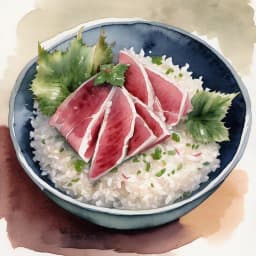
郷土料理
The red meat of bonito marinated in soy sauce rests upon glossy sushi rice. When mixed and eaten, the sweet and salty flavor of the marinade and the umami of the fish rush over your palate all at once.
Tekone Sushi is a fisherman's dish from the Ise and Shima regions. It is said to have originated when fishermen catching bonito via pole-and-line would fillet them on board, marinate them in soy sauce, and quickly mix it with rice to eat.
The name is said to derive from the fact that busy fishermen ate it by mixing it with their hands as if kneading it. Today, it has been selected as one of the 100 Local Dishes of Agricultural, Mountain, and Fishing Villages, and was certified as a '100-Year Food' in 2022.
The flavor is like the hearty spirit of the men of the sea captured in a single dish.

特産品
With a bright red shell and magnificent antennae, taking a bite reveals a bouncy elasticity and a rich sweetness that spreads throughout your mouth. It is a dish truly worthy of being called the king of the sea.
Ise Spiny Lobsters grow in the waters of the Shima Peninsula, where warm and cold currents meet. Mie Prefecture maintains stable catches and boasts one of the highest fishing volumes in the country. A notable feature is that it implements stricter closed fishing seasons than other prefectures to protect the spawning period.
Due to its long antennae and curved body, it has been cherished since ancient times as a symbol of good fortune for celebrating longevity. It is offered as a sacred food offering (Shinsen) at the Ise Grand Shrine and is an essential element of New Year decorations.
It is a seasonal delicacy that you should definitely taste during its peak season from autumn to winter.
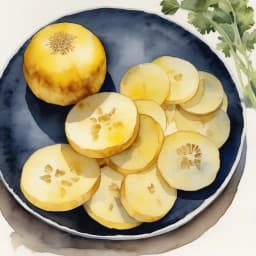
特産品
It has a pleasant, crunchy texture. The more you chew, the more a subtle sweetness and a rich fermented aroma spread through your mouth. It is a classic taste that makes you crave a bowl of rice.
It is said that Ise Takuan began being produced as a side job for farmers in the late Edo period around what is now Miso-cho, Ise City. It became known nationwide as a specialty of Ise through pilgrims visiting the Grand Shrine (Ise Sanjin).
The raw material used is local 'Misono Daikon.' The radishes are sun-dried under straw mats for about two weeks and then pickled with rice bran, salt, and persimmon peels. Through slow fermentation powered by lactic acid bacteria, they achieve a beautiful golden color.
It is a simple and heartwarming dish born from time and care.
📍紀宝町
Specialties from 紀宝町 are also available via furusato nozei

特産品
In the warm lands at the southernmost tip of Mie Prefecture, citrus fruits with mellow acidity are grown. These are the Meyer lemons of Kiho Town.
A natural hybrid of lemon and orange, Meyer lemons are characterized by their gentle acidity and low bitterness. Kiho Town is a major production area alongside the neighboring Mihama Town; together, these two towns account for approximately ninety percent of domestic production. The warm climate, which sees almost no snow even in winter due to the influence of the Kumano Sea, produces lemons with a rich aroma.
Processed into juices and sweets, they are a delicacy that can be enjoyed even including the peel. Please try incorporating this refreshing fragrance into your daily life.
They are exceptional when made into honey-soaked lemons or lemon cakes. Please enjoy the aroma nurtured by the warm lands of the southernmost tip.

特産品
Located at the southernmost tip of Mie Prefecture, Kiho Town is a citrus-producing region blessed by the Kumano Sea.
Influenced by the sea, the warm climate—where it hardly snows even in winter—is perfect for mandarin cultivation. By covering the fields with white mulch sheets to control moisture, highly sweet oranges are produced. Along with Kumano City and Mihama Town, it is known as a production area for the Mie brand 'Nanki Mandarin Oranges.'
When you pick one up, you'll find sweetness packed tightly within the thin skin. The melting sweetness is truly unique to Nanki. It is a fruit that has been loved locally for a long time as a winter delicacy.
Take a bite, and the sweetness of Nanki will spread throughout your mouth. Please enjoy Kiho mandarin oranges as your favorite winter snack.

郷土料理
In Kiho Town, at the southernmost tip of Mie Prefecture, there is a local sushi that makes you want to take a big, hungry bite. It is called Mehari-zushi, consisting of rice wrapped in pickled takana greens.
Long ago, the Kumano River basin flourished with forestry and log rafting. It is said that the tradition began when people heading out for mountain work or farming wrapped rice balls in pickles to create a lunch that could be eaten quickly with one hand. Some say the name 'Mehari' (meaning 'eyes wide open') comes from the sight of people opening their mouths wide to stuff themselves with it. In Kiho Town, the flavor of rice mixed with chopped takuan (pickled radish) and wrapped in local takana has been preserved by the hands of mothers.
With the moderate saltiness of the takana and the gentle sweetness of the fluffy rice, it is a simple yet addictive rice ball unique to the Kumano region.
📍紀北町
Specialties from 紀北町 are also available via furusato nozei

ご当地グルメ
As the name suggests, the specialty that can only be tasted at the Kii Nagashima Manbou Roadside Station is the grilled sunfish skewer.
Despite its large body, sunfish meat is mild and has a texture much like chicken. When skewered and grilled to a golden brown, it earns a reputation for being fragrant and surprisingly easy to eat. At the food stalls that open on Saturdays, Sundays, and holidays, you can find not only sunfish but also shark skewers and deep-fried conger eel, offering a lineup of rare flavors unique to this port town.
Contrary to its visual impact, many people become hooked by its unexpected deliciousness. If you visit Kihoku Town, please muster your courage and give it a try.
Visual impact is part of the feast. Please enjoy these rare flavors unique to the port town along with your memories.

郷土料理
Sanma sushi is a traditional local flavor passed down since ancient times in Higashikiu. In Kihoku Town, it has been carefully preserved in both homes and restaurants.
Fresh Pacific saury (sanma) caught in the Kumano Sea is filleted, cured with salt, and then marinated in vinegar infused with seasonal citrus. By using the acidity of fruits like mandarin oranges to cure the fish, a subtle, refreshing aroma is created that eliminates the characteristic fishy scent of sanma.
Recipes vary from household to household and shop to shop, offering a diverse range of tastes. Please come and experience this unique taste of Higashikiu, where the citrus aroma and the umami of the sanma melt together.
It remains delicious even when cold, making it perfect for lunch boxes or souvenirs. We invite you to enjoy this refreshing, citrus-scented sushi in Higashikiu.

特産品
In Kihoku Town, there exists a rare oyster often referred to as the 'phantom oyster.' These are the Watarikaki oysters, raised in Lake Shiraishi.
Lake Shiraishi is a brackish lake covering only about five square kilometers, where seawater and river water mingle. In this unique environment, the oysters are raised from start to finish using locally produced spat. While smaller than Hiroshima oysters and others, they have less astringency and offer a rich sweetness and umami. Their high glycogen content, which gives the meat a slight yellowish tint, is a testament to their deliciousness.
The peak season is a very short window from around December to March. It is a winter delicacy that can be enjoyed in two ways: refreshing when eaten raw, and rich when cooked.
Smooth and refreshing when raw, or intense when grilled. Please take this opportunity during the season to taste these 'phantom oysters' that can only be encountered during this brief period.
📍亀山市
Specialties from 亀山市 are also available via furusato nozei

ご当地グルメ
On the iron plate, the red miso sauce sizzles loudly. The noodles are generously coated with pork, offal, cabbage, and bean sprouts. The sweet and savory aroma of the miso, combined with the punch of garlic and chili pepper, makes it impossible to stop eating.
Kameyama is a major transportation hub leading into the Kansai region. There were many diners where truck drivers would stop by, and each shop competed to create their own stamina-boosting homemade miso sauce. After enjoying yakiniku (grilled meat), customers would enjoy 'udon as a finisher' on that same iron plate—this way of eating, enjoyed by regulars, became the local specialty.
Later, the name and preparation methods were formalized by the citizens, helping it spread as a famous local specialty.
Lured by the fragrant steam, this is a dish that instinctively makes you crave a beer.

特産品
Kameyama, stretching at the foot of the Suzuka Mountain Range, is one of the production areas for highly aromatic Ise tea.
During the Edo period, Kameyama flourished as a post town on the Tokaido highway and a castle town. Blessed with warm hilly terrain, morning mists nestled in the mountains, and pure water flowing from the peaks, it has long cultivated sencha as an ideal land for tea production. Mie Prefecture is one of Japan's leading tea-producing regions, and Ise tea is renowned for its mellow flavor.
When brewed slowly in a teapot, a refreshing astringency and deep aroma gently rise. It is a cup that brings peace, making you want to take a moment to breathe during a busy day.
Highly aromatic Kameyama tea is an item that makes for a wonderful souvenir. Please bring the taste nurtured by the nature of Suzuka into your daily life.
📍玉城町
Specialties from 玉城町 are also available via furusato nozei

特産品
Tamaki Pork is a brand of pork raised with meticulous attention to feed and environment in the nature-rich town of Tamaki.
To prevent disease, only family members are allowed inside the pig pens. Temperature and humidity are strictly controlled to ensure healthy growth in a clean environment. The trust in its safety is so profound that it has even been offered to the Geku of Ise Jingu. Of all the pigs shipped, only a very small, carefully selected portion can carry the name 'Tamaki Pork.'
Its hallmark is a tender meat texture without any odor and a subtle sweetness in the fat. When prepared as tonteki (pork steak) or shabu-shabu, you can fully enjoy its juiciness. Please enjoy a dish filled with the producer's sincerity.
When used for tonteki or ginger pork, the sweet fat stands out beautifully. We invite you to taste this brand of pork, packed with the heartfelt dedication of its producers.

特産品
In Tamaki Town, embraced by the warm climate of the Ise Plain, Satsuma mandarins ripen under plenty of sunlight.
The sunny hilly areas are perfect for mandarin cultivation. Under the warm weather and good drainage, these highly sweet mandarins grow vigorously. They are one of the representative agricultural products of Tamaki Town.
When you pick one up, the light and thin skin peels away easily to reveal juicy flesh. Taking a bite brings a pleasant balance of refreshing sweetness and moderate acidity. It is a familiar winter taste that makes you want to indulge while sitting by a kotatsu. Please enjoy an orange nurtured by the Tamaki sun.
When held, they feel heavy with plenty of juice. Please enjoy Tamaki's pride, these winter mandarins that make you want to relax and feast by the kotatsu.

特産品
With its warm climate and moderate humidity, Tamaki Town is known as one of the production areas for Ise tea, thanks to land perfectly suited for tea cultivation.
Mie Prefecture is one of Japan's leading tea-producing regions, and Ise tea is characterized by its mellow and easy-to-drink flavor. In Tamaki Town, sencha that is refreshing and easy to drink is carefully cultivated by making the most of the gentle climate.
When you place the tea leaves in a teapot and slowly pour hot water, the aroma gently rises. A cup that features a mellow umami without being too astringent is perfect for when you want to take a relaxing break. Please try adding this tea, nurtured by the land of Tamaki, to your daily life.
📍熊野市
Specialties from 熊野市 are also available via furusato nozei

特産品
As the cold winds begin to blow, the seaside of Kumano-nada is lined with the sight of rows of drying saury. This is the whole dried Pacific saury, a quintessential symbol of winter.
The 'modori-sanma' (returning saury) that migrate south from autumn are characterized by having less fat and a refreshing taste. These are salted along with their organs and slowly dried using the cold, dry winds blowing down from the mountains of Kumand and the winter sunlight. Because the fat has been rendered out, the concentrated umami and the pleasant bitterness of the innards become even more pronounced.
When lightly grilled, the flesh becomes plump accompanied by a fragrant aroma. It is a unique winter delicacy of the Higashiki-shu region, with a lingering bitterness that keeps you coming back for more.
As the cold deepens, the flavor becomes even richer. Please try adding this bounty from the Kumano sea to your winter dining table.

郷土料理
A large rice ball that fits heavily in the palm of your hand. Wrapped tightly in glossy takana leaves, taking a bite allows the moderate saltiness of the leaves and the sweetness of the rice to spread through your mouth together.
As for the origin of its name, it is said to come from either 'eating with one's mouth open wide enough to be eye-opening' or 'being so delicious it makes your eyes widen.' It began as a large snack created so that loggers and raftmen working in the mountains could quickly eat during their breaks. Kumano is land suitable for cultivating takana, and pickles have been made here since ancient times.
This is a traditional food of Eastern Kishu, selected as one of the 100 Local Dishes of Farming, Mountain, and Fishing Villages.
It is simple, yet a single piece is quite filling. Please enjoy this powerful, old-fashioned flavor.
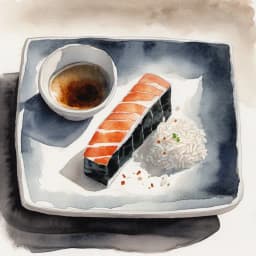
郷土料理
There is a prideful dish of Eastern Kishu that is indispensable to festivals and celebrations: Sanma Sushi.
This is 'sugata-zushi' (whole-form sushi) using an entire Pacific saury caught in the Kumano Sea, known for its moderate fat content. The fish is butterfly-cut, salted, and cured refreshingly with ingredients like mandarin vinegar, then placed on vinegared rice while retaining its head and tail. The flesh, subtly infused with a citrus aroma, looks magnificent, and once eaten, the umami of the saury blends seamlessly with the vinegared rice. An interesting local detail is that the way the fish is cut varies by region: north of Owase, it is belly-cut, while south of Kumano, it is back-cut.
With its gorgeous appearance and refreshing aftertaste, this is a local flavor you must experience when traveling through Eastern Kishu.
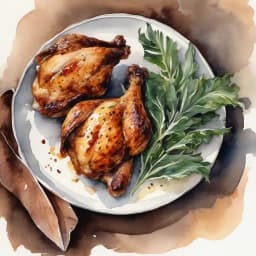
特産品
The more you chew, the more you experience its solid elasticity. A rich umami flavor bursts from the deep red meat. The fat is sweet, followed by a profound richness with every bite—a taste that makes you understand why chefs all fall in love with it.
Kumano Jidori is truly the best of all worlds, created by crossing Mie's local Shamo 'Yagido' with Ise Akadori and Nagoya Cochin. It was born through extensive research driven by the ambition to create 'Japan's most delicious premium local chicken.'
The rearing method is also exceptional; even stricter than standard local chicken requirements, the birds are raised freely in a spacious environment for over 110 days. The more care they receive, the more intense the meat flavor becomes.
When grilled to perfection over charcoal, it becomes an irresistible dish. Please experience for yourself the true capability of this Mie-certified brand.
📍桑名市
Specialties from 桑名市 are also available via furusato nozei

特産品
There is one dish that travelers on their pilgrimage to Ise would go out of their way to stop for: Kuwana's grilled clams.
The brackish waters of Akasuka, where the three rivers of Ibi, Nagara, and Kiso meet Ise Bay, are rich in nutrients. The clams raised here are the ancient Japanese variety, Yamato Hamaguri, which feature thin shells and plump, fleshy bodies. When heated, the aroma of the sea rises from between the shells, and with a single bite, a perfect saltiness and intense umami burst forth. During the Edo period, they were so renowned that they were presented to the Shogunate, giving rise to the famous saying, 'That hand is a Kuwana grilled clam.'
Take the plump meat into your mouth along with its flavorful juices. Please enjoy this luxury that truly embodies the essence of the sea.

特産品
When people think of Kuwana's specialties, the first thing that comes to mind is Shigure-hamaguri, a plump simmered clam tsukudani.
Its origins date back to the Edo period, during the Genroku era. It began near Akasuka at the mouth of the Ibi River, where clams were heavily simmered to create a souvenir that could be easily carried long distances. It is said that the first proprietor, Shinzaemon Kaiya, asked a local haiku poet to name this simmered clam dish; eventually, Shikou Kakamu, a prominent disciple of Matsuo Basho, named it 'Shigure-hamaguri' because it was produced around October, when the autumn showers (shigure) begin to fall. Along with the shop name 'Kaishin,' this flavor has been carefully passed down as a long-established tradition.
The meat, slowly simmered in a sweet and savory blend of soy sauce, sugar, and ginger, is perfect as a side dish for rice or as an accompaniment to tea. It is a traditional delicacy packed with the essence of Kuwana.

郷土料理
Born from the town of clams, Kuwana, Kuwana Curry is a new local gourmet dish.
Kuwana has been known since ancient times as a famous producer of clams, to the point where it was even celebrated in song with the lyrics 'That hand holds Kuwana's grilled clams.' The rich environment, where the Kiso Three Rivers meet the seawater, nurtures large, plump clams. Using the extract from these clams, original curries incorporating local ingredients have become beloved as a flavor unique to Kuwana.
With the aroma of spices and a subtle hint of sea breeze, please come and taste this dish that could only be created in the town of clams.
As you walk through the town, you will encounter Kuwana Curries with distinct personalities at every shop. Comparing these unique dishes, born from the home of clams, is also part of the fun.
📍菰野町
Specialties from 菰野町 are also available via furusato nozei

郷土料理
At the foot of Mount Gozaisho, in the Yunoyama Onsen area, there is a hot pot brimming with vitality. It is called Sōhei Nabe.
The name originates from the monk soldiers who once trained at Mitakeshi Temple in this region. It carries the legend that they ate this dish to warm their bodies and build stamina. The pot contains nutritious wild game such as venison and wild boar, along with fresh vegetables from Komono. These are simmered together in a broth made of miso and sweet sake.
The rich miso broth soaks deeply into the rustic meat, and with every spoonful, warmth spreads from deep within your body.
This flavor can only be enjoyed during the cold season. After soaking in an onsen, gathering around this steaming hot pot will satisfy even your very soul.

特産品
Komono Town spreads across the eastern foothills of the Suzuka Mountains. Within this environment of pure mountain air and abundant nature, the cultivation of log-grown shiitake mushrooms thrives.
This is the traditional method of log cultivation, where spores are planted on logs of oak and konara, taking about two years to grow slowly. The moderate humidity and temperature fluctuations found in the mountain valleys nurture mushrooms that are thick and highly aromatic. Each mushroom, grown with painstaking care, offers an exceptional taste.
When you turn them over, you can see their plump, thick flesh. When grilled, the aroma rises beautifully, and when simmered, the savory umami seeps out deeply. Please enjoy the nutritious bounty nurtured by the mountains in hot pots or charcoal grilling.
Cooking them with butter or wrapped in foil helps lock in both the aroma and the umami. We invite you to savor these thick, mountain-grown shiitake mushrooms.
📍御浜町
Specialties from 御浜町 are also available via furusato nozei

特産品
A mellow citrus born from a natural encounter between lemon and orange. This is the Meyer lemon that Mihama Town is proud of.
It features a rounder shape than typical lemons, with a gentle acidity and low bitterness, making it so easy to eat that you can even consume the peel.
Mihama Town boasts the highest annual production in the country, and together with the neighboring Kiho Town, they form a major production area accounting for about ninety percent of domestic production.
Because you can enjoy the full aroma, it is highly versatile for use in honey-soaked preserves, sweets, and flavoring dishes. With its refreshing scent and soft acidity, please enjoy the unique charm of this domestic variety, even including the peel.
Floating a slice in black tea turns the aroma into a true treat. We invite you to incorporate this domestic lemon, which can be enjoyed entirely from peel to pulp, into your daily life.

特産品
At Michi-no-Eki Park Shichiri Mihama in Mihama Town, a town where mandarins can be harvested all year round, you can enjoy fresh juice pressed from local oranges right on the spot.
In the juice factory located on the third floor of the facility, freshly harvested mandarin oranges are processed into 100% straight juice. A unique feature of this production area is that a variety of seasonal varieties are available, including Unshu mandarin, as well as Amanatsu, Ponkan, and Shiranui. You can even observe the factory operations from outside.
A freshly pressed glass offers a luxurious taste where sweetness and aroma are intensely concentrated. It is a pride of Mihama that makes for a wonderful souvenir.
Whether you enjoy a freshly made glass at the factory or take some home as a gift, please enjoy the full essence of the sweetness nurtured by the Mihama sun.
📍四日市市
Specialties from 四日市市 are also available via furusato nozei
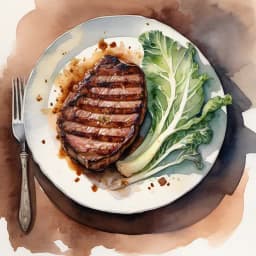
ご当地グルメ
Thick slices of pork sizzle on an iron plate. The aroma of the dark, heavy sauce and garlic is irresistibly appetizing. It is a dish that makes you want to eat endless bowls of white rice.
Tonteki is said to have been born in post-war Yokkaichi. During an era when people working in the construction of industrial complexes gathered, there was a high demand for hearty, voluminous meals. It is believed that the Chinese restaurant 'Raiken' devised this dish by boldly grilling thick pork with garlic and a special sauce.
The name comes from combining 'Ton' (pork) and 'Steak'. Its hallmarks are the black sauce, thick-cut loin, garlic, and shredded cabbage.
It is the perfect local gourmet food for days when you want a heavy, satisfying meal.

麺類
Upon taking a bite, you experience a smooth glide down the throat and a firm elasticity. Despite being thin, it possesses a distinct chew—this is the hand-stretched somen passed down in Oyachi, Yokkaichi.
Legend tells of its origins: during the Edo period, a traveling monk who stayed at an inn was so moved by the hospitality that he shared the secret techniques of somen making as a token of gratitude. The Hokusei region is a wheat-producing area, and the combination of the clear waters of the Asuke River and the cold winds of the Suzuka descent provided the perfect environment for somen production.
From the late Edo period, it was produced as a side business for farmers, and at its peak, there were said to be over 300 manufacturers. Although the number of producers has decreased today, the art of hand-stretching is still being preserved.
A smooth single strand, nurtured by the winter cold.
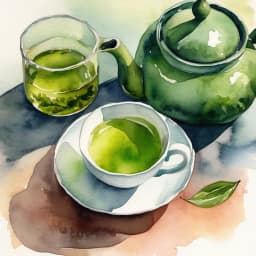
特産品
With a single sip, instead of astringency, a mellow sweetness and umami gently unfold. The vivid green tea provides a sense of relaxation to the soul.
Kabusecha is a type of tea grown by covering the new buds with a black cloth before harvesting. By blocking sunlight, the astringent components are suppressed, allowing plenty of the umami-rich theanine to remain. Mie Prefecture boasts the highest production volume of Kabusecha in the country.
Specifically, the Mizusawa district in Yokkaichi City is its primary production hub. Located at the foot of the Suzuka Mountains, it possesses ideal natural conditions for tea cultivation, such as morning mists and significant temperature fluctuations between day and night.
This is a cup for those who wish to slowly savor an elegant sweetness.
📍志摩市
Specialties from 志摩市 are also available via furusato nozei

郷土料理
For shellfish lovers, there is a coastal dish unique to Ise-Shima: Appa Kaiyaki.
Known affectionately as 'Appa,' these are the lovely, colorful shells of the Hiogi clam. In this region, where Ama diving culture is deeply rooted, freshly caught shellfish are placed directly over the fire in their shells and brought to a boil. As the meat dances and bubbles within the shell, it offers a firm, crunchy texture and an intense burst of oceanic umami. The juices collected in the shell are also richly infused with the essence of the sea.
Taking a bite from a piping hot shell while feeling the sea breeze—a luxurious moment awaits, as if you are tasting the entire sea of Shima.

特産品
The Shima Peninsula features a complex rias coastline with the Kuroshio Current flowing offshore. This area is renowned as a treasure trove of seafood.
A colorful array of seafood awaits, including spiny lobster, abalone, turban shells, and oysters. In particular, the abalone is a delicacy harvested by hand through the traditional skin-diving methods of the Ama divers, a practice said to have continued for over two thousand years. They have been highly revered since ancient times, even being offered to the Ise Grand Shrine.
Fresh seafood, imbued with the scent of the sea, is slowly grilled over charcoal. A luxurious and rich moment, unique to a town that lives in harmony with the ocean, awaits you.
Enjoying seasonal delicacies that change with the seasons is one of the many delights. Please savor the feasts of the sea to your heart's content in Shima, where the Ama culture still breathes.

特産品
Just adding a pinch to your miso soup brings the sea of Ise-Shima to your dining table. This is Shima's Aosa.
In fact, the seaweed from Mie Prefecture is the top producer in Japan, accounting for approximately 70% of the national production. It grows in rocky areas where the pure waters of the Pacific Ocean mix with the nutrient-rich waters of Ise Bay, nurtured by the waves from the open sea. When you pour dashi over dried aosa in a bowl, the briny aroma rises instantly as the seaweed expands into a vibrant green. Its smooth texture and the burst of oceanic flavor when bitten pair exceptionally well, especially with red miso.
It is wonderful not only in miso soup but also in tempura and rolled omelets (tamagoyaki). To fully enjoy its aroma, please enjoy it while freshly prepared and hot.
📍松阪市
Specialties from 松阪市 are also available via furusato nozei

ご当地グルメ
Chicken coated in a sweet and savory miso sauce sizzles on the grill. Along with the fragrant smoke, it makes both white rice and beer irresistible—it is the soul food of Matsusaka citizens.
What makes Matsusaka amazing is that it's not just about beef. In the outskirts, poultry farming has been prosperous since ancient times, and it is said there was a custom of grilling chickens that had stopped laying eggs on a charcoal brazier.
Eventually, in the late Showa 40s (late 1960s/early 1970s), shops specializing in chicken increased within the city, and the culture of grilling chicken with miso sauce became established. The local style is to dip the grilled meat back into the sauce before eating.
It is a dish that you want to enjoy casually and boisterously. A dish that the people of Matsusaka dearly love.

特産品
There is one particular dish that has turned that famous Matsusaka beef into the perfect companion for rice: Matsusaka Beef Shigure-ni.
We slowly simmer finely textured Matsusaka beef with ginger and soy sauce in a sweet and savory glaze. The sharp flavor of the ginger tightens the elegant, melting fat, leaving a deep richness behind the sweetness. Place the glossy, amber-colored meat atop warm rice; just that is enough for the aroma of Matsusaka beef to rise with the steam, making it impossible to stop eating.
Whether used as a filling for rice balls or served as an accompaniment to alcohol, its deliciousness is unmistakable. Inside this small package that fits in the palm of your hand, the luxurious essence of a Matsusaka beef feast is tightly packed.
📍多気町
Specialties from 多気町 are also available via furusato nozei

特産品
There is a masterpiece of sweet persimmons that spread from Taki Town to the entire nation: the Maekawa Jiro Kaki, which boasts a crisp bite.
It all began in 1957, when Mr. Yuichi Maekawa, a persimmon farmer in Taki Town, discovered a branch among his Jiro persimmons that ripened particularly early and named it "Maekawa Jiro." Eventually, cultivation spread nationwide, and Taki Town is still known as the largest production area.
With a crunchy texture so distinct that people say "Jiro is eaten with your teeth," and a strong sweetness that surpasses Fuyu persimmons, its seedless nature also makes it easy to eat. Please enjoy this treat that heralds the arrival of autumn.
Not only delicious to eat as they are, but they also add vibrant color when added to salads. Please enjoy this pride of Taki Town, which brightens your autumn dining table.

ご当地グルメ
A place where you can enjoy the full essence of Mie's cuisine. That is 'VISON,' one of Japan's largest commercial resorts located in Taki Town.
Opened in 2021, this vast site brings together approximately 70 shops, including 'Marche Vison,' a farm-to-table market managed by Michelin-starred chefs, and a sweets district featuring creations by pastry chef Hiroaki Tsujiguchi. The commitment to food is evident everywhere, such as the bakery that grinds locally grown wheat from Mie Prefecture using stone mills.
It is a theme park of food and nature, complete with hotels, hot spring facilities, and farms. It is a special place that makes you want to spend an entire day exploring at a leisurely pace.
When you are hungry, enjoy the flavors of famous restaurants; on your days off, relax in the hot springs or visit the farms. Please take your time to fully immerse yourself in the food and nature of Mie.

特産品
With a rugged appearance resembling a clenched fist, this is the Ise-imo, a traditional vegetable that Taki Town is proud of.
It is a type of Tsukune-imo that has been cultivated for over 300 years, primarily in the Tsuda district of Taki Town, since the mid-Edo period. It was formerly known as "Tsuda-imo" or "Matsusaka-imo," and was named "Ise-imo" during the Meiji era. It is counted as one of Mie's traditional vegetables.
It boasts very little astringency and features a rich, deep flavor with some of the strongest stickiness among all varieties of mountain yams. When grated into tororo, its deliciousness makes it impossible to stop eating. Please enjoy this nutritious yam, which is also used as a binding agent in Japanese confectionery.
In addition to tororo rice, it can be used in okonomiyaki or as a binder for sweets. Please enjoy this traditional potato, passed down for 300 years, in various forms.
📍大紀町
Specialties from 大紀町 are also available via furusato nozei

特産品
For the people of Mie Prefecture, there is one bottle that evokes both nostalgia and pride: Ouchiyama Milk.
Using only raw milk from 12 contract farms in the nature-rich Ouchiyama area of Taiki Town, the process is integrated from dairy cattle rearing to manufacturing, ensuring it reaches you while fresh from milking. The flavor is clean yet possesses a solid richness, making it so delicious you'll want to gulp it down straight from the bottle. Since approximately 70% of elementary school lunches in the prefecture use Ouchiyama Milk, many people likely grew up with this very taste.
Open the retro glass bottle cap and take a sip. A straightforward, gentle milk deliciousness spreads through you, as if you have returned to your childhood.

特産品
Ouchiyama Butter is handcrafted from fresh raw milk in Ouchiyama, a place embraced by lush green mountains and clear waters in Taiki Town, Mie Prefecture.
Using only raw milk from contract farmers within the prefecture, the entire process—from milking to manufacturing and delivery—is completed within the region. This ensures that the freshness of the freshly milked product is preserved. Born from milk described as 'rich yet light,' this butter boasts a deep flavor and smooth richness.
When placed on freshly toasted bread, it melts with a juicy texture and spreads a rich aroma. It is a blessing from the mountains that makes you feel luxurious just by tasting it. Please enjoy it at your breakfast table every morning.
Its rich depth also shines in confectionery making and cooking. Try elevating your everyday dishes with this butter, a true bounty from the mountain foothills.

特産品
Ouchiyama Dairy, a leading name for milk in Mie, produces this smooth yogurt using fresh raw milk.
We use milk from dairy cows carefully raised amidst the lush greenery of Daiki Town, under the motto: 'Creating high-quality milk starts with creating healthy cows.' Because everything from milking to manufacturing and delivery is completed within the prefecture, that freshness is directly reflected in the taste.
With a smooth mouthfeel and a moderate acidity, its gentle, mild flavor has been a long-time favorite among Mie residents. Enjoy it as is, or add fruit and honey. Please try incorporating it into your morning routine.
It is also perfect for breakfast when paired with granola. Bring the smooth taste loved by the people of Mie to your daily dining table.
📍大台町
Specialties from 大台町 are also available via furusato nozei

特産品
Oda Town spreads across the headwaters of the pristine Miyagawa River. Surrounded by clean water and clear air, highly aromatic Ise tea is nurtured here.
Odaicha has been known for its high quality since the Edo period, and in 1975, it was selected as a tea presented to the Imperial Family. The morning mist that settles over the Miyagawa River basin gently envelops the tea leaves, fostering a deep flavor and rich aroma. A key charm of this tea is its thick tea leaves, which allow the flavor to endure through multiple infusions.
When brewed slowly in a teapot, a mellow umami and refreshing fragrance rise all at once. Please enjoy to your heart's content this special cup nurtured by the clear mountain streams.
The way Odaicha changes its character with each subsequent infusion—the second, the third, and so on—is part of its allure. Please take your time to savor this cup raised by the clear waters of the mountains.

特産品
In the mountainous area of Odai Town, in the upper reaches of the clear Miyagawa River, grows highly fragrant yuzu.
Blessed with rich nature and pure water, the yuzu in this land tightly envelops both its peel and juice with aroma. The refreshing, acidic juice and the drifting scent of yuzu maintain a leading presence even when processed into ponzu or jam. The cool mountain climate creates a sharp, crisp fragrance.
With just a squeeze over hot pot dishes, a rich aroma spreads along with the steam. As a famous supporting character that colors the winter dining table, or as an aromatic addition to enhance any dish, please try incorporating this mountain bounty of yuzu into your daily life.
Squeeze the juice for dressings, or finely chop the peel for condiments. Please enjoy the fragrant yuzu nurtured by the mountains in your everyday life.
📍鳥羽市
Specialties from 鳥羽市 are also available via furusato nozei

特産品
When you slurp them down, the plump meat spreads throughout your mouth. The sweetness, umami, and saltiness of the sea are perfectly balanced, with almost none of the characteristic bitterness or odor found in other oysters.
They are raised in Toya Bay, Shima. Thanks to the three rivers flowing from the mountains and seawater rich in plankton, oysters that would take 2 to 3 years elsewhere become plump and full in just one year.
Sato Farm has established a unique purification method involving approximately 20 hours of treatment in UV-sterilized seawater. They patented this process in 1955, introducing them to the world as 'Pure Toya Oysters.' These meticulously polished gems are also officially certified as a Mie Brand product.
Raw, grilled, or fried—no matter how you eat them, they are a seafood delicacy that never disappoints.

特産品
Glossy sashimi colorfully decorating the bowl. Sweet spiny lobster meat, crunchy abalone, and plump oysters—freshly caught seafood is piled high.
Toba is a port town embraced by the sea. Historically known as 'Miketsukuni,' it has a history of offering seafood to the Grand Shrine. Both the spiny lobster from autumn to winter and the abalone from spring to summer are Mie brands. The oysters of Uramura are also renowned under their authentic name.
Seafood bowls, grilled seaside dishes, and local cuisine enjoyed in Ama diver huts. Being able to enjoy the same bounties of the sea in various forms is unique to Toba.
Clad in the scent of the tide, you can feast on the sea itself. Such luxury can be found right here.

ご当地グルメ
When you open the bun, what lies sandwiched inside are spiny lobsters, octopus, oysters, and abalone—the bounties of Toba's sea take center stage. With a single bite, the aroma of the ocean and the savory umami of the tide burst within your mouth.
The 'Toba-rga' is an officially recognized local burger in Toba City, created with the desire to let people easily enjoy Toba's rich ingredients. To bear this name, a burger must follow a strict promise: use at least one local ingredient, be made to order, and be sold within Toba City.
Because of this, the contents are as diverse as the number of shops available. More than 10 different varieties stand side-by-side in inns and restaurants throughout the city.
As you stroll through town, enjoy one that captures the essence of the sea. A journey of comparing different flavors is also a wonderful way to travel.
📍津市
Specialties from 津市 are also available via furusato nozei

ご当地グルメ
First, you will be surprised by its size. With a 15cm diameter wrapper generously filled with ingredients and deep-fried to a crisp, this local specialty of Tsu is about twice the size of a regular gyoza.
Believe it or not, it was born from school lunches. It is said that nutritionists in Tsu City devised this dish, packing large wrappers with plenty of filling to satisfy hungry children. Since appearing in school lunches around 1985, it has become a regular favorite on 'favorite menu' lists.
In 2008, when local volunteers sold them at the Tsu Festival, the prepared stock sold out in an instant. Today, it is a soul food that the citizens of Tsu take great pride in.
With its crispy skin and overflowing juices, you will understand the reason for its popularity with just one bite.

ご当地グルメ
A tiny rice ball that fits perfectly in the palm of your hand. When you take a bite, a plump piece of shrimp tempura reveals itself. The compatibility between the fragrant batter and the fluffy rice is beyond reproach.
While Tenmusu is known as a Nagoya specialty, its birthplace is Tsu City, Mie Prefecture. It is said to have begun in the early Showa 30s (1950s) at the tempura restaurant 'Senju,' where the first generation, Yone Mizutani, created this staff meal by putting shrimp tempura inside rice balls for her busy husband.
Later, the recipe was branched out to Nagoya and spread across the country. However, its roots lie in Tsu.
Small but thoroughly satisfying. It is the perfect companion for your travels.

ご当地グルメ
A fluffy grilled body paired with a fragrant sauce. With just one bite, the melt-in-your-mouth sweetness of the fat spreads through your palate. People gather in the city of Tsu in search of this very happiness.
Tsu City is an 'eel town' that competes for the top spot in Japan for both the number of eel restaurants per capita and total consumption. In the 2005 Family Income and Expenditure Survey, annual expenditures on kabayaki (grilled eel) even ranked first in the nation.
The background to this is said to be the history of the Todo Clan encouraging eel consumption for the nourishment of their samurai during the Edo period, as well as a thriving eel farming industry before the war. Even today, more than 20 specialty shops within the city compete with their unique flavors.
It is a proud delicacy that has energized the people of Tsu since ancient times.

郷土料理
The Ise Kaido, which runs through the castle town of Tsu, was once a bustling route filled with travelers on their way to the Grand Shrine of Ise. Along this road, long-established Japanese sweet shops that have continued since the Edo period still stand side by side.
One of the local specialties, Heiji Senbei, is a rice cracker shaped like a hat, inspired by the legend of the filial son Asoko Heiji from Asokoura. Honey Man is a manju (steamed bun) infused with honey, created by a shop founded in 1950 with the goal to 'make honey more accessible'; its golden-brown surface makes it a soul food known to everyone in Tsu.
These sweets, which have long welcomed travelers, are passed down through generations. It is a town that makes you want to spontaneously stop by one of these shops during your tea time.
📍度会町
Specialties from 度会町 are also available via furusato nozei

特産品
Watarai Town is where tea plantations spread along the flow of the clear Miyagawa River. It is a production area for 'Watarai Tea,' an Ise tea that has been loved since ancient times.
The morning mist rising from the Miyagawa River, which flows through the center of the town, gently envelops the tea leaves. Nurtured by clear water and mist, the tea—centered around deep-steamed tea (fukamushicha)—offers a rich and full-bodied flavor. Through efforts in low-pesticide and organic cultivation, it has received numerous awards at various competitions.
When brewed, a deep aroma spreads softly along with a mellow umami. A deeply nourishing cup carefully nurtured by the nature of the Miyagawa River. Please enjoy it during those moments when you want to take a relaxing break.
Deeply flavorful Watarai tea that is also perfect as a souvenir. Please try making this cup, nurtured by the clear nature of the Miyagawa River, a part of your daily life.

特産品
Grown in the forests of Watarai Town, in the upper reaches of the clear Miyagawa River, these thick-fleshed log-grown shiitake mushrooms are a true local treasure.
Our log-cultivation method involves inoculating logs of oak and konara trees with spores and allowing them to grow slowly over about two years. In this environment of rich nature and clear air, the mushrooms develop a high aroma and a firm, meaty texture. Because they require so much time and care, the flavor is exceptional.
The plump, thick caps become fragrant when grilled and release their savory umami when simmered. When added to hot pots, they serve as both a flavorful base for the broth and a substantial ingredient themselves. We invite you to enjoy the nutritious bounty nurtured by the mountains at your dining table during the cold season.
When pan-fried with butter, the juices and aroma overflow. Please experience the deliciousness of these thick-fleshed shiitake mushrooms, raised in the mountainous Watarai region.
📍東員町
Specialties from 東員町 are also available via furusato nozei

特産品
In the northern part of Mie Prefecture, in Toin Town, local miso is brewed using traditional methods.
Inheriting the culture of bean miso rooted in this region, we carefully ferment it using soybeans and rice from Toin Town without adding any additives. The miso, fermented slowly over time, achieves a gentle yet deep flavor where the umami of the soybeans is concentrated.
When dissolved in miso soup, the rising aroma brings an instant sense of relief. This handmade flavor, made with careful attention to ingredients, is a long-beloved local staple that quietly accompanies your daily dining table. Please enjoy it as a bowl for your breakfast.
When used in dishes such as simmered foods or dengaku (miso-glazed skewers), it greatly enhances the natural taste of the ingredients. Try using this handmade miso to add a gentle touch to your everyday cooking.

特産品
The sweet potato carefully cultivated in Toin Town is the currently popular variety, 'Beni Haruka.'
With a commitment to handling everything from cultivation to processing within the town, it boasts a moist texture and a melting sweetness that is almost like honey. When prepared as a slow-roasted baked sweet potato, its charm is fully brought out, and a gentle sweetness spreads softly in your mouth.
Within the town, tarts and baked goods using this Beni Haruka have also been created, making it a highly successful ingredient for sweets. Please enjoy the very best part of this fluffy, sweet sweet potato.
Whether enjoyed as a simple baked sweet potato or as part of a dessert, it is exceptional. Please enjoy its melting sweetness in whatever way you prefer.

特産品
From rice, instead of wheat. Rice flour made by grinding rice grown in Toin Town is now quietly attracting attention.
As a gluten-free ingredient that is wonderful for those with wheat allergies, it is widely used in making bread and sweets. When made with rice flour, it creates a chewy texture and a moist melt-in-your-mouth sensation, providing a unique deliciousness that differs from wheat.
Within the town, donuts and baked goods using rice flour are also being created. Why not use this ingredient, unique to a rice-producing region, to turn your usual bread and snacks into something a little special?
That chewy, moist melt-in-your-mouth texture is unique to rice flour. Please feel free to try the new deliciousness of rice.
📍南伊勢町
Specialties from 南伊勢町 are also available via furusato nozei

特産品
This is the northernmost bluefin tuna farming area in Japan. This specific location is what creates the deliciousness of Ise Bluefin Tuna.
The tuna are raised in the waters of Minami-Ise, where the beautiful rias coastline of Ise-Shima National Park unfolds. It is a blessed fishing ground where the warmth of the Kuroshio Current mixes with mineral-rich water from the Kii Mountains. During the winter, as the water temperature drops significantly, the meat develops a firm texture without excess fat. The result is fine-grained red meat paired with perfectly marbled fat. The flavor melts elegantly on the tongue, leaving a refined aftertaste.
Enjoy the premium bluefin tuna, which gains its best fat content during the cold season, with the freshness of its origin preserved. A single slice is enough to experience a true feast from the sea.

特産品
Minami-Ise Town boasts one of the largest catches in Mie Prefecture. The aosa seaweed grown in the calm Gokasho Bay is a local pride.
Mie Prefecture ranks first in the nation for aosa seaweed production. Among them, the aosa from Gokasho Bay is renowned for its deep color and high aroma. The rich estuary, where seawater and river water mix, nurtures flavorful seaweed. The season runs from January to April, and freshly picked seaweed possesses an exceptionally rich fragrance.
When dried aosa seaweed is rehydrated with hot water, it expands into a vibrant green, releasing a briny ocean scent. It is a gift from this seaside town that is indispensable for miso soup.
You can also fully enjoy its aroma when prepared as tempura or in vinegared dishes. Please enjoy the bounty of Gokasho Bay through various culinary delights.

特産品
Ripening under abundant sunlight, these are the mandarin oranges of Minamiise Town. They are our pride, grown on warm coastal hills.
Coastal slopes with long hours of sunshine are perfect for mandarin cultivation. Bathed in warm weather and reflected light from the sea, the oranges grow vigorously with a well-balanced sweetness and acidity.
When you pick one up, the thin skin peels away easily to reveal juicy flesh. As you take a bite, a refreshing sweetness bursts forth, followed by a pleasant tang. Each fruit is nurtured entirely by the sun of Minamiise, embraced by the sea and mountains. Please enjoy them as a winter snack.
Indulge in their spreading sweetness while relaxing by a kotatsu. We invite you to enjoy these Minamiise mandarins, cradled by the sea and mountains, as your perfect winter treat.
📍尾鷲市
Specialties from 尾鷲市 are also available via furusato nozei

郷土料理
A single, perfectly opened saury rests atop a bed of vinegared rice. Its silvery back shines against the fluffy white grains. As you take a bite, the savory umami of the moderately cured flesh is accompanied by a gentle citrus aroma.
From late autumn to early winter, the saury traveling south through the waters off Mie loses some of its fat and becomes lighter. Because of this, when prepared as 'sugata-zushi' (whole fish sushi), it achieves an elegant flavor without being heavy. The use of mandarin orange and yuzu to eliminate any fishy odor is a wisdom unique to this region, which is abundant in citrus.
This is a representative local specialty of Higashikiu, including Owase. The fact that some shops butterfly the fish along the belly while others use the back is also part of the region's unique character.
Perfect as an accompaniment to tea or as a companion to alcohol. Please enjoy the luxury of a whole fish.

特産品
Facing the Kumano Sea, which carries the scent of the Kuroshio Current, Owase has long been known as a famous producer of dried fish. In the fishing ports embraced by the rias coastline, fresh fish are landed one after another.
Freshly caught horse mackerel, barracuda, Pacific saury, and more are carefully dried using the sea breezes and sunlight of Owase. Some long-established shops have continued to produce handmade dried fish since the Meiji era; following the traditional teaching to 'do as little to the fish as possible,' they finish each piece in a way that maximizes the natural umami of the fish itself.
As excess moisture is removed, the flavor becomes tightly concentrated. When lightly seared, the fat begins to melt beautifully. This is a gift from our seaside town that pairs perfectly with both rice and sake.
Please enjoy the nutritious flavors nurtured by the seaside town of Owase to your heart's content, served freshly grilled alongside steaming hot rice.

特産品
The moment you peel it, a refreshing aroma bursts forth. As you take a segment into your mouth, the pulp pops, and the sweetness and acidity blend beautifully. The slight lingering bitterness is also quite pleasant.
Owase is a 'town of Kanmiki,' specializing in this citrus. Bathed in the sunlight reflecting from Owase Bay and the mineral-rich sea breeze, the fruit grows freely on terraced fields with steep terrain.
Rather than being sold immediately after harvest, they are allowed to rest carefully for about two months to mellow the acidity, and are shipped in early spring when the sweetness has peaked. That extra care produces a mellow flavor. Please enjoy plenty of these fruits—each one brings spring the moment it is peeled.

特産品
Have you ever heard of a white-fleshed fish known as a 'phantom luxury fish'? It is the Longtooth Grouper from Owase.
While wild specimens are rarely caught due to their large size, the waters of Owase—with its deeply indented rias coastline and calm waves—are perfect for aquaculture. With a history of farming dating back to around 1985, Mie Prefecture boasts the largest production of Longtooth Grouper in Japan. The flesh is rich in collagen and has a firm, chewy texture. Even when heated, it holds its shape well; its translucent, elegant white flesh can take center stage in any cuisine, whether Japanese, Western, or Chinese.
With its bouncy elasticity and sweetness that spreads with every bite, adding just a single piece to a winter hot pot makes the dining table feel instantly luxurious.
📍名張市
Specialties from 名張市 are also available via furusato nozei
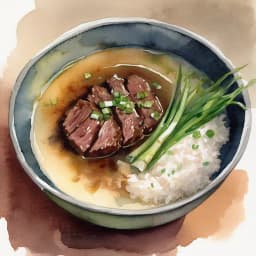
ご当地グルメ
The aroma of soy sauce dashi rises from the bowl. Beyond the steam, plenty of glossy Iga beef awaits. When picked up with chopsticks, the thinly sliced meat falls apart easily, allowing the savory richness of the beef to melt into the clear broth.
Nabari Ushijiru began as a clear beef soup eaten as a staff meal in butcher shops around the Iga region. Triggered by a member's comment that 'my grandmother used to make this with Iga beef,' the Nabari Chamber of Commerce and Industry Young Men's Group refined the recipe into its current light and easy-to-eat flavor, completing it in 2008.
The local tradition is preserved under a strict promise: the meat must always be Iga beef, the dashi must be Japanese soy sauce, and it must be served with green onions.
A bowl of high-quality beef that smoothly soaks into your very soul.

郷土料理
A manju (steamed bun) shaped like a funny ninja face. When split open, it reveals a generous amount of heartwarming golden sweet potato. With one bite, the simple sweetness of the potato and the gentle flavor of the dough mixed with fresh cream melt softly in your mouth.
It was born at 'Tamakiya,' a souvenir shop located by the Akame 48 Waterfalls. The dough, made from steamed and kneaded sweet potato, is baked to fragrant perfection in an iron mold shaped like a smiling ninja.
Its simple flavor using plenty of sweet potato and the feeling of warmth spreading through your stomach upon eating have earned it a great reputation, making it a popular Nabari souvenir since its debut in 2002.
Please enjoy one while it is freshly baked and warm. The warm smile will naturally spread to your own face.
📍明和町
Specialties from 明和町 are also available via furusato nozei

特産品
Meiwa Town, facing Ise Bay, is one of the production areas for highly aromatic seaweed.
The Kuro-nori (black seaweed) of Mie Prefecture is nurtured by the nutrient-rich waters of Ise Bay. The bay, where pure rivers like the Miyagawa flow in, is abundant with nutrients. Growing slowly in the calm inner bay, the seaweed possesses a wonderful aroma and a pleasant, crisp texture when eaten.
The season is from winter to spring. Freshly harvested seaweed is packed with the scent of the sea and deep umami. It is perfect wrapped around hot rice, used in rice balls, or paired with hand-rolled sushi. Please enjoy the Miwa seaweed, which contains the blessings of Ise Bay.
Toasting it makes the aroma even richer. Wrap it around steaming hot rice and fully enjoy the seaside flavor nurtured by Ise Bay.

特産品
In Meiwa Town lies Saiku, an elegant area where the Saio—priestesses who served the Ise Grand Shrine—once lived. There is a rice cracker named after this very place.
Mie has long been a region active in rice cracker production. For generations, people have enjoyed simple, rustic crackers made by lightly roasting high-quality glutinous rice with just a touch of salt. In this area, a way of eating called 'Ochazuke Arare'—where warm tea or dashi is poured over the crackers—has also taken root. The moment the liquid is poured, the crispy, roasted grains gently soften, allowing their savory aroma and subtle saltiness to melt into the broth.
Whether enjoyed as a snack on its own or with tea poured over them, it is a comforting flavor nurtured by a land steeped in history.
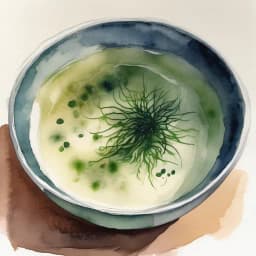
特産品
Just a pinch in your miso soup. This Aosa seaweed from Meiwa Town allows the scent of the ocean to gently spread through your meal.
Mie Prefecture is the top producer of Aosa seaweed (Ulva lactuca) in Japan, accounting for approximately 60% of the national production. Meiwa Town is one of the key production areas facing Ise Bay, where highly aromatic seaweed grows in nutrient-rich waters. This is a historic specialty, with aquaculture techniques established in Mie Prefecture during the 1970s.
When hot water is poured over the dried seaweed, it instantly expands into a vibrant green, releasing a rich oceanic aroma. It is an ingredient that brings the flavor of the sea to your dining table, whether used in miso soup, clear soups, or tempura.
Even when used in tempura or vinegared dishes, its fragrance remains prominent. Please try adding this subtle touch of seaside flavor to your daily meals.
📍木曽岬町
Specialties from 木曽岬町 are also available via furusato nozei
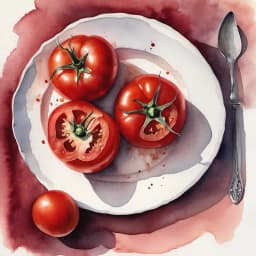
特産品
Kisomisaki Town, which spreads across the mouth of the Kiso River, is a representative tomato-producing area in Mie Prefecture.
Tomato cultivation began in the 1950s (Showa 30s). Blessed with fertile soil brought by the Kiso Three Rivers and a warm climate, the town's production volume is now one of the largest in the prefecture, accounting for approximately sixty percent of Mie Prefecture's total tomato shipments. Among them, high-sugar tomatoes grown with strictly controlled watering are named 'Toma-Rich,' a prideful masterpiece handled by only a limited number of producers.
When you bite into one, a concentrated savory flavor and fruit-like sweetness spread throughout your mouth. Please try the bright red Kisomisaki tomatoes, which can be enjoyed straight in a salad or as the star of a dish.

特産品
The clams of Kiso Misaki Town grow in the brackish waters where the seawater and river water mix at the mouth of the Kiso River.
This area, where the Kiso Three Rivers flow into the sea, has long been known as a prime fishing ground for Yamato clams. Having grown slowly in nutrient-rich waters, these clams feature plump meat with highly concentrated umami. Locally, they are a familiar staple of daily life, commonly used as an ingredient in miso soup.
When you simmer sand-removed clams to prepare miso soup, a gentle scent of the sea rises, accompanied by a deep, nourishing broth. Please enjoy a bowl that blends the blessings of both the river and the sea—a perfect remedy for a morning after a night of drinking.

特産品
Kiso Misaki Town is a water town located at the northernmost tip of Mie Prefecture, spreading across the estuary of the Kiso Three Rivers.
This entire area possesses water and soil perfectly suited for goldfish farming, and along with neighboring Yatomi in Aichi Prefecture, it has long been known as a land where goldfish aquaculture flourishes. In these low-lying wetlands blessed with abundant water, ornamental goldfish such as Ryukin, Ranchu, and Temekin are carefully raised and sent out to various regions.
Those adorable goldfish familiar from goldfish scooping at summer festivals—behind their graceful movement through clear water lies generations of inherited breeding techniques and the quiet passion of the people who raise these living creatures.
📍鈴鹿市
Specialties from 鈴鹿市 are also available via furusato nozei
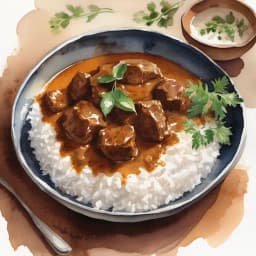
ご当地グルメ
When you scoop it with a spoon, the fragrant steam of spices wafts up. However, the next dish might be a curry-flavored sandwich or a perfectly toasted pizza—"Suzukari" is not just a single dish name.
As long as it contains curry powder and at least two ingredients grown in Suzuka, whether it's served with rice, udon, or bread, it all qualifies as "Suzukari." Born in 2012, this local gourmet trend takes on different forms through the creative ideas of each shop.
For example, there is curry udon featuring simmered Suzuka-grown Sakura Pork. Each restaurant captures the local flavors within a single dish.
With over 30 shops to visit in the city, you will encounter a different face for the same name every time. Such an adventure in food touring awaits you.

特産品
When poured into a teacup, it reveals a lustrous deep green. With a single sip, a rich umami reminiscent of Gyokuro blends seamlessly with a refreshing brightness similar to Sencha, spreading across the palate. There is almost no perceptible astringency.
Kabusecha is tea grown by covering the new buds with black cloth one to two weeks before harvesting. By shading the leaves from sunlight, the bitterness is mellowed and the umami is significantly enhanced. This unique cultivation method also produces an elegant, sweet aroma known as 'Kabuse-ka' (Kabuse fragrance).
The foothills of the Suzuka Mountains boast the highest production volume of Kabusecha in the country. The temperature difference between day and night nurtures these mellow leaves.
For a moment of respite on a busy day. Please enjoy this special cup.
Snacks
📍いなべ市
Specialties from いなべ市 are also available via furusato nozei

銘菓
A fragrant Japanese sweet has been born in Inabe, Mie Prefecture's premier buckwheat destination.
Inabe Soba Manju is a steamed bun made using locally grown buckwheat flour. Inabe City boasts the largest buckwheat cultivation area and production volume in the prefecture, thanks to its cool climate with significant temperature fluctuations between day and night, which is ideal for growing buckwheat. This pride-worthy buckwheat flour is kneaded generously into the dough of the buns.
Experience the subtle, toasted aroma of buckwheat grown at the foot of the Suzuka Mountains. With just one bite, the rustic scent of buckwheat gently wafts through your nose. Its rich, nourishing flavor allows you to feel the bounty of Inabe's abundant nature. It is sure to be a delightful souvenir for any buckwheat lover.
📍伊賀市
Specialties from 伊賀市 are also available via furusato nozei

銘菓
When you hear 'Japan's hardest rice cracker,' don't you feel an urge to try it?
Katayaki is a traditional confection passed down in the Iga region. It is said to have originated as an emergency food source for Iga ninjas during the Warring States period—something that wouldn't take up much space and had a long shelf life while they waited for opportunities while hiding in attics or under floors; because of this, it has also been called 'Ninja Confection.' Made primarily from flour and sugar, it is slowly baked for about an hour under the weight of oak wood.
It is so hard that you must break it into pieces using the included small mallet. The simple sweetness that gradually spreads as you chew, combined with the fun of breaking it apart, offers a flavor unique to Iga, the village of the ninjas. We also recommend soaking it in tea or coffee to soften it before eating.
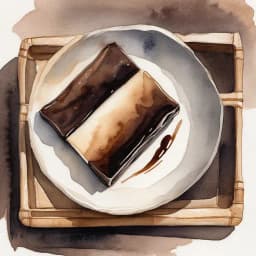
銘菓
There is a certain sweet one would love to savor while gathered around a kotatsu during the bone-chilling winters of Iga.
Detchi Yokan is a water-yokan style confection passed down since ancient times in the Iga region of Mie. It is said to have been created to provide hydration during the dry winters of the basin area. There are various theories regarding its name; one heartwarming legend suggests that an apprentice, wanting to bring yokan received from their place of work as a souvenir for home, diluted it with water to increase the quantity.
Made with adzuki beans, sugar, and agar, it has a refreshing texture with moderate sweetness. Its smooth throat-feel and clean aftertaste make it perfect for an everyday tea snack. It is a local flavor that we truly hope you taste when traveling through Iga.
📍伊勢市
Specialties from 伊勢市 are also available via furusato nozei

銘菓
When thinking of Ise's most iconic souvenir, it has to be Akafuku. Founded in 1707 (the fourth year of the Hoei era), this confection is truly the face of Ise, having been loved for over 300 years. The smooth red bean paste placed atop the soft mochi features three distinct lines. These are said to represent the gentle flow of the Isuzu River, which runs alongside the Ise Grand Shrine, while the white mochi represents the pebbles on the riverbed. The name is said to originate from the phrase 'Sekishin Keifuku,' meaning to devote one's whole heart to wishing for the happiness of others. The simple, delicious taste of the smooth bean paste and mochi remains in one's heart forever, alongside the memories of visiting Ise.
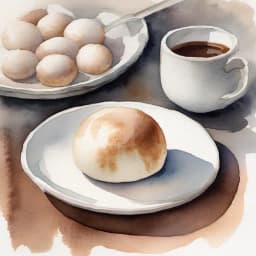
銘菓
Along the path to Ise Jingu, there is a mochi that has quietly accompanied pilgrims for generations.
Henba Mochi is an Ise specialty continuously crafted by the Henba-ya shop, founded in An'ei 4 (1s775). It began with a teahouse established on the banks of the Miyagawa River. At that time, the area ahead was considered sacred ground, and travelers were required to turn back their horses here. Because this mochi was sold at the place where horses were returned ("Henba" or returning horses), it became known as "Henba Mochi." It is a name that truly evokes the history of the land.
With its flat, round shape, toasted aroma, fine skin, and smooth red bean paste, its simple yet elegant taste has soothed the fatigue of travelers for 250 years.

銘菓
Among the three great mochi varieties passed down since ancient times in Ise, Nikenchaya Mochi possesses the longest history.
Founded in Tensho 3 (1575), the name 'Nikenchaya' originated from two teahouses, Kadoya and Minatoya, which stood side-by-side near the Seida River landing. This name was subsequently adopted for the mochi itself. Travelers visiting Ise by boat would stop here to take a brief rest.
With its unpretentious flavor—smooth red bean paste wrapped in thinly stretched mochi and lightly dusted with fragrant kinako—this kinako mochi has been made unchanged for 450 years, serving as a piece that captures the very essence of traveling through Ise.

ういろう
Chewy and jiggly. Once you encounter this unique texture, your impression of uiro is sure to change.
Toraya Uiro is a specialty shop for fresh uiro located in Ise, founded in the 12th year of Taisho (1923). While they initially handled all types of Japanese confectionery, they have focused exclusively on uiro since 1938. We take pride in making each piece by hand without using preservatives to preserve the natural flavor.
Our variety is incredibly rich, ranging from classics such as White, Ogura, Matcha, and Chestnut to seasonal limited editions made with Ise tea. This soft and moist fresh uiro is an Ise souvenir that we want you to experience at its peak freshness. Why not enjoy one with your tea?

銘菓
How about adding a light baked treat to your Ise souvenirs?
Itoin Senbei is a famous confection from Ise, produced by Haritaya, which was founded in 1860 (the first year of the Man'en era). It is said that the recipe was devised as an offering when Emperor Meiji visited Ise Grand Shrine to report the victory of the Russo-Japanese War in 1905. The name "Itoin" refers to the copper seal used as proof of transaction on raw silk imported from China in ancient times. The pattern of that seal is baked onto the surface of the cracker.
These thin-baked crackers, approximately four centimeters in diameter, are made with eggs, flour, and sugar. They feature a light, crispy texture with a gentle sweetness from the egg that spreads softly across the palate, offering a sophisticated taste.
📍紀宝町
Specialties from 紀宝町 are also available via furusato nozei

洋菓子
There is a souvenir that transforms the citrus of southern Mie into a refreshing baked treat.
The Meyer Lemon Cake uses Meyer lemons grown in Mihama Town and Kiho Town. Meyer lemons are a type of citrus that resembles a cross between an orange and a lemon, characterized by their mellow acidity and wonderful aroma. The warm climate of southern Mie allows their rich flavor to grow freely.
A refreshing acidity and gentle sweetness spread through the moist cake. With just one bite, the citrus scent reminiscent of a tropical land wafts through your nose, as if bringing with it the bright sunshine of southern Mie. Please enjoy it alongside coffee or tea. As a memento of your trip to southern Mie, please take home this citrus fragrance.
📍紀北町
Specialties from 紀北町 are also available via furusato nozei

銘菓
On the coast of Kihoku, there are dried sweet potatoes made using traditional methods.
Kinko-imo is a type of dried sweet potato passed down from Ise-Shima to Eastern Kishu. It uses a specific variety called Hayato-imo; rather than steaming them, the characteristic method involves boiling them and then slowly drying them in the sun. Hayato-imo, which grows well even in the thin soil of coastal areas, has supported the lives of local people since ancient times.
With a sticky, chewy texture and a concentrated natural sweetness, its flavor is like a high-quality Japanese confection. Once enjoyed as a stamina-boosting food for Ama divers and fishermen, it is a simple delicacy born from coastal wisdom. Please try it as a souvenir of your travels through Ise-Shima.
📍亀山市
Specialties from 亀山市 are also available via furusato nozei

銘菓
In Sekijuku, a post town on the Tokaido highway, there is a famous confection that has been passed down for nearly four hundred years.
Seki no To is a signature Kameyama sweet continuously crafted by Fukagawaya, which was founded during the Kan'ei era (1624–1645). It is said to have been devised by the first generation of the shop, who is rumored to be a descendant of ninja.
This lovely, bite-sized treat consists of smooth red bean paste made from Hokkaido adzuki beans, gently wrapped in gyuhi mochi prepared fresh every morning, and generously coated with Tokushima's Awa Wasanbon sugar.
Its mellow white appearance is said to represent the snow accumulating on the Suzuka Mountains. The moist, elegant sweetness of the Wasanbon provides a historic flavor that was once loved by various feudal lords and the Imperial Palace. It is a treat you will find yourself wanting to savor while strolling through the old streets of Sekijuku.

銘菓
There is a truly auspicious sweet inspired by the place name Kameyama.
Kamenoko Mochi is a traditional mochi confection passed down in the castle town of Kameyama. Its adorable shape, modeled after a turtle's shell, embodies wishes for longevity and happiness. The turtle is considered an auspicious creature, as reflected in the saying, 'Tsuru wa sennen, Kame wa mannen' (The crane lives for a thousand years, the turtle for ten thousand).
It is a perfect item for celebrations or as a gift. With its soft, chewy texture and subtle, elegant sweetness, it is a heartwarming treat that reflects the very name of the land—best enjoyed while reflecting on the history of the castle town where Kameyama Castle once stood. Please consider picking one up as a memento of your journey to Kameyama. It is also highly recommended as a gift for special occasions.
📍玉城町
Specialties from 玉城町 are also available via furusato nozei

銘菓
What would happen if you wrapped an entire mandarin orange in mochi?
Mikan Daifuku (Tamaki) is a fruit daifuku that wraps a whole mandarin orange from Tamaki Town in white bean paste and soft mochi. It is a fusion of Japanese and Western sweets, allowing you to enjoy juicy mandarin, mellow white bean paste, and chewy mochi all in one bite.
The moment you bite into it, the juice from the mandarin bursts forth with delight. The sweet and sourness of the mandarin harmonizes with the gentle sweetness of the mochi and bean paste, creating a truly blissful flavor. This is a popular seasonal item made to coincide with the mandarin orange season. If you visit Tamaki, please be sure to try it during its peak season.
📍熊野市
Specialties from 熊野市 are also available via furusato nozei

銘菓
Onigajo is a massive cliff towering over the coast of Kumano. This rice cracker bears that very name.
Onigajo consists of a series of unique rock formations carved by the rough waves of the Kumano Sea over many years. As part of the 'Sacred Sites and Pilgrimage Routes in the Kii Mountain Range,' it is registered as a World Heritage site and is a representative scenic spot of Kumano City. Onigajo Senbei is a baked confection created in honor of this magnificent landscape.
These rice crackers have a light, crispy texture and a simple, nostalgic flavor. As a long-beloved staple souvenir for Kumano tourism, a single bite seems to revive the memories of your journey gazing at the breathtaking World Heritage scenery. Please be sure to pick some up on your way back from walking the Kumano Kodo.
📍桑名市
Specialties from 桑名市 are also available via furusato nozei

銘菓
There is a type of mochi that travelers on their pilgrimage to Ise would purchase at the inns in Kuwana. An'yomochi is a representative confection of Kuwana. It is said to have originated from grilled mochi sold in the teahouse district of 'An'ei' in the Kuwana post town along the Tokaido during the Edo period, and the name was taken directly from that place name. Mochi made from local glutinous rice is generously filled with chunky red bean paste and grilled to a fragrant finish.
It has a long, flat shape with a lovely toasted color. Shops such as Nagamochiya Shinise and An'yomochi Honpo Kashiwaya continue to make them today using their respective traditional methods. The simple taste of freshly pounded and freshly grilled mochi is truly a classic souvenir for those traveling to Ise from Kuwana. Eating one fresh on the spot is also a truly exceptional experience.

銘菓
In Kuwana, there is a somewhat rare, old-fashioned cold snack.
Kuwana's Ice Manju is a local frozen dessert consisting of red bean paste densely packed inside a frozen milk ice bar shaped like a stick. It is made using a traditional method where condensed milk-based milk and red bean paste are poured into iron molds and frozen together with a stick. It is said to have originated around the time soft-serve ice cream began to become widespread, and several long-established shops in Kuwana continue to preserve their unique flavors to this day.
The combination of chilled, sweet milk and warm, gentle red bean paste is a summer tradition that has been loved by the people of Kuwana for many years. While it is perfect for the hot season, enjoying it while sitting around a kotatsu on a cold day is also a special pleasure.
📍菰野町
Specialties from 菰野町 are also available via furusato nozei

銘菓
When it comes to souvenirs from Yunoyama Onsen at the foot of Mt. Gozaisho, this is the one.
Yunoyama Onsen Manju is a staple steamed bun passed down through the generations in Yunoyama Onsen, Komono Town. In this hot spring resort, which is said to have a history of approximately 1,300 years, these buns have long been enjoyed by travelers as a sweet treat with tea after a soak. It offers a simple yet nostalgic flavor.
With a soft crust enveloping moist bean paste, it possesses a gentle sweetness. Enjoying one while soaking in the atmosphere of the hot spring town softly wraps up the lingering memories of your trip. It is the perfect item to enjoy when you want to take a relaxing break while gazing at the mountains of Yunoyama. Please be sure to pick some up as a memento of your visit to Yunoyama.
📍御浜町
Specialties from 御浜町 are also available via furusato nozei

洋菓子
Do you know of a 'town where mandarin oranges can be harvested all year round'? It is Mihama Town, located at the southern tip of Mie Prefecture.
Mandarin Orange Sweets (Mihami) are confections such as jellies and cakes made with oranges from that very town. Blessed with a warm, rainy climate and well-drained soil, Mihama harvests as many as forty varieties of mandarin oranges—ranging from extra-early to late-season varieties—in succession throughout almost the entire year.
The mandarin oranges grow basking in plenty of sunlight, resulting in a sweet and juicy fruit. These sweets, which highlight that refreshing flavor, will brighten your mood with just one bite. The taste is as if the warm sunshine of Southern Mie has been captured directly inside. It is a bounty of the sun that we truly want you to taste when you visit Mihama.
📍四日市市
Specialties from 四日市市 are also available via furusato nozei

銘菓
This is the mochi that travelers passing through the Tokaido road would eat to gain strength.
Nagamochi is a famous confection of Yokkaichi, continuously crafted by Sasaiya, founded in the 19th year of Tenbun (1550). It was born in 'Hinaga no Sato,' located at the junction of the Tokaido and the Ise-sango roads, and was named after that place.
It consists of smooth red bean paste wrapped in a long, thinly stretched mochi dough, then toasted on both sides until fragrant.
This is the taste of a long-established shop said to be the oldest existing Nagamochi store, with over 470 years of history. It is even told that Todo Takatora loved it during his time as an ashigaru (foot soldier), rejoicing that 'the longevity of military fortune is a good omen,' making it the perfect companion for a journey. If you stop by Yokkaichi, please be sure to try some.

銘菓
Yokkaichi is home to another long, slender baked rice cake with a deep history.
Taihaku Nagamochi is a famous confection of Yokkaichi, continuously produced by Kinjoken, which was founded in the fourth year of the Keio era (1868). It is said to have begun when a teahouse was opened at a post station on the Ise Kaido highway, serving freshly baked rice cakes to travelers on pilgrimage. This additive-free rice confectionery is finished by hand-baking each piece using only carefully selected domestic glutinous rice and red beans from Hokkaido.
Alongside Nagamochi, this is one of Yokkaichi's proud flavors, featuring bean paste wrapped in a long, slender shape and baked to a fragrant finish. Its simple and gentle sweetness has been cherished for over 150 years as a source of energy for travelers. It is an item that is delightful both as a snack with tea or as a souvenir from a journey.
📍志摩市
Specialties from 志摩市 are also available via furusato nozei
洋菓子
From Shima, renowned for its pearl cultivation, comes a gorgeous sweet that evokes the sea.
Shima Pearl Sweets are confections born from an idea unique to Shima, the home of pearls. Their elegant and lovely appearance, reminiscent of pearls, brings to mind the scenery of pearl rafts floating on the calm Ago Bay.
This is a truly Shima-esque item where the blessings of the sea meet the artistry of Western confectionery. It is a special souvenir that you will want to take home along with your memories of traveling through the beautiful, complex rias coastline and the pleasant sea breeze. It is also a delightful gift for loved ones. Please take home a piece of the ocean's radiance as a memento of your visit to Shima.
📍松阪市
Specialties from 松阪市 are also available via furusato nozei

銘菓
In Matsusaka, there is a monaka that has been loved for over four hundred years.
Oinotomo is a famous Matsusaka confection crafted by Yanagiya Hozon, an established shop founded in the third year of Tensho (1575). It began as the official confectioner for the Gamo clan in Omi and moved to Matsusaka along with the castle town. This elegant treat features white bean paste softly wrapped in gyuhi and sandwiched between monaka wafers; it is said that the wafers are engraved with patterns inspired by ancient Chinese roof tiles.
It is told that the name 'Oinotomo' was given later, embodying the wish for an 'everlasting companion.' It possesses a profound, heart-warming sweetness that makes you want to stay by its side for a long time. A taste of Matsusaka that you will want to enjoy for years, perfect as a snack with tea or as a gift.

銘菓
When you think of Matsusaka, the beautiful indigo stripes of Matsusaka Momen (cotton) immediately come to mind.
This Japanese sweet was created in connection with that traditional craft. Its appearance, reminiscent of the clean vertical stripes woven by genuine indigo-dyed threads, embodies respect for the textile culture that Matsusaka has nurtured for generations.
In the Edo period, Matsusaka cotton captivated the people of Edo with its stylish striped patterns. This souvenir, which captures those beautiful patterns in a sweet, allows you to not only enjoy the taste but also subtly feel the history and aesthetic sense of Matsusaka. Please pick one up as a memento of your journey through our castle town. As you savor it, we hope you touch upon the profound depth of the town of Matsusaka.
📍多気町
Specialties from 多気町 are also available via furusato nozei

銘菓
It would be wonderful if you could enjoy the flavors of autumn all year round, wouldn't it?
Jiro Kaki Yokan is a yokan made using Jiro Kaki persimmons grown in Mie Prefecture. Jiro Kaki is a sweet variety of persimmon known for its firm texture and clean sweetness. We have crafted this elegant yokan to bring out that natural flavor.
With a moist texture and a gentle aroma of persimmon that spreads softly, this yokan captures the essence of the fruit's bounty, allowing you to enjoy the taste of autumn regardless of the season. It is a delightful souvenir from Mie, perfect for serving with tea or as a small gift. It is ideal for those moments when you want to take a relaxing break during tea time.
📍大紀町
Specialties from 大紀町 are also available via furusato nozei

洋菓子
From Ouchiyama in Daiki Town, surrounded by lush green mountains, comes the blessing of rich milk.
Ouchiyama Ice Cream is crafted from fresh raw milk from Ouchiyama Dairy. Using milk from cows raised by dairy farmers within Mie Prefecture, it is characterized by a simple recipe that features condensed milk and butter as the main ingredients, without the addition of emulsifiers or stabilizers, finished only with the aroma of vanilla.
As soon as it touches your mouth, a rich yet refreshing milky flavor spreads. Nurtured by clear air and pure water, this taste has long been loved by the people of Mie Prefecture. It is a simple, rustic deliciousness that makes you want to pick it up whenever you see it at roadside stations or direct sales offices. It is a deliciousness you'll want to eat not only on hot summer days but all year round.
📍大台町
Specialties from 大台町 are also available via furusato nozei

銘菓
From the headwaters of the pristine Miyagawa River in Oda Town, comes a mochi with a refreshing scent.
Yuzu Mochi (Oda) is a mochi confection made by kneading yuzu grown in Oda Town into the dough. We use yuzu generously, grown amidst pure water and rich nature at the foot of the Odaigahara mountains, an area known as one of Japan's most significant high-rainfall regions.
The refreshing aroma of yuzu gently spreads through the chewy mochi. With a single bite, the citrus freshness wafts through your nose, making you feel as if you are breathing in the clear air of the mountains. This is a Japanese sweet that clears the soul, allowing you to feel the blessings nurtured by this town of clear streams. Please take home the scent of these clear waters as a souvenir of your journey to Oda.
📍鳥羽市
Specialties from 鳥羽市 are also available via furusato nozei
洋菓子
From Toba, the home of pearls, comes a Western-style confectionery filled with the blessings of the sea.
Shell Reine is the flagship product of the Toba pastry shop Blanca. These madeleines are shaped like the Akoya shells that produce pearls and feature Pearl Shell Calcium made from the shells of Mikimoto Pharmaceutical's local pearl oysters. The batter uses 'Ayahikari' wheat from Mie Prefecture and additive-free butter from Hokkaido, with each piece carefully hand-baked.
Crispy on the outside and moist on the inside, its flavor—which received the Honorary President's Award at the National Confectionery Expo—makes it a slightly luxurious souvenir unique to the pearl town of Toba. Please take home a taste of the sea as a memento of your visit to Toba.

銘菓
In the seaside town of Toba, there exists a slightly unexpected type of yokan.
Toba Salt Yokan is crafted by combining Toba salt with adzuki beans. The subtle saltiness sharply enhances the sweetness of the beans, resulting in a deep, sophisticated flavor that makes you feel like you could eat it forever. This is a specialty unique to a town that has lived alongside the sea, where Ama divers dive and fishermen set out their boats.
With a moist texture and a flavor wrapped in the scent of the tide, the exquisite balance of sweet and salty tastes as if the blue sea of Toba has been captured within. If you travel to Toba, this is a local yokan we truly want you to taste.
📍津市
Specialties from 津市 are also available via furusato nozei

銘菓
For the people of Tsu City, this is truly a special treat.
Hachimitsu-man is a bite-sized baked manju produced by Hachimitsu-man Honpo, which has been in business since 1953. The founder, who was engaged in beekeeping, created it with the desire to 'make honey more accessible.' The smooth red bean paste is wrapped in a fluffy, honey-infused dough that emits a subtle, sweet aroma.
When you bite into one fresh from the oven, the crust is crispy and the filling is hot. Though it is a simple manju that fits in the palm of your hand, every citizen of Tsu knows it, and it has been loved across generations. It is truly a treat worthy of being called the 'soul food' of Tsu.

銘菓
Do you know the slightly poignant tale of filial piety passed down in Asokoura?
Heiji Senbei is a famous confection from Tsu City, produced by the Heiji Senbei Honpo, founded in 1913. It tells the story of Heiji, a devoted son who continued to fish in waters where fishing was prohibited to provide for his ailing mother. Eventually, a single hat left behind on the beach served as evidence, leading to his capture. This senbei was created in the shape of that 'forgotten hat.'
Baked using only eggs, flour, and sugar, these thin, hat-shaped crackers feature a crispy texture and a gentle egg sweetness, subtly embedding the story of a son's love for his mother. It is a must-try specialty when visiting Tsu.
📍度会町
Specialties from 度会町 are also available via furusato nozei

銘菓
There is a somewhat rare baked confection unique to Mie, a prominent tea-producing region.
Tea Seed Cookies are cookies made using tea seeds. Using an idea unique to Mie—a region known for its tea production, including the nation's leading Ise Tea—we have transformed tea seeds, which are usually difficult to utilize, into a fragrant snack.
With a light, crispy texture, you will experience the subtle aroma and richness of the tea seeds. If enjoyed with tea, you will surely be surprised by how well they pair together. This is a product where you can encounter a new deliciousness unique to Mie, where tea culture is deeply rooted. Please enjoy this taste unique to a tea-producing region as a souvenir of your travels in Mie.
📍東員町
Specialties from 東員町 are also available via furusato nozei

洋菓子
Why not enjoy the honey-like sweetness of these sweet potatoes through our confectionery?
Beniharuka Sweets are potato-based treats made with Beniharuka potatoes from Toin Town. Beniharuka is a variety of sweet potato characterized by its moist texture and incredible sweetness, and it is crafted into various sweets such as sweet potato (sweet potato) cakes, sweet potato yokan, and imo kenpi.
Upon taking a bite, you will experience a melting sensation with natural sweetness and a smooth texture. It is truly mysterious how the potatoes remain so flavorful even with reduced sugar. These are gentle, comforting sweets that allow you to fully enjoy the original deliciousness of the sweet potato. They are perfect for children's snacks or as a small gift.
📍南伊勢町
Specialties from 南伊勢町 are also available via furusato nozei

洋菓子
How about a luxurious glass that captures the full bounty of the sun?
Minami-Ise Mandarin Orange Juice is a 100% straight juice made from pressed Satsuma mandarins produced in Minami-Ise Town. It contains the intense sweetness of Satsuma mandarins that have ripened slowly in a warm climate surrounded by mountains and the sea.
Because it is a straight juice pressed without being diluted with water, you can experience the true flavor of the fruit itself. With one sip of the thick, rich juice, it feels as if the bright sunlight of Minami-Ise and the breeze carrying the scent of the tide are spreading throughout your mouth. We recommend drinking it chilled. Please enjoy the blessings of the Minami-Ise sun just as they are.
📍尾鷲市
Specialties from 尾鷲市 are also available via furusato nozei

洋菓子
There is a souvenir that captures the Kanagi grown under the sunlight of Owase in a jar.
Kanagi Marmalade is a handmade marmalade using the specialty Kanagi of Owase. It preserves the refreshing bitterness and sweet-sourness of the Kanagi, which grew with plenty of sunlight in the warm and rainy climate of eastern Kishu.
The harmony between the slightly bitter peel and the juicy pulp is incredibly refreshing. It pairs excellently whether spread on toast or served with yogurt. Why not add a spoonful of Owase's dazzling solar blessings to your everyday breakfast table? Please take home this gift from the sun as a memento of your journey to Owase.
📍名張市
Specialties from 名張市 are also available via furusato nozei

銘菓
In Nabari, that very hard cracker, which has ties to the ninjas of Iga, is a local specialty.
Nabari no Katayaki is a traditional confection said to originate from the portable rations used by Iga-ryu ninjas. It is often called the hardest rice cracker in Japan, made primarily from flour and sugar and baked thoroughly to achieve its firmness. Its roots lie in being a preserved food filled with ninja wisdom—compact and long-lasting.
Due to its extreme hardness, it is customary to break it with a small mallet before eating. When you bite into it, it makes a clicking sound, and as you chew, a savory sweetness gradually spreads through your mouth. The fun of breaking it apart is a flavor experience unique to the ninja villages of Iga. Please pick some up as a souvenir of your travels through Nabari and Iga.
📍明和町
Specialties from 明和町 are also available via furusato nozei

銘菓
Did you know that in the ancient Heian period, there were imperial princesses who served the Ise Grand Shrine?
Saio-mochi is a Japanese confection named after the site of the Saigu in Meiwa Town. The 'Saio' refers to unmarried imperial princesses who traveled all the way from the capital to Ise to serve the Ise Grand Shrine in place of the Emperor. It is said that a truly magnificent procession, accompanied by approximately five hundred attendants, traveled from the capital toward the Saigu.
This refined rice cake reflects that elegant history. With just one bite, you feel as though you are being gently transported to the graceful world of the Saigu that unfolded in this land over a thousand years ago. It is a souvenir that evokes a sense of historical romance. If you visit Meiwa Town, this is an elegant confection we truly want you to taste.
📍木曽岬町
Specialties from 木曽岬町 are also available via furusato nozei

洋菓子
Doesn't the idea of a dessert where vegetables take center stage pique your curiosity?
Tomato Jelly (Kisomisami) is a jelly made with tomatoes specially grown in Kisomisaki Town. We have captured the rich, deep sweetness of tomatoes raised in the fertile lowlands spreading across the Kiso River estuary directly into this jelly. Even those who aren't fond of tomatoes will surely find this delicious.
With a smooth texture, the fresh flavor of tomato gently spreads through your mouth. This new sensation of a dessert, where sweetness and freshness coexist, is a surprising dish that introduces you to the new charms of vegetables. If you visit Kisomisaki, this is a masterpiece we truly want you to taste.
📍鈴鹿市
Specialties from 鈴鹿市 are also available via furusato nozei

銘菓
In Suzuka, there is a half-moon shaped sweet that has been loved for over three hundred years.
Oharagi is a renowned specialty of Suzuka, said to have originated from Ohara-gi Honpo Daitokuya Chokyu, founded in the first year of the Kyoho era (1s16).
It is an adorable treat consisting of a thin, oval-baked wheat flour dough topped with chunky red bean paste and folded in half into a crescent shape. Legend has it that its origin lies with a Kishu lord who visited Yase-Obara in Kyoto and had them made as a commemoration of his visit.
The 'gi' (tree) in 'Oharagi' is said to be inspired by the 'Fudan-zakura' (Everlasting Cherry), a natural monument at the local Koyasu Kannonji Temple. The harmony between the simple dough and the chunky red bean paste creates a delicate and refined flavor that pairs perfectly with tea ceremonies. If you visit Suzuka, this historic confection is something you must taste.
Sake
📍伊賀市
Specialties from 伊賀市 are also available via furusato nozei

日本酒
Produced by Ota Sake Brewery in Iga City, 'Hanzo' takes its name from the ninja Hattori Hanzo, who is closely associated with Iga. It is a long-established brewery founded in 1892 (Meiji 25).
Their philosophy focuses on traditional sake brewing, utilizing manual processes during the coldest period of the year to bring out the umami of the rice. They carefully use sake rice grown by local specialized farmers, including Mie Prefecture's original sake rice, 'Kami-no-ho.' During the 2016 Ise-Shima Summit, their Junmai Daiginjo was selected as the toast sake for the working dinner; it is said that inquiries flooded the brewery after being introduced by the Ministry of Foreign Affairs.
This sake is characterized by its crisp, dry finish. Please take your time to enjoy the flavor nurtured by the climate of Iga, the village of the ninja.

日本酒
Iga is the birthplace of the master of haiku, Matsuo Basho. The local sake that bears his name is "Haisai Basho." It is brewed by Hashimoto Sake Brewery, founded in 1887.
In this small family-run brewery, they carefully brew small batches using subsoil water from the Takigawa River and sake rice such as Yamada Nishiki and Mie no Yume, utilizing Akita-style flower yeast. While it has frequently received recognition at the National New Sake Awards, its limited production scale makes it a rare brand primarily distributed around the local Iga area.
This is a gentle cup, quietly brewed in the home of haiku poetry. It is a sake that makes you want to slowly savor your drink while reflecting on the footsteps of Basho. If you manage to get your hands on it, please take your time to enjoy its full flavor.
📍伊勢市
Specialties from 伊勢市 are also available via furusato nozei

クラフトビール
Isekado has its origins in a teahouse that opened at a docking point for pilgrims traveling to Ise in 1575. It is a long-established shop with nearly 450 years of history, famous for its Kinako Mochi (soybean flour rice cake) known as 'Nikken Chaya Mochi.'
In 1997, the 21st generation of the family began crafting craft beer under the motto 'From Ise to the World.' Their signature Pale Ale has earned high acclaim in global competitions, including being the first Japanese beer to win consecutive gold medals at a major UK international competition, often referred to as the Oscars of the beer world.
It is truly a glass of world-class quality. At their directly managed shop in Okage Yokocho, you can enjoy freshly brewed draft beer. It is the perfect companion for a stroll through Ise.

日本酒
Located near the entrance of Okage Yokocho, at the foot of the Naiku (Inner Shrine) of Ise Grand Shrine, stands the small brewery Iseman. The local sake brewed there is called 'Okagesama.'
Its name embodies both the 'Okage-mairi' (pilgrimages) that became highly popular during the Edo period and a sense of gratitude toward the deities and nature of Ise. The brewing water is sourced from the Isuzu River, which flows through the sacred grounds of Ise Grand Shrine, and the underground water of the Miyagawa River, which has been selected as Japan's cleanest stream. Utilizing ingredients nurtured by the rich nature of Ise-Shima, the sake is highly regarded for its quality, having even won a gold medal at the National New Sake Awards.
Enjoy a glass filled with gratitude to commemorate your pilgrimage to Ise. Please savor this local sake, which has been developed alongside the culture of Ise.
📍桑名市
Specialties from 桑名市 are also available via furusato nozei

日本酒
"Hana no Mai" is a local sake produced by Goto Shuzojo, a small brewery run by a married couple in Kuwana. The brewery is located in the castle town of Kuwana, nurtured by the blessings of the Kiso Three Rivers and Ise Bay.
This brewery is deeply committed to handmade methods, continuing a brewing process that focuses on bringing out the rich umami of rice, primarily using locally grown sake rice. Brewed with heartfelt dedication by the couple working side-by-side, this sake is characterized by its floral aroma and light, refreshing finish.
Kuwana is famous for its plump clams. The crisp taste of this sake pairs perfectly with the delicate flavors of seafood. Please take your time to enjoy this simple and warm cup that has long been a staple at local dining tables.
📍菰野町
Specialties from 菰野町 are also available via furusato nozei

日本酒
"Tabika" is brewed by Hayakawa Sake Brewery, a small brewery in Komono Town. Its name is derived from the Tabika River that flows near the brewery. The brewery was founded in 1915.
This sake was created after the Toji (master brewer) encountered Bizen Omachi rice at a brewery in Yamagata. It combines ultra-soft, low-hardness water from the Suzuka Mountains' Mt. Shakagatake with high-quality sake rice such as Omachi, Yamada Nishiki, and Kami-no-ho. From this small operation, run by only a father, son, and a few young brewery workers, comes a sake with a delicate and soft mouthfeel.
Since it began distribution exclusively through authorized retailers in 2009, this single brand has captivated sake lovers across the country. Please enjoy its fresh and elegant flavor.
📍四日市市
Specialties from 四日市市 are also available via furusato nozei

日本酒
"Miya no Yuki" is brewed by Miyazaki Honten, which maintains its brewery in Yokkaichi City. The name derives from the "Miya" of the founding family "Miyazaki," the "Miya" (shrine) of Ise Jingu, and the snow that falls upon the Suzuka Mountains.
Established in 1846 (Koka 3), this long-standing brewery is known nationwide not only for its refined sake but also for the shochu "Kinmiya," a popular companion to Hoppy. Using subsoil water from the Suzuka Mountain Range, they produce a crisp yet mellow flavor. It is also a highly skilled producer that has consistently received gold medals in international liquor competitions for many years.
This is a representative drink of Mie Prefecture that continues to be loved by local people. Please enjoy its profound depth at your dining table, whether served chilled or warmed.
📍松阪市
Specialties from 松阪市 are also available via furusato nozei

日本酒
Wakaebisu Sake Brewery is situated in the mountains of Iga City, and its flagship brand is "Gizaemon." The name originates from Gizaemon, the seventh generation of the founding Shigetoh family. The brewery was established in 1853.
Located at the foot of the Muro-Akame青山 (Akame青山) Quasi-National Park, a land rich in nature, the brewery carefully handles everything from rice polishing in-house, using soft underground spring water flowing from the mountains and locally produced Yamada Nishiki and Mie's "Kami no Ho" sake rice. This Junmai Ginjo, created by the fifth generation, has been a continuous bestseller for 40 years.
With a mellow and soft flavor, this sake has been nurtured alongside the food culture of Iga. It is a profound sake that makes you want to slowly savor cup after cup.
📍大台町
Specialties from 大台町 are also available via furusato nozei

日本酒
The Miyagawa River is often referred to as one of Japan's clearest streams. Brewed along its banks in the river basin, including Odai Town, is Mie's local sake, 'Miyagawa no Sato.'
The underground water of the Miyagawa river system is known for having minimal impurities, producing a clear and transparent sake. For this reason, many breweries have gathered in the basin since ancient times in search of high-quality water. By making full use of this abundant natural blessing, the sake is finished with a crisp mouthfeel.
The gentle flavor nurtured by the clear stream quietly accompanies your daily meals. It is a cup that allows you to slowly savor the blessings of Mie's mountains and waters. It can be enjoyed both chilled or warmed.
📍津市
Specialties from 津市 are also available via furusato nozei

日本酒
Abusho has been brewing sake for a long time in Hisai, Tsu City, since the Meiji era. Their flagship brand is "Hatsuhi."
With an auspicious name reminiscent of the first sunrise of the New Year, it has been cherished across generations in the Hisai region and was historically enjoyed as a souvenir by travelers on pilgrimages to Ise. It offers a well-balanced taste and aroma, making it a gentle companion for meals. Its clean finish also makes it perfect for everyday evening drinks.
Whether for special occasions or the simple end of an ordinary day, please enjoy this refreshing cup that feels like celebrating a new beginning. This is a flavorful local sake from Mie, quietly nurtured by the history and climate of Hisai.
📍度会町
Specialties from 度会町 are also available via furusato nozei

日本酒
The Miyagawa River is often called the cleanest stream in Japan. Located on its banks in Ota Town, a designated UNESCO Biosphere Reserve, is Motozaka Sake Brewery, founded in 1805.
Its flagship brand, "Sakaya Hachibei," is named after the founder, Hachibei Motozaka. By using underground water from the Miyagawa River flowing in front of the brewery and locally grown rice, they continue traditional manual brewing methods without relying on mechanical equipment, with much of their production enjoyed within Mie Prefecture. The brewery also shows a deep commitment to rice, even cultivating "Ise Nishiki"—an ancient sake rice considered a root of Yamada Nishiki—in their own fields.
It is a mellow, easy-drinking sake that complements everyday meals. A flavorful sake that brings peace to your evening.
📍名張市
Specialties from 名張市 are also available via furusato nozei

日本酒
If you are a sake lover, you may have heard of this 'phantom sake' at least once.
Jikon is a highly sought-after premium sake brewed by Kiyomasa Sake Brewery in Nabari City. This brand was launched in 2005 by the sixth generation of this brewery, which was founded in the first year of Bunsei (1818). The name 'Jikon' is a Zen term meaning 'to live fully in the present, without being bound by the past or the future.' It is said to have been named after a hanging scroll found in the brewery's reception room.
With its fruity, floral aroma and crystal-clear taste, this bottle has captivated sake fans across the country. It is the pride of Mie, nurtured by the pure waters of the Iga Basin. It is a masterpiece of Mie that you should grab without hesitation if you happen to see it.

日本酒
Akame in Nabari City is famous for the Akame 48 Waterfalls. Located at the entrance of this valley is Takijiman Sake Brewery. The brewery's name is inspired by the magnificent waterfall flowing nearby.
The brewing water used is the underground water from the Akame 48 Waterfalls, which has been selected as one of Japan's '100 Best Waters of the Heisei Era.' This pure water, combined with sake rice such as Yamada Nishiki and Omachi contract-cultivated in the Iga Basin, creates a clear and transparent flavor. Operating under the motto, 'Rather than a hundred people drinking one cup, we want to make sake that one person would want to drink a hundred cups,' they carefully brew small quantities annually through artisanal, small-scale production.
As a highly accomplished brewery, it was even chosen as the toast sake for the second day of the 2016 Ise-Shima Summit. Please enjoy a cup as an accompaniment to your meal, designed to subtly enhance the flavors of your food.
📍鈴鹿市
Specialties from 鈴鹿市 are also available via furusato nozei

日本酒
Shimizu Kiyosaburo Shoten is the sole remaining brewery in Suzuka City, and the fine sake brewed there is 'Zaku.' The name embodies the belief that the value of sake is something 'created' together by the maker, the seller, and the drinker.
At the 2016 G7 Ise-Shima Summit, their Junmai Daiginjo was selected as the toast sake for world leaders, bringing its name to global recognition. The transparent flavor, brewed with underground water from the Suzuka Mountains, and the exquisite harmony of aroma and umami are highly acclaimed in both domestic and international competitions.
A fruity, elegant, yet crisp cup. Why not add a touch of brilliance to your dining table on special occasions?
📍Others

日本酒
"Mie no Kanbai" is produced by Maruhiko Shuzo, a brewery based in Yokkaichi. Founded by Suzuki Hikoemon in 1867 (Keio 3), it is a historic brewery spanning seven generations.
This brand was created by the 6th generation in 1994, born from the desire to "create a sake that men and women of all ages can enjoy." The brewery continues its tradition of leveraging high-quality ingredients, using 100% Yamada Nishiki rice and groundwater from the Suzuka Mountains for brewing. This bottle embodies the brewer's wish to bring Ginjo-style sake to the everyday dining table.
Its charm lies in its depth, changing its character depending on the temperature, whether served chilled or warmed. The joy of discovering your own preferred way to drink is one of the true delights of this sake.
焼酎
The Kumano region of Higashikiu is where the World Heritage site, the Kumano Kodo, passes through. In this land blessed with a warm climate and the pure waters of the Kii Mountains, a rustic local shochu is crafted.
By utilizing local ingredients such as sweet potato and barley, each bottle is finished to reflect the unique terroir of Southern Mie. The majestic Kii Mountains meet the Kumano Sea, scented with the Kuroshio Current. Nestled between the mountains and the sea, Higashikiu is a land where a unique food culture has thrived since ancient times. All of nature's blessings are concentrated into a single glass.
Whether enjoyed on the rocks or with hot water, this is a shochu you can savor slowly while reflecting on the deep mountain ranges of Kumano and the scent of the sea. Please enjoy it along with the story of the land.
Souvenirs
📍伊賀市
Specialties from 伊賀市 are also available via furusato nozei
和菓子
Legend has it that during the Warring States period, Iga ninjas carried 'Katayaki' as part of their military rations. As the name suggests, it is a traditional rice cracker said to be one of the hardest in Japan.
Because it is compact, nutritious, and has a long shelf life, it was highly valued by ninjas as an emergency food and was even called 'Shinobi-ga' (Ninja Confectionery). The dough, made of wheat and sugar, is kneaded with aonori (green seaweed) and slowly baked for about an hour under heavy pressure. It is so hard that some products even come with a small wooden mallet to break it.
With its savory aroma that spreads as you chew and the briny flavor of green seaweed, this confection born in the Warring States period is a treat to enjoy while reflecting on the history of the Iga ninjas.

その他
These rice crackers are made with 'Go-hichi rice' grown in our very own rice fields at Iga no Sato Moku-Moku Handmade Farm.
Moku-Moku Farm is a popular agricultural park in Iga that handles everything from the production of rice and wheat to processing and sales. With rice paddies and raft ponds, visitors can enjoy nature and agriculture up close. Because we handle everything starting from the rice cultivation itself, this cracker is packed with the natural, gentle sweetness inherent to the rice.
Crunchy and fragrant, the umami of the rice spreads in your mouth with every bite. It is a simple snack with a comforting taste that directly conveys the producer's passion for valuing ingredients. A perfect accompaniment to tea.

和菓子
A confection unique to Iga that encapsulates the lifestyle of ninjas—those who live in the darkness and vanish into it—within a single manju. Named after Ryotaro Shiba's Naoki Prize-winning novel 'Fukurou no Shiro,' this treat uses jet-black dough kneaded with bamboo charcoal to express the world of the shinobi.
Produced by Kikuyaya Orii, a long-established shop in Iga Ueno that has served as a purveyor to the Todo Clan since the Edo period. Contrary to its pitch-black appearance, a moist and gentle sweetness from brown sugar and black bean paste spreads throughout the mouth. It is a piece that leaves an impression on both sight and story, perfect for enjoying alongside memories of traveling through Iga, the village of ninjas. Sipping tea while turning the pages of a book, you might even recall the very stillness of an Iga night.
和菓子
A specialty cracker from Iga, said to be one of the hardest in Japan. Its roots lie in a preserved food that Iga ninjas highly valued as a portable ration during battles. This single cracker is baked for one hour while being pressed with weights using flour and sugar, then coated with the flavor of aonori (green seaweed). It is eaten by smashing it with the included wooden mallet. It is a unique souvenir from Iga that lets you experience the feeling of being a ninja.
📍伊勢市
Specialties from 伊勢市 are also available via furusato nozei

和菓子
📍 伊勢市駅、伊勢神宮、おかげ横丁
Founded in An'ei 4 (1775) at the location where the Ise Sangu Highway approached the Miyagawa ferry crossing, 'Henba-ya Shoten' is a long-established store that has lasted nearly 250 years since its founding. Its specialty is 'Henba-mochi.'
At the Miyagawa ferry crossing, because pilgrims would return the horses they had ridden to this spot, the location was called 'Henba-jo' (horse return station). This is the origin of the mochi's name. Since its founding, the shop has been committed to domestic ingredients and has continued to protect its simple, unchanging flavor. It remains a local taste sold only at their directly managed stores within Ise City.
With its toasted surface, soft mochi, and elegant koshian (smooth red bean paste), please try this Sangu-mochi, deeply connected to the Ise pilgrimage, right at its source.

和菓子
📍 伊勢中川駅、伊勢市駅、賢島駅 ほか16件
The 'Itoin Senbei' is an elegant confection from Ise, crafted by Haritaya, which was founded in Man'en 1 (1860). It is a thin-baked rice cracker with a diameter of 3.8 cm.
'Itoin' refers to the copper seals used as proof of transaction for raw silk that arrived from China during the Muromachi period. These 16 types of seals are baked onto each individual cracker. It is a prestigious item said to have been devised as an offering when Emperor Meiji visited Ise Jingu following the victory report of the Russo-Japanese War in 1905.
The batter, baked with eggs, flour, sugar, and salt, produces a light, crispy texture and a subtle, elegant sweetness. It is a long-established confection of Ise that you can enjoy while feeling the essence of history.

洋菓子
The 'Ise Lobster Pie' is a luxurious confection featuring the king of the Ise-Shima seas: the Ise lobster. This treat captures the concentrated essence of the ocean.
Lobster powder and golden dashi are kneaded into the dough, resulting in a characteristic sweet and salty flavor with a hint of umami. Its light, crispy texture and bite-sized convenience are also highlights. Since they are individually wrapped and can be stored at room temperature, they are perfect as 'baramaki' souvenirs (gifts to be distributed to many people).
This is a dish where you can enjoy the sea flavors characteristic of Ise-Shima in the form of a crispy Western-style pastry. It pairs perfectly with tea or as a light snack, offering an addictive deliciousness that keeps you reaching for more. It is sure to be appreciated as a gift.

洋菓子
The 'Isewanko' is the official character of the National Confectionery Expo (Oisessan Kashi-haku) held in Mie Prefecture in 2017. This is an adorable cookie featuring that character.
The dough uses Meyer lemon juice from Mihama Town, Mie Prefecture. Meyer lemons are a natural hybrid of lemon and orange, characterized by thin skin, abundant juice, and a mellow acidity. Mihama Town, in particular, is known as the top production area in the country. Each individual cookie features an adorable color print of Isewanko on its surface.
A refreshing citrus acidity paired with a gentle sweetness. With its cute appearance, it is a fun Mie snack that children will especially enjoy as a souvenir.

洋菓子
📍 福岡空港、伊丹空港、関西国際空港 ほか5件
A special edition of Cream Colon that can only be obtained at the 'Guriko-ya' limited store by Ezaki Glico. This is a limited sweet exclusive to the Ise-Shima area.
The most surprising feature is its size. It is an impressive long version, approximately three times the size of the regular product, measuring 27cm in length, and is generously filled with chocolate cream. It is a delightful treat featuring the contrast between a crispy, fragrant exterior and a thick, rich cream. The careful packaging to prevent it from breaking shows thoughtful consideration.
Its high-impact appearance makes it a perfect conversation starter for your travels. It is a playful snack that you'll want to share with everyone.

洋菓子
A sablé kneaded with plenty of Ise tea from Mie, which boasts the third-largest tea production in Japan. This is a perfect souvenir for an Ise pilgrimage, harmonizing the aroma of butter with the mellow richness of tea leaves.

洋菓子
📍 福岡空港、伊丹空港、関西国際空港 ほか3件
These extra-large almond chocolates can only be found at 'Guriko-ya,' an exclusive shop of Ezaki Glico. This is a limited-edition sweet unique to Ise-Shima. The impactful size is so striking that it brings a smile to your face the moment you see it. It has gained popularity as a highly photogenic souvenir for food tours around areas like Okage Yokocho. It allows you to enjoy the familiar almond chocolate in an incredibly special form. Sharing it with everyone while exclaiming 'It's huge!' is part of the fun. Not only does it taste great, but this playful jumbo sweet also serves as a wonderful conversation starter for your travel memories. A perfect souvenir from Ise-Shima.

その他
A baked sweet exclusive to Ise-Shima, themed around the 'wishes' made during pilgrimages to Ise. It is a perfect item to commemorate your visit.
With its gorgeous and adorable packaging, it feels incredibly special as a souvenir even before opening. Bite-sized and easy to eat, it is well-suited for memories of visiting Ise Grand Shrine or as a small gift. Its charm lies in its auspiciousness, making you want to whisper a wish every time you pick one up.
Its gentle flavor and lovely appearance are captivating. It is a heartwarming sweet that is sure to bring a smile to anyone who receives it. Why not add a little piece of your wishes to your precious memories of the Ise pilgrimage?

その他
A fluffy baked sweet made using the juice of rare Meyer lemons, with Mie Prefecture accounting for approximately 90% of Japan's total production.
Meyer lemons are a natural hybrid of lemon and orange, characterized by thin skin, abundant juice, mild acidity, and a high aroma. In particular, Mihama Town, which calls itself 'the town where mandarins can be harvested all year round,' is known as the top production area in the country. Utilizing this rich bounty, we have crafted a soft, melt-in-your-mouth dough.
This item features the refreshing aroma of Meyer lemons spreading lightly and airy. Its gentle, mellow acidity makes it so delicious you'll find yourself reaching for another. Please enjoy the blessings of Mie's citrus fruits.
和菓子
📍 宇治山田駅、おかげ横丁
Long ago, at the boat landing of Setagawa River, which bustled with pilgrims to Ise, two teahouses named 'Kadoya' and 'Minatoya' stood side by side. It is said that the simple name 'Nikenza-ya Mochi' was born from this.
Founded during the Tensho era (around 1575), for about 450 years, we have protected our method of gently wrapping smooth red bean paste in a thin mochi skin and dusting it softly with fragrant roasted soybean flour.
The traditional raw mochi, carefully pounded in a mortar after steaming glutinous rice, has a smooth and soft texture. Each bite, enveloped in the gentle aroma of kinako (soybean powder), offers the same taste experienced by travelers who headed to Ise by boat. Please enjoy this timeless masterpiece, counted as one of the three great mochi of Ise.

その他
📍 中部国際空港、JR岐阜駅、大曽根駅 ほか6件
A product that recreates Nagoya's famous chicken wings in the signature 'crunchy and crispy' Jagarico format. This is a regional Jagarico sold exclusively by Calbee in the Tokai area, including Aichi, Gifu, Mie, and Shizuoka.
Featuring the savory aroma of sweet and spicy sauce accented with a hint of pepper, the familiar texture combined with the umami of chicken wings makes it impossible to stop once you start; you'll find yourself reaching for another bag. It also pairs perfectly as a snack with alcohol. The box contains 8 individually wrapped bags, making it easy to distribute and a popular souvenir to share memories of traveling through the Tokai region. The gold-accented packaging is also eye-catching. Please enjoy it casually, as if you were touring famous chicken wing restaurants.
和菓子
📍 伊勢市駅、伊勢神宮、おかげ横丁
A mochi offered to worshippers at the Miyagawa ferry landing by Henba-ya Store, founded in 1789. It features a fragrant toasted texture on both sides and is a local exclusive made only with domestic rice flour and Hokkaido adzuki beans.

和菓子
Every month on the 1st, there is a tradition called "Sakujitsu-mairi," where people visit the Ise Grand Shrine in the early morning. Since 1978, Akafuku has been creating monthly rotating "Sakujitsu Mochi" to welcome these pilgrims. The December edition is "Yuki Mochi." Inspired by the seasonal marker "Taiseki" (Major Snow) on the calendar, it features smooth red bean paste wrapped in white mochi dough made with corn flour and lightly dusted with mochiko powder to represent a landscape thinly covered in snow. It possesses a pure and dignified appearance, perfect for the end of the year. As a limited edition available only on that specific day with an expiration date of the same day, the joy of encountering it is all the more special. If you are traveling through Ise in winter, please try to visit first thing in the morning.

その他
Sold exclusively by Ezaki Glico in the Chubu region, these Giant Pretz are slightly thicker and more satisfying to eat. The flavor is none other than Nagoya's famous chicken wing (tebasaki) taste. The moment you open the bag, a spicy aroma spreads, featuring the richness of sweet and savory sauce accented with a kick of pepper. With the addition of fragrant sesame flavor, it pairs perfectly with alcoholic beverages. Because they are thicker and longer than regular Pretz, they provide plenty of satisfaction. The 14-bag pack is also convenient for sharing. Use them as a conversation starter about your travels in the Chubu region; you can easily enjoy the taste of famous chicken wing shops in snack form. It is sure to spark lively conversation.

和菓子
📍 伊勢市駅、賢島駅、鳥羽駅 ほか4件
This is an auspicious rice cake from Ise, said to have prompted the great unifier Toyomi Hideyoshi to exclaim, 'Delicious!' Since its founding in Eiroku 8 (1565), it has continued to produce grilled mochi in front of the Naiku (Inner Shrine) of Ise Jingu. According to legend, a young Hideyoshi stopped at a teahouse during his pilgrimage to Ise and fell in love with this grilled mochi. The auspicious name, which suggests rising in the world, makes it a perfect souvenir for shrine visits. Each piece is hand-grilled with red bean paste inside, using no preservatives. Its simple, elegant sweetness has been loved by pilgrims for nearly 460 years. It is the perfect treat to enjoy while taking a break after visiting the Naiku.

和菓子
Mie Prefecture is actually the third-largest tea-producing region in Japan, following only Shizuoka and Kagoshima. In particular, it is a hidden gem of a tea region, with its 'Kabusecha' accounting for approximately 60% of the national share. This Western-style Daifuku features matcha from Mie's proud Ise tea kneaded into chocolate and gently wrapped in soft mochi dough. The slight bitterness of the matcha and the smooth sweetness of the chocolate overlap in your mouth to create a profound flavor. It is easy to eat in bite-sized pieces, and a great advantage is that it can be easily purchased on your way back from an Ise pilgrimage. This dessert takes the best of both Japanese and Western styles, truly representing Mie, the tea region. Please try this indulgent treat, which is sure to please as a souvenir for tea lovers.

その他
📍 おかげ横丁
A unique creation born from the idea of 'edible coffee,' this is a specialty item exclusive to Ise. This coffee yokan (sweet bean jelly) is crafted by Nakamura Kobo, a popular shop in Ise known for its commitment to home-roasting.
Using a luxurious amount of carefully selected specialty coffee beans, we have captured the aromatic bitterness and deep fragrance of coffee within the moist sweetness of the yokan. Nakamura Kobo's coffee is highly acclaimed, even having been served at the Ise-Shima Summit. It offers a new sensation of flavor—a Japanese sweet that carries a subtle Western flair. We highly recommend this as an Ise souvenir for coffee lovers. Enjoying a single slice alongside a freshly brewed cup of coffee will provide a truly luxurious moment.

和菓子
Established in the 4th year of An'ei (1775) as a teahouse serving mochi to travelers on their pilgrimage to Ise along the banks of the Miyagawa River, Henbaya Store is a long-established shop in Ise with nearly 250 years of history.
"Sawamochi" is a traditional rice cake confection that has been widely enjoyed in this region, from Matsusaka to Ise-Shima, since ancient times. It features a simple appearance consisting of square-pressed mochi topped with sweet bean paste, available in two varieties: white and yomogi (mugwort). With its subtle sweetness and gentle, chewy texture, it is easy to eat many at once. Please enjoy this flavor that has long been loved by locals, along with the famous Henba-mochi, during your travels. It is a simple, warm Ise mochi that evokes a sense of nostalgia.

その他
Created in 1996 by Toraya Uiro—famous for the Ise specialty Uiro—Kotora-yaki is a bite-sized baby castella. This version features the flavor of Ise tea.
The adorable highlight is the shop's trademark tiger brand imprinted on the fluffy cake. The dough, baked moist using domestic eggs, incorporates the moderate bitterness and astringency of Ise tea, a specialty of Mie Prefecture. Its convenient bag packaging makes it ideal for easy gifting. With an irresistible aroma for tea lovers, it is the perfect Ise souvenir. It's the kind of snack you'll want to enjoy with a cup of tea during a relaxing break.
洋菓子
A pastry made by kneading powder from Ise Spiny Lobster—a luxury ingredient that Ise-Shima is proud of—into the dough. As you bite into the crispy pastry, the savory aroma of lobster spreads throughout your mouth. The umami of the crustacean and the sweetness of the Western-style pastry match surprisingly well, making it a popular choice as a standard souvenir to distribute during Ise pilgrimages.

和菓子
Near the Geku of Ise Jingu, there are many breweries that have brewed tamari soy sauce and miso since ancient times. Born from this fermentation culture of Ise is this confection, which uses tamari soy sauce as a key ingredient.
Tamari soy sauce is characterized by its thick, rich umami that seeps out during the process of brewing bean miso. The richness and mellow flavor of the soybeans add significant depth to the sweetness. It is a unique taste that serves not only sweet lovers but also works well as an accompaniment to alcohol due to the subtle hint of soy sauce flavor. This item allows you to feel the profound depth of tamari soy sauce, which is also used in Ise Udon sauce. Please try this taste filled with the fermentation wisdom unique to Ise.

その他
📍 おかげ横丁
You might be surprised to learn that Mie Prefecture is the third-largest tea producer in Japan. This bean confection features Ise tea from this hidden tea region, generously coated over fragrant beans.
The slight bitterness of the tea and the crispy, savory aroma of the beans are addictive; once you start eating, you won't be able to stop. It's a perfect snack for a relaxing break with tea, or as an appetizer that makes you want another beer. As an unpretentious souvenir-style snack, it can be enjoyed by the whole family. Please experience the prowess of Mie tea through these easy-to-eat beans. They are also recommended to be put into small bags for a nice little gift.

和菓子
This Hassaku Millet Mochi is the August version of 'Tsuitachi Mochi,' which Akafuku sells only on the 1st of every month.
The first day of the eighth month in the lunar calendar is called 'Hassaku,' a day considered the beginning of Ochu-gen (mid-year gifts), where people exchange new grains to celebrate the harvest. In ancient Ise, the first ears of rice and millet were offered to the gods to pray for abundance. In particular, visiting shrines on August 1st is known as 'Hassaku San-gu,' and the custom of eating millet mochi still remains today. This dish features mochi that retains a distinct texture of millet grains, topped with a traditional brown sugar-flavored bean paste. Among the many varieties of Tsuitachi Mochi, this one is particularly popular and adds color to Ise in the summer. A box obtained by waking up early provides a comforting deliciousness that is wonderful even on a hot morning.

和菓子
Just a one-minute walk from Uji Bridge in the Naiku area of Ise Jingu Shrine. The specialty kusomochi (mugwort mochi) made by Sonokuniya is called "Kamiyo Mochi." It uses only natural mugwort to provide color and aroma, gently wrapping smooth red bean paste without the use of any artificial coloring or preservatives. Since ancient times, it has been believed that the scent of mugwort has the power to dispel evil spirits, and it is said that Amaterasu Omikami, enshrined at Naiku, also favored mugwort. In 1mu975, it was presented to the Crown Prince (at the time) and won the Minister's Award at the National Confectionery Expo. This item is prepared freshly pounded every morning, enveloped in a refreshing mugwort scent. Finishing your Ise pilgrimage by savoring freshly pounded kusomochi will make even your heart feel purified.

和菓子
Akafuku's "Tsukidori Mochi" welcomes people visiting Ise Jingu Shrine on the morning of the 1st of every month. The May edition is the "Kashiwa Mochi," inspired by the Tango no Sekku (Boy's Day) festival. Because oak leaves do not fall until new buds have grown, the oak tree has been considered an auspicious tree representing the continuity of a family lineage. The mochi filled with smooth red bean paste is gently wrapped in these leaves. It is a refreshing early-summer item that embodies wishes for the healthy growth of children and the prosperity of descendants. Since its release in 1978, it carries on the Akafuku culture of expressing the changing seasons through mochi. The special feeling of being available only on May 1st further enhances the flavor. Please savor early summer in Ise along with the fragrance of the oak leaves.
その他
📍 湯布院温泉
"SNOOPY Village Ise" stands in Oharai-machi, just in front of the Naiku of Ise Jingu. Their specialty sweet is Matcha Dango, made with plenty of rich matcha.
Each chewy dango dumpling features a cute Snoopy brand, making them almost too adorable to eat. It is a popular spot where people constantly stop by to take photos after visiting the shrine. In 2023, it was renovated into a complex store featuring three different brands, attracting even more crowds. This heart-fluttering treat is a perfect encounter between the traditional Japanese atmosphere of Ise and everyone's favorite character, Snoopy. Enjoying one while strolling leisurely through Oharai-machi will surely bring your travel excitement to its peak.

和菓子
This chestnut mochi is the October edition of Akafuku's "Sakujitsu Mochi." On the "Choyo no Sekku" (Chrysanthemum Festival) on the ninth day of the ninth month of the lunar calendar, people ate chestnut rice and chestnut sweets to pray for longevity. This chestnut mochi was created in honor of that custom, featuring an abundance of autumn flavors. It consists of flavorful chestnut paste wrapped in dough that retains a pleasant texture of glutinous rice, topped with a small piece of candied chestnut. Among the many varieties of Sakujitsu Mochi, this is a highly popular item, standing alongside the August "Hassaku Awamochi." On its release date of October 1st, lines form from the early morning, and the excitement of that moment becomes a cherished autumn memory of Ise. Please enjoy the taste of the harvest season first thing in the morning.

スイーツ
📍 おかげ横丁
Mie Prefecture is the third-largest tea-producing region in Japan. Matsusaka, in particular, is a famous area known for its deep-steamed sencha. We have created a roll cake using 'Wa-kocha' (Japanese black tea) made by fermenting these Matsusaka-grown tea leaves.
Japanese black tea is characterized by a combination of black tea aroma and the umami of green tea, with low astringency and a mellow flavor. This flavor gently melts into the cream, harmonizing elegantly with the moist sponge cake. The interesting part is that despite being a Western-style pastry, it possesses a certain Japanese tranquility. It is a sweet treat unique to the tea-growing region of Mie that makes you want to take a relaxing break. We recommend enjoying it slowly with tea rather than coffee. Please enjoy it as your companion for afternoon tea time.

その他
An auspicious okaki (rice cracker) bearing the name 'Shin'on,' which signifies feelings of gratitude to Ise Jingu. Made with domestic glutinous rice, it is baked to a light, crispy texture. Its simple, savory soy sauce flavor is loved by everyone from the elderly to small children. Since they are individually wrapped, they are easy to distribute and convenient as a casual souvenir after visiting the shrine. It is a product you will want to hand out with the sentiment of quietly sharing the blessings received at Ise-san with those around you. With its gentle flavor, it is also perfect as an accompaniment to tea. As you snack on these fragrant rice crackers, please take a moment to linger in the afterglow of your journey through Ise.

洋菓子
📍 湯布院温泉
Snoopy-shaped sablé cookies that can be found at 'SNOOPY Village Ise,' located in Oharai-machi in front of the Naiku of Ise Jingu. The crispy dough, rich with buttery flavor, features Snoopy's adorable face baked into it, which is sure to bring a smile to your face. In 2023, the shop was renovated as a complex store featuring three different brands, including Japanese sweets using red bean paste, making it an even more diverse destination. Stopping by after your shrine visit is guaranteed to brighten the mood for both children and adults. It is a cute and delicious souvenir that adds color to your Ise trip. Please be sure to peek in while strolling through Oharai-machi.

洋菓子
📍 伊勢市駅、鳥羽駅、津駅 ほか2件
A baked confection that allows you to bring home the refreshing aroma of tea on your return trip from an Ise pilgrimage. This tart features Mie Prefecture's Ise tea kneaded into the dough; unlike matcha, it offers a gentle astringency unique to sencha, layered with the richness of butter.
Ise tea is a specialty of Mie, boasting the third largest cultivation area and production volume in Japan, following only Shizuoka and Kagoshima. In particular, Kabusecha, a premium type of tea, has the highest production volume in Japan and boasts a mellow umami flavor. It is a tea with over 800 years of history, spread to Kamigata and Edo by Ise merchants during the Edo period.
With its convenient bite-sized portions, it is an ideal item for sharing as a souvenir at the workplace. Please enjoy the memories of your trip while lingering in the aftertaste of the tea.

その他
A thin, crispy rice cracker that makes you want to reach for just one more while enjoying a drink. It features Mie-grown green onions kneaded into the dough, with their savory aroma and light saltiness leaving a lasting impression.
The name "Negirai Negi" is a play on words, combining "negirai" (to appreciate/reward someone's hard work) with "negi" (green onion). Its catchy rhythm serves as a great conversation starter when given as a gift. With its crispy, light texture, it pairs perfectly with both snacks and evening drinks.
Available in bags at souvenir shops around the Ise Grand Shrine. Being thin, compact, and long-lasting, it is well-suited for bulk purchases and distribution. These crackers are perfect for creating a small moment of joy and a story to share with those who receive them.

その他
📍 伊勢市駅、桑名駅、鳥羽駅 ほか1件
A gentle, fusion baked sweet where honey and cheese meet. The flavor of Camembert cheese is encapsulated within a white bean paste (shiroan) based dough, baked to a moist perfection.
It uses domestic honey from Mizutani Apiary, founded in the first year of the Taisho era in Mie Prefecture. The mellow sweetness of this historic honey softly envelops the richness of the cheese. Using ingredients like white bean paste and natural cheese powder, it achieves an exquisite balance of sweetness and a hint of saltiness.
While it resembles a Japanese wagashi at first glance, the delightful surprise is the sudden burst of cheese aroma upon the first bite. With a 9-piece pack at an affordable price and easy availability throughout the Ise-Shima area, its size is perfect for sharing as a souvenir.

洋菓子
That familiar smile from highway travels has been turned into cookies. These are a staple souvenir at Service Areas (SA) and Parking Areas (PA), featuring the face of NEXCO Central Japan's mascot, "Michimaru-kun."
Michimaru-kun is an energetic male dog character born in 2014 to convey safety, security, and fun within highway spaces. His name embodies the wishes of "providing unknown/new products" and "creating areas filled with hospitality." The cookies feature a smiling Michimaru-kun printed on buttery, crisp dough.
A popular item at the Ise-do Service Area. It is something you'll want to take home along with your driving memories.

和菓子
A Japanese sweet featuring Snoopy, perfect for a little break after your shrine visit. The monaka shell is shaped like Snoopy's face and filled with red bean paste made from Hokkaido adzuki beans.
Available at "SNOOPY Village Ise" located in Oharai-machi near Ise Jingu. This multi-purpose store was renovated in 2023, and its takeout area offers sweets using red bean paste prepared by artisans using traditional methods. The crispy shell and gentle sweetness of the bean paste will soothe your tired body.
This is an Ise-exclusive item you won't find anywhere else. Please enjoy it during your stroll through Oharai-machi.

和菓子
A confection that seems to capture the deep forests of Ise Jingu. This baked sweet is inspired by the trees of the forest spreading across the sacred grounds, with the green of matcha appearing moist and beautiful to the eye.
Around Ise Jingu, a lush forest known as "Jingu no Mori" has been protected for hundreds of years. The color and aroma of matcha express its tranquility and deep greenery. Its gentle melting texture softly accompanies the calm feelings following your shrine visit.
This box is quintessentially Ise and can be found in souvenir shops around the shrine. The pleasant bitterness of the matcha pairs well with tea. It is the perfect sweet for when you want to take the lingering feeling of your pilgrimage home with you.

洋菓子
A Mie Prefecture exclusive Tirol Choco featuring an adorable Kitty-chan dressed as a Miko (shrine maiden). Kitty-chan, wearing the Ise Jingu shrine maiden attire, adorns the package.
The individual wrappers feature five different illustrations depicting motifs unique to Mie, such as Ama divers, Meoto Iwa (Wedded Rocks), Matsusaka Beef, and Akoya pearls. Opening each one is a joy, making the box feel like a collection of Mie's specialties. The contents are the familiar combination of milk chocolate and milk cream, offering a nostalgic taste.
The box contains 28 pieces shaped like a giant Tirol Choco, making it perfect as a small gift to distribute. Handing them out one by one serves as a wonderful memento of your trip to Mie and provides a great conversation starter.

その他
A cute dorayaki that can be eaten in a single bite. This mini-sized dorayaki is themed after Mie Prefecture, featuring fluffy dough sandwiched with gently sweet red bean paste.
As the name "Dora Musume" suggests, it features an adorable package that is easy for women to enjoy. Since they are small, they are perfect for when you want to enjoy just a little bit of something sweet. Its simple and warm flavor is enjoyed by all generations.
Because they are individually wrapped, they are also very useful as souvenirs to distribute at the workplace. Served with tea, it creates a moment where your heart can truly relax. It is a soothing treat that embodies the essence of Mie.

その他
📍 中部国際空港、ナガシマスパーランド
This Mie prefecture exclusive features the irresistible crunch of Kaki no Tane rice crackers, now enveloped in the aroma of Ise spiny lobster. Produced by Kameda Seika, these rice crackers include peanuts and are flavored with Ise spiny lobster.
The package features an illustration of the Ise spiny lobster. The lobster is designated as the 'prefectural fish' of Mie and is a local specialty primarily caught around the Shima Peninsula, boasting one of the highest landing volumes in the country. The subtle shrimp aroma and perfectly balanced saltiness pair wonderfully with the crunchy peanuts.
With 6 bags per pack and a long shelf life, they are easy to share. Since they are divided into small individual packets, they are also perfect for enjoying bit by bit on your own. A truly unique bag from Mie that pairs well with both tea time and evening drinks.

和菓子
📍 湯布院温泉
The most popular Japanese confectionery at SNOOPY Village Ise: Snoopy Jōyo Manju. These steamed buns are shaped like Snoopy's face and have a soft, light texture.
Jōyo manju is a traditional Japanese sweet made by kneading grated mountain yam into the dough. The skin is fluffy and light, enveloping an elegant smooth red bean paste (koshian). This treat is a perfect encounter between the spirit of Japanese tradition and Snoopy's lovability, something you can truly experience only at our shop located in Oharai-machi near Ise Grand Shrine.
Available in packs starting from 2 pieces, making them a convenient companion for your shrine visit. They are an irresistible stop during a stroll through Oharai-machi after your pilgrimage.

その他
📍 ナガシマスパーランド
The familiar Umaibo now features a unique shrimp mayo flavor exclusive to Mie. This is the Mie Prefecture limited edition Shrimp Mayonnaise flavor of Yaokin's Umaibo.
Seasoned with a motif of Ise Spiny Lobster, it is packed with local charm inspired by Mie's specialty. The 18-piece box features three different package designs depicting Mie landmarks such as Ise, Suzuka, and Nagashima, all of which evoke travel memories. The gentle acidity of the shrimp mayo combined with the crunchy texture will make you reach for another piece.
Because it is light and easy to distribute, it is perfect as a 'baramaki' (bulk) souvenir. Collecting the different package designs adds extra fun and serves as a memento of your journey through Mie. This box is enjoyable for all generations.

和菓子
A reproduction of the 'Shiromochi and Kuromochi' released by Akafuku in 2021. The Kuromochi is a revival of the Edo to Meiji era style Akafuku mochi made with brown sugar bean paste, while the Shiromochi features the pure sweetness of white adzuki beans. This legendary flavor, which sold out every day when it was available as a limited edition at the 2017 Ise Confectionery Expo, has now become a regular product.

その他
📍 福岡空港、伊丹空港、関西国際空港 ほか2件
A satisfyingly thick and long version of the classic Giant Pocky. This is the crunchy strawberry flavor from the series Glico releases exclusively at tourist destinations. The generous coating of strawberry cream retains bits of fruit pulp, allowing you to enjoy a sweet and tangy taste. Since the pretzel stick is also thicker, a single piece provides great satisfaction. The special feeling unique to tourist-only products makes it a wonderful souvenir.
It is a standard bulk souvenir from Ise, available at souvenir shops around Ouka Yokocho. The thick, impactful sticks create a bit of surprise and smiles when shared. It is a box that is easy to distribute and sure to please everyone.

その他
📍 鳥羽駅
A transparent yokan unique to Futami, where sweetness and saltiness coexist. This salt yokan has been continuously produced by Isuzu Segoan, located just a 5-minute walk from Meoto Iwa (Wedded Rocks), since its founding in the 15th year of the Taisho era.
It uses 'Iwato no Shio' (Iwato Salt), which is slowly cooked using seawater from Futami in wood-fired iron pots. Futami has a long history of salt production, having supplied salt to the Ise Grand Shrine since ancient times. The yokan, infused with this salt, is translucent with an adzuki bean hue, offering an elegant sweetness followed by a subtle hint of saltiness.
It is a sophisticated flavor that pairs well not only with tea but also with whisky or sake. Along with your visit to the Grand Shrine, it invites you to reflect on the history of salt making. A single piece that embodies the profound depth of Ise.

和菓子
📍 伊勢市駅、鳥羽駅、鵜方駅
A mochi sweet that embodies the essence of Ise, inspired by the origin of the word 'omiyage' (souvenir). The soft mochi and simple sweetness will transport you back to your memories of the Ise road.
There are various theories regarding the etymology of 'omiyage,' but a prominent one is 'miyage' (referring to a wooden board for attaching amulets received at shrines). It is said that the culture of souvenirs began when representatives of Ise pilgrimages would purchase these items for their companions staying behind. This mochi sweet carries that history of the Ise pilgrimage in its very name.
An affordable treat available at places like Toba No. 1 Avenue. A delightful feature is that the soft texture makes it easy to eat for everyone from the elderly to children. It makes you want to take home not just the snack, but the story behind it as a conclusion to your pilgrimage.

洋菓子
Mini gaufres from Kobe Fugetsu-do, featuring a delightful tin adorned with designs of Ise Jingu. This is an Ise-exclusive design tin of the famous confection consisting of two thin wafers sandwiching cream.
It retains its elegant taste, with light wafers sandwiching three types of cream: vanilla, strawberry, and chocolate. Along with its unchanging deliciousness, it features a special tin design unique to Ise. After you finish eating, the tin can be kept as a small accessory case.
A visually gorgeous tin that is also well-received as a gift. Since the tin remains even after the treats are gone, your memories of traveling through Ise will stay with you. It is the perfect sweet to commemorate your Ise souvenir shopping.
洋菓子
📍 福岡空港、伊丹空港、関西国際空港 ほか3件
The chocolate flavor of Giant Pocky. A luxurious size featuring thick pretzels generously coated in rich chocolate. It is popular in souvenir shops around Okage Yokocho and is a staple Ise souvenir alongside the strawberry flavor.

和菓子
A famous confection loved for over 130 years in Ise-Fuki, featuring a texture where individual rice grains remain. It is a "Kuya Mochi" made by pounding steamed glutinous rice without pounding it completely smooth, available in three colors: red, white, and mugwort (yomogi).
"Kuya (Kuuya)" refers to mochi that retains some of the texture of the rice grains. The flavor was created by the second generation, Kansuke Suzuki, who trained at a long-established shop in Tokyo; the name "Kansuke" is derived from him. Although its 130-year history once came to an end, in response to voices lamenting the loss of the taste, the brand and product name have made a new start in the land of Fuki.
It features the chewy texture of Hiyokumochi and the gentle sweetness of smooth red bean paste. It is a traditional taste that has been preserved through generations.
洋菓子
📍 福岡空港、伊丹空港、関西国際空港 ほか5件
The largest size in Glico's tourist-limited series, Giant Dream Pocky. It is approximately three times the length of regular Pocky, creating a great impact when the box is opened. An Ise souvenir available around Okage Yokocho, its flashy appearance makes it perfect for gifts.
洋菓子
The astringency of tea and the richness of butter are packed into this melt-in-your-mouth biscuit. This sablé uses plenty of Ise tea from Mie Prefecture and domestic butter.
Ise tea is a specialty of Mie, boasting the third largest cultivation area and production volume in Japan, following only Shizuoka and Kagoshima. In particular, Kabusecha, a high-quality tea, has the highest production volume in Japan and is known for its mellow umami. The clean astringency of the tea and the rich richness of the butter blend into a single biscuit that gently crumbles in your mouth.
An affordable baked sweet available at Oharai-machi near Ise Grand Shrine. Since they are individually wrapped and have a long shelf life, they are also suitable as small gifts to distribute. You can take home the lingering essence of Ise along with the aroma of tea.
📍亀山市
Specialties from 亀山市 are also available via furusato nozei
その他
📍 伊勢市駅、白子駅、津駅 ほか3件
"Seki-no-to" is a famous confection that has been produced for approximately 380 years since the Kan'ei era of the Edo period in Sekijuku, a post town on the Tokaido highway. This version is coated in brown sugar. It is said to have been devised by Hattori Iyobo, a descendant of the Iga-ryu ninja. The method—wrapping smooth bean paste in gyuhi mochi and coating it with Awa Wasanbon sugar—has remained unchanged in its ingredients and cooking process since the Edo period. In recent years, ancient documents found at the shop revealed that the Hattori family were descendants of ninjas who conducted intelligence activities while running a confectionery shop, which became a topic of great interest. With an elegant sweetness that melts delicately in your mouth, please enjoy this single piece that breathes with ninja wisdom and history.

その他
A limited edition of SekinoTo by Fukagawaya, inspired by the Kabuki play 'Tsumikoi Yuki Sekimon.' This creation brings a fresh breeze to traditional confectionery from a long-established shop descended from ninja lineage, using the rare citrus variety 'Yamato Tachibana.'
その他
📍 伊勢市駅、白子駅、津駅 ほか2件
Fukagawaya is a long-established shop that has continued for over 380 years since the Kan'ei era (early Edo period) in Sekijuku, a post town on the Tokaido. This particular treat adds a unique twist to their traditional confection, 'Sekinoto,' specifically tailored to the tea-growing region of Mie.
We have generously coated the surface of the Sekinoto—which consists of gyuhi (soft mochi) and smooth red bean paste—with finely ground local Kameyama tea powder, stone-ground using a traditional mill. Upon taking a bite, the pleasant bitterness of the Kameyast tea gently spreads across your palate, followed by a delicate sweetness. It presents a new, tea-infused dimension to this famous confection, which is said to have been devised by descendants of ninjas. Its appearance, reminiscent of the snow accumulating on the Suzuka Mountains, is also deeply evocative. This is a treat you can savor slowly, alongside the historic atmosphere of the post town.
その他
📍 伊勢市駅、JR亀山駅、白子駅 ほか3件
In 2019, descriptions regarding ninjas were confirmed in ancient documents passed down through generations at Fukagawaya, providing evidence for the oral tradition that 'Japanese confectionery shops served as a cover for descendants of Iga-style ninjas.' The shop, preserved by the 14th generation proprietor Yoshiemon Ryo Hattori, blends seamlessly into the historic streets of Seki-juku on the Tokaido road, continuing to deliver the same taste of gyuhi (sweet mochi) and wasanbon (fine sugar) that has remained unchanged for 380 years to travelers today.
📍熊野市
Specialties from 熊野市 are also available via furusato nozei

洋菓子
Produced by Itokawaya Seika, a confectionery with over 60 years of history in Kumano City, each 'Ise-Shima Shio Sablé' is carefully baked one by one. Most of the ingredients are sourced from Mie Prefecture, including 'Ayahikari' local wheat, local eggs, local butter, and Mie salt—a product filled with deep love for the local region. Using a 'sandwich baking' method to seal in the umami, its quality is so high that it has even been offered as an offering at the Geku of Ise Jingu. It features a simple yet elegant sweetness with a perfect hint of salt. Along with the rich aroma of butter, the blessings of Mie spread gently in your mouth. This sablé pairs perfectly with both tea and coffee.

洋菓子
Located in the village of Kumano at the southernmost tip of Mie Prefecture, Ubutado has continued making Japanese sweets since 1962. Their new specialty is 'Wasanbon Horori.' This confectionery shop takes great pride in using only domestic wheat and adzuki beans.
They baked this treat by combining rice flour made from local Kumano-grown Koshihikari with fermented butter and elegant Wasanbon sugar. As the name suggests, it has a unique texture that crumbles delicately in your mouth, much like Rakugan. The gentle sweetness of Wasanbon blends perfectly with the rich aroma of butter. Carefully handmade using only domestic ingredients, it offers a new kind of deliciousness that is neither purely Japanese nor Western. Please enjoy this heartwarming, gentle baked sweet to add color to your journey through Kumano in Eastern Kishu.

その他
The Nanki region, located at the southernmost tip of Mie Prefecture, is a citrus village blessed with a warm and rainy climate. Dekopon (Shiranui) is one of the specialty fruits carefully cultivated in this land.
'Decotan Caramel' is made by kneading the juice of these Dekopons into the caramel. The mellow richness of milk is softly layered with the refreshing acidity unique to citrus fruits. Its charm lies not just in its sweetness, but in its clean aftertaste. Every time you open a small wrapper, it brings to mind the sun shining down on Nanki. This adorable local caramel instantly brightens your mood with a single piece. It is perfect to tuck into your pocket as a travel companion or to give as a delightful little souvenir.

その他
The Nanki region, located at the southernmost tip of Mie Prefecture and centered around Mihama Town, is a village where mandarin orange cultivation thrives, taking advantage of its warm and rainy climate. It is a well-known citrus-producing area among connoisseurs, with a history dating back to the Edo period.
This fruit jelly uses plenty of juice from Unshu mandarins grown in such Nanki conditions. We have carefully crafted it to preserve the refreshing flavor of the mandarin itself, without using any coloring or artificial fragrances. Its charm lies in its luxurious and juicy mouthfeel, packed with fruit juice. When well-chilled in the refrigerator, it becomes a perfect cooling sweet for the hot season. It is a bright-tasting treat that feels like tasting the Nanki sun itself. Please consider gifting this smooth, melting delight as a summer souvenir.

洋菓子
📍 伊勢神宮
A confection that captures the memories of walking the World Heritage ancient trail in a heart shape. This heart-shaped baked chocolate, themed after the Kumano Kodo, features a moist cake harmonizing with the sweetness of chocolate.
The Kumano Kodo is a path of pilgrimage, including the "Iseji" route that connects Ise Jingu and the Kumano Sanzan. It was registered as a UNESCO World Heritage site in 2004 under the title "Sacred Sites and Pilgrimage Routes in the Kii Mountain Range." Known by the saying "Seven times to Ise, three times to Kumano," it is a path of prayer once traveled by commoners during the Edo period.
The ancient trail illustrations on the package are also charming, reminiscent of the deep mountain landscapes of Mie and Higashikishu. It is a sweet treat that allows you to linger in the afterglow of your journey.
📍桑名市
Specialties from 桑名市 are also available via furusato nozei

和菓子
📍 中部国際空港、桑名駅、なばなの里 ほか1件
Founded in 1634 in Kuwana-juku, a post town on the Tokaido highway, Eimochi-ya Shinise has been selling 'An'eimochi' for approximately 390 years.
This specialty of the Tokaido consists of mochi filled with smooth red bean paste (tsubu-an), flattened into long, thin shapes and toasted on both sides until fragrant. Due to its appearance, it was once also known as 'cow tongue mochi.' It is a soul food of Kuwana that has long been loved by feudal lords visiting during the Sankin-kotai system and by travelers on pilgrimages to Ise. Its charm lies in its simple, unadorned flavor, made solely from domestic glutinous rice and adzuki beans.
Experience the subtle aroma of toasted edges and the gentle sweetness of the bean paste—a dish that has supported travelers since the Edo period, right here in Kuwana.

洋菓子
Hoho-ya is a long-established shop that has continued since 1920 in the Teramachi-dori shopping district of Kuwana. Their beloved local baked sweet is aptly named 'Kuwana-kko' (Kuwana Child). It is a friendly treat bearing the name of the castle town, Kuwana.
The 3rd and 4th generation Japanese confectionery artisans pour their hearts into making each piece by hand, resulting in a rustic flavor. This skilled confectioner even won the Director-General of the Food Industry Bureau, Ministry of Agriculture, Forestry and Fisheries Award at the 2nd National Confectionery Expo. While not flashy, its nostalgic and never-tiring taste is proof of how closely it has stayed with the people of Kuwana. If you visit Kuwana, please pick up this item loved by locals and savor its comforting sweetness.
和菓子
📍 中部国際空港、桑名駅、なばなの里 ほか1件
Of the two long-established shops that make An'eimochi, Nagaimochi-ya Shinise, founded in 1634 (Kan'ei 11), has a history of moving to the area in front of Kuwana Station following the opening of the Kansai Line in 1894. They take pride in making additive-free white mochi, which is characterized by its relatively soft texture. Since it can also be purchased at places like Nabana no Sato, it is easy to pick up during a sightseeing trip to Kuwana.

和菓子
📍 なばなの里、ナガシマスパーランド
A thin, crispy rice cracker with the fragrant aroma of shrimp, unique to Nagashima Onsen. Made with Ise lobster powder, this crunchy cracker is an original souvenir of Nagashima Resort.
With one bite, the savory flavor of Ise lobster spreads through your mouth. Nagashima Onsen began in 1963 when a hot spring source was discovered during natural gas field surveys; it evolved into a major resort with hot spring facilities opening the following year and Nagashima Spa Land in 1966. It is the perfect souvenir to enjoy after visiting the amusement park or hot springs.
A staple item available at Hotel Hanamizuki's souvenir shop and within the park shops. Its light texture makes it impossible to stop eating, making it perfect for sharing with the whole family. Please enjoy it as the perfect conclusion to your trip on the way home after a day of fun.

その他
📍 ナガシマスパーランド
A chewy steamed kintsuba with the words 'Nagashima Onsen' visible through its translucent skin. This is an original steamed kintsuba from Nagashima Resort, provided in a convenient 9-piece serving size.
It is characterized by a more elastic and chewy skin than regular kintsuba, with the inner red bean paste packed with concentrated sweetness. Since its opening in 1964, Nagashima Onsen has been a major resort that has entertained many with its hot springs and Nagashima Spaland. It offers a sweetness that allows you to take a relaxing break after a day of excitement.
This item is a beloved staple souvenir for those returning from the amusement park. Each piece is quite filling, and it is recommended to enjoy it slowly with some tea. Please enjoy it at home while relaxing and savoring the memories of your trip.
その他
📍 ナガシマスパーランド
A chestnut version of Nagashima Resort's steamed kintsuba series. Anku (sweet bean paste) infused with the flavor of chestnut is wrapped in a chewy skin and then steamed. Many people purchase it as a set with the smooth bean paste steamed kintsuba, making it particularly popular as a souvenir from Nagashima Onsen during autumn and winter.
📍菰野町
Specialties from 菰野町 are also available via furusato nozei
洋菓子
📍 津駅、宇治山田駅、湯の山温泉街
The "Ise Tea Sablé" was devised by world-renowned pastry chef Hiroaki Tsujiguchi in his capacity as the Mie Prefecture Tourism Ambassador. This product was born from a desire to promote Mie's ingredients nationwide. The dough luxuriously uses local Ise tea, Ouchiyama butter, and the prefecture's "Ayahikari" wheat. Mie Prefecture is one of Japan's leading tea-producing regions, and Ise tea is known for its mellow flavor. The richness and abundant aroma of the tea leaves spread softly with every bite. Featuring the light, crumbly texture characteristic of a sablé combined with the deep flavor of Ise tea, this exquisite masterpiece is baked with top-tier skill. Please enjoy this high-quality taste that makes your tea time feel a little more special.
その他
📍 湯の山温泉街
This is a specialty rice cracker from Yunoyama Onsen that has been continuously produced since the company's founding in 1957. It is crafted by Hinodeya Seika in Komono Town.
Made with eggs, wheat flour, and rice flour, and finished with the pure underground water from the foothills of the Suzuka Mountains, these carbonated crackers have a pleasant, crispy, and light texture with a nostalgic taste. In 2020, it won the Gold Award at the Omotenashi Selection. The white flowers depicted on the tin represent 'Yunohana' (hot spring flowers)—the mineral deposits that float in hot spring baths. The retro and cute packaging is so charming you'll want to take the whole tin home with you. It is the perfect souvenir to enjoy after a relaxing stay at Yunoyama Onsen.

その他
📍 湯の山温泉街
Aqua Ignis is a resort for healing and food located in Yunoyama Onsen, at the foot of Mount Gozaisho. One of the sweets supervised by world-renowned pâtissier Hiroaki Tsujiguchi is this Ise Tea and Mandarin Orange Donut.
Ise tea is kneaded into a soft dough enriched with white bean paste, then baked with Iyokan (citrus) and orange peel. The freshness of the citrus beautifully enhances the rich aroma of the tea. It has a moist texture and an elegant taste that is not overly sweet. It is perfect as a snack after relaxing in the hot springs or as a souvenir from your trip. This is a luxurious local donut packed with the blessings of Mie. Please enjoy one after a soak in the bath.
📍四日市市
Specialties from 四日市市 are also available via furusato nozei

和菓子
📍 中部国際空港、近鉄四日市駅、白子駅 ほか1件
Founded in Tenbun 19 (1550), Sasaiya is said to be the oldest existing naga-mochi shop. It is a long-established store that has continued since the Warring States period. It is said that the 'naga-mochi' (long mochi) originated from stretching the mochi into a long shape, inspired by the name of the place 'Hinaga-no-sato,' where the Tokaido and Ise-Sangu highways diverge.
Both sides of the mochi, which encloses tsubu-an (chunky red bean paste), are grilled to a fragrant, golden brown. It became popular among travelers on pilgrimage to Ise, and there is even an anecdote that a young Todo Takatora ate it with his hard-earned money and greatly enjoyed it, saying, 'Eating the long mochi of military fortune is a good omen.'
This fragrant grilled mochi has been passed down since the Warring States period. It is a specialty of Yokkaichi that you can savor slowly while reflecting on its long history.
📍志摩市
Specialties from 志摩市 are also available via furusato nozei

その他
Karinto made by frying wheat from Mie Prefecture, okara (soy pulp) born in Tamaki Town, and rice oil originating from Mie. This is a fried confection truly characteristic of Ise-Shima, with an uncompromising commitment to local ingredients.
Among the 13 varieties available, this specific item—kneaded with Aosa (sea lettuce) from Ago Bay—is the most popular. The scent of the sea from Ago Bay, also famous for pearl cultivation, lightly overlaps with the fragrance of the fried snack, creating a deep and complex flavor.
A crispy, light texture combined with the rich, oceanic flavor of Aosa. Once you start eating, you won't be able to stop. Please enjoy the blessings of the Mie sea.

その他
A slightly luxurious salt caramel unique to Ise-Shima, the home of pearls. It uses 'Pearl Salt,' which is slowly cooked in a flat pan along with pearls and pearl shells using seawater from the Pacific coast of Minami-Ise Town.
Calcium dissolving from the nacre of Akoya shells mellows the sharpness of the salt. This gentle salinity sharply enhances the rich sweetness of the caramel. Its charm lies in a deep flavor that goes beyond mere sweetness. It is an Ise-Shima-style sweet that makes you want to savor each piece carefully while imagining the shimmering pearl sea. Please enjoy this sweetness infused with ocean minerals as you linger in the afterglow of your travels.

その他
Shima City boasts the highest production volume of Aosa (green seaweed) in Japan. This is a somewhat rare salt yokan (sweet bean jelly) that captures the essence of that maritime bounty.
When the seaweed is kneaded into the base, the aroma of the sea spreads softly the moment it touches your palate. We have accented it with "Pearl Salt" from Minami-Ise Town, creating a flavor where you can sense the minerals of the sea amidst the sweetness. Certified as a Shima Brand product, this item allows you to taste the local nature in its entirety. The bite-sized pieces are easy to eat and perfect as an accompaniment to tea. It is a unique yokan exclusive to Shima, offering the delightful surprise of feeling the ocean within something sweet—a great conversation starter as well.
📍松阪市
Specialties from 松阪市 are also available via furusato nozei

その他
📍 伊勢中川駅、伊勢市駅、松阪駅 ほか1件
Founded in 1575 in Hino, Omi, as the official confectioner for the Sengoku daimyo Gamo Ujisato, Yanagiya Hozen later moved to Matsusaka following Ujisato's transfer to Ise. Their signature confection is "Oinotomo." It features an auspicious design wishing for longevity, with the characters for "Ennen" and a crane motif in the center of the monaka shell. This unique creation consists of yokan poured into a monaka shell, and during the Meiji era, it even became an official purveyor to the Imperial Household Agency. With its elegant sweetness and a moist texture created by the combination of monaka and yokan, it is a traditional Japanese sweet representing Matsusaka, imbued with 450 years of history. It is a treat to be savored slowly with tea.

和菓子
The "Suzu Monaka" is an elegant monaka produced by the long-established Matsusaka shop Yanagiya Hozen. It is a refined confection inspired by a great figure associated with this land. Motoori Norinaga, the scholar born in Matsusaka, was known to have a profound love for bells. Legend has it that when he grew tired from research in his study, he would ring old bells to refresh his mind—inspired by this anecdote, shells shaped like bells were created. Four types of bell-shaped shells are filled with bean paste made using fresh seaweed from Ise Bay and white adzuki bean paste. With its adorable bell shape and the flavorful duo of bean pastes, this monaka offers a sense of Matsusaka's charm and history, perfect for enjoying while reflecting on the great Edo scholar Motoori Norinaga.

その他
📍 伊勢神宮
"The Rebirth Pill of Etchu Toyama, the Famous Mankin-tan of Ise" — This candy has its roots in a traditional medicine from the Ise road, even celebrated in folk songs. Mankin-tan was once known as an all-purpose remedy for the stomach, an essential companion for travelers on pilgrimages to Ise.
Inheriting this legacy, Mankin Ame is formulated with Japanese and Chinese medicinal plants such as Asen-yaku, Licorice, and Cinnamon. As you let it dissolve slowly in your mouth without chewing, a subtle herbal flavor emerges from behind its simple sweetness. It is a somewhat rare Ise souvenir, packed into a single piece with the history of travel and the wisdom of health preservation. Since it leaves your throat feeling refreshed, it is perfect for long journeys. Please enjoy it slowly while reflecting on the travelers of old.
📍大紀町
Specialties from 大紀町 are also available via furusato nozei
和菓子
Located in the mountains of Mie Prefecture, Ohki Town is a land of yuzu blessed with pure water and abundant nature. 'Okuise Yuzuhana' fully utilizes the fragrance of that very yuzu. It is a local pride, widely loved at places like the Michi-no-Eki 'Okuise Odai.'
Upon taking a bite, the refreshing aroma of yuzu rises softly, followed by a simple and gentle sweetness. Its charm lies in its natural flavor, without relying on artificial fragrances. It is a taste that makes you want to take a relaxing breath, reminiscent of the peaceful mountain scenery of Okuise. Perfect as an accompaniment to tea or as a small gift. Yuzu lovers will surely smile.

スイーツ
That familiar milk from Mie's school lunches has been transformed into a moist cake. Using 100% milk from Ouchiyama Dairy, it is generously filled with custard cream.
Ouchiyama milk has been produced since 1948 by the Ouchiyama Dairy Agricultural Cooperative in Taiki Town, southern Mie Prefecture. It holds nearly a 70% share of school lunches within the prefecture, making it a flavor locals have known since childhood. The cake is manufactured by Itokawaya Seika, which has been operating in Kumano City for 60 years, and also features plenty of fresh local eggs.
Since it can be stored at room temperature, it is a reliable choice for souvenirs. This gentle cake delivers the taste of our hometown to you.
📍鳥羽市
Specialties from 鳥羽市 are also available via furusato nozei

洋菓子
📍 伊勢市駅、近鉄四日市駅、松阪駅 ほか4件
The 'Shell Reine' is the signature confectionery created by Blanca, a pastry shop in Toba, the home of pearls. As the name suggests, it is an adorable madeleine shaped like an Akoya shell (pearl oyster).
For the batter, we use 'Ayahikari' wheat from Mie Prefecture, eggs from designated farms, and additive-free butter from Hokkaido. Furthermore, it is a unique product of Toba, featuring pearl shell calcium derived from pearl shells produced by the local Mikimoto Pharmaceutical. No leavening agents or preservatives are used.
This exquisite item was even served as a snack to world leaders during the 2016 Ise-Shima Summit. With its moist, elegant taste and the lovely shell shape, this baked sweet is perfect for gifting, filled with the stories of the Toba sea.

その他
📍 ミキモト真珠島、鳥羽水族館
This amber-colored yokan (sweet bean jelly) is made using whole 'Dekotan' (Shiranui) citrus fruits, which are carefully cultivated in Gokashoura, Minami-Ise Town. Without the use of any preservatives or artificial colorings, it captures the sweet and sour aroma of Dekotan exactly as it is. It is characterized by its translucent beauty, a refreshing sweetness unlike traditional yokan, and a soft luster. Its high quality has been highly acclaimed, winning the Monde Selection for three consecutive years, and it is a proud confection certified as a Minami-Ise brand product. This new sensation of yokan has a smooth melt-in-the-mouth texture, with the refreshing acidity and aroma of citrus spreading lightly. Please enjoy this taste nurtured by the sun of Minami-Ise.

和菓子
A delicate baked confection that feels as if the sparkling sea of Ise-Shima has been turned into a sweet. The finish is eye-catching, making you feel bright just by looking at it, as if flowers are softly blooming amidst the sea spray. Produced by a Western-style confectionery manufacturer based in Ise-Shima, its charm lies in its elegant taste. Since each piece is individually wrapped, they are easy to distribute and perfect as souvenirs for colleagues or friends. It is particularly popular among women as an item that allows you to hand over the lingering memories of Ise-Shima and the scenery of the ebbing and flowing waves. With its adorable appearance and gentle sweetness that spreads in your mouth, please consider it as a sweet to color your travel memories.

その他
📍 鳥羽駅、伊勢神宮
A slightly luxurious sweet potato snack made using 'Pearl Salt,' which is cooked alongside pearl oysters and pearls in the seas of Toba. The mellow saltiness derived from the nacre of Akoya shells beautifully enhances the gentle sweetness of the sweet potato. Carefully baked one by one to preserve the natural flavors of the ingredients, the golden-colored dough has a moist and elegant texture. This high-quality product has even won regional specialty awards in the Tokai and Hokuriku areas. It is a simple and warm confection that allows you to taste the savory umami of salt unique to Toba, the home of pearls, alongside the sweetness of the potato. Since they are individually wrapped, they are easy to distribute and can be enjoyed by the whole family. Please enjoy them during your snack time when you want to take a relaxing break.
その他
📍 鳥羽駅
A honey-flavored version of Toraya Uiro's bite-sized castella, 'Toratora-yaki.' Unlike the Ise Tea flavor, the gentle sweetness of honey is softly melted into the dough. It has a flavor that is easy for children to enjoy, and many people enjoy buying it as a set with the Ise Tea flavor to compare the tastes.

和菓子
📍 賢島駅、鳥羽駅、鵜方駅 ほか1件
A classic souvenir from Ise-Shima and Toba, these thin, crispy chips tightly capture the flavor of Ise ebi. Upon tasting, the aroma of shrimp spreads through your mouth; with perfectly balanced saltiness and a light texture, you might find yourself unable to stop eating. Ise-Shima is known as a famous production area for Ise ebi, and it is wonderful that you can easily enjoy the blessings of the sea. Individually wrapped for easy distribution, they can be found at Toba Ichibangai and souvenir shops throughout Ise-Shima. This item, which lets you feel the bounty of the sea, is also perfect as a snack with alcohol. It is an ideal choice for group souvenirs. As you enjoy the crunchy texture, please reminisce about the rich seascape of Ise-Shima.

和菓子
A round and adorable white daifuku born in Toba, the birthplace of pearls. Soft, chewy mochi wraps a custard cream, finished with a smooth appearance reminiscent of a pearl.
Toba is the origin of pearl cultivation, where Kokichi Mikimoto succeeded in the world's first pearl farming in 1893. This 'Pearl Beauty' daifuku was named after those beautiful white pearls. The softness of the mochi and the creamy texture of the custard melt together in your mouth.
This item can be purchased at souvenir shops such as Toba No. 1 Street. Its round appearance is cute and is sure to bring a smile to anyone who picks it up. It becomes even more delicious when eaten chilled, as the cream stays refreshing.

その他
📍 鳥羽駅
The famous 'Baka-uke,' known for its light texture, now available in a Mie Prefecture limited shrimp flavor. This popular rice cracker from Kuriyama Beika is seasoned with a flavor inspired by Ise Spiny Lobster.
Ise Spiny Lobster is a representative specialty of Mie Prefecture and is designated as the 'prefectural fish.' It is primarily landed around the Shima Peninsula, boasting one of the highest catches in the country. This Baka-unke maintains its signature crispy, light texture while spreading the fragrant aroma of shrimp.
The package features familiar characters alongside landscapes of Ise-Shima. Since it is lightweight and not bulky, it is easy to bring home as a travel souvenir. It is an easy snack to share and serves as a great conversation starter about your trip.

その他
A fun-packaged snack featuring the Sazae-san family sightseeing in Mie. This is a Mie-exclusive Sazae-san souvenir produced by Nagatoya.
The package depicts illustrations of the Sazae-san family visiting Ise Grand Shrine and Toba Aquarium, instantly evoking a sense of travel. Because these are characters everyone knows, the whole family can enjoy them. The contents are crispy butter-flavored cookies with a taste that is easy for both children and adults to enjoy.
A perfect box to commemorate a family trip. Looking at the package will surely spark conversations about which sightseeing spots were visited. Enjoy it as a snack during family gatherings along with your travel stories.

その他
Thick-cut potato chips exclusive to Mie that release a gentle aroma of the sea. This bag offers a sophisticated flavor that recreates the taste of Sazae (turban shell) Tsuboyaki (pot-baked shell).
Produced by Nagatoya, headquartered in Toba City. Made with sazae extract powder, a subtle scent of the ocean rises as you eat. The rich soy sauce flavor and the umami of the sazae pair perfectly with the crunchy, thick-cut texture. With 120g per bag, it is quite substantial.
A product truly representative of Toba, a seaside town. Every bite brings to mind the scenery of a port town with a sea breeze. These Mie-exclusive potato chips are also a perfect companion for alcoholic drinks.

その他
📍 鳥羽駅
A smooth and cute jelly confectionery truly representative of Toba, the home of pearls. This delightful treat features an appearance reminiscent of pearls and a fun, jiggly texture.
Toba is known as the birthplace of pearl cultivation, where Kokichi Mikimoto first succeeded in culturing pearls in the world. Inspired by those beautiful pearls, this Pearl Gelee has been crafted into a shimmering jelly. The packaging also features a design inspired by pearls and the sea, capturing the essence of Toba's world.
When eaten chilled, it offers a smooth and refreshing sensation. Due to its adorable appearance, it is a popular souvenir choice for women. Please enjoy this quintessential Toba treat as a memento of your journey through the sea of pearls.
その他
A karinto (sweet fried dough) flavored with Ise Japanese Black Tea, jointly developed by Mie Tsukushi LLC and Mie Prefectural Toba High School. It is made using 'Ayahikari' wheat from Mie Prefecture and premium okara (soy pulp) from Tamaki Town, then fried in rice oil originating from Kuwana. The elegant aroma of the tea and its crispy lightness make it irresistibly snackable.

その他
A simple and warm dried sweet potato confection that used to be a snack for Ama (female divers). This is 'Kinko,' made from Hayato potatoes and sold along the approach to the Owase shrine in Toba City.
Owase is known as a town of Ama divers and fishermen. Kinko is a local food that these divers have made and eaten during breaks in their fishing. Made by sun-drying Hayato potatoes slowly, it features a chewy texture and a concentrated, gentle sweetness. It is said that the name 'Kinioko' comes from its resemblance to dried sea cucumbers (konowata).
In keeping with tradition, it is made using only the natural sweetness of the potato without relying on additives. The simple, handmade flavor evokes the peaceful seaside life of Owase and the hardworking spirit of the Ama divers.

その他
An elegant almond confection designed to resemble the pearls of Toba. Almonds coated in milk chocolate are likened to pearls and packed in stylish packaging.
Toba is the birthplace of pearl cultivation, where Kokichi Mikimoto first succeeded in pearl farming in the world. This product features round, chocolate-coated almonds inspired by those beautiful, spherical pearls. The sweetness of the milk chocolate and the savory crunch of the almonds harmonize perfectly.
Its charm lies in its moderate sweetness, making it suitable for both tea time and as a snack with drinks. Seeing the round pieces arranged like pearls is uplifting in itself. It is a souvenir that captures the world of Toba, true to the "Shinju Bijin" series.
その他
An Ise tea-flavored karinto produced by Mie Tsukushi LLC. Ise tea, which ranks third in national production, is kneaded into the dough and then fried crisp in rice oil from Mie Prefecture. It features a well-balanced blend of the slight bitterness of tea leaves and a simple sweetness, making it popular at Toba Ichibangai, which is directly connected to Toba Station.
📍津市
Specialties from 津市 are also available via furusato nozei

和菓子
📍 伊勢中川駅、松阪駅、津駅 ほか5件
The 'Heiji Senbei Chocolat' is a Western-style arrangement created by the long-established Tsu confectioner, Heiji Senbei Honten, to commemorate its 100th anniversary since its founding in 1913. This item features their famous hat-shaped egg senbei (rice crackers), with chocolate slowly infused using a vacuum oven. The savory aroma of the senbei and the bittersweet sweetness of the chocolate blend exquisitely, offering an unprecedented new texture. It is a traditional masterpiece that has been passed down for generations, redesigned with modern sensibility. It shows a completely different side compared to the familiar Heiji Senbei. It is a new Ise specialty that is fun to compare with the classic flavor alongside coffee or tea.

その他
📍 おかげ横丁
This takeout set allows you to easily enjoy Mie's soul food, 'Ise Udon,' in the comfort of your own home.
Ise-style involves coating thick, soft noodles with a dark, rich sauce based on tamari soy sauce. Its roots trace back to the Edo period; some say it began when farmers ate noodles topped with 'tamari' extracted from local miso, while others say it originated from providing quickly boiled noodles to pilgrims visiting Ise Grand Shrine. Unlike the firm texture of Sanuki udon, its hallmark is a chewy and soft texture.
Recreate the authentic taste at home with noodles made from 100% Mie-grown wheat and a dedicated sauce. A convenient item that also boasts a long shelf life of approximately 90 days at room temperature.

洋菓子
"Pure" is a somewhat unexpected confection created by Fujiya Sogyetsudo, a long-established Japanese confectionery shop in Tsu City. It expresses a smoothness similar to pudding through the reliable techniques of a traditional wagashi maker. A key feature is its melting texture, achieved by utilizing their long-standing expertise in bean paste making. It is a new sensation that lightly crosses the boundary between Japanese and Western sweets. The name "Pure," with its soft resonance, is also lovely and makes you want to give it as a gift to someone. It is a new type of souvenir from Tsu that allows you to enjoy both the reliable skill of an old shop and a sense of playfulness. Since it pairs well with both tea and coffee, please enjoy it during your afternoon break. You will find yourself eagerly waiting for the moment you scoop it up with a spoon.

その他
DE CARNERO CASTE means 'Castilian Sheep' in Spanish. This is a specialty Castella shop named with love by the owner, who has loved collecting sheep goods since childhood. Every day, we carefully bake using carefully selected ingredients, such as 'Ayahikari' wheat from Mie Prefecture and honey from Yokkaichi. Each piece of fluffy, chewy dough is identifiable by an adorable sheep or bear brand imprinted on it. You will be captivated by its cute appearance, and once you taste it, you will be doubly delighted by its simple and gentle sweetness. This trending souvenir has expanded its reach from Tsu to Osaka, Tokyo, and Nagoya. If you give this to someone special, a smile is sure to spread the moment they open it.
📍尾鷲市
Specialties from 尾鷲市 are also available via furusato nozei

その他
Located in a small fishing village in Owase City, 'Owase Shio Gakusha' is a facility created by repurposing a closed elementary school. The most popular item from this community revitalization project is 'Shio Kenpi Paritto.' The salt used is a natural salt made by slowly simmering 'Mie Owase Deep Sea Water'—drawn from a depth of 415m in the highly pure Kumano-nada Sea—at a low temperature of approximately 40°C. The mineral-rich salt complements the natural sweetness of the sweet potato, resulting in an exquisite sweet and salty balance. As the name suggests, its light and crispy texture is also a major attraction. This simple yet flavorful product is packed with passion for the region and the blessings of the Kumano-nada Sea, making it a perfect companion for tea.

その他
📍 おかげ横丁
"Shark meat?" You might be surprised at first. However, along the coast of Mie, shark has been a familiar ingredient since ancient times. This jerky is made by drying the meat of sharks landed in the seas of the Kii Peninsula to concentrate its umami. With a unique texture where the flavor gradually seeps out the more you chew, it is the perfect snack for beer or sake. In fact, shark white meat has no strong odor and is much easier to eat than you might imagine. It is a rare delicacy that combines the impact of Mie's seas with a deep flavor. It makes for a great conversation piece and will be appreciated as a slightly unusual souvenir. Please try experiencing the food culture of this seaside town.
📍鈴鹿市
Specialties from 鈴鹿市 are also available via furusato nozei

その他
Shobido, a Japanese confectionery shop in Suzuka City, creates the famous confection 'Suzuka Mountain Range' using locally grown Suzuka matcha. Mie Prefecture is the third-largest tea-producing region in Japan, and Suzuka is also a well-known tea area.
This treat is styled as a dorayaki, with soft dough sandwiching chewy mochi, available in two varieties: smooth red bean paste and matcha paste. The version using Suzuka matcha is particularly impressive, featuring a deep green color and a rich tea aroma. True to its grand name 'Suzuka Mountain Range,' the flavor reflects the majestic nature of the Suzuka mountains. The compatibility between the moist dough and the bean paste is outstanding. If you visit the tea-producing area of Suzuka, please enjoy this locally rooted flavor along with a cup of tea.

その他
Daitokuya Chokyu was founded in Shirako, Suzuka City, in the first year of the Kyoho era (1716). 'Obaragi' is the original famous confection produced for over 300 years by the Takeguchi family, who transitioned from shipping wholesalers to confectioners.
Its origins lie with the first generation, who was a merchant for the Kishu Tokugawa clan and began making sweets at the command of the Lord of Kishu. It is a simple baked sweet consisting of smooth red bean paste sandwiched between thin dough, and it is said to be named after the Fudan-zakura cherry trees (a natural monument) at Koyasu Kannonji Temple. 'Suzuka no Mori' is a variation of this. This item allows you to experience both unchanging traditional flavors and new varieties in one box, carrying the weight of history. Please try this famous confection of Shirako that has been loved for a long time.

洋菓子
A somewhat unusual hard baumkuchen created through a collaboration between Mie's Minatoya Coffee and Suzuka University of Medical Science. Pearl shell calcium from Mie Prefecture is kneaded into the flour, and it is baked to evoke the image of pearls and the waves crashing on the shores of Ise. The densely packed cake is very satisfying, with a crispy surface and a moist, chewy interior. The sweetness is subtle, with a faint hint of mineral flavor. The unique background of being born from industry-academia collaboration is also part of its charm, making it a specialty unique to Ise, the home of pearls. Available in ring shapes and rusk variations, it is also highly appreciated as a gift. Its substantial weight will surely bring a smile to your face.
📍Others
その他
📍 静岡空港、中部国際空港、JR岐阜駅
Giant Pretz sold exclusively by Glico in the four Tokai prefectures (Mie, Aichi, Gifu, and Shizuoka). Infused with wasabi from Shizuoka Prefecture, it features a clear, sharp spiciness. Each pack contains 14 sticks that are thicker and longer than regular Pretz, providing a satisfying crunch. A classic travel souvenir available at stations and highway service areas in Mie.