Miso, soy sauce, or salt? This soul food of Gero features different sauces for every home.
Torichan is a style of grilled chicken that has been beloved in the Gero and Gujo regions. With a rich variety of flavors including miso, soy sauce, and salt, there is a history of each butcher shop developing its own unique marinade. Because of this, you can hear people all over saying, "Our Torichan is the best."
It is simply grilled vigorously with cabbage and onions. Once the fragrant aroma of the sauce rises, it becomes irresistible. It is an unpretentious deliciousness that pairs perfectly with both rice and alcohol. Adding yakisoba at the end to finish the meal is also a local way to enjoy it.
Tasting Hida Beef after relaxing in a hot spring is truly exceptional.
Hida Beef is Wagyu carefully raised by contract farmers amidst the rich nature and refreshing climate of the Hida region. Known for its beautiful marbling and fine texture, it has achieved brilliant results at the National Wagyu Beef Ability Show. It is one of Japan's representative brand beefs.
In Gero Onsen, counted as one of Japan's three most famous hot springs, ryokans and restaurants put their utmost effort into serving this Hida Beef. The melt-in-your-mouth sweetness of the fat can be fully enjoyed in yakiniku, shabu-shabu, or sushi. Tasting it prepared with hoba miso (magnolia leaf miso) is also a specialty unique to Hida. It is a masterpiece we want you to taste as a reward for your hot spring trip.
Covering the bowl are glossy, bright red tomatoes from Gero. The moment you see it, you feel that summer has arrived.
Gero sits at an altitude of around 600 meters with significant temperature fluctuations between day and night, making its summer and autumn tomatoes highly renowned in the market for their sweetness. The Tomato Donburi was created by making these specialty tomatoes the star and combining them with local ingredients. Sweet and savory simmered Hida beef is placed over rice, topped with a generous amount of fresh tomatoes.
The richness of the meat juices and the refreshing acidity of the tomatoes melt together in your mouth, leaving a clean aftertaste. Since the ingredients—such as the type of Hida beef, maitake mushrooms, or fruit tomatoes—vary by restaurant, there is a fun element to exploring different versions. This is a local bowl you must try when visiting Gero.
When you break it open, a smooth, creamy center is revealed along with rising steam.
This Taro Croquette is a signature item at the 'Kani-tte' roadside station in Kani City. The volcanic ash soil of Mount Ontake is ideal for growing taro, and we use locally produced taro luxuriously in this recipe. Our commitment lies in selecting young taro and the sprouts to ensure an exceptionally soft texture.
The charm lies in its sticky, chewy texture, which is distinctly different from a potato croquette. The subtle, natural umami of the taro is elegant and delicious even without sauce. When you bite into one freshly fried, it is crispy on the outside and creamy on the inside. It is a simple yet irresistible flavor that makes you reach for a second one.
In spring and autumn, roses bloom in full glory across the hills of Kani. The number of blooms is among the largest in the world.
Kani City's 'Gifu World Rose Garden' is a famous floral destination where 30,000 rose bushes of approximately 7,000 varieties gather across a vast area of about 80 hectares. During the rose festival season, the entire garden is enveloped in color and fragrance, and a breathtaking panoramic view can be enjoyed from the 45-meter-tall flower tower.
In connection with these magnificent roses, sweets and processed goods infused with the scent of roses are popular as souvenirs. The gently spreading, elegant aroma feels as if it has captured the scenery of the day you visited. It is the perfect treat to enjoy during a break after viewing the flowers.
Spicy steam rises from the bubbling pot. With just one sip, the soup infused with the savory umami of kimchi permeates your entire body, making you let out an involuntary sigh of relief—this is a warm, local specialty representing Kakamigahara.
The star of the show is, of course, Kakamigahara Kimchi. Because it uses a generous amount of special kimchi made with local carrots and pine nuts, there is a richness and sweetness behind the spiciness that makes it easy to keep eating. When simmered with pork, vegetables, and mushrooms, the ingredients soak up plenty of that delicious flavor.
This pot is a proven performer, having won the Bronze Grand Prix at the nationwide B-1 Grand Prix gourmet competition. From the finishing ramen to the rice porridge (zosui), it is delicious down to the very last drop. It is the perfect pot to gather around on a cold day.
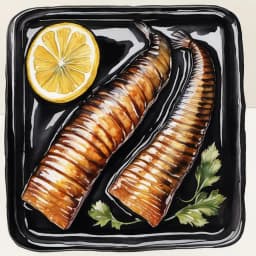
Plump eel grilled fragrantly over charcoal. When eaten with rice soaked in the sweet and savory sauce, it will surely bring a smile to your face. This is a stamina-boosting dish that the blade capital, Seki, takes great pride in.
The eel culture of Gifu is said to have begun with cormorant fishermen on the Nagara River eating it to build physical strength. In Seki, where swordsmithing flourished since the Kamakura period, eel was highly valued as a source of stamina for swordsmiths who spent all day striking iron in hot workshops.
In Seki, the standard preparation is 'hara-biraki' (splitting the belly), which is then grilled to a fragrant finish. Long-established shops, some said to have been founded during the Keio era of the late Edo period, still remain, and the fragrant smoke still drifts through various parts of the town today. It is a specialty dish that provides energy, unique to this town of blades.
"Does not break, does not bend, and cuts well." These are the words that inevitably arise when discussing Seki cutlery.
Seki City in Gifu Prefecture has been a city of blades for 800 years, dating back to the Kamakura period. Blessed with high-quality soil, water, and pine charcoal essential for blade making, swordsmiths gathered here from all over the country. It is said that during the Muromachi period, the city boasted over 300 swordsmiths, and their Mino-den techniques are renowned as one of the world's three major cutlery production regions.
Today, those skills have been passed down from Japanese swords to kitchen knives, knives, and nail clippers. The sharpness that seems to draw you in provides a small moment of inspiration every time you stand in the kitchen. We highly recommend these to anyone looking for a tool they can use for a long time.
Pour it into a glass and take a sip. After a smooth mouthfeel, the gentle sweetness and richness of raw milk gently spread across your palate. This is the local milk that the people of Seki, Gifu, have continued to drink since childhood.
Our commitment lies in the low-temperature pasteurization method we have maintained since our founding. By carefully pasteurizing at 65°C for 30 minutes, we preserve a mellow flavor close to freshly milked milk. It is 100% unadjusted raw milk. For over 70 years, we have used local raw milk, and it has been a staple in nurseries and school lunches.
In addition to drinking it as is, this milk is also used in sablés, caramels, and ice cream. For the people of Seki, it is, so to speak, the "taste of home." It is a simple and warm milk that makes you want to drink it every day.
Skewered and slowly grilled over charcoal, the skin becomes crispy while the flesh remains plump, filling your mouth with the pleasant bitterness of the innards and the scent of the clear stream. Eating it with nothing but salt is the classic way to enjoy sweetfish.
The Nagara River, one of Japan's three great clear rivers, is the birthplace of sweetfish. Known for the traditional fishing method 'Ukai' (cormorant fishing) which has continued for 1,300 years, sweetfish caught through Imperial Cormorant Fishing have historically been offered to the Imperial Family and the Ise Grand Shrine. By skewering the fish vertically and grilling it to allow excess moisture to drip away, the umami becomes highly concentrated.
'Ayu of the Clear Nagara River,' which is deeply connected to the region's history and food culture, was recognized as a Globally Important Agricultural Heritage System (GIAHS) in 2015.
This is a dish that allows you to savor the full bounty of the pure river in Gifu during early summer.
Gujo is a town where the headwaters of the Nagara River flow. Its pure water nurtures this unique miso.
Gujo Miso is a miso that has been produced since ancient times in the castle town of Gujo Hachiman. It is characterized by a rare production method that uses both barley koji and soybean koji. By fermenting it with the soft water from the Nagara River system, a mellow umami without any harshness is created.
This miso is also indispensable for Gujo's specialties, such as Miso Dengaku and Hoba Miso. Its true strength can be felt in miso soup, as it provides a deep richness even without adding dashi. It is an item that can be called the very taste of the land, quietly supporting the food culture of Gujo. Once you use it, you will find its depth irresistible.
The sizzling sound and fragrant aroma of the miso sauce caramelizing on the iron plate are enough to make your stomach growl.
Torichan is a traditional dish passed down through generations in Minami-Hida, centered around Gero, and Okumino, centered around Gujo. Chicken is thoroughly marinated in a sauce flavored with miso, soy sauce, and garlic, then grilled alongside plenty of cabbage. A delightful aspect is how the flavor profile changes by region: a sweeter miso taste in Gero and Gujo, and a soy sauce-based flavor in the hot spring towns.
The savory umami of the chicken infused with the sauce, combined with the tender, sweet cabbage, makes it impossible to stop eating rice. For a grand finale, adding grilled udon or yakisoba to the remaining juices allows you to savor every last drop.
This chicken carries the romance of having ancestors descended from the "Tokoyo no Naganaki-dori" (the long-crying bird of the eternal land) mentioned in the Kojiki.
Oku-Mino Koji-dori is a brand chicken developed and named in 1992, based on the Gifu Prefecture natural monument "Gifu Jidori." Centered around Gujo City, they are raised freely without the use of antibiotics. Because they are raised slowly over time, a deep umami resides within the meat.
Its characteristics include a rich flavor from moderate fat and a firm texture that becomes more flavorful the more you chew. It is excellent for grilling or in hot pots, and is also used in the local specialty "Keichan." One bite will surely surprise you with the difference from ordinary chicken. This is a masterpiece that true lovers of native chicken must taste.
If you hear the word 'nanban' and immediately think of chili peppers, you are surely a person from Gujo.
In Gujo Hachiman, chili peppers are called 'nanban' in the local dialect. A specialty of this region is 'Ha-nanban,' which consists of organically grown Yashiro chili pepper leaves simmered using traditional methods. Beneath its sharp spiciness lies the simple, rustic umami unique to green leaves.
This delicacy is handmade one by one, using only the pure waters and natural ingredients of Gujo. When placed atop warm rice, it becomes a perfect side dish that makes it impossible to stop eating. It also pairs wonderfully as an accompaniment to sake. This is a dish we quietly recommend to anyone looking for a slightly stimulating companion for their meals.
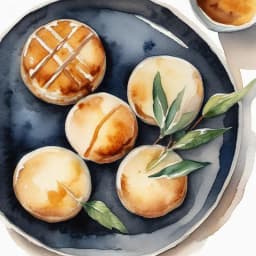
Round rice cakes nestled neatly on a skewer. When you take a bite of the fragrant grilled sauce, the outside is perfectly toasted while the inside remains chewy. The savory aroma of perilla-infused sauce spreads throughout your mouth. Its palm-sized shape also makes it easy and enjoyable to eat.
In the 'dango style,' non-glutinous rice is lightly pounded, rolled into balls, and about three are skewered and grilled. North of the Nakasendo highway, in areas like Hida and Gero, this round shape has been well-loved. The Hida style uses plenty of perilla oil in the sauce, which greatly enhances its savory fragrance.
Enjoy a freshly grilled skewer while strolling through the old town streets. It is a simple and heartwarming snack from Hida. Please try taking a big bite while it is still steaming hot.
When you put it in your mouth, it is smooth and slippery. The sensation of it melting effortlessly down your throat, paired with a faint aroma of the sea, is truly pleasant—the fine kanten produced in Ena's Yamaoka is a renowned supporting actor that quietly sustains the world of Japanese confectionery.
Production takes place in the dead of winter. The temperature fluctuations in Yamaoka—where it melts during the day and drops below freezing at dawn—are perfect for making kanten. After boiling down the tokoroten (jelly noodles) and slicing them thinly, they are laid out on outdoor racks; they freeze at night and melt during the day, slowly losing moisture through this natural process. This natural cycle creates crystal-clear kanten.
The production volume of fine kanten is actually the highest in Japan, accounting for eighty percent of the national market share. When made into kanten jelly or mitsumame, the smooth texture is irresistible. It is a pride of Ena, packed with the blessings of the mountains and the sky.
The moment it touches your mouth, the sweetness of the melting fat dissolves beautifully. The fine marbling melts on the tongue, allowing the savory umami of the meat itself to spread gently. This is a brand of Wagyu that Gifu proudly presents to the world.
Only Japanese Black cattle raised within Gifu Prefecture for 14 months or more and graded with a certain meat quality rating are permitted to bear the name 'Hida Beef.' The foundation of this brand was built by the sire 'Yasufuku-go,' born in 1980, and his descendants have been carefully raised amidst the clear water and air of Hida.
Since the establishment of the Brand Promotion Council in 1988, the name Hida Beef has spread throughout the country. It is a masterpiece to be savored on special occasions, whether in sukiyaki or as a steak.
The light soy sauce soup, based on chicken bones, clings perfectly to the ultra-thin curly noodles. With every slurp, the umami intensifies, creating a gentle bowl that makes you want to drink every last drop.
Locally, it has been affectionately known as 'Chuka Soba.' Its most significant feature lies in the cooking method: rather than preparing the soup and soy sauce base separately, the Takayama style involves simmering them together in a single large pot. The origins are said to trace back to 1938 with 'Masago Soba,' which began as a food stall; today, there are over thirty shops lined up within the city.
It is a nostalgic and simple bowl of noodles that you'll want to wander into a shop to enjoy after strolling through the old streets of Hida Takayama.
The savory aroma of miso simmering on a magnolia leaf is irresistible. When you place the hot miso, infused with green onions and shiitake mushrooms, onto freshly cooked rice, you could eat bowl after bowl. It is a quintessential taste of Hida.
There are various theories regarding its origin. One says it began with forestry workers in the prosperous timber region of Hida using magnolia leaves as makeshift plates to grill miso. Another suggests it originated from people melting frozen pickles or miso around an irori (sunken hearth) during the harsh winters.
Magnolia leaves possess antibacterial properties and impart a pleasant fragrance when grilled. During the 1960s and 70s, it became popular as a souvenir, and today, it has become a must-try dish for anyone visiting Hida.
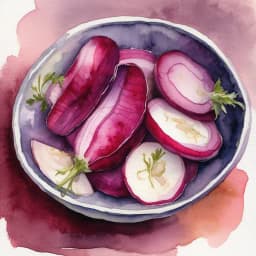
Featuring a vivid crimson hue and a crunchy texture, its moderate acidity and subtle sweetness pair perfectly with both rice and tea. It is a visually stunning pickle that colors the winter of Hida.
The variety used is Hida Red Turnip. The original strain is 'Haga Kabu,' grown in the former Nyu River Village; it is said that a red mutation occurred in 1918 (Taisho 7).
The brilliant crimson color is a natural pigment from the skin, and as fermentation progresses, even the originally white flesh turns red, gradually deepening the flavor.
It is also said that this method was developed during the Edo period to conserve salt. In Hida, where the landscape is enclosed by snow, this dish has been carefully passed down as a precious preserved food for winter.
It isn't exceptionally flashy, but it quietly supports your daily dining experience. That is the essence of this pottery.
Mino ware is a type of ceramics with a 1300-year history, centered around Toki, Tajimi, and Mizunami cities. Throughout different eras, it has evolved alongside people's changing tastes, producing a wide variety of techniques such as Shino, Oribe, and Setoguro.
In Mizunami City, you can find various kilns and pottery museums, allowing you to experience the profound depth unique to this production region.
It is said that approximately 60% of Japanese tableware is produced in this area. From rice bowls and plates to teacups—eating a meal with tableware that fits perfectly in your hands will surely make it taste a little more delicious than usual. We also recommend a journey visiting different kilns to find your own favorite piece.
When grilled, the fat melts and releases a juicy, sweet aroma. With just one bite, the delicate umami of the meat and the melting sweetness of the fat will make you smile, realizing just how delicious pork can be.
Mizunami Bono Pork is a premium brand pork raised in Mizunami, Gifu. "Bono" means "delicious" in Italian. The marbling ratio is approximately twice that of standard pork, boasting a sweet fat content and intense meat flavor. Even after heating, the umami remains trapped within, ensuring long-lasting juiciness.
Whether lightly cooked for shabu-shabu, hearty as tonkatsu, or served with rice in ginger pork, its inherent deliciousness shines brightest when enjoyed simply.
Have you ever turned over a tea bowl or a plate and found the words 'Mino Ware' written on it? That is how much this pottery is a part of everyday life.
Mino ware is a general term for ceramics that have a history of over 1,300 years in the Tono region of Gifu Prefecture. During the Azuchi-Momoyama period, under the influence of tea ceremony culture, famous styles such as Shino, Oribe, Setoguro, and Kizeto were created one after another. In 1978, it was designated as a Traditional Craft.
The production areas, including Tajimi City, now account for more than 60% of the national production of Japanese tableware. Its charm lies in its diverse range of styles, so much so that it cannot be defined by a single characteristic. These are vessels that allow you to feel a long history and the skill of artisans every time you hold them in your hands.
A glossy soft-boiled fried egg sits atop noodles coated in a spicy miso sauce. When you break the yolk and mix it in, the richness and spiciness blend perfectly. This is a local yakisoba born in Tajimi.
It was created in 2010. Based on a home-cooked miso yakisoba recipe developed by a local high school teacher for the 'Yakimon Contest' celebrating the 70th anniversary of Tajimi's municipal government, a restaurant owner refined it by applying a Twice-Cooked Pork (Huiguorou) sauce style, ultimately winning the Grand Prix.
The soft-boiled egg placed on top represents the sun, an homage to Tajimi's reputation as once being the hottest place in Japan. Part of the fun of food touring is discovering how the flavor of the miso sauce varies from shop to shop within the city.
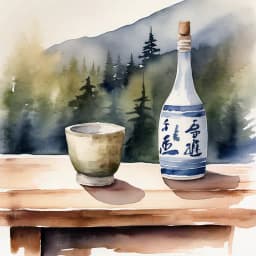
Drinking sake from a masu—about 80% of those stylish wooden boxes are actually made in Ogaki.
Ogaki City boasts approximately an 80% share of the national production of wooden masu, with annual shipments reaching about 2 million units. Being close to high-quality cypress (hinoki) production areas, it is said that the tradition began when a craftsman arrived from Nagoya during the Meiji era. The craftsmanship of assembling wood without using nails is still passed down today.
Characterized by the beautiful grain and refreshing scent of hinoki, it was registered as a regional collective trademark in 2020. When chilled sake is poured into it, the aroma of the cypress gently infuses the drink. Why not add one to your next celebratory occasion?
The savory aroma of miso sauce sizzling over charcoal fills the air. Taking a bite of the large, waraji (straw sandal)-shaped rice cake, you find it fragrant on the outside and chewy on the inside, with the sweet and salty umami of the miso spreading throughout your mouth.
Gohei Mochi is made by lightly crushing non-glutinous rice, leaving some grains intact, and pressing it flat onto a skewer to grill. South of the Nakasendo boundary, around Nakatsugawa and Ena, the 'waraji-shaped' version coated in plenty of miso sauce takes center stage. It is said that in the past, this was a delicacy used to entertain travelers passing through the highway, with innkeepers grilling them over an irori (sunken hearth) to hand to guests. It has also been traditionally grilled in individual households during Obon and New Year.
The miso sauce, flavored with perilla and walnuts, adds depth to the aroma. It is a specialty of the Tono region that provides a truly satisfying meal in a single stick.
The thinly sliced ham is moist and fine-textured. As you bite into it, the savory umami of the meat bursts forth, followed by a pleasant saltiness and the aroma of smoke that lingers in your nose. It is a craftsman-prepared flavor, carefully crafted in Nakatsugawa.
The plump, snapping sausages release juices with every bite. Because they are finished through a slow smoking process, they possess a depth of aroma that makes it impossible to stop at just one. Whether grilled, boiled, or sliced as is, each preparation reveals its own delightful character.
Perfect for a breakfast plate, tucked into a lunch box, or paired with a beer. This is a masterpiece that has been carefully produced in Nakatsugawa, a historic post town on the Nakasendo trail. It is packed with a reliable deliciousness that makes you want to eat it every day, without any pretense.
The shipment value is number one in Japan. And yet, it is pottery that stays closest to our daily lives. That is the Mino ware of Toki.
Toki City, Gifu Prefecture, is a major production area boasting the top shipment value of Mino ware in the country. It has met a wide range of needs, from everyday tableware such as bowls and plates to formal items like tea ceremony utensils. Visiting large outlets and touring pottery kilns is also popular, making it an enjoyable journey to find your favorite piece.
The tableware, each reflecting the unique personality of its kiln, allows you to feel the clay of Mino and the skill of the artisans every time you hold them. Simply adding one piece to your dining table makes your usual meal feel a little special. It is a reliable piece from a dedicated production area that becomes a companion for your daily life.
That bowl you use to wolf down natto rice in the morning—did you know that Japan's number one production area is actually located in Gifu Prefecture?
Dachi-cho, Toki City, boasts the highest production volume of donburi (rice bowls) in Japan. A collection of kilns inheriting the traditions of Mino ware has created a diverse range of bowls, from commercial use in ramen shops to everyday household items. Every October, the 'Dachi Donburi Festival' is held, attracting many people looking for bargains sold directly from the kilns.
A Dachi bowl that fits heavily and comfortably in your hand makes your daily meals feel somewhat more reliable. A katsu-don or oyakodon eaten from your favorite bowl becomes a feast in itself. These are vessels like companions to daily life, polished by a long history.
Tea plantations nestled in the mountains, enveloped in morning mist—this very landscape is the secret to the deliciousness of Shirakawa tea.
The history of Shirakawa tea is said to have begun in the Muromachi period, when the chief priest of a temple in Higashishirakawa Village brought back tea seedlings from Uji. Grown slowly in tea gardens at altitudes of 200 to 600 meters while being moistened by the morning mist, the tea leaves develop a mellow flavor with low astringency.
Its quality is well-established, as it is a premium tea that has even won the Minister of Agriculture, Forestry and Fisheries Award and the Emperor's Cup. When brewed, a clear aroma and a gentle sweetness spread through the cup. A single sip, which feels as if the entire nature of the mountains has been dissolved within it, adds a moment of quiet luxury to your daily life.
It won't crumble even when tied with rope—that is how tightly compressed the stone tofu of Shirakawa-go is.
In these deep snowy mountains, soybeans were a precious source of protein. By using more than twice the amount of soybeans found in regular tofu and pressing out the moisture, it achieves a heavy density and a long shelf life. Made solely with spring water from Shirakawa Village, natural nigari (magnesium chloride), and domestic soybeans, each block holds the pure taste and aroma of the soybean.
The top recommendation is tofu steak. Since it maintains its shape, if you pan-fry both sides in plenty of oil until golden brown, the outside becomes crispy while the inside remains fluffy. It is a delicacy unique to Shirakawa-go, where the sweetness and richness of the soybeans spread with every bite.
The miso simmers and browns over the irori (hearth)—just that aroma makes you crave rice.
Hoba Miso is a traditional dish passed down in Hida Takayama. Homemade miso, green onions, shiitake mushrooms, and wild plants are placed on a large magnolia leaf and slowly grilled over charcoal. It is said to have originated from warming up frozen pickles on magnolia leaves during the heavy winters of Hida.
The savory aroma of the perfectly charred miso has a magic that makes you want endless bowls of white rice. In the Gassho-zukuri village of Shirakawa-go, it remains a beloved staple enjoyed by the hearth. Simply topping your rice with the sizzling miso creates a dish that warms even your soul.
Savoring Hida Beef while walking through the old streets of Shirakabe-dozo (white-walled storehouses) is one of the true delights of traveling.
Hida Beef is a brand of Wagyu raised under the pure water and air of the Hida region. Known for its beautiful marbling and melt-in-your-mouth tenderness, it has fans all over the country. Hida City's Furukawa district is a place where you can easily enjoy this premium beef.
Here, in addition to authentic steaks and sushi, there is an abundance of street food like croquettes and minced meat cutlets (menchi-katsu). When you bite into the freshly fried coating, the savory juices of the Hida Beef burst forth. Tasting it alongside the atmosphere of the historic streets will surely make it an unforgettable experience.
When visiting Hida, you will inevitably notice these red dolls in shop windows. They are known as 'Sarubobo.'
Sarubobo is a traditional Hida doll, believed to originate from katashiro (paper/clay effigies) brought from China during the Nara period. In the Hida dialect, it means 'baby monkey.' Historically, they were handmade and passed down from mothers to daughters or grandmothers to grandchildren, cherished as amulets for safe childbirth and the healthy growth of children.
As a lucky charm, the name carries dual meanings: the sound 'en' (from monkey/猿) represents good connections and family harmony, while 'saru' (to leave/去る) symbolizes the departure of illness and misfortune. Their adorable, palm-sized appearance makes them a staple Hida souvenir. Recently, colorful varieties of Sarubobo have also appeared, adding more fun to the selection process.
Thin, yet incredibly durable. Museums around the world entrust this paper with the restoration of cultural properties.
Mino Washi is a type of Japanese paper with a history spanning over 1,300 years, centered in Mino City, Gifu Prefecture. Paper from Mino used in the family registers of the year 702 remains in the Shosoin Repository, making it known as one of Japan's oldest types of Washi. The pure waters of the Nagara River system and the manual 'tesuki' (hand-molding) techniques of artisans have produced paper that is both supple and strong.
In 2014, Hon-Mino paper was registered as a UNESCO Intangible Cultural Heritage. It is also used for restoration work at the British Museum and the Louvre. Transforming into items such as stationery and lampshades, Mino Washi gently brings a touch of Japanese warmth to daily life.
There is a tea from Gifu with such a prestigious history that it was once presented to the Edo Shogunate.
Ibi Tea has been cultivated since ancient times on the well-drained alluvial fans of the Ibi River basin. It is a historic production area, with traditions suggesting it served as official tea for the Edo Shogunate in 1759 (Horeki 9).
The temperature fluctuations between morning and night, combined with pure water, nurture highly aromatic tea leaves.
A refreshing aroma and a rich sweetness are the hallmarks of Ibi Tea. In addition to Sencha, there is active production of Kabusecha, which has a strong umami flavor, as well as Tencha, used as the raw material for Matcha. A carefully brewed cup is the perfect companion when you want to take a relaxing break. Please enjoy this flavorful tea nurtured by the mountains of Gifu.
Have you heard of the legendary cider that was once compared to Mitsuya Cider as 'The Mitsuya of the East, the Yoro of the West'?
Yoro Cider is a local cider brewed with 'Kikusui-sen,' the famous spring water that wells up near Yoro Falls. Production began in 1900 (Meiji 33) and it won numerous awards at various expos across the country. However, due to the aging of the factory and other factors, production ceased in 2000, turning it into a 'phantom cider.'
The turning point came in 2017, the 1300th anniversary year of the Yoro era name. Miraculously, notes of the recipe were found at the site of the old factory, making a revival project possible. The gentle flavor, nurtured by the Kikusui-sen spring—one of Japan's top 100 famous waters—is the perfect companion for a stroll through Yoro Park. Every single bottle is filled with the history of this land.
As you walk through the hot spring town, a cute frog on a sign greets you. This pudding specialty shop is marked by its logo, which is inspired by 'Gero'.
Each pudding is handmade at a workshop located within the Gero Onsen area. They luxuriously use locally produced Gero milk and premium vanilla beans from Madagascar. As the name suggests, the signature 'Maroyaka' (mellow) flavor has a smooth, melting texture. The lineup includes a variety of flavors that make you want to try them all, from the slightly firmer, traditional 'Retro' style to Uji matcha and melon soda flavors.
With its rich milk flavor and spreading aroma of vanilla, it is the perfect treat for after a soak in the hot springs. It is a new specialty of Gero that you must experience alongside the hot springs.
When you break open the fluffy baked castella dough, a chewy gyuhi appears from within. With its gentle sweetness and the adorable appearance of a sweetfish swimming in a river, it is a famous confection that heralds the early summer of Gifu.
By wrapping gyuhi—made from rice flour and starch syrup—in castella dough and using branding irons to add eyes and mouths, the sweetfish shape is completed. The original is said to be 'Nobori Ayu' by Tamaiya Honpo, a long-established shop founded in 1908. While it is believed that the first Ayu Kashi was created in 1908, today, Japanese confectionery shops throughout Gifu bake their own versions of these sweetfish.
It is an item that has been long chosen as a souvenir during the season when the sweetfish begin to swim in the Nagara River.
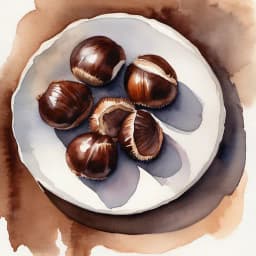
When autumn arrives, Japanese confectionery shops in Ena and Nakatsugawa all spring into action. The star of the show is the freshly harvested chestnuts from that year.
Kurikinton is a simple Japanese sweet made by kneading steamed chestnuts with a small amount of sugar and squeezing them tightly with a cloth. To preserve the natural flavor of the chestnut, no unnecessary ingredients are added. The artisan's skill is concentrated within its adorable shape, formed using a tea cloth (chakin).
Ena and Nakatsugawa are home to famous shops such as 'Suya' and 'Kawakamiya,' and one of the joys is that the flavor varies subtly from shop to shop. Many people enjoy comparing them to find their favorite. The aroma of chestnut that melts in your mouth the moment you taste it is truly the essence of autumn.
The simple aroma of roasted soybean flour (kinako) and a gentle sweetness that spreads the more you chew. It feels somewhat nostalgic; once you eat one, you can't help but reach for another—these are traditional sweets passed down since ancient times in Hida.
The most representative is "Genkotsu Ame" (Fist Candy). This candy consists of kneaded starch syrup coated in kinako, and it is said to be named so because its appearance resembles a fist. "Kokusen," made by roasting and hardening grains such as sesame, peanuts, and soybeans, has also been enjoyed since long ago alongside Genkotsu Ame. As sweets using inexpensive brown sugar are considered the origin of dagashi, this simple sweetness has been inherited through the daily life of Hida.
These are nostalgic flavors that have long been loved by the local people and can even be found at the morning markets in Hida Takayama.
Inside a water tank filled with pure water, translucent manju nestled in small sake cups float gently while chilling. It is a seasonal tradition that heralds the arrival of summer in Ogaki, the City of Water.
Born in the Meiji era in Ogaki—a region blessed with abundant groundwater—the confection was created with the desire to 'provide a cold sweet to eat in summer.' Initially made only with kuzu starch, it was discovered that the texture became too hard when chilled. By blending it with water-resistant bracken starch (warabiko), they achieved its signature chewy elasticity.
This refreshing treat allows the smooth red bean paste to be faintly visible through the transparent dough. The pleasant sensation of it sliding smoothly down the throat, combined with its jiggly texture, makes it a delicious snack you could eat many of even in the height of summer heat.
"One liter of rice for a single dried persimmon." This is how the luxurious sweetness of this Yokan has been described.
Kaki Yokan is a famous confection created in 1838 by the fourth generation of "Okashi Tsuchiya" in Ogaki. It is made by drying Gifu's specialty Dojo Hachiya Kaki, mashing them, mixing them with agar, and pouring the mixture into split bamboo stalks (Moso bamboo) to set. The sight of them lined up within their bamboo vessels is incredibly elegant.
It is counted as one of the three famous confections of Ogaki, alongside "Miso-iri Ogaki Senbei" and "Kincho Manju." When you gently open the bamboo, the rich sweetness and refined aroma of the persimmon rise up. Paired with tea, a single slice will bring a sense of happiness. It is a masterpiece that feels like the essence of autumn in Gifu condensed into one treat.
With a single bite, it gently melts in your mouth, allowing the aroma and sweetness of the chestnut itself to spread smoothly. It uses nothing but chestnuts and sugar, yet you will be surprised by how such a deep flavor can be achieved.
Steamed chestnuts are passed through a sieve, mixed with sugar, and then squeezed tightly into a cloth bag (chakin). This process gives it a gentle shape that looks exactly like a real chestnut. The birthplace of this sweet is said to be Nakatsugawa, a post town on the Nakasendo highway. It is told that it began as a way to entertain travelers passing through the highway during the Edo period, and a monument marking Nakatsugawa as the 'Birthplace of Kuri Kinton' stands in front of Nakatsugawa Station.
It is a seasonal luxury produced only from autumn to winter when domestic chestnuts are in season. It is a treat you will want to savor slowly with a cup of tea.
When you take a bite, you experience a chewy, springy texture. The gentle sweetness unique to rice flour gradually spreads through your mouth as you chew. This is a simple steamed sweet passed down since ancient times in the Tono region of Gifu.
Although it shares the same name as the delicacy 'karasumi,' this is not fish roe. It is a taste of home, made by steaming rice flour mixed with sugar. The shape is formed to widen at the base, much like Mount Fuji, to embody the wish that 'children will become the happiest in Japan.' It has long been enjoyed as a standard sweet offered to the Hina dolls during the Peach Festival.
There are also varieties kneaded with brown sugar, mugwort, or walnuts, giving each piece a different character. It is a traditional confection of Tono that you'll want to savor during the Hinamatsuri season.
If you heard there was a Tsuchinoko-shaped snack in the village with the highest number of Tsuchinoko sightings in Japan, wouldn't you be curious?
Tsuchinoko-yaki is a famous specialty sweet—not quite taiyaki—said to be the first of its kind in the world, created by 'Shirakawa Chaya' in Higashishirakawa Village. Each one is hand-baked using a custom-made mold shaped like a Tsuchinoko with adorable round eyes. There are two types of fillings: homemade sweet bean paste with mild sweetness, prepared daily by local grandmothers, and smooth custard cream.
The moist, chewy dough pairs perfectly with the gentle sweetness of the bean paste. Every spring, the 'Tsuchinoko Festa' is held, bringing lively energy to the entire village. This cute-looking snack is sure to be a great conversation starter when given as a souvenir.
Just like in Nakatsugawa and Ena, chestnut wagashi (Japanese sweets) enliven the storefronts of Yaozu when autumn arrives.
Kurikinton is an autumnal delicacy made by steaming fresh new chestnuts and finishing them immediately. The principle is to use a minimal amount of sugar to maximize the aroma and sweetness of the chestnuts themselves. In Yaozu Town, shops such as 'Midoriya Shinise' prepare them, shaping them into adorable forms using chakin (cloth).
Kurikinton begins appearing in shops all at once around September 9th, during the 'Kuri Sekku' (Chestnut Festival). A local autumn pleasure is tasting them while checking the quality of that year's new chestnuts. Once you take a bite, the aroma of chestnut gently melts in your mouth. It is a seasonal delicacy that you wouldn't want to miss during its short peak season.
A simple egg cracker, toasted to a golden brown on an iron plate. Its crisp, light texture offers a nostalgic flavor.
Yaozu Senbei is a local specialty produced primarily in the town of Yaozu, Kamo District. Made by combining flour, sugar, and eggs and pressing them between iron plates to bake one by one, the tradition has been passed down since the Taisho era. Even today, over a dozen manufacturers line the streets of the town, each preserving their own unique flavor.
Its hallmark is a simple sweetness and a gentle mouthfeel unique to hand-baked treats. The selection also includes visually delightful items such as 'Osara Senbei' (Plate Crackers), which feature small crackers tucked inside a larger egg cracker. They are an irresistible snack to enjoy with tea.
The name originates from the fact that Hida was once a direct territory of the Edo Shogunate, known as 'Tenryo'.
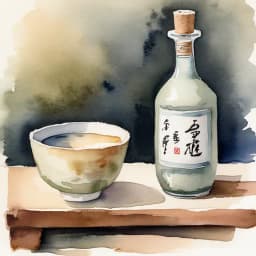
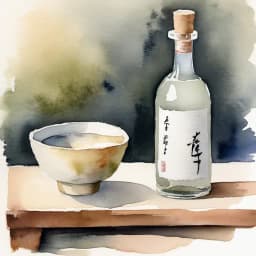
Founded in 1680 in Hagiwara-cho, Gero City, Tenryo Sake Brewery is a representative brewery of Southern Hida with a history spanning over 300 years. They use 100% 'Hidahomare', a sake-brewing rice variety nurtured by the nature of Hida. The brewery handles everything up to the polishing process in-house, and the master brewer carefully brews the sake using groundwater from the Hida Mountains.
Their refined flavor, perfected as a food-pairing sake, has won gold medals at both domestic and international competitions. This clear cup, born from the rice and water of Hida, is perfect for a drink after visiting an onsen. It will quietly enrich your dining table during a night spent traveling in Gero.
When poured into a glass, it displays an amber radiance. The mellow sweetness and richness unique to aging slowly unfold in the mouth. It is an aged sake with a deep flavor, nurtured carefully by time.
The brewery is Shiraki Kosuke Shoten, which is said to have been founded in Gifu City in the 6th year of the Tenpo era (1835). About 50 years ago, while many breweries were shifting their focus toward Ginjo sake, this small brewery chose a different path, challenging themselves to create long-term aged koshu.
Named after the 'seven falls, eight rises' Daruma, this brand is highly regarded both in Japan and abroad as a pioneer of aged sake. It is said that decades-old aged sake lies dormant within the brewery. From pale amber to deep amber, it is a cup meant for slowly savoring the layers of time.
With a single sip, a clear, crisp flavor spreads across the palate, followed by an elegant aroma that drifts through the nose. It is a dignified sake from Iwamura, Gifu—sharp yet possessing a certain softness.
Brewed by Iwamura Brewing, which has continued its craft in the castle town of Iwamura since 1787. The brand name is named after 'Otsuya no Kata,' the female castle lord who ruled this land during the Warring States period. As one of the few female lords in Japanese history, her likeness is featured on the label.
The brewery is located within a district preserved as an Important Preservation District for Groups of Traditional Buildings, retaining the atmosphere of the Edo period. After walking through these historic streets, sipping this sake allows you to lose yourself in the romance of the Sengoku era. It is a local sake with an elegant flavor that beautifully complements food.
With a single sip, you experience a robust richness followed by a clean, crisp finish. The powerful umami created by handcrafted koji pairs perfectly with the hearty cuisine of Hida. It is a local sake of Hida Takayama that suits the atmosphere of the old town.
The brewery, Harada Sake Brewery, is said to have begun sake brewing in the castle town of Hida Takayama in Ansei 2 (1855). The brand name "Sansha" was named after the magnificent festival floats (dashi) that decorate the town during the Takayama Festival.
Even today, they remain committed to winter brewing, and all the koji—the heart of the sake—is handmade. The powerful koji production, infused with the master brewer's soul, creates the unique richness and crispness characteristic of Sansha. This is a single bottle that continues to be carefully brewed in the snow-covered breweries of Hida.
This is a sake that has been loved for a long time in the town of Kamioka, which is close to the border of Hida and Etchu.
'Hida Musume' is a fine sake brewed by Otsubo Sake Brewery, founded in 1842 (Tenpo 13) in Kamioka-cho, Hida City. In a land nurtured by the snowmelt from the Northern Alps, this brewery has continued its sake production under the motto of 'serious craftsmanship that does not drift with the times.' With their flagship products—the sweet and gentle 'Hida Musume' and the dry 'Kumashiro'—they have remained a staple at local dining tables.
A clean mouthfeel followed by a rich sweetness, it can be enjoyed across a wide range of temperatures, from chilled to hot sake. It is a simple, unpretentious bottle that feels as if the nature of Kamioka has been dissolved directly into it.
Upon taking a sip, a crisp, dry flavor spreads sharply across the palate, followed by an incredibly light finish. Yet, the umami of the rice remains clearly present—this is a renowned sake from Tajimi that has stayed true to its single-minded pursuit of 'dryness.'
Its origins date back to the An'ei era (1772–81), when the first generation, Tetsuji Mizuno, who came from Owari, opened the sake brewery. Around 1955, during an era when sweet sake was at its peak, the then-head of the brewery, Takayoshi Mizuno, pursued his ideal dry flavor, creating a crisp, dry sake with a rice polishing ratio of 50% and a Sake Meter Value (SMV) of +10, which was extremely rare at the time.
It is not merely dry; it is a cup that harmonizes with the umami of the rice to enhance the flavors of your food.
On autumn nights in Shirakawa-go, there is a milky, cloudy sake served to the people gathered at the shrines.
Doburoku is a simple, unfiltered sake brewed using only rice, koji, and water. Every autumn in Shirakawa-go, the 'Doburoku Festival' is held at the shrines of each village to give thanks for a bountiful harvest. As part of the Shinto rituals, doburoku brewed in the shrine's brewery is served to worshippers. Even during eras when private brewing was strictly restricted, this tradition has been passed down continuously for ceremonial use.
Amidst the performances of lion dances and folk songs, the warm aroma of sake spreads through the village of Gassho-zukuri houses. A single sip, where the sweetness of the rice melts with a gentle acidity, is a true delicacy that can only be experienced in this land.
In the old streets lined with white-walled storehouses, the cedar balls (sugidama) hanging from breweries look perfectly at home. Hida Furukawa is exactly that kind of sake town.
Three breweries—Kaba Shuzojo, Watanabe Shuzoten, and Otsubo Shuzoten—are clustered in Hida Furukawa. With Hida's abundant underground water, the sake rice 'Hidahomare,' and the severe winter cold, the land possesses all the necessary conditions for producing fine sake. Each brewery has brewed distinctive brands such as 'Shrimayu' and 'Hourai.'
As you walk through the town where breweries line the streets, you will encounter the scent of brewing everywhere. It is a delight to taste the varieties from all three breweries and find your favorite bottle. This is a town where you can fully experience the profound depth of Hida's sake culture.
With a single sip, a subtle sweet aroma spreads along with a smooth mouthfeel. The aftertaste is clear and light. This sake, born in Mino, flows effortlessly from the cup.
Brewed by Kosaka Sake Brewery, founded in 1772 (the first year of the An'ei era). The name 'Hyakushun' carries the wish that 'those who drink it may remain healthy and welcome a hundred springs.' The brewing water is sourced from the Nagara River, selected as one of Japan's top 100 famous waters. This soft, mineral-rich water creates a smooth and light flavor.
The brewery building, situated in the historic Udatsu district, is a National Important Cultural Property. Brewed with integrity by a young Toji (master brewer), this sake gently complements any meal, whether served chilled or warmed.
It often sells out on the release date. It is a bottle truly known as a 'phantom sake' that is difficult to obtain.
The producer is Sugihara Sake Brewery in Ibi District, Gifu Prefecture. Carrying the title of 'Japan's smallest sake brewery,' their annual production volume is extremely small. Together with local contract farmers and agricultural experts, they cultivate the original sake rice for this land, 'Ibi no Homare,' and brew a flavor unique to this region using the underground water of the Ibi River and brewery-resident yeast.
With varieties such as GOLD, SILVER, BLACK, and WHITE, the flavors are carefully differentiated by rice type and brewing method. Every single drop produced by this small brewery without sparing any effort contains the entire essence of Gifu's climate and nature. If you ever encounter it, it is a sake you should definitely savor slowly.
This is a local sake from Yoro, Gifu, named after the famous spring water 'Yoro Falls'.
The producer is Gyokusendo Sake Brewery, founded in 1806 (the third year of the Bunka era). The brewing process uses subsoil water from the Yoro mountain range. It is an ultra-soft water with extremely low mineral content, and this water supports the soft mouthfeel of the sake. Using carefully selected sake rice such as Yamada Nishiki from Hyogo and Toyama, and Hida Homare from Gifu, the brewery shifted its direction in the late 1970s away from mass production to focus on carefully brewing small quantities with the goal of creating 'sake of dignity'.
With a wide range available from Daiginjo to Honjozo, all possess a refined and clear taste. It is a drink nurtured by the waters of Yoro that integrates smoothly into the body.
Kuri-kinton from Jintaro, a beloved name in the Gero Onsen town. It is highly popular as a souvenir after visiting the hot springs and has become an autumn tradition to enjoy alongside the waters of Gero.
When traveling through the mountain villages of Hida, you suddenly encounter a nostalgic taste. This is a confection that brings back such memories.
Hida no Kataribe is a beloved local specialty that has been cherished for a long time in Hida Takayama. It is an elegant tea sweet made by softly kneading kousen (roasted barley flour) and kinako (roasted soybean flour) together, then enveloping them in a white syrup. Its name was inspired by the comforting scene of listening to a storyteller's tales by a hearth.
With a single bite, the fragrant aroma of barley and kinako gently spreads, and a gentle sweetness melts on your tongue. It is a simple yet refined flavor that is perfect as an accompaniment to tea. This is a treat that seems to capture the very essence of the Hida mountain villages.
The flavor of Hida miso captured in a crunchy texture.
This is a regional version of the famous Karaage Potato, produced by Calbee exclusively for Gifu Prefecture. This unique bag utilizes 'kojiya' miso used in the Hida region. The savory and rich flavor of the miso clings to the signature crunchy texture of potatoes that have been carefully fried. As you chew, the umami of both the potato and the miso spreads through your mouth.
This item can be found in souvenir shops in Gifu and at locations like the Yoro Service Area on the Meishin Expressway. The joy lies in being able to taste the food culture of Hida through a convenient snack. It is an addictive deliciousness that pairs perfectly with both tea and alcohol.
We have recreated the flavor of fruit daifuku in a sandwich cookie.
In recent years, 'fruit daifuku'—which features whole pieces of fruit wrapped in mochi—has been gaining popularity in Gifu. This product takes that traditional Japanese flavor and transforms it into a Western-style sandwich cookie. We have gently sandwiched the sweetness of the fruit and cream between crispy cookies. It is a slightly indulgent treat that captures the best of both Japanese and Western confectionery.
With just one bite, the aroma of fruit and the richness of the cream spread softly from the light, crispy cookie. The contrast between the crunchy and melting textures is also part of the fun. Individually wrapped for easy sharing, they are perfect as a souvenir. Please enjoy this new sensation that pairs beautifully with both coffee and tea.
The Sarubobo, a traditional Hida charm, has become a playful souvenir: 'Sarubobo-chan's Challenge.'
Sarubobo is a red doll traditionally made in the Hida region. Its name comes from the Hida dialect where babies are called 'bobo,' and it has been cherished as an amulet for safe childbirth, good matches, and good health.
This confection, featuring the Sarubobo motif, actually comes with a 'challenge.' It is designed so that you can enjoy quizzes and riddles while eating the sweets. Rather than just eating, this box allows the whole family to have fun together. It is a souvenir that turns your memories of traveling in Hida into an enjoyable game.
Inspired by Seki City, known as the city of blades, these are cookies infused with the flavor of coffee. The slightly bitter aroma of coffee and the crispy, light texture create a baked good that is perfect for an afternoon snack.
Seki City has long been famous as a production center for swords and blades, and this spirit of reliable craftsmanship is deeply rooted in the local culture. In recent years, the number of shops enjoying coffee has increased, nurturing new local flavors.
With one bite, the savory aroma of coffee spreads throughout your mouth. These are Seki-style cookies that offer a mature flavor, making them a delightful souvenir for coffee lovers.
A milk-flavored sablé loved in Seki, the city of blades.
'Seki Milk' is a local milk produced by Seki Milk Co., Ltd., founded in 1938. They take pride in a low-temperature pasteurization process that takes 30 minutes at 65°C, preserving the naturally smooth flavor of the raw milk. We have captured that Seki Milk within a buttery dough and baked it into a crispy sablé.
The retro packaging, which looks exactly like a milk carton, is so charming you won't be able to resist picking it up. With every bite, a rich milkiness gently spreads across your palate. A slightly unexpected new specialty from Seki City, famous for its cutlery. With its crispy texture and milky flavor, this is the perfect item for a snack or a souvenir.
A cute package that looks exactly like a milk carton. This is whipped cream caramel made with 'Seki Milk,' beloved by the people of Gifu Prefecture.
Founded in 1950, Seki Milk is a long-established dairy shop cherished in Seki City. Using plenty of its heavy cream, this caramel features a gentle milk sweetness that slowly melts in your mouth.
A delightful feature is its soft texture, without the characteristic stickiness to teeth often found in caramel. The retro packaging, featuring a red cow mark on a white background, evokes a sense of nostalgia just by looking at it. A popular item from Seki, perfect for a small souvenir. A box that has been loved for a long and long time.
An auspicious sweet imbued with the wishes of a Daruma doll: no matter how many times it falls, it gets back up.
Okiagari Monaka is a famous confection from Gifu. It is said that its name is linked to the words 'I am truly an Okiagari Monaka,' allegedly uttered by Oda Nobunaga during his conquest of Inabayama Castle (now Gifu Castle) (though various theories exist). Each piece embodies the positive wish to stand up again, no matter how many setbacks one faces.
The monaka shell, baked in a Daruma shape, is packed with bean paste. They are finished with adorable expressions designed to bring a smile to anyone who receives them. With its crispy shell and gentle sweetness of the bean paste, it is the perfect item for a gift intended to bring good luck.
An adorable sweet shaped like a young sweetfish climbing the Nagara River. It is said that Tamaiya is the origin of Ayu confectionery.
Produced by this long-established shop founded in 1908, Nobori-ayu consists of flavorful castella dough made with flour and eggs, enveloping our prideful gyuhi (soft mochi). It has been beloved for a long time as a representative confection of Gifu.
The combination of the fluffy, fragrant castella and the chewy, sweet gyuhi is exquisite. With one bite, the fragrance of the dough and the softness of the gyuhi overlap to create an incredibly elegant taste. Served with tea, it evokes the refreshing scene of young sweetfish climbing the Nagara River.
Oda Nobunaga, who dreamed of unifying the nation, and his residence, Gifu Castle. This is a Gifu souvenir wrapped in historical romance.
Oda Nobunaga Langue de Chat is a confection inspired by the land associated with Nobunaga, where he conquered Inabayama Castle and renamed it "Gifu." It features motifs of the warlord who championed "Tenka Fubu" (unifying the realm under military rule) and Gifu Castle, which towers over Mount Kinka. It is a Western-style baked sweet consisting of light, crispy dough sandwiched with mellow chocolate.
With just one bite, the light texture of the dough and the gentle sweetness of the chocolate spread through your palate. Being able to savor it while reflecting on the history of Gifu is something unique to this souvenir. It is perfect for sharing with colleagues or friends, making it an ideal item to commemorate a journey to Gifu, the castle town of the Warring States period.
This Gifu souvenir is a baked confection featuring the universally loved combination of potato and butter. The fluffy flavor of the potato and the savory aroma of butter melt together gently, offering a simple and somewhat nostalgic taste.
While 'Jaga Butter' is a classic flavor often found at food stalls in northern regions, this treat has been crafted so you can easily enjoy that flavor in the form of a snack. It is an easy choice for a gift, especially for those who aren't fond of overly sweet treats.
With one bite, the natural sweetness of the potato and the saltiness of the butter spread across your palate. Please try this timeless deliciousness that pairs perfectly with both tea and coffee.
A separate package of auspicious monaka shaped like a Daruma doll. A classic Gifu souvenir imbued with the wish of 'seven falls, eight rises' (resilience), featuring an excellent pairing of crispy wafers and sweet bean paste.
A signature warabi mochi produced by Tsubameya, a popular shop in Gifu City. This exquisite treat uses a generous amount of domestic authentic warabi powder to achieve a melt-in-your-mouth softness, coated thickly with fragrant kinako (roasted soybean powder).
Tsubameya was born in the Yanagase district of Gifu City and has been beloved for its commitment to high-quality ingredients. The smooth texture unique to authentic warabi powder is renowned for being far superior to commercially available warabi mochi.
When scooped with a spoon, it jiggles, and upon entering your mouth, it melts away. Combined with the aroma of kinako, this Gifu warabi mochi is an unforgettable experience once you've tasted it.
A Western-style souvenir that expresses the flavor of Gifu's specialty, Kurikinton, in a tart format. Featuring a crisp baked tart crust filled with a Kurikinton-style cream, this item allows you to easily enjoy the deliciousness of a traditional Japanese confection.
Gifu Prefecture's Tono region is known as a famous chestnut production area, and Kurikinton is a representative Japanese sweet born in Nakatsugawa and Ena. This product is designed so that its beloved flavor can be enjoyed casually in the form of a Western tart.
The compatibility between the crunchy crust and the gentle sweetness of the chestnut cream is exceptional. It is a quintessential Gifu sweet that combines the best of East and West, sure to please any chestnut lover.
A sable baked with organic cocoa by Tsubameya of Gifu City. These baked goods, produced by a Japanese confectionery shop known for its 'Golden Warabi,' offer a simple and gentle flavor that conveys the high quality of the ingredients.
A Japanese-style version of Tsubameya's classic sable, featuring organic matcha. The subtle bitterness of the matcha harmonizes with the richness of the butter, and the green swallow-shaped design is eye-catching. You can find them in a state close to freshly baked at the main store in Yanagase, Gifu City.
A confection that encloses Gifu's branded strawberry, 'Nouhime,' within a crispy langue de chat.
Nouhime was born as the first original variety from Gifu Prefecture. Its characteristics include large berries, a strong aroma, and a well-balanced acidity within a solid sweetness. It is a fruit truly unique to Gifu, rarely seen outside the prefecture.
The langue de chat, making the most of this flavor, features a light melt-in-the-mouth texture where the sweet and sour notes of the strawberry overlap pleasantly in the mouth. It is a staple souvenir often found in souvenir shops at Gifu and Takayama Stations. Please enjoy the prowess of Gifu's strawberries in an easy, casual way.
Enjoy the flavor of Nagoya's staple, chicken wings, in the famous Jagabee format. This is a limited Calbee flavor exclusive to the Tokai region.
The chicken wing flavor, featuring a rich sweet and savory sauce, pairs surprisingly well with the signature crispy and fluffy texture of Jagabee. Despite being a snack, it evokes the atmosphere of a Nagoya izakaya (pub). You'll find yourself reaching for another piece before you know it.
Since they can be easily purchased at stations and service areas throughout the Tokai area, they are also great as casual souvenirs to distribute. Please enjoy this limited flavor that can only be found in this region during your travels. It is sure to be a great conversation starter.
A creative daifuku that combines 'Nohime,' a brand strawberry grown in Gifu, with chocolate cream.
Nohime is an original Gifu strawberry characterized by its large size, strong aroma, and a perfect balance of sweetness and acidity. The juicy texture of the fruit is layered with rich chocolate cream and soft, chewy daifuku skin. It is a luxurious taste where the sweet and sourness of the strawberry meets the richness of the chocolate in a single bite.
This is a Western-style creative daifuku that lightheartedly transcends the boundaries of traditional Japanese confectionery. It is an item that allows you to enjoy the charm of Gifu's pride-and-joy strawberries in a slightly new way. We highly recommend enjoying it well-chilled from the refrigerator.
Enjoy the taste of Nagoya's famous chicken wings in the familiar Jagariko format. This is a limited-edition Calbee flavor available only in the Tokai region.
It combines a chicken wing flavor seasoned with sweet and savory sauce and a hint of spicy seasoning with the crunchy texture of Jagariko. The stick shape makes it easy to eat, and the flavor is so addictive you won't be able to stop. It also seems like a great companion for beer.
This is a familiar item found in service areas and station shops throughout the Tokai area. Since the sticks are easy to distribute, they are very useful as casual souvenirs (baramaki miyage). Please feel free to enjoy this local taste unique to this region.
This item gently captures the flavor of 'Nohime,' Gifu's proud brand of strawberry, within a thin-baked gaufrette.
Nohime is an original Gifu strawberry characterized by its large size, strong aroma, and a perfect balance of sweetness and moderate acidity. It is a precious fruit that rarely appears outside the prefecture. The gaufrette, making use of this flavor, features a light, crispy batter with a soft spread of sweet and sour strawberry cream in between.
Because it is light and not bulky, it is perfect as a casual souvenir for colleagues or neighbors. This snack allows you to easily enjoy the charm of the strawberries Gifu is proud to cultivate. It also pairs very well with coffee or tea.
In Gifu City, famous for the cormorant fishing on the Nagara River, sweets shaped like sweetfish (ayu) are a hallmark of summer. The "Ayugashi" made by Kincho-do Sohonten is one such sweetfish confection.
Softly baked castella sponge gently encloses chewy gyuhi (mochi), with eyes and fins delicately rendered using a branding iron. Its appearance, capturing the image of a swimming sweetfish, is simple and adorable. It is a quintessential Gifu delicacy that evokes the clear streams of the Nagara River.
Kincho-do is one of the long-established shops in Gifu representing ayu sweets. Among various ayu confections where the expressions of the faces and fins differ slightly from shop to shop, please try to find your favorite. It is a perfect item for a summer souvenir.
The cormorant fishing of the Nagara River boasts a long history of over 1,300 years. These simple, charming sweets from Gifu City capture that very scenery.
Cormorant fishing on the Nagara River is so ancient that its name appears in records dating back to the Nara period, and even today, master fishers serving the Imperial Household Agency continue to pass down these traditional techniques. This Ukai Senbei features a branded design depicting that quintessential summer tradition of Gifu.
With a light, crispy texture and a gentle sweetness infused with the aroma of egg, it offers a nostalgic flavor. As a staple souvenir of Gifu, it has been loved across generations for a long time. Please enjoy it slowly while imagining the magical sight of the bonfire lights illuminating the night on the Nagara River.
Enjoy the flavor of Nakatsugawa's specialty, Chestnut Kintone, in the familiar Country Ma'am format. This is a delightful regional collaboration unique to Gifu.
Fujiya has crafted this item inspired by the chestnut kintone of Nakatsugawa, Gifu. By adding chestnut flavor to the moist dough, they have brought the taste of Nakatsuna—the village of chestnuts—much closer to you. It offers a casual way to enjoy chestnut that is different from the traditional kintone itself.
Since it can be easily purchased at souvenir shops and service areas in the Tokai area, it is perfect for bulk gifts (baramaki). This is an item that will surely be useful when you want to easily share the taste of Nakatsugawa chestnuts with many people.
A crispy chocolate crunch luxuriously featuring freeze-dried pieces of "Nohime," a brand strawberry grown in Gifu.
Nohime is an original Gifu strawberry with a perfect balance of sweetness and moderate acidity. The sweet and sour notes of the strawberry, the richness of the chocolate, and the crunchy, light texture overlap joyfully in every bite. It is a light flavor that makes you want to keep reaching for more.
Since it comes in individually wrapped bite-sized portions, it is also easy to distribute. This item is ideal as a small gift for colleagues or neighbors. Please enjoy the charm of Gifu's grown strawberries through this convenient snack.
Founded in 1908, Tamaiyahonpo is considered the pioneer of ayu (sweetfish) confectionery in Gifu. This treat is shaped like a young sweetfish swimming up the Nagara River, with gyuhi (soft mochi) wrapped in castella sponge cake. The name 'Nobori-ayu' (climbing sweetfish) is an auspicious symbol representing success and development, and it has been loved for over 100 years as a representative souvenir of Gifu.
A confection reminiscent of a summer message, evoking the cormorant fishing (ukai) on the Nagara River.
Gifu City's famous Nagara River Ukai is a traditional fishing method said to have 1,300 years of history. From May to October, the sight of cormorant masters and birds dancing on the river surface illuminated by bonfire lights is a seasonal highlight of Gifu's summer. 'Ukai Dayori' is a souvenir sweet that captures that nighttime scenery on its packaging. Many people pick it up on their way home from watching the cormorant fishing, as if to bring back the lingering emotions of the experience.
With one bite, the flickering of the bonfires and the murmuring of the river seem to suddenly revive. It is perfect for summer greetings or sending news to distant places. Why not deliver a moment of Gifu's summer through this confection?
An appetizer snack born in the Tokai region that will make you crave beer.
Glico's CRATZ is a popular snack known for its crispy exterior and crunchy texture. This Kushikatsu flavor features a crispy coating infused with a spicy, deep flavor. Miso Kushikatsu—skewered meat dipped in miso sauce—is a quintessential local taste of Nagoya. This snack captures that authentic Tokai essence, reminiscent of the sweet and savory flavor of Hatcho Miso.
One bite and you'll be reaching for another—it's an addictive deliciousness. It is the perfect companion for beer or highballs, and serves as a staple snack for evening drinks, easily found at station kiosks and convenience stores.
A bite-sized tart featuring Gifu's pride, the brand strawberry.
'Nohime' is a unique strawberry variety original to Gifu Prefecture. It was named after 'Nohime,' the daughter of the Sengoku warlord Saito Dosan and the wife of Oda Nobunaga, because of its beautiful color and well-balanced sweetness and acidity.
This small and cute treat features strawberry cream gently piped into a crispy tart shell.
Despite its small size, it is packed with the intense sweetness of Nohime strawberries. The combination of the crunchy tart and smooth strawberry cream is irresistible. With its gorgeous appearance, this heart-fluttering baked sweet is perfect as a small gift or a treat for women.
An elegant sweet shaped like an ayu (sweetfish), inspired by the cormorant fishing (ukai) on the Nagara River.
On the Nagara River flowing through Gifu City, cormorant fishing—said to have a 1,300-year history—has been cherished as a summer tradition. The ayu is also the prefectural fish of Gifu, and wagashi shaped like this fish are among the representative confections of Ghibu. "Flying Ayu" features gyuhi bean paste wrapped in a chewy habutae mochi dough, gently baked into the shape of an ayu.
A soft texture and elegant sweetness spread pleasantly through the mouth. Its adorable appearance with small eyes is also part of its charm. It has long been loved as a souvenir that conveys the atmosphere of Gifu during the cormorant fishing season. Please enjoy it slowly with Japanese tea.
A crispy pie made by kneading Gifu's brand strawberry into the dough.
'Nohime' is an original strawberry variety from Gifu Prefecture. It features a well-balanced sweetness and acidity, and was named after 'Nohime,' the daughter of Saito Dosan who became the wife of Oda Nobunaga, due to its beautiful color and luster. The juice from these strawberries is kneaded into the pie dough and baked into an adorable leaf shape.
With a single bite, the sweet and sour aroma of strawberry rises softly from the light, crispy pastry. The glamorous name and lovely leaf shape are also impressive. Individually wrapped for easy sharing, it is perfect as a gift. An elegant and brilliant baked confection that pairs well with coffee or tea.
A mochi confection generously kneaded with edamame from Gifu.
Gifu Prefecture is one of Japan's leading producers of edamame. 'Gifu Edamame,' grown in the fertile lands of the Nagara River basin, is a local pride. This bright green mochi features those very edamame kneaded into the dough. The aroma of the edamame and a subtle saltiness blend gently into the chewy texture. Its charm lies in its simple, unobtrusive flavor that is never too sweet.
The fresh, green scent of the edamame evokes the summer rural landscapes of Gifu. It is the perfect accompaniment to tea, with a gentle deliciousness that makes you reach for one piece after another. The refreshing green appearance also makes it an excellent summer gift.
Giant Pretz sold exclusively by Ezaki Glico in the Tokai region. This box is designed for adults, combining the sharp pungency of Sawa Wasabi with the saltiness of Pretz, leaving a lingering wasabi flavor in the nose as you eat.
A karinto made from rare tea grown in the 'Machu Picchu of Gifu.'
In the Kasuga district of Ibigawa Town, heirloom varieties of tea have been passed down since ancient times. The tea plantations nestled in high-altitude mountains offer breathtaking views, often called the 'Tea Plantations of the Sky' or the 'Machu Picchu of Gifu.' We have incorporated hojicha (roasted green tea) made from these rare ancient tea varieties into karinto dough, which is fried using stone-ground whole wheat flour from Hokkaido and pure rice oil.
Each piece is hand-fried to be crispy and fragrant, deeply infused with the profound flavor of hojicha. While simple, this item is packed with a commitment to high-quality ingredients. The gentle aroma of the tea spreads as you chew. Please enjoy this nutritious snack, perfect for pairing with tea.
An anko (red bean paste) sable produced by a popular Japanese confectionery shop famous for warabi mochi.
Produced by Tsubameya in Yanagase, Gifu City. Known for their soft and melting warabi mochi, they are a popular confectionery shop with branches now in Nagoya and Tokyo. This shop, which insists on carefully selected ingredients, has sandwiched homemade bean paste between butter sables. The skill of bean paste making, unique to a Japanese sweets maker, is fully realized in this Western-style sable.
The crispy sable and moist bean paste create a mysterious yet comfortable flavor where East meets West. It is a hidden gem known to those in the know, tucked away behind their fame for warabi mochi. The aroma of butter and the gentle sweetness of the bean paste melt together. It is a slightly luxurious snack that pairs well with both coffee and Japanese tea.
An adorable sweet shaped like an ayu (sweetfish), capturing the essence of summer in Gifu.
On the Nagara River flowing through Gifu City, cormorant fishing (ukai)—said to have a 1,300-year history—has long been cherished as a seasonal summer tradition. The ayu is also the official prefectural fish of Gifu, and wagashi (Japanese sweets) shaped like these fish are among the region's most iconic delicacies. This treat features soft dough wrapped around gyuhi (sweet rice cake), gently baked into the shape of an ayu.
With its round eyes and plump appearance, this is a truly lovely confection. Its elegant sweetness pairs perfectly with Japanese tea. Taking a single bite brings to mind the refreshing sensation of young ayu swimming in a clear stream. It is a soothing flavor that has been long loved as a seasonal messenger of Gifu's summer.
Tsubameya of Gifu City is famous for its warabi mochi. However, they are also highly skilled in baked goods.
Their representative product is "Daichi no Castella." Made with domestic ingredients and free-range eggs, this sponge cake is baked to be moist and fine-textured. Born in the Yanagase shopping district in 2010, Tsubameya is known for confectionery making that treasures carefully selected ingredients, and that straightforward approach is clearly reflected in this castella.
As the batter touches your palate, the flavor of the eggs gently spreads. The deliciousness of the ingredients themselves comes through precisely because it is unpretentious. It is sure to be appreciated as a souvenir. This is a product where you can feel the sincerity of Gifu's craftsmanship.
The sight of ayu (sweetfish) leaping in the Nagara River has been transformed into a confection. This is 'Hanariayu,' a representative sweet of Gifu's summer.
way the roots of ayu confectionery lie in a Japanese sweet called 'Chofu,' which consists of gyuhi (soft mochi) wrapped in baked skin. Born in Gifu during the Meiji era, it has been enjoyed alongside the cormorant fishing of the Nagara River. Soft gyuhi is wrapped in fluffy, baked castella dough and baked into the shape of individual fish. The highlight of this sweet is its dynamic appearance, with the tail fin leaping upward.
The gentle sweetness of the dough pairs perfectly with the chewy texture of the gyuhi. Take a bite while reflecting on the 1,300-year history of the Nagara River's cormorant fishing. Gifu's summer gently melts in your mouth.
Spring has arrived for Gifu's classic Ayu (sweetfish) confectionery. This is the Nagara River specialty, 'Strawberry Flying Ayu.'
Ayu sweets are a traditional Gifu confection where soft gyuhi (sweet rice dough) is wrapped in fluffy baked castella dough and shaped like individual sweetfish. They have long been cherished as a summer tradition alongside the cormorant fishing of the Nagara River. This Strawberry Flying Ayu is a spring-exclusive version that adds strawberry flavor to the dough.
Its pale coloring and sweet-and-sour aroma add a seasonal spring brilliance. The compatibility between the gentle castella dough and strawberry is outstanding. It is a springtime delicacy that softly overlays a seasonal color onto the 1,300-year-old culture of Nagara River cormorant fishing.
A pale pink uiro that appears when spring arrives. This is 'Sakura Uiro' produced by Gifu's 'Nagara Uiro.'
Nagara Uiro is a Japanese confectionery shop located in Yamagata City, Gifu. By using pure groundwater and Gifu-grown rice, and carefully grinding the rice flour with traditional mortars and stone mills, they create a chewy texture and smooth melt-in-the-mouth sensation.
This Sakura Uiro is a spring-limited flavor where the subtle saltiness of cherry blossom leaves and the scent of sakura are kneaded into the dough. From beneath its gentle sweetness, the aroma of cherry blossoms rises softly. It is a treat that allows you to slowly savor the unique atmosphere of Gifu's spring, which differs from the uiro found in Nagoya.
The name of a district once known as the most prosperous in the Tokai region has become a sweet. This is Gifu's famous confection, 'Yanagase.'
Yanagase was a bustling entertainment district located in the heart of Gifu City. Inspired by this place name, which is as well-known as the cormorant fishing on the Nagara River, Ukai-do Sohonpi created this sweet.
It is a stick-shaped rice cracker gently sandwiched with white chocolate cream. This stylish confection allows you to enjoy the combination of a crispy, fragrant texture and mellow sweetness. The cormorant fishing of the Nagara River and the bustle of Yanagase—this flavorful masterpiece softly overlays two names representing Gifu into a single sweet.
Gifu's Ayu (sweetfish) confectionery has dressed up in Valentine's attire. This is the Nagara River specialty, 'Choco-Tobiayu.'
wayayu confectionery is a traditional Gifu sweet where soft gyuhi (mochi) is wrapped in fluffy baked castella dough and baked into the shape of individual sweetfish. It is a summer tradition long cherished alongside the cormorant fishing of the Nagara River. This Choco-Tobiayu features chocolate kneaded directly into the dough.
The gentle sweetness of the Japanese confection softly overlaps with the bittersweet notes of chocolate. It is a slightly special Ayu, perfect for the Valentine's season. This traditional Gifu sweet, nurtured by the Nagera River, shows a new side to itself through its Western-style makeover.
Nagara Uiro is a mugwort uiro made by steaming dough kneaded with domestic mugwort. The bright green color and chewy texture are accompanied by the refreshing aroma of mugwort that lingers in the nose. A single log that encapsulates the spring of Gifu's satoyama (mountain foothills).
A rare cheesecake with a smooth and gentle mouthfeel, nurtured by the rich nature of Oku-Mino, located in the headwaters of the pristine Nagara River.
The Oku-Mino area, centered around Gujo City, is a land blessed with a cool climate and clear water. Utilizing dairy products born from this abundant environment, we have crafted a smooth, melt-in-your-mouth rare cheesecake. It features a rich flavor with a refreshing aftertaste, possessing a lightness that makes you want to eat more.
This is a popular item among tourists enjoying the summer Gujo Odori dance. Please enjoy the bountiful blessings of the clear waters of Oku-Mino, served chilled.
This white cheesecake is made from the milk of dairy cows raised freely in the Hirugano Highlands at an altitude of approximately 900 meters.
As the headwaters of the Nagara River, the Hirugano Highlands provide a cool environment even in summer, making it ideal for dairy farming. Utilizing fresh milk from pastures blessed with nature, we have crafted a cheesecake that is rich yet has a clean aftertaste. It is a flavor that feels as if it has captured the very air of the highlands.
With a pleasant, light mouthfeel, this is a popular sweet souvenir at the Hirugano Kogen Service Area. On your drive home via the highway, please take home the refreshing blessings of the highlands.
A smooth terrine-style fromage made from fresh milk from the Hirugano Highlands.
With its cool summers, the Hirugano Highlands are ideal for dairy farming. We have captured the smooth texture and rich cheese flavor in this terrine, utilizing the fresh milk produced on that plateau. When enjoyed well-chilled, its dense, melting texture becomes even more pronounced.
This popular sweet was born in a highland area about forty minutes by car from Gujo Hachiman. It is a common item for people to purchase on their way back from a drive through the Hirugmano Highlands. Please enjoy a cool, refreshing slice of the highlands' bounty.
A sweet and savory snack coated in the miso of Gujo Hachiman.
Gujo Hachiman is a castle town of water, located upstream on the Nagara River. It is a land where breweries that prepare miso using clear groundwater and domestic ingredients have been passed down through generations. We have coated peanuts with that very Gujo miso. The result is a sweet and savory flavor where the deep richness of the miso overlaps with the toasted aroma of the peanuts.
Once you start crunching, you won't be able to stop; it is an addictive deliciousness. It works perfectly as an accompaniment to tea or as a companion to beer—a versatile snack that suits both. It is a rustic taste that tightly encapsulates the food culture of Gujo in every single grain. Please enjoy it at drinking parties or as an everyday snack.
A sweet and salty morsel where miso meets caramel.
Gujo Hachiman is a 'water castle town' located upstream on the Nagara River. It is a land where breweries using clear groundwater to craft miso have been passed down through generations. We have kneaded that very Gujo Miso into our caramel. This unique treat features a mysterious harmony between the deep richness of the miso and the buttery sweetness of the caramel.
As you take a bite, the savory umami of the miso gently follows the initial sweetness. It offers an exquisite balance that can be enjoyed by both sweet lovers and those who prefer savory snacks. This playful creation conveys the food culture of Gujo through Western-style confectionery. It is perfect as an accompaniment to coffee or as a small souvenir.
Behind the transparent kuzu (arrowroot) coating, chestnut paste can be faintly seen. This is a summer Japanese sweet that brings coolness.
Produced by Ryoheido in Ena City, this Kurikinton Mizu-manju is a creative confection that transforms our prideful kurikinton into a refreshing water manju. We gently wrap kurikinton—made from 100% chestnuts grown in Ena, Gifu—in hon-kuzu (authentic arrowroot) mixed with adzuki beans and agar. Wrapped in real chestnut leaves, the appearance is also cool and refreshing.
The jiggly texture of the kuzu and the sweet, hearty chestnut paste create a wonderful experience. This is a popular product that has even won awards in the Rakuten Sweets Grand Prix. When enjoyed chilled, it provides comfort even in the heat of summer. It is a luxurious, seasonal Japanese sweet available only during the summer months.
Enjoy Gifu's specialty, chestnut kintone, in a casual, crispy Western-style confection. This sweet was born from that very idea.
Gifu Chestnut Kintone Langue de Chat is a souvenir sweet that reimagines the traditional Japanese masterpiece, chestnut kintone, with a Western twist. A light, crispy cookie dough gently sandwiches chestnut kintone-flavored chocolate. It is a dish that expresses the comforting sweetness of kintone—made only from chestnuts and sugar—through a Western pastry lens.
Since there is no need to worry about refrigeration or short shelf life, it is also very useful as a gift for sharing. The combination of the crumbly dough and the chocolate, which releases a gentle aroma of chestnut, is exquisite. With a charm different from traditional Japanese kintone, it pairs perfectly with both coffee and tea.
A creative Japanese sweet from Ryoheido, a chestnut confectionery shop in Ena City, featuring strawberry and chocolate inside a daifuku. Inside the soft mochi, sweet and sour strawberries and rich chocolate are wrapped, allowing you to enjoy both Japanese and Western flavors at once.
Ryoheido is an established shop that has been dedicated to making Japanese sweets using Ena chestnuts for approximately over seventy years. Utilizing their long-cultivated mochi-making techniques, they have unified the acidity of strawberry and the sweetness of chocolate into one.
When you take a bite, the chewiness of the mochi is followed by the juiciness of the strawberry and the mellow sweetness of the chocolate. Please taste this new challenge presented by a chestnut confectionery shop. It is a creative Ena-style sweet that will please both lovers of Japanese and Western sweets.
This is a creative confection from Ryoheido, a chestnut confectionery shop in Ena City, that fuses matcha and chocolate using Japanese confectionery techniques. You can enjoy a new flavor where East meets West, as the slight bitterness of matcha overlaps with the mellow sweetness of chocolate.
Ryoheido is an established shop that has been crafting Japanese sweets utilizing Ena's chestnuts for approximately over seventy years. The reliable skills cultivated through chestnut confectionery are applied to this combination of matcha and chocolat.
When you take a bite, the fragrant bitterness of matcha and the richness of chocolate harmonize comfortably. Why not treat yourself to a slightly luxurious teatime snack proposed by this Japanese confectionery shop?
This strawberry sakuramochi is delivered by Ryoheido, a chestnut confectionery shop in Ena City, to celebrate the spring season. The subtle saltiness of the cherry blossom leaves harmonizes with the sweet and sourness of the strawberry, creating a seasonal Japanese confection that evokes the arrival of spring.
Since its founding approximately over seventy years ago, Ryoheido has been a long-established shop dedicated to making Japanese sweets using Ena's chestnuts. The craftsmanship in mochi-making, cultivated through their chestnut confectionery, is carefully applied to this spring-like sakuramochi.
Upon taking a bite, the aroma of the cherry blossom leaves and the juiciness of the strawberry spread softly through your mouth. It is the perfect item for when you want to feel the changing seasons and enjoy a flavor exclusive to spring. This is a quintessential Ena spring sweet that would also be delightful as an accompaniment to hanami (flower viewing).
A representative confection of autumn from Ena Kawakamiya, a famous chestnut confectionery shop, featuring chestnut kintone wrapped in steamed yokan. Filled with chestnut kintone inside moist steamed yokan, this luxurious item offers layers of chestnut flavor in every bite.
Ena Kawakamiya was founded in Ena City in 1964 and has been dedicated to making sweets that utilize the local specialty, chestnuts. By wrapping the chestnut kintone in magnolia leaves to infuse them with their scent, the flavor of the ingredients is further enhanced.
The harmony between the refreshing aroma of the magnolia leaf, the smooth yokan, and the tender chestnuts is exceptional. It is a masterpiece filled with the essence of Ena chestnuts, perfect for savoring slowly as autumn deepens.
A creative dorayaki from Ryoheido, a chestnut confectionery shop in Ena City, featuring sweet potato paste sandwiched between fluffy dorayaki pancakes. The fluffy baked dough harmonizes with the gentle sweetness of the sweet potato paste, resulting in a treat that allows you to fully enjoy the flavor of the ingredients.
Since its founding approximately over 70 years ago, Ryoheido has been an established shop continuing the tradition of making Japanese sweets using Ena chestnuts. The reliable techniques cultivated through chestnut confectionery are applied to the sweet potato, bringing out its natural sweetness.
The compatibility between the moist skin and the fluffy sweet potato paste is outstanding. It is a dorayaki that offers a new side of this chestnut specialty shop, perfect for your snack time.
An Ichigo Daifuku (strawberry mochi) from Ena City's chestnut confectionery shop, Ryoheido, featuring a whole seasonal strawberry wrapped inside. This seasonal Japanese sweet offers a harmony of sweetness and acidity, combining soft mochi, elegant bean paste, and juicy strawberries.
Since its founding approximately over 70 years ago, Ryoheido has been an established shop specializing in Japanese sweets using Ena chestnuts. The mochi-making skills honed through chestnut confectionery are applied to this Ichigo Daifuku, resulting in a beautiful finish where the strawberry faintly shows through the thin mochi.
With a single bite, the strawberry juice bursts forth. It is an Ena Ichigo Daifuku you'll want to encounter in spring to taste the full deliciousness of the season.
A gift from the mountain village delivered by Ena Kawakamiya, wrapped in magnolia leaves. The refreshing aroma of the magnolia leaves enhances the rich flavor of the chestnut kintone (sweet chestnut paste), making this an atmospheric item that makes you feel the mountain air of Ena the moment you open the package.
Ena Kawakamiya was founded in Ena City in 1964 and has been engaged in making sweets that utilize the local specialty, chestnuts. The word 'Yamatsuto' means a souvenir from a mountain village, and its name embodies a deep affection for the land.
The chestnut kintone, enveloped in the scent of magnolia leaves, offers a luxury that can be enjoyed through both sight and smell. It is an emotional chestnut sweet you will want to savor along with the memories of traveling through Ena in autumn.
A luxurious chestnut confection crafted by Ryoheido, a chestnut confectionery shop in Ena City, using an entire Ena chestnut. This delightful treat for chestnut lovers offers the satisfaction of tasting a whole large chestnut and a refined sweetness that directly conveys the true quality of Ena chestnuts.
Ryoheido is a long-established shop that has continued to create Japanese sweets utilizing Ena chestnuts for over seventy years since its founding. Ena is known as a producer of high-quality chestnuts, and this confection is finished by leveraging the power of the ingredients, featuring their pride-and-joy chestnuts as the star.
As you take a bite, the fluffy texture and gentle sweetness of the chestnut spread through your palate. It is a chestnut sweet full of Ena's character, allowing you to fully enjoy the deliciousness of the chestnut itself.
Kurikinton (chestnut paste confection) crafted with local chestnuts by Kaho Hitotsubatago in Ena City. With a simple and pure flavor reminiscent of the hitotsubata flower, it helps spread the chestnut confectionery culture of Ena.
A local specialty inspired by Iwamura Town in Ena City, which served as the setting for the NHK morning drama 'Hanbun, Aoi.' This item evokes the atmosphere of a castle town that retains traces of the Edo period and has been enjoyed by those visiting Iwamura prompted by the drama.
Iwamura Town preserves an old streetscape stretching approximately 1.3 kilometers and was used as a filming location for the drama. After the broadcast, many tourists visited, bringing renewed attention to the area's charm.
Its simple and warm flavor is the perfect companion for strolling through the castle town. This souvenir is full of Iwamura's character, perfect for enjoying while reminiscing about the world of the drama.
A confection with a somewhat unique name: 'Enakuri Manju.' The name 'Ena' gently carries the resonance of Ena, a region famous for its chestnut production.
Produced by Ena Kawakamiya, headquartered in Ena City, this is a renowned chestnut confectionery shop that has remained dedicated to local Ena chestnuts since its founding in 1964. High-quality chestnut paste is wrapped softly in a thin skin, capturing the abundant flavor of the chestnut itself. One bite allows the rich aroma of chestnut to spread through your mouth.
This chestnut manju is unique to Ena, uniting the name of the land with its flavor. Please enjoy it slowly, along with the history of this chestnut village.
Did you know that the roots of Castella quietly remain in Iwamura, a castle town in Gifu? Matsuura-ken Main Store is a long-established shop that has continued to bake Castella for over two hundred years since its founding in 1796 (Kansei 8).
Using a Portuguese method passed down through an Iwamura clan samurai who studied Dutch studies in Nagasaki, each cake is carefully baked one by one in small copper pots. The simple ingredients of just eggs, sugar, and flour create a deep, traditional flavor.
Its moist and rustic sweetness represents the very passage of time accumulated in the castle town of Iwamura. It offers a taste close to the original, distinct from mass-produced Castella. Please savor it slowly, as if contemplating history.
As the name suggests—meaning 'a child raised on Ena chestnuts'—this is a baked confection that makes full use of local chestnuts. It is crafted by Ena Kuri Kobo Ryoheido, a shop beloved for its dedication to chestnut sweets.
The Tono region is a hidden chestnut village, said to be the birthplace of Kurikinton (chestnut paste).
As expected from the skill of artisans working in that land, the chestnut flavor is gentle and possesses a nostalgic taste. It is also wonderful because it can be enjoyed by all generations, from children to the elderly.
It is an unpretentious sweet that fits perfectly into your daily snack time. Please feel free to enjoy the warmth of the chestnuts grown in Ena during your tea time at home.
The name 'Ena no Hosomichi' (The Narrow Path of Ena) softly embodies the atmosphere of traveling through the post towns of the Nakasendo highway. The name of the confectionary, Kahou Hitotsubatago, is derived from the 'Hitotsubatago,' a rare tree that grows wild in the Tono region, including Ena.
This tree, which blooms with pure white flowers like snow in early summer, is also known as 'Nanjamonja' and is a local treasure designated as a national natural monument. This confection carries a name deeply rooted in the land.
These Japanese sweets, reflecting the nature of the region and the history of the highway, evoke memories of the scenery of Ena Gorge and the post towns. Please savor them slowly, along with the lingering impressions of a journey along the Nakasendo.
The flagship product of Ena Kawakamiya. Using ultra-premium chestnuts, it is cooked using a method that maximizes the natural sweetness and aroma of the chestnut. Known as one of the famous kurikinton shops alongside Nakatsugawa's 'Suya,' their directly managed stores around Ena Gorge also offer seasonal autumn sweets.
A seasonal Japanese confection crafted by Ena Kuri Kobo Ryoheido, famous for its chestnut sweets, to herald the arrival of spring.
The aroma of salted cherry blossom leaves wafts gently, and the subtle saltiness harmonizes softly with the gentle sweetness of the bean paste in the mouth. While Ryoheido is strongly associated with chestnuts, these seasonal limited-edition sweets that change expression with each season are quietly anticipated by local fans.
The sense of exclusivity, being a treat only available in spring, further enhances the flavor. Why not bring along the soft atmosphere of cherry blossoms as a gift for cherry blossom viewing or Hinamatsuri? It is sure to brighten your dining table.
In Iwamura, Ena City, there are several shops that carry on the tradition of Castella brought from Portugal, and Matsuura-ken Honpo is one of them. Although it follows a different lineage from Matsuura-ken, it adheres to the same traditional Iwamura production method to bake a moist cake. Enjoying the difference through comparison is the true pleasure of Iwamura Castella.
Do you think Kuri-kinton is a flavor reserved only for autumn and winter? With this 'Kintun Bouro,' you can enjoy that flavor all year round.
Produced by Ena Kawakamiya, a maker dedicated to Ena chestnuts, they have transferred the flavor of their signature Kuri-kinton into a light, crispy 'bouro' (small crunchy cereal/cracker). Within its crumbly texture, the gentle sweetness of chestnut spreads softly. The flavor pairs well with both tea and coffee.
Because it is available all year round regardless of the season, you can enjoy the taste of Ena chestnuts whenever you like. If you find yourself craving chestnut without waiting for autumn, please pick up this bouro.
A sweet potato treat with a subtle hint of chestnut flavor tucked into its sweetness. This Japanese-style sweet potato (sweet potato) confection shines with the ingenuity typical of the famous chestnut confectionery shop, Ryoheido.
Ena Chestnut Workshop Ryoheido is a shop that has remained dedicated to Tono chestnuts. Because of this, the gentle aroma of chestnut subtly layers over the rustic sweetness of the sweet potato. As the name 'Wa-Potato' (Japanese Potato) suggests, it is finished with a Japanese touch added to a Western-style sweet potato.
Its hallmark is an elegant and soft sweetness unique to a traditional Japanese confectionery maker. It is a gentle snack that pairs well with both tea and coffee, providing a moment of peace with every bite. Perfect for your daily treat.
One of only three shops in Iwamura, Ena City, that bake Castella brought over from Portugal. Alongside Matsuura-ken and Matsuura-ken Honpo, they preserve the tradition of Iwamura Castella dating back to the Edo period. The slightly different recipes and baking methods used by each shop create a delightful opportunity for comparison tasting.
Kuri-kinton (chestnut paste) made by Ena Seigetsudo, a Japanese confectionery shop in Ena City. Chestnuts from Ena are carefully steamed, passed through a sieve, and cooked with minimal sugar. Although smaller in scale compared to Kawakamiyahasuya, it is an accomplished shop with a deep-rooted local following.
A traditional regional sweet with a rugged appearance that is somehow charming. The 'Oni Manju' made by Ryoheido is a familiar snack in the Tokai region, packed with large chunks of sweet potato.
It is said to have earned this name because the corners of the sweet potato look like an ogre's (oni) horns. It is also a confection with a long history, having supported people's lives during times of food scarcity by being made from easily obtainable potatoes.
The sweetness of the potato peeks through the chewy steamed dough, offering a simple yet highly satisfying eating experience. The unexpected combination of a sweet potato manju made by Ryoheido—a famous shop for chestnut sweets—is also delightful. Please try and enjoy the deliciousness of it freshly steamed.
A refreshing, spring-like scented daifuku made by kneading mugwort (yomogi) picked in the village of Ena. This is produced by Ena Kuri Kobo Ryoheido, renowned for its chestnut sweets.
The refreshing aroma of mugwort and the gentle sweetness of red bean paste overlap, making you feel the arrival of spring with every bite. While Ryoheido has a strong image associated with chestnuts, their ability to craft such a yomogi daifuku demonstrates the wide range of their expertise as a Japanese confectionery maker.
The scent and vibrant color of freshly picked mugwort are truly unique to this season. Why not bring a piece of spring from Ena village as a souvenir for the period from spring to early summer?
A daifuku created by a famous chestnut shop that is equally passionate about beans.
Produced by Ena Kuri Kobo Ryoheido, this long-established shop has been delivering handmade chestnut wagashi from Ena for over 70 years since its founding. While best known for their signature Kurikinton (chestnut paste), this shop has incorporated Tamba-variety black beans into the mochi dough. The fluffy texture of the black beans provides a delightful accent to the chewy mochi, harmonizing perfectly with the gentle sweetness of the smooth red bean paste.
This is a masterpiece where their dedication to beans shines just as much as their expertise with chestnuts. With a single bite, the rich flavor of the black beans and the softness of the mochi melt gently in your mouth. It is the perfect accompaniment to tea—a simple, warm, and irresistible daifuku.
A Western-style souvenir that captures the flavor of Ena and Nakatsugawa's kurikinton (chestnut paste) in a langue de chat. Chestnut cream is sandwiched between thin cookies, individually wrapped for easy distribution. A box that proposes a new way to enjoy kurikinton.
A pound cake that allows you to enjoy whole chestnuts, including the skin.
Produced by Ena Kuri Kobo Ryoheido, a long-established shop that has been delivering handmade chestnut wagashi from Ena for over 70 years. This shop, famous for its kurikinton, has baked whole chestnuts with their skins into a buttery batter. The characteristic slight bitterness of the skin and the gentle sweetness of the chestnut melt into a moist, rich cake.
A single slice provides a sense of satisfaction, as if tasting the entire autumn harvest of Ena. The aroma of butter and the richness of the chestnut overlap, making it quite substantial. It pairs well with both coffee and tea. A luxurious autumn baked good that will delight any chestnut lover.
A luxurious treat from the chestnut village of Ena, featuring two layers of chestnut.
Produced by Ena Tsuya, a specialty chestnut confectionery shop in Ena that prides itself on chestnut paste cooked only with chestnuts and sugar, carefully selecting the best chestnuts from across the country each year. 'Kuri-kasane' features two layers—kurikinton and chestnut paste—crafted so you can experience the flavor of chestnut through two different textures in a single sweet.
Fluffy kurikinton and smooth chestnut paste—the different mouthfeels overlap, allowing you to slowly savor the deliciousness of the chestnut. With one bite, a luxurious, chestnut-filled flavor spreads. An elegant and refined Japanese sweet unique to Ena, the village of chestnuts. Please enjoy it slowly with some tea.
A Japanese-style chocolate finished by Ena's Ryoheido using their expertise in chestnut kintan. This new sensation of a chestnut sweet combines chestnut paste with chocolate, kneaded by the hands of Japanese confectionery artisans. A single piece where the chestnuts of Ena meet Western ingredients.
A summer-exclusive treat from Ryoheido that captures the essence of Ena's kurikinton (chestnut paste) inside a transparent mizu-manju (water manju). This beautiful summer chestnut sweet features a refreshing appearance, with the rich flavor of kurikinton spreading behind the jiggly texture of kuzu starch.
A bite-sized chestnut confection shaped like a tiny chestnut.
Crafted by Ena Juya, this specialty chestnut confectionery shop in Ena takes pride in its chestnut paste, simmered using only chestnuts and sugar, selecting the finest chestnuts from across the country each season. "Hime Kuriko" is a creation that concentrates that rich chestnut flavor into a small, chestnut-shaped treat, finished with a gentle, elegant sweetness.
Its round, adorable shape also makes it easy to pick up and enjoy. With just one bite, the gentle sweetness of the chestnut spreads throughout your mouth. This princess-sized chestnut kintan is perfect as a small gift or a special treat for yourself. Please enjoy one alongside your tea.
This is a chestnut kintsuba made by wrapping chestnut paste in a thin layer of dough and grilling it.
Crafted by Ena Juya, this is a specialty chestnut confectionery shop in Ena that takes great pride in its chestnut paste, cooked using only chestnuts and sugar, with high-quality chestnuts carefully selected from across the country. The chestnut paste is tightly wrapped in a thin skin and meticulously grilled on each side. The surface is crispy, while the inside features a smooth, spreading chestnut flavor.
The charm lies in the contrast between the fragrant grilled surface unique to kintsuba and the moist chestnut paste. With a single bite, the gentle sweetness of the chestnut fills your mouth. This is a masterpiece packed with the ingredients of Ena—the home of chestnuts—and the skill of artisans. It is a Japanese confection that makes you want to brew some warm tea and savor it slowly.
What happens when a famous chestnut confectionery shop makes strawberry chocolate? This is the strawberry nama (raw) chocolate crafted by 'Ryoheido' in Ena City, Gifu Prefecture.
Founded in 1946, Ryoheido is a long-established shop known for its chestnut-based Japanese sweets, such as kuri-kinton (chestnut paste).
With their proven craftsmanship, they have taken on the challenge of creating nama chocolate carefully infused with strawberry juice.
The sweet and sour taste of the strawberry blends with the smoothness of white chocolate, spreading throughout your mouth. Each piece reveals how the delicate flavor profiles cultivated through Japanese confectionery live on even in Western-style sweets. An adorable treat from Ena, perfect as a Valentine's Day gift.
When you hear 'karasumi,' you might think of fish roe, but in the Tono region of Gifu, it refers to a completely different sweet. This is 'Karasumi,' a steamed rice flour confection made by Ena Tsuya.
In this land far from the sea, real karasumi (mullet roe) was a rare delicacy. It is said that people began calling this similarly shaped steamed sweet by the same name.
Made by kneading brown sugar and walnuts into rice flour and steaming it into an expanding shape reminiscent of Mount Fuji, it is a unique celebratory sweet of the Tono region.
The chewy texture and the rustic sweetness of the brown sugar spread gently. It is a taste of the Tono homeland that has long graced the tables of Hinamatsuri (Doll Festival) as an offering for the Peach Festival.
What if you captured chestnut kintone inside a nama (raw) chocolate? This is the Chestnut Kintone Nama Chocolate made by 'Ryoheido' in Ena City, Gifu Prefecture.
Founded in 1946, Ryoheido is a famous shop for chestnut sweets, including chestnut kintone. While preserving the flavor of locally grown Ena chestnuts, they have carefully kneaded the chestnut paste into white chocolate.
With a single bite, the fragrant flavor of chestnut rises softly from within the gentle sweetness of the chocolate. It is a single piece that beautifully blends Japanese and Western styles, uniquely possible only for a renowned shop. It has been finished as an exciting fusion confectionery, created by a shop that has faced chestnuts for many years in Ena, the home of chestnuts.
There is another confection that a shop, which has continued baking castella since the Edo period, treasures and protects. This is the walnut-infused 'Karasumi' made by 'Matsuura-ken Honpo' in Iwamura, Ena City.
Matsuura-ken Honpo was founded in 1796 and is a long-established shop that passes down castella production methods in the castle town of Iwamura Castle. On the other hand, this 'Karasumi' is a unique celebratory sweet of the Tono region made by steaming rice flour, characterized by its expanding shape reminiscent of Mount Fuji.
By kneading fragrant walnuts into it, they have achieved a chewy texture. The simple sweetness, said to have been born as a substitute for delicacies in this land far from the sea, touches the heart. It gently conveys the tradition of the Peach Festival in the castle town of Iwamura to the present day.
One cannot help but be surprised at how amazing nama chocolate becomes when a Japanese confectioner makes it with true dedication. This is the melting nama chocolate crafted by 'Ryoheido' in Ena City.
Ryoheido, founded in 1946, is a famous chestnut confectionery shop known for its kuri-kinton (chestnut paste). They have poured their years of expertise in kneading bean paste into this nama chocolate.
You will be amazed by the smoothness that melts instantly the moment it touches your mouth. This luxurious melt-in-the-mouth experience is only possible thanks to the delicate craftsmanship cultivated through kneading Japanese sweets. This is a chocolate crafted with the heart of a Japanese confectioner by artisans from Ena, the home of chestnuts. A confection unique to a prestigious shop that transcends the boundary between East and West.
A miso brewery in Hida Takayama has baked the blessings of the mountains into these crackers. They are fragrant yet evoke a sense of nostalgia.
Taihodou, the maker of Tochinomishi Senbei, is the confectionery division of 'Kojiya Shibata Shunji Shoten,' a miso brewery founded in 1924 (Taisho 13). This long-established establishment, which has continued the tradition of miso making in Hida Takayama, kneads wild horse chestnuts gathered from the mountains into the dough and bakes each piece individually.
Upon taking a bite, the unique aroma and subtle bitterness of the horse chestnut spread gently through your mouth. The simple, gentle sweetness is truly the essence of the Hida mountains. The thin, crispy texture is also delightful; paired with tea, you will be enveloped in the nostalgic flavors of a mountain village.
A cheese-flavored baumkuchen baked using milk nurtured by the rich nature of Hida. Each layer of the moist cake is carefully stacked to create a flavor where the richness of cheese and the gentle sweetness of milk melt together.
The Hida region, blessed with a cool climate and pure water, has long been known as an area with thriving dairy farming. This baumkuchen captures those blessings of Hida directly within its batter.
You can enjoy the beautiful tree rings revealed each time you slice it, along with a melt-in-your-mouth texture. It is a Hida sweet that makes you want to take your time savoring it alongside coffee or tea. Filled with the gentleness of milk, it is also a delightful item for gifting.
An adorable cookie shaped like the 'Sarubobo,' a traditional protective charm from Hida. The bright red appearance of the Sarubobo is captured perfectly in this baked treat, creating a quintessentially Hida item that brings a smile to your face just by looking at it.
In the Hida dialect, 'Sarubobo' means 'baby monkey,' and it has long been cherished as an amulet for safe childbirth, good matches, and protection against evil. Because 'monkey' (saru) sounds like words for 'connection' (en) and 'leaving/departing' (saru), it is also valued as a lucky charm.
With a light, crispy texture, it is perfect to enjoy with tea. Why not take home this cute souvenir as a memory of your stroll through Hida Takayama? Its lovely appearance is sure to delight children, making it a fun and unique specialty from Hida to share.
This doll cake features the 'Sarubobo,' a traditional Hida charm, transformed into twins snuggling together. Inside their adorable, side-by-side figures is a generous filling of smooth red bean paste, resulting in a treat that is as delightful to look at as it is to taste, truly embodying the spirit of Hida Takayama.
In the Hida dialect, 'Sarubobo' means 'baby monkey,' and it has long been cherished as an amulet for safe childbirth and good fortune. By pairing two of these auspicious dolls together, we have created an even more charming confection.
With its moist cake and elegantly sweet red bean paste, it is the perfect accompaniment to tea. It is a soothing doll cake that you've simply got to enjoy while strolling through the historic streets of Hida Takayama.
A fragrant walnut monaka made by Otowaya, a long-established confectioner in Hida Takayama. The monaka shell is shaped like a walnut and generously filled with walnut-infused bean paste, creating a famous Hida confection where the nuttiness and the gentle sweetness of the paste harmonize exquisitely.
Otowaya is a venerable shop that continues to pass down the traditional sweets of Hida from the Edo period, maintaining a tradition of making simple and nostalgic treats. This walnut monaka is a masterpiece crafted using those time-honored methods.
The combination of the crisp monaka shell and the enjoyable texture of the walnuts in the filling is exceptional. It is a gentle, Hida-style monaka that provides a lovely companion to your tea time.
This is a specialty made by turning Camembert cheese, produced from fresh Hida milk, into a dacquoise. Inside the light, crispy meringue batter, the cheese cream offers a rich aroma, allowing you to enjoy the richness of milk and the delicacy of baked goods all at once.
The Hida region, blessed with a cool climate and pure water, has long been known as an area with thriving dairy farming. The charm lies in being able to taste the bounty of Hida milk in the form of a Western-style dacquoise.
The compatibility between the fluffy batter and the melting cheese cream is exceptional. Paired with coffee or tea, it is a perfect Hida sweet for a relaxing moment.
This is a mochi containing horse chestnut (tochi) seeds, made since ancient times in the mountainous regions of Hida. Its charm lies in the unique slight bitterness characteristic of tochi seeds and its chewy texture; it is a simple yet flavorful traditional Hida confection filled with the wisdom of mountain village life.
In mountain villages where rice was scarce, tochi seeds were one of the precious food sources since ancient times. Tochimochi, made by soaking the seeds in water for many days to carefully remove tannins and then combining them with glutinous rice, was also an important preserved food for surviving the heavy winters in Hidd.
The flavor of the horse chestnut that spreads as you chew, along with its subtle bitterness, offers a unique deliciousness found nowhere else. It can also be enjoyed paired with roasted soybean flour (kinako) or sweet bean paste (an). This is a mountain village specialty to be savored slowly while reflecting on the traditional lifestyle of Hida.
A Japanese sweet with ogura (sweet red bean) paste, born in Hida Takayama, which once flourished as a 'Tenryo' (land under direct control of the Shogunate). The name 'Tenryo' tells the story of the history Hida has traversed, and this treat with its elegant sweetness gently colors your travel memories.
During the Edo period, Hida Takayama became a Tenryo under the direct control of the Shogunate due to its rich forest resources and was governed around the Takayama Jinya. The traces of that era still remain strongly in the old streets.
The moist dough and the gentle sweetness of the ogura bean paste are perfect for serving with tea. This soothing Japanese sweet is something you want to enjoy along with the atmosphere of the historic castle town, Hida Takayama. It is a treat you should savor while feeling the history of Hida as a souvenir of your trip.
A moist roll cake baked using fresh milk and cheese from Hida. Fluffy sponge cake is rolled with rich cheese cream, creating a single piece that captures the very essence of Hida's dairy bounty.
The Hida region, blessed with a cool climate and pure water, has long been known as an area with thriving dairy farming. The charm of this cake lies in being able to fully enjoy the flavors of Hida milk and cheese in the form of a roll cake.
Upon taking a bite, the softness of the sponge and the richness of the milk spread through your palate. This Hida sweet is perfect for when you want to take a relaxing break alongside coffee or tea.
This is a unique rice cracker (senbei) exclusive to Hida Takayama, crafted to capture the savory deliciousness of Hida beef steak. The fragrant flavor spreads through your mouth with every bite, making it a perfect, slightly unusual gift for those who do not prefer sweets.
Hida beef is a brand of Wagyu that Gifu Prefecture is proud of, known nationwide for its fine marbling and tender texture. Named after this prestigious beef, this unique souvenir expresses a steak-like flavor in the form of a rice cracker.
With its crispy, fragrant texture and robust seasoning, it is also perfect as a snack. It pairs beautifully with both alcohol and tea, offering a taste full of Hida's charm.
This cake is baked using a generous amount of fresh milk squeezed by dairy farmers in Hida. The combination of cream that retains the rich flavor of the milk and moist sponge cake creates a taste that seems to capture the very essence of Hida's blessings.
The Hida region, blessed with a cool climate and pure water, has long been known as an area where dairy farming thrives. The pasteurized Hida milk is characterized by its naturally gentle milky flavor.
With a single bite, the mellow sweetness of the milk spreads softly through your mouth. Paired with coffee or tea, it is a quintessential Hida sweet, perfect for a relaxing teatime.
It might seem surprising to hear that a long-established pickle shop produces walnut sweets. Yamajiya, well-known as a pickle shop in Hida Takayama, created this 'Kurumi Yose' by utilizing the bounty of the mountainous Hida region: walnuts.
This simple confection consists of walnuts and sugar pressed together, offered in an assortment of different flavors. It features a nostalgic taste where a savory aroma and gentle sweetness melt in your mouth.
It is the perfect treat to enjoy with tea after strolling through the old streets or morning markets of Takayama. We recommend this as a souvenir from Hida Takayama, along with the story of a confection made by a pickle shop.
This is a treat with a name that will surely make you chuckle, playing off Hokkaido's 'Shiroi Koibito.' Produced by Sanpukudo in Hida Takayama, 'Kiiroi Koibito' features crispy langue de chat cookies wrapped in eye-catching yellow packaging. As part of a local 'Lover' series with counterparts across the country, many people find themselves reaching for it when they spot the name in Takayama souvenir shops. While the appearance is full of humor, the taste is truly authentic. It makes for a fun conversation starter and an enjoyable souvenir to distribute. Why not add a little laughter to your gifts for family or colleagues with this local sweet?
For those familiar with the world of the anime "Hyouka," these local cookies are sure to bring joy the moment you find them.
"Hyouka" is a youth mystery series animated by Kyoto Animation, based on the novel by Honobu Yonezawa, an author from Takayama City. The setting of the story, "Kamiyama City," is modeled after Takayama, with pilgrimage spots such as high schools, old streets, and coffee shops scattered throughout the city.
Cookies featuring this motif are popular as souvenirs for fans on their anime pilgrimages. Hida Takayama is a city known for being the setting of many masterpieces, alongside "Your Name." Please pick one up as a memento of your journey through the story's locations.
In Hida Takayama, there is a simple traditional sweet that has been loved since the Meiji era: 'Mameita' by Uchiya.
Uchiya is a long-established confectionery shop founded in 1890. In Hida, where nuts and grains are abundant, sweets made from soybeans have been enjoyed since ancient times. Mameita consists of fragrant roasted soybeans solidified into a plate shape with starch syrup; its hallmark is a crunchy, hard texture and a soybean flavor that expands the more you chew.
Uchiya's commitment to 'not mechanizing to change the taste' has preserved this simple flavor for over a hundred years. It is a nostalgic, heartwarming sweet that allows you to taste the very memories of the people living in Hida.
This is an adorable Takayama confection depicting travelers walking along the Hida Kaido highway. As the name suggests—evoking a traveler wearing a traditional sedge hat (sandogasa)—it is packed with the romanticism of traveling along the highway.
It features fragrant baked rice cracker dough sandwiched with mellow milk cream. The light, crispy texture and the gentle sweetness of the cream melt softly in your mouth. It is a popular item that has even received awards at the Omiyage Grand Prix.
After walking through Takayama's morning markets or old streets, please be sure to pick one up. It is a quintessential Hida sweet that allows you to take home the lingering emotions of a traveler's journey.
This is a traditional bean candy (mame-ita) sold in its classic form at the Hida Takayama morning market.
It is crafted by Maruken Ikadaya. This traditional Hida confection, made by kneading soybeans and starch syrup, is known as a famous shop on par with the Meiji 23-founded Uchihoya. Using plenty of peanuts, artisans finish it carefully while monitoring the temperature—while it looks hard and crunchy at first glance, it unexpectedly crumbles easily in the mouth, spreading the gentle sweetness of fragrant beans and starch syrup.
It has a nostalgic, simple, and warm flavor. It is a Hida snack that makes you want to munch on it while strolling through the old streets or the morning market. It is a classic item that naturally attracts everyone from children to the elderly.
We have baked the flavors of Hida's local cuisine into a fragrant rice cracker.
Hoba Miso is a traditional dish passed down in Hida Takayama. In the harsh winters of Hida, miso was placed on magnolia leaves and roasted over an irori (sunken hearth) to be eaten with rice while warming up. It is said that the practice began when farmers and lumberjacks used magnolia leaves to wrap their lunches because they have antibacterial properties and a pleasant aroma. We have captured that savory miso aroma in a single, crispy baked cracker.
The fragrance of the miso and the light texture of the senbei are a perfect match. The richness of the miso spreads gently as you chew, making it an excellent accompaniment to sake. This is a single piece that allows you to easily enjoy the unique food culture of Hida. Please enjoy it with tea or as a snack with alcohol.
Hida's protective charm doll has become a cute chocolate treat.
Sarubobo is a doll that has been made in the Hida region since ancient times. Its name comes from the Hida dialect where babies are called 'bobo,' and it is associated with monkeys (saru) to represent good connections, harmony, and as an amulet for warding off evil and misfortune. The red figure, believed to dispel evil spirits, is its hallmark. This chocolate crunch uses that Sarubobo as its motif.
This item consists of crispy puffs generously coated in milk chocolate. Its light texture and gentle sweetness make it hard to stop eating. The red packaging is also adorable, making it a classic Hida souvenir that is fun to distribute. It is also perfect as a souvenir for children.
A simple onsen manju shaped like the Sarubobo, a traditional protective charm from Hida.
Sarubobo is a doll that has been made in the Hida region since ancient times. Its name comes from the Hida dialect where babies are called "bobo," and because of its monkey association, it has been cherished as an amulet for good matches and protection against evil. We have transformed this adorable figure into bite-sized manju. It is a traditional onsen manju with smooth bean paste gently wrapped in a thin skin.
With a moderate sweetness, its simple charm makes it easy to eat several in a row. It is perfect as an accompaniment to tea. A staple Hida souvenir that you'll find yourself reaching for while strolling through the old streets of Takayama—a flavor that can be enjoyed by everyone from children to the elderly.
Hida milk wrapped in crispy pastry.
Hida Takayama is a dairy region nurtured by rich nature. We have rolled rich white cream made from Hida milk inside crispy pie dough. With one bite, the milky and gentle sweetness spreads through the light texture of the pastry.
It offers a mellow deliciousness that directly conveys the blessings of the pasture. The sweetness is well-balanced and pairs perfectly with coffee or tea. Visually white and adorable, it is an item that will be appreciated as a gift. The combination of crispy dough and melting milk cream is gaining popularity as a new staple of Takayama souvenirs.
Have you ever heard of a mysterious-looking pumpkin that is long and slender, much like a luffa? This is the 'Sukuna Pumpkin,' a traditional vegetable of Hida Takayama.
Its name is derived from 'Ryomen-sukuna,' a powerful clan leader said to have pioneered the Hida region about 1,600 years ago. It is said that the history of this pumpkin began around 1980, when a master brewer (Toji) from Niigata brought the seeds while visiting a local sake brewery. When heated, the pumpkin becomes fluffy, sweet, and smooth, making it a popular ingredient for sweets.
This roll cake features that rich pumpkin paste mixed into whipped cream and rolled in a fluffy sponge cake. With just one bite, a gentle sweetness spreads through your mouth. It is a single roll packed with the essence of autumn in Hida.
Its round appearance is sure to bring a smile to your face. 'Hida no Kurikuri' is a chestnut confection that has been loved in Hida Takayama since ancient times.
In Hida Takayama, there is a long-standing tradition of a Japanese sweet called 'Kuri-yose,' which mixes chestnuts into red bean paste. This 'Kurikuri' is also crafted by adding plenty of chestnuts to smooth adzuki bean paste and steaming it slowly. By allowing it to cool overnight, it achieves a moist texture.
True to its name 'Kurikuri,' this bite-sized treat is packed with the simple sweetness of chestnuts. Its convenience—being easy to pick up and eat—is also a delight. It is a sweet that allows you to taste the full bounty nurtured by the mountains of Hida.
There is a souvenir that allows you to easily take home the deliciousness of brand beef. This is 'Hida Beef Senbei,' baked with Hida beef extract kneaded into the dough.
Hida beef is a brand name permitted only to Japanese Black cattle raised for a long period within Gifu Prefecture that meet strict standards. It is a Wagyu beef that Gifu takes pride in, known for its fine marbling and rich flavor.
As you chew this cracker, which has the extract kneaded into the dough, the savory taste and aroma of Hida beef gradually spread through your mouth. It is fragrant and perfect as an accompaniment to alcohol. This delightful bag allows you to bring a little piece of Hida beef's deliciousness back with you as a souvenir from your trip to Takayama.
A chestnut yokan prepared by a Japanese confectionery shop in the town of Mino ware.
Tajimi is the birthplace of Mino ware, with over a thousand years of history. Shogetsudo, which has continued to make Japanese sweets in this pottery town, has crafted a moist and smooth yokan using luxurious chestnuts from Ena and Nakatsugawa. The fluffy flavor of the chestnut blends gently into the glossy yokan base.
The beauty of yokan lies in its ability to be enjoyed slice by slice and its long shelf life. This single log is suitable for formal gifts. Serving it on a piece of Mino ware alongside matcha will further deepen the experience. It is an elegant taste that captures the blessings of autumn, where the chestnut villages meet the town of pottery.
When you split the bamboo cylinder, an amber-colored yokan appears. The aroma is the mellow sweetness of dried persimmons.
Since ancient times, Ogaki has been a production area for the astringent 'Dojo Hachiya' persimmons. The fourth generation of Okashi Tsuchiya sought to utilize these persimmons—which become melt-in-your-mouth sweet when dried—to create this Kaki-yokan. Each harvested persimmon is peeled and sun-dried; once a white powder appears, the seeds are removed and the fruit is crushed, then mixed with sugar and agar and poured into bamboo vessels. The production method remains almost unchanged to this day.
The bamboo container, devised by the fifth generation, imparts a subtle scent of bamboo leaves. It is a famous confection that Gifu is proud of, where the natural sweetness of the persimmon spreads gently.
The more you chew, the more the savory umami of miso spreads. This rice cracker is packed with the traditions of Ogaki.
Miso-iri Ogaki Senbei is a famous confection devised by the first generation, Masukichi Tanaka, in 1859 during the late Edo period. After training in senbei making in Osaka, the founder opened a shop in Ogaki, a castle town with a 100,000-koku fief held by the Toda clan. Sweet and mellow koji miso is kneaded into the dough and baked to a fragrant finish without using eggs.
The beautiful 'gloss' on the surface is born from the skilled technique of applying a thin layer of oil to the mold before baking. It is counted as one of the three famous confections of Ogaki, alongside 'Kaki-yokan' and 'Kinchou Manju.' Its firm texture and miso aroma pair perfectly with both tea and alcoholic beverages.
A crispy sablé themed around the persimmons of the Seino area in western Gifu Prefecture, a region known for its persimmon production. The adorable dough is shaped like a persimmon and infused with its flavor, resulting in a baked good overflowing with local charm in both appearance and taste.
The Seino region of Gifu has long been a fertile land for persimmon cultivation, famous for producing high-quality varieties such as the Fuyu persimmon. This sablé expresses the allure of those persimmons in an easy-to-enjoy snack form.
The buttery dough is light and crunchy, making it perfect with tea. It is a quintessential Gifu confection that allows you to taste local specialties and is sure to be appreciated as a gift.
This is a traditional confection beloved in Ogaki, the place where the haiku poet Matsuo Basho concluded his journey in 'The Narrow Road to the Deep North.' Carrying an elegant name, this Japanese sweet embodies the charm unique to the land associated with Basho, featuring a refined sweetness that makes it a perfect accompaniment to tea.
Ogaki is known as the 'place of conclusion,' where Basho arrived at the end of his long journey in the autumn of Genroku 2; museums and monuments stand along the banks of the Suimon River. It is a castle town where the spirit of literati still lives on.
Confections passed down in such a historic land are the perfect item to color your travel memories. The gentle sweetness pairs beautifully with tea. Please enjoy it slowly while reflecting on Basho's journey alongside a stroll through the streets of Ogaki.
A traditional Kinchou Manju that has been loved in Ogaki since ancient times. With a simple structure featuring bean paste packed densely inside a thin skin, its unpretentious deliciousness has made it one of Ogaki's representative confectionery items, enjoyed for a long time during tea ceremonies and as an everyday treat.
Ogaki is known as the 'City of Water,' a castle town blessed with pure groundwater. Brewed/made with that abundant water, Kinchou Manju is a local flavor that has walked alongside the history of the land.
With a single bite, the softness of the skin and the elegant sweetness of the bean paste spread through your mouth. This simple yet never-tiring deliciousness is a Japanese sweet unique to Ogaki that gently accompanies your tea time.
A thick-baked version of the traditional miso senbei from Ogaki. Compared to the thin variety, it offers a crunchier bite and allows the flavor of the miso to spread slowly across the palate. Known as the 'City of Water,' Ogaki is a region where high-quality water has long supported the art of confectionery making.
A dried persimmon confection that has been loved for over 260 years in the castle town of Ogaki. It is crafted by Tsuchiya, a long-established shop founded in 1755 (Horeki 5).
The ingredient used is 'Dojo Hachiya-gaki,' the highest grade of astringent persimmon that Gifu is proud of. This exceptional persimmon, which has been said since the Heian period that 'one dried persimmon is worth one sho of rice,' is thinly spread to create an elegant finish. The natural sweetness of the dried persimmon itself spreads deeply across the palate.
This is a highly prestigious item that was valued as an offering to the Ogaki Clan during the Edo period. Please enjoy the long history carved by the water city of Ogaki and the blessings of Mino, the land of persimmons, concentrated in this elegant single piece.
This is an elegant persimmon yokan (sweet bean jelly) that makes full use of 'Dojo Hachiya Persimmons,' the highest grade of astringent persimmons that Gifu is proud of.
In the Mino region, known as a famous producer of persimmons, kaki yokan—where the natural sweetness of dried persimmons is kneaded into the jelly—has been cherished as a long-standing local specialty. Its defining characteristic is the gentle sweetness of the persimmons themselves, rather than relying solely on sugar. With every bite, the rich flavor of the persimmon spreads deeply through your palate.
As one of the representative traditional sweets of the Ogaki area, it possesses a level of dignity that makes it highly valued as a gift. Please savor the blessings of Mino, the land of persimmons, through this moist and smooth yokan. It is a perfect addition to your autumn gift selection.
A chocolate version of the popular 'Matsuho' from Tanakaya Senbei Sohonten. The sweetness of caramel is complemented by the bitterness of chocolate, offering a sophisticated adult flavor that differs from the classic Matsuho. A new direction pursued by this long-established rice cracker shop in Ogaki.
A creative piece that incorporates Western cacao into traditional Japanese senbei (rice cracker).
Gifu, centered around Nakatsugawa and Ena, is a nationally renowned producer of chestnuts. This snack combines those chestnuts with bitter cacao. The fluffy sweetness of the chestnut and the bitterness of the cacao—an unexpected pairing at first glance, but mysteriously compatible. A sophisticated Western flavor gently melts into the Japanese-style senbei.
After a crisp, light texture, the aftertaste of chestnut and cacao slowly expands. It is a new sensation of senbei that pairs well with both coffee and Japanese tea. When you are a little tired of your usual senbei or when you want to encounter a new flavor, please give it a try.
A dried persimmon confection finished using only the natural sweetness of the fruit, without any added sugar.
Used in "Ita-gaki" is the Dojo Hachiya Persimmon, the pride of the Mino region. Its name originates from the Heian period, when it was praised as being "as sweet as honey" and was permitted to be presented to the Imperial Court and the Shogunate. It is a prestigious dried persimmon that has won awards at both the Paris Expo and the St. Louis World's Fair. We carefully dry them and spread them into board-like shapes.
Using no sugar at all, it contains only the concentrated sweetness of the persimmon itself. The chewy texture is packed with natural richness. A single slice provides a sense of comfort through its traditional, simple deliciousness. Please enjoy this winter delicacy passed down in Mino.
A creative rice cracker produced by the main workshop of Tanakaya Senbei in Ogaki. This surprising cracker combines traditional baking techniques with the refreshing sensation of mint and the bittersweet notes of cacao, pairing well with both Japanese tea and coffee.
A strawberry busse created by a long-established maker of Kaki Yokan (persimmon jelly).
Produced by Tsuchiya of Ogaki. Founded in 1755, this venerable shop once served as an official purveyor to the Ogaki Clan and is famous for its signature 'Kaki Yokan' made with Hachiya persimmons. In fact, Tsuchiya is also the shop that created 'Ogaki,' Japan's first cream-sandwiched busse. For this version, we have generously sandwiched strawberry pulp inside.
The light, fluffy dough is filled with strawberry cream that offers a delightful chunky texture. This item shines as a challenge to Western confectionery by a master of traditional Japanese sweets. The sweet and sour aroma of the strawberries will surely bring a smile to your face. It is a flavor that makes you want to take a relaxing break alongside coffee or tea.
There is a confection that makes you exclaim, 'It looks like a jewel.' This is 'Tamatsuyu,' the fresh version of 'Mizunoiro' produced by Okashi Tsuchiya, a long-established shop in Ogaki with over 260 years of history.
Since ancient times, Ogaki has been blessed with abundant groundwater and has been known as the 'City of Water.' Born from working with this water is the transparent Kohinkyo (agar jelly) 'Mizunoiro,' colored with natural ingredients. Tamatsuyu is a single piece crafted to have a plump, juicy texture. The sight of the colorful grains lined up is as if droplets of water have been gathered together.
Even before it touches your mouth, it is visually refreshing. It is a confection that directly reflects the beauty of Ogaki, the city of water.
A persimmon jelly (kaki yokan) made by the long-established Tsuchiya of Ogaki, prepared by kneading whole Dojo Hachiya persimmons from Mino. Using a traditional method preserved since the Edo period where the jelly is poured into bamboo containers, this is a representative confection of Ogaki, featuring the concentrated, rich sweetness of persimmon.
A long-established shop that has continued to make kuri-kinton (chestnut paste) for over 160 years in Nakatsugawa, a post town on the Nakasendo highway.
Kawakamiya is a confectionery shop founded in 1864 by the first generation, Shiro Hara. It began when the founder, who trained in Tajimi, established a shop in Nakatsugawa-juku, a famous region for chestnuts. During the Edo period, it is said that travelers were entertained with chestnut dishes and sweets in this area, and that culture continues to this day.
The simple production method—kneading steamed chestnuts with only sugar—is the original taste of the birthplace of kuri-kinton. They are committed to the freshness of the chestnuts, processing them immediately the day after harvest. The aroma of chestnut that melts in your mouth is a testament to their long-preserved tradition.
A famous Nakatsugawa shop with over 300 years of history, founded as a vinegar shop during the Genroku era. It is considered one of the two pillars of kuri-kinton alongside Kawakamiya, offering a refined sweetness that preserves the natural flavor of the chestnut.
A luxurious Japanese sweet available only in autumn and winter, featuring a whole piece of kuri-kinton inside a dried persimmon.
The maker of Kuri-gaki is 'Kuriyaya Nanyoken,' an established shop with over 100 years of history in Nakatsugawa, Gifu Prefecture, the heartland of kuri-kinton. They pack premium Shinshu-produced dried persimmons (Ichida-gaki) with their prideful 100% chestnut kuri-kinton. This signature product has gained explosive popularity since being featured on television.
The natural, sticky sweetness of the Ichida-gaki merges with the fluffy texture of the kuri-kinton in your mouth. In 2024, it won the Grand Prix at the Japan Food Selection. It is a deeply flavorful treat limited to the autumn and winter seasons.
Chestnut kintone finished by Chicory Village using chestnuts from Nakatsugawa. This autumn delicacy shines with the commitment to ingredients unique to Chicory Village, which is also known as a tourist farm.
Chestnut kintone carefully steamed and kneaded from locally grown chestnuts by Matsuba, a confectionery shop in Nakatsugawa. A masterpiece of craftsmanship that retains a strong chestnut aroma within a subtle sweetness.
Chestnut kintone made by Minoya of Nakatsugawa. Using a simple method of steaming and mashing local Ena chestnuts and mixing them with sugar, this sweet preserves the texture of the chestnut grains and a fluffy, rich flavor.
Kuri-kinton (chestnut paste) produced by Shichifuku, a confectionery shop in Nakatsugawa. Among the more than 14 chestnut paste shops in Nakatsugawa, it offers a unique level of sweetness, adding to the enjoyment of comparing different varieties.
Kuri-kinton crafted by Shingendo in Nakatsugawa, with a focus on locally sourced chestnuts. The subtle differences in sweetness and texture between each shop speak to the profound depth of Nakatsugawa's kuri-kinton.
A traditional taste delivered by Midoriya, a long-established shop in Nakatsugawa, using the notation 'Kuri-kin-ton'. Among the various kuri-kinton that differ slightly from shop to shop, this one is characterized by its robust chestnut flavor.
Chestnut kintone made by Umeya of Nakatsugawa under the name 'Kurikinto'. The balance of sugar and the fineness of the chestnut puree reflect the shop's unique character, making it a dish that showcases the diversity of Nakatsugawa's chestnut confectionery culture.
Chestnut kintone crafted by Fujinoya of Nakatsugawa. The meticulous handwork of shaping each piece using the tea cloth squeezing method (chakin-shibori) with local chestnuts is reflected in its simple yet elegant flavor.
A traditional Nakatsugawa chestnut sweet delivered by Kameki Sohonke under the name 'Kurikinton'. The different spellings used by various shops are also part of what makes the Nakatsugawa chestnut kintone culture interesting.
'Kuribukuro,' where Shogetsudo of Nakatsugawa wraps chestnut kintone in a magnolia leaf. The subtle aroma of the magnolia leaf enhances the flavor of the chestnuts, creating an experience where the autumn of a mountain village unfolds the moment it is opened.
A classic chestnut paste (kurikinton) made by Shogetsudo, famous for their chestnut-wrapped sweets. It melts delicately in the mouth, with the natural sweetness and aroma of the chestnuts lingering in the nose—a simple, rustic flavor characteristic of Nakatsugawa.
A different packaging of Nanyoken's popular product, Kuri-gaki. This Japanese confection, consisting of chestnut kintone (sweet chestnut paste) stuffed inside Ichida persimmons, is highly popular for gifts and has become a staple souvenir for the autumn and winter seasons.
A Mochi Chocolat created by the long-established Nakatsugawa confectioner Shinkitendo, blending Japanese and Western styles. Rich chocolate is wrapped in a chewy mochi dough, creating a new type of sweet that integrates the unique texture characteristic of Japanese confectionery with the rich flavor of chocolate.
Since its founding in 1948, Shinkitendo has been known for making chestnut sweets, including Nakatsugawa's famous chestnut kintone. They have combined their long-refined mochi-making techniques with the Western ingredient, chocolate.
Upon taking a bite, the softness of the mochi is followed by the spreading bittersweet sweetness of the chocolate. This item from Nakatsugawa will delight both lovers of Japanese and Western sweets alike.
These are adorable flower-shaped cookies crafted by Kuriyaya Nanyoken of Nakatsugawa, a shop known for its chestnut confectionery. The buttery, fragrant dough is shaped into lovely flowers, resulting in a baked sweet that combines visual brilliance with simple deliciousness.
Since its founding in the 40th year of the Meiji era (1907), Kuriyaya Nanyoken has been a long-established shop in Nakatsugawa, handmadely delivering chestnut sweets such as kuri-kinton for over a hundred years. Their reliable confectionery techniques are also applied to these baked goods.
With a light, crispy texture and rich buttery flavor, they are perfect for tea time. These cookies from Nakatsugawa are visually delightful and delicious to eat, making them a popular choice for gifts.
A new sensation of daifuku from the long-established Shinkitodo in Nakatsugawa, featuring fluffy strawberry mousse wrapped in soft mochi. The melting mousse inside the chewy mochi combines with the refreshing flavor of strawberry for a treat that melts in your mouth.
Since its founding in 1948, Shinkitodo has been known as a confectionery shop specializing in chestnut sweets, such as Nakatsugawa's famous kurikinton (chestnut paste). This creation combines their long-refined mochi-making techniques with Western-style mousse.
With one bite, the sweetness and tartness of the strawberry spread following the softness of the mochi. It is a luxurious daifuku from Nakatsugawa where Japanese and Western flavors meet.
A fusion of Japanese and Western confectionery from Kuriyaya Nanyoken, a chestnut confectionery shop in Nakatsugawa, featuring melting nama (raw) caramel inside daifuku. Rich nama caramel is wrapped within soft mochi, available in two varieties—plain and chocolate—to enjoy different flavors.
Since its founding in the 40th year of the Meiji era, Kuriyaya Nanyoken has been an established shop in Nakatsugawa, handmade chestnut sweets such as kuri-kinton (chestnut paste) for over a hundred years. Utilizing those reliable techniques, they create rich flavors even in creative sweets other than chestnuts.
The compatibility between the chewy texture of the mochi and the melting nama caramel is exceptional. This is a daifuku from Nakatsugawa that allows you to enjoy a new kind of deliciousness that transcends the boundaries of traditional Japanese sweets through its two distinct flavors.
A cherry blossom-flavored roll cake delivered by the long-established Nakatsugawa confectionery, Shinkitodo, to accompany spring moments. With cream tinted a subtle cherry blossom pink and a soft, fluffy sponge, this seasonal limited sweet perfectly captures the arrival of spring.
Since its founding in 1948, Shinkitube has been renowned for crafting Japanese sweets, including Nakatsugawa's famous Kurikinton (chestnut paste). Utilizing years of expertise, they express delicate flavors even in Western-style roll cakes.
Upon taking a bite, the gentle aroma of cherry blossoms and the mellow smoothness of the cream spread through your mouth. This roll cake from Nakatsugawa is perfect for the flower-viewing season, allowing you to enjoy a flavor exclusive to spring.
A cube-shaped chocolate crafted by the long-established Nakatsugawa confectionery, Shinkitodo, combining Japanese ingredients with chocolate. Each small, bite-sized cube is packed with a concentrated blend of Eastern and Western flavors, making it a delightful choice for a gift.
Since its founding in 1948, Shinkitodo has been known for its chestnut sweets, such as Nakatsugawa's Kurikinton. They carefully apply the techniques developed through Japanese confectionery to the Western medium of chocolate.
When eaten, the smooth sweetness of the chocolate is layered with a light Japanese flair. Its easy-to-eat, individual portions make it perfect for small gifts or hospitality.
A strawberry daifuku made by the chestnut confectionery specialist Nanyo-ken, featuring seasonal strawberries wrapped in smooth red bean paste and soft mochi. The techniques cultivated through the delicate craftsmanship of chestnut kintan are fully reflected in this strawberry daifuku.
A luxurious chestnut-filled set from Nakatsugawa's long-established shop, Shinkido, featuring an assortment of chestnut sweets. This irresistible collection for chestnut lovers allows you to taste various chestnut treats prepared using different methods, such as chestnut kintan and chestnut yokan.
Since its founding in 1948, Shinkido has been renowned for its chestnut confectionery, including Nakatsugawa's signature chestnut kintan. They carefully craft each sweet using high-quality chestnuts unique to the famous chestnut-producing region of Nakatsugawa.
One of the special joys of this set is being able to compare the different expressions of chestnut that vary by production method. This box is filled with the charm of Nakatsugawa's chestnuts, making it a delightful gift.
A chocolate version of the Star Roll produced by Shinkido in Nakatsugawa City. Rich chocolate cream made with Belgian couveture is rolled in a light, fluffy sponge cake. As a Western-style confection made by a long-established chestnut confectionery, it showcases a different side compared to their traditional chestnut kintan.
A chunky red bean paste version of strawberry daifuku produced by Kururiya Nanyoken, a shop known for its chestnut sweets. Large strawberries are wrapped in chunky red bean paste and soft mochi, showcasing the breadth of Nanyoken's Japanese confectionery beyond just chestnuts. The charm lies in the freshness unique to fresh confections delivered chilled.
Chestnut kintone meets fresh cream. This "Kuri-mu Daifuku" is a popular item from Shinkitendo that takes the best of both Japanese and Western styles.
Shinkitendo is a chestnut confectionery specialty store that has continued since 1948 in Nakatsugawa, which is said to be the birthplace of chestnut kintone. They have combined their signature chestnut kintone with smooth fresh cream, crafted into a soft daifuku. The fluffy sweetness of the chestnut and the richness of the cream melt together lightly within the chewy skin.
This is a dish that softly and lightly crosses the boundary between Japanese and Western sweets. Please enjoy this new way of enjoying chestnuts, born in Nakatsugawa, the home of chestnut kintone, which is also highly popular for mail order.
A strawberry version of the Shinkitendo Star Roll. Fluffy dough is rolled around cream infused with ripe strawberry puree, creating a gorgeous pink cross-section. As a Western-style sweet made by a long-established shop in Nakatsugawa, the home of chestnuts, it is a popular gift that women will appreciate.
Produced by the long-established shop 'Suya,' founded during the Genroku era, this kurikinton (chestnut paste) is synonymous with Nakatsugawa Kurikinton. It is so popular that lines form every year on its release date in September. Its simple flavor, cooked using only chestnuts and sugar, has remained unchanged for over 300 years.
A simple rice cracker that utilizes horse chestnuts, which have been cherished since ancient times in the deep mountain villages of Hida and Tono. In cold mountain villages where crops are difficult to grow, horse chestnuts were valued as a precious food source for surviving the winter. This product bakes those mountain blessings into a fragrant, gently sweet cracker. The crunchy texture and the flavor that spreads with every bite evoke a sense of nostalgia. It is a simple taste that highlights the ingredients without unnecessary additives. It is a confection unique to the mountain regions, best enjoyed as if traveling through the post towns of the Kisoji road. Paired with tea, it creates a moment of peaceful relaxation.
A custard cream version of Kuriya Nanyoken's Strawberry Daifuku. Large strawberries and homemade custard are wrapped in soft mochi, offering a Western-style sweetness that differs from the red bean paste version. As a strawberry daifuku made by a long-established chestnut confectionery, it is highly acclaimed even for mail-order purchases.
Enveloping whole chestnut kintone (sweetened chestnut paste) inside a daifuku. This is the luxurious idea that gave birth to Shinkitodo's Chestnut Daifuku.
Shinkitodo is a specialty shop that has been making chestnut sweets since 194\8 in Nakatsugawa, which is said to be the birthplace of chestnut kintone. They have gently wrapped their signature chestnut kintone in soft mochi. The chewy texture of the mochi and the fluffy flavor of the chestnuts melt together in your mouth.
This is a dish that offers a different way to enjoy chestnut kintone compared to eating it as is. Please take your time to experience the true skill of Nakatsugawa's chestnut confectionery through this luxurious Chestnut Daifuku.
The matcha version of the Shinkitodo Star Roll. Cream made with a generous amount of Uji matcha is wrapped in light, fluffy dough, creating an exquisite harmony between the subtle bitterness of the matcha and the sweetness of the cream. The Star Roll series offers a wide variety of flavors, making the selection process fun.
This baked confection transforms Nakatsugawa's specialty, '栗きんとん' (Kuri-kinton/chestnut paste), into an easy-to-carry sablé.
While the charm of Kuri-kinton lies in its fluffy chestnut flavor, its short shelf life is a slight drawback. However, by turning it into a sablé, it can be easily carried at room temperature, making it perfect for long-distance souvenirs. With just one idea, the taste of chestnut has become much more accessible.
The gentle sweetness of chestnut and the rich aroma of butter overlap comfortably, baked to a soft texture. This item embodies the desire to let more people enjoy the flavor of Kuri-kinton easily—a true specialty of Nakatsugawa, the village of chestnuts.
A luxurious treat that encapsulates Nakatsugawa's chestnut kintone and whipped cream within a single daifuku. This is crafted by Kuriyano Nanyoken, a beloved name in the chestnut village of Nakatsugawa.
The fluffy sweetness of the chestnut kintone and the smoothness of the whipped cream melt together inside the soft mochi. This combination of Japanese and Western flavors brings out a new deliciousness from the chestnuts. With just one bite, the character of the chestnut becomes much richer.
While enjoying chestnut kintone as it is is exceptional, this arranged version offers a different kind of charm. Please enjoy this new way of enjoying chestnuts—a fusion of Japanese and Western styles proposed by Nakatsugawa, the village of chestnuts.
When thinking of Nakatsugawa, chestnuts may be the strongest image. However, in spring, gentle cherry blossom Japanese sweets like this also make an appearance. This is Shinkitendo's seasonal limited 'Sakura-ko Mochi.'
The chewy dough, infused with the aroma of cherry blossom leaves, is lightly coated with fragrant kinako (roasted soybean flour). The subtle saltiness of the cherry blossoms and the rustic flavor of the kinako overlap to create a soft, spring-like taste. It is a dish that evokes the feeling of spring visually as well.
It shows a special side unique to spring, different from chestnut sweets. Why not bring this along as a souvenir for cherry blossom viewing or Hinamatsuri (Doll Festival) to share the elegance of the changing seasons?
A yuzu version of the Shinkitendo Star Roll. The cream, infused with domestic yuzu peel and juice, has a refreshing aroma that pairs perfectly with the fluffy cake. Within the Star Roll series, it stands out as a flavor with a prominent Japanese profile and is highly popular among older customers.
A Kintsuba typical of Nakatsugawa, allowing you to taste both the hometown of the great literary figure Shimazaki Fujimura and the village of chestnuts at once. Fujimura was born in 1872 in what is now Magome, Nakatsugawa City. His masterpiece, 'Before the Dawn,' is known for the line 'The Kisoji road is entirely through the mountains,' and the setting, Magome-juku, still remains in the mountains of Nakatsugawa. Furthermore, Nakatsugawa is a land famous as a specialty producer of chestnuts. This Chestnut Kintsuba connects that bond between literature and chestnuts. A souvenir from the Nakasendo highway that layers the aroma of the great author's hometown with the gentle sweetness of chestnuts in a single piece. Please savor it slowly, along with the story of your journey through Magome.
A matcha-flavored Kuri Kinton (sweet chestnut paste) made by the Nakatsugawa area confectionery shop 'Kakinoki.' This is a unique variation that adds Uji Matcha to the standard Kuri Kinton, combining the sweetness of chestnuts with the subtle bitterness of matcha. It showcases the creativity unique to Nakatsugawa, a highly competitive area for Kuri Kinton.
This is another side of Kuriyaya Nanyoken—a shop famous for its chestnuts—showcased through sweet potatoes. It is a simple potato confection utilizing sweet potatoes from Fuchi, Nakatsugawa City.
Fuchi is a nature-rich area where the pure Fuchi River flows. Using sweet potatoes grown in this clear water and soil, we have prepared them with a simple and gentle sweetness. Because it is made by a shop known for chestnut kintone, you can truly feel the careful craftsmanship applied to the flavor of the potato.
While not flashy, it is a deeply delicious item. Please quietly discover the depth of Nakatsugawa—a land of chestnuts that goes beyond just chestnuts—through this simple potato sweet. It is perfect with tea.
Jiggly warabimochi served with kinako (roasted soybean powder) flavored like chestnut kintone. This is a playful, creative Japanese sweet characteristic of the famous chestnut confectionery shop, Shinkitendo.
Shinkitendo is a shop that has continued to make chestnut sweets for a long time in Nakatsugawa, which is said to be the birthplace of chestnut kintone. Applying their expertise in chestnuts, they have prepared a fragrant, chestnut-flavored kinako. Enjoy the smooth warabiment with plenty of aromatic chestnut-scented kinako coated on top.
The encounter between the smooth melting texture and the toasted aroma of chestnut is very fresh. Please enjoy this slightly luxurious warabimochi, unique to the chestnut town of Nakatsugawa, chilled. It is also perfect as a summer tea snack.
A chestnut version of the Shinkitendo Star Roll. As expected from a famous maker of chestnut kintone, the flavor of the chestnut cream is authentic. The fluffy dough and the sweetness of the chestnut spread in your mouth, making it the flavor in the Star Roll series that most prominently features the essence of Nakatsugawa.
Chestnut kintone made by the Nakatsugawa confectionery shop "Kakinoki." In Nakatsugawa, there are over 14 shops that make chestnut kintone, each with slightly different sweetness and texture. Kakinoki's specialty is its simple, rustic flavor, making it a highly skilled shop that should be included in any tasting comparison.
A chestnut monaka that has been loved for a long time in the chestnut village of Nakatsugawa.
Produced by Kuriyaha Nanyoken. This long-established shop, founded in 1907, is so dedicated to chestnuts that they contract directly with local agricultural cooperatives to source fresh chestnuts before they even reach the market. They gently sandwich their pride-and-joy chestnut paste inside a crispy, fragrant monaka shell. You can enjoy a light, crunchy texture that differs from the moist elegance of traditional chestnut kintone. The balance between the toasted aroma of the monaka shell and the gentle sweetness of the chestnut paste is exquisite.
Since it has a long shelf life, it is perfect when you want to send the taste of Nakatsugawa's chestnuts to someone far away. It is an honest product from the chestnut village that makes you want to brew some warm tea and take a relaxing break.
A specialty item that gently blends Uji matcha with traditional chestnut kintone.
Produced by Nakatsugawa's Shinkitendo. Since its founding in 1948, this chestnut confectionery specialist has continued to make chestnut kintone using unchanging traditional techniques. They use skilled craftsmanship to knead domestic chestnuts with just enough sugar to enhance the chestnut flavor—and into this signature kintone, they have hidden the subtle bitterness of Uji matcha. The gentle sweetness of the chestnut and the deep aroma of the matcha overlap beautifully.
With a single bite, the elegance of Japanese tradition spreads softly throughout your mouth. If you are looking for something different from the standard kintone, why not try this unique variety? It is an elegant chestnut sweet meant to be savored slowly alongside matcha or sencha.
This is a famous confection that seems to express the winter scenery of Nakatsugawa through sweets.
Produced by Kururiya Nanyoken, this is a long-established Nakatsugawa shop founded in 1907 that has remained dedicated to chestnuts. 'Fubuki' is a Japanese sweet where their prideful chestnut paste is gently wrapped in white dough, as white as snow. It is finished with a moist, atmospheric appearance reminiscent of fine snow dancing in the mountains.
Upon taking a bite, it crumbles softly, and the elegant sweetness of the chestnut spreads gently through your mouth. It is an exquisite flavor where the gentleness of the white dough melts with the richness of the chestnut paste. It is a seasonal item that suits a moment spent reflecting on the quiet winter of Nakatsugawa while enjoying a warm cup of tea.
We have transformed chestnut kintone into a smooth yokan (sweet bean jelly).
Produced by Nakatsugawa's Shinkitodo, this is a specialty chestnut confectionery shop founded in 1948 that has been kneading chestnut kintone using only domestic chestnuts and sugar. We have carefully finished it so that you can enjoy the fluffy flavor of that chestnut kintone with the smooth texture of yokan. The gentle sweetness of the chestnut slowly spreads along with its silky mouthfeel.
A wonderful aspect of yokan is that it can be enjoyed in small slices and has a long shelf life, making it highly valued as a formal gift. This is an elegant block that allows you to enjoy the taste of Nakatsugawa chestnuts in a different form from traditional chestnut kintone. Please enjoy it with tea.
Born from the village of chestnuts, this daifuku is the best of both Japanese and Western confectionery.
Produced by Kuriyaya Nanyoken of Nakatsugawa, this long-established shop was founded in 1907 and has maintained a steadfast commitment to chestnuts. This shop, famous for its chestnut sweets, has wrapped melting chocolate cream inside a chewy mochi dough. It is a creative daifuku that embodies the playful spirit of Nanyoken, bridging the gap between Japanese mochi and Western chocolate.
With a single bite, the chocolate bursts forth from the chewy dough. It is a fresh flavor where East meets West. Eating it chilled further enhances the melting sensation of the chocolate. Please enjoy this new taste of Nakatsugawa that will bring smiles to both fans of Japanese and Western sweets.
A classic chestnut manju crafted by a chestnut specialty shop.
Produced by Kuriyaya Nanyoken of Nakatsugawa. Founded in 1907, this long-established shop is so dedicated to chestnuts that they source fresh local chestnuts directly. They have generously filled a thin skin with their homemade chestnut paste. When you break open the beautifully browned skin, the aroma of chestnuts wafts up.
It is an honest treat that allows you to enjoy the pure deliciousness of chestnuts without any unnecessary flourishes. The gentle texture of the thin skin pairs perfectly with the fluffy chestnut paste. It is packed with the skills and ingredients nurtured in this land of chestnuts. It offers a comforting deliciousness that makes you want to brew some warm tea and take a relaxing break.
A luxurious fruit daifuku that wraps an entire mandarin orange inside.
Produced by Shinkido of Nakatsugawa. Founded in 1948, they are a specialty chestnut confectionery shop known for chestnut kintone. They have gently wrapped a whole mandarin orange in white bean paste and mochi. The juicy texture, where the fruit juice bursts forth upon biting, is irresistible.
It is a brilliant fruit daifuku that you wouldn't expect to be born from a land famous for chestnut kintone. The sweet and sourness of the mandarin orange, the gentle sweetness of the white bean paste, and the chewy mochi harmonize beautifully. Eating it chilled further enhances its freshness. It is also visually adorable, making it a delightful item for a gift.
A creative daifuku from Nanyoken, featuring chocolate chip-infused cream wrapped in chewy mochi dough. This playful creation, born in Nakatsugawa, features the crunchy texture of chocolate chips which adds an accent to the smoothness of the cream.
A fragrant 'Chatsu' produced by a famous chestnut confectionery.
Produced by Nakatsugawa's Kuriya Nanyoken, a long-established shop founded in 1907 and renowned for its chestnut sweets. 'Chatsu' is a traditional Japanese confection made by sandwiching bean paste between thin layers of matcha-infused dough, coated with sesame seeds and baked. It is a classic item known to connoisseurs, tucked away behind the fame of their chestnut sweets.
The slight bitterness of the matcha dough and the fragrant aroma of the sesame seeds enhance the gentle sweetness of the bean paste. The crispy, toasted surface is incredibly appetizing. Its charm lies in its simple yet deep flavor. It is an elegant treat meant to be enjoyed slowly alongside matcha or sencha tea.
The flagship roll cake from Nakatsugawa's Shinkido. Fluffy sponge wrapped with plenty of fresh cream; its simplicity allows the quality of the ingredients to shine. A popular item with over 1 million units sold to date.
A Western-style daifuku from a traditional Japanese confectionery shop in the village of chestnuts.
Produced by Kuriya Nanyoken of Nakatsugawa, this is a long-established shop founded in 1907 and renowned for its chestnut sweets. This ambitious creation features the sweet and sour notes of blueberry and the rich flavor of cream cheese, gently wrapped in soft, chewy mochi. It is a bold work that defies expectations of what a traditional chestnut-region confectionery would make.
The fruity acidity and mellow cheese flavor burst from the chewy dough, offering a new sensation where Japanese and Western flavors melt together. It is even more refreshing when enjoyed chilled. This is a must-try item for those who are looking for something different from your usual daifuku or anyone wishing to encounter a new kind of deliciousness.
Uji matcha-infused fresh cream is wrapped in soft, chewy mochi.
This treat is crafted by Kuriya Nanyoken of Nakatsugawa, a long-established shop founded in 1907 and renowned for its chestnut sweets. This particular creation features fresh cream kneaded with Uji matcha, gently enveloped in chewy mochi. It is a masterpiece that showcases the rich fusion of Japanese and Western flavors offered by a specialist in chestnut confectionery.
With a single bite, the subtle bitterness of the matcha and the gentle sweetness of the fresh cream melt together softly in your mouth. The pleasant, chewy texture of the dough makes it irresistibly delicious. When enjoyed chilled, the aroma of the matcha becomes even more pronounced. Please enjoy it leisurely, perhaps alongside a bowl of matcha tea.
A Japanese-style daifuku from Nanyoken, featuring matcha cream studded with azuki beans wrapped in mochi. This creative Japanese sweet from Nakatsugawa achieves a trinity of flavors: the subtle bitterness of matcha, the texture of whole azuki beans, and the chewy goodness of mochi.
A monaka wafer shaped like a pine tree, generously filled with bean paste. This 'Matsu Monaka' is crafted by Nakatsugawa's 'Kuriya Nanyoken.' Founded in 1907 (Meiji 40), Kuriya Nanyoken is a long-established shop with over a hundred years of history in Nakatsugawa, the home of chestnut kinton. It is known as a dedicated confectionery shop that still finishes all its Japanese sweets by hand. When you bite into the crispy monaka shell, the gentle sweetness of the abundant bean paste spreads softly through your mouth. While famous for its chestnut sweets, this traditional Japanese confection clearly demonstrates the shop's underlying skill. A reliable Nakatsugawa specialty that perfectly accompanies tea time.
A spring-limited edition of Shinkitendo's popular 'Super Star Roll.' Featuring the saltiness of cherry leaves and the subtle sweetness of cherry blossom bean paste hidden within whipped cream, this pink sponge cake signals the arrival of spring.
It's not just about chestnuts. This is a Yuzu Cream Daifuku made by 'Kuriya Nanyoken,' a famous shop for chestnut kintone in Nakatsugawa.
Founded in 1907, Kuriya Nanyoken is a venerable establishment with over a hundred years of history known for its chestnut kintone. Using their proven techniques, they have gently wrapped smooth cream infused with the aroma of yuzu in soft mochi.
With one bite, the refreshing acidity of the yuzu sharpens and balances the sweetness of the cream. While the shop is strongly associated with chestnuts, it is a delight to find them crafting such citrus-based daifuku as well. This refreshing item, born in Nakatsube, showcases the impressive versatility of a traditional Japanese confectionery maker.
There is a simple manju that makes you want to take a relaxing break. This is the Castella Manju made by Nakatsugawa's 'Kuriya Nanyoken.'
Founded in 1907 and known for chestnut kintone, Kuriya Nanyoken still finishes all its Japanese sweets by hand. This shop has baked castella-style dough gently enveloping sweet bean paste.
The balance between the fluffy, Western-style crust and the moist bean paste is exquisite. When eaten alongside chestnut sweets, its simple flavor allows your heart to relax. While it lacks flamboyance, that is precisely why it is a gentle baked good from Nakatsugawa that quietly accompanies your daily snacks.
There is a gentle sweet that feels like a spring greeting. This is 'Sakura Fuwafuwa,' prepared as a spring exclusive by Nakatsugawa's 'Shinkitendo.'
Founded in 1948, Shinkitendo is a long-established Gifu shop known for chestnut sweets. Using their reliable skills, they have sandwiched smooth cream inside a light batter with a subtle hint of saltiness from cherry blossom leaves.
Upon entering your mouth, you will be surprised by the texture that seems to melt away. Within the soft sweetness, the faint aroma and saltiness of the cherry blossoms peek through. It is as light as a soufflé, making it feel as though you could eat many. This is a brilliant seasonal item from Nakatsugawa available only in spring. It is perfect both as an accompaniment to tea and as a gift.
It's not just sweet; the exquisite balance is addictive. This is the 'Salt Roll' made by 'Shinkinedo' in Nakatsugawa.
Founded in 1948, Shinkinedo is a long-established Gifu confectionery known for its chestnut sweets. This particular roll is a version of their popular 'Superstar Roll,' which has sold over 2 million rolls, enhanced with a touch of salt.
The subtle saltiness sharply brings out the gentle sweetness of the cream. The sweet and salty flavor is mysteriously irresistible. Because the cream is light and refreshing, you can easily finish an entire roll. It is a slightly sophisticated roll cake born in Nakatsugawa.
An official collaboration souvenir caramel inspired by Hida City, which served as the model for the setting of the movie "Your Name." The package depicts impressive scenes from the film, making it an irresistible item for fans and a perfect memento of a pilgrimage to the sacred sites.
Around Furukawa Town in Hida City, various locations such as the stations and libraries featured in the movie are scattered, and since its release, the area has become known as a holy site visited by many fans. This souvenir allows you to take home memories of your journey through the world of the story.
As a single piece melts in your mouth, the nostalgic, gentle sweetness of caramel spreads. It is a souvenir you can enjoy alongside the lingering emotions of the movie to commemorate your visit to Hida.
Langue de chat cookies designed with the protagonists of the movie 'Your Name.', Mitsuha and Taki. Featuring chocolate sandwiched between light, crispy wafers, this is a perfect souvenir for fans to commemorate their pilgrimage to the film's real-life locations, embodying the spirit of Hida City.
The area around Furukawa Town in Hida City is dotted with locations that served as models for the stations and libraries seen in the movie, and since its release, it has become known as a 'sacred site' visited by many fans. This has led to the creation of numerous souvenirs inspired by the story.
With one bite, the aroma of the wafer and the mellow sweetness of the chocolate spread across your palate. It is a souvenir that film fans will love, something you'll want to take home along with your memories of traveling through Hida.
After immersing yourself in the world of the movie "Your Name.", this sweet treat is sure to become a special item. Hida City is one of the locations that served as a model for the film's setting. Places that fans visit, such as Hida-Furukawa Station and the local library, remain scattered throughout the town.
Sold in Hida, this collaborative sweet set includes both cheesecake and chocolate cake. It is a classic souvenir that many people pick up to commemorate their pilgrimage to the film's holy sites. The ability to compare the two flavors is also a delightful feature.
Take home a sweet moment along with your memories of walking through the old streets. This is a confection unique to Hida, allowing you to savor even the lingering emotions of the story.
Arare (rice crackers) from Darumado, a beloved shop located in front of the gate of Tanigumi-san Kagon-ji Temple. This simple snack from Ibigawa Town features several flavors mixed into one bag, allowing you to enjoy a different taste with every bite, and has long been loved as a classic souvenir for those returning from temple visits.
Darumado Seika is located along the path leading to Tanigumi-san Kagon-ji, known as a place of spiritual fulfillment on the Saigoku Kannon Pilgrimage. They have continued to make arare using homemade chili peppers and Japanese pepper (sansho). They are also well-known for offering free tastings and tea hospitality.
These crispy and fragrant rice crackers are so delicious you won't be able to stop eating them. It is a flavor unique to the temple town that you will want to take home along with your memories of visiting the shrine.
A shrimp-flavored variety from Darumado's Tanikumi Arare series. These rice crackers are coated in a savory shrimp flavor and combined with peanuts, creating a crunchy texture that pairs perfectly with drinks.
In the town famous for the Yoro Falls, there is a rustic cracker infused with the blessings of the mountains.
The maker of Tochino-mi Senbei is 'Yoro-ken,' an established shop founded in 1892. Located along the old Hida Highway in Gero, it has been loved for over 120 years. The dough, kneaded with horse chestnuts harvested from the mountains, is baked to a crisp and fragrant finish. This item is said to be the original Tochino-mi Senbei.
The crispy texture is layered with the rich flavor of egg and the unique aroma of horse chestnuts. Its excellence is well-proven, having won a gold medal at the National Confectionery Expo. Paired with tea, you will encounter a nostalgic taste unique to this production area.
Baked rice crackers made by Yoro-ken, a long-established shop in Yoro Town—famous for the Yoro Falls—with horse chestnut seeds kneaded into them. The bittersweet flavor and simple sweetness of the chestnut seeds spread through the cracker, offering a traditional taste that embodies the natural blessings of Yoro.
With their round shapes and expressions that make you smile involuntarily, these are adorable manju born in Hida Takayama.
The maker of Nekoko Manju is 'Inatoyuen,' an established shop in Takayama City with over 100 years of history. The idea was inspired by the stray cats living in the back alleys of the shop and emerged from casual family conversations. After six months of prototyping, this confection was born in 2015.
The five different types of cats each feature different doughs and fillings, making them enjoyable to both look at and eat. The sight of the wide-eyed cats lined up in the box brings a smile the moment it is opened. With their simple and gentle bean paste flavor, this item is sure to be a conversation starter when given as a gift.
A light baked snack where puffed rice made from Gifu-grown rice is coated with the flavor of purple sweet potato. When you take a bite, it crumbles with a crispy texture, spreading the gentle sweetness unique to purple sweet potato and a subtle lingering aroma.
Since ancient times, Gifu has been known as a major rice-producing region, and confectionery making that utilizes this rice has been passed down in various areas. Puffed rice (pon-gashi) is a nostalgic flavor familiar from childhood, loved across generations.
Because each piece is light, you'll find yourself reaching for more; it is a quintessentially Gifu item that can be enjoyed by children and adults alike. It is perfect as an accompaniment to tea or as a small gift. Please enjoy the charm of Gifu's rice along with the colorful essence of purple sweet potato.
A playful, bite-sized yokan (sweet bean jelly) that pops out with a 'putchin' sound when you press the bottom of the container, much like a pudding. Its small, easy-to-eat size and the fun mechanism that brings a smile to your face make it an enjoyable snack that serves as a great conversation starter.
Yokan is a traditional Japanese confectionery that has been enjoyed in Japan for a long time, but this item is crafted with a modern idea to make it easy to enjoy casually. Its convenience—allowing you to eat it smoothly without getting your hands dirty—is also a charm.
Since each piece is individually wrapped, it is easy to distribute and useful for small gifts. You can fully enjoy the elegant sweetness of the smooth yokan. It is an interesting Gifu wagashi that is fun to look at and delicious to eat, making it perfect for creating buzz.
A Western-style confection created by Rolls NewYork, a roll cake brand from Gifu, themed around chestnuts. Featuring rich chestnut cream and fluffy sponge cake that melt together in your mouth, this roll cake is crafted to allow you to fully enjoy the flavor of chestnuts.
The Tono region of Gifu is known as a famous producer of chestnuts, and it is an area where chestnut-based confectionery, such as chestnut kintone, thrives. This product expresses the charm of those chestnuts in the form of a modern roll cake.
The compatibility between the moist cake and the melting cream is outstanding. It is an irresistible sweet for chestnut lovers, suitable both as a tea-time companion and as a dessert for special occasions.
A baked confection crafted by Rolls NewYork, originating from Gifu, using an abundance of nuts. The savory aromas of several types of nuts, such as almonds and walnuts, play in perfect harmony.
An alternative packaging for manju shaped like cat faces. The heartwarming cat expressions remain a consistent favorite even in different quantity sizes, making them the perfect souvenir for cat lovers.
A Gifu Japanese confection adorned with the truly prestigious name 'Kenjouka.' As indicated by the two characters for 'Kenjou' (tribute/presentation), it is crafted with great care to ensure its elegance as a gift. Gifu is a land rich in famous sweets, including Kuri-kinton and Kaki-yokan. This refined item allows you to feel the depth of a confectionery culture polished over a long history. With its elegant appearance, it is suitable as a souvenir for formal occasions or a gift for those who have supported you. Please experience the profound depth of Gifu's confectionery culture through this very piece. It gently accompanies you when you wish to convey sincere feelings.
A local specialty Giant Pretz unique to the Tokai region.
This chicken wing flavored item is produced by Glico exclusively for the Chubu region. Nagoya's famous fried chicken wings (Tebasaki) boast a sweet and savory sauce—said to have originated from Furaibo—and are now a representative dish of Nagoya cuisine known nationwide. That sweet and savory flavor has been packed into Giant Pretz that are thicker and longer than usual. The crunchy, satisfying texture is followed by a lingering taste of the pepper-infused sweet and savory sauce.
While it is a snack, the joy lies in being able to truly experience the essence of chicken wings. It is a perfect companion for beer and a useful item as an easy-to-distribute souvenir. Please take it home as a memory of your trip to Tokai.
An ice roll produced by Rolls NewYork, a specialty roll cake shop from Gifu. Featuring refreshing blue cream inspired by the sea wrapped in fluffy sponge, this is a summer treat to be enjoyed as an ice cake after freezing.
A luxurious baumkuchen made using rare Silky Ayamoca (Ukokokei) eggs.
Produced by Ukokokei Honpo in Ogaki, this cake is baked slowly using an abundance of rare Silky Ayamoca eggs. A key characteristic of these eggs is that the yolks are richer than standard chicken eggs. This deep richness permeates every single layer of the baumkuchen's rings.
The charm lies in its uniquely satisfying texture—moist and dense. With a single bite, the intense umami of the rich egg spreads slowly across your palate. Conveying the pure luxury of its ingredients, it is a perfect treat for special occasions or as a formal gift. Please enjoy it leisurely alongside coffee or tea.
A luxurious pudding bearing the name 'Queen.' This 'Ukokokei Queen Pudding' is made by Ukokokei Honpo in Ogaki City, Gifu Prefecture. Silkie (black-boned) chickens are rare birds that lay eggs only about once every ten days. Using only these precious eggs, this pudding is crafted to have a silky-smooth melt-in-your-mouth texture. You can enjoy the deep richness and mellow flavor unique to Ukokokei eggs, which have a higher yolk-to-white ratio than regular eggs. The sophisticated taste is woven from intense egg flavor and bittersweet caramel. With a single spoonful, an elegant sweetness worthy of its name slowly spreads through your mouth. Perfect as a treat for yourself or as a gift. A truly special jar that Gifu is proud of.
A puffed rice snack with pumpkin flavor made using rice flour from Gifu Prefecture. With a light, crispy texture and the spreading natural sweetness of pumpkin, this simple rice cracker is safe and enjoyable for everyone from small children to the elderly.
Do you know the round dog character familiar on highways? This is 'Michimaru-kun,' the PR character for NEXCO Central Japan.
Michimaru-kun is an energetic male dog born in 2014. His name embodies the desire to deliver inspiration through 'roads' (michi). With a personality that loves traveling by car, he has become a beloved figure at service areas.
These cookies feature printed images of Michimaru-kun. The adorable design stands out beautifully against the buttery, crispy dough. If you find them at a service area in Gifu, this is a box of treats you'll instinctively want to pick up as a souvenir.
In Sekigahara, famous for the battle that decided the fate of the nation, there is a slightly cute sweet. This is 'Fuwa-tto Sekigara,' made by the confectioner Matsunoya.
The name is a play on 'Fuwarimochi' (a type of rice) and 'Kachidoki' (a victory shout). Using 'Fuwarimochi' glutinous rice grown in Sekigahara Town, these are chewy manju (steamed buns) branded with the family crests of famous warlords. It was created through a collaboration between Matsunoya and the Sekigahara Tourism Association.
A fun feature is that the bean paste differs for each warlord: Ishida Mitsunari has smooth red bean paste, while Tokugawa Ieyasu has matcha bean paste. This is a unique souvenir from the battlefield that allows you to reflect on the historical romance of the great battle while you eat.
A puffed rice snack made by adding cocoa to rice flour produced in Gifu Prefecture. With a light, crispy texture and the bittersweet flavor of cocoa, it is a rice-flour snack that chocolate lovers will enjoy. It is also fun to compare its taste with the pumpkin flavor.
There is a KitKat perfect for a relaxing break after a hot spring soak. This is the 'KitKat Mini Onsen Manju Flavor,' sold at hot spring resorts nationwide.
Released by Nestlé in 2018 as a regional exclusive for hot spring areas, this product features chocolate colored in a tea-brown hue to resemble an onsen manju (steamed bun), with cream containing red bean powder sandwiched between wafers. It was created by seeking the perfect balance of red bean and wheat flavors while imagining the fluffy skin of an onsen manju.
With one bite, a gentle Japanese sweetness unfolds. The individual packaging makes it convenient for sharing as a souvenir. A box truly fitting for a hot spring town, beloved even in Gero Onsen.
A specialty roll cake shop born in Gifu has applied its expertise to these small cupcakes. These are cupcakes from 'Rolls NewYork,' a brand managed by Shinkinedo.
Rolls NewYork is a brand that incorporates the sensibilities of New York, where confectionery styles from around the world converge. The cream technology cultivated through their roll cakes is also utilized in these cupcakes.
It is fun to enjoy the variety of flavors available in bite-sized portions, such as plain, lemon, and pistachio. Their gorgeous decorations brighten up any gathering when given as a gift. These are stylish little cakes arriving from Gifu.