岐阜県·その他
Kawakamiya Kuri-kinton
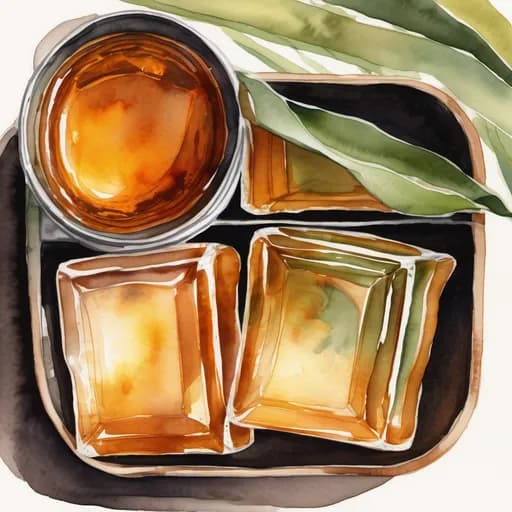
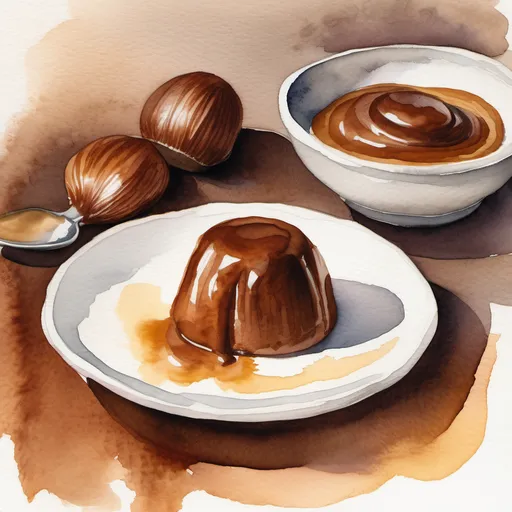
A long-established shop that has continued to make kuri-kinton (chestnut paste) for over 160 years in Nakatsugawa, a post town on the Nakasendo highway. Kawakamiya is a confectionery shop founded in 1864 by the first generation, Shiro Hara. It began when the founder, who trained in Tajimi, established a shop in Nakatsugawa-juku, a famous region for chestnuts. During the Edo period, it is said that travelers were entertained with chestnut dishes and sweets in this area, and that culture continues to this day. The simple production method—kneading steamed chestnuts with only sugar—is the original taste of the birthplace of kuri-kinton. They are committed to the freshness of the chestnuts, processing them immediately the day after harvest. The aroma of chestnut that melts in your mouth is a testament to their long-preserved tradition.
Record it after reading
View all flavors/varieties (24 total)
Shinkido Kuri-kinton
An autumn specialty from Nakatsugawa's Shinkido, made by carefully steaming locally grown chestnuts and squeezing them in tea cloths. It is the flagship product of a confectionery shop that produces a wide range of sweets, from kuri-kinton to roll cakes.
Suya Kuri-kinton
A famous Nakatsugawa shop with over 300 years of history, founded as a vinegar shop during the Genroku era. It is considered one of the two pillars of kuri-kinton alongside Kawakamiya, offering a refined sweetness that preserves the natural flavor of the chestnut.
Kuriyaya Nanyoken Kuri-kinton (Chestnut Mash)
An autumn staple from Kuriyaya Nanyoken, made by hand-straining Nakatsugawa chestnuts and squeezing them through a cloth. Made with only simple ingredients—chestnuts and sugar—allowing you to fully enjoy the natural sweetness of the chestnut itself.
Chicory Village Nakatsugawa Chestnut Kintone
Chestnut kintone finished by Chicory Village using chestnuts from Nakatsugawa. This autumn delicacy shines with the commitment to ingredients unique to Chicory Village, which is also known as a tourist farm.
Matsuba Nakatsugawa Chestnut Kintone
Chestnut kintone carefully steamed and kneaded from locally grown chestnuts by Matsuba, a confectionery shop in Nakatsugawa. A masterpiece of craftsmanship that retains a strong chestnut aroma within a subtle sweetness.
Minoya Nakatsugawa Chestnut Kintone
Chestnut kintone made by Minoya of Nakatsugawa. Using a simple method of steaming and mashing local Ena chestnuts and mixing them with sugar, this sweet preserves the texture of the chestnut grains and a fluffy, rich flavor.
Shichifuku Nakatsugawa Kuri-kinton
Kuri-kinton (chestnut paste) produced by Shichifuku, a confectionery shop in Nakatsugawa. Among the more than 14 chestnut paste shops in Nakatsugawa, it offers a unique level of sweetness, adding to the enjoyment of comparing different varieties.
Shingendo Nakatsugawa Kuri-kinton
Kuri-kinton crafted by Shingendo in Nakatsugawa, with a focus on locally sourced chestnuts. The subtle differences in sweetness and texture between each shop speak to the profound depth of Nakatsugawa's kuri-kinton.
Jintaro Kuri-kinton
Kuri-kinton from Jintaro, a beloved name in the Gero Onsen town. It is highly popular as a souvenir after visiting the hot springs and has become an autumn tradition to enjoy alongside the waters of Gero.
Midoriya Shinise Kuri-kinton
A traditional taste delivered by Midoriya, a long-established shop in Nakatsugawa, using the notation 'Kuri-kin-ton'. Among the various kuri-kinton that differ slightly from shop to shop, this one is characterized by its robust chestnut flavor.
Umeya Kurikinto
Chestnut kintone made by Umeya of Nakatsugawa under the name 'Kurikinto'. The balance of sugar and the fineness of the chestnut puree reflect the shop's unique character, making it a dish that showcases the diversity of Nakatsugawa's chestnut confectionery culture.
Fujinoya Kurikintone
Chestnut kintone crafted by Fujinoya of Nakatsugawa. The meticulous handwork of shaping each piece using the tea cloth squeezing method (chakin-shibori) with local chestnuts is reflected in its simple yet elegant flavor.
Kameki Sohonke Kurikinton
A traditional Nakatsugawa chestnut sweet delivered by Kameki Sohonke under the name 'Kurikinton'. The different spellings used by various shops are also part of what makes the Nakatsugawa chestnut kintone culture interesting.
Shogetsudo Kuribukuro
'Kuribukuro,' where Shogetsudo of Nakatsugawa wraps chestnut kintone in a magnolia leaf. The subtle aroma of the magnolia leaf enhances the flavor of the chestnuts, creating an experience where the autumn of a mountain village unfolds the moment it is opened.
Shogetsudo Kurikinton
A classic chestnut paste (kurikinton) made by Shogetsudo, famous for their chestnut-wrapped sweets. It melts delicately in the mouth, with the natural sweetness and aroma of the chestnuts lingering in the nose—a simple, rustic flavor characteristic of Nakatsugawa.
Kaho Hitotsubatago - Kurikinton
Kurikinton (chestnut paste confection) crafted with local chestnuts by Kaho Hitotsubatago in Ena City. With a simple and pure flavor reminiscent of the hitotsubata flower, it helps spread the chestnut confectionery culture of Ena.
Suya Kurikinton
Produced by the long-established shop 'Suya,' founded during the Genroku era, this kurikinton (chestnut paste) is synonymous with Nakatsugawa Kurikinton. It is so popular that lines form every year on its release date in September. Its simple flavor, cooked using only chestnuts and sugar, has remained unchanged for over 300 years.
Ena Kawakamiya Kurikinton
The flagship product of Ena Kawakamiya. Using ultra-premium chestnuts, it is cooked using a method that maximizes the natural sweetness and aroma of the chestnut. Known as one of the famous kurikinton shops alongside Nakatsugawa's 'Suya,' their directly managed stores around Ena Gorge also offer seasonal autumn sweets.
Ena Seigetsudo Kuri-kinton
Kuri-kinton (chestnut paste) made by Ena Seigetsudo, a Japanese confectionery shop in Ena City. Chestnuts from Ena are carefully steamed, passed through a sieve, and cooked with minimal sugar. Although smaller in scale compared to Kawakamiyahasuya, it is an accomplished shop with a deep-rooted local following.
Kakinoki Chestnut Kintone
Chestnut kintone made by the Nakatsugawa confectionery shop "Kakinoki." In Nakatsugawa, there are over 14 shops that make chestnut kintone, each with slightly different sweetness and texture. Kakinoki's specialty is its simple, rustic flavor, making it a highly skilled shop that should be included in any tasting comparison.
Shinkitodo Kurikinton
Shinkitodo is a long-established shop dating back to the Taisho era in Nakatsugawa, the birthplace of kurikinton (chestnut paste). Their kurikinton, cooked using carefully selected ingredients including chestnuts from their own farm, is highly popular for mail order and in department store food halls. While preserving tradition, they also possess an innovative side, offering Western-style sweets such as Star Rolls.
Ena Kuri Kobo Ryoheido Kurikinton
A representative autumn confection of Ryoheido, simmered using only chestnuts from the foot of Mt. Ena and sugar. Adhering to the traditional method of steaming, straining, and squeezing the chestnuts with a cloth (chakin), this treat is the pride of Ena, relying solely on the natural flavor of the chestnut and its simple sweetness.
Kuriya Nanyo-ken Kuri-kinton
Kuri-kinton (chestnut paste) simmered using only local chestnuts and sugar by Nanyo-ken in Nakatsugawa. Adhering to the traditional method of straining steamed chestnuts and squeezing them with a cloth, this is a representative autumn confection of Nakatsugawa, featuring a concentrated chestnut flavor.