🗾 Japan Delicacy Map

Specialties & Local Products of 滋賀県

滋賀県は県面積の約6分の1を占める日本最大の湖・琵琶湖を中心に、縄文時代から続く淡水魚文化と近江盆地の稲作が食の基盤を築いてきた内陸県です。「ふなずし」は琵琶湖産のニゴロブナを塩漬けにし、ご飯と漬け込んで乳酸発酵させた日本最古の形態を残すなれずしで、滋賀を代表する郷土料理であり特産品です。ビワマスやハス、ホンモロコなど琵琶湖固有の魚介は刺身や佃煮、「ジュンジュン」と呼ばれるすき焼き風の鍋料理として親しまれています。近江牛は約400年の歴史を持つ日本最古のブランド牛のひとつで、味噌漬けにして焼く伝統的な食べ方から、すき焼き・ステーキまで幅広く愛される名物です。近江米は京都の寺院や貴族に古くから重用された良質な米で、豊かな水と肥沃な土壌が育む特産品です。丁字麩を使った「丁字麩の辛子和え」や赤こんにゃくなど、近江ならではのお取り寄せ食材も注目を集め、ふるさと納税では近江牛が人気の返礼品となっています。

Food

📍愛荘町

Specialties from 愛荘町 are also available via furusato nozei

Qinso Yamaimo (Mountain Yam)

Qinso Yamaimo (Mountain Yam)

特産品

When grated and picked up with chopsticks, the viscosity is so great that it lifts in a thick, heavy clump. When made into tororo, an elegant sweetness and smooth texture spread across the palate—this is the Qinso Yamaimo of Aisho Town. It is said that the tradition of Qinso Yamaimo began about 300 years ago, when someone brought back mountain yams from Ise as a souvenir from a pilgrimage to Ise Grand Shrine and began cultivating them in this region. Through cultivation within the soil and climate of Omi, it has been refined into a unique yam with intense stickiness and a fine texture. It is a rare crop, as that same level of viscosity can only be achieved in this limited area. It is used not only for tororo rice but also for isobeage and as an ingredient in Japanese sweets. It is a treasure of Shiga, grown with great care and effort.

Omi Beef from Aisho Town

Omi Beef from Aisho Town

特産品

When lightly cooked in a sukiyaki pot, the marbling melts away, allowing the sweetness of the fat to spread across your palate—this is the Omi beef raised in Aisho Town. Omi beef is one of Japan's three major wagyu brands and is among the oldest brand wagyu in the country. The Koto region is known as one of its primary production areas. Within the peaceful environment of eastern Lake Biwa, Kuroge Wagyu (Japanese Black) are carefully and slowly raised. Its defining characteristics are beautiful, fine marbling and an elegant sweetness in the fat. Whether enjoyed as sukiyaki, shabu-shabu, or steak, its tenderness and melting umami are exceptional. It is a true Shiga delicacy, nurtured in Aisho Town.

📍近江八幡市

Specialties from 近江八幡市 are also available via furusato nozei

Red Konnyaku

Red Konnyaku

特産品

What sits on the plate is a vibrant red konnyaku. It may take you by surprise at first glance, but the flavor is quite simple and rustic. You will enjoy its bouncy texture and the savory umami of the infused dashi. Red Konnyaku is a long-standing specialty of Omihachiman. The red color comes from ferric oxide, an iron-based food additive; it is neither spicy nor sweet. There are various theories as to why it is red—some say it is linked to the flamboyant tastes of Oda Nobunaga, while others suggest it was inspired by the red associated with the 'Sagicho Festival' connected to Nobunaga—but the exact origin remains unknown. Its flavor truly shines when prepared as a simmered dish or dengaku (miso-glazed). It is a delightful Omihachiman delicacy that serves as both a visual treat and a great conversation starter.

Omi Beef (Omihachiman)

Omi Beef (Omihachiman)

特産品

Swirl the melt-in-your-mouth marbled meat through sukiyaki sauce—one bite of this Omihachiman Omi beef will bring a smile to your face. Omi beef is counted as one of Japan's three major wagyu brands, with a history dating back hundreds of years, making it one of the oldest brand wagyu in Japan. Black wagyu cattle are carefully raised amidst the rich waters and nature of Shiga, overlooking Lake Biwa. Its defining characteristics are fine marbling and a tenderness that melts in your mouth. Omihachiman is a city where Omi merchants once thrived. After walking through its historic streets, you will find yourself craving the taste of this premium beef via sukiyaki or shabu-shabu. The true essence of Omi beef lies in its low melting point of fat, which allows it to dissolve the moment it touches your palate. It is the king of delicacies that Shiga is proud to present.

Yaki-mochi of Detchi Yokan

Yaki-mochi of Detchi Yokan

郷土料理

When you take a bite, you experience a chewy elasticity and a subtle aroma of bamboo leaves. It has a gentle flavor with moderate sweetness that is easy to eat. Detchi Yokan is a steamed yokan tradition passed down in Shiga. Because agar was difficult to obtain in Omi, which is far from the sea, it is said to have originated by adding flour to the mixture and steaming it until firm; it is recorded as being commercialized in Omihachiman in the 3rd year of the Bunkyu era (1863). Its hallmark is its light flavor with less sugar and a chewy texture. There are various theories regarding the origin of its name. Some say it was because it was an inexpensive sweet that even apprentices (detchi/servants) with low wages could afford, while others say it was used as a souvenir for employers when apprentices went on leave (yabuiri). In 1998, it was selected as a Shiga Prefecture Food Cultural Property. Simple and somewhat nostalgic, it is a famous confection deeply rooted in the Lake Country.

📍栗東市

Specialties from 栗東市 are also available via furusato nozei

Omi Rice from Ritto

Omi Rice from Ritto

特産品

A soft, sweet steam rises from the freshly cooked rice. With every bite, you experience a chewy texture and a clean sweetness—this is the rice of Shiga, nurtured in Ritto. 'Omi Rice' is grown using the abundant water and fertile soil surrounding Lake Biwa. While Ritto City is famous as the center for horse racing training, it is also a vast rice-producing region with sprawling farmlands. Varieties such as Koshihikari are carefully cultivated within this warm climate. It is the kind of rice that satisfies you even without side dishes. Because it remains delicious even when cold, it is perfect for rice balls and lunch boxes. It is a daily feast provided by the rice fields of Ritto.

Ritto Figs

Ritto Figs

特産品

When gently split open, the juicy pulp bursts with a delightful pop. Featuring a rich, syrupy sweetness followed by a clean aftertaste—these are the figs of Ritto. Figs are an early autumn delicacy grown in Ritto City. They are charming for their melting texture that only comes with full ripeness and their perfectly balanced sweetness. While wonderful enjoyed fresh, their intense sweetness also shines when processed into jams or compotes. Many varieties can be eaten with the skin on; simply cut them in half and enjoy with a spoon. Adding them to yogurt instantly transforms your breakfast into a feast. Paired with prosciutto, they become a sophisticated dish that complements fine drinks. They are the small jewels of Ritto, heralding the beginning of autumn.

📍湖南市

Specialties from 湖南市 are also available via furusato nozei

Imo-tsubushi (Mashed Taro)

Imo-tsubushi (Mashed Taro)

郷土料理

A fragrant, toasted surface coated in a thick, sweet and savory glaze. When you take a bite, the chewy and sticky texture of the mashed taro spreads throughout your mouth—it is a nostalgic snack-meal from Konan. 'Imo-tsubushi' is a local dish passed down in Ishibe-juku (the present-day Konan City), a post town on the Tokaido highway. It originated from the wisdom of an era when rice was precious, by cooking taro together with rice to increase the volume. The mixture is mashed, shaped into a cylindrical form, coated with a sweet and savory glaze similar to mitarashi, and then grilled. In addition to the sweet and savory soy sauce flavor, there is also a slightly bitter miso flavor, which takes on a different character when sprinkled with sansho pepper. It is a simple, warm, and traditional taste.

Omi Rice from Konan City

Omi Rice from Konan City

特産品

Freshly cooked white grains release a fragrant steam that rises softly. With a single bite, you experience a chewy texture and a clean sweetness—this is the Omi rice of Konan City. Konan City is a prime rice-producing area embraced by the abundant nature of the Koka region. Blessed with the warm climate of southern Lake Biwa and pure water, rice is cultivated using the 'Environmentally Friendly Farming Method' that prioritizes ecological care. Cultivation that reduces the use of pesticides and chemical fertilizers also contributes to protecting the soil and water. It is delicious and safe to eat every day. This is the Omi rice grown in the fields of Konan. Because it remains delicious even when cold, it is perfect for lunch boxes and rice balls. It is a true bounty of Shiga that feels like a feast all on its own.

📍甲賀市

Specialties from 甲賀市 are also available via furusato nozei

Asamiya Tea

Asamiya Tea

特産品

When poured into a teacup, a soft, deep aroma rises. With a single sip, a mellow sweetness is followed by a crisp umami that spreads smoothly—this is the dignified taste of Asamiya Tea. Asamiya in Shigaraki is counted as one of Japan's five major famous teas, alongside Uji and Sayama. In this mountainous area at altitudes exceeding 400m, the significant temperature difference between day and night imparts a deep aroma and sweetness to the tea leaves. Its history is ancient; it is said to be one of Japan's oldest tea-producing regions, originating when Saicho planted tea seeds brought from Tang Dynasty China. Over a thousand years of history are dissolved into a single cup of tea. It is a brew you want to savor slowly while enjoying its fragrance.

Koka Tofu

Koka Tofu

特産品

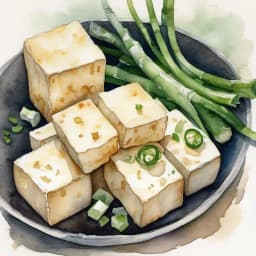
When gently scooped, it wobbles softly before sliding smoothly into your mouth. The natural sweetness of the soybeans and a subtle aroma spread gently across your palate—this is Koka's handmade tofu. The mountainous regions of Koka and Shigaraki, known as the home of the ninja, are blessed with pure water. It is thanks to this high-quality water and locally grown soybeans that the art of tofu making has taken root here. When artisans carefully prepare it using traditional methods, a smooth and flavorful block is created. It is a true delicacy even when eaten plain without any toppings. You can enjoy the sweetness of the soybeans in chilled tofu (hiyayakko), or warm your soul with hot tofu (yudofu). Because of its simple elegance, it is a reliable staple of the Shiga dining table that never grows old.

Kurumi Gobou

Kurumi Gobou

郷土料理

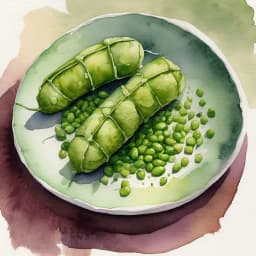
With a single bite, you experience the crisp texture of the burdock. Enveloping it is a smooth green paste—a slightly sweet coating made from carefully crushed edamame. The earthy aroma and gentle sweetness melt together in your mouth. 'Kurumi Gobou' is a traditional ritual food passed down since ancient times in Shigaraki. The name 'kurumi' does not refer to walnuts, but comes from the word 'kurumu,' meaning to wrap, referring to being wrapped in edamame paste. It has been offered during the autumn festival at Sansho Shrine in Kamiasamiya, Shigaraki-cho, and it is said that eating it ensures good health for the year. It is a festival delicacy made with great care and time. Though simple, it is a dish imbued with the heartfelt wishes of the local people.

📍甲良町

Specialties from 甲良町 are also available via furusato nozei

Kora Rice

Kora Rice

特産品

Sweet steam rises gently from the freshly cooked rice. With a single bite, you experience a chewy texture and a clean sweetness—this is Kora Rice, grown in Kora Town. Kora Town is a rice-producing region blessed with pure water from the Suzuka Mountains and fertile soil. The Omi rice nurtured by this water and earth has long been cherished for its excellent balance of stickiness and sweetness. Locally, Japanese-style set meals combining Kora Rice with locally grown vegetables are also popular. It not only enhances the flavor of side dishes but is delicious enough to be enjoyed on its own as a treat. It maintains its quality well even when cooled, making it perfect for rice balls (onigiri). It is a daily staple delivered straight from the rice fields of Kora.

Kora Town Tofu

Kora Town Tofu

特産品

When gently scooped, it wobbles softly and melts smoothly in your mouth. The natural sweetness of the soybeans spreads gently—this is handmade tofu from Kora Town. Kora Town is a land blessed with subsoil water from the Suzuka Mountains. It is only through this pure water and Shiga-grown soybeans that such smooth and flavorful tofu can be born. Each freshly prepared block, carefully made using traditional methods, boasts a rich soybean aroma as its hallmark. It is a delicacy even when eaten plain without any toppings. You can enjoy the sweetness of the soybeans in chilled tofu (hiyayakko) or warm up with hot tofu (yudofu). When added to hot pots or miso soup, the gentle soybean flavor dissolves into the broth. Because it is so simple, you will never tire of it. It is a reliable star of the dining table, nurtured by the waters of Kora.

📍高島市

Specialties from 高島市 are also available via furusato nozei

Tonchan

Tonchan

ご当地グルメ

When placed on an iron griddle, it makes a sizzling, fragrant sound as steam from the sweet and savory miso rises. One bite reveals crunchy chicken coated in a rich, sweet and salty sauce—a deliciousness that makes you want to eat bowl after bowl of rice. While the name 'Tonchan' might make you think of pork, in Takashima City, it refers to seasoned chicken. This seasoned kashiwa coated in miso sauce was created as a way to enjoy chickens that had finished laying eggs. It is said that it received this name because its flavor is similar to beef hormone 'tonchan' in areas with large Korean populations. As Takashima's soul food, it is extremely popular both in homes and at barbecues.

Sweetfish from Adogawa

Sweetfish from Adogawa

特産品

When grilled to perfection over charcoal, the skin becomes crispy while the flesh remains plump. With a single bite, a pure aroma—unbelievable for a river fish—wafts through your senses; this is the refreshing taste of Adogawa sweetfish. As they swim upstream from Lake Biwa into the Adogawa River, these sweetfish are summer delicacies raised by pristine waters. The river is also known as a destination that anglers from all over the country long to visit. The clean umami of the flesh combined with the pleasant bitterness of the innards makes this a true specialty of the sweetfish. As expected, the classic preparation is salt-grilling. Skewered and slowly grilled over charcoal, both the aroma and flavor are exceptional. By biting from the head, you can enjoy every bit, including the bitter richness of the entrails. As a seasonal symbol of summer, it graces the dining tables of Shiga. It is a fish that allows you to savor the full bounty of the clear stream.

Adberry

Adberry

特産品

When you take a bite, the tiny grains burst in your mouth, releasing a refreshing sweetness and a sharp acidity all at once. The vibrant reddish-purple juice melts on your tongue—an early summer berry that brightens your mood with just a single grain. Adberry is the nickname for the boysenberries grown in Adogawa, Takashima City. It was named out of a desire to preserve the name of Adogawa. Because the harvest period is limited to a short window from mid-June to early July and the fresh fruit has a very short shelf life, it is often referred to as a 'phantom fruit.' For this reason, it is widely enjoyed processed into jams, soft serve ice cream, and various sweets. It is a vibrant, reddish-purple jewel that heralds the beginning of summer in Takashima.

Fermented Foods of Takashima

Fermented Foods of Takashima

特産品

As you take a bite, a mellow acidity and deep umami slowly spread across your palate. The richness intensifies with every chew, pairing perfectly with both alcohol and rice—this is the taste of Takashima's fermentation, nurtured by time. With the pure waters born from the mountains of Hira and a high-humidity climate, Takashima has long been known as an ideal land for brewing. Soy sauce and miso, carefully prepared in cedar barrels and aged for more than two years, achieve a depth of flavor that cannot be replicated by machines. Brewing in wooden barrels is now rare even across the entire country. These fermented foods, produced without sparing time or effort, are culinary treasures that Shiga's Takashima region takes great pride in. They will bring a profound richness to your everyday cooking.

📍守山市

Specialties from 守山市 are also available via furusato nozei

Moriyama Melon

Moriyama Melon

特産品

When you slice into it, the juice flows out profusely. As you take a bite, a rich sweetness and juiciness spread from the melting flesh—a true early summer delicacy that Moriyama, Shiga, is proud of. Moriyama Melon is a brand melon carefully cultivated in greenhouses within Moriyama City. Boasting high sugar content and beautiful netting, it has long been beloved as a gift item. It is one of the city's representative specialties, with each fruit being meticulously nurtured by hand. The moments spent waiting for the perfect ripeness while chilling it in the refrigerator are part of the experience. As you bring a piece to your mouth, enveloped in the aroma of full ripeness, a luxurious flavor spreads that makes the hot season even more delicious.

Rice from the Village of Fireflies

Rice from the Village of Fireflies

特産品

When you open the lid after cooking, the white grains glisten with a glossy sheen, and sweet steam rises—this is Omi rice, grown in the village of fireflies in Moriyama. Moriyama City is known as a place where Genji fireflies, which prefer pure watersides, dance. It is only through clean water and abundant nature that both fireflies and rice can thrive. Blessed with the water and soil of Shiga surrounding Lake Biwa, Omi rice has long been loved for its excellent balance of stickiness and sweetness. With a single bite, you experience a chewy texture and a clean sweetness. It is a feast all on its own, even without side dishes. Since the flavor remains excellent even when cold, it is perfect for rice balls and lunch boxes. This is a gentle meal nurtured by the village of fireflies.

📍草津市

Specialties from 草津市 are also available via furusato nozei

Kusatsu Melon

Kusatsu Melon

特産品

When you slice into it, succulent juice overflows. With just one bite, a melt-in-your-mouth sweetness spreads throughout your mouth. Kusatsu Melon is a summer specialty nurtured in Kusatsu City, on the shores of Lake Biwa. Cultivation began in 1982, and JA Lake Shiga manages everything from cultivation to inspection and shipping. Through over 40 years of accumulated expertise, it has achieved one of the highest sugar contents in the country. The peak season is from early to mid-July. It is popular as an Ochuugen (mid-year gift) or for various presents, often causing long lines at direct sales offices. In 2016, it was officially registered as a regional brand trademark. It is the pride of Kusatsu, with many people eagerly awaiting its arrival each summer.

Aobana (Kusatsu)

Aobana (Kusatsu)

特産品

On summer mornings, blue flowers burst into bloom—this is the Aobana, passed down since ancient times in Kusatsu. Aobana is a type of dayflower, scientifically known as Commelina communis. Kusatsu is the only place in Japan where its cultivation has continued since the Edo period. 'Aobana-gami' (blue flower paper), made by soaking Japanese paper in the blue juice squeezed from the flowers, has been used as a pigment for drawing underdrawings for Yuzen and tie-dyeing, taking advantage of its water-soluble nature. In recent years, attention has focused on the beauty of its color and its components, making it popular as Aobana tea and as a health food. It is the blue of Kusatsu's summer, which has quietly supported Japan's traditional crafts. It is a local specialty that brings joy whether you are looking at it or tasting it.

📍多賀町

Specialties from 多賀町 are also available via furusato nozei

Taga Soba

Taga Soba

郷土料理

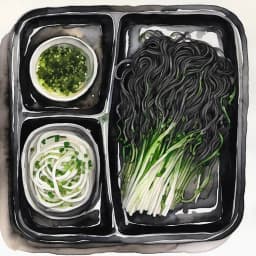
As you slurp freshly made soba, a fragrant aroma gently drifts through your nose, followed by a pleasant, clean texture—this is Taga Soba, enjoyed right in front of the Taga Grand Shrine. In Taga Town, the top-tier 'Hitachi Aki Soba' variety is cultivated without the use of synthetic chemical pesticides. The buckwheat flour, which stands out for its sweetness and rich aroma, is best enjoyed immediately after being milled and boiled. It has long been a favorite among pilgrims visiting Taga Grand Shrine, a site famously associated with the saying, 'If you go to Ise, you must also visit Taga.' Sipping a highly aromatic bowl amidst the atmosphere of the shrine town—whether it is warm kake-soba or chilled zaru-soba, the flavor of the buckwheat shines through in each. It is a luxurious soba experience enjoyed at the foot of this historic shrine.

Jumyo Soba (Longevity Soba)

Jumyo Soba (Longevity Soba)

郷土料理

As you slurp the noodles, a fragrant aroma wafts through your nose, followed by a clean, smooth sensation in the throat—this is the Jumyo Soba, a tradition passed down at the gates of Taga Taisha. Taga Taisha has long been revered as a shrine for the deity of longevity. Affectionately known as 'O-Taga-san,' it attracts worshippers from all over the country praying for long lives. The 'Jumyo Soba' is an auspicious dish served at its gates; legend says that eating it extends one's lifespan, and it has been cherished as a post-shrine visit treat. Savoring this aromatic soba while wishing for healthy days, its good fortune—linked to the blessings of longevity—makes it a bowl you'll want to share with your whole family. It is a truly blessed dish, perfect for concluding your pilgrimage.

📍大津市

Specialties from 大津市 are also available via furusato nozei

Seta Shijimi (Seta Clams)

Seta Shijimi (Seta Clams)

特産品

When you take a bite, the juicy flesh releases a gentle burst of savory broth. Though small in size, they are a concentrated blessing from Lake Biwa. Seta Shijimi is an endemic species known as 'Setashijimi,' found only in Lake Biwa. The name is said to derive from the abundance of clams caught around the Seta River, the sole outlet for Lake Biwa's waters. Shell fragments have even been discovered in shell middens from the Jomon period, proving they have supported human diets since ancient times. In the 1950s and 60s, annual catches exceeded 5,000 tons, but due to environmental changes in the fishing grounds, production has now decreased to around 50 tons. Because of this rarity, every bowl carefully nurtured by local fishermen is truly exceptional. When used in miso soup, they provide a nutritious and soul-warming taste of the lakeside region. It is a bowl worth savoring slowly.

Otsu Eel

Otsu Eel

ご当地グルメ

Fluffy grilled meat paired with a fragrant sauce. One bite allows the melt-in-your-mouth sweetness of the fat to spread throughout your mouth. Otsu is a 'town of eel' known to those in the know. Its annual consumption of kabayaki (grilled eel) is among the highest in the country, even ranking first in Japan in 2019 and 2020. It is said that shops trading in eel have existed along the Tokaido highway since the Edo period, providing energy to the travelers passing through. While it is now rare to catch eel in Lake Biwa or the Seta River, the food culture has been passed down continuously. In 2023, the 'Food Culture of Otsu Eel' was officially recognized as one of the Agency for Cultural Affairs' '100 Years Food.' If you come to Shiga, this is a nutritious dish you must try.

Hiyoshi Soba

Hiyoshi Soba

郷土料理

As you slurp the smooth noodles, the fragrant dashi aroma wafts through your nose. This is a bowl enjoyed in Sakamoto, the temple town at the foot of Mount Hiei. Hiyoshi Soba is a soba shop located in front of the torii gate of Hiyoshi Taisha, with its name said to be derived from the shrine itself. It was founded in 1927 (Showa 2). Sakamoto has long been known as a hub for soba; it is said that the first soba shop was started in 1716 by a monk who prepared food at Enryaku-ji. It is also said that monks, after completing rigorous training on Mount Hiei, first turned to easily digestible soba to soothe their weakened stomachs. Soba from Sakamoto has warmly welcomed those visiting for worship and pilgrimage. It is a bowl you want to savor slowly in this historic temple town.

📍長浜市

Specialties from 長浜市 are also available via furusato nozei

Grilled Mackerel Somen

Grilled Mackerel Somen

郷土料理

The grilled mackerel is flaked apart and enjoyed by slurping it along with the somen noodles coated in the flavorful simmering liquid. The rich umami and the smooth texture of the somen are irresistible. Grilled Mackerel Somen is a local dish from the Kohoku region, centered around Nagahama. It is said to have roots in the tradition of 'Satsuki-mimai,' where families would send grilled mackerel to daughters who had married into farming families as a gesture of care during the busy rice-planting month of May. In the landlocked Kohoku region, mackerel transported across the Saba Kaido (Mackerel Highway) from Wakasa was a precious delicacy. The practice of combining grilled mackerel with somen is believed to have emerged around the 1960s and became a featured specialty in restaurants around 1990. Bold yet somehow gentle, this is a dish born from the lifestyle of Kohoku.

Noppei Udon

Noppei Udon

郷土料理

The thick, velvety sauce clings perfectly to the noodles. As you slurp it hot, the aroma of ginger warms you to your very core. Noppei Udon is a specialty passed down in Nagahama. It is said that during the Meiji era, the first owner of a Nagahama udon shop devised this dish by drawing inspiration from local 'noppei-jiru' soup and Kyoto's 'shippoku udon.' The dish features ingredients like shiitake mushrooms, yuba (tofu skin), and wheat gluten simmered together, thickened with kudzu or potato starch, and seasoned with ginger. The thick sauce helps retain heat, keeping the noodles piping hot until the very last bite. It is also said that the name comes from its 'noppei' (smooth/flat) appearance. On cold days or when you are feeling a bit under the weather, this is a truly comforting bowl of udon that gently warms the body.

Salad Pan

Salad Pan

ご当地グルメ

When you bite into the koppe-pan, you experience a crunchy texture. It is packed tightly with chopped takuan mixed with mayonnaise. This unexpected combination is truly addictive. Salad Pan is a specialty made by "Tsuruya Pan" in Kinomoto-cho, Nagahama City. At this shop, founded in 1951, they originally sandwiched cabbage mixed with mayonnaise, but due to its short shelf life, the filling was revised, and it is said that the takuan version emerged in 1962. The name "Salad" is believed to come from the mayonnaise, which was derived from salad oil—a rare ingredient at the time. While it was a local food in Shiga for a long time, it gained nationwide popularity during a boom in the 2000s. It is a nostalgic soul food of Shiga.

Duck Hot Pot (Kohoku)

Duck Hot Pot (Kohoku)

郷土料理

In the cold season, gathering around a pot simmering with gentle steam warms you to your very core—this is the traditional winter duck hot pot passed down in Kohoku. As winter approaches, mallard ducks migrate to Lake Biwa from Siberia. Having tightened their bodies through a long journey and stored up plenty of fat to prepare for the cold, these ducks offer an exceptional firm texture and a sweet richness to their fat. In Kohoku, the ducks of Lake Biwa have been highly prized since ancient times, and it is said that shops serving duck dishes even existed during the Edo period. When simmered with tofu, green onions, and seasonal vegetables, the rich duck broth permeates everything. Even the vegetables, having absorbed the savory umami of the meat, become a complete delicacy. Finishing the meal with rice porridge (zosui) or udon allows you to savor every last drop of the broth. It is a quintessential flavor representing winter in the cold lakeside region.

📍東近江市

Specialties from 東近江市 are also available via furusato nozei

Masodoro Tea

Masodoro Tea

特産品

When poured into a teacup, a rounded, sweet aroma gently rises. With a single sip, a mellow richness is followed by a clean aftertaste—this is Masodoro Tea, nurtured in the mountains of Higashiomi. Masodoro Tea is a traditional variety that has been passed down through generations in the Masodoro district of Okunogenguji. It has been celebrated in tea-picking songs with the lyrics 'Uji is for tea, but the true tea is Masodoro,' and has been presented to the Shogunate and the Imperial Court since the Muromachi period. In small tea gardens nestled in the Suzuka mountains, tea leaves are carefully hand-picked from heirloom tea trees grown from seeds without relying on chemical fertilizers. Today, it is a rare tea preserved by only a limited number of farmers. Every sip contains centuries of history. It is a precious treasure of Shiga, meant to be savored slowly.

Omi Beef of Higashiomi

Omi Beef of Higashiomi

特産品

When lightly cooked in a sukiyaki pot, the marbling melts away, allowing the sweetness of the fat to spread throughout your mouth—this is the Omi beef raised in Higashiomi. Omi beef is one of Japan's three major wagyu brands and is among the oldest brand wagyu in Japan. Black wagyu cattle are carefully fattened amidst the rich nature of Gamono, which spreads at the foot of the Suzuka Mountains. Its defining characteristics are its fine marbling and elegant sweetness of fat. With many ranches and butcher shops located within Higashiomi City, high-quality beef is readily available locally. Whether enjoyed as sukiyaki, shabu-shabu, or steak, the umami is exceptional. It is a true luxury to savor this pride of Shiga in its place of origin.

Higashiomi Pears

Higashiomi Pears

特産品

When you take a bite, juicy nectar overflows along with a crisp, crunchy sensation. A clean sweetness spreads through your mouth—this is the Higashiomi pear. Pears are a seasonal taste of autumn grown in Higashiomi City. The warm climate on the eastern shore of Lake Biwa and the fertile soil produce pears bursting with juice. When eaten chilled, their crunchy texture and sweetness are further enhanced. They are wonderful to eat as they are, but also great added to salads or made into compote. Slicing them after chilling thoroughly in the refrigerator makes the sweetness and juiciness even more prominent. It is a delicious treat that moistens the throat during the lingering heat of early autumn. This is the taste of autumn's beginning, delivered by the bounties of Higashiomi.

📍日野町

Specialties from 日野町 are also available via furusato nozei

Hino Yasai Tsukemono (Hino Vegetable Pickles)

Hino Yasai Tsukemono (Hino Vegetable Pickles)

特産品

When preserved in salt, the root turns a cherry-blossom pink while the leaves turn green. With a bite, you experience a perfect balance of mild spiciness, a subtle bitterness, and a refreshing acidity—the Hino Yasai Tsukemono embodies both beauty and flavor. Hino Yasai is a traditional long, slender variety of turnip passed down in Hino Town. Legend has it that about 500 years ago, a samurai associated with the Gamo clan discovered them in this region; when he prepared them as pickles and presented them to the court nobles in Kyoto, their elegant color and taste were celebrated in waka poetry. Since then, they have been affectionately known as 'Sakura-zuke'. In addition to 'Sakura-zuke', where thinly sliced roots are pickled along with the leaves, there are various other styles such as sweet vinegar pickles and rice bran (nuka) pickles. This is a representative pickle of Shiga Prefecture, where every part of the plant—both leaf and root—is enjoyed without waste. It is a perfect accompaniment to rice, carrying the scent of history.

Tai Somen (Sea Bream Somen Noodles)

Tai Somen (Sea Bream Somen Noodles)

郷土料理

In Shiga, a prefecture without a coastline, there is a feast that uses an entire sea bream. This is 'Tai Somen,' passed down in the town of Hino, a hub for Omi merchants. It is said to have originated when merchants returning from their travels during the annual Hino Festival served precious sea bream to their guests, spreading widely since the mid-Edo period. An entire sea bream is simmered in a sweet and savory sauce, and the somen noodles are cooked using the flavorful liquid from this simmering process. To finish, the noodles are arranged on a large platter to resemble the waves of the vast ocean, with the whole simmered sea bream placed grandly on top. It is a visually stunning dish perfectly suited for celebrations. The somen, having absorbed the essence of the sea bream broth, glides smoothly down the throat, leaving a pleasant sweet and savory aftertaste. Certified as one of the Agency for Cultural Affairs' '100 Year Foods,' it is a taste of warm hospitality from a landlocked prefecture.

Buri-nuta

Buri-nuta

郷土料理

Take a bite of yellowtail coated in vinegared miso. The richness of the fatty yellowtail and the tangy miso melt together smoothly in your mouth—this is Buri-nuta, a tradition of Hino Town. 'Nuta' is a local dish made by mixing fish or vegetables with vinegared miso. In Hino Town, it has been prepared for festivals and ceremonies using yellowtail that have accumulated fat during the winter. The heavy richness of the yellowtail pairs perfectly with the refreshing vinegared miso, making it a beloved celebratory dish. In this land far from the sea, yellowtail is a special fish reserved for auspicious occasions. Buri-nuta, enjoyed with vinegared miso, embodies the lifestyle and celebratory spirit of the local people. It is a taste of Shiga that brightens the winter dining table.

📍彦根市

Specialties from 彦根市 are also available via furusato nozei

Omi Champon

Omi Champon

ご当地グルメ

When you scoop it up with a spoon, you see a clear, golden soup. One sip reveals a gentle Japanese dashi made from kelp and bonito, which has soaked into the abundant vegetables. Omi Champon was born at a small eatery in Hikone called 'Menrui wo Kabe.' It is said to have started as an item created alongside Kyoto-style udon at this shop, which was founded in 1963. The light Japanese-style soup and mountain of vegetables gained popularity, eventually becoming widely known as 'Hikone Champon.' From there, it spread throughout Shiga Prefecture and is now loved as the prefecture's representative local gourmet dish, 'Omi Champon.' A local way to change the flavor is to drizzle a little vinegar over it. It makes you want to drink every last drop.

Omi Beef (Hikone)

Omi Beef (Hikone)

特産品

The moment it touches your mouth, the melting marbled fat dissolves and spreads across your palate. With its fine texture and elegant sweetness, Omi Beef is a brand Wagyu that Japan takes great pride in. Its roots are ancient, dating back to the Hikone Domain. During the Edo period, when meat consumption was generally avoided, beef miso-pickled in Hikone was produced as a medicinal tonic known as 'Hen-hongan' and was reportedly presented by the Ii family to the Shogunate. With a history longer than both Kobe beef and Matsusaka beef, it is considered one of Japan's oldest brand Wagyu. Following the establishment of the Omi Beef Association in 1951 after the war, the brand was formalized, and it was officially trademarked in 2007. Whether enjoyed as sukiyaki or steak, it is an exquisite delicacy nurtured by Shiga Prefecture.

Kamosuki

Kamosuki

郷土料理

Thinly sliced duck meat is briefly dipped into piping hot dashi. When you take a bite just as it has lightly cooked, the springy texture and the sweetness of the fat burst across your palate. Kamosuki is a winter feast passed down in the Kohoku region, north of Lake Biance. The mallard ducks, which become firmer and fattier as the cold intensifies, are enjoyed in a clear dashi made from bonito and kelp. A unique feature is the addition of 'tataki' (softened bones and cartilage), which releases a deep, rich umami. Legend has it that Toyotomi Hideyoshi was once fond of duck hot pot. Since Lake Biwa became a closed fishing zone in 1971, the tradition has been preserved by using mallards sourced from various regions. Selected as one of the '100 Local Dishes of Japan' by the Ministry of Agriculture, Forestry and Fisheries, it is the pride of Kohoku's winter.

Omi Beef Shigureni

Omi Beef Shigureni

特産品

Placing the glossy, sweet and savory meat atop freshly cooked rice—that alone makes it impossible to stop eating. This is Omi Beef Shigureni. Omi beef is one of Japan's oldest brand wagyu, known since the Edo period when it was miso-marinated as a medicinal remedy called 'Henpongan' in the Hikone Domain. In the Meiji era, it spread to Yokohama and Tokyo alongside the popularity of gyunabe (beef hot pot). Shigureni is made by slowly simmering high-quality cuts, such as the leg meat, with soy sauce, sugar, and ginger. With the savory umami of tender meat and the sharp aroma of ginger, it pairs perfectly not only with rice but also as an accompaniment to alcohol or in chazuke (tea over rice). It is a dish that allows you to easily take home a taste of Shiga's gourmet delicacies.

📍米原市

Specialties from 米原市 are also available via furusato nozei

Ibuki Soba

Ibuki Soba

郷土料理

At the foot of Mount Ibuki, there exists a native variety of soba that has been passed down since the Heian period. The cool climate, the temperature difference between day and night, and the terrain protected by the mountains have prevented crossbreeding, preserving its original flavor to this day. The grains of Ibuki Soba are small, measuring less than 4.5 mm in diameter. Because of this, they contain a higher proportion of bran, giving both the ground flour and the noodles a pale greenish tint. This bran is the source of its aroma. Once prepared, the soba releases a strong, authentic fragrance derived from the husk, and the sweetness of the buckwheat spreads with every chew. Registered as a Geographical Indication (GI) in 2019, this is a bowl of noodles with a certified pedigree. When lifting the noodles from the zaru (strainer), you will first be surprised by the fresh, green aroma that hits your nose. It is a legendary soba that Shiga is proud of, nurtured by the sacred waters and clear air of Mount Ibuki.

Ibuki Daikon

Ibuki Daikon

特産品

When grated, it delivers a sharp pungency that pierces through the nose—this is the Ibuki Daikon passed down at the foot of Mount Ibuki. Ibuki Daikon is a traditional heirloom vegetable that has been cultivated since ancient times at the base of Mt. Ibuki in Maibara City. It is characterized by a strong spiciness said to be twice that of ordinary radishes, and is locally referred to as 'Kekkkarashi Dakon.' The roots are thick and short, growing slowly amidst the temperature fluctuations between day and night, which creates a fine texture and a sharp, peppery heat. Its pungency has been renowned as a condiment for soba noodles since the Edo period. When grated and served with soba or hot pots, it significantly enhances and tightens the flavor. Because it has low moisture content, it becomes sweet without falling apart even when simmered, making it a highly reliable type of radish.

Ibuki Milk

Ibuki Milk

特産品

With a single sip, a smooth texture is followed by the gentle spread of natural milk sweetness—this is Ibuki Milk, from the foothills of Mt. Ibuki. Ibuki Milk is produced at the base of Mount Ibuki, known as a treasure trove of medicinal herbs. The raw milk is harvested from cows raised in clear air and rich nature, finished without any adjustments to its composition. It is a simple yet flavorful milk that honors traditional production methods. Locally, it has been used in school lunches and enjoyed since childhood. Processed products like yogurt, ice cream, and gelato are also popular, and at the roadside station, you can enjoy the flavor of freshly squeezed milk exactly as it is. You can taste the full bounty of Ibuki's nature.

Maibara Red Turnip

Maibara Red Turnip

特産品

A single slice of the finished pickle boasts an eye-catching, brilliant red color. When you bite into it, a subtle sweetness spreads along with a crisp texture—this is the Maibara Red Turnip. Red turnips are a traditional vegetable that farmers in Maibara City have protected through seed saving. Both the flesh and the stem are red, growing in the cold climate at the foot of Mount Ibuki. When pickled, they take on a beautiful color and have been cherished as a preserved food for the winter months. Pickled in sweet vinegar, they can be enjoyed like a salad; pickled in salt, they serve as a perfect accompaniment to rice. Their vibrant colors brighten any dining table. Adding them to New Year's celebrations or Osechi cuisine adds a touch of elegance to festive meals. It is a taste of Shiga's winter, nurtured by life in a cold region.

📍豊郷町

Specialties from 豊郷町 are also available via furusato nozei

Omi Beef of Toyosato

Omi Beef of Toyosato

特産品

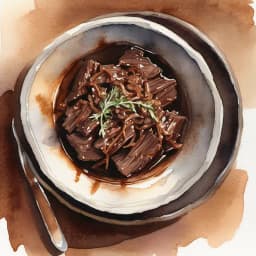
Slow-cooked beef tendon becomes incredibly tender and melts in your mouth, releasing an explosion of umami with every bite—this is Omi beef raised in Toyosato, a land deeply connected to the Omi merchants. Omi beef is one of Japan's three major wagyu brands and is among the oldest brand wagyu in the country. In Toyosato, the birthplace of the Omi merchants known for their 'Sampo-yoshi' (three-way satisfaction) spirit, premium Omi beef is carefully raised. While it is a luxury to enjoy via sukiyaki or steak, processed products like beef tendon curry are also popular. When used in dishes that are simmered with care, the deep umami of the Omi beef is further enhanced. It is a delightful item that makes for a great souvenir and can be enjoyed easily. This is a Shiga delicacy nurtured in a town steeped in history.

Toyosato Local Vegetables

Toyosato Local Vegetables

特産品

Vegetables freshly pulled from the soil are glossy and firm; when you bite into them, a juicy sweetness spreads—these are the local vegetables of Toyosato Town. Toyosato is an agricultural town with vast fertile soil blessed by Lake Biwa. Seasonal vegetables, carefully grown by local farmers, are displayed at the direct sales office every season. Their charm lies in the fresh sweetness and juiciness that can only be experienced when they are freshly harvested. Vegetables harvested on the same day are packed with both freshness and nutrients. Whether in salads, simmered dishes, or stir-fries, the inherent deliciousness of the ingredients shines through. Simply seasoning them with salt or miso allows the natural sweetness of the vegetables to come forward. It is a bounty from the fields of Toyosato, bringing the flavors of the season to your dining table.

📍野洲市

Specialties from 野洲市 are also available via furusato nozei

Yasu Tade-men (Tade Noodle)

Yasu Tade-men (Tade Noodle)

特産品

When slurped, the smooth noodles glide effortlessly down your throat. The chilled dipping sauce clings perfectly to the noodles, making it a refreshing meal even in the heat—this is Yasu Tade-men. 'Tade' refers to the plant that grows along the banks of the Yasu River, famously known from the Japanese proverb 'Tade kuu mushi mo suki suki' (Everyone has their own tastes). It is an ingredient that has been beloved in Yasu since ancient times. The Tade-men features a slightly greenish hue, created by kneading tade powder and local rice flour into wheat. This specialty has been nurtured over generations by the hands of local women. With a firm texture, the flavor blossoms with every bite. It is a unique dish of the region, made with a commitment to domestic ingredients. A delightful taste of Yasu, Shiga, perfect for summer.

Omi Rice from Yasu

Omi Rice from Yasu

特産品

Once cooked, each grain glistens with a beautiful sheen and releases a sweet aroma. With just one bite, a chewy, sticky texture spreads across your palate—this is Omi rice grown in Yasu. Yasu City is a renowned rice-producing region, characterized by fertile plains created by the Yasu River as it flows into Lake Biwa. Amidst abundant water and a warm climate, various varieties such as Koshihikari and Kinuhikari are carefully cultivated. With a perfect balance of stickiness and sweetness, this rice not only complements side dishes but is delicious enough to be the star of the meal itself. Since the flavor remains excellent even when cooled, it is also ideal for rice balls (onigiri) and lunch boxes. While wonderful freshly cooked, its exceptional taste truly stands out even in onigiri. It is a daily staple delivered straight from the rice fields of Yasu.

📍竜王町

Specialties from 竜王町 are also available via furusato nozei

Ryuo Omi Rice

Ryuo Omi Rice

特産品

Once cooked, each grain shines with a glossy luster and emits a sweet aroma. With a single bite, you experience a chewy, sticky texture—this is the Omi rice grown in Ryuo. Ryuo Town is a prime rice-producing region blessed with abundant water sources and fertile soil. Various varieties, including Koshihikari, Kinuhikari, and the Shiga-born 'Aki-no-Uta,' are carefully cultivated here. Ryuo is also known as a production area for Omi Beef, making it a quintessential Shiga agricultural village where you can enjoy both premium rice and beef. With a well-balanced blend of stickiness and sweetness, it not only enhances side dishes but is a delicacy all on its own. It remains delicious even when cold, making it perfect for lunch boxes. This is the daily bounty delivered by the lands of Ryuo.

Ryuo Dragon King Fruit

Ryuo Dragon King Fruit

特産品

When you bite into freshly picked fruit, the natural sweetness spreads through your mouth along with juicy nectar—this is the fruit of Ryuo. Ryuo Town is an agricultural town where you can enjoy fruit picking. Various seasonal fruits such as pears, grapes, and strawberries are cultivated, making the tourist farms a lively destination. Jams and sweets that make use of this abundant harvest are also popular local souvenirs. There is the joy of obtaining seasonal fruits at roadside stations and more. While enjoying them as they are is wonderful, we also recommend savoring their sweetness through processed goods. If you pick them with your own hands at a farm and take a bite, the deliciousness is even more special. A feast from Ryuo's fields that changes its expression with every season.

📍Others

Funazushi

Funazushi

郷土料理

Long before 'sushi' as we know it today appeared on Japanese dining tables, this flavor has been passed down through generations. Funazushi is a type of narezushi, created by slowly lactic-acid fermenting Nigoro-buna, an endemic species of Lake Biwa, with salt and cooked rice. The process uses Nigoro-buna carrying eggs. After being salted, the fish is layered with rice in wooden barrels and left to ferment quietly for several months, typically until around the New Year. The long passage of time produces a mellow acidity and an umami that spreads through the mouth with every bite. The thinly sliced flesh melts moistly on the tongue, while pieces containing eggs are rich and dense. The unique aroma gains even more depth as the fermentation matures. It can be enjoyed as a single slice on its own, paired with white rice or chazuke (rice with tea), or served as an accompaniment to warmed sake. Rooted in the Shiga region since the Nara and Heian periods, it is considered the origin of fermented foods. Within a single slice, over a thousand years of history is contained.

Biwako Hatchin (The Eight Delicacies of Lake Biwa)

Biwako Hatchin (The Eight Delicacies of Lake Biwa)

特産品

Enjoy the small fish of the lake in bites of tsukudani (simmered in soy sauce), tempura, or sashimi. A delicate umami, almost unbelievable for freshwater fish, spreads throughout your mouth—this is Biwako Hatchin. Biwako Hatchin refers to a group of eight species of Lake Biwa fish: Biwa trout, Nigoro-buna, Honmoroko, Isaza, Koayu, Sujiebi, Hasu, and Gori. They were selected in 2013 based on a popularity poll of Lake Biwa fish dishes. Many of these are endemic species found only in Lake Biwa and have supported the local food culture since ancient times. Funazushi, simmered sweet ayu (small sweetfish), and Biwa trout sashimi—all are delicacies that can only be tasted in Lake Biwa. These eight flavors allow you to experience the full richness of the culinary heritage of the lakeside prefecture, Shiga.

Small Sweetfish (Ayu) Tempura

Small Sweetfish (Ayu) Tempura

特産品

This is a seasonal summer delicacy that colors Lake Biwa during the rainy season. Sweetfish that spend their entire lives in Lake Biwa only grow to about ten centimeters even when fully mature. Because they grow by eating plankton, their bitterness is mild, and their scales are fine, with both skin and bones being soft enough to enjoy the whole fish. When prepared as tempura, their charm is further enhanced. From within the light, crispy batter, you experience plump flesh and a subtle bitterness from the innards. A delicate sweetness and an aroma reminiscent of clear streams gently rise from the dish. A simple pinch of salt on freshly fried tempura is a sufficient feast in itself. Sweetfish simmered in sweet and savory sansho (Japanese pepper) or prepared as tsukudani are also flavors of lake fish that have been loved in Shiga since ancient times. Seasonal from May through the height of summer, small sweetfish are a dish that feels like bringing the entire season to your palate. Please enjoy while hot.

Biwa Masu (Biwa Salmon)

Biwa Masu (Biwa Salmon)

特産品

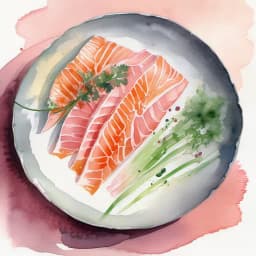
This salmonid is like a jewel of the lake, found only in Lake Biwa. Growing up to sixty centimeters in length, Biwa Masu feed on small sweetfish (ayu) within the lake, developing a rich coating of high-quality fat throughout its body. First, we recommend tasting it as sashimi. The vibrant salmon-pink flesh is so fatty that it is often compared favorably to fatty tuna (toro), melting effortlessly in your mouth. When salt-grilled, the skin becomes fragrant and crispy, while the plump flesh flakes away beautifully. Another must-try is "Amenoio Gohan." This is a local specialty where Biwa Masu—which swim upstream on autumn rains to spawn—is cooked together with rice. The blessings of the lake permeate every single grain of rice, creating an aroma that stimulates the appetite from the moment the steam rises. Selected as a Shiga Food Cultural Asset, this is a true delicacy unique to the lakeside region. It is the undisputed star of Lake Biwa, an experience you can only find here.

Omi Rice

Omi Rice

特産品

The freshly cooked grains glisten with a beautiful luster, releasing sweet-scented steam. With a single bite, you experience a chewy texture and a clean, delicate sweetness—this is the Omi rice that Shiga is proud of. Omi rice is a general term for rice produced in Shiga Prefecture, grown using the waters of Lake Biwa and fertile soil. It includes various varieties such as Koshihikari, Kinuhikari, and the Shiga-native 'Mizukagami.' A key feature is the focus on environmentally conscious farming, which reduces the use of pesticides and chemical fertilizers to protect the waters of Lake Biwa. Not only does it perfectly complement side dishes, but its deliciousness makes it a treat all on its own. Every bowl, grown with care for the soil and water, embodies the spirit of Shiga's life and nature.

Honmoroko

Honmoroko

特産品

Among the Moroko fish caught in Lake Biwa, Honmoroko is renowned as the most delicious and premium variety. Highly prized even in traditional fine-dining restaurants (ryotei), this small fish—measuring about ten centimeters—boasts an undeniable flavor. Its peak season is winter, when it becomes so rich with fat that the dripping oil can even catch fire when grilled. The top recommendation is, without a doubt, salt-grilling (Suyaki). Slow-grilled over charcoal, it finishes with a fragrant aroma from its own rendered fat, offering a subtle sweetness and a lingering bitterness from the innards. A small touch of ginger soy sauce or vinegar miso makes it impossible to stop eating. Smaller specimens are also excellent as tempura. Within the light, crispy batter, the sweetness of the flesh and the bitterness of the organs melt together beautifully. One of the joys of such a small fish is being able to enjoy it whole, from head to tail. It is counted among the 'Biwa Hakuchin' (Eight Delicacies of Lake Biwa) and is a winter delicacy that the lakeside region takes great pride in.

Snacks

📍愛荘町

Specialties from 愛荘町 are also available via furusato nozei

Aisho Yamaimo Confectionery

Aisho Yamaimo Confectionery

和菓子

A powerful stickiness that allows it to be lifted even with chopsticks when grated. This is a chewy Japanese sweet made using the Hata-Aisho mountain yam, which Aisho Town is proud of. It is said that the Hata-Aisho mountain yam originated about three hundred years ago when yams were brought back as souvenirs from pilgrimages to Ise. It is a traditional vegetable that requires much effort to grow, taking three years from the seed tuber, and is a precious crop that can only be produced in limited areas. It is characterized by strong viscosity and an elegant sweetness. We have utilized that flavor in this confection. The sweet, with mountain yam kneaded into the dough, has a unique moist and chewy texture. It is a creative confection unique to Shiga, allowing you to feel the blessings of Aisho Town's fields. Please give it a taste.

📍近江八幡市

Specialties from 近江八幡市 are also available via furusato nozei

Club Harie Baumkuchen

Club Harie Baumkuchen

洋菓子

This baumkuchen is part of the Taneya Group and has fans all across the country. You can find this signature confectionery at the impressive main shop, 'La Collina,' in Omihachiman, which features a striking roof entirely covered in grass. The batter, rich with butter, offers a fragrant yet subtle and gentle sweetness. The cross-section, carefully baked layer by layer, is moist and soft, melting delicately in your mouth. The beautiful layers, resembling tree rings, bring a sense of happiness just by looking at them. What makes it truly special is the freshly baked baumkuchen that can only be tasted on-site. The exterior is lightly toasted and fragrant, while the inside is melt-in-your-mouth moist. In 2023, the 'Baum Factory' was also established, where visitors can observe everything from dough preparation to the baking process. It is a classic souvenir and a specialty of Omihachiman that makes you want to visit specifically for the experience.

Taneya Monaka

Taneya Monaka

和菓子

This is Taneya's masterpiece that overturns the conventional wisdom of monaka. Created in 1983 by this long-established shop founded in Omi in 1872, 'Fukumi Tenpyo' is a revolutionary handmade monaka where the shell and bean paste are wrapped separately, allowing you to assemble them yourself right before eating. The reason they are separate is because we want you to experience the greatest luxury of monaka—the crispness of a freshly prepared shell. When you sandwich the plump bean paste containing small mochi pieces between the fragrant shells made from Omi glutinous rice, the contrast between the crispy, aromatic shell and the smooth bean paste spreads throughout your mouth. The elongated shape is a thoughtful design, allowing women to enjoy it elegantly without having to open their mouths too wide. The simple act of assembling the shell is truly enjoyable. When opened as a gift, it is sure to bring a smile. This is a masterpiece of 'assembly-style' monaka that this long-established Omi shop takes great pride in.

Fukumi Tenpyo

Fukumi Tenpyo

和菓子

When you break open the crisp monaka wafer, you will find soft gyuhi (sweet rice cake) peeking out from within. This is a confection designed to be enjoyed at its freshest, by assembling it yourself right before eating. 'Fukumi Tenpyo' is a masterpiece created in 1983 by Taneya, an established shop in Omihachiman. By keeping the monaka wafers and the gyuhi separate and combining them just before consumption, the crispness of the shell is perfectly preserved. The name carries a wish that the goods tied to the Tenpyo staff will bring good fortune to people. The contrast between the moist bean paste and the fragrant wafer is truly a luxury of freshness. It is a profound creation characteristic of Taneya, born from the extra care taken to prepare it.

Chichi Yokan (Omihachiman)

Chichi Yokan (Omihachiman)

和菓子

When you peel back the bamboo skin, a glossy yokan reveals itself. With just one bite, a chewy texture and the light sweetness of red beans spread through your palate; it is a simple, famous confection of Omihachiman. It is said that Chichi Yokan was commercialized in Omihachiman in the third year of the Bunkyu era (1863). The name originates from the apprentices who went to work in Osaka or Kyoto and brought these as souvenirs when returning to their villages during seasonal breaks. The tradition unique to Omi involves mixing flour into the bean paste, steaming it, and wrapping it in bamboo skin, which provides a natural preservative effect. It has a subtle sweetness and a smooth mouthfeel. Long enjoyed as a refreshing summer treat, it offers a nostalgic taste of the Omi merchants' hometown. Please enjoy it chilled.

📍栗東市

Specialties from 栗東市 are also available via furusato nozei

Ritto Fig Sweets

Ritto Fig Sweets

洋菓子

Capturing the full sweetness of luscious, ripe figs. These fig sweets are a new specialty of Ritto. Ritto City is one of Shiga Prefecture's leading fig-producing areas. Producers utilize greenhouse cultivation to grow high-quality, low-pesticide figs that have received Eco-Farmer certification. Their cultivation methods are resilient to weather changes, allowing them to take pride in their high quality. Using these fully ripe fruits, local confectioneries create items such as jams, tarts, and cakes. With a delightful texture from the tiny seeds and a naturally gentle sweetness, the handmade preserves pair perfectly with bread. These delightful sweets allow you to savor the bounty of Ritto's fields.

📍湖南市

Specialties from 湖南市 are also available via furusato nozei

Konan City Wagashi (Japanese Sweets)

Konan City Wagashi (Japanese Sweets)

和菓子

Simple Konan wagashi nurtured by high-quality water and Omi rice. A flavor that allows you to take a relaxing break along with a cup of tea. Konan City is a town blessed with the rich nature of the Koka region. Essential ingredients for making wagashi, such as clean water and Shiga rice, are readily available locally. At local confectionery shops, seasonal nerikiri (high-grade sweets) and mochi sweets have been carefully crafted one by one. The charm lies in an unpretentious deliciousness rooted in the community. Reflecting the current season, each piece is visually beautiful with a refined sweetness. These are sweets you want to savor slowly with tea while feeling the gentle climate of Konan. It is a moment where your heart can truly unwind.

📍甲賀市

Specialties from 甲賀市 are also available via furusato nozei

Shigaraki Tanuki Manju

Shigaraki Tanuki Manju

和菓子

With a round body and a tiny hat perched on top, this adorable manju features a motif of the Shigaraki-yaki tanuki that is sure to bring a smile to your face just by looking at it. Shigaraki-yaki is a traditional pottery from Shigaraki, Koka City, counted as one of Japan's six ancient kilns. It is said that the popularity of tanuki figurines began when Emperor Showa visited Shigaraki in 1951. These manju, shaped like these beloved figures, are the perfect souvenir for visiting pottery workshops or attending the Shigaraki Pottery Festival. This treat features gently sweet bean paste wrapped in a soft, fluffy dough. It is a heartwarming flavor that serves as a wonderful memento of your trip to Shigaraki. It is also sure to delight children.

Ninja Senbei

Ninja Senbei

和菓子

With a playful design featuring shuriken and ninja figures, it is sure to bring a smile to your face. These fun, hand-baked rice crackers are themed after the Koka Ninja Village. Koka City is known as the home of 'Koka-ryu Ninjutsu' (Koka-style ninjutsu), spreading across the foothills of the Suzuka Mountains. The area is dotted with ninja-related attractions, such as ninja houses and a ninjutsu village. Local confectionery shops have long been crafting ninja-themed sweets inspired by this culture, making each one handmade. This treat makes for a great conversation starter when sharing stories of your travels. Each crispy, fragrant cracker is perfect as an accompaniment to tea or as a snack. It is an enjoyable souvenir that allows you to taste both the history and the playfulness of Koka. Also a wonderful gift for children.

📍甲良町

Specialties from 甲良町 are also available via furusato nozei

Kora Rice Crackers

Kora Rice Crackers

和菓子

The delicious flavor of high-quality rice nurtured by the rice paddies of Omi. These are simple rice crackers from Kora Town. Kora Town is one of Shiga's leading rice-producing regions, blessed with pure water and fertile soil. Using this high-quality Omi rice, traditional rice snacks such as okaki and senbei have been carefully produced locally. Their hallmark is an unpretentious deliciousness that brings out the natural taste of the rice. You can truly taste the craftsmanship of the local farmers. Crispy and fragrant, the sweetness of the rice spreads with every bite. It is a dish that lets you feel the blessings of Kora's countryside, making it a wonderful accompaniment to both tea and alcohol. Perfect for your daily snack or a moment of relaxation.

📍高島市

Specialties from 高島市 are also available via furusato nozei

Adberry Sweets

Adberry Sweets

洋菓子

Sweet and sour, with a vibrant ruby color like a gemstone. These are sweets made using Takashima's phantom berry, the 'Adberry.' Adberry is a nickname for Boysenberries, which are rarely cultivated in Japan. It was given this name out of a desire to preserve the legacy of Adogawa in Takashima City. Cultivation began in 2003, and the delicate fruits, which are sensitive to rain, are grown to suit the local climate. This rare berry is transformed into jams, soft serve ice cream, and cakes. With just one bite, a refreshing sweetness and acidity spread through your mouth. These specialty sweets are unique to Takashima and can be enjoyed in any season. Please try them when you visit Takashima.

Imazu Persimmon Sweets

Imazu Persimmon Sweets

和菓子

The natural sweetness is concentrated into every bite. These Japanese sweets are overflowing with the flavors of autumn, made using persimmons from the famous production area of Imazu. Imazu Town in Takashima City is a renowned persimmon-producing region, often called the northern limit for Fuyu persimmons. The large temperature fluctuations between day and night in this area are perfect for growing sweet persimmons. Using carefully cultivated persimmons from areas such as the Fukashimizu district, we create dried persimmons and various persimmon sweets. It is a local pride that colors the harvest season. The rich, sticky sweetness of the dried persimmons is truly a blessing of nature. With a gentle flavor that lets you experience autumn on the western shore of Lake Biwa, they are perfect to enjoy with tea. A taste that heralds the bountiful autumn and warms your very soul.

📍守山市

Specialties from 守山市 are also available via furusato nozei

Moriyama Melon Sweets

Moriyama Melon Sweets

洋菓子

The moment you dip your spoon in, the rich aroma of melon spreads. These sweets, perfect for early summer, luxuriously feature the brand melon that Moriyama is proud of. Moriyama City's Moriyama melons are high-sugar melons carefully cultivated in greenhouses. Utilizing their ripe sweetness, they are crafted into sweets like pudding, cakes, and jelly. A key charm is the smooth melting sensation, which offers a different experience from eating the fruit itself. They have long been cherished as gifts. When enjoyed chilled, the refreshing juiciness of the melon spreads fully. It is a special treat to savor the early summer of Moriyama. They are also well-received as summer gifts.

Moriyama Wagashi (Japanese Sweets)

Moriyama Wagashi (Japanese Sweets)

和菓子

In Moriyama, which thrived as a post town on the Nakasendo highway, the culture of wagashi reflecting the seasons is still very much alive. Moriyama City is a town with a gentle climate located on the eastern shore of Lake Biwa. During the Edo period, it was known as 'Kyodachi Moriyama-domari,' bustling with travelers passing through the Nakasendo. The wagashi nurtured within this history are characterized by simple yet elegant flavors, including mochi sweets and seasonal nerikiri. The techniques of long-established shops are still carefully passed down today. These treats, which make use of seasonal ingredients, are beautiful to look at and perfect with tea. They are a sweetness unique to Moriyama that you can enjoy while feeling the traces of the old post town. Please do try them during your travels.

📍草津市

Specialties from 草津市 are also available via furusato nozei

Ubaga-mochi

Ubaga-mochi

和菓子

A gentle-looking mochi topped with a small, delicate piece of white nerikiri. This Kusatsu specialty consists of mochi wrapped in smooth red bean paste and topped with yam nerikiri. The origins of Ubaga-mochi date back to the Eiroku era of the Sengoku period. It is said that a wet nurse, who was caring for an infant of the Sasaki clan destroyed by Oda Nobunaga, began selling mochi along the Tokaido road to fund the child's upbringing. Eventually, it came to be known as 'Uba ga mochi' (the old woman's mochi) and became a specialty of the Kusatsu-juku post town. It has been loved by many famous figures, including Tokugawa Ieyasu and Matsuo Basho. Passed down for over 450 years, it offers a mellow smooth red bean paste flavor. This is a pride of Kusatsu that conveys the nostalgic atmosphere of traveling the Tokaido to this day. It also makes a wonderful souvenir for travelers.

Kusatsu Aobana Mochi

Kusatsu Aobana Mochi

和菓子

A beautiful, translucent blue. This is a creative Japanese sweet that looks refreshing, made using Kusatsu's flower, 'Aobana'. Aobana is formally known as Commelina communis var. (Dayflower), and is the official flower of Kusatsu City. Since the Edo period, it has been cultivated as a raw material for 'Aobana-gami' (blue paper) used for sketching Yuzen and Shibori dyeing. It is a fleetingly beautiful flower that is sensitive to sunlight and withers before noon. In recent years, its use in foods such as Japanese sweets and soft-serve ice cream has been increasing. This treat, which seems to directly reflect the cobalt blue color of the flower, offers a flavor you can only encounter in Kusatsu. It is perfect as a summer accompaniment to tea.

📍多賀町

Specialties from 多賀町 are also available via furusato nozei

Itokiri Mochi

Itokiri Mochi

和菓子

White mochi featuring three stripes of blue, red, and blue. This specialty sweet of Taga Taisha is famously sliced into pieces using thread. Itokiri Mochi is made by wrapping smooth red bean paste (koshian) in rice flour mochi, stretching it into a long shape with three colored stripes on the surface, and then cutting it into bite-sized pieces with thread. It is said that the three stripes represent the banners of the Mongol forces that invaded twice during the Kamakura period; the tradition began as an offering to the gods in gratitude for protecting the country via the Kamikaze (divine wind). This sweet holds a hidden historical tale. With its soft mochi and the gentle sweetness of elegant smooth red bean paste, this item has been beloved since ancient times as a souvenir for visiting Taga Taisha. Please take your time to savor it after your shrine visit.

Taga Taisha Amulet Sweets

Taga Taisha Amulet Sweets

和菓子

Taga Taisha is famous for its blessings of longevity and long life. These auspicious sweets are a beloved treat found in the shrine's approach. Taga Taisha is one of Shiga Prefecture's most iconic ancient shrines, famously mentioned in the saying, 'If you visit Ise, you must also visit Taga.' Known for bringing blessings of longevity and matchmaking, it attracts many worshippers. In the streets leading to the shrine, auspicious sweets have long been sold as souvenirs to commemorate visits. This precious treat carries heartfelt wishes for good health. The gentle sweetness of these Japanese sweets makes them a perfect accompaniment to tea. They also make a wonderful gift for family and loved ones. It is a heartwarming confection that allows you to take the blessings of Taga Taisha home with you. Why not enjoy them as a memento of your pilgrimage?

📍大津市

Specialties from 大津市 are also available via furusato nozei

Kasho Juann Amo

Kasho Juann Amo

和菓子

A representative confection of Shiga was born from a reversal of conventional thinking: instead of wrapping bean paste in mochi, we wrap mochi in bean paste. Kasho Juann's 'Amo' is a stick-style sweet where fluffy, slow-cooked chunky red bean paste is wrapped around soft gyuhi (sweet rice dough). We use Tanba Dainagon adzuki beans. Every day, our artisans take great care to cook them until they are plump, ensuring the individual grains of the beans remain intact. When sliced, the white gyuhi peeks out from within the moist bean paste. Upon tasting, the elegant, deep sweetness of the bean paste melts together with the chewy gyuhi, leaving an indescribable lingering aftertaste. 'Amo' is an old courtly term used by ladies-in-waiting to refer to 'mochi.' True to its name, this confection places mochi at the center stage. Perfect as a treat with tea or as a gift. Please enjoy a piece of this beloved Otsu, Shiga specialty, which sells one million sticks per year.

Miidera Rikimochi

Miidera Rikimochi

和菓子

Located in front of Otsu Station, this skewered dumpling has been continuously made for five generations since the second year of the Meiji era. Known as 'Miidera Rikimode,' it was said to be born from the connection between the famous temple Miidera and the immense strength of Musashibo Benkei. As the name suggests, one bite offers a simple, rustic flavor that makes you feel as though strength is surging through you. Every morning starting at 5:00 AM, domestic mochi flour is steamed, carefully pounded, rolled into bite-sized pieces, and skewered in groups of three. Upon order, a special syrup is applied, followed by an incredibly generous coating of beautiful, bluish kinako. This 'blue kinako,' made from green soybeans, matcha, and sugar, creates the unique aroma and color characteristic of Rikimochi. The soft mochi combines with fragrant kinako and the elegant sweetness of the syrup. Because no additives are used, it does not keep for long, but that is a testament to its freshly made deliciousness. Please enjoy it fresh on the spot.

Hashii-mochi

Hashii-mochi

和菓子

Soft, moist mochi filled with refined smooth red bean paste. With a single bite, a gentle, silky sweetness spreads through your mouth—this is the Hashii-mochi, passed down from Otsu-Oiwake. Hashii-mochi was born in the mid-Edo period at a teahouse near 'Hashii,' the famous spring water of the Otsu-Tokaido post station. It is said to have originated when mochi made with this pure water was shaped like the tip of a sword and served to travelers. It has been loved by those traveling the Tokaido as a lucky charm to ward off misfortune. With smooth red bean paste wrapped in a thin layer of mochi, it offers a simple yet elegant flavor. This historic treat is perfect with tea, gently enveloping your memories of travel through Otsu in sweetness.

📍長浜市

Specialties from 長浜市 are also available via furusato nozei

Nagahama Ayu Sweets

Nagahama Ayu Sweets

和菓子

With its fluffy baked dough, round eyes, and adorable appearance, this baked treat is characteristic of Nagahama, shaped like the sweetfish swimming in Lake Biwa. These Japanese sweets, themed after sweetfish, are made by wrapping soft gyuhi (mochi) in moist castella sponge cake. Reflecting its origin on the shores of Lake Biwa—an area with many sweetfish production sites—the confection captures the image of sweetfish swimming in the river. It has been cherished in confectionery shops across the region as a treat that heralds the beginning of early summer. Its adorable appearance is also one of the reasons it is a popular gift. With just one bite, you will experience a gentle sweetness and the chewy texture of the mochi. It is the perfect souvenir for Nagahama sightseeing, best enjoyed with a cup of tea.

Tsuruya Pan Marui Shokupan Rusks

Tsuruya Pan Marui Shokupan Rusks

洋菓子

Tsuruya Pan of Kinomoto, Shiga, is known nationwide for its Salad Pan. Since its founding in 1951, this bakery has been beloved by the local community, and it has another star attraction: the 'Marui Shokupan Rusks.' As the name suggests, these rusks are made by thinly slicing round-shaped white bread and baking them to a golden brown. They feature an attractive light, crispy texture that melts easily in your mouth. With the fragrant aroma of butter and a moderate sweetness, it is a flavor loved by everyone, from children to adults. With 24 pieces per pack, it is perfect for a small snack or as a gift to share. The main store, with its retro appearance, is just a short walk from Kinomoto Station. It is a light and approachable souvenir made by a famous local bakery. Before you know it, an entire bag will be gone in an instant.

📍東近江市

Specialties from 東近江市 are also available via furusato nozei

Masodoro Tea Sweets

Masodoro Tea Sweets

和菓子

Bringing the flavor of the 'phantom tea' that has continued since the Muromachi period directly into confectionery. These are deeply flavorful sweets made with Masodoro tea from Higashiomi. Masodoro tea is a traditional variety cultivated in the mountains of Higashiomi City for approximately 600 years. It is a rare, high-quality tea grown by hand-picking without the use of pesticides or chemical fertilizers, accounting for only a tiny fraction of national production. These Japanese sweets, which leverage its profound flavor, offer a taste unique to the mountain villages of Shiga, differing from standard matcha. Experience the natural umami and aroma of the tea spreading through a delicate bitterness. This is a luxurious item unique to Higashiomi that allows you to feel the blessings of rich nature. Why not enjoy it alongside a cup of tea?

Higashiomi no Chichi Yokan

Higashiomi no Chichi Yokan

和菓子

When you peel back the bamboo skin, a glossy yokan reveals itself. It is a simple Chichi Yokan, truly reflecting the hometown of the Omi merchants. Higashiomi City is a land that produced many Omi merchants who were active in various regions. Along with that culture, the tradition of steaming yokan wrapped in bamboo skin has been passed down. This unique Shiga method involves mixing flour into the bean paste before steaming. Its characteristics are a light sweetness and a smooth, chewy texture. The aroma of the bamboo skin is also part of the flavor. The simple appearance, wrapped in bamboo skin, evokes a sense of nostalgia. Filled with the wisdom of Omi life, it has long been enjoyed as a refreshing treat for summer. It continues to be loved across generations.

📍日野町

Specialties from 日野町 are also available via furusato nozei

Hino Yasazuke Arare

Hino Yasazuke Arare

和菓子

A subtle pink appearance accented by a sharp, pungent flavor. These are rice crackers truly representative of Shiga, made with Hino's specialty, Hino Yasazuke. Hino Yasazuke is a traditional vegetable said to have been discovered about five hundred years ago by Gamo Sadahide, the lord of Hino Town. It is a type of elongated turnip that is purple at the leaves and turns white toward the root. Because it takes on a beautiful color like cherry blossoms when pickled, it is also known as 'Sakura-zuke' (cherry blossom pickle) and was once presented to the Emperor. The flavor of that Hino Yasazuke is brought to life in these crackers. The faint spiciness and saltiness pair perfectly with the savory aroma of the rice crackers. It is a treat that makes you want to reach for a second bag.

📍彦根市

Specialties from 彦根市 are also available via furusato nozei

Umoregi

Umoregi

和菓子

The softness of the gyuhi meets the delicate, melting sweetness of Wasanbon sugar. With the light aroma of matcha rising gently, this is a refined confection representing Hikone. 'Umoregi' is a creation from Itojyu Kasho, a long-established confectionery with over 200 years of history. The name is derived from 'Umoregi-sha,' the residence where Ii Naosuke devoted himself to studies and the tea ceremony during his difficult youth. This unique Shiga specialty consists of soft gyuhi filled with white bean paste and coated in matcha-infused Wasanbon sugar. Knowing its history adds an even deeper layer of charm to the taste. Upon tasting, it crumbles delicately in the mouth, allowing a sophisticated sweetness to slowly spread. It is a perfect accompaniment to tea, a Japanese sweet that allows you to quietly feel the history of Hikone.

Hikodora

Hikodora

和菓子

Located along the moat of Hikone Castle is a small Japanese confectionery shop called "Dorayaki Toratetsu." Their signature product is the "Hikodora," which features an adorable branded imprint of the local character pioneer, Hikonyan. The baked dough is plump and infused with plenty of honey. Its fluffy and moist texture will make you smile from the very first bite. The sweetness is not overpowering, creating a delicious taste that never gets tiring, no matter how many you eat. It balances perfectly with the bean paste inside, making it the ideal companion for a stroll around the castle. With Hikonyan's round face imprinted on top, it is a delightful item to receive and fun to photograph. Eating a freshly made one while exploring the castle town of Hikone—this handmade dorayaki is perfect for creating lasting travel memories. It is also sure to be appreciated as a souvenir.

Kata-boro

Kata-boro

和菓子

It is so hard that you can't help but exclaim, "So hard!" As you chew, the simple sweetness of the sugar and the spicy kick of the ginger spread throughout your mouth. Kata-boro is a baked sweet that has been produced in Nagahama since 1894. The name originates from 'Bolo,' a Nanban (Portuguese) confectionery brought to Japan. The wheat flour dough is twice-baked and finished with a coating of ginger sugar. During the war, it was included in care packages for soldiers and was cherished as a taste that reminded them of home. The retro tin is also lovely, making it a long-loved souvenir from the Kohoku region. With the philosophy that hardness is part of the treat, it is a one-of-a-kind sweet that grows more flavorful the more you chew.

📍米原市

Specialties from 米原市 are also available via furusato nozei

Amanbou (Dried Persimmon)

Amanbou (Dried Persimmon)

和菓子

A natural sweetness nurtured by the cold winds of Ibuki-oroshi. This is 'Amanbou,' a dried persimmon tradition passed down in Maibara. Amanbou is a type of dried persimmon that has been crafted in the Nikkoji district of Maibara City since around the beginning of the Meiji era. The cold winds blowing down from Mount Ibuki are ideal for making dried persimmons, and it was once a famous specialty shipped as far as Tokyo and the Keihanshin region. Even today, this tradition is carefully preserved through the efforts of dedicated individuals. It is a taste of our hometown, made with great care and time. Featuring a sticky, concentrated sweetness and a moist texture, its honest, natural flavor comes from being exposed to the winter winds. This is a Maibara delicacy that can only be encountered by waiting for the winter. Please give it a try.

Ibuki Milk Gelato

Ibuki Milk Gelato

洋菓子

Rich yet refreshing aftertaste. This is gelato from Milk Farm Ibuki, made with fresh milk from the foot of Mount Ibuki. Ibuki milk is produced by using low-temperature pasteurization on freshly milked raw milk from dairy cows raised at the foot of Mount Ibuki. The gelato, which uses plenty of this milk, is made in a workshop attached to the Michi-no-Eki Ibuki no Sato, offering a wide variety of flavors ranging from classics to seasonal limited editions. The vanilla flavor, in particular, boasts a deep milky aroma and richness. With a smooth melt-in-your-mouth texture and the pure deliciousness of milk, it is a treat that makes you want to stop by during a drive to taste the blessings of Ibuki's nature. It can be enjoyed by the whole family.

📍豊郷町

Specialties from 豊郷町 are also available via furusato nozei

Toyosato Elementary School Cookies

Toyosato Elementary School Cookies

和菓子

A retro and cute baked treat reminiscent of the white school building. These cookies are themed after the former Toyosato Elementary School, a famous 'sacred site' for anime fans. The former Toyosato Elementary School was built in 1937 through a donation from Tejiro Furukawa, an Omi merchant and executive at Marubeni, and was designed by the architect William Merrell Vorriz. Known as 'the finest elementary school in the Orient,' this magnificent building later became the model for an anime setting, attracting many fans to visit. It remains a cherished symbol of the town. These cookies, which capture that motif, are perfect as a sightseeing souvenir. They are a delightful way to take home a piece of the school's history and story through a snack. A wonderful memento for your anime pilgrimage.

📍野洲市

Specialties from 野洲市 are also available via furusato nozei

Kin fuji

Kin fuji

和菓子

Elegant bean paste wrapped in moist dough. A famous dorayaki that has been loved for a long time in the land of Yasu. "Kin fuji" is one of the representative Japanese sweets of Yasu City. In this town, which overlooks the beautiful Mt. Mikami (also known as Omi Fuji), the culture of Japanese confectionery has been deeply rooted since ancient times, including long-established shops founded in the Meiji era. The balance between the gently sweet bean paste and the fluffy dough has been cherished by local people for a long time. Enjoy it during a break in your day along with warm tea. The simple yet carefully crafted, warm flavors of Yasu will soothe your heart. It is a taste that has been loved across generations.

Dotaku Sablé

Dotaku Sablé

和菓子

Bringing ancient romance directly into a sweet. These are unique sablés shaped like the bronze bells excavated in Yasu. A total of twenty-four Yayoi period bronze bells have been unearthed from Mt. Oiwa in Yasu City. Among them is Japan's largest bronze bell, measuring over 134 centimeters in height, known as a bronze bell used in festivals for rice-farming societies. These sablés, which replicate that unique shape, are an irresistible souvenir for history lovers. You can take home the ancient history of Yasu through this snack. Featuring a light, crispy texture and a gentle aroma of butter, this item pairs perfectly with tea or coffee and allows you to experience the eternal history of Yasu. It also makes for a great conversation piece.

📍竜王町

Specialties from 竜王町 are also available via furusato nozei

Biwako Torterte

Biwako Torterte

洋菓子

Combining the name of Lake Biwa with 'Biscotterte,' which means rusk in Italian, we created this new sensation rusk born in Ryuo Town. Biwako Torterte was created from a desire to convey the charm of Funazushi, a part of Shiga's fermentation culture. The fragrantly baked rusk features an enjoyable, light, and crunchy texture, and can be found at places like Michi-no-Eki Ryuo Kagamino-sato. It has gradually become known as a new souvenir from Ryuo Town. Once you pick up a single piece, its lightness makes it impossible to stop. It pairs well with both tea and coffee. This is a dish that allows you to easily enjoy the unique food culture of Shiga. Please take it home as a memory of your travels.

📍Others

Lake Country Fresh Cheesecake

Lake Country Fresh Cheesecake

洋菓子

A slightly sophisticated cheesecake served in an ochoko (sake cup). This is an original sweet made using sake lees from local Shiga sake. 'Lake Country Fresh Cheesecake' is a confection created by Kobo Shushu in Higashiomi City. The sake lees from each brewery in the prefecture are aged together with cream cheese, allowing you to enjoy a different aroma and taste for each brewery. Its charm lies in the ability to 'taste-test' the flavors, much like comparing different sakes. A smooth melting texture paired with the gentle aroma of sake lees. This is a luxurious item that allows you to experience the entirety of Shiga's sake culture through a sweet. It is also highly recommended as a gift for sake lovers.

Biwa Lake Shrimp Rice Crackers

Biwa Lake Shrimp Rice Crackers

和菓子

A crispy texture paired with a gentle, savory shrimp aroma. These shrimp rice crackers are packed with the blessings of Lake Biwa. Biwa Lake Shrimp Rice Crackers are made by kneading plenty of small shrimp harvested from the lake into dough made from Shiga Prefecture's Omi rice and then baked. Each piece is individually baked by skilled artisans at the foot of Mt. Mikami, part of the Omi Fuji landscape. We take pride in our reliable flavor, which has even received the top award at the National Confectionery Expo. With a single crunchy bite, the umami of the shrimp spreads throughout your mouth. The flavor deepens as you chew, making it a perfect accompaniment to both tea and alcohol. Please pick up a pack as a wonderful memento of your travels through the lakeside region.

Biwa Amber Sugar (Kohakutou)

Biwa Amber Sugar (Kohakutou)

和菓子

Its transparent appearance is just like a gemstone. This beautiful Kohakutou is inspired by Lake Biwa. Kohakutou is a traditional Japanese confectionery made from agar and sugar. By drying it, a unique dual texture is created: crunchy on the outside and jelly-like on the inside. This sweet, crafted in a blue color reminiscent of Lake Biwa, became a hot topic on social media due to its beauty. You can enjoy it repeatedly—by gazing at it, photographing it, and tasting it. Its sparkling, light-transmitting form is enchanting just to look at. It is a Shiga souvenir that can be enjoyed with both the eyes and the tongue, melting with a crunchy texture once in your mouth. It is a fun treat that children are sure to love.

Omi no Dechi Yokan

Omi no Dechi Yokan

和菓子

The sweetness of the adzuki beans melts smoothly on the tongue, accompanied by the subtle aroma of bamboo skin. This is Dechi Yokan, a beloved treat throughout Shiga. Dechi Yokan is a type of steamed yokan that spread throughout Shiga Prefecture alongside the culture of the Omi merchants. It is characterized by mixing flour into the bean paste before steaming and wrapping it in bamboo skin, which acts as a natural preservative. The name is said to originate from the fact that it was a souvenir brought home by 'dechi' (apprentice) merchants returning from their places of service. Its hallmark is a light sweetness and a chewy texture. The simple appearance, wrapped in bamboo skin, evokes a sense of nostalgia. It is a traditional taste rooted in Omi, long enjoyed as a refreshing treat during the summer. We recommend enjoying it well-chilled.

Sake

📍愛荘町

Specialties from 愛荘町 are also available via furusato nozei

Kin Kame

Kin Kame

日本酒

"Kin Kame" is the flagship brand of Okamura Honke, which has been continuous in Toyosato, Shiga Prefecture, since the first year of the Ansei era. It has a history of being founded after being ordered to brew sake by the Ii family, the lords of the Hikone Domain; its name is derived from the alias of Hikone Castle, "Konkijo (Golden Turtle Castle)." Using Omi rice and high-quality local water, it is a representative local sake of Koto, brewed using traditional craftsmanship since its founding. It is also known for its unique style of intentionally not engaging in general sales, instead offering tastings directly to those who visit the brewery. Its charm lies in being able to fully savor the umami of the rice, including the "Choju Kin Kame" series, which allows you to enjoy different rice polishing ratios. Please try this local sake of Koto, which carries the fragrant history associated with the Hikone Domain.

📍近江八幡市

Specialties from 近江八幡市 are also available via furusato nozei

Omi Tohei

Omi Tohei

日本酒

A local sake with a name embodying the spirit of the Omi merchants. It is a sake with a flavor rooted in the land, nurtured by the rice and water of Shiga. "Omi Tohei" is a local sake from Shiga, deeply connected to the culture of the Omi merchants. The Omi merchants traveled across the country with the spirit of "Sampo-yoshi" (good for the seller, good for the buyer, and good for society)—and this sake bears a name that evokes the climate of their homeland. Brewed with local rice and pure water, it offers a gentle, earth-rooted flavor. Its mild and mellow finish pairs beautifully with Japanese cuisine. It is a drink to be savored slowly while reflecting on the history and merchant soul of Omi. An indispensable bottle when discussing the local sake of Shiga.

📍湖南市

Specialties from 湖南市 are also available via furusato nozei

Kitajima (Konan City)

Kitajima (Konan City)

日本酒

The 'Kitajima' brand is a Junmai sake series recently relaunched by Kitajima Sake Brewery, which has continued sake brewing in Konan City since the Edo period. This series represents the challenge of an established brewery, long accustomed to brewing 'Miyoe', to carefully express the individuality of each sake rice variety and brewing style. Using underground water from the Suzuka Mountains and Shiga sake rice, it is crafted into a dry profile that holds its own against food by delivering a robust rice umami. It is a single product where proven techniques accumulated in the brewery meet an ambition for new flavor creation. With a presence that complements meals while remaining supportive of the cuisine, it enriches your evening drink. Please try this ambitious work born from the land of Lake Biwa.

📍甲賀市

Specialties from 甲賀市 are also available via furusato nozei

Mitafuku (Sanrensei)

Mitafuku (Sanrensei)

日本酒

Brewing sake since 1917 in Minakuchi, the 50th post town on the Tokaido highway, Mitafuku Sake Brewery created the 'Sanrensei' series, led by its young brewers. Its name embodies the wish for three brewers in their thirties and three generations of brewery owners, held in high respect, to shine together like stars. Based on the foundation of traditional Yamahai brewing, this modern flavor—brewed with a commitment to Shiga-grown rice—represents a new form of challenge, distinct from the traditional Mitafuku style. With a fresh and core-driven palate, it is sure to capture the hearts of those looking to begin their journey into Japanese sake. Please experience this unique character born from Koka, the village of the Shinobi.

Eshiki Sensation

Eshiki Sensation

日本酒

Eshiki Sake Brewery has been continuing its tradition in Minakuchi-cho, Koka City since 1892. The 'Sensation' series is a popular line crafted by the fifth-generation brewery master. Proposed as an 'everyday food-pairing sake' that balances quality with an accessible price, it features a gorgeous and refreshing aroma reminiscent of lemon and melon, harmoniously blending clean sweetness with moderate acidity and a subtle dryness. The style and flavor vary depending on the label color (black, white, gold, etc.), offering the fun of searching for your personal favorite. With its modern labels, this sake serves as a new gateway to the world of Japanese sake. Please feel free to pick up a bottle and enjoy it in a relaxed manner.

📍甲良町

Specialties from 甲良町 are also available via furusato nozei

Kora Local Sake

Kora Local Sake

日本酒

This is a local sake that has been beloved in Kora Town, Inukai District, at the foot of the Suzuka Mountains. This area of Koto has long been known as a production region for Omi rice and is blessed with underground water flowing from the mountains. Brewed carefully using clear water and locally grown rice, its hallmark is a simple and easy-to-drink flavor. Rather than competing with flashy aromas or intense personalities, we have always prioritized being a gentle companion to everyday life. It is a comforting cup that can be enjoyed without any pretension. Please enjoy it alongside local home-cooked dishes while imagining the peaceful rural landscapes of Kora and the slow-moving time of the countryside.

📍高島市

Specialties from 高島市 are also available via furusato nozei

Furosen

Furosen

日本酒

Located in Shin-asahi-cho, Takashima City, Uehara Sake Brewery specializes in the Yamahai brewing method, which does not add yeast. Their flagship brand is 'Furosen.' They continue to preserve an extremely rare production method known as 'Kiso Tenbin Shibori' (traditional pressing using wooden vats), utilizing natural yeast that lives within the brewery. Since a large portion of their production relies on the Yamahai method, a powerful and profound umami is born from the slow fermentation process. It is said that the microbes living in the wooden vats bring out an even more complex flavor. Their rich, full-bodied flavor truly reveals its true value when warmed, impressing many sake connoisseurs. It is a renowned sake from Shiga that invites you to take your time and appreciate it.

Haginotsuyu

Haginotsuyu

日本酒

Fukui Yahei Shoten has dedicated itself to sake brewing in Omi Takashima since the first year of Kan'en (1750). "Haginotsuyu" is the signature sake of this long-standing brewery, boasting a history of over 270 years. It is said that the name was bestowed by the feudal lord at the time of the brewery's founding, inspired by the bush clover (hagi) that grew in abundance along the shores of Katsuno. Brewed with underground water from the Hira Mountain Range, the sake features a soft and elegant taste, making it widely loved both locally and nationwide as an accompaniment to meals. It has earned a strong reputation for its reliable quality, refined through traditional handmade methods, including winning a Gold Award at the National New Sake Awards. With a crisp finish and a harmony of rice umami, it pairs excellently with Japanese cuisine. We invite you to experience the craftsmanship of this historic brewery.

Biwako Beer

Biwako Beer

クラフトビール

This is a craft beer from Biwako Brewery, born in Imazu, Takashima City, the source of Lake Biwa's waters. In their brick-built brewery that opened in 2021, they brew six unique types of beer, including a standard Pale Ale, a Kölsch-style lager, a fruity Weizen, and a fragrant Stout. In particular, the 'Adberry,' which incorporates Takashima-grown boysenberries, is an unmissable bottle that utilizes local ingredients. The pure water from the source of the lake supports its flavor. With a taste full of drinkability and love for Shiga, it is the perfect companion for sightseeing around Lake Biwa. It is a glass that makes you want to toast spontaneously by the lakeshore.

📍草津市

Specialties from 草津市 are also available via furusato nozei

Miyoei

Miyoei

日本酒

Located in Konan City, near Kosei Station on the Kusatsu Line, 'Miyoei' is the flagship brand of Kitajima Sake Brewery, which has continued brewing sake since the Edo period. It is said that the name originates from a poem in the Man'yoshu, and it has long been cherished locally as an auspicious name wishing for the prosperity of the world. Using subsoil water from the Suzuka Mountains and Omi rice grown with the same water, they carefully brew a food-pairing sake that complements Japanese cuisine perfectly. The sake, born in a peaceful environment, possesses both a rustic quality rooted in the land and a comforting softness. Its mellow, easy-to-drink mouthfeel makes it perfect for daily evening drinks or at the dining table. Please take your time to savor this cup, nurtured slowly by the climate of the lakeside region.

📍多賀町

Specialties from 多賀町 are also available via furusato nozei

Taga

Taga

日本酒

Located in Taga Town, at the foot of Taga Taisha Shrine—known as a deity of longevity—Taga Co., Ltd. has been brewing sake for over 300 years since the Hoei era (1704). With its brewery situated along the Serigawa River, the sake is carefully crafted using pure water from the Suzuka Mountains and carefully selected Omi rice. Characterized by a crisp and clean profile that makes use of the hard water containing calcium, it is a highly skilled brand that has repeatedly won gold medals at the National New Sake Awards. A glass enjoyed in front of the Great Taga Shrine possesses an exceptional charm. Sake brewed in this auspicious village of longevity is also perfect as a souvenir from your shrine visit. Please enjoy a cup that can only be experienced at the foot of this sacred shrine.

📍大津市

Specialties from 大津市 are also available via furusato nozei

Namanooto

Namanooto

日本酒

For over two hundred years in the land of Katata, on the shores of Lake Biwa. This local sake of Otsu bears a name that makes you feel as if you can hear the sound of the waves. Namanooto is a Japanese sake brewed by Namanooto Sake Brewery in Motokatata, Otsu City. Founded in 1805, it is said that the brewery's name was bestowed by a high-ranking monk of Mount Hiei. The Nakai family, who run the brewery, are descendants of the 'Katata-shu,' a group of lake people who once ruled Lake Biwa. They are known for a style of sake brewing that cherishes storytelling, while maintaining tradition and embracing innovation. Its clean finish pairs exquisitely with Japanese cuisine. It is a cup that quietly accompanies your dining experience, nurtured by the climate of the lakeside. A perfect companion to gently soothe you at the end of the day.

Dokan

Dokan

日本酒

A local sake brewed by a brewery that traces its distant ancestor back to the famous general Ota Dokan. It is a mellow Japanese sake that allows you to feel the weight of history. "Dokan" is a renowned brand produced by Ota Sake Brewery in Kusatsu City. The Ota family moved to Omi Kusatsu during the Edo period to serve as gatekeepers of the Tokaido road. They began sake brewing after the abolition of the feudal domains in the Meiji era, and today, they carefully brew using 100% Shiga Prefecture rice under the guidance of Noto master brewers (Toji). It is a reliable sake deeply rooted in the land and history. Its gentle and mellow flavor blends perfectly with everyday meals. This is a cup brewed alongside history in the brewery that remains in Kusatsu. Please enjoy it during your evening drink.

📍長浜市

Specialties from 長浜市 are also available via furusato nozei

Shichihon Yari (Seven Spears)

Shichihon Yari (Seven Spears)

日本酒

A renowned sake of the Kohoku region, bearing the name of the heroic figures of the Warring States period. It features a powerful flavor with a deep, spreading umami from the rice. "Shichihon Yari" is a Japanese sake brewed since 1534 by Tomita Sake Brewery in Kinomoto-cho, Nagahama City. The name originates from the "Seven Spears of Shizugatake," the seven generals who led Toyotomi Hideyoshi to victory at the Battle of Shizugatake. It is also well known that the artist and gourmet Rosanjin Kitaoji stayed at this brewery for a long time, and his seal carving served as the original design for the label. Brewed using local sake rice and water from this snow-heavy region, it is a food-pairing sake that highlights the deliciousness of the rice. It is a pride of Kohoku that you will want to enjoy alongside Japanese cuisine. An irresistible choice for sake lovers.

Nagahama Roman Beer

Nagahama Roman Beer

クラフトビール

A unique beer brewed amidst the nature of Nagahama, north of Lake Biwa. It is the perfect companion for driving or sightseeing. Nagahama Roman Beer is a local beer produced by a craft brewery in Nagahama City. Their carefully crafted beers are made within the rich natural environment of northern Lake Biwa. The appeal lies in being able to enjoy a lineup full of character, including their highly aromatic IPA. Tasting and comparing different varieties makes for a delightful time. At the restaurant attached to the brewery, you can also taste freshly brewed beer. It is a glass from Northern Lake Biwa that you'll want to enjoy alongside a stroll through the town of Nagahama. It is also a bottle that makes for a wonderful souvenir.

Nagahama Distillery Whisky

Nagahama Distillery Whisky

ウイスキー

An exquisite whisky born from one of Japan's smallest-scale distilleries. This is a bottle that Nagahama presents to the world with pride. Nagahama Distillery was established in 2016 by Nagahama Roman Beer. It is one of the smallest distilleries in the world, featuring a small pot still within a space of approximately 26 square meters, renovated from a warehouse over a hundred years old. Bottling and labeling are all performed by hand. The water used for brewing is the snowmelt from Mount Ibuki. Our series, with its focus on meticulous blending, has received high acclaim at international competitions. This Japanese whisky from Nagahama also features popular distillery tours. It also makes a perfect gift for whisky lovers.

📍東近江市

Specialties from 東近江市 are also available via furusato nozei

Kiracho

Kiracho

日本酒

Kita Shuzo has been brewing sake in Higashiomi City, a rice-producing region of the Koto Plain, since 1820 (Bunsei 3). Their flagship brand is "Kiracho." The name embodies the wish that customers will enjoy the sake while remaining healthy and happy for a long time. In this land where Omi rice grows abundantly, they use subsoil water from the Suzuka Mountain Range to brew a "graceful" sake profile where the umami of the koji spreads softly. This brewery's prowess is well-established, having won consecutive gold awards at the National New Sake Awards. Its refreshing and crisp finish gently enhances the flavors of food. Please enjoy this famous sake of Omi, which warms even the heart, at your dining table.

Daijiro

Daijiro

日本酒

Hata Shuzo was founded in the third year of the Taisho era in Higashiomi City. The brand name 'Daijiro' is taken directly from the founder's name. In addition to using contract-grown rice from local farmers, since 2010, they have been managing the entire process from cultivating their own fields to brewing the sake. Believing in a style of sake production where you can see the faces of those who grow, sell, and drink the rice, their specialty lies in the dense umami and pleasant acidity achieved through the Kimoto brewing method. The labels use Japanese paper (washi) that is hand-made one by one at a local welfare facility. This small-batch Junmai sake, imbued with the warmth of manual craftsmanship, conveys the brewer's passion with every sip. We invite you to experience the brewery's dedication to valuing both rice and people through a single cup.

📍日野町

Specialties from 日野町 are also available via furusato nozei

Soma no Tengu

Soma no Tengu

日本酒

"Soma no Tengu" is a brand produced by Uehara Shuzo in Shin-Asahi Town, Takashima City. 'Soma' refers to a person who fells trees in the mountains. The name was chosen to evoke the deep mountain nature surrounding the brewery. Along with the brewery's flagship brand, Furosen, it adheres to the tradition of Yamahai brewing without adding yeast. It shines through its meticulous production process, using contract-cultivated Yamada Nishiki rice and being pressed using the rare wooden vat balance press (kiso tenbin shibori) that is seldom found nowadays. This painstaking craftsmanship creates a profound flavor. Whether it is the usunigori (lightly cloudy) namagenshu (unpasteurized) or other varieties, this sake beautifully expresses the umami and depth of the rice. Please take your time to savor its powerful yet smooth-drinking taste.

📍彦根市

Specialties from 彦根市 are also available via furusato nozei

Hikone Beer

Hikone Beer

クラフトビール

A circular-economy craft beer nurtured in the castle town of Hikone. A carefully crafted cup created in harmony with the local community. Hikone Beer is a craft beer produced since 2021 at a brewery located at the foot of Mount Kojin in Hikone City. We value harmony with the local lifestyle and natural environment, aiming to eventually brew beer using 100% ingredients from Hikone. This is a community-wide initiative born from the collaboration of local residents, universities, and businesses. Its unique flavor allows you to experience the character of Hikone's climate. It is a drink you'll want to savor slowly as a companion to your castle town tour. Highly recommended for craft beer lovers.

📍米原市

Specialties from 米原市 are also available via furusato nozei

Matsunohana

Matsunohana

日本酒

Kawashima Sake Brewery has been brewing sake in Shin-asahi Town, Takashima City, West Omi, since the first year of the Keio era. Their renowned sake, 'Matsunohana,' is brewed using underground water from the Hira Mountain Range. Legend has it that the name was given in honor of an old pine tree that was cut down when the brewery was built. Located in a granary region along the Adogawa River, the area is blessed with abundant water, including the spring water of Harie, which has been selected as one of Japan's 100 Best Waters of the Heisei Era. The sake brewed with this pure spring water results in a clean and clear taste. The tradition of brewing sake with the health of the drinker in mind has been passed down through the brewery. Please enjoy this mellow and elegant cup, along with the climate of Kosei nurtured by its rich waters.

📍豊郷町

Specialties from 豊郷町 are also available via furusato nozei

Toyosato Local Sake

Toyosato Local Sake

日本酒

Toyosato Town is known as the birthplace of the Omi merchants and is also called the 'Village of the Scales.' This local sake has been cherished in this town. In the Koto area, breweries blessed with Omi rice and underground water from the Suzuka Mountains are scattered about, nurturing sake that has long been enjoyed alongside local cuisine. Its character features a gentle, easy-to-drink flavor that reflects the simple and steadfast spirit of the Omi merchants, who traveled the country with nothing but a single carrying pole. Its charm lies in an honest umami that is rooted in daily life without being pretentious. As you savor it slowly alongside local dishes, please enjoy a glass that quietly accompanies your dining table while reflecting on the frugal lifestyle passed down in the home of the Omi merchants.

📍野洲市

Specialties from 野洲市 are also available via furusato nozei

Yasu Local Sake

Yasu Local Sake

日本酒

This is a local sake that has been cherished since ancient times in Yasu City, a granary area nourished by the Yasu River, southeast of Lake Biwa. Shiga is a basin surrounded by Mount Ibuki and the Suzuka Mountains, and has long been known as a major rice-producing region. The rich underground water flowing from the mountains and the Omi rice grown with that water are key elements. A sake with a simple, rustic flavor, brewed by utilizing the blessings unique to this land, has long been loved at local dining tables. The gentle climate fosters a quality of sake that is never tiring to drink. Rather than focusing on flamboyance, this cup prioritizes an approachable friendliness that can accompany you every day. Please enjoy it slowly with local cuisine while imagining the peaceful rural scenery of Yasu.

📍竜王町

Specialties from 竜王町 are also available via furusato nozei

Matsunotsukasa

Matsunotsukasa

日本酒

Matsuse Shuzo has continued in Ryuo Town since the first year of Man'en. 'Matsunotsukasa' is a renowned sake brewed with spring water drawn from 120 meters underground from the Suzuka Mountain Range. Using contract-cultivated sake rice and yeast native to the brewery, each bottle is carefully crafted to bring out an elegant aroma and rich flavor. It is highly acclaimed both domestically and internationally, having won trophies and gold medals in the SAKE category of the International Wine Challenge (IWC), and is counted as one of Shiga's representative brands. It has also frequently won gold medals at the National New Sake Awards. With its clear aftertaste and refined flavor, it is a bottle worthy of a special occasion. Please enjoy this highly skilled local sake during your time with loved ones.

📍Others

Omi Local Sake

Omi Local Sake

日本酒

In Shiga Prefecture, breweries are scattered around the perimeter of Lake Biwa, with about thirty producers listed in the brewing association. Using pure underground water from Mount Ibuki, the Suzuka Mountains, and the Hira Mountains, along with unique Omi sake rice varieties such as Nihonbare, Gyoei, and Ginpuyuki, each region has brewed sakes with its own distinct character. A characteristic feature of Omi sake is that the breweries are not concentrated in one area but are spread throughout the prefecture. In 2015, an ordinance was enacted to encourage toasts with Omi local sake, with the entire region working together to revitalize the local sake culture. All of them pair excellently with Japanese cuisine. Please try to find your favorite cup while leisurely traveling around this lakeside region.

Souvenirs

📍愛荘町

Specialties from 愛荘町 are also available via furusato nozei

Hishiya Itokirimochi

Hishiya Itokirimochi

和菓子

Itokirimochi is a specialty that has been beloved since ancient times in front of Taga Taisha Shrine, which is known as a deity of longevity. Its origins are said to date back to the Mongol invasions during the Kamakura period. Following the tradition of praying for victory at Taga Taisha by cutting through the banners of the Mongol army, people near the shrine began creating mochi with three-colored stripes representing those banners, which were then cut using bowstrings. The white rice flour mochi encloses smooth red bean paste, and three lines (blue, red, and blue) are drawn and then sliced with thread. At the original Hishiya shop, craftsmen still use shamisen strings to quickly slice each piece by hand at the storefront. With its soft mochi, elegant smooth bean paste, and adorable three-colored stripes, it is a simple and charming temple-town confection of Omi that you should enjoy alongside your visit to Taga Taisha.

Hishiya Itokirimochi

Hishiya Itokirimochi

和菓子

Itokirimochi is a traditional confection from Aisho Town that Hishiya has continued to protect. The three-colored thread patterns tell the history of the Mongol invasions, and its simple flavor of chewy mochi and smooth red bean paste is widely loved.

📍近江八幡市

Specialties from 近江八幡市 are also available via furusato nozei

Taneya Hanagai-awase Monaka

Taneya Hanagai-awase Monaka

和菓子

📍 あべのハルカス

Since the Heian period, 'Kai-awase' (shell matching)—the pastime of finding matching pairs of shells—has been enjoyed as an elegant game representing a wish for happy connections. Taneya's Monaka, inspired by this refined tradition, is called 'Hanagai-awase Monaka'. Created by Taneya, founded in 1872, this item features two shell-shaped wafers that you assemble yourself. When joined, they reveal a beautiful flower pattern, and the fragrant crispy wafer harmonizes with the juicy bean paste filled with gyuhi (soft mochi). It is a spring-like Japanese sweet that adds color to the Hinamatsuri (Doll Festival) season. Fun to look at, fun to assemble, and delicious to eat. Please enjoy this heart-fluttering treat during your special moments with loved ones.

Club Harie Baum Sable

Club Harie Baum Sable

その他

The 'Baum Sable' is a crispy sable baked using the techniques of Club Harie's signature Baumkuchen. Developed by chefs over eight years, this confection is characterized by finely crushed Baumkuchen kneaded into the dough. By baking dough that has been allowed to rest overnight, a unique texture that crumbles delicately in the mouth and a rich Baumkuchen flavor are created. It comes in two varieties: Vanilla and Chocolat. It is a light and elegant baked sweet with a charm different from Baumkuchen. The buttery aroma and crispy texture make it a perfect companion for coffee or tea. Please try this special item unique to Club Harie, which can be found at locations such as La Collina in Omihachiman.

Club Harie Chocolat Baum

Club Harie Chocolat Baum

洋菓子

A luxurious Baumkuchen featuring irresistible, melting chocolate. This popular product has been crafted by 'Club Harie' of Omihachiman—a name known nationwide for their Baumkuchen—since 2013. The story goes that after initially declining an invitation to participate in a department store's Valentine's Day event, they decided to pour their heart into creating something special instead. The recipe was perfected through numerous adjustments to balance the chocolate without compromising the softness of the cake. Various flavors, such as milk and matcha, are released with slight improvements each year. If warmed in a microwave for a few seconds, the infused ganache melts out, recreating that freshly-made taste. It is a special treat where you provide the final touch yourself.

Taneya Choju-imo

Taneya Choju-imo

その他

A heartwarming and gentle potato confection nurtured by the climate of Omi. This Japanese sweet is crafted using potatoes by 'Taneya,' a long-established shop in Omihachiman. Founded in 1872 (Meiji 5), the shop's name is said to originate from its original business of selling seeds for grains and root vegetables. In the Meiji era, the head of the family began their journey as a confectioner after completing confectionery training in Kyoto. Throughout its long history, this renowned shop has continued to create Japanese sweets while cherishing the spirit of the Omi merchants. Its simple sweetness, which brings out the natural flavor of the ingredients, is perfect with tea. With an auspicious name that wishes for longevity, it is also a highly appreciated gift. You can truly sense the careful craftsmanship imbued in every single piece.

Taneya Monaka

Taneya Monaka

和菓子

A fun monaka wafer that you finish yourself just before eating. This is a representative Japanese confection from Taneya, a long-established shop in Omihachiman founded in 1872 (Meiji 5). It is known for its innovative style where the wafer shell and the bean paste are wrapped separately, allowing you to combine them yourself right before consumption. By doing this, you can enjoy the crispy texture of the shell and the moistness of the bean paste as if they were freshly made. It is filled with the meticulous care characteristic of a long-established shop, striving to deliver deliciousness without cutting corners. The savory aroma and elegant sweetness that spread with every bite make it a flavor you'll want to repeat again and again. It is a signature item of Omihachiman that is sure to delight anyone receiving it as a gift.

Taneya Kurikuri

Taneya Kurikuri

その他

📍 あべのハルカス

A Japanese confection with an autumnal flavor, using plenty of chestnuts. This item is crafted by the long-established 'Taneya' of Omihachiman, highlighting the flavor of chestnuts. Founded in 1872 (Meiji 5), Taneya is a prestigious shop that has continued the art of making Japanese sweets while inheriting the spirit of the Omi merchants. The meticulous craftsmanship cultivated over more than 150 years of history shines through every single piece. The fluffy sweetness and elegant taste of the chestnuts are perfect for accompanying tea. It offers a sincere and profound deliciousness unique to a long-established shop that respects its ingredients. This is a seasonal sweet that will be appreciated as an autumn gift. Please enjoy it slowly with some tea.

Taneya Manju Sakura

Taneya Manju Sakura

和菓子

📍 あべのハルカス

A seasonal manju (steamed bun) that brings the feeling of spring through the scent of cherry blossoms. This manju is delivered only during the spring season by 'Taneya,' a long-established shop in Omihachiman. It features a moist dough wrapped around elegant smooth red bean paste, finished with a delicate coating of cherry blossom aroma. Founded in 1872 (Meiji 5), Taneya has always placed the utmost importance on expressing the changing four seasons through Japanese confectionery. With a single bite, the gentle scent of cherry blossoms spreads softly, making you feel the arrival of spring. It is perfect as an accompaniment to flower viewing or as a spring gift. The special feeling of encountering it only during this short season is another delight. Please enjoy this quintessential Taneya treat that allows you to taste the essence of spring.

La Collina Omihachiman Kusayane

La Collina Omihachiman Kusayane

和菓子

A special limited-edition confection that can only be found here. This is an exclusive item from "La Collina Omihachiman." La Collina is the headquarters of the "Taneya" group and is a popular, unique facility where nature and architecture coexist, featuring buildings with thatched roofs embraced by greenery. It is a representative tourist spot in Shiga that attracts many visitors throughout the year. This special sweet was created to evoke the image of its iconic thatched roof. With packaging full of exclusivity perfect for sharing stories of your trip, this item allows you to take home the memories of your visit to La Collina. Please pick one up as a souvenir of your journey.

Taneya Kiku Monaka

Taneya Kiku Monaka

和菓子

An elegant monaka shaped like a blooming chrysanthemum flower. Created by the long-established "Taneya" of Omihachiman, this sweet is finished in the shape of a chrysanthemum. Founded in 1872 (Meiji 5), Taneya is a prestigious shop that values reflecting the essence of the seasons in its Japanese sweets. The chrysanthemum is a representative flower of autumn and has been loved since ancient times as a symbol of nobility. Its beauty is captured in the form of this monaka. Inside the crispy wafer shell, there is a generous amount of refined bean paste. With its beautiful appearance and deep flavor, it is an item perfectly suited for an autumn tea ceremony. It is an elegant monaka in true Taneya style that can be enjoyed with both eyes and palate—a magnificent Japanese sweet perfect for an autumn gift.

Biwako Okishima Homemade Sweet Potato Crunch Chocolate

Biwako Okishima Homemade Sweet Potato Crunch Chocolate

洋菓子

A crispy crunch chocolate that makes use of the blessings from the islands of Lake Biwa. Made using sweet potatoes grown on Okishima in Omihachiman City. Okishima is an island with a circumference of approximately 6.8 km floating in Lake Biwa, known as Japan's only inhabited island located within a freshwater lake. The ingredient is precious sweet potatoes nurtured on this island, where about 250 people live and engage in fishing. It is a flavor that combines the gentle sweetness of sweet potato, crunchy bits, and smooth chocolate. This is a somewhat rare souvenir that allows you to feel the story unique to an offshore island. Its simple deliciousness will make you want to visit Okishima.

Uzukumaru Honpo Nama Kuzumochi (Assorted 3 Flavors)

Uzukumaru Honpo Nama Kuzumochi (Assorted 3 Flavors)

その他

A smooth, refreshing sweet with an irresistible jiggly texture. An assortment of Nama Kuzumochi made by 'Uzukumaru Honpo' in Omihachiman. This delightful set allows you to enjoy three different flavors one by one. Kuzumochi has long been a beloved Japanese summer sweet, and its translucent appearance and jiggly texture bring a sense of coolness. The fresh, moist quality unique to the 'Nama' (fresh) version is the charm of this assortment. Its smooth mouthfeel and moderate sweetness are perfect for the hot season. When chilled, the refreshing deliciousness is further enhanced. Please take your time enjoying a summer moment while comparing each of the three flavors.

Nobunaga Army Pie

Nobunaga Army Pie

洋菓子

A pie confection from Omihachiman that evokes the romance of the Warring States period. It was created in honor of Oda Nobunaga, who built Azuchi Castle. From 1576, Nobunaga constructed the magnificent Azuchi Castle on Mount Azuchi, on the eastern shore of Lake Biwa. As Japan's first castle to feature a full-scale keep, it was a masterpiece symbolizing the prestige of Nobunaga, who aimed for national unification. Although it burned down after the Honno-ji Incident and only its stone walls remain today, its story continues to fascinate people. The crispy pie crust and eye-catching packaging, filled with longing for the Sengoku era, are truly striking. With a light, subtly sweet flavor, it can be enjoyed by everyone from children to adults. This romantic item is also perfect as a souvenir for history lovers. Please enjoy it as a companion on your travels around the Azuchi region.

Uzukumaru Honpo Kurogaki (Black Persimmon)

Uzukumaru Honpo Kurogaki (Black Persimmon)

その他

This is a Japanese confection unique to Omihachiman, utilizing the rare black persimmon. Crafted by 'Uzukumaru Honpo' of Omihachiman using black persimmons. Persimmons are a representative fruit of autumn and a material that has been cherished in Japanese daily life since ancient times. Among them, we have utilized the rarely encountered black persimmon to create a finish with deep flavor. This is a meticulous creation that respects the individuality of the ingredients. Its charm lies in its profound sweetness and aroma, unique to such a rare ingredient. When enjoyed with tea, you will encounter a taste that is slightly different from the usual. It is a highly distinctive Japanese sweet that conveys the spirit of a confectioner who treasures their ingredients.

Taneya Kuri Shigure (Chestnut Shigure)

Taneya Kuri Shigure (Chestnut Shigure)

その他

📍 あべのハルカス

A rich chestnut-flavored baked confection to enjoy in autumn. This chestnut wagashi is delivered by the long-established Omihachiman shop 'Taneya' during the autumn season. Using the 'shigure' method, the flavor of the chestnuts is carefully preserved for an elegant finish. Founded in 1872 (Meiji 5), Taneya has always cherished reflecting the changing four seasons in its wagashi. When autumn arrives, chestnut sweets like this adorn the storefront. With a texture that melts delicately in your mouth and the simple, natural sweetness of chestnuts, it offers a quintessential autumnal taste. Paired with tea, you can deeply feel the essence of the harvest season. This seasonal limited edition, showcasing the skills of a long-established master, is perfect as an autumn gift. It is a special flavor that can only be encountered during the short autumn season.

CLUB HARIE Dry Baum

CLUB HARIE Dry Baum

洋菓子

The Baumkuchen, famous nationwide for its moist sponge, has undergone a complete transformation into a crispy delight. This is Club Harie's "Dry Baum." Club Harie is a confectionery brand born from Taneya, a long-established shop founded in 1872 in Omihachiman, Shiga Prefecture. This Dry Baum is created by thinly slicing Baumkuchen pieces that could not be sold due to air bubbles in the layers or cracks in the surface fondant and then baking them in an oven. It is essentially "another version of Baumkuchen," born from an effort to reduce food loss. With sweet, fragrant fondant and a light texture, it offers a completely different experience from the moist original baum, making it a perfect companion for coffee.

Taneya Kuri Murasaki (Chestnut Gromwell)

Taneya Kuri Murasaki (Chestnut Gromwell)

その他

📍 あべのハルカス

A seasonal Japanese confection from Taneya that evokes the autumn fields and mountains of Omi. Taneya is a long-established confectionery founded in 1872 in Omihachiman, Shiga Prefecture. In this 'Kuri Murasaki,' chestnut paste is gently wrapped in a mochi dough colored with gromwell (murasaki) purple. It is an elegant treat where the fluffy sweetness of the chestnut and the chewy texture of the dough become one. The coloring reflects the deepening of autumn, allowing you to enjoy the season visually as well. With a single bite, the richness of the harvest season spreads softly. This is a seasonal flavor you will want to savor while feeling the autumn of Omi during that time of year when you crave chestnut sweets. It adds a touch of elegance to any tea time.

Taneya Higashi (Dry Confectionery) Iyokan

Taneya Higashi (Dry Confectionery) Iyokan

その他

The moment it enters your mouth, it crumbles delicately, releasing a refreshing burst of citrus. This is Taneya's 'Higashi Iyokan.' Taneya is a long-established Japanese confectionery shop founded in 1872 in Omihachiman, Shiga Prefecture. It is a small yet dignified confection that combines the elegant, gentle sweetness unique to Wasanbon sugar with the fresh aroma of Iyokan citrus. Wasanbon is a premium sugar known for its exquisite melt-in-the-mouth quality. Its delicate sweetness and the citrus flavor blend together with great sophistication. Enjoy one piece after another during your tea time. With its adorable appearance, it is also perfect as a thoughtful gift. Pairing it with matcha or sencha will make your tea break even more special.

Dechi Yokan Azuchi Mondo

Dechi Yokan Azuchi Mondo

その他

When you peel back the bamboo skin, a chewy yokan is revealed—this is the 'Dechi Yokan' tradition passed down in Omihachiman. Because agar was difficult to obtain in landlocked Omi, Dechi Yokan was created as a local specialty using wheat flour as a binder and then steamed, resulting in a unique texture. Omihachiman is also known as the place where Oda Nobunaga built Azuchi Castle, and the history lives on in the name 'Azuchi Mondo.' Since the area was a producer of bamboo, the traditional method of wrapping the bean paste in bamboo skin has been passed down to this day. With its chewy texture and modest, rustic sweetness, this is a single piece that conveys the warmth of handmade craftsmanship, unique to Omi. Even the time spent unwrapping the bamboo skin holds a certain charm.

Taneya Kurizugaka

Taneya Kurizugaka

その他

📍 あべのハルカス

A seasonal confection from Taneya that evokes the scene of autumn fields in Omi, illuminated by moonlight. Taneya is a long-established Japanese confectionery shop founded in 1872 in Omihachiman, Shiga Prefecture. "Kurizugaka" is an autumn-exclusive treat featuring smooth chestnut paste with tender whole chestnut pieces hidden inside, allowing you to fully enjoy the rich flavor of chestnut. With every bite, the texture and aroma of chestnut spread, making you feel the abundance of the harvest season. With its elegant sweetness and moist texture, it is a taste that reflects the autumn of Omi, perfect for when you crave chestnut sweets. It brings the subtle transition of the seasons to your tea time. Please enjoy it alongside the arrival of autumn.

Biwa Lake Shijimi Pie

Biwa Lake Shijimi Pie

洋菓子

📍 近江八幡駅

A slightly sophisticated treat that hides the savory flavor of Biwa Lake's bounty—shijimi clams—within a buttery pastry. Biwa Lake is home to an endemic species called 'Seta Shijimi,' named because they are frequently caught near the Seta River. Characterized by thick shells and rich meat, they have long supported the lakeside diet in dishes like miso soup and shigure-ni (simmered in soy sauce). By kneading clam extract into the dough, we have created a savory pie with restrained sweetness. The richness of the clam combined with the abundant aroma of butter makes this a unique Biwa Lake souvenir that even those who dislike sweets will enjoy. It also pairs excellently with wine or other alcoholic beverages.

Taneya Dorayaki

Taneya Dorayaki

その他

📍 あべのハルカス

Fluffy dough filled with plenty of chunky red bean paste. This is Taneya's dorayaki, a classic Japanese confection carefully crafted by an established Omi confectionery shop. Taneya is a long-standing Japanese sweets shop founded in 1872 in Omihachiman, Shiga Prefecture. The golden-brown baked dough is moist, fluffy, and fragrant, while the chunky red bean paste made from Hokkaido adzuki beans features a delightful texture and elegant sweetness. Because it is simple, the quality of the ingredients and the artisan's skill shine through directly in the taste. It offers a nostalgic flavor loved by all generations. This item is perfect as an accompaniment to tea or as a small gift. Pair it with green tea for a moment of relaxation. Please enjoy it alongside a warm cup of tea.

CLUB HARIE Lemon Cake

CLUB HARIE Lemon Cake

その他

The refreshing acidity of lemon is delightful in the summer. This is CLUB HARIE's lemon cake. CLUB HARIE is a Western confectionery brand born from Taneya, a long-established shop founded in 1872 in Omihachiman, Shiga Prefecture. This adorable treat features moist baked sponge infused with the fresh flavor of lemon and coated with white chocolate on the surface. The balance between sweetness and moderate acidity is exquisite, brightening your mood with every bite. With the freshness of lemon and the mellow sweetness of white chocolate, it is the perfect Western sweet for a summer gift or a personal treat. It also pairs beautifully with black tea or iced coffee.

Omi Matcha Dango

Omi Matcha Dango

その他

📍 近江八幡駅

A vibrant green color and the bittersweet aroma of matcha. These Japanese-style sweet dumplings are made by kneading matcha from Omi into the dough. Shiga is one of Japan's oldest tea-producing regions, with legends stating that Saicho brought tea seeds back from Tang China in the year 805. This matcha dango utilizes the flavors of tea nurtured in Omi, offering a chewy texture and the elegant bitterness unique to matcha. The vivid green color is pleasing to the eye, conveying a sense of the season. Within the sweetness, you can feel a moderate bitterness. It is perfect as an accompaniment to tea, allowing you to easily enjoy the tea culture of Omitted as a snack. When paired with green tea, its flavor becomes even more pronounced.

Uzukumaru Honpo Uzukurumaru

Uzukumaru Honpo Uzukurumaru

和菓子

📍 近江八幡駅

In Shiga, the birthplace of Shigaraki ware, there is an adorable sweet inspired by pottery. "Uzukumaru" is a high-quality confection shaped like a small Shigaraki ware jar made during the Muromachi period. Its name comes directly from its shape, which looks as if the jar is huddling or crouching down (uzukumaru). The traditional way to enjoy it is by having the smooth tsubuan (chunky red bean paste) wrapped in high-quality rice flour dough, accompanied by Asamiya tea from Shigaraki. Its simple yet elegant sweetness has been cherished locally since ancient times. When you hold its rounded shape in your hand, you can truly feel the culture of Shigaraki nurtured by earth and fire. It is a refined, Shiga-style treat that pairs perfectly with matcha or green tea.

Azuchi Momoyama

Azuchi Momoyama

その他

Azuchi in Omihachiman City is the place where Oda Nobunaga built the magnificent Azuchi Castle. "Azuchi Momoyama" is a peach confection named after this very location. Azuchi Castle was completed by Oda Nobunaga over approximately three years starting in 1576, and it was the first castle in Japan to feature a full-scale castle tower. Its legacy lives on in the name of the Azuchi-Momoyama period. This treat layers the memories of the once-flourishing castle town of the Warring States period with the gentle sweetness and aroma of peach. An elegant peach flavor spreads softly in your mouth. When enjoyed with a spoonful of Sengoku romance, the taste becomes even more profound. This is a quintessential confection of Omihachiman, highly recommended as a souvenir for history lovers.

Taneya Kurikomichi

Taneya Kurikomichi

その他

📍 あべのハルカス

Taneya's "Kurikomichi" is an elegant stick-shaped confection crafted from the bountiful chestnuts that ripen in autumn Omi. It appears as a seasonal limited edition item. Taneya is a long-established Japanese confectionery shop with its main store in Omihachiman. This sweet, featuring chestnut paste wrapped in a thin dough, allows you to fully enjoy the fluffy flavor of chestnuts. It can be called a masterpiece unique to Taneya, which has cherished the art of making wagashi that reflects the changing seasons. Upon taking a bite, the rich aroma of chestnuts spreads softly, as if you are walking through autumn hills. It is a gift from the autumn of Omi, tasteable only during the harvest season. A Japanese sweet that will richly color your tea time to your heart's content. Please enjoy it as an autumn souvenir.

Taneya Manju Sesame

Taneya Manju Sesame

和菓子

The sesame version of Taneya's Shoyo Manju (yam-based steamed bun). The fragrant aroma of black sesame adds an accent to the yam dough, resulting in a flavorful treat when paired with smooth koshi-an (smooth red bean paste).

Taneya Tosei Monaka

Taneya Tosei Monaka

和菓子

📍 あべのハルカス、彦根城

From Omihachiman, where Omi merchants once traded with shoulder poles, comes a monaka with an auspicious name: Taneya's 'Tosei Monaka.' Both 'To' and 'Masu' refer to traditional measuring boxes used for grains. The name was chosen to embody the wish for 'ever-increasing prosperity.' This product features a hand-assembled style where you sandwich the homemade bean paste into the crispy monaka shell yourself just before eating. This allows you to enjoy a fragrant, fresh texture at the moment the shell and paste meet. Because you finish it yourself, you can experience the deliciousness of a freshly made treat. It is an enjoyable monaka unique to Taneya. The auspicious name also makes it a highly appreciated gift for celebratory occasions.

Taneya Steamed Dorayaki - Brown Sugar

Taneya Steamed Dorayaki - Brown Sugar

その他

While it is a dorayaki, the texture of the chewy, steamed dough is refreshing. This is Taneya's 'Steamed Dorayaki - Brown Sugar.' Its defining feature is that brown sugar is kneaded into the dough, which is then steamed to a fluffy perfection rather than baked. The rich flavor of the brown sugar pairs excellently with the smooth red bean paste inside. Created by the long-established Omihachiman shop Taneya, this is a specialized Japanese sweet developed in pursuit of a texture different from standard dorayaki. You can enjoy a moist and soft mouthfeel that differs from baked dorayaki. The deep, rich sweetness unique to brown sugar slowly spreads across your palate. It is an ideal Omihachiman-style confection for when you want to take a relaxing break with some tea.

Tokaido Specialty: Hashiri Imochi (Kinako)

Tokaido Specialty: Hashiri Imochi (Kinako)

和菓子

📍 石山駅、近江八幡駅、石山寺

A kinako (roasted soybean flour) flavored version of Hashiri Imochi, known as a specialty of the Otsu-shuku station on the Tokaido road. Its unique long, slender shape mimics the appearance of water springing from the Hashiri well, offering a simple, nostalgic taste of travel coated in fragrant kinako.

Shiga Double Chocolat Cake

Shiga Double Chocolat Cake

その他

📍 近江八幡駅

A Shiga-exclusive chocolat cake featuring eye-catching packaging adorned with Lake Biwa. It features a luxurious double-layered design of milk chocolate and white chocolate. With a moist and rich texture, it is an irresistible treat for chocolate lovers. The individual packaging makes it easy to distribute and convenient to take home as a souvenir from Shiga. Upon tasting, the two types of chocolate melt smoothly together, spreading a deep sweetness. It has an elegant flavor that pairs perfectly with coffee or tea. The package, depicting the scenery of Lake Biwa—Japan's largest lake—makes it the perfect souvenir to convey your travel memories.

Taneya Zenzai

Taneya Zenzai

その他

📍 あべのハルカス

On a cold day, nothing is more delightful than a steaming bowl of zenzai (sweet red bean soup). Taneya Zenzai is a confection where the long-established Taneya of Omihachiman has captured that very happiness in a bowl. Taneya was founded in 1872. It is said to have begun when the first generation, having trained in confectionery in Kyoto, opened a shop under the name 'Taneya' in this town of Omi merchants. This zenzai features large red beans cooked plumply to preserve their original flavor, served with Shiga Ubunemochi rice cakes. Prepared with a light and elegant sweetness, its presentation—a milky white bowl paired with a washi-patterned lid—possesses a refinement suitable for gifting. By warming it with hot water and floating the mochi on top, the taste preserved by this venerable shop is brought directly to your table. It is a gentle cup that makes you want to cradle the teacup with both hands.

Shiga Milk Almond Florentine

Shiga Milk Almond Florentine

その他

📍 近江八幡駅

Easy to distribute and delicious—that is the reliable Shiga Milk Almond Florentine. Produced by the long-established Furukashi Farm in Ryuo Town, this treat features a boat-shaped pastry generously topped with caramelized almonds. Furukashi Farm has been engaged in dairy farming since 1953 and is a famous establishment known for gelato and cheese made from freshly squeezed milk. This confection also carries the rich, deep flavor of milk unique to the farm. The crunchy, fragrant almonds layer with mellow milk, leaving a gentle aftertaste within the sweetness. Each piece is individually wrapped, making it light and plentiful—a perfect baked good from Shiga that is ideal for sharing with colleagues or friends.

Omi Beef Beef Pie

Omi Beef Beef Pie

洋菓子

📍 近江八幡駅

While sweets make great souvenirs, how about a box like this once in a while? The Omi Beef Beef Pie is a savory-style souvenir from Shiga that captures the umami of Omi Beef—one of Japan's three major wagyu breeds—inside flaky pastry. Crafted by Shiga Takara using Omi beef raised at Okaki Farm in Ryuo, breaking into the light, crispy pie releases the aroma of the beef. With a rich flavor and restrained sweetness, it is a sophisticated dish that pairs well with beer or wine, making it a useful gift for those who do not prefer sweets. Amidst many sweet souvenirs, this Omi Beef pie offers a pleasant surprise—a thoughtful box that allows you to easily enjoy Shiga's specialty, Omi Beef.

Taneya Kuzu-yu (Kudzu Starch Drink)

Taneya Kuzu-yu (Kudzu Starch Drink)

その他

📍 あべのハルカス

Simply pour hot water and stir gently. That alone brings a moment of peaceful relaxation. This is an elegant kuzu-yu prepared by Taneya, a long-established shop in Omihachiman, using authentic Yoshino Hon-kuzu. Founded in 1872, Taneya is a renowned confectionery shop. When hot water is poured into this drink, a thick, smooth warmth rises, and a gentle sweetness permeates to the very core of your body. The silky texture unique to authentic kuzu is designed to soothe your soul. While it can be enjoyed year-round, its true value shines in the cold seasons when you long for rising steam. This item is filled with Japanese warmth and is a gift that will delight even the elderly. It is a taste from an Omi institution that provides gentle comfort on cold nights or when you are feeling under the weather.

Taneya Hanagai-awase Monaka

Taneya Hanagai-awase Monaka

和菓子

📍 あべのハルカス

An adorable monaka inspired by the traditional game of shell matching (kaiawase) by Taneya. This is a brilliant confection from Omihachiman where you manually sandwich the bean paste between two shell-shaped wafers, allowing you to enjoy the crispy texture of the crust.

Biwako Mochi

Biwako Mochi

和菓子

📍 近江八幡駅

Just hearing the name softly conveys the essence of Shiga. "Biwako Mochi" is a mochi confection inspired by Lake Biwa, Japan's largest lake. It is a simple creation combining soft mochi with moderately sweet bean paste. The rustic simplicity, free of unnecessary decorations, actually enhances the quality of the ingredients. As its name suggests, bearing the name of the lake, this item evokes the scenery of the lakeside prefecture, Shiga. Its size is perfect for an accompaniment to tea or as a small gift. While unique sweets are nice, it is precisely these unpretentious mochi confections that are staples of Shiga souvenirs. Please enjoy it when you want to take a relaxing breath while imagining the calm scenery of Lake Biwa.

Taneya Kaumi-imo

Taneya Kaumi-imo

その他

📍 あべのハルカス

Its rugged appearance, looking exactly like a real sweet potato, instinctively draws you in. 'Kaumi-imo' is a sweet potato confection by Taneya that captures the full deliciousness of the potato. Crafted by the long-established shop Taneya in Omihachiman, this item features sweet potato paste wrapped in dough, sprinkled with sesame seeds, and baked to a fragrant finish with a glaze of soy sauce. The surface is intentionally made bumpy to resemble an actual potato, preserving the gentle sweetness of the fluffy sweet potato paste. Available only seasonally from September to early February, it is a baked confection worthy of a shop founded in 1872, prioritizing the authentic taste of the potato. With its humorous appearance and comforting flavor, it is the perfect accompaniment to tea when you want to take a little break during autumn and winter.

Taneya Itomusubi

Taneya Itomusubi

スイーツ

📍 あべのハルカス

Created with the wish that just as threads are tied together, connections between people may also be woven, 'Itomusubi' is a dry confectionery from Taneya. This elegant item, crafted by the long-established Taneya of Omihachiman, carries a prayer for matchmaking and good connections. The delicate and lovely appearance softly reflects the feelings of the giver. Upon entering the mouth, it has a light texture that melts away, allowing a gentle sweetness to quietly spread. Its modest yet refined presence is a testament to the craftsmanship unique to a famous shop founded in 1872. Perfect for celebratory occasions or as a gift for someone special. It is a heartfelt creation from Taneya that you will want to hand over with the hope that meaningful bonds will be formed.

Freshly Baked Hachiman Castella

Freshly Baked Hachiman Castella

その他

Enjoy a slice of freshly made castella while it is still warm. It is a delicacy that can only be experienced in this very place. This dish allows you to enjoy the famous Omihachiman specialty, Hachiman Castella, straight from the oven. The fluffy, moist sponge is rich with the flavor of eggs, releasing a blissful aroma. With its simple sweetness and fine, melting texture, the softness unique to freshly baked goods is loved by all generations, from children to the elderly. It is the perfect snack to commemorate your walk through the merchant town of Omihachiman. A slice of warm castella during your journey. Its gentle sweetness will softly soothe your body after a long walk.

Taneya Castella

Taneya Castella

その他

📍 あべのハルカス

Unpretentious yet conveying meticulous craftsmanship in every slice. This is an authentic castella cake, baked to a moist perfection by Taneya, a long-established shop in Omihachiman. Founded in 1872, Taneya is a renowned confectionery shop. The fine-textured batter, enriched with eggs and honey, spreads a gentle, elegant sweetness. As expected from a master of Japanese sweets, it features a moist melt-in-your-mouth texture and a long-lasting, pleasantly sweet aftertaste. It pairs beautifully with both tea and milk, making it a delightful treat for everyday enjoyment. Sharing sliced pieces with family and friends creates a peaceful moment all by itself. This is a castella cake truly representative of Omihanno, backed by proven quality.

Hachiman Castella (Natsumikan)

Hachiman Castella (Natsumikan)

その他

A seasonal version of the famous Hachiman Castella from Omi Hachiman, infused with the refreshing flavor of Natsumikan (citrus). The acidity of the citrus provides an accent to the fluffy sponge, making this baked Omi treat easy to enjoy even during the hot season.

📍栗東市

Specialties from 栗東市 are also available via furusato nozei

Ritto Fig Dango

Ritto Fig Dango

その他

This is a local specialty sweet made by kneading figs harvested in Ritto into chewy dango. Ritto City is one of the leading fig-producing regions in Shiga Prefecture. Certified as 'Environmentally Conscious Agricultural Products' by the prefecture, Ritto figs are renowned for their juicy flesh and elegant sweetness. This dango utilizes those figs to create a flavor unique to the region, where the gentle sweetness of the fruit and the chewy texture are perfectly integrated. With the natural sweetness of figs and the chewiness of the dango, this snack is packed with the blessings of local agriculture, allowing you to taste the essence of Ritto. It is perfect as an accompaniment to tea and will be a joy during your breaks. Please enjoy the bounty of Ritto; it also makes a wonderful souvenir.

📍甲賀市

Specialties from 甲賀市 are also available via furusato nozei

Shigaraki Tanuki's Friend

Shigaraki Tanuki's Friend

洋菓子

Shigaraki ware is famous for its tanuki (raccoon dog) ceramics. This souvenir sweet from Shigaraki, Koka City, uses those charming tanuki as its motif. Shigaraki tanuki are beloved figurines that invite good fortune, with each of their eight parts—such as the large hat and sake flask—carrying a lucky meaning known as 'Hasso Engi'. This familiar tanuki has been captured in the form of a plump and adorable sweet. Its rounded form and an expression that brings an involuntary smile to your face are its main charms. While ceramic tanuki can be heavy as souvenirs, these sweets are light and easy to distribute, which is also a great advantage. Please pick one up as a memory of your journey through the village of Shigaraki, or as a small gift to share good fortune.

Asamiya Tea Cookies

Asamiya Tea Cookies

洋菓子

📍 近江八幡駅

An elegant cookie that allows you to enjoy the aroma of Japan's oldest tea. These are baked by kneading in 'Asamiya Tea,' grown in Asamiya, Shigaraki Town, Koka City. Asamiya is one of Japan's oldest tea-producing regions, with a history said to have begun when Saicho brought tea seeds back from China during the Heian period. The tea leaves, grown amidst the misty mountains at altitudes exceeding 400 meters and exposed to significant temperature fluctuations, boast a deep aroma and flavor. These cookies, which leverage the flavor of such famous tea, achieve a magnificent harmony between the rich aroma of the tea and the richness of the butter. With every bite, you can feel the depth of Shiga, the land of tea. This is a perfect treat to pair with both coffee and Japanese tea.

Omi Tea Langue de Chat

Omi Tea Langue de Chat

洋菓子

📍 石山寺

A single piece that captures the exquisite encounter between the subtle bitterness of green tea and the mellow sweetness of white chocolate within a thin, baked cookie. It uses 'Asamiya Tea,' produced in Shigaraki, Koka City, Shiga Prefecture. It is said that Saicho brought tea seeds from China and planted them in this land in 805, making it one of the oldest tea-producing regions in Japan. Asami Tea, nurtured by the temperature fluctuations of the mountainous terrain, is renowned for its deep aroma and flavor, and is counted as one of Japan's five great teas alongside Uji and Sayama. With a light, crispy texture, the fragrance of this historic tea gently unfolds. It is a Western-style baked confection characteristic of Shiga that pairs well with both coffee and green tea.

Tanuki no Ponpokorin

Tanuki no Ponpokorin

和菓子

📍 近江八幡駅

Just looking at its plump, round form will bring a smile to your face. 'Tanuki no Ponpokorin' is a baked confection motified after the Shigaraki-yaki tanuki (raccoon dog). When you think of tanuki, you think of Shigaraki-yaki. Shigaraki in Koka City is a pottery village counted among Japan's six ancient kilns, famous for the charming tanuki figurines lined up in front of shops. As a representative humorous souvenir of that town, it is a beloved companion for strolling through Shigaraki. As the name 'Ponpokorin' suggests, it has a round, cute appearance. Yet, its heartwarming and gentle flavor is equally captivating. It is the perfect item as a souvenir for children or as a memento of your visit to Shigaraki.

Tanuki no Hara-tsutsumi

Tanuki no Hara-tsutsumi

その他

📍 近江八幡駅、石山寺

A Japanese confectionery inspired by the Shigaraki-yaki tanuki (raccoon dog) statues, named after 'Hara-tsutsumi' (belly patting), which refers to the action of a tanuki patting its belly. This souvenir from Koka City features a simple, rustic flavor with bean paste wrapped in chewy dough, truly reminiscent of Shigaraki.

📍守山市

Specialties from 守山市 are also available via furusato nozei

Moriyama Melon Dango

Moriyama Melon Dango

その他

A local sweet made by kneading Moriyama's proud brand 'Moriyama Melon' into chewy dumplings. Because the sandy soil is suitable for melon cultivation, the cultivation of Moriyama Melons began in 1977 with six farmers. Today, it is a beloved early-summer specialty representing Moriyama. These dumplings, which utilize that rich, sweet aroma, offer a flavor unique to the region where the gentle taste of melon and a chewy texture become one. The magnificent aroma of melon combined with the chewy texture of dango. This is a product that allows you to enjoy the bountiful agricultural blessings of Moriyama in a single bite. It is also well-received as a snack with tea or as a seasonal gift.

📍草津市

Specialties from 草津市 are also available via furusato nozei

Kana Kanajoan Amo (Sakura)

Kana Kanajoan Amo (Sakura)

その他

📍 JR草津駅、大井町駅、石山寺

A spring limited edition of Kana Kanajoan's "Amo," which sells 1 million pieces annually. Bean paste kneaded with cherry blossom leaves wraps the Habutae mochi, offering a seasonal flavor enveloped in the scent of spring.

Kana Kanajoan Amo (Yuzu)

Kana Kanajoan Amo (Yuzu)

その他

📍 近鉄奈良駅、JR草津駅、大井町駅 ほか1件

The yuzu version of Kana Kanajoan's "Amo." Habutae mochi kneaded with yuzu peel is wrapped in bean paste, creating a winter flavor accented by the refreshing citrus aroma.

Ubagamochiya 'Ubaga Mochi'

Ubagamochiya 'Ubaga Mochi'

和菓子

📍 JR草津駅

In Kusatsu-juku, one of the fifty-three stations of the Tokaido, 'Ubaga Mochi' has been a beloved specialty for over 400 years since the Warring States period. Legend has it that its origin lies with a wet nurse who took in a young child descended from the Sasaki clan (destroyed by Oda Nobunaga) and began selling mochi to cover the costs of raising the child. This is the origin of the name, meaning 'mochi made by a wet nurse' (uba). It is said to have been presented to Tokugawa Ieyasu and has become established as a specialty of Kusatsu, depicted in ukiyo-e prints by Hiroshige and Hokusai. The small, bite-sized mochi topped with smooth red bean paste has a soft, rustic flavor and an approachable taste that makes you want to eat many. It is a treat that has gently soothed the fatigue of long journeys along the highway. Please enjoy this authentic taste of Kusatsu, passed down unchanged to this day.

CLUB HARIE Baumkuchen

CLUB HARIE Baumkuchen

洋菓子

📍 JR草津駅、彦根城

Club Harie was established in 1951 as the confectionery division of Taneya, a long-established company based in Omihachiman City, Shiga Prefecture. Their flagship product is their moist, baked baumkuchen. It is said that the brand name embodies the warmth of a 'Club' where people gather and converse, along with the dreams represented by sparkling glass art known as 'Harie.' The dough, carefully baked layer by layer by skilled artisans, is fluffy and soft, melting delicately in your mouth. So much so that it has become synonymous with Shiga souvenirs, often called 'the baumkuchen of Club Harie.' Please enjoy this masterpiece born from warm craftsmanship.

Taneya Fukumi Tenpyo

Taneya Fukumi Tenpyo

和菓子

📍 JR草津駅、あべのハルカス、彦根城

Taneya is a long-established company founded in Omihachiman in 1872. In 1983, by bringing together their mastery, they created 'Fukumi Tenpyo,' which overturned the conventional wisdom of Monaka. Its characteristic feature is a revolutionary style for its time: the fragrant monaka shell and the bean paste containing gyuhi are wrapped separately, allowing you to sandwich them yourself just before eating. It was born from the desire to recreate for customers the crispy, fragrant aroma of freshly made shells that only artisans could previously experience. The joy of finishing it yourself, the crunchy texture, and the elegant sweetness of the bean paste—this trio of deliciousness is unforgettable once tasted. Please enjoy this representative confectionery of Taneya at home; it is a gift that is sure to delight anyone.

Motonoki Mochi

Motonoki Mochi

その他

📍 石山駅、JR草津駅、黒壁スクエア

"Motonoki Mochi" is a mochi confection produced by Kasho Rokubee, which has been operating in Nagahama/Kinobono since 1926. Its name was created by reversing "Kinobono," born from the desire to create a specialty for the local Kinobono area. The name is a thoughtful one, as it can also be read as "Hon no Kimochi" (a small token of affection). With its chewy texture and moderate sweetness, it has been long cherished in the Kohoku region. Its charm lies in its simple, nostalgic flavor that makes you crave it unexpectedly, even without any flashiness. The warm thoughtfulness embedded in the name also makes it perfect for a gift. Please enjoy it slowly along with the atmosphere of Kinobono, which once flourished as a post town on the Kitaguni Kaido highway.

Kobo Shushu Shiga Choji-fu Ofurusk

Kobo Shushu Shiga Choji-fu Ofurusk

その他

📍 JR草津駅、黒壁スクエア

'Ofurusk' is a new sensation snack that transforms Choji-fu, a traditional local food of Shiga, into crispy rusks. It is crafted by Kobo Shushu, a workshop dedicated to making confectionery that utilizes ingredients from the Lake Biwa area. Choji-fu is a type of wheat gluten said to have originated when Toyotomi Hideyoshi, who built the castle town of Omihachiman, gave it a square shape for easier transport. These square pieces of gluten are carefully coated in butter and sugar, then baked until crispy and fragrant. You can also enjoy flavors using ingredients unique to Shiga, such as local sake lees and tea. Its light texture and gentle sweetness make it perfect for tea time. Please try this new taste of Shiga.

Kanou Shojuan Mizu-yokan

Kanou Shojuan Mizu-yokan

その他

📍 JR草津駅、大井町駅、石山寺 ほか1件

A refreshing treat for summer with a smooth, silky texture. Mizu-yokan (water yokan) delivered by the long-established Otsu shop 'Kanou Shojuan' during the hot season. Made using Tanba Dainagon adzuki beans, it is cooked to be incredibly moist and fresh. Since its founding in Otsu in 1958, Kanou Shojuan has been a prestigious shop continuing to create Japanese sweets alongside local nature, loved by many for its seasonal confections, including its signature product 'Amo'. As you take a bite, the elegant sweetness of the adzuki beans melts away smoothly, soothing the heat. Its deliciousness is further enhanced when served chilled. A Japanese sweet that brings coolness and is also a wonderful summer gift. Please enjoy it with cold tea on a hot afternoon.

Kobo Shushu Sake Kasu Biscotti

Kobo Shushu Sake Kasu Biscotti

その他

An adult's biscotti with a faint aroma of sake. 'Kobo Shushu' from Kusatsu has baked these by kneading in sake lees (sake residue) from breweries in Shiga. Shiga is blessed with high-quality water and is home to many breweries that produce famous sake. This biscotti utilizes the sake lees produced during the sake-making process, transforming them into something delicious without waste. It features a crunchy texture and a subtle aroma of sake. It pairs well with both coffee and Japanese tea, with a deep flavor that expands as you chew. Since the alcohol evaporates during the baking process, you can simply enjoy the aroma. This is a sophisticated baked good that would make a delightful gift for sake lovers.

Ubagamochiya Sakura Mochi

Ubagamochiya Sakura Mochi

和菓子

A seasonal spring delicacy from Kusatsu, fragrant with salt-pickled cherry leaves. Produced by 'Ubagamochiya,' a long-established shop with over 400 years of history in the Kusatsu post town. Ubagamochiya is said to have been founded in 1569 during the Warring States period, and has been beloved by travelers in Kusatsu, where the Tokaido and Nakasendo highways intersect. Their signature product, 'Ubagamochi,' is a famous specialty that even Matsuo Basho visited. This Sakura Mochi, delivered by the venerable shop in spring, offers an elegant flavor where the aroma of salt-pickled cherry leaves harmonizes with the sweetness of the chewy mochi. When eaten wrapped in the leaf, the scent of spring spreads throughout your mouth. Please enjoy this luxurious, seasonal moment. It is also perfect as an accompaniment to hanami (cherry blossom viewing).

Taneya Fukumi Tenpyo

Taneya Fukumi Tenpyo

和菓子

📍 JR草津駅、あべのハルカス、彦根城

Taneya's popular monaka, Fukumi Tenpyo. The experience of handmade assembly—sandwiching the bean paste between the wafers yourself—is delightful, and the crisp texture of freshly assembled wafers offers a flavor unique to in-store purchases.

Honjin Monaka

Honjin Monaka

和菓子

A classic monaka inspired by the post town where the Tokaido and Nakasendo highways meet. It was created in honor of the Honjin (inn) of Kusatsu-juku. Kusatsu-juku flourished as a vital transportation hub where the Tokaido, connecting Edo and Kyoto, intersected with the Nakasendo. The Honjin, in particular, was a high-status facility for daimyo and court nobles; the building from that era still remains today as the 'Kusatsu-juku Honjin,' conveying the bustle of the past. This monaka, which evokes the history of the post town, offers a classic deliciousness through the combination of its crispy shell and refined bean paste. It is a treat to be savored slowly while feeling the atmosphere of the town where travelers once passed through. Please enjoy it with tea while reflecting on the stories of the post town.

Kanasho An Amo (Sakura)

Kanasho An Amo (Sakura)

その他

📍 JR草津駅、大井町駅、石山寺

Kanasho An's spring limited edition "Amo Sakura." You can enjoy a gorgeous flavor exclusive to spring, featuring the scent of cherry blossoms wrapped around Habutae mochi and filled with Tanba Dainagon red bean paste.

Aobana Tsumi

Aobana Tsumi

和菓子

This is a rare Japanese confection that makes use of the blue flowers native to Kusatsu. It is crafted using Kusatsu's specialty, 'Aobana.' Aobana is a representative flower of Kusatsu that has been used since the Edo period as the raw material for 'Aobanagami,' a dye used for sketching Yuzen and Shibori dyeing. Its water-soluble pigment has long supported the delicate techniques of dyeing from behind the scenes. Today, it is a rare plant unique to Kusatsu. This confection, which incorporates such a traditional flower, shines with the distinct personality of Kusatsu. It is a Japanese sweet that you can only encounter here, allowing you to savor the story of an ingredient deeply connected to local culture. It is delightful to both look at and eat, making it a perfect conversation starter for your travels.

Taneya Kashiwa Mochi (Smooth Red Bean Paste)

Taneya Kashiwa Mochi (Smooth Red Bean Paste)

和菓子

📍 JR草津駅

A traditional Japanese confection for the Boys' Festival (Tango no Sekku) that allows you to feel the season through the fragrance of oak leaves. This Kashiwa Mochi is delivered by 'Taneya,' a long-established shop in Omi Hachiman, specifically for the Boys' Festival. It features chewy mochi made from Omi rice, wrapped around smooth red bean paste (koshian) and finished by being enveloped in an oak leaf (kashiwa). Founded in 1872 (Meiji 5), Taneya has long cherished the tradition of coloring seasonal events with Japanese sweets. Because old oak leaves do not fall until new buds have grown, they are considered a symbol of good fortune representing 'uninterrupted family lineage,' making them essential for the Boys' Festival. Please enjoy the harmony between the fragrance of the leaf and the chewy mochi along with your Children's Day celebrations. It is a heartwarming sweet that carries wishes for children's growth.

Taneya Kashiwa Mochi (Tsubuan)

Taneya Kashiwa Mochi (Tsubuan)

和菓子

📍 JR草津駅

Taneya's Kashiwa Mochi in the Tsubuan (chunky red bean paste) style. Smooth, chewy mochi dough wraps a rich red bean paste made from Hokkaido adzuki beans, with the refreshing scent of oak leaves adding color to the Children's Day festivities.

Kusatsu Melon Pure Jelly

Kusatsu Melon Pure Jelly

スイーツ

Kusatsu's pride, the brand melon 'Kusatsu Melon.' This item captures its rich aroma within a jiggly jelly. Cultivation of Kusatsu Melons began in Kusatsu City in 1982, and through over 30 years of accumulated expertise, they have grown into melons boasting top-level sweetness nationwide. This jelly, made using their juicy juice, features the uniquely sweet melon aroma and a smooth texture that glides down the throat. Chilling it well in the refrigerator further enhances its refreshing sensation. A taste of Kusatsu summer, perfect as a gift for the hot season or a treat for yourself. It is also highly appreciated as an Ochuugen (mid-year) gift or for formal greetings. Please enjoy it well-chilled.

Taneya Sakura Mochi

Taneya Sakura Mochi

和菓子

📍 JR草津駅

The grainy texture of Domyoji and the saltiness of the cherry blossom leaf. This is Taneya's Sakura Mochi, announcing the arrival of spring. Taneya is a long-standing Japanese sweets shop founded in 1872 in Omihachiman, Shiga Prefecture. This Sakura Mochi features bean paste wrapped in chewy Domyoji dough and gently wrapped in a salt-pickled cherry blossom leaf; the saltiness of the leaf sharply enhances the sweetness of the paste. With one bite, a spring landscape comes to mind. This is a seasonal flavor that can only be enjoyed when the signs of cherry blossoms arrive. It is a Japanese sweet that gently accompanies your spring tea time, adding a soft touch to moments spent with loved ones. Please savor it during the spring season; it is also perfect for accompanying hanami (cherry blossom viewing).

Daiya Kabuto Dorayaki

Daiya Kabuto Dorayaki

その他

A dorayaki featuring a samurai helmet (kabuto) brand, perfect for the Children's Day festival (Tango no Sekku). Crafted by Daiya, a long-established shop in Kusatsu City. To coincide with Tango no Sekku, where we pray for the healthy growth of children, they have continued to create these auspicious dorayaki stamped with a helmet design. It offers a reliable deliciousness, with plenty of chunky red bean paste sandwiched between fluffy baked dough. The combination of soft dough and chunky red bean paste that brings out the umami of the beans is truly classic. Whether for celebrating Tango no Sekku or as an everyday accompaniment to tea, this item will bring smiles. Sharing it with the whole family will further brighten your celebratory occasion. Please try it at your next celebration.

Daiya Aobana Batake

Daiya Aobana Batake

その他

A Japanese confection from Daiya that utilizes Kusatsu's city flower, "Aobana." Produced by Daiya, a long-established shop in Kusatsu City. Aobana (Ooboushibana) is a member of the Dayflower family and has been cultivated in Kusatsu since the Edo period; its juice was highly valued as a raw material for "Aobana-gami," used for sketching patterns for Kyo-Yuzen dyeing. The blue color, which dissolves instantly in water, is a traditional color that Kusatsu takes pride in and is indispensable to dyeing. Crafted in connection with this historic local specialty, this sweet charms with its delicate and elegant flavor. It is a treat that allows you to taste the unique story of Kusatsu along with your tea time. As a souvenir, it also provides a wonderful topic of conversation about the local area.

Ubagamochiya "Ubagamochi"

Ubagamochiya "Ubagamochi"

和菓子

📍 JR草津駅

Ubagamochi has a history of approximately 400 years as a specialty of Kusatsu-juku. Characterized by its simple appearance—small mochi topped with smooth red bean paste—it has continued to be loved by travelers passing along the Tokaido road.

Kobo Shushu Lake Country Baked Cheesecake

Kobo Shushu Lake Country Baked Cheesecake

スイーツ

From Kusatsu on the shores of Lake Biwa comes a baked cheesecake made with a commitment to Shiga's local ingredients. This is Kobo Shushu's "Lake Country Baked Cheesecake." "Lake Country" (Kounokuni) is a unique name for Shiga, home to Japan's largest lake, Lake Birol. A workshop dedicated to creating products that utilize local ingredients carefully bakes each one with heart. Its charm lies in the rich depth of the cheese and its moist texture. It is a local flavor you can savor slowly while imagining the peaceful scenery of Lake Biwa. A high-quality souvenir that pairs well with both coffee and tea, it is also a perfect gift for someone special.

Ubagamochiya Sakura Ohagi

Ubagamochiya Sakura Ohagi

和菓子

Ubagamochiya is a long-established shop that has continued for over 450 years in Kusatsu, a post town on the Tokaido highway. Their spring-limited flavor is "Sakura Ohagi." Ubagamochiya is the shop of the famous "Uba-gamochi," originating from the Eiroku era when a wet nurse (uba) began selling mochi to raise her young lord's child. Located in Kusatsu, where the Tokaido and Nakasendo highways intersect, it has long been loved by travelers on the highways. Every spring, this venerable shop displays ohagi topped with salt-pickled cherry blossoms at its storefront. The gentle sweetness of the bean paste combined with the sharp saltiness of the cherry blossom allows you to deeply feel the arrival of spring. This seasonal limited flavor is a masterpiece that many fans eagerly await every year. If you visit Kusatsu in the spring, please do not miss the opportunity to enjoy it.

Aobana Warabi Mochi

Aobana Warabi Mochi

和菓子

📍 JR草津駅

A cool, bluish warabi mochi made using the 'Aobana' flower from Kusatsu City. Aobana is a relative of the Dayflower, which blooms with beautiful blue flowers in summer. The pigment extracted from its petals is used to create 'Aobana-gami' (blue flower paper), which has been used since the Edo period as a dye for sketching Yuzen and Shibori dyeing. It is a local treasure, as Kusatsu is said to be the only place in the country that continues to cultivate Aobana. This dish transforms that proud tradition of Kusatsu into jiggly warabi mochi. Within its elegant sweetness coated in kinako (roasted soybean flour) and its smooth, pleasant texture, the long history and culture of the region are softly dissolved. It is a uniquely characteristic souvenir of Kusatsu.

Kanou Shojuan Amo (White Adzuki Bean)

Kanou Shojuan Amo (White Adzuki Bean)

和菓子

📍 JR草津駅、大井町駅、石山寺

A white adzuki bean version of Kanou Shojuan's famous confection, 'Amo.' This special preparation features the elegant sweetness of rare white adzuki beans wrapped in soft gyuhi (sweet rice cake), offering a delicate flavor and a lighter color than the regular Amo.

Kusatsu Tenjigawa Sakura Tree Avenue

Kusatsu Tenjigawa Sakura Tree Avenue

その他

A spring baked confection reminiscent of the cherry blossom trees blooming along the 'Tenjigawa' (elevated river) in Kusatsu, a post town where the Tokaido and Nakasendo highways meet. A Tenjigawa is a rare type of river where the riverbed is higher than the surrounding land. Along this river, which is a symbol of Kusatsu, a magnificent avenue of cherry blossoms stretches out in the spring. We have captured that serene spring landscape in a fluffy baked sweet with a gentle cherry blossom flavor. With a single bite, the subtle scent of cherry blossoms spreads from the fluffy dough. This box delivers the soft spring scenery of the historic post town of Kusatsu, which once bustled with many travelers at the intersection of two highways. It is a perfect baked confection for a spring souvenir.

Kasho Shoman Authentic Warabi Mochi

Kasho Shoman Authentic Warabi Mochi

和菓子

This is an authentic warabi mochi, carefully kneaded using a generous amount of real warabi powder by Kasho Shoman in Kusatsu. The soul of warabi mochi lies, above all, in its texture. It features a magnificent melting softness and a pleasant, bouncy elasticity unique to real warabi powder. The abundant coating of fragrant kinako (roasted soybean flour) further enhances the deliciousness of the mochi. This is a masterpiece that showcases the craftsmanship of Kasho Shoman, with an uncompromising commitment to ingredients. When served chilled, the smoothness that melts instantly in your mouth is exceptional. Please try this authentic warabi mochi, a pride of Kusatsu, which offers a simple yet profound flavor. It is also highly recommended as a summer snack or a gift.

Motonoki Mochi

Motonoki Mochi

その他

📍 石山駅、JR草津駅、黒壁スクエア

Motonoki Mochi is a traditional mochi confection passed down in the Kusatsu-juku post town. Featuring a simple flavor with smooth red bean paste wrapped in chewy dough, it is a historic specialty of Kusatsu that has been loved by travelers passing along the Tokaido road.

Kanou Shoan Amo (Yuzu)

Kanou Shoan Amo (Yuzu)

その他

📍 近鉄奈良駅、JR草津駅、大井町駅 ほか1件

A yuzu-flavored version of Kanou Shoan's signature confection, 'Amo.' By adding the refreshing aroma of yuzu to soft gyuhi (sweet rice cake), this version offers a different way to enjoy the classic Amo with red bean paste, adding a seasonal touch.

Kasho Shoman Mitarashi Dango

Kasho Shoman Mitarashi Dango

その他

These are mitarashi dango (sweet soy glaze dumplings) expertly grilled to a fragrant perfection by Kasho Shoman in Kusatsu. The chewy dumplings are generously coated in a sweet and savory soy sauce glaze, offering a nostalgic, traditional flavor. The combination of the aromatic grilled glaze and the soft texture of the dango is exquisite. Kasho Shoman is a long-beloved Japanese confectionery shop in Kusatsu, and these mitarashi dango are a signature staple of their lineup. The fragrant aroma of being freshly grilled is enough to make your mouth water. The simple, comforting deliciousness of the sweet and savory sauce and the dumplings is loved by all generations. Whether as a snack with tea or an afternoon treat, this is a pride of Kusatsu that you'll find yourself wanting to eat one after another.

Taneya Kusamochi

Taneya Kusamochi

和菓子

📍 JR草津駅

There are Japanese sweets that announce the arrival of spring through their aroma. This is the Kusamochi (mugwort mochi) from the long-established Taneya of Omihachiman. The dough, kneaded with plenty of mugwort, is a deep green, and as you take a bite, the powerful fragrance of mugwort gently spreads through your mouth. Inside is a smooth red bean paste with subtle sweetness. The slight bitterness of the mugwort resonates with the gentle sweetness of the bean paste, and by lightly searing the surface, an even greater depth of flavor is created. This is a seasonal delight available only from mid-February to early April. With every bite, the scent of spring in the mountains and fields is revived. Please enjoy this seasonal wagashi, unique to a shop founded in 1872, alongside some warm tea.

Adult Lemon Cake

Adult Lemon Cake

スイーツ

📍 JR草津駅、黒壁スクエア

We want those who are not fond of overly sweet things to try this. 'Adult Lemon Cake' is a baked confection for adults, featuring a sharp, refreshing lemon acidity. Crafted by Rokubee, a confectioner from Kinomoto, Nagahama, using lemons from the Seto Inland Sea. Rokubee is a long-established shop in the Kohoku region founded in 1926. The sweetness has been significantly reduced to highlight the bitterness and freshness of the lemon, resulting in a sophisticated flavor as the name suggests. The dough, baked with traditional Wagashi craftsmanship, is also visually striking due to a collaboration with a paper-cutting artist. Perfect for a slightly luxurious tea time alongside coffee or tea. A clean and elegant lemon cake born in Northern Omi.

Kanau Shojuan Amo (Yomogi)

Kanau Shojuan Amo (Yomogi)

その他

📍 JR草津駅、大井町駅、石山寺

A spring limited edition of Kanau Shojuan's 'Amo,' infused with the aroma of mugwort. The slightly bitter flavor of yomogi adds depth to the soft gyuhi (sweet rice cake) and red bean paste, making it an Omi confectionery that evokes the essence of the season.

Kobo Shushu Shiga Chojifu Ofrausch

Kobo Shushu Shiga Chojifu Ofrausch

その他

📍 JR草津駅、黒壁スクエア

A creative confection made by Kobo Shushu in Kusatsu City, turning Shiga's traditional ingredient, 'Chojifu' (shaped wheat gluten), into rusks. This item allows for a rediscovery of Omi's food culture, featuring light-textured wheat gluten coated in butter and sugar and baked to a crisp.

📍大津市

Specialties from 大津市 are also available via furusato nozei

Miidera Rikimochi

Miidera Rikimochi

和菓子

📍 JR大津駅

There is a legend from the era when Mount Hiei and Miidera were in conflict, stating that Benkei dragged the bell of Miidera all the way to Mount Hiei. Named after Benkei's superhuman strength, the Otsu specialty 'Miidera Rikimochi' was born. Since its founding by the first generation, Shinno Hanbei, in the second year of the Meiji era, the original Miidera Rikimochi shop has continued to preserve this simple taste for over 150 years. It is characterized by soft mochi generously coated in beautiful green kinako (soybean powder) made from a blend of green soybeans and matcha. It has a subtle sweetness and a pleasant aroma, with a slightly refreshing aftertaste. The three adorable pieces of mochi on a skewer have an endearing appearance. Please enjoy it along with the history of Otsu while reflecting on the legend of Benkei.

Michigan Choco Crunch

Michigan Choco Crunch

洋菓子

This is a chocolate crunch inspired by the Michigan, a large excursion boat that departs from Otsu Port on Lake Biwa. The Michigan is one of Japan's largest active paddle steamers, modeled after the paddle boats that once ran on the Mississippi River in America. Since its launch in 1982, it has been beloved for cruises in the southern part of Lake Biwa, offering views of Mount Hiei and the Hira Mountains, and has even been selected as a 'Sacred Site for Lovers.' Inside the package shaped like the ship, you will find hemispherical, crispy crunch chocolates. The ship-shaped packaging is visually fun, making it a perfect item to bring home memories of your lake cruise. The crispy, light texture and gentle chocolate sweetness are sure to please children. It is an Otsu-style souvenir that adds color to your trip around Lake Biwa.

Kana Kanouju-an Kurikinton

Kana Kanouju-an Kurikinton

その他

📍 石山寺、黒壁スクエア

A chestnut-flavored treat that becomes a craving when autumn arrives. Kurikinton is a seasonal specialty offered by the long-established Otsu shop 'Kana Kanouju-an' from every year from September to mid-November. It is finished with a rich aroma, combining smooth, sieved chestnut paste with hand-chopped chestnut pieces. Kana Kanouju-an is a Japanese confectionery shop founded in 1958 by a founder who was then an official of Otsu City, and since then, they have continued to make sweets amidst the local nature. The natural sweetness of the fluffy chestnuts spreads throughout your mouth, making you feel the arrival of autumn. It is a seasonal delight that can only be purchased at the shop. This popular flavor sometimes sells out just before the season ends, so please be sure to pick it up if you see it.

Karuta Senbei

Karuta Senbei

和菓子

📍 おごと温泉、近江神宮

An elegant rice cracker that encapsulates the world of Waka poetry. It was created in connection with Otsu, known as a sacred site for Hyakunin Isshu Karuta. Otsu is famous for hosting the 'Karuta Master and Queen Championship' at Omi Jingu Shrine and is beloved as a place closely linked to competitive karuta. It is also a town visited by karuta fans from all over the country, often serving as a setting for manga and anime. Reflecting this culture, each cracker is baked in the shape of a karuta card. Within its crisp and fragrant texture, you can feel the history and elegance of Otsu. Enjoying them while gazing at the waka poetry depicted on the cards will transport you on a small journey of sentiment.

Ishiyama-dera Pudding

Ishiyama-dera Pudding

スイーツ

📍 石山寺

A smooth pudding born in the land associated with The Tale of Genji. It was created in honor of Ishiyama-dera Temple in Otsu City. Ishiyama-dera is known as the temple where Murasaki Shikibu began writing 'The Tale of Genji.' It is said that in 1004, she secluded herself at Ishiyama-dera to write her new tale, developing her ideas while gazing at the moon reflected on the lake surface, and it remains famous today as a 'temple of literature.' This pudding, inspired by such an ancient temple, boasts a rich and smooth texture. With every bite, the gentle sweetness will melt your heart. Enjoying it along with your memories of visiting the temple will provide a moment to reflect on a thousand years ago. We highly recommend it as the perfect conclusion to your journey through the lakeside region.

Konpeito of Lake Biwa's Evening Glow

Konpeito of Lake Biwa's Evening Glow

その他

Beautiful konpeito (sugar candy) reflecting the sunset sinking into Lake Biwa. It was inspired by 'Seta no Sekisho,' one of the Eight Views of Omi. 'Seta no Sekisho' describes the scene where the setting sun dyes the Kara Bridge, which spans the Seta River flowing from Lake Biwa, in a brilliant red. It is a representative landscape of Otsu that has been depicted in poems and paintings since ancient times. This konpeito reflects those colors in tiny sugar candies. It is a labor-intensive confection where artisans spend many days slowly growing the characteristic sugar points. The adorable, rounded shape and the gentle sweetness that melts in your mouth will bring the evening scenery of the lakeside back to life. It is a small jewel-like item that is delightful both to look at and to eat.

Takushuan Chestnut Manju

Takushuan Chestnut Manju

和菓子

📍 大井町駅

An autumn Japanese confection featuring delightful, warm chestnut paste. This chestnut manju is luxuriously crafted with chestnuts by 'Kano Takushuan,' a long-established shop in Otsu. Inside the moist dough, a generous amount of fluffy chestnut paste is wrapped. Founded in Otsu in 1958, Kano Takushuan is a renowned shop that has continued to create Japanese sweets alongside local nature, earning a reputation for its commitment to ingredients. The flavor, which brings out the simple, natural sweetness of the chestnut, is perfect for autumn. Enjoying it with tea will provide a soothing moment of peace. It is a warm treat that makes you feel the season of harvest. It is sure to be appreciated as an autumn gift.

Kanou Shojuan Wasanbo

Kanou Shojuan Wasanbo

和菓子

📍 大井町駅

An elegant dry confection that melts softly in your mouth. Crafted by the long-established Otsu shop 'Kanou Shojuan' using Wasanbon sugar. Wasanbon is a premium sugar traditionally produced in areas like Awa and Sanuki, characterized by its fine melting texture and gentle sweetness. Founded in Otsu in 1958, Kanou Shojuan has continued its tradition of wagashi making that honors its ingredients. The delicate sweetness unique to Wasanbon dissolves instantly the moment it enters your mouth. This is a refined and modest treat suitable for tea ceremonies. Its appearance is also lovely, providing visual enjoyment. Please enjoy a relaxing time alongside Japanese tea.

Otsu Fugetsudo Ami-fune

Otsu Fugetsudo Ami-fune

和菓子

📍 JR大津駅、石山寺

A confection that recreates the shape of the fishing net boats (amifune) once used on Lake Biwa in a fragrant baked treat. This is crafted by Otsu Fugetsudo, a long-established shop with over 70 years of history in Otsu. The wheat dough is baked into the shape of a boat and coated in a ginger-flavored syrup, creating a simple and warm flavor that has been loved for a long time. For the people of Otsu, who have lived alongside the lake, boats are a familiar presence; that scenery is directly reflected in the shape of this sweet. With a crisp, light texture and a lingering subtle sweetness, it is perfect with tea and serves as a gentle souvenir of the atmosphere of the lakeside city, Otsu. Since it has a long shelf life, it is also an ideal confection to take home as a memory of your travels.

Otsu Fugetsudo Ayu Monaka

Otsu Fugetsudo Ayu Monaka

和菓子

📍 石山寺

A confection shaped like a cute monaka (wafer) featuring sweetfish (ayu), a summer staple of Lake Biwa. Produced by Otsu Fugetsudo, a long-established shop beloved in Otsu. Sweetfish, also known as 'fragrant fish,' is a representative lake delicacy of Shiga, and this monaka, which captures its form, evokes scenes of Lake Biwa just by looking at it. Inside the crispy, fragrant wafer is a generous amount of bean paste with restrained sweetness. It is carefully crafted to respect the flavor of the ingredients. Perfect as an accompaniment to tea, this item allows you to enjoy the essence of the lakeside region. If you are unsure what to choose for an Otsu souvenir, this is the famous confection you should try first. Its cute appearance also makes it a delightful gift. Please give it a try.

Omi no Yakata 100% Fruit Juice Grape Jelly

Omi no Yakata 100% Fruit Juice Grape Jelly

スイーツ

📍 大津駅

This jelly captures the essence of whole grapes in a single, jiggly bite. Finished with 100% fruit juice, the moment it touches your palate, you are greeted by the unmistakable rich sweetness and aroma of grapes. Without any unnecessary additives, you can enjoy the pure deliciousness of the fruit. Its smooth texture makes it a delightful treat for the hot season. Chilling it thoroughly in the refrigerator further enhances its refreshing sensation. Even during summer when sweets can feel a bit heavy, this jelly is easy to enjoy. With its light mouthfeel, it is a souvenir that will please all generations. It is perfect as a summer greeting or a small treat for yourself. Please enjoy it well-chilled.

Kanou Shoan Sakura Mochi

Kanou Shoan Sakura Mochi

和菓子

📍 大井町駅

The gentle saltiness of the cherry blossom leaf heralds the arrival of spring—this is Kanou Shoan's Sakura Mochi. Kanou Shoan is a famous confectionery shop founded in Otsu in 1958. They have continued the art of confectionery making alongside nature in the 'Sunai-no-Sato' region, which spreads across the foothills of Otsu. This Sakura Mochi is a seasonal spring specialty consisting of smooth red bean paste wrapped in chewy dough made from Domyoji flour, then gently enveloped in a salt-pickled cherry blossom leaf. With the aroma of the cherry leaf and the elegant sweetness of the smooth red bean paste, a single bite evokes the scenery of a spring meadow. It is a Japanese sweet that delivers the joy of tasting the season, providing a gentle accompaniment to your spring tea time.

Kana Shojuan Kusa no Mochi

Kana Shojuan Kusa no Mochi

和菓子

📍 大井町駅

The aroma of mugwort spreads throughout your mouth—this is Kana Shojuan's "Kusa no Mochi." Kana Shojuan is a renowned Japanese confectionery shop founded in Otsu in 1958. They have continued their craft in harmony with nature in the "Sunaisato" hills of Otsu. This Kusa no Mochi is a spring confection consisting of a mochi dough kneaded with plenty of freshly picked mugwort, gently enveloping sweet chunky bean paste (tsubuan). With the slightly bitter aroma of mugwort and the gentle sweetness of the chunky bean paste, a single bite brings to mind the scenery of spring hills. It is a flavor unique to Shiga that allows you to feel the changing of the seasons. Please enjoy it during your spring tea time. Highly recommended for mugwort lovers.

Kana Kanajoan Junkou

Kana Kanajoan Junkou

その他

As the name suggests, it leaves a lasting impression of clear sweetness—this is "Junkou," a棹菓子 (sao-gashi/stick confectionery) from Kana Kanajoan. Kana Kanajoan is a renowned Japanese confectionery shop founded in Otsu in 1958. In the beautiful nature of Otsu's Sunaisunogo region, they have continued the craft of making sweets in harmony with nature. This "Junkou" is characterized by a pure sweetness without any impurities, bringing out the true flavor of its ingredients. Its elegant texture that melts smoothly on the tongue makes it a perfect choice for a gift. With its smooth mouthfeel and crystal-clear sweetness, it quietly enhances your tea time and is a sophisticated treat that will delight anyone receiving it as a souvenir. Pairing it with matcha further highlights its premium quality.

Takushuan Oishi Monaka

Takushuan Oishi Monaka

和菓子

📍 大井町駅

Oishi Kuranosuke is well known for his role in the Chushingura (the story of the 47 Ronin). The land connected to his ancestors is here in Oishi, Otsu City. Kanou Takushuan's "Oishi Monaka" was created in honor of this place name. It is said that the Oishi family ruled the Oishi Manor in Omi Province for generations and took their surname from this location. The monaka wafers are engraved with the characters for "Mountain" and "River," representing the grand nature surrounding the town, as well as serving as the password used by the Ako Gishi on the night of their raid. A generous amount of chunky red bean paste is sandwiched between fragrant wafers made from Omi Ubujie glutinous rice. With a single bite, the crispness of the wafer and the gentle sweetness of the bean paste spread through your mouth. This is a famous confection of Otsu, meant to be enjoyed while reflecting on the romance of history.

Kanou Shouan Kashiwamochi (Smooth Red Bean Paste)

Kanou Shouan Kashiwamochi (Smooth Red Bean Paste)

和菓子

📍 大井町駅

As the Tango no Sekku (Boy's Day) approaches, Kanou Shouan's Kashiwamochi appears in shopfronts. This version features smooth koshian (smooth red bean paste) wrapped inside. Because oak leaves do not fall until new buds have grown, the oak leaf is considered a symbol of good fortune representing 'uninterrupted family lineage,' and has long been used in seasonal sweets to pray for the prosperity of descendants. Kanou Shouan is a long-established shop from Omi, headquartered in Otsu. They gently wrap carefully cooked smooth red bean paste in chewy mochi dough. The moment you open the oak leaf, a refreshing aroma wafts up. Along with the elegant sweetness of the smooth red bean paste, it adds color to the seasonal milestone. It is a heartfelt Japanese confection made to wish for the growth of young boys.

Omi-jo Genji Monogatari Himeemaki

Omi-jo Genji Monogatari Himeemaki

和菓子

📍 石山寺

Ishiyama-dera Temple in Otsu is known as the place where Murasaki Shikibu began writing 'The Tale of Genji.' The Japanese confectionery 'Genji Monogatari Himeemaki' is inspired by the world of that tale. Ishiyama-dera is an ancient temple founded in the Nara period, a sanctuary for female writers since the Heian era. The legend that Murasaki Shikibu gained inspiration for her story while gazing at the moon reflected on the lake's surface is still passed down today. Its beautiful packaging, reminiscent of an illustrated handscroll (emaki), conveys that elegant worldview. Opening the package feels like being invited into the graceful world of the Heian court. It is a sophisticated souvenir from Shiga, perfect to enjoy while reflecting on the scent of history and literature. It is also highly recommended as a gift for lovers of literature.

Otsu-e Small Packets

Otsu-e Small Packets

その他

📍 JR草津駅

These are small packets of sweets adorned with patterns from 'Otsu-e,' the traditional folk paintings of Otsu that have been enjoyed by travelers on the Tokaido since the Edo period. Otsu-e began being painted as Buddhist imagery around the Kan'ei era and eventually spread into secular paintings containing moral lessons and satire. Many unique and familiar subjects are well-known, such as the humorous 'Oni no Nenbutsu' (Demon Chanting) and 'Fuji Musume' (Wisteria Girl) carrying a wisteria branch. The packaging featuring these Otsu-e paintings is soothing just to look at. This item allows you to easily take home a piece of Otsu's culture, which has been loved by travelers since the days of Edo, along with a sweet treat. It is recommended as a souvenir of an Otsu sightseeing trip or as a small gift.

Kameya Hirofusa Genji-mado

Kameya Hirofusa Genji-mado

その他

📍 JR大津駅、石山寺

A famous confection from the long-established Kameya Hirofusa, beloved for a long time in Otsu, a place closely associated with Murasaki Shikibu. Otsu is the town where Ishiyama-dera Temple stands, where it is said that Murasaki Shikibu began writing 'The Tale of Genji.' Named after that tale, this Japanese sweet embodies a longing for the elegant world of the Heian period. The charm lies in its refined and modest flavor, carefully crafted one by one by this long-standing shop. Just hearing the name feels like being gently invited into the glittering world of court literature. As a souvenir from Otsu that carries the scent of history and storytelling, it is highly recommended as a gift for literature lovers—a memorable item. It is an elegant Japanese sweet suitable to accompany tea.

Ishojuji Sakura Mochi

Ishojuji Sakura Mochi

和菓子

📍 石山寺

Be enveloped in the scent of cherry blossoms in the very birthplace of The Tale of Genji. This is the Sakura Mochi of Ishojuji Temple. Ishojuji is an ancient temple in Otsu, where it is said that Murasaki Shikibu formulated the ideas for The Tale of Genji while gazing at the moon reflected in Lake Biwa. This highly aromatic sakura mochi is inspired by that storied land. Wrapped gently in salt-pickled cherry leaves, a fragrant scent of sakura rises the moment you open it. The balance between the saltiness of the leaf and the sweetness of the bean paste is delightful, as if bringing the essence of spring directly to your palate. This Japanese sweet is perfect as a memento of a visit to the birthplace of the tale. Please take your time to savor this seasonal treat while remembering the tranquil atmosphere of Ishojuji Temple.

Michigan Choco Crunch

Michigan Choco Crunch

洋菓子

A chocolate crunch inspired by the Lake Biwa sightseeing boat, the Michigan. This easy-to-eat snack consists of crispy puffs coated in chocolate, allowing you to take home memories of your Michigan cruise departing from Otsu Port.

Miidera Rikimochi

Miidera Rikimochi

和菓子

📍 JR大津駅

A famous specialty that has continued since the Meiji era in front of Miidera Temple in Otsu City. This simple-tasting confection features soft mochi topped with plenty of kinako (roasted soybean flour) and syrup, and is a representative sweet of Otsu, associated with the legend of Benkei's dragging bell.

Kasho Yoshuan Minazuki

Kasho Yoshuan Minazuki

その他

📍 大井町駅

As the weather becomes humid, these triangles begin to line the storefronts of Japanese confectionery shops. This is 'Minazuki,' a summer wagashi prepared by the long-established Otsu shop, Kasho Yoshuan. Minazuki, consisting of red bean paste placed atop triangular uirou (steamed rice cake) dough, is a seasonal tradition in Kyoto and Omi during June. It is a custom to eat this sweet on June 30th, the day marking the halfway point of the year, during 'Nagoshi no Harae' (Summer Purification) to pray for good health for the remainder of the year. The triangle is said to represent ice that wards off the heat, while the red beans represent protection against evil. Enjoy the gentle sweetness of the chewy uirou and fluffy cooked red beans, served chilled. It is a seasonal sweet worthy of an old Otsu establishment, allowing you to taste ancient wishes on your tongue.

Kanou Shojuan Dorayaki

Kanou Shojuan Dorayaki

その他

📍 大井町駅

Not seeking eccentricity, but focusing carefully on the basics. This dorayaki from Kanou Shojuan is the direct expression of such craftsmanship in flavor. Kanou Shojuan, an established shop in Otsu, is famous for its renowned confection 'Amo,' which sells approximately one million pieces annually including seasonal varieties. This shop has taken fluffy baked batter and generously sandwiched it with homemade bean paste. The combination of moist skin and bean paste cooked with careful attention to ingredients is truly a classic flavor. With one bite, the gentle sweetness of the paste and the aroma of the skin spread softly. A staple for tea time that is enjoyed by all generations. Please experience the prowess of Otsu's Japanese confectionery through this dorayaki.

📍長浜市

Specialties from 長浜市 are also available via furusato nozei

Kasho Rokubee Detchi Yokan

Kasho Rokubee Detchi Yokan

その他

📍 JR長浜駅、黒壁スクエア

"Detchi" refers to young apprentices who lived in with their masters. It is said that the Omi specialty, Detchi Yokan, got its name because these apprentices would bring them as souvenirs when returning to their hometowns. Kasho Rokubee, founded in 1926 in Nagahama/Kinobono, continues to pass down this traditional confection. Its characteristic feature is mixing red bean and sugar paste with wheat flour and steaming it wrapped in bamboo skin. The bamboo skin is said to have antibacterial properties and was convenient for transport. Its charm lies in the subtle scent of bamboo, the chewy texture, and a simple, modestly sweet flavor. The small moment of joy when unwrapping the bamboo skin is unique to this Yokan. Please enjoy this item that conveys the food culture of Shiga rooted in the Kohoku region.

Kadoya Otsukimi Rabbit

Kadoya Otsukimi Rabbit

その他

📍 黒壁スクエア

An adorable Japanese sweet shaped like a rabbit, perfect for the Mid-Autumn Moon. This treat is crafted by Kadoya of Kohoku, Nagahama. The legend of rabbits pounding mochi on the moon has been beloved by the Japanese people since ancient times. Motivated by the atmosphere of moon viewing (Otsukimi), this sweet features a charming round rabbit shape and a gentle sweetness. It delivers the uniquely Japanese pleasure of tasting the changing seasons through confectionery. Due to its cute appearance, it is perfect as a small souvenir or gift. With the special feeling that only a seasonal limited item can provide, it is sure to bring a smile to anyone who receives it. A soothing treat to enjoy while gazing at the round moon on a long autumn night.

Kikusui Ame (Chrysanthemum Water Candy)

Kikusui Ame (Chrysanthemum Water Candy)

その他

📍 JR長浜駅、黒壁スクエア、長浜駅

A traditional malt syrup that has been loved by travelers since the Edo period. This famous confection has been continuously produced by 'Kikusui Ame Honpo,' located along the old Hokkoku Kaido highway in Yogo-cho, Nagahama City, Shiga Prefecture. With a history said to date back to its founding in 1636, it has long served to soothe the fatigue of travelers passing along the highway. We still adhere to the traditional manufacturing method, which involves slowly fermenting grain starch with barley malt without using sugar or additives. It is characterized by its unique style of being eaten wrapped around a chopstick and the gentle sweetness of maltose. Its smooth, melting texture offers a simple and warm flavor that is delicious whether enjoyed just as it is or used in cooking. Please enjoy this specialty of the Hokkoku Kaido, passed down for over three hundred years.

Mitsutoshi Honpo Peanut Rice Cracker Marukofune

Mitsutoshi Honpo Peanut Rice Cracker Marukofune

和菓子

📍 JR長浜駅、長浜駅

A fragrant rice cracker inspired by the boats that once carried the history of Lake Biwa. Mitsutoshi Honpo of Nagahama has kneaded peanuts into the dough and baked them to a perfect crisp. The 'Marukofune' (round boat) from which it takes its name was a wooden sailing vessel that once served as the backbone of water transport on Lake Biwa. During the Edo period, over 1,300 such vessels floated on the lake, transporting local specialties like rice, kelp, and Japanese paper. As you enjoy a piece while reflecting on the history of this lakeside region, you will find the exquisite balance between the nuttiness of the peanuts and the subtle sweetness of the dough. Its light, crispy texture makes it impossible to stop at just one. It is a quintessential Nagahama souvenir, perfect as an accompaniment to tea or as a snack with drinks.

Shiga Potetchi (Tea Salt)

Shiga Potetchi (Tea Salt)

その他

📍 JR長浜駅

A potato chip unique to Shiga, featuring the gentle aroma of tea. Made with potatoes grown in Shiga Prefecture and seasoned with tea salt, this local snack originates from Nagahama. Shiga is known as a producer of famous teas, such as Asamiya tea and Tsuchiyama tea. In particular, Asamiya tea is considered one of Japan's oldest tea-producing regions, making Shiga a long-standing "tea land." Leveraging this local characteristic, the snack is finished with a tea-infused saltiness. With a crispy, light texture, the subtle aroma of tea and moderate saltiness leave you wanting more. It offers an elegant taste that differs from ordinary potato chips. A quintessential Shiga snack that pairs well with both tea and alcoholic beverages. Please enjoy this deliciousness that is hard to stop eating.

Kasho Rokube 'Kuu'

Kasho Rokube 'Kuu'

和菓子

📍 黒壁スクエア

A creative Japanese confection with a new, airy, and fluffy texture. 'Kuu' is crafted by 'Kasho Rokube' in Nagahama. As the name suggests, it derives its name from its light melt-in-the-mouth sensation, as if it contains air. Nagahama is a castle town where historic streets remain, such as Kurokabe Square, a place where tradition and modernity coexist. This is a playful Japanese sweet born from such a land. Upon entering your mouth, it gently dissolves, spreading an elegant sweetness. It is an item with a new texture that overturns the conventional image of Japanese confectionery. It will make your tea time feel a little more special. If given as a gift, people will surely be surprised by its unexpected lightness.

Omi Koshian Koh-fu (Neriyokan)

Omi Koshian Koh-fu (Neriyokan)

和菓子

A smooth yokan inspired by the lake breeze of Lake Biwa. Made using representative ingredients of Shiga, such as Omi red beans, this Neriyokan is crafted into bite-sized pieces. The name 'Koh-fu' (Lake Breeze) evokes the image of the refreshing wind that blows across Lake Biwa. As Japan's largest lake, Lake Biwa is the true symbol of the prefecture, supporting the life and food culture of Shiga. These easy-to-eat, bite-sized pieces feature a charmingly smooth melt-in-your-mouth texture. Since they are individually wrapped, they are easy to carry and perfect as a small gift or a personal treat. It is an elegant Japanese confection that allows you to savor the atmosphere of the lakeside region. Please enjoy it slowly alongside a cup of tea.

KABUKI KIDS

KABUKI KIDS

その他

📍 JR長浜駅、黒壁スクエア

A souvenir confection characteristic of Nagahama that conveys the glamorous world of Kabuki. It was created in connection with the 'Children's Kabuki' performed during the Nagahama曳山 (Hikiyama) Festival. The Nagahama Hikiyama Festival is a traditional event where children perform Kabuki on magnificent floats; it is designated as a National Important Intangible Folk Cultural Property and is registered as a UNESCO Intangible Cultural Heritage. Every spring, the entire town is enveloped in the excitement of the festival. Reflecting this brilliant culture, the eye-catching Kabuki-motif packaging shines with the unique personality of Nagahama. This item allows you to taste the essence of the culture while feeling the bustle of the festival and the history of the town. It also serves as a great conversation starter for your travel stories.

Kadoya Biwa no Sazanami (Ripples of Biwa)

Kadoya Biwa no Sazanami (Ripples of Biwa)

その他

📍 黒壁スクエア

Soft ripples standing upon the lake's surface. This is Nagahama's "Biwa no Sazanami," an elegant Japanese sweet that captures that very scene. It is crafted by Kadoya in Nagahama City. Nagahama is a historic town developed as a castle town by the Sengoku warlord Toyotomi Hideyoshi, located at the northern part of Lake Biwa. This sweet, which gently reflects the lake's changing expressions, features a moist texture and a subtle, elegant sweetness. It provides a gentle accompaniment to your tea time. With its delicate appearance and smooth texture, it is a product worthy of a gift, meant to be enjoyed while feeling the atmosphere of Nagahama. It is sure to delight anyone receiving it as a souvenir.

Omi Local Sake Castella - Chikubushima

Omi Local Sake Castella - Chikubushima

その他

As soon as you take a bite of the sponge, the aroma of Japanese sake gently wafts through. This is a slightly sophisticated castella born in Nagahama. The name 'Chikubushima' comes from the local sake inspired by Chikubu Island, a mystical island floating in the north of Lake Biwa. Known for Benzaiten and Hogon-ji Temple, Chikubushima is an island of faith, and sake bearing its name has been brewed in the Nagahama region for generations. By kneading this sake into the batter, we have achieved a deep flavor where a subtle hint of alcohol drifts through the sweetness. With a moist texture and a fragrance of sake that lingers in the nose, it is a quintessential item from the Kohoku region, perfect as a gift for sake lovers. It also pairs beautifully with coffee or tea.

Kadoya Hama Chirimen

Kadoya Hama Chirimen

その他

📍 黒壁スクエア

This confection captures the delicate beauty of 'Hama Chirimen,' the silk fabric that Nagahama is proud of. Hama Chirimen is a high-quality silk fabric that began being woven in Nagahama after techniques were brought from Tango during the mid-Edo period. The surface texture, known as 'shibo,' creates an elegant luster and smooth feel, making it known as one of the two major chirimen production centers alongside Tango. Inspired by this weaving culture, Kadoya created 'Hama Chirimen.' With its elegant appearance and gentle flavor upon tasting, it is a profound Japanese sweet to be enjoyed while reflecting on the history and craftsmanship of Nagahama. It is sure to be appreciated as a gift.

Ishida Mitsunari 'Kokoro Motenashi' Pie

Ishida Mitsunari 'Kokoro Motenashi' Pie

洋菓子

📍 近江八幡駅

A pie confection from Nagahama, inspired by the Sengoku warlord Ishida Mitsunari. The name 'Kokoro Motenashi' (Hospitality from the Heart) has a gentle and impressive ring to it. This name originates from the famous anecdote associated with Mitsunari known as 'San-koncha' (Three Cups of Tea). The story tells of how a young Mitsunari, while visiting a temple, entertained Hideyoshi by serving three cups of tea, each at a gradually changing temperature. The name of this confection embodies that spirit of thoughtful consideration for others. This treat layers the romance of the Sengoku period and the 'spirit of hospitality' within crispy pie pastry. As a souvenir from Nagahability, Mitsunari's birthplace, it is perfect as a gift for history lovers. It is a sweet meant to be enjoyed while feeling the connection to the stories of the warlord.

Kasho Rokubee 'Dechi' Yokan

Kasho Rokubee 'Dechi' Yokan

その他

📍 JR長浜駅、黒壁スクエア

A Shiga specialty, Dechi Yokan, steamed in bamboo leaves by Kasho Rokubee of Nagahama. This is a simple steamed yokan with an origin story involving an apprentice boy bringing it home to his village; the aroma of the bamboo leaves enhances its flavor.

Kasho Rokube: Tanba Chestnut Decchi Yokan

Kasho Rokube: Tanba Chestnut Decchi Yokan

和菓子

📍 黒壁スクエア

The excitement felt at the moment you unwind the bamboo skin—Decchi Yokan offers a joy separate from the sweet itself. Produced by Kasho Rokube in Kinomoto, Nagahama, this Decchi Yokan is luxuriously packed with large Tanba chestnuts. Rokube is a long-established shop founded in 1926 in Kinomoto, Kohoku. There are various theories regarding the origin of the name 'Decchi,' including that it comes from an apprentice (decchi) bringing it home as a souvenir when returning to his village. This rustic yokan, steamed and wrapped in bamboo skin, is elevated by the fluffy sweetness and texture of the chestnuts, resulting in a premium single log. It is a taste of autumn that shines with the craftsmanship of a shop rooted in Northern Omi, perfect for tea time or as a seasonal gift.

Shiga Potetchi (Shrimp Salt)

Shiga Potetchi (Shrimp Salt)

その他

📍 JR長浜駅

'Shiga Potetchi' is a shrimp salt flavored potato chip. Featuring the flavor of Lake Biwa shrimp, its addictive salty taste makes it a savory Shiga souvenir from the Nagahama area that will be enjoyed even by those who do not like sweets.

Omi Koshian Kohfu Chestnut

Omi Koshian Kohfu Chestnut

和菓子

📍 JR長浜駅、近江八幡駅

A chestnut-filled yokan from the 'Kohfu' (Lake Breeze) series, inspired by the breeze of Lake Biwa. This bite-sized yokan captures the rich flavor of chestnuts, crafted with elegant sweetness by Nagahama confectionery artisans. A portable Shiga souvenir.

📍彦根市

Specialties from 彦根市 are also available via furusato nozei

Itoju Kasho Umoregi

Itoju Kasho Umoregi

その他

📍 彦根駅、JR長浜駅、近江八幡駅 ほか1件

Itoju Kashapo is a long-established confectionery founded in Hikone in 1809. Its famous confection, "Umoregi," was named after the "Umoregi-no-ya" (Umoregi Villa), where the Hikone clan lord, Ii Naosuke, spent his youth. As reflected in the poem passed down in the Ii family—"Even an Umoregi can sometimes bloom"—the name embodies the idea that value hidden from sight can eventually blossom. It is an elegant confection consisting of soft gyuhi coated in matcha and premium Wasanbon sugar, with the beautiful color of the matcha being eye-catching. A gentle, refined sweetness spreads as it melts delicately on the tongue. The flavor is even more special when enjoyed while reflecting on the land of Ii Naosuke's youth. Please try this famous sweet that quietly holds the history and stories of Hikone.

Hikonyan Tirol Choco

Hikonyan Tirol Choco

洋菓子

📍 彦根城

Hikonyan is a mascot that was born to commemorate the 400th anniversary of the construction of Hikone Castle and has now become a nationwide favorite. This product is a collaboration between its adorable appearance and bite-sized Tirol chocolates. Hikonyan is a character created by combining a beckoning cat (maneki-neko) with the red-armored helmet of the Ii clan. When you open the package, it is filled with chocolates featuring various expressive illustrations of Hikonyan, such as running or holding a sword. The individual wrapping also makes them easy to distribute. As an easy souvenir for sightseeing in Hikone, this item is enjoyed by children and adults alike. There is also the fun of finding different expressions of Hikonyan, which will spark conversation when sharing them. Please enjoy them alongside your tour of the National Treasure, Hikone Castle.

I Went to Hikone Printed Cookies

I Went to Hikone Printed Cookies

洋菓子

These are classic Hikone sightseeing souvenir cookies printed with illustrations of Hikone Castle and the mascot, Hikonyan. Hikone, a castle town home to the National Treasure Hikone Castle, is a bustling city enjoyed by many tourists, thanks in part to the popularity of Hikonyan. These cookies feature adorable illustrations so that you can take your memories of Hikone home with you. The bite-sized pieces have a light texture and are individually wrapped, making them easy to distribute. They are perfect as casual gifts for the workplace or school and are visually fun treats. Looking at each illustration will naturally bring back the scenery of your trip to Hikone. Why not pick up a pack as a memento of your castle tour or meeting Hikonyan?

Biwa Lake Shrimp Rice Crackers

Biwa Lake Shrimp Rice Crackers

和菓子

📍 彦根駅、石山駅、JR草津駅 ほか3件

These are fragrant shrimp rice crackers that capture the bounty of Lake Biwa. They are produced by Shiga Takara, a company that has created numerous souvenirs for Shiga. Using an abundance of shrimp harvested from off the coast of Takashima and Makino in mid-winter, the shrimp are kneaded into dough made from Shiga-grown Omi rice and baked at the foot of Mount Mikami, known as Omi Fuji. It is a unique Shiga cracker where the blessings of the lake meet the blessings of the earth. Along with a crispy, light texture, the savory aroma of shrimp spreads throughout your mouth. Because they are baked to incorporate air, their addictive lightness is also a charm. Perfect for pairing with tea or alcohol, these are a popular Shiga souvenir enjoyed by all generations.

Ayuno Pie (Ayu-ya no Sato)

Ayuno Pie (Ayu-ya no Sato)

洋菓子

📍 彦根駅、JR草津駅、JR長浜駅 ほか1件

These are adorable pastries shaped like sweetfish (ayu) from Lake Biwa. Produced by 'Ayunya no Sato' in Hikone, these baked treats feature the iconic sweetfish, a famous specialty of Lake Biwa. Fishing for ayu is thriving in Lake Biwa, and since ancient times, this fish has been an indispensable part of Shiga's food culture through dishes like dried sardines and candied sweetfish. The crispy pastry captures their likeness with a subtle sweetness that melts lightly in your mouth. Combining visual delight with ease of eating, this is a quintessential souvenir from the Lake Biwa region. Just gazing at the shape of the sweetfish brings to mind the peaceful landscapes of the lakeside. It is a treat that is sure to bring smiles to everyone, from children to the elderly.

Shiga Hikone Manmaru-yaki

Shiga Hikone Manmaru-yaki

その他

📍 彦根駅、近江八幡駅

A cute, round baked confection from Hikone. 'Manmaru-yaki' is a beloved snack in Hikone. This warm treat features a round-shaped dough generously filled with red bean paste or cream. Hikone is a town that retains the atmosphere of a castle town centered around the National Treasure, Hikone Castle. It is also known for the popular character 'Hikonyan,' making this the perfect item to enjoy during a stroll. The fluffy dough pairs perfectly with the gentle sweetness of the filling, making it ideal when you want to take a relaxing break. Its easy-to-hold size also makes it recommended for eating while walking around. Enjoying one while gazing at Hikone Castle is truly special. Please take it home as a memory of your stroll through the castle town.

Omi Tozai Omi Shoofuku

Omi Tozai Omi Shoofuku

その他

A famous confection from Hikone, characterized by its auspiciousness that invites good fortune. Produced by Hikone's 'Omi Tozai,' the 'Omi Shoofuku' is crafted as an auspicious sweet to bring luck. Hikone is a castle town home to the National Treasure Hikone Castle, a place where history and culture remain through the legacy of the Ii family, one of the four Tokugawa generals. This sweet is finished with an elegant and auspicious touch that reflects the essence of such a locale. As the name 'Shoofuku' (inviting fortune) suggests, its charm lies in the good luck it brings, making it a highly appreciated gift. The flavor is refined and perfect as an accompaniment to tea. It is a treat you can give with the intention of sharing happiness while feeling the culture of Hikone's castle town. It will surely be welcomed as a gift for celebrations.

Omi Chestnut

Omi Chestnut

和菓子

📍 彦根駅、JR長浜駅、近江八幡駅

An autumn wagashi from Hikone made using chestnuts grown in the Omi region. It was crafted to highlight the chestnuts harvested amidst Shiga's rich nature. The Koto region, including Hikone, is known as a treasure trove of agricultural products blessed with fertile land and climate. Using these blessings, this confection is carefully prepared to bring out the fluffy sweetness of the chestnut. The simple, authentic taste of the chestnut is its charm. Enjoy it with tea to deeply appreciate the autumn harvest. It is a perfect companion for strolling through the castle town of Hikone or as a seasonal gift. Please enjoy this seasonal flavor that can only be encountered in autumn.

Welcome to Hikone: Fresh Cream Caramel

Welcome to Hikone: Fresh Cream Caramel

その他

📍 黒壁スクエア

This fresh cream caramel is the perfect souvenir after walking through the castle town of Hikone. It features a smooth melt-in-your-mouth texture and a rich, milky flavor. The soft caramel offers a gentle sweetness that makes you feel relaxed with just a single bite. Hikone, known for its National Treasure Hikone Castle and the mascot Hikonyan, is a popular tourist destination in Shiga. This affordable treat is an easy way to commemorate your visit. The small individual wrappers make it convenient for sharing as a gift. Whether as a companion during your stroll through Hikone or as a small gift for colleagues and friends, please enjoy it along with the lingering memories of your trip.

Welcome to Hikone! Crispy Langue de Chat

Welcome to Hikone! Crispy Langue de Chat

洋菓子

📍 近江八幡駅、石山寺

A light and airy langue de chat available at the foot of Hikone Castle. Thinly baked cookies sandwiching smooth chocolate. You can enjoy a crispy texture paired with the melting sweetness of chocolate in your mouth. Hikone, known for its National Treasure Hikone Castle and the popular character Hikonyan, is one of Shiga's premier tourist destinations. This is the perfect treat to pick up as a souvenir after exploring the castle town. Individually wrapped for easy distribution and with a long shelf life, it is ideal as a gift for colleagues or friends. You can take home your memories of visiting Hikone along with this sweet and gentle flavor. It is the perfect piece to enjoy during a relaxing break with coffee or tea.

Lake Biwa Ayu Salt-Grilled Rice Cracker

Lake Biwa Ayu Salt-Grilled Rice Cracker

和菓子

📍 彦根駅、JR草津駅、JR長浜駅 ほか1件

A product that transforms the famous salt-grilled Ayu (sweetfish) of Lake Biwa into a crispy rice cracker. Ayu, also known as the 'fragrant fish,' is a representative lake delicacy of Shiga. Salt-grilled slowly over charcoal, it is an indispensable summer feast in this lakeside region. We have tightly packed that savory aroma and saltiness into the cracker dough. The more you chew, the more the flavor of the Ayu spreads, making you feel as if you are enjoying salt-grilled fish right by the shores of Lake Biwa. With a crispy texture and a lingering saltiness, this souvenir allows you to easily bring home the taste of Lake Biwa. It has a long shelf life, making it a reliable gift for those traveling far away. Please give it a try.

Omi Beef Senbei

Omi Beef Senbei

和菓子

📍 彦根駅、JR草津駅、近江八幡駅 ほか1件

This is a dish that captures the savory umami of Omi beef—one of Japan's three great wagyu breeds—within a fragrant rice cracker. Omi beef is one of the three major wagyu brands in Japan, alongside Kobe beef and Matsusaka beef. It boasts a long history of over 400 years; during the Edo period, when meat consumption was prohibited, the Hikone Clan even presented it to the Shogunate as a medicinal tonic known as 'Henpongan.' You can easily enjoy the flavor of this prestigious brand of beef in a crispy cracker. As you chew, the savory umami of the beef spreads through your mouth. This is a quintessential Shiga souvenir that works perfectly both with tea and as an accompaniment to alcohol. It is also a unique item that serves as a great conversation starter.

Taneya Suehiro Manju

Taneya Suehiro Manju

和菓子

📍 あべのハルカス、彦根城

A Taneya "Suehiro Manju" featuring a gentle aroma of sake yeast and smooth smooth bean paste (koshian). Taneya is a long-established Japanese confectionery shop founded in 1872 in Omihachiman, Shiga Prefecture. This Suehiro Manju is characterized by the gentle fragrance unique to dough made with sake yeast, which pairs exquisitely with the elegant sweetness of the smooth bean paste. Fitting its auspicious name "Suehiro" (meaning everlasting prosperity), it has often been chosen for celebratory occasions. With its moist skin and fine-grained bean paste, this elegant manju is suitable both as a gift for celebrations and as an accompaniment to daily tea. It is a treat you will want to enjoy during a relaxing moment alongside green tea. Please savor it during your special time with loved ones.

Shiga/Hikone Omikuji Cookies

Shiga/Hikone Omikuji Cookies

洋菓子

📍 JR長浜駅、彦根城、石山寺

When you break the cookie, an omikuji (fortune slip) pops out from inside. This playful souvenir from Hikone allows you to enjoy a delicious treat while testing your luck. Inside each crispy baked cookie is a single fortune slip. The fun of seeing what you get awaits until you open it, making it a great way to liven up moments with family and friends. It is a charming item unique to Hikone, a place known for the National Treasure Hikone Castle and the popular character Hikonyan. What makes it wonderful is that you can take home both deliciousness and fun. It will surely be appreciated as a souvenir for Hikonyan fans or as a conversation starter when visiting others. Opening them together naturally brings excitement to the group. Please enjoy testing your luck!

Itoju Kaho Umureki

Itoju Kaho Umureki

その他

📍 彦根駅、JR長浜駅、近江八幡駅 ほか1件

A famous confection named after 'Umureki-sha,' where the Hikone clan lord Ii Naosuke spent his youth. This elegant treat consists of white bean paste wrapped in gyuhi (soft mochi) coated with matcha powder, and is a representative souvenir of Hikone from Itoju Kaho.

Hikonyan Chocolate Crunch

Hikonyan Chocolate Crunch

洋菓子

📍 彦根駅、JR長浜駅

If you walk around Hikone Castle, you are sure to encounter 'Hikonyan.' This popular character of Hikone City debuted in 2007 to commemorate the 400th anniversary of the castle's construction. This is a chocolate crunch featuring Hikonyan. Hikonyan was created by combining a beckoning cat—said to have saved the second lord of the Hikone clan, Ii Naotaka, from a thunderstorm—with the 'Akazonae' (red-armored) helmet, the symbol of the Ii army. Due to its lovability, it is also known as a pioneer of the recent mascot character boom. This is an easy-to-distribute souvenir consisting of crunchy bits coated in smooth chocolate. It is a classic sweet, perfect for bringing home fun memories of your sightseeing trip to Hikone Castle.

Hikonyan Hi-Soft Caramel (Milk)

Hikonyan Hi-Soft Caramel (Milk)

その他

📍 彦根城

These are cute milk caramels featuring illustrations of Hikonyan, the mascot of Hikone. Hikonyan is a character created for the 400th anniversary of the construction of Hikone Castle. The design combines a maneki-neko (beckoning cat), which is said to have saved Ii Naotaka, with the 'Akazonae' (red-armored) helmet of the Ii clan; the character still appears at Hikone Castle almost every day. It is a beloved figure across all generations, from children to adults. With a soft melting texture and a rich milky flavor, this classic deliciousness is enjoyed by people of all ages. The Hikonyan on the package will further enhance your travel excitement. This box makes a wonderful souvenir from Hikone and a delightful gift for children.

Ayuya Sweet Strawberry Cream Cookies

Ayuya Sweet Strawberry Cream Cookies

洋菓子

Here is a slightly unexpected Western-style confectionery from Ayuya, a maker known for their candied sweetfish (ayu) from Lake Biwa. These are 'Sweet Strawberry Cream Cookies.' A long-established Shiga specialty, Ayuya is beloved for creating foods that utilize the bounties of Lake Biwa. They have created these sandwich cookies by sandwiching sweet and sour strawberry cream between crispy cookies. It is a gentle and elegant treat, quite different from their usual image of tsukudani (simmered preserves). The combination of fragrant cookies and fruity strawberry cream is exquisite. The unexpected nature of a traditional Japanese shop making Western-style sweets makes for a great conversation piece. This box is perfect to serve with tea.

Ayaya Sakura Pudding

Ayaya Sakura Pudding

スイーツ

A limited-edition pudding delivered only in spring by Ayaya, a shop known for its candied sweetfish (ayu) from Lake Biwa. Ayaya is a long-established shop loved for creating foods that utilize the bounties of Lake Biwa. This sweet made by Ayaya is a smooth pudding wrapped in a light scent of cherry blossoms. It is a dish that reveals a gentle and brilliant side of Ayaya, completely different from their image of candied fish. The melting texture allows the faint aroma of cherry blossoms to spread through your mouth. It is an elegant and gorgeous flavor perfect for a spring moment. The unexpected nature of it being an Ayaya sweet will surely spark conversation if given as a gift. Please enjoy this seasonal delight from Shiga.

Bite-sized Ayu Monaka

Bite-sized Ayu Monaka

和菓子

Cute, bite-sized monaka wafers shaped like the sweetfish (ayu), a representative fish of Lake Biwa. Ayu is a fish that symbolizes the food culture of Shiga, raised in the pure currents of Lake Biwa. The monaka, which captures its form exactly, has great appeal through its adorable appearance. Inside the crispy, fragrant wafer, a gently sweetened bean paste is tucked away. Because they are small, they are easy to eat, and you'll find yourself reaching for more. This is a quintessential Shiga confection that you should enjoy while imagining the peaceful scenery of Lake Biwa. Since they are individually wrapped, they are easy to distribute and useful as small gifts or accompaniments to tea. The lovely shape of the sweetfish makes this a treat that children will also enjoy.

Hikonyan Double Chocolat

Hikonyan Double Chocolat

その他

📍 彦根駅、近江八幡駅

A slightly luxurious double chocolate featuring Hikonyan, the popular mascot of Hikone Castle. Hikonyan is a character created to commemorate the 400th anniversary of the construction of Hikone Castle. With a design that combines a beckoning cat (said to have saved Ii Naotaka) and the red-armored helmet of the Ii clan, Hikonyan is an indispensable presence for Hikone tourism. This chocolate, featuring Hikonyan packaging, consists of a luxurious two-layer structure of milk chocolate and white chocolate. Its charm lies in the rich flavor as the two types of chocolate melt together in your mouth. As a staple Hikone souvenir, its ease of distribution is also a great plus. It is a box you'll definitely want to add to your happy travel memories.

Fujisai Mizu-Yokan

Fujisai Mizu-Yokan

和菓子

An elegant mizuyokan (soft jelly dessert) from Omi Fujisai in Hikone, perfect for the summer season. The hallmark of mizuyokan is its smooth, pleasant texture and a clean sweetness that doesn't linger too heavily, and this mizuyokan from Omi Fujisai allows you to fully enjoy exactly that charm. When chilled well, it brings a refreshing coolness during the hot season. Its smooth mouthfeel gently eases the summer heat. The refined and subtle sweetness is so delicious you could eat several at once. As a Japanese sweet that elegantly colors the summer of Omi, it is perfect for tea time or as a seasonal gift. Please enjoy this taste of summer, carefully crafted by a long-established shop in Hikone.

Ayuya Green Tea Chocolate Cookies

Ayuya Green Tea Chocolate Cookies

洋菓子

A treat that makes you do a double-take, wondering, 'A tsukudani (simmered) shop making sweets?' These green tea flavored chocolate cookies are crafted by Ayuya, a shop famous for its Lake Biwa specialties like simmered sweetfish (ayu). Ayuya is a long-established shop rooted in Katata, Otsu, near the Biwako Bridge. While known for their specialty ayu-maki and tsukudani, these cookies reveal an unexpected side of the shop. The crisp baked dough perfectly blends the subtle bitterness of green tea with the mellow sweetness of chocolate, offering a coexistence of Japanese tranquility and confectionery joy. They pair well with both tea and coffee. It is a playful use of Shiga's ingredients. This sweet makes you feel like you's found a hidden gem, allowing you to discover a different charm of Ayuya beyond their traditional tsukudani.

Omi Tousai Black Warabi Mochi

Omi Tousai Black Warabi Mochi

和菓子

A smooth texture and a gentle aftertaste of brown sugar. This is a black warabi mochi finished by Omi Tousai in Katata, Otsu, highlighting the richness of brown sugar. Omi Tousai is a Japanese confectionery brand from the Ayu family, located at the foot of the Biwako Bridge. The Ayu family, known for their ayu (sweetfish) tsukudani, creates wagashi carefully handcrafted by artisans. This black warabi mochi features a deeper richness from brown sugar compared to regular warabi mochi, with a texture that melts in your mouth. Coated in black kinako (roasted soybean flour), it gains an extra layer of toasted aroma for an even more profound flavor. When eaten chilled, it is the perfect snack for the hot season. This creation from Katata is sure to impress lovers of Japanese sweets.

Taneya Kuri Manju (Chestnut Bun)

Taneya Kuri Manju (Chestnut Bun)

和菓子

📍 彦根城

When you think of Taneya, this is the first sweet that comes to mind. The Kuri Manju is a representative masterpiece of Taneya, continuously crafted since its founding in 1872. This baked manju is fluffy and baked by the long-established Taneya in Omihachiman. It consists of white bean paste mixed with chopped chestnuts, wrapped in dough and finished with a glossy, baked color. When broken open, the aroma of chestnut wafts up, uniting the moist dough, white bean paste, and the fluffy texture of the chestnut. With a calm flavor that can be called the quintessential Japanese sweet, it has been loved across generations. An authentic baked confection worthy of autumn gifting, reflecting the prestige of an Omi institution. Accompanied by warm tea, it is a Taneya staple that you won't be able to stop eating.

Hikonyan Tirol Choco

Hikonyan Tirol Choco

洋菓子

📍 彦根城

Tirol Choco featuring the packaging of Hikonyan, the mascot character of Hikone Castle. This collaborative product is popular as a convenient souvenir for Hikone sightseeing, easy to buy even one piece at a time, and perfect for small gifts.

Ayuno Pie from Ayuka no Sato

Ayuno Pie from Ayuka no Sato

洋菓子

📍 彦根駅、JR草津駅、JR長浜駅 ほか1件

A pie confection shaped like a sweetfish (ayu) from Lake Biwa. This popular souvenir from the Hikone area features a crispy pastry made by Ayuka no Sato, filled with sweet bean paste, expressing the bounties of Lake Biwa in a sweet treat.

Biwa Lake Shrimp Rice Crackers

Biwa Lake Shrimp Rice Crackers

和菓子

📍 彦根駅、石山駅、JR草津駅 ほか3件

Rice crackers kneaded with small shrimp found in Lake Biwa. The crispy texture and savory aroma of the shrimp allow you to easily enjoy the bounty of Japan's largest freshwater lake; a classic snack souvenir from Shiga.

Omi Tozai Omi Fukufuku Ozenzai

Omi Tozai Omi Fukufuku Ozenzai

その他

On a cold day, you can enjoy authentic zenzai (sweet red bean soup) just by pouring hot water. Omi Tozai Omi Fukufuku Ozenzai is that comforting cup. Crafted with Omi-grown adzuki beans by Omi Tozai from Katata, Otsu. Omi Tozai is a Japanese confectionery brand of the Ayu family, located at the foot of the Biwako Bridge. The joy lies in being able to easily enjoy authentic zenzai with plump red beans simply by adding hot water. Its auspicious name, signifying accumulated good fortune, makes it perfect for gifts. A steaming cup alone is enough to soothe the soul. A warm Japanese sweet born in Katata that combines convenience with good luck. It is a reliable choice for a small souvenir.

📍米原市

Specialties from 米原市 are also available via furusato nozei

Ibuki Milk Sable

Ibuki Milk Sable

洋菓子

📍 近江八幡駅、石山寺、黒壁スクエア

A simple sable with a gentle aroma of rich milk rising softly. It is baked using Ibuki milk from 'Milk Farm Ibuki,' located at the foot of Mount Ibuki in Maibara City, Shiga Prefecture. Milk Farm Ibuki was established in 1948 by dairy farmers who wished to deliver delicious milk to the local people. The milk from cows raised amidst the rich water and nature flowing from Mount Ibuki is prized for its deep flavor, carefully sterilized using traditional methods. This milk is kneaded generously into the dough and baked to a crispy finish. The flavor of butter and milk that spreads the moment it enters your mouth pairs well with both tea and coffee. It is a gentle treat that feels as if it has captured the blessings of Mount Ibuki itself. Please enjoy it when you want to take a relaxing break.

Ibuki Milk Sablé

Ibuki Milk Sablé

洋菓子

📍 近江八幡駅、石山寺、黒壁スクエア

A sablé made with Ibuki milk from the foot of Mt. Ibuki in Maibara City. This simple baked sweet is rich in milky flavor, offering a taste of the dairy culture of Mt. Ibuki.

Ibuki no Sato Yomogi Dango

Ibuki no Sato Yomogi Dango

和菓子

📍 彦根駅、JR長浜駅

Mount Ibuki, which also appears in the 'Kojiki' and 'Nihon Shoki', has long been known as a treasure trove of medicinal herbs. This 'Yomogi Dango' (mugwort dumplings) is made using mugwort harvested at the foot of Mount Ibuki. Mount Ibuki is often referred to as a sacred site for medicinal herbs, so much so that they were presented to the Imperial Court during the Heian period. Renowned as a mountain for Shugendo (asceticism), the fragrant mugwort nurtured by its rich nature is a blessing unique to this land. We carefully knead freshly picked mugwort into the dough. Experience the refreshing aroma of mugwort spreading through the chewy dough, paired with the simple sweetness of red bean paste. It is a traditional Japanese confection characteristic of Shiga, allowing you to taste the very essence of the nature found at the foot of Maibara and Ibuki.

Ibuki Milk Cheese Waffle Cookies

Ibuki Milk Cheese Waffle Cookies

洋菓子

📍 近江八幡駅、石山寺

Cheese-flavored waffle cookies made using Ibuki milk, produced at the foot of Mount Ibuki. The roots of Ibuki milk dairy lie in a venture started in 1948 by dairy farmers at the foot of Mt. Ibuki, driven by the desire to "deliver delicious milk to local people." Produced with pure spring water flowing from Mt. Ibuki and milk nurtured by rich nature, it is a familiar taste well-known even in local school lunches. Leveraging the deliciousness of that milk, these cookies are baked to a fragrant crispness in waffle dough. With one bite, the richness of dense milk and cheese spreads throughout your mouth. A Western-style confection truly representative of Shiga, born from the rich dairy farming of Maibara. It pairs perfectly with tea or coffee.

Ibuki Milk Cake

Ibuki Milk Cake

その他

📍 黒壁スクエア

A moist and delicious milk cake made with plenty of fresh Ibuki milk from the foot of Mount Ibuki. Ibuki milk has its roots in a dairy industry started in 1948 by farmers at the foot of Mt. Ibuki. Produced with pure spring water flowing from Mt. Ibuki and nurtured by rich nature, it is a familiar taste used even in local school lunches since childhood. We have generously kneaded the deliciousness of that milk into the cake batter. With one bite, the rich sweetness of the milk spreads softly throughout your mouth. It is a gentle, warm flavor that brings out the deliciousness of the ingredients themselves. A soothing treat that allows you to feel the blessings of nature provided by Mt. Ibuki in Maibara. Perfect for a snack or a gift.

📍竜王町

Specialties from 竜王町 are also available via furusato nozei

Shiga Ryuo White Peach Tart

Shiga Ryuo White Peach Tart

洋菓子

📍 近江八幡駅、石山寺

You can enjoy the taste of peaches grown in the peach-picking village even in the form of a sweet treat. That is the Shiga Ryuo White Peach Tart. Ryuo Town is a famous destination for peach picking, bustling with families during the summer. It is an orchard village where juicy peaches known as 'Ryuo Peaches' are grown. We have transformed those succulent white peaches into a tart. This dish features a light and soft tart crust combined with puree made from Ryuo-grown white peaches. The refreshing and elegant sweetness blends into the moist crust, allowing the gentle flavor of the peach to spread throughout your mouth. If lightly warmed in a toaster, it restores that freshly-baked taste. This is a seasonal confection that captures the essence of the peaches nurtured in the orchards of Ryuo. It is a treat we truly want fruit lovers to experience.

📍Others

Biwako no Hatsukoi (First Love of Lake Biwa)

Biwako no Hatsukoi (First Love of Lake Biwa)

洋菓子

This is a souvenir confectionery from Shiga, created with the image of Japan's largest lake, Lake Biwa. Surrounded by mountains on all sides and holding its waters peacefully, Lake Biwa has been affectionately known as the 'Sea of Omi' since ancient times. The lovely name 'First Love' was chosen to overlap the sparkle of the lake with a sweet and sour fluttering of the heart. The packaging also features soft colors reminiscent of the lake. It offers a gentle flavor that might suddenly remind you of bittersweet feelings. The adorable appearance and romantic name are enough to melt your heart just by looking at them. Why not pick this up as a memory of your journey around Lake Biwa, or as a gift to softly convey your feelings?

Hinano-bushi Olive Daifuku

Hinano-bushi Olive Daifuku

和菓子

A somewhat unusual daifuku that combines chewy mochi with the flavor of olives. While it may seem like an unexpected combination in the world of Japanese sweets, the fruity and rich olive flavor harmonizes surprisingly well with the sweetness of the mo-chi and bean paste. The fresh aroma of the fruit layers beautifully with the textured, coarsely pounded mochi, creating a taste unlike any other. It is a confectionery born from a new idea where East meets West. Recommended not only for those who love sweets but also for those who want to discover a new side of Japanese confectionery. One bite will surely surprise you with its unexpected deliciousness. Please enjoy this unique daifuku born in Shiga, where Japanese and Western flavors meet.

Nishikiki

Nishikiki

その他

A moist and elegant baked confection, perfect to accompany tea. 'Nishikiki' is a beloved souvenir from Shiga. Its charm lies in its simple flavor that highlights the quality of the ingredients and its sophisticated appearance. While not flashy, one bite allows the goodness of the ingredients to gently spread through your palate. You can sense a sincere approach to confectionery making—focusing on the inherent flavors of the ingredients rather than excessive decoration. It pairs well with both Japanese tea and coffee, making it perfect for when you want to take a relaxing break. Its unpretentious deliciousness leaves a lasting impression on the heart. Please take your time to enjoy this sincere and warm flavor, truly characteristic of Shiga.

Honnamajyu Mizu-yokan (Sao-mono)

Honnamajyu Mizu-yokan (Sao-mono)

その他

A luxurious summer mizu-yokan that captures freshness itself. This is an authentic 'Nama' (fresh) mizu-yokan prepared in the 'saomono' (stick/log) style, characterized by being sliced to enjoy. The smooth texture unique to 'nama' sweets brings a refreshing coolness that is delightful on hot days. Unlike Neriyokan (thick yokan), which has a longer shelf life, the essence of this yokan lies in the freshness of its freshly made state, achieved through carefully cooked adzuki beans. Its charm lies in the light, easy-to-swallow texture with a subtle, elegant sweetness from the adzuki beans. When chilled, the refreshing deliciousness is even more pronounced. It is a quintessential summer Japanese sweet that you'll want to share with your family.

Rokubee Nama Sable (Coffee Flavor)

Rokubee Nama Sable (Coffee Flavor)

洋菓子

📍 黒壁スクエア

A moist 'nama' (soft) sable with a sophisticated, bittersweet coffee aroma. This is a Western-style baked confectionery born in Shiga, featuring a rich coffee flavor. It is characterized by a moister texture than ordinary sable, and once in your mouth, the richness of butter and the bitterness of coffee harmonize beautifully. By infusing the dough with coffee, we have achieved a finish where the aroma rises richly. The savory flavor that spreads with every bite makes it the perfect companion for coffee. It is an item you will want to enjoy with a warm drink during an afternoon break. Please take your time and enjoy this mature flavor nestled within the sweetness.

Giga Dango

Giga Dango

その他

Extra-large dango (dumplings) that will make you smile the moment you see them. The name 'Giga Dango' comes from its massive size, which has an incredible impact far exceeding regular dango. With its chewy texture and heavy volume, it adds a sense of excitement to your Shiga souvenirs. The size is so substantial that a single stick can truly satisfy your hunger, making you want to take a photo immediately. We have designed it to be easy to eat despite its large size, so sharing it with everyone is sure to create a lively atmosphere. Its social-media-friendly appearance is fun and serves as a great conversation starter for your travel stories. It is a unique item that balances both impact and deliciousness.

Biwako Yoshi Leaf

Biwako Yoshi Leaf

洋菓子

These are leaf-shaped leaf pies with multiple layers of buttery aroma. When people think of Lake Biwa, they think of the vast expanses of "Yoshi" (reeds) along the shore. These reed beds clean the water and nurture many living creatures; they represent a natural symbol of the lake that the people of Shiga have long protected, nurtured, and utilized. This pastry is baked using those lakeside leaves as a motif. The crispy, layered pie dough crumbles delicately in your mouth. With its rich butter flavor and light texture, it is a taste enjoyed by children and adults alike. Individually wrapped and having a good shelf life, it is an easy choice for a small gift. This is a signature confection of Lake Biwa, meant to be enjoyed while reflecting on the nature of the lakeside region.

Biwako Ko-manju

Biwako Ko-manju

和菓子

These bite-sized small manju (steamed buns) are like having the entire Lake Biwa transformed into a sweet. Inside the soft, thin skin lies smooth smooth red bean paste (koshi-an). This simple, timeless flavor has been loved across generations. Themed after Japan's largest lake, Lake Biwa, these manju serve as a classic Shiga souvenir, evoking the scenery of the lakeside region every time the box is opened. Since each piece is individually wrapped, they are perfect for sharing with colleagues or friends. Their cute, petite appearance makes them a delightful accompaniment to tea. They pair beautifully not only with green tea but also with coffee and black tea.

Omi Hiramochi - Yomogi Mochi

Omi Hiramochi - Yomogi Mochi

和菓子

A traditional flat mochi passed down in the Omi region, where the refreshing aroma of mugwort (yomogi) fills your mouth. This sweet features dough kneaded with plenty of freshly picked mugwort, gently enveloping a sweet filling. Mugwort has long been cherished as a wild herb that heralds the arrival of spring; its fragrance and vibrant green color evoke the season in a simple yet profound way. It is an unadorned yet deeply moving flavor. With its chewy texture and the slightly bitter aroma of mugwort, this is a nostalgic local Omi confection that conveys the warmth of handmade treats. It is perfect as a tea snack and ideal for when you want to take a relaxing break. Please enjoy the scent of spring.

HI-SALAD × DELI (Keema Curry Flavor)

HI-SALAD × DELI (Keema Curry Flavor)

その他

A slightly new type of snack that can be eaten as lightly as a salad. It features a light texture with a lingering spicy keema curry flavor. While it can be enjoyed as if you are eating vegetables, it possesses a robust curry taste, making it a convenient item for both snacks and appetizers. The spice-infused flavor is so delicious you'll find yourself reaching for another piece. Perfect for when you are feeling slightly hungry or as an accompaniment to alcohol. It is a handy snack that can be easily nibbled on to tide you over. When shared among a group, it naturally sparks conversation. Please try it once, whether as a snack or an appetizer; it pairs very well with alcohol.

Kataage Potato - Kushikatsu Sauce Flavor

Kataage Potato - Kushikatsu Sauce Flavor

その他

📍 伊丹空港、JR難波駅、大阪難波駅 ほか5件

These are Shiga area-exclusive potato chips that coat crunchy Kataage Potatoes with the rich flavor of kushikatsu sauce. When you think of kushikatsu, the 'no double-dipping' rule for the sauce is iconic. We have reproduced that sweet, salty, and thick sauce flavor in these firm-textured potato chips. The richness of the sauce spreads with every bite, making it an irresistible snack. Perfect as a snack or as an accompaniment to alcohol. Since this flavor can only be found in this region, it makes a wonderful souvenir to commemorate a visit to Shiga. Sharing them with everyone will naturally spark conversation. Please pick some up as a delicious memory of Shiga.

Rice Syrup Mitarashi Dango

Rice Syrup Mitarashi Dango

その他

This is a traditional mitarashi dango sweetened with 'rice syrup' instead of sugar. Rice syrup is a gentle, rice-derived sweetener made solely from glutinous rice and malt. It is produced through a time-consuming process where malt enzymes slowly convert the starch in the rice into sugar—a method that fewer producers follow today. By using this rice syrup, we have created a glaze that is not overly sweet, offering a nostalgic and gentle flavor. The fragrant, thick rice syrup glaze coats the chewy dango perfectly. It is a simple, warm, and comforting Japanese sweet that makes you want to take a relaxing break. Paired with green tea, it will soothe your very soul. Please take a moment to enjoy its flavor.

Biwa-ko Kamo Kaido

Biwa-ko Kamo Kaido

和菓子

A flavorful souvenir inspired by the 'duck' food culture passed down in the northern Kohoku region of Lake Biwa. Around Lake Biwa, particularly in the Kohoku area, a culture of eating migratory ducks has been rooted since ancient times. The ducks that arrive at the lake in winter have graced people's tables as a precious delicacy and are still enjoyed today in local dishes such as duck hot pot (kanonabe). This 'Biwa-ko Kamo Kaido' conveys that culinary history of the lakeside region. It is a souvenir characteristic of Kohoku, representing a food culture unique to the land that has been nurtured alongside the lake. We hope you enjoy it while reflecting on the deep stories unique to Lake Biwa. Please enjoy it along with your travel memories.

Biwa-ko Omi Merchant's Creed 'Dotchi-don'

Biwa-ko Omi Merchant's Creed 'Dotchi-don'

洋菓子

In Shiga, the birthplace of the Omi Merchants, there is a confection infused with the spirit of commerce. 'Dotchi-don' is a souvenir inspired by the famous confectionery of Omihachiman, 'Detchi Yokan'. Detchi Yokan is a simple yokan made by steaming bean paste mixed with wheat flour. It is said to have originated because agar (kanten) was difficult to obtain in landlocked Omi, so wheat flour was used as a binder instead. The name is said to derive from the fact that it was an affordable sweet that even apprentices (detchi) working in service could afford, and that it was a popular souvenir brought home by apprentices when visiting their families. The aroma of bamboo leaves and the chewy texture are also part of its charm. Please feel the spirit of 'Sanpo-yoshi' (good for the seller, good for the buyer, and good for society) in a single slice of yokan. It is a heartfelt flavor truly representative of the home of the Omi Merchants.

Ishimochi (Stone Mochi)

Ishimochi (Stone Mochi)

和菓子

📍 石山寺

Ishimochi is a traditional mochi sweet from Shiga, featuring an adorable shape reminiscent of small, rounded pebbles. As the name suggests, it is characterized by its rustic appearance that evokes the small stones found in a riverbed. This is a classic mochi confection traditionally enjoyed with kinako (roasted soybean flour) and kuromitsu (black sugar syrup). Because of its unpretentious flavor, the natural chewy texture and gentle aroma of the mochi truly stand out. This simple deliciousness has been loved locally for a long time. While it may not be flashy, it possesses a certain nostalgia that makes you reach for it again and again. Please take a moment to experience this rustic taste of Shiga. The fragrant kinako and the gentle sweetness of the black syrup provide a comforting flavor that soothes the soul. It is the perfect accompaniment to tea.

Guriko-ya Giant Pocky Crunchy Strawberry

Guriko-ya Giant Pocky Crunchy Strawberry

その他

📍 福岡空港、伊丹空港、関西国際空港 ほか2件

This is a special Giant Pocky available only at 'Guriko-ya,' the directly managed store of the confectionery company Glico. This version features a 'crunchy strawberry' flavor. Its charm lies in its size, which is about twice that of regular Pocky, an unexpected scale that will surely bring a smile to your face. The sticks are generously coated in a pink coating studded with freeze-dried strawberry pieces. Its fun appearance also makes it a great choice for souvenirs. With a light, crispy texture, the sweet and sour flavor of strawberry spreads gently through your mouth. It is the perfect snack to share and enjoy boisterously with family and friends. As a limited edition item exclusive to Glico's directly managed store, it is also highly appreciated as a gift.

Guriko-ya Cream Colon (Chocolate)

Guriko-ya Cream Colon (Chocolate)

洋菓子

📍 福岡空港、伊丹空港、関西国際空港 ほか5件

This is a cream colon designed for souvenirs, exclusive to the 'Guriko-ya' directly managed store of the confectionery company Glico. This version is chocolate flavored. It features smooth chocolate cream generously filled inside crispy, spiraled waffle dough. The Guriko-ya exclusive packaging features a design that is sure to delight anyone receiving it as a gift. The charm lies in being able to enjoy a familiar taste that everyone knows, presented in a special attire. The compatibility between the crispy dough and the melting chocolate cream is outstanding. It is easy to eat in bite-sized pieces, with a deliciousness that makes you keep reaching for more. It is a classic sweet that will please everyone from children to adults.

Omi-kaido Five Sake Lees Raisin Sand

Omi-kaido Five Sake Lees Raisin Sand

その他

A raisin sand for adults, unique to Shiga, a renowned sake-producing region. Omi-kaido has carefully crafted this using sake lees from five different breweries within Shiga Prefecture. 'Omi' is an ancient word referring to Lake Biwa, and the name reflects the local sake culture of the Omi region. Buttercream infused with the rich aroma of Japanese sake blends beautifully with the gentle sweetness of rum raisins. This exquisite confection captures the blessings of Shiga's breweries in a Western-style sweet. With a deep flavor that pairs perfectly with coffee, wine, or even spirits, it is an adult-oriented raisin sand quintessential to Shiga—making it a perfect gift for sake lovers.

Michimaru-kun Printed Cookies

Michimaru-kun Printed Cookies

洋菓子

A souvenir you'll find yourself wanting to pick up at service areas during your drive. These cookies are printed with Michimaru-kun, the highway mascot. Michimaru-kun is an adorable dog character with a round form, familiar to everyone at service areas and parking areas. The name embodies the desire for 'encounters with unknown (michi) products' and 'creating SA/PA environments filled (michi) with hospitality.' This box is perfect for sharing and can be easily purchased at service areas. The light, crispy texture of the cookies makes them a perfect companion for long journeys. They serve as a fun memento of your family driving trips.

Glico-ya Giant Pocky Chocolate

Glico-ya Giant Pocky Chocolate

洋菓子

📍 福岡空港、伊丹空港、関西国際空港 ほか3件

A Giant Pocky approximately twice the size of the regular version. Available exclusively at Glico's directly managed store "Glico-ya," this impactful souvenir Pocky features a luxurious, generous chocolate coating.

Glico-ya Almond Chocolate

Glico-ya Almond Chocolate

洋菓子

📍 福岡空港、伊丹空港、関西国際空港 ほか3件

A limited-edition almond chocolate that can only be purchased at Glico's directly managed store "Glico-ya." It features the classic deliciousness everyone knows: whole, fragrant roasted almonds enveloped in chocolate. We have prepared this unchanging flavor in exclusive Glico-ya packaging, perfect for gifts. Because it is a familiar taste, its great appeal lies in the peace of mind it gives when gifting to others. The combination of the crunchy, fragrant texture of the almond and the smooth sweetness of the chocolate makes for a high-quality snack that is satisfying in just one bite. This is a special, limited box that can only be obtained here, making it a delightful souvenir for Glico fans.

Omi Pear Waffle

Omi Pear Waffle

洋菓子

A refreshing waffle confection made using Omi pears from Shiga Prefecture. Omi pears are fruits of Shiga, carefully cultivated in the blessed environment around Lake Biwa. We have captured that juicy sweetness inside a fluffy waffle batter. The finished baked good has a light mouthfeel with a gentle aroma of pear. A great feature is that they are individually wrapped, making them easy to distribute and giving them a longer shelf life. They are perfect as bulk souvenirs for colleagues or friends. This item allows you to easily enjoy the charm of Omi pears, which are carefully grown with great care in Shiga's orchards, within a fluffy batter. Please enjoy it during your tea time when you want to take a relaxing break.

Yuki Anpan 'Tsubuan' (Chunky Red Bean)

Yuki Anpan 'Tsubuan' (Chunky Red Bean)

その他

A treat that makes you want to call it an anpan with the heart of a Japanese confection. This is an anpan filled with chunky red bean paste, crafted by the Shiga-based confectionery brand Yuki. With the dedication unique to a Japanese sweets maker, the carefully slow-cooked chunky red bean paste is gently enveloped in soft, fluffy bread dough. You can enjoy a new flavor that sits on the boundary between Japanese confectionery and bread. It is a satisfying treat that red bean lovers will find irresistible. The exquisite combination of soft bread and the gentle sweetness of chunky red bean paste. While simple, it is hearty enough to be perfect for both a snack or a light meal. Please enjoy it when you want to take a relaxing break.

Shizuku Mizu Yokan (Droplet Water Jelly)

Shizuku Mizu Yokan (Droplet Water Jelly)

和菓子

A visually refreshing water jelly (mizu yokan) that is as clear and jiggly as a droplet. It is named 'Shizuku Mizu Yokan' (Droplet Water Jelly). As the name suggests, this item is characterized by a beautiful transparency reminiscent of a single drop of water. With a smooth, pleasant throat feel and a clean, elegant sweetness, it is a Japanese confection that brings joy during the hot season. When well-chilled, the refreshing sensation is further enhanced, gently making you forget the summer heat. This exquisite item is perfect as a summer souvenir from Shiga, providing a sense of coolness just by looking at it. It is certainly wonderful with tea and will be appreciated as a gift during the summer months. An elegant water jelly that delivers a moment of tranquility.

Guriko-ya Giant Dream Pocky

Guriko-ya Giant Dream Pocky

洋菓子

📍 福岡空港、伊丹空港、関西国際空港 ほか5件

An extra-large size Pocky exclusive to the Glico-operated store "Guriko-ya." This dream-like Pocky features sticks that are longer and thicker than the regular version, generously coated in chocolate, making it a souvenir with an outstanding visual impact.

Yuki Anpan 'Daifuku Mochi'

Yuki Anpan 'Daifuku Mochi'

その他

An anpan (sweet bean paste bread) created by the Shiga confectionery brand Yuki, inspired by daifuku mochi. The chewy texture and sweetness of the bean paste harmonize with the bread dough, making it a playful treat that sits between Japanese and Western-style confectionery.

Shittakaburi Kaitsuburi Sablé (Matcha)

Shittakaburi Kaitsuburi Sablé (Matcha)

洋菓子

A loose and cute matcha sablé featuring the motif of the grebe, a waterbird that inhabits Lake Biwa. The grebe is the designated prefectural bird of Shiga Prefecture. 'Shittakaburi Kaitsuburi' (The Know-it-all Grebe) is a popular local mascot character that uniquely personifies this bird. It is well-loved at events around Lake Biwa, appearing as an adorable presence that sings and dances. The packaging featuring the grebe is so cute it will surely bring a smile to your face. Inside are crispy sablés with the delicate aroma of matcha. This is a perfect souvenir for Lake Biwa—fun to look at and delicious to eat. It is also sure to delight children as a gift.

Lake Biwa Chocolate Coin Cookies

Lake Biwa Chocolate Coin Cookies

洋菓子

A classic souvenir from Shiga, featuring chocolate shaped like Lake Biwa sandwiched between crispy cookies. When you think of Shiga, the first thing that comes to mind is Lake Biwa, Japan's largest lake, which occupies about one-sixth of the prefecture's area. The chocolate, engraved with its distinctive shape, is a design truly unique to Shiga. Its appearance makes it instantly recognizable as a 'Shiga souvenir,' making it perfect for sharing travel memories. The visual appeal is also part of its charm. Since they are individually wrapped, they are easy to distribute and great for group gifts. The combination of fragrant cookies and smooth chocolate is an unmistakable deliciousness. This box is a wonderful way to bring back the memories of your trip to Shiga.

An-pudding

An-pudding

スイーツ

📍 大井町駅

For those who love both Japanese bean paste (an) and Western-style pudding, we highly recommend this creative sweet born in Shiga: 'An-pudding.' The smooth, soft texture of the pudding melts together with the gentle sweetness and richness of the red bean paste, seamlessly uniting East and West. With a single spoonful, the bitter caramel and the plump flavor of the bean paste overlap, creating a taste that is both nostalgic and new. It is an indulgent creation designed to be enjoyed by fans of both Japanese and Western confectionery. When chilled and scooped with a spoon, it makes for a slightly luxurious snack time. For any lover of anko (sweet red bean paste), this unique Shiga specialty is something you must try at least once.

Tabashiru

Tabashiru

和菓子

📍 石山寺

This Japanese sweet has a somewhat mysterious name, and its namesake is none other than Matsuo Basho. 'Tabashiru' is made by Chajo Fujimura, located in front of Ishiyama-dera Temple. The name originates from the haiku Basho composed at Ishiyama-dera: 'Ishiyama no / ishi ni tabashiru / arare kana' (At Mount Ishiyama, hail splashes against the stones). This confection captures the dynamism of that poem, where grains of hail seem to burst and scatter. While it has a slightly rugged appearance reminiscent of wollastonite, it is soft to the touch. When you gently break the mochi, large pieces of boiled Tanba Dainagon red beans tumble out. It encapsulates that very moment when hail hits the stone and splashes. With the gentleness of mochi and the plump sweetness of adzuki beans, this is a signature confection unique to Otsu, allowing you to taste the scenery of Ishiyama-dera and Basho's poetry.

Kitcho Kasho

Kitcho Kasho

その他

Available for only a very short period once a year. 'Kitcho Kasho' is a seasonal Japanese confection crafted by Taneya under this auspicious name. 'Kasho' originates from an ancient custom of offering sweets and rice cakes to the gods in ancient Heian times to pray for the eradication of plagues. Wagashi Day, held every year on June 16th, was established in connection with this Kasho tradition. Kitcho Kasho is an auspicious sweet that carries on this tradition, featuring bean paste wrapped in dough made from Shiga Habutae-mochi and ten different grains. This single item combines two auspicious meanings: 'Kitcho' (auspicious sign) and 'Kasho' (good omen). Enjoy the texture of the popping grains and the sweetness of the bean paste while praying for good health. It is a prestigious confection from Omi-Hachiman, perfect for celebrations or as a gift.

Makezu no Tsuba (Unbeaten Sword Guard)

Makezu no Tsuba (Unbeaten Sword Guard)

和菓子

Taking inspiration from the name 'Makezu' (unbeaten), this is the perfect treat before a competition. Shaped like a sword guard (tsuba)—the metal fitting between the blade and the hilt—this auspicious sweet was born in Azuchi, Shiga. Created by Mangoro, founded in 1910, based on an anecdote related to Oda Nobunaga. It is said that before the Battle of Okehazama, Nobunaga cast Eiraku Tsuho coins at Atsuta Shrine to divine his victory, and all came up heads. He then reportedly embedded these coins into the guard of his favorite sword, leading to a series of victories. This sweet features two types of bean paste inside a mochi skin molded to look exactly like a real sword guard. As an item for wishing for victory, it is popular as an amulet-like souvenir for entrance exams or important contests. Please enjoy it while wishing for success in the land where Nobunaga built Azuchi Castle.

Get 滋賀県 specialties through Furusato Nozei

Many of 滋賀県's specialties are available as furusato nozei (hometown tax) return gifts.You can order regional delicacies with just ¥2,000 self-payment.

🗾 View on Map