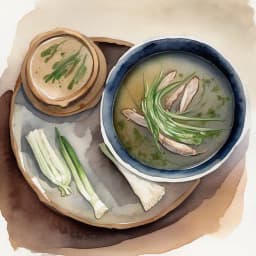
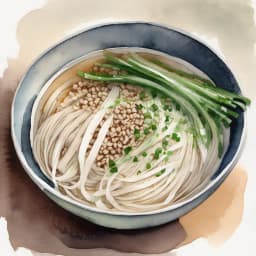
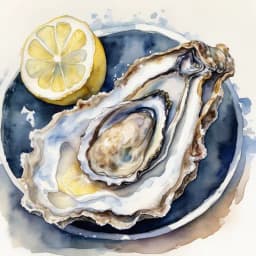
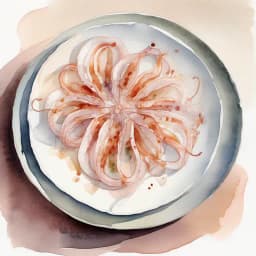
Yasugi, known nationwide for its 'Dojo-sukui' dance, is actually a famous producer of loach cuisine.
Yasugi City is the birthplace of the folk song 'Yasugi-bushi' and its comical dance, 'Dojo-sukui.' As a region that has been close to loaches since ancient times, loach farming is also highly active here. Because local loaches are raised in a short period, they feature soft bones, making them easy to eat. The mucus on the surface is also said to contain collagen, making it popular for its health benefits.
From Yanagawa-nabe simmered in a sweet and savory sauce to crispy deep-fried pieces and loach soup, the variety of dishes is truly rich. When visiting Yasugi, you'll definitely want to taste authentic loach cuisine after enjoying the dance.
With a single bite, the juice overflows, and a sweet aroma wafts through your nose. These bright red, ripe strawberries are nurtured by the climate of San'in—the strawberries of Yasugi, the town of matchmaking.
The main varieties are 'Akihime' and 'Benihoppe.' Akihime is elongated and conical in shape, characterized by low acidity and a soft, juicy sweetness. Benihoppe has a firm texture with a well-balanced sweetness and acidity, offering a rich flavor. In this region, where sunlight hours are limited, the strawberries are allowed to ripen fully before harvest. That is precisely why the sweetness is so different the moment they touch your palate.
A freshly picked berry is bright red right up to the edge of the stem. Please come and experience that melting sweetness for yourself.
When you peel back the bamboo skin, a glossy, black yokan is revealed. One bite delivers the gentle sweetness of red beans and a smooth, unique texture—this is the Shimizu Yokan, passed down at the gates of Kiyomizu Temple in Yasugi.
The ingredients are nothing more than red beans, agar, and sugar. It is a simple mizuyokan (soft yokan) made by hand without any additives or unnecessary extras. Long cherished in front of the ancient temple Zuiko-zan Kiyomizu-dera, its flavor has continued since the Edo period and has even been recognized as one of the Agency for Cultural Affairs' '100 Year Foods.' The warm texture of the bamboo skin used for wrapping is also a charm unique to Shimizu Yokan.
When chilled, its smoothness becomes even more pronounced. Pair it with a cup of tea and slowly savor the quiet sweetness of this temple town tradition.
Thick and simple rustic soba. An unpretentious deliciousness that has been loved for a long time on the Oki Islands.
Buckwheat has been eaten on the Oki Islands since ancient times. Oki Soba, made using buckwheat flour grown in the island's natural environment, features a thick and simple rustic style. Because the buckwheat is ground with the hulls included, you can strongly experience the authentic aroma and flavor of the buckwheat. It is a deeply nourishing taste passed down through life on the remote islands.
At local diners on the island, you can enjoy handmade Oki Soba. When you dip the chewy, thick noodles into the tsuyu (dipping sauce), the rich aroma of the buckwheat spreads throughout your mouth. It is a simple yet profound bowl unique to Oki, perfect for a break during your sightseeing.
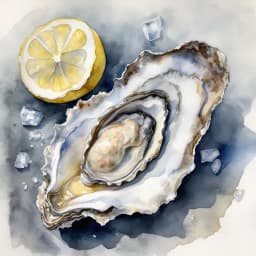
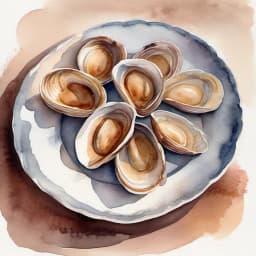
Once the shell is opened, you are met with large, plump, and creamy meat. Oki rock oysters are the stars of summer.
Growing in the waters of the Oki Islands, including Okinoshima Town, these rock oysters reach their peak season in summer. Because they grow for three to four years in the mineral-rich, clear waters of Oki, the meat is large and intense. Their pride lies in their melt-in-your-mouth creaminess. This luxurious flavor is only possible because they grow slowly in clean seas.
When enjoyed raw, the scent of the ocean and deep umami spread throughout your mouth. They are also delicious grilled or steamed, attracting many as a seasonal summer delicacy. This is a proud summer seafood product nurtured by the mineral-rich seas of Oki.
Generous portions of sweet and savory simmered turban shells atop steaming hot rice. This is a popular rice bowl found in diners across the Oki Islands.
Loved in the local eateries of Oki, this turban shell bowl is a regional gourmet dish that uses plenty of fresh shells caught right on the island. With the shells seasoned in a sweet and salty sauce and placed over rice, you can enjoy the aroma of the sea and a crunchy texture simultaneously. It is a single bowl that lets you taste the full bounty of the Oki seas.
Turban shell is one of the representative ingredients of Oki. This bowl, which allows you to fully enjoy the umami of fresh shells caught through methods like skin diving, is a specialty you must try when visiting the island. It is a feast that lets you easily enjoy the rich blessings of the sea, filled with the scent of the ocean.
With its translucent flesh and a rich, sticky sweetness, Oki white squid melts in your mouth with a single bite.
White squid (kensaki squid) caught in the seas of Oki reaches its peak season from early summer to autumn. Because they grow in fertile fishing grounds where warm and cold currents meet, the flesh is thick and holds a generous amount of elegant sweetness. Depending on the region, it is also referred to as white squid or red squid, and it is a high-grade delicacy prized by gourmets and sushi restaurants alike.
When freshly sliced into thin sashimi, its translucent beauty stands out, and the sweetness spreads with every chew. If prepared as overnight dried squid (ichiyaboshi), you can enjoy a different, more concentrated umami flavor. This fresh transparency is a true luxury unique to the production area. It is an exquisite squid nurtured by the bountiful seas of Oki.
Clear air and water from the mountains. A bowl of Unnan soba is packed with the essence of this natural environment.
Unnan City is located in the mountains of the Izumo region, where a climate with large temperature fluctuations between day and night is ideal for growing buckwheat. The soba grown here is highly aromatic and rich in flavor. Following the tradition of Izumo soba, which uses the 'hikigurumi' method (grinding the buckwheat with its husk), the noodles are dark in color and offer a firm, chewy texture.
Enjoying it as Warigo-soba (served in stacked lacquerware bowls) or Kamaage-soba (boiled and served hot) is a unique experience of Izumo. When the season for new soba arrives in autumn, local soba shops and soba festivals bustle with many people. A bowl enjoyed with cold dipping sauce feels as though it brings the very blessings of the Unnan mountain villages directly to you.
These thick and aromatic shiitake mushrooms are a gift nurtured over time by the mountains of Unnan.
In the mountainous areas of Unnan City, log cultivation using oak and sawtooth oak logs is flourishing. Because the inoculated logs are allowed to grow slowly in nature, they develop a thickness and rich aroma that cannot be achieved through substrate cultivation. The cool climate and lush forests of the mountain valleys bring out the inherent umami of the shiitake.
In addition to fresh shiitake, which become a delicacy just by grilling and adding a drop of soy sauce, dried shiitake add a deep umami to dishes such as simmered foods and hot pots. Local farm stands feature these thick and fragrant mushrooms. They are a nutritious mountain bounty nurtured by the bountiful forests of Unnan.
A single mackerel is skewered and grilled with great vigor. The Yunnan-style grilled mackerel carries the history of the mountain villages within it.
Historically, the area around Kizaki in Yunnan City, being far from the sea, was known as the 'limit of where fresh fish from the Sea of Japan could reach.' It is said that during the era when the tatara ironmaking industry flourished, fishmongers began skewering and grilling mackerel to sell even deeper into the mountains. This was a crystallization of ancestral wisdom—grilling the fish to make it last longer so that precious seafood could be delivered to remote mountain villages.
Fragrant, grilled mackerel has long been cherished as a delicacy for festivals and special occasions. Taking a bite of the rich, fatty meat, one can almost feel the history of this tatara village and the culinary culture of the San'in region.
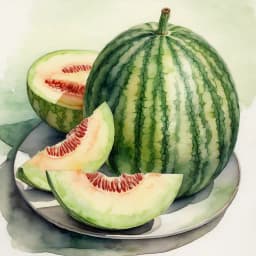
When you slice into it, the juice overflows succulent and juicy. With just one bite, a melting sweetness spreads across your palate—this is the Amusu Melon, the representative fruit of early summer in Masuda.
Its hallmarks are its beautiful netting and upright, antenna-like vines. In Masuda, melons are carefully cultivated using a three-dimensional method where vines are entwined around supports to ensure leaves receive plenty of sunlight, with only a single melon being nurtured per plant. These melons, which concentrate all their nutrients into one fruit, are strictly selected for shipment only if they exceed 14 degrees Brix. The flesh is soft almost to the rind, providing plenty of edible goodness.
It is such a famous local product that people say, "When you think of Masuda, you think of Amusu." Chilled and scooped with a spoon, its refreshing sweetness soaks through you with a cool sensation.
At first glance, it looks like plain white rice topped only with wasabi. However, once you dip your chopsticks in, chopped sea bream and vegetables suddenly peek out from the bottom—this is 'Uzume-meshi,' a mysterious local dish where ingredients are buried and hidden.
Passed down in the Iwami region, including Masuda, this dish is recognized as one of Japan's five famous rice dishes. Vegetables are simmered tenderly in a broth made from grilled sea bream, placed in a bowl, covered with grated wasabi, and then topped with piping hot rice. The ingredients have a slightly richer soy sauce flavor than clear soup, paired with the aromatic sting of wasabi. When mixed, the umami of the broth and the sharp kick of the wasabi become one with the rice.
The key to the flavor is the wasabi grown in clean, pure water. Beneath its simple appearance lies an unexpected feast.
When people say 'wani' in Shimane, they aren't referring to reptiles, but to sharks. It is a somewhat unexpected seafood that appears on dining tables deep in the mountains.
In the mountainous areas of the Chugoku region, sharks have been called 'wani' since ancient times. Because shark meat stays fresh longer due to its ammonia content, it served as a precious delicacy that could be eaten raw even in the mountain villages of the Iwami region, far from the sea, during eras when refrigeration technology did not exist. It is said that as shark fishing intensified in Iwami during the Meiji era, fishermen from the San'in region traveled inland to sell it, spreading the custom.
It has been cherished as sashimi for special occasions such as New Year's and festivals. The mild, slightly sweet, and lean white meat is enjoyed refreshingly with wasabi soy sauce. Even today, it remains an indispensable traditional flavor of the San'in region during the New Year period.
When grilled, the skin becomes crispy and the flesh stays light and airy. A pure fragrance, often compared to watermelon, wafts through the nose—this is wild sweetfish raised in the pristine Takatsu River.
The Takatsu River is a Class A river without any dams. Its clear waters, which have been selected multiple times as having the best water quality in Japan, nurture high-quality moss on the rocky surfaces. Sweetfish that feed abundantly on this moss develop a strong aroma and an elegant, clean umami flavor. The sweetfish fishing season opens in early summer, making it the main attraction for anglers gathering from all over the country.
In salt-grilled style, the fish is grilled slowly over charcoal with a sprinkle of salt, served whole from head to tail. Please enjoy the full bounty of the clear stream: the fragrant skin, the tender flesh, and the subtle bitterness of the innards.
Izumo Soba is one of Japan's three major soba varieties, and among them, the soba from Okuizumo is regarded as exceptional.
Okuizumo Town is a mountainous area with high altitude and significant temperature fluctuations between day and night. This cool climate and pure water cultivate highly aromatic, high-quality buckwheat. Because it is produced using the 'hikigurumi' method—where the buckwheat is ground with the hull intact—the color is darker, and the amount of flour used as a binder is minimal. This results in soba that is rich in both nutritional value and flavor.
Enjoying it as 'Warigo Soba,' served in a three-tiered lacquerware container, is unique to Izumo. By placing condiments on each tier and pouring the dipping sauce over them, you can fully enjoy the authentic aroma and firm texture of the soba. It is a prideful taste from this bountiful land, also famous for its Nita rice.
It shines white upon being cooked, with a full-bodied sweetness that spreads with a single bite. Even when cooled, it retains its stickiness and firmness, truly revealing its true value when made into rice balls or bento boxes.
The production area is Okuizumo Town, Shimane Prefecture. It is nurtured in traditional terraced fields by mineral-rich spring water flowing from granite melted by snow. The terraced fields, located at altitudes exceeding 300 meters, experience significant temperature fluctuations between day and night, producing high-quality grains packed with starch.
It is the only rice in Western Japan to have achieved a 'Special A' rating in the Japan Grain Inspection Association's taste rankings, possessing the prestige to be compared alongside Uonuma in the East and Nitadome in the West.
First, please try tasting a bowl of this glossy rice without any toppings. You will surely be surprised by the sweetness of the rice itself.
The moment it touches your mouth, the fat melts away smoothly, leaving the natural sweetness of the meat lingering on your tongue. The charm of Okuizumo Wagyu lies in the tenderness created by its low-melting-point fat and its clean aftertaste.
It is raised in Okuizumo, Unnan, and Iinan towns in Shimane Prefecture. In this land where cattle have been carefully raised alongside Tatara ironmaking, only castrated bulls and heifer beef can claim this brand name. At the 12th National Wagyu Beef Capability Contest—the so-called 'Wagyu Olympics'—it achieved a double victory, winning first place in the beef cattle category and a special award for fat quality. It rarely reaches the market and is often referred to as 'phantom' Kuroge Wagyu.
Whether in sukiyaki or as a steak, placing a slice of this marbled beef on your tongue will surely make you smile at its tenderness.
These thick-fleshed shiitake mushrooms are slowly nurtured by the high-altitude forests of Okuizumo.
In the mountain forests of Okuizumo Town, the tradition of cultivating shiitake using logs has been passed down through generations. Because the inoculated logs are grown over a long period in a cool climate, the caps become thick, and the aroma and umami are intensely concentrated. The environment, blessed with high altitude and clear air, serves as the foundation for growing premium shiitake.
They are excellent whether grilled or simmered, and when dried, they become a high-quality ingredient for dashi (broth). At local farm stands, you can even find freshly harvested mushrooms. This is a nutritious specialty product that allows you to fully experience the bounties of the Okuizumo mountains.
When you open the shell, you find a generous amount of thick, creamy meat. Beneath its deep, rich umami, a refreshing sweetness gently emerges.
They are raised in Ama Town, Shimane Prefecture. Only rock oysters that pass through strict standards are permitted to bear the name 'Haruka.' Shipping them raw is rare and only occurs from March to May. This is because this period, when seawater temperatures are between 17 and 19 degrees Celsius, is precisely when their umami is at its peak. Each oyster is suspended in the sea and carefully raised to ensure nutrients reach every single one; they are a luxury ingredient that sometimes fetches the highest prices at Tsukiji.
As you take a smooth bite, it feels as if the clear waters of Oki are spreading before you. Please enjoy this rich, singular treasure available only in spring.
A curry with large chunks of turban shell. While common on the island, it is a surprising dish for visitors.
Born in Ama Town, Oki, 'Shima ja Joshiki Sazae Curry' (Sazae Curry: Common Sense on the Island) is a local curry created as part of a regional revitalization effort. In an era when refrigeration technology was scarce and obtaining meat was difficult on the island, using locally caught turban shells as a curry ingredient was common practice in households. Through years of trial and error and collaboration between the town hall and the agricultural cooperative, it became the island's very first commercialized specialty product.
The crunchy texture of the turban shell and its oceanic flavor add depth to the curry, which is seasoned with several types of spices. Available even in retort pouches, this is a pride of Oki, born from the culinary wisdom of the island's dining tables.
Despite its marbling, it does not feel greasy in the mouth. The fat melts away quickly, leaving behind the clean, delicious flavor of the lean meat. Oki Beef is a Japanese Black Wagyu with such an elegant taste.
Born and raised in the Oki Islands, Shimane Prefecture. Within this natural environment—a certified Global Geopark where the entire island is designated as a National Park—the cattle are raised without stress, developing strong legs and bodies. Only non-pregnant heifers with a meat quality of grade four or higher are certified. Only about ten percent of the cattle born each year become Oki Beef, making it a rare brand of beef that is both born and raised in the same location.
Because it can be eaten refreshingly, you will find yourself unable to stop using your chopsticks. Please enjoy to your heart's content this legendary Wagyu that is easy on the stomach.
Bringing freshly caught freshness directly to your dining table. This is a symbol of Aonibo Town's challenge that transformed the food landscape of this remote island.
CAS freezing, introduced by Aonibo Town, is a specialized technology that uses magnetic fields to vibrate cells, allowing them to freeze without being damaged. As the name implies—meaning 'cells remain alive'—its key feature is that freshness and umami are difficult to lose even after thawing. This has made it possible to deliver freshly caught Japanese flying squid and rock oysters to dining tables in distant cities with sashimi-grade quality.
For remote islands far from the mainland, the barrier of freshness was a major challenge. This technology, introduced by the town to overcome that hurdle, is spreading the bounties of the Oki sea nationwide. It is the crystallization of a challenge that has paved the way for the future of the remote islands.
The Takatsu River is famous for being one of Japan's cleanest streams. In its headwaters, highly aromatic wasabi is grown.
Yoshika Town is located in the upstream area of the Takatsu River, which has been honored multiple times as having the best water quality in Japan. The clear waters of the Takatsu River—a first-class river with no dams on its main stream—are perfect for wasabi cultivation. Wasabi that grows slowly in these pure headwaters is described as having a rich flavor and a mellow spiciness.
When grated, an elegant aroma unique to wasabi grown in such pure water spreads through the air. Locally, various processed products are being developed, making it a popular souvenir. When served with soba or sashimi, its flavor enhances the dish. It is our pride—a fragrant condiment that directly inherits the blessings of Japan's finest clear stream.
Natural sweetfish nurtured by Japan's number one clear stream. Their aroma is nothing short of exceptional.
The Takatsu River, which flows through Yoshika Town, is known as a first-class river with no dams in its main stream, and has been selected multiple times for having the best water quality in Japan. The sweetfish, raised by eating high-quality moss grown in these clear waters, possess a wonderful aroma and a taste so exquisite it impresses even gourmets. This fragrant quality, unique to clear streams, is truly a blessing of the Takatsu River.
During the summer fly-fishing season, many anglers visit from outside the prefecture, bringing vitality to the riverbanks. When salt-grilled, the gentle aroma of the clear stream and the savory flavor of the flesh are irresistible. It is a luxurious taste unique to summer, nurtured by the Takatsu River, Japan's finest clear stream.
When it comes to the blessings of mountain villages in autumn, chestnuts are undoubtedly the star. Yoshika chestnuts take pride in being plump and sweet.
In the mountainous areas of Yoshika Town, known as the headwaters of the clear Takatsu River, chestnut cultivation takes place. Grown in a cool environment with significant temperature differences between day and night, these chestnuts are characterized by their large size and intense sweetness. The mountain village, blessed with pure air and water, nurtures these fluffy, sweet chestnuts.
In addition to delicious chestnut rice, they are highly valued as ingredients for Japanese sweets such as chestnut kintone. As a taste of autumn, seasonal large chestnuts line the local farm stands, delighting visitors. They are a nutritious autumn bounty, slowly nurtured by the cool mountain climate.
When grilled, the fat bursts with juice, releasing a subtle sweet aroma. With its tender texture and melt-in-your-mouth fat—this is Maruhime Pork, the brand pork raised in Gotsu.
Gotsu is a land where the Sea of Japan's breeze blows all year round. In clean pigpens lined with sawdust, the pigs are strengthened by the sea breeze, running around energetically and growing healthily. Using a 'two-site system' that separates farms according to growth stages, they are raised freely and without stress. From among them, only the most well-developed sows are selected to become 'Maruhime.' We take pride in its fine meat texture and sweet fat.
Whether in shabu-shabu or tonkatsu, please enjoy the natural, authentic umami of this pork.
With a single bite, the juice bursts in your mouth, releasing a rich sweetness and refreshing acidity together. The Gotsu Maruhime Tomato is so sweet it can be mistaken for a fruit.
Gotsu is a town where the winds from the Sea of Japan blow through. In this land nurtured by sea breezes, tomatoes are grown with meticulously managed nutrient solutions to concentrate their umami. By controlling water intake during growth, the sweetness and acidity become much more intense, packing flavor into every single berry. "Maruhime" is also a brand name that Gotsu, the town of sea breezes, takes great pride in.
When eaten chilled just as they are, a juicy sweetness fills your mouth. When placed on a salad, they instantly brighten the dining table with their vibrant red color. We invite even those who aren't fond of tomatoes to give them a try at least once.
Simple and powerful large water jars: that is the origin of the pottery representing the Iwami region.
Iwami Ware is pottery that has been passed down since the Edo period, centered around Gotsu City. Utilizing high-quality local clay, during the Meiji era, large jars called 'Handou' used for storing water were shipped nationwide via Kitamaebune ships, and at its peak, over a hundred kilns were in operation. The charm lies in the flavorful colors produced by the glaze, such as the deep amber color of the Kimimachi glaze. In 2014, it was designated as a National Traditional Craft.
Currently, a wide variety of vessels that accompany daily life, such as tableware, flower vases, and umbrella stands, are being made. With excellent water and salt resistance, it is a reliable type of pottery that grows more beloved the longer you use it.
Three round lacquerware tiers are brought to your table, stacked one atop another. Upon opening the lid, you will find dark, highly aromatic soba layered tier by tier—you enjoy it by adding condiments and pouring the sauce directly over the noodles. This is the famous Izumo specialty, Warigo Soba.
Izumo Soba is made using the 'hikigurumi' method, where buckwheat grains are ground whole with their hulls intact. This results in a darker color and a rich aroma and nutritional value. It is said that the popularity of this style began in the early Edo period when Matsudaira Naomasa, the first lord of the Matsue Domain, brought soba craftsmen with him from Shinshu Matsumoto. The name 'warigo' is said to derive from the local term for tiered lacquerware boxes in Izumo. The proper way to eat it is to finish the first tier, pour the remaining sauce onto the next, and continue stacking the containers downward.
Enjoying cold soba one tier at a time while varying your condiments—you will surely be surprised by the intensity of its aroma.
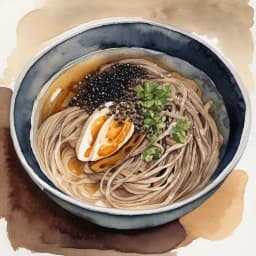
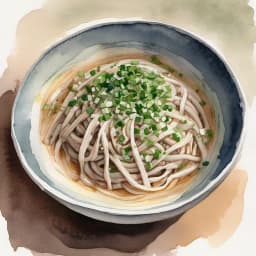
Inside the bowl, freshly boiled soba noodles are enveloped in thick, rising steam. Instead of being chilled in cold water, the noodles are served directly into the bowl with their cooking liquid—a warm Kamaage soba topped with condiments and sauce.
Even within the realm of Izumo soba, this presents a completely different side from the cold Warigo style. Since the noodles are not chilled in water, they float in the viscous soba-yu, allowing you to slurp them while adjusting the amount of sauce to your preference. It is said that this way of eating became rooted in Izumo due to its connection with visits to the Izumo Taisha Grand Shrine. Because well water was precious, it is believed that the effort of cooling the boiled noodles was skipped, and they were served directly in the bowl.
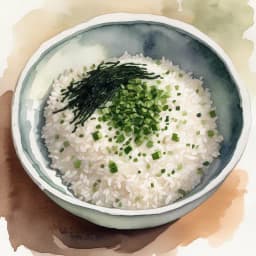
A gentle bowl that warms you to your core. Please try it on a cold day, sprinkled with green onions and shredded seaweed.
The moment it touches your mouth, the scent of the ocean drifts through your nose, followed by a crisp, crunchy texture—this is a powerful rock seaweed, entirely different from ordinary nori.
It is harvested only around Cape Isjima, which juts out into the Sea of Japan at the northern edge of Izumo City. Mentioned in the 'Izumo no Kuni Fudoki' written in 733, it is a prestigious product with a long history, having been presented to the Imperial Court during the Nara and Heian periods, and to the Shoguns during the Edo period. The harvest takes place only during the brief period from December to January. Each sheet is hand-picked from the rocks amidst the raging winter Sea of Japan. This is precisely why it is so rare and possesses such an extraordinary aroma.
In Izumo, it is an indispensable ingredient for Ozoni (New Year's soup). Please enjoy this exceptional sea fragrance within your bowl.
First, take a bite with just the salt seasoning. Then, add the sauce from the table and take another bite—a yakisoba that offers two different experiences in one dish, beloved at the foot of Izumo Taisha.
With slightly thin curly noodles and large chunks of braised pork belly and kamaboko (fish cake), it offers a nostalgic flavor. This 'sauce-added-later' style is said to be inspired by Izumo Soba, where the sauce is added at the end. It is a way of eating true to the spirit of Izumo, allowing diners to finish the flavor to their own preference. It has been cherished as a local gourmet dish with over 60 years of history in the eateries around Izumo Taisha.
For a satisfying meal after your shrine visit, try this local soul food. Deciding whether to eat it plain with salt or add the sauce is part of the fun.
When you hear the word ginger, you probably wouldn't expect there to be a traditional variety known as a 'phantom.'
'Izushi Ginger,' passed down in the Izushi district of Hikawa Town, Izumo City, is a traditional variety said to grow only in a very limited area along the Hiikawa River, which flows into Lake Shinji. It is characterized by its low fiber, tenderness, rich aroma, and a sharp, pungent spiciness. It is a prestigious ginger that is said to have once been presented as an offering to feudal lords. It carries a unique flavor born from this specific land, where the wind known as 'Hiikawa Oroshi' blows and there are significant temperature fluctuations.
Due to pressure from cheaper products from other regions, the number of producing farmers has slightly decreased, making its rarity even more precious. Processed products such as ginger sugar and syrups are also popular; once you take a bite, a refreshing aroma gently spreads through your mouth.
When you bring the plump, swollen meat to your mouth, a rich umami flavor spreads along with the scent of the sea. When made into miso soup, the bowl overflows with a depth of flavor that requires no extra dashi—the clams of Lake Shinji are shellfish that can stand as the star of the dish all on their own.
The type harvested from Lake Shinji is 'Yamato shijimi.' The brackish water, where seawater and freshwater mingle, nurtures meat rich in nutrients. Fishermen have continued their fishing practices while protecting resources by deciding for themselves daily catch amounts, operating hours, and closed fishing days. This accumulation of effort has borne fruit; in 2018, the harvest reached 3,980 tons, making it the number one production area in Japan, accounting for over 40% of the national total.
Whether on a morning after a hangover or at the dinner table on a cold night, please try experiencing the profound, heartfelt nourishment of these tiny clams at least once.
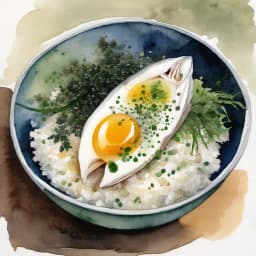
This is not a mixed rice dish (takikomi gohan). Hot rice is topped with crumbled sea bream, strained egg yolk and white, grated daikon radish, green onions, wasabi, and nori, all drenched in a secret dashi broth—eaten easily and smoothly, much like chazuke. That is the Matsue style of Tai-meshi.
It was devised by Jotaro Nishimura, the first head chef of the long-established Minamikan, founded in 1888. Legend has it that the dish was created based on the fact that Matsue Clan's 7th Lord, Matsudaira Fumai, who had a delicate constitution, loved 'rice with broth.' The flavor is elegant, combining dashi made from dried bonito flakes with light soy sauce and mirin.
Light and gentle on the body. It is a deeply beautiful bowl that you must taste when visiting Matsue.
Whisking Bancha tea with a long tea whisk creates a 'botebote' sound—this very sound is the origin of the name of this tea. Small amounts of okowa, boiled beans, chopped Koya-dofu (freeze-dried tofu), and pickles are placed atop the fine foam, and the entire bowl is eaten at once.
This is a snack handed down among commoners in the Izuzu region, including Matsue. The traditional method involves adding dried tea flowers to brewed Bancha and whisking it in a cylindrical tea bowl. There are various theories regarding its origin: some say it was a labor food consumed by Tatara ironworking craftsmen during breaks, while others suggest it served as an emergency food during the era of Lord Fumai.
It is a mysterious cup that is both tea and a light snack. Please try it when you wish to experience the tea culture of Matsue.
The aroma of flying fish and kombu rises gently from the pot. Amidst the large ingredients, leafy greens like pimpinella palmitica (seri) and garland chrysanthemum (shungiku) peek through—this is Matsue's oden, which can be enjoyed all year round.
The Matsue style is not to simmer the leafy greens, but to lightly dip them into the hot oden broth. You enjoy the fragrance of the greens in a sensation similar to shabu-shabu. Beef tendon and locally grown seri and shungiku are standard ingredients. The dashi varies by shop, using combinations of flying fish (ago), bonito, kombu, and chicken bones. It is said that the tradition began when Lord Fumai brought back the then-popular oden from Kyoto and spread it among the common people.
Savor it slowly with local sake in the castle town of the National Treasure, Matsue Castle. This is a pot you can enjoy regardless of the season, not just in winter.
The soup scooped up in your spoon is a clear amber color. With a single sip, the umami of the Shinjiko clams rises smoothly from behind the light salt or soy sauce flavors—an elegant local ramen that is the complete opposite of heavy, rich styles.
The most defining feature of Matsue Ramen is this transparent soup. While using pork bone and chicken carcass as a base, adding extract from locally produced Shinjiko clams creates a unique depth. A version using ago (flying fish) broth is also popular, providing an accent of fragrant seafood flavor. It is classic to pair this with medium-thick curly noodles.
When you are a little tired of heavy ramen, this is a bowl that soaks effortlessly into your body. Please enjoy the refreshing aftertaste that is unique to Matsue.
Lake Shinji is a brackish lake where seawater and freshwater mix. It is precisely because of this that a diverse variety of seafood, which can only be tasted here, thrives.
'Shinjiko Shichichim' refers to the collective name for seven representative delicacies: sea bass, moroge shrimp, eel, amasagi, shiraio, carp, and shijimi. It is said to have originated in the early Showa era when a local newspaper reporter popularized the term by drawing a parallel to the famous delicacies of West Lake in China, using the mnemonic 'Sumouashikoshi' based on their first characters.
Each of these ingredients grows within the rich waters of Lake Shinji and has colored the culinary culture of Matsue.
In particular, the Yamato shijimi clam boasts one of the highest catches in the country, and its flavorful miso soup is a staple at Matsue dining tables. The dishes are also diverse, including sea bass prepared 'hosogaki-yaki' (grilled with rice paper) and moroge shrimp tempura. Tasting these seven delicacies while gazing at the lake dyed by the sunset is truly the essence of San'in's bounty.
Squid raised by the rough waves of the Sea of Japan have firm, sweet flesh. It is a prideful seafood delicacy of Nishinoshima.
The waters around Oki Nishinoshima are an excellent fishing ground where warm and cold currents meet. Among them, Bigfin Reef Squid (Kensaki-ika) is renowned for its translucent flesh and rich, sticky sweetness, highly prized by sushi restaurants and gourmets alike. The peak season is from early summer to autumn, when the thickness of the flesh and its sweetness are at their utmost.
When enjoyed as sashimi, a melting sweetness and texture spread throughout your mouth. When prepared as overnight dried squid (ichiyaboshi), the umami becomes concentrated, offering a different kind of deliciousness. Being able to taste freshly caught squid at the port is a luxury unique to this production area. This is truly a squid born from the unique seas of Oki, shaped by the rough waves.
Turban shells raised in the rough rocky shores have firm, crunchy meat, a texture unique to Oki.
On the coasts of Nishinoshima, turban shells have traditionally been harvested through skin diving and a traditional fishing method known as 'kanagi-ryo'. Because they grow while being buffeted by the rough waves of the Sea of Japan, their flesh becomes firm, offering an exceptional crunchy texture and a wonderful aroma of the sea. They have long been cherished as one of Oki's representative ingredients.
Pot-baked turban shells with a drizzle of soy sauce are an irresistible island classic due to their savory aroma. Fresh ones can also be enjoyed as sashimi or mixed rice, allowing you to fully savor the crunchy texture and the scent of the ocean. It is an indispensable dish on the island's dining table, nurtured by the rich seas of Oki.
Large rock oysters in peak season during summer. Often called 'the milk of the sea,' they are nurtured by the pristine waters of Oki.
Nishinoshima is known as one of the first places in Japan to succeed in rock oyster cultivation. Raised slowly over three to four years in the clear waters of Oki, once the shell is opened, a large and creamy meat is revealed. It is precisely because they grow slowly in clean seas that they accumulate such intense umami.
From spring to summer when they reach their peak, the plump texture is exceptional. When enjoyed raw, the rich umami, packed with the minerals of the Oki sea, spreads throughout your mouth. It is a luxurious taste of the island, unique to summer, that you will never forget once you've tried it.
Perilla is attracting attention as a healthy oil, and one of its major production areas is located in the mountains of Shimane.
Kawamoto Town is a town that has put great effort into cultivating perilla. It is said to have started when a single resident brought seeds back from the high mountains; today, many farmers are engaged in cultivation, and it has grown into a representative crop of the town. Perilla contains abundant alpha-linolenic acid (an omega-3 fatty acid) and is gaining popularity alongside increasing health consciousness.
From freshly pressed perilla oil to various processed goods, many products are created within the town, making them popular as souvenirs and hometown tax (Furusato Nozei) gifts. The commitment to handling everything from cultivation to oil extraction entirely within the town is also a major appeal. Attention toward Kawamoto's perilla continues to grow.
Pigs raised eating perilla. Just hearing that makes it feel like it would be good for your health, doesn't it?
Kawamoto Town is a production area for perilla, which is considered beneficial for health. This brand pork is raised by adding that very perilla to their feed. Perilla is rich in omega-3 fatty acids, and it is said that by incorporating them, the quality of the fat improves. This premium pork was born from an idea unique to the 'Village of Perilla.'
Its charm lies in its elegant, light fat and lean meat with a robust umami flavor. It is a wonderful choice for health-conscious individuals and can be enjoyed at local butcher shops and restaurants. This is our pride—a brand pork nurtured by the nature and ingenuity of Kawamoto.
As the iron pot bubbles, the steam from the sweet and savory warishita rises softly. What is tossed into it is not meat, but roughly chopped seafood—this is 'Hekayaki,' a seafood sukiyaki passed down in Oda, overlooking the Sea of Japan.
'Heka' refers to a flat iron pot. Seasonal fish such as tilefish, flounder, and rosy seabass are boldly chopped into chunks and simmered sukiyaki-style. In Oda, the tradition of 'ichinichi-ryo' (daily fishing), where fish are caught in the morning and landed in the evening, is deeply rooted, meaning the seafood in the heka is also freshly caught that very day. The flesh of the fish, having absorbed the sweet and savory broth, becomes plump and tender, while the umami permeates the vegetables and tofu as well.
Gathering around to eat this single pot warms you to your very core. It is a luxurious simmered dish unique to this seaside town.
As you slurp, the aroma of the buckwheat gently rises. The pale, thin noodles glide smoothly down your throat. When chewed, a deep, rich flavor lingers on the tongue—this is the heirloom 'Sanbe Soba,' grown at the foot of Mount Sanbe.
Sanbe Soba is an heirloom variety nurtured by the black volcanic soil deposited by the volcanic Mount Sanbe and the significant temperature fluctuations between day and night. The grains are actually small and firm, characterized by a deep richness derived from a pleasant bitterness. Because a large portion of the grain's core is used, the noodles are pale in color, highly aromatic, and have a smooth texture. Its rarity and flavor are highly regarded by soba artisans across the country.
First, try it as is, then dip it just slightly into the sauce. Please enjoy the intense aroma unique to this heirloom variety and its pure, smooth finish.
Eating a hamburger amidst the great nature of Mt. Sanbe is a feast in itself.
The Sanbe Burger is a local specialty born in Kitahanara, Mt. Sanbe, Oda City. We take pride in grilling each patty individually over charcoal upon order, using beef and pork from Shimane Prefecture. The buns are baked in an in-store stone oven using firewood, providing an exceptional aroma. The result is a voluminous dish packed with plenty of fresh, locally grown vegetables.
In addition to the classic version, the 'Sanbe Wasabi Burger,' which features a touch of wasabi mayonnaise typical of the San'in region, is also popular. When enjoyed amidst the clear air of Sanbe during a hike or a drive, the savory aroma and juiciness are further enhanced.
Placed atop steaming hot rice, with a crisp crunch—the scent of the ocean spreads throughout your mouth. A single green sheet, so thin you can almost see through it. This is the taste of spring in Shimane: Itawaka.
Itawaka is made by spreading individual strands of seaweed by hand onto bamboo mats and drying them slowly at low temperatures. No seasoning is added, allowing the natural flavor and umami of the seaweed to be preserved exactly as they are. Locally known as "Menoha," it has long been a beloved companion for breakfast. When lightly toasted just before eating, the aroma rises and the crispy texture becomes even more pronounced.
Flake it with your hands and sprinkle it over steaming rice. The briny scent and gentle saltiness will make you crave bowl after bowl.
The 'Aka-hage' is a species of filefish caught in the waters of Chibu. We take great pride in its freshness, which is only possible on a remote island.
In Chibu Village, located at the southernmost tip of the Oki Islands, this type of filefish is affectionately known as 'Aka-hage.' Raised in the bountiful seas of Oki, its light and elegant white flesh is perfect for sashimi or simmered dishes. The greatest charm is the freshly caught freshness that can only be experienced on an island.
While the flesh is mild, it is rich in umami, and slicing it thinly allows you to enjoy its unique texture. When simmered, it develops a deep, savory flavor that pairs perfectly with rice. Oki is also famous for its rock oysters due to its nutrient-rich seas. This fish is a true specialty of Chibu, nurtured by those same waters and cherished within the simple lifestyle of the local fishing village.
The sea of Oki features swift tidal currents. The octopus raised there possesses exceptional texture and umami.
Because the waters around Chibu Village have strong currents, the octopus that grows there has very firm flesh. Since they grow by constantly moving against the fast tides, they are characterized by a solid bite and an umami flavor that spreads with every chew. The rugged rocky shores of Oki nurture this delicious octopus with its crunchy texture.
In addition to boiled octopus and sashimi, making octopus rice (takomeshi) allows the savory flavor to soak into the rice. When made into dried octopus, it becomes a long-lasting delicacy that grows more flavorful as you chew. This is a prideful seafood product raised by the sea of Chibu, allowing you to enjoy the taste of the island's ocean through various dishes.
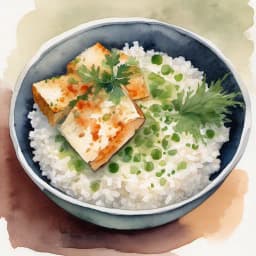
The ingredients are 'buried' (uzume) under the rice. This is a truly modest and refined local dish of Tsuwano.
Uzume-meshi is recognized as one of the 'Five Great Famous Rice Dishes of Japan,' alongside Gifu's Sayorimeshi and Fukagawa-meshi. In Tsuwano, ingredients such as chopped tofu, wild plants, and shiitake mushrooms are hidden under the rice, and dashi broth is poured over it before eating. It is said that this method originated from a time of forced frugality to hide delicacies from public view, or perhaps from a custom of eating with downcast eyes.
The key element is the fragrant wasabi grown in clear streams. With a single spoonful, the hidden ingredients peek out, and a rich, savory flavor spreads through the mouth. It is a specialty unique to Tsuwano, born from a spirit of understated consideration.
Taikodani Inari Shrine is one of Japan's five great Inari shrines. This simple inari sushi has been a beloved staple sold right before its gates.
Known as the only Inari shrine in the country to use the specific characters 'Inari' (稲成), the name embodies the wish for prayers to 'come true' (naru). It is an auspicious shrine said to have been established by the Lord of the Tsuwano Domain during the Edo period to pray for the peace and stability of the domain. Deep-fried tofu, considered the favorite food of the fox messengers of the Inari deity, is an ingredient deeply connected to shrine visits.
Filled with vinegared rice inside plump, sweet, and savory deep-fried tofu, this inari sushi has long been enjoyed as a companion for those visiting the shrine. Its gentle flavor provides a moment of soothing comfort during your pilgrimage.
Colorful carp swim through the castle town with its white-walled streets. The carp of Tsuwano are a specialty in their very scenery.
In the canals of Tonomachi Street in Tsuwano, countless carp swim leisurely; it is said that their number may even exceed the town's population. There are several theories regarding their origin: some say they began being raised during the feudal era to control mosquito populations in the moats, while others suggest they were raised as an emergency food source for times of crisis. Today, they are a symbolic landscape of Tsuwano that delights tourists.
Carp dishes have taken root here as traditional cuisine. Sweet-simmered carp (amaniko) cooked in a sweet and savory sauce and 'arai' (freshly sliced raw carp with a firm texture) are delicacies unique to this castle town. Tasting these while gazing at the carp swimming in the canals invites you to reflect on the history of Tsuwano.
Clear streams and a cool climate. Tsuwano possesses all the essential conditions for wasabi cultivation.
In the mountainous areas of Tsuwano, wasabi is grown by utilizing the pure, flowing streams. The cold, clean water and cool climate are ideal for wasabi growth, producing high-quality wasabi that features a subtle sweetness amidst its spiciness. It is said that the more slowly it grows in clean water, the richer its aroma and flavor become.
As soon as it is grated, a sharp, refreshing aroma rises. Not only is it indispensable for the local specialty Uzume-meshi, but it is also exceptional as a condiment for soba and sashimi. It is our pride—a highly aromatic condiment nurtured by the clear streams of Tsuwano.
Buckwheat grown in the highlands at an altitude of 450 meters. Iinan Soba boasts an aroma brought about by the cool climate.
Iinan Town is a highland town located in the Chugoku Mountains with high altitudes and large temperature differences between day and night. This climate is ideal for buckwheat cultivation, producing flavorful and highly aromatic crops. The clear water and cool air imbue the buckwheat grains with a robust fragrance.
Throughout the town, restaurants where you can enjoy handmade soba are scattered around, and soba-making experiences are also popular. When the season for new buckwheat arrives in autumn, many people visit seeking that year's harvest. Soba enjoyed amidst the clear highland air offers an exceptional aroma and texture.
That massive shimenawa adorning the Kagura-den of Izumo Taisha is actually created by the hands of the people of Iinan Town.
Iinan Town is responsible for making the Great Shimenawa of the Izumo Taisha Kagura-den, which is said to be one of the largest in Japan. Local artisans use locally produced rice straw and traditional techniques to weave each strand of this magnificent rope, which spans over ten meters in length and weighs several tons. The replacement, which occurs once every few years, is a source of great pride and a major event for the town.
At the Great Shimenawa Creation Museum within the town, you can observe the production process and craftsmanship up close. Each rope is a culmination of inherited skills passed down through generations and prayers to the gods. It is a unique specialty that embodies the faith and artistry of Shimane, the land of mythology.
The cool climate and pure waters of the Chugoku Mountains bestow a natural sweetness upon Iinan rice.
Located in a high-altitude plateau, Iinan Town benefits from significant temperature fluctuations between day and night, providing an ideal environment for rice cultivation. Grown in clear water and fertile soil, our Koshihikari and Kinumusume boast a plump, sweet flavor. It is said that the greater the temperature difference, the more sweetness the rice accumulates, and Iinan rice is grown under these exact optimal conditions.
The aroma upon cooking and the beauty of the glossy, shimmering grains are exceptional. Because it remains delicious even when cooled, it is perfect for rice balls (onigiri) and lunch boxes. This is a dish packed with the essence of plateau nature, designed to enrich your daily dining table.
In Misato Town, wild boar meat is referred to as 'Yama-kujira' (Mountain Whale). This is a stylish name born from an era when eating meat was avoided.
Misato Town in Ochi District turned the serious problem of crop damage caused by wild boars on its side, developing gibier into a local brand. The name 'Yama-kujira' is a remnant of a time when wild boars were likened to whales of the mountains during periods when meat consumption was discouraged. Through the establishment of producer groups and companies, the entire town has worked together to transform pests into a precious resource.
With minimal odor, sweet fat, and rich, flavorful lean meat, careful processing ensures a delicious taste that defies common perceptions of wild game. Enjoying botan-nabe (wild boar hotpot) in winter is a true local delicacy unique to this mountain village.
The refreshing aroma of this yuzu is irresistible. The hilly and mountainous areas of Misato refine its flavor.
In Misato Town, fragrant yuzu are cultivated. It is said that the temperature fluctuations unique to the hilly and mountainous terrain further enhance the aroma and flavor of the yuzu. Growing in clear air, these yuzu possess a rich peel fragrance that adds elegance to any dish.
In addition to the fruit itself, various processed products such as yuzu ponzu, yuzu jam, and yuzu kosho are enjoyed as local specialties. Just a single drop added to hot pot dishes or grilled fish instantly brightens the flavor. It is an indispensable companion for hot pots in winter. This is a gift of refreshing aroma nurtured by the satoyama (borderland) of Misato.
Visually, it is a bright red fish tempura. When you bite into it, the sharp sting of the chili pepper chases after the savory umami of the fish paste—it is a true soul food of Hamada that pairs perfectly with beer.
It was born during the era of post-war food shortages. Yoshichi Egi, the founder of Egi Kamaboko Store, devised it as a product to compete with the then-popular fish sausages. The name originates from the unique process of kneading chili peppers into the fish paste to create a red-colored surimi. While it was originally called things like 'Fry-ten,' it is said that it was officially named 'Akaten' following coverage by a television program in 1987.
Born in the port town of Hamada, overlooking the Sea of Japan, it has now become a representative specialty of Shimane. Please enjoy it as is, or lightly toasted.
When you pierce it with chopsticks, the fat oozes out smoothly—this is the brand horse mackerel that Hamada is proud of, often referred to as the 'Otoro (fatty tuna) of horse mackerel.'
The Japanese jack mackerel landed at Hamada Port has significantly higher fat content than those from other regions. While typical horse mackerel have a fat content of about 7%, seasonal 'Donchitchi Aji' exceeds 10%, sometimes even surpassing 15%. Only those that meet this standard are permitted to bear the name. The term 'Donchitchi' is a nursery word derived from the rhythmic accompaniment of Iwami Kagura, a traditional performing art in western Shimane. It was established as a brand name by Hamada City in 2003.
Experience the melting texture in sashimi, or enjoy the oozing fat in salt-grilled perfection. Please discover for yourself the deliciousness of this high-fat horse mackerel.
When grilled, white fat bursts from beneath the skin. With just one bite, you will understand why it is called 'white tuna'—this is a luxurious Nodoguro raised in Hamada.
Nodoguro (Rosy Seabass) is a premium fish caught via bottom trawling off the western coast of San'in. Specifically, those weighing over 80 grams are shipped under the brand name 'Donchitchi Nodoguro.' The fat content of the Rosy Seabass caught in this area can exceed 30%, rivaling the fatty belly (toro) of tuna. 'Donchitchi' is a Hamada seafood brand name inspired by the rhythmic accompaniment of Iwami Kagura.
Whether salt-grilled, simmered, or as nigiri sushi, please experience its melting fat and elegant umami for yourself.
When you take a bite, the batter makes a crispy sound. What follows is the plump texture of fish paste and the sharp sting of red chili—this is a local burger featuring Hamada's famous 'Akaten' nestled in a soft bun.
Akaten is a vibrant red fish tempura made by kneading red chili into white fish paste, coating it in panko, and deep-frying it. The surface is fragrant, while the inside is packed with intense umami, a flavor born from the port town of Hamada. Locally, it is a staple to lightly sear them and serve with mayonnaise, but when transformed into a burger, the savory fish flavor and spicy kick harmonize perfectly with the bread.
Experience the contrast between the fluffy bun and the freshly fried Akaten. Enjoy this seaside town snack in one big, delicious bite.
When flaked with chopsticks, the white flesh falls apart delicately. Despite its light flavor, an elegant umami spreads with every bite—this is the 'Donchitchi Flounder,' a brand fish that Hamada is proud of.
'Donchitchi' is the brand name given to horse mackerel, rosy seabass, and flounder landed at Hamada Port. Among them, only flounder that meet strict criteria for high freshness are permitted to bear this name. Raised in the rich waters off the San'in coast, the flesh has a soft and delicate flavor. Hamada boasts the highest production of dried flounder in Japan, accounting for over forty percent of the nation's supply.
In particular, the overnight-dried Sasaka flounder with roe offers a moist and elegant deliciousness. When lightly seared, the aroma rises, making it an excellent accompaniment to both rice and sake.
A brand of Wagyu that adheres to 'quality over quantity.' That is the Iwami Wagyu that the Iwami region takes pride in.
Centered around Onan Town, which promotes itself as a 'Town of A-Class Gourmet,' Iwami Wagyu is a brand beef produced by carefully fattening a small number of high-quality lineage Japanese Black cattle. With very low annual shipments, its rarity and high quality are highly regarded even by beef professionals. The cattle are raised with great care amidst the rich nature of the Sea of Japan coast.
Its defining features are fine marbling and elegant, sweet fat. When enjoyed in sukiyaki or yakiniku, a melt-in-your-mouth umami spreads throughout your mouth. It is a premium Wagyu that we are proud to have raised with care in the Iwami region.
Does pork raised with delicious water really make such a difference? Iwami Pork is a product that makes you believe so.
Raised primarily in Ounan Town, known as the 'Town of A-class Gourmet,' Iwami Pork is one of its signature ingredients. The pigs are carefully fattened, blessed with pure water and high-quality feed. It is a brand pork nurtured with care as part of the town's collective effort to utilize local ingredients.
It is characterized by its fine meat texture and fat that is clean, odorless, and sweet. In addition to being available at local restaurants and butcher shops, it is also highly appreciated as a gift. When prepared as shabu-shabu or tonkatsu, the sweetness of the fat becomes particularly apparent. This is a flavorful pork that Ounan Town takes pride in, nurtured amidst rich nature.
Gibier that the 'A-Class Gourmet Town' is tackling with true passion. The gibier cuisine of Ounan Town goes one step above the rest.
Ounan Town promotes itself as an 'A-Class Gourmet Town' and focuses on dishes that utilize locally harvested wild game, such as deer and boar. Local chefs showcase their skills to create authentic dishes that overturn the typical image of wild game. This community-rooted initiative involves processing the meat within the town and enjoying it right here.
Carefully processed gibier has minimal odor, with a rich, intense flavor in the lean meat. It can be enjoyed as French or Italian cuisine in various restaurants and cafes. It is a taste unique to Ounan Town, elevating the blessings of the mountains into a true feast.
Fresh milk from cows raised amidst rich nature. That is the pride of Eunan's dairy farming.
In Eunan Town, where dairy farming is prosperous, milk is produced from cows raised in a lush green environment. Blessed with clear air and abundant pasture, the cow's milk offers a rich and natural sweetness. The clean water and air of the mountains support the deliciousness of the milk.
Not only is it delicious to drink as is, but dairy products such as soft-serve ice cream, pudding, and yogurt are also popular. The freshly squeezed flavor that can be enjoyed at roadside stations is exceptional and has become one of the highlights for visitors. It is a gentle, rich taste packed with the entirety of Eunan's nature.
A somewhat rare type of soba that is dark in color and highly aromatic. This is Izumo Soba. It is counted as one of the 'Three Great Sobas of Japan,' alongside Iwate's Wanko Soba and Nagano's Togakushi Soba.
It features a production method called 'hikigurumi,' where the buckwheat grains are ground with their husks, resulting in this dark appearance and powerful flavor. It is said to have taken root in the Izumo region after Matsudaira Naomasa, who was transferred from Shinshu Matsumoto to Matsue during the Edo period, brought skilled soba craftsmen with him. The two serving styles are also unique: 'Warigo-soba,' where noodles are served in stacked round lacquerware, and 'Kamaage-soba,' which is eaten with hot dipping sauce.
Enjoying Warigo-soba by tasting each layer while changing the condiments is a true joy of traveling. It is a local dish you must try when visiting Izumo.
The crispy, briny aroma makes you want to eat bowl after bowl of rice. 'Ita-wakame' is an essential part of the Shimane dining table and is also known locally as 'Menoha.'
The connection between the Izumo region and seaweed is ancient, with its use even recorded in the 'Izumo no Kuni Fudoki,' compiled during the Nara period. Each harvested piece of seaweed is carefully spread into a sheet and slowly dried at a low temperature to finish. Because it contains no added seasonings, its true charm lies in how it preserves the natural umami and sea scent of the seaweed.
You can crumble it by hand to sprinkle over rice or lightly toast it as a snack with tea. It is a simple yet addictive bounty of the sea, unique to Shimane.
With its fragrant grilled surface and chewy elasticity, 'Agonoyaki' is a representative processed fish product of summer in San'in. 'Ago' is the local name for flying fish.
It is said to have originated in an era before ice was available, when fishermen would turn freshly caught flying fish into surimi and grill it on the beach to take home as a preserved food. Because the grilling process took place outdoors during the warm season, it came to be known as 'Noyaki' (field burning).
The bold production method—wrapping the surimi around a thick metal rod and rotating it over charcoal—remains unchanged today.
Considered a prototype of chikuwa or kamaboko, this dish was even enjoyed by the lords of the Matsue Domain during the Edo period. It is highly appreciated both as a snack to accompany alcohol and as a gift.
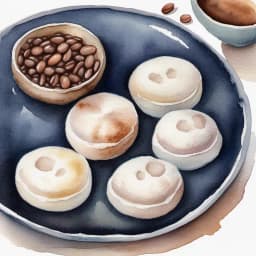
The playful face of the Hyottoko mask is sure to bring a smile to your lips. This is 'Dojo-sukui Manju,' a signature confectionery representing Shimane.
The motif is the Hyottoko mask used in the 'Dojo-sukui dance' performed to the folk song Yasugi-bushi. Created during the period of rapid economic growth when travel and business in Yasugi were increasing, this sweet was made with the desire to create a souvenir that symbolizes the local region. The design was created by manga artist Hiroshi Oba, and its charming expression, paired with the gentle sweetness of white bean paste, captured many people's hearts. Today, it has grown into a representative confection for both Shimane and Tottori prefectures in the San'in region.
A souvenir from San'in that brings joy just by looking at it. It is guaranteed to be a great conversation starter when shared.
An elegantly sweet yokan born from Buddhist vegetarian cuisine (shojin ryori). This 'Kiyomizu Yokan' has been passed down in front of the ancient Kiyomizu Temple in Yasugi.
Kiyomizu Temple is known as one of the most prominent ancient temples in the San'in region. As a confection served at its gate, a simple yokan made only from adzuki beans, agar, and sugar has been produced. It is said that the method for making yokan was transmitted from Kiyomizu Temple at the end of the Kamakura period, originally originating as a dish for vegetarian cuisine. Because no unnecessary ingredients are added, the pure flavor of the adzuki beans comes through directly.
Its charm lies in the smooth mouthfeel of the smooth bean paste and its clean, elegant sweetness. It is a traditional taste deeply rooted in Yasugi that you can't help but pick up on your way back from visiting the temple.
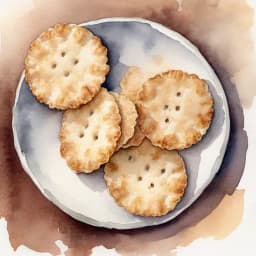
A simple taste that evokes the sea breeze. These crackers are made in Okinoshima Town, carrying the very essence of the island's climate.
Located on Dogo, the largest of the Oki Islands, about 50 kilometers from the Shimane Peninsula into the Sea of Japan, Okinoshima Town is a place where a food culture utilizing seafood, such as rock seaweed and squid, has been deeply rooted for centuries due to its rich seas and unique nature. These crackers, baked to a fragrant perfection using the island's bounties, feature an attractive light, crispy texture and a rustic flavor.
An unpretentious deliciousness perfect as a souvenir of your island journey. An ideal treat to accompany tea, allowing you to experience the unique climate of Oki in a single crisp bite.
When you unwrap the bamboo leaf, a refreshing aroma gently spreads. This is 'Sasamaki,' a traditional food of Yunnan City passed down for the Tango no Sekku festival.
It is made by kneading rice flour (primarily glutinous rice) with lukewarm water, wrapping it in Kuma-zasa (sasa bamboo), and simmering it slowly. Because Kuma-zasa is believed to have antibacterial and preservative properties, this dish has been deeply rooted since ancient times as a seasonal food for Tango no Sekku, used to pray for the healthy growth of children by invoking those powers. Depending on the region, it is also called 'chimaki' or 'maki,' and is characterized by its simple flavor without added sugar.
It is classic to enjoy it freshly boiled with roasted soybean powder (kinako) or soy sauce with sugar. Along with the refreshing scent of bamboo, this is a local Yunnan snack that allows you to feel the changing of the seasons.
A melting sweetness and a rich aroma. These sweets luxuriously feature 'Amusu Melon,' the high-quality melon that Masuda is proud of.
Masuda City is a famous production area for Amusu Melon, blessed with a warm climate, the abundant waters of the Takatsu River, and well-drained sandy loam soil. Through careful cultivation where only one fruit is nurtured per vine, highly sugary fruits are produced. With a commitment to shipping only those with a sugar content of 14 degrees or higher, 'Masuda Amusu Melon' is an authentic brand registered under the national Geographical Indication (GI) system.
The jellies, juices, and cakes made from this premium melon are exquisite items that allow you to enjoy the aroma and sweetness of the fruit itself. They are a slightly luxurious souvenir unique to this melon village.
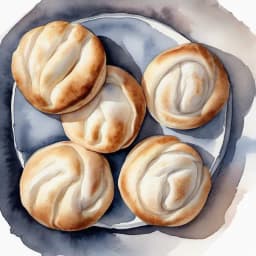
Featuring the gentle flavor of egg and a moist dough, this Masuda chicken egg manju brings a sense of nostalgia with every bite.
Masuda City is the central city of the Iwami region in western Shimane Prefecture. In this land nourished by the clear waters of the Takatsu River, a culture of Japanese confectionery that stays close to people's lives has been nurtured since ancient times. This manju, made with plenty of eggs, is characterized by its fluffy dough and modest, gentle sweetness, offering a simple taste that everyone from the elderly to children can enjoy.
While not flashy, it is a traditional sweet that brings peace to the heart with just one bite. It pairs perfectly with green tea. It is a beloved local flavor that has long been rooted in the Iwami region, making it an ideal accompaniment for tea time.
We have captured the flavor of this renowned rice, often called the 'Yokozuna of the West,' within a single crispy cracker. These crackers are made using Nita-mai rice produced in Okuizumo.
Okuizumo Town is a prime rice-growing region characterized by beautiful terraced rice fields at altitudes of 300 to 500 meters. The significant temperature difference between day and night allows the rice plants to accumulate plenty of nutrients, resulting in high-quality Koshihikari known as 'Nita-mai.' Often referred to as 'Uonuma of the East, Nita-mai of the West,' this rice is highly certified, having once received the only top rating in Western Japan in a rice taste ranking.
The unique sweetness and savory aroma characteristic of Nita-mai are packed into every single cracker. It is a simple, rustic rice snack souvenir from Okuizumo, perfect for enjoying with tea.
The fragrant aroma of buckwheat paired with the gentle sweetness of red bean paste. This soba manju is unique to Okuizumo, one of Japan's three great soba regions.
Okuizumo Town is a land that has nurtured fragrant buckwheat alongside rice grown in terraced fields. Known as a production area for Izumo Soba, where the buckwheat is ground with its husk intact, the flavorful locally ground buckwheat flour is used not only for noodles but also in the making of Japanese confectionery. This soba manju features a dough wrapped in the savory aroma of buckwheat, enveloping a moist bean paste to create a simple yet deep flavor.
This is a unique manju that truly shines with the character of the soba region. It is a rustic souvenir unique to Okuizumo, perfect for taking a relaxing break with a cup of tea.
Handcrafted one by one on a small island surrounded by the sea, these are sweets unique to Ama Town in the Oki Islands.
Ama Town is a sparsely populated remote island located on Nakanoshima in the Oki Islands. Known for its motto 'There is nothing we don't have,' the town is famous for its efforts in regional revitalization and manufacturing that utilizes local resources. The island is also renowned for its abundant seafood, such as rock oysters and squid; the sweets, carefully made using ingredients nurtured by this nature, are filled with the warmth and simplicity unique to a remote island.
Their charm lies in a handmade flavor that mass production cannot replicate. This is an Ama Town souvenir you'll want to take home along with your memories of visiting the island.
Chestnuts ripened in the clear mountain air are used whole in these sweets. These chestnut treats are beloved in Yoshika Town, located in southwestern Shimane.
Yoshika is a mountainous town situated in the headwaters of the Takatsu River. Under its rich natural environment and cool climate, various mountain delicacies such as wasabi, shiitake mushrooms, and apples have been nurtured. Using chestnuts—one of these seasonal harvests—sweets like chestnut manju and chestnut yokan are crafted to highlight the flavors of autumn.
The fluffy sweetness of the chestnuts directly conveys the richness of this mountain village. An ideal souvenir unique to the headwater town of Yoshika, perfect for enjoying with tea.
Gotsu is a town of pottery where the warmth of artisans resides within its simple appearance. This is a beloved souvenir sweet from such a land.
The Iwami region, centered around Gotsu City, is a production area for 'Iwami-yaki,' which has flourished since the Edo period. It is characterized by being durable and resistant to cracking, produced by firing highly heat-resistant clay at high temperatures. Large water jars called 'Hando' were transported across the country via Kitamaebune ships and were highly valued for their robustness. In 1994, it was designated as a national traditional craft. This is a Japanese sweet with a simple sweetness, made in a town where such pottery culture is still very much alive.
The gentle flavor evokes the warmth of handmade Iwami-yaki. It is the perfect item to commemorate a visit to Gotsu, the village of craftsmanship.
Warm, juicy red beans paired with auspicious red and white mochi. With a single sip, the gentle sweetness is sharpened by a sprinkle of seaweed salt.
In fact, Izumo City in Shimane Prefecture is the birthplace of zenzai. It is said that the 'Jinzaimochi' served during the Kamiari Festival—when gods from across the country gather in the tenth month of the lunar calendar—evolved into 'zenzai' through the Izumo dialect and spread to Kyoto and Edo. Its origins are even recorded in documents from the early Edo period. The tradition dictates using seaweed salt produced in the Usagi district, located behind Izumo Taisha.
A single bowl enjoyed while blowing on it to cool it down on a cold day will warm your very soul. Please come and taste this sweet treat from the Land of the Gods.
The rounded shape of the rice bale makes this an incredibly adorable sweet. 'Tawara Manju' has been a beloved treat in front of the Izumo Taisha Shrine.
In 1898, the first proprietor, Sukichi Kageyama, began making them with the desire to create 'a souvenir that serves as a memento of your shrine visit.' Initially, they were filled with red adzuki bean paste, but following advice from regular customers—who suggested that since rice bales contain rice, they should use white bean paste—the filling changed to white bean paste to mimic rice. The melt-in-your-mouth white bean paste is wrapped in a fluffy castella sponge, spreading a gentle sweetness with every bite.
Its cute, bale-shaped appearance has remained unchanged since the shop's founding, and it continues to be loved by locals as a classic souvenir for visiting Izumo Taisha. We also recommend enjoying one while strolling along Shinmon-dori Street.
A translucent sugar confection that looks like glass tiles. The 'Izumo no Shogato' features a lingering sensation of sharp ginger spice followed by a clean sweetness.
It is said to have originated in 1715 (Shotoku 5) when Kuramaya Bunzaemon perfected it as a sweet to accompany tea ceremonies, boasting a history of over 300 years. The raw material used is the rare 'Deishi Ginger' grown in the Deishi district of Izumo City. Known as 'phantom ginger,' its flavor cannot be replicated even if the same seeds are planted elsewhere, and its low fiber content makes it ideal for confectionery. The traditional production method, where concentrated ginger and sugar syrup are poured individually into copper molds to solidify, is still passed down today.
This is a delicate confection where the final result changes based on the precision of the reduction process. It is a simple yet profound taste of Izumo's tradition.
Izumo Taisha is a sacred site for matchmaking where the 'eight million gods' gather. In the town surrounding the shrine, you can find adorable sweets inspired by this 'Enmusubi' (connecting fates) tradition.
It is said that in the tenth month of the lunar calendar, gods from all over the country gather in Izumo to hold a 'Kamigari'—a divine council to discuss weaving the destinies of people. During this period, this month is known as 'Kamiari-zuki' (the Month of the Gods) in Izumo. Drawing inspiration from this mythology, many sweets themed around praying for good fortune have been created, such as heart-shaped or magatama-shaped cookies and auspicious red-and-white treats. They are particularly popular among women as mementos of their visit or as souvenirs.
Whether you are wishing for romantic connections or good ties with people and work, these sweets are perfect gifts for loved ones. When visiting Izumo Taisha, why not pick some up for yourself?
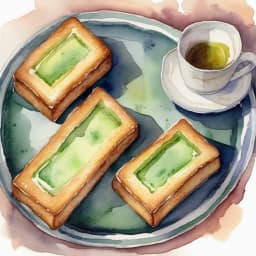
Soft gyuhi enveloped in a pale, spring-green crumble. With a single bite, the plump umami of glutinous rice and a subtle scent of grass herald the arrival of spring.
One of the three great famous confections of Matsue, produced by Saiundo in Matsue City, Shimane Prefecture. It is a tea sweet favored by Matsudaira Fumai, the seventh lord of the Matsue Domain, who was renowned as a tea master. After his death, the production method had been lost, but the first generation of Saiundo brilliantly restored it during the mid-Meiji era. The process involves hand-coating gyuhi—made by stone-milling glutinous rice from Okuizumo—with kanbai-ko crumbles.
The sweetness is subtle and elegant. When enjoyed with a bowl of tea, it feels as though you can taste the very changing of the seasons flowing through the castle town.
Upon entering the mouth, it gently crumbles, allowing the gentle sweetness of Wasanbon sugar to melt away smoothly. It is an elegant rakugan with a moist texture.
It is one of Japan's three great famous confections, as passed down by Furyudo in Matsue City, Shimane Prefecture. The red represents the autumn leaves coloring the mountains, and the white represents the flow of the river, originating from a poem by Lord Fumai. Although the tradition once ceased after being brought from Edo to Matsue, the second generation of Furyudo restored it during the Taisho era after approximately one hundred years. Along with Wakakusa and Nanano-sato, it is counted among the three great confections preferred by Lord Fumai.
Gently break a pair of the red and white pieces and enjoy them with matcha. The elegant sweetness unique to Wasanbon sugar vanishes smoothly from the tongue without leaving a heavy aftertaste. It creates an elegant moment, as if you are tasting the mountains and rivers within your mouth.
Butterflies dancing over a bright yellow field of rapeseed flowers—'Nanano Sato' captures this spring scene in a sweet that melts in your mouth. It is a signature confection of San'endo, a renowned confectionery shop in Matsue.
This sweet was devised by Matsudaira Fumai, the 7th Lord of the Matsue Domain, who was famous as a tea master daimyo. The rapeseed-colored dough, made moist with winter plum flour and sugar, is sprinkled with roasted brown rice to represent the flower field and butterflies. Passed down as a favorite tea ceremony sweet for Lord Fumai, it stands alongside Yamakawa and Wakakusa as one of Matsue's representative dry sweets.
Upon tasting, it crumbles delicately, releasing an elegant sweetness. It is a treat that allows you to savor the refined tea culture of Matsue along with your tea.
Matsue is a town of Japanese sweets, known as one of the 'Three Great Confectionery Districts of Japan' along with Kyoto and Kanazawa. This status is rooted in the deep tea ceremony culture established by the tea master daimyo, Lord Matsudaira Fumai.
The 7th feudal lord, Matsudaira Harutaka (Lord Fumai), loved the tea ceremony and created numerous tea sweets that suited his personal tastes. This tradition has been passed down for over two hundred years, and many long-established wagashi shops still line the streets of the city today. Famous sweets such as Yamakawa, Wakakusa, and Nanano Sato, which are closely associated with Lord Fumai, were also nurtured by this culture.
Taking the time to enjoy high-quality seasonal sweets (jo-namagashi) alongside matcha is a luxury unique to Matsue. When visiting the tea capital of Matsue, touring wagashi shops is one of the highlights to look forward to.
Keigetsudo is a long-established shop with over two hundred years of history in Matsube. 'Asashio' is one of the confectionery pieces that has supported its reputation.
Keigetsudo was founded in 1809 (Bunka 6) in Matsue, the domain of the tea master daimyo, Lord Fumai. Since then, it has been a brewery dedicated to confectionery making while preserving traditional craftsmanship passed down through generations. This elegant treat, featuring adzuki beans nestled in soft gyuhi, has been cherished as a famous sweet cultivated from the tea ceremony culture associated with Lord Fumai. Its charm lies in its moist texture and subtle yet deep sweetness.
Paired with tea, it allows you to reflect on the history of the castle town of Matsue. It is a classic Matsue souvenir that continues to be loved for many years.
The sweetness and umami of the squid expand with every bite. These crackers make full use of squid caught in Oki's Nishinoshima.
Nishinoshima, the largest of the Shimane islands in the Oki archipelago, has a deep historical connection with squid. Pole-and-line fishing is thriving here, and the 'white squid,' which reaches its peak season from early summer to autumn, is a representative seafood of the island, known for its strong sweetness and tender texture. This product captures that concentrated squid umami and crafts it into a fragrant, crispy rice cracker.
It offers a unique island deliciousness where the flavor of the sea fills your mouth as you chew. It pairs perfectly with both alcoholic drinks and as a snack. A delightful souvenir that allows you to easily take home the blessings of the Oki sea.
The fragrant flavor of perilla captured in a crispy cookie. This confection makes full use of Kawamoto Town's pride, its local specialty.
In Kawamoto Town, the cultivation of 'perilla,' a plant in the Lamiaceae family, is flourishing. Since large-scale cultivation began in the town in 2002, farmers and product developers have expanded, and it has now grown into a representative local specialty with as many as thirty related products. Perilla is also gaining attention for containing alpha-linolenic acid, a component that is beneficial to the body.
These cookies, kneaded with perilla, offer an enjoyable combination of savory aroma and a crispy texture. Delicious and good for your health, they make the perfect souvenir or gift for those who are health-conscious.
The fluffy sweetness of the sweet potato spreads gently throughout your mouth. It is a simple yet deeply flavorful potato confection that never grows old.
The name originates from Ido Heizaemon, the Omori Magistrate who governed Iwami Ginzan. He was a man who spread the cultivation of sweet potatoes in the Iwami region even earlier than Aoki Konyan in an effort to save the people suffering from the Kyoho famine, earning him the affection of the local residents as the 'Potato Magistrate.' It is said that there are over four hundred stone monuments praising his virtue, spanning from the Iwami area to Oki, and his legacy continues to be told to this day. Nakamura Chaho has crafted this particular item in honor of that story.
Enjoying this famous sweet with a cup of tea while reflecting on the history of the Iwami Ginzan World Heritage site—it is the perfect treat for such a moment.
A light, crispy texture paired with the gentle aroma of roasted buckwheat. This karinto is made using buckwheat grown at the foot of Mount Sanbe.
The foothills of Mount Sanbe in Oda City are located on a plateau at an altitude of approximately 500 meters, featuring volcanic ash soil and significant temperature fluctuations between day and night—ideal conditions for buckwheat cultivation. Buckwheat production began in this region during the Edo period, eventually becoming known as 'Sanbe Soba,' famous for its deep aroma and flavor. This karinto is made by kneading that flavorful buckwheat flour into the dough and frying it to a fragrant crisp.
With a simple yet addictive deliciousness, it pairs perfectly with tea. It is a souvenir that allows you to easily enjoy the natural blessings of Mount Sanbe. It is also a favorite snack for children.
Capturing the blessings of a small, sea-enclosed remote island in every single bite. These salt cookies are inspired by the sea of Chibu-rijima in the Oki Islands.
Chibu-rijima is a small island at the southern tip of the Oki Islands with a population of approximately 600 people. It is a land where untouched nature remains intact, with no traffic lights or convenience stores, featuring landmarks like the red cliffs known as 'Akakabe.' True to a seaside island where fishing and livestock farming are practiced, these cookies are infused with salt that carries the minerals of the sea, packed with a simple and warm flavor.
The subtle saltiness sharply enhances the buttery aroma, creating a deliciousness that makes you keep reaching for more. This is a souvenir that allows you to reflect on the generous nature of the remote island floating in the Sea of Japan.
When you peel back a single layer of the golden-brown, thin castella sponge, you find smooth smooth red bean paste (koshian) wrapped moistly inside. The softness of the sponge and the elegant sweetness of the bean paste melt together seamlessly.
This is a famous confection from Tsuwano Town, Shimane Prefecture, crafted by the traditional Japanese confectionery shop Sanshodou. Using a time-honored method, the sponge is baked to be moist by using extra eggs and adding richness with rice syrup. The bean paste is cooked in-house and carefully strained to remove all skins, resulting in a clean, moderately sweet smooth paste. It is a long-beloved sweet that represents the castle town of Tsuwano.
Enjoy a slice with your tea for a moment of relaxation. Its gentle flavor is exactly what you crave after a tiring day.
Colorful carp swim leisurely through the canals flowing past the white-walled streets—this is a Japanese sweet unique to Tsuwano, the 'Little Kyoto of San'in.' Produced by Sanshodo, 'Koi no Sato' captures this essence.
Tsuwano is a castle town that gave birth to great literary figures like Mori Ogai and philosophers like Nishi Amane. The sight of countless carp swimming peacefully in the canals along the white walls of Tonomachi Street is a beloved seasonal symbol of Tsuwano. Inspired by this local atmosphere, this elegant sweet features smooth yokan (sweet bean jelly) enveloped in a thin coating of sugar and agar. Its melting texture and moderate sweetness are its main charms.
The package features a silhouette of a carp, exuding the characteristic charm of Tsuwano. It is an item that allows you to take the entire atmosphere of the 'Little Kyoto of San'in' home with you.
The fluffy sweetness of the chestnuts melts into the moist yokan. This chestnut steamed yokan colors the autumn season in Tsuwano.
Tsuwano is a castle town known as the 'Little Kyoto of San'in.' In this land, which valued learning and culture despite having only 43,000 koku, the tradition of elegant Japanese confectionery still lives on. Using plenty of locally grown chestnuts, this sweet is crafted into a chewy steamed yokan, allowing you to enjoy the fluffy texture and natural sweetness of the chestnuts exactly as they are—a flavor unique to autumn.
Paired with tea, it brings to mind the calm atmosphere of the castle town. It is a perfect souvenir from Tsuwano for the harvest season, and it is sure to be appreciated as a gift.
A light, crispy bite with a gentle aroma of toasted buckwheat. These cookies are made using buckwheat flour grown in Iinan Town.
Located in the highlands of the Chugoku Mountains, Iinan Town experiences significant temperature fluctuations between day and night, creating an environment where vegetables and rice develop rich flavors. It is a land where buckwheat cultivation is so thriving that the soba served at the local Roadside Station has gained great reputation. We have taken buckwheat grown in these highlands, ground it into flour, and kneaded it into a crunchy cookie dough. The simple, rustic flavor and toasted aroma of the buckwheat pair surprisingly well with the Western-style cookie.
This is a unique souvenir exclusive to the highland town of Iinan, available at places like the Roadside Station. Pairing beautifully with both coffee and tea, it offers a slightly new way to enjoy the taste of buckwheat—perfect as a snack for children too.
A refreshing citrus scent gently drifts through your nose. These sweets make full use of the yuzu grown in the hilly and mountainous areas of Shimane.
In the mountains of Shimane, as late autumn approaches, the yuzu turns yellow and bears fruit, releasing a strong fragrance into the surroundings. Freshly squeezed juice is rich in refreshing acidity and aroma, and has long been valued as a hidden star ingredient in various dishes. These sweets are crafted using that very yuzu to create jellies, jams, baked goods, and more. Some items even utilize the fragrant yuzu peel.
This is a bounty from the hilly regions, allowing you to enjoy the uniquely clear aroma and acidity of yuzu. It is a perfect item for a winter gift.
Turning a mildly spicy soul food into an easy snack—these are chips arranged from Hamada's specialty 'Akaten'.
Akaten is a type of surimi (fish paste) born in Hamada City, colored red by mixing chili pepper into the fish paste and then coated in breadcrumbs and deep-fried. It is said that the prototype was developed by the founder of Egi Kamaboko Store as a product to compete with the popular fish sausages during the post-war food shortage era, and it has now grown into a representative specialty of Shimane. This product transforms the unique spicy kick and flavor of Akaten into an easy-to-eat, crispy chip.
Perfect as a snack with alcohol or as a treat, the flavor is so addictive you won't be able to stop. It is a delightful souvenir that lets you easily take home a taste of Hamada's soul food.
A hint of sea breeze amidst the sweetness. This salted yokan has been a beloved treat in Hamada, a port town overlooking the Sea of Japan.
Hamada, located in the Iwami region, is a land that has flourished through fishing since ancient times as a port facing the Sea of Japan. True to a town that lives alongside the blessings of the sea, this salted yokan—featuring a delicate touch of salt within its sweetness—has been widely enjoyed. Its charm lies in its clean aftertaste and ease of eating, with the moderate saltiness sharply enhancing the sweetness of the red bean paste. It is crafted with a simple, warm flavor that pairs perfectly with tea.
This is a confection that conveys the confectionery culture of Iwami, refreshing even during the hot season. We also recommend enjoying it chilled. Please enjoy it with your tea.
Rich and smooth, a single spoonful fills your heart with satisfaction. This milk pudding is the pride of Onan Town, known as the 'Town of A-Class Gourmet.'
Onan Town is an agricultural community blessed with abundant water and highland nature. It is well-known for its commitment to ingredients, following the philosophy that 'truly delicious things are born from the local area and the people who make them with pride,' as part of its efforts to develop as an 'A-Class Gourmet' town. This pudding, made with plenty of fresh milk from the town, boasts a deep milk flavor and a smooth, creamy mouthfeel.
It is a treat-like dessert that directly conveys the quality of its ingredients. If you visit Onan, this is a dish you must taste.
The playful Hyottoko face is truly irresistible. This is Shimane's representative confection, 'Dojo-sukui Manju.'
Its motif is the Hyottoko mask used in the 'Dojo-sukui dance' performed to the Yasugi-bushi folk song. Born in Yasugi, this sweet was designed by manga artist Hiroji Oba and has been beloved for over half a century due to its charming expression. In addition to the classic white bean paste, you can enjoy various other fillings such as matcha and strawberry. Today, it is a signature confection representing both Shimane and Tottori prefectures in the San'in region.
It is a staple San'in souvenir that brings a smile to your face just by looking at it. Sharing them naturally spreads joy wherever they are given.
The fragrant aroma of roasted soybean flour (kinako) and pounded grain (hattai-ko) evokes a sense of nostalgia. These are simple traditional candies passed down in the Izumo region.
In Izumo, which flourished as a tea-producing area, many types of everyday candies were born alongside the elegant culture of tea ceremony. Traditional treats such as okoshi and candy sculpting made with kinako and hattaiko can still be found at shops along the approach to Izumo Taisha Shrine today. While not flashy, their charm lies in their gentle flavors that highlight the essence of the ingredients.
They are perfect for snacking on while strolling along the path to Izumo Taisha. One bite is enough to suddenly stir up childhood memories, offering a snack that is both nostalgic and warm.
"Gassan" is a representative sake of Shimane, brewed by Yoshida Sake Brewery located in Hirose-cho, Yasugi City. It began in 1743 as a brewery authorized by the Hirose Clan, and tracing back through the history of its long-standing family, it is an established brewery that has continued sake brewing for nearly three hundred years.
For the brewing water, they use water drawn from a well reconstructed based on historical documents, which contains the famous spring water said to have been enjoyed by successive lords of the Hirose Clan. It is said that the ultra-soft water with a hardness of only 0.3 and low mineral content produces a smooth and clear quality of sake.
The brand name is inspired by the local landmark, Gassan Takeda Castle. It features an elegant and transparent taste that embodies the meticulous craftsmanship of Izumo Toji (master brewers). It is beloved as a staple that accompanies local dining tables.
"Oki Homare" is the flagship brand brewed by Oki Shuzo, the sole sake brewery in the Oki Islands. Oki Shuzo was formed in 1972 through the merger of five breweries that were previously located on the island, making it the only brewery on this remote island.
Sake brewed with the famous pristine waters of Oki has been crafted to complement the local food culture. In particular, the dry "Oki Homare" enhances the flavors of ingredients like crab and fresh seafood when paired together.
Its charm lies in being mellow and easy to drink, yet possessing a depth that allows it to pair well with almost any dish. It is a cup of pride for the island, perfect as a companion for traveling through Oki—a certified UNESCO Global Geopark—and highly appreciated as a souvenir. Please enjoy the taste of sake born on an island surrounded by rugged cliffs and clear seas.
"Shima no Kaori" is a local sake brewed on the island of Oki, surrounded by sea breezes and nature. It is produced by Oki Shuzo, the only brewery in the Oki Islands.
Oki Shuzo was formed in 1972 through the merger of five breweries that existed on the island. In the environment of a remote island reached by crossing the sea from the mainland, they continue to brew sake using the famous pristine waters of Oki.
Featuring a fruity aroma and a light mouthfeel, it offers an approachable flavor even for those not accustomed to drinking sake. Enjoying it alongside the seafood of Oki will further deepen your memories of your island journey. A refreshing cup nurtured by the island's climate, enveloped in the scent of the tide. It is also perfect as a souvenir to commemorate your visit to Oki.
Despite being dry, it has a soft mouthfeel. A subtle aroma and a sharp, clean umami leave a vivid impression with every sip.
The brewery behind this is Hiji Sake, located in Okuizumo, Shimane Prefecture, founded in the early 18th century. It is also known as the birthplace of non-sparkling yeast brewing. The name 'Shichikanba' (Seven-Crown Horse) originates from Symboli Rudolf, known as the strongest horse of the 20th century. The name was chosen because the brewery shares a familial connection with the Symboli Farm that raised this legendary horse. Using carefully selected sake rice, including Shimane-grown Sakanishiki, the sake is crafted with robust character using the pure waters of Okuizumo and the expertise of Izumo Toji (master brewers).
A single glass reflects the very essence of the Okuizumo climate. Please enjoy a bottle at your dining table at your leisure.
The blessings of a river once honored as the cleanest in Japan reside within a single cup of sake. This is 'Fuso-tsuru,' brewed by Kuwabara Sakaba in Masuda City.
Founded in 1903 (Meiji 36). The Takatsu River, which flows beside the brewery, is a beautiful river that has been selected as the cleanest in Japan, and its pure subsoil water is used for brewing. Rather than pursuing an overly floral aroma, we focus our efforts on crafting Junmai sake that allows you to slowly savor the umami and flavor derived from the rice.
It is a reliable companion for meals, enjoyable not only chilled but also at room temperature or warmed (okanzake). Named after the crane, a symbol of longevity, 'Fuso-tsuru' is an Iwami local sake imbued with the wish that those who drink it may also enjoy long life.
This is a local sake that can be called the pride of Iwami, bearing the name of a World Heritage site. 'Iwami Ginzan' is brewed by Ichinomiya Shuzo in Oda City.
Founded in 1896 (Meiji 29), they have continued sake brewing for over 120 years using the pure spring water flowing from the foot of the majestic Mt. Sanbe. Some varieties of this brand, named after the Iwami Ginzan World Heritage site, feature the revival of the 'Kairyo Hattan-ryu'—a legendary sake rice that had disappeared due to cultivation difficulties—reintroduced in collaboration with local farmers, allowing you to enjoy a mellow and deep flavor.
An exquisite cup worthy of the name of this historic silver town. This is a local sake born from the rich natural environment of Iwami and the passion of producers dedicated to their rice.
"Okuizumo Maewataya" is a local sake brewed in Okuizumo Town, known as the production area for Nita rice. The brewery, Okuizumo Shuzo, brews Junmai sake using the rice and water from Okuizumo, the birthplace of Japanese mythology.
A major feature of this brewery is that they use Nita Koshihikari, grown in terraced rice fields, for their sake production in addition to specialized sake rice. This results in a sake that leverages the rich sweetness and umami unique to Koshihikari, which is highly regarded as premium edible rice.
Nurtured by the cool climate of the Chugoku Mountains and pure water, it offers a smooth and gentle flavor. It is a local sake you can only encounter here, as if the rich nature of Okuizumo has been captured in a single cup. Please take your time to savor the blessings of the terraced fields while reflecting on the homeland of mythology.
Retired Emperor Go-Toba was exiled to Oki during the Jokyu War. 'Jokyu no Utage' by Oki Shuzo is a brand closely connected to Ama Town, where this ill-fated emperor spent 19 years of his life.
In the third year of the Jokyu era (1221), after being defeated by the Kamakura Shogunate, Retired Emperor Go-Toba was exiled to Ama Town in Oki and lived on the island until his death. Named in honor of this history, this sake is brewed using the pure waters of Oki.
It offers a unique character characteristic of an isolated island far from the mainland. When paired with the seafood of Oki, you can experience the island's history and climate in a single glass. It is a sake to be enjoyed slowly while reflecting on the grand nature of this UNESCO Global Geopark and the story of the ill-fated emperor.
Brewed in the port town of Gotsu, Iwami, along the banks of the Gōno River, 'Tokonishiki' is a true local sake. The brewery, Tokonishiki Sake Brewery, was founded in 1884 and has a long history of leading the sake brewing industry in the Iwami region.
Their brewing process focuses deeply on the local water and rice, using Shimane-grown rice for almost all their ingredients. Despite having earned numerous gold awards at the National New Sake Awards in the past, the brewery is also known for its journey of revival as a Junmai-focused brewery after a temporary hiatus due to the aging of its master brewers.
Its clean and crisp taste blends seamlessly into local banquets and everyday dining. Each glass is filled with the blessings of the land, emphasizing the vital role of microorganisms. We invite you to experience the essence of the Iwami climate, carried by the Gōno River, within your glass.
A brewery that has been brewing sake for over 150 years at the foot of Izumo Taisha Shrine. This is the local sake of Asahi Shuzo.
Founded in 1869 in the Nakamachi shopping district of Izumo City. It is said that the brand name was changed from its original 'Shirayuki' to 'Jyu-asahi' after it was praised as 'the finest beauty of sake under heaven' and received calligraphy for the name 'Asahi'. The brewery also focuses on Kimoto-style brewing and long-term aging, resulting in a characteristic deep and rich flavor.
They are also known as the brewery that produces 'Yachihoko,' the sacred sake used at Izumo Taisha. It is a profoundly flavorful local sake that has been passed down for over 150 years in the mythical land of Izumo.
"Brewing Izumo, Aspiring to Fuji" — The spirit of aiming to create Japan's number one sake is embedded in its name. This is "Izumo Fuji," brewed by Fuji Shuzo in Izumo City.
Founded in 1939 (Showa 14). The brand name was chosen with the wish to create a sake loved as much as Mount Fuji. They continue a style of brewing that respects the intuition of every brewer, such as preparing all koji by hand and adhering to traditional vat pressing methods. In recent years, its fruity and gorgeous flavor has earned a great reputation, increasing its fanbase across various regions.
Under the motto "Brewing Izumo, Aspiring to Fuji," this is a cup brewed in the heart of the Izumo Plain, the village of mythology. Its charm lies in its clean and crisp finish.
A rich aroma rises from the cup, and upon taking a sip, a crisp, dry finish glides smoothly down the throat. It is a perfect companion for meals, enhancing the flavors of the food so much that you may find yourself drinking more than intended.
The sake is brewed by Li Bai Sake Brewery, established in 1889 in the castle town of Matsue. The name was given by Reijiro Wakatsuki, a former Prime Minister from Matsue, in honor of the Tang Dynasty poet Li Bai, who was known for his love of sake.
We are committed to using high-quality sake rice grown within the prefecture, such as Yamada Nishiki and 500,000-koku (Gohyakumangoku). Since our founding, we have used the famous Ishibashi no Oi well water for our brewing. By utilizing long-term fermentation at low temperatures, we achieve a mellow mouthfeel.
Enjoy a cup alongside seafood. Whether served chilled or warmed, this versatile sake stays close to the flavors of your dishes. Please take your time and savor this cup nurtured by the climate and culture of Izumo.
A brewery that has continued to brew sake that accompanies the dining tables of Matsue, right by the shores of Lake Shinji. The local sake is 'Kuniaki' from Kuniaki Sake Brewery.
Founded in 1874 in the castle town of Matsue. The brewery, a renovated storehouse once belonging to the Matsudaira clan of the Matsue Domain, still stands quietly overlooking Lake Shinji. By utilizing traditional techniques passed down through Izumo Toji (master brewers) and limiting production volume, they have continued careful sake brewing. Their quality is well-established, having frequently received gold awards at the National New Sake Awards.
An ideal drink to accompany food, specifically crafted to pair with the 'Seven Delicacies of Lake Shinji,' including shijimi clams. It is a flavorful local sake born from the climate of Matsue, the city of tea ceremony and water.
A gentle aroma with a mellow, spreading sweetness. A plump umami, much like the sensation of chewing rice, slowly expands in your mouth.
This is the flagship brand of Yoneda Shuzo, founded in 1896 in Matsue City, Shimane Prefecture. It was named to express gratitude for a bountiful harvest. Using locally produced sake-brewing rice such as Yamada Nishiki and Saka Nishiki, which are polished in-house, it is brewed with local spring water and the traditional techniques of Izumo Toji (master brewers). In particular, 'Suzume' and 'Inaho' are beloved by many fans as 'kanagari' sake—sake that becomes even richer and more flavorful when warmed to lukewarm temperature.
Enjoy a slow glass alongside your meal. A perfect supporting actor for the Matsue dining table, providing a pleasant intoxication.
Brewed in the area of Yasugi, overlooking Mount Daisen—the highest peak in the Chugoku region—is the renowned sake 'Gassan,' which inherits the techniques of Izumo Toji (master brewers). The brewery, Yoshida Sake Brewery, is located in Hirose-cho, Yasugi City, and is a long-established institution with nearly 300 years of history, founded in 1743 as a brewery officially permitted by the Hirose Domain.
The brand name is derived from Gassan Takeda Castle, an impregnable mountain castle built by the Amago clan during the Warring States period. It is said to originate from a custom where the finest sake of the year was called 'Gassan' and presented to the castle.
The brewing water is ultra-soft with a hardness of only 0.3. Its clear, transparent taste never fails to attract sake lovers not only locally but across the nation. Please enjoy a clean cup that you will never tire of.
"Ujin" is a premium sake from Furuhashi Shuzo, which has continued to brew sake in the castle town of Tsuwano—the 'Little Kyoto' of San'in—since the Meiji era. The brewery was founded in 1878 (Meiji 11). Both the brewery and the shop are designated as Registered Tangible Cultural Properties of Japan.
The name "Ujin" (meaning 'first battle') originates from the story of the founder, who, as a samurai of the Tsuwano Domain, experienced his first battle at the Battle of Toba-Fushimi at the age of 17. The brand embodies the spirit of always approaching sake brewing with the determination of one's first battle.
The brewing water is "Tensen," an ultra-soft water springing from the headwaters of the Takatsu River, often referred to as Japan's cleanest stream. Carefully brewed with sake rice grown in Tsuwano, its elegant taste is a perfect match for the atmosphere of this Little Kyoto. It is a fine sake that you will want to savor alongside the local history after strolling through the castle town.
In Tsuwano, home to the Taikogani Inari Shrine—one of Japan's five great Inari shrines—lies 'Kasen,' the local sake of Kasen Shuzo, which boasts a history of approximately 300 years. It is said that the brewery began in 1730 (the 15th year of the Kyoho era) when the first generation, who operated a rice wholesale business in Tsuwano, started brewing sake.
Currently, the tenth generation serves as the head of the family, while the eleventh generation serves as the Toji (master brewer), making it a long-established brewery that has truly passed down its traditions through generations. They continue to uphold handmade production methods rather than relying solely on machinery.
The brewing water is sourced from the underground springs of Mount Aono. It is a cup that pursues the authentic flavor of sake—dry yet full-bodied. The adorable fox label, characteristic of a shrine town like Inari, is unique to Tsuwano. Its mild and easy-to-drink profile makes it a local sake that is also highly appreciated as a gift.
This local sake is brewed by the only remaining brewery in Yunotsu, pursuing the true umami of rice. This is Wakabayashi Sake Brewery's 'Kaishun'.
Founded in 1869 in Yunotsu, Oda City, near the World Heritage site of Iwami Ginzan. Their brewing philosophy prioritizes the natural umami of the rice over aroma, focusing heavily on the traditional 'Kimoto' method. They are also known as the first brewery in Shimane to revive the once-fading Kimoto method, and their honest approach to brewing has earned them many dedicated fans across the country.
With its powerful umami and crisp taste, it pairs excellently with everyday meals. This is a local Iwami sake, carefully brewed with great care by the sole remaining brewery in the hot spring town.
From the port town of Hamada comes a brand inspired by the vast expanse of the Sea of Japan: Nihonkai Shuzo's 'Kan Nihonkai.'
Founded in 1888 in Misumi-cho, Hamada City, in the Iwami region. As the last remaining brewery in Hamada City, they have brewed various types of sake, focusing primarily on food-pairing sake (shokuchushu). A key feature is their ability to produce a clean, crisp finish while prioritizing aroma and flavor, utilizing sake rice grown by contract farmers in the local Yasaka-cho area.
This is a perfect cup to accompany the rich seafood nurtured by the rough waves of the Sea of Japan. It is a local sake that has been carefully passed down in Hamada, the home of the heroic Iwami Kagura dance. It can be enjoyed deliciously both chilled and warmed.
Shimane is said to be the birthplace of sake in Japan. The Izumo Toji is a group of artisans who have honed their skills in this very land of Izumo. Breweries throughout the prefecture inherit these techniques to brew characterful local sakes.
The Izumo Toji guild was established during the Taisho era as the Akishika Toji Guild, later renaming itself to the Izumo Toji Guild, carrying a history of over a hundred years. Their signature style is characterized by a complex flavor profile where acidity, umami, sweetness, and bitterness blend harmoniously.
Many of the brands are ideal for drinking with food, pairing perfectly with San'in delicacies such as Izumo Soba and Nodoguro (blackthroat galia). One of the joys of Shimane's local sake is comparing the different flavors from each brewery. We invite you to savor each glass and experience the artisanal skills passed down through generations in this land of mythology.
Just a few minutes by car from Izumo Taisha Shrine, Shimane Winery is a popular spot visited by over a million people annually, featuring South European-style buildings set against lush green mountains.
Shimane Prefecture, particularly Taisha-cho in Izumo City, is a major production area for greenhouse grapes, especially Delaware. The wines brewed from these local grapes are characterized by their sweet and mellow aroma. Inside the facility, you can enjoy free wine tastings, factory tours of the winery, and even savor Shimane Wagyu BBQ.
As a tourist facility that both children and non-drinkers can enjoy together, it is a must-visit destination alongside a pilgrimage to Izumo Taisha. Choosing a bottle of wine as a souvenir will allow you to carry the lingering charm of your Izumo trip home with you.
A playful creation from Nakauura Foods that features a 'Hyottoko' face—familiar from the Dojo-sukui dance of Yasugi-bushi—enlarged to several times its usual size. With its high-impact size and plenty of white bean paste inside, it is a staple Shimane souvenir that serves as a great conversation starter.
A chocolate bean paste version of Nakauura Foods' classic 'Dojousukui Manju.' It features milk chocolate paste made with Tottori-produced Shirabara milk wrapped in a dough shaped like a Hyottoko face. Among the seven flavors introduced since the year 2000, this is particularly popular.
A unique pie confection called "Dojo Pie," inspired by the famous Yasugi-bushi performance of 'Dojo-sukui' (loach scooping). This item is baked by Nakauura Foods, a long-established shop in San'in, with loach powder kneaded into the dough.
With catchphrases like "an energizing sweet" and "a vigorous sweet," it has long been cherished as a souvenir from the San'in region. Despite its impactful name, the taste is a crispy, savory, and easy-to-eat pie.
Yasugi is the home of Yasugi-bushi, famous for the Dojo-sukui dance. This local specialty is perfect as a conversation starter. Why not pick this slightly humorous Shimane souvenir for your colleagues or friends?
A San'in collaboration Dojo-sukui Manju by Nakauura Foods, featuring a filling made with 20th Century pear jam from Tottori Prefecture. The classic Hyottoko-faced shape is enhanced with the fruity sweetness and acidity of pear, allowing you to enjoy specialties from both Shimane and Tottori at once.
This is a prestigious yokan (sweet bean jelly) that has been passed down through generations in front of Kiyomizu-dera Temple in Yasugi City. It is said that the recipe, originally bestowed upon the monks of Kiyomizu-dera, has been carefully preserved over many long years.
The ingredients are strictly limited to adzuki beans, agar, and sugar. The core principle of Nishimuradō's Kiyomizu Yokan is the purity of being additive-free, without adding any unnecessary components. Its defining characteristics are the smooth texture of the homemade bean paste and a clean, subtle sweetness that allows the quality of the ingredients to shine through.
The light and elegant flavor makes it a perfect accompaniment to tea, ensuring it never becomes tiring to eat. As a local specialty from the temple gates, it is a simple and sincere confection that has been loved by the community for a long time. It is a dish for those who wish to truly savor the authentic taste of its ingredients.
A confection from Nakauura Foods, inspired by the 'Dojo Sukui' dance, a specialty of Yasugi-bushi. It was born as a sister product to the long-selling 'Dojo Sukui Manju,' offering a new deliciousness.
It features a light texture, combining crispy cookie dough with a gently sweet bean paste. You can enjoy an elegant, Western-style mouthfeel that differs from the original manju. Due to its lightness and gentle sweetness, it is particularly popular among women.
While maintaining the humorous expression of the Hyottoko mask, this product adds a new flavor. It is perfect as a snack with tea and serves as a souvenir that can be enjoyed along with the playful spirit of the San'in region. The smile of the Hyottoko will bring a smile to anyone who receives it.
A smooth bean paste version of the representative San'in confection released in 1967. While maintaining its charming appearance, which is shaped like a Hyottoko mask and a polka-dot hand towel from Yasugi-bushi, it offers a clean taste with smooth bean paste.
A matcha bean paste version of the famous San'in confection, Dojo-sukui Manju. The familiar Hyottoko face is filled with vibrant green matcha paste, offering a sophisticated balance of bitter tea flavor and sweetness suitable for adults.
A yokan from Kuroda Sennendo, which received the secret production method from Zuko-zan Kiyomizu-dera Temple at the end of the Kamakura period. Made using only sugar, starch syrup, agar, and soybeans, it is wrapped in bamboo skin. Its simple luster and smooth texture, free of additives, have remained unchanged for hundreds of years.
A strawberry-flavored version of Nakauura Foods' Dojosukui Manju series. This vibrant confection features pink strawberry bean paste stuffed inside dough shaped like a Hyottoko mask. Its fruity sweetness, which differs from the standard white bean paste, is very popular.
When it comes to souvenirs from Masuda, this is the one—'Keiran Manju' has been loved locally for a long time. It is the flagship product of Keirando, founded in Masuda City after inheriting the production method from the long-established Sumiyoshi Seikado in Kyoto in 1955.
As the name suggests, we pride ourselves on our castella batter, which uses plenty of fresh eggs from local Masuda. Inside the fluffy baked batter, we fill a homemade white bean paste with subtle sweetness.
Despite being an accomplished confection that has won numerous awards, including a Gold Medal at the National Confectionery Expo, the flavor remains the same as it was at the time of our founding. Easy to eat in bite-sized pieces, it is enjoyed by everyone from small children to the elderly. It is a famous sweet you'll want to pick up when visiting Masuda; its gentle flavor, rich with egg aroma, is pleasing to all generations.
'May you find a wonderful connection'—The 'Enmusubi Pie' is a heart-shaped pastry inspired by the matchmaking blessings of Izumo Taisha. It is a staple souvenir for shrine visitors, imbued with wishes unique to Izumo.
It features a light, crispy pie crust with a subtle sweetness. It is also popular in the souvenir shops along Shinmon-dori, the street leading to Izumo Taisha.
The heart shape is lovely, and the bite-sized pieces are easy to distribute. You can present them while entrusting them with wishes for connections with loved ones, new encounters, or various types of 'En' (destined connections). Along with your memories of traveling through Izumo, attach a quiet wish for good fortune. This sweet-scented treat is truly characteristic of Izumo and is also perfect as a snack to share with colleagues or friends.
With its auspicious red and white colors, 'Izumo Kohaku Kintsuba' is a perfect souvenir for visiting Izumo Taisha. This auspicious item is also striking for celebratory occasions.
This authentic treat consists of chunky bean paste made from carefully simmered Hokkaido adzuki beans, wrapped in a chewy, thin skin. The sweetness is kept subtle to allow the true flavor of the adzuki beans to shine through.
The red and white color scheme makes it perfect for gifts on special days, such as weddings or longevity celebrations. As an auspicious sweet unique to Izumo, the land of good connections, it will surely delight the recipient. It is a treat you can savor slowly with tea, enjoying the simple flavor of the beans along with the lingering memories of your visit to Izumo Taisha.
A Muscat-flavored wine jelly produced by the popular Shimane Winery, located near Izumo Taisha. This refreshing treat is also enjoyed by those who do not prefer alcohol.
Taisha-cho in Izumo City is one of Japan's leading producers of greenhouse grapes. It is particularly known for its production of Delaware and Muscat grapes, and the rich sweetness of these grapes is captured within this jiggly jelly.
With a single bite, the fresh aroma of Muscat spreads throughout your mouth. Since it contains no alcohol, it is a delightful treat for both children and adults. Please take home the blessings of this grape-growing region as a souvenir of your trip to Izumo.
Featuring 'Shimane-ko,' the adorable tourism character of Shimane Prefecture wearing a hat modeled after the architecture of Izumo Taisha, on its packaging is this 'Sweet Chocolate Crunch.'
This treat consists of crispy puffs generously coated in smooth chocolate. With its light texture and gentle sweetness, it is finished to be easy for children to enjoy.
Above all, the cuteness of Shimane-ko is the charm of this souvenir. Individually wrapped and easy to distribute, it is perfect as a gift for children or a small token of appreciation. Enjoy a sweet moment with the popular Shimane-ko as a memory of your trip to Shimane. The adorable packaging is sure to bring a smile to anyone who receives it.
A Shimanecco-shaped ningyo-yaki (doll-shaped cake) baked exactly as the character appears, wearing a hat modeled after Izumo Taisha. Produced by Nakauura Foods, a long-established company in San'in, this souvenir allows you to enjoy Shimane's popular character.
Shimane Prefecture's tourism PR character, 'Shimanecco,' is trademarked by its hat inspired by Izumo Taisha. This adorable figure is carefully shaped using fluffy castella batter.
Inside, it is filled with plenty of rich custard cream. Not only is it cute in appearance, but it is also delicious to eat. It makes a perfect souvenir for children or a gift for Shimanecco fans. An item that will bring a smile to the end of your trip to Shimane.
'Goen Mochi' consists of mochi kneaded with green tea from Shimane Prefecture and generously coated in fragrant kinako (roasted soybean powder). It is a traditional Japanese flavor perfectly suited as a souvenir for visiting Izumo Taisha, the land of matchmaking.
We take pride in our traditional method of pounding with a mortar and pestle, which provides a chewy elasticity that machines cannot replicate. The subtle bitterness of the green tea and the gentle sweetness of the kinako harmonize exquisitely.
There is also a street-food size featuring two pieces on a skewer, making it fun to enjoy while strolling the path leading to Izumo Taisha. Named 'Goen' (meaning good connections/fate) in hopes of bringing good fortune, this mochi is a popular and auspicious gift. Please enjoy this quintessential Izumo treat, with its fresh-pounded elasticity and simple flavors of green tea and kinako.
Cute heart-shaped rice flour cookies themed around 'tying bonds.' These are gentle sweets baked using only rice flour from Shimane Prefecture, without any wheat flour.
With simple ingredients, you can directly enjoy the light, crumbly texture unique to rice flour and its gentle sweetness. Since they are wheat-free, they are also a thoughtful choice for those with dietary considerations.
Each cookie carries the wish that you will feel a connection to Shimane, a land known for matchmaking (Enmusubi). Individually wrapped and available per piece, they are perfect for small gifts or a personal snack during your travels. Their simple taste softly delivers a 'connection' to Shimane.
A convenient "one-bite zenzai" arriving from Izumo, considered the birthplace of zenzai. This delightful souvenir pack allows you to enjoy authentic Izumo zenzai just by heating it up.
It is said that the "Jinzaimochi" served during the Kamiari Festival in the tenth month of the lunar calendar in Izumo became corrupted into "zenzai" in the Izumo dialect and was later introduced to Kyoto. Its origins are even recorded in Edo-period literature.
This dish features soft mochi paired with a lightly sweetened bean paste made from carefully simmered Hokkaido adzuki beans. You can easily enjoy zenzai from its birthplace right at home. It is perfect as a treat for yourself during the cold season or as a gift.
Nodoguro is a high-end fish nurtured by the Sea of Japan. "Nodoguro Senbei" is a crispy rice cracker that concentrates its elegant umami.
Nodoguro, often referred to as the "toro (fatty tuna) of white fish" due to its rich fat content, is a representative fish of Shimane. The flavor is kneaded into the dough of these crackers, spreading the scent of the sea and umami with every bite. A great feature is that each cracker is individually wrapped and has a long shelf life.
The large-capacity assortment is perfect for sharing and is a regular fixture in souvenir rankings. This item allows you to easily taste the bounty of Shimane's seas and pairs well with both alcohol and tea. Because it lasts a long time and is easy to distribute, it is a highly useful San'in-style cracker for souvenirs for workplaces or family.
Featuring Yoshida-kun, the tourism ambassador of Shimane Prefecture familiar from the anime "Secret Society Eagle Talon," these langues de chat cookies are called "Yoshida-kun Ran Ran Lang." It is a Shimane souvenir that will bring a little chuckle to your face.
Yoshida-kun is a popular character created by an author from Shimane. He is a tourism ambassador overflowing with local pride, known nationwide for spreading awareness of Shimacia through self-deprecating jokes, such as "Shimane is to the left of Tottori."
The snack features an elegant taste, with white chocolate sandwiched between crispy, thin cookies. The individually wrapped pieces are easy to distribute, making them a perfect size for office souvenirs. Delicious and also a great conversation starter, this box is filled with the characteristic humor of Shimane.
This is a mochi sweet created in honor of Izumo Taisha, the sacred site for matchmaking (En-musubi), to pray for good connections. Soft mochi dough wraps around a gently sweet bean paste, finished with a red and white color scheme that looks truly auspicious.
Izumo has long been known as the land of "Kamiari-zuki" (the month of gods), where deities from all over the country gather, and it is a place where prayers for connecting people live on. This classic souvenir for visitors softly encapsulates that essence of Izumo in a single bite. It is easy to see why so many people pick it up on their way back from visiting the shrine.
With its chewy texture and moderate sweetness, it is perfect for tea time. Why not choose this as a gift for someone special, with the feeling of sharing good fortune?
Taki Town in Izumo City is one of Japan's leading producers of figs. This "Ichijiku Sablé Doure" is baked using Houraishi figs, which are carefully nurtured in this very land. The dough spreads a fragrant buttery aroma, with the gentle sweet and sour notes of fig softly peeking through. Its charm lies in a comforting flavor unique to Houraishi figs, known for their thin skin and soft flesh. Each piece offers a pleasant, light, and crispy texture. With its elegant "Doure" name and stylish Western-style packaging, it is the perfect gift for women. This baked confection is a true taste of Izumo, filled with local blessings.
These cookies are baked by Patisserie Memory in Izumo City using 100% Shimane-grown rice flour. Since no wheat flour is used, they feature a unique, light, and crumbly melt-in-your-mouth texture. The name "En atte" embodies the desire to connect people, much like the stalks of rice on a five-yen coin represent good fortune. It is a confection that reflects the warm hospitality unique to Izumo, the land of matchmaking. Individually wrapped for easy sharing, they are perfect as a souvenir after visiting Izumo Taisha Shrine. The gentle sweetness and crisp-yet-crumbly texture are flavors that will delight everyone from children to adults. Please enjoy the gentle goodness that only rice flour can provide.
This is a Shimane-exclusive chocolate crafted by the long-established Mary Chocolate, themed around 'Go-en' (the concept of fateful connections) from Izumo, a land famous for matchmaking.
True to the region of Izumo Taisha, the eye-catching package design features a glamorous motif related to destiny. Since each piece is individually wrapped with care, it is perfect as a souvenir to distribute at work or to friends. The ease of sharing is a wonderful feature.
The smooth melting texture and elegant sweetness offer the reliable deliciousness expected from such an established brand. It is sure to delight chocolate lovers. This is a box you'll want to choose with the feeling of sharing good fortune as a memento of your visit to Izumo. If you find it, please be sure to pick it up.
Fujiya's Milky, featuring the familiar Peko-chan, has arrived in a special edition exclusive to the Chugoku and Shikoku regions.
While maintaining the usual gentle milky sweetness, it incorporates a refreshing citrus flavor. The packaging, which evokes the local character, has an air of exclusivity that makes you want to pick it up when you find it on a trip. Finding it instantly heightens your travel excitement.
It is a nostalgic yet new Milky taste that melts in your mouth. It can be enjoyed by all generations, from small children to adults. This is an item that comes with a travel story and is easily shared to bring joy to others. The joy of finding it is one of the delights of traveling.
A snack with a highly impactful name that will make you burst into laughter: 'Nezumi-Otoko's Booger.' Named after the familiar Nezumi-Otoko from 'GeGeGe no Kitaro,' it is the perfect novelty souvenir. However, the contents are quite authentic—sweetly simmered Amanatto made from domestic black soybeans. The plump umami of the beans and their gentle sweetness make them a perfect accompaniment to tea. The gap between its unexpected appearance and its serious deliciousness is part of the fun. This item shines with the playful spirit unique to the San'in region, which is closely associated with Shigeru Mizuki, the creator of Kitaro. It serves as a great conversation starter when given and is truly delicious when eaten, making it a souvenir that delights the recipient twice.
Izumo is known as the birthplace of Zenzai. Inspired by this heritage, we created the 'En-musubi Zenzai Whip Mochi.' Izumo is a land where it is said that Zenzai originated from the Kamiari-mochi served during the Kamiari Festival. This is a Western-style Daifuku where Japanese and Western flavors meet, featuring chewy mochi dough enveloping sweet red bean paste and fluffy whipped cream. You can enjoy the combination of gentle sweetness reminiscent of Zenzai and light, airy cream. The individually wrapped design makes it easy to distribute, and its ability to be stored at room temperature is a great advantage. Easy to eat in bite-sized pieces, it is perfect as a souvenir from an Izumo shrine visit. As a sweet that 'ties connections' (En-musubi), it is a treat you will want to give to your loved ones.
Chocolate cookies with a cherry blossom flavor, themed after the 'Enmusubi' (matchmaking) of Izumo. The subtle scent of sakura blends with the sweetness of the chocolate, creating a lovely spring-like elegance. The cute pink individual packaging makes them a popular choice for gifts between women or as souvenirs during the cherry blossom viewing season.
Hikawa-cho in Izumo City is one of Japan's leading production areas for adlay. This single-bite confection features locally grown adlay whole-coated in smooth chocolate.
The crunchy, fragrant texture of the adlay harmonizes exquisitely with the gentle sweetness of the chocolate. The rustic flavor of the grain overlaps with the richness of the chocolate, creating a deliciousness that makes you reach for the next piece instinctively. Be warned of its addictive taste.
Adlay is a grain that has been enjoyed since ancient times, and it is delightful to be able to enjoy it as an easy-to-eat snack. This is a slightly rare souvenir unique to Izumo, making use of local blessings. It is a dangerous level of deliciousness that will have you unable to stop once you start.
Produced by Nakayama Shoten in Izumo, the birthplace of myths, this is a matcha-flavored Japanese sweet styled like a roll cake. It is an aromatic item unique to the tea-producing region of Izumo.
Moist dough infused with matcha is rolled around smooth smooth bean paste (koshian). The balance between the elegant, not-too-strong matcha aroma and the gentle sweetness of the bean paste is exquisite. Simply slicing and serving it makes for a lovely sweet treat for hosting guests.
True to its name, 'Izumo Myth,' it evokes the atmosphere of a land where stories of the gods live on. It pairs perfectly with matcha or sencha tea, making it an ideal souvenir for when you want to slowly enjoy Japanese sweets. This is a dish that accompanies a relaxing tea time.
Created by Takigawa Seika with the wish that 'visitors to Izumo will be blessed with good connections,' this is a castella manju filled with white bean paste. It features a unique shape of two interlocking rings, symbolizing the binding of fate (en). This sweet reflects the warm hospitality characteristic of Izumo, a land famous for matchmaking. Its cute appearance is also well-loved. The fluffy baked dough is generously filled with gently sweet white bean paste. With its simple and approachable flavor, it is loved across all generations. It is a staple Izumo souvenir available at various locations, including near the gates of Izumo Taisha Shrine and the Shimane Prefecture Products & Tourism Center. Please pick one up on your way back from your shrine visit.
The 'Izumo no Kuni Fudoki' was compiled during the Nara period. This confection, bearing that very name, is imbued with the scent of history. The Izumo no Kuni Fudoki is known as an extremely precious book, preserved to this day in a nearly complete form as a gazetteer of that era.
It is a travel-inspired sweet that allows you to savor the flavors while reflecting on the eternal history and rich natural landscape of Izumo, the land of mythology. Due to its prestigious name, it is also a popular choice as a gift for history enthusiasts.
Conveniently available at Izumo Airport and major souvenir shops, it offers a wonderful opportunity to take home a piece of Izumo's continuous story from ancient times along with this sweet. It is a flavorful treat that allows you to feel the profound depth of history.
Izumo, where the culture of Chanoyu (tea ceremony) is deeply rooted. This Japanese confectionery was born against the backdrop of this local character, offering a delicate flavor. Each piece is crafted with great care and time.
Each one is carefully prepared, characterized by its subtle sweetness and elegant melting texture. It pairs perfectly with matcha or sencha, gently accompanying a quiet tea time. It is an item that adds a small touch of color to your daily life.
A confection with a calm elegance, unique to the San'in region where the tea ceremony culture of the great ruler Matsudaira Fumai lives on. This exquisite sweet is suitable as a gift for tea lovers or as a small treat for yourself. It is a masterpiece to be enjoyed peacefully alongside your tea.
A stick-type matcha cappuccino produced by Tousuien, a long-established tea shop in Izumo founded in 1907. Its charm lies in the convenience of enjoying an authentic cup just by adding hot water.
With the motto 'From tea garden to tea room,' Tousuien is a renowned establishment in a famous tea-producing region that has worked on producing its own Izumo matcha. We have crafted this so you can easily enjoy our pride-and-joy matcha along with fluffy foam. It is a pioneering product even within the Chugoku and Shikoku regions.
An incredibly soothing flavor where the rich aroma of matcha melts into the mellow sweetness of milk. This is a perfect item to bring the rich flavors of Izumo tea to your busy daily breaks. It is a cup that allows you to easily experience the true skill of the tea-producing region of Izumo.
A bite-sized salt daifuku made using 'Amano Shio' (Seaweed Salt), produced from the clear seawater of Oki Islands. The key to its flavor is the mineral-rich salt nurtured by the rich nature of Oki.
Soft mochi gently envelops sweet red bean paste, with a subtle hint of saltiness. The exquisite balance of sweet and salty, where the sweetness of the bean paste and the saltiness of the salt enhance each other, is irresistible. It comes in a convenient size that can be eaten in one bite.
It is perfect as an accompaniment to tea, and since it is individually wrapped, it is easy to distribute. With a simple yet addictive flavor, you will find yourself reaching for more than one. Highly recommended for those who love the combination of sweet and salty flavors.
An auspicious baked sweet inspired by Okuninushi-no-Mikoto, the deity enshrined at Izumo Taisha. Okuninushi-no-Mikoto is affectionately known as 'Daikokusam' and is widely recognized as the god of matchmaking.
Featuring packaging that depicts the mythical world of Izumo, this treat is a fusion of Japanese and Western styles, consisting of moist dough filled with gently sweet bean paste. Its simple and warm flavor is enjoyed by all generations, offering an elegant sweetness perfect for accompanying tea.
This classic box is a popular choice as a souvenir after visiting the shrine. Why not pick one up as a memento of your visit to Izumo, with the feeling of sharing good fortune? It is a delicious way to take home the blessings of Daikokusam.
A ginger jam produced by Kuramaya Shogato Honpo, founded in the 5th year of Shotoku (1715). This is a unique product from a long-established shop with over 300 years of history, said to be the first to produce ginger candy in Japan.
We use 'Izushi Ginger,' a brand of ginger that can only be grown in the Izushi district of Izumo City. It is an extremely rare ginger characterized by low fiber and an elegant, clean spiciness. You can enjoy a deep flavor unique to handmade products.
There are many ways to enjoy it, such as spreading it on bread or diluting it with hot water to make a ginger drink. Its charm lies in the refreshing aroma of ginger and its warming taste. It is a meticulously crafted jar where the traditions of Izumo live on.
A red and white baked confection created by Kotobuki Seika, a representative confectionery of the San'in region, under the theme of 'Sharing Good Fortune (Ofukuwake)'. It embodies the warm heartfelt wishes for good connections, fitting for Izumo, a land famous for matchmaking.
Smooth red bean paste (koshian) is wrapped in a moist, chewy white dough, expressing the auspicious red and white colors. You can enjoy its gentle sweetness and the soft texture of the dough. It is a treat that feels as if good fortune might arrive with just one bite.
Easily available at Izumo Airport, Matsue Station, and other locations, making it a perfect lucky souvenir. This is a sweet you will want to give with the feeling of delivering happiness to someone special, as if sharing a good connection. Please share the spirit of 'Ofukuwake' (sharing fortune) with your loved ones.
A slightly luxurious Jagarico packed with the concentrated umami of crab. It is an item that people find themselves reaching for at the shops in Izumo Enmusubi Airport.
This "Jagarico Deluxe Crab Dashi Flavor" is a regional Jagarico sold exclusively by Calbee in the Sea of Japan area. It comes with a separate dip sauce containing pieces of red snow crab, allowing you to elegantly enjoy the rich aroma of crab dashi. Since the small bag and the dip are packaged separately, you can enjoy it at your preferred intensity by adjusting the amount of sauce.
The familiar crunchy and crispy texture is layered with the scent of seafood. Please try it as a quintessential souvenir from the San'in region.
A rice cracker featuring a delightful, crunchy texture unique to the Izumo buckwheat specialty shops. With just one bite, a rich aroma spreads throughout your mouth.
This dish is baked with whole buckwheat grains and almonds generously embedded in a rice-based dough. Izumo soba is known for its strong aroma and flavor because the buckwheat grains are ground with their hulls intact, and the charm of this cracker lies in being able to enjoy that same authentic texture in a snack form. Being lightweight and having a long shelf life, it is also very useful as a gift or souvenir.
On your way back after visiting Izumo Taisha Shrine, please look for them at souvenir shops such as Enmusubi Yokocho. Its simple, rustic flavor will gently accompany the perfect conclusion to your journey.
A red and white rice cracker made with adzuki beans and rice by Kotobuki Seika, inspired by Izumo, the birthplace of zenzai. It features a light, crispy texture with a subtle aroma of adzuki beans. Accompanied by the story of how 'Kamiari Mochi' evolved into the name 'zenzai'.
The sweet and salty Happy Turn meets the refreshing acidity of lemon. This Chugoku-Shikoku exclusive offers a fresh, addictive combination.
This "Happy Turn Setouchi Lemon Flavor" is a regional product crafted by Kameda Seika in Niigata. Using 100% Hiroshima-grown lemon powder, it infuses the familiar sweet and salty Happy Powder with the zest of Setouchi lemons. Available in easy-to-distribute individual packaging, it is perfect as a souvenir.
Thanks to its refreshing acidity, you'll find yourself reaching for more pieces effortlessly. It is ideal as a snack during a San'in trip or as a small gift. Please enjoy this treat that captures the blessings of the Setouchi region.
A confection with a mysterious texture that crumbles and melts away the moment it touches your mouth.
This "Wasanbon Polvoron" is an Izumo souvenir from Shimane Horakuan, reimagining the traditional Spanish Andalusian confection, Polvoron, using Japanese ingredients. While traditionally made with almond flour and sugar, this version uses Wasanbon—a premium known Japanese sugar—to achieve a refined and gentle sweetness.
The light, crispy, and crumbly texture makes it perfect to accompany tea. It can be purchased at shops around Izumo Taisha, Izumo Airport, and more. Please enjoy this unique baked treat where East meets West.
A single box filled with small, colorful sweets. The splendor revealed when you open the lid will bring an involuntary smile to your face.
This "Irodori no Yakumo" is an assortment of sweets inspired by Izumo, the village of myths. The phrase "Yakumo tatsu" (rising clouds) originates from a poem attributed to Susanoo-no-Mikoto and is known as a pillow word associated with Izumo. True to those words, we have colorfully packed various sweets like many layers of drifting clouds.
Due to its visually stunning appearance, it is a highly appreciated item for gifts or souvenirs. The time spent deciding which one to pick each time you open the box is also part of the fun. Please enjoy each different flavor while letting your thoughts wander into the world of Izumo mythology.
Two small green dumplings skewered on a toothpick. This Izumo sweet has an incredibly adorable appearance.
This 'Tea Dango' is inspired by Okuninushi-no-Mikoto, the deity of matchmaking enshrined at Izumo Taisha. The subtle bitterness of Izumo tea paired with a modest sweetness makes it hard to stop after just one. The vibrant green color reflects the tea culture of Izuna.
It is perfect for snacking while walking around after a shrine visit or as a small souvenir. If you spot it in souvenir shops around Izumo Taisha, please try it and seek the blessings of Okuninushi-sama.
Aka-tempura (Red Tempura) is a soul food of Shimane Prefecture, made by kneading red chili peppers into fish paste, coating it with panko breadcrumbs, and deep-frying it. It is the flagship product of Juryu Kamaboko, which was founded in Higashi-Izumo, Matsue City, in 1926.
It is said that Aka-tempura originated from a local flavor devised by a kamaboko craftsman in post-war Hamada. Today, it can be found lined up in supermarkets throughout Shimane Prefecture and is a staple menu item in izakayas.
The name comes from the red chili peppers visible in the cross-section. The spicy kick, crispy coating, and fluffy fish flavor are addictive. It is delicious as is or lightly toasted, making it a perfect snack to accompany alcohol. It is an indispensable soul food on Shimane's dining tables, loved by children and adults alike.
Butterflies dancing over a field of rapeseed flowers in spring—this is the scene captured in 'Nanano Sato,' a famous confection from Matsue. Founded in 1929, Saneido has crafted 'Gashu' in easy-to-eat dice shapes.
Originally, this was a sweet favored by Matsudaira Fumai, the 7th lord of the Matsue Domain. As a treat connected to Lord Fumai, who loved the tea ceremony, it is still counted as one of the three great famous confections of Matsue. It is a delicate 'uchimono' (pressed candy) featuring yellow rakugan colored with gardenia, adorned with white butterfly-shaped dry sweets.
Upon taking a bite, it crumbles softly in your mouth, releasing a gentle sweetness. An elegant confection to enjoy alongside matcha or gyokuro. Packaged in a small box, it is a quintessential Matsue souvenir that makes a wonderful gift.
The 'Otome-gashi' (special confectionery) that only the Lord of the Matsue Domain was permitted to order—this is the prestigious history behind Ichirikido's 'Hime-kosode.' Founded during the Horeki era (1751–1764), this famous confection has been passed down for over 260 years. Made with Wasanbon sugar drops (Rakugan) that were once exclusively tasted by the feudal lord, the shop still carefully preserves manufacturing manuals from the late 1700s and wooden molds from 1849. Enveloping a gently sweet bean paste, its melt-in-the-mouth texture, achieved through a unique production method, is still regarded as exceptional in tea ceremonies. The history and prestige of Matsue—one of Japan's three great confectionery cities alongside Kyoto and Kanazawa—are condensed into this single small piece. It is a masterpiece to be savored slowly with a cup of tea.
“Wakakusa” is a beloved Matsue confection featuring adorable young-grass-colored (wakakusa) crumbs that look as if they have captured the very essence of early spring budding. This item was revived through the sheer determination of the first generation of Saiundo, a shop established in 1874.
Originally, it was a sweet enjoyed by Matsudaira Fumai, the 7th Lord of the Matsue Clan, but the recipe was once lost to time. It is said that a century after Lord Fumai's passing, the first generation, Zen'emon Yamaguchi, traveled out of the prefecture to visit elders and tea masters, relying on historical documents to recreate it.
The sight of soft gyuhi (sweet rice cake) wrapped in young-grass-colored crumbs is like a spring meadow itself. The fluffy texture and gentle sweetness are flavors nurtured by the tea ceremony culture of Matsube. It is an exquisite confection perfect for accompanying tea or as a gift.
Inspired by Izumo, the sacred ground for matchmaking, these are adorable heart-shaped chocolate cookies called 'Izumo no Koi Tsumugi Chocolat.' They are a perfect, easy-to-grab souvenir on your way back from visiting Izumo Taisha Shrine.
Each cookie features a light, crispy texture with the gentle sweetness of chocolate spreading through your mouth. Since each piece is individually wrapped, they are an ideal size for sharing as gifts at work or with friends.
The colorful packaging, filled with wishes for success in love, is sure to bring a smile to anyone receiving it. Use them as a memento of your visit to Izumo, the land of good connections, or as a small gift for someone special. It is a sweet and gentle treat that carries good fortune. An easy-to-distribute souvenir unique to Izumo that conveys good luck to everyone who receives one.
A 'Matcha Langue de Chat' featuring an elegant aroma made with carefully selected matcha from a long-established tea merchant in Matsue. Produced under Kotobuki Seika's 'Gyuto Chanokura' brand, this is a specialty connected to Tamatsukuri Onsen.
It features a light, crispy cookie dough sandwiching smooth matcha chocolate. Upon taking a bite, the pleasant bitterness and rich aroma of the selected matcha spread softly through your mouth.
Tamatsukuri Onsen has been known since ancient times as a hot spring for beautiful skin. It is a sophisticated sweet perfect for enjoying with tea during a relaxing moment after a soak. Individually wrapped and long-lasting, its high-quality matcha flavor makes it a delightful gift. Please enjoy this piece, nurtured by the culture of the tea-producing region of Matsue, paired with coffee or black tea.
A famous Matsue confection that Furyudo, founded in 1890, has continued to produce for over 130 years. Inheriting the tradition of Japanese sweets loved by Lord Matsudaira Fumai, this spring specialty features chewy gyuhi (sweet rice cake) coated in young-grass-colored soboro (sweet crumbs). It is cherished by tea masters as one of the two great 'Wakakusa' sweets in Matsue, alongside Saiun-do.
A matcha version of the chocolate cookies themed after the matchmaking traditions of Izumo. The bittersweet dough, infused with matcha from Shimane Prefecture, harmonizes perfectly with the sweetness of white chocolate, while the deep green color of the matcha adds a touch of Matsue's tea culture essence.
A single piece of shimmering gold leaf rests atop a moist, soft skin. This 'Gold Leaf Manju' is an Izumo souvenir that allows you to visually enjoy its good fortune.
Since ancient times, gold leaf has been regarded as a symbol of prosperity and good luck, adding splendor to celebratory occasions. Adorned with this gold leaf, the manju is filled with elegant smooth red bean paste (koshian), offering a truly special appearance. It is a magnificent item unique to Izumo, a land known for good connections.
With a level of prestige suitable as a memento of a visit to Izumo Taisha or as a gift for superiors, it is a perfect choice. When enjoyed with tea, the brilliance of the gold leaf and the smooth sweetness of the bean paste will bring a sense of small luxury. It is an auspicious sweet that adds color to your journey in Izumo.
An Izumo tea-flavored western-style rice cracker (senbei) featuring a thin waffle-like dough sandwiched with Izumo tea cream. Produced under Kotobuki Seika's "Gyuto Chanokura" brand, this treat is styled like a gauffrette.
Izumo has long been known as a prominent tea-producing region. The cream made from Izumo tea offers a gentle sweetness and an aroma that spreads softly, providing a flavor that adults will truly enjoy.
With a light, crispy texture, it pairs perfectly with both coffee and black tea. It is conveniently available at locations such as Izumo Enmusubi Airport and Matsue Station. Since each piece is individually wrapped, it is easy to distribute and makes a perfect souvenir for tea lovers. It is a single bite that allows you to easily enjoy the tea culture of Izumo.
At the seaside in the morning, waves crash against rocks and turn into white foam—the Matsue specialty confection 'Asashio' captures this very scene in a sweet. This Nerikiri (sweet potato manju) was created by the second generation of Furyudo, a shop founded in 1890.
The dough, made from grated Japanese mountain yam from Nara, is fluffy and aromatic, gently enveloping a smooth filling of peeled red bean paste from Hokkaido. Its hallmark is its elegant sweetness and a light texture that melts in your mouth.
Today, the flavor is so deeply rooted in the local culture that almost every confectionery shop in Matsue produces its own version of Asashio; it is even said that every household has its own 'favorite shop.' It is a representative item for tea ceremonies in Matsue, having been loved for approximately one hundred years. When enjoyed with matcha, the seaside scenery of the San'in region will suddenly drift before your eyes.
The 'Matcha Mooncake' is an impressive baked sweet with a round shape reminiscent of the moon floating on Lake Shinji. Produced under Kotobuki Seika's 'Gyuto Chanokura' brand, this is a mooncake-style dessert connected to Tamatsukuri Onsen.
It features matcha selected by a long-established tea merchant in Matsue, with matcha paste densely packed inside a moist crust. The flavor is a sophisticated adult taste where the bitterness of the tea melts into the elegant sweetness of the bean paste.
The round shape modeled after the moon is inspired by the evening scenery and famous full moons of Lake Shinji. It is an ideal item to accompany a hot spring tour of Tamatsukuri Onsen or as a souvenir. Please enjoy the matcha flavor nurtured by Matsue's tea culture along with tea or coffee.
Rosy seabass (Nodoguro) is a high-end fish raised in the rough waves of the Sea of Japan. This "Nodoguro Arare" has concentrated that elegant umami into every bite. Nodoguro caught off the coast of San'in is well-marbled with fat and has long been cherished as a special delicacy locally.
As you bite into the light, crispy rice cracker, the richness and fragrance unique to white fish gradually spread through your palate. It offers a one-of-a-kind flavor where the toasted aroma of the rice cracker overlaps with the savory taste of the fish. Since it can be stored at room temperature for a long time, it is also very easy to take home.
It pairs perfectly not only with tea but also as an accompaniment to beer or other alcoholic drinks. This is a delightful item to give as a gift, allowing you to easily enjoy the blessings of the San'in sea.
This is an adorable Japanese sweet produced by Saiundo, a long-established shop in Matsue founded in 1874. The name "Hoki-bo" is inspired by the Tengu said to inhabit Mount Daisen. Its unique shape, modeled after a Tengu's fan, makes you want to pick it up instinctively.
Carefully cooked adzuki beans are set with agar, with soft gyuhi (sweet rice cake) hidden inside. It is an enjoyable treat where the texture transforms in your mouth—from the crispness on the surface to the moistness of the adzuki beans and finally to the chewiness of the gyuhi.
With its elegant sweetness, it pairs well with tea, evoking the refined atmosphere characteristic of Matsue, a famous tea-producing region. It is a deeply flavorful sweet that truly deserves its long-standing popularity.
These are premium baked chocolate cookies crafted by "KAnoZA," the Western confectionery brand of Kotobuki Seika, a representative confectionery manufacturer in the San'in region. Using couverture chocolate as a base, they are baked to be moist, creating a dual texture that is crispy on the outside and crumbly on the inside. With a rich cacao aroma and an elegant sweetness that fills the mouth, it is an authentic taste that brings satisfaction with every bite. They pair excellently with coffee or tea, making them the perfect companion for a relaxing break. Highly popular as a San'in souvenir, they are easy to distribute due to their beautiful individual packaging and offer a touch of luxury to whoever receives them.
A unique potato-flavored arare (rice cracker) that can only be found in Shimane Prefecture. It is a fascinating snack that combines the savory flavor of potato with the light texture of traditional Japanese rice crackers. The bite-sized individual packaging makes them easy to eat, and you'll find yourself reaching for them one after another. Available in two varieties—Curry flavor and a flavor using Shimane's famous "Taka-no-tsume" red chili pepper—offering the fun of comparing tastes. The spicy kick and aromatic spices make them great both as a snack or an accompaniment to drinks. This limited-edition item, available only in Shimane, adds a special touch to your travel stories. It is a delicious treat that children and adults alike won't be able to stop eating.
This Monaka (wafer sweet) was baked by Ichirikido, a long-established confectionery in Matsue founded during the Horeki era, in the shape of the Mitsuba Aoi (triple hollyhock) crest of the Matsudaira clan, the lords of the Matsue Domain.
Ichirikido is a prestigious confectionery that served as the official confectioner for the Matsue Domain during the Edo period. This is a dignified item characteristic of Matsue, a castle town where the culture of the great lord Matsudaira Fumai, who loved the tea ceremony, still lives on. Its neat appearance, which evokes history, is also part of its charm.
Inside the fragrant, crispy wafer is a generous amount of moist, slow-cooked bean paste. The lightness of the wafer and the elegant sweetness of the bean paste melt together to enrich your tea time. It is a representative masterpiece of Matsue, beloved as a dry sweet (higashi) for tea ceremonies. Please enjoy this flavor unique to the tea-producing region of Matsue.
A lovely Ningyo-yaki (person-shaped sponge cake) modeled after the keep of Matsue Castle, which was designated as a National Treasure in 2015. The existing castle keeps are few in number across Japan, and this magnificent castle is a source of pride for Matsue. We have captured its majestic form directly in this sweet. Inside the fluffy baked castella batter, there is a generous amount of sweet red bean paste. Its simple and warm flavor is enjoyed by all generations, making it an ideal treat with tea. The joy lies in being able to easily take home a piece of Matsue's castle town history through food. It is perfect as a souvenir of a Matsue Castle sightseeing trip or for children. Please take home the delicious taste of Matsue's famous castle.
The beautiful Lake Shinji has been selected as one of Japan's top 100 scenic views. This unique Matsue manju (sweet bun) is humorously shaped like the lake's famous clams. Lake Shinji is known nationwide as a major production area for these clams.
While it looks exactly like a clam, the taste is that of a soft, sweet manju. There is no fishy smell at all; instead, you can enjoy the combination of moist dough and gentle red bean paste. One bite is so delicious it will make you smile.
Its cute, rounded shape makes for great conversation when served with tea. It is the perfect souvenir for a trip to Matsue, reminiscent of the sunsets and lakeside scenery of Lake Shinji. Its adorable appearance is sure to bring a smile to anyone who receives it.
An assortment of semi-moist Japanese sweets from the long-established Matsue shop, Ichirikido, reflecting the seasonal colors of the castle town. It is a perfect gift that is as enjoyable to look at as it is to eat.
It features two types of treats in bite-sized portions: 'Korigashi' (boiled sugar) and 'Kingyoku' (agar jelly coated in sugar). With vibrant colors of yellow, peach, green, and black, they resemble tiny jewels, bringing joy just by looking at them.
With an elegant sweetness characteristic of Matsue, where tea ceremony culture is deeply rooted, it pairs perfectly with matcha or sencha. The box, adorned with Yuzen patterns, is also beautiful, making it ideal for tea lovers. This is a refined box that allows you to savor the changing seasons—a thoughtful assortment that delights both the eyes and the palate.
A traditional stick-shaped confection (sao-gashi) where Japanese and Western styles meet, proudly presented by Ichirikido, which has been in business since the Horeki era. You can enjoy an elegant flavor nurtured by the tea ceremony culture of the ancient capital, Matsue.
It consists of a moist, baked castella sponge sandwiching a smooth Ogura yokan (red bean jelly) made from the highest quality red beans from Bitchu. The beauty of its cross-section is like a brocade landscape where autumn leaves color a mountain stream; it was named after this scenery, comparing it to 'brocade of autumn leaves.'
The softness of the castella and the moistness of the yokan melt together, offering an attractive, light, and elegant aftertaste. This colorful masterpiece pairs well with tea and is enjoyed by all generations. A single stick that is perfect for both gifts and a personal treat.
The Ichibata Railway connects Matsue and Izumo Taisha. These strawberry-flavored cookies are modeled after the popular 'Goen Densha Shimanecco' train car.
The adorable pink train design is featured directly on the package, making it perfect as a souvenir for railway fans or as a memento of your sightseeing trip in Shimane. This train is also loved for its playful features, such as the 'Goen no Amidakuji' (Destiny Lottery) drawn inside the cars. It is charming even for those who aren't fans.
These cookies offer a gentle flavor with the sweet and sour aroma of strawberry spreading softly. It is a box full of good fortune (goen) that you will want to take home along with your happy travel memories. You'll find yourself wanting to bring home some good luck along with Shimanecco.
This crimson yokan was created in honor of the anecdote that after the great writer Koizumi Yakumo (Lafcadio Hahn), who loved Matsue dearly, and his wife Setsu moved to Tokyo, he continued to have it ordered from Matsue.
Recreated by Ichirikido based on an old manufacturing manual, it uses white kidney bean paste to achieve a clear crimson color that is so translucent it allows light to pass through slightly. Its beautiful, transparent color is also very striking for celebratory occasions.
The smooth melting texture and elegant sweetness are perfect as an accompaniment to tea. It is a piece steeped in story, meant to be savored while imagining the atmosphere of Matsue that Yakumo loved. This exquisite item is worth enjoying slowly along with the tales connected to the great writer. It is also a fitting choice for a celebratory gift.
This is a creative confection by Saiundo that reflects the beautiful scenery of Matsue, where the setting sun over Lake Shinji shines through gaps in the clouds. As the name suggests, it evokes colorful clouds spreading across the sky. These bite-sized semi-moist sweets feature different flavors for each color: purple has a white sesame flavor, and yellow has a yuzu aroma. Arranged colorfully, they look like clouds draped in light, bringing peace to the heart just by looking at them. There is also the joy of comparing the different flavors. The elegant and delicate sweetness pairs well with matcha or sencha. This masterpiece captures the evening scenery of Matsue in a single piece, delighting both the eyes and the palate. It is perfect as a gift for tea lovers. It is a colorful delicacy that is as fun to look at as it is delicious to eat.
An original cookie from the Ichibata Railway, affectionately known locally as 'Bataden.' The packaging captures the nostalgic atmosphere of traveling on the local line connecting Matsue Shinji-ko Onsen Station to Izumo Taisha-mae Station, and it features a simple butter cookie flavor. It also serves as a perfect souvenir for those visiting the filming locations of the movie 'RAILWAYS'.
A San'in souvenir that captures the flavor of red snow crab landed in the Sea of Japan within crispy chips. This is a unique product characteristic of the San'in region, which is blessed with bountiful seafood.
With a light, crunchy texture, the savory umami of the red snow crab spreads gently through your mouth. It is a luxurious snack with a lingering deliciousness that makes you reach for more without even realizing it.
Perfect as an accompaniment to beer or other alcoholic beverages, you won't be able to stop eating them. The individual packaging makes them easy to distribute, making them useful as gifts for colleagues or friends. We also recommend this item as a gift for alcohol lovers, offering an easy way to enjoy the rich blessings of the San'in sea.
An elegant confection made by Keigetsudo, a long-established shop in Matsue founded in the 6th year of the Bunka era (1809). It is one of the prestigious confectionery shops representing Matsue, the castle town associated with the great lord Matsudaira Fumai, who loved the tea ceremony.
A whole plum is preserved in syrup and gently wrapped in soft gyuhi mochi. The combination of sweet and sour plum with chewy gyuhi is exquisite, and it has been long cherished in tea ceremonies since ancient times. It is a Japanese sweet that exudes elegance in every single bite.
The refined sweet and sour flavor pairs perfectly with matcha or sencha. Please note that there is a plum seed inside, so please be careful when eating. This is a flavorful item nurtured by the tea culture of Matsue.
A special bag of Calbee's popular 'Kataiage Potato' snack, available exclusively in the Chugoku and Shikoku regions. It is a limited flavor you can only encounter while traveling.
Seasoned with a mix of citrus from the Setouchi area, its refreshing acidity and subtle sweetness pair perfectly with the crunchy, hard texture. This version adds a regional freshness to the usual Kataiage Potato, creating an addictive deliciousness.
Containing multiple individually wrapped small bags and having a long shelf life at room temperature, it is perfect as a souvenir to distribute at work or to friends. The sense of exclusivity found while traveling is also a delightful point. It is a convenient souvenir that you can enjoy sharing with everyone. Please enjoy it along with your travel stories.
A masterpiece suitable for gifting, this assortment features carefully selected Japanese sweets from Keigetsudo, a long-established shop in Matsue founded in the 6th year of the Bunka era (1809).
'Yuki' (Snow) contains a total of nine pieces: three each of three representative Matsue sweets—the moist 'Usu-Ogura,' the triple-layered 'Izumo Zanmai,' and the vibrant light-green 'Wakakusa.' In particular, 'Wakakusa' is known as a traditional confection associated with Matsudaira Fumai, a lord who loved the tea ceremony.
This luxurious assortment allows you to encounter many different flavors in a single box. It is an elegant selection that conveys the tea ceremony culture of Matsue, making it a perfect gift. We highly recommend this exquisite product for your precious loved ones.
A Pocky limited to the Chugoku and Shikoku regions that catches your eye in a souvenir shop in San'in. Picking it up brings a sense of special travel excitement.
This "Pocky <Setouchi Iyokan>" is a local Pocky planned by Ezaki Glico in collaboration with JA Ehime Chuo. Released exclusively to the Chugoku and Shikoku regions in 2018, the cream coating the pretzel sticks uses plenty of juice from Iyokan oranges grown in Ehime Prefecture. A subtle acidity spreads within the sweetness, allowing you to enjoy the fresh aroma of the citrus fruit that represents Shikoku.
Its crispy texture and refreshing aftertaste pair perfectly with both coffee and tea. Why not taste the blessings of neighboring Shikoku as a memory of your San'in trip?
A crunchy chocolate that evokes the silhouette of this famous castle with its light, crispy texture. While it is a convenient souvenir, it possesses a certain dignified elegance.
The Matsue Castle depicted on the package is a renowned castle whose keep was designated as a National Treasure in 2015. It is also affectionately known as 'Chidori Castle' due to its chidori-hafu (plover gables) and is counted as one of the twelve remaining original castle keeps in Japan. We have captured the essence of this symbol of the castle town of Matsue in a confection featuring crispy puffs coated in chocolate.
Its light melt-in-the-mouth texture makes it perfect with tea, and it is likely to be a hit as a souvenir for children. Why not enjoy a piece as a memento of your visit to Matsue Castle, or while lingering in the afterglow of your journey?
Crispy on the outside, moist on the inside. This is Keigetsudo's most popular confection, offering two distinct textures in a single bite.
Keigetsudo is a long-established shop founded in 1809 in Matsue, a city where tea ceremony culture is deeply rooted. To create this 'Usu-Ogura,' Hokkaido-grown Dainagon adzuki beans are soaked in a secret syrup for three days before being cooked, then coated in a thickened mixture of sugar and agar and left to dry slowly. It is said that this time-consuming drying process creates the unique, crispy outer texture.
The elegant sweetness of the whole adzuki beans pairs perfectly with matcha. We invite you to savor the craftsmanship nurtured over more than 200 years in the tea-producing region of Matsue.
Crispy and fragrant on the outside, moist on the inside. A slightly auspicious financier shaped like a cloud.
This "Yaegumo Harete" is a baked confection from Kotobuki Seika's brand "KAnoZA." Inspired by Izumo, the land of mythology, its eye-catching shape motifs multi-layered drifting clouds. Using aromatic Oku-Izumo butter, it is baked to be crispy on the outside and moist on the inside.
The brand name KAnoZA carries the sentiment of "Kano-za" (the seat of sweets), and it is cherished as a confection that connects people through destiny. If you see it at shops near Izumo Taisha or Matsue Station, please pick one up.
Sablés shaped like a castle, with the gentle aroma of butter spreading softly. A Western-style souvenir typical of the castle town of Matsue.
Produced by Furyudo, a long-established shop in Matsue founded in 1890. Using Matsue Castle—designated as a National Treasure in 2015—as a motif, these are baked to resemble its stone walls. The dough made with fermented butter has a crispy texture, followed by the richness of almond and egg, finishing with a gentle vanilla aroma.
The unexpected nature of a Western-style confection produced by a famous Japanese confectionery shop is also part of the charm. Since they have a long shelf life, they are also very useful as giveaway sweets. Please enjoy a crunchy piece as a memento of your visit to Matsue Castle.
The famous ghost story "Hoichi the Earless" has unexpectedly become a manju. It is a highly topical souvenir that makes you want to tell someone about it.
This "Hoichi's Ear Manju" was planned by a team of female students from Shimane Prefectural University Junior College, inspired by the ghost story of Lafcadio Hearn (Koizumi Yakumo). It is an ear-shaped manju with pink dough filled with white bean paste and fig jam. Born in 2014, it once disappeared but has recently been revived through a renewal.
The idea of why it is shaped like an ear will surely make you chuckle. It is scary yet somehow cute. Please pick up this unique item that can only be found in Matsue, the village of ghost stories.
“I don’t know if it’s Shimane or Tottori”—this incredibly straightforward name makes this novelty souvenir irresistible. Shimane and Tottori are neighboring prefectures with similar kanji characters, and they are frequently confused. We took that common occurrence and turned the self-deprecation into a sweet treat. Inside is a crispy chocolate pie with a mild sweetness. The great thing is that it’s not just a joke; it actually tastes delicious. The package features the National Treasure Matsue Castle and Izumo Taisha, and also features Yoshida-kun from the Shimane Super Ambassador program (from the 'Secret Society Takinogawa'). The sheer boldness of turning a negative into a laugh is truly exhilarating. It is the perfect souvenir to give along with a good conversation starter.
The richness of butter gently melts with the subtle bitterness of Izumo tea. This moist baked confection is the perfect companion for a stroll through Tamatsukuri Onsen.
This 'Izumo Tea Financier' is a beloved item from the Tamatsukuri Onsen area in Tamayu-cho, Matsue City. Izumo tea is a famous tea known for its deep sweetness, faint bitterness, and smooth finish, and we have baked that flavor into these fragrant financiers.
Tamatsukuri Onsen is a historic hot spring mentioned in 'The Pillow Book.' It is also a place where the tea ceremony culture, spread by the tea master Lord Matsudaira Fumai, has taken root. Please enjoy the gentle aroma of Izumo tea during your post-bath relaxation or while exploring the hot spring town.
An elegant Rakugan (Japanese sweet) that uses red and white pressed shapes to represent mountains and rivers. This is a prestigious confection counted as one of Japan's three great famous sweets.
This 'Yamakawa' is a confection associated with Lord Matsudaira Fumai, who was both the lord of the Matsue Domain and a renowned tea master. The design is inspired by Lord Fumai's poem: 'Floating or sinking, the maple leaves fall; their shadows are like the mountains and rivers of Takao.' It is said that the red represents autumn leaves on the mountains, while the white represents the flow of the river. Although made from simple ingredients—primarily glutinous rice flour, sugar, and salt—the gentle melting sensation in the mouth is exceptional.
This famous sweet has been carefully preserved for many years by Furyudo, founded in 1890. Please enjoy this delicate flavor nurtured by the tea-producing region of Matsue along with some matcha.
A langue de chat themed around the matchmaking traditions of Izumo. It features a light taste with thin, crispy cookies sandwiched with cream, and since they are individually wrapped, they are perfect as casual gifts. The pale pink packaging is also very cute.
A Matsue manju inspired by the shijimi clams of Lake Shinji, which boasts the highest catch volume in Japan. This simple sweet consists of dough shaped like a clam filled with white bean paste. The inspiration comes from the shape rather than clam extract, so it tastes like a traditional Japanese confection.
An elegant confection that reflects a quiet scene: mossy grass in a garden path leading to a tea room.
This 'Roshiba' was devised by Ryutaro Naito, the founder of Matsue's Furyudo, established in 1890. White bean paste is sandwiched between gyuhi (sweet rice dough) and hand-shaped into strips with a slight twist, harmonizing with the fragrant aroma of white sesame. It was named 'Roshiba' (meaning roadside grass) to represent the sight of snow melting on the grass in early spring.
It is a prestigious confection that has long been used as the sole sweet in the tea room of Gessho-ji, the family temple of Matsudaira Fumai. While not flashy, the aroma of white sesame spreads gently with every bite. Please enjoy its moist, elegant flavor alongside matcha.
This is a traditional confection that has been continuously produced for over 200 years by Arima Koieido, which stands quietly within the historic streets of the Iwami Ginzan World Heritage site.
It is a simple baked cracker made only with flour, eggs, brown sugar, and white sugar, allowing you to enjoy the gentle aroma of brown sugar and a crispy texture. The name 'Getanoha' comes from the light 'clack-clack' sound made when two crackers are tapped together, resembling the teeth of wooden clogs (geta).
It is also said that miners working in the silver mine once ate these to replenish their sugar levels and relieve fatigue. It is a nostalgic sweet that you can enjoy while reflecting on the long history of the silver mine. The gentle sweetness of the brown sugar will soothe your heart.
Located at the entrance of the approach to Inari Shrine (Tsuwano Inari Jinja) in Tsuwano, this is the original shop of Genjimaki. They continue to protect and handmade this famous Tsuwano confection that has been passed down since the Edo period.
Genjimaki is a sweet made by rolling smooth smooth bean paste inside a thin, golden-brown, sponge-cake-like batter. Along with anecdotes related to the Tsuwano Clan, it has been cherished as a representative souvenir of the castle town.
It offers a simple, timeless flavor created by the harmony of moist batter and the elegant sweetness of the bean paste. Because production is limited and there is no mail order available, it can only be obtained at the shop, which adds to its sense of exclusivity. It is a must-try treat when visiting Tsuwano.
A famous confection of Tsuwano, preserved for over 130 years by Yamada Chikufuken, founded in 1885. It is a simple roll consisting of smooth bean paste wrapped in a thin skin made from flour, eggs, and sugar baked to a golden brown. It has won the Honorary President's Award at the National Confectionery Expo, and visitors can even experience hand-rolling it in the shop.
Among the Genji-maki rolls that eight confectionery shops compete to produce in Tsuwano—the 'Little Kyoto' of the San'in region—Sanshodou is committed to using domestic ingredients, such as adzuki beans from Tokachi, Hokkaido, and wheat flour from Kyushu. It is a simple roll consisting of smooth red bean paste wrapped in a thinly baked castella dough. Their bite-sized 'Warai-komaki' version is also popular.
This is the most popular Japanese confection from Sanshodo, a long-established shop in Tsuwano. It was named 'Koi no Sato' (Village of Carp) in honor of Tsuwano, a castle town where carp are known to swim. Tsuwano is a charming 'Little Kyoto,' famous for its historic streetscapes and the carp that swim leisurely in its canals.
This moist steamed confection features smooth red bean paste made from Bitchu-grown adzuki beans, wrapped in a soft dough. You can enjoy its modest, gentle sweetness and elegant melt-in-your-mouth texture. It is a delicious treat that melts your heart with every bite.
With its adorable branded face as a hallmark, it is visually heartwarming. Perfect as an accompaniment to tea, this heartfelt item serves as a lovely memento of your trip to Tsuwano. It is a product that allows you to take the essence of Tsuwano's atmosphere home with you.
An adorable sablé shaped like parent and child fish. 'Biibi' is a dialect word for 'fish' in the Hamada region. It is one of the representative confections of Hamada, produced by Kinyeido, an established shop founded in 1901.
The dough is characterized by the inclusion of nutritious black sesame, fragrant white sesame, and locally produced Hamada seaweed (wakame). The package illustration is based on the work of a painter associated with Hamada.
This simple snack, unique to this seaside town, features a buttery aroma, a light crispy texture, and a gentle harmony of sesame and seaweed flavors. Each piece is perfect as a souvenir for children or as an accompaniment to tea.
A cute shell-shaped hand-baked senbei (rice cracker) inspired by Hamada, a port town facing the Sea of Japan. Each piece is carefully baked by Miyamoto Fugetsu-do in Kinjo-cho, Hamada City.
Kinjo-cho is a nature-rich village nestled in the mountains. These shell-shaped crackers from a small local confectionery come in a wide variety of flavors, including seaweed, sesame, peanut, and almond.
The simple, fragrant dough carries the warmth of being hand-baked. While not flashy, it is a hidden gem of the Iwami region that grows more flavorful as you chew. The seashell shape, reminiscent of the sea, makes it a delightful souvenir of your trip to Hamada. It is a snack the whole family can enjoy, with the fun of comparing different flavors bit by bit.
For about a hundred years since its founding, 'Misumi Yokan' has remained a famous confection of Hamada, preserving traditional manufacturing methods. Produced by Komyodo, founded in 1926, this yokan has been passed down through three generations in the town of Misumi.
Our commitment remains unchanged: red beans are cooked in wood-fired kilns, and artisans knead each batch by hand. This process creates a dense, heavy texture that machines simply cannot replicate.
With a rich, satisfying flavor where the essence of the red beans is tightly concentrated, a single slice offers a sense of nostalgic satisfaction. It has long been cherished not only as an accompaniment to tea but also as a quintessential souvenir from Hamada. With every bite, you can taste the craftsmanship of artisans who have continued to preserve these time-consuming traditions.
Iwami Kagura is a traditional performing art that overwhelms viewers with its heroic dances. The “Iwami Kagura Mai Manju” is a souvenir unique to the Kagura village of Hamada, shaped like these Kagura masks.
Iwami Kagura is a local folk performing art passed down since ancient times in western Shimane Prefecture, where performers dance through the world of mythology accompanied by the music of flutes and drums. It is deeply loved by locals and stands as one of the symbols of Hamada's culture.
This manju, modeled after the Kagura masks, features a generous amount of bean paste inside moist dough. With its striking appearance and simple sweetness, it is perfect as a memento of your journey to the village of Kagura. The box can be enjoyed by everyone from children to the elderly, and it provides a wonderful conversation starter about the traditional culture of Iwami.
“Sekishu no Hakkoko Manju” is a steamed manju created in honor of the “Hakkoko Festival,” which colors the spring season in Hamada. This is a signature Hamada confection produced by Kin'eido, an established shop founded in 1901.
It is characterized by dough made with Yamato-imo (mountain yam), resulting in a thin skin with a light fragrance. Inside, it is filled with smooth red bean paste from Hokkaido, balanced with a refined, subtle sweetness.
Since they are individually wrapped in bite-sized portions, they are easy to give as souvenirs. The moist and soft texture unique to mountain yam is particularly enjoyed by the elderly. It is an item you can enjoy while taking a relaxing break with tea, reminiscing about the bustle of the Hamada festival. Because the sweetness is understated, its deliciousness makes it hard to stop at just one.
“Rikyu Manju” is the oldest confection in Hamada, preserving a production method passed down from Sen no Rikyu to Furuta Obori, and through the Furuta family, the first lords of the Hamada Clan.
Since being passed down to Nakaya's first generation, Jisaburo, the recipe has been transmitted from father to son.
As expected of a method linked to tea masters, the only ingredients used are brown sugar and Hokkaido red beans. It is a thin-skinned manju that relies solely on the natural flavors of its ingredients without any unnecessary additives.
The flavor is an unpretentious, elegant harmony of rich brown sugar and the gentle sweetness of red beans. While it carries the weight of history, it blends seamlessly into everyday tea time. It is a prestigious item that conveys the long-standing confectionery culture of Hamada to the present day.
These are cute, bite-sized sweets inspired by the myth of the 'White Rabbit of Inaba.' The background is the heartwarming ancient legend from the San'in region, where Okuninushi-no-Mikoto rescued an injured white rabbit.
This assortment features chocolate sandwiches made with 20th Century Pears and printed milk cookies featuring a white rabbit. The packaging depicts the story of Okuninushi-no-Mikoto and the white rabbit, making it highly popular among women for its adorable appearance. The flavor is also elegantly balanced.
Produced by Kotobuki Seika, a representative confectioner of the San'in region. It is easily available at both Tottori and Shimane airports, making it a perfect souvenir to gently remind you of your travels through the land of myths.
A version of the KitKat released by Nestlé exclusively in hot spring towns across Japan, featuring an 'Onsen Manju' (hot spring steamed bun) theme. In Shimane, you can find this unique local specialty in places like Tamatsukuri Onsen.
Inside the tea-brown chocolate that evokes the look of a manju bun, there is a cream filled with red bean powder. Along with the crispy wafer, it skillfully recreates the simple, rustic flavor of an onsen manju.
The mini size makes them easy to distribute, and the individually wrapped design—evoking a hot spring atmosphere—stirs a sense of travel nostalgia. They are perfect as a souvenir of a hot spring trip or a small gift. It is a fun hot spring souvenir with a Japanese twist on a familiar flavor that you'll want to tell everyone about.