山形県は日本海側の豊かな自然に恵まれ、四季折々の食材が楽しめる食の宝庫です。さくらんぼの収穫量は全国の約75%を占めて堂々の日本一で、佐藤錦をはじめとする品種は初夏のお取り寄せの定番として全国的に愛されています。西洋なしやわらびの生産量も全国第1位を誇り、「果樹王国」の名にふさわしい実力です。秋の風物詩である芋煮は、内陸では醤油味に牛肉、庄内では味噌味に豚肉と地域で異なる味わいを持ち、河川敷での芋煮会は県民のソウルイベントです。鶴岡市特産のだだちゃ豆は独特の甘みと香ばしさで全国にファンを持つ名物枝豆で、ふるさと納税でも人気の特産品です。ラーメン消費量日本一の県としても知られ、山形市の冷やしラーメンや酒田ラーメンなど個性豊かな麺文化が根づいています。雪国ならではの保存の知恵を活かした青菜漬や赤かぶ漬など、漬物文化も山形の食卓を彩る大切な存在です。
Food
📍寒河江市
Specialties from 寒河江市 are also available via furusato nozei

農産物
Small, red, and glossy grains that look as if they have gathered the light of early summer. When you take a bite, an elegant sweetness and a pleasant acidity burst forth, bringing an involuntary smile to your face—these are cherries, the pride of Yamagata's early summer.
Yamagata boasts the highest cherry production in Japan. Cultivation was attempted in the early Meiji era, and it is said that Yamagata's climate, surrounded by mountains and prone to dry rainy seasons, was a perfect match for cherries, which are sensitive to rain. The representative variety, 'Sato Nishiki,' is a cultivar grown with great care by Mr. Eisuke Sato of Higashine City, boasting an exquisite balance of sweetness and acidity.
A special fruit that can only be tasted during the short season of early summer. Cherry picking is also one of the joys of traveling through Yamagata.
📍金山町
Specialties from 金山町 are also available via furusato nozei

ブランド豚
This is the 'Kome no Musume Pork' brand raised in Kaneyama Town, Yamagata Prefecture. We take pride in its tender texture and light, sweet fat.
Raised at the Kome no Musume Farm in Kaneyama Town, these pigs are fed a specially prepared liquid feed consisting of feed rice mixed with whey (a byproduct of cheese production). This unique rearing method produces fine-grained meat and an elegant sweetness in the fat. In 2013, it proved its excellence by winning Grand Champion at a branded pork contest.
When prepared as tonkatsu or shabu-shabu, the sweetness of the fat and the tenderness truly stand out. Please enjoy the taste of pork raised on rice, a specialty unique to the rice-producing region of Yamagata.
📍最上町
Specialties from 最上町 are also available via furusato nozei

ご当地グルメ
This is a highly aromatic buckwheat variety, 'Mogami Wase,' cultivated in Mogami Town, Yamagata Prefecture. It is a representative encouraged variety of the prefecture, accounting for approximately 40% of Yamagata's buckwheat cultivation area.
Mogami Wase is an early-maturing variety developed by Yamagata Prefecture's experimental station through careful selection of pure lines from native species. Carefully grown under a cool climate, freshly milled soba takes on a vibrant green hue, offering a rich aroma and smooth texture. When made as juwari soba (100% buckwheat without any binding agents), the inherent characteristics of the buckwheat are further enhanced.
During the season for freshly harvested new soba, both the aroma and firmness are exceptional. Please enjoy a bowl nurtured by the clear air and cold water of Mogami.

ブランド牛
This is the brand beef 'Mogami Beef,' carefully raised in the Mogami region of Yamagata Prefecture. It is a high-quality Wagyu that meets the 'Yamagata Beef' standards, a title only held by Japanese Black cattle fattened for the longest period within the prefecture.
The history of beef in Yamagata began in the Yonezawa area at the beginning of the Meiji era. In 1962, unified standards were established for cattle raised within the prefecture, and they became widely known under the collective name 'Yamagata Beef.' Mogami Beef inherits this tradition. The cattle are raised leisurely over time amidst the abundant natural environment of Mogami.
With its fine-grained texture and the elegant sweetness unique to Wagyu, you can fully enjoy the deep flavor nurtured by the finest climate when prepared as sukiyaki or steak.

農産物
These green asparagus are a proud specialty grown with the full support of Mogami Town in Yamagata Prefecture. The area is known as one of the leading production sites in the prefecture.
Located in the northeast of the Mogami region, Mogami Town is a hilly area that remains cool even in summer. Utilizing the local climate characterized by the cold northeasterly winds known as 'Yamase,' asparagus cultivation has expanded as an alternative crop to rice farming. The pure snowmelt water and the significant temperature difference between day and night allow the thick, sweet asparagus to grow slowly and develop their flavor.
Simply grilling or boiling them brings out a burst of freshness and intense sweetness. With fans across the country, it is a beloved vegetable for spring seasonal ordering.
📍鮭川村
Specialties from 鮭川村 are also available via furusato nozei

郷土料理
"Sake no Shinkiri" is a traditional winter preserved food passed down in Sakukawa Village, Yamagata Prefecture. Locally known as "Yo (salmon)-no-jingiri," it is a regional flavor that has been inherited for generations.
Sakukawa Village, located 60km inland from the sea, is a land of deep snow and high humidity. After harvesting salmon in the autumn, the organs are removed and the fish are packed in plenty of salt. When the snow begins to fall, the salt is washed away with water, and the salmon are left to dry slowly in the cold wind for about a month and a half. This harsh cold and dryness create a slow maturation process different from coastal methods, concentrating the umami intensely.
With its low fat content and concentrated savory flavor, it is exquisite when grilled and served with rice. It also pairs perfectly with hot pots or as an accompaniment to sake—a masterpiece filled with the wisdom of the snow country.

農産物
Shakugawa Village in Yamagata Prefecture is a 'Mushroom Kingdom,' producing about 60% of the mushrooms in the prefecture. They cultivate a wide variety of mushrooms, such as Nameko, Shiitake, Enoki, Buna-shimeji, and Maitake.
Shakugawa Village has a climate typical of a basin—cold in winter and warm in summer with high humidity. This creates an optimal environment for mushroom cultivation. Due to the diversity of varieties and the volume of production, it is known as the 'Mushroom Kingdom,' and every October, the 'Shakugawa Mushroom Kingdom Festival' is held, where fresh mushrooms can be enjoyed.
Mushroom soup filled with plenty of freshly harvested mushrooms is a bowl that allows you to taste the full bounty of the mountains. It is a luxurious taste of the land that mushroom lovers will find irresistible.
📍三川町
Specialties from 三川町 are also available via furusato nozei

農産物
These melons are cultivated in Mikawa Town, Yamagata Prefecture. The Shonai region is renowned as a famous melon-producing area, and this town plays a vital role in that reputation.
Shonai's melons are nurtured by the fertile soil of dune lands, high-quality groundwater, and significant temperature fluctuations between day and night. This blessed environment produces melons with intense sweetness and juiciness. In particular, because Andes melons possess both excellent appearance and taste, Shonai has become widely known as one of Japan's leading production areas.
Shonai melons have an established reputation nationwide as a perfect summer gift for mail order. Please enjoy the melting flesh and overflowing sweet juice to your heart's content during the peak season.

郷土料理
Mugikiri is a traditional summer local dish passed down in the Shonai region of Yamagata Prefecture. It is enjoyed as a specialty throughout the entire Shonai area, including Tsuruoka City and Mikawa Town.
Mugikiri consists of fresh noodles made by kneading wheat flour with saltwater and cutting them into thin strips. They are characterized by being thinner than udon with a flat cross-section. In Shonai, one of Japan's leading grain-producing regions, there have long been many farmers growing wheat, providing an ideal environment for making mugikiri. The standard way to eat it is chilled, like soba, and dipped in sauce.
With its translucent noodles, smooth texture, strong chewiness, and elastic bite, it is a refreshing dish that the people of Shonai crave when summer arrives.
📍山形市
Specialties from 山形市 are also available via furusato nozei

ご当地グルメ
A bowl featuring ice cubes floating in a crisp, clear soy sauce-based soup. As you slurp the noodles, they glide smoothly and coldly down your throat—this is the 'Hiyashi Ramen' born from Yamagata's summer.
Its origins lie at Sakaeya Honten, a soba shop in Yamagata City. It is said that the catalyst was a regular customer asking, 'If there is cold soba, why isn't there cold Chinese-style noodles?' Simply chilling warm soup causes the fat to solidify—the first proprietor overcame this hurdle through trial and error, introducing it to the world in the mid-Showa era (1945–1964). The pride of this dish is its unique soup, which retains its deliciousness even when chilled with ice.
On days when the heat suppresses your appetite, this bowl goes down effortlessly. Please try it during a Yamagata summer.
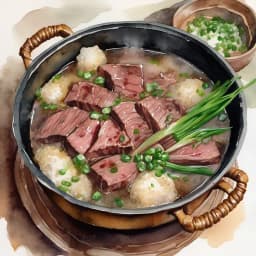
郷土料理
As the autumn breeze begins to blow, large pots are set up by the riverbanks, and people share laughter amidst the rising steam. Yamagata's 'Imoni-kai' is a quintessential seasonal tradition.
The star of the show is the tender, simmered taro. It is said that in Yamagata, there has long been a custom of boiling and eating taro by the riverbanks. An interesting aspect is how the seasoning varies by region even for the same dish. In the inland Murayama region, a soy sauce-based flavor with beef is popular, while in the Shonai region, where pig farming thrives, a miso-based flavor with pork is well-loved. In autumn, the 'Imoni-kai Festival' is held, serving tens of thousands of servings from massive pots.
With green onions, konnyaku, and plenty of taro, it is a warm dish that makes you want to share it with others.

郷土料理
Round pieces of konnyaku skewered one after another. Once the soy sauce color has deeply soaked in, a single firm bite releases a burst of savory broth. Add a dab of spicy mustard, and you won't be able to stop—this is Yamagata's soul food, Tama Konnyaku.
This dish features round konnyaku pieces about 3 centimeters in diameter, slowly simmered in soy sauce along with ingredients like dried squid. Yamagata has long been a region where konnyaku potatoes and konnyaku consumption are cherished, and the style of shaping them into rounds to be eaten on skewers is said to have spread primarily around tourist areas.
A familiar taste found at temple gates and festival stalls, it is an essential part of exploring Yamagata. There is nothing quite like devouring a skewer while walking through the streets.

郷土料理
Cucumber, eggplant, myoga, and green shiso. Simply finely chopped summer vegetables tossed in soy sauce. Yet, when placed atop freshly cooked rice, you won't be able to stop your chopsticks—this is Yamagata's "Dashi."
It is a traditional dish said to have been eaten primarily in the Murayama region, where summers are hot and humid. During the busy farming season, it served as a quick meal made by rapidly chopping water-rich summer vegetables and aromatic herbs when heat caused appetites to wane. There are various theories regarding its name: some say it is because it enhances other ingredients, while others suggest it refers to quickly "serving" (dasu) chopped ingredients to the table.
"A hundred shops, a hundred flavors." It pairs perfectly with chilled tofu or somen noodles. It is truly the savior of the summer dining table.
📍山辺町
Specialties from 山辺町 are also available via furusato nozei

ご当地グルメ
This is handmade soba made with locally produced buckwheat flour, available in Yamabe Town, Yamagata Prefecture. The town is known as a place where delicious soba can be found even within the Murayama region.
Yamabe Town is blessed with pure water and significant temperature fluctuations between day and night. This climate nurtures flavorful buckwheat.
The handmade soba, carefully prepared every morning using local buckwheat flour, features a high aroma and a smooth texture. It is cherished as a hidden gem in the Murayama region, frequently visited by soba lovers.
Take a smooth bite of freshly made, firm soba noodles. Please take your time to fully savor the aroma of the buckwheat nurtured by the pure water and rich nature of Yamabe.
📍酒田市
Specialties from 酒田市 are also available via furusato nozei

ご当地グルメ
Take a sip of the crystal-clear amber soup—the gentle yet deep umami of seafood, enhanced by dried sardines, kelp, and flying fish dashi, soaks into your very being. Floating within are homemade wontons with thin skins that melt softly in your mouth.
Sakata is a city with the highest commitment to noodle making in Japan, where approximately 80% of local shops produce their own noodles. The bouncy, chewy noodles, kneaded with extra water, cling perfectly to the seafood broth. These wontons, which seem to compete in how thin their skins can be, offer a texture rarely encountered elsewhere.
A transparent soup and melting wontons. This is a deeply delicious bowl that the port town of Sakata has cherished and protected.
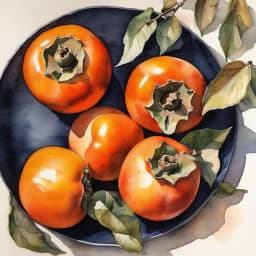
農産物
When you slice into the square-shaped persimmon, there are no seeds. As it enters your mouth, a melting softness and a clear, clean sweetness spread across your tongue. The flesh is so smooth that it is said, 'Seedless persimmons are eaten with the tongue.'
It all began in 1885, when Shigemitsu Suzuki of Tsuruoka discovered a single seedless persimmon among the seedlings he was cultivating. Choryo Sakai, the son of a Shonai clan elder who helped spread this variety, was later known as the 'Father of Shonai Persimmons.' It is said that the name 'Shonai Persimmon' was first used in 1925 when they were presented to the Crown Prince.
When enjoyed well-chilled, a cool, melting sweetness fills your mouth. It is a luscious, sweet blessing representing autumn in Shonai.
📍小国町
Specialties from 小国町 are also available via furusato nozei

郷土料理
The Kodamagawa district in Oguni Town, Yamagata Prefecture, is known as the 'Village of Matagi.' It is a mountain village where the culture of the Matagi, who make hunting their livelihood, remains deeply ingrained even today.
In Kodamagawa, which spreads at the foot of the Iide Mountains, the 'Bear Festival'—where Matagi comfort the spirits of bears and give thanks to the mountain gods—has been passed down for over 300 years. The local wild game cuisine includes hot pots and yakiniku made with bear meat. This robust, rustic flavor is a precious food culture itself, enjoyed while expressing gratitude for the blessings of the mountains.
This is a unique dish that can only be encountered here, available only during the winter season. It is a taste you will want to savor with deep appreciation alongside the history of the Matagi village.

農産物
These are natural bracken harvested from the mountains of Oguni Town, Yamagata Prefecture. Surrounded by the Iide and Asahi mountain ranges, 95% of Oguni Town is covered in forests, making it a true treasure trove of wild plants.
Oguni Town is one of the heaviest snowfall areas in the prefecture. The massive amounts of snow bring mineral-rich meltwater from the Iide and Asahi mountains, and this pure water and nature nurture thick, fragrant bracken. There has been a tourist bracken garden operating since the 1970s, and during the harvest season from May to June, many people visit from all over the country to enjoy bracken picking.
When prepared as ohitashi (blanched with dashi) or simmered, you can fully enjoy the characteristic sliminess and aroma of the bracken. It is a quintessential taste of spring, packed with the blessings of the mountain village.
📍庄内町
Specialties from 庄内町 are also available via furusato nozei
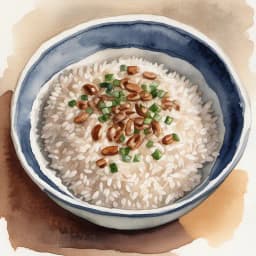
農産物
The legendary rice 'Kamenoo' was born in Shonai Town, Yamagata Prefecture. It is the ancestral variety for modern famous rices such as Koshihikari and Sasanishiki.
Kamenoo was created by Kameji Abe, a dedicated farmer in Shonai Town. In 1893, amidst a period of severe cold where many rice plants were collapsing, he discovered a single healthy, ripening stalk and spent four years cultivating its grains. Eventually, it grew into a representative variety, earning the reputation of being 'Omachi in the West, Kamenoo in the East.' Although it once disappeared, a local brewery revived it, and small-scale cultivation continues to this day.
Kamenoo has been highly regarded both as table rice and sake rice. It is a single grain that can be called the very origin of what Shonai, a premier rice region, takes pride in.
📍上山市
Specialties from 上山市 are also available via furusato nozei

農産物
A curtain of orange persimmons hanging in a row under the eaves. The freezing winds of the Zao Oroshi dry each one, and when you take a bite, a thick, dense sweetness spreads across your palate—this is the taste of winter in Kaminoyama: dried persimmons.
In Kaminoyama, 'Benigaki' (crimson persimmons), which are considered ideal for drying, have been cultivated since ancient times. These bright reddish-orange astringent persimmons are exposed to the cold winds and sunlight of the Zao mountains from late autumn, allowing them to dry slowly. As the astringency mellows, the natural sweetness becomes intensely concentrated within the flesh.
These 'Benigaki' dried persimmons are crafted with great care and time, offering a refined sweetness. They are an exquisite delicacy, perfect as a treat with tea during the cold season or as a thoughtful gift.
📍新庄市
Specialties from 新庄市 are also available via furusato nozei

ご当地グルメ
A generous amount of sweet and savory simmered chicken offal sits atop a light, clear soy sauce soup. The plump hearts and gizzards, along with smooth 'kinkan' (immature chicken eggs), cling perfectly to the noodles and soup with their rich flavor.
In Shinjo, chicken offal stew has long been served as a delicacy at celebratory occasions. From the culinary culture of using every part of the ingredient without waste, the idea of topping ramen with chicken offal was born, and it was launched as 'Torimotsu Ramen' in 2002.
The combination of the light soup and the richness of the sweet and savory offal is irresistible. It is a specialty ramen of the snowy region of Shinjo, complete with a clever pun on the phrase 'Ai o torimotsu' (to hold/grasp love).
📍真室川町
Specialties from 真室川町 are also available via furusato nozei
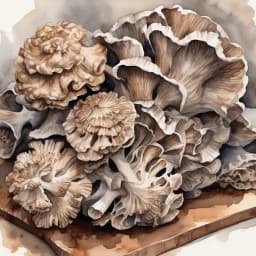
農産物
This 'log-cultivated maitake' is grown in Mamurogawa Town, Yamagata Prefecture. It is a masterpiece born from a land rich in nature, where forests cover most of the town.
Log cultivation is a labor-intensive method where spores are planted on logs and grown in an environment close to nature. Grown without pesticides and nurtured by the high-humidity mountain climate, these mushrooms grow as large as big chrysanthemums, and at the time of harvest, the entire area is enveloped in a fragrant aroma. Unlike substrate cultivation, they offer incomparable deep aroma, umami, and a firm texture.
When prepared as tempura, the aroma stands out, and when added to hot pots, they produce a wonderful broth. Please enjoy the full, luxurious taste of autumn's mountain bounty.

農産物
These are 'log-grown Nameko mushrooms' cultivated in Mimurogawa Town. The Nozoki district of Mimurogawa Town is a famous production area said to have the highest production of log-grown Nameko in Japan.
In the Nozoki district, mountain farmers have been cultivating Nameko using natural methods on logs for over 80 years. Yamagata Prefecture is the top producer of log-grown Nameko in the country, and the Nameko from Mimurogawa, in particular, is renowned for its slimy texture and rich umami flavor. The plump elasticity, unique to log cultivation where they grow slowly in the forest, is also a major attraction.
Whether added to miso soup or tossed with grated daikon radish, one bite will surely surprise you with the intense, authentic flavor of Nameko. It is a masterpiece that lets you experience the blessings of the autumn mountains.

農産物
The 'King of Wild Vegetables,' Tara-no-me, sprouts in the mountains with the arrival of spring. It is one of the brand wild vegetables from Murooka Town, Yamagata Prefecture, a town known for forestry.
Tara-no-me is a seasonal delicacy available only in spring, made by picking the new shoots of the Aralia tree. Surrounded by forests, Murooka Town is a treasure trove of wild plants; the Tara-no-me, which finally emerges after the snow melts, grows plump and thick. The fresh juiciness and subtle bitterness are a luxury unique to this production area.
Above all, we highly recommend them as tempura. When lightly fried, the pleasant bitterness and unique aroma spread throughout your mouth. Sprouting at the very start of spring, these wild vegetables are a long-awaited taste that softly announces the arrival of spring in snowy Yamagata.
📍西川町
Specialties from 西川町 are also available via furusato nozei

ご当地グルメ
This is the 'Gassan Sansai Soba,' a local specialty of Nishikawa Town, Yamagata Prefecture. It was created over 30 years ago as a pioneer of regional gourmet cuisine.
This soba combines the region's natural resources—wild mountain vegetables—with noodles made using spring water from the foot of Mount Gassan. It was developed through trial and error between the owner of a long-established wild vegetable restaurant and noodle makers. The characteristic way to enjoy it is by placing freshly boiled noodles into an iron pot filled with plenty of seasonal wild vegetables and mushrooms.
The soba itself is a thick, dark, rustic style made with stone-ground flour and kneaded with the spring water of Mt. Gassan, offering a satisfying chewy texture.
It is a flavor unique to Nishikawa Town, which proudly calls itself the 'Wild Vegetable and Mushroom Kingdom.' We highly recommend it as a well-deserved reward after trekking Mount Gassan.

飲料
This is 'Gassan Natural Water,' which springs from Mount Gassan, one of the three sacred mountains of Dewa Sanzan, in Nishikawa Town, Yamagata Prefecture. It is an authentic water source that has been selected as one of Japan's '100 Best Waters.'
Born from the perennial snow of Mount Gassan, the meltwater is nurtured within a natural reservoir of virgin beech forests, filtering through the earth for approximately 400 years before emerging at the foot of the mountain. It is a soft water containing a moderate amount of minerals, and its natural flavor is preserved through non-heated processing. In the '100 Best Waters' general election, it was ranked 4th nationwide in the 'Excellent Taste Famous Water Category.'
Its clear mouthfeel and mellow taste also represent the very origin of sake brewing in Yamagata.
📍川西町
Specialties from 川西町 are also available via furusato nozei

ブランド牛
This is 'Yonezawa Beef' raised in Kawanishi Town, Yamagata Prefecture. Among the Yonezawa beef varieties, Kawanishi Town is known as an important production area within one of Japan's three major Wagyu brands.
Only Japanese Black cattle fattened for over 33 months in limited areas of the Okitama region can be called Yonezawa Beef. Kawanishi Town boasts the highest number of breeding cows in the prefecture, serving as a 'calf production base' that supports the production of Okitama-grown Yonezawa beef. The spacious environment and pure water create fine marbling and sweet fat.
With marbling that melts in your mouth and an elegant sweetness to the fat, sukiyaki or steak enjoyed right in the production area is an unforgettable taste.

農産物
"Beni Daizu" is a specialty of Kawanishi Town, Yamagata Prefecture. As the name suggests, it is a rare heirloom variety of soybean with a vibrant red color.
Since ancient times, people in Kawanishi Town have eaten these red soybeans as simmered beans (nimame). The turning point came during a soybean cooking contest in 2002. A dish of simmered red beans submitted by an elderly woman caught the judges' attention, leading to full-scale production and sales starting the following year. Named after "benibana" (safflower), Beni Daizu is known for its sweetness and for containing anthocyanin, a type of polyphenol.
In addition to simmered beans, there is a wide variety of processed products such as tofu, natto, and sweets. It is a flavor unique to Kawanishi Town, carefully preserved by the local community.

特産加工品
“Dahlia-zuke” is a specialty product of Kawanishi Town, Yamagata Prefecture. This local pickle bears a name unique to Kawanishi Town, which is renowned as the 'Village of Dahlias.'
Kawanishi Town is home to the 'Kawanishi Dahlia Garden,' where 100,000 dahlias of 650 different varieties bloom in splendor, and the dahlia has been designated as the town's official flower. This Dahlia-zuke has long been a beloved staple in this town of flowers. The flavor, achieved through a slow marinating process with local ingredients, is perfect as an accompaniment to rice or as a snack with alcohol.
It is an item that will be appreciated as a souvenir to commemorate a visit to the floral town of Kawanishi. Please take a moment to savor this unique pickle, bearing the name of the dahlia, which can only be found in this town of flowers.
📍村山市
Specialties from 村山市 are also available via furusato nozei

ご当地グルメ
Hand-kneaded soba that slides smoothly down the throat with a rich aroma. The more you chew, the more the natural flavor of the buckwheat flour spreads throughout your mouth—this is the Mogami River Three Difficult Passes Soba of Murayama City.
'Three Difficult Passes' refers to the treacherous spots known as Goten, Mikase, and Hayabusa, which were feared by boatmen during the era when river transport on the Mogami River was flourishing. Along the highway following this route, soba shops stand side by side. In Murayama, there was a custom of gathering around hand-kneaded soba after finishing farm work, and in 1994, this area was named 'Soba Kaido' (Soba Highway) to invite many people to experience this tradition.
Flavorful soba nurtured by pure water and significant temperature fluctuations. Soba lovers visit from all over to enjoy the traditional Ita-soba (soba served on wooden boards).
📍大江町
Specialties from 大江町 are also available via furusato nozei

農産物
When you slice into it, juice drips from the pale cream-colored flesh. A single bite brings a smooth, melting texture and a rich aroma that fills your nose. The elegant sweetness, balanced with a hint of acidity, is truly wonderful.
La France is a type of Western pear originally discovered in France in 1864. Known for its 'melting flesh' and refined flavor, it is often called the queen of fruits. Yamagata is the top producing region in Japan, and in Ooe Town along the Mogami River, carefully ripened fruit becomes available from autumn through winter.
Gently check the ripeness in the palm of your hand to find the perfect moment to eat. When chilled and scooped with a spoon, it has a melt-in-your-mouth quality reminiscent of fruit gelato.

郷土料理
The blessings of the mountains and rivers once carried by boats traveling along the Mogami River. The simple local cuisine, utilizing river fish and wild mountain vegetables, evokes memories of the bustle in Zusawa during its era of prosperity through river transport.
Zusawa in Oe Town was a port town that flourished due to the boat transport on the Mogami River. It served as a vital hub for river transport, where goods brought from Yonezawa were transferred from small boats to larger vessels to be sent down to Sakata. In 2013, its streetscape and the flow of the Mogami River were selected as Yamagata Prefecture's first National Important Cultural Landscape, recognized as the 'Landscape of Distribution and Traffic of the Mogami River and Zusawa Townscape.'
A food culture in Zusawa that has walked alongside the river. While feeling the romance of history, please listen closely to the flavors brought by the Mogami River.
📍大石田町
Specialties from 大石田町 are also available via furusato nozei

ご当地グルメ
Oishida Town in Yamagata Prefecture can be called a sacred place for soba lovers. About 15 handmade soba shops line the 'Oishida Soba Kaido.'
Oishida is a village of soba, supported by the flow of the Mogami River, rich nature, a climate suitable for buckwheat, and traditional soba-making artisans. Locally, traditional varieties that have been carefully preserved in the area, such as 'Raiyoji Zairai' and 'Tsugiko Zairai,' are used. These are characterized by large grains and a highly aromatic scent when milled. The 'Ita-soba' style—serving thick, rustic soba on a large wooden board—is also a specialty.
During the new soba season, connoisseurs from all over the country gather here. It is a town you must visit in search of a bowl with perfect firmness.

ご当地グルメ
A representative way to enjoy Yamagata's soba culture is "Ita-soba." The noodles are served in generous portions on a large wooden box or board.
It is said that the origin of Ita-soba lies in serving soba on large boards or wooden doors so that everyone could eat together during breaks from farm work or at gatherings. Eating together in a lively group around the board is the true Yamagata style. It has long been enjoyed throughout the Murayama region, including Oishida Town.
The thick, chewy noodles release the aroma of the buckwheat with every bite, providing a very satisfying eating experience.
With its smooth texture and firm bite, tasting it while gathered around the board with friends allows you to truly feel the essence of Yamagata's soba culture.
📍大蔵村
Specialties from 大蔵村 are also available via furusato nozei

農産物
Located in Okura Village, Yamagata Prefecture, Hijiori Onsen is said to have been established 1,200 years ago. What colors its mornings is the famous morning market held every day.
The Hijiori morning market is a remnant of an old hot spring healing culture, maintained so that long-staying guests could buy fresh ingredients every day as long as they brought their own rice.
Local mothers set up stalls bringing wild plants, mushrooms, and vegetables harvested that very day. You can encounter the seasonal blessings of the mountains: tara-no-me (angelica) and kogomi (bracken) in spring, succulent summer vegetables in summer, and wild mushrooms in autumn.
Walking around in your yukata after a soak, choosing seasonal produce while enjoying conversations with the local women—that morning moment is a true delicacy unique to Hijiori.
📍中山町
Specialties from 中山町 are also available via furusato nozei

郷土料理
Nakayama Town in Yamagata Prefecture is considered the 'birthplace of Imoni-kai.' The roots of the Imoni festival, which colors Yamagata in autumn, can be found in this town.
During the Edo period, when river transport on the Mogami River was flourishing, Nagasaki Port in Nakayama Town served as the terminus for boat traffic. It is said that boatmen, staying in the area while unloading or waiting for cargo, would bring together stick cod and taro, hang a pot on pine branches along the riverbank, and boil them to eat. Eventually, these pine trees came to be known as 'Nabekake-matsu' (Pot-hanging Pines), marking the beginning of Imoni-kai. Even today, the 'Original Imoni-kai in Nakayama' is held grandly every autumn.
The autumn scenery of gathering around a large pot with companions by the banks of the Mogami River is the very essence of Yamagata's original landscape. Tasting Imoni in its birthplace is truly exceptional.

農産物
This is 'Kohime-imo', a specialty of Nakayama Town, Yamagata Prefecture. It is one of Yamagata's traditional vegetables, grown with the mineral-rich waters of the Mogami River.
As the name suggests, Kohime-imo are small, but because of that, their flavor is highly concentrated. Their sticky texture and rich sweetness make them a worthy protagonist for 'Imoni' (taro stew) in Nakayama Town, the birthplace of Imoni-kai.
They are characterized by their ability to hold their shape during cooking and their excellent absorption of flavors. They are exceptional not only in Imoni but also in simmered dishes. Please try authentic Imoni made with taro from its place of origin.
📍朝日町
Specialties from 朝日町 are also available via furusato nozei

農産物
With a single bite, you experience a crisp texture and an explosion of juice. The balance of concentrated sweetness and moderate acidity will make you instinctively exclaim, 'Delicious!'—these are the apples of Asahi Town.
Asahi Town is blessed with land characterized by significant temperature fluctuations brought about by the topography of the Iokawa Canyon and well-drained soil. In the 1960s and 70s, a group of dedicated individuals pioneered 'unbagging cultivation' (growing without protective bags), establishing this technique in Japan for the first time. Apples that soak up plenty of sunlight achieve higher sugar content, earning them high praise from market professionals.
Each apple is our pride, grown with painstaking care and attention to detail. Please enjoy Asahi Town apples, which are also perfect as a thoughtful gift.
📍長井市
Specialties from 長井市 are also available via furusato nozei

ご当地グルメ
Glossy horse meat chashu rests in a clear soy sauce-based soup. The savory umami of the tender horse meat melts into the broth, creating a flavor that is light yet profound—this is Nagai City's soul food, Horse Meat Ramen.
In Nagai, located in the Okitama region, a culture of eating horse sashimi and horse meat has been established since ancient times. Horse meat is affectionately known as 'Sakura-niku' (cherry meat). It is said that after the war, as the demand for military horses ceased and horse meat became more readily available, it began to be used as a topping for ramen.
With a richness and flavor unique to horse meat that differs from pork or chicken, please come and taste this pride of Nagai—a bowl you can only encounter in this town of horse meat culture.
📍鶴岡市
Specialties from 鶴岡市 are also available via furusato nozei

農産物
Once boiled, it releases a soft, sweet aroma reminiscent of corn. When you bite into a bean pressed from its pod, a rich sweetness and umami burst forth—this is Dadacha Mame, the brand edamame that Tsuruoka is proud of.
'Dadacha' means 'father' in the Shonai dialect. There are various theories regarding the origin of its name, including an anecdote where a feudal lord asked, 'Whose dadacha made these beans?' It is said that the roots of this variety trace back to the late Meiji era, when a single woman carefully selected and cultivated the seeds.
Though modest in appearance, its aroma and sweetness are exceptional. It is a treasure of summer in Tsuruoka, available only during its short seasonal window. Please enjoy it freshly boiled.

郷土料理
Thin noodles that slide smoothly down your throat. Thinner than udon, with a chewy elasticity and firmness, the texture becomes even more pronounced the colder they are chilled—this is Mugikiri, a summer delicacy of Shonai.
These thin noodles are made by kneading wheat flour with saltwater and slicing them finely. It is said that in the past, noodles were handmade in every household; if buckwheat was used, it was called 'Sobakiri,' and if wheat was used, it was called 'Mugikiri.' This is a food culture unique to Shonai, where wheat cultivation flourished.
Chilled tightly in cold water and dipped into sauce with accompanied by wasabi, green onions, and ginger. It is a proud noodle of Shonai, eaten by some families instead of soba during the New Year. Please enjoy this bowl that brings a refreshing coolness.
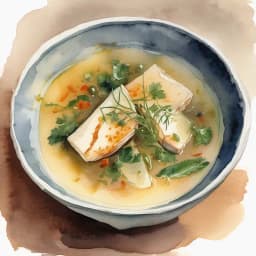
郷土料理
Chunks of winter cod float in steaming miso broth. With melt-in-your-mouth milt and rich liver dissolved into the soup, a single sip warms you to your very core—this is Dongara-jiru, a seasonal hallmark of Shonai's winter.
It is said to have originated as a fisherman's dish for those harvesting winter cod in the rough seas of the Shonai coast. It began as a nutritious meal to endure the cold, made by simmering roughly cut cod with miso on boats or along the shore. 'Dongara' refers to the fish scraps. By using everything from head to tail, the entire fish is enjoyed.
In winter, Winter Cod Festivals are held in various locations, where people gather around the steam of large pots—it is the protagonist of Shonai's winter. It is a bowl that soaks deep into a chilled body.
📍天童市
Specialties from 天童市 are also available via furusato nozei

農産物
When you cut into it, the juice drips out plentifully. With just one bite, the melt-in-your-mouth smooth flesh and rich aroma fill your nose. It is a luxurious flavor hailed as the pinnacle of western pears.
Yamagata is Japan's leading production area, accounting for over 60% of the country's La France pear output. Tendo, in particular, is known as the 'number one La France pear production area in Japan.' Only fruits that meet strict standards, such as a sugar content of 14 degrees or higher, are called 'Super La France.'
A rich aroma and a texture that melts on the tongue. This is Yamagata's pride, a fruit that reaches its peak deliciousness from autumn to winter.
📍東根市
Specialties from 東根市 are also available via furusato nozei

農産物
Please gently take a glossy, bright vermilion berry into your mouth. After a slight pop, a rich sweetness followed by a refreshing acidity that tightens the flavor will spread softly through your palate. The milky-white flesh is as juicy as a gemstone.
Sato Nishiki was born in the land of Higashine at the beginning of the Taisho era. By crossbreeding 'Ogata,' which is sweet but lacks shelf life, with 'Napoleon,' which has strong acidity but firm fruit, this variety was created after long periods of cultivation to balance sweetness and taste. Today, Higashine and its surrounding areas are known as a top-brand production region for cherries.
When eaten well-chilled, the sweet and sour juice fills your mouth. It is the queen of cherries, available only during the very short season of early summer.
📍南陽市
Specialties from 南陽市 are also available via furusato nozei
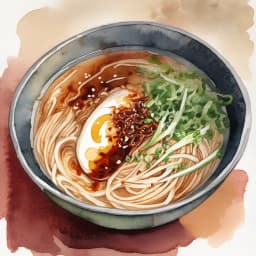
ご当地グルメ
In the center of the rich miso soup sits a thick dollop of bright red spicy miso. As you gradually dissolve this into the soup while slurping, the deep richness of the miso meets the sharp sting of chili pepper, delivering a deliciousness so intense it makes you sweat.
The foundation of this flavorful experience is the thick, flat, homemade noodles. Each strand is hand-kneaded to achieve a chewy and bouncy texture that clings perfectly to the heavy soup. This bowl was perfected in 1960 at Ryushanghai in Akayu, Nanyo City. The star of the show is the spicy miso, which incorporates Akayu's specialty chili peppers with Yamagata's red miso, garlic, and various spices.
A great bonus is that you can adjust the spiciness to your own preference. It is a rich, hearty bowl from the snowy region of Akayu that you'll find yourself craving especially on cold days.
📍白鷹町
Specialties from 白鷹町 are also available via furusato nozei

郷土料理
Skewered sweetfish are slowly grilled over charcoal. The fragrant skin, plump flesh, and pleasantly bitter organs—all three unite to deliver the bounty of the river to your mouth. This is salt-grilled Ayu.
Flowing through Shirataka Town, the Mogami River is home to 'Shirataka Yanaba Park,' which boasts the largest permanent tourist fish weir in Japan. During its peak from late August to September, thousands of sweetfish can be caught in a single night. At the nearby 'Ayu Chaya,' you can enjoy a wide range of sweetfish specialties, including salt-grilled, sashimi, dengaku (miso-glazed), and kanroni (sweetly simmered).
The star of the river from summer to autumn. Please come and taste the natural flavor nurtured by the clear stream.

農産物
Safflowers bloom in early summer, dyeing the fields from yellow to crimson. Their vibrant colors have enriched life in Yamagata, serving both as a dye and an edible oil.
Shirataka Town is a major production area for safflower. It is said that the techniques of safflower cultivation and dyeing in this region have a history of approximately 450 years, dating back to the late Muromachi period. During the Edo period, high-quality safflower from Yamagata was known as 'Mogami Safflower.' It was processed into safflower cakes and transported via river boats on the Mogami River, making its name famous all the way to Kyoto. At the 'Safflower Hall,' you can experience safflower dyeing throughout the year.
A pride of Yamagata, beautiful in both color and fragrance. In early summer, you can encounter blooming fields during the 'Shirataka Safflower Festival.'
📍飯豊町
Specialties from 飯豊町 are also available via furusato nozei
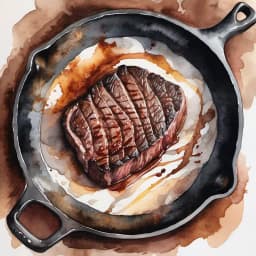
ブランド牛
As it enters your mouth, the marbled fat melts away with a delicate sweetness. The savory umami unique to Yonezawa beef spreads gently through the tender lean meat—this is the Yonezawa beef raised in Iide Town.
Iide Town is known as a major production area for Yonezawa beef, one of Japan's three great Wagyu brands. In this land blessed with pure water flowing from the sacred Mount Iide and abundant pastures, producers have raised their cattle with great care. The fine marbling and the sweetness of the fat without being heavy is truly a delicacy that Okitama takes pride in.
Whether as sukiyaki, steak, or shabu-shabu. Please enjoy the luxury of savoring this exquisite beef, raised by the nature of Iide, right here on the spot.
📍尾花沢市
Specialties from 尾花沢市 are also available via furusato nozei

農産物
When you slice into it, there is a crisp, pleasant sound. As you bite into the bright red flesh, plenty of juice overflows along with a crunchy texture. Because it is sweet all the way to the rind, you are satisfied until the very last bite.
Obanazawa is a production area that boasts the highest summer watermelon yield in Japan. Surrounded by mountains, this land is hot during the day and cools down significantly at night. That large temperature fluctuation develops a mellow sweetness of 12–13 degrees Brix and that signature crunchy texture. The well-drained, black volcanic ash soil is also a secret to its deliciousness.
When bitten into while chilled, the sweet juice soaks into your heated body. Known as 'watermelon you taste with your teeth,' it is a seasonal tradition of summer in Obanazawa.
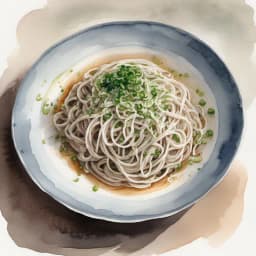
ご当地グルメ
Taking a long, deep slurp of 100% buckwheat soba made without any binding agents. The delicate aroma that drifts through the nose and the firm texture convey the true, inherent deliciousness of the buckwheat—this is Obanazawa Soba.
Obanazawa is a premier soba destination, boasting the largest buckwheat cultivation area in the Tohoku region. Efforts continue to carefully cultivate the local traditional variety, 'Mogami Wase,' from seed to preserve its unique flavor and characteristics. This variety is renowned for its sweetness, strong texture, and prominent natural buckwheat aroma.
Located in one of Japan's heaviest snowfall regions, it is also near the Taisho Roman-style Ginzan Onsen. It is a profound land where you can fully enjoy both hot springs and soba while exploring the 'Oku no Hosomichi Obanazawa Soba Highway.'
📍米沢市
Specialties from 米沢市 are also available via furusato nozei

ブランド牛
The moment it touches your mouth, the marbled fat melts away. A sweet umami spreads slowly through the tender lean meat—this is Yonezawa beef, a premier breed representing Japan.
The name first gained fame in the early Meiji era. It is said that Charles Dallard, a British teacher invited to a domain school in Yonezawa, took the beef with him to Yokohama when his term ended, and its deliciousness became widely renowned. There is a long history of producers carefully raising this cattle in the snow-covered lands of Okitami, where there are significant temperature fluctuations.
Registered as a Geographical Indication (GI) in 2017, this is a certified excellence. Please enjoy it to your heart's content, whether in sukiyaki or as a steak.

ご当地グルメ
Thin, curly noodles are gently enveloped in a clear, light soy sauce soup. With every slurp, the deep flavors of dried sardine and chicken bone broth resonate—this is Yonezawa Ramen, affectionately known as "Chuka Soba."
Its origins are said to trace back to a Chinese food stall in Yonezawa during the 1920s. Eventually, a unique method spread where artisans would hand-knead each portion of dough to create curls and let it rest for several days. The slightly dark, thin noodles are also referred to as "Yonezawa's Black Chuka."
With over a hundred shops lined up within the city alone, each competing with their own prideful bowl, it stands as the quintessential light-style representative of Yamagata, the kingdom of ramen. The joy of food touring here is endless.

郷土料理
The 'umani' is simmered in sake, soy sauce, and sugar until it reaches a thick, amber-colored consistency. The meat is firm with no muddy aftertaste, deeply infused with a sweet and savory flavor—this is Yonezawa Carp, a staple of the Yonezawa dining table.
Its origins are said to trace back to Lord Uesugi Yozan, known as a great ruler. To provide nutrition for people living in the snow country where nutrients were often scarce, he is credited with bringing fingerlings from advanced aquaculture regions and raising them in the moats of Yonezawa Castle. The carp are raised slowly over a long period in the clean, abundant waters of the snow country.
Even today, it remains an indispensable delicacy for celebratory occasions such as Obon and New Year's. It is a flavor that is deeply rooted in the lives of the people of Yonezawa.
📍遊佐町
Specialties from 遊佐町 are also available via furusato nozei
農産物
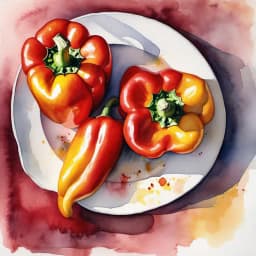
These are vibrantly colored paprikas grown in Yuza Town, Yamagata Prefecture. The blessed environment at the foot of Mount Chokai produces thick-fleshed and sweet paprikas.
Paprika cultivation in Yuza Town began through an exchange with the city of Szolnok, Hungary. Today, it has grown into a production area boasting the highest number of producers in Japan. The spring water from Mount Chokai, fertile soil, and the relatively mild climate surrounded by the Sea of Japan and mountains create paprikas that are thick-fleshed, intensely sweet, and possess deep, vivid colors.
When eaten in a salad, they are refreshing; when grilled, their sweetness is greatly enhanced. Available in red, yellow, and orange, these are Yuza's prideful vegetables that add color to any dining table.

ご当地グルメ
This is 'Yuza Curry,' a local specialty of Yuza Town, Yamagata Prefecture. It was created with the desire to make the rice and vegetables of Yuza even more delicious.
Developed over two years by local housewives, chefs, and producers, it made its debut in 2012. Based on Yuza's specialty paprika and sweet potatoes, it is an additive-free, mild curry that can be enjoyed by everyone from children to the elderly. Using rice and vegetables grown with reduced chemical fertilizers and pesticides, it features a 'matured mild' flavor where sweetness can be felt alongside a hint of spice.
It is a unique curry that fuses the blessings of Mount Chokai with the bounty of the Sea of Japan. A variety of products are available for easy enjoyment, including retort pouches and curry bread.
Snacks
📍金山町
Specialties from 金山町 are also available via furusato nozei

特産加工品
Born in Sugisawa, a mountain village in Kaneyama Town, Yamagata Prefecture, 'Kaede no Shizuku' is a rare domestic maple syrup. It is produced by slowly simmering the sap of Itaya maple trees.
In Sugisawa, there is an old legend known as 'February Weeping Itaya.' It says that if you tap an Itaya maple before the snow melts, sweet sap will drip one drop per second. Collecting enough sap from a single tree is an incredibly laborious task that takes many days. Only after reducing this sap can a single bottle of 'Kaede no Shizuku' finally be completed.
Unlike Canadian varieties, it offers a light aroma and a clear, delicate sweetness. When drizzled over pancakes or yogurt, you can experience the full bounty of the forest.
📍山形市
Specialties from 山形市 are also available via furusato nozei

銘菓
An amber-colored, thin plum sheet. When you open the bamboo skin and take a bite, a refreshing tartness spreads through your mouth after the initial sweetness—this is Yamagata's famous confection, Noshiume.
It is said that its prototype was originally medicine. One theory suggests it began when someone who learned a secret recipe using plums in Nagasaki during the Edo period created it as a restorative tonic. Eventually, it spread to households as a folk remedy for summer; it is said that during the Meiji era, the third generation of the Noshiume Honpo Satoya transformed the plum pulp into a confection and named it 'Noshiume.'
A cool, thin slice made by mashing ripe plums and kneading them into agar. Perfect as an accompaniment to tea or whenever you need a moment of respite.
銘菓
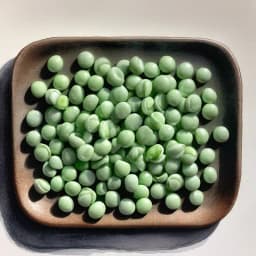
Soft green beans reminiscent of jade. As they melt in your mouth, the gentle aroma of green peas and a rustic sweetness spread softly—this is Hakuro Fuki-mame, a famous confection from Yamagata City.
Fuki-mame is a local sweet associated with Yamagata, also written as 'Fuki-mame' (meaning wealth/fortune). It is said to be called 'fuki-mame' because the beans are steamed (fukusu), and auspicious characters were chosen for its name. This particular item, crafted by the long-established Hakuro Fuki-mame Honpo in Yamagata City, features green peas where the thin skins are peeled one by one by hand by artisans, then slowly simmered with only sugar and salt. It is a pure flavor that does not rely on additives.
With its beautiful color and elegant sweetness, it is a gentle Yamagata bean confection that perfectly accompanies your tea time.
📍山辺町
Specialties from 山辺町 are also available via furusato nozei

ご当地スイーツ
The specialty of Yamabe Town in Yamagata Prefecture is 'Vinegar Soy Sauce Shaved Ice.' It is a surprising shaved ice culture exclusive to Yamabe Town, featuring sweet shaved ice topped with vinegar soy sauce.
While the combination of sweet ice and vinegar soy sauce may seem like a mismatch at first glance, this has been a beloved summer flavor in Yamabe Town since ancient times. The addition of refreshing acidity and soy sauce flavor prevents it from becoming cloying even on hot days, making it popular locally because it can be eaten light and smoothly until the very end.
It is a one-of-a-kind experience that offers a different flavor profile from typical sweet shaved ice, available only here in Yamabe. If you visit Yamabe Town, please muster your courage and try this mysterious and refreshing treat.
📍酒田市
Specialties from 酒田市 are also available via furusato nozei

銘菓
With a light, crisp sound, these thin-baked rice crackers melt in your mouth. The gentle sweetness of rice grown in the Shonai Plain combined with a moderate saltiness creates a deliciousness that makes you feel like you could eat them forever.
Born in 1962 from Sakata Beika. The origin of its name comes from the Shonai dialect, where 'orada' means 'us.' The idea was: 'Orada no kome de tsukutta, orada no senbei' (Our rice, our crackers)—and when pronounced with a bit of flair, it became 'Oranda Senbei,' making the name quite charming.
It became a massive hit due to its light texture during an era when hard-baked soy sauce flavored crackers were the mainstream. Continuing to sell over 200 million pieces since its launch, it is the soul snack of the Shonai region.
📍小国町
Specialties from 小国町 are also available via furusato nozei

郷土菓子
This is authentic warabi mochi made from natural bracken in Oguni Town, Yamagata Prefecture. Yamagata Prefecture has the highest bracken production in Japan, and Oguni Town in particular is known for producing high-quality bracken.
Oguni Town is a heavy snowfall area surrounded by the Iide and Asahi mountain ranges. Mineral-rich meltwater from the mountains nurtures thick, fragrant bracken. The warabi mochi made with genuine bracken starch, carefully extracted from this bracken, is completely different from commercially available products. Rather than being just chewy, you can enjoy a high-quality, smooth, and melting texture.
As you take a bite, an elegant sweetness and smooth mouthfeel gently spread. It is a luxurious Japanese confection that captures the very essence of the mountains' blessings.
📍庄内町
Specialties from 庄内町 are also available via furusato nozei

銘菓
This is 'Amarume Okoshi,' a traditional sweet from Amarume, Shonai Town, Yamagata Prefecture. It is a simple okoshi (puffed rice snack) coated in green kinako made from locally harvested green beans.
The area around Amarume in the Shonai region has long been known as a prime location for cultivating beans and barley, making it a specialty producer of green kinako. This unique green-colored soybean powder has been passed down since the Edo period. By generously coating puffed rice—which is hardened with starch syrup—with this powder, a fragrant aroma and gentle sweetness are created.
With its light, crispy texture and the subtle flavor of green kinako, it is a nostalgic and soothing snack that has been loved by the people of Shonai for a long time.
📍上山市
Specialties from 上山市 are also available via furusato nozei

スイーツ
Crispy and fragrant on the outside, chewy on the inside. As you bite into it, the rich aroma of La France pear gently wafts through your nose—this is the La France Canelé, a new specialty born in Kaminoyama.
This stylish treat combines the French-born pastry, canelé, with the pear variety La France, which also has French roots. The orchards of Kaminoyama City baked these by kneading in plenty of puree made from locally grown La France pears. It captures the essence of Yamagata's proud 'Queen of Fruits.'
A new sweet perfect for gifts that pairs well with both coffee and tea. Please experience the true power of Kaminoyama's fruit in a single bite.
📍新庄市
Specialties from 新庄市 are also available via furusato nozei

郷土菓子
When you take a bite, you first experience a chewy elasticity, followed by the gentle sweetness of the glutinous rice and the savory aroma of walnuts scattered throughout. The sweetness is subtle, allowing the richness of the ingredients to emerge with every chew.
Kujira-mochi is a local confection passed down through generations in the Mogami region. A mixture of glutinous and non-glutinous rice flour is kneaded with water, combined with sugar and walnuts, and then slowly steamed in a bamboo steamer. In Shinjo and Mogami, there is a custom of offering it during the Hinamatsuri (Doll Festival) according to the lunar calendar, and various flavors—including white sugar, brown sugar, soy sauce, and even red bean paste—have long been enjoyed.
It is delicious sliced thinly and eaten as is, or lightly toasted. It is a taste of the snowy Mogami homeland, with a chewy texture that lingers on the palate.
📍大蔵村
Specialties from 大蔵村 are also available via furusato nozei

温泉菓子
Hijiori Onsen in Okura Village, Yamagata Prefecture, boasts a history of 1,200 years since its discovery. In this hot spring town, simple 'onsen manju' (steamed buns) have been long cherished.
The Hijiori onsen manju is characterized by an elegant sweetness, featuring a thin skin generously filled with fine-textured red bean paste. Alongside the atmosphere of this hot spring town that has flourished as a traditional medicinal bath destination, these buns have been loved for a long time as a snack during hot spring hopping and strolls. They are a presence that allows bathers to take a relaxing moment.
Eating a freshly steamed, warm manju while it is still hot—tasting a bite while enveloped in the quiet atmosphere of the mountain hot springs—is a happiness known only to those who visit Hijiori.
📍長井市
Specialties from 長井市 are also available via furusato nozei

銘菓
A crispy monaka shell shaped like a charming lion's face. Once broken open, it is generously filled with bean paste of elegant sweetness—this is Nagai City's famous confection, Kurojishi Monaka.
The shape is modeled after the 'Kurojishi' (Black Lion) passed down since ancient times in Nagai. The tradition of the Kurojishi dance is preserved in over forty shrines within the city, and in late May, the heroic lions run through the streets during the 'Nagai Kurojishi Festival.' Confectionery artisans have carefully and manually recreated the humorous expression of the lion head, characterized by one large eye and a curved bridge of the nose.
A single piece where the strength of the festival and the delicacy of Japanese sweets coexist. A heartwarming souvenir to taste the traditions of Nagai.
📍鶴岡市
Specialties from 鶴岡市 are also available via furusato nozei

銘菓
Try gently shaking this fragrant, triangular-folded cracker. You'll hear a light 'karakara' sound from within—you won't know what's inside until you break it open. This is a playful traditional snack passed down in Tsuruoka since the Edo period.
When you snap it crisp, you might find traditional Japanese toys or lucky charms like Menko or Koma (tops) peeking out. The dough, richly kneaded with Okinawan brown sugar, offers a fragrant and nostalgic sweetness.
It is the perfect treat for New Year's, Obon, or any day when the family gathers. Now, I wonder what will come out next? From the excitement before opening to the flavorful brown sugar taste after breaking it, this cracker is pure fun from start to finish.
銘菓
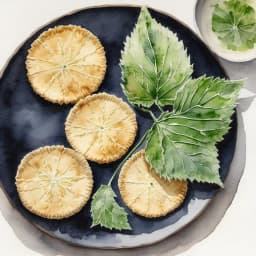
Sweet miso wrapped in green shiso leaves and deep-fried to a crisp—the moment it enters your mouth, the refreshing aroma of shiso gently rises. After the crunchy texture, the savory sweetness of the miso spreads slowly across your palate.
Originally, this was a preserved food from Yamagata, created to ensure that green shiso harvested in summer would not go to waste. The sweet, kneaded miso is wrapped in green shiso and then pan-fried until fragrant. A delightful aspect is that each household's recipe varies slightly, sometimes mixing sesame or walnuts into the miso.
Perfect as a side dish for rice, an accompaniment to tea, or a snack with alcohol. If eaten while still warm, the aroma of the shiso is even more pronounced. It is a simple, rustic Yamagata delicacy that makes you want to keep reaching for just one more piece.

スイーツ
Vanilla or strawberry ice cream featuring a mysterious, jiggly, and crunchy texture. If you look closely, what's mixed in is actually jellyfish—this is the famous Jellyfish Ice Cream you can find at Kamo Aquarium in Tsuruoka.
Kamo Aquarium is known as the 'world's best jellyfish aquarium,' exhibiting dozens of different species at all times. Available at the aquarium's shop, this treat features jellyfish granules topped on the ice cream. The crunchy texture provides a surprising accent to the sweet ice cream.
Alongside Jellyfish Ramen and Jellyfish Manju, it is a unique gourmet item found only here. It is a fun detour to enjoy after gazing at the fantastical jellyfish.
📍天童市
Specialties from 天童市 are also available via furusato nozei
銘菓
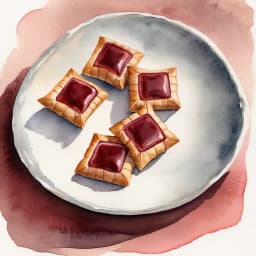
A fragrant, toasted monaka shell shaped like Shogi pieces. When you take a crisp bite, high-quality red bean paste packed tightly inside flows out with an elegant sweetness. It offers a refined sweetness that is perfect to enjoy with tea.
Tendo is a 'Shogi Town' that produces over 90% of the nation's Shogi pieces. It is said that the craft of making these pieces began during the Edo period, when it was encouraged as a side job for samurai. This monaka, shaped like the pieces, was born from the playful spirit unique to this land.
With its aromatic shell and carefully simmered bean paste, it is delightful to look at and delicious to eat—an adorable souvenir that lets you take a piece of the Shogi Town, Tendo, home with you.
📍尾花沢市
Specialties from 尾花沢市 are also available via furusato nozei

スイーツ
The freshly fried crust is crispy, and with every bite, a rich, spice-infused curry flows out. Enjoying one while strolling through the steaming hot spring town is truly exceptional—this is the famous Ginzan Onsen Curry Pan.
Ginzan Onsen retains the traces of Taisho Roman charm. In this picturesque hot spring town, where wooden inns line the river, the popular street food is this "Haikara-san's Curry Pan." It features a soft and chewy dough made with Yamagata Prefecture wheat, generously filled with spicy curry.
You can also choose your preference from Regular, Spicy, or Cheese. It is a warm, delightful bite to savor while exploring the retro streets.
Sake
📍寒河江市
Specialties from 寒河江市 are also available via furusato nozei

クラフトビール
When poured into a glass, the aroma of malt rises gently. With just one sip, a crisp finish and a rich flavor spread across your palate—this is Nishikawa Town's Gassan Beer.
Brewed since 1998 using the famous spring water that flows from the southern foothills of Mount Gassan, one of the Three Mountains of Dewa, this craft beer follows the German 'Beer Purity Law,' made solely with malt, hops, water, and yeast. It is an authentic, unheated, and unfiltered brew. Our signature varieties are the refreshing Pilsner and the deep, flavorful Munich.
A glass containing the very essence of Mount Gassan's blessings, available at the Michi-no-Eki Nishikawa Gassan Meisuikan. A glass after a trek is an exceptional reward.
📍高畠町
Specialties from 高畠町 are also available via furusato nozei

ワイン
When poured into a glass, you will experience the gentle fruitiness and fruity aroma of the grapes. It is smooth and easy to drink, making it perfect for those who want to become familiar with wine—this is Takahata Wine from Takahata Town.
Takahata Winery was established in 1990 as a 'winery where you can also enjoy sightseeing.' Its shipment volume of Chardonnay and Delaware is among the top class in the country at the municipal level. Utilizing grapes from Takahata Town, which is also known as a pioneer of organic farming, it has accumulated numerous accolades in domestic wine competitions.
As one of the representative wineries of Tohoku, please come and experience the true capability of Yamagata wine while gazing at the vineyards and enjoying a tasting.

日本酒
As you tilt your cup, a mellow and full-bodied umami spreads across your palate, gently enhancing the flavors of your meal—this is Yonezuru, the famous sake of Takahata Town.
Yonezuru Sake Brewery is a long-established brewery said to have been founded in 1704. During the end of the Edo period, it served as the official brewery for the Yonezawa Domain's Uesugi clan. The name 'Yonezuru' is said to be derived from the local folktale 'The Crane's Return of a Favor,' the sight of heavy, bountiful rice stalks bowing their heads, and the elegant posture of a crane. The character 'Yone' (rice) is associated with the number 88, making it an auspicious name representing eighty-eight cranes.
A reliable choice that has shone with numerous gold awards at the National New Sake Awards. It is a drink to be savored slowly, paired with local ingredients.
📍山形市
Specialties from 山形市 are also available via furusato nozei

日本酒
When poured into a cup, a soft, fruit-like aroma rises. With a single sip, a light yet rich flavor spreads smoothly—this is Dewazakura, the famous sake of Tendo, Yamagata.
The brewery, Dewazakura Sake Brewery, is said to have been founded in 1892 in Tendo, a city renowned for its Shogi pieces. The brand name is inspired by the beautiful cherry blossoms that adorn the local Mount Maizuru. In 1980, during an era when the term 'Ginjo sake' was not yet widely known, they introduced 'Ouka Ginjo Sake' to the world, which is credited with sparking the subsequent Ginjo boom.
A cup of Yamagata's finest, highly acclaimed in international competitions and sent out to the world. It brings a touch of elegance to any dining table.

日本酒
When you bring the cup to your nose, a gorgeous aroma reminiscent of apples and muscat grapes greets you. Upon tasting, a fruit-like sweetness expands on the palate before finishing with a clean, light crispness—this is Shuho, a local sake from Yamagata City.
Shuho Sake Brewery, the producer, has been brewing sake since the Meiji era in the northeastern part of Yamagata City, at the foot of the Zao Mountain Range. They use snowmelt from the Zao Mountains for their brewing water and actively utilize Yamagata-grown sake rice and yeast developed within the prefecture. It is a dedicated brewery that produces a wide variety of sake qualities through small-batch, multi-variety brewing.
A highly aromatic bottle worthy of the title 'Yamagata, the Ginjo Kingdom.' This is a cup you'll want to enjoy chilled in a glass to fully appreciate its fruity fragrance.
📍酒田市
Specialties from 酒田市 are also available via furusato nozei

日本酒
When you tilt your glass, a fruity and refreshing aroma gently rises. With a single sip, a light umami spreads across the tongue, while a moderate acidity sharpens the flavor, leaving a clean and clear aftertaste.
Jokimoto is brewed by Sakata Shuzo, the last remaining brewery in the city of Sakata. Adhering to a philosophy of small-batch, high-quality brewing, they continue to focus on Ginjo and Junmai Ginjo styles. A major characteristic of their work is the use of over 20 different types of sake rice, ranging from local varieties like Miyamanishiki and Dewasansan to Yamada Nishiki and Omachi. They are a regular winner of gold awards at the National New Sake Awards.
As the name suggests, drinking it brings a sense of well-being, as if you are in high spirits. It is a renowned sake from Sakata, featuring a perfect balance of aroma, umami, and crispness.

日本酒
With a single sip, a deep richness and umami coat the palate, followed by a clean, crisp finish. It is a flavorful sake where strength and a clear aftertaste coexist.
Isomago is brewed by Tohoku Meijo, a brewery in Sakata founded in 1893. Since its inception, they have remained committed to the 'Kimoto' brewing method, which is now one of the few remaining in the country. This traditional method relies on the power of lactic acid bacteria from the air; while it requires long experience and significant effort, it results in a powerful and rich sake quality.
The name comes from the joy felt at the birth of a first grandchild. Whether enjoyed warm or chilled, it is a deeply flavorful cup that Sakata is proud of.

日本酒
Upon taking a sip, an elegant ginjo aroma reminiscent of fruit gently unfolds. A clear, pure taste free of impurities and a fresh, clean finish glide smoothly down the throat.
Tatenokawa Sake Brewery is a brewery located in Sakata, founded in 1832 (Tenpo 3). Remarkably, every single sake they produce is 'Junmai Daiginjo.' The decision to focus their entire production on this highest grade—polishing rice to less than half its original size and brewing with only rice, koji, and water—stemmed from the sixth-generation brewery master's desire to make the quality 'easy for the drinker to understand.'
It offers a sophisticated transparency, achieved through in-house polishing of Yamagata-grown rice such as Dewasansan. When poured chilled into a glass, a fruity aroma rises softly. It is a renowned sake of Sakata that you will want to unseal on special occasions.
📍庄内町
Specialties from 庄内町 are also available via furusato nozei

日本酒
This is 'Koikawa,' a local sake brewed by Koikawa Sake Brewery, a brewery based in Shonai Town. Founded in 1725, the brewery boasts nearly 300 years of history.
Koikawa Sake Brewery is widely known as the brewery that revived the legendary rice variety 'Kamenoo,' which originated in Shonai Town. In the 1980s, they received seeds from the Abe family and successfully brought Kamenoo back to life as a sake rice, despite its reputation for being difficult to cultivate. Committed to using local rice, local water, and local yeast, each bottle is carefully brewed by a Toji (master brewer) who has inherited these local techniques.
The flavor is gentle and profound, nurtured by the natural environment of Shonai. With every slow sip, you can taste the honest sake brewing unique to the rice-producing region of Shonai.

日本酒
"Yamato Sakura" is a local sake brewed by Sato Sajiemon, a brewery located in Shonai Town, Yamagata Prefecture. This beloved local brewery has been operating since 1890.
The name "Yamato Sakura" is derived from "Yamato," representing the roots of the Japanese people, and "Sakura," the iconic flower of Japan. By actively collaborating with rice farmers in Shonai Town, they brew sake using locally grown rice such as "Haenuki" and "Dewakirari," along with yeast from Yamagata. Brewed using traditional methods, this highly skilled brand has twice won gold medals at the National New Sake Awards.
With its brilliant aroma and mellow flavor, it is a Shonai brand that has been cherished locally for a long time. Please take your time to savor this gentle sake.
📍上山市
Specialties from 上山市 are also available via furusato nozei

ワイン
As you tilt your glass, the natural fruitiness of the grapes releases a rich aroma, followed by a pleasant, crisp acidity that lingers beautifully—this is Kaminoyama Wine, grown at the foot of Mt. Zao.
Kaminoyama City is a basin surrounded by mountains on all sides. The significant temperature difference between day and night, low rainfall during the growing season, and well-drained soil provide an ideal environment for cultivating wine grapes. In 2016, the entire city was designated as a 'Wine Special Zone,' sparking a movement to create new wineries.
The city is also gaining attention as a hub for 'Wine Tourism,' centered around hot springs and wine. A glass enjoyed while gazing out over the vineyards is sure to become a lasting memory of your journey.
📍西川町
Specialties from 西川町 are also available via furusato nozei

クラフトビール
This is 'Gassan Beer' from Nishikawa Town, Yamagata Prefecture. It is a craft beer brewed since 1998 at 'Michi-no-Eki Nishikawa Gassan Meisuikan,' located at the foot of Mount Gassan.
Gassan Beer is an authentic product made with 100% malt, based on the German 'Reinheitsgebot' (Beer Purity Law). It is bottled with live yeast, without heat treatment or filtration. The brewing water is sourced from the spring water at the foot of Mt. Gassan, which has been selected as one of Japan's '100 Best Waters.' Using malt and hops from Germany and the Czech Republic, it is carefully brewed.
You can enjoy a diverse lineup including Pilsner and various seasonal limited editions. Please enjoy a cup of this dedicated brew, nurtured by the pure waters of Mount Gassan.
📍村山市
Specialties from 村山市 are also available via furusato nozei

日本酒
Just bringing the glass close to your nose releases a gorgeous aroma reminiscent of melon and pear. Upon taking a sip, a fruity, deep, and sweet umami expands on the palate, followed by the sharp, clean finish characteristic of Yamagata sake.
Juyondai is brewed by Takagi Shuzo in Murayama City, founded in 1615 (Genna 1). It was a pioneer of 'highly aromatic, fruity sake' during an era when dry styles were the mainstream, completely transforming the image of Japanese sake. The brewing process utilizes the pure snowmelt from the heavy snowfall region of Murayama, along with sake rice cultivated over many years by the brewery head himself.
While mellow and rich, the aftertaste is remarkably clear. Although it is a rare sake that is difficult to encounter, its true charm lies in this very sophisticated flavor profile.

日本酒
When poured into a cup, a fresh aroma reminiscent of freshly pressed sake and a clean umami flavor gently spread—this is Asahitaka, a local sake you can only encounter in Yamagata.
It is brewed by Takagi Shuzo of Murayama City, famous for the legendary sake "Juyondai." Asahitaka is a limited-distribution brand produced by Takagi Shuzo specifically for the prefecture, making it primarily available only within Yamagata.
Brewed with the reliable techniques used to create Juyondai, this namachozoshushu (freshly pasteurized sake) is light and easy to drink, having been loved locally for a long time.
A precious bottle that allows you to enjoy the prowess of a renowned brewery in an unpretentious, everyday setting. It is the kind of exciting cup you'll definitely want to seek out when visiting Yamagata.
📍朝日町
Specialties from 朝日町 are also available via furusato nozei

ワイン
When you tilt your glass, you will experience a flavor imbued with the character of the land, nurtured by grapes from our own vineyards. It allows you to slowly savor the natural blessings of the Asahi Mountain Range—this is Asahi Town Wine.
The origins of Asahi Town Wine date back to 1944. It is said that its roots lie in a winery established in a grape-producing region for the purpose of obtaining military supplies during the war. After working as a subcontractor for major producers after the war, they began producing their own brand of wine in 1975. Grapes are grown amidst rich nature, where much of the town's area is comprised of mountain forests.
At the winery 'Asahi Town Wine Castle,' tours and tastings are also available. It is a deeply flavorful cup born from a town nestled in the mountains.
📍長井市
Specialties from 長井市 are also available via furusato nozei

日本酒
When poured into a cup, you experience a powerful yet mellow umami loved by men of the sea—Iwaki Kotobuki is a sake that continues to be brewed with heartfelt memories of its hometown.
Originally, this was the sake of Suzuki Sake Brewery, which had been established in Ukedo, Namie Town, Fukushima Prefecture, since the Edo period. It was known as 'Japan's brewery closest to the sea,' but the brewery was lost to the tsunami of the Great East Japan Earthquake. In Nagai City, where they evacuated, they took over a brewery that had no successor and resumed sake brewing in 2011.
Bearing the name 'Iwaki' and brewed with an indomitable spirit, this bottle is truly a symbol of reconstruction. This 'sea man's sake,' reborn in the land of Nagai, contains prayers for its original home. Please feel the story within every sip.
📍鶴岡市
Specialties from 鶴岡市 are also available via furusato nozei

日本酒
As you tilt the glass, a gorgeous and full-bodied aroma gently wafts up. Upon taking a sip, a fruity yet rich umami spreads across the palate, followed by a smooth mouthfeel and a clean, crisp finish.
Eiko Fuji is brewed by Fuji Shuzo, which was founded in 1778 in Oyama, Tsuruoka. They carefully brew using Yamagata yeast and polish Yamagata-grown sake rice, such as 'Dewa Sansan,' to below 50%. Because the four characters of 'Eiko Fuji' are symmetrical, they uphold the motto of 'Sake brewing without front or back (sincerity/transparency)'.
Its highly aromatic and fruity flavor pairs beautifully with even the most festive dining tables. This is a local sake of Shonai/Tsuruoka, brewed with meticulous care.

日本酒
With a single sip, you can feel a robust rice umami hidden behind a crisp, clean finish. It is a dry sake that is light and refreshing yet maintains a full-bodied richness—the aftertaste is clean and sharp, making you instinctively reach for the next glass.
Brewing Daisen is Kato Kahachiro Sake Brewery, founded in 1872 in Daisen, Shonai. Historically, this area of Daisen was known as the 'Little Nada of Tohoku' during the Edo period, recognized as a prestigious brewing region alongside Nada and Fushimi. It is a land equipped with everything necessary for sake brewing: abundant rice, pure water, and the harsh cold of winter.
This is an ideal food-pairing sake that complements dishes without overpowering them. A local pride of Shonai, it can be enjoyed both chilled or warmed.

日本酒
When poured into a cup, a clean and clear flavor spreads, as if reflecting the purity of a snow country—this is DewanoYuki, the local sake of Daisen, Tsuruoka City.
It is said that the brewery, Watarai Honten, has accumulated 400 years of history in Daisen, a land that flourished as a brewing town. During the Edo period, Daisen was under direct Shogunate control (Tenryo), and sake brewing thrived, with as many as forty breweries lining the streets at its peak. Watarai Honten remains one of the four breweries that preserve the remnants of that era.
At the brewery's attached Sake Brewing Museum, you can experience the history of Daisen through ancient documents and brewing tools. Please enjoy a cup as pure as snow, carefully nurtured by the winters of Shonai.
📍天童市
Specialties from 天童市 are also available via furusato nozei
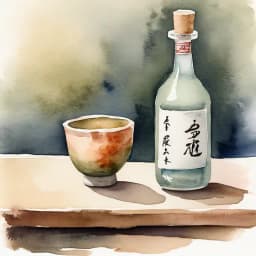
日本酒
With a single sip, the rich umami of the rice expands, immediately followed by a sharp finish reminiscent of a legendary blade. The hallmark of Yamagata Masamune is this perfect balance between richness and crispness.
Produced by Mitobe Shuzo, founded in Tendo in 1898. Their philosophy is "sake brewing starting from rice cultivation." They use quite hard water with a hardness of 120 for brewing, which creates a transparent, pure, and clean mouthfeel. Their Junmai Ginjo, which uses a generous amount of Omachi rice from Okayama Prefecture, is also popular.
It is a versatile bottle that is delicious without being heavy, pairing well with various dishes. It can be enjoyed chilled, or enjoyed warm (nurukan) to let the umami expand beautifully. This is a local sake crafted with sincere dedication to rice in the land of Tendo.
📍東根市
Specialties from 東根市 are also available via furusato nozei

日本酒
When poured into a cup, it offers a gorgeous yet elegant aroma. It has a smooth finish that gently complements any dish—this is Rokkasen, the local sake of Higashine City.
Rokkasen Brewery was established in 1972 through the collaborative efforts of five breweries in the Kitamurayama district. With the Ou Mountains at its back, it uses the pure spring water flowing from Mt. Kurofushi for brewing and utilizes mostly locally grown rice from Yamagata Prefecture. Much like the waka poems composed by the Heian-period poets known as the 'Rokkasen,' this sake is brewed with the aim of resonating gently with the human heart.
Using the traditional three-step fermentation process (sandan-shikomi), each bottle is carefully crafted to bring out the best of its ingredients. It is an elegant cup of sake that stays close to the dining tables of Yamagata.
📍南陽市
Specialties from 南陽市 are also available via furusato nozei

ワイン
As you tilt your glass, you will experience the rich fruitiness nurtured by local grapes. A glass enjoyed in this hot spring village further enhances the spirit of your journey—this is the Akato wine of Nanyo City.
Akato is a land said to be the birthplace of grape cultivation in Yamagata Prefecture. It is said that the history began during the Edo period when people who came to mine gold in the nearby mountains planted grape seedlings. Around the 920-year-old Akato Onsen, unique wineries are still gathered today, each brewing their own handcrafted wines.
Visiting cozy, welcoming wineries and enjoying hot springs and wine to your heart's content—this is a glass of Akato's new charm, born in a town where such luxury is possible.

日本酒
As you bring the cup to your lips, its soft and gentle flavor subtly and gracefully enhances the taste of your food—this is Higashi no Fumoto, a local sake from Akaya, Nanyo City.
The brewery, Higashi no Fumoto Shuzo, is the only sake brewery in Nanyo City, with traditions said to date back to 1896. Located in the Okitama Basin, blessed with clear air, harsh winter cold, and pure, abundant water, they have continued a brewing process centered on locally produced sake rice and water. It is a brewery with proven skills, highly regarded at the National New Sake Awards.
A bottle that acts like a reliable supporting actor at the dining table, never tiring of its taste. When you want to enjoy the local flavors alongside the hot springs of Akaya—this is the cup that will stay by your side.
📍飯豊町
Specialties from 飯豊町 are also available via furusato nozei

どぶろく
This is a traditional doburoku (unfiltered sake) produced in Iide Town, Yamagata Prefecture. Its charm lies in an even more rustic taste than cloudy sake, with the grains of rice left intact.
Iide Town is a rice-producing region spreading at the foot of the Iide Mountains, blessed with pure water and high-quality rice. Because the doburoku is finished without straining, the umami and sweetness of the rice, along with a refreshing acidity from fermentation, spread through the mouth unfiltered. It is the raw power of the rice itself, which can only be experienced because it is left unstrained.
With a single sip, a powerful flavor rushes in along with the popping sensation of the mash. This is a drink to be enjoyed slowly, paired with the mountain delicacies of Iide.

ワイン
This is a uniquely flavorful, fruity wine born from the specialty of Iide Town, Yamagata Prefecture: 'Kokuwa.' Kokuwa refers to Sarunashi, a wild fruit that is the ancestor of the kiwi fruit.
Kokuwa is a climbing plant that grows wild in the mountains, releasing a sweet and refreshing aroma when ripe. Known for being rich in nutrients such as Vitamin C, it has historically been called a 'forest delicacy.' The wine, brewed by pressing these small fruits, features a distinctive taste characterized by powerful acidity and concentrated fruitiness.
This bottle is like capturing the very vitality of wild fruit. Please take your time to savor the blessings of Iide's nature in your glass.
📍米沢市
Specialties from 米沢市 are also available via furusato nozei

日本酒
As you tilt the sake cup, a mellow and full-bodied umami slowly spreads across your palate—this is Toko, an exquisite sake brewed by a long-established brewery in Yonezawa.
The producer, Kojima Sohonten, is a brewery with over 400 years of history, said to have been founded in 1597 during the Keicho era of the Azuchi-Momoyama period. It once served as the official brewery for the Uesugi clan of the Yonezawa Domain. The name 'Toko' is said to be inspired by the direction where the morning sun rises, east of Yonezawa Castle. In recent years, it has won numerous awards at domestic and international competitions, expanding its presence worldwide.
At the 'Toko Sake Brewery' adjacent to the brewery, you can experience the history of sake brewing. Please enjoy a profound cup that stays close to the food and history of Yonezawa.
📍遊佐町
Specialties from 遊佐町 are also available via furusato nozei

日本酒
This is 'Sugisumi,' a local sake brewed by Sugisumi Warabioka Sake Brewery located in Yuza Town, Yamagata Prefecture. Founded in 1923, it is a small brewery with an annual production of about 500 koku.
Yuza Town, where the brewery is situated, is a rice-producing region at the foot of Mount Chokai. By using the subsoil water from Mount Chokai along with high-quality sake rice, they create a sake unique to this land. During the cold brewing season, fewer than ten brewery workers dedicate themselves to the craft with a focus on handmade processes. They also practice traditional Kimoto brewing, taking their time to create a deep, complex flavor.
Its crisp, dry profile pairs excellently with the seafood of Shonai. It is an honest expression of Yuza, nurtured by the waters of Mount Chokai.
Souvenirs
📍高畠町
Specialties from 高畠町 are also available via furusato nozei

その他
📍 山形空港、庄内空港、山寺 ほか1件
When you snap off a piece of the long, thin bar and pop it into your mouth, it starts firm and then gradually melts, spreading a rich milk sweetness across your tongue. It is a nostalgic flavor that captures the concentrated richness and umami of raw milk.
Born in 1945 from Nihon Seinyu in Yamagata, this treat is made by slowly drying dairy products, including sweetened condensed milk, for about a week rather than overnight. By finishing the process at a low temperature instead of applying sudden heat, the gentle, natural flavor of the milk is preserved. Rich in calcium, it has long been known as "edible milk."
In addition to milk, flavors such as Sato Nishiki (cherry), La France (pear), and Matcha are available. This simple, long-selling Yamagata classic is easy to enjoy one bite at a time.
その他
📍 山形空港、庄内空港、山寺 ほか1件
A long-selling confection made by Nihonsei Milk in Takahata Town. It features a nostalgic, unique texture reminiscent of solidified milk and a simple milky sweetness. This assortment includes six varieties such as cherry, pear (La France), and blueberry, making it a quintessential Yamagata souvenir that offers the joy of comparing different flavors.
📍山形市
Specialties from 山形市 are also available via furusato nozei

その他
📍 福島空港、山形空港、庄内空港 ほか3件
Inspired by the breathtaking 'Juhyo' (frost-covered trees) of Zao in winter, 'Juhyo Roman' is a long-selling confectionery representing Yamagata.
It is a Western-style baked sweet consisting of crispy, fragrant wafer layers sandwiching a rich white cream. The five-layer structure of alternating wafers and cream provides a moderate sweetness that keeps you coming back for more. Having been loved for approximately 45 years since its release, it has even won gold at the Yamagata Prefecture Specialty Product Competition, making it a true classic of Yamagata souvenirs.
Since each piece is individually wrapped, it is perfect for gifts or tea time. Please enjoy every crispy bite while thinking of the frost-covered trees of Zao.

スイーツ
📍 山形空港、山寺、蔵王温泉街 ほか1件
This fruit confectionery is packed with real fruit, unique to Yamagata Prefecture, which boasts the highest cherry production in Japan.
Cherry cultivation in Yamagata has a history of approximately 150 years, and its varieties, including 'Sato Nishiki,' account for about 70% of the national market share. The temperature difference between day and night, characteristic of the basin region, allows the sweet fruit to develop slowly. Yamagata cherries are truly the representative treasure of early summer in the prefecture.
This gorgeous treat encapsulates the sweet and sour flavor of those prideful cherries in every single piece. As you eat it, the sight of an orchard bathed in sunlight will suddenly come to mind. It is also visually adorable, making it perfect for gifts.

その他
This is a colorful assortment of rusks produced by Sievert, a Western confectionery brand in Yamagata City.
It all began when the shop started selling rusks made from leftover French bread. To their surprise, they sold incredibly well, leading the owner to think, "If I bake bread specifically for rusks, imagine how delicious they would be." This led to the birth of Japan's first premium gift-grade rusk in 1994. Their flagship product was born from an idea that turned a mistake into success.
This vibrant box offers a light, crispy texture and a variety of flavors to enjoy. It is perfect for an accompaniment to tea or as a gift, allowing you to enjoy the story behind its creation along with the taste.

その他
"Fuuki Mame" is a traditional confection made by Juichiya, an established shop in Yamagata City. These are beautiful jade-colored bean sweets made by slowly simmering green peas while gradually coating them with sugar.
The name is said to derive from the method of "fukasu" (steaming) the beans, and the kanji characters "Fu" (wealth) and "Ki" (nobility) were chosen for good luck, resulting in the name "Fuuki Mame."
This local flavor has been passed down in Yamagata since the Meiji era. Legend has it that the tradition began when the owner of a local hair salon served these beans to customers while they waited, earning great acclaim. The fluffy, natural sweetness of the beans is nostalgic and simple. It makes you want to brew some tea and savor each bean slowly.

その他
A single, thin, translucent amber sheet. When gently peeled from its bamboo skin and placed in your mouth, the sharp acidity of the plum and a clean sweetness softly unfold. The mysterious, chewy texture is unique to this confection.
Noshiume Honpo Satouya is an established shop founded in 1821 in Yamagata. That signature thinness and firmness are born from a unique production method where plum jelly (made by kneading plum pulp, sugar, agar, and starch syrup) is dried for about two days. It is a rare type of dried confectionery found nationwide that features 'acidity as its main charm,' utilizing the refreshing acidity of fully ripe plums.
It is perfect as an accompaniment to tea on a hot day or as a palate cleanser. A single piece provides a cool, refreshing acidity that gently relaxes your mood.

その他
A luxurious premium florentine crafted by ESCARGOT, a Western-style confectionery shop in Yamagata City.
Florentines are baked goods born in France, consisting of sliced almonds coated in caramel layered atop a sablé base. Their hallmark is the harmony of toasted aroma and varied textures, embodying European tradition.
This particular item allows you to fully enjoy the harmony of nutty fragrance, rich caramel, and crispy sablé dough. With one bite, multiple layers of flavor unfold. Paired with coffee or tea, it will turn your snack time into something truly special.

スイーツ
A seasonal confection made by the long-established Kineya Honten of Yamagata City, utilizing the fruits of the fruit kingdom, Yamagata.
Yamagata is a land where a diverse variety of fruits ripen throughout the seasons, including cherries, La France pears, apples, and grapes. The temperature difference between day and night, characteristic of the basin, slowly develops high-sugar fruits. It is truly a blessed land worthy of being called a 'Fruit Kingdom.'
'Kajuen Dayori' is a product that delivers the flavors of these proud fruits. There is a special happiness in receiving Yamagata's rich harvest in the form of confectionery. Please enjoy its changing character with each season. It is highly appreciated both as a tea accompaniment and as a gift.

洋菓子
📍 山形空港、庄内空港
With one bite, the moist pie crust, fragrant with fresh butter, crumbles delicately in your mouth. Inside, you will find a light green bean paste made with plenty of Dadacha beans. The savory aroma and gentle sweetness of the beans spread throughout your mouth.
Dadacha beans are a native variety of edamame grown in areas such as the Hakusan district of Tsuruoka City. Covered in brown fuzz, they are known as the 'King of Edamame' because their umami and sweetness overflow with every bite. The Dadappai from Kiyakawaya—a long-established shop founded in 1666—is made by turning these beans into paste and wrapping them in a 100% butter pie.
Because it is modestly sized and not overly sweet, you'll find yourself reaching for another. It is a Shonai-style pie confection where Japanese and Western flavors softly melt together.

その他
This plum confection is made using the techniques of the signature 'Noshiume' by Satoya, an established shop founded in the fourth year of Bunsei (1821).
The roots of Noshiume are said to be a restorative medicine acquired from Nagasaki by the personal physician of the Yamagata clan lord during the Edo period. It is said that Matsubee, the first generation of Satoya, inherited this and refined it into its current confectionary form during the Meiji era. A history spanning over 200 years flows through this single item.
'Ume Shigure' consists of Noshiume cut into strip shapes and coated in sugar. It features a texture similar to dried fruit and a refreshing acidity from ripe plums that leaves a lasting impression. It serves as an excellent palate cleanser after eating sweets, with a deliciousness that makes you want to keep snacking. It is an elegant plum confection characteristic of Yamagata, perfect for accompanying tea.

その他
A somewhat unusual plate-shaped karinto made by Choeido in Yamagata City.
While karinto is typically stick-shaped, this version is characterized by its flat, plate-like shape. It is a unique item that offers the fun of snapping off pieces one by one with a crisp sound.
With a crunchy, fragrant texture and the rich sweetness of brown sugar spreading slowly, it is so delicious you'll find yourself reaching for another piece. This traditional, simple flavor has been enjoyed across generations. It is a Yamagata snack that makes you want to brew some tea and savor it leisurely. With a satisfying bite unique to its plate shape, it is a popular item from Choeido that is simple yet addictive.

和菓子
This is 'Komame-chan,' a bite-sized bean snack produced by Kineya Honten, a long-established shop in Yamagata City. The name 'mame' seems to play on two meanings: small, and working diligently. True to its cute name, these small, easy-to-snack-on treats are so charming that you'll find yourself eating them one after another. With a gentle sweetness that highlights the ingredients of Yamagata, they are widely enjoyed by children and adults alike. Their size is perfect as an accompaniment to tea or as a small gift. Because of their unpretentious simplicity, they are a friendly treat that makes you want to reach for them again and again. The cuteness of the name is also part of its popularity.

和菓子
A delicate dry confection, 'Mayuhaki,' made by Sato-ya, founded in the fourth year of Bunsei (1821).
Its name originates from the poem composed by Matsuo Basho in 'Oku no Hosomichi': 'Mayuhaki o katagari ni beni no hana' (With eyebrow brushes as a hint, red flowers). 'Mayuhaki' refers to the small brush used to groom eyebrows after applying face powder. This is an elegant sweet that evokes thoughts of Basho's travels through Yamagata.
It consists of a single refined piece: a Fuayaki cracker sandwiched with 100% Yamagata-grown plum yokan, with an eyebrow shape delicately drawn using authentic safflower dye. The refreshing acidity of the plum and the crisp texture lend a grace suitable for tea ceremonies. It is a sophisticated item that embodies the world of haiku, enjoyable to both the eyes and the palate.
和菓子
📍 山形空港、庄内空港
One of the Dadacha-mame sweet series from Kiyakawaya. This small confection utilizes the flavor of Tsuruoka's specialty, Dadacha-mame beans, offering a rich taste that is irresistible to Dadacha-mame lovers.
その他
Yamagata's traditional Fuki-mame, carefully cooked using green peas by the long-established Kineya Honten in Yamagata City. A simple yet elegant sweet that offers a vibrant jade color and a fluffy bean texture.
その他
📍 福島空港、山形空港、庄内空港 ほか3件
A representative Yamagata wafer snack inspired by the frost-covered trees (Juhyo) of Zao. Featuring a light taste with white cream sandwiched inside, it is a classic souvenir found in shops at Yamagata Station and Zao Onsen.

その他
Created by Sumiyoshiya in Yamagata City, 'Okitsune-han' is an adorable Japanese confection shaped like a fox's face.
Foxes have been familiar companions to people since ancient times through Inari worship. This item captures their expressions directly in a sweet, humorous, and charming form. Even the suffix '-han' in its name evokes a sense of warmth.
Beyond its cute appearance, its simple and gentle sweetness is also a major draw. It is a treat that brings smiles to everyone from children to adults. As a Yamagata souvenir, its expression is sure to spark conversation. It is a presence that gently puts the hearts of those who receive it at ease.
その他
Fuki-mame is a traditional Yamagata specialty from Choeido in Yamagata City, made by simmering green peas until plump. It features an elegant sweetness and beautiful green color, boasting deep-rooted local popularity as a snack to accompany tea.

洋菓子
📍 山形空港、庄内空港
This confection from Yamagata City is named after 'Nanjo da be,' which means 'How are you?' in the Yamagata dialect.
'Nanjo da be' is a uniquely Yamagata expression that conveys gentle care for the listener. The playful spirit of using this friendly dialect directly as the product name makes this a truly enjoyable item. Just looking at the package will bring a smile to your face.
This version features a matcha flavor, and combined with its unique naming, it is sure to be a conversation starter. Giving this as a souvenir will surely spark a chat of 'Nanjo da be?' The authentic combination of matcha's subtle bitterness and elegant sweetness makes this a quintessential Yamagata treat that you can enjoy through taste, appearance, and language.

洋菓子
📍 山形空港、庄内空港
A full-moon shaped Yamagata confection inspired by Mount Gassan, one of the Three Mountains of Dewa.
Mount Gassan, along with Mount Haguro and Mount Yudono, is a sacred peak that has been revered as a center of mountain worship since ancient times. It remains a representative peak of Yamagata, visited by many worshippers even today. Its majestic presence serves as a spiritual cornerstone for the people.
'Gassan Mangetsu,' named after this mountain, is characterized by its adorable round shape and elegant sweetness. It has long been a popular souvenir for those visiting Mount Gassan. Its gentle flavor is enjoyed by all generations and is perfect as an accompaniment to tea. Its round appearance makes it visually appealing as a gift, bringing peace to the recipient's heart. Please enjoy it slowly while reflecting on the sacred mountains of Yamagata.
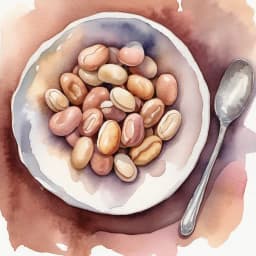
その他
📍 山形空港、蔵王温泉街、銀山温泉街
Enjoy the sweet and sour taste of cherries in your familiar favorite bean snack. This is a limited edition product unique to Yamagata, produced by 'Denroku,' headquartered in Yamagata City.
Denroku is a long-established bean snack manufacturer founded in 1924. Their flagship 'Denroku Mame' is a long-seller consisting of fragrant peanuts coated in a sweet shell, and is a familiar sight during the Setsubun bean-throwing festival. This cherry flavor captures the essence of locally grown cherries within that traditional bean snack. After a crunchy texture, a light, sweet, and sour aroma spreads through your mouth.
With its convenience for both snacks and appetizers, it is perfect as a casual souvenir to share. Please enjoy this fun combination where two major Yamagata specialties—bean snacks and cherries—meet.

その他
📍 山形空港
Fluffy dorayaki skin filled with buttercream and red bean paste. Produced by Choeido, a long-established shop in Yamagata City, this dorayaki is a gentle fusion of Japanese and Western flavors.
Choeido is a Yamagata confectionery store dating back to the Meiji era, famous for its 'Fukimame'—elegantly cooked green peas. This Butter Dora features a homemade light green bean paste made from those Fukimame, paired with slightly salty butter. A flavorful dough made with Zao eggs softly envelops the rich filling.
The gentle sweetness of the red bean paste and the saltiness of the butter create an exquisite balance in your mouth. It is a slightly luxurious snack that pairs well with both coffee and green tea.
その他
No-Shiume made by Toraya Kashiten in Yamagata City. Using a traditional method where ripe plums and agar are spread thinly over bamboo skin and dried, this is a classic Yamagata Japanese confection featuring an exquisite balance of plum acidity and sugar sweetness.

洋菓子
📍 山形空港、庄内空港
A crumbly cookie baked solely with rice flour from Yamagata's brand rice, 'Tsuyahime'. This popular mail-order sweet is produced by Kiyakawaya, a long-established shop in Tsuruoka.
Made with 100% Tsuyahime rice flour and absolutely no wheat flour, these cookies feature an attractive light texture that melts the moment they enter your mouth. A hint of salt from the Sea of Japan adds depth to the sweetness. Inside, a melting almond chocolate is hidden, allowing you to enjoy the classic combination of cookie and chocolate.
True to its name, 'Yukidoke' (Snowmelt), it has a melt-in-your-mouth quality that vanishes like melting snow. With its elegant sweetness, it is a Yamagata souvenir that will please people of all ages.

その他
A simple and warm pressed confection shaped like a fox mask. This is a traditional confectionery with a deep history, passed down in Tsuruoka City, Yamagata Prefecture.
It is a type of 'morokoshi' made by mixing adzuki bean powder with sugar and pressing it into molds, with origins dating back to 1840 (Tenpo 11). Legend has it that when the people of Shonai united in protest against an order from the Shogunate to transfer their territory—an order that was ultimately rescinded—they presented a confection shaped like a fox mask (the messenger of the Inari Shrine) to the feudal lord to celebrate the joyous occasion.
This piece carries a rich history that confectionery shops in Tsuruoka continue to cherish today. It is a flavorful sweet that offers a delicate, melting texture and a gentle, traditional sweetness.

和菓子
📍 蔵王温泉街
A round mochi filled with kinako (roasted soybean) cream and white bean paste. This is an adorable Japanese sweet created by Minoriya in Tsuruoka, reminiscent of a rabbit pounding mochi on the moon.
Minoriya is a shop that continues to craft sweets using local ingredients as a 'Dewa Confectionery Store' in Tsurically City. This Mochi-pounding Rabbit is a kinako mochi with a new texture, combining kinako cream and white bean paste inside soft mochi; its name is incredibly cute, likening its round shape to the patterns on the moon.
With the chewy texture of the mochi and the gentle aroma of kinako, this heartwarming Yamagata souvenir is sure to bring a smile to both children and adults alike.
その他
📍 山形空港
Fuki-mame crafted by Denroku, a long-established bean confectionery manufacturer in Yamagata City, inspired by Yamagata's prefectural flower, the 'Safflower.' This is a traditional Yamagata confection featuring the beautiful contrast between the jade color of green peas and the vibrant colors of safflowers.
その他
A colorful assortment of rusks produced by Sievert, a rusk specialty brand from Yamagata City. You can enjoy various flavors such as plain, chocolate, and matcha in a single box. With a light, crunchy texture and a gentle aroma of butter, it is a classic souvenir frequently purchased at Yamagata Airport and station buildings.

和菓子
📍 山形空港、庄内空港
The bounty of the Shonai sea captured in a crispy rice cracker. Produced by Kiyokawaya in Tsuruoka, this item is packed with the savory umami of shrimp.
These bite-sized crackers have a thin, light mouthfeel and a crispy, fragrant texture reminiscent of Shonai's famous 'Holland Senbei.' Made with plenty of rice from the rice-producing region of Shonai, they are carefully seasoned with shrimp flavor and salt. Manufactured by Sakata Bika in Sakata, the savory shrimp umami spreads with every bite, making it hard to stop at just one.
Because of its salty profile, it pairs perfectly with alcohol. This flavorful souvenir from Kiyokawaya encapsulates the blessings of both the Shonai sea and its rice fields in a single cracker.

その他
📍 青森空港、秋田空港、福島空港 ほか2件
A special flavor of Jagarico sold exclusively in the Tohoku region. The flavor, which combines the umami of scallops with the richness of soy sauce butter, is perfect for snacking in a car during a trip to Tohoku. It can be easily purchased at convenience stores and station kiosks, and its price point makes it an ideal souvenir for sharing. The limited edition packaging serves as a wonderful memento of your travels.
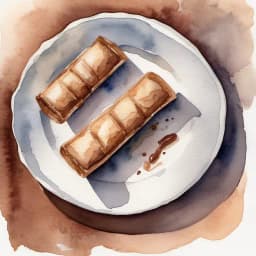
和菓子
A fragrant monaka (wafer sandwich) shaped like a mortar (kine). This is a classic Japanese confection produced by Kineya Honten, an established Yamagata shop founded in 1811.
Kineya Honten began when its founder sold manju to visitors of Kumano Taisha Shrine, and has continued the art of confectionery making for over 200 years. This monaka is made by blending glutinous rice from Saga and Okayama prefectures, which is immediately processed into mochi after milling and then baked into a mortar-shaped shell. Inside is homemade bean paste, hand-packed one by one. The fragrant shell and the elegantly sweet, subtle bean paste harmonize beautifully.
With its calm flavor, it is perfect for tea ceremonies or as a gift for superiors. It is a product that allows you to experience the true skill of Yamagata's Japanese confectionery.

洋菓子
📍 山形空港、庄内空港
A baumkuchen carefully baked layer by layer, with a focus on Yamagata's local ingredients. This is a signature Kiyokawaya souvenir that highlights the prefecture's fruits.
The moist cake is infused with the flavor of butter, featuring beautiful concentric layers. It is crafted with creams made from fruits from the fruit kingdom of Yamagata, such as cherries and La France pears, allowing you to enjoy the sweet aroma of fruit in every bite. The convenient size makes it easy to slice, and its long shelf life is a plus.
It is easy to use as a souvenir for the workplace and perfect for snack time. This heartwarming sweet allows you to taste the rich bounty of Yamagata in the form of overlapping rings of happiness.

スイーツ
📍 蔵王温泉街
A rich baked cheesecake reminiscent of the dairy farming in Zao. This is a popular Western-style confectionery souvenir produced by Tsuruoka's Minoriya.
It features a moist finish with a strong cheese flavor. When eaten chilled, the richness and depth of the cheese are further enhanced, creating an even more profound taste. The name 'Zao no Shirabe' (Melody of Zao) evokes the image of the majestic Zao mountain range and the abundance of the dairy region, conveying the charm of Yamagata.
It is a highly satisfying dish that provides plenty of substance in a single slice. This rich and popular confectionery from Minoriya is sure to delight cheesecake lovers as a gift.

その他
A limited edition item that adds the colorful touch of cherries to Yamagata's popular rusks. This is a brilliant creation born from Cire's 'Rusk France' line.
Cire is a Yamagata-based manufacturer that created Japan's first premium gift-grade rusks in 1994, based on the innovative idea of 'baking French bread specifically for rusks.' These cherry rusks are a visually stunning pink seasonal specialty, baked with candied local cherries from the prefecture embedded in the dough. The appearance itself conveys the essence of spring.
The light, crispy texture is layered with the sweet and sour aroma of cherries. The combination of Yamagata cherries and Yamagata rusks makes it an incredibly convincing souvenir.
和菓子
📍 山形空港、庄内空港
The cheese flavor from Kiyokawaya's Shonai Biyori series. These cheese-flavored rice crackers, utilizing ingredients from the Shonai region, feature an exquisite balance of saltiness and richness. It is a popular flavor alongside the shrimp version, offering the joy of comparing the two when bought as a set. An adult-oriented souvenir that also serves as a great snack to accompany alcohol.

その他
📍 山形空港
A rice-based confection made using Yamagata's proud brand rice, 'Tsuyahime.' The name 'Ofukuwake' (sharing good fortune) reflects the auspicious nature of this treat.
Tsuyahime is a brand of rice that Yamagata has carefully cultivated over many years. This 'Ofukuwake' is a rice cracker made by cooking Tsuyahime until fluffy and kneading it generously into the dough. Within its savory seasoning, you can clearly taste the umami of the rice and the gentle sweetness unique to Tsuyahime.
It is a simple, warm flavor that allows you to feel the true strength of Yamagata, a premier rice-producing region. As the name 'Ofukuwake' suggests, it is an auspicious souvenir that makes you want to give it to others with the intention of sharing good fortune.
その他
📍 山形空港、仙台空港、庄内空港 ほか3件
A traditional Yamagata masterpiece produced by the long-established Tamaya Sohonten, founded in 1821. This amber-colored dried confection is made by thinly spreading ripe plum pulp with agar, sandwiching it between bamboo skins, and drying it—a method that has remained unchanged for over 200 years. With an exquisite balance of elegant acidity and sweetness, it is one of the representative souvenirs of Yamagata.
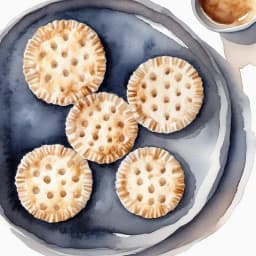
和菓子
📍 山形空港
Simple rice crackers baked using Yamagata's brand rice, 'Tsuyahime.' This product directly conveys the deliciousness of the rice. Tsuyahime is a premium brand rice that Yamagata has carefully cultivated over many years. These crackers, baked from fluffy cooked Tsuyahime, offer a gentle sweetness that spreads through a crispy texture. The moderate saltiness further enhances the unique umami of the Tsuyahime rice. This confection straightforwardly communicates the prowess of Yamagata as a rice-producing region. Because it is simple, the quality of the rice shines through honestly, making it a reliable Yamagata souvenir that anyone can enjoy.

その他
📍 青森空港、福島空港、山形空港 ほか6件
This is a local specialty Pocky that reproduces the flavor of 'Sato Nishiki,' the representative cherry of Yamagata.
Sato Nishiki is a variety painstakingly created by Eisuke Sato of Higashine City during the Taisho era. By crossbreeding the sweet 'Gyokuhama' with the long-lasting, acidic 'Napoleon,' it became known as the king of cherries, named with the dual meaning of being 'as sweet as sugar' and 'created by Mr. Sato.' We have captured the sweet and sour essence of this masterpiece within chocolate-coated thin pretzels.
The juicy fruitiness and the crunchy texture of Pocky are a perfect match. The box design is entirely cherry-themed, making it the perfect souvenir from Yamagata. Before you know it, you won't be able to stop reaching for them.

その他
📍 山寺、銀山温泉街
Another masterpiece from Tamaya Sohonten, famous for their 'Noshi-ume' plums. We have captured the rich acidity and sweetness of wild grapes that grow naturally in the forests of Yamagata within agar jelly. Finished using the same traditional method as Noshi-ume—rolled thin and wrapped in bamboo skin—this exquisite item reportedly won the Honorary Uncertified Award at the 1984 National Confectionery Expo. Its vibrant purple appearance is also beautiful, providing a visual delight. It offers a simple yet profound flavor that reflects the blessings of the mountains. Many people purchase it as a set with Noshi-ume; it is a Japanese sweet where Yamagata's tradition lives on. Please enjoy it with tea while admiring its brilliant purple hue.

和菓子
📍 山形空港、蔵王温泉街
A visually adorable cherry-flavored mochi.
Produced by Showado in Yamagata City, this treat captures the sweet and tart flavor of cherries within soft gyuhi (sweet rice dough). Cherries are the pride of Yamagata's early summer. This confection transforms the charm of that lovely fruit, represented by the Sato Nishiki variety, into bite-sized mochi. While there are many cherry-flavored sweets in Yamagata, this mochi type is particularly popular among wagashi lovers for its chewy texture. When enjoyed with tea, the essence of a Yamagata early summer spreads through your mouth. As a souvenir, its adorable appearance is sure to bring joy the moment the box is opened, making it a perfect seasonal treat.

その他
The name 'Deka' (huge) is no exaggeration; this is a Kintsuba of truly imposing size.
Larger than a standard Kintsuba, it is packed to the brim with Anchindo's pride-and-joy bean paste, offering a satisfyingly hearty bite. The thin outer skin is crisp and fragrant, creating a delightful textural contrast with the moist, smooth bean paste inside.
Because you can savor the simple, rustic sweetness of the adzuki beans, it makes a perfect gift for those who love sweets. The initial surprise of 'It's huge!' when receiving it is sure to spark conversation. This substantial Japanese confection invites you to brew a generous pot of tea and take your time enjoying it. For red bean lovers, the size and satisfaction are simply irresistible.

洋菓子
📍 山形空港、庄内空港
With its impactful name, this is a treat that inevitably becomes a conversation starter.
'Nanjo da be' is a phrase in the Yamagata dialect meaning 'How is it?' or 'How are things?'. This unique confection bears that dialect in its name and offers a new fusion of Japanese and Western textures, combining traditional monaka wafers with cookie dough. The light, crispy mouthfeel is truly refreshing.
Simply adding a comment like, 'This is read as Nanjo da be,' when giving it as a gift will instantly lighten the mood. It is a playful sweet that allows you to savor the Yamagata dialect. Along with your travel memories, you can take home a perfect conversation starter. Since both the taste and texture are thoroughly delicious, it truly lives up to its memorable name.
その他
📍 青森空港、秋田空港、新千歳空港 ほか8件
A Jagarico limited to the Tohoku region. Featuring a luxurious flavor inspired by 'sea urchin gunkan' (sushi), the rich aroma of sea urchin is recreated in these crunchy sticks. A staple in souvenir sections.
その他
Anchin-do's specialty: the 'Deka Kintsuba' (Large Kintsuba). It is one size larger than regular kintsuba and contains large, chunky pieces of chestnut inside. A luxurious combination of Hokkaido adzuki beans and chestnut that provides a very satisfying eating experience.

和菓子
A mochi confection packed with the food culture of Yamagata. Manjuya's Aomame Miso Mochi is made by kneading Yamagata-grown green beans and miso into the dough. The gentle flavor of the beans and the moderate saltiness of the miso harmonize exquisitely, allowing you to enjoy a deep flavor that is not just sweet. It is an encounter between beans and miso, both essential ingredients in the Japanese diet. The deliciousness lingers as sweetness and saltiness alternate. Combined with the chewy texture of the mochi, one bite will make you reach for another. This is a simple yet memorable Japanese sweet characteristic of Yamagata. Please try it with tea for a nostalgic taste.
その他
📍 秋田空港、福島空港、山形空港 ほか3件
A Jagarico flavor exclusive to the Tohoku region. This product reproduces the savory deliciousness of Sendai's specialty, beef tongue, in a stick snack, and boasts classic popularity as a standard souvenir for distribution during trips to Tohoku.

和菓子
A luxurious treat where the flavors of Yamagata meet in a single rice cake.
Juichiya, a long-established shop in Yamagata, has crafted a mochi using Tsuruoka's specialty, Dada cha beans. Dada cha beans are a traditional variety of edamame passed down in Tsuruoka since the Edo period; when boiled, they release a corn-like aroma and increase in sweetness with every bite, representing the masterpiece of edamante.
Their rich aroma and sweetness melt gently into the soft mochi.
The combination of edamame flavor and the chewy texture of the mochi is a classic Tohoku pairing, much like zunda. This is an irresistible Yamagata confection for Dada cha lovers, showcasing the reliable craftsmanship of a shop founded in the second year of the Bunka era. Please enjoy the taste of Tsuruoka's summer in this mochi, paired slowly with tea.
その他
Noshiume produced by Furindo in Yamagata City. This amber-colored dry confection, made by thinly spreading ripe plum pulp with agar, is a traditional Yamagata masterpiece that spreads a refreshing acidity and elegant sweetness throughout the mouth.
その他
Traditional Fuuki-mame made by Juichiya in Yamagata City. These jade-colored bean confections, made from sweetly cooked peas, are a classic Yamagata souvenir. Their simple yet somewhat elegant flavor is the reason they have been loved for a long time.
その他
A confection that rearranges Yamagata's famous Noshi-ume into an easy-to-eat stick shape.
Noshi-ume is a traditional Yamagata confectionery made by spreading ripe plums thinly with agar and drying them. During the Edo period, it was enjoyed as a folk medicine for alertness and preventing summer fatigue, and was highly valued as a souvenir for travelers visiting the Dewa Sanzan mountains. Furindo's 'Ume-tsurara' is crafted to capture the refreshing acidity of the plum in a cool appearance resembling an icicle (tsurara).
Upon taking a bite, the sweet and sour flavor spreads smoothly, bringing a sense of coolness. It is a visually refreshing treat that is especially delightful during the hot season. With its clean aftertaste, you will find yourself wanting to eat more and more.

その他
A Western-style confection featuring the La France pear, which Yamagata—the kingdom of fruit—is proud of, baked into a crispy galette.
Yamagata Prefecture boasts the highest production of La France pears in Japan, accounting for approximately eighty percent of the national total. This fruit was introduced to Japan during the Meiji era and flourished in this region; its rich aroma and smooth sweetness are exceptional. Cibelle is a brand from Yamagata City known for its rusks, and this 'La France Galette' brings out the fruitiness unique to the production area.
This is a luxurious baked good where the buttery dough overlaps with the flavor of the pear. With every bite, you can feel the bounty of Yamagata. It has an elegant taste that pairs perfectly with tea or coffee.

洋菓子
A fusion of Japanese and Western flavors, this pie features a striking vibrant green color from zunda. Zunda is a sweet paste made by boiling and mashing edamame, a flavor long cherished in the Tohoku region. It is said that the name 'zunda' comes from the phrase 'mame o utsu' (beating the beans). Kineya Honten is a long-established shop in Yamagata City, and their 'Zunda Pie' wraps traditional zunda in many layers of crispy pastry. The gentle sweetness unique to edamames and the subtle aroma of the beans melt into the light pastry. The beautiful, vivid green color makes this a fresh and delicious treat where East meets West, and its striking appearance makes it a wonderful gift.

その他
This is a creation that transforms Yamagata's local confection, 'Fuuki beans,' into a fluffy steamed dorayaki.
Fuuki beans are a famous Yamagata sweet made by simmering green peas until plump and sweet. It is said that the name originated from the method of 'fukasu' (steaming) the beans, becoming 'Fuki-mame' and eventually 'Fuuki-mame' (meaning wealth/fortune).
Juichiya, a long-established shop founded in 1804, has crafted its signature product into this steamed dorayaki.
With plenty of pea paste sandwiched between fluffy steamed batter, it is moist and soft. This delightful item allows you to enjoy the familiar taste of Fuuki beans in a new way. It is a gentle Yamagata flavor loved by all generations.

洋菓子
A Western-style pastry featuring the luxurious La France pear, which Yamagata—the kingdom of fruit—is proud to produce.
Yamagata Prefecture is Japan's leading producer of La France pears, accounting for approximately 80% of the national production. This fruit arrived in Japan during the Meiji era and flourished in this region. Sébille, located in Yamagata City, has captured that rich fruitiness within many layers of crispy pie pastry.
With a single bite, the aroma of La France spreads softly along with the light pastry. It is a fragrant and luxurious item that allows you to fully enjoy the bounty of its origin. Having a box on hand will make your family's snack time much more abundant and luxurious.
スイーツ
📍 山形空港、山寺、蔵王温泉街 ほか1件
A representative jelly confectionery from Yamagata, the kingdom of cherries. This souvenir is as beautiful as it is delicious, featuring cherry fruit flavor packed inside a jelly that sparkles like a gemstone.

洋菓子
📍 山形空港
A playful confection that transforms cherries into a chocolate bar format.
Yamagata Prefecture is Japan's leading cherry producer, accounting for approximately 70% of the national production. Its representative variety, 'Sato Nishiki,' was born in Higashine City and is known for its exquisite balance of sweetness and acidity. Showado's 'Cherry Board' is a fun treat from its very name, playing on the word 'board' (as in a chocolate bar) combined with the sweet and sour flavor.
The combination of cherry and chocolate is a perfect match, with the tartness enhanced by the richness of the chocolate. Along with its amusing name, this is a product that allows you to taste the essence of Yamagata. As a gift, it is sure to bring smiles from the moment it is presented.

洋菓子
A Western-style confection that rearranges the traditional Spanish sweet, Polvorón, with a Yamagata twist.
Polvorón is a baked good characterized by its delicate texture that crumbles beautifully in the mouth. It is also known for the lovely legend that 'saying 'Polvoron' three times will bring you happiness.' Juichiya, an established shop founded in 1804 (Bunsei 1), has infused it with the flavors of Yamagata's pride: La France pear and cherry.
It is a product where the bounty of the fruit kingdom and Spanish tradition mysteriously melt together. With a texture that dissolves in your mouth, it is a sweet you will want to savor while making a wish. It possesses a delicacy that makes you want to enjoy each piece slowly.

その他
A Japanese confection crafted by Noshiume Honpo Satoya, an established shop founded in 1821 (Bunsei 4).
Satoya is renowned for 'Noshiume,' a famous Yamagata confection made from thinly spread ripe plums, and has preserved its lineage for over two hundred years. 'Tamayura' is a 'neo-wagashi' (modern Japanese sweet) that overlays new sensibilities onto that long tradition.
As the name suggests, its charm lies in a delicate flavor, much like the fleeting moment of 'Tamayura' (the momentary resonance of a bell). It is an elegant item where the reliable techniques of an old establishment coexist with modern sensibilities. Accompanied by tea, it invites you to slowly savor the weight of two hundred years. As a gift for special occasions, it is a Japanese sweet that carries a prestige worthy of its 200-year history.

洋菓子
An elegant baked confection that captures the brilliant aroma of Yamagata's fruits.
Yamagata is known as a "Fruit Kingdom," a treasure trove of fruits such as cherries, La France pears, and grapes. It is a land where seasonal bounties color the dining table. Kineya Honten is a long-established shop in Yamagata City, specializing in confectionery that makes the most of these local blessings. As the name suggests, "Hime no Ka" (Princess's Fragrance) charms with a lovely taste reminiscent of a princess.
Upon taking a bite, the sweet aroma of fruit gently spreads through your mouth. It is a gentle and graceful baked treat that you will want to serve alongside tea. This item also looks sophisticated as a gift, making it a perfect choice for a thoughtful small souvenir.

その他
A new sensation of a soufflé that combines Chardonnay grapes with La France pears.
Yamagata is known as the kingdom of fruit, boasting the highest production of La France pears in the country. It is also a land rich in fruit where Chardonnay grapes for wine are grown. Juichiya, a long-established shop founded in the first year of the Bunka era (1804), has layered the brilliant aromas of these two fruits together.
The rich fruit aroma melts into a light and airy batter. This highly aromatic masterpiece allows you to luxuriously taste the bounty of Yamagata with a delicate texture that melts in your mouth. It will add a touch of elegance to your tea time on special days with the scent of the fruit kingdom.
その他
The original Noshiume made by Noshiume Honpo Satoya, founded in 1821. This thin, amber-colored confection, made only with fully ripe plums, sugar, and agar, is a treasure of Yamagata passed down for over 200 years.
📍酒田市
Specialties from 酒田市 are also available via furusato nozei

その他
📍 庄内空港
The famous confection 'Sakata Musume' from Sakata City is a baked sweet produced by Kasho Kikuchi, established in 1884. It features moist, butter-flavored dough wrapped around a plump, homemade bean paste filling.
The brush-painted face of a girl on the package represents the character of Sakata women: caring, spirited, and witty. The availability of three flavors—Adzuki, Coffee, and Roasted Sweet Potato—is said to be inspired by the fact that the Kikuchi family was blessed with three daughters at the time. The eldest daughter is Adzuki, the second is Coffee, and the third is Roasted Sweet Potato.
With its gentle sweetness and rustic warmth, this treat reflects the hospitality of the port town of Sakata. When you pick one up, you can taste the entire story behind its creation.

洋菓子
A moist and chewy baumkuchen baked using rice flour from the Shonai region.
Shonai Plain is one of Yamagata's premier rice-producing areas, blessed with pure water and fertile soil. By milling this rice into flour for the batter, a unique, chewy texture is created that differs from traditional wheat-based baumkuchen. This Western-style confectionery was born from an idea unique to Shonai, the land of rice.
The cross-section, carefully baked layer by layer, is heart-melting just to look at. The gentle sweetness and chewy texture leave a lasting impression. Paired with coffee or tea, it makes you want to slowly savor the blessings of Shonai. With its soft flavor, it is also a delightful item for gifts.

和菓子
📍 山形空港、庄内空港
This is a simple baked rice cracker made using horse chestnut (tochi) seeds gathered from the mountains of Shonai. Horse chestnuts are the fruits of the Japanese horse chestnut tree that grows wild in the mountains of Tohoku. They have a strong bitterness, and an intensive process of leaching out tannins is essential to make them edible. Since ancient times, people have used their wisdom and effort to continue eating these seeds. 'Shonai-yaki' is a product where the bitterness and aroma of the horse chestnut harmonize with the sweetness of rock sugar. Each cracker is carefully baked by hand. The rich flavor that spreads as you chew is the very blessing of the Shonable mountains. This simple, addictive taste has been loved across generations. Please enjoy this traditional flavor along with some tea.

その他
📍 庄内空港
A moistly baked castella made using rice flour from the Shonai region.
Shonai Plain is one of Yamagata's premier rice-producing areas, nurtured by pure water. By grinding this rice into flour and using it instead of wheat, a unique, chewy texture is created that differs from ordinary castella. It is a confection born from the fusion of Japanese and Western ideas, truly characteristic of Shonai, the land of rice.
Its gentle sweetness and chewy texture evoke a sense of nostalgia. It pairs well with both tea and milk, making it perfect for breakfast or a snack. Packed with the blessings of Shonai, it offers a flavor that provides heartfelt relaxation. Please enjoy this special item unique to a rice-growing region.
その他
📍 庄内空港
A castella sponge cake baked using rice flour from Shonai and local sake. Characterized by the subtle aroma of Japanese sake and the chewy texture of rice flour, it is a sophisticated flavor unique to the sake-producing region of Shonately.

その他
A type of Yubeshi passed down in the Shonai region. It is a stick-shaped mochi confection made by steaming glutinous rice and kneading in walnuts and sugar, offering a simple yet deep flavor that utilizes the stickiness and aroma of Shonai rice.
その他
📍 庄内空港
A beloved confectionery in Sakata City. An elegant Japanese sweet that evokes the history of Sakata, which flourished as a port town for the Kitamaebune shipping fleet.

和菓子
📍 山形空港、庄内空港
A unique twist on Sakata Rice Cracker's classic 'Dutch Senbei,' infused with the flavor of Tohoku's famous zunda (sweetened edamame paste). While maintaining its signature thin, crispy texture, the fresh, green aroma of edamame gently drifts through the nose. The combination of the rustic umami from Shonai rice and zunda offers a taste truly unique to the Tohoku region.

洋菓子
A simple pie pastry reminiscent of Shonai Persimmon, the taste of autumn in the Shonai region. This treat offers a nostalgic flavor characteristic of the port town of Sakata.
Inside the crispy pie crust is a generous amount of smooth filling that highlights the flavor of persimmon. The Shonai Persimmon used is the 'Hiratanenashi' variety, which is seedless and possesses an elegant sweetness; it is a pride of Shonally, with origins tracing back to the discovery of a single seedless tree in Tsuruoka in 1885. This Kaki Pie captures that autumn bounty.
This simple souvenir from Sakata offers a gentle sweetness that provides comfort. It is a treat that allows you to experience the rich fruit culture of Shonai and the nostalgia of the port town in a single bite.

洋菓子
The flavor of Shonai Persimmon meets chocolate chip cookies. This is a somewhat unique Yamagata sweet that sits somewhere between Japanese and Western confectionery styles.
Shonai Persimmon, specifically the seedless 'Hiratanenashi' variety, is a representative autumn delicacy of the Shonai region. This cookie combines the subtle sweetness of that persimmon with the richness of chocolate chips. The simple flavor of the persimmon and the depth of the chocolate complement each other, offering a taste that is both novel and unexpected.
This is a unique souvenir that conveys the fruit culture of Shonai through confectionery. We highly recommend it to anyone looking for a Yamagata souvenir with a slightly different twist than the usual.

洋菓子
An assortment of monaka and sablé that captures the 'haikara' (stylish/cosmopolitan) culture of the port town of Sakata. This indulgent set allows you to enjoy both Japanese and Western flavors in one box. During the Edo period, Sakata flourished as a major port for the Kitamaebune shipping route. As cultures from the Kansai region and Hokkaido flowed in with the ships, a glamorous and cosmopolitan spirit was nurtured even in this regional town. This assortment reflects that atmosphere, offering moist Japanese monaka alongside crispy Western-style sablé. The stylish packaging also makes it perfect for small gifts. It is a brilliant and elegant souvenir, embodying the meeting of East and West characteristic of Sakata, the prosperous port town.

その他
This is a signature confection inspired by the Sanju Warehouse, a symbol of Sakata.
Built in 1893, the Sanju Warehouse served as a collection point for transporting Shonai rice, harvested from the Mogami River basin, to the upper regions via Kitamaebune ships. This Japan Heritage site is filled with the wisdom of a rice-producing region, featuring rows of white-walled earthen storehouses and zelkova trees planted behind them to block the afternoon sun. This treat quietly conveys the history of Sakata, which flourished through the Kitamaebune trade.
With its moist texture and elegant sweetness, it is the perfect accompaniment to tea. It is a representative souvenir of Sakata, often purchased by visitors as a memento of their stroll through the warehouse district. Please enjoy it along with the lingering memories of your journey, while imagining the scenery of the warehouses.

その他
A simple yet profound karinto (deep-fried flour snack) made by kneading Shonai vegetables into the dough.
The flavor of vegetables grown in the Shonai Plain remains distinct within the crunchy dough, with the taste expanding with every bite. The name 'Hyakubai' subtly incorporates the essence of Shonai, a renowned rice-producing region. Its healthiness, due to the vegetable content, makes it an easy choice for snackers. Despite its rustic appearance, once you start eating, you won't be able to stop. It is a Shonai confection suitable for tea time or a light snack, enjoyable by all ages. Its simple taste naturally invites you to keep reaching for more and share with everyone.

洋菓子
This is a rabbit-shaped Japanese confectionery inspired by the Sanju Warehouse in Sakata.
With its adorable shape of a rabbit sitting snugly and its elegant sweetness, it is particularly popular among women. The Sanju Warehouse is a symbol of Sakata, which flourished with the Kitamaebune shipping route, and is a Japan Heritage site featuring beautiful white-walled storehouses and zelkova tree avenues. Many visitors pick up this sweet as a memento of their stroll through the area.
Souvenirs linked to travel memories allow you to recall those scenes even after eating them. Its cute appearance also makes it a favorite gift for children. It is such an adorable treat that you might feel it is a waste to eat it; it is a heartwarming item we highly recommend adding to your tour of Sakata's famous sites.
その他
A specialty featuring karinto made with rice from the Shonai region, coated in green kinako (roasted soybean flour). The green soybean kinako has a high aroma that pairs excellently with the crispy karinto. It shines as a testament to the rice cracker culture of the Shonai rice-producing region.
和菓子
A rice cracker that packs the true strength of a premier rice-producing region into every single piece.
Baked in Sakata, a producer of Shonai rice, it boasts a crispy texture where the umami of the rice can be clearly tasted. The Shonai Plain is one of Japan's leading rice-growing areas, blessed with fertile soil and abundant water brought by the Mogami River. Because it is made from such high-quality rice, the cracker possesses a deep, clear flavor.
The fragrant, baked cracker pairs perfectly with green tea. It has a simple yet never-tiring taste that makes you want just one more piece. This is a nutritious souvenir typical of Sakata, allowing you to easily taste the blessings of Shonai. Please experience the true power of this rice-producing land in a single bite.
その他
A shrimp salt flavored karinto made with rice from the Shonai region. Featuring the flavor of shrimp from Shonai Beach and a touch of saltiness, its crunchy and light texture makes it suitable as both a snack and an accompaniment to drinks.

その他
A heartwarming potato confection inspired by Tobishima, an isolated island floating off the coast of Sakata.
Tobishima is Yamagata Prefecture's only inhabited remote island, about 75 minutes from Sakata Port by ferry. It is a nature-rich island designated as part of the Chokai Quasi-National Park, and potatoes known as 'Godoimo' have been loved as a local specialty. This product reflects the simple food culture of that remote island.
The fluffy potato flavor is somewhat nostalgic and warms your very heart. The joy lies in being able to easily taste the blessings unique to an isolated island. The rare name of the island, Tobishima, also serves as a great conversation starter for souvenir stories. It is a simple sweet that makes you want to savor it leisurely with tea.

和菓子
📍 庄内空港、JR酒田駅
A monaka (wafer sandwich) that has been loved for a long time in Sakata, a port town that flourished with the Kitamaebune shipping routes. During the Edo period, Sakata was a commercial hub that prospered greatly through maritime transport on the Sea of Japan and was home to the Honma family, known as 'Japan's greatest landowners.' It was a wealthy town where rice and safflower were transported to the Kamigata region, facilitating an exchange of elegant culture. 'Kuretake Monaka' conveys this nurtured confectionery culture to the present day. Featuring a crispy, fragrant wafer shell filled with plenty of elegantly sweet bean paste, one bite will make you reminisce about the bustle of the past. It is a product where Sakata's tradition lives on, perfect to enjoy slowly with tea. It is one of Sakata's representative famous sweets, passed down through generations.
洋菓子
A famous confection from Sakata that evokes the shipping routes of the Sea of Japan once traversed by Kitamaebune ships.
During the Edo period, Sakata was a prosperous port town serving as a stop for the Kitamaebune. It was a vital hub for maritime transport, carrying rice and safflower to the Kamigata region and bringing back elegant culture from there. It is also the commercial city that produced the Honma family, known as 'Japan's greatest landowners.' 'Nihonkai-ro' is an elegant item that reflects this history of maritime transport in its confection.
With every bite, the sea breeze and the bustle of the port town seem to emerge. Along with the scent of the Shonai sea, it is a flavorful souvenir that makes you reflect on the rich era Sakata experienced. It is a must-have item to pick up along with the history of the port town as a memento of your visit to Sakata.

洋菓子
These are unique cookies made by kneading red shrimp caught in Shonai-hama into the dough.
Shonai-hama is one of Japan's leading production areas for red shrimp (also known as Nanban shrimp or sweet shrimp), boasting a melting sweetness nurtured by the cold waters of the Sea of Japan. We have carefully infused that savory flavor into a rich, buttery dough.
True to its cute name 'Hanekko' (meaning 'bouncy'), the bounty of the sea seems to spring forth with every bite. The umami of the shrimp spreads gently along with a crispy texture. It is an interesting and addictive flavor unique to this seaside town. It pairs surprisingly well as a snack for children or as an accompaniment to an adult's evening drink.

スイーツ
A summer delicacy grown in the sandy areas of the Shonai Plain: the Shonai Melon.
Melon cultivation in the Shonai dunes began in the Taisho era; the well-drained sandy soil, pure groundwater, and large temperature fluctuations between day and night concentrate the sweetness. The flesh, grown under abundant sunlight, is meltingly juicy.
Its rich sweetness has earned fans nationwide as a summer gift. When chilled well and scooped with a spoon, happiness spreads throughout your mouth. This is a masterpiece that Shonai delivers with confidence, especially meant to be enjoyed during the hot season. It is a taste we can heartily recommend as a summer gift for your loved ones.

和菓子
A treat that captures the flavor of Aosa seaweed harvested from Shonai-hama in crunchy chocolate. This Shonai souvenir allows you to feel the blessings of the Sea of Japan, with a mysterious harmony between the scent of the ocean and the sweetness of the chocolate.
📍小国町
Specialties from 小国町 are also available via furusato nozei

その他
An Italian-style slender bread called 'Grissini,' utilizing the grains of Oguni Town. By using locally produced grains such as rice flour and sorghum, this snack brings out a crunchy texture and toasted aroma. Oguni Town is a village surrounded by mountains and heavy snowfall. This product showcases the creator's ingenuity in making the blessings of the local grains easy to enjoy in a Western style. With a light, crispy texture, it is perfect for both snacks and appetizers. The rustic flavor of the grains spreads with every bite. It is a soul-soothing taste that allows you to enjoy the bounty of the mountain village in a new form. Please feel free to pair it with wine or soup.
📍上山市
Specialties from 上山市 are also available via furusato nozei

和菓子
The famous confection 'Genroku Mochi' passed down in Atsumi Onsen. Created by Sugawaraya Kashiten, it is a beautiful mochi sweet featuring two colors: white and green.
Made from high-quality Shiratama flour and sugar, the name originates from the 'Genroku pattern' created by the intertwining of green mochi (kneaded with matcha) and white mochi. It is said that it was once considered a souvenir for coal miners and has taken root in the land over a long period. Today, it is so well-loved that it even appears in local school lunches.
This item is renowned for its fluffy, soft texture and elegant sweetness. Since it has a good shelf life, it is perfect as a tea snack at hot spring inns or as a souvenir from your travels. The beautiful two-tone colors are also a delight to the eyes.

洋菓子
📍 蔵王温泉街
A melt-in-your-mouth chocolate crunch themed after the four seasons of Zao.
Zao is a famous mountain spanning Yamagata and Miyagi prefectures, a popular tourist destination where fantastical formations of snow and ice known as 'Juhyo' (frost-covered trees) spread in winter. The mountain shows rich expressions through each season, from fresh greenery to autumn leaves.
'Little Footsteps in the Forest,' which evokes the nature of Zao, is a delightful treat featuring melting chocolate and a crunchy texture. The adorable world suggested by its name makes you want to pick it up instinctively. It is perfect as a souvenir for Zao sightseeing, and its deliciousness will make you want to buy some for yourself too. It pairs well with coffee and provides comfort when you want to take a relaxing break.

洋菓子
📍 銀山温泉街
Takuan (pickled radish) and chocolate. This is a surprising item made seriously into a confection, featuring a combination that will make you do a double-take.
Produced by Sanokuya, a long-established pickle shop in Kaminoyama City. It coats Yamagata's takuan in chocolate. While you might think, "You've got to be kidding," once you take a bite, the crunchy texture and subtle saltiness of the takuan pair with the sweetness of the chocolate in a surprisingly wonderful way. The name 'Yume' (Dream) is inspired by Takuan Zenji, who is said to have introduced takuan pickling to Kaminoyama and loved the character for 'dream'.
It has great buzz potential and is perfect as a gag gift. Driven by curiosity, please try this surprising taste for yourself.

洋菓子
📍 蔵王温泉街
This is the Zao version of the famous nationwide "XX no Koibito" series.
It features the familiar style of white chocolate sandwiched between crispy cookies, wrapped in packaging inspired by the Zao mountain range. Zao is a famous tourist destination known for its crater lake "Okama," which shines an emerald green, and the Zao Onsen, renowned for its strongly acidic sulfur springs. It is a classic souvenir that people naturally reach for to commemorate their visit to these landmarks.
Because they are individually wrapped, they are easy to distribute, and since the taste is a guaranteed crowd-pleaser, they are also very useful as bulk gifts for colleagues or friends. This is a reliable box of sweets that you'll want to take home along with your memories of Zao's majestic nature. It is a dependable, classic souvenir that won't fail no matter who you give it to.
和菓子
Genroku Mochi produced by Gyokusendo Ushimatsu in Kaminoyama City. Featuring a simple taste with walnuts kneaded into soft gyuhi (sweet rice paste), it is a famous confection of the castle town that you'll want to indulge in after a soak in the Kaminoyama Onsen hot springs.

洋菓子
📍 蔵王温泉街
A Western-style raisin sand cookie bearing the name of Zao.
Fragrant rum-scented raisin cream is gently sandwiched between crispy cookies. The combination of mature-tasting cream and fragrant cookies pairs perfectly with coffee or tea. Zao is a famous tourist destination known for its emerald green crater lake, "Okama," and the Zao Onsen, renowned for its skin-beautifying waters.
This is a souvenir that you'll naturally reach for as a memento of your Zao travels. Since they are individually wrapped and easy to distribute, and the taste is foolproof, they are also very useful for sharing with colleagues or friends. It is an item you will want to buy for yourself as a slightly luxurious treat.
和菓子
Genroku Mochi made by Yamatoya in Kaminoyama City. This famous confection has been beloved in the historic hot spring town of Kaminoyama Onsen; its simple sweetness and soft mochi cling to the memories of this hot spring town.
和菓子
Genroku Mochi, crafted by Sugawaraya in Kaminoyama City. A long-beloved confection in Kaminoyama Onsen, this moist mochi sweet is best enjoyed alongside the nostalgic atmosphere of the hot spring town.
📍新庄市
Specialties from 新庄市 are also available via furusato nozei

和菓子
A local confection from the Shinjo area, made by steaming a mixture of glutinous rice and non-glutinous rice flour with brown sugar and walnuts.
It is said that 'Kujira Mochi' originated about 300 years ago during the Shinjo Domain era as a form of military rations. There is also a theory that its name comes from 'hisashiku motsu yoi mochi' (good mochi that lasts a long time) due to its preservation qualities, and the custom of offering it to doll displays during the Peach Festival still remains today.
It features a deep, nutritious flavor where a chewy texture, the richness of brown sugar, and the aroma of walnuts overlap. A single slice is quite filling. You can enjoy it thinly sliced as is, or lightly toasted for a more fragrant experience. It is a traditional taste of the Mogami region that you can savor while contemplating its history.
和菓子
A local confection from the Shinjo area, made by steaming a mixture of glutinous rice and non-glutinous rice flour kneaded with walnuts and soy sauce. This sweet and salty soy sauce flavor is another classic variation of Kujira-mochi that becomes addictive.

その他
An adorable dry confection that looks just like the small pebbles found along the banks of the Mogami River. This famous sweet is produced by Kineya Honten, a long-established shop in Yamagata City.
Large Dainagon adzuki beans from Hokkaido are cooked plumply into kanoko style, carefully dried for several days in a dedicated drying room, and then coated in an amber-like candy glaze. It is characterized by its round shape and a unique crunchy texture. Highly regarded for its use of quality ingredients and artisanal craftsmanship, it was even selected as an in-flight snack for JAL international first-class in 2019.
As a single piece enters your mouth, the flavor of the adzuki bean and its elegant sweetness slowly spread. It is an atmospheric accompaniment to tea, reminiscent of the scenery along the Mogami River.
📍長井市
Specialties from 長井市 are also available via furusato nozei
和菓子
This is a famous confection that seems to capture the essence of spring in Okitama directly in a sweet.
'Okitama Sakura Corridor' refers to a 43-kilometer route through cherry blossom spots connecting Nanyo, Nagai, and Shirataka. It features ancient cherry trees ranging from 500 to 1,200 years old, including the 'Eboshiyama Senbonzakura,' which is one of Japan's top 100 cherry blossom sites, as well as several famous trees designated as national natural monuments. This confection from Hakusando Haga was inspired by that magnificent spring scenery.
With its elegant flavor that evokes the essence of cherry blossoms, it is the perfect souvenir for the flower-viewing season. It is a treat you will want to savor slowly, along with the feeling of longing for the Yamagata spring after a long winter. It also serves as the perfect companion for a break after walking through the rows of cherry trees.
その他
Noshiume made by Nagaiya Kashiten in Nagai City. While Tamaya Sohonten in Yamagata City is famous, Nagai also has its own long-established Noshiume. Although the traditional method of thinly spreading fully ripe plums with agar is the same, it is interesting how the balance of acidity and sweetness differs slightly between shops. It is a fun souvenir to enjoy by comparing different varieties.

その他
A Japanese sweet whose beautiful purple color catches the eye. Produced by Nagaiya Kashiten in Nagai City, 'Yama Murasaki' is charming for its elegant sweetness and vibrant appearance. The Okitama region, where Nagai City is located, is a nature-rich land known for the 'Okitama Sakura Corridor,' dotted with ancient cherry trees over a thousand years old. This item makes you feel that abundant bounty. The beautiful coloring provides visual enjoyment as well. If given as a gift, people might exclaim 'How beautiful!' the moment they open the box. This is an elegant Japanese sweet characteristic of Okitama that conveys meticulous craftsmanship. It invites you to savor it slowly while admiring its colors along with tea.

その他
An elegant confection with a name inspired by the nature of Nagai.
"Tamaniwa," produced by Nagaiya Kashiten, is a Japanese sweet that reflects meticulous craftsmanship. Nagai City is a land rich in nature and culture, having flourished through river transport on the Mogami River and being known for the classical cherry blossoms of the Okitama Sakura Corridor. This item offers a calm flavor nurtured by that peaceful climate.
It possesses a straightforward deliciousness without being overly eccentric. Because of this, it can be given with confidence to people of all ages. It is an Okitama specialty that makes you want to brew some green tea and savor a quiet moment. Please pick one up as a souvenir of your visit to Nagai. One bite will surely soothe your heart.
📍鶴岡市
Specialties from 鶴岡市 are also available via furusato nozei
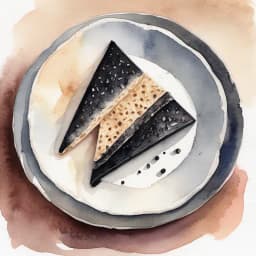
和菓子
📍 山形空港、庄内空港、銀山温泉街
A traditional candy passed down in Tsuruoka City and the Shonai region of Yamagata Prefecture. It is a fun treat where breaking a triangular rice cracker reveals a small folk toy inside.
The name comes from the 'karakara' sound made by the toy inside when you shake the cracker. The triangular dough, made with plenty of brown sugar from Okinawa, has a fragrant and rustic flavor. There are about 150 different types of toys hidden inside, so what you get is a surprise until you break it open. The excitement is much like drawing an omikuji (fortune).
It is a two-in-one treat: delicious to eat and fun to break. As a souvenir from Shonai, it is a product that delights both children and adults.

その他
Shiondo is a famous confection made by Tsuruoka Kimura-ya, an established shop in Tsuruoka City.
The Shonai region is a 'food capital' nurtured by the Sea of Japan and fertile plains. The rich natural environment, blessed with rice, fruits, and seafood, has supported confectionery making in this land since ancient times. Tsuru-oka Kimura-ya is also a renowned confectionery shop that has long been rooted in Shonai.
"Shiondo" features an elegant taste that makes the most of Shonai's ingredients and has long been loved locally as a staple Tsuruoka souvenir. Its gentle sweetness is sure to please all generations. It is perfect with tea, providing a moment of comfort when you want to take a breather. Please pick one up as a memento of your visit to Shonai.

その他
This is a Rakugan-style dry confection shaped like the Noh masks of 'Kurokawa Noh,' a Nationally Designated Important Intangible Folk Cultural Property passed down for over 500 years in Kurokawa, Tsuruoka City.
Kurokawa Noh is a local performing art that has been performed by farmers during the Ogi Festival at Kasuga Shrine. It is known as a precious existence that conveys early Noh to the present day, as many ancient masks are preserved. Its sculptural beauty quietly captivates viewers.
This item is an encounter between the simple sweetness of adzuki bean powder and the exquisite design of the Noh mask. As you eat it, the confectionery makes the stories of the traditions continuing through the villages of Shonai drift into your heart. It is a flavorful Tsuruoka souvenir that conveys local culture.

その他
This is 'Hanagori,' a refreshing confectionery made by Tsuruoka Kimuraya, a long-established shop in Tsuruoka City. Tsuruoka, the central city of Shonai, is a land where the atmosphere of a castle town and a rich food culture thrive. Kimuraya is also known as a famous local confectionery shop that has been loved for a long time. 'Hanagوعه' is characterized by its beautiful appearance adorned with floral motifs and its elegant sweetness. As the name suggests (meaning 'flower ice'), it has a cool, refreshing presence, making it perfect as a gift during the hot season. It is a delicate Shonai-style sweet that can be enjoyed visually and tasted on the tongue. Paired with cold tea, it brings a moment of coolness. It is sure to delight anyone receiving it as a gift.
和菓子
📍 山形空港、庄内空港、銀山温泉街
A traditional snack from the Edo period passed down in Shonai, Tsuruoka. The name comes from the 'karakara' rattling sound it makes when shaken; inside, you'll find a folk art toy, making every crack a delightful surprise.
その他
Noshiume produced by the long-established Tsuruoka Kimura-ya in Tsuruoka City. This thin, plate-like Japanese confection is made by setting ripe plum pulp with agar, offering a refreshing acidity that is perfect for summer.

和菓子
This Japanese sweet features Tsuruoka's specialty, Dadacha beans, processed into kinako (roasted soybean flour) and coated over mochi.
Dadacha beans are known as 'phantom edamame' because they can only be grown in limited areas of Tsuruoka. As a traditional variety dating back to the Edo period, despite their small size, their sweetness, richness, and abundant aroma set them apart from other edamame. They are a representative taste of summer that the Shonai region takes great pride in.
This luxurious treat captures that intense aroma within the kinako, generously coating soft mochi. The compatibility between the flavor of Dadacha beans and the chewy texture of the mochi is outstanding. With a single bite, the savory aroma of the beans wafts through your nose. Please enjoy the charm of this Shonai treasure through this confection, which allows you to savor the essence of edamame even outside of the season.

和菓子
📍 山形空港、庄内空港、JR酒田駅
A manju (steamed bun) that captures the rich aroma of Dadacha beans directly within its bean paste. This is a signature confectionery unique to the Shonai region, made using the highest quality Dadacha beans from the Hakusan district of Tsuruoka City.
Dadacha beans are a traditional variety of edamame that can only be grown in certain parts of Tsuruoka, earning them the nickname 'King of Edamame.' Those from the Hakusan district, in particular, are renowned for their special flavor nurtured by morning mists. This manju features a moist, soft dough enveloping a generous amount of bean paste made from these precious beans.
With a single bite, the plump sweetness and savory aroma characteristic of edamame spread through your mouth. It is a proud souvenir of Tsuruoka that allows you to experience the full essence of the Dadacha bean.

その他
📍 山形空港、山寺、蔵王温泉街 ほか1件
The flavor of the 'phantom bean,' Dadaacha-mame, transformed into crispy potato chips. This is a local Yamagata snack made using rare edamame from Tsuruoka.
Dadaacha-mame is a native variety of edamame cultivated only in parts of Tsuruoka City, known for its unique savory aroma and intense sweetness. These chips are finished with a light salt seasoning to highlight the bean's flavor. As you bite into the crunchy, wavy-cut chips, the savory umami of the edamame gently spreads through your mouth.
Sold by Kato Bussan in Kaminoyama City. They are perfect as an accompaniment to beer or as a light snack, and their lightweight nature makes them easy to distribute. An aromatic Yamagata souvenir that is irresistible to edamame lovers.

洋菓子
📍 山形空港、蔵王温泉街
Tsuruoka's specialty Dadaacha-mame transformed into a stylish Western-style confection. This item features bean powder kneaded into the cookie dough and coated in chocolate.
Dadaacha-mame is a native edamame variety that grows only in parts of Tsuruoka, and its savory flavor is subtly infused into the dough. The charm lies in the surprisingly perfect harmony between the sweetness of the chocolate and the aroma of the edamame. The sophisticated name 'DADA DECOLE' lightly updates the traditional image of simple Dadaacha-mame confections.
With both appearance and taste being modern, it is a perfect Yamagata souvenir for the younger generation. Recommended for those looking for something a bit unique.

和菓子
📍 蔵王温泉街、加茂水族館
A chewy daifuku filled with plenty of dadacha-mame beans. This Japanese confection, produced by Minoriya in Tsuruoka, features the aroma of the beans as its main star.
Dadacha-mame is a traditional variety of edamame specialty to Tsuruoka, often called the 'King of Edamame.' This daifuku consists of soft mochi enveloping the same bean paste used in Minoriya's signature 'Usu-kawa Dadacha-mame Manju.' Unlike zunda mochi, the key feature is the rich, deep sweetness unique to dadacha-mame. It is a proven high-quality product, having won a gold award at the 25th National Confectionery Expo.
Eating it chilled further enhances its flavor, making it perfect as a summer gift. Each piece is individually wrapped, making it easy to distribute.

その他
A delicate meringue confection that melts with a fizzy sensation the moment it touches your mouth. This is a light Western-style sweet produced by Tsuruoka Kimura-ya, founded in 1887.
Tsuruoka Kimura-ya is Yamagata Prefecture's first bakery, established as an independent branch from the famous Kimura-ya in Ginza, Tokyo. This Murang is a meringue confection made by lightly whipping egg whites and baking them, available in two flavors: coconut and almond. It is a new sensation of baked goods created with the desire to make "the lightest, most melt-in-your-mouth meringue in the world."
While it has a distinct sweetness, the aftertaste is surprisingly light. It pairs excellently with tea or coffee, making it an elegant souvenir characteristic of Tsuruoka.

洋菓子
A Tsuruoka version of the famous local "Koibito" (lover) sweet, consisting of white chocolate sandwiched between cookies. It is a familiar style that is perfect as a memento of your travels.
Smooth white chocolate is gently sandwiched between crispy, langue-de-chat style cookies. The sweetness is subtle, making it a flavor loved by all generations. The packaging features landscapes typical of Tsuruoka, instantly bringing back travel memories the moment you pick it up.
With individually wrapped pieces and a large quantity, it is highly useful as a bulk souvenir for offices or schools. It is a reliable, classic Tsuruoka souvenir that is easy to distribute, pleasing to everyone, and serves as a wonderful keepsake of your trip.

その他
True to its name 'Hiyori' (meaning fine weather), this baked sweet offers a delightful, gentle sweetness. It is an elegant creation crafted by Tsuruoka Kimuraya.
Founded in 1887, Tsuruoka Kimuraya is a long-established bakery known as the first bakery in Yamagata Prefecture. The pleasant aroma of butter and the crisp texture of the dough make it the perfect size to accompany your tea time. The name itself, reminiscent of a bright and calm sunny day, reflects the kindness of its makers.
With a subtle sweetness, it pairs beautifully with both coffee and green tea. While not ostentatious, every bite conveys a quiet luxury, making it a refined souvenir characteristic of Tsuruoka.

洋菓子
A moist-style sable cookie infused with Tsuruoka's famous Dadacha beans. As the name 'Nama' (raw/fresh) suggests, this treat offers a soft texture you can truly enjoy.
Dadacha beans are a traditional variety of edamame specialty to Tsuruoka, often referred to as the 'King of Edamame.' This sable is crafted by slowly letting the flavor of the beans melt into the dough. It has a moister mouthfeel than typical sables, and its charm lies in the way the savory aroma of the Dadacha beans gradually spreads with every bite.
Individually wrapped for easy sharing, this is one of the most universally loved Dadacha bean sweets. It is a perfect Tsuruoka souvenir for those who want to experience the flavor of edamame in a gentle baked good.

その他
📍 蔵王温泉街
A dorayaki featuring dadacha-mame bean paste sandwiched between fluffy pancakes. Produced by Minoriya in Tsuruoka, this Japanese confection allows you to enjoy the rich aroma of the beans.
Dadacha-mame is a traditional heirloom variety of edamame specialty to Tsuruoka, often referred to as the 'King of Edamame.' Unlike standard red bean paste, the charm of this dorayaki lies in the unique aroma and richness unique to dadacha-mame. The finely textured, moist pancake gently envelops the flavorful bean paste.
With a size that is easy to pick up one by one, it is a delightful treat for those who want to experience dadacha-mame in a Japanese sweet. It is a deeply flavorful souvenir characteristic of Minoriya, making full use of Tsuruoka's local ingredients.

その他
📍 山形空港、庄内空港、蔵王温泉街
Crispy and fragrant rice crackers infused with the savory umami of Dadacha beans. This is the perfect souvenir from Yamagata for alcohol lovers.
Dadacha beans are a traditional variety of edamame that can only be grown in parts of Tsuruoka, characterized by their unique aroma and sweetness. These crackers feature an abundance of Dadacha beans from contract farmers in Tsuruoka mixed with domestic glutinous rice, finished with a salt-based seasoning. The rich umami of the Dadacha beans makes them a perfect companion for beer or tea. Produced by Kam Net in Tsuruoka.
With lightweight and easy-to-carry packaging, they are also convenient as small gifts to distribute. It is a fragrant, addictive snack that allows you to enjoy the flavor of edamame in a crispy rice cracker.

その他
📍 JR鶴岡駅
One of the representative confectionery items of Tsuruoka, its name carries a deep history.
The name "Kokyō" (Ancient Mirror) is inspired by an old mirror excavated from Kagami-ike (Mirror Pond) at the summit of Mt. Haguro, one of the three mountains of Dewa Sanzan. Hundreds of mirrors dating from the Heian to the Edo periods were discovered in Kagami-ike, some of which have been designated as Important Cultural Properties. Kimuraya modeled this confection after those historic mirrors, creating a moist baked sweet by combining their specially crafted bean paste—a commitment held since the company's founding—with gyuhi mochi.
It is an elegant masterpiece characteristic of Tsuruoka, embedding the faith and culture of the Dewa Sanzan into a sweet. Please enjoy it slowly with some tea, savoring the story behind it as well.

和菓子
Despite its small size, this manju (sweet bun) has a truly impactful presence. It features bite-sized pieces of dadacha mame bean paste wrapped in an incredibly thin skin. Dadacha beans are a traditional variety of edamame passed down in Tsuruoka since the Edo period; they are considered a masterpiece of edamame, known for spreading a unique corn-like aroma when boiled and increasing in sweetness with every bite. Because the skin is so thin, that rich flavor is conveyed directly to your palate. While there are many types of dadacha mame sweets, this manju style is particularly beloved by wagashi (Japanese confectionery) enthusiasts. It has a gentle flavor that makes you want to reach for one more piece alongside your tea. This is a signature confection that tightly encapsulates the bounties of summer in Tsuruoka.

洋菓子
A chestnut-flavored baked confection crafted by Tsuruoka Kimuraya.
The rich flavor of chestnuts is deeply embedded within the moist dough, finished so that the taste of autumn can be enjoyed all year round. Kimuraya is a long-established shop in Tsuruoka, famous for its signature sweet 'Kokyo,' named after the Kagami Pond of Mt. Haguro. Their reliable confectionery craftsmanship is clearly reflected in this Marron. It is a treat that combines the familiarity of Western sweets with an elegant sweetness reminiscent of Japanese wagashi. With a charm different from Kokyo, it enriches the variety of Tsuruoka souvenirs available. Its soothing flavor pairs perfectly with both coffee and green tea. Highly recommended for chestnut lovers.

和菓子
A rustic manju (steamed bun) that perfectly suits the rising steam of a hot spring town.
A beloved item from Atsumi Onsen in Tsuruoka City, it features a fluffy skin made with brown sugar, gently enveloping high-quality smooth red bean paste. Atsumi Onsen is an ancient hot spring village, said to be 1,200 years old, with a legend that it was discovered by a single crane healing its wound. It is a charming hot spring town overlooking the Sea of Japan. The sweetness is subtle, making it perfect as a snack with tea after a soak in the springs. It is the kind of flavor you'ble crave while strolling through the morning markets or soaking in foot baths. A modest specialty of the hot spring village that allows you to take the atmosphere of the springs home with you. Please enjoy it along with your travel memories.
その他
A light-textured snack that captures the pure flavor of Dadacha beans in chip form. Easy to eat with a crisp texture, it fully conveys the savory aroma and umami of the Dadacha beans. Perfect as an accompaniment to beer, this is a type of Dadacha bean snack that can be enjoyed casually.

その他
As the name suggests, this is a Tsuruoka specialty that can be enjoyed without any pretension.
"Raku," produced by the long-established Tsuruoka Kimura-ya, is a simple and rustic sweet that can be enjoyed casually. Kimura-ya is a representative confectionery shop of Tsuruoka, known for its famous sweet "Koko" (Old Mirror) inspired by the Kagami Pond of Mount Haguro. Their reliable, long-standing techniques are clearly evident in this product.
Rather than competing for flamboyance, it offers a comforting flavor that gently accompanies your daily tea time. It is perfect for when you want to brew some green tea and take a relaxing break. With just one bite, you will understand why it has been loved for so long in Tsuruoka.
和菓子
A rice cracker named after the 'Kokyo' (Ancient Mirror) tradition passed down at Zenpo-ji Temple in Tsuruoka City. This famous confection, associated with an ancient temple where Dragon God legends remain, is a staple Shonai souvenir known for its crispy texture and simple, rustic flavor.

洋菓子
A Western-style confection that transforms Tsuruoka's specialty, Dadacha-mame, into an elegant financier. Dadacha-mame is a traditional variety of edamame that has been carefully preserved in Tsuruoka since the Edo period. In the Shonai dialect, 'dadacha' means 'father,' and these beans are known as the 'King of Edamame' due to their rich aroma and deep sweetness. They are a luxurious bean exclusive to Tsuruoka, as their unique characteristics disappear when grown elsewhere. This baked good features a harmony of rich aroma and buttery flavor. The gentle flavor of edamame rises from the moist cake, offering a new way to enjoy this traditional ingredient. It is perfect for snack time alongside coffee or tea.
和菓子
📍 鶴岡市立加茂水族館
This treat captures the flavor of crimson shrimp landed at Shonai-hama in a crunchy chocolate.
Shonai-hama is one of Japan's leading production areas for crimson shrimp (also known as Nanban shrimp or sweet shrimp), which earned its name from its sweetness and vivid color, reminiscent of red lipstick. The shrimp, raised in the cold waters of the Sea of Japan, boast a melt-in-your-mouth sweetness.
Its savory flavor pairs surprisingly well with the crispy texture of the chocolate. This is a slightly surprising Shonai souvenir where the blessings of the sea meet sweets. It is an interesting item that serves as a conversation starter with those who taste it. You can enjoy the rich bounty of the Sea of Japan in a different way than usual.

その他
This is a specialty dish featuring Tsuruoka's local Dadaacha beans crafted into highly aromatic kintsuba (sweet bean paste pressed between thin dough).
Dadaacha beans are a traditional variety of edamame that have been preserved in Tsuruoka since the Edo period. In the Shonai dialect, 'Dadacha' means 'father,' and they are hailed as the 'King of Edamame' due to their rich aroma and deep flavor. They are a luxurious bean unique to this land, nurtured by the fertile soil of Shonai. Showado has prepared these by tightly wrapping an even delicious bean paste that highlights the Dadaacha flavor within a thin crust.
This elegant Japanese confection features a gentle aroma of edamame that spreads softly through the palate. It invites you to slowly savor the blessings of Tsuruoka's summer alongside your tea. With its moist texture, you will want to cherish every single bite.

その他
A Western-style confection featuring Tsuruoka's specialty, Dadacha beans, crafted into a light dacquoise. Dadacha beans are a native variety of edamame that has been preserved in Tsuruoka since the Edo period. 'Dadacha' means 'father' in the Shonai dialect, and they are known as the 'King of Edamame' due to their rich aroma and deep flavor. This sweet features Dadacha bean cream gently sandwiched between meringue layers that are crispy on the outside and moist on the inside. The plump aroma of the edamame beans and the fluffy, light batter create an exquisite harmony. It is a delightful treat where Japanese ingredients and Western confectionery meet brilliantly. As a gift, it conveys the refined taste and sense of the giver.
和菓子
A specialty from the long-established Tsuruoka Kimura-ya in Tsuruoka City, this mochi is kneaded with local specialty Dadacha beans. It is a signature confection unique to Tsuruoka, where the rich aroma of Dadacha beans spreads through the chewy mochi.
📍天童市
Specialties from 天童市 are also available via furusato nozei

和菓子
Tendo City boasts the highest production volume of Shogi pieces in Japan. 'Oshō Monaka' is a monaka wafer shaped like these Shogi pieces.
The craft of making pieces in Tendo began in the Edo period, when it was encouraged as a side job for low-ranking samurai facing poverty. Today, approximately 90% of all Shogi pieces in Japan are produced in this region. It is truly an industry that symbolizes the 'City of Shogi.'
Made by Seijuan, founded in the 10th year of Taisho, this monaka is filled with high-quality smooth red bean paste inside a crispy shell. It has been loved for a long time for its rich sweetness and smooth texture. The charming appearance, where the piece shape is directly transformed into a monaka, makes it a fun treat and a highly appreciated souvenir for Shogi lovers—a pride of Tendo.

和菓子
These are incredibly stylish manju (steamed buns) shaped like Shogi pieces.
It is said that the history of Tendo City began during the end of the Edo period when the Oda clan encouraged piece-making as a side job for impoverished vassals. Today, it is known as the 'City of Shogi,' boasting a national production share of over 90% for Shogi pieces. Showado's 'Kishi-do Koma Manju' is a product that reflects this local heritage. The name 'Kishi-do' (The Way of the Professional Player) embodies respect for Shogi, featuring soft dough wrapped around a gently sweet bean paste.
Not only is it a perfect souvenir for Shogi lovers, but it is also a heartwarming manju that allows you to taste the history of Tendo and the spirit of the artisans with every bite. It is the kind of treat you'll want to snack on while gathered around a game board.

その他
An Imagawayaki-style sweet shaped like Shogi pieces, baked in Tendo City, the city of Shogi. Tendo is known for its Shogi piece production since the end of the Edo period, accounting for over 90% of the national share. Walking through the town, you can see Shogi designs everywhere; it is truly a 'City of Shogi.' Hashimoto's 'Oshosho-yaki' is molded after these iconic pieces and is generously filled with warm, sweet bean paste. With its fun appearance and simple, warm sweetness, it is the perfect souvenir for Shogi lovers. This Tendo specialty evokes the aroma of freshly baked goods and is something you'll want to snack on while gathered around a game board. Despite its rustic appearance, each piece is carefully baked.

その他
A traditional Rakugan sweet called 'Morokoshi,' shaped like Shogi (Japanese chess) pieces, a specialty of Tendo. Morokoshi is a dry confection made by pressing azuki bean powder into molds; it features a gentle sweetness that melts softly in your mouth. Tendo City is known as the 'City of Shogi,' accounting for over 90% of the national production share, and Asanuma Confectionery has utilized this local heritage to create exquisitely shaped pieces. The precise finish, just like real Shogi pieces, is truly worthy of its place of origin. It is a confection that is as delightful to look at as it is gentle to taste. This famous sweet, overflowing with the essence of Tendo, is perfect as a gift for Shogi lovers. Served alongside tea, it brings a moment of tranquility.

和菓子
These manju (steamed buns) are shaped like the 'Ohsho' (King) piece, crafted in Tendo City, a town famous for Shogi. Since the end of the Edo period, Tendo has flourished through the production of Shogi pieces, boasting a national market share of over 90% and earning its reputation as the 'City of Shogi.' The town is filled with designs inspired by these game pieces. Seijuan's 'Ohsho Manju' is a specialty that embodies this local character by symbolically mimicking the strongest piece on the board, the King.
With a fluffy dough and a gentle, lightly sweetened bean paste, it is irresistible due to its adorable appearance, even for those who aren't Shogi fans. This famous Tendo confection is perfect for snacking around a game board and serves as an excellent conversation starter when sharing stories of your travels. Please pick some up as a memento of your visit to Tendo.
その他
Ohsho Morokoshi is produced by Seijuan in Tendo City. These are rakan (pressed sugar candies) shaped like Shogi pieces (the King). They feature a simple, rustic flavor of adzuki bean powder and a delicate, crumbly texture. They represent the pride of Tendo, a city that produces 95% of all Shogi pieces in Japan.
📍東根市
Specialties from 東根市 are also available via furusato nozei

和菓子
Inside this cute egg-shaped confection lies a cherry cream. Born in Sagae, the home of cherries, this is a confectionery that is as fun to look at as it is to eat.
As a specialty of Yamagata, which boasts the highest cherry production in Japan, mellow yolk paste is gently enveloped in cherry chocolate containing real fruit pieces. It is an indulgent treat that delights with both its adorable, rounded egg shape and the sweet and tangy flavor of cherries.
With a single bite, the mellow yolk paste and the gentle aroma of cherry spread softly through your palate. This is a souvenir that will please anyone looking for a treat made with Yamagata cherries, offering joy in both appearance and taste.

スイーツ
A jiggly jelly that captures the juice of cherries from Yamagata, Japan's number one cherry-producing region.
Yamagata Prefecture accounts for approximately 70% of Japan's cherry production, and Higashine City is particularly known as the birthplace of the representative variety, 'Sato Nishiki.' This jelly, produced by JA Zen-Noh Yamagata, makes full use of the abundant juice from cherries grown in this region.
With a single spoonful, the flavors of early summer burst delightfully in your mouth. It is a gentle, seasonal sweet that preserves the sweet and sour taste of cherries exactly as they are. Please enjoy chilled on a hot day. It is a treat you will want to share with the whole family—the taste of early summer nurtured by Japan's top producing region.
📍白鷹町
Specialties from 白鷹町 are also available via furusato nozei

和菓子
A Japanese confection produced by Numazawa, a wagashi shop in Shirataka Town, reflecting the autumn of the mountain village.
Its motif is akebi, an autumn delicacy of Yamagata. The wild-growing akebi fruit is characterized by its simple sweetness, and this rare treat transfers that flavor into a confection. The name 'Atobedono' breathes with local history, making you feel the natural blessings of the Shirataka mountain village.
Opportunities to encounter sweets using akebi are not very frequent. Shirataka is also a village of clear streams where the Mogami River flows, and this flavor was nurtured by its rich nature. It is a confection unique to the mountain village that makes you want to savor it slowly with tea while feeling the signs of autumn. It will also be appreciated as a gift for those who enjoy rare items.

洋菓子
This is a charming confection shaped like the sweetfish (ayu) that swim in the clear streams of Shirataka.
One of Japan's three major rapid rivers, the Mogami River flows through Shirataka. In autumn, ayu migrate upstream, making Shirataka known as one of Japan's largest 'yana' (fishing weir) fishing grounds. It is truly a village of sweetfish, where as many as a thousand fish can be caught in a single night. Inspired by this specialty, Wagashi Numazawa has shaped these sables into the form of ayu.
The buttery, crispy dough offers a flavor that children and adults alike can enjoy. The adorable shape of the sweetfish is enough to bring a smile to your face. This heartwarming baked treat allows you to feel the natural blessings of Shirataka. It is also perfect as a souvenir.
洋菓子
A sabre shaped like a sweetfish (ayu), baked by Ebina Kashipo in Shirataka Town. Featuring an adorable design modeled after natural sweetfish swimming in the clear streams of the Mogami River system, you can enjoy a crispy texture with a rich buttery aroma.
📍尾花沢市
Specialties from 尾花沢市 are also available via furusato nozei
和菓子
📍 銀山温泉街
A red sugar version of Kujira Mochi made by Meiyu in Obanazawa City. This stick-shaped confection combines glutinous rice and non-glutinous rice with walnuts and red sugar, and is a popular companion for sightseeing at Ginzan Onsen.
和菓子
📍 銀山温泉街
A brown sugar version of the Kujira-mochi made by Meiyu in Obanazawa City. This preserved confectionery, passed down in the Mogami region, features a deep richness from brown sugar and the fragrant aroma of walnuts integrated into a chewy dough.

その他
Bringing the taste of Obanazawa, Japan's number one watermelon production area, into a cute confection. This is a signature item from Kangetsudo that captures the sweetness and freshness of watermelon.
Kangetsudo is a long-established confectionery shop in Obanazawa. By using syrup made from reduced watermelons from Obanazawa—which boasts the highest production volume of summer watermelons in Japan—they create a confection with a gentle flavor. With its adorable watermelon-themed appearance, this beloved local treat can also be found in souvenir shops around the nearby Ginzan Onsen.
Obanazawa is known for its watermelons, Hanagasa (flower hats), and deep snow. This heartwarming souvenir conveys those local specialties to the rest of the country in the form of a sweet treat.
和菓子
A white sugar and walnut flavored version of the traditional 'Kujira-mochi' made by Kangetsudo, a long-established shop in Obanazawa. The dough, kneaded with glutinous rice and white sugar, is studded with walnuts, offering a chewy texture and an elegant sweetness. It is a classic souvenir from Ginzan Onsen and is also appreciated for its long shelf life.
和菓子
Kangetsudo's Kujira-mochi in brown sugar and walnut flavor. The addition of brown sugar provides a richer flavor than white sugar, which, combined with the aroma of walnuts, results in a deep, flavorful finish. The chewy texture remains unchanged, making it a must-try item for comparison when visiting Ginzan Onsen.
和菓子
A miso walnut flavor from Kangetsudo's Kujira Mochi series. By adding the saltiness and richness of miso, it achieves a deep flavor that is different from white sugar or brown sugar versions. The texture of the walnuts provides an accent to the chewy texture, making it the most mature-oriented flavor among the three varieties.

和菓子
A fragrant mochi confection born from a region famous for its soba noodles.
Obanazawa is the prefecture's premier soba destination, also known as the place where Basho stayed during his journey in 'Oku no Hosomichi.' The area takes pride in its soba with strong sweetness and aroma, such as 'Yukikura Soba,' which utilizes the characteristics of this heavy snowfall region. Using buckwheat flour from Obanazawa, Kangetsudo carefully prepares these chewy mochi sweets.
With every bite, the savory aroma of buckwheat gently rises. It offers a refined taste that differs from the local 'Kujira-mochi' sweet of the same Obanazawa region, making it a hidden gem from Kangetsudo that is sure to delight soba lovers as a gift. You can experience the essence of the Obanazawa landscape, once walked by Basho, in a single bite.

和菓子
📍 銀山温泉街
A nostalgic confection that evokes memories of the nights in Ginzan Onsen.
Its perfectly round shape brings to mind the full moon, with a moist texture and an elegant sweetness that spreads across the palate. Ginzan Onsen is a hot spring town overflowing with Taisho Roman charm, where gas lamps are lit and multi-story wooden inns line both sides of the Ginzan River. It is a picturesque hot spring village that also served as the setting for the NHK morning drama 'Oshin.'
If enjoyed after walking through the hot spring town illuminated by orange gas lamps at dusk, the scenery will linger even more deeply in your heart. Crafted by Meiyu, this is a gentle sweet that allows you to softly take home the lingering emotions of your journey. Looking at its moon-like shape will make you want to brew a slow cup of tea.

その他
A famous confection that captures the essence of a Taisho Roman-style hot spring town. Kangetsudo, a confectionery shop in Obanazawa, is a long-established store founded in 1891. Located at the doorstep of Ginzan Onsen, they have long continued to create this item that reflects the nostalgic atmosphere of the hot spring town illuminated by gas lamps. It features a soft dough gently enveloping locally produced red bean paste, offering a flavor that melts your heart. Ginzan Onsen is a picturesque hot spring village where wooden inns line both sides of the river. Enjoying this famous sweet after a stroll will deepen the lingering memories of your trip. A reliable product from Kangetsudo that continues to be chosen as a souvenir. Please enjoy it with tea while reminiscing about the retro hot spring town.

その他
A moist marron castella made by Meiyu, a confectionery shop in Ginzan Onsen. The sponge cake, with its light aroma of chestnut, has a moist mouthfeel. With one bite, the gentle flavor brings to mind the Taisho Roman-style hot spring town. Meiyu is a confectionery shop associated with Ginzan Onsen, also known for its 'Ginzan no Otsuki' (Moon of Ginzan) shaped like the moon. Ginzan Onsen is a beautiful hot spring village with wooden inns illuminated by gas lamps. It is perfect as an accompaniment to a stroll or as a souvenir of your travels. With the foolproof combination of chestnut and castella, it pairs well with both coffee and green tea. Perfect for when you want to take a relaxing break.
📍米沢市
Specialties from 米沢市 are also available via furusato nozei

洋菓子
A unique item created by the Loire Pastry Shop in Yonezawa City, featuring the local traditional ingredient 'ukogi' prepared in a pie.
Ukogi is a plant that Uesugi Yozan, the lord of the Yonezawa clan, encouraged planting, noting that 'it has thorns to serve as a hedge, its leaves are edible, and its roots can be used as medicine.' It became deeply rooted in the lives of Yonezawa people as a famine relief food. Even today, it is carefully cultivated as hedging.
This is a signature confection unique to Yonezawa, where the bitter flavor of the wild plant meets crispy pie pastry. With one bite, the history and wisdom of the land are conveyed. The balance between bitterness and sweetness is exquisite, pairing well with both coffee and tea. If you visit Yonezawa, this is an item you must try.

その他
A Western-style pastry baked by Loire Pastry Shop in Yonezawa City, using apples from the Tateyama district.
The Tateyama district of Yonezawa is an apple-producing region that utilizes the temperature fluctuations of the Okitama Basin. The difference between day and night temperatures develops fruit with a well-balanced sweetness and acidity. It is a bounty from orchards carefully preserved by the local community.
'Tateyama Ringo no Ki' (Tateyama Apple Tree) is a creation that makes the most of these local apples. You can clearly taste the sweetness and acidity of the apple, as if the harvest of our hometown were packed into one bite. Its simple and warm flavor pairs well with both coffee and tea. This is a pastry you will surely want to pick up as a souvenir of your visit to Yonezawa.

その他
📍 山形空港、山寺、蔵王温泉街
Potato chips that recreate the flavor of Yonezawa beef, one of Japan's three major wagyu breeds. The moment you open the bag, the savory aroma of beef spreads, and a long-lasting umami aftertaste follows each bite. Even if you can't afford real Yonezawa beef, this single bag allows you to enjoy the sensation of it. It is also in a price range that is perfect for casual group gifts.

和菓子
A rare manju (steamed bun) packed with the history of Yonezawa. It uses a plant called 'ukogi.' This plant is closely linked to the castle town, as Uesugi Yozan, the wise ruler of the Yonezawa Clan, encouraged its planting in hedges because its thorns served as security and it could also be used as an emergency food source. Even today, its presence remains in the hedges of Yonezawa homes, and it has traditionally been served on dining tables as tempura or ohitashi (blanched greens). The dough, kneaded with these ukogi leaves, possesses a unique, subtle bitterness that represents the very essence of Yonezawa's food culture. This is a masterpiece where Matsushimaya Kashiten has transformed the flavors of the castle town into a confection. Please enjoy it slowly with some tea while reflecting on the story of Lord Yozan.

その他
A delicate and elegant Japanese confection modeled after pine needles.
Produced by Matsushimaya Kashiten in Yonezawa City, 'Shigure no Matsu' is characterized by its fine design reminiscent of pine needles and its refined sweetness. Yonezawa is a castle town of the Uesugi clan, which produced the great leader Uesugi Yozan, and a place where the dignified atmosphere of samurai culture still lives on. This is a modest and graceful Japanese sweet that has been passed down long within this castle town.
The imagery of 'Shigure no Matsu' (Pine in the Autumn Drizzle) embedded in its name evokes the moist atmosphere of winter. The beauty of its appearance is part of the experience itself. It is a treat you should enjoy while brewing tea and admiring its delicate design. This masterpiece quietly conveys the history and aesthetic sense of the castle town in every single piece.

和菓子
This is a product that captures the savory umami of Yonezawa beef, one of Japan's three major wagyu breeds, within a rice cracker.
The name Yonezawa beef became widely known after Dallas, a British teacher invited to Yonezawa in the early Meiji era, was so moved by its deliciousness that he took one head of cattle back to Yokohama to serve to his colleagues. It is a brand of beef that only Kuroge Wagyu (Japanese Black) raised in the Okitama region of southern Yamagata Prefecture and meeting strict standards can claim.
This confection, which transfers that rich flavor onto a crispy cracker, has an outstanding impact. With its fragrant aroma spreading through your mouth, it is the perfect piece to spark conversations about your trip to Yonezawa. It also pairs excellently as a snack with alcohol or as an accompaniment to rice.

和菓子
This is a creation that expresses the savory umami of Yonezawa beef, one of Japan's three major wagyu brands, through crunchy chocolate.
The name Yonezawa beef became known after Dallas, a Briton who visited Yonezawa in the early Meiji era, was moved by its taste and brought it back to Yokohama to spread its fame. It is a brand of beef that only cattle raised in the Okitama region and meeting strict standards can claim.
It is an unexpected match where the flavor of beef meets crispy chocolate. With its outstanding impact, it offers a fun experience that will make anyone receiving it do a double-take. This Yonezawa souvenir is a conversation starter that will surprise you when you taste it. Please use it as a gift along with your memories of visiting Yonezawa.

洋菓子
A fun souvenir that turns the tradition of Yonezawa's carp cuisine into a pun-filled pie.
In Yonezawa, being an inland area far from the sea, carp was carefully raised as a precious source of protein, and the culture of carp cuisine dating back to the Uesugi Clan era still remains today. Nishiya's 'Koi Shite Ippai' shapes the confection like a carp, making a lighthearted pun on the phrase 'Koi shite ippai' (meaning both 'full of carp' and 'full of love/longing').
The visual novelty of a carp-shaped pie is bound to elicit a chuckle. It is guaranteed to spark conversation when given as a gift. This is a unique souvenir where Yonezawa's food culture and playfulness coexist. It is a product you will definitely want to choose at the end of your Yonezawa trip, complete with an extra dose of smiles.
洋菓子
An Ukogi pie made by Nishikiya in Yonezawa City. This rare pie incorporates Ukogi, an edible hedge plant encouraged by Uesugi Yozan, and is a masterpiece that lets you taste both a bittersweet flavor and the history of the Yonezawa Clan.
📍Others

その他
This is a stick-shaped snack made using Yamagata Prefecture rice, unique to the rice-producing region of Yamagata.
Yamagata is one of the leading rice-growing areas, blessed with pure water and fertile soil, including the Shonai Plain and Murayama Basin. High-quality rice has long supported the food culture of this land. Rice, an essential part of the daily table, is the very pride of the people of Yamagata.
"Komezura-bo" allows you to simply enjoy the deliciousness of that much-prized rice. Because it is a simple snack without unnecessary decorations, the deliciousness of the rice itself comes through directly. Please feel the blessings of this rice-producing region as you savor its toasted flavor. It is an item that children and adults alike can enjoy with peace of mind.

洋菓子
📍 蔵王温泉街、銀山温泉街
A tart luxuriously featuring La France pears grown in Yamagata Prefecture, which boasts the highest production volume in Japan.
La France is a pear variety born in France. Interestingly, cultivation has ceased in its home country, and Japan is now the main producer, with Yamagata producing about 70% of that total. The temperature fluctuations within the basin nurture large, aromatic fruits. It is an elegant fruit often referred to as the 'Queen of European Pears.'
This treat captures that melting sweetness and aroma within a crispy tart crust. With every bite, the soft flavor of the pear spreads throughout your mouth. An elegant and gorgeous sweet typical of Yamagata, the fruit kingdom. Perfect for tea time or as a gift.

その他
📍 蔵王温泉街
Large-sized caramels infused with the juice of cherries from Yamagata Prefecture.
Cherries are the treasure of Yamagata, boasting the highest production volume in Japan. With a cultivation history of approximately 150 years, the temperature differences between day and night unique to the basin have nurtured bright red, sweet fruits. They can be described as the fruit that symbolizes early summer in Yamagata.
This convenient Yamagata souvenir features the melting harmony of sweet and tart cherry juice with the mellow richness of caramel. Because they are large, they are quite substantial and satisfying. Tuck them in your pocket and enjoy them whenever you want to recall the taste of Yamagata. Since they are easy to distribute, they are perfect as small gifts for groups.

スイーツ
This is a jelly confection that recreates the melting texture of La France pears grown in Yamagata Prefecture. La France is a type of pear often called the 'Queen of Western Pears.' While cultivation has declined in its birthplace, France, Japan is now the main producer, with Yamagata producing about 70% of the total. The temperature fluctuations within the basin nurture its rich aroma and melting flesh. 'La France Churun' is a treat that captures this charm in a smooth, easy-to-swallow jelly. When you scoop it with a spoon, the aroma of the pear rises softly. It is a unique and adorable Yamagata sweet with an enjoyable slippery texture and elegant sweetness. It tastes even more refreshing when eaten chilled.

その他
📍 福島空港、鶴ヶ城(若松城)
A Tohoku-exclusive flavor of Morinaga Seika's popular candy, 'Hi-Chew.'
Hi-Chew is a long-selling soft candy that has been beloved for many years. Its regional limited editions are popular in souvenir shops across various locations. The 'local versions' of familiar flavors naturally make you want to pick them up.
This version allows you to enjoy the refreshing sweet and sour taste of Tohoku apples with a chewy texture. The more you chew, the more the vibrant apple flavor spreads. Since they are individually wrapped and easy to distribute, they are perfect as travel souvenirs. It is an easy, classic choice for trips to Tohoku, also highly appreciated as gifts for workplaces or schools.

その他
📍 蔵王温泉街
A gorgeous Yamagata confection inspired by the safflower, the prefectural flower of Yamagata, and the frost-covered trees (juhyo) of Zao.
Safflowers once flourished as 'Mogami Benibana' (safflower), a specialty product transported to the capital of Kyoto, bringing wealth to Yamagata. The frost-covered trees of Zao are known nationwide as a winter highlight; both are proud symbols of Yamability. This sweet incorporates both into its name.
The 'Kin no Juhyo' features an eye-catching gold package and possesses an elegant presence suitable for gifts. It directly conveys the essence of Yamagata. With its brilliant appearance and refined sweetness, it is sure to brighten the heart of anyone who receives it. It is a perfect gift for loved ones, allowing you to present the story of our local heritage along with the treat.
その他
These are local potato chips that recreate the taste of 'Imoni-kai,' a seasonal autumn tradition in Yamagata.
An Imoni-kai is a major autumn event in Yamagata where everyone brings pots and ingredients to riverbanks to cook and eat imoni together. Around Yamagata City, the standard recipe involves simmering beef and taro in a sweet and savory soy sauce base. It is an annual event for residents, much like New Year's or year-end parties.
This snack allows you to easily enjoy that rich flavor in a crispy potato chip. In its authentic form, it is sometimes served from massive pots exceeding 6 meters in diameter. With the strong umami of soy sauce and beef, you won't be able to stop reaching for them. Please enjoy this unique piece of Yamagata's food culture with a handful of these chips.

その他
📍 福島空港、蔵王温泉街
A Tohoku-exclusive flavor of Kameda Seika's popular rice cracker, 'Happy Turn.'
Happy Turn is a long-selling product loved for its unique sweet and salty 'Happy Powder.' Its regional limited editions are popular as souvenirs from various areas. There is a certain excitement in discovering a local version of a familiar taste.
This particular version fuses the sweet and tart notes of Fuji apples with the Happy Powder. The apple flavor layers over the usual sweet and salty taste, creating a fresh deliciousness. Since they are individually wrapped for easy distribution, they are perfect as a standard souvenir to share during a trip to Tohoku. They will also be appreciated as gifts for colleagues or friends.

その他
These are rusks made from cookie chou pastry, sold at the Yamagata Michi-no-Eki (Roadside Station).
Michi-no-Eki are great pit stops on a drive where local specialties gather. Encountering easy-to-grab local souvenirs is one of the joys of traveling; they are a wonderful presence when you need a little snack.
These rusks are characterized by the crispy texture unique to chou pastry and a rich buttery flavor. The light mouthfeel of the layered cookie dough is addictive. They are perfect for snacking during a drive or as a souvenir. Their light, easy-to-eat nature pairs well with coffee or tea. This is a casual, Yamagata-style sweet that is just right for a small gift.
その他
📍 小松空港、能登空港、米子空港 ほか16件
This is a Tohoku-exclusive flavor of Calbee's popular snack, 'Jagarico.'
Jagarico is a long-selling product loved for its unique crunchy and crispy texture. Its regional limited editions are popular as local souvenirs. Flavors that can only be encountered while traveling naturally make you want to pick them up.
This version offers a luxurious taste enhanced with the umami of crab dashi. The rich flavor of seafood broth spreads through Jagarico's signature crunchy texture. This limited flavor, available only in the Tohoku area, is perfect as a memento of your trip. It also pairs well with alcohol, making it hard to stop at just one.
その他
This is the Yamagata version of 'Yubeshi,' a traditional confection passed down since ancient times in Tohoku.
It is said that Yubeshi originated by grinding rice that had broken during harvest, mixing it with sugar and soy sauce, and shaping it by hand. Since yuzu grows poorly in Tohoku, a characteristic feature is using walnuts instead of yuzu. It is a sweet born from the wisdom of local life.
This version features two types kneaded into the dough: walnut and sesame. The fragrant walnuts and rich sesame flavor pair perfectly with the chewy mochi dough. There is also the joy of comparing the two flavors. Its simple, lingering, gentle sweetness has long been a staple for accompanying tea.

その他
This is a koala-shaped snack named after 'mengno,' which means 'cute' in the Yamagata dialect.
'Mengoi' is a dialect used widely in the Tohoku region to express 'cuteness.' This humorous treat combines that warm-sounding word with an adorable koala character. Just hearing the name is enough to make your heart melt.
It is a fun Yamagata souvenir that pairs the softness of the dialect with a smile-inducing appearance. If you give this as a gift, the name alone is sure to bring a smile to their face. With an adorableness that children will love, it's perfect for sharing among groups. It is a heartwarming sweet that delivers not just flavor, but the warmth of language itself.

その他
"Kabuki Kurumi" is a Japanese-style confection from Yamagata made with walnuts.
Walnuts are nuts that have been deeply rooted in the food culture of Tohoku, including Yamagata, since ancient times. They are used in Yubeshi and various other Japanese sweets, and have been enjoyed as snacks and preserved foods by the people. Their fragrant aroma and rich flavor make them perfect for confectionery making.
This particular item features an exquisite balance between the crunchy, fragrant texture of the walnuts and a sweet seasoning. With a simple yet addictive deliciousness, it is perfect as an accompaniment to tea or as a snack. The richness of the walnut spreads throughout your mouth, making you reach for more again and again. It is a friendly, approachable Yamagata sweet that can be enjoyed casually.

その他
📍 福島空港
A Tohoku-exclusive flavor of Kameda Seika's 'Kaki no Tane'. Kaki no Tane has been a long-selling favorite for years due to its spicy kick and crunchy texture. Regional limited editions are popular as souvenirs from various areas. Finding a taste unique to your travels always brings joy.
This particular version features the punchy flavor of garlic grown in Tako Town, Aomori Prefecture. Tako Town is known as one of Japan's leading garlic-producing regions. The aroma of garlic layers perfectly with the spicy rice crackers, making it an ideal companion for beer. The lingering stimulation makes you want to keep reaching for just one more handful. It is an addictive Tohoku-exclusive deliciousness that will delight any alcohol lover looking for a souvenir.
その他
📍 福島空港、蔵王温泉街
A Tohoku-exclusive Zunda (edamame paste) flavor of Kameda Seika's 'Happy Turn'. It is a taste unique to Tohoku, where the green aroma of edamame meets the sweet and salty 'Happy Powder'.

その他
📍 福島空港、仙台空港、銀山温泉街
A Tohoku-exclusive flavor of the national snack 'Umaibo'. This item recreates the famous Sendai specialty, salt-flavored beef tongue, in that familiar light stick snack form.
Manufactured by the well-known Yaokin. 'Iginari!!' is a Tohoku dialect term meaning 'very' or 'extremely,' making this a fun series with a strong local identity. The flavor of salt beef tongue enhanced with lemon is captured in the snack, spreading a moderate saltiness and umami throughout your mouth along with a crispy, light texture.
Available at Sendai Airport and various stations and service areas across Tohoku, it is a staple souvenir for distributing during trips to the region. It is easy to carry, not bulky, and a joy to give away. Perfect as a memento of your travels.

和菓子
A highly aromatic sakamanju made with a generous amount of local Yamagata sake. This specialty is crafted by Sakata Kimura-ya, located in the famous sake-producing region of Sakata.
Sakamanju is a Japanese confection made by mixing sake yeast—created from glutinous rice and rice koji—into the dough, allowing it to ferment before steaming. From its fluffy and chewy skin, a subtle aroma of sake rises when freshly steamed. As the name suggests, this 'Luxurious Sakamanju' uses plenty of Sakata local sake to wrap a smooth fine bean paste (koshian) in an authentic style. The rich aroma of the sake and the elegant sweetness of the bean paste melt together and spread across the palate.
This is a Japanese sweet that adults can enjoy, unique to Shonai, a region that flourished through the Kitamaebune shipping route. Served with green tea, it is a perfect treat for a relaxing break.

スイーツ
📍 仙台空港
A whole La France pear—the queen of fruits—transformed into a cake. This confection allows you to experience the richness of Yamagata, the kingdom of fruit, in a single slice.
La France is a type of Western pear, with Yamagata accounting for approximately 80% of Japan's total production. Known as the 'Queen of Fruits' for its melting sweetness and mellow aroma, this cake captures that fragrance and juicy texture within its sponge base. With every bite, the characteristic soft sweetness and rich aroma of La France spread through your palate.
With its elegant scent and smooth mouthfeel, it is a flavor enjoyed by all generations. A luxurious souvenir that lets you enjoy the bountiful harvests of Yamagata in the form of a cake.

洋菓子
A confection with a quintessentially Yamagata name, combining 'chocolate' and 'sakuranbo' (cherry). This treat features the juicy texture of cherries beautifully complemented by the sweetness of chocolate.
As a specialty from Yamagata, which boasts the highest cherry production in Japan, this sweet combines chocolate and cherries exactly as its name suggests. The mellow sweetness of the chocolate is accented by the sweet and sour notes of the cherry, creating an enjoyable flavor profile that changes with every bite.
The packaging is also vibrant, making it perfect for a small gift. A classic Yamagata souvenir that is visually stunning and sure to delight both cherry lovers and chocolate enthusiasts alike.

和菓子
A Portuguese-style baked good rearranged in Yamagata style. This creation by Tsuruoka Kimura-ya bears a name inspired by Mt. Gassan, one of the Three Mountains of Dewa.
Pandero is a Portuguese baked good said to be the ancestor of Castella. This 'Tsukinoyama' (Moon Mountain) version features a milk and butter dough paired with dulce de leche (caramel), baked to a moist, semi-soft perfection. Its round shape represents the moon, echoing the name of Mt. Gassan.
With a rich egg flavor, it offers a unique texture that is different from both Castella and soufflé. The meltingly smooth mouthfeel is addictive, making this an elegant and profound confection characteristic of Tsuruoka that will win you over in a single bite.
洋菓子
Transforming Dada cha beans into a stylish baked treat. Produced by Tsuruoka's Minoriya, this item offers an unexpected combination of beans and chocolate.
Made by slow-baking dough mixed with two types of chocolate topped with freeze-dried Tsuruoka-grown Dada cha beans. The characteristic nuttiness and subtle saltiness of the Dada cha beans layer over the sweetness of the chocolate, creating a sophisticated adult flavor that leaves you wanting more. It also pairs excellently with wine or whisky.
Packed in a cute small box, it is perfect for a casual gift. A popular baked good from Minoriya that will please both chocolate lovers and edamame enthusiasts.

和菓子
A box filled with small, cherry-colored mochi. This is a classic Yamagata Japanese sweet consisting of cherry-flavored bean paste wrapped in a chewy dough.
As a confection unique to Yamagata—which boasts the highest cherry production in Japan—its charm lies in its easy-to-eat, bite-sized portions. The combination of the fruity sweetness of the cherry and the soft mochi creates a gentle flavor. Part of its popularity is the visual delight of seeing rows of adorable, cherry-colored mochi when you open the box.
With its lovely appearance, it is the perfect item for a gift. It is a staple Japanese sweet that is loved by everyone from children to adults, truly representing the cherry capital, Yamagata.

その他
A rusk snack with an impactful name that instantly catches the eye. This humorous treat is inspired by Yamagata's famous La France pears.
The naming, which repeats the 'La' from 'La France,' is incredibly fun, and the flavor is also rich with La France essence. As the 'Queen of Fruits,' Yamagata accounts for about 80% of Japan's total production, and its mellow aroma melts softly into the light texture of the rusk.
With its crispy texture, fruity sweetness, and an easy-to-remember name that makes you want to take a bite, this snack is sure to become a topic of conversation. It is a playful and delightful souvenir from Yamagata that serves as a perfect conversation starter when given as a gift.

その他
📍 仙台空港
Crispy rusks enveloped in the aroma of La France, the queen of fruits. This is a reliable souvenir featuring a classic Yamagata combination.
La France is a type of European pear, with Yamagata accounting for approximately 80% of Japan's national production, and it is known for its rich aroma. These rusks are crafted by thoroughly infusing the buttery flavor and sweet scent of La France into a crispy dough. Despite their light texture, a gentle fruity aftertaste lingers in the mouth.
With the quintessential combination of Yamagata fruit and rusks, it is a gentle flavor that will please anyone you gift it to. Pairing well with both coffee and tea, it is a dependable, classic Yamaga souvenir for when you are unsure what to choose.

その他
A moist baked confection where the flavor of chestnut slowly spreads. This item is produced by Kineya Honten, a long-established Yamagata confectionery founded in 1811.
Carefully selected chestnut skins are wrapped in a chestnut paste dough with a subtle hint of butter, baked to a golden brown, and finished with white chocolate. It is a luxurious taste that fully brings out the umami of the chestnut, sitting somewhere between a Japanese sweet and a Western pastry. Kineya Honten is a venerable shop committed to creating confections that highlight Yamagata-grown fruits.
With its understated elegance, this item can be used as a gift for elders without any hesitation. It is an elegant and refined sweet that pairs well with both tea and coffee.
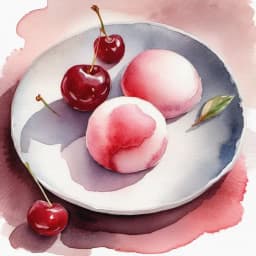
和菓子
A chewy confection that combines 'mochi' and 'cherry.' This treat encapsulates the sweet and sour flavor of cherries within soft mochi. As a specialty from Yamagata, which boasts the highest cherry production in Japan, it lives up to its name by packing the tangy essence of cherries into soft rice cake dough. The delightful chewy texture and fruity sweetness melt gently in your mouth for an exciting taste experience. Palm-sized and easy to eat, it is particularly popular with small children. It is a souvenir loved by all generations, truly representative of Yamagata, the land of cherries.

洋菓子
An elegant Japanese confection bearing the name of a castle.
This famous sweet is produced by Nissindo, a long-established shop in Yamagata City. Each piece is carefully baked, featuring moist dough wrapped around an elegantly sweet bean paste. The name 'Kozakurajyo' (Little Cherry Blossom Castle) evokes imagery of cherry blossoms and castles that resonates with the Japanese heart, presenting a calm appearance perfect for tea time. The name, which evokes a sense of historical romance, also possesses a charm suitable for gifting.
While it is not a confection that competes on flashiness, its understated nature makes it a safe and reliable gift even for elderly people. It is a quintessential Yamagata tea snack that makes you want to brew some green tea and savor it slowly.

その他
A dish that allows you to enjoy the blessings of Yamagata's pastures in a slightly unexpected form.
Using milk from the local dairy manufacturer Yamaraku, this confection is finished in the style of a salt cheese fondue, with the richness of the milk and the moderate saltiness of the cheese leaving a lasting impression. It is easy for those who are not fond of sweets to enjoy, and it also works wonderfully as an accompaniment to alcohol.
While Yamagata has a strong image of being a land of fruit, milk and dairy products are also one of its rich blessings. This is a unique souvenir that allows you to taste the charm of such dairy farming in a casual snack-like manner. It would likely be appreciated as a gift for cheese lovers and makes you want to share it with everyone.

和菓子
This is the kind of bag you can't help but reach for when you find it in a convenience store during your travels.
It is a Tohoku-exclusive garlic soy sauce flavor of the well-known Kappa Ebisen. The punch of garlic and the savory aroma of soy sauce intertwine perfectly with the deliciousness of the shrimp, making the usual crispy texture even more addictive. True to its catchphrase "Can't stop, won't stop," you'll find the bag empty before you know it.
Local-exclusive flavors are special precisely because they can only be purchased in that specific region. Since it pairs perfectly with alcohol, why not pick up a bag to accompany your evenings during your trip to Yamagata? It will make your casual drinks at your accommodation even more enjoyable.
その他
A local snack chip made using ingredients from Yamagata Prefecture. The flavors of Yamagata are concentrated in a thin, crispy dough, making it so light that you won't be able to stop once you start eating. Its affordable price and light weight make it easy to tuck into your travel luggage. It is a casual, snack-style souvenir perfect for easy gifting.

洋菓子
A Western-style confection that allows you to enjoy Yamagata's prideful fruit in a casual way.
We have gently sandwiched La France cream between chewy waffle dough. La France is known as the 'Queen of Fruits,' with Yamagata accounting for approximately 80% of Japan's total production. The climate, characterized by significant temperature fluctuations, fosters its rich aroma and concentrated sweetness. We have crafted this into a substantial treat that provides satisfaction in every bite with its melting texture.
When you break the dough, the spreading aroma of La France is truly the essence of autumn in Yamagata. It is a satisfying treat that is understandably popular, especially among the younger generation. Perfect for an afternoon snack, it pairs beautifully with coffee.

その他
This is a snack that turns Tohoku's famous zunda into an easy-to-eat treat.
Zunda is a vibrant green paste made by grinding edamame (green soybeans). It is a traditional flavor long loved in Southern Tohoku, including Miyagi, Yamagata, and Fukushima. Interestingly, there are various theories regarding the origin of its name, such as the legend that Date Masamune crushed the beans with the hilt of his sword.
We have captured the green aroma and saltiness of edamame in a crispy snack.
With its light texture, you won't be able to stop eating, and it is also very affordable. It occupies a staple spot in Tohoku souvenir sections, making each bag perfect for sharing. The green appearance is also fun and truly feels like a souvenir from Tohoku.

和菓子
A simple Yamagata rice cracker with a hydrangea (hagi) motif.
With its light mouthfeel and gentle sweetness, it is the perfect accompaniment to tea. While not flashy, the dough carefully baked using traditional methods possesses a warmth of craftsmanship that machines cannot replicate. Its fragrant aroma pairs perfectly with freshly brewed green tea.
Because it is not a trend-chasing sweet, it is wonderful because you can confidently give it to any generation. It will surely be appreciated as a gift for elderly people. It is a gentle, nostalgic, and soothing sweet that quietly accompanies your casual everyday moments.

洋菓子
📍 銀山温泉街
A snack that will bring a smile to your face thanks to its punny name. As the clever name 'Chocotto Salad' suggests, it is created with a unique, health-conscious idea: combining chocolate with the nutrients of vegetables. With a flavor that is not too sweet and easy to eat, it is recommended for those who want to moderate their sweet intake. It is the perfect unique souvenir for someone concerned about their health. Adding a simple comment like, 'You know, this actually has vegetables in it,' makes it a great conversation starter. For those who want to satisfy their sweet tooth while still being mindful of their body—this clever treat responds perfectly to that very wish.
その他
A Japanese confection consisting of Yubeshi, a traditional sweet from Tohoku, filled with walnut paste. Inside the chewy dough, which is kneaded with soy sauce and sugar, there is a generous amount of paste containing walnuts. It is a rustic, old-fashioned taste of Tohoku that reveals more flavor the more you chew. It pairs perfectly with tea and is especially enjoyed by the elderly.

和菓子
A simple and unpretentious mochi sweet filled with the blessings of the mountains. Using walnuts harvested from the mountains of Yamagata, we have added a fragrant richness to the chewy mochi dough. The more you chew, the more the flavor of the walnuts spreads throughout your mouth, offering a rustic yet deep taste. The name 'Dewa' evokes the eternal history and nature of Yamagata, including the Dewa Sanzan mountains.
The combination of fragrant walnuts and soft mochi is one that has been loved by the Japanese people since ancient times. It is a nostalgic flavor that remains unaffected by trends. This is a soul-soothing Japanese sweet that you will want to savor during a slow moment with a cup of warm tea. The richness of the walnuts gently accompanies you at the end of the day.

洋菓子
A simple and warm bean snack, perfect to accompany tea.
This traditional sweet is made by carefully layering and baking beans from Yamagata, offering a crunchy texture and the natural aroma of the beans. While not flashy, it is a deeply flavorful treat that reveals more richness with every bite, preserving the pure umami of the beans.
Yamagata is a region rich in bean-based confectionery culture, including varieties like Dadacha-mame and Fuki-mame. This Mamegasane carries the unique flavor characteristic of such a bean-producing region. It pairs excellently with green tea, making it easy to keep reaching for more. A comforting snack that gently accompanies your daily breaks. Also highly recommended as a gift for the elderly.

その他
A dish that rearranges Yamagata's specialty, Fuuki beans, into a new texture.
Fuuki beans are a local Yamagata confection made by cooking green peas over high heat until they overflow. It is said that the name comes from the words 'fuku' (to steam) and 'fukasu' (to steam), which were associated with the auspicious kanji for 'wealth' (富) and 'nobility' (貴).
While preserving the gentle flavor of the beans, this 'Fuufuru' has been finished with a light, crispy texture.
It offers a new sensation, different from the moist type of Fuuki beans. Since it is an assortment, you can enjoy comparing various flavors. This bean confection is perfect for tea time or as a gift, truly representing Yamagata. You will surely be surprised by this new side of bean confectionery.

洋菓子
These are adorable sable cookies shaped exactly like the map of Yamagata Prefecture.
The dough, rich with buttery flavor, has a light and crispy texture. With its mild and gentle taste, it is enjoyed by everyone from children to the elderly. Because they are shaped like the prefecture's map, it is delightful that anyone can tell at a glance that they are a souvenir from a trip to Yamagata. They possess a fun quality that makes anyone who picks them up smile and say, 'This is the shape of Yamagata!'
Individually wrapped for easy distribution, they are also very useful as gifts for colleagues or neighbors. It is a cookie that makes you want to share your travel memories while enjoying them with tea. This small sweet is packed with affection for Yamagata.

洋菓子
A new creation that transforms Yamagata's specialty, wheat gluten (fu), into a snack-like treat. Wheat gluten is a traditional ingredient made from wheat gluten; in the Shonai region, 'Shonai Fu' has long been enjoyed in board form, making it easy to transport on Kitamaebune ships. 'Fuppo' is a unique confection that modernizes this fu culture. With a light texture and a subtle sweetness, it is surprisingly airy, making you wonder if it is truly made of wheat gluten. Its easy-to-eat nature makes it perfect for children's snacks. It is a new taste unique to Yamagata, where tradition and fun coexist—a masterpiece born from the meeting of traditional techniques cultivated by long-established wheat gluten makers and modern ideas.
その他
📍 福島空港、仙台空港、秋田ふるさと村 ほか3件
A Tohoku-exclusive potato chip in beef tongue salt flavor. This popular snack in Tohoku souvenir corners reproduces the savory umami and saltiness of Sendai's famous beef tongue in a potato chip.

その他
A fun popcorn inspired by the Hanagasa Festival that colors the summer in Yamagata.
The Hanagasa Festival is a summer festival in Yamagata City where people dance through the streets to the 'Hanagasa Ondo' rhythm, carrying sedge hats adorned with red flowers. Started in 1963, it is now counted as one of the representative festivals of the Tohoku region. This popcorn, which imagines that splendor, is lightly finished with olive oil.
It is a souvenir that brightens your mood, making you feel as if you can almost hear the 'Yassho, Makasho' rhythm of the Hanagasa Ondo with every handful. It is an item everyone will want to gather around and snack on. A treat that children and adults alike can enjoy together.
その他
📍 福島空港
A Kameda No Kakitane exclusive to the Tohoku region. This snack allows you to easily enjoy the seafood of Tohoku, featuring a flavor of grilled oysters finished with soy sauce that perfectly matches the spicy kick of the rice crackers.

その他
A new sensation of mizumochi (water mochi) with a translucent, jiggly appearance that feels refreshing.
Its main characteristics are a smooth texture in the throat and an elegant, subtle sweetness. The ephemeral texture, which seems to melt away as soon as it touches your mouth, is irresistible. Its beautiful, transparent form looks as if water itself has been solidified. It is a visually cooling dessert that brings a sense of refreshment just by looking at it.
When enjoyed well-chilled during the hot season, it provides a moment of pure coolness. This elegant item is meant to be enjoyed with tea, pleasing both the eyes and the tongue. It is a taste of Yamagata that is also a wonderful summer gift. The smooth melt-in-your-mouth sensation makes you instantly forget the lethargy of a hot day. Perfect for this season when you seek coolness.

洋菓子
An elegant confection reminiscent of the evening moon setting behind the mountains of Dewa. Yamagata is home to the Dewa Sanzan—mountains Yudono, Haguro, and Gassan—sacred peaks that have been centers of mountain worship since ancient times. Many ascetics and travelers have visited these holy mountains. 'Dewano Yuzuki' captures the scene of a crescent moon hanging over those very mountains in a sweet. Its beautiful crescent shape and sophisticated, subtle sweetness leave a moist, lingering aftertaste. When served with tea, the atmosphere of the Dewa mountain villages seems to gently unfold. It is a Yamagata specialty that can be enjoyed twice: first by sight, then by taste. The flavor leaves a deep impression on the recipient's heart, along with the scenery of Dewa.

洋菓子
📍 花巻空港、大館能代空港、酸ヶ湯温泉
A Tohoku-exclusive flavor of Country Ma'am. The moist, soft cookie dough is infused with the sweet and tart aroma of apples. Aomori is known nationwide as a famous apple-producing region, and this limited edition item—available only during travels in Tohoku—encapsulates that flavor within a familiar snack. It is easy to distribute due to its individual packaging, making it perfect as a souvenir for the workplace or neighbors. It is a wonderful way to share travel memories by saying, 'This is a Tohoku exclusive!' Since this flavor can only be found in this region, you will find yourself wanting to buy them in bulk on your way home from your trip.

洋菓子
A playful confection named after the Yamagata dialect exclamation 'Arama.'
'Arama' is a word unique to Yamagata that slips out of one's mouth when surprised. This unique item uses that friendly sound directly as its product name. With packaging and a taste that will make you instinctively say 'Arama!', it helps soften the atmosphere when giving it as a gift.
The dialect-inspired name is perfect for sparking conversation, making it easy to chat with the recipient. It is a heartwarming sweet that conveys the warmth of the Yamagata people, bringing a gentle coziness to any occasion whenever it is shared.

和菓子
A pie manju with rice from Yamagata, a premier rice-producing region, kneaded directly into the dough.
Yamagata is blessed with pure water and rich soil, making it one of Japan's leading rice provinces. It is a land that has produced nationally famous brand rices such as 'Tsuyahime' and 'Haenuki.' This 'Komekko Pie Manju' shines with an idea unique to a rice-growing region by utilizing that pride-worthy rice.
The gentle flavor of rice spreads subtly through the crispy pie crust. It is a comforting treat with a perfect balance with the inner bean paste, teaching you a new way to enjoy rice. Paired with roasted green tea or green tea, it makes you want to take a relaxing break and savor the blessings of this rice-producing land.
その他
Caramel infused with the juice of La France pears from Yamagata. Once in your mouth, the rich aroma of La France pear spreads softly, allowing you to easily enjoy the autumn flavors of Yamagata, the kingdom of fruit.