When peeled, the flesh is smooth and luscious. With a single bite, an elegant and mellow sweetness overflows in your mouth—Kahoku Monpeiro Persimmon is a large-sized persimmon to be enjoyed in autumn.
This is a specialty persimmon that Kahoku City takes pride in, originally an astringent variety. Because it is shipped after the astringency has been removed, there is no bitterness when you eat it, allowing you to enjoy a soft, melting texture. Many of them are large-sized, exceeding 300 grams each, making them look impressive.
Its peak season is around November. It is delicious as is, but also pairs well with salads and desserts. It is Kahoku's proud flavor that delivers a melting sweetness during the bountiful autumn season.
When you pick up a cluster, it feels heavy in your hand. As soon as you pop a single berry into your mouth, intense sweetness overflows from the bursting flesh—Kahoku grapes are a sweet bounty nurtured by the sand dunes.
Kahoku City is a land where dune areas stretch along the Sea of Japan. The well-drained sandy soil and a warm climate touched by sea breezes cultivate large, sweet grapes. In fact, this area is also the birthplace of grape cultivation, as it was here at the experimental station that the prefecture's premium 'Ruby Roman' grapes were developed.
From summer to autumn, grapes such as Kyoho enliven local farm stands and markets. Taking a bite of one of these large berries allows the sweet juice to spread throughout your mouth. It is the concentrated sweetness of the dune sun, packed into every cluster.
In an alleyway in Katamachi, there is a diner wrapped in the atmosphere of the Showa era. 'Uchuken Shokudo' carries on the tradition of Kanazawa's soul food. A dish born from its iron griddle is the Tori-Hakusai.
An indispensable part of discussing this shop is their secret sauce, which combines three types of miso with over ten types of vegetables and fruits. It has a deep richness that powerfully stimulates the appetite. Much like their famous pork belly, the unique method of this shop involves searing the ingredients on a heated iron griddle to create a fragrant finish.
When the chicken and Chinese cabbage are coated in that sauce, the savory umami of the meat and the sweetness of the vegetables melt into one. It goes incredibly well with white rice. Please come and enjoy this local, deeply rooted flavor that is different from typical tourist delicacies.
Once cooked, each grain stands glossy and plump, spreading a chewy sweetness with every bite—Mikohara Rice is a nutrient-rich Koshihikari produced by the terraced paddies nestled in the mountains of Hakui.
It grows in terraced fields at altitudes of 120 to 400 meters in the Mikohara district of Hakui City. Due to the significant temperature difference between day and night and being nourished by pure mountain spring water, the rice develops a rich flavor. Yields are lower than those from flatlands, making the available supply extremely limited.
In 2005, its name became widely known after being presented to the Pope, attracting national attention as a successful example of regional revitalization that revitalized a village struggling with depopulation. It is a proud bowl of rice nurtured by a small mountain village.
When poured from a teapot, a fragrant steam rises gently. With a clean mouthfeel, deep richness, and a sweet aroma—Kaga Bocha is a unique type of hojicha made by roasting 'stems' rather than tea leaves.
Its origins are said to date back to around 1902 in Kanazawa. During the Taisho era, Maruhachi Seichajo began marketing stem-based roasted tea under the name 'Kaga Bocha.' It is told that when Emperor Showa stayed at Kaga Onsen in 1983, he was presented with this hojicha made from the first harvest of stems; he enjoyed it so much that the tea became known nationwide.
A clear, roasted aroma unique to the stems. It is a perfect tea for when you want to take a relaxing moment.
The smooth surface of the bowls allows the grain of the zelkova wood to emerge beautifully. The more you use them, the more they settle into your hands and deepen in luster—Yamanaka lacquerware is a craft that has been passed down for over four hundred years in the mountains of Kaga.
Its birthplace is Yamanaka Onsen in Kaga City. It is said to have originated when a group of woodturners (kijishi), who traveled various regions during the Azuchi-Momoyama period, settled upstream of the hot springs and began turning wood. They possessed excellent skills in manipulating the lathe and specialized in 'fuki-urushi' (wiped lacquer) finishes that highlight the natural wood grain.
The decorative turning technique, which adds fine lines to the vessels, is a delicate skill achievable only by master artisans. Eventually, techniques for lacquering and maki-e (gold spatter decoration) were introduced from Aizu, Kyoto, and Kanazawa, allowing the production area to flourish greatly. These are warm vessels that convey the warmth of wood.
A stainless steel boat-shaped plate, with a fork gently placed beside it. With the first bite, the thick, viscous roux mingles with the cutlet, sauce, and shredded cabbage on top—Kanazawa Curry is a dish whose layers become addictive.
Thick, heavy roux, freshly fried cutlet, sauce, and shredded cabbage. The Kanazawa way is to scoop this combination from the stainless steel plate using a fork rather than a spoon. Popular shops such as 'Curry no Champion' and 'Go Go Curry' have spread this style across the country.
Despite its unapologetically rich flavor, for some reason, you find yourself wanting to eat it every single day. It is a robust soul food that grew up in Kanazawa.
The thick, velvety sauce melts in your mouth. The savory richness of the duck paired with the tenderness of the sudare-fu, which has soaked up the flavorful broth—Jibuni is a bowl that represents the essence of Kaga cuisine.
Its defining characteristic is coating the duck in flour before simmering; this flour locks in the umami and gives the sauce a pleasant thickness. The sudare-fu and seasonal vegetables also become soft, saturated with dashi. It is said to have been eaten since at least the Edo period, though the origin of its name remains uncertain, with various theories ranging from the name Okabe Jibuemon to the sound of 'jibu-jibu' simmering.
Take a bite, accompanied by just a hint of wasabi. It is a gentle flavor that warms you deeply from within during the cold Kanazawa winter.
Golden-brown fried white fish sits atop a soft, fluffy thin omelet. With ketchup and tartar sauce drizzled over it, Hanton Rice is a Kanazawa-born dish that stimulates the appetite just by its appearance.
The basic form consists of wrapping ketchup-seasoned butter rice in an egg and topping it with fried fish. It is believed to have originated around the mid-1960s, with various theories suggesting it was created by a head chef in a Kanazawa restaurant or originated as a staff meal at the Yamato Department Store.
Some say the name comes from 'Han' (referring to Hungary) and 'Ton' (referring to tuna in French), but the truth remains a mystery. That very sense of mystery is part of why it is so beloved by the people of Kanazawa.
In a pot of clear dashi, pieces of kuruma-fu (wheat gluten) with holes float gently. When you lift them with your chopsticks, they are heavy with broth and melt in your mouth—Kanazawa Oden is a beloved soul food enjoyed all year long.
Its essence lies in the gentle dashi made from kombu and fish flakes, accompanied by local ingredients like kuruma-fu and babayagai. In winter, 'Kanimen' appears—a luxurious dish featuring crab meat and eggs packed into a shell. It is a specialty that requires significant time and effort to prepare.
It is said that the name 'Kanazawa Oden' became widely known around 200<0xC2>9, later leading to the formation of an association of long-established local shops. There is a sense of comfort in being able to step through the shop curtains regardless of whether it is the cold or hot season. Beyond the rising steam, you can glimpse the true food culture of Kanazawa.
Enjoy a slice of turnip coated in koji that resembles fallen snow. After a subtle hint of acidity and sweetness, the rich fat of the layered yellowtail melts across your palate—Kabura Sushi is a fermented delicacy that heralds the arrival of winter in Ishikawa.
Unlike modern 'sushi' which uses vinegared rice, this is a type of 'narezushi,' where fish is lactic-acid fermented with rice and koji. Salted yellowtail is sandwiched between slices of salted turnip and then preserved in rice koji. Its origins are said to trace back to the Edo-period cookbook 'Shioburi no Zushi,' and the current form using koji was likely established by the Taisho era at the latest.
One theory suggests it began as a way for commoners to enjoy expensive yellowtail by pairing it with turnip. It is a dish that matures slowly amidst the winter cold.
When you open its small shell, it is packed with bright orange internal ovaries and granular external eggs. The sweetness of the flaked meat combined with the rich, savory flavor of the eggs—Koubako-gani is a tiny jewel nurtured by the Sea of Japan in winter.
Koubako-gani refers specifically to female snow crabs. They go by various names depending on the region, such as 'Sekogani' or 'Seikogani.' The internal eggs are called uchiko, and the external eggs are called sotoko. The contrast between these two textures is the true essence of Koubako-gani.
Fishing is permitted only for a brief period from November until the end of the year. To protect resources, they can only be encountered during this short, defined season. That is precisely why every single bite feels so precious.
With a stickiness so great that a chopstick can stand upright when grated, floury sweetness in the sweet potatoes, and an elegant flavor unique to the castle town—Kaga Vegetables are brand-name traditional vegetables nurtured by the climate of Kanazawa.
This refers to 15 items certified by the Kanazawa City Agricultural Products Brand Association, such as Gorojima Kintoki, Kaga lotus root, Kimichisou, and Kaga thick cucumber. They primarily consist of heirloom varieties that have been cultivated since before 1945; branding efforts progressed following the association's establishment in 1997, leading to the certification of the current 15 items.
These nutrient-rich vegetables have long supported Kaga cuisine. When in season, they proudly appear in local greengrocers and markets. They are the unwavering foundation of Kanazawa's dining tables.
The moment it touches your mouth, the fat melts away, yet leaves a refreshing lightness that doesn't linger heavily. This is Noto Beef, known as the 'phantom brand beef'.
Out of all the Japanese Black Wagyu born and raised in Ishikawa Prefecture, only those that meet strict meat quality standards can bear this name, making it a rare existence with an annual production of only about 700 cattle. Its true characteristic lies not in competing blindly for excessive marbling, but in the coexistence of moderate marbling and the rich umami of the lean meat. It features a high content of oleic acid, which influences flavor, and has even won awards evaluating fat quality.
When grilled, the sweet fat gently rises; when prepared as sukiyaki, the meat's umami dissolves into the sauce. Because numbers are limited, you are lucky if you encounter it. That single dish is the very essence of luxury nurtured by the nature of Noto.
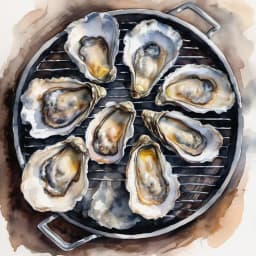
These are plump, meaty Noto oysters raised in the calm waters of Nanao Bay.
Anamizu Town is a famous oyster-producing region facing the inner sea of the Noto Peninsula. Nanao Bay, where many rivers flow, is rich in phytoplankton, and oyster farming is said to have begun in 1920. Oysters grown slowly in these gentle seas are large, and when bitten, a creamy umami flavor bursts forth.
In winter, the 'Snowy Jumbo Oyster Festival' is held; since its inception in 1988, it has attracted many visitors from outside the prefecture as one of the largest food festivals in Okunoto. When grilled in their shells over charcoal, the aroma of the sea and the savory saltiness are concentrated beautifully. Please enjoy to your heart's content the bounty of the sea provided by winter in Noto.
The surface shines with a beautiful amber color, lightly coated in a fine white powder. Once in your mouth, the inside is meltingly soft, spreading a deep, concentrated sweetness—Shiga no Korogaki is a premium dried persimmon that colors the winter of Noto.
The raw material is 'Saisho Persimmon,' a astringent variety with an average sugar content of about 20 degrees. The fruit is peeled, hung, and dried in the cold winds of Noto. It is said that the name 'Korogaki' comes from the practice of rolling the fruit to ensure it receives plenty of sunlight, a traditional production method that has continued for 400 years in the former Shiga district.
Finished through repeated hand-kneading by artisans, it possesses a softness like an earlobe and a melting texture. Registered as a Geographical Indication (GI), it is a masterpiece that Noto is proud of. Its superior sweetness makes it a highly appreciated gift for the winter season.
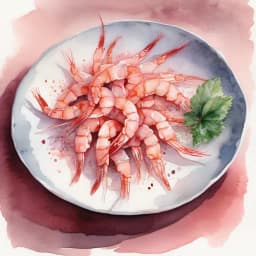
A melting sweetness that clings to the tongue. The sweet shrimp of Shiga Town are known as the "Red Jewels of the Sea" and are a winter delicacy that Noto is proud of.
Their official name is Northern Shrimp (Hokkoku Akaebi). They live in the deep waters exceeding 200 meters off the Noto Peninsula and are carefully caught one by one using shrimp traps. Since freshness is vital, the Shiga Town style involves packing them alive immediately upon landing. The clear, bright red flesh looks exceptionally high-quality.
Above all, they are best enjoyed raw. After a plump, bouncy texture, a melting sweetness gradually spreads through your mouth. In winter, before spawning, the meat becomes thick, and an individual carrying blue eggs is truly special. Once you taste these, other sweet shrimp will feel insufficient.
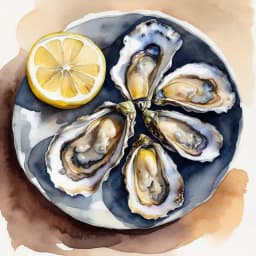
When you open the shell, the meat is plump and full. With a single sip, a rich umami flavor and a melting sweetness spread throughout your mouth—Noto oysters are 'milk from the sea' that offer a satisfying bite despite their small size.
They grow in the bountiful waters of Nanao Bay, including areas like Anamizu. Nutrients flow from the mountains through rivers, providing an abundance of plankton for food. In the calm inner bay, they develop thick meat with concentrated sweetness.
They are great grilled, in hot pots, or eaten raw. In winter, oyster huts appear along the coast, attracting people seeking a bowl of oysters slow-grilled over charcoal. The peak season is January and February, as the cold deepens. They are plump jewels carefully nurtured by the Noto winter.
When you lift the lid, the bounties of the sea and mountains of Oku-Noto are presented atop a bed of glistening rice. Enjoying a bowl made with local ingredients using Noto-made tableware and chopsticks—Noto Don is a luxury that packs the entire region into a single bowl.
There are strict rules to bear this name. The rice must be Koshihikari from Oku-Noto, and the main toppings must consist of seasonal seafood, meat, or vegetables harvested locally. Both the bowl and the chopsticks are produced in Noto, and the chopsticks serve as a small gift for the guest.
It is a single bowl where all the delicious flavors of Oku-Noto are tightly gathered. One can enjoy the unique personality of each restaurant, whether they feature seafood, meat, or creative uses of salt and soy sauce. The chopsticks you use to finish your meal become a small souvenir of your journey.
As they crackle over charcoal, the scent of the sea rises into the air. Once opened, you find plump, large morsels of meat. With a single bite, a rich umami and the sweetness of the tide rush over your palate—Noto oysters are a true winter delicacy nurtured by the Satoumi.
They are raised in Nanao Bay, where subsoil water from the mountains flows in. Cultivated slowly within the calm inner bay, they grow into large, intensely flavored oysters. The peak season is generally from January to March.
The classic way to enjoy them is grilled in their shells over charcoal. The juicy, overflowing savory sea flavor is irresistible. Every year, crowds gather at oyster festivals seeking this very taste. It is an indispensable seafood feast of the Noto winter.
When you take a pinch in your mouth, there is no sharp saltiness; instead, the umami of the sea and a subtle sweetness gently spread across your tongue. Suzu Salt is a mellow natural salt born from the sea of Noto and human hands.
In Suzu City, at the tip of the Noto Peninsula, the 'Agehama' salt-making method is passed down. Seawater is sprayed onto salt fields to be dried by the sun and wind; then, brine is extracted from the concentrated sand and slowly boiled over firewood. This is the only existing salt-making method in Japan that remains unchanged from about 500 years ago.
In 2008, this salt-making technique was designated as a National Important Intangible Folk Cultural Property. The work of spraying seawater on the beach while working up a sweat is truly a masterpiece of human labor. It is a blessing from the satoumi of Noto, crafted without sparing any effort.
A dark brown skin achieved simply by firing at high temperatures without using any glaze. A plain, powerful beauty born from earth and flame—Suzu ware is a type of unglazed stoneware born from the soil of Noto.
Its origins date back to around the end of the Heian period. Centered around Suzu City, it was transported to various regions as a representative pottery of medieval Japan. However, about four hundred years ago, it suddenly vanished, earning it the reputation of a 'phantom ancient pottery' for a long time.
These lost techniques were brilliantly revived by Suzu City in 1976 (Showa 51). As wood ash melts within the kiln to become a natural glaze, each piece takes on a somber blackish-gray hue, with no two pieces exactly alike. It is a simple yet profound vessel born from the earth of Noto.
As you slurp, the thin noodles glide smoothly and comfortably down your throat. The light, clear dashi, extracted from kelp and dried fish flakes, deeply soothes the body—Komatsu Udon is an elegant and gentle udon.
The thin noodles, with just the right amount of firmness, pair perfectly with the crisp dashi. Its history is ancient; it is said that in the second year of the Genroku era (1689), Matsuo Basho was presented with dry udon during his journey on the 'Oku no Hosomichi' and noted its 'uniqueness.'
Later, as a specialty of the Kaga Clan, it is said to have been gifted even to the Shogunate. It is a refined bowl where the umami of the dashi and the thin noodles entwine seamlessly. This is the taste of Komatsu, loved for over three hundred years.
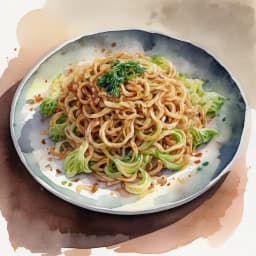
Thick fresh noodles sizzling on an iron griddle. Rather than relying on heavy sauce, it is finished with a clean salt flavor, making it much lighter than it looks and incredibly easy to eat—this is Komatsu's Salt Yakisoba.
Bean sprouts, green onions, and carrots are stir-fried together with the noodles, with salt playing the leading role. A tiny hint of locally produced soy sauce is added as a secret ingredient; this precise balance is the key to its deliciousness.
It is said to have spread from a single shop in the city around 1959, and has been a beloved soul food for the people of Komatsu for over half a century. Today, many shops throughout the city serve their own unique versions of salt yakisoba. It is a light, savory dish that leaves you wanting more.
This Noto hemp fabric is so thin and light that it is often compared to the 'wings of a cicada.'
Its origins are said to date back approximately 2,000 years, beginning when a princess of Emperor Sujin stayed in this region and introduced weaving techniques. During the Edo period, the craft developed by incorporating techniques from Omi, and it is said that in the early Showa era, it boasted the highest production volume of hemp fabric in the country. Each thread, spun from Karumushi fibers, is hand-woven one by one to make delicate Kasuri (ikat) patterns emerge upon the cloth.
In 1960, it was designated as an Intangible Cultural Property of Ishikawa Prefecture, and even today, a small number of artisans continue to preserve this tradition. With its smooth, cool touch and the dignified beauty of the Kasuri patterns, please take a piece in your hands and experience the living craftsmanship of our ancestors.
When viewed from directly above, it reveals beautiful grooves resembling a chrysanthemum flower. When simmered, the dashi broth soaks deeply into the flesh, which melts softly on the palate—Tsubata's Kogiku Kabocha is a Japanese pumpkin that pairs perfectly with Washoku (Japanese cuisine).
As an heirloom variety grown in Tsubata Town, it is counted among the Noto vegetables. The flesh is fine-grained with a dense, slightly sticky texture. While its sweetness is subtle and mild, it holds its shape well during simmering and absorbs flavors easily, making it ideal for Kaga-style simmered dishes.
It offers an elegant deliciousness that differs from the floury texture of Western pumpkins. Its true character shines in Japanese dishes that incorporate dashi. It is a flavorful ingredient that has quietly supported traditional dining tables for generations.
When sliced, it offers a pleasant, crisp crunch. Upon tasting, its mild, subtle flavor leaves a hint of sweetness on the palate—Makomotake is an autumn vegetable that is enjoyable for its bamboo-shoot-like texture.
Its true identity is the enlarged young stem of Zizania latifolia, a gramineous plant that grows near water. It is cultivated in Tsubata Town and around Kahokugata. With its crunchy texture and light taste, it pairs well with oil and is versatile enough for stir-fries, tempura, and even Chinese cuisine.
It is also wonderful because it is high in dietary fiber and gentle on the body. It is only available for a very short period in autumn. It is a fresh, seasonal bounty that can only be enjoyed right now.
When you pop a single berry into your mouth, a rich sweetness overflows from the bursting flesh—the grapes of the Uchinada sand dunes are a late-summer delicacy nurtured by the seaside sandy soil.
Spreading across Uchinada Town is a coastal dune landscape along the Sea of Japan. The well-draining sandy soil and the salt-tinged sea breeze create a uniquely crisp sweetness. The cultivation focuses on large-berried Kyoho and easy-to-eat, seedless Delaware grapes.
From late summer to autumn, the orchards bustle with families enjoying grape picking. There is a special happiness in biting into a cluster you have hand-picked yourself right then and there. These are sweet gifts from the sun, delivered from orchards nestled in the dunes overlooking the Sea of Japan.
Pacific cod hung in long rows under the eaves amidst the freezing winds. As they are exposed to the cold winds of the Sea of Japan, their umami becomes intensely concentrated—Uchinada's dried cod is a preserved food that has sustained the Hokuriku region through the winters.
As a seasonal winter tradition, it has been produced in Uchinada Town since ancient times. Once the dried cod has hardened, it is slowly rehydrated in water before being used in stews or soups. As it rehydrates, it regains its plump texture, and with every bite, a deep flavor spreads through the palate.
This is the wisdom of people from the past, created to ensure seafood could be eaten throughout the winter in an era before refrigerators existed. A stew where the umami of the dashi has melted out warms the body on cold days. It is a simple yet deeply flavorful dish of the Hokuriku winter.
This fish sauce possesses a profound umami that has long supported the dining tables of Noto.
Ishiri is one of Japan's three major fish sauces, alongside Akita's shottsuru and Kagawa's ikanago-shoyu. In the Uchiura region facing Toyama Bay, squid viscera are used as the raw material, while in the Uraura region, sardines or mackerel are used. These ingredients are placed in barrels with salt and aged over a long period through repeated stirring. It is the crystallization of Noto's fermentation culture, with records suggesting it was already being produced in the late 1700s.
In 2023, the 'Ishiru/Ishiri production techniques of Noto' were registered as a National Registered Intangible Folk Cultural Property. With a rich umami that transforms dishes even in small amounts, please experience the power of Noto's fermentation through Ishiri-nabe and simmered dishes.
On a white porcelain base, the five colors—red, yellow, green, purple, and navy blue—dance freely. With bold compositions and vibrant coloring, Kutani ware is the world-famous polychrome porcelain of Kaga.
Its origins date back to the early Edo period. Following the discovery of high-quality pottery stone in Kutani Village within the Daishoji Domain, production began around the Meireki era (circa 1655) as part of the domain's industrial promotion policy; this is known as "Ko-Kutani" (Old Kutani). Although production once ceased, it was revived about a century later across various regions as "Saiko Kutani" (Reconstructed Kutani).
The styles are incredibly diverse, ranging from the powerful Ko-Kutani to delicate Aka-e fine paintings and glittering Kinrande styles. From plates and bowls to sake sets and vases, these vessels continue to be loved today as items that color daily life. Nomi City is known as a major production hub for this craft.
When grated, it possesses such intense stickiness that the grater stands upright. When diluted with dashi and poured over rice, a thick, rich texture spreads across the palate—Nomi Maruimo is the king of stickiness passed down in Kaga.
Formally known as 'Kaga Maruimo,' it is a variety of Tsukune-imo. About the size of an adult's fist, it contains less moisture than Nagaimo (mountain yam), with its sticky components concentrated densely. The fertile sandy soil and water created by the Tedori River nurture this round shape and intense flavor.
It is said that growing them into this perfectly round shape is actually quite difficult. Whether served as tororo-gohan, grated and fried for a fluffy texture, or made into Wan-dane (dumplings) for a chewy bite, it offers a powerful stickiness and flavor unlike any other yam.
A sweet aroma of miso wafts from the bubbling pot. As vegetables and meat soak up the mellow miso broth, a single bite warms you to your core—'Tori-Yasai Miso' is a familiar hot pot flavor for the people of Ishikawa.
The roots of this miso trace back to the first head of 'Matsuya,' who operated Kitamaebune ships; he formulated it specifically for sailors to endure their long and harsh voyages. Named for the concept of 'taking' (toru) plenty of vegetables, it appeared on the menu when the company was founded in 1959 and eventually became a staple enjoyed in homes.
Simply add plenty of Chinese cabbage, pork, and tofu, and let it simmer. The mellow miso does all the work to bring everything together deliciously. It is an Ishikawa classic that satisfies both hunger and the soul on a cold night.
When you break through the soft, creamy thin omelet, ketchup rice is revealed inside. With a single bite, a nostalgic and gentle flavor spreads—the Hodashimizu Omurice is a local gourmet dish filled with the town's pride.
In fact, Hodashimizu Town is said to be the birthplace of omurice. Shigeo Kitahashi, the founder of the famous restaurant 'Hokkyokusei'—which is said to have invented omurice in Osaka in 1925—was a native of this town.
In connection with these roots, the town promotes itself as the 'Town of Omurice.' Each restaurant offers its own unique and prideful version of omurice, making it a popular regional gourmet experience for comparing different styles.
This is a rare, authentic kudzu powder that has been passed down for over 430 years in Hodatsu Shimizu Town, Ishikawa Prefecture.
It is said to have originated in the late Middle Ages when Mount Hodatsu flourished as a gold mine; miners living at the foot of the mountain began harvesting wild kudzu roots from the mountain to use as traditional medicine to support their health. After gold mining ceased, it took root as an industry for a settlement with scarce farmland, and full-scale production began during the Taisho era. It is said that in winter, the rivers would turn brown from the water used in the kudzu-making process, serving as a seasonal herald.
This authentic kudzu powder, finished through a meticulous cold-exposure process, is transformed into translucent kuzu-kiri and kuzu-mochi. With a smooth texture that glides down the throat and an elegant sweetness that spreads across the palate, please enjoy this refreshing taste nurtured by the mountains of Noto.
Simple and nostalgic breads lined up in front of the shop. Picking one up brings a sense of relief—Yachiyo no Pan is a town bakery that has been loved by locals for a long time.
Their classic savory and sweet breads, such as curry bread and cream bread, are highly regarded, and many people have enjoyed them since childhood. It offers an unpretentious flavor that stays close to your daily life.
Whether for breakfast, a snack, or when you're just a little hungry, you will find traditional, gentle breads that differ slightly from flashy modern trends. A local favorite that has quietly taken root in the lives of the people of Ishikawa. This unpretentious deliciousness is the greatest treat of all.
A dark, thick roux served on a stainless steel plate. Once you take a bite, you won't be able to stop. This is the world of Kanazawa Curry born in Nonoichi.
Its origins lie with "Curry no Champion," which has its main store located in Nonoichi. The recipe devised by the founder in 1955 is considered the source, becoming the foundation for the Kanazawa Curry that later spread across the country. The tradition is to pour plenty of the thick, rich, and savory roux over rice and eat it with a fork. It is complete once you add a freshly fried cutlet and a swirl of sauce.
It is heavy, yet somehow addictive. This dish, which the people of Nonoichi have continued to frequent for many years, is a local pride that allows you to taste the entire food culture of the region in a single plate.
When you pick up a thinly sliced piece with your chopsticks, you can see the pattern of the plate through it. Once in your mouth, you experience a crisp, popping texture and an elegant sweetness that spreads with every chew—the true joy of Wajima fugu lies in this clear, lingering aftertaste.
Located at the tip of the Noto Peninsula, Wajima Port has repeatedly recorded the highest catch of wild pufferfish in Japan, making it a true stronghold for fugu. Because Tiger pufferfish (Torafugu) and Maru pufferfish (Mafugu) are landed here in abundance, you can indulge in luxurious, fresh, wild-caught varieties.
From thin sashimi to deep-fried pieces, and creamy milt in hot pots. If you char the fins and soak them in sake, you can also enjoy fragrant hire-zake (fin sake). It is a winter happiness that allows you to savor an entire fish to its fullest. A special delicacy delivered from Japan's premier port.
Steam rises softly from freshly cooked rice. Each grain glistens with a beautiful sheen, and as you take a bite, a chewy sweetness spreads gently through your mouth—this is the profound, nourishing flavor of Shiromai Senmaida rice.
In Wajima, the Shiromai Senmaida consists of over a thousand small rice paddies cascading down steep coastal slopes like stairs. In 2011, the Noto Peninsula area was designated by the UN as Japan's first Globally Important Agricultural Heritage System, 'Noto Satoyama and Satoumi.'
This is a precious bowl of rice, grown with care by human hands on slopes overlooking the Sea of Japan. The terraced fields turn golden in autumn and are adorned with illuminations in winter; it is a blessing that is as beautiful to behold as it is delicious to eat.
The moist luster of the lacquer and a certain weight felt the moment you hold it in your hands. With a durability that grows more flavorful with use—Wajima-nuri is one of Japan's most iconic lacquerwares.
Its home is Wajima City on the Noto Peninsula. The oldest surviving piece of Wajima lacquerware is said to be the vermilion-painted door of the former main hall of Juzo Shrine, dating back to the 4th year of the Daiei era (1524) in the Muromachi period. Its durability is guaranteed by a unique technique that uses 'ji-no-ko' (local earth powder) for the base coat.
There are as many as 124 processes required to reach the finish, with specialists dividing the labor across wood preparation, base coating, top coating, and decoration. Along with the brilliant decorations of Chinkin (gold inlay) and Makie (sprinkled gold/silver powder), these techniques have been designated as an Important Intangible Cultural Property of Japan.
Inside the glass, colorful layers are beautifully stacked. Jelly, whipped cream, vegetable sponge, puffed rice, and topped with vegetable ice cream and a soft-boiled hot spring egg—the Kaga Parfait is a local dessert that encapsulates a five-layer story in a single cup.
Created by Kaga City in 2016, it made its debut in March of the same year. It was conceived to give visitors to the hot spring resorts something extra to enjoy, timed with the opening of the Kanazawa station on the Hokuriku Shinkansen.
The common rule is to use Kaga vegetables, milk, honey, and Kenjo Kaga Bocha (tea). Served in Kutani ware or Yamanaka lacquerware, it is a luxurious treat that allows you to experience local production, local consumption, and the spirit of hospitality through all five senses. Every time you dip your spoon, you encounter a different flavor.
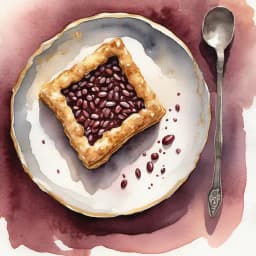
Beyond the thin crust, large, plump red beans peek through. With a single bite, the elegant sweetness of the smooth bean paste gently spreads—Kanazawa's kintsuba is a confection designed to let you savor the beans themselves.
Nakadaya, known as a prestigious shop, was founded in 1934 in present-day Hakusan City. They simmer Hokkaido-grown Dainagon red beans with agar and sugar, cut them into squares, coat them in a thin layer of dough, and bake each piece individually.
While their original signature product was Shibafuna, it is said that the kintsuba they were making on a small scale gained popularity after becoming a favorite among the proprietresses and geiko of the Higashi Chaya District. It offers a sweetness quintessential to Kanazawa, perfect for pairing with tea.
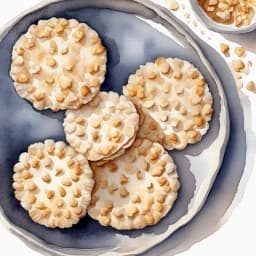
Take a crisp bite of this oval-shaped cracker with its elegant curve. After the gentle sweetness of sugar, the aroma of ginger smoothly drifts through your nose—Shibafune is a refined confection nurtured by the Kaga Hyakumangoku (the million-koku Kaga Domain).
It is said that its name originates from the sight of firewood boats descending the Sai and Asano Rivers, laden with wood. The cracker is curved to resemble the shape of a boat overflowing with firewood, then baked after being coated with ginger juice and sugar.
Tradition holds that it has been used as an offering since the time of Maeda Toshiyuki, the third lord of the Kaga Domain. The sharp spiciness of ginger hidden within the sweetness creates an exquisite balance of sweet and spicy that keeps you coming back for more. It is a single piece you'll find yourself wanting to pair with a warm cup of tea.
When placed in the mouth, it crumbles delicately, allowing an elegant sweetness to melt away smoothly. A delicate dry sweet woven from rice flour and sugar—Rakugan is a confection that has walked alongside the tea ceremony culture of Kanazawa.
Kanazawa is a renowned hub for Japanese sweets, alongside Kyoto and Matsue. Because successive lords of the Kaga Clan loved the tea ceremony, the culture of confectionery flourished. Morihachi's 'Choseiden,' which is said to have been created by the order of the third lord, Maeda Toshitsune, is counted as one of Japan's three most famous sweets.
From Moroe-ya, a specialty Rakugan shop established in Kaei 2 (1849), to many other prestigious shops, the meticulous techniques are still passed down today. The delicate craftsmanship of finishing dry sweets by pressing them into molds. It is a treat you would want to savor slowly alongside matcha.
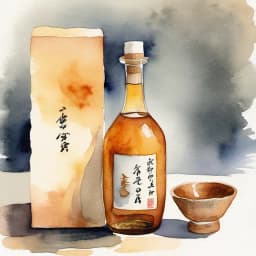
With a single sip, the rich umami of the rice expands broadly, leaving a clean and crisp aftertaste—'Tokigen' is a full-bodied local sake nurtured by the climate of Kaga.
Brewed by Kano Shuzo in Kaga City, they carefully craft their sake using the 'Hakusui Well,' which provides spring water from the foothills of the sacred Mount Hakusan, along with their own home-grown Yamada Nishiki rice, utilizing their specialty Yamahai brewing method.
The name 'Tokigen' is said to originate from a poem composed by the fourth generation: 'Double-layered chrysanthemums; the sake is also just right, in a state of constant good spirits (Tokigen).' They are a highly skilled brewery that has repeatedly won gold medals at the National New Sake Awards. Drink it, and always be in good spirits—a bottle that gently accompanies the dining tables of the Kaga Onsen region.
When poured into a cup, a soft aroma rises. With a clean finish and an expanding umami of rice—Fukumasa-mune is a local sake that has long accompanied the dining tables of Kanazawa.
The producer, Fukumitsuya, was founded in 1625 (the second year of the Kan'ei era). Regarded as the brewery with the longest history in Kanazawa, they have continued sake brewing for 400 years using pure brewing water and high-quality sake rice. Fukuma-mune is their flagship brand and continues to be loved locally.
In 2001, Fukumitsuya made a 'Junmai Brewery Declaration,' making all of its products Junmai-style. A straightforward flavor brewed using only rice and water. It is a sake that gently complements the cuisine of Kaga.
Crisp and dry, yet with a robust rice umami that lingers. This stylish drinking experience is what makes Kanazawa's local sake, 'Kagatobi,' so captivating.
It is brewed by Fukumitsuya, a Junmai brewery founded in 1625. The brand name is derived from the 'Kagatobi,' the daimyo firefighters employed at the Kaga Clan's Edo residence. The logo, featuring clouds and lightning, embodies the spirit of the firefighters and the strength of this local sake. What Fukumitsuya values most in this sake is its 'kire' (sharp finish). It is a carefully crafted dry sake that doesn't just taste sharp, but leaves a pleasant umami before fading cleanly.
While it possesses richness, the aftertaste is sharp and clear. Whether served chilled or warm, it serves to sharpen the flavors of your meal. For lovers of dry sake, this is an irresistible cup, crafted with the spirit of the Edo firefighters.
In the hills of Oku-Noto's Anamizu Town, vineyards stretch out under the blue sky. Born from the bounty of this land is "Noto Wine."
The winery uses only grapes grown within a 3-kilometer radius of the brewery. Particularly unique is the Yamazovignon, a rare variety created by crossing European Cabernet Sauvignon with wild Japanese mountain grapes. To enrich the soil with minerals, crushed oyster shells from Anamizu Bay—one of Japan's leading oyster regions—are spread across the fields after being sun-dried for a year.
When poured into a glass, it reveals a deep purple with bluish undertones. A robust acidity, flavors of ripe fruit, and an exquisite balance of lingering tannins and sweetness create a full-bodied dry red. It is a bottle that embodies the entire essence of the land, nurtured by the sea and earth of Noto.
When poured into a glass, a deep amber color glows with a syrupy luster. With a single sip, the mellow sweetness and richness unique to aged sake slowly spread across the palate—'Tenpyo' is a profound sake brewed by a brewery that specializes in aged sake (koshu).
Brewed at Fuse Shuzo in Noto Town, this is a small brewery that has steadily continued to craft sake in the Noto region since its founding in 1876 (Meiji 9). It is said that the name of the brand 'Tenpyo' originates from Tenpyoji Temple, which was once located on Mount Isurugi.
There are many varieties of aged sake, carefully rested over three, five, and seven years. It is a patient process where half of the brewed sake is released as 3-year-old sake, while the remainder is aged even longer before being sold. It is Noto's special flavor, polished only by the passage of time.
With a single sip, the rich umami of the rice spreads generously, leaving a gentle and warm aftertaste. Brewed slowly by hand by a family at the very tip of the Noto Peninsula—'Daikei' is a warm sake from Okunoto.
The maker is Sakurada Sake Brewery in Takaya, Suzu City. They began brewing around the Taisho era and have been releasing sake under the 'Daikei' brand since 1915. Located in a fishing town, it is a small brewery with only a few people, carrying on the traditional techniques of Noto Toji (master brewers).
A savory-style sake unique to Noto Toji that pairs perfectly with local seafood. It has long been cherished during celebrations and festivals. This is a flavorful bottle that has been steadily protected by the hands of a family in this remote land overlooking the Sea of Japan.
With a single sip, a fruity, fruit-like aroma gently rises, followed by a clean and clear aftertaste. With a smooth drinking experience that is gentle even for those unfamiliar with sake, Shinsen is an elegant sake that Komatsu is proud of.
Founded in 1860, this single bottle is brewed by Azuma Shuzo of Komatsu City. The name 'Shinsen' originates from the fact that it is brewed using water springing from the shrine next to the brewery. Using subsoil water from the Hakusan mountain range, locally produced sake rice, and Kanazawa yeast, they brew with great care for the taste of the land.
Their Daiginjo is a masterpiece that was once selected as the in-flight sake for Japanese government aircraft. It has no strong idiosyncrasies and does not overpower food, making it an excellent match for both Japanese and Western cuisine. It offers a refined taste that integrates smoothly into the body.
This is a cloudy sake traditionally offered to the gods in Nakanoto Town.
Doburoku is an alcohol made by fermenting rice, rice koji, and water without straining the mash. Since ancient times, it has been regarded as a 'sacred sake offered to the gods' during ceremonies for praying for bountiful harvests and expressing gratitude for the harvest. While only a very small number of shrines nationwide are permitted to brew doburoku for Shinto rituals, three of them are located in Nakanoto Town, continuing traditions that date back to before the feudal era.
In 2014, the town was designated as a national 'Doburoku Special Zone,' allowing even farm stays (nokoya) to brew it. It is a simple yet powerful drink where the sweetness of the rice blends with the acidity of fermentation. Please enjoy the very essence of Noto's festival atmosphere.
There is a local sake brewed amidst the sea breezes of Suzu City, at the very tip of the Noto Peninsula. It is "Sogen," preserved by breweries with deep ties to the Noto Toji.
Sogen Sake Brewery was founded in 1768. As a brewery considered the birthplace of the Noto Toji—one of Japan's four great brewing traditions—master brewers still demonstrate their skills here today. An interesting feature is the aging site: they purchased an abandoned tunnel from the former Noto Railway and utilize approximately 80 meters of its center as a storage cellar. Within the darkness, kept at a constant 12 degrees Celsius throughout the year, the sake gradually loses its harshness and develops a mellow, profound character.
With a smooth and full-bodied flavor nurtured by the tunnel, this is a pride of Okunoto—a sake that embodies the very climate and history of Noto in every glass.
A brewery that has been brewing sake in the land of Uchinatsu, Oku-Noto, since 1869.
Originally, they were engaged in soy sauce production during the Edo period, but because the brewing water was better suited for sake making, they transitioned to the sake industry in 1869. It is said that their representative brand, 'Chikuba,' derives its name from an old alias for sake and the bamboo leaves that grow upstream of the river where the brewing water flows. They are a brewery that insists on using only local ingredients, being the only one in Noto to perform 100% in-house rice polishing.
While aspiring toward recovery from the Noto Peninsula Earthquake, they continue to brew sake today that reflects the blessings of the satoyama and satoumi (mountains and sea). A clean and flavorful cup that quietly accompanies the food of Noto. Please take your time to savor it.
With a single sip, the umami of the rice spreads heavily across the palate, followed by a sharp acidity characteristic of the Yamahai method that cleanses the finish. Kikuhime is a bold, full-bodied 'otokozake' (masculine sake) with a commanding presence.
Brewed in Hakusan City, this sake is crafted using the subsoil water from the sacred Mount Hakusan and Yamada Nishiki rice from Special A-grade regions. Known as a pioneer of Yamahai brewing, it was the first in the industry to release a Junmai sake labeled specifically as 'Yamahai-shikomi' in 1983.
It possesses a deep, dense richness, having been carefully aged for 1 to 2 years before shipment. When served warm (nurukan), the umami expands even further. It is a bottle you'll want to savor slowly alongside rich stews or heavily seasoned dishes. A robust flavor that resonates more deeply with every sip.
Upon taking a sip, a mellow and transparent umami spreads smoothly, much like the flow of a pure river. An ultimate food-pairing sake that sits unpretentiously by your side at the dining table—Tedorigawa is a sake you will never tire of.
This is a brand that Yoshida Sake Brewery, situated in the middle of the rice fields in Hakusan City, has protected since its founding in 1870. It is characterized by a gentle, banana-like ginjo aroma produced by Kanazawa yeast and a crisp finish.
What the brewery treasures is the spirit of 'sake that accompanies food and conversation.' In recent years, their ambitious creation 'Yoshidakura u' has also received high acclaim both domestically and internationally. It is a gentle bottle that softly complements any dish, making you find yourself reaching for another glass before you know it.
When poured into a glass, a deep golden color glows with a syrupy luster. Upon taking a sip, a rich aroma reminiscent of ripe fruit, profound umami, and a pleasant acidity surge together—this is Tengumai Yamahai-jikomi Junmai-shu.
Brewed by Kurata Shuzo of Hakusan City, founded in the 6th year of Bunsei (1823). Known as a pioneer of the Yamahai method, they have created a harmony of mellow aroma and acidity through their unique production process.
Its charm lies in the deep, rich aftertaste unique to aged sake with its amber hue. Whether served chilled or warmed, it is a bottle you want to enjoy alongside flavorful dishes. It is a highly distinctive masterpiece of Yamahai brewing, enveloping you in a dense, fragrant aroma.
With a single sip, an elegant sweetness expands softly in the mouth, leaving a gentle umami finish. Brewed with great care in a small brewery in Oku-Noto—'Oku-Noto no Shiragiku' is a profoundly delicious sake.
Originally founded as a shipping wholesaler during the Edo period, Wajima's Shirafuji Shuzoten began brewing sake from the end of the Edo period. The brewery was named 'Shirakabeya' (the shop name) and 'Shiragiku' (in connection with chrysanthemum sake).
They remain committed to very small-scale production, yielding only about 150 koku.
A Junmai Ginjo brewed with heart in every single bottle by a husband-and-wife brewery team who studied the art of brewing. It is a flavor Oku-Noto is proud of, having even been served in international first-class cabins. This is a carefully crafted cup that can only be delivered because it comes from such a small brewery.
A specialty manju from Yamanaka Ishikawa-ya, which has continued its tradition in Yamanaka Onsen, part of the Kaga Hot Spring region, since 1905. The name 'Musume-musume' comes from 'Nyaa-nyaa,' a Kaga dialect word meaning 'young lady.' Legend has it that the origin lies in a suggestion from the former owner of a local long-established inn to 'create something under the name Musume-musume.' The smooth red bean paste, subtly scented with brown sugar and local miso, is shaped into an oval like a gold coin for easy, single-bite enjoyment. Smooth red bean paste (koshian) was chosen over chunky paste (tsubuan) to represent the elegance of Kaga beauties. Its mellow, lightly sweet taste makes it hard to stop at just one. Perfect as a treat after a soak in Yamanaka Onsen or as a souvenir. Please give it a taste.
A light rice cracker that brings out the flavor of the 'jewel of Toyama Bay,' the white shrimp.
White shrimp are small shrimp with a transparent, pale pink color. They are a rare ingredient said to be caught in large quantities only in Toyama Bay, and are called the 'Jewel of Toylam Bay' due to their elegant sweetness. This cracker is a locally-focused product crafted by Kanai Foods of Kaga City, with a commitment to Hokuriku ingredients.
When you take a bite, the savory flavor of white shrimp spreads softly along with a crispy, light texture. Because it is easy to eat without being overpowering, it is often chosen for assortment gift boxes of Hokuriku souvenirs. It is perfect as an accompaniment to tea or as a snack with drinks. Please give it a taste.
A famous confection that encapsulates the prestige of the Kaga Hyakumangoku (the Kaga Domain) in a single Japanese sweet.
Produced by Kaga Jinya of Kaga City, 'Kaga no Tonosama' is a manju shaped like the 'Umebachi' (plum blossom) crest of the prestigious Maeda clan of Kaga. It is filled with smooth, milk-flavored white bean paste and finished grandly with Kanazawa gold leaf on the surface. The design of the family crest combined with the brilliance of the gold leaf gives it an appearance truly worthy of its name, 'Lord.'
With a single bite, the richness of the milk and a gentle sweetness spread softly. Due to its elegant appearance and auspicious nature, it has long been a beloved item for gifts. Please enjoy this confection that reflects the history and elegance of Kaga.
A matcha version of Castella produced by Kaga Jinya, a creative Japanese confectionery shop in Kaga City. The deep green sponge reflects the tea culture cherished in the Kaga region, achieving an exquisite harmony between the astringency of matcha and the sweetness of castella. Since it offers a different experience from the plain flavor, it is highly appreciated when given as part of a set.
For those tired of standard manju—a KitKat full of playfulness that can only be found in hot spring resorts. The 'Onsen Manju flavor' is sold exclusively at hot spring areas nationwide. It skillfully reproduces the authentic taste of onsen manju by sandwiching a cream containing red bean powder between chocolate and wafers with a manju-flavored profile. This is a unique local item you can find in souvenir shops throughout the Kaga Onsenkyo region.
Despite being a familiar chocolate snack, a single bite will immerse you in the hot spring atmosphere. The individual packaging makes it perfect for sharing, bringing a smile to anyone who receives it. It is a souvenir that adds a touch of humor to your memories of visiting Kaga Onsenkyo.
A premium-spec Kanazawa souvenir featuring bite-sized sponge cake with smooth custard, adorned with gold leaf on the surface.
This is a staple item produced by Kaga Jinya, featuring fluffy cake enclosing cream and elegantly finished with gold leaf, typical of Kanazawa. It is so popular that it is said to be among the top-ranking souvenirs in Ishikawa Prefecture. With available sizes of 6, 12, and 20 pieces, it is easy to choose a quantity that fits your group.
Smooth custard flows from the soft cake. Despite its affordable price, the brilliance of the gold leaf brightens your mood. It is a delightful Kanazawa souvenir that you can easily pick up at shops in Kanazawa Station.
Upon gently opening the package, you will find small autumn-themed dry confections (higashi) and an omikuji (fortune slip). It is a treat designed to provide a little moment of surprise at the instant of opening.
Produced by Sankai-do, a long-established confectionery shop in Yamanaka Onsen, Kaga City. The fifth-generation proprietor created this with the desire for people to enjoy tea ceremony-style wagashi in their daily lives. It is a playful arrangement featuring seasonal dry sweets tucked inside wafer shells, complete with an omikuji.
The delicately handcrafted dry sweets are adorable in appearance and melt smoothly in the mouth. This souvenir brings an air of elegance reminiscent of a hot spring town and serves as a great conversation starter when gifted. It is also perfect as a memento of a visit to Yamanaka Onsen.
A single sheet of gold leaf atop chewy habutae mochi. Kaga Jinya's Gold Leaf Habutae Mochi is a lovely confection that captures the splendor of Kaga in a single bite.
Produced by 'Kaga Jinya,' a Japanese confectionery brand from Fujiseika that began in 1969 as a small souvenir shop in Yamanaka Onsen. Each piece features a sheet of Kanazawa gold leaf applied to soft habutae mochi made with glutinous rice flour from Ishikawa Prefecture.
With its subtle sweetness and a silk-like melting texture, the sparkle of the gold leaf is a delight to the eyes, making it a treat that truly embodies the essence of Kaga. It is a visually pleasing and delicious Japanese sweet, perfect as an accompaniment to tea or as a souvenir from Kanazawa. Please enjoy this brilliant flavor born in Yamanaka Onsen.
A classic Kanazawa souvenir cookie, baked to a crisp texture with plenty of chocolate chips kneaded in. The Kanazawa City Premium Chocolate Cookies come in an 18-piece individually wrapped pack, making them perfect for sharing as gifts.
Produced by Fujiseika, also known for the Kaga Jinya brand, this confectionery company is dedicated to creating sweets that utilize the ingredients and culture of local Kanazawa. The glamorous finish, adorned with gold leaf, evokes the essence of Kanavanazawa.
With a familiar sweetness that pairs perfectly with coffee or tea, they are easy to distribute and highly appreciated, making them useful for gifts to colleagues or neighbors. Their unpretentious deliciousness will have you reaching for more pieces.
After a crispy texture, the savory umami of sweet shrimp spreads throughout your mouth. Ishikawa Pride Sweet Shrimp Senbei is a thin-baked rice cracker luxuriously made with sweet shrimp from Ishikawa Prefecture and Koshihikari rice.
Produced by Fujiseika, a company dedicated to creating confections that utilize local Ishikawa ingredients. The dough, made with prefecture-grown Koshihikari, is richly infused with the flavor of sweet shrimp, a representative taste of Ishikawa. The individually wrapped pieces feature a beautiful red and white gradient, making them visually stunning.
An exquisite piece overflowing with the essence of Ishikawa, where the umami of seafood meets the toasted aroma of rice. Easy to distribute and visually appealing, it is perfect as a gift.
A roll cake created by a Japanese confectionery shop where East meets West. Noto Dainagon Jojomaki is a new flavor profile that uses an abundance of rare Noto Dainagon adzuki beans grown in Okunoto, pairing them with a milk cream that enhances the bean's flavor inside a fluffy sponge.
Produced by Fujiseika, which operates the Kaga Jinya brand. Noto Dainagon adzuki beans are nurtured by the climate and soil of Okunote; they are large-grained and a vibrant crimson, earning them the name 'Red Diamonds.' Due to their soft skins and excellent aroma, they have long been prized by Japanese confectioners.
The richness of the adzuki beans and the mellow cream harmonize in every roll. It is a slightly luxurious Western-style sweet that breathes with the spirit of traditional Japanese confectionery.
A variation of the Kaga Jinya Jojomaki, featuring matcha. A matcha sponge cake studded with sweet candied Noto Dainagon adzuki beans is rolled with milk cream, creating a harmony between the bittersweet matcha and the richness of the beans. This roll cake shines with the careful ingredient selection unique to a traditional Japanese confectionery maker.
A roll cake featuring a sponge cake kneaded with chestnut paste and wrapped in milk cream, studded with candied Noto chestnuts grown in the red soil of Okunoto. As a Western-style confection crafted by a traditional Japanese confectionery maker, it offers an exquisite balance between the rich flavor of the chestnuts and the moist texture of the cake.
Plump, round, and smiling. Just holding it makes you smile; that is the 'Kaga Hachiman Okari Monaka.'
It is shaped after the 'Kaga Hachiman Okari,' a traditional lucky charm toy from Kaga. These dolls have long been given to wish for the healthy growth of children, and each monaka is wrapped in a deep crimson paper. Inside, it is filled with plenty of smooth red bean paste made from Hokkaido adzuki beans. It pairs perfectly with the fragrant monaka wafer.
When you crack the crisp shell, an elegantly sweet bean paste is revealed. Because of its auspicious nature—symbolizing rising up no matter how many times one falls—it is perfect as a gift for baby showers or celebrations. It is a long-beloved staple Kanazawa souvenir.
A spicy sweet and savory ginger rice cracker that has continued in the city of Kanazawa since 1917.
'Shibafune' refers to the firewood boats that once traveled between the Sai and Asano Rivers. Reflecting the curved shape of those boats, the crackers are gently curved. Each piece is hand-brushed by craftsmen with a ginger-infused honey glaze, resulting in a smooth and glossy surface. Just a few years after its founding, it won first prize at an exhibition, becoming a representative confection of Kanaxia.
Upon entering your mouth, you first experience the gentle sweetness of sugar, followed by the refreshing spiciness of ginger. It is a flavor loved by adults that doesn't end with just sweetness. Please enjoy a piece with your tea.
Crunch, crunch. Once you start eating, you can't stop—the 'Beaver' is the soul snack of Hokuriku. The most popular version is the White Shrimp Beaver.
The original Beaver is a fried rice cracker made by kneading Hidaka kelp into Hokuriku-grown glutinous rice. It has been a local favorite since its release in 1970. The White Shrimp Beaver combines this with white shrimp from Toyama Prefecture, and each piece is carefully crafted over the course of one week.
After a light texture, the gentle sweetness of white shrimp and the umami of kelp float through your palate. The balance of saltiness is exquisite, making it highly sought after as both a snack and an accompaniment to drinks. It also gained attention when NBA player Rui Hachimura shared them with his teammates. It is an unstoppable deliciousness packed with the flavors of Hokuriku.
The original fried rice cracker born in Hokuriku in 1970. It was originally developed by Fukutomiya Seika and later taken over by Hokuriku Seika. The dough is baked on an iron plate and then fried, featuring a simple salty flavor enhanced with the umami of Hidaka kelp. It has been loved as a snack in Hokuriku households for over half a century.
A spring edition of kintsuba from the famous Kanazawa shop Nakadaya, beloved by many who say, 'When it comes to kintsuba, it's Nakadaya.' Founded in Tsurugi-machi in 1934 and later moving to Higashiyama after the war, Nakadaya has remained committed to using Hokkaido-grown Dainagon adzuki beans. Artisans carefully cook these large, sugar-rich beans so they remain plump without falling apart. The spring-exclusive 'Kintsuba Sakura' features white bean paste adorned with salt-pickled cherry blossoms. The subtle scent of cherry blossom, accompanied by a hint of salt, drifts gently through the mild sweetness. This is a luxurious and special treat available only during a limited time of the year. Please enjoy it slowly while feeling the arrival of spring.
The flagship product that Nakadaya, founded in 1934, continues to create in Kanazawa's Higashiyama district. Tsubuan (sweet bean paste) made from plumply cooked Hokkaido Dainagon adzuki beans is wrapped in a thin skin and carefully grilled on each side. Originally produced on a small scale, these kintsuba gained fame through word-of-mouth among the geiko of the Higashi Chaya District, eventually rising to become one of Kanazawa's premier confectionery items.
The original creator of the shaped Baumkuchen born in Kanazawa is this 'Nyanko no Baum' (Kitty Baum). It began in 2018 when the Western confectionery 'Budou no Mori' created a limited quantity to coincide with Cat Day on February 22nd. The motif is 'Tora,' a cat born in Noto and raised in Kanazawa. The cake is baked with 9 layers, representing Tora's age, and finished with a salt caramel flavor accented by Wajima sea salt. A charming feature is the fun of revealing a cute cat silhouette when you pop out the shape. This concept eventually expanded to include Panda Baum and others, becoming a new specialty souvenir of Kanazawa. It is perfect as a gift for cat lovers. Please give it a try.
These are cat-shaped sable cookies made by Kanazawa's 'Budou no Mori,' the creators of the popular 'Nyanko no Baum.' The cookie combines a rich buttery sable dough with bitter chocolate dough, baked to a fragrant and crispy finish. A hint of Noto salt adds depth to the gentle sweetness. The adorable, rounded cat shapes are enough to bring a smile to your face just by looking at them. As an Ishikawa-exclusive sweet alongside the Baumkuchen, they have been chosen as a popular gift for cat lovers. With just one bite, the light, crispy texture and buttery aroma spread through your palate. Please enjoy them with coffee or tea.
When you bite into the rounded monaka shell, a smooth jelly emerges from within. 'Kami-fusen' is a famous Kanazawa confection where Japanese and Western flavors softly melt together.
It is crafted by Takagiya, a confectionery shop founded in 1925 south of Kenrokuen Garden. This stylish sweet features a fragrant monaka shell enclosing a colorful jelly (錦玉 - nishikidama, made from agar, starch syrup, and sugar) flavored with grape, lemon, and white wine. Its excellence is well-proven, having received awards such as the Honorary President's Award at the National Confectionery Expo.
The contrast between the crispy shell and the cool, soft jelly is delightful, followed by a refined sweetness that leaves a clean finish. The box comes with an origami 'paper balloon,' making it a playful masterpiece characteristic of Kanazawa even after the sweets are gone.
Established in 1867 in Wajima, Noto, as the official confectioner for Soji-ji Temple's ancestral shrine, Suehiro-do's signature product is this 'Usukawa Manju' (thin-skinned manju).
As the name suggests, smooth smooth bean paste (koshi-an) is gently wrapped in an incredibly thin skin and baked to a fragrant finish with black sesame accents. The focus is on a generous amount of filling with a minimal skin, allowing you to fully enjoy the flavor of the bean paste itself. It won the Prime Minister's Award at the 1998 National Confectionery Expo.
In addition to the classic version, varieties using matcha, Noto salt, and local miso are also available. A famous Kanazawa sweet where a single bite allows an elegant sweetness to spread softly. Please give it a try.
These lovely crackers are shaped like traditional fans (uchiwa), as if carrying a summer breeze.
Produced by Kato Koyo-do in Kanazawa, these 'Uchiwa Senbei' consist of thinly pressed glutinous rice crackers coated with a honey glaze and shaped into small fans. Artisans hand-paint each piece with summer motifs such as flowers and birds. Because they are hand-drawn rather than printed, the finishing process requires an incredible amount of time and effort.
With the subtle sweetness of Wasanbon sugar and the rustic flavor of glutinous rice melting smoothly in your mouth, it is an elegant treat that is as visually refreshing as it is delicious. Perfect for serving to guests or as a summer gift.
Founded in 1625, Morihachi is the official confectioner of the Kaga Clan. This summer delicacy is crafted using Kaga's famous kuzu (arrowroot).
We use Hodatsu-kuzu, which has been passed down for over 450 years in Hodatsu Shimizucho. This authentic kuzu, carefully prepared with the cold winter winds and pure waters of Mount Hodatsu—the highest peak of the Noto Peninsula—is characterized by its smooth, slippery, and elastic texture. The long-established shop, famous for the 'Choseiden' (one of Japan's three great confections), has transformed this kuzu into beautiful, thin kuzukiri strips.
When dipped in the accompanying rich black honey (kuromitsu), the chilled texture of the kuzu blends with a deep sweetness. It is refreshing to look at and even more cooling to eat. Please enjoy this dish that perfectly reflects the essence of summer in Kaga.
A single slice will surprise you with its intense egg richness. This is Kanazawa's 'Silkie Chicken Castella,' made without sparing the rare eggs of Silkie chickens.
Produced by Ukureian, artisans carefully bake each loaf using precious eggs collected from Silkie chickens raised with great care on their direct-managed farm. To highlight the deep, rich flavor of the eggs themselves, the sweetness is kept subtle, resulting in a fine-grained, moist sponge.
Upon the first bite, you are met with an intense egg aroma. The color and flavor are much deeper than standard castella, making it pure luxury. Adorned with gold leaf for a magnificent finish, this loaf is perfect as a souvenir for celebratory occasions in Kanaryazawa. It is a moist, rich treat truly worthy of special days.
A baked confection that looks exactly like the Kotoji Lantern, the symbol of Kenrokuen Garden.
Kanazawa's Kasho Minoya gently wraps lightly sweetened chunky red bean paste (tsubu-an) with white bean paste and matcha paste, then bakes them into a moist treat imprinted with the design of the Kotoji lantern. The elegant figure of that two-legged lantern standing by the water is beautifully recreated in the palm of your hand.
With one bite, the gentle sweetness of the red bean paste is layered with the mellow flavors of white bean and matcha. This item allows you to take home the scenery of Kenrokuen that every visitor sees. It is perfect as an accompaniment to tea or as a souvenir from Kanazawa. Please give it a taste.
This is a signature confection from Kanazawa Urata, named after the Sai River, which was beloved by the great Kanazawa literary figure Saisei Murase.
Saisei loved this river so much that he chose his pen name by combining 'West' (referring to his birthplace on the west bank of the Sai River) and 'Star' (from his original name). To evoke the refreshing breeze that blows across the river, we have created an original monaka shell made from a blend of milk and eggs, resulting in a soft and gentle flavor.
Having won the Prime Minister's Award at the 28th National Confectionery Expo, it has become one of Kanazawa's representative souvenirs. The crispy, light monaka shell and the mellow filling melt beautifully in your mouth. Please enjoy the taste of the river that the poet once gazed upon.
An Itaya steamed castella named after Korinbo, the bustling entertainment district of Kanazawa. It features two layers—one made with smooth red bean paste and another kneaded with mountain yam—steamed to a moist perfection, with tender candied chestnuts gently sandwiched in between. The smoothness of the yam, the richness of the bean paste, and the mellow chestnut create a unique flavor that sits gracefully between Japanese and Western confectionery styles. An award-winning treat that received the Honorary President's Award at the National Confectionery Expo, its moist texture and elegant sweetness have made it a long-beloved gift in Kanazawa. This single piece encapsulates the atmosphere of Kanazawa, along with the historic name of Korinbo. Please give it a taste.
Bite-sized ankorou mochi perfectly suited for Kanazawa, the castle town of Kaga Hyakumangoku. Crafted by Kasho Minoya with simple ingredients and modest sweetness, this rustic Japanese sweet features smooth smooth red bean paste on the outside enveloping soft gyuhi (sweet rice) mochi on the inside. Every detail, down to the size of a single piece, has been carefully considered to achieve the ultimate texture between the bean paste and the gyuhi. Its convenience for snacking is also a charm, with varieties such as chestnut paste and matcha paste available. The gentle sweetness is something those who love rich smooth red bean paste will find irresistible. It is a popular staple easily found at Kanamente Kanazawa Station and local souvenir shops. Please enjoy a piece with your tea.
A refreshing summer gift crafted by Morihachi, the official confectioner of the Kaga Clan, using Hodatsu Kudzu.
We have gently enclosed Mizu-manju (water dumplings) made from Hodatsu Kudzu grown in Hodatsu Shimizucho within a moist, Japanese-style jelly. There are three flavors available: the elegant sweetness of Noto Dainagon adzuki beans, the refreshing acidity of 'Benie' green plums from Ishikawa Prefecture, and the rich aroma of Uji Matcha. Within a single dish, you can enjoy both the smooth texture of the jelly and the melting sensation of the kudzu.
This is a seasonal item from an established shop founded in 1625, delivering the coolness of Kaga's summer. One chilled spoonful feels as if it instantly eases the summer heat. Perfect for summer greetings or as a gift for those you care for.
Small-sized yokan designed for single servings, crafted by Morihachi, the official confectioner of the Kaga Clan.
A long-established shop with nearly 400 years of history has created these individual sticks so that you can easily enjoy traditional Neriyokan (練り羊羹).
The standard 'Black' flavor is modeled after the noble black luster of 'Kuromai-zome,' the formal attire worn by Kaga clan samurai, and features a prestigious taste meticulously prepared with high-purity rock sugar and carefully selected domestic adzuki beans. In addition to Black Ogura, White, and Matcha, we also offer seasonal limited flavors.
While maintaining the elegant sweetness and smooth texture, these are easy to enjoy anytime, anywhere. This 'Iki' (chic) yokan is highly useful both as a snack with tea and as a gift for distribution. Please find your favorite flavor.
A refreshing Kuzu Anmitsu crafted by Morihachi, the official confectioner of the Kaga Clan, using Kaga's famous kudzu.
We use Hodatsu Kudzu, which has been passed down for over 450 years in Hodatsu Shimizucho. This Hon-kuzu, finished with the cold winter winds and pure water of the Noto Peninsula, is characterized by its smooth and slippery texture. To this kuzu mochi, we add homemade bean paste made from cooked Noto Dainagon adzuki beans and colorful domestic fruits, all drizzled with thick black syrup made from Okinawan brown sugar.
It offers a bouncy and chewy mouthfeel unique to Hodatsu Kudzu that cannot be achieved with agar. When kept chilled, it is a dish that makes you instantly forget the summer heat. Please enjoy the coolness of Kaga delivered by this long-established shop.
Morihachi's homemade monaka, looking just like a reflection of the stone walls of Kanazawa Castle.
The name 'Shiro no Ishi' is inspired by the stones that have endured hundreds of years of wind and snow to continue supporting Kanazawa Castle today. The monaka shell is a fragrant wafer made from Hokuriku-grown glutinous rice, and the bean paste is packaged separately.
By inserting the paste yourself just before eating, you can enjoy the crispy texture of the shell at its most delicious state. The moist sweetness of the plumply cooked domestic adzuki bean paste and the toasted aroma of the shell dissolve together in a single bite. This is an enjoyable item designed so you can taste freshly made monaka at home. Please give it a try.
A monaka shaped after Morihachi's family crest, 'Hebi-dama' (Snake and Jewel). Featuring an auspicious design of a snake holding a jewel in its mouth, it consists of elegant bean paste tucked inside a fragrant, baked wafer. This is a signature confection unique to Morihachi, embodying both the prestige inherited as the official confectionery maker for the Kaga Clan since 1625 and a sense of playful creativity.
A kintsuba made by Morihachi, the official confectioner of the Kaga Clan, using a luxurious amount of Noto Dainagon adzuki beans, a treasure of Noto.
Noto Dainagon is a traditional variety nurtured by the climate and nature of Okunoto, boasting a size two to three times larger than ordinary adzuki beans and a jewel-like glossy red color. These beans are cooked until plump and wrapped in a moist, soft dough using the 'Iki-kintsuba' method, where the outer layer is not heavily toasted.
A hint of coarse Noto salt balances the sweetness, resulting in a clean and elegant aftertaste.
This is a substantial treat packed with large adzuki beans. As a representative kintsuba of Kanazawa, it pairs perfectly with tea ceremonies. Please enjoy this taste filled with the blessings of Noto.
A seasonal summer tradition in Kanazawa, these three-colored (white, red, and green) steamed buns are eaten to pray for good health and protection from illness.
During the Kaga Clan era, the Maeda family would open an icehouse (himuro) on the 1st day of the 6th month of the lunar calendar and present the snow and ice stored during winter to the Shogun in distant Edo. It is said that Himuro Manju originated from the practice of offering wheat manju to gods and Buddha to ensure the ice arrived safely on its long journey. Morihachi prepares these in three colors: white, red, and green.
Today, all Japanese confectionery shops in Kanazawa release them simultaneously on July 1st, known as 'Himuro Day,' when the icehouses were traditionally opened. The custom of distributing them to relatives and neighbors to wish for their health still remains. Please enjoy this treat filled with history and prayer at the start of summer.
This is a small version of the 'Fuku-ume,' an auspicious sweet essential to New Year celebrations in Kanazawa, made available to enjoy all year round.
Produced by Murakami, a Japanese confectionery shop founded in 1911, Fuku-ume consists of bean paste filled inside a monaka shell shaped like a plum blossom. Its shape is derived from the 'Ken-umebachi' crest of the Maeda clan, the lords of the Kaga Domain.
While originally a seasonal sweet for winter and the New Year, this mini size allows you to enjoy the taste of Kanazawa's celebratory confectionery throughout the year.
With its adorable red and white appearance and the gentle sweetness of fluffy cooked bean paste, a single bite spreads the splendor of a Kanazawa New Year across your palate. This auspicious sweet, small enough to fit in your palm, is perfect for a small gift. Please give it a try.
A Western-style rice cracker with a simple flavor that has been long loved in Kanazawa households.
Released in 1964 by Shibafune Koide, founded in 1917, it features a nostalgic and gentle sweetness made with eggs and margarine. The name 'Sansaku' comes from the belief that 'confections are made through the blessings of heaven and earth and the harmony of people.' The design features a black lily blooming on Mount Hakusan in Kaga and the ptarmigan, which is said to have inhabited this land in ancient times.
Its thin, crispy texture is so light that everyone from children to adults can't help but reach for it. It is the perfect accompaniment to tea or as a snack. Please enjoy this taste that is deeply rooted in the life of Kanazawa.
These handmade donuts began with the mothers of Kanazawa, creating them with deep love for their children. Originally started under the name 'Kanazawa Richmond,' the brand has now been rebranded as 'Ufufu Donut.' Many of our staff members are mothers currently raising children themselves. We use no preservatives and make our dough by hand every single day. We take great pride in our ingredients, using underground water from Mount Hakusan, and sourcing eggs, fruits, and vegetables from the local Hokuriku region.
We are also committed to reducing food loss, such as donating surplus donuts to children's foster care facilities. Popular at department store events nationwide, these donuts offer a safe and gentle flavor. Please enjoy the soft, rustic taste of each handmade piece.
A Japanese confection that is like a treasure box, filled with the joy of opening and the excitement of eating.
This item is crafted by Suehiro-do, a company founded in Wajima, Noto, in 1867. When you open the small box decorated with red Japanese paper and gold string, adorable sweets peek out from within. Inside the Monaka (wafer) engraved with the characters for 'Chorak' (meaning long-lasting happiness), colorful Konpeito (sugar candy) and chocolate are softly hidden.
It offers cute aesthetics, the thrill of opening it, and the gentle, sweet taste of Konpeito. It is perfect as a gift for children or for small celebrations. Please try this quintessential Kanazawa item, which is also highly appreciated as a gift for celebratory occasions.
A famous Kanazawa confection made by Murakami, founded in 1911, with a focus on their homemade bean paste.
The chewy mochi is coated in fragrant black sesame seeds and filled with bean paste prepared with kinako (roasted soybean flour). Despite its rugged appearance, it is soft upon entering the mouth, with the aroma of black sesame and the gentle sweetness of kinako spreading throughout. The white sugar coating on the surface evokes the snowy landscapes of Kanazawa.
This highly skilled confection won the Prime Minister's Award at the 22nd National Confectionery Expo. Its simple yet deep flavor makes it perfect as an accompaniment to tea. This is a prideful creation of Murakami that you must pick up when visiting Kanazawa. Please give it a taste.
A moist and gentle wagashi (Japanese sweet) designed to resemble a fukusa (silk cloth) used in tea ceremonies.
Founded in 1917, Shibafune Koide creates the dough using flour, sugar, and eggs, baking it to a fluffy perfection. Inside, a chunky red bean paste made from Hokkaido Dainagon adzuki beans is gently enclosed, as if wrapped in a tea fukusa. The harmony between the chewy dough and the rich bean paste is exquisite.
Because it has a short shelf life of about three days, you can enjoy its fresh, moist deliciousness. Its beautiful appearance is also renowned, making it a masterpiece that local wagashi fans visit repeatedly to purchase. If you visit Kanazawa, this is a dish we highly recommend tasting on the spot. Please enjoy its gentle sweetness.
Kohakuto (amber sugar candy) born in Kanazawa, as transparent as gemstones.
Ishikawaya Honpo, which is said to have been founded during the Tempo era, finishes these candies by naturally drying special agar and sugar over time. "Kaichin" is a Kanazawa dialect word for "ojihiki" (glass marbles). It was given this name because its colorful and adorable appearance is exactly like those marbles.
The outside features a crunchy sugar crystallization, while the inside remains moist and soft. The charm lies in being able to enjoy both textures in a single piece. The cute shapes, modeled after animals and flowers, are also popular and bring joy just by looking at them. This is a lovely Kanazawa sweet that is perfect for tea time or as a gift. Please give it a taste.
Bite-sized cookies with an elegant texture that becomes addictive—crumbling lightly and delicately the moment they hit your mouth.
These are crafted by Hokuriku Seika (hokka) of Kanazawa, famous for their long-selling "Beaver" cookies. This product can be considered another face of a confectionery company that has been loved nationwide from the land of sweets, Kanazawa. As the name "Koi Hororo" suggests, it features an assortment of four rich flavors, presented in a luxurious package suitable as a Hokuriku souvenir.
It is something you can enjoy without pretense, yet it feels somewhat luxurious. Accompanied by tea or coffee, you will find yourself reaching for one piece after another. It is also well-suited as a souvenir for the workplace or a little treat for yourself.
A spring-exclusive kintsuba crafted by Nakadaya. The classic Dainagon adzuki bean paste is infused with cherry blossom leaves, spreading a subtle salty aroma of sakura. The techniques of this long-established shop, born in Kanazawa's Higashi Chaya District, capture the arrival of spring within a single bite of this seasonal confection.
Wrapped in pure white mochi is a generous amount of elegant smooth red bean paste—this is the oldest and most prestigious confection of Suehirodo.
Born alongside the founding of our shop in 1867 (Keio 3), it was presented to the Imperial Family in 1914 (Taisho 3), receiving the name 'Kiku no Tsuyu' (Dew of the Chrysanthemum). Furthermore, in 1988 (Showa 68), this historic item was presented to both Their Majesties the Emperor and Empress. In the Heisei era, driven by our desire to be a place of relaxation for all who visit, we renamed it 'Ikeigiku no Tsuyu'.
With soft mochi and smooth red bean paste, a refined sweetness gently spreads the moment you take a bite. If you find yourself visiting near Kenrokuen in Kanazawa, please do try this special flavor that can only be found at our shop.
Rich matcha cream meets the gentle sweetness of Noto-grown adzuki beans. This luxurious treat is a meeting of Kanazawa's tea culture and Western confectionery craftsmanship.
Produced by the Kanazawa pastry workshop 'Budou no Mori,' this sandwich features crispy cookies filled with cream made from high-quality matcha from the long-established Kanazawa tea shop 'Nodaya Chaten' and simmered Noto adzuki beans. The Japanese ingredients and Western preparation harmonize beautifully in your mouth.
As you bite into the crisp dough, the intense flavor of matcha and the richness of the adzuki beans spread gently. A slightly luxurious cream sandwich truly representative of Kanazawa, a tea-loving region. It is a delightful souvenir that pairs perfectly with both coffee and green tea.
A Japanese confection that captures the elegance of Kaga Hyakumangoku in a single bite, featuring brilliantly shining gold leaf and a subtle scent of yuzu.
Crafted by "Wagashi Murakami," established in 1911 with its main store located in Nagamachi, Kanazawa. The sweet features two layers: a smooth layer topped with crumbled Hokkaido red bean paste, finished with a delicate texture that melts beautifully in your mouth. The depth of their homemade bean paste, refined for over 100 years, is expressed through its elegant sweetness.
With the shimmer of gold leaf and the soft aroma of yuzu, it is as beautiful to look at as it is deep in flavor. When you want to gift a true essence of Kanazawa, this is undoubtedly the choice—a premium item suitable for a distinguished souvenir.
A beautiful assortment of three types of sweets crafted by Shibafune Koide, capturing the scenic beauty of Kenrokuen Garden in confectionery form.
This long-established Kanazawa shop, founded at the end of the Meiji era, expresses the landscapes of the famous garden through sweets. The collection includes 'Kyokusui,' shaped like the Kyokusui-kyo Bridge; 'Kasano-yuki,' reflecting the snow on the Karasaki Pine; and 'Tochiro,' mimicking the Tochiro stone used in Yukimizubashi and Nijibashi bridges. The assortment is designed to let you leisurely tour the seasons and famous scenery of Kanazawa in a single box.
As you taste each one, the scenery from your stroll through Kenrokuen will suddenly come back to life. True to its name, it is a 'garden of new sweets.' It is a quintessential Kanazawa item, perfect for those who want to take home the lingering impressions of visiting the famous garden, or as a visually stunning gift.
Takagiya's signature confection consisting of colorful Monaka shells filled with Japanese-style jelly in grape, lemon, and white wine flavors. An award-winning treat that received the Minister's Honor Award and the Tea Master Award at the National Confectionery Expo, it offers an enjoyable contrast between the crispy shell and the jiggly jelly. It also comes with five pieces of origami, adding the extra joy of folding paper balloons.
A baked sweet whose name originates from its light texture that melts crispily in your mouth.
This colorful assortment includes four flavors: Earl Grey, Strawberry, Matcha, and Orange. The Earl Grey offers an elegant taste with the aroma of tea leaves, while the Strawberry provides a vibrant color and sweet scent. The rarity of it being a Hokuriku-exclusive item not available via mail order makes it a wonderful souvenir.
Since it has a long shelf life at room temperature, it is convenient for sharing after you return home. This box of Hokuriku souvenirs is filled with the joy of wanting to taste and compare the four colorful, light flavors with family and friends.
A representative confection from Suehirodo, founded in 1867, and an award-winning masterpiece that has received the Prime Minister's Award. In addition to the plain version—which features smooth Hokkaido red bean paste wrapped in a thin skin and topped with black sesame—there are five varieties: Matcha, Kanazawa Local Miso, Noto Agehama Salt, and Sesame. The assorted sets, allowing you to enjoy different flavors, are ideal for gifting.
A Hokuriku-exclusive Jagarico featuring crab-flavored sticks accompanied by a dip sauce containing real crab meat. It is packed with the joy of dipping and eating. Produced by Calbee, it comes with a rich dip sauce made from red snow crab; just a little dip transforms the flavor into something much more luxurious. As a limited edition item unique to the crab-producing regions of the Sea of Japan, it makes a significant impact as a snack.
The umami of the crab bursts alongside the crunchy sticks, making you reach for another piece. This slightly unusual local snack is easy to pick up at station or airport souvenir shops. It is an enjoyable souvenir to distribute and serves as a great conversation starter about your travels through Hokuriku.
Crunchy and crystallized on the outside, yet moist on the inside. This is the flagship product of Wagashi Murakami, as beautiful as a gemstone. Artisans hand-break Kohakuto (amber sugar) made solely from agar, sugar, and spring water from Mt. Hakusan. The traditional method involves drying the candy for six days to allow delicate crystals to form on the surface. There are also variations using Ishikawa ingredients, such as Kaga Bancha and Noto Salt Cider, and it is so popular that it often runs low on stock every year.
Upon taking a bite, a gentle sweetness spreads after the initial crunchy texture. The pale, translucent colors are refreshing just to look at. This is a delicate Kanazawa souvenir perfectly suited for summer gifts.
As the name suggests, it features one whole chestnut preserved in syrup. This is a signature confection from Kasho Matsui, characterized by its luxurious texture.
An entire honey-preserved chestnut is gently wrapped in steamed adzuki bean yokan and encased in bamboo skin. The fluffy sweetness of the chestnut and the flavor of the adzuki beans layer beautifully in your mouth, providing a sense of fulfillment in every bite. Founded in 1926, Matsui is a long-established shop known for its elegant sweets that reflect the culture of Kanazawa.
When you break into the moist yokan, a large chestnut reveals itself. This item can be purchased at the main store located near Kanazawa Station. It is a Japanese sweet you will instinctively choose when you want to indulge in the flavors of autumn.
A palm-sized fan-shaped rice cracker where artisans from Kato Koyo-do hand-paint scenes of nature (Kacho Fugetsu) with brushes on each piece. There are over 2,000 different patterns, all colored using the same techniques as Kaga Yuzen dyeing. Featuring a playful design that allows you to eat without getting your hands dirty using a toothpick handle, it is a single piece that embodies Kanazawa's craft culture.
A sweet potato-style Japanese confection that captures the simple sweetness of Kaga vegetable 'Gorojima Kintoki' in bite-sized pieces.
Produced by Wagashidokoro Chuko, it uses Gorojima Kintoki potatoes with an approximately 300-year history, harmonizing the gentle sweetness of the sweet potato with smooth smooth bean paste (koshian). It is a long-selling favorite loved for over 25 years, and the limited edition packaging featuring Ishikawa Prefecture's mascot 'Hyakumansan' is available only at certain stores.
Its comforting sweetness will make you smile. This item is perfect as a tea snack or as a Kanazawa souvenir that will delight anyone receiving it. Its simple deliciousness makes it hard to stop at just one.
"Delicious kintsuba without using sugar"—when you hear that, you will be surprised by how much the natural sweetness of the adzuki beans comes through.
This is a masterpiece that Suehiro-do spent approximately seven years perfecting, and it won the Grand Prize at the 25th National Confectionery Expo in 2008. It has also been recommended as an excellent tourist souvenir for Ishikawa Prefecture. Using Hokkaido-grown Dainagon adzuki beans and reduced maltose syrup, each piece is carefully finished by hand-baking.
Even with zero sugar, it offers a robust adzuki bean flavor that never feels lacking. This is a choice you can make with confidence even when choosing a gift for someone watching their sugar intake. It also pairs perfectly with tea when you want to take a relaxing break.
It is like a dorayaki, yet like a Western pastry—a mysterious treat where the boundary between Japanese and Western styles is blurred.
Soft, tender cookie dough gently sandwiches lightly sweetened bean paste and chewy mochi. The familiarity of Japanese confectionery coexists with the lightness of Western sweets, allowing you to encounter two types of deliciousness in a single bite. The glamorous packaging, resembling an ornamental gift envelope, is also charming and makes it look wonderful as a small gift.
The softness of the dough, the chewiness of the mochi, and the moderate sweetness of the bean paste all layer together so that you can enjoy it without getting tired until the very last bite. Named after Kaga, this is a quintessential Kanazawa souvenir that appeals to both lovers of Japanese sweets and Western pastries, making it perfect for gifting.
A baumkuchen luxuriously adorned with gold leaf, created by the world-renowned pastry chef Hiroaki Tsujiguchi.
Mr. Tsujiguchi is a native of Nanao City, Ishikawa Prefecture. His patisserie, 'Le Musée de Assah,' uses ingredients strictly from Ishikawa, such as Seia Agri healthy eggs from Noto and Kanazawa honey, to bake this cake. The sight of the surface draped in gold leaf brightens your mood just by looking at it.
The moist cake is rich with the depth of egg and honey, providing a sense of satisfaction with every bite. The brilliance of the gold leaf adds a touch of elegance suitable for special occasions. This is a premium Kanazawa souvenir that will bring joy as a gift for a loved one or as a treat for yourself.
The bumpy surface looks exactly like a real walnut. This walnut monaka from Kasho Matsui is visually delightful.
We have wrapped an filling made of chopped Japanese walnuts and Dainagon adzuki beans inside a walnut-shaped monaka shell. Since Kanazawa has a long history of enjoying walnuts, the fragrant aroma of the walnuts and the sweetness of the adzuki beans meld beautifully in your mouth. The individually wrapped packaging features a retro design that is so cute, it makes giving them as a gift a joy.
When you crack the crispy shell, the fragrant aroma of walnuts wafts up. The nostalgic flavor allows your heart to relax. It is a delightful accompaniment to tea and a deeply flavorful Kanazawa souvenir that is often well-received as a gift for elders.
This is an adorable dry confectionery consisting of plum blossom-shaped rakugan, each individually wrapped in Japanese paper to resemble a rabbit.
Carefully crafted using Wasanbon sugar by Moroeya, a long-established shop founded in 1849 (Kaei 2).
It melts smoothly in your mouth, with an elegant sweetness that spreads gently. It is named "Hana Usagi" because its appearance wrapped in thin Japanese paper looks like a rabbit, and it became widely known after appearing in a television drama.
With its cute appearance and the smooth sweetness of Wasanbon, it will bring a smile to your face during tea time. It is a classic, foolproof choice for a cute Japanese confectionery souvenir from Kanazawa.
The cross-section looks exactly like a real mandarin orange. This is a popular daifuku from Chuko that wraps an entire Satsuma mandarin.
It is the flagship product of the Japanese confectionery shop Chuko, which has been featured numerous times on television. The mandarin is gently wrapped in white bean paste and Habutae mochi, and the peel itself is kneaded into the mochi to prevent the juice from leaking out. Since it is handmade every day in limited quantities, you are lucky if you encounter it.
When you take a bite of the chewy mochi, the juicy mandarin juice bursts forth. This fruit daifuku is both fun to look at and delicious, and can be purchased at the "Anto" souvenir area in Kanazawa Station. It is also recommended to eat it chilled.
With the very first bite, the fragrant aroma of roasted green tea (hojicha) floats into your senses. This is a Hokuriku-exclusive version of Kameda Seika's Happy Turn, coated in Kaga Bocha flavor.
As you continue eating, the familiar sweet and salty 'Happy Powder' harmonizes with the flavor of Kaga Bojecta. It is finished with a fragrant yet approachable taste characteristic of Ishikawa, a region famous for its tea. Since they are individually wrapped, they are easy to distribute, making them an ideal souvenir for the workplace.
The crisp texture of the cracker, layered with the roasted aroma of hojicha and sweet-salty notes, makes it impossible to stop eating. Perfect as an accompaniment to tea or as a snack with alcohol. Please take this local arrangement of a classic snack home as a memory of your trip to Hokuriku.
From Chef Hiroaki Tsujiguchi's YUKIZURI series, this 'Hokuriku Santo Monogatari' is an assortment of three types using plum wines from Toyama, Ishikawa, and Fukui. These pie sweets are modeled after the 'Yukizuri' (snow ropes) used in Kenrokuen Garden to protect trees from snow. You can compare the slightly different flavors from each prefecture. It is a popular gift for experiencing the full taste of the Hokuriku region.
This is a beautifully designed Japanese confection featuring the umebachi (plum blossom) crest, which has deep ties to the Kaga Domain.
Master confectioner Matsui has captured the essence of the Kaga Hyakumangoku culture in this single piece. Shaped after the Maeda clan's family crest, the plum blossom, it features an elegant appearance characterized by a refined sweetness and meticulous craftsmanship. Founded in 1926, Matsui is a long-established shop known for its brilliant sweets that skillfully incorporate Kanazawa's culture. It makes a perfect gift for history enthusiasts.
Just gazing at it allows one to reflect on the long history of the Kaga Hyakumangoku. Its elegant and soft sweetness pairs perfectly with tea time. This is a sophisticated piece in both taste and appearance, where Kanazawa's craftsmanship and confectionery culture intersect. It is also an ideal souvenir for those who love history.
Cherry blossoms, irises, hydrangeas, and autumn leaves—these are the seasonal colors captured in the rakugan (pressed sugar) and kohakuto (amber sugar) dry sweets from Moroe-ya.
These limited-edition treats feature different motifs each season, offering a visually stunning contrast between translucent kohakuto and colorful rakugan. These Japanese sweets have been refined by Moroe-ya, a company founded in 1849, under the tea ceremony culture deeply rooted in Kanazawa.
Upon tasting, they melt smoothly on the tongue, with an elegant sweetness gently spreading through the mouth. The charm lies in being able to enjoy the transition of the seasons through both sight and taste. It is a joy to encounter a different expression every time you visit. This is an exquisite Kanazawa souvenir that subtly adds the colors of the four seasons to your tea time.
A gentle sweetness that melts softly in your mouth. This is the signature confectionery of Ame no Tawaraya, a recipe that has remained unchanged for approximately 200 years.
Made solely from non-glutinous rice, barley, and spring water from Mount Hakusan, these simple candies are crafted by turning 'Jiroame' into small granules, using no sugar or artificial sweeteners. Founded in 1830 (Tenpo 1), Tawaraya is the oldest candy shop in Kanazawa. It is said to have originated from a desire to create something highly nutritious as a substitute for breast milk.
Available in flavors such as Plain, Kinako (roasted soybean flour), and Matcha, they can be enjoyed safely by everyone from small children to the elderly. The simple, warm sweetness provides a moment of relief with every bite—a traditional taste that Kanazawa is proud of.
Part of Chef Tsujiguchi's YUKIZURI series, this flavor features the fresh sweetness and tartness of strawberries grown in Ishikawa Prefecture. Unlike the standard plum wine flavor, the brilliant strawberry aroma combines with the pastry to create a fruity taste. Available in 6-piece and 10-piece packs, it comes in a size that is easy to use for small gifts.
A famous confection by Kasho Matsui that reflects the elegance of Kanazawa in wagashi. Featuring a boat-shaped design reminiscent of the Shibafune scenery floating on the Sai River, it consists of smooth dough filled with red bean paste. The 'Shibafune' motif has been beloved in Kanazawa since ancient times, and Matsui's version features an elegant and delicate finish, making it ideal for gifting.
With the small box serving as a tatami mat and the confections representing seasonal flowers—this is a beautiful assortment of Rakugan (pressed sugar candy) from Moroe-ya that expresses the essence of a small tea room.
It all began in the 1960s when Moroe-ya, founded in 1849, started selling seasonal Rakugan as sets. These candies, crafted with meticulous attention to color and shape, softly convey the spirit of 'Wabi' (rustic simplicity). Being palm-sized and easy to take home, it is a long-selling favorite that has been loved for generations.
Upon tasting, you will experience the gentle sweetness of Wasanbon sugar that melts smoothly in your mouth. It is a confection that is as beautiful to behold as it is profound to taste—a perfect gift that captures the refined atmosphere of Kanazawa's tea ceremony culture.
From chocolate and matcha to Kaga Bocha (roasted green tea). This is the signature work of Chaka Kobo Taro, effortlessly transcending the boundaries of traditional Japanese confectionery.
Starting from a small garage in 2005, this shop offers yokan in 10 different flavors. Their accessibility, with single sticks being easy to purchase, is also part of their charm. Combining a smooth, agar-based melt-in-your-mouth texture with modern ideas, it has become a new staple in Kanazawa.
Enjoying a different flavor with every bite makes even the time spent choosing incredibly fun. This free and enjoyable lineup lightheartedly overturns the traditional image of yokan. It is a new type of Japanese sweet born in Kanazawa that will make you want to find your favorite stick. We also recommend trying them all together as a family.
An evolved fusion of Japanese and Western styles, featuring black soybean okaki (rice crackers) infused with juicy kinako (roasted soybean flour) chocolate.
Produced by Mameyaya and Kanazawa Mankyu, the star of 'Shimimi' is an okaki specially designed to absorb the chocolate. A gentle kinako chocolate flavor spreads through the crunchy texture. The bean-shaped box, hand-painted by artisans using Kutani ware techniques, is so beautiful you will want to display it even after the sweets are gone.
This unexpected combination of okaki and chocolate will captivate you from the very first bite. The crispy texture and mellow sweetness of the kinako chocolate make it an addictive treat. With both the contents and the beautifully patterned Kutani-style box, it is a Kanazawa souvenir that is sure to delight anyone receiving it.
The Toyama edition of the YUKIZURI series, a pie confection made using plum wine crafted from famous spring water in Toyama Prefecture. It features a crisp plum flavor derived from pristine water, distinct from the Noto plum wine used in the Ishikawa edition. Available at Le Musée de Hash (Toyama store) and Kanazawa Station's Hyakubangai, it is popular for set purchases that allow you to compare the flavors of the Hokuriku region.
A signature confection from Kasho Matsui that reflects the prestige of Kanazawa, the castle town of the Kaga Domain.
Created with thoughts of the long history of Kanazawa Castle, this piece is characterized by its calm sweetness and meticulous finish. Founded in 1926, Matsui is a long-established shop known for its elegant sweets that skillfully incorporate Kanazawa's culture. The essence of the castle town is captured in every bite.
Picking this up after a stroll through Kanazawa Castle Park feels like bringing the lingering atmosphere of the castle town home with you. Its refined, subtle sweetness pairs perfectly with tea time. It is a Japanese sweet we can confidently recommend to those who wish to taste history or anyone looking for a quintessential Kanazawa gift.
An assortment of refreshing sweets designed to make you forget the summer heat, including mizuyokan (soft bean jelly), yuzukan (citron jelly), warabimochi, and kuzu-mochi.
This is the summer edition of Moroe-ya's seasonal series 'Jikou no Wabi.' Established in 1849, this long-standing shop brings a sense of coolness to summer moments with smooth textures and refreshing appearances. Since the contents change with each season, one of the joys is discovering different flavors upon every visit.
When chilled, a refreshing sensation spreads through your mouth. The smooth texture helps ease the summer heat. As a summer gift, it allows you to present the very essence of the season—a uniquely Kanazawa souvenir that is cooling to both the eyes and the palate.
Steamed matcha castella layered with cacao chocolate yokan. This is a single-bite cake from Taro that lightly transcends the boundary between Japanese and Western confectionery.
As a modern Japanese sweet crafted by Chaka Kobo Taro, the toasted aroma of crushed almonds provides a delightful accent. The slight bitterness of the matcha and the sweetness of the chocolate harmonize beautifully, resulting in a sophisticated, slightly mature flavor. Its stylish appearance, featuring alternating layers of matcha and chocolate, is also part of its charm.
Within its smooth texture, the fragrant aroma of almonds gently emerges. The balance between matcha and chocolate is exquisite and pairs perfectly with coffee. Born in Kanazawa, this new fusion of Japanese and Western sweets is ideal as a souvenir or a small gift.
A beloved Kanazawa confection for over 100 years, it consists of a thin, slightly curved oval-shaped rice cracker finished with a brushstroke of sugar syrup infused with ginger juice. The key to its flavor lies in the craftsmanship of applying the syrup by hand to each piece while heating it to approximately 80 degrees Celsius; the white sugar coating on the surface evokes the image of a Shibafune boat covered in snow. It is a representative confection of Kanazawa, featuring an exquisite balance of ginger spiciness and sugar sweetness.
A black Baumkuchen that pairs with Chef Hiroaki Tsujiguchi's 'Kin no Baum' (Gold Baum). It features a pitch-black batter kneaded with cocoa and charcoal, topped with fondant made using the brewing water of Toyama's famous sake 'Maboroshi no Taki'. Gifting the gold and black set together makes for a souvenir that conveys both the brilliance and the depth of Kanazawa.
Shimmering gold leaf atop a clean-tasting red bean yokan. This is a treat that allows you to enjoy the splendor of Kaga Hyakumangoku through both taste and sight.
Kanazawa is the nation's leading producer, accounting for 99% of Japan's gold leaf production. Confectionery master Matsui features this yokan, luxuriously sprinkled with Kanazawa gold leaf, as its flagship product. It offers a brilliant finish characteristic of Matsui, which was founded in 1926. Since it can be stored at room temperature for an extended period, it is a reliable choice for gifts sent to distant locations.
Every time you slice it, the gold leaf sparkles. The clean sweetness is a flavor that pairs perfectly with tea time. When you want to gift the essence of Kanazawa, this is the magnificent item you will instinctively choose.
The unique elasticity and mellow texture of bracken. Morihachi's warabimochi is an authentic version where you can tell 'this is different' from the very first bite. Using 100% domestic genuine bracken starch, it brings out a bouncy, strong chewiness and a subtle sweetness.
This is a product of extreme dedication to ingredients by Morihachi, the official confectioner to the Kaga Clan founded in 1625 (Kanei 2).
It comes accompanied by kinako (roasted soybean flour) made from home-roasted, fragrant soybeans from Oohama, Noto, and an original black syrup made with Okinawa brown sugar, Wasanbin sugar, and a hint of Kanazawa soy sauce.
Coated generously in kinako and drizzled with thick black syrup, its simple yet deep flavor will keep you reaching for more.
A round, Daruma-shaped monaka shaped after the 'Okari' tradition passed down at Kaga Hachiman. As a lucky charm representing rising up even after falling, it is a classic Kanazawa wagashi chosen for baby celebrations and get-well gifts. Produced continuously by Kanazawa Urata since its founding in 1936, its charming expression is sure to bring a smile to your face.
Inside an adorable, bite-sized monaka wafer lies a single, whole, large walnut. Seika Muromachi's signature 'Kurumi' is a popular Kanazawa confection where savory aroma and gentle sweetness intertwine. It is also a highly acclaimed treat, having received the Chairman's Award at the 22nd National Confectionery Expo.
Seika Muromachi is a Japanese confectionery shop located in Honda-machi, Kanazawa, near Kenrokuen Garden, and will celebrate its 80th anniversary in 2026. It features elegant smooth red bean paste (koshian), made from Hokkaido adzuki beans cooked with natural well water, wrapped in freshly made, handmade monaka shells.
With the savory aroma of walnuts, the elegant sweetness of the bean paste, and the crispy texture of the monaka shell, these three distinct elements unite in your mouth, making it a classic souvenir of Kanazawa.
A masterpiece confectionery that reflects the culture of Kaga Hyakumangoku in a single slice of yokan. Matsui Shorai features a moist texture and elegant sweetness, enhanced by the brilliance of Kanazawa's traditional craft, gold leaf.
Kasho Matsui was founded in 1926 (Taisho 15). With its main store located in Konohana-machi, near JR Kanazawa Station, the shop has continued to create beautiful Japanese sweets that evoke the culture and history nurtured by Kanazawa. It is well-known for confections that reflect the elegance of Kaga, such as the signature Yuzen Koromo and gold leaf yokan.
Adorned with gold leaf on a finely kneaded yokan, this item is perfect both as an accompaniment to tea and as a gift. It brings an elegant moment characteristic of Kanazawa.
A charming souvenir that makes you want to stop at service areas. Michimaru-kun Printed Cookies are round cookies printed with edible ink featuring 'Michimaru-kun,' the original character of the NEXCO Central Japan Group.
Michimaru-kun is an energetic male dog character born in 2014. His hobby is traveling to various places by car, making him a popular figure at service areas. Each cookie depicts Michimaru-kun's expressions and travel motifs.
Individually wrapped for easy distribution and cute in appearance, they are perfect to give along with stories of your travels. It is a treat that brings smiles to everyone from children to adults.
A signature confectionery from Nakadaya, founded in 1934, which gained fame through word-of-mouth among the geiko of Kanazawa's Higashi Chaya District. Each grain of Hokkaido-grown Dainagon adzuki bean is carefully simmered and baked into a square shape with a thin coating. The texture of the beans and their elegant sweetness make it a favorite even in formal tea ceremonies.
A Baumkuchen made by kneading paste from Noto Kintoki sweet potatoes, grown in the fields of Noto. The natural sweetness of the potato permeates the moist cake, creating a simple flavor that evokes the landscape of Noto—a quintessential souvenir of Ishikawa.
Fragrant walnuts and Kaga smooth red bean paste. Matsui's Kaga Kurumi is a comforting walnut manju wrapped in a moist, baked dough.
Confectionery master Matsui was founded in 1926. With its main store located in Konohana-machi near JR Kanazawa Station, the shop has continued to create Japanese sweets that reflect the culture and history nurtured by Kanazawa. It is a long-established shop known for its signature Yuzen Koromo and gold leaf yokan.
This treat features the perfect harmony of fragrant walnuts and the smooth sweetness of smooth red bean paste. Enjoying it with Kaga Hojicha offers a gentle moment characteristic of Kanazawa. It is also a popular item at Kanazawa Hyakubangai An.
A celebratory Morihachi masterpiece coated in red and white Wasanbon sugar. Chitose is a festive confection consisting of rich, thick candy-cooked bean paste wrapped in elastic gyuhi (sweet rice cake) to resemble the shape of Mount Fuji. It is said that 'the red symbolizes the auspicious rising sun, and the white symbolizes the plumage of a crane.'
Its roots are ancient, said to trace back to the provisions for Ikko-shu followers during the era of the founder of the Morihachi family around the 16th century. Under the rule of the Maeda clan, it was refined through generations until it eventually became the elegant celebratory sweet it is today.
With the gentle sweetness of Wasanbon sugar and the chewy texture of gyuhi, its red and white colors add splendor to celebrations, making it a beloved representative confection of Morihachi. Carrying a long history, yet possessing a certain loveliness, it is a celebratory item perfectly suited for festive occasions.
When you crack open the crisp monaka shell, colorful vegetables and wheat gluten (fu) spill out. Pour hot water over it, and a fragrant curry-flavored soup is complete. Fushimiya's Takara no Fu Curry Soup is an instant soup that brings a fresh breeze to traditional Kaga Fu.
Fushimiya was founded in the first year of the Keio era (1865). It is a long-established shop that has continued to protect the techniques of Kaga Fu making passed down since the Edo period. As a unique variation of their signature 'Takara no Fu' series, they created this curry flavor that harmonizes Japanese dashi with spices.
It features a gentle flavor where curry spices blend moderately with kombu and bonito dashi. Simply by adding hot water, you can enjoy a bowl that carries the aroma of Kaga's tradition.
A buttery flavor with a light texture. Eureka is a long-selling milk biscuit that has been loved for over half a century. Its geometric, relief-like shape offers an expression that is both nostalgic and elegant.
Produced by Hokuriku Seika (hokka), headquartered in Kanazawa. The name 'Eureka' originates from the Ancient Greek word meaning 'I have found it.' Its milky flavor and subtle sweetness have earned long-standing support for being easy to eat without becoming tiring.
With a simple yet refined taste that pairs well with both coffee and tea, it is one of Hokuriku's representative baked goods, maintaining its unchanging design and flavor.
The simple sweetness of karinto combined with the light texture of senbei. Shibafune Koide's Karinto Senbei is a single cracker that unites two deliciousness, making it perfect for both snacks and tea accompaniments.
Shibafune Koide is a long-established Kanazawa shop founded in 1917. It is well-known locally for its signature confection, 'Shibafune,' where each piece is brushed with ginger-infused syrup, and its reliable techniques are applied to this rice cracker production as well.
A crispy, light texture spreads a subtly sweet aroma. Its easy-to-eat nature makes it perfect for small gifts, offering the dependable deliciousness unique to a long-established shop.
A famous confection that feels as though it is wearing the moist coating of Kanazawa's traditional craft, Kaga Yuzen. Matsui's Yuzen Koromo is a magnificent item consisting of white miso paste dyed a pale crimson, wrapped in soft habutae mochi and adorned with gold leaf.
Kasho Matsui was founded in 1926. With its main store located in Konohana-machi near JR Kanazawa Station, it has continued to create elegant Japanese sweets that reflect the culture of Kanaport. This item, which captures the elegance of Kaga Yuzen in a sweet, is a representative confection of Matsui.
Featuring the subtle flavor of white miso and the soft mouthfeel of habutae mochi, the shimmer of gold leaf evokes the splendor of the Kaga Hyakumangoku era. It is also a popular item at Kanazawa Hyakubangai An.
A treasure of Morihachi, counted as one of Japan's three most famous confections. Choseiden is a red and white rakugan (pressed sugar candy) made by pressing Hokuriku-grown glutinous rice and Awa Wasanbin sugar into wooden molds. The red color is dyed with natural safflower, and upon entering the mouth, it crumbles delicately, spreading an elegant sweetness.
It is said to have begun when the third feudal lord, Maeda Toshitsune, ordered the making of Tanabata rakugan; the tea master Kobori Enshu named it 'Choseiden' and carved his calligraphy into the wooden molds. Morihachi was founded in 1627 and served as the official confectioner for the Kaga Clan by order of Lord Maeda Toshitsune.
This item is the very essence of Kaga culture, preserving a manufacturing method passed down for nearly 400 years. The mellow sweetness of Wasanbin leaves a quiet, lingering aftertaste.
An adorable Japanese confection inspired by the traditional Kaga Temari craft. Kaga Hana-temari is a masterpiece featuring plenty of walnuts inside rolled adzuki beans, gently coated with Wasanbon sugar. Its charming appearance, much like a temari ball, relaxes the hearts of those who see it.
Produced by Gafudo, a Japanese confectionery shop in Hakusan City, Ishikawa Prefecture. Under the motto 'Adding heart to convey elegance,' they reflect Kaga's traditions and aesthetic sense in their sweets. Using adzuki beans from Hokkaido, they layer the savory aroma of walnuts with the refined sweetness of Wasanbon sugar.
Perfect as a tea accompaniment or a small gift. The gentle elegance of Kaga is packed into every single piece.
A summer-flavored offering from Fushimuriya's Takara no Fu series. This 'Shio' (sea) flavor features shell-shaped fu (wheat gluten) filled with maple gluten, plum paste, egg, green onion, and seaweed; simply add hot water to create a clear soup with the aroma of the sea. A long-selling product for over 30 years, devised by the wife of the fifth-generation head.
Slow-cooked with large, soft Noto Dainagon adzuki beans. Shibafune Koide's kintsuba is a masterpiece made with confidence and requires reservation, allowing you to directly experience the power of the ingredients.
Shibafube Koide is a long-established Kanazawa confectionery founded in Taisho 6 (1917). While known for its signature confection 'Shibafune' coated in ginger-infused honey, this kintsuba also embodies the true dedication of this venerable shop. We carefully select Noto-grown adzuki beans with large grains and soft skins, preparing them meticulously over time.
With an ultra-thin crust slowly baked to perfection, the star of this dish is the texture of the adzuki beans and their rich flavor. The sweetness of the bean paste, simmered with great care, gently melts in your mouth. It is a true masterpiece from a long-established shop that highlights the charm of Noto adzuki beans—a taste worth making a reservation for.
A confectionary that reimagines 'Yuzen Nagashi' (the seasonal tradition of Kanazawa in winter) using smooth Habutae mochi. Matsui's Yuzen Nagashi captures the beautiful sight of colorful Yuzen dyed fabrics floating on the surfaces of the Asano and Sai Rivers within a single Japanese sweet.
Kasho Matsui was founded in Taisho 1<0xA0>15 (1926). With its main store located in Konohana-machi near JR Kanazawa Station, it has continued to create elegant Japanese sweets that reflect the culture and history of Kanazawa. Gold leaf is added to the soft Habutae mochi to express the elegance of Kaga.
The gold leaf adds a delicate touch of splendor to the melting texture of the Habutae mochi. Its gentle sweetness and smooth mouthfeel evoke the winter scenery of Kanazawa. It is an elegant and refined item that allows you to taste the culture and seasonal beauty of Kaga.
A popular product from Mameya Kanazawa Mankyu, whose main store is located in 'Budou no Mori' in Iwade-machi, Kanazawa City. This is a new sensation in rice crackers, featuring black soybean okaki infused with hojicha white chocolate, presented in a bean box hand-painted by Kutani ware artists. The crispy texture is irresistible.
An instant soup featuring palm-sized fuyaki (wheat gluten) baked using Fushimiya's traditional techniques, filled with five-colored ingredients such as radish, burdock root, and carrot. You can enjoy two types: miso-based and clear soup (osui-mono), and it becomes an authentic bowl just by adding 250cc of hot water. It is also highly valued for use as a gift.
An assortment that reflects the changing landscapes of mountains and fields in three different Japanese sweets. Shibafune Koide's Yamanosou features 'Yama' (Mountain), 'No' (Field), and 'Sou' (Grass), each with a different expression and the charm of high-quality 'Jo-namagashi' (artistic wagashi).
Shibafune Koide is an established Kanazawa shop founded in 1917. 'Yama' and 'No' are made in a steamed castella style, with 'Yama' accompanied by matcha soboro bean paste and 'No' being a gentle plain version. 'Sou' uses Kaga Maru-imo to achieve a chewy texture similar to Kagoshima's karukan.
Light, fluffy, and moist in mouth, the unique personality of each of the three types evokes the changing seasons of mountains and fields. This assortment, which is as enjoyable to look at as it is elegant to taste, is popular even at Kanazawa Station. You can truly feel the delicate confectionery craftsmanship unique to a long-established shop.
This exquisite confection captures the seasonal floral patterns found on Kaga Yuzen kimonos. Each piece of Yuzen Hanagara features a unique floral design, conveying the aesthetic elegance of the Kaga Hyakumangoku era through its visual splendor and refined taste.
Crafted by Kasho Matsui, established in 1926, this elaborate treat uses wooden molds carved with delicate Kaga Yuzen flower patterns. It consists of black sesame yokan with chestnut, wrapped in smooth bean paste and dusted with Wasanbin sugar, then pressed into shape.
With a different floral pattern on every piece, simply looking at them brightens the heart. The fragrant aroma of black sesame and chestnut is layered with the gentle sweetness of Wasanbin sugar, leaving an elegant aftertaste. This graceful masterpiece, which translates the beauty of Kaga Yuzen into confectionery, is perfect as a sophisticated gift.
A new type of bean confection made by roasting organic soybeans from Kaga and Noto to a fragrant crisp and coating them with Western-style flavors. Mameya Kanazawa Mankyu's roasted beans offer a sophisticated taste that pairs beautifully with tea or wine.
Mameya Kanazawa Mankyu is known for carefully roasting organic soybeans and black beans produced by local farmers in Kaga and Noto, then packing them into 'Mamebako' (bean boxes) hand-painted one by one by Kutani ware artists. Their unique varieties infused with Western flavors, such as Italian style with tomato and basil, are highly popular.
Enjoy the light crunch of fragrant beans paired with a delicate Western aroma. This is a new type of bean confection from Kanazawa that can be enjoyed along with its magnificent Kutani ware box.
Smooth as silk and fluffy. Suehirodo's Habutae Funwari Mochi is an exquisite habutae mochi boasting a unique lightness found nowhere else.
Founded in 1867, Suehirodo is a historic Kanazawa confectionery shop that carries the lineage of being a purveyor to Sojiji Soin in Wajima, Noto. By adding plenty of egg whites and steaming the dough, they create a soft texture that seems to melt the moment it touches your mouth.
With a gentle sweetness and a melting sensation, you can feel the careful craftsmanship that brings out the best in the ingredients with every bite. The traditional production method, refined over more than 150 years of history, produces an incomparable lightness. It is an exquisite, silk-like habutae mochi unique to Suehirodo.
An Ishikawa souvenir that captures the rich, thick flavor of Kanazawa curry in a thin, crispy rice cracker. Kanazawa Curry Senbei is an addictive snack where spicy curry flavors and the toasted aroma of rice crackers overlap.
Kanazawa curry is a local gourmet specialty characterized by its thick, viscous roux. As a rice cracker themed around this unique deliciousness, it has been loved by tourists. A convenient feature is that it can be easily purchased at Kanazawa Station, Komatsu Airport, and other locations.
With a crispy texture and a light aroma of spices, it pairs perfectly not only with tea but also as an accompaniment to beer. It is a popular local cracker that allows you to easily enjoy the essence of Kanavan.
A classic Japanese confection from Shibafune Koide, founded in 1917, featuring fragrant walnuts and lightly sweetened smooth red bean paste (tsubuan) tucked into a crisp-baked monaka shell. The oils from the walnuts and the richness of the adzuki beans melt together in your mouth, creating a simple, timeless flavor.
A dignified triangular shape reminiscent of the castle tower of Kanazawa Castle. Kinjo-maki by Eshanzankindo is a famous Kanazawa confection made by rolling moist, baked dough and adorning the center with the plum blossom crest (Umebachi) of the Maeda clan of the Kaga Domain.
Eshanzankindo is a long-established shop founded in 1888 in Yasue-machi, Kanazawa. They offer two varieties—brown sugar bean paste and Iyokan (citrus) bean paste—both wrapped in a chewy, elastic dough. The unique shape, which evokes the atmosphere of a castle town, also resembles a samurai helmet.
With the rich sweetness of brown sugar and the refreshing aroma of Iyokan, the two types of bean paste each present a different character. The pleasant texture of the chewy dough makes it a representative confection of Kanazawa, having received the Honorary President's Award at the 25th National Confectionery Expo.
A moon-viewing rabbit drawn in gold leaf rests atop a moist castella. Mameya Kanazawa Manekichi's Gold Castella (Otsukimi) is a limited edition item wrapped in the atmosphere of autumn.
Mameya Kanazawa Manekichi is known for its castella, where gold leaf is applied one sheet at a time by hand. The thickness of the gold leaf is approximately 1 micron. It is a masterpiece of delicate craftsmanship, with only a few artisans in the shop capable of handling it. In autumn, they color the season with the design of moon-viewing rabbits.
The fluffy castella batter and the brilliance of the shimmering gold leaf create a festive atmosphere. This limited edition item, reflecting the elegance of moon viewing, brings autumn to both your eyes and your palate. It is an exquisite item that is also highly appreciated as a gift.
A fluffy texture and elegant sweetness. Gorojima Kintoki Imo Choju is an auspicious sweet potato confection made with the charm of the Kaga vegetable, Gorojima Kintoki, intended to wish for longevity.
Gorojima Kintoki is a sweet potato grown in the sandy areas of Kanazawa. It is said that the cultivation began in the Genroku era when seed potatoes were brought back from Satsuma and introduced to this land. It is highly compatible with the well-draining sandy soil, and its pride lies in the fluffy texture locally known as "kobbo-kobo."
The sweet potato confection, which utilizes the natural sweetness of the potato, has a simple and warm flavor. The fluffy mouthfeel evokes a sense of nostalgia. This auspicious item allows you to savor the blessings nurtured by the Kaga dunes along with wishes for long life.
A plump rabbit with red eyes. Suehirodo's Gold Rabbit is a rabbit-shaped Monaka (wafer sandwich) loved for its adorable appearance and mellow flavor.
Suehirodo is a long-established Japanese confectionery shop in Kanazawa, founded in 1867 (Keio 3). It is a prestigious shop with lineage serving the Soji-ji Soin temple in Wajima, Noto, and has been loved by people both within and outside the prefecture for a long time. The crisp Monaka shell is resistant to crumbling, allowing you to eat it with peace of mind.
Inside, white bean paste wrapped in milk cream or chestnut paste is available. The gentle melting texture and elegant sweetness are enjoyed by children and adults alike. The combination of the crispy Monaka wafer and the mellow bean paste is exquisite. It is an adorable item from Suehirodo that will bring a smile to your face just by picking it up.
A seasonal limited set that adds spring colors to our signature Fukusamochi. The Murakami Spring Fukusamochi Set is a spring-themed assortment delivered by Wagashi Murakami, founded in 1911. This spring version, infused with cherry blossom flavor, makes you feel the arrival of the season.
Wagashi Murakami is a long-established Kanazawa shop that has been dedicated to high-quality bean paste since its founding. Our signature Fukusamochi features chewy gyuhi mochi coated in smooth koshian (smooth bean paste), all wrapped in a light, brown sugar-flavored baked skin.
It is an exquisite balance where the three textures—gyuhi, bean paste, and skin—melt together as one. This set allows you to enjoy a classic Kanazawa confection alongside the colors of spring.
Moist sponge cake sandwiched with sweet and sour jam and cheese. Shibafune Koide's Ai-ai is a Western-style sandwich confection created by a long-established Japanese confectionery maker.
Shibafune Koide was founded in 1917 and is a staple of Kanazawa. While famous for their ginger crackers 'Shibafune,' this Ai-ai offers a different experience, featuring three flavors: orange peel, cheese, and apricot jam. The light, airy, bussé-like cake enhances the unique character of each flavor.
The freshness of marmalade, the saltiness of cheese, and the mellow sweetness of apricot. This is a treat that allows you to enjoy the artistry of Western-style sweets crafted by a traditional Japanese confectionery maker, one bite at a time.
A Hokuriku-exclusive local souvenir that captures the flavor of Kanazawa's traditional vegetable, Gorojima Kintoki, in a Pocky stick. Pocky Gorojima Kintoki Flavor is a slightly luxurious treat where the elegant sweetness of sweet potato gently spreads through your palate.
Produced by Ezaki Glico, this is one of the 'Local Pocky' series available exclusively in the three Hokuriku prefectures: Ishikawa, Toyama, and Fukui. It uses 8% (fresh weight) Gorojima Kintoki potato flour, grown in the coastal dunes facing the Sea of Japan, utilizing its natural sweetness within the chocolate.
Since its release in 2017, it has been a favorite among both tourists and locals. The flavor of Kaga vegetables enjoyed through the familiar Pocky makes it a perfect memento of your travels.
A playful 'fortune-bringing' sweet where breaking open small monaka shells reveals colorful auspicious symbols rolling out. It is packed with dry sweets and konpeito (sugar candy) shaped like Otafuku, rice bales, hōju (sacred jewels), sea bream, and tortoiseshell pines—items that look as if they would invite good fortune just by looking at them.
In Kanazawa, there has long been a culture of auspicious sweets called 'Fukutoku,' which hide small lucky charms inside monaka. This product carries on the Kaga tradition of opening shells during New Year's or celebrations to enjoy the excitement of seeing what comes out. The inclusion of a fortune-telling slip is another part of the fun. With English instructions included, it is also a popular gift for international visitors.
Upon tasting, the fragrant monaka shell and elegant sweetness melt away. It is a confection where the act of opening it is a feast in itself, bringing good fortune even before you take your first bite.
A fun-to-look-at and delicious rice cracker featuring famous landmarks of Kanazawa baked into each piece. The designs capture the essence of the Kaga Domain's prosperity, including the Kotoji-toro lantern of Kenrokuen Garden, the Ishikawa Gate of Kanazawa Castle, and the Kaga Lion Dance.
These are crafted by Gafudo, a long-established shop that has continued making senbei in Kanazawa since the Showa era. A key feature is the thin, baked batter made with plenty of eggs; rather than being a hard rice cracker, it has a gentle texture that melts lightly in the mouth. The flavor of the egg and a subtle sweetness evoke a sense of nostalgia.
Individually wrapped and having a long shelf life, these crackers are a perfect gift thanks to their Kanazawa-themed designs. They are the kind of crackers you'll want to enjoy with a cup of tea while reminiscing about your travels.
A sister product to Suehirodo's Gold Rabbit. This white rabbit-shaped monaka is filled with white chocolate-flavored cream and white bean paste, finished with a gentle milky flavor and a smooth melt-in-the-mouth texture. A famous Kanazawa confection that is also loved as a gift due to its adorable appearance.
This sweet is a sable cookie designed to look exactly like the 'Hikiyama' (festival floats) used in Komatsu's 'Otabi Matsuri' festival.
Every spring, eight neighborhoods in Komatsu gather their magnificent floats, upon which children perform Kabuki plays. Yamauchi Fukujudo's 'Hikiyama Sable' is shaped like the large wheels that support these floats. The dough, made with butter and eggs, is enriched with almonds and baked to a fragrant perfection.
Its flavor, a blend of Japanese and Western styles, pairs well with both tea and coffee. After a light, crispy texture, the aroma of almonds and the richness of butter spread across your palate. It is a souvenir from Komatsu that allows you to enjoy the splendor of the festival. Please do try it.
Established in 1852 in front of Natadera Temple, Matsubaya is a long-standing shop in Komatsu. 'Hime Kurumi' is a walnut-filled version of their signature 'Tsukiyomi Yamaji' line.
We have kneaded plenty of fragrant walnuts into yokan (sweet bean jelly) that has been steamed wrapped in bamboo leaves. The bean paste is subtly infused with miso, adding a deep richness to the sweetness. The name originates from its history as an offering to Hakusan Hime Shrine, the head shrine of Kaga.
It offers an elegant taste where the chewy texture of the yokan and the fragrance of the walnuts resonate in your mouth. It pairs beautifully with cheese or wine, making it perfect for a slightly luxurious tea time. Please enjoy it alongside our chestnut version for a wonderful comparison.
This is Matsubaya's representative chestnut steamed yokan, famous for the reputation that 'no matter how you slice it, chestnuts appear.'
It has been our flagship product, passed down through seven generations for over 170 years since our founding in 1852 at the gates of Natadera Temple. We add kuzu (arrowroot starch) to steamed yokan infused with the aroma of bamboo leaves, ensuring large chunks of chestnut peek out from every slice. Instead of candied chestnuts, we use large chestnuts preserved in syrup. Because they are not boiled in heavy sugar, they are not overly sweet, allowing the natural, fluffy flavor of the chestnut to shine through.
The harmony between the chewy yokan and the tender, melting chestnut is exceptional. It is one of Ishikawa's representative confections that provides complete satisfaction in a single bite. Perfect for serving with tea or as a gift for someone special.
A kintsuba (sweet bean jelly cake) baked using only the highest quality adzuki beans by Tokuda Seikado, a Japanese confectionery maker in Komatsu. Since its founding in 1936, this shop has selected premium adzuki beans from Tokachi for its creations. Using 100% of these beans, they cook large grains plumply to create a moist filling, which is then carefully wrapped in a thin skin and baked side by side. With one bite, the natural, full-bodied flavor of the adzuki beans spreads throughout your mouth. The wrapping paper, depicting a daimyo procession, is also charming and makes it perfect for gifting. This is a substantial kintsuba that lives up to the prestige of the Kaga Hyakumangoku name. Please pick one up as a souvenir from Komatsu.
A baumkuchen baked with Komatsu-produced Rokuju barley, known as the 'Koshihikari of Barley' by world-renowned pastry chef Hiroaki Tsujiguchi. The flavor of fiber-rich barley blends with the aromatic richness of roasted soybean flour (kinako), resulting in a soft and light texture.
An elegant, rod-shaped baked confection shaped after the 'Yukizuri' (snow suspenders), a winter tradition of Kenrokuen Garden.
Created by Hiroaki Tsujiguchi, a world-renowned pastry chef from Nanao City. Inspired by the traditional French pastry 'Sacristan,' it combines puff pastry and sablé, baked into a shape resembling twisted rope. The white icing on the surface evokes the snow accumulating on the Yukizuri ropes.
Its charm also lies in its luxurious use of Ishikawa ingredients: Noto plums, Noto eggs, salt from Agehama Salt Farm, and Hokuriku rice flour. It features a light, crispy texture layered with a subtle plum aroma and a hint of saltiness. Please enjoy this confection that beautifully reflects the winter scenery of Kanazawa.
An exquisite balance between the texture of adzuki beans and a subtle hint of salt. Miroan's kintsuba is a renowned confection where Noto sea salt sharpens the flavor.
Miroan is a Japanese confectionery manufacturer in Nomi City, Ishikawa Prefecture. They slow-cook high-quality adzuki beans using a unique recipe to achieve an elegant sweetness. The thin skin is seasoned with 'Suzu no Umi' sea salt from Suzu, Noto, creating a contrast with the sweetness. A fun feature is the availability of a unique sweet potato flavor.
With the simple sweetness of adzuki beans and a faint accent of salt, this item—made with carefully selected ingredients and artisan skill—has expanded its fanbase nationwide. It is a perfect accompaniment to tea.
When you open the bamboo sheath, you find mochi wrapped in glossy smooth bean paste. This is 'Ankoromochi,' a specialty of Kaga that releases a gentle aroma of bamboo.
It is produced by Enpachi, a long-established shop founded in 1737. During the Meiji era, it became widely known through street vending at Matto Station. Using adzuki beans from Hokkaido and glutinous rice from the foot of Mount Hakusan, the process involves repeated steaming and simmering with spring water from Mt. Hakusan to remove impurities and bitterness. It is a true crystallization of painstaking effort.
Both the mochi and the bean paste are smooth and melt in your mouth. The moderate sweetness, combined with the flavor of adzuki beans and the scent of bamboo, makes it easy to eat many. Recognized as one of Japan's three great ankoromochi alongside Akafuku and Toraya, its popularity—often leading to sell-outs—is well-deserved.
This is authentic pounded mochi made from glutinous rice grown by farmers in Hakusan City.
Rokusei is an agricultural corporation established in 1977 by five farming families. Their journey began when they would pound mochi using their own glutinous rice during the winter off-season and distribute it to neighbors. 'Tobou' refers to a unique Hokuriku method where mochi is packed into long, slender molds, shaped into sticks, and then sliced, which led to the name 'Tobomochi.'
We vigorously pound traditional Ishikawa-grown 'Hakusan Mochi,' known for its strong chewiness, and offer varieties kneaded with mugwort or beans. When toasted over charcoal, the sweet aroma of the rice wafts through the air. Please enjoy this simple and warm mochi.
'Maido-san' means 'Hello' in the Kanazawa dialect. This is a manju from Gefudo that you will want to hand over while saying the greeting aloud.
It is a Western-style confection featuring a moist dough filled with a rich, milk-flavored bean paste infused with honey. It has a gentle sweetness reminiscent of a biscuit and is convenient due to its long shelf life at room temperature. Gefudo, with its main store in Hakusan City, carefully crafts these sweets with the characteristic friendliness of Kanazawa.
With one bite, the aroma of milk gently spreads through your mouth. The 15-piece box is easy to distribute and the perfect size for a snack. It is a heartwarming, classic souvenir that you will want to give as a greeting from your trip to Kanazawa.
The natural sweetness of dried persimmons paired with a subtle hint of yuzu. This is a Japanese sweet from Gafudo with an adorable persimmon shape.
Gafudo, which has its main shop in Hakusan City, crafted this inspired by the concept of 'mamegaki' (bean-sized persimmons).
Using delicious persimmons from Noto, this item highlights the natural flavors by wrapping yuzu-flavored white bean paste inside dried persimmon. The bite-sized pieces are easy to eat and perfect for serving with tea.
The simple sweetness of the persimmon and the freshness of the yuzu blend softly in your mouth. It is also conveniently available at "Anto" in Kanazawa Station, making it easy to pick up on your way home from a trip. This Japanese sweet is the perfect companion for a relaxing moment with green tea.
A dry confectionery from Gafudo, bearing an auspicious name that means 'to rejoice in the day.'
This is a handcrafted piece, with each sweet individually pressed into wooden molds by wagashi artisans. We prepare smooth red bean paste while retaining the texture of whole beans from Tokachi, Hokkaido, then coat and set it with Wasanbin sugar from Tokushima. The rich flavor of the red beans and the light, delicate sweetness of the Wasanbin sugar layer elegantly on the palate.
With just one bite, an ordinary day can feel a little more special—this is a wagashi that evokes such a feeling. It is a perfect choice for celebratory occasions or as a gift for special days. Accompanied by tea, its flavor invites you to deeply savor the happiness of the moment.
The savory aroma of Kaga Bancha tea meets the richness of milk. This pudding is packed with the essence of Kanazawa, a renowned tea region.
As a top-ranking souvenir from Ishikawa Prefecture, this is a popular product from Gafudo. Inside the smooth pudding, the characteristic roasted aroma of Kaga Bancha hojicha and the mellow flavor of milk harmonize beautifully. The stylish container design is tasteful, making it perfect for gifts.
When you scoop it with a spoon, the aroma of hojicha rises gently. Enjoying it chilled further accentuates the savory notes of the Kaga Bancha. Highly regarded as a 'tasteful Ishikawa souvenir,' it is a fashionable Kanazawa gift that anyone would be happy to receive.
A popular product from Gafudo that captures the fluffy sweetness of Gorojima Kintoki, a Kaga vegetable grown in the Uchinada Sand Dunes, within a pudding. The smooth pudding base contains bits of potato, allowing you to fully enjoy the texture of the sweet potato. With a shelf life of 180 days at room temperature, it is easy to distribute as a gift in its boxed packaging.
Attracted by its auspicious name that calls for 'good fortune,' this Japanese confection makes you want to reach out and grab it. Gafudo's Fukuwara features a charming soft texture similar to warabimochi, and its bite-sized portion makes it easy to enjoy.
Gafudo is a Japanese confectionery shop with its main store located in Hakusan City, Ishikawa Prefecture. Operating under the motto 'Adding heart to convey elegance,' they continue to create sweets through careful handwork. It is also available at Kanazawa Hyakubangai Anto, making it convenient to pick up quickly on your way home from a trip.
Due to its celebratory name, it is perfect as a small souvenir or an auspicious gift. Its gentle sweetness will soothe and relax your heart.
After a light, crispy texture, the sweet and sour aroma of strawberry gently drifts. Gafudo's Strawberry Senbei is an adorable rice cracker full of seasonal charm.
Gafudo is a Japanese confectionery shop located in Hakusan City, Ishikawa Prefecture. Operating under the motto "Adding heart to convey elegance," they continue to create sweets that make the most of seasonal ingredients. Using the discerning eye unique to Wagashi artisans, they have gently encapsulated the flavor of strawberries within a thin-baked rice cracker.
The sweet and sourness of the strawberry meets the savory aroma of the senbei. This flavor profile lightly transcends the boundary between Japanese and Western styles, pairing perfectly with both tea and coffee. It is a delightful choice for a small gift, with an adorable quality that evokes the season. This spring-like rice cracker from Hakusan shines with the masterful use of ingredients characteristic of a Wagashi craftsman.
Fragrant roasted walnuts are kneaded into chewy mochi. Gafudo's Kurumi Mochi is a popular Japanese sweet born in Hakusan that is simple yet addictive.
Gafudo is a confectionery shop with its main store located in Hakusan City, Ishikawa Prefecture. Utilizing the blessings of the land nurtured by the underground waters of Mount Hakusan, they have continued the tradition of careful, handcrafted confectionery making. They encapsulate the richness of walnut aroma within the mochi, finishing it with an elegant sweetness.
With the toasted aroma of walnuts and the soft texture of mochi, its gentle flavor coated in kinako (roasted soybean flour) is perfect for serving with tea. The simple yet addictive and somewhat nostalgic taste makes it hard to stop eating. It is a warm, renowned confection nurtured by Hakusan, reflecting the craftsmanship of skilled artisans.
A simple, signature mochi born in Haksan, made with self-cultivated glutinous rice. Suzume's Mame-mochi is a piece of carefully pounded mochi generously scattered with black soybeans. The sweetness of the rice and the subtle saltiness of the beans create an addictive deliciousness.
Produced by Rokusei, an agricultural corporation that cultivates vast rice fields in Hakusan City. Utilizing their own grown glutinous rice, they deliver the taste of freshly pounded mochi. Their directly managed shop, 'Suzume,' is located in Kanazawa Hyakubangai Anto and Omicho Market, making it popular with tourists.
With every bite, the flavor of the rice spreads along with the savory aroma of black soybeans. It is a simple, warm taste that only a rice farmer can provide. The softness unique to freshly pounded mochi meets the comforting saltiness of the beans. This unassuming piece is filled directly with the blessings of the Hakusan rice fields.
An adorable apple shape with white bean paste gently hidden inside. Gafudo's Bunrinka is a beautiful creative Japanese confection that combines the freshness of fruit with the sweetness of bean paste.
'Bunrinka' is named after an ancient name for apples that was brought from China to Japan. Gafudo is a Japanese confectionery shop in Hakusan City, Ishikawa Prefecture, which has continued to create sweets utilizing seasonal ingredients under the motto 'Adding heart, conveying elegance.'
Its appearance, preserving the natural shape of an apple, relaxes the heart just by picking it up. The gentle sweetness of the white bean paste and the refreshing flavor of the fruit quietly overlap, leaving an elegant aftertaste. Beautiful to look at and a joy to give as a gift, it is an elegant item characteristic of Gafudo.
A series that feels as if seasonal fruits have been captured directly within Japanese sweets. Gafudo's Kikaro utilizes the natural characteristics of seasonal fruits to deliver flavors that shift with the passing seasons.
Gafudo is a Japanese confectionery shop located in Hakusan City, Ishikawa Prefecture. Operating under the motto 'Adding heart to convey elegance,' they value discerning ingredient selection and meticulous craftsmanship. By processing fruits in a way that preserves their flavor and combining them with bean paste and dough, they express the unique character of each season in every piece.
Combining the freshness of fruit with the gentle sweetness of Japanese confectionery, artisanal skills enhance flavors that can only be encountered during their specific season. This is a masterpiece filled with the joy of tasting the seasons.
The fragrant aroma of sesame spreads throughout your mouth. Gafudo's Sesame Senbei is a flavorful cracker with plenty of sesame seeds scattered over a thin, square-shaped baked dough.
Gafudo is a Japanese confectionery shop located in Hakusan City, Ishikawa Prefecture. Operating under the motto "Adding heart to convey elegance," they have continued to create careful confections that highlight their ingredients. The baked dough is sandwiched with cream in a pattern reminiscent of Kaga Tortoise Shell (Kameko), adding a touch of Japanese refinement.
The crispy texture and the fragrant aroma of sesame float through the air. Layered with the gentle sweetness of the cream, it creates an addictive deliciousness. This simple yet deep flavor is perfect as an accompaniment to tea. It is a piece truly characteristic of Gafudo, allowing you to fully enjoy the flavor of sesame.
A chewy dough generously infused with yuzu peel. This is a log-shaped yuzumochi (yuzu mochi) crafted by Nakaura-ya, the head family of Wajima's yuzumochi tradition.
By kneading yuzu peel into the mochi and shaping the sugar and soy sauce seasoned dough into a log, they have created a unique treat. Founded in 1910, Nakaura-ya is a long-established shop known for its 'Maru-yuzumochi,' which uses whole yuzu. This version allows you to slice off as much as you like, making it perfect for those who want to savor it bit by bit or enjoy it alongside other dishes.
The aroma of yuzu and the chewy texture of the mochi pair beautifully with tea time. It is a product that lets you easily take home the traditional taste of Noto Wajima. It is also highly recommended as an accompaniment to green tea or as a small gift.
A round, bite-sized treat with the gentle aroma of yuzu spreading through your mouth. This is Tama-Yuzumochi from Nakaura-ya in Wajima.
It features soft mochi sprinkled with yuzu powder, shaped into small rounds. While authentic Maru-Yuzumochi uses whole yuzu and takes six months to produce, this Tama-Yuzumochi was created with the desire for people to enjoy the flavor more casually. It can be considered an introductory version of Wajima's Yuzumochi.
With its chewy texture and a burst of yuzu aroma that fills your mouth, it is perfect with tea, making it easy to eat one after another. It is a gentle and approachable souvenir that allows you to enjoy the traditional taste of Noto Wajima without any formality.
When you bite into it, the refreshing aroma of yuzu gently spreads—this is the Yuzu Monaka from Nakaura-ya in Wajima.
Inside a monaka shell shaped like a yuzu fruit, we have generously filled white bean paste infused with yuzu jam. Established in 1910, this is a quintessential yuzu-focused treat characteristic of Nakaura-ya, known for their Maruyuzumochi. It offers a subtle citrus freshness within its sweetness, leaving a light aftertaste.
The crispy shell and fragrant yuzu paste melt delicately in your mouth. This monaka is a delightful accompaniment to tea, allowing you to easily enjoy the yuzu culture of Noto. It pairs perfectly with green tea and is a wonderful gift that will be appreciated by all ages—a quintessential souvenir from Wajima.
The smooth sweetness of neriyokan (soft sweetened bean jelly) infused with a subtle hint of yuzu aroma. This Yuzu Yokan is from Nakauraya, a shop well-known for its Yuzumochi.
Nakauraya, a long-established shop in Wajima, has crafted this yokan using their specialty, yuzu. The slight bitterness and fragrance of the yuzu peel blend into the sweetness, making it pair beautifully with both green tea and coffee. Since it comes in a stick shape (sao-gata), you can enjoy slicing it to your preferred thickness.
As you take a bite, the refreshing scent of yuzu gently wafts through your senses. It is an item that allows you to quietly add a touch of Noto Wajima's yuzu culture to your daily tea time. It goes well with both green tea and coffee, making it a wonderful gift for those who love sweets.
A light, crispy texture with the subtle aroma of yuzu spreading through every bite—this is Nakauraya's Yuzu Senbei.
It is a simple, rustic cracker made by kneading yuzu powder into a dough of flour and eggs before baking. It was crafted by Nakauraya, a long-established shop in Wajima known for its Maru Yuzumochi. While it lacks the heavy richness of the Yuzumochi, it is much easier to snack on, making it a favorite across all generations.
The refreshing scent of yuzu gently accompanies the light texture. It is the kind of treat that makes you reach for one piece after another during tea time. As an easy-to-enjoy souvenir from Wajima, it is perfect for sharing and is a friendly snack loved by both children and adults.
The moment you take a bite, the gentle aroma of yuzu wafts through your nose. Made by Nakapuraya in Wajima, these yuzu manju consist of a fragrant filling of yuzu-infused bean paste wrapped in a soft, fluffy thin skin.
Nakapuraya is a long-established shop known for its representative Wajima confection, 'Maru Yubeshi.' This specialty sweet involves the laborious process of hollowing out a yuzu fruit, filling it with rice flour, and allowing it to finish over six months, a craft that has long supported the yuzu culture of Wajima.
Compared to the Maru Yubeshi, the Yuzu Manju offers a much more casual eating experience. As a treat that allows you to enjoy the freshness of yuzu easily, it gently expands the reach of Wajima's yuzu culture. It is perfect with tea and provides a comforting flavor when you want to take a relaxing break.
The familiar Country Ma'am now comes in the flavor of Ishikawa's famous confection, 'Ankoromochi.'
This cookie, sold exclusively in the Hokuriku region by Fujiya, is supervised by Enpachi, a long-established shop in Hakusan City. Imagining the taste of their popular product 'Enpachi no Ankoromochi,' it features sweet chocolate chips and smooth red bean paste kneaded into dough with a subtle aroma of adzuki beans.
The package design is reminiscent of the bamboo leaf wrapping familiar with Enpachi's Ankoromochi. Since each cookie is individually wrapped, it is convenient for sharing as a souvenir at work or with friends. It is a product where the moist texture characteristic of Country Ma'am melts together with the flavor of Japanese red bean paste. If you see it at a highway service area or station in Hokuriku, please give it a try.