A cattle with a gentle expression and no horns—the 'Mukaku Wagyu' raised in Abu Town is the rarest of the four Wagyu breeds.
It is said to have been created during the Taisho era by crossing native Japanese Black cattle with cattle carrying Aberdeen Angus lineage. With only a very small number of cattle currently being raised, it is truly a 'phantom Wagyu.' In contrast to highly marbled beef with heavy fat, its major characteristic is having plenty of healthy lean meat.
As you chew, the pure, original umami of Wagyu spreads through your mouth. This is a dish that anyone who wants to experience the deliciousness of the meat itself, rather than relying on fat, should definitely know about. It is a Wagyu that can be called the treasure of northern Yamaguchi, nurtured mainly in Abu Town.
Abu Town, facing the Sea of Japan, is a town blessed with rich fishing grounds. Fresh seafood such as squid, turban shells, and sea urchins are landed one after another.
At the roadside station, you can enjoy dishes made with seafood freshly caught by local fishermen. Fish raised amidst the rough waves of the Sea of Japan are characterized by their firm texture and intense flavor. Seafood dishes using freshly caught fish are a delicacy that can only be truly appreciated when visiting the source. Just looking at the array of seafood is enough to excite the heart.
This level of freshness is a luxury that can only be experienced at the origin. The bounties of the Sea of Japan change their expression with every season, offering new encounters no matter how many times you visit. Please stop by during a seaside drive and fully indulge in the blessings of the Sea of Japan.
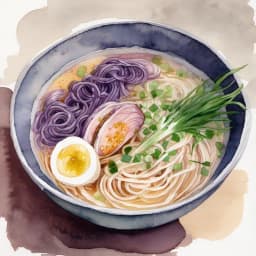
As you bring your face close to the bowl, the distinct aroma of pork bone rises gently. Sipping the brownish, cloudy soup reveals a depth of umami that exceeds its appearance. It is a bowl loved by fans who call it 'kusuuma' (deliciously pungent).
Its roots are said to be Kurume-style tonkotsu ramen, brought back to Ube by the owner who trained in Kurume, Fukuoka. The origin traces back to 'Osakaya,' founded in 1949, during a time when Ube was a bustling city powered by coal. Because the soup is prepared by continuously adding to the base, it developed a brownish cloudiness that differs from the milky white style of Hakata. Combined with medium-thick, soft noodles, it evolved into Ube's unique flavor.
Behind that strong aroma lies a rich umami. Once you are hooked, you will find yourself craving it uncontrollably.
With freshness so intense that the suckers cling to your chopsticks—that is the 'Susa Mikoto-ika' from Susa, Hagi City. Fishermen in Susa carefully catch these spear squids, raised in the rough waves of the Sea of Japan, one by one using hand-line fishing.
Often referred to as the 'Queen of Squids,' the spear squid is considered the highest grade among all squid species. Its translucent flesh possesses a powerful sweetness combined with a perfect, crunchy texture. The name 'Mikoto' (Male Deity) embodies the spirit of the fishermen who are dedicated to freshness in an effort to revitalize their local community.
Peak season runs from the end of the rainy season through autumn. A dish enjoyed as ikizukuri is a luxury you can only encounter at the source. Please come and savor the sweetness radiating from its transparent flesh right here in its home region.
Enjoy a single slice raw, with just a small dab of wasabi soy sauce. This sashimi-style preparation, known as 'Kabasashi,' is characterized by its plump elasticity and the clean sweetness of the fish.
The origins of Ube Kamaboko date back to 1941 (Showa 16), when ten kamaboko shops in the city joined forces to form a cooperative. In 1956 (Showa 31), they introduced Japan's first casing-filled kamaboko to the market. The raw material used is high-quality 'Eso' (lard anchovy) caught in the Goto and Amakusa seas, kneaded with pure spring water from the local Shimofuriyama.
The traditional Yamaguchi method of 'Yakinuki'—grilling the underside of the board—creates a soft mouthfeel.
It is wonderful enjoyed raw or served with wasabi. It is a masterpiece of processed fish products that Yamaguchi is proud of.
The noodles, toasted to perfection on a griddle, release fragrant steam as they soak up the sauce. Because of its simplicity, locals nod in recognition, saying, "This is the one," as they enjoy this familiar taste.
Maruo in Ube refers to the area around Maruo Station on the Ube Line, near Higashihagi. In the city of Ube, which flourished through coal mining, a culture of quick griddle-cooked dishes emerged to satisfy the appetites of the working class. While it is said that Maruo Yakisoba is one such dish that has been embraced by the community, its exact origins—when and by whom it was started—are not clearly documented. Nevertheless, the fact remains that it is a flavor that has been carefully passed down through generations of locals.
An unpretentious, neighborhood yakisoba. A comforting deliciousness found within everyday life.
The slices are cut so thin that it might look as if large chrysanthemums are blooming on the plate. You pick up several translucent slices at once with your chopsticks, enjoying them with momiji-oroshi (grated radish with chili) and ponzu.
In Shimonogi, pufferfish is called 'fuku.' It is said that this name was chosen as a good omen, avoiding the sound of 'fugu,' which is phonetically similar to 'fugu' (unfortunate/misfortune), and instead associating it with 'fuku' (good fortune). A turning point in making it publicly edible occurred in 1888 (Meiji 21) when the then-Prime Minister, Hirobumi Ito, tasted pufferfish at a restaurant in Shimonoseki and lifted the ban in Yamaguchi Prefecture due to its deliciousness. Because the flesh is highly elastic and difficult to chew if cut thickly, the technique of 'usuzukuri' (thin slicing) was developed.
Shimonoseki is the distribution hub where most wild pufferfish gather. It is a piece of art on a plate, created by the craftsman's knife.
In a steaming pot, white morsels of fish and vegetables dance together. The elegant broth, seeping from the bone-in pieces, blends smoothly with ponzu sauce, warming you to your very core.
It is said that the name 'Tetchiri' originates from 'Teppo,' another name for pufferfish. This is a clever play on words, likening the fatal impact of its toxin to being hit by a gun (teppo). In Shimonoseki, this dish is called 'Fukuchiri' and has been cherished as a lucky charm that brings good fortune. A classic way to end the meal is with zosui made from the remaining broth; the rice, having absorbed all the umami of the fuku, is irresistible.
Accompanied by 'Hire-zake'—hot sake infused with a toasted fin—this is the ultimate feast to savor in Shimonoseki during winter.
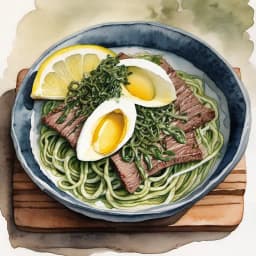
The buckwheat noodles sizzle as they are placed on the heated tile. The edges of the noodles touching the tile become fragrant and toasted; when you dip the beef, shredded omelet, and noodles into the warm dipping sauce, an enticing aroma rises.
It is said to have been created by Shinichi Takase, who ran an inn in Kawana Onsen. The inspiration came from a story that during the Satsuma Rebellion in 1877 (Meiji 10), soldiers of the Satsuma Army used tiles to grill meat and wild plants. In 1961 (Showa 36), he devised this as a dish for his guests. It gained popularity and eventually spread as a specialty of Kawana Onsen.
Enjoy the changing flavors by adding lemon and momiji oroshi. It is a vibrant dish that represents Yamaguchi Prefecture.
Taking a bite of the Tatsuta-age, the outside is crispy while the inside is juicy, with the savory umami of the meat bursting forth. It is that nostalgic taste many remember from school lunches.
The connection between Shimonosekan and whales is ancient, with significant ties said to date back to the Edo period. As a port for the Kitamaebune shipping route, Shimonoseki served as a distribution hub, sending whale meat and oil harvested in Nagato and Hagi to various regions. In the early Showa era, whaling-related industries gathered here, allowing the city to flourish as a 'Whale Town' and supporting the nation through post-war food shortages. Since the resumption of commercial whaling in 2019, it has continued to pass down this food culture as Japan's only offshore commercial whaling base.
It is a city with the highest number of restaurants serving whale dishes and the largest distribution volume in Japan. From sashimi to Tatsuta-age, there are many ways to savor its flavor.
When you open the freshly cooked rice, the scent of the sea wafts out. This bowl, mixed with Shimonoseki's specialty grain uni, is packed with intense oceanic umami within a light, smooth texture.
Shimonoseki is said to be the birthplace of 'tsubu-uni' (a delicacy made by curing sea urchin in salt). An anecdote remains that at the beginning of the Meiji era, gin was accidentally spilled on sea urchin at a temple on Mutsu Island; the resulting flavor was so wonderful that alcohol-marinated uni was born. As processing techniques were established and regions like Hokkaido and Sanriku became famous for their production, Shimonoseki came to be known as the 'City of Uni.'
Alongside Fugu (pufferfish) and Kujira (whale), this uni is Shimonoseki's third 'number one' specialty. It is a luxurious dish that remains delicious even when cold.
When you take a bite of the well-tightened tentacles, a plump elasticity is followed by a gradual release of sweet umami. Whether as sashimi or in octopus rice—common octopus raised in the strait is exceptional.
'Kanmon Strait Octopus' is a brand name for common octopus raised in the Kanmon Strait, nestled between Shimonoseki and Kitakyushu. To avoid being swept away by the fierce tidal currents, they live clinging to rocks on the seabed, resulting in well-developed, short, and powerful tentacles. They accumulate flavor by feeding on abundant prey. Caught using traditional pot fishing methods, the name was trademarked in 2006. There are also regulations to prohibit fishing in the spring to protect juvenile octopus.
A blessing from the strait that grows more flavorful the more you chew. A true delicacy unique to the Seto Inland Sea.
When speaking of Shimonoseki in winter, monkfish is just as indispensable as pufferfish (fugu). The Shimonoseki fishing port boasts the largest monkfish landing volume in Japan, and it is deeply cherished as a winter tradition, even featuring memorial services to express gratitude during the season.
Parts such as the meat, skin, liver, stomach, gills, ovaries, and fins are known as the 'seven tools,' offering a charm where different textures can be enjoyed from each part. In particular, the nutrient-rich monkfish liver is often called 'foie gras of the sea' due to its smooth and rich flavor. It is said that almost nothing goes to waste.
Monkfish hot pot and fried monkfish, made with delicate and elegant white meat, warm your body to the core during the cold season. This is a winter feast that you must try when visiting Shimonoseki.
This is a rich delicacy unique to Shimonoseki, packed tightly into small jars. The method of preserving salted sea urchin in alcohol is said to have originated in the Meiji era on Mukaishima Island off the coast of Shimonoseki.
It is said to have begun from the wisdom of ancestors who sought to balance preservation with rich flavor during an era when refrigeration technology was scarce. The established production method, refined through continuous research, is still carefully passed down today; its creamy texture and deep umami make it truly worthy of being called a 'jewel of the sea.'
Simply placing a spoonful on warm rice turns it into a feast. It is also exquisite when tossed with pasta and pairs wonderfully with sake. This item has long been loved as a classic souvenir from Shimonoseki.
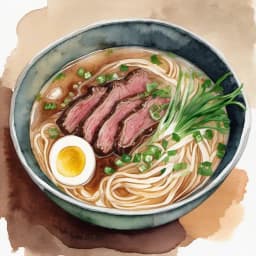
Beyond the steam rising from the bowl lies a clear, soy-colored soup. With a single sip, the rich depth unique to beef bones and a gentle sweetness spread across your tongue. It is a mellow, mild flavor that is neither pork nor chicken.
It was born at 'Chukasoba Konran,' established in 1952. The first owner arrived at this recipe through trial and error, wondering, 'Can I create a new soup other than pork bone?' A local connection also played a part: there was a butcher shop next to the restaurant that would split and provide beef bones. The sweetness of the beef bone broth merged with the local sweet soy sauce to create this unique taste.
A rare beef bone soup even on a national scale, it is a soul food that has been loved in Kudamatsu for over 70 years.
When you pick up a thinly sliced piece with your chopsticks, you feel its crisp, crunchy texture. As you chew, an elegant sweetness from the fat gently spreads through your mouth. The thick flesh and tight, firm texture are irresistible.
Kasado Hirame is a premium brand of flounder carefully raised on Kasado Island in Kudamatsu City. Since aquaculture began in 1983, it has become a representative specialty of Kudamatsu. Remarkably, the feed includes Hagi citrus (Natsumikan) extract. Flounder raised on this diet are renowned for having 'beautiful flesh' and 'long-lasting freshness.'
One of the best parts is that it can be enjoyed deliciously not only during its peak winter season but also in the summer. Whether served as sashimi or shabu-shabu, it is the pride of Kasado Island's white fish.
Take a bite of several slices at once, cut so thin that the pattern of the plate shows through. After an initial burst of plump elasticity, the elegant umami unique to pufferfish gently spreads across the palate. When prepared in a hot pot, a clear broth seeps from the white flesh, warming you to your very core.
Kasado Tiger Pufferfish is a brand pufferfish raised in the Seto Inland Sea of Kasado Island, Kudamatsu City. Aquaculture has taken root starting from the Cultivation Fisheries Center, and it has now become a specialty of Kudamatsu alongside Kasado Flounder. Through carefully selected feed and environmentally conscious farming methods, firm-fleshed tiger pufferfish are raised.
Whether served as thin sashimi (usuzukuri), in a flavorful hot pot, or as golden-brown karaage, the meat around the bones is exceptional, making you want to enjoy it alongside sake warmed with pufferfish fins. It is a winter delicacy nurtured by the Seto Inland Sea.
This garlic from the Kimaki district of Kudamatsu City will surprise you with the intensity of its aroma. Centered around the Kudamatsu City Agricultural Park, it is carefully grown using reduced pesticide methods.
Because the soil quality in the Kimaki district is well-suited for garlic cultivation, it has a reputation for producing large cloves with a deep flavor and rich fragrance. Locally, it is processed into products such as yakiniku sauce and garlic miso, some of which have even won awards in specialty product contests, making it a beloved pride of the region.
Just adding a single clove to your cooking can instantly make a dish more appetizing. It is also a powerful ally when you need a stamina boost. Garlic lovers, please enjoy this pride of Kudamatsu.
When you open the lid of the large wooden frame, you are met with a dense array of colorful ingredients. Shredded egg, fish flakes, conger eel, and crunchy Iwakuni lotus root are scattered so thickly that the vinegared rice is barely visible. The cross-section, created by pressing many layers together, possesses a splendor reminiscent of a jewelry box.
Iwakuni Sushi, also known as 'Tonosama Sushi' (Lord's Sushi), is a pressed sushi passed down in the castle town of Iwakuni. It is said to have originated during the Edo period when the Yoshikawa clan, who ruled Iwakuni, had it created as a preserved food for preparing for battles. Because large quantities were prepared at once for many people, the wooden frames could be as large as 60 centimeters square, and it was said that people would even stand on the pressing lid to compact the sushi.
A celebratory dish essential for special occasions, this is a magnificent local sushi that Iwakuni is proud of.
When sliced, the white, glossy cross-section leaves behind thin, trailing threads—this is the signature stickiness of Iwakuni Renkon. It possesses a unique combination of a crunchy bite and a chewy, resilient texture, making it a star ingredient whether simmered or stir-fried.
This specialty product is primarily grown in the Ozu and Monzen districts of Iwakuni City, Yamaguchi Prefecture, an area blessed with long periods of sunlight from the Seto Inland Sea and the abundant waters of the Nishiki River. Many of these lotus roots feature nine holes instead of the usual eight; because of this, they have been cherished as good luck charms, inspired by the crest of the Kikkawa family, the lords of the Iwakuni Clan.
When prepared as kakiage (tempura) or nimono (simmered dish), the umami of the starchy, trailing threads becomes even more pronounced. Please consider adding this nine-holed lotus root to your New Year's or celebratory dining tables.
Essential for both celebratory and solemn occasions—'Ohira' is a traditional simmered dish passed down in Iwakuni. Its name originates from the practice of serving it in a large, flat, lacquered bowl known as an 'Ohira.'
Various ingredients such as taro, lotus root, burdook, shiitake mushrooms, and chicken are slowly simmered in a generous amount of broth. It is a homemade flavor traditionally prepared when many people gather for ceremonies, Obon, or New Year's; a custom remains to use an odd number of ingredients to bring good luck.
Alongside Iwakuni Sushi, it continues to be cherished as a local specialty. With its gentle aroma of dashi and tender, soft-cooked ingredients, it is a bowl that brings peace to the soul.
At the foot of Kintai Bridge, you can encounter a somewhat unusual soft serve ice cream. It is a local specialty made with Iwakuni's famous lotus root.
The crunchy texture of the lotus root and the mellow sweetness of the milk pair surprisingly well. Around Kintai Bridge, shops line up competing with unique soft serve flavors, including a famous shop that offers over 200 different menu items. It is a beloved treat for tourists to enjoy while walking around.
Enjoying one while gazing at the famous bridge is the perfect pleasant break during an Iwakuni stroll. You can also find other local flavors like lotus root croquettes. If you spot it, please give it a try.
Facing the Seto Inland Sea, Hikari City has long been known as an excellent fishing ground for sea bream. The natural sea bream, raised leisurely in the calm seas, boasts a refined sweetness and umami in its white flesh.
Dishes featuring fresh sea bream as the star—such as sashimi, Taimeshi, salt-grilled, and Tai-chazuke—are beloved locally. The more simply you enjoy them, the more clearly the blessings of the Seto Inland Sea are conveyed to your palate. A salt-based soup (shiojiru) made using every part, including bones and head, is a luxury unique to sea bream.
Eating a whole fish in this seaside town offers exceptional freshness. The natural sea bream nurtured by the fertile grounds of the Seto Inland Sea offers a powerful umami within its elegant flavor. When visiting Hikari City, please be sure to indulge in seasonal sea bream cuisine.
These pickled plums (umeboshi) are made from plums grown under the warm climate and abundant sunshine of Hikari City. Kanmiyama General Park boasts one of the largest plum orchards in the Chugoku region, where approximately 2,000 plum trees bloom spectacularly in the spring.
Characterized by a moderate acidity and saltiness, they are perfect as an accompaniment to warm rice or as a filling for onigiri. They offer a simple yet deeply satisfying flavor. During the hot season, their refreshing acidity makes them a delightful palate cleanser.
Available at local roadside stations and other shops, they are highly recommended as a souvenir from your stroll through Hikari City. We invite you to compare the flavors of plums grown in this land, famous for its plum blossoms. Their refreshing tartness will bring energy to your daily dining table.
Hot, thick sauce flows over the hard-fried noodles. At first, they provide a pleasant, crunchy bite, but as you eat, they soak up the sauce and transform into a soft, moist texture. You can enjoy two different textures in a single dish.
It is said to have originated in a shop within Yamaguchi City. Legend has it that it was created shortly after the war, inspired by Taiwanese noodle dishes, and some theories suggest it is even older than Sara-udon. The word 'bari' is said to either come from the Yamaguchi dialect meaning 'amazing' or from the 'bari-bari' sound of crunching the noodles. At the original shop, 'Shunraiken,' they reportedly achieve that signature texture by pan-frying noodles that have already been boiled for an additional 5 to 6 minutes.
The sauce, packed with vegetables, seeps into the noodles. It is a soul food that the citizens of Yamaguchi dearly love.
With a single bite, you experience the firm texture characteristic of local chicken. This is followed by a spreading sensation of juicy umami and the elegant sweetness of the fat.
Choshu Kuro-Kashiwa is a brand chicken born in Yamaguchi, inheriting the lineage of the 'Kurokashiwa' chicken, which is a national natural monument. The Kurokashiwa is a Japanese breed that has been raised in Yamaguchi and Shimane since ancient times. Utilizing this heritage, an experimental station in Yamaguchi Prefecture developed this meat-focused local chicken, which was then brought to market as 'Choshu Kuro-Kashiwa' by Fukagawa Poultry in 2009.
The chickens are raised freely in a spacious environment for about 80 to 100 days on feed containing herbs. The chicken breast is also a functional food labeled with components that contribute to fatigue recovery.
Whether used for yakitori or mizutaki (hot pot), this is our pride and joy, carefully nurtured in Yamaguchi.
When you lift the lid of the large bowl, the aroma of dashi rises with the steam. Taro, lotus root, burdock, and chicken are gently simmered in a soy-based broth. It is a comforting taste of home.
The name "Ohira" is said to derive from being served in a large, flat bowl with a lid, measuring about 50 centimeters in diameter. This Yamaguchi local dish has been prepared whenever people gather for ceremonies, Obon, or New Year's, and in the Iwakuni region, it is considered a tradition dating back to the feudal era. In Iwakuni, it has been an essential dish for celebratory occasions, alongside "Iwakuni Sushi" and "Lotus Root Vinegar Salad."
The gentle sweetness of the root vegetables soaks in deeply. It is a warm feast for days when people gather together.
Bite-sized pieces of fried chicken and thinly sliced burdock root. Each is coated in potato starch and fried until crispy, then tossed in a sweet and savory sauce to create a beautiful glossy glaze. The juiciness of the chicken combined with the fragrant, crunchy texture of the burdock makes this a dish you won't be able to stop eating with rice. Accompanied by the colorful addition of edamame, it is a complete delight.
It was born in an elementary school lunch program in Yamaguchi City. Around 1995, a nutrition teacher feeling the menu had become repetitive decided to solicit home recipes from students. This dish, created by one student's grandmother, was selected. She originally made it for her grandchild who disliked simmered root vegetables; it became a huge hit with the children and eventually spread throughout the entire prefecture.
True to its rhythmic name, it is a bright and addictive flavor. It is the soul food of Yamaguchi Prefecture residents.
Daikon radish and carrots are simmered together while breaking up the tofu into the pot. A slightly thick, sweet and savory sauce soaks deeply into the tender daikon, which melts in your mouth. The gentle flavor of the tofu combined with the sweetness of the root vegetables creates an unpretentious taste that makes you want to eat bowl after bowl of rice.
Kencho is a local dish that has been beloved in Yamaguchi Prefecture since ancient times. Because it can be easily made with just daikon, carrots, and tofu, the recipe has been passed down through many households, warming dining tables during the cold seasons. Adding chicken or fried tofu (aburaage) provides an even richer depth of flavor.
It remains delicious even when cold, and the flavor deepens each time it is reheated. It continues to be cherished today as a true taste of a Yamaguchi mother's home cooking.
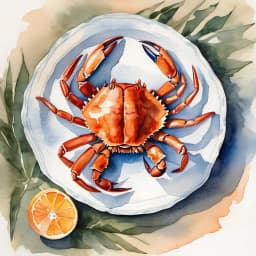
This is the blue swimmer crab (gazami) caught along the coast of Sanyo-Onoda City. Raised in the calm waters of the Seto Inland Sea, it reaches its peak season from autumn to winter.
We take pride in its sweet meat and rich crab miso. When used in miso soup, it produces a wonderful broth for a luxurious bowl; when used in crab rice, the umami soaks deeply into the rice. It is a beloved local seafood that has been cherished in fishing towns since ancient times.
In addition to enjoying it simply boiled while flaking the meat, its delicious flavor can be enjoyed in various dishes such as pasta and tamago (egg dishes). Please come and taste this nutritious crab, which is brimming with the blessings of the Seto Inland Sea.
This is a playful confection unique to a cement town. Sanyo-Onoda City is known as the birthplace of cement, where Japan's first private cement company was established during the Meiji era.
As a symbol of this heritage, the 'Cement Barrel' confectionery, shaped like a cement barrel, has been long loved. It consists of red bean paste wrapped in a crust shaped like a barrel and has been a staple souvenir of the town. Although production once ceased, a revival edition was released, allowing people to enjoy its taste once again.
Packed with the town's history and the affection of its people within its simple flavor, it is a unique souvenir that serves as a great conversation starter and is sure to bring a smile to your face.
Located in Yamaguchi, the home of authentic fugu, Shunan City is a hidden gem where you can easily enjoy fugu cuisine. Being facing the Seto Inland Sea, it has the unique advantage of having access to fresh pufferfish.
Known as the second largest consumer of fugu after Shimonoki, the city has many restaurants serving authentic dishes such as fugu sashimi and fugu hotpot (nabe). The charm of Shunan lies in its ability to enjoy these dishes in an unpretentious atmosphere that differs from Shimonoseki. It is also a pleasure that many shops offer these delicacies at reasonable prices.
Enjoy beautifully thinly sliced fugu sashimi with refreshing ponzu sauce mixed with momiji-oroshi (grated radish with chili). This is the kind of fugu cuisine in Shunan that anyone who wants to fully indulge in pufferfish should visit. It is a well-known secret among enthusiasts for enjoying authentic flavors while keeping costs low.
With such low pungency that they can be eaten straight in a salad—these are sweet onions grown in Shunan City. The warm climate of the Setouchi region and well-drained soil create a juicy, refreshing flavor.
When heated, they become melt-in-your-mouth sweet, and even when sliced raw, their mildness offers a gentle, refreshing taste. You can find freshly harvested ones at local farmers' markets. They are perfect for those who enjoy eating them raw, as they pair excellently with salads.
Whether in soups, stir-fries, or dressed dishes, they are a reliable ingredient that shines on the daily dining table. Please enjoy the juicy, gentle sweetness nurtured by the sun and soil of Shunan.
Shunan City is known as a famous spot for industrial night views. The unique 'night view gourmet' experience here involves tasting delicious food while admiring the sparkling lights of the industrial complex.
Near night view cruises and observation spots, there are various restaurants where you can enjoy local seafood and regional sake. Dining while gazing at this fantastical landscape makes the meal feel much more special than usual. The combination of Seto Inland Sea seafood and Yamaguchi's local sake is truly exceptional.
In Shunan, both the scenery and the cuisine take center stage during the night. When you visit, please enjoy an extraordinary dining experience by the seaside at night. It is sure to be a special time that stays deep in your travel memories, allowing you to enjoy both light and flavor.
A whole roasted mandarin orange floats atop the piping hot pot—this is 'Mikan Nabe,' a winter specialty of Suo-Oshima. It is a unique local gourmet dish unique to this 'island of mandarins.'
It is a relatively new regional cuisine, proposed in 2006 by the local tourism association and others. Initially, they faced challenges such as the fruit falling apart or becoming too bitter, but it is said that by roasting the mandarin orange, they succeeded in suppressing the bitterness and bringing out its refreshing aroma.
The traditional way to enjoy it involves adding a whole roasted mandarin to the broth, along with local fish meatballs kneaded with mandarin peel, and seasoning with mandarin pepper; the meal is traditionally finished with a meringue-style rice porridge (zousui). It is a delightful dish born from the island that warms both body and soul.
The moment you peel them, a refreshing aroma rises—these are Suo-Oshima mandarins. With a rich sweetness punctuated by a sharp acidity, they are so delicious you won't be able to stop at just one.
Suo-Oshima Town in Yamaguchi Prefecture is known as the "Mandarin Island," responsible for about eighty percent of the prefecture's mandarin production. Growing in terraced fields on mountain slopes under the warm climate of the Seto Inland Sea, with an average annual temperature of about fifteen degrees Celsius, they are nurtured by the sea breeze. This combination of sea breeze and sunlight creates a deep flavor with an exquisite balance of sweetness and acidity.
Their peak season is from autumn to winter. Enjoying one while sitting by a kotatsu during the cold season feels like tasting the captured sunshine of the island. Please enjoy the blessings of the Seto Inland Sea islands.
Suo-Oshima, floating in the Seto Inland Sea, is an island blessed with abundant fishing grounds. Seasonal fresh seafood, including hairtail, rockfish, sea bream, and octopus, are landed one after another.
At local eateries and inns on the island, you can enjoy seafood bowls and sashimi sets made with fish caught that very day. The charm lies in the unpretentious hospitality unique to a fishing town and the outstanding freshness only found in the production area. Fisherman-style dishes using seasonal fish offer a simple deliciousness that directly conveys the quality of the ingredients.
A dish enjoyed while gazing at the blue sea is a true feast unique to an island trip. Freshly caught seafood offers an exceptional flavor you can only encounter in its place of origin. Please venture out to Suo-Oshima to fully savor the blessings of the Seto Inland Sea.
This is an island-style okonomiyaki beloved on Suo-Oshima, floating in the Seto Inland Sea. You can enjoy simple, delicious pancakes made with unique recipes at various island diners and independent shops.
Being able to top your okonomiyaki with plenty of seafood from the Seto Inland Sea is a privilege unique to this island, blessed with rich fishing grounds. The sizzling sound on the griddle and the savory aroma of the sauce are sure to whet your appetite. For locals, it is a familiar soul food that they can easily stop by for.
It is a taste of the island that you'll want to experience while casually stopping by during a drive. One of the joys is comparing the slightly different cooking styles and ingredients used by each shop. Join the locals and dig into a piping hot pancake. It will make your 'island time' even more enjoyable.
Kamisaki is a port town located at the tip of the Murotsu Peninsula, opening out to the Seto Inland Sea. It is a maritime town blessed with rich fishing grounds, where fresh seafood is brought in.
way you can enjoy dishes using seasonal treasures like sea bream, flounder, and turban shells. Fish raised in the Seto Inland Sea, where the tidal currents are swift, have firm flesh and boast an elegant umami flavor. The deliciousness of this feast is even more profound when enjoyed alongside breathtaking views of the scattered islands. Sashimi and simmered dishes made with fresh fish are a luxury unique to this seaside town.
Each dish, enjoyed while enveloped in the scent of the tide, truly captures the essence of a port town. Dishes made with freshly caught fish directly translate freshness into deliciousness. When you visit Kamisaki, please indulge your heart to its content in the bounties of the Seto Inland Sea.
Grown in the warm waters of Kamisaki Town, this hijiki is thick and flavorful. It is a bounty from the Seto Inland Sea, packed with minerals and calcium.
When simmered, it absorbs the broth to become plump and tender; when used in salads, its oceanic aroma provides a wonderful accent. A familiar side dish, often cooked together with soybeans or carrots, it has long been a staple of home cooking, supporting daily dining.
As a dried product, it has a long shelf life, making it a convenient item to keep on hand for various recipes. The charm of Kamisaki Hijiki also lies in how easy it is to incorporate into daily meals for a healthy diet. It is beloved as a specialty product that allows you to enjoy the full blessings of the sea. Please enjoy its simple yet profound oceanic flavor at your dining table.
With one of the highest ratios of yakitori shops to population in the country, Nagato City is renowned as a 'town of yakitori.' In this fishing community, byproducts from seafood processing supported poultry farming, and tradition says that women waiting for their husbands to return from sea started these shops, rooting the yakitori culture in the area.
The characteristic Nagato style involves skewering meat alternating with onions instead of green onions, served alongside shredded cabbage. Connoisseurs enjoy tasting local breeds like Choshu Kurokashiwa simply seasoned with salt.
For the citizens, it is a daily soul food and a flavor loved by the entire town. Beyond the fragrant smoke, the rich food culture of Nagato lives on vibrantly.
Instead of steaming, it is grilled directly on the board—this is the 'Yakinuki Kamaboko' passed down in Senzaki, Nagato City. The name comes from this unique production method where it is grilled over charcoal throughout the process.
Using local fish such as lizardfish and rockfish, it is finished with a fine texture and a firm, chewy bite. The blessed environment near the rich fishing grounds of Kitaura has nurtured this food culture. Today, modern equipment using far-infrared rays is also used, allowing production to continue while preserving the traditional taste.
With the umami of the fish tightly concentrated in every piece, this is a representative processed fish product of Yamaguchi. We highly recommend enjoying it with wasabi soy sauce or simply sliced as is. If you visit Senzaki, please be sure to try it for yourself.
This is squid from Senzaki, Nagato City, raised amidst the rough waves of the Sea of Japan. The Kensaki squid landed at Senzaki Fishing Port boasts intense sweetness and transparent flesh.
Transparent ikizukuri (live sashimi) is the ultimate proof of high freshness. You can enjoy a crunchy texture and an elegant sweetness that spreads with every bite. During the summer season, you can indulge in a luxurious flavor unique to this production area. Since freshly caught squid turns white over time, it is best eaten while still transparent.
A dish delivered directly from the fishing port is a delicacy that only those visiting Senzaki can experience. Please come to Senzaki, the place of origin, and taste this incredibly fresh squid.
Nagato City is a town with a long history of whaling. The culture of eating whale, which has evolved alongside the bounties of the Sea of Japan, continues to be cherished today.
Various dishes using whale meat, such as whale sashimi, Tatsuta-age (deep-fried marinated whale), and whale soup, have been enjoyed locally for generations. Enjoying the different flavors depending on the part of the whale is a pleasure unique to this land that knows whale inside and out. The lean red meat is light and refreshing, while the skin parts are rich and savory, each possessing its own distinct character.
These dishes can be considered symbols of Nagato's food culture, lived in close harmony with the sea. We invite you to savor these inherited traditional flavors while reflecting on the history of traditional whaling.
These strawberries are carefully grown in greenhouses in Tabuse Town. Cultivation utilizing the warm climate of the Setouchi region is widespread, boasting sweet and juicy fruit.
At local farm stands, you can sometimes find fresh strawberries picked that very morning. The freshness unique to being freshly picked and the sweet aroma that spreads through your mouth are exceptional. During the spring season, you can also enjoy strawberry picking where you can pick and taste them yourself.
When eaten as they are, a happy sweetness gently spreads. Even when used in cakes or jams, their rich flavor stands out. Please try this taste, like a spring jewel, carefully nurtured by the sun and the hands of people in Tabuse.
This is handmade tofu from Tabuse Town, prepared using locally grown soybeans and pure water. It is renowned for its rich and flavorful taste, where the natural sweetness of the soybeans can be clearly felt.
Enjoy it as chilled tofu (hiyayakko) to taste it as is, warm tofu (yudofu) for a comforting experience, or agedashi tofu for a deep, savory delight. The simpler the dish, the more the deliciousness of the tofu itself stands out. Made with high-quality soybeans and prepared with great care, this tofu offers a simple yet deeply memorable flavor. Once you taste it, you will notice the difference.
A freshly made block straight from the tofu shop is truly an exceptional treat. If you visit Tabuse, please take your time to savor these handmade tofu dishes that highlight the exquisite sweetness of the soybeans.
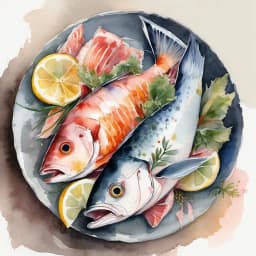
Freshly caught local fish are arranged sparkling on the plate. The translucent swordtip squid sashimi is rich and sweet, overflowing with umami with every bite. Fatty horse mackerel and elegant white-fleshed tilefish—the fish caught that very day are served in their most delicious form.
Off the coast of Hagi, a series of large and small islands and reefs provide an ideal habitat for fish. With abundant food, the fish grow firm, and because the fishing grounds are close to the port, the freshness is outstanding. Fish landed on the same day via daily fishing trips are delivered straight to your table.
As sashimi, simmered, or salt-grilled. It is a luxury unique to Hagi, allowing you to taste the blessings of the Sea of Japan exactly as they are.
As you take a bite, a plump elasticity is followed by a gentle spread of clean, sweet fish flavor. With a light golden color on the surface, you can enjoy a subtle toasted aroma—this is Hagi's traditional 'Yakinuki Kamaboko' (baked-through kamaboko).
The star ingredient is the 'eso' (lizardfish), raised in the rough waves of the Sea of Japan. It possesses a rich umami and is considered a top-tier ingredient for kamaboko. The 'yakinuki' method—where surimi is spread on a board and slowly baked with low heat from underneath—creates that unique elasticity and soft mouthfeel.
It is perfect enjoyed as is with wasabi soy sauce, or paired with alcohol. It holds its shape well whether simmered or grilled, providing an elegant flavor to dishes like oden or clear soups. It is a masterpiece of surimi products that Hagi is proud of.
Just by sprinkling it on rice, the scent of the sea and the freshness of shiso gently spread. This is a soft furikake created by Inoue Shoten, a long-established shop in Hagi, and is said to be the first of its kind in Japan.
Since ancient times, Hagi has had a custom of making 'kizami wakame' (chopped seaweed) by finely mincing seaweed dried under the eaves of houses and sprinkling it on rice. Development began with the goal of turning this into a souvenir representative of Hagi; it is said that after overcoming many obstacles, it was completed in 1980 after five years of effort.
Today, it is known nationwide not only in Hagi but as a representative flavor of Yamaguchi Prefecture. The combination of the umami from the seaweed and the refreshing flavor of red shiso creates a deliciousness that makes it impossible to stop eating. Please try sprinkling it on warm rice at least once.
The glossy, pale pink flesh is mesmerizing just to look at. When cooked, the meat becomes plump and flakes easily, spreading a subtle sweetness across the palate, just as its name suggests. This elegant and delicate flavor is an indispensable ingredient in Kyoto cuisine.
Yamaguchi Prefecture boasts one of the highest landing volumes of red sea bream in the country, with Hagi accounting for the majority. The fishing grounds are only 1 to 2 hours from the port, and each fish is carefully caught one by one using 'longline fishing,' where baited hooks are deployed individually. Since most fishing trips are completed within a single day, the freshness is guaranteed.
Whether served as sashimi, salt-grilled, or Matsukasa-age (deep-fried with scales standing up), this is a premium brand fish that Hagi delivers with pride.
When picked up with chopsticks, the flesh feels plump and thick. Upon entering the mouth, high-quality, melting fat coats the palate, and the natural umami of the fish bursts forth with every bite. It offers a rich flavor that is distinctly different from migratory horse mackerel.
The waters off Hagi are filled with islands and reefs, providing an abundance of seaweed and prey. The environment is so bountiful that even the normally wide-ranging Japanese horse mackerel (Ma-aji) end up settling in these blessed 'reefs.' Because they feed plentifully and accumulate fat, the flesh is thick and succulent. Due to its slightly yellowish body color, it is also known locally as 'Ki-aji' (Yellow Horse Mackerel).
Whether served as sashimi, salt-grilled, or as namerō (minced fish with seasonings), this is a pride of Hagi, recognized even in Tokyo as a premium brand fish.
Fleshy even to the tip and incredibly tender—this is 'Bito Burdock,' the pride of Bito Town, Mine City. Due to its high quality, it is an authentic masterpiece registered under GI (Geographical Indication).
The red soil spreading across the Akiyoshi Dai karst plateau is a highly viscous soil formed by the long-term dissolution and oxidation of limestone. Growing slowly under the pressure of this specific soil produces a fine-textured, soft flesh and a potent aroma.
Whether simmered, deep-fried as tempura, or prepared as kinpira, you can fully enjoy the rich, natural flavor of the burdock. Highly regarded in the market and often traded at premium prices, it is a flavor we are proud to present. Please experience the difference for yourself.
Experience the essence of Mine's wild game, nurtured by the magnificent nature of Akiyoshidai. This is a nutritious bounty of the mountains using boar captured in the Chugoku Mountains.
During the winter months when the meat is particularly fatty, the classic dish is Botan-nabe, simmered in a sweet miso-based broth. The aromatic broth blends with the savory flavor of well-cooked wild boar, warming you to your core. You can also enjoy creative dishes unique to local restaurants, such as wild boar bowls.
One of its charms is that when simmered thoroughly, the meat becomes easy to eat with less gamey flavor. The rich, intense flavor characteristic of mountain delicacies makes it a perfect feast for enduring the winter cold. Please enjoy this powerful local taste while gazing out over the majestic karst plateau.
One bite causes the juice to overflow with a crisp, refreshing burst—that is the juiciness of an Akifuyoshi Pear. With a well-balanced sweetness and acidity, the clean aftertaste of this Nijuuseki pear is perfect for the hot season.
They are grown at the foot of Akiyoshidai, one of Japan's three major karst plateaus, in Mine City, Yamaguchi Prefecture. Well-drained soil containing lime weathered over many years, combined with significant temperature fluctuations between day and night, produces juicy pears with high sugar content. The "Akifuyoshi Pear (Akashu)" grade, which features strictly selected appearance and shape, is also certified as a Yamaguchi Brand product.
The standard practice is to grow them into large-sized fruits, making them a highly appreciated item for gifts. Please chill them well and enjoy a taste of the blessings from the karst plateau.
The hairtail from Heijo Town is beautiful, with a silver sheen reminiscent of a sword. The offshore Suo-nada Sea is known as an excellent fishing ground for hairtail, yielding high-quality catches.
Raised in the calm waters of the Seto Inland Sea, these hairtails boast a refined, delicious white flesh. When fresh, they offer a delicate sweetness as sashimi; when salt-grilled or prepared as tempura, their fluffy texture and moderate richness truly shine. Because this fish loses freshness easily, it is well worth tasting right at its source.
This is a local pride that has been loved for generations in our fishing town. Salt-grilling brings out a fragrant skin and tender meat. We invite you to fully experience the delicate deliciousness unique to fresh hairtail here in Heijo.
This is a 100% straight juice luxuriously pressed from fully ripe mandarin oranges harvested in the nearby Suo-Oshima. Processed in Hirao Town, every glass is packed with the blessings of the sun.
With an exquisite balance of sweetness and acidity, because it is a straight juice that has not been diluted with water, you can enjoy the natural flavor of the mandarins as they are. The fresh aroma of the fruit juice spreads throughout your mouth. It offers a rich taste, as if you were eating the mandarin orange itself.
When enjoyed chilled, the refreshing quality is even more pronounced. It is a gentle flavor that can be enjoyed by children and adults alike. Please enjoy this taste of our hometown, reminiscent of the sunny spots in the Seto Inland Sea.
The 'Tenjin Hamo' is an elegant white-fleshed eel that colors the summer season in Hofu. The waters off the coast of Hofu, enriched by nutrients flowing from the Sawa River, are shallow and ideal for hamo spawning, making this area known since ancient times as a prosperous site for hamo fishing.
While much of the catch was once shipped to the Kansai region, local restaurants formed the 'Hamo Juku' (Hamo Guild) to brand the eel dishes prepared by their skilled artisans as 'Tenjin Hamo,' aiming to let locals enjoy the freshness firsthand. The name is inspired by Hofu Tenmangu, which is said to be the first Tenmangu shrine established in Japan.
Its peak season is from early summer to early autumn. When you savor the flesh—meticulously deboned by artisans and served as yubiki or tempura—it becomes a refreshing dish that captures the essence of summer in the Seto Inland Sea.
When dissolved in hot water, the fragrant aroma of roasted barley gently rises. With a single sip, a mellow sweetness spreads softly across the palate. This barley miso offers a gentle taste without any harsh saltiness.
The name originates from Tokuji, a land blessed with pure water and abundant nature. Its most defining feature is the generous use of barley compared to soybeans. The plentiful barley brings out a natural sweetness and rich aroma. Using locally produced barley, naked barley, and soybeans, it is carefully prepared using traditional methods.
As miso soup, it provides a comforting bowl; as dengaku (miso-glazed skewers) or miso-pickles, its unique sweet barley aroma enhances the ingredients. It is a taste of Yamaguchi that quietly accompanies your daily dining table.
When it comes to summer in Hofu, hamo cuisine is the highlight. The waters off Hofu, facing the Suo-nada Sea, are shallow and ideal for hamo spawning, making this area known since ancient times as a prosperous site for hamo fishing.
Although hamo has many small bones, skilled chefs carefully score them (honekiri), allowing you to fully enjoy the deliciousness of the elegant white flesh. When blanched, the meat opens up like a flower, pairing refreshingly with ponzu or plum paste. The charm of this dish lies in its versatility, showing different characters through various cooking methods such as otoshi (simmered), tempura, and shabu-shabu.
It is a quintessential summer tradition of the Seto Inland Sea that you should experience alongside a visit to Hofu Tenmangu Shrine. If you visit during the peak season, please indulge in the authentic hamo cuisine that only this region can offer.
Gently pour the porridge, cooked in an iron pot, into a bowl. The pleasant aroma of roasted tea rises softly, and with a single sip, the smooth texture and gentle flavor of the tea permeate your body. It is a comforting bowl that is light on the stomach.
The characteristic of Yamaguchi Prefecture's tea porridge is simmering roasted Bancha tea in a dedicated iron pot. Once the tea reaches a deep color, the tea bag is removed, and rice is added to cook. Easy to digest, it has been passed down through households and is now widely enjoyed as a health food.
When served with pickled plums (umeboshi) or Japanese pickles, the aroma of the tea is further enhanced. Perfect for breakfast, a late-night snack, or when you have no appetite. It is a gentle porridge that can be eaten easily.
A single drop on your sashimi will surely surprise you with its richness. Yanai's 'Kanro Shoyu' is a double-brewed soy sauce where fresh brewed soy sauce is used instead of brine for the second fermentation.
It is said to have been devised by merchants in Yanai during the Tenmei era of the Edo period. The name originates from the praise received when it was presented to the Lord of the Iwakuni Clan, who exclaimed, 'Kanro, Kanlu' (Sweet Nectar).
Because it is slowly aged for one and a half to two years, it develops a thick, deep color and a mellow aroma.
By brewing twice, the umami is significantly enhanced, bringing out the best in the flavor of your ingredients when used with sashimi. This is a prideful masterpiece nurtured by Yanai, which flourished as one of the leading port towns in the Seto Inland Sea.
These are natural wild yams grown in the fertile soil of Yanai City. We take pride in their intense stickiness and fine texture; when grated, they possess enough cohesion to be lifted with chopsticks.
There are many ways to enjoy them: poured directly over barley rice as tororo rice, or diluted with dashi to accompany soba noodles. When used as a binder in okonomiyaki, they create a light and fluffy texture. It is a deeply nourishing bounty, packed with the nutrients of the mountains.
The robust, wild stickiness nurtured by nature offers a strength that differs from commercially available Chinese yams (nagaimo). Another charm is how the mountain aroma rises as you grate it. If you visit Yanai, known for its white-walled streets, this mountain delicacy is a must-try.
This is 'Tai-meshi,' a true Yanai delicacy cooked with an entire sea bream. It is a visually stunning dish that uses fresh sea bream caught in the Seto Inland Sea without holding anything back.
As the elegant umami of the sea bream slowly permeates the rice, the fragrant scent of the sea wafts through the air the moment the pot lid is opened. When you mix the flaked fish well with the rice, the deliciousness is exceptional. The rice, having absorbed the rich sea bream broth, is so good you'll want endless refills.
This is a taste unique to the Seto Inland Sea, perfect to enjoy alongside a stroll through Yanai, where beautiful white-walled streets remain. It is a soul-satisfying Tai-meshi, truly fitting for a celebratory or special occasion table.
This is a dish of wild plants that can be enjoyed in Waki Town, embraced by the rich nature of the Chugoku Mountains. Although it is a small town adjacent to Iwakuni City, it offers an abundance of mountain bounties.
Seasonal wild plants such as bracken, ostrich fern, and bamboo shoots are served as tempura or dressed salads (aemono). The simple flavors, with their characteristic slight bitterness and unique aroma, herald the arrival of spring. The deep, nutritious flavor unique to wild plants is brought out precisely because of the care taken in removing bitterness and through careful preparation.
The freshness of freshly picked wild plants is exceptional, offering a completely different aroma and texture. In this mountain town where life follows the rhythm of nature, please enjoy a dish that lets you feel the changing seasons. The blessings of the spring mountains will brighten your dining table.
This is a hidden gourmet experience unique to Waki Town, where petrochemical complexes line the landscape. The flavors of diners that have long been embraced by factory workers have become a quiet local specialty.
You can find unpretentious yet hearty dishes, such as set meals and rice bowls that make use of local ingredients. Having served to satisfy the appetites of hardworking people, the volume and satisfaction are guaranteed. In the evening, you can also enjoy dining while gazing at the nearby factory night views.
Visiting the unique shops scattered throughout this small town feels a bit like a treasure hunt. There are discoveries to be made in these flavors that have continued to be loved by locals, which won't be found in guidebooks. You are sure to encounter gourmet food rooted in daily life, offering something different from famous tourist spots.
This is a bite-sized steamed manju (steamed bun) that has been loved in Ube City for over a hundred years. The moist dough, rich with the aroma of brown sugar, pairs perfectly with tea.
Its name is derived from Sen no Rikyu, the tea master of the Azuchi-Momoyama period. It was named in honor of his virtue, following an anecdote that he loved simple manju served at his tea ceremonies throughout his life. The confection features a subtle sweetness, with smooth red bean paste or white bean paste wrapped in dough made from locally produced Ube rice flour—a signature treat of Ube created through years of research by this long-established shop.
With its chewy texture and gentle sweetness, it is a flavor enjoyed by all generations. It continues to be loved as a classic souvenir of Ube.
This is a traditional castella cake, carefully baked by a confectionery shop in Ube. The fluffy, moist sponge and rich egg flavor provide a sense of nostalgia.
Ube City was once a town that flourished through coal mining and industry, fostering a confectionery culture deeply rooted in daily life. The castella made in this region prides itself on its unpretentious simplicity. The slow-baked sponge spreads a simple sweetness with every slice, offering a delicious taste that never grows old.
It is perfectly sized for slicing and sharing with family, making it a delightful gift as well. Paired with coffee or green tea, it creates a moment of relaxation. It is a warm, nostalgic Western-style sweet that the people of Ube have cherished in their daily lives.
Ganryujima Island floats in the Kanmon Strait—this is a famous Shimonoseki confection named after the place where Miyamoto Musashi and Sasaki Kojiro are said to have dueled.
Our manufacturer, Ganryu Honpo, is a long-established Japanese confectionery shop founded in Shimonoseki during the Taisho era. Our signature product is dorayaki filled with plenty of white bean paste made from Hokkaido kidney beans. The combination of the fragrant, moist, and fluffy baked skin with the elegant sweetness of the white bean paste is outstanding. Each piece is large enough to be quite filling and satisfying.
This confection, which evokes a sense of historical romance, is perfect as a souvenir from Shimonoseki. It is wonderful not only as an accompaniment to tea but also as a gift. Please enjoy a bite while reflecting on the stage of this legendary duel.
These crackers are shaped like pufferfish, a unique creation from Shimonoseki, the premier destination for pufferfish. Born from Shimonoseki—which boasts the highest pufferfish handling volume in Japan—this is an auspicious souvenir.
You can enjoy a light, crispy texture with a subtle hint of seafood aroma. In Shimonoseki, there is a custom of calling pufferfish 'Fuku' (meaning fortune/luck) to avoid the word 'fugu,' which sounds like 'fugu' (meaning misfortune). Because of this, Fuku Senbei has been cherished as a good luck charm that brings prosperity. The cute shape also makes it a visually delightful treat.
It is perfect for enjoying with tea or as a small gift. Since it has a long shelf life, it is also ideal for buying in bulk to distribute. With its simple, easy-to-eat deliciousness, it is the perfect item to accompany your memories of traveling through Shimonoseki.
An adorable baked sweet unique to Shimonoseki, the home of pufferfish. In Shimonoseki, pufferfish are auspiciously referred to as 'Fuku,' playing on the word for 'good fortune.'
Shimonoseki has long been known for its pufferfish landings and is beloved nationwide as a town of 'fuku' (fortune) overlooking the Kanmon Straits. Inspired by this local character, this moist-textured confection featuring a pufferfish motif was created and is highly popular as a souvenir for tourists. Its charm lies in its Western-style texture with a gentle cream hidden inside.
It is the perfect item to take home as a piece of 'fortune' from the pufferfish town, making it an ideal memento of your trip. This lovely confection, packed with the essence of Shimonoseki, pairs wonderfully with both tea and snacks.
This is a smooth pudding that feels as if it has captured the sea of Shimonoseki itself. The name is inspired by 'Kaihyokan,' a popular aquarium facing the Kanmon Straits.
Kaihyokan stands on the shores of the Kanmon Straits, where the Sea of Japan meets the Seto Inland Sea, and serves as a symbolic spot for Shimonoseki, boasting one of the world's largest varieties of pufferfish displays. This local pudding, which can be enjoyed nearby, is renowned for its rich custard and elegant sweetness, gaining popularity as a commemorative sweet for those visiting the strait town of Shimonoseki.
Its silky melt-in-the-mouth texture and deep flavor make it perfect for a break during sightseeing. Tasting it after interacting with the marine life at Kaihyokan will make your travel memories even more vivid. It is a local sweet unique to Shimonoseki that lets you feel the essence of the sea.
These star-motif sweets are inspired by Shimomatsu, the 'star-falling town.' Its romantic origin makes it an enchanting choice for a souvenir.
According to local legend from the era of Empress Suiko, a large star descended upon a pine tree in Aoyagi Port and shone brightly for seven days and seven nights. It is said that the 'pine where stars fell' (orimatsu) eventually became 'Shimomatsu,' and this legend lives on today as a symbol of the town. In honor of this tale, star-shaped sweets have been created and have gained great popularity.
With their adorable packaging and elegant flavor, they are perfect for gifting. This dreamy treat allows you to take home a piece of the story of Shimomatsu, the town where stars fall.
With a light, crispy texture and a subtle sweetness from honey—these are simple senbei shaped like Iwakuni's Kintai Bridge. Once you start eating them, you won't be able to stop; they have a truly addictive deliciousness.
They are produced by Furuta Shueido, a confectionery maker that has been operating by the banks of the Kintai Bridge—one of Japan's three most famous bridges—since the late Edo period. The dough, made with flour and honey, is baked in an arch shape resembling the Kintai Bridge, and a brand of the bridge is pressed onto the surface. Each piece reflects the appearance of that iconic five-arched bridge.
The flavor pairs well with both tea and coffee and is loved by people of all ages. Please take home one of these sweet treats as a memento of your visit to Kintai Bridge.
These are luxurious sweets made using the world-renowned sake 'Dassai.' Sake lovers will find the rich aroma irresistible.
Dassai is a Junmai Daiginjo brewed by Asahi Shuzo, located in the mountains of Iwakuni City. Using its sake lees and liqueurs, Western-style sweets such as Baumkuchen and chocolates are crafted. The charm lies in the gentle aroma of rice and sake lees, leaving a subtle, sophisticated aftertaste. There are also products with reduced alcohol content, making them enjoyable for a wide range of people.
We also recommend these to those who want to enjoy the aroma even if they cannot drink alcohol. Pairing them with coffee or tea further enhances the rich lingering flavor. This is a treat that allows you to easily savor the charm of Iwakuni's world-class sake in the form of confectionery.
These sweet and sour confections make full use of the specialty plums of Hikari City. You can enjoy a refreshing plum charm that is different from traditional umeboshi (pickled plums).
In Murozumi, Hikari City, the 'Kanmuri Plum Orchard' in Kanmuri-yama General Park features approximately 2,000 plum trees and is known as one of the prefecture's leading plum spots, offering views of the Seto Inland Sea. During the early spring Plum Festival, items like Ume-daifuku—which contains a whole plum preserved in syrup—appear and gain great popularity. The confections born in this plum village retain the acidity of plums that have basked in the sunlight of the Seto Inland Sea.
Their sweet and sour taste is perfect as an accompaniment to tea. When enjoyed while imagining the scenery of Kanmuri Plum Orchard overlooking the Seto Inland Sea, even a single piece carries a sense of elegance. This is a souvenir characteristic of Hikari City, filled with the aroma of plum that will refresh your very soul.
With just one bite, you experience a soft, bouncy, and incredibly gentle mouthfeel—this is Mimorido's Yamaguchi Uiro. You can enjoy a unique smoothness that differs from the Uiro found in Nagoya or Odawara.
The secret to this difference lies in the raw material: bracken starch. Genuine bracken starch, extracted from the roots of bracken plants, is a rare and precious ingredient, and it is what creates the signature jiggly texture unique to Yamaguchi Uiro. Mimorido is a long-established shop in Yamaguchi City, founded in 1927, and pairs this starch with a specially prepared sweet bean paste cooked with Hokkaido adzuki beans and white sugar.
The gentle sweetness offers an elegant balance that is perfect for accompanying tea. Please enjoy the fresh, chewy texture nurtured by the traditions of the ancient capital, Yamaguchi.
A famous confection characterized by its chewy and bouncy texture, inheriting the lineage of Yamaguchi Uiro. The Uiro dough is studded with honey-simmered Dainagon adzuki beans.
Founded in 1948. Originally, Misuke Tahara, who was an engineer for the Manchurian Railway, used the local specialty of his hometown, Yamaguchi—'Uiro'—as a base to create a confectionery that stands apart from the rest. It is said that the name 'Toshiro' was created by taking the word 'Toshiro' (meaning amateur/novice in confectionery) and applying the characters for 'bean' (from Dainagon) and 'ro' and 'ko' from Uiro.
'Nama-kinu Toshiro' is a luxurious item that requires refrigeration. The dough, crafted to allow you to enjoy a freshly steamed texture, is truly a representative taste of Yamaguchi. It is a masterpiece to be enjoyed slowly with tea.
With a single bite, the fluffy gyuhi and smooth white bean paste melt together, allowing a subtle sweetness to spread throughout your mouth—a fine Yamaguchi confection with a delicate softness, much like a baby's cheek.
This gyuhi manju was created through extensive research and trial and error by Sanindou, founded in 1883. The white bean paste uses Otebo beans from Hokkaido, and the basic ingredients and methods have remained largely unchanged since the company's founding, still preserved through manual craftsmanship today. The name originates from an anecdote where Terauchi Masatake, the Prime Minister of the time, suggested renaming it 'Meika Shitatatsumi' (The Famous Confection Shitatatsumi).
Its gentle melting texture pairs perfectly with warm tea. Please savor its elegant sweetness gently on your tongue.
This is a simple, rustic monaka that evokes memories of the wandering poet Santoka Taneda. The crispy shell pairs perfectly with the moist bean paste.
Born in 1882 in present-day Hofu City, Santoka Taneda was a free-verse haiku poet who composed over ten thousand verses while wandering across the country. This monaka was created in honor of his unpretentious life and his fame as a literary figure associated with Yamaguchi.
The flavor, with its elegant bean paste wrapped in a fragrant shell, evokes a certain sense of wanderlust.
It is a literary confection that you'll want to savor one piece at a time, accompanied by a cup of tea. Every time you open the wrapper, you cannot help but reflect on the journey taken by the wandering poet. It is a profound treat that quietly conveys the landscape of Yamaguchi and the lingering spirit of the poet.
These fragrant dumplings are inspired by 'Yamayaki' (controlled burning), a seasonal tradition of spring in Akiyoshidai. It offers a simple, nostalgic taste of soft mochi coated in kinako.
In Akiyoshidai, one of Japan's largest controlled burns takes place every early spring to preserve the magnificent karst plateau landscape. The origin of this confection lies in the kinako dumplings that people used to bring together during these burnings. This treat was born from local life, where the fresh greenery sprouting after the fire was utilized as fertilizer and animal feed.
Easy to share thanks to its individual packaging, it is the perfect souvenir for visiting Akiyoshido Cave or Akiyoshidai. The combination of slightly sweet mochi and fragrant kinako evokes a sense of nostalgia with every bite. It is a simple, exquisite confection meant to be enjoyed while imagining the scenery of the Yamayaki that calls forth the spring.
These are simple and warm baked goods crafted by a confectionery shop in Sanyo-Onoda. Their cookies and financiers, which make use of the bounties of the Seto Inland Sea, are highly popular.
Sanyo-Onoda City has developed as an industrial town facing the Seto Inland Sea. These baked goods are carefully prepared by a local confectionery shop rooted in this community, utilizing local ingredients. The butter-rich dough spreads a gentle sweetness with every bite, making them perfect for both daily snacks and gifts.
This unpretentious deliciousness is the reason they continue to be loved locally for a long time. Paired with coffee or tea, they create a relaxing snack time. This is a product that allows you to experience the local confectionery culture nurtured in the Setouchi town of Sanyo-Onoda.
This is a simple soba mochi passed down in the mountain village of Kano, Shunan City. Its charm lies in the unique aroma of buckwheat flour and its chewy texture.
Kano is located at the western edge of the Chugoku Mountains, featuring large temperature fluctuations between day and night and frequent mist, making it ideal land for cultivating buckwheat. In this region where high-quality buckwheat grows, buckwheat-based mochi has been crafted as a local specialty. The flavor of the buckwheat, nurtured by clear streams and a cool climate, lives on in the dough, creating a simple yet profound taste.
Its charm is a nostalgic deliciousness that is perfect with tea. With just one bite, the gentle aroma of buckwheat wafts through your nose. It is a simple, famous confection unique to Shunan Kano, nurtured by the pure nature of the mountain valleys.
This is a handmade jam crafted from mandarin oranges that have basked in the abundant sunshine of Suo-Oshima. The natural sweetness of fully ripe mandarins is packed into every jar.
Suo-Oshima is a warm island often referred to as the 'Hawaii of the Seto Inland Sea' and is a major production area responsible for approximately eighty percent of Yamaguchi Prefecture's Satsuma mandarin production. By luxuriously using sweet oranges grown in terrain with excellent sunlight and drainage, we have transformed the blessings of the Seto Inland Sea into this jam. Its charm lies in its fragrant, fruit-rich flavor.
Its versatile deliciousness makes it a perfect match for bread, yogurt, and tea. With just a spoonful, the island's sunshine spreads across your everyday breakfast table. It is an item that allows you to easily enjoy the bounty of Suo-Oshima, the island of mandarins, every morning.
This fruit daifuku features a whole Suo-Oshima mandarin orange wrapped in chewy mochi and white bean paste. It offers a juicy, refreshing deliciousness as the juice bursts in your mouth.
Suo-Oshima is blessed with a warm Seto Inland Sea climate and is known as the 'Mandarin Island,' accounting for approximately 80% of Yamaguchi Prefecture's Satsuma mandarin production. We have used these sweet mandarins whole, enveloping them in chewy dough and gently sweet white bean paste. The refreshing acidity of the mandarin and the sweetness of the white bean paste resonate exquisitely, creating an enjoyable contrast in texture.
It is an incredibly luxurious sweet where the mandarin juice overflows with every bite. This is a unique daifuku from Suo-Oshima that allows you to taste the full bounty of the island's abundant sunshine.
This is a playful rice cracker unique to Nagato, known as the 'City of Yak토리.' It is a unique souvenir sweet that reproduces the savory aroma of grilled chicken.
Nagato City, facing the Sea of Japan, has long flourished through fishing, and poultry farming also became widespread using byproducts from kamaboko (fish cake) production as feed. Because fresh chicken was easily accessible, the number of yakitori restaurants increased, and the city is now known as a 'City of Yakitori' with one of the highest numbers of shops per capita in the country. This rice cracker, inspired by that specialty, reflects the savory flavor of the signature sauce in every bite.
It is a playful item characteristic of Nagato that pairs well with both snacks and drinks. The spirit of the yakitori town is packed into these crispy, savory crackers.
An entire Natsumikan—this Hagi specialty allows you to enjoy the slight bitterness of the peel, an elegant sweetness, and the moist texture of the yokan filling all in one. Its visual impact is truly extraordinary.
Koukoku Honten, located in Hagi City, Yamaguchi Prefecture since 1858, has been handcrafted using the same traditional methods since the third generation proprietor, Yoshitaro Koukoku, created it in 1916. The peels are simmered slowly in syrup after two nights of skimming off impurities, and a smooth Natsumikan-flavored white bean paste yokan is poured into the fruit through a hole at the bottom. The entire process takes five days and is performed entirely by skilled hands.
The harmony between the flavor and bitterness of the peel and the gentle sweetness of the yokan is unique. It is a masterpiece you must taste when visiting Hagi.
This refreshing Natsumikan jelly evokes the early summer in the castle town of Hagi. An abundance of fruit juice is blended into a smooth, silky texture.
The history of Hagi's Natsumikan began in the early Meiji era, when cultivation started in manor gardens to support samurai families who had lost their stipends during the Meiji Restoration. Eventually, it became Hagi's representative specialty, and at its peak, the entire town was enveloped in its fragrance. This jelly captures that very acidity and sweetness, making it a delightful chilled treat for the hot season.
With its cool texture and refreshing tartness, it is the perfect gift for warm weather. Keep it chilled in the refrigerator to enjoy the scent of early summer in Hagi anytime. It is a dish that allows you to savor the full bounty of citrus nurtured by the history of the castle town.
This is a traditional sweet made by carefully candied the peel of Hagi's specialty, the Natsumikan orange. The citrus fragrance and bittersweet sweetness harmonize elegantly.
The cultivation of Natsumikan in Hagi began in the early Meiji era, when trees were planted in the gardens of samurai estates to provide relief to impoverished former samurai families. This labor-intensive local delicacy, which utilizes the peel, is finished by hand over a period of about five days. The exquisite blend of the peel's bitterness and the sugar's sweetness has made it a beloved accompaniment to tea since ancient times.
Its charm lies in its profound flavor, evoking the elegant atmosphere of an old castle town. With a single bite, the citrus aroma gently spreads, bringing peace to the heart. It is a long-treasured traditional item, widely enjoyed as a souvenir to commemorate a visit to Hagi.
This Japanese sweet is an encounter between two representative cultures of Hagi: ceramics and confectionery. The shape, modeled after Hagi ware vessels, is a delight to the eyes.
Hagi ware is a representative pottery of Yamaguchi that flourished under the Mori clan during the Edo period, loved for its warmth of clay and rustic texture. This sweet expresses the very presence of those vessels through confectionery. Its soft colors and form seem to capture the essence of 'Wabi' beauty inherent in Hagi ware.
It is a souvenir unique to Hagi—beautiful to look at and delicious to eat. When served at a tea ceremony, you can enjoy an atmosphere where the vessel and the sweet resonate with one another. It is a treat that allows you to fully savor the refined aesthetic sense nurtured by the pottery town of Hagi in the form of a sweet.
This is a mysterious souvenir sweet inspired by Akiyoshido, one of Japan's largest limestone caves. Its shape, reminiscent of stalactites, conveys the atmosphere of the cave world.
Akiyoshido is a massive limestone cave system located beneath the Akiyoshidai Plateau in Mine City, Yamaguchi Prefecture. With a total length exceeding ten kilometers, it is one of the largest in Japan and is designated as a Special Natural Monument. Using the natural beauty created over many years as a motif, these simple sweets are made using local ingredients and are beloved as a souvenir of the area.
This flavorful treat serves as a reminder of your cool adventure through the caves. Every time you open the wrapper, the wonder of the mysterious underground world is revived. It is a perfect souvenir to carry home the memories of your visit to Akiyoshidai and Akiyoshido.
This mochi confectionery is a beloved souvenir for those visiting Hofu Tenmangu, the shrine of the deity of learning. It consists of soft mochi enveloping gently sweet red bean paste.
Hofu Tenmangu is recognized as one of Japan's three great Tenjin shrines, alongside Kyoto's Kitano Tenmangu and Fukuoka's Dazaifu Tenmangu. It is said to be the first Tenmangu shrine in Japan, dedicated to Sugawara no Michizane, and is bustling year-round with visitors praying for success in exams and academic achievement. This simple mochi sweet, associated with the deity, is cherished as a commemorative item of the visit and as a good luck charm.
The chewy texture and moderate sweetness make it perfect to enjoy with tea. Taking a bite while relaxing after your shrine visit makes you feel as though you have received even more divine blessings. It is an auspicious treat truly representative of Hofu, the home of the god of learning.
This is Hofu Uirou, which inherits the traditions of Yamaguchi Uirou. Its charm lies in its uniquely chewy texture made with bracken starch.
Yamaguchi's Uirou is characterized by using bracken starch as its main ingredient, creating a mouthfeel that is distinctly different from the rice-flour-based Nagoya Uirou. In Hofu, sweets following this lineage are produced and have been enjoyed as souvenirs for visitors to Hofu Tenmangu, one of Japan's three major Tenjin shrines. The smooth and jiggly texture offers a simple yet profound flavor.
One of the joys of touring Hofu is comparing the slightly different flavors from each shop. When enjoyed chilled, the chewy texture becomes even more pronounced. This is a unique Hofu Uirou that allows you to feel the depth of Yamaguchi's confectionery culture.
These sweets are shaped after the 'Goldfish Lantern,' a traditional craft that colors the summer in Yanai. Their bright red, lovely appearance makes them irresistible.
The history of the Goldfish Lantern began during the late Edo period when merchants in Koichi were inspired by the goldfish nebuta of Aomori. They created them using dyes from local 'Yanai-shima' textiles, bamboo strips, and Japanese paper. With their round eyes and cute, small mouths, these 'clueless-looking' lanterns have been cherished as a summer staple that decorates the town's white-walled streets. These sweets capture that very image, making them a visually delightful treat.
They are the perfect souvenir to commemorate a stroll through the white-walled streets of Yanai. You can take home the warmth of local craftsmanship in the form of a sweet.
When you break open the soft, moist steamed castella sponge, smooth custard cream overflows, and bits of chopped chestnut peek through—this is Yamaguchi's popular confection, 'Tsuki de Hirotta Tamago.'
It is produced by Asahi Seika/Kashinoki in Yamaguchi Prefecture, a company with over a hundred years of history. When steaming the dough, they use 'Kotona Mizu,' famous spring water drawn from Mount Kotoishi, and employ a unique double-steaming method to achieve a fluffy and moist finish. The cream uses fresh milk from local Yamaguchi, boasting a mellow melt-in-your-mouth texture.
The domestically produced chopped chestnuts provide a wonderful accent within the cream, harmonizing with the egg-rich sponge. Please treat yourself to this gently sweet steamed confection.
This is a renowned Yamaguchi confection consisting of moist castella sponge enclosing elegant bean paste. It is cherished as a long-selling product loved by men and women of all ages.
'Choshu' is the old name for Yamaguchi, a region that produced many activists during the Bakumatsu period (the end of the Edo era). Named after this land, this confectionery is a fusion of Japanese and Western styles, featuring black bean paste wrapped in fluffy sponge. Its charm lies in its never-tiring flavor, where a soft texture harmonizes with the subtle sweetness of the bean paste.
Its gentle deliciousness makes it perfect for an accompaniment to tea or as a souvenir. With a single bite, the moist sponge and sweet bean paste gently embrace your palate. It is a familiar Yamaguchi specialty that you can enjoy while reflecting on the Choshu of the late Edo period.
This is a confection that melts in your mouth like light snow. Made only with egg whites, sugar, and agar, its specialty lies in its delicate texture.
Created by Shimonoseki's long-established shop, Shokindo, it is said that the name was bestowed by the Meiji era statesman, Hirobumi Ito. This 'awayukikan' (snow-like jelly), made by setting whipped egg whites with agar, is characterized by being fluffy and light yet possessing a moderate elasticity. It possesses an elegant and profound flavor that has even been presented to the Imperial Family.
Its charm lies in its snow-like, fleeting, and elegant sweetness, making it perfectly suited for tea ceremonies. The sensation of it melting the moment it touches your mouth is something you cannot experience anywhere else. It is a delicate and beautiful sweet born from the traditional craftsmanship that Shimonoseki takes pride in, once loved by the great statesman of the Meiji era.
This is an authentic Sachertorte produced by a popular shop in Shimonoseki. Its rich chocolate flavor has earned it a great reputation.
Sachertorte is originally a chocolate cake born in Vienna. At the Shimonoseki restaurant "Arancia," they pursue that authentic taste, creating a moist and dense cake. This masterpiece, where the richness of chocolate harmonizes with elegant sweetness, is a dessert attracting attention in Shimonoseki's gourmet scene.
It is a sophisticated Western-style confection intended to be savored slowly alongside coffee or tea. The deep aroma of cacao that spreads with every bite is truly authentic. It is a highly acclaimed, genuine chocolate cake that can be found in the strait town of Shimonoseki.
The Junmai sake "Taka" from Ube City, Yamaguchi Prefecture, was crafted with the goal of achieving a flavor profile that never tires—much like the effortless elegance of a beautiful woman in a kimono—allowing one to continue drinking steadily. The umami of the rice and a gentle sense of healing blend smoothly into the body.
It is produced by Nagamoto Honke Shuzojo, which was founded in Futamate, Ube City, in 1888. Using Yamada Nishiki rice grown in Ube by their own staff in fields within five kilometers of the brewery, it features a crisp, silky taste produced by the sandy soil. In 2003, it was ranked first in the "Hidden Gem" category of a culinary magazine.
A single cup that gently accompanies food, respecting the terroir. It is a local sake that makes you want to keep drinking it at your daily dining table.
A clean, local sake designed to accompany the dining tables of Shimonoseki, the home of fugu. It is brewed with the compatibility of Seto Inland Sea seafood in mind.
Shimonoseki Shuzo was established in 1923 by a group of 445 local farmers. Its flagship brand, 'Sekimusume,' features a fruity aroma and a subtle acidity and bitterness, offering an elegant taste reminiscent of white wine. The brewery pursues a profile ideal for drinking alongside meals, aiming for sake that harmonizes with Shimonoseki's bounty from the sea.
Its charm is further enhanced when paired with fugu sashimi or seafood from the Seto Inland Sea. The delicate flavor, evocative of white wine, pairs well not only with Japanese cuisine but also with Western dishes. It is a bottle uniquely suited to accompany the seafood of Shimonoseki, the town of the straits.
This is a brand from Shimonoseki Shuzo, with a name that embodies the echoing waves of the Kanmon Straits. It features a refreshing taste that is exceptionally compatible with seafood.
Shimonoseki Shuzo, the brewer of Kaikyo, is a long-established brewery founded in 1923. The name was inspired by the Kanmon Straits, where the Sea of Japan and the Seto Inland Sea meet, creating intense tidal currents. Its crisp, clean flavor evokes the dynamism of the straits. The brewery is also proactive in new ventures, such as 'kadouchi' (standing bars) and brewery cafes.
It is a refreshing food-pairing sake that you'll want to enjoy alongside fresh seafood from Shimonoseki. It tastes great both chilled and warmed, cleanly enhancing the flavors of your meal. As a representative sake of this strait town, it is also a popular souvenir from Shimonoseki.
When poured into a glass, a gorgeous aroma rises softly—on the palate, it offers a beautiful sweetness like honey, followed by a clean, crisp finish after swallowing. This is the Junmai Daiginjo 'Dassai' that commands global attention.
Produced by Asahi Shuzo in Iwakuni City, Yamaguchi Prefecture, the entire lineup consists of Junmai Daiginjo with a rice polishing ratio of 50% or less. It uses only Yamada Nishiki, often referred to as the 'Emperor of Sake Rice.' Among them, 'Dassai 23' is the flagship brand, achieving a delicate and clear taste by polishing the rice to the extreme.
Its gorgeousness and elegant aftertaste complement both Japanese and Western cuisine. It is a cup that Yamaguchi proudly presents to the world, one you must taste at least once.
With just one sip, you will experience the fine, mellow mouthfeel unique to soft-water brewing and a soaring aroma—this is 'Itsubashi,' a local sake from Iwakuni City, Yamaguchi Prefecture.
Its name was inspired by the 'Kintai Bridge,' the five-arched wooden bridge spanning the Nishiki River. Founded in 1871, Sakai Shuzo brews this sake using local rice and the soft underground water of the Nishiki River that flows through the heart of Iwakuni. After winning first place at the National New Sake Awards in 1947, it has since been cherished as a representative fine sake of Yamaguchi.
Its mellow and aromatic character makes it enjoyable as an accompaniment to meals. Please enjoy a glass that carries the name of Kintai Bridge, savoring the very essence of Iwakuni's landscape.
This is an Iwakuni food-pairing sake, named after the 'Gamagi' steps at the pier. It is a single expression crafted with a commitment to unfiltered brewing, allowing the powerful umami of the rice to shine through.
Founded in 1877, Yaoshin Shuzo's brewery is located on the banks of the Imazu River, a tributary of the Nishiki River. The brand name originates from the era when raw rice was unloaded at the Gamagi steps along this riverbank. Driven by the philosophy that 'life is born from the water's edge,' we avoid filtration with activated carbon to bring out a fresh, rich flavor exactly as it was pressed.
It is a food-pairing sake that balances a full-bodied umami with a clean finish. Its character changes between chilled and warm service, ensuring it never becomes tiresome alongside your meals. This bottle encapsulates both the rich climate of Iwakuni and the very origins of our brewery.
This is a rare, high-quality sake brewed by a long-established brewery in Iwakuni that is highly acclaimed even overseas. Its charm lies in its brilliant ginjo aroma and clear, transparent taste.
Horie Sakaba, the brewer of Kincha, is one of the oldest breweries in Yamaguchi Prefecture, founded in 1764 during the Edo period. The brand name is inspired by the sparrow, which is a symbol of a bountiful harvest and considered a messenger of the gods.
The sake, carefully brewed in small batches by hand, has repeatedly won top prizes in international competitions and is known for being difficult to obtain.
With its delicate and refined flavor that spreads upon tasting, it is truly a hidden gem of Yamaguchi. The clear finish and gorgeous aroma are unforgettable once experienced. Because it is so hard to find, it is a precious bottle from Iwakuni that you will want to savor deeply whenever you encounter it.
This is a local sake from Murashige Sake Brewery, which continues its tradition of brewing alongside the nature of Iwakuni. The mellow mouthfeel and the umami of the rice harmonize comfortably.
Murashige Sake Brewery is a brewery located in Iwakuni City, near the Kintai Bridge. By using ultra-soft groundwater from the Nishiki River and well water that springs near the brewery according to the desired quality, they brew approachable sake that complements meals. With the 'Reiro'—Japan's largest Osakidama (sake ball)—as their symbol, they cherish brewing that reflects the local climate of Iwakuni.
Its charm lies in its gentle flavor that blends seamlessly into everyday dining. It possesses a depth of character that pairs well not only with Japanese cuisine but with various other dishes as well. This is a deeply rooted, friendly local sake passed down in Iwakuni, the town of the famous Kintai Bridge.
This is a delicate and transparently clear sake brewed by Yamaguchi Prefecture's only female Toji (master brewer). It has gained a reputation for its fruity and approachable taste.
Produced by Shintani Shuzo, a small family-run brewery in Tokuji, Yamaguchi City. The Toji, Fumiko Shintani, who transitioned from being a nurse, carefully brews small batches entirely by hand. In 2020, the brewery drew significant attention after winning a gold medal in the Junmai category at 'KURA MASTER' held in Paris.
It is a gorgeous and easy-to-drink bottle, highly recommended even for those not very familiar with sake. Enjoying it chilled in a glass further enhances its fruit-like aroma. It is packed with the charm of a new local sake from Yamaguchi, nurtured with care by a husband-and-wife team.
Brewed in Sanyo-Onoda, this is a powerful, dry sake full of wild character. Its robust body pairs perfectly with richly flavored dishes.
Saru is a sake created in 2002 by Nagayama Shuzo, founded in 1887, in collaboration with contract farmers. Nagayama Shuzo is known as the first brewery in Yamaguchi Prefecture to produce Junmai sake, and they have dedicated themselves to rice cultivation under the motto 'Living alongside agriculture.' The medium-hard water, containing calcium from the land near Akiyoshidai, produces a solid sake quality.
Its crisp, dry profile is an ideal match for meat dishes and flavorful appetizers. Whether served chilled or warmed, it offers a satisfying drinking experience, making it perfect for an evening drink. This is a sturdy sake that reflects the rich climate of Yamaguchi and the spirit of a brewery that walks hand-in-hand with agriculture.
This is a local sake from a brewery that has been rooted in the land of Shunan for approximately two hundred years. It offers a simple and honest flavor where the richness of the rice can be clearly felt.
Nakajimaya Sake Brewery is a long-established brewery in Shunan City, founded in 1823. For about two centuries, they have continued to protect their careful brewing methods without being swayed by trends. They produce several brands, including 'Kotobuki' and the Kimoto-style 'Kanenaka,' as well as 'Nakajimaya,' which bears the brewery's name. Using locally grown sake rice, this sake reflects a deep affection for the region.
It is a bottle that never grows tiring, having walked alongside the food culture of Shunan. When warmed, its richness increases, gently enhancing the flavors of your meal. You can enjoy a reliable and honest taste backed by a long history of about two hundred years.
This is a sake with a clear flavor, brewed using the famous water nurtured by the Akiyoshidai karst plateau. Its sophisticated bottle design has also garnered significant attention.
Oohira Shuzo is a brewery in Mine City that was founded in 1822, went defunct once, and achieved a revival in 2010. In 2018, they established a new brewery on the shores of Beppu Benten Pond, at the foot of Akiyoshidai. The brewing water used is 'Benten no Yusui' (Benten Spring Water), which is also referred to as 'divine water.' This produces a sake with a transparent quality that ferments gently even at low temperatures.
With its sophisticated design and clear taste, it is truly the embodiment of a new era of sake. Enjoying it chilled in a glass allows you to more deeply appreciate its transparency. It is a noteworthy bottle that is spreading from Mine, embracing the famous waters of Akiyoshidai, to the rest of the world.
Upon taking a sip, a fruity and floral aroma spreads, flowing into a crisp and clean finish—this is Hagi's local sake, "Toyo Bijin." Its overwhelming umami and clarity captivate anyone who drinks it.
Produced by Sumikawa Shuzojo, founded in 1921 in Hagi City, Yamaguchi Prefecture. Brewed under the concept of "water that has passed through the rice," its flagship Junmai Daiginjo, "Ichiban Matoi," features a rich sweetness balanced with subtle acidity and a sharp finish, achieving an exquisite harmony of sweet, sour, and umami flavors. It is said that the brewery's name was given by the first head in memory of his late wife.
A floral aroma and clear umami. This is a beautiful sake born in Hagi, meant to be savored slowly.
This is a local sake from Hagi, brewed with the wish for children to 'grow up with good fortune.' Its soft mouthfeel and gentle sweetness pair beautifully with the ingredients of Hagi.
Brewed by Iwasaki Sake Brewery, founded in 1901, the brewery is located in the castle town of Hagi. At the time of its founding, because a series of baby girls were born to the first generation's family, it was named this way in hopes of their healthy growth. 'Choyo' is also an ancient name for Hagi. Its hallmark is a carefully brewed flavor produced through small-batch brewing, with a total volume of only 630kg per batch.
It is a mild food-pairing sake that you would want to enjoy with Hagi's seafood and local cuisine. The soft mouthfeel subtly enhances the natural flavors of the ingredients. This is a warm, heartfelt bottle that the brewery in the castle town of Hagi continues to protect through careful small-batch production.
This is a new generation of sake brewed by a brewery in Hofu that was born in 2020. Its fresh and juicy taste quickly became a topic of conversation.
Amami is the flagship brand of Choshu Sake Brewery, which was established by Choshu Sangyo—a company involved in solar power generation and other industries—after they took over the dormant Kodama Sake Brewery. The sake, brewed with state-of-the-art equipment by female master brewer Miki Fujioka, who gained experience across three different breweries, received high acclaim from its very first year. It was even selected as the in-flight sake for JAL First Class.
Its fresh and floral flavor offers a new way to experience the charm of sake. Enjoying it chilled in a glass further enhances its juiciness. This is a notable bottle from Hofu, created with the hope of revitalizing both agriculture and the local community.
This is a powerful sake imbued with the sentiment that 'there is nothing in this world that can stand beside this sake.' Its charm lies in a flavor profile that possesses both delicacy and robustness.
Kusa Muso was originally a brand established by Toji (Master Brewer) Shinji Kusa at Murashige Shuzo in Iwakuni City. The name is derived from the brewer's name and embodies the spirit of aiming for an 'unrivaled' (Tenka Muso) sake. The brewing techniques take full advantage of the soft water from the Nishiki River basin, resulting in a flavor that reveals delicacy within its strength.
It is a meticulously crafted bottle into which the brewer's passion has been poured directly. The delicate flavors hidden behind its strength reveal new dimensions with every sip. Its excellent balance, which prevents palate fatigue, has captured the hearts of many sake lovers.
These are unique craft beers that allow you to experience the climate and culture of Yamaguchi. Breweries across the region utilize local ingredients to create their brews.
In Yamaguchi Prefecture, craft breweries are scattered in places like Hagi and Yamaguchi City, each dedicated to brewing beer unique to their specific area. Flavors incorporating the bounties of the Seto Inland Sea and the Sea of Japan, as well as locally grown citrus fruits, offer a rich individuality that differs from mass-produced beers. The meticulous craftsmanship characteristic of small-scale production shines through.
One of the joys of traveling is tasting different varieties to find your favorite glass. When served well-chilled and paired with local cuisine, their unique characteristics are further enhanced. These are community-rooted craft beers that let you feel the natural blessings of Yamaguchi.
This is a Yamaguchi wine born from grapes nurtured by the warm climate of Setouchi. Despite small production volumes, each bottle is carefully crafted to offer a unique flavor profile.
In wineries across Yamaguchi Prefecture, grape cultivation takes advantage of the temperature fluctuations between the warm Setouchi climate and the Chugoku Mountains. This blessed environment fosters highly aromatic and distinctive grapes, with each winery putting great effort into bringing out their full flavor. While production volumes are not large, that is precisely what makes each bottle so rare.
This is a wine you can truly savor by glass to experience the flavors unique to the land of Yamaguchi. When paired with local ingredients, it allows you to feel the charm of the region even more deeply.
This is a local shochu brewed using sweet potatoes grown in Yamaguchi Prefecture. Its mellow sweetness and rich aroma perfectly complement a relaxing moment.
While Yamaguchi is well-known as a major producer of sake, it also produces imi shochu that makes the most of its locally grown sweet potatoes. The character of this spirit lies in bringing out the sweetness and aroma of high-quality sweet potatoes grown at the foot of the Chugoku Mountains, resulting in a clean finish. The meticulous techniques cultivated through sake brewing are also applied to this shochu.
This is a bottle that allows you to fully savor the natural flavor of the sweet potato when enjoyed with hot water or on the rocks. When diluted with water, it reveals a different side, allowing you to enjoy it according to your preference. It is a local shochu that lets you experience a new dimension of alcoholic charm from Yamaguchi, a region otherwise famous for its sake.
Chewy and jiggly. This is a traditional Uirou (sweet) that you must try at least once when visiting Yamaguchi.
Yamaguchi Uirou is a famous confection passed down in the western capital of Yamaguchi since the Muromachi period, characterized by its use of bracken starch (warabiko). It is completely different from Nagoya's uirou, creating a unique, jiggly melt-in-your-mouth texture. Mimorido was founded in 1927 and is a long-established shop approaching its centenary. The shop was opened as an independent branch by Junsuke Tanaka, who mastered the art of Uirou making at 'Fukudaya,' a shop continuing since the Edo period. We knead high-quality domestic authentic bracken starch into our homemade special bean paste and carefully steam it in bamboo steamers.
We offer three standard varieties: White, Black (brown sugar), and Matcha. Please enjoy the gentle sweetness and chewy texture. It is a representative product of Yamaguchi that is also perfect as a souvenir.
These bite-sized steamed manju (steamed buns) are inspired by the anecdote that the famous tea master Sen Rikyu loved them.
This Ube City specialty is named after the story of how Rikyu enjoyed a simple manju served at a tea ceremony, leading his followers to affectionately refer to it as 'Rikyu-san.' It is produced by Fukiage-do, an established shop founded in 1921. The makers are committed to high-quality ingredients, using rice flour made from Ube-grown rice and filling the buns with Hokkaido adzuki beans and Wasanbon sugar. The characteristic feature is the moist dough, rich with the aroma of brown sugar.
With a half-and-half split of smooth red bean paste and white bean paste, both featuring a subtle sweetness, it is the perfect accompaniment to tea, fitting for a confection bearing the name of a tea master. It is a deeply flavorful item representing Ube.
This is a Hagi-style dry confectionery made by slowly simmering the peels of young, green summer mandarins in sugar syrup.
It is said that the summer mandarin cultivation in Hagi began during the Meiji era when Obata Takamasa distributed seedlings to support former samurai who had lost their livelihoods, and they were planted around the samurai residences. 'Natsumikan Aogiri' is made by slicing the peels while the mandarins are still young and green, then simmering them in sugar syrup. It is one of the traditional summer mandarin confections, concentrating the refreshing citrus aroma and a subtle bitterness.
Behind the bitterness lies a spreading, refreshing sweetness. When served with tea, its elegant flavor stands out even more. A single bite allows the fragrance of Hagi's summer to unfold. This is a dry confection for adults, nurtured by history and the local climate.
The Ono Tea version of Yamaguchi's famous confection 'Eggs Picked from the Moon.' This treat allows you to enjoy two distinct flavors of Yamaguchi ingredients: a rich cream made from Ono tea grown in the Ono district of Ube City, paired with sweet red bean paste from Hokkaido.
Candied citrus peel (Natsumikan) that has been continuously crafted by Hagi's Mitsukuni Main Store since 1880. This traditional confection is made by simmering the thick peels of fully ripe Natsumikan in syrup, offering a refreshing sweetness and a spreading citrus aroma.
These are pleasantly bitter and fragrant rice crackers kneaded with Ono-cha, a famous tea from Yamaguchi.
Ono-cha is grown in the tea fields of the Ono district in Ube City. The mist rising from Lake Ono and the temperature fluctuations between day and night cultivate a deep sweetness and rich flavor. It is surprising to learn that most of the tea produced in Yamaguchi Prefecture is this very Ono-cha. These crackers, infused with that tea, feature a simple, rustic taste where the fragrant dough and the tea's aroma harmonize perfectly.
Serving tea crackers alongside tea might seem like a slightly strange combination, but as soon as you take a bite, the aroma of the tea gently wafts through your mouth. The way the umami of the tea spreads with every chew is truly captivating. It is a local specialty that brings a moment of peace and relaxation to your heart.
Mihorido, a long-established maker of Yamaguchi Uiro, carries on production methods inherited from the Muromachi period. The dough, carefully steamed with bracken starch as its main ingredient, is soft and jiggly like warabi mochi, with an elegant sweetness that spreads through the mouth.
A steamed manju (sweet bun) that has preserved its unchanging flavor since the beginning of the Showa era in the Futami area of Shimonoseki.
It is produced by Tokiwaya, a long-established shop with its main store in Futami, Shimonoseki. Carefully strained, handmade bean paste is gently wrapped in a thin, soft skin. It features a simple taste that highlights the elegant sweetness of Hokkaido red beans and has received the Honorary President's Award at the National Confectionery Expo. They say they have continued to deliver this "unchanging taste" without changing ingredients or methods since their founding.
It is so delicious and bite-sized that you won't be able to stop at just one. The gentle sweetness pairs perfectly with warm tea. It is a simple, well-loved local confection whose main store closes as soon as they sell out.
A manju that has been loved as a companion for hot spring hopping in Kawatana Onsen, which has over 800 years of history.
It is produced by Miharado, founded in 1903. Located in Kawatana, Toyoura-cho, Shimonoseki, it is a long-established Japanese confectionery shop that has passed down the same flavor for over a hundred years across four generations. The Kawatana Manju, consisting of elegant white bean paste wrapped in thin skin, has long been enjoyed by locals as a snack while strolling through the hot spring town. They are also working on creating new sweets, such as "Kawashu" (a cream puff inspired by Kawara Soba).
It has a simple and somewhat nostalgic taste. With every bite, your heart feels at ease. It is a gentle confection nurtured by this historic hot spring area.
We have transformed the deliciousness of the red snow crab, a bounty from the Sea of Japan, into crispy, light chips.
Red snow crab lives in the deep waters of the Sea of Japan, and its sweetness and umami have earned it the nickname 'Queen of Crabs.' We have captured that savory flavor within these chips, allowing you to enjoy a spreading crab aroma alongside a crispy, light texture. This snack offers an easy way to taste the flavors unique to Yamaguchi, a region blessed with seafood.
Perfect as a snack for adults or a treat for children. The moment you open the bag, the gentle scent of crab stimulates the appetite. It is a delightful item that lets you enjoy the bounty of the Sea of Japan in a palm-sized snack. It also makes for a wonderful small gift.
Torafugu rice crackers produced by Hidaka Honten, a pufferfish specialty store in Shimonoseki. Featuring a spicy mentai mayo seasoning and a light, crispy texture similar to shrimp crackers. A classic snack souvenir from Shimonoseki.
A Castella manju (sponge cake bun) where Japanese and Western styles melt together, reminiscent of the women who lived in Choshu during the end of the Edo period. Produced by Ganryu Honpo, a long-established Shimonoseki store dating back to the Taisho era. Soft Castella dough gently envelops elegant bean paste. While written as 'Choshu no Onna,' it is read as 'Choshu no Hito.' It is said to express the passionate emotions of Choshu women, much like how the tides of the Sea of Japan and the Seto Inland Sea meet in the Kanmon region. It also comes with a bookmark featuring handwritten manuscript by Kaoru Furukawa, a Naoki Prize-winning author associated with Shimonodeki. With soft dough and moist bean paste, every bite invites you to reflect on the stories of the late Edo period. A profound Shimonoseki confection that allows you to enjoy both history and flavor.
A cute, pufferfish-shaped pie manju from Shimonoseki that invites good fortune.
Produced by Ganryu Honpo, a long-established Shimonoseki shop dating back to the Taisho era. Sweet bean paste made from Hokkaido adzuki beans is wrapped in a crispy pie crust in the shape of a pufferfish. In Shimonoseki, 'fugu' (pufferfish) is called 'fuku' (fortune), making this a beloved sweet that invites good luck. The combination of crispy pie dough and smooth bean paste is a delightful treat.
With its cute appearance and auspicious meaning, just one bite makes you feel as though something good might happen. The light, crispy texture is another reason you won't be able to stop eating them. It is a sweet that brings a little happiness, perfect for celebrations or as a gift.
This is a confection that gently represents Sasaki Kojiro, the swordsman who fell at Ganryujima.
It is crafted by Ganryu Honpo, a long-established shop in Shimonoseki. The moist, baked dough hides smooth red bean paste and chestnut inside. The dough features a swallow brand, inspired by Kojiro's finishing move, the 'Tsubame Gaeshi' (Swallow Reversal). It is said that this sweet was created to honor the hidden, gentle personality of Kojiro, who lost his duel.
The name itself carries a story.
With its fluffy dough and the gentle sweetness of chestnut and bean paste, the occasional appearance of chestnut provides a delightful accent. With every bite, the tale of Ganryujima comes to mind. This is a signature Shimonoseki confection that you can savor slowly while reflecting on history.
A chewy Uiro enjoyed in Shimonoseki, home to the Akama Shrine, which has ties to the Genpei War. Yamaguchi Uiro is a traditional confection characterized by its jiggly texture, unique to bracken starch. 'Akama Uiro' features a chewy melt-in-your-mouth quality, made by kneading carefully selected bracken starch with adzuki beans. Akama Shrine is a representative shrine of Shimonoseki, enshrining Emperor Antoku, who threw himself into the Dan-no-ura sea. This is the taste of Yamaguchi Uiro, beloved in this historic city.
With its soft sweetness and chewy texture, you will surely be surprised by a melt-in-your-mouth sensation completely different from Nagoya's Uiro. The gentle flavor of adzuki beans provides an elegant aftertaste. If you visit Shimonoseki, this is a Uiro you must try.
Sake rice crackers produced by the brewery of the world-renowned sake 'Dassai.'
Asahi Shuzo of Iwakuni baked these using the broken Yamada Nishiki rice grains that remain during the polishing process for Dassai. This item was born from an ingenious way to deliciousy utilize broken grains that are often discarded. The thick dough is light and crispy, with a simple flavor accented by a hint of salt. The flavor of the sake rice itself spreads gently as you chew.
It is perfect as a souvenir for sake lovers. The interesting part of this senbei is that you can taste the very story of Dassai's craftsmanship. The simple saltiness pairs well with both snacks and alcohol. Please enjoy this item packed with the essence of Yamaguchi.
A bite-sized, light rice cracker (okaki) made using pufferfish (fugu) from Shimonoseki.
This crispy rice cracker is infused with the savory umami of Shimonoseki, the home of pufferfish. In Shimonoseki, 'fugu' is pronounced similarly to 'fuku' (good fortune), so it is beloved as an auspicious sweet that brings good luck. Its light texture and savory flavor pair perfectly with both tea and beer, making it hard to stop snacking.
The bite-sized shape makes it easy to eat and pick up. When you open the bag, the subtle aroma of pufferfish rises gently. Thanks to its auspicious meaning, it is also a popular choice for gifts. It is a long-loved staple of Shimonely souvenir items.
A maple-scented dorayaki named after the famous scene of a duel: 'You're late, Musashi!'
Produced by Ganryu Honpo, a long-established shop in Shimonoseki. It features a light, soft dough infused with maple syrup, sandwiched with 100% Hokkaido red bean paste. The name carries two meanings: one represents Kojiro's feelings while waiting for Musashi, who arrived late to the duel; the other is a 'sorry to keep you waiting' regarding the fact that this black bean dorayaki was created after the 'Ganryu-yaki.'
With its fluffy dough and rich black bean paste, knowing the humorous origin of the name makes it taste even better. It is a playful Shimonoseki specialty that allows you to taste the story itself.
A manju from Miharado that has been loved in Kawatana Onsen for over 100 years. Since its founding in 1903, it has maintained an unchanging flavor, with elegant white bean paste wrapped in a thin skin. It remains a local favorite as a souvenir to take home after visiting the hot springs.
A manju made by a long-established shop with 130 years of history, located in the town famous for the breathtaking views of Tsunoshima Bridge.
Produced by Shirose Kashipo, which has over 130 years of history in Houhoku-cho, Shimonoseki. Currently, the fourth generation continues the legacy. This manju is a fusion of Japanese and Western flavors, featuring a fluffy dough scented with butterscotch, filled with a blend of white bean paste and red bean paste. Following the completion of the Tsunoshima Bridge, it began being sold at roadside stations and has since become a beloved souvenir for tourists.
With its soft dough and smooth filling, you can enjoy the best of both Japanese and Western confectionery in a single bite. The aroma of butter and the sweetness of the bean paste pair together mysteriously well. It is a gentle treat that you will want to savor alongside your memories of the island's stunning scenery.
Yakushi Senbei (rice crackers) with a simple taste, baked using traditional methods.
This is a traditional rice cracker baked with careful, old-fashioned craftsmanship in the land of Yamaguchi. Made with unpretentious, simple ingredients, its charm lies in its gentle sweetness that pairs perfectly with tea. While not flashy, it has a nostalgic flavor that has been cherished locally for a long time, quietly accompanying your everyday moments.
One bite reveals a savory and gentle taste. It makes you want to savor it slowly alongside a warm cup of tea. The simple sweetness is a flavor that can be enjoyed by everyone from children to the elderly. It is a rice cracker where the traditional deliciousness feels surprisingly fresh.
A simple, single-bite Japanese sweet from Ajino Sanko that continues to be loved in Shimonoseki, the home of pufferfish. It is a nostalgic mochi snack consisting of gyuhi (soft mochi) kneaded with honey and generously coated in fragrant kinako (roasted soybean powder).
With ingredients limited only to starch syrup, glutinous rice flour, sugar, honey, and kinako, it is crafted so you can directly enjoy the mellow, gentle sweetness of the honey and the aroma of the kinako without any unnecessary additives. It is a long-beloved local confection that has received recognition at the National Confectionery Expo.
The soft gyuhi, wrapped in kinako, melts delicately in your mouth. It is a taste of Shimonoseki that makes you want to take a relaxing break, perfect with tea.
A steamed manju (sweet bun) that Tokiwaya of Futami, Shimonoseki, has preserved since the early Showa era. It features a generous amount of smooth red bean paste from Hokkaido inside a thin skin. At the main store in front of Nagato-Futami Station, it is sold in limited quantities starting from 7:30 AM until it sells out.
A Yamaguchi souvenir that expresses the 'Fuku' (pufferfish/good fortune) culture of Shimonoseki through rice crackers. It has a light flavor enhanced by the umami of pufferfish, and its auspicious name plays on the word 'Fuku' (fortune). Can be purchased at places like Kamon Wharf in Shimonoseki.
A type of Uiro (steamed rice cake) whose name comes directly from the Yamaguchi dialect meaning 'one by one.'
Produced by Houeido in Kudamatsu City. This is a handmade Uiro named 'Hitotsutta,' which means 'one by one' in the local Yamaguchi dialect. Made using domestic sweet potatoes and bracken starch, each piece is carefully finished by hand. While sugar content is kept to an absolute minimum, its chewy texture and light melt-in-the-mouth sensation have earned it a steady popularity.
With its gentle sweetness and chewy texture, it conveys the warmth of artisanal craftsmanship despite its simplicity. The soft flavor of the sweet potato is a unique characteristic of this specific Uiro. It is a comforting Yamaguchi confection wrapped in the language of the local homeland.
A soft, single bite; true to its name, this is a round and gentle sweet that feels as if it were picked up from the moon.
It is produced by Asahi Seika in Yanai City. Since its release in 1986, it has continued to be loved as a representative confection of Yamaguchi. The castella sponge, double-steamed using famous spring water from the foot of Mount Kotoishi, is filled with smooth custard cream made from local milk and chopped chestnuts. Interestingly, this sweet was born from an effort to utilize large steamers originally introduced for making uirō (sweet rice cake). It has remained the company's most popular item since its launch and has even received the Prime Minister's Award.
With its moist, fluffy sponge and melting cream, it is a treat that brings a smile to your face, whether served with tea or given as a souvenir.
A light and crispy cracker unique to Shimonoseki, the home of pufferfish (fugu).
We have captured the savory essence of Shimonoseki, famous for its fugu, in an easy-to-eat cracker. The dough is infused with the flavor of fugu, accented by a spicy kick of mustard mayonnaise. Along with the crunchy texture, the flavor of fugu gently spreads through your mouth. We are delighted that fugu, which often carries a high-end image, can be enjoyed casually by everyone from children to the elderly.
Since they are individually wrapped, they are perfect for sharing as souvenirs. They have a long shelf life and are conveniently easy to find at airports and stations. This cracker has been a long-beloved staple of Shimonely souvenir shopping.
A local Pocky flavored with citrus from the Seto Inland Sea, something you'll want to pick up when traveling through the Chugoku and Shikoku regions.
Chocolate containing 16% juice from Ehime Prefecture's Iyokan oranges is coated onto the Pocky sticks. Jointly developed by Ezaki Glico and JA Ehime Chuo, this local product was released exclusively in the Chugoku/Shikoku region in 2018. Fresh Iyokan is turned into powder and kneaded into the chocolate, creating a subtle acidity that spreads through the sweetness. The sticks are longer than regular Pocky, providing a more satisfying eating experience.
Enjoy the refreshing citrus of the Setouchi region easily with this familiar stick snack. The light crunch pairs perfectly with the citrus aroma. It is the perfect box to take home as a travel memory.
An autumn confection that allows you to enjoy chestnut paste and mochi, unique to Yamaguchi, a famous producer of chestnuts.
Yamaguchi Prefecture is known as a producer of sweet and flavorful chestnuts, such as the Atsukuriya Ganne chestnut. We have paired luxurious chestnut paste made from these chestnuts with chewy mochi. This Japanese sweet captures the flavors of autumn, harmonizing the rich chestnut aroma of the paste with the soft texture of the mochi. Its charm lies in its simple preparation that highlights the quality of the ingredients unique to a chestnut-producing region.
As you take a bite, the warm aroma of chestnut spreads through your mouth. The compatibility between the chewy mochi and the paste is outstanding. It is an item that makes you want to spend a relaxing autumn moment accompanied by a cup of warm tea.
The sweet and salty Happy Turn is infused with the refreshing aroma of Setouchi lemons. This Chugoku-Shikoku exclusive features a commitment to using 100% Hiroshima-grown lemon powder, produced by Ajical, part of the Kameda Seika Group. The familiar sweet-salty 'Happy Powder' is enhanced by a sharp lemon acidity, providing a unique freshness. You can enjoy an aftertaste that feels like a breeze from the Setouchi region. Available in both single-serving sizes and easy-to-distribute boxes. A special edition that dresses the usual Happy Turn in the essence of Setouchi. The balance of sweetness and acidity is excellent and keeps you coming back for more. A limited item you'll find yourself choosing for both gifts and personal treats.
A steamed bun with a subtle aroma of sake lees, unique to the sake-producing region of Yamaguchi. Created by Iwakuni's 'Sato no Aji Mikawa,' the dough is kneaded with sake lees from the famous brand 'Dassai.' Dassai is a Japanese sake brewed from Yamada Nishiki, the highest grade of sake rice. The dough made with these Junmai Daiginjo sake lees carries a delicate hint of sake aroma that pairs perfectly with the sweet bean paste. The name 'Masumasu' is an auspicious name, wishing for ever-increasing prosperity. It is perfect as a souvenir for celebrations. The gentle scent of sake lees and the sweetness of the bean paste harmonize softly. It is sure to delight those who love Japanese sake. This is a flavorful Japanese confection that allows you to taste the essence of Yamaguchi's sake culture.
A must-try Uirō from the bracken confectionery specialist Honda-ya when visiting Yamaguchi. Unlike Nagoya-style Uirō which uses rice flour, a major feature of Yamaguchi's Uirō is that bracken starch (warabi-ko) takes center stage.
Honda-ya has a long history, founded in 1917 (Taisho 6). Since the founder established the shop in front of Yamaguchi Station, they have continued the craft of making Uirō. Its specialty lies in the unique, bouncy texture unique to bracken starch and a refined, understated sweetness. In addition to classics like red bean and matcha, you can also enjoy seasonal limited flavors.
It is even more delicious when served chilled, which further enhances its chewy mouthfeel. How about enjoying this elegant accompaniment to tea, reflecting the seasons of Yamaguchi?
The Kintai Bridge in Iwakuni is one of Japan's three most famous bridges. Kintai Senbei is a famous confection from Furuta Shueido that captures its beautiful arch.
Furuta Shueido is a long-established confectionery in Iwakuni that began its journey in 1825 (Bunsei 8). They have continued making sweets around the Kintai Bridge area for a long time. The dough, baked into the shape of the Kintai Bridge, uses sugar, flour, eggs, and honey, with a beautiful brand of the bridge pressed onto the surface. It is a simple, traditional flavor with a gentle hint of honey sweetness.
With a light, crispy texture, it pairs well with both tea and coffee. Featuring a design that adorns even the box with the Kintai Bridge, this is an authentic Iwakuni treat to enjoy alongside your memories of crossing the bridge.
This is a somewhat unique baked manju shaped like the flag of the Mori Clan.
It is said to have originated in 1900 (Meiji 33) when Yuzukido created these baked manju to coincide with the opening of Ogori Station. For over a hundred years since its founding, they have maintained a simple flavor featuring a thin skin packed with smooth red bean paste, with a subtle sweetness that lets the bean's natural flavor shine. It is also an accomplished confection, having won the Minister's Award at the National Confectionery Expo. Even today, they are not mass-produced; instead, craftsmen hand-mold each one and bake them while carefully monitoring the temperature of the iron plates.
With its fragrant crust and gentle bean paste, its small size that fits perfectly in your palm is also adorable, making it a perfect companion for tea. It is a taste of the local hometown, loved by people traveling to and from Yamaguchi.
This is a Chugoku-Shikoku exclusive version of Milky, featuring Peko-chan dressed up in special attire. As a regional variation of Fujiya's long-selling Milky candy, it blends the juices of Iyokan, Unshu Mandarin, and Sudachi. The flavor offers a slightly sophisticated profile where the refreshing citrus notes and a hint of bitterness spread through a gentle milky sweetness. The package is an adorable collaboration between Peko-chan and local characters.
It is a Milky candy that offers more than just sweetness, infused with the aroma of Setouchi citrus. Adding a taste of your travels to a familiar snack brings unexpected joy. It also features the signature melt-in-your-mouth softness unique to Milky. This limited edition item is something you'll instinctively want to choose as a souvenir for the Chugoku-Shikoku region.
A mellow, additive-free yogurt made solely from the milk of cows raised on our pastures in Hagi. Raw milk from dairy cows raised at our company's farm in Mutsumi, Hagi City, is carefully pasteurized at 75°C for 15 minutes, bringing out the natural richness of the milk. Without using any flavorings or coagulants, we have achieved a balance of rich milkiness and mellow acidity through the action of lactic acid bacteria and bifidobacteria. It is a yogurt with a gentle flavor, created by trusting in the power of its ingredients.
Enjoy it as is, or paired with fruit or honey. With a rich yet clean aftertaste, it makes you want to eat it every day. A mellow treat that gently accompanies your breakfast table.
We have turned the 'Soyokaze Yogurt,' loved in Yamaguchi for over 30 years, into a tart.
Yamaguchi Kenraku's 'Soyokale Yogurt' has been a long-selling favorite since its release in 1981. We have captured its mellow flavor within a moist tart crust. The gentle aroma of yogurt spreads softly, with a mild acidity and a delicate sweetness. When chilled, the yogurt flavor becomes even more prominent and delicious.
If you see it at Yamaguchi's airports or stations, please do try it. It is a comforting treat where your familiar yogurt has been transformed into a Western-style pastry. The moist crust and gentle flavor are sure to bring a smile to your face. It also makes for a great conversation starter when sharing stories of your travels.
A package that allows you to easily enjoy Yamaguchi Uiro in bite-sized pieces.
Yamaguchi Uiro is a traditional confection characterized by a jiggly and chewy texture created by using bracken starch. It has a melt-in-your-mouth quality entirely different from Nagoya's Uiro. This product, made into bite-sized pieces, has a light sweetness that makes it easy to eat, making it perfect as a small accompaniment to tea. The ease of finishing a single piece in one go is also a great advantage.
Its small size, fitting in the palm of your hand, makes it convenient for distribution. The charm lies in being able to casually snack on the traditional taste of Yamaguchi. Even a single bite provides a satisfying chewy texture. It is a comforting souvenir that is also wonderful as a travel companion.
A pudding carefully made with eggs and milk by a ranch in Yamaguchi. Produced by Akikawa Bokuen in Yamaguchi Prefecture, it uses plenty of eggs from chickens raised in a stress-free environment with carefully selected feed. The custard leverages the richness and flavor of the eggs, paired with fragrant burnt caramel, creating a nostalgic and gentle taste. It is an honest pudding that directly brings out the power of its ingredients. One spoonful allows the flavor of the egg to spread softly. The combination of a smooth mouthfeel and bittersweet caramel is irresistible. Nostalgic and comforting—the charm of this ranch pudding lies in its unpretentious yet certain deliciousness.
A Calbee Setouchi-exclusive Kariage Potato, perfect as a companion for travels around the Setouchi region. As the name suggests, its greatest charm is the powerful, crunchy, and crispy texture characteristic of this series.
To complement this, we have created a citrus mix flavor inspired by Setouchi. The acidity is more mild and well-rounded than using lemon alone, achieving an exquisite balance of freshness and moderate saltiness. The bright citrus flavors unique to Setouchi beautifully enhance the savory aroma of the potato chips.
Packaged in individual portions that are easy to finish and shelf-stable at room temperature, they are also convenient for souvenirs or sharing. This is a must-have local bag that you won't be able to stop eating.
These crunchy rusks feature the refreshing aroma of citrus from Yamaguchi Prefecture.
Yamaguchi, including Hagi, is well-known as a production area for Natsumikan (summer oranges), and these rusks have been crafted so that you can enjoy that refreshing scent in a baked treat. The light, crispy texture pairs perfectly with the citrus flavor, which isn't overly sweet. They are ideal to accompany coffee or tea, and their long shelf life makes them a wonderful choice for gifts.
With just one bite, the aroma of Natsumikan spreads softly. The light texture and refreshing taste make it easy to keep eating more. You will also discover how wonderfully well the citrus complements the flavor of butter. This is a treat that allows you to easily experience the Natsumikan culture of Hagi through Western-style confectionery.
A sweet treat that transforms Yamaguchi's summer oranges into a fluffy texture. Using juice from summer oranges grown in Yamaguchi Prefecture, it is finished with a light, airy mouthfeel. The refreshing acidity characteristic of citrus and a gentle sweetness are perfectly balanced. This item was crafted to allow you to easily enjoy the proud summer orange culture of Yamaguchi, including Hagi, in a new form. It has a gentle appearance and can be enjoyed casually. With one bite, the aroma of summer orange spreads softly. Its light texture makes you want to eat more and more. The balance between refreshing acidity and gentle sweetness is exquisite. This delightful souvenir sweet allows you to savor the charm of Yamaguchi's citrus fruits.
When it comes to Hagi specialties, the refreshing aroma of Natsumikan (summer orange) is iconic. This is a cute, bite-sized mochi confection kneaded with that very juice.
Since the Meiji era, Natsumikan has been widely cultivated in Hagi, and sweets made from its fruit have been cherished as a representative flavor of the region. This Natsumikan Mochi was born from that Hagi food culture. With one bite of the chewy dough, the refreshing aroma and pleasant acidity unique to Natsumikan spread through your mouth.
With a sharp citrus flavor balanced by sweetness, it is so delicious you won't be able to stop at just one. Its small size makes it easy to distribute, making it a perfect souvenir to easily take home memories of your trip to Hagi.
Potato chips featuring highly aromatic burdock grown in the karst plateau of Akiyoshidai.
'Hito Burdock' is a specialty product grown in the red soil of Hito Town, Mine City. The clay-like soil, containing calcium carbonate from dissolved limestone, produces fine-textured and fragrant burdock. These potato chips, made using burdock powder, offer an enjoyable aroma and a crunchy texture. Among the many burdock products available at Michi-no-Eki Mito, this is a highly popular item.
Despite being a snack, it carries a light, earthy aroma. One chip leads naturally to the next. It is an irresistible, fragrant flavor for burdock lovers. An addictive taste that allows you to experience the blessings of Yamaguchi's earth.
A white bean paste dorayaki that continues to be long-beloved in Shimonoseki, the site of the famous duel on Ganryujima Island.
It is produced by Ganryu Honpo, founded in 1921 (Taisho 10). Originally started as 'Baigetsudo,' the shop later changed its name to Ganryu Honpo out of a desire to pass down the name of Ganryujima—where Miyamoto Musashi and Sasaki Kojiro dueled—to future generations. Their signature product, 'Ganryu-yaki,' has been sold in Shimonoseki since around 1930 (Showa 5). It features white bean paste made by simmering Hokkaido kidney beans while keeping the grains intact, sandwiched between a simple dough made only of eggs, sugar, and flour.
With its fluffy dough and elegant white bean paste, it offers an unpretentious deliciousness that directly brings out the natural flavors of the ingredients. If you visit Shimonoseki, this is a treat we truly want you to try.
A somewhat rare Uirou (sweet steamed cake) where Yamaguchi-style Uirou meets Iwakuni lotus root. Produced by Hoeido in Kudamatsu City. Pieces of Iwakuni lotus root are incorporated into the chewy Uirou dough. The characteristic jiggly texture of Yamaguchi Uirou is paired with the crunchy texture of the lotus root, creating a mysterious and enjoyable accent. This combination of a representative vegetable from Iwakuni and a traditional confection made with bracken starch is a unique specialty of Yamaguchi. Chewy and crunchy—the interesting part of this sweet is enjoying both textures simultaneously. You can also faintly taste the flavor of the lotus root. A playful Uirou that truly represents Yamaguchi.
Crispy dough sandwiched with chocolate made from 100% Yamaguchi-grown Natsumikan (citrus).
Produced by Judoh, this Western-style confectionery gently sandwiches chocolate made with juice from Yamaguchi Natsumikan between light langue de chat cookies. As a gold medal winner of the Monde Selection, it offers the deliciousness of a refreshing citrus aroma and smooth, melting chocolate. Its stylish packaging is also one of the reasons for its popularity.
With crispy, light dough and the freshness of Natsally citrus, both its appearance and taste are brilliant, making it perfect for gifts. With every bite, the citrus aroma rises softly. It is a popular souvenir that combines the essence of Yamaguchi with modern elegance.
A cute manju shaped like a pufferfish (fugu) to bring good fortune.
In Shimonoseki, the word 'fugu' is associated with 'fuku' (good fortune), which inspired the creation of this pufferfish-shaped manju. It features a mellow, milk-flavored yellow bean paste, and its gentle sweetness is loved by all generations. It has a long shelf life at room temperature and comes individually wrapped, making it very convenient.
It is an adorable manju that is easy to use as a casual gift for groups. Its plump expression will bring a smile to your face the moment you pick one up. The mild, milky sweetness is enjoyed by people of all ages. It is a Shimon-oseki sweet that feels as though it might carry good luck to you.
A crispy and fragrant specialty senbei (rice cracker) from Yamaguchi that makes full use of even the pufferfish bones.
This cracker is unique to the home of pufferfish, made by finely crushing and kneading pufferfish bones and skin into the dough. Born from an ingenuity to use every part of the fish, it is baked to a light, crispy texture. Available in various flavors such as salt and mustard mayonnaise.
The individual aluminum packaging makes it resistant to moisture, which is a great bonus.
Perfect as a snack with drinks or as an accompaniment to tea. Its lightness—making it hard to believe it contains bones—will keep you reaching for more. The savory umami and aroma of the pufferfish spread with every bite. It is a quintessential Yamaguchi souvenir, perfect for sharing with many people.
Soy sauce? In a cake?—Those who think this will be surprised by this sweet and salty Western-style confection with just one bite.
We have incorporated Yanai City's specialty, Kanro (sweet) soy sauce, into a moist butter cake. This product was born from the trial and error of a collaboration between a local soy sauce brewery and the pastry shop Chez Kawamoto. It is a proven performer, having won 1st place in the 2013 Yamaguchi Gourmet Collection. The savory aroma of soy sauce, the richness of butter, and the slightly sweet and salty flavor create a mysterious, addictive aftertaste.
It is an encounter between Japanese and Western flavors spreading through moist cake. It pairs well with both coffee and tea and is a joy to give as a gift. Please try this unique taste unique to Yanai.
An assortment from a long-established shop that has continued to make Japanese sweets in the Yanai region for over 70 years.
Kagetsudo is a Japanese confectionery shop founded in 1952. It began in Yanai during the post-war food shortage era, driven by a desire to bring smiles to people through sweets. The previous generation was led by a craftsman selected as a 'Modern Master,' and they continue to protect traditional sweets carefully finished with homemade bean paste. This assortment allows you to enjoy several of those famous sweets together.
Each piece carries the warmth of artisanal craftsmanship. The charm lies in being able to enjoy various flavors in small portions. It is a gift set worthy of presentation, boasting the pride of a Yanai institution.
The Yamaguchi specialty 'Eggs Picked Up from the Moon' has met a cute character.
This is a limited-edition collaboration featuring Asahi Seika's popular sweet, 'Eggs Picked Up from the Moon.' The familiar contents remain the same: fluffy castella sponge filled with smooth custard cream and chopped chestnuts. Only the packaging has been transformed into an adorable new design. It is sure to delight children as a souvenir.
The taste is as delicious as ever, but the appearance is extra cute. The excitement of opening the package is one of the joys of this treat. You never tire of the fluffy sponge and melting cream. It is a fun item that brings a smile to anyone who holds it.
A Western-style confectionery that pairs Yanai City's re-brewed 'Kanro Soy Sauce' with butter cake. With a subtle sweetness and a light, melting texture, this masterpiece from Yanai creates a Japanese flavor profile through the aroma of butter and the richness of soy sauce.