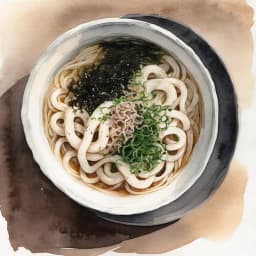
Popular Sanuki Udon shops are scattered throughout Sanuki City, which carries the very name "Sanuki."
There is a reason why Kagawa Prefecture became the home of udon. Low precipitation led to a thriving salt-making industry since ancient times, high-quality dried sardines (iriko) used for dashi were plentiful in the Seto Inland Sea, and the warm climate was suitable for wheat cultivation. With these conditions met, udon culture flourished in Sanuki. Within Sanuki City, you can find authentic-style shops, such as self-service establishments attached to noodle factories.
There is nothing quite as luxurious as eating freshly made and boiled noodles on the spot. Please be sure to stop by while touring the udon shops in the eastern part of the prefecture.
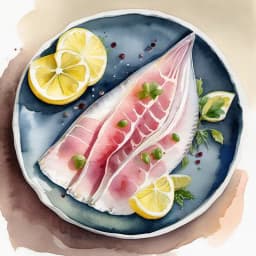
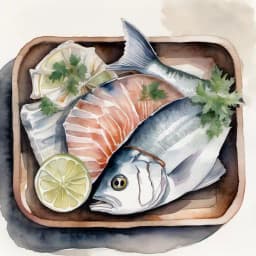
When you lift a single slice with your chopsticks, fat gently seeps from the shimmering silver flesh. As it enters your mouth, a chewy texture is followed by a melting, savory richness—this is Kagawa's pride, yellowtail.
Kagawa is known as the place where yellowtail farming was first successfully achieved in the world. Through trial and error in Ando Pond in Hikida, Higashikagawa City, Wasaburo Nami underwent many challenges, finally realizing commercialization in 1928. Eventually, this technique spread across the country, making it a familiar fish on dining tables today. The yellowtail carefully raised in Kagawa's seas has firm flesh and excellent fat content.
Whether served as sashimi or teriyaki, every slice carries the feeling of a story that all began here in the Seto Inland Sea.
Tsuda no Matsubara in Sanuki City features beautiful white sandy beaches and lush green pine forests. It is a scenic spot in the Seto Inland Sea, selected as one of Japan's 100 Best Beaches.
The avenue of black pines stretching for about one kilometer is designated as a National Scenic Spot, representing a landscape nurtured over many years. In summer, it becomes a lively beach destination popular with families. In this area, you can enjoy Sanuki udon and souvenirs made with local seafood while strolling along the pine grove.
It is a resort-like place where you can taste the blessings of the Seto Inland Sea alongside beautiful seaside views. A walk while listening to the sound of the waves will soothe your soul. Please try finding your favorite souvenir to accompany your stroll.
In Mannou Town, home to Mannoike Pond—one of Japan's largest irrigation reservoirs—hidden gems of Sanuki udon are scattered about.
In this town rich in nature, which includes Mannoike Pond (said to have been renovated by Kobo Daishi Kukai), there are many simple noodle-factory style shops that boil freshly made noodles on the spot, and they have long been loved by locals. The udon, based on the principle of being freshly kneaded and boiled, offers a straightforward, unpretentious deliciousness. Among udon enthusiasts, this area is well-known as a 'hidden gem' spot.
If you are seeking authentic, simple udon away from overly touristy areas, a bowl enjoyed amidst such rich nature will taste even more special. Please take an opportunity to go on an udon tour around Mannou Town, along with the beautiful scenery of Mannoike Pond.
The 'Sunflower Village' turns entirely yellow when summer arrives. Manno Sunflower Oil is a specialty product born from those very fields.
Manno Town is known for its sunflower fields that bloom as far as the eye can see. This sight has long attracted many people as a classic summer scene. This edible oil is made from domestically produced sunflower seeds pressed from those flowers. This rare domestic sunflower oil is a pride of the town.
Its charm lies in its light, mild flavor that enhances ingredients without overpowering them, making it perfect for salad dressings or finishing pasta dishes. Please enjoy the blessings of the Sunflower Village at your dining table.
The town that claims to be the 'birthplace of Sanuki Udon' is Ayakawa, located almost in the center of Kagawa Prefecture.
The legend dates back to Kobo Daishi (Kukai). It is said that Chisen Daitoku, the nephew of Kukai—who traveled to China in 804 and was taught the noodle-making method—served those noodles to his parents in his hometown of Takimiya. This event is considered the root of Sanuki Uudon. Chisen is also known as the 'ancestor of udon,' and every April, the Takimiya Tenmangu Shrine holds a 'Kennen-shiki' (Noodle Offering Ceremony) to commemorate him.
While there are various theories regarding its origin, a bowl enjoyed while reflecting on over a thousand years of history is truly exceptional. It is surprising that such a long story resides within a simple bowl of noodles you might slurp without a second thought. Please come and enjoy the story itself in Ayakawa, the very heart of Udon Prefecture.
In Ayagawa Town, which claims to be the birthplace of Sanuki Udon, famous shops known throughout the country stand side by side. As a town where authentic udon shops gather with pride in their status as the birthplace, it is a mecca for udon lovers. A characteristic feature is the many noodle factory-style shops that boil the noodles on the spot, allowing you to enjoy freshly kneaded and boiled noodles at their most delicious state. The firm texture and aroma of the wheat are truly authentic. This is a sacred land of udon visited by fans from both within and outside the prefecture. A true Sanuki-style way to enjoy it is to not just visit one shop, but to hop between several to compare the different flavors of each. Please go on an udon tour of Ayagawa and enjoy it along with the fragrant dashi broth.
Sweet strawberries from Ayagawa Town, nurtured by the warm climate of the Sanuki Plain.
Kagawa Prefecture is known as a production area for "Sanuki Hime," an original prefecture variety characterized by large fruit and an excellent balance of sweetness and acidity. In Ayagawa Town, strawberry cultivation is thriving, taking advantage of the Seto Inland Sea's warm climate and fertile soil. The peak season is from winter to spring; strawberries carefully grown one by one in greenhouses are juicy, and a single bite fills your mouth with spreading sweetness.
At direct sales outlets, you may encounter fresh strawberries picked just that morning. The intense sweetness unique to fully ripened fruit—different from what you find in supermarkets—is exceptional. Please be sure to taste the strawberries of Sanuki during their peak season.
A vital supporting player that has quietly underpinned the food culture of Sanuki, that is Utazu salt.
Utazu Town has long been an area where salt production via salt pans flourished, taking advantage of the Seto Inland Sea's mild climate and shallow waters. The Sanuki climate, characterized by low rainfall and abundant sunshine, was perfect for making salt by drying seawater with sun and wind. The salt produced here is counted as one of the 'Sanuki Sanpaku' (the three whites of Sanuki)—alongside cotton and sugar—and has supported Kagawa's cuisine, such as Sanuki udon and kamaboko, from its very roots.
Salt from the town that inherits the memory of the salt pans, as well as confectionery and sweets using salt, are also popular. Just adding a pinch to your cooking significantly enhances the sweetness and umami of the ingredients. Please try tasting this salt, which can be called the origin of Sanuki's flavor.
At the foot of the Seto Ohashi Bridge, Utazu Town hosts a collection of authentic Sanuki udon shops.
This port town, which once flourished with salt production, features many tourist attractions including its landmark, the Gold Tower, and boasts charming new streetscapes created through urban redevelopment. Located with views of the Seto Inland Sea, you can enjoy freshly made, firm noodles in a fragrant dried sardine (iriko) broth. This is also a town where locally produced salt has historically supported the flavor of Sanuki udon.
In Utazu, which serves as a convenient base for sightseeing and shopping, please try some authentic udon. A bowl enjoyed alongside the view of the Seto Ohashi Bridge is sure to provide an exceptional moment found only here.
Remove the head and innards, then soak in hot water overnight. Soon, a clear, golden broth begins to rise in the pot. With just one sip, the clean, savory umami of the fish gently permeates your body.
Ibuki Island, located off the coast of Kanonji City, Kagawa Prefecture, is a famous production area for Iriko (dried anchovies). It is remarkable that the sardines caught in the nets are transported to the processing plant and boiled within just 30 minutes. Because they are processed while maintaining peak freshness, a clear broth free of any unpleasant aftertaste is created. This Ibuki Iriko has long been the backbone of the fragrant soup used in Sanuki udon.
Not only for udon, but also for miso soup and simmered dishes. It is a vital supporting player that forms the foundation of the Kagawa dining table.
In Kanonji City, famous for its massive Zenigata Sand Art, you can find many renowned Sanuki udon restaurants.
What supports the udon in this region is the local 'Ibuki Iriko' harvested from the Utsumi Sea. These are anchovies caught near Ibuki Island, off the coast of Kanonji Port, which are boiled and dried. Because the eastern part of the Utsumi Sea has calm currents, it has long boasted high catches of sardines. The broth made from this high-quality iriko is characterized by a clean taste with little impurity, a fragrant aroma, and a deep umami flavor. Kanonji is, so to speak, an unsung hero town that supports the very foundation of Kagawa's udon broth.
With thick, chewy noodles and a clear broth rich in iriko flavor, please come and try an authentic bowl in Kanonji, where shops range from long-established institutions to new arrivals.
When you lift the lid of the pot after cooking, the savory aroma of iriko dashi spreads softly. As you mix it with a rice paddle, pieces of carrot and deep-fried tofu peek through the glossy rice, making your stomach growl just by looking at it.
Iriko Meshi is a Kagawa-style takikomi gohan (mixed rice) that uses whole iriko (dried baby sardines). The rice is cooked using dashi made from the heads, and since the bodies are mixed in as well, you can enjoy both the umami and the nutrition in their entirety. In the Seisan area, where iriko fishing is prosperous, it remains a beloved home dish and even appears in school lunches for its high calcium content.
Every time you take a mouthful of the dashi-soaked rice, a savory aroma fills your mouth. It is a gentle, local flavor that makes you want to go back for more servings.
The skin is crispy and fragrant, while the inside remains juicy. The aroma of garlic and spices stimulates the appetite, and when you bite into it holding the bone, the overflowing meat juices spread throughout your mouth. This is the Honetsuki-dori born in Marugame.
Its origin is said to be the restaurant 'Issaku' in Marugame City, which began selling it in the 1950s, inspired by roast chicken seen in movies. This dish, made by roasting an entire chicken thigh, eventually spread throughout Kagawa and grew into a specialty second only to udon. In its birthplace, Marugame, many people still visit shops seeking this single piece of chicken.
Whether you choose the chewy 'oya' (mature chicken) or the tender 'hina' (young chicken), deciding which one to pick is a pleasure unique to Marugame.
When you slurp freshly boiled noodles, the firm texture provides a pleasant resistance against your teeth. The subtle aroma of wheat and the smooth texture as they go down the throat—this is true Sanuki udon.
Marugame is also known as the 'birthplace of Sanuki udon.' A culture of enjoying noodles freshly boiled at the noodle factory has been deeply rooted here since ancient times, which even became the inspiration for the name of the national chain 'Marugame Seimen.' It is said that during the Edo period, udon shops lined the streets in front of the temples, which were bustling with pilgrims visiting Konpira-san.
Udon has supported the culinary landscape of Marugame alongside the famous Honetsuki-dori (bone-in chicken). Please try a bowl freshly prepared; its depth lies in its simplicity.
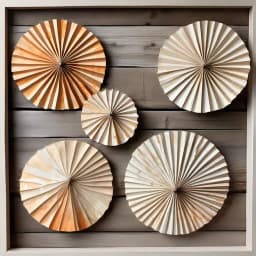
Marugame Uchiwa provides relief from the summer heat. Marugame City in Kagawa Prefecture is a major production center, accounting for about 90% of the fans made within Japan.
Its history dates back to the Edo period. When pilgrimages to Konpira became a boom, vermilion-colored 'shibu' (tannin-dyed) fans featuring the Marukin seal became extremely popular as souvenirs for pilgrims. Eventually, as the Marugame Clan encouraged fan making as a side job for lower-ranking samurai, it grew into a representative industry of Marugame. It is said that the geographical advantage of being able to source materials from nearby areas—bamboo from Iyo and Japanese paper from Tosa—played a significant role.
In 1997, it was designated as a National Traditional Craft. Please experience for yourself the coolness handcrafted from a single piece of bamboo.
When you lift the lid of the clay pot, steam rises gently, spreading the savory aroma of sea bream. Mixing the flaked meat into the hot rice allows the elegant umami to soak deeply into every grain.
In Marugame and along the Seto Inland Sea coast, the tradition of Taimeshi—said to have been eaten by fishermen right on their boats—has been passed down through generations. The traditional wisdom lies in lightly grilling the sea bream whole, including the head, before cooking it with the rice; this suppresses any fishy odor and powerfully enhances the savory dashi flavor. In Sanuki, which once flourished with salt production, the tradition of Tai no Hamayaki (sea bream salt-grilled) also remains.
This sea bream cuisine allows you to savor the auspicious fish of the Seto Inland Sea in its entirety. It is a true bounty from the Marugame sea, perfect for celebratory occasions.
785 steps to the main shrine, and 1,368 steps if you climb all the way to the inner shrine. Konpiraudon is like a well-deserved reward waiting for you at the end of those stone steps.
Kotohira-gu Shrine, affectionately known as 'Konpira-san,' is a place that people from all over the country have long yearned to visit for 'Konpira-mairi' (pilgrimage). In the temple town of Kotohira, many udon shops line the approach to the shrine. The Sanuki udon enjoyed after completing the long climb or as a hearty meal before worship offers an exceptional flavor.
Visiting Konpira and eating udon is the classic combination for Sanuki sightseeing. The sense of accomplishment from climbing so many steps adds a special spice to the taste. Please come and enjoy a bowl in this temple town after working up a sweat.
Shippoku Udon has warmed Sanuki dining tables throughout the cold seasons. This home-style dish, prepared from autumn through winter, consists of a warm bowl where seasonal vegetables like daikon, carrots, taro, and deep-fried tofu are simmered thoroughly and served with their flavorful broth poured over the noodles. The hearty broth warms you to the core. While it is a staple of home cooking, you can also enjoy it at restaurants in Kotohira, such as those along the approach to Kompira-san.
It offers a comforting, gentle flavor where the sweetness of the vegetables blends with the dashi stock. Unlike cold bukkake udon, the warmth unique to this soup-based dish soaks into your body. Please take a moment to rest and enjoy Shippoku Udon, often described as the taste of a Sanuki mother's cooking.
One of the joys of climbing the long 785 stone steps is the souvenir shops lining the approach.
Along the path to Kotohira-gu, famous Konpira souvenirs are packed closely together. You can find unique local treats such as 'Kyuman,' which originated from the moxibustion services provided at traditional inns, and the yuzu-flavored 'Kamiyo Ame,' which is exclusively sold by the five candy makers known as 'Gonin-byakusho' operating within the sacred grounds. There is also a wide selection of Kagawa specialties like Sanuki Udon and olive products, making it hard to choose.
Browsing through the various items while taking breaks during the climb is one of the true delights of the pilgrimage. Some shops even offer samples, allowing you to take your time and choose by tasting. Please try to find your favorite item.
When lifted with chopsticks, the thick noodles glisten and bend beautifully. A bite reveals a chewy elasticity and a solid 'koshi' (firmness)—this is true Sanuki Udon.
There is a legend that Kobo Daishi (Kukai) brought the production method back from China, but udon took root in the land of Sanuki because all the necessary ingredients—wheat, salt, soy sauce, and iriko—were readily available. The traditional method of kneading the dough by stepping on it develops the gluten, creating that signature texture. The broth features the clear umami of iriko (dried sardines), including those from Ibuki Island.
Kagawa Prefecture now even calls itself 'Udon Prefecture.' A single bowl of udon reflects the very blessings of the land.
When cut with scissors, the juices overflow from the golden-brown skin. The aroma of garlic and spices rises, making you want to bite into it even using your fingers—that is Kagawa's bone-in chicken.
It is said to have originated in the 1950s when the restaurant 'Issaku' in Marugame City began selling it, inspired by roast chicken seen in movies. A whole chicken thigh is seasoned with salt, pepper, and garlic before being grilled. Eventually, it spread to Takamatsu and became a beloved specialty of Kagawa alongside udon.
With the chewy 'Oya' and the soft, juicy 'Hina,' it is the perfect dish to enjoy piping hot with a beer and cabbage in hand on a night in Takamatsu.
When you take a bite, the flesh is firm and tight, and the scent of the tide gently wafts through your nose. While it looks calm, the Seto Inland Sea actually has fast-moving currents. Fish that are buffeted by these rapid currents are said to have firm flesh and concentrated umami.
Spanish mackerel heralds the arrival of spring, and yellowtail—which has been selected as a Kagawa Prefecture fish—is also a highlight. Kagawa is known as the place where the first successful yellowtail aquaculture in Japan took place in 1928. In particular, sashimi made from Spanish mackerel, which loses freshness easily, is a delicacy that can only be truly tasted in its production area.
Around the port towns and markets of Takamatsu, there are many restaurants serving the bounties of the Seto Inland Sea. Please come and taste the seasonal fish that have just been landed that day.
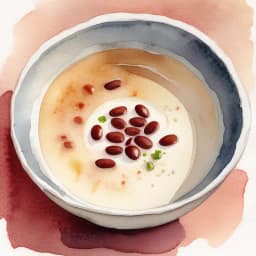
In a mellow white miso broth, you'll find sliced daikon radish and golden kintoki carrots. When you take a bite—sweet red bean paste flows out from within. This is Kagawa's New Year's Anmochi Zoni, where saltiness and sweetness melt together.
In the past, sugar was considered a precious commodity in Kagawa, counted as one of the 'Sanuki Sanpaku' (three whites of Sanuki). The tradition is said to have begun from the desire to taste sugar—which was normally unavailable—only once a year during the New Year. Some stories even suggest it was a clever way to hide the presence of sugar.
It is a surprising combination when you first encounter it. However, once you try it, you find yourself craving it every year—that is the essence of this local flavor.
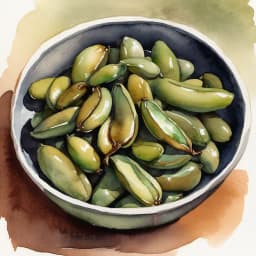
When you take a bite, the beans crumble slightly, allowing the savory aroma and sweet-salty soy flavor to spread gently through your mouth. Unlike simmered beans that are cooked thoroughly, Kagawa's Shoyu Mame features a popping, crunchy texture.
It is made by first roasting dried broad beans and then marinating them in a sauce of soy sauce, sugar, and chili pepper. Its origins are believed to date back to the Edo period; legend has it that the dish began when roasted broad beans, prepared to entertain pilgrims on the Shikoku 88 Temple Pilgrimage, accidentally rolled into a nearby soy sauce vat. Some stories even link its origin to Kūkai.
It pairs perfectly with rice or as a snack with tea. It is a simple dish, yet one that makes it impossible to stop eating.
When you press your teeth against its smooth surface, it responds with a springy, bouncy elasticity. Then, the savory umami of the fish spreads smoothly across your tongue. This is Sanuki Kamaboko, which relies on the pure taste of the surimi itself.
The Hiuchi-nada Sea, stretching west of Kagawa, has complex and fast currents, resulting in seafood with firm, well-conditioned flesh. Sanuki kamaboko has been crafted by making the most of this fresh fish surimi. In Kagawa, when people say 'tempura,' they are often referring to deep-fried surimi products, which are also a familiar topping for Sanuki Udon.
Simply slice a piece to eat as is, or add another slice to hot udon. It is a flavor of processed fish that quietly accompanies the dining tables of Sanuki.
The chewy texture of chopped udon blends perfectly with the fragrant stir-fried rice. One bite of Sakaide's Pippi-meshi brings a sense of nostalgia amidst its lively flavor.
'Pippi' is a term still used in Kagawa as a childish word for udon. In Sakaide, where noodle factories are numerous, there were often leftover bundles of purchased udon. It is said that Pippi-meshi began as a home dish made by stir-frying these leftovers with rice and other ingredients from the refrigerator. Although it was once nearly forgotten, it was brought back into the spotlight and revived during the local gourmet boom around 2011.
It is a warm dish born from the spirit of valuing food, unique to this udon town.
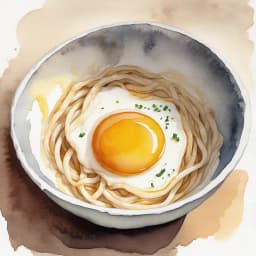
When you slurp freshly boiled noodles, you feel a firm chewiness pushing back along with the heat. When mixed with a raw egg, the mellow richness gently envelops the noodles. This is Sakaide's Sanuki udon, where the culture of noodle factories is deeply rooted.
Sakaide is known as a land where many noodle factories exist, making it easy to enjoy freshly boiled noodles. Shops that preserve traditional styles, such as Yamashita Udon (founded in 1959), still attract many people today. As a town that once flourished with salt production from salt fields, it is also the birthplace of 'Pippi-meshi,' a dish created from leftover udon—a place where udon is deeply integrated into daily life.
When you slurp a freshly made bowl in Sakaide, you can truly feel the town's passion for udon.
When placed on the tongue, a single pinch reveals a mellow saltiness without any harsh edges that slowly spreads across the palate. This is Sakaide salt, nurtured by the Seto Inland Sea, the pouring sunlight, and the passing breeze.
With low rainfall and abundant sunshine, Sakaide has long been an ideal land for salt production. It is said that Michikata Kume, often referred to as the 'Edison of Sanuki,' began constructing vast coastal salt pans in 1824 (Bunsei 7) and completed them over three and a half years. Eventually, salt became one of the 'Sanuki Sanpaku' (the three whites of Sanuki), alongside sugar and cotton, spreading the name of Sakaide throughout the country.
This salt is a crystallization of local history and human wisdom. A light sprinkle on your cuisine brings to mind the gentle landscapes of the Seto Inland Sea.
There is a somewhat unique type of zoni eaten during the New Year: Kagawa Prefecture's White Miso Anmochi Zoni. It has been cherished in various parts of the prefecture, including Sakaide.
This single bowl features round rice cakes filled with sweet bean paste (anko) floating in a sweet white miso-based broth. This dish is actually deeply connected to the history of sugar in Kagawa. During the Edo period, sugarcane cultivation was encouraged in Sanuki due to its warm and low-rainfall climate, making white sugar a specialty product alongside cotton and salt, known as the 'Sanuki Sanpaku' (Three Whites of Sanuki). It is said that the tradition began by adding sugar—which was precious at the time—only to the zoni during the annual New Year celebrations.
This colorful celebratory bowl also includes daikon radish and Kintoki carrots. Please try this unique Sanuki flavor, where sweetness and saltiness melt together.
Beyond the savory steam of the sauce, dried seaweed and bonito flakes dance lightly. Taking a bite of its round shape, reminiscent of Obanyaki, brings a burst of plump octopus, crunchy cabbage, and toasted batter all at once.
Takohan is a local delicacy born in Kanonji. It originated in 1981 from the inspiration of a middle school student who thought, "If we baked takoyaki in an Obanyaki mold, wouldn't it be even more filling?" The process involves pouring batter into a large Obanyaki mold, adding octopus, tenkasu, and plenty of cabbage, then finishing it with a generous coating of okonomiyaki sauce. It is the best of both worlds: looking like Obanyaki but tasting like takoyaki.
With a satisfying weight in your hand, please enjoy this hot piece of Kagawa's soul food.
When sliced thick and grilled, the inside of the skin becomes melt-in-your-mouth tender; topped with bonito flakes and ponzu, it releases an explosion of savory umami. With just one bite, you will be surprised by a thickness that differs from ordinary eggplants.
Mitoyo Eggplant is a plump variety grown in Mitoyo City, Kagawa Prefecture. They are about three times the size of standard Senryo eggplants, weighing between 300 to 400 grams each. The skin is thin, and the flesh is fine-grained and succulent, becoming melt-in-your-mouth soft when heated. This allows flavors to soak in deeply, making their deliciousness stand out when prepared as dengaku or grilled eggplant.
A large, juicy local vegetable that brings joy to the summer dining table. Please try enjoying a melting slice while it is still hot.
With just a single drop, a soft acidity wafts through the air without being sharp. Upon tasting, a mellow and savory flavor spreads across the tongue, so smooth that you might hardly realize it is vinegar.
Nio Vinegar is a rice vinegar produced in Mitoyo City, Kagawa Prefecture. Its origins date back to 1741, and as the oldest vinegar in Kagawa, it has preserved its traditional production methods for over 280 years. The process involves slow fermentation in traditional cedar barrels, powered by the unique 'Nio Vinegar bacteria' that reside within the brewery. The mellow flavor born from rice gently complements any dish.
Whether used in vinegared dishes, sushi rice, or dressings, this is a bottle aged by time that brings a gentle harmony to your cooking.
In Mityo City, which is popular for the breathtaking views of Chichibugahama—often called the 'Uyuni Salt Lake of Japan'—there are many famous Sanuki udon shops beloved by locals.
In this peaceful town facing the Seto Inland Sea, you can find a variety of establishments, ranging from rustic, traditional noodle-making shops to highly acclaimed popular restaurants. Being close to the Hiuchi-nada Sea, a rich fishing ground for Ibuki iriko (dried baby sardines) that supports the flavor of Kagawa's udon broth, many shops here offer the charm of enjoying highly aromatic broth infused with iriko.
With chewy, firm noodles and deeply flavorful broth, an interesting aspect is that even within Sanuki udon, the texture of the noodles and the richness of the broth vary slightly from shop to shop. After enjoying the stunning scenery of Chichibugahama, please fully experience Mityo by going on an authentic udon tour.
Miki Town is known as one of the leading strawberry production areas in Kagawa Prefecture.
Utilizing the warm climate of the Sanuki Plain, strawberries are carefully grown one by one in greenhouses throughout Miki Town. Sweet and juicy strawberries, including the prefecture's original variety 'Sanuki Hime,' reach their peak from winter to spring, and some farms even offer strawberry picking experiences.
Local cake shops and cafes also serve sweets made with plenty of freshly picked strawberries. The aroma and juiciness that can only be experienced when they are freshly picked are exceptional. The winter cold helps to slowly bring out the sweetness of the strawberries. Please come and taste the sweet strawberries of Miki Town during their peak season.
The brand strawberry that Miki Town takes pride in is the Kagawa Prefecture original variety, "Sanuki Hime."
"Sanuki Hime" is a strawberry variety cultivated in Kagawa Prefecture. It features large fruit with an exquisite balance of sweetness and acidity, and its juicy, soft texture is also a major attraction. As a representative brand strawberry of Kagawa Prefecture, it has gained great popularity, and Miki Town, blessed with the warm climate of the Sanuki Plain, serves as its primary production region.
With just one bite, sweetness and freshness spread throughout your mouth. The large fruit is highly satisfying to eat and makes for a wonderful gift. Please enjoy the taste of "Sanuki Hime," in season from winter to spring.
With a single smooth slurp, the silky texture and firm chew resonate pleasantly. If you look closely, the noodles have a subtle golden hue. The savory aroma of sesame oil gently spreads through your mouth.
Shodoshima Somen is one of Japan's three major somen varieties, boasting a history of over 400 years. It is said to have begun when islanders learned the production methods of Miwa in Nara and brought them back home; even today, artisans meticulously finish each strand using traditional hand-stretching techniques. The most defining characteristic is the use of pure sesame oil. By gently coating the surface of the noodles, a strong elasticity, smoothness, and rich aroma are created.
Dip them into cold dipping sauce and slurp them down. This bundle, raised on the island, will make you forget even the summer heat.
With just a single drop, a rich sweetness and depth rise from beneath its savory aroma, giving your dishes a much more profound character. Its thick, dark color holds the essence of long periods of time.
Shodoshima Island in Kagawa Prefecture has a 400-year history of soy sauce making. In the town known as Shoyu no Sato, characterized by its black wooden walls, breweries using traditional wooden barrel brewing still line the streets. About one-quarter of all remaining wooden barrels in Japan are gathered on this island, where over a hundred types of microorganisms living in the barrels cultivate a unique umami found nowhere else.
With sashimi, simmered dishes, or even just over rice with a raw egg—please try the aroma and richness that only natural brewing can provide in your everyday meals. You will surely be surprised by the difference.
If you place it on freshly cooked rice, you'll want a second bowl all by itself. This is Shodoshima's tsukudani.
Surprisingly, the production of tsukudani in Shodoshima, the island of soy sauce, began after the war. It is said that the industry started around 1945 during a period of food scarcity, when 'imozuru'—tsukudani made by simmering sweet potato vines in soy sauce—became a huge hit in the Hanshin area. Eventually, by utilizing the abundant soy sauce and seafood from the Seto Inland Sea, the production of tsukudani made by simmering kelp and seaweed in a sweet and savory sauce flourished.
With a sweet and savory flavor achieved through slow-simmering in the island's soy sauce, this is a pride of Shodoshima that many fans order from all over the country.
When you pierce it with chopsticks, it falls apart silently, and once in your mouth, the smooth, sweet fat melts away. The aftertaste is surprisingly light, making you reach for another piece.
Among Sanuki beef varieties, only the Kuroge Wagyu produced in Kagawa Prefecture—raised on feed made from dried olive fruit residue—can bear the name 'Olive Beef.' The caramel-like aroma created through the drying process stimulates the cattle's appetite, and its umami content is approximately 1.5 times that of regular Wagyu. Its meat quality has even won excellence awards at national competitions.
It is a luxurious Wagyu unique to Kagawa: tender yet not heavy. Whether enjoyed as sukiyaki or steak, please experience its clear, delicate sweetness for yourself.
There is a brewery that is truly dedicated to preserving the seasonings that support the Japanese dining table for future generations: Yamaroku Soy Sauce of Shodulshima.
Yamaroku Soy Sauce is a brewery that continues to uphold the traditional 'kioke' (wooden barrel) brewing method. These wooden barrels serve as the ideal habitat for countless microorganisms, such as lactic acid bacteria and yeast, which bring out the umami of the soy sauce. Their flagship brand, 'Tsuru-jang,' is a double-brewed soy sauce, where the finished soy sauce is used to start the brewing process once again. It takes twice the time and ingredients compared to standard methods, resulting in a rich and mellow flavor. Their 'Kiku-jang,' made with domestic Tanba black soybeans, has a light taste with a subtle sweetness in the aftertaste, making it perfect for simmered dishes.
The brewery is also known for its initiative to personally commission new wooden barrels in order to protect the dwindling tradition of wooden barrel aging. Please come and experience the authentic taste.
When discussing the cuisine of Shodoshima, the highly aromatic sesame oil is indispensable.
Hand-stretched somen noodle making has flourished on Shodoshima for about 400 years. A unique feature of this region is that while other production areas use cottonseed oil during the 'abura-gaeshi' process (the step where noodles are stretched thin), Shodoshima uses 100% pure sesame oil. Kadoya Oil, now known as Japan's largest sesame oil manufacturer, was founded in 1858 during the late Edo period as the 'Kadoya Oil Works.' It is said that the company name originated from the fact that the shop and factory were located on a corner at an intersection.
This fragrant island sesame oil was nurtured by the culture of somen noodles. Just a drizzle at the end of cooking will significantly enhance the flavor of your dishes.
As you slurp the noodles, you experience a chewy texture and a subtle aroma of wheat. The noodles cling to the flavorful dashi broth, making the simple ingredients stand out with their inherent deliciousness.
Zentsuji is known as the birthplace of Kobo Daichi (Kukai). There is even a legend that the origins of Sanuki Udon can be traced back to Kukai, who is said to have brought the production methods from Tang Dynasty China. However, no historical records exist to support this, and it remains a piece of folklore. Nevertheless, there is a mysterious and special flavor to enjoying a bowl in the town associated with Kobo Daishi.
After visiting the head temple of Zentsuji, please come and taste the udon loved by the locals.
As you open the lid, the aroma of spices wafts up beautifully. When you pour the thick, rich roux over rice, a deep umami flavor infused with Japanese-style dashi spreads gently across your palate.
In Zentsuji City, Kagawa Prefecture, there is a Japan Ground Self-Defense Force camp that has existed since the Meiji era. This curry is crafted so that you can enjoy at home the very taste from the kitchen that has sustained the soldiers' appetites—the Zentsuji Camp Self-Defense Force Curry. Featuring a Japanese-style preparation that brings out the umami of beef, it is a dish that feels somewhat nostalgic yet incredibly satisfying.
This is a curry that has been made in large pots for everyone to share. Pour plenty of it over steaming hot rice. It is an energizing dish that will keep your spoon moving.
In Tadotsu Town, known as the birthplace of railways in Shikoku, there are many Sanuki udon shops beloved by the locals.
In this old port town facing the Seto Inland Sea, a rustic style of noodle shop—where noodles are boiled on the spot after being made—has taken deep root. The culture of 'Asa-udon' (morning udon), unique to Sanuki, is also alive, with locals seen slurping a bowl before heading to work. The charm lies in the unpretentious udon that is integrated into daily life, rather than being aimed at tourists.
It is a local flavor that differs from the bustle of typical tourist spots. If you slurp your udon at the counter alongside the locals, you can taste the authentic atmosphere itself. Please come and experience the local udon culture of Tadotsu.
In Tadotsu, a port town facing the Seto Inland Sea, the highlight is the fresh seafood landed locally.
In the Seto Inland Sea, which is calm yet has strong tidal currents, flavorful seafood with firm flesh, such as sea bream, octopus, and mantis shrimp, thrives. The port of Tadotsu receives these bounties of Setouchi, and at local restaurants, you can taste fisherman's cuisine made with seasonal fish. Sashimi and simmered dishes, which are only possible because of this freshness, are one of the great pleasures for visitors.
It is a hidden gem where you can fully enjoy the flavors of Setouchi, away from the bustle of typical tourist spots. A unique joy of living in a fishing port is that the variety of fish on display changes depending on the day's catch. Please come and taste the seasonal seafood in Tadotsu.
Naoshima is known worldwide as an art island. Between visits to museums, what you'll want to taste is the fresh seafood from the Seto Inland Sea.
This small island floating in the Seto Inland Sea has become a place visited by many from both Japan and abroad due to its scattered contemporary art pieces and unique museums. On the other hand, what has supported life on the island is traditional fishing. In the calm waters of the Seto Inland Sea, abundant seafood such as sea bream, octopus, and local fish are landed, and you can enjoy those flavors at island diners and cafes.
After taking a break from viewing artworks, enjoy the blessings of the Seto Inland Sea with local fish sashimi or simmered dishes. The charm of Naoshima lies in being able to enjoy both art and seafood.
The Naoshima Burger is a popular local delicacy on the island of Naoshima, a renowned center for contemporary art.
As a mecca for modern art, Naoshima attracts tourists from both Japan and abroad. On this island that welcomes visitors from all over the world, these local burgers are beloved as an easy way to refuel between island explorations. The patties and toppings, which make full use of local ingredients and products from the Seto Inland Sea, offer a flavor unique to this place.
When you get hungry from art viewing, enjoy lunch with this one-of-a-kind burger. We also recommend taking it to go and enjoying it by the seaside. Devouring a burger while gazing out at the calm scenery of the Seto Inland Sea is a special experience found only here. It is sure to become a wonderful memory of your trip.
A single drop of this vibrant green oil releases a refreshing aroma reminiscent of fresh green grass. Use it on bread, in salads, or with white fish. Once in your mouth, a subtle spiciness and fruity flavor will instantly brighten any dish.
Shodoshima is the birthplace of olive cultivation in Japan. In 1908, national experimental cultivation began in three prefectures—Mie, Kagawa, and Kagoshima—but only Shodoshima bore magnificent fruit. The warm climate of the Seto Inland Sea is perfect for olives, and it is now known as the largest production area in the country. Domestic oil made by pressing hand-picked olives immediately after harvest offers exceptional aroma and freshness.
A blessing from the Seto Inland Sea, passed down for over a century. Add a fragrant drop to your everyday dishes.
A slightly unusual local cider has been born from the island of olives, Shodoshima: Olive Cider.
In 1908 (Meiji 41), Shodoshima became the birthplace of Japanese olive cultivation, being the only one among Kagawa, Mie, and Kagoshima prefectures to succeed in an olive experimental cultivation project commissioned by the government. The first harvest took place in 1911, and it is still known today as a major production area for domestic olives. This Olive Cider is a unique carbonated beverage unique to such an island.
With its subtle olive flavor, clean sweetness, and the refreshing sensation of carbonation, this crisp drink is popular among tourists as a memento of their trip to the island.
Shodoshima is known as the 'Island of Soy Sauce.' In Tonosho Town, the gateway to the island, the tradition of soy sauce making remains alive.
The history of soy sauce production on Shodoshima spans approximately 400 years. The industry flourished because the town's location at a key maritime transport point in the Seto Inland Sea made it easy to obtain soybeans and wheat, the warm climate was ideal for fermentation, and the salt from nearby salt pans could be utilized. Even today, breweries using traditional wooden barrels are scattered across the island. The yeast and lactic acid bacteria that have inhabited these breweries over many years create a unique, deep flavor that cannot be replicated by machines.
A fragrant drop brewed by time and microorganisms. Please try and experience the authentic soy sauce that is unique to Shodoshima.
When you place a single piece in your mouth, it crumbles delicately, and an elegant sweetness melts away instantly. All that remains is a faint aroma. The dry confectionery (higashi) made from Wasanbon possesses an indescribable, 'fleeting melt-in-the-mouth' quality.
Wasanbon is a traditional sugar produced only in Kagawa and Tokushima. In particular, Hiketa in Higashikagawa City has been a famous production area since the Edo period. Through a manual process called 'togi,' where boiled white sugar is kneaded with water on a tray, the particles are made fine and smooth. Sugar is counted as one of the 'Sanuki Sanpaku' (the three whites of Sanuki) and is a treasure of Kagawa. This high-quality sweetness is crafted into adorable dry sweets shaped like flowers and nuts.
A gentle sweetness that vanishes softly in your mouth. Please enjoy a single piece alongside your tea.
With just a single drop, a fragrant and rich aroma rises. Upon tasting, a mellow, deep, and savory umami slowly spreads across your palate. It is the taste of authentic soy sauce, brewed over a long period of time.
Located in Hiketa, Higashikagawa City, Kagawa Prefecture, Kamebili Soy Sauce is a long-established brewery founded in 1753. It is the only brewery in Japan that continues to uphold the 'mushiro-koji' method, where koji is grown on mushiro (mats woven from grass). The koji, nurtured for three days and nights, is placed in barrels and slowly aged through the power of the microbes living within the brewery. It is astonishing to learn that the aging process takes anywhere from two years to over twenty years.
For sashimi, simmered dishes, or tamago kake gohan (rice with raw egg). A single drop nurtured by time that transforms your cuisine.
Place a glossy, fatty slice of fish atop piping hot rice. As you take a bite, a rich, savory umami spreads through your mouth after a firm, satisfying texture. It is the taste of yellowtail that has tightened its flesh in the winter cold.
"Wa-san" is a facility located on the shores of Ando Pond, the birthplace of yellowtail aquaculture. The name is derived from the nickname of Wasan Nosumi, who first succeeded in aquaculture in the world. At the shop, yellowtail brought from large offshore pens is processed right at the storefront, ensuring guaranteed freshness. A variety of delicacies that can only be tasted here are available, such as yellowtail sashimi sets, yellowtail bowls (donburi), and yellowtail cutlets fried in a seaweed-flavored batter.
Enjoy freshly caught seafood at the birthplace of aquaculture. It is a dish that allows you to fully savor the blessings of Kagawa's sea.
Uchikomi-jiru is another udon-based dish that has warmed the winters of Sanuki. In this local specialty, slightly thick, hand-made udon noodles are simmered in a miso-flavored broth with vegetables like daikon radish, taro, and carrots. The Sanuki style involves adding raw noodles directly into the pot to cook rather than using pre-boiled noodles, which is the origin of the name 'Uchikomi' (meaning 'to strike/toss in'). The starch released from the noodles adds a thickness that gives the broth richness, and the soup—a blend of vegetable umami and miso—warms you deeply from the core. It is a taste of Sanuki homes that you crave especially during the cold season. This dish reflects the profound versatility of 'Udon Prefecture,' where udon serves as both a side dish and a main staple. If you visit Sanuki in winter, please be sure to try it.
Teppai is a somewhat rare dish that has long been enjoyed as a snack to accompany Sanuki sake.
The star of this dish is the crucian carp, a freshwater fish found in the countless irrigation ponds of the Sanuki Plain. It is said that the name 'Teppai' is a corruption of 'Teppo-ae' (gun-style tossed salad), derived from calling the carp 'Teppo' (gun).
Kagawa receives little rainfall, and the density of irrigation ponds used for agriculture is the highest in Japan. From autumn to winter, when the farming season ends and the ponds are drained, the cold-season crucian carp have firm flesh with minimal odor, serving as a precious source of protein for rural villages far from the sea.
The dish features a refreshing flavor, where crucian carp—filleted and vinegared—is tossed with thinly sliced daikon radish in Sanuki white miso vinegar. It is a local taste born from the natural environment of Sanuki.
Oshinuki-zushi is a colorful local sushi that graces Sanuki from spring to early summer.
This sushi is made by packing vinegared rice into a wooden mold and pressing it together with ingredients such as vinegar-marinated Spanish mackerel, broad beans, shrimp, shredded omelet, and canola blossoms. When the barley ripens and the broad beans fill with seed, seasonal Spanish mackerel arrives in the Seto Inland Sea. Among Sanuki farmers, there is a custom called 'Haruiuo' (Spring Celebration Fish), where they purchase an entire Spanish mackerel during the agricultural off-season before barley harvesting or rice planting to entertain invited relatives; Oshinuki-zushi was indispensable at these gatherings. It is also said that daughters-in-law returning to their hometowns would bring it as a gift to their in-laws, playing a role in fostering relationships between the two families.
This is a celebratory sushi of Sanuki, packed with the vibrant colors of the season. A dish that heralds the arrival of spring.
An indispensable home-cooked dish on Kagawa's winter dining tables is the uniquely named 'Manba no Kenchan.'
'Manba' is a type of takana mustard green; it is said to be named after 'Manyo' (ten thousand leaves) because new buds sprout continuously even after the outer leaves are picked. As the leaves endure the winter cold and frost, they become softer and sweeter. 'Kenchan' is a dialectal variation of 'kenchin,' referring to a dish where sliced vegetables and tofu are sautéed and simmered. This is a simple, warming dish made by simmering manba with fried tofu (aburaage) and regular tofu.
In the Saiko region, it is also called 'Hyakka no Sekka' (Snowflakes of Hyakka), with the tofu likened to falling snow. Please enjoy this authentic taste of a Sanuki mother's cooking in winter.
The fillets possess a pale green luster, and upon entering the mouth, the flesh feels firm before transitioning into a clean, sophisticated aftertaste. Even with moderate fat content, a clear umami spreads as you chew.
This is a brand fish raised by adding powdered olive leaves—the prefectural flower and tree of Kagawa—to the feed for Kagawa's yellowtail. A key feature is that the oleuropein contained in the leaves makes the flesh resistant to oxidation, preventing it from softening even when chilled. This product was created through the unified efforts of Kagawa's fishery professionals, inspired by Wasaburo Amanami, who first commercialized yellowtail aquaculture in the world.
Whether served as sashimi or marinated, this texture and pure aftertaste are flavors unique to Kagawa. Please give it a try.
The moment it touches your mouth, it melts away, spreading an elegant sweetness. That is Sanuki Wasanbon sugar.
Produced across the borders of Kagawa and Tokushima, this highest-grade domestic sugar uses a slender sugarcane known as 'Chikuto' as its raw material. It is said that during the Edo period, Matsudaira Yoriyasu, the lord of the Takamatsu Domain, ordered the production of sugar; after extensive research by Ikeda Genjo, a physician of the medicinal herb garden, and his disciple Mukoyama Shukei, the production of white sugar was successfully achieved in Sanuki in 1790 (Kansei 2).
It is also said that the name 'Wasanbon' originates from the 'Togi' process, where the sugar is repeatedly kneaded with water on a tray.
The smooth melting sensation created by its fine particles makes it an indispensable element for high-quality Japanese confectionery.
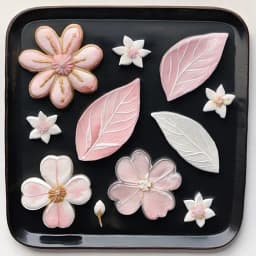
Wasanbon dry confectionery is a delicate Japanese sweet that melts away the moment it touches your tongue.
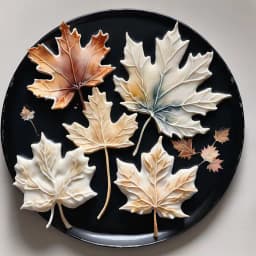
These sweets are made by pressing high-quality domestic Wasanbon sugar—produced in Kagawa and Tokushima—into molds shaped like seasonal flowers and animals. In Sanuki City, beautiful dry confections using local Wasanbon are also crafted. The charm lies in the fine, smooth melting sensation unique to Wasanbon, which artisans finish by hand using 'Chikutou,' a type of slender sugarcane as raw material. The shapes of flowers and leaves born from these molds are like tiny pieces of craftsmanship.
It offers an elegant sweetness that can be enjoyed with both the eyes and the palate. When paired with strongly brewed tea, its delicate sweetness stands out even more. It is a staple for tea ceremonies and a highly appreciated item as a gift.
A vast field of sunflowers has been transformed into sweets. Manno Town is a nature-rich area in southern Kagawa Prefecture, known for its fields that bloom in full yellow splendor during the summer.
These sweets, inspired by that symbol, include cookies and baked goods made with sunflower seeds, which can be enjoyed at the town's roadside station. The savory aroma of the seeds adds a gentle accent to the rustic baked goods, evoking images of the summer landscape with every bite.
This is a souvenir unique to Manno Town, perfect for enjoying while imagining scenery of blue skies and sunflowers. The simple, warm flavor will bring back memories of summer in Manno.
This is a unique ice cream that fully embodies the spirit of Kagawa, the 'Udon Prefecture.' It was born in Ayakawa Town, which is considered one of the birthplaces of Sanuki Udon.
Surprisingly, this treat incorporates a chewy and smooth texture similar to udon noodles, making you chuckle and think, 'Is this ice cream or udon?' While it is cold and smooth, biting into it reveals the playful spirit of Sanuki, making it an unforgettable experience.
It is perfect as a dessert after a tour of udon shops or as a conversation starter. If you travel to Kagawa, this is an unusual sweet you must try at least once. It is a cold and fun treat that will become a wonderful summer memory of Sanuki.
These are sweet and salty treats nurtured by the salt town of Utazu. Facing the Seto Inland Sea, Utazu Town has long been known as a town for salt production with widespread salt fields, and that history continues to be passed down as a point of pride for the town.
The sweets made using this salt, such as salt caramel and salt daifuku, all feature salt that perfectly enhances the sweetness. The addition of just a pinch of salt creates depth and a crisp finish to the sweetness, resulting in a flavor that makes you want to keep eating.
Highly recommended for those who find plain sweetness insufficient. Please enjoy the exquisite sweet and salty balance born from the history of this salt town. Savor each bite of the blessings of salt provided by the Seto Inland Sea.
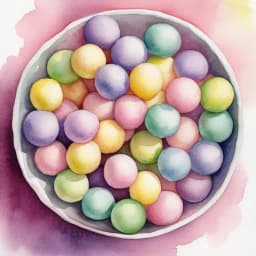
Small pink, yellow, green, and purple spheres roll across the palm. The moment they enter your mouth, they crumble and melt away, leaving behind only a faint scent of cinnamon. It is a sweet that relaxes the heart just by looking at it.
This is a celebratory sweet traditionally distributed by brides during weddings in western Kagawa Prefecture since ancient times. It takes approximately ten days from steaming the glutinous rice to the final product. These seven-colored puffed grains, made with great care and effort, embody the wish to work diligently while maintaining a 'round' (gentle) heart.
They also look lovely when served alongside soft-serve ice cream, offering an enjoyable light and crunchy texture. Please enjoy this light, happy melt-in-your-mouth sensation that has long colored celebratory occasions in Kagawa.
Kanonji Manju is a Japanese sweet produced by Hakueido, a venerable establishment in Kanonji City, which is famous for its massive Zenigata sand art.
These manju feature a simple, rustic flavor with elegant bean paste gently wrapped in a moist skin. As a long-beloved local specialty of Kanonji, they are the perfect accompaniment to tea. True to Kanonji's fame for the giant 'Kanei Tsuho' Zenigata sand art drawn on the beach, their wagashi inspired by the coin shapes also attract much popularity.
With an unpretentious and comforting sweetness, they pair surprisingly well with coffee as well as green tea. Their rustic simplicity makes it easy to enjoy one after another, making them an ideal everyday snack. When visiting Kanonji, please consider adding these to your souvenir list along with your visit to see the Zenigata sand art.
Sanshu Monaka is an elegant Japanese sweet crafted from ingredients nurtured by the climate of Sanuki.
'Sanshu' refers to Sanuki Province, the former name of Kagawa Prefecture. This confection, produced by a confectionery shop in Marugame, features a crispy, fragrant monaka shell generously filled with moist, slow-cooked bean paste. It has long been cherished as an ideal accompaniment to tea, allowing you to enjoy the flavors of ingredients unique to Sanuki, such as high-quality adzuki beans and sugar.
Its simple yet refined sweetness is well-received both at tea ceremonies and as a souvenir. The harmony between the crispy shell and the smooth bean paste offers a deliciousness unique to monaka. We invite you to taste this monaka that bears the name of Sanuki.
Oiri Soft Serve is cute in appearance, featuring colorful and round oiri.
'Oiri' is a traditional wedding confection from the Seisan region of Kagawa, made by roasting glutinous rice into small rounds. It is characterized by its lovely color palette, consisting of five pale colors—yellow, green, purple, pink, and red—mixed with white. Legend has it that the tradition originated during the Azuchi-Momoyama period, when farmers presented five-colored puffed rice to a princess of the Ikoma clan, the lords of Sanuki, upon her marriage. It is also said that the name 'oiri' comes from a play on words between 'yomeiri' (marriage) and 'iru' (to roast with fire).
Oiri Soft Serve is created by topping soft serve ice cream with these oiri. The combination of the light, crunchy texture and the rich soft serve is incredibly popular and highly photogenic.
When you take a bite of this round bun with its distinctive pointed top, the elegant sweetness of the smooth egg yolk paste melts in your mouth. It is a deeply delicious manju that makes you crave a cup of tea.
A specialty of Kotohira Town in Kagawa Prefecture, famous for Konpira-san. The filling, made from egg yolks, is wrapped in a thin dough and baked into the shape of moxibustion pellets. The origins of this business date back to 1765, when it was an inn located along the approach to Kotohira-gu Shrine. It has long been loved as a quintessential souvenir for pilgrims.
The fragrant thin crust and the mellow richness of the egg yolk paste provide a level of sweetness that is perfect for a break after climbing the stone steps. Please enjoy it alongside your visit to Konpira-san.
How about a sweet break as a reward for climbing all 785 stone steps? Along the approach to Kotohira-gu Shrine, affectionately known as 'Konpira-san,' rows of long-standing Japanese confectionery shops line the path.
You can find traditional famous sweets associated with visits to Konpira, such as Kamiyo Ame and Kyuman, which gently soothe your fatigue from the pilgrimage when enjoyed with tea. Each shop offers a unique flavor that has been preserved throughout its long history.
As a memento of your trip or a souvenir for your family, these sweets are something you'll want to take home along with your memories of visiting Konpira. Please take your time strolling along the approach and try to find your favorite treat.
A simple, crunchy, hard-baked rice cracker—that is Kawara Senbei.
It is known as the signature confection of Kutsuwa-do, a long-established shop in Takamatsu founded around 1877. As the name suggests, it originated from being shaped like the roof tiles of Takamatsu Castle (Tamamo Castle). Using white sugar produced during the Sanuki Wasanbon sugar process, high-quality flour (also used for famous Sanuki Udon), and eggs, artisans carefully hand-bake each piece, taking about twenty minutes per cracker. Both the ingredients and the method are a combination truly unique to Sanuki.
This traditional confection representing Takamatsu features an elegant sweetness and a crunchy texture that becomes addictive. It is a perfect souvenir from Kagawa to enjoy with tea.
When you dip your spoon in, it jiggles softly and melts away. The gentle sweetness of Sanuki Wasanbon spreads softly in your mouth, creating an elegant pudding that is rich yet not overwhelming.
This is a specialty from Yume Kobo Takara, a popular shop in Takamatsu City, Kagawa Prefecture. Sanuki's specialty, Wasanbon sugar, is kneaded into the batter and baked to a delicate, creamy consistency. The pale yellowish-brown Wasanbon is as smooth as cream, featuring a unique, deep flavor reminiscent of brown sugar.
With a smooth mouthfeel and the mellow sweetness unique to Wasanbon, it is subtly complemented by the slight bitterness of caramel. This is Kagawa's ultimate reward sweet, something you'll want to savor spoonful by spoonful while chilled.
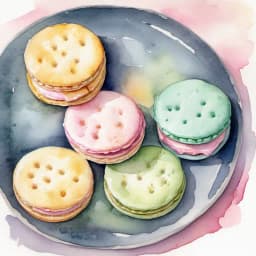
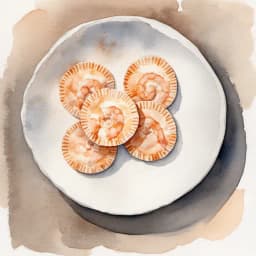
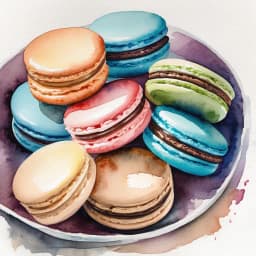
When you bite into its colorful, macaron-like appearance, the light, crispy shrimp cracker crumbles, blending perfectly with the rich cheese inside. It is a new sensation in shrimp crackers, where aroma and umami follow every bite.
This is the most popular product from Shimahide, a famous shrimp cracker specialty shop in Kagawa. To ensure the cheese melts at the same rate as the cracker, we use specially baked shrimp crackers sandwiched with four types of cheese from around the world, including Gorgonzola, Camembert, Cheddar, and Mozzarella. It is our flagship product, with sales reaching 10,000 pieces per month.
A box that pairs well with wine and makes for a stunning gift. Please enjoy comparing the unique personalities of the various colorful cheeses.
With just one bite, the elegant sweetness of the moist egg yolk paste spreads through your mouth, gently enveloped by a subtly fragrant crust. The round shape of the sweet is also adorable, modeled after a 'kamado' (traditional stove) used for boiling salt.
This is a representative Sanuki confection born in Sakaide City, Kagawa Prefecture, in 1936. We wrap a rich egg yolk paste—made with carefully selected white kidney beans and locally produced eggs—in a batter whisked with egg and then baked. The name originates from the salt-boiling kamado, a symbol of Sakaide, which has flourished through the salt industry since ancient times.
As it melts in your mouth, a nostalgic sweetness gently expands, and the moist dough and egg yolk paste crumble softly. It is a gentle treat that will delight anyone, whether served with tea or given as a souvenir from Kagawa.
We have gently enclosed the 'phantom fine tea' within a fluffy manju. Takase tea, grown in Takase, Mitoyo City, Kagawa Prefecture, is a rare tea known only to those in the know, often referred to as 'phantom tea' due to its low production volume.
Produced by Marushin in Miki Town, 'Cha no Shizuku' is a Japanese-Western fusion milk manju that luxuriously uses only the first harvest of Takase tea. Featuring a three-layer structure of dough, filling, and syrup, a single bite allows the refreshing aroma of tea leaves and the mellow sweetness of milk to spread softly. It is a unique flavor where Japanese and Western elements blend gently.
It is almost impossible to obtain via mail order, making it a treasure you can only encounter at souvenir shops and supermarkets within Kagawa Prefecture. Please enjoy the blessings of Sanuki, the land of tea.
Kagawa's number one strawberry town delivers its prideful berries to you. Miki Town is the leading strawberry production area in the prefecture and is known as a town where the cultivation of 'Sanuki Hime,' a brand of strawberry born in Kagawa, is flourishing.
During the strawberry season, you can enjoy strawberry daifuku, shortcake, tarts, and more made with large, juicy 'Sanuki Hime.' With a perfect balance of sweetness and acidity, the fresh flavor of the fruit spreads beautifully with every bite.
These fruit sweets from Miki Town allow you to savor seasonal strawberries whole. Please enjoy this seasonal happiness. It is an irresistible spring treat for any strawberry lover.
You might be surprised to hear about soft serve ice cream made with soy sauce. Shodoshima is an island with a 400-year history of soy sauce production. During its peak in the Meiji era, there were about 400 soy sauce breweries lined up; even today, more than 20 breweries remain in 'Hishio no Sato' (the home of soy sauce), and the fragrant aroma of soy sauce drifts through the town.
This soy sauce soft serve ice cream can be tasted right within these breweries. The richness and savory aroma of the soy sauce harmonize surprisingly naturally with the sweetness of the soft serve. It has a somewhat nostalgic taste, reminiscent of Mitarashi Dango.
Please stop by and enjoy it during a break while touring the breweries. It will surely become an unforgettable taste unique to the island of soy sauce.
Japanese olive cultivation began here in Shodoshima. Since 1908, when it was the only site to bear fruit during a national experimental cultivation program, the island has walked alongside olives for over 100 years, making it truly the birthplace of olives.
Various sweets utilizing the fruit and oil can be enjoyed all over the island. There is a wide variety, including moist cakes made with olive oil, fragrant cookies, and refreshing tarts. The fruity flavor of the oil adds an elegant richness and depth to the confections.
Discover a multitude of flavors that can only be found here, thanks to being the birthplace of olives. They are perfect as souvenirs for your island tour. Please enjoy the full bounty of olives nurtured by the island's sun and sea breeze.
There is a legendary bread known as 'Japan's hardest confectionery': Kata-pan from Kumao-ka Shoten in Zentsuji City.
Founded in 1896, this shop's flagship product was originally called 'Soldier's Bread.' It is said to have originated when the shop was asked to create a food source for soldiers heading to the front lines during the Sino-Japanese War—something lightweight, long-lasting, and filling. The idea was inspired by French cuisine.
There are various types, including Ishi-pan, Kaku-pan, and Maru-pan, with the Ishi-pan being exceptionally hard.
As the name suggests, it is as hard as stone, and the more you chew, the more the simple, rustic flavor of the wheat spreads. It is also a popular snack for Ohenro (pilgrims) and has been loved for over 100 years as a souvenir for visiting Zentsuji.
The 'Ebisen' is another popular product from Kumoka Confectionery, a shop famous for Zentsuji's specialty, 'Kata-pan.'
While Kata-pan originated from the soldier bread used during the Sino-Japanese War, these shrimp crackers, made by the same establishment, feature a crispy and savory profile that highlights the natural flavor of the shrimp. Since its founding in the Meiji era, the shop has passed down a simple, rustic taste that leaves a lasting impression, making it a local favorite alongside Kata-pan. Even those surprised by the hardness of the Kata-pan will find a moment of relaxation with these shrimp crackers.
Made using traditional methods, they offer an unpretentious deliciousness. If you visit Zentsuji, please be sure to try them together with the Kata-pan.
The railways of Shikoku began their journey from this town. Tadotsu is a historic port town known as both the birthplace of the Shikoku Railway and the birthplace of Shorinji Kempo.
These famous sweets, crafted by a long-established confectionery in Tadotsu, feature a simple and warm flavor that makes use of ingredients nurtured by the gentle climate of the Seto Inland Sea. They have been cherished across generations as treats for local tea ceremonies and as gifts. A unique pleasure of this town is finding sweets inspired by Shorinji Kempo.
Why not take these Japanese sweets, which have evolved alongside the history of the town, as a souvenir of your travels? Please enjoy them slowly, along with the long history of this port town.
The joy of taking a piece of Naoshima, the island of art, home with you through sweets. Floating in the Seto Inland Sea, Naoshima is a special place that attracts visitors from all over the world, serving as a stage for contemporary art, including Yayoi Kusama's iconic "Pumpkin."
These island-exclusive sweets feature charming designs that capture the heart at first glance, such as treats motifed after polka-dotted pumpkins. The collection offers playful items that are almost too beautiful to eat.
Enjoy the lingering emotions of your art appreciation through both taste and visual beauty. It is a special souvenir you'll want to take home as a memory of your visit to Naoshima. It is also sure to delight anyone who loves art.
An unexpected pairing of olives and chocolate. Shodoshima is the 'birthplace of olives' in Japan, where olives first bore fruit through a national experimental cultivation program in 1908. The warm, low-rainfall climate, much like the Mediterranean, has brought bountiful harvests to this island.
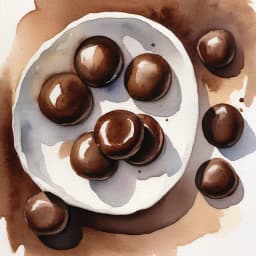
This chocolate, made with olives grown on such an island, reveals a fruity olive flavor and a subtle bitterness within its smooth sweetness. A single bite evokes the scenery of the islands in the Seto Inland Sea.
It is a sophisticated treat for adults that is more than just sweet. This carefully crafted souvenir is packed with the history and blessings of Shodoshima.
This is a traditional dry confectionery made in Higashikagawa City, which has supported the production of Wasanbon in Kagawa.
Higashikagawa is a region where long-established sugar refineries have inherited the art of making Wasanbon sugar since the Edo period. These delicate sweets, shaped like flowers and leaves, are crafted from the highest grade domestic sugar made through a manual process called 'togi' using a slender variety of sugarcane known as 'Chikuto.' Their visual beauty is exceptional. They are a true treasure of Sanuki, produced without sparing any effort.
When placed in the mouth, they melt away with an elegant and soft sweetness. This clear sweetness that leaves no lingering aftertaste is unique to Wasanbon. Please enjoy this gift-worthy Sanuki confection that delights both the eyes and the palate.
The moment it touches your tongue, an elegant sweetness gently dissolves away. Sanuki Wasanbon is a premium domestic sugar produced only in Kagawa and Tokushima prefectures. Its name originates from a unique Japanese refining process where the sugar is 'refined three times on a tray.'
This confectionery is crafted by pressing sugar—meticulously prepared from a short-stalked sugarcane variety called 'Chikutou'—into wooden molds shaped like seasonal flowers and birds. Its greatest charm lies in its delicate and refined sweetness, which is indispensable for tea ceremonies.
Beautiful to look at and gentle to eat, we invite you to savor this crystallization of Sanuki's proud sugar culture along with a cup of tea. It is an elegant item that is sure to delight as a gift for someone special.
The spiral shape embodies a story of longing for one's hometown. 'Uzumaki Mochi' is a traditional confection from the Hiketa area in eastern Kagawa Prefecture, made by rolling smooth red bean paste inside thin layers of mochi.
It is said that this swirl represents the 'Naruto Whirlpools.' Legend has it that when the people of Hiketa were forced away from the Naruto Sea, which was once their vital fishing ground, they entrusted their feelings to this sweet, hoping to at least keep the whirlpools as part of Hiketa. Even today, it remains an essential offering for memorial services and seasonal festivals.
With its chewy mochi and the gentle, simple taste of red bean paste, please feel the history of the land with every bite. We invite you to savor this authentic taste of Hiketa, passed down since ancient times.
The star of this cake is lemons that have basked in the abundant sunshine of Setouchi. The warm, low-rainfall islands of Setouchi have long been known as ideal lands for cultivating citrus fruits, including lemons.
This baked treat, made with Setouchi lemons, captures a refreshing acidity and rich aroma within its moist sponge. A sharp lemon flavor spreads through the sweetness, leaving a clean and light aftertaste.
Each slice is packed with the blessings of Setouchi, pairing perfectly with both coffee and tea. As a popular souvenir from Kagawa, it is loved by all generations. Its refreshing finish will make you want to eat one after another.
These dumplings mark the beginning of summer, traditionally prepared on clear days during Hangesho. 'Hagedango' is a seasonal local sweet that has been eaten in Kagawa around Hangesho (around July 2nd).
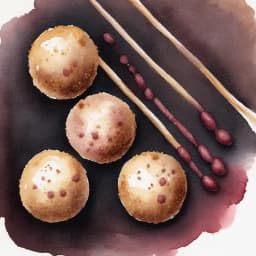
Dumplings are made using freshly harvested wheat flour from the end of the rainy season and coated with bean paste made from kidney beans or adzuki beans. The name is said to derive from the way the bean paste appears mottled on the surface of the dumpling, looking as if it is 'balding.' It is a custom to offer them to deities and Buddha, enjoying them with the whole family while expressing gratitude for nature's blessings.
Within its simple and gentle flavor lives the wisdom of Sanuki life, which cherishes seasonal milestones. Today, it remains a classic symbol of summer in Sanuki, available at Japanese confectionery shops.
Why not quench your thirst with a craft beer from Udon Prefecture? This 'Sanuki Beer' is a unique local brew produced by Sanuki Winery in Sanuki City, overlooking the Seto Inland Sea.
Sanuki Winery is known as the first winery to be established in Shikoku. Utilizing the techniques cultivated through winemaking, this craft beer is crafted with a commitment to flavor that reflects the rich climate and food culture of Kagawa.
It is perfect for a quick break between bowls of udon or for enjoying a glass while gazing at the scenery of the Seto Inland Sea. It is a proud beer born in the land of Sanuki. We also recommend it as a souvenir from Kagawa for craft beer lovers.
This is a rare wine made from grapes nurtured by the sun of the Seto Inland Sea. Located within the Ogushi Nature Park in Sanuki City, Sanuki Winery was the first winery to be established in Shikoku. The wine is crafted in a stunning location offering a panoramic view of the Seto Inland Sea.
Using grapes from Kagawa Prefecture, the winery has also recently begun utilizing grape varieties improved by the Faculty of Agriculture at Kagawa University. You can enjoy wines with unique characters nurtured by the warm climate of the Seto Inland Sea. A major attraction is the collection of unique bottles, including sparkling wines made with 'Sanuki Hime,' Kagawa's original strawberry variety.
We invite you to enjoy a glass alongside seafood from the Seto Inland Sea. We also highly recommend visiting the winery itself to experience the breathtaking scenery while tasting the wine.
With a single sip, an elegant aroma and soft mouthfeel spread across the palate, where acidity and umami harmonize perfectly for a clean finish. It is a flavor that complements food and makes you want to drink it every day.
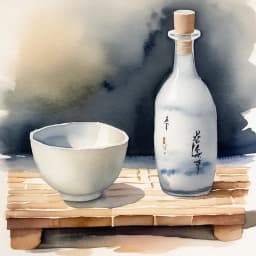
This sake comes from Ayagiku Sake Brewery, founded in 1790 in Ayagawa Town, Kagawa Prefecture. Brewed using soft underground water flowing from the Asa Mountains, the brewery has even revived and uses 'Oseto,' a type of sake rice that had once disappeared locally. Their Junmai Daiginjo, which incorporates locally produced yeast, was honored with a gold medal at the Kuramaster for three consecutive years.
This is a local sake rooted in a love for its hometown. The fullness of the rice and gentle acidity subtly enhance the flavors of your dishes. Please consider adding this versatile bottle—which shows rich character whether served chilled or warm—to your evening drink.
A prestigious sake from Sanuki that graced the G7 toast. "Kunishige" is a Japanese sake brewed by Ayakiku Sake Brewery in Ayakawa Town. The Ayakawa River, which flows right beside the brewery, is a pure river that also serves as the origin of the town's name.
The brand name is derived from Mr. Hiroaki Kunishige, a renowned master brewer (Toji) who has won a total of 20 gold medals at the National New Sake Awards. Brewed with locally grown sake rice "Ooseto," this sake features a charmingly crisp and clean finish. At the G7 Information and Communication Ministers Meeting held in Takamatsu in 2016, it was selected as the toast for the reception hosted by the Minister for Internal Affairs and Communications.
This is a proud local sake of Sanuki, showcasing the reliable skill of a master brewer. We recommend it as a special bottle suitable for celebratory occasions.
This is a somewhat unusual brewery that researches rice to the utmost. Located in Ayagawa Town, Yushin Sake Brewery has a long history dating back to 1854. It is widely known as the brewery that created 'Rice Power Extract' through its continuous exploration of the power of rice from a scientific perspective.
Their Junmai sake, brewed using pure spring water from Ayagawa and contract rice such as Kagawa-grown Yamada Nishiki and local 'Oidema' rice, features a full-bodied flavor that slowly brings out the deliciousness of the rice. Deep love and dedication to rice are infused into every single drop.
This is a unique Sanuki sake born from the meeting of inherited tradition and an inexhaustible spirit of research. It is a cup filled with the pride of a brewery that has continued to believe in the power of rice.
A shochu to be enjoyed while reflecting on the journey of the Ohenro pilgrimage. 'Kukai no Michi' is a barrel-aged shochu crafted by Ayagiku Shuzo in Ayagawa Town. It is a single expression created by slowly aging shochu brewed in a region said to be the birthplace of Sanuki Udon inside barrels.
It is characterized by a beautiful amber color unique to barrel aging and a mellow, profound aroma. You can enjoy a gentle yet powerful taste, as if traveling slowly through Shikoku, a land closely associated with Kobo Daishi Kukai.
Perfect as a companion for a relaxing night at the end of the day, served on the rocks or with water. It is a glass that lets you feel the climate and the path of prayer in Shikoku. Please savor it deeply while letting your thoughts wander to the nostalgia of the pilgrimage journey.
Upon taking a sip, a pleasant, gentle umami—as if the essence of the rice has been concentrated—spreads through your mouth. It is a rich and flavorful cup that complements food perfectly, making you reach for another glass.
This sake comes from Kawatsura Brewery, founded in 1891 in Kanonji City, Kagawa Prefecture. The name was inspired by a dream of a single crane descending upon the spring water of the Zaida River, which flows behind the brewery. Returning to the fundamentals of rice, water, and technique, the brewers personally enter the fields to engage sincerely with the unique character of Kagawa-grown rice.
The Junmai sake pairs beautifully with Seto Inland Sea seafood, while the Ginjo is refreshing and light. Its character changes whether served chilled or warm. Please consider choosing this local Kanonji sake for your evening drink.
It will surely change your image of sake. Produced by Kawatsuru Sake Brewery, which has been around in Kanonji City since 1891, 'Sanuki Cloudy' is a new sensation in nigori sake that offers a sweet and sour taste reminiscent of a lactic acid bacteria drink.
The secret lies in using approximately three times the usual amount of white koji, which produces high levels of citric acid. With a low alcohol content of 6%, it features a characteristically cloudy, creamy mouthfeel. Interestingly, this sake has a unique origin, having been developed specifically to pair with Kagawa's famous Honetsuki-dori (bone-in chicken).
It pairs excellently with fried foods and meat dishes. It is a bottle we recommend even to those who are not fond of traditional sake; please give it a try. Drinking it chilled further enhances its refreshing qualities.
When you tilt the cup, a clear flavor brewed with spring water flows smoothly over the tongue without overpowering the food. It is a drink you want to savor slowly while imagining the stone steps of Konpira-san.
A famous sake from Nishino Kinryo, which has a brewery in Kotohira Town, Kagawa Prefecture. They began full-scale sake brewing in Kotohira in 1789, and since the Edo period, it has been known as 'Konpira Sake of Sanuki' and loved as the sacred sake of Kotohira-gu Shrine. The soft water from the Kotohira brewery and sake-brewing rice such as Yamada Nishiki support its elegant taste.
A historic Kagawa local sake that makes you want to buy it on your way back from a shrine visit. Please enjoy a cup at your dining table, just as it has been offered to the gods.
A gentle cup that feels as if it is softly accompanying you on a moonlit night. 'Gechuten' is a sake brewed by the long-established Nishino Kinryo, located in Kotohira Town, the gateway to Kompira-san.
Its name is derived from an ancient Chinese idiom suggesting that heaven exists within a jar, evoking scenes of gathering with friends at night to enjoy a drink. This Junmai Ginjo, made using 'Sanuki Yoima' rice born in Kagawa, features a brilliant aroma reminiscent of Muscat grapes and a refreshing, mild acidity.
Its clean finish pairs excellently with seafood from the Seto Inland Sea. It is a local Sanuki sake that makes you want to sip slowly while gazing at the moon. A bottle that quietly accompanies your quiet moments at night.
With a single sip, a powerful aroma and the deep umami of rice rush in, followed by a long, satisfying finish. Each bottle possesses a different character, making it a sake that is truly a bundle of individuality.
Brewed by Maruo Honten, located near the approach to Kotohira-gu Shrine in Kotohira, Kagawa Prefecture. The brewing process utilizes spring water from Manno Pond, focusing on unfiltered and namazake (unpasteurized) styles, crafted using high-quality sake rice such as Omachi and Yamada Nishiki. Their creed is a robust brewing method that values the unique character of each tank over uniformity.
When paired with richly flavored dishes, its profound depth truly stands out. Please enjoy this resilient cup that will leave even true sake lovers in awe.
This is the lesser-known second face of Kaijin. Maruo Honten has been brewing sake since 1885 in Kotohira, at the foot of Konpira-san. This 'Homare Kaijin' is the sister brand to the widely acclaimed 'Etsu Kaijin,' which enjoys immense support from sake lovers nationwide.
The Junmai Ginjo made with Yamada Nishiki offers a deep flavor that balances strength with delicacy. The depth and richness are products of a brewery that remains committed to traditional handmade methods, using wooden steaming baskets and Japanese cauldrons.
As a food-pairing sake that stays true to the culinary culture of Sanuki, it has been quietly and steadily loved locally for a long time. It is a masterpiece we hope you will try if you happen to come across it.
A local sake quietly brewed on the island of olives and soy sauce. The brewery in Shodoshima carefully prepares each batch of sake using rice from Kagawa Prefecture and the island's clear spring water. Through small-scale production, they continue to cherish a brewing process deeply connected to the local community.
Shodoshima possesses a rich food culture, being home to 400 years of soy sauce production and as the birthplace of olives in Japan. Its gentle flavor, which reflects this unique environment, pairs perfectly with the seafood of the Seto Inland Sea, quietly enhancing your dining experience.
This is a precious bottle that rarely makes its way outside the island. If you visit Shodoshima, it is a local sake you should definitely try. Please take your time and enjoy a glass that captures the essence of the island's landscape.
Are you familiar with a dry Sanuki sake preferred by connoisseurs? "Kinju" is a sake brewed by Nishino Kinryo, which maintains its brewery in Kotohira, the temple town of Kompira-san. Within the long-standing Kinryo brand, it is a refined brand known only to those in the know.
Using pure Sanuki water and high-quality rice, it is brewed slowly and carefully using traditional techniques passed down through many years. Its crisp, dry flavor makes it perfect as an accompaniment to meals, enhancing the taste of the food.
Its charm lies in its honesty, quietly accompanying your daily dining table rather than seeking flashiness. Please enjoy this flavorful local sake that stays close to Sanuki's food culture. It is a bottle that will gently accompany your nightly drinks.
A slightly luxurious fruit liqueur delivered from the island of olives. Shodoshima is the birthplace of olives in Japan. Since the first olive harvest in the country in 1908, the island has walked alongside olives for over 100 years.
This liqueur, made with olives grown on such an island, features the charming, unique flavor produced by the olives and their oil. Its fruity and refreshing taste can be enjoyed as an aperitif or as a base for cocktails with reduced sweetness.
An unexpected drink unique to 'Udon Prefecture.' Please take your time to savor the rich blessings of Shodoshima in your glass. It is a drink that will elegantly color your pre-dinner moments.
This is 'SGF Maple,' an additive-free granola from Setouchi Granola Factory, located near Tsuda no Matsubara in Sanuki City. Our commitment lies in the fact that each piece is handmade without using any synthetic additives or chemical seasonings.
Natural maple sweetness gently coats toasted oats. The fragrant, crunchy texture allows you to savor the flavor of the ingredients with every bite, making it perfect for both breakfast and snacks.
Simply pour yogurt or milk over it for an easy, nutrient-rich meal. This is a reliable granola born in Setouchi, ideal for those who want to choose something kind to their body. It's something you'll want to include in your daily diet.
A banana-flavored additive-free granola handmade by Setouchi Granola Factory in Sanuki City. Without using any synthetic additives, you can enjoy the natural sweetness of bananas and the texture of oats.
This is 'Wasanbon Cookie Nutty Series,' produced by the pastry shop Nishiuchi Kagetsudo in Manno Town, founded in 1951 (Showa 26). This item combines the fine sweetness of Sanuki's traditional Wasanbon sugar with the savory aroma of nuts.
The delightful part is the light texture that crumbles easily in your mouth. The richness of the nuts harmonizes with the gentle sweetness of the Wasanbon, making you want to reach for just one more.
This is a baked good unique to Kagawa, incorporating Japanese sugar into Western-style confectionery. It pairs perfectly with both coffee and Japanese tea, making it an ideal companion for teatime. These are elegant cookies that are sure to be appreciated as a gift.
A vanilla-flavored Sanuki Wasanbon cookie produced by Nishiuchi Kagetsudo, a patisserie in Mannou Town founded in 1951. Egg-free, it features a crumbly texture where the fine sweetness of Wasanbon harmonizes with the rich aroma of vanilla.
A plain flavor Sanuki Wasanbon cookie produced by Nishiuchi Kagetsudo, a patisserie in Manno Town founded in 1951. It features a simple finish that allows you to enjoy the fine sweetness of Wasanbon directly, characterized by a delicate, crumbly texture.
This is 'Sanuki Shiro,' a dry Japanese sweet made with Sanuki Wasanbon by Ayami Natural Sweets Showado, located in Ayakawa Town. As the name suggests, it features a simple design based on white, and its clean, unadorned elegance actually highlights the high quality of the Wasanbon itself.
Wasanbon sugar, a tradition in Sanuki since the Edo period, is an extremely fine sugar made by painstakingly refining it multiple times on a tray. When you take a bite, it crumbles with a slight crunch, and the gentle sweetness vanishes smoothly.
Pairing it with green tea or matcha further enhances its elegant sweetness. This is a straightforward product that conveys the quality of the ingredients directly. It is a dry sweet that quietly enriches your tea time.
The flagship product of the 'Wanbon' series, which uses an exceptionally luxurious amount of Sanuki's treasure, 'Wasanbon' sugar.
Since its founding in 1986, we have devotedly refined our pie-making techniques for over 35 years. With these proven skills, we encapsulate the delicate and mellow sweetness unique to Wasanbon within a light, crispy pastry. The many layers of dough crumble delicately the moment they enter your mouth.
With every bite, the gentle sweetness of Wasanbon spreads softly. This is an elegant souvenir pie where Kagawa's proud sugar culture meets the delicate techniques of Western confectionery.
A new encounter between shrimp crackers, cheese, and wine. Developed by Shimahide, a specialty shrimp cracker shop in Kanonji City, "Quattro Ebi Cheese" is a massive hit, selling 10,000 units per month.
"Quattro" means "4" in Italian. Four types of cheese cream are sandwiched between crispy shrimp crackers. Blue features blue cheese & honey, yellow is Camembert & black pepper, green is Mozzarella & basil, and pink is Cheddar. Their colorful, jewel-like appearance is also a major attraction.
This new sensation sweet, born in Kagawa, is perfect as an accompaniment to wine. It is also sure to be appreciated as a gift.
This is the face of Kannonji, featuring a brand mark of the Kan'ei Tsuho coin. 'Kannonji (Kanman)' is the representative confection of Kannonji City, handmade by Hakueido, which was founded in 1902. Locally, it is affectionately known as 'Kannonji Manju' or 'Kanman.'
It features white bean paste made from Hokkaido-grown Tejime beans blended with egg yolk, gently wrapped in a fusion of Japanese and Western style dough made with butter and eggs. With a single bite, a milky sweet aroma wafts through the air. Its charm lies in its uniquely captivating flavor that sits somewhere between a Japanese wagashi and a Western pastry.
Because it has a short shelf life, this item can only be purchased within Kannonji City and surrounding areas. That is precisely why the joy of encountering it is all the more special.
A white shrimp cracker that melts softly in your mouth. 'Shrimp Senbei' is a staple product of Shimahide, which has continued to make shrimp crackers in Kanonji City for over 60 years.
Its major feature is that it is baked using only shrimp minced meat, without including the shells. This results in an elegant white color and a mellow texture that melts in your mouth. The savory umami of the shrimp is highly concentrated, spreading a rich flavor with every bite.
It is perfect as an accompaniment to tea or as a snack with alcohol. Please enjoy this mellow cracker, the pride of a long-established shrimp specialist. It is a jewel of Kanonji that is also well-received as a gift.
An adult-oriented shrimp cracker produced by Shimahide in Kanonji City. It combines minced shrimp from the Seto Inland Sea with yuzu kosho (citrus chili paste), creating a spicy kick and refreshing yuzu aroma that pairs perfectly with alcohol.
A colorful selection of five different varieties of thin-baked shrimp crackers produced by Shimahide of Kanonji City. Baked using only shrimp minced paste, they feature a light texture and a brilliant appearance, making them popular as easy souvenirs or snacks.
This is the flagship product of Yuyutsubaki, the oldest confectionery shop in Kanonji City, founded in the Meiji era. It is an auspicious set featuring 'Oiri,' a traditional wedding sweet passed down in the Seisan region, and 'Karakara Tai,' which consists of rice crackers inside a sea bream-shaped mold.
Legend has it that Oiri originated around 1587, when local residents presented these five-colored puffed rice treats to the princess during the marriage of the daughter of Ikoma Chikamasa, the lord of Marugame Castle. Its charm lies in its incredibly light texture, melting instantly in your mouth.
The sea bream, which makes an adorable 'karakara' rattling sound, adds a touch of celebration to the experience. This is a perfect item for celebrations or as a gift to wish for happiness. It is a heartwarming sweet that carries the wedding culture of Kagawa into the present day.
The 'Zenigata Sand Art' is a massive sand painting remaining in Ariakehama, Kanonji City. This dorayaki, named 'Zenigata Dora,' is inspired by that sand art, which is shaped like the Kan'ei Tsuho coins of the Edo period. The brand mark on the cake features the familiar Zenigata design.
Legend has it that the Zenigata Sand Art was created in a single night in 1633 (the 10th year of Kan'ei) by the local people to welcome the lord of the Marugame Domain. It is considered an auspicious spot, as it is said that seeing it brings health, longevity, and financial prosperity.
This dorayaki, with its fluffy pancake skin sandwiching sweet bean paste, offers a familiar and gentle flavor. Perfect for souvenirs or gifts to bring good luck, it is a delightful treat that allows you to taste the essence of Kanonji's famous landmark.
A representative confection of Kanmonji City, handmade by Hakueido, founded in 1902. This Japanese-Western fusion treat features a dough made from white kidney beans from Hokkaido, white bean paste, butter, and eggs, branded with the Kan'ei Tsuho coin pattern.
A cheese sandwich made with shrimp crackers produced by Shimahide in Kanonji City. Featuring crispy shrimp crackers sandwiched with rich cheese cream, it is a delightful treat for both snacking and pairing with drinks.
Shimahide is a long-established shop that has continued to produce shrimp crackers for many years in Kagawa, facing the calm Seto Inland Sea. Offering a different flavor profile from their signature 'Quattro Ebi Cheese,' this product is also loved by a wide range of generations.
When the savory aroma of shrimp meets the richness of cheese, it creates an irresistible deliciousness. One bite makes you want to reach for another. It is an elegant cracker born in the Seto Inland Sea that pairs well with both tea and wine.
A fragrant rice cracker made by 'Shimahide,' a famous shrimp cracker specialty shop in Kanonji City, created by grilling two crackers together.
Shimahide began as a small fishmonger in 1950 and is a long-established shop that has continued to make shrimp crackers in Kanonji, facing the calm Seto Inland Sea. This Ebi Futayaki cracker combines the toasted aroma of sesame with the rich umami of Seto Inland Sea shrimp, resulting in a substantial, satisfying bite.
When you snap it crisp, the aroma of sesame and shrimp wafts up. Packed with the blessings of the Seto Inland Sea, it is a delightful accompaniment to both tea and light snacks.
A creation by Shimahide of Kanonji City, combining the specialty Sanuki Wasanbon sugar with shrimp crackers. The savory umami of the shrimp is complemented by the gentle sweetness of Wasanbon, resulting in a refined flavor.
Developed by Shimahide, a shrimp cracker manufacturer in Kanonji City, this is a massive hit selling 10,000 units per month. It features colorful shrimp crackers sandwiched with four types of cheese (Blue Cheese Honey, Mozzarella Basil, Cheddar, and Camembert Black Pepper).
A creation by Shimahide of Kanonji City, featuring the flavor of Shoyu-mame (soy bean with soy sauce), a local specialty of Kagawa, in a cheese sandwich made with shrimp crackers. A taste unique to Kagawa that fuses the broad bean culture of Sanuki with shrimp crackers.
A bold rice cracker produced by Mankuya Toyoura Shoten, founded in 1877, which features whole shrimp baked exactly as they are.
This additive-free and colorless masterpiece is made by steaming whole fresh shrimp caught in the Seto Inland Sea without breaking their shape. Because the shrimp remain intact, it has a grand appearance and provides a satisfyingly hearty texture with every bite. It is a piece of craftsmanship that maximizes the natural umami of the shrimp without adding unnecessary ingredients.
When you bite into its crisp texture, the savory flavor and roasted aroma of the shrimp spread throughout your mouth. This is Kanonji's pride—a rice cracker that allows you to taste the full bounty of the Seto Inland Sea.
This product combines the joy of melting cheese with shrimp crackers.
Based in Kanonji City, Kagawa Prefecture, Shimahide is a specialty shrimp cracker shop with over 70 years of history. They are dedicated to making shrimp confectionery from the Seto Inland Sea and are well-known for their flagship product, "Quattro Ebi Cheese." "Ebi Cheese Fondue" features a rich cheese sauce made with Camembert paired with shrimp crackers; if warmed up, you can enjoy it like a true cheese fondue.
The savory shrimp cracker harmonizes beautifully with the mellow cheese. Please enjoy this new sensation of flavor where Japanese and Western styles meet, perhaps as an accompaniment to wine.
A spring-limited shrimp cracker produced by Shimahide in Kanonji City. This seasonal shrimp cracker brings out the flavor of seasonal shrimp, such as spring sakura shrimp.
Established in 1917 (Taisho 6), this is an assortment of seasonal dry Japanese sweets crafted by Hogetsudo, a long-established shop in Marugame. Using Wasanbon sugar, a tradition passed down in Sanuki since the Edo period, the collection features visually stunning confections shaped like flowers and scenery from each season.
The fine, delicate sweetness unique to Wasanbon melts smoothly in your mouth, leaving a gentle aftertaste. Looking at these lovely shapes reflecting spring cherry blossoms or autumn maple leaves makes your heart feel at ease.
This elegant item is perfect for tea ceremonies or as a seasonal greeting. It is packed with the essence of confectionery craftsmanship nurtured over many years in the castle town of Marugame. It is sure to delight anyone receiving it as a gift.
An auspicious dry confectionery called 'Fuku-narabe' produced by Hojutsudo, a long-established shop in Marugame founded in 1917 (Taisho 6). Using Wasanbon sugar, which has been passed down in Sanuki since the Edo period, each piece is carefully molded into celebratory shapes themed around 'Fuku' (good fortune).
The fine sweetness unique to Wasanbon melts smoothly in the mouth, leaving a gentle aftertaste. Just looking at the row of auspicious shapes makes you feel bright and optimistic, as if something good is about to happen.
This lucky item adds a splash of elegance to gifts and celebratory occasions. It is packed with the essence of confectionery craftsmanship cultivated over many years in the castle town of Marugame, along with heartfelt wishes for good fortune.
We harvest white peaches carefully grown in Iyyama-cho, Marugame City at their peak ripeness to create a puree—this is a luxurious jelly made from 100% that puree, available only in summer. It is produced by 'Kisaragi' in Marugame.
By blending it with a syrup containing rare sugars native to Kagawa, you can enjoy a juicy texture as if you were eating the peach itself. When enjoyed well-chilled from the refrigerator, it feels as though the summer heat is gently melting away.
The gentle sweetness and aroma of white peach make it perfect for a summer gift. It is an item that will be appreciated as an Ochuugen (mid-summer gift) or an Obon souvenir. Please enjoy this seasonal delicacy that captures the essence of seasonal peaches.
An assortment of baked goods called 'Sansai Fumi' produced by Hojutsudo, a long-established shop in Marugame founded in 1917 (Taisho 6). Utilizing confectionery techniques cultivated over many years in the castle town of Marugame Castle, this box brings together three different flavors.
Each baked treat has its own personality, making it fun to compare them. The aroma of butter and the melting texture of the dough—everything is carefully finished, offering an elegant taste characteristic of a long-established shop.
This visually stunning assortment is perfect for gifting. It is delightful because you can enjoy various flavors bit by bit alongside coffee or tea. This box is a heartfelt creation nurtured by the history and climate of Marugame.
A sable created in 1958 by Hogetsudo, a long-established shop in Marugame founded in 1917. It is shaped like the famous Marugame uchiwa (fan). This confection expresses the Marugame fan, which is said to have been born at the beginning of the Edo period as a souvenir for Konpira pilgrimages.
Its light, crispy texture and rich buttery aroma are irresistible. The adorable fan shape makes you feel as if a breeze from Marugame is blowing just by looking at it.
This stylish item reflects the uchiwa, which shares history with the Konpira pilgrimage. As a gift, it serves as a great conversation piece unique to Marugame. Please enjoy it with coffee or tea. It is a flavorful sable nurtured by the castle town.
A seasonal dry confectionery made of Sanuki Wasanbon shaped like the zodiac animal of the year, crafted by Hogetsudo, a long-established shop in Marugame founded in 1917 (Taisho 6).
Using Wasanbon sugar passed down in Sanuki since the Edo period, each year's zodiac is finished into an adorable shape.
The fine sweetness unique to Wasanbon possesses an elegance that melts smoothly in the mouth. Looking at the zodiac of the year fills you with anticipation for the new year.
This seasonal product is also delighted as a New Year's greeting or as a decorative sweet for the New Year festivities. It is an item that is wonderful both to eat and to display. As a lucky charm to color the New Year, it is a Marugame Wasanbon sweet that many people look forward to every year.
Hogetsudo, a long-established shop located in the castle town of Marugame Castle, presents its signature confection, "Marugame," which bears the name of the city itself. This is a unique product that only a shop with a history of confectionery making in this region since its founding in 1917 (Taisho 6) can offer.
It expresses the history and landscape of the Marugame domain through sweets. As it carries the local name, the flavor reflects a deep affection for the land. It is easy to understand why it has been cherished by the people of Marugame for so long.
It is wonderful that you can take home not just a souvenir of your visit to Marugame, but the name itself. Its elegance makes it suitable both as an accompaniment to tea and as a gift. It is a beloved local masterpiece, fragrant with the history of the castle town of Marugame.
A Sanuki Wasanbon dry confection called 'Renge' (Lotus), produced by Hogetsudo, a long-established shop in Marugame founded in 1917 (Taisho 6). The delicate embossed design shaped like a lotus flower exudes an air of great elegance.
Sanuki Wasanbon sugar, passed down since the Edo period, is a fine-grained sugar finished by being polished many times on a tray. Its elegant sweetness melts smoothly in your mouth. Just looking at the beautiful shape of the lotus flower brings peace to the heart.
This item is often used as confectionery for Buddhist ceremonies or as a refined gift. The essence of confectionery craftsmanship nurtured in the castle town of Marugame is expressed alongside the pure lotus flower.
This is a signature confection from Hogetsudo, a long-established shop in Marugame, bearing a name that honors the history of the 60,000-koku Marugame Domain.
It features the crest 'Hira-yotsume-musubi' of the Kyogoku clan, the final lords of Marugame Castle, branded onto the sweet. The high-quality Japanese confection consists of homemade bean paste softly wrapped in mochi. This masterpiece subtly encapsulates the long history of the castle town of Marugame and the pride of its local people within a single bite. It continues to be cherished as a classic representative souvenir of Marugame.
With a profound flavor created by the harmony of soft mochi and elegant bean paste, it is a perfect accompaniment to tea or a fitting souvenir to commemorate a visit to Marugame.
A traditional Matsukaze confection produced by the long-established 'Hogetsudo' in Marugame.
Matsukaze is an ancient type of dry confectionery, believed to have originated in Kyoto, made by baking flour with sugar and miso. It has long been enjoyed as a sweet for tea ceremonies. The defining feature of Hogetsudo's Miso Matsukaze is its unique chewy texture, which fully utilizes the flavor of local Sanuki Miso. Each piece is carefully baked to create a nutritious Japanese sweet.
As you chew, the savory aroma of miso and a subtle sweetness spread through your mouth. This simple yet deep flavor will profoundly enrich your tea time.
A seasonal manju (steamed bun) that the long-established Marugame shop 'Hogetsudo' continues to handmade with care every year, themed around the current year's zodiac animal.
Their adorable appearance, shaped like the twelve animals of the zodiac, is enough to bring a smile to your face just by looking at them. Since a different zodiac animal appears each year, many people look forward to them annually. These are auspicious sweets finished with great effort by skilled artisans, featuring gentle sweet bean paste carefully wrapped in moist dough.
Perfect for New Year's greetings or small gifts. This is an item you will want to give to loved ones while wishing for happiness in the new year.
This playful treat is an arrangement of 'Honetsuki-dori' (bone-in chicken), a local gourmet specialty born in Marugame, transformed into fragrant rice crackers.
Honetsuki-dori was created in Marugame in 1952 and has since become a beloved soul food of Kagawa, alongside Sanuki Udon. We have brilliantly recreated that bold, juicy flavor—seasoned with salt, pepper, and garlic—on thin, crispy rice crackers. The spicy punch of the garlic creates an irresistible, lingering craving.
With a light, crunchy texture, it is perfect as a snack or as an accompaniment to beer. It is a souvenir that will spark great conversations, offering a unique way to enjoy the food culture of Kagawa.
Traditional 'Oiri' wedding confectionery produced by Hogetsudo, a long-established shop in Marugame. These pastel-colored round sweets are made by drying and roasting glutinous rice and coloring them with five different colored syrups; they melt softly in your mouth.
A seasonal autumn staple crafted by Hozukido, a long-established confectionery in Marugame. These chestnut manju feature a moist and elegant flavor.
Inside the smooth, homemade bean paste, tender pieces of fluffy chestnut are gently nestled, with each piece carefully finished to achieve a beautiful, glossy golden-brown color. With just one bite, the refined sweetness of the bean paste and the hearty aroma of the chestnut melt together beautifully. This is a masterpiece that showcases the meticulous craftsmanship unique to a long-standing shop with a deep history of wagashi making.
Perfect not only as a treat with tea but also as a seasonal greeting or gift. Enjoy the full essence of autumn in Marugame with these moist, soul-soothing chestnut manju.
A candy confection produced by Hojutsudo, a long-established shop in Marugame. It comes in an affordable size that is easy to use for greetings or small gifts, offering a traditional flavor that conveys the confectionery culture of Marugame.
We have transformed the Marugame Uchiwa (hand fan), which holds about a 90% national market share, into rice crackers.
Marugame Uchiwa originated in the early Edo period as a souvenir for pilgrims visiting Kotohira-gu Shrine, and developed into a major industry when the Marugame Domain encouraged it as a side job for lower-ranking samurai. In 1997, it was designated as a National Traditional Craft. Hogetsudo, a long-established shop located in the Marugame castle town, has captured this local treasure in the shape of fan-shaped crackers, creating an aromatic piece with an egg-flavored finish.
As a souvenir for Konpira pilgrimages, it is a visually representative item of Kagawa. Along with its crisp texture, please taste the history of craftsmanship rooted in Marugame.
A prideful confection from Hogetsudo, named after the lord of Marugame.
Hogetsudo, located in the Marugame castle town, is a long-established Japanese confectionery shop with over 100 years of history. 'Kyogoku-sama' is a baked sweet named after the Kyogoku clan, who ruled the Marugame Domain during the Edo period; it is a prestigious item made with traditional Momoyama dough. This version is a small size for easy enjoyment, making it an excellent accompaniment to everyday tea.
An elegant sweetness gently spreads through the moist dough. With a single bite, you can reflect on the history of the castle town of Marugame. Please enjoy it when you want to take a relaxing break with some tea.
A sophisticated Japanese sweet that allows you to enjoy elegant shiruko (sweet red bean soup) simply by pouring hot water.
Produced by Hogetsudo, a long-established shop located in the Marugame castle town, this is a shiruko featuring monaka (wafer) shaped like a small pot. When hot water is poured into the monaka shell designed to look like a pot, the shell dissolves, creating a sweet red bean soup with a texture similar to mochi. It is a thoughtful item that can be enjoyed easily one piece at a time.
In the cold season, its warming sweetness is a delight. Since you can enjoy an authentic taste without any effort, it is also a wonderful choice for a small gift. Please take your time to savor this cup, which gently soothes a chilled body along with its rising steam.
An assortment of sweets that packs the essence of Marugame, the "Castle Town," into a single box.
Hogetsudo is a long-established Japanese confectionery shop with over 100 years of history, located in the castle town of Marugame Castle. "Oshiro no Machi no Amaimon" (Sweets of the Castle Town) is a gift set featuring Hogetsudo's prideful Japanese sweets, themed around Marugame. It offers the joy of tasting the confectionery culture passed down through the castle town all in one box.
Every time you open the box, the history of Marugame and the craftsmanship of the artisans reveal themselves. Why not present this as a souvenir to someone special, gifting them the very atmosphere of the castle town? The time spent tasting while choosing various treats is also truly exceptional.
A simple Ogura Yokan from Hogetsudo that highlights whole azuki beans. Located in the Marugame castle town, Hogetsudo is a long-established Japanese confectionery shop with over 100 years of history. This Ogura Yokan is a classic wagashi made by kneading azuki beans while leaving the grains intact, allowing you to enjoy both a solid sweetness and a gentle bean texture. Within its unpretentious simplicity, you can feel the reliable craftsmanship unique to an old-established shop. When paired with strong tea, its sweetness stands out even more. Please savor each slice slowly and enjoy the taste of the traditional wagashi passed down in the castle town of Marugame. It is a flavor that makes you realize there is a reason why classics are loved for so long.
A matcha yokan (sweet bean jelly) produced by Hogetsudo, a long-established shop in Marugame. This neriyokan (練り羊羹) captures the vibrant green color and aroma of high-quality matcha, making it highly valued as a sweet for tea ceremonies.
An elegant confection from Hogetsudo that evokes the gentle waves of the Seto Inland Sea. Marugame has long been a port town open to the Seto Inland Sea. 'Seto no Nami' was crafted by the long-established Hogetsudo, located in the castle town of Marugame, with the theme of these calm waves. It gently reflects the atmosphere unique to a seaside town in its refined sweetness. Like waves washing ashore and receding, a mellow sweetness quietly spreads. This Japanese sweet invites you to savor it slowly while imagining the scenery of the port town, Marugame. Served with tea, it is a soul-soothing item that delivers the peaceful time of the Seto Inland Sea seaside along with it.
A traditional Honneri Yokan (sweet bean jelly) carefully prepared by the long-established Hogetsudo in Marugame. This authentic yokan brings out the full flavor of Hokkaido adzuki beans, finished with a smooth texture and elegant sweetness.
A rice cracker from Hogetsudo featuring the motif of Kasamatsu, a famous spot at Kotohira-gu Shrine.
Hogetsudo, located in the castle town of Marugame, is a long-established Japanese confectionery shop with over 100 years of history. The 'Kasamatsu Senbei' is a famous confection inspired by Kotohira-gu Shrine (affectionately known as Konpira-san) and has been a popular souvenir for pilgrims.
Each beautifully baked cracker captures the atmosphere of a pilgrimage to Konpira. With a crunchy texture and a gentle, simple sweetness that spreads slowly, please take home this taste of Kagawa along with your memories of visiting Konpira. Serving it with tea may even bring back memories of the bustling shrine approach.
These are beautiful Japanese sweets from Hogetsudo that reflect the flowers of each season.
Located in the Marugame castle town, Hogetsudo is a long-established confectionery with over 100 years of history. "Hanagoyomi" is a visually delightful sweet adorned with flowers that change with the passing seasons. The colors reflecting the rotating seasons add a gentle touch to tea ceremonies. Its beauty is enough to soothe your heart just by looking at it.
This is a treat that allows you to savor the full essence of Japan's four seasons along with an elegant sweetness. Served as a snack with tea, it invites you to pause and appreciate the changing seasons. A perfect gift for loved ones, these sweets are a way to present the season itself. Please enjoy the flowers unique to each time of year with both your eyes and your palate.
A large-sized version of Hogetsudo's signature confection, named after the Kyogoku clan that ruled the Marugame Domain. This size is perfect for gifting and conveys the history and prestige of the castle town of Marugame.
A matcha-flavored manju (steamed bun) produced by Kyuman Honpo Ishidanya. As a sister product to the beloved Kyuman found on the approach to Kompira-san, it offers a refined taste with light matcha kneaded into the yellow bean paste.
The famous Kyuman transforms into a Western-style treat only in winter. 'Kyuman Choco Manju' is a winter-limited variation of the classic Kyuman, a long-loved confection on the approach to Konpira-san.
White bean paste with chocolate chips is softly wrapped in a chocolate-flavored dough. It is a slightly unexpected Western arrangement that combines chocolate with a traditional Japanese manju. Packed with enjoyment unique to the cold season, it offers a different flavor from the standard Kyuman.
An exclusive winter delight you can encounter on the stone steps of the Kotohira-gu approach. Please pick up this seasonal limited item as a souvenir of your Konpira pilgrimage. We highly recommend trying it as a companion for your winter stroll along the approach.
Kotohira-gu Shrine is affectionately known as 'Konpira-san.' One of the classic souvenirs lined up along its approach is the 'Konpira Manju (Sweet Potato Paste)' from Kyuman Honpo Ishidanya. Our pride is the heartwarming, gentle sweet potato paste, made by kneading Naruto Kintoki sweet potatoes into white bean paste crafted from Hokkaido-grown Tejawa beans.
Wrapped in a moist skin, the manju spreads a natural sweetness of sweet potato with a single bite. After climbing and descending the long 785 stone steps to the main shrine, that sweetness feels even more profound.
This item is perfect as an accompaniment to a visit to Konpira or as a souvenir. It is a manju with a nostalgic flavor that has been loved for a long time on the approach to Sanuki's shrine. Please give it a taste.
Shikoku Konpira Kabuki has been performed annually since 1985 at the 'Old Konpira Dai-shibai (Kanamaru-za),' a national important cultural property. 'Tsuri-onna' is a specialty confection unique to Kotohira, inspired by that theater.
Its name comes from the Kabuki/Kyogen play 'Tsuri-onna,' referencing a slightly humorous story about praying to the deity of matchmaking for good connections. It is an elegant item that reflects the world of theater in a sweet treat, truly characteristic of Kotoh.
You will want to pick this up as a souvenir to commemorate your pilgrimage to Konpira or your Kabuki viewing. It is a product unique to a town that houses the oldest existing theater built in 1835 (Tenpo 6). It is sure to delight those who love the theater.
"Konpira Funafuna, hoisting sails against the pursuer, shura-shu-shu-shu" — This is a famous confection from Kotohira that shares its name with that very folk song. It was devised by the original Funafunado, which was founded in 1909 on the approach to Konpira-san. The sweet is inspired by the fact that Kotohira-gu is the guardian deity of maritime transport; the dough is made using only eggs from Kagawa Prefecture, flour, and sugar, and is shaped like a ship's sail with the lyrics of the folk song branded onto it. We take pride in the fact that even today, each piece is baked by hand at our storefront. If you visit Konpira-san, this is a treat you definitely want to pick up. The long history of Konpira wafted through this crispy, fragrant egg cracker.
A matcha-flavored manju (steamed bun) produced by Kyuman Honpo Ishidanya. As a sister product to the beloved Kyuman found on the approach to Kompira-san shrine, it offers an elegant flavor created by kneading light matcha into the yellow bean paste.
An airy and light shrimp snack produced by 'Shimahide,' a famous shrimp cracker specialty store in Kanonji City.
Shimahide is a long-established shop that began as a small fishmonger in 1950 and has continued to create shrimp confectionery in Kanonji, facing the calm Seto Inland Sea. Unlike their usual crispy shrimp crackers, this 'Ebi Fuwatcho' features a major characteristic of an airy and light mouthfeel. The savory flavor of shrimp spreads softly within a texture that seems to melt away with a crisp bite.
It offers a gentle deliciousness that is easy for everyone from small children to the elderly to enjoy. It is a snack packed with the blessings of the Seto Inland Sea that you won't be able to stop eating.
An assortment of shrimp crackers perfect for gifting, produced by 'Shimahide,' a famous shrimp cracker specialty store in Kanonji City. Shimahide is a long-established shop that began as a small fishmonger in 1950 and has continued to produce shrimp-based confectionery in the Seto Inland Sea region. This Ebi Kosasa is an ideal gift, featuring carefully packed shrimp-flavored crackers in elegant packaging. You can enjoy a crisp, light texture and a rich shrimp umami that spreads throughout your mouth. It is perfect as a souvenir for those who have supported you or for seasonal greetings. These crackers allow you to deliver the blessings of the Seto Inland Sea in a sophisticated manner.
This assortment of shrimp rice crackers embodies the time spent gathered around a table with the whole family.
Based in Kanonji City, Kagawa Prefecture, Shimahide is a long-established specialty shop for shrimp rice crackers with over 70 years of history. Committed to creating shrimp confectionery that utilizes the blessings of the Seto Inland Sea, it has long been loved as a representative souvenir of Kanonji. 'Ebi no Danran' brings together shrimp crackers of different flavors in one box, designed to be shared by everyone.
Crispy and fragrant, the savory umami of the shrimp spreads with every bite. Placing this on your tea table naturally sparks conversation. Please enjoy it as a companion for moments of togetherness with family and friends.
A spring-only Konpira souvenir with the light aroma of Earl Grey.
This is a spring-limited manju (sweet bun) available from March to May, produced by Ajiman Honpo Ishidanya (Konpirado), located on the approach to Kotohira-gu Shrine. It takes the traditional shape of their signature 'Ajiman' and combines it with a yellow bean paste infused with Earl Grey tea leaves, enveloping the treat in an elegant tea fragrance. It is a beautifully crafted item that allows you to feel the season.
If served with tea, the aroma of the Earl Grey will stand out even more. Please take home this seasonal scent as a memory of your spring pilgrimage to Konpira. The fact that it can only be encountered during spring adds to its special flavor.
Founded in 1882, this is a famous confection from Kotohira produced by Kinokuniya Honten, located on the 52nd step of the approach to Kotohira-gu Shrine. Every day, 5,000 to 6,000 pieces are hand-baked in-store using eggs, flour, and sugar from Kagawa Prefecture, with the lyrics of the folk song 'Konpirafuna' branded onto each individual cracker.
A rice cracker that layers the savory flavors of Sanuki's specialty iriko (dried sardines) and shrimp.
Based in Kanonji City, Kagawa Prefecture, Shimahide is a specialized shrimp cracker shop with over 70 years of history. The 'Iriko Ebi Sen' combines the bounty of the Seto Inland Sea: Sanuki's famous iriko and shrimp. The flavor of the iriko dashi blends with the umami of the shrimp to create a deep taste unique to Kagawa.
With a crispy texture, the savory flavors of the Seto Inland Sea spread throughout your mouth. This nutritious cracker pairs perfectly with tea or as an accompaniment to evening drinks. Please enjoy a single piece filled with the blessings of Kagawa's sea.
A stylish shrimp rusk baked using expertise from shrimp cracker production. Shimahide, located in Kanonji City, Kagawa Prefecture, is a specialty shrimp cracker shop with over 70 years of history. The 'Shrimp Rusks' utilize long-cultivated shrimp cracker techniques to lock the flavor of shrimp into a crispy texture. It reimagines traditional Japanese shrimp crackers into a Western-style rusk. Along with a light crunch, the savory umami of the shrimp spreads through your mouth. This stylish shrimp snack pairs well with both coffee and tea. Please enjoy this delightful item as a perfect accompaniment to your tea time or as a gift that is sure to please.
A colorful, adorable, and happiness-bringing wedding confection. 'Oiri' is a traditional sweet from western Kagawa Prefecture, made by roasting five-colored mochi flowers into round, light, and airy morsels. They gently melt in your mouth.
Its history dates back over 400 years. It is said to have begun when the subjects of the first Marugame clan lord, Ikomu Chikamasa, presented five-colored roasted treats to the princess upon her marriage. This auspicious sweet carries the wish: 'May you keep a rounded (peaceful) heart and work diligently.'
It is also incredibly popular as a topping for soft-serve ice cream. It is a delightful sweet born in Kagawa that lifts your spirits just by looking at it.
The story of the battle between the Genji and Heike clans resides within these red and white mochi. 'Genpei Mochi' is a traditional confection of Takamatsu, devised in the mid-Meiji era by Yoshioka Genpei Mochi Honpo, founded in 1862.
Inspired by the Genpei War that unfolded in Yashima, Sanuki, the white flag of the Genji and the red flag of the Heike are expressed through two small red and white mochi. Its charm lies in its soft texture and elegant sweetness. It is also derived from a legend that the Genji, having won the Battle of Yashima, pounded red and white mochi to celebrate their victory.
It is a traditional taste of Takamatsu passed down at the foot of Yashima, perfect for enjoying while reflecting on historical romance. With its paired red and white colors, it is also ideal as a gift for celebratory occasions.
A single-serving size of the popular product from Patisserie Morin, which has six locations in Takamatsu City. A rich cheese tart supervised by Chef Kawamura, a two-time TV Champion winner.
A whole large strawberry is luxuriously enclosed inside. 'Ichigo Daifuku' is a popular product representing the long-established Yumekabo Takara, founded in 1936. It was devised in 1994 by the third-generation owner, Koji Hamada.
Large Beni-hoppe strawberries delivered daily from contract farmers are gently wrapped in completely homemade white bean paste made from two types of white beans and Omi-produced Habutae mochi. It offers an elegant flavor created by the sweet and sour strawberry, delicate white bean paste, and chewy mochi. Its popularity is such that it sells over 4,000 pieces on weekends.
This is a pride of Kagawa—a strawberry daifuku where you can enjoy the freshness of the fruit as it is. It is a luxurious item you won't hesitate to pick up if you see it.
The figure of the Ohenro pilgrim softly dissolves into the sweetness of Wasanbon sugar. 'Oshikoku-san' is a dry confectionery motified after the Shikoku 88 Temple Pilgrimage, made by pressing Sanuki Wasanbon into wooden molds.
Sanuki Wasanbon is a premium domestic sugar produced only in Kagawa and Tokushima. Its greatest charm is its elegant, gentle sweetness that melts instantly upon entering the mouth. The adorable shape, modeled after an Ohenro pilgrim wearing a conical straw hat, is sure to bring a smile to your face.
It is delightful to look at and gentle to eat. This is a heartwarming Wasanbon souvenir packed with the essence of Shikoku. It is a perfect item to accompany your memories of traveling through Shikoku.
When delicate white Sanuki Wasanbon meets pure cocoa, it creates such an elegant chocolate. Wasanbon, passed down in Sanuki since the Edo period, is a labor-intensive sugar that is finished by being refined many times on a tray. The bitter aroma of cacao gently accompanies its fine-grained sweetness.
When you take a bite, you can enjoy the fun sensation of a slightly grainy texture like dry confectionery followed by a soft, smooth melt. This is a unique Kagawa creation that transforms Japanese sugar into a Western-style confection.
Please savor each piece slowly alongside coffee or Japanese tea. The moment where Japanese and Western flavors quietly merge is irresistible. It is an elegant, chocolate-like dry sweet that is also perfect as a small gift.
These are strawberry-flavored cookies from the 'Garan no Koishi' (Pebbles of Garan) series, produced by Patisserie Morin in Takamatsu City. With a bite-sized, round shape just like small pebbles, they are popular as perfect gifts due to their adorable appearance.
The light, crispy texture is accompanied by a gentle strawberry sweetness that spreads softly through your mouth. Because they are such small treats, you'll find yourself reaching for one more, and then another.
The assortment looks like a collection of colorful pebbles, bringing an instant smile the moment you open the lid. This item is recommended as a small gift or a treat for yourself. It is a quintessential Morin sweet that brings joy whether you are looking at them or eating them.
Cookies with a texture that crumbles delicately in your mouth, made with a luxurious amount of Sanuki Wasanbon sugar. Characterized by the elegant and delicate sweetness unique to Wasanbon, they are highly popular as a Western-style confectionery souvenir from Kagawa.
These are Fu-yaki senbei (rice crackers) carefully baked one by one by artisans using glutinous rice grown in Kagawa Prefecture. Their beautiful half-moon shape and light, melt-in-your-mouth texture are irresistible.
This assortment includes four flavors—Sakura (Cherry Blossom), Matsu (Pine), Tsuki (Moon), and Yuki (Snow)—each evoking the essence of the seasons. The delicate melting sensation is a hallmark of Fu-yaki. They pair beautifully with tea, which further enhances their elegance.
Because they are light and easy to eat, they can be enjoyed by everyone from the elderly to children. This is a flavorful traditional confection that embodies the Japanese craftsmanship passed down in Kagawa. It is perfect as an accompaniment to tea or as a small gift.
This Japanese-Western confectionery, 'Sanuki Mitsu Milk Tsutsumi,' was developed with the participation of a French pastry chef at Kashi Kobo Louvre. Shaped like Mt. Yashima, a scenic spot in Takamatsu, it visually captures the essence of Kagawa.
It features a milk-flavored white bean paste made with Sanuki Wasanbon sugar and rare sugar born in Kagawa, gently wrapped in a dough rich with kneaded butter. The meeting of Japanese bean paste and Western dough creates such a mellow flavor.
With a single bite, the richness of the milk and a gentle sweetness spread softly through your palate. It is an indulgent specialty unique to Kagawa that combines the best of both Japanese and Western confectionery. It pairs perfectly with both tea and coffee.
A moist-textured financier crafted by Patisserie Morin in Takamatsu City. Created as a sister product to the popular 'Garan no Koishi' (Pebbles of Garan) series, this baked good is distinguished by its square shape inspired by cobblestones.
The rich aroma of browned butter and the deep flavor of almonds spread throughout your mouth. With a golden-brown exterior and a moist interior, it is a satisfying treat that stays true to the classics of baked goods.
Pairing it with coffee or tea further enhances the buttery aroma. When packaged together with the adorable pebble-shaped cookies, it makes for an impressive gift. It is highly recommended for those moments when you want to take a relaxing break.
This is 'Kasutera,' baked with Sanuki Wasanbon sugar by Jinya Kashishi, founded in 1977. It is a pride of Takamatsu, boasting an award at the National Confectionery Expo.
The fine and gentle sweetness unique to the Wasanbon sugar passed down in Sanuki since the Edo period permeates the moist sponge cake. With one bite, an elegant sweetness gently spreads throughout your mouth.
From making the batter to the baking process, this is a product finished with great care by skilled artisans. It is a one-of-a-kind Castella that brings out the flavor of Wasanbon. It is a taste of Takamatsu suitable for both tea time and as a gift.
Created in 1994 by Koji Hamada, the third-generation owner of this Japanese confectionery shop founded in 1936. Large Beni-hoppe strawberries delivered daily from contract farmers are wrapped in completely homemade white bean paste made from two types of white beans and Omi-produced Habutae mochi. Over 4,000 units are sold on weekends.
A fluffy dessert called 'Mao no Hoppe' (Mao's Cheek) created by Patisserie Morin in Takamatsu City. It features a chewy dough filled with cream, offering an incredibly gentle mouthfeel. The name is said to come from its softness, reminiscent of a baby's cheek. One bite brings together the airy dough and melting cream, bringing an involuntary smile to your face. Soft and sweet, the expression 'cheek' is perfectly fitting. It is even more delicious when eaten chilled, making it perfect for snack time. With its adorable name and texture, it is a treat enjoyed by both children and adults. As a gift, it is sure to spread smiles.
A Japanese-Western fusion sweet called 'Mochi-pettan' from Kashi Kobo Louve, led by Chef Kawamura, a two-time winner of TV Champion, and founded in 1978. This unique Japanese sweet from Louve combines chewy mochi dough with Western confectionery techniques. With one bite, the mellow flavor of Western pastry follows the chewy texture of the dough. It is an enjoyable treat that greedily packs the best of both Japanese and Western styles. Despite being a mochi confection, it feels somewhat new, reflecting Louve's characteristic playfulness. It pairs well with both tea and coffee, making it perfect for snack time. Please try this characterful Japanese sweet born in Kagawa.
Yashima in Takamatsu is known as an ancient battlefield of the Genpei War. This Japanese confection, 'Mochi-iri Genpeiji,' is themed around that Genpei story. It features a satisfyingly substantial preparation with mochi (rice cake) inside.
It is an atmospheric item truly characteristic of Yashima, allowing you to enjoy flavors associated with Genpei. Yashima is also known for the anecdote of Nasu no Yoichi, who brilliantly shot through the target on a fan. Enjoying it while reflecting on historical scrolls is another delight.
With the addition of a chewy mochi texture, even a single piece provides great satisfaction. Please savor the history of Kagawa along with your tea. It is also the perfect souvenir to remember your visit to Yashima.
These are chocolate-flavored sable cookies from Patisserie Morin in Takamatsu City. As the name "Choco Asobi (Chocolate Play) Sable" suggests, this is a delightful item with a playful name and appearance.
With a light, crispy texture, the bittersweet sweetness of chocolate spreads across your palate. It goes wonderfully well with coffee or milk, making it the perfect companion for tea time. Its deliciousness makes it hard to resist when you's feeling a little hungry.
Its adorable appearance makes it stand out as a souvenir or a small gift. This is an approachable sweet that shines with Morin's unique sense of style. It is sure to delight chocolate lovers. An item you can enjoy casually.
A thin, crispy rice cracker made with shrimp caught in the Seto Inland Sea. The fragrant dough is baked lightly like a palette, allowing the flavor of the shrimp to spread softly.
It is a simple yet delicious snack that makes the most of the shrimp nurtured by the calm waters of the Seto Inland Sea. With its light, crunchy texture, you won't be able to stop at just one.
The savory aroma of shrimp fills your mouth, making it perfect as both a snack and an accompaniment to drinks.
In addition to pairing well with tea, it is also excellent with beer or other alcoholic beverages. This cracker is a true specialty of Kagawa, offering an easy way to enjoy the seafood of the Seto Inland Sea. Since it is light and easy to share, it also makes for a wonderful souvenir.
Produced by Shofuan Kanesue in Takamatsu City, 'Daoyu Mo' is an award-winning confection that won the Grand Prize at the Kagawa Prefecture Products Competition. It makes generous use of local Kagawa ingredients, including Sanuki wheat, olive oil, Wasanbon sugar, and rare sugars.
Its name is derived from the 'Daoyu Mo' stone monument, carved by Nishijima Hachibei—who dedicated himself to controlling the floods of the Koto River—in honor of Yu, the sage king of ancient China who controlled the flooding of the Yellow River. It is a flavorful confection steeped in Kagawa's history.
With the gentle aroma of cinnamon and smooth bean paste harmonizing in your mouth, this item is packed with the ingredients and stories of Kagawa. A pride of Takamatsu, it is perfect as an accompaniment to tea or as a gift.
These cookies are crafted by 'Kasho Morin,' a popular patisserie with multiple locations in Takamatsu City, and are coated in milk chocolate.
Crispy, light-baked cookie dough is generously coated with smooth, mellow milk chocolate. With a single bite, the texture of the fragrant dough and the gentle sweetness of the melting chocolate harmonize perfectly. Each piece is carefully prepared, offering the high-quality baked goods characteristic of a local patisserie. Since they are easy to snack on, they are perfect as a small treat for yourself or as a casual gift for someone special.
Enjoy them alongside coffee or tea. It is a delicious flavor beloved in the city of Kagawa that you won't be able to stop eating once you start.
A simple Sanuki bean snack handcrafted for over 60 years by 'Mamayoshi,' a specialty bean snack shop in Takamatsu City.
Plump roasted broad beans are finished with three distinct flavors: miso, nori (seaweed), and ginger. You can enjoy completely different profiles with each flavor—the savory and rich miso, the gentle aroma of the sea from the nori, and the sharp, refreshing zing of ginger. This traditional handmade snack offers a taste that never gets tiring, no matter how many you eat.
It pairs perfectly as a snack with ice-cold beer or as a treat with tea during a relaxing break. It's the kind of snack that makes conversation flow as you munch away.
The roasted chestnut flavor from the 'Garan no Koishi' series by Patisserie Morin in Takamatsu City. These bite-sized cookies, shaped like small pebbles, feature the savory aroma of chestnuts.
A high-quality chocolate almond confection produced by 'Kasho Morin', a popular patisserie with multiple locations in Takamatsu City.
Caramelized almonds, finished sweet and fragrant, are generously coated in smooth chocolate. The contrast between the crunchy texture of the nuts and the melting chocolate in your mouth is irresistible. Each piece is carefully crafted, making it a premium baked confection for adults. It also makes a wonderful gift for those who enjoy alcohol.
Its flavor pairs perfectly with bitter coffee or a small glass of spirits. This Kagawa-born treat brings a sense of happiness every time you reach for one.
A Kameda Seika Kagawa-exclusive Kaki no Tane (rice cracker) packed with the playful spirit unique to 'Udon Prefecture' Kagawa. This snack features the familiar crunchy texture of Kaki no Tane, generously infused with the savory dashi flavor of Sanuki Udon. You can enjoy the unique concept of turning the local specialty—Sanuki Udon—directly into a snack. The umami reminiscent of sardine (iriko) dashi blends with the moderate spiciness of the rice cracker, resulting in an addictive deliciousness. Individually wrapped and easy to distribute, it is sure to be a conversation starter as a souvenir. This snack, infused with the humor of Udon Prefecture, is so irresistible you won't be able to stop once you start snacking.
Its origins date back to around 1587, when local residents presented five-colored roasted sweets to the princess upon her marriage to Lord Ikoma Chikamasa. It is a wedding confection imbued with the wish: 'May you work diligently with a well-rounded (peaceful) heart.'
This is the pride and flagship chestnut manju of 'Okashidokoro Minato-ya,' a long-established shop in Takamatsu, which has been crafting them continuously since its founding in 1953. The name is derived from Ritsurin Park, the famous garden that Takamatsu boasts. Legend says the park was once home to many chestnut trees; the confection incorporates the image of a chestnut out of a desire to share this historical fact with many people. It is a moist and gentle manju, featuring chopped chestnuts hidden within homemade white bean paste and baked to a beautiful luster. With one bite, the gentle sweetness of the bean paste and the fluffy flavor of the chestnut spread through your palate. It is a heartwarming masterpiece that breathes with the history of Takamatsu and the craftsmanship of artisans.
A playful rice cracker produced by 'Soke Kutsuwa-do,' a long-established shop in Takamatsu, featuring the famous tanuki (raccoon dog) of Yashima as its motif. The model is the Daizaburo Tanuki associated with Yashima-ji Temple, known as one of Japan's three most famous tanuki, alongside Sado's Dansaburo Tanuki and Awaji's Shibaemon Tanuki. Using Sanuki Wasanbon sugar and Kagawa-grown Yume Wheat, the cracker features olive slices decorating the tanuki's belly and a hint of rum for a Western-style twist. You can enjoy a new flavor that sits somewhere between a rice cracker and a cookie. With a pleasant almond texture and an adorable appearance, it is a much-loved souvenir. This snack, packed with Kagawa's local ingredients, is sure to bring a smile to your face.
A lovely bite-sized petit cake made with a luxurious amount of 'Wasanbon,' an elegant sugar from Sanuki.
Wasanbon sugar is a traditional pride of Kagawa, carefully crafted through a laborious process of repeatedly 'polishing' sugarcane juice. Its hallmark is a fine texture and a delicate sweetness that melts smoothly in the mouth. We have prepared this gentle sweetness within a moist Western-style cake base. Since they are small enough to pick up easily, they are the perfect size for tea time.
With every bite, the mellow aftertaste of Wasanbon spreads softly. This is an elegant souvenir characteristic of Kagawa, where Japanese and Western flavors meet gently.
A golden sesame flavor from the 'Garan no Koishi' (Pebbles of Garan) series by Patisserie Morin in Takamatsu City. These Japanese-style, bite-sized round cookies, shaped like pebbles, feature the fragrant aroma of golden sesame.
A Wasanbon flavor from the 'Garan no Koishi' series by Patisserie Morin in Takamatsu City. This item, truly representative of Kagawa, captures the elegant sweetness of Sanuki Wasanbon within pebble-shaped bite-sized cookies.
A visually stunning and adorable strawberry truffle chocolate produced by the popular Patisserie 'Kasho Morin,' which has multiple locations in Takamatsu City.
It captures the sweet and sour flavor of strawberries within a light, crispy texture. The smooth chocolate and dried strawberries, with their concentrated flavor, melt together in your mouth, allowing you to enjoy an exquisite balance of sweetness and acidity. The rounded pink appearance is also a major charm unique to this confection.
With just one bite, the aroma of strawberry spreads softly. This heart-fluttering Western-style confectionery is perfect as a treat for yourself or a gift for someone special.
This is an elegant and beautiful Japanese confection unique to Takamatsu, as if softly capturing the tranquil scenery of the Seto Inland Sea.
True to its name, which evokes a bridge floating on the calm waves of the Seto Sea, both its appearance and flavor are crafted with utmost delicacy. Each piece is created by the hands of skilled artisans, possessing a level of dignity suitable for use in tea ceremonies. It is a masterpiece that gently reflects the peaceful landscapes of the Seto Inland Sea within the sweet.
Upon taking a bite, an elegant sweetness spreads softly across the palate. This confection allows you to savor not only your memories of visiting Kagawa but also the serene scenery of the Seto Inland Sea itself.
A castella cake named after the Matsudaira clan that ruled the Takamatsu Domain during the Edo period. This famous confection conveys the history and confectionery culture of Sanuki, featuring a moist sponge with an elegant sweetness.
The matcha flavor of the 'Garan no Koishi' series from Patisserie Morin in Takamatsu City. A Japanese-style bite-sized cookie shaped like small pebbles, infused with the pleasant bitterness of matcha.
A chocolate tart in a single-serving size from the signature 'Debu no Moto' series by the popular Takamatsu City patisserie 'Kasho Morin'. The 'Debu no Moto' series earned its unique name from its rich deliciousness that makes you unable to stop reaching for more. This version is crafted into a small size that can be enjoyed all by yourself. It is an irresistible treat for chocolate lovers, featuring a crispy tart crust filled generously with rich, melting chocolate. Pair it with coffee or tea for a slightly luxurious snack time. This decadent sweet from Kagawa offers even a little sense of guilt-driven pleasure.
A delightful rice cracker with the flavor of Sanuki udon dashi (broth), allowing you to easily enjoy the unique taste of Kagawa, the 'Udon Prefecture,' anytime. The dashi, carefully prepared using ingredients like iriko (dried sardines), is a vital pillar supporting Kagawa's food culture. We have captured that rich umami flavor of the broth within these crackers, creating a souvenir sweet that truly represents Kagawa. The savory dashi flavor and crisp, pleasant texture will keep you reaching for just one more. Since each cracker is individually wrapped with care, they are also very useful as group souvenirs for colleagues or friends. This is a wonderful item that lets you easily take the taste of Udon Prefecture home with you.
Cookies with a light and fluffy texture, made by kneading Sanuki Wasanbon sugar into the dough. The delicate sweetness of the Wasanbon harmonizes with the buttery flavor, featuring a characteristic crisp yet melting mouthfeel.
A signature product from La Famille, a French pastry workshop in Takamatsu City. Using Setouchi-grown lemons and rare sugar syrup, it is baked into a plump shape resembling an actual lemon. Winner of the Grand Prix at the Kagawa Prefecture Products Competition.
A single-serving size of a popular product from Patisserie Morin, which has six locations in Takamatsu City. A rich cheese tart supervised by Chef Kawamura, a two-time TV Champion winner.
Sanuki bean confectionery handmade for over 60 years by 'Mamayoshi,' a specialty bean confectionery shop in Takamatsu City.
Each plump, roasted bean is carefully finished with the delicate sweetness of Kagawa's pride, the elegant sugar 'Wasanbon (Sansanto).' The mellow and gentle sweetness unique to Wasanbon—which requires a laborious 'polishing' process—softly enhances the savory flavor of the beans. It is a profound taste created through traditional craftsmanship.
Perfect as a snack with tea, it provides a moment of relaxation as you enjoy each crunchy bite. A simple bean confectionery that allows you to easily enjoy the sugar culture of Sanuki.
A local specialty series of Kawara Senbei (tile-shaped crackers) produced by Soke Kutsuwadou, founded in 1877. By incorporating the famous specialties of the Setouchi region, we propose a new way to enjoy our classic Kawara Senbei.
An aromatic and elegant chocolate confection made by luxuriously utilizing the bounties of Setouchi. The warm and mild Setouchi region is known as a treasure trove of attractive local specialties such as citrus and salt. We have carefully combined these local ingredients with chocolate to create a flavor characteristic of Setouchi. The refreshing aroma of citrus and the subtle accent of salt melt gently into the smooth sweetness of the chocolate. Each bite evokes the bright landscapes of Setouchi. This is a stylish souvenir chocolate, perfect for remembering your visit to Kagawa and Setouchi.
A delightful local limited-edition flavor of the familiar Fujiya 'Milky' candy, available only in the Chugoku and Shikoku areas. The warm Setouchi region is a famous producer of citrus grown under abundant sunlight. We have gently mixed the flavors of Setouchi-grown citrus with the mellow, gentle sweetness unique to Milky, adding a refreshing citrus accent. This nostalgic candy, featuring the familiar Peko-chan, has transformed into a local taste you can only find here. As the Milky candy slowly melts in your mouth, the aroma of citrus wafts through. This limited edition candy is perfect as a travel souvenir or as treats to share at the workplace.
A traditional candy from Busshozan, Takamatsu City, continuously crafted for nine generations by Tokueido, founded in 1872. It features a simple flavor made by kneading together starch syrup, roasted soybean flour, ginger, and sesame. The name originates from an anecdote that it helped clear the phlegm of a local priest in Busshozan.
A sandwich cookie for chocolate lovers, crafted by the popular Takamatsu-based patisserie "Kasho Morin." It features a crisp, fragrant baked cookie dough generously filled with rich chocolate cream. The nuttiness of the dough and the smooth, bittersweet chocolate cream melt together slowly in your mouth, creating a luxurious taste. Each piece is finished to be satisfying and substantial, providing a sense of fullness in just one bite. It is an irresistible treat for chocolate enthusiasts.
Pair it with coffee or tea for a slightly luxurious snack time. This rich baked confection, born in Kagawa, allows you to fully enjoy the full charm of chocolate.
A sister product to the representative confection "Kimori," crafted by Sanyudo, a long-established shop founded in 1872.
"Kimori" refers to the single fruit left on a persimmon tree in late autumn as a prayer for next year's bountiful harvest. This Sanyudo masterpiece was inspired by the anecdote of the tea bowl that Sen no Rikyu cherished and named "Kimori." This Kimori Persimmon is an elegant Takamatsu confection, using the motif of that persimmon to fully utilize the flavors of Sanuki Wasanbon and dried persimmons.
The natural sweetness of the dried persimmon paste clings moistly to the crisp dough. It is a flavorful Japanese sweet that can be enjoyed while reflecting on ancient stories.
A delightful regional limited-edition flavor of the familiar Glico 'Pocky' that can only be enjoyed in the Chugoku and Shikoku areas.
Iyokan is a representative citrus fruit born and raised in Ehime. Using plenty of juice from Setouchi-grown Iyokan, we have added a refreshing citrus flavor to the Pocky chocolate. The sweet and sour aroma of citrus floats over the usual Pocky, resulting in a unique regional taste that can only be experienced here.
This item features a light, crispy texture and an enjoyable, bright, and refreshing Iyokan scent. It is a perfect limited-edition Pocky for snacks during a trip or as a souvenir to share at the workplace.
Devised in the mid-Meiji era by Yoshioka Genpei Mochi Honpo, founded in 1862. This famous confection from Takamatsu represents the white flag of the Genji clan and the red flag of the Heike clan using two small red and white mochi, inspired by the Battle of Yashima.
These rice crackers, born in Kagawa, evoke the sea breeze blowing across the Seto Inland Sea.
Kagawa Prefecture faces the Seto Inland Sea and has a history of living alongside the ocean since ancient times. The climate, nurtured by mild seafood bounties and a warm atmosphere, lives on in this single cracker. The light texture characteristic of the Seto region and a flavor that carries a hint of saltiness gently remind you of the seaside scenery of our hometown.
With a crisp, light mouthfeel, they are perfect as an accompaniment to tea or as a snack. As a gift, you can deliver even the peaceful seascape of the Setochu region. Please enjoy the taste of Kagawa's sea along with the scent of the sea breeze. It is a gentle rice cracker that makes you long for the shores of the Seto Inland Sea.
The kinako (roasted soybean flour) flavor of the 'Garan no Koishi' series from Patisserie Morin in Takamatsu City. A Japanese-style bite-sized cookie shaped like a pebble, enhanced with the savory aroma of kinako.
As the name suggests, this is a chocolate pudding so rich it feels sinful. This is a product from the 'Debu no Moto' series by Patisserie 'Kasho Morin,' originating in Zentsuji, Kagawa Prefecture. It has gained popularity for its luxurious and dense flavor that deliberately defies health-conscious trends. It is a chilled dessert featuring smooth chocolate pudding topped with soft panna cotta, which can be enjoyed along with its amusingly named concept.
With just one spoonful, the rich chocolate melts and spreads across your palate. Treat yourself to an almost guiltily decadent sweetness as a reward for your hard work.
A unique snack that combines Kagawa's two greatest specialties into one. It features the spices of Marugame's famous bone-in chicken paired with Sanuki udon. Matsuura Toritarken, the manufacturer and seller, is a confectionery wholesaler in Kagawa founded in 1927. The noodles from a long-established udon shop in Takamatsu are deep-fried to remove excess oil and coated in spices reminiscent of bone-in chicken. The package also features an official seal of approval from an association of bone-in chicken shops in Marugame. The spicy kick paired with the unique texture of the udon is irresistible. It is a fun treat that allows you to enjoy two representative flavors of Kagawa at once with the convenience of a handheld snack.
A rice cracker made by baking small fish caught in the Seto Inland Sea into a single whole piece. 'Ototo' is a word representing fish. Kagawa Prefecture faces the Seto Inland Sea and has a thriving fishing industry; since the Taisho era, coastal areas have had a culture of eating small fish and shrimp whole as crackers. Kisaya Motozo of Takamatsu City carries on this tradition, carefully baking fresh fish purchased from the market into thin crackers without any additives. A delightful feature is that the variety changes with the seasons, including horse mackerel, octopus, and shrimp. Please enjoy this fragrant cracker packed with the umami of the sea along with the blessings of the Seto Inland Sea. It also pairs perfectly with alcohol.
A mochi sweet named after the Sanuki dialect word 'mande,' carrying the scent of the local language. In Sanuki dialect, 'mande' means 'all' or 'very.' It is still used daily in the local area, as in phrases like 'mande gan' (everything). This sweet, bearing that friendly dialect name, is a locally loved item that allows you to taste both the climate and the language of Sanuki. The gentle sweetness of the soft mochi evokes a sense of nostalgic comfort. It is a mochi sweet you will want to savor slowly while thinking of the Kagawa dialect. Served with tea, it seems to convey even the peaceful lifestyle of Sanuki.
These baked goods are a confectionery representation of a journey through the famous castles of Shikoku.
Shikoku is dotted with charming castles, including Takamatsu Castle (Tamamo Castle) and Marugame Castle, which is counted among the twelve remaining original castle towers in Japan. "Shikoku de Shiro Sanpo" is a souvenir-style sweet designed to evoke the feeling of such a castle-hopping journey. It is a delightful item for history enthusiasts and those who wish to take home memories of their travels through Shikoku.
Along with the characteristic aroma of baked goods, you can lose yourself in the atmosphere of Shikoku's castle towns. Why not pick one up as a companion during your travels, or to savor the lingering emotions of a trip? It is a treat that makes memories of castle tours suddenly come alive.
Part of the 'Garan no Koishi' series from Patisserie Morin in Takamatsu City. These bite-sized cookies are full of Kagawa charm, combining olive oil—a specialty of Kagawa—with matcha.
Colorful macarons that are as fun to look at as they are delicious to eat. This is an assortment of colorful macarons produced by 'Kasho Morin,' a patisserie originating from Zentsuji, Kagawa Prefecture. Featuring various colors and flavors, the vibrant presentation resembles an artist's palette. Adorned with lovely illustrations on the surface, this treat is sure to bring a smile the moment you open the box.
A gentle sweetness spreads through the crisp shell and smooth cream. As a gift, it is guaranteed to spark conversation even before the first bite. A magnificent confection that can be enjoyed in three ways: by sight, by selection, and by taste. It adds an extra touch of joy to celebratory occasions.
An assortment of sweets packed with the excitement of opening a bento box.
Sanyudo, located in Takamatsu City, is a long-established Japanese confectionery shop founded in 1872 (Meiji 5). The shop's name is said to originate from three samurai companions of the Takamatsu Clan who began confectionery making following the abolition of the feudal system. The 'Kashi Bento' features elegant sweets—gyuhi (soft mochi) coated in Wasanbon sugar—beautifully arranged in a box designed to look like a bento box. With its delightful palette of white, green, pink, and yellow, it has been beloved in the castle town of Takamatsu since before the war.
Part of the experience of this sweet is the thrill felt at the moment you lift the lid. Please present the refined elegance of the old castle town as a gift for celebrations or as a thoughtful souvenir.
A regional version of the familiar Happy Turn, featuring the refreshing aroma of Setouchi lemons.
Produced by Ajical of the Kameda Seika Group, this Happy Turn is sold exclusively in the Chugksoku-Shikoku region. We have added powder made from lemons grown in Hiroshima Prefecture, Setouchi, to that famous sweet and salty 'Happy Powder' to create a product with a refreshing acidity. The refreshing scent of lemon gently layers over the usual delicious taste.
Individually wrapped for easy sharing, it is perfect as a souvenir for homecoming or travel. The combination of sweet-salty flavor and lemon freshness is addictive, making it hard to stop reaching for more. Please take home this unique taste that can only be found in Chugoku-Shikoku.
A playful pie snack unique to Kagawa, the 'Udon Prefecture.' This unique item features a long, slender pie shape inspired by Sanuki udon. It freely expresses the essence of Kagawa, known nationwide for its udon, through confectionery. The light, crispy texture characteristic of folded pie layers is layered with the sweetness and aroma of granulated sugar, making it impossible to stop at just one. Its appearance, mimicking udon, makes it a perfect conversation starter for souvenirs. Take home a memory of your trip to Kagawa as a souvenir that brings a smile to everyone's face. It is sure to brighten any gathering when served with tea. A fun item in both taste and appearance, truly representative of the Udon Prefecture.
A famous confection that captures the likeness of Marugame Castle, one of only twelve remaining original castle keeps in Japan, in a monaka wafer. Marugame Castle is a renowned castle counted among the twelve wooden keeps remaining in Japan. Hogetsudo, an old-established shop located in the castle town, has recreated its beautiful stone walls in the shape of a monaka. The confection consists of a crispy monaka shell shaped like the castle, sandwiched with homemade bean paste. One of the charms of this sweet is the fun of assembling the shell and paste yourself. The aromatic shell and the elegantly sweet bean paste melt together in your mouth. As a souvenir unique to the Marugame castle town, please enjoy it along with your memories of visiting the castle.
A chocolate chip flavor from the "Garan no Koishi" (Pebbles of Emptiness) series by Patisserie Morin in Takamatsu City. This treat features bite-sized, round cookies shaped like pebbles, infused with the sweetness and subtle bitterness of chocolate chips.
A semi-cooked cheesecake with a texture so creamy it melts when scooped with a spoon. This popular sweet is produced by Patisserie "Kasho Morin," which originated in Zentsuji, Kagawa Prefecture. Its hallmark is a lightly baked surface with a smooth, molten interior. Renowned for its rich cheese flavor and melt-in-the-mouth quality, it has become one of Morin's most iconic items. One bite allows the intense cheese flavor to spread softly across your palate. When enjoyed chilled, its smoothness and richness are even more pronounced. Please enjoy this blissful deliciousness, perfect as a personal treat or a special gift.
A local souvenir typical of 'Udon Prefecture,' born as an homage to Hokkaido's famous confectionery.
The '○○ no Koibito' series spread nationwide, inspired by 'Shiroi Koibito.' In Kagawa, the playful spirit shines through the decision to name it 'Udon no Koibito' instead of 'Kagawa no Koibito.' This is a langue de chat consisting of white chocolate sandwiched between buttery cookie dough, with the Seto Ohashi Bridge and Kotohira-gu Shrine depicted on the package.
The crispy dough pairs perfectly with the mellow white chocolate. It is a classic travel souvenir that you can enjoy while gazing at Kagawa's famous landmarks. The unique name also serves as a great conversation starter for your travel stories.
Adorable, round konpeito (sugar candy) coated in the flavor of Sanuki tea.
The center of tea production in Kagawa Prefecture is Takase-cho, Mitoyo City. It is known among connoisseurs as a tea-producing region that accounts for about 80% of the prefecture's tea production. This confection uses Takase tea to harmonize the subtle bitterness of tea with the gentle sweetness of konpeito. It reflects the tea culture rooted in Sanuki within these tiny sugar candies.
As a single piece melts in your mouth, a faint aroma of tea spreads. With its lovely appearance, it is a treat that will delight as an accompaniment to tea or as a small gift. Please enjoy the blessings of the Sanuki tea region in this lovely form.
A humorous souvenir confection using the Sanuki dialect suffix '~kin'. This item is a popular choice for group gifts (baramaki), funnily conveying memories of traveling to 'Udon Prefecture' Kagawa.
A tea-flavored addition to the "Garan no Koishi" series from Patisserie Morin in Takamatsu City. These bite-sized cookies, shaped like small pebbles, capture the rich aroma of tea.
A mango-flavored addition to the "Garan no Koishi" series from Patisserie Morin in Takamatsu City. These bite-sized cookies, shaped like small pebbles, feature a tropical mango flavor.
A fried snack named after 'pippi,' which means 'udon' in the Sanuki dialect. This unique Kagawa confection features crispy fried Sanuki udon dough, offering an addictive, fragrant, and light texture.
A dry confection from Kotohira, made by pressing Sanuki Wasanbon sugar into wooden molds. Shaped after the seasonal scenery, it delivers the elegance of Kotohira along with the refined sweetness of Wasanbon, making it a perfect souvenir for visits to Kotohira-gu Shrine.
This is a famous confection of Kotohira, inspired by the anecdote of Ishimatsu of the Mori clan making a pilgrimage to Konpira on behalf of another.
It is a product that Kinokuniya Honten, founded in 1882 (Meiji 15), has continued to sell on the Omotesando (approach) of Konpira-san. The manju is shaped like Ishimatsu's sedge hat (sandogasa), inspired by the tale where Mori no Ishimatsu, a subordinate of the Bakumatsu-era outlaw Shimizu Jirocho, went to Kotohira-gu to present a sword in place of his boss. It consists of a castella-style cake shaped like a hat, filled with smooth red bean paste made with Wasanbon sugar.
It is a guaranteed delicious treat, having received the Honorary President's Award at the National Confectionery Expo. This famous sweet provides a moment of relaxation from the fatigue of travel on your way back from a pilgrimage to Konpira. The flavor is even more special when enjoyed while reflecting on the historical anecdote.
A hazelnut-flavored addition to the 'Garan no Koishi' (Pebbles of Garan) series from Patisserie Morin in Takamatsu City. These bite-sized, round cookies, shaped like small pebbles, are infused with the rich, mellow flavor of hazelnut.
The cherry blossom flavor from Patisserie Morin's 'Garan no Koishi' series in Takamatsu City. A spring-limited item consisting of bite-sized cookies shaped like small pebbles, featuring a subtle scent of cherry blossoms and a hint of saltiness.
A unique souvenir that will make you do a double-take. It is a playful sweet shaped exactly like a heavy gold bar. With its impactful, glittering golden appearance, it serves as a great conversation starter the moment you present it. While the contents are, of course, sweets, the unexpected nature of the shape is sure to bring a smile to anyone's face. This is the perfect item when choosing a gift based on fun. Why not gift this golden radiance to close friends or as a small surprise? After the excitement of its visual impact, please enjoy sharing and tasting it together. It is sure to become a topic of conversation.
A chocolate flavor from the "Garan no Koishi" (Pebbles of Garan) series by Patisserie Morin in Takamatsu City. These bite-sized, round cookies shaped like pebbles feature a classic taste enriched with a rich cocoa aroma.
A baked confection born in Kagawa, featuring an adorable cross-section of juicy kiwi.
Shofuan Kanesue in Takamatsu City is a long-established Japanese confectionery shop also known for its warabi mochi. "Sanki Kiwi" uses the Kagawa-grown kiwi variety "Koroku" to create a moist and soft sablé. This product was created because there are few examples of using kiwi in traditional tea sweets, and it even won an award at the 2017 Kagawa Prefectural Products Contest.
The flavor of the kiwi spreads with a pleasant acidity without being overly sweet. Easy to eat in bite-sized pieces, it is a new deliciousness where Japanese and Western styles meet. Please enjoy this lovely item, which is also a favorite for souvenirs, alongside your teatime.
A cherry-blossom-colored 'Meibutsu Kamado,' available only in spring. A seasonal limited edition of Kagawa's representative confection, Meibutsu Kamado, arrives to herald the arrival of spring. While maintaining its signature kiln (kamado) shape, it is delighted by a spring-like makeover.
Soft, fluffy dough encloses a pale pink yolk bean paste infused with cherry blossoms and leaves. The subtle saltiness of the cherry leaves harmonizes elegantly with the gentle sweetness of Wasanbon sugar, allowing the scent of spring to fill your mouth with every bite.
With an adorable appearance, it is perfect as a spring souvenir or gift. Please enjoy this special treat available only during the cherry blossom season. Spend your spring moments accompanied by this cherry-colored sweet.
An early summer limited edition of Meibutsu Kamado. This seasonal confection features soft dough enveloping yolk bean paste infused with new tea (shincha) from Kagawa Prefecture. The refreshing aroma of the new tea spreads throughout your mouth.
Produced by the famous Kamado, this is a remarkably large baked bun, measuring approximately 7cm in diameter and over 2cm in thickness. It is generously filled with smooth red bean paste made from Hokkaido adzuki beans, and the dough, which has honey kneaded into it, offers a wonderful contrast of textures: crispy on the outside and moist on the inside.
The charming tiger on the packaging was designed by Kunibo Wada, a painter from Kagawa. Kamado, the maker of Sakaide's specialty, is one of the confectionery shops produced by Kunibo. The character '<0xE4><0xB9><0x95>' (tiger) pressed into the surface also adds to its charm.
Due to its satisfying size, a single bun provides a great sense of fullness. It is a majestic bun born in Sakaide, perfect as a souvenir for those who love sweets.
This is an adorable sweet shaped like 'Kamado-chan,' the mascot character of the famous Kamado. It features a filling made by kneading milk and cheese together, resulting in a gentle flavor that is easy for children to enjoy.
Inside the fluffy dough, the richness of the milk and the subtle saltiness of the cheese spread through your mouth, allowing you to enjoy a depth of flavor that isn't just sweet. Kamado-chan's charming face brings a sense of warmth just by looking at it.
It is an item with both appearance and taste that would likely delight children as a souvenir. As a character sweet unique to the famous Kamado, it is perfect for making memories of your trip to Sakaide. It is a treat that the whole family can enjoy.
These are madeleines from "MANDE Sanuki," a Western confectionery brand operated by the famous Meibutsu Kamado. It is quite interesting that a long-established Japanese confectionery shop is crafting Western sweets.
With a moist texture, the rich aroma of butter gently spreads through the mouth. The skill of bringing out the best in ingredients—a hallmark of a shop that has continued to make Japanese sweets for generations—is truly alive in this baked good. One bite of its gentle sweetness and buttery scent will instantly make you feel at ease.
It pairs perfectly with coffee or tea, making your snack time more enjoyable. Please try these Western sweets made with true passion by a veteran of Japanese confectionery. These elegant madeleines are also sure to be appreciated as a gift.
A roll cake inspired by Yoshima in Sakaide City, located at the foot of the Seto Ohashi Bridge. It is one of the popular souvenirs found at the Yoshima Parking Area during drives across the Seto Inland Sea.
It offers a classic deliciousness, with gentle cream rolled into soft, fluffy sponge. It is perfect for taking a break and enjoying while driving and gazing at the Seto Ohashi Bridge. An item that becomes a lasting memory alongside the bridge scenery.
One of the joys of a roll cake is that it can be sliced and enjoyed by the whole family. Please pick one up as a memento of your visit to Yoshima. You can take home memories of your Seto Inland Sea journey along with this sweet cake.
This is a financier from 'MANDE Sanuki,' the Western confectionery brand of Meibutsu Kamado. These authentic baked goods are crafted by a long-established Japanese confectionery maker, baked to a golden brown using almond powder and browned butter.
With just one bite, the aromatic richness of browned butter and the deep flavor of almonds spread throughout your mouth. With a toasted exterior and a moist interior, this is a treat that allows you to fully savor the true charm of baked goods. The craftsmanship, which brings out the best in the ingredients, is a testament to the shop's long history of making Japanese sweets.
It pairs perfectly with coffee or tea, enriching your teatime experience. When paired with madeleines in an assortment, it makes for a visually stunning and impressive gift.
An early summer limited edition from Meibutsu Kamado. This seasonal confection features a soft dough wrapped around a yellow bean paste infused with fresh new tea leaves from Kagawa Prefecture. The refreshing aroma of the new tea spreads throughout your mouth.
Japanese sweets with a rustic flavor produced by the famous Kamado. With a nostalgic taste worthy of its name 'Inakaya' (meaning countryside house), it conveys the flavors of the Sanuki homeland.
An autumn limited confectionery crafted by Meibutsu Kamado. It uses chestnuts luxuriously, offering a seasonal flavor that allows you to fully enjoy the essence of chestnut. It showcases the meticulous confectionery craftsmanship unique to this long-established shop in Sakaide.
A chocolate confectionery from the premium line by Meibutsu Kamado. This limited edition item features a glamorous appearance, with rose-colored chocolate coating the traditional Kamado shape.
A Western-style pastry confection crafted by a long-established Japanese confectionery shop using their expertise in bean paste making.
Meibutsu Kamado is a confectionery store in Sakaide City, Kagawa Prefecture, founded in 1936. This venerable shop is known for its signature product, 'Meibutsu Kamado,' which is shaped like a salt-boiling furnace (kamado).
The 'Kamado Pie' utilizes the techniques developed through making traditional Japanese bean paste to enclose an elegant flavor within a crispy pie crust made with plenty of butter. It has been loved by everyone from children to the elderly in the local Sanuki region for a long time.
With a light, crispy texture, the rich aroma of butter spreads through your palate. Please enjoy this delicious treat that combines the best of both Japanese and Western confectionery.
A light cracker shaped like roof tiles, designed to accompany the signature 'Kamado' confectionery. The famous Kamado is a confectionery shop in Sakaide City, Kagawa Prefecture, founded in 1936. 'Kamado Senbei' is baked with simple ingredients and plenty of fresh egg yolks for a fragrant finish. Measuring approximately 5.5 cm on one side, its tile-like shape carries the traditional charm characteristic of Kagawa souvenirs. It features a rich egg flavor and a light, crispy texture. It pairs perfectly with tea and is an item you'll want to enjoy alongside the famous Kamado sweets. Its simple, timeless taste will delight people of all generations. Please enjoy it as a companion for your moments of relaxation.
An aromatic Japanese confection luxuriously made using fine tea from Takase Town, Mitoyo City, a renowned tea-growing area in Kagawa Prefecture. Takase Town is the leading production area in the prefecture, responsible for approximately 80% of Kagawa's tea production, and is known as the birthplace of the brand 'Takase Tea.' It is a highly fragrant green tea that has been highly regarded in various competitions since ancient times. This Japanese sweet, which makes full use of the tea's flavor, offers a harmony of characteristic tea bitterness and gentle sweetness. The aroma of the tea is further enhanced when enjoyed while drinking tea. It is a moist, calm masterpiece that lets you experience the tea culture of Sanuki.
This is a traditional candy from Miki Town, carefully passed down through nine generations by Mihara Ame-ten, an established shop founded in Meiji 5 (1872).
It is an additive-free malt syrup made solely from glutinous rice, malt, and water. Legend has it that the production method originated about 300 years ago when an ashigaru (foot soldier) of the Marugame Clan learned the technique in Awa Province and brought it back.
From preparation to bottling, every step is performed using traditional manual methods. The women who supported the household have cherished and protected this flavor from mother-in-law to daughter-in-law for generations.
Without using any sugar at all, its hallmark is the gentle, deep sweetness produced by the malt. It is a profoundly delicious Sanuki confection, filled with long history and steady craftsmanship.
This rusk is made using olive oil from Shodoshima, the birthplace of olive cultivation in Japan. In 1908 (Meiji 41), Shodoshima was the only place where olives successfully took root during a national experimental cultivation program—marking the beginning of Japan's olive history.
With a warm climate very similar to the Mediterranean, you can easily enjoy the flavor of these olives in a crispy rusk. The richness of the olive oil permeates the golden-brown dough, spreading a fragrant aroma with every bite.
Because of its light texture, it is perfect as both a snack and an accompaniment to drinks. It is a unique souvenir from Shodoshima that carries the scent of over 100 years of Japanese olive history. We also highly recommend pairing it with coffee or wine.
A unique item that transforms the traditional hand-stretched somen noodles, the pride of Shodoshima, into an entirely new type of snack.
Shodoshima's somen is a specialty product said to have originated about 400 years ago when islanders learned the production method in Nara (Miwa) and brought it back. These thin noodles are fried to a crispy, fragrant perfection and seasoned with the flavor of burnt butter soy sauce. The pleasant 'pop-pop' crunchy texture and the savory aroma of butter soy sauce create an irresistible taste that you can't stop eating once you start.
It is perfect as a snack with tea for a relaxing break, or as an appetizer with ice-cold beer. It is a new sensation in snack food that allows you to easily enjoy Shodoshima's noodle culture.
Produced by Toyo Olive, founded in 1955, this is a rare candied olive treat.
Made with only olives and sugar, this additive-free confection uses a patented glacé method to fully bring out the fruity aroma and natural sweetness of the olives. Pitted green olives are slowly matured in syrup, resulting in a juicy flavor that bursts in your mouth. It is a unique, new sensation in olive confectionery.
This is a masterpiece unique to Kagawa, where olives first took root in Japan. Its refreshing aroma and gentle sweetness pair perfectly with both tea and wine.
A Western-style confectionery scented with olives from Shodoshima, nurtured by the sky and sea of the Seto Inland Sea. Shodoshima is the birthplace of domestic olive cultivation in Japan, having successfully grown them for the first time in 1908 (Meiji 41). The warm climate, much like the Mediterranean, allowed olives to bear fruit on this island for the first time. 'Sky, Sea, and Olives' is a confection crafted with the theme of Shodoshima's olives, capturing the blessings of the island's nature. With every bite, the scenery of the blue sky and sea of the Seto Inland Sea comes to mind. Please enjoy the long history of the island of olives along with this sweet. It is an item that makes you want to gently take home the blessings of the island as a travel memory.
A slightly luxurious white chocolate born in Naoshima, known worldwide as an island of art.
It features 'SOLASHIO', a sun-dried salt produced in Naoshima, created by crystallizing seawater from the Seto Inland Sea using only solar heat. This method, which uses no fire at all, revives a traditional salt-making technique passed down on the island since the Edo period. The salt provides a sharp contrast to the mellow sweetness of the white chocolate, creating a deep and complex flavor.
With a subtle hint of saltiness within the sweetness, it leaves a lingering deliciousness. This souvenir confection allows you to taste the story of the Seto Inland Sea and the island of art in every single bite.
A salt caramel made with salt nurtured by the sun of Naoshima, the island of art.
Naoshima, Kagawa Prefecture, is known worldwide as an island of contemporary art floating in the Seto Inland Sea. This salt caramel uses 'SOLASHIO,' a solar salt produced by slowly crystallizing seawater from the island using only solar heat. Granulated salt crystals are embedded within the sweet caramel, with the mineral quality of the salt providing a sharp contrast to the sweetness.
With a single piece, you can experience the full bounty of the Seto Inland Sea and the sun. This is a unique Naoshima item that you'll want to take home along with your memories of your art tour. Please enjoy it slowly while immersing yourself in the afterglow of your journey.
This is the 'Mukashibanashi (Folktales) Part 4' series of Sanuki Wasanbon dry confectionery, produced by Baikodo in Higashikagawa City. Baikodo is a shop that has continued to create Wasanbon sugar—a tradition passed down since the Edo period—by pressing it into individual shapes using traditional wooden molds.
This 'Mukashibanashi' series features adorable shapes inspired by Japanese folktales. It possesses a heartwarming cuteness that makes stories come to mind just by looking at them.
The fine, delicate sweetness unique to Wasanbon sugar is irresistible as it melts smoothly in your mouth. As a gift, it is sure to bring a smile to whoever opens it. This is a heartwarming dry confection filled with the traditions of Sanuki.
This is the 'Wasanbo Meguri Kagawa' series of Wasanbon sugar dry confections (higashi) produced by Baikodo in Higashikagawa City. Baikodo is a shop that has continued to create Wasanbon sugar by carefully pressing it into traditional wooden molds, using techniques passed down since the Edo period.
This series features delightful embossed designs inspired by famous landmarks and specialties of Kagawa. While enjoying the fine, delicate sweetness of the Wasanbon, it makes you feel as if you are touring various parts of Kagawa.
The elegant sweetness that melts smoothly in your mouth is unique to Wasanbon. These dry confections are a joy to look at and delicious to eat. This box is packed with the charms of Kagawa, making it a perfect souvenir.
The fifth installment in the 'Mukashibanashi' (Folktales) series of Wasanbon dry confectionery produced by Baikodo in Higashikagawa City. This collection uses Sanuki Wasanbon to express shapes inspired by Japanese folktales, offering a gentle melting texture and adorable appearance that makes for a delightful gift.
Created by Hado of Higashikagawa City, founded in 1927 (Showa 2), 'Budou Mochi' is a fresh confection with a shelf life of only two days, meant to be enjoyed freshly made. Its origins date back to the Warring States period.
It originated as 'Budo Mochi' (Warrior Mochi), offered to Shiratori Shrine, which enshrines Yamato Takeru, to celebrate the departure of samurai to battle. Later, because the sweet mochi made with Sanuki bean sugar resembled grapes, it came to be known as 'Budary Mochi' (Grape Mochi).
It is a gentle, sweet mochi confection nurtured by the sugar known as one of the 'Sanpaku of Sanuki.' The red wrapper was designed by the painter Kunibo Wada. It is a specialty of Higashikagawa, to be enjoyed while tasting its historical narrative.
A series of Wasanbon (fine Japanese sugar) dry confections by Baikodo in Higashikagawa City. Featuring embossed shapes of adorable animals such as rabbits, cats, and dogs, they are a favorite for gifts to children or as souvenirs.
A series of Wasanbon dry confectionery from Baikodo in Higashikagawa City. Featuring delicate embossed designs inspired by the flowers of the four seasons, it delivers seasonal colors along with the gentle melting sensation of Sanuki Wasanbon.
An autumn seasonal limited edition Wasanbon dry confection produced by Baikodo in Higashikagawa City. Featuring rabbit and moon shapes based on the theme of 'Otsukimi' (moon viewing), it allows you to enjoy the atmosphere of autumn with the elegant sweetness of Sanuki Wasanbon.
A series of Wasanbon sugar confectionery produced by Baikodo in Higashikagawa City. Featuring embossed designs shaped like musical motifs such as musical notes and pianos, it is a perfect gift that music lovers will appreciate.
A seasonal Wasanbon (traditional Japanese sugar) dry confectionery produced by Baikodo of Higashikagawa City, available exclusively for the Tango no Sekku festival. Shaped like samurai helmets and carp streamers, these Sanuki Wasanbon sweets are a perfect seasonal gift to celebrate a child's growth.
A small gift box of Wasanbon dry confectionery produced by Baikodo in Higashikagawa City. A lovely pink box featuring motifs of flowers and maple leaves, filled with an assortment of Sanuki Wasanbon dry sweets.
An early summer limited edition Wasanbon dry confectionery by Baikodo of Higashikagawa City. Shaped like early summer motifs such as hydrangeas and goldfish, it brings a sense of coolness through the gentle sweetness of Sanuki Wasanbon.
A Wasanbon dry confectionery produced by Baikodo in Higashikagawa City. A Sanuki Wasanbon gift featuring colorful and gorgeous flower-themed designs, perfect for celebrations or as a souvenir.
A Mother's Day limited edition Wasanbon dry confectionery crafted by Baikodo in Higashikagawa City. Featuring Sanuki Wasanbon shaped like carnations and other motifs, this seasonal gift encapsulates feelings of gratitude within a gentle sweetness.
A Wasanbon (traditional Japanese sugar) dry confectionery produced by Baikodo in Higashikagawa City. Featuring a fun school-themed design, this Sanuki Wasanbon is perfect as a gift for school events such as entrance or graduation ceremonies.
Sanuki Wasanbon dry confectionery with a golf motif, produced by Baikodo in Higashikagawa City. Made from Sanuki Wasanbon shaped like golf balls and clubs, these are popular as gifts for golf enthusiasts or as prizes for golf tournaments.
A Sanuki Wasanbon dry confection crafted by Baikodo in Higashikagawa City. Featuring a lovely design adorned with Kanoko (fawn spot) patterns, the gentle sweetness of Sanuki Wasanbon melts beautifully in your mouth.
The first installment of the "Mukashibanashi" (Old Tales) series of Wasanbon dry confectionery made by Baikodo in Higashikagawa City. These Sanuki Wasanbon sweets express adorable shapes inspired by Japanese folktales and are popular as gifts due to their gentle melting texture.
The second installment in the 'Mukashibanashi' (Old Tales) series of Wasanbon dry confectionery made by Baikodo in Higashikagawa City. Featuring embossed designs inspired by Japanese folktales, you can enjoy the gentle melting texture of Sanuki Wasanbon.
A masterpiece of Sanuki Wasanbon dry confectionery, imbued with over 220 years of history. Mitani Seito Hane Sanuki Honpo is a long-established Wasanbon producer founded in 1804. Using sugarcane (chikusha) grown in Higashikagawa City, artisans continue to produce Wasanbon sugar using traditional methods. 'Shiki no Hana' (Flowers of the Four Seasons) uses this Wasanbon to express the flowers of each season through delicate pressed patterns. Upon taking a bite, an elegant sweetness melts smoothly away. This delicate item, meant to be enjoyed with both eyes and palate, breathes with the long history of sugar making in Sanuki. Please savor the beauty created by artisanal craftsmanship alongside your tea ceremony.
The third installment in the 'Mukashibanashi' (Old Tales) series of Wasanbon dry confectionery produced by Baikodo in Higashikagawa City. Featuring embossed designs inspired by Japanese folktales, its gentle Sanuki Wasanbon sweetness and adorable shapes make it a popular gift.
Did you know that Morinaga's Hi-Chew has a local version exclusive to the Chugoku and Shikoku regions? Using juice from Setouchi-grown lemons, 'Traveling Hi-Chew: Setouchi Lemon Flavor' features reduced sweetness with a strong, refreshing lemon acidity.
The 5-piece package is designed with famous landmarks from Okayama, Hiroshima, and Kagawa, making it fun as if you are bringing back your travel memories. The joy lies in being able to easily enjoy the flavor of lemons grown under the abundant Setouchi sun through your familiar Hi-Chew. The refreshing acidity is perfect for the hot season.
It is perfect not only as a souvenir but also as a companion for drives or a quick refreshment. Please be sure to pick some up when you travel through Chugoku and Shikoku.
If you are unsure what to choose for your first Kagawa souvenir, this reliable assortment is a foolproof choice. This set, bearing the title 'Udon Prefecture,' brings together popular famous sweets and confections from within Kagawa Prefecture into a single box.
The charm lies in being able to enjoy various flavors of Kagawa, ranging from Japanese sweets using Wasanbon to Western-style sweets utilizing ingredients from the Seto Inland Sea. It is perfect for those who don't know which specific item to buy, as one box allows you to taste the deliciousness of Kagawa all at once.
Sharing this with family or colleagues will surely spark lively conversations about Kagawa. This set lets you enjoy Kagawa's flavors beyond just udon. It is a 'greedy' box that you'll want to choose to conclude your trip.
This is a moist-textured Baumkuchen made using white peaches grown in Kagawa Prefecture. As you take a bite of the cake, the sweet and soft aroma of peach spreads gently, making you feel truly happy.
The Setouchi region is blessed with low rainfall and plenty of sunlight. This mild climate nurtely grows juicy white peaches. The joy lies in being able to easily enjoy that flavor through a Baumkuchen baked in many layers like tree rings.
The moist cake pairs well with both coffee and black tea. It is a Kagawa-style souvenir confection wrapped in the gentle sweetness of peach. Whether sliced for the whole family or given as a gift to someone special, this is a treat that will be enjoyed by all.
These are adorable donut-shaped sablé cookies made using 'Wasanbon,' an elegant sugar that Sanuki is proud of.
Wasanbon sugar is a traditional sugar passed down through Kagawa and Tokushima in Eastern Shikoku since the Edo period. It is characterized by its fine, mellow sweetness, achieved through the laborious process of repeatedly 'polishing' the sugar. We have gently encapsulated that gentle sweetness within a Western-style sablé dough that crumbles with a light, crisp texture. The result is a souvenir sweet truly representative of Kagawa, where Japanese ingredients meet Western confectionery.
With every bite, the delicate sweetness of Wasanbon spreads softly in your mouth. Please enjoy this cookie, which pairs beautifully with both tea and coffee.
These are fragrant cookies generously kneaded with 'Wasanbon,' a treasure of Sanuki.
Wasanbon sugar is a unique Japanese sugar created through the research of the Takamatsu Clan during the late Edo period. It is characterized by a fine-grained, mellow sweetness, produced through the patient and repeated process of 'polishing' sugarcane juice. These cookies transform that elegant sweetness into a baked treat. With a light, melt-in-your-mouth texture that crumbles delicately, a gentle aftertaste unique to Wasanbon lingers softly.
This is a product that allows you to easily enjoy the sugar culture that Kagawa has nurtured over a long period of time through a simple cookie. It is the perfect companion to accompany your tea time.
This is a unique sweet that transforms Kagawa's pride, the olive, into cute gummies.
Shodoshima is the birthplace of olive cultivation in Japan; among the national experimental cultivation sites established in 1908 alongside Mie and Kagoshima, it was the only place to successfully establish olive growing. Since then, with over 100 years of history, it has become a specialty product symbolizing Kagawa. These olive gummies were created to showcase that flavor, allowing you to enjoy the green bounty nurtured by the islands of Setouchi in a bouncy and fun texture.
As an interesting souvenir unique to Kagawa, it is sure to be a conversation starter when shared. Please give them a try.
A delightful local flavor of the familiar Calbee 'Kataiage Potato', available only in the Chugoku and Shikoku regions.
The warm Seto Inland Sea region is known as a famous producer of citrus fruits grown under abundant sunlight. By mixing the flavors of these Seto-produced citrus fruits, a refreshing accent has been added to the usual Kataiage potato. While maintaining the signature crunchy texture, the subtle acidity and aroma of the citrus spread gently through the mouth.
These local chips, which can only be purchased here, are perfect as a snack during your travels or as a souvenir to share at the workplace. It is a bright and refreshing flavor reminiscent of the Seto Inland Sea sun.
A gently sweet sweet potato-flavored cookie made with a luxurious amount of 'Naruto Kintoki,' a representative sweet potato of Shikoku.
Naruto Kintoki is a sweet potato grown slowly in well-drained sandy soil, boasting a fluffy and elegant sweetness. We have transformed that rich flavor into a baked good, allowing you to enjoy the taste of sweet potato in an easy-to-eat cookie format. The natural gentle sweetness and toasted aroma spread softly with every bite.
Its crispy texture pairs perfectly with tea, milk, or coffee. This souvenir confection is packed with the blessings of Shikoku, providing a moment of relaxation.
A refreshing lemon cake made with an abundant and luxurious use of green lemons from the Setouchi region. The main attraction is the sharp, fresh acidity unique to unripe green lemons and their light, uplifting aroma. Carefully baked into a moist sponge, it makes full use of the citrus flavor grown under the sun of the warm Setouchi region. You can enjoy a juicy, bursting flavor that differs from ripe yellow lemons. With the refreshing scent of green lemon spreading through your mouth in a single bite, this bright and refreshing souvenir confection evokes the sun and sea breeze of Setouchi.
A snack set that transforms Sanuki udon into crispy snacks. This item features Kagawa's specialty, the Udon Prefecture, turned into fried confectionery that can be enjoyed as both a snack or an appetizer. Because it undergoes the same manufacturing process as udon making, it achieves an outstandingly crunchy texture. The assortment is also delightful, featuring various flavors ranging from sweet to savory. With its light texture and irresistible deliciousness, you won't be able to stop eating. It is easy to enjoy with tea or as a snack with drinks. Gather with family and friends to enjoy this assortment that captures the full essence of Kagawa.
A soft candy with a refreshing acidity that evokes the lemons of Setouchi.
The warm Setouchi region is known as a major production area for domestic lemons. This treat captures the refreshing acidity of those lemons within a chewy-textured soft candy. The sharp acidity balanced with sweetness leaves your palate feeling refreshed.
With just one bite, a freshness reminiscent of a sunny day in Setouchi spreads through your mouth. It is easy to carry in your bag, making it a wonderful snack for a quick change of pace. Please enjoy one whenever you want to feel refreshed. Try tasting it while imagining the sun of Setouchi.