山梨県は四方を山に囲まれた甲府盆地の温暖な気候と日照時間の長さを活かし、ぶどう・桃・すもものいずれも栽培面積・生産量が日本一を誇る「フルーツ王国」です。約1300年の歴史を持つ固有品種「甲州」をはじめ多彩なぶどうが栽培され、日本ワイン発祥の地としても知られる勝沼では100を超えるワイナリーが軒を連ねます。桃やぶどうはお取り寄せフルーツとして全国的な人気を誇り、ふるさと納税でも毎年上位にランクインする特産品です。代表的な郷土料理「ほうとう」は、幅広の麺をかぼちゃや根菜とともに味噌仕立ての汁で煮込む名物料理で、稲作が適さない山間部で米に代わる主食として古くから親しまれてきました。「吉田のうどん」は富士吉田市の名物麺で、極太で硬いコシのある独特の食感が人気です。江戸時代に「甲斐八珍果」と称された果実文化は今も健在で、ワインとフルーツの組み合わせは山梨ならではの贅沢な味わいです。
Food
📍甲州市
Specialties from 甲州市 are also available via furusato nozei

特産品
Take a bite of the fruit shining in an amber hue. After a plump texture, the concentrated natural sweetness spreads gently through your mouth.
Koro-gaki (Korogaki) are large dried persimmons produced in Koshu City and Minami-Alps City. The raw material, Koshu Hyakumomeki, is an impressive fruit weighing approximately 375 grams each. The name is said to originate from the practice of rolling ('koro-koro') the peeled persimmons while drying them so that the sun hits them evenly. It is also said that Takeda Shingen encouraged the making of dried persimmons as field rations, and they became tribute items during the Edo period.
In late autumn, the eaves of houses in Matsuri-no-sato are dyed with an orange curtain. It is a prideful taste of Koshu that heralds the arrival of winter.
特産品
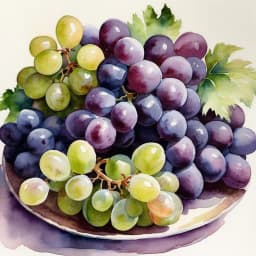
When you bite into a single berry with the skin intact, a crisp texture gives way to an elegant sweetness that dissolves along with an overflow of juice. Taking a freshly picked berry into your mouth beneath the shade of heavy clusters hanging across the fields—luxury in Katsunuma's autumn begins just like that.
Katsunuma in Koshu City is said to be one of the birthplaces of grape cultivation in Japan. It is also known as the home of the indigenous Japanese variety 'Koshu,' with a cultivation history said to date back approximately one thousand years. The large temperature fluctuations characteristic of inland areas, long hours of sunlight, and low rainfall—the climate of this land has allowed the fruit to ripen sweet and full.
Koshu, Kyoho, and Shine Muscat. Berries with distinct personalities continue to color the hills of Katsunuma even today. From summer to autumn, these are the pride of Yamanashi's flavors, ripening in abundance.
📍甲斐市
Specialties from 甲斐市 are also available via furusato nozei

特産品
As soon as you take a bite, you experience a melting stickiness and a smooth mouthfeel. The fine white flesh carries an elegant, subtle aroma. The gentle sweetness unique to taro spreads with every chew.
Yahata Taro is grown in the fertile lands nourished by the Kamanashi River. Its defining characteristics are its white, fine-grained texture, strong stickiness, and unique flavor. Because it is not resistant to continuous cropping and requires the fields to rest for several years after harvest, production volumes are very low. Due to this rarity, it is known as a precious variety of taro used in high-end restaurants in Ginza.
When simmered, it becomes creamy; when added to Houtou, it adds a rich depth. It is a nutritious specialty of Yamanashi, grown with great care.
📍甲府市
Specialties from 甲府市 are also available via furusato nozei

ご当地グルメ
The glossy, amber-colored chicken liver and gizzards are irresistible. The giblets, coated in the sweet and savory sauce, pair perfectly with both rice and alcohol. In particular, the delicate, melting texture of the 'kinkan' (unripened egg) is exceptional.
It is said that Kofu Torimotsuni was born around 1950, shortly after the war. The origin lies with a butcher who, wondering how to utilize chicken giblets that were being discarded at the time, consulted the soba restaurant 'Okutou.' This dish was perfected through the technique of simmering the ingredients in a sauce made only of sugar and soy sauce until the liquid had almost evaporated.
Eventually, the dish spread to soba shops throughout Kofu, and it won the B-1 Grand Prix in its very first appearance in 2010. It is a representative local gourmet specialty of Yamanashi.

郷土料理
The aroma of miso wafts from the bubbling iron pot. The wide noodles are chewy, and the sweetness of the melted pumpkin dissolves into the broth, warming you to your very core.
Houtou is a signature local dish of Yamanashi. Thick noodles made from kneaded flour are simmered together with vegetables like pumpkin in a miso-based soup. In the mountainous regions where rice was difficult to cultivate, people grew wheat and relied on its flour, turned into noodles, to sustain their lives. While there is a popular legend that 'Takeda Shingen used his sword to chop the ingredients while in camp,' this is considered a later folk myth; instead, it is said that the prototype originated from a dish called 'Hakutaku' brought from China.
"It's delicious, this pumpkin houtou"—with words like these, it remains a beloved dish enjoyed in homes to this day.
📍山中湖村
Specialties from 山中湖村 are also available via furusato nozei
ご当地グルメ
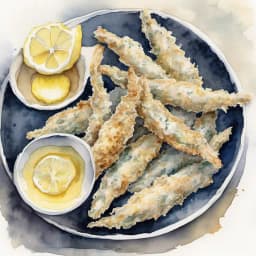
Lake Yamanaka reflects the World Heritage site, Mount Fuji. A quintessential symbol of winter here is the plump, tiny smelt.
As the largest of the Fuji Five Lakes, this lake is a famous spot for smelt fishing, boasting the highest number of dome boats in Japan. From autumn to early spring, the fish become rich with fat, and this is a place where you can indulge in the luxury of having a freshly caught fish deep-fried into tempura right on the boat.
The batter is crispy, while the meat inside is light and soft, and you can enjoy the entire fish from head to tail. The elegant balance of slight bitterness and subtle sweetness, paired with a pinch of salt while piping hot, makes it irresistible with both rice and beer. A dish enjoyed while gazing at Mount Fuji is a delicacy that can only be experienced here.

特産品
A vibrant salmon pink with a melt-in-your-mouth fat content. This is the premium brand rainbow trout, 'Mt. Fuji Salmon,' raised in the subsoil water of Mt. Fuji.
Rain and snow that soak into Mt. Fuji are refined over many years to emerge as pure spring water—and it is in this cold, clear water that the fish are carefully raised to a large size. The clean taste, completely free of any fishy odor, is unique to being raised in spring water.
When served as sashimi, the fine fat dissolves the moment it enters your mouth, spreading a rich, sticky sweetness. When cooked, the flesh becomes fluffy and tender, and a meunière with crispy skin is also exquisite. Whether as sushi, carpaccio, or marinated bowl (zuke-don), this fish is a star in any dish.
📍山梨市
Specialties from 山梨市 are also available via furusato nozei

特産品
When you take a large berry into your mouth, rich and sweet juice overflows from the plump flesh. With an aroma that drifts smoothly through the nose and a lingering deep sweetness—it truly lives up to its reputation as the 'King of Grapes.'
Kyoho was born in 1942. It is a large-berried, high-sugar variety created after more than 20 years of research. It is said to have been named after the majestic appearance of Mount Fuji. Yamanashi, including the Koto region, is a major production area for Kyoho grapes. The temperature difference between day and night, combined with the well-drained alluvial fan, nurtures fruit that has concentrated sweetness.
A large, dark purple cluster that feels heavy in your hand. Ripening from mid-summer to early autumn, it is a jewel of berries that Yamanashi is proud of.

特産品
When you gently peel the skin, the juice seems ready to overflow. As you take a bite, a melting sweetness and aroma spread throughout your mouth. The smooth texture of a chilled peach is truly irresistible.
Yamanashi City is one of Japan's leading peach-producing regions. Around Manryu Park, which stretches along the Fuefuki River, the peach blossoms dye the landscape pink in spring, creating a scenery interwoven with the yellow of rapeseed flowers that is affectionately known as 'Shangri-La.' Fertile, well-drained soil, long hours of sunlight, and significant temperature fluctuations—the natural climate of this land nurtures these sweet fruits.
A few months after the flowering season, from early summer to summer, the branches become heavy with ripening fruit. These are the juicy, tender peaches that Yamanashi City is proud of.
📍市川三郷町
Specialties from 市川三郷町 are also available via furusato nozei

特産品
Large blossoms coloring the night sky—Ichikawa-Misato Town is a town that has walked alongside fireworks.
The history of fireworks in Ichikawa-Misato Town is ancient, with its origins said to date back to the Edo period. Although the fireworks festivals once ceased, they were revived as a 'Town of Fireworks.' The annual 'Shinmei Fireworks Festival' held every summer is known as one of Yamanashi Prefecture's largest fireworks displays, with over 20,000 shells launched.
Sweets and miscellaneous goods featuring firework motifs are also popular souvenirs for visitors to the town. The skill of artisans and the pride of the town continue to bloom in the night sky even today. On a summer night, please look up at that momentary brilliance. Why not take home a piece of the town's story along with a firework-themed souvenir?

特産品
Carrots that grow incredibly long are a specialty of Ichikawa-Misato Town. These are the Otsuka Carrots.
Otsuka Carrots are a traditional vegetable cultivated in the Otsuka district of Ichikawa-Misato Town. They belong to the 'Kokubu Senko Daicho' variety, averaging 60 to 80 cm in length, with some even exceeding 1 meter. The fertile volcanic ash soil of this region, known as 'noppui' for its lack of stones, allows the carrots to grow straight and long.
They are characterized by their vibrant color, fine texture, strong sweetness, and rich aroma. When prepared as simmered dishes (nimono) or kinpira, you can fully enjoy their deep, savory flavor. Reaching their peak season as winter deepens, they are a pride of Ichikawa-Misato. If given as a gift, people will surely be surprised by both their length and deliciousness.
📍小菅村
Specialties from 小菅村 are also available via furusato nozei
特産品
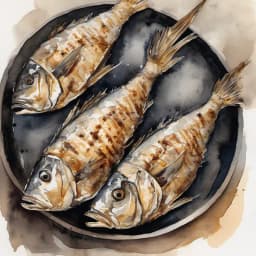
Embraced by the headwaters of the Tama River, Kosuge Village is a home to mountain stream fish raised in clear waters.
Kosuge is a village nestled in the mountains, located in the headwater region where the Tama River begins its journey. The Yamame and Iwana, raised in clear, cold water, are attractive for both their beautiful appearance and refined flavor. They are beloved by fishing enthusiasts, and the village actively engages in the aquaculture and cuisine of these stream fish.
Salt-grilled on skewers and slow-roasted, they are a masterpiece with plump flesh and the rising aroma of river fish. When enjoyed as sashimi, their delicate umami becomes even more pronounced. This is a delicacy unique to Kosugi Village, allowing you to fully savor the blessings of the clear stream. Tasting river fish amidst nature will richly color your travel dining experience.

特産品
Clear water and skilled craftsmanship create this bouncy konnyaku. It is handmade in a mountain village.
In the mountainous regions of Yamanashi Prefecture, konnyaku has been handmade using traditional methods with pure water and konjac tubers. In places like Kosuge Village, at the headwaters of the Tama River, carefully finished, elastic konnyaku is well-loved.
With its bouncy bite and smooth texture, it is exceptional when prepared as dengaku (miso-glazed) or in simmered dishes. Taking a bite with miso spread on top brings the simple, warm atmosphere of the mountain village to life. It is a deeply nourishing dish where the quality of the ingredients and water shines through directly in the taste. Please enjoy this flavorful dish, which also pairs perfectly with alcohol.
📍上野原市
Specialties from 上野原市 are also available via furusato nozei

郷土料理
Take a bite of a small potato, glistening with a glossy miso glaze, skin and all. As it breaks down into a fluffy texture, the rich, sweet, and savory flavor of the miso bursts forth. Because they are small, the flavor penetrates deeply, making it impossible to stop eating.
Seidano Tamaji is a traditional dish passed down in the Tsuna-hara area of Uenohara City. It features small, skin-on potatoes simmered in a sweet and savory miso sauce. Legend has it that during the Edo period, Nakai Seita-yu, a magistrate of Kofu, brought potatoes from Kyushu and encouraged villagers to cultivate them, saving them from famine. In honor of his achievement, the potatoes came to be called 'Seida.' 'Tamaji' refers to small tubers.
It is a nutritious taste of the mountain village that pairs perfectly with both rice and sake.
📍身延町
Specialties from 身延町 are also available via furusato nozei

特産品
Only soybeans and water. Despite this simplicity, you will be surprised by how rich the flavor can become—that is the essence of Minobu's yuba.
This is an ingredient from the traditional Buddhist vegetarian cuisine passed down since ancient times at the foot of Minobu-san Kuon-ji, the head temple of the Nichiren sect. It has supported the bodies of monks who abstain from meat and fish with high-quality protein. The process involves quietly simmering soy milk and gently skimming the thin film that forms on the surface—an ultimately simple dish that requires no lack of care.
Freshly drawn yuba is creamy and smooth, with a subtle sweetness and aroma of soybeans that slowly unfolds. Enjoy it as is with wasabi soy sauce, in a yuba bowl with thick sauce, or as part of a multi-course yuba feast. It is a gentle yet profound delicacy from this temple town.

特産品
In the mountain villages of Minobu, there exists a rare heirloom variety known as the 'legendary soybean.' This is the Akebono Daizu.
Akebono Daizu is an heirloom variety that has been cultivated for over 100 years, primarily in the Akebono district of Minobu Town. Grown in hilly and mountainous areas with significant temperature fluctuations and frequent fog at altitudes of 300 to 700 meters, the beans develop into sizes approximately twice as large as standard soybeans. They also have a high sugar content, boasting a distinctive sweetness and richness. In 2022, it became the first agricultural product from Yamanashi Prefecture to be registered under the Geographical Indication (GI) protection system.
Whether used for miso, tofu, simmered beans, or edamame—no matter how you enjoy them, the authentic, rich flavor of the soybean spreads beautifully. It is a single-grain treasure preserved by the natural environment of Minobu.
📍早川町
Specialties from 早川町 are also available via furusato nozei

特産品
Nestled in the heart of the Southern Alps, Hayakawa Town is known as the town with the lowest population in Japan.
With forests covering over 90% of its area, Hayakawa's specialty is gibier made from wild deer and boar raised in its rich mountains. The 'Hayakawa Gibier' is provided under strict hygiene management, such as rapidly freezing deer immediately after processing, and has been recognized by Yamanashi Prefecture's certification system. This initiative serves both as a measure against wildlife damage and as a way to revitalize the local community.
The wild meat, packed with the umami of lean red meat, can be enjoyed in various ways, including roasts, stews, and canned goods. It is a nutritious flavor unique to Hayakawa, allowing you to experience the full bounty of the mountains.

工芸品
Born in the deep mountains of Hayakawa Town, these jet-black inkstones have long been cherished by calligraphers. This is Amahato Suzuri.
Amahato Suzuri is carved from 'Amahato Maishi,' a black phyllite found in the Amahato district of Hayakawa Town. Its origins are said to date back to the Kamakura period, boasting a history of over 700 years. The fine-grained stone features microscopic irregularities that allow ink to be ground smoothly and fluidly, earning it high regard among many calligraphers.
While demand has shifted with the widespread use of liquid ink, artisans continue to preserve these traditional techniques today. It is a masterpiece of Yamanashi's prideful traditional crafts, where the artisan's handiwork lives within its jet-black luster. It is a perfect gift for anyone who loves calligraphy.
📍大月市
Specialties from 大月市 are also available via furusato nozei

郷土料理
Peering into a steaming bowl, the wonderful aroma of miso rises. Inside the vegetable-rich soup, the dough dumplings made from wheat flour are chewy and soft. With a single sip, the umami of the dashi and miso spreads gently, warming you to your very core.
Otsuke Dango is a local dish that has been cherished in Otsuki City since ancient times. Flour dumplings, dissolved in water, are added to miso soup simmered with seasonal vegetables. This is a 'taste of home' that has been eaten primarily during the winter in this region, which once flourished through sericulture (silkworm farming). Seasonings and dashi vary from household to household; some families use soy sauce or salt, and it is even said that some arrange it with a curry flavor.
The smooth texture of the dumplings and the comforting taste make this a quintessential home-cooked dish in Otsuki that you will long for on a cold day.
📍丹波山村
Specialties from 丹波山村 are also available via furusato nozei

特産品
Embraced by the mountains of Okutama, Tabayama Village is a community that has turned wild game into a local strength.
In Tabayama Village, the use of venison began as a measure against deer destroying crops. Deer captured in the mountains are carefully butchered and processed locally, being transformed into various products such as jerky, sausages, and canned goods. This is a unique initiative of the village that connects wildlife damage control with regional revitalization.
Venison, which is packed with the savory flavor of lean meat and is low in fat and healthy, has been attracting attention in recent years for its nutritional value. It offers a wide range of culinary possibilities, from slow-simmering to fragrant grilling. It is a taste filled with the wisdom of Tabayama Village, making the most of the mountain's blessings without waste.

特産品
The pure waters from the headwaters of the Tama River nurture highly aromatic natural wasabi. This is the wasabi of Tambayama Village.
Tambayama Village is located in the headwater region of the Tama River, flowing from the mountains of Okutama. The cold, clear spring water and cool environment are perfect for wasabi cultivation; the wasabi grown here is fragrant, offering a subtle sweetness amidst its spiciness.
When grated, a refreshing pungency pierces the nose along with a rich aroma. It is so sought after that high-end traditional restaurants sometimes specifically request this rare natural wasabi. It is a gift from Tambayama, polished over time by pure flowing streams. This exquisite item, featuring the refined spiciness unique to authentic wasabi, is best enjoyed paired with sashimi or soba noodles.
📍中央市
Specialties from 中央市 are also available via furusato nozei

ご当地グルメ
A rich, bright red tomato meat sauce flows over the yakisoba. This is the 'Youthful Tomato Yakisoba' born in Chuo City, Yamanashi Prefecture.
Since the 1950s, Chuo City has been a major producer of tomatoes. In 2007, the local Chamber of Commerce's Young Men's Division began topping stall-style yakisoba with tomato sauce in an effort to revitalize the town using this specialty. The name 'Youthful' was chosen because those who tasted it were reminded of the nostalgic 'meat yakisoba' often served in coffee shops of the past.
The sweet and sour flavor of the tomatoes blends with the richness of the minced meat over sautéed noodles, creating a dish that feels like spaghetti yet retains the savory aroma characteristic of yakisoba. Adding cheese or an onsen egg makes the acidity melt into a mellow, even more luxurious treat. It is an indescribably delicious, sweet and sour dish.
特産品
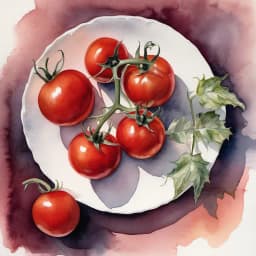
The abundant sunlight of the Kofu Basin nurtures tomatoes that ripen to a deep red. This is Chuo City, one of Yamanashi Prefecture's leading tomato production areas.
Chuo City boasts one of the highest tomato yields in the prefecture. The intense sunlight characteristic of the basin and the significant temperature difference between day and night produce tomatoes with a rich sweetness. Greenhouse cultivation is also flourishing, and high-sugar fruit tomatoes shipped from winter to spring are sent to markets across the country.
When bitten into, they are as juicy and rich as fruit. Whether eaten straight in a salad or simmered in a dish—these are Chuo City's proud blessings that brighten any dining table. Please enjoy their fresh, succulent umami. A wonderful gift from Yamanashi that allows you to savor the full taste of the season.
📍笛吹市
Specialties from 笛吹市 are also available via furusato nozei

特産品
When you gently peel the skin, the juice seems ready to overflow. As you take a bite, a melting sweetness and aroma burst throughout your mouth.
Yamanashi has the highest peach production in Japan. It is an undisputed kingdom of peaches, producing approximately one-third of the nation's total. Among its regions, Fuefuki City ranks top in Japan for both cultivation area and harvest volume per municipality. The fertile, well-drained soil, long hours of sunlight, and significant temperature fluctuations between day and night—this land, blessed for fruit cultivation, nurtures sweet fruit. Yamanashi has held the position of number one peach producer since 1966, maintaining its title ever since.
In spring, 300,000 peach blossoms bloom, painting the entire basin in pink. It is a bountiful gift from Yamanashi that ripens from early summer to summer.

特産品
Pick up a single grape and take a bite; the skin snaps crisp. Along with an explosion of juice, an elegant sweetness and aroma gently drift through your nose.
Yamanashi boasts the highest grape production in Japan. It is truly a 'Grape Kingdom,' producing more than one-quarter of the nation's total supply. It is also the birthplace of the 'Koshu' variety, a Japanese native cultivar that has been cultivated since ancient times, and its production is also top in the country. In recent years, it is said that Yamanashi accounts for approximately half of the nationwide production of the popular Shine Muscat. The temperature difference between day and night, long hours of sunlight, and well-drained alluvial fans nurture these sweet fruits.
Koshu, Kyoho, Shine Muscat—each cluster shines with its own unique character in every vineyard. These are the treasures of Yamanashi, ripening heavily from summer through autumn.
📍都留市
Specialties from 都留市 are also available via furusato nozei

特産品
There is a special early spring green vegetable nurtured by the spring water of Mount Fuji: the traditional vegetable of Tsuru City, known as 'Mizukake-na.'
In winter, Tsuru experiences temperatures dropping below freezing, so cold that crops in the fields can freeze. Amidst such harsh cold, Mizukake-na is grown by continuously flowing Mount Fuji's spring water—which remains at approximately 12°C throughout the year—along the ridges to prevent the roots from freezing. Since the Meiji era or even earlier, it has been cherished as a precious winter green that can only be produced in this area, where spring water is abundant.
Its hallmark is a crunchy texture and a subtle sweetness, making it exceptional when served as ohitashi (blanched greens) or pickled. It is a unique taste of early spring from Tsuru, packed with the blessings of spring water.

特産品
When you bite into a fresh leaf, you experience a refreshing spiciness that clears the sinuses along with a subtle bitterness. The crisp texture is pleasant, and when served alongside meat dishes, it provides a sharp, cleansing sensation to the palate.
Tsuru City's Tokaichiba and Natsukari districts are famous for their abundant spring water, fed by the subsoil water of Mount Fuji. Watercress is grown using this pure water, which was even selected as one of the '100 Famous Springs of the Heisei Era.' The clean water and cool climate nurture leaves that are succulent and highly aromatic. Yamanashi Prefecture is also one of Japan's top producers of watercress.
Enjoy it straight in salads, or use it in blanched dishes (ohitashi) and stir-fries. It is a refreshing green bounty nurtured by the famous waters of Fuji.
📍道志村
Specialties from 道志村 are also available via furusato nozei

特産品
The home of Japan's finest watercress—that is Doshi Village.
Since the Showa era, watercress cultivation has continued in Doshi Village, utilizing the spring water from Mount Fuji and the clear streams of the Doshi River. Blessed with cold, clear water and a cool climate, this village has become a major production hub, now accounting for approximately 30% of Japan's total production. The collective efforts of the entire village have built its reputation as the top producer in the country.
With a refreshing, peppery bite and a juicy, crunchy texture, it is perfect for salads, and when served alongside meat dishes, its refreshing quality truly stands out. Please bring the pride of Doshi, nurtured by clear streams, to your dining table. We invite you to add a fresh bunch to your meals.
特産品
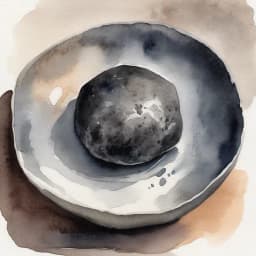
The clear streams of the Doshi River and the cool mountain air create this carefully crafted konnyaku. This is handmade konnyaku from Doshi Village.
Doshi Village is blessed with the pure waters of the Doshi River and a cool climate nestled in the mountains. This natural environment is ideal for cultivating konjac potatoes, and konnyaku produced with traditional handmade methods is beloved as a local specialty.
Its defining characteristics are its bouncy elasticity and firm texture. When prepared as dengaku (miso-glazed) or in simmered dishes, it absorbs flavors beautifully to become exceptionally delicious. Please enjoy this simple and warm mountain flavor nurtured by the village of clear streams. It is a comforting taste of the mountains that pairs perfectly with alcohol or as an ingredient in oden.
📍南アルプス市
Specialties from 南アルプス市 are also available via furusato nozei
特産品
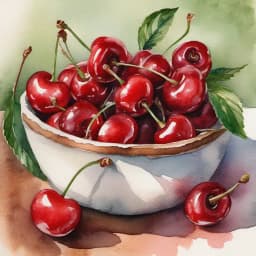
The red jewel that colors Yamanashi in early summer is the cherry.
Cherries grown in Minami-Alps City and around the Kofu Basin primarily consist of varieties such as Sato Nishiki. The basin's climate, blessed with ample sunlight and significant temperature fluctuations between day and night, produces fruit packed with concentrated sweetness. During the harvest season around June, tourist orchards open across the region, bustling with people enjoying cherry picking and eating freshly picked fruit.
When you take a small, glossy, shining fruit into your mouth, a refreshing sweet and sour flavor spreads. It is a taste of Yamanashi that makes you feel the arrival of early summer with every single berry, a seasonal delicacy you shouldn't miss. Enjoyable both fresh as they are or used in cakes and jams, they are also a wonderful item for gifting.

特産品
When you bite into the glossy fruit, juice gushes out, and a burst of sweetness and acidity hits your palate. Taking a bite of one that has been chilled brings a refreshing juiciness that delights the body during the height of summer.
Yamanashi has the highest plum production volume in Japan. It is a region that produces the largest amount of plums in the country. The 'Oishi Wase' variety, which appears early in the season, is characterized by its moderate acidity and gentle sweetness. Yamanashi's main variety, 'Soldam,' may look green on the outside, but it is a vibrant red on the inside, and is renowned for its harmony of sweetness and acidity.
From early summer to summer, red and purple fruits color the fields one after another. With a refreshing mouthfeel that makes you reach for just one more—it is the blessing of Yamanashi's summer.
📍南部町
Specialties from 南部町 are also available via furusato nozei

特産品
In a town along the warm Fujikawa River at the southern edge of Yamanashi Prefecture, a mellow tea is produced: Nanbu Tea.
Nanbu Tea, cultivated in Nanbu Town, is the largest scale tea production in the prefecture. It possesses a history that says tea cultivation was already taking place as far back as the Muromachi period; the warm climate along the Fujikawa River and the mountain mist nurture high-quality tea leaves. The tea is carefully prepared, primarily using the Yabukita cultivar.
It is characterized by low astringency and a mellow, gentle flavor. Because it is not widely known nationwide, the joy of discovering it is all the greater. It is a hidden gem of Yamanashi tea that offers a soft aroma rising from your teacup. Please take your time to brew it in a teapot and enjoy a mellow cup.

特産品
An heirloom variety, often referred to as 'phantom soybeans,' is nurtured in the mountains of Yamanashi. These are Akebono Daizu.
Akebono Daizu is an heirloom variety that has been cultivated for over 100 years since the Meiji era, primarily in the Akebono district of Minobu Town, and is also grown in neighboring areas such as Nanbu Town. Growing in hilly and mountainous areas with high altitude and significant temperature fluctuations, these beans are approximately twice the size of standard soybeans. They also have a high sugar content, boasting a distinctive sweetness and richness.
When processed into miso, tofu, or simmered beans (nimame), the rich, natural flavor of the soybean spreads throughout your mouth. If boiled in salt as edamame, you will be surprised by their sweetness. They are a treasure of the mountain village, harvestable only from limited lands. A nutritious treasure of the mountains that is also perfect for gifts.
📍忍野村
Specialties from 忍野村 are also available via furusato nozei
郷土料理
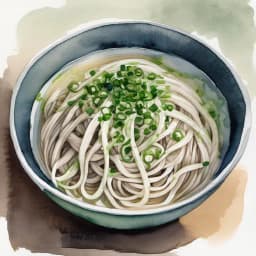
The snowmelt from Mount Fuji creates a highly aromatic bowl of soba. These noodles are crafted using the famous waters of Oshino Village.
In Oshino Village, there is 'Oshino Hakkai,' where groundwater from Mount Fuji emerges after being filtered through layers of earth over many years. Selected as one of Japan's 100 Best Waters in 1985, the soba made with this pure water offers an exceptional aroma and smooth texture. Being able to enjoy it while gazing at the breathtaking scenery of the transparent spring ponds is a luxury unique to Oshino.
As you slurp each bite, the flavor of the soba, enhanced by Fuji's famous water, wafts through your senses. It is a must-try specialty when touring Oshino Hakkai. It is sure to be an unforgettable bowl that allows you to feel the nature of Fuji with your entire being.

特産品
The underground waters of Mount Fuji create a mellow and rich tofu. This is the famous spring water tofu of Oshino Village.
The water flowing from 'Oshino Hakkai' in Oshino Village is pure groundwater formed by snowmelt from Mount Fuji being filtered underground over several decades. Because this water contains very few impurities, it honestly brings out the flavor of the soybeans, creating a tofu where the bean taste stands out.
With a smooth texture and a rich soybean umami that spreads across the palate, you can directly experience the blessings of this famous spring water when enjoyed chilled as is. As a specialty of the Oshino Hakkai tour, it is a product long loved by visiting tourists. Please take your time to savor the deliciousness of the ingredients itself through dishes like Hiyayakko (chilled tofu) or Yudofu (hot tofu).
📍富士河口湖町
Specialties from 富士河口湖町 are also available via furusato nozei

郷土料理
When it's cold, Houtou is the ultimate Yamanashi soul food to warm you to your core.
It consists of flat noodles made from kneaded wheat flour, simmered in a miso-based broth along with pumpkin, taro, mushrooms, and seasonal vegetables. Because the mountainous area was not suitable for rice cultivation, it became a beloved staple food. It is said that the Sengoku warlord Takeda Shingen used it as army rations, and another legend suggests the name comes from Shingen using his 'treasured sword' to cut the noodles. From the Kofu Basin to the Fuji Five Lakes region, each area has its own unique ingredients and seasonings.
A piping hot bowl infused with the sweetness of pumpkin is truly the essence of Yamanashi's food culture. It is a local flavor that satisfies both the body and the soul.

特産品
Picking blueberries while gazing at Mount Fuji—that is the true essence of Lake Kawaguchi's blueberries.
Located in a high-altitude plateau, Fujikawaguchiko Town possesses a cool climate that is perfect for blueberry cultivation. In summer, heavy clusters of blue-purple berries adorn the farms. Blueberry picking from July to August is a unique summer pleasure of this region, allowing you to taste sweet and tangy fruit against the majestic backdrop of Mount Fuji.
A freshly picked berry is glossy and juicy, with a burst of sweet and tart flavor in your mouth. These summer blessings, nurtured by the Fuji highlands, are also delicious when processed into jams or sweets. An experience at a farm overlooking Mount Fuji and the lake will become an unforgettable memory of your summer journey.
📍富士吉田市
Specialties from 富士吉田市 are also available via furusato nozei

ご当地グルメ
When you pull the noodles from the bowl, you feel a satisfying weight. The more you chew, the more the flavor of the wheat spreads through your palate. It is a powerful, resilient bowl of noodles said to be among the firmest in Japan.
Yoshida Udon is a local flavor beloved around Fujiyoshida. Because the cool lands at the northern foot of Mount Fuji are not suitable for rice cultivation, people grew wheat, fostering a culture centered on flour-based foods. During the Edo period, it was served to pilgrims of the Fuji-ko religious groups, and in the Showa era, men began taking over kitchen duties to support women busy with silk production. It is said that the vigorous kneading process created that signature hardness and chewiness.
Add the spicy suridane, top with horse meat and cabbage—this is a bowl of flavor that reveals itself more with every bite, passed down at the foot of Mt. Fuji.

特産品
In Yamanashi Prefecture, which offers views of Mount Fuji, there are countless souvenirs shaped like Japan's most famous peak.
From confectionery to miscellaneous goods, items featuring the beautiful silhouette of Mount Fuji are found in abundance at tourist spots, stations, and airport shops throughout the prefecture. The variety of shapes and uses is vast, including yokan (sweet bean jelly), cookies, glassware, and towels. Since its inscription as a UNESCO World Heritage site in 2013 as 'Fujisan, sacred place and source of artistic inspiration,' its popularity has grown even further.
Entrust your travel memories to the shape of Mount Fuji. Every time you look at them, that majestic scenery will come back to life. These are classic Yamanashi souvenirs that are perfect for yourself or as a gift.
📍鳴沢村
Specialties from 鳴沢村 are also available via furusato nozei

特産品
There is a native variety specifically for pickling that has been passed down at the northern foot of Mount Fuji: Narusawa-na.
Narusawa-na is a type of pickling green that has been cultivated since ancient times in Narusawa Village, located at the northern foot of Mt. Fuji. Growing in a cool climate, it has been an indispensable part of local dining tables as 'Narusawa-na Zuke' (pickled Narusawa-na). Its defining characteristics are its crunchy texture and a unique flavor that expands with every bite.
If placed simply alongside a bowl of steaming hot rice, it is enough to make you finish the whole meal. Its taste, simple yet profound, has been nurtured alongside the lifestyle at the foot of Mt. Fuji. It is a local flavor that Narusawa Village continues to cherish and protect. Such rustic pickles are the kind of local specialty you can't help but want to take home if you encounter them during your travels.

特産品
The high-altitude region at an elevation of approximately 1,000 meters nurtures fresh and sweet cabbage. This is Narusawa Cabbage.
Narusawa Village, located at the northern foot of Mount Fuji, is a high-altitude area that remains cool even in summer. The cool climate and well-drained soil provided by volcanic activity produce sweet and juicy cabbage. The highland cabbage shipped from summer to autumn is highly regarded in the market for its superior quality.
When eaten raw, an incredible freshness and natural sweetness spread throughout your mouth. Each head shines with deliciousness, whether in salads or stir-fries. It is a bounty of Narusawa, raised in the Fuji highlands. Its sweetness and juiciness are reputed to be unforgettable once tasted.