The ketchup sizzles on the iron griddle, coating the chewy thick noodles. With just one bite, a nostalgic sweet and sour flavor spreads across your palate—Omiya Napolitan is a local gourmet dish born from that classic coffee shop taste.
Since ancient times, Omiya has flourished as the 'City of Railways.' It is said that Napolitan in local coffee shops was a popular menu item beloved by nearby railway workers and factory employees. Inspired by those longing for that nostalgic flavor, the 'Omiya Napolitan Association' was established in 2014 as part of a regional revitalization effort.
The criteria for certification are being a restaurant within the former Omiya City and using at least one type of ingredient from Saitama Prefecture. Today, a diverse range of establishments, including cafes and Japanese restaurants, have joined the association.
Please come and enjoy the dish that once supported the people working in this railway city.
The northern part of the prefecture, centered around Hanyu, Kazo, and Gyoda, is a historic production area for indigo dyeing. It is said to have begun during the Tenmei era (1781–1789) of the Edo period, when farm women dyed their families' clothing during the agricultural off-season.
The well water in this region is rich in iron, which, through the process of mordanting, produces a deep, purplish indigo known as 'Kachiiro.' This blue, called Bushu Sho-aizome, is also highly attractive for its durability, gaining more character with use. It is said that at one time, there were over 200 dyeworks lined up in the area.
Registered as a regional collective trademark in 2008, it is truly one of the origins of 'Japan Blue.' Please experience and discover the beauty of this deep, clear blue for yourself.
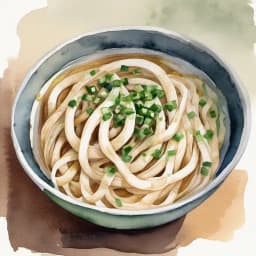
As you slurp the smooth noodles, the fragrant aroma of wheat rises from the chewy texture. Dipping chilled noodles into a warm broth—Kumagaya Udon is the soul food that the home of wheat takes great pride in.
Kumagaya is one of the leading wheat-producing areas in Honshu. With an annual harvest exceeding 6,000 tons, the udon is made using plenty of locally milled flour.
Since ancient times, this region has had a custom of serving udon to guests. The style of enjoying cold noodles dipped in warm broth has been passed down to the present day as Musashino Udon.
The flavor of wheat expands with every bite. Please enjoy this bowl that allows you to truly savor the essence of the noodles themselves.
When you bite into it fresh from the fryer, the coating-less exterior cracks with a crisp sound, revealing the fluffy texture of okara and potato inside. The savory aroma of the sauce coating the surface stimulates the appetite—this is Gyoda's specialty, 'Jelly Fry.'
It is a croquette-like dish made by mixing okara and potatoes with carrots and green onions, shaping them into ovals, and deep-frying them without any batter. It is then dipped in sauce.
The origin of the name is said to be a corruption of 'Zeni-fry' (coin fry), due to its oval shape resembling a small gold coin (koban).
Perfect as a snack or as an accompaniment to rice. It is a simple, addictive taste of Gyoda.
Sizzling on the griddle and pressed down with a lid to create a perfect golden crust, each piece is soaked in savory sauce—crispy on the outside and chewy on the inside. This is Gyoda's famous "Fry."
Despite its name, it is not a deep-fried dish. It is a flour-based dish similar to okonomiyaki, made by spreading a thin batter of flour and water onto a griddle and cooking it with chopped green onions and pork on both sides.
It originated during the Taisho era. Because it was inexpensive and filling, it became immensely popular among the workers in Gyoda's flourishing tabi (traditional sock) factories, eventually rooting itself as a local taste of the town.
Served piping hot and enticing with the aroma of sauce, please come and enjoy a hearty bite.
Noodles as wide as a sash peek out from the bowl. The width is approximately 8 centimeters. Much wider than kishimen, when scooped up, they shimmer like a single bolt of fabric, swaying gently behind the rising steam.
The Arakawa River flowing through Konosu has the widest riverbed in Japan. This dish was created in honor of that grandeur. Upon taking a bite, a chewy, thick texture is followed by the unfolding sweet aroma of wheat. The warm broth clings well to the wide surface, and the colorful toppings of green onions and tempura make it visually appetizing.
A single strand passing down the throat feels long and substantial. It is exceptionally filling. This is a specialty unique to Konosu, as if you are pulling the very vastness of the Arakawa River toward you with your chopsticks.
Konosu City is known as the home of Hina dolls. Its history spans approximately 400 years. Having flourished as a post town on the Nakasendo highway, Konosu was blessed with paulownia and straw, which are essential for doll making, allowing this major industry to take root through the hands of people during the agricultural off-season.
It developed to such an extent that it was called one of the 'Three Great Hina Markets of Kanto,' alongside Edo's Jukensho and Koshigaya; in particular, its skill in dressing the kimonos was said to be the best in the Kanto region. The Konosu dolls, adorned with elegant expressions and magnificent costumes, are still carefully passed down by artisans today.
At the 'Konosu Bikkuri Hina Matsuri' festival in spring, the sight of Hina dolls stacked high like pyramids offers a breathtaking view that overwhelms all who visit.
Fragrant noodles grilled on an iron plate are generously topped with a thick, luscious savory sauce. To finish, a sprinkle of red shiso seasoning is added. The subtle purplish hue evokes the wisteria, the flower of Kasukabe.
This is no ordinary yakisoba. It is a dish where grilled noodles are enveloped in an ankake (starchy sauce) that dissolves the umami of vegetables and dashi. The surface is beautifully toasted while the inside remains chewy. When scooped with a spoon, the hot sauce clings to the noodles, melting away in your mouth.
Then comes the refreshing acidity and aroma of the red shiso. It sharpens the richness of the thick sauce, ensuring you don't tire of it until the very last bite. With its toasted aroma, velvety texture, and hint of wisteria-like elegance, this is a local gourmet experience unique to Kasukabe.
Kasukabe City is renowned as a production center for Paulownia chests. It is said to have begun in the early Edo period, when artisans gathered for the construction of Nikko Toshogu Shrine settled in Kasukabe—then a post town on the Nikko Kaido highway—and began making sashimono (woodworking) using locally harvested paulownia.
Eventually, it developed into a major production area during the mid-Edo period. Leveraging the lightweight and moisture-resistant properties of paulownia, the Kasukabe Paulownia Chest was designated as a national traditional craft in 1979.
The craftsmanship that has long protected precious clothing from humidity is now applied to everyday items such as interior decor, small boxes, and paulownia pillows. You may find yourself wanting to bring the warmth of Kasukabe's living wood crafts into your daily life.
When poured into a teacup, a fragrant aroma rises from the deep green liquid. With a single sip, a robust richness and sweetness spread across the tongue—this is the umami of Sayama tea, famously described by the saying, 'The flavor is finalized in Sayama.'
Growing in the western part of Saitama Prefecture, Sayama tea is one of Japan's three major teas, alongside Shizuoka tea and Uji tea. By enduring the cold winters, the tea leaves become thicker, resulting in a more powerful taste and aroma.
The secret to bringing out its deliciousness is a unique finishing technique called 'Sayama Hiire' (Sayama roasting). Applying heat during the final stage creates a sweet and rich aroma.
A carefully brewed cup is perfect for when you want to take a relaxing break. Please enjoy its deep flavor at your leisure.
Ogawa Town is known as one of the birthplaces of organic farming in Japan. The foundation was laid by Mito Kaneko of Shimozato Farm, who began practicing organic farming methods without any chemical fertilizers or pesticides starting in 1971.
What was a rare challenge at first eventually spread throughout the entire village. Today, centered around the Shimosato district, it has become a place that attracts attention from all over the country as a 'village of organics' where many farmers practice organic cultivation.
The pesticide-free vegetables and rice, carefully nurtured through meticulous soil preparation, offer an exceptional taste that can be found at local farm stands. Please come and experience the authentic deliciousness that comes from such dedicated effort.
The "Hosokawa-shi" passed down in Ogawa Town and Higashichichibu Village is a handmade Japanese paper (washi) that was registered as a UNESCO Intangible Cultural Heritage in 2014. The history of papermaking in this region dates back over 1,300 years, with records even existing in the Shosoin documents of Nara showing that paper was delivered from Musashi Province.
Made using only domestic kozo (mulberry) as raw material and crafted one sheet at a time through the "nagashi-zuki" (hand-casting) method in clear running water, Hosokawa-shi possesses strength, flexibility, and beauty.
Due to its durability and preservation qualities, it is even used for the restoration of precious works of art. We invite you to hold a piece in your hands and experience the warmth and elegance created by the artisan's craftsmanship.
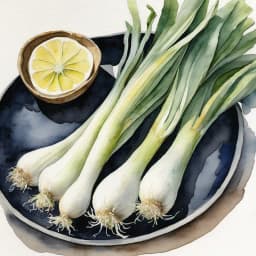
When the white part is cooked until tender, a burst of sweet juice overflows the moment you bite into it. Its sugar content is comparable to that of a mandarin orange—Fukaya Negi is Saitama's pride, becoming even sweeter as winter approaches.
They are grown in Fukaya City, which boasts the highest production volume of green onions in Japan. The fine fibers are soft, and once peeled, the white roots shine beautifully and long.
The seasonal 'autumn/winter negi' begins to appear around December. As they endure the cold, they store sweetness within their flesh, growing into exceptional specimens during their peak season from December to February. It is said that onions harvested on particularly freezing mornings are the sweetest.
Whether in hot pots, grilled, or in sukiyaki, please enjoy that mellow sweetness by cooking them slowly until they melt in your mouth.
Wide fresh noodles are gently simmered together with Fukaya leeks and root vegetables. The sweetness of the leeks melts into the thickened soy-based broth, warming you to your core with just a single sip—this is the local Fukaya dish, 'Niboutou.'
Because wheat has historically been grown in this region as a secondary crop to rice, flour was easily accessible, leading families since ancient times to enjoy simmering freshly made wide noodles.
It is even said that Eiichi Shibusawa, the businessman born in Fukaya, was a great lover of Niboutou, and that he would invariably enjoy it whenever he returned to his hometown.
A bowl of home that you long for especially on cold days. Please, enjoy this steaming bowl.
The moment it touches your mouth, the fine marbling melts away, spreading the delicious sweetness of the fat. Yet, the aftertaste remains clean—Fukaya Beef is a Japanese Black Wagyu that allows you to enjoy high-quality fat to your heart's content.
It was created by local producers who wished to "make it an ingredient chosen by everyone, just like Fukaya Negi (green onions)." Raised carefully on domestic rice straw and standardized feed, the meat achieves a soft and easy-to-eat texture.
With only about 270 cattle raised annually, it is a rare brand of beef that almost never leaves the prefecture. It is a flavor you won't encounter easily.
Whether as a steak or sukiyaki, please try and savor this melt-in-your-mouth experience.
With extra-thick noodles that could be mistaken for udon, the rich sauce clings perfectly to every strand. The chewy, satisfying texture of the noodles fills both your stomach and your heart—this is Kawagoe Thick-Noodle Yakisoba.
Its origins date back to around the Showa 20s (1945–1954). It is said to have begun with yakisoba sold at candy stores around Kawagoe Castle and within the grounds and temple gates of Renkeiji Temple. It was passed down as a highly popular, voluminous, and affordable treat for children.
This is not a dish newly created for food festivals, but a flavor that has been cherished by the local community for generations. For those raised in Kawagoe, it is truly a soul food that 'everyone has eaten at least once at a candy store.'
Please come and experience the satisfying bite of these noodles, which are approximately three times thicker than usual.
When you lift the lid, you are greeted by two enormous pieces of cutlet spilling out of the bowl. As large as actual waraji (straw sandals), they are coated in a secret sweet and savory sauce. With a crispy, juicy texture, it offers a satisfying meal experience unique to Chichibu.
The origin is said to be 'Yasudaya' in Ogano Town, Chichibu, with roots dating back to the Taisho era. Originally called simply 'Katsudon,' the name changed after a visiting rice merchant remarked that the two large cutlets looked just like waraji sandals.
It became widely known through touring riders traveling along Route 219, as word-of-mouth spread about its delicious taste and incredible volume.
With two pieces of meat reminiscent of a pair of straw sandals, please come and enjoy this hearty Chichibu specialty.
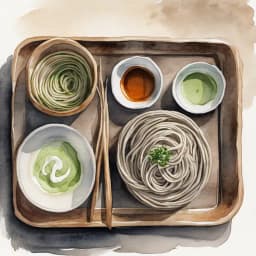
As you slurp the noodles, the aroma of buckwheat gently rises. With a firm texture and a flavor that expands with every chew, this Chichibu soba is packed with the blessings of the mountains.
Chichibu is a basin surrounded by mountains on all sides. It is said that the rocky, poor soil has been suitable for buckwheat cultivation since ancient times. The significant temperature fluctuations between day and night, as well as summer and winter, combined with the clear waters from the upper reaches of the Arakawa River, nurture fragrant and robust buckwheat.
In this region, it was once a custom for every household to make soba to entertain guests during festivals, New Year's, or visits from afar. It has become deeply rooted in daily life as a local taste.
A single bowl refined by the climate of the mountain village. If you visit Chichibu, please give it a try.
Dip the noodles into the soba sauce infused with freshly ground walnuts and take a bite. The fragrant richness and smooth sweetness gently envelop the flavor of the buckwheat—this is Chichibu's Walnut Soba.
Walnuts are a rich nut, with approximately 70% consisting of oil. In this mountainous region, far from the sea and lacking in animal fats, walnuts—packed with much-needed oils—were considered a precious delicacy to be enjoyed on special occasions.
This mountain village wisdom gave birth to soba with a deep, flavorful walnut sauce. Chichibu soba, grown in the basin, meets the bounty of the mountains: the walnut. It is a dish born from the harmony of the local climate and nature.
A fragrant and mellow feast from the mountains. If you visit Chichibu, please be sure to try it.
Freshly fried potatoes coated in a thick, sweet and savory miso sauce. The batter is crispy, while the inside remains fluffy. With just one bite, memories of nostalgic snacks come flooding back—this is Chichibu's soul food, Miso Potato.
In Chichibu, where flat land is scarce, field farming has flourished since ancient times. It is said that the tradition began by roasting small harvested potatoes in an irori (sunken hearth) and spreading miso sauce over them.
A light snack eaten during breaks from farm work has been called "Kojuhan" (small lunch) in Chichibu. Miso Potato is one such dish. It is a homemade taste where steamed potatoes are battered, fried, and topped with miso sauce.
After winning the 2009 Saitama B-class Local Gourmet Championship, it surged in popularity. Please enjoy this simple and heartwarming flavor.
Buckwheat flour, slowly ground with a stone mill, is kneaded by hand and sliced into precise, thin strands. Nagatoro soba is a bowl nurtured with care in the Chichibu region, blessed with pure, clean waters.
The noodles served in the seiro (steamer) are glossy with sharp edges, emitting a subtle, fresh aroma of buckwheat grains. When slurped, they offer a pleasant firmness and a refreshing smoothness that glides down the throat. As you chew, the natural sweetness and flavor of the buckwheat expand. Dipping them into the dipping sauce further elevates the aroma.
Tasting them with Chichibu's specialty walnut sauce or a mushroom-infused dipping sauce is truly exceptional. Enjoying a bowl after gazing at the Iwadatami rock formations feels like savoring the very essence of Nagatoro's atmosphere, offering a deeply moving culinary experience.
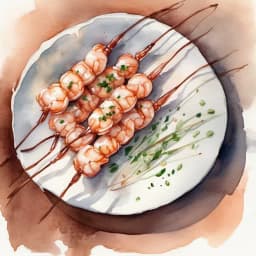
Freshly grilled skewers generously coated in bright red spicy miso sauce. When you bite into the plump pork kashira meat, the richness of the miso and the sharp spiciness enhance the deliciousness of the fat—this is Higashimatsuyama's 'yakitori.'
While called 'yakitori,' the ingredient used is kashira meat, which comes from the area of a pig's temple to its cheek. You can enjoy its crunchy texture and the sweetness of the fat that releases as you chew.
The dish was born around 1961. The star of this skewer is the spicy miso sauce, made with a white miso base, where each shop uses its own unique blend of garlic and chili peppers.
It is a local specialty that makes it impossible to stop drinking beer. Please come and taste the kashira meat infused with this flavorful sauce.
Dip thick, chewy noodles generously into a rich and creamy miso sauce. As you slurp the noodles, the depth of the miso and the aroma of the wheat spread throughout your mouth—this is the popular miso tsukemen of Hanno.
Hanno is a town home to many famous ramen shops. In particular, it is renowned for its deep soups made from blends of several types of miso, as well as rich tsukemen that combine animal-based and seafood-based broths.
The homemade thick noodles are reliable, holding onto the heavy dipping sauce perfectly. Each strand is thoroughly coated in the sauce.
To finish, you can add soup to the remaining sauce (soup-wari), creating a bowl so delicious you'll want to drink every last drop. Come hungry and please pay us a visit.
When you take a bite of a freshly baked cake, the sweet aroma of the fluffy batter wafts through your nose. The gentle texture feels as if the warmth of the maker's hands remains within—Iwatsuki Ningyo-yaki is a confection born from the doll town.
Iwatsuki is one of Japan's leading doll-producing regions and has long been known as the 'Town of Dolls.' Its origins are said to trace back to the artisans who gathered for the construction of Nikko Toshogu Shrine, who began making dolls using locally sourced paulownia powder. Located near Edo, this land, blessed with paulownia wood and high-quality water, nurtured a rich doll culture.
In this town of skilled artisans, Ningyo-yaki has been cherished as a baked sweet associated with these dolls.
A warm flavor from a town where tradition lives on. Please, try one for yourself.
With a single bite, the elegant sweetness of the smooth red bean paste melts away from within the moist jouyo (yam-based) dough. The smoothness of the crust made with mountain yam provides an unforgettable melt-in-your-mouth experience—this is Saitama's famous 'Juman-goku Manju.'
It was born in Gyoda City. In 1952, the confectionery shop 'Juman-goku Fukusaya' introduced it to the world. The name originates from the '100,000 koku' (kokudaka) rice production of the Oshi Domain, which was located in Gyoda during the Edo period.
The specialty is its catchphrase, 'Delicious, too delicious.' It is said that this phrase was created by the printmaker Shiko Munakata, who frequently visited Gyoda, and became widely known throughout Saitama through television commercials.
Soft yam dough and Hokkaido adzuki bean paste. Please enjoy this simple yet elegant treat.
With a single bite, you experience a light, crispy texture followed by the gentle aroma of fragrant kinako. The okoshi center has a mild sweetness that makes it impossible to stop at just one—this is 'Gokahou,' one of Saitama's three great famous sweets.
This Japanese confection consists of glutinous rice okoshi (puffed rice) hardened into rod shapes with starch syrup, wrapped in a skin mixed with kinako, and then generously coated with even more kinako.
Kumagaya, once a post town on the Nakasendo highway, was a land blessed with high-quality rice, soybeans, and barley. It was this bountiful harvest that nurtured this simple and fragrant sweet.
The name itself carries a warm sentiment, embodying the wish that 'the five grains are the treasures of the house.' The aroma of the roasted soybean flour and the crispy texture offer a rustic charm that keeps you reaching for more. Please enjoy one alongside your tea.
When you insert a spoon, it sinks in effortlessly. Once it reaches your mouth, it melts softly like light snow and vanishes—this is 'Yuki-kuma,' the local shaved ice of Kumagaya.
The secret to its deliciousness lies in the ice, made from the town's pride-worthy local water. It is shaved using traditional methods to achieve a fluffy finish and topped with syrups specially crafted by each shop. Only those who meet these three specific conditions are permitted to call their creation 'Yuki-kuma.'
In the Kumagaya summer, famous for its intense heat, there is no better reward. The syrup soaks deeply into the ice, leaving a cool, sweet aftertaste with every spoonful.
Since each shop offers different flavors and shaving techniques, it is a delightful dish to enjoy while exploring the area. Let the fluffy, melting ice help you momentarily forget the summer heat.
A mellow white manju that fits perfectly in the palm of your hand. When broken open, smooth fine bean paste appears from beneath the thin skin. Along with a faint wisp of steam, the gentle aroma of rice and taro (tsukune-imo) rises softly.
Born in Gyoda, this famous confection is characterized by using taro and rice flour in its skin instead of wheat. This is precisely what results in its uniquely moist, thin, and chewy texture. The filling consists of adzuki beans from Tokachi, simmered in-house to achieve a clean and elegant sweetness. The flavor of the skin and the smoothness of the bean paste melt together into one in your mouth.
"Delicious, too delicious" — one bite makes you instinctively nod in agreement with those words written by the printmaker Shiko Munakata. It is a white manju that has been loved by the people of Saitama for a long time.
On top of the charcoal fire, the dumplings skewered on sticks sizzle loudly. Every time the soy sauce glaze drips onto the coals, a fragrant smoke rises softly, and the mere scent is enough to make you stop in your tracks.
The surface is beautifully browned, fragrant and slightly crispy. When you take a bite, the chewy, savory umami of the rice bursts from within. The aroma of the soy sauce and the subtle hint of char blend together into something simple yet addictive. You find yourself reaching for one stick after another.
In Saitama, this is a local flavor that has long been cherished at shrine approach paths and town confectionery shops. Devouring a freshly grilled skewer while standing—that simple happiness is the true essence of Yaki-dango.
When you take a crunchy bite, the gentle sweetness of the sweet potato spreads throughout your mouth. From sweet potato rice crackers to sweet potato natto and kenpi—Kawagoi's sweet potato treats are charming in both appearance and taste with their comforting simplicity.
The connection between Kawagoe and sweet potatoes dates back to the Edo period. Sweet potatoes grown on the Musashino Plateau were known as 'Kawagoe Imo' and were transported to Edo via boat along the Shinagashi River. It is said that they gained great popularity during the roasted sweet potato boom in Edo, leading the region to become a major production center.
In the Meiji era, the 'Beniaka' variety, known for its light flavor, was developed, and confectionery making that utilized its unique characteristics became deeply rooted.
This is a culture of sweet potatoes nurtured by the Little Edo of Kawagoe. With every bite, you can taste its history.
When you split open the steaming manju, you find fluffy sweet potato and melting chunky red bean paste. The combination of the chewy dough and the sweetness of the potato creates a warmth that brings a smile to your face with just one bite—Kawagoe's specialty, 'Imokoi'.
Produced by Kashou Umon, it was born in 1996. It is a steamed confection made by wrapping slices of sweet potato and Hokkaido red bean paste in a dough kneaded with mountain yam and glutinous rice.
It is said that sales struggled when it was first released, but after placing a steamer at the storefront to allow customers to eat them on the spot, its popularity spread through word-of-mouth, drawn in by the enticing steam.
Today, it is a staple of Kawagoe food tours. Please be sure to pick up one while it's piping hot.
The shaved ice falls softly, forming a pale mound upon the bowl. When scooped, it is as light as snow, melting instantly upon touching the tongue. There is no biting cold that stings the teeth; instead, only a sweet, gentle aftertaste remains.
Chichibu and Nagatoro are villages of natural ice, utilizing a basin climate that is hot in summer and cold in winter. An established shop, founded in the 27th year of the Meiji era, draws water from the springs at the foot of Mount Hotaka into ponds, allowing it to freeze slowly during the winter cold. The mineral-rich ice possesses high transparency, resulting in an incomparably fine texture when shaved.
Handmade syrups and bean pastes add seasonal colors. This is a signature dish of Nagatoro, with lines forming even in the dead of winter. With every bite, happiness gently unravels.
Suzuki Shuzo, founded in Meiji 4 (1871), is the last remaining sake brewery in Iwatsuki Ward, Saitama City. Located in Iwatsuki, a town famous for its traditional dolls, the brewery features an attached sake brewery museum that preserves the history of local brewing through traditional tools and ukiyo-e prints.
Their flagship brand, 'Manryo,' has long been cherished as an offering to the local Kuizu Shrine. It is carefully brewed using underground water from the Arakawa River system. Its gentle umami and crisp finish make it a perfect companion not only for special occasions but also for everyday meals.
Visiting Iwatsuki, where traces of its former castle town atmosphere remain, and slowly enjoying this long-protected local sake—this flavorful Saitama sake invites you to imagine such a moment.
Toa Shuzo began brewing sake in Chichibu in 1625 and moved its brewery to the Hanyu area in 1941. For approximately 400 years, they have faced the unique water and rice of this land head-on.
Newly established in Hanyu, a granary region blessed with subsoil water from the Akagi mountain range, 'Kami no Izumi' is brewed with this pure water, offering a charming full-bodied richness characteristic of Junmai sake and a mellow aftertaste.
Rather than boasting flashiness, this sake has quietly accompanied the daily lives of local people. Please take your time to experience the tradition of sake brewing that has been silently protected in this granary land through its flavor.
Gonda Shuzo, founded in 1850, is the only brewery in Kumagaya that continues to brew local sake. The flagship brand, 'Naozane,' was named through a public contest after Kumagaya Naozane, a samurai closely associated with this region. It is a brand that has long been loved by the people of Kumagaya.
We take pride in our handcrafted process, using traditional vat pressing (fune-gake) to slowly press all the mash, and incorporating ingredients such as 'Sake Musashi'—a sake rice born in Saitama—and yeast unique to the prefecture. This dedication results in a robust rice umami and a crisp finish. It is a powerful yet unpretentious flavor, fitting for the home of the samurai.
We invite you to experience a glass that captures the very warmth of artisanal craftsmanship.
Seiun Shuzo of Ogawa Town was founded in the 35th year of the Meiji era (1902). It is said that the brand name 'Seiun' originates from a poem composed by the first generation, who remarked that when looking up at Mount Fuji, the sky of their heart became clear as well.
Located in Ogawa Town, a village known for organic farming, Seiun Shuzo has been committed to brewing sake using locally grown pesticide-free rice since 1988. Brewed with the mineral-rich water of Ogawa Town—often compared to the famous Miyamizu of Nada—the sake is characterized by a mellow and easy-to-drink flavor.
This single bottle, brewed by a pioneer of environmentally harmonious sake production, offers a clean mouthfeel. It is also highly recommended as a first choice for those just beginning to explore the world of Japanese sake.
Musashizuru Sake Brewery in Ogawa Town is a long-established brewery founded in the 2nd year of Bunsei (1819). In this small town, there are actually three breweries, and Musashizuru is one of them. The scenery, with its remaining brewery buildings and brick chimneys, conveys an atmosphere characteristic of the home of Washi (Japanese paper) and local sake.
Supported by the clear waters and the climate of the Hiki Basin, which experiences severe winter cold, the sake is characterized by its soft mouthfeel. Its quality is well-established, having even achieved first place in the Kanto-Shinetsu Regional Taxation Bureau's evaluation.
Narazuke (pickles), made with high-quality sake lees, has also been long enjoyed locally.
"Musashizuru" can be enjoyed both warm and chilled, offering a deep versatility that pairs perfectly with your mood or cuisine on any given day. It is a local sake you should definitely try when visiting Ogawa Town, the birthplace of Washi.
When poured into a glass, a rich aroma rises from the amber liquid. With just one sip, you will experience a full-bodied sweetness and richness derived from sweet potatoes—COEDO Craft Beer is a drink nurtured by the land of Kawagoe.
The producer is Coedo Brewery by Kyodo Shoji. In 1996, they began brewing beer inspired by Kawagoe's nickname, "Koedo" (Little Edo).
A standout feature is their staple, "Beniaka." The origin of this brand lies in the attempt to utilize large quantities of Kawagoe-grown sweet potatoes that were being discarded as non-standard grade at the time. This was considered the world's first beer using sweet potatoes as an ingredient and became their very first commercial product.
Born from the idea of not letting local blessings go to waste, this is a craft beer native to Kawagoe. Please enjoy its unique character.
When poured into a cup, a soft and sweet ginjo aroma rises. With a single sip, the umami of the rice spreads mellowly across the palate, followed by a gentle, pleasant sweetness that fades smoothly.
The brewery is located in Kawagoe, the 'Warehouse Town.' It is the only sake brewery in Kawagoe, where local young brewers revived the once-lost premium brand 'Kagayamayama' during the Heisei era. They insist on making all koji by hand and use the bag-pressing method to carefully extract every single drop. Rather than chasing dryness, they prioritize bringing out the rice's umami and aroma.
The more you taste, the more the rich umami expands. It is a soft, savory cup of sake that you want to enjoy alongside the historic atmosphere of Koedo.
As you tilt the glass, a rich aroma gently spreads, followed by a long, smooth finish—this is 'Ichiro's Malt,' a Japanese whisky recognized by the world. It quietly marks the passage of time in the land of Chichibu.
It is produced by Venture Whisky Co., Ltd., founded by Ichiro Akuto in Chichibu City in 2004. The inspiration came when, during the sale of his family's sake brewery, he sought to protect approximately 400 barrels of raw spirit that were on the verge of being discarded.
In 2005, the first Ichiro's Malt was born from spirits aged for nearly 20 years. Its quality earned the highest honors in global awards, and Mr. Akuto himself received high acclaim at international competitions.
A single drop that has taken flight from Chichibu to the world. Please savor it slowly.
With a single sip, a mellow umami expands, and a rich, full-bodied flavor slowly spreads—the Chichibu local sake, "Chichibu Nishiki," is characterized by its deep versatility that complements any cuisine.
Brewing this sake is Yao Honten, an establishment with over 270 years of history, founded in Kan'en 2 (1749). We carefully brew our sake using high-quality water from the Arakawa river system, originating from Mount Kobushin, and carefully selected sake rice.
The clear air and intense temperature fluctuations—the natural environment of Chichibu, blessed for sake production, have nurtured this single cup. Its excellence is well-proven, having repeatedly won gold medals at the National New Sake Awards.
With every sip, the umami of the rice expands, seamlessly pairing with food. It is a fine sake to be savored slowly while thinking of the mountains of Chichibu.
As you bring the cup to your lips, a clear aroma spreads along with a well-defined, straight-forward flavor. A rich umami is followed by a sharp, crisp finish, leaving an incredibly refreshing aftertaste.
Mount Buko is a symbol of Chichulated. The rain that falls on this mountain is filtered through the earth over many years, emerging as underground spring water. Using this mineral-rich water, which has been selected as one of the '100 Famous Waters of the Heisei Era,' Buko Sake Brewery—founded in 1766—brews each bottle with care. The hallmark of this sake is a tight, firm texture unique to medium-hard water.
Whether served chilled or warm, its depth of flavor complements any dish. It is a local pride of Chichibu, allowing you to taste the very blessings of Mount Buko.
The moment it is poured into a glass, the aroma sets it apart. Beneath a fine head of foam, amber and golden liquids shine quietly. With a single sip, the vibrant aroma of hops and the rich, full-bodied flavor of malt spread across the palate.
Located in Kawagoe—the city known as 'Little Edo'—Coedo Brewery operates under the slogan "Beer Beautiful." Their lineup is full of distinct personalities, including the crisp and refreshing premium pilsner "Ruri," the hop-bursting "Marihana," and the deep-colored "Kyara." Notably, "Benika" is a brew born from Kawagoe's famous sweet potatoes.
The passion of the brewers rises with the aroma in every glass. This is authentic craft beer that Kawagoe takes pride in, carefully brewed using the blessings of the local region.
The only sake brewery in Hanno City, Igarashi Shuzo, brews 'Tenransan.' The brand name originates from the nearby mountain, Mt. Tenran, which earned its name because Emperor Meiji viewed a practice session by the Imperial Guard there in 1882.
The first generation was a master brewer (Toji) from Niigata who established this brewery independently here in Oku-Musashi. Brewed with pure water nurtured by the surrounding mountains, the sake is characterized by its gentle aroma and rich umami.
It is a deeply flavorful cup that feels as if the nature of Hanno has been dissolved directly into it. It is a sake you will want to savor thoughtfully while imagining the mountain village scenery spreading before your eyes. A fine sake you'll want to take home as a souvenir, along with stories of your travels, after a hike.
Located at the foot of Musashi Ichinomiya Hikawa Shrine, Kitayama Seika in Saitama City named this product "Hikawa Mochi" in honor of the shrine. Their deep affection for their local area is directly reflected in the product name.
Their specialty lies in using high-quality domestic rice—so good it could be eaten as a meal—and carefully double-baking it in a far-infrared stone oven. Available in three flavors—salad, negi-miso (green onion miso), and soy sauce—each offers a soft melting texture and a delightful aroma.
This highly capable rice cracker has even been certified as a recommended souvenir of Saitama. It is also available in a tin, making it a wonderful gift. It is the perfect item to pick up as a souvenir for family or friends on your way back from visiting Hikawa Shrine.
A crisp, satisfying crunch. This hard-baked rice cracker is coated with a miso sauce kneaded with fresh Fukaya negi (green onion) and baked to aromatic perfection.
Upon the first bite, the savory aroma of soy sauce and miso spreads across the palate, followed by the subtle sweetness and flavor of the green onion. Fukaya negi is a renowned specialty known for its fine fibers and high sugar content, boasting the highest production volume in Japan. Its sweetness melts into the richness of the miso, creating a deeper flavor with every chew.
With its firm texture and lingering aroma, one bite inevitably leads to another. It is a reliable companion whether paired with tea or enjoyed as an accompaniment to alcohol. As a staple Saitama souvenir, this high-performance senbei has repeatedly earned gold awards.
This chocolate, featuring an eye-catching matte deep blue, was born in Angers, Loire Valley, France. It is a famous confection called 'Kernon d'Ardoise,' created in 1966.
Its striking blue color is inspired by the blue slate roofs (ardoise) that adorn the cityscape of Angers. Inside, it is filled with a crunchy nougatine made of caramelized almonds and hazelnuts, offering a delightful texture.
This single piece is like a French jewel, having received high acclaim at international confectionery exhibitions. It is truly a stroke of luck to be able to encounter this flavor in a department store in Saitama without having to travel all the way to France.
This item, which features the familiar Kappa Ebisen enhanced with the aroma of garlic and soy sauce, is sold exclusively in the Tohoku, Kanto, and Koshinetsu areas. You can enjoy a flavor unique to this region.
Based on the dark soy sauce popular in the Kanto region, it is combined with garlic powder from Aomori Prefecture and coated onto a fragrant non-fried dough made using whole natural shrimp. The deliciousness of the ingredients is tightly concentrated.
The garlic flavor spreads gradually and lingers, creating an enchanting taste that makes it impossible to stop once you start. The savory shrimp flavor and the aroma of garlic overlap in an exquisite balance. A classic snack often seen at service areas in Saitama, making it a delightful companion for your travels.
Shining in a variety of colors just like real gemstones, 'Saika no Houseki' is a fruit jelly born in Saitama City. It is produced by Tomizen Foods, founded in 1953.
A major feature is that it beautifully preserves the adorable shapes of the fruits themselves by using pectin extracted from citrus peels. When lined up, they look exactly like a jewelry box, leaving you mesmerized.
Selected for the Omotenashi Selection, this is a famous Saitama confection perfect for gifts. With about 15 different fruit flavors available, there is joy in choosing your favorites. The natural sweetness and aroma of the fruit are tightly packed into every single piece.
Flower-shaped jellies born from Tomizen Foods' 'Saika no Houseki' series. Six colors of petals—including raspberry, peach, and lemon—bloom beautifully within the box, making it a classic gift due to its gorgeous appearance and fruity aroma.
Each small, white, round piece looks just like a bird's egg. This is 'Shirasagi-ho,' a famous confection from Urawa created by the confectioner Kashi-no-hana, founded in 1909 (Taisho 1).
It is said that the second generation of the family created it after being captivated by the beautiful sight of white herons (shirasagi) standing in Sagi-yama, Noda. The process involves cooking white bean paste with fresh eggs and coating yolk paste—which has been aged overnight—with smooth milk (white chocolate). Each piece is carefully handmade to resemble a heron's egg.
Despite being a Japanese sweet, it has a mysterious bite-sized quality similar to chocolate. It is a representative confection of Saitama/Urawa, featured in places like Mitsukoshi and the Kabuki-za theater. It complements both tea and coffee. The loveliness of a single piece will surely bring a smile to your face.
Fruit jellies that resemble jewels, entirely enveloped in high-quality chocolate. This is the winter-exclusive edition, "Tokimeki Hannari Chocolat," of the famous confectionary "Saika no Houseki" born in Saitama City.
Saika no Houseki is a renowned specialty of Saitama, known for its fruit jellies that preserve the essence of both juice and pulp. This particular item features those jellies coated in several varieties of premium chocolate. The freshness of the fruit and the richness of the chocolate overlap, creating a magnificent flavor in every single bite. It is available only seasonally from around October to March.
With an adorable appearance, it is also perfect as a winter gift. It is a jewel-like sweet truly characteristic of Saitama.
A Western-style confectionery born in Saitama City that makes you look forward to opening its gorgeous packaging. Named "Saitama Imago" after the city of sweets.
In fact, Saitama City is a hidden gem among sweets lovers; it has even ranked first in Japan among ordinance-designated cities and prefectural capitals for cake consumption in household surveys. This confectionery directly reflects that city's image. With an elegant appearance that shines as a gift, it is finished as an item that brings joy to the recipient.
It can be found at souvenir shops around Omiya Station and elsewhere. It is a confection you can be proud of, allowing you to feel the essence of Saitama, the kingdom of sweets. It is a brilliant sweet that is sure to bring a smile to anyone who receives it.
A cute, round baked cheesecake featuring a small train-shaped brand mark. This is 'Kisha Poppo,' created by F, a specialty cheesecake shop in Saitama City.
F is a cheesecake specialist in Saitama that uses cheese in all of its sweets. This Kisha Poppo comes in a perfect small size for a gift, packed with the rich, dense flavor of cheese. The adorable train illustration brings a sense of peace just by looking at it. One bite reveals a moist texture and a spreading aroma of cheese.
It is a playful confection that can bring a smile with just one bite. It's the perfect little extra to add when giving a gift to a cheese lover.
Founded in Genji 1 (1864), this product is an assortment of the three most iconic varieties of 'Yawarakka,' the most popular soft sablé from Bairindo, a long-established shop in Kumagaya. The joy lies in how the flavor profile changes with every bite—from the fragrant aroma of roasted soybean powder (kinako) and the moist buttery flavor to the white chocolate ganache. Its soft melting texture feels like a Western confection, yet possesses the subtle elegance of a Japanese sweet. With annual sales of several million pieces, it is a proven performer that has even won the Grand Prix in the 'Saitama Souvenir You Want to Give to That Person' awards. Since you can enjoy three types at once, it is an excellent choice that suits any recipient's preference. It is a foolproof souvenir loved by all generations.
Red and white sea bream-shaped baked sweets that softly carry the wish for 'Mangan Joju' (the fulfillment of all wishes). This auspicious confection is baked by Bairindo, a long-established shop in Kumagaya, entrusting the happiness of the giver. Founded in 1864 by Kyube Kurihara in Kumagaya, Bairindo is a famous Japanese and Western confectionery shop that has been loved for over 150 years. This soft-textured treat features white yokan bean paste and pink strawberry bean paste to create the red and white pairing, embodying wishes for happiness through the auspicious shape of the sea bream. The gentle sweetness of the two types of bean paste is enveloped in moist dough. It is perfect as a gift for celebratory occasions such as weddings, births, or passing exams. It is an auspicious Kumagaya specialty that brings peace to the heart of whoever holds it.
An elegant sweetness woven from green soybean kinako and Wasanbon sugar, with a refreshing aftertaste like a pine breeze. This is the 'Ultimate Gokaho,' crafted with the finest ingredients by Momijiya Honten, a shop with over 250 years of history.
Gokaho is a representative confection of Kumagaya, consisting of puffed glutinous rice coated in kinako and molasses, then dusted with more kinako. It is counted among the 'Three Great Confections of Saitama' alongside Soka Senbei and Kawagoe Imo. Momijiya Honten, founded in Meiwa 2 (1765), has concentrated its traditional techniques into this 'Shorai.' The name was given because of its clear aftertaste, reminiscent of a pine breeze.
The aroma of kinako gently melts away with the gentle sweetness of Wasanbon. This is a special item filled with the history of Kumagaya and the skill of artisans.
A powerful version of Gokaho, rolled to more than 10 times the usual thickness. This impressive single piece, measuring approximately 4.5 cm in diameter and 17 cm in length, is crafted by Kumagaya's long-established Momijiya Honten.
Gokaho is a specialty of Kumagaya, consisting of puffed glutinous rice coated in kinako and molasses, and is counted among the 'Three Great Confections of Saitama' alongside Soka Senbei and Kawagoe Imo. Momijiya Honten, founded in Meiwa 2 (1765), is a venerable shop that has continued to protect its manufacturing methods unchanged since the Edo period. They have transformed that traditional taste into this eye-catching thick roll.
The cross-section reveals layers of fluffy rice base and kinako. It is a Kumagaya masterpiece that you'll want to slice grandly and enjoy with the whole family.
A premium version of the 'Yawarakka' (soft) series, which won the Saitama Prefecture Souvenir Grand Prix. These are thick, soft sables kneaded with cranberries and nuts, individually wrapped in a special film to prevent oxidation and preserve freshness.
A light, new texture that overturns the common sense of rice crackers. This is a crispy, crumbly rice snack made by frying and binding grains of glutinous rice. It is "Sai no Sakusaku," produced by the long-established Bairindo in Kumagaya.
When you put it in your mouth, it melts lightly, yet retains a strong toasted rice aroma. Available in four flavors—soy sauce, kelp, green seaweed (aonori), and bonito flakes (okaka)—each offers a different enjoyment. This is a representative arale (rice cracker) of Bairance, bearing the name "Sai no Kuni" (Land of Color/Saitama).
It is a wonderful item for tea time or as a small gift. A light rice snack born in Saitama that feels new yet somehow nostalgic. An item that can be enjoyed lightly by everyone from children to the elderly.
A celebratory sweet combining strawberry-flavored and milk-flavored soft sablé in red and white. Baked by Bairindo, founded in 1864, the soft, squishy texture is made using the same method as their regular soft products, making it perfect for gifts.
Founded in 1765, Gokaho by Momijiya Honten carries over 250 years of history in Kumagaya. As the only confectionery shop that manufactures everything in-house—starting from the soybeans used for the kinako (roasted soybean flour)—its chewy texture and fragrant aroma are exceptional.
"Delicious, too delicious"—this is the phrase that made Jumanokishi Fukusaya famous. "Sai-no-Kuni Orange" is a Western-style baked confection created by this very maker. It represents a new challenge from a long-established Japanese confectionery shop.
The refreshing aroma of orange peel is captured within a moist, buttery dough. With the delicate finish unique to a traditional shop, you will encounter a sophisticated character that differs from their signature manju.
The main store in Gyoda features an imposing warehouse-style architecture designated as a Registered Tangible Cultural Property. The dough, fragrant with butter and orange, pairs perfectly with coffee or tea. It is an elegant baked sweet that you will want to savor slowly while reflecting on the historic atmosphere.
Created by Jumangoku Fukusaya, known for the catchphrase 'Delicious, too delicious,' 'Sai-no-Kuni Potato' fully utilizes the flavor of sweet potatoes. It is a slightly unexpected Western-style baked confection crafted by a long-established Japanese confectionery maker.
Techniques cultivated through manju (steamed bun) making shine here, allowing the delicate nature of Japanese sweets and the familiarity of Western pastries to coexist comfortably in a single treat.
The gentle sweetness of the sweet potato, reminiscent of a sweet potato cake, pairs well with both warm tea and aromatic coffee. It is a flavor enjoyed by a wide range of generations, from children to the elderly. This is a product born from the reliable skills of an old establishment, perfect for taking a relaxing break.
'Chocolaman' is a playful creative confection from Jumangoku Fukusaya—famous for 'Delicious, too delicious'—that uses their expertise in yamaimo (mountain yam) manju to wrap chocolate filling.
When you break through the soft, traditional Japanese-style yamaimo skin, smooth chocolate flows out. This unexpected combination of East and West reveals the free-spirited ideas of a long-established shop where two seemingly distant worlds meet.
It offers a fresh surprise that differs from the usual Jumangoku manju. With an approachable deliciousness that will please both lovers of Japanese and Western sweets, please enjoy this fun treat that allows you to discover a new side of a traditional master.
The handmade monaka 'Fukuhidawara' from Jumanboku Fukusaya is a special treat designed to be assembled by you—combining the wafer and the bean paste just before eating. This allows you to enjoy the characteristic crispness of monaka in its absolute best state. It features two luxurious types of bean paste, Tamba Dainagon and white adzuki bean, paired with monaka wafers made from Niigata-grown Kogane-mochi rice. The moment you open the package and assemble them, the crispy, fragrant texture provides an incredibly luxurious experience. The auspicious bale (tawara) shape makes it perfect for a gift. Because the wafer and paste are kept separate, they remain crisp until the very end. It offers a small, delightful moment of joy as you finish each piece by hand.
'Twin Cookies' were created by applying the techniques Jumanboku Fukusaya has cultivated over many years in Japanese confectionery to Western-style sweets. As the name suggests, it is a product where cream is gently sandwiched between two cookies. The result is a luxurious taste that offers a double delight in every bite: a light, crispy texture paired with the mellow sweetness of the sandwiched cream. It represents a new yet familiar side of a long-established manju shop. Individually wrapped for easy distribution, it is highly useful as a small gift. Please enjoy it as a companion during your tea time, alongside aromatic coffee or tea, for a moment of relaxation.
When you split the softly baked skin, large grains of Tanba-produced Dainagon adzuki beans appear. This is another classic dorayaki produced by Jumanagoku Fukusaya, a long-established shop in Gyoda known for the 'Jumangoku Manju,' the soul food of Saitama residents.
Jumanagently Fukusaya was founded in 1952 in Gyoda and has handled a wide range of products from Japanese to Western confectionery. The main store in Gyoda, which features eye-catching Edo-style warehouse architecture, is itself a registered Tangible Cultural Property of Japan. They carefully cook the Dainagon adzuki beans, selected with their expert eye for quality ingredients.
The compatibility between the moist skin and the moderately sweet bean paste is guaranteed. This is a must-try item for those who want to fully savor the flavor of the beans.
A rich aroma of butter rises gently from the moist, baked layers of tree rings. This baumkuchen is baked by the prestigious Japanese confectionery maker Jumanagoku Fukusaya, bringing together their expertise in Western-style sweets.
Jumanagoku Fukusaya is a long-established shop founded in 1952 in Gyoda, Saitama, with 'Jumangoku Manju' as its mainstay. They have poured the same eye for selecting ingredients cultivated through Japanese confectionery into their Western confectionery production. The painstaking effort of layering fine layers one by one reflects the pride of a long-established brand.
While Jumanagoku has a strong image associated with manju, tasting this baumkuchen allows you to discover another side of them. It is an exquisite item to enjoy slowly alongside coffee or tea.
A dorayaki from Jumangoku Fukusaya made using white kidney bean paste. It features a refreshing and elegant sweetness that differs from standard red bean paste, pairing perfectly with the fluffy baked skin to create a treat that impresses even confectionery connoisseurs.
"Delicious, too delicious" — This is the famous confection from that commercial that every resident of Saitama Prefecture can hum along to. The "Jumangoku Manju" by Jumangoku Fukusaya was inspired by the words of the world-renowned printmaker Shiko Munakata.
Around 1953, when Shiko Munakata was commissioned to create the illustration for the wrapper, it is said that being a lover of sweets, he devoured five manju in a row and, while reaching for a sixth, remarked: "Delicious. It's too delicious to just be a local specialty of Gyoda." These words became the catchphrase itself. The pastry features a yauyō (mountain yam) dough made from Koshihikari flour from Niigata Prefecture, enveloping a homemade smooth red bean paste made from adzuki beans from Tokachi, Hokkaido.
With its smooth melting texture and elegant sweetness, it is a representative soul food of Gyoda and Saitama.
A moist, fine-textured Castella cake with a rich egg flavor. Produced by Jumangoku Fukusaya, the long-established Gyoda confectioner famous for "Jumangoku Manju," the "Jumangoku Soden Castella" is baked one by one using traditional methods.
Founded in 1952 in Gyoda, Jumangoku Fukusaya is a confectionery shop that handles a wide range of products from Japanese to Western sweets. Its main store in Gyoda, featuring an atmospheric Edo-style warehouse construction, is designated as a National Registered Tangible Cultural Property. The name "Soden" (passed down through generations) embodies the taste of craftsmanship inherited over many years.
This is another side of Jumangoko, different from their manju. It is a treat you want to enjoy slowly with tea, savoring its fluffy texture and rich egg flavor.
Crunchy, fragrant caramelized almonds are densely layered atop a sable base. This florentine is baked using traditional Japanese confectionery techniques by Juman-goku Fukusaya, a long-established shop in Gyoda known for "Jumangoku Manju."
Juman-goku Fukusaya is a confectionery shop founded in 1952 in the Gyoda region. They handle a wide range of products from Japanese to Western sweets, applying their discerning eye for ingredients to their Western-style creations as well. The combination of crispy sable and fragrant almonds represents another charm of Juman-goku, showcasing its identity as a maker of Western confectionery.
With a fragrant yet elegant sweetness that pairs well with both coffee and tea, it offers a new way to enjoy the famous sweets of Gyoda, distinct from their traditional manju.
When you break open the fragrant monaka shell, a generous amount of Ogura bean paste, enriched with Tanba Dainagon adzuki beans, is revealed. This is the staple 'Jumangoku Monaka' from Juman-goku Fukusaya, a long-established shop in Gyoda known for its 'Jumangoku Manju.'
Juman-goga Fukusaya is a confectionery shop founded in 1952 in the land of Gyoda. Since its inception, it has produced traditional Japanese sweets such as monaka and dorayaki alongside its famous manju. The Ogura bean paste, featuring large Dainagon adzuki beans in smooth bean paste, offers a flavor where the presence of the beans can be fully enjoyed.
The contrast between the crispy monaka shell and the elegant bean paste creates a texture different from manju, making it a long-loved Gyoda sweet to enjoy with tea.
A premium cake that pours all the expertise in ingredient selection cultivated through manju making into Western-style confectionery. This 'Premium Cake' is produced by Jumangoku Fukusaya, a long-established shop in Gyoda known for 'Jumangoku Manju.'
Jumangoku Fukusaya is a confectionery shop founded in 1952 in Gyoda. Utilizing the discerning eye honed through Japanese sweets, they have baked this cake to be moist using carefully selected ingredients. The Gyoda main store, which features an atmospheric Edo-style warehouse, is a registered Tangible Cultural Property of Japan; this Western-style sweet is a new challenge from this locally rooted famous shop.
With its fine-textured batter and elegant, melting sweetness, it is a new staple for Gyoda souvenirs, conveying the charm of Jumangoku that differs from their manju.
When you open the box shaped like a castle, fragrant, crunchy sablés reveal themselves. This is the 'Floating Castle Sablé Oshi Castle,' created by Juman-goku Fukusaya, a long-established shop in Gyoda.
The shape represents the three-story turret of Oshi Castle. Oshi Castle was famously known as the 'Floating Castle' because it did not sink even during Ishida Mitsunari's water siege, leading people to fear, 'Does this castle float on water?' It is also well-known as the setting for the movie 'Nobou no Shiro.' The 5-piece pack is full of playfulness, with the package itself shaped like a castle, creating excitement from the moment you open it.
The thick, buttery dough has a pleasant, crispy texture. This is a piece truly representative of Gyoda, sure to delight history lovers.
A humorous haniwa (terracotta clay figure) with its left hand playfully raised. This playful figure has been transformed into a sweet treat. This is the 'Haniwa Sable' made by Juman-goki Fukusaya of Gyoda.
Its model is the 'Dancing Haniwa' excavated from a tumulus in Kumagaya City. During the Kofun period, the entire Kita-Musashi area was a major production site for haniwa. Using plenty of almonds, we have baked a crispy sable that captures its charming appearance. Combined with the flavors of egg, milk, and wheat, it has a beautifully toasted finish.
An enjoyable sight and a delicious taste, truly representative of Saitama, the city of ancient tombs. This exquisite confection is perfect as an accompaniment to tea or as a small conversation starter for gifts. It is a heartwarming treat infused with the playful spirit of this long-established Gyoda shop.
Smooth kozan (sweet bean paste) is wrapped in a buttery sable dough and baked. 'Ankomachi' possesses a mysterious charm, being both a Japanese sweet and a Western pastry. It is made by Juman-goki Fukusaya of Gyoda.
We use adzuki beans from Tokachi, Hokkaido, for the smooth bean paste. Its characteristic feature is a moist and soft texture, rather than a hard or crunchy sable. The pop-colored yellow and light blue box is adorned with an elegant hemp leaf (Asanoha) pattern. Varieties include plain, as well as matcha, black sesame, and raisin options.
This Japanese-Western fusion gift is perfect for those who say 'anything but manju.' It is surely a treat that will spark conversation with the recipient.
Freshly steamed castella gently enveloping smooth custard. This is "Custard Saki-tama," produced by Jumangoku Fukusaya in Gyoda.
This Japanese-Western confectionery features custard cream cooked daily with fresh eggs, wrapped in moist, steamed castella. The compatibility between the melting cream and the fluffy dough is outstanding. The name "Saki-tama" is derived from "Saki-mitama," a divine spirit that protects people and brings happiness. It is said that this Saki-mitama is also the origin of the prefecture name, Saitama.
A gentle snack born in Gyoda, with a story embedded even in its name. With every bite, your heart gently relaxes. You will find yourself wanting to tell the recipient the story behind the name.
A moist, baked Mont Blanc packed with the rich flavor of chestnuts. This "Baked Mont Blanc" is crafted by Jumanjoku Fukusaya in Gyoda.
It is a Western-style confection made by wrapping candied chestnuts in a dough made from roasted chestnut paste, then piped into a mold and baked. The natural sweetness and richness of the chestnuts are concentrated, allowing you to fully experience the flavors of autumn in a single bite. It is a beloved part of the "Sainokuni Sweets" series produced by Jumanjoki.
This item shines with the reliable craftsmanship of a long-established shop known for its manju. With an elegant sweetness unique to a Japanese confectionery maker, it is a baked treat that chestnut lovers must taste. It is a certain choice that will surely delight as an autumn souvenir.
The flagship product of Ajikodo, a specialty kawara-senbei (tile-shaped cracker) shop in Kasukabe, is the 'Josho Oodako Senbei,' which has been baked since 1978. This single cracker embodies the local passion for the regional festival.
Made with an uncolored dough using simple ingredients such as flour, eggs, sugar, and honey, it features a branded imprint of the famous Kasukabe Big Kite. It offers a nostalgic, rustic flavor with a rich aroma of egg.
Inspired by the Kasukabe Big Kite Festival, which boasts about 190 years of history, this cracker embodies the warm hearts of local people praying for the healthy growth of children. Named after 'Josho' (rising/ascent), it is also loved as an auspicious item for good fortune.
A souvenir from the Tokorozawa area, themed around the four seasons of the Sayama Hills, where the Musashino woodlands stretch out. The 'Sayama Hills Four Seasons Story' features a crispy pastry enveloping a rich cheese cream.
Sayama Hills is a nature-rich hilly area extending from Tokorozawa to Sayama. Known as a production area for Sayama tea, its changing seasonal landscapes have long been cherished by the people. This confection reflects those landscapes in a single bite, expressing the story of Musashino through the lightness of the pastry and the richness of the cheese.
The aroma of the cheese and the crispy texture pair perfectly with coffee or tea. It is a treat you will want to savor slowly while imagining the nature of the Sayube Hills.
A stick-type snack with eye-catching colorful appearance. This is the Calbee Plus exclusive "Hokkaido Imo Komachi," made using potatoes from Hokkaido.
It utilizes the natural colors and flavors of the potato, with a simple seasoning consisting only of Okhotsk salt. It is a bag that relies on the inherent characteristics of the ingredients without adding unnecessary extras. With a light, crunchy texture, the savory aroma of the potato comes through directly. It is a bold approach to flavoring that is only possible because the ingredients are so high quality.
An exclusive item available at Calbee Plus stores and other locations. Because it is simple, it never gets tiring, making it a delightful stick snack for both snacking and pairing with drinks.
When you open the box, it looks just like a bundle of banknotes. Each individual sablé is playfully imprinted with the portrait of Eiichi Shibusawa, the face of the new 10,000 yen note.
It feels light in your hand and melts away beautifully once in your mouth. The rich aroma of butter spreads softly, followed by a light, crispy texture and a gentle sweetness that lingers. Each piece is a perfect size to be enjoyed in about three bites.
Eiichi Shibusawa was born here in Fukaya. Named after this great local figure who laid the foundations of modern Japan, these sablés are as fun to look at as they are delicious to eat. They make for a wonderful conversation piece and a unique souvenir special to Fukaya.
The popular mascot of Fukaya City, "Fukkachan," has been transformed into a sweet treat. This confection is crafted by Rêve de Premier, a pastry workshop in Fukaya City. Established in 1995, it is a well-loved local specialty shop.
Baked to a light, crispy texture, the sablé features a rich buttery aroma layered with the gentle sweetness of honey. A highlight is the faithful reproduction of Fukkachan's trademark features, including the green onion-shaped horns.
With an adorable expression, these sablés are sure to bring a smile just by looking at them. Since each box contains multiple pieces, they are perfect for sharing with colleagues or friends. This is undoubtedly a delightful souvenir to commemorate your visit to Fukaya.
This rice cracker is baked to a fluffy perfection in a stone oven using domestically produced premium rice, bringing out the savory aroma of soy sauce and the natural sweetness of the grain. 'Tsukiakari' is the ultimate rice cracker created by Senyu, an established rice cracker shop founded in 1924.
Senyu began when the first generation, Koshiro Arai, started trading salt rice crackers in the Bushu Fukaya region. Their hallmark is a dedication to rice, using 100% domestic premium rice in all products under the motto 'Live for rice, bring out the best in rice.' In contrast to their spicy and stimulating black pepper senbei, Tsukiakari offers an elegant finish that allows you to quietly savor the umami of the rice.
With every bite, a savory aroma and subtle sweetness spread through your palate. It is a Fukaya rice cracker meant to be savored deeply alongside a cup of tea.
A thin, crispy rice cracker coated in Malaysian black pepper, featuring a spicy kick that becomes addictive. This is the flagship product 'Kurokosho Sen' (Black Pepper Sen) from Osenbeiya-san Honpo Senyu, which helped ignite the black pepper rice cracker boom.
Senyu is a long-established shop that began its salt rice cracker business in 1924 (Taisho 13) in the region of Bushu Fukaya. Developed by the third generation, this Black Pepper Sen is a new sensation that applies premium black pepper to thin rice crackers, and it won the Honorary President's Award at the National Confectionery Expo. True to their commitment to 'living for rice and making use of rice,' the dough uses domestically produced branded rice.
The combination of fragrant rice and spicy black pepper makes this a popular Fukaya-born cracker that also pairs perfectly with beer.
A mild version of the popular Black Pepper Sen with reduced spiciness. This gentle piece from Senyu features thin rice crackers baked in a stone oven, retaining only the aroma of pepper, making it enjoyable even for children or those who dislike spicy foods.
A miso rice cracker containing Fukaya negi (green onion) that was commercialized in 2003 after repeated trials inspired by a customer's suggestion. A sauce made by kneading fresh Fukaya negi with special miso is brushed onto stone-oven-baked rice crackers, highlighting the sweetness and richness of the green onion.
A rice cracker from Senyu that combines yuzu from Moroyama Town with miso. Baked using 100% domestically produced rice, freshly polished by this long-established Fukaya shop founded in 1924, the aroma of yuzu gently drifts through the nose.
Freshly polished glutinous rice is baked to a light, crispy finish. These are "Black Soybean Okaki," coated in fragrant black soybeans. They are made by Senyu, a rice cracker specialist in Fukaya.
Driven by the desire to "deliver the deliciousness of freshly made products," Senyu is a renowned rice cracker shop that sells exclusively through mail order and directly managed stores. This Black Soybean Okaki is an exquisite item included in their popular "Urara" assortment. The lightness of the carefully baked okaki combines with the fragrance of the black soybeans, creating a delicious taste that lingers with every bite.
A delightful flavor from Fukaya to enjoy with tea, where you'll find yourself reaching for one grain after another. It directly conveys the quality of the ingredients. As a gift, it is surely a masterpiece from Fukaya that will please anyone.
A Western-style rice cracker seasoned with premium Portuguese olive oil, basil, and peperoncino oil. This ambitious work by Senyu of Fukaya brings an Italian flair to traditional Japanese rice crackers.
An adorable character with a small piece of Fukaya green onion sticking out from the corner. 'Fukkachan Chocolate Crunch' features eye-catching packaging.
Fukkachan is the image character for Fukaya City, a major producer of green onions. The trademark is the Fukaya green onion perched on its head. This chocolate crunch is a product of Keyakido, a confectionery shop in Fukaya. Inside a box featuring Fukkachan's face, crunchy-textured crunches are individually wrapped. It has a moderate sweetness and a flavor that is approachable for both children and adults.
It is a cute souvenir typical of Fukaya, popular at places like the Fukkachan Museum in Michi-no-Eki Hanazono.
With a single bite, the delicate dough crumbles softly, releasing a gentle aroma of yuzu through your nose. The gently steamed shigure dough melts away in your mouth, revealing a smooth bean paste infused with yuzu.
This confection is crafted by Kurazukuri Honpo, a long-established shop that has been part of Kawagoe's historic warehouse district since 1907 (Meiji 20). The refreshing acidity of the yuzu and the mellow sweetness of the bean paste harmonize beautifully. The aftertaste is clean and light, possessing an elegance that makes you feel as though you could eat many more.
Taking a sip of tea further accentuates the fragrance of the yuzu. The moist dough and refreshing citrus gently dissolve in your mouth. It is a highly aromatic steamed confection that evokes the nostalgic atmosphere of Little Edo.
Located along the Kurazukuri (storehouse) street in Kawagoe is the specialty shop "Norisuke-san." Since opening in 2012, their handmade vanilla baumkuchen has been loved as their signature product.
Characterized by a simple flavor, it is gently baked using rapeseed oil without any butter or margarine and is made with reduced sugar. Its clean, elegant sweetness makes it the perfect companion for a stroll through Kawagoe.
Another major attraction is the incredibly reasonable price of 500 yen per whole cake. Other flavors, such as Kawagoe Sweet Potato and Kawagoe Matcha, are also available, allowing you to enjoy comparing them. It is a heartwarming treat that makes you want to take a relaxing break while walking through the atmospheric streets of Little Edo.
Named after the Kurazukuri (storehouse) style of Kawagoe, 'Fukuzo' by Kurazukuri Honpo embodies the wishes of 'bringing forth good fortune' and 'preserving and passing down the storehouses.' The spirit of the storehouses that survived the Great Kawagoe Fire lives on in its name.
Our homemade Ogura bean paste is carefully cooked to a fluffy texture using Tokachi-grown adzuki beans, featuring a hidden 'Fuku-mochi' (fortune rice cake) made from Saga Prefecture glutinous rice, all wrapped in a fragrant monaka shell made with Kogane-mochi. The exquisite harmony between the bean paste and the mochi is irresistible.
Selling 3.5 million pieces annually, it is truly synonymous with Kawagoe souvenirs. Its elegant sweetness makes it perfect for an accompaniment to tea or as a gift. Please enjoy its rich flavor along with the atmosphere of this historic storehouse town.
It looks exactly like a real sweet potato. The 'Kawagoe Potato Cookie,' baked by Monzoan—a specialty sweet potato confectionery shop in Kawagoe—is so similar that you might do a double-take.
The edges of the bright yellow dough are dyed purple to resemble sweet potato skin, with a small touch of black sesame in the center. Though the dough is slightly firm, it turns out surprisingly moist in the mouth, allowing the gentle flavor of Kawagoe sweet potatoes to spread softly.
Its level of perfection is such that people constantly say, 'I mistook it for a real potato.' It is perfect as a souvenir for children or as a conversation starter. It is a treat packed with the essence of Kawagoe—fun to look at and delicious to eat.
Kurazukuri Honpo's 'Fried Imo Manju' allows you to easily enjoy a specialty of Kawagoe, the city of sweet potatoes. It is an essential item for strolling through the historic warehouse-style district.
This street snack features soft dough wrapped around sweet potato paste, which is then fried until golden and fragrant. The texture is crispy on the outside and fluffy on the inside, with the natural sweetness of the sweet potato further enhanced by the richness of the oil from frying.
Its affordability, at around 100 yen per piece, is another delightful feature. The convenience of being able to eat it with one hand is also a great advantage for walking through the town. Please enjoy the small happiness of biting into a freshly made, piping hot snack while strolling through the atmospheric warehouse district.
Another staple alongside Norisuke's vanilla version. The cocoa's subtle bitterness is added to a moist dough baked with rapeseed oil; because the sweetness is restrained, you can thoroughly enjoy the aroma of the cacao. Comparing it with the Kawagoe Sweet Potato flavor is also popular.
'Kame no Monaka' is an auspicious sweet made by Kameya, a long-established shop in Kawagoe founded in Tenmei 3 (1783). It is a prestigious establishment that has served as a merchant for the Kawagoe Clan for over 240 years. The adorable, bite-sized monaka wafers are shaped like a turtle shell, generously filled with homemade bean paste made by carefully simmering adzuki beans to a perfect sweetness. Its refined taste beautifully complements the historic Kurazukuri (storehouse-style) streets of Kawagoe. This product allows you to experience the concentrated essence of a long-standing tradition in a single bite. The turtle is an auspicious motif, making it a fitting gift for those wishing for longevity. Please pick one up as a souvenir from your stroll through Kawagoe.
Founded in 1887, 'Kochira kara' is one of the Japanese sweets produced by Kurazukuri Honpo, a long-established shop in Kawagoe. The meticulous craftsmanship unique to a famous store renowned for its Monaka shines through.
With over 130 years of history, it offers an elegant flavor brought to life by inherited artisanal skills. Its appearance softly reflects the tranquil atmosphere of Kawagoe, the town of storehouses.
Perfect as a gift for someone special, or as a small reward for yourself after a hard day's work. Paired with tea, it creates a moment of peaceful relaxation. It is a gentle, Kawagoe-style sweet that fits unpretentiously into your daily life.
Made by the long-established Kawagoe shop Kameya, 'Kame-dora' are adorable dorayaki shaped like turtles. It is a playful creation unique to a famous store boasting 240 years of history.
Artisans hand-bake each pancake to create a moist and fluffy dough, which is then sandwiched with a generous amount of bean paste. A delightful feature is that you can choose from three varieties—chunky red bean, smooth red bean, or sesame paste—depending on your mood that day.
The turtle shape, with its tiny limbs peeking out, is incredibly charming. Since each of the three types has a different flavor, it is fun to share them with family and compare the tastes. It is a heartwarming sweet that brings a smile to any gift-giving occasion just by looking at it.
This waffle confection captures the scenery of Kawagoe—wild geese flying over harvested fields—through two types of cream. Named after the goose, which is a bird of Kawagoe, this is Kameya's 'Koedo no Kari.'
Kameya is a long-established Japanese confectionery shop founded in 1783 by the first generation, Kashichi Yamazaki, who came from Nakano, Shinshu. By the third generation, they served as official merchants for the Kawagoe Clan, accumulating over 240 years of history. The 'Kari da no Kari' (Geese over harvested fields) features vanilla cream, while the 'Hatsukari no Tsubasa' (Wings of the first geese) features matcha cream, sweetly enveloping the story of the land that leads to Kawagoe Castle, also known as 'Hatsukari Castle.'
A combination of light, crispy dough and smooth cream. Please try comparing the two flavors as a companion for your stroll through Little Edo.
A nostalgic country-style manju made by layering chunky red bean paste over slices of fluffy steamed sweet potato. This is 'Imo-koi' from Kasho Umon, a quintessential souvenir of Kawagoe.
Little Edo Kawagoe has been familiar with sweet potatoes since the Edo period, earning the reputation of being 'thirteen ri sweeter than nine ri.' Kasho Umon is known for confections that leverage the charm of these potatoes, and Imo-koi has even been selected as a 'Sainokuni Certified Excellent Brand Product' in Saitama Prefecture. The chewy texture of the dough, made from a blend of mountain yam and glutinous rice flour, combined with the harmony of potato and bean paste, is highly acclaimed.
The warmth of it freshly steamed is exceptional, and it is also convenient as it keeps well when frozen. It is a specialty you must try when visiting Kawagoe.
Steamed with slices of fluffy sweet potato topped with smooth red bean paste—this is a nostalgic, old-fashioned countryside manju. Known as a synonym for Kawagoe souvenirs, this is Kasho Umon's "Imo Koi."
Little Edo Kawagoe is said to produce "thirteen ri sweeter than nine ri," a land that has been close to sweet potatoes since the Edo period. Kasho Umon is known for sweets that leverage the charm of those potatoes, and Imo Koi has been selected as a "Sainokuni Certified Excellent Brand Product" of Saitama Prefecture. The chewy texture of the dough, made from mountain yam and glutinous rice flour, combined with the harmony of potato and bean paste, has earned high praise.
The warmth of it freshly steamed is exceptional, and the fact that it keeps well when frozen is also a plus. It is a specialty we definitely want you to taste when you visit Kawagelle.
The gentle sweetness of domestic sweet potatoes is softly accompanied by the richness of chocolate. This "Kawagoe Potato Chocolat" is a winter-limited sweet potato confection produced by Monzoan, founded in 1865.
Monzoan is a long-established shop with its main store in Kawagoe, famous for its sweet potato confectionery and the long-selling "Kawagoe Potato." The area of Little Edo, Kawagoe, has been familiar with sweet potatoes since the Edo period. This chocolate-style treat adds a Western flair to that local potato culture, appearing only as a seasonal delight during the cold months.
With the fluffy texture of the potato and the smooth melting of the chocolate, it is an item you would want to pick up as a seasonal gift after a stroll through Kawagoe in winter.
This is an additive-free sweet potato confection made by straining Beni-Azuma sweet potatoes delivered from contract farmers in Ibaraki and finishing them with only butter, sugar, heavy cream, and eggs. "Imo-pote" comes from Kasho Umon, a shop located right next to the Toki no Kane (Bell of Time), a symbol of Kawagoe.
Kasho Umon is a famous confectionery shop known for the Kawagode specialty "Imo-koi." The area of Koedo Kawagoe has been familiar with sweet potatoes since the Edo period, and Umon has produced many sweets that leverage the high quality of the potato ingredients. This item directly brings out the sweetness of the potato without adding unnecessary additives.
It has a plump, adorable appearance that fits in the palm of your hand. The smooth and rich melt-in-your-mouth texture is even more exceptional when freshly baked.
Inside a crispy coating fried in brown sugar syrup, moist sweet potato paste—a specialty of Kawagoe—is densely packed. This is Monzoan's flagship product, "Tsubasa Karin."
Its name originates from the 2009 NHK morning drama "Tsubasa." In connection with this drama set in Kawagoe, the shop was granted permission by NHK to use the name "Tsubasa." Founded in 1865 (Keio 1), Monzoan finishes this item in a nostalgic karinto style, using dough kneaded with homemade sweet potato paste and brown sugar syrup.
Featuring a crunchy exterior and a fluffy sweet potato paste texture, its warmth when freshly fried is exceptional, making it the perfect snack to enjoy while strolling through Kawagoe.
When you break open this golden-colored baked sweet shaped like a sweet potato, the aroma of cinnamon gently rises from the white bean paste. This is Kameya's signature souvenir, "Kogane-imo."
Kameya is a long-established Japanese confectionery shop founded in 1783 by the first generation, Kashichi Yamazaki, a native of Shinshu Nakano, in Kawagoe. It is a prestigious shop with over 240 years of history, having served as a merchant for the Kawagoe Clan during the third generation's era. This Kogane-imo was devised by Kameya, famous for its potato sweets, at the beginning of the Meiji era. The simple, potato-shaped appearance embodies the potato culture of Kawagoe.
With moist white bean paste and a gentle cinnamon aroma, this item has long been cherished as a souvenir for strolling through Koedo Kawagoe.
A thick sable shaped like the bell tower of "Toki no Kane" (Bell of Time), the symbol of Kawagoe. This "Kawagoe Sable Toki no Kane" is produced by Kameya Eisen, which has continued making potato sweets since the Meiji era.
Kameya Eisen is a long-established shop that has been crafting confectionery, primarily centered around potato sweets, in Koedo Kawagoe. The Toki no Kane, standing tall amidst the Kurazukuri (storehouse) streetscape, has continued to announce the time since the feudal era and remains a beloved representative sightseeing spot of Kawagoe. By capturing its form in a sweet with a crunchy texture and simple butter flavor, they have transformed the local landscape into a taste experience.
With a firm texture and a gentle buttery aroma, this is a quintessential Kawagoe sable that you will want to take home along with your memories of strolling through Koedo.
The skills and pride cultivated as a purveyor to the Kawagoe Clan are infused into every single sweet. Established in 1783 (Tenmei 3), Kameya presents its signature confection, 'Kawagoe Taro,' bearing this prestigious family name.
Kameya is a long-established shop founded in Kawagoe by the first generation, Kashichi Yamazaki, who hailed from Nakano, Shinshu. By the third generation, the shop served as an official merchant for the Kawagoe Clan. It is a store with a distinguished history, having been granted the title of 'Kawachi Daijo' from the Saga Imperial Palace in Kyoto in 1847 (Koka 4). After more than 240 years, that pride continues to live on in their confectionery making.
Available at the main store in Kawagoe Ichibangai, this item is the very embodiment of the shop's journey. It is a perfect Kawagoe souvenir to savor slowly while reflecting on history.
A slender stick cake where the subtle bitterness and refreshing aroma of matcha are melted into a moist batter. This item is baked using Sayama tea by Nagatoya, a producer of souvenir sweets nationwide.
Sayama tea is one of Japan's three major teas, grown primarily around the Sayama Hills. Characterized by its long, slender shape of about 14 cm, a single bite allows the refreshing aroma of matcha to spread softly. With an affordable price of 648 yen for a pack of 6, it is also easy to distribute.
An ideal choice for a small gift to share, allowing you to easily enjoy the taste of Sayama, a renowned tea region. It is a perfect Saitama souvenir for sharing with colleagues or friends.
This is a sweet potato cracker born in the Meiji era, made by sprinkling sesame seeds on thinly sliced sweet potatoes, sandwiching them on an iron plate to grill, and coating them with molasses. This is Kameya's 'Hatsukari-yaki'.
Kameya is a long-established shop in Kawagoe, founded in Tenmei 3 (1783). This Hatsukari-yaki gained popularity as a specialty of Kawagoe by thinly slicing and grilling 'Beniaka', a mutant sweet potato that emerged in Meiji 36 (1903).
It is a luxurious creation from which only 4 to 5 pieces can be obtained from a single potato, and its name is derived from the nickname of Kawagoe Castle, 'Hatsukari Castle'.
With a crispy texture, the gentle sweetness of molasses, and the savory aroma of sesame, it is a flavorful piece packed with the history of Kawagoe, a land famous for its sweet potatoes.
This is a sweet potato pie made by wrapping sweet potato and white bean paste in multiple layers of buttery pastry and baking it. This 'Osatsu Pie' from Kasho Kato is handmade in a Taisho-era building selected as one of the 100 Best Landscapes of Kawagoe.
Little Edo Kawagoe is a land that has been close to sweet potatoes since the Edo period. In particular, Kashiya Yokocho (Confectionery Alley) has been loved as a retro alleyway filled with the nostalgic scents of traditional candies and sweet potato treats. Kasho Kato bakes these sweet potato pies one by one by hand within this atmospheric building.
With crispy pastry and the gentle sweetness of sweet potato and white bean paste, this is a Kawagoe sweet potato treat we want you to taste in Kashiya Yokocho, where the aroma of freshly baked goods drifts through the air.
This is an imo-amannatto (sweet preserved sweet potato) made by slicing sweet potatoes into rounds and soaking them repeatedly in molasses. Because they are finished with the skin left on, the rich flavor of the potato remains concentrated. This is Kameya's 'Hatsukari-to'.
Kameya is a long-established shop in Kawagoe founded in Tenmei 3 (1783), renowned for its sweet potato confectionery. Along with Hatsukari-yaki (thinly sliced baked treats) and Hatsukari-arare (rice cracker style), this Hatsukari-to constitutes the 'Hatsukari Three Siblings' of Kameya. All are named after Kawagoe Castle's nickname, 'Hatsukari Castle'.
With a sticky sweetness and the deep richness of the potato enjoyed with its skin, it is a perfect accompaniment to tea, allowing you to fully savor the charm of Kawagoe, a land famous for its sweet potatoes.
This is a Karinto Manju (fried sweet bun) with a crispy texture, featuring a black dough kneaded with bamboo charcoal and golden sesame seeds. The 'Amatama Karin' is born in Kawagoe, consisting of smooth red bean paste enveloping a sweet potato filling.
This confection was created following the broadcast of the NHK morning drama 'Tsubasa' set in Kawagoe in 2009. It is produced by Monzoan, the makers of Kawagoe's famous Karinto Manju, and is an exclusive item available only at the tourist facility Koedo Kurari. The area of Koedo Kawagoe has been closely associated with sweet potatoes since the Edo period.
With its crispy crust and fluffy sweetness from the potato, the unique appearance of the black dough makes this a special treat that serves as a great souvenir story from your stroll through Kawagoe.
A light, crispy, and crunchy texture. This is what is commonly known as 'Imo Kenpi'—deep-fried strips of sweet potato coated in syrup and dried. It is 'Hatsugaran-are' produced by Kameya, a long-established shop in Kawagoe.
Kameya was founded in 1783 (Tenmei 3). It is a famous shop that has continued to protect the tradition of Kawagoe's sweet potato confectionery for over two hundred years along with the sweet potatoes themselves. The name 'Hatsugaran' originates from the alias of Kawagoe Castle, Hatsugaran Castle. It is one of the three iconic sweet potato confections of Kameya, alongside Hatsugaran-yaki and Hatsugaran-to.
The fragrant aroma and simple sweetness are addictive, making it hard to stop once you start. It is a perfect souvenir from Koedo Kawagoe to enjoy with tea. Its rustic flavor makes everyone, from children to the elderly, want to reach for it.
When you open the bamboo skin, the sticky aroma of sweet potato wafts out. This is 'Dotchiimo,' the flagship product of Kawagoe Kashapo Dokan.
It is a steamed confection similar to yokan, made by mixing strained sweet potato paste with white bean paste and candied sweet potato, then wrapped in bamboo skin and steamed. It is packed with the natural sweetness of the sweet potato. The name 'Dokan' is inspired by Ota Dokan, a Muromachi-period warlord who built Edo Castle and Kawagoe Castle. The shop is a long-established establishment founded in 1921, located near the Honmaru Palace of Kawagoe Castle.
This is a sweet potato-centric treat unique to Kawagoe. It offers the joy of unwrapping bamboo skin and provides a flavor reminiscent of Little Edo. It is a simple yet profound taste that never grows old.
With a single bite, the fragrant aroma of roasted brown rice wafts through the air. This steamed manju features a rare brown rice flour dough and is filled with chunky red bean paste made from adzuki beans from Northern Kanto. It is the specialty of Kawagoi Kaho Dokan.
It is said that Dokan's 'Dokan Manju' is the only manju in all of Japan to use brown rice. The crust is made of brown rice flour, generously filled with chunky red bean paste using Northern Kanto adzuki beans. The fragrant dough and simple sweetness make for a deeply delicious treat.
The shop is a long-established establishment founded in 1921, located near the Kawagoe Castle Honmaru Palace. The shop's name is inspired by Ota Dokan, the builder of Kawagoe Castle. It is a traditional Japanese sweet that captures the essence of 'Little Edo' and can only be tasted here.
When you open the dorayaki skin, it looks as if the abundant sweet potato cream is about to overflow. This is the 'Sweet Potato Cream Dorayaki' made by Kawagoe Kaho Doukan.
Fluffy pancake skins sandwich a rich sweet potato cream made by combining strained sweet potatoes with butter and fresh cream. It is a dish truly characteristic of Kawagoe, where Japanese and Western flavors unite. With a diameter of about 9cm, it has a large appearance and is quite filling. It can be enjoyed delicious both chilled or frozen.
It requires refrigeration and lasts for about 3 days; this is a Kawagoe-exclusive flavor available only at the shop. Since you can buy them individually, they are perfect as a snack to enjoy while walking around. This is a dish that allows you to fully enjoy Kawagoe, the city of sweet potatoes. With just one bite, you can experience the essence of Kawagoe's potato delights.
A Japanese confectionery gift set created by Kurazukuri Honpo, founded in 1887, under the theme of 'feelings of gratitude.' The product name, which is associated with greetings used to express thanks, is one of the reasons it is chosen as a gift.
The purple skin looks just like a real sweet potato. This potato-shaped cream puff, 'Koedo Kawagoe Chou,' is made by Kameya, a long-established shop founded in Tenmei 3 (1783).
Kameya has walked alongside sweet potatoes for over two hundred years. This Western-style confectionery was crafted by the eighth-generation proprietor using the unique sensibility of a famous Japanese confectionery shop. Inside the pastry, which is kneaded with purple sweet potato powder, there are two types of fillings—sweet potato cream and purple sweet potato cream—allowing you to enjoy different potato flavors. Since it is sold frozen, it is also convenient to take home.
It is a fun dessert in both appearance and taste, truly representative of the 'potato town' Kawagellation. It is perfect for snacking while walking or as a souvenir.
Moist and fluffy. This is a Japanese-style Baumkuchen baked with Kawagoe sweet potatoes and fresh eggs. It is crafted by Kurazukuri Honpo, an established shop founded in 1887.
This item combines the traditional German pastry, Baumkuchen, with ingredients characteristic of Kawagoe, a city famous for its sweet potatoes. The batter, infused with sweet potato, is baked to achieve a light and gentle sweetness. It is a masterpiece from the Western-style confectionery line of Kuraz_ukuri Honpo, a maker also well-known for their Monaka.
With its soft melting texture, it pairs perfectly with both tea and coffee.
With a flavor that delights all generations, this is a foolproof choice if you are unsure what to pick for a Kawagoe souvenir. With every bite, the gentle essence of Kawagoe's sweet potatoes spreads through your palate.
A handmade sweet potato flavored baumkuchen made with rapeseed oil and reduced sugar. Available at Norisuke in Kawagoe Ichiban-gai for an affordable 500 yen per whole cake or 200 yen per stick, making it perfect for snacking while walking or as a souvenir.
When you open the lid, shaped like a traditional warehouse (kura) roof, a smooth pudding reveals itself. This is the signature sweet potato flavor from the Kawagoe pudding specialty shop.
Kawagoe is a city beloved as 'Little Edo' for its preserved warehouse-style streetscapes. In keeping with that spirit, the container lids are shaped like warehouse roofs; arranging them together allows you to recreate the townscape, adding a touch of playfulness. The pudding base is infused with Kawagoe-grown sweet potatoes and features diced potato pieces to create a dual texture of creamy and crunchy.
It is a visually fun and delicious pudding that lets you taste the essence of Kawagoe, the city of potatoes. It's a taste of Kawagoe that is enjoyable whether eaten alone or arranged in a group.
A monaka (wafer) snack born in the Little Edo of Kawagoe, where storehouse-style streets continue, making you want to tuck it away in your pocket. It features a fragrant, baked shell made from domestic glutinous rice, enveloping a soft filling of azuki beans cooked from Tokachi, Hokkaido.
Kawagoe flourished as a castle town and merchant town during the Edo period, and is a popular tourist destination where white-walled storehouses still line the streets. This item is shaped like those atmospheric storehouses, and inside the bean paste, soft mochi is hidden, creating a harmony of bean paste, mochi, and fragrant shell in every bite.
As the name "Love Letter to the Storehouse" suggests, it is a confection through which you can softly entrust your feelings for the recipient. It is an exquisite item that pairs perfectly with tea and serves as a wonderful souvenir for loved ones to remember their stroll through Kawagoe.
A vibrant green baumkuchen made using the highest quality 'Kawagoe Matcha' tea leaves. No coloring is used; the deep green color comes solely from the matcha, and it is affordably priced at 600 yen per whole cake. This is an exclusive item available only at Norisuke's store located on the Kurazukuri (warehouse-style) street.
Produced by Komiya Senbei Honpo in Soka City, 'Okinoyshi' is a hard-baked rice cracker hand-baked one by one. Established in 1908 (Meiji 40), this renowned shop continues to uphold traditional manufacturing methods.
Using non-glutinous rice grown in Saitama Prefecture, the dough is sun-dried for two to three days before being slowly hand-baked over charcoal—a traditional method that is now unique to this shop in Soka. Recognized as an 'authentic masterpiece' awarded to local excellence, this exquisite product was even featured at the Milan Expo.
With a powerful, crunchy texture characteristic of hard-baked crackers, the fragrant aroma of soy sauce spreads throughout your mouth. The sweetness of the rice can be felt more deeply with every bite, a hallmark of true quality. Please enjoy the craftsmanship of artisans who pour their hearts into every single cracker.
An assortment of four types of Soka senbei—Soy Sauce, Isomaki (seaweed roll), Sesame, and Aonori (green seaweed)—allowing you to enjoy different aromas and textures all at once. Produced by Ikedaya, established in 1865.
Ikedaya is a long-established shop that began as a dango (dumpling) shop in Soka, a post town on the Nikko Kaido highway. Their journey began when they started baking senbei using the same rice used for their dango. Since then, they have continued to protect the authentic taste of Soka senbei by focusing on soy sauce, rice, and natural groundwater.
The crispy, hard-baked fragrance is truly authentic. This set is filled with the traditions of Soka, making it fun to compare flavors and a delightful gift. With every bite, you can smell the history of the post town, Soka.
Located between Chichibu and Minano, 'Kurisuke' is a confectionery workshop. This signature sweet, which shares the same name as the shop, features a whole chestnut wrapped in dough.
Large chestnuts are gently enveloped in a mellow milk paste enriched with butter and eggs. The natural, fluffy texture of the chestnut harmonizes beautifully with the smooth mouthfeel of the paste, allowing you to experience the bounties of the Chichibu mountains in every bite.
At the adjacent warehouse cafe, 'Yamanana,' you can also enjoy freshly made Kurisuke and chestnut soft-serve ice cream. Its flavor is so delightful that it's perfect not only as a souvenir but also as a treat for yourself. Surrounded by rich nature in Chichibu, this exquisite sweet offers a gentle sweetness that truly soothes the soul.
The 'Wado Monaka' from Yawataya Honten is a famous confection from Chichibu, shaped exactly like Japan's oldest circulating currency, the 'Wado Kaichin'. It is said that the Wado Kaichin was minted using copper mined right here in Chichibu.
Founded in 1902 (Meiji 35), this long-established shop offers this specialty in two varieties: Ogura bean paste and Yuzu bean paste. While it was formerly known as 'Kodai Monaka' (Ancient Monaka), it was renamed in honor of the historic currency it resembles. It is a highly acclaimed confection that has received high praise at National Confectionery Expositions.
It is delightful to compare the two flavors, Ogura and Yuzu. We invite you to savor this taste, which has been cherished for generations in front of Chichibu Shrine, while reflecting on its eternal history.
Located in front of the Chichibu Shrine, Hachimaya Honten has dedicated itself solely to Japanese confectionery since 1902. 'Chichibu Jiman' is one of its signature baked sweets.
This item features homemade chestnut paste topped with walnuts and baked to a crisp, fragrant perfection. The clean, elegant sweetness of the chestnut and the aromatic, pleasant texture of the walnut resonate exquisitely in your mouth.
It is an accomplished confection that even won the Chairman's Award at the National Confectionery Expo in 1998. The gentle sweetness of the chestnut and the fragrance of the walnut leave a lasting impression with every bite. It is a sophisticated flavor intended for adults, best enjoyed slowly alongside slightly astringent tea or highly aromatic coffee.
A white rabbit appears nestled within a fluffy yam-based pastry. This is the 'White Rabbit of Mt. Buko's Moon,' a Yamato Manju (yam manju) from Hachiman-ya Honten, inspired by the moon floating over Mount Buko, the symbol of Chichibu.
Hachiman-ya Honten is a Japanese confectionery shop founded in 1902 in front of the Chichibu Shrine. Known as a master of Wado Monaka, they have created many sweets reflecting the local culture of Chichibu. They take elegant peeled bean paste—made by peeling each bean individually before cooking—and gently wrap it in yam pastry to create an adorable rabbit.
With its smooth bean paste and airy, steamed pastry that melts in your mouth, please enjoy the elegance of the moon and the rabbit on your way back from visiting Chichibu Shrine.
A baked confection from Hachimaya Honten, which has continued in front of Chichibu Shrine since 1902. The dough is shaped like a drum and combined with white bean paste and chopped chestnuts, finished with a simple yet powerful flavor reminiscent of the bustle of the Chichibu Night Festival.
A Western-style Japanese confection from Hachiman-ya Honten, featuring custard cream wrapped in castella sponge cake and topped with a white chocolate moon. Its beautiful appearance, inspired by the moon rising over Mount Buko, makes it a perfect souvenir from Chichibu.
A moist baked sweet from Hachiman-ya Honten, consisting of steamed brown sugar dough sandwiched with Ogura cream. The packaging, inspired by the clear stream of the Arakawa River, is beautiful, and it features a Western-style flavor that pairs perfectly with tea or coffee.
A sablé from Hachimatsuya Honten, shaped after the 'Hokushin no Fukuro' (Owl of the North Star) carving at Chichibu Shrine. This large-sized (60mm x 80mm) cookie is packed with buttery flavor and serves as an auspicious souvenir from Chichibu, representing the messenger of the god of wisdom.
This is a daifuku (mochi stuffed with bean paste) featuring fluffy mochi generously wrapped around lightly sweetened chunky bean paste. When it comes to Chichibu souvenirs, Mitoya Honten's 'Chichibu Mochi' is always at the top of the list.
Mitoya Honten is a long-established shop in Chichibu founded in Meiji 8 (1875). Following the extension of the Seibu Line to Chichiub until 1969, they arranged their traditional daifuku mochi to create this signature product. Its incredibly soft texture and smooth mochi have earned it great acclaim.
With mochi that melts the moment it enters your mouth and an elegant sweetness from the bean paste, it is a classic Chichibu confection that can be easily picked up on your way back from sightseeing or shrine visits, available in various locations including 'Matsuri no Yu' at Seibu-Chichibu Station.
A slightly rare maple aroma nurtured by the mountains of Chichibu. This is a dacquoise made using 'Japanese Maple' derived from maple tree sap. It is produced by Mitoya Honten, an established shop founded in 1875 (Meiji 8).
Japanese Maple refers to domestic maple syrup made by boiling down maple sap from Chichibu. It contains minerals and is characterized by a gentle sweetness. This is one of the famous Chichibu confections born from the fusion of Japanese and Western techniques by Mitoya Honten, known for their specialty 'Chichibu Mochi.' The rich flavor of the maple melts into the dacquoise, which is crispy on the outside and moist on the inside.
It is a wonderful item from a mountain village, perfect as a snack during a Chichibu stroll or as a souvenir. It pairs well with both bitter tea and coffee.
With a single bite, a mellow sweetness similar to brown sugar spreads through your mouth. This is a Castella cake made using 'Wa-Maple,' produced from maple sap from Chichibu. It is crafted by Mitoya Honten, founded in 1875.
Wa-Maple is a domestic maple syrup made by boiling down maple sap from Chichibu. It is characterized by its rich sweetness and mineral content. Mitoya Honten, famous for their specialty 'Chichibu Mochi,' has thoroughly infused this maple into moist Castella sponge. The scent of the Chichibu mountains spreads within its soft, gentle melt-in-your-mouth texture.
This Castella, born from a mountain village, is a delightful treat for tea time or as a souvenir.
Maple-shaped monaka wafers topped with a luscious nougat. 'Kaede no Ki' (Maple Tree) is made using Chichibu maple sugar. It is a popular confection from Mitoya Honten, founded in 1875.
This treat features a nougat made by simmering Japanese maple syrup (extracted from Chichibu maple trees), cream, butter, and honey, sprinkled with sliced almonds. The overlapping flavors of caramel and maple provide plenty of richness and aroma. It is a highly accomplished sweet that won a silver award at the Monde Selection in 2008.
With the crispy texture of the monaka and the crunchy almonds, its dual texture is pleasant, making it a staple Chichibu souvenir. It is enjoyed by all generations, from children to the elderly.
A baked donut with a light mouthfeel, made without being deep-fried. 'Japanese Maple' syrup, made from maple sap from Chichibu, is kneaded into the dough. This is a creation from Mitoya Honten, founded in 1875.
Japanese Maple is a domestic maple syrup made by boiling down maple sap from Chichibu. Its charm lies in its gentle sweetness and richness. Mitoya Honten, famous for its 'Chichibu Mochi,' has captured that flavor within this baked donut. Because it is not fried, the aftertaste is light, and its palm-sized portion makes it easy to eat.
This is a gentle baked treat born from the mountain villages, perfect as a snack while strolling through Chichibu. We hope you pick one up to accompany your walk.
A luxurious sweet potato treat using the 'phantom potato' of Chichibu, known for its sticky sweetness. This sweet potato is made using Taihaku-imo, a traditional variety cultivated in Chichibu since before the war. It is produced by Mitoya Honten, founded in Meiji 8 (1875).
Taihaku-imo is a variety that once almost ceased cultivation and was even called the 'phantom potato.' In recent years, it has regained attention as a specialty of Chichibu. The fifth-generation owner of Mitoya Honten, famous for the signature 'Chichibu Mochi,' carefully prepared this by fusing Japanese and Western confectionery techniques. The naturally intense sweetness of the potato lives on in the moist cake.
This is a limited edition product available near Chichibu Station. Please take the taste of this rare potato as a souvenir. It is a masterpiece that captures the blessings of the mountains of Chichuli.
Bite-sized cookies made by kneading maple sugar harvested from the mountains of Chichibu into the dough and dusting them with powdered sugar. This is a popular product from Kurisuke that has won the Monde Selection Gold Award for three consecutive years, featuring a texture that crumbles delicately in your mouth.
Founded in 1978, 'Sables Normandie' are authentic raisin sandwiches baked by Yumegashi Kobo Pupurie, a confectionery shop in Higashimatsuyama. They have long been loved as a classic souvenir.
These sablés feature a luxurious use of Isigny fermented butter from Normandy, France, gently sandwiching a butter cream filled with rum raisins. With just one bite, the rich flavor of milk spreads smoothly through your mouth.
With a long shelf life, they are reliable for gifts and are popular items available at locations such as ecute Omiya. They can be enjoyed delicious both chilled or slightly returned to room temperature. This is a masterpiece Pupurie is proud of, where authentic ingredients meet artisanal skill.
This Mame Daifuku is made by Fukuya, a long-established shop in Higashimatsuyama founded in 1912. It is a signature item from a famous confectionery shop that has been loved by the local community for over 100 years.
Every morning, freshly pounded mochi is used to softly wrap a generous amount of chunky red bean paste made from Hokkaido adzuki beans. The subtle saltiness of the red peas kneaded into the dough provides an indescribable charm by sharply balancing the sweetness of the bean paste.
Alongside their famous 'Mame Kuzumochi,' which has been known to sell 1,000 pieces in a single day, this is a long-beloved staple product. The elasticity and softness of the freshly pounded mochi offer a deliciousness unique to being made-to-order. It is a simple yet profound flavor that you could eat every day without getting tired of it.
When you split the individually hand-baked pastry, a whole large, fluffy chestnut and chunky red bean paste made from Hokkaido adzuki beans are revealed. This chestnut dorayaki is crafted by Fukuya, a long-established shop in Higashimatsuyama.
Founded in 1912, Fukuya is a Japanese confectionery shop that has maintained its commitment to ingredients and water for three generations in the Higashimatsuyama region. While known for their signature Botan Dango, this dorayaki is also popular enough to be chosen as a hometown tax (Furusato Nozei) reward. The craftsmanship of the artisan lives within each carefully baked pastry.
The harmony between the fluffy sweetness of the chestnut and the elegant bean paste is exceptional. It is a taste of autumn in Higashimatsuyama that makes you want to brew some tea and enjoy it slowly.
When you break open the hand-baked dorayaki skin, you find a whole chestnut in syrup. The chestnut cream overflowing from the center brings a feeling of luxury. This is the "Nama Dora Mont Blanc," a Japanese-Western fusion sweet from Fukuya in Higashimatsuyama.
Fukuya is a traditional Japanese confectionery shop founded in 1912, a long-established store in Higashimatsuyama known for its signature Botan Dango. Using Japanese confectionery techniques as a foundation, they have crafted a new creation by incorporating chestnut cream made from domestically grown "Ganne Kuri" chestnuts from Iwate. The presentation, where the chestnut is revealed the moment you break it open, makes it a delightful souvenir.
With moist skin and the rich sweetness of chestnut, this is another luxurious side of Fukuya, where the spirit of Japan meets Western elegance.
Chewy dango dumplings are generously coated in a rich sesame sauce. This is the signature 'Sesame Sauce Botan Dango' from Higashimatsuyama's Fukuya.
Fukuya is a Japanese confectionery shop founded in 1912. These dumplings were named after the peonies that bloom in the Peony Garden of Yabukari Inari Shrine, a famous landmark in Higashimatsuyama. As a long-established shop spanning three generations with a focus on ingredients and water, they have nurtured this local specialty with their secret sauce and chewy dango. A delightful bonus is the hidden center of lightly sweetened smooth red bean paste.
With the fragrant sesame sauce and gentle sweetness of the bean paste, it offers a flavor profile different from mitarashi or fried soy sauce dango—a must-try for anyone visiting Higashimustuyama.
A representative work of Fukuya, featuring large mochi coated in sweet and salty mitarashi sauce with smooth red bean paste hidden inside. This is a famous dango from Higashimatsuyama, boasting the prestige of being an award winner at Food Action Nippon 2017.
When thawed slowly in the refrigerator, a jiggly and smooth texture emerges. This is 'Kuri-kintofu', a frozen Japanese sweet from Fukuya in Higashimatsuyama.
Fukuya is a Japanese confectionery shop founded in Meiji 45 (1912). While it is a long-established shop known for its signature Botan Dango, this Kuri-kintofu is a completely different type of treat, featuring Kumamoto-grown Japanese chestnut kintone wrapped in kudzu and adzuki beans. The shop's dedication to ingredients and water comes alive in its smooth mouthfeel.
With the gentle sweetness of chestnut and the smooth texture of kudzu, it is a delightful Japanese sweet even in the hot season when enjoyed chilled. Please discover this other side of Fukuulence.
Bean paste is wrapped in a smooth, jiggly texture unique to bracken starch. This is the 'Warabi Manju', a summer staple from Fukuya in Higashimatsuyama.
Fukuya is a long-established Japanese confectionery shop founded in Meiji 45 (191ube), known for its signature Botan Dango. The uncompromising nature of this Warabi Manju, which has an expiration date limited to the day of production, speaks directly to its commitment to freshness. It is a product made with great care, characteristic of a shop that treasures its ingredients and water.
Its cool, smooth melting sensation is especially delightful during the hot season. It can also be enjoyed at the adjacent tea house, Shunju-an. This summer confection makes you want to travel all the way to Higashimatsuyama just to taste it freshly made.
Crispy on the outside, soft and fluffy on the inside. With a single bite, the rich aroma of almonds spreads throughout your mouth. These are authentic macarons crafted by Yumekashi Kobo Puprie, a long-established patisserie in Higashimatsuyama.
Founded in 1978, Puprie has always delivered fresh confectionery under the motto 'no pre-made stock.' These macarons are made with great care, using two types of almonds ground separately in-store and blended with a unique recipe. Colorful flavors are gently sandwiched with their respective creams.
These are little gems born in Higashimatsuyama, perfect as a gift or a treat for yourself. An unpretentious yet high-quality taste that makes you want to enjoy them as an everyday snack.
When you pour the included black syrup (kuromitsu) over it, the jiggly dough becomes even more glossy. This is warabi mochi produced by Fukuya, a long-established Japanese confectionery shop in Higashimatsuyama.
Fukuya was founded in 1912 (Meiji 45). In the land of Bushu Matsuyama, they have passed down the craft of making Japanese sweets with a focus on ingredients and water for three generations. They are also well-known for their specialty 'Botan Dango.' The dough, carefully kneaded with warabi powder, features a characteristic chewy elasticity and smooth melting texture. It is also available as a hometown tax (Furusato Nozei) return gift.
Please enjoy it chilled as a summer snack. It is a refreshing sweet nurtured by the history of Higashimatsuyama. The smooth texture is especially delightful on a hot day.
When the saltiness of the cherry blossom leaf gently scents the air, you feel that spring has arrived. This is Sakuramochi, delivered as a seasonal spring specialty by Fukuya, a long-established shop in Higashimatsuyama.
Fukuya was founded in 1912. It is a venerable shop that has continued the craft of making Japanese sweets with a focus on ingredients and water in the region of Bushu Matsuyama. Mochi dough is wrapped around salted cherry blossom leaves, with smooth smooth bean paste hidden inside. The aroma of the leaf and the sweetness of the bean paste melt together in your mouth like spring, bringing a sense of peace.
This item is perfect as a souvenir during the cherry blossom viewing season. Japanese sweets that reflect the season deliver a seasonal greeting to the recipient. One bite makes your heart feel as though spring has arrived.
A seasonal Japanese sweet from Higashimatsuyama's Fukuya, where the vibrant green of mugwort and the scent of wild herbs herald the arrival of spring. The freshly pounded mochi, handmade every morning by artisans since the Meiji era, pairs perfectly with smooth red bean paste.
A large, plump strawberry is wrapped in mochi containing white bean paste and real strawberry pulp. This is the Premium Strawberry Daifuku, the flagship product delivered by the long-established Higashimatsuyama shop, Fukuya, from winter to spring.
Fukuya was founded in 1912. It is a venerable confectionery shop that has continued its tradition of wagashi making with a focus on ingredients and water. The harmony between the carefully selected sweet and sour strawberries and the elegant white bean paste is exquisite. The mochi, kneaded with fruit pulp, further enhances the juiciness of the strawberry. This is a seasonal product available from around December to April.
A slightly luxurious winter bite that allows you to taste a whole seasonal strawberry. As a gift, it also delivers a sense of the changing seasons. It is a seasonal flavor that makes you look forward to the time of year it arrives.
The moment it enters your mouth, it crumbles and melts away. This is "Horohoro Cheese," a souffle-style bite-sized cheesecake. It is produced by Yumegashi Kobo Pupurie in Higashimatsuyama.
Founded in 197<0xC2>8, Pupurie is an established patisserie that has always delivered fresh sweets under the motto of "no pre-made stock." As its name suggests, this Horohoro Cheese is characterized by its soft and delicate melting texture. The richness of the cheese and its gentle sweetness spread softly, bringing a sense of comfort.
Its bite-sized nature makes it easy to enjoy on the go. It is the perfect item for a small gift or as a treat for yourself.
A chocolate-covered Baumkuchen with a cross-section that looks like a tree stump, making it visually delightful. This "Poplar Tree Stump" is created by Yumegashi Kobo Puprée in Higashimatsuyama.
"Puprée" means "poplar tree" in French. This item expresses the poplar, which is also the origin of the shop's name, through its confectionery shape. Created by Puprée, founded in 1978, this is a masterpiece crafted for gifting. The annual rings of the Baumkuchen and the surrounding chocolate create an atmosphere just like a real tree stump. Its gentle sweetness provides a flavor that is enjoyed across all generations.
It is a single piece born in Higashimatsuyama that is fun in both appearance and taste. Perfect as a gift or as a treat for yourself.
Moominvalley Park is a theme park located on the shores of Lake Miyazawa in Hanno City, recreating the world of Nordic tales. The Kawara Senbei (tile crackers) wrapped in the Moomin worldview can only be found within this park.
The package features familiar characters, and its cuteness makes you want to keep it on display even after the contents are finished. The simple, rustic taste of the Kawara Senbi is nostalgic and soothing to the soul.
This is a unique souvenir from a place where the atmosphere of Northern Europe and the lush forests of Okumusashi quietly overlap. As you break off pieces to enjoy, stories of your trip will naturally bloom. It is an item that allows you to bring home the happy moments spent on your journey, packed right into the box.
A long Baumkuchen featuring a motif of Nyoro Nyoro, which can only be encountered at Moominvalley Park. This unique item has transformed that character's long, adorable silhouette directly into the shape of a sweet.
Its characteristic feature is the moist, baked dough shaped vertically long, just like Nyoro Nyoro. Every time you slice it, it seems likely to spark conversations about Moominvalley.
This playful sweet is perfect for sharing memories of the fun times spent in the Nordic-inspired space by Lake Miyazawa with your family and friends. Its moist texture and gentle sweetness pair perfectly with both coffee and tea.
The chocolate cookie tin is a popular item at the "Moominvalley Shop" in Moominvalley Park. It is the perfect choice as both a souvenir and a treat for yourself.
Inside the light, crispy cookies, coin-shaped chocolates are tucked away. A truly delightful feature is that the tin, decorated with Moomin's friends, can be used as a long-lasting trinket box even after the cookies are gone.
You can take home the memories of the park, wrapped gently in Nordic tales, along with the entire tin. It is a heartwarming souvenir that leaves you feeling like you've gained a little something extra.
An exclusive snack from Moominvalley Park, this stick-shaped treat is shaped exactly like the white character Nyoro Nyoro.
The moist, milk-flavored dough has a simple sweetness that evokes a sense of nostalgia. Its convenient size fits perfectly in the palm of your hand, making it easy to buy plenty and share with others.
When lined up together, they look just like a parade of Nyoro Nyoro, which is sure to bring a smile to your face. The bite-sized pieces are easy to eat and perfect for sharing with children. This lovely treat is something you'll want to take home with you, along with the memories of your Nordic time spent by the shores of Lake Moomin.
Crunchy, fluffy, and moist—three textures to be enjoyed one after another in a single bite. This is the Japanese-style dacquoise "Kita no Kakehashi," produced by Kawagoe's long-established Kurazukuri Honpo.
Kurazukuri Honpo is a confectioner in Kawagoe founded in 1887. Combining egg whites and almonds with rice flour and Sayama tea, accented with adzuki beans, this highly skilled product was selected for the "Ryori Okoku 100 Selections" food excellence competition. By layering local ingredients like Sayama tea onto Western confectionery techniques, it serves as a bridge between Japanese and Western styles.
With the subtle aroma of Sayama tea and a light melt-in-the-mouth texture, it pairs well with tea and is a flavorful baked good that is much appreciated as a Kawagoe souvenir.
A smooth sweet potato confection made by combining carefully selected domestic sweet potatoes with Hokkaido butter and fresh cream. 'Beniaka-kun' is a popular potato treat crafted by Kurazukuri Honpo, a confectionery master in Kawagoe.
Its name is derived from 'Beniaka,' a variety of sweet potato discovered in Saitama. Kurazukuri Honpo is a long-established shop founded in 1887. They carefully strain high-quality, low-fiber, highly sweet potatoes to achieve a smooth texture. They are a proven expert, having been consecutively recognized in the 'Ryori Okoku 100 Selections' food excellence competition from 2013 to 2019.
This unique sweet potato treat features a hidden layer of white bean paste, a specialty of Japanese confectionery shops. It is a reliable Saitama souvenir that can also be found at Omiya Station.
The aroma of Sayama tea, one of Japan's three major teas, rises gently from within the white chocolate. This "Sayama Sencha Chocolate" was co-developed by Akutagawa Seika, a chocolate specialist founded in 1886, and the Sayama Tea Association.
Akutagawa Seika is a long-established manufacturer with its factory located in Saitama, having dedicated itself solely to chocolate for many years. By kneading Sencha powder from local Sayama into white chocolate, they have created a single piece where the astringency of the tea leaves and the sweetness of the chocolate harmonize perfectly. The choice of Sencha over Matcha reflects a commitment unique to this production region.
Upon taking a bite, the gentle bitterness of the tea spreads through the mouth. It is a sophisticated flavor characteristic of Saitama that pairs well with both coffee and green tea.
Matcha chocolate is gently sandwiched between 100% Sayama tea langue de chat cookies. This is "Sayama Charyo Premium Sayama Cha-langue," a matcha confection from Saitama produced by Keyakido.
Sayama tea is one of Japan's three major teas, grown primarily around the Sayama Hills. By using plenty of Sayama tea in both the dough and the chocolate, the slight bitterness and refreshing aroma of the matcha are fully brought out. The flavor is certified excellence, having won an award from the international organization iTQi (International Taste Institute).
With a crispy texture and smooth melting matcha chocolate, these individually wrapped treats are easy to distribute and serve as an elegant souvenir from Saitama that delivers the charm of the Sayama tea region.
This is a truly unique masterpiece that stands out as a Saitama souvenir for those who do not enjoy sweets. It is part of the 'Kiwami Ippin' series, crafted with carefully selected ingredients by Katsobushi Ikeda-ya, a dried bonito specialty shop in Wako City.
Katsobushi Ikeda-ya is a specialist in dried bonito and natural dashi ingredients located in Wako City. Leveraging years of wholesale experience, they deliver products that allow you to directly taste the deep umami of Honkarebushi (aged dried bonito). Their moist, prosciutto-like dried bonito has been featured on television.
The high-quality flavor and aroma of the flakes spread with every chew. It is a highly capable product that serves as both an accompaniment to alcohol and a base for dashi. Among rows of sweets in souvenir shops, this shines as a choice for connoisseurs of Saitama souvenirs.
It breaks with a satisfying crispness, releasing the toasted aroma of soy sauce. This is a hard-baked rice cracker that inherits traditional methods, using non-glutinous rice from Saitama, a major rice-producing region.
Saitama is a land where senbei culture, represented by Soka Senbei, is deeply rooted. The hand-baking techniques utilizing high-quality rice, soy sauce, and natural water are still carefully preserved today. This Hirano Senbei is one such simple, hard-baked cracker from Saitama. Its firm texture and savory aroma directly convey the simple deliciousness of rice and soy sauce.
With its unpretentious flavor, it pairs well with both tea and evening drinks. Its simplicity is its greatest luxury. With every bite, the straightforward umami of rice and soy sauce expands.
When you crack open the crisp shell, it is packed with sweet red bean paste. This Koshigaya monaka is a local favorite located near Gamo Station on the Tobu Skytree Line.
Gamo is an area in Koshigaya City along the Tobu Isesaki Line, filled with a nostalgic downtown atmosphere. Loved on these street corners, this Gamo Monaka features a fragrant, crispy shell generously filled with thoroughly cooked chunky red bean paste. Its unpretentious flavor and simple yet careful craftsmanship have earned long-standing support from locals.
It is an ideal souvenir from Koshigantly to enjoy in a relaxed manner. A product rooted in the town that bean lovers must taste. It is a heartfelt taste of Koshigaya, loved across generations.
Thick-cut, wavy chips with a satisfying crunch, featuring a bold punch of anchovy richness and garlic aroma. This is the "Olive Oil Potato Chips Anchovy Garlic Flavor," exclusive to Calbee Plus.
This bag layers the savory umami of anchovies—which pairs perfectly with potatoes—with garlic flavor, finished with olive oil. The thick-cut chips highlight the ingredients' natural taste and are highly regarded as a perfect accompaniment to wine. It is a deep, rich flavor that potato lovers will find irresistible.
You can sometimes find them at service area shops in Saitama; you're lucky if you encounter them during a drive. It is an adult snack that makes it impossible to stop eating.
A fluffy dorayaki featuring a cute catfish (namazu) brand mark. This is a specialty dorayaki from Yoshikawa City, known as 'Namazu no Sato' (The Village of Catfish).
Yoshikawa City has been known for its catfish cuisine since ancient times. A golden catfish monument stands in front of JR Yoshikawa Station, and there is a shop called 'Rappy Land' that collects sweets and goods themed after catfish. This Namazu Dorayaki is a local sweet that embodies the character of Yoshikawa. It features a thick, fluffy dough generously filled with sesame-flavored bean paste. A wonderful feature is that you can choose from three varieties: adzuki, sesame, or chestnut.
This fun Yoshikawa souvenir is a treat where the city's personality is captured directly in a sweet. It is a pride of the town that delights both children and adults.
A spoonful of refreshing lemon acidity added to fluffy, sweet sweet potatoes. This bite-sized confection features sweet potatoes prepared as glacé (candied in syrup) and enveloped in a citrus aroma.
The natural sweetness of the moist-cooked potato layers with the freshness of the lemon, leaving an unexpectedly light aftertaste. The rustic nature of the potato and the elegance of the citrus harmonize in a mysterious, pleasant way. It is a versatile snack that pairs beautifully with both Japanese tea and Western coffee or black tea.
Its easy-to-eat size makes it perfect for when you want to take a little break. This is a gentle, sweet treat that sweet potato lovers especially ought to taste. With just one bite, your heart will feel a sense of soothing relaxation.
A baked confection consisting of white chocolate sandwiched between langue de chat cookies infused with 100% Sayama tea hojicha powder. Unlike its matcha-flavored sister product, it offers a fragrant and mellow aftertaste of roasted tea.
With just one bite, the aroma of tea wafts up. This kintsuba features white bean paste generously kneaded with matcha from Sayama tea, one of Japan's three major tea varieties.
Sayama tea is a pride of Saitama, renowned for its rich flavor. By combining 100% matcha with white bean paste, the slight bitterness of the matcha and the gentle sweetness of the bean paste are harmoniously unified in a moist texture. It is produced by Keyakido, which offers many confections that utilize Sayama tea.
It is convenient to find at highway service areas such as Sayama PA on the Ken-O Expressway and Kousaka SA on the Kan-etsu Expressway. This is an elegant kintsuba typical of Saitama, perfect for gifting to tea lovers. Its flavor is so soothing it relaxes your very heart with a single bite.
Crispy rusks generously coated in matcha from Sayama tea. This is "Sayama Tea Rusks," which highlights the flavor of Sayama tea, one of Japan's three major tea varieties.
The aromatic toasted bread dough is layered with the subtle bitterness of matcha and the sweetness of butter. Sayama tea is a pride of Saitama, renowned for its rich flavor. The essence of the tea leaves pairs beautifully with the light texture of the rusks. Produced by Keyakido, which develops many sweets utilizing Sayama tea, this was created as a sister product to their popular Langue de Chat.
This crispy and aromatic Saitama souvenir is something you'll want to gift to tea lovers. It goes well with both coffee and black tea, making your snack time just a little more luxurious.
Generous amounts of Sayama tea matcha are used in both the meringue batter and the inner cream. This "Sayama Matcha Dacquoise" makes full use of Sayama tea, one of Japan's three major tea varieties.
Sayama tea is a pride of Saitama, renowned for its strong flavor. By using that matcha in both the dough and the cream, you can fully enjoy the aroma and pleasant bitterness of the tea with every bite. The matcha flavor beautifully complements the dacquoise, which is crispy on the outside and moist on the inside.
This item is easily accessible at souvenir corners in highway service areas, making it easy to find during your travels. It is a quintessential Saitama baked sweet that you would want to gift to tea lovers. With just one bite, your heart will feel truly relaxed.
These legendary potato chips, which became a sensation on the TV show 'Matsuko's Unknown World,' deliver the flavor of being freshly fried. The ingredients are strictly limited to potatoes, salt, and vegetable oil. Without adding any unnecessary additives, they rely solely on the natural deliciousness of the potato.
Produced by Kikusuidou in Yashio City, Saitama Prefecture. Since starting the manufacture and sale of these freshly made chips in 1964, they have continued to uphold traditional direct-fire frying methods for over half a century. To prioritize freshness, the shelf life is short—only about two weeks from production—making each bag a true taste of 'freshly made.'
With a light, crispy texture and a sweetness that spreads with every bite, this is a hidden gem of Saitama available through factory direct sales and mail order.