When you bite into a freshly fried piece, the coating cracks with a satisfying crunch, and hot juices burst forth. The juicy chicken, well-seasoned, makes you instinctively reach for another—this is the irresistible moment of Usa Karaage.
Usa is known as the 'birthplace of karaage specialty shops.' It is said to have begun shortly after the war when a Chinese restaurant in Yokkaichi started selling karaage with the desire that 'everyone could be full for a low price.'
The deliciousness gained a reputation, leading to the creation of specialty shops one after another, eventually spreading to neighboring Nakatsu.
Each shop has its own secret sauce and frying method, which is unique to this sacred site. A single piece coated in savory batter pairs perfectly with both rice and beer. It is a dish that makes comparing different shops a joy.
A bouncy collagen texture and the deep umami of the broth. Suppon hot pot is a nutritious feast that warms you to the core during the cold season. You won't want to leave even a single drop behind, right up to the final zosui.
A place known as a famous production area is Ajimu in Usa City. In this land blessed with clear streams, soft-shell turtles have lived since ancient times and have been enjoyed as a local nutritious food. It is said that its name spread nationwide after Kenjiro Kinoshita, who was from Ajimu, introduced its taste in his book 'Bimi Kyushin' during the Taisho era.
Later, aquaculture became prosperous, making it possible to enjoy it throughout the year. Please thoroughly enjoy the Ajimu suppon, raised in clear water and a warm climate, through hot pots and zosui.
Slicing the flesh so thin that the pattern of the plate shows through, then lightly dipping it in ponzu—or so you might think, but in Usuki, thick slices are also a tradition. When you bite into a piece with its plump elasticity, the elegant umami of the pufferfish gently overflows.
Usuki is a charming castle town often told, "If you want to eat fugu, go to Usuki." The Tiger Pufferfish (Torafugu) raised in the fast-flowing Bungo Channel has remarkably firm flesh.
Because the freshness is so high, the Usuki style is to cut them thick rather than into thin slices. This allows you to fully enjoy both the texture and the umami.
Thinly sliced sashimi, crispy fried karaage, flavorful fugu-chiri hot pot, and fragrant fin sake (hire-zake). It is a supreme winter feast to be enjoyed in an atmospheric traditional restaurant.
A slightly sweet soy sauce and miso are indispensable to the dining tables of Kyushu. The breweries that have supported these flavors include those like Fundokin, which continue to brew in the castle town of Usiment.
Fundokin Soy Sauce is a long-established company founded in Usuki in 1861. Their barley miso boasts the highest production volume in Japan, supporting the flavors of Kyushu households for over 160 years. The factory features the world's largest wooden brewing vat, approximately 9 meters in both height and diameter, which surprises many visitors.
Usuki is a town of fermentation, blessed with high-quality water and a mild climate. Once you become accustomed to the sweet and mellow soy sauce and miso of Kyushu, you won't be able to let them go. They make perfect souvenirs as well.
When poured into a teacup, the aroma of young leaves gently rises. It is a refreshing tea with a harmonious balance of moderate sweetness and astringency. It is the perfect companion for exploring the castle town of Kitsuki.
Kitsuki Tea is grown in Kitsuki City, located at the base of the Kunisaki Peninsula in northeastern Oita Prefecture. This region, recognized as a Globally Important Agricultural Heritage System, is blessed with a warm climate and temperature fluctuations in the mountains, making it ideal for tea cultivation. In addition to the representative variety "Yabukita," various other varieties such as "Saemidori" and "Okumidori" are crafted using traditional methods.
After walking through the atmospheric streets of the castle town, take a break with local tea. A fragrant cup will gently melt away the fatigue of your journey.
A handful of chirimen jako that crumbles softly over freshly cooked rice. The scent of the sea and the elegant saltiness enhance the rice, making you want to go back for seconds. It is a simple taste that you'ся want to eat every day.
Chirimen jako is made by boiling small fish such as Japanese anchovies in a pot and drying them moderately using sunlight or dryers. Small fish caught in the nutrient-rich Beppu Bay are carefully dried. In the castle town of Kitaki, these types of seafood have long been enjoyed.
Whether placed directly on rice, mixed with grated radish, or incorporated into rolled omelets, it is a delightful souvenir rich in calcium that gently accompanies your daily dining table.
As soon as you take a bite, the rich sweetness of the milk melts on your tongue. Enjoying soft-serve ice cream amidst the clear highland air is the ultimate reward during a drive.
The Iida Highland in Kuju Town is a high-altitude plateau spreading at the foot of the Kuju mountain range. Blessed with a cool climate and abundant pasture, we pride ourselves on fresh milk from grazing cows. The soft-serve ice cream made from this milk is creamy and rich, gaining popularity around areas like the Kuju 'Yulme' Grand Suspension Bridge.
Eating a cone while gazing at the majestic mountain range offers an exceptional taste. Please savor the flavor packed with the blessings of the highlands.
When you bite into a succulent highland vegetable, a vibrant sweetness and aroma spread through your mouth. It is a powerful yet gentle flavor nurtured by high-altitude lands, containing the pure blessings of Kuju's nature.
In the high-altitude areas of Kuju Town, vegetable cultivation that utilizes the temperature difference between day and night is thriving. This large temperature fluctuation allows vegetables such as tomatoes, cabbage, and daikon radish to store intense sweetness and nutrients. Vegetables grown in clear air and pure water possess exceptional freshness.
Roadside stations and direct sales offices are lined with freshly harvested highland vegetables. You can enjoy the natural taste in a salad or bring out the sweetness through simmering. Please taste the bounty of the Kuju earth.
Take a bite of a rehydrated shiitake mushroom. A rich aroma and concentrated umami spread through your mouth. Whether used in simmered dishes, tempura, or for making dashi, these reliable mountain delicacies support the flavor of your cooking from behind the scenes.
Known as the 'Land of Fairy Tales,' Kusu Town is one of Oita Prefecture's leading shiitake production areas. Oita Prefecture boasts the highest production volume in Japan for log-cultivated dried shiitake mushrooms, and Kusu Town plays a vital role in this. The traditional method of inoculating oak logs with spores and allowing them to grow slowly in nature produces thick, highly aromatic mushrooms.
Kusu shiitake, raised with great care and time, add deep flavor to dishes just by rehydrating them. Please enjoy the blessings of Kusu's rich nature at your dining table.
When you bite into freshly fried chicken, juices flavored with garlic and ginger burst forth. Inside the thin coating, there is plenty of juicy chicken. Oita's karaage culture is firmly rooted here in Kusu Town.
Oita Prefecture is said to be the birthplace of specialized karaage shops, with a unique karaage culture flourishing primarily in Usa and Nakatsu. This trend has spread throughout the prefecture, and in Kuzu Town, karaage made with local chicken has become a favorite at roadside stations and restaurants. Each shop's unique homemade sauce creates its own distinct personality.
It makes a wonderful feast to take home, or a perfect snack that pairs well with beer. Please enjoy the savory aroma and juiciness of freshly fried Kusu-style karaage.
With its long, slender body shining in silver, it looks just like a single unsheathed sword (tachi). Beyond its visual beauty, the white flesh with elegant fat is so delicious it will make you sigh, whether eaten as sashimi or salt-grilled.
Tachiuo is a fish caught off the coast of Oita, including the waters off the Kunisaki Peninsula. Raised in calm seas, the flesh is soft; when cooked, it becomes plump, and when eaten raw, it offers a melting texture. In Kunisaki, it is landed via longline fishing where each fish is caught individually, boasting excellent freshness.
The season is from autumn to winter. It pairs well with any dish, such as salt-grilling, sashimi, tempura, or karaage (fried chicken style). Please enjoy this seafood from the Oita sea, wrapped in a silver shimmer.
Biting into the light, crispy coating reveals soft, white flesh inside. The mild, elegant flavor makes it hard to stop using your chopsticks. This is Kunisaki's specialty, Gintachi no Karaage.
'Gintachi' is a brand name for the Tachiuo caught in Kunisaki City. It is affectionately known by this nickname due to its beautiful, silver-shining appearance. The local style is to fry fresh Tachiuo, caught one by one by fishermen, so that they are crispy on the outside and fluffy on the inside. You can enjoy it at dining areas such as the Michi-no-Eki Kunisaki.
It is the ultimate companion for beer. Whether with salt or a local soy sauce glaze, both are incredibly addictive. Please enjoy the savory aroma of freshly fried Gintachi, raised by the seas of Kunisaki.
The moment it is placed before you, you cannot help but be amazed by the thickness and luster of the toppings. As you bring a piece with meltingly fatty fish to your mouth and bite, the scent of the sea spreads softly—in Saiki sushi, the freshness of the local fish becomes the flavor itself.
The Bungo Channel, characterized by its rias coastline, is one of Japan's premier fishing grounds. With over 350 species of seafood landed annually, it is truly a "Sushi Town" where most ingredients can be sourced locally.
The fish are firm and moderately fatty. The artisans promote the "Saiki Sushi Kaido (Sushi Highway)" and continue to craft high-quality pieces with a commitment to local consumption.
Known as the "Otaru of the North, Saiki of the South," it is a sacred site for sushi known to those in the know. You will surely be surprised by the size of the toppings.
A spoonful of brown paste into steaming hot udon. As you swirl it with hot water, the fragrant aroma of sesame and the umami of fish rise softly. With just one sip, a deep richness permeates your very core—this is Saiki's Gomadashi Udon.
"Gomadashi" is a versatile seasoning passed down in Saiki, made by grinding toasted white fish together with ground sesame, mirin, and soy sauce. It has been inherited in this fishing town for over a hundred years.
Simply place it on freshly boiled noodles and pour in hot water. In an instant, a comforting, delicious bowl is ready.
The umami of the fish and the fragrance of the sesame. It is a simple yet profound soul food of Saiki.
As you take a bite, the creamy fat melts softly on your tongue, followed by a refreshing aroma that drifts through your nose—Saiki's Kabosu Yellowtail possesses a mysterious deliciousness where rich fat and a light aftertaste coexist.
In Komasu, Saiki City, these yellowtails are fed feed mixed with powdered kabosu citrus peel before shipment. This process mellows the fishy odor and results in a refreshing flesh that remains light despite its high fat content.
The season is from November to March, as the cold intensifies. The more it chills, the richer the fat becomes, reaching its peak deliciousness.
Whether enjoyed as a quick dip in shabu-shabu or as glistening sashimi, this is Saiki's proud brand fish, raised in the winter Bungo Channel.
Add a single drop of kabosu soy sauce to the batter. From within the crispy, light tempura, soft and juicy chicken thigh meat reveals itself. This is a dish unique to Oita, distinct from both karaage and tatsuta-age.
It is said to have originated at the long-established restaurant 'Toyoken' in Beppu. The story goes that out of consideration for women who might find bone-in fried chicken difficult to eat, the chef cut boneless thigh meat into easy-to-eat pieces and prepared them tempura-style. It was originally served as staff meal (makanai) at the shop.
Eventually, its reputation spread throughout the prefecture, and today it is a soul food of Oulita commonly found in both homes and restaurants. Part of the fun is discovering the unique batter and sauces used by different shops. Please enjoy it freshly fried with vinegar soy sauce and mustard.
Place slices of sashimi, glistening with the soy sauce marinade, atop hot steaming rice. The aroma of sesame and ginger rises, and if prepared as chazuke (rice with tea), it reveals yet another side of its flavor. It is an indispensable local taste on Oita's dining tables.
Made by marinating freshly caught fish in a sauce of soy sauce, sake, and mirin mixed with sesame and ginger, it is believed to have originated as a fisherman's meal. It was a way to use wisdom to enjoy leftover sashimi deliciously.
There are various theories regarding the origin of its name; some say the method was learned from fishermen in Okinawa (Ryukyu), while others suggest it derived from calling sesame-coated dishes 'Rikyu-ae.' Its charm lies in being enjoyed with seasonal fish such as horse mackerel, mackerel, and yellowtail.
When you pierce it with your chopsticks, the firm, springy flesh responds. Despite the rich fat, the aftertaste is clean, making you wonder if this is truly the same horse mackerel or mackerel. It is a brand-name fish that Seki takes great pride in.
The fish are caught in the Bungo Channel (Hayasuki no Seto), which lies between Oita and Ehime. Because they grow in these waters characterized by fast currents and abundant prey, their flesh is said to be very firm. Due to the high waves and complex seabed, each fish is caught individually using traditional pole-and-line fishing.
In 1996, it became the first fishery product in Japan to receive a trademark registration, and every single fish is guaranteed with its own tag. Great care is taken with Ikejime to preserve freshness. Please try it first as sashimi to experience that firm texture.
When you lift the lid, the aroma of sweet and savory soy sauce and burdock root wafts out. The rice, infused with the umami of the chicken, is simple yet addictive; before you know it, you are taking bite after bite.
It was born in the Yoshino district, southern Oita City. It is said to have started during the late Edo period when local hunters prepared it as a dish for hospitality using bird meats such as pheasant and pigeon. The 'double-cooking' method—simmering the chicken and burdock and then mixing it into rice cooked to 80% completion—creates that flavorful, infused texture.
In 1988, a local women's association formed a preservation society to protect and pass down this flavor. This traditional mixed rice was even selected as one of Oita's 'One Village, One Product.' Even as an onigiri, it offers a comforting, heartwarming deliciousness.
When you bite into it, the juices flavored with garlic and ginger burst forth. The coating is thin, ensuring the juicy chicken remains the star of the show. For the people of Oita, karaage is a 'treat' to buy and take home.
The origin of specialty shops is said to be Usa City; it is told that shortly after the war, a Chinese restaurant called 'Rairiken' received an abundance of irregularly sized chicken at a low price and began frying them as karaage, hoping to satisfy many people. That flavor spread from Usa to Nakatsu.
The Oita style involves each shop having its own secret sauce made of soy sauce, garlic, and ginger. Since it remains delicious even when cold, it is also a popular souvenir. Please enjoy it freshly fried right on the spot.
In the steaming miso-based broth, the flattened dumplings swim with a chewy texture. The dumplings soak up plenty of the broth, which is infused with the umami of the vegetables. It is a bowl that warms you to the core on a cold day.
Because Oita has many plateaus and much of its land was unsuitable for rice cultivation, a flour-based food culture using barley and wheat took root long ago. Dango-jiri is one such example. By kneading the wheat flour, letting it rest, and stretching it into strips by hand, a unique texture and compatibility with the broth are created.
There are even legends surrounding the Sengoku warlord Otomo Sorin regarding its origin. Another Oita specialty is 'Yeseuma,' made by coating leftover dumplings in kinako (roasted soybean powder) the next morning. It is a simple yet powerful taste of Oita's home cooking.
When squeezed, a fresh and refreshing aroma spreads. Larger than sudachi and with a milder acidity than yuzu, it pairs perfectly with grilled fish, sashimi, and alcohol. It is an indispensable supporting actor on the Oita dining table.
The origin is said to be the planting of seedlings brought from Kyoto during the Edo period; the tree planted in Usuki in 1695 is considered the ancestor. In ancient times, it was reportedly grown for medicinal purposes.
In the Showa era, the prefecture encouraged cultivation, and it became widely known as a flagship of the 'One Village, One Product' movement. Today, Oita produces almost all the kabosu in Japan. Please try a squeeze in your cooking and feel the season through its fragrance.
The aroma of chives, the umami of pork, and the crunch of cabbage. This stamina-boosting stir-fry from Oita City, seasoned with soy sauce, makes you want to eat more rice. Though unpretentious, it is a flavor that makes you crave it again once you's had a bite.
In Oita City, chive cultivation has been prosperous since the Showa era. It is said that local Chinese restaurants devised this dish as an affordable and delicious way to use their specialty chives. What started as a simple staff meal eventually became a popular menu item served in many shops throughout the city.
Today, it is one of the local gourmet dishes that Oita City actively promotes. You can enjoy it heartily as a set meal or pair it with beer. Please try this steaming dish at a local diner.
When squeezed, a refreshing aroma gently wafts up. The sharp acidity is not too overpowering, making it perfect for enhancing the flavor of dishes like grilled fish or sashimi. This is the citrus fruit that Oita is proud of.
Kabosu has been planted in the gardens of private homes in Takeda and Usuki since ancient times, and Oita Prefecture accounts for almost all of the national production. Takeda City, in particular, is a key production area. Located at the foot of the Kuju Highlands, the cool climate with significant temperature differences between day and night produces kabosu with a rich aroma and mellow acidity.
From the peak season in summer to autumn, the peel is a vibrant green. In Oita households, it is common practice to squeeze kabosu over food instead of using soy sauce. Please try adding a refreshing touch to your everyday dishes with Takeda Kabosu.
Crimson, thread-like stigmas. With just a tiny pinch, it dyes food golden and adds a subtle fragrance—this is saffron, known as the most expensive spice in the world. Most of the domestic production is made right here in Takeda City, Oita Prefecture.
Saffron cultivation in Takeda City began in 1903 (Meiji 36). Through continuous research, a unique "Takeda Method" for blooming bulbs indoors was established. Today, Takeda City accounts for approximately 80% of domestic production and is known as the leading producer in Japan.
The harvest takes place in autumn. It is a painstaking process of picking each stigma by hand from the bloomed flowers. When used in saffron rice or tea, a luxurious aroma spreads across your dining table.
With one sip, a rich sweetness spreads across the tongue, followed by an incredibly smooth aftertaste without any heaviness. It leaves a clean milky finish reminiscent of a refreshing highland breeze.
In the Kuju Highlands, which spread at the foot of the Kuju mountain range in Takeda City, Oita Prefecture, the "Golden Milk" from rare Girley cows is well known. The signature item at the Girley Farm is soft-serve ice cream made with plenty of this milk, which has maintained its popularity since the farm's opening.
Savoring a cup while gazing at the majestic grasslands is truly special. Please enjoy the bounty of the highlands, nurtured by clear air and lush grass.
When you bite through the thin, crispy coating, you experience a robust seasoning of garlic and ginger. It remains delicious even when cold, but is even better freshly fried. This is the pride of a city known as the 'Holy Land' of karaage.
After the war, Nakatsu became a place where chicken was easy to obtain due to government poultry promotion, allowing specialty shops to take root. It is said that around 1970, shops like Moriyama Karaage (now Moriyama) opened, and the name 'Nakatsu Karaage' spread through subsequent store expansions. In 2010, shop owners established the 'Holy Land Nakatsu Karaage Association.'
This is a highly competitive area where each shop protects its own secret sauce of soy sauce, garlic, and ginger. Comparing the different flavors is a unique pleasure found only in this city.
When dipped in hot water, the flesh blooms instantly like a flower. Bringing a piece—white and delicate like a peony—to your mouth with plum paste, it melts softly, allowing an elegant sweetness to spread gently. The hallmark of Nakatsu's hamo is this light yet profound flavor.
They are raised in the Buzen Sea, where the waters are shallow and sunlight reaches the seabed. Absorbing the rich nutrients carried by the Yamaguni River, the flesh becomes plump and firm.
To make the many fine bones of the hamo easier to eat, artisans employ masterful bone-cutting techniques (honekiri). Dozens of tiny knife strokes are made into every inch of flesh, held together by only a single layer of skin. It is this very skill that creates that exquisite mouthfeel.
Whether as yubiki, shabu-shabu, fluffy tempura, or savory hamo hot pot—this is a dish you must experience in Nakatsu during the summer.
The aroma of chicken and burdock root rises from the pot simmering gently. When poured into a bowl and taken as your first sip, the savory umami of the chicken melts into the clear broth, warming you to your very core.
Oita is one of Japan's leading 'chicken regions,' with one of the highest amounts of chicken purchased per household in the country. Keijiru is a local soup that has been carefully passed down in such a land.
Bite-sized pieces of chicken, burdock root, dried shiitake mushrooms, and long green onions. After a light sauté, they are brought to a boil in a clear kombu dashi broth. Adding a little yuzu kosho or kabosu peel further enhances the aroma.
It is a taste of home that you'll want to enjoy alongside Tori-meshi (chicken rice).
With one bite, plenty of juice bursts forth, spreading a rich sweetness. Peeling one while sitting in a kotatsu during the cold winter is truly exceptional. These are the sun-blessed mandarins that Tsukumi prides itself on.
The history of mandarin cultivation in Tsukumi City is very old; some ancient trees, which are among the oldest in Japan and designated as national natural monuments, still remain in the city. Terraced fields spread across the steep slopes of the Ria coast, where excellent sunlight, good drainage, and the reflection of light from the sea cultivate mandarins with intense sweetness.
The season continues from autumn to winter, varying by variety from early-ripening to Satsuma mandarins. Please taste the mellow sweetness of Tsukumi, a place that has walked alongside mandarin oranges since ancient times.
Place plenty of glossy, amber-colored tuna lean meat atop freshly cooked rice. With one bite, the savory aroma of sesame and the sweet and salty sauce melt into the umami of the tuna, making it impossible to stop eating.
Hodo Island, floating in the Bungo Channel in Tsukumi City, Oita Prefecture, is known as a base for tuna fishing, and Hyuga-don is a local dish that spread from this island to Tsuklamu. The key is marinating fresh tuna in a special sauce made of soy sauce, sugar, sake, and egg yolk; it even won a gold award at the Oita Gourmet Grand Prix.
Adding garnishes like green onions or ginger further stimulates the appetite. Please enjoy this bowl of the sea, beloved by fishermen.
Dip glossy, shining tuna lean meat into a special sauce and place it on hot rice. The 'Hyuga-don,' where sesame and egg yolk cling to the fish, is Tsukumi's pride, created by local fishermen.
Hodo Island, located off the coast of Tsukumi City, was once a highly prosperous base for deep-sea tuna fishing. It is said that the tuna fishing industry, which began in the mid-Meiji era, boasted the highest landing volume in Japan as a single fishery cooperative at its peak. Hyuga-don originated from the 'makana' (staff meal) created by these fishermen to quickly get nutrition while at sea.
Fresh tuna is still landed today, decorating local restaurants with sashimi and zuke-don (marinated tuna bowls). The Hodo Island Tuna Festival is also a lively event. Please savor the taste of the men of the sea.
Sizzling on an iron plate, you bring a steaming slice to your mouth. The fine marbling melts instantly, and the sweet umami of the meat bursts forth—Bungo Beef's hallmark is this tenderness and melting texture.
It is raised in Oita, a region blessed with deep green mountains, a mild climate, and fertile land. Within this magnificent nature, the cattle grow freely.
Oita established the registration regulations for Bungo Beef in 1918. In 1921, the breeding bull 'Chiyoyama' won first prize at the National Livestock Exposition, and was so accomplished that it paraded through Ginza under banners proclaiming 'Bungo has the best beef in Japan.'
From fragrant steaks to sweet and savory sukiyaki, this is Oita's proud brand Wagyu with a hundred-year history.
A juicy Bungo Beef patty nestled in a fluffy bun. Taking a big, hearty bite while walking through the steaming hot spring streets is something truly special. It is a luxurious street food experience unique to the tourist destination of Yufuin.
Bungo Beef is Oita's proud brand Wagyu, which has even been crowned number one at the National Wagyu Beef Capability Convention. It boasts fine marbling and tender meat texture. Hamburgers made with this flavorful beef and fresh local vegetables are popular in shops along Yufuin's main street.
With a view of Mount Yufu and a freshly made, fragrant burger, please enjoy the happiness of devouring one with your hands during a break from your stroll.
Umami overflows along with fragrant smoke from chicken grilled over charcoal. It has a firm texture and a rich flavor that expands with every chew. This is a gourmet dish to be savored in the village of rising steam, Yufuin.
In Yufuin's ryokans and eateries, dishes using Oita-grown local chicken are a staple. Specially selected chickens, such as the prefecture-recommended 'Kanmuri Jidori' and the rare 'Toyo no Shamo,' are served as charcoal grill, chicken hot pot, or toriten. Chickens raised in clear air and abundant nature have a distinct firmness to their meat.
After relaxing your body in the hot springs, treat your palate to Yufuin's local chicken. Take your time to fully enjoy Oita's chicken culture in this village of hot springs.
When sliced into usuzukuri (paper-thin sashimi), the flesh is so clear you can see through it, and it bounces with a firm texture when picked up with chopsticks. As you chew, an elegant sweetness and rich umami gradually spread, with absolutely no muddy aftertaste.
In Hiji Town, Oita Prefecture, beneath Hiji Castle facing Beppu Bay, freshwater springs from the seabed; the marbled flounder raised in this pure water is known as Shirogane Karei. With thick flesh, a small head, and an emerald green hue, it was a certified luxury fish presented as tribute to the Shogunate during the Edo period.
The peak season is early summer. In addition to sashimi, preparing it as simmered dish (nitsuke) or deep-fried (karaage) brings out the depth of flavor hidden within its light white flesh. Please come and taste the clear sweetness nurtured by the sea.
Enjoy plenty of fluffy, soft Kamaage chirimen on top of freshly cooked rice. The aroma of the sea and the perfect hint of saltiness spread through your mouth, making you want to eat bowl after bowl. It is a blessing from the sea nurtured by Beppu Bay.
Hiji Town is a town along Beppu Bay, known as the 'Town of Castletown Flounder and Chirimen.' Shirasu (whitebait) grown in these plankton-rich waters are reputed for their firm texture and consistent size. Carefully boiled immediately after being caught, the hallmark of this chirimen is its light, airy texture.
You can enjoy it as is, or pair it with grated daikon radish or rolled omelets. Rich in calcium and perfect for your daily dining table, it is a gentle flavor that Hiji Town is proud of.
On the iron griddle, the noodles make a pleasant, crispy sound. The combination of noodles with fragrant, charred edges and crunchy bean sprouts is delightful. When you break them apart with your chopsticks and take a bite, the contrast between the crispy exterior and the chewy interior is the irresistible highlight of Hita Yakisoba.
The traditional style involves using plenty of oil on the griddle to fry the noodles firmly, even to the point where parts become charred. The ingredients are simple—bean sprouts, green onions, and pork—and the rich sauce clings perfectly to the fragrant noodles.
It is said that this dish was created through trial and error by the founder of the Hita specialty shop 'Sofu-ren' during the Showa 30s (1s 1950s), driven by the desire to create a fried noodle dish.
With crispy fried noodles and a chewy texture, this is a pride of Hita that becomes addictive after just one bite.
With a single bite, there is a pleasant crunch, and cold fruit juice bursts into your mouth. Refreshing and deeply sweet—the pride of Hlamta Pears is this juiciness that overflows with every bite.
They are grown in the Hita Basin, surrounded by mountains. In this land, where there are large temperature differences between day and night, and summer and winter, the pears accumulate high sugar content to develop a sweet and gentle flavor.
Pear cultivation in Hita began in 1911 (Meiji 44). It is a fruit with a long history, passed down for over a century.
From the Kosui in summer to Hosui and Shintaka in autumn, and Bansankichi in winter. With the motto 'Hita Pears throughout the four seasons,' you can enjoy seasonal pears from summer through winter. Please enjoy them well-chilled.
Upon taking a sip, you experience a smooth mouthfeel without any harshness. It is unobtrusive and makes you want to gulp it down every day—this is natural water nurtured by the land of Hita.
Hita City in Oita Prefecture is a basin surrounded by mountains. Rich water veins spread underground, and it is from these deep geological layers that Hita Tenryosui is pumped. 'Tenryo' refers to lands directly controlled by the Shogunate during the Edo period. Hita has a history of prospering as such a Tenryo, and that name is carried on in the water.
Containing minerals such as silica, it is a branded water with fans across the country due to its soft taste. It pairs well with both cooking and tea, serving as a bottle that subtly reveals the inherent goodness of water itself.
A single bowl packed with the blessings of Hita atop steaming, glossy rice. One mouthful of the savory sauce and the umami of the ingredients clinging to the rice will make you smile.
Hita is a 'Suikyo' (water town) nurtured by pure rivers and famous spring water. Sweetfish (ayu) and eel raised in clear streams, along with fresh local vegetables and meat, take center stage in these bowls.
Fragrant sweetfish grilled over a bamboo weir, eel grilled until the skin is plump, and Aka-ushi beef that melts in your mouth—a single bowl is packed with the food culture of Hita.
A luxurious bowl unique to a village of famous spring water. This is a dish you must taste when visiting Hita.
When you bite into the plump flesh, an elegant sweetness spreads through your mouth. They are wonderful as sashimi, delicious salt-grilled, and become light and fluffy when prepared as tempura. This is a true delicacy of the sea that Himejima is proud of.
Himejima, an island in northern Oita Prefecture, began aquaculture of Kuruma shrimp by utilizing former salt field sites. Today, it has grown into one of Japan's leading production areas, and these shrimp, carefully raised in pristine seawater, are known as a representative brand of Himejima.
The clear waters unique to this remote island nurture firm flesh and intense sweetness. Whether cooked or raw, their flavor is extraordinary. Please come and taste the blessings of this island surrounded by the sea.
Hijiki with a firm texture and a concentrated essence of the sea. When simmered, it offers a deep, savory flavor; when added to salads, it provides a delightful textural accent. It is a natural blessing nurtured by the seas of Himejima.
Natural hijiki is harvested from the waters surrounding Himejima Village, an island located in northern Oita Prefecture. Because it grows while being buffeted by tidal currents, it is characterized by its thick flesh and robust texture. This island specialty is carefully harvested and processed by the local people.
Containing iron and minerals, it is an ingredient that is good for your health. When cooked together with soybeans or root vegetables, it creates a comforting, home-cooked taste. Please bring the Himejima Hijiki, delivered from the bountiful seas of this remote island, to your dining table.
The moment you open the lid, thick clouds of hot spring steam billow out. Vegetables and seafood steamed by that heat are lightly seasoned with salt, intensifying the natural sweetness of the ingredients. It is a 'dining on hot springs' experience unique to Beppu.
This cooking method, which uses hot spring steam at approximately 98 degrees Celsius, is said to have continued in Beppu's Kannawa Onsen since the Edo period. It is believed to have started with people staying long-term for medicinal bathing (toji) cooking for themselves using the steam.
The saline steam brings out the umami, and because no oil is used, it is healthy. At the Jigokumushi Kobo in Kannawa, you can even experience steaming the food yourself, making it popular with tourists. Please enjoy your freshly steamed meal with salt or ponzu sauce.
Smooth noodles slide down the throat accompanied by a clear soup infused with seafood dashi. The spiciness of the kimchi provides a nice accent, soaking into your body during the sweaty season.
Its origins are said to date back to around 1950, when a chef who returned to Beppu from Manchuria (Northeast China) after the war recreated the cold noodles they were familiar with. The Japanese-style soup, based on kombu and bonito dashi, is a unique Beppu arrangement designed to suit the Japanese palate.
Today, there are two main types of specialty shops in the city: those focused solely on Reimen and those integrated with Yakiniku (BBQ) restaurants, each with its own unique noodles and soup. Please try comparing these different flavors, born from a history of repatriation, to experience the taste of Beppu's summer.
A single spoonful taken with a spoon reveals a surprisingly light flavor despite being tonkotsu. While it has a rich depth, it is not heavy, and the thin, straight noodles go down smoothly until the very end. It is a gentle bowl that makes you crave it while in a hot spring resort.
Beppu has many ramen shops scattered throughout that have continued since the Showa era, with many specializing in light tonkotsu or soy sauce flavors. This unpretentious style of eating, which can be easily visited while sightseeing or after a bath, has long been loved.
It has a nostalgic atmosphere, topped with green onions and menma (bamboo shoots). The traditional thin noodles produced by local noodle makers are also a characteristic of Beppu Ramen. When you want to take a relaxing break in the city of steam, please give it a try.
Inside the smoothly peeled shell, a creamy yolk is revealed. Enjoy it with a pinch of salt or just as it is. Its gentle flavor perfectly suits the city of steam, Beppu.
Beppu boasts the highest number of hot spring sources and the largest volume of spring water in Japan. Onsen Tamago is made by slowly cooking eggs using this high-temperature hot spring water and steam. At various locations of the 'Hell Tour,' such as Umi Jigoku (Sea Hell), these eggs made with the power of the hot springs are sold as a specialty.
Hold it while it's warm and take a break during your sightseeing. The soft, semi-soft texture settles easily into a body tired from walking. It is a moment to savor the blessings of the hot springs, unique to Beppu.
Simply place the fragrant, savory goma-dashi on boiled udon noodles and pour hot water over it. The aroma of grilled fish and sesame will instantly rise, creating a complete meal in no time. It is a powerful ally for busy days.
Its hometown is the fishing town of Saiki. It is said to have originated as a preserved food made by roasting and flaking white-fleshed fish like lizardfish—which are difficult to distribute in markets—and grinding them together with sesame, soy sauce, and mirin to ensure no small fish go to waste.
In addition to udon, it can be enjoyed on rice, vegetables, or boiled tofu. Keeping it in your refrigerator makes it incredibly useful whenever you want to add an extra dish to your meal. It is a umami-rich, versatile seasoning born from the wisdom of fishermen.
As you slurp, the aroma of the buckwheat gently wafts through your nose. The texture is smooth and slippery, and the sweetness expands as you chew—the aroma of freshly harvested new soba is exceptional.
A major feature of the soba in this town is that it is cultivated twice a year, in spring and autumn. Therefore, there are two seasons for new soba: spring soba is refreshing, while autumn sobu has a deep flavor.
It follows the 'four fresh' principle: freshly ground, freshly kneaded, freshly boiled, and freshly harvested. Because everything from production to hand-making happens in the same land, the aroma does not escape.
A town where you can encounter seasonal new soba twice a year. It is a place any soba lover should visit at least once.
Wheat flour dumplings, kneaded and flattened by hand, swim chewily within the miso-based broth. Clad in broth that has absorbed plenty of vegetable umami, a single sip brings a sense of relief to the heart.
Because much of Oita consists of plateaus that were not suitable for rice cultivation, a culture of flour-based foods using barley and wheat took root from ancient times. Dango-jiru is one such example. In Bungo Takada City, you can taste it in restaurants within 'Showa no Machi,' which recreates the streets of the Showa era, enjoying a simple home flavor alongside a retro atmosphere.
The dumplings, stretched into ribbon-like shapes by hand, are characterized by their unique texture and how well they soak up the broth. It is a bowl that warms the hearts of those seeking nostalgia, not just on cold days.
Corn grilled to perfection over charcoal, brushed with a quick stroke of soy sauce. The savory aroma fills the air, awakening memories of summer festivals. It is a seasonal hallmark of summer in Bungube-ono.
Bungo-ono City is a land of lush, natural greenery. This grilled corn, made from sweet local corn roasted over charcoal, is sold around famous landmarks like Harajiri Falls—often called the 'Niagara of the East'—and is a popular companion for drives and sightseeing.
The sweetness of the bursting kernels and the savory scent of charred soy sauce create a simple yet irresistible taste that you crave every summer. Eating a cob while listening to the sound of the waterfall is an unforgettable experience.
When you bring rehydrated shiitake to your mouth, a concentrated burst of umami and rich aroma spreads. Used in stews, miso soup, and dashi—they are essential supporting players that enrich Japanese cuisine from behind the scenes.
Oita Prefecture boasts the highest production of log-grown dried shiitake in Japan, accounting for approximately half of the national production. Bungo-ono City is one of its main production hubs. They adhere to traditional methods, inoculating chestnut logs with spores and letting them grow slowly in nature. In particular, the 'Donko' variety—which is thick and does not fully open its cap—is a high-quality, aromatic delicacy.
Carefully cultivated Oita shiitake are truly a blessing from the mountains. Simply rehydrating them in hot water will instantly add deep flavor to your dishes.
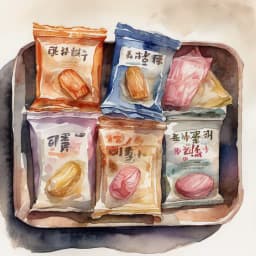
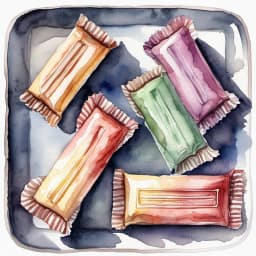
In the town in front of Usa Jingu Shrine, there is a simple and warm candy passed down from long ago: 'Usa Ame.'
Its origins trace back to the legend of 'Gonyu Ame' (Milk Candy), which Empress Jingū allegedly gave to her son, Emperor Ojin, instead of breast milk while raising him. It is a highly prestigious candy with records dating back to the Edo period. Once made from barley and glutinous rice, its white, soft, and nostalgic gentle sweetness is still carefully preserved today.
As a souvenir for visiting Usa Jingu—the head shrine of the many Hachiman shrines across the country—it is an authentic item that has been cherished across generations.
"Usuki Senbei" is a famous confection passed down in the castle town of Usuki for about 400 years. Each thin piece bears the marks of the craftsman's patient handiwork.
It is said to have begun when the Inaba clan entered the Usuki domain, with the crackers being baked as a preserved food. The characteristic method involves baking a thin batter made of flour, sugar, and eggs, then carefully applying a syrup made from boiled ginger and sugar with a brush, stroke by stroke. The faint brush marks left on the surface are proof of the craftsman's handmade process.
With a light, crispy texture, a subtle hint of ginger spice, and a gentle sweetness, it is a simple and warm flavor rooted in the castle town, perfect as an accompaniment to touring the National Treasure Usuki Stone Buddhas.
When people think of Usuki, they think of the National Treasure Usuki Stone Buddhas, which remain from the Heian period. "Stone Buddha Manju" is an adorable manju inspired by these statues.
The Usuki Stone Buddhas are approximately 60 rock-carved Buddhas (magabatibutsu) carved into the rock faces between the late Heian and Kamakura periods. They are a mysterious heritage of prayer, whose carvers and timing remain unknown, and were the first in Kyushu to be designated as a National Treasure. The manju, reflecting the peaceful expressions of these stone Buddable, features a gentle sweetness with smooth bean paste wrapped in moist, soft dough.
Take a moment to relax while reflecting on the long millennium of prayers. It is a classic item that you will naturally want to bring home as a souvenir on your way back from visiting the stone Buddhas.
With samurai residences on the northern and southern highlands and merchant houses lining the valley—Kitsuki is Japan's only 'sandwich-style castle town.' Within this atmospheric cityscape, you can enjoy elegant Japanese sweets.
Walking through the sloping streets of Kitsuki feels like stepping back in time to the Edo period. It is also the first town in the country to be certified as a 'historical streetscape that suits kimono.' In the castle town's confectionery shops, seasonal high-quality sweets and dry sweets (higashi) are carefully handcrafted by artisans, reflecting the changing seasons.
Enjoying a sweet alongside matcha while strolling through the slopes in a rented kimono offers a moment of elegance and luxury that can only be found in Kitsuki.
At the foot of the 'Kokonoe Yume Suspension Bridge' in Kokonoe Town, you can enjoy rich soft-serve ice cream raised in the highlands.
This bridge boasts a height of 173 meters, making it the highest pedestrian-only bridge in Japan. From atop the bridge, you can gaze upon the 'Shindo Falls,' selected as one of Japan's top 100 waterfalls, offering a breathtaking view. The soft serve available around the bridge features an exceptionally rich and luxurious taste, using plenty of fresh milk from cows raised in the clear air of the Kokonoe and Iida Highlands.
It is the ultimate reward dessert to enjoy alongside the majestic highland scenery—a cool, creamy treat to savor after the excitement of a thrilling walk in the sky.
Kusu Town is a 'Fairytale Village' for those who love fairy tales. Sweets wrapped in this gentle worldview are popular as souvenirs.
This town is the birthplace of Takehiko Kurushima, an oral storyteller known as the 'Andersen of Japan.' He earned this title with respect from people moved by his passion when he advocated for the restoration of Andersen's legacy in Denmark. The town is home to the Takehiko Kurushima Memorial Museum and the 'Fairytale Village Kusu' roadside station, where the spirit of the tales he continued to tell is still carefully preserved.
These sweets feature charming and lovely packaging unique to the town. Filled with the gentle warmth of a story, they are an item that can be enjoyed by children and adults alike.
The 'Gin-tachi Senbei' is shaped like the scabbardfish caught in the seas of the Kunisaki Peninsula. Its name is derived from the beautiful, shimmering silver appearance of the fish.
Scabbardfish carefully caught one by one in Kunisaki are known under the brand name 'Kunisaki Gintachi,' highly regarded for their firm, thick flesh and beautiful silver-leaf-like luster. These crackers, which pack the intense umami of the fish, release a wonderful aroma of the sea and a savory flavor upon the first bite.
A local snack unique to the Kunisaki Peninsula, which is blessed with abundant seafood. This flavorful cracker pairs perfectly with both tea and alcoholic beverages.
Oita is also known as a producer of yuzu, and "Yuzu Yokan" makes generous use of this highly fragrant fruit.
In Oita, yuzu is cultivated in the mountainous areas of Usa, Hita, and Yufu, turning golden on the branch tips during the frost season. This yokan, into which the yuzu peel is carefully kneaded with white bean paste, achieves a magnificent harmony between the refreshing acidity unique to citrus and an elegant sweetness. As you take a bite, the refreshing scent of yuzu wafts through your nose.
It is an adult Japanese sweet that offers depth and aroma beyond just sweetness. Whether paired with green tea or enjoyed as a slightly luxurious tea snack, it is an elegant item highly recommended as a souvenir from Saiki.
‘Goma-dashi’ is a versatile seasoning passed down in the fishing towns of Saiki. The ‘Goma-dashi Senbei’ captures that rich, nutritious umami in a single cracker.
Goma-dashi is a preserved food originating from Saiki, made by grinding white fish such as roasted hake or horse mackerel with sesame seeds, combined with soy sauce and mirin. It was passed down through generations of busy fishing families as a way to quickly add flavor without the hassle of making dashi from scratch. These crackers, which leverage the savory aroma of fish and sesame, reveal a deep flavor the more you chew.
Perfect for tea time or as an accompaniment to alcohol. This umami-packed snack allows you to easily take home a piece of Saiki's unique food culture.
When you break open the moist dough, fragrant with butter, smooth white bean paste peeks out. Japanese and Western flavors gently meld together, with an elegant sweetness that slowly unfolds.
This Nanban-style sweet was created in honor of Francis Xavier, who proselytized in Oita City, and is currently produced by Zabieru Honpo. There are two varieties: silver wrappers for white bean paste and gold wrappers for bean paste with rum-soaked raisins, all presented in an elegant box reminiscent of the Bible. Although the recipe once disappeared, it was brilliantly revived by former employees.
It pairs well with both coffee and tea. Please enjoy this quintessential Oita souvenir.
When you break open the fluffy baked castella dough, a beautiful violet-colored bean paste is revealed. This Oita masterpiece captures your attention with its elegant sweetness and an exotic atmosphere.
It is produced by Zabierly Honpo, also known for 'Zabieru'. The name 'Luisa' is said to originate from the baptismal name of a female Kakure Kirishitan (hidden Christian) who once lived in Oita. The purple bean paste, made by mixing white bean paste with violet liqueur, is wrapped in milk and butter-flavored castella dough and slowly baked in aluminum foil.
A product filled with exotic charm, truly representative of Oita where Nanban culture once flourished. Buying it alongside 'Zabieru' makes for a delightful gift.
With one bite, a light, crispy texture is accompanied by the refreshing aroma of kabosu. The richness of butter and a pleasant acidity meld together, making this a baked sweet that pairs perfectly with both tea and coffee.
Kabosu is a representative citrus specialty of Oita, with Oita Prefecture accounting for almost all production in Japan. These Kabosu Sables are baked by kneading the juice and aroma of kabosu into the dough. You can enjoy its refreshing flavor and crispy mouthfeel.
With a long shelf life and the convenience of being easy to distribute, it is an ideal souvenir that allows you to experience Oita's citrus culture. Please enjoy it as an accompaniment to your tea time.
The flat, long-stretched wheat dough has a pleasant, chewy elasticity. When generously coated with kinako and sugar, a fragrant aroma and gentle sweetness fill your mouth.
This local snack was born from the flour-based food culture passed down since ancient times in Oita Prefecture, with its origins said to be in Kono, Yufu City. The basic method involves stretching kneaded wheat flour thin like udon noodles, boiling it, and coating it with kinako; it is said that the more skilled a person is, the thinner and longer they can stretch it. It is also known as a famous confection that was once presented to Meiji Jingu.
The smooth texture, chewy dough, and fragrance of the kinako create a simple yet addictive, nostalgic taste. It is a dish that makes you want to take a relaxing break with a cup of warm tea.
Homemade yuzu paste is sandwiched between soft, fluffy dough. When you take a bite, the refreshing aroma and sweet-tart flavor of yuczu spread throughout your mouth. It is an elegant confection infused with the citrus essence of Oita.
Produced by Nanko Bussan in Beppu, this award-winning treat received the Minister of Agriculture, Forestry and Fisheries Award at the National Confectionery Expo. Yuzu peels from Oita Prefecture are individually selected by hand and simmered in large vats over time to create a yuzu jam, which is then sandwiched in a gently sweet buッセ (biscuit).
With a soft melt-in-your-mouth texture that pairs well with both tea and coffee, it is a delightful taste of Oita, making it an excellent souvenir to enjoy the fresh aroma of yuzu.
When you take a bite of the light, airy, whipped egg white jelly, it melts away like snow. The mellow sweetness of the yolk paste revealed from within leaves an elegant aftertaste reminiscent of the moon floating in the night sky.
This famous confection is crafted by Tajimaya, a long-established shop in Takeda City, Oita Prefecture. It features yolk paste—made by kneading egg yolks into white bean paste—gently wrapped in 'Awayuki,' a light snow-like jelly made from whipped egg whites and agar. Founded in 1804, Tajimaya is the oldest Japanese confectionery shop in Oita, having once served as the official confectioner for the Oka Clan. It was named after the famous song composed by Rentaro Taki, who was born in Takeda.
Its fluffy melting texture is perfect with tea. It is an elegant Japanese sweet that Takeda is proud of.
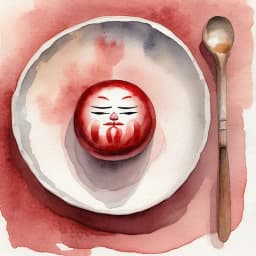
The 'Hime-daruna' is a traditional lucky charm passed down in Takeda. Sweets shaped like this lovely figure are beloved as souvenirs.
Originating from the era of the Oka Clan approximately 360 years ago, the Hime-daruma is a local folk toy. It is said to be modeled after Ayame, a woman of the samurai class, and was traditionally distributed to the eaves of merchant houses on New Year's mornings as an amulet for family safety and business prosperity. Its features include elegant, slender eyes and a small, vermilion-painted mouth, exuding a refined and graceful appearance.
These sweets, mimicking the Hime-daruma, are round and cute, making them perfect for gifts. They are auspicious treats infused with Takeda's rich culture and the prayers of people wishing for happiness.
The representative confection of Nakatsu, 'Bisman,' is the flagship product of Tonobata Futabado, a long-established shop founded in 1889. The adorable nickname is an abbreviation of 'Biscuit Manju.'
Bisman was born in 1955. Driven by the founding family's desire to 'let children eat sweets that taste like biscuits,' they gently wrapped moist egg yolk bean paste in fragrant, baked biscuit dough. Despite its retro appearance, it is a highly skilled confection that has received an Honorary Award at the National Confectionery Expo.
With its crunchy crust and comforting sweetness of egg yolk bean paste, it is a local flavor that has been loved for 70 years and is something you must taste when visiting Nakatsu.
Are you familiar with 'Kenchin,' a local confection passed down in Nakatsu for about 200 years? There is a slightly surprising story hidden behind this sweet.
It is said that during the Edo period, a scholar from the Nakatsu Clan, who interacted with Chinese merchants in Nagasaki, created it after taking inspiration from Shippoku cuisine brought from China. It is a rod-shaped confection made by combining arrowroot, wheat flour, and sugar with wood ear mushrooms, ginkgo nuts, and beans, then slowly steamed in a bamboo steamer. You can enjoy the moderate elasticity of the arrowroot, the crunchy texture of the wood ear mushrooms, and the softness of the beans all at once.
With its subtle sweetness, it has been an essential item for both celebrations and memorial services. It is a deeply flavorful dish that breathes with the long history of the castle town of Nakatsu.
Tsukumi City's 'Umitama Experience Park Tsukumi Dolphin Island' is a popular spot where visitors can enjoy interacting with dolphins. Adding color to those fun memories are these dolphin-motif sweets.
This experiential facility is a collaboration between the aquarium 'Umitamago' and Tsukumi City. Visitors can swim with dolphins, participate in feeding or trainer experiences, and engage in 'pushing'—a rare experience found only here in Japan, where dolphins push you forward using their noses against your feet.
These adorable sweets shaped like dolphins are a huge hit with children. They are an exciting souvenir that allows you to take home the joyful memories of your seaside encounter.
The moment you open the box, the fragrant aroma of eggs wafts up. With one bite, the sponge and cream melt together seamlessly, offering an incredibly light mouthfeel. The sweetness is subtle, allowing you to enjoy it until the very last bite without getting tired of it.
This is the flagship product of a roll cake specialty shop opened in 1999 by 'Sanso Murata,' a ryokan in Yufuin, Yufu City, Oita Prefecture. Baked simply with only flour, sugar, eggs, and fresh cream, the 'P' in the name represents the feelings of 'Peace' and 'Puffy.' It is so popular that it often sells out early even on weekdays.
The soft, airy texture is a luxury reserved for the day of purchase. If you visit Yufuin, please be sure to try and get one.
Yufuin, a town of hot springs and art, is a treasure trove of unique sweets. Among them, cheesecake is highly popular as a staple for strolling and snacking.
Embraced by lush highlands, Yufuin is an area with thriving dairy farming. The rich cheesecakes made with local fresh milk and cheese convey the abundance of ingredients in a single bite. Enjoying a freshly prepared slice while leisurely strolling along Yunotsubo Kaido will greatly enhance your travel mood.
Part of the fun is that every shop has slightly different baking levels, ingredients, and textures. Searching for your own favorite while exploring is a way to spend time that is unique to Yufuin.
The 'Yufuin Floral Village' is a fairytale space where the British countryside seems to unfold within Yufuin.
This is a free-entry, English-style mini theme park that recreates the streetscapes of the Cotswolds region in England, which also served as a filming location for the movie 'Harry Potter.' Charming stone-style houses line the streets, interspersed with various boutiques and confectionery shops. There are even spots where you can interact with rabbits and squirrels, making the cakes and gelato enjoyed amidst such photogenic scenery feel truly exceptional.
Sweets enjoyed in a space that feels like you've accidentally wandered into a picture book are special, memorable treats that make you want to take the entire scenery home with you.
In Yufuin, surrounded by rich nature, sweets using locally harvested honey are beloved for their gentle sweetness.
In the mountainous areas of Yufuin, honey is collected from seasonal flowers. The honey pudding, roll cakes, and castella, which leverage this natural sweetness, feature a mellow texture that spreads softly the moment they touch your mouth. The charm lies in a deep sweetness infused with a delicate floral aroma that sugar alone could never achieve.
These sweets are the very essence of nature's blessings, perfect to enjoy after relaxing in a hot spring. Why not take home this heart-warming sweetness as a souvenir from your stroll through Yufuin?
This handmade strawberry jam captures the essence of bright red strawberries grown under the abundant Oita sun.
In Oita Prefecture, strawberries with a perfect balance of sweetness and acidity are cultivated, including 'Berries,' an original variety developed by the prefecture over eight years. This jam is made by simmering those bright red, ripe strawberries slowly over time, resulting in a natural flavor that highlights the fruit itself. The thick, syrupy texture still retains distinct bits of strawberry.
Whether spread on bread or served with yogurt, this is an item that allows you to easily enjoy the blessings of Oita's sun-drenched fruit at your breakfast table every morning.
Hita City is the hometown of Hajime Isayama, the author of the world-famous manga 'Attack onting Titan.' Sweets inspired by this connection add joy to fans' 'pilgrimages' to the sacred site.
Mr. Isayama grew up in Oyama-machi, Hita City. To commemorate the 10th anniversary of the serialization, bronze statues recreating the childhood of protagonists Eren, Mikasa, and Armin were erected by the Oyama Dam, and the 'Attack on Titan in HITA Museum,' which displays precious original drawings, has also opened.
These collaborative sweets are perfect as a memento of visiting Hita. It is a memorable souvenir that fans will want to share while immersing themselves in the world of the story.
Hida, a water town that flourished as a Tenryo (shogunate territory), is a town blessed with pure water and famous for soy sauce production. These Japanese-style rusks incorporate Hida's soy sauce into the dough.
In Hida, soy sauce breweries founded in the Tempo era still remain, carefully maintaining traditional brewing methods using abundant water and domestic ingredients. This rusk utilizes that traditional soy sauce in a Western-style confection. The sweet and salty flavor is addictive, as the crispy texture melts with the mellow flavor of butter and the unique savoriness of soy sauce.
This is a happy encounter between East and West, born specifically from Hida, the town of fermentation. It is a slightly new specialty of Hida that pairs well with both coffee and tea.
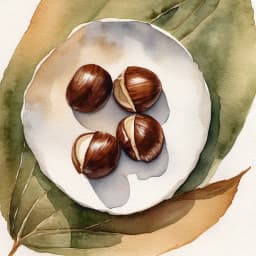
When speaking of the representative flavors of Hita in autumn, it is the Japanese sweets made with chestnuts. The natural, fluffy sweetness of the chestnuts gently colors the storefronts of confectionery shops.
In Oyama Town, Hita City, the cultivation of plums and chestnuts began town-wide in 1961, eventually growing into one of the prefecture's leading chestnut production areas. The temperature fluctuations unique to the basin produce sweet chestnuts with firm flesh. The chestnut kintone, carefully simmered from these chestnuts, is finished elegantly, preserving the original flavor and fluffy texture without unnecessary additives.
It is a luxury that can only be encountered in autumn—a seasonal treat. It is a gentle sweetness that condenses the rich harvest of Hita into a single bite, allowing your heart to feel at ease.
Floating in the Suo-nada Sea, Himeshima is the home of Kuruma prawns. Fragrant 'Shrimp Senbei' made from these prawns are a popular souvenir from the island.
In 1963, shrimp farming began on Himeshima by utilizing former salt fields, and it has since grown into a brand known nationwide. The prawns' plump, elastic texture and concentrated rich sweetness are highly regarded in markets. This shrimp senbei utilizes that rich umami, spreading the fragrant aroma of shrimp and the scent of the sea throughout your mouth with every bite.
It offers a simple and warm taste unique to this remote island in the Suo-nada Sea. It is the perfect snack to commemorate a relaxing visit to Himeshima.
When you insert a spoon, it is firmly set. One bite reveals a rich, dense flavor that gently unravels, followed by a delicate bitterness from the caramel. The mellow texture created by the hot spring steam offers a taste you won't find anywhere else.
This specialty has been continuously produced since 1988 using the same method at Okamotaya, which has been operating in Anyu Onsen, Beppu City, Oita Prefecture, since 1875. Using only local milk, eggs, sugar, and heavy cream, each pudding is steamed by hand using high-temperature steam containing sulfur. A unique feature is that despite being additive-free, the pudding is preserved by the antibacterial effects of the steam.
A heavenly smoothness born from 'Hell-Steaming.' This is a dish you must try when visiting Beppu.
When you insert a spoon, the smooth, yolk-colored pudding wobbles gently. A single bite brings a melting texture and gentle sweetness. It is the perfect sweet for strolling through the city of steam, Beppu.
In Beppu, which boasts the highest number of hot spring sources and discharge volume in Japan, puddings utilizing the hot springs are sold in various locations. The characteristic smooth texture is achieved by slow-steaming the pudding using hot spring steam and heat. It is a quintessential Beppu snack that you can enjoy while walking through the hot spring streets.
With the bitterness of caramel and the gentle richness of egg, how about a chilled, sweet pudding during a break from visiting the 'Hell' tours or hot spring hopping? It is a taste unique to Beppu.
When you break open the fluffy dough, moist smooth bean paste appears along with a hint of steam. This is a relaxing Onsen Manju inspired by Beppu's famous 'Hell-Steaming' technique.
'Hell-Steaming' (Jigoku-mushi) is a cooking method unique to Beppu, where ingredients are steamed using high-temperature hot spring steam. This Hell-Steamed Manju was created in honor of that style. The combination of the fluffy steamed skin and smooth bean paste makes it perfect with tea.
A gentle flavor that brings back memories of the hot spring town of Beppu. It is great as a snack while walking around or as a souvenir. A single piece provides a moment of relaxation along with your memories of hot spring hopping.
Bungotakada City's 'Showa-no-machi' is a retro tourist destination where the shopping streets of the Showa 30s (1950s/60s) remain intact. Stepping inside, a sense of nostalgia gradually wells up.
The shopping street, which conveys the bustle of the past, is lined with old-fashioned candy stores and coffee shops, and even features a museum with 60,000 toys. The retro candies and traditional Japanese sweets sold in this town have a nostalgic taste that brings an involuntary smile to your face with just one bite.
Bringing distant childhood memories to adults and fresh surprises to children, these are nostalgic snacks that allow you to savor the very atmosphere of the Showa era.
Harajiri Falls is known as the 'Niagaras of the Orient.' The 'Harajiri Falls Senbei' was created in honor of its magnificent scenery.
Harajiri Falls is a waterfall approximately 20 meters high and 120 meters wide that appears suddenly amidst the peaceful rural landscape of Bungo-Ono City. It features a rare geological formation created by the massive eruption of Mount Aso about 90,000 years ago. A suspension bridge spans the top of the falls, allowing visitors to feel its power up close. It is a majestic waterfall selected as one of Japan's Top 100 Waterfalls.
These senbei offer a simple and nostalgic taste, perfect for a snack after taking in the grand view. They have long been cherished as a warm memory of a trip to Bungo-Ono.
The 'Kabosu Highball Candy' is a slightly sophisticated souvenir made using Oita's specialty, Kabosu.
Kabosu is a citrus fruit that truly represents Oita, with the prefecture accounting for the vast majority of Japan's production. Legend has it that the seedlings were brought from Kyoto by a physician during the Edo period, and the fruit has been dearly loved by the local people for its refreshing aroma and acidity. This candy, crafted in a highball style, offers a unique and rare taste where you can enjoy the characteristic freshness of Kabosu along with a subtle sweetness all at once.
It is a playful treat that is sure to bring a smile to anyone's face, making it a delightful small gift for alcohol lovers.
When speaking of the absolute staples of Oita souvenirs, one must mention the assortment of the two great famous sweets, 'Zabieru' and 'Risa.'
Both names are deeply etched with the Christian history of Oita. 'Zabieru' is a fusion of Japanese and Western styles, named after Francis Xavier, who proselytized in Funai (present-day Oita City). It consists of butter dough enveloping white bean paste and rum-soaked raisin paste. 'Risa' is a moist treat featuring soft castella sponge cake filled with white bean paste infused with liqueur.
This set of famous sweets, representing a magnificent encounter between Japanese and Western flavors, is a reliable classic souvenir that is sure to please, whether for yourself or as a gift for someone special.
Spicy with a hint of freshness. These unique 'Kabosu Pepper Rice Crackers' feature Oita's famous kabosu pepper.
Kabosu pepper is a prepared spice made by combining the peel of Oita's specialty kabosu citrus with green chili peppers. It is essentially yuzu kosho, but with kabosu replacing the yuzu, and Oita is widely recognized as its authentic home. These crackers leverage that unique flavor, creating an exquisite balance between the sharp heat of the chili and the refreshing aroma unique to kabosu, resulting in a delicious taste that keeps you coming back for more.
It is a stimulating snack that is particularly delightful when you are a little tired of sweet treats. A local snack for adults that also pairs perfectly with alcoholic beverages.
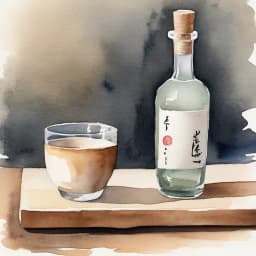
Known as the pinnacle of the barley shochu "Iichock," the "Iichiko Flask Bottle" is presented in an elegant, flask-shaped bottle.
Produced by Sanwa Shurui in Usa City, it is brewed over time using a full-koji method with only barley koji and highly polished barley fermented slowly at low temperatures. This high-performance spirit, combining a clear aroma with rich body and depth, has even won a gold medal at the world-renowned spirits competition in San Francisco.
The sophisticated bottle makes it a perfect gift for loved ones. Whether enjoyed on the rocks or with water, you can fully savor its profound flavor.
Among the wines produced by Ajimu Winery, the 'Delaware' white wine is particularly approachable.
Ajimu is one of Oita's premier grape-growing regions, blessed with a warm climate and well-drained soil. This white wine, made using Delaware grapes grown freely in this bountiful environment, offers a pleasant balance of refreshing sweetness and moderate acidity, providing a rich fruitiness. Because it is crisp and easy to drink, it is also recommended for those who are not very familiar with wine.
When poured chilled into a glass, the sweet aroma of grapes gently rises. It is a bottle born from the terroir of Oita, perfect for enjoying casually without any pretension.
In the castle town of Usuki, Kuke Honpo has continued brewing sake since the first year of Man'en (1860). Its flagship brand is the barley shochu "Tsunezō."
Kuke Honpo is a long-established brewery said to have been founded after being granted a brewery by the local lord. They specialize in making alcohol that brings out the inherent umami of ingredients, pairing perfectly with fresh fish from the Bungo Channel. "Tsunezō" is produced using a unique method that prioritizes flavor, such as slow vacuum distillation to extract the malt's richness and filtration through bamboo charcoal. A light aroma of barley floats within its clean finish.
With an elegant taste that gently complements food, it is a high-performance barley shochu nurtured alongside Usuki's rich culinary culture.
The flagship brand boasted by the long-established Kuke Honpo is "Ichinoide." It is known as a prestigious sake that carries the brewery's reputation alongside the barley shochu "Tsunezō."
This brand is said to have been renamed by the 13th head, Tsunezō, at Kuke Honpo, which was founded in the first year of Man'en. The sake version of "Ichinoide," made with locally produced rice, has been highly evaluated for its true skill, winning awards at prestigious international contests. Its hallmark is a clean and elegant taste, carefully brewed over time with Usuki's pure water.
It is a drink that has long graced the tables of the castle town of Usuki as an accompaniment to fresh seafood from the Bungo Channel.
'Shirashinken' means 'with all one's heart' or 'with great effort' in the Oita dialect. Chishinken is a barley shochu named to embody that very spirit.
Produced by Fujii Shuzo in Oita, this shochu uses 100% domestic two-row barley and is fermented using only barley koji. After undergoing a long-term aging process of over three years, it achieves a mellow and rich flavor. It features the natural toastiness of barley and a subtle sweetness; when enjoyed with water, its mellow true value stands out even more.
This is a quintessential Oita bottle, where the sincere spirit of the makers—brewing steadily and single-mindedly—is firmly embedded in its name.
As you tilt the cup, a floral aroma spreads softly, filling your mouth with rich umami and an elegant acidity reminiscent of fruit. The aftertaste is light, allowing the drink to flow smoothly alongside food.
This flagship brand was named by Nakano Shuzo in Kitsuki City, Oita, after the name of the proprietress at the time of the brewery's founding in 1874. The brewing process begins with 'Rokugo Manzan no Mitara-mizu,' spring water from 200 meters underground, which has won the Grand Gold Award at the Monde Selection for three consecutive years. They prioritize local production and consumption, primarily using locally grown rice.
This is a bottle that accompanies the local dining table. Please enjoy this flavorful local sake born in Kitsuki.
The Kuju 'Yume' Grand Suspension Bridge boasts the highest altitude in Japan—and within that vast nature, what one truly wants to savor is the craft beer brewed in the highlands.
At the foot of the Kuju mountain range, located in the high-altitude Kuju Highlands, sits a local brewery. Using underground water sourced from the mountains as brewing water, they produce unfiltered raw beer using German malt and hops. The fresh taste, with live yeast still present, is an experience you can only find here.
A single glass enjoyed while gazing at the majestic mountains turns even the clear air into a feast. With a well-balanced aroma and bitterness, it is highly recommended even for those trying local beer for the first time. Please quench your thirst with this highland-born beer during a break from driving or sightseeing.
Kusu Town is known as the 'Fairy Tale Land.' Amidst the peaceful mountain scenery, a simple local shochu is quietly cherished.
Kusu Town is known as the birthplace of Takehiko Kurushima, the 'Andersen of Japan,' and is a town embraced by rich nature. This area is home to breweries known for brands such as Kame-no-i, producing flavorful spirits from local water and ingredients. The mellow shochu, which highlights the flavor of barley, possesses an unpretionous deliciousness that is its main charm.
Sipping a glass slowly by a hearth or during dinner at a hot spring inn is exceptional. After relaxing your body in the hot springs, the shochu penetrates deep into your very soul. At the conclusion of your journey through the Fairy Tale Land, please try this shochu rooted in the local land.
With a single sip, the five tastes—sweet, sour, salty, bitter, and astringent—harmonize beautifully, causing the umami to expand. The finish is clean and light, elegantly enhancing the flavor of your food.
This is the representative brand brewed since 1873 by Kayashima Shuzo in Kunisaki City, Oita, named with the aspiration to become 'the representative sake of Western Japan.' It is brewed using gentle soft water containing no iron, with a commitment to using approximately 60% locally grown rice. The brewery, built at the end of the Meiji era, is still active today and is designated as a National Registered Cultural Property.
This handcrafted Junmai sake, focused on umami, pairs perfectly with food whether served cold or warm. Please enjoy this flavorful local sake nurtured by the climate of the Kunisaki Peninsula.
In Saiki City, which faces the Bungo Channel, a shochu culture nurtured alongside the bounty of the sea lives on. It is a place where sake lovers travel in search of a glass they can only encounter locally.
Saiki City is home to breweries specializing in barley shochu, such as Bungo Meijo, founded in the Meiji era. Its flagship brand, 'Toya,' is known for its reliable craftsmanship, having won numerous awards at liquor competitions over many years. Born from mountain waters and carefully selected barley, this shochu is characterized by its clean and crisp finish.
Saiki's local shochu pairs perfectly with the fresh seafood of the Bungo Channel, including Seki Ajis and Seki Sabas. The saltiness of the sea and the sharpness of the shochu resonate together, making it impossible to stop both the chopsticks and the glass. In a town embraced by a rich sea, please enjoy a drink that is truly unique to this land.
'Nishinohoshi' is an authentic barley shochu brewed from barley born of the Oita earth, produced by Sanwa Shurui in Usa City.
The most significant feature of this shochu is that it uses only 'Nishinohosili,' a variety of barley specifically developed for shochu production. Following steady variety development since 1993, this premium bottle using the dedicated barley was finally born in 2001. Its floral aroma and smooth, refreshing finish make it perfect for your nightly drink.
This is an authentic Oita barley shochu with an uncompromising commitment to locally grown barley. With its clean finish, it is a versatile cup that pairs well with both Japanese and Western cuisine.
'Kuju Senbazuru' is brewed by Sato Shuzo, the only brewery in Taketa City. Its name hides a heartwarming story involving a literary master.
The name 'Senbazuru' (Thousand Cranes) was inspired by the friendship developed with the literary master Yasunari Kawabata, who visited Kuju while writing his novel 'Zoku Senbazuru.' Nurtured by the cool climate at an altitude of 600 meters and the soft subsoil water of the Kuju mountain range, the brewery shines with its handcrafted sake production, including a careful approach to rare methods like Kimoto and Yamahai brewing in Oita.
A gentle and clear taste that softly blends the grand nature and rich culture of Taketa. It is a flavorful local sake brought by the winds of the Kuju Highlands.
Nakatsu, which flourished as a castle town of Nakatsu Castle, is also famous as the birthplace of Karaage. Local sake has long supported this culinary culture.
In Nakatsu City, Mizogami Sake Brewery, founded during the Tempo era, continues to brew local sake, including its flagship brand 'Tenshin.' The sake, born from the underground water of the Yamaguni River and local rice, is often crisp and dry, pleasantly cutting through the richness of fried foods.
Enjoying it with Nakatsu's specialty Karaage or summer hamo dishes is the local tradition. Once you experience the combination of crispy fried chicken and dry local sake, it becomes addictive. Please enjoy the flavors nurtured by the history and water unique to this castle town, alongside the local cuisine.
The craft beer brewed in the hot spring town of Yufuin is 'Yufuin Beer.' A single glass after soaking in an onsen is truly special.
This beer is crafted by Yufuin Brewing, which was established in 1994 as the first local brewery in Kyushu. In Yufuin, blessed with hot springs and abundant water, they carefully brew a variety of unique beers, including Weizen and Stout. One of the major attractions is that the brewery is adjacent to a restaurant, allowing you to enjoy freshly brewed beer while gazing at the brewery scenery.
Enjoy this pride of Yufuin's rich nature alongside the famous hot springs. It is a rewarding choice to comfortably conclude your journey in Yufuin.
"Oita Mugi Shochu, Nikaido." This barley shochu brewed by Nikaido Shuzo in Hiji Town is known nationwide by that catchy phrase.
Founded in 1866, this long-established brewery completed Japan's first "100% barley" shochu—where both ingredients and koji are entirely barley—in 1973, sparking a nationwide barley shochu boom. Its mellow flavor, which brings out the natural, gentle essence of the barley, is easy to drink and deeply loved by people across all generations.
As a pioneer of Oita barley shochu, it remains an unshakable classic. It is a brand that has been cherished for generations as a companion for evening drinks at the daily dining table.
With a single sip, you experience a meltingly soft texture on the tongue. Within its clean mouthfeel, a mellow richness and deep aroma born from long-term aging slowly rise.
This is the highest grade of barley shochu brewed by Nikaigu Shuzo in Hiji Town, Oita, made from 100% barley. Using carefully selected barley and natural water, it is finished through slow aging using Nikaido as a base. This bottle is filled with affection for the local land, bearing the name of "Kicchomu-san," the protagonist of an Oita folk tale known for his wit.
The "Tsubo" (jar) version, stored in a ceramic pot, continues to age further inside the stopper. Please experience a flavor that becomes addictive from the very first sip.
The barley shochu that might give you a slight fright by its name is "Enma," brewed by Oimato Shuzo in Hita City.
Oimatsu Shuzo is a historic brewery founded in the first year of Kansei (1789). The origin of the brewery's name is said to be the suitability of the pure spring water from Enma Shrine for sake brewing. Named after the King of Hell (Enma Daio) due to its powerful flavor, this shochu is slowly aged in oak barrels, resulting in a beautiful amber color and a mellow aroma with deep richness.
Contrary to its intense name, it is a high-quality drink with great depth. It is a robust and unique barley shochu brewed alongside the long history of Tenryo Hita.
Hita is a water town that flourished as a Tenryo (shogunate-governed territory). "Kunchō" is the barley shochu brewed by Kunchō Shuzo, a long-established brewery dating back to the Edo period.
In the Kunchō Shuzo brewery, buildings constructed in the 15th year of Genroku (1s702) still remain, quietly conveying a history of over 300 years. Utilizing delicate techniques cultivated through many years of sake making, this barley shochu is slowly brewed with Hita's pure spring water, featuring an attractive toasted malt aroma and a clean aftertaste.
With heartfelt and careful brewing characteristic of a brewery that also offers brewery tours and a brewery cafe, this is a flavorful bottle that breathes the rich climate of the historic water town of Hita.
Bungo-Takada is known as the 'Showa Era Town.' After walking through the retro shopping streets, there is nothing quite like tasting this local sake.
Located at the base of the Kunisaki Peninsula, Bungo-Takada City is a land blessed with abundant water and nature. In the liquor stores of the Showa-era town, local nigori-zake (unfiltered sake) and other varieties are sold, making them popular as tourist souvenirs. The white, soft nigori-zake is a drink where the rich umami of the rice spreads beautifully across the palate.
Sipping this sake while paired with local fish and cuisine, all while gazing at the nostalgic streetscape, is truly exceptional. Its somewhat nostalgic flavor will soothe your very soul. It is a sake you want to savor slowly during a night in Bungo-Takada, feeling as if you have traveled back in time.
'Takakiya,' brewed by Hamashima Shuzo in Bungo-ono City, is a dedicated local sake produced starting from the cultivation of the rice itself.
The name of the brewery originates from an auspicious anecdote where a single hawk perched on the roof during the roof-raising ceremony at the time of its founding. Established in 1889, this brewery practices 'self-cultivation and self-brewing' by growing sake rice in its own fields. Even as eras change, they remain committed to pouring passion into everything handmade, producing Junmai sake where you can strongly feel the umami of the rice.
It offers a deep flavor that can never be achieved through mass production, unique to careful handwork. As a hidden powerhouse brewery in Oita, this is a bottle that enjoys quiet popularity among local sake enthusiasts.
An essential part of Oita's izakayas is the refreshing highball made with freshly squeezed local kabosu. The green kabosu floating in the glass brings a sense of coolness just by looking at it.
Oita Prefecture is a major production area, accounting for over 90% of Japan's total kabosu production. Primarily cultivated in cities like Usuki and Taketa, the fruit is harvested at the peak of its aroma while the skin is still green. Its sharp acidity and invigorating fragrance help to cleanly tighten the powerful flavor of whisky.
It pairs excellently with Oita's pride dishes, such as Toriten (chicken tempura) or Karaage. The light mouthfeel goes well with any food and is perfect as a first drink. Please enjoy this local flavor that naturally blends into the local nightlife in Oita.
Squeezing a bit of kabosu into a glass of shochu—this is a common sight in Oita's izakaya. The refreshing taste makes you want to keep eating from the very first sip.
Oita Prefecture produces over 90% of Japan's kabosu, with traditions said to have reached Usuki during the Edo period. Kabosu harvested while still green is highly aromatic, and its clean acidity mellows and enhances the umami of the shochu.
It pairs exceptionally well with fried foods like Toriten or Nakatsu Karaage. Since it cleanses the palate of oil, you'll find yourself reaching for another glass. Please try this local sour that is a staple of Oita's dining tables, which can even be easily made at home.
A famous confection found on the approach to Usa Jingu, one of Japan's three great Hachiman shrines. It is a manju that you can't help but reach for during a break after visiting the shrine.
Produced by Seigetsudo, established in 1905. This long-established shop was born in Kunisaki, a land of Buddha, and later took root in Usa. The name 'Kiyomaro' is inspired by Wake no Kiyomaro, who was sent to Usa Jingu during the Nara period to deliver an oracle regarding the imperial succession. It features a fragrant dough reminiscent of a biscuit, finished with a moist texture using starch syrup, wrapped around white bean paste and baked.
With an award-winning taste from Meiji Jingu and the National Confectionery Expo, please enjoy this specialty from a historic temple town.
A powerful-looking monaka shaped like a rugged ogre tile (oni-gawara). This is a somewhat rare confection crafted by the long-established Oyadama Honpo in Usa.
Its motif is the oni-gwarra that adorns the main hall of the National Treasure Buzen Zenkoji, one of Japan's three Sanzen temples. The fragrant monaka shell, made with glutinous rice harvested in Hirano, Usa City, is generously filled with bean paste. There are three varieties available: red bean, white bean, and matcha. Being able to enjoy different flavors is a delightful feature.
Its charm lies in its substantial texture and the fragrance of the glutinous rice shell. The brave appearance of the ogre tile also makes for a great anecdote. Please enjoy this monaka, born in a historic temple town, as an accompaniment to tea or as a gift.
Walking along the approach to Usa Jingu Shrine, you are drawn in by the fragrant aroma of freshly baked castella. This is Seigetsudo's specialty, 'Toramaki.'
Founded in the Meiji era, Seigetsudo is a long-established confectionery shop that has continued baking sweets on the approach to Usa Jingu for over a hundred years. Toramaki consists of smooth red bean paste with subtle sweetness, rolled inside soft, fluffy castella sponge cake. Each piece is easy to pick up and eat, making it an irresistible stop during your shrine visit.
One delightful feature is that orders of two or more pieces come in an adorable tiger-patterned box. It is easy to understand why many fans continue to visit even as adults, reminiscing about the flavors they ate as children. This simple and warm sweet is the perfect souvenir for a visit to Usa Jingu.
A representative confection of Seigetsudo, named after Wake no Kiyomaro, who is associated with Usa Jingu Shrine. It features white bean paste made from Hokkaido white kidney beans wrapped in butter-flavored cookie dough, boasting a flavor that takes pride in being a Kyushu specialty.
There is a baked sweet you'll want to choose as a souvenir of your visit to the head shrine of Hachiman shrines nationwide: 'Usa Mairi' by 'Kakumasa.'
Usa Jingu is the head shrine of the over 40,000 Hachiman shrines said to exist across Japan. It is known for the ancient custom of 'Ryo-mairi,' where one visits both the Upper and Lower shrines, based on the saying 'Visiting only the Lower Shrine is an incomplete visit.' Usa Mairi is a baked sweet made by 'Kakumasa,' which is located on the approach to the shrine, making it the perfect souvenir for your pilgrimage.
It is a confection truly worthy of a travel memory—something you might gently pick up on the shrine's historic approach after praying. Along with the memories of visiting the head shrine of Hachiman, you will want to bring it home as a gift for family and acquaintances.
This is a reimagined version of the 400-year-old Usuki Senbei, transformed into a light and crispy sable. It is a confection born in Usuki, where tradition meets modernity.
The maker, Goto Seika, is a long-established producer of Usuki Senbei, founded in 1919 (Taisho 8). Legend has it that Usuki Senbei originated during the Edo period as a portable snack for feudal lords during their periodic travels to Edo (Sankin-kotai). While preserving the signature ginger flavor, we have rearranged it into a light sable that melts in your mouth. It is a charming sweet affectionately known as "Hot-san."
The spicy aroma of ginger pairs perfectly with the lightness of the sable. It is a souvenir from Usuki that can be enjoyed by everyone from children to adults.
A monaka confection crafted by a Japanese confectionery shop that carries on traditional flavors in the castle town of Kitsuki. The manufacturing methods preserved from previous generations remain alive today.
Originally known as Kikuchi Seika, the maker 'Kitsukiya' changed its trade name in 2017 to embark on a new beginning. The fragrant glutinous rice shell is generously filled with specially made homemade bean paste, cooked using Hokkaido adzuki beans and natural spring water from a nearby brewery. With every bite, the gentle flavor of the bean paste spreads through your mouth.
Its elegant taste, reflecting careful craftsmanship, is highly regarded as a gift. The crisp fragrance of the shell and the smoothness of the bean paste melt together in your mouth. It is a treat to be savored slowly, along with the atmosphere of the castle town.
These fluffy baked dorayaki are one of the representative Japanese sweets of the castle town of Kitsuki. A commitment to ingredients supports its deliciousness.
'Kitsukiya' is a Japanese confectionery shop that has been loved in Kitsuki for a long time. The batter uses eggs from Oita Prefecture, and each pancake is baked individually using methods inherited from previous generations. Sandwiched inside is a rich homemade bean paste made by cooking Hokkaido adzuki beans with natural spring water from a nearby brewery. It has a reputation for being addictive.
In addition to the classic dorayaki, a version paired with butter is also gaining popularity. The combination of fluffy batter and rich bean paste is perfect as an accompaniment to tea. Please enjoy this heartfelt creation unique to a castle town confectionery shop.
Crispy, moist, and chewy—this is a unique Japanese confection from Saiki that offers three different textures in a single bite.
The maker is 'Okashi no Umeda' of Saiki City, known for their unique bean paste production. Smooth homemade bean paste made with Hokkaido red beans is wrapped in soft mochi and sandwiched between special moist rice crackers. The name 'Warabino' is derived from the beautiful place name, Yayoi, in Saiki City. The layering of different ingredients creates a flavor unlike any other.
You will surely be surprised by its complex and enjoyable texture with just one bite. You can feel the maker's dedication to every single ingredient. If you visit Saiki, this is a prideful confection we highly recommend tasting.
It is a confection with an interesting name, but its origins date back to the Heian period. 'Yaseuma' is a traditional local snack passed down since ancient times in Oita.
According to legend, it began when a wet nurse named Yase made 'uma' (a childish word for food) from flour for a young nobleman on his way to a temple in Yufu. Originally, it was flat noodles eaten with kinako (roasted soybean flour) and sugar, but Yaseuma Honpo Taguchi Kashipo has redesigned this for use as a souvenir. It is a semi-soft confection consisting of home-roasted kinako filling wrapped in gyuhi (sweet mochi).
It is also wonderful that it is low-allergen, containing no wheat, eggs, or dairy. Please enjoy its traditional, gentle sweetness.
An adorable egg-shaped sweet born from an aquarium. This is an original souvenir from the Oita Marine Palace Aquarium 'Umitamago.'
Fluffy baked castella sponge is coated in smooth white chocolate to resemble a real egg. This version is filled with gently sweet azuki (red bean) paste. There is also a yolk bean paste version and a mix that allows you to enjoy both, available exclusively at the aquarium shop.
Its cute appearance makes it a perfect souvenir for children. It is a delightful treat that lets you savor the memories of a fun day at the aquarium even after you return home.
The yolk bean paste version of the popular Umitamago aquarium souvenir. It features an egg-shaped castella wrapped in white chocolate and filled with rich yolk bean paste. At an affordable price of 1,080 yen for 9 pieces, it can be purchased even without entering the aquarium.
A Nanban-style confection dyed a beautiful purple, hiding a romantic tale. Its name is derived from 'Luisa,' the Christian baptismal name engraved on a tombstone remaining in Saiki.
This sweet was created while reflecting on a young girl who lived for her faith during the Warring States period. White bean paste, lightly tinted purple with violet liqueur, is gently wrapped in a castella sponge fragrant with milk and butter, then slowly baked on aluminum foil. Upon opening the package, you will find a poem dedicated to the violet flower and Luisa.
With an enchanting, lovely appearance and a moist, elegant flavor, this is a quintessential Oita specialty that is sure to delight as a gift for someone special.
This is a gofre (waffle) from Zabieru Honpo, inspired by the perfectly round full moon floating in the night sky. It is a delightful treat with a light, crispy texture.
Between two thinly baked Western-style wafers, we have sandwiched two types of cream. One is a cream cheese flavor with a hint of exotic aroma, and the other is a mellow, sweet brown sugar flavor. 'Sarasa' refers to a type of dyed fabric said to have been brought via the Silk Road. This confection blends Japanese and Western elements, wrapped in the essence of Nanban (foreign) culture.
Its light texture makes it perfect as an accompaniment to both tea and coffee. Please enjoy this classic Oita souvenir that is loved by all generations.
A simple and warm rice cracker baked with honey from Oita Prefecture kneaded into the dough. It is the perfect snack for when you want to take a relaxing break.
way the natural, gentle sweetness of the honey and the savory aroma of the toasted dough spread throughout your mouth. With a crisp, light texture, its deliciousness lingers. Each piece, carefully baked using traditional methods, evokes a sense of nostalgia. The mellow richness of the honey pairs perfectly with the simple dough.
Its charm lies in being enjoyed by all generations, from young children to the elderly. It is a timeless flavor that is perfect not only as an accompaniment to tea but also as a delightful small gift.
A new confection from Zabieru Honpo that turns Oita's proud locally-grown strawberries into a whole sweet. Its charm lies in its spring-like colors and aroma.
The strawberry used is 'Berries,' a variety uniquely cultivated in Oita Prefecture. As the name suggests (a play on 'strawberry' and 'sweets'), this variety boasts vibrant color, rich aroma, subtle acidity, and high sugar content. A milk-flavored filling is gently wrapped in castella batter infused with these Berries and baked to a moist finish.
This dish features a harmony of fresh strawberry aroma and mellow milk flavor. Please take it as a souvenir as a new taste of Oita.
An Oita specialty confection holding a historical tale: that the grandson of Tokugawa Ieyasu enjoyed tea in this land of Bungo.
The name 'Ippaku' originates from Matsudaira Tadanao, who achieved military distinction in the Siege of Osaka. After entering the priesthood, Tadanao loved the tea ceremony in Bungo and took the name 'Ippaknya.' This confection was created to commemorate the sweets he is said to have used during tea ceremonies. High-quality smooth bean paste is wrapped in soft gyuhi (sweet rice cake) and sandwiched between thin slices of glutinous rice.
While simple in appearance, the sweetness is subtle and elegant. The softness of the gyuhi and the lightness of the thin rice slices overlap to create a fluffy mouthfeel. Please enjoy this prestigious flavor, preserved by an established shop with over 70 years of history.
An egg-shaped confection introduced to celebrate the 10th anniversary of the Umitamago Aquarium in Oita City. When you break through the white chocolate coating, a rich egg yolk paste is revealed; a mixed box containing both yolk and red bean paste is also popular.
A popular souvenir that can be purchased at the open shop on the 1st floor of the Umitamago Aquarium without needing an admission ticket. It features egg-shaped white chocolate castella filled generously with red bean paste. It is a classic confection alongside the walrus-shaped dorayaki.
A confectionery that evokes the memory of a Christian girl who once lived in Ume, Saiki City. It features violet-colored bean paste flavored with violet liqueur, wrapped in a milk and butter-flavored castella sponge cake, and baked in aluminum foil.
That classic chocolate has become a special flavor that can only be found in Kyushu and Okinawa: "KitKat Mini Beni-imo."
This item is sold exclusively by Nestlé Japan in the Kyushu and Okinawa regions, featuring bright purple white chocolate infused with the elegant sweetness of red sweet potato (Beni-imo). The combination of crispy wafers and the gentle flavor of red sweet potato is surprisingly excellent. It offers a sense of exclusivity unique to a regional limited edition.
Since they are individually wrapped in mini sizes, they are perfect for sharing as souvenirs. As a local KitKat that can only be purchased while traveling, it expands the joy of souvenir hunting.
There is a region-exclusive version of Country Ma'am that you'll want to pick up as a souvenir of your trip through Kyushu: "Amaou Strawberry Milk Flavor."
This item is sold exclusively in the Kyushu area by Fujiya and features Amaou strawberries grown in Fukuoka Prefecture. The sweet and sourness of the Amaou strawberries blends with the mellow sweetness of milk, while maintaining the classic Country Ma'am texture—crispy on the outside and moist on the inside. It is an irresistible flavor for strawberry lovers.
Since each piece is individually wrapped, it is perfect as a souvenir to distribute at work or to friends. With the sense of familiarity that comes from a regional version of a well-known snack, it is an easy choice for a gift.
The feeling of traveling through Kyushu is captured in this chewy candy. This is Morinaga's 'Traveling Hi-Chew Dekopon Flavor.'
'Traveling Hi-Chew' is a regional limited series using famous specialties from all over the country. This Kyushu version uses the juice of Dekopon, a citrus fruit familiar in Kyushu. The sweet and juicy flavor of Dekopon is perfectly reproduced within Hi-Chew's signature chewy texture, spreading a sense of fruitiness with every piece.
Comes in a small box of 5 sticks, making it convenient for sharing as a small gift. It is a refreshing Kyushu souvenir that makes you want to distribute it to those around you, as if sharing your travel memories.
Country Ma'am sold exclusively at aquariums nationwide by Fujiya. This caramel flavor features sea salt from Miyako Island as a secret ingredient and is also available at Umitamago in Oita City. The 16-piece individually wrapped pack is ideal for sharing.
A long-seller from Taguchi Kashipo that turns the Oita local dish 'Yaseuma' into a Japanese sweet. This semi-moist confection consists of kinako (roasted soybean flour) made from home-roasted and home-milled beans used as filling wrapped in gyuhi; it contains no wheat, eggs, or dairy and has even been presented to Meiji Jingu.
The large face of the aquarium's popular walrus has been transformed into a sweet! This is the 'Umitamago Baumkuchen Big Face.'
As a limited-edition sweet from the Oita Marine Palace Aquarium 'Umitamago,' it was designed to capture the impressive image of the walrus featured in the aquarium's popular shows. With a diameter of approximately 18cm, it is as impactful as its name suggests. The batter uses plenty of eggs from chickens raised in the local Kuju Highlands, resulting in a vibrant yellow, moist finish.
With sea creatures depicted on the packaging, just looking at it brings back fun memories of the aquarium. It is a unique Umitamago souvenir that the whole family can enjoy together by slicing and sharing.
A representative confection of Oita, bearing the name of the famous Meiji/Taisho era masterpiece 'Kojo no Tsuki' (Moon over the Ruined Castle). Its specialty is a melt-in-your-mouth texture, light as fresh snow.
The maker, Tajimaya Shinise, was founded in 1804 and is the oldest Japanese confectionery shop in Oita, having served as the official confectioner for the Oka Clan. This sweet, which features yolk bean paste softly wrapped in 'awayuki' (light snow-like) agar, was presented to lords during the Edo period and was known as 'Yogoshi no Tsuki.' In 1934, it was renamed to its current name in honor of the famous song composed by Rentaro Taki, modeled after Oita's Oku Castle.
An elegant item steeped in history and storytelling. If you travel to Taketa, this is a sweet you must pick up.
In the castle town of Bungo Taketa, there is a baked confection that has been loved for over two hundred years: 'Mikasano' from Tajimaya Shinise.
Founded in 1804 (the first year of the Bunka era), Tajimaya Shinise is known as the oldest Japanese confectionery shop in Oita Prefecture. Belonging to a lineage that served as the official confectioner for the former Oka Domain, Mikasano was created by the first generation, Kojun Tajimaya, modeled after Nara's 'Hiuchiyaki' during the era of the tenth feudal lord, Nakagawa Hisataka. It is said to be named after Mount Mikasa and Kasugano in Nara.
This elegant item consists of carefully baked dough enveloping homemade smooth red bean paste. Please enjoy the same sweetness that successive feudal lords enjoyed as a companion to tea, along with the atmosphere of the castle town.
A signature confection from Tajimaya Shinise that was presented to feudal lords during the Edo period under the name 'Yogoshi no Tsuki.' The production method—wrapping yolk bean paste in 'awayuki' (light snow), made by setting whipped egg whites with agar—has been preserved entirely by hand since the company's founding.
When a long-established Japanese confectionery shop incorporates Western influences, such interesting sweets are born. This is 'Haruteisu' from the venerable Tajimaya.
Since the Edo period, the tradition of Nanban (Western-style) confectionery has been passed down in Takeda, and Haruteisu is a baked sweet that modernizes those traditional Nanban treats. It features a unique flavor that sits between Japanese and Western styles, with cinnamon-scented bean paste sandwiched between almond-rich dough. It is a treat that feels perfectly at home in the castle town of Takeda, where traces of Christian culture still remain.
Since it pairs well with both tea and coffee, it makes a perfect special souvenir. Please take your time to savor this new yet nostalgic sweet, along with the story of the castle town, crafted by a historic establishment.
There is a Japanese confection that has been refined through long history by an established shop in Taketa, Bungo. It is 'Chitosegi' from Tajimaya Shinise.
Tajimaya Shinise was founded in the Bunka era (1804) and is the oldest Japanese confectionery shop in Oita, having served as the official confectioner for the former Oka Domain. Throughout its history of over two hundred years, it has created famous sweets such as 'Kojo no Tsuki' and 'Mikasanon'. Chitosegi is also a product handled by this long-established shop, with its meticulous craftsmanship reflected in its elegant sweetness.
Its calm appearance, which would look beautiful even at a tea ceremony, embodies the very essence of the castle town of Taketa. The flavor of this venerable shop, having accumulated much time, evokes a certain dignified grace. It is a Japanese sweet you will want to enjoy with tea as a memento of your visit to this historic town.
The auspicious 'Hime-daruma' of Takeda has been transformed into a sweet. This is 'Takeda Bijin' from Tajimaya Shinise. Tajimaya Shinise is the oldest Japanese confectionery shop in Oita, founded in 1804. Takeda Bijin is a baked manju consisting of white bean paste enveloping locally grown yuzu, characterized by its adorable appearance modeled after the traditional 'Hime-darube' charm passed down in Takeda. The refreshing aroma of yuzu pairs perfectly with the gentle sweetness of the white bean paste. Its round, auspicious appearance is soothing just to look at. With packaging that is as elegant as a castle town, it is also perfect for gifts. It is a cute souvenir that adds color to your journey through Takeda.
There is a light, crispy, Western-style confection baked by a long-established Japanese confectionery shop: Tajimaya Shinise's "Menuet."
Tajimaya Shinise is the oldest Japanese confectionery shop in Oita, founded in the first year of the Bunka era (1804). This cookie-like baked sweet is a challenge taken on by this historic establishment—which has produced famous sweets such as 'Kojo no Tsuki' and 'Mikasanon' over its 200-year history—to venture into Western-style confectionery. Its subtle sweetness and crispy texture offer a charm different from their traditional Japanese sweets.
It pairs easily with both tea and coffee, making it a wonderful gift to give casually. It is a light souvenir that makes you want to choose it alongside your usual Japanese sweets when visiting Taketa.
There is a playful dry confectionery that allows you to play Sugoroku (a Japanese board game) using sweets. This is "Saikorogashi" from the long-established Tajimaya Shinise.
Created to commemorate the opening of the Oita Prefectural Art Museum (OPAM), this dice-shaped dry sweet is a collaboration between the historic Takeda shop, Tajimaya Shinise, and artist Mai Miyake. Made delicately with egg whites and agar, the box features a Sugoroku board that reveals itself when you unfold the sleeve, and the underside of the lid transforms into a dice board. It excites the heart even before you take a bite.
As a true museum souvenir, it is a piece where art and Japanese confectionery meet. Looking at it, playing with it, and tasting it—the design allows for enjoyment in three different ways, which is incredibly chic. It is a perfect choice for a slightly special gift for someone important.
Before the famous song "Kojo no Tsuki" (The Moon over the Ruined Castle) was composed, this sweet had a different name. This is "Yokooshi no Tsuki" from Tajimaya Shinise.
Tajimaya Shinise is the oldest Japanese confectionery shop in Oita, founded in 1804. This sweet was originally created as an offering to the lord of the Oka Domain and was called "Yokooshi no Tsuki." It is said that in the early Showa era, it was renamed "Kojo no Tsuki" in connection with the masterpiece composed by Rentaro Taki, a composer from Takeda, who wrote the song while reflecting on the ruins of Oka Castle.
"Yokooshi no Tsuki" is a precious item that preserves its old name from before the renaming. It is a historic Japanese sweet that can be enjoyed while contemplating the musical stories connected to Takeda. Please pick one up as a souvenir of this castle town.
The charming name 'Bisman' is a shortened version of 'Biscuit Manju.' Established in 1889, it is the signature confection of Tonohata Futabado, a long-established shop in Nakatsu.
Legend has it that during the Tensho era, the Kuroda clan built a seminary for missionaries in Nakatsu, and as a token of gratitude, a sweet from their hometown called 'Viscaut' was presented. Bisman originated from an attempt to express this Nanban (Western) culture by wrapping yolk bean paste in biscuit dough and baking it. The result is a nostalgic flavor where Japanese and Western styles melt together.
This highly skilled confection has also received awards at the National Confectionery Expo. One bite spreads the aroma of toasted biscuits and the smoothness of the bean paste. Please enjoy this taste of Nakatsu, loved for over a century, with your tea.
"Bolo," which means sweet confectionery in Portuguese—as the name suggests, it is a sweet that carries the remnants of Nanban (foreign) culture. It has long been cherished as a specialty of Nakatsu.
Tonohata Futabado's Awase Maru Bolo is a simple baked confection made by joining two round bolos together. A staple since the Edo period, its hallmark is a gentle, comforting flavor born from simple ingredients: flour, sugar, and eggs. The sweetness is subtle, making it perfect as a snack for children.
With a nostalgic flavor reminiscent of Castella, it has been loved across generations. Because of its simplicity, it is something you'll want to eat every day. Please enjoy this unpretentious deliciousness, preserved by a long-established shop founded in the Meiji era, alongside your tea.
Born in 2022 as the sibling to Nakatsu's famous confection, Bisman, this is a brand-new sweet. While inheriting the flavor of our signature product, we challenged ourselves to create an entirely new texture.
The maker is Tonohata Futabado, a long-established shop founded in 1889. We have sandwiched smooth egg yolk bean paste (inherited from Bisman) and rich buttercream between fluffy baked dacquoise dough. With a crispy exterior and a moist interior, it has been finished as a new sensation of baked confectionery that offers two textures in one.
We also recommend eating it alongside Bisman for a comparison. The smooth egg yolk bean paste and buttercream melt into the dough, leaving an elegant aftertaste. Please enjoy this new Nakatsu specialty, filled with homage to traditional flavors, along with your tea.
There is a small and lovely manju (steamed bun) that everyone in Nakatsu knows: the 'Usu-kawa Manju' from Musashiya Sohonten. Founded in 1924, Musashiya Sohonten released this Usu-kawa Manju in 1959. It features a thin skin about 4cm in diameter, generously filled with homemade smooth red bean paste and then steamed. Because it uses no preservatives and has a short shelf life, it is a straightforward and honest confection that relies solely on the deliciousness of its ingredients. Its bite-sized nature makes it easy to keep reaching for, and you'll find yourself eating several before you know it—that is its simple charm. Since it can also be purchased at Nakatsu Station, it is the perfect souvenir to conclude your trip.
In Nakatsu, where Fukuzawa Yukichi was born and raised, there is a simple sweet named after his hometown: 'Yukichi no Sato' from Tonohata Futabado. Founded in 1889, Tonohata Futabado is a Nakatsu confectionery shop with over 130 years of history. Yukichi no Sato is a nostalgic castella manju, featuring bean paste wrapped in rich, egg-flavored castella batter and baked. It has been cherished locally, maintaining its unchanging flavor for many years. The retro packaging, adorned with illustrations of thatched roofs and young boys, carries a warm atmosphere. It is a gentle sweet that people of all generations can enjoy as an accompaniment to tea or while exploring the history of Nakatsu.
There is a truly unique sweet inspired by the beaches of Nakatsu: "Hamaguri-yaki" from Musashiya Sohonten.
Musashiya Sohonten is a Japanese confectionery shop in Nakatsu founded in 1924. It is said that the first proprietor frequently visited the scenic Kuranashi Beach, which is even mentioned in the Man'yoshu poetry collection, and drew inspiration from the clams harvested there. Created to celebrate the 70th anniversary of the shop, this Hamaguri-yaki features dorayaki dough shaped like a clam, generously filled with sweet bean paste containing chopped chestnuts.
The compatibility between the texture of the chestnut and the fluffy dough is exceptional. It is a satisfying treat that is also recommended to be eaten slightly chilled.
A manju released in 1955, inspired by 'Biscauto,' a Nanban (Western-style) confectionery presented to the Nakatsu Domain by missionaries during the Tensho era. It features biscuit dough filled with egg yolk paste and baked, having received the prestigious Honor Unexamined Award at the National Confectionery Expo.
A light, crispy texture with a simple, nostalgic sweetness. This is a representative baked confection of Nakatsu, Oita, perfect for serving with tea.
The "boro" in Maru-boro is said to originate from Nanban sweets brought from Portugal. Maru-boro took root in Nakatsu during the late Edo period. It is told that the feudal lord of the Nakatsu domain, who was moved by the taste of Castella arriving from Nagasaki during the era when Dutch studies flourished, ordered the castle town's confectioners to create it, leading to its creation through trial and error. Founded in 1924, Musashiya Sohonten is one of the long-established stores that carries on this tradition today.
A taste of home that never gets tiring because of its simplicity. A famous Nakatsu confection that you won't be able to stop eating, one piece after another.
The strawberry version of the Prin-dora. This frozen sweet features Amaou strawberry cream and Amaou strawberry pudding sandwiched between fluffy dorayaki (pancake) dough, with a bittersweet caramel sauce that enhances the sweet and tart flavor of the strawberries.
Kikuya's flagship product, which has even shone as number one in the nation as a chilled dessert. It is an unexpected treat featuring melting pudding inside a dorayaki.
It consists of smooth pudding made with Aso Oguni Jersey milk and gentle custard cream sandwiched between fluffy dough infused with the aroma of maple. Since its debut at the Kyushu Products Exhibition at Hankyu Department Store in 2004, it caused a sensation by selling 42,000 units in just one week. It has now grown into a representative confection of Yufuin.
This new-sensation flavor, where Japanese and Western styles meet, is recommended to be eaten chilled. The combination of cold pudding and moist dough is irresistible. This pride of Yufuin pairs well with both tea and coffee.
A nostalgic Oita specialty confection where the subtle aroma of soy sauce lingers within the sweetness. Kikuya has put a modern twist on the traditional local soy sauce mochi.
In Oita, there has long been a tradition of enjoying mochi snacks flavored with soy sauce. Kikuya has refined this into a specialty sweet, wrapping smooth adzuki bean paste infused with the aroma of soy sauce in soft mochi. Furthermore, it is generously coated with home-roasted kinako (roasted soybean flour). The saltiness of the soy sauce is kept subtle, allowing for a delightful sweet and savory flavor that harmonizes well with the fragrance of the kinako.
Its chewy texture and rustic flavor make it a delicious treat you'll want to eat again and again. The individual packaging also makes it convenient to enjoy.
Otomo Sorin is known as a Christian Daimyo. This Nanban-style confectionery from Kikuya bears his baptismal name.
During the Warring States period, Otomo Sorin, who ruled Bungo, received baptism from a missionary and was granted the name "Don Francisco." This treat features a crème d'amande dough made with European almonds, layered with two types of jam—blueberry and apple—and baked. It has a crunchy exterior and a moist interior, where the fragrant aroma of wheat and almonds is complemented by a fruity sweetness.
This is a highly skilled confection that has won the Monde Selection Grand Gold Award for many consecutive years. It pairs perfectly with coffee or tea. Please enjoy a taste that evokes the history and romance of Oita.
A new sensation in sweets: a whole roasted sweet potato transformed into a confection. This is a sticky, sweet creative treat crafted by Kikuya in Yufuin.
We use "Beniharuka," a sweet potato grown in Oita Prefecture. The potatoes are slowly steam-baked with their skins on in a steam kettle and prepared into a sweet potato paste mixed with butter and egg yolks. This is wrapped in dough and baked to look exactly like a real roasted sweet potato. Warming it slightly in the microwave further enhances its aroma and sweetness.
Its melting texture and the natural, gentle sweetness of the sweet potato are irresistible. The realistic appearance is sure to bring a smile to your face. Please try this prideful creation, which has also been highly evaluated at the National Confectionery Expo.
This is a version of Kikuya's classic "Bungo Hand-Baked Senbei," enhanced with the aroma of matcha. While maintaining its signature light and crispy texture, it has been finished with an elegant flavor.
Kikuya was founded in Beppu in 1956. Its flagship Bungo Hand-Baked Senbei boasts a savory peanut aroma and a slightly sweet dough. This version combines that deliciousness with matcha. A rich matcha aroma wafts from the green dough, reminiscent of tea leaves. The richness of the peanuts and the subtle bitterness of the matcha harmonize exquisitely.
It is perfect as an accompaniment to tea or as a delightful gift. Please enjoy this representative hand-baked senbei from Oita, infused with the flavor of matcha.
The familiar "Midori Milk" from Oita school lunches has been turned into cookies. This is a nostalgic collaboration product with Kikuya.
Midori Milk is a milk from Kyushu Dairy that has been beloved primarily in Northern Kyushu. Many people will likely remember seeing its green and white packaging during school lunches. These coffee-milk flavored cookies utilize that Midori Milk, offering a bittersweet yet gentle taste. The packaging is shaped like a milk carton, evoking nostalgia just by looking at it.
Since they are individually wrapped, they are perfect as souvenirs to distribute at work or to friends. The comforting flavor of coffee milk is ideal for a quick break. This is an Oita-style sweet that brings smiles to both adults and children.
A strawberry milk flavored collaboration with Midori Milk. These cookies recreate the sweet strawberry milk flavor of Midori Milk that children in Oita are familiar with from school lunches. The pink packaging makes them a popular gift for women.
A plain flavored collaboration with Midori Milk. It captures the flavor of Kyushu Nyuyu's fresh milk directly in a cookie, with a simple milk sweetness that spreads across the palate. Seeing the milk carton-shaped boxes lined up is a spectacular sight.
A masterpiece from a Japanese confectionery shop near Yufuin Station that has preserved traditional flavors for over half a century. This Nagashi Yokan (fluid yokan) is renowned for its smooth texture.
The maker, Akashi Kashipo, is an established shop founded in 1958. This Nagashi Yokan is made using the same method used since the company's founding. An elegant smooth bean paste, made by carefully removing the skins from Hokkaido adzuki beans, is poured into wooden molds to set. Its specialty is a moist, melting texture created through time.
With a single bite, your heart will be soothed by the delicate sweetness that melts away. Enjoy it with tea for a relaxing moment. Please enjoy this item that has long been loved as a souvenir from visits to Yufuin.
A Nerikyo-kan (sweet bean paste jelly) from Akashi Kashipo in Yufuin, combining Uji matcha intended for tea ceremonies with smooth red bean paste. The deep aroma of matcha layers over the sweetness of the adzuki beans, and this long-established flavor located in front of Yufuin Station is highly regarded as being easy for children to enjoy as well.
A classic Oita souvenir with the fragrant aroma of peanuts. These hand-baked style rice crackers produced by Kikaya offer a charmingly nostalgic flavor.
Kikaya was founded in Beppu in 1956. This Bungo Te-yaki Senbei has been long cherished as one of their flagship products. The balance between the savory chunks of peanuts and the slightly sweet dough is exquisite. Its rustic, natural shape and light, crispy texture evoke memories of traditional snacks.
It is a delicious treat that you can't help but reach for piece after piece. Because of its simple elegance, it is enjoyed by all generations. It is a famous Oita confection perfect for serving with tea or as a casual gift.
A bite-sized yokan (sweet bean jelly) produced by Akashi Kashipo, located near Yufuin Station. A whole chestnut is placed in the center of練羊羹 (neriyokan/smooth yokan) made from Hokkaido red beans; over time, the surface undergoes saccharification, changing to a slightly crunchy texture.
A debut work that sold 42,000 units in one week at the Hankyu Department Store Kyushu Exhibition. Featuring maple-scented dorayaki dough sandwiched with melting pudding and custard, it has surpassed cumulative sales of 18 million units.
Walking in front of Yufuin Station, a soft, sweet aroma will make you stop in your tracks. This is Akashi Kashipo's 'Moist An-potato.'
This sweet potato confection, unique to a Japanese confectionery shop, features a moist sweet potato dough baked with carefully selected coarse red bean paste inside. The simple sweetness of the sweet potato blends with the rich, elegant bean paste, bringing an involuntary smile with every bite. It has been a staple souvenir of Yufulously for many years and is Akashi Kashipo's flagship product.
Since it can be carried at room temperature, it is perfect for your travels. After taking a relaxing break in the hot spring town, you will find yourself wanting to choose this moist, fluffy, and gentle-tasting treat as a souvenir. It is an item that warmly colors your journey through Yufuin.
Enjoy the encounter between Snoopy and Japanese tradition while strolling through the hot spring town of Yufuin. This is the 'Matcha Dango' from SNOOPY Chaya Yufuin Store.
SNOOPY Chaya is a themed cafe that fuses the popular character Snoopy with Japanese culture, and the Yufuin store is located near Lake Kinrin. The Matcha Dango is a dumpling made with aromatic matcha, making it the perfect snack for walking around. It's an item you'll naturally want to pick up as a companion to your stroll through the hot spring town.
The cuteness of the packaging featuring Snoopy also enhances the travel mood. As a souvenir exclusive to Yufuin, it is a treat that will bring a smile to anyone, not just fans.
On your trip to Yufuin, you can encounter a cute snack shaped like Snoopy. This is the "Snoopy Sablé" from SNOOPY Chaya Yufuin.
SNOOPY Chaya is a themed cafe that blends the popular character Snoopy with Japanese culture. The Yufuin store is located near Kinrin Lake, and the world of PEANUTS spreads throughout the building. As the name suggests, the Snoopy Sablé is a butter-flavored shortbread baked in the shape of Snoopy, offering a delightful crispy texture.
It comes in Yufuin-exclusive packaging, making it easy to give as a gift. It is sure to be a treat that Snoopy fans will appreciate.
There is a slightly luxurious yokan (sweet bean jelly) that gently accompanies an adult's evening. This is the "YOI TSU TSU Orangette Yokan" from Akashi Kashipo.
Akashi Kashipo is a long-established confectionery store in Yufuin. The name "YOI TSU TSU" originates from "Yoitsutsu," a way of counting nighttime hours during the Edo period. This orangette yokan, which incorporates orange into練羊羹 (neriyokan), features a bittersweet citrus aroma and elegant sweetness, proposing a new way to enjoy it alongside champagne.
A perfect item for an adult moment—having a slice while sipping from a glass at the end of the day. It is a stylish souvenir that is different from the usual.
There is an elegant Japanese sweet featuring a cute Snoopy brand mark. This is the "Joyo Manju" from SNOOPY Chaya Yufuin.
SNOOPY Chaya is a themed cafe that blends the popular character Snoopy with Japanese culture, and the Yufuin store is located near Kinrin Lake. Joyo Manju is a traditional Japanese sweet consisting of bean paste wrapped in a chewy dough made from grated mountain yam (yam), which is then steamed. This unique item features a Snoopy brand mark.
The moist dough and gentle sweetness of the bean paste are perfect for taking a relaxing break during a stroll through the hot spring town. It is a souvenir truly representative of Yufuin, where Japanese tradition meets character culture.
The lemon version of Akashi Kashipo's 'Yoi Tsutsu' series. Designed with the concept of enjoying it with champagne during the evening hours (yoitsutsu), this is a refreshing adult Japanese sweet that combines lemon with yokan made from Hokkaido red beans.
Unlike typical yokan, Akashi Kashipo's Ogura Yokan has a light green (uguisu) color. The cross-section reveals whole red beans packed tightly inside, offering a Yufuin Japanese sweet that allows you to enjoy elegant sweetness and the texture of the beans simultaneously.
A single stick of yokan made by Akashi Kashipo, where Hokkaido-grown adzuki beans are simmered in syrup and then kneaded into the bean paste. The traditional production method, which causes the surface to become slightly crystallized over time, enhances its simple sweetness.
A yokan from Akashi Kashipo made by kneading yuzu from Yufuin and Ajimu into white bean paste. Available in sizes ranging from a single-serving 75g for 400 yen to gift sets, this Yufuin specialty features the refreshing aroma of yuzu.
A refined karukan (sweet) born in Beppu, characterized by its pure white color and fluffy mouthfeel. This is the matcha version, a product that highlights the quality of its ingredients.
Founded in 1952, Karukando Nakamuraya has continued to make sweets using only simple ingredients—yam, rice flour, and sugar—without any additives or preservatives. Peeling each yam by hand and grating it every morning is the labor-intensive process that creates that signature chewy texture. In this version, matcha is added to provide a pleasantly bitter aroma.
The gentle flavor, unique to additive-free sweets, is perfect with tea. Please enjoy this Beppu souvenir staple along with the flavor of matcha.
A classic karukan preserved for over 70 years by the Nakamura family in Beppu. Every morning, yam is grated one by one while still in its skin, then steamed using only rice flour and sugar. An additive-free, moist texture with a striking whiteness.
A kabosu-flavored version of Nakamuraya's karukan, sold exclusively at Oita Airport. This Beppu specialty features the refreshing aroma of Oita's local kabosu added to additive-free dough, creating a harmony between the chewy texture of yam and citrus acidity.
Shigure karukan finished with the Nakumura family's craftsmanship. When steamed with bean paste combined with yam and rice flour dough, a cracked pattern appears, creating an elegant appearance reminiscent of a drizzly sky. Contains no additives or preservatives.
A confection born from a unique idea unique to the hot spring resort of Beppu. This langue de chat was created with the image of the famous 'Jigoku-mushi (Hell-steamed) Pudding.'
Beppu has a unique food culture called 'Jigoku-mushi,' where ingredients are steamed using the heat from hot spring steam. Takara Confect's creation transforms that steam-cooked pudding into a sweet. We gently sandwich bitter-sweet caramel-scented pudding-flavored chocolate between light, crispy langue de chat wafers.
The light texture and bittersweet sweetness pair well with both coffee and tea. Since it has a long shelf life, you can choose it confidently as a souvenir. Please enjoy this unique Beppu-style sweet that allows you to taste the story of the hot spring town.
This popular product unexpectedly transforms Oita's soul food, 'Toriten' (chicken tempura), into a rice cracker. The unexpected idea is sure to bring a smile to your face.
Toriten is a local gourmet specialty of Oita consisting of battered and deep-fried chicken. Takara Confect, based in Beppu, created 'Toriten Senbei' in an attempt to express this flavor through rice crackers. Among the famous series born in 2008, this is the luxurious 'Kiwami' (extreme) version, using plenty of rice. As you chew, a savory umami reminiscent of toriten spreads gently through your mouth.
This unique item is guaranteed to be a great conversation starter. Please pick it up as a souvenir packed with the essence of Oita.
A Shigure-flavored stick-type karukan made by Karukando Nakamuraya. It features a snow-like batter made only from mountain yam, sugar, and rice flour, with red bean paste sandwiched in between, continuing to preserve its simple deliciousness with zero additives.
The appearance, which looks exactly like an onsen egg (hot spring egg), will surely bring a smile to your face. This is "Beppu Onsen Specialty Tamago Mochi."
When people think of Beppu, they think of one of Japan's leading hot spring areas, where steam rises from throughout the city. Tamago Mochi is a Japanese sweet that cuteley mimics the famous onsen egg. The part representing the egg white is soft mochi, and the yolk part is lightly sweetened red bean paste, allowing you to enjoy both the fun appearance and the simple, rustic taste.
Since it has a long shelf life at room temperature, it is easy to take home as a souvenir. Its round, cute shape is sure to please anyone you share it with. It is a sweet truly characteristic of Beppu, as if the atmosphere of the steaming hot spring town itself has been shaped into a treat.
A KitKat flavor inspired by Onsen Manju (hot spring steamed buns), sold by Nestle at hot spring resorts nationwide. It features a cream filled with red bean powder, coated in tea-colored chocolate to resemble a manju. Comes in an individual pack of 14, perfect for sharing as a hot spring souvenir.
A kabosu-flavored karukan sold exclusively at Oita Airport by Karukando Nakamuraya. The additive-free dough, made solely from mountain yam and rice flour, is infused with the refreshing aroma of kabosu, packing the specialties of Oita Prefecture into a single bite.
The matcha flavor among the three types of stick-shaped karukan from Karukando Nakamuraya. It features a vibrant green dough made by adding matcha to mountain yam, sugar, and rice flour, finished with zero additives. It is fun to compare it with the Shirayuki and Shigure varieties.
The flagship product of Karukan-do Nakamuraya. Since 1952, this pure white karukan has been made using only mountain yam, sugar, and rice flour, offering a light, fluffy texture reminiscent of freshly fallen snow. It relies solely on the flavor of its ingredients with zero preservatives.
These are cat-shaped steamed buns so adorable that you might hesitate to eat them. They are handmade confections from Kasen Takadaya, a Japanese confectionery shop in the 'Showa Town' of Bungotakada.
The three cats each have their own name and personality. The white cat, 'Nyanta,' is a Joyo Manju with smooth bean paste; the black cat, 'Nyankichi,' is a Nerikiri kneaded with edible bamboo charcoal with matcha bean paste; and the brown cat, 'Nyansuke,' is a Joyo Manju with cinnamon and chunky bean paste. The fact that each one has a different flavor makes it fun.
Each piece is carefully finished by hand, and it is mysterious how even their facial expressions seem slightly different. A heartwarming sweet that suits the retro streetscape. It is a perfect item for gifts to cat lovers or as a souvenir of your travels.
A special Pocky that can only be found in Kyushu. This is a regional limited edition made using 'Amaou,' the brand strawberry that Fukuoka is proud of.
Glico's Giant Pocky is characterized by being much thicker and larger than usual. This version uses Amaou strawberry juice from Yame, Fukuoka Prefecture, and is generously coated in sweet and sour strawberry chocolate. The rich sweetness and subtle acidity unique to Amaou spread through your mouth with every bite.
It is a popular staple found in souvenir shops at airports and stations. Its substantial size makes it a great companion for coffee or tea. It is also easy to pick up and recommended as a casual gift. Please enjoy it as a companion to your travels through Kyushu.
A flavor unique to Kyushu has arrived in the familiar Jagarico snack. The Mentaiko (pollock roe) flavor is a regional exclusive that can only be found in this area.
Calbee's Jagarico is famous for its unique texture that is "crunchy at first, then crispy later." This Kyushu-exclusive version features the famous mentaiko flavor. With bits of mentaiko included, the slight spiciness and umami are concentrated within the crunchy texture. The addictive flavor makes it hard to stop eating.
Its individually wrapped small bags make it perfect for distributing as a souvenir. Since it has a long shelf life, it is a reliable choice for a souvenir from a trip to Kyushu.
An exceptionally large Pretz measuring 22cm in length. This regional exclusive Hakata Mentaiko flavor can only be found in Kyushu and Okinawa.
Glico used Fukuoka-grown spicy mentaiko for this Giant Pretz. The mentaiko is kneaded into the dough, and the surface is generously coated with powder before baking. As you chew, the spicy kick and deep umami of the mentaiko spread through your mouth. The long size makes it fun to eat and quite satisfying.
It serves as a great snack that pairs well with beer or other alcoholic beverages. It's also wonderful for sharing with family and friends. Please look for it in souvenir shops at airports and stations as a classic Kyushu souvenir.