奈良県は日本の古都として1300年以上の歴史を持ち、古代から伝わる食文化が今も息づいています。柿の葉寿司は江戸時代に紀州の塩サバが吉野川沿いの村に運ばれたことから生まれた郷土料理で、柿の葉のタンニンによる防腐効果と酢飯にサバの旨味が移る独特の風味が特徴です。奈良を代表するお土産・お取り寄せの名物として全国の百貨店や駅弁でも広く親しまれています。三輪そうめんは桜井市三輪を発祥の地とし、1200年以上の歴史を持つ日本最古のそうめんで、冬の寒さと乾燥した奈良盆地の気候が育む絶品の喉ごしは地理的表示(GI)保護制度にも登録された特産品です。温かいにゅうめんとして食べる文化も奈良ならではの味わいです。奈良漬は酒粕に漬け込んだ伝統的な漬物で、その歴史は1300年に遡ります。吉野の葛を使った吉野本葛や、大和茶、柿の産地としても知られ、ふるさと納税では伝統の味が人気の返礼品となっています。
Food
📍安堵町
Specialties from 安堵町 are also available via furusato nozei

伝統工芸
A thin, white wick used to light a flame—this is the Ando Town wick.
These wicks are made by extracting only the soft inner core from the stems of rush grass (igusa). For a long time, they have illuminated people's lives as wicks for paper lanterns and candles. Ando Town is one of Japan's premier production regions, renowned for this craft.
Although their role has changed with the widespread use of electricity, they are still used as wicks for Japanese traditional candles (wa-rosoku) during Buddhist memorial services and temple ceremonies. The town continues to carefully preserve this precious technique as part of its traditional culture. Within the base of every flickering flame, the persistent craftsmanship of the artisans resides.

特産品
A single, plump, red strawberry—this is the strawberry of Ando Town.
In Ando Town, which opens up to the Yamato Plain, sweet strawberries are grown using greenhouse cultivation. The harvested varieties include Nara-born brand names like Kotoka and Asuka Ruby. Utilizing the gentle climate of the basin, they grow slowly to accumulate sweetness.
They are large, glossy, and richly fragrant. From winter to spring, you can enjoy their seasonal flavor at direct sales offices and strawberry picking farms. A freshly picked berry offers a juiciness that can only be experienced on the spot. The juicy flesh and abundant aroma will surely bring a smile to your face. Please come and taste the sweetness nurtured by the land of Nara just as it is.
📍宇陀市
Specialties from 宇陀市 are also available via furusato nozei

ご当地グルメ
Steam rises from a beautifully arranged tray, featuring seasonal vegetables and medicinal herbs in vibrant colors. With every bite, you feel a gentle warmth spreading from within—this is deeply nourishing medicinal cuisine enjoyed in Uda, the town of medicinal herbs.
The connection between Uda and medicinal herbs dates back to the distant Asuka period. The Nihon Shoki records that Empress Suiko conducted 'medicine hunting' (yakugari) here as a court event in 611, marking Japan's oldest record of medicinal herb collection.
Each dish is prepared using fragrant medicinal herbs, including Yamato Toki, alongside seasonal local ingredients. The flavors are gentle on the body yet rich in nourishment. It is a dining experience unique to Uda, where the wisdom of the ancient capital still lives on.
特産品
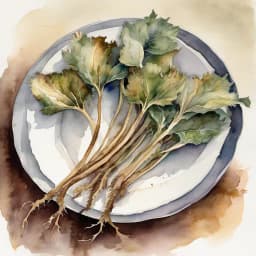
When you brush away the soil, the surface shines as if sprinkled with gold dust. When simmered, the dashi soaks into the tender flesh, and with every bite, the fragrant aroma of burdock rises—this is the auspicious thick burdock that Nara's Uda proudly boasts.
The soil in Uda contains a high amount of mica, which clings to the skin of the burdock and makes it glow golden. Because of its appearance, as if wearing gold powder, it is called 'Kin-gobou' (Gold Burdock) and has been cherished as an essential lucky charm for Osechi (New Year's food).
Raised in sticky soil with significant temperature fluctuations between day and night in the mountain valleys, each stalk is tender in texture and elegant in aroma. Whether served as tataki-gobou, kinpira, or nimono, it is a treasure of Uda that adds a golden touch to the New Year's table.
📍王寺町
Specialties from 王寺町 are also available via furusato nozei
特産品
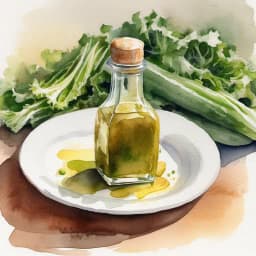
A clever way to enjoy the full flavor of Nara's traditional vegetables—the Yamato Vegetable Dressing.
This is an original dressing from Oji Town, crafted using locally grown Yamato vegetables. It is carefully handmade to bring out the rich flavors of the Yamato Manaya and other local vegetables. Simply pour it over a salad, and your usual vegetables are transformed into the authentic taste of Nara.
Available at roadside stations and other locations, this is a unique product of the region. Its gentle flavor, which highlights the natural qualities of the ingredients, pairs perfectly with everyday meals. It is a souvenir that allows you to easily enjoy the blessings of Nara's fields. Even those who aren't big fans of vegetables might find themselves eating more with this dressing. It is the perfect supporting actor to enhance the deliciousness of your regular vegetables.
📍下市町
Specialties from 下市町 are also available via furusato nozei

伝統工芸
With a gentle snap, the scent of cedar wafts through the air—these are the Yoshino Cedar Chopsticks from Shimochi Town.
Shimochi Town is known as the birthplace of disposable chopsticks. The tradition began during the Nanboko-cho period, when local villagers presented cedar chopsticks made from Yoshino cedar to Emperor Go-Daigo. Their beautiful wood grain and fragrant aroma were beloved by court nobles and monks alike, eventually spreading as disposable chopsticks during the Edo period.
Even today, the Yoshino region, centered around Shimochi, remains a major production area for domestic disposable chopsticks. Crafted by utilizing leftover pieces of cedar and cypress, these chopsticks embody the warmth of the wood itself. Every time they are brought to your mouth, a subtle scent of cedar gently rises. Within a single pair of chopsticks, the forests of Nara and a long history truly reside.

特産品
Fruit turning orange under the autumn sun—these are the persimmons of Shimoichi Town.
The Yoshino region is one of the famous production areas for persimmons. In Shimoichi Town, varieties such as Fuyu persimmons are grown under a mild climate. Persimmons ripened on the tree boast a melt-in-your-mouth sweetness and smooth flesh.
When autumn arrives, vibrant persimmons line the shelves of direct sales offices. They are a bountiful autumn blessing, so nutritious that there is a saying: "When persimmons turn red, doctors turn green (lose work)." They can be enjoyed delicious as they are, or made into dried persimmons. A single fruit ripened on the tree has an exceptionally soft, syrupy texture. Please enjoy the rich flavors of autumn ripening in the villages of Shimoichi.
📍下北山村
Specialties from 下北山村 are also available via furusato nozei

特産品
In the summer, the season for sweetfish—known as the 'Queen of Clear Streams'—arrives in the Kitayama River. Shimokitayama Village is a nature-rich village blessed with deep mountains and crystal-clear water.
Growing in cold, pure water that flows through lush forests, the sweetfish have firm flesh and carry a uniquely refreshing aroma. Because each sweetfish establishes its own territory and feeds on the moss growing on river stones, the quality of the water is directly reflected in its flavor. It is precisely because of this clear flow that such an incomparable fragrance is created.
During the season, many anglers visit from afar, and the salt-grilled sweetfish, slowly grilled over charcoal, offers an exceptional taste. Taking a bite from the head, the bounty of the summer's clear stream spreads throughout your mouth.

特産品
Its name, 'Jabara,' is written with characters meaning 'to drive away evil.' It is a unique citrus fruit with an incredibly auspicious name.
Originally, it was discovered from a single tree in the neighboring Kitayama Village in Wakayama Prefecture, representing a rare natural hybrid found anywhere in the world. Due to its very strong acidity, it has traditionally been cherished as a good luck charm for New Year's cuisine. Eventually, word spread that it could alleviate allergy symptoms such as hay fever, making it a sudden sensation and a notable local specialty. It is also cultivated in Shimokitayama Village, which shares a border with Kitayama.
Juices, ponzu, and jams that utilize its intense acidity are popular. A single squeeze can sharply enhance the flavor of a dish, making it a citrus fruit unique to Oku-Yoshino. Please enjoy this incomparable taste nurtured by the mountains of Oku-Yoshino.
📍河合町
Specialties from 河合町 are also available via furusato nozei

特産品
Grown in the farmlands stretching beside the Mami Hills—these are the Yamato vegetables of Kawai Town.
In the peaceful farmlands of Kawai Town, located near Mami Kyoryu Park—famous for its beautiful cluster of ancient burial mounds—traditional Yamato vegetables passed down through Nara are cultivated. These traditional varieties, deeply rooted in the land, each possess a unique and rich flavor.
At local farm stands, you can find fresh vegetables. The crispness that only freshly harvested produce can offer is a true delicacy that can only be fully appreciated by visiting the production area. We also recommend picking up these blessings of the land as a souvenir after strolling through the park. Whether boiled or grilled, they are rich in flavor and provide a gentle, comforting addition to your daily meals. Please come and taste the vegetables nurtured by the natural climate of Nara.

特産品
In spring, tulips bloom in full profusion—these are the flowers of Kawai Town.
Adjacent to the Mami Hills, Kawai Town is a land where flower cultivation flourishes. In particular, every spring, tulips dye Mami Hills Park in a variety of colors. Under a gentle climate, beautiful flowers are nurtured by the hands of local producers.
They are also popular as cut flowers, adding color to everyday life. Flowers grown in their production area possess an exceptional freshness, and the fact that they can be enjoyed for a long time is another joy. Please try decorating your room with the colorful flowers arriving from the fields of Kawai Town. You will feel the arrival of spring much more closely.
📍橿原市
Specialties from 橿原市 are also available via furusato nozei

特産品
Enjoy a single slice of Narazuke, glowing with a deep amber color. The mellow aroma of sake lees and the pleasant, crunchy texture spread delightfully through your palate.
Imai Town in Kashihara City flourished as a temple town during the Warring States period, and by the Edo period, it was known as a town of wealthy merchants, with the saying '70% of Yamato's gold is in Imai.' Even today, about 500 traditional buildings line the streets, and the area has been selected as a National Important Preservation District for Groups of Traditional Buildings. Walking through these lattice-lined streets, you will find Nara's specialty, Narazuki, displayed at the storefronts.
Narazuke, made by repeatedly pickling vegetables in sake lees, is characterized by its deep sweetness, mellow richness, and a lingering aroma. Both the historic streetscape and the labor-intensive pickles are flavors nurtured by time. Please enjoy a slice as a companion to your stroll.

ご当地グルメ
Inside a sukiyaki pot, the chicken is simmering gently. When you take a bite of the meat coated in sweet and savory warishita sauce, you experience a firm texture and an explosion of umami—this is the chicken delicacy known as 'kashiwa' in Nara.
In the flatlands of Nara, chickens have been raised as a side business for farmers since ancient times. Preparing sukiyaki using chickens from one's own household became a beloved feast for celebrations and festivals.
Inheriting the prestige of that 'Yamato Kashiwa' is Yamato Nikudori, a local breed raised in Nara Prefecture. In Kashihara, there are even restaurants where you can savor this local chicken as sashimi or grilled dishes. This feast for special occasions continues to be cherished to this day.
📍葛城市
Specialties from 葛城市 are also available via furusato nozei

特産品
When you take a bite, the skin pops, and sweet juice bursts across your palate. Supported by a clean acidity that lingers in the background, you'll find yourself reaching for more—these are grapes grown at the foot of Katsuragi, Nara.
Grape cultivation in Nara began around the late Meiji era, built upon the foundation of small-grained, intensely sweet Delaware grapes. Today, various varieties such as Kyoho and Shine Muscat bear fruit in abundance.
Each cluster ripens under plenty of sunshine on gentle hills overlooking the mountains of Kongo and Katsuragi. Every single grape is packed tightly with sweet juice. When eaten well-chilled, a sweetness like a reward at the end of summer spreads throughout your mouth.
📍吉野町
Specialties from 吉野町 are also available via furusato nozei

特産品
As you bring a smooth strand of kuzu-kiri to your mouth, it glides coolly and smoothly, followed by the lingering sweetness of black honey.
Yoshino Kudzu is starch extracted from the roots of kudzu plants growing wild in the mountains. The traditional production method known as 'Yoshino Zarashi'—where the crushed roots are washed in water repeatedly to achieve a pure white finish—is said to sometimes take two or three months. Among these, those containing 100% starch are called 'Yoshino Hon-kuzu,' characterized by their fine texture, excellent firmness, and transparency.
As kuzu-mochi, it is jiggly and refreshing; as kuzu-yu, it is thick and warming to the body. It is fascinating how the same kudzu can provide both summer coolness and winter warmth. Please enjoy its elegant, translucent, and melting texture.
郷土料理
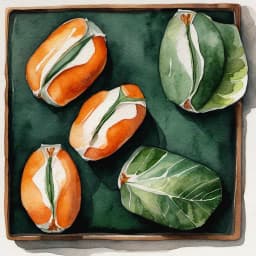
The fragrance of persimmon leaves gently infuses the vinegared rice—this is the Kakinoha-zushi passed down through Yoshino.
This pressed sushi consists of salt-cured mackerel placed on vinegared rice and wrapped in a persimmon leaf. There are various theories regarding its origins; one legend says that during the mid-Edo period, fishermen from Kishu would salt summer mackerel caught in the Kumano Sea and travel over the mountain passes to sell it to villages along the Yoshino River. It has been prepared in individual households as a feast for local summer festivals.
The persimmon leaves possess preservative properties, and after resting overnight, the aroma of the leaves and the umami of the mackerel soak into the vinegared rice. The unique recipes found in different shops and homes are part of the enjoyment. It is a pride of Nara, beloved as a bento for cherry blossom viewing in Yoshino.

特産品
When you bite into a perfectly grilled sweetfish, the skin is crispy and fragrant, while the flesh is soft and tender. The scent of the clear stream lingers in your nose.
The sweetfish of the Yoshino River grow by feeding on moss at the riverbed within pure, flowing waters. Due to their unique aroma, they are also known as 'fragrant fish' (kogyo) and have been beloved as a quintessential summer river treasure. Among the various preparations, salt-grilling is the classic way to experience the true essence of Ayu. When skewered and slowly grilled over a gentle fire, the flesh becomes plump with just the right amount of fat.
Reaching peak season with the lifting of fishing bans in early summer, multi-course kaiseki meals centered around salt-grilled sweetfish can be enjoyed at local inns and restaurants. A true connoisseur enjoys the whole fish—from head to entrails—embracing even the pleasant bitterness. Please come and savor this taste of summer nurtured by clear streams.
📍五條市
Specialties from 五條市 are also available via furusato nozei

特産品
When you slice into them, juice drips from the orange flesh. One bite reveals a melting sweetness and a refreshing juiciness that fills your mouth—the Fuyu persimmons of Gojo, Nara, are truly the pinnacle of ripeness.
Gojo is known as 'Japan's number one persimmon town' and is one of the country's leading production areas. In Nishiyoshino, nestled in the mountains, persimmon orchards stretch as far as the eye can see, with both production volume and flavor praised as the best in Japan.
Early-ripening fruits offer a crisp texture and refreshing sweetness, while well-ripened ones provide a soft, juice-filled, rich sweetness. Even within the same Fuyu variety, you can enjoy two different expressions. They reach their peak deliciousness as autumn deepens. Please enjoy the sweetness that has grown soaking up plenty of sunlight right on the trees.

郷土料理
When you gently open the persimmon leaf, the vinegar-cured mackerel glistens translucently. With one bite, the fresh green aroma transferred from the leaf, the savory flavor of the mackerel, and the chewy vinegared rice melt together—this is the pressed sushi of Gojo, the birthplace of Kakinoha-zushi.
In Gojo, Japan's number one persimmon village, there were plenty of lush, green persimmon leaves. Thinly sliced mackerel is placed atop pressed rice, wrapped in these leaves, and left to rest under a weight. This is a culinary wisdom passed down through generations of households.
After resting overnight, the vinegared rice and mackerel settle together quietly, and the aroma deepens. The excitement of the moment you peel back the leaf is part of the feast itself. It is a taste of Nara that has been cherished on festival days.

ご当地グルメ
Savoring the full bounty of the mountains—this is gibier cuisine from Gojo City, Nara Prefecture.
In the mountainous areas of the Yoshino range, deer and wild boar that damage crops are captured. Rather than simply culling them, Gojo City has focused on utilizing this meat to create delicious meals. At the city's meat processing facility, 'Gibiere Gojo,' each animal is carefully processed under strict hygienic management.
Venison is light and elegant, while wild boar releases a rich umami flavor when cooked in a hot pot. These are delicacies unique to mountain villages, available at restaurants and roadside stations throughout the city. Please enjoy a dish that embodies the spirit of the land: facing nature and ensuring no life goes to waste.
📍御所市
Specialties from 御所市 are also available via furusato nozei

特産品
In Nara, there is a 'culture of medicinal herbs' that has continued for over a thousand years. One such example is Yamato Toki.
A medicinal plant of the Apiaceae family, its dried roots have been used since ancient times as an important ingredient in Kampo (traditional Japanese) medicine. Nara has deep ties to medicinal herbs dating back to the Asuka period, and cities like Gose and Uda are known as 'Villages of Medicine.' It has long been valued as a women's medicine to alleviate coldness and pain.
Recently, there has been an increasing number of attempts to utilize its fragrant leaves in cooking, tea, and sweets. More people are incorporating it into their daily lives as a Japanese herb. Please come and experience the flavor of the medicinal herbs nurtured by the history of Yamato.
特産品
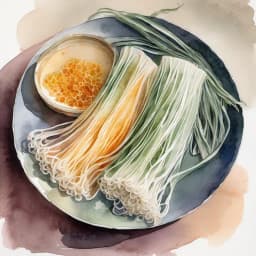
Inside the hot pot, the translucent noodles soak up plenty of dashi. When slurped, the smooth texture and chewy elasticity are incredibly pleasant—this is domestic glass noodle produced in Gose, Nara.
Gose City, along with Sakurai City, is a major production hub for the glass noodles that Nara is proud of. Together, these two cities are said to account for approximately 60% of the national production. Using starch from domestically grown potatoes and sweet potatoes, the noodles are slowly dried under the sun.
Because they absorb dashi so well, when added to sukiyaki or hot pots, they embrace the full essence of the savory broth. They are also a perfect supporting actor for salads and vinegared dishes. This is a smooth, delightful delicacy nurtured by the Nara winter.
📍御杖村
Specialties from 御杖村 are also available via furusato nozei

特産品
When you pour grated Chinese yam over rice and eat it, it becomes thick and rich, with a sticky texture that clings to your mouth.
Tsutsuji Village is a mountain village blessed with pure water and abundant nature. The Chinese yams grown there are a type of wild yam native to Japan, characterized by their incredibly strong stickiness. Once grated, the texture becomes so thick it can almost be picked up with chopsticks; it can be enjoyed nutritiously as tororo-jiru (grated yam soup) diluted with dashi or simply poured over warm rice.
With a deep umami flavor and a smooth, pleasant passage down the throat, these yams—packed with the blessings of the mountains—have long been cherished as a restorative food. It is a simple yet powerful taste of the mountains of Tsutsuji Village. Please enjoy it alongside piping hot rice.

特産品
With a pleasant, bouncy texture—this is the konnyaku of Mitsue Village.
In Mitsue Village, blessed with pure waters, it is handmade using local konjac potatoes and traditional methods. Rather than relying on machines, each piece of fresh konnyaku is carefully finished to ensure rich elasticity and excellent flavor absorption.
When prepared as Dengaku (miso-glazed), the savory aroma of the miso stands out; when used in simmered dishes, it enhances the umami of the dashi. Because it absorbs flavors so well, it pairs perfectly with any dish. It is a product where you can truly taste the essence of the ingredient itself. Please enjoy this simple, rustic flavor—born from the clear mountain waters and human craftsmanship—in a warm dish.
📍広陵町
Specialties from 広陵町 are also available via furusato nozei

特産品
There was once a time when one in seven Japanese people wore them—these are the socks of Koryo Town.
Sock making in Koryo Town began in 1910 with hand-cranked knitting machines. After the war, production grew dramatically with the domestic production of nylon materials, leading the town to become number one in sock production in Japan. It is a proud manufacturing town with over 100 years of history.
The 'Koryo Sock Museum' preserves this journey for the present day. The socks produced by long-cultivated techniques are top-tier in both comfort and design. Each pair is packed with a century of craftsmanship and ingenuity. Please experience the authentic manufacturing of Nara, starting from your feet.

特産品
Glossy, dark, and succulent—these are the eggplants of Koryo Town.
Growing under the gentle climate of the Yamato Basin, Koryo Town's eggplants soak up plenty of sunlight to produce fruit with soft skin and juicy flesh. Freshly harvested specimens are lined up at local farm stands.
When grilled, you can enjoy a melt-in-your-mouth texture and natural sweetness. As tempura, they become fluffy and fragrant. When simmered (nibitashi), they soak up the dashi for a burst of flavor. Even as pickles, the softness of the skin stands out. The simpler the dish, the more the deliciousness of these locally grown eggplants shines through. Please enjoy this bounty from the fields of Nara, perfect for brightening your summer dining table.
📍香芝市
Specialties from 香芝市 are also available via furusato nozei

特産品
A pair that gently embraces your feet—these are the socks of Kashiba City.
Nara Prefecture is an area where sock manufacturing thrives, boasting one of the highest production volumes in the country. Sock manufacturers have gathered in Kashiba City, and together with the neighboring Koryo Town, they have formed a major production center for domestic socks. The long-cultivated techniques of the textile industry produce pairs that are incredibly comfortable to wear.
This is an aspect of Nara's manufacturing that is essential to daily life, yet surprisingly unknown to many. You can feel the difference in these carefully knitted socks the moment you put them on. With a wide variety of designs, there is great joy in choosing your favorite. Each pair is packed with the ingenuity of its makers. Please experience the reliable craftsmanship of this production region right on your feet.
📍高取町
Specialties from 高取町 are also available via furusato nozei
特産品
Takatori Town, known as the 'Town of Medicine,' possesses a history of medicinal herbs spanning over a thousand years.
Its origins date back to the Asuka period. According to the Nihon Shoki, 'kusurigari' (medicinal plant hunting) was recorded as an imperial court event in the 19th year of Empress Suiko's reign (611 AD). Eventually, based on medical knowledge brought from China, family-inherited medicines were created, and through the hands of ascetic practitioners (shugenja), Yamato's medicines spread throughout the country. This marked the beginning of 'Yamato Selling Medicine.'
Medicinal herbs grown amidst rich nature remain the town's treasure even today. Teas and sweets made using Yamato Angelica (Toki) are also being created. The culture of medicine, passed down through long periods of time, still lives quietly in Takatori Town today.

ご当地グルメ
As you take a bite, drawn in by the aroma of spices, a bittersweet and refreshing flavor of medicinal herbs rises from deep within.
Takatori Town has long been known as a 'town of medicine,' with records of medicinal herb hunting dating back to the Asuka period preserved in the 'Nihon Shoki.' One such herb rooted in this land is Yamato Angelica. This medicinal curry incorporates the leaves of this herb, which is said to be gentle on conditions like poor circulation, along with spices used in traditional Kampo medicine.
It is not merely spicy; it possesses a profound depth of flavor that warms you from the core. You will find yourself wanting to savor every spoonful, contemplating the harmony between the spices and medicinal herbs. It is a dish that allows you to consume the very history nurtured by this town of medicine.
📍黒滝村
Specialties from 黒滝村 are also available via furusato nozei

特産品
A bouncy elasticity that pops in your mouth—this is the handmade konnyaku of Kurotaki Village.
Located in the mountains of Yoshino, Kurotaki Village produces this konnyaku using its pure waters and traditional methods. Because it is carefully finished without relying on machines, it develops a firm elasticity and absorbs flavors deeply.
When added to oden, it soaks up the dashi and becomes juicy. When prepared as dengaku, the savory aroma of miso is enhanced. Since it absorbs flavors so well, it becomes even more delicious the longer it is simmered. It is a simple, rustic taste created by the clear water of the mountain village and human craftsmanship. Please enjoy this traditional dish, which honors its ingredients, in a warm meal.

特産品
The aroma of mugwort gently tickles your nose—this is Kurotaki Village's yomogi mochi.
These handmade kusamochi (grass mochi) are crafted using fresh mugwort gathered from the mountains of Yoshino. A popular item at the Kurotaiki Village roadside station, the mochi is kneaded with plenty of freshly picked mugwort, offering a fragrant taste that brings to mind spring fields.
The combination of soft mochi, the subtle bitterness of the mugwort, and the sweetness of the red bean paste evokes a sense of nostalgia. It is a simple, rustic mochi filled with the blessings of the mountain village. One bite offers a gentle flavor that reminds you of home. Please try this heart-warming snack, perfect for enjoying with tea.
📍桜井市
Specialties from 桜井市 are also available via furusato nozei

特産品
When lifted with chopsticks, the noodles, as fine as silk threads, glide apart effortlessly. The smoothness as they slide down the throat, combined with the subtle sweetness of wheat that expands with every bite—the essence of Miwa Somen from Sakurai, Nara, lies in this ultra-fine hand-stretched technique.
Miwa is said to be the birthplace of somen. It is told that the tradition began here, at the foot of Omiya Shrine—considered Japan's oldest shrine—where wheat grown in fertile soil was ground with stone mills, kneaded with pure spring water, and stretched thinner and thinner.
This technique eventually spread to Banshu, Shodoshima, and Shimabara, becoming the source of somen across Japan. Enjoy a single strand, carefully stretched amidst the cold, sliding smoothly through cold dipping sauce. The authentic taste of the original resides here.

郷土料理
Thin somen noodles gently swim in a warm dashi broth. As you slurp a strand shrouded in steam, the savory umami of the broth slowly permeates to your very core—a gentle bowl that has been loved in Miwa through the winters.
In Miwa, the birthplace of somen, the food culture is rooted in enjoying somen cold in summer and warm in winter throughout the year. It is said that the term 'nyumen' evolved from 'nimen' (boiled noodles), referring to the process of simmering the noodles in hot dashi.
When topped with shiitake mushrooms, kamaboko (fish cake), and green onions, it becomes a feast that warms even your heart. On a cold night, it is a bowl that goes down smoothly and gently on the stomach.

特産品
The smooth, transparent noodles soak up plenty of dashi (broth). When slurped, you experience a simultaneous chewy elasticity and a silky mouthfeel—the proud texture of domestically produced glass noodles born in Sakurai, Nara.
It was in 1937 that Japan's first domestic glass noodles were created in Sakurai. Utilizing the hand-stretching techniques cultivated through the production of famous Miwa Somen, they were crafted from starch derived from domestic potatoes and sweet potatoes.
The sight of noodles drying under the sun beneath blue skies remains a seasonal tradition of winter in Sakurai. Whether used in hot pots, vinegared dishes, or stir-fries, their ability to absorb dashi allows them to pair perfectly with any seasoning.
📍三郷町
Specialties from 三郷町 are also available via furusato nozei

特産品
Simmering beans that shine with a glossy black luster—these are the black soybeans of Misato Town.
These black soybeans are grown in Misato Town, which spreads across the foot of Mount Shigi. Under the gentle climate of the Yamato Basin, they ripen plumply. Softly simmered, these black soybeans are an essential feast for celebratory occasions, indispensable to Osechi (New Year's) cuisine. The luster of every single bean reflects the care and effort of the producers.
Recently, they have been gaining popularity as processed products, such as black soybean gelato. Whether it is the gentle sweetness of simmered beans or a refreshing chilled dessert, both offer a flavor unique to these black soybeans. Please enjoy this simple yet nutritious blessing from the fields of Nara.

ご当地グルメ
Take a bite of the smooth sesame tofu. The chewy texture and rich aroma of sesame instantly make you sit up straight.
At Tamakura-in, a sub-temple of Chogosonshi-ji Temple on Mt. Shigi, you can enjoy Buddhist vegetarian cuisine that inherits a history dating back to the late Heian period. The menu features dishes brimming with flavor without using any meat or fish, such as handmade sesame tofu and grilled mochi lotus root.
You will be amazed at how such deep flavors can be created using only the blessings of the mountains and careful preparation. When enjoyed alongside temple-specific experiences like dharma talks or sutra copying, each dish will surely touch your heart even more deeply. A luxurious moment facing seasonal ingredients in a quiet mountain setting. This is a dining experience unique to Mt. Shigi.
📍三宅町
Specialties from 三宅町 are also available via furusato nozei

特産品
There are socks that care for your skin every time you put them on—these are the Rice Bran Socks from Miyake Town.
Created by Suzuki Socks, a company with over 65 years of history located in Miyake Town—one of Japan's smallest towns—these socks feature rice bran fibers. The moisturizing components found in rice bran are kneaded into the fibers to create a gentle, skin-friendly wearing experience.
This is a new form of craftsmanship unique to Nara, where the tradition of sock-making lives on. They are your perfect ally for cold feet or during seasons when dryness is a concern. The soft texture provides a comfort that makes you want to wear them every day. These are a pair filled with kindness, born from a small town. Please experience the comfort for yourself.

特産品
A piece that fits perfectly the moment you slip it onto your hand—these are the gloves of Miyake Town.
Nara Prefecture was once a massive production hub, boasting a 90% domestic market share for baseball gloves, with Miyake Town at its heart. Production began in the Taisho era. At its peak, millions of gloves were shipped overseas, supporting the world of baseball.
Although the number of workshops has decreased due to pressure from inexpensive imports, skilled artisans still remain in the town, continuing to craft handmade gloves. The reliable skill of stitching leather stitch by stitch. The more you use them, the more they conform to your hand, growing with you like a true partner. The pride of craftsmanship, held by what is said to be Japan's second smallest town, is infused into every single one.
📍山添村
Specialties from 山添村 are also available via furusato nozei

特産品
When poured into a teacup, a pale green aroma gently rises. With a single sip, a deep richness and high fragrance slowly spread across the tongue—this is Nara's Yamato tea, nurtured by the cool air of the Yamato Highlands.
Its history is ancient; it is said to have begun in 806 when Kobo Daishi (Kukai), returning from Tang Dynasty China, sowed tea seeds in the land of Uda. It is a prestigious tea with a legacy spanning 1,200 years.
Grown in the high-altitude Yamato Highlands, including Yamazoe Village, the tea leaves are nurtured by significant temperature fluctuations between day and night and abundant water, resulting in a highly aromatic and distinctly rich flavor. A freshly brewed sip soaks deeply into your body. Please enjoy a warm moment where your heart gently unwinds with every cup.
特産品
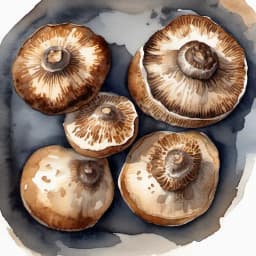
When grilled, the savory umami seeps out from under the cap. As you bite into the thick flesh, a plump elasticity and a fragrant aroma waft through your nose—these are powerful shiitake mushrooms raised in Yamazoe Village, Yamato Plateau.
Yamazoe Village is located in the high-altitude Yamato Plateau in northeastern Nara. Blessed with clear air and lush forests, the mushrooms are nurtured slowly over time.
Simply a quick sear with a pinch of salt highlights the natural umami of the mushroom itself. When added to hot pots, they produce a wonderful dashi; when used in simmered dishes or tempura, the aroma becomes even more exquisite. Because they are thick-fleshed, even a single slice is deeply satisfying. These are nutritious mushrooms that encapsulate the pure nature of the plateau.
📍十津川村
Specialties from 十津川村 are also available via furusato nozei

郷土料理
Taking a large bite and opening your eyes wide—this is the Mehari Sushi of Totsukawa Village.
This local dish features rice wrapped in lightly pickled takana leaves. There are various theories regarding its name, such as it being 'eye-openingly large' or 'eye-openingly delicious.' It is said to have spread as a convenient lunch that could be easily eaten with one hand during breaks from forestry work in this area where logging is prominent.
The moderate saltiness of the takana combined with the gentle sweetness of the rice makes it simple yet incredibly easy to eat. Born from the lives of hardworking people, it is a dish that is both robust and heartwarming. Even without extra fillings, there is a profound, nourishing satisfaction found in just the combination of mustard leaves and rice. Please try this taste, filled with the wisdom of the mountain villages, with a large, hearty bite.

特産品
Fragrant mushrooms nurtured by the mountain forests—these are the mushrooms of Totsukawa Village.
Totsukawa Village is nestled deep within the Kii Mountains, surrounded by lush forests. The cool, mountainous climate is perfect for mushroom cultivation. Many varieties are grown here, including beech mushrooms (bunashimeji), nameko, king oyster (eringi), and shiitake.
We take pride in the fact that mushrooms harvested directly from the production area are highly aromatic and deep in flavor. When added to hot pots, they greatly enhance the umami, and their flavor stands out whether grilled or cooked with rice. Freshly picked mushrooms have a wonderful texture, with the aroma spreading more with every bite. This is an essential item for the autumn dining table, allowing you to enjoy the full bounty of the mountains. Please enjoy this gift from the forests of Nara.

特産品
Yubeshi (Yuzimochi) is a preserved food passed down since ancient times in Totsukawa Village, a deep mountain hamlet at the southern edge of Nara Prefecture.
Inside a hollowed-out yuzu vessel, ingredients such as miso, walnuts, and sansho pepper are packed, steamed, and then slowly prepared by hanging them to dry throughout the winter. Legend has it that this was a food carried by the Totsukawa Goshi (local samurai) who served as guards for the Kyoto Imperial Palace, and it has been passed down through generations by the villagers. The fillings vary slightly from household to household, making the unique flavor of each home part of its charm.
Slice it to enjoy as an accompaniment to sake or as a treat with tea. With its fragrant yuzu aroma and concentrated deep umami, this nutritious dish conveys the wisdom of mountain village life to the present day.
📍上北山村
Specialties from 上北山村 are also available via furusato nozei
特産品
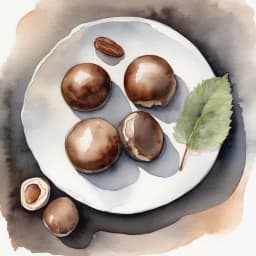
"Tochi Mochi" is a simple traditional food passed down since ancient times in Kamikitayama Village, located deep within the mountains of Nara.
Horse chestnut seeds have very strong tannins, making them inedible in their raw state. Using wood ash, the tannins are carefully removed over several days before the seeds can finally be pounded into mochi. This preserved food is packed with the wisdom of mountain life, passed down through generations without sparing any effort. The horse chestnut tree has supported people's lives since ancient times as a blessing of the mountains.
It offers a subtle bitterness along with a unique aroma and stickiness. Please enjoy it with kinako (roasted soybean flour) or anko (sweet red bean paste). We invite you to taste the flavor of winter in this mountain village. It is a warming taste unique to Okuyoshino that becomes especially craved during the cold season.

特産品
With the arrival of spring, the mountains of Kamikitelle Village enter a season of simultaneous budding. What awaits is an abundance of fresh, succulent wild plants.
The lush forests spreading at the foot of Odaigahara, known as one of Japan's most heavily rained-upon areas, nurture natural wild plants like bracken, ostrich fern, and angelica shoots. The young buds emerging energetically from the earth, nourished by snowmelt, carry the pure essence of the mountains.
The true essence of spring wild plants lies in their subtle bitterness and aroma. When prepared as tempura or blanched with dashi (ohitashi), the gentle bitterness permeates the body. It is a luxurious taste of the mountain village that allows you to consume the entire season. The freshness of young buds picked from the mountains on that very day is, above all else, the greatest delicacy.
📍上牧町
Specialties from 上牧町 are also available via furusato nozei

特産品
Small berries packed tightly into clusters—these are the grapes of Kamimaki Town.
Primarily focusing on the Delaware variety, these grapes are the quintessential taste of summer in Kamimaki. Grown under the gentle climate of the Yamato Basin, they are small in size but bursting with concentrated sweetness. A wonderful feature of the Delaware variety is that they are seedless and easy to eat.
When the season arrives in summer, freshly picked grapes line the farm stands. Taking a bite of a chilled cluster causes sweet juice to burst across your palate. The freshness unique to the production area is a delicacy you can only experience here. Please enjoy this sweet blessing from Nara, which heralds the end of summer, exactly as it is.

特産品
Glossy red fruits shine inside the greenhouses—these are the strawberries of Kamimaki Town.
By utilizing greenhouse cultivation that leverages the mild climate of the Yamato Basin, sweet strawberries are grown in Kamimaki. Freshly picked, they are a brand of strawberry born in Nara Prefecture. Having developed their sweetness slowly, the fruits also possess a rich aroma.
During the peak season from winter to spring, fresh strawberries are lined up at local farm stands. Large and juicy, a single berry fills your mouth with happiness. The sweetness of freshly picked fruit enjoyed right at the source is a deliciousness you can only encounter here. Please come and enjoy a taste of the season.
📍生駒市
Specialties from 生駒市 are also available via furusato nozei

特産品
When you pick up a single ruby-colored berry, a rich sweetness bursts forth after a firm bite. A gentle acidity follows, filling your mouth with juice—this is Kotoka, the premium strawberry that Nara is proud of.
Developed over many years by the Nara Prefectural Agricultural Experiment Station, the variety was officially registered in 2011. It was named 'Kotoka' with the wish to become a 'new flower (hana) decorating the ancient capital (koto) of Nara.'
With an average sugar content of 12–13%, it possesses an exceptional sweetness even among strawberries. The aroma is strong, and no matter where you bite, you experience a dense flavor without any wateriness. Please first enjoy a single berry, freshly picked in the morning in Ikoma, exactly as it is.
伝統工芸
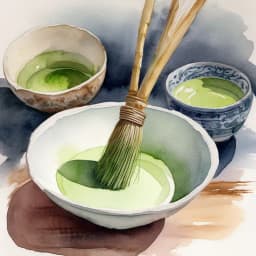
Countless fine tips that stand elegantly—this is the Chasen (tea whisk), an essential tool for preparing matcha.
Takayama-cho in Ikoma City is the only production center for chasen in the country. Its origins date back to the Muromachi period, when it is said that the son of the Takayama Castle lord created them at the request of Murata Juko, the master who perfected the tea ceremony. The manufacturing methods have been passed down through generations as a family secret, and today, they have become a national traditional craft accounting for over 90% of the domestic market share.
Splitting a single piece of bamboo into thin strips, weaving them with thread, and shaping them—the entire process is done by hand. It is said that there are over one hundred varieties depending on the tea school and specific use. Behind every bowl of tea, the silent breath of five hundred years of master craftsmanship lives on.
📍川上村
Specialties from 川上村 are also available via furusato nozei

特産品
Kawakami Village is the birthplace of Yoshino forestry, boasting a history of approximately 500 years. This is where 'Yoshino Cedar,' one of Japan's three great man-made beautiful forests, is grown.
Through a unique method called 'dense planting and frequent thinning'—where seedlings are planted closely together and gradually thinned out—the trees are carefully nurtured over many years. They are characterized by fine, even annual rings, beautiful straight grain, and a subtle fragrance. It is a prestigious timber that is said to have been used by Toyotomi Hideyoshi for the construction of Osaka Castle and Fushimi Castle.
Used widely in everything from architectural pillars to sake barrels, chopsticks, and crafts, it brings a quiet woody scent into daily life. The cycle of planting, growing, and utilizing the wood continues quietly to this day.

特産品
Kawakami Village, where the headwaters of the Yoshino River flow, is a village embraced by deep mountains and pure streams. Local wild plant cuisine allows you to taste these natural blessings exactly as they are.
Local diners and guesthouses prepare seasonal wild plants gathered from the deep mountains into simple, rustic dishes. Seasonal treasures such as bracken, ostrich fern, and mushrooms appear on the table one after another, changing their character with each season. The pure water of the headwaters is also a vital element supporting the deliciousness of the cuisine.
Within the unadorned flavors, you can feel the warmth of mountain village life. A dish enjoyed while surrounded by rich nature will become an unforgettable memory of your journey. Each ingredient is infused with the care and affection of the villagers.
📍川西町
Specialties from 川西町 are also available via furusato nozei

特産品
When you taste cooked Nebuka, it becomes incredibly soft and melts in your mouth, releasing a sweetness that is hard to believe comes from a green onion.
Yuzaki Nebuka is a native variety of green onion passed down through generations in Yuzaki, Kawanishi Town, and is one of Nara's traditional 'Yamato Vegetables'. Its cultivation history is said to date back to the Muromachi period. Its defining features are its soft green leaves and a rich, melting sweetness. Rather than being used merely as a condiment, it is a vegetable meant to be enjoyed on its own.
Due to its extreme tenderness, it was not suitable for mass distribution and once nearly disappeared; however, it was brilliantly revived by local residents in 2002. When added to hot pots or simmered dishes, its melting texture and sweetness are further enhanced. We invite you to experience the true potential of this onion, which was once known as a 'phantom' vegetable.

特産品
Colorful flowers bloom across entire fields—this is the floriculture of Kawanishi Town.
Located in the Yamato Plain, Kawanishi Town is a land where flower cultivation flourishes. The production of cut flowers, such as chrysanthemums and roses, has long supported the floriculture industry of Nara. A gentle climate combined with the reliable skills of local producers results in fresh, vibrant blooms.
Whether for a special celebration or as a single stem in your daily life—flowers gently brighten the human heart. Freshly grown flowers from the production area possess an exceptional freshness and longevity, making them a joy to enjoy for longer periods. Even a single flower can soften the atmosphere of a room. We invite you to bring the colorful flowers that adorn the fields of Kawanishi Town into your everyday life.
📍曽爾村
Specialties from 曽爾村 are also available via furusato nozei

特産品
A single grain nurtured by pure water and the temperature fluctuations of the mountains—this is the rice of Soni Village.
Soni Highland is famous for its vast fields of silver grass. Its spring water is an ultra-soft water selected as one of the '100 Famous Waters of the Heisei Era,' and this clear water, combined with the cool climate, nurtures delicious rice. The temperature difference between day and night infuses the rice with a deep sweetness.
When cooked, it shines with a glossy luster, and the more you chew, the sweeter it becomes—the nature of the highlands is packed into every single grain. It remains delicious even when cooled, making it perfect for rice balls (onigiri). If you visit Soni for sightseeing, please try the rice grown in this very land. The deliciousness of the water translates directly into the flavor of the rice, spreading through your palate.
📍大淀町
Specialties from 大淀町 are also available via furusato nozei

特産品
With a crisp bite, juicy nectar overflows—these are the pears of Oyodo Town.
Located in the Yoshino region, Oyodo Town is a land where pear cultivation thrives. Varieties such as Nijisseiki and Hosui are grown here and have been cherished locally as a quintessential taste of autumn. Grown under the local climate, these pears boast an elegant sweetness and a refreshing texture.
In autumn, tourist orchards offer the chance to enjoy pear picking. A single fruit, freshly plucked from the tree, possesses an exceptional juiciness. Its cool sweetness provides a refreshing relief during the lingering warmth of the season. When eaten chilled, the succulent juice is even more delightful. We invite you to pick and taste the bountiful blessings of autumn in Oyodo Town for yourself.
📍大和郡山市
Specialties from 大和郡山市 are also available via furusato nozei

特産品
Vermilion fish swim gracefully through the water—Yamatokoriyama is one of Japan's premier goldfish-producing regions.
Its history is said to have begun in 1724, around the time Yanagisawa Yoshiari moved from Kai (Yamanashi Prefecture) to Yamatokoriyama. Eventually, it spread as a side business for samurai, and after the Meiji Restoration, it was actively cultivated by farmers and samurai who had lost their livelihoods. Blessed with abundant water resources and many irrigation ponds, this land was perfect for raising goldfish. It is also said that the water fleas found in these ponds were the ideal food for the young fish.
Every summer, the 'National Goldfish Scooping Championship' is held, attracting participants from all over the country. If you peek into the waterways of this castle town, you can still see many goldfish today. Please come and visit the rich aquatic landscape known as the 'Town of Goldfish.'

特産品
Take a single, glossy, deep-red strawberry. As you bite into it, a rich sweetness and fruity aroma overflow from the firm flesh—this is 'Kotoka,' the brand strawberry born in Nara.
Named with the wish to become 'a new flower adorning the ancient capital of Nara,' this variety was registered in 2011 as a unique cultivar of Nara Prefecture. They are carefully nurtured in greenhouses all over the prefecture, including Yamatokoriyama.
The average sugar content is 15 degrees or higher, and it is said that some can even exceed 20 degrees. Its charm lies in its intense flavor, where sweetness and acidity are perfectly balanced. From winter to spring, each berry is like a jewel that graces the dining tables of Nara.

特産品
When you split the plump fruit, a luscious, sweet pulp is revealed—these are the figs of Yamatokoriyama.
Nara Prefecture is an area where fig production thrives, and it is said that Yamatokoriyama City alone accounts for approximately 90% of the prefecture's production. Grown under the gentle climate of the basin, these fully ripe figs are juicy and rich. Enjoying fresh fruit harvested after ripening on the tree is a luxury that can only be experienced in this production area.
Recently, processed products such as fig wine, dried figs, and jellies have emerged, expanding the ways to enjoy them. They are delicious whether eaten as they are or used in sweets. Please enjoy this sweet blessing from Nara, which reaches its peak season from late summer to autumn.
📍大和高田市
Specialties from 大和高田市 are also available via furusato nozei

特産品
With a single bite, you experience a firm elasticity. The more you chew, the more sweetness and umami gradually overflow—this is Yamato Rikukei, the local chicken raised in Nara.
This breed was developed through extensive research by Nara Prefecture with the goal of restoring the taste of 'Yamato Kashiwa,' which was once beloved in Nara. By crossbreeding Nagoya breeds and Shamo, full-scale distribution began in 1982.
While general chickens are raised in about 60 days, Yamato Rikukei is raised over a period of 120 to 140 days—roughly twice as long. It is said that this extra time manifests not as physical size, but as depth of flavor in the meat. The more care and time invested, the more profound the deliciousness. This is Nara's proud, flavorful local chicken.

郷土料理
Thin somen noodles gently swim in a warm dashi broth. With a single slurp, they glide smoothly down your throat, and the savory umami of the broth spreads softly—this is Nara's nyumen, warming you to your very core during the cold season.
"Nyumen" refers to a dish where somen noodles are simmered in warm dashi. It is said to be a colloquial pronunciation of "nimen" (boiled noodles). In Nara, where somen production is flourishing, it has been enjoyed throughout the year—served chilled in the summer and as nyumen in the winter.
The Katsuragi area, including Yamato-Takada, is a land where the tradition of hand-stretched somen makers is still passed down. A bowl enjoyed on a chilly day offers a delicious taste that truly allows your shoulders to relax.
📍天川村
Specialties from 天川村 are also available via furusato nozei

ご当地グルメ
Made with famous spring water nurtured by the Omine Mountains—this is the famous spring water tofu of Tenkawa Village.
'Gorogoro water,' which wells up in Dorogawa Onsen, is a renowned spring water nurtured by the clear streams of the Omine Mountains. The tofu made using this pure water is smooth and rich, with the sweetness of the soybeans standing out vividly. The deliciousness of the water translates directly into the flavor of the tofu.
One bite makes the difference clearly apparent. You can enjoy the natural taste of the ingredients as chilled tofu (hiyayakko), or warm it up to savor its gentle sweetness. Simply adding a little dashi turns it into a feast. This is a luxurious block of tofu born from the spring water of a deep mountain village. It is a masterpiece we truly want you to taste when you visit Tenkawa.

特産品
At the foot of the mountains of ascetic training, there is a medicine that has continued for over a thousand years—Dharanisuke-gan from Amakawa Village.
Its origins date back about 1,300 years. It is said to have begun when En no Gyoja, the founder of Shugendo, decocted medicinal herbs from the mountains to create medicine for people suffering from epidemics. This Japanese-Chinese gastrointestinal medicine uses the bark of Amur cork tree (Kihada) as its primary ingredient, and shops manufacturing and selling it still line the streets of the Dorogawa hot spring district today.
It has long been cherished as a staple medicine for Yamabushi (ascetics) climbing Mount Omine and for pilgrims, as well as a household essential. A miraculous traditional medicine of Nara, nurtured by mountains and faith. Why not take one home with you as a charm for your future travels?
📍天理市
Specialties from 天理市 are also available via furusato nozei
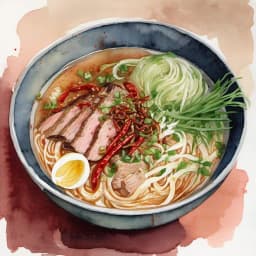
ご当地グルメ
A bowl filled to the brim with plenty of Chinese cabbage, pork, and garlic chives. As you slurp the garlic-infused soy sauce soup, the spicy kick gradually warms your body—this is the stamina ramen born in Tenri, Nara.
Its defining feature is sautéing the vegetables and pork before simmering them, allowing the sweetness of the cabbage, the richness of the pork, and the aroma of the chives to meld perfectly into a single bowl.
One of its roots traces back to 'Saika Ramen,' which began as a food stall in Tenri in 1968. Featuring garlic and chili pepper—a rare combination at the time—it captured the hearts and stomachs of workers heading home and local students alike. It is a true Nara soul food that you crave especially on tiring days.

ご当地グルメ
When peeled, the orange flesh shines with freshness. One bite, and a melting sweetness spreads throughout your mouth—these are Nara's persimmons, grown along Japan's oldest road.
The 'Yamanobe no Michi,' which continues from Tenri, is a historic path whose name remains in ancient texts. Along this route, varieties such as Fuyu and Tonewase hang heavy with fruit. In autumn, it serves as a popular walking course where fresh persimmons can be purchased at unmanned sales stands.
Nara is one of Japan's leading regions for persimmon production. Enjoying a single fruit while walking the ancient path is truly exceptional. There is even a saying, 'When persimmons turn red, doctors turn blue,' reflecting their nutrient-rich autumn bounty. Please enjoy this rich harvest alongside the historic path.
📍田原本町
Specialties from 田原本町 are also available via furusato nozei

特産品
These are the Yamato vegetables of Tawaramoto Town—a land where people have been cultivating fields since the Yayoi period.
Tawaramoto Town, situated in the heart of the Yamato Basin, has a long history of prosperous agriculture. It is also a place of historical significance, known for the Karako-Kagi ruins. Here, 'Yamato Vegetables' passed down through Nara, such as Yamato Mana, Yamato Imo, and Ajima Imo, are carefully nurtured.
The varieties rooted in this land each possess a unique and rich flavor. Whether simmered or grilled, their deep, savory essence stands out beautifully. They offer a powerful taste that makes you feel even the aroma of the earth. We invite you to truly savor these vegetables, which have been passed down through a long history, at your dining table.

特産品
Sticky and fluffy—this is the Ajima-imo (Ajima potato) from Tawaramoto Town that melts in your mouth.
A type of taro cultivated in the Ajima district of Tawaramoto Town. It boasts a fine, smooth texture and an elegant flavor. As one of the traditional vegetables passed down in the Yamato region, it has long been cherished by the local people.
When prepared as a simmered dish (nimono), its inherent flavors are greatly enhanced. The melt-in-your-mouth sensation as it absorbs the dashi broth is unforgettable once tasted. Its deliciousness is most apparent when simply boiled. A simple yet profound blessing from the fields of Nara. Please enjoy this taste of the land that has endured since ancient times.
📍東吉野村
Specialties from 東吉野村 are also available via furusato nozei

特産品
Higashiyoshino Village is a mountain village blessed with pure water. Located near Odaigahara, this area has been widely known since ancient times for its high water quality.
Rain falling on the mountains slowly permeates through the earth over a long period, becoming polished before emerging as natural spring water. Tofu and soba made using this clear water are beloved local specialties. The soft, clean mouthfeel is a flavor that can only be achieved thanks to such high-quality water.
Whether enjoyed as is or used in cooking, it gently enhances the natural flavors of ingredients. Within each drop nurtured by the lush forests, the coolness of the mountain village quietly resides. A cup of tea brewed with this famous water is another unique pleasure found only in this land.

特産品
The Takami River, which flows through Higashiyoshino Village, is a pristine stream renowned as a famous spot for mountain stream fishing. This is where the beautiful mountain trout, 'Amago,' are raised.
Amago are lovely-looking fish characterized by scattered vermilion spots along their sides. They can only inhabit cold, clear currents, serving as a testament to the purity of the river water. The Takami River, winding through the mountains of Yoshino, is truly the ideal habitat for Amago.
When salt-grilled over charcoal, they are cooked to a fluffy and elegant perfection. When prepared as kanroni (simmered in sweet syrup), even the bones become soft enough to eat. Each fish allows you to savor the full bounty of the clear stream. It is a treasure of Okuyoshino that you want to enjoy while imagining the gentle murmur of the mountain stream.
📍奈良市
Specialties from 奈良市 are also available via furusato nozei

郷土料理
When you gently peel back the persimmon leaf, you catch a glimpse of mackerel fillets cured in vinegar. With one bite, the fresh, green aroma from the leaf and the savory umami of the fish melt seamlessly into the chewy vinegared rice—this is the pressed sushi of Nara's Yoshino.
For mountain villages far from the sea, fish from the ocean was a true luxury. It is said that the tradition began in the Edo period, when salted mackerel brought over the mountain passes from Kishu was thinly sliced and eaten with hand-pressed rice. Eventually, the technique of wrapping it in persimmon leaves and letting it rest under a weight was developed to prevent drying.
It is said that the components found in astringent persimmon leaves possess a gentle preservative power. Leaving it to rest overnight allows the flavors to harmonize and the aroma to deepen. This is the taste of Nara's summer, born from the feasts of local festivals.

特産品
Take a slice of the amber-translucent melon. As it enters your mouth, the mellow sweetness of the sake lees and a rich aroma that drifts through the nose gently spread. It feels like alcohol, yet it is food—the depth of Narazuke lies in this fragrance.
Its roots are very ancient; it is said that wooden tablets excavated from the Heijokyo ruins contain descriptions reminiscent of melon preserved in lees. It was during the Edo period that it began being sold under the name 'Narazuke.' It is told that Itoya Sosen, a traditional Chinese medicine practitioner in Nara, traded melon preserved in lees, which gained great popularity.
The process involves pickling over a long period while repeatedly changing the sake lees. This deep flavor is born from an unwillingness to cut corners. It is a prideful delicacy whose name has become synonymous with the region of Nara itself.

郷土料理
Beyond the rising steam, the grains of rice gently separate. As you take a sip of the porridge cooked in hojicha, the roasted aroma spreads warmly through your body—a gentle morning flavor beloved in Nara, often affectionately called "okaisan."
Characterized by its smooth texture, it is made by cooking cold leftover rice in brewed hojicha. It has become so deeply rooted as an everyday food in Nara that people say, "The morning in Yamato begins with tea porridge."
Its history is ancient; it is said that something similar to tea porridge has been eaten during Todai-ji's Omizutori ritual for over a thousand years. This bowl was born from the wisdom of daily life—making the most of every grain of rice. Because it is so unpretentious, you find yourself craving it again and again.

郷土料理
The steam rising from the pot feels slightly different than usual. It is a white soup created by combining dashi with milk. As you dip chicken and vegetables into it and take a sip, you encounter a mellow, rich, and gentle bowl—this is Asuka Nabe, the milk hot pot of Asuka Village, Nara.
It is said that during the Asuka period, dairy products were introduced from Tang Dynasty China, leading to the raising of dairy cows in the imperial court. Eventually, it is believed that monks began cooking chicken in milk as the origin of this dish.
The dish took its current form in the early Showa era. It is said to have been devised as a specialty of Asuka using local milk. Even for those who are not fond of milk, the combination with dashi makes it surprisingly easy to drink. The food culture of ancient times still lives on within this hot pot.

郷土料理
Inside the bowl, the taro is softly crumbling. As you scoop up the thick, viscous broth and bring it to your mouth, the essence of kombu (kelp) and dried shiitake dashi gently permeates your entire body—this is Nara Noppe, a hearty stew.
This Buddhist vegetarian dish consists of simmered taro, daikon radish, and carrots. A unique characteristic of the Nara style is that it does not rely on potato starch for thickness; instead, the taro naturally breaks down to create a creamy texture. It is said that the name 'Noppe' comes from the word 'noppei,' meaning 'thick/viscous,' or alternatively, that it was called 'Noppei' in hopes that gatherings of people would conclude smoothly and peacefully.
Legend has it that the dish originated when it was served to crowds during the festivals of Kasuga Taisha Shrine. It is a single bowl of warmth that soothes even your soul during the cold season.

ご当地グルメ
Between two fluffy baked pancakes, glossy red bean paste peeks through. With a single bite, the sweetness of the moist dough blends with the gentle flavor of the bean paste—in Nara, this dorayaki is called "Mikasa."
The name originates from Mount Mikasa in Nara, now known as Mount Wakakusa, a mountain with a gentle ridgeline. It is said that this round confection was named Mikasa to resemble its shape.
Mount Mikasa is a symbolic mountain of Nara, appearing in the waka poetry composed by Abe no Nakamaro as he gazed at the moon from the distant land of Tang (China). Enjoy this treat alongside tea, reflecting that very scenery. It is packed with the essence of Nara.
📍斑鳩町
Specialties from 斑鳩町 are also available via furusato nozei

ご当地グルメ
When you dip your chopsticks into a freshly fried piece, the coating crumbles with a crisp sound, and the aroma of soy sauce wafts up gently.
Ryutatsuage is made by thoroughly marinating the chicken in soy sauce and mirin before coating it in potato starch and frying. Once cooked, the soy sauce gives it a reddish hue, with white bits of coating visible here and there. It is said that this appearance led to its name, as it resembles the autumn leaves flowing along the famous Tatsuta River in Nara. This dish is like capturing the scenery of a river that has been celebrated in poetry since ancient times as a famous spot for autumn foliage on a single plate.
Because the seasoning penetrates deep into the core, a wonderful feature is that it remains delicious even when cooled. The surface is crispy, while the inside is moist and tender. Please enjoy a bite while it's hot, while thinking of the Tatsuta River in autumn.

特産品
In the temple town, the gentle aroma of soy sauce wafts through the air—this is Horyuji Soy Sauce from Ikaruga Town.
Horyuji is known as the world's oldest wooden structure. At its doorstep in Ikaruga Town, the tradition of soy sauce making has been passed down through generations. Certified as an Ikaruga Brand product and used in local restaurants, it is a flavor deeply rooted in this land.
Brewed slowly against the backdrop of the ancient capital's history, this soy sauce adds a deep umami to your dishes. Whether for simmered dishes or as a dipping sauce, it beautifully enhances the natural flavors of your ingredients. We recommend taking home a taste of the temple town as a souvenir after visiting Horyuji.
📍平群町
Specialties from 平群町 are also available via furusato nozei

特産品
Small chrysanthemums from Heguri Town—tiny flowers that gently add color to graves and Buddhist altars in autumn.
Heguri Town is a land where flower cultivation flourishes, and its shipment volume of small chrysanthemums from summer to autumn is among the highest in the country. It is a major production area known to those in the industry, with an estimated 40 million flowers shipped annually. The basin climate combined with the reliable skills of local producers nurtures these beautiful, colorful blooms.
These flowers are cherished not only as Buddhist offerings but also as edible chrysanthemums. They are flowers that quietly support the milestones of our lives. As you feel the care and passion poured into every single bloom, please imagine the scenery of the chrysanthemum fields blooming in full splendor in Heguri.

特産品
When you bite into them with a crisp snap, the juice overflows, and a refreshing sweetness bursts throughout your mouth.
Heaso Town is one of the largest grape-producing regions in the prefecture. Producers carefully cultivate each cluster to achieve high sugar content, offering a wide variety of types including Shine Muscat, which can be eaten whole with its thin skin and no seeds, as well as large, juicy varieties like Pione and Kyoho. The fruits are large and possess a visible, glossy firmness.
The sense of satisfaction in every single berry is irresistible, making it hard to stop eating. The peak season is from late summer to autumn, and you can also enjoy freshly picked grapes through grape picking tours. Please try taking a big bite of these jewel-like berries, ripened under plenty of sunlight.
📍明日香村
Specialties from 明日香村 are also available via furusato nozei

郷土料理
Milk in a hot pot—this somewhat unexpected combination is the Asuka Nabe passed down in Asuka Village.
Its roots trace back to the Asuka period. It is said that envoys from Tang Dynasty China introduced dairy products, leading to the consumption of milk within the imperial court. Eventually, monks began simmering chicken meat in milk, which became the prototype for Asuka Nabe. The current form of the dish is said to have been developed as a local specialty during the Showa era.
Dip your chicken and vegetables into the mellow soup made of chicken broth and milk. Even those who are not fond of milk will find its gentle flavor easy to enjoy. In the cold season, it warms you to the very core. Please come and savor this warm bowl that carries over a thousand years of history.

特産品
With a single bite, it clings stickily to your tongue, as the sweetness and aroma of milk slowly spread.
So is a cheese-like dairy product similar to what was produced from the Asuka period to the Heian period. A ranch in Asuka Village has recreated the production method under the supervision of archaeologists and continues to make it even today. Freshly milked milk is heated slowly and boiled while being stirred for many hours. It is truly surprising that a single small box contains the essence of an entire liter of milk.
The flavor, when freshly made, is like caramel. The rich milky flavor and subtle sweetness linger on the palate. You can experience the very taste that people enjoyed over a thousand years ago, right here and now. Please enjoy this exquisite luxury.

特産品
Take a bite of rice dyed in shades of red and black. The chewy texture and fragrant aroma burst in your mouth.
The ancient rice grown in Asuka Village includes traditional varieties such as red rice, black rice, and green rice. Red rice is a non-glutinous variety that offers a popping texture and a nutty flavor similar to brown rice when chewed. Black rice is a glutinous variety that turns a beautiful purple color when cooked, resulting in a soft and chewy texture. Simply mixing a little into white rice makes your meals much more colorful and texturally rich.
Rice grown in the paddy fields of the ancient capital, Asuka, possesses an elegance that makes one feel the passage of eternal time. Your everyday meal becomes subtly colored and grows deeper in flavor with every bite. It is a simple, warm blessing from the ancient past.

特産品
When you bite into a large, glossy red berry, the juice overflows, revealing a sharp acidity amidst the sweetness.
Asuka Ruby is a brand strawberry developed by the Nara Prefectural Agricultural Experiment Station and registered as a variety in 2000. It is characterized by its rounded conical shape and large size. The name was given because its glossy red skin is reminiscent of the gemstone, ruby.
The flesh is slightly firm and very juicy. With a high sugar content, it maintains a perfect balance of sweetness and moderate acidity.
The peak season is from winter to spring, and you can enjoy strawberry picking in Asuka Village. The juicy sweetness that spreads through your mouth with a single berry is truly a gemstone, just as its name suggests. Please enjoy the brilliant red glow of freshly picked berries.
📍野迫川村
Specialties from 野迫川村 are also available via furusato nozei

特産品
Swimming gracefully through mountain streams—this is the Amago trout of Nosokawa Village.
Deep within the Kii Mountains, living in the cold, clear streams of Nosokawa Village, these Amago thrive. Fish raised in such clean water have firm flesh, no unpleasant odor, and a refined taste. It is a true blessing from the river, unique to this mountain village.
When salt-grilled, the skin becomes fragrant and the flesh stays plump. When simmered in sweet syrup, even the bones become soft and edible. The simpler the preparation, the more its natural flavor shines. It offers an elegant taste free of impurities, a characteristic only possible for fish raised in clear mountain streams. Please enjoy this dish that allows you to experience the very essence of the mountain's air and water.
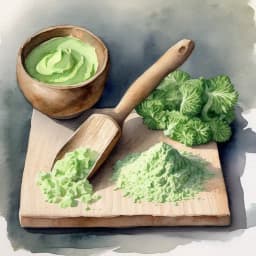
特産品
A sharp sting in the nose followed by a subtle sweetness—this is the wasabi of Nosokgawa Village.
Wasabi thrives in shade and cold spring water. Nosokawa Village is blessed with the cool climate and pure water perfect for its cultivation. The pristine environment of the Kii Mountains nurtures wasabi that is aromatic with a balanced blend of pungency and sweetness.
When grated, a refreshing spiciness and elegant aroma gently rise. Served alongside sashimi or soba noodles, it significantly enhances the flavor of the dish. It possesses the sharp, refreshing heat unique to authentic wasabi, along with a charming, faint sweetness that lingers after the initial sting. Please enjoy a piece carefully grown in this village of clear streams.
📍Others

特産品
Yamato Tea is a renowned tea carefully nurtured in the mountains of Nara. Its history is incredibly ancient, dating back more than 1200 years.
It is said to have begun when Kobo Daishi (Kukai) sowed tea seeds brought from Tang China at Butsurin-ji Temple in Uda. The high-altitude mountainous areas feature short hours of sunlight and significant temperature fluctuations between day and night. This harsh natural environment produces tea leaves with a profound flavor, balancing astringency and sweetness.
When brewed slowly and carefully, a mellow umami and refreshing aroma unfold. It is a cup of pride for Nara, passed down for over a millennium. The depth that changes its character with every brew is a charm unique to Yamato Tea.

特産品
These are the native vegetables that have graced the dining tables of Nara. Known as 'Yamato Vegetables,' they are traditional varieties certified by Nara Prefecture, featuring a collection of unique cultivars that have been carefully cultivated in this region since ancient times. The great appeal lies in their flavors, which are deeply rooted in the local land and climate—such as Yuzaki Nebuka, Yamato Mana, Uda Kin Gobo, and Iwai Daikon. The expansive natural environment of the Yamato Basin has slowly nurtured their distinct aromas and textures.
Whether boiled or grilled, the powerful, inherent flavor of the ingredients stands out. Tasting these vegetables, which have been protected and passed down by our ancestors, is an experience of Nara's food culture itself. They are a nutritious bounty from the earth. When you taste them freshly harvested in their peak season, you will be amazed by their true quality.
Snacks
📍宇陀市
Specialties from 宇陀市 are also available via furusato nozei

銘菓
Shogetsudo is a long-established shop nestled in Uda Matsuyama, a Preserved District for Groups of Traditional Buildings in Uda City. Their specialty is the 'Kimigoromo,' which is as light as fallen snow.
Since its founding in 1902, it has been carefully crafted using a secret recipe passed down from father to son and never revealed to outsiders. Egg whites are whipped into a fluffy, snow-like foam, mixed with sugar and honey, then coated in an egg yolk layer and baked. Its greatest charm is the unique, delicate melt-in-your-mouth texture that evokes the feeling of light snow.
An accomplished confectionary that has repeatedly won gold medals at the National Confectionery Expo. We invite you to experience this mysterious, fleeting texture that dissolves softly. It is a traditional masterpiece that Uda is proud of—a true work of art born from Uda, the inner parlor of Nara.

銘菓
Named after the Udagawa River that flows peacefully through Uda City, this is a moist baked sweet.
Uda has long been known as a village of medicinal herbs, a land embraced by rich nature. Reflecting this climate, this confection carefully combines locally grown Uda Dainagon red beans with white bean paste and is slowly baked. The moist texture of the dough and the elegant, gentle sweetness harmonize beautifully.
Enjoy it slowly with tea for a moment of peace. It is a simple yet flavorful item that evokes the calm nature of the medicinal town of Uda. It also makes a delightful souvenir. This is a sweet you will want to savor slowly while imagining the quiet village of Uda.
📍王寺町
Specialties from 王寺町 are also available via furusato nozei

銘菓
This is an adorable local sweet born from the inspiration of Oji Town's mascot character, 'Yukimaru.'
Yukimaru is modeled after a white dog said to be the beloved pet of Prince Shotoku. This confectionery, which can only be encountered in Oji Town, is a baked good characterized by its light, fluffy texture and elegant sweetness. Infused with a deep affection for the local area, it has long been enjoyed as a unique souvenir representative of the town.
It is lovely to look at and gentle to eat. The sense of exclusivity—knowing it can only be bought here—is also a delightful feature. Please consider picking one up as a memento of your visit to Oji Town. It is sure to bring a smile to your face. If you visit Oji Town, meeting Yukimaru is one of the highlights to look forward to.
📍橿原市
Specialties from 橿原市 are also available via furusato nozei

銘菓
The dango from 'Dangoshō' is a local specialty that has been loved in Kashihara City for many years. Founded all the way back in 1878, it is an established shop boasting over 140 years of history.
Our process involves coating rice flour—made from freshly harvested rice pounded with a traditional mortar—with a generous amount of the secret syrup created by our first generation, then dusting it with aromatic, freshly roasted soybean flour. The production method remains exactly as it was in the old days, and everything is handmade. While simple, it offers an unforgettable flavor once you try it.
It is a rustic, nostalgic, yet never-tiring deliciousness. Please come and taste these popular dango that sometimes even draw a queue. Eating them in the traditional way, right off the skewer, is also a special pleasure.

銘菓
Kashihara City is a place where the romance of ancient times still lingers deeply. "Haniwa Manju" is an adorable sweet inspired by that history.
Kashihara is known as a land where many ancient ruins remain, including the site of Fujiwara-kyo.
These buns, shaped like the unglazed terracotta figures known as "Haniwa" from the Kofun period, are a unique item that truly reflects the history of the region. Available in both white and black bean paste, their somewhat charming shapes have gained much popularity.
Filled generously with gently sweet bean paste, they are perfect with tea. It is a delightful tourist souvenir unique to the ancient capital of Kashihara—fun to look at and delicious to eat. Enjoy this local specialty while reflecting on the ancient capital.

銘菓
Imai-cho in Kashihara City has been designated as an Important Preservation District for Groups of Traditional Buildings. The beautiful streetscape, which strongly retains the atmosphere of the Edo period, continues to this day.
Made in this historic town is a handmade castella that uses no additives. Using only carefully selected eggs, flour, and sugar, artisans bake it with great care. Because nothing extra is added, the natural gentle sweetness and moist texture of the ingredients are fully brought out.
An unpretentious deliciousness reminiscent of the historic streets. Perfect as a souvenir of your visit to Imai-cho, or as a gift for someone special. It is a famous Nara confection that brings peace to the heart. A simple, comforting flavor you'll want to enjoy alongside a stroll through Imai-cho.
📍葛城市
Specialties from 葛城市 are also available via furusato nozei

銘菓
Katsuragi City spreads across the southwestern part of the Yamato Basin, at the foot of the gentle Mount Katsuragi. The sweets made from grapes grown on this sunny mountainside are a major attraction.
The warm climate at the foot of Mt. Katsuragi is the perfect environment for growing sweet, ripe grapes. Using these local grapes, colorful processed goods like jams and jellies are produced. You can enjoy a flavor unique to the region, which captures the fresh taste of the fruit itself.
Whether served with bread or enjoyed as a snack, these sweets are packed with the blessings of Katsuragi, featuring a gentle spread of natural grape sweetness and refreshing acidity. It is a uniquely Katsuragi sweet treat that evokes the sunny spots of the mountain's foothills.
📍吉野町
Specialties from 吉野町 are also available via furusato nozei

銘菓
Yoshino Kuzu-mochi is an elegant Japanese sweet that Nara's Yoshino region takes great pride in. The primary ingredient is Yoshino Hon-kuzu, considered the highest grade of kuzu.
Yoshino Hon-kuzu is produced using a traditional method called 'Yoshino Sarashi,' where starch extracted from kuzu roots is repeatedly washed in cold water during the harshest winter months. This meticulous process, which spares no effort, results in a crystal-clear beauty and a chewy texture. It is the culmination of craftsmanship that has continued uninterrupted since the Edo period.
Take a smooth bite accompanied by plenty of kinako and kuromitsu. A silky texture and elegant sweetness spread across the palate. This is a refreshing dish born from the nature and techniques of Yoshino, and it has long been cherished as a summer gift from Nara.

銘菓
With its translucent beauty, Yoshino 'Kuzu-kiri' adds a refreshing touch to the summer season. The raw material is the pride of Nara: Yoshino kudzu.
Made from Yoshino kudzu, Kuzu-kiri is a smooth, noodle-like Japanese sweet. It is chilled sharply in cold water and dipped into rich black honey syrup. Its bouncy elasticity and smooth texture represent the ultimate peak of coolness, something you truly want to taste during the hot season. The tradition of kuzu production, which has continued since the Edo period, supports this exquisite flavor.
The deep sweetness of the black honey harmonizes perfectly with the delicate mouthfeel of the Kuzu-kiri. It is a cooling confection that can be called a hallmark of summer, born from the nature of Yoshino. In the heat of summer, its chilled melting sensation brings a sense of refreshing relief.

銘菓
Mount Yoshino is renowned as Japan's premier destination for cherry blossoms. The 'Yoshino Sakuramochi' reflects the brilliant atmosphere of that spring season.
A key feature of the Kansai-style sakuramochi is the use of textured Domyoji-ko (coarse rice flour). The sweet bean paste is gently encased in a chewy dough and softly wrapped in a salt-pickled cherry leaf. With a single bite, the subtle saltiness of the leaf and the fragrance of spring rise beautifully. It is a seasonal wagashi worthy of Yoshino's cherry blossoms, which are famously described as 'a thousand trees at a single glance.'
This spring delicacy is the perfect companion for flower viewing. You can fully experience the charm of Yoshino, a famous cherry blossom site, through your palate. It is a spring confection you will want to savor while imagining rows of cherry trees in full bloom.
📍五條市
Specialties from 五條市 are also available via furusato nozei

特産品
Gojo City is known nationwide as a famous producer of persimmons. We offer a colorful variety of sweets that fully utilize these Fuyu persimmons.
From Gojo to the neighboring Nishiyoshino area, this is one of Japan's leading persimmon-producing regions. Using melt-in-your-mouth sweet Fuyu persimmons, various processed goods are continuously created, including jams, cakes, dried fruits, and our popular persimmon butter. The great charm unique to this production area is being able to fully enjoy the natural sweetness of the persimmons.
Spread it on bread or enjoy it as a snack. These persimmon sweets, which allow you to enjoy the rich blessings of autumn all year round, are a delightful gift from Gojo. Please enjoy the sweet and bountiful blessings nurtured by Gojo, the village of persimmons.

銘菓
"Kaki Monaka" is an adorable Japanese sweet shaped like a persimmon, unique to Nara, a famous region for persimmon production.
This luxurious item features persimmon paste made by slowly simmering plenty of persimmons over time, carefully filled into each piece. Inside the monaka shell, which captures the actual shape of a persimmon, the rich flavor of the fruit gently spreads through your palate. It is a taste unique to the region, capturing the entire bounty of autumn within a sweet.
It is perfect as an accompaniment to tea and is also highly appreciated as a souvenir that evokes the arrival of autumn. This confection is filled with the charm of Nara's persimmons—lovely to look at and satisfying to eat. It is a delightful Nara specialty, both visually adorable and a wonderful gift for the autumn season.
📍御所市
Specialties from 御所市 are also available via furusato nozei

銘菓
Kuzu-mochi is an elegant Japanese sweet that can be enjoyed around Gose City. Its main ingredient is the Yoshino kudzu, which Nara is proud of.
Yoshino kudzu is produced using a traditional method called 'Yoshino Sarashi,' where starch extracted from kudzu roots is purified by repeatedly rinsing it in cold water during the severe winter season. The great appeal lies in its transparent beauty and chewy texture, which are only possible because the kudzu is painstakingly refined.
Take a smooth bite topped with kinako (roasted soybean flour) and kuromitsu (black sugar syrup). Its smooth throat-feel and elegant sweetness are perfect for the hot season. It is a refreshing masterpiece born from Nara's nature and craftsmanship. This is a quintessential, cooling Japanese confection from Nara that makes a wonderful summer gift.
📍香芝市
Specialties from 香芝市 are also available via furusato nozei

銘菓
Kashiba City is a peaceful town with a view of the gentle slopes of Mount Nijo. The wagashi shop here creates beautiful premium sweets that mirror the passing seasons.
Cherry blossoms in spring, cool waters in summer, autumn leaves in fall, and snow in winter—the delicate designs capturing these seasonal landscapes naturally soothe the heart just by looking at them. Each piece of jōganashi is meticulously finished by hand by skilled artisans, making them true miniature works of art that can be enjoyed with both taste and sight.
Savoring them alongside tea offers a moment to deeply feel the transition of the seasons. These sweets, characterized by their elegant sweetness, were nurtured in this tranquil town at the foot of Mount Nijo. As a gift, they allow you to deliver a piece of the changing seasons exactly as they are.
📍桜井市
Specialties from 桜井市 are also available via furusato nozei

銘菓
Miwa in Sakurai City lies at the foot of Omiwa Shrine, considered the oldest shrine in Japan. For over 300 years, the long-established Shiratamaya Eijyu has been crafting its 'Mimuro Monaka' here.
It was named after 'Mimuro-yama,' the ancient name for the sacred Mount Miwa. The fragrant glutinous rice shell is light and crispy, packed with a smooth, elegant Kanoko-an made from Yamato Dainagon adzuki beans. This exquisite harmony between the shell and the bean paste is precisely why it has been loved for so long.
This is a traditional flavor carefully passed down at the foot of a sacred mountain. With a single bite, the eternal history of Nara unfolds in your mouth. It is a masterpiece to be enjoyed while feeling the breeze blowing through the cedar groves of Miwa.
📍十津川村
Specialties from 十津川村 are also available via furusato nozei

銘菓
Yubeshi is a local confection born from preserved foods, passed down in Totsukawa Village, a deep mountain hamlet at the southern edge of Nara Prefecture.
To create it, the inside of a yuzu is carefully scooped out to serve as a vessel, which is then filled with miso and walnuts. Its great charm lies in its unique flavor, where the refreshing aroma of yuzu blends with the deep richness of miso. It is a simple and beloved item born from the wisdom of people living in a mountain village far from the sea, seeking to use limited ingredients without waste.
Enjoy it sliced as an accompaniment to tea or as a snack with alcohol. The fragrant scent of yuzu conveys the mountain life of Oku-Yoshino to the present day. It is a simple yet profound taste of the deep mountains. What was once a portable food for travelers has now become a cherished local flavor of Oku-Yoshino.
📍生駒市
Specialties from 生駒市 are also available via furusato nozei
銘菓
Hozan-ji Temple is widely known as 'Ikoma no Shoten-san.' Along its long approach, Japanese sweets have been sold as temple-gate treats since long ago.
Perched halfway up Mount Ikoma, Hozan-ji is a sacred site bustling with worshippers seeking the blessing of prosperity in business. At the teahouses lining the approach, simple Japanese sweets have long been enjoyed by visitors on their way to or from worship. Their gentle sweetness soaks into the body after the climb up and down the long stone steps.
Taking a break with a cup of tea helps ease the fatigue of the journey. These are soothing Nara sweets that can be enjoyed alongside the unique atmosphere of a temple town. They are the taste of the Hozan-ji approach that you'll want to take home as a memento of your pilgrimage.
📍大淀町
Specialties from 大淀町 are also available via furusato nozei

銘菓
Oyodo Town spreads peacefully along the banks of the Yoshino River. These are juicy sweets made using pears grown in that land.
Oyodo Town is also known as a pear-producing area, where sweet pears filled with plenty of juice hang heavy on the branches during the harvest season. Utilizing these local pears, a colorful variety of processed goods such as jelly, jam, and cakes are produced. The charm lies in being able to enjoy the crisp texture unique to pears and their refreshing sweetness throughout the year.
Their light and refreshing taste makes them perfect for both snacks and souvenirs. This is a pride of Oyodo Town, packed with the bountiful fruit blessings of Yoshino. The juicy sweetness of the fruit conveys the harvest of Yoshino exactly as it is.
📍大和郡山市
Specialties from 大和郡山市 are also available via furusato nozei

銘菓
Yamatokoriyama is known nationwide as the 'Town of Goldfish.' Its specialty is adorable sweets inspired by goldfish.
Yamatokoriyama has been a famous producer of goldfish breeding since the Edo period. A peaceful landscape, rare even in Japan, unfolds with goldfish swimming throughout the town. The goldfish-shaped jelly and candy are refreshing and visually stunning. Their transparent, lovely appearance makes them perfect as summer souvenirs.
Fun to look at and delicious to eat, these unique treats unique to the goldfish town become lasting memories for visitors. They are a quintessential summer tradition of the goldfish town—delightful to see and a joy to eat.
📍大和高田市
Specialties from 大和高田市 are also available via furusato nozei

銘菓
The masterpiece crafted by the long-established Kashihara confectionery shop 'Tenpyo-an' is named 'Yamato Sanzan.'
Its name is inspired by the Yamato Sanzan—Mount Unebi, Mount Mimuro, and Mount Kagu—which stand beautifully across the Nara Basin. This dorayaki features chunky red bean paste, carefully simmered from Hokkaido adzuki beans, gently wrapped in a moist pancake batter. Its charm lies in its elegant, subtle sweetness and fluffy texture.
This flavorful treat evokes the history and landscape of Kashihara, where the ancient capital once stood. Paired with tea, it offers a relaxing moment to reflect on ancient Nara. It is a confection you will want to savor slowly while imagining the scenery of the Yamato road.
📍天川村
Specialties from 天川村 are also available via furusato nozei

銘菓
Located at the trailhead of Mount Omine, a sacred site for Shugendo (asceticism), is Dorogawa Onsen in Tenkawa Village. It is a quiet hot spring town nestled in the mountains, known since ancient times as the 'home of the ascetics.'
In the confectionery shops of this charming hot spring town, simple and warm Japanese sweets are crafted. In particular, the pure spring water—including the 'Goro-goro' water, which was selected as one of Japan's top 100 waters—provides a solid foundation for the deliciousness of these treats. The sweets, prepared with such clear water, offer a gentle flavor without any impurities.
Taking a moment to enjoy them while resting after a soak in the hot springs allows both mind and body to slowly unwind. It is a comforting sweet unique to this deep mountain hot spring area. Enjoying these sweets along with the famous spring water gently heals the fatigue of your travels.
📍天理市
Specialties from 天理市 are also available via furusato nozei

銘菓
Tenri City is traversed by the 'Yamanobe-no-michi,' known as one of Japan's ancient roads. Local Japanese sweets have long been enjoyed as companions for those strolling this path.
In this town, which flourished as a temple town for Tenrikyo, traditional confectionery shops are scattered throughout. The mochi sweets and dry confections handmade by artisans all possess a simple, unpretentious, and gentle flavor. Tasting these treats while walking through the historic streets further deepens the joy of the journey.
Paired with tea, they offer a moment of peace. In this land dotted with ancient shrines, temples, and numerous burial mounds, time flows slowly and calmly. The subtle sweetness gently soothes a body tired from walking.
📍奈良市
Specialties from 奈良市 are also available via furusato nozei

銘菓
The bottled 'Daibutsu Pudding' has become widely beloved as a new staple souvenir of Nara. It is a popular sweet produced by Mahoroba Daibutsu Pudding Honpo.
What began as a dessert in a shop run by a married couple has since been commercialized into this product. The pudding is crafted with great care in ingredient selection, using as many Nara-grown ingredients as possible to ensure it is safe and delicious even for small children. The adorable illustration of the Great Buddha on the jar lid has also become a familiar sight.
With a smooth and rich texture, it melts in your mouth from the very first bite. The cute jar makes for a delightful keepsake, making it an exciting souvenir to bring home. Each spoonful offers a flavor that deepens your affection for Nara, the land of Mahoroba.

銘菓
A unique 'Narazuke Sable' that transforms Nara's specialty, Narazuke, into a delicious sweet.
This baked treat was created through a collaboration between a research team from Nara Women's University and pastry professionals. It fully utilizes the rich flavor, saltiness, and subtle sweetness provided by the sake lees in the Narazuke. Since the alcohol content evaporates during the baking process, it is enjoyable even for children or those who typically dislike pickles.
The rich aroma of fermented butter harmonizes beautifully with a raisin-like sweetness and a crisp texture. It is a special treat unique to Nara, where traditional pickles are transformed into an elegant Western pastry. A new staple for Nara souvenirs that pairs perfectly with both tea and coffee.

銘菓
An ideal accompaniment for tea, Nara's 'Miso Senbei' charms with its simple and nostalgic taste.
These Japanese-style rice crackers are made by carefully kneading traditional Nara miso into the dough and baking them to a fragrant crisp. The richness and abundant aroma unique to Yamato miso spread throughout your mouth along with a pleasant, crunchy texture. The perfect balance of sweetness and saltiness evokes a sense of nostalgia, making it hard to stop at just one.
Enjoying them with tea provides a moment of soothing relaxation. This is a flavor nurtured by the climate of Nara, characterized by its unpretentious deliciousness. It is also a highly appreciated item for souvenirs. A taste that stays close to the dining tables of Nara, loved by all generations.

銘菓
When you think of Nara Park, the first thing that comes to mind is the adorable deer living peacefully there. The 'Deer Sablé,' shaped like these very deer, is a classic souvenir for Nara sightseeing.
Baked into lovely deer shapes, these sablés are sure to bring a smile to your face just by looking at them. This baked treat features a light, crispy texture and a rich, gentle buttery flavor. Long cherished in souvenir shops around Nara Park, it is the perfect memento of your trip.
This sweet, featuring the deer as a symbol of the ancient capital, serves as a wonderful reminder of your fun journey through Nara. It is sure to delight family and friends as a gift. A cute and delicious keepsake that adds color to your enjoyable travels in Nara.
📍斑鳩町
Specialties from 斑鳩町 are also available via furusato nozei

銘菓
When you think of Nara, the Great Buddha is undoubtedly the star. The 'Rahotsu Manju' is an incredibly adorable treat shaped like the head of that very Buddha.
'Rahotsu' refers to the tightly arranged, spiral-shaped curls found on a Buddha statue's head. This manju faithfully reproduces that unique pattern. As a famous confection from Ikaruga Town, where Horyu-ji Temple is located, it features a moist and elegant bean paste filling encased in a crisp karinto dough fried in rice oil.
With its light, crunchy texture and gentle sweetness, it is a delightful treat. It is a unique souvenir from Nara that transforms the charm of Buddha statues into a sweet. This playful confection is also highly appreciated as a souvenir after visiting the temples.

銘菓
Ikaruga Town is home to Horyu-ji Temple, which is closely associated with Prince Shotoku. In this temple town, 'Rice Candy' is still produced today using time-honored methods.
Rice candy is a naturally sweet candy made by saccharifying rice starch. Since the era before sugar was available, it has been cherished by people as a precious sweetener. Made with great care and time, Ikaruga's rice candy is characterized by its clean, gentle sweetness and a somewhat nostalgic flavor.
It can be enjoyed just as it is or used as a secret ingredient in cooking. This simple sweet, passed down through the temple town of the ancient capital, is a souvenir from Ikaruga that brings peace to the heart. It is a candy with a gentle sweetness that has been inherited along with the long history of the ancient capital.
📍明日香村
Specialties from 明日香村 are also available via furusato nozei

銘菓
Asuka Village, where the ancient capital of Asuka rests in silence. This jam uses a generous amount of the premium 'Asuka Ruby' strawberries grown here.
Asuka Ruby is a strawberry variety born in Nara Prefecture. It earned its lovely name because its beautiful, glossy red color reminds one of a ruby gemstone. It boasts large, lustrous berries with a juicy texture and a perfect balance of sweetness and acidity. It is also known as a rare strawberry that does not widely circulate outside the prefecture.
This jam captures that fruit tightly, offering a sweet, tangy, and refreshing taste. When served with bread or yogurt, it brings the blessings of an Asuka morning to your table. It is an item you will definitely want to include as a companion for your stroll through the Asuka region.
📍Others

銘菓
When visiting Nara, one should enjoy a persimmon sweet. This is how the famous confection "Kakisuga" is often described. It is crafted in Naramachi, near Sarusawa Pond and close to the five-story pagoda of Kofuku-ji Temple.
It is a Japanese sweet made by using candied yuzu peel as a core, which is then tightly wrapped in dried persimmon. When sliced, a yuzu swirl is revealed. The name is auspicious, combining "Kaki" (persimmon), considered a treasure trove of nutrition, with "Suga," derived from characters celebrating longevity. It is also a highly acclaimed confection, having received the Minister's Award at the National Confectionery Expo.
As you chew, the sticky sweetness of the dried persimmon and the refreshing scent of yuzu unfold. It is a perfect accompaniment to both tea and wine.

銘菓
When you want to take a relaxing break during the cold season, 'Kuzu-yu' has long been a beloved tradition in Nara. It is a thick, warm drink that warms you to your very core.
The Yoshino Hon-kuzu used as an ingredient is a kudzu starch produced in the Yoshino region of Nara Prefecture. The starch is extracted from the roots of the kudzu plant, a leguminous vine, and refined by repeatedly rinsing it with cold water during the winter months. Kudzu roots have a long history; they were used as medicine in ancient times, and the characters for 'kudzu root' can even be found on wooden tablets (mokkan) from the Nara period. When dissolved in hot water, it develops a smooth, viscous texture.
Today, there is a wide variety of flavors available, such as matcha and ginger. Please enjoy a steaming cup as one of the pleasures of winter in Nara.
Sake
📍宇陀市
Specialties from 宇陀市 are also available via furusato nozei

日本酒
Uda has long been known as a region for producing fine sake. Kubohonke Sake Brewery is a brewery in this land that adheres strictly to the 'Kimoto' brewing method. Their flagship brand is 'Suiryu.'
It all began in 1702 when Kanbe Kubo moved from Yoshino to Uda and opened the brewery. The area was blessed with ideal conditions for sake brewing: abundant water, significant temperature fluctuations between day and night, and high-quality rice. Brewed using the laborious, traditional Kimoto method, Suiryu is characterized by its powerful umami and crisp finish. It is particularly known among connoisseurs as a bottle whose richness expands even further when served warm.
Choosing painstaking effort over speed, it offers a robust flavor. This is a high-quality local sake from Nara that invites you to take your time and savor it.

日本酒
Hatsukasumi is another brand brewed by Kubo Honke Sake Brewery in Uda. Founded in 1701, it is a sake from one of the few breweries that remains committed to the traditional Kimoto brewing method.
In contrast to the powerful 'Suiryu,' Hatsukasumi features a gentle aroma and a clean, crisp taste. It is characterized by a refreshing acidity that pairs well with various foods, making it an excellent choice as a meal accompaniment. It also possesses a depth born from aging, showcasing the brewery's reliable craftsmanship within its light profile. The clear nature and water of Uda support this pure flavor.
Neither too flashy nor too plain, it is a local sake with just the right balance for your daily dining table. Please try comparing it with Suiryu to experience its different character.
📍橿原市
Specialties from 橿原市 are also available via furusato nozei

日本酒
Imai-cho in Kashihara City retains the streetscape of the Edo period. Nestled among these old rows of houses is Kawai Shuzo, whose flagship brand is 'Shusseotoko'.
As the only remaining brewery in Imai-cho, its magnificent main building is designated as a National Important Cultural Property. The town itself has been selected as a National Preservation District for Groups of Traditional Buildings, offering an atmosphere as if you have traveled back in time. For over 270 years, they have carefully brewed 'delicious sake' while preserving ancient traditions. The auspicious name 'Shusseotoko' (meaning 'man of success') is highly regarded as a gift for promotions or grand openings.
Enjoy a celebratory bottle alongside the historic streetscape. This local sake is perfect for special occasions.
📍葛城市
Specialties from 葛城市 are also available via furusato nozei

日本酒
Umenoyashiro Sake Brewery is a brewery known not only for its sake but also for its liqueurs full of fruitiness. Located in Katsuragi City, it has continued to craft local Yamato sake since its founding in 1893.
The name 'Umenoyashiro' comes from the fact that bush warblers used to fly to and sing in an old plum tree, approximately 300 years old, which stood in the garden of the former brewery. In recent years, the 'Aragoshi' series of fruit-based sakes has become a huge hit, widely enjoyed by the younger generation as a drink that allows them to experience the full essence of fruits such as peach and mandarin orange. Marking its 130th anniversary, the brewery relocated and is now focusing on disseminating a new sake culture.
With its two main pillars—traditional sake and surprising liqueurs—this is a brewery that provides true enjoyment.
📍吉野町
Specialties from 吉野町 are also available via furusato nozei

日本酒
The Yatagarasu is a three-legged divine bird appearing in Japanese mythology. This local sake bears the name of this bird, which is said to have guided Emperor Jimmu through the mountains of Yoshino.
It is brewed by Kitaoka Honten in Yoshino. Founded around the beginning of the Edo period, they transitioned to specialized sake brewing in the first year of the Meiji era. During the Taisho era, they reportedly trademarked 'Yatagarasu' due to its good fortune and connection to the legends of Yoshino. The Yatagarasu is also known as the symbol of the Japan Football Association, representing a lucky presence that leads to victory. Brewed with the pure mountain waters of Yoshino, this sake is characterized by a rich, savory flavor (umakuchi) that remains timeless.
Enjoying a cup while seeking good fortune is a truly refined experience. It is a fine sake that allows you to feel the history of Yoshino.
📍五條市
Specialties from 五條市 are also available via furusato nozei

日本酒
'Goshin' is a local sake so beloved that it is said, 'There is no shop in Gojo without Goshin.' It is brewed by Gojo Shuzo in Gojo City.
Founded in 1924, the name 'Goshin' combines the 'Go' from Gojo and 'Shin' (meaning deity), reflecting the ancient custom of offering sake to the gods. Located in the southwest of the Yamato Basin, Gojo City is bordered by the Kongo Mountains to the north and the Yoshino River flowing through its center; the slightly soft groundwater from the Kongo Mountain range is ideal for brewing.
By inheriting the traditional Tajima-style techniques, they carefully brew small batches to produce a sake with an exceptionally smooth mouthfeel that pairs perfectly with meals—it is particularly well-suited with Kakinoha-zushi (persimmon leaf sushi).
It is an honest cup of sake deeply rooted in the land. Please experience this indispensable flavor of the Gojo dining table for yourself.
📍御所市
Specialties from 御所市 are also available via furusato nozei

日本酒
In recent years, 'Kaze no Mori' has become a sake from Nara that has captivated sake lovers across the country. It is brewed by Yuchō Shuzo in Gose City.
This brewery originally operated an oil-pressing business extracting oil from rapeseed, using the trade name 'Yucho.' In 1719, they transitioned to sake brewing and have continued to brew for nearly 300 years. The brand name originates from the 'Kaze no Mori Pass' located in Gose City. It all began in 1998 when they started selling unfiltered, undiluted, unpasteurized sake locally—a rarity at the time. Brewed with groundwater from the Kongō-Katsuragi mountain range and local rice, the sake is characterized by its freshly pressed, vibrant flavor.
With a lively, effervescent umami, this is a bottle that teaches you a new way to enjoy Japanese sake.

日本酒
Chiyo Shuzo maintains its brewery in the land of Kushira, at the foot of Mount Katsuragi. Its flagship brand is "Shinomi." This small brewery was founded in 1873.
A major feature of this brewery is its "integrated farming and brewing" style, where they grow sake rice in their own rice fields. Since 1994, they have been cultivating their own Yamada Nishiki, handling everything from rice cultivation to the brewing process. The name "Shinomi" is derived from Mount Katsuragi (also known as Shinomi) which can be seen from the brewery. Their Junmai sake, which makes use of various types of sake rice, offers a unique flavor where the richness of the rice spreads bountifully.
It is a sake that makes you want to call it "a glass born from the earth." Please take your time to savor this local sake, where you can truly see the face of the maker.

日本酒
Hyarakumon is brewed by Katsuragi Shuzo, which maintains its brewery in Nashiro, Gose City. It is well-loved as a local sake with a smooth, savory profile, crafted using the underground spring water from Mount Katsuragi.
Brewed with care using the water and rice nurtured by the mountains of Katsuragi in the southwest of the Yamato Basin, this sake possesses a robust umami that perfectly complements various dishes. The brewery has long continued its tradition of local brewing in Nashiro, an area where historic streetscapes remain.
Rather than being a highly aromatic type, it offers a calm flavor where the deliciousness gradually unfolds with every sip. It is an honest Nara sake that quietly accompanies your daily dining experience—a sake you will want to savor slowly.
📍広陵町
Specialties from 広陵町 are also available via furusato nozei

日本酒
Koryo Town is known nationwide for its sock production. The local sake brewed in this land quietly conveys the blessings of the Yamato Plain.
Koryo is a land rich in history, dotted with ancient burial mounds, where peaceful, traditional rural landscapes still stretch out today. At the local brewery, sake is carefully prepared using rice grown in the Yamato Plain and pure water. While not flashy, its gentle and easy-to-drink flavor quietly accompanies your daily meals. It has been cherished for a long time as a locally rooted sake.
A mellow cup nurtured by the town of socks. When you want to experience the authentic, untouristed side of Nara, why not choose a sake born from this land?
📍香芝市
Specialties from 香芝市 are also available via furusato nozei

日本酒
'Choryu' is a brand that has long been loved as a local sake of Nara. It is brewed by Choryu Sake Brewery, headquartered in Koryo Town.
Founded in 1963, the brewery is well-known for its flagship product, 'Yoshino Cedar Barrel Sake,' which imparts the aroma of Yoshino cedar. This sake allows you to feel the connection between wood and water nurtured by Nara's rich nature. It has received high praise for its quality and has a history of winning numerous international contests. With its gentle flavor, Choryu serves as an ideal food-pairing sake that complements dishes without overpowering them.
This is a brewery that conveys the tradition of sake brewing cultivated in the land of Yamato to the present day. It is recommended as a drink for everyday life in Nara, something to be enjoyed in a relaxed manner.
📍桜井市
Specialties from 桜井市 are also available via furusato nozei

日本酒
There is a brewery that has continued to brew sake for over 360 years at the foot of the god of sake. Located in Miwa, Sakurai City, Imanishi Shuzo's flagship brand is "Mimurosugi."
Mount Miwa, which towers nearby, is the sacred body of Omiwa Shrine. This historic land is even recorded in the Nihon Shoki as the "birthplace of sake brewing." The name "Mimuro," which became the brewery's name, means the source of sake and originates from devotion to the god of sake. Imanishi Shuzo has been brewing sake in this land since 1660 and is the only remaining brewery in Miwa. Its gentle aroma and fresh umami have gained a great reputation, with its popularity rising rapidly in recent years.
Enjoy a brilliant cup while reflecting on the origins of sake brewing. How about pairing it with your visit to the Miwa shrines?

日本酒
In Tofumine, Sakurai City, lies Tanzan Shrine, a famous spot for autumn leaves. The local sake bearing its name is 'Tanzan,' brewed by the local Nishiuuchi Sake Brewery.
As a small brewery that carefully brews in limited quantities, it has been cherished as a hidden gem known to those in the know. Its simple flavor, passed down alongside the history of Yamato, may lack flashiness, but it offers a deeply satisfying taste. Tanzan Shrine is an ancient shrine where Prince Naka no Ōe and Nakatomi no Kamatari are said to have held their discussions for the Taika Reform. Tasting this sake while reflecting on that history adds an extra layer of charm.
It is a locally rooted sake you might unexpectedly encounter during your travels. Please try to feel the profound depth of Nara within your cup.
📍生駒市
Specialties from 生駒市 are also available via furusato nozei

日本酒
At the foot of the Ikoma Mountains, there is a brewery that has continued to brew sake for over 400 years. This is Ueda Shuzo in Ikoma City, and one of its flagship brands is 'Kicho.'
As an established brewery spanning nineteen generations since its founder, Sobei Ueda, they use high-quality spring water from the Ikoma Mountain range for brewing. Their specialty lies in sake production using premium rice, such as Yamada Nishiki and Nara Prefecture's original sake rice, 'Tsuyuhakaze.' Under the brewery's creed of 'exploring the present era while cherishing traditional methods,' they produce a gentle and easy-to-drink flavor.
Experience a mellow cup nurtured by the nature of Ikoma. We also recommend visiting for a brewery tour to experience the sake-making process firsthand.
📍曽爾村
Specialties from 曽爾村 are also available via furusato nozei

クラフトビール
Soni Kogen Beer is a craft beer brewed by utilizing the famous spring water at the foot of the Soni Kogen plateau, renowned for its vast fields of silver grass.
Born in 1999, it is known as the oldest surviving craft beer in Nara Prefecture. The brewing water used is the 'Soni Kogen Spring Group,' an ultra-soft water selected as one of the '100 Famous Waters of the Heisei Era' by the Ministry of the Environment. With ingredients consisting only of malt, hops, and pristine spring water, the brewery adheres to a non-heated and unfiltered brewing process. The standard lineup includes Pilsner, Köldsch, and Alt, allowing you to enjoy rich body, smoothness, and abundant aroma.
This is a drink born in a beautiful village at the northeastern edge of Nara Prefecture, where Japan's original landscape remains. It offers an exceptional taste when enjoyed while gazing at the breathtaking scenery of the silver grass fields.
📍大和郡山市
Specialties from 大和郡山市 are also available via furusato nozei

日本酒
Yamatokoriyama is a castle town known as the town of goldfish. The local sake brewed in this land allows you to experience the gentle climate of Nara.
Since the Edo period, goldfish farming has flourished in Yamatokoriyama, and it remains a unique place where you can encounter goldfish all over town. Local breweries offer playful products, such as sake with labels inspired by the goldfish town. Carefully brewed using rice and water from the Yamato Plain, this Japanese sake is crisp, easy to drink, and a flavor that complements your daily meals.
The charm of Yamatokoriyama lies in enjoying the atmosphere of the castle town, the loveliness of the goldfish, and the deliciousness of the local sake all at once. Please consider choosing a local bottle as a souvenir for your stroll through town.
📍天理市
Specialties from 天理市 are also available via furusato nozei

日本酒
Tucked away within a shopping street extending east from Tenri Station, lies a small, quiet sake brewery. This is Inada Sake Brewery of Tenri City, and its brand name is 'Shojo'.
Since its founding in 1877, they have continued a style of sake brewing that focuses on the water and rice of local Tenri, as well as the people. Right next to the brewery runs the 'Yamanobe-no-michi', said to be the oldest road in Japan, passing through a historically rich area dotted with ancient shrines and historical sites. Brewed with local rice, its simple and rustic flavor has long been cherished as an indispensable part of Tenri's local festivals. The brewery also puts great effort into making Narazuke (pickled vegetables).
This is a local sake rooted in the temple town, closely connected to the local way of life. We invite you to enjoy a glass after strolling along the ancient road.
📍奈良市
Specialties from 奈良市 are also available via furusato nozei

日本酒
The name 'Shunka' is inspired by the deer of Nara Park. It was named after the legend that the deities of Kasuga arrived riding on deer.
Produced by Imanishi Seibeito Shoten, founded in 1884, this brewery is located in Naramachi, close to the World Heritage sites of Kasuga Taisha and Todai-ji temples. Their flagship product, 'Junmai Extra Dry,' released in 1985, has become so popular that it now accounts for half of the brewery's total production, making it a well-known brand both domestically and internationally. The brewery's motto—'Polishing rice, polishing water, polishing skill, and polishing the heart'—creates a crisp and clean flavor.
You can also enjoy sake tasting at the brewery's direct sales office. End your stroll through Nara with a sharp, dry glass of sake.

日本酒
Produced by Nara Toyosawa Sake Brewery, which maintains its brewery in Imaichi-cho, Nara City, 'Hoshuku' has continued its tradition of sake brewing rooted in the climate of Yamato since its founding in 1868.
Carefully brewed using rice from the Yamato Plain and water from Nara, this Junmai sake features a strong sense of rice umami while maintaining a flavor profile that never becomes tiring. It has long been cherished locally as a food-pairing sake that accompanies daily meals. A highlight is the standing sake bar operated by the brewery located inside Nara Station, where you can easily enjoy their brews.
It is a bottle that makes you want to relax and sip slowly. Please come and experience the deliciousness of this local sake that is deeply integrated into the life of Nara.

日本酒
Located in the heart of Nara City, 'Shohei' is brewed by Yagi Shuzo. Since the beginning of the Meiji era, when the Yagi family, who were rice merchants, took over the brewery, it has been cherished as a unique local sake characteristic of Nara City.
In addition to refined sake, they are also renowned for producing 'Torotoro no Umeshu' (thick and syrupy plum wine). Their thick plum wine, which avoids excessive sweetness, is highly regarded and can be enjoyed almost like a dessert. The handmade flavors passed down in the center of the ancient capital possess a charm unique to Nara.
Shohei is characterized by its clean, easy-to-drink profile, making it a friendly companion for your daily evening drink. How about ending your day of walking through Nara with a glass of this local sake?
📍Others

日本酒
Located in the mountains of Nara City, Shoryakuji Temple is an ancient temple considered to be the 'birthplace of Japanese sake.' The 'Bodai-moto' sake has revived that tradition for the modern era.
During the Muromachi period, 'Bodai-sen'—a temple brew (sobō-shu)—was brewed to support the temple's finances. Ancient documents detailing its production method still remain. A key feature of Bodai-moto is the preparation of lactic acid-based 'soyashi-mizu' (acidified water) before starting the yeast culture, which made sake brewing possible even during the summer months. In 1996, breweries and research institutions in Nara Prefecture collaborated to undertake its restoration, and even now, every January, the preparation of the yeast culture takes place within the grounds of Shoryakuji Temple.
It is a historic cup that allows you to taste the roots of Japanese sake, filled with the romance unique to the ancient capital of Nara.