和歌山県は紀伊半島の南西部に位置し、温暖な気候と黒潮の恵みを受けて「果樹王国」と称される日本屈指のフルーツ産地です。みかん、うめ、かき、はっさく、さんしょう、いちじくなど多くの果実・農産物で生産量日本一を誇り、農業産出額の約7割を果実が占めています。特に南高梅はみなべ町・田辺市を中心に全国の約7割を生産する圧倒的な特産品で、梅干し・梅酒ともにお取り寄せグルメの定番として全国に愛されています。有田みかんに代表される和歌山みかんは収穫量全国第1位で、甘みと酸味のバランスが絶妙な名物フルーツです。黒潮が育む海の幸も豊富で、勝浦のまぐろや紀州の鯛、太刀魚など新鮮な魚介が楽しめます。高野山の精進料理や紀州の茶粥は歴史ある郷土料理として知られ、「めはりずし」は高菜の葉でご飯を包んだ熊野地方の名物です。ふるさと納税では南高梅やみかんが常に人気上位の返礼品で、和歌山の太陽と潮風が育む味わいが全国に届けられています。
Food
📍かつらぎ町
Specialties from かつらぎ町 are also available via furusato nozei

特産品
As autumn deepens in the Shigo district of Katsuragi Town, strings of persimmons sway under the eaves like amber beads, dyeing the satoyama landscape in hues of gold. This is a seasonal hallmark of the village of kushigaki, an auspicious decoration that brightens the New Year.
A single skewer holds ten persimmons: two at each end and six in the middle. This arrangement embodies a traditional mnemonic for family happiness: 'Itsumo nikoniko (two and two), nakamutsu majiku (middle six),' which translates to 'Always smiling, closely bonded.' While it serves as a decoration to welcome the New Year alongside kagami mochi, it is also, of course, delicious to eat.
When gently removed from the skewer and bitten into, a thick, intense sweetness spreads across the palate. Because they are dried with such care and time, the flavor is highly concentrated. It is a dish that is beautiful to behold and joyful to eat—a way to savor the very essence of celebration.

特産品
Bathed in sunlight on the terraced fields along the Kinokawa River—Katsuragi Town is known as a "Fruit Kingdom," and its persimmons are among the most famous production areas in the country.
Blessed with a warm climate and the fertile soil of the Kinokawa River basin, the town produces highly sweet varieties like Hiratanenashi and Fuyu. In particular, its production of seedless Hiratanenashi is among the top class in Japan. Around November, the landscape transforms into the "Village of Skewered Persimmons," where dried persimmons are hung in rows under the eaves of houses, becoming a hallmark of late autumn. The sight of orange curtains hanging in succession is a beauty that makes you want to stop and admire.
Whether it is the melt-in-your-mouth sweet persimmons or the moist, sweet dried persimmons, Katsuragi in autumn is overflowing with the charm of the fruit.
特産品
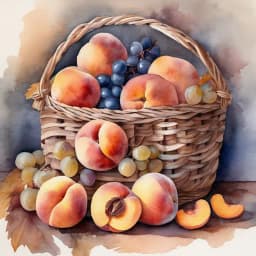
Throughout the year, some fruit is always in season—Katsuragi Town is a "Fruit Kingdom" where you can enjoy seasonal fruits like peaches, grapes, persimmons, and mandarin oranges.
The warm climate and fertile soil of the Kinokawa River basin nurture a wide variety of varieties, including Shimizu White Peaches, Shine Muscat, and Pione grapes. The area is also well-equipped with tourist farms, making it a major attraction where you can enjoy fruit picking all year round—from peach picking in early summer and grape picking in summer to persimmon and chestnut picking in autumn, and even strawberry picking in winter. It has become a popular spot for families.
Tasting freshly picked fruit on the spot: the juicy sweetness of newly harvested fruit is a delicacy that can only be truly experienced by visiting the production area.
📍すさみ町
Specialties from すさみ町 are also available via furusato nozei

ご当地グルメ
A hybrid that takes the best of both worlds—wild boar and pig. Inobuta cuisine, a local gourmet specialty of Susami Town, features this rare ingredient that the town is proud of.
Inobuta was first created in 1970. The then-mayor of Susami Town donated a male wild boar to the prefectural livestock experimental station, where it was bred with a female pig. The resulting meat combines the rich umami of wild boar with the tenderness of pork, offering a deep flavor with minimal gamey odor. The town even established a parody nation called the 'Inobutan Kingdom,' and Inobuta has become a beloved specialty alongside the Inobuta Derby.
When enjoyed in shabu-shabu or hot pots, you can taste the richness of the fat paired with the savory deliciousness of the lean red meat. It is a dish you can only encounter here.

海鮮
Nurtured by the Kuroshio Current, this skipjack tuna boasts exceptional freshness—Kenken Bonito, landed in Susami Town, is a local brand where each fish is carefully caught one by one.
Kenken fishing is a method where lines with artificial lures are extended from small boats; as the boat moves, the lures mimic swimming prey to catch the tuna individually. It is said that this method originated when immigrants traveling from Kushimoto to Hawaii improved the technique locally and brought it back. Because the fish are immediately bled and landed on the same day, the freshness is outstanding. In 2006, it was registered as a regional collective trademark.
With its chewy and elastic texture, it is exquisite whether served as sashimi or tataki. It offers the incomparable deliciousness of first bonito that can only be experienced when truly fresh.

海鮮
Celebrating the autumn opening of the season as an entire town—Susami Town is known as an excellent fishing ground for spiny lobster.
Growing in the Kuroshio currents of the southern Kii Peninsula, these lobsters are characterized by their sweet and elastic meat. It is said that the meat becomes firm precisely because they grow while being buffeted by the rough waves and fast currents. Around the time the autumn fishing season opens, the 'Ise-ebi Festival' is held, drawing many people in search of freshly caught spiny lobster. It is a seasonal autumn tradition in Susami, where the entire town tastes and celebrates the blessings of the sea.
Enjoy the plump meat as sashimi or grilled to fragrant perfection. It is a luxurious autumn delicacy, with rich sweetness and the aroma of the sea spreading throughout your mouth.
📍みなべ町
Specialties from みなべ町 are also available via furusato nozei
特産品
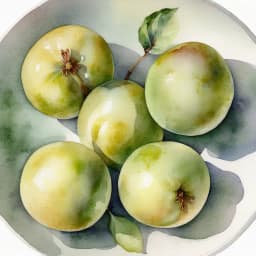
Plum blossoms bloom as far as the eye can see—Minabe Town is the famous production area for the premium 'Nanko Ume' variety.
Wakayama Prefecture accounts for the majority of Japan's plum harvest, with Minabe Town at its heart. Nanko Ume is a high-quality variety characterized by thick flesh and small seeds. In February, the plum groves throughout the town are covered in white flowers, creating a breathtaking landscape. Many farmers carefully collect fruit that has ripened and fallen naturally. The agricultural system of Minabe and Tanabe, which combines traditional production of plums and Binchotan charcoal, has been recognized as a Globally Important Agricultural Heritage System (GIAHS).
The pickled plums (umeboshi), salted and sun-dried, possess a deep richness and abundant acidity. This is a proud single grain produced by Japan's premier plum village.

特産品
When you pick up a single plum and put it in your mouth, the plump, soft flesh melts away, allowing the tartness and saltiness to spread throughout your entire body. This is an umeboshi made from Nanko plums from Minabe Town, Japan's number one plum-producing region.
Minabe Town is a major production area, accounting for approximately one-quarter of Japan's total plum harvest. Raised in a warm climate with many sunny days, the Nanko plums boast thick flesh, soft skin, and a wonderful aroma. These top-grade fruits are carefully preserved in salt and then sun-dried under the natural sunlight. The amount of care put into the process results in a rich umami and deep flavor.
Placed atop freshly cooked white rice, it is enough to make an entire bowl disappear. Whether in an onigiri (rice ball), a bento box, or as a snack with tea, it truly is the king of plums that continues to accompany the Japanese dining table.

特産品
A mellow drink to quench your thirst in summer—Minabe Town's plum syrup is a handmade masterpiece made by steeping fully ripe Nanko plums in rock sugar.
When Nanko plums, grown in Minabe—Japan's number one plum village—are slowly steeped with rock sugar, they create a golden syrup where the umami and sweetness of the plums dissolve. Diluted with water or soda, it becomes a refreshing plum juice. It is a delightful summer treat that even children and those who don't drink alcohol can enjoy. This is a unique handmade product that allows you to taste the full essence of the plum.
When poured into a glass, it has a subtle amber hue. The clean acidity and mellow sweetness soak comfortably into a body parched by the heat.

特産品
The finest white charcoal that chefs everywhere choose—Minabe Town is one of the primary production areas for Kishu Binchotan.
In Minabe, where forests of Ubame oak spread wide, raw logs are burned at high temperatures to create premium white charcoal. Renowned for its excellent heat intensity, long-lasting burn, and minimal ash, the production method of Kishu Binchotan has been passed down for 300 years with almost no changes, while protecting the forests through a sustainable method called selective logging. This charcoal-making technology is designated as an Intangible Folk Cultural Property of Wakayama Prefecture, and the agricultural system surrounding the charcoal-making forests and plum villages is recognized as a Globally Important Agricultural Heritage System (GIAHS).
Charcoal fires that slowly grill ingredients using far-infrared rays are truly the choice of professionals. Within every single piece of charcoal, the skill of the artisans and the blessings of the forest reside.
📍印南町
Specialties from 印南町 are also available via furusato nozei
特産品
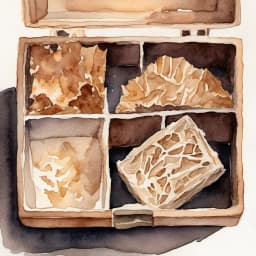
The origin of dashi, with its fragrant aroma when shaved—this is the town that is said to be the 'birthplace of katsuobushi.'
It is told that during the Edo period, Jintaro Kadoya, a fisherman from Inami, added a smoking process to the existing method of simply boiling and drying, creating the 'smoking and drying method' (kunkan-ho) in 1675.
Later, his son devised the mold-ripening technique, and through fishermen from Inami such as Moriya Heibei and Tosa Yoichi, the production method spread to Makurazaki, Minamiboso, West Izu, and eventually across the entire nation.
Although production no longer takes place within the town itself, the fragrant aroma of freshly shaved flakes and the deep umami that have supported Japanese cuisine undoubtedly spread from this very town to all of Japan.

特産品
Packing the sweetness of the sun into tiny fruits—Inami Town is one of Wakayama Prefecture's premier cherry tomato production areas.
Utilizing greenhouse cultivation that takes advantage of the warm climate, these cherry tomatoes grow with concentrated sweetness. Known also as the birthplace of katsuobushi (bonito flakes), Inami is a town blessed with the bounties of both sea and mountain. These cherry tomatoes, grown with great care through meticulous management of watering and temperature, are renowned for their excellent balance of sweetness and acidity, making them popular as gifts. A single bite will surprise you with its level of ripeness.
Take a bite of the glossy fruit. The skin bursts, releasing an incredibly rich and sweet juice from within. They are the star of the show whether eaten plain or in a salad.
📍海南市
Specialties from 海南市 are also available via furusato nozei

海鮮
Place the bright white shirasu gently atop freshly cooked rice. As you take a bite, a gentle sweetness and fluffy texture melt in your mouth, leaving a subtle hint of the sea.
In Wakayama, because fishing ports and processing plants are close together, our strength lies in the ability to boil the freshly caught shirasu in large cauldrons immediately. This is precisely why we can achieve such plump and soft kamaage shirasu. The shirasu caught in Kainan boasts exceptional freshness.
Whether placed directly on rice, paired with grated daikon radish, or sun-dried into jako (small dried fish), it is wonderful because it suits so many different ways of eating.
Experience a level of freshly caught whiteness that you can only find at our direct sales outlets. Please give it a taste.

特産品
Glossy vessels in vermilion and black, close to everyday life—Kuroe in Kainan City is a town of lacquerware where it is said that woodturners from Omi migrated during the Muromotachi to Sengoku periods and began making bowls using the abundant timber of Kishu.
As one of Japan's leading production areas alongside Aizu and Yamanaka, they have long continued to produce durable bowls for common daily use, featuring a base made of 'shibiji' (a mixture of persimmon tannin and charcoal powder).
During the Edo period, the Kishu Domain protected the industry by restricting manufacturing specifically to Kuroe, causing its name to become widely known throughout various provinces.
It offers a warmth that can be used casually at the daily dining table without formality. When you hold it in your hands, you can feel the certainty of the craftsmanship passed down through hundreds of years.

特産品
When peeled, the color is deeper and the aroma more intense than your usual mandarin. With a single bite, a smooth, mellow sweetness spreads across your palate—this is the 'Kuradashi Mikan' from Shimotsu, Kainan City.
Shimotsu mandarins are not shipped immediately after harvest. By letting them rest for several months in earthen-walled warehouses, the acidity softens, and the sweetness and umami become concentrated. It is said that this storage technique has been passed down since the Edo period.
The system of mandarin production is recognized as a 'Japan Agricultural Heritage' site as of 2019, under the name 'Shimotsu Kuradashi Mikan System.'
A unique sweetness achieved through maturation over the winter. It is a specialty you will want to encounter during the cold season.

郷土料理
Take a bite of this bite-sized pressed sushi. The savory flavor of the vinegar-cured mackerel and the perfectly seasoned vinegared rice melt delicately in your mouth.
In Wakayama, this type of pressed sushi is called "Hayazushi" (fast sushi). While traditional Narezushi, which takes over a month to ferment, is known as "Osu-zushi" (slow sushi), pressed sushi is called "Hayazushi" because it can be prepared quickly using vinegar. It is a very straightforward name.
There was a time when this essential dish could be found in every eatery. Even today, it is served on the tables of Wakayama ramen shops, enjoyed as a refreshing palate cleanser between bites of rich, heavy soup.
It is an unpretentious taste that truly embodies the spirit of Wakayama.
📍岩出市
Specialties from 岩出市 are also available via furusato nozei

特産品
A sweet, melting bounty from summer to autumn—Iwade City is one of the premier fig-producing regions in Wakayama Prefecture, alongside Kinokawa and Wakayama Cities.
Wakayama Prefecture belongs to the Seto Inland Sea climate type, characterized by warm temperatures throughout the year, long hours of sunlight, and low precipitation, making it an ideal land for fig cultivation. In some years, the prefecture boasts one of the highest fig yields in the country, and Kishu figs are renowned for their high quality. Shipped only after reaching full ripeness, these figs feature a sweet, melt-in-your-mouth texture that makes them a wonderful gift.
When you split the soft flesh, you find a juicy, seedy texture and a gentle sweetness. Whether eaten fresh or used in compotes and jams, they are an exceptional autumn delicacy.

特産品
A blessing from the earth that heralds the arrival of spring—in Iwade City, high-quality bamboo shoots are harvested from the hillsides along the Kinokawa River basin.
Around Negoro-ji Temple, lush bamboo groves stretch out, and in spring, the bamboo shoots pushing through the soil brighten local dining tables. Freshly dug shoots boast a lack of bitterness and a soft texture. Since freshness is vital for this ingredient, being able to enjoy morning-harvested shoots locally is a luxury unique to this production area. They have been cherished as a seasonal spring delicacy since ancient times.
Boil them freshly picked to make dishes like Wakatake-ni (simmered bamboo shoots), tempura, or takikomi-gohan (seasoned rice). Their subtle sweetness and crunchy texture truly make you feel the long-awaited arrival of spring.
📍紀の川市
Specialties from 紀の川市 are also available via furusato nozei

特産品
When you gently peel the skin, your fingertips become moist with overflowing juice. With a single bite, an elegant sweetness spreads throughout your mouth from the melt-in-your-mouth soft flesh.
The aroma is fresh and vibrant; when eaten chilled, the sweetness and refreshing coolness rush over you all at once.
The hometown is Momoyama-cho, Kinokawa City. Well-drained gravelly soil and a warm climate nurture these sweet peaches. From pruning and flower thinning to bagging each individual fruit—this is a masterpiece carefully cultivated with great care by the producers.
The peak season is from early summer around the Obon festival. These are like jewels of Kinokawa, often chosen as gifts.

特産品
After peeling away the thick skin and gently removing the pith, plump segments are revealed. Once in your mouth, a bursting texture accompanies an immediate wave of sweetness, acidity, and bitterness.
This slightly bitter, mature flavor is precisely what makes Hassaku so charming. It offers a depth of flavor that is distinct from a standard mandarin orange.
Wakayama is a major production area responsible for the majority of Japan's Hassaku. Kinokawa City, in particular, began cultivation early around 1965 and has long supported the Wakayama Hassaku industry.
It reaches its peak season from winter to spring, during the time when other fruits are scarce. Each segment provides just the right amount of refreshing sweet and sour goodness.

特産品
Jewels turning bright red along the Kinokawa River basin—Kinokawa City is one of the leading strawberry-producing areas in Wakayama Prefecture.
'Marihime,' an original variety developed in Wakayama, is a prefectural brand strawberry created by crossing the early-ripening 'Akihime' with the rich 'Sachinoka.' It features strong sweetness, mild acidity, and plenty of juice. The name was given with the hope that it would be loved by everyone, much like the traditional local toy 'Kishu Temari.' Each berry is carefully cultivated in greenhouses within the warm Kinokawa river basin.
Take a bite of the glossy, bright red flesh. From the fruit, which is red all the way to its core, a gentle sweetness spreads throughout your mouth.

特産品
When you slice into it, the cross-section is surprisingly dark—the flesh looks as if brown sugar has been poured into it. With just one bite, after a crisp texture, an incredibly intense sweetness rushes over you.
These dark spots are actually the hallmark of sweetness. The meticulous process of 'tree-ripening' (dejushubun), where each fruit is individually bagged while still on the tree to remove astringency, brings out this level of sweetness.
Among seedless persimmons, only a very small number of fruits that have basked in ample sunlight can become 'Kuro-ama,' making it a rare branded variety. It is a specialty product that can only be tasted in the Kinokawa river basin.
It reaches its peak season as autumn deepens. It is a persimmon with a rich sweetness that will captivate you from the very first bite.
📍紀美野町
Specialties from 紀美野町 are also available via furusato nozei
特産品
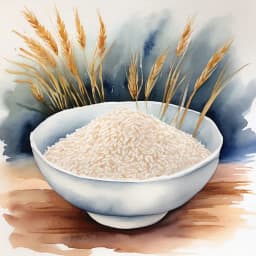
Nurtured by clear spring water and temperature fluctuations in mountain terraced fields—Kimino Town is a place where beautiful terraced paddies spread across the mountainous region of the Kii Mountains.
way within the town, the Nakada terraced fields have a history of over 600 years, with approximately 270 fields stretching at the foot of the Oishi Plateau. Amidst this beautiful landscape, which has been selected as a 'Connecting Terraced Rice Paddy Heritage,' clean spring water and the temperature difference between day and night concentrate the deliciousness of the rice.
This rice is grown in paddies that resemble Japan's original landscape, preserved and passed down by hand in mountain areas where machinery is difficult to use.
With just one bite of freshly cooked rice, you will experience plump grains and a natural sweetness. It remains delicious even when cooled, so tasty that it almost doesn't need any side dishes.

特産品
A refreshing aroma nurtured by the mountains of Kii—Kimino Town is known as a prominent yuzu-producing area within Wakayama Prefecture.
Growing in the mountainous regions of the Kii Mountains, where there is a significant temperature difference between day and night, these yuzu are highly aromatic and juicy. Once harvested, the yuzu are transformed into various processed goods such as ponzu, yuzu jam, and yuzu miso, becoming the town's specialty products. These are simple yet deeply flavorful items nurtured in the pure mountain air.
Adding a squeeze to your cooking releases a sudden, refreshing fragrance. When paired with hot pots or grilled fish, it instantly enhances the richness of any dish. It is an indispensable blessing from the mountains of Wakayama for the winter dining table.
📍橋本市
Specialties from 橋本市 are also available via furusato nozei

郷土料理
When you gently peel back the persimmon leaf, you catch a glimpse of mackerel cured in vinegar. With one bite, the fresh, green aroma from the leaf and the savory umami of the fish melt seamlessly into the chewy vinegared rice.
Kakinoha-zushi is said to have originated during the Edo period along the Kinokawa River basin. It is a local flavor born from the meeting of salted mackerel brought from the sea to the Hashimoto area and the persimmon leaves harvested throughout the region.
Persimmon leaves are known to contain many antibacterial components, and it is said that wrapping the sushi in them helped it last longer. As Hashimoto was a key transit point for transporting salt and mackerel to Koyasan and Gojo, this trade played a vital role in developing the sushi.
Leaving it overnight allows the flavors to meld and the aroma to deepen. It is a taste of summer, born from the wisdom of mountain villages.

特産品
A rod that anglers long for as a lifelong companion—the Kishu Heera-zao, produced primarily in Hashimoto City, is a bamboo rod specifically designed for crucian carp fishing.
Production of these rods flourished in this city because the area is close to a source of high-quality Koya bamboo (Madake), the primary raw material. Growing wild at altitudes of 700 to 900 meters in the northern Kii region, this bamboo is thin yet thick-walled, combining flexibility with durability. From the initial cutting of the raw bamboo to the final product, over 130 processes are performed entirely by hand, with a single artisan reportedly spending six months meticulously perfecting each rod. In 2013, they were designated as a national traditional craft.
The sensation of the bamboo's elasticity absorbing the fish's pull—it is a crystallization of craftsmanship that grows more beloved the more it is used.

特産品
Basking in the abundant autumn sun along the banks of the Kinokawa River—Hashimoto City is a persimmon-producing area located in the upper reaches of the Kinokawa River in northern Wakayama Prefecture.
Wakayama Prefecture is known as one of Japan's leading regions for persimmons. The hilly areas along the Kinokawa River are blessed with plenty of sunlight, and the temperature difference between day and night imparts a deep sweetness to the fruit. In Hashimoto, highly sweet varieties including Fuyu persimmons are cultivated, creating a peaceful satoyama landscape where colorful fruits weigh down the branches in autumn. These carefully nurtured persimmons also make wonderful gifts.
When you pick up a glossy, vermilion-colored persimmon, the flesh is melt-in-your-mouth soft. The intense sweetness that spreads through your mouth with a single bite is truly the essence of autumn's bounty from Kishu.
📍九度山町
Specialties from 九度山町 are also available via furusato nozei
特産品
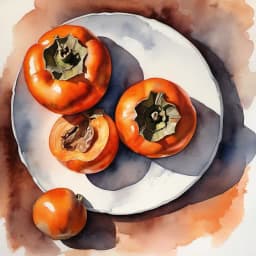
The king of sweet persimmons grows here—Kudoyama Town is a renowned producer of the high-quality 'Fuyu' variety, among the best persimmons in Japan, with Wakayama Prefecture boasting the top production levels nationwide.
High sugar content is achieved through a combination of ideal conditions: soil nurtured by the oldest geological strata on Honshu, long periods of sunlight unique to sloped terrain, and significant temperature fluctuations due to its proximity to Mount Koya. The history of cultivation is said to date back to the Meiji era. Known as the place where Sanada Yukimura lived in seclusion with his father, it is a town filled with historical romance, bustling with the Sanada Festival in the spring.
Large and heavy, these Fuyu persimmons boast a rich sweetness and melting flesh. Their ease of eating due to having few seeds makes them a favorite for gifts—truly the king of autumn flavors.

特産品
So soft that it can be torn with your fingertips when picked up, a single bite releases a honey-like sweetness that melts in your mouth. This is the Anpo-gaki from Kudoyama, Japan's premier persimmon village.
Anpo-gaki is a semi-dried type of persimmon finished with about half of its moisture remaining. Because they are not completely dried, the orange flesh remains juicy like jelly, offering a smooth texture that can be enjoyed. Kudoyama is famous for producing seedless 'Hirakina-shi' persimmons; processed carefully one by one without additives, these fruits boast a rich, natural sweetness.
When chilled, they melt with a refreshing coolness and pair perfectly with green tea. Their elegant sweetness, reminiscent of Japanese confectionery, makes them an ideal small gift. Please try this melting, semi-soft texture for yourself.
📍串本町
Specialties from 串本町 are also available via furusato nozei

海鮮
The fully farmed bluefin tuna that amazed the world—its home is Kushimoto, the southernmost town of Honshu.
Kindai University achieved the world's first success in 'full aquaculture' in 2002, a process where fish are raised from eggs to adults, and then eggs are collected from those adults to repeat the cycle. The Oshima Experimental Station in Kii Oshima, Kushimoto, served as the center for this research. It was the moment when decades of accumulated research finally bore fruit. Raised slowly in the Kuroshio Current, Kindai Tuna is a prideful flavor with excellent fat content and firm flesh.
As you reflect on this long story of challenge, please enjoy this tuna that Kushimoto is proud of, perhaps as sashimi or sushi. The meltingly delicious umami of the fat is exceptional.

海鮮
This is lively skipjack tuna landed in Kushimoto, a town at the southernmost tip of Honshu where the Kuroshio Current dances.
Kushimoto is known as the birthplace of 'Kenken-ryo,' a fishing method where northward-migrating skipjack are caught one by one with a line. Because the fish are immediately bled, chilled thoroughly with ice, and transported to the port on the same day, the freshness is outstanding. The firm-fleshed tuna is delivered nationwide under the brand name 'Shorasan Katsuo.'
When enjoyed as tataki or sashimi, the powerful umami characteristic of the Kuroshio Current spreads throughout your mouth. One of the joys is experiencing how the flavor profile changes during its respective seasons in spring and autumn. It is a prideful seafood treasure from the southernmost port town of Honshu.

海鮮
These spiny lobsters are raised in the waters of Kushimoto, bathed by the Kuroshio Current, and feature plump, meaty bodies.
Kushimoto, the southernmost town of Honshu, boasts one of the highest volumes of spiny lobster landings in Wakayama Prefecture. Growing with the abundant blessings of the warm Kuroshio Current, these lobsters are prized for their elastic texture and a rich sweetness that spreads across the palate. The peak season is from autumn to winter, during which they offer an especially exceptional flavor. Their charm lies in the various culinary expressions they can take, such as sashimi, miso soup, or grilled in the shell.
We invite you to truly savor the spiny lobsters of Kushimoto, often referred to as the 'jewels of the sea.' When fresh, they can be enjoyed as sashimi to fully appreciate their sweetness and texture. They are the star of any feast, adding elegance to the winter dining table.
📍古座川町
Specialties from 古座川町 are also available via furusato nozei

海鮮
The Kozagawa River is one of the most renowned clear streams on the Kii Peninsula. Raised in its crystal-clear currents, these natural Ayu sweetfish possess a rich aroma.
Nurtured by the pure waters flowing through Kozagawa Town, surrounded by mountains, the flesh of these fish is firm and said to carry a refreshing scent reminiscent of watermelon. Those with particularly beautiful appearances are known as 'Bijo-ayu' (Beautiful Ayu), attracting anglers from across the nation who seek them out by name. When simply salt-grilled, the savory aroma and elegant flavor unique to river fish are further enhanced.
This is a seasonal delicacy that allows you to taste the full bounty of the clear stream, available only during the height of summer. It is a fragrant and luxurious single fish, slowly nurtured by the rich nature of Kozagawa. Once you taste it, its purity becomes unforgettable.

特産品
The morning and evening chill combined with the mountain mist nurtures highly aromatic yuzu. This is the specialty of Kozagawa Town.
Surrounded by mountains on all sides, the environment in Kozagawa Town features significant temperature fluctuations, which is ideal for yuzu cultivation, earning it a reputation for having a better aroma than other production areas. Locally, the juice is carefully processed into various products such as juice, ponzu, jam, and yuzu miso. A major appeal of their craftsmanship is maximizing the natural aroma of the yuzu without relying on preservatives or artificial coloring.
We invite you to add this refreshing scent, packed with the blessings of the Kishu mountains, to your daily dining table. Simply adding a squeeze at the end of cooking will instantly release a wonderful aroma.
📍御坊市
Specialties from 御坊市 are also available via furusato nozei

ご当地グルメ
On a griddle, plenty of beaten egg is tossed with yakisoba and pressed into a firm, round shape. The surface is beautifully browned, while the inside remains soft and coated in egg, releasing a fragrant aroma of sauce.
No flour is used as a binder. Because it is held together solely by egg, the chewy texture of the noodles and the softness of the egg are preserved perfectly.
It was born at 'Yamashita,' an okonomiyaki restaurant in Gobo City. It is said that around 1960, the first generation owner, Natsuko Yamashita, created it following a customer's request to 'fry the yakisoba with egg together (sechigoute)'.
Eating the piping hot, sauce-coated dish while puffing out your cheeks from the heat—it is an unpretentious dish that the people of Gobo have loved for generations.

海鮮
Dip a plump, bouncy slice into a bubbling hot pot. As the translucent flesh quickly turns white and blooms—bring it to your mouth, and the elegant, savory richness of the fat spreads across your palate.
Longtooth grouper is a luxury fish known as 'the phantom fish.' Because it takes many years to grow and is difficult to catch, encountering one is truly special.
The broth, enriched by the essence from the bones and trimmings, is so deep and flavorful that you'll want to drink every last drop. All that savory goodness melts into the final rice porridge (zosui).
The season is from autumn to winter. At restaurants around the Gobo area, you can enjoy an entire fish, from sashimi to hot pot. It is a truly luxurious dish that you'll crave during the cold season.
📍広川町
Specialties from 広川町 are also available via furusato nozei

特産品
The sweetness of the sun on hills overlooking the Kii Channel—Hirogawa Town is a warm town that plays its part in the Arida mandarin production area.
The Arida region is known as Japan's number one mandarin-producing area, with a history of over 450 years. The terraced fields on the hills facing the Kii Channel are blessed with sunlight and good drainage, nurturing sweet mandarins. In Hirogawa Town, mandarins bathed in plenty of sea breezes and sunlight hang in clusters across the terraced fields from autumn to winter. These are intensely sweet mandarins nurtured by the warm climate.
When you peel the small fruit that fits in your palm, juice overflows with a rich sweetness. The thin skin peels easily by hand, making them easy to eat—an indispensable taste of Kishu to enjoy while sitting around a kotatsu in winter.
海鮮
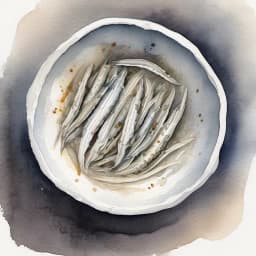
Straight from the ports facing Yuasa Bay while still fresh—shirasu caught in the bountiful waters of the Kii Channel are also landed in Hirogawa Town.
The adjacent Yuasa Bay is a nutrient-rich, productive fishing ground. Freshness is vital for newly landed shirasu; they become local specialties when prepared as plump kamaage (boiled) or slowly dried in the sun to concentrate their umami. It is a fresh seafood treasure blessed by the bounty of Yuasa Bay.
Enjoy plump kamaage shirasu atop a bowl of rice, or pair slightly dried shirasu with grated daikon radish. It is also delicious simply drizzled with soy sauce. Though simple, it is a luxurious feast that allows you to taste the full bounty of the sea.
📍高野町
Specialties from 高野町 are also available via furusato nozei

郷土料理
A dining experience steeped in 1,200 years of history: this is the Shojin Ryori served at the temple lodgings of Koyasan.
In accordance with Buddhist teachings, no meat or fish whatsoever is used. Instead, local seasonal vegetables and grains are meticulously prepared, dish by dish, with great care. Smooth sesame tofu, Koya-dofu (freeze-dried tofu) infused with dashi, and seasonal simmered dishes—while appearing simple at first glance, the natural sweetness and umami of the vegetables emerge with every bite, quietly satisfying even the soul.
There is something truly exceptional about enjoying a meal amidst the pure air following morning services. It commands a sense of mindfulness, making one realize what it truly means to face ingredients with sincerity. We invite you to stay at a temple lodging at least once and slowly savor a steaming Shojin feast.

郷土料理
Glossy and white, it wobbles gently when lifted with chopsticks. This is Sesame Tofu, a signature dish of Koyasan's Buddhist vegetarian cuisine.
Despite the name 'tofu,' no soybeans are used. The skins of raw sesame seeds are removed, then combined with the pure waters of Koyasan and Yoshino kudzu starch, and painstakingly kneaded in a mortar before being cooked. You can enjoy the fragrant aroma of ground white sesame and the smooth, chewy texture created by the kudzu. When eaten chilled, the rich, deep flavor of the sesame melts beautifully on the tongue.
It is delightful how its character changes depending on how you eat it—either refreshingly with wasabi soy sauce or topped with a sweet miso glaze. It is a deeply nourishing dish born from the traditions of ascetic practice.

特産品
When cooked with plenty of dashi, it becomes plump, and when bitten, savory juices burst forth. This is Koya-dofu, a preserved food born in Koyasan.
Its origins are said to date back about eight hundred years, originating from the monks of Koyasan. It is believed that the origin of freeze-dried tofu lies in an instance where tofu used in Buddhist vegetarian cuisine froze due to the severe winter cold, and when thawed and eaten the next morning, it had an interesting texture and delicious taste. Eventually, a method of hanging it to dry was developed, making it a precious, long-lasting source of protein that spread across the country alongside the fame of Koyasan.
When rehydrated in water, it expands like a sponge, rapidly absorbing dashi and simmering liquids. It is wonderful not only in gentle simmered dishes but also in egg-based toppings or even deep-fried. It is a simple yet deeply nourishing dish filled with the wisdom of the Japanese dining table.

郷土料理
A rustic, toasted aroma enjoyed while walking along the approach—the grilled mochi sold at the gates of Koyasan is a famous confectionery that has long been cherished by pilgrims.
This dish features rice cake flattened and grilled to a golden brown on both sides, filled with homemade smooth red bean paste. Available in both white and mugwort varieties, the fragrant aroma of mugwort combined with the gentle sweetness of the bean paste leaves a lasting impression. With some shops boasting 300 years of history, it is a timeless flavor that has been loved by travelers and pilgrims since ancient times. Since it has a good shelf life, it also makes for a wonderful souvenir.
Lured by the irresistible scent of freshly grilled dough, you'll find yourself stopping in your tracks. It is a comforting snack to enjoy during a break from visiting the sacred peak.
📍上富田町
Specialties from 上富田町 are also available via furusato nozei
特産品
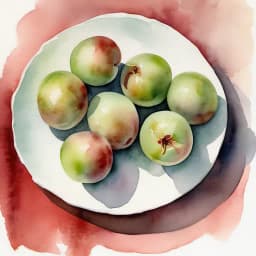
Adjacent to the home of Nanko plums, Kamitonda Town is a producer of high-quality plums, bordering Tanabe and Minabe.
Even in Kamitonda, which sits next to the heart of Kishu—Japan's number one plum region—plums are cultivated by taking advantage of the warm climate. The harvested plums are transformed into various processed products, including umeboshi, becoming the town's specialty. These plums are carefully crafted, grain by grain, within a blessed environment nurtured by the premier plum-growing region in Japan.
Our umeboshi, slowly finished with salt and the sun, possess a deep richness beneath their acidity. Perfect as an accompaniment to rice, a filling for rice balls, or in summer lunch boxes. It is a taste of Kishu that gently accompanies your daily life.

特産品
Plump, large peas that herald the arrival of spring—in Kamitonda Town, the famous 'Kishu Usui' peas of Wakayama are cultivated.
Kishu Usui are peas characterized by their large size, sweetness, and fluffy texture. As a representative legume of Wakayama Prefecture, they were registered as a regional collective trademark in 2006. During the time of year when rice was scarce in spring, coinciding with the pea harvest season, 'mame-gohan' (pea rice)—made by mixing plenty of peas into the rice to increase volume—became a beloved local flavor. Today, they brighten dining tables as a seasonal delicacy announcing the spring.
When cooked, the pea rice features a vibrant green color and a gentle sweetness. It is a seasonal feast that allows you to feel the arrival of spring on your palate.
📍新宮市
Specialties from 新宮市 are also available via furusato nozei
郷土料理
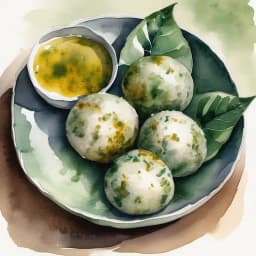
Fluffy rice is wrapped whole in glossy takana leaves. When you take a big bite of the large rice ball, the moderate saltiness of the leaves and the sweetness of the rice blend perfectly together.
The crunchy texture of the pickled takana and the gentle aroma of the rice rising from deep within—it's simple, yet for some reason, you can't stop eating it.
The birthplace is the Kumano region, spanning Wakayama and Mie. It has been enjoyed as a quick lunch to eat between fishing or mountain work. The origin of its name is also passed down: 'so large it makes your eyes pop' or 'so delicious it makes your eyes pop.'
Hold the large leaf with both hands and take a big bite. It is an energizing dish nurtured by the mountains and sea of Nanki.

郷土料理
A single whole saury, butterfly-cut, is laid perfectly atop the sushi rice. With its head intact, the silvery skin glistens beautifully. One bite reveals the savory umami of the firm flesh, followed by a refreshing burst of acidity from yuzu or orange.
Because the saury of the Kumano-nada migrate south on a long journey from off the Sanriku coast, their flesh becomes firm and their fat content settles perfectly, making them ideal for sushi. The extra step of curing them in salt before marinating them in citrus vinegar creates an elegant aftertaste.
This is an indispensable delicacy of Shingu and Kumano during festivals and New Year celebrations—a traditional coastal sushi passed down through generations.
Please enjoy this light and refreshing specialty.

郷土料理
A whole Pacific saury rests elegantly atop the sushi rice. The flesh, cured in citrus vinegar, is plump and firm, releasing a refreshing aroma with every bite.
Located in front of the station, "Joofuku Sushi" proudly features Shingu's specialty, Sanma-sugata-zushi (whole saury sushi), as its mainstay. Since its founding in 1950 (Showa 25), the shop has stubbornly adhered to a unique production method that cannot be imitated by other stores.
The restaurant's name is derived from Joofuku, who is said to have crossed the sea in search of eternal life. The shop hangs its shop curtain right next to the park that bears his name.
From Sanma-sugata-zushi and Konbu-zushi to Mehari-zushi, all the local flavors of Shingu can be found here. It is the kind of place you'll find yourself wanting to drop by during your travels.

郷土料理
The moment it enters your mouth, the fat melts away smoothly. The fine marbling dissolves at body temperature, allowing the natural sweetness and umami of the meat to spread gently across your tongue.
Because the melting point of the fat is low, it is not heavy, leaving a clean and light aftertaste. The tender fibers release rich flavors with every chew.
The roots of Kumano Beef are ancient; it is said to have begun when cattle brought by pilgrims on journeys to Kumano took root in this land. Through repeated selective breeding, it eventually became the pride of Wakayama's Japanese Black Wagyu.
With extremely low production volumes, it is a rare breed that seldom makes its way outside the prefecture. Whether in sukiyaki or as a steak—it is a special delicacy that you must experience in Wakayama.
📍太地町
Specialties from 太地町 are also available via furusato nozei

郷土料理
Taiji Town is known as the birthplace of traditional Japanese whaling. Here, a diverse range of whale dishes are still carefully passed down through generations.
Whaling history in Taiji dates back to 1606, making it a town that has lived alongside whales for over four hundred years. Eventually, a unique fishing method involving encircling whales with nets was developed, and whaling flourished as an industry supporting the town's livelihood. The charm lies in how each part of the whale offers a different flavor, from sashimi, bacon, and Tatsuta-age to Harihari Nabe, a stew made by simmering vegetables with whale meat.
In particular, fresh whale sashimi is a delicacy you can only encounter here. Please come and taste the food culture of a town that has walked hand-in-hand with the sea.

郷土料理
Crispy on the outside with a coating of batter, this whale Tatsuta-age offers a taste that evokes deep nostalgia.
Made by seasoning whale meat with soy sauce and ginger, coating it in potato starch, and deep-frying it, this dish was a familiar sight in post-war school lunches. At the time, it was cherished nationwide as an affordable and nutritious source of protein, and it lives on today as a local specialty of Wakayama and Yamaguchi. In Taiji Town, the birthplace of traditional whaling, it has long graced family dining tables.
Crispy on the outside and juicy on the inside, many will find it brings back memories of those school lunch days. Now a somewhat luxurious treat, it is a simple and warm taste of our local heritage. Please enjoy this dish, unique to the whaling town of Taiji.

特産品
Whale Yamato-ni features a sweet and savory seasoning that pairs perfectly with both rice and sake. It is a representative preserved food of Taiji Town.
Yamato-ni, made by simmering whale meat thoroughly in soy sauce and sugar, has long been widely enjoyed in canned form. This dish was born from the wisdom of daily life in Taiji—the birthplace of traditional Japanese whaling—where every precious part of the whale is gratefully utilized without waste. Its firm texture and rich flavor are a perfect match for freshly cooked white rice, and it also serves as an excellent snack for evening drinks.
We invite you to taste the flavors of Taiji, which carry forward 400 years of whaling culture to the present day. Since it can be stored at room temperature for a long time, it is also a very practical item for souvenirs.
📍田辺市
Specialties from 田辺市 are also available via furusato nozei

特産品
When you pick up a single plum, the plump, thick flesh melts away in your mouth. With thin skin and small seeds, a gentle acidity and saltiness spread softly through your palate.
Known as the highest luxury brand of pickled plums, Nanko Ume's soft flesh and rich aroma make it so delicious that you can easily finish an entire bowl of rice just by topping it with one.
The origins lie in Minabe Town and Tanabe City in Wakayama. It all began during the Meiji era when Teikusu Takada discovered and cultivated these large-fruited plums, which were later recognized as the finest variety. It is said that the name 'Nanko Ume' was derived from a combination of Nanbu High School, which assisted in the research, and Mr. Takada's name.
A single plum atop freshly cooked rice. This is a treasure of Tanabe that has long been a staple of the Japanese dining table.

特産品
A single grain is enough to make you crave multiple bowls of rice—Tanabe City is a production area for Kishu umeboshi made from 'Nanko Ume,' a premium variety known for its thick, soft flesh.
Nanko plums are characterized by their thin skin and small seeds; as they ripen, they turn more yellow, while the parts exposed to sunlight turn a vibrant crimson. Many farmers do not pick the fruit by hand, but instead wait for it to ripen and fall naturally. The traditional 'Shiroboshi Ume' (white-dried plums), which are pickled in only salt and dried in the sun, concentrate the natural umami of the plum and offer excellent preservation. With a wide variety of flavors such as honey-pickled and shiso-pickled, they are loved nationwide as a staple souvenir.
Deep richness found within the tartness. A flavor that Wakayama is proud of and an essential part of the Japanese dining table.

特産品
The savory aroma of charcoal grilling comes from this very charcoal—Akitsugawa in Tanabe City is known as the 'birthplace of Bincho charcoal' and is a production area for the highest grade of white charcoal, fired at high temperatures using Ubamegashi.
The name 'Bincho charcoal' originates from Bitchuya Chozemon, who operated a charcoal wholesale business in Kishu Tanabe during the Genroku era, and began selling the white charcoal produced in the villages of Kinan to Edo. It excels in a balance of heat intensity, long-lasting burn, and low ash production; its production technology is so significant that it has been designated as an intangible folk cultural property of Wakayama Prefecture. For 300 years, through a sustainable harvesting method called 'takubatsu' (selective logging), the forest resources have been continuously recycled.
It is a beloved supporting actor for chefs, slowly cooking foods like eel and yakitori using far-infrared radiation.

ご当地グルメ
A piece of bar sushi topped with glossy cured mackerel is wrapped in a large seaweed leaf. With one bite, the crisp texture and oceanic aroma of the leaf, the sweet and sour flavor of the vinegared rice, and the richness of the mackerel fat all rush into your mouth at once.
The seaweed used for wrapping is 'Hirome.' In Tanabe, this is called 'Hitohame.' This seaweed grows as large as a hand fan; it is softer than wakame yet maintains a pleasant crunch. It is a flavor that can only be harvested in very limited areas, including Tanabe Bay.
The aroma of shiso mixed into the vinegared rice provides a refreshing finish.
Please enjoy a piece of this pressed sushi, unique to Tanabe. It is packed with the bounties of the sea.
📍湯浅町
Specialties from 湯浅町 are also available via furusato nozei

特産品
Shining with a thick, amber glow, its aroma alone makes you crave a bowl of rice. This is the soy sauce of Kishu Yuasa, the land where Japanese soy sauce making began.
Its roots trace back to the Kamakura period. It is said that soy sauce production sprouted when a Zen monk returning from Song Dynasty China noticed how delicious the liquid accumulated at the bottom of miso barrels was. Because the water in Yuasa happened to be ideal for brewing, and because people frequently passed through as it was a post town on the Kumano Kodo pilgrimage route, this technique took deep root. The town has been designated as a Japan Heritage site as the place that produced the 'very first drop.'
Each drop, aged over time in traditional warehouses, offers a mellow and deep flavor. Perfect for sashimi, simmered dishes, or as a finishing sauce. Please enjoy the authentic taste of the birthplace at your dining table.

特産品
Just one spoonful on top of rice will make it impossible to stop using your chopsticks. The Kinzanji Miso passed down in Yuasa is a type of 'namemiso' (spreadable miso) eaten as a side dish.
Rice, barley, and soybeans are inoculated with koji, then pickled together with vegetables like eggplant, melon, ginger, and shiso, allowing them to ferment naturally. As a result, fragments of vegetables peek through the grains, creating multiple layers of flavor: the savory sweetness of barley koji, the umami of the pickled vegetables, and the saltiness of the miso. Unlike regular miso used for soup, its specialty is that it can be enjoyed straight from the jar.
It is even said that Yuasa's soy sauce was born from this very miso-making process. Served on piping hot rice, as an accompaniment to tea porridge, or as a snack with sake—it is a simple yet addictive supporting star of the Wakayama dining table.

海鮮
From the waters of the Kii Channel, a collection of pure white jewels—Yuasa Town takes pride in its fresh whitebait caught in the nutrient-rich Yuasa Bay.
Known as the birthplace of soy sauce brewing, Yuasa has passed down the local flavor of Shirasu Don, where plenty of whitebait is piled atop rice and generously drizzled with local soy sauce. When freshly landed whitebait is boiled (kamaage), it develops a soft, fluffy texture, allowing the freshness to shine through in every bite. Many people visit local eateries specifically for this famous Shirasu Don.
A mountain of boiled whitebait atop piping hot rice. The aroma of the sea and the subtle saltiness that spreads with every bite is irresistible.
特産品
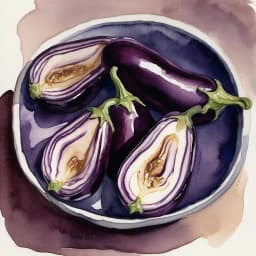
A deep flavor unique to the town of soy sauce—Yuasa Eggplant Moromi-zuke is a traditional preserved food made by marinating eggplant in Kinzanji miso mash.
Yuasa is the birthplace of soy sauce brewing. Its precursor, Kinzanji miso, is an 'okazu miso' (miso for side dishes) made by aging koji from rice, barley, and soybeans mixed with melon, eggplant, ginger, shiso, and more. In some cases, the traditional 'Yuasa Eggimate'—a local vegetable cultivated since the Edo period—is used; in recent years, efforts have been made to revive this eggplant variety which had once faced extinction. The time-consuming fermentation process creates a unique umami.
The texture of the eggplant, coated in the savory richness of the moromi, is perfect both with rice and as an appetizer for alcohol. It is a deeply flavorful dish that embodies the living fermentation culture of this town.
📍那智勝浦町
Specialties from 那智勝浦町 are also available via furusato nozei

海鮮
The number one in Japan for fresh tuna caught by longline fishing—Nachi-Katsuura is a fishing port town that boasts the highest landing volume of fresh tuna in Japan.
At Katsuura Fishing Port, tuna from nearby waters, raised by the Kuroshio Current, are carefully caught one by one using longline fishing. Because they are bled on board and transported in ice water without ever being frozen, our pride lies in the ability to enjoy fresh, raw tuna. While landings occur year-round, the peak season is from winter to spring. In particular, the highest grade Bluefin tuna reaches its peak between February and April.
Fresh tuna landed just at the port has a melt-in-your-mouth texture. Please come and experience the authentic freshness that is distinctly different from frozen varieties.

ご当地グルメ
A luxurious bowl enjoyed at Japan's number one port—the Tuna Bowl of Nachikatsuura Town is a specialty unique to the town with the highest fresh tuna landing volume in Japan.
Fresh tuna, caught one by one via pole-and-line fishing and transported without ever being frozen, are luxuriously prepared into a bowl. At restaurants near the fishing port, you can enjoy plenty of fresh tuna ranging from lean meat to medium fatty tuna and fatty tuna. The smooth texture, unique to fresh tuna that has never been frozen, is exceptional. A bowl enjoyed at the early morning morning market is an experience you cannot miss when visiting this town.
Devour the glossy lean meat atop piping hot rice. The melting fat and rich umami spread throughout your mouth.

郷土料理
Glossy and pitch-black, this candy evokes the dark rock faces of Nachi Falls. This is Nachi Kuroame, a specialty of Nachi-Katsuura Town.
Originally, this confection was inspired by the black go stones made from Nachi black stone found in Kumano. The Nachi Kuro Sohpon shop has dedicated itself to the craft of making black candy since the Meiji era. By slowly kneading brown sugar from Tokunoshima, Kagoshima, over an open flame, they achieve a rich, deep flavor and a sweetness that is gentle on the throat.
While its appearance is simple, it offers a nostalgic taste that melts softly in your mouth. It is a quintessential souvenir to pick up when traveling through Wakayama. Please enjoy one with your tea and savor the moment.

海鮮
Nachikatsuura boasts one of the highest volumes of fresh tuna landings in Japan. A unique souvenir from this port town is the processed 'Onsen Maguro' products.
We offer a collection of exquisite items, including shigure-ni, jerky, and kakuni (braised chunks), all carefully prepared from fresh tuna raised in the Kuroshio Current. With a unique name reflecting the hot spring destination of Katsuura, they are perfect as travel mementos. The flavor, packed with the richness and umami of tuna fat, pairs wonderfully with warm rice or as an accompaniment to evening drinks.
Many items can be carried home at room temperature, making them convenient for souvenirs. Please enjoy the flavors unique to this town, blessed by both the sea and hot springs, in the comfort of your own home. It is sure to bring back the memories of your journey.
📍日高川町
Specialties from 日高川町 are also available via furusato nozei

海鮮
When skewered and grilled to a golden brown, a refreshing aroma like a river breeze wafts into the air. This is salt-grilled natural sweetfish nurtured by the pristine Hidaka River.
Ayu is often referred to as 'the fragrant fish' due to its uniquely elegant scent. Because they grow by eating moss from river stones, their flesh possesses a refreshing clarity. The Hidaka River is a renowned destination for sweetfish fishing in Wakayama, with anglers lining the riverbanks every summer to enjoy traditional fly fishing.
Slow-grilled over Bincho charcoal immediately after being caught, the skin becomes crispy and fragrant while the flesh remains tender and flaky. The subtle bitterness of the innards provides a sophisticated flavor for mature palates. Squeeze some sudachi citrus over it and take a bite—you can fully savor the bountiful blessings of the summer river.

特産品
A refreshing yellow, scented by the mountains of Kii—Hidakagawa Town is a place where highly aromatic yuzu is cultivated in its upper reaches.
Growing in the mountainous regions of the Kii Mountains with significant temperature fluctuations between day and night, these yuzu possess a rich aroma and abundant juice. Once harvested, the yuzu are processed into products like ponzu, yuzu miso, and yuzu kosho, becoming local specialties of the town. These items are overflowing with nature's blessings, nurtured by the pure air and water of the mountain valleys. The ability to enjoy the fragrance through the peel is a charm unique to such a fresh production area.
With just a squeeze into your cooking, a refreshing aroma instantly spreads. Adding it to hot pots or grilled fish instantly brightens your everyday dining table. It is the scent of the mountains, indispensable for the winter table.
📍日高町
Specialties from 日高町 are also available via furusato nozei

海鮮
Known as the king of winter delicacies, this phantom luxury fish—Hidaka Town has been a center for longtooth grouper cuisine since ancient times.
It is a large member of the grouper family that can exceed one meter in length, and is also known as 'Ara' in Kyushu. Due to its slow growth and low catch volumes, it is a high-end fish that can cost tens of thousands of yen per kilogram during peak periods. It is said that the 'Kue Festival' held in Hidaka Town has continued since the Edo period, and it has long been loved locally as a traditional taste of the region. The season runs from autumn to winter, and many gourmets eagerly await this time of year.
The Kue Nabe, soaked in the rich broth extracted from the fish, features exquisite elegant fat and elastic white meat. It is a luxurious feast that you truly want to taste in the winter.

海鮮
Caught in the bountiful fishing grounds of the Kii Channel, with firm texture—in Hidaka Town, you can enjoy wild flounder caught along the coast.
The Kii Channel is known as a rich fishing ground with abundant tidal currents. Wild flounder raised there boast firm flesh and an elegant flavor. Hidaka is a treasure trove of seafood, also known for its longtooth grouper (kue), and flounder has long been cherished locally as a seasonal blessing. Those caught during the cold season, when the flesh is particularly firm, are especially exceptional.
Whether enjoyed as sashimi with a crisp texture or simmered to perfection, both are exquisite. The fatty gill area (engawa) in particular is a true delicacy. This white-fleshed fish, while light, possesses a deep umami that will keep you reaching for more.
📍白浜町
Specialties from 白浜町 are also available via furusato nozei

海鮮
The king of winter delicacies enjoyed at a hot spring inn—the Kue hot pot is a winter specialty of Shirahama Town, featuring a luxurious use of the high-end Kue fish.
Kue is a member of the large grouper family that can exceed one meter in length; it is highly prized as a luxury fish because it grows slowly and catches are infrequent. The peak season is from autumn to winter. The rich broth extracted from the fish bones spreads a deep umami throughout the entire pot, allowing you to enjoy every bit of flavor right up to the final rice porridge (zosui). Another charm is that you can savor everything from the skin and flesh to the fish bones.
With its elegant fat, elastic white meat, and nutrient-rich broth, surrounding yourself with a hot pot in a warm hot spring inn will soothe both your heart and body. It is a luxury you must experience if you visit Shirahama in winter.
海鮮
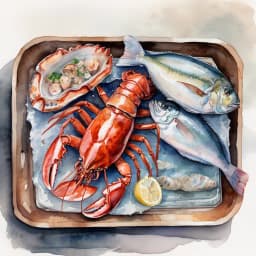
Cheers erupt during the tuna carving show—Toretore Market in Shirahama Town is one of the largest seafood markets in Western Japan.
Directly managed by the fisheries cooperative, it features a wide array of fresh seafood caught in the bountiful waters of the Kii Peninsula. The selection includes everything from tuna and yellowtail to local specialties like whitebait (shirasu) and Japanese spiny lobster (Ise-ebi). With dining areas where you can eat what you buy and BBQ corners, the tuna carving show—where a whole tuna is impressively butchered—is a must-see. It is a lively market beloved by both tourists and locals.
With colorful seafood bowls and fresh sashimi, it is a popular destination where you can see, buy, and eat to your heart's content, fully enjoying the bounty of the Kishu sea.

海鮮
A premium seafood treasure raised by rough waves—in Shirahama Town, you can enjoy natural spiny lobster caught in the Kii Channel.
Spiny lobsters raised in the rough waves of the Kii Channel, where tidal currents are strong, are characterized by their firm texture and intense sweetness. During the fishing season, ryokans and restaurants in Shirahama serve freshly caught spiny lobster prepared in various ways, such as sashimi, grilled, or in miso soup. It is a luxurious culinary treat to enjoy alongside your hot spring experience.
First, savor the plump, elastic meat as sashimi. Whether grilled to aromatic perfection or simmered in miso soup, the rich umami and the scent of the sea spread with every bite, making it a true delicacy of the Kishu Sea unique to Shirahama.
📍美浜町
Specialties from 美浜町 are also available via furusato nozei

海鮮
A winter bounty nurtured by the waters of the Kii Channel—Mihama Town is a seaside town known for its majestic pine forest, 'Enjujuhama,' where fresh seafood is landed.
At Hidaka Port, various fresh seafood, including crabs caught in the Kiki Channel, are brought in and can be enjoyed at restaurants near Enjujuhama. Crabs raised in the cold winter seas are characterized by their sweetness and tightly packed meat. It is a true ocean delicacy unique to the cold season.
When you take a bite of steaming crab, a rich sweetness spreads throughout your mouth. Enjoying fresh seafood while gazing at the grand pine forests of Enjujuhama is a luxurious moment that can only be truly appreciated during the cold winter.

特産品
Inspired by the pine groves of Kenjugahama, these fragrant seeds—the pine nuts that are a specialty of Mihama Town—are flavorful nuts used in both cooking and confectionery.
Mihama Town is known for 'Kenjugahama,' a majestic pine forest stretching along the Kii Channel. The pine nuts derived from these trees are characterized by their savory aroma and rich flavor, making them widely used as toppings for salads, Chinese cuisine, and sweets. Each nut is packed with umami, acting like a perfect supporting ingredient that enhances any dish.
With a crisp texture and a nutty flavor that expands with every bite, simply adding a sprinkle of these pine nuts to your everyday cooking will instantly create a much richer and more profound taste.
📍北山村
Specialties from 北山村 are also available via furusato nozei

特産品
This is a 100% fruit juice made by pressing the entire 'phantom citrus,' Jabara.
Jabara is a rare citrus fruit that grew wild only in Kitayama Village, Wakayama Prefecture, and has garnered widespread attention for its high content of naringin, a type of flavonoid. This drink luxuriously transforms that precious fruit into juice. Beneath a refreshing acidity similar to yuzu, the characteristic subtle bitterness of Jabara gently emerges. There are many ways to enjoy it, such as diluting it with water or sparkling water, or adding honey.
Please enjoy this uniquely flavorful drink, packed with the blessings of the mountains of Kitayama Village. When served chilled, the crisp acidity stands out even more. It is the perfect drink for refreshing yourself in the summer.
📍有田市
Specialties from 有田市 are also available via furusato nozei
海鮮
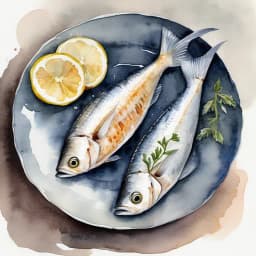
Its long, slender, silver-shining body resembles a single samurai sword. The elegant white flesh offers a crisp texture combined with a refreshing yet deep umami flavor.
Largehead hairtail is the fish that Arita City proudly claims as number one in Japan for catch volume. Supported primarily by small-scale bottom trawling at Misima Fishing Port, it has provided abundant landings. The mirror-like luster of its skin is a testament to its freshness.
When salt-grilled, the skin becomes fragrant; when served as sashimi, the melting fat coats the tongue; and when prepared as tempura, it is light and sweet. Whether simmered, grilled, or fried, it is a versatile fish with profound depth.
Experience this silver-scaled sword that Wakayama proudly presents to Japan. Please enjoy a seasonal catch.

ご当地グルメ
Generous portions of golden-brown tempura are placed atop steaming hot rice. Inside the crispy batter, the savory flavor of fluffy fish paste and a subtle aroma spread through your mouth.
What is being fried is 'honeku.' This is Arida's pride—a type of fried surimi made by grinding hairtail along with its bones. Because the bones are used, the flavor is deep, and the deliciousness of the fish intensifies with every bite.
Mishima Fishing Port in Arida boasts the highest hairtail landings in Japan. Locally, hairtail is referred to as 'tatcho.'
Each restaurant uses its own unique preparation, such as binding it with egg or topping it with a thick savory sauce. Since its creation in 2009, this piping hot local specialty has been beloved by the people of Arida.

特産品
When poured into a glass, it displays a thick, deep orange color. With just one sip, a fruity flavor spreads across your palate, as if you were biting directly into a fresh mandarin. This is a 100% pure Arita mandarin straight juice.
Arita is a famous mandarin-producing region blessed with sea breezes, a warm climate, and abundant sunshine. We have captured that intense sweetness directly in this bottle. Using a unique production method where the mandarins are halved before pressing, we minimize the entry of oils from the peel and any off-flavors, resulting in a juice that is rich yet surprisingly refreshing. With no added fragrances or preservatives, you can enjoy the true taste of the season.
With a well-balanced sweetness and acidity, it is a drink that everyone from children to the elderly can enjoy with peace of mind. Chill it well and enjoy it as your first drink of the morning. It is a luxury that allows you to drink the entire deliciousness of the mandarin in every sip.
📍有田川町
Specialties from 有田川町 are also available via furusato nozei

特産品
The sweetest in Japan, grown on the terraced fields of Aridagawa — Aridagawa Town is one of the primary production areas for the nationally renowned brand "Arida Mikan."
Mandarin cultivation in the Arida region has a history of over 450 years, making it a major production hub that accounts for approximately one-tenth of Japan's total production. The stone-walled terraced fields built along the Aridagawa River and coastal slopes are excellent for heat retention, drainage, and light reflection, nurturing sweet oranges. It is said that these stone walls have been constructed since the Edo period and continue to shape the landscape of the production area today. The terraced fields built by our ancestors continue to bear sweet fruit to this day.
When you peel the glossy fruit, you find an exquisite balance of deep sweetness and moderate acidity. It is a flavor that can be called the very origin of Japanese mandarin oranges.

特産品
As soon as you take a single grain into your mouth, a refreshing aroma spreads instantly, followed by a deep, numbing sensation. Known as the "Green Diamond," this is the Budou Sansho of Aritagawa-cho.
As its name suggests, Budou Sansho is a variety where the berries grow in clusters like grapes. Aritagawa-cho is its birthplace, and Wakayama is a major producing region, accounting for more than half of Japan's total sansho production. Compared to standard sansho, the grains are larger, fleshier, and have thicker skins; the aroma is exceptionally high, and the spiciness is powerful. For these reasons, it is praised as the highest grade among sansho peppers.
Sprinkling it over grilled eel (unagi no kabayaki) releases a wonderful fragrance, and when used in chirimen sansho (dried young sardines with pepper) or tsukudani, it makes for an excellent accompaniment to rice. Its sharp, refreshing sting provides a crisp finish to dishes. Once you know it, you won't be able to let it go—it is a spice that Wakayama is proud of.
📍由良町
Specialties from 由良町 are also available via furusato nozei
海鮮
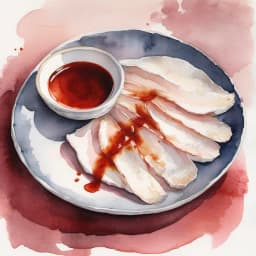
A dish of yubiki where the flesh opens up softly, like a white flower blooming. This hamo dish from Yura Town heralds the arrival of summer.
Yura Town faces the Kii Channel and boasts significant landings of pike conger. The peak season is from June to July, making the hamo during this period truly exceptional. Because hamo contains countless fine bones, a skilled technique called 'honekiri' (bone-cutting)—where numerous incisions are made into the flesh while leaving only the skin intact—is essential. When the carefully prepared flesh is dipped in hot water, it puffs up like a blooming flower, releasing a delicate yet elegant sweetness.
Enjoy it refreshingly with plum paste, or let it melt in your mouth in a 'Hamosuki' hot pot simmered with onions. With its delicate and soft flavor, this is a premium Kishu fish you must taste in the summer.

特産品
Bathed in the sea breezes of the Kii Channel, they develop their sweetness—Yura Town is a warm mandarin-producing region facing the Kii Channel.
The hilly areas facing the sea are blessed with ample sunlight and good drainage, allowing the sea breeze and sunshine to slowly draw out the sweetness of the fruit. Wakayama has a history of over 450 years as Japan's premier mandarin-producing region. In Yura, too, these blessed environmental conditions are utilized to carefully cultivate sweet and tangy mandarins, making them a seasonal staple from autumn to winter.
When you peel the glossy fruit, juicy juice bursts forth. The perfect balance of sweetness and acidity is a flavor truly unique to Kishu mandarins. They are easy to peel, making them the perfect snack for winter.
📍和歌山市
Specialties from 和歌山市 are also available via furusato nozei

ご当地グルメ
Take a sip of the thick, dark brown soup. After the collision of deep flavors from pork bone and soy sauce, there is a clean finish—this is the bowl known as "Chuka Soba" in Wakayama.
It is said that Ide Shoten began as a food stall in 1953. Eventually, the second generation refined the process by simmering the soup for longer periods, developing a mellow and deeply flavorful taste.
It gained nationwide fame after being crowned number one on the TV program "TV Champion" in 1998. That same year, when they opened a shop at the Shin-Yokohama Raumen Museum, the endless lines became a part of local legend.
Enjoying it the Wakayama way means snacking on the quick-serve sushi (haya-zushi) provided on the table while you wait.

ご当地グルメ
A heavy, rich pork bone and soy sauce soup with a subtle aroma of ginger and garlic rising from the bowl. This is not a fancy dish, but the authentic face of the Chuka Soba that locals have eaten routinely.
It is said that Marusan first opened its doors in Shioya, Wakayama City, in 1954. For over seventy years, this long-established shop has been supported by local regulars even before tourists arrived.
Wakayama's Chuka Soba is said to be largely divided into the 'Shako-mae style' and the 'Ide style,' and Marusan is a shop beloved by locals for its rich soup. It offers a flavor deeply rooted in the land, distinct from famous shops that have gained national recognition through television.
Please take your time to savor this unpretentious bowl.

郷土料理
Sipping the light congee cooked with bancha while blowing on it to cool it down. After the sweetness of the rice, a fragrant aroma similar to hojicha gently fades away—this is the bowl of 'okaisan' that has been cherished in Wakayama.
In Wakayama, where mountains are prevalent and plains are scarce, tea porridge is said to have taken root in daily life as a way to satisfy hunger with limited amounts of rice. In the Kina region in particular, it is said to have been an everyday food eaten multiple times a day.
Sometimes, sweet potatoes or taro were added to turn it into a feast. Even today, tea bags specifically for making cha-gayu can be found in supermarkets, and the tradition continues on the dining tables of the elderly.
Gentle on the stomach and deeply comforting. It is the everyday taste of Wakayama.

海鮮
When you peel the shell and bring it to your mouth, a rich sweetness spreads slowly after an initial plump, bouncy texture. With a texture and umami that rivals tiger prawns, this is a brand of shrimp that Kishu is proud of.
Technically known as 'Kuma-ebi' (Spotted prawn), Ashiaka-ebi gets its name from the red coloring on its legs. Fishery cooperatives in areas like Saigazaki and Kainan have worked together to brand this shrimp; grown in the sandy, muddy bottom of the Kishu Channel, it has earned high respect even among professional chefs.
The peak seasons are spring and autumn. As sashimi, the sweetness melts on the tongue, while salt-grilling or tempura brings out a wonderful savory aroma.
Enjoy a whole large shrimp from head to tail. Please savor this complete feast from the sea.
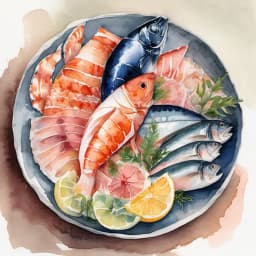
海鮮
A port town where houses are densely lined along the slopes. In the fishing port at the foot of these hills, boats return one after another in the evening. The sight of freshly landed fish lined up is proof that this remains an active fishing community.
Saikazaki is known for its scenery, which resembles the Amalfi Coast in Italy, earning it the nickname "Japan's Amalfi." In fact, Wakayama City and Amalfi have engaged in ongoing exchanges, leading to the creation of a hill planted with lemon trees.
Red shrimp, sea bream, flounder, squid—the variety of fish landed in the Kii Channel is abundant, and their freshness is guaranteed. Tasting them right by the fishing port is the ultimate luxury.
A dish enjoyed while overlooking the sea will leave a lasting memory of your journey.

郷土料理
The moment the leaves are opened, a sharp, pungent fermented aroma hits your nose. While opinions on its taste may be divided, once you take a bite, the acidity and umami wash over you, creating an addictive quality that keeps people coming back.
Narezushi is a preserved food made by lactic acid fermentation of salted fish and rice. It is said to have been passed down in Wakayama for over 800 years and is counted as one of Japan's three major types of narezushi. Mackerel is salted for over a month, then wrapped in leaves with rice and left to mature slowly under a heavy stone.
The leaves used for wrapping vary, including ase (Dendrocalamus) and other local plants. The fact that the taste and aroma differ depending on the region is part of its charm.
It is a dish packed with the fermentation wisdom of Wakayama, indispensable for festivals and celebratory occasions.
Snacks
📍かつらぎ町
Specialties from かつらぎ町 are also available via furusato nozei
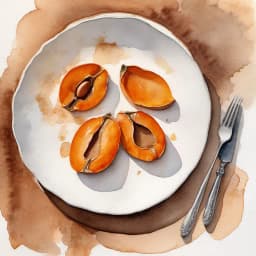
銘菓
These are round and adorable monaka wafers shaped like persimmons. Their cuteness is enough to make you smile the moment you hold one in your palm.
This is a confection unique to Katsuragi Town, a famous persimmon-producing area located at the foot of Mount Koya. In this town, which enjoys the bounties of fruit trees through products like dried persimmons (anpo-gaki) and walnut mochi, this Japanese sweet was created using the local symbol—the persimmon—as its motif. The monaka shell is generously filled with elegant white bean paste.
The combination of the crispy shell and smooth bean paste makes it perfect as a treat to accompany tea when you want to take a relaxing break. It is a souvenir unique to the 'Fruit Kingdom' of Katsuragi Town, offering joy in both appearance and taste. If you visit during the persimmon season, please be sure to try it.
📍すさみ町
Specialties from すさみ町 are also available via furusato nozei

洋菓子
The unique name is sure to bring a smile to your face. These are the Inobuta Cookies from Susami Town.
Susami Town is the birthplace of the 'Inobuta'—a cross between a wild boar and a pig—which first emerged in 1970. The town has utilized this concept for regional revitalization, becoming known as the humorous 'Inobutan Kingdom.' This cookie is the official souvenir of that kingdom, and its fun name makes it a perfect conversation starter about your travels.
With a simple, savory, and crispy baked flavor, they pair perfectly with tea. As a playful souvenir from Susami, they are a joy to share. Between the delicious taste and the unique packaging, they will become a wonderful memory of your trip.
📍みなべ町
Specialties from みなべ町 are also available via furusato nozei

洋菓子
We have captured the freshness of fully ripe plums in a chilled jelly. This is a plum jelly from Minabe Town.
Minabe Town is known nationwide as a major production area for Nanko plums, which are characterized by their soft flesh and rich aroma. Nanko plums are Wakayama's proud brand of plums, named after research conducted by the local Nanbu High School and a plum tree passed down through the Takada family. We have luxuriously used whole ripe plums to create a jelly with a perfect balance of acidity and sweetness.
With its smooth texture and pleasant, refreshing tartness, it is perfect for the hot season. This light and delicious summer sweet is packed with the blessings of this plum-producing region. We recommend enjoying it chilled in the refrigerator.
📍印南町
Specialties from 印南町 are also available via furusato nozei

銘菓
As soon as you open the bag, the fragrant aroma of bonito flakes wafts out. This is a flavorful rice cracker unique to Inami Town.
In fact, Inami Town is the birthplace of katsuobushi. It is said that during the Edo period, fishermen from this town, including Jintaro Kadoya, devised and passed down the method of smoking and drying fish, spreading katsuobushi across the nation. Known as the 'ancestor of Tosa-bushi,' this town is truly the home of this food culture. This bonito flake senbei embodies that pride in every bite.
With a crispy texture and a lingering savory umami from the bonito, it pairs perfectly with both tea and alcoholic beverages. Please savor the fragrant flavor along with the story of the birthplace of katsuobushi.
📍海南市
Specialties from 海南市 are also available via furusato nozei

銘菓
This simple grilled mochi has quietly welcomed travelers walking along the Kumano Kodo.
Fujishiro in Kainan City is known as a key point on the ancient pilgrimage route, where travelers heading toward the Kumano Sanzan mountains approach the Fujishiro-zaka slope. In this place, which has seen many people passing through since the era of the Manyoshu poetry collection, Fujishiro Yaki-mochi has satisfied the hunger of passersby and gently healed the fatigue of their journeys. The mochi is grilled to a light toastiness and filled with a subtle sweetness of red bean paste; one bite is enough to let you take a relaxing breath.
As you reflect on the ancient pilgrimage paths, please savor this nostalgic flavor that has been loved for generations. Its gentle sweetness will soak into your weary body.
📍岩出市
Specialties from 岩出市 are also available via furusato nozei
銘菓
This is a signature confectionery of Iwade City, named after the renowned temple Negoro-ji in Kishu.
Negoro-ji is the head temple of the Shingi Shingon sect, founded by Kobo Daishi Kakuban. It reached its peak during the Muromachi period, flourishing as a massive temple complex with hundreds of sub-temples. Although much was lost during Toyotomi Hideyoshi's invasion of Kishu, precious structures such as the Great Pagoda and Daishi-do Hall survive to this day. This sweet, which uses the long history and atmosphere of the temple as its motif, has been cherished as a commemorative souvenir for pilgrims.
Its simple yet elegant sweetness is a flavor fitting for such an ancient and prestigious temple. It is a perfect treat to accompany tea. Please enjoy it slowly during a moment of relaxation after visiting Negoro-ji.
📍紀の川市
Specialties from 紀の川市 are also available via furusato nozei

洋菓子
Whole, juicy peaches transformed into sweets. A taste available only in summer from Kinokawa City, the kingdom of fruit.
'Arakawa peaches,' grown in Toyoyama-cho, Kinokawa City, are a historic specialty dating back to the Edo period and are a proud brand registered nationally as a Geographical Indication. The well-drained sandy loam soil and warm climate produce sweet and fragrant peaches. Parfaits, cakes, and gelato made generously with these seasonal peaches are a special summer delicacy.
The melting sweetness and juiciness are a luxury unique to the production area. These exquisite peach sweets can only be enjoyed during the summer. Please come and enjoy this special flavor that can only be encountered during this season.
📍紀美野町
Specialties from 紀美野町 are also available via furusato nozei

洋菓子
These sweets feature highly aromatic yuzu grown in the clear air of the mountain valleys. The moment you open the package, a refreshing citrus scent gently spreads.
Kimino Town, located in northern Wakayama Prefecture, has been focusing on yuzu cultivation in recent years, alongside rice, mandarin oranges, and persimmons. The temperature fluctuations in the mountainous area, which includes the Ikuse Plateau, produce yuzu with an intense aroma. Utilizing this flavor, a variety of products such as cakes, marmalade, and yuzu miso have been created.
With just one bite, the sharp acidity and sweetness unique to yuzu spread softly throughout your mouth. Please take a moment to enjoy the blessings of the refreshing scent nurtured by the satoyama of Kimino, perhaps alongside a cup of tea.
📍橋本市
Specialties from 橋本市 are also available via furusato nozei

銘菓
This Japanese sweet, featuring the Rokumon-sen design, was born in the land associated with the famous Sengoku period general, Sanada Yukimura.
In Kudoyama, Wakayama Prefecture, where Yukimura lived for the longest period of his life, the Sanada clan's banner, the 'Rokumon-sen,' can still be seen throughout the town. This confection, inspired by that striking banner, makes a perfect souvenir for history lovers.
After the Battle of Sekigahara, Yukimura spent his time biding his strength in this region before eventually making a name for himself in the Siege of Osaka. By savoring this treat while reflecting on such a turbulent story, you will surely experience a deeper, more profound flavor. It is also a wonderful memento to celebrate a visit to Kudoyama.
📍九度山町
Specialties from 九度山町 are also available via furusato nozei

銘菓
This Japanese confection, inspired by the Rokumon-sen, was nurtured in Kudoyama, the home of the Sanada father and son.
Kudoyama Town is known as the place where the Sengoku warlords Sanada Masayuki and his son Yukimura lived for a long time after the Battle of Sekigahara. In this quiet mountain landscape, the two spent their time biding their time while hoping for a resurgence. This sweet was crafted after the 'Rokumon-sen' (the Sanada clan's banner) near the site believed to be their residence, Sanada-an.
It possesses a charm unique to a town that served as a stage for history, making it a perfect souvenir for lovers of the Sengoku period. Please enjoy it slowly while reflecting on the story of the Sanada clan. It also makes an excellent companion for a stroll through Kudoyama.

洋菓子
These are slightly modern persimmon sweets born in Kudoyama, a place famous for its persimmons.
Kudoyama Town is widely known as a premier producer of persimmons that Wakayama is proud of. By leveraging the long-standing persimmon culture rooted in this land, we are continuously proposing unprecedented ways to enjoy them, such as smooth persimmon pudding and confections using dried persimmons. The charm lies in the full-flavored experience of persimmon, inspired by the tradition of persimmon leaf sushi (kakinoha-zushi) passed down in Nara and Wakayama.
The gentle sweetness and melting texture of the persimmon blend surprisingly well with both Japanese and Western flavors. This is a must-try item for persimmon lovers. Please enjoy the new charms of Kudoyama's unique persimmons to your heart's content.
📍串本町
Specialties from 串本町 are also available via furusato nozei

銘菓
This thin-skinned manju comes from Kushimoto, the southernmost town of Honshu, reflecting the scenery of Hashigui-iwa Rocks.
Kushimoto's Usukawa Manju is a famous confection created by Gihei, an established shop that has continued since the Meiji era. In an era when bean paste was expected to be sweet, the previous generation devised a recipe with significantly reduced sweetness, driven by the desire to 'let people taste the true flavor of the adzuki beans.' It is characterized by its elegant, light ink-colored bean paste visible through the thin skin and a gentle aroma of sake.
Because it contains no preservatives, it has a short shelf life, but that is precisely what makes it a safe and trustworthy treat. As a representative confection of the Kinu area, it continues to be loved by many to this day. Please be sure to try it when you visit Kushimoto.
📍古座川町
Specialties from 古座川町 are also available via furusato nozei

洋菓子
When you open the jar, a refreshing aroma of yuzu gently rises. This is a handmade yuzu jam produced in Kozagawa Town.
Kozagawa Town is a small town nestled in the mountains of the southern Kii Peninsula, where the clear Kozagawa River flows. With over ninety percent of its area covered in forests, the significant temperature fluctuations—with mist rising in the mornings and evenings and warmth during the day—nurture highly aromatic yuzu. This jam is made by carefully simmering those fruits to lock in their fragrance and acidity.
Whether spread on bread, paired with yogurt, or used in baking, the refreshing zest of yuzu brightly enhances your dining table. Please enjoy this luxurious aroma, nurtured slowly by the home of the clear Kozagawa River. It will surely make your breakfast table something to look forward to every morning.
📍御坊市
Specialties from 御坊市 are also available via furusato nozei

銘菓
This is a local masterpiece crafted by a Japanese confectionery shop in Gobo City, reminiscent of the peaceful scenery of Kishu.
Since ancient times, Gobo City has served as a central hub for the Hidaka region, flourishing as a temple town where people and goods have long intersected. This confection was created with deep affection for the land by a confectionery shop firmly rooted in this historic area. Its simple flavor, which brings out the natural essence of the ingredients, evokes the tranquil pastoral landscapes of Kishu and the slow passage of time.
While not flashy, it offers an elegant sweetness that provides a sense of relief with every bite. It is a specialty confection that gently accompanies your daily tea time. If you ever visit Gobo, please be sure to try it.
📍広川町
Specialties from 広川町 are also available via furusato nozei

銘菓
"Inamura no Hi" — This is a simple rice cracker that feels much deeper in flavor once you know its story. It is a souvenir unique to Hirogawa Town.
During the great earthquake and tsunami of Ansei 1, Hamaguchi Goryo set fire to his own bundles of rice sheaves, using the flames as a signal to guide villagers to higher ground, saving many lives. It is said that he later used his personal fortune to build a long levee to prevent future damage. In honor of this great achievement, these crackers are produced in Hirogawa Town, a town dedicated to disaster prevention.
It is a crispy, fragrant cracker with a somewhat nostalgic taste. Please enjoy it slowly, along with the story of disaster prevention etched into this land and the heroic deeds of Hamaguchi Goryo, who is passed down as a pioneer of tsunami prevention.
📍高野町
Specialties from 高野町 are also available via furusato nozei

銘菓
Mirokuishi is a renowned confection of Koyasan, inspired by a sacred stone said to exist near Okunoin.
Near the Okunoin area of Koyasan, there is a small stone rumored to have tumbled down from the Pure Land of Miroku Bosatsu; it is said that touching it gently grants a connection with Miroku-sama. This sweet was created by Kasakuni, a long-established local shop, as a specialty of Koyasan in honor of that precious stone. We take pride in the profound and elegant sweetness of our carefully prepared red bean paste.
This item has long been cherished as a memento of visits to the temple and as a souvenir for pilgrims. It allows you to gently take home a piece of the sacred atmosphere. It is a confection meant to be savored slowly, alongside green tea.

銘菓
When you unwrap the bamboo leaf, a pure, gentle aroma wafts up. This is Sasamaki Anpu, a souvenir from the gates of Koyasan.
Carefully wrapped in bamboo leaves, this sweet treat features a chewy texture and a gentle sweetness. Its greatest charm lies in its simple, refreshing flavor, truly reminiscent of Koyasan where the culture of Buddhist vegetarian cuisine (shojin ryori) lives on deeply. The dough, lightly infused with the scent of bamboo, can be enjoyed refreshingly even during the hot season.
As a memento of your visit to Koyasan—the sacred site founded by Kobo Daishi—we invite you to try it. It is a flavorful confection unique to this temple town that pairs perfectly with green tea. Please enjoy the wonderful aroma at the very moment you unwind the bamboo leaves.
📍上富田町
Specialties from 上富田町 are also available via furusato nozei
銘菓
This is a famous confection cherished in the area of Kikumano, which has watched over those walking the Kumano Kodo. Upon opening the wrapper, a nostalgic Japanese atmosphere wafts out.
Kamitonda Town is known as 'Kikumano,' the place where the Nakahechi and Ohechi routes of the Kumand Kodo diverge. Along the path following the Tomida River, various Oji shrines—registered as World Heritage sites—are scattered, and pilgrims have passed through here since ancient times. The spirit of this land, which has long welcomed travelers, lives on in this Japanese sweet.
With its gentle sweetness, it is perfect for taking a relaxing break with a cup of tea. This is a confection from the land that has been embraced by pilgrims traveling the Kumano Kodo World Heritage site. Please enjoy it slowly while reflecting on the ancient journeys of Kumano.
📍新宮市
Specialties from 新宮市 are also available via furusato nozei

銘菓
Kumano Moude Mochi is a renowned specialty of Shingu, long beloved by travelers on pilgrimages to Kumano.
'Moude' refers to the act of visiting a shrine; Kumano has been a place visited by many people for worship since ancient times. This sweet was created to honor the feelings of those who traveled far to reach Kumano in the past, and to wish for the good health of those visiting today. Featuring soft mochi wrapped around smooth red bean paste and lightly dusted with fragrant brown rice flour, its simple flavor is well-known as a favorite of the Kumano Hongu Taisha Grand Shrine.
The wrapper features the design of the Go-o-fu (Ox Talisman) passed down through the Kumano Sanzan shrines, subtly evoking the sacred atmosphere of pilgrimage. Please pick one up as a memento of your journey along the Kumano Kodo.

銘菓
Suzuyaki is a signature confection of Shingu City, featuring an eye-catching, adorable bell shape.
This castella-style baked sweet, modeled after small bells, offers a crispy, light texture and the gentle sweetness of eggs. Being bite-sized and easy to eat, it is a snack unique to Shingu that has been widely loved by children and adults alike. It is the perfect item to serve as a travel memory of Shingu, a city that has flourished since ancient times as the gateway to the Kumano Sanzan.
Because of its cute appearance, it is also well-received as a small souvenir or an accompaniment to tea. A simple and warm confection that makes you want to keep picking them up one by one. Its flavor is widely enjoyed by everyone, from children to the elderly.
📍太地町
Specialties from 太地町 are also available via furusato nozei

銘菓
This is an incredibly charming monaka shaped like a whale. Once you pick it up, you can't help but exclaim, "How cute!"
This is a sweet specialty unique to Taiji Town, known as the birthplace of traditional whaling. This town, where Wada Yorimoto and others began organized whaling during the Keicho era of the Edo period, has walked alongside whales since ancient times. We have infused that history and pride into this whale-shaped Japanese confectionery. Inside the monaka, you will find elegant red bean paste.
The crispy wafer pairs perfectly with the gentle sweetness of the bean paste. It is a popular item for sightseeing souvenirs. Please enjoy it bite by bite while reflecting on the stories passed down in Taiji, the town of whales.
📍田辺市
Specialties from 田辺市 are also available via furusato nozei

洋菓子
When you open the Showa-era retro wrapper, you find a round, white cake. That is the Deluxe Cake from Tanabe's long-established shop, Suzuya. It has a nostalgic appearance that is unforgettable once seen.
As the flagship confectionery that Suzuya has continued to produce for many years since the Taisho era, it features fluffy castella sponge filled with white kidney bean jam and coated in white chocolate. This simple yet elaborate flavor has been loved by the people of Tanabe across generations.
The moist sponge, gentle sweetness of the jam, and smooth chocolate melt together in your mouth. It is a soul-soothing treat that is perfect with tea.

銘菓
Musashibo Benkei was a hero known for his superhuman strength. This famous confection from Tanabe City bears his brave name.
There is a strong theory that Benkei was born in Tanabe as the son of Kumano Betto Zansō, and his childhood name was Oniwaka. In the city of Tanabe, many historical sites related to Benkei still remain, including a statue of Benkei in front of the station, the well where he took his first bath, and various sitting stones. Created in honor of his grand legends, this sweet is characterized by its satisfying, substantial texture that lives up to its name.
As a souvenir of your visit to Benkei's hometown, why not choose this Japanese sweet with such a powerful name? It becomes an even more profound experience when enjoyed while reflecting on the tales of this great hero. It is sure to delight history lovers.

洋菓子
These are a wide selection of plum sweets unique to this famous plum-producing region.
Wakayama Prefecture boasts the highest plum production in Japan, and specifically, the Nanko plums grown in Tanabe and Minabe are known nationwide for their soft flesh and rich aroma. Utilizing these high-quality Nanko plums, a diverse range of confections such as plum jelly, plum gummies, and plum yokan (sweet bean jelly) are beloved as standard souvenirs from Tanabe. The balance of refreshing acidity and subtle sweetness is truly characteristic of this plum-growing region.
With a light and refreshing mouthfeel, they are perfect for a snack during the hot season. Please take your time to find your favorite item. As a quintessential Wakayama souvenir filled with the essence of plums, they are sure to delight.
📍湯浅町
Specialties from 湯浅町 are also available via furusato nozei

洋菓子
This is the Soy Sauce Pudding—a slightly unexpected sweet from the birthplace of soy sauce.
Yuasa Town in Wakayama Prefecture is known as the origin of Japanese soy sauce brewing, a tradition said to have emerged from Kanjamadera miso making during the Kamakura period. During the Edo period, it flourished as a town of flavor, with many soy sauce breweries lining its streets. This pudding was crafted by utilizing Yuasa's pride-worthy soy sauce. The richness of the soy sauce creates a savory aroma reminiscent of caramel, adding deep complexity to the smooth pudding.
With the subtle hint of soy sauce hidden beneath the sweetness, it is an unforgettable taste once you try it. The unexpected combination is sure to be a great conversation starter. Please take home this playful, new-sensation sweet that truly embodies the spirit of Yuasa.
📍那智勝浦町
Specialties from 那智勝浦町 are also available via furusato nozei
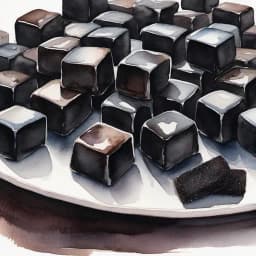
銘菓
Nachi Kuro is a glossy black candy reminiscent of the dark rock faces of Nachi Falls.
This candy, passed down in the town of Nachikatsuura, was originally created in connection with the go stones made from Nachi Black Stone, a local specialty of Kumano. The simple, gentle sweetness, achieved by slowly kneading brown sugar, evokes a sense of nostalgia. Despite its striking appearance, its true charm lies in its smooth texture that melts delicately in your mouth.
It is a must-buy souvenir for anyone traveling through Wakayama. Pair it with tea for a moment of peaceful relaxation. Its simple sweetness has been loved by people of all ages, from children to adults. It is a long-beloved confectionery of Wakayama.
📍日高川町
Specialties from 日高川町 are also available via furusato nozei

洋菓子
This yokan is a meeting of East and West, where the scent of yuzu gently rises. Upon opening the package, the refreshing citrus aroma relaxes your mind.
Hidaka River Town is a mountainous town where forests cover approximately ninety percent of its area. We have crafted a smooth yokan using highly aromatic yuzu grown amidst this rich nature. It is a quintessential Wakayama treat, harmonizing the crisp acidity of yuzu with the elegant sweetness of red bean paste.
With every bite, the refreshing scent of yuzu and the gentle sweetness of the yokan spread softly through your palate. This new style of Japanese confectionery pairs surprisingly well not only with Japanese tea but also with coffee. Please enjoy the blessings of this mountain village.
📍日高町
Specialties from 日高町 are also available via furusato nozei

銘菓
This is a unique rice cracker featuring the motif of the legendary high-end fish, the Kuba grouper (Kue). The packaging is designed to bring a smile to your face.
Hidaka Town has long been close to the 'King of Fish,' the Kue. Historically, the fish has been offered at the autumn festival of Shirahige Shrine, and since the Showa era, it became a representative local delicacy as it was served as a winter specialty in various inns and guesthouses. The affection for the Kue—often called a 'phantom fish' due to its low catch volume—is infused into this cracker.
Each crispy, fragrant piece is perfect with tea or as a snack with drinks. This is a unique souvenir exclusive to the town of Hidaka, inspired by a premium fish that some even say tastes better than pufferfish. It also makes for a great conversation starter.
📍白浜町
Specialties from 白浜町 are also available via furusato nozei

洋菓子
A melt-in-your-mouth sensation as light as the sea breeze of Shirahama. Kagerou is a signature sweet representing Nanki Shirahama.
It is crafted by Fukubishi, a long-established shop beloved in Shirahama for generations. In 1967, during a vibrant era bustling with hot spring visitors, the shop ventured into Western-style confectionery for the first time, aiming to create a treat easy even for children to enjoy. The delicate flavor, with cream sandwiched between soft dough, seems to dissolve instantly upon entering the mouth. This fleeting nature inspired its name, 'Kagerou' (heat haze), reminiscent of the shimmering haze on the beach.
As a staple Shirahama souvenir, this light and elegant treat continues to be loved by many today. At the main store, you can also enjoy the limited edition 'Nama-Kagerou,' which is meant to be eaten chilled. If you travel to Shirahama, please be sure to try it.

洋菓子
These limited-edition cookies are shaped like the beloved pandas of Shirahama and feature an adorable design.
Adventure World in Shirahama is renowned as a zoo where you can meet pandas. Created in honor of those very pandas, these cookies feature lovely expressions and a light, crispy texture that brings smiles to both children and adults alike. They are the perfect item as a memento of your visit to Shirahama or as a gift for panda lovers.
While their cute appearance almost makes you feel bad about eating them, they are also truly delicious. The crispy texture and simple sweetness can be enjoyed by all ages. Please take them home as a wonderful memory of your trip to Shirahama.
📍美浜町
Specialties from 美浜町 are also available via furusato nozei

洋菓子
Born in the seaside town of Mihama, these sweets feature a subtle hint of saltiness. The saltiness that spreads within the sweetness is truly addictive.
Facing the Kii Channel, Mihama is a town that has walked alongside the sea, also known for its 'American Village' which holds a history of immigration to Canada. Simple sweets enhanced with salt, such as salt caramel and salt manju, are well-loved here. A single pinch of salt provides a sharp, clean finish to the sweetness.
With one bite, waves of sweetness and saltiness alternate, making it hard to stop at just one. Please enjoy the exquisite balance of salt that is uniquely characteristic of the seaside town of Mihama.
📍北山村
Specialties from 北山村 are also available via furusato nozei

洋菓子
We have captured the essence of the legendary citrus fruit, Jabara, within this jam. This is a marmalade from Kitayama Village.
Jabara is a rare citrus fruit that grew only in Kitayama Village, Wakayama Prefecture. It is characterized by a refreshing acidity similar to yuzu and an elegant, subtle bitterness. By transforming this precious fruit into handmade marmalade, the unique bittersweetness provides a pleasant accent, resulting in a sophisticated, mature flavor.
There are many ways to enjoy it: spread it on toast, add it to yogurt, or stir it into black tea. Please take a moment each morning to savor the bounty of the mountains of Kitayama Village. This single jar is so addictive, you'll find yourself craving its bittersweet taste.
📍有田市
Specialties from 有田市 are also available via furusato nozei

洋菓子
This is a luxurious compote where small-sized Arida mandarins are individually enclosed within each jar. Just holding it brings a smile to your face as you see the glossy mandarins lined up.
Produced by Sowa Orchard, which handles everything from mandarin farming to processing in Arida City. The mandarins are soaked in a lightly sweetened syrup and left to rest carefully until the flavors meld perfectly. A great bonus is its long shelf life at room temperature, making it a beloved souvenir from Wakayama.
With just one bite, juicy pulp and elegant sweetness overflow. Please enjoy the full bounty of the region's sunshine by eating it chilled as is. It is also an item that will delight when served with yogurt or given as a small gift.

洋菓子
This is a mandarin orange jelly that captures the blessings of the sun.
The Arita region in Wakayama Prefecture is a major mandarin orange production area boasting over 400 years of history, blessed with a warm climate and well-drained soil. It is a famous production area claimed to be number one in Japan for both quality and yield. We have crafted a smooth, silky jelly using plenty of juice from Arita mandarins grown there. With just one spoonful, the characteristically refreshing sweet and tart flavor of the mandarin orange gently spreads.
It is even more exceptional when eaten chilled. This is a refreshing item typical of Wakayama that will be appreciated as a souvenir for mandarin orange lovers. It is also perfect as a snack for children, and its smooth texture makes it easy to eat.
📍有田川町
Specialties from 有田川町 are also available via furusato nozei

洋菓子
Moist and fluffy. This Arida mandarin orange fresh baumkuchen conveys a sense of juiciness from the cross-section as soon as you cut into it.
Produced by the baumkuchen specialty shop MAHALO, this cake features a generous, additive-free use of both the juice and peel of Wakayama's pride, the Arida mandarin orange. The refreshing flavor of the mandarin orange is melted directly into the moist batter. It is a highly skilled product that has even been selected for the Tabelog Japan Sweets Award.
Soft sweetness and the sharp aroma of mandarin oranges spread throughout your mouth. Please enjoy a juicy slice characteristic of Wakayama to accompany your tea time. This popular item is also perfect as a gift.
📍由良町
Specialties from 由良町 are also available via furusato nozei

洋菓子
A smooth, single bite of mandarin orange jelly that bursts with refreshing sweetness. Keeping it chilled in the refrigerator makes it the perfect treat for a hot day.
Yura Town is a warm coastal town facing the Kii Channel. The blessings of the Kuroshio Current, the reflected light from the sea, and the mineral-rich sea breezes nurture these sweet mandarin oranges. This area is also known as the birthplace of the 'Yura Wase,' a famous early-ripening mandarin variety, and this jelly captures that intense sweetness.
You can enjoy its smooth texture and the natural sweetness of the mandarin orange. Please enjoy the taste of the Kii Channel sun—nurtured by the Kuroshio Current, sea breezes, and the ocean's reflection—served well-chilled. It is also perfect as a summer snack.
📍和歌山市
Specialties from 和歌山市 are also available via furusato nozei

銘菓
The single character 'Hon' is branded onto the surface. This is the Honnoji Manju, a representative confection of Wakayama.
Produced by Sohonke Surugaya, a long-established shop said to have been founded in the Muromante period. It is said that this sweet, which features the character 'Hon' in seal script on a sake-flavored manju, is named after the words 'Honesty is the essence (Hon)' preached by Tokugawa Yorinobu, the lord of the Kishu Domain. There are also anecdotes of successive feudal lords carrying this prestigious item all the way to Edo during their Sankin-kotai (alternate attendance) journeys.
With its gentle aroma of sake and the elegant, mild sweetness of the bean paste, it is a Wakayama wagashi you want to savor slowly while reflecting on its long history. The warmth of it being freshly baked offers an especially exceptional deliciousness.

銘菓
Maruboro is a traditional baked sweet from Wakayama that brings joy through its simple sweetness of egg and sugar.
Its origins are said to trace back to 'Bolos,' a type of Nanban confectionery brought from Portugal long ago. The method of combining flour, eggs, and sugar and baking them golden over an open fire spread to various regions, becoming a long-loved treat in Wakayama as well. The moist, soft texture is somewhat nostalgic, offering a flavor that allows your heart to relax with just one bite.
It pairs perfectly with both green tea and coffee, making it ideal for your daily snack. Please enjoy this unpretentious, simple sweetness during your leisurely snack time. Its gentle flavor will provide a moment of peaceful respite.

洋菓子
When you think of Shirahama, you think of pandas. These are Wakayama-exclusive sweets and goods inspired by these beloved creatures.
At Shirahama's Adventure World, a zoo famous for its panda encounters, you can find a wide variety of treats that bring a smile to your face just by looking at them, such as panda-shaped cookies, sablés, and roll cakes. A delightful feature is that even Wakayama specialties like umeboshi (pickled plums) and mandarin oranges are adorned with cute panda designs.
While their adorable appearance might make you feel it's a waste to eat them, the flavors are truly satisfying. Please try to find your favorite panda souvenir to cherish as a memory of your trip to Shirahama.
Sake
📍すさみ町
Specialties from すさみ町 are also available via furusato nozei

クラフトビール
This is a unique craft beer from Wakayama, made using plums from Kishu. Once you pop the cap, the refreshing aroma of plum gently rises.
Wakayama Prefecture is a major production area, accounting for approximately sixty percent of Japan's total plum harvest. This drink leverages the acidity of the premium 'Nanko Ume' brand and combines it with the bitterness of beer. You can enjoy a one-of-a-kind flavor born from an idea unique to this plum-producing region.
The pleasant acidity of the plum and the subtle bitterness of the hops blend surprisingly well. This is a refreshing, local Wakayama beer born from an idea unique to a plum-growing area. Please enjoy it as a special treat alongside your usual meals.
📍みなべ町
Specialties from みなべ町 are also available via furusato nozei

梅酒
This is an authentic plum liqueur steeped in Japan's number one plum village. When poured into a glass, the rich aroma of fully ripened plums rises up.
Minabe Town is the birthplace of Nanko plums, boasting southern plum orchards described as 'a million views at a glance, a ten-ri fragrance.' This liqueur captures the entire flavor by using 100% premium Nanko plums, known for their thin skins and soft flesh. The high quality shines through, thanks to being produced in Japan's leading plum-growing town.
The mellow sweetness and refreshing acidity harmonize beautifully. Whether enjoyed on the rocks or with water, please fully enjoy the rich aroma inherent to ripe plums. We invite you to savor the true skill of this authentic plum liqueur, the pride of Minabe, Japan's premier plum village.
📍海南市
Specialties from 海南市 are also available via furusato nozei

日本酒
When speaking of the representative local sake of Wakayama, one must mention Kuroushi from Kainan City. When poured into a cup, the rich umami of the rice rises in a bountiful aroma.
It is brewed by Nante Shuzo, founded in Kuroe in 1866. The Kuroe district, where the brewery is located, was once a beautiful inlet; it was even praised in the Man'yoshu poetry anthology as 'Kuroushigata' because a black rock shaped like an ox could be seen from the bay, which became the origin of the sake's name. After the war, the brewery shifted its focus toward quality-first production and now remains dedicated to crafting Junmai sake.
With its abundant rice umami and a clean, sharp finish, this is a bottle that stays close to the dining table, pairing perfectly with the seafood of Kishu. We invite you to experience the true prowess of Wakayama's representative local sake for yourself.

日本酒
A fruity and juicy local sake from Wakayama that is rapidly gaining popularity across Japan. One sip will surprise you with its lightness.
Brewed by Heiwa Shuzo, founded in the Taisho era in Kainan City. The name 'Kido' embodies the climate of Kishu and the desire to create a sake that is as free and honest as a child.
The brewery is blessed with underground water originating from Mount Koya, and the land features day-to-night temperature fluctuations ideal for rice cultivation. It is a modern bottle crafted by young brewers.
Its clear, mineral-rich taste is now highly regarded around the world. Fruity and easy to drink, this refreshing cup is also recommended as an entry point to sake. Please enjoy its freshness, born from the climate of Wakayama, chilled.

クラフトビール
This is a craft beer born in Wakayama, created by a sake brewery taking on a serious challenge. Once you pop the cap, the sweet aroma of malt gently spreads.
Produced by Heiwa Shuzo of Kainan City, known for their sake 'Kizomi'. Brewing began in 2012, inspired by the voice of a female brewer in her second year at the company, and was released as 'Heiwa Craft' in 2016. Brewed with underground water from the Kishigawa River, which originates from Mount Koya, this Red Ale won the Gold Medal at the 2022 World Beer Cup.
An enjoyable flavor where the richness of malt and the pleasant bitterness of hops overlap. Please enjoy this carefully crafted glass, unique to a sake brewery.

梅酒
Tsuruume is a popular umeslu brand that takes pride in being from Kishu, a renowned plum-producing region. When poured into a glass, the mellow aroma of fully ripened plums gently spreads.
Produced by Heiwa Shuzo of Kainan City, known for their sake brand 'Kizomi.' In this brewery, where sake is brewed in winter and umeshu is crafted using local plums in summer, carefully selected ripe Kishu Nanko plums are meticulously infused in small batches. Its hallmark is a refined taste that fully brings out the umami, sweetness, and acidity of the plums.
It offers an exquisite balance between a rich aroma and a clean aftertaste. Enjoy it on the rocks, with hot water, or with soda. Please take your time to savor this authentic umeshu representing Wakayama, crafted with the utmost skill by a sake brewery.
📍紀の川市
Specialties from 紀の川市 are also available via furusato nozei

リキュール
This liqueur features a rich aroma, crafted from the brand-name peaches that Kinokawa City is proud of. Once poured into a glass, the sweet scent of peach gently spreads.
Kinokawa City's Momoyama Town is a famous peach-producing region known nationwide for its 'Ara-kawa Peaches.' The well-drained soil containing gravel and the warm climate produce juicy peaches. We have captured the entire essence of these brand peaches—registered as a Geographical Indication—including their sweet aroma and juicy texture, into this alcoholic beverage.
Its syrupy sweetness and the gentle, characteristic aroma of peach fill your mouth. When served chilled on the rocks or mixed with sparkling water, it provides a luxurious feeling, as if you are drinking the peach itself. Please enjoy this fruity drink that Kinokawa City takes great pride in.
📍橋本市
Specialties from 橋本市 are also available via furusato nozei

日本酒
This local sake has been preserved in a historic town at the foot of Mount Koya. When you tilt your cup, a pure and soft flavor spreads across your palate.
Brewed by Hatsuzakura Sake Brewery, founded in 1866 (Keio 2). The Kinokawa River area was once a renowned sake district with over thirty breweries lined up along the river, and now this is the sole brewery that carries on that tradition. The main brewery building is designated as a National Registered Tangible Cultural Property. Brewed with high-quality groundwater from the Izumi Katsuragi mountain range, it has also been affectionately known as the 'Hannya-yu' (wisdom water) of Mount Koya.
Its clean and pure taste pairs beautifully with Shojin Ryori (Buddhist vegetarian cuisine). This is a precious local sake that conveys the tradition of the Kinokawa riverbank sake district to the present day. Please enjoy this bottle filled with history and prestige, which is also a delightful souvenir for your pilgrimage to Mount Koya.
📍九度山町
Specialties from 九度山町 are also available via furusato nozei

リキュール
This is a rare fruit liqueur made with Fuyu persimmons grown in Kudoyama, the home of the Sanada clan. When poured into a glass, the gentle, sweet aroma of persimmon spreads through the air.
Kudoyama Town is a famous producer of Fuyu persimmons, often called the best in Japan, and is also known as a place closely associated with Sanada Yukimura. Since the first Fuyu persimmons were planted in 1907, sweet persimmons have colored the town every autumn. This fruit wine was brewed to highlight that natural sweetness.
The mellow sweetness unique to persimmons, combined with a subtle astringency, adds depth to the flavor. It is a rare fruit liqueur made from persimmon, offering a different experience from citrus or plum wines. Please take your time to savor this one-of-a-kind drink along with the stories of the Sanada village, a land steeped in the history of the warring states period.
📍串本町
Specialties from 串本町 are also available via furusato nozei

リキュール
This is a refreshing liqueur made using citrus fruits grown in the southernmost town of Honshu. When poured into a glass, the aroma of sun-drenched fruit spreads beautifully.
Kushimoto is the southernmost town of Honshu, home to Cape Shionomisaki. Thanks to the blessings of the Kuroshio Current flowing near the coast, the average annual temperature is a warm 17–18 degrees Celsius, allowing citrus fruits such as Ponkan to thrive. We have captured the full sweetness and aroma of the fruit, ripened under this mild climate, within this spirit.
Its crisp acidity and pleasant sweetness spread comfortably on the palate. It pairs wonderfully both on the rocks and with sparkling water. Please take your time to savor the warmth of the sun from Kushimoto—the edge of Honshu nurtured by the Kuroshio Current—with every sip.
📍御坊市
Specialties from 御坊市 are also available via furusato nozei

日本酒
This is a beloved local sake brewed by breweries in the Hidaka region, facing the Kii Channel. As you tilt your cup, a gentle and soft flavor spreads across your palate.
The Hidaka region is blessed with a warm climate and the seafood of the Kii Channel. A culture of gathering around the table with rich seafood, including longtooth grouper (kue), is deeply rooted here, and this local sake has been cherished as an ideal accompaniment to such dishes. It offers a flavor born from the local terroir that never becomes tiring to drink.
With a clean finish, it fits perfectly into your daily evening drink without any pretension. A locally rooted food-pairing sake that enhances fresh seafood. Please take your time to savor the Hidaka local sake alongside the treasures of the Kii Channel, such as kue.
📍高野町
Specialties from 高野町 are also available via furusato nozei

日本酒
Known as a 'phantom sake,' this is a famous brand from Wakayama that is quite difficult to obtain. When poured into a cup, the powerful umami of the rice rises to the senses.
Brewed by Takagaki Sake Brewery, a small, long-established brewery founded in 1832 in Aridagawa Town, at the foot of Mount Koya. 'Ryujinmaru,' launched by the eighth generation of the family, is a small-batch Junmai sake brewed slowly with the pure waters of Hayatsutani. Because production is limited, it has been talked about among fans for a long time.
Its hallmark is a full-bodied umami and a deep, powerful flavor. This Junmai sake is carefully brewed in a small brewery at the foot of Mount Koya using clear valley water. If you happen to encounter this once-in-a-lifetime phantom bottle, please savor it deeply along with the serendipity of your meeting.
📍新宮市
Specialties from 新宮市 are also available via furusato nozei

日本酒
This is a local sake from a brewery that continues to preserve the traditional 'kanzukuri' (winter brewing) method in the World Heritage site of Kumano. When you tilt your cup, a generous and clear flavor spreads across your palate.
Brewed by Ozaki Sake Brewery in Shingu City, known as the southernmost sake brewery on Honshu. Founded in 1869, it is the sole brewery in the Kumano Sanzan area. The sake is carefully handcrafted using high-quality subsoil water from the Kumano River flowing to the north of the brewery and under the harsh north winds that blow in winter. The name 'Taiheiyo' (Pacific Ocean) embodies the wish for the sake to be as vast and generous as the Pacific Ocean facing the Kii Peninsula.
It features a crisp, dry profile with a deep, versatile flavor that shines whether served chilled or warm. This is a single bottle painstakingly brewed by the southernmost brewery on Honshu using the subsoil water of the Kumano River and the winter cold. Please enjoy it slowly while feeling the blessings of the sacred Kumano World Heritage site.
📍田辺市
Specialties from 田辺市 are also available via furusato nozei

梅酒
This plum wine features a rich aroma, created by steeping plenty of Kishu plums. When poured into a glass, the sweet and sour scent gently spreads.
Tanabe City, known as a famous plum-producing region, along with the neighboring Minabe Town, is a primary producer of the premium 'Nanko Ume' brand. These Nanko plums, characterized by their thin skins and soft flesh, are carefully steeped in sake and brandy to create the final product. It is a luxurious plum wine unique to this plum-growing region.
The balance between its mellow sweetness and pleasant acidity is exceptional. Enjoy it in your preferred style—on the rocks, with soda, or with hot water. This is a cup overflowing with the blessings of the plum region, long cherished as a staple Wakayama souvenir.

梅酒
This is a set of small bottles that allows you to taste various flavors of umeshu (plum wine) bit by bit. The row of colorful bottles is truly exciting.
Born in Tanabe, a famous plum-producing region, the charm of this set lies in being able to enjoy plum wines made with the highest quality 'Nankou Ume' plums according to your preference. Wakayama Prefecture is a major production area accounting for approximately sixty percent of Japan's total plum harvest, offering a diverse range of plum wines that make the most of these plums. It is also perfect for souvenirs or gifts.
From sweet to refreshing types, there are new discoveries to be made with every tasting. It is also fun to enjoy while sharing with others. Please enjoy the deep world of Kishu plums to your heart's content while searching for your favorite bottle.
📍那智勝浦町
Specialties from 那智勝浦町 are also available via furusato nozei

梅酒
Nachi Falls boasts the largest drop in Japan. This Kishu plum liqueur is inspired by this sacred site. When poured into a glass, the rich aroma of Nanko plums rises beautifully.
Nachi Falls is Japan's most famous waterfall, with a single drop of 133 meters. It has been revered since ancient times as a deity of Kumano Nachi Taisha and is registered as a World Heritage site. This umeshu is brewed in Nachi Kasugai Town, within the Kumano region, using pure water and Kishu Nanko plums.
It features a deep flavor profile where mellow sweetness and crisp acidity harmonize perfectly. We carefully infuse Nanko plums, known for their thin skins and soft flesh. Please enjoy it slowly on the rocks or with water, while feeling the blessings of the sacred Nachi World Heritage site.
📍白浜町
Specialties from 白浜町 are also available via furusato nozei

クラフトビール
This is a refreshing craft beer that evokes the blue seas of Nanki-Shirahama. Once you pop the cap, its crisp aroma will heighten your sense of travel.
Nagisa Beer is the oldest brewery in Wakayama Prefecture, established in Nanki-Shirahama in 1996. Brewed with the famous 'Nanki-Shirahama Tomita Water,' it is crafted to be deep in flavor yet easy to drink. The Pale Ale is a favorite, and they also offer unique varieties such as the citrusy Mikan (Mandarin Orange) Ale, which is characteristic of Wakayama.
Savoring a glass on a beach overlooking white sandy shores and blue seas provides a truly exceptional moment. Experience this historic craft beer from Wakayama, brewed with famous spring water, and enjoy this local specialty alongside your travel memories.
📍北山村
Specialties from 北山村 are also available via furusato nozei

リキュール
This alcohol is made using the 'Jabara,' a phantom citrus fruit grown in Japan's only enclave village. One sip will surprise you with its unique freshness.
Jabara is a natural hybrid unparalleled in the world, discovered from a single tree growing on a property in Kitayama Village, Wakayama Prefecture. A relative of yuzu and kabosu, it was officially registered as a variety in 1979. It is truly a phantom citrus, as it could only be harvested in Kitayama Village—Japan's only enclave surrounded by Mie and Nara Prefectures.
Its charm lies in its bittersweet and refreshing flavor, reminiscent of yuzu and grapefruit. This is a drink you can only encounter here, born from the world's one-of-a-kind citrus. Please enjoy it slowly, along with the story of Kitayama Village, Japan's unique enclave.
📍有田川町
Specialties from 有田川町 are also available via furusato nozei

ワイン
This is a Kishu-produced wine from the first winery born in Wakayama Prefecture. When poured into a glass, the unique character of the grapes grown in this warm region rises to the surface.
Established in Aritagawa Town in 2015, this winery operates under the concept of 'adding nothing, taking nothing away, and staying as natural as possible.' Under the warm climate of Arida, we cultivate several varieties including Chardonnay and Merlot with reduced pesticide use, brewing characterful wines from our own vineyard grapes.
This bottle was born from a new challenge in Wakayama, a region famous for its mandarin oranges. We brew grapes carefully grown in our own vineyards to be as natural as possible. Please take your time and enjoy the flavor of grapes that have basked in the abundant Kishu sun through your glass.
📍和歌山市
Specialties from 和歌山市 are also available via furusato nozei

日本酒
This local sake has continued to be quietly loved in the land of Kishu-Iwade. When you bring the cup to your lips, a gentle and soft flavor spreads across your palate.
It is brewed by Yoshimura Hideo Shoten, founded during the Taisho era in Iwade City. The name 'Kuramasaka' is named after a slope said to have been encountered on the journey toward Kumano.
While this brewery once gained fame through mass production, in recent years they have significantly reduced production volume to focus on higher-quality sake brewing.
With its clean finish, it has long been cherished locally as an accompaniment to food, subtly enhancing the flavors of your dishes. Born from the water and rice of Kishu-Iwade, this is a bottle that stays unpretentiously by your side even for everyday evening drinks. Please enjoy it alongside the dining tables of Wakayama.

日本酒
This local sake is produced by a rare brewery in Japan that brews both sake and vinegar. When poured into a cup, you can experience a beautiful balance of acidity and umami.
Produced by Kokonoe Saika, founded in 1908 in Kinokawa City. It originally began with vinegar production; based on the belief that good vinegar requires good sake lees, they expanded to produce sake and plum wine as well. The name 'Saika' is derived from the land associated with the Saika group, who were famous during the Warring States period.
As a food-pairing sake that relentlessly pursues compatibility with cuisine, its hallmark is a clean taste that enhances the flavors of your meal. We invite you to enjoy it at your dining table along with the story of this unique Wakayama brewery that began with vinegar making.

日本酒
Kumagusu Minakata, a giant of intellect born in Kishu. This is a sake from Wakayama City that bears his name. As you tilt your cup, a pure flavor reminiscent of the nature of Kishu spreads across your palate.
Brewed by Sekai Itto, founded in 1884. The founder was Kumagusu's father, Yaemon Minakata, and it was originally known as 'Minakata Shuzo.' It is said that the name 'Sekai Itto' was bestowed by the Meiji era statesman Shigenobu Okuma. This brand was created in honor of the Minakata family, who have been sake brewers for generations.
Its soft flavor, reflecting the climate of Kishu, pairs beautifully with the cuisine of Wakayama. While reflecting on Kumagusu Minakata, who etched his name in history as a naturalist, please take your time to savor this bottle connected to Kumagusu, brewed by his family's brewery.

クラフトビール
A unique craft beer from Wakayama, featuring the refreshing, spicy aroma of Sansho. Once you pop the cap, you are drawn in by the gently rising spicy fragrance.
Produced by Wakayama Brewery, located at the foot of Wakayama Castle. This Sansho Ale makes luxurious use of Wakayama's specialty, 'Budou Sansho' (Grape Sansho), fully utilizing the aroma of Sansho—a spice gaining attention as a Japanese alternative to wasabi. They are also a highly skilled brewery, having won numerous gold medals in various beer competitions.
The citrus-like freshness and the sharp sting of the Sansho peppercorns overlap pleasantly in your mouth. This is a one-of-a-kind glass that makes use of Wakayama's local specialties, offering a taste you can find nowhere else. Please enjoy the surprise of a flavor that is distinctly different from your usual beer.
Souvenirs
📍みなべ町
Specialties from みなべ町 are also available via furusato nozei
その他
📍 アドベンチャーワールド
Because the seeds have been removed, it is easy for even children to eat—a gently flavored dried plum prepared without additives by Iwamoto Food of Minabe Town.
We use Nanko plums grown in Minabe, the home of plums. Iwamoto Food, which has continued plum cultivation in Kishu for about 70 years, carefully finishes these without using preservatives. With a mild salt content of approximately 8%, they are characterized by being easy to eat and not too sour. A delightful feature is that each piece is individually wrapped, making them easy to snack on anytime, anywhere. Keeping them in your bag makes them very useful when you get a little hungry.
Perfect as a snack for children or as a companion during travels. It is a product that the whole family can easily enjoy, featuring the blessings of Kishu plums.
📍海南市
Specialties from 海南市 are also available via furusato nozei
その他
📍 伊勢市駅、JR海南駅、JR紀伊田辺駅 ほか4件
A black candy that looks exactly like a Go stone—this classic confectionery from Wakayama continues to be loved for its simple appearance and the gentle sweetness of brown sugar.
Its name is derived from 'Nachi Black Stone,' a specialty of Kumano. It was created in reference to Go stones made from lustrous black stones. Nachikuro Sohonpo, founded in 1877, continues to produce them in Taiji Town. The main ingredient is brown sugar from Tokunoshima, Kagoshima. Using traditional manufacturing methods, it is finished with a rich, deep flavor. It has long been a favorite in coffee shops and station kiosks across the Kansai region.
As a representative souvenir of Wakayama, it can be found in places like the temple towns of Mount Koya. It offers a nostalgic sweetness for when you want to take a relaxing break.
📍橋本市
Specialties from 橋本市 are also available via furusato nozei

その他
Soft and meltingly tender with a concentrated sweetness—this is a high-quality Anpo-gaki (soft dried persimmon) that is perfect as a winter gift. It is crafted by Okazaki Kihoan in Takanoguchi-cho, Hashimoto City.
When fresh persimmons are dried to just the right degree, the flesh becomes melt-in-your-mouth soft, highlighting its natural sweetness. Dried persimmons have long been loved by the Japanese people, to the point where it is said that "the pinnacle of wagashi (Japanese sweets) sweetness is found in dried persimmons." This is a masterpiece that showcases the meticulous craftsmanship unique to Wakayama, a famous region for persimmons.
Eating them chilled further enhances their elegant sweetness. It is a pride of Wakayama that enjoys steady popularity every year as a gift for the cold season.

その他
A kintsuba featuring a beautiful arrangement of black and yellow. This is a prideful Japanese confection from Okazaki Kihoan in Hashimoto City, allowing you to enjoy two flavors in one.
On the black side, there are flavorful Tanba black soybeans. On the yellow side, there is fluffy chestnut kintsuba. Each side is finished with an elegant sweetness that highlights the quality of the ingredients. We recommend tasting the sweetness of the chestnut first, followed by the flavor of the black bean—an order that lets you enjoy the treat twice over in a single piece. The excellence of the ingredients shines through directly.
With its lovely appearance, it is perfect for serving with tea or as a gift. It is a refined Japanese confection meant to be savel slowly alongside warm tea.
📍新宮市
Specialties from 新宮市 are also available via furusato nozei

その他
A charming, bite-sized castella shaped like the sacred bells (kamisuzu) of Kumano Hayatama Taisha Shrine. This famous confection is single-handedly preserved by Koumeido, a long-established shop in Shingu.
Founded in the early Meiji era, this 'Suzuyaki' was created when the third-generation owner sought to expand beyond senbei (rice crackers). Using premium Wasanbon sugar, a specialty of Shikoku, it is baked to a moist and fluffy perfection using a secret family recipe. Because no preservatives are used, the shelf life is short, offering the fleeting luxury of enjoying it freshly made. Adhering to a single-store policy, they steadfastly protect this traditional flavor only in the land of Shingu.
This is truly an exclusive taste available only at the main shop. Please enjoy it as a memento of your Kumano pilgrimage.
その他
A dorayaki with a moist skin and plenty of fluffy sweet bean paste (tsubu-an) sandwiched inside. This is a masterpiece crafted by Kobaido, a long-established shop founded in the Meiji era.
This is a slightly special dorayaki sold only at the main store in Shingu. It boasts popularity comparable to their signature confection, 'Suzuyaki.' True to Kobaido's single-store policy, they do not offer mail order; nationwide delivery is available only via telephone reservation, and this scarcity only serves to entice fans even more. The fluffy skin and elegant bean paste represent a truly classic deliciousness.
It offers the simple and warm taste of a traditional dorayaki. If you visit Shingu, it is a masterpiece known to those in the know that you must try at least once.
和菓子
An eye-catching and adorable package inspired by the priestesses of Kumano Sanzan. Inside are chewy, bite-sized daifuku.
Soft gyuhi (sweet rice dough) gently envelops a smooth strawberry cream. With a single bite, the chewy texture is accompanied by the light, sweet, and tangy aroma of strawberry spreading through your mouth. Its gentle sweetness makes it a flavor enjoyed by everyone from children to the elderly. It is even more refreshing when eaten chilled.
Kumano Sanzan has gathered people's prayers since ancient times. This daifuku, wrapped in that very story, is a delightful Kumano souvenir to both see and eat. It is an adorable treat that is sure to spark conversations about your travels.
和菓子
A bite-sized matcha daifuku inspired by the shrine maidens (miko) of Kumano Nachi Taisha. The chewy mochi is filled with matcha cream, offering an exquisite balance of bittersweet flavor and sweetness. The packaging, featuring a depiction of Nachi Falls, is also beautiful.
和菓子
A sweet sesame sauce daifuku inspired by the shrine maidens (miko) of Kumano Hayatama Taisha. Thick, rich sesame sauce is wrapped in chewy mochi, offering the most traditional Japanese flavor in this series.
📍太地町
Specialties from 太地町 are also available via furusato nozei

和菓子
A luxurious seafood cracker that condenses three of Wakayama's proud specialties into a single thin cracker: tuna from Kushimoto, brown sugar from Nachikuro, and Kishu Nanko plums.
Produced by Nachikuro Sohpon, the main store of Nachikuro in Taiji Town. This long-established shop, famous for its 'Kuroame Nachikuro' (black candy), uses 100% tuna landed at Kushimoto Fishing Port, combining it with their prideful brown sugar and Kishu Nanko plums. This product was created in collaboration with a cracker maker out of a desire to further promote the famous tuna of Kushimoto. The umami of the tuna, the acidity of the plum, and the richness of the brown sugar overlap exquisitely in every bite.
An indulgent deliciousness that lets you taste Wakayama's three great specialties in one piece. Individually wrapped for easy distribution, it is also highly useful as a souvenir.
📍田辺市
Specialties from 田辺市 are also available via furusato nozei

その他
📍 JR紀伊田辺駅、とれとれ市場
Opening the retro and cute packaging reveals a small cake measuring 5cm square. This is the "Deluxe Cake," a representative confection of Tanabe, Wakayama.
It is a taste that Suzuya, founded in 1924, has protected for about half a century. It features a unique Japanese-style jam made with white kidney beans and sesame sandwiched between specially formulated castella, all coated in white chocolate. Created by the second generation to compete with Western-style pastry shops, it is a flavor that only Japanese confectionery techniques could achieve. They value handmade production using local ingredients without preservatives.
This is a pride of Tanabe, which was even enjoyed by His Imperial Highness Prince Akishino and his wife. It has a gentle sweetness that becomes addictive once you try it.

その他
📍 JR紀伊田辺駅、JR白浜駅、和歌山駅 ほか2件
A European-style crunch with the accent of sweet and sour plum flavor. This baked confection by Yamazaki Baieido bears the name of the World Heritage site, Kumano Kodo.
White cream with moderate sweetness is kneaded together with Kishu-grown plum pulp into a crispy crunch. The sharp acidity of the plum works within the sweetness, making it impossible to stop at just one. This is a unique creation from Yamazaki Baieido, which has continued the tradition of confectionery making in Shirahama, Wakayama, utilizing the blessings of Kishu Kumano. It is a new form of plum confectionery where Japanese and Western styles meet.
It is a gentle and somewhat nostalgic sweet that you will want to take home as a quiet memory of your journey through the mountain paths of Kumano.

その他
A Japanese-style plum confection made by Plum Foods, featuring fully ripe Kishu Nanko plums finished with a smooth, jelly-like texture. Founded in 1969, Plum Foods has continued to create sweets and beverages using Wakayama's specialty Kishu Nanko plums. This 'Noshiume' is based on fully ripe plums left to ripen until yellow, capturing a refreshing sweetness and the natural acidity of the plum. The appeal lies in the four available varieties—plum, yuzu, matcha, and plum (sumomo)—allowing for the fun of comparing different flavors. The sweet and sour taste that lingers is perfect as an accompaniment to tea. It is a product that lets you easily enjoy the charm of Kishu plums anytime.
その他
📍 JR紀伊田辺駅、とれとれ市場
A Western-style confection that Suzuya in Tanabe City has preserved for about 50 years since the Showa era. This popular item in hometown tax donations (Furusato Nozei) features a specially formulated castella sponge sandwiched with white kidney bean and sesame jam, all coated in white chocolate.
洋菓子
📍 JR紀伊田辺駅、JR白浜駅、和歌山駅 ほか1件
These 'Wakayama Ohinata Mikan' tart cookies capture the essence of Wakayama mandarins grown under abundant sunlight. Wakayama Prefecture is one of Japan's leading mandarin-producing regions, famous for Arida mandarins. This confection transforms that bounty into a delicious treat.
We have tucked plenty of mandarin cream inside a crunchy, hard-type tart crust. The subtle acidity, sweetness, and aroma unique to mandarins harmonize exquisitely with the fragrant tart.
Small and easy to eat, each piece is individually wrapped for your convenience. They are perfect as a souvenir to share with colleagues or friends. Please enjoy the sun-kissed taste of Wakayama mandarins.
📍湯浅町
Specialties from 湯浅町 are also available via furusato nozei

和菓子
Yuasa Town is known as the birthplace of soy sauce. This fragrant manju (sweet bun) features traditional Yuasa soy sauce kneaded directly into the dough.
The history of soy sauce making in Yuasa began during the Kamakura period, when the founder of Kokoku-ji Temple in Yura, Kishu, brought back the method for making Kinzanji miso from China. The liquid that accumulated in the barrels during the miso-making process became the origin of Japanese soy sauce. Blessed with high-quality water, Yuasa went on to gain national fame as a town of soy sauce. This is a unique specialty of this historic town, perfect to enjoy while reflecting on its long history.
The savory aroma of soy sauce meets the gentle sweetness of red bean paste. We invite you to experience this combination, born from a town steeped in tradition.
和菓子
A soy sauce-flavored manju unique to Yuasa, the birthplace of soy sauce. The rich aroma of Yuasa soy sauce infuses the thin dough, creating an exquisite harmony between the sweetness of the bean paste and the saltiness of the soy sauce. It is the perfect souvenir for a visit to this historic town of soy sauce breweries.
📍那智勝浦町
Specialties from 那智勝浦町 are also available via furusato nozei

スイーツ
When you open the twisted box, the aroma of mandarin oranges wafts out. This is a stick-shaped cake baked by Kii Hodaiagon Honpo in Nachikatsuura Town.
The batter uses plenty of juice from Wakayama's famous Arida mandarins. With a crispy exterior and a moist interior, it spreads a subtle mandarin flavor and gentle sweetness. The acidity is mild, making it an easy flavor for children to enjoy as well. The stick shape is also convenient for snacking easily with one hand.
Available in various locations throughout Wakayama, such as the Kinokawa Service Area and Shionomisaki Sightseeing Tower. The unique packaging makes it perfect for a small gift. Why not enjoy it as a companion during your Nanki drive?
📍日高川町
Specialties from 日高川町 are also available via furusato nozei

和菓子
A famous confection of Kichu, baked in the shape of the temple bell of Doji-ji Temple, famous for the legend of Anchin and Kiyohime.
Produced by Unsui, a company with over 100 years of history, these additive-free manju consist of soft castella dough generously filled with both black and white bean paste. It is a reliable flavor that has won the Grand Gold Medal at the Monde Selection for seven consecutive years. Each piece is carefully crafted in the very land where the tragic legend lives on—where Kiyohime, transformed into a serpent, coiled around the hidden bell of Anchin.
It is a delight to be able to enjoy both black and white bean flavors. The simple, warm sweetness is a taste loved across generations. If you visit Doji-ji, this is a must-try item.
📍白浜町
Specialties from 白浜町 are also available via furusato nozei

その他
📍 南紀白浜空港、JR海南駅、JR紀伊田辺駅 ほか8件
Like a heat haze rising from the beaches of Shirahama, it melts softly in your mouth the moment you take a bite—this fleeting texture is unforgettable, making it Fukubishi's signature confectionery.
Established in 1967, this semi-moist sweet features a buッセ (biscuit) dough rich in egg yolks sandwiched with gentle-flavored buttercream; it was named "Kagerou" (heat haze) due to its delicate melting sensation. Since its founding in 1953, Fukubishi has continued to craft sweets in the Nanki Shirahama region. The harmony between the soft dough and mellow cream is unforgettable once tasted.
Also popular is the "Nama Kagerou," which replaces the buttercream with fresh whipped cream and can only be enjoyed at the main store. It is a must-have item when visiting Nanki Shirahama.

和菓子
📍 JR白浜駅、和歌山駅、アドベンチャーワールド ほか2件
With a single bite, the refreshing aroma of yuzu spreads softly—an elegant, bite-sized monaka that Minatoya, a long-established shop in Shirahama, takes great pride in.
Founded in 1935, Minatoya finely minces the peel of yuzu grown in the upper reaches of the Kozagawa River and carefully kneads it into white bean paste. It won the Honorary Vice President Award at the 16th National Confectionery Expo in 1965. This is a dedicated product where the second-generation president personally participates in manufacturing, preserving unchanged methods. The shop is well-reputed for making Japanese sweets that utilize local Wakayama ingredients.
The compatibility between the yuzu flavor and the light white bean paste is exceptional. The crispy monaka shell is also pleasant, and its convenient size makes it perfect for small gifts.

その他
📍 JR白浜駅、和歌山駅、とれとれ市場 ほか1件
A fluffy mini chiffon cake baked to evoke the image of a perfectly round full moon. Crafted by Yamazaki Baieido.
Inside the soft chiffon sponge is a custard cream with just the right amount of sweetness. With one bite, the air-light sponge and smooth cream melt together, spreading a gentle flavor throughout your mouth. It is a soul-soothing treat truly characteristic of Yamazaki Baieido, which continues to create confections that utilize the blessings of Kishu Kumano. It pairs beautifully with coffee or tea.
Its round and adorable appearance, much like a full moon, makes it perfect as a gift. This is a sweet that will bring smiles to everyone, from children to the elderly.

和菓子
📍 南紀白浜空港、JR白浜駅、和歌山駅 ほか4件
This is an elegant Japanese confection from Fukubishi, named after the town flower of Shirahama, 'Hamayu' (Hibiscus mutabilis).
Born in 1956, this famous sweet features a three-layer structure: smooth adzuki bean paste gently wrapped in soft gyuhi (sweet rice dough), and sandwiched between crisp monaka wafers. It is a masterpiece of craftsmanship that allows you to enjoy different textures all at once—the chewy gyuhi, the crunchy monaka, and the refined adzuki paste. As one of Fukubishi's representative sweets, which has won numerous awards, it has been long loved by the people of Shirahama.
While delicious as is, lightly toasting it in a toaster further enhances the crispness of the monaka wafer. Why not try this perfect Shirahama souvenir to accompany your tea?
その他
📍 南紀白浜空港、JR紀伊田辺駅、JR白浜駅 ほか5件
A matcha version of the famous Kishu confection, Kagero. The deep aroma of Kawazoe tea is captured within the dough and cream, creating a harmony between Japanese flavors and the richness of butter cream. It is also popular at the Kagerou Cafe in the Shirahama main store.

その他
📍 南紀白浜空港
A dried mandarin orange made by Fukikido of Shirahama Town, featuring a texture so soft it can be gently torn with your fingers, with the acidity and sweetness of the mandarin concentrated inside. Mandarins from Wakayama Prefecture are carefully dried while leaving the thin peel intact. Unlike typical hard dried fruits, these are moist and soft, releasing an intense mandarin flavor with every bite. They also include collagen for a healthy snack option. The charm lies in its natural sweetness that highlights the fruit without being sticky from sugar. Enjoy them as they are or floating in black tea. This is a product that allows you to fully savor the blessings of mandarins, unique to the fruit kingdom of Wakayama.

スイーツ
📍 JR大阪駅
A moist and gentle baked confection created with prayers for the Kumano Sanzan. The smoothly baked dough is paired with ingredients from Kishu. Created so that travelers can softly carry home the afterglow of their journey through the World Heritage Kumano Kodo, where people have offered prayers since ancient times. With one bite, a simple and warm sweetness spreads throughout your mouth. It offers a comforting flavor that gently soaks into a body tired from long walks along the ancient trails. This is a product that evokes wanderlust, perfect to enjoy alongside memories of walking through the World Heritage forests. It will surely be appreciated as a Kumano souvenir for loved ones.
洋菓子
A Western-style confection baked using ingredients from Wakayama, themed around the blessings of Kishu Kumano.
We have paired moist, baked dough with Wakayama's prideful ingredients such as plums and citrus fruits. The land of Kumano, surrounded by sea and mountains, is a place overflowing with the bounties of rich nature. This sweet was created so that you can taste that abundance in a single bite. Within its gentle sweetness, the flavors of Kishu ingredients like plum and citrus float through, providing a taste that makes your heart feel at ease. It is perfect to accompany a short break.
This is an item you will want to savor slowly while reflecting on the grand nature of Kumano. It is sure to be appreciated as a travel souvenir or memory.
その他
📍 南紀白浜空港、JR海南駅、JR紀伊田辺駅 ほか4件
A long-seller from Fukubishi, continuing since its founding in 1933. It features an exquisite balance between yuzu bean paste, made by peeling and cooking the yuzu peel in-house, and fragrant monaka wafers baked by artisans. A simple taste that never grows old.

洋菓子
📍 熱海温泉街
A slightly rare regional KitKat that can only be found in hot spring resorts. It is a delightful treat where Japanese and Western flavors meet.
The outer chocolate is a brownish color, looking exactly like an 'onsen manju' (hot spring steamed bun). The wafer inside is sandwiched with a cream containing adzuki bean powder, creating a flavor that feels just like eating a real onsen manju. The balance between the chocolate and the red bean is exquisite, allowing you to enjoy the best of both Japanese and Western confectionery styles. It offers a comforting sweetness, perfect for a relaxing break after a soak in the hot springs.
The package features a collaboration with 'Neko Hyakkei,' a popular character used for hot spring souvenirs. The 14 different cute designs will lift your spirits every time you open a pack.

和菓子
📍 JR白浜駅、和歌山駅、とれとれ市場
A pride of the long-established Minato-ya in Shirahama, this monaka features the gentle aroma of Nanko plums.
Founded in 1935, Minato-ya has incorporated freeze-dried Kishu specialty Nanko plums into white bean paste. Because no artificial flavorings are used, the refreshing flavor of the plum itself spreads directly across the palate. It is one of the representative Japanese sweets of Shirahama, standing alongside our signature 'Yuzu Monaka.' This is a unique creation only possible from Minato-ya, a venerable shop renowned for making Japanese confectionery that utilizes local Wakayama ingredients.
The compatibility between the crispy monaka shell and the elegant white bean paste, with its subtle plum acidity, is exceptional. It provides a moment of relaxation when enjoyed with tea. We highly recommend it as a souvenir from Shirahama.
和菓子
📍 とれとれ市場
A monaka wafer made by Shunkaan Kadoya, founded in 1924, featuring wild yuzu from Kishu Ryujin kneaded into the bean paste. This famous confection from Shirahama has been produced for about half a century, and its citrus aroma and elegant sweetness make it the perfect accompaniment to tea.

その他
📍 とれとれ市場
Featuring the simple sweetness of sweet potato and a moist, smooth texture, this sweet potato confection is a favorite at Shirahama's popular Toretore Market.
It is finished smoothly to highlight the natural, gentle sweetness of the sweet potato. Its unpretentious, rustic flavor is perfect for a relaxing moment after visiting an onsen. This Shirahama snack is loved by locals as a souvenir. You can enjoy its deliciousness either chilled or slightly warmed.
It is a taste you'll want to take home with you after a relaxing time at Shirahama Onsen. Easy for children to eat, it is a treat that brings smiles to everyone. If you stop by Toretore Market, please be sure to check it out.
その他
📍 アドベンチャーワールド
An Adventure World exclusive package of Fukuhira's famous Kishu confection, Kagero. The taste remains the same, but the box features a panda parent and child, with the reverse side showing a baby panda playing. A special edition that can only be purchased within the park.

洋菓子
📍 アドベンチャーワールド
The Adventure World "B&W Cookies" overflow with cuteness from their packaging. When it comes to the theme park in Shirahama, the giant panda is undoubtedly the star. The illustrations of black and white animals, including that popular resident along with polar bears and Malayan tapirs, are printed all over this drawer-style snack box.
B&W stands for "Black & White." When you pull open the drawer, it is packed with crispy cookies that will surely bring a smile to your face. A wonderful feature is that even after the cookies are gone, the box can be used long-term as a small accessory case.
It is a souvenir that is fun to look at and delicious to eat, perfect for keeping as a travel memory. It is sure to delight anyone who loves animals.

洋菓子
📍 アドベンチャーワールド
The 'Adventure World Petit Gaufre Penguin Tin' is an exclusive item where traditional flavor meets the park's cuteness. Inside are Petit Gaufres, a traditional confection long produced by Ueno Fugetsu-do. These consist of thin, fragrant, baked wafers sandwiched with smooth cream.
There are three types of cream: vanilla, strawberry, and chocolate. Because you can enjoy a different flavor with each, you won't get tired of them until the very last bite. The round tin, featuring an adorable penguin design, is a special edition unique to the Shirahama park.
Another charm is that the tin can be reused as a small accessory container after the treats are finished. It is a delightful souvenir that allows you to take home a delicious taste and a memory of your trip.
洋菓子
📍 アドベンチャーワールド
An Adventure World exclusive featuring Ueno Fugetsu-do's thin-baked gaufres inside a panda-themed round tin. When you open the lid, it includes a photo sticker of a baby panda. Includes three flavors: vanilla, strawberry, and chocolate.

洋菓子
📍 アドベンチャーワールド
Adventure World's 'Chocolat de Bake Panda' is a treat you can't help but pick up because of its adorable appearance. This limited-edition sweet is shaped like the faces of the popular giant pandas living at the Shirahama park.
While they look like cookies, they are actually baked chocolates. Three different panda expressions are lined up individually. The charm lies in their pleasant crunchy texture and fragrant baked flavor.
Combining adorable looks with the deliciousness unique to chocolate, this is a perfect item for travel memories. It will also be a delight as a souvenir for panda lovers. Please try it as a memento of your visit to Shirahama.
📍有田市
Specialties from 有田市 are also available via furusato nozei

その他
When poured into a glass, it releases a rich aroma as if the mandarin oranges themselves were freshly squeezed. This is a 100% straight juice produced by Fujinaga Farm in Arita City.
This additive-free bottle contains the entirety of Arita mandarins grown on their own farm, pressed whole. The name "Nodoka" (meaning peaceful/tranquil) embodies the producer's wish to bring a moment of slow, relaxing peace to those who drink it. Having passed Arita City's rigorous inspections, it has also been selected as an officially certified mandarin juice by the city, making its quality guaranteed.
With no water or sugar added, it offers the taste of nature's blessings exactly as they are. In the midst of your busy daily life, this drink brings a moment of tranquility and peace, just as its name suggests.

その他
A processed Hassaku product packed with the charm of Kishu citrus, featuring its characteristic slight bitterness, refreshing acidity, and plump texture.
The Arida region in Wakayama Prefecture is a famous production area for Hassaku, blessed with a warm climate and sea breezes. You can enjoy the clean taste unique to Hassaku grown in this bountiful environment. For Hassaku lovers, the balance of bitterness and acidity—not just sweetness—is irresistible. The juicy texture of the pulp remains pleasantly intact.
Perfect as an accompaniment to tea or as a light palate cleanser. Please take your time to savor the charm of this 'adult citrus' that offers a different flavor profile from regular mandarins.

その他
Inside the glass jar, the mandarins sparkle like jewels. This visually delightful compote is crafted by Fumiko Farm.
It uses Satsuma mandarins grown in Wakayama Prefecture. Whole mandarins are encased in a soft, melt-in-your-mouth jelly that isn't overly sweet. Fumiko Farm in Aridagawa Town is an accomplished producer that has won the Wakayama Award at the Japan Gift Awards for its fruit compotes. This item is certified as 'Premium Wakayama,' ensuring reliable quality. Its adorable appearance is sure to bring a smile to your face.
Chill it thoroughly in the refrigerator and scoop it up with a spoon—the cool, melting sweetness of the mandarin is truly luxurious. It also makes a wonderful gift.

その他
A fruit confection full of the charm of Kishu citrus, utilizing whole segments of Hassaku orange.
We have carefully processed Hassaku oranges from Wakayama Prefecture segment by segment. We have captured the characteristic slight bitterness and the plump, bursting texture of the Hassaku. The balance of bittersweetness and refreshing acidity—not just sweetness—is a flavor unique to Hassaku. The juiciness of the pulp remains intact, allowing you to enjoy it refreshingly until the very last bite.
Perfect as an accompaniment to tea or as a palate cleanser. You can easily enjoy the sophisticated charm of citrus that is different from mandarin oranges. This item is packed with the deliciousness of the Hassaku that Wakayama takes pride in.

その他
A rich and fresh taste, as if you are drinking a mandarin orange itself—this is a 100% straight juice that Sowa Orchard in Arida City takes great pride in.
While many juices are pressed with the peel included, Sowa Orchard uses a unique method where they take the extra step to peel the fruit and press the pulp along with the thin inner skin. Since the oils from the peel are not included, it is less likely to be bitter, resulting in a refreshing aftertaste. The fine fibrous texture creates a pleasant thickness, making it truly "drinkable mandarin." No water or sugar has been added at all.
A luxurious cup that lets you savor the whole mandarin orange. It is exceptional when served well-chilled and is a perfect item for a Wakayama souvenir.

その他
Mandarin orange, pineapple, sweet summer orange, and ruby grapefruit—this compote is like a jewelry box, with colorful fruits shining inside the jar. It is produced by Fumiko Farm.
The feature of this item is the addition of rare green young peaches to various fruits. Each piece is hand-packed into the jars by artisans. A soft, melt-in-your-mouth jelly that isn't too sweet gently enhances the freshness of the fruit. The beauty of its jewel-box appearance will instantly brighten any dining table.
This compote is highly popular as a gift. Enjoy the colorful performance of fruits served chilled as they are.
スイーツ
📍 和歌山城
This 'Sowa Orchard Temari Mikan Jelly' features a whole mandarin orange encased in a wobbly jelly. It is produced by Sowa Orchard, which cultivates Arida mandarins in Arida City, Wakayama Prefecture. This highly skilled farm has received the Minister of Agriculture, Forestry and Fisheries Award for its efforts in the 6th industrialization of citrus.
It uses 'Temari Mikan,' which won the Special Jury Prize at the Premier Wakayama awards. A single whole mandarin is prepared in a jelly made with plenty of Arida mandarin juice. A key feature is its rich texture, achieved using agar and konjac powder without adding water.
With a mild acidity, it is also recommended for those who are not fond of sour flavors. Its beautiful appearance, where the mandarin can be seen through the jelly, makes it perfect for gifts.
📍和歌山市
Specialties from 和歌山市 are also available via furusato nozei

和菓子
Featuring a light, crispy texture and the gentle sweetness of egg—this is a nostalgic rice cracker baked by Takaya Seika in Wakayama City.
The adorable temari (handball) brand imprinted on the surface is inspired by the Kishu nursery rhyme 'Marito Tonosama,' which has been sung since the Edo period. Takaya is a long-established shop originally known for 'Wakaura Senbei,' which was presented to the Kishu Clan during the Edo period. Committed to simple ingredients, they carefully bake each cracker to achieve a traditional, gentle taste. This product has also been certified as 'Premier Wakayama.'
A comforting taste of Kishu that is perfect with tea. It can be enjoyed by everyone from children to the elderly and makes for a wonderful souvenir.

その他
The more you chew, the more the savory umami of the sardines bursts in your mouth—a fragrant, seared snack that is perfect as an accompaniment to alcohol.
We slowly sear sardines caught in the waters near Wakayama. Facing the sea where the Kuroshio Current flows, Wakayama is a land blessed with fresh fish. This simple flavor, which makes the most of those blessings, pairs well with both beer and sake. Since it can be stored at room temperature for an extended period, it is also perfect as an easy souvenir. It is also useful as a snack when you are feeling a bit hungry.
While delicious straight from the bag, lightly re-heating them will further enhance their fragrant aroma. Why not treat yourself to a bag to enjoy with your evening drink?
その他
Bite-sized snacks made by carefully searing horse mackerel caught off the coast of Kishu. With a light texture that concentrates the savory umami of the mackerel, they are perfect as an accompaniment to alcohol or as a travel snack.
和菓子
A famous confectionery from Wakayama baked by Takaya Seika, inspired by the Kishu nursery rhyme 'Mari to Tonosama' (The Ball and the Lord). Featuring a crispy dough made with plenty of eggs and branded with the image of a Kishu Temari ball, it offers a gentle, nostalgic taste of the past.
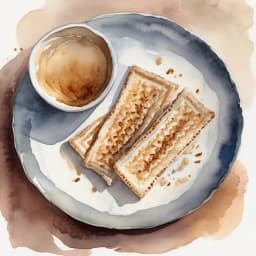
その他
After a crispy and fragrant texture, the savory umami of conger eel gently spreads across your palate—a seafood rice cracker unique to Wakayama.
We knead the deliciousness of conger eel caught in the nearby waters of Kishu into the dough and bake it to a fragrant perfection. This piece is rich with the flavor of the sea, born specifically from Wakayama, a region blessed with bountiful marine life. The elegant umami of the eel overlaps with the toasted aroma of the cracker, making it hard to stop at just one.
While perfect as an accompaniment to tea, it also pairs wonderfully with beer or sake. It is a quintessential Wakayama souvenir that allows you to easily savor the blessings of the Kishu sea.
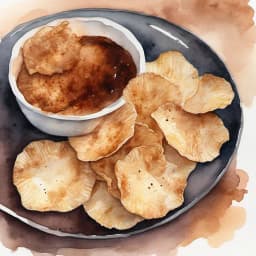
その他
📍 伊丹空港、JR難波駅、大阪難波駅 ほか5件
With a satisfyingly crunchy texture and the spicy flavor of kushikatsu sauce, these Kataiage Potatoes are a popular souvenir from the Kansai region.
These potato chips, sold exclusively by Calbee in the Kinki area, feature a hard texture achieved through a direct-flame frying process. You can thoroughly enjoy the rich deliciousness of the potato, enhanced with a spicy kushikatsu sauce seasoning that has a pleasant acidity. It is a rich and satisfying snack reminiscent of Osaka's famous kushikatsu. The addictive flavor makes it impossible to stop eating.
This is a local-exclusive flavor that can only be purchased in the Kinki region. It is perfect as an accompaniment to alcohol or as a snack when you want something light.

スイーツ
📍 和歌山マリーナシティ
A preservative-free jelly that captures the 'natural' (suppin) taste of ingredients without using any artificial additives—made by bringing out the essence of fruits from Wakayama Prefecture.
Wakayama is a treasure trove of fruit, including mandarin oranges. Using these rich fruits, we have crafted a jelly that preserves the original flavor without adding artificial fragrances or coloring. The charm lies in the juicy freshness and natural sweetness that can only be achieved this way. Because nothing extra has been added, the true strength of Wakayama's fruit is conveyed directly.
This is a unique item available only at Wakayama Marina City. Please enjoy the deliciousness of the fruit kingdom, Wakayama, exactly as it is.

和菓子
📍 和歌山駅
A bite-sized Japanese confection packed with the essence of Wakayama, where the refreshing aroma of mandarin oranges spreads through chewy mochi.
We have kneaded juice from the mandarin oranges that the fruit kingdom of Wakayama is proud of into soft mochi. With a single bite, the sweetness and refreshing aroma of the mandarin orange spread throughout your mouth along with a chewy texture. Because they are small and easy to eat, you will find yourself reaching for another.
Perfect as an accompaniment to tea or as a light snack for children. This thoughtful Kishu souvenir can be easily purchased at Wakayama Station, making it highly recommended as a gift due to its easy-to-distribute bite-sized portions.

その他
📍 和歌山駅
These rusks feature an adorable panda design that will bring a smile to your face just by looking at them.
We have flavored these light and crispy rusks with a caramel pudding flavor. The slight bitterness of the caramel overlaps with a mellow sweetness reminiscent of pudding, creating a truly happy taste. They pair well with coffee or tea, making them a treat that children and adults alike will surely enjoy.
A lovely souvenir available at Wakayama Station. The panda on the package is a motif characteristic of Wakayama, inspired by the popular Adventure World in Shirahama. They are sure to be appreciated as a cute small gift or for sharing.
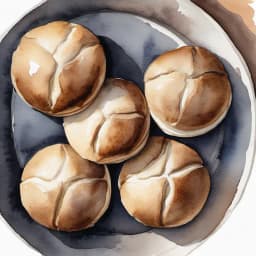
和菓子
📍 和歌山駅
The rich sweetness of Okinawa-produced brown sugar permeates the moist dough—this is a traditional brown sugar manju (steamed bun) named after Wakaura, a scenic spot in Wakayama.
Wakaura is a beautiful inlet that has been praised in many poems since the Manyoshu era. Bearing the name of this picturesque place, this manju features a simple and warm flavor characterized by deep brown sugar sweetness and soft dough. One bite brings a comforting deliciousness that evokes a sense of nostalgia.
Since it can be easily purchased at Wakayama Station, it is perfect for a small souvenir. It is a classic Japanese confection loved across generations, best enjoyed with a cup of warm tea.

洋菓子
This is a rare, pure mandarin orange honey collected from flowers blooming in mandarin orange orchards.
Mandarin orange flowers bloom for only about two to three weeks starting in early May. This is a precious honey that can only be harvested during this limited season. Wakayama is one of Japan's leading mandarin orange production areas. Because the environment is so blessed that bees collect nectar solely from mandarin blossoms, high-purity, high-quality mandarin honey is produced. It is a natural product with absolutely no added sugar or additives.
It is characterized by a fruity citrus aroma and a refreshing, elegant acidity. Drizzled over toast or yogurt, it will instantly brighten your daily breakfast. It is also highly recommended as a Wakayama souvenir.

その他
📍 和歌山駅
The "Wakayama Mandarin Orange Sweet Cream" allows you to easily enjoy the taste of mandarin oranges that have basked in the abundant sunlight of Wakayama. Wakayama Prefecture is a major producer of Unshu mandarin oranges, represented by the famous Arida variety. It is truly a mandarin orange kingdom, boasting one of the top production volumes in the country.
We have wrapped cream made from the juice of these Wakayama-grown mandarin oranges in a gentle dough. With one bite, the refreshing sweetness unique to mandarin oranges and the mellow cream spread softly through your mouth.
One of its charms is that it can be easily purchased at Wakayama Station and major souvenir shops. Please enjoy it as a memento of your trip to the land of citrus, Wakayama. The scent of citrus will gently carry the lingering memories of your journey.

洋菓子
The 'Wakayama Mikan Langue de Chat' wraps the freshness of Wakayama mandarins in a crispy wafer. Wakayama Prefecture is a famous producer of Satsuma mandarins, represented by Arida mandarins, and is known as a mandarin kingdom with one of the highest production volumes in the country.
We have gently sandwiched chocolate made with Wakayama-grown mandarins between light, thinly baked Langue de Chat wafers. Once you take a bite, a gentle sweetness and the refreshing citrus aroma spread softly through your mouth.
Since each piece is individually wrapped, they are easy to use as souvenirs for the workplace. The lovely packaging is also a reason for their popularity. Please take home the fragrance of Wakayama mandarins with ease.

和菓子
This 'Wakayama Mikan Cream Daifuku' consists of Wakayama mandarins and cream stuffed inside chewy mochi. Wakayama Prefecture is a major production area for Satsuma mandarins, famous for Arida mandarins. This product incorporates those bountiful blessings into the world of Japanese confectionery.
Soft mochi wraps mandarin paste made from Wakayama-grown Satsuma mandarins and fluffy whipped cream. The refreshing flavor of the mandarin harmonizes exquisitely with the gentle sweetness of the cream.
Its soft texture is highly regarded as something children and adults alike can enjoy. It is also recommended to be eaten chilled. This souvenir allows you to taste Wakayama's mandarins in the form of a Japanese sweet. Please enjoy it as the perfect conclusion to your trip.