Slurp it down and experience the smooth texture of noodles infused with lotus root. Topped with Akane chicken tsukune, local shiitake and burdock, and Rose Pork belly, a single bowl allows you to savor the bounties of Tsukuba.
It is said that the name of this udon comes from the initials of its ingredients: "tsu"kune, "ku"ro (black) vegetables, and "ba"ra (pork belly)—forming "Tsukuba." The noodles are characterized by local wheat mixed with lotus root powder, and are served at various locations such as the Nakamise stalls in front of Mt. Tsukuba Shrine and tea houses at the summit. It is a local specialty that packs the essence of regional ingredients into one bowl.
A bowl after climbing Mt. Tsukuba is truly exceptional. You can take a relaxing break with the authentic flavors of the land.
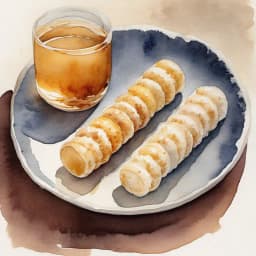
When you take a bite, a chewy texture is followed by the gentle spreading of the sweet potato's natural, simple sweetness. Even without any added sugar, this natural sweetness shines through. Hoshi-imo is a nostalgic snack that captures the full essence of the potato's bounty.
Approximately 90% of all dried sweet potatoes in Japan are produced in Ibaraki Prefecture. Within the prefecture, Hitachinaka City and Tokai Village are major production areas. The well-drained volcanic ash soil, mineral-rich sea breezes, and long periods of sunny winter weather—the unique climate of this land is perfect for creating sticky, sweet dried sweet potatoes.
It is delicious eaten as is, or even lightly toasted on the surface. It is a flavor Ibaraki is proud of, overflowing with sweetness the more you chew.
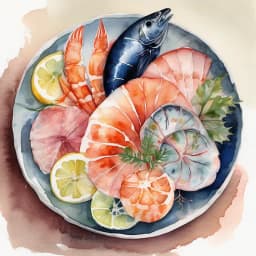
Freshly caught fish lined up in rows on ice. From the glossy red tuna and translucent spear squid to the plump monkfish with rich liver available in winter—the greatest delicacy of Nakaminato seafood is the freshness, having been just pulled from the Pacific Ocean right before your eyes.
Directly in front of the Nakaminato Fishing Port, the fish market stretches for three hundred meters. From rare local fish you rarely see in supermarkets to popular tuna and flounder, the day's catch is packed tightly together.
You can choose to take it home with you or savor it on the spot as a seafood bowl (kaisendon) or sushi. You can experience the full, vibrant freshness unique to this port town.
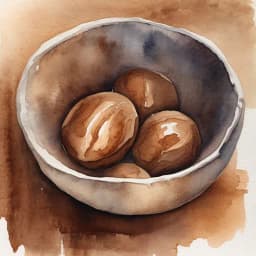
When you bite into a peeled, fluffy, split chestnut, you experience an elegant sweetness and a smooth texture. Even the aroma that drifts through your nose feels somewhat graceful. Kasama chestnuts are an autumn delicacy known for their high fragrance and deep sweetness.
Ibaraki Prefecture ranks first in Japan in both chestnut cultivation area and shipment volume. Within the prefecture, Kasama City boasts the largest cultivation area in the country, making it truly a town of chestnuts. Chestnut cultivation has continued in this land since the Meiji era.
The temperature difference between day and night, combined with well-drained volcanic ash soil, provides a blessed environment that nurtures plump and fragrant nuts. Whether steamed to be fluffy, roasted for a savory aroma, or made into elegant confections, it is a flavor Kasama is proud of that makes you crave it irresistibly when autumn arrives.
With a satisfying crunch against the sweet, simmered fried tofu, the sweetness of the dashi spreads through your mouth, followed by the sudden appearance of crunchy walnuts or the subtle aroma of soba. Kasama Inari Sushi is an exciting dish where the variety of fillings makes every bite fun.
Because Kasama Inari Shrine was once surrounded by walnut groves, it has also been known as 'Kurumishita Inari' (Walnut-under Inari). Following this connection, many shops in the shrine town fill their inari with walnuts. Another local specialty, 'Soba Inari,' replaces the vinegared rice with seasoned soba noodles, created by local soba noodle shops.
Every time you eat one, the filling is different. It is a flavor that makes you instinctively reach for another, as if playing a delicious guessing game.
"Its defining characteristic is that it has no specific characteristics" — this is how the pottery of Kasama is often described.
Kasama-yaki began during the An'ei era of the mid-Edo period. It originated when Kuno Hanemon, a village headman of Hakoda Village, learned from a Shigaraki potter and opened a kiln, making it known as the oldest pottery production area in the Kanto region. A free style that is not bound by fixed patterns has instead attracted many creators, turning the town into a place where potters gather from all over the country.
Every year during Golden Week, the 'Himatsuri' (Pottery Festival) is held. It began in 1982 with 36 kilns and has now grown into a large festival featuring over two hundred creators. It makes you want to pick up pieces of tableware and search for your favorite one.
Lightweight and warm. This is what everyone says when they slip into the silk fabric known as Yuki Tsumugi.
From creating hand-spun silk floss from cocoons to 'itotsumugi' (spinning thread), 'kasuri-kukuri' (tie-dyeing patterns), and weaving on primitive looms called 'jiki'—the entire process is done by hand. The techniques used with these looms have been passed down unchanged for over a thousand years. It was designated as a National Important Intangible Cultural Property in 1956 and registered as a UNESCO Intangible Cultural Heritage in 2010.
Weaving a single bolt of cloth requires an almost unimaginable amount of effort and time. This accumulation of labor produces a supple and warm texture. One day, I hope to feel the warmth of this highest-quality silk against my skin.
Chewy wheat gluten (fu) intertwined with the fragrant aroma of sesame—'Sudare-fu with Sesame Vinegar Dressing' is a simple, rustic local dish passed down in Yuki.
Sudare-fu is made by kneading gluten extracted from wheat flour, spreading it onto bamboo mats (sudare), and drying it in the sun. In Yuki, which flourished as a castle town, this was one of the ingredients used in Buddhist temple cuisine (shojin ryori), and it is said to have been eaten as far back as the late Edo period. It was a dish born from the wisdom of daily life, also serving as a way to preserve wheat.
This carefully handcrafted fu is tossed refreshingly with sesame vinegar. The chewy texture and the savory aroma of sesame meld together in your mouth. While not flashy, it is a deeply nourishing local flavor that continues to quietly convey the food culture of Yuki even today.
In spring, Koga General Park is gently enveloped in pink blossoms. Koga is a hidden gem for those in the know regarding flowering peaches.
Its origins date back to the Edo period. It is said that Doi Toshikatsu, the lord of the Koga Domain, had peach trees planted in the territory because they served as both fuel and food. At that time, peach trees were versatile assets that supported daily life, providing both firewood and fruit. The current flowering peaches were revived upon the park's opening in 1975, and approximately 1,800 trees of various varieties, such as Yaguchi and Genpei, bloom in full glory.
During the Koga Peach Festival, you can enjoy stunning floral scenery along with sweets made from peaches. In summer, there is also a sweet and juicy harvest. The sight of two sides of the peach—the flowers and the fruit—makes you want to visit Koga across different seasons.
When you hear 'catfish burger,' you might feel a bit hesitant. However, one bite is sure to change your impression.
Namegata City's 'Name-Palkkun' is a local specialty burger born in 2009, using American catfish farmed in Lake Kasumigaura. Unlike wild-caught fish, farmed catfish lacks any fishy odor; the fluffy patty, which includes onion and lotus root, is sandwiched with tartar sauce and crisp vegetables. The elegant white meat, free of any unpleasant smell, offers a surprising deliciousness.
It is a new specialty of Namegata that allows you to easily enjoy the blessings of Lake Kasumigaura. There is also a wide variety of companion burgers, such as Koi-Pakkun and Kamo-Pakkun. Taking a big bite by the shores of Japan's largest lake will surely lead you to an unexpected new flavor.
In Namegata, on the shores of Lake Kasumigaura, carp has been a staple at the dining table since ancient times.
Since the 1960s, carp farming has flourished in the Kitaura area of Lake Kasumigaura, including this region, and now boasts the highest production volume in the country. In particular, 'Koi no Umani' (sweetly simmered carp) made with carp full of roe is a dish whose sweet and salty seasoning pairs perfectly with rice. It lacks the muddy odor often associated with freshwater fish, resulting in an elegant flavor that can be enjoyed by children and adults alike.
As a delicacy or sweet simmered dish, it was once an indispensable ingredient for celebratory occasions. We want those who say 'I'm not a fan of carp' to try it at least once—it is a traditional taste deeply rooted in Namegata.
Clams from Kashimanada are exceptionally large. One bite of the plump meat, bursting with the savory essence of the sea, is enough to bring a smile to your face.
Raised in the open ocean stretching from Oarai to Inubosaki in Chiba, these clams are larger than those from other prefectures and are rich in umami components such as succinic acid and glutamic acid. Branded as 'Kashimanada Hamaguri' in 1995, they have been selected as a representative taste of spring in Ibaraki.
When grilled over a net, the aroma of the sea rises beautifully, and when used in clear soups, they create an elegant broth. The secret to preserving their deliciousness is not to overcook them. If you visit Kashima in the spring, this is a seafood delicacy you must experience.
When you visit Kashima, the first thing you should do is peek into the restaurants near the port. Fresh treasures of the sea, nurtured by the rough waves of Kashima-nada, await you.
Octopus, flounder, clams, and spiny lobster—this region facing the Pacific Ocean brings in an incredibly rich variety of seafood. In particular, the large Kashima-nada clams are a representative taste of spring in Ibaraki. Enjoying freshly caught local fish as sashimi or grilled dishes is a luxurious pleasure unique to this port town.
Kashima is also known as a mecca for soccer. It is not uncommon for people to stop by the port restaurants while visiting for a match to feast on seafood bowls and set meals. Why not fully enjoy the bounties of Kashima's sea along with the lingering excitement of the game?
As you slurp the noodles, a rich aroma first fills your nose. The more you chew, the more a subtle sweetness follows. With its abundant fragrance and deep sweetness, Hitachi Aki Soba is known as the 'pinnacle of brown buckwheat' and is a pride of Ibaraki.
It originated from native species in Kanasago, Hitachiota City, Ibaraki Prefecture. This variety was meticulously selected and cultivated by the prefectural agricultural experiment station over more than three years; it is renowned for its large grains, uniform size, and beautiful dark brown appearance.
Soba connoisseurs travel from outside the prefecture just to seek out a single bowl. We recommend enjoying freshly kneaded and freshly boiled noodles exactly as they are—to truly savor the rising aroma.
Dip cold soba noodles into steaming hot kenchin-jiru. The hot soup, infused with the savory flavors of taro, daikon radish, and burdock root, clings thickly to the firm, thick noodles. Hitachiota's Kenchin Soba is a bowl that warms you to the core during the cold season.
In Ibaraki, where root vegetables are plentiful, kenchin-jiru has long been a staple at the dining table. It is said that 'Tsuke-kenchin'—dipping soba into this warm soup—was already well-loved as far back as the late Edo period.
Taro, daikon, burdock, konnyaku, carrots, and green onions. Slurping thick noodles through a hearty, ingredient-rich soup. It is a Hitachiota delicacy that you crave intensely, especially on a cold day.
Upon opening the lid, a unique aroma rises softly. When stirred with chopsticks, glossy white threads stretch out in multiple layers—Mito Natto is a dish that makes you want to eat endless bowls of rice due to its stickiness and the umami of the beans.
It is said that Mito became a 'Natto Town' during the Meiji era. In 188py (Meiji 22), Seizaemon Sasunuma founded 'Tengu Natto'. By selling it as a souvenir in front of the railway station that opened the same year, it gained popularity, and through travelers' word-of-mouth, the image of 'Mito for Natto' spread across the country.
Placed atop freshly cooked rice and mixed. It is a simple taste that makes you want to eat it again and again.
The rich aroma of the liver drifts on the steam rising from the bubbling pot. With its bouncy flesh, collagen-rich skin, and the deep umami of the melted liver—Ibaraki's winter is warmed by this monkfish hot pot.
Monkfish are landed off the coasts of Oarai and Kitaibaraki, known as a seasonal delicacy often described with the phrase 'Pufferfish in the West, Monkfish in the East.' The monkfish liver is so rich in fat that it is often compared to foie gras. In Kitaibaraki, there is a tradition of 'dobu-jiru,' a dish where fishermen simmered ingredients in their own juices without using water to stay warm on board, which is considered one of the prototypes of monkfish hot pot.
It is a bowl that lets you savor the full bounty of the sea, something you'll crave especially on a cold night.
The stickiness of the natto paired with the crunchy texture of the dried radish. Each bite, soaked in soy sauce, is perfect with both rice and sake. Soboro Natto is a simple, traditional preserved food passed down in Mito.
The background of this dish's creation lies in the unique circumstances of Ibaraki, where both natto production and radish cultivation were flourishing. It is said to have originated from preserving natto made in the autumn by pickling it with dried (wari-boshi) radish in salt or soy sauce so that it could be eaten for a longer period.
It is also referred to as "shoboro natto" or "oboro natto," both of which refer to the same dish.
With just one jar in the refrigerator, you'll find yourself eating rice uncontrollably. It is a true staple of the Ibaraki dining table.
Thick, chewy noodles chilled in cold water are topped with a generous amount of hot, thick, sweet and savory sauce. With liver, pumpkin, and crunchy vegetables all coming together, this local ramen is designed to give you a burst of energy in every bite.
The origins date back to around 1970, when the concept of 'ankake' (thickened sauce) ramen was first devised at the ramen shop 'Daishin' in front of Katsuta Station. It is said that the dish evolved into its current form by adding ingredients like liver and pumpkin. A unique feature is that it can be served both as 'hiyashi' (cold noodles with hot sauce) and 'hot'.
Sweet, spicy, and rich. Once you try it, you'll find yourself craving it again for no apparent reason—it is a truly addictive bowl.
When you bite into a glossy, brightly colored persimmon, a crisp texture gives way to a juicy sweetness that spreads throughout your mouth. The pride of Ishioka's persimmons lies in their melt-in-your-mouth sweetness, achieved by waiting patiently until they are fully ripe before harvesting.
Located on the eastern side of Mount Tsukuba, the former Yasato district of Ishioka City is known as the northern limit for sweet persimmon cultivation. In the warm hilly terrain of the basin, varieties such as Fuyu and Matsumoto Wase-Fuyu are carefully nurtured one by one.
In particular, Fuyu persimmons that have been strictly selected through rigorous inspections have been presented to the Imperial Family every year since 1969. The gentle climate fosters an elegant and mild sweetness. It is an Ishioka delicacy that makes you crave autumn as the season deepens.
With every bite, the firm meat pushes back with a substantial texture. As you chew, a profound umami slowly seeps from the low-fat flesh. Okukuji Shamo is a breed of chicken that allows you to savor the true essence of poultry the more you chew.
Raised freely in cedar coops amidst the mountains of Okukuji, males are carefully nurtured for 125 days—more than twice the time required for typical broilers. Because they move around frequently, the meat becomes densely firm and is entirely free from wateriness.
Grilled over charcoal, it becomes fragrant; placed in a hot pot, it releases a clear, delicate dashi. When prepared as Oyakodon (chicken and egg bowl), the contrast between the creamy egg and the springy meat is irresistible. It is a nutritious bird that serves as the pride of Ibaraki.
You might be surprised to hear about apple picking in the Kanto region. However, Daigo Town is one of the leading apple-producing areas in Kanto.
Okuji apples are characterized by 'tree-ripening,' meaning they are harvested only after being allowed to ripen fully on the tree. Apples grown in this land, which experiences significant temperature differences between day and night, are juicy with a rich balance of sweetness and acidity. Cultivation began in 1944, and about forty apple orchards are still scattered throughout the town today.
During the harvest season, from September to late November, the area bustles with people enjoying apple picking. The freshness of an apple you pick yourself is exceptional. Please come and enjoy the autumn pleasure of biting into a freshly picked apple in the mountains of Okuji.
Though it may look rugged, one bite reveals a surprisingly delicate texture—that is the simple deliciousness of Daigo Konnyaku.
way The history of konnyaku making in Daigo Town is ancient; during the Edo period, it supported the domain's finances as a monopoly product of the Mito Domain. Okukuji is also the birthplace of konnyaku powder, where Nakajima Toemon of the Mito Domain devised the method for grinding konnyaku potatoes into powder. The waters of the pristine Kuji River and the mountain climate have nurtured high-quality konnyaku potatoes.
In particular, the 'nama-imo' (raw potato) konnyaku, made by grating the tubers, offers a completely different level of elasticity and flavor. We recommend enjoying it first as sashimi, paired with soy sauce or mustard miso. It is a dish that allows you to truly experience the power of the raw ingredients on your palate.
Take a bite of these glossy, shimmering slices. The rich fat and the sweetness of the sea melt across your palate. The Oarai Seafood Donburi is a bowl where the freshness of local fish, landed right at the nearby port, translates directly into flavor.
The fishing ports of Oarai and Nakaminato feature fish caught just that morning. You'll find lean tuna, crunchy spear squid, and thick slices of flounder. Depending on the shop, you can also enjoy specialty bowls where the toppings are lightly seared to add a fragrant aroma and a melt-in-your-mouth texture.
Because it is so close to the port, the seafood is incredibly fresh and free of any fishy odor. Devouring the bounty of the sea piled atop vinegared rice—it is a feast that makes you want to make the trip all the way to Oarai.
Plenty of pure white shirasu served over freshly cooked rice. When you take a bite, it gently melts in your mouth, allowing the subtle saltiness and the umami of the sea to spread slowly. The shirasu from Oarai and Nakaminato boast a plump and soft texture.
Shirasu fishing in Ibaraki involves a method where a single boat drags the net. Because the time spent pulling up the nets is short, the shirasu are landed incredibly fresh and translucent.
Boiled (kamaage) for a fluffy texture, sun-dried for a moist finish, or enjoyed as raw shirasu for a melting sweetness when freshly caught. Every year, an Oarai Shirasu Festival is also held. Topped on rice with various condiments—it's a flavor that makes you want to go back for more bowls.
A rich aroma of monkfish liver wafts from the bubbling pot. With a single sip, a melt-in-your-mouth richness spreads across the tongue; the monkfish meat is bouncy, and its gelatinous texture clings to your lips. It is a winter delicacy where the flavor has been concentrated by the cold.
'Kiankou' (monkfish) caught off the coast of Tokiwa features high-quality liver fat. You can enjoy both the size of the monkfish liver—often called 'foie gras of the sea'—and the texture of the various parts of the fish, none of which go to waste, all in a single pot.
In Kitaibaraki, there is also 'Dobujiru,' where the liver is stirred into the pot and simmered using only miso and the moisture from the monkfish. It is a thick, intense bowl prepared by fishermen without using a single drop of water. Enjoy it piping hot, blowing on it to cool it down.
Juicy, refreshing juice spreads throughout your mouth. Chukusei City has been a major pear-producing region since the Edo period.
The fertile alluvial fan, nestled between the Kinu and Koga Rivers, provides perfect land for fruit cultivation. Designated as a prominent brand area in the prefecture, the harvest continues from August to around October, passing the baton through various varieties starting with 'Kosui' in summer, followed by 'Hosui,' 'Akizuki,' and 'Niitaka.'
Orchards and farm stands are scattered throughout the city, particularly around the Sekijo area. The best recommendation is to buy them at a farm stand and take a big bite right then and there. Please enjoy the refreshing sweetness and overflowing juice during the peak of the season.
When you dip your spoon in, you'll find large, chunky pieces of lotus root. As you bite into a slice coated in aromatic spiced roux, a pleasant, crunchy sound bursts in your mouth. This dish offers an enjoyable contrast between the tender, slow-cooked Ibaraki pork and the light, crisp texture of the lotus root.
Tsuchiura is Japan's leading producer of lotus root. By using this local specialty in abundance for their regional curry, the entire community has worked together to create a 'Curry Town.' Each shop boasts its own unique pride-and-joy lotus root curry.
The thick, simmered roux combines with the fluffy sweetness and crisp texture of the lotus root. It is a flavor that adds a spoonful of Kasumigaura's bounty to your usual curry. Please enjoy it heartily alongside steaming hot rice.
When thinly sliced and flash-fried in oil, it offers a delightful, popping texture. When grated and lightly grilled, it provides a sticky, gentle sweetness. Lotus root from Ibaraki is a mysterious ingredient that changes its character with just a different cut. It boasts a white, fine-grained skin and thick, plump flesh.
Ibaraki is Japan's top producer, accounting for half of the country's total lotus root production. The fertile muddy soil along the coast of Lake Kasumigaura and the warm climate with little snow nurture soft, sweet roots.
Whether prepared as kinpira for a crunchy texture or simmered for a tender finish—as tempura, lotus root mochi, or vinegar-marinated (subasu)—it is a reliable delicacy that complements any dining table.
The moment it touches your palate, you experience a burst of freshness accompanied by the saltiness of the sea. Freshly caught whitebait and seasonal fish lavishly decorate the bowl. Hitachi seafood is a rich bounty nurtured by the fertile waters off the coast of Tokiwa.
Along the coast of Hitachi City, fishing ports such as Hidaka, Aise, Mizuki, and Kuji are scattered, landing a diverse variety of fish including whitebait, mackerel, yellowtail, nemwritten (mehikari), and monkfish. In particular, whitebait is a representative flavor of Ibaraki, known for the 'issou-biki' fishing method that preserves freshness, with fish being brought up on board while still alive. Its production volume ranks among the highest in the country.
A bowl enjoyed at a seaside restaurant is a feast of pure freshness. It is a taste that lets you truly experience the abundance of Ibaraki's sea.
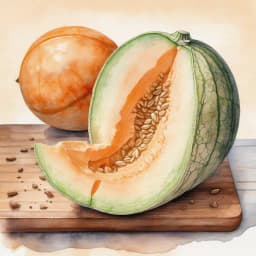
If you want to enjoy melt-in-your-mouth sweet melons to your heart's content, head to Hokota. This town boasts the highest melon production in Japan by municipality.
Melon cultivation in Hokota began in the 1950s, and by 1981, its melon production value reached the top in the country. The warm climate and well-drained soil produce sweet and highly aromatic melons. Popular varieties include 'Ibaraking,' an original variety developed by Ibaraki over more than ten years, as well as Andes melons with their clean sweetness.
At direct sales offices and melon-picking farms, you can find melons that are perfectly ripe for eating. Overflowing juice, rich sweetness, and an elegant aroma—it is a luxurious taste that represents the early summer in Hokota.
Hokota is not just a town of melons. In fact, it is one of the top-class strawberry-producing areas in the country.
Blessed with a warm climate, this area cultivates a wide variety of cultivars, including the standard 'Tochiotome' and Ibaraki's original 'Ibaraki Kiss.' With a well-balanced sweetness and acidity, each glossy red berry is visually appetizing. It is one of Hokota's representative fruits, alongside melons.
At farm stands and strawberry picking farms, you can enjoy the intense flavor that only comes from perfectly ripe fruit. Biting into a bright red strawberry from winter to spring—it is a slightly luxurious moment to experience in Hokota.
When the cold season arrives, one begins to crave Kita-Ibaraki's Ankou Nabe. The 'Dobujiru' born in this authentic region is a truly special dish.
It originated from fishermen eating it on board ships to keep warm. Using no water at all, the monkfish liver is sautéed in the pot with miso, and then simmered using only the moisture released from the fish and vegetables. It is said that the name comes from the way the broth becomes cloudy as the monkfish liver dissolves into it. It was a dish packed with the wisdom of fishermen—highly nutritious and capable of being prepared even at sea.
This rich, miso-based soup, infused with the deep umami of monkfish liver, offers a profound flavor that warms you to your very core. It is a proud fisherman's dish from Kita-Ibaraki that you'll find yourself wanting to eat especially on cold days.
At Otsu Fishing Port in Kitaibaraki, seafood frequented by local fishermen is landed. Trawled from the fishing grounds off the coast of Tokiwa, you can find flounder, flatfish, and the star of winter—monkfish (ankou). During the cold season, fatty seafood colors the port. Here, you can also find high-quality, fresh monkfish with rich liver, a specialty of Kitaibaraki, the birthplace of ankou nabe (monkfish hot pot).
Local fish set meals enjoyed at the fishing port's directly managed diner offer great satisfaction in both freshness and price. A plate generously heaped with freshly caught fish is truly a privilege unique to a port town. Please enjoy a luxurious time savoring the day's recommendations while feeling the sound of the waves and the sea breeze.
Step right up, everyone! When it comes to the specialties of Mount Tsukuba, one cannot forget the 400-year history of 'Toad Oil' and the lively sales pitches that accompany it.
Its roots trace back to the Siege of Osaka. It is said that Kooyo, a monk from Chuzenji Temple on Mount Tsukuba, applied an ointment to wounded soldiers on the battlefield that was highly effective; because the monk's appearance resembled a toad, it came to be known as 'Toad Oil.' Later, Nagai Heisuke spread its fame to Edo through skillful performances involving iaido (swordsmanship) and paper-cutting, eventually leading it to be counted as one of Japan's three great sales pitches.
Today, it has transformed into products like moisturizing creams and remains a staple souvenir of Mount Tsukuba. Along with that famous rhythmic chanting, it is an item you'll find yourself wanting to pick up.
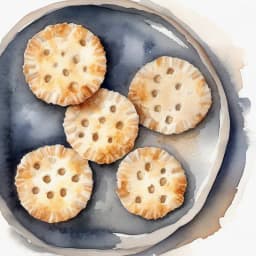
When you bite through the crispy pastry, you find a dense, chewy dried sweet potato filling inside. The texture of the fragrant baked crust and the moist, sweet potato paste overlap, melting delicately in your mouth. This local dessert encapsulates the entire essence of dried sweet potatoes grown under the Hitachinaka sun.
Ibaraki is undeniably Japan's number one producer, accounting for over 90% of the nation's dried sweet potato share. Well-draining soil derived from volcanic ash and mineral-rich sea breezes from the ocean cultivate these intensely sweet, chewy potatoes.
Even without added sugar, the natural sweetness of the potato itself is robust. As a flagship product of Okashi no Kikuchi, it is perfect both as an accompaniment to tea and as a gift. You'll find yourself reaching for one piece after another.
As you pick up a single piece and place it in your mouth, smooth chestnut paste slowly melts together with the rich decadence of ganache. The natural sweetness of the chestnut meets the subtle bitterness of cacao; as they overlap, they melt away luxuriously on your tongue—the Chestnut Truffle is a decadent morsel that captures the very essence of Kasama chestnuts.
This is a confection unique to Kasama, Japan's premier chestnut-producing region. Local Japanese chestnuts are carefully kneaded into a creamy paste and coated in smooth, melt-in-your-mouth chocolate.
Each generous piece offers a satisfying bite. It pairs beautifully with both strong coffee and warm tea. Please enjoy it as a slightly special souvenir from Kasama.
It features a light, melt-in-your-mouth texture with the fragrant aroma of roasted kinako. Glutinous rice arale (small clusters) are bound together with starch syrup, shaped into long thin sticks, and generously coated in kinako, making it a simple, famous sweet of Mito.
Legend has it that its name dates back to the era of Tokugawa Nariaki, the 9th lord of the Mito Domain during the Edo period. Under Lord Nariaki, who valued frugality, a lady-in-waiting named Yoshiwara took leftover grains of rice, dried and toasted them, coated them in kinako, and presented them to him. He was so delighted that the sweet was named "Yoshiwara Denchu." It is a confection born from the spirit of thrift, ensuring nothing goes to waste.
Even today, skilled artisans hand-roll the sweets into long shapes and finish them by coating them in kinako. Taking just one with your tea brings a nostalgic sweetness that provides a moment of comfort.
With a single bite, the chewy sweetness of the gyuhi is followed by a gentle hint of acidity and saltiness from the red shiso. Its round shape looks exactly like a plum fruit. Mito no Ume is a Japanese sweet that evokes thoughts of the plum blossoms at Kairakuen Garden.
The defining feature is the gyuhi filled with bean paste, wrapped in a red shiso leaf pickled in plum vinegar. There are various theories regarding its origin: some say it was created in the Meiji era, inspired by the shiso-wrapped pickled plums associated with Tokugawa Nariaki; others suggest it was devised as a souvenir to coincide with the opening of the Joban Line. "Mito no Ume" is a registered trademark, and only a limited number of local confectioneries are permitted to use the name.
The aroma of shiso and the sweetness of the bean paste create an elegant aftertaste that beautifully complements your tea time.
When you open the bamboo sheath, a single amber-colored, translucent piece is revealed. Upon taking a bite, a sharp plum acidity follows the initial sweetness. Noshiume is a sweet and sour Japanese confection that is delightful during the hot season.
Originally, plums were crushed, kneaded into agar, rolled out thinly, and dried. Its origins are said to lie in Yamagata, where it is told that someone who learned the method of making plum medicine in Nagasaki created it as a restorative tonic. With the development of railways, it spread to various regions and is said to have become popular even in Mito, a famous spot for plum blossoms.
Enjoy a slice chilled. Its refreshing sharpness pierces through a body feeling the effects of summer heat.
In the town of Daigo, famous for Fukuroda Falls, there is an oyaki with a nostalgic flavor.
In Daigo, oyaki are also called 'Hodayaki.' The name originates from the practice of kneading miso into flour, shaping it into balls, and throwing them into the ashes of an irori (hearth/hodo) to bake. It has been a precious local food passed down among farming families since ancient times. Today, at the 'Daigo Oyaki School'—which utilizes a closed elementary school—oyaki filled with local vegetables or red bean paste are handmade one by one.
With a chewy dough and a gentle, rustic flavor from the fillings, biting into a freshly baked, hot oyaki while sightseeing at places like Fukuroda Falls is a dish that warms your very heart.
The white, glossy dough is moist and soft. When broken open, smooth red bean paste is revealed. With a single bite, an elegant sweetness gently spreads—O-mika Manju is a representative manju of Hitachi.
Produced by the long-established Unpeido Honten, founded in 1868. This Joyo (yam) manju features a dough primarily composed of rice flour and Yamato potato, enveloping smooth red bean paste cooked from Hokkaido Tokachi adzuki beans, steamed without the use of preservatives. It is a beloved Hitachi specialty that can sell over 20,000 pieces on busy days.
Brew a cup of tea and enjoy one. Its simple, timeless flavor will keep you coming back for more.
As you cut into it, the sweet aroma of melon rises from the moist layers. With just one bite, the juicy flavor of melon spreads through the soft cake. It is a luxurious slice that feels as if you are eating the fruit itself.
This baumkuchen, shaped like a melon, is generously kneaded with the puree of an entire melon. It is crafted by Fukasaku Farm in Hokota, which has been cultivating melons for over forty years.
Hokota has the highest melon shipment volume in Japan. This rich flavor, made possible only by a farmer, uses an abundance of fruit. Please enjoy it chilled, alongside some black tea.
The beautiful name 'Kirizukuba' actually originated not from the mist of Mount Tsukuba itself, but from a single painting. It was named after a work of the same name painted by Seiichiro Hattori, a painter from the same hometown, and that painting is also used on the label.
Urari Shuzo in Tsukuba City was founded in 1877. In 1985, the fifth-generation brewery master shifted the focus from standard sake, which was the mainstay at the time, to premium sake centered around Ginjo, and began fully developing 'Kirizukuba.' A point of pride for this brewery is the careful use of 'Ogawa Yeast,' a Ginjo yeast that Ibaraki is proud of.
With its fragrant aroma and clean, clear taste, it is a renowned sake of Tsukuba that continues to captivate many sake lovers.
As you bring the cup to your lips, a clear, subtle aroma gently rises. With a single sip, you experience the rich umami of rice and a clean finish without any impurities. The charm of Sudo Honke's sake lies in the transparency unique to Junmai Daiginjo that has been meticulously polished.
Located in Kasama City, Ibaraki Prefecture, this brewery is said to have been founded before 1141 during the Heian period, making it one of Japan's oldest breweries. The well near the brewery has remarkably continued to be used for eight hundred years.
This unfiltered Junmai Daiginjo is brewed using rice grown locally in Kasama and spring water drawn from that very well. Please take your time to savor a cup that was even served at the Ise-Shima Summit dinner.
"Buyu," characterized by its crisp and clean finish, is a dry Japanese sake born in the castle town of Yuki.
Around the Keio era (circa 1867), Yoshiro Hosaka, who moved from Echigo, established this brewery in this region. At that time, Yuki was a bustling town known for its Yuki-tsumugi silk, lined with numerous sake and miso breweries. By drawing subsoil water from the Kinugawa river system through the brewery's well and employing techniques inherited from Echigo master brewers (Toji), they have carefully brewed each batch of sake.
It is a cup where the savory umami of rice exists firmly within a refreshing, dry profile. Whether served chilled or warm, it complements and enhances the flavors of your food. It is Yuki's pride, a local sake nurtured by this historic castle town.
In the home of Yuki紬 (Yuki silk), there is a sake brewery that still uses its brick chimney actively today. This is Yuki Shuzo.
It is said to have been founded during the Ansei era (around 1854–1860), and the 'Ansei Storehouse,' built at the end of the Edo period, is designated as a Registered Tangible Cultural Property. Along with the brick chimney from the Meiji era, the buildings have been carefully preserved as testaments to a long history. Their representative brands are 'Musubiyui' and 'Fukufuku.'
Using underground water from the Kinu River system for brewing, the sake is quietly crafted in the land of Yuki. It features a soft mouthfeel and a charming, long-lasting finish. It is a drink that makes you want to savor it slowly, alongside the historic atmosphere of the brewery and the surrounding townscape.
With a single sip, the soft umami of rice spreads gently and honestly across the palate. It features a full-bodied, elegant flavor without any sharp edges. A faint, sweet aftertaste lingers after it passes down your throat. This is Koga's celebratory sake, designed to accompany festive occasions.
'Okebuji' means 'the greatest of joys.' It is carefully brewed by skilled Toji (master brewers) using Ibaraki's sake rice 'Hitachi Nishiki' and other locally grown rice.
Founded in 1831, this is a masterpiece from a small brewery that blends into the historic streetscape of the castle town of Koga. It has earned numerous awards at the National New Sake Competition and the International Wine Challenge (IWC). Whether served chilled or warm, for celebratory days or ordinary moments, it is a cup that stays by your side.
As you bring the cup to your lips, a gentle ginjo aroma rises. After a clean, crisp finish in the throat, the mellow umami of rice follows. Fukushogun is a single bottle that Mito is proud of.
The brewer is Akari Shurui, a comprehensive liquor manufacturer in Mito. It is said that the name is inspired by Mito Komon (Tokugawa Mitsukuni), who was known as the 'Vice-Shogun' of the nation. A key feature is its clean drinking experience, achieved using their proprietary 'Ogawa Yeast,' which provides a refreshing ginjo aroma and low acidity. The brewery also boasts a track record of winning numerous gold awards at the National New Sake Awards.
Whether served chilled or warm, this sake pairs seamlessly with food. It is a local pride that has been long cherished at dining tables in Mito.
With a single sip, the crisp dry profile reveals the deep, rich umami of the rice. It complements dishes perfectly, making you reach for another glass—Ippin is Mito's signature 'umami-dry' local sake.
Kikubo Sake Brewery was founded in Kansei 2 (1790). It is said that the founder, originally a rice merchant, decided to start brewing sake after thinking, 'It is strange that there is no delicious sake despite having such good rice and water.' Mito is a land closely associated with Tokugawa Mitsukuni, known as Mitokomon. Blessed with high-quality rice and famous spring water, this environment has nurtured this sake.
Enjoy it chilled for a crisp sensation, or warmed for a mellow flavor. It is a bottle to be savored deeply alongside Japanese cuisine.
As you bring the cup close, a gorgeous, fruit-like ginjo aroma wafts toward you. With a single sip, the plump, savory umami of the rice spreads thickly across the palate, while the deep flavor—carefully brewed at low temperatures—leaves a slow, lingering finish. It is a Junmai sake from Ishoka that provides a warm sense of fulfillment with every sip.
The raw material is the legendary sake rice known as 'Wataribune.' Fuchu Homare, working alongside contract farmers, revived this variety—the progenitor of Yamada Nishiki—in the early Heisei era. The power of rice grown with immense time and care is concentrated in this single cup.
Founded in 1854, this brewery hails from a sake-producing region once known as the 'Nada of Kanto.' It is equally delicious when chilled or when its umami expands in warm sake (nurukan). It is a flavorful, nourishing cup that invites you to take your time and savor it.
The moment you uncork the bottle, a gorgeous aroma, much like a field of flowers, wafts into the air. Upon tasting, a fresh, fruity sweetness and a light acidity dance gracefully on the tongue. It is a new sensation in sake, making you feel as if you are drinking the fragrance itself.
The secret to this splendor lies in the "floral yeast." Yeasts extracted from flowers such as carnations, climbing roses, and Queen of the Night each create their own uniquely characterful aromas. The umami of the rice and the floral scents blend together with elegance.
Founded in 1716, we are the only brewery in the Chikusai region, brewing with famous spring water that flows at the foot of Mount Tsukuba. When chilled and poured into a wine glass, the aroma becomes even more pronounced. This is a bottle that perfectly suits both a celebratory toast and a special dining occasion.
Upon opening the bottle, a soft, fruity aroma rises. With a single sip, a magnificent flavor reminiscent of spices and citrus expands in your mouth along with a gentle foam. Hitachino Nest Beer is a world-renowned craft beer, famous for its round owl label.
The maker is Kiuchi Brewery located in Naka City, Ibaraki Prefecture. They began brewing in 1996 when local brewing was first permitted, and by the very next year, they had already won a gold medal at an international beer competition.
From their flagship White Ale to various other labels, many of their brews are highly acclaimed in overseas contests. Please take your time to savor this brew that has taken flight from Ibaraki to the world.
Brewed by Kiuchi Brewery in Naka City, 'Kikumori' is a long-standing sake brand that has continued since Bunsei 6 (1823).
The brewery was established by Gihei Kiuchi, who was a local headman of this area. It is said that the name 'Kikumori' was bestowed by Fujita Toko, a Confucian scholar of the Mito Domain, in prayer for the prosperity of the Imperial Family. Using the abundant waters of Hitachino and carefully selected sake rice, they have continued meticulous brewing for over two hundred years.
Furthermore, Kiuchi Brewery is also the maker of the world-renowned craft beer 'Hitachino Nest Beer.' It is a brewery that has continuously taken on new challenges, ranging from sake to beer and whisky. The historic sake 'Kikumori' features a brilliant aroma and a mellow mouthfeel, making it a gentle companion to your dining table.
When you tilt your glass, you might feel a sudden hint of the sea breeze. 'Fujitaikan,' brewed by Morishima Shuzo in Hitachi City, is a sake born in the brewery closest to the ocean, located just dozens of meters from the Pacific Ocean.
The name 'Taikan' originates from Yokoyama Taikan, a master of modern Japanese painting. The name was given in 1953 due to the friendship between Taikan, who lived in nearby Itako, and the brewery owner. On the occasion of their 150th anniversary in 2019, the brand name was officially changed to 'Fujitaikan.'
Brewed using underground water from the Abukuma Mountains and aged amidst the sea breeze, please enjoy its soft mouthfeel and rich, expansive flavor.
This langue de chat is a stylish baked treat that captures the essence of Tsukuba's bounty.
Tsukuba City is one of Japan's three major blueberry-producing regions, alongside Kodaira in Tokyo and Hokuto in Yamanashi. We incorporate puree made from locally grown blueberries directly into the langue de chat dough, sandwiched with white chocolate. Produced by Asagawa, a long-established shop founded in 1872, this product has also been selected for the 'Tsukuba Collection,' a certified local specialty of Tsukuba City.
With its light, crispy texture, the subtle sweet and sour notes of the blueberry harmonize with the mellow sweetness of the white chocolate, making it a perfect companion to tea or coffee. Packed with the character of Tsukuba, it is an item that will delight anyone receiving it as a gift.
Designed specifically to be placed right next to your coffee—that is the essence of Saza Coffee's Fruit Pound Cake. Saza Coffee in Hitachinaka City is a renowned shop so dedicated to coffee that they even operate their own plantation in Colombia. This pound cake has been created with an ultimate pursuit of compatibility with coffee. With plenty of orange, cranberry, and raisins kneaded into the batter and baked to a moist finish, it is a substantial and satisfying loaf. The sweet and sour notes of the fruit overlap with the rich richness of the cake. When paired with bittersweet coffee, it creates a slightly luxurious and special coffee break all by itself.
As the name suggests, there is a caramel we want you to enjoy alongside coffee. This is a specialty item from Saza Coffee.
Saza Coffee in Hitachinaka City is a renowned shop that carefully small-batch roasts high-quality beans from contract farms and their own plantations. This caramel has been crafted with deep consideration for its compatibility with their pride-and-joy coffee. The bitter aroma of the coffee and the mellow sweetness of the caramel melt together slowly in your mouth.
Take a single piece and a sip of black coffee. That alone will make your usual coffee time feel a little more special. It is also a perfect gift for coffee lovers.
Doesn't the idea of a castella cake baked by a shop that has thought deeply about coffee pique your interest? This is Saza Coffee's "Saza no Castella."
Baked by Saza Coffee in Hitachinaka City, this whole cake uses highly nutritious Okuji eggs. The soft and elastic sponge features a strong egg flavor, offering a simple and somewhat nostalgic taste. The dedication to creating a cake that pairs perfectly with coffee is a hallmark of a specialty coffee shop.
Since it arrives as a whole cake without being pre-sliced, you can enjoy the convenience of slicing it to your preferred thickness. It is a castella that makes you want to brew a cup of Saza's aromatic coffee and savor it slowly.
A single bite that coffee lovers will find irresistible, from Saza Coffee, which has its main store in Hitachinaka City. This highly aromatic chocolate confection is unique to a shop that has poured such passion into coffee that they opened their own plantation in Colombia in 1996.
Colombian coffee beans are roasted to a full city roast (medium-dark) and coated in four types of chocolate: milk, bitter, white, and strawberry. With a commitment to roasting that ensures a crunchy texture to the beans, they have won the Monde Selection Gold Award for many consecutive years.
After the sweetness of the chocolate, the authentic bitterness of the coffee gently spreads. It is a slightly luxurious treat for adults.
A cookie developed by Saza Coffee, which has its main store in Hitachinaka City, specifically to pair with their pride-and-joy coffee. This is a unique product of the shop, which takes the time and effort to home-roast high-quality green beans from contract farms and their own company farms.
'Saza Cookie Caramel' is a baked confection born from considering the balance with coffee. It is baked to a golden brown, featuring the fragrance of butter and the sweetness of caramel.
With a relatively long shelf life of about two months, it can also be found at Mito Station, Tsukuba Station, and other locations.
Take a bite after brewing your coffee. The fragrant butter and sweet caramel gently enhance your relaxing coffee time.
A cheese-flavored cookie from the Saza Coffee cookie series. This baked confection, born at the Hitachinaka main store, is designed so that the saltiness of the cheese enhances the bitterness of the coffee.
Handmade cookies baked by Saza Coffee to perfectly complement their home-roasted coffee. The savory aroma of white sesame overlaps with a rich buttery flavor, making it the perfect companion for a coffee break. A popular item at the Hitachinaka main store.
A cookie baked by Saza Coffee's pastry chef, combining Colombian cacao and almonds. The bittersweet chocolate flavor and the texture of the almonds pair perfectly with coffee.
Simple butter cookies baked in the workshop of the Saza Coffee main store. The rich flavor of fermented butter and the aroma of wheat take center stage in this flagship baked good, which was designed with the highest priority on its compatibility with their house-roasted coffee.
A snowball cookie baked by Saza Coffee, which has its main store in Hitachinaka City, specifically to pair with their prideful coffee. This is a delicate cookie unique to a shop that pursues harmony with coffee through a commitment to home roasting.
This treat consists of round-baked dough infused with walnuts and coated in plenty of powdered sugar. It is crafted to have a gentle, ephemeral texture that crumbles softly in the mouth, designed specifically to enhance the flavor of coffee.
With a delicate sensation that almost melts in your mouth, it is an elegant confection characteristic of Saza Coffee—we also recommend lightly dipping it in coffee as you eat.
This milk chocolate is made using cacao from the company's own plantation by Saza Coffee, which has its main store in Hitachinaka City. It is a unique product of this shop, filled with passion for coffee, which opened its own plantation in the Cauca region of Colombia in 199-6.
This assortment features easy-to-eat coin-shaped milk chocolates made with Colombian cacao. The flavor is crafted to be mellow and rich, specifically designed to pair well with coffee. It is also a popular choice as a gift for coffee lovers.
The sweetness of the smooth, melting milk chocolate is complemented by a subtle hint of coffee aroma. This box is sure to delight any coffee enthusiast.
When you think of Ibaraki Prefecture, dried sweet potatoes (hoshi-imo) are the first thing that comes to mind. Approximately 90% of all dried sweet potatoes in Japan are produced in Ibaraki, specifically in the region centered around Hitachinaka City.
Production began in the late Meiji era. The soil perfectly suited for growing sweet potatoes, combined with a climate characterized by low winter rainfall and dry sea breezes, transformed this area into a major production hub. This Kintsuba is made by preparing dried sweet potatoes into a sweet bean paste, wrapping them in a thin wheat dough, and grilling both sides until golden brown.
With the concentrated sweetness unique to dried sweet potatoes and their chewy texture overlapping with the savory aroma of the kintsuba, every bite offers a comforting taste. It is a treat that allows you to enjoy the blessings of an Ibaraki winter in the form of a traditional Japanese confection.
If you are driving along the Joban Expressway, please take a little break at the Tomobe Service Area. There is a special treat available here that you cannot find anywhere else.
'Satsuma-ron' is a locally-sourced sweet potato confection made with sweet potatoes from Ibaraki Prefecture and chestnuts from Kasama. It is a flavorful and elegant treat where you can clearly feel the fluffy texture of the chestnuts inside the soft sweet potato filling. It brilliantly won 1st place in the 2015 NEXCO East Japan 'Omiyage' (Souvenir) Election.
This is a limited-edition product available only at 'Tomobe no Kura' in the Tomobe SA (bound for inbound/upbound direction). Its cute, round shape makes you look forward to unwrapping it. It is the perfect sweet to accompany your driving memories or to share as a souvenir.
A limited-edition sweet potato snack that can only be purchased at the Tomobe Service Area (bound for outbound/upbound). This round-shaped treat allows you to enjoy Ibaraki-grown sweet potatoes and Kasama chestnuts all at once, making it a staple souvenir for drives along the Joban Expressway.
This is a sweet potato confection from Lapopo Farm, baked at 'Namegata Farmers Village,' a facility created by repurposing an abandoned school in Namegata City. This facility is a sweet potato theme park established in 2015 using a former elementary school. Visitors can enjoy a museum where they can learn about the history of roasted sweet potatoes as well as hands-on workshops. The sweet potatoes used for these sweet potatoes are carefully stored and aged to bring out their sweetness. Because of this, a soft, melting texture is created the moment it enters your mouth. This is a product crafted by carefully bringing out the natural sweetness inherent in the sweet potato. It is a popular sweet from Namegata that is irresistible to potato lovers.
A popular galette from Namegata Farmers Village, an experiential agricultural theme park in Namegata City, Ibaraki Prefecture. It is produced by Lapopo Farm, a specialty sweet potato confectionery shop that operates within a facility renovated from a closed school.
This item is baked using sweet potatoes that have been slowly aged in storage to significantly increase their sweetness. It is luxuriously crafted so that the flavor of roasted sweet potato spreads no matter where you bite.
A convenient feature is that they are individually wrapped, making them easy to distribute as souvenirs.
With a crispy, fragrant dough and the gentle sweetness of sweet potato, this is a single-layer treat from Namegata that all potato lovers should taste.
A roasted sweet potato flavored okaki (rice cracker) born at Namegata Farmers Village in Namegata City, Ibaraki Prefecture. This is a unique sweet potato treat produced by Lapopo Farm, a specialty sweet potato dessert shop.
Made using Kanto-grown sweet potatoes and Ibaraki-grown glutinous rice, this item is finished with a savory aroma. The sweetness of the sweet potato is intentionally kept subtle to highlight the characteristic savoriness and crispy texture of okaki. The resealable bag makes it convenient to enjoy bit by bit.
With a light crunch and a faint aroma of roasted sweet potato, this bag is perfect for snacking and is hard to stop eating once you start.
A financier made by Lapopo Farm, a specialty sweet potato sweets shop in Namegata City, Ibaraki Prefecture. This baked confection is produced by the shop, which has been promoting the charm of sweet potatoes from its base at Namegata Farmers Village.
This luxurious item features plenty of domestic roasted sweet potato powder and butter kneaded into the dough, along with diced pieces of sweet potato. It is crafted so that the fragrant aroma of butter and almonds overlaps with the gentle sweetness of the sweet potato.
With a fragrant aroma rising from the fluffy dough and the rich depth unique to roasted sweet potatoes, this sweet potato treat born from the fields of Namegata is a delightful companion to coffee or tea.
This is a popular pudding made by Rapoppo Farm, a specialty sweet potato shop in Namegata City, Ibaraki Prefecture. This unique item comes from a shop that has been sharing the charm of sweet potatoes from its base at Namegata Farmers Village.
We have smoothly passed through a sieve the honey-sweet Anno Imo (sweet potato) to create a melting texture. It is a pudding with a gentle flavor that melts softly in your mouth, preserving the natural sweetness of the sweet potato. You can truly taste the quality of the ingredients.
When scooped with a spoon, the sweetness of the Anno Imo dissolves into your mouth. This is an irresistible sweet potato treat that makes for the perfect reward for sweet potato lovers.
An assortment of Imo Kenpi (sweet potato sticks) and chips made by Lapopo Farm, a specialty sweet potato confectionery in Namegata City, Ibaraki Prefecture. This is a unique product from a shop that has focused on sweet potatoes from its own farms and contract farms.
This set includes six different varieties: Imo Kenpi, thin-cut Kenpi, Purple Sweet Potato Kenpi, Brown Sugar Kenpi, Potato Chips, and Purple Sweet Potato Chips. It is designed so you can compare different flavors and varieties of sweet potato, with each bag offering a different profile.
With various textures ranging from crunchy to crispy, this is a luxurious tasting set for sweet potato lovers, allowing you to fully enjoy the natural sweetness and aroma of the sweet potato.
A stick confection made by Lapoppo Farm, a specialty sweet potato dessert shop in Namegata City, Ibaraki Prefecture. This product comes from a shop that has been conveying the charm of sweet potatoes from its base at Namegata Farmers Village.
Sweet potato paste and chocolate are thoroughly blended and baked into an easy-to-eat stick shape. The fluffy flavor of the potato and the bittersweetness of the chocolate are concentrated into a single stick, allowing you to enjoy an exquisite balance of sweetness and bitterness.
With one bite, the sweetness of the sweet potato and the bitterness of the chocolate melt in your mouth. This sweet potato dessert from the fields of Namegata is a wonderful companion for coffee.
An oven-fresh tart made by Lapopo Farm, a specialty sweet potato shop in Namegata City, Ibaraki Prefecture. This is a seasonal product from the shop, which has been promoting the charm of sweet potatoes based out of Namegata Farmers Village.
This dish layers the sweet and sourness of strawberries over rich Anno sweet potato sweet potato puree. It is crafted so that the sticky sweetness of the sweet potato and the fresh acidity of the strawberry alternate, revealing a different character with every bite.
With an aroma as if it were just taken out of the oven, the sweetness of the potato and the acidity of the strawberry fill your mouth. This is a highly popular tart at Lapopo Farm that allows you to feel the essence of the season.
This is the flagship product of Rapopo Farm, a specialty sweet potato confectionery shop in Namegata City, Ibaraki Prefecture. It has been loved for approximately 30 years, and its cumulative sales have grown significantly, making it a representative item of the shop.
This potato apple pie is made with plenty of rich Anno sweet potatoes and domestic Fuji apples, slowly baked in an oven. To highlight the natural sweetness of the sweet potato, sugar is kept to a minimum; when split in half, apple cream flows out from the center.
When reheated, the crispy texture of the pie and the aroma of the potato are gently revived. It is Rapopo Farm's unchanging signature sweet, reputed to be unforgettable once tasted.
This sweet potato dessert is crafted by Rapoppo Farm, a specialty sweet potato confectionery located in Namegata City, Ibaraki Prefecture. It is a signature item unique to this shop, which prides itself on using sweet potatoes from its own directly managed farms and contract farms.
We use only sweet potatoes carefully grown in our own and contract farms. Our pride lies in the smooth melting texture of this sweet potato, achieved through meticulous straining. To deliver the natural sweetness and flavor of the potato itself, we have minimized the use of additives.
One bite will surely surprise you with its smoothness. It is a quintessential Rapoppo Farm product that allows you to experience the pure deliciousness of sweet potatoes.
Rapoppo Farm's purple sweet potato sweet potato features a vibrant purple color that immediately catches the eye.
Rapoppo Farm is a brand by Shirohato Food Industry Co., Ltd., specializing in sweet potato confectionery, based at 'Namegata Farmers Village' in Namegata City, Ibaraki Prefecture. They are dedicated to creating sweets that maximize the appeal of sweet potatoes, and this purple sweet potato sweet potato is one such creation. It features a two-layer structure: a layer of sweet potato rich in the color and flavor of purple sweet potato, topped with smooth custard.
The gentle sweetness of the purple sweet potato and the richness of the custard melt together in your mouth, providing a luxurious experience in both appearance and taste. It is a slightly special sweet potato treat nurtured by Ibaraki's sweet potato culture.
A seasonal sweet potato treat from Rapoppo Farm, available only during the spring.
Rapoppo Farm is a brand by Shirohato Food Industry, specializing in sweet potato confectionery. Based in Namegata City, Ibaraki Prefecture, they continue to create sweets that highlight the charm of sweet potatoes. This luxurious item features the sweet and sour notes of spring-picked strawberries layered with the richness of cream cheese on a sweet potato-based dough. The sweet potato, strawberry, and cream cheese harmonize perfectly.
Available only for a limited period each spring, this special sweet potato treat brings the feeling of spring with its gentle sweetness of sweet potato enhanced by the vibrant flair of strawberries.
Located near the approach to Kashima Jingu Shrine, this is a famous confection from Marusan Shinise, which has been in business for over 200 years since the 5th year of the Bunsei era (1822). As a representative wagashi (Japanese sweet) of Kashima City, it has long been loved not only by locals but also by visitors on pilgrimages to Kashima.
'Hitachi Fudoki' features soft gyuhi (sweet rice cake) that has been kneaded until translucent, enveloping carefully cooked adzuki beans. It is a proven masterpiece, having won the Prime Minister's Award—the highest honor—at the 21st National Confectionery Expo, and has even been presented as an offering to the Imperial Family.
Experience the gentle sweetness of the meltingly soft gyuhi and the tender texture of the whole adzuki beans. Please enjoy this pride of Ibaraki, a long-established flavor that is perfect for tea time or as a gift.
When you open the boat-shaped wooden container, a gentle woody aroma wafts out—this is the renowned "Fune Natto" from Ibaraki, the kingdom of natto.
Marushin Foods, located in Yamakata, Hitachiomiya City, has been producing this since its founding in 1951. The name originated when the previous generation saw ferry boats traveling along the Kuji River and thought, "Why not put natto in a boat-shaped container?"
The kyogi (thinly shaved wood) container is designed so that you can add soy sauce and condiments directly into it and mix them, allowing you to enjoy the food without dirtying any extra dishes.
This natto is prepared using underflow water from the Kuji River—a clear stream in Okukuji—and soybeans grown in Ibaraki Prefecture. We invite you to savor this authentic, well-defined flavor, complete with its woody aroma, straight from the wooden boat container.
Upon taking a bite, first comes the refreshing acidity of red shiso and the aroma of plum. This is followed by the gentle sweetness of smooth white bean paste and the chewy elasticity of gyuhi. It is an elegant Mito specialty where sweetness and sourness overlap and melt away.
Smooth white bean paste, made from carefully kneaded white kidney beans, is wrapped in soft gyuhi and then individually encased in red shiso leaves preserved in syrup. This sweet was born during the Meiji era, inspired by the plums of Kairakuen Garden.
The syrup, in which Mito-grown "Fukuyui" plums were preserved, adds a subtle plum fragrance. Taking a single piece with green tea makes you feel refined—a flavor perfectly suited for a thoughtful gift for adults.
A single bite-sized stick that snaps satisfyingly. The puffed glutinous rice grains break lightly under your teeth, while the surrounding kinako (roasted soybean powder) spreads a soft, fragrant aroma. Crunchy yet melting, this is a simple yet addictive Mito tea snack that dissolves in your mouth.
The process begins by roasting glutinous rice until it puffs up, then binding it with a syrup of starch syrup and sugar. This mixture is wrapped in a skin mixed with kinako and quickly rolled on a board to stretch it into long, slender sticks.
With a light mouthfeel and the gentle, savory sweetness of kinako, it may not be flashy, but you'll find yourself reaching for one piece after another before you know it. It is an unpretentious deliciousness that makes you crave a cup of warm tea.
The patisserie 'KOSAI' in Mito offers a baked confection that packs the full charm of chestnuts into every bite: 'Ibaraki no Yakiguri' (Ibaraki Roasted Chestnuts). We use large, high-quality chestnuts from Iwama, Kasama City. They are carefully prepared and roasted slowly so that the sweetness of the chestnut is concentrated. In 2013, these roasted chestnuts were even presented to Ise Grand Shrine as one of the representative products of Ibaraki Prefecture, making it a prestigious item. The fluffy chestnut flavor and mellow, natural sweetness leave a lasting impression. This masterpiece was carefully crafted by Mito confectioners using the blessings of Kasama, a famous chestnut region. It is a sweet you will definitely want to choose when you want to gift the flavors of autumn.
A moon and stars floating in the night sky—there is a manju that captures such a scene. It is Kamejirushi's "Tenmangetsu."
Produced by Kamejirushi, founded in Kaei 5 (1852), this baked sweet consists of dough kneaded with chocolate and cocoa, gently enveloping a yellow bean paste. The gold leaf scattered across the glossy dough resembles stars twinkling in the dark night. The generous amount of yellow bean paste represents the full moon floating in the night sky. It won the Director-General of the Small and Medium Enterprise Agency Award at the 25th National Confectionery Expo.
This treat features a melting harmony between the bittersweet chocolate and the gentle sweetness of the yellow bean paste. The playful packaging, which reveals the phases of the moon when you slide the box, makes it perfect for a gift. It is a sweet that allows you to savor the very scenery of the night sky.
There is a luxurious Japanese sweet unique to Ibaraki, Japan's top melon producer: Kamejirushi's "Melon Yokan."
This yokan features plenty of homemade puree made from melons grown in Hokota City, characterized by its subtle melon aroma and smooth texture. It is a somewhat rare item that allows you to enjoy the essence of Ibaraki, a famous melon region, in the form of a Japanese sweet.
It is a staple item found in the souvenir shops at Ibaraki Airport. With the moist, elegant sweetness of yokan and a light, spreading fruity melon flavor—why not choose this unique taste of Ibaraki as a souvenir?
The refreshing acidity of plum is concentrated within these thin, amber-colored, translucent dried sweets. This is "No-shiume" from Ikuma Sohonke.
Created by Ikuma Sohonke, founded in the Meiji era, this confection is made by kneading only plum pulp, sugar, starch syrup, and agar, then slowly drying it over charcoal fire. It is finished using only simple ingredients without any unnecessary additives. The shop is also a prestigious, long-standing establishment that claims to be the originator of "Mito no Ume," a famous Mito confection born from the plums of Kairakuen.
It offers a refreshing sweet and sour taste unique to Mito, the land of plums. The amber-colored dried sweets revealed when opening the bamboo skin are visually refreshing as well. This is a product born from the plum culture of Kairakuen, perfect for accompanying tea.
There is a Japanese confection that allows you to fully enjoy the simple sweetness of Ibaraki's sweet potatoes: 'Imo-yokan' (sweet potato jelly) by Kamejirushi.
Crafted by the long-established Mito shop Kamejirushi, this Imo-yokan is made by kneading plenty of sweet potatoes from Hokota City. Its characteristic feature is that it brings out the natural sweetness of the potato without adding unnecessary flavors. The sticky texture and infinitely gentle taste evoke a sudden sense of nostalgia.
It is featured as a staple item in the souvenir shops at Ibaraki Airport. Because of its simplicity, it has a comforting sweetness that you never tire of, no matter how much you eat. It is an item you will find yourself wanting to choose as a gift for sweet potato lovers.
A moist and gentle madeleine baked with ingredients from Ibaraki Prefecture. Using rich and flavorful Okuji eggs, this item is full of Ibaraki charm, with a hint of slightly tart plum jam hidden within the batter.
The rich flavor of Okuji eggs and the refreshing taste of plum layer beautifully over the buttery, fragrant, moist batter. About 5cm in diameter and easy to eat, it can be easily purchased at souvenir shops like Mito Station, making it a useful choice for small gifts.
With its spreading aroma of butter and subtle acidity from the plum, this gentle Ibaraki Western-style confectionery souvenir pairs well with both tea and coffee.
A crimson plum-colored bite-sized yokan made by Asagawa, a long-established shop in Mito. Founded in 1872, this shop has been beloved for a long time for its Japanese sweets that utilize Ibaraki Prefecture's ingredients, including 'Mito Plums.'
'Plum Yokan' is a yokan kneaded with domestic plum paste. It features a beautiful light pink color reminiscent of red plum blossoms, and you can enjoy a refreshing acidity characteristic of Mito, a famous plum destination. Since it has a long shelf life, it is a wonderful souvenir that you can give with confidence.
As it melts smoothly in your mouth, a moderate sweetness and the refreshing acidity of the plum spread throughout. It is an elegant and refined taste of Mito, perfect to accompany tea.
A bite-sized sweet potato yokan produced by Asagawa, founded in 1872, which tightly captures the flavor of Ibaraki Prefecture-grown sweet potatoes. You can enjoy the simple sweetness and dense, sticky texture of the potato. Individually wrapped, making it an easy souvenir to distribute.
The origin lies in the practice of 'Yoshiwara,' a lady-in-waiting of the Mito Clan, drying and roasting leftover rice and coating it with kinako (roasted soybean powder). Made without additives using only glutinous rice, starch syrup, and kinako, it retains a handmade taste that cannot be replicated by machines even today.
A sweet potato confection made by Asagawa, a long-established shop in Mito. Founded in 1872, this establishment has been beloved for a long time for its Japanese sweets that utilize ingredients from Ibaraki Prefecture.
'Wagaki Hokkuri' is a Japanese-style sweet potato dessert where Ibaraki-grown sweet potato paste is carefully wrapped in a soft, fluffy dough and baked. Its charm lies in its gentle, rustic flavor that preserves the natural sweetness of the potato. It is crafted to pair perfectly with tea.
From within the moist dough, the fluffy sweetness of the sweet potato overflows. It is a simple, comforting treat that allows you to feel the abundant flavor of the potato.
A milk-flavored manju (sweet bun) made by Asagawa, a long-established shop in Mito. It is named after an anecdote suggesting that Mito Komon (Tokugawa Mitsukuni) had a high interest in new foods and enjoyed drinking milk.
'Komon Manyu' features a mellow milk filling made with plenty of fresh milk, carefully wrapped in moist dough and baked to perfection. It is meticulously crafted so that a gentle sweetness and the mellow richness of milk spread softly in your mouth.
As you bite into the moist dough, the mellow sweetness of the milk gently expands. This is an approachable Japanese sweet that you can enjoy while reflecting on the history of Mito.
A representative confectionery of Mito, preserved by Kamejirushi, founded in 1852. It consists of gyuhi (soft mochi) and white bean paste wrapped in red shiso leaves, with the refreshing acidity of plum vinegar providing a subtle aroma. This is a prestigious item that was even presented to the Imperial Court during the Taisho era.
A plum-based Japanese confection made by Asagawa, a long-established shop in Mito. Founded in 1872 (Meiji 5), the shop has long been loved for its sweets inspired by the plums of Kairakuen, one of Japan's three most famous gardens.
"Kairaku" consists of plum jelly made from Ibaraki-grown plums, gently wrapped in soft gyuhi (sweet rice cake) in a cylindrical shape. The combination of plum jelly and gyuhi is exquisite, carefully crafted to highlight the subtle sweetness and natural flavor of the plum. It has also received high praise at National Confectionery Expositions.
Inside the chewy gyuhi, a refreshing acidity from the plum bursts forth. This is an elegant plum sweet from Mito, bearing the name of Kairakuen, making it the perfect accompaniment to tea.
A yokan (sweet bean jelly) made by Shibanuma Soy Sauce Brewing, founded in 1688 (Genroku 1), utilizing their pride-worthy soy sauce. During the Edo to Meiji periods, Tsuchiura was counted as one of the three major soy sauce producing regions in Kanto, alongside Noda and Choshi, and this shop boasts a history of over 330 years.
"O-Hitachi" uses only Ibaraki-grown soybeans and wheat to create raw soy sauce that is slowly aged in wooden barrels for about one year. The yokan, infused with this premium soy sauce, is crafted so that the saltiness and richness of the soy sauce add depth to the sweetness of the red beans.
Within the sweetness, you can catch a sudden, fragrant aroma of soy sauce. This is a unique type of yokan unique to Ibaraki, a famous soy sauce region, featuring an exquisite balance of sweet and savory.
A Japanese tea confectionery made by Asagawa, a long-established shop in Mito. It is cherished as a unique Mito specialty made using 'Kouchi Tea,' one of the three great famous teas of Ibaraki.
Kouchi Tea is a prestigious tea produced in the Kouchi district of Shirosato Town, and it is said to have been loved by Tokugawa Mitsukuni (Mito Komon). 'Cha-no-ka' turns this Kouchube tea, which has a good balance of sweetness and bitterness, into jelly and gently wraps it in soft, chewy gyuhi (sweet rice cake). It is crafted so that you can directly experience the flavor of the tea.
The refreshing aroma of Kouchi tea wafts from the chewy gyuhi. It is a quintessential Mito tea sweet that is enjoyable to compare with its sister product, 'Kairaku,' which uses plum.
A traditional Mito confection handcrafted by Kamejirushi, founded in 1852. It consists of glutinous rice arale (small crackers) hardened with starch syrup and coated in kinako (roasted soybean powder), wrapped in oblate. They preserve a rustic texture that cannot be achieved by machines.
This langue de chat is made using melons from Ibaraki, a region that has long boasted the highest production volume in Japan. With major production areas including Hokota City, Yachiyo Town, and Ibaraki Town, Ibaraki is known as the nation's number one melon kingdom.
It features a vibrant green cookie dough reminiscent of melon, sandwiching sweet melon chocolate. When you break the cookie, a rich, sweet melon aroma wafts up, allowing you to fully experience the essence of the melon.
With a crispy texture that releases a dense, luscious melon scent and sweetness, this is a popular new souvenir packed with the true character of the Melon Kingdom, Ibaraki.
A baked confection made by Asagawa, a long-established shop in Mito. The name embodies the sentiment of 'footprints left while traveling through Ibaraki,' and it is beloved as a treat full of travel nostalgia.
It features a chewy dough made with rice flour, gently enveloping smooth red bean paste (tsubu-an) before being baked. The size fits perfectly in the hollow of your palm, making it easy for even children to hold and eat. Its charm lies in its elegant sweetness and chewy texture; additionally, because it has a relatively long shelf life, it is an easy snack to distribute as gifts.
With its soft dough and the gentle sweetness of the red bean paste, this is a simple, nostalgic Japanese sweet that makes you want to reach for it again, alongside the memories of your travels through Ibaraki.
Noshiume is a refreshing Japanese confection nurtured in Mito, the village of plum blossoms. It is crafted by Asagawa, an established shop founded in 1872. Mito is famous for Kairakuen Garden, a renowned plum blossom site, and the land has long been rooted in a culture of plum-related sweets. It is said that Noshiume originally originated as a medicinal treat to ward off the summer heat, made by combining plum pulp with sugar. Today, it has transformed into an elegant confection where the plum is kneaded into a jelly-like consistency and spread thinly over bamboo skin. When you gently open the bamboo skin, the aroma of plum rises softly. Upon taking a bite, the refreshing acidity and gentle sweetness melt away comfortably in your mouth. It is a signature sweet unique to Mito that can be enjoyed refreshingly even during the hot season.
One of the representative confectionery specialties of Mito is this 'Mito no Ume'. It is produced by Asagawa, a long-established shop founded in Meiji 5 (1872). Mito is home to Kairakuen, a famous spot for plum blossoms, and is a land where many plum-themed sweets have been created. Mito no Ume consists of soft gyuhi (sweet rice cake) and white bean paste, carefully wrapped one by one in red shiso leaves pickled in plum vinegar. The aroma of the shiso and the subtle acidity of the plum vinegar add a sharp depth to the elegant sweetness of the white bean paste.
Upon taking a bite, the refreshing scent of shiso spreads softly, followed by the gentle sweetness of the bean paste, making it perfect to accompany tea. It is a traditional Japanese sweet that has been loved for a long time, uniquely embodying the plum culture of Mito.
A Baumkuchen baked by Kashi no Hashimoto of Omitama City using freshly picked eggs from an adjacent farm. The marron flavor features a soft chestnut aroma in a single-serving size, making it perfect for gifts.
An Omitama Baum baked by Kashi no Hashimoto using freshly picked eggs and chocolate. This confectionery from Omitama features bite-sized pieces where the bittersweetness of cacao melts with the aroma of butter.
An Omitama Baum baked by kneading cocoa into eggs delivered directly from the farm. Handcrafted in a small family-run workshop, its charm lies in a gentle texture that mass production cannot replicate.
The lemon flavor of Omitama Baum is a dish that adds a refreshing acidity to the freshly picked egg batter. It is carefully baked in Omitama by an owner who left his corporate job to become a Baumkuchen artisan.
Omitama Baum, baked by the 'Kashi no Hashimoto' of Omitama City. The soft and moist texture is sure to bring a smile to your face.
This shop opened in 2009, started by an owner captivated by fluffy Baumkuchen. The secret to its deliciousness lies in baking them fresh every day using plenty of morning-fresh eggs delivered from the farm right next door. Created with the desire to make Baumkuchen not just for gifts but also for everyday snacks, they are made in single-serving sizes.
It offers a simple and warm flavor where the richness of egg and the aroma of butter spread through your palate. This is a pride of Omitama, also available at 'So-ra-ra' near Ibaraki Airport.
A crispy marron pie born in Ibaraki, a region known as a famous producer of chestnuts. Ibaraki Prefecture boasts one of the highest cultivation areas and yields of chestnuts in the country, and every autumn, sweets made with chestnuts line the shelves throughout the prefecture.
True to the spirit of Ibaraki, this item is baked to tightly lock in the flavor of chestnut. The fragrant pastry dough layers beautifully with the fluffy sweetness of the chestnut.
Since it can also be found at places like Mito Station, it is highly valued as a convenient Ibaraki souvenir that you can easily pick up during your travels.
With just one bite, the aroma of chestnut gently wafts after a crunchy texture. It is an irresistible treat for chestnut lovers, reminiscent of the bountiful autumn in Ibaraki.
A single-serving size Baumkuchen baked by Hashimoto, a confectioner from Omitama City, using plenty of freshly gathered morning eggs. The light, fluffy cake features the aroma of butter. It is also available for purchase at Ibaraki Airport.
A local sable (shortbread) from Omitama City, home to Ibaraki Airport. It is a beloved souvenir that gently conveys the charm of the local area, utilizing the unique character of a town with an airport.
The packaging, featuring illustrations of airplanes and clouds, also includes introductions to events in Omitama City and information about the eggs used in the dough, all accompanied by illustrations. Each light, crispy piece is finished with a fragrant buttery taste, making it enjoyable both visually and taste-wise.
With its fun sky-themed packaging and gentle buttery aroma, this is a souvenir truly representative of Omitama, the gateway to the sky, which can be found at Ibaraki Airport or the "So-ra-ra" direct sales market.
A seasonal favorite where Kashino Hashimoto has captured the flavors of autumn—chestnut—within a Baumkuchen. A luxurious treat featuring the fluffy texture of morning-fresh eggs layered with the rich, hearty flavor of chestnut.
A summer-friendly flavor that adds the freshness of lemon to the classic Omitama Baum from Kashino Hashimoto. The acidity of the lemon provides an accent to the dough made with morning-fresh eggs, resulting in a light and refreshing taste.
In the Shimodate area of Chikusei City, there is a Japanese sweet that has been loved since 1946: Kogetsuan's signature confection, "Tate Monaka."
Inside the crispy, fragrant monaka shell, there is a generous amount of bean paste cooked with Tokachi adzuki beans from Hokkaido, featuring a subtle sweetness. A unique feature is the inclusion of chewy gyuhi hidden inside. It is a luxurious monaka where the texture of the shell, the smoothness of the bean paste, and the chewiness of the gyuhi all come together in one bite. It brilliantly won the Grand Prize at the 19th National Confectionery Expo.
A substantial treat that represents Shimodate. Whether as an accompaniment to tea or a small gift—the reason it has been cherished for so long is clearly conveyed in a single bite.
There is a slightly nostalgic sweet themed after the steam locomotive (SL) that runs on the Moka Railway: Kogetsuan's "SL Cotton."
This item features a luxurious filling of smooth bean paste, kneaded with high-quality white granulated sugar, sandwiched between thick-baked monaka (fuyaki) shells. The surface is decorated with an illustration of the SL that connects Shimotsuke and Motegi, Tochigi.
The name "Cotton" is derived from the fact that the area along the SL line was once known as a production area for cotton.
The packaging, adorned with a string designed to look like a train ticket, will surely tickle the hearts of railway fans. This playful souvenir is made by Kogetsuan, a long-established shop in Shimotsuke. It is a treat you'll want to add to your travel memories.
Round like a cocoon and smooth like silk—Kogetsuan's "Kinu no Mayudama" is an elegant confection true to its name.
This Japanese-Western fusion sweet features a rich yellow bean paste made with plenty of Okuji yolk, gently enveloped in white chocolate. The name "Kinu" (silk) is inspired by the nearby Kinugawa River (also known as Kinu River). It is a highly skilled creation that won the Minister of Agriculture, Forestry and Fisheries Award at the 27th National Confectionery Expo in 2020.
Each bite-sized piece concentrates the richness of Okuji eggs and the mellowness of white chocolate. Its smooth melting texture pairs well with both tea and coffee. It is an adorable, cocoon-like masterpiece boasted by this famous shop in Chikusei.
This is a yolk-based sweet made by Kogetsuan, a Japanese confectionery shop located in Shimodate, Chikusei City, Ibaraki Prefecture. Founded in 1946, the shop follows the motto 'Authentic sweets with heart,' carefully selecting ingredients such as Okuji egg yolks and Tokachi red beans.
'Tsukubaji' features a mellow yolk paste made by kneading plenty of Okuji egg yolks into white bean paste made from white kidney beans, all encased in a baked dough enriched with premium butter. The paste-making process takes three days, and this confection was awarded the Honorary Chairman's Award at the 21st National Confectionery Expo.
It features a gentle buttery aroma that melts delicately in your mouth. Its elegant flavor is so irresistible that you will find yourself reaching for another after just one bite.
A walnut-filled mochi confection made by Kogetsuan, a long-established shop in Shimodate, Chikusei City, Ibaraki Prefecture. This item offers a simple, rustic flavor unique to this shop, which carefully selects ingredients such as Okuji eggs and Tokachi red beans and prioritizes handmade bean paste production.
'Barappa' is a local dialect word meaning 'leaf.' It is a confectionery deeply rooted in the local area, bearing a name that honors regional culture. The soft mochi is paired with walnuts and carefully prepared so that you can enjoy both the fragrant aroma and the rich texture.
In the chewy dough, the richness and fragrance of the walnuts spread gently. It is a nostalgic taste of home that has been beloved in the Shimodally area for a long time.
A dorayaki made by Kogetsuan, a long-established shop in Shimodate, Chikusei City, Ibaraki Prefecture. It is known as one of the shop's masterpieces, using carefully selected ingredients such as Okuji eggs and Tokachi red beans.
The "Kan Dora" features batter baked with Okuji eggs sandwiched with carefully cooked bean paste. There are three varieties: Kokuto Dorayaki using Okinawa brown sugar in the batter, Chestnut Dorayaki with a whole chestnut inside the bean paste, and Butter Dorayaki with premium butter melted into the paste; this series won the Excellence in Technology Award at the 23rd National Confectionery Expo.
With moist batter and bean pastes that each offer a different character, this long-established dorayaki is a delightful gift that offers the joy of comparing all three types.
A chestnut manju made by Kogetsuan, a long-established shop in Shimodate, Chikusei City, Ibaraki Prefecture. This autumnal treat is unique to this shop, which carefully selects ingredients such as Okuji Egg and Tokachi red beans to prioritize handmade bean paste.
Using moist dough made with Okuji Eggs paired with elegant white bean paste, a whole chestnut is luxuriously encased and baked. Each piece is carefully prepared so that the sweetness of the elegant white bean paste (made from white kidney beans) harmonizes with the soft-cooked chestnut.
When you break open the moist dough, a fluffy chestnut appears from within the smooth white bean paste. It is a calm Japanese sweet where the quality of the ingredients shines, making you feel the essence of the harvest season.
An assortment of monaka made by Kogetsuan, a long-established shop in Shimodate, Chikusei City, Ibaraki Prefecture. Their registered signature confection, 'Yakata Monaka,' is well known as the flagship product that won the Grand Prize at the 19th National Confectionery Expo.
This 'Monaka Yakata' set includes Brown Sugar Monaka, featuring bean paste kneaded with brown sugar, and Marron Monaka, featuring white bean paste with premium Italian marron glacé tucked inside. You can thoroughly enjoy the combination of carefully selected adzuki beans from Tokachi, Hokkaido, and fragrant monaka wafers.
Two different types of bean paste within a crispy shell. This luxurious monaka set is perfect for gifts, offering the joy of comparing the different flavors of brown sugar and chestnut.
An authentic cheese senbei (rice cracker) produced by Sekiguchi Brewing, a soy sauce brewery in Ibaraki Prefecture. Each piece shines with a commitment to ingredients, unique to this establishment founded in 1923 as a soy sauce shop.
Seasoned with five types of cheese—Camembert, Gouda, Gorgonzola, Cheddar, and Mozzarella—these non-fried crackers are double-baked with their in-house soy sauce applied to only one side. Made with 100% domestic rice dough, they are crafted so that the rich flavor of the cheese spreads thoroughly.
After a light, crispy texture comes the richness of the cheese and the savory aroma of soy sauce. It is a sophisticated cracker for adults that pairs well with both wine and tea.
A salad rice cracker made by Sekiguchi Brewing, a soy sauce brewery in Ibaraki Prefecture. This single piece reflects the careful selection of ingredients unique to a shop founded in 1923 as a soy sauce maker.
Made by slowly baking dough crafted from coarsely ground domestic non-glutinous rice and seasoned with an oil blend of olive oil and rock salt. Its light, hard-baked texture showcases the ingredient selection and baking expertise unique to a soy sauce brewery. The individually wrapped assortment makes it a delightful souvenir.
With a crunchy bite and the moderate saltiness of rock salt, its light and addictive deliciousness makes it easy to keep reaching for more—a prideful rice cracker from the soy sauce brewery.
The Tsuchiura National Fireworks Competition is one of Japan's three greatest fireworks displays. There is a baked confection that expresses that night sky through sweets. Produced by 'Okashi no Kyuzetsu' in Tsuchiura City, 'Hanabi no Mai' is an assortment of two types inspired by fireworks blooming in the night sky. The vanilla flavor represents the brilliantly cascading 'Star Mine,' while the chocolate flavor represents the large-diameter '10-go Tama.' We have captured that moving moment that colors the autumn night sky within a soft, baked dough. It is a sweet characteristic of Tsuchiura that makes you want to snack on it while soaking in the afterglow of the fireworks. It is an item that reminds you of the splendor of that night sky not only during the competition season but throughout the entire year.
When you split a freshly steamed manju, steam rises softly. Peeking through the thin skin is glossy smooth bean paste. With one bite, the faint aroma of the moist skin and the elegant sweetness of the smooth bean paste melt throughout your mouth.
The yauye-style skin, made with rice flour and Japanese yam (yamatoimo), has a moist and chewy texture. The smooth bean paste, carefully cooked from Tokachi adzuki beans from Hokkaido, is fine-textured with a clean aftertaste. The balance between the thin skin and the filling is exquisite.
Loved since the Meiji era in the land of Hitachi Omika, this steamed manju uses no preservatives. It is said that up to 20,000 are sold on busy days. It is a treat you'll want to enjoy with freshly brewed tea while it's still warm.
Among the famous confections that have been long loved in the land of Hitachi is Unpeido Honten's "Hagi Monaka."
Founded in Keio 4 (1868), Unpeido Honten is a long-established shop with a history of supplying sweets to the Imperial Family. The Hagi Monaka features a fragrant monaka shell, with the roasting adjusted seasonally, filled with smooth red bean paste cooked with adzuki beans from Tokachi, Hokkaido. To maintain the crispy texture of the shell, the moisture content of the bean paste is exquisitely adjusted through craftsmanship cultivated over many years.
With its instant aroma upon entering the mouth and the elegant sweetness of the bean paste, it is a representative souvenir of Hitachi where the shell and filling harmonize beautifully. It is a comforting treat that you'll want to enjoy alongside a cup of tea.
"Jusanmairi" is a baked confection where Japanese and Western flavors meet, created by the long-established Hitachi shop, Unpeido Honten.
Founded in 1868 (Keio 4), Unpeido Honten is a venerable establishment with a history of supplying sweets to the Imperial Family. This "Jusanmaimari" is a fusion confection featuring a Western-style dough made with butter and honey, enveloping a moist yellow bean paste (kimi-an). The crispy texture of the dough and the gentle sweetness of the smooth bean paste harmonize beautifully in every bite.
Its long, slender shape makes it easy to pick up and convenient to distribute to others. It is one of Hitachi's representative souvenirs, allowing you to enjoy both Japanese confectionery tradition and Western pastry flavor at once.
This Japanese confectionery is crafted by Unpeido Honten, a long-established shop in Hitachi and Omika. Founded in the first year of the Meiji era (1868), the shop has long been known for its 'Omika Manju,' a type of sweet potato manju made by wrapping smooth paste from Tokachi, Hokkaido adzuki beans in a skin primarily made of rice flour, steamed without the use of preservatives.
Alongside their signature item, this 'Otehashi' is a renowned gift-grade confection. Each piece features elegant bean paste, carefully cooked from Tokachi adzuki beans and wrapped by hand one by one. It is crafted with a refined taste characteristic of an old establishment that meticulously selects its ingredients.
Its simple sweetness, achieved without relying on preservatives, is truly the result of artisanal craftsmanship. It is a flavor that makes you want to brew some tea and slowly savor the tradition that has been cherished locally.
These baked sweets are produced by Unpeido Honten, a long-established shop in Hitachi/Omika. Alongside the shop's signature 'Omika Manju,' which dates back to the first year of the Meiji era, this confection is beloved as one of the local specialties of this region.
The name is derived from 'Otairaku,' a sacred ritual performed during the grand festival of Tozai Kinsha Shrine, which takes place once every 73 years. It was named after this unique local event where Dengaku (traditional dance) is performed to pray for peace in the land, bountiful harvests, and happiness for all people. The sweet features chunky red bean paste made from Tokachi-grown Dainagon adzuki beans, carefully wrapped in finely baked dough.
With the fragrant richness of the sturdy dough and the gentle sweetness of the whole bean paste, it is a treat you will want to savor slowly while reflecting on the historic Shinto rituals.
A chestnut-filled monaka made by Unpeido Honten, a long-established shop in Hitachi/Omika. Alongside the shop's signature 'Omika Manju,' which dates back to the first year of the Meiji era, this has been a staple in gift assortments.
Its name is inspired by the famous plum groves in Hitachi. This item captures an autumnal atmosphere, with elegant bean paste and chestnuts enclosed within a fragrant, baked monaka shell. The charm lies in its heartfelt preparation, characteristic of a long-standing shop that carefully performs manual processes, making it a popular choice for celebrations and seasonal gifts.
With the crisp fragrance of the shell and the fluffy sweetness of the chestnut, this is an elegant Japanese sweet with a refined taste that is enjoyed both as a snack with tea and as a gift.
Bite-sized fried mochi coated in the savory aroma of Ibaraki-produced soy sauce and the umami of shrimp. It is finished as a simple yet fragrant confection typical of Ibaraki, a renowned rice-producing region.
This dish features lightly crispy fried mochi with a strong presence of soy sauce fragrance and shrimp flavor. The bite-sized pieces are easy to eat, making it hard to stop once you start. It is perfect not only as a snack but also pairs well with alcohol like beer, creating a flavor that makes you want to keep snacking.
With just one bite, the aroma of soy sauce and shrimp follows the crispy texture. It is a fragrant fried mochi characteristic of Ibaraki that will have your hand reaching for the next piece before you know it.
These cookies feature the design of Neba-ru Kun, a local character inspired by Ibaraki's natto. As a 'natto fairy,' he is a popular character known for his specialty of stretching instantly and his lighthearted talk.
This item features cute cookies printed with Neba-ru Kun illustrations, packed in a box with a gimmick where the character pops up when you open it. It is a souvenir filled with playfulness—fun to look at and delicious to eat.
You can enjoy the entire box, including the 'surprise' moment when you open it. This is a snack overflowing with Ibaraki-style humor that children are sure to love as a souvenir.
A baked confection made with Beni Azuma sweet potatoes from Ibaraki Prefecture, popular at the Tomobe Service Area on the Joban Expressway. It is cherished as an exclusive souvenir available only at 'Tomobu no Kura' within the Tomobe SA.
This treat features a moist and crispy tart crust layered with Beni Azuma sweet potato paste. White bean paste is hidden between the potato paste and the tart, creating a Japanese-Western fusion flavor that pairs perfectly with coffee, tea, or even green tea.
With its crunchy tart and the natural, gentle sweetness of Beni Azuma, it is an exclusive taste found only at Tomobe SA—a perfect treat to pick up during a break on your drive.
This is a regional version of Kappa Ebisen released by Calbee exclusively for the Tohoku and Kanto-Koshinetsu areas. It is a bag that has been long cherished in the region as a taste of Eastern Japan.
Based on the dark soy sauce familiar to Eastern Japan, this product features a strong presence of garlic powder made from Aomori Prefecture garlic. Using whole natural shrimp and roasted rather than fried in oil, it offers a uniquely fragrant and crispy non-fried texture. Chiba Prefecture soy sauce is used for the powdered soy sauce.
With a single bite, the aroma of garlic soy sauce spreads gradually. It is a staple regional flavor even in Ibaraki souvenir shops, making it hard to stop snacking.
This is a souvenir version of Kaki no Tane (rice cracker snacks) sold exclusively by Kameda Seika in the North Kanto area, covering Ibaraki, Tochigi, and Gunma prefectures. It is a popular assortment perfect for 'baramaki' style gifting—easy to distribute and fun to share.
This product features an assortment of four distinct flavors: Savory Cheese, Gyoza, Grilled Green Onion, and Plum Shiso. Since each serving is individually wrapped, it is ideal as a gift to hand out to colleagues at work or to friends. You can enjoy the signature crunchy texture of Kaki no Tane along with the unique taste profile of each of the four varieties.
With four flavors to choose from, you'll find yourself wondering which one to eat first. Housed in a limited-edition package exclusive to the North Kanto area, this box is sure to become a great conversation starter at your workplace.
While driving, this Kita-Kanto Senbei is something you can't help but pick up at service areas.
The Kita-Kanto area, comprising Ibaraki, Tochigi, and Gunma, is a region rich with local specialties. These regional rice crackers allow you to enjoy the flavors of all three prefectures. Since they are individually wrapped, they are easy to distribute, making them perfect as souvenirs for colleagues or friends. The crispy, light texture and robust seasoning keep you coming back for more. A delightful bonus is that every time you open a pack, it feels like you're revisiting your travels through Kita-Kanto.
Whether as a memento of your trip or a small gift for your family, this is a long-loved staple found at service areas, making it the perfect companion for highway drives.
These chips are made by deep-frying sweet potatoes from Ibaraki Prefecture using a traditional method to achieve a crispy texture.
They use a technique called "kamaage" (pot-frying). In a large, round cauldron, the potatoes are rotated as if being stirred from the bottom, frying while being exposed to air. This process is said to prevent burning and result in a light, crispy texture. The thinly sliced sweet potatoes are simply seasoned with sugar and salt, which enhances the natural, gentle sweetness of the potato.
With a single bite, you'll hear a pleasant crunch, and the combination of sweetness and moderate saltiness will keep you coming back for more. Since they are light and not bulky, they make an easy and perfect souvenir from Ibaraki.