When you lift the lid of the Mashiko-yaki clay pot, a gentle aroma of soy sauce-based dashi wafts up along with warm steam. Filled with a colorful variety of ingredients—chicken, shiitake mushrooms, bamboo shoots, chestnuts, and quail eggs—the rice soaked in savory dashi offers a deeply satisfying flavor.
Toge no Kamameshi is a specialty introduced by 'Oginoya' at Yokokawa Station on the Shin'etsu Main Line in 1958. It gained popularity as a 'warm ekiben,' which was a rarity at the time. By using a clay pot made of Tochigi's Mashiko-yaki, known for its excellent heat retention and durability, the meal stays warm longer, making even the aroma a true delicacy. The empty pot can also be taken home to be reused.
The moment you open the lid is the greatest treat of all. It is the quintessential ekiben representing Yokokawa.
On the iron griddle, the loose batter sizzles loudly. It features chewy yellow Chinese noodles, plenty of cabbage, bean sprouts, and tenkasu (tempura scraps). As you mix it, the faint, sweet aroma of strawberry syrup wafts up, bringing an involuntary smile to your face.
Isesaki Monja is a slightly unusual type of monja that has been beloved in Isesaki. The style from the downtown Asakusa area traveled along the Tobu Isesaki Line and evolved uniquely in this region. Its most notable features are the yellow Chinese noodles and the sweet seasoning. Flavors vary by shop, ranging from 'Ama' (sweet), which includes strawberry syrup, to 'Amakara' (sweet and savory), which is seasoned with curry powder. Topping it with aonori (dried seaweed) or saki-ika (dried shredded squid) adds a lively aroma.
It is sweet, chewy, and possesses a fun quality reminiscent of old-fashioned Japanese snacks. It is a beloved 'snack monja' cherished by the people of Isesaki.
When you cut into it with a knife, it pushes back with a firm elasticity. As you chew, a plump texture gives way to the gentle aroma of the konjac yam itself. It absorbs flavors well, making it perfect for simmered dishes where it holds onto the rich umami of the dashi broth.
Shimonita Konnyaku is a flavorful konnyaku made from freshly harvested raw yams. Most of Japan's konjac yams are produced in Gunma Prefecture, and Shimonita is especially renowned for its collection and milling processes. The well-drained slopes in the mountains and the volcanic soil produce high-quality yams. While there are methods that involve drying the yams into powder first, it is said that processing with fresh yams results in a supple finish with less bitterness.
Whether in oden or served as konnyaku sashimi, this is a deeply nourishing dish born from the natural environment of Shimonita.
When placed in a hot pot and cooked slowly—it melts. That thick leek becomes so soft it practically dissolves in your mouth, releasing an incredible sweetness. When added to sukiyaki, it possesses a commanding presence that can stand up to the meat.
Shinitada Negi is a traditional vegetable grown in the town of Shinitada, Gunma Prefecture. It is characterized by its impressive thickness, with the white part measuring 6 to 9 centimeters in diameter. While it is so pungent when raw that it is almost inedible, it completely transforms into something sweet and creamy once heat is applied. Ancient documents from 1805 record instructions saying, "Send 200 leeks to the Lord immediately," leading it to be known as "Tono-sama Negi" (The Lord's Leeks). It reaches its peak sweetness during the deepening cold of winter.
Adding a bit of char through grilling further enhances its sweetness. It is truly the king of winter sukiyaki.
When you open the lid, a glossy, amber-colored katsu sits prominently. The sweet and savory soy sauce glaze clings moistly to the crispy fried coating, creating an excellent harmony with the rice. Because it is not bound with egg, you can fully enjoy the aromatic fragrance and crunchy texture of the cutlet.
Shimonita Katsudon is a dish where freshly fried tonkatsu is lightly dipped in a sweet and savory soy-based sauce and served over rice. It is a soul food of Shimonita, said to have already been served in local eateries during the late Taisho era. In restaurants founded as far back as 1937 (Showa 12), a secret sauce that has been replenished continuously since the founding creates a deep, rich flavor.
A taste of the town, soaked in a continuous-use sauce. This is Shimonita's pride and joy.
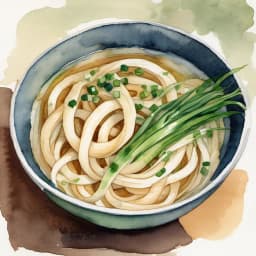
A smooth texture that glides down the throat with a firm, satisfying chew. When you dip a chilled strand into the dipping sauce and slurp, the aroma of wheat rises gently. Because it is so simple, the deliciousness of the noodles themselves truly stands out.
Tatebayashi has long been a land where wheat cultivation flourishes. Nestled between the Tone and Watarase Rivers, the region is blessed with fertile, well-drained soil and the famous dry winds of Joshu blowing down from the mountains. It is said that during the Edo period, wheat flour was presented to the Shogunate from the Tatebayashi Domain, and udon was also delivered as a local specialty of the domain. Even today, udon made with "Hyakunen Komugi" (Century Wheat) produced in Ora-Tatebayashi remains a point of pride for the region.
A glossy bowl nurtured by the home of wheat. This is Tatebayashi's very own pride and joy.
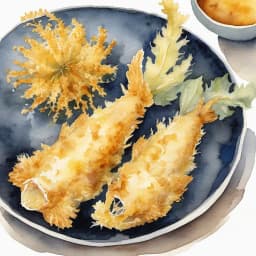
Inside the crispy fried batter lies a plump, white flesh. With just one bite, you will experience a mild flavor and an elegant sweetness that spreads gently, far beyond what its appearance suggests. Crispy deep-fried tempura is the most delicious way to enjoy catfish.
The area around Tatebayashi and the neighboring Itakura Town is a water-rich region dotted with rivers and marshes. Since ancient times, restaurants specializing in river fish have lined the streets, serving catfish tempura to pilgrims traveling from afar. Catfish is a white-fleshed fish that pairs well with oil, becoming plump and tender when fried. Another popular method is 'tataki-age,' where the bones and flesh are pounded and mixed with vegetables to be formed into dumplings and then deep-fried.
This is a nutritious river fish cuisine that the water-rich region has preserved through the ages.
When the bowl is brought to you, the sheer width will make you widen your eyes in surprise. The flat noodles, resembling an obi sash, can be over 10 centimeters wide depending on the batch. The smooth texture and chewy mouthfeel are truly addictive.
Himokawa Udon is an ultra-wide, flat udon that has been beloved around the Kiryu area. Its roots are said to lie in the "Imokawa Udon" of the Mikawa region (Aichi) during the Edo period; it is believed to have traveled to the Kanto region, where its name changed and it flourished in Gunma. There is even a theory that "Obikawa" corrupted into "Himokawa." In Kiryu, which prospered through the textile industry from the Edo to Meiji periods, this dish was loved by workers as a filling meal that could sustain them through long hours of labor.
Smooth, chewy, and visually delightful. It is a bowl nurtured by the town of Kiryu.
"Nishin no Nishijin, Higashi no Kiryu" (Nishijin in the West, Kiryu in the East). This is how the silk textiles from Kiryu City, Gunma Prefecture, are famously compared.
Its history is incredibly ancient; the 'Shoku Nihongi,' compiled approximately 1,300 years ago, contains a record of silk being presented to the Imperial Court from Kozuke Province (present-day Gunmu Prefecture) in 714 during the Nara period. There is even an anecdote that during the Battle of Sekigahara, a massive amount of silk for flags was woven in just one day at the request of Tokugawa Ieyasu, supporting the victory of the Eastern Army.
The exquisite patterns produced by Jacquard looms continue to live on today, used widely in everything from traditional Japanese attire to Western-style clothing. A single piece woven with 1,300 years of history is a special souvenir that makes you feel a sense of dignity just by holding it.
A generous portion of pasta that looks as if it might overflow from the plate. The chewy noodles are perfectly coated in carefully crafted sauces. It is incredibly voluminous, a dish that satisfies both hunger and the soul.
It is said that the reason Takasaki came to be known as the 'City of Pasta' traces back to 'Shango,' a long-established Italian restaurant founded in 1968. Having experienced food shortages during and after the war, the founder served large portions out of a desire for people to 'eat delicious food until they are full.' This captured the hearts (and stomachs) of the citizens. Eventually, chefs who honed their skills at Shango went on to open their own establishments, spreading Italian cuisine throughout the city. Since 2009, the 'King of Pasta' competition has also been held here.
A pasta mecca filled with famous shops. This is a dish Takasaki is proud of.
Take a sip of these white, glossy noodles, chilled to perfection. They feature a smooth texture and a firm bite. You can truly appreciate their true strength when enjoyed as a simple mori-udon (cold udon).
Winter in Gunma is characterized by the 'Joshu Karakkaze'—a very dry wind. This climate is ideal for wheat cultivation, and since ancient times, wheat has been grown through double-cropping. It is said that farmers also had a custom of welcoming guests with udon. Born from this wheat culture of Takasaki, 'Takasaki Udon' is said to have been developed by JA Takasaki using 'Kinu-no-nami,' a wheat variety created by the Gunma Prefectural Experimental Station. The noodles are slightly thin, with a smooth, white texture that defines their character.
A bowl of local blessings, nurtured by the land of dry winds and wheat.
When you open the lid, the red Daruma-shaped container is packed with simmered shiitake mushrooms, bamboo shoots, and wild mountain vegetables. The sweet and savory ingredients paired with rice create a deeply delicious taste that evokes feelings of one's hometown.
Daruma Bento is a specialty released in 1960 by Takasaki Bento, a company founded in 1884 (Meiji 17). Every January in Takasaki, a 'Daruma Market' is held at Shorinsan Darma-ji Temple, where many good-luck Daruma dolls are displayed. It is said that the container was designed in the shape of a Daruma to take advantage of this auspicious symbol. While the containers were originally made of ceramics, they switched to red plastic in 1973 to make them more convenient for transport. There is a hole in the bottom so that after you finish eating, it can be used as a piggy bank.
Just holding it feels like bringing good fortune. It is a quintessential ekiben representing Takasaki.
With gold lettering for 'business prosperity' and 'success in exams' on both shoulders, the Takasaki Daruma waits for wishes with its wide-eyed gaze. Its national market share reaches a staggering 80%.
Its origins lie in the Toyooka district of Takasaki City, Gunma Prefecture. It is said to have begun about 210 years ago when Yamagata Yugoro started making papier-mâché Daruma. A key feature is that its face is filled with good omens, with eyebrows shaped like 'cranes' and whiskers modeled after 'turtles.' In 1993, it was designated as a traditional local craft of Gunma Prefecture.
Every election and exam season, orders for these Daruma arrive from all over the country. It is a souvenir that allows you to hold the entire experience of prayer in your hands—making one eye when you make a wish, and completing the second eye once it comes true.
The noodles are glossy and white, with translucent patches throughout. When slurped, the strong chewiness and smooth texture feel delightful, pairing perfectly with the dipping sauce. Because it is so simple, the craftsman's skill truly shines in every bowl.
Mizusawa Udon is a specialty considered one of Japan's three major udon, alongside Sanuki and Inaniwa. It originated in front of Mizusawa-dera Temple in Ikaho, Shibukawa City. It is said that this temple, known as the 16th station of the Bando 33 Kannon pilgrimage, was bustling with many worshippers, and monks began entertaining people with udon made from local wheat and Mizusawa spring water. Its history spans approximately 400 years. Even today, over a dozen shops line the area for about 1.5 kilometers, known as the 'Mizusawa Udon Highway.'
This is our pride: udon nurtured by the spring water of the temple town.
When you take a big bite, the juice overflows. After a crisp texture, a rich sweetness with honey-like nectar and a sharp acidity follow. An apple allowed to fully ripen on the tree has a completely different aroma.
Numata is the leading apple-producing area in Gunma Prefecture. The towns situated on high ground, characterized by expansive river terraces, experience significant temperature fluctuations between day and night and receive plenty of sunlight. This climate develops apples into fruits with concentrated sweetness and intense flavor. In addition to the main variety, 'Fuji,' various other types such as the Gunma-born 'Gunma Meigetsu' ripen from autumn through winter.
Experience a level of ripe deliciousness that can only be found in the production area. These are our prideful apples, nurtured by the mountains of Numata.
Sweet miso flows from the slits made by a knife in the soft, fluffy bread. With one bite, the sweet and salty miso blends with the gentle flavor of the bread for an irresistible taste. Despite being sweet, it leaves you craving more, much like rice—that is the charm of Miso Pan.
Miso Pan is a local specialty born in Numata City, Gunma Prefecture. It is known to have been released in 1972 by the pastry shop Fryan in Numata. The inspiration was reportedly Gunma's famous Yaki-manju (grilled buns). The idea began with sandwiching that sweet miso sauce inside bread so it could be enjoyed without getting it all over your mouth.
It is a soul food of Gunma that even appears in local school lunches. Once you try it, you will be hooked.
Once cooked, each grain stands glossy and upright, with a sweet aroma rising along with the steam. The natural sweetness expands with every chew. Even when cooled, it does not become hard, maintaining a chewy umami that ensures its deliciousness remains intact even in rice balls or lunch boxes.
Yuki-hotaka is a brand of Koshihikari grown in Kawaba Village. It is nurtured by mineral-rich snowmelt flowing from Mount Tanigawa, one of Japan's top 100 mountains. The land, characterized by significant temperature fluctuations between day and night and excellent sunlight due to its south-facing terrain, is perfect for rice cultivation. Having won gold medals numerous times at international rice tasting and analysis competitions, it is often referred to as 'phantom rice.' It is even said that it has been presented to the Imperial Family during the Niiname-sai (Harvest Festival).
This is a proud meal from Kawaba Village, nurtured by pure water and the climate of a mountain village.
"The best among all roadside stations in the country" — hearing this makes you want to visit Kawaba Village immediately. This is Michi-no-Eki Kawaba Denen Plaza.
It proudly holds 1st place in Jalan's "National Roadside Station Grand Prix 2025." In this small village of approximately 3,300 people, about 2 million people visit annually, with a repeat visitor rate as high as 70%. Local fresh vegetables, handmade bread, craft beer, and pizza—all the culinary delights are concentrated here, allowing you to spend an entire day amidst a pastoral landscape overlooking Mount Horanu.
Just browsing the souvenirs is enough to lift your spirits; it is a popular spot that Gunma is proud of. Once you stop by, you will surely find yourself staying longer than planned.
From cutlets to ginger pork and pork offal stew—as you walk through the streets of Maebashi, the savory aroma of pork wafts from everywhere. The tender, sweet pork is a delicious accompaniment to rice.
The southern foothills of Mount Akagi are an area where pig farming thrives. It is said that the production value of pork here is among the highest in the country. During the Meiji and Taisho eras, when Maebashi was bustling with the silk industry, Western-style dishes such as cutlets were enjoyed early on. With high-quality pork and an abundance of restaurants specializing in it, community revitalization efforts have been underway since around 2008 under the slogan 'TONTON Town Maebashi' to share this charm with more people.
As you go on a food tour of our famous pork dishes, you can truly feel the vitality of the city. These are the flavors Maebashi is proud of.
Manju skewers are generously coated with a sweet miso sauce. When grilled over charcoal, a fragrant aroma rises into the air. The sweet and salty sauce soaks into the fluffy dough, creating an irresistible flavor.
Yaki-manju is a soul food of Gunma, made by skewering plain manju (without filling), coating them in miso sauce, and grilling them. Its origins are said to date back to the end of the Edo period, with the theory that it originated in Maebally being the most prominent. It is also said that the tradition began in 1857 when a person named Ruizo Harashima started selling them in Maebashi. They are made using a method similar to sake-manju (which uses koji fermentation), and may have been born as a byproduct from the era when sake was brewed at home. It is said that the addition of brown sugar during the Meiji era led to the sweet sauce used today.
Enjoying one of these skewers from a food stall is a taste that touches the hearts of the people of Gunma.
The aroma of miso and soy sauce rises from a large pot along with the steam. When you slurp the wide noodles, a chewy texture and a broth infused with the savory flavor of vegetables spread through your mouth. It is a bowl that warms even your heart on a cold day.
Okkirikomi is a local Gunma dish where wide, fresh noodles—made without adding salt—are simmered directly with vegetables without being pre-boiled. It is said to have derived its name from the process of rolling the dough on a rolling pin and making 'kirikomi' (cuts) with a knife. In Gunma, where dry winds blow and conditions are suitable for wheat cultivation, it has been enjoyed as a daily staple since the mid-Edo period when stone mills became widespread. It is known as 'Houtou' in northern regions and 'Niboto' in eastern regions.
In 2014, it was designated as a Prefectural Intangible Folk Cultural Property. It is a taste of home nurtured by a culture of flour-based cuisine.
Large, plump beans, perfectly boiled. When you take a bite, they have a fluffy texture and a gentle sweetness that slowly spreads through your mouth. Their magnificent presence is enough to satisfy you with just a single bean.
Flower kidney beans are large-sized beans that can only grow in high-altitude areas that remain cool even in summer. They are a specialty product of the Agatsuma region (including Nakanojo Town, Tsumagoi Village, Kusatsu Town, and Nagaoka Village) at elevations of 900 to 1,300 meters. The cool climate causes the beans to grow large, and it is said that the higher the altitude, the larger they become. In particular, the purple flower beans from Tsumagoi Village can sometimes grow to be more than twice the size of those from Hokkaido. Locally, these have been affectionately known as "Kogen Hana-mame" (Highland Flower Beans).
Whether served as sweet boiled beans or Amanatto (sweetened dried beans), each bean is a luxurious morsel filled with the blessings of the highlands.
Katashina Village in Gunma Prefecture is known as the gateway to Oze. The cool climate of the high-altitude plateau nurtures unique harvests found only here.
We take pride in our tomatoes and corn, which develop a deep sweetness by enduring the significant temperature fluctuations between day and night. From autumn to winter, apples and large-sized 'Hana-mame' (flower beans) are also specialties of Katashina. Our sweetened cooked hana-mame, made with high-quality beans harvested from the Oze plateau and prepared with subtle sweetness, is also very popular.
The village's farm stand features a wide variety of handmade local products created by farmers. Please come and taste the vegetables and fruits that have been carefully nurtured by the temperature shifts in the clear highland air. If you are visiting Oze, it is a place you simply cannot miss.
The Tomioka Silk Mill was registered as a World Heritage site in 2014. Inherited from that very land of Tomioka is 'Tomioka Silk.'
In 1872 (Meiji 5), the Tomioka Silk Mill was established by the Meiji government, introducing technology from France as Japan's first model state-run silk reeling factory. At the time, it boasted one of the largest scales in the world, and the raw silk produced here supported Japan's modernization. Although the number of silkworm farmers in the city once decreased sharply, efforts to protect the silk industry ensure that Tomioka-produced silk is still carefully manufactured today.
These silk products, with their smooth texture, are gifts that softly wrap the story of Japan's modern industry. They are items you will want to hand to someone special.
It has a smooth mouthfeel and a bouncy elasticity. When prepared as Miso Dengaku, the sweet miso sauce clings to it, and it melts easily with a pleasant bite. When used in simmered dishes, it absorbs plenty of dashi, making for a deeply delicious experience. Being low in calories, you can eat as much as you like.
It is said that Gunma Prefecture accounts for over 90% of the nationwide production of konnyaku potatoes. The areas around Tomioka and Shimonita are the starting points of this industry. The well-drained soil, covered in volcanic ash, is perfect for cultivating konnyaku potatoes, which dislike excess moisture. Konnyaku kneaded with pure, famous spring water is smooth and rich in flavor.
A healthy specialty that Gunma is proud of. It is a taste nurtured by the land of Tomioka.
Large, plump beans that have been cooked to perfection. When you take a bite, they crumble softly in your mouth, with a moist texture and a gentle sweetness that spreads slowly. Each bean has a substantial presence, making them perfect as a snack with tea or as a colorful addition to Osechi (New Year's food).
Hanado are large, purple kidney beans that only bear fruit in high-altitude areas that remain cool even in summer. In Gunma, they have been grown at altitudes of 900 to 1,300 meters, such as the foothills of Oze and the plateaus of Agatsuma. Due to the nature of the cool climate, the beans swell large; it is said that the higher the altitude, the larger they grow. Because the skin is firm and resistant to breaking during cooking, their unique characteristics truly shine when simmered slowly in a sweet syrup.
A luxurious single bean nurtured by the clear air of the highlands. It is filled with the blessings of our hometown.
When poured into a glass, it is thick and rich. This is 100% tomato juice made solely from tomatoes grown in the highlands of Katashina Village.
At high-altitude fields at the foot of Mount Oze, tomatoes grow by enduring significant temperature fluctuations between day and night. As a result, their sugar content increases significantly, with some varieties exceeding 10 degrees Brix. At the village's direct sales office, you can find juices from various farmers, and being able to compare them is a pleasure unique to Katashina, the home of tomatoes.
With no additives, the natural sweetness and freshness of the tomatoes are preserved exactly as they are. Available in both salted and unsalted options, it is perfect for your morning glass or as a small gift. This is a bottle that allows you to drink in the full bounty of the highlands.
Minakami is a hot spring district located at the foot of Mount Tanigawa, where waters spring from the headwaters of the Tone River. With famous hot springs such as Minakami Onsen and Sarugakyo Onsen scattered throughout, it is a land that beautifully suits rising steam.
An essential staple of this hot spring town is the Onsen Manju (steamed bun). The Tone River is a great river that begins from a single drop of snowmelt from Mount Minakami and travels 322km to the Pacific Ocean; using the clear water near its source, these buns are steamed to achieve a moist and gentle sweetness. A delightful part of walking through the town is discovering how the flavor profile changes slightly from one hot spring area to another.
After a soak in the bath, enjoy a steaming hot Onsen Manju. Its simple, gentle sweetness softly envelops the lingering sensation of the Minakami waters. It is a single treat that soaks deeply into a body tired from walking.
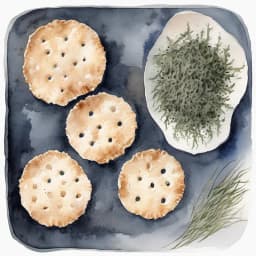
With a light, crispy texture and a gentle sweetness, they melt easily in your mouth, releasing a lovely aroma of wheat. These elegant tile-shaped crackers are so easy to snack on with tea that you'll find yourself reaching for one piece after another.
Isobe Senbei is a famous confection born in Isobe Onsen, Annaka City, Gunma Prefecture. Flour and sugar are kneaded with carbonated mineral spring water from the hot springs and then baked thin. It is said to have begun in 1873 (Meiji 6) when the physician Horiguchi Kensai verified the medicinal benefits of Isobe's mineral water, leading to its use for drinking and food production. Eventually, with the opening of the Shin'etsu Line, it became a beloved souvenir of Isobe Onsen.
A light sweetness born from the blessings of the hot springs. A classic souvenir from this hot spring town.
A light, crispy texture with a rich aroma of butter. The elegant sweetness that spreads gently makes it so delicious you can't stop at just one.
"Gouter de Roi" is a gateau rusk produced by Gateau Festa Harada in Takasaki, Gunma. In French, it means "the king's snack." The history began in 1901 (Meiji 34) when Ushitaro Harada opened the Japanese confectionery shop "Shosetsudo." In 1946, after the war, they also began bread making. It is said that since the era of bread making, they processed leftover bread into rusk to sell. This was released as "Gouter de Roi" in 2000. It gained a great reputation at department store regional fairs and grew into a well-known confection nationwide.
Whether as a souvenir or a treat for yourself, it is the king's snack that Takasaki is proud of.
In the hot spring town where steam rises, enjoy a freshly steamed bun. The thin, brownish skin is soft and fluffy, with a rich, sweet aroma of brown sugar that lingers in your nose. Inside is an elegant smooth red bean paste. Its deliciousness deeply soothes the body after a soak in the hot springs.
Ikaho's Yunohana Manju is a confection said to be the origin of onsen manting. It is told that in 1910, Katsujudo's first founder, Katsuzo Handa, devised it by wrapping smooth red bean paste in a brownish dough designed to resemble the color of the 'yunohana' (hot spring minerals) in Ikaho. They reportedly struggled to achieve the exact color of the yunohana using domestic brown sugar in the crust. That recipe is still carefully passed down today.
It is the classic souvenir of this famous hot spring and its very origin. A warm taste from the town of hot springs.
In the hot spring town where steam rises from the ground, you take a bite of one freshly steamed. The soft, fluffy brown skin holds a smooth red bean paste with an elegant sweetness. Paired with green tea, it soaks into your body after a soak in the springs.
Kusatsu is a famous hot spring town known for having the highest natural spring volume in Japan. During the Muromachi period, it was counted as one of the three most famous hot spring resorts alongside Arima and Gero, and has been bustling with bathers since ancient times. While it is widely believed that onsen manju originated in Ikaho Onsen, a unique onsen manju culture has flourished in Kusatsu as well. Around the Yubatake (hot spring field), dozens of shops sell manju, some even handing out freshly steamed ones in front of their stores. You can't help but pick up one while it's still piping hot.
A classic souvenir from this famous hot spring. It is a warm taste of the hot spring town.
In a hot spring town where steam rises into the air, you take a bite of a freshly steamed bun. The thin, brown skin, kneaded with brown sugar, is moist and soft, filled with a generous amount of smooth red bean paste. The paste, carefully cooked using Hokkaido adzuki beans, has a subtle, elegant sweetness. Paired with green tea, it soaks into your body after a soak in the springs.
Shima Onsen is a famous mountain hot spring town said to be effective against as many as 40,000 (shiman) different ailments, with a history of over a thousand years. In 1954, it was selected as one of Japan's first National Health Resorts. Scattered throughout this quiet hot spring town are long-established Japanese confectionery shops selling onsen manju, each competing with their own homemade bean paste and brown sugar crust.
A classic souvenir from this famous hot spring. It is the gentle sweetness of the hot spring town.
Fine bubbles rise gracefully within a champagne flute. Upon taking a sip, silky bubbles burst on the palate, releasing a gorgeous aroma reminiscent of cherry and lychee. With a crisp, clear finish, it is perfectly suited for an aperitif or celebratory occasions.
Nagai Shuzo, the brewer of Mizubasho, was founded in 1886. They have crafted their sake by utilizing natural water from Kawaba Village, filtered through the earth of Oze. Most notably, their sparkling sake 'MIZUBASHI PURE'—considered a world first for authentic secondary fermentation in the bottle—is made using the highest quality Yamada Nishiki rice and fermented within the bottle to a gas pressure comparable to champagne. It is a bottle that has even astonished the world's top chefs.
Delicate and beautiful bubbles nurtured by the pure waters of Oze. This is a cup of sake that Kawaba Village proudly presents to the world.
When poured into a glass, it reveals a clear color and fine, delicate foam. With a single sip, the rich sweetness and aroma of the malt gently spread across your palate. The bitterness is subtle, making it smooth and easy to drink, leaving a crisp aftertaste unique to the pure waters of Minakami.
Tsukiyono Craft Beer is brewed within the 'Tsukiyono Vidro Park' in Minakami Town. It was born from the desire to 'make beer using the delicious water of Minakami.' Using malt grown in Gunma Prefecture and well water from the Sanpo Mountains that flows near the brewery, we brew it with suppressed bitterness so that you can truly taste the essence of the malt itself.
From Pilsner to Stout and Weizen—each glass offers a clear, refined taste nurtured by the waters of Mount Tanigawa.
When poured into a cup, it offers a gentle and deep aroma. Upon taking a sip, the umami of the rice slowly expands, spreading a powerful yet mellow flavor across the palate. Because the sake is aged in the brewery for one or two years to allow it to settle, it possesses a smooth, rounded mouthfeel without any harshness. It is a versatile drink that subtly complements food without ever becoming tiring.
Brewing Gunma Izumi is Shimooka Shuzo, founded in 1863 (Bunkyu 3). In the land of Ota, they use spring water from Mount Akagi and locally grown sake rice, brewing most of their sake using the traditional 'Kimoto-style Yamahai' method. This is a labor-intensive process that involves carefully cultivating the sake starter (shubo) by harnessing the power of natural lactic acid bacteria residing in the brewery.
While rich in body, it integrates perfectly with everyday dining. It is a deeply flavorful evening companion nurtured by the climate and traditions of Ota.
When poured into a cup, a gorgeous aroma rises softly. Upon taking a sip, a gentle rice umami spreads through a crisp and clear mouthfeel. With a sharp, tightening aftertaste, it is a drink that subtly complements your meal.
Brewing 'Sadailin' is Otone Shuzo, located at the foot of Oze in Numata City, Gunma Prefecture. The brewery was founded in 1902 (Meiji 35). It is said that the sake's name is inspired by Kuniyoshi, the son of Fujiwara no Kuniyoshi—known as the 'Sadaijin of Ozegasaki'—who was exiled to this land at the end of the Heian period and became beloved by the local people. Even today, a small group of artisans continues the tradition of 'kanzukuri' (winter brewing), crafting the sake by hand during the cold season.
A proud local sake nurtured by the nature and history of Oze.
When poured into a cup, a full-bodied aroma of rice emerges. Upon tasting, a rich umami spreads across the palate, followed by a sharp acidity that cleanses the finish. This is a robust sake that changes its character with every sip, whether served chilled or warm.
Brewing "Shin-Tuchida" is Tsuchida Sake Brewery, located in Kawaba Village, Gunma Prefecture. Founded in 1907, the brewery underwent a major transformation under its sixth-generation head, pivoting to a completely additive-free brewing process that uses no artificially added yeast or lactic acid. By utilizing the traditional "Kimoto" method passed down since the Edo period and brewing with Gunma-grown rice that is not overly polished, their bold challenge is now capturing the attention of sake lovers nationwide.
This is the talk of Kawaba Village—a sake born from the fusion of tradition and innovation.
When poured into a cup, it offers a crisp and clear aroma. Upon tasting, the mellow mouthfeel allows the umami of the rice to expand. It is a sake that you won't tire of, designed to gently complement your meals.
Brewing 'Oozakari' is Makino Shuzo, the oldest brewery in Gunma Prefecture, said to have been founded in the 3rd year of the Genroku era (1690). The brewery is located in Kurabuchi-machi, Takasaki City, at the foot of Mount Haruna. The name 'Oozakari' (meaning a large sake cup) is said to have originated from a celebratory toast made with a large cup by Oguri Ueno-no-suke, an official of the Shogunate, upon his return to Japan after traveling to the United States as part of a diplomatic mission in the 1st year of the Man'en era.
Brewed using selected sake rice and the clear underground water of Mount Haruna, it achieved the distinction of being the only gold medalist from Gunma Prefecture in the IWC SAKE category in 2020.
It is a proud cup of sake nurtured by the waters and history of Joshu.
A slightly Western-style twist on the famous senbei from Isobe Onsen. "Isobe Cream Senbei" features crispy mineral water senbei sandwiched with cream.
Baked by Tamura Seika in Annaka City, Isobe Onloen. Because the dough is baked using mineral water rich in carbon dioxide, it creates a light, melt-in-your-mouth texture. Isobe Onsen is also known as the birthplace of the hot spring symbol. The package features the design of "Jomo Karuta," a collection of poems that every resident of Gunma Prefecture knows by heart.
This box is packed with Gunma's local pride. The combination of crispy senbei and mellow cream is loved by children and adults alike. It is a souvenir full of Gunma charm, fun to both eat and look at.
Isobe Senbei has been baked for over 100 years using the mineral water from Isobe Onsen in Annaka City. Kinpo-do is also a shop that carries on this tradition.
Isobe's mineral water is one of Japan's leading saline springs containing carbon dioxide. By kneading a simple dough of flour and sugar with this carbonated mineral water and baking it thinly, a unique light texture is created that melts in the mouth after a crispy bite. The subtle flavor unique to the mineral water is also a charm.
Because it is simple, it is a snack born from a hot spring resort that you never tire of. Its light mouthfeel makes it enjoyable for everyone from children to the elderly. It is a famous confection of Isobe that makes you want to enjoy a crisp piece with a cup of warm tea in hand.
The blessings of the Isobe Onsen hot spring waters are packed into a single rice cracker. Founded in 1876, Meigetsudo bakes each thin cracker using the unique mineral water characteristic of this hot spring area. The ingredients consist only of Gunma-grown wheat flour, Kagoshima sugar, and the Isobe mineral water, which is often called ancient fossil water. For over 130 years, it has been made with just these three ingredients. Isobe Onsen has a history of being recognized in the Meiji era for its excellent drinking quality, and that water creates a uniquely light melt-in-your-mouth sensation. Because it is so simple, the quality of the ingredients and the water shines through directly. The light, crispy texture makes it a perfect companion for a stroll through Isobe.
Usui Pass is known as a difficult section of the Nakasendo highway. This "Chikara-mochi" (power rice cake) has long served as a source of strength for travelers crossing the pass.
The name "Chikara-mochi" is ancient, said to be named after Usui Sadamitsu, a legendary strong warrior believed to have lived in this area during the Heian period. Eventually, it became a beloved snack at tea houses along the pass, providing energy to travelers and samurai, and established itself as a famous local specialty of the pass.
Today, Ogino-ya—famous nationwide for their "Toge no Kamameshi" ekiben (station lunch box)—produces Chikara-mochi from their base in Yokokawa. It offers a simple, rustic flavor with soft mochi coated in sweet red bean paste, kinako (roasted soybean powder), and sesame. Enjoying it alongside the Kamameshi allows you to take the nostalgic atmosphere of the mountain pass home with you.
A hot spring manju (steamed bun) that you'll find yourself wanting to pick up while strolling through the stone stairway streets of Ikaho. Produced by Seihotei, established in 1936, it has been cherished as a staple Ikaho souvenir for many years.
Wrapped in a soft, thin skin is a smooth smooth bean paste made from carefully cooked Hokkaido adzuki beans. Their proprietary melt-in-your-mouth bean paste is loved by many, and the charm lies in being able to enjoy them freshly made while walking around, at an affordable price of just 120 yen per piece.
Eating a slightly warm hot spring manju while walking through the town of rising steam. It is an unchanging taste essential to any trip to Ikaho, perfect for enjoying during a short rest while climbing the stone steps.
A famous confection from an established shop in Ikaho, known as the birthplace of Onsen Manju (hot spring steamed buns). In 1910, the first generation founder, Katsuzo Handa, completed this treat after over six months of trial and error, responding to local residents' wishes for 'a souvenir we can be proud of in Ikaho.' The dark brown crust reproduces the color of Ikaho's hot spring water using brown sugar, enveloping smooth red bean paste made from Hokkaido adzuki beans. Its reputation spread rapidly after being presented to Emperor Showa in 1934, and it is said to have been the catalyst for the spread of brown 'Onsen Manju' to hot spring resorts across the country. Located at the top of the stone stairway street, just below Ikaho Shrine, this is the pride of Ikaho, maintaining its original appearance, taste, and production method for over 100 years.
Located just a 1-minute drive from the Ikaho stone step streets, these hot spring manju (steamed buns) are charming for their freshness, thanks to being manufactured and sold directly on-site. They are a trusted choice for Ikaho souvenirs, as you can purchase them freshly made right then and there.
The fluffy dough features premium black sugar from Okinawa, while the filling uses Hokkaido red beans with controlled sweetness, resulting in an elegant, refined taste. With 6-piece packs starting from 800 yen, they are easily accessible and can be purchased in your preferred quantity.
Because they are manufactured and sold directly, they have a shorter shelf life, but that is simply the flip side of their freshness. Please enjoy the freshly made flavor with its fragrant black sugar aroma on the very same day. This is a treat that significantly expands your options for Ikaho hot spring manju.
This is a prideful roll cake produced by Ikaho Green Farm, which opened in 1970. It has long been a staple souvenir for those returning from the farm after interacting with the animals.
It consists of a single roll where cheese cream made from fresh farm milk is wrapped in fluffy sponge cake. The rich cheese flavor spreads throughout your mouth, making you feel as though you have brought home the very clear air of the farm.
The charm lies in its mellow and rich flavor produced by homemade milk. When eaten chilled, the deliciousness of the cheese cream is further enhanced. It is a souvenir packed with the bounties of rich nature, perfect for sharing with the whole family.
Freshly made 'Agari Mochi' (warm rice cake) that invites you with the savory aroma of a charcoal grill at the entrance of Ikaho's stone stairway street. Each piece is handmade at Chaya Tamaki, operated by Oyado Tamaki.
The grilled mochi has a toasted surface and a substantial chew. You can choose between red bean paste or black sesame filling, offering a simple flavor without any preservatives or coloring agents. The fragrant char from being slowly toasted on the charcoal grill pairs perfectly with the warm mochi and black sesame paste.
Chaya Tamaki's approach is uniquely decisive, selling out the mochi made in the morning within that same day. It is a freshly baked treat to enjoy after a bath while gazing at the stone stairway street. The warmth unique to handmade goods is sure to become an unforgettable memory of your stroll through Ikaho.
The animals of Ikaho Green Farm have all gathered together on these cookies. These milk cookies feature adorable illustrations of cows and sheep, making them a joy just to look at.
Characterized by a gentle sweetness made with plenty of fresh milk from the farm, their simple and unobtrusive flavor makes it hard for both children and adults to stop eating. The light, crispy texture is delightful and perfect for snack time.
This is an item that allows you to take home the happy memories of your time at the farm, complete with its cute packaging. Since they are individually wrapped, they are easy to distribute and are great as souvenirs for colleagues or friends. It is a heartwarming souvenir that lets you gently linger in the afterglow of a day spent interacting with animals.
A rich cake made with plenty of fresh milk from Ikaho Green Farm. It is packed with the abundant milky goodness unique to a farm.
As soon as you take a bite, the flavor of milk spreads softly through your mouth. It pairs excellently with coffee, making it a perfect companion for snack time. The shop at the farm entrance allows you to purchase it without even entering the farm, making it a convenient souvenir during a quick visit.
It has a mellow and gentle taste that you'll want to savor while lingering in the afterglow of interacting with the animals. Despite its simple appearance, the milk richness is deep and concentrated. It has long been a beloved, easy-to-grab farm souvenir.
A baked manju filled with chestnut paste, featuring packaging decorated by Gunma's popular mascot, Gunma-chan. This friendly, classic sweet is often seen in souvenir shops throughout the Ikaho Onsen town.
It is a delightful treat with a perfect balance between the mellow sweetness of chestnuts and the moist skin. Its gentle, elegant flavor can be enjoyed by all generations. The cute Gunma-chan packaging instantly brightens up any souvenir selection.
This is a quintessential Gunma sweet that you'll find yourself wanting to pick up while wandering through the hot spring town. It is perfect as an accompaniment to tea after walking through the stone steps of the steaming onsen streets. A comforting, autumnal flavor that will delight chestnut lovers.
An omelet consisting of soft sponge cake gently enveloping a cream made from the milk of Ikaho Green Farm. Its charm lies in the mellow flavor unique to a farm.
When eaten chilled, the inner cream melts with a refreshing coolness that is truly exceptional. The softness of the sponge and the rich richness of the milk overlap, making you feel as though you are bringing home the clear air of the farm itself.
It is the perfect chilled sweet to conclude a day of interacting with animals. The contrast between the fluffy sponge and the melting cream is irresistible. A gentle treat that you's will want to buy on your way home from the farm to enjoy leisurely at home.
These are hand-baked rice crackers (senbei) featuring a branded imprint of 'Mou-kun,' the mascot of Ikaho Green Farm. This simple snack conveys the authentic, handmade feel unique to a farm.
Because each cracker is carefully baked by artisans, the expression of the branded Mou-kun looks slightly different on every piece. This variation is part of the charm of hand-baked goods. It is a treat to be enjoyed slowly along with its fragrant, crispy texture.
It is the perfect farm souvenir to commemorate a day spent interacting with animals. The simple flavor pairs well with both tea and coffee. One look at the adorable face of Mou-kun is sure to bring a natural smile to your face, making it a heartwarming sweet.
Born in the refreshing air of the pasture, this baked treat is irresistible to cheese lovers. This is the 'Galette Fromage' from Ikaho Green Pastures.
'Galette' is a flat baked pastry born in France, and 'Fromage' is the French word for cheese. As the name suggests, plenty of cheese is kneaded into the dough and baked to a fragrant perfection. Its charm lies in its moist texture and the rich cheese flavor that spreads with every bite.
It is sold at 'Goody,' a souvenir shop located next to the pasture entrance. Since you can stop by and buy it without entering the pasture, it's a convenient treat during a drive. It is a slightly sophisticated cheese snack that lets you feel the blessings of Gunma's pastures.
A famous Gunma confection from Seigetsudo, consisting of milk cream sandwiched between mineral spring rice crackers that have been baked since the early Showa era. The combination of thin, crispy dough and gentle cream is a synonym for Gunma souvenirs and is beloved by local residents.
While pungent when raw, Shinjita green onions become surprisingly sweet when cooked. We have captured the unique character of these onions in a single rice cracker: the "Tonosama Negi Senbei."
Shinjita green onion is a specialty of Gunma Prefecture, also known by the nickname "Tonosama Negi" (Lord's Green Onion). Legend has it that the name originates from an 1805 historical document where a lord commanded, "Send 200 green onions immediately."
We have baked these into fragrant rice crackers, utilizing the savory umami of the onion that transforms from spicy to sweet when heated. The combination of the onion's sweet richness and the toasted aroma of the cracker makes it perfect as an accompaniment to tea or a snack with beer. This bag is a true taste of Gunma, allowing you to easily enjoy the unique essence of Shinjita green onions.
A dish made by turning Shimonita leeks—which are too spicy to eat raw but become mellow and sweet when cooked—into rice crackers. The fragrant, roasted aroma and crispy texture are addictive. You can take home the flavor of these rare leeks that can only be harvested around Shimonita Town.
Made only from well-roasted barley and sugar. Despite being made from such simple ingredients, Tatebayashi's Mugi Rakugan offers an unforgettable flavor.
Mugi Rakugan is a simple, additive-free dry confectionery that makes full use of barley grown in the fertile lands of Tatebayashi, Joshu. In 1886, it was presented to Emperor Meiji and Empress during their imperial visit, and since then, this prestigious confection has frequently enjoyed imperial honors. The Masuya Sohonten continues to preserve this tradition today.
Upon taking a bite, it crumbles delicately in the mouth, releasing a gentle aroma of fragrant barley. The elegant, soft sweetness, achieved using Tokushima-grown Wasanbon sugar, is exceptional not only with green tea but also with matcha. It is a simple yet profound flavor.
Shoda Shoyu is a long-established soy sauce manufacturer in Tatebayashi, founded in 1873. This 'Shoda Shoyu Walnut Yubeshi' incorporates that very soy sauce.
Yubeshi was originally a preserved food using yuzu, but since yuzu was difficult to obtain in Tohoku and Northern Kanto, using walnuts became the standard. The chewy dough, combined with the savory aroma of Shoda Shoyu and the texture of walnuts, creates a deeply delicious accompaniment for tea. It is manufactured by Tsurumai Honpo, well-known for Gunma souvenirs.
It offers a profound flavor unique to Tatebayashi, the home of soy sauce. The sweetness, the saltiness of the soy sauce, and the richness of the walnuts all layer together. This is a Gunma-exclusive Japanese sweet that makes you want to take a relaxing break with a cup of warm tea.
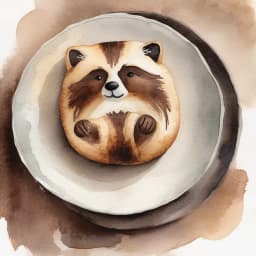
A unique Castella manju inspired by the legend of the 'Bunbuku Chagama' (the tea kettle tanuki) passed down at Morin-ji Temple in Tatebayashi. The long and charming product name has an impact that makes you want to pick it up.
Shaped like a tanuki with the word 'Ponpoko' engraved on its belly, it is filled generously with white bean paste. The fluffy dough has a flavor close to Ningyo-yaki, making it a friendly treat for both children and adults. Morin-ji Temple is known nationwide as the temple associated with the fairy tale 'Bunbuku Chagama,' and many tanuki statues line its grounds.
A sweet filled with the stories of Tatebayashi that will make you smile through both its appearance and name. It is a fun Gunma souvenir that serves as a great conversation starter for your travel stories.
These manju (steamed buns) feature a truly humorous tanuki shape that evokes the feeling of a legend just by holding them.
The motif is the folktale of 'Bunbuku Cha-kama' (The Magic Teapot) passed down at Morin-ji Temple in Tatebayashi City, Gunma Prefecture. It is a famous story about a mysterious teapot that never runs out of water, which turns out to be an old tanuki that had been living at the temple.
Even today, many tanuki statues line the approach to Morin-ji Temple, welcoming visitors.
Inspired by this legend, these tanuki-shaped manju offer a simple, rustic flavor with moist dough enveloping a gently sweet bean paste. As you enjoy them while reflecting on the old tale, you will feel as though you are taking a small bite of Tatebayashi's history.
A special rusk exclusive to Gunma. A luxurious piece featuring thin cocoa-flavored Gateau rusks sandwiched with chocolate cream and caramel flakes containing almonds. It can only be obtained at seven stores within the prefecture.
With a single bite, you'll hear a crisp, crunchy sound like karinto. The dough, infused with brown sugar, is fried to a dry, fragrant perfection, and the inside overflows with plenty of smooth red bean paste. The contrast between the hard, aromatic exterior and the moist, sweet interior is irresistible.
Omiya's Karinto Manju is a specialty created by the confectionery shop Omiya in Takasaki. They crush brown sugar from Hateruma, Okinawa, simmer it down in-store, knead it into the dough, and fry it until crisp. It prides itself on having such a substantial texture that it is often touted as the 'hardest karinto manju in Japan.'
Perfect with tea or as a light snack. This addictive fried manju releases the aroma of brown sugar the more you chew.
A masterpiece that is a Tokyo-exclusive arrangement of Harada's chocolate cake "Tigre." A cocoa dough colored red with beets, topped with the aroma of cherry and a white chocolate sauce containing framboise (raspberry).
A Gateau Rusku from Takasaki City's Gateau Festa Harada, where the deep richness of brown sugar is paired with chocolate. Enjoy the meeting of East and West through the overlapping flavors of rich butter aroma and the mellow sweetness of brown sugar.
A limited-time product that rearranges Harada's pride, the Tigre, with a berry flavor. This sweet and sour treat features dough rich in framboise (raspberry), added with raisins and cranberries, topped with a pour of berry sauce.
Colorful Gateau Rusks coated in chocolate infused with three types of berries: strawberry, raspberry, and blueberry. This limited-time product offers a sweet and sour, gorgeous flavor that is perfect for spring gifts.
Gateau Rusks made by kneading chocolate and roasted cacao nibs into French bread. Designed so the chocolate does not melt easily, making it enjoyable even in summer, this sophisticated flavor features the bittersweetness of cacao and the aroma of butter.
A bitter Gateau rusk available exclusively in the Kanto region. Cocoa-powder-infused rusk coated with milk-free dark chocolate. A subtle smoky aroma creates a sophisticated atmosphere for adult tea time.
As soon as you take a bite, a savory aroma and a hint of saltiness spread softly through your mouth. This is "Chocolat de Roi Soleil" from Gateau Festa Harada, a brand renowned for its rusks.
It utilizes blond chocolate—a new type of chocolate often called the "fourth type of chocolate," made by caramelizing white chocolate. This bonbon au chocolat features a smooth ganache encased in the same blond chocolate, utilizing the same high-quality ingredients found in their popular chocolate-coated rusk, "Goûter de Roi Soleil."
Available from November to late April. It is a high-quality treat that you will long for with the arrival of winter.
A healthy oil-cut rusk that reduces butter usage by approximately 98% and fat content by approximately 95%. While containing only about 22kcal per piece, the fragrant flavor of wheat remains intact. It can also be enjoyed like a cracker when paired with jam or cheese.
A bite-sized chocolate that fuses the mellow sweetness of milk chocolate with the depth of dark chocolate. These bonbons au chocolat, featuring smooth ganache enveloped in chocolate, are perfect as a winter gift.
A dream collaboration between the Takasaki Daruma and Gunma's mascot, Gunma-chan. This is a baked chocolate from the "Daru-Daru Daruma with Gunma-chan" series.
The package features illustrations of the auspicious Daruma and the adorable Gunma-chan. Inside, you'll find bite-sized baked chocolates consisting of three layers—white, black, and white—perfect for a single or double bite. The appearance, wrapped in the good fortune of the Daruma, is sure to bring a smile to your face.
Most importantly, they are individually wrapped for convenience. Their easy-to-eat, bite-sized nature makes them perfect as a souvenir to share at school or the workplace. This sweet, featuring two of Gunma's lucky mascots together, has become a classic choice for travel souvenirs.
A blue bird of happiness wearing a crown. This adorable figure is the inspiration behind Gateau Festa Harada's "Gute de Princess."
Harada, known nationwide as a famous rusk specialty shop, presents these Gateau Sablés, carefully baked using carefully selected flour and fermented butter. The pleasant, crunchy texture and the rich aroma of butter that fills your mouth feel like a small luxury. As another facet of "Harada the Rusk Maker," it is also highly appreciated as a gift.
Born in Takasaki, this treat pairs perfectly with coffee or tea. Let the blue bird gently add color to your slightly special teatime.
A bonbon au chocolat featuring the Brut Classic from the prestigious French champagne house, Deutz, hidden within the ganache. The magnificent aroma of champagne rises softly from within the chocolate.
A gateau rusk named after King Louis XIV, the Sun King. Coated in blonde chocolate—often referred to as the fourth type of chocolate—this winter-limited item features a caramel-like aroma and a subtle saltiness that keeps you coming back for more.
A bonbon chocolat featuring ganache infused with XO Elegance from the prestigious French cognac house, Camus. This winter-limited treat for adults offers a rich brandy finish that melts beautifully into the chocolate.
Located in the Kannonoyama hills of Takasaki City, Nagasaka Farm is a dairy farm with over 50 years of expertise. This ranch gelato is handmade at the adjacent 'Milk Kobo Tanpopo.' The commitment lies in using freshly milked, high-quality raw milk under strict hygienic management. About 20 different flavors are available on a daily rotation, and among them, the 'Milk' flavor—the very essence of the farm—allows you to enjoy the natural, gentle richness of the raw milk. It is not uncommon to see long lines on weekends. A freshly pressed cup feels like tasting the very air of the ranch itself. Rich yet refreshing with a clean aftertaste, it brings smiles to both children and adults. This is a shop you definitely want to visit when you come to Takasaki.
Toraya Honten is a long-established shop founded in 1905. Its flagship product is the "Fujioka Kawara Senbei," which mimics the appearance of Fujioka roof tiles.
Fujioka is a land blessed with high-quality soil and water, having flourished as a major production center for roof tiles since the Nara period. It is said that the history of tile making in this area spans over 1,200 years. This assortment includes three types—Sansho (Japanese pepper), Sesame, and Yuzu—each highlighting its own distinct aroma. It is a masterpiece that encapsulates the culture of Fujioka, the town of tiles, within a single rice cracker.
Each of the three flavors offers a crispy, fragrant, and unique experience. With the joy of comparing the three different tastes, it is a perfect item for tea time or as a gift. This is an established shop's senbei that you can enjoy while reflecting on 1,200 years of tile-making history.
The ogre tiles (onigawara) that keep a watchful eye from atop rooftops have been transformed into a Japanese sweet. The area around Fujioka City, where Toraya Honten is located, has long flourished as a major production center for haniwa (terracotta figures) and roof tiles, with the origins of tile making said to date back to the founding of Ueno Kokubunji temple.
Founded in 1905, Toraya Honten created this baked sweet shaped like an ogre tile to convey the pride of this land through confectionery. Replicating the design of ogre tiles crafted by modern master artisans, a slightly bitter coffee bean paste is gently wrapped in moist castella sponge cake.
While it may look a little intimidating, a mellow sweetness spreads once you take a bite. You can taste the story of Fujioka tiles, which have over 1,200 years of history, in a single mouthful. It is a unique Gunma souvenir that also serves as a great conversation starter.
A chocolate crunch bar produced by Gateau Festa Harada, a brand known nationwide for its rusk. This single bar is made by densely binding fragrant macadamia nuts and cookies together with chocolate.
It offers a fresh, crunchy texture that differs from their signature rusk. The layers of nutty aroma and mellow chocolate sweetness create an addictive flavor with every bite. Its palm-sized portion also makes it easy to eat.
This Western-style confectionery truly demonstrates Harada's skill beyond just rusks. It is highly recommended when you want to add a little variety to your usual Gunma souvenirs.
A summer-exclusive version of the Sommelier Rusk. It incorporates three types of tomato: puree, paste, and dried tomatoes; the French bread is prepared using only the moisture from the tomatoes without adding any water. Infused with basil and cheese, it is a perfect match for beer.
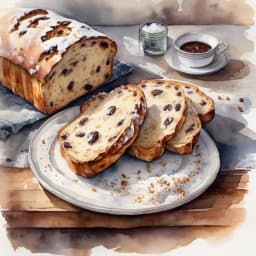
A winter-exclusive item that presents the traditional German fermented pastry, Stollen, in the signature Gateau Festa Harada style. It appears in stores only during the Christmas season, from November to late December. It is generously kneaded with orange peel, raisins, and nuts, then slowly baked with spices. The exterior is crispy while the interior remains moist. Each bite offers a harmony of elegant dried fruit flavors and the gentle sweetness of a dusting of powdered sugar. Housed in a red, green, and gold Christmas-colored box, it comes in a single-serving size. It is perfect for enjoying slice by slice or as a gift. A seasonal item that brings a sense of winter specialness.
A luxurious winter-limited edition where both sides of the classic rusk are coated in milk chocolate and accented with gold dust on one side. The combination of crispy rusk and rich chocolate makes it a highly sought-after item every year for Valentine's Day and Christmas gifts.
A winter-exclusive item featuring a single piece of Gateau Rusks coated on one side with couverture white chocolate. The gentle melting of the white chocolate and the aroma of butter overlap, leaving many fans eagerly awaiting its release every October.
Kohaku (amber sugar) that looks like precious gemstones, crafted by Ichimonjiya, founded in Takasaki in 1937. The meticulous craftsmanship of the artisans is concentrated into every single piece.
Sweetened beans are encased in agar, finished with an elegant flavor and a subtle hint of brandy. The beans inside are made using a careful process where they are allowed to slowly absorb sugar over approximately one week. You can enjoy a unique texture that is crunchy on the outside and soft on the inside.
A confection for adults that combines visual beauty with deep flavor. It shines beautifully as an accompaniment to tea or as a small gift, showcasing the reliable skill of this long-established Takasaki shop.
A Western-style Castella from Gateau Festa Harada, bearing the name 'Lien' (bond). This long-shaped loaf leaves a lasting impression, designed to symbolize the enduring connections between people.
We use only high-quality fermented butter. Without using any leavening agents, we rely solely on the power of air incorporated by whipping the butter to make the batter rise fluffily. The fine-grained, moist, and soft texture can be described as a flavor that brings together all of Harada's expertise.
An intense aroma of fermented butter is packed throughout the entire long loaf. This is an exquisite item worthy of a gift, showcasing a level of skill different from their famous rusks.
A madeleine from Gateau Festa Harada, with a name meaning 'Door of Happiness.' Its eye-catching shell shape is quite large for a madeleine, measuring approximately 8cm in diameter.
Available in three varieties—Plain, Cranberry, and Chocolate—it offers a luxurious aroma of almonds and fermented butter. The moist texture provides a substantial eating experience, offering a sense of satisfaction with just one piece.
This is another flagship product from Harada, distinct from their famous rusks. Each of the three types has its own character, making it fun to compare them. With an auspicious name that suggests happiness is on its way, it is a perfect item for a personal treat or a gift for someone special.
A Gateau Festa Harada financier made with plenty of almond powder and carefully selected butter. The sweet aroma of maple sugar used for the finish rises gently.
This is a piece finished in Harada's signature style, based on a baked confection long loved in France. The savory aroma of butter and almonds is gently layered with the mellow sweetness of maple. At 127 kcal per piece and with a shelf life of 40 days from manufacture, it is a high-quality choice that can be easily selected as a gift.
Another delicious offering from Harada, who is well-known for their rusks. This moist and fragrant baked sweet is perfect both as a gift and as a treat for yourself.
A white chocolate version of Harada's Bonbon au Chocolat. Filled with ganache inside a crisp white chocolate shell, this is available for a limited time from November to late April. A luxurious winter treat containing 80kcal per piece.
A summer-limited rusk made by kneading three types of cheese—Parmigiano Reggiano, Camembert, and cream cheese—into French bread. The saltiness of the cheese complements the sweetness of the butter, creating a sophisticated flavor that pairs perfectly with wine.
The flagship of the Chocolat de Roi series. A milk chocolate bonbon au chocolat that allows you to directly experience the taste of the specially selected chocolate used for coating the Goûter de Roi.
An autumn limited edition of Tigre, sold every year from mid-September to the end of October. Autumn flavors such as chestnut, pumpkin, and maple are kneaded into the dough, while the purple and orange packaging heightens the Halloween spirit.
A pilgrimage souvenir inspired by Mount Haruna (also known as Mt. Akina), the setting of the manga 'Initial D'. The packaging features the iconic 'SilEighty' car from the series, which is sure to catch any fan's eye.
Inside are sweet and sour strawberry caramels. Featuring an original design supervised by the author, Shuichi Shigeno, it is the perfect companion for a pilgrimage trip. It can be found at 'Shibusan,' a specialty product center in front of JR Shibukawa Station, which offers a wide variety of Initial D collaboration goods.
This is a must-have item to commemorate a drive through the Haruna mountain passes. The sweet and tart strawberry flavor gently complements the excitement of visiting the sacred sites. It is a quintessential Gunma collaboration souvenir that allows you to immerse yourself in the world of the series.
Milk caramels packaged with an illustration of Takumi Fujiwara's AE86. This is one of the Initial D collaboration series promoted by Shibukawa City, and can be found at service areas on your way back from a drive through Mount Haruna.
A playful chocolate crunch that any car lover will reach for the moment they see the packaging.
Gunma Prefecture is known as the setting of the popular manga 'Initial D,' and the mountains featured in the series—Mount Haruna, Mount Akagi, and Mount Myogi—remain sacred sites visited by fans today. Shibukawa City, in particular, has been actively promoting anime tourism through various collaborations.
This sweet features an eye-catching 3D package shaped like a famous car from the series. Inside, you'll find individually wrapped chocolate crunches with a crunchy texture, making them easy to distribute. They are highly appreciated as a souvenir for Initial D fans or as a memento of a pilgrimage to the series' locations.
A gold edition of the famous Gunma confection 'Tabigarasu' released in 1958. This assortment features thin, crispy crackers made with mineral water, sandwiched with three types of cream: milk, chocolate, and lemon. A highly-regarded product that has won a Monde Selection award.
The top-tier version of Tabigarasu, made using 100% 'Hakugantsuru' wheat flour from Gunma Prefecture. It features mineral spring crackers finished to be even crispier than before, sandwiched with six types of cream. You can enjoy a variety of flavors ranging from plain to matcha and blueberry.
Salad, soy sauce, cheese, seaweed—these bite-sized rice crackers bring seven distinct personalities together in one box, known as Shichifukujin (Seven Lucky Gods) Arare. This is a long-selling product produced by Sai-senbei in Maebashi City.
It was born in 1977. Sai-senbei, which was founded in Nihonbashi, Tokyo, in the 29th year of the Meiji era and later moved its headquarters to Maebashi, selected these seven flavors from 50 different candidates. It is said that the name was decided by the chairman's single comment, "If there are seven, it's the Seven Lucky Gods," inspired by Benzaiten, a deity at a temple in Maebashi.
The colorful packaging that allows you to see the contents was also an innovative feature for its time. Reaching into the box to wonder which flavor comes next—even that small moment of joy makes it a lucky souvenir.
It looks like a small Koppe pan (roll bread). However, if you look inside, it is filled with sweet potato paste made from 'Silk Sweet,' a variety of sweet potato grown in Gunma Prefecture. This 'Sweet Coppe' is crafted by Kohogi, a confectionery shop in Maebashi City.
Kohogi's parent company is a long-established konnyaku shop founded in 1850 (Kaei 3). This confection was born in 2014 from the desire to 'create new sweets using Gunma's famous konnyaku.' The interesting part is that a jiggly konnyaku ball is hidden inside the smooth sweet potato.
An unexpected encounter between moist, sweet potato and a bouncy texture. Once you eat one, you won't be able to stop; it is a new sensation of a souvenir.
Identified by a happy blue bird wearing a crown, this is Gateau Festa Harada's "Goûter de Princesse."
Harada, known nationwide as a famous rusk specialty shop, creates these Gateau Sablés by carefully baking them with selected flour and fermented butter. The satisfyingly crunchy texture and the rich buttery aroma that fills your mouth feel like a small luxury. As another facet of "Harada the Rusk Maker," it is also highly appreciated as a gift.
Born in Takasaki, this treat pairs perfectly with coffee or tea. The adorable appearance of the blue bird will brighten the recipient's face. It is an item that adds color to a slightly special tea time.
"Do you know the shape of Gunma Prefecture?" — This is the kind of question that suits this Tsuru Sablé. Gunma Prefecture is shaped like a crane spreading its wings toward the southeast, and has long been affectionately known locally as the "dancing crane shape."
Its name originates from the "tsu" verse of the "Jomo Karuta," a shared cultural element among Gunma residents: "Gunma Prefecture, in the shape of a dancing crane." The pastry shop Baron in Maebashi City uses plenty of Gunma-grown wheat flour, eggs, and fresh butter to bake each piece individually using a mold.
Eat the shape of Gunma Prefecture itself. With its crispy texture and rich buttery aroma, this unique souvenir is packed with the essence of Gunma. It also serves as a great conversation starter, helping you bond with those you give it to.
On a trip through North Kanto, you'll find yourself reaching for this 'Kameda Souvenir Kaki-no-Tane.' This limited edition product from Kameda Seika packs the local flavors of Gunma, Tochigi, and Ibaraki into a single bag.
It contains four varieties: Gyoza, Savory Cheese, Roasted Green Onion, and Ume Shiso. The Roasted Green Onion flavor, in particular, features white rice crackers adorned with green specks, offering a bold onion aroma for an adult palate. Since each flavor is individually wrapped, you can enjoy comparing them.
It's the familiar Kaki-no-Tane reimagined with the unique character of North Kanto. Because they are individually portioned, they are easy to distribute, and as a staple souvenir often seen in highway service areas, it is a classic choice for Gunma trips. It also pairs perfectly with alcohol.
'Hirosegawa flows in white'—a line from the poem by Sakutaro Hagiwara, a poet from Maebashi, became the name of this confection. 'Hirosegawa' is baked by Baron, a patisserie located in Maebashi City.
Sakutaro Hagiwara is a poet associated with Maebashi, often called the 'Father of Modern Japanese Poetry.' The banks of the Hirose River, which flows through the center of the city, are beloved as a 'City of Water, Greenery, and Poetry,' dotted with literary museums and poetry monuments. Baron has infused that poetic sentiment into a financier rich with the aroma of browned butter and almonds.
Each moist, melting bite feels like tasting a piece of poetry. Accompanied by coffee or tea, this sophisticated Western-style sweet allows you to enjoy even the literary atmosphere of Maebashi.
Spanning Gunma, Tochigi, and Ibaraki—this is the Kita-Kanto Senbei, a beloved snack across these three northern Kanto prefectures. Gunma has a vibrant flour-based food culture, Tochigi is rich in history and landmarks, and Ibaraki is known for its water towns and soy sauce. While each prefecture has its own personality, senbei culture is deeply rooted in all of them. The simple, soy-based flavor acts as a common language for the region. Crispy and fragrant, you won't be able to stop at just one. This bag embodies the sense of solidarity in Northern Kanto, as it is equally at home in any of these prefectures. With its mild and simple taste, it is perfect for serving with tea and can be enjoyed by all generations of the family. It is also a highly useful choice for a small gift.
A Japanese confection consisting of smooth smooth red bean paste (koshian) encased in a crispy, deep-fried brown sugar karinto dough. The contrast between the fragrant, freshly fried exterior and the sweetness of the bean paste is highly acclaimed, and it is widely available at roadside stations and souvenir shops throughout Gunma.
A specialty sweet made in the shape of Gunma-chan, representing the famous Mugi Rakugan (barley konpeito) of Gunma. Its cuteness will bring a smile to your face the moment you open the box.
Gunma-chan is the mascot of Gungun Prefecture, which won 1st place in the Yuru-chara Grand Prix 2014. Mugi Rakugan is a simple dry confection with over 200 years of history, made from roasted barley and sugar. This Gunma-chan Mugi Rakugan was created to introduce that traditional flavor to modern generations. When you put it in your mouth, it gently crumbles away.
With its cute appearance and nostalgic taste, this item was born from the desire to make Rakugan familiar even to generations who have never known it. It is a quintessential Gunma souvenir that will delight both children and adults.
A thin, baked rice cracker featuring a branded imprint of Gunma Prefecture's mascot, Gunma-chan. Just looking at the face brings a sense of warmth.
Gunma-chan is now a nationally recognized celebrity, having won 1st place in the Yuru-chara Grand Prix 2014. This cracker, marked by that cute face, has a simple, addictive flavor that is neither too sweet nor too salty. Since they are individually wrapped, they are very useful as souvenirs to distribute at workplaces or schools.
With a crisp, light texture, it is perfect with tea. Because of its mild flavor, it can be enjoyed by all generations. It is a classic souvenir cracker that allows you to take a cute piece of Gunma home with you.
A chocolate so visually impactful you'll find yourself looking twice. Developed over about a year by Maruei Foods in Fujioka City, this was created with the hope of the Tomioka Silk Mill and related silk industry sites being registered as a World Heritage site. Using white chocolate, rice puffs, and dried cranberries, the silkworm larvae are realistically recreated, while the mulberry leaves they feed on are expressed through chocolate infused with Gunma-grown mulberry leaf powder. In Gunma, silkworms have been cherished and called 'Oikosama' (the Great Silkworm) since ancient times. This product is a creation born from the culture of that sericulture kingdom. Despite its surprising appearance, the flavor is mellow. It is a perfect souvenir representing Gunma, ideal as a memento of visiting the Tomioka Silk Mill or as a conversation starter.
The 'Jomo Karuta,' a local playing card set that every resident of Gunma Prefecture can recite by heart, has been transformed into this package. This regional baked chocolate directly conveys a deep affection for Gunma.
It features a delightful contrast between a crispy exterior and a rich, melt-in-your-mouth chocolate center. Each piece is individually wrapped for hygiene and has a long shelf life of 180 days at room temperature, making it perfect as a souvenir to distribute at work. The back of the wrapper includes explanations of the karuta reading cards, allowing you to learn a little more about the geography and culture of Gunma.
Fun to give and delicious to eat, this item is gaining steady popularity as a classic souvenir that lets you talk about Gunma.
A delightful two-pack of cakes featuring Gunma's popular mascot, Gunma-chan. This snack is convenient for sharing, allowing you to enjoy both maple and chocolate flavors at once. The moist sponge cake is infused with the sweet aroma of maple. The other chocolate flavor is rich, offering the fun of comparing the two types. Since they are individually wrapped, they are easy to distribute, and Gunma-chan lovers will feel uplifted just by looking at the packaging. Not only is it delicious as a snack, but the design also appeals to collectors of Gunma-chan goods. It has long been a popular, casual choice for Gunma souvenirs.
An adorable manju named after a verse from the Jomo Karuta: 'Gunma Prefecture in the shape of a dancing crane.' This manju captures the shape of Gunma—resembling a crane with its wings spread—along with local pride. The smooth, melt-in-your-mouth milk bean paste is gently wrapped in soft dough, finished with a comforting sweetness. Produced by Tabigarasu Honpo Seigetsudo, founded in the Taisho era, this is a long-established confectionery shop representing Gunma, known for its 'Tabigarasu' products. Available in an easy-to-carry 8-piece pack, this item subtly conveys the essence of Gunma. Its gentle flavor, with a subtle hint of milk, is enjoyed by all generations and has long been loved as a classic Gunma souvenir.
This sweet is an expression of Gunma's world-renowned silk industry entirely through confectionery. It is a product rich in narrative, unique to a land that has nurtured a continuous history of sericulture, including the Tomioka Silk Mill.
Created with the goal of achieving a melt-in-the-mouth smoothness like silk, the packaging—featuring motifs of silk threads and cocoons—also embodies a deep affection for Gunma's silk culture. In Gunma, silkworms have long been cherished and referred to as 'Oikosama' (honored silkworms). This is a flavorful sweet that allows you to sense even that historical background.
With just one bite, you can gently taste the history and stories of Gunma. It is a perfect treat not only for yourself but also as a gift to convey the essence of Gunma.
Gunma-chan, who brilliantly won first place in the 2014 Yuru-chara Grand Prix. This sweet, fitting for such a popular character, is shaped like that smiling face. The grinning expression will naturally make you smile too.
Baked in a gentle, Ningyo-yaki style dough, opening the box of 12 reveals a full lineup of Gunma-chan. As a celebrity who reached the pinnacle of mascots with over 1 million votes, it is a souvenir that people are happy to receive.
It is a classic choice for bulk souvenirs that becomes a topic of conversation as soon as they are distributed. The gentle dough is filled with affection for Gunma's most popular resident. It is an unmistakable choice that will delight both Gunma lovers and Gunma-chan fans alike.
An evolved souvenir that captures the flavor of Gunma's soul food, Yaki-manju, in a rice cracker. With a single crunchy bite, the aroma of that sweet and savory miso sauce from the street stalls gently comes back to life.
Yaki-manju is a local specialty of Gunma consisting of steamed manju buns coated in a sweet and savory miso glaze and grilled over charcoal. Legend has it that it originated in Maebashi at the end of the Edo period, and it has long been loved by the people of this wheat-producing prefecture. You can easily enjoy that nostalgic taste through these rice crackers.
Since they have a long shelf life at room temperature, they are a reliable choice for souvenirs sent to distant locations. Because authentic Yaki-manju does not last long, this convenience is a real plus. It is a slightly unique, evolved treat that allows you to savor the essence of Gunma.
An elegant raisin sandwich produced by Tabigarasu Honpo Seigetsudo. This confection was created with a focus on ingredients for those who truly appreciate fine taste.
It features plenty of melt-in-your-mouth raisin cream sandwiched between moist, crispy biscuits. The fragrant biscuit and the refreshing sweetness of the raisins layer together beautifully. This item is also noted for its aesthetic beauty, having been selected for the 2016 Good Design Gunma.
With a shelf life of 40 days, it is a reliable choice for gifts to those far away. It is a slightly luxurious and sophisticated raisin sandwich presented by a long-established Gunma maker known for 'Tabigarasu'.
A local specialty version of Baby Star, officially recognized by the Ota Yakisoba Noren-kai. This convenient bag allows you to easily take home a taste of the B-grade gourmet food that Ota is proud of.
Ota Yakisoba is a traditional sauce-based stir-fry featuring characteristic thick noodles coated in carefully selected sauce, topped with green seaweed and red pickled ginger. This nostalgic sweet and savory flavor is recreated in the crunchy Baby Star texture. The Noren-kai was established in 2002 to promote the charms of Ota, the city of yakisoba, across the nation.
This pride of Ota is also available as a hometown tax (Furusato Nozei) reward. The sweet and savory sauce flavor and the aroma of green seaweed pair perfectly with the crunchiness of Baby Star. A wonderful Gunma souvenir that works well as both a snack or a light appetizer.
An assortment of small rice crackers (arare) shaped like the Seven Lucky Gods. With their auspicious appearance and light texture, they have long been loved in Gunma as New Year's gifts or presents for celebratory occasions. A stylish Japanese confection that delivers seven types of good fortune in a single bag.
A rich tonkatsu sauce flavored Umaibo inspired by Gunma's soul food, Sauce Katsudon. The thick, savory sauce flavor is irresistibly addictive.
In addition to Gunma-chan, the package features a lively gathering of Gunma's local mascots, including Maebashi City's 'Koroton' and Tamamura Town's 'Tamatan.' Maebashi City is one of Japan's leading pork-producing regions, which is why Sauce Katsudon is so deeply loved by the residents.
With 24 sticks per pack, it is perfect for sharing and brings joy to anyone you give it to. The light, crunchy texture is packed with the savory deliciousness of rich sauce. This playful souvenir allows you to enjoy both Gunma's cute characters and its pride-worthy local gourmet food all at once.
A regional version of Kappa Ebisen released by Calbee exclusively for the Tohoku and Kanto-Koshinetsu areas. It has become a familiar 'taste of Eastern Japan,' even in Gunma's service areas.
This bag features a strong punch of garlic powder from Aomori Prefecture combined with dark soy sauce brewed in Chiba Prefecture. The rich soy sauce, familiar to those in the Kanto region, and the aromatic garlic are irresistibly appetizing. It retains the classic crispy texture made using whole natural shrimp shells.
This regional flavor pairs perfectly with both snacks and alcoholic beverages. The lingering aroma of garlic makes it impossible to stop once you start eating. It is a uniquely Eastern Japanese item from Gunintma that can be easily purchased as a casual 'extra' souvenir during a drive.
A langue de chat cookie featuring Gunma's famous sightseeing spots on its packaging. This sweet enhances the travel mood as you enjoy viewing the prefecture's highlights.
It is a classic combination of thin, crispy cookies gently sandwiching smooth white chocolate. Its elegant and light sweetness is loved by all generations. Since they are individually wrapped, they are extremely convenient as souvenirs to distribute at the workplace.
This is an item that will please anyone, offering a sense of Gunma through both its packaging and flavor. The crispiness of the cookie and the mellowness of the white chocolate provide a reliable deliciousness for everyone. It is recommended as a standard, easy-to-grab souvenir from Gunma.
A delightful custard cake that comes with a bonus sticker of Gunma's favorite mascot, Gunma-chan. This playful snack, truly representative of Gunma, is fun for both children and adults.
Fluffy sponge cake is generously filled with smooth custard cream. It has a gentle, elegant sweetness and a nostalgic, comforting flavor. The 8 individually wrapped pieces are the perfect size for sharing as a souvenir.
It is an irresistible item for Gunma-chan fans, who can also enjoy collecting the bonus stickers. The mild sweetness with plenty of cream will be a hit with small children. It is a friendly Gunma souvenir that is easy to distribute and a joy to receive.
When you open the box, a row of Gunma-chan's cute expressions greets you, instantly bringing a smile to your face.
Gunma-chan is the mascot character of Gunma Prefecture and a beloved figure that won first place in the Yuru-chara Grand Prix 2014. Designed with a horse motif inspired by the prefecture's name, these milk-flavored cookies feature a printed image of Gunma-chan on each piece. With their adorable appearance and easy-to-eat texture, they have become a staple souvenir exclusive to Gunma.
Containing 14 individually wrapped cookies, they are easy to distribute without getting your hands dirty. The box, adorned with a ribbon, is perfect for a small gift. It is a gentle box of treats designed to make anyone who opens it smile.
A popular confectionery from Maebashi featuring cream sandwiched between fluffy coppe pan (roll bread) dough. While it has a simple appearance reminiscent of nostalgic school lunches, the sweetness of the cream is exquisite, making it a favorite among repeat customers as a souvenir.
The sight of small ankoromochi (sweet bean paste rice balls) packed tightly in a tray is enough to make your heart melt. This is the 'Shibori Ankoromochi' from Akagi Nanroku.
Named after its plump and adorable shape, which looks as if the bean paste has been squeezed out, these bite-sized treats are inspired by the southern foothills of Mount Akagi, a symbol of Gunma Prefecture. Because each piece is small, you won't be able to stop picking them up and popping them into your mouth.
The bean paste enveloping the soft mochi has a gentle sweetness. Since they are arranged in a tray rather than individually wrapped, they are the perfect Gunma souvenir to share with family or as a snack at the workplace.
While sweet treats are great, this is a reliable choice when you want a slightly savory Gunma souvenir.
The star of the show is Shimonita Negi (green onion), a pride of Gunma's winter flavors. Known as 'the lord's onion,' this specialty product is famous for its melting texture when cooked and its unique sweetness and aroma. We have crafted a katsu-style snack with a sweet and savory flavor, combining that Shimonita negi with miso.
The package features the familiar Gunma-chan, giving it a lively souvenir feel. The richness of the miso and the fragrant aroma of the onion leave a lasting impression, making it perfect as both a snack or an accompaniment to drinks. Why not add this savory bag to your box of Gunma souvenirs after all those sweets?
A limited edition version featuring Gunma-chan on the Tabigarasu packaging. While maintaining the original flavor of mineral spring rice crackers and milk cream, it is popular as a souvenir for those with children due to the Gunma-chan illustrations that can be cut out and played with.
When you break open the white skin, two colors of bean paste are revealed. At the center is a fluffy chestnut paste, gently enveloped by smooth smooth red bean paste. The flavor of the chestnut and the elegant sweetness of the bean paste overlap, leaving a clean aftertaste. It pairs well with Japanese tea, coffee, or black tea.
Honke Chichiya is a long-established manju shop in Kusatsu Onsen. Alongside their signature brown-skinned tsubuan (chunky red bean) manju, this two-color anman is one of their main attractions. With the elaborate structure of wrapping chestnut paste inside smooth red bean paste, it captures two distinct flavors in a single bun.
Though simple in appearance, its sophisticated deliciousness is apparent from the first bite. It is a luxurious treat perfectly suited as a souvenir from this hot spring town.
The year 1945, the end of the war. Born in Kusatsu Onsen amidst a fresh start from the ruins, "Matsumura Manju" is said to be the very first specialty shop for onsen manju in Kusatsu.
Using Hokkaido red beans, they create a homemade bean paste with a subtle sweetness. This smooth paste, with some texture left intact, is gently wrapped in a thin, brown sugar-infused skin. No preservatives are used, and the shelf life is only four days. It is a bold commitment to selling only the freshness of being freshly made.
Located along Nishinogawara-dori leading to Yubatake, enjoy one freshly steamed and steaming hot. Renowned for being delicious even when cooled, it is a popular item in Kusatsu that often sells out. Please grab one to enjoy while walking around town.
"Kusatsu no Koibito" — This confection with such a romantic name is a popular white langue de chat from Kusatsu Onsen.
It features a thin, crispy baked cookie gently sandwiched with mellow white chocolate. You can enjoy its light, melt-in-the-mouth texture and elegant sweetness. It can be found at Yunoka Honpo, located near Yubatake. This long-established souvenir shop, founded in 1900 (Meiji 33), is recognizable by its German-style exterior. Since it stays open late even after dinner, it is convenient for shopping after a soak in the hot springs.
It is such a lovely item that you'll find yourself choosing it for loved ones just by its name. Because they are individually wrapped, one box is also perfect for sharing as souvenirs with colleagues or friends.
Honke Chichiya is a famous establishment in Kusatsu, renowned for its Onsen Manju (hot spring steamed buns). "Chichiya Baum" is the Western-style confectionery produced by this very shop.
Founded in 1974, Honke Chichiya is a long-established brand with three locations in Kusatsu. While one might imagine baumkuchen to be round, Chichiya Baum is uniquely sliced like castella and individually wrapped in single portions. The beautiful layers are sprinkled with granulated sugar, creating a delightful contrast with the moist cake.
It is a treat with a gentle sweetness, offering a different experience from their famous Onsen Manju. Because each slice is individually wrapped, it is easy to distribute and makes for an excellent souvenir. It is the perfect Western-style sweet to enjoy slowly with a cup of coffee after a soak in the Kusatsu hot springs.
A white Onsen Manju from the original Honke Chichiya of Kusatsu Onsen, crafted with extreme dedication to ingredients and production methods. Inside is a two-color bean paste consisting of smooth chestnut paste wrapped in smooth red bean paste. They limit it to just these two varieties, focusing on delivering the taste of freshly made perfection.
An irresistible gummy for cat lovers. These are colorful and cute gummies shaped like cat paws and faces. Kusatsu Onsen is a place where cat lovers gather, with ryokans featuring 'mascot cats' becoming a topic of conversation. This playful spirit characteristic of Kusatsu is packed into these gummies. Just looking at the squishy paw shapes will make you smile. The sweet and sour fruit flavor can be enjoyed by both children and adults. A perfect small gift that you'll want to pick up just for its adorable appearance. The sight of colorful paws lined up is highly Instagrammable, making it a souvenir that children are sure to love.
The familiar KitKat takes on a special form that can only be found in hot spring resorts. This is Nestle's "KitKat Mini Onsen Manju flavor."
It features wafers filled with red bean powder cream, coated in a thin, light brown chocolate designed to resemble Onsen Manju (hot spring steamed buns). As part of a souvenir series sold at hot spring towns nationwide, the individual wrappers feature various illustrations of cats themed around the feeling of relaxing after a bath. This box is a familiar sight in shops around Gunma's hot spring areas, such as Kusatsu and Ikaho.
Perfect for a quick break after a soak, just snap off a piece. It is a treat that stirs the travel spirit, allowing you to easily enjoy the flavor of Onsen Manju.
A fluffy-textured steamed bun shaped like a cat's face. Its adorable appearance makes you want to pick it up immediately.
Anko (sweet bean paste) is wrapped in a soft, airy dough, with the cat's expression drawn using a branding iron. The plump appearance and comforting sweetness are incredibly lovely, and its size is perfect for snacking while walking through the hot spring town. It is also perfect for social media photos when held in your palm. Just looking at it will soothe your heart.
Cute and gently sweet. The combination of the fluffy, chewy dough and the comforting bean paste is outstanding. This steamed bun is perfect as a souvenir for children or as a little treat for yourself.
Imagine the happiness of a journey: biting into a freshly made, warm manju amidst the rising steam of Kusatsu Onsen—this is the experience Honke Chichiya's tea manju brings home to you.
Founded in 1974, Honke Chichiya is a specialty shop for onsen manju. Driven by the commitment that 'we don't want to make stock; we want people to eat them freshly made,' they continue to limit their production to just two types of products. Their tea manju is a traditional onsen manju consisting of red bean paste wrapped in a thin, brown dough infused with brown sugar. It has long been a beloved item, even through long-running radio commercials in the Kanto region.
With its subtle aroma of brown sugar and gentle sweetness, it is the perfect accompaniment to tea. It is a famous specialty that many people decide must be part of their trip whenever they visit Kusatsu.
Matsumura Manju is famous for the endless lines near the Yubatake in the Kusatsu Onsen town. Founded in 1947, they use red beans from Tokachi, Hokkaido, and brown sugar from Okinawa to sell freshly steamed manju at their storefront. At an affordable price of 120 yen each, you'll find yourself wanting to eat as many as possible.
The moment you open the box, you might find yourself saying, "Wait, what?" 'Life of a Silkworm' reproduces the life cycle of a silkworm—from cocoon to caterpillar to adult—using realistic chocolates.
It is produced by Maruei Foods in Fujioka City. Development began around 200lar, with an eye toward the World Heritage registration of the Tomioka Silk Mill. There is even an anecdote that they initially tried making them as gummies, but because they were too realistic and difficult to eat, they switched to chocolate. This is a unique product from the land of silk, where sericulture farmers traditionally respected silkworms as "Oka-sama" (honored guests).
While the visual impact is extraordinary, once in your mouth, it is simply delicious chocolate. It is an incomparable souvenir for sparking conversation.
Gently pour hot water into a small, cocoon-shaped mass. Soon, a smooth matcha kuzu-yu (thickened starch drink) begins to rise. This is the famous Tomioka confection, 'Mayukomori.'
It is crafted by Tajimaya, founded in 1892. This delicacy features carefully selected kuzu powder gently set into the shape of a cocoon, and its name is said to originate from a poem in the Man'yoshu.
This famous sweet was created in connection with the history of Tomioka, where the opening of the Tomioka Silk Mill in 1872 made cocoons an irreplaceable local product. At the end of a busy day, breaking open a cocoon and pouring hot water creates a thick matcha kuzu-yu that feels like tasting the very essence of time in this silk town. It is a delightful souvenir for those returning from a visit to the Tomioka Silk Mill.
A ginger-flavored version of Tajimaya's Mayukomori series. When you break the elegant, cocoon-shaped kuzu-yu (kuzu starch jelly) and pour hot water over it, the warm aroma of ginger gently spreads. A famous confection from Tomioka, perfect as a gift on cold days.
A special Mayukomori infused with silk from Tomioka. This is a truly unique product of the silk-reeling town, featuring local silk incorporated into Tajimaya's kuzu-yu. The smooth mouthfeel of the silk sets it apart from other flavors.
The classic flavor and flagship product of Tajimaya's Mayukomori series. When you crush the kuzu confectionery, which has a smooth texture like a cocoon, and pour hot water over it, a gentle, sweet kuzu-yu is created. A high-quality local product recommended by Gunma Prefecture.
There is a Japanese confection you might find yourself wanting to pick up on your way back from visiting the Tomioka Silk Mill. It is 'Silk de Rayaki,' a dorayaki with silk kneaded into its dough.
Produced by Tajimaya, a shop renowned for sweets featuring motifs of cocoons and silk. This long-established establishment, with over 100 years of history, incorporates silk from Tomioka into the batter, baking it to achieve a uniquely fluffy and moist texture. It is also a highly accomplished confection, having won the Minister for Foreign Affairs Award at the 28th National Confectionery Expo.
It offers a gentle flavor, as if Japanese and French traditions have met. You can sense the elegance of silk in the fluffy, moist dough. Each piece allows you to savor the entire story of Tomioka, the home of silk.
Inside this monaka shaped like a cocoon, the nostalgia of Gunma is tightly packed. This is the 'Mayukuwa Monaka' from Tajimaya in Tomioka.
For the bean paste, we use mulberry leaves and mulberry berries grown in Gunma Prefecture. In Gunma, mulberry berries are called 'dodome,' and this sweet recreates that nostalgic taste of childhood, when we would eat the ripe berries and stain our lips purple. Featuring two different flavors—mulberry leaf paste and mulberry berry paste—it was awarded the Commissioner for Japan Tourism Award at the 27th National Confectionery Expo.
With a crispy monaka shell and a gentle mulberry flavor, this Japanese sweet allows you to savor the entire culture of Tomioka, a town known for sericulture where mulberry leaves were used to raise silkworms. It is a quintessential Tomioka treat, perfect to serve alongside tea.
There is a confection with a name truly fitting for the silk city of Tomioka: 'Silk Mill: The Town of the Silk Factory.' This Japanese-Western fusion baked good is named as a play on the English notation for the Tomioka Silk Mill, 'Silk Mill.'
It is crafted by Tajimaya, a company that has walked alongside the Tomioka Silk Mill for over 100 years. Silk protein extracted from cocoons produced in Tomioka is kneaded into the dough, which is then baked to a moist finish and paired with milk bean paste. The smooth silkiness and fragrant milk melt softly in your mouth. This item has even been selected as a recommended high-quality local product of Gunma Prefecture.
It is a confection unique to Tomioka, where Japanese methods meet Western flavors. It's the perfect little extra to add to a gift.
A cup of kuzu-yu (kudzu starch thick soup) shaped like a cocoon, combined with Uji matcha. When hot water is poured, a bittersweet green thickness spreads, allowing you to experience the silk culture of Tomioka through taste. A quintessential Gunma-style hot drink souvenir that tastes exceptional when enjoyed at a hot spring inn in winter.
The basic form of cocoon-shaped kuzu-yu, produced by Tajimaya, located near the Tomioka Silk Mill. The recipe is simple, containing only kuzu and sugar; when hot water is poured, it melts into a smooth white liquid. Many people purchase this as a memento of their visit to this World Heritage town.
A warming, spicy cup of kuzu-yu (kudzu starch drink) served in a cocoon-shaped container. Drinking this after sightseeing in Tomioka during the winter will relax you to your very core. The spiciness of the ginger and the smoothness of the kuzu blend perfectly, making it a practical souvenir that is also useful on days when you feel a cold coming on.
The premium offering in this series. By dissolving Tomioka-produced silk powder into kuzu-yu (kudzu starch drink), a silky-smooth texture is achieved. This luxurious souvenir elevates the quality of raw silk, which the World Heritage city of Tomioka takes great pride in, into a drinkable form.
The second installment in a series that faithfully reproduces the three life stages of a silkworm—larva, cocoon, and adult—using chocolate. It was selected as a 2015 Good Design Gunma award winner. With a name expressing gratitude for life and the hardships of sericulture, its realistic appearance became a hot topic and turned it into a nationwide hit product.
This sweet potato snack is a beloved local treat from the doorstep of the Tomioka Silk Mill, a World Heritage site. It has become a quintessential Tomioka souvenir that visitors find themselves wanting to pick up after touring the mill.
It is a baked confection that highlights the simple sweetness of the sweet potato, offering a moist and gentle texture. In Tomioka, a city known globally as a silk town, this item is the perfect companion for a break during sightseeing.
As a classic Gunma souvenir, you can take home the memories of your World Heritage tour. With a flavor that is approachable for both children and adults, it is ideal for gifts to family. Its unpretentious, gentle sweetness softly lingers, accompanying the afterglow of your travels.
Limited edition cookies printed with Gunma-chan set against a backdrop of Oze's skunk cabbage and wetlands. The package design, unique to Katashina Village, allows you to take home memories of your mountain hike.
Brave in a blue uniform and Tender in a red uniform. These caramel chocolate cookies are an original souvenir from Karuizawa Toy Kingdom, featuring the smiling twin toy soldiers on the package.
Karuizawa Toy Kingdom is a toy-themed park that opened in Tsumagoi Village, Gunma Prefecture, in 1999. It has been beloved by children as a playground where they can see, touch, and experience play. These caramel chocolate cookies, printed with the park's mascots, are a unique item available only within the park.
The combination of sweet caramel and chocolate makes them the perfect souvenir for children. You can take home the happy memories of your theme park adventure.
An original confection sold at Karuizawa Omocha Okoku in Tsumagoi Village. Opening the box adorned with a crown mark reveals light, crispy cookies that release a wonderful buttery aroma. It is the perfect treat for children to reach for on their way home after a day of play.
As the name suggests, it is an incredibly large chocolate stick. This is the "Deka-Deka Choco Stick" found in the shops of Karuizawa Omocha Okoku (Toy Kingdom).
Karuizawa Omocha Okoku opened in Tsumagoi Village, Gunma Prefecture, in 1999, as a toy theme park where you can see, touch, and experience toys. This sweet allows you to take those memories home with you. It is thick enough for a child's hand to grip firmly, and it is generously filled with rich chocolate in a stick form.
The sheer boldness of taking big bites makes it a true treat for children. With plenty of sweet chocolate, it is highly satisfying as a snack. It is a fun souvenir that lets you relive your day at the theme park even while at home.
Mini gaufrettes original to Karuizawa Omocha Okoku. These are nostalgic Western-style sweets consisting of thin, round wafers sandwiched with cream.
Gaufrettes are treats made of crispy, light-textured thin wafers filled with cream. This mini gaufrette set features multiple flavors such as vanilla, chocolate, and strawberry, all tightly packed into a small tin. It is a souvenir like a child's treasure box, unique to this toy theme park that opened in Tsumagoi Village in 1999.
The excitement of opening the lid is part of the enjoyment. The charm of the mini size lies in being able to sample various flavors bit by bit. This is a tin you will want to enjoy with your family along with your memories of the theme park.
A cute sweet potato confection you can find at Karuizawa Toy Kingdom. Featuring the park's character, Princess Heart, on the package, it is a treat that families will love. The moist dough is packed with the gentle sweetness of sweet potatoes. Its simple, mild flavor makes it easy for small children to eat; one can easily imagine children snacking on them in the car on the way home after a day of play. This is a Gunma amusement park souvenir that allows you to take home your fun memories from the theme park. A comforting treat that is sure to please as a gift for children or as a snack at home.
An original confection from Karuizawa Omocha Okoku (Toy Kingdom). This is a chocolate-flavored arrangement of the Spanish-born polvoron, offering a delicate texture that crumbles in your mouth. Despite being a theme park souvenir, it is an authentic baked sweet.
A simple, kinako-flavored rice cake treat you can find at Karuizawa Toy Kingdom. It serves as the perfect snack to satisfy a child's hunger after a long day of play.
Soft mochi is generously coated with fragrant kinako (roasted soybean powder). The sweetness is subtle, offering a nostalgic and comforting flavor. As a Japanese confectionery option within the theme park, it is a treat that the whole family—from children to adults—can enjoy.
A souvenir from the Gunma amusement park that you can take home along with your memories of play. This gentle rice cake treat is irresistible to kinako lovers. Its simplicity ensures you won't tire of it, making it an item you'll want to tuck into your bag as a memento of your outing.
A maple-flavored baked sweet available at the Karuizawa Omocha Okoku shop. The theme park's original packaging makes it a wonderful souvenir of your trip.
With moist dough and the gentle, spreading aroma of maple syrup, its mild and non-intrusive flavor can be enjoyed by everyone from small children to adults. The individual packaging also makes it easy to distribute, which is a plus for souvenirs.
This is an amusement park souvenir from Gunma that you can take home along with your memories of a day full of play. Since it remains delicious even when cold, it's a lovely treat for snacking at home. It is a casual and friendly sweet, perfect for families with children choosing souvenirs.
These are original baked donuts available at the main shop of Karuizawa Omocha Okoku. They are prepared with a thoughtful touch—baked instead of deep-fried.
Because they aren't fried, they are healthy and come in a size that is perfect for small children's hands. With their gentle sweetness and moist, soft dough, they are easy to share among the whole family after a day of play. Their simple, rustic flavor makes them an ideal snack to enjoy once you get back home.
As an original item exclusive to the theme park, they offer a wonderful sense of specialness as a souvenir. Because they aren't fried, they feel light and are so delicious you'll want to eat them one after another. They are a must-have item to take home as a memento of your family outing.
An original chocolate crunch from Karuizawa Omocha Okoku (Toy Kingdom) that offers an enjoyable crunchy texture. It serves as a sweet, single-bite snack that children will love after a long day of play.
Crispy crunchy pieces are coated in smooth milk chocolate. One bite spreads both a light texture and rich sweetness throughout your palate. The box features characters from Omocha Okoku, making it visually fun as well.
Since it is an original product exclusive to the theme park, it is perfect for souvenirs. The crunchy texture and milk chocolate sweetness are so delicious that even adults will find themselves reaching for more. A Gunma amusement park souvenir that you'll want to share with the whole family.