When made into roasted sweet potatoes, steam gently rises from the fluffy, cracked cross-section. With just one bite, a rich sweetness surges forth after a moist mouthfeel. This is 'Tomitsu Kintoki,' a brand of sweet potato grown in the Tomitsu district of Awara City, Fukui.
The hilly terrain of Tomitsu, located near the sea, consists of fine mountain sand mixed with red clay. Absorbing plenty of minerals carried by the sea breeze, the potatoes ripen sweetly. Furthermore, by allowing them to rest through 'curing storage,' the starch converts into sugar, significantly increasing the sweetness.
Moist yet fluffy, with an elegant sweetness that lingers. Whether enjoyed as a roasted sweet potato or prepared as a confection, the deliciousness of the Tomitsu environment comes through directly. It is a delightful sweet potato that can be enjoyed throughout the year.
Starting from wildlife damage control, evolving into a local flavor. This is gibier cuisine from the Nadasho area of Ooi Town.
In the deep mountains of Nadasho, long before the term 'gibier' became widespread, wild boar botan-nabe (hot pot) has been enjoyed as a seasonal winter delicacy. Captured deer and wild boar are carefully processed locally and served at traditional inns and restaurants. The venison is packed with the umami of lean meat, is low in odor, and is healthy—a true blessing unique to this mountain village.
Since ancient times, deer have been referred to as 'Momiji' (maple) and wild boar as 'Botan' (peony). Even when used in rice bowls or curry, the rich umami of the lean meat stands out. This is a dish you can savor through the reliable techniques of renowned local establishments, tasting the mountain bounty where the wisdom of ancestors lives on.
Fragrant mushrooms nurtured by the mountains of Fukui. These are specialty products of the Nadasho area in Oi Town.
In this region, blessed with abundant forests, shiitake cultivation has been thriving since ancient times. Oi Town is home to the 'Mushroom Forest,' a rare mushroom museum in Japan, which exhibits approximately 120 different species. Grown slowly in an environment close to nature, these mushrooms possess a very rich aroma and umami.
Whether in hot pots, miso soup, or mixed rice (takikomi gohan), once cooked, the scent of the mountains rises softly, and the concentrated umami spreads through the dish. Please enjoy the bounties of Fukui's satoyama, which change with the passing seasons, abundantly at your dining table.
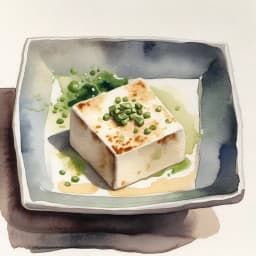
This is a quintessential dish of Shojin Ryori, passed down at the foot of Eiheiji, the head temple of the Soto Zen sect.
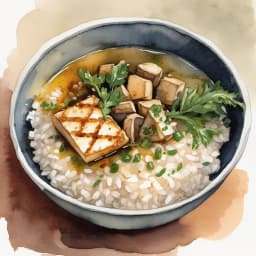
Carefully roasted sesame seeds are slowly ground and kneaded together with underground water from Mount Hakusan and premium kudzu starch. For monks who abstain from meat and fish, it has been traditionally eaten as a precious source of protein. Depending on the variety, the character changes completely: white sesame tofu offers a smooth texture, while black sesame tofu is thick and rich.
The chewy, melt-in-your-mouth texture is accompanied by a rich aroma of sesame that fills the mouth. The Eiheiji style is to serve it chilled with a miso sauce. It is a simple yet deeply nourishing flavor that quietly satisfies the soul.
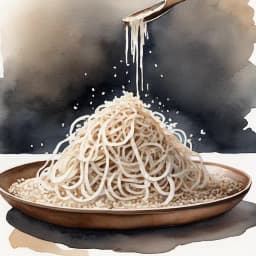
Smooth, cold noodles paired with plenty of grated daikon and dashi. The moment you slurp, the spicy kick of the sauce glides down your throat, followed by the gentle aroma of buckwheat rising in your nose. This is Fukui's 'Echizen Oroshi Soba.' The simplicity—with only chopped green onions and bonito flakes as toppings—is precisely what makes it so addictive.
It is said that buckwheat, which can grow even in harsh terrain, was promoted for cultivation to the local people by Honda Tomimasa, a chief elder of the Fukui Clan. The custom of eating it with grated daikon is also believed to have spread around that time.
The subtle spiciness of the radish, the umami of the broth, and the rustic sweetness of the buckwheat. That moment when all three unite in your mouth is irresistible. Refreshing even in summer, you could eat bowl after bowl—it is a cold dish dearly loved by the people of Fukui.
A freshly fried cutlet sits boldly atop chicken rice enveloped in soft, creamy eggs. Then, a glossy demi-glace sauce flows smoothly over the top. It is the best of both worlds—omelet rice and cutlet—the beloved "Volga Rice" of Echizen City (Takefu).
As you dig in with your spoon, the soft-boiled egg and sauce intertwine, while the crispy, fragrant breadcrumbs of the cutlet melt away. The mildness of the egg, the rich depth of the sauce, and the satisfying bite of the cutlet—happiness is packed into a single plate.
Since the sauce and the cutlet vary slightly from shop to shop, comparing them is one of the joys of this dish. It is hearty yet never tiring. If you visit the town of Takefu, this is a local Western-style dish you must try at least once.
A sharpness that chefs around the world fall in love with. This is 'Echizen Uchihamono,' which has continued for approximately 700 years in Echizen City, Fukui Prefecture.
Its origins date back to around 1337 during the Nanboku-cho period. It is said that Chiyozuru Kuniyasu, a swordsmith from Kyoto, visited Fuchu (present-day Echiment City) in search of land suitable for sword-making and began forging sickles for local farmers. Through ancient forging techniques, they have masterfully achieved the contradictory qualities of being thin and light yet incredibly durable. In 1979 (Showa 54), it became the first blade-producing region in the country to be designated as a Traditional Craft.
From kitchen knives to sickles and knives—when you hold each piece in your hand, you can deeply feel the craftsmanship and spirit that have been polished across seven centuries.
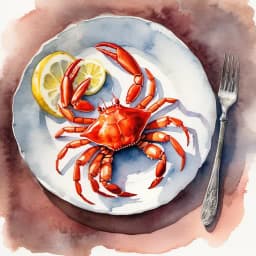
If you want to taste winter in Fukui, start with this very dish. A magnificent shell, long legs, and large claws—its majestic appearance truly makes it the king of flavor.
Among the snow crabs landed at Fukui's fishing ports, only the males are called "Echizen Crab." The proof is the yellow tag attached to the leg, which is stamped with the landing port to guarantee its origin. In 2018, it was registered under the Geographical Indication (GI) protection system.
Once you crack the shell, you'll find it packed with sweet, delicate meat. Hidden within the shell is an abundance of rich, flavorful crab miso. Boiled, grilled, or served as sashimi—it is a Fukui winter delicacy that becomes irresistible as the cold sets in.
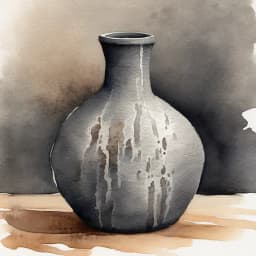
A simple beauty born solely from clay and fire, without the use of glazes. This is 'Echizen ware,' one of Japan's Six Ancient Kilns.
Its history dates back approximately 850 years to the late Heian period. It is characterized by 'unglazed high-fire firing' (mu-yu yakishime), which utilizes techniques from Tokoname and fires iron-rich clay at high temperatures. In the past, jars and pots were transported via Kitamaebune ships from Hokkaido to Shimane, and it flourished as the largest ceramic production area in the Hokuriku region. It has also been designated as a Japan Heritage site as one of the Six Ancient Kilns alongside Seto and Bizen.
The ash deposits and natural glazes created by the flames produce unique patterns where no two pieces are exactly alike. This is unpretentious pottery that grows more flavorful with use. At the Echizen Pottery Village, you can enjoy visiting many different kilns and participating in pottery-making experiences where you can touch the clay yourself.
Tiger pufferfish raised in Japan's coldest sea; this is the 'Wakasa Fugu'—a winter specialty of Takahama Town.
Wakasa Bay, characterized by its rias coastline, features excellent tidal currents, providing an ideal environment for tiger pufferfish aquaculture. It is known as a major offshore aquaculture site located at the northernmost point of Honshu. Raised slowly in cold waters, these pufferfish boast firm flesh, elegant sweetness, and a pleasant texture. The peak season is from around October to March.
Whether enjoyed as 'tessa' (sliced sashimi) or 'tecchiri' (hot pot), or with rich, creamy milt, the effort put into raising these fish results in exceptional firmness and umami. It is a true Wakasa luxury that you'll want to savor as the winter cold deepens—a perfect dish to enjoy leisurely at a traditional Japanese inn.
Born from the town tree of Takahama Town, this is a gentle health tea called "Eucommia Tea."
Eucommia is a deciduous tree native to China. Cultivation began in Takahama Town over 30 years ago, and it has now become a representative specialty of the town. We take pride in our natural cultivation method, which uses no pesticides or additives and requires almost no intervention other than mowing the fields. The leaves accumulate plenty of nutrients from spring to summer; once harvested, they are sun-dried and carefully roasted.
Since it is caffeine-free, you can enjoy it safely even before bedtime. With a subtle sweetness and a refreshing taste, it is perfect for your daily cup. It is a tea that allows you to take a relaxing break, nurtured by the rich nature of Takahama.
As you bring the plump, firm meat of the leg to your mouth, a fresh sweetness and a light yet deep umami flavor gently wash over you. Whether boiled for a fluffy texture, grilled for a fragrant aroma, or enjoyed as sashimi for a melting sensation—no matter how you eat it, it is exceptional. This is Fukui's 'Echizen Crab,' the king of winter delicacies.
The proof of Echizen Crab is the yellow tag engraved with the name of the fishing port. It is characterized by thick meat and particularly long legs. Its history of being presented to the Imperial Court is ancient, with records dating back to the 43rd year of the Meiji era. Only those that are sufficiently mature and magnificent are selected, and those of tribute grade are marked with a second yellow tag.
Registered as a Geographical Indication (GI) in 2018, it is the top brand of snow crabs. The winter in Fukui arrives specifically for this single exquisite taste.
As you take a bite, the savory juices burst forth first. The patty, crafted from Fukui beef and domestic pork, is layered with the crunchy texture of shallots from Mikuni. But the real surprise is the bun: a rice flour bun made by kneading cooked local rice into the dough, resulting in a soft and chewy texture—this is the 'Mikuni Burger' from the port town of Mikuni.
Homemade barbecue sauce and mayonnaise mellow out the flavors of the meat and vegetables. With plenty of tomato, onion, and lettuce, a single bite brings an onslaught of various textures. It is incredibly satisfying and filling.
This single burger, packed tightly with local ingredients, embodies the richness of Mikuni Port. It is a signature flavor that has been loved for over fifteen years. We invite you to enjoy it while strolling through the port town.
Take a bite of these glossy, shimmering sweet shrimp with wasabi soy sauce. As they melt and dissolve in your mouth with a creamy, sticky texture, a rich sweetness spreads slowly. This unique viscosity and sweetness, only possible with freshly caught shrimp, is irresistible.
Sweet shrimp live deep in the ocean, at depths greater than 200 meters. It is said that the deeper they dwell, the more intense their flesh becomes in both texture and sweetness. Among Fukui's major landing ports, Mikuni Port is unrivaled, accounting for over 70% of the sweet shrimp landed in the prefecture.
Once you peel away the plump shell, you find translucent, trembling flesh. Whether served as sashimi or sushi topping, it is so delicious you'll want to savor even the flavorful tomalley from the head. This is a melt-in-your-mouth delicacy from Mikuni Port that truly must be enjoyed raw.
The glasses you are wearing might have been born in Fukui. This is Sabae City, one of the world's three major eyewear production regions.
Its history dates back to 1905 (Meiji 38). Eyewear manufacturing began as a side job during the agricultural off-season in the heavy snowy winters. Eventually, artisans divided tasks by parts, and the entire town developed like one large factory. Today, more than 90% of eyewear frames produced in Japan are from Fukui Prefecture, and its technology for lightweight and durable titanium processing is recognized worldwide.
From a farmer's side job to a world-renowned mecca. By experiencing this journey at the Megane (Eyewear) Museum, you will surely feel a deeper affection for your everyday pair of glasses.
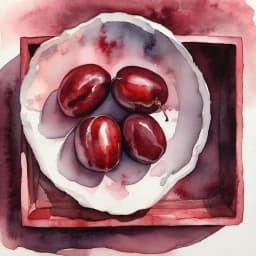
Fukui plums, known for their thick flesh, ripen on the shores of the Mikata Five Lakes. They are a specialty of Wakasa Town.
Wakasa Town is one of the largest plum-producing regions on the Sea of Japan coast. The history of cultivation is said to date back to the Tempo era (1830–1844). Representative varieties include 'Beniashi,' which is ideal for umeboshi, and 'Kensaki,' which is suited for plum wine. A characteristic feature of Fukui plums is their small seeds and thick flesh; they are a hardy variety capable of withstanding the severe winter cold.
When you take a bite, the salty and sour flavors gently spread through your mouth. It is the taste of traditional umeboshi. Please enjoy them along with plum wine and various other plum products, as you experience the plum groves of Wakasa spreading along the lakeshore.
Born from the need to endure the winters of Wakasa, this is a fermented preserved food that Fukui is proud of.
After salting the mackerel for two to three weeks, rice bran and chili peppers are added. A weight is placed on top, and it is left to rest for six months, through the rainy season, summer, and until the beginning of autumn. It is said to have been made as early as the mid-Edo period, serving as a precious source of protein during harsh winters.
When the rice bran is removed and the fish is lightly seared, its saltiness and umami rise intensely, similar to smoked fish. It is wonderful with hot rice, in chazuke (tea rice), or as an accompaniment to sake. Freshly prepared pieces can also be enjoyed as sashimi, offering a different texture from the seared version. Recently, it has even been used as a secret ingredient in pasta and pizza. Once you know this deep flavor, you will find yourself reaching for it again and again.
The shores of Lake Mikata have long been known as a treasure trove of seafood. Among its many specialties, Wakasa's most famous is the fragrantly grilled eel.
The local style follows the Kansai method: grilling slowly over Binchotan charcoal without steaming first. The secret sauce passed down since the shop's founding, combined with the gentle heat of the charcoal, ensures the skin is aromatic and the meat is fluffy. Established in the Meiji or Showa era, long-standing shops continue to showcase their skills, preserving this flavor through four generations. A unique pleasure here is being able to taste 'Kuchiboso Ao-unagi' (wild eel) from Lake Mikata during the fishing season.
Enjoy the kabayaki, coated in a glossy glaze, alongside freshly cooked rice. This is a dish we truly want you to experience in Wakasa, nurtured by both lake and sea.
These are playful local gourmet dishes unique to Katsuyama, the city of dinosaurs.
Katsuyama City is home to the Fukui Prefectural Dinosaur Museum, one of the largest in Japan. In its vicinity, dinosaur-themed dishes have been created one after another. You can enjoy menus featuring motifs like eggs and footprints, as well as curries and omurice with powerful names. From the museum's restaurant to surrounding eateries, each dish is prepared with unique creativity.
It is a fun dining experience in the dinosaur kingdom that brings smiles to both children and adults through visual delight and delicious taste. You can also enjoy Fukui specialties like Sauce Katsudon and Volga Rice. Along with the excitement of fossil excavation, these dishes are perfect for satisfying both your hunger and your heart.
Pour plenty of steaming hot broth over freshly cooked rice—this is the essence of "Bokkake." A hearty mixture of burdock root, carrot, fried tofu, konnyaku, and kamaboko is enveloped in the fragrant aroma of bonito dashi and soy sauce. As you eat it, the gentle sweetness of the root vegetables and the umami of the broth spread through your mouth, warming you to the core; it is a beloved local specialty of Fukui.
The name originates from the action of "bukkakeru" (splashing or pouring) the hot broth over the rice. There is even an adorable legend that the dish was so delicious, hosts would chase after guests who were trying to leave just to keep them eating.
With the ingredients clinging to every grain of rice, each bite offers a comforting taste. Ingredients and seasonings vary by region and household, making the unique variations part of the fun. It is a warm Fukui feast that you will find yourself craving especially on cold days.
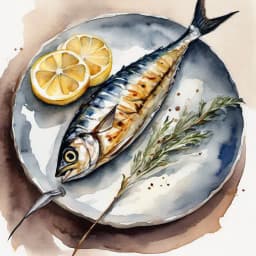
A single bamboo skewer pierces it through, and the whole fish is slowly grilled over charcoal. With crispy skin and fluffy flesh—despite its bold appearance, Fukui's grilled mackerel is a deeply flavorful single fish.
Since ancient times, Wakasa has been an 'Oshikoku' (a province providing food to the Imperial Court), delivering seafood to the capital. It is said that the wisdom of grilling and preserving mackerel, which spoils easily, gave birth to 'Hama-yaki Saba.' The road leading to Kyoto became known as the 'Saba Kaido' (Mackerel Highway).
In the Ono area, there is a custom of eating grilled mackerel during the summer 'Hangesho' period. It is said this was done to nourish and reward the body after the exhaustion of rice planting.
Take a big bite with just a touch of ginger soy sauce. This fatty fish is a taste that has stayed close to the lives of the people in Fukui.
When grilled with the scales left intact, the skin becomes crispy while the flesh remains tender and flaky. An elegant sweetness spreads throughout your mouth—Wakasa Guji is a sophisticated, premium fish that Fukui is proud of.
"Guji" is the name used for tilefish in Fukui and Kyoto. Only red tilefish caught in Wakasa Bay that meet strict criteria regarding fishing methods, size, and freshness management are permitted to bear the name "Wakasa Guji."
Wakasa has long been known as an "Oshikoku" (a province providing food to the Imperial Court). Carried over the mountains to Kyoto, Guji has been revered as a star ingredient in Kyoto cuisine. A tradition also exists of salting the fish at the shore before shipping to ensure maximum freshness.
The most iconic way to enjoy it is "Wakasa-yaki," where it is grilled with the scales on. It is a beautiful treasure nurtured by the Oshikoku.
The path used to carry mackerel landed in Wakasa Bay to the capital of Kyoto is known as the "Saba Kaido."
In an era without refrigeration, travelers carried fresh mackerel preserved with salt on their backs, trekking through mountain paths all night long. The journey from Obama to Kyoto took approximately one full day and night. It is said that by the time they arrived, the saltiness had reached just the right level, making it highly prized by the people of Kyoto. In reality, this was not a single road but a collective name for several highways connecting Wakasa and Kyoto, with the "Wakasa Kaido" passing through Kutsuki being the most well-known. Since ancient times, Wakasa has served as an "Oshikoku" (a province responsible for providing food to the Imperial Court).
This is a historical path where the blessings of the sea nurtured the food culture of the capital. Even today, mackerel dishes such as Saba-zushi and Heshiko continue to grace the dining tables of Wakasa.
A deep hue that looks as if it has captured the very bottom of the sea. These are 'Wakasa Lacquerware Chopsticks,' a traditional craft that the city of Obama in Fukui Prefecture takes great pride in.
Its origins date back over 400 years. It is said that the official lacquer artists of the Obama Clan devised the design by visualizing the appearance of the seabed. Abalone shells and eggshells are layered dozens of times with lacquer, then meticulously polished using stones and charcoal. That mesmerizingly beautiful pattern is born from a unique technique where all ten or more processes are performed entirely by hand. Today, Obama accounts for approximately 80% of all lacquered chopsticks produced in Japan.
Because these are chopsticks you hold in your hands every day, you want to choose the real thing. They are a crystallization of craftsmanship that becomes more comfortable in your hand and grows more dear to you the more you use them.
When you open the bowl, the aroma of dashi rises softly. Hot, crispy fried cutlet rests atop steaming rice, layered with a light sauce made from Fukui-produced soy sauce and plenty of grated radish and vegetables. It is refreshing yet deeply flavorful—this is Fukui's 'Soy Sauce Katsu-don.'
It was created by Akishi Nomura, the sixth generation of Nomura Soy Sauce, a long-established soy sauce brewery in Ono City. The dashi-infused soy sauce sauce gently cuts through the richness of the fried meat.
The sauce soaks into the katsu breading, and with every bite, the sweetness of the meat and the umami of the soy sauce spread through your palate. The refreshing sensation of the grated radish makes you continue eating effortlessly until the very last bite. It is a light and easy katsu-don that even Fukui's bowl enthusiasts would highly recommend.
When picked up with chopsticks, it has a firm, bouncy texture. Once in your mouth, it is chewy and sticky, with a sweetness that gradually spreads as you chew. This is Fukui Ono's 'Uesho Taro,' which maintains its shape even after simmering.
The Ono Basin, surrounded by thousand-meter-class mountains such as Mount Arashima, experiences significant temperature fluctuations between day and night and features well-drained alluvial fans. This harsh yet bountiful land nurtures taro with dense, fine flesh. Its deliciousness is so renowned that it was registered under the Geographical Indication (GI) protection system in 2017.
Slow-simmered 'Nikkorogashi' (taro simmered in dashi) is a staple of theOkuetsu dining table. When you gently pierce the potato, which has soaked up the savory broth, it falls apart tenderly and melts in your mouth. It is a deeply flavorful tuber that conveys the richness of the land in a single bite.
A succulent leafy green nurtured by the pure waters of the Ono Basin. This is 'Ono Mizuna.'
Known as a town of famous spring water, Ono is blessed with subsoil water from the Hakusan mountain range. The significant temperature fluctuations and this pristine water create a crunchy texture and a refreshing taste. As a vegetable grown locally since ancient times, it is an indispensable part of the Ono dining table, used in everything from pickles to hot pots.
With a single bite, the juiciness of greens that have endured the snowy region's winter spreads throughout your mouth. It is a flavor full of nourishment, unique to this village of famous spring water, made possible only by the clean water. Even when prepared simply as ohitashi (blanched greens with dressing), its pure deliciousness stands out.
Enjoy Fukui's soul food, 'Oroshi Soba,' in the nature-rich Ikeda Town.
In the mountainous Ikeda Town, many farmers still cultivate heirloom buckwheat varieties and make their own noodles by hand. Fukui is a rare 'heirloom buckwheat kingdom' where traditional varieties grow throughout the prefecture. The significant temperature fluctuations and pure water produce buckwheat grains that are highly aromatic, small, and firm. The Fukui style is to enjoy these noodles with a generous serving of grated spicy radish (karai-daikon).
The rich aroma of the buckwheat combined with the sharp pungency of the radish creates a simple yet addictive bowl unique to Ikeda Town. Slurping them with cold dashi, you can almost feel the cool air of the mountain village. Please come and taste it for yourself.
Born from wildlife damage control measures, it has now become a local specialty. These are deer and wild boar dishes from the 'Gibier Town of Ikeda.'
Bordering Gifu Prefecture, Ikeda Town is a land blessed with deep mountain nature. The mountains are home to many deer and wild boars, which were once a source of concern due to damage to agricultural crops. Consequently, an initiative has spread to locally butcher and process the captured animals, utilizing them as fresh gibier. The savory flavor of the wild, lean meat is a taste unique to this region.
This represents the wisdom and ingenuity of Ikeda Town, turning a local problem into a regional treasure. The richness of the fat combined with the firm lean meat is exceptional when used in stews or hot pots. It is a deeply nourishing mountain delicacy that one wishes to savor while expressing gratitude for the life being received.
In front of the station at night, the sound of the charumera (ramen advertising flute) echoes. In a steaming bowl, with a broth of pork bone and chicken—Tsuruga Ramen is a local specialty born from street food stalls.
The beginning is said to date back to 1953 (Showa 28), when the first ramen stall appeared in Tsuruga. At that time, it was called 'Chuka Soba,' and at night, stalls would gather in front of the station, where train passengers and JNR employees would slurp their noodles.
Eventually, they moved along the national highway, and it is said that a 'Ramen Highway' was formed, with as many as 15 stalls lined up at its peak. The flow of people and goods through the port town of Tsuruga nurtured this nighttime culture.
Slurping the soup, where light flavor and richness coexist. It remains the taste of Tsuruga's nights, even now, where the lights of the stalls still glow.
If you trace the history of Fukui's sauce katsudon, you arrive at a single shop: 'Europaken'—the establishment considered to be the pioneer of Fukui's sauce katsudon.
It was created by the founder, Masataro Takabatake. After training in Berlin, Germany, he returned to Japan and, in 1913 (Taisho 2), is said to have presented a katsudon using Worcestershire sauce at a culinary exhibition in Tokyo. This dish is regarded as the original.
Following the Great Kanto Earthquake, he moved back to his hometown of Fukui, establishing the main store in 1924 (Taime 13). The stylish, 'high-collar' name of the shop is said to be inspired by the Europe where he completed his training.
Through various branch openings, the brand spread throughout the prefecture and continues to be beloved to this day. The origins of Fukui's soul food can be found right here.
When sliced, the black kelp elegantly wraps around the white fish cake. The savory umami of the kamaboko is layered with the briny aroma of the sea from the kelp—this rolled fish cake is a dish that embodies the essence of Fukui in both appearance and taste.
It is said to have originated from using kelp to wrap the fish instead of traditional wooden boards. The history is rooted in the Edo period, when kelp transported by Kitamaebune ships became easily accessible. Tsuruga flourished as a port for these ships, making it a land where food cultures from various regions converged.
The umami of the kelp gently permeates the entire fish cake. Due to its beautiful appearance, it is said that it was once used as an offering for the imperial court.
Kelp (kombu), which shares a phonetic connection with the word 'yorokobu' (to be happy), is considered a symbol of good fortune. This flavorful fish cake has long graced celebratory occasions in Fukui.
This is a highly aromatic heirloom variety of soba passed down in Imazo, a former post town on the Old Hokuriku Highway.
Imazo is a post town nestled in a valley surrounded by the Hino and Takura Rivers. The local climate, characterized by significant temperature fluctuations and frequent mist, produces high-quality buckwheat grains that are small and firm. It is said that the variety known as 'Imazo Zairai' has been cultivated since the beginning of the Edo period, with the pure waters from snowmelt supporting its unique flavor.
When the railway arrived in the Meiji era, the 'standing-style soba' enjoyed during stops at Imazo Station gained fame throughout the country. This is the taste of a post town that has long welcomed travelers on the highway with warm soba. Please come to the land of Imazo and experience the rich aroma of freshly ground and freshly made noodles.
A sweet and juicy red jewel delivered from the deep sea. This is the "Red Snow Crab" landed at the fishing ports of Minami-Echizen Town.
Inhabiting even deeper waters than the standard snow crab, these crabs are characterized by their high moisture content in the meat. Because of this, they possess a stronger sweetness and offer a soft texture that seems to melt in your mouth. Another great advantage is that they are more affordably priced compared to true snow crabs. Locally, they have long graced winter dining tables when enjoyed boiled or in hot pots.
A bounty of the sea nurtured by the rough waves of Wakasa and Echizen. Please enjoy to your heart's content the melting sweetness contained within the vibrant red shells. Because they are an affordable luxury, you can truly indulge in plenty of this delicious treat.
Using only salt and rice bran, mackerel is transformed into a concentrated mass of umami. This is 'Heshiko,' a fermented food passed down through the Wakasa region.
Mackerel is salted and then slowly steeped in rice bran, allowing it to ferment and mature for over a year as a preserved food. It is said that this method was already in use by the middle of the Edo period. In coastal Mihama Town, securing food during the winter when heavy snow prevented fishing was a major challenge. This profound fermented food was born from such resourceful living.
The strong saltiness and the deep umami produced by fermentation create an irresistible flavor; if lightly grilled and placed on rice, you will want endless refills. It also pairs perfectly with chazuke (tea rice) or as an accompaniment to sake. It is the pinnacle of nutritious flavor, carefully preserved and passed down through the fishing villages of Wakasa.
When you open the lid, a large cutlet sits prominently atop the rice. Unlike other varieties, it is not bound with egg; instead, the freshly fried meat is dipped into a sweet and savory Worcestershire-style sauce—in Fukui's katsudon, this crispy and juicy texture takes center stage.
Many shops use thin slices of shoulder loin, making it easy to devour along with the rice even as the sauce soaks in. In Fukui, when people say "katsudon," it is understood to mean this sauce-based version rather than the egg-bound type.
From specialty shops to soba noodle restaurants, each establishment preserves its own prideful recipe for the sauce. For locals, it is a familiar taste of home, cherished since childhood.
Sweet and salty, this single bowl is an unshakeable staple deeply rooted in the dining tables of Fukui.
Smooth noodles paired with a generous amount of grated daikon radish. With every slurp, the sharp sting of spicy daikon and the aroma of the buckwheat follow—the essence of Echizen Oroshi Soba lies in this combination of coldness and spiciness.
Soba has a long history in Fukui; it is said to have begun when the Asakura clan of Ichijodani cultivated it as an emergency food source during the Warring States period. Later, Honda Tomimasa, the lord of Fuchu (present-day Echizen City), is said to have spread its cultivation by bringing skilled soba masters, which led to the tradition of topping it with grated daikon.
The name became known nationwide after Emperor Showa visited Fukui and remarked, "The Echizen soba was truly delicious."
In this dish, the daikon is not merely a garnish, but the star of the flavor. It is the soul food of Fukui.
Packed densely atop vinegared rice is fatty, grilled mackerel. A single piece of this pressed sushi—featuring crispy grilled skin and tender flesh—is a feast that leaves you feeling satisfied.
While Kyoto-style mackerel sushi uses raw cured mackerel, the major difference here is the use of grilled mackerel. It was born from the culinary culture of 'Hamayaki Saba' (beach-grilled mackerel), which remains delicious even when cold.
Surprisingly modern, it is said to have been devised in the year 2000 as an attempt to create a specialty for Mikuni. This history is rooted in Wakasa's role as an 'Oshikoku' (a province providing food to the Imperial Court) and the 'Saba Kaido' (Mackerel Highway) used to transport mackerel to Kyoto.
This popular single-piece sushi can also be found at Fukui Station. Please enjoy the perfect balance of sweet fat and vinegared rice.
Freshly steamed onsen manju release a gentle steam from their moist skins. With just one bite, the rich, deep flavor of the dark sugar filling melts softly on your tongue, spreading a warm sweetness throughout your mouth. This is the quintessential souvenir of Awara Onsen.
Using the underground waters of Mount Hakusan, we create a deeply flavorful filling with dark sugar, wrapped in a soft, plump dough and steamed to perfection. The balance between the chewy texture of the skin and the rustic sweetness of the filling is exquisite. Because they are bite-sized, you'll find yourself reaching for another.
A soothing treat to enjoy after relaxing in the hot springs. Perfect with a cup of warm tea after your bath. These manju allow you to take the lingering essence of Awara's hot springs right back home with you.
As soon as it enters your mouth, it melts away. Soft, smooth, and subtly sweet—the charm of Habutae Mochi lies in its silk-like melt-in-the-mouth sensation.
The name is derived from 'Habutae,' a high-quality silk fabric that was once a specialty of Fukui. It is a soft, lustrous cloth woven without twisting the warp and weft threads. This confectionery expresses that very texture using glutinous rice.
It is said to have been devised around 1897 by Matsuoka-ken in Fukui and named 'Habutae Mochi.' While the base ingredient, gyuhi, has existed since ancient times, there are various theories regarding its origin as a specific confectionery.
Perfect as a snack with tea or as a souvenir. It is a representative confection of Fukui, as gentle as silk.
When scooped with a wooden spatula, it wobbles smoothly. It is moist and glides effortlessly down the throat—believe it or not, Fukui's Mizuyokan is a sweet treat enjoyed during winter.
Sitting around a kotatsu, families slice pieces from a flat box. This is a food culture unique to Fukui that surprises people from other prefectures. It is also referred to as 'Dechi Yokan.'
The origin is said to stem from apprentices (dechi) who went to work in Kyoto and brought back yokan during the New Year. Diluting it with water to distribute to neighbors is said to be the beginning of the Mizuyokan style. Because it has a low sugar content and does not keep well, it became a treat eaten specifically during the cold winter months.
Even though it is cold, it is eaten around the kotatsu. That very contradiction is a hallmark of winter in Fukui.
When mentioning the representative fine sakes of Fukui, this name is always among the first to be raised. This is the sake of Kokuryu Sake Brewery, which has maintained its handmade traditions for over two hundred years since its founding in the first year of the Bunka era (1804).
The name originates from the 'Kokuryu River,' the ancient name of the Kuzuryu River that flows beside the brewery. The brewing process utilizes the underground water from the same river; its light and soft characteristics produce a flexible and clear Ginjo sake. The brewery is committed to using only premium sake-brewing rice, primarily Yamada Nishiki from Tojo, Hyogo, and Gohyakumangoku from Ono, Fukui.
Delicate, elegant, and possessing a gentle yet unmistakable presence. With every drop, its refined taste softly transforms the everyday into something extraordinary. It is a drink to be enjoyed chilled, accompanied by a slow and relaxing moment.
This is another brand launched by Kokuryu Sake Brewery to mark its 200th anniversary. It was named after the Kuzuryu River that flows beside the brewery.
After five years of extensive research and trial production, this brewery succeeded in creating the world's first Daiginjo sake specifically designed for 'kan' (serving warm). Its character lies in a gentle umami achieved through slow maturation; when warmed, the hidden ginjo aromas gently rise, and the flavor expands beautifully.
Aiming to be a high-quality everyday sake, its charm lies in being enjoyable across a wide temperature range, from chilled to warm, and even on the rocks. While the clear-tasting Kokuryu excels when chilled, Kuzuryu truly demonstrates its full potential when served at lukewarm temperatures (nurukan). It is a bottle you will find yourself wanting to sip slowly on a cold night.
Echizen Misaki, a scenic spot in Fukui. This local sake from Tanabe Shuzo bears that very name.
The brewery is situated in Eiheiji Town, where the clear waters of the Kuzuryu River flow. It is a land blessed with sake production: high-quality rice, pure water, and the severe cold of winter. They adhere to a meticulous cold-brewing process, steaming rice in traditional iron kettles and pressing each individual sake bag by hand. The essence of Fukui's rice-producing climate resides in every single drop.
It is this brewery's tradition to release their sake only after slow maturation—six months for Honjozo and one year for Ginjo. This is a local sake that gently complements the seafood of Fukui. When paired with Echizen crab or seasonal fish, you will surely experience its true, crisp value.
With a single sip, you experience a pure flavor free of impurities. The clean, fleeting aftertaste instinctively makes you sit up straight—Bonn is a renowned sake from Sabae, Fukui, destined to soar across the world.
It is brewed by Kato Kippei Shoten, established in 1860 (the first year of the Man'en era). Legend has it that they began sake brewing with the aim of transforming tax rice into high-value sake to bring joy to the local community.
"Bonn" is a word in Sanskrit meaning "pure and stainless." It is also said to have been the first regional sake selected for the enthronement ceremony of Emperor Showa in 1928.
Today, the brand is trademarked in many countries and regions around the world, enjoyed far beyond the seas. It continues to carry Japanese sake culture from Fukui to the entire world.
With a single sip, a clear and pure aroma spreads across the palate, followed by a clean finish—this 'sharpness' further enhances the flavors of Fukui's ingredients. This is the local sake from Ippongi Kubo Honten, a brewery that has continued in Katsuyama, Oku-Echizen since 1902.
The sake's name is derived from the Zen phrase 'Daiichigi-gi' (The First Truth). The brewery inherited this name, which was originally established as the official sake for the Katsuyama Ogasawara Clan that ruled this region during the feudal era.
The snow-deep Katsuyama Basin experiences significant temperature fluctuations, making it a prime production area for the 'Gohyakumangoku' sake rice. Utilizing the Nanbu-style brewing method, it produces a beautiful sake that complements food perfectly. With its crisp finish and elegant aroma, it is a cup that gently accompanies the dining tables of Fukui.
Upon taking a sip, it spreads smoothly across the palate, featuring a beautiful harmony of richness, umami, and clean acidity. The aftertaste is soft, gliding effortlessly down the throat. 'Hanagaki' is sake brewed with a commitment to traditional handcrafted methods in Ono, Fukui, for over a century.
Ono is a village of famous waters, represented by 'Oshimizu,' one of Japan's top 100 waters. The brewery treasures the mineral-rich, mellow spring water flowing from the mountains connected to the sacred Mount Hakusan, referring to it as 'the essence of the mountains.' The philosophy of brewing only what can be carefully monitored with one's own eyes is reflected in the clarity of every drop.
A gentle yet soulful cup that quietly accompanies your dining table and enhances the flavors of your food. This is a sake made with heartfelt care, born from the water and rice of Echizen Ono.
This local sake is brewed in Mihama Town, embraced by Wakasa Bay and the Mikata Five Lakes, by a brewery that has continued since the 3rd year of the Kyoho era (1718). The name is derived from an old place name, Hayaseura, located near the brewery.
For brewing, we use mineral-rich well water from our own brewery. This hard water powerfully stimulates the yeast, creating a unique fermentation power found nowhere else. Although it is a small brewery with an annual production of only about 300 koku, its individuality has earned it enthusiastic fans across the country.
The moment you drink it, you feel a core strength and a sharp mineral sensation. This dry profile, which is refreshing yet possesses a definite presence, has long impressed sake connoisseurs. It is a cup that pairs perfectly with the seafood of Wakasa.
When poured into a cup, it releases a clear, crisp aroma. A sharp, dry finish that glides smoothly down the throat—Joshan is a sake that pursues transparency, brewed in the heart of Fukui City.
The roots of the Joshan family are said to trace back to a merchant house that operated a cotton shop in Mikuni-minato. Having flourished as an official money changer for the Fukui Domain, they are said to have begun sake brewing in 1804, during the Bunka era of the late Edo period.
While they previously brewed other brands such as 'Habutae Masamune,' it is said that in 1997 (Heisei 9), the seventh generation established the current 'Joshan' brand with the desire to 'make its name known as a fine sake.'
A brewery dedicated to using Fukui-grown rice to brew light and aromatic Junmai sake. The four seasons of Fukui are reflected in every glass.
A special item from Maeda Seika, a purveyor to Eiheiji Temple. A new sensation in Japanese confectionery, this consists of incredibly soft, melt-in-your-mouth Habutae mochi poured directly into a container, so much so that it can be eaten with a spoon.
A famous confection named by Maeda Seika of Eiheiji Town, combining 'Ori' from weaving (orimono) and 'Fuku' from Fukui. An elegant treat featuring sweet azuki beans wrapped in soft habutae mochi.
A dish filled with the spirit of Shojin Ryori (Zen Buddhist cuisine), loved at the gates of Eiheiji Temple in Fukui.
Yomemata, a merchant serving the Great Head Temple Eiheiji, carefully prepares this sesame tofu using only richly flavored ground sesame paste and Yoshino Hon-kuzu. We have reimagined this classic staple of Zen monk cuisine into a modern sweet suitable for a gift. When paired with black honey (kuromitsu) and roasted soybean powder (kinako), its chewy and smooth texture transforms into an elegant Japanese dessert. The rich depth of the sesame and its melt-in-your-mouth texture are irresistible.
Savoring this after visiting the temple will likely bring back memories of the temple's serene atmosphere. It is a gentle treat unique to Fukui that will soothe your very soul.
A fresh type of Habutae mochi sold directly from the factory by Maeda Seika, a supplier to Eiheiji Temple. It has a melting texture with more moisture than usual, and a frozen version can also be found at the unmanned sales stall in front of the Eiheiji temple gate.
A long-selling confection that has been loved in Fukui since its release in 1975.
The dough is made with a unique blend of four types of flour and plenty of eggs from local Fukui Prefecture. Small, flavor-concentrated peanuts are kneaded into the dough, and each piece is baked individually in a swirling flame stone oven. The far-infrared rays cause the high-quality oils from the peanuts to gradually seep into the dough, bringing out a rich aroma.
No matter where you break it, it is packed with peanuts. It features a pleasant, crunchy texture followed by a savory aroma and a moderate sweetness. It possesses a unique deliciousness that is different from both Japanese rice crackers and Western cookies. A classic souvenir that pairs well with both coffee and tea.
A moist and gentle dorayaki crafted by Satsukigase, a shop famous for its rice crackers.
Satsukigase is a renowned Fukui confectionery known for its Western-style peanut crackers baked in stone ovens. This Imo-dora is one of the dorayaki series produced by this very shop. A generous amount of sweet potato paste is sandwiched between fluffy, freshly baked pancakes.
The natural, fluffy sweetness of the sweet potato pairs perfectly with the moist pancake. It offers a simple and warm flavor, different from their signature crackers. With its plump dough and abundant potato paste, it is incredibly satisfying. This is the perfect treat to accompany a relaxing tea break.
A delicate pastry where each piece of dough is hand-tied and baked by Satsugasase. Because they are hand-tied and cannot be mechanized, they cannot be mass-produced; they feature a crisp yet crumbly texture with the aroma of rum.
An assortment of baked goods perfect for gifting, produced by the rice cracker maker Satsukigase.
Satsukigase is a famous Fukui confectionery shop known for its Western-style rice crackers containing peanuts, baked in stone ovens. This shop has prepared a variety of flavors featuring plump, large-baked madeleines. The assortment includes coffee, chocolate, chestnut, and matcha, making opening the box a joy.
The moist batter carries the light aroma of each flavor. Each piece is large—about the size of a palm—providing a satisfying eating experience. It is also wonderful because every family member can choose their favorite flavor. This is a heartfelt box that will be appreciated even as a formal gift.
A confection born from the very tip of Tojinbo, a scenic spot famous for its rugged rock walls.
This chocolate crunch was co-developed by IWABA CAFE, which stands directly above the cliffs, and Daifuji, a specialist in souvenir confectionery. Imagining the craggy rocks of Tojinbo, crispy crunchy bits are completely enveloped in coffee-flavored white chocolate that evokes a pleasant bitterness. This product has been carefully crafted to pair perfectly with a cup of coffee enjoyed while gazing at the stunning views of the Sea of Japan. With a single bite, a light texture and bittersweet sweetness spread through your palate.
With a long shelf life, it is perfect as a souvenir to bring home memories of your trip. It is a local flavor that brings that magnificent scenery back to life.
A collection of four types of cookies that reimagine Fukui's proud stone-oven baked rice crackers in a Western style.
Satsugase Senbei has been loved since 1975. Satsugase, the maker of this famous Fukui specialty baked with peanuts in a stone oven, created Meisha Roses by arranging that recipe into a Western-style treat. These cookies feature a three-layer structure of butter and cocoa dough layered with crushed Satsugase rice crackers, utilizing four different types of nuts including almonds. The savory aroma of the rice crackers and the texture of the nuts resonate beautifully.
A high-performance sweet that has even won a Gold Medal at the Monde Selection. It is a premium Western confection born from the art of Fukui's rice cracker making.
A thin, baked rice cracker with a fragrant aroma of sesame, crafted by the famous Fukui confectioner, Sagasé.
Created by Sagasé—the same makers behind the beloved peanut rice cracker 'Sagasé' produced since 1975—this treat utilizes their expert rice cracker-making techniques. Much like their signature crackers, they use a unique blend of several types of flour and carefully monitor the moisture content during baking, adding fragrant black sesame as an accent. As the name suggests, each piece is thin and light, crisp and melting in your mouth.
It is a simple yet profound sweet with a gentle sesame flavor. A perfect Fukui snack to accompany your tea.
A prideful dorayaki, baked to fluffy perfection by the famous rice cracker shop that has won numerous awards.
Sagasé is well-known for its peanut rice crackers produced since 1975. This Fukui confectionery maker, a regular gold medalist at the Monde Selection, applied its skills and passion to the creation of dorayaki. The batter, made with eggs from Fukui Prefecture, is fluffy, aromatic, and boasts a moist texture. It is generously filled with carefully cooked bean paste with a gentle sweetness.
The baking techniques cultivated through rice cracker making are fully utilized in this dorayaki. It is a comforting Japanese sweet packed with the true dedication of a long-established maker.
A unique confection unique to Sabae, the holy land of eyeglasses.
Just as Sabae produces about 95% of domestic eyeglass frames, this sweet is shaped like a pair of glasses. The base, Katapan (hard bread), is a traditional hard biscuit originally created as a preserved food for troops stationed in Sabae. This tradition has been reimagined as a souvenir for the city of glasses.
The defining characteristic of this snack is simply how hard it is. Rather than biting into it, the connoisseur's way to eat it is to break it into small pieces and let it slowly melt in your mouth. If soaked in coffee or tea, it crumbles easily and the aroma spreads. It can even be used as a crouton in soup. A memorable item filled with both playfulness and history.
A baumkuchen unique to Minami-Echizen, available at the Nanjo Service Area on the Hokuriku Expressway.
Baked to a moist perfection using milk from Fukui Prefecture and habutae mochi powder. This item shines with its local Fukui essence by utilizing regional ingredients. The accent is the burnt caramel pudding flavor; the gentle sweetness of the baumkuchen is layered with bittersweet caramel.
The moist cake melts softly in your mouth. The softness of the many-layered cake pairs perfectly with the aroma of bitter caramel. A limited taste that can only be purchased at this service area during your drive. It is a souvenir you will surely want to pick up as a memory of your journey through Minami-Echizen.
In Fukui, Mizu-yokan is a winter treat. It is a seasonal specialty that people long for when the weather turns cold.
Egawa is a specialty shop for Mizu-yokan that operates only from November to March each year. The ingredients consist of only four things: agar, smooth red bean paste, granulated sugar, and brown sugar. Using Okinawan brown sugar as a secret ingredient, it is finished with a rich and elegant sweetness. Because no additives are used, it is highly perishable, truly reflecting the essence of the season.
The thinly poured jelly has a smooth, silky texture that glides down the throat. The aroma of brown sugar wafts through, and it melts away in your mouth. Enjoying it with family or friends while sitting in a kotatsu in a warm room—it is a happy staple of Fukui winters.
The flagship product of a Bean-to-Bar chocolate specialty shop located in the mountains of Fukui City.
Located at the foot of Mount Ashigawa and managed by a long-established Japanese confectionery shop, this establishment was one of the first in Fukui to engage in chocolate making from cacao beans. It is an authentic product made using only cacao beans and cane sugar, without any emulsifiers or flavorings. The Nama-choco Sand features a thick, approximately 1cm layer of rich ganache made with Ghanaian cacao, gently sandwiched between crispy cookies.
A perfect balance of sweetness, bitterness, and acidity. Rather than following trends, it places the chocolate itself as the star—a luxurious treat for adults.
This is a confection shaped into a traditional stick-style sweet (sao-gashi), capturing the silk-like smoothness of Fukui's famous Habutae Mochi.
Produced by Egawa, a maker known for their winter mizuyokan, this treat is primarily made from glutinous rice, sugar, and starch syrup, finished with a moderate sweetness. As its name suggests, it captures the supple texture of 'Habutae,' the high-quality silk fabric that Fukui once took great pride in.
The soft mochi dough possesses a delicacy that seems to melt instantly upon entering the mouth. The way it is wrapped into the 'kinuta' shape is also beautiful, reminiscent of silk cloth. Its elegant and subtle sweetness pairs perfectly with tea. With a short shelf life of about ten days, it is an atmospheric Fukui confection that prioritizes the freshness of being freshly made.
The more you chew, the more the savory umami of the squid spreads. This is a seafood cracker prepared with the expertise of fishermen.
It is produced by Echizen Seafood Club, founded by fishermen in Fukui. Fresh squid is seasoned with a secret marinade and pressed between cracker dough before being grilled. Using a unique method, it is slowly dried for an entire day and then deep-fried to a crisp finish. A key feature is the use of not just the meat, but even the crunchy cartilage.
The fragrant aroma of soy sauce and the scent of the sea bring the blue waters of Echizen back to life with a single bite. It offers a profound flavor where the squid's umami gradually seeps out as you chew. This addictive cracker is perfect both as an accompaniment to tea or as a snack with alcohol.
An elegant dry confection (higashi) crafted by Eitaro, a long-established confectionery shop in Fukui City.
This piece expresses the high quality of Echizen Washi paper and the joy of the people involved in its creation. Using high-quality eggs as the primary ingredient, it incorporates specialty Wasanbon sugar from Shikoku and local Echizen seaweed (momi-wakame), finished with agar. It is a handcrafted sweet made with carefully selected ingredients.
Upon tasting, the gentle flavor of egg and the mellow sweetness of Wasanbon sugar spread softly through the mouth, accompanied by the subtle oceanic scent of the seaweed. The sweetness is understated and elegant, leaving no heavy aftertaste. It is a deeply flavorful treat that suits tea time or as a souvenir that truly conveys the essence of Fukui.
A cherry blossom-flavored mizu-yokan delivered by Egawa exclusively during March and April. A spring-only flavor from an 87-year-old established shop, utilizing traditional winter production methods while embracing the scent of cherry blossoms.
A refreshing agar candy for summer, produced by Egawa, a maker famous for their winter mizu-yokan.
Founded in 1937, Egawa is a well-known long-established shop in Fukui, famous for its mizu-yokan. They have applied their many years of agar-making expertise to create a cool confection enjoyable during the hot season. Featuring golden pieces of Fukui's branded ume (plum), it offers an incredibly smooth texture and refreshing sensation.
When well-chilled, the agar melts in your mouth alongside the crisp acidity of the plum. The smooth texture is truly pleasant. A taste of Fukui's coolness that eases the summer heat, showcasing the reliable craftsmanship unique to a long-established maker.
Habutae mochi produced by Egawa, renowned for their mizu-yokan. You can enjoy an elegant sweetness and smooth melt-in-your-mouth texture, reflecting the discerning eye for ingredients that only a mizu-yokan craftsman possesses.
A winter limited edition product from Kubota Seika, brewed one pot at a time every morning. Using brown sugar from Hateruma, Okinawa, and containing no additives, its light, melting texture colors the winter in Fukui.
A famous Fukui confection featuring fragrant kinako (roasted soybean flour) kneaded into smooth, silk-like Habutae mochi. It offers a comforting sweetness and the aroma of kinako that differs from the plain version.
Fresh, juicy strawberries are wrapped whole in silky Habutae mochi. This is the Ichigo Daifuku from Muranaka Kansen-do.
Utilizing techniques cultivated through their signature Habutae mochi production, a single large strawberry is tightly enveloped in a lightly sweetened mochi dough. The balance with smooth red bean paste from Hokkaido has been carefully considered. The bouncy texture of the mochi meets the pleasant acidity of the strawberry in your mouth.
With one bite, the elegant sweetness of the bean paste overlaps with the fresh, juicy flavor of the strawberry. The springy texture of the Habutae mochi is a charm unique to this Daifuku. It is an adorable treat from a long-established Fukui shop that makes you feel the arrival of the season.
The original Fukui confection created by Matsuoka-ken, founded in 1897. The founder, the son of a textile wholesaler, recreated the smoothness of silk fabric in this sweet, which has been loved for over 110 years.
A seasonal limited edition Habutae Mochi born from the 'Fuku-raku' brand, created to commemorate the opening of the Hokuriku Shinkansen in Fukui. The flavor of the bean paste changes with the four seasons, delivering the charm of Fukui throughout the year.
A baked sweet that is surprisingly chewy. This is a new sensation in confectionery created by Muranaka Kansen-do.
This long-established shop, known for its Habutae Mochi, has baked this using 100% glutinous rice from Fukui Prefecture. Bite-sized dough is filled with bean paste from Hokkaido and baked to a fragrant finish. The encounter between the toasted aroma unique to baked goods and the mysterious chewy texture makes this a truly delightful treat.
It has a light eating experience that makes you keep reaching for more. The fragrant toasted flavor, chewy dough, and smooth bean paste melt together in your mouth. Individually wrapped and easy to distribute, it is a new souvenir that captures the essence of Fukui. It is a delightful little treat filled with the playful spirit of a long-established maker.
A local Jagarico that can only be purchased on the Sea of Japan side. This is Calbee's "Luxury Crab Dashi Flavor."
The familiar sticks are infused with the rich dashi (broth) of red snow crab. Furthermore, it comes with a separate dip sauce containing real crab meat, which is why it bears the name "Luxury." Dipping the sticks into this sauce brings out the savory umami of the crab intensely.
This limited edition product can be found at airports, stations, and service areas along the Sea of Japan coast, from Aomori to Tottori. The crunchy texture pairs perfectly with the authentic crab flavor. Your usual Jagarico becomes a slightly special souvenir while traveling. It is an enjoyable bag that you won't be able to stop snacking on.
A Western-style arrangement of Fukui's famous confection, Habutae Mochi. This treat features chocolate gently wrapped in soft mochi.
Chocolate is softly enclosed within the silk-smooth Habutae Mochi. The compatibility between the not-too-sweet chocolate and the chewy mochi dough is outstanding. It is a new Fukui souvenir where Japanese and Western flavors melt gently together in your mouth.
With a single bite, the chewiness of the mochi and the mellowness of the chocolate overlap. The balance between the moderate sweetness of the chocolate and the silky mochi texture is exquisite. Since they are individually wrapped, they are perfect as small gifts for colleagues or friends. It is a delightful treat that can be enjoyed casually while feeling the essence of Fukui.
A celebratory confection released by Muranaka Kansen-do to commemorate the opening of the Hokuriku Shinkansen in Fukui. A gorgeous set combining red and white Habutae Mochi with popular bean paste fillings.
Five-colored Habutae Mochi made by Okashishi Eitaro using red-crowned crane glutinous rice from Fukui Prefecture. It comes in a colorful assortment of five flavors: cocoa, matcha, lemon, strawberry, and plain.
Mayugase's chocolate sandwich cookie "Ai (Love)" is infused with a wish for the connection between people.
It features two types of cookies—plain and cocoa—sandwiched with milk and white chocolate. The charm lies in the harmony between the crispy baked dough and the smooth chocolate. With its lovely floral packaging, it is perfect for gifting. It is also an award-winning product, having received the Monde Selection.
A perfect balance of sweetness spreads with every bite. This is another prideful creation from Mayugase, a maker well-known for their signature rice crackers. It is a heartwarming sweet that makes you want to deliver "love" to your precious ones.
A signature confection from Muranaka Kansen-do, inspired by the spirit of Hashimoto Saun, a historical figure who lived in Fukui during the end of the Edo period.
Hashimoto Saun was a great man of Fukui who wrote 'Keihatsu-roku' at the age of 15, preaching the importance of 'Risshi' (setting one's ambitions). His teachings are still cherished today, with middle schools in the prefecture even holding 'Risshi Ceremonies' in his honor. This sweet consists of bite-sized pieces made from dough baked to a fragrant crisp using 100% Fukui-grown glutinous rice, filled with bean paste from Hokkaido.
The fragrant toasted aroma, chewy texture, and smooth sweetness of the bean paste are all contained within a single piece. It is a deep, flavorful sweet that allows you to feel the history and spirit left behind by a local hero.
A seafood rice cracker made using a traditional method passed down by Echizen fishermen, featuring a whole squid sandwiched, grilled, and then crispy-fried. Its saltiness and oceanic flavor make it the perfect accompaniment to beer.
Habutae Mochi made by Eitaro, founded in the first year of the Taisho era, using rare Tancho mochigome rice from Fukui Prefecture. This long-established specialty features a prominent chewy, stretchy elasticity and a smooth melt-in-your-mouth texture.
A traditional baked confection produced by Muranaka Kansen-do, founded in 1910.
As a long-established Fukui shop known for its signature Habutae Mochi, the dough of this baked treat is carefully baked. Paired with elegant bean paste, it is a simple and warm delicacy. You can feel the reliable craftsmanship unique to a shop that has been loved for a long time.
A gentle sweetness that softly accompanies your tea time when you want to take a relaxing break. The moist dough and smooth bean paste melt together gently. Though not flashy, its deliciousness allows your heart to relax once tasted. It is a famous confection that adds a touch of Japanese elegance to your Fukui souvenirs.
Located just east of the shop stands Shibata Shrine. Named after its history, this is a mochi dorayaki from Muranaka Kansen-do.
Shibata Shrine enshrines Oichi, the sister of Oda Nobunaga, and her husband, Shibata Katsuya. This land once held the magnificent Kita-no-Sho Castle built by Katsuya. This dorayaki, bearing the name of the historic 'Kita-no-Sho,' features a thick slice of our prideful Habutai Mochi sandwiched with Dainagon tsubuan (sweet red bean paste) inside a fluffy pancake.
The chewy Habutae Mochi and the gentle sweetness of the bean paste. Two textures overlap within the fluffy cake. It is a unique Fukui mochi dorayaki that you can enjoy while reflecting on the Warring States period and feeling the romance of history.
An assortment featuring Muranaka Kansen-do's Katsukiya Taiko and chestnut dorayaki made with domestic chestnuts. This set is perfect for gifting, allowing you to enjoy two varieties—the Habutae Mochi dorayaki and the chestnut dorayaki—in a single box.
A fragrant treat from Kameya Seika, featuring roasted and chopped Hokkaido black beans kneaded into soft habutae mochi. It is a popular souvenir at the gift shops in Tojinbo, offering a wonderful contrast between the bite of the black beans and the melting texture of the mochi.
This is a seasonal premium wagashi (Japanese confectionery) from Muranaka Kansen-do, created specifically for the Tango no Sekku festival (Children's Day).
Crafted by a long-established shop founded in 1910 (Meiji 43), this sweet is adorably shaped like a koinobori (carp streamer) swimming through the sky. It showcases the delicate craftsmanship of artisans who express the changing seasons through wagashi. This special treat appears every spring at our main store, located just a 5-minute walk from Fukui Station.
Enjoy it with both your eyes and your palate. With its intricate design and gentle sweetness, it provides a comforting accompaniment to this festival day, where we pray for the healthy growth of children. It is a special seasonal wagashi that can only be encountered during this time—a heartfelt confection that lets you feel the arrival of spring in Fukui.
This is a gentle throat candy made with jujubes (natsume) grown in the Natsume district of Fukui City.
The producer is "Natsume no Sato Nosan," which shares its name with the local area. What began in 1998 with 500 saplings has now grown into one of Japan's leading-scale orchards, cultivating approximately 4,000 jujube trees. Because jujubes are prone to insect damage, they are cultivated with great care using pesticide-free methods. The hallmark of this candy is the natural sweetness of the jujube, which has been cherished in traditional Chinese medicine since ancient times.
Since it is caffeine-free, it is perfect for when you want to take a relaxing break. The soft sweetness of the jujube gently spreads through your throat. It is a heartfelt treat, nurtured by the soil and people of Fukui.
A summer-exclusive dorayaki from Muranaka Kansen-do, capturing the gentle aroma of white peaches.
This long-established shop, famous for its signature Habutae Mochi, has created a delightful treat for the hot season. The filling, wrapped in the soft scent of white peach, is gently sandwiched between fluffy, tender pancake layers. When eaten well-chilled from the refrigerator, the refreshing essence of the peach becomes even more pronounced.
With just one bite, the gentle aroma of peach spreads softly through your mouth. The combination of the fluffy dough and the cool, chilled peach paste is a pleasure unique to summer. It is a seasonal confection that you'll want to savor especially on hot days—perfect as a summer souvenir from Fukui.
A savory crab cracker baked to evoke the rough waves of Echizen.
We have tightly packed the umami of crab and the fragrant aroma of soy sauce into a thinly baked batter. When you snap it with a crisp sound, the scent of the sea rises softly. The visually expressive design is fun to look at, reminiscent of the wild waves crashing against the Echizen coast. Crab flakes scattered throughout the dough further enhance its savory flavor.
With a light texture and crab flavor that fills your mouth, these individually wrapped crackers are convenient for sharing. As you imagine the seascape of Echizen, you'll find yourself reaching for another. It is an easy-to-enjoy seafood cracker that truly represents Fukui.
Printed cookies featuring 'Michimaru-kun,' the familiar mascot of NEXCO Central Japan, often seen at highway service areas.
Michimaru-kun is a character who promotes the safety, security, and enjoyment of expressways. He has an adorable backstory: he loves the soft-serve ice cream found at service areas. This popular character is cutely printed on every single cookie.
With a light, crispy texture, they are perfect for enjoying with tea. They are sure to be a hit both as a companion for a drive and as a souvenir. These are special cookies you can only encounter on the expressway—a treat you'll want to pick up to accompany your happy travel memories.
A lovely three-colored monaka (wafer sandwich) baked by the original creators of Fukui's famous Habutae mochi.
Kinbaido is a long-established shop founded in 1847. When Echizen-Fukui was a famous producer of silk textiles, they created Habutae mochi named after the 'Habutae' silk weave, making them the true roots of Fukui's confectionery heritage. This luxurious monaka features different fillings for each color: pink with chunky red bean paste, brown with smooth red bean paste, and green with matcha paste. The crispy, fragrant wafer shells gently enhance the elegant sweetness of each flavor.
Since each piece has a different taste, even the time spent deciding which to eat first becomes a joy. It is a colorful, Fukui-style tea accompaniment that you'll want to share with your family.
A type of Habutae mochi designed to resemble silk cloth being beaten on a fulling block (kinuta). This elegant confection features bean paste sandwiched between thinly stretched mochi, folded like a bolt of fabric, reflecting the refined character of the Echizen textile production region.
A baked confection where Japanese and Western flavors gently meet, released by a long-established Japanese confectionery shop in Fukui.
Muranaka Kansendo was founded in 1910. This Western confectionery brand, created by the venerable shop famous for its Habutae Mochi, produced this mochi pie, "Izumi." It is a fusion creation that softly hides the signature Habutae Mochi inside a light, crispy pie crust. After the fragrant texture of the pastry, the chewy softness of the mochi follows, allowing you to enjoy both Japanese and Western elements in a single bite.
It is also a delight that you can find it at the main store, just a short walk from Fukui Station. This Fukui souvenir shines with the playful spirit of a long-established shop, offering a new way to enjoy the long-beloved Habutae Mochi.
Originally baked by Kimura-ya, a Western-style bakery in Sabae, as preserved food for the former 36th Regiment of the Imperial Japanese Army. Named in connection with the 'holy land of eyeglasses,' its extreme hardness—so much so that it is famously eaten by breaking it with a hammer—has become a topic of conversation.
A simple and warm mochi made solely from Echizen glutinous rice and domestic ingredients.
This rice confectionery is crafted by Muranaka Kansen-do, founded in 1910. Using glutinous rice grown in the snow-deepOku-Echizen region, we pay strict attention to every ingredient, including the sugar and starch syrup. Because we add no unnecessary additives, the aroma of the glutinous rice itself and its gentle sweetness come through directly. As a renowned shop specializing in Habutae Mochi, we have carefully pounded each batch one mortar at a time to create an unpretentious masterpiece. It is a treat with a delightful, chewy texture.
While not flashy, one bite will make your heart melt. It is a nostalgic flavor nurtured by the rich natural environment of Fukui.
A masterfully crafted steamed manju (steamed bun) that releases the gentle aroma of Fukui's local sake.
Created by Eitaro, a confectionery shop founded in 1923, these sake manju are slowly steamed using a unique sake yeast. The dough, kneaded with mountain yam, is fluffy and moist, with a subtle hint of sake aroma that whets the appetite. Inside, it is generously filled with smooth red bean paste made from Hokkaido adzuki beans, with a restrained sweetness. The meticulous steaming process creates a soft mouthfeel and a gentle sweetness.
Just imagining the aroma of freshly steamed buns makes you crave a warm cup of tea. This is a nutritious delicacy that a long-established Fukui shop has protected for many years.
An adult-oriented baked chocolate, perfect for pairing with coffee, produced by the Western confectionery division of a long-established Japanese sweets shop.
Muranaka Kansendo was founded in 1910. This baked chocolate assortment, created by the Western confectionery brand of the famous Habutae Mochi specialist, includes both dark and white varieties. The texture is crispy and fragrant on the outside and moist and melting on the inside. You can enjoy two different expressions at once: the deep flavor of the dark chocolate and the mellow taste of the white chocolate. The delicate heat-control techniques cultivated through Japanese confectionery making are clearly alive in these Western sweets.
A perfect afternoon treat to enjoy with a cup of coffee or tea. A slightly luxurious gift for adults, presented by a long-established Fukui shop.
A regional limited edition of the 'magic powder' snack, Happy Turn, available only in the Hokuriku region.
This product is released by Kameda Seika—the famous makers of Kakitane rice crackers—exclusively for the three prefectures of Hokuriku. To that signature 'magic powder,' we have added Kaga Bocha powder, a specialty of Ishikawa Prefecture. Kaga Bocha is a fragrant roasted green tea made by roasting the stems rather than the leaves. The familiar sweet and salty flavor is layered with the refreshing aroma of roasted tea, transforming the usual Happy Turn into an elegant, deep, and mature taste.
A fun local souvenir to share with everyone as a memento of your visit to Hokuriku. The fragrant tea aroma that spreads the moment you open the bag is irresistible.
The original Habutae Mochi, devised by Kinmeido (founded in 1847) as a specialty for the Matsudaira family. This is a prestigious item that has been presented to the Imperial Family since the Meiji era and is offered annually to the Meiji Jingu Shrine.
A dry confectionery made by Eitaro, inspired by Echizen Washi paper. Made by kneading Echizen-grown wakame seaweed into a dough of agar, Wasanbon sugar, and egg white; when bitten, the aroma of the sea spreads softly.
A baked sweet that combines the best of Japanese and Western styles, featuring Tamba black beans peeking out.
Established in 1910, Muranaka Kansendo is a long-standing confectioner. The Western confectionery division of this historic maker of Habutae Mochi has tucked sweet-simmered Tamba black beans into a moist baked dough. True to its name, 'Black Bean Hide-and-Seek,' a large black bean reveals itself with a single bite. The buttery aroma of the Western-style dough and the plump, simmered Japanese black beans harmonize surprisingly well.
With an elegant sweetness, it pairs perfectly with both tea and coffee. It is a souvenir full of the playful spirit unique to a long-established shop, truly representative of Fukui.
A prestigious dry confectionery from Fukui, said to have been named by a member of the Meiji Imperial Family.
This is a traditional tribute sweet passed down since the Edo period by Kinmeido, the original creator of Habutae Mochi. It is an elegant dry sweet reminiscent of Rakugan, made by gently setting matcha and Wasanbon sugar with agar and egg white. Originally called 'Echino Shimo' (Frost of Echizen), it is said that when Prince Komatsu visited Fukui in 1898, he loved this sweet so much that he named it 'Echino Hatsume.' Since then, it has been a distinguished confection presented to the Imperial Family.
It melts delicately in the mouth, with the slight bitterness of matcha and the gentle sweetness of Wasanbon sugar floating through. It is a treat to be enjoyed while reflecting on its long history.
A local Pocky that allows you to enjoy the full flavor of Ishikawa sweet potatoes grown in sand dunes.
This is a regional Pocky sold by Ezaki Glico exclusively in the three Hokuriku prefectures. It uses a whopping 8% (by ingredient weight) of 'Gorojima Kintoki,' a traditional vegetable grown by JA Kanazawa in Ishikawa Prefecture. Grown over a long period in the well-drained soil unique to sand dunes, Gorojima Kintoki boasts a fluffy texture and elegant sweetness. Chocolate, packed with this gentle flavor, wraps around the crispy pretzel stick.
Upon opening a box, the aroma and gentle sweetness of sweet potato waft out. It is an ideal companion for traveling through Hokuriku or as a great souvenir to share with others.
A highly satisfying tart packed with fragrant nuts.
Founded in 1910, Muranaka Kansendo is a long-established maker of Habutae Mochi. This nut tart is baked by the pâtisserie division of this venerable establishment. We have generously layered almonds and walnuts onto a crispy, butter-rich tart crust and baked them to a perfect golden brown. The nuttiness and rich flavor expand with every bite. It is a luxurious treat that provides complete satisfaction even with a single slice.
Paired with coffee or tea, your home will instantly transform into a small cafe. This Fukui souvenir clearly conveys the true passion an old-fashioned shop pours into Western-style confectionery.
The best-selling product of all Eitairo items, this is our signature dorayaki made with heartfelt care.
Eitairo is a traditional confectionery shop founded in 1923. This is the number one top-selling dorayaki boasted by an establishment that has dedicated itself solely to Japanese sweets. We have sandwiched plenty of smooth, slow-cooked Hokkaido red bean paste inside a thick, fluffy pancake that is baked with a slightly deep color. With every bite, the plump flavor of the red beans spreads softly, and because the sweetness is elegantly restrained, you won't tire of it until the very last bite.
With its simple deliciousness loved by everyone, it is perfect for both snacks and gifts. This is our pride—a signature flavor polished over many years by a Fukui institution.
A local specialty souvenir that recreates Ishikawa's famous confection 'Ankoromochi' using a popular cookie.
Fujiya's Country Ma'am is sold exclusively in the three Hokuriku prefectures. Inspired by the Ankoromochi from Enpachi, a familiar name in Ishikawa Prefecture, we have kneaded plenty of smooth red bean paste and sweet chocolate chips into the dough. While maintaining the signature moist and soft texture, we have finished it with a Japanese-style touch that carries a subtle aroma of red beans. The usual Country Ma'am has transformed into a unique local item that can only be tasted in Hokuriku.
It pairs well with tea and is sure to spark conversations about your travels. Since they are individually wrapped for easy distribution, they are also perfect as casual souvenirs for groups.
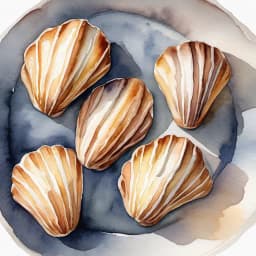
A moist and gentle madeleine from a Western confectionery brand operated by a long-established Fukui shop.
'Pejible' is a Western confectionery brand developed by Muranaka Kansendo, founded in 1910. The Kasuga Madeleine is a piece baked into an adorable shell shape with a moist batter rich in buttery flavor. The aroma of butter rises softly, and the soft texture melts delicately in your mouth. You can truly sense the serious craftsmanship involved in selecting ingredients with great care.
Presented in a box that is wonderful for gifts, it is perfect for small greetings or thank-you presents. It represents another lovely side of a long-established shop through its Western-style sweets.
A baked confection featuring a delightful double texture where Habutae mochi meets Castella.
Produced by Kinmeido, the original creator of Habutae mochi. This long-established shop, founded in 1847, has wrapped its prideful Habutae mochi and smooth red bean paste inside a soft, fluffy Castella sponge. It is a masterpiece that fuses traditional Japanese confectionery techniques with Western styles, allowing you to enjoy the dual texture of moist Castella on the outside and chewy mochi on the inside. The gentle sweetness of the red bean paste brings a mellow harmony to the entire treat.
A truly enjoyable sweet where every bite reveals new dimensions. It is a new Fukui specialty filled with the adventurous spirit of a long-standing tradition.
A rich chocolate cup confection produced by a long-established Japanese confectionery shop.
Muranaka Kansen-do was founded in 1910. This chocolate sweet was born from "Pejible," a Western confectionery brand operated by this famous maker of Habutae mochi. The deep, rich flavor of chocolate is tightly packed into bite-sized cup-shaped baked goods. The moist cake melts in your mouth, allowing the rich aroma of cacao to spread softly. It is a sophisticated treat for adults that pairs well with coffee or red wine.
Housed in an easy-to-gift box, it is a delightful treat for a little reward. You can truly feel the dedication that this long-established shop has poured into its Western confectionery.
A unique Fukui Japanese sweet where the savory aroma of soy sauce and the texture of walnuts leave a lasting impression.
Produced by Eitairo, a confectionery shop founded in 1923. This treat combines their prideful Habutae mochi with plenty of roasted walnuts, kneading in Fukui-produced soy sauce and steaming it slowly over a long period. Within the chewy and smooth Habutae mochi, pieces of fragrant roasted walnuts peek through. The subtle saltiness and richness of the soy sauce tighten the sweetness, creating a flavor that feels fresh and deep despite being a traditional Japanese sweet.
Perfect not only with tea but also as an accompaniment to a little alcohol. It is a distinctive Fukui specialty that shines with the playful spirit of a long-established maker.
A luxurious cheesecake with a gooey, semi-liquid center.
Produced by 'Pejible,' the Western confectionery brand operated by Muranaka Kansen-do—a long-established maker of Habutae Mochi founded in 1910. This semi-liquid cheesecake is baked with precise timing to ensure the center remains soft and flowing. Rich cheese melts out from within the fluffy batter. A delightful feature is that when chilled in the refrigerator, it transforms into a smooth texture similar to rare cheesecake.
Whether enjoyed as is or chilled, it is an indulgent item that offers two different flavors. Here lies the proven skill of a long-established shop applied to Western sweets.
A Japanese-Western fusion confection where Eitairo wraps raw chocolate in Fukui-grown Tancho Mochi (Habutae Mochi) and coats it in white chocolate powder. Winner of the Excellence Award at the 10th Fukui Prefecture Excellent Tourism Souvenir Awards.
A luxurious Habutae Mochi in both appearance and taste, featuring a whole large plum wrapped inside.
Produced by Muranaka Kansen-do, founded in 1910, the Ume Tsutsumi features large plums slowly simmered in syrup. The plums are wrapped with their seeds intact in white bean paste, which is then gently enveloped in soft Habutae Mochi made from Hokuriku glutinous rice. The white bean paste, kneaded with plum syrup, provides a refreshing aroma in the mouth. It offers a unique flavor where the chewy mochi, the moderate acidity of the plum, and the smooth, elegant white bean paste harmonize perfectly.
A highly skilled confection that has even won a Gold Award at the Japan Food Selection. This is a proud masterpiece from an established Fukui shop that provides satisfaction in a single bite.
Many of Fukui's specialties are available as furusato nozei (hometown tax) return gifts.You can order regional delicacies with just ¥2,000 self-payment.