東京都·その他
Shirose Sohonke Momoyama
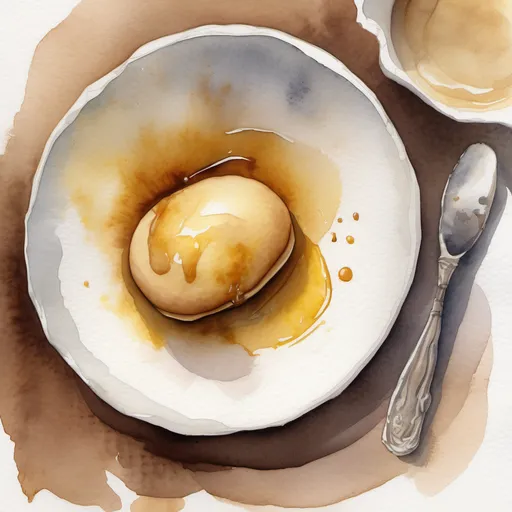
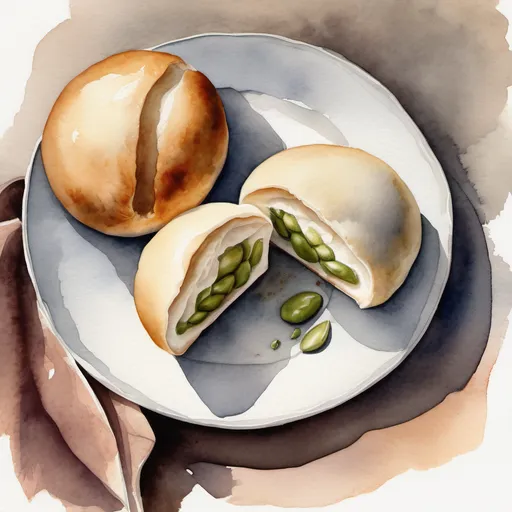
When you break through the moist jouyo (mountain yam) crust, smooth smooth red bean paste is revealed. Its gentle sweetness melts effortlessly on the tongue. The origins of Shirose Sohonke date all the way back to 1349. It is said that the founder, Join Hayashi, traveled from China to Japan and created bean-filled manju by sweetening adzuki beans for monks who could not eat meat. This was reportedly the first sweet bean paste in Japan. Eventually, these manju were presented to the Imperial Court and were highly regarded by Ashikaga Yoshimasa and Tokugawa Ieyasu. It is said that Yoshimasa even bestowed a sign calling it the "Number One Manju Shop in Japan." A true progenitor of manju, passed down for over six hundred years. An item you can savor deeply along with its long history.
Record it after reading
View all flavors/varieties (3 total)
Shirose Sohonke Sato no Ume
Shirose Sohonke, founded by Join Hayashi, who brought manju from the Song Dynasty, is a prestigious name in Japanese confectionery boasting over 670 years of history. "Sato no Ume" is a yellow bean paste confection with an adorable plum blossom brand. You can enjoy its elegant sweetness and a comforting, soft mouthfeel.
Shirose Sohonke Chestnut Manju
Shirose Sohonke is a long-established shop considered to be the birthplace of Japanese manju. Their tradition lies in confectionery making that pays attention to everything from the balance of crust and filling to the luster. The Chestnut Manju is a traditional item made by wrapping chestnut paste and baking it to a fragrant finish. Beneath the glossy baked crust, a fluffy, sweet chestnut paste peeks through.